What’s better than a good soup for lunches during the cooler months, or for a quick, healthy dinner in a time crunch? This Slow-Cooker Southwestern Bean Soup is a load-and-go crock pot recipe adaptation from one we found on Eating Well.
While there is really nothing “quick” about it because you first have to soak the beans overnight, the “fast” method in a slow cooker takes four hours on high, and the “slow” method takes seven or eight hours in the crockpot. Not exactly my idea of a quick turn-around. But the prep is quite simple and then its hands off for hours, allowing you to do other things.
As with many recipes, we alter them to suit or own personal preferences. In this case, we increased each of the three bean types from one-third cup to a half cup each. Then we included 4 pressed garlic cloves and a can of crushed tomatoes to address the moisture for the extra beans. All of these changes are noted below.
Bump up the Southwest flavors like we did with all, or some, of these garnishes of chopped fresh cilantro, some crumbled Cotija (or ricotta salata) cheese, sliced scallions and a squeeze of lime, if desired.
To make ahead: Cover and refrigerate for up to 3 days.
Soak black beans, great northern beans and kidney beans in water for at least 6 hours or overnight. Drain and boil in fresh water for 10 minutes. Drain and add to a 5- to 6-quart slow cooker.
Add oil, onion, celery, carrot, garlic, water, broth, tomatoes, barley, chili powder, cumin, oregano and salt to the slow cooker. Cover and cook until the beans are tender, about 4 hours on High, or 7 to 8 hours on Low.
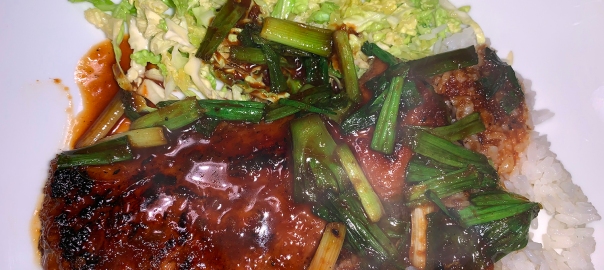
Japanese Ginger Pork (Shogayaki) is a recipe hailing from Milk Street. They explain that shoga means “ginger” in Japanese, and yaki translates as “grilled,” though the term is sometimes applied to foods that are fried or griddled. In the popular dish known as shogayaki, thinly sliced pork is cooked with a lightly sweetened, very gingery soy-based sauce.
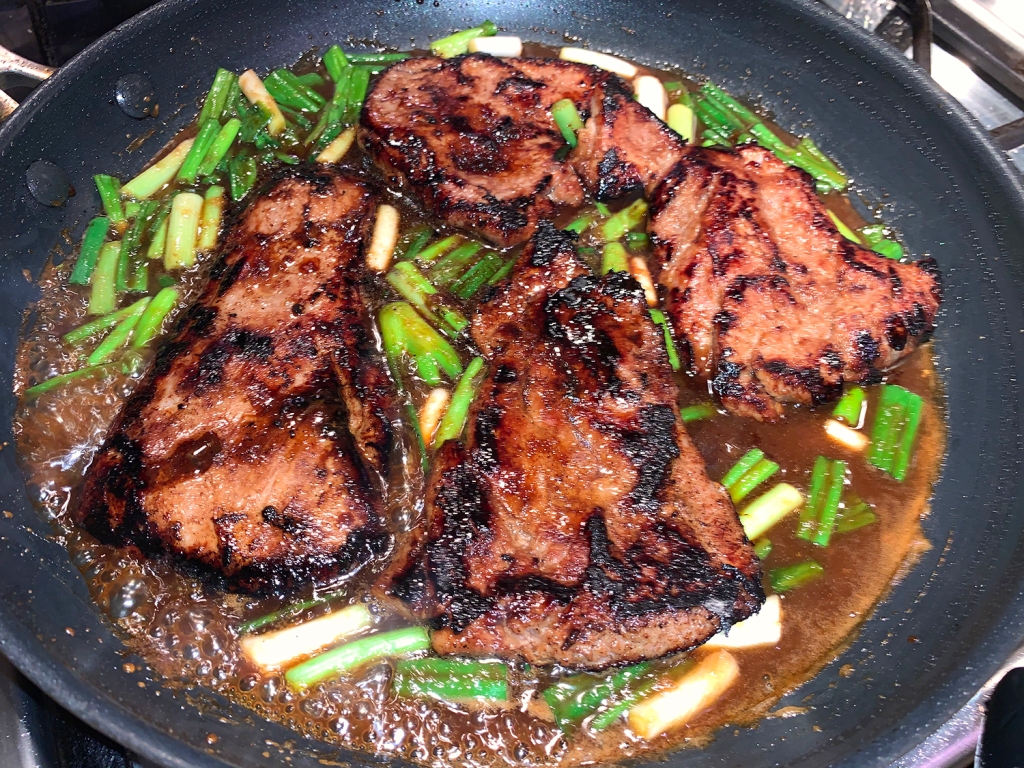
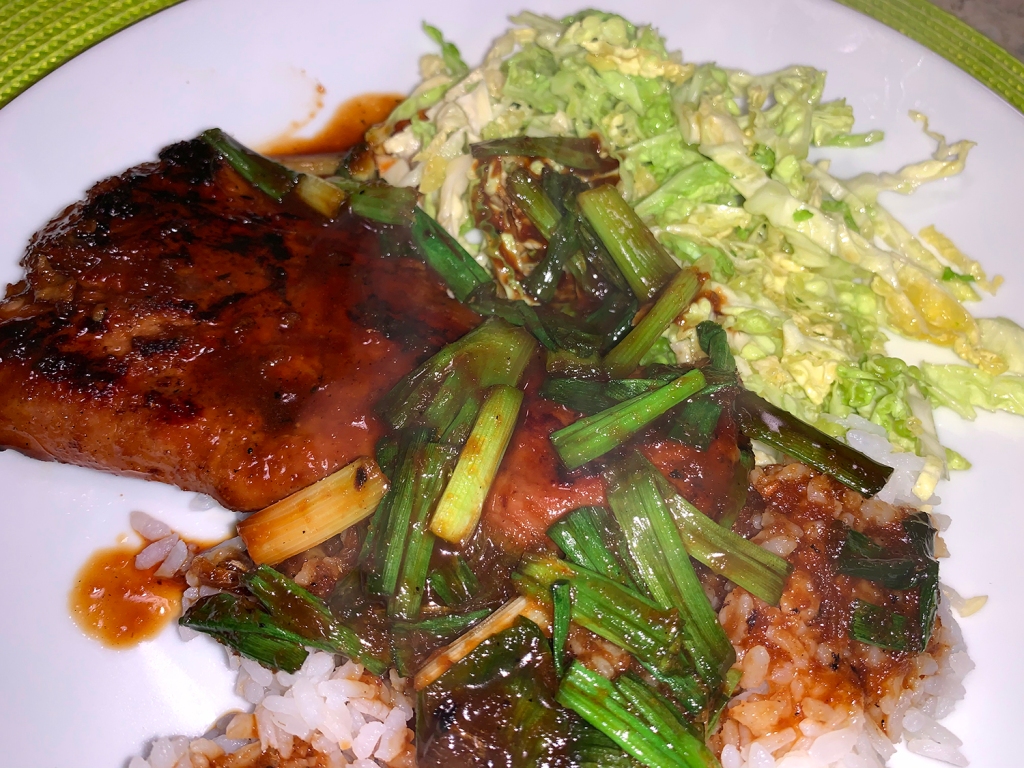
Here, pork tenderloins are cut into quarters and pounded into thin cutlets. A quick soak in a marinade that later becomes the sauce ensures the cutlets are thoroughly flavored. Shredded green cabbage and steamed rice are the classic accompaniments so we paired them with the entrée.
In Japan, the meat of choice for shogayaki is thinly sliced pork loin. The thin cuts of meat cook quickly and make it easier for the seasonings to penetrate. But because making thin, even slices requires some challenging knife work, the thin slices of pork tenderloin are pounded even thinner. As a bonus, the pounding breaks apart the muscle fibers, making it even easier for the meat to season. Additionally, ginger has an enzyme called zingibain that helps tenderize meat.
After another recipe once-over, we decided to double the sauce—soy sauce through fresh ginger. We’re glad we did, but would not double the white sugar next time, it was a tad too sweet. Another major change we made was to coat the shredded cabbage with a one-to-one mixture of rice vinegar and toasted sesame oil with a pinch of salt. Overall, we feel the cabbage should be increased by utilizing the entire head, especially if this meal is to feed four. Finally, we also added an extra half bunch of scallions.
TIP:Don’t crowd the skillet when cooking the cutlets. It’s usually best to cook them in two batches so they brown rather than steam. But how they fit in the skillet depends on their shape after pounding. If you can fit all four in your pan without them touching, cook all at once using the 2 tablespoons of oil.
½ small head green cabbage, cored and finely shredded (about 3 cups)
1 Tbsp. rice vinegar
1 Tbsp. toasted sesame oil
Cooked Japanese-style short-grain rice, to serve
Directions
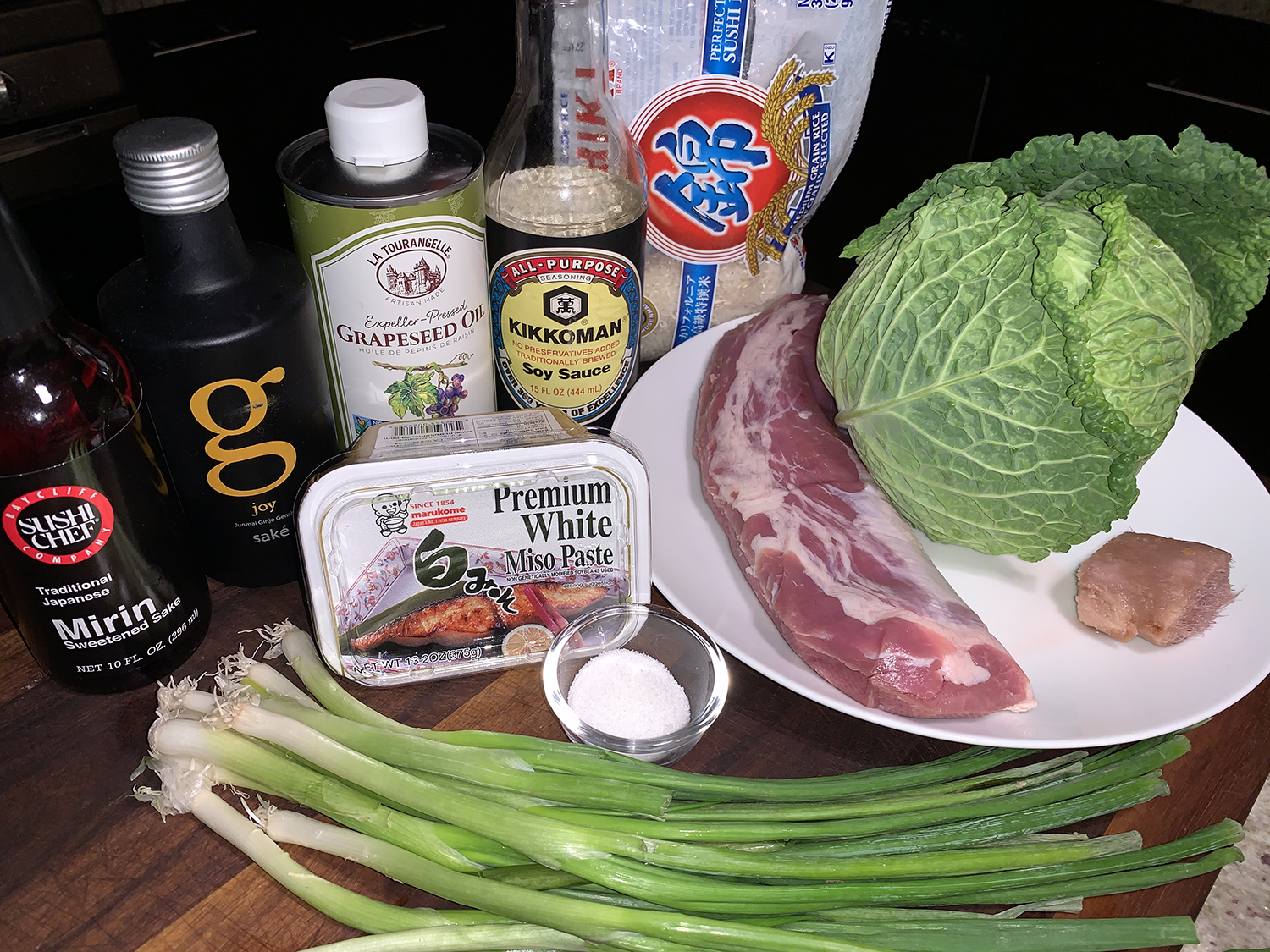
In a wide, shallow bowl whisk together the soy sauce, mirin, sake, miso and ginger.
Cut the pork tenderloin in half crosswise, making the tail-end half slightly larger, then cut each piece in half lengthwise. Place 2 pieces of pork between 2 large sheets of plastic wrap. Using a meat pounder, gently pound each piece to an even ¼-inch thickness. Repeat with the 2 remaining pieces.
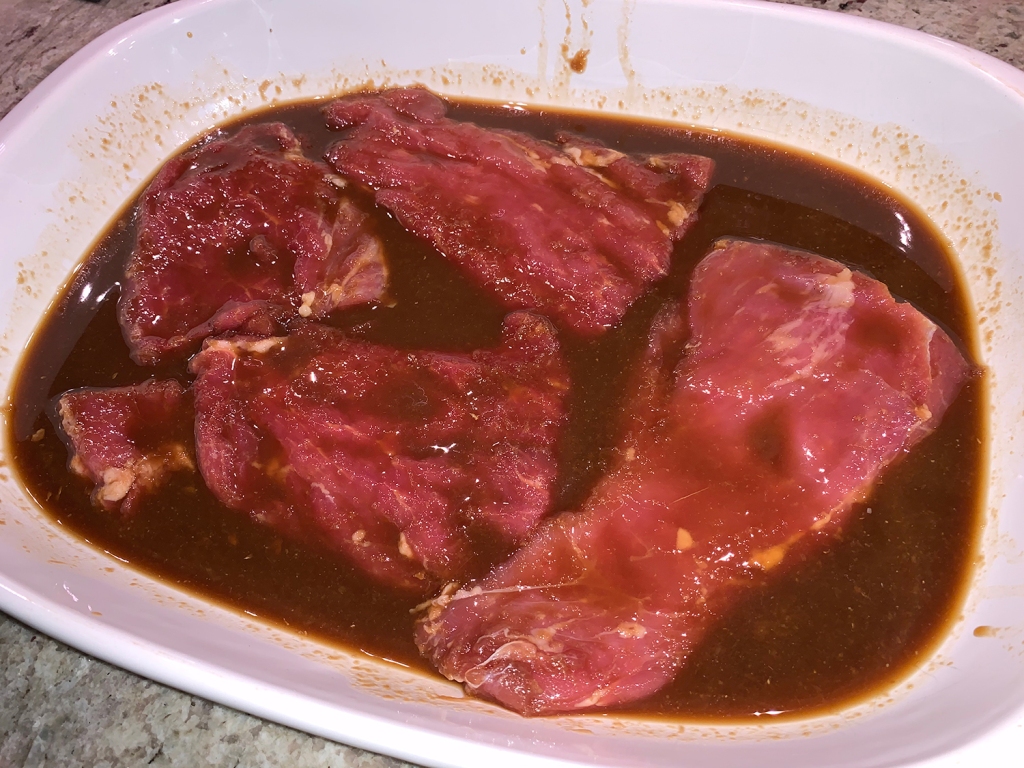
Add the cutlets to the soy mixture and turn to coat, then let marinate at room temperature for 15 minutes.
Mix the rice vinegar and toasted sesame oil together then add to a large bowl with the shredded cabbage and a pinch of salt. Mix well, and set aside.
In the meantime, cook the Japanese rice according to package directions.
Remove the cutlets from the marinade, letting the excess drain back into the bowl; reserve the marinade. Pat the cutlets dry with paper towels.
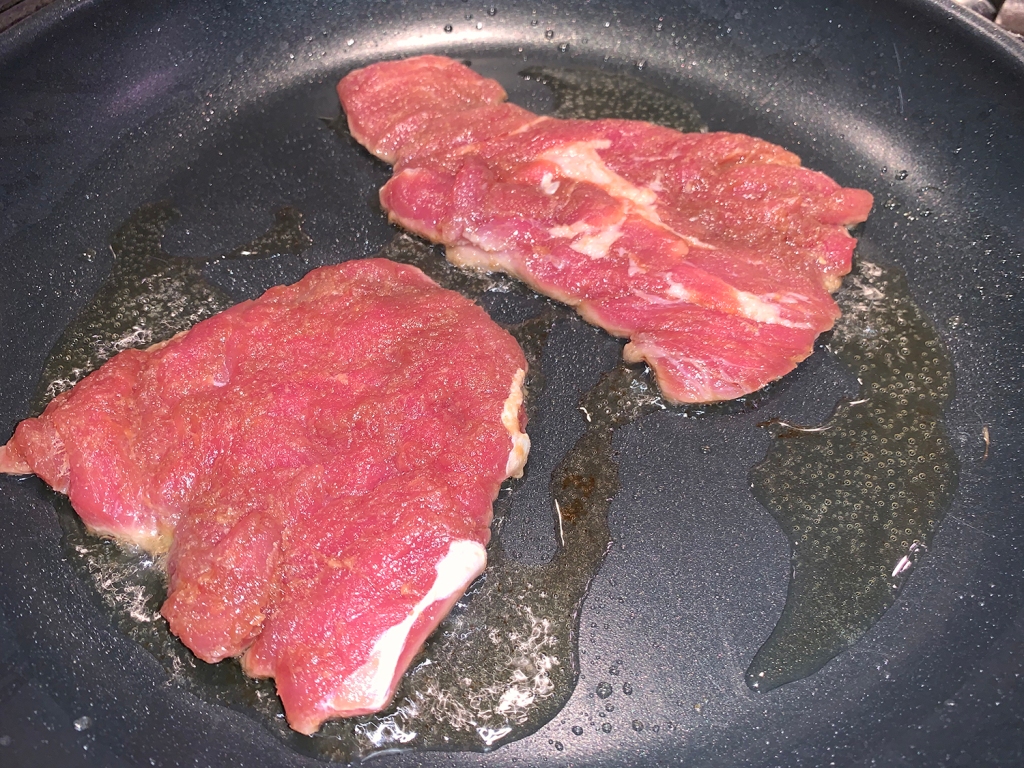
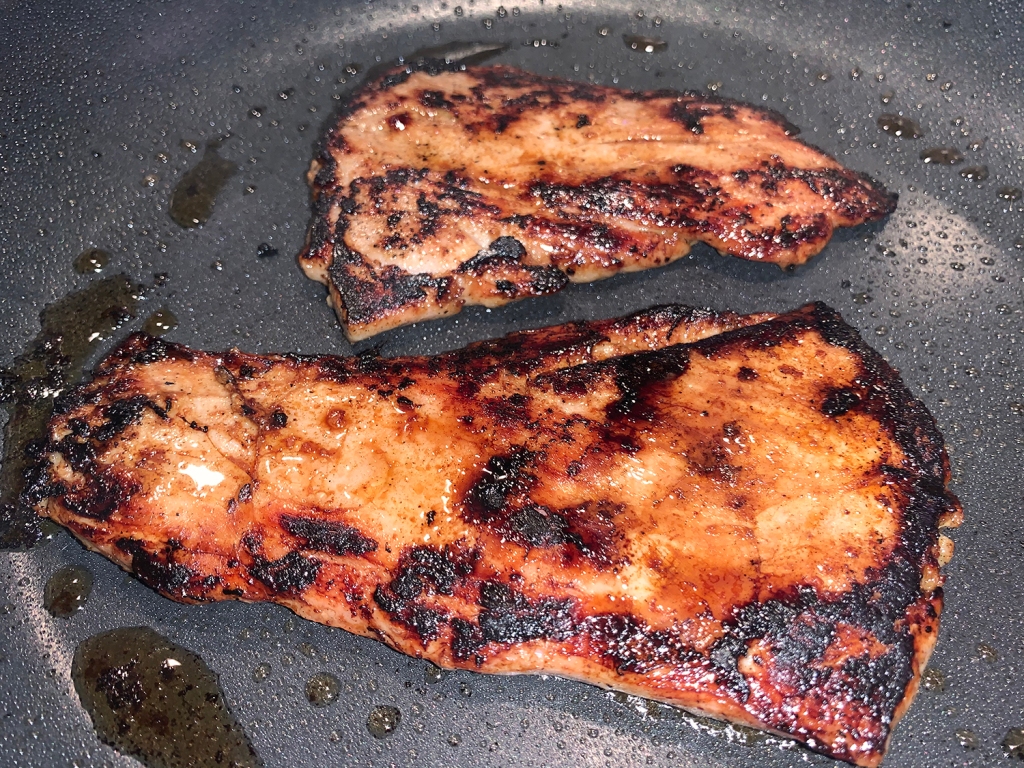
In a 12-inch skillet over medium-high, heat 1 tablespoon of oil until shimmering. Add the cutlets in a single layer and cook undisturbed until well browned, 2 to 3 minutes. Using tongs, flip each piece and continue to cook until the second sides are well browned, about another 2 minutes.
Transfer to a large plate, then wipe out the skillet with paper towels. Repeat with the remaining oil and cutlets.
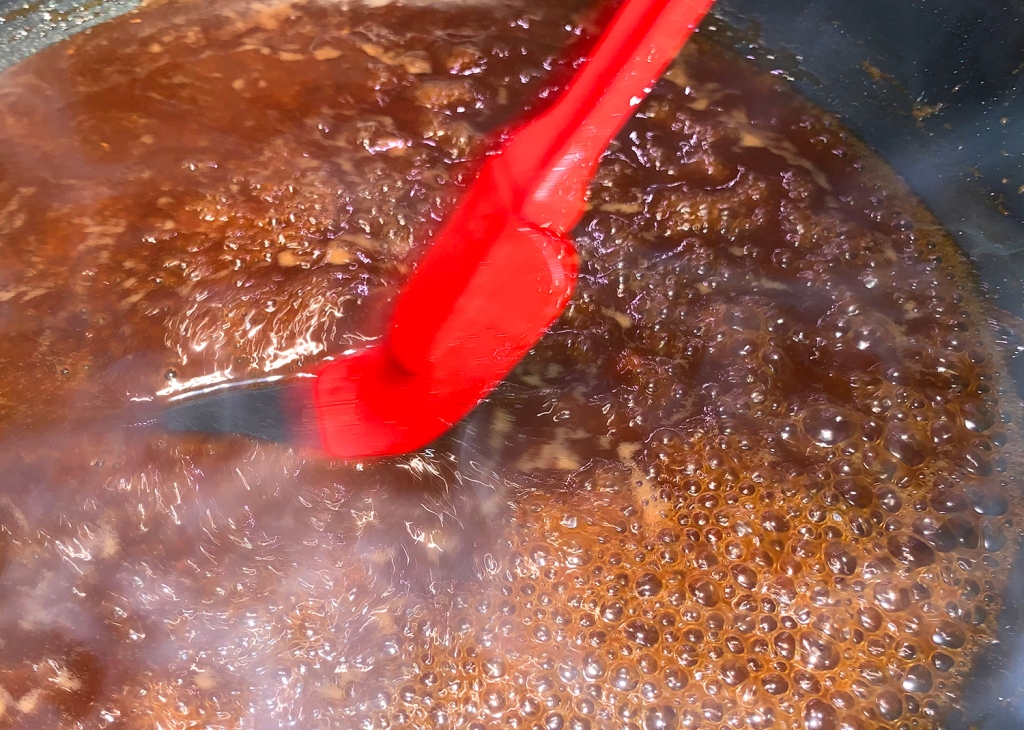
Return the skillet to medium-high and add the reserved marinade, the sugar and ¼ cup water. Bring to a simmer and cook, scraping up any browned bits, until the mixture thickens and a spoon drawn through it leaves a 1- to 2-second trail, about 3 minutes. (Because we doubled the sauce, it took twice as long to thicken properly.)
Stir in the scallions, then add the pork and any accumulated juices. Cook, stirring gently, until the scallions are wilted and the pork is heated through, about 1 minute.
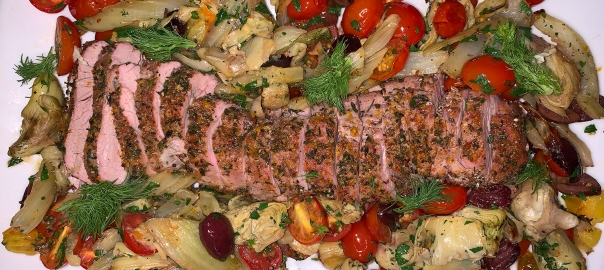
What many don’t realize is that prepping and cooking a big cut of meat can actually be easier and more forgiving than working with smaller cuts. According to chef Alan Bergo, you just need to know a few basic principles, and have a simple trick or two up your sleeve. Here he shares his favorite method for serving up a flawless roast leg of lamb on your first try. It employs a surprisingly simple kitchen hack known as the reverse-sear.
Truth be told, while we’ve done the reverse-sear method on a number of cuts of beef, this was our maiden voyage with lamb. In this case, the recipe called for a 3-4 pound leg of lamb, but ours was nearly 5 pounds so the cooking time was actually 2 hours and 20 minutes. We used an internal thermometer to measure the temperature the entire time it was roasting.
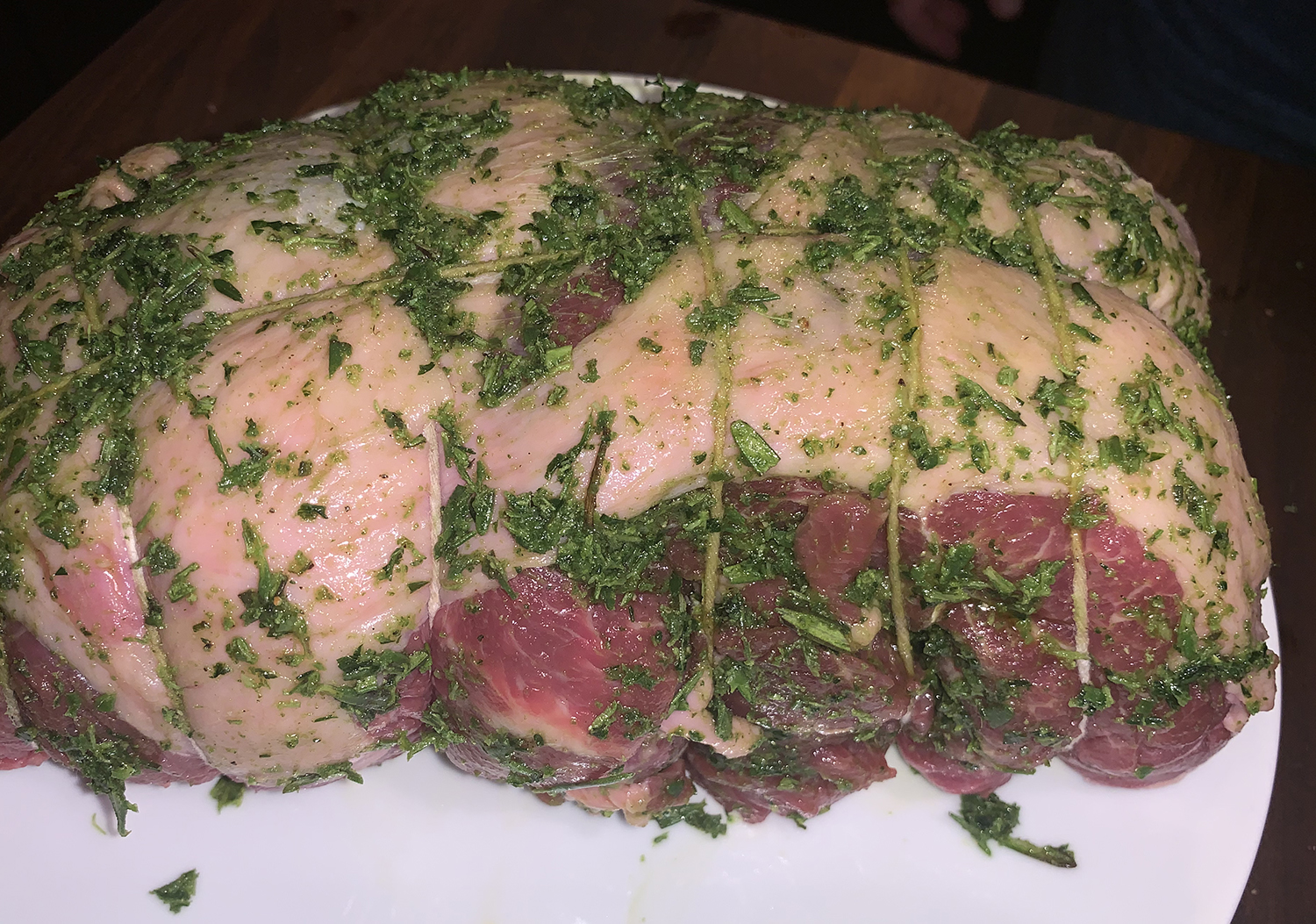
One ingredient not included in the original recipe was garlic, so we included 4 cloves and mashed them in a large mortar with salt. Next we added the herbs (which we increased from 1/4 cup to a 1/2 cup since our roast was larger), and mashed it altogether to make a paste.
The lamb entrée was paired with Smashed Sage-Butter Potatoes that were so tender and creamy and Balsamic Roasted Brussels Sprouts and Shallots. A word to the wise on the potatoes: make sure to get the small baby Yukons. This time around the store wasn’t carrying them, and we picked up 3+” potatoes, shown below. They came out wonderfully creamy, but the sagey butter didn’t really penetrate into the interiors as much.
1/2 cup aromatic herbs like rosemary sage and thyme, finely chopped
4 cloves of garlic, peeled and mashed in a mortar with salt
2 tsp. kosher salt or more to taste
1 tsp. fresh ground black pepper or more to taste
Extra-virgin olive oil
Directions
In a large mortar, mash the garlic cloves with kosher salt until pulverized. If using rosemary, mash that with the garlic and then finish with the remaining herbs.
Season the meat with salt, pepper and the garlic-herbs paste inside and out. Roll the leg up tightly and tie with kitchen twine to ensure even cooking. Let it sit uncovered in the fridge overnight.
The next day, 1 1/2 hours before you want to serve (assuming a 3-4 lb leg) preheat the oven to 250 °F and place the leg in the oven. Insert an internal thermometer if you have one and set it for 130° for medium-rare. If all you have is an instant-read thermometer, start checking after one hour to monitor the meat doneness.
When the internal temperature comes up to your target temperature (which could be 2 hours or more), remove the leg from the oven and allow to cool on its rack loosely tented with foil in a warmish location for 15-20 minutes.
Finally, rub some extra-virgin olive oil all around the roast and heat a few tablespoons of grape seed oil in the sauté or cast iron pan on high. Turn on the hood, and or open a window, since you’ll be using some high heat for a few minutes. When the oil is just starting to smoke gently, reduce the heat to medium-high and brown the roast deeply on all sides.
After the roast is browned, transfer to a cutting board, remove the twine, cut into slices with a sharp knife and serve immediately.
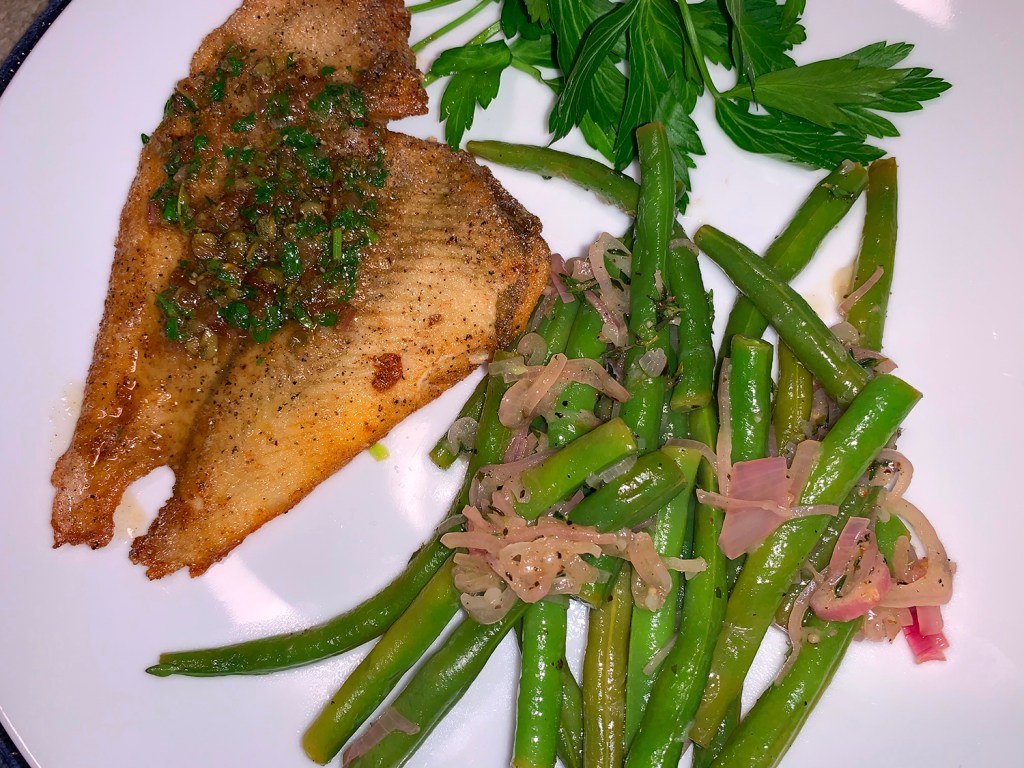
For deep flavor and a handsomely browned surface, the practice of pan-searing fish fillets on a hot stove and finishing them in the oven is your best bet. This luscious recipe is very simple and takes very little time to prep and cook.
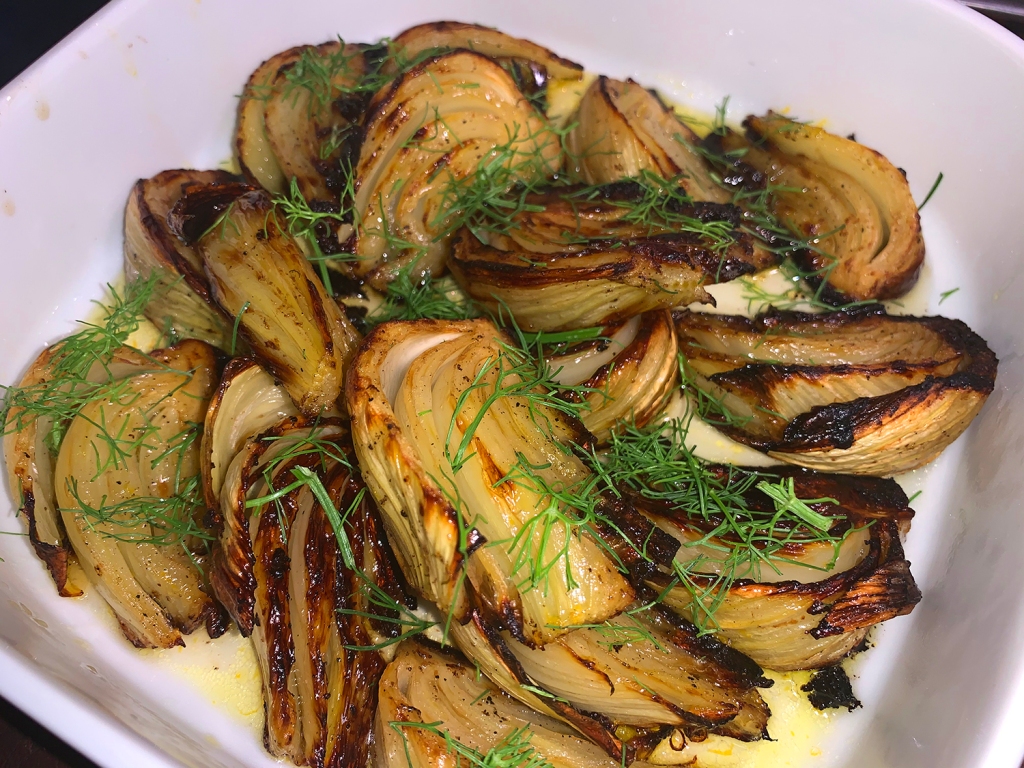
The idea for the butter mixture is that the heat from the salmon will melt just enough of the butter to sauce it lightly and leave a small amount unmelted so it’s apparent when served at the table. Our side dish of Roasted Fennel with Orange-Honey Dressing was a perfect complement to the salmon.
TIP: A metal fish spatula is a great kitchen tool to have, especially if you often cook fish at home. The thin-gauge, flexible metal head is designed to flip and lift delicate fish fillets without tearing them.
Sear-Roasted Salmon Fillets with Chive-Shallot Butter
2 Tbsp. peanut oil, grapeseed oil, or other neutral tasting oil
Chive-Shallot Butter
1/4 cup dry white wine or dry vermouth
1 Tbsp. finely chopped shallots
1/3 cup coarsely chopped chives
Kosher salt
4 Tbsp. unsalted butter, at room temperature
1/2 tsp. Dijon mustard
1 tsp. fresh lemon juice
Freshly ground balck pepper
Directions
Position a rack near the center of the oven and preheat to 425° (400° convection). Let the salmon sit at room temperature as the oven heats.
Set a 12-inch ovenproof skillet over medium-high heat and heat for 1-2 minutes. Meanwhile, pat the fish dry and season it liberally on all sides with salt and pepper.
Add the oil to the skillet. When it begins to shimmer, lower in the filets one by one, skin side up. Sear, without disturbing, until one side is nicely browned, lifting with a metal spatula (or fish spatula if you have one) to check that it’s well seared before committing to flipping, 1-2 minutes. Flip the filets and immediately transfer the skillet to the oven.
Roast until the thickest part of the filets are just firm to the touch, 5-7 minutes (or when an instant-read thermometer reads 130-135 for medium-rare). Carefully remove the skillet from the oven and serve the fish right away.
For the Chive-Shallot Butter: Combine the wine or vermouth and shallots in your smallest saucepan. Simmer over medium heat until the liquid is mostly evaporated, about 5 minutes; keep an eye on it so that the shallots don’t scorch. Set aside to cool.
Pound the chives with a 1/4 teaspoon salt in a large mortar to make a coarse paste (or grind in a small food processor).
Place the butter in a mixing bowl and, using a wooden spoon or paddle beater, beat until smooth.
Add the wine-shallot mixture, the pounded chives, and the mustard and lemon juice and stir until everything is incorporated. season with salt and pepper.
If you plan to serve the butter within a few hours, scrape into a small ramekin; other wise cover and refrigerate. Let sit at room temperature for about 15 minutes before serving.
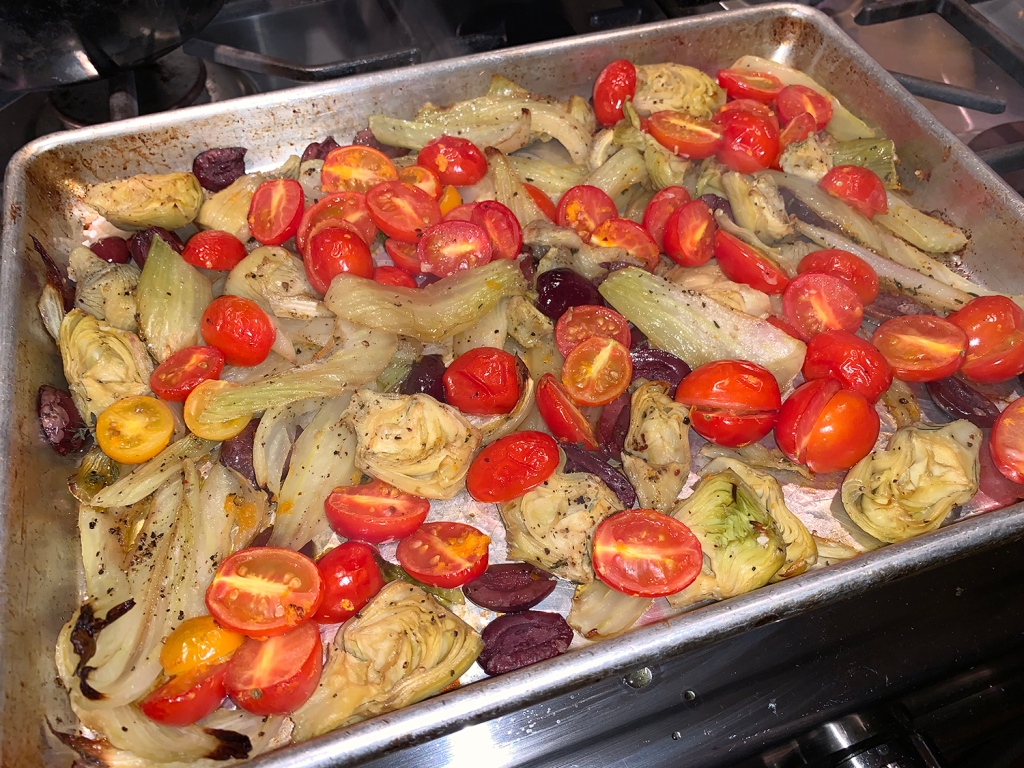
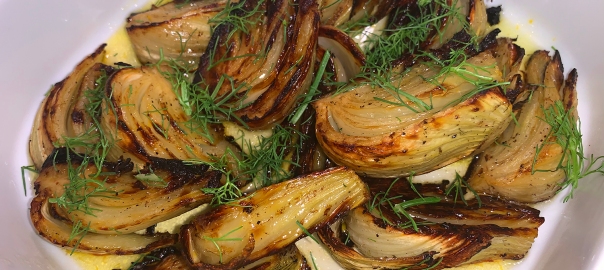
Fennel is a love it or hate it vegetable because of the intense anise flavors. But roasting the bulbous veggie helps mellow the licorice notes and turns its fibrous texture luxuriously creamy. For this roasted fennel, Cook’s Illustrated (CI) began by cutting the bulbs into wedges, which had two benefits: It provided good surface area for browning, and the attached core kept the pieces intact.
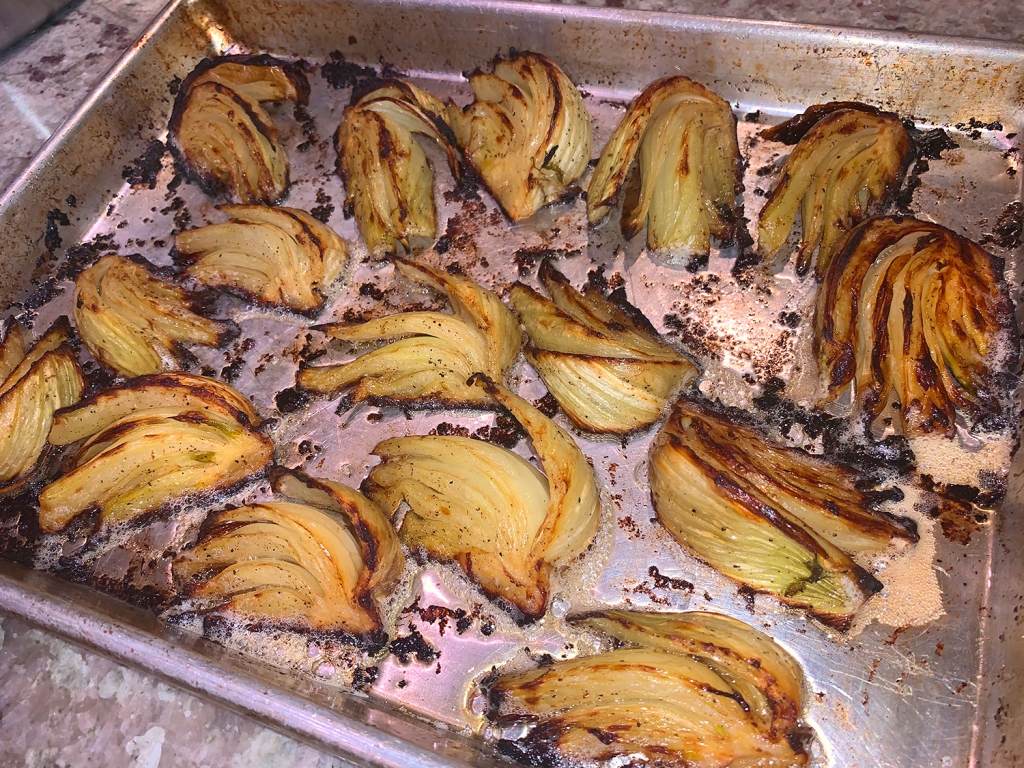
Covering the pieces with foil for most of the cooking time allowed them to steam and turn creamy; then remove the foil for the last 10 minutes of roasting so that they can turn golden and deliciously caramelized. Toss the wedges with salted water before covering them, which provides moisture for steaming and helps get seasoning between the layers.
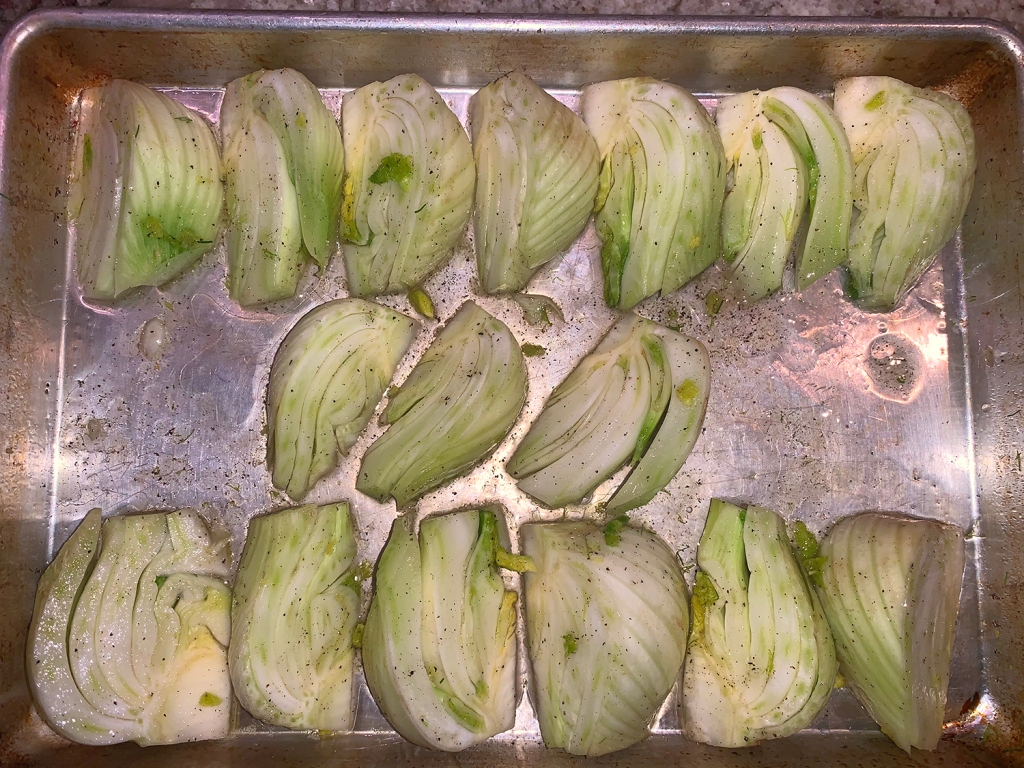
Arranging the pieces on the long sides of a rimmed baking sheet ensures that all the pieces get equal exposure to the heat and browned evenly. However, the original recipe did not specify what size rimmed baking sheet and we used the smaller quarter sheet pan instead of a half sheet pan. Because of that, we think it took much longer for the liquid to evaporate, thus much longer for the fennel wedges to brown. In fact, we even put them under the broiler at the end for a minute or so.
The tart dressing made with orange juice and honey is the perfect complement to the sweet fennel. WOW, we practically swooned when eating it! And it was a great side dish to complement our Sear Roasted Salmon entrée, but I changed the number of servings from 4-6 to 3-4; we almost finished it off between the two of us.
CI Note: Look for fennel bulbs that measure 3½ to 4 inches in diameter and weigh around 1 pound with the stalks (12 to 14 ounces without); trim the bases very lightly so that the bulbs remain intact.
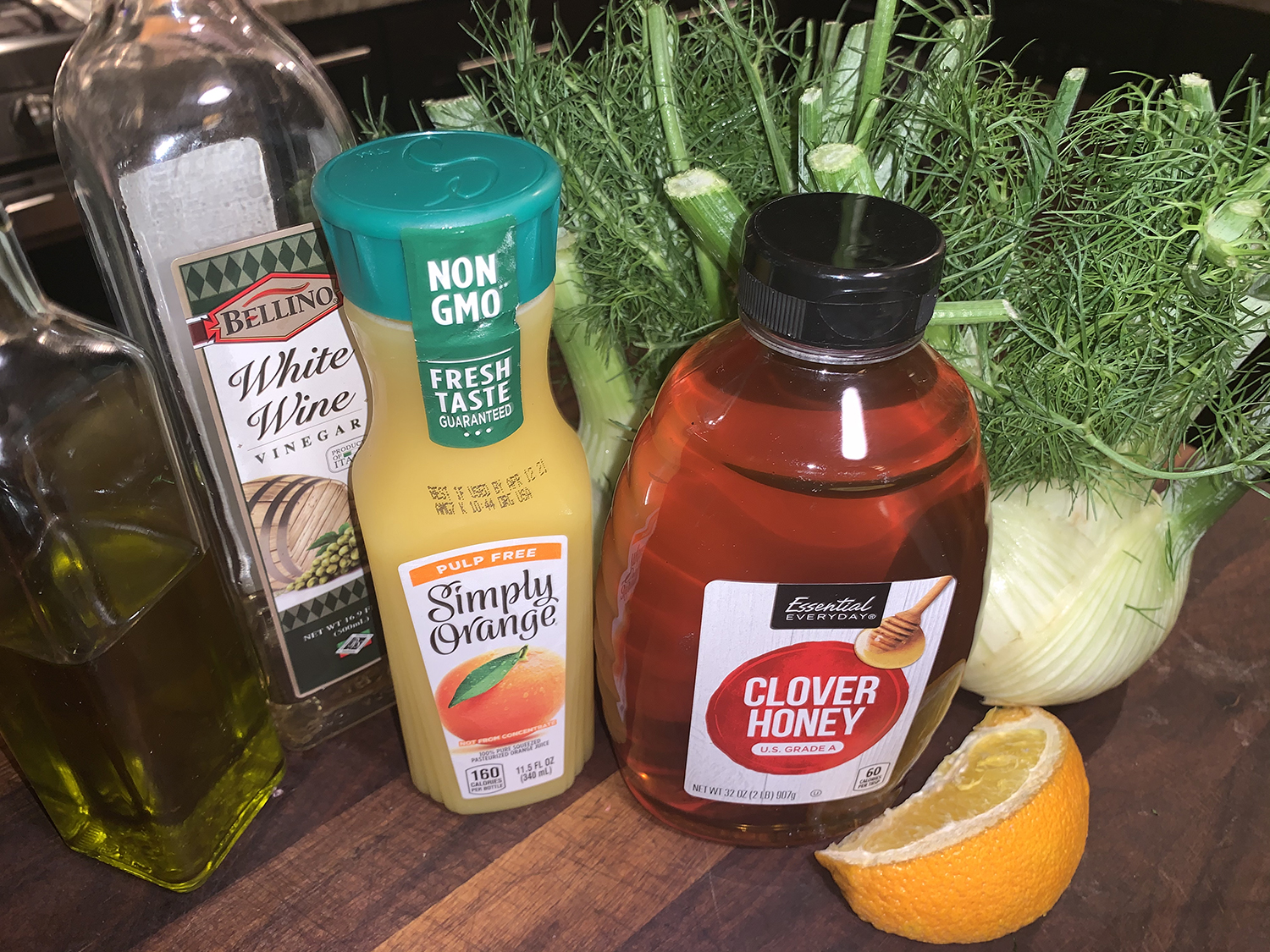
2 fennel bulbs, trimmed of stalks (but save some fronds for garnish), bases lightly trimmed
2 Tbsp. fronds chopped coarse, stalks discarded
2 Tbsp. water
1 tsp. kosher salt
3 Tbsp. vegetable oil
¼ tsp. pepper
Dressing
1 Tbsp. extra-virgin olive oil
2 tsp. honey
1 ½ tsp. white wine vinegar
⅛ tsp. grated orange zest plus 1 tablespoon juice
Pinch kosher salt
Directions
FOR THE FENNEL: Adjust oven rack to lower-middle position and heat oven to 450 degrees. Spray rimmed baking sheet with vegetable oil spray.
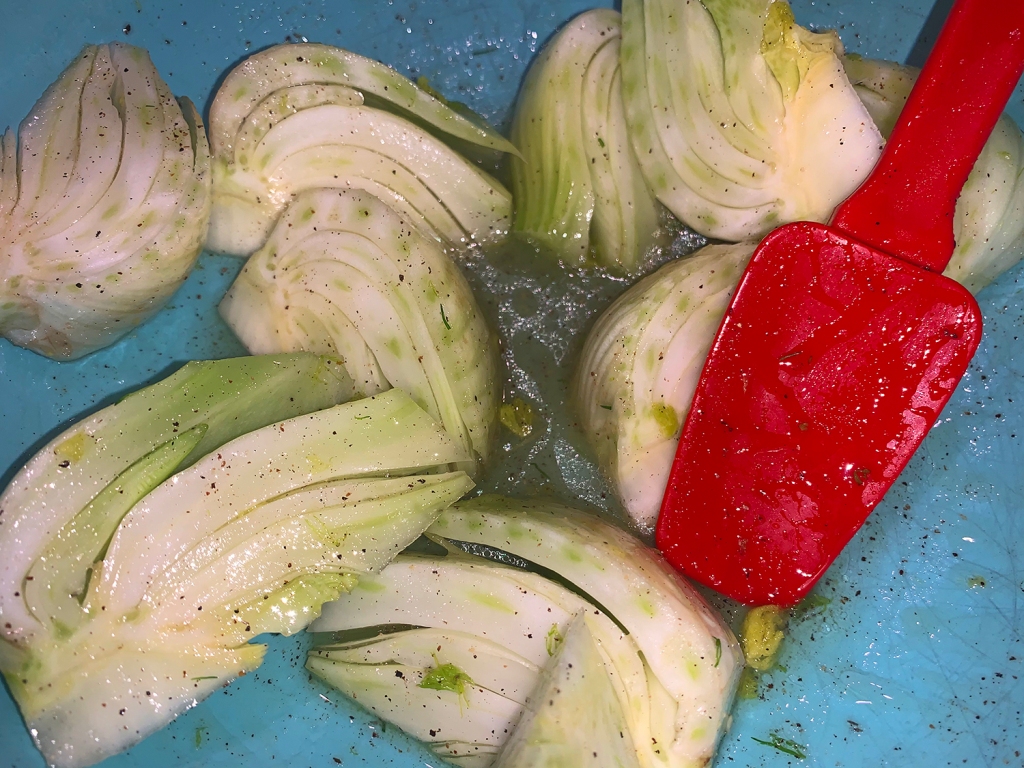
Cut each fennel bulb lengthwise through core into 8 wedges (do not remove core). Whisk water and salt in large bowl until salt is dissolved. Add fennel wedges to bowl and toss gently to coat. Drizzle with oil, sprinkle with pepper, and toss gently to coat.
Arrange fennel wedges cut side down along 2 longer sides of prepared sheet. Drizzle any water in bowl evenly over fennel wedges. Cover sheet tightly with aluminum foil and roast for 20 minutes.
Remove the foil from the sheet and continue to roast until side of fennel touching the sheet is browned, 5 to 8 minutes longer (this may take even longer than that), rotating sheet halfway through roasting.
Flip each fennel wedge to second cut side. Continue to roast until second side is browned, 3 to 5 minutes (or more) longer. Transfer to serving dish.
FOR THE DRESSING: While fennel roasts, whisk all ingredients together in small bowl.
Whisk dressing to recombine when ready to use. Drizzle dressing over fennel, sprinkle with fennel fronds, and serve.
This unique syrup-soaked chocolate cake was the perfect dessert for our Christmas dinner, however you don’t have to wait for a special occasion to make it.
Floral honey and piney, resinous rosemary combine for a surprisingly delicious match for chocolate, their flavors and aromas complementing and lifting the dark, bittersweet notes.
Erika Bruce for Milk Street
The cake has a fine crumb similar to pound cake, yet is tender and light, and the syrup makes it extremely moist. If you can, plan in advance and make the cake a day ahead; its texture improves as the syrup slowly soaks in. Store leftovers in an airtight container at room temperature for up to two days.
Tips: Don’t measure the ¾ cup water and then bring it boil it or too much will steam off as it heats. Instead, boil a larger quantity of water in a kettle or saucepan, then measure the ¾ cup. Don’t underbake the cake or it will sink as it cools. When testing doneness, make sure the toothpick comes out clean and dry from the cake’s center. Finally, to ensure even absorption, drizzle on the syrup in four applications, with a brief rest between each. If applied all at once, the syrup will pool on the surface and turn the top soggy.
10 Tbsp. (1¼ sticks) salted butter, room temperature
1 cup white sugar, plus 2 tablespoons for sprinkling
4 large eggs, room temperature
2 tsp. vanilla extract
½ cup buttermilk
For the Honey Syrup:
⅓ cup white sugar
⅓ cup honey
3 sprigs rosemary
Pinch of kosher salt
Directions
To make the cake, heat the oven to 350°F with a rack in the middle position. Mist a 9-inch springform pan with cooking spray, then dust with flour; tap out the excess. In a small bowl, whisk together the flour, baking powder, baking soda and salt.
In a medium bowl, combine the chocolate and cocoa. Pour the boiling water over top, jiggling the bowl to ensure all the chocolate is submerged. Let stand for 1 to 2 minutes, then whisk until smooth; set aside.
In a stand mixer with the paddle attachment, beat the butter and 1 cup sugar on low until just combined. Increase to medium-high and beat until light and fluffy, 2 to 3 minutes.
Reduce to medium and add the eggs one at a time, scraping the bowl once halfway through.
Reduce to low, then add the chocolate mixture and vanilla; scrape the bowl. With the mixer running on low, add about a third of the flour mixture, followed by half of the buttermilk, then scrape the bowl. With the mixer running, add half of the remaining flour mixture, followed by the remaining buttermilk, then finish with the remaining the flour mixture. Fold the batter by hand to ensure it is homogenous. The batter will be thick but pourable.
Transfer the batter to the prepared pan and spread in an even layer. Sprinkle evenly with the remaining 2 tablespoons sugar. Bake until the cake forms a thin, crisp center crust and a toothpick inserted at the center comes out clean, 40 to 50 minutes.
Meanwhile, make the syrup. In a small saucepan, combine the sugar, honey, rosemary, salt and ⅓ cup water. Bring to a boil over medium, stirring occasionally to dissolve the sugar. Transfer to a liquid measuring cup and cool to room temperature.
When the cake is done, cool in the pan on a wire rack for 15 minutes. Remove and discard the rosemary from the cooled syrup, then drizzle about a quarter of the syrup onto the warm cake. The syrup will not be immediately absorbed; let stand for about 5 minutes to allow it to soak in. Drizzle on the remaining syrup in 3 more applications, allowing a 5-minute rest between each.
Cool the cake completely in the pan, at least 1 hour, but preferably overnight (if storing overnight, wrap the pan in plastic and store at room temperature). To serve, run a paring knife around the pan to loosen the cake, remove the sides of the pan and cut the cake into wedges.
This delicious entrée, fancy enough for a special occasion (in our case Christmas), was derived from a few separate recipes; and the Honor Guard Roast was chosen over a Crown Roast. Both are show-stopping menu centerpieces but, chef-author Molly Stevens claims that the honor guard method is smarter and easier. And since we were not making a stuffing, we didn’t have to worry about arranging the two racks into a crown, which often then becomes too big to fit a normal size roasting pan.
The honor guard line up refers to the image of two rows of ceremonial guards standing facing each other with weapons, lifted and crossed to form a covered pathway. We preordered two 7-rib racks for a party of seven, allowing for a very generous two ribs per person (although most of us only had one rib each). Not to mention we grazed on this large charcuterie platter a couple of hours before dinner…
The Cider-Bourbon Sauce hailed from Allison Ehri Keitler for Fine Cooking, and was originally paired with a fennel-apricot stuffed crown roast of pork. As the sauce reduces down from two quarts of liquid to 1 1/4 cups of very concentrated deliciousness, you swear you might have copped a buzz from the bourbon! This Sauce is Boss, so don’t omit it.
2 7-rib roast of pork racks, chine bone removed and bones frenched
Kosher salt and freshly ground black pepper
Directions
Make the sauce reduction
Put the cider, bourbon, and chicken broth in a 3- to 4-quart (preferably 8-inch-wide) saucepan and bring to a boil over high heat.
Reduce the heat to maintain a very brisk simmer and cook until the sauce has reduced to 1-1/4 cups, about 1 hour. Set aside until the roast is done.
TIP: Sauce can be made a day ahead of time. Store in sealed container in the refrigerator. Reheat over low in a small saucepan. Continue with “the finish” as noted below.
Brine & cook the roast:
Brine: In a large bowl or 2-quart measuring cup, stir together the water, salt, brown sugar, and honey and stir until the salt and sugar have dissolved. Stir in garlic, rosemary and red pepper flakes.
Place roast racks in a large ziploc plastic bag. Add the brine and zip close the bag. Press out extra air, seal, and set in a deep baking dish to catch any leaks that may occur. Chill for 18-24 hours.
One hour before cooking, remove the pork from the brine and let the roast sit out at room temperature.
Preheat oven to 250°.
On a wire rack set into a rimmed baking sheet, assemble the two racks with bones up, leaning into each other and interlaced.
Transfer to the oven and roast until an instant-read thermometer inserted into the center of the pork registers 140°, about 2 hours. (Ours actually took an additional 45 minutes to reach 140°.)
Remove from oven and tent with foil for at least 15 minutes and up to 45 minutes.
Meanwhile, increase oven temperature to 500°, and when ready return the roast to oven cook until crisp and browned on the exterior, about 10 minutes; turning the pan halfway around after 5 minutes.
Remove from oven and tent with foil again, allowing to rest for 15 minutes.
Carve by slicing between the rib bones to divide the racks into chops.
Finish the sauce:
This sauce was AMAZING!
Shortly before serving, reheat the sauce in a small saucepan over low heat. Remove the sauce from the heat and whisk in the sour cream and vinegar.
Season the sauce to taste with salt, pepper, and additional vinegar. Transfer the sauce to a serving bowl.
This rich, creamy gratin gets a note of smokiness from the bacon between the layers of tender potatoes. A hand mandoline positioned over a large bowl makes an excellent tool for which to create perfectly sized potato slices.
Definitely company-worthy and impressive, not to mention sinfully decadent and flavorful, these were a big hit for all of us.
3 medium leeks, white and light-green parts only, thinly sliced
6 oz. grated Gruyère
1 Tbsp. chopped fresh thyme
1/4 tsp. freshly grated nutmeg
1/2 cup fresh breadcrumbs
1/4 cup finely grated Parmigiano-Reggiano
2 Tbs. unsalted butter, melted
Sweet paprika, for topping (optional)
Directions
Position a rack in the center of the oven and heat the oven to 400°F. Butter or oil a 3-quart gratin dish; set aside.
Put the potatoes, cream , 1/2 tsp. salt, and a few grinds of pepper in a 12-inch skillet. Simmer, partially covered, over medium to medium-low heat, stirring often and gently with a rubber spatula until the potatoes are barely tender when pierced with a fork or skewer, 8 to 12 minutes.
In a medium skillet, cook the bacon until browned and fully cooked. Set aside to cool, reserving 2 Tbs. of the fat in the skillet. Heat the reserved fat over medium-high heat and sauté leeks until tender, fragrant, and lightly browned. Season to taste with salt and pepper. When the bacon is cool, crumble it into small pieces.
Using a slotted spoon, transfer half the potatoes to the prepared gratin dish, spreading them evenly. Layer on the leeks, bacon, Gruyère, thyme, and nutmeg. Top with the remaining potatoes spreading them evenly, and pour over any liquid remaining in the pan.
In a small bowl, combine the breadcrumbs, Parmigiano-Reggiano, and melted butter. Evenly scatter the topping mixture over the potatoes. If using, sprinkle a light layer of sweet paprika over the breadcrumb topping.
Bake the gratin until it’s bubbly, the top is brown, and the potatoes are completely tender when poked with a fork or a skewer, 25 to 30 minutes. Let the gratin sit for at least 10 and up to 30 minutes before serving so the liquid is fully absorbed and the layers are cohesive.
Thickness matters. It’s not just about portion control because without an adequately thick steak, it’s very difficult to get that perfect contrast between exterior and interior. Start with good quality rib-eye or strip steaks that are 1 1/2″ to 2″ thick (ours was 1 3/4″), and weigh in at around 1 1/2 pounds.
Very thin steaks will tend to overcook before they can finish developing a nice crust, even over the hottest fire you can build. With sous vide in particular, using a thicker steak will help you maintain more of that perfectly cooked interior during the searing process.
So the question begs, which cooking option will you use to make the steak for two: in a sous vide bath, cast iron skillet or grill? Cooking steak the traditional way, in a cast iron skillet or on the grill, leaves lots of room for error, and an over- or undercooked steak is a big mistake to make when there’s a prime-grade piece of beef on the line. Plus, the fact that it was Winter with snow on the ground sort of dissuaded us from grilling…
Sous vide cooking takes all of the guesswork out of the process, delivering steaks that are cooked to precisely the temperature you like each and every time. Not only that, because sous vide is such a gentle cooking process, you’ll be able to achieve steaks that are evenly cooked from edge to edge. As you might have guessed by now, we chose the sous vide method.
In a water bath, the doneness of a steak is by and large determined by the maximum internal temperature it reaches during cooking. For instance, so long as a strip steak does not rise above 130°F (54°C), it will never cook beyond medium-rare. With traditional cooking methods, there is a very short window of time during which your meat is perfectly cooked. A minute too long will mean overcooked meat. With sous vide cooking, on the other hand, that window of time is stretched into hours, which means your steak will be hot and ready to go whenever you’re ready to sear and serve it.
Remember this: It’s better to cook one large steak for every two people than to cook two smaller steaks.
1.5 lbs. rib-eye or NY strip steak, 1 1/2 to 2-inches thick
Kosher salt and freshly ground pepper
1 bay leaf
2 sprigs of fresh thyme
2 garlic cloves, split in half
2 tsp. extra virgin olive oil
Directions
Mash the anchovy fillet into a paste on a cutting board with the side of a chef’s knife. Sprinkle the garlic with a pinch of kosher salt and mash it into a paste.
Put the butter in a small microwave-safe bowl and microwave it on high in 10-second bursts until it just begins to melt. Mash the butter with a fork and stir in the anchovy, garlic, parsley, capers, lemon zest, and a few grinds of black pepper. Set aside.
Fill a large pot about 3 quarters of the way full with water. Attach a sous vide unit and set for 129°.
While the water is heating, salt and pepper the steak and allow to rest for at least 30 minutes. Put steak in a gallon ziploc bag, add garlic, thyme bay leaf and olive oil. Seal the bag, removing as much air as possible and massage contents to distribute evenly.
Place the bag in the heated water once it reaches temperature. Allow to cook for 1 1/2 hours. Remove steak from bag.
Heat a dry cast iron or carbon steel skillet over high heat. Sear the steak until you achieve a nice crust on all sides and edges; about two minutes per side.
Cut the steak at a diagonal against the grain into 1/2-inch thick slices on a moated cutting board to catch the juices.
Move the sliced steak to a serving platter, drizzle with accumulated juices and serve the sliced steak topped with dollops of the butter, passing around any remaining butter.
This is a speedy version of slow-cooked Italian green beans, elegant in its simplicity. Sauté the haricots verts quickly to preserve their delicate texture, then toss them with a sauce of plum tomatoes and balsamic vinegar.
2 large plum tomatoes, roughly chopped and puréed in a food processor
1 Tbs. balsamic vinegar
Freshly ground black pepper
Shavings of Parmigiano-Reggiano,for garnish (optional)
Directions
Bring a pot of well-salted water to a boil. Add the beans and cook until bright green and just tender, 3 to 4 minutes. Drain and immediately plunge in a large bowl of ice water. Let cool for 3 to 4 minutes. Drain and set aside
Heat the oil in a large (12-inch) skillet over medium heat. Add the garlic and cook for about 1 minute.
Add the tomatoes and vinegar, sprinkle with 1/2 tsp. each salt and pepper, and cook, stirring until the mixture reduces by half, about 2 minutes.
Add the beans to the pan and cook until warmed through and coated with the tomato mixture, about 1 minute.
Taste the beans and season with salt and pepper if needed; garnish with shavings of Parmigiano-Reggiano if desired. Serve immediately.
“Kielbasa,” the Polish word for “sausage” typically carries a more pronounced garlic flavor and is lightly smoked. When you purchase kielbasa in the grocery store, it has already been smoked and pre-cooked so you are automatically saving cooking time with this ingredient.
While microwaving the potato pieces also saves time, the results are uneven. In fact, they were nowhere near done after four minutes, so I zapped them for another four. If you can spare a bit of extra time, I suggest boiling the potatoes in water until soft for a more uniform tenderness.
After the fact, we thought the softened potatoes should have been browned with the onion to get a crisp on the outside. It’s nearly impossible to do so in the crowded pan with all of the sausage.
Our conclusion? The original recipe (as listed below) was too sweet with two tablespoons of brown sugar. If like us, you prefer a more savory flavor, cut back on the brown sugar to—at most—one tablespoon; and increase the amount of Dijon mustard. Finally, using only half an onion seemed a bit underwhelming so an entire onion was chopped.
1 lb. red potatoes (3-4 medium), cut into 1-inch pieces
3 Tbsp. water
2 Tbsp. brown sugar
2 Tbsp. cider vinegar
1 Tbsp. Dijon mustard
1-1/2 tsp. minced fresh thyme or 1/2 tsp. dried thyme
1/4 tsp. pepper
1 Tbsp. olive oil
1/2 cup chopped onion
3/4 1b. smoked kielbasa or Polish sausage, cut into 1/4-inch slices
4 cups fresh baby spinach
5 bacon strips, cooked and crumbled
Directions
Place potatoes and water in a microwave-safe dish. Microwave, covered, on high until potatoes are tender, 3-4 minutes (ours took 8 minutes); drain.
Meanwhile, mix brown sugar, vinegar, mustard, thyme and pepper. In a large skillet, heat oil over medium-high heat; sauté onion and kielbasa until onion is tender.
Add potatoes; cook and stir until lightly browned, 3-5 minutes. Stir in brown sugar mixture; bring to a boil. Reduce heat; simmer, uncovered, 2 minutes, stirring occasionally.
Pork shoulder is a classic for braising. The meat turns nearly spoonable but still slices nicely, and leftovers are great for sandwiches. In this recipe the pork is combined with dried cherries and sweet potatoes, balancing their sweetness with the slightly bitter taste of Guinness stout and molasses. Odd combination? I thought so too, but OMG, it was fantastic!
It hailed from renowned Chef Daniel Boulud’s cookbook “Braise, A Journey Through International Cuisine” where all of his recipes are influenced with a global perspective. We know that braising transforms inexpensive, tough cuts of meat into succulent soft morsels. And as Daniel writes “In fact, the cheaper, more sinewy, and more chewy the meat is to begin with, the more delectable it’s texture and the thicker the sauce after cooking.”
The original recipe, which is depicted below, calls for a 5-1/2 pound shoulder roast. We happened to have a 3-1/2 pound pork roast on hand, so that’s what we used and adjusted the other ingredients to follow suit. Then we completed the meal with roasted cauliflower and carrots.
Don’t forget to make the Guinness stout and cherry sauce ahead of time. It needs to sit for at least an hour or be refrigerated overnight for the flavors to meld.
Pork Shoulder with Guinness, Dried Cherries and Sweet Potato
Coarse sea salt or kosher salt and freshly ground black pepper
3 large red onions, peeled and sliced
1/2 tsp. crushed black pepper
4 garlic cloves, peeled and finely minced
1 Tbsp. tomato paste
5 whole allspice, crushed
2 bay leaves
1/4 cup molasses
3 Tbsp. packed dark brown sugar
2 lbs. sweet potatoes or yams, peeled and roughly chopped
Directions
Bring the stout, cherries, and vinegar to a simmer in a saucepan. Transfer to a bowl, cover tightly with plastic wrap, and let sit for at least 1 hour, or refrigerate overnight.
Center a rack in the oven and preheat the oven to 300°F.
Warm the oil in a large cast-iron pot or Dutch oven over high heat. Season the pork shoulder with salt and ground black pepper and sear on all sides until golden brown, 12 to 15 minutes. Transfer the pork shoulder to a platter. Remove all but 2 tablespoons of the fat in the pot.
Add the onion and the crushed black pepper to the pot and sauté for 7 minutes. Add the garlic and continue cooking until the onions are translucent, about 3 minutes. Stir in the tomato paste and cook for 2 to 3 minutes longer.
Add the pork shoulder, the marinated cherries and liquid, allspice, bay leaves, molasses, brown sugar, 1 teaspoon salt, and 2 cups water. Bring the mixture to a simmer.
Cover the pot, transfer it to the oven, and braise for 1 hour, turning the pork once during cooking. Add the sweet potatoes and continue to braise for 2 more hours, turning two more times. If the sauce is too thin or is not flavored intensely enough, ladle most of it off into another pot and simmer it until it thickens and intensifies. Then add it back to the first pot.
Our long-time friend Merry Sue was going to be staying overnight with us so we wanted to prepare an elegant, yet simple meal. After assuring that she did indeed like lamb, we went to one of our tried and true braising wizards, Molly Stevens, and found this Braised Lamb Shanks with Garlic & Vermouth (Souris aux Aulx) recipe.
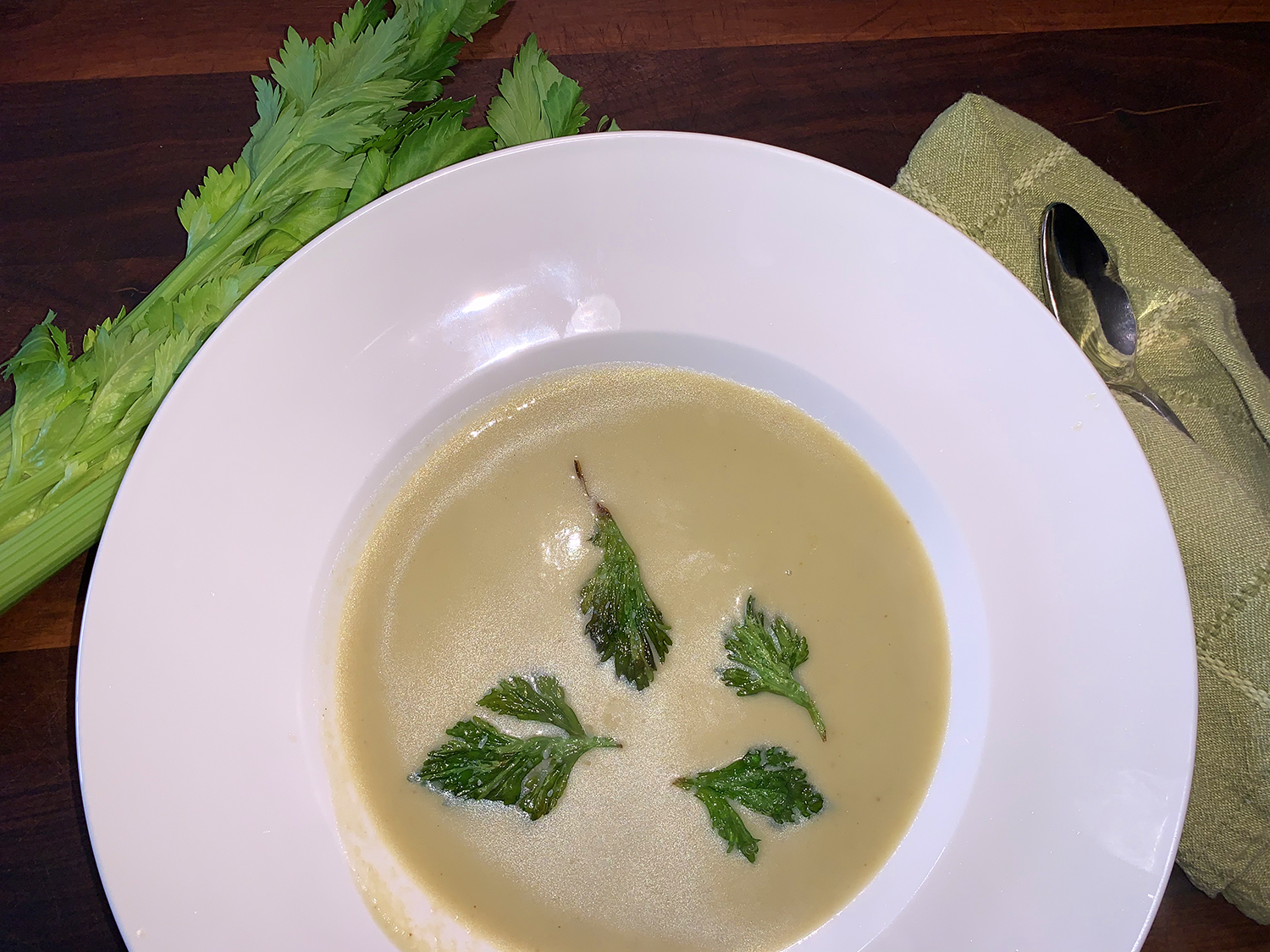
Given that I was gallery-sitting all afternoon the day she arrived, and wouldn’t be home until the evening, The Hubs smartly braised the shanks the day before (see tip below). The entrée was paired with two other tried-and-true side dishes: Dorie Greenspan’s Celery Root Purée and a most recent Balsamic Roasted Brussels Sprouts and Shallots.
As there were only three of us and the recipe fed six, we halved only the number of shanks but kept all of the other ingredients at full throttle. In fact, if you are making six shanks, you may want to double everything else for the extra sauce. The recipe enhances the flavor of lamb. It is truly delicious and so simple to make; elegant enough for a dinner party or special occasion, yet it’s quick to prep, and is almost effortless as a casual supper.
TIP: The dish can be made up to three days ahead. After braising, transfer the shanks to a baking dish. Strain and season the sauce as directed in the recipe. Pour a little strained sauce over the shanks to moisten them. Refrigerate the shanks and the sauce separately, both tightly covered. Before serving, reheat the chilled sauce, pour it over the shanks in the baking dish, cover the dish with foil, and warm in a 325ºF oven for about 30 min. Finish with the herbs and black pepper, and serve.
1 cup dry white vermouth, preferably Vya or Noilly Pratt
2 bay leaves
2 heads garlic, separated into cloves (unpeeled)
2 tsp. fresh lemon juice; more as needed
1/4 cup chopped fresh herbs, preferably a mix of mint and parsley (chervil and chives are also good)
Directions
Position a rack in the lower third of the oven and heat the oven to 325°F. If necessary, trim any excess fat from the lamb shanks, but don’t trim away the thin membrane that holds the meat to the bone (we mistakenly did). Season the shanks all over with salt and pepper.
Heat the oil over medium heat in a large Dutch oven or other heavy braising pot large enough to accommodate the lamb shanks in a snug single layer. When the oil is shimmering, add half the shanks and brown them on all sides, 12 to 15 min. total. Set the browned shanks on a platter. Repeat with the remaining shanks. When all the shanks are browned, pour off and discard the fat from the pan.
Set the pan over medium-high heat and add the vermouth. As it boils, stir with a wooden spoon to dissolve any drippings. Return the shanks to the pan, arranging them as best you can so they fit snugly. Tuck the bay leaves in between the shanks and scatter the garlic over them. Cover and braise in the oven, turning the shanks every 45 min., until fork-tender, 1-1/2 to 2 hours.
Transfer the shanks to a platter and cover with foil to keep warm. Tilt the braising pot to pool the juices at one end and skim off and discard any surface fat. Pour what remains in the pot into a medium-mesh sieve set over a bowl. Discard the bay leaves. With a rubber spatula, scrape over and press down on the garlic cloves so the pulp goes through but not the skins; be sure to scrape the pulp clinging to the bottom of the strainer into the sauce. Whisk in the lemon juice. Taste and add salt, pepper, and more lemon juice if needed. To serve, pour the sauce over the shanks and shower them with the chopped herbs and a little freshly ground pepper.
This light and soothing soup was just the ticket on a recent Winter night; and the following day was our first snowstorm of the season so the leftovers were perfect for lunch. Watercress adds a peppery note to the soup; while lime juice provides a bright note. Of course it’a always best to use homemade chicken broth if you have it on hand because of the depth it brings to the overall flavor.
Slices from a sour dough baguette were a perfect accompaniment.
Look for “live” watercress, which is packaged with its roots attached, it stays fresher longer and is easier to clean. To prep it, trim off and discard the roots, rinse and drain the greens, then cut them into 1½-inch lengths, discarding any stems that are thick or tough. If you prefer, substitute an equal amount of baby spinach for the watercress. We actually doubled the amount of watercress to two bunches.
Tip: Don’t leave the meatballs at room temperature after shaping them. Chilling firms them so they hold together when added to the simmering broth.
Our package of ground pork was 1 1/4 pounds and therefore we ended up with 27 meatballs as opposed to 20. When you drop the refrigerated meatballs into the hot broth, they initially sink, but don’t worry, as they heat, they will rise to the top.
Line a rimmed baking sheet with kitchen parchment and mist with cooking spray.
In a medium bowl, combine the pork, scallion whites, egg white, 1 tablespoon of the fish sauce, 2 teaspoons of the ginger, 1¼ teaspoons kosher salt and 1 teaspoon white pepper. Mix with your hands. Lightly moisten your hands with water and form into 20 balls, each about a generous tablespoon, and set on the prepared baking sheet. Cover and refrigerate.
In a large Dutch oven over medium, heat the oil until shimmering. Add the onion and cook, stirring occasionally, until beginning to soften, about 5 minutes.
Add the remaining 2 teaspoons ginger and the garlic, then cook until fragrant, about 30 seconds.
Add the broth and bring to a boil over high. Reduce to medium-low and simmer, uncovered, until the onion is fully softened, about 10 minutes.
Add the meatballs, bring to a simmer over medium-high, then reduce heat to maintain a simmer. Cook undisturbed until the meatballs are cooked through, 160°F at the center, 8 to 10 minutes; cut through a meatball to check for doneness.
Off heat, stir in the watercress and remaining 2 tablespoons fish sauce. Let stand until the greens are wilted and tender, about 1 minute.
Stir in the lime juice. Taste and season with salt and pepper, then stir in the scallion greens.
Is it soup, or is it an entrée? Call it whatever you want, but this richly flavored main dish is sure to get your attention. And once you taste the end product, you won’t believe how GOOD it is with very little work and not a lot of ingredients. It is rich folks, so a simple side salad pairs well.
We already know that a large chunk of time is necessary to achieve a successful fork-tender, falling-apart pot roast. Like at least three hours in the oven, depending on the size of your roast. But the good news is the low and slow oven does most of that flavor-building for you.
The credit for this recipe goes to 12tomatoes.com. Of course we usually have to make some changes to suit our preferences, one of which was the addition of four large garlic cloves. Plus we sautéed the onion and garlic in the braising pot after removing the seared roast. And next time (because that WILL be happening) we intend to increase the number of onions to 5 or 6. Then midway through the braising, about 90 minutes in, the roast was turned over so that both sides made contact with the bed of caramelizing onions.
Three cups of broth results in a brothier outcome, so if loose and yummy is your desire, stick with that. If you want more of a slice-able pot roast with French onion flavor, scale the broth back to two cups—although we don’t advise it. Much the same way it does in the original French Onion Soup incarnation, the bread soaks up a good bit of that beefy, oniony, brothy deliciousness here.
TIP: Culinary bear claws work best for shredding the roast after the braising step.
1 baguette, cut into 1/2-inch slices (you might not need the entire loaf)
1 1/2 cups Gruyere cheese, grated
Kosher salt and freshly ground black pepper, to taste
Directions
Preheat oven to 325°F.
Season roast liberally with salt and pepper, and some of the thyme.
Add olive oil to a Dutch oven or heavy-bottomed pot over medium-high heat.
Once oil is hot, add roast and sear until deep brown, 4-5 minutes per side. Remove roast and set aside.
Add onions and garlic to pot, sauté for 4-5 minutes. Nestle the remaining thyme into the onions, place the chuck roast on top, add beef broth and Worcestershire sauce. Lay a sheet of parchment over the top of the pot extending beyond the edges, cover, and transfer to oven.
After 90 minutes, turn the roast over, recover the pot with parchment and lid, then cook another 1 1/2 to 2 hours, for a total of 3 to 3 1/2 hours.
Remove from oven and remove thyme sprigs. Shred beef into chunks.
Turn oven to broil on high.
Top with baguette slices and Gruyere and return to oven, uncovered. Broil until cheese is bubbly and golden brown, about 2 minutes. (Under our gas broiler it took 5 minutes before the cheesy baguettes became golden brown.)
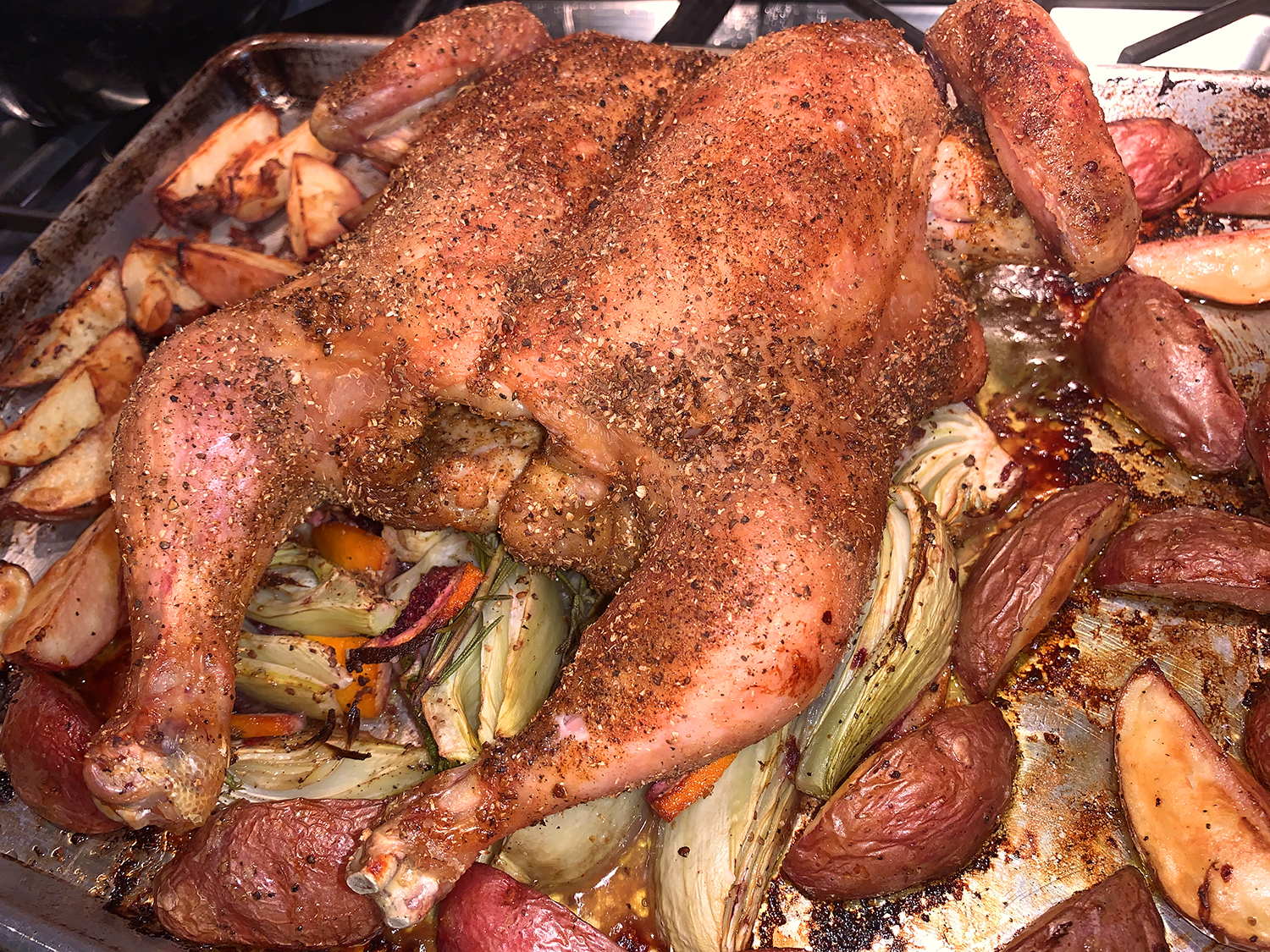
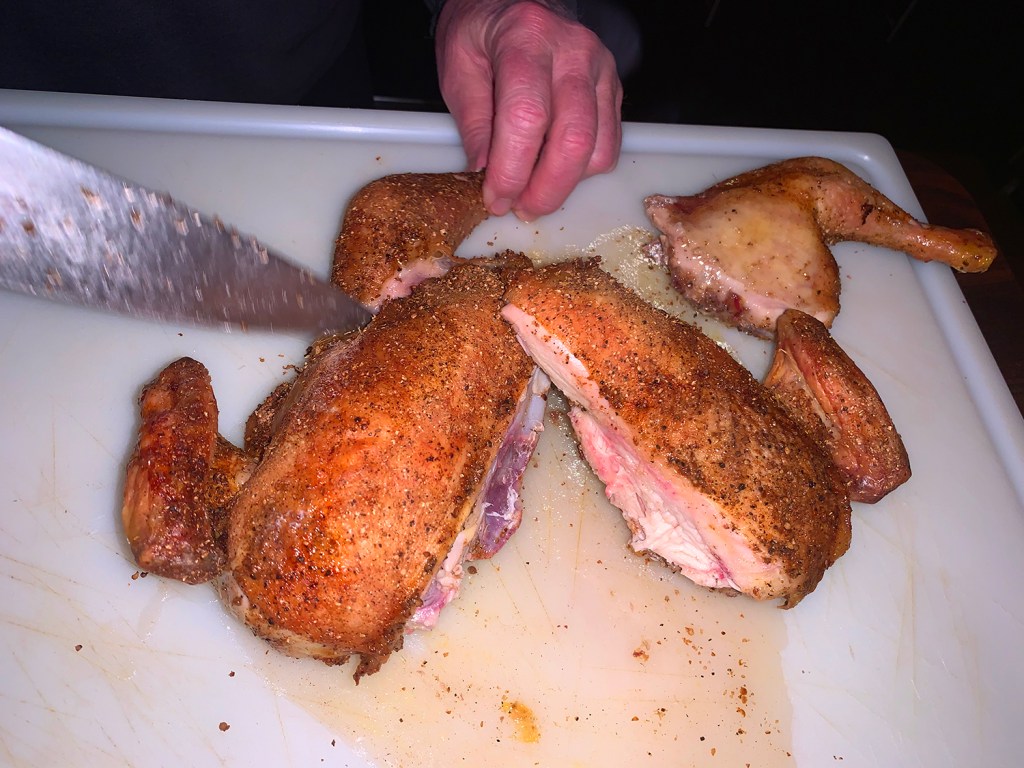
Chicken under a brick is an approach similar to Italy’s pollo alla mattone. In Italy, instead of simply seasoning the meat, cooks build flavor by marinating it in lemon juice, olive oil, garlic and herbs, such as rosemary, then searing the chicken, skin side down, with bricks on top. They then usually flip it and finish it in the oven. Here, we spatchcock the bird and add a dry rub.
For this recipe from Milk Street, the skillet in which the chicken is cooked must be oven-safe, as the bird roasts in the oven after the initial stovetop sear. For the “brick,” you can used a second heavy skillet or a large, sturdy pot (such as a Dutch oven). My Mister cleverly used the already-filled skillet with Brussels sprouts intended for our side dish. The weight presses the chicken down, ensuring the bird makes good contact with the hot skillet, rendering the fat and crisping the skin.
Our chicken was larger than suggested at 4.4 pounds, but it did fit our large cast iron skillet (see tip below).
TIPS:Don’t use a chicken much larger than 4 pounds, as it may not fit comfortably in the skillet. Don’t forget to pat the chicken dry before searing. The drier the skin, the better it crisps. After searing, make sure to drain the fat in the pan before putting the bird in the oven; this reduces splatter. Finally, don’t forget that the skillet’s handle will be hot after being in the oven. — Milk Street
In a small bowl, stir together the coriander, granulated garlic, 1 tablespoon salt and ½ teaspoon black pepper. Place the chicken breast down on a cutting board. Using sturdy kitchen shears, cut along both sides of the backbone, end to end. Remove and discard the backbone (or save it to make broth).
Spread open the chicken, then turn it breast up. Use the heel of your hand to press down firmly on the thickest part of the breast, until the wishbone snaps. Season all over, front and back, with the spice mixture, rubbing it into the skin. Let stand, uncovered, at room temperature for 30 to 45 minutes.
Heat the oven to 450°F with a rack in the lowest position.
Thoroughly pat the chicken dry with paper towels. In a 12-inch oven-safe skillet over medium-high, heat the oil until just smoking. Place the chicken breast down in the pan. Lay a small sheet of foil over the chicken, then place a second heavy skillet or pot on top. Reduce to medium and cook until the skin is golden brown, 10 to 15 minutes, removing the weight and foil and checking every 4 to 5 minutes to ensure even browning.
Using tongs, carefully transfer the chicken to a large plate, turning it breast up. Pour off and discard the fat in the skillet. Slide the chicken breast up back into the pan and place in the oven. Roast until the thickest part of the breast reaches 160°F, 25 to 35 minutes. Carefully transfer the chicken to a cutting board and let rest while you make the sauce.
Set the skillet (the handle will be hot) over medium-high and cook the butter and garlic, stirring occasionally, until the garlic is lightly browned, about 2 minutes.
Add the broth and bring to a simmer, scraping up any browned bits, then cook until the garlic is softened and the mixture is lightly thickened and reduced to about ¾ cup, 10 to 15 minutes.
Using a silicone spatula, mash the garlic until almost smooth and mix it into the sauce. Off heat, stir in the cayenne, lemon juice and cilantro, then transfer to a serving bowl. Carve, then serve with the sauce.