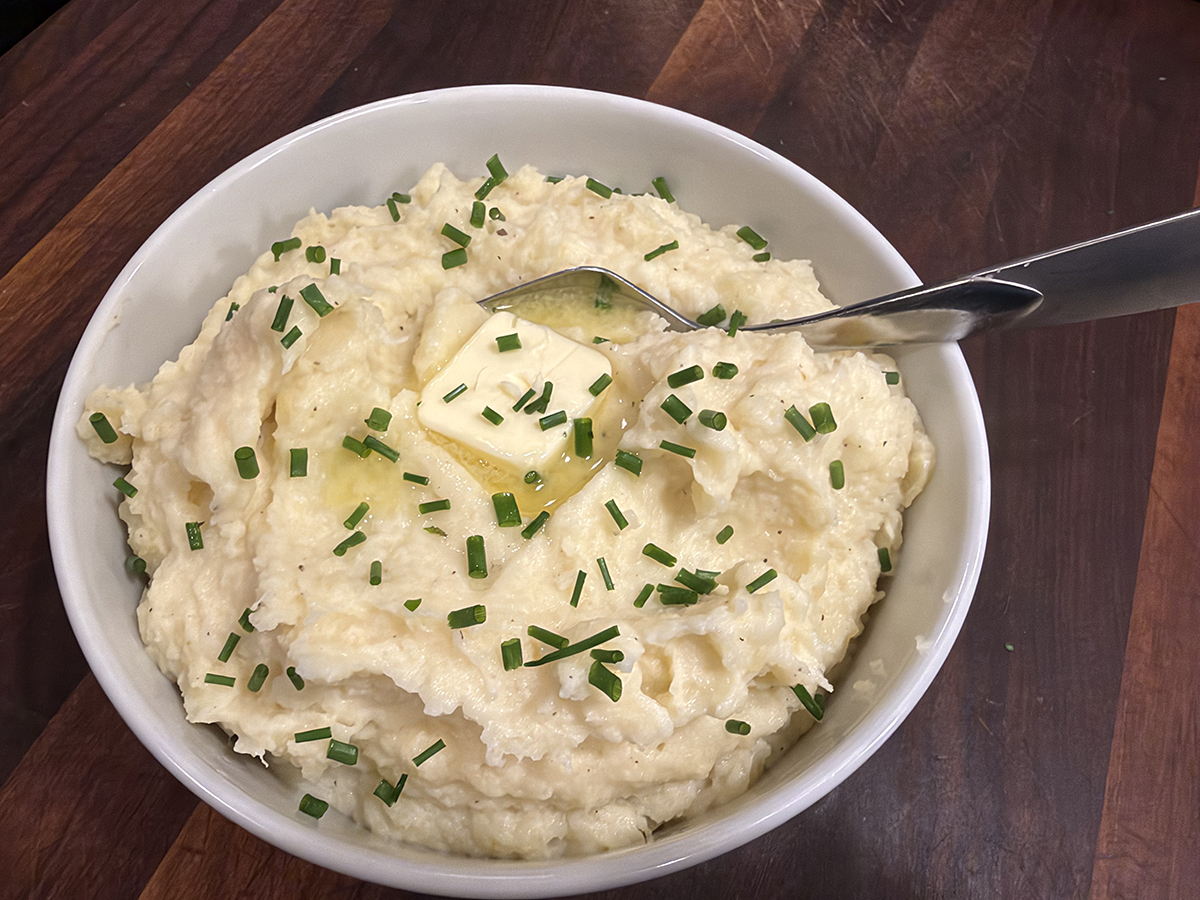
This silky mash pairs the comforting starchiness of Long Island potatoes with the subtle, earthy sweetness of parsnips. The potatoes give it body and a familiar, fluffy texture, while the parsnips bring a gentle sweetness with a hint of spice that makes the dish feel a little more special than a standard mash.
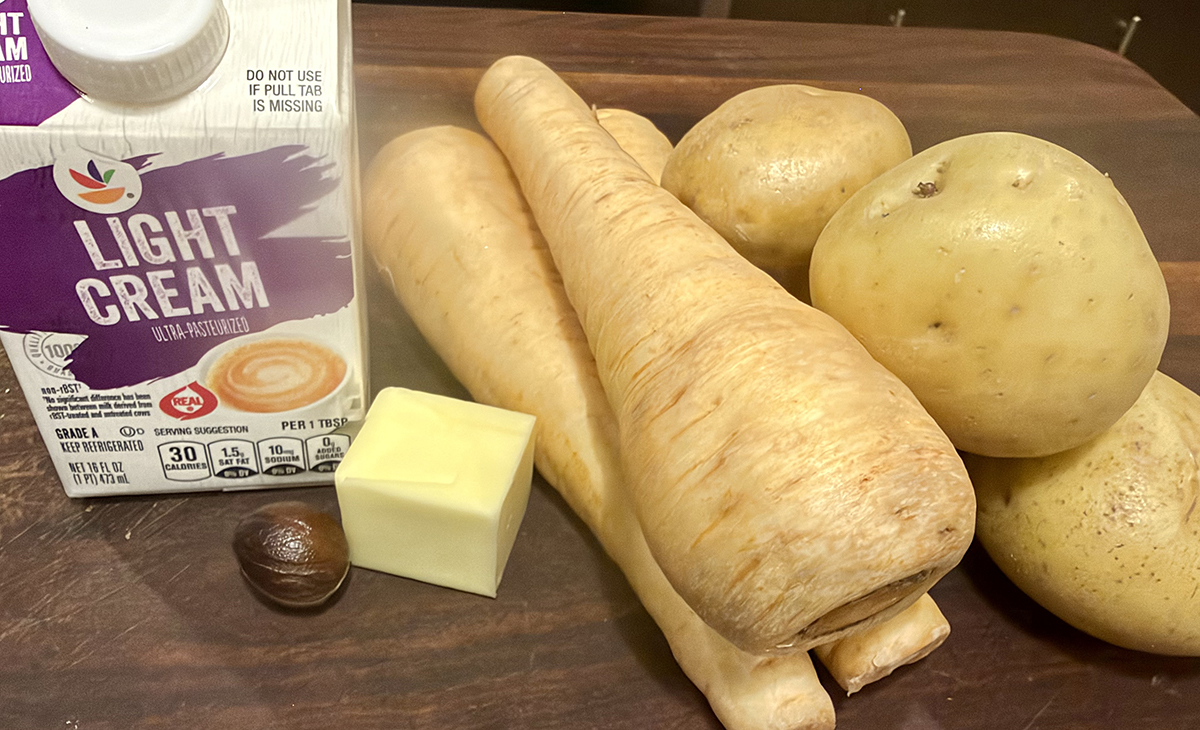
A modest amount of butter and a splash of milk keep it rich and smooth without weighing it down. A pinch of freshly grated nutmeg adds a warm, aromatic finish that plays beautifully against the parsnips’ natural sweetness, and freshly ground pepper adds a light bite. Salt is left to your taste, so you can season it as you like.
It’s a simple, wholesome side that works well alongside roast chicken, pork, or a holiday spread, and it’s an easy way to give a classic comfort dish a little more depth. Garnish with some chopped fresh chives for a pop of color.
Peel potatoes and parsnips. Trim off parsnip ends.
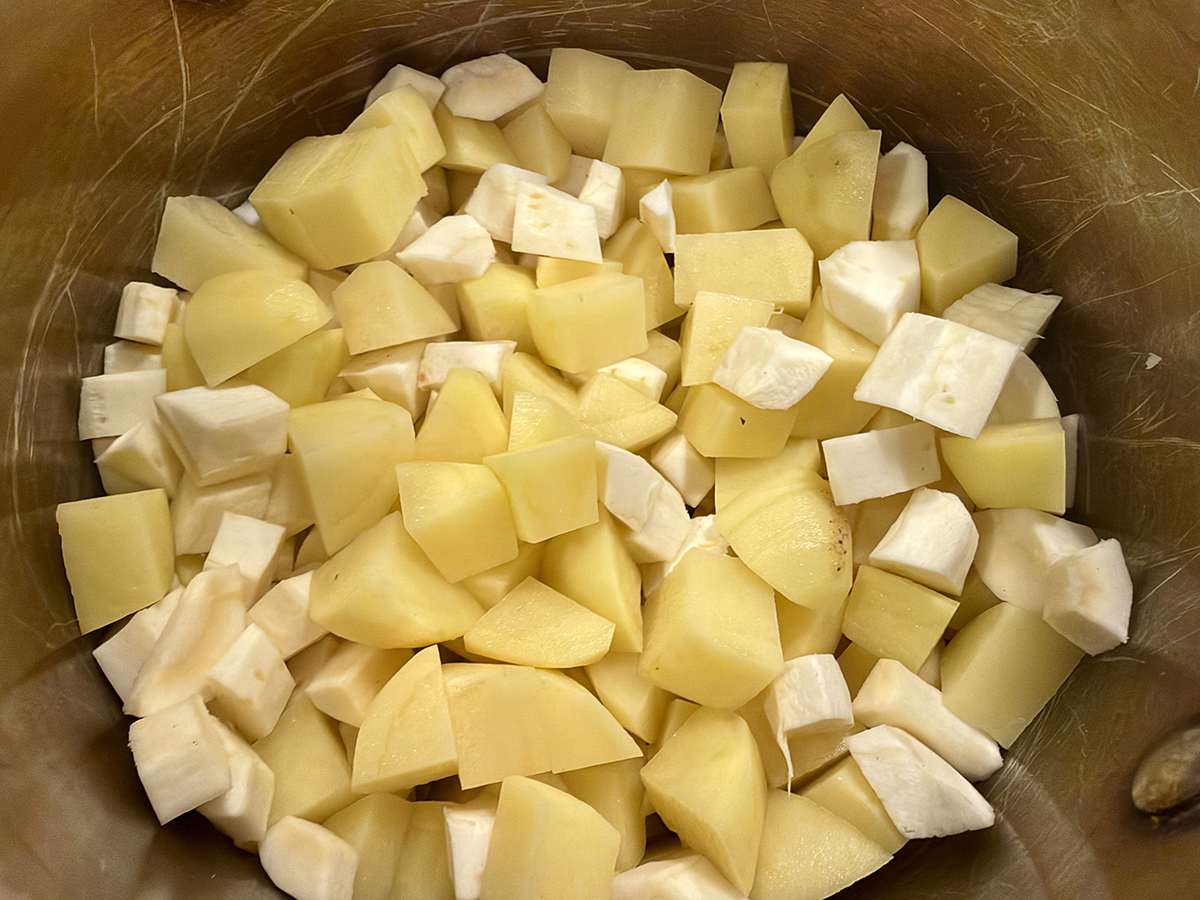
Cut parsnips lengthwise in half. Remove any woody cores. Cut each half crosswise into 1-inch lengths. There should be about 3 cups.
Cut potatoes into pieces approximately the same size. There should be about 4 cups.
Combine potatoes and parsnips in a casserole or kettle and add cold water to about 1 inch above the level of the vegetables. Bring to a boil, and once boiling, let cook about 15 minutes or until the pieces are tender. Drain well.
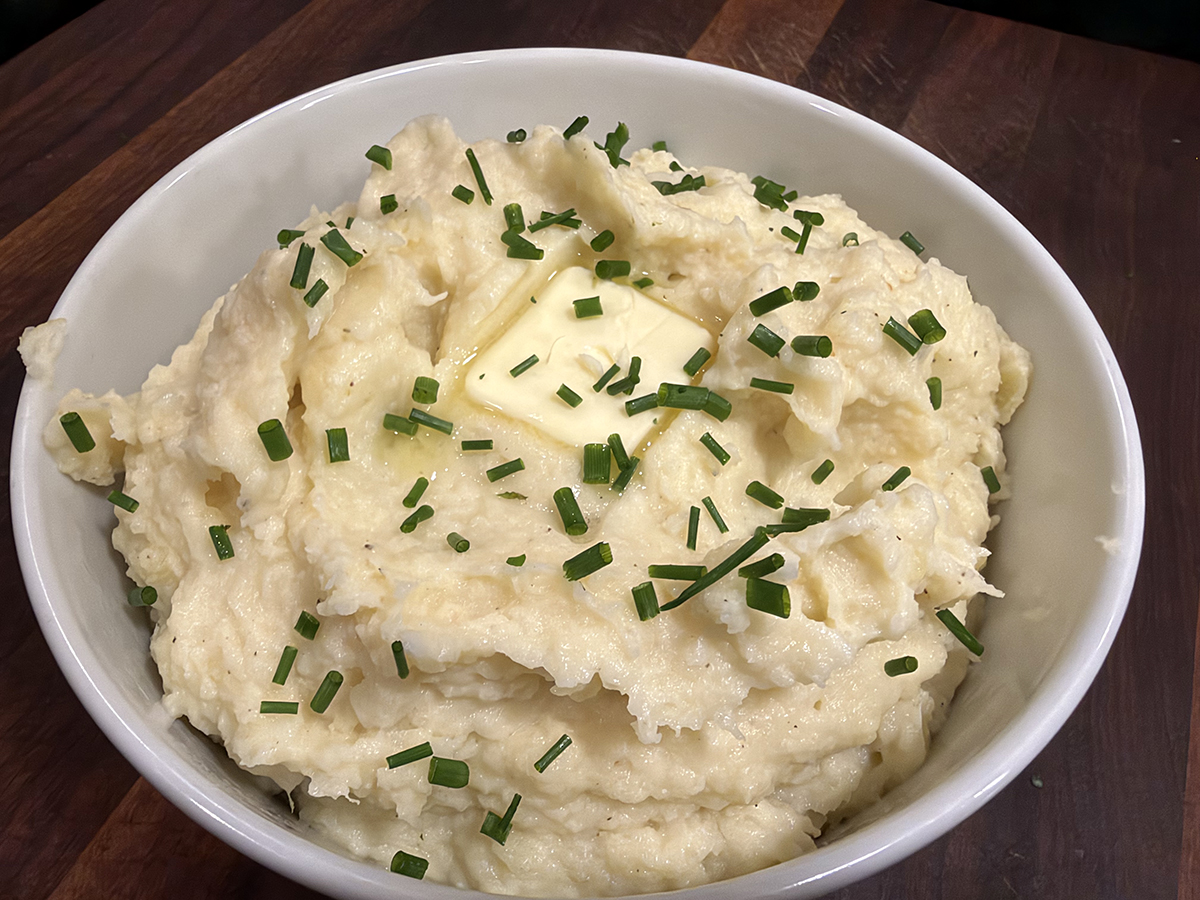
Add butter, milk/cream, salt, pepper and nutmeg to pot of drained potatoes and parsnips. Beat well to blend. Garnish with a pat of butter and chopped chives, serve hot.
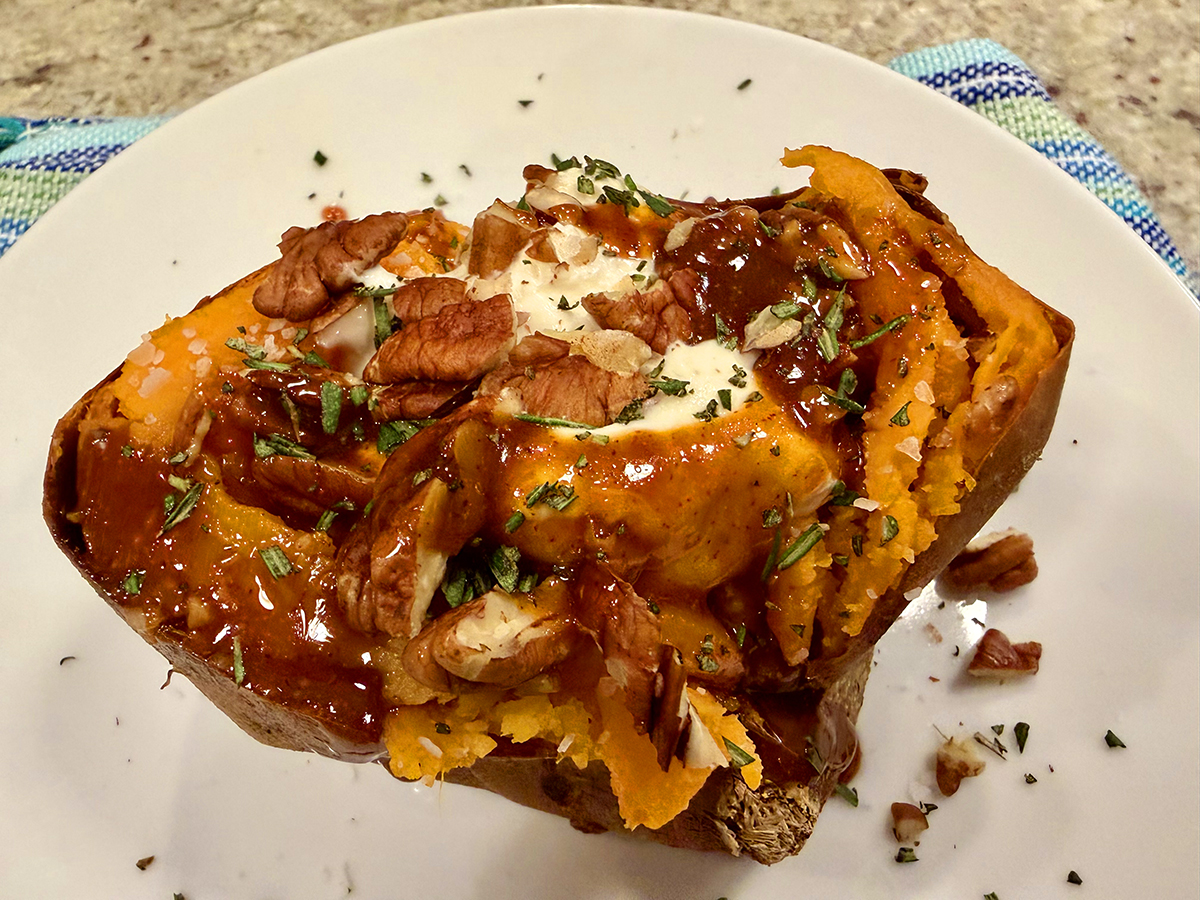
Goat cheese and honey are a tried-and-true dream flavor pairing — the culinary equivalent of a couple who finish each other’s sentences. But whip that goat cheese into a cloud, drizzle it with honey that’s been introduced to cayenne and hot sauce, and pile it onto a baked sweet potato? Darlin’, now you’ve got yourself a party, and everyone’s invited.
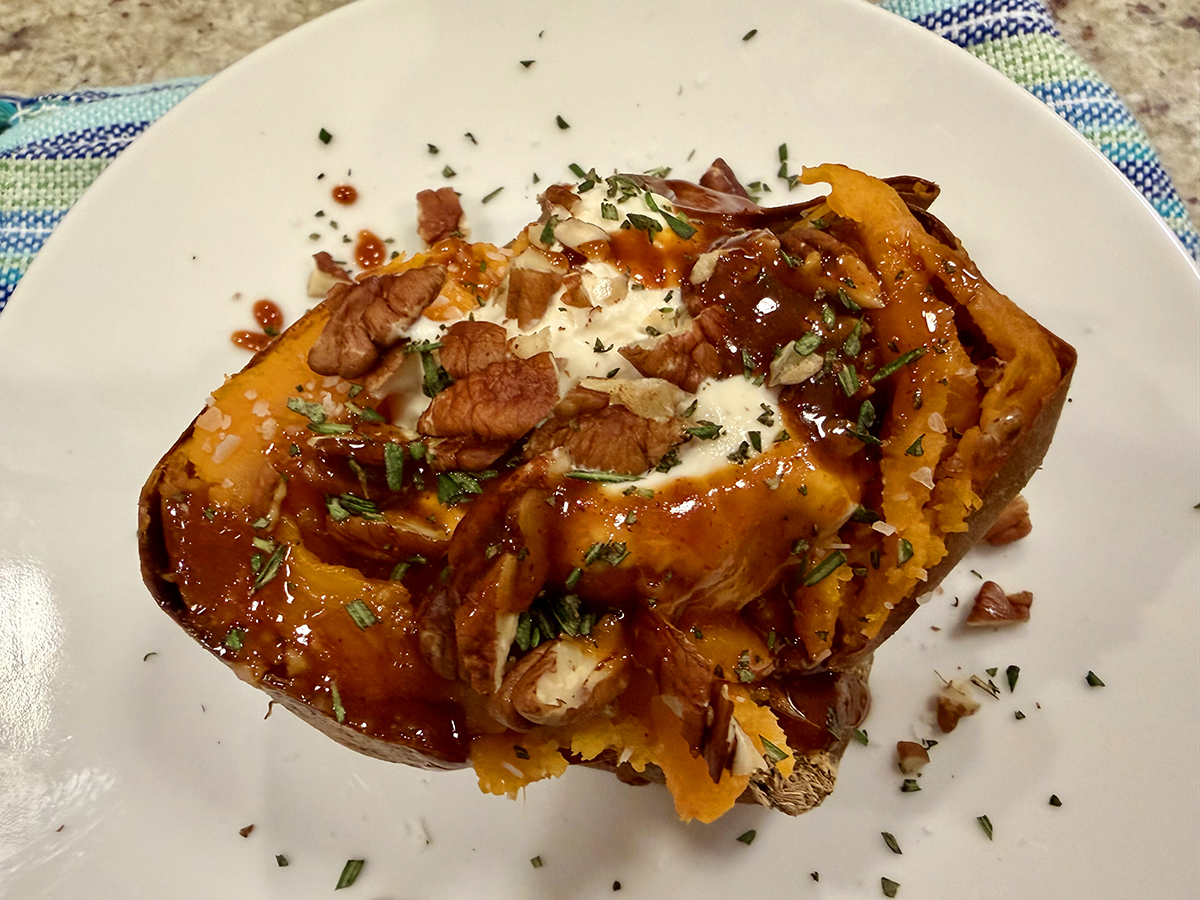
These aren’t just baked sweet potatoes. They’re plush, blushing little orange pillows that spend over an hour getting cozy in a hot oven until they practically collapse with tenderness. Split them open and they burst forth, steam curling up like they’ve got secrets to tell. Then comes the fun part: a pat of butter melting into the crevices, a generous dollop of that impossibly silky goat-cheese whipped cream (whisked until it’s somewhere between a frosting and a sigh), and a drizzle of hot honey that walks the line between sweet seduction and spicy warning shot.
Scatter over some toasted nuts and a flurry of rosemary, and suddenly you’re not eating a side dish — you’re nibbling on something that tastes like the bar snacks at the fanciest dive bar in town. Sweet, spicy, herby, rich: it’s a lot going on, in the best possible way. Simple baked sweet potatoes never stood a chance.
*You could save some time by using a premade bottled hot honey such as Mike’s or Melinda’s. A word to the wise, if you make your homemade hot honey too early, it could seize up and harden (trust me on this one!). This recipe can easily be cut in half to four servings, which is shown here. See below for main dish options.
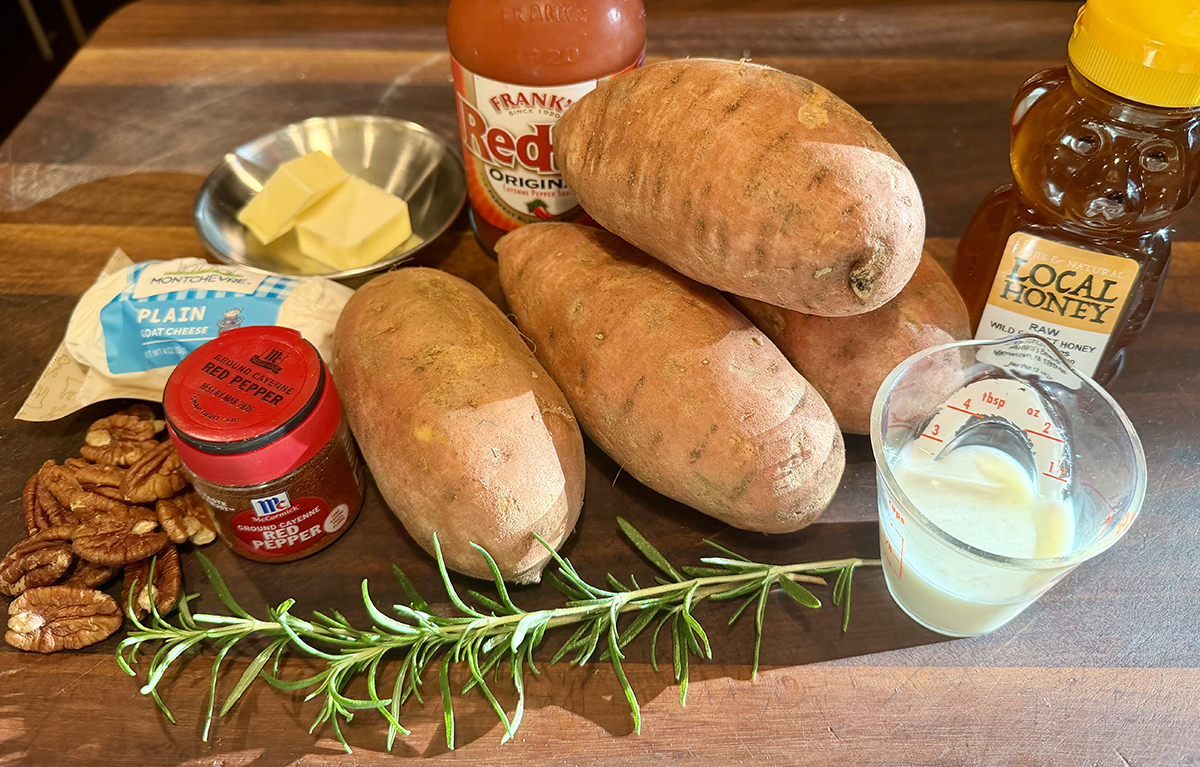
8 small to medium sweet potatoes, scrubbed (about 3 lbs.)
¼ cup clover honey *(see head note)
½ tsp. ground cayenne
2 tsp. hot sauce
Salt and black pepper
4 to 5 oz. goat cheese or blue cheese, softened
¼ cup heavy cream
4 Tbsp. cold unsalted butter, cut into 8 pats
½ cup roasted, salted pecans, coarsely chopped
Finely chopped rosemary or sage, for topping
Directions
Heat oven to 425 degrees and line a large rimmed sheet pan with foil. Pierce the potatoes all over with a fork and place them along the edges of the pan (where it gets the hottest).
Bake until tender and reduced in size, 1 to 1¼ hours. A fork should pierce through the largest potato’s center easily.
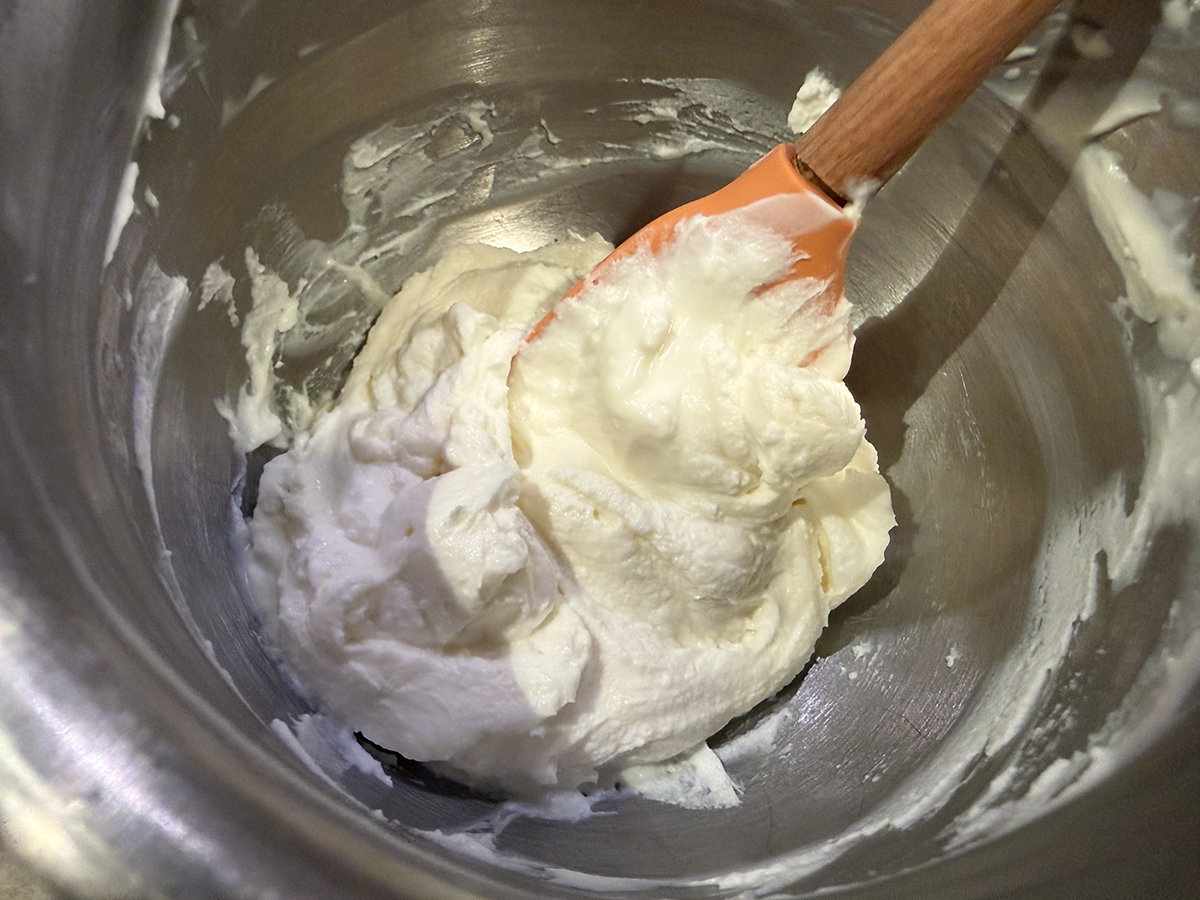
To a large bowl, add the goat cheese, heavy cream and a pinch of salt. Whisk the mixture by hand or with an electric mixer until smooth, thick and the consistency of sour cream, 1 to 2 minutes.
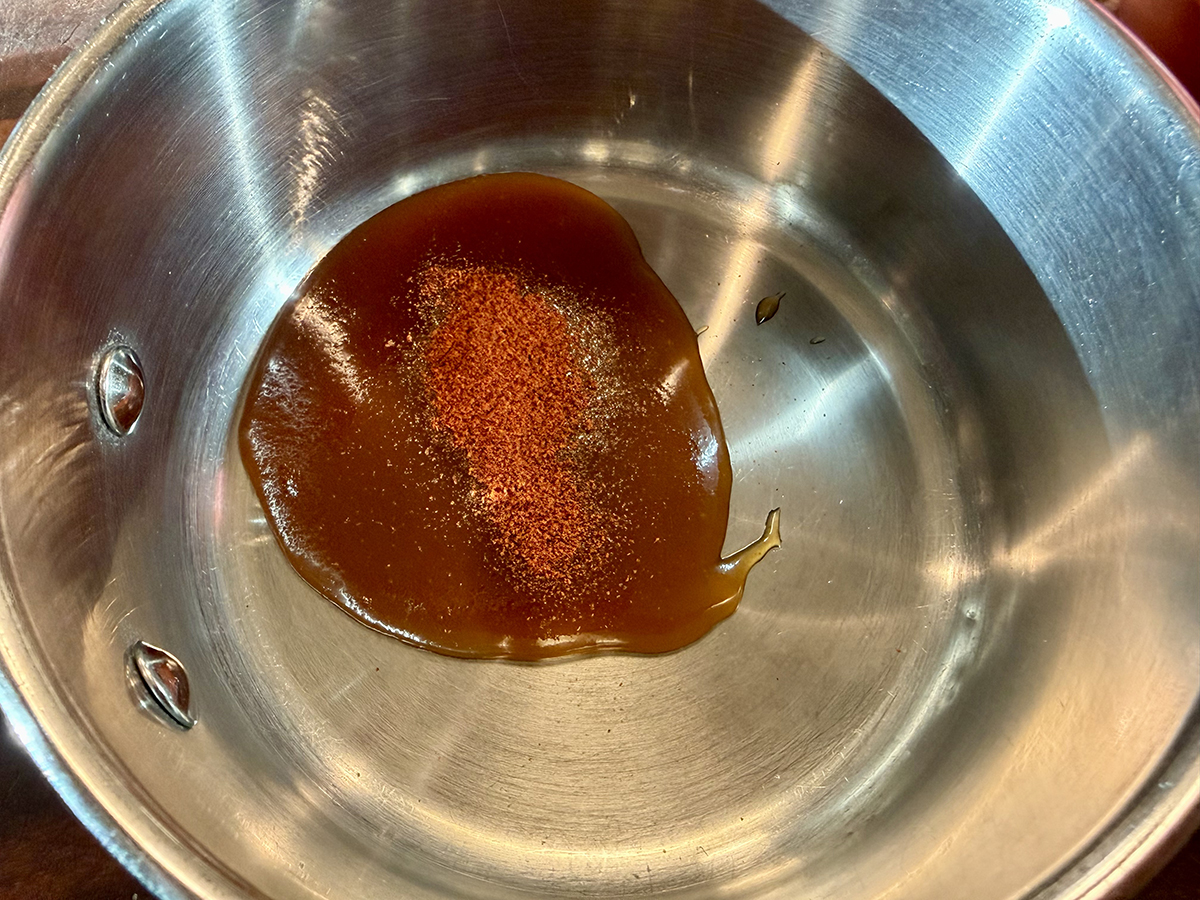
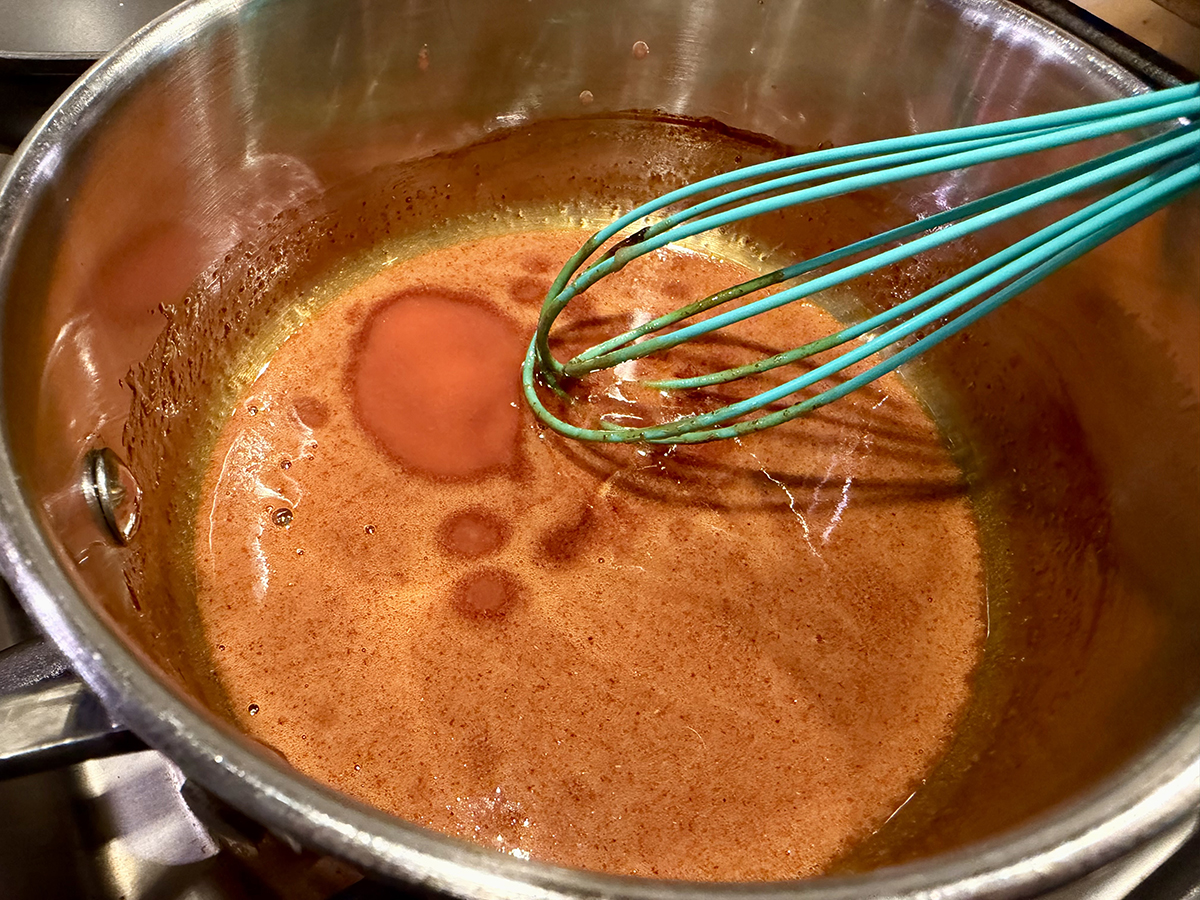
Meanwhile, in a small saucepan, combine the honey and cayenne pepper. Heat the mixture over medium, stirring occasionally, until bubbling. (Watch carefully so it does not burn.) Continue cooking, stirring constantly, until slightly reduced, 1 to 2 minutes. Remove from the heat, stir in the hot sauce and season with black pepper. Use immediately so that the honey does not harden.
A couple minutes after the potatoes have been removed from the oven, slice each in half lengthwise without cutting through the bottom. Then, using both hands, gently pinch the bottoms up to push out some of the potato flesh. Season with salt.
To assemble, top each potato with a pat of butter, a dollop of goat-cheese whipped cream, some nuts, a generous drizzle of hot honey and a sprinkle of rosemary.
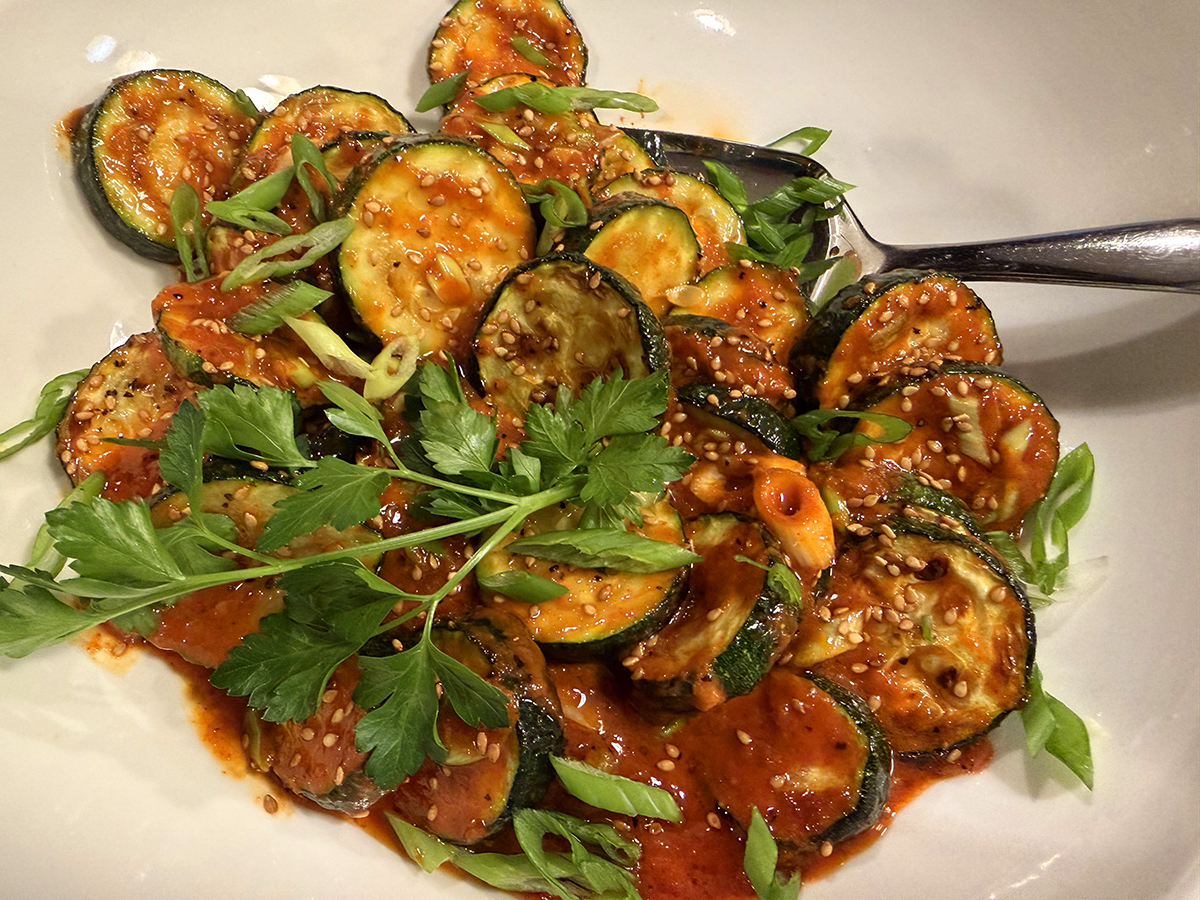
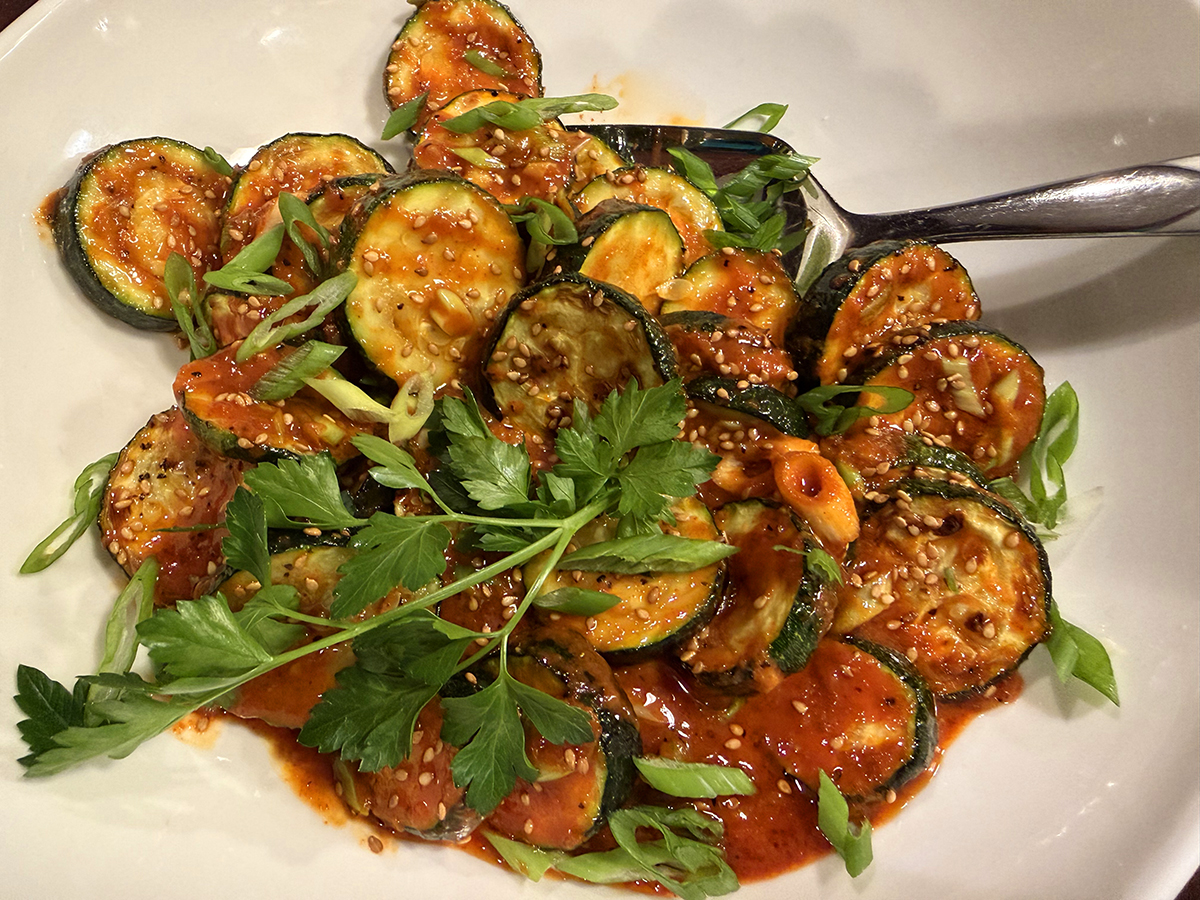
This side dish from Milk Street is inspired by Korean hobak muchim. The zucchini is broiled until deeply charred, then tossed with a funky, fermented gochujang-based dressing. If bold flavors are your MO, then this recipe has your name on it!
Here is a boldly flavorful—yet ultra-simple—version where the charred bitter notes and subtle sweetness of the zucchini (or yellow summer squash) is a perfect match for the spicy, pungent, sesame-fragrant, salty-sweet dressing that coats the zucchini after broiling.
When shopping, look for medium-size zucchini (ones that weigh about 8 ounces each) so the slices aren’t too small and numerous, nor too large and few. Gochujang is an umami-packed Korean hot pepper paste; look for it in the international aisle of most supermarkets or in Asian grocery stores. Note that seasoned rice vinegar is used here, as it’s an easy one-ingredient way to incorporate acidity, sweetness and salt.
TIP: Don’t forget to rotate the baking sheet about halfway through broiling. This helps ensure that the zucchini browns evenly, especially if your oven has hot spots, as many do. Be sure to allow the zucchini to cool for 5 to 10 minutes after broiling. During this time, the slices release some liquid that would otherwise dilute the dressing.
3 medium (1½ pounds total) zucchini OR yellow summer squash OR a combination, sliced into ¼- to ½-inch-thick rounds
1 Tbsp. grapeseed or other neutral oil
Kosher salt and ground black pepper
2-3 Tbsp. gochujang
3 Tbsp. seasoned rice vinegar
2 Tbsp. toasted sesame oil
2 tsp. finely grated fresh ginger
1 medium garlic clove, finely grated
4 scallions, thinly sliced on the diagonal
Directions
Heat the broiler with a rack about 4 inches from the element. Set a wire rack in a rimmed baking sheet.
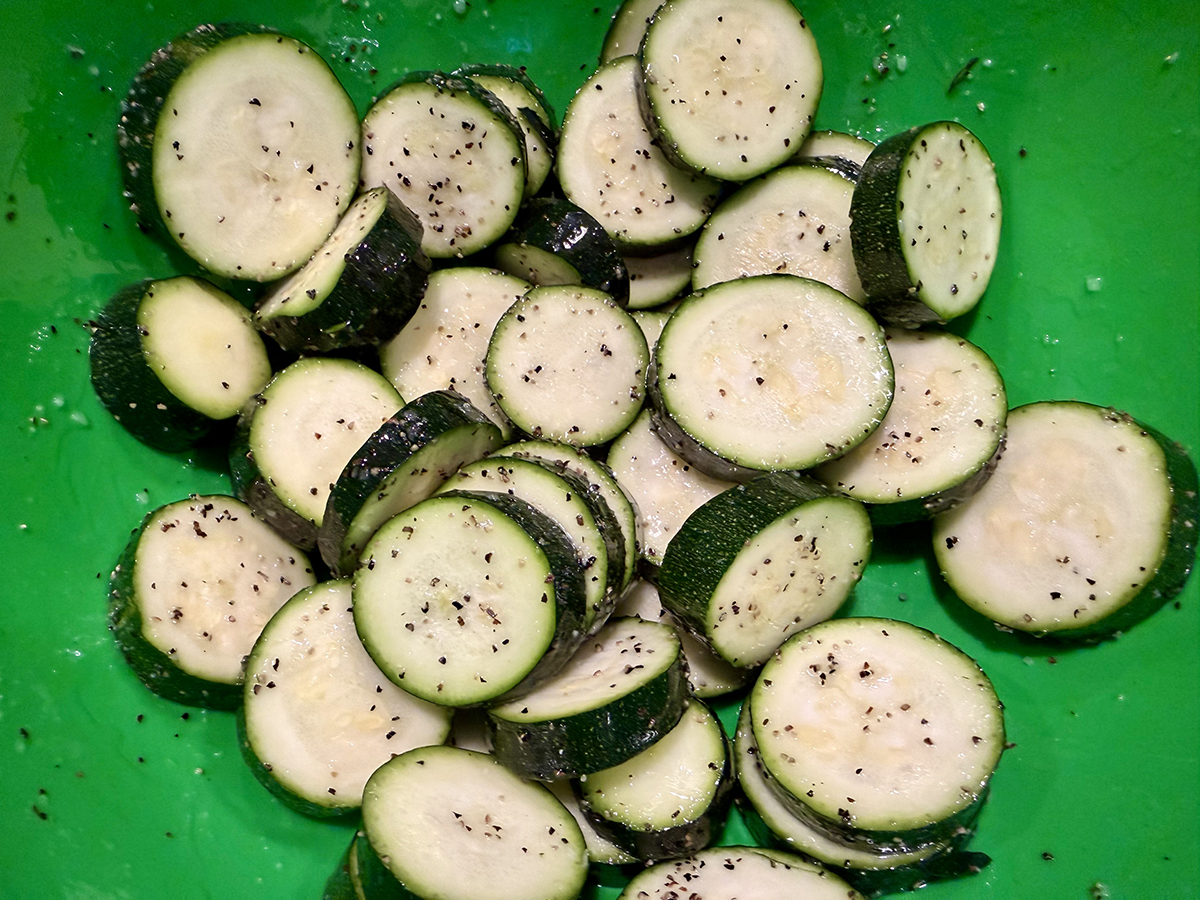
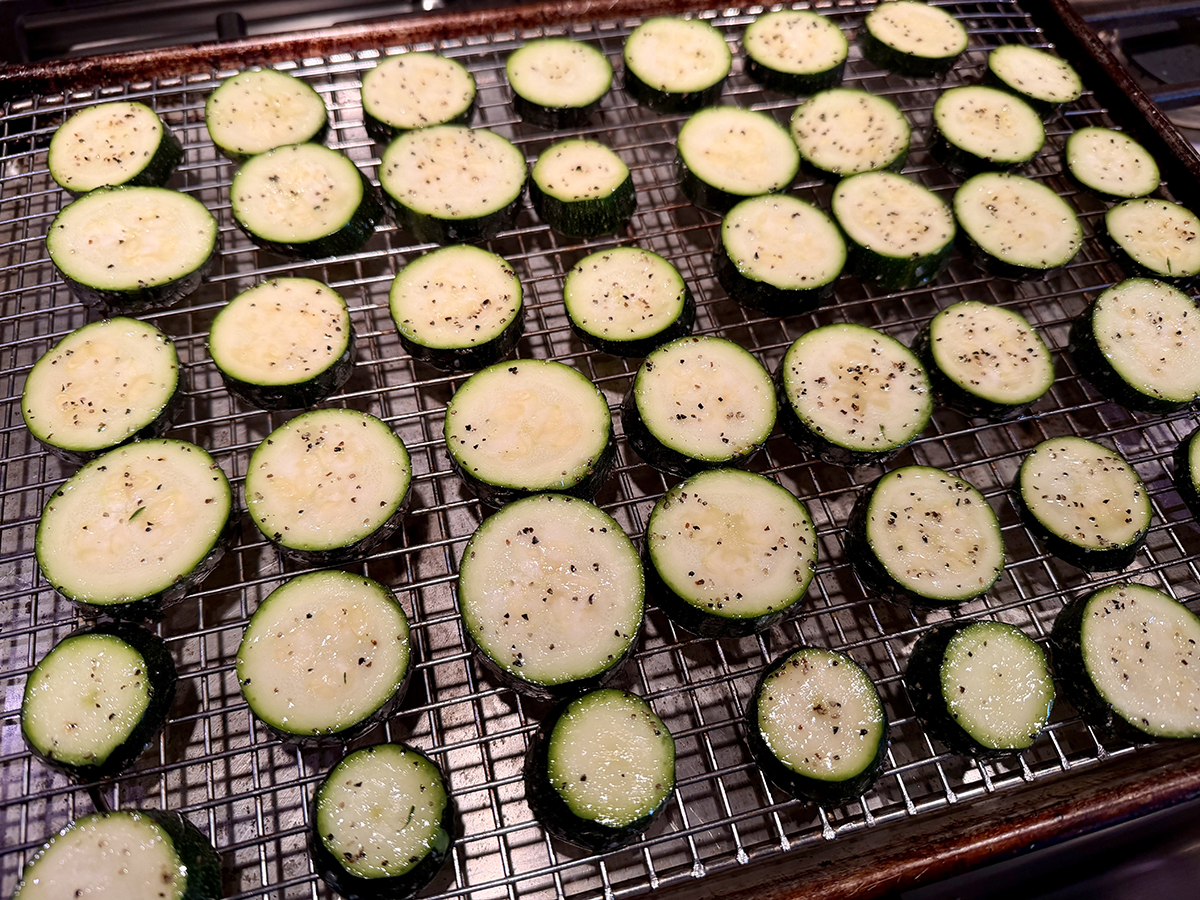
In a large bowl, toss the zucchini with the neutral oil, ¼ teaspoon salt and ½ teaspoon pepper. Arrange the slices on the prepared rack in a single layer; reserve the bowl.
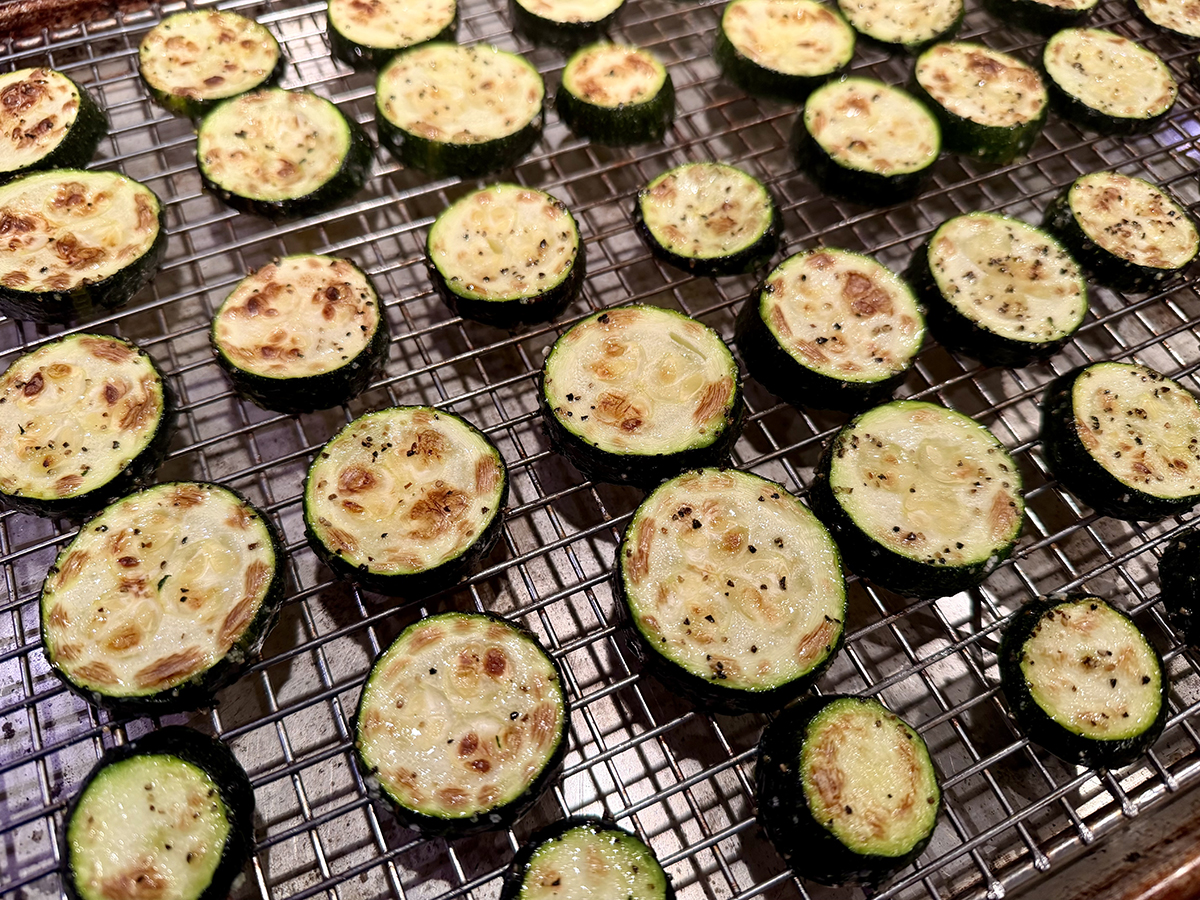
Broil until the tops are well charred, 7 to 9 minutes, rotating the baking sheet about halfway through.
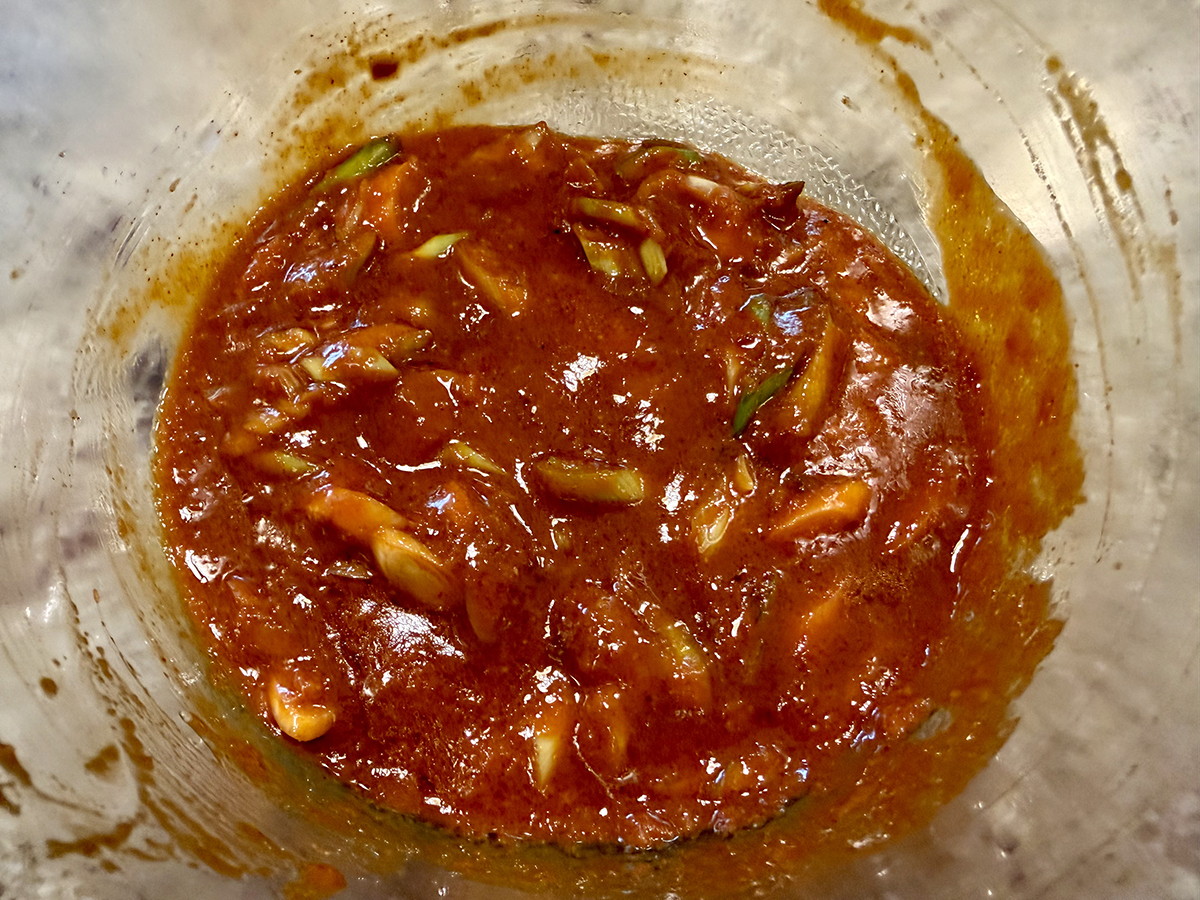
Meanwhile, in the reserved bowl, whisk together the gochujang, vinegar, sesame oil, ginger, garlic and scallions.
When the zucchini is done, let it cool on the rack for 5 to 10 minutes. Transfer the slices to the bowl and toss gently until evenly coated.
Taste and season with salt and pepper, then transfer to a serving dish. Serve warm or at room temperature. Garnish with toasted sesame seeds.
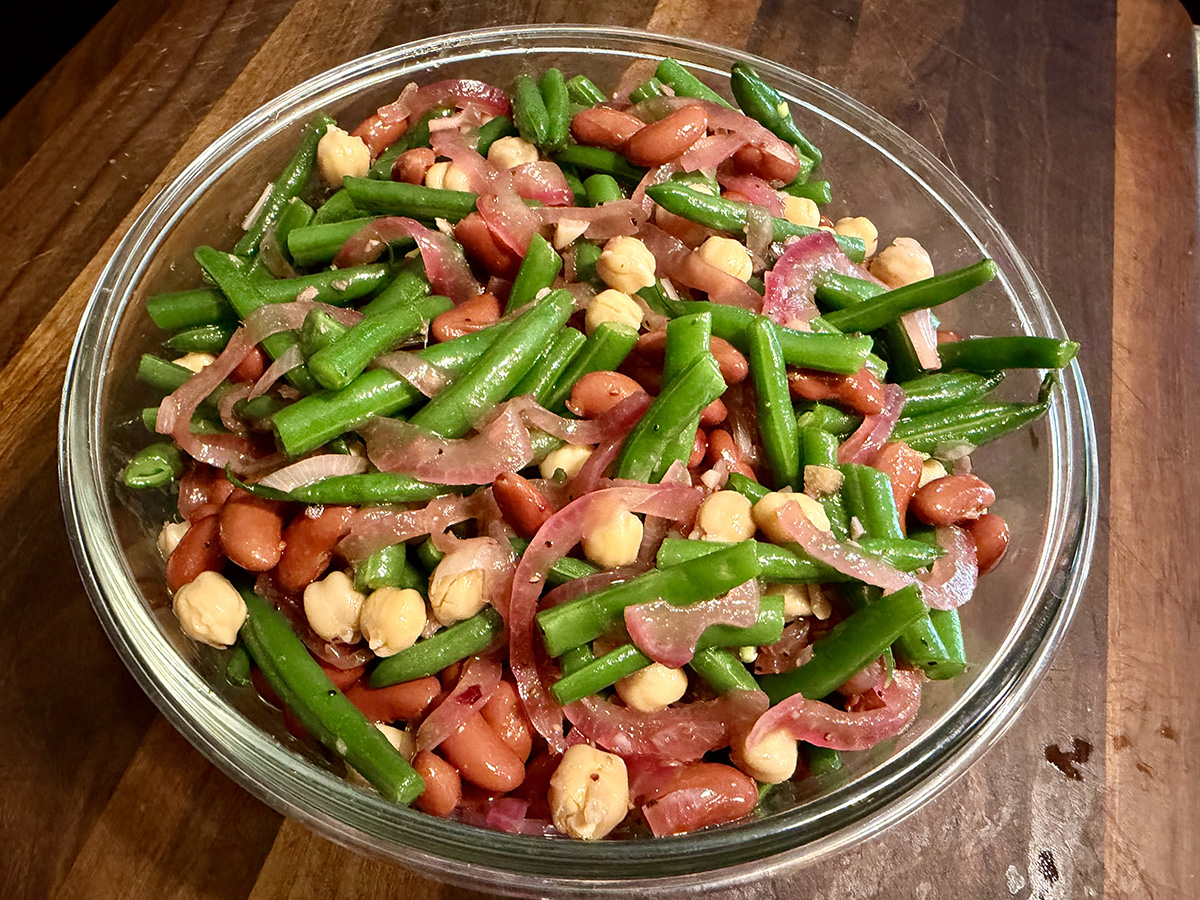
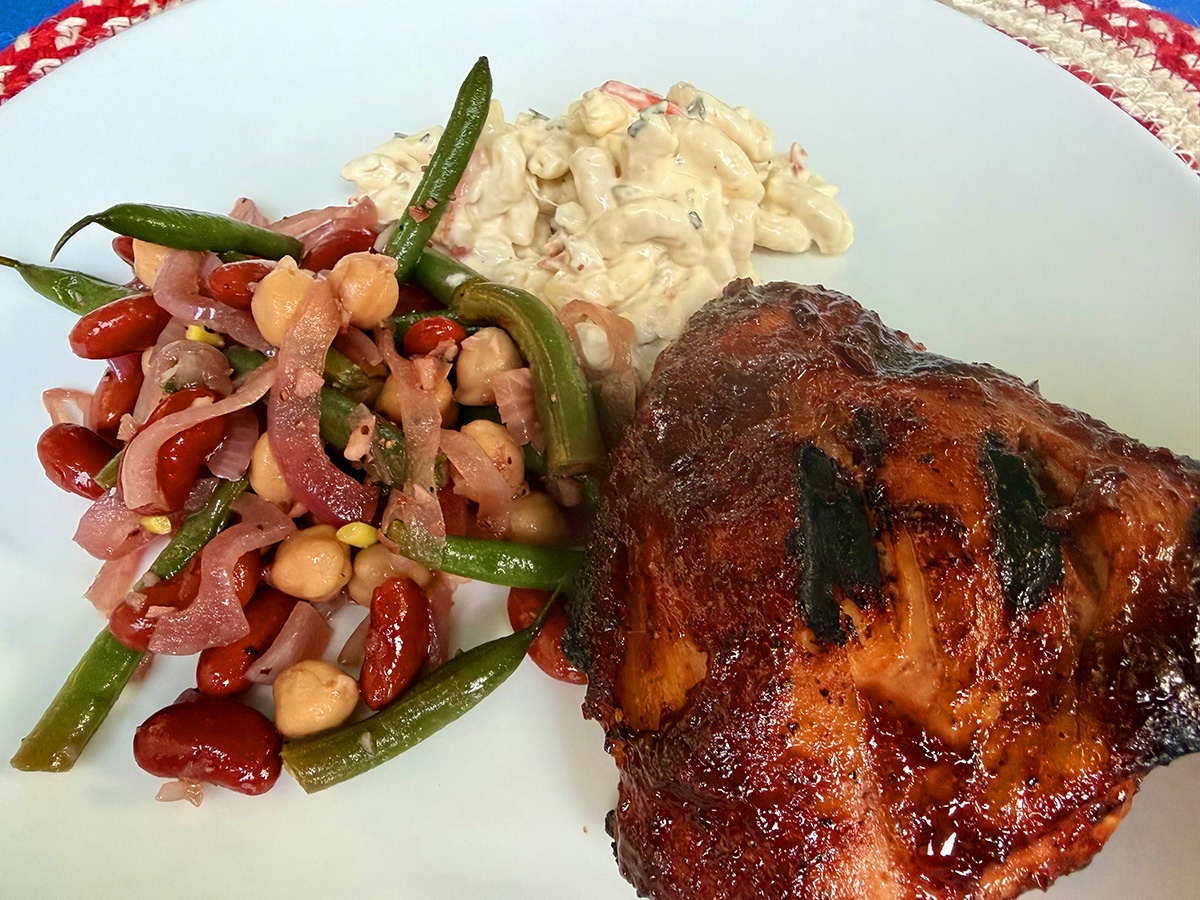
Classic three-bean salad often suffers from a few common pitfalls: raw onion and garlic that overpower every bite, mushy canned beans with no textural contrast, and a sweetness that never quite melds with the tang.
This version fixes all three. Crisp, fresh green and yellow beans replace the usual soft, straight-from-the-can varieties, giving the salad a welcome brightness and snap—though when fresh yellow wax beans proved impossible to track down, garbanzo beans stepped in as a hearty substitute. Canned kidney beans remain, sparing the hours-long process of soaking and simmering dried beans from scratch.
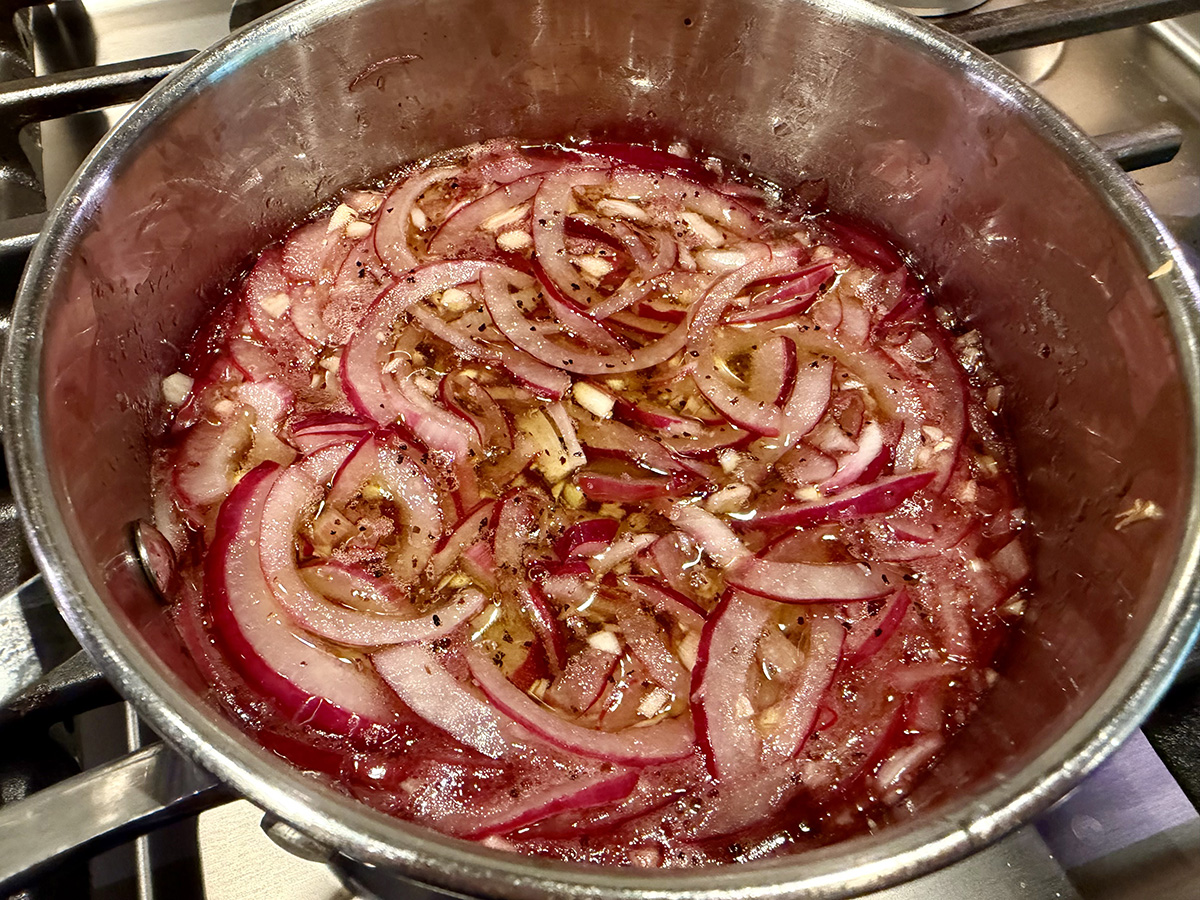
And rather than tossing raw onion and garlic straight into the bowl, both are warmed briefly in the saucepan while the dressing comes together, mellowing the garlic’s bite and giving the vinegar time to gently pickle the onions. The result is a familiar picnic staple with a fresher crunch and a more balanced flavor throughout.
NOTES: This salad improves if you have time to refrigerate it for a few hours to let the flavors meld. A garlic press makes quick work of mincing the cloves. If using yellow wax beans, use 8 ounces of both fresh yellow and green beans.
16-oz. green beans, trimmed and cut into 1-inch pieces
1 16-oz. can garbanzo beans, drained and rinsed
1 16-oz. can kidney beans, drained and rinsed
2 Tbsp. chopped fresh parsley
Directions
MAKE DRESSING Bring vinegar, sugar, oil, onion, garlic, ¼ teaspoon salt, and ¼ teaspoon pepper to boil in small saucepan over medium heat. Reduce heat to low and simmer until sugar dissolves and onion softens, about 5 minutes. (Dressing can be cooled and stored in an airtight container for 3 days.)
COOK BEANS Fill large bowl with ice water. Bring 4 quarts water to boil in large saucepan over high heat. Add 1 tablespoon salt, green beans, (and wax beans, if using), and cook until just tender, about 3 minutes. Drain beans in colander and immediately transfer to ice water to cool, about 2 minutes. Drain again and dry thoroughly with paper towels. (Beans can be refrigerated in zipper-lock bag for 24 hours.)
MIX SALAD Combine cooled beans, kidney beans, garbanzo beans, dressing, and parsley in large bowl and toss to coat. Cover and refrigerate until chilled, about 30 minutes. Season with salt and pepper. Serve. (Salad can be refrigerated in airtight container for 2 days.)
These deviled eggs have a wonderfully tangy, creamy character. The filling starts with a rich, velvety base of sour cream and mayonnaise in equal measure — the sour cream lending a subtle tartness and lighter texture than mayo alone, while the mayo brings body and that classic richness. Together they create a silkier, slightly airier filling than the traditional all-mayo version.
The Dijon mustard adds a sharp, grown-up bite — more nuanced and complex than yellow mustard, with a gentle heat that lingers at the back of the palate. It pulls the whole filling together and gives it backbone.
The dill pickle relish is the surprise delight here — it introduces little bursts of briny, vinegary sweetness and a whisper of fresh dill herbaceousness. It also adds the tiniest bit of textural intrigue in an otherwise smooth filling.
Piped or spooned back into the cool, firm egg white cups, the filling is finished with a dusting of smoked paprika — that gorgeous rust-red powder bringing a gentle smokiness and just a touch of earthy sweetness, while making the eggs look absolutely stunning on a platter.
The overall flavor profile is tangy, creamy, and gently smoky, with a pleasant sharpness from the mustard and little pickle-bright pops throughout. These would be a welcome upgrade at any gathering — familiar enough to feel classic, but just distinctive enough to prompt “ooh, what’s in these?”
Caramelized onions done right start with a simple but effective technique: a covered nonstick skillet over high heat with ¾ cup of water. The water and steam work together to soften the onions quickly and evenly. Once the lid comes off and the heat drops to medium-high, the softened onions are pressed into the bottom and sides of the skillet for maximum contact with the hot pan.
Rather than finishing with sugar or honey as many recipes suggest, a pinch of baking soda does the heavy lifting — speeding up the reaction that converts flavorless inulin (a polysaccharide naturally present in onions) to fructose, unlocking deep, complex sweetness.
Yellow or Spanish onions are the best choice here for their rich, layered flavor. Slicing them through the root end keeps them intact and prevents them from breaking down too much during cooking. The result is a versatile, deeply savory condiment that belongs just about everywhere. Here are some great uses:
On top of things
Burgers and sandwiches (classic pairing with gruyère)
Pizza or flatbreads
Crostini with goat cheese or brie
Steaks and grilled meats
Stirred into things
French onion soup (they’re the whole point)
Pasta sauces, risotto, or mac and cheese
Quiches, frittatas, and savory tarts
Dips — blended into sour cream for an incredible onion dip
As a base or filling
Caramelized onion jam (great on charcuterie boards)
Tart or galette filling with cheese and herbs
Stuffed into quesadillas or grilled cheese
Mixed into mashed potatoes or polenta
They keep well in the fridge for about a week, so making a big batch and using them throughout the week is totally worth the time investment.
In honor of National Hamburger Day, we topped off cheeseburgers with the caramelized onions for the win!
3 lb.s onions, halved and sliced through root end ¼ inch thick
¾ cup plus 1 Tbsp., divided
2 Tbsp. vegetable, OR olive oil
¾ tsp. salt
⅛ tsp. baking soda
Directions
Bring onions, 3/4 cup water, oil, and salt to boil in 12-inch nonstick skillet over high heat. (The pan will be very full.) Cover and cook until water has evaporated and onions start to sizzle, about 10 minutes.
Uncover, reduce heat to medium-high, and use rubber spatula to gently press onions into sides and bottom of skillet. Cook, without stirring onions, for 30 seconds. Stir onions, scraping fond from skillet, then gently press onions into sides and bottom of skillet again. Repeat pressing, cooking, and stirring until onions are softened, well browned, and slightly sticky, 15 to 20 minutes.
Combine baking soda and remaining 1 tablespoon water in bowl. Stir baking soda solution into onions and cook, stirring constantly, until solution has evaporated, about 1 minute. Transfer onions to bowl. (Onions can be refrigerated for up to 3 days or frozen for up to 1 month.)
These babies are a meal in themselves, and that’s exactly what we had for dinner recently. Sometimes a perfectly cooked baked potato can be just as satisfying as a fancy gratin.
To produce baked potatoes with an evenly fluffy interior, their ideal doneness temperature is 205 degrees. Baking them in a hot (450-degree) oven prevents a leathery “pellicle” from forming underneath the peel.
To season the skin, coat the potatoes in salty water before baking; crisp the skin by painting it with vegetable oil (do not use olive oil as it will burn at such a high temp) once the potatoes are cooked through, and then bake the potatoes for an additional 10 minutes.
Adding a broccoli cheese sauce topping elevates these spuds to another level. Make sure to use a good quality Parmesan. Grate it from a block cheese to avoid a grainy effect. The sauce can easily be cut in half if desired (which we did, but then wished we had made the full amount).
Baked Potatoes for Two with Broccoli Cheese Topping
TIP: For a silky smooth sauce, wait until the Monterey Jack and cheddar are thoroughly integrated before you add the Parmesan. If the sauce gets too thick, whisk in 1 tablespoon of hot water.
Ingredients
Salt and pepper
2 12-oz. russet potatoes, unpeeled, each lightly pricked with fork in 6 places
2 tsp. vegetable oil
Broccoli Cheese Sauce
12 oz. broccoli, florets cut into 1-inch pieces
1 Tbsp. vegetable oil
Salt and pepper
1 Tbsp. unsalted butter
4 tsp. all-purpose flour
1⁄4 tsp. dry mustard
1⁄8 tsp. cayenne pepper
1 cup half-and-half
1⁄2 cup water
1⁄2 cup shredded Monterey Jack cheese
1⁄2 cup shredded sharp cheddar cheese
¼ cup Parmesan cheese, grated from a block
Directions
Potatoes: Adjust oven rack to middle position and heat oven to 450 degrees. Dissolve 2 tablespoons salt in ½ cup water in medium bowl. Place potatoes in bowl and toss so exteriors of potatoes are evenly moistened. (If you have time, turn the potatoes in the water several times over 15 minutes.) Transfer potatoes to wire rack set in rimmed baking sheet and bake until center of largest potato registers 205 degrees, about 1 hour. (Depending on the size of your potatoes, this could take longer.)
Add a quarter-sized rimmed baking sheet (in same oven as potatoes) and heat for 15 minutes. This will be used to bake the broccoli.
Remove potatoes from oven and brush tops and sides with oil. Return potatoes to oven and continue to bake for 10 minutes.
Remove potatoes from oven and, using paring knife, make 2 slits, forming X, in each potato. Using clean dish towel, hold ends and squeeze slightly to push flesh up and out. Season with salt and pepper to taste.
Broccoli Cheese Sauce: While potatoes are roasting, toss broccoli florets with oil, ¾ teaspoon salt, and ¼ teaspoon pepper in large bowl.
Arrange broccoli in single layer on heated rimmed baking sheet. In the same 450° degree oven, after the potatoes have cooked for about 50 minutes, roast the broccoli until spotty brown, about 15-18 minutes, turning florets halfway through cooking.
Meanwhile, melt butter in medium saucepan over medium heat. Add flour, mustard, and cayenne and cook, stirring constantly, until golden and fragrant, about 1 minute. Slowly whisk in half-and-half and water and bring to boil. Reduce heat to medium-low and simmer until slightly thickened, 8 to 10 minutes.
Off heat, whisk in Monterey Jack and cheddar until smooth. Stir in Parmesan until smooth. Season with salt and pepper. Top potatoes with roasted broccoli, pour sauce over broccoli and serve immediately. Sprinkle with a touch of paprika, if desired.
What makes these sweet potatoes so special is their texture. Often, roasted sweet potatoes are either mushy and bland or crispy but dried out. Here, you get the best of both worlds — with seemingly little effort.
All you have to do is flip the potatoes once at the 15 minute mark. Flip again in another 15 minutes and add the broth, then back into the hot oven for the last 15 minutes. You have sweet potatoes that are browned and crispy on the edges with the most decadently creamy center (they actually do melt in your mouth).
This dish can also be made using Yukon Golds (shown below) instead of sweet potatoes.
Substitutions: You can substitute any combination of chopped fresh hearty herbs (such as thyme, sage, or oregano) for the rosemary.
Directions
Heat the oven to 500°F.
Stir 2 tablespoons melted unsalted butter, 2 tablespoons olive oil, 3/4 teaspoon kosher salt, and 1/2 teaspoon black pepper together in a large bowl until combined. Add 2 pounds cut sweet potatoes (peeled if desired) and 1 tablespoon coarsely chopped fresh rosemary leaves, and toss well to coat.
Transfer the potatoes cut-side up to a 9×13-inch metal baking pan (avoid glass, as it could shatter) or rimmed baking sheet (quarter sheet pan) and arrange in a single layer. Drizzle any remaining butter mixture over the potatoes.
Roast until the sweet potatoes easily release from the pan with tongs and the bottoms are light golden-brown, about 15 minutes. Flip the rounds and roast until the bottoms and tops are deep golden-brown, about 15 minutes more.
Remove the pan from the oven. Carefully pour 1 cup low-sodium vegetable broth into the pan and add 4 peeled and smashed garlic cloves. Return to the oven and roast until the potatoes are very tender and most of the broth is absorbed, about 15 minutes.
Roasted Fennel with Gruyère and Thyme is a savory and aromatic dish that highlights the sweet, mellow flavor of fennel, enhanced by the nutty, creamy richness of Gruyère cheese and the earthy fragrance of fresh thyme. A welcome relief to serving the same old everyday side dishes.
The recipe features fennel bulbs that are cut into wedges and roasted until tender and caramelized. Roasting mellows the fennel’s natural sharpness and brings out a subtle sweetness with a slightly crisp, golden edge. After roasting, the fennel is topped with shredded Gruyère cheese, which melts beautifully, creating a luscious, creamy layer of molten cheese with a slightly nutty and salty depth.
Sprinkled throughout are fresh thyme leaves, which add a fragrant, herbal note that complements both the fennel and the cheese perfectly. A drizzle of olive oil and a touch of salt and pepper are added before roasting to enhance flavors further. Serve with jammy lemon wedges for a squeeze of brightness.
This dish is great as an appetizer or part of a vegetable platter; or can be served hot as a side dish with roasted meats or poultry.
TIP: The original recipe indicates the dish serves 4, which means about a half (2 quarters) of a small fennel bulb per person. Three servings is more realistic, in which case you may want to cut each bulb into 6 wedges. The upside is that they’ll roast faster. As it was, our wedges took 40 minutes to become fork-tender.
Instead of just plopping the the lemon wedges on the plate for serving, add them to the baking sheet for the last 15 minutes of roasting the fennel, so they get jammy. Then after topping with the cheese and thyme, place the baking sheet back in the oven for about 1 minute to melt the cheese. Zest the lemon over the fennel just before serving.
2 small heads fennel, trimmed and quartered, leaving some of the core intact
1⁄4 cup finely shredded Gruyère cheese, abut 1 oz.
1 tsp.lemon zest
1⁄2 tsp. chopped fresh thyme
Lemon wedges for serving.
Directions
Preheat oven to 425°F. Line a small rimmed baking sheet with parchment paper.
In a medium bowl stir together the olive oil, 1/2 teaspoon salt and 1/4 teaspoon ground pepper. Toss with hands to coat. Place fennel , cut sides down, in the prepared pan.
Roast fennel until tender and cut sides are browned, about 35-40 minutes.
Sprinkle with cheese and thyme, place back in oven for 1 minute. Zest with lemon and serve immediately.
Crispy, caramelized, and totally irresistible! Barely roasted carrot halves are smashed to create more surface area and caramelly edges. Manchego and hazelnuts reinforce their nutty earthy flavor. A lovely, impressive way to prepare an ordinary side dish.
Bring out carrots’ natural sweetness by roasting them in the oven. Although it takes longer than steaming or microwaving, the tender, caramelized outcome makes the extra cook time worthwhile. Simply roast the carrots until they’re fork-tender, then smash them (without breaking), sprinkle with a little cheese, and roast again until the edges are nice and crispy and the cheese is melted.
If you are starting with raw filberts, toast the nuts in a dry pan. When cooled, removed the skins as much as possible. The hazelnuts can be chopped in a small mini food processor, or hit with a mallet while inside a ziploc bag.
1 lb. medium carrots, peeled and halved lengthwise
2 Tbsp. olive oil, divided
1/2 tsp. salt
1/4 tsp. smoked paprika
1/4 tsp. black pepper
1/4 to 1/2 cup shredded Manchego cheese (1 to 2 oz.)
2 Tbsp. chopped toasted hazelnuts, skins removed
1/2 tsp. orange zest (optional)
1 orange wedge (optional)
Directions
Preheat oven to 400°F. Line a 15×10-inch baking pan with parchment paper. Place carrots in prepared pan. Drizzle with 1 Tbsp. of the oil. Sprinkle with salt, paprika, and pepper; toss to coat.
Roast until carrots are fork tender, 20 to 25 minutes. Use the bottom of a heavy glass or measuring cup to smash carrots, without breaking them, to about 1/2-inch thickness. Drizzle with remaining 1 Tbsp. oil. Sprinkle with cheese. Roast until edges of carrots are lightly browned and crisp, 15 to 20 minutes more.
Sprinkle with hazelnuts. If you like, top with orange zest and squeeze orange wedge over carrots. Serve immediately.
These silky spuds are so rich, you can even skip the gravy! A mixture of brown butter, roasted garlic, and rich mascarpone levels up an iconic, otherwise-basic mashed potato recipe. Fold the rich garlic mixture into cooked potatoes before mashing (and then add add some more roasted cloves to the topping!). Any downside? There probably won’t be any leftovers.
Even though the fried sage leaves are optional, they add not only visual impact, but a nice herby texture. Additionally, we used roasted garlic paste in the potato mixture, and topped them with roasted garlic cloves along with the crisped sage leaves and cracked black pepper. A perfect accompaniment to our Reverse-Sear Prime Rib.
3 lb. Yukon gold or red potatoes, peeled, if desired, and cut into 2-inch pieces
1/4 cup butter
1/2 cup mascarpone cheese
1/4 to 1/2 cup milk, heavy cream, or half-and-half
Melted butter or olive oil and cracked black pepper (optional)
Frizzled Sage (optional)
Directions
Preheat oven to 425°F. Cut 1/2 inch off top of garlic bulb to expose ends of cloves. Leaving bulb whole, remove any loose, papery outer layers. Place bulb, cut side up, in a small ramekin or custard cup. Lightly drizzle with olive oil and sprinkle with salt. Cover ramekin with foil. Roast 25 to 35 minutes. Once cool enough to handle, squeeze bottom of roasted bulb to release garlic cloves onto a cutting board; lightly sprinkle with additional salt. Use the side of a chef’s knife to mash the garlic into a paste. (Garlic paste can be made ahead and chilled up to 3 days.)
Meanwhile, in a 4- to 6-qt. pot cook potatoes, covered, in enough lightly salted boiling water to cover until tender, 20 to 25 minutes; drain. Return hot potatoes to hot pot.
In a small saucepan heat butter over medium until it starts to brown, 7 minutes. Remove from heat. Stir in mascarpone cheese and garlic paste until cheese is melted. Add mascarpone mixture to potatoes in pot. Let stand, uncovered, 2 minutes. In another small saucepan, heat milk over low until very warm.
Mash potatoes with a potato masher or beat with a mixer on low just until light and fluffy. Stir in 1/4 cup of the warm milk, 1 tsp. salt, and 1/2 tsp. ground black pepper. Gradually stir in additional warm milk if needed to make potatoes desired creaminess. If you like, serve topped with melted butter, cracked black pepper, and Frizzled Sage.
How to Make Frizzled Sage
Pour enough vegetable oil into a small saucepan to cover bottom of the pan; heat over medium. Add fresh dry sage leaves, a few at a time. Cook until lightly browned and starting to crisp, 2 minutes. Remove to side dish until ready to adorn the potatoes.
We were pleasantly surprised how much we loved this easy farro recipe with mushrooms and peas. The side dish is creamy and packed with the flavors of fresh thyme, garlic, and a little Parmesan cheese. Think of this as a farro risotto type dish, but with far less TLC than your typical risotto requires!
It is perfect as a vegetarian main next to some fresh salad, or serve it as a side next to your favorite protein, such as we did with loin lamb chops. You can also prepare it in advance and use as lunch for several days.
Unfamiliar with farro? It is a nutty-flavored Mediterranean grain that has been in use since the time of ancient Egypt. And not only is it chockful of good-for-you nutrition — fiber, protein, vitamins, minerals and antioxidants — it is also hearty, deeply satisfying, and quite versatile.
NOTES: As a vegetarian entree or main course, this recipe will serve 4. If served as a side next to your favorite protein such as salmon, chicken, pork or lamb, it can serve 5 to 6 people.
This farro recipe will keep well for 3 to 4 days, if refrigerated properly in airtight containers. When you need to warm it up, just use a skillet over medium-low heat. It helps to add a little bit of water and stir regularly till warmed through.
8 oz. baby bella mushrooms cleaned, trimmed and sliced
1 cup frozen peas
1 tsp. chopped garlic
1 cup pearled farro
1 tsp. sweet paprika
2 springs fresh thyme, leaves only
Salt and pepper
2 1/4 cups vegetable broth or chicken broth
1/2 cup grated Parmesan cheese
1/4 cup fresh mint leaves, chopped
Directions
In a deep skillet with a lid, heat 2 tablespoons of olive oil over medium-high heat. Add green onions, mushrooms, and peas; sauté for 3-4 minutes. Add fresh garlic and stir briefly until fragrant. Now add farro, sweet paprika, thyme, and a little salt and pepper. Cook for 4-5 minutes, stirring regularly.
Meanwhile, in a separate pot over medium-high heat, bring the broth to a boil. Add the boiling broth to the farro mixture. Bring everything to a boil, then lower the heat to medium-low. Cover and cook for 20 minutes (or according to package directions, ours took 30 minutes) until the liquid is absorbed.
Remove from heat and add grated Parmesan and fresh mint leaves. Serve warm.
This version on Genoese-style green beans (Fagiolini alla Genovese) creates tender blanched green beans tossed in a bold, zippy dressing made with anchovies, lemon juice, and olive oil. Finished with crispy garlic chips, it’s a quick, flavor-packed vegetable side dish that’s both easy and elegant. Definitely company-worthy.
Blanch the green beans. Set a bowl of cold water and ice near the stove. Bring a medium pot of water to a boil and salt the water very well (estimate about 1 tablespoon of kosher salt per quart of boiling water). Drop the green beans into the boiling salted water and cook for 2 to 3 minutes, just until bright green. Then, use tongs to transfer the green beans to the bowl of iced water and let cool (this will stop the cooking process so the beans stay crisp).
Make the garlic chips. In a small saucepan warm the olive oil over medium heat until just shimmering. Drop the sliced garlic in and cook for about 1 minute or until the garlic has turned golden brown and crispy (it should not be burned). Remove the garlic with a slotted spoon and set aside for now.
Make the dressing. In a small bowl, combine the chives, parsley, finely chopped anchovies, lemon zest and juice. Pour the olive oil slowly into the bowl while whisking continuously until the dressing has emulsified. Taste and, if needed, add a small pinch of salt and whisk again to combine.
Finish and serve. Drain the green beans well and transfer to a serving platter. Pour the dressing all over the beans and toss gently. Garnish with the crispy garlic and serve.
The beauty of this dish, is not only that it is texturally satisfying, but it can be served at any meal in the day as a side dish OR an entrée. We’ve experienced the Spanish tortillas lining the counters at tapa and pintxo bars all over Spain. They’re one of the most beloved and popular dishes in Spanish cuisine and are eaten at any time of day: breakfast, lunch, dinner, on school field trips, after beach excursions…. or just because you’re hungry…
For purists, a Spanish tortilla should only contain 4 ingredients: olive oil, potatoes, eggs, and salt. Personally, onion is a must but in this recipe zucchini is also added, which ends up melting into the potatoes creating a velvety dish. The trick to creamy tortilla is to use lots of olive oil—more than what you would ever think you need.
According to America’s Test Kitchen (ATK), it is about poaching the potatoes and zucchini in the oil and not really frying to a crisp. The potatoes and zucchini will absorb some of the oil, but a lot of it will get drained after they are cooked (leftover oil can be reused after straining so it doesn’t go to waste). Everything gets mixed with eggs and is given a quick scramble in the pan, then it’s flipped, using a plate, and finished with a quick stint in the pan on the second side.
In Spain, a true tortilla should have a soft and creamy interior and exterior that is light in color. It should not be cooked through or deeply caramelized on the outside, but of course, you can cook it a bit longer to your liking. Loved it! As melt-in-your-mouth tender as the ones they serve in Spain.
NOTES: It is best to wait a few minutes before cutting into it as it will set a bit more with carryover cooking. It is important to use a nonstick pan so the tortilla slides easily out of it.
Heat 1 cup extra-virgin olive oil in 10-inch nonstick skillet over medium heat until shimmering. Add 1 small finely chopped onion and cook until just softened but not browned, 3 to 5 minutes.
Stir in 1 pound Yukon gold potatoes (peeled, halved lengthwise, and sliced crosswise into ⅛-inch-thick pieces), 8 ounces chopped zucchini, and ¾ teaspoon table salt. Compress vegetables to submerge in oil as much as possible (it’s OK if vegetables aren’t fully submerged; as they cook they will shrink and become submerged). Cook until potatoes and zucchini are very tender and lightly caramelized, 25 to 30 minutes, stirring occasionally (zucchini should be falling apart). Remove from heat.
Whisk 5 large eggs and remaining ½ teaspoon table salt together in large bowl. Strain vegetable-oil mixture through fine-mesh strainer set over clean bowl. Transfer vegetables to bowl with eggs, stirring to combine, and set strained oil aside.
Heat 1 tablespoon strained oil in now-empty skillet over medium heat until shimmering. Add egg-vegetable mixture and cook, stirring center to scramble eggs lightly, until edges are set, about 1 minute. Run rubber spatula along edges of pan, then shake skillet gently to loosen tortilla from skillet. Cook for additional 1 to 2 minutes until set but not browned.
Remove skillet from heat. Run rubber spatula along edges of pan, then shake skillet gently to loosen tortilla from skillet. Place large flat plate over tortilla in skillet and, holding plate with 1 hand and skillet handle with your second hand, invert skillet to transfer tortilla to plate. Slide tortilla back into now-empty skillet, tucking edges of tortilla as needed around perimeter of skillet, and cook over medium-high heat until second side is just set, 1 to 2 minutes.
Gently slide tortilla onto serving plate and let rest for 10 minutes. Serve warm or at room temperature, drizzling with extra strained oil if desired.
Super-savory spuds for any time of day—breakfast, lunch, dinner, or late night. We beta-tested this recipe for America’s Test Kitchen many months ago, and it was published in Cook’s Country April/May 2025 issue.
This recipe for bacon-y potatoes demonstrates the superior browning ability of cast-iron skillets. For home fries with tender, fluffy insides and crispy, browned exteriors, precooking the potatoes is essential.
Peel and cut russet potatoes into ¾-inch pieces before microwaving them, covered, with oil, salt, and pepper until tender. Then crisp the potatoes in a hot cast-iron skillet, using bacon fat to give them smoky savoriness.
Fresh garlic and delicate chives provided sweet-savory depth without overpowering the spuds. As mentioned, these potatoes aren’t just for breakfast—they can be enjoyed any time of the day.
NOTE: To minimize food waste, when cutting peeled potatoes into cubes, don’t bother squaring off the sides of the potatoes. The cubes just need a few flat sides; some rounded sides are fine too. FYI: Six slices of bacon should weigh six ounces.
2¼ lbs. russet potatoes, peeled and cut into ¾-inch cubes
2 tablespoons vegetable oil, plus extra as needed
1¼ tsp. table salt
¼ tsp. pepper
1 garlic clove, minced
2 Tbsp. minced fresh chives
Directions
Cook bacon in 12-inch cast-iron skillet over medium heat until crispy, 5 to 7 minutes. Using slotted spoon, transfer bacon to paper towel–lined plate. Transfer rendered bacon fat to small bowl and reserve. (You should have about 5 tablespoons fat; add vegetable oil as needed to equal 5 tablespoons.) Wipe skillet clean with paper towels.
Meanwhile, toss potatoes with 2 tablespoons vegetable oil, salt, and pepper in large bowl and microwave, covered, until potatoes are fully tender, 10 to 12 minutes, stirring halfway through microwaving. (Take care when removing cover; steam will be very hot.) Transfer potatoes to colander and let cool for 15 minutes.
Heat reserved 5 tablespoons bacon fat in now-empty skillet over medium-high heat until just smoking. Add potatoes and cook without moving until first side is well browned, about 3 minutes. Continue to cook, stirring every 3 minutes, until potatoes are well browned and crisp all over, about 12 minutes longer.
Off heat, stir in garlic. Transfer to platter and sprinkle with chives. Serve.