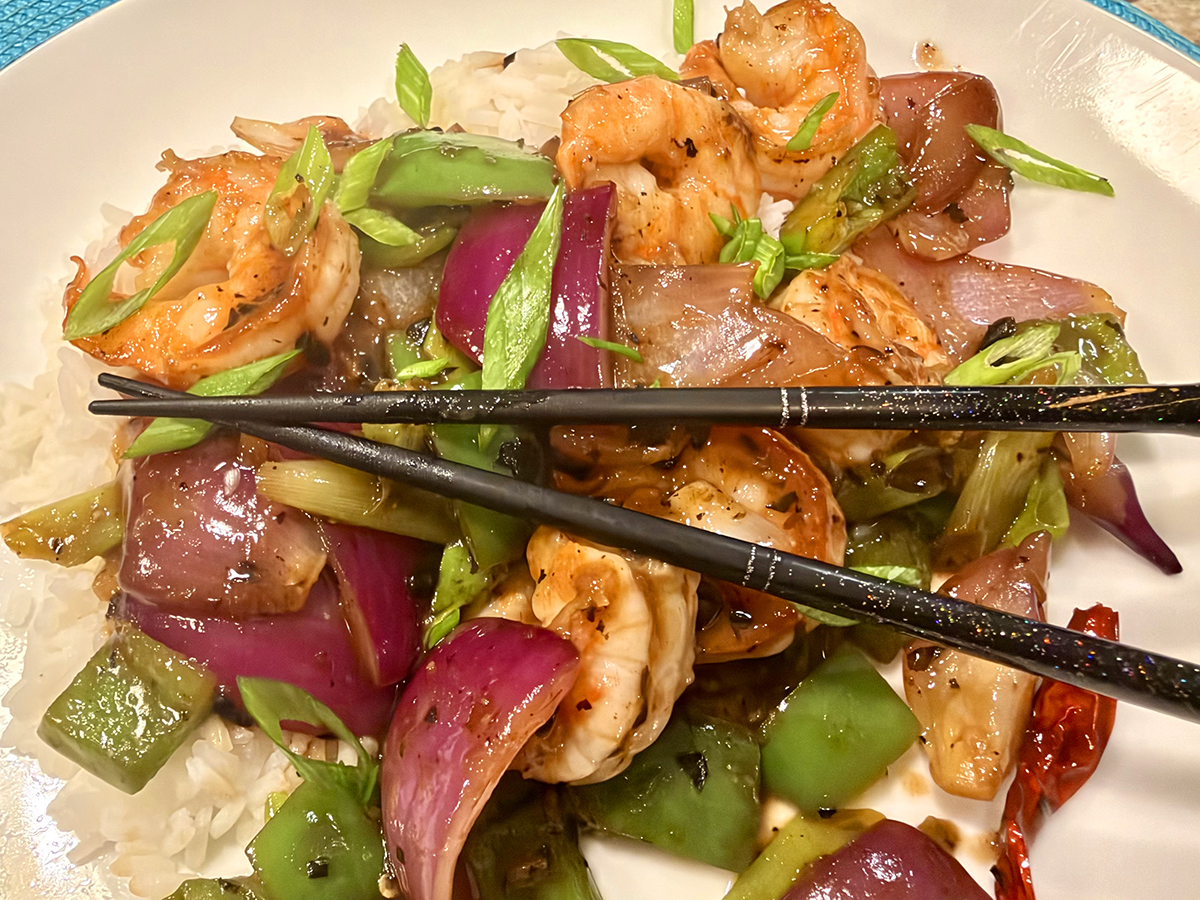
There are weeknight dinners, and then there are weeknight dinners that taste like you know exactly what you’re doing. This Szechuan pork stir-fry is firmly, unapologetically the latter. Stir-fries are one of our favorite go-tos, especially when time is limited.
Wok cooking rewards confidence and punishes hesitation. The heat is high, the timing is quick, and the results — when you trust the process — are spectacular. If you’re new to stir-fry technique, this recipe is a masterclass in the fundamentals: proper oil selection, batch cooking for a true sear, and the discipline of having everything prepped and within reach before the first drop of oil hits the pan.
Serve it over steamed jasmine rice or alongside lo mein noodles, with an extra spoonful of chili garlic sauce on the side for those who like to live boldly. Either way, dinner is going to be very, very good tonight.
While the list of ingredients may seem daunting, don’t sweat it, the recipe is just a starting point with a lot of versatility. Feel free to switch out the protein and vegetables at whim.
After the recipe below, I’ll describe in-depth the ingredients used and why.
NOTE: The option to “velvet” the pork before stir-frying is up to you. The process is noted below the stir-fry recipe and requires additional time to do this step.

Szechuan Pork, Asparagus, Bell Pepper and Mushroom Stir-Fry
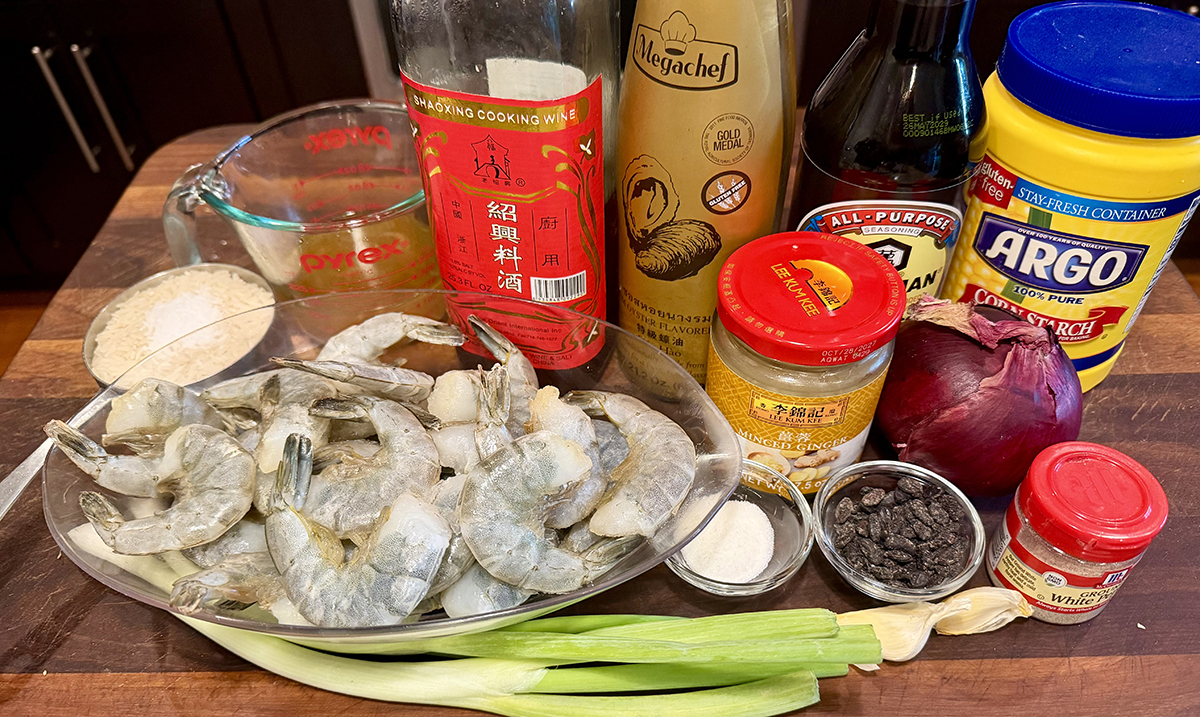
Ingredients
The Sauce:
- 1 tsp. Szechuan peppercorns
- 1/4 cup soy sauce
- 3 Tbsp. brown sugar
- 1 Tbsp. sesame oil
- 1 Tbsp. rice wine vinegar or black vinegar
- 1 Tbsp. Shaoxing wine
- 3 cloves garlic finely minced
- 2 tsp. fresh ginger finely minced
- 1 Tbsp. chili garlic sauce or sambal oelek or more to taste
- 1/2 tsp. Chinese Five Spice
- 1 Tbsp. cornstarch to thicken
The Meat and Veggies:
- Peanut oil, divided
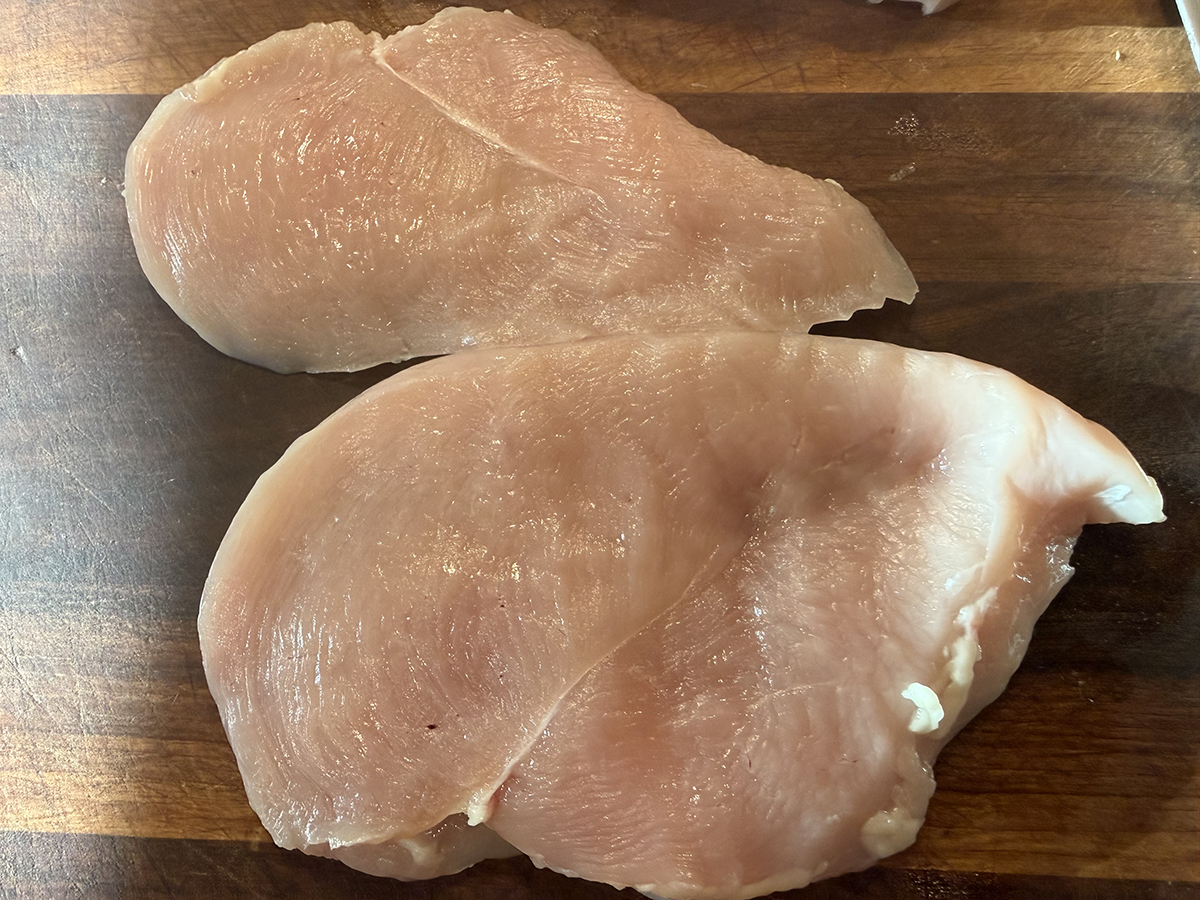
- 1 1/4 lbs. of boneless pork loin chops, halved horizontally, then sliced into 1/4″ strips
- 1 1b, med. thick asparagus, woody bottoms removes and sliced at a diagonal in 1-ich pieces
- 1 large red bell pepper, stemmed, seeded and sliced into 1/4″ strips
- 1 red onion, ends remove, and cut vertically into 1/4″ slices
- 8 oz. shiitake mushrooms, stems removed and cut into 1/4″ slices
- 1-2 scallions, sliced thin on a diagonal, for garnish (optional)


Directions
For the sauce:
- Toast szechuan peppercorns in a hot dry skillet over medium heat, until fragrant, about 1-2 minutes. Crush.
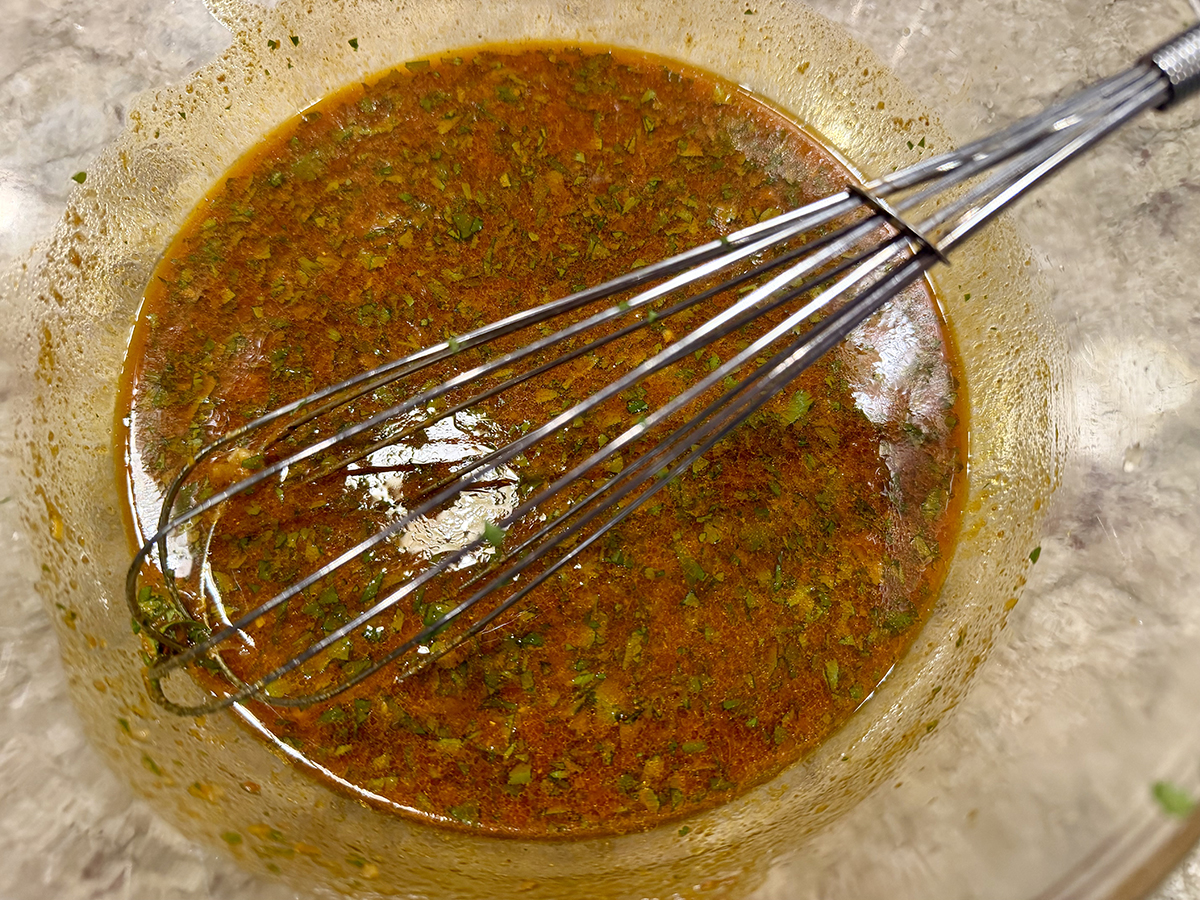
- Place all ingredients in a medium bowl or small jar and whisk until well combined.
To thicken it, whisk in 1 tablespoon cornstarch.
For the Stir-Fry:
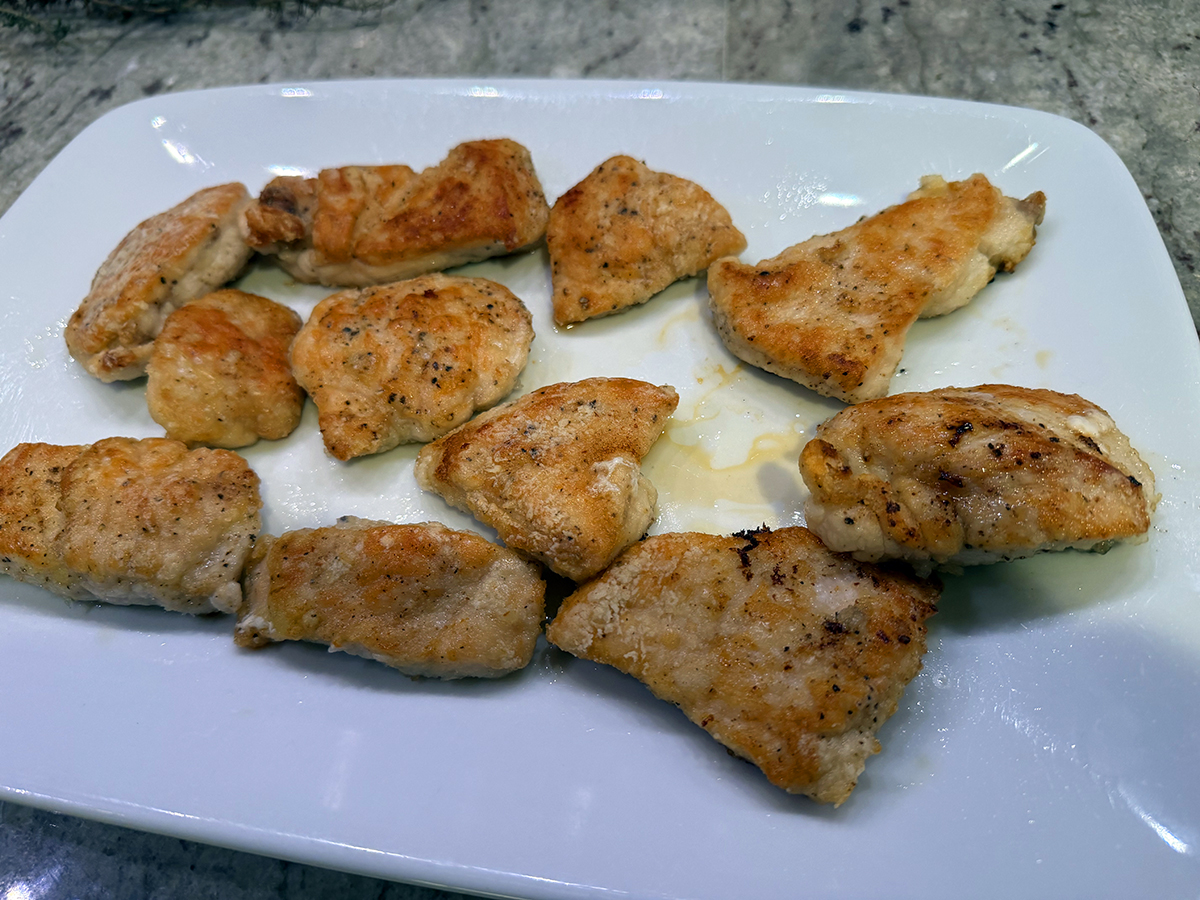
- Heat peanut oil in a wok until searing. Working in two batches, sear the pork, constantly stirring for ??? minutes each batch. Remove to a side bowl.
- Add more oil (??) to wok and when hot toss in the bell pepper and onion, stirring constantly until crisp tender, about ?? minutes. Add the asparagus and continue stir-frying for about ?? minutes. Remove all of these vegetables from the wok into the bowl with the pork.
- More oil? Next, stir-fry the mushroom slices for about ?? minutes. Return the bowl of pork and vegetables to the wok with the mushrooms and stir to combine. Whisk the sauce again before adding along the inside edges of the wok. Stir-fry for a few minutes until sauce thickens.
- Spoon over hot steamed rice garnished with thinly-sliced scallion greens.
Velveting Pork for Stir-fry
Through the process of velveting, meats retain their moisture and take on a soft and velvety texture that is a signature quality of Chinese cuisine. The cornstarch and oil form a barrier that locks in juices and protects the meat from the hot cooking medium, and additional seasonings in the marinade add flavor.
Ingredients
- Use pork from above recipe
- 1 Tbsp. water
- 1 1/2 tsp. Shaoxing wine
- 1 1/2 tsp. oyster sauces
- 3/8 tsp. baking soda
- 1 1/2 tsp. cornstarch
- 1 tsp. vegetable oil
- 1/4 tsp. sesame oil
- 1/8 tsp. white peppers
Directions
- In a medium bowl, add the pork, water, Shaoxing wine, oyster sauce, and baking soda.
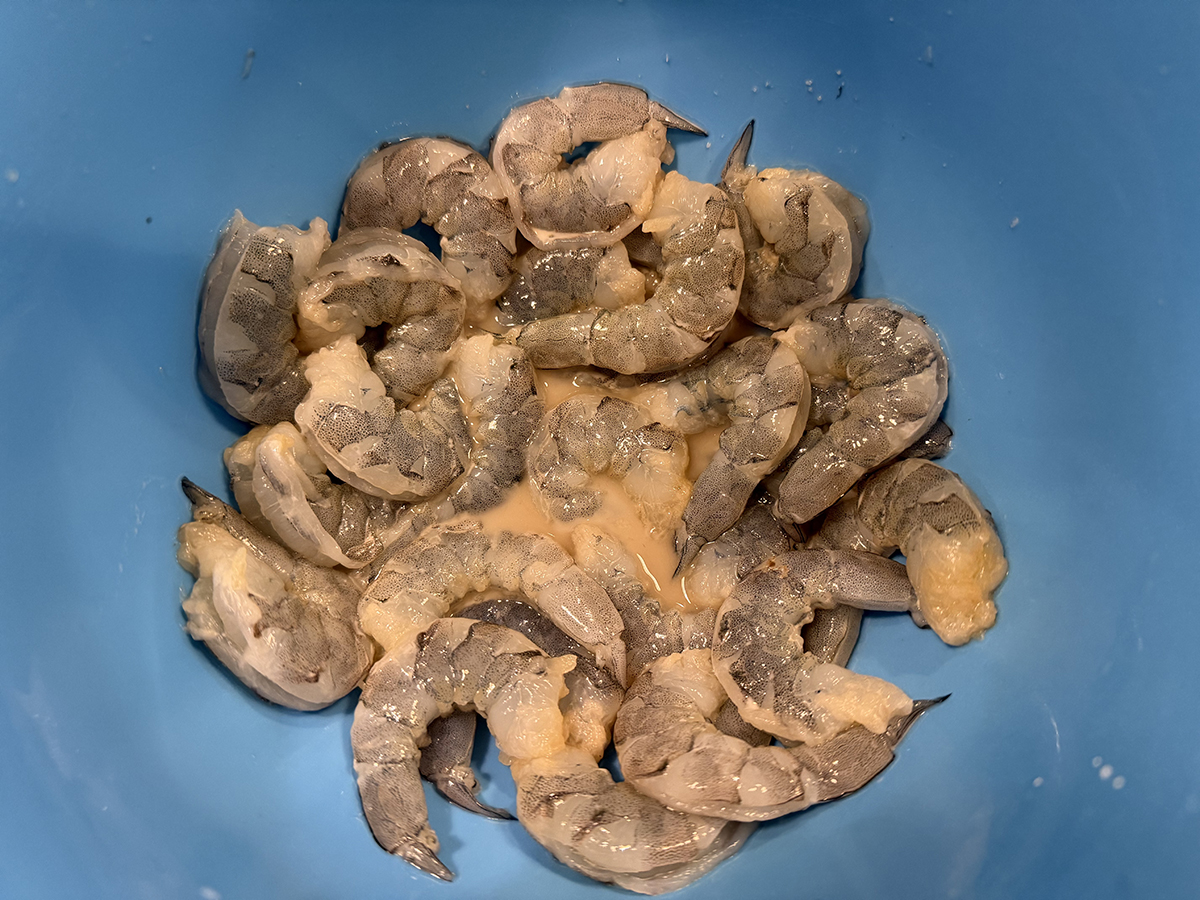
- Mix with your hands until the pork is well coated and the liquid is absorbed into the meat. Add the cornstarch, vegetable oil, and optional sesame oil and white pepper. Mix again until everything’s well incorporated. Set aside and let the pork marinate for at least 30 minutes or overnight. If marinating overnight, let the pork come up to room temperature before starting your dish.
- To sear the pork, place your wok over high heat. When it starts to smoke lightly, add 2 tablespoons oil around the perimeter of the wok to coat the surface. Add the pork in one layer, allowing it to sear for 30 seconds. Stir-fry until it has turned opaque, remove from the wok, and set aside.
- Now your pork is ready to be added to your stir-fry. Remember, whether searing or blanching, you will cook the pork again in your stir-fry, so avoid overcooking it during the pre-cook step.
The Sauce: Building Layers of Flavor
The soul of this stir-fry lives in its sauce — a carefully balanced blend of bold, aromatic, and umami-rich ingredients that draws on the classic pantry of Chinese cooking.
Szechuan Peppercorns are the dish’s defining character. Unlike black pepper, these aren’t truly “hot” — instead, they deliver a singular má (麻) sensation: a floral, citrusy tingle that numbs the lips and electrifies the palate. Toast and lightly crush them before adding to unlock their full fragrance.
Soy sauce forms the backbone of the sauce, bringing deep, fermented saltiness and the savory umami that makes stir-fries so satisfying. It also contributes color, giving the finished dish its rich, lacquered glaze.
Brown sugar balances the salt and heat with gentle sweetness and a hint of molasses depth. It also encourages caramelization in the high heat of the wok, helping the sauce cling to the pork and vegetables rather than pool at the bottom of the pan.
Sesame oil is used here as a flavoring, not a cooking fat — its low smoke point makes it unsuitable for high-heat frying. Added to the sauce, it weaves in a deep, nutty, toasted richness that is unmistakably Chinese in character.
Rice wine vinegar or black vinegar introduces a necessary brightness. Rice wine vinegar is mild and clean; black vinegar (Chinkiang) is earthier and more complex, with a slightly smoky depth reminiscent of balsamic. Either works beautifully here, but black vinegar is the more traditional Szechuan choice and worth seeking out.
Shaoxing wine is a aged Chinese rice wine that adds an aromatic, slightly sweet complexity you simply can’t replicate with a substitute. It tenderizes the pork, lifts the other flavors, and contributes the subtle fermented backbone that distinguishes an authentic stir-fry from a merely good one. Dry sherry is the closest stand-in if needed.
Garlic and ginger, both finely minced, form the aromatic foundation of virtually every great stir-fry. Garlic brings pungent savory heat; ginger contributes bright, peppery warmth and a freshness that keeps the sauce from feeling heavy. Mince both as finely as possible so they melt into the sauce rather than dominate any single bite.
Chili garlic sauce or sambal oelek is where you control the fire. Chili garlic sauce is slightly more complex, with fermented depth and visible garlic throughout; sambal oelek is purer, brighter chile heat. Start with a tablespoon and adjust boldly — this dish is meant to have presence.
Chinese Five Spice adds an almost mysterious, warm complexity: a ground blend of star anise, cloves, Chinese cinnamon, Szechuan pepper, and fennel seeds. Just half a teaspoon is enough to infuse the entire dish with that distinctively fragrant, slightly sweet-and-spiced quality that sets Chinese braised and stir-fried pork apart from anything else.
Cornstarch, whisked into the sauce before adding it to the wok, performs two essential functions: it thickens the sauce into a glossy, restaurant-style coating, and it helps the flavors cling to every piece of pork, asparagus, bell pepper, and mushroom rather than sliding to the bottom of the pan. The result is that signature, satiny stir-fry finish.
The Meat & Vegetables: Technique is Everything
In stir-fry cooking, how you prepare your ingredients matters just as much as what you put in the sauce. Every cut here is deliberate — designed to maximize surface area, ensure even cooking, and create a finished dish where every component is perfectly tender, never soggy, and beautifully glazed.
Peanut oil is the ideal fat for wok cooking. Its exceptionally high smoke point allows it to withstand the fierce, sustained heat that a proper stir-fry demands — the kind of heat that sears rather than steams, creating those lightly charred, caramelized edges that define great wok food. Its flavor is clean and neutral with just the faintest hint of nuttiness that complements the sesame and Szechuan flavors beautifully. The oil is divided intentionally: you’ll cook the pork and vegetables in separate batches, adding fresh oil as needed so that the wok temperature stays high and nothing stews in its own juices.
Boneless pork loin chops, halved horizontally and sliced into quarter-inch strips, are an excellent choice for stir-fry. Loin is lean enough to cook quickly without becoming greasy, yet has just enough fat marbling to stay juicy under high heat. Halving the chops horizontally first — essentially butterflying them into thinner slabs — makes the subsequent slicing easier and ensures the strips are a consistent, delicate thickness that will sear and cook through in a matter of minutes. Cut against the grain wherever possible for the most tender result. Pat the strips dry before they hit the wok: moisture is the enemy of a good sear.
Asparagus, sliced on a diagonal into one-inch pieces with the woody bottoms snapped away, brings grassy, vegetal freshness and a satisfying crunch that holds up beautifully against the bold, assertive sauce. Medium-thick spears are ideal here — thin asparagus risks going limp too quickly, while very thick spears may not cook through in time. The diagonal cut isn’t merely decorative: it exposes more surface area to the heat, accelerating cooking and giving the sauce more to cling to.
Red bell pepper, sliced into thin quarter-inch strips, contributes sweetness, color, and a crisp bite that provides textural contrast throughout the dish. Red peppers are the ripest and sweetest of the bell pepper varieties, and their natural sugars caramelize beautifully in a screaming-hot wok. Their vivid color also makes the finished dish as visually striking as it is delicious.
Red onion, cut vertically into quarter-inch slices, softens and sweetens as it cooks, its sharpness mellowing into something almost silky under high heat. Cutting vertically — from root end to tip along the natural lines of the onion — helps the slices hold together in the wok rather than falling apart into individual rings. Red onion also brings a subtle purple hue that adds to the dish’s visual appeal.
Shiitake mushrooms, stems removed and sliced into quarter-inch pieces, are among the finest mushrooms for stir-fry. Their caps are meaty, dense, and remarkably absorbent, soaking up the Szechuan sauce like little flavor sponges while contributing their own deep, woodsy umami to the dish. The stems are fibrous and tough even when cooked, so removing them entirely is worth the small extra effort. If your shiitakes are particularly large, a rough chop rather than a slice works equally well.
Scallions, sliced thin on the diagonal and scattered over the finished dish just before serving, are more than garnish. Their mild, grassy onion flavor adds a final fresh note that cuts through the richness of the sauce, and their bright green color signals to every diner that something vibrant and carefully made has just arrived at the table. The diagonal slice, echoing the asparagus cut, gives the dish a visual coherence and exposes just enough of the scallion’s interior to release its fragrance without wilting.