All posts by LynnHoll

Unknown's avatar

About LynnHoll

I have been an artist and designer all my life incorporating graphic design for websites, gardens, publications, fabrics, interior design and cooking. I am now retired from my professional job, but still create artistic visions in all forms on a daily basis.

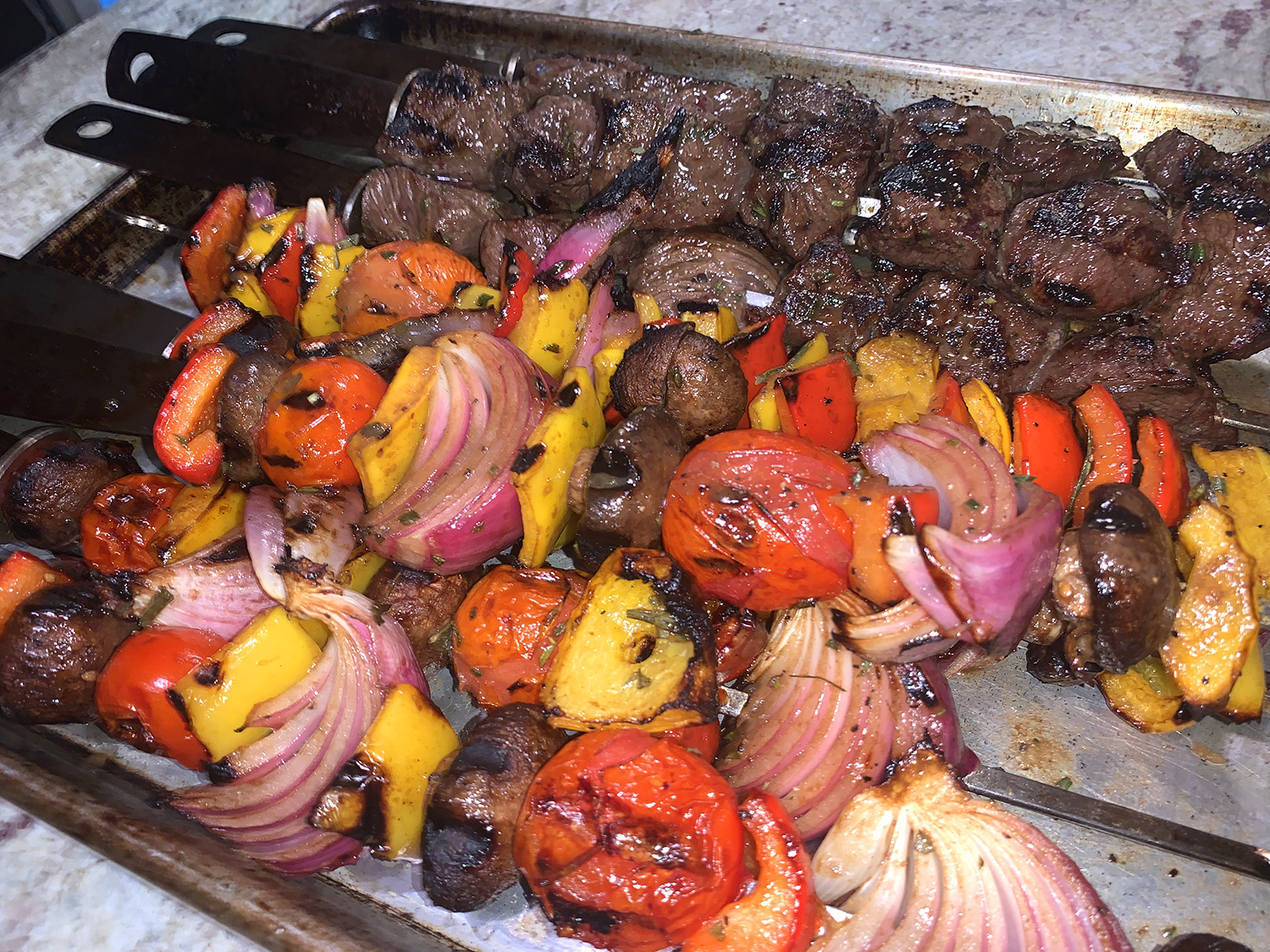
Top Sirloin and Veggie Kebabs

When selecting the type of beef to make your kebabs, you have unlimited choices but ultimately you want your beef on the skewer to be tasty, tender and not bust your wallet. For those looking for great flavor on a budget, sirloin tips work well if they are marinated ahead to make them more flavorful. 

Sirloin steaks are usually cut about an inch thick to begin with, have little fat, and have a beefy flavor a little more delicate than other cuts. This allows you to get the full flavor of the marinade with a nice underlying beefiness that isn’t over powering. Top sirloin is the perfect steak for these kebabs.

Therefore, we recommend sticking with top sirlion or New York Strip since it’s more lean than some other steaks leaving you with nice uniform cubes and not a lot of excess fat. It has great flavor and comes out tender when marinated and properly cooked.

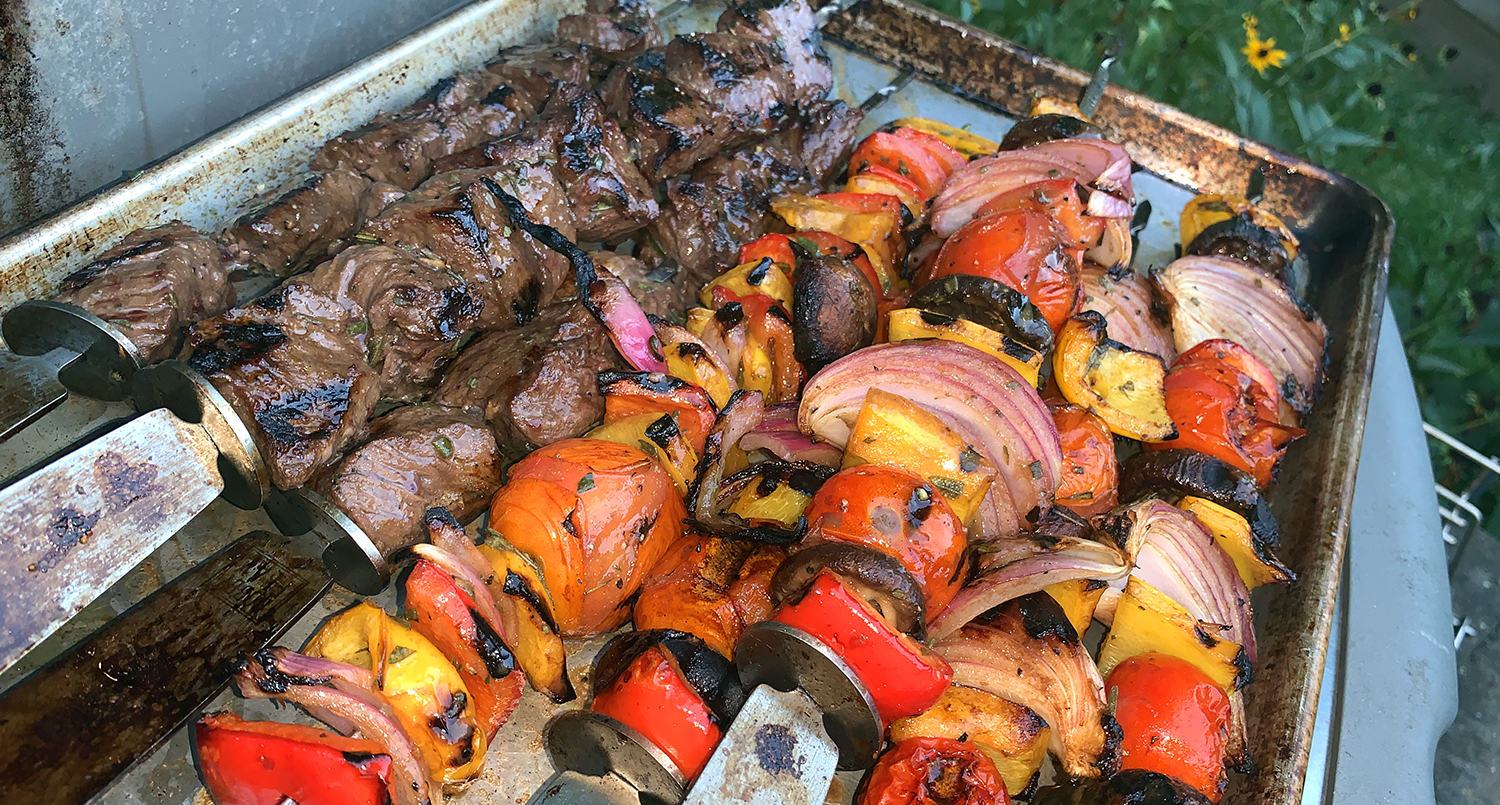
Because the meat and the veggies need different amounts of time to cook, we thread them onto to separate skewers. If at all possible, use metal skewers because they contribute to cooking the meat from the center as they pick up heat from the exposed parts and conduct it throughout.

It is a good idea not to crowd your metal skewers with pieces of food to expose more surface area for the food to caramelize. Doing this on a wooden skewer runs the risk of burning the skewers and losing food into the grill.

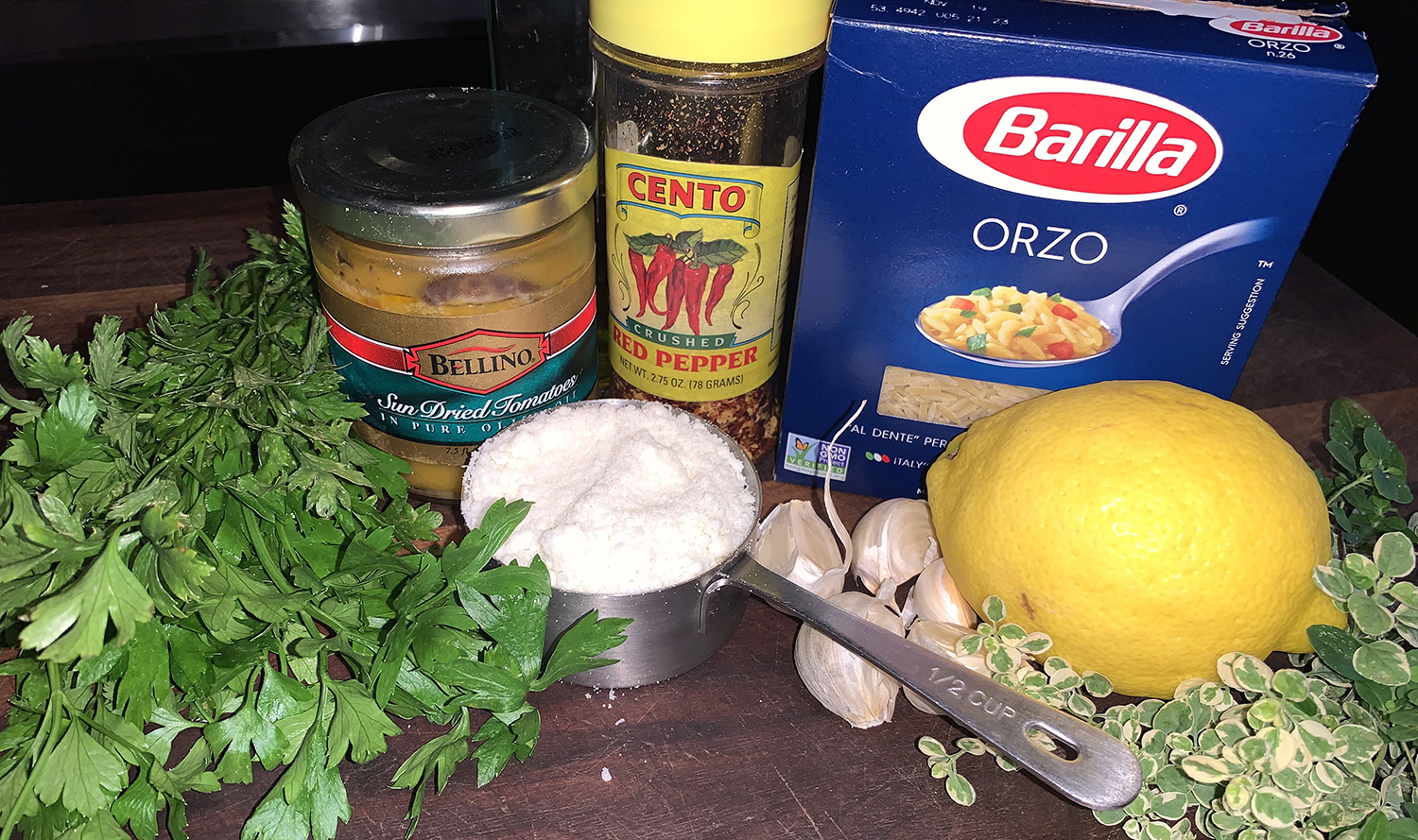
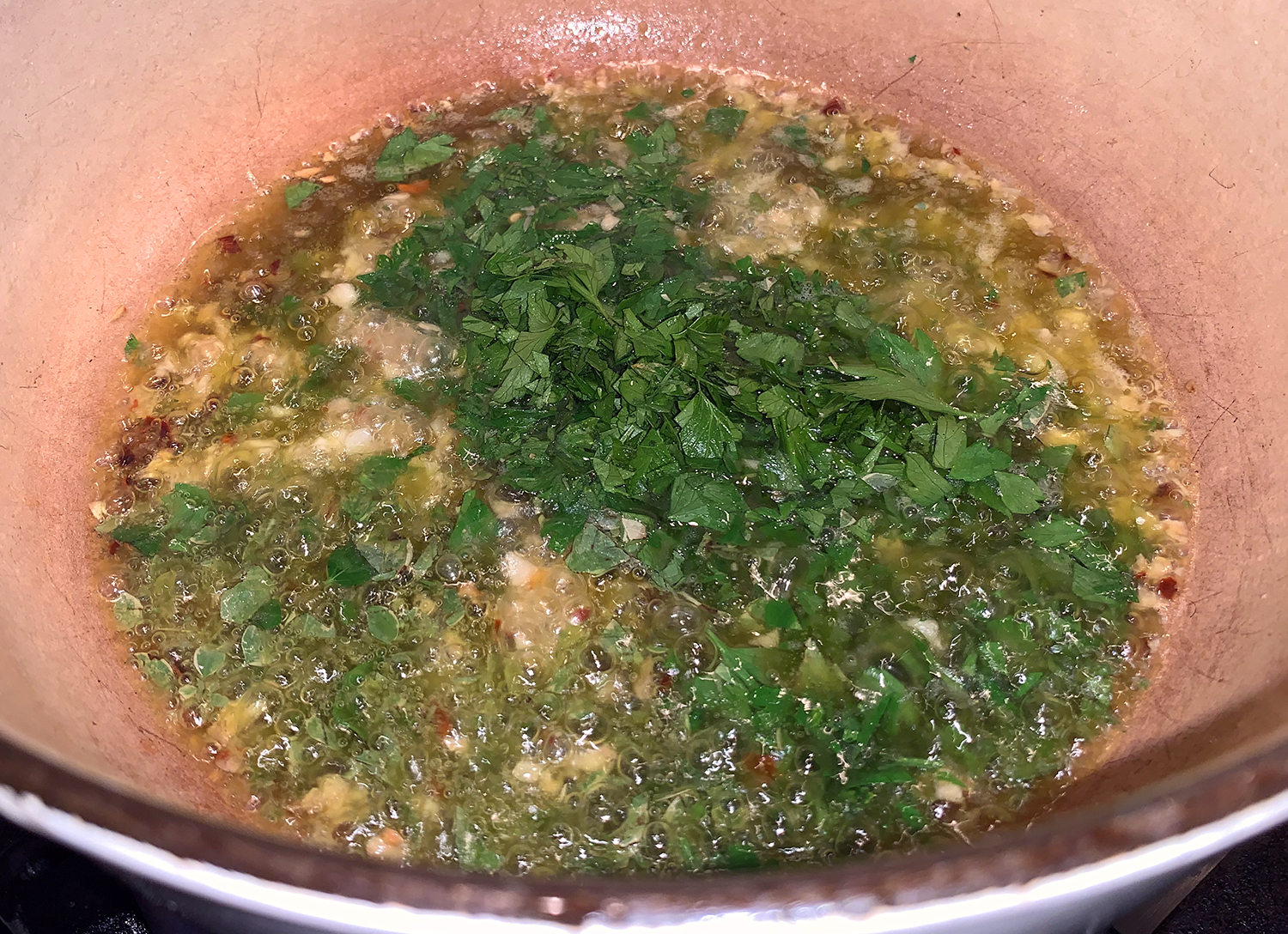
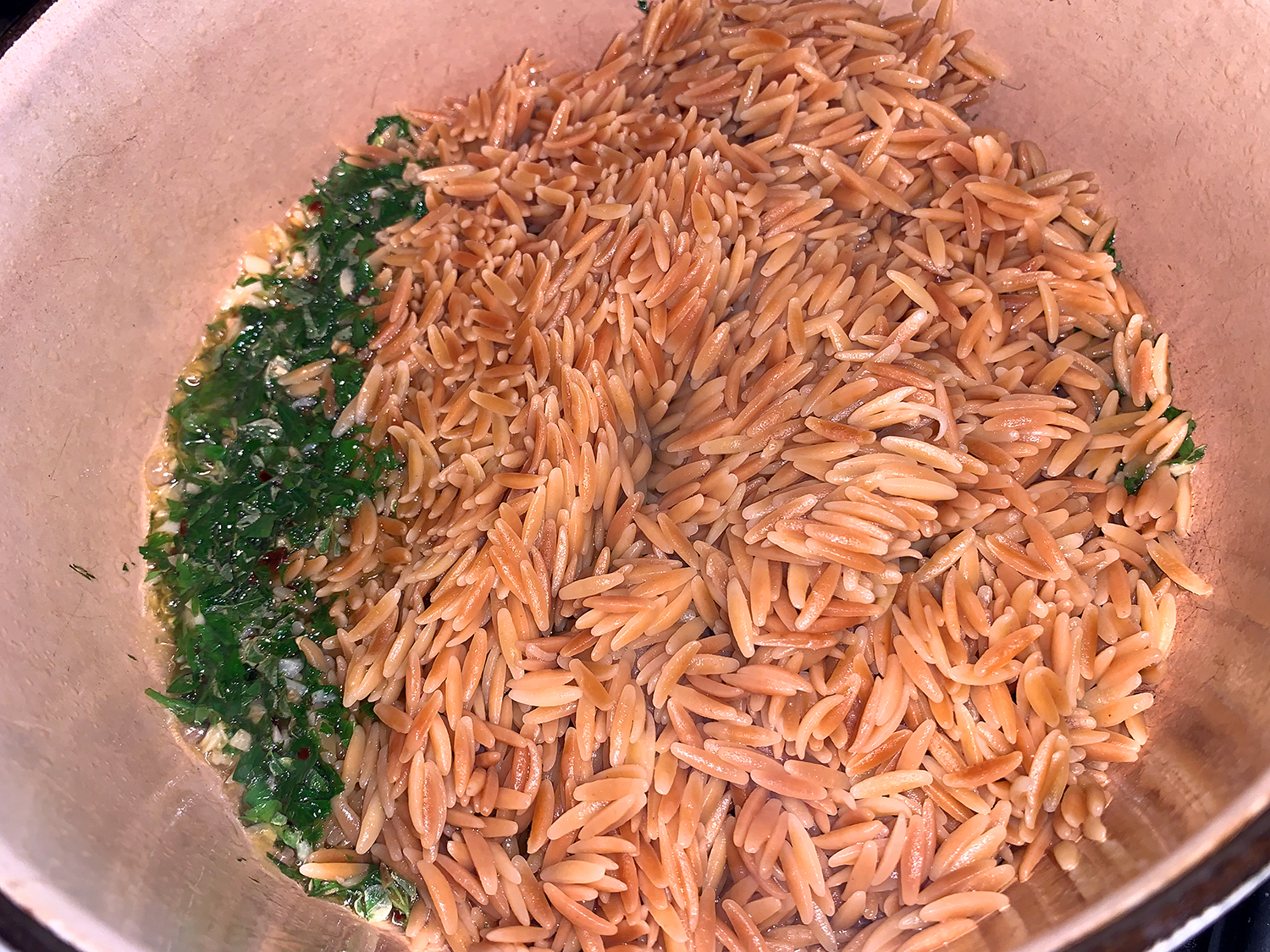
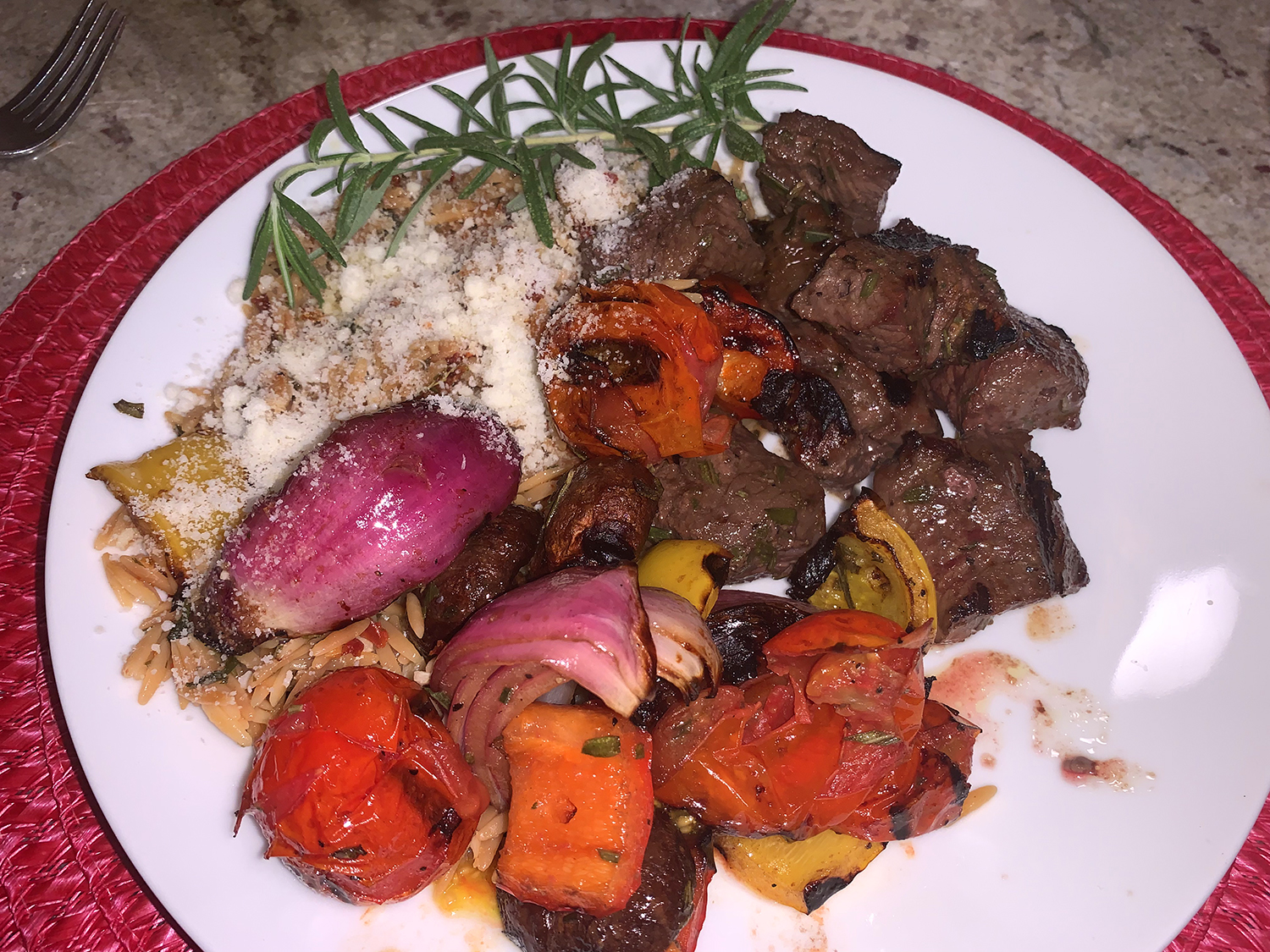
Want the perfect side dish to compliment your kebabs? Try Toasted Orzo Pasta Recipe with Garlic, Parmesan and Sun-dried Tomatoes.
Top Sirloin and Veggie Kebabs

  • Servings: 4-6
  • Difficulty: easy
  • Print

Ingredients

  • 3⁄4 cup olive oil
  • 3⁄4 cup balsamic vinegar
  • 2 Tbsp. Dijon mustard
  • Kosher salt
  • Freshly ground black pepper
  • 2 Tbsp. minced fresh rosemary
  • 1 1⁄2 lbs. top sirloin steak, cut into 1 1⁄2″ cubes
  • 8 oz. baby bella mushrooms, stems removed
  • 10 cocktail tomatoes
  • 1 each red and yellow pepper, stemmed, seeded and cut into 1 1⁄2 pieces
  • 1 large red onion, root intact, sliced into 12 wedges

Directions

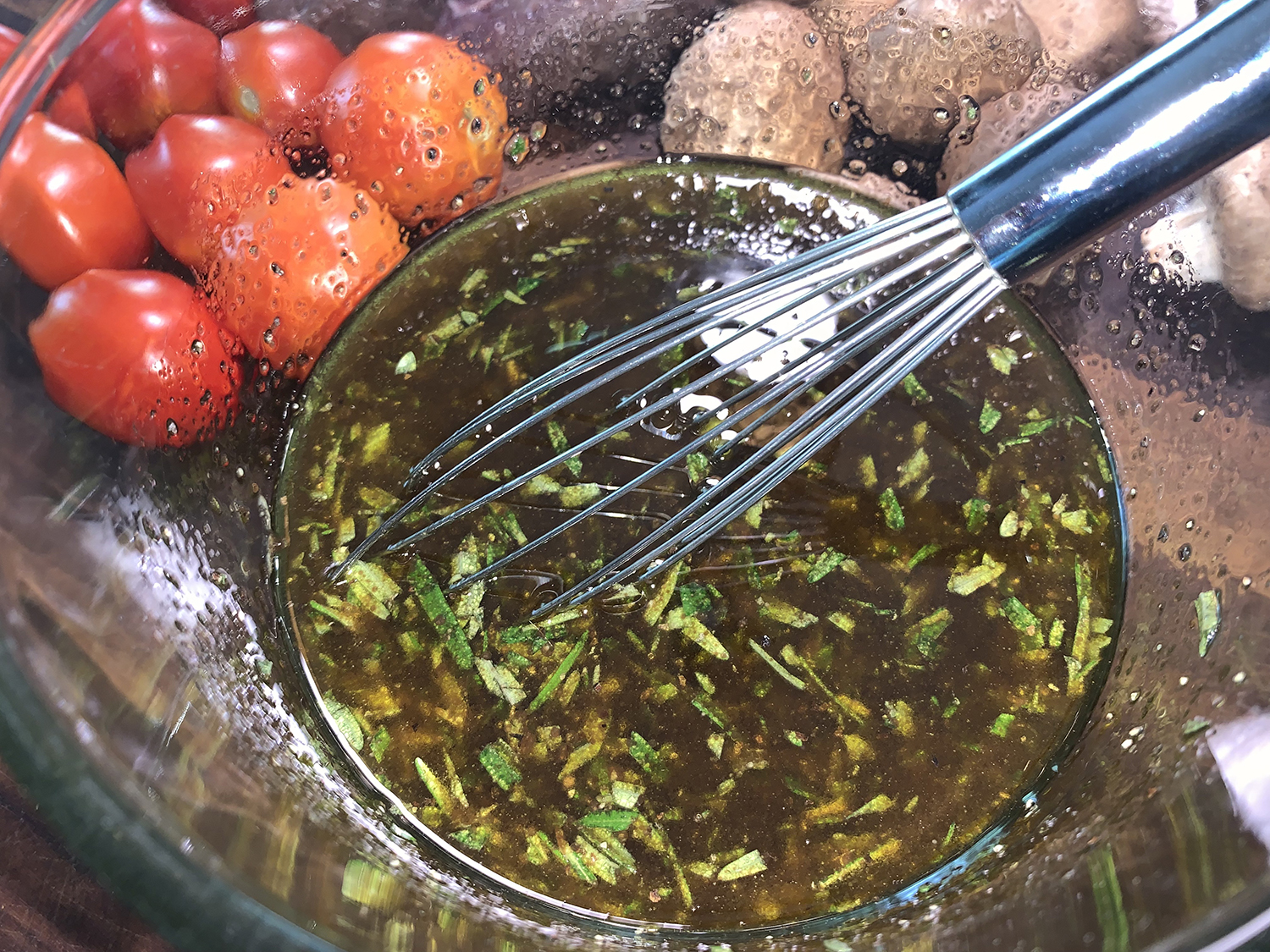
  1. Whisk oil, vinegar, mustard, and rosemary into a large bowl. Season with salt and pepper. Add steak to ziploc bag, pour in half of the marinade, mix to coat. Transfer to the refrigerator to marinate for a minimum of 1 hour and up to 8 hours, turning occasionally.
  2. In another ziploc bag, add all of the vegetables and the remaining half of the marinade. Transfer to the refrigerator to marinate for a minimum of 1 hour and up to 8 hours, turning occasionally.
  3. If using bamboo skewers, soak 16 in water for at least an hour.
  4. To assemble vegetable skewers: Start with a piece of red bell pepper, onion wedge, yellow pepper, mushroom, and so on until the vegetables are used up.
  5. On the meat skewers: Thread 7 pieces of beef onto 4 metal skewers (more if needed).
  6. Preheat the grill on high for 15 minutes. Reduce heat to medium-high and clean and then oil grates. Add vegetable skewers and cook for 4 minutes and then flip skewers.
  7. Add the meat skewers, cook for another 4 minutes, then turn.
  8. Baste all skewers a few times with the leftover marinade as you cook.
  9. Continue cooking for additional 2-3 minutes until an instant thermometer registers 130° on the meat.
  10. Transfer to serving plate. Garnish with fresh rosemary if desired.
http://www.lynnandruss.com

Spice-Crusted Oven-Roasted Potatoes

I’m a huge fan of potatoes no matter how they are made, be it mashed, smashed, roasted, french fried, twice-baked, scalloped, or au gratin. This Spice-Crusted Oven-Roasted Potatoes recipe elevates spuds to a new dimension and earns top honors in my plethora of potato recipes.

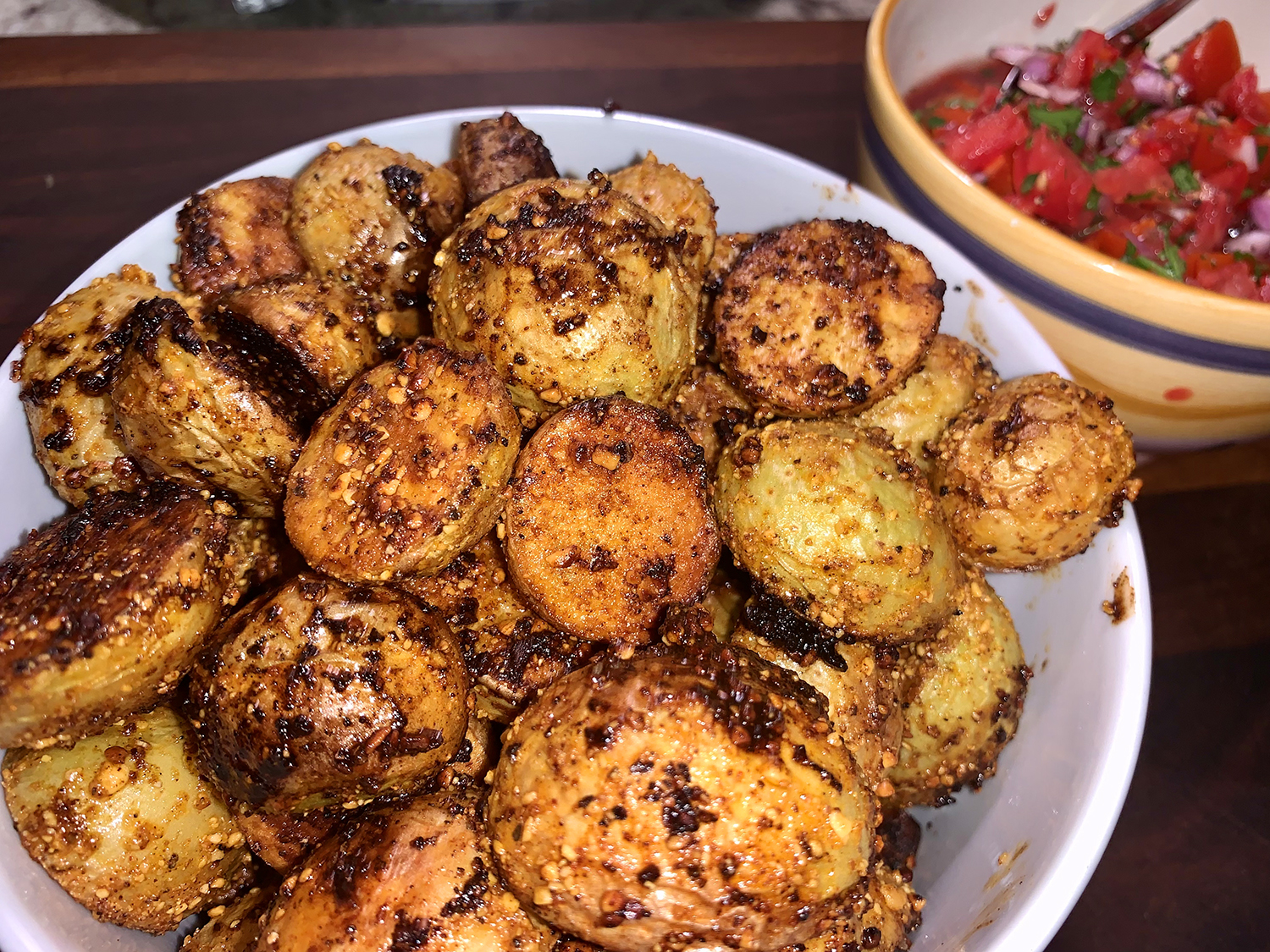
The mix, known as “suya” in Nigeria has a kick to it, but it’s also got an earthy and nutty taste to it as well, making it a favorite side dish for many entrées. A food processor makes the assembly of the mixture a breeze. Though suya is typically a powder when used on meats, adding a bit of oil produces a paste that adheres better to skin-on potatoes.

It is paired with a refreshing tomato-shallot recipe to spoon over the top, or even used for dipping. While it is not necessary, it adds a bright note to the side dish and complimented our grilled lamb loin chops.

Making them is a bit messy when you try to adhere the spice rub to the potato halves. Some of the mixture on the baking sheet will likely occur and char, but don’t worry because the cooking spray prevents it from sticking to the sheet.

Spice-Crusted Oven-Roasted Potatoes

  • Servings: 4-6
  • Difficulty: easy
  • Print

Ingredients

  • 1⁄2 cup unsalted dry-roasted peanuts
  • 2 tsp. hot or sweet paprika
  • 2 tsp. ground ginger
  • 2 tsp. granulated garlic
  • 1 tsp. packed light brown sugar
  • Kosher salt and ground black pepper
  • 3 Tbsp. grapeseed or other neutral oil, divided
  • 2 lbs. small Yukon Gold or red baby potatoes
  • 3 plum tomatoes, cored and finely chopped
  • 1 medium shallot, peeled and finely chopped
  • 1 serrano chili, stemmed. seeded and finely chopped
  • 1⁄2 cup lightly packed fresh flat-leaf parsley, chopped
  • 2 Tbsp. lime juice

Directions

  1. Heat oven to 475°F with a rack in the middle position.
  2. Mist a rimmed baking sheet with cooking spray.
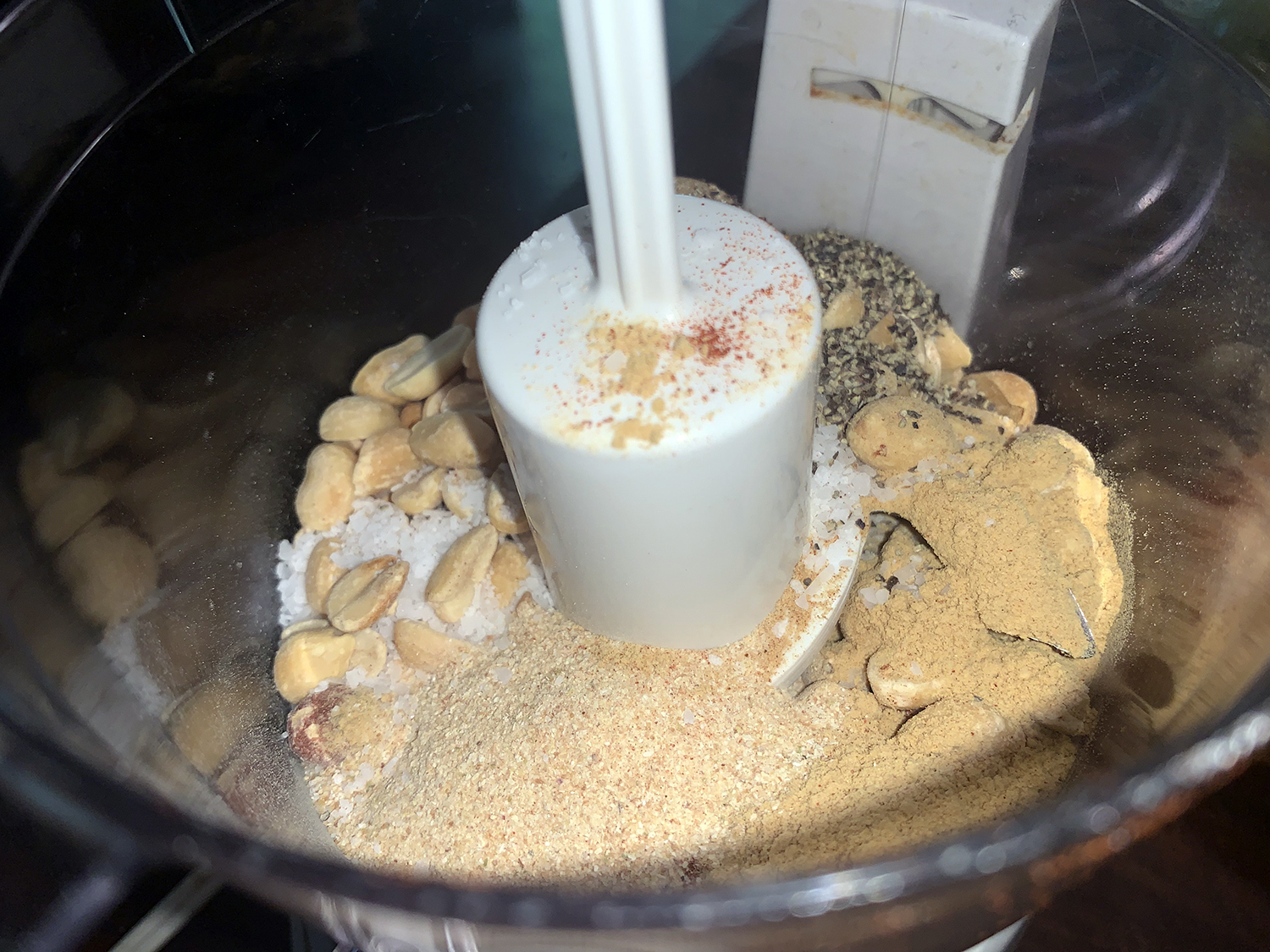
  3. In a food processor, combine peanuts, paprika, ginger, garlic, sugar, 1⁄2 teaspoon salt and 1 teaspoon black pepper. Process until finely ground.
  4. Add 2 tablespoons of the oil and pulse until evenly combined, scraping the bowl as needed.
  5. In a large bowl, toss the potatoes with the remaining oil and 1⁄4 teaspoon salt. Add the nut-spice mixture and use your hands to toss and press the seasoning onto the potatoes so it sticks.
  6. Scrape the potatoes and any residual seasoning onto the prepared baking sheet, then distribute in an even layer.
  7. Roast until well-browned all around and a skewer inserted in the potatoes meets no resistance, 20 to 25 minutes, turning the potatoes about halfway through.
  8. OPTIONAL: While the potatoes roast, in a small bowl, stir together the tomatoes, shallot, chili, parsley, lime juice and a 1⁄2 teaspoon each of salt and pepper.
  9. When the potatoes are done, transfer to a serving dish and sprinkle with salt. Serve with the tomato relish on the side, if using.

http://www.lynnandruss.com

Adapted from a recipe found in Milk Street Magazine

Chinese Ginger-Soy Braised Pork

There are as many versions of this hong shao rou dish as there are families because recipes for Chinese red-cooked pork vary by region and often are passed down within generations. The up-shot though, is succulent pork coated in savory spiced caramel. And the verdict? In a word, FANTASTIC!!

Dark soy sauce develops a crimson tint with long-cooking, lending hong shao rou its characteristic hue. This Instant Pot iteration from Milk Street omits the condiment, which can be tricky to source, resulting in a dish that’s less red but no less delicious. The pork shoulder is braised with ginger, garlic and warm spices, rounded out by sugar, soy sauce and dry sherry, an easier-to-find alternative to Shaoxing, the rice wine traditionally used in the dish. (We had some Shaoxing on hand.)

Whether pressure- or slow-cooked until fork-tender, the meat is reserved and its aromatic braising liquid is reduced into a sticky-sweet sauce. Assertive and robust in flavor, hong shao rou is best served with plain rice and simple steamed or stir-fried vegetables. So we paired ours with steamed jasmine rice and baby bok choy sautéed with ginger, garlic, Shaoxing rice wine—many of the same ingredients as the pork.

NOTE: Don’t add liquid to the pot other than the ⅓ cup of dry sherry. Allowing the pork to braise in its own juices yields rich, meaty flavor and results in less liquid to reduce to a glaze at the end.

Chinese Ginger-Soy Braised Pork

  • Servings: 4
  • Difficulty: easy
  • Print

Ingredients

  • 1/4 cup white sugar
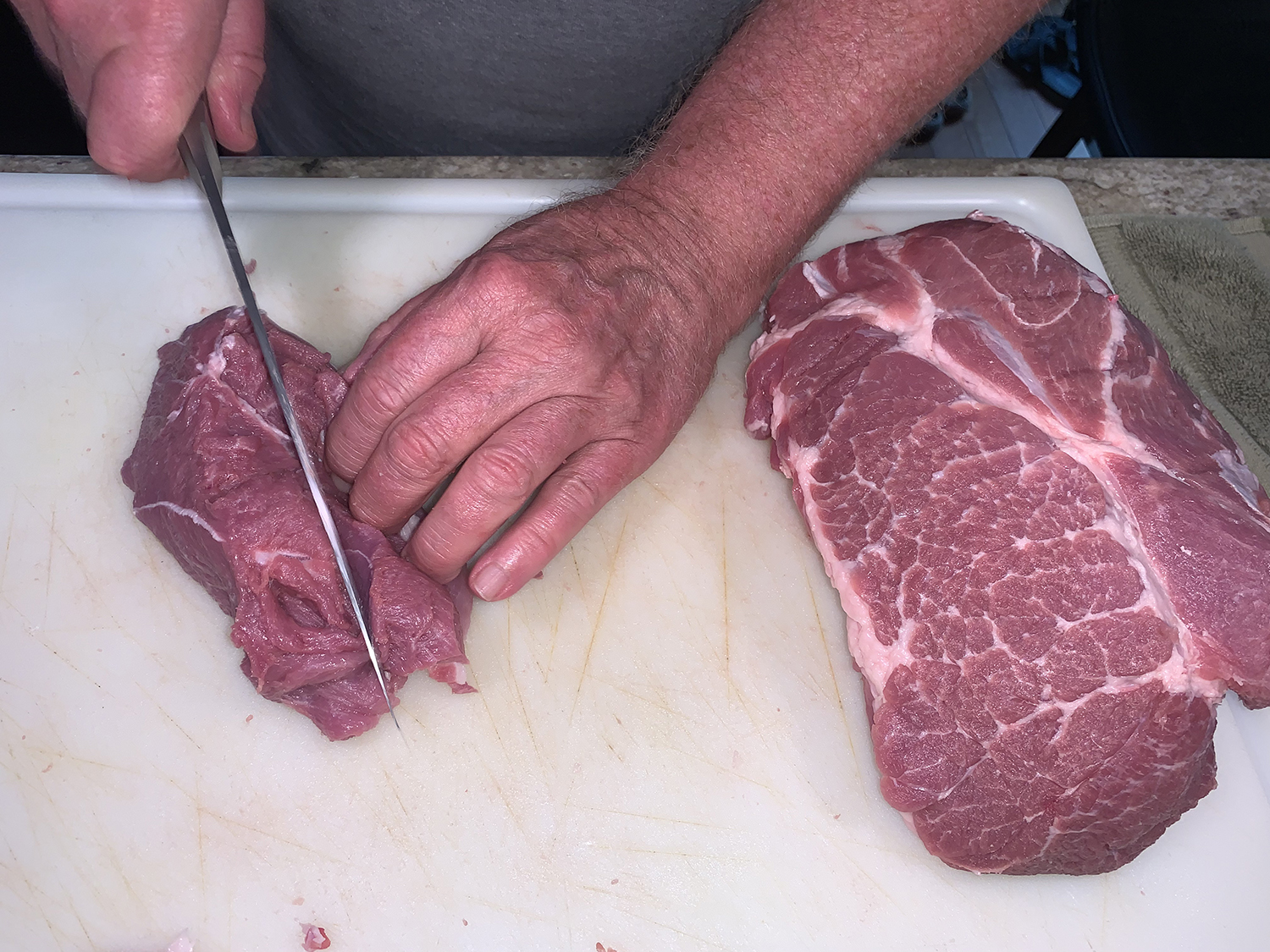
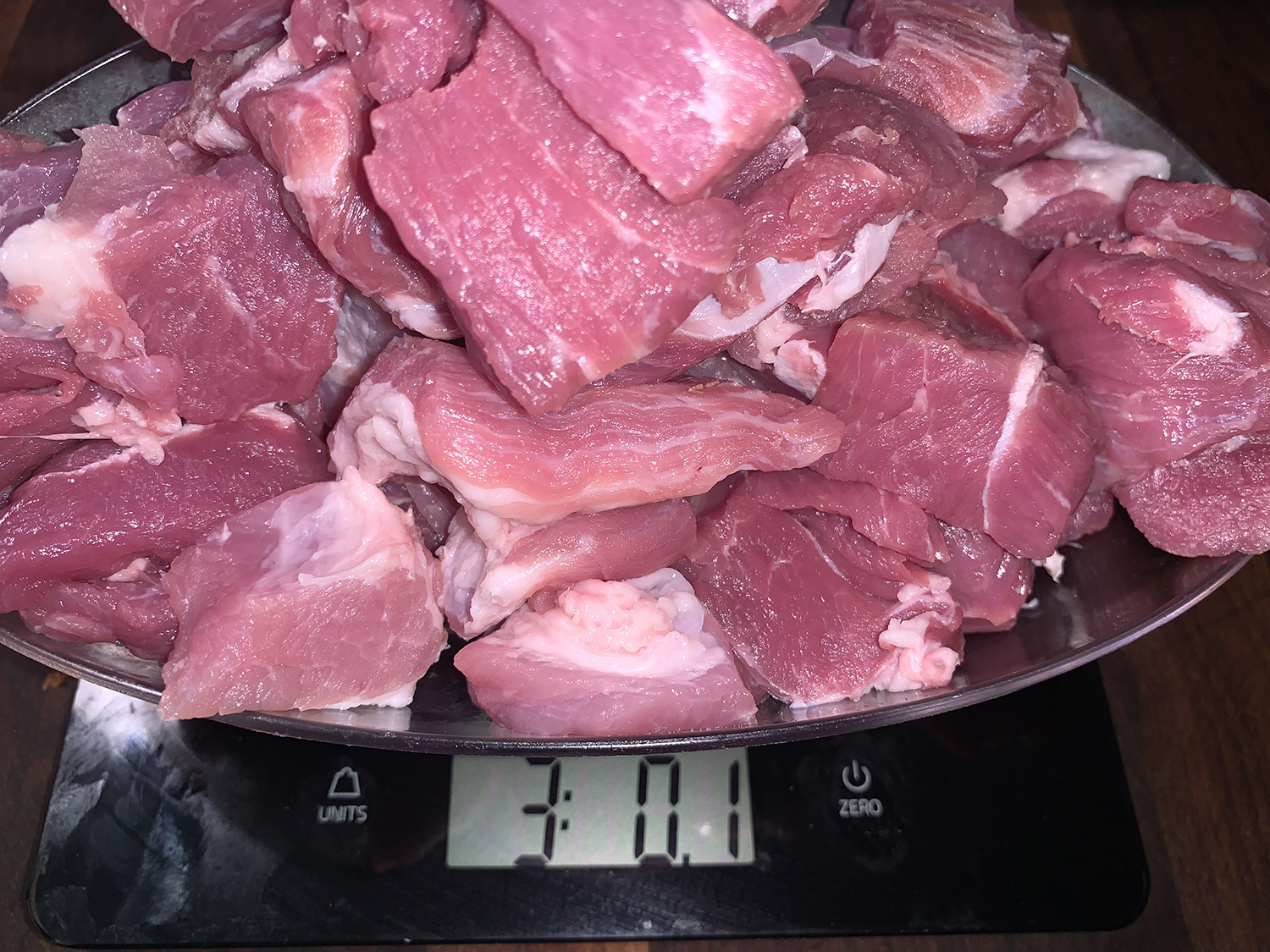
  • 3 lbs. boneless pork shoulder, trimmed of fat, cut into 1-inch chunks
  • 1 bunch scallions, thinly sliced, whites and greens reserved separately
  • 1/4 cup minced fresh ginger
  • 4 medium garlic cloves, minced
  • 1 cinnamon stick
  • 3 star anise pods
  • 1/3 cup dry sherry or Shaoxing wine
  • 2 Tbsp. soy sauce, preferably dark soy sauce
  • Kosher salt and ground black pepper

Directions

  1. On a 6-quart Instant Pot, select Normal Sauté. Add the sugar and 1 tablespoon water, then cook, stirring occasionally, until the sugar has liquified and is golden brown, 6 to 8 minutes.
  2. Add the pork and toss to coat. Cook, stirring occasionally, until the pork is no longer pink and has rendered some fat, 7 to 10 minutes.
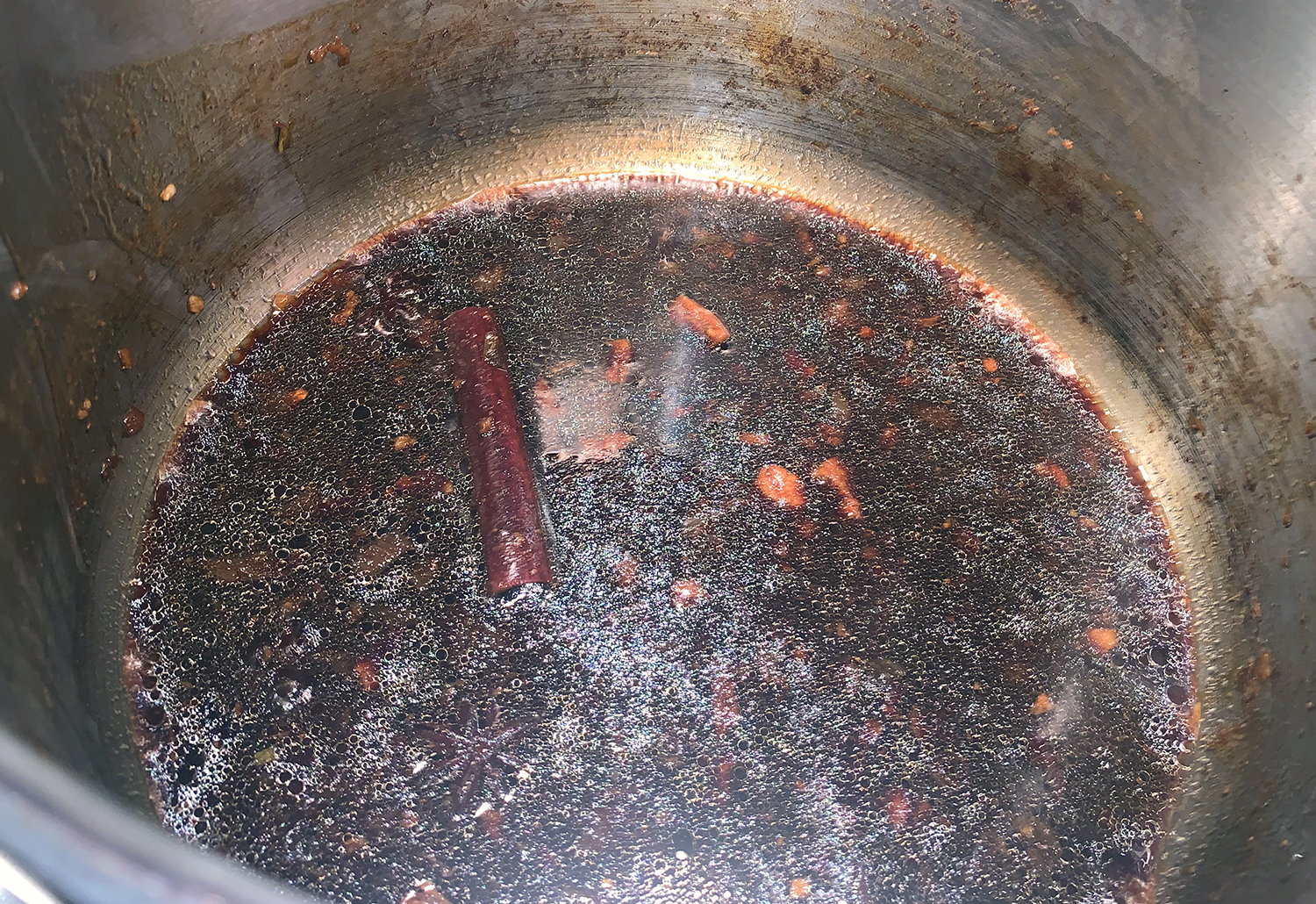
  3. Stir in the scallion whites, ginger, garlic, cinnamon, star anise, sherry and soy sauce. Press Cancel, then distribute the mixture in an even layer.

FAST: Lock the lid in place and move the pressure valve to Sealing. Select Pressure Cook or Manual; make sure the pressure level is set to High. Set the cooking time for 25 minutes. When pressure cooking is complete, allow the pressure to release naturally for 5 minutes, then release the remaining steam by moving the pressure valve to Venting. Press Cancel, then carefully open the pot. OR

SLOW: Select More/High Sauté and bring the mixture to a boil. Press Cancel, lock the lid in place and move the pressure valve to Venting. Select Slow Cook and set the temperature to More/High. Set the cooking time for 4½ to 5½ hours; the pork is done when a skewer inserted into a piece meets no resistance. Press Cancel, then carefully open the pot.

  1. Transfer the pork to a medium bowl, leaving the cooking liquid in the pot. If necessary, using a large spoon, skim off and discard the fat from the surface of the liquid.
  2. Select More/High Sauté, bring the liquid to a boil and cook, stirring occasionally, until reduced to the consistency of honey, 13 to 15 minutes. Remove and discard the cinnamon and star anise.
  3. Return the pork and any accumulated juices to the pot and cook, stirring, until heated through, 2 to 3 minutes. Press Cancel to turn off the pot.
  4. Taste and season with salt and pepper. Serve sprinkled with the scallion greens.

http://www.lynnandruss.com

Recipe by Rose Hattabaugh for Milk Street

Lemon and Garlic Baked Chicken

Garlic and lemon with chicken is an iconic pairing that satisfies almost any appetite. In this recipe, poultry pieces are marinated in lemon and garlic, then topped with a sauce made with more of the same, producing extremely flavorful and juicy chicken.

One of the toppings is pimento which adds not only a bright pop of color, but more depth of flavor. If you’ve ever tried southern pimento cheese, or enjoyed pimento stuffed green olives, you have already tried the pimento pepper in pickled form. The word “pimiento” translates to “pepper” from Spanish. Pimento peppers are not spicy, but rather mild, sweet and succulent.

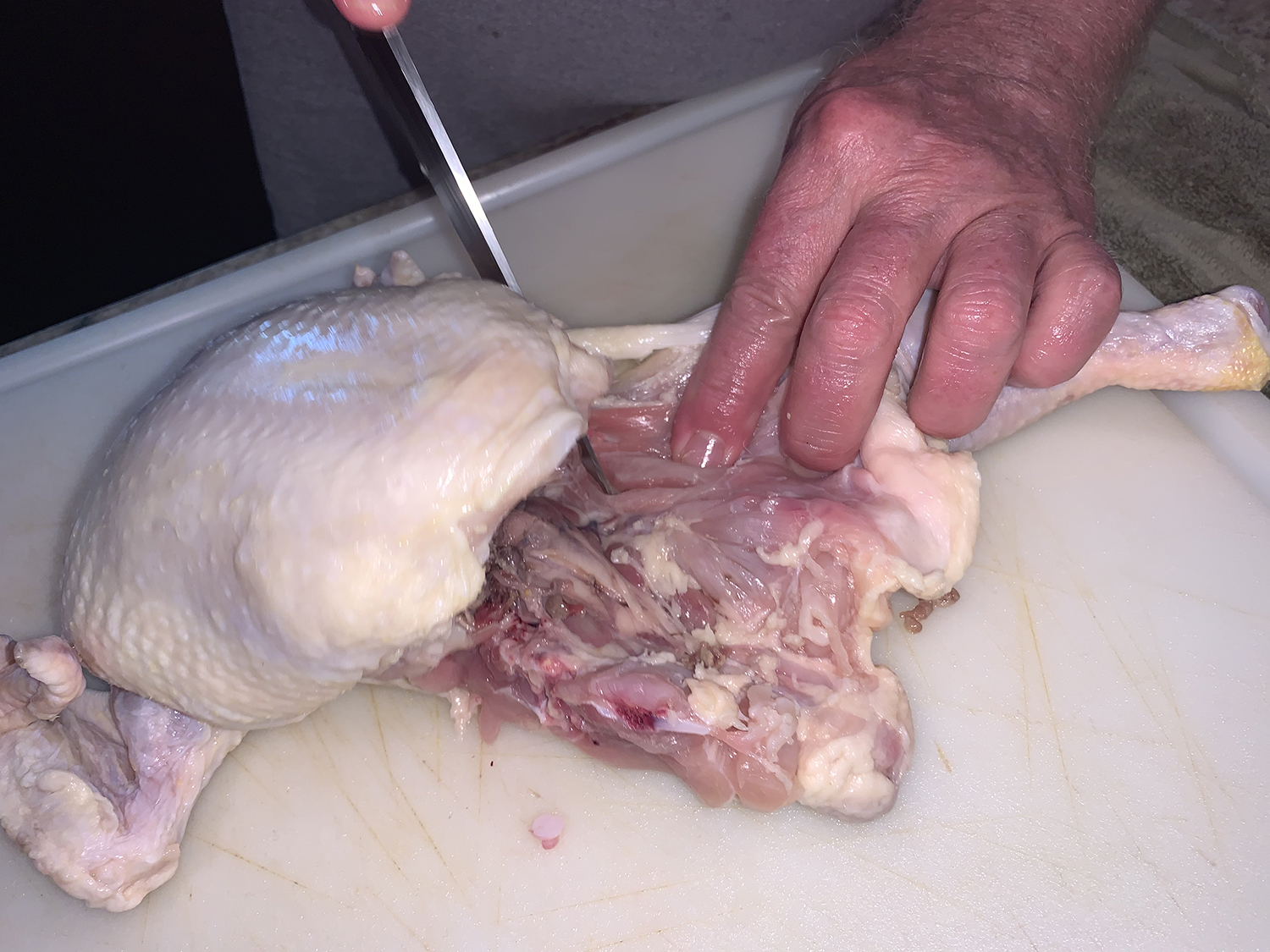
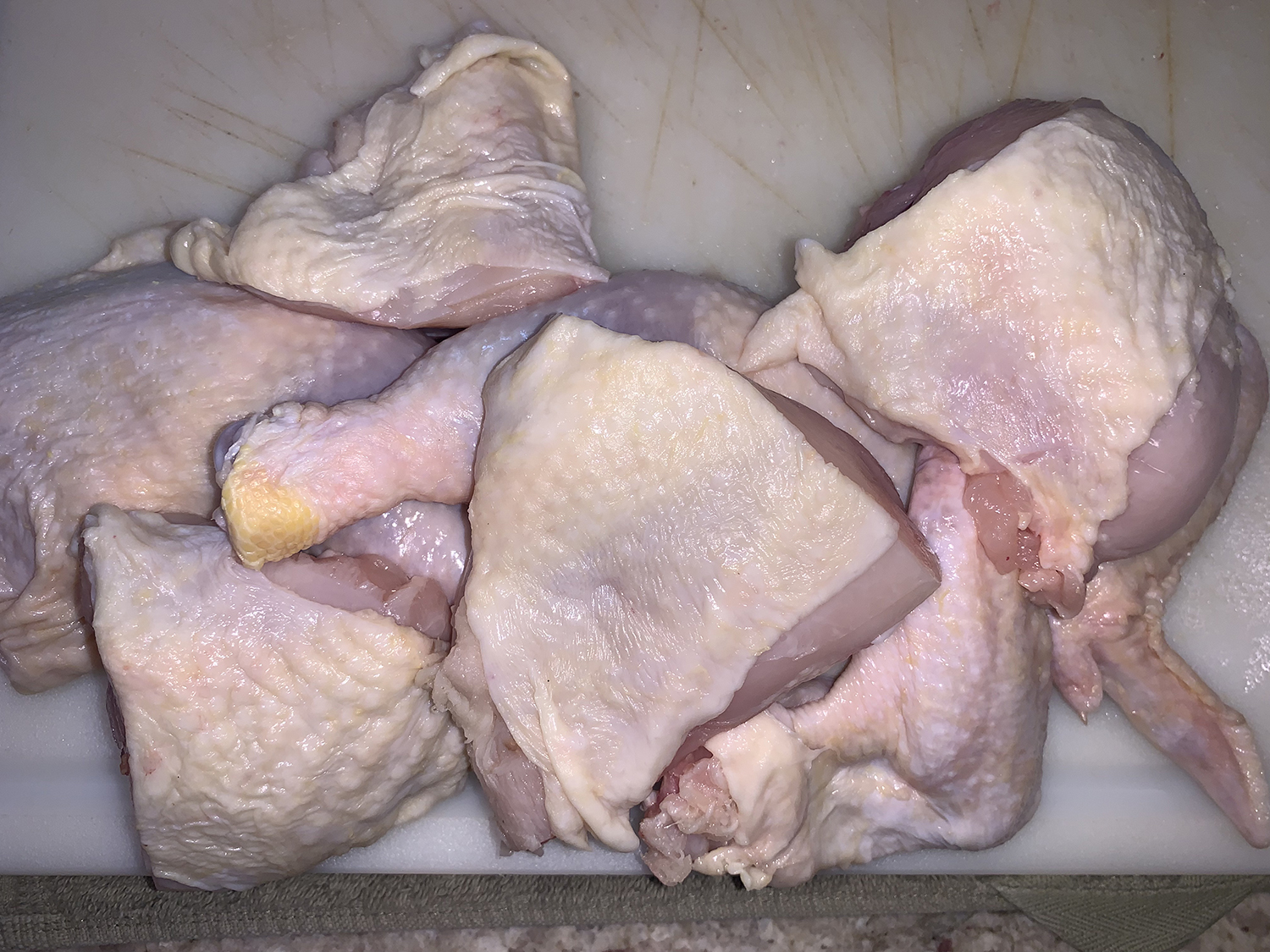
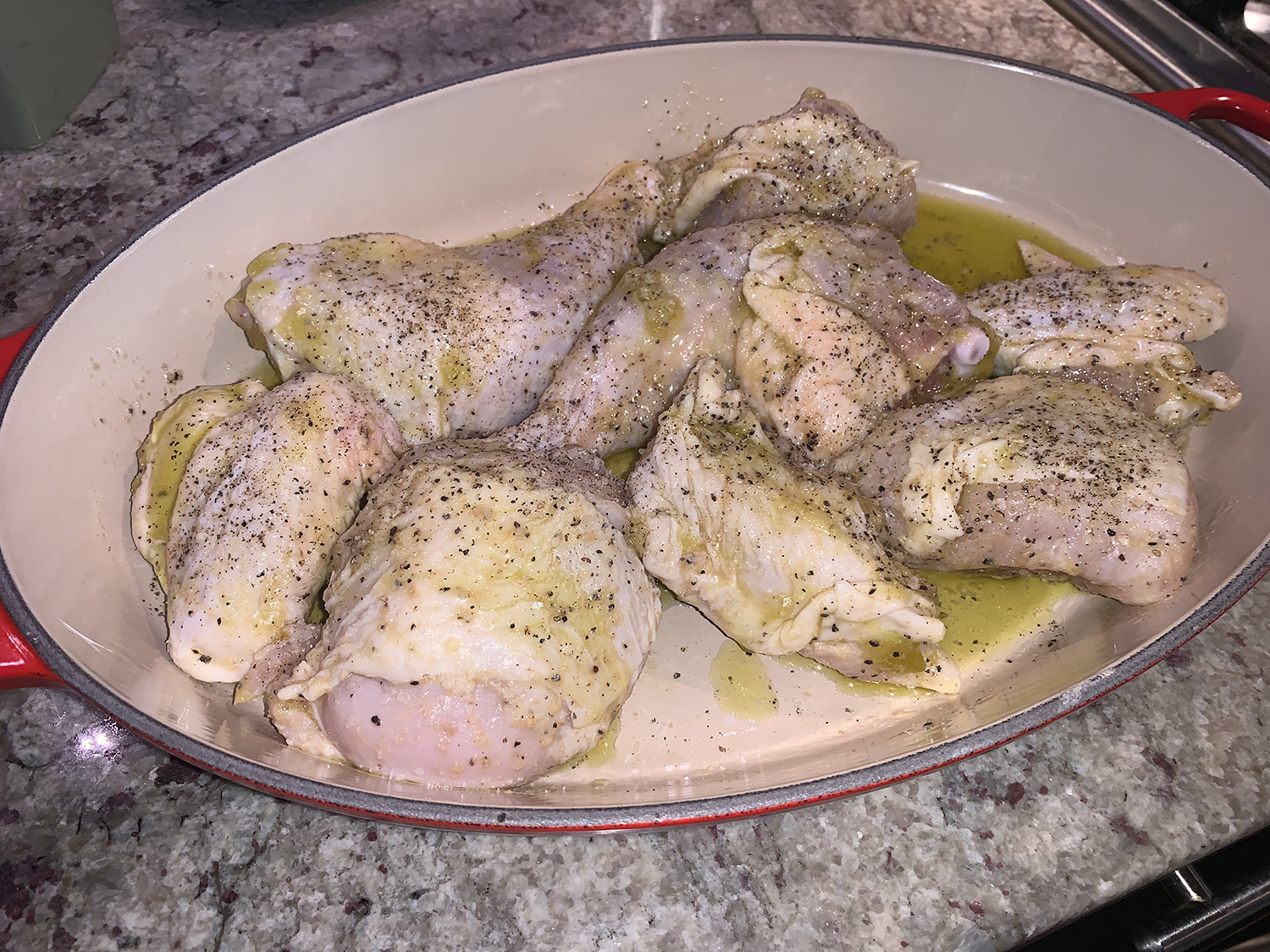
While the recipe indicates to start with a whole chicken and cut it down into pieces (our preference), you could just as easily buy bone-in, skin-on pieces to begin with, especially if the eaters go for all white meat or all dark meat.

Please keep in mind that the chicken needs to marinate at least an hour up to overnight. Doing so in the morning, allows for about 8-10 hours.

There is a good amount of sauce left in the skillet so dredge your side veg into it. Our broccolini sopped up many of the juices creating a more cohesive dinner.

Lemon and Garlic Baked Chicken

  • Servings: 4
  • Difficulty: easy
  • Print

Ingredients

  • 1/2 cup plus 2 Tbsp. olive oil
  • 2 Tbsp. fresh lemon juice 
  • 2 1/2 tsp. garlic powder 
  • 2 1/2 tsp. kosher salt, plus more to taste 
  • 1/2 1/2 tsp. freshly ground black pepper, plus more to taste 
  • One 3 1/2- to 4-lb. chicken, cut into pieces 

Sauce:

  • 2 Tbsp. unsalted butter
  • 1 1/2 tsp. honey, plus more if needed 
  • 1 1/2 tsp. chopped fresh oregano 
  • 4 cloves garlic, minced 
  • Juice of 2 lemons (about 1/4 cup) plus 1/2 tsp. lemon zest 
  • One 4-oz. jar diced pimientos, drained 
  • 1/4 cup chopped fresh parsley 
  • Lemon wedges, for garnish

Directions

  1. Whisk together the olive oil, lemon juice, garlic powder, salt and pepper in a small bowl. Add the chicken pieces to a large resealable plastic bag and pour the marinade over the top. Seal the bag, removing as much air as possible, and massage the marinade around the chicken to coat evenly.
  2. Refrigerate for at least an hour and up to overnight.
  3. Preheat the oven to 400 degrees F.
  4. Remove the chicken from the marinade and transfer, skin-side up, to a large cast-iron skillet. Pour half the marinade all over the chicken in the skillet.
  5. Sprinkle the chicken with a generous pinch of salt and pepper. Roast until the chicken is deeply browned, the meat is cooked through and the juices run clear, about 30-40 minutes. (An instant-read thermometer inserted in the thigh, avoiding bone, should read 165 degrees F.)
  6. Remove the chicken to a platter and let rest while you make the sauce.
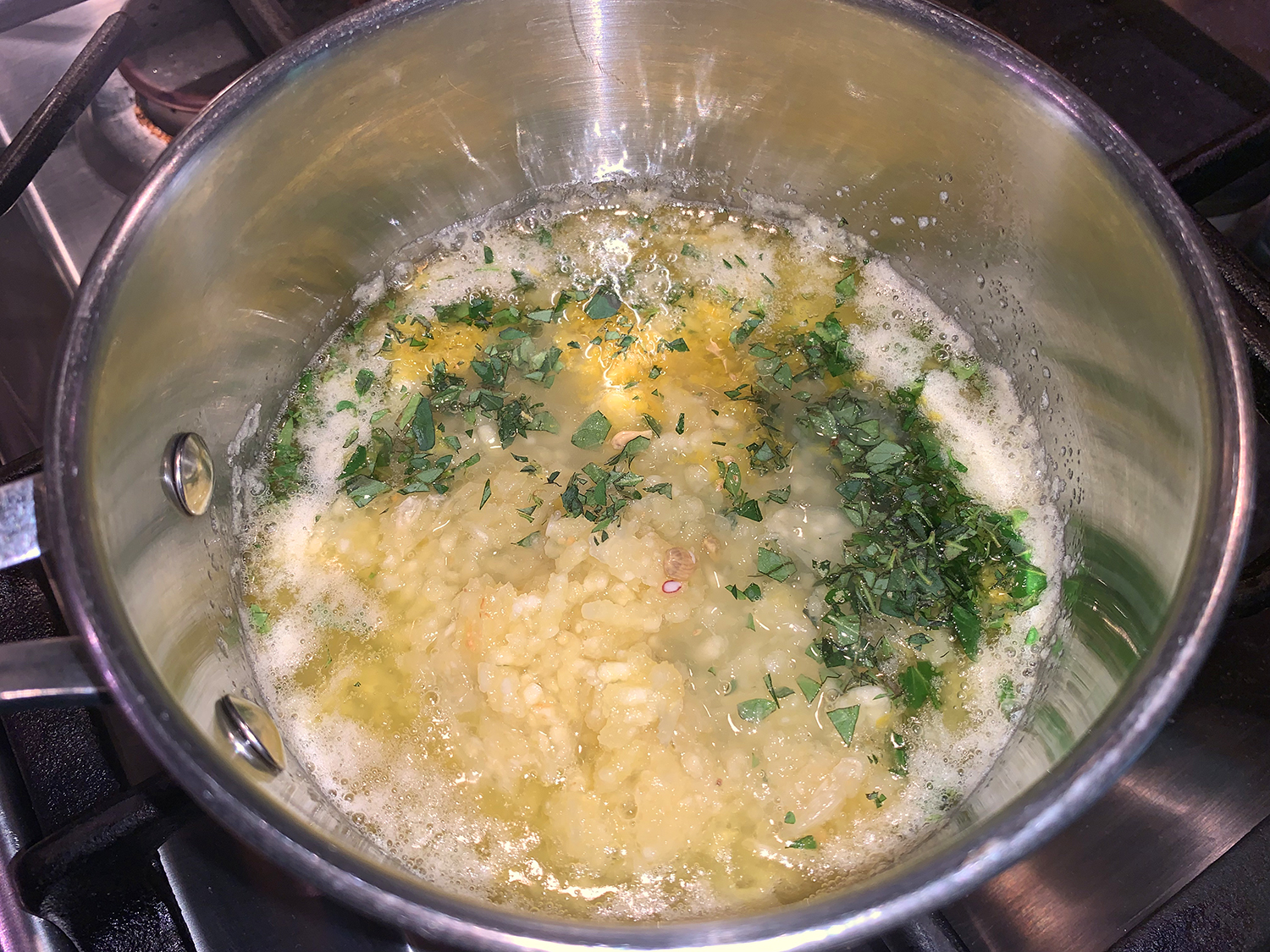
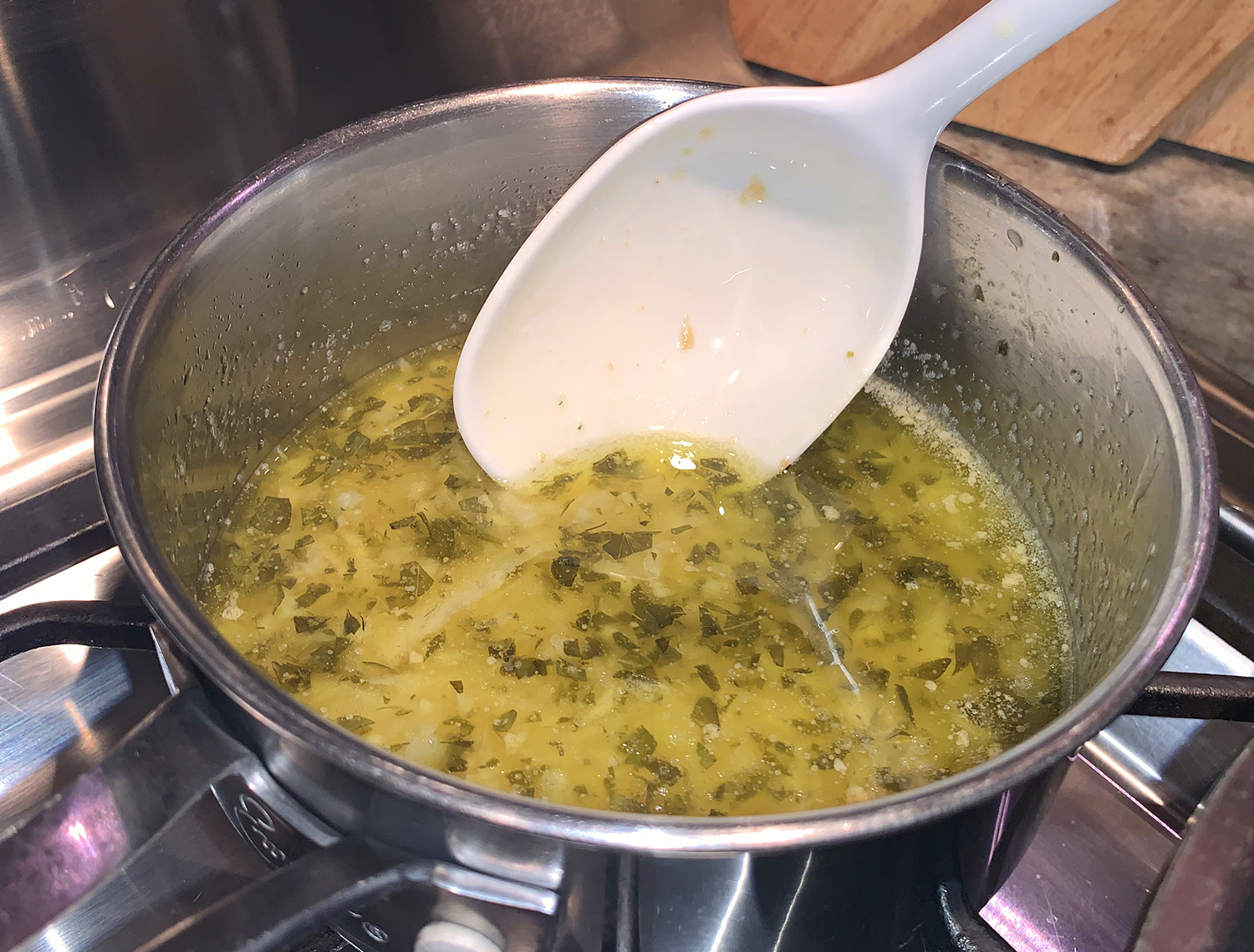
  7. For the sauce: Melt the butter in a saucepan over medium heat. Whisk in the honey, oregano, garlic, lemon juice and zest and 1/4 cup skimmed drippings from the skillet and bring to simmer.
  8. Taste and season with salt and pepper, and if too tangy, add a bit more honey. Pour the sauce over the chicken, then garnish with the pimientos, chopped parsley and lemon wedges and serve.

http://www.lynnandruss.com

Recipe from Food Network

Healthy Blueberry Banana Bread with Dark Chocolate

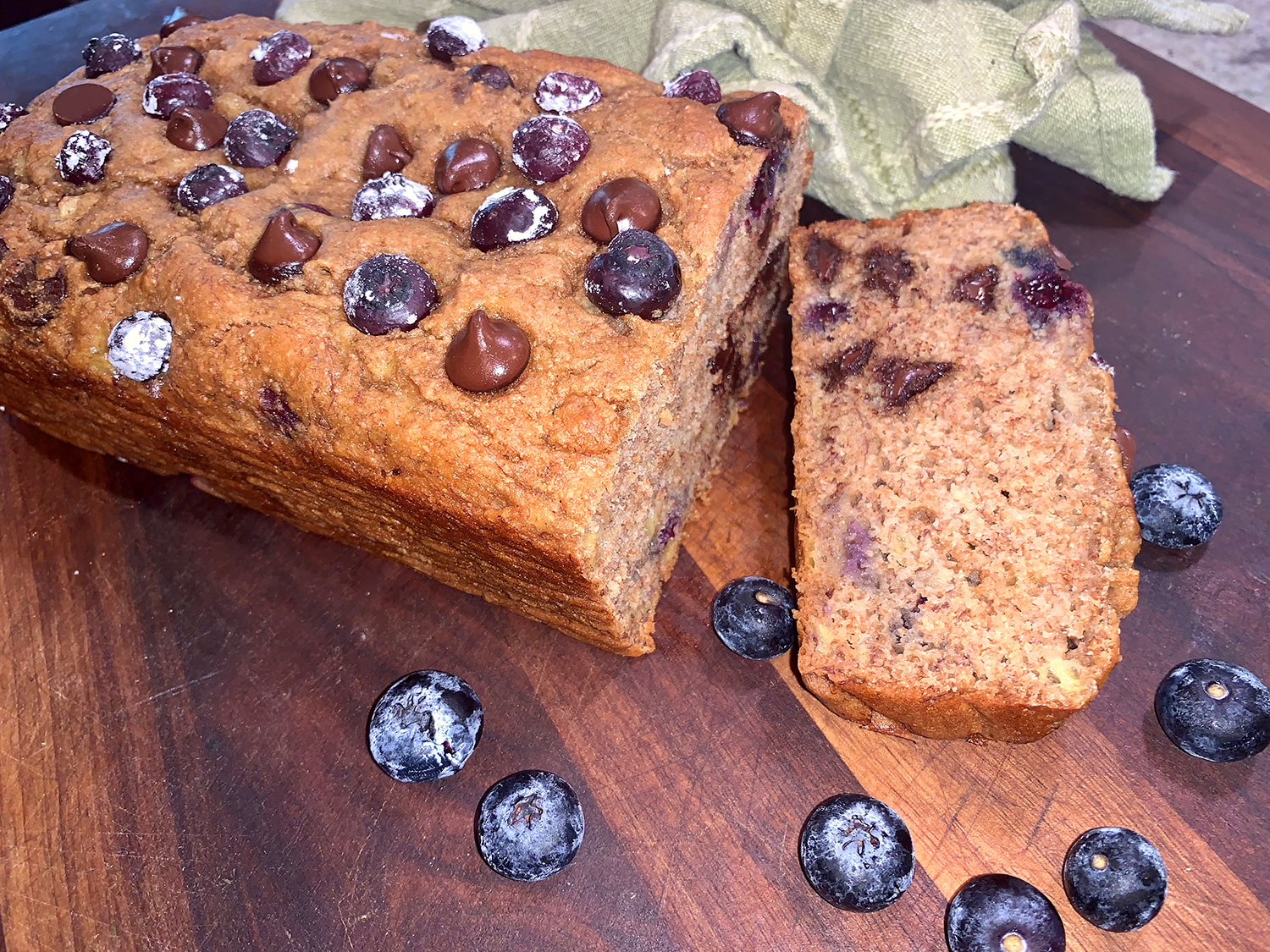
Healthy-ish. A closer look at the ingredients of whole wheat flour, ripe bananas, fresh blueberries, dark chocolate and 2% Greek yogurt, you can’t help but feel a bit smug when eating something so decadent. No butter, honey instead of refined sugar, and you are patting yourself on the back.

This combines parts of two previous banana bread recipes I’ve made in the past. And it is a treat anytime of day—for breakfast with more fresh fruit, a snack in the afternoon, or dessert in the evening with perhaps a dollop of good French vanilla ice cream. OK, so maybe the ice cream isn’t in keeping with the healthy factor, but sometimes you just need some self-love, right?

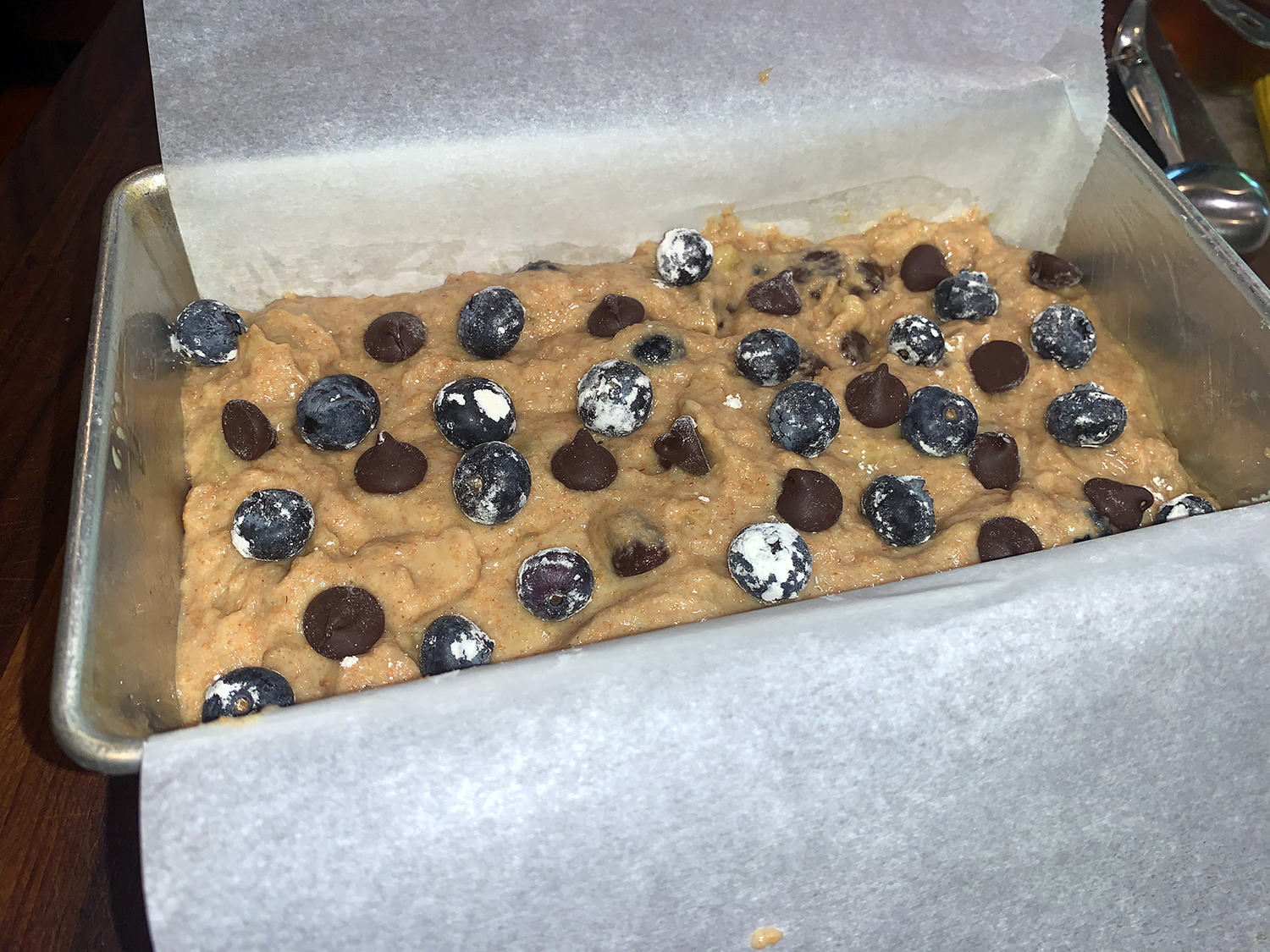
No mix master needed. Simply get a large mixing bowl, mash the ripe bananas, add the other ingredients and then pour batter into your prepared loaf pan. Top with a smattering of additional blueberries and chocolate pieces, pop in the preheated oven for an hour. Voila, masterpiece accomplished!

A popular item to share at a Sunday brunch. If it is not all eaten right away, wrap in plastic wrap followed by a layer of tinfoil and keep in the refrigerator, or freeze.

Healthy Blueberry Banana Bread with Dark Chocolate

  • Servings: 8-10 slices
  • Difficulty: easy
  • Print

Ingredients

  • 3 very ripe bananas, peeled and broken into large chunks
  • 2 eggs
  • ½ cup 2% plain Greek yogurt
  • ⅓ cup honey
  • 1 tsp. vanilla extract
  • 1 tsp. baking soda
  • 1 ½ cups whole wheat flour
  • ½ cup fresh blueberries, plus about 20 more for topping
  • ½ cup dark chocolate pieces, plus about 20 more for topping

Directions

  • Preheat the oven to 350˚F.
  • In a medium bowl, mash bananas. Mix eggs, yogurt, honey, vanilla extract, and baking soda into mixture.
  • Add flour and mix.
  • Gently fold in blueberries and chocolate chips into mixture. Save about 20 blueberries and chocolate pieces for the top.
  • Grease a 9 x 5-inch loaf pan. Press in parchment that slings over the sides for easier removal. Pour the batter into the pan. Top with the saved berries and chocolate.
  • Bake for about 50-60 minutes, or until a toothpick comes out clean from the middle of the bread.
  • Allow to cool at least 20 minutes in the pan. Lift out of pan using the parchment sling and cool another 15 minutes or so before serving.

http://www.lynnandruss.com

Sweet and Spicy Grilled Flank Steak

With the end of summer holiday on the horizon, a grilled steak is always a fan favorite. While there are some steaks that need nothing more than a little salt and pepper to bring out their beefy goodness, flank steak is not one of them.

This bold marinade is just the sort of seasoning the brawny cut begs for: lime juice and zest add brightness, brown sugar sweetness, and jalapeño and sriracha a complex heat. Just whiz it all together in a food processor and slather it on the meat.

Marinate overnight preferably, or a minimum of 2 hours, before tossing it on the grill. Lastly, always make more flank steak that you think you want. Leftovers are the best part—we used ours as part of a steak salad. For an extra boost of flavor, try adding 1/4 cup of bourbon and a little Worcestershire.

Sweet and Spicy Grilled Flank Steak

  • Servings: 3-4
  • Difficulty: easy
  • Print

Ingredients

  • 3 Tbsp. scallions, coarsely chopped
  • 1 Tbsp. ginger root, peeled and finely chopped
  • 1 fresh jalapeño chile pepper, seeded and chopped
  • 2 cloves garlic, finely chopped
  • 1 Tbsp. light brown sugar
  • 1/2 lime, zested and juiced
  • 2 tsp. lime juice
  • 1 tsp. sriracha, or other hot sauce
  • 2 Tbsp. extra virgin olive oil
  • 1 1/2 tsp. kosher salt
  • 1 1/2 lbs. flank steak

Directions

  1. In a food processor, pulse together scallions, ginger, jalapeno, garlic, sugar, lime zest and juice, and sriracha. With the motor running, pour in oil until smooth
  2. Season steak with salt. Place in a large bowl and pour marinade over meat. Turn to coat well with the mixture. Cover tightly and refrigerate for at least 2 hours or overnight.
  3. When ready to cook the steak, heat the grill to medium-high heat. Transfer the meat to the grill and cook, covered, until it reaches the desired doneness (about 5 minutes per side for medium-rare). Let rest on a cutting board for 5 minutes, then slice thinly.

http://www.lynnandruss.com

Original recipe from NYTimes Cooking

Butternut Squash and White Bean Soup with Sage Pesto

Soup isn’t typically a dish that comes to mind during hot weather spells. But I couldn’t help myself when I saw this fiber-rich recipe from America’s Test Kitchen (ATK). So on a rare cool, cloudy day in mid-summer, I spent some afternoon time preparing this Butternut Squash and White Bean Soup with Sage Pesto, with the intentions of having it for dinner on the following night.

Instead of the usual creamy, rich, puréed style of butternut squash soup, this heartier version can stand on its own as a meal. It features chunks of squash paired with creamy cannellini beans to give the soup some heft.

Because the bulb portion of the squash is difficult to cut into cubes that will cook evenly, and because it naturally cooks faster than the dense neck portion, ATK suggests cutting the bulb into wedges, cook them in the broth until soft, and then mash them to make a “squash stock”—giving the soup base body and flavor.

A swirl of freshly-made sage pesto made in a mini food processor, lends the right bright, fresh finish. The pesto is so good, you may be tempted to eat it directly from the bowl. If you have any leftover, use it as a condiment on any number of other edibles; or stir into pasta.

Since The Hubs detests walnuts, I opted to use pine nuts—a common ingredient in pesto. If you are intent on keeping it vegetarian, use vegetable broth. Keep in mind, whatever stock you use, a homemade version is always a better bet because of the depth of flavor it offers.

Purchasing precut chunks of squash allows for ease of preparation although you may have to dice some of those chunks into 1⁄2-inch pieces for Step 5. To bulk up the meal further, serve with a slice of toasted crusty rosemary olive oil loaf.

Butternut Squash and White Bean Soup with Sage Pesto

  • Servings: 4-6
  • Difficulty: easy
  • Print

Ingredients

Pesto

  • ½ cup pine nuts, toasted
  • 2 garlic cloves, minced
  • 1 cup fresh parsley leaves
  • ½ cup fresh sage leaves
  • ¾ cup extra-virgin olive oil
  • 1 oz. (1/2 cup) Parmesan cheese, grated, plus extra for serving
  • Salt and pepper

Soup

  • 1 2- to 2 1/2 lb. butternut squash
  • 4 cups chicken broth, preferably homemade; or vegetable stock
  • 3 cups water
  • 4 Tbsp. unsalted butter
  • 1 Tbsp. soy sauce
  • 1 Tbsp. extra-virgin olive oil
  • 1 lb. leeks, white and light green parts only, halved lengthwise, sliced thin, and washed thoroughly
  • 1 Tbsp. tomato paste
  • 2 garlic cloves, minced
  • Salt and pepper
  • 3 15-oz. cans cannellini beans
  • 1 tsp. white wine vinegar
  • Grated Parm for serving

Directions

  1. FOR THE PESTO: Pulse pine nuts and garlic in food processor until coarsely chopped, about 5 pulses. Add parsley and sage; with processor running, slowly add oil and process until smooth, about 1 minute. Transfer to bowl, stir in Parmesan, and season with salt and pepper to taste. Set aside.
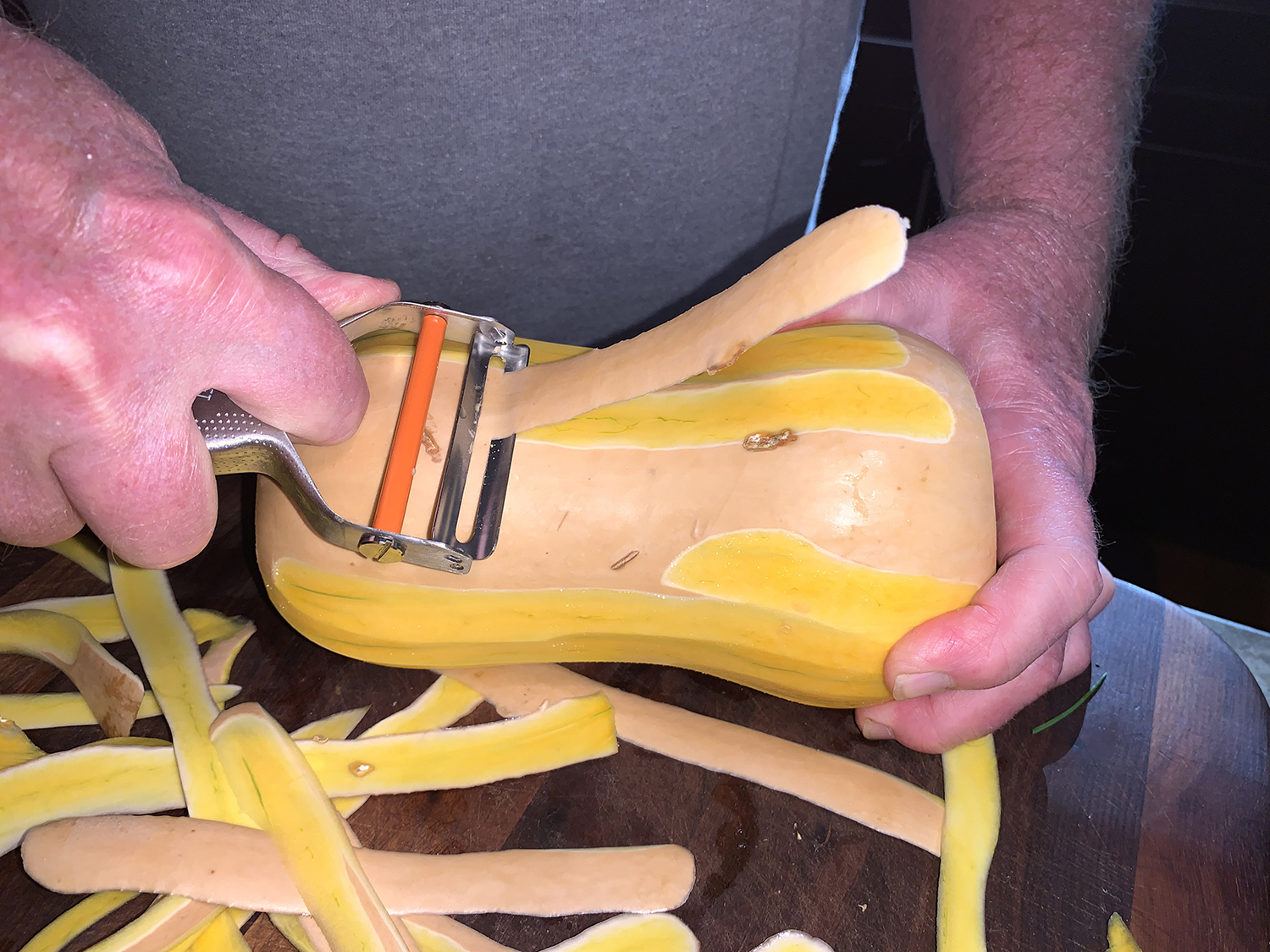
  2. FOR THE SOUP: Using sharp vegetable peeler or chef’s knife, remove skin and fibrous threads just below skin from squash (peel until squash is completely orange with no white flesh remaining, roughly 1/8 inch deep). Cut round bulb section off squash and cut in half lengthwise. Scoop out and discard seeds; cut each half into 4 wedges.
  3. Bring squash wedges, broth, water, and soy sauce to boil in medium saucepan over high heat. Reduce heat to medium, partially cover, and simmer vigorously until squash is very tender and starting to fall apart, about 20 minutes.
  4. Using potato masher, mash squash, still in broth, until completely broken down. Cover to keep warm; set aside. (For a creamier base, you may want to use an immersion blender.)
  5. While broth cooks, cut neck of squash into 1/2-inch pieces. Heat oil in large Dutch oven over medium heat until shimmering. Add leeks and tomato paste and cook, stirring occasionally, until leeks have softened and tomato paste has darkened, about 5 minutes. Add garlic and cook until fragrant, about 30 seconds.
  6. Add squash pieces, 3/4 teaspoon salt, and 1/4 teaspoon pepper and cook, stirring occasionally, for 5 minutes. Add squash broth and bring to simmer. Partially cover and cook for 10 minutes.
  7. Add beans and their liquid, partially cover, and cook, stirring occasionally, until squash is just tender, 15 to 20 minutes.
  8. Stir in vinegar and season with salt and pepper to taste. Serve, passing pesto and extra Parmesan separately.

http://www.lynnandruss.com

Adapted from a recipe by Steve Dunn for America’s Test Kitchen

Blueberry Galette Doesn’t Get Any Better Than This

In my mind, blueberries are synonymous with late summer. Growing up in Michigan, August was the best time to harvest the sweet blue globes, gobbling them up as we picked the fruit from the bushes. Then of course, whatever was left by the time we got home, Mom would add them to muffins, bread, fruit salad, and an array of desserts. If by chance there were still leftovers, they were frozen for another time.

This classic Blueberry Galette is the perfect easy treat to whip up using all those fresh blueberries. This rustic version is basically a lazy girl’s blueberry pie, way easier to make than a homemade pie and every bit as tasty. All you have to do is place the blueberries on top of the dough, and fold the dough however you want. Serve à la mode with a dollop of good French vanilla ice cream for the ultimate summer dessert!

Top the crust with sugar — This is a nonnegotiable step. Topping the crust with sugar will give your pie crust a beautiful golden brown, sweet, crunchy finish that is both beautiful and delicious!

The Best Blueberry Galette

  • Servings: 6-8 slices
  • Difficulty: easy
  • Print

Ingredients

For The Pie Crust*

  • 1 1/4 cups all purpose flour
  • 1 Tbsp. granulated sugar
  • 1/2 tsp. salt
  • 1/2 cup unsalted butter cold, cut into cubes
  • 2 – 3 Tbsp. ice cold vodka or water
  • 1 egg, for egg wash
  • coarse sugar, such as demerara

For The Blueberry Filling

  • 4 cups blueberries, washed
  • 1/3 cup granulated sugar
  • 1 Tbsp. lemon juice
  • 2 Tbsp. corn starch
  • Pinch of salt

Directions

  1. Place the flour, sugar, and salt in a food processor. Add the cold butter to the food processor and pulse until the mixture resembles wet sand and no large chunks of butter remain.
  2. Add in the vodka (or water), one tablespoon at a time. If your dough has come together, don’t add any more vodka. You want just enough to bind the dough into a ball.
  3. Turn the dough out of the food processor and form into a flat oval disk and wrap in plastic wrap. Place in fridge for at least 30 minutes, but up to 3 days.
  4. Once your dough has chilled, preheat the oven to 375°F and line a cookie sheet with parchment paper. Set aside.
  5. Sprinkle a work surface with flour. Roll your dough out into a 12-inch circle. Place dough onto prepared baking tray. Place a 9-inch cake pan in the center of the circle and press down ever so slightly. This will create an indentation to show exactly how far out to place your filling!
  6. In a large bowl combine the blueberries, sugar, lemon juice, salt and cornstarch. Stir to coat the berries evenly.
  7. Place the blueberry mixture in the center of the pie crust into an even layer. Lift the edges of the pie dough in towards the center, folding every 3-4 inches as you go around.
  8. Mix egg with 1 tablespoon water and brush over crust. Top with coarse sugar if desired. Bake for 30-40 minutes, until the blueberry filling is bubbling and the crust is golden brown. Serve with vanilla ice cream!

http://www.lynnandruss.com

Original recipe from Broma Bakery

Rotisserie Chicken Salad

Two rotisserie chickens on sale for $10, a bargain I couldn’t pass up. I had gone to the store for one bird to make Enchiladas Verdes, but when I saw the sale, it was a no-brainer. When I got home and the poultry cooled off, I stripped off the skin then harvested all of the white and dark meat. The skin and bones I bagged for the freezer for The Hubs to make his delicious stock.

This couldn’t be any easier. If you happen to have some leftover cooked chicken on hand, you could certainly use that and save yourself a trip to the grocer.

Rotisserie Chicken Salad

  • Servings: 4
  • Difficulty: easy
  • Print

Ingredients

  • 1 small rotisserie chicken
  • 1/2 cup slivered almonds, toasted
  • 1 cup mayonnaise
  • 1 Tbsp. Dijon mustard
  • 2/3 cup dried cranberries, chopped
  • 2 stalks celery, diced
  • 3 green onions (green and white parts), sliced
  • 2 Tbsp. chopped parsley
  • 1 Tbsp. chopped tarragon
  • 1/2 large lemon, juiced
  • Salt and pepper, to taste
  • Bibb lettuce leaves
  • Red bell pepper strips, optional

Directions

  1. When rotisserie chicken is cool enough to handle, pull off the chicken, then strip all white and dark meat from the bones. Discard skin and bones, or save to make stock at a later date.
  2. Chop the chicken meat into about a 1/2-inch dice. Place into a large bowl.
  3. Slice and dice the celery, green onion, grapes, parsley and tarragon. Add those ingredients to the mixing bowl along with the mayonnaise, Dijon mustard, and lemon juice. Season with salt and pepper.
  4. Serve on a couple of Bibb lettuce leaves and garnish with bell pepper strips, if using.

http://www.lynnandruss.com

Summer Solution Pasta

Cherry and grape tomatoes are in abundance by late August, as is fresh corn and herbs. So this “clean-out-the-larder” approach helps you use up some of the excess staples and fresh produce in a tasty way.

It starts with a roasted cherry-tomato sauce that includes garlic, balsamic vinegar and brown sugar to add a slightly sweet note. To scale back on the sweetness, switch the balsamic to red wine vinegar and reduce or omit the brown sugar.

On occasion, we have already cooked ears of corn leftover from a previous meal. Here’s a chance to use them up. Cut the kernels off the cobs and add them to boiling water when you toss in the dried fusilli.

Once the pasta is done, plate into a large serving bowl and stir in the pesto—we used a homemade sage pesto* but one made with basil will work just as well. Next fold in the tomato mixture and let guests scoop out a serving, passing the grated parmesan around for topping. A side salad makes a nice companion to the pasta and uses up more of your produce.

*FOR THE SAGE PESTO:
• ½ cup pine nuts, toasted
• 2 garlic cloves, minced
• 1 cup fresh parsley leaves
• ½ cup fresh sage leaves
• ¾ cup extra-virgin olive oil
• 1 oz. (1/2 cup) Parmesan cheese, grated, plus extra for serving
• Salt and pepper
Pulse pine nuts and garlic in food processor until coarsely chopped, about 5 pulses. Add parsley and sage; with processor running, slowly add oil and process until smooth, about 1 minute. Transfer to bowl, stir in Parmesan, and season with salt and pepper to taste. Set aside.

Summer Solution Pasta

  • Servings: 4-6
  • Difficulty: easy
  • Print

Ingredients

  • 1 1⁄2 lbs. cherry or grape tomatoes
  • 3 garlic cloves, peeled and smashed
  • 1⁄2 cup extra-virgin olive oil
  • 2 Tbsp. balsamic vinegar
  • 2 tsp. light brown sugar
  • 1 tsp. coarse salt
  • 1 Tbsp. fresh thyme (or 1 tsp. dried thyme)
  • 1 or 2 ears of corn, cooked with kernels cut off the cob
  • 1⁄4 cup fresh basil or sage pesto (see recipe above)
  • 1 lb. whole wheat fusilli, cooked according to package directions
  • Grated Parmesan for topping

Directions

  1. Preheat oven to 325°F.
  2. Mix together tomatoes and garlic in a nonreactive 9″ x 13″ baking dish.
  3. Whisk together oil, vinegar, thyme, brown sugar and salt in a bowl. Drizzle over tomato mixture.
  4. Bake until tomatoes are softened and caramelized, about 1 hour to 1 hour and 20 minutes.
  5. Meanwhile cook the fusilli according to package directions, adding the corn kernels in with the pasta when the water starts to boil. Time it so the pasta is done at about the same time as the tomatoes.
  6. Mix the pesto into the fusilli and corn and fold in the tomato mixture.
  7. Serve, passing around the grated parmesan for topping.

http://www.lynnandruss.com

Florentine Dip

NYTimes Cooking writes “A good dip transcends time — especially one with fresh herbs, which makes this 1959 recipe from Craig Claiborne stand out amid other recipes from the convenience food era of the 1940s and ’50s. Studded with capers, garlic and anchovies, the dip comes together quickly, then sits in the refrigerator, ready to buy you time when your guests arrive.”

Although the title is a bit of a misnomer in the fact that Florentine recipes usually include spinach as an ingredient. But I won’t quibble over the title because it was a fabulous dip! And if you are squeamish about anchovies, they are mashed up and assist the other ingredients in bringing out a true depth of flavor.

However if you’re adamantly opposed to anchovies, try fish sauce. Don’t be put off by the name. It does not taste fishy. As a fellow anchovy hater however, I have come around to using them mashed up in small amounts as here, where they give an indefinable flavor boost.

BTW, America’s Test Kitchen has a great recipe for an anchovy substitute involving miso and nori. It works beautifully in most recipes that call for anchovies or anchovy paste.

Florentine Dip

  • Servings: Yields 1 1⁄2 cups
  • Difficulty: easy
  • Print

Ingredients

  • 3 oz. cream cheese, at room temperature
  • 2 Tbsp. mashed or finely chopped anchovies
  • 1 cup sour cream
  • ¼ cup chopped flat-leaf parsley
  • 3 Tbsp. chopped chives
  • 2 tsp. chopped capers
  • 1 Tbsp. lemon juice
  • ½ garlic clove, minced
  •  Salt and black pepper to taste
  •  Sliced vegetables and/or sturdy potato chips, for serving

Directions

  1. Using a wooden spoon, blend the cream cheese and anchovy paste together in a medium bowl.
  2. Add the sour cream, parsley, chives, capers, lemon juice and garlic, season with salt and pepper, then stir until well blended.
  3. Place in the refrigerator for several hours to season.
  4. Spoon the dip into a bowl and serve with sliced vegetables or chips, or both.

http://www.lynnandruss.com

Adapted from a recipe by Craig Clairborn for NYTimes Cooking

Grilled Corn, Avocado and Chicken Salad With Feta Dressing

With the last gasps of the unofficial summer calendar closing in on us, let the season’s bounty shine on the plate. And to that end, this lively salad of corn, scallions, jalapeño and avocado tossed with a tangy buttermilk-feta dressing is like summer on a plate. The sweetness of peak-summer corn and the richness of creamy avocado balance out the tartness of the dressing.

While this recipe from NYTimes Cooking could be a side dish or a vegetarian main, we opted to add a protein to give it more heft as an entrée. In that vein, we grilled some chicken breasts with a Japanese 7-spice rub, but grilled shrimp or salmon would work wonderfully also. And to save time on dinner day, we grilled the chicken the day before while barbecuing other items.

The directions below are for the full recipe which allows for 4 to 6 portions. But with just the two of us, we cut most of the recipe in half, while altering quantities of other ingredients as we saw fit. After eating two healthy servings, we still had some leftover for lunch the following day.

Grilled Corn, Avocado and Chicken Salad With Feta Dressing

  • Servings: 4-6
  • Difficulty: easy
  • Print

Ingredients

  • 4 boneless, skinless chicken breast halves, rubbed with spices of your choice (optional)
  • 6 ears corn (about 3 lbs.), shucked and silk removed
  • 1 bunch scallions, trimmed
  • 1 jalapeño, stemmed and halved lengthwise
  • 3 Tbsp.olive oil
  •  Kosher salt and black pepper
  • 4 oz. feta cheese, crumbled (about 3/4 cup)
  • ⅓ cup buttermilk
  • 1 tsp. freshly grated lemon zest plus 1 Tbsp. lemon juice
  • 1 small garlic clove, grated
  • ¼ cup sliced fresh chives
  • ¼ cup finely chopped fresh parsley
  • 1 medium head romaine lettuce, torn into bite-size pieces (about 8 cups)
  • 2 avocados, sliced

Directions

  1. If a protein is desired, grill chicken (or shrimp, salmon) until done. This can be done a day ahead and refrigerated until ready to use.
  2. Heat a grill or grill pan over medium-high. Brush corn, scallions and jalapeño with the oil and season with salt and pepper.
  3. Arrange on the grill and cook, turning occasionally, until corn kernels are browned in spots, 6 to 8 minutes, and the scallions and jalapeño are charred all over and tender, 9 to 10 minutes.
  4. Transfer vegetables to a cutting board and let cool slightly.
  5. In a medium bowl, using a whisk (I used a pestle), mash the feta into a coarse paste. Whisk in buttermilk, lemon zest and juice and garlic, then stir in chives and parsley.
  6. Finely chop the charred jalapeño and stir it into the feta dressing; season with salt and pepper.
  7. In a large bowl, toss lettuce with half the feta dressing and arrange on a platter. Cut corn kernels off the cob and slice scallions into bite-size pieces. Arrange avocado slices, corn and scallions on top of the lettuce.
  8. Serve with remaining dressing.

http://www.lynnandruss.com

Adapted from a recipe by Sue Li for NYTimes Cooking

Summer Pasta with Grilled Eggplant Sauce

Eggplants, also known as aubergines or brinjals, grow all over the world. They are fruits — though, like tomatoes, they are treated more in cooking like a vegetable. In fact, they’re closely related to tomatoes and peppers. Purple eggplants are the most common cultivar in American grocery stores. Some purple fruits appear almost black due to their rich pigments. 

And these coveted nightshade plants are currently in abundance from your garden, the local farmer’s market, or perhaps some friendly neighbors. With so many recipes to choose from, this particular one from Food Network uses the eggplant in a clever way.

Even though the exterior of eggplant is a gorgeous deep purple color; the beauty of this vegetable lies on the inside. This recipe takes advantage of the fact that the flesh of grilled eggplant transforms into a luscious creamy sauce that’s perfect for dressing up little tubes of rigatoni. To make the most of summer’s bounty, cherry tomatoes are grilled alongside the eggplant until bursting with juices, then mixed into this summer vegetable pasta.

Health Facts: Eggplant is rich in fiber, protein, manganese, and nutrients like potassium and vitamins C and K. It is a great source of antioxidants, which make it effective in guarding your body against future ailments. Being so rich in fiber, eggplants are also great for keeping your blood sugar levels intact. 

Summer Pasta with Grilled Eggplant Sauce

  • Servings: 4
  • Difficulty: easy
  • Print

Ingredients

  • Kosher salt and freshly ground black pepper
  • Grated zest (about 1 tsp.) and juice of 1 lemon
  • 1 lb. mezze rigatoni
  • 1 large eggplant, about 1 1/4 lbs.
  • 11 oz. cherry tomatoes (about 2 cups), halved (quartered if large)
  • 3 cloves garlic, thinly sliced
  • 1 Tbsp. olive oil
  • 1 cup ricotta
  • 1/2 cup grated Pecorino Romano cheese, plus more for serving
  • 1 cup packed basil leaves, chopped, plus more for serving
  • 1/2 cup packed parsley leaves, chopped, plus more for serving
  • Crushed red pepper flakes, for serving (optional)

Directions

  1. Prepare a grill for high heat.
  2. Bring a large pot of salted water to a boil. Add the lemon juice to the boiling water and cook the pasta according to the package directions for al dente. Reserve 1/2 cup of the pasta cooking water, drain the pasta and return it to the pot; set aside.
  3. Pierce the eggplant a few times with a fork or knife. Place on the grill, cover and cook, turning every 8 to 10 minutes, until completely charred all over and the flesh is soft when pressed, 25 to 30 minutes.
  4. Transfer to a large bowl and let cool slightly for 10 minutes.
  5. While the eggplant cooks, prepare 2 sheets of foil, each 12-by-12-inches, and stack them together. Place the tomatoes, garlic, olive oil, 1/2 teaspoon salt and a few grinds of black pepper in the center of the foil. Fold over 2 opposite sides of the foil then fold in the remaining sides to create a tight seal.
  6. When 15 minutes of cooking time remain for the eggplant, add the foil pack to the grill and cook until juices start to bubble out of the top (this means the tomatoes and garlic are sufficiently cooked without having to open the pack), 13 to 15 minutes.
  7. Remove the eggplant to a cutting board (keeping any juices that accumulated in the bowl) and squeeze gently to crack the skin and expose the flesh. Use a spoon to remove the flesh, transfer to the large bowl and mash lightly with the spoon or a potato masher (you should have about 1 cup of flesh); discard the skin.
  8. Stir in the ricotta and Pecorino Romano until smooth then pour into the pot with the pasta and mix until combined. Fold in the contents of the foil pack (including any juices that accumulated), the basil, parsley, lemon zest, 1/2 teaspoon salt and a few grinds of black pepper; stir until combined, adding the reserved pasta water, 1 tablespoon at a time, to thin out the sauce if needed.
  9. Serve with more basil, parsley, Pecorino Romano and crushed red pepper flakes if using.

http://www.lynnandruss.com

Recipe Courtesy of Emily Weinberger for Food Network Kitchen

Herby Yogurt Sauce with Grilled Lamb Chops and Cucumber Couscous Salad

Did you know that plain yogurt is an excellent base for a marinade? It slowly tenderizes the meat, rendering it juicy, but never meaty or tough; plus it leaves a pleasant tangy flavor behind. In this case, a simple blend of yogurt, shallot, lemon and salt is a perfect match for lamb’s richness.

A portion of the mixture is set aside to purée with tender green herbs and lemon juice for a quick finishing sauce after the lamb is done. The original recipe called for baby lamb chops (aka lollipop chops), but we prefer a meatier cut such as the loin chop, and the ingredients list reflects our changes.

The yogurt sauce mixture not only complimented the meat but benefited the sliced cucumbers as well. Another side was whole wheat pearl couscous cooked in homemade chicken stock for added flavor.

Herby Yogurt Sauce with Grilled Lamb Chops and Cucumber Couscous Salad

  • Servings: 4
  • Difficulty: easy
  • Print

Ingredients

  • 1 1/2 cups plain whole-milk yogurt
  • 1 small shallot, minced
  • 2 tsp. kosher salt, plus more to taste
  • 1 tsp. grated lemon zest, plus 1 Tbsp. lemon juice, all from 1 lemon
  • 8 loin lamb chops
  • 1 cup packed fresh tender herbs (such as parsley, dill and mint leaves), plus more for serving
  • 1 cup pearl whole wheat couscous, cooked according to package directions
  • 1 cucumber, sliced thin for serving

Directions

  1. Stir together yogurt, shallot, salt, and lemon zest in a medium bowl. Measure 1 cup of the mixture into a large ziploc bag. Cover and refrigerate the remaining 1/2 cup yogurt mixture.
  2. Add lamb chops to ziploc bag; seal bag and turn to coat lamb in sauce. Let marinate in the fridge at least 2 hours, and up to 24. Ours marinated 8 hours.
  3. Preheat grill to high (450°-500°). Scrape off excess marinate from lamb, then discard the bag .
  4. Sprinkle chops evenly with salt and pepper. Arrange chops on oiled grill grates. Grill covered, turning once or twice until browned and a thermometer inserted in the thickest part of the meat registers 135° for medium-rare; about 10 minutes total; lollipop chops will take about 5 minutes.
  5. Transfer chops to a platter and let rest for 5 minutes.
  6. Meanwhile, transfer reserved yogurt mixture to a food processor. Add fresh herbs and lemon juice; pulse until smooth, about 20 pulses.
  7. Serve lamb alongside sauce, cooked couscous, cucumbers and additional herbs.

http://www.lynnandruss.com

Adapted from a recipe for Food & Wine Magazine

Coconut Chicken Curry

Curry powder is stirred into this braise only during the last minute of cooking, delivering a bright hit of spice on top of the paprika and turmeric mellowed into the slow-simmered chicken.

This dish needs time on the stove but not much attention, and gets even better after resting in the fridge, making it an ideal weeknight meal that can last days. There’s plenty of coconut milk broth to spoon over rice or noodles; or even platha, a buttery, flaky Burmese flatbread, for dipping.

Based on reader reviews claiming the curry was too soupy, we omitted adding any water. Other changes included altering the amounts of the spices including adding Thai red curry paste and fresh ginger to the mixture. These changes are noted in the list below.

In order to make the most of the ingredients, it is important to let the curry sit for 20 minutes at the end. This allows the chicken to soak in more flavors as the curry cools.

Coconut Chicken Curry

  • Servings: 4
  • Difficulty: easy
  • Print

Ingredients

  • 2 ½ lbs. boneless, skinless chicken thighs
  • 1 Tbsp. ground paprika
  • ½ tsp. ground turmeric
  • 2 tsp. kosher salt, plus more as needed
  • ⅓ cup canola oil
  • 2 yellow onions, finely diced
  • 4 garlic cloves, minced
  • 1 Tbsp. fresh ginger, finely grated
  • 1 13-oz. can unsweetened coconut milk
  • 3 Tbsp. fish sauce, plus more as needed
  • 1 ½ tsp. Madras curry powder
  • 1⁄4 tsp. ground cayenne
  • 2 Tbsp. Thai red curry paste
  •  Cooked rice or noodles, for serving
  • 1 cup cilantro sprigs, for serving
  • 1 lime or lemon, cut into wedges, for serving

Directions

  1. Trim the chicken thighs of excess fat and cut into 1/2- to 1-inch pieces; transfer to a bowl. Add the paprika, turmeric and salt, and use your hands to mix well. Let the chicken marinate at room temperature while you prepare the other ingredients, or cover and refrigerate overnight.
  2. In a large pot, heat the oil over medium-high. Stir in the onions, lower the heat to medium-low and cook gently, stirring often to prevent scorching, until tender and translucent, 8 to 10 minutes. Add the garlic and ginger and continue to cook, stirring often, until most of the water from the onions has been cooked out and a glossy layer of oil has risen to the surface, about 5 minutes more.
  3. Add the marinated chicken and stir to release the spices into the onion. Pour in the coconut milk and bring to a near boil. Let the coconut milk simmer briskly for about 4 minutes to thicken a bit. Lower the heat to medium-low and add the fish sauce. The broth will thin out as the chicken starts to release its juices.
  4. Lower to a gentle simmer and cook, stirring occasionally, until the chicken is tender, about 30 minutes. Droplets of paprika-red oil will rise to the surface. Stir in the curry powder, cayenne and Thai red curry paste and simmer briefly and remove from the heat.
  5. Let the curry sit for at least 20 minutes before serving. This allows the chicken to soak in more flavors as the curry cools. Bring to a simmer again right before serving and taste, adding more salt or fish sauce if desired.
  6. Serve over rice or noodles, with bowls of cilantro and lime wedges.

http://www.lynnandruss.com

Adapted from recipe by Desmond Tan and Kate Leahy for NYT Cooking