Tag Archives: weeknight

Balsamic Mushroom and Sausage Pasta

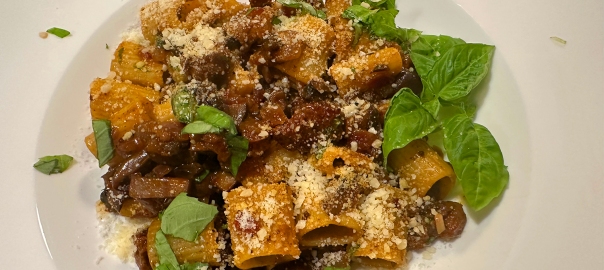
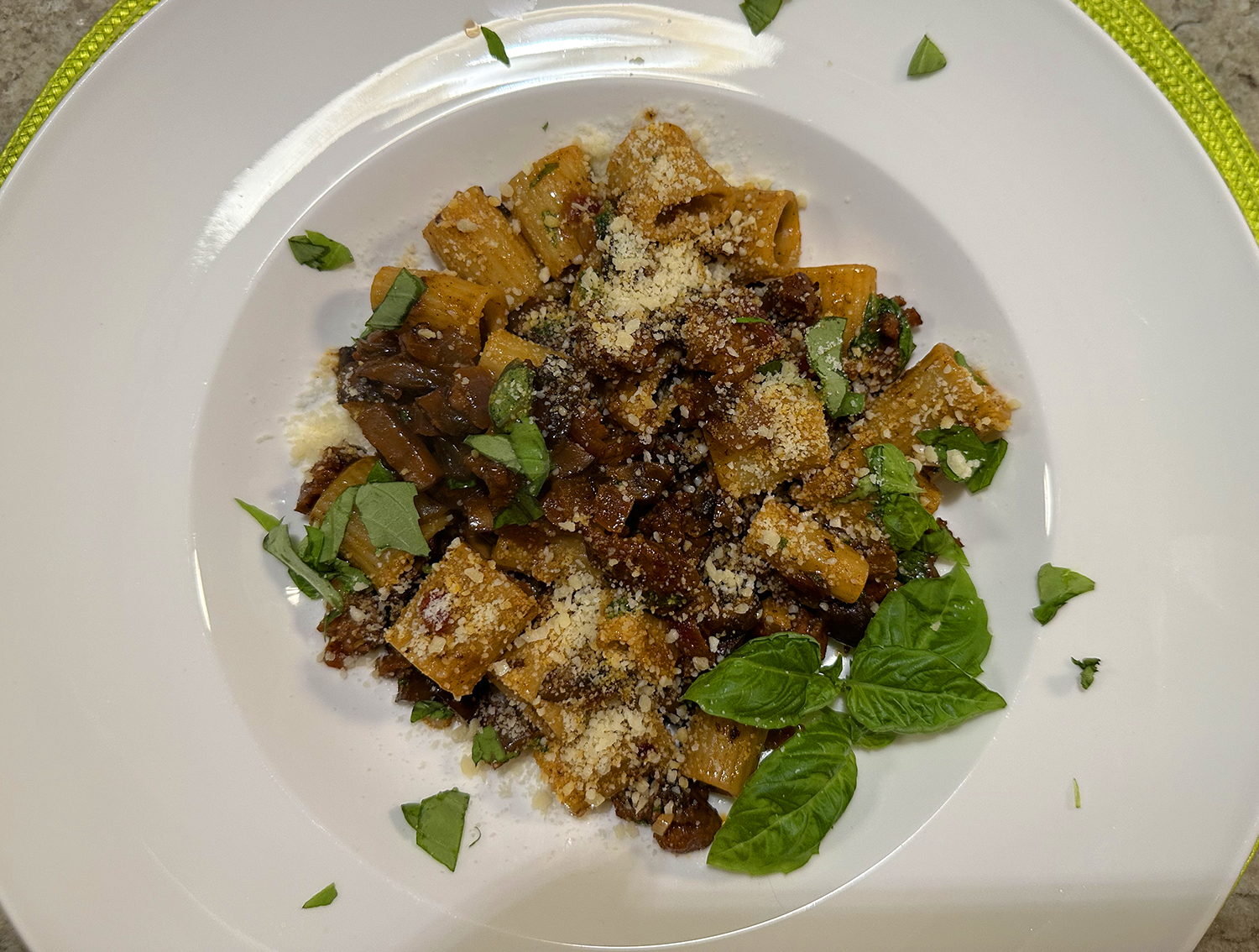
Dark and moody in color but surprisingly bright and light to eat, this quick dish comes together in just 30 minutes. Most of the ingredients are likely to be in your pantry, or at the least, easy to source.

Hot Italian sausage sings backup in this dish to a pound of mushrooms and a heap of caramelized red onion. A glug of balsamic vinegar, used to scrape up any browned bits that build up on the bottom of the pot, adds complexity, acidity, and a little sweetness in one fell swoop. Use a mid-length tube-shaped pasta so all the mushroom and sausage bits have a place to snuggle.

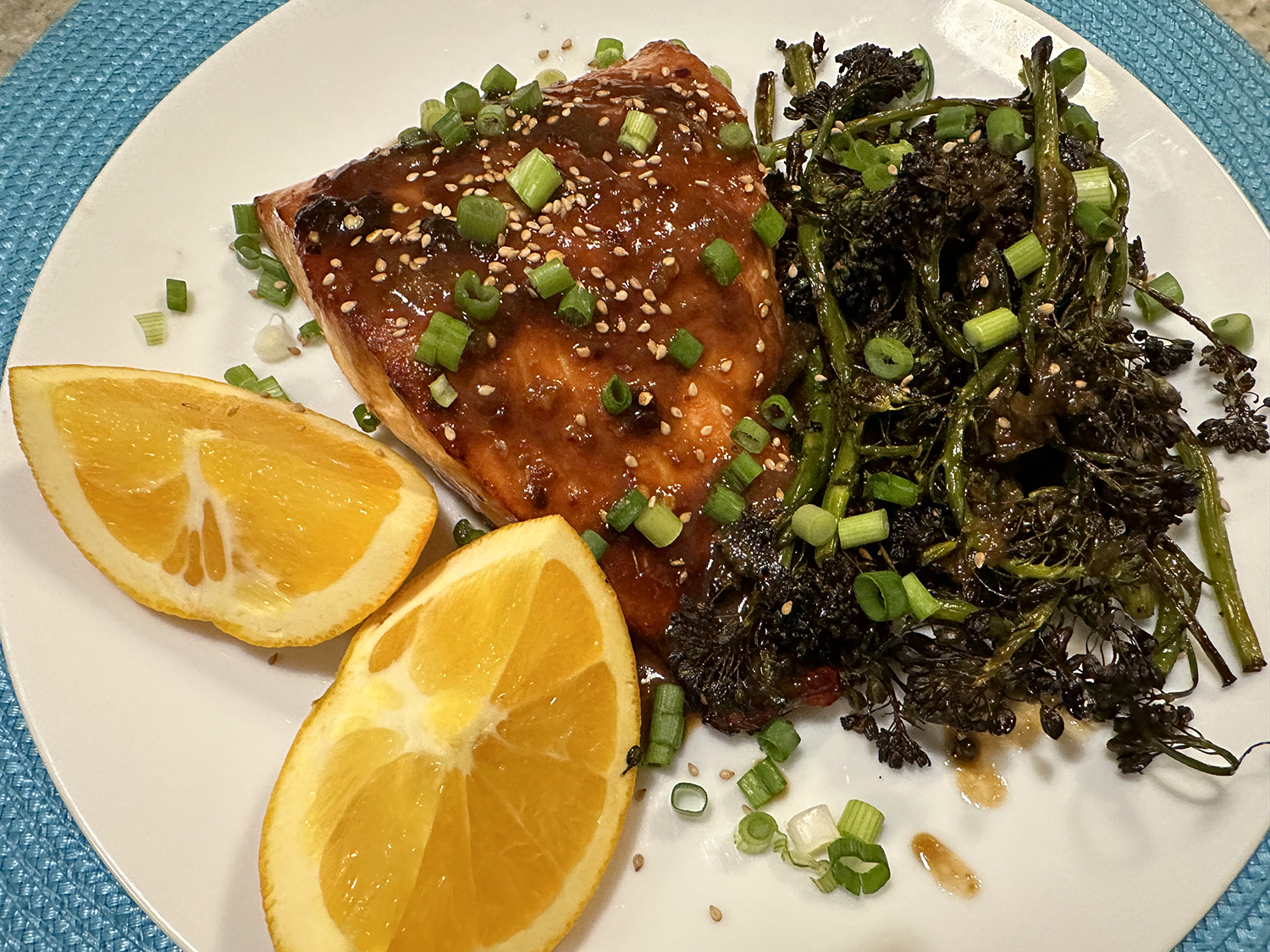
We had fresh basil on hand, so some coarsely chopped basil was both mixed into the pan at the end of cooking, and also used as a garnish. Serve with a side salad and voila, dinner done. Of course if you want to amp up the meal a bit, some tasty, toasty garlic bread is always a welcome companion. We served ours with a side of roasted broccoli rabe.

Balsamic Mushroom and Sausage Pasta

  • Servings: 4
  • Difficulty: easy
  • Print

Ingredients

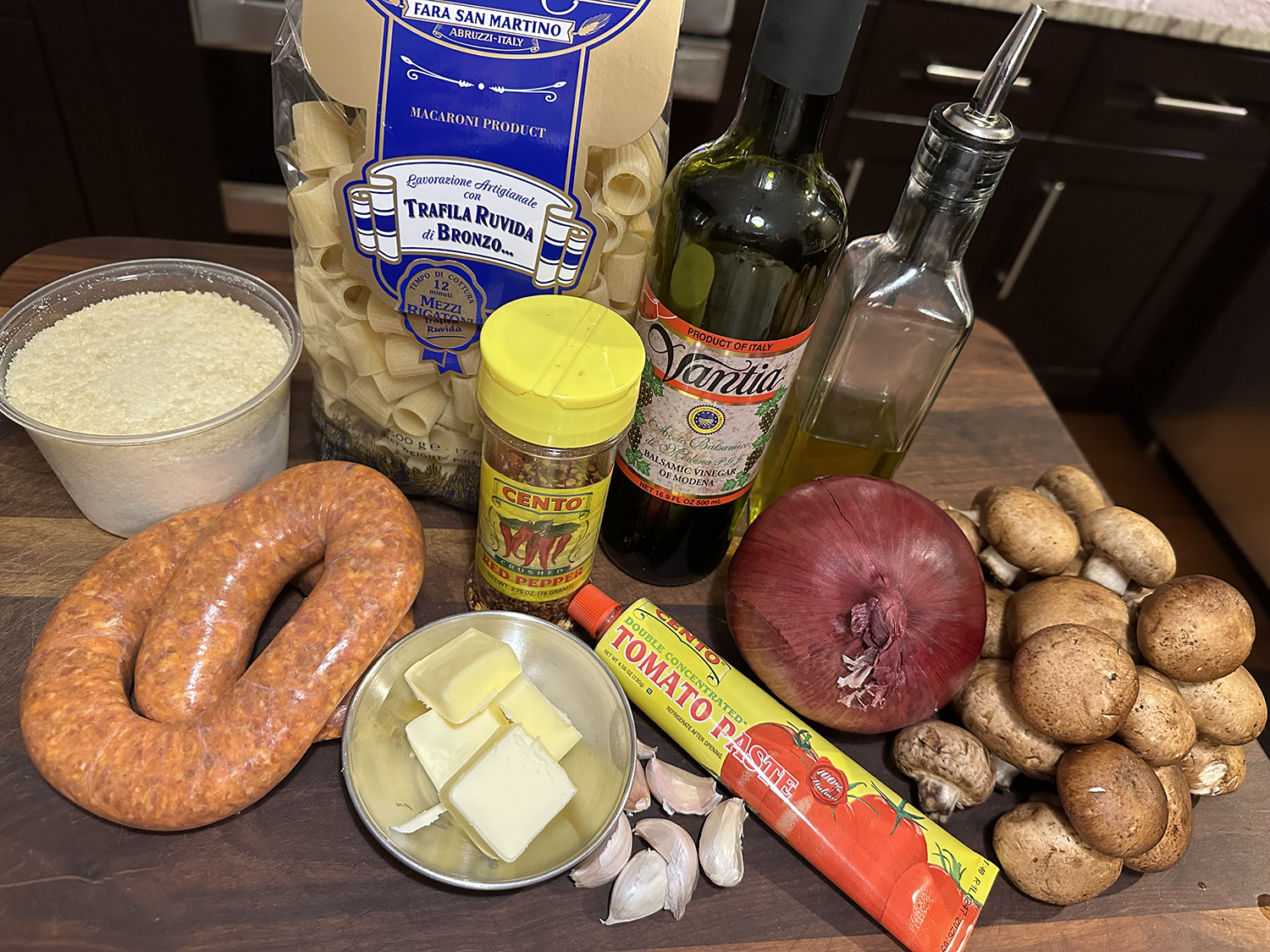
  • 12 oz. medium tube pasta (such as mezzi rigatoni or pipe rigate)
  • 1½ tsp. Diamond Crystal or ¾ tsp. Morton kosher salt, divided, plus more
  • 4 Tbsp. extra-virgin olive oil, divided
  • 4 Tbsp. unsalted butter, divided
  • 1 lb. crimini or button mushrooms, cut into ¼” pieces
  • 8 oz. hot Italian sausage
  • 1 large red onion, finely chopped
  • 4 garlic cloves, coarsely chopped
  • 2 Tbsp. tomato paste
  • ¼ tsp. crushed red pepper flakes
  • Freshly ground pepper
  • ⅓ cup balsamic vinegar
  • 1/2 cup fresh basil, roughly chopped, loosely packed (optional)
  • Finely grated Parmesan (for serving)

Directions

  1. Cook 12 ounces medium tube pasta in a large pot of boiling salted water, stirring occasionally, until al dente. Drain, reserving 1 cup pasta cooking liquid.
  2. Meanwhile, heat 2 tablespoons extra-virgin olive oil and 2 tablespoons unsalted butter in a large Dutch oven or other heavy pot or skillet over medium-high until butter is melted. Add 1 pound crimini or button mushrooms, cut into ¼” pieces, and cook, stirring occasionally, until slightly softened, about 2 minutes. Add 1 teaspoon Diamond Crystal or ½ teaspoon Morton kosher salt; cook, stirring occasionally, until liquid is evaporated and mushrooms are browned, 5–7 minutes. Transfer to a small bowl.
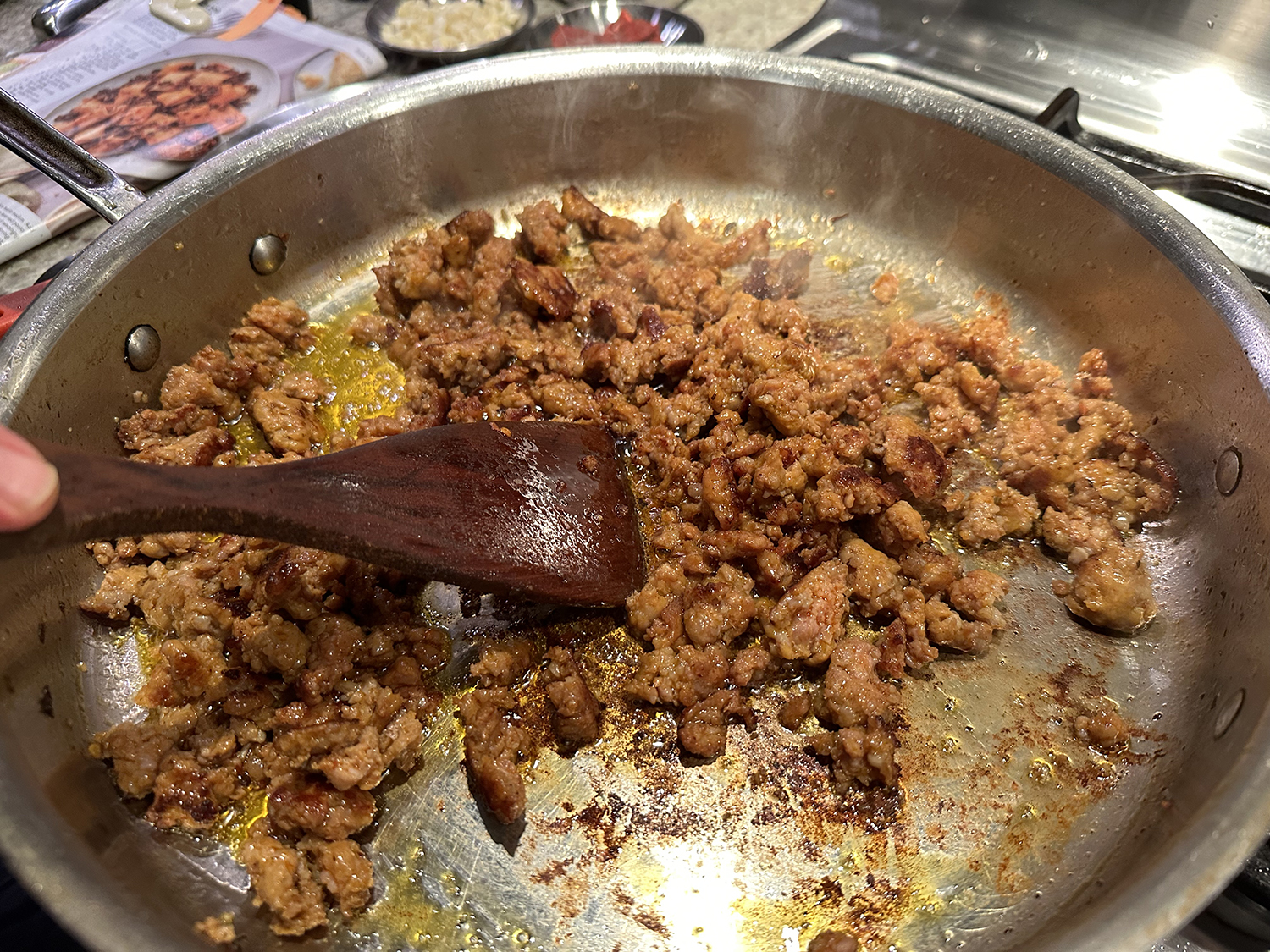
  3. Heat remaining 2 tablespoons extra-virgin oil in same pot over medium-high. Add 8 ounces hot Italian sausage and ½ teaspoon Diamond Crystal or ¼ teaspoon Morton kosher salt. Cook, breaking meat into smaller pieces with a wooden spoon or heatproof rubber spatula, until cooked through, about 2 minutes.
  4. Add 1 large red onion, finely chopped, and cook, stirring occasionally, until lightly browned, about 5 minutes. Add 4 garlic cloves, coarsely chopped, and cook, stirring often, until combined and fragrant, about 2 minutes. Return mushrooms to pot and add 2 Tbsp. tomato paste and ¼ teaspoon crushed red pepper flakes; season with freshly ground black pepper. Cook, stirring often, until paste is darkened in color, about 2 minutes. Pour in ⅓ cup balsamic vinegar and cook, scraping up any browned bits stuck to bottom of pot, 30 seconds.
  5. Reduce heat to medium. Add pasta, ½ cup reserved pasta cooking liquid, and remaining 2 tablespoons unsalted butter. Cook, stirring often and adding more pasta cooking liquid a little at a time if needed, until pasta is coated and sauce is glossy, about 30 seconds. Stir in chopped basil if using.
  6. Transfer pasta to a platter; top with finely grated Parmesan and more basil, if using.

http://www.lynnandruss.com

Recipe by Kendra Vaculin for Bon Appétit

Cumin-Seared Flank Steak with Lime

WOW, what a weeknight treat! This Cumin-Seared Flank Steak dish was fantastic, with so much flavor, and a minimal amount of ingredients in under 45 minutes!

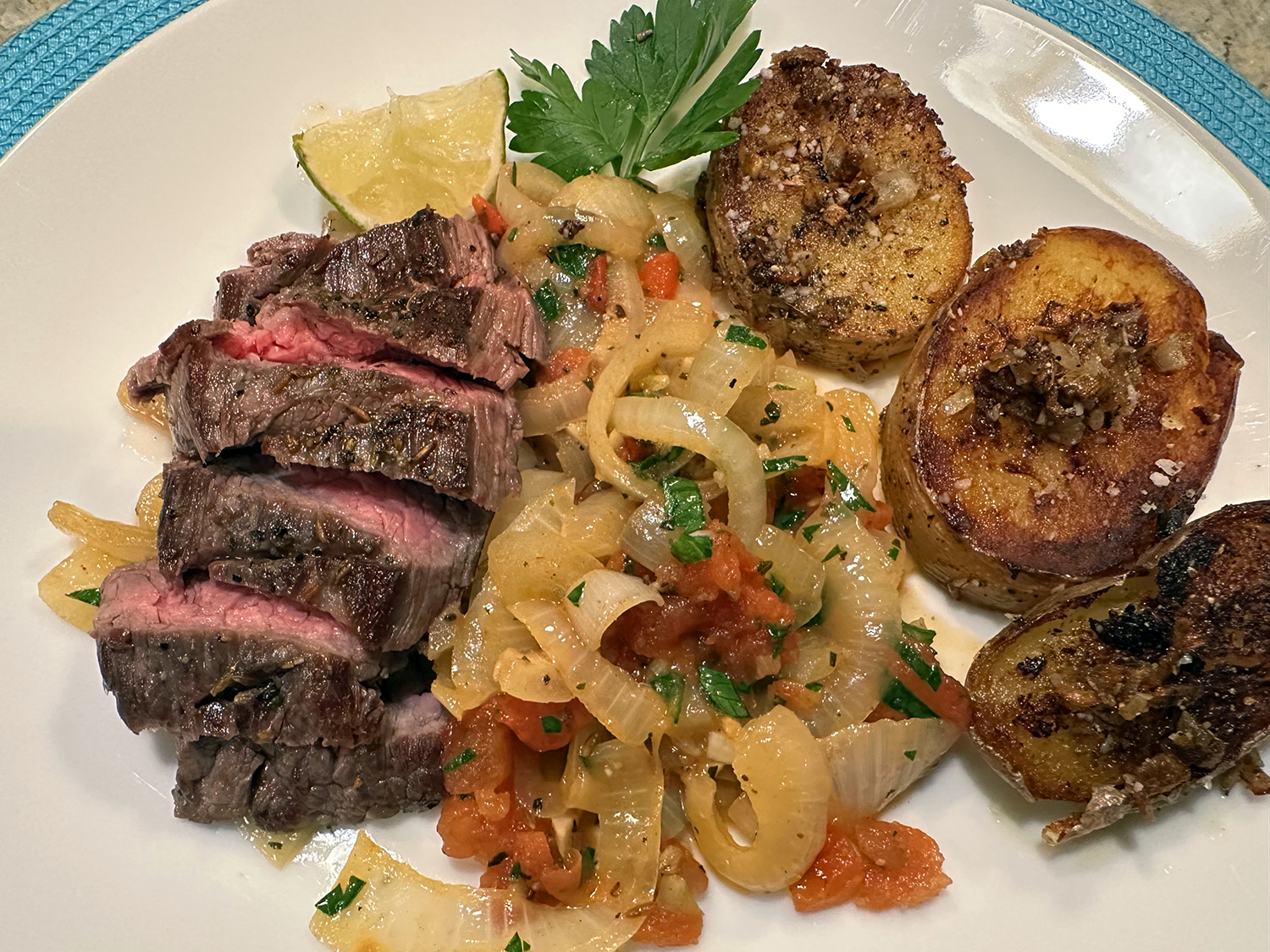
To make the Cuban classic bistec de palomilla, thin-cut steak is marinated in garlic and lime juice before it is pan-fried, and it is served under a pile of sautéed onions. Though sirloin or top round is commonly the choice of meat, here, flank steak is used instead and the process allows to skip any marination.

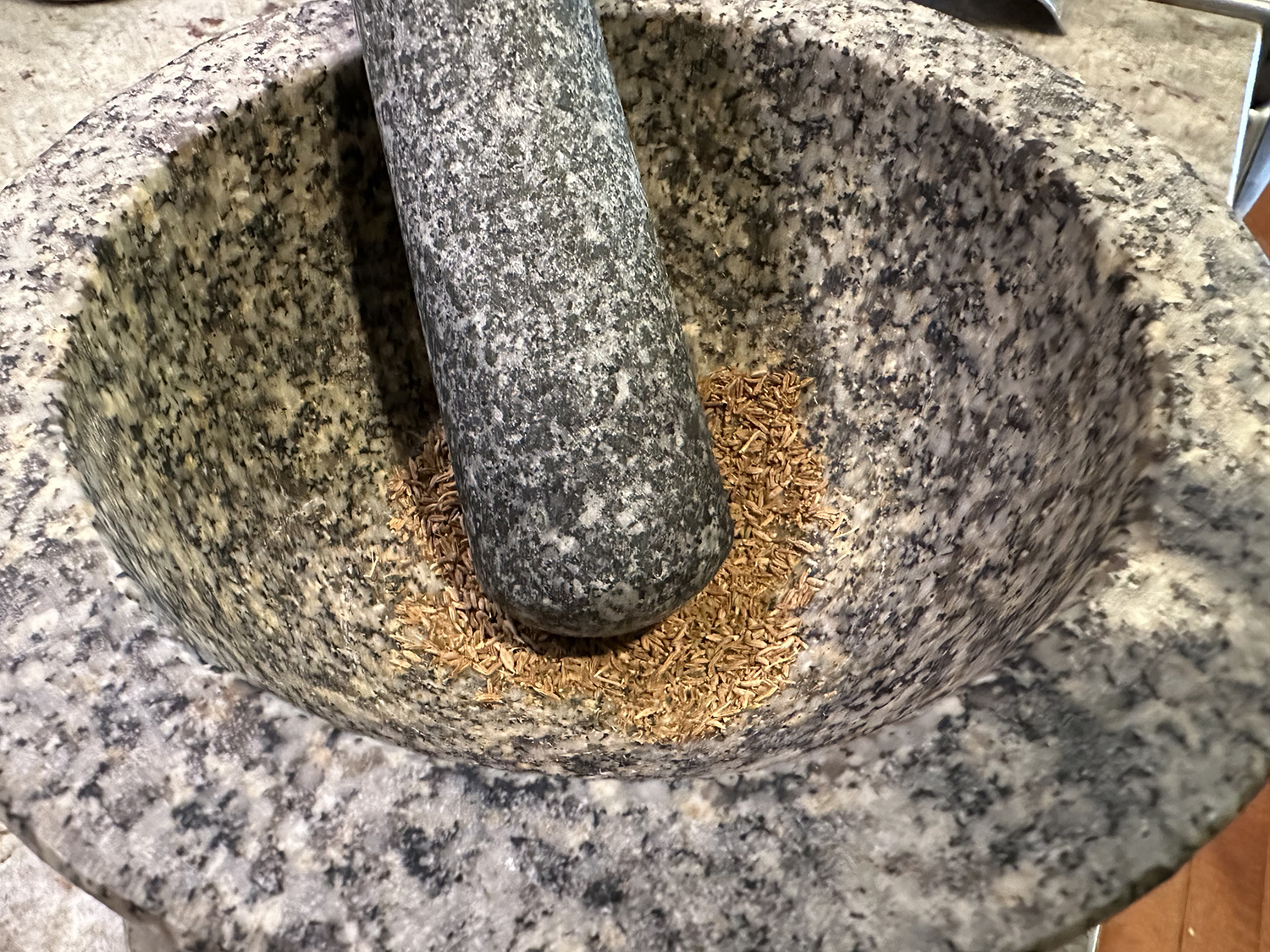
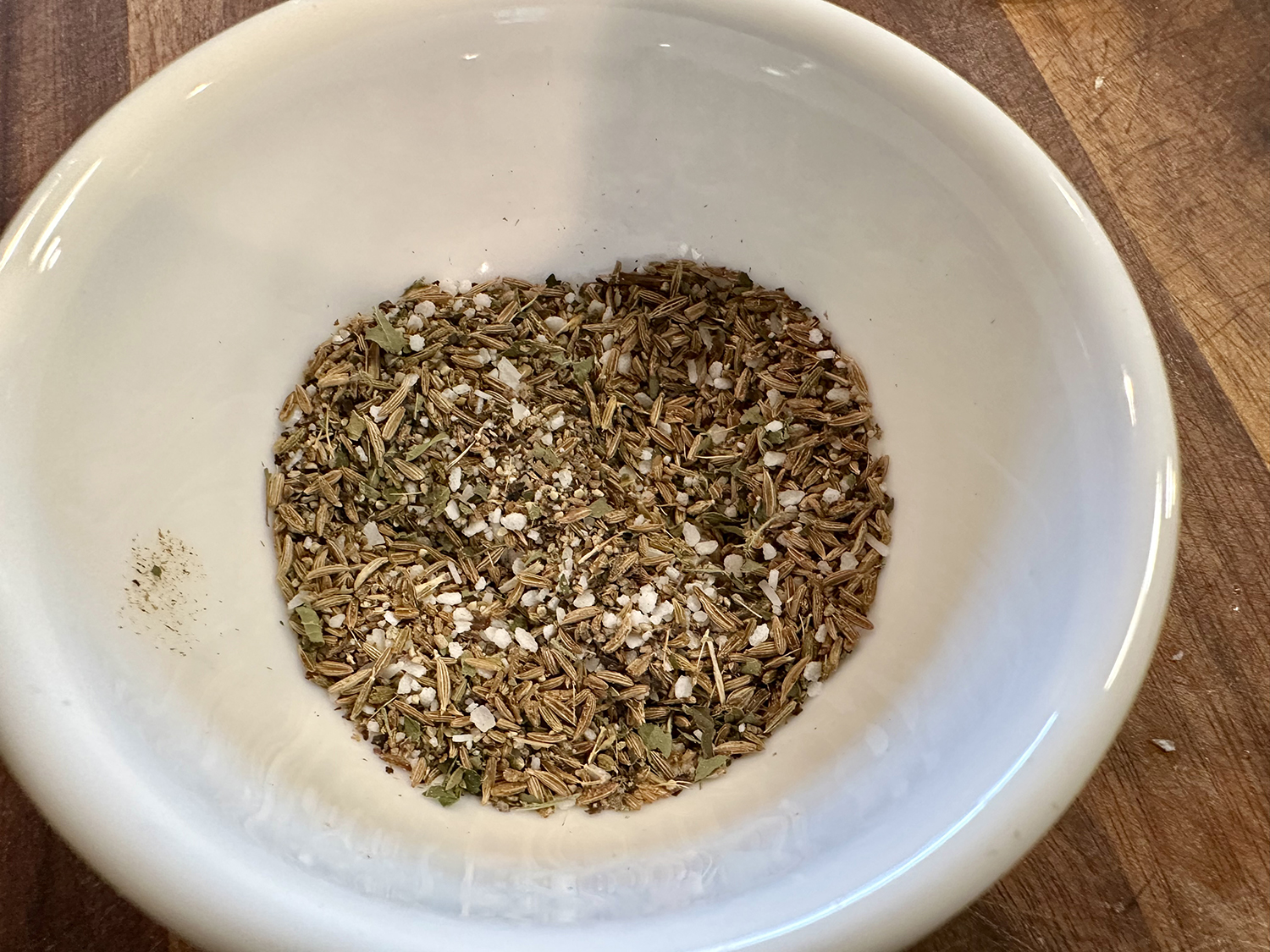
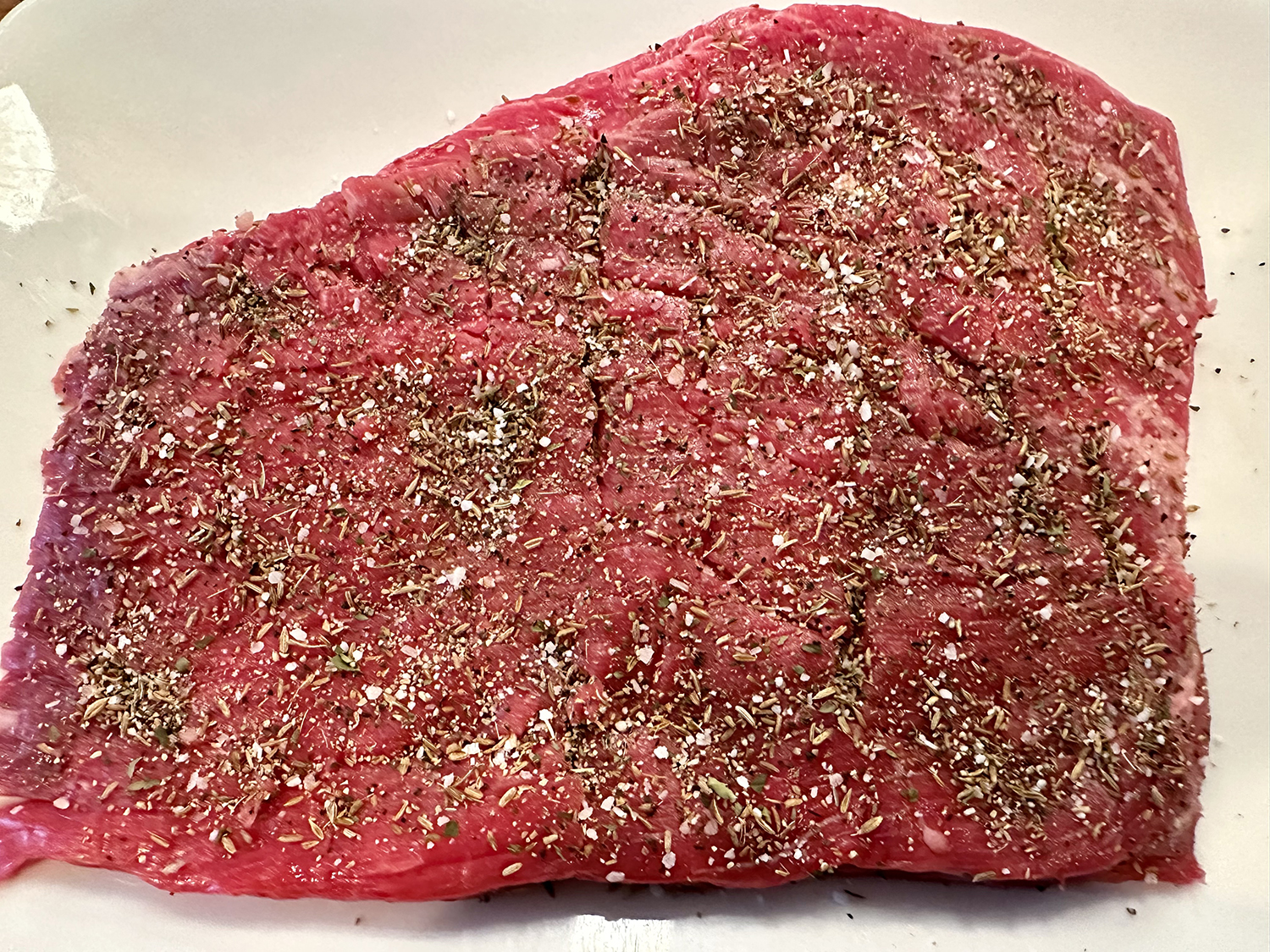
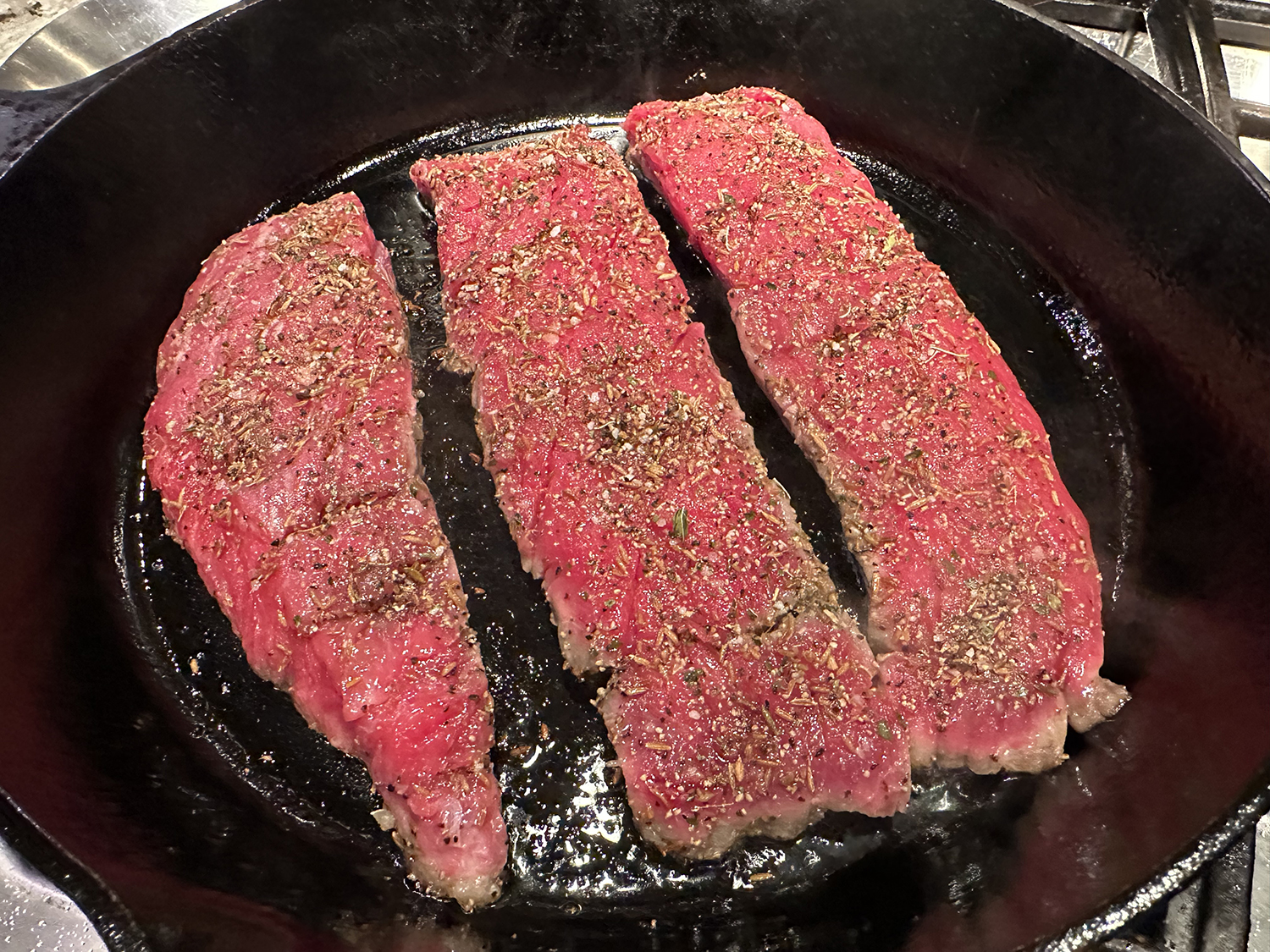
Instead, the surface of the meat is scored with shallow crosshatched cuts before cooking. The grooves not only grip the seasoning mix of crushed cumin, dried oregano, salt and pepper so they stay on the meat instead of winding up in the pan, they also help produce better flavor-boosting caramelization.

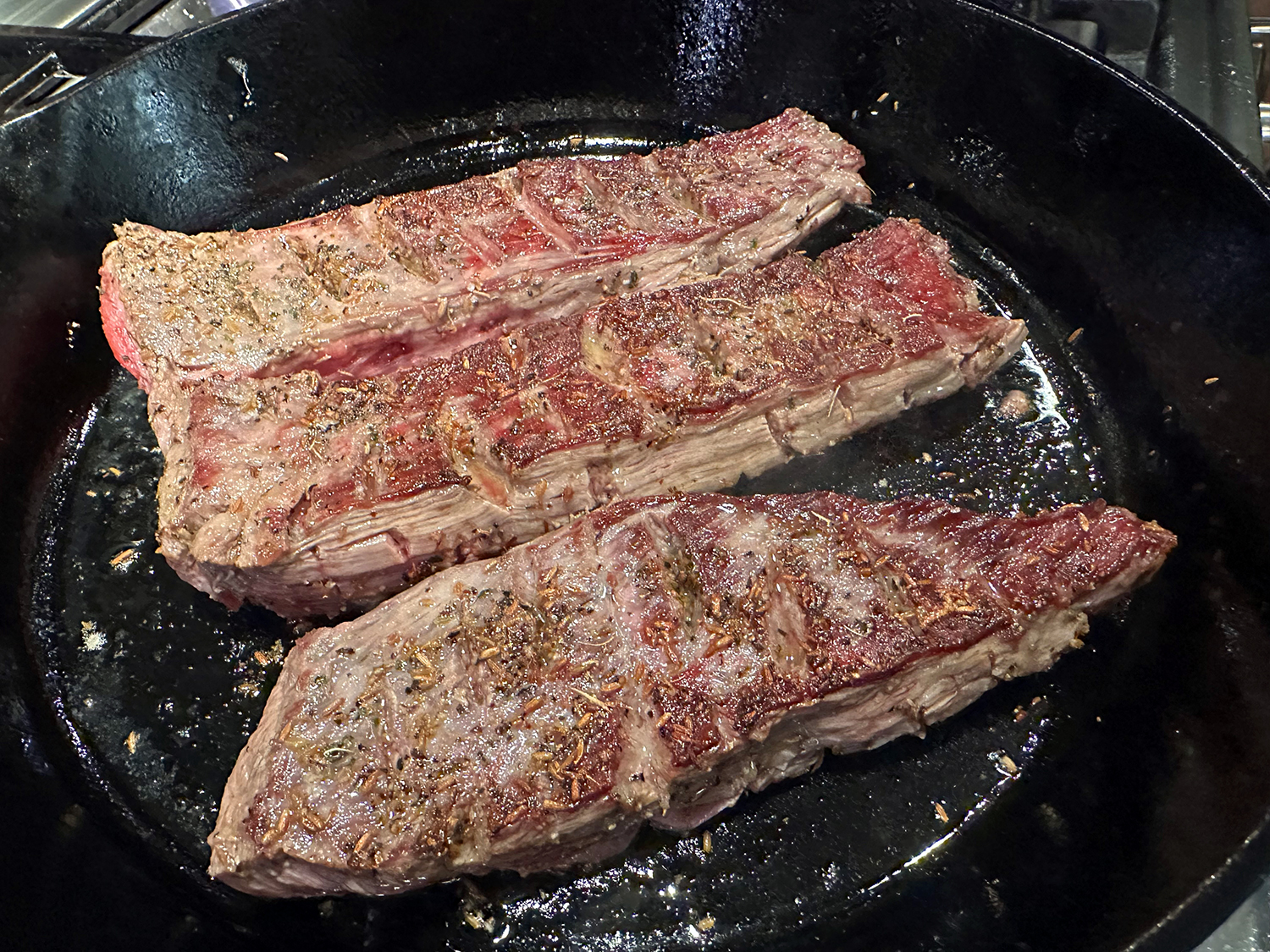
In just eight minutes, the steak was perfectly medium rare, removed to a platter so that the remaining ingredients can be cooked along with browned bits left in the skillet.

Typical side dishes might be rice or beans. We decided on a simple skillet potato dish. The Yukon Golds were first microwaved until just barely fork tender. Once they cooled slightly they were cut into 1/2″ slices; browned in olive oil and butter with some minced shallots, salt and pepper.

Cumin-Seared Flank Steak with Lime

  • Servings: 4
  • Difficulty: easy
  • Print

Ingredients

  • 2 tsp. cumin seeds, lightly crushed
  • 3/4 tsp. dried oregano, divided
  • Kosher salt and ground black pepper
  • 1½ lbs. flank steak
  • 1 Tbsp. grapeseed or other neutral oil
  • 3 Tbsp. salted butter, cut into 3 pieces
  • 1 large yellow onion, halved and thinly sliced
  • 1 ripe medium tomato, cored and chopped
  • 4 medium garlic cloves, minced
  • 1/4 cup lime juice, plus lime wedges to serve
  • 2 Tbsp. chopped fresh flat-leaf parsley

Directions

  1. In a small bowl, stir together the cumin, ¼ teaspoon of the oregano and 1 teaspoon each salt and pepper. Using a sharp knife, score shallow cuts into the steak, perpendicular to the grain and spaced ½ inch apart. Now crosshatch at a 45-degree angle to the first cuts. Flip the steak and crosshatch the second side.
  2. Rub the cumin mixture into the cuts on both sides, then cut the steak into 2 or 3 pieces with the grain. In a 12-inch skillet over medium-high, heat the oil until barely smoking. Add the steak and cook, flipping once, until well browned and the center reaches 125°F (for medium-rare), 6 to 8 minutes. Transfer to a plate and tent with foil.
  3. In the same skillet over medium, melt the butter. Add the onion, tomato, garlic, remaining ½ teaspoon oregano and ½ teaspoon salt; cook, stirring, until the onion is wilted, 6 to 8 minutes.
  4. Add the lime juice and accumulated steak juices; cook, stirring, until slightly reduced, about 1 minute.
  5. Off heat, stir in the parsley. Taste and season with salt and pepper. Transfer the onion mixture to a platter. Thinly slice the steak against the grain and place on the platter. Serve with lime wedges.

http://www.lynnandruss.com

Recipe by Courtney Hill for Milk Street

Greek-Style Spinach Rice with Shrimp and Dill

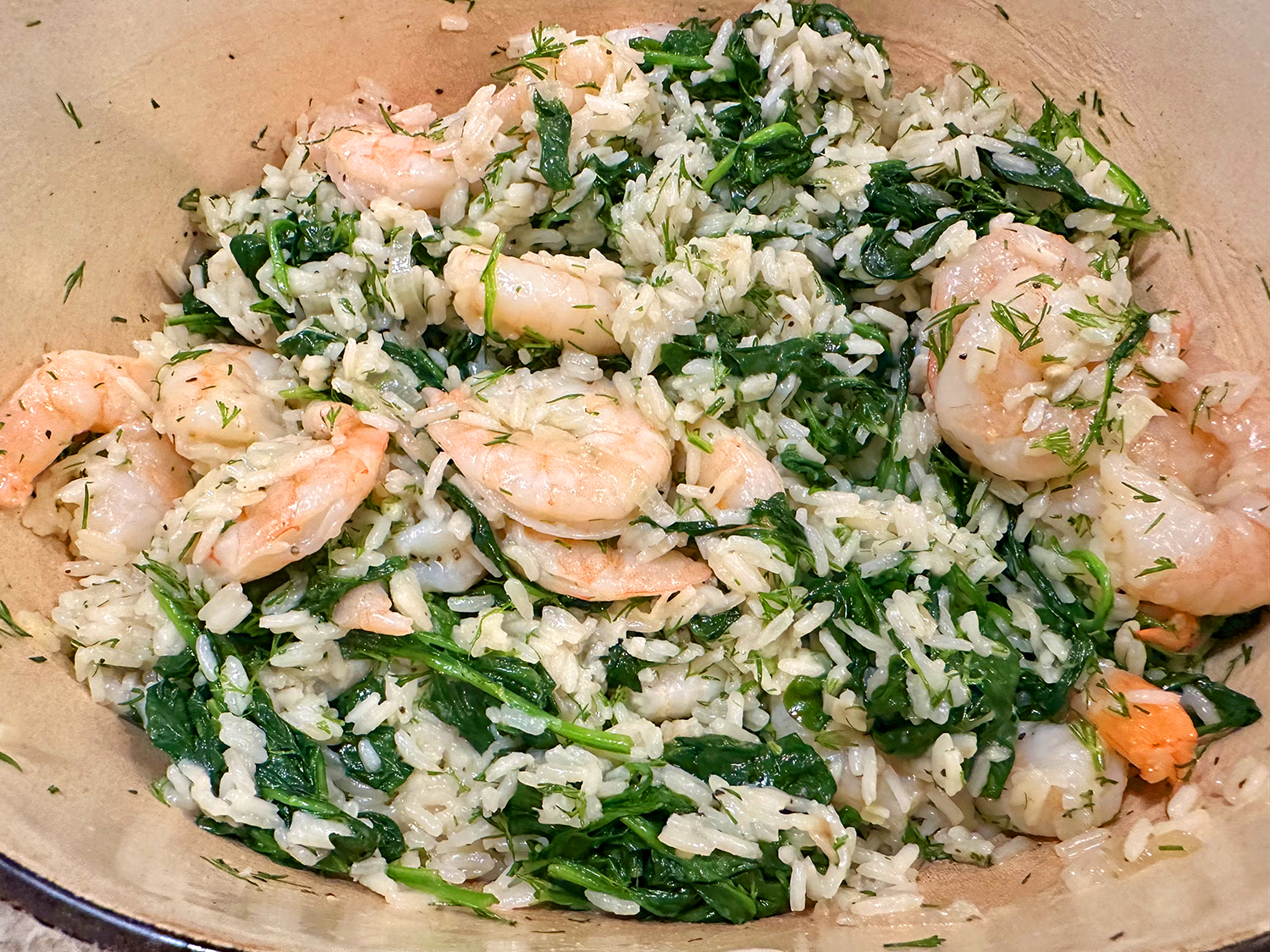
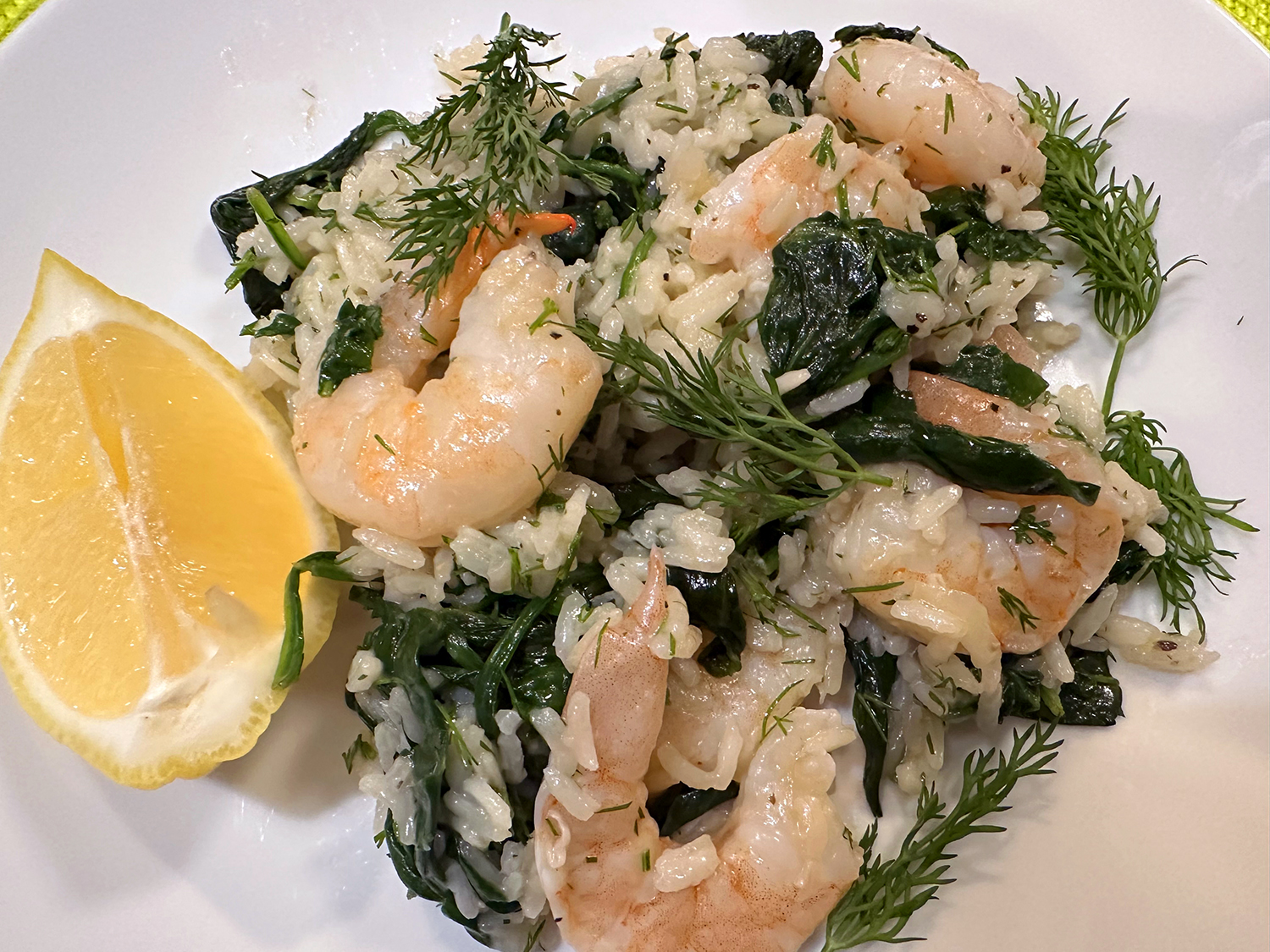
Loved this shrimp and rice recipe from Milk Street, where we found it in a recent issue of their magazine under Tuesday Night Dinners. We try to have a seafood/fish dinner at least once a week, and this was not only easy, but delicious!

Spanakorizo, or spinach rice (literally translated), is a homestyle Greek dish. The addition of shrimp creates a complete one-pot meal. With dill and lemon as accents, the flavors are fresh and bright, but a little butter used to wilt the spinach and olive oil drizzled on as a final flourish add a satisfying richness. To simplify prep, look for shrimp that are sold already peeled and deveined.

Don’t use a wide pot, such as a Dutch oven, to make this recipe. We found that a large surface area can result in unevenly cooked grains. The narrower diameter of a saucepan is the better choice. Don’t peek at the shrimp after adding them to the rice, except while stirring them into the rice after the first 10 minutes. Keeping the lid on traps heat in the pan so the shrimp cook through.

Greek-Style Spinach Rice with Shrimp and Dill

  • Servings: 4
  • Difficulty: easy
  • Print

Ingredients

  • 2 Tbsp. salted butter
  • 2 5-oz. containers baby spinach
  • 2 Tbsp. extra-virgin olive oil, plus more to serve
  • 2 medium shallots, halved and thinly sliced
  • Kosher salt and ground black pepper
  • 1½ cups long-grain white rice, rinsed and drained
  • 1 lb. extra-large (21/25 per pound) shrimp, peeled (tails removed), deveined and patted dry
  • 1 cup lightly packed fresh dill, roughly chopped
  • 1 tsp. grated lemon zest, plus 3 Tbsp. lemon juice

Directions

  1. In a large saucepan over medium-high, heat the butter until bubbling. Add the spinach and cook, stirring, until wilted but still bright green, about 1 minute. Transfer to a bowl, including any liquid released by the spinach; set aside.
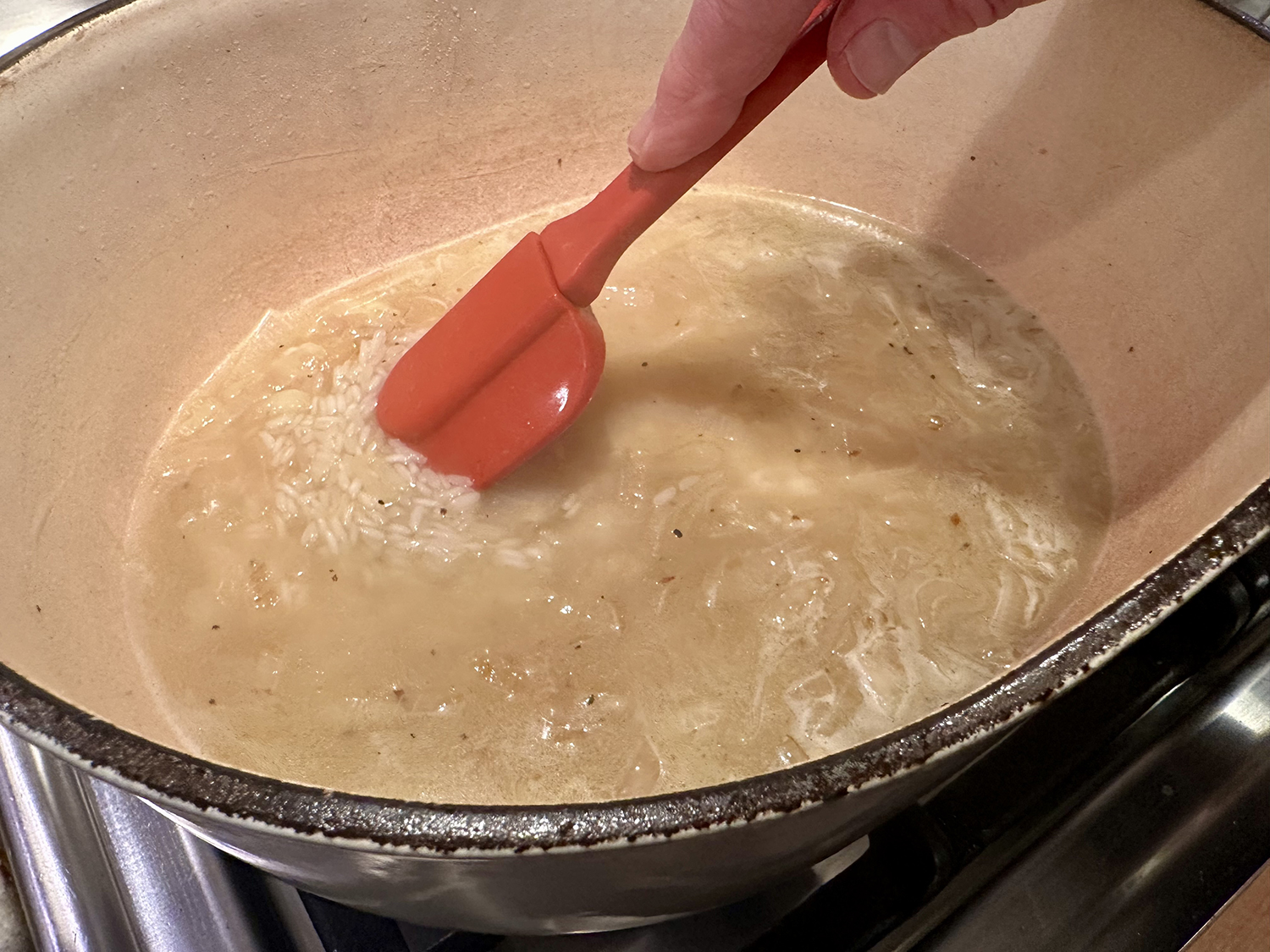
  2. Set the same pan over medium-high. Add the oil, shallots and ¼ teaspoon salt, then cook, stirring often, until the shallots are translucent, about 2 minutes. Add the rice, 2½ cups water, and ¼ teaspoon each salt and pepper. Stir to combine, then bring to a boil. Cover, reduce to low and cook until the liquid has been absorbed, 15 to 18 minutes. Meanwhile, season the shrimp with salt and pepper.
  3. When the rice is done, remove the pan from the heat. Quickly and evenly scatter the shrimp over the surface, re-cover and let stand for 10 minutes. Using a fork, fluff the rice and fold in the shrimp. Re-cover and let stand until the shrimp are opaque throughout, another 5 to 7 minutes.
  4. Add the spinach with its liquid, the dill and the lemon zest and juice, then fold until well combined. Taste and season with salt and pepper. Serve drizzled with additional oil.

http://www.lynnandruss.com

Recipe by Rebecca Richmond for Milk Street

Eggplant with Garlic Sauce

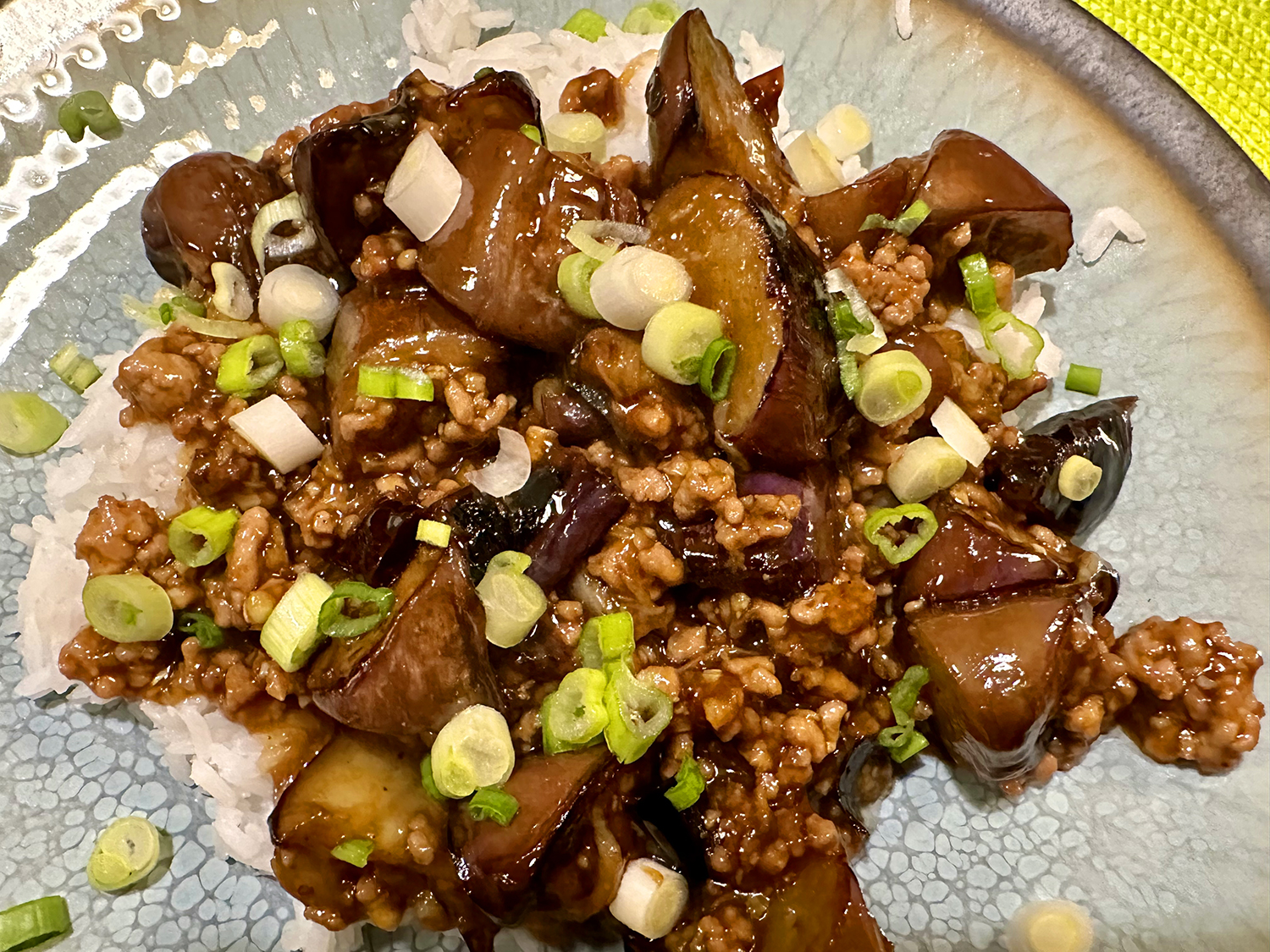
If you are an eggplant fan, you need to add this stir-fry to your shortlist. Chinese eggplant with garlic sauce, or “fish fragrant eggplant” (yuxiang qiezi) is a familiar dish in many American Chinese restaurants and buffets these days, but it’s also a dish with many authentic variations in China. Here is another version of this much-loved classic.

In most cases, Chinese restaurants make this Chinese eggplant with garlic sauce dish by deep frying the eggplant, resulting in very tasty, soft eggplant, but also a very oily dish. This Chinese eggplant with garlic sauce uses a fraction of the oil in restaurant versions and is a game-changing healthy dish!

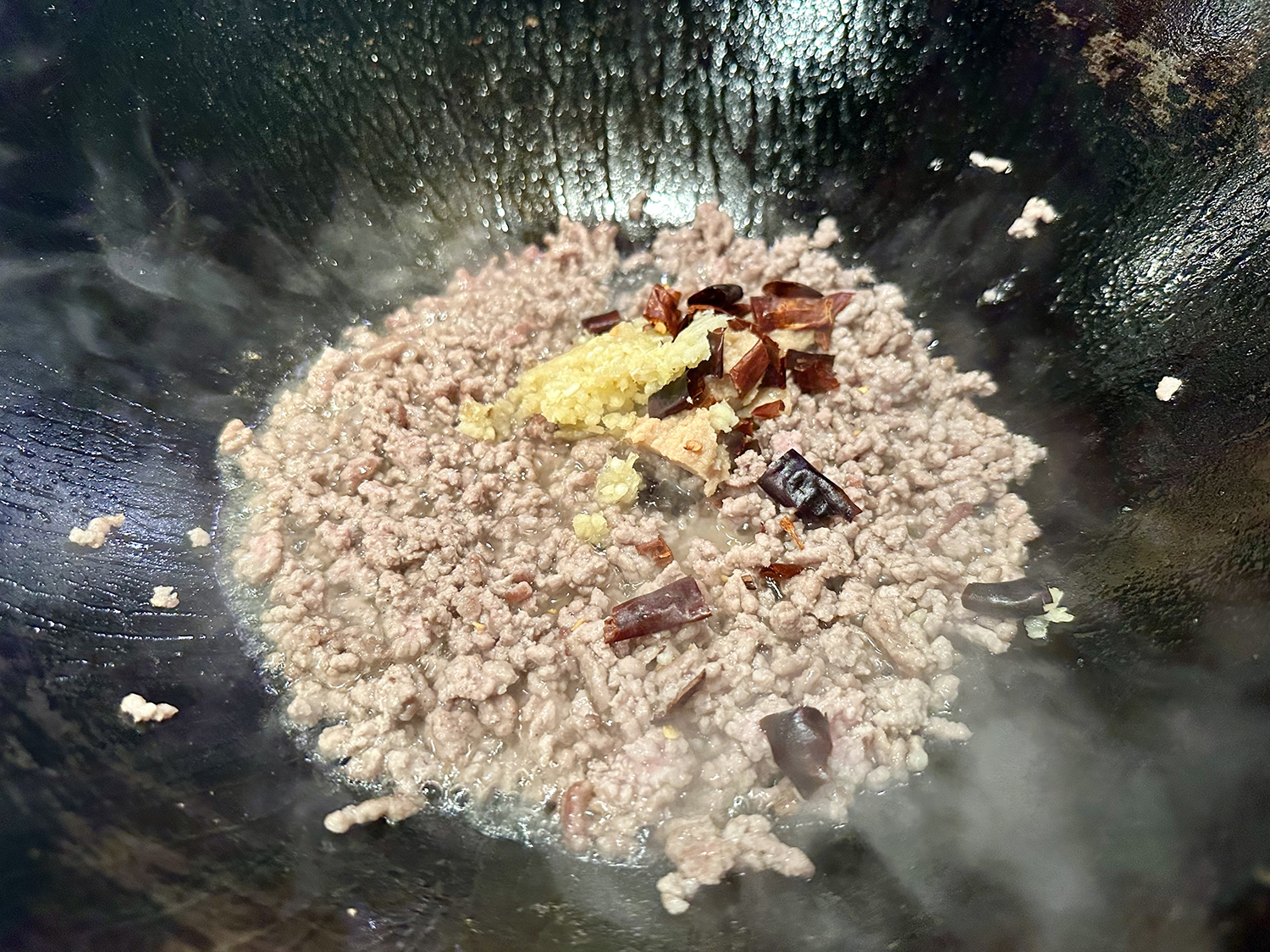
The eggplant pieces had to be cooked in two batches to ensure they would brown instead of steam. If you need to do this also, it will add some time to the overall recipe. As far as the ground pork, we used a bit more (25%) than called for. If you are vegetarian, you can skip the meat altogether or replace it with tofu.

Eggplant with Garlic Sauce

  • Servings: 2-4
  • Difficulty: easy
  • Print

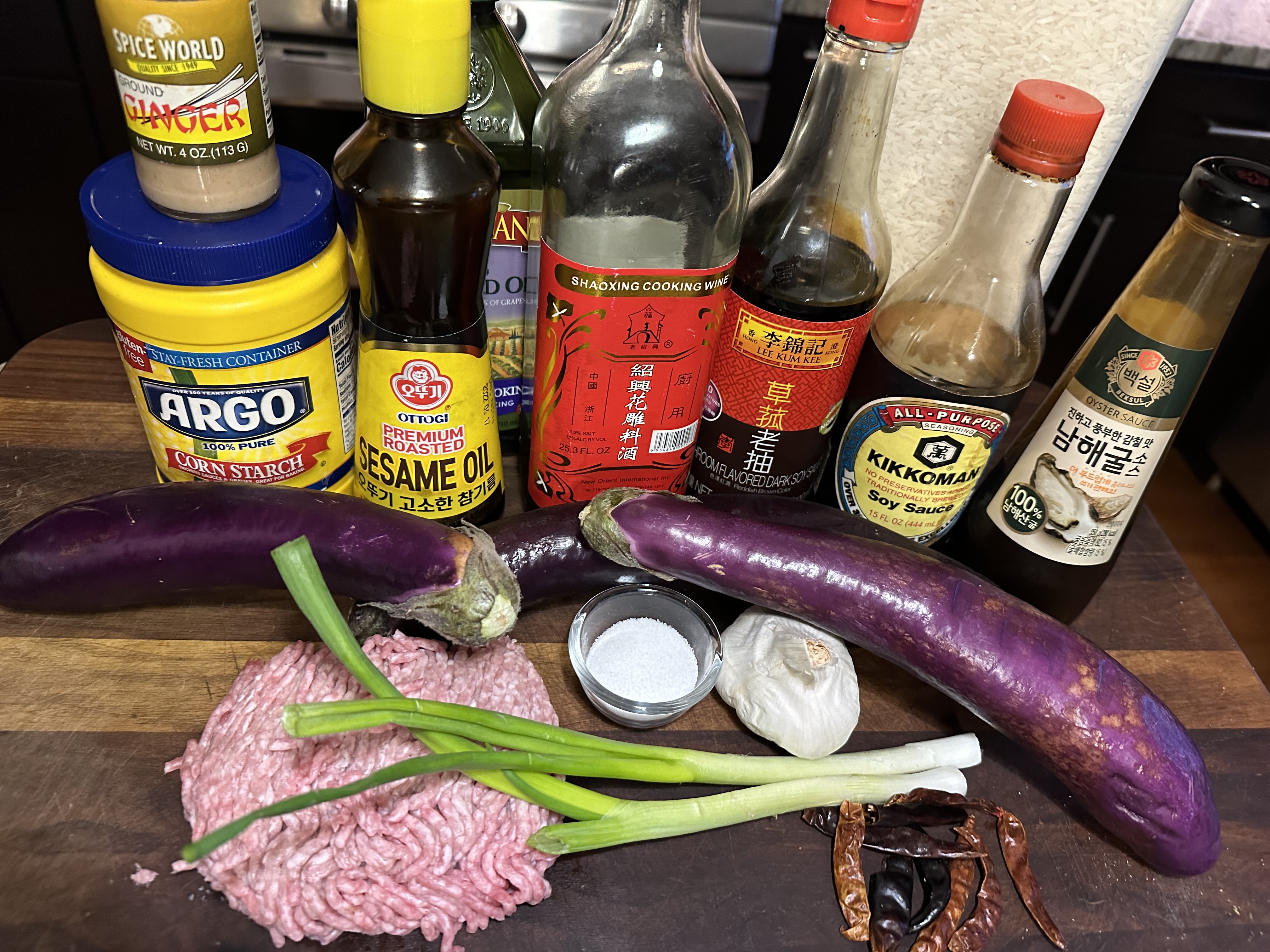
Ingredients

FOR THE SAUCE MIXTURE:

  • 1/2 cup hot water
  • 1 Tbsp. corn starch
  • 1 tsp. toasted sesame oil
  • 1 Tbsp. light soy sauce
  • 1/2 tsp. dark soy sauce
  • 1 Tbsp. sugar
  • 1 Tbsp. Shaoxing wine or sherry
  • 1 Tbsp. rice vinegar
  • 1 1/2 Tbsp. oyster sauce or vegetarian oyster sauce
  • 1/8 tsp. ground white pepper
  • 6 cloves garlic, (finely minced), divided

FOR THE REST OF THE DISH:

  • 2-3 Japanese or Chinese eggplants, (about 1 pound)
  • 2 scallions, white and green parts finely chopped
  • 4 Tbsp. neutral oil, divided
  • 4 oz. ground pork, chicken, or turkey (optional)
  • 2 tsp. minced fresh ginger
  • 5 dried red chilies, or more to taste, seeded and sliced into small pieces

Directions

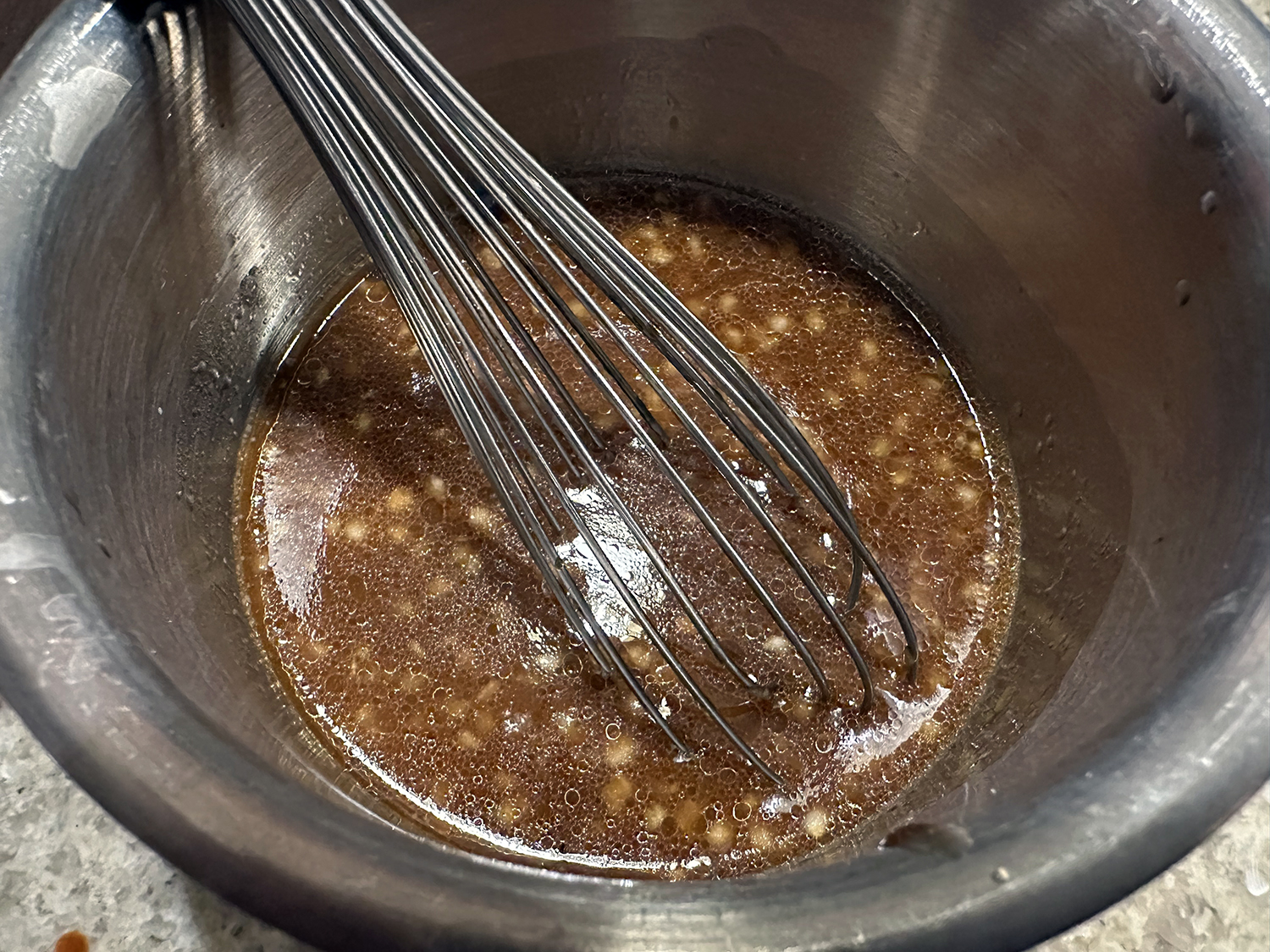
  1. Combine the sauce ingredients, adding only half of the minced garlic, in a small bowl and set aside. Reserve the remaining half of the garlic for later.
  2. Wash the eggplants, cut the ends off, and slice them into equal-sized pieces. After slicing, separate the green and white portions of the scallions into roughly two piles.
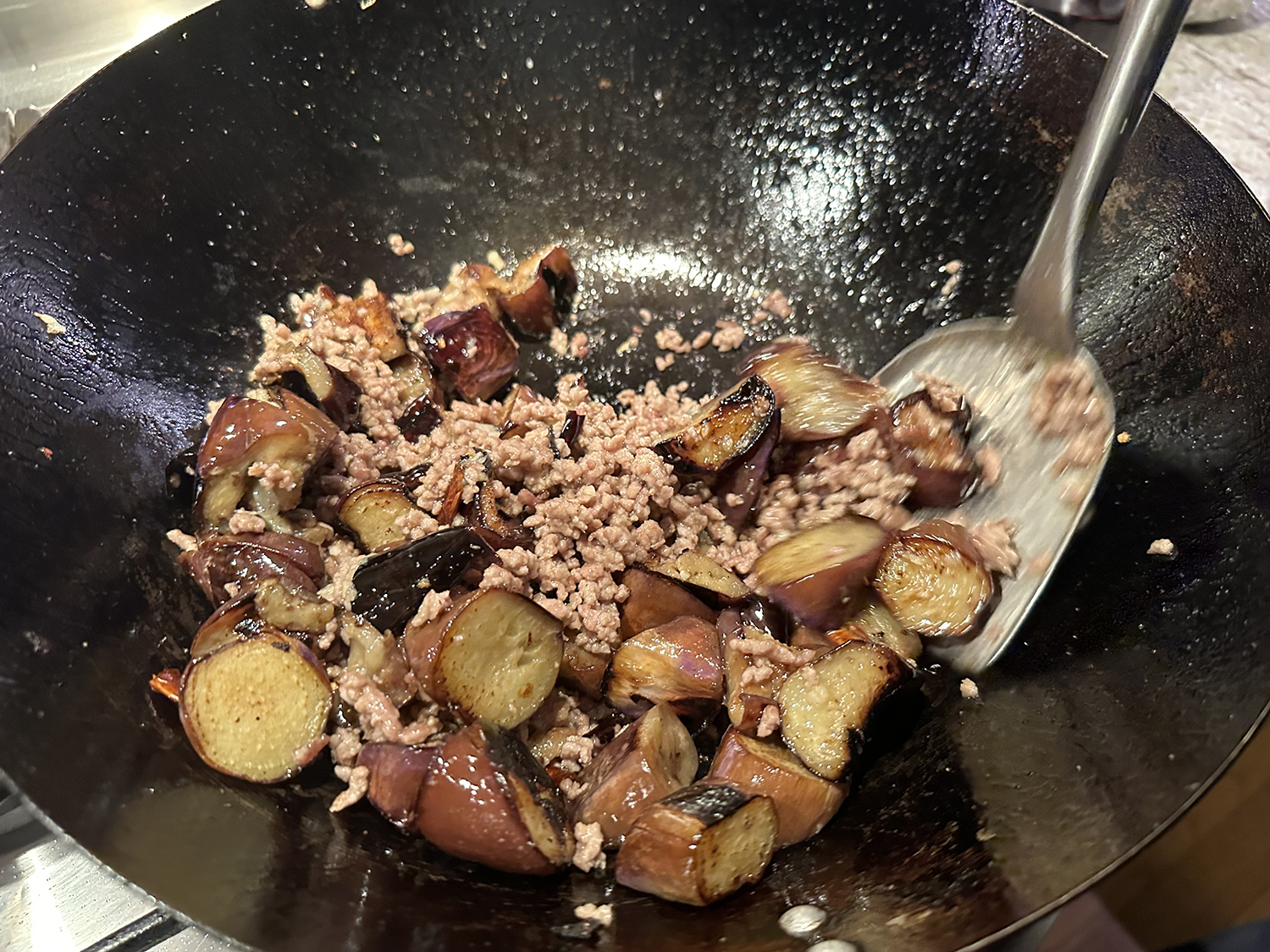
  3. Over medium-high heat, heat 1 1/2 tablespoons of oil in your wok. Add half of the eggplant and spread it into a single layer, then reduce the heat to medium. Let it sear until brown, about 3 minutes, then begin flipping and stirring it occasionally until it’s lightly browned all over. Take this first batch of eggplant out of the pan, heat a second tablespoon and a half of oil, and do the same with your second batch. Set all the cooked eggplant aside on a plate.
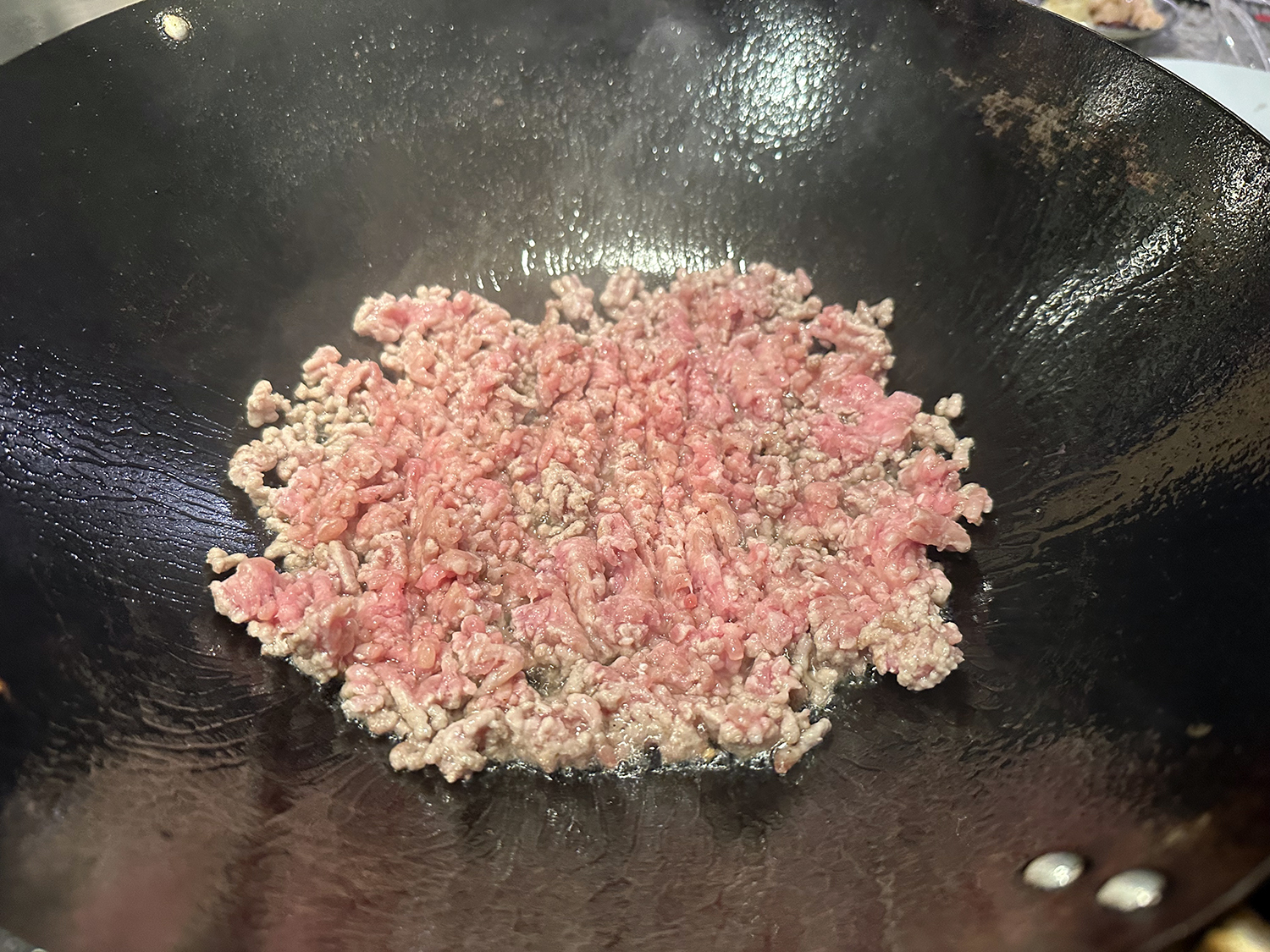
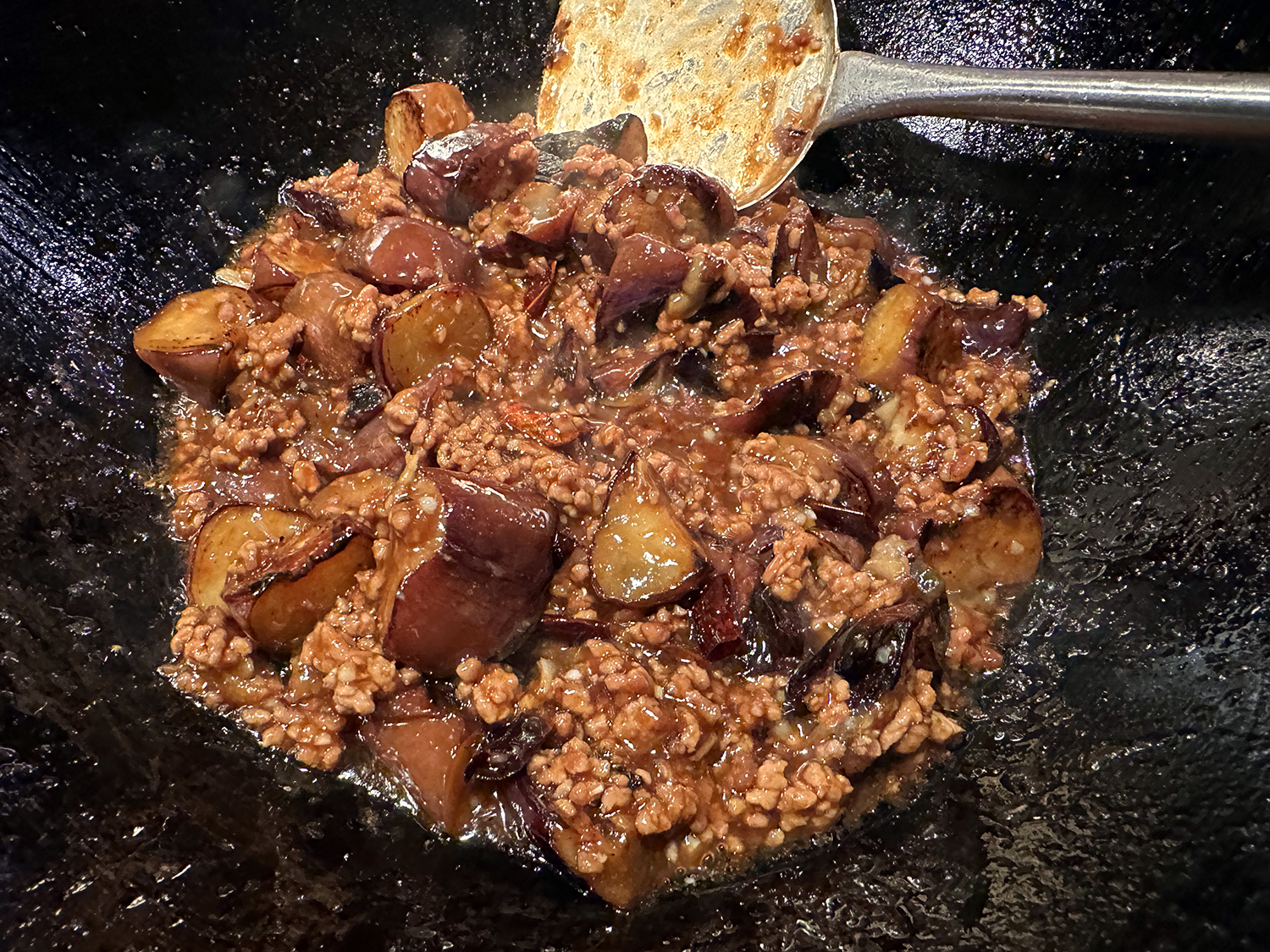
  4. Set the heat to high and add the last tablespoon of oil to the wok along with the ground pork and cook until opaque, breaking it up into small bits as you go. Add the ginger, dried chili peppers, and 3 cloves of minced garlic. Cook for 1 to 2 minutes, stirring constantly, until the aromatics are fragrant and lightly toasted. Add the eggplant back in, along with the stir-fry sauce. Stir-fry everything together for another 2 minutes, making sure everything is well combined.
  5. Toss in the scallions and stir-fry for another 20 seconds. Serve immediately with white or brown steamed rice.

http://www.lynnandruss.com

Recipe from the Woks of Life Cookbook

Braised Baby Potatoes with Dijon and Tarragon

What if you could get the creamy interiors produced by steaming baby potatoes and the browned exteriors produced by roasting—without doing either of those things? Well, we just had to find out…

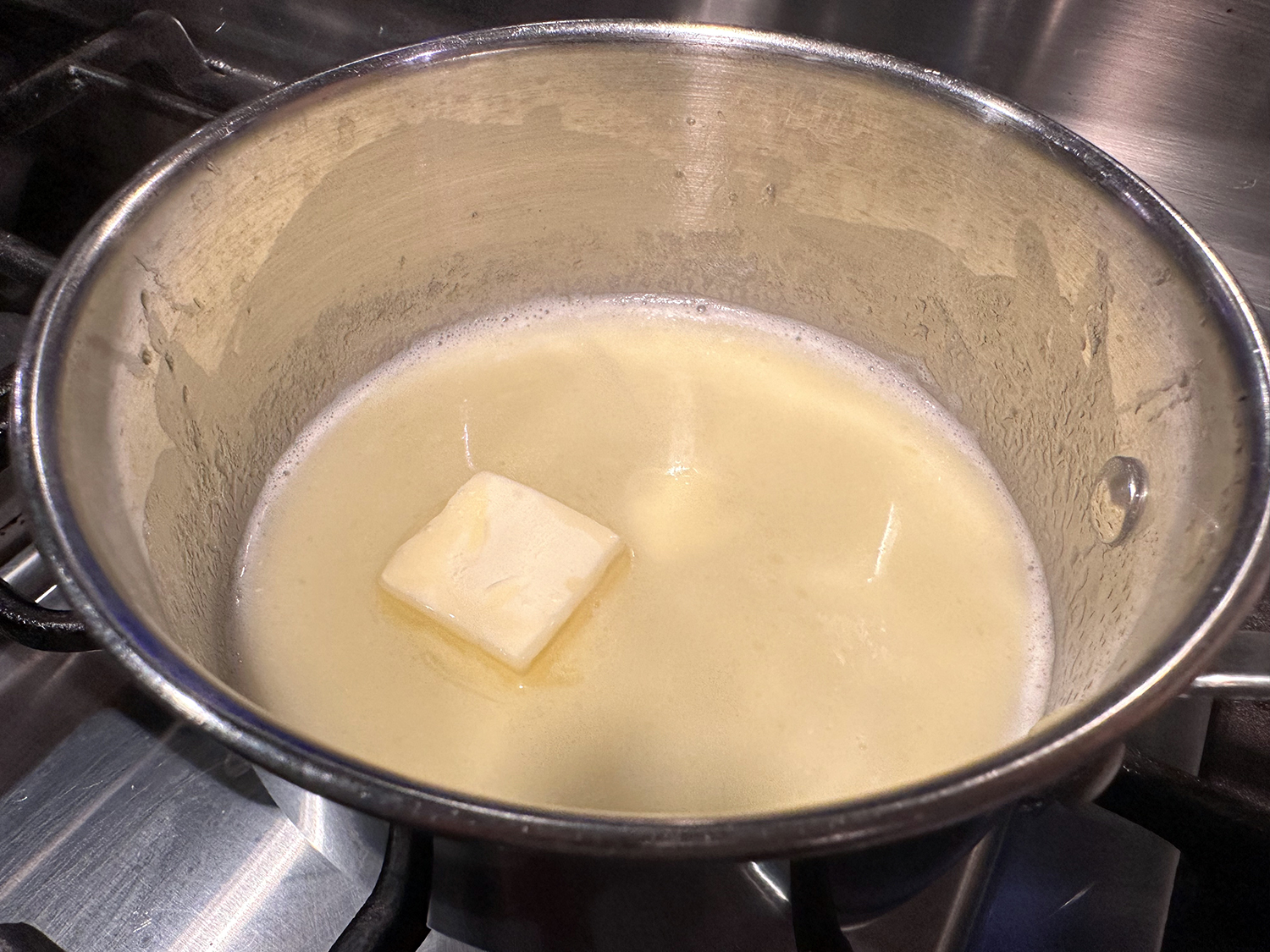
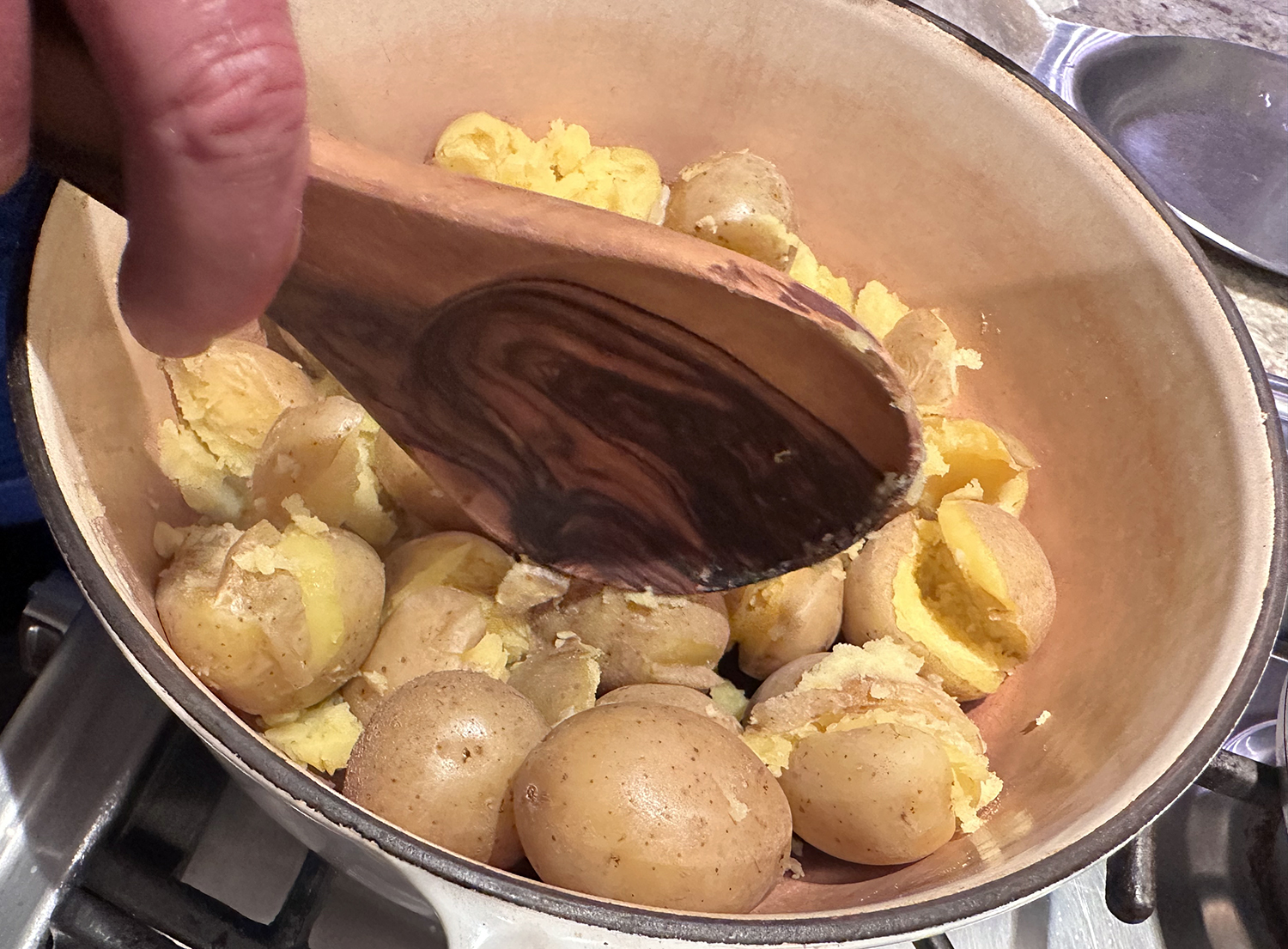
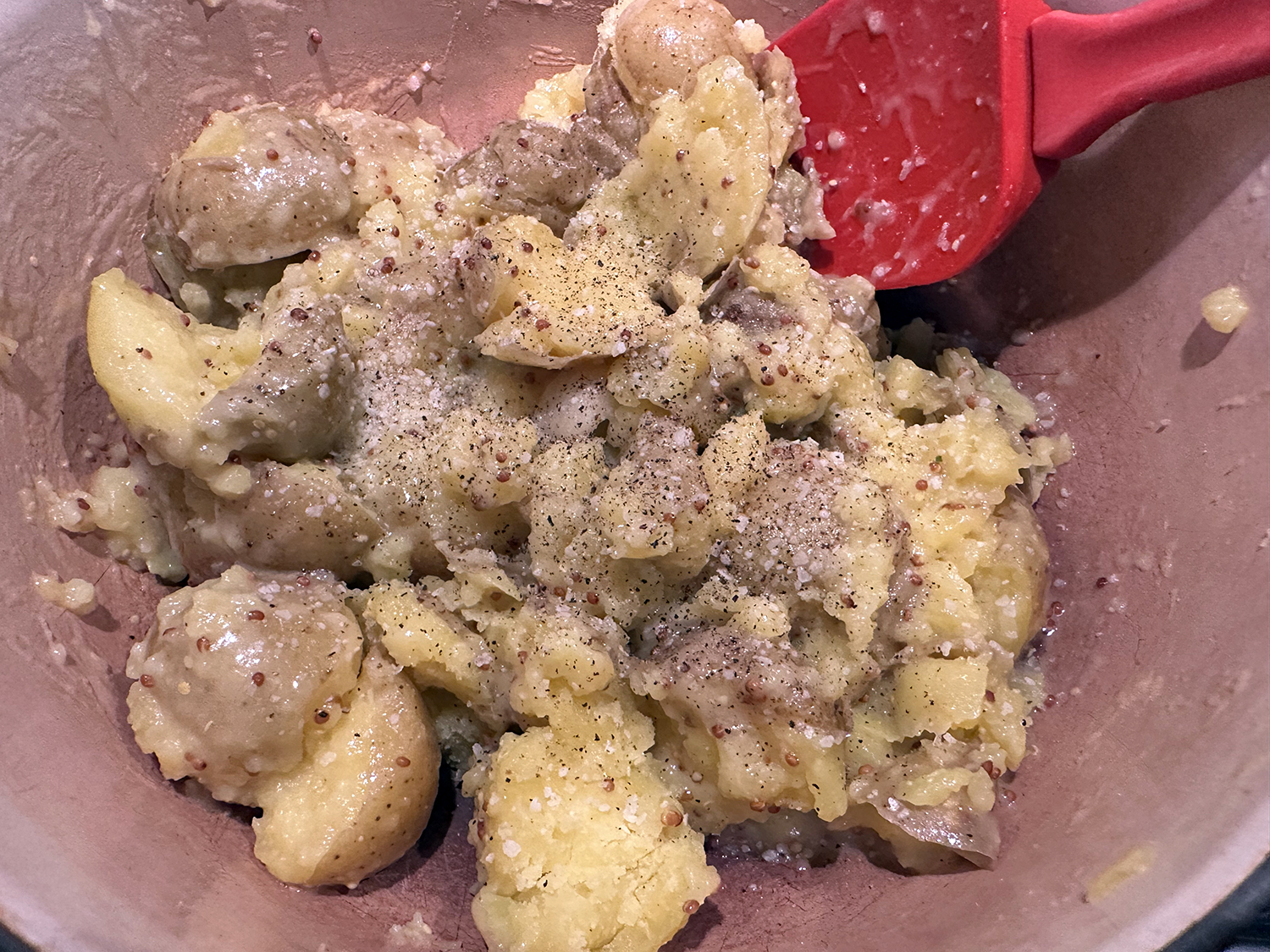
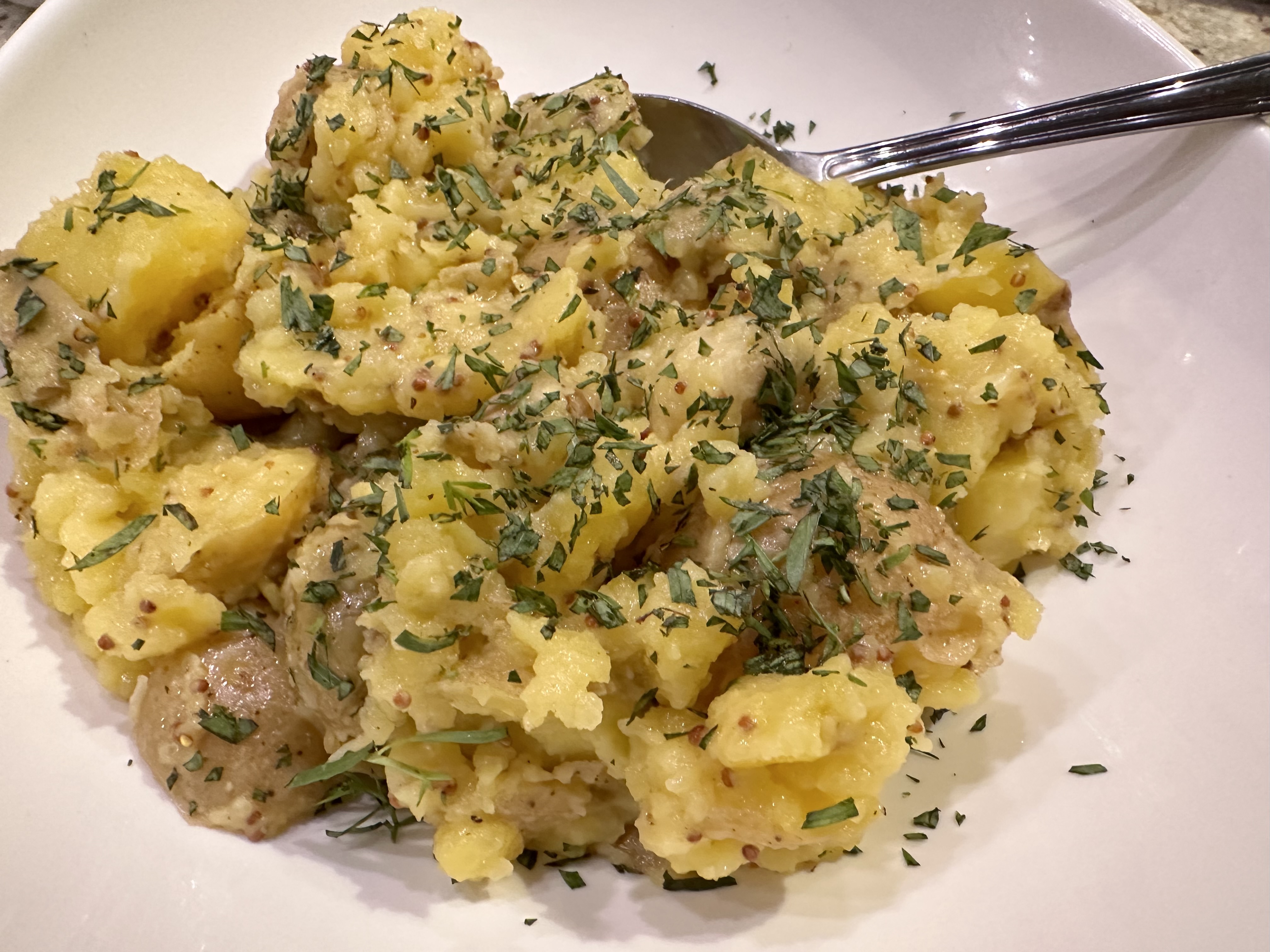
This is a creative recipe for a simple, one-pot potato side dish that features the benefits of both boiling and roasting. Halved small potatoes (about 1 1/2 inches in diameter) are combined with butter, and salted water in a 12-inch skillet. Then they are simmered until the potatoes turn creamy and the water fully evaporates.

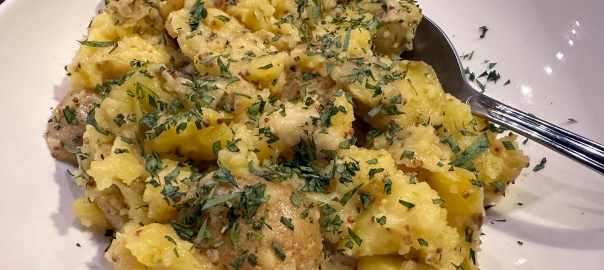
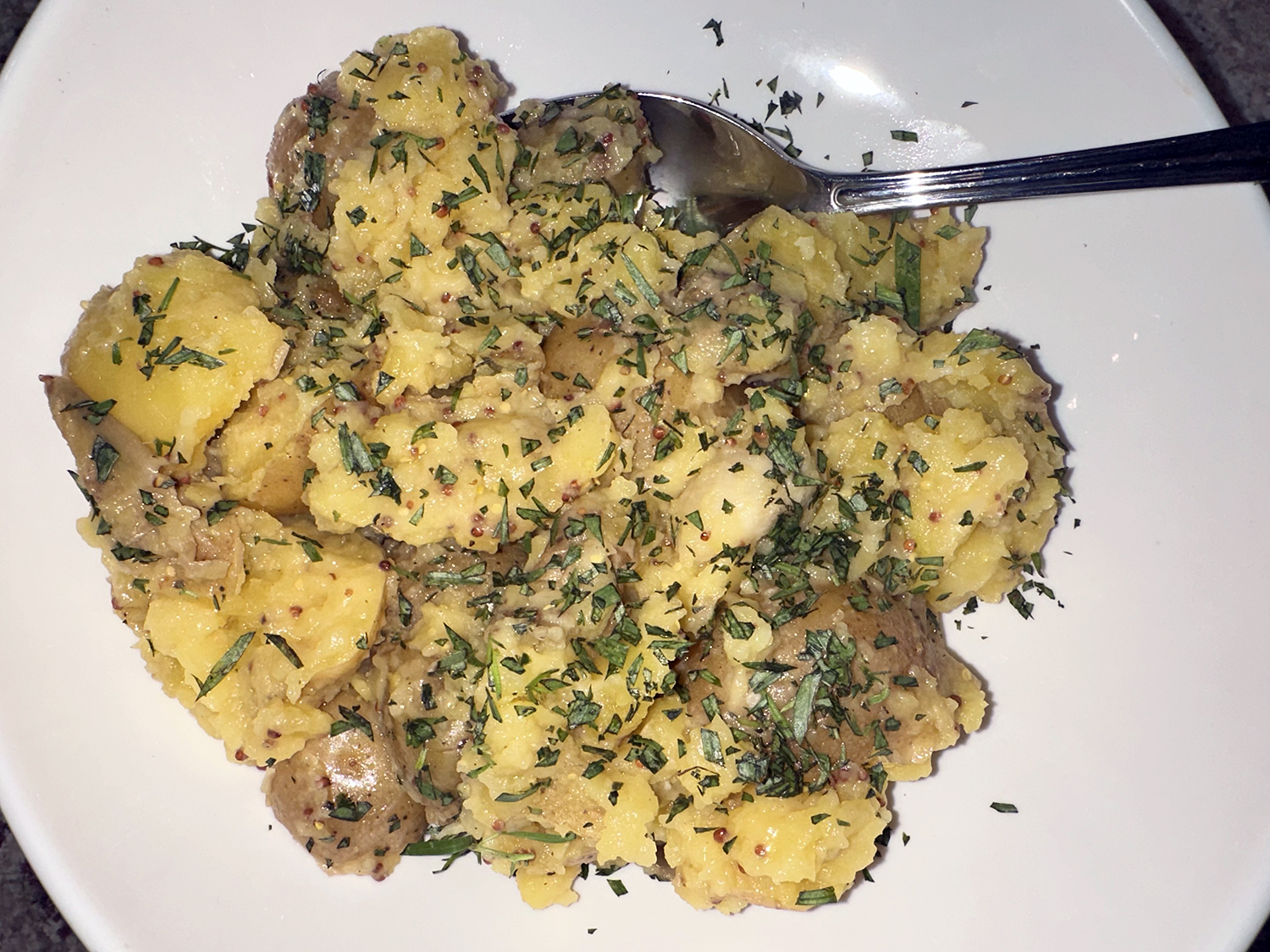
In the then-dry skillet, the potatoes and butter are left alone to fry and develop great flavor and color. Subtle aromatics like thyme and garlic balance well with last-minute additions like Dijon mustard. Potatoes turn nicely browned and the dressing is just enough to give them good flavor.

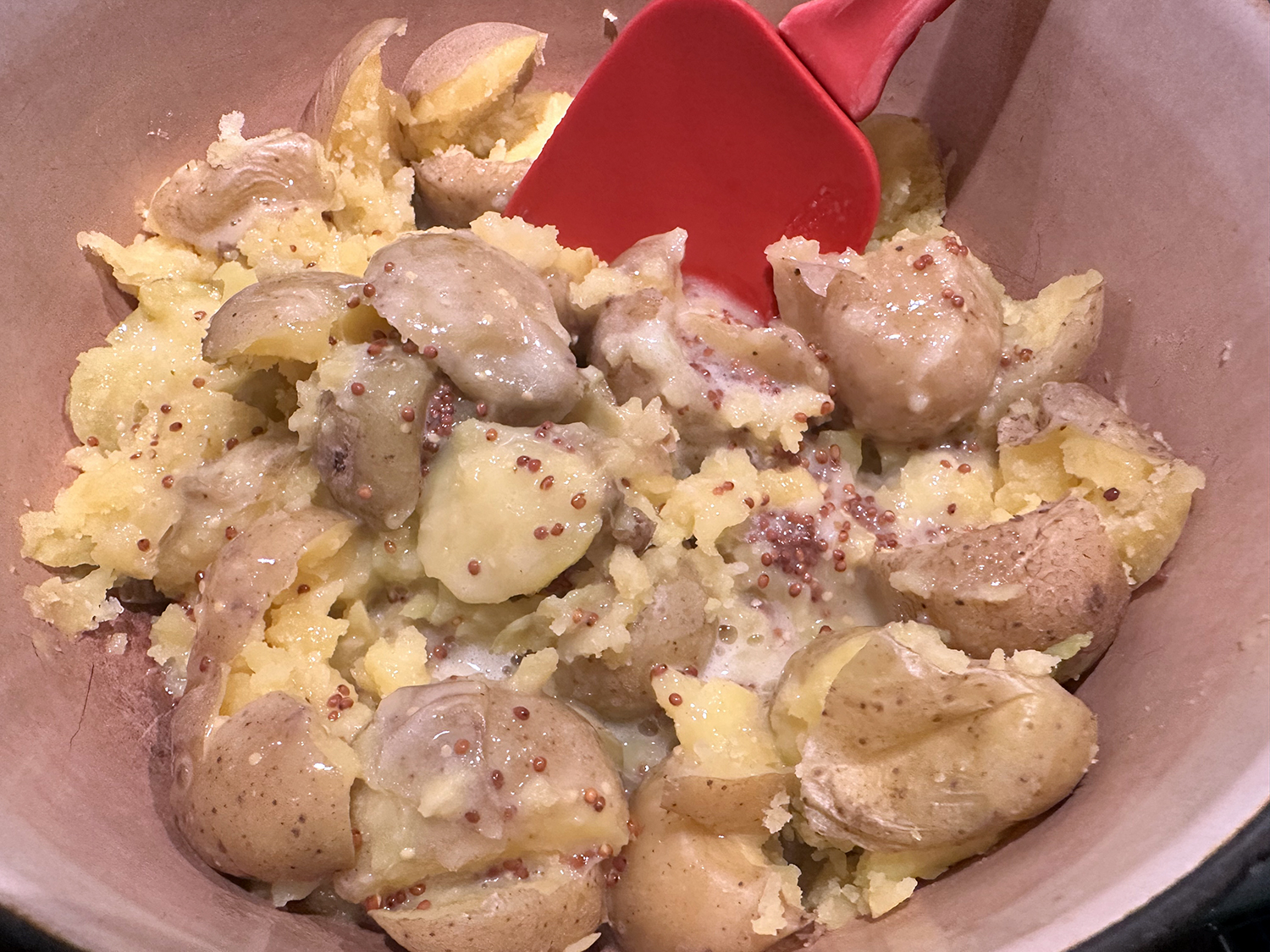
As you may have noticed, we did not use red potatoes due to the fact that the supermarket was only carrying large red spuds. Therefore, we opted for small yellow potatoes. In another twist, whole grain mustard was substituted for the Dijon.

Braised Baby Potatoes with Dijon and Tarragon

  • Servings: 4-6
  • Difficulty: easy
  • Print

Ingredients

  • 1 ½ lbs. small red potatoes, unpeeled, halved; about 1 1/2 inches in diameter
  • 2 cups water
  • 3 Tbsp. unsalted butter
  • 3 garlic cloves, peeled
  • 3 sprigs fresh thyme
  • ¾ tsp. salt
  • 2 tsp. Dijon mustard
  • ¼ tsp. pepper
  • 1 Tbsp. minced fresh tarragon

Directions

  1. Arrange potatoes in single layer, cut side down, in 12-inch nonstick skillet. Add water, butter, garlic, thyme, and salt and bring to simmer over medium-high heat. Reduce heat to medium, cover, and simmer until potatoes are just tender, about 15 minutes.
  2. Remove lid and use slotted spoon to transfer garlic to cutting board; discard thyme. Increase heat to medium-high and vigorously simmer, swirling pan occasionally, until water evaporates and butter starts to sizzle, 15 to 20 minutes. When cool enough to handle, mince garlic to paste. Transfer paste to bowl and stir in mustard and pepper.
  3. Continue to cook potatoes, swirling pan frequently, until butter browns and cut sides of potatoes turn spotty brown, 4 to 6 minutes longer. Off heat, add garlic mixture and tarragon and toss to thoroughly coat. Serve immediately.

http://www.lynnandruss.com

Recipe courtesy of America’s Test Kitchen for Cook’s Illustrated

Black Pepper Beef

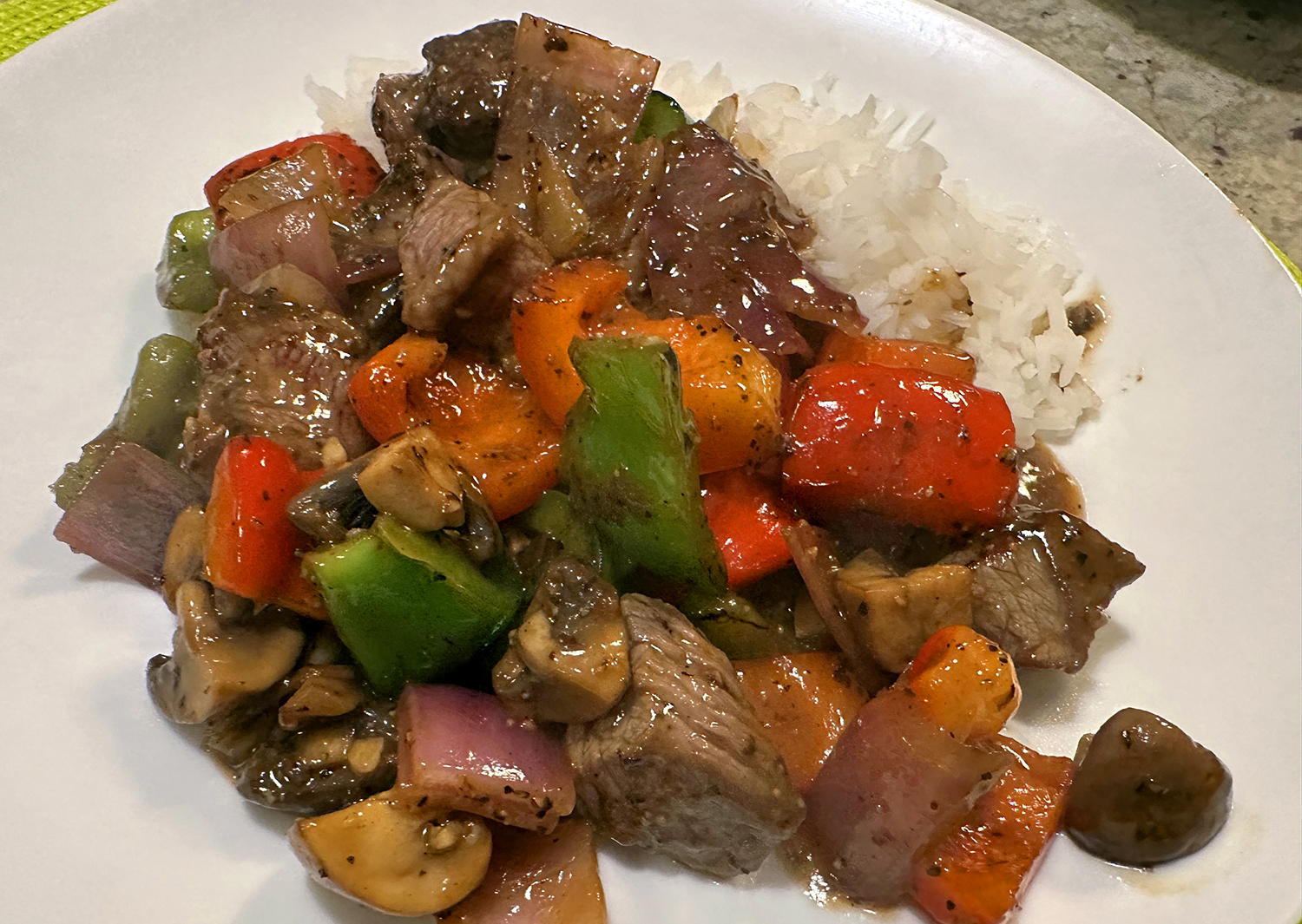
Hands-down better than your local Chinese take-out, this Chinese pepper steak recipe is a quick and easy stir-fry loaded with tender beef, peppers and onions in a luscious brown sauce. It hails from “The Woks of Life” by the Leung family.

Most of the time required for this recipe is in the preparation, but it’s not actually difficult to pull off. So long as you have everything prepared and within reach, things will go smoothly at the wok. The active cooking time in your wok or pan is less than 15 minutes before it’s ready to be served with steamed white rice.

Avoid any “pre-cut beef for stir-fry” that your grocery store sells. It usually looks like long rectangular beef sticks, cut from lean beef. These are too thick and chunky, and generally turn out tough. So what IS the best cut of beef for stir-fry?

The original recipe called for beef tenderloin. At nearly $35 per pound, we decided to go for something more reasonably priced and chose sirloin. Another option is flank steak, but we don’t advise using chuck roast which was listed as a substitute.

With several different pepper spices, we opted to use the lower amount, 1 1/2 tablespoons of ground black pepper. Using a full 2 tablespoons will likely be too much. While black pepper is a constant companion for salt in American kitchens, you don’t see it very often in Chinese cooking (it’s almost always white pepper.)

Black Pepper Beef

  • Servings: 4
  • Difficulty: easy
  • Print

Ingredients

  • For Velveting the Beef:
  • 1 lb. flank steak, (or sirloin steak)
  • 2 Tbsp. water
  • 1 tsp. cornstarch
  • 1 Tbsp. neutral oil
  • 1/4 tsp. table salt
  • For the Sauce:
  • 1/2 cup beef stock or water, warmed
  • 1 Tbsp. oyster sauce
  • 1 Tbsp. light soy sauce
  • 1 tsp. ketchup
  • 1/2 tsp. sugar
  • 1/4 tsp. sesame oil
  • For the Pepper Seasoning:
  • 1 1/2 to 2 Tbsp. coarsely ground black pepper
  • 1/2 tsp. white pepper
  • 1/2 tsp. ground Sichuan peppercorns
  • For the Rest of the Dish:
  • 1 green bell pepper, cut into 1″pieces
  • 1 red bell pepper, cut into 1″pieces
  • 1 medium red onion, cut into 1″pieces
  • 4 oz. cremini or button mushrooms, quartered
  • 2 Tbsp. neutral oil
  • 1/2 tsp. ginger
  • 2 cloves garlic (chopped)
  • 2 Tbsp. Shaoxing wine
  • 2 tsp. cornstarch
  • 1 Tbsp. water

Directions

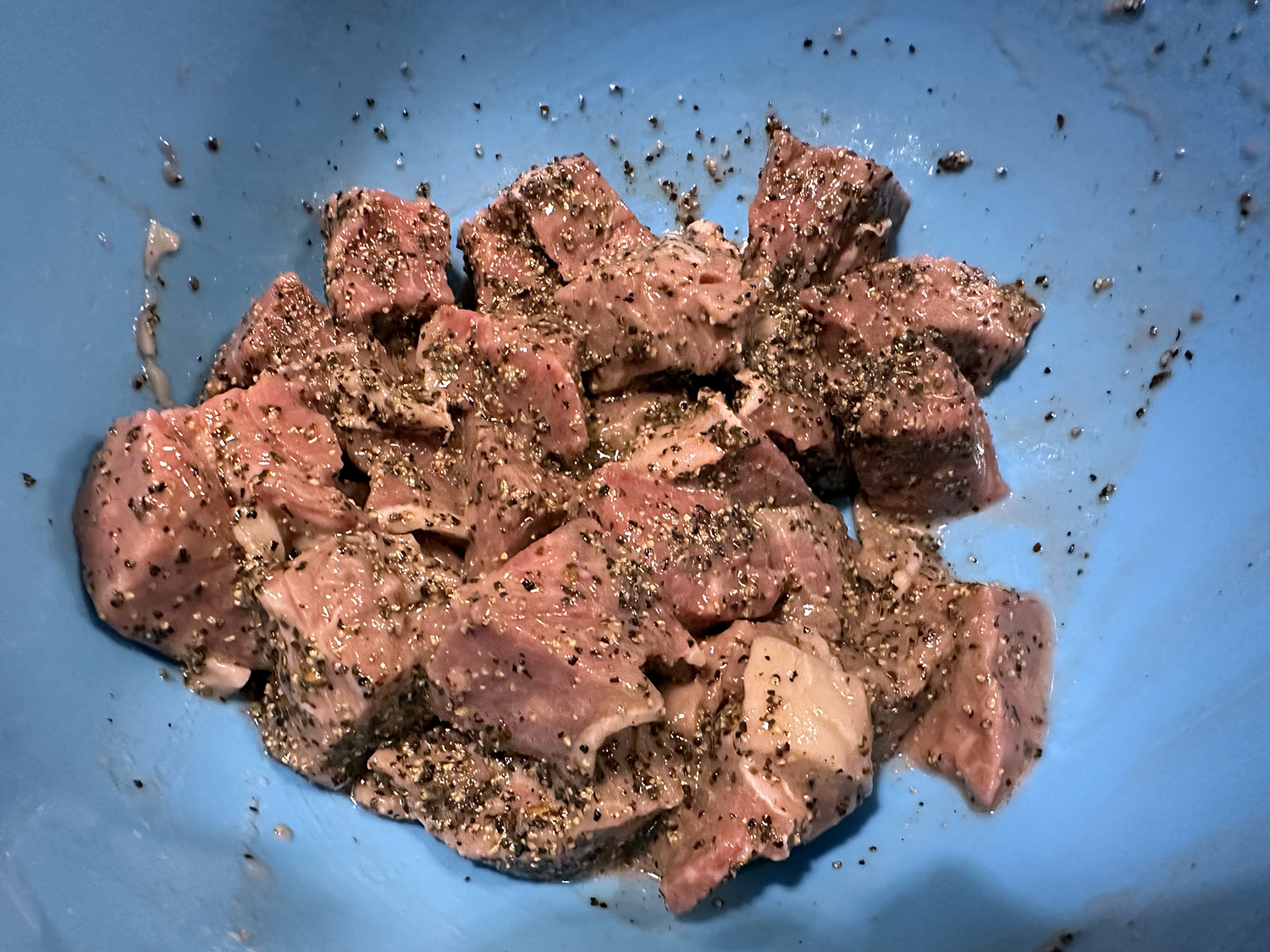
  1. Slice the beef into 1 1/4-inch cubes. Then velvet the beef: in a medium bowl, mix the beef with 2 Tbsp. water, 1 tsp. cornstarch, 1 Tbsp. neutral oil, and 1/4 tsp. table salt. Toss to coat, then set aside for at least 30 minutes.
  2. Make the sauce by mixing together the beef stock, cornstarch, oyster sauce, Shaoxing wine, soy sauce, ketchup, sugar, and sesame oil. Set aside.
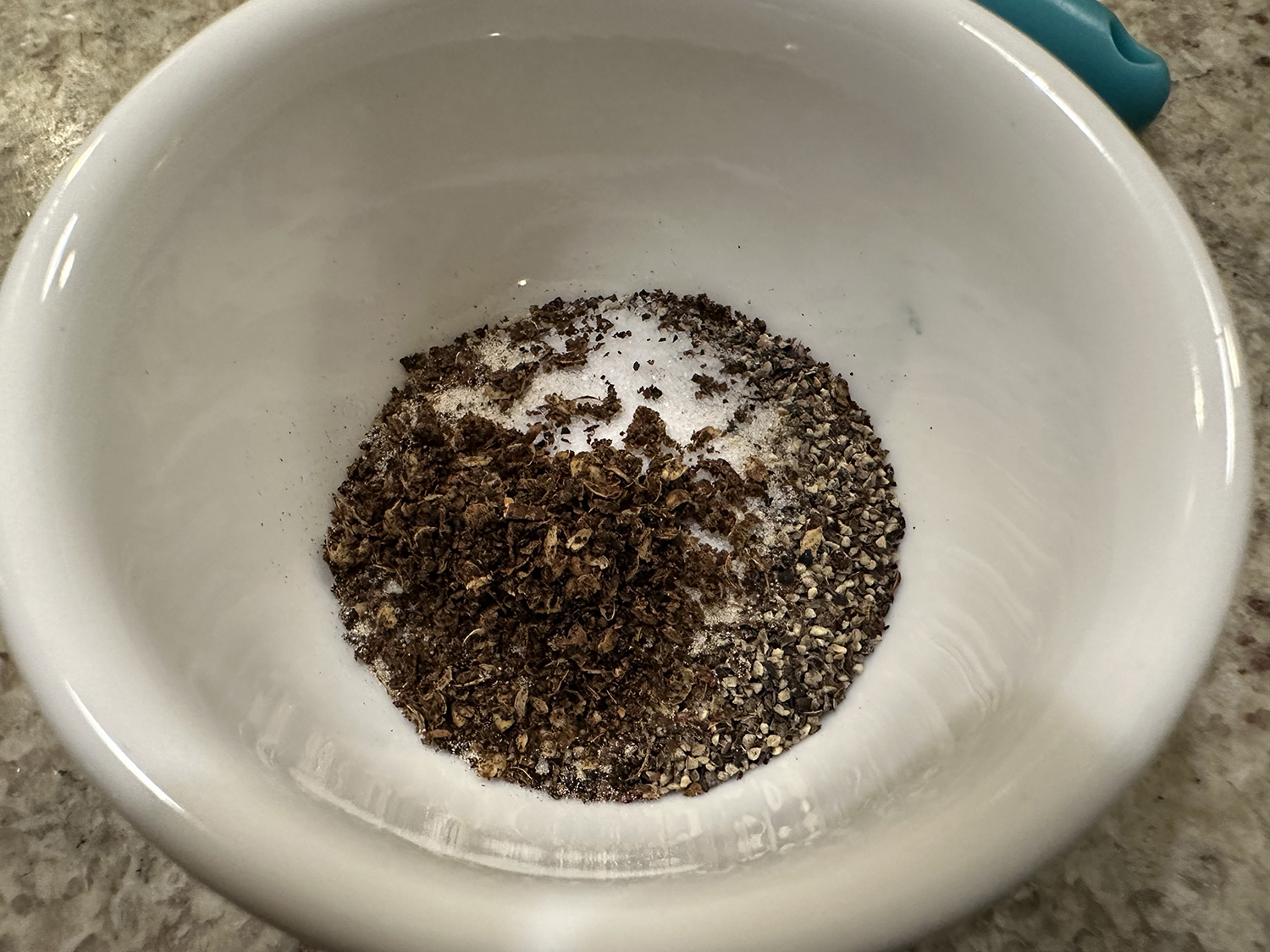
  3. Make the pepper seasoning in a small bowl by combining black pepper, white pepper, ground Sichuan peppercorns, and salt. Season the beef cubes with 2/3 of the pepper mix, pressing the spices into the beef. Reserve the rest for later.
  4. Cut the bell peppers and onion into 1-inch pieces. You can also cut them into thin strips if you like. Just make sure that the pepper and onion pieces are all about the same size, so they cook evenly.
  5. Heat the wok over high heat until smoking. Add 1 tablespoon of oil to coat the wok. Sear the beef on both sides, about 30 seconds per side. Give everything a final stir, transfer it to a plate, and set aside. The beef should be about 80% cooked.
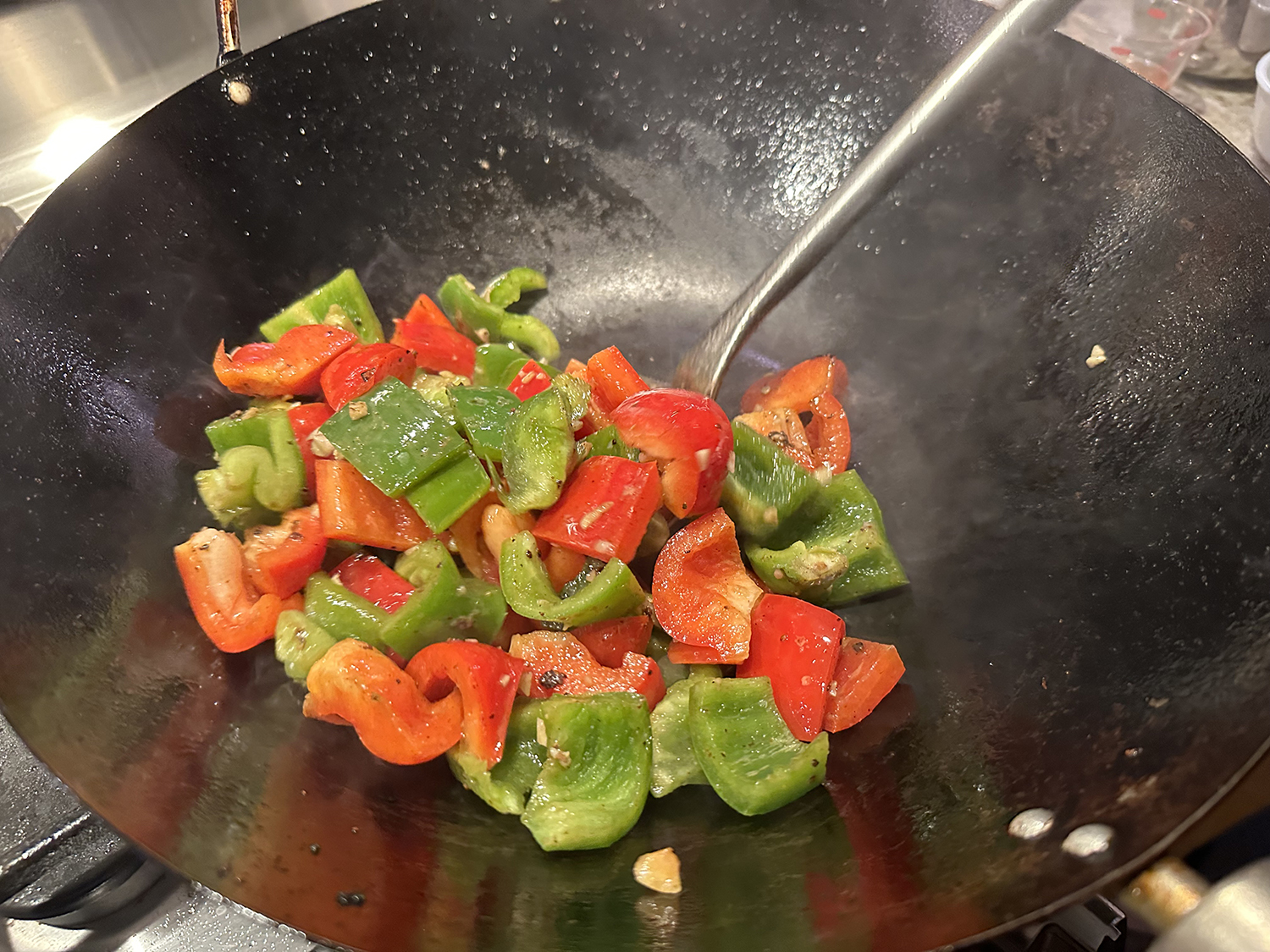
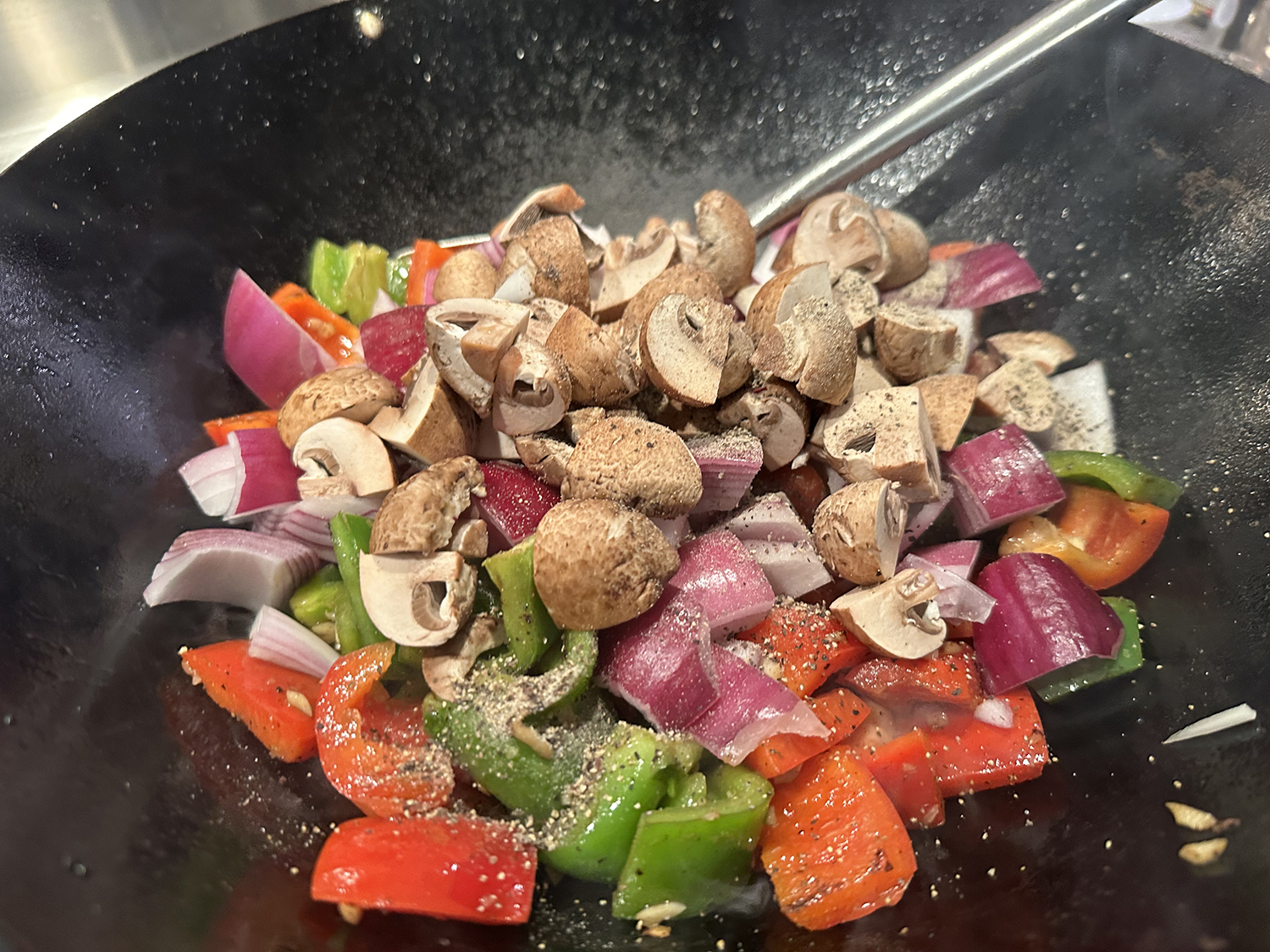
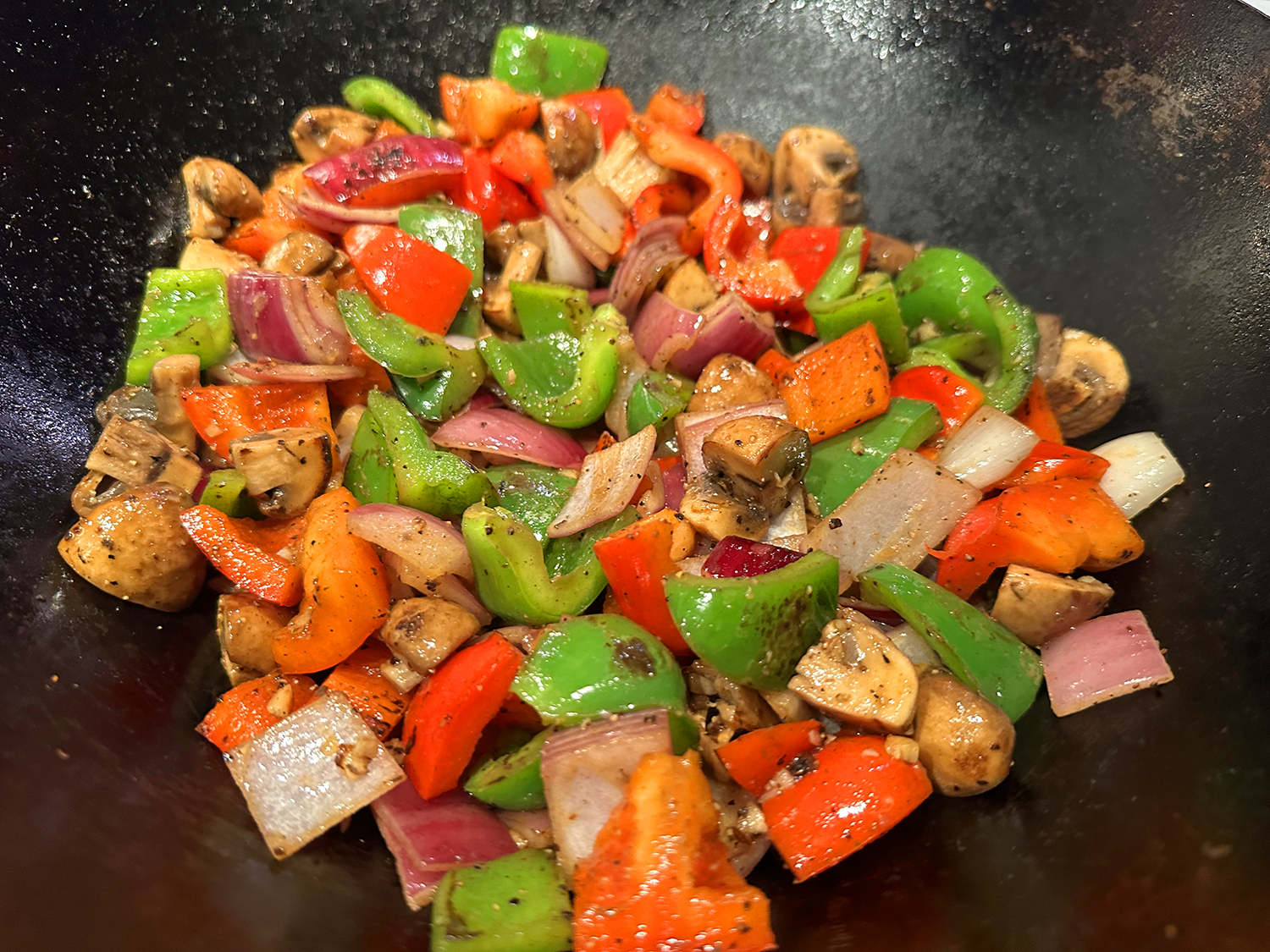
  6. Reduce the heat to medium-high. Add the remaining tablespoon of oil. Toss in the ginger, and caramelize for about 10 seconds. Then add the garlic, bell peppers, and onions. Stir-fry for 1 minute. Pour the Shaoxing wine around the perimeter of the wok, then stir-fry for 1 minute.
  7. Add the sauce mixture, and stir it around to deglaze, loosening any browned bits in the wok. Combine 2 tsp. cornstarch and 1 Tbsp. water in a small bowl to make a slurry. Drizzle half the slurry into the wok, stirring constantly until it is thick enough to coat a spoon.
  8. Add the beef along with any juices. Gently toss with the sauce and vegetables until combined.
  9. At this point, if the sauce is not thick enough, add the remaining cornstarch slurry and stir-fry for another 10 to 15 seconds to thicken. Once the sauce is simmering and thickened to your liking, transfer it to a serving plate, and serve it with steamed rice!

http://www.lynnandruss.com

Recipe from The Woks of Life by Bill Leung

Home-Style Tofu Stir-Fry

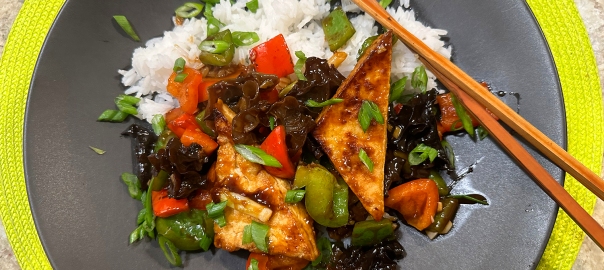
This home-style tofu recipe from “The Woks of Life” is as delicious as it is comforting. With firm tofu slices, some aromatics, crisp veggies and a light sauce, it’s perfect over rice and so easy to make. Just keep in mind, you’ll need to rehydrate the dried mushrooms for two hours prior to cooking.

On some Chinese menus you may notice the word jiā cháng in front of several dishes. It translates to “home-style or family-style.” So the dish can vary greatly depending on what the chef’s interpretation of “home” tastes like.

Now we made a few changes, (all included in recipe below) starting with incorporating a whole red, and a whole green bell pepper, rather than half of each. We also increased the sauce by 50%; cut the tofu into smaller triangles than originally noted; and fried the tofu pieces in two batches, in the same wok instead of an additional cast-iron skillet.

Home-Style Tofu Stir-Fry

  • Servings: 4
  • Difficulty: easy
  • Print

Ingredients

For the Mushrooms and Tofu:

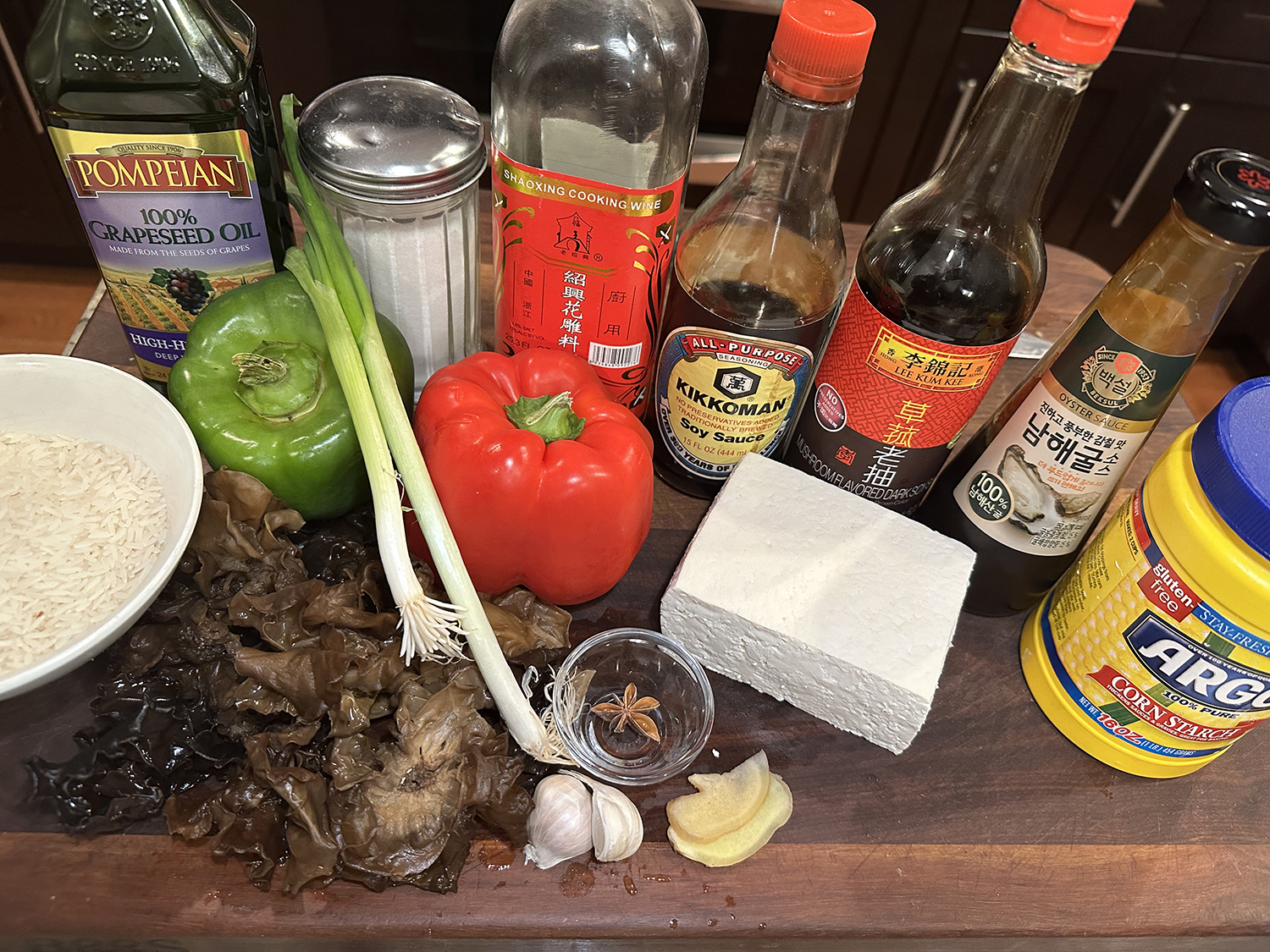
  • 2/3 cup dried wood ear mushrooms
  • 1 lb. firm tofu

For the Sauce:

  • 1 1/2 tsp. dark soy sauce
  • 1 1/2 Tbsp. light soy sauce
  • 1 1/2 Tbsp. oyster sauce, or vegetarian oyster sauce
  • 3/4 tsp. sugar
  • 3/4 tsp. table salt
  • 1/4 cup Shaoxing wine
  • 1/2 cup water
  • 1 1/2 Tbsp. cornstarch

For the Rest of the Dish:

  • 4 Tbsp. neutral oil, divided
  • 2 cloves garlic, minced
  • 2 slices fresh ginger, each 1/8-inch thick
  • 1 star anise
  • 1 red chili pepper, deseeded and thinly sliced, optional
  • 1 red bell pepper, seeded and cut into 1-inch pieces
  • 1 green pepper, seeded and cut into 1-inch pieces, or 2 long hot green peppers or Anaheim peppers
  • 3 scallions, white parts separated from the green parts and cut on the diagonal into 2-inch lengths
  • 1 Tbsp. water
  • 1 Tbsp. Shaoxing wine

Directions

  1. Prepare the Mushrooms and Tofu: In a medium bowl, cover the wood ear mushrooms with enough water to cover by 2 inches and soak for at least 2 hours or until rehydrated. Rinse them to remove any grit or dirt. Drain and cut the mushrooms into bite-size pieces. Drain the tofu and pat it dry. Cut it crosswise into 1/2-thick rectangles, then cut each rectangle into 4 triangles.
  2. Make the Sauce: In a small bowl, combine the water, wine, cornstarch, oyster sauce, light soy sauce, dark soy sauce, sugar, and salt. Mix well and set aside.
  3. Pan-Fry the Tofu: Heat a wok over medium-high heat until lightly smoking. Add 3 tablespoons of the neutral oil and swirl it around the wok to coat the surface. Carefully add half of the tofu pieces in a single layer and fry for 4 minutes on the first side until golden brown. Use a thin spatula to carefully flip the tofu pieces and fry on the other side for another 4 minutes. Transfer the tofu to a plate. Repeat.
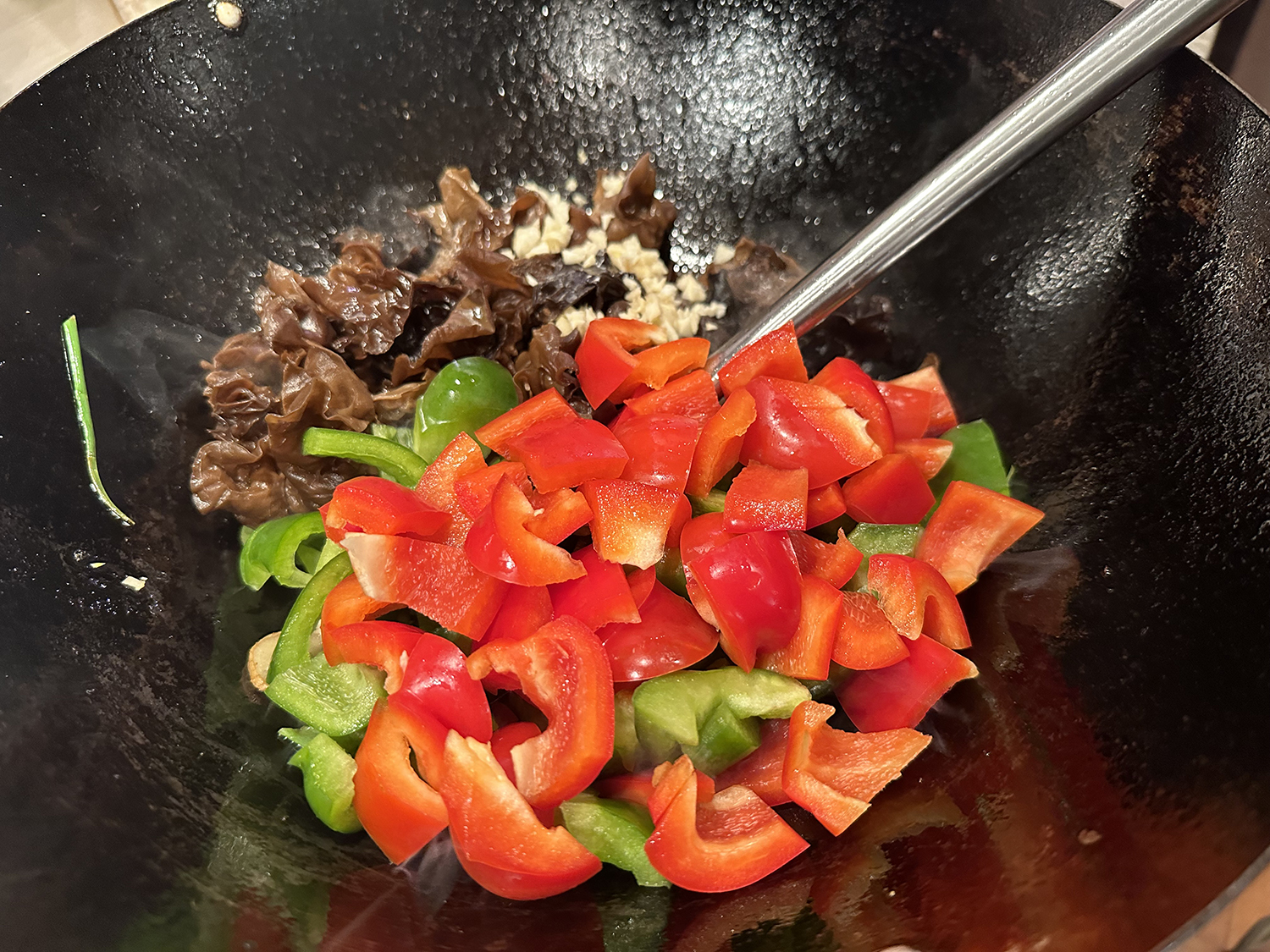
  4. Assemble the Dish: Over medium heat, add the remaining tablespoon of oil along with the ginger slices and star anise. Toss quickly for 20 seconds, then add the white part of the scallions and stir fry for another 30 seconds. Add the wood ears, garlic, peppers, and 1 tablespoon water. Stir fry for 2-3 minutes until the peppers are tender but still have a fresh crunch. Increase the heat to medium-high and add the Shaoxing wine around the perimeter of the wok.
  5. Stir the sauce to make sure the cornstarch is well incorporated into the liquid. Add the sauce to the wok and bring it to a simmer. Let the sauce thicken until coats the back of a spoon. (If it’s too thick, add a splash of water.) Stir in the tofu and add the green parts of the scallions. Mix until the tofu and vegetables are evenly coated in sauce and the scallions are wilted. Serve.

http://www.lynnandruss.com

Adapted from a recipe by Judy Leung for Woks of Life

Kabocha-Cauliflower Mash

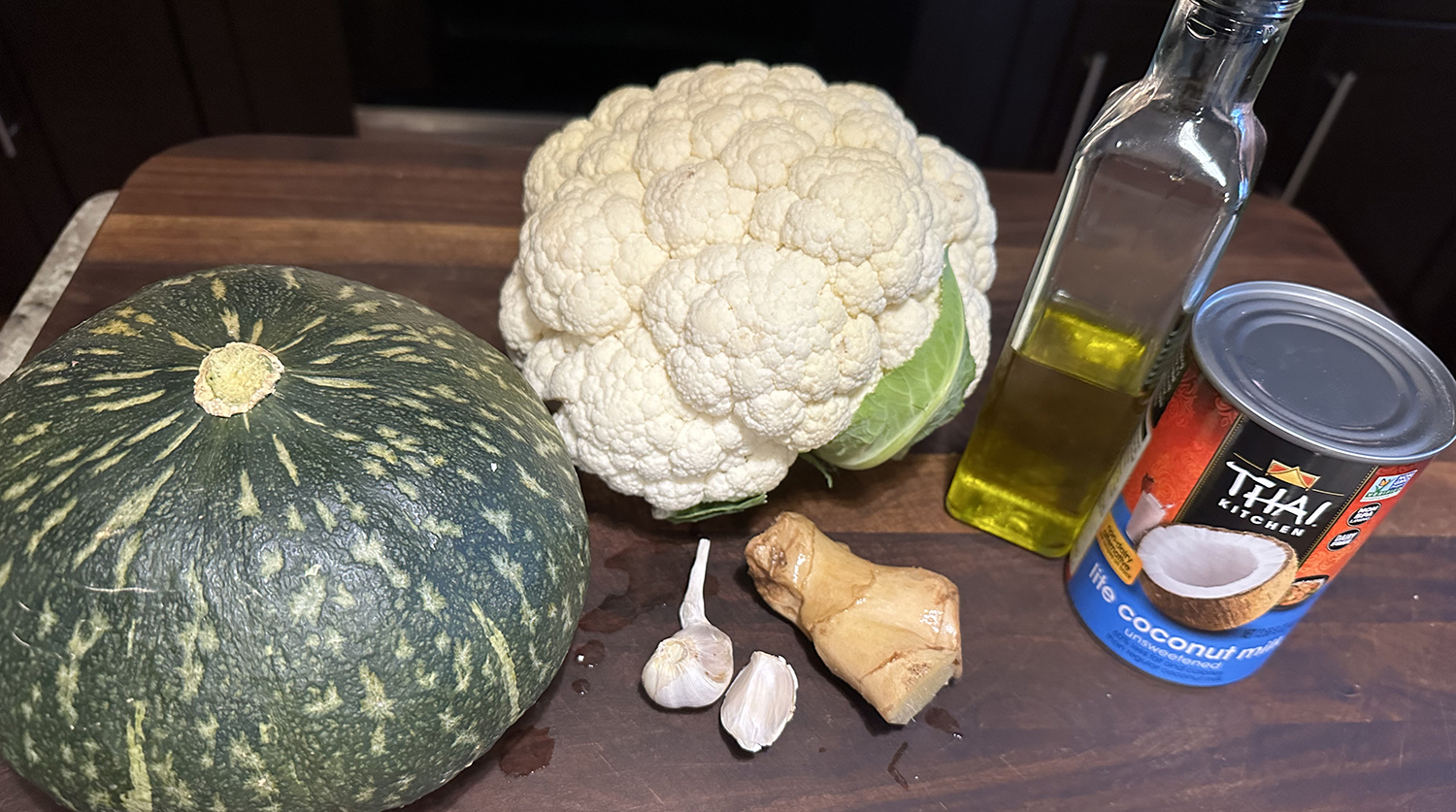
This dairy-free mash allows for everyone at the table to take a scoop no matter what the dinner may be. Kabocha squash and cauliflower blend seamlessly with creamy coconut milk and minced ginger. The resulting dish is a luscious, Asian-inspired alternative to mashed potatoes—without a speck of cream or butter in sight.

While it suggests to use a ricer, and we did, it’s probably easier to just use a hand mixer. Can’t find, or not a fan of Kabocha squash? Acorn or butternut squash would work just as well.

Kabocha-Cauliflower Mash

  • Servings: 8
  • Difficulty: easy
  • Print

Ingredients

  • 2 ½ lbs. kabocha squash (from 1 medium), halved, peeled, seeded, and cut into 2-inch pieces
  • Kosher salt and freshly ground pepper
  • 2 lbs. cauliflower (from 1 medium), cored and cut into large florets
  • ¼ cup extra-virgin olive oil
  • 2 tsp. minced fresh ginger (from a 1-inch piece)
  • 2 tsp. minced garlic (from 2 cloves)
  • ¾ cup light coconut milk
  • Chicken or vegetable broth, or water, if needed

Directions

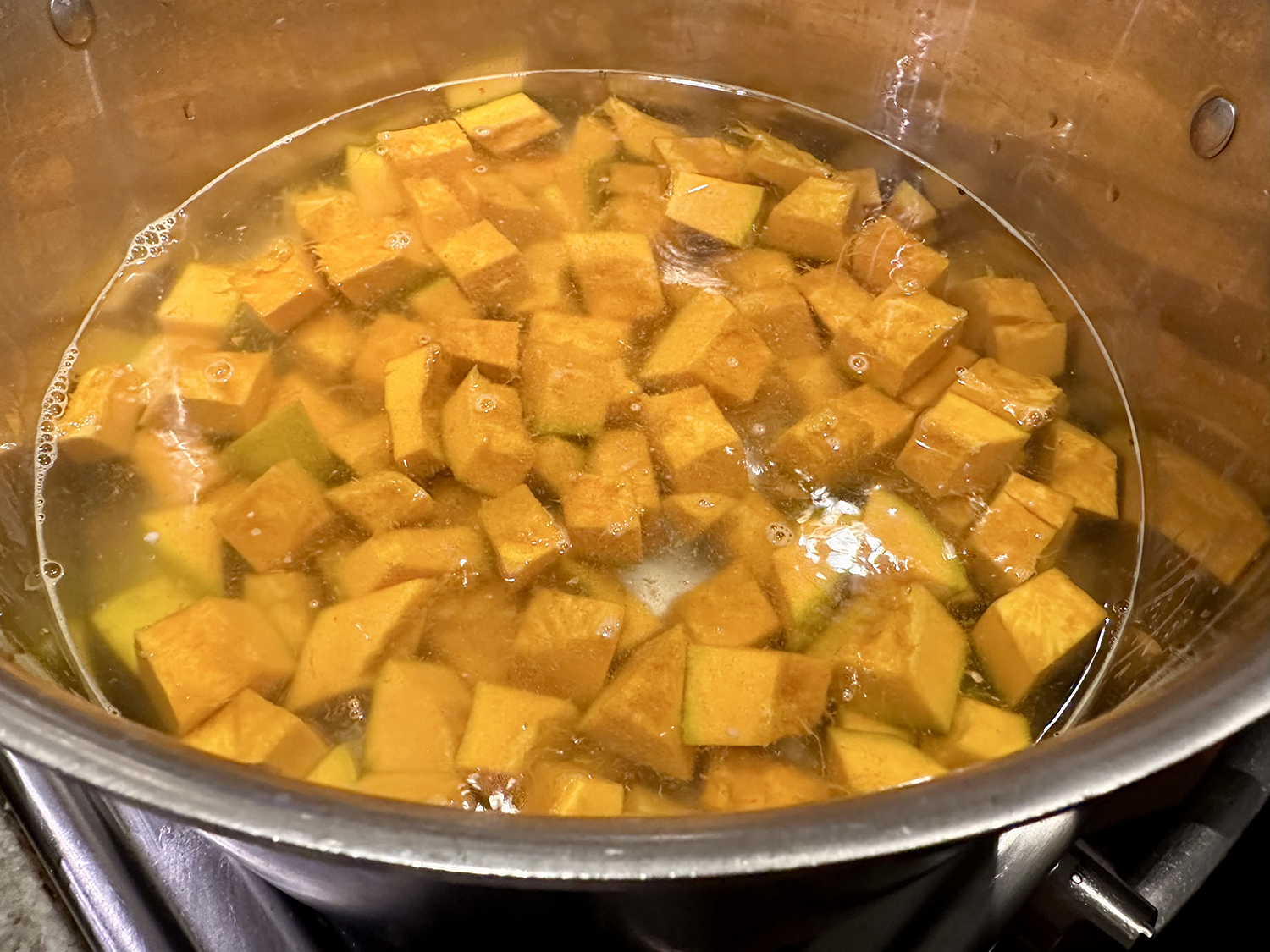
  1. Cook squash in a large pot of simmering (not boiling) salted water 6 minutes. Add cauliflower; continue simmering until vegetables are very tender, 10 to 12 minutes more.
  2. Drain, then return vegetables to pot. Cook over medium heat, stirring frequently, until vegetables appear dry and a film forms on bottom of pot, 3 to 4 minutes.
  3. Pass vegetables through a ricer, food mill, or chinois strainer; cover to keep warm.
  4. Heat oil in a saucepan over medium. When it shimmers, add ginger and garlic; cook until fragrant and sizzling, about 30 seconds. Add coconut milk; season with salt and pepper. Bring to a simmer, then remove from heat and stir into vegetable mixture until smooth.
  5. If mash is too stiff, add broth, coconut milk, or water, a few tablespoons at a time. Season with salt and pepper and serve warm.

http://www.lynnandruss.com

Recipe by Greg Lofts for Martha Stewart

Creamy Coconut Curry Meatballs

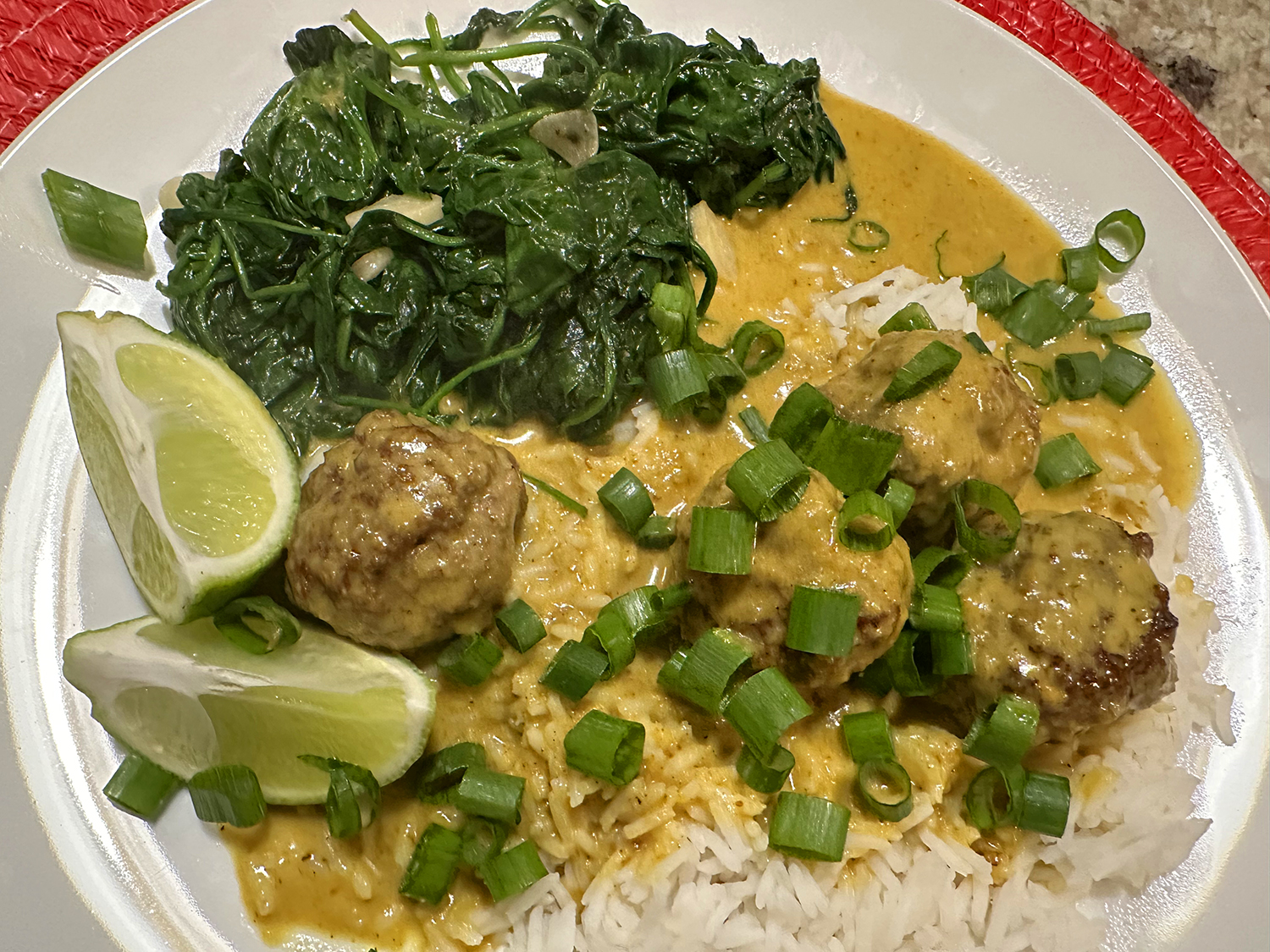
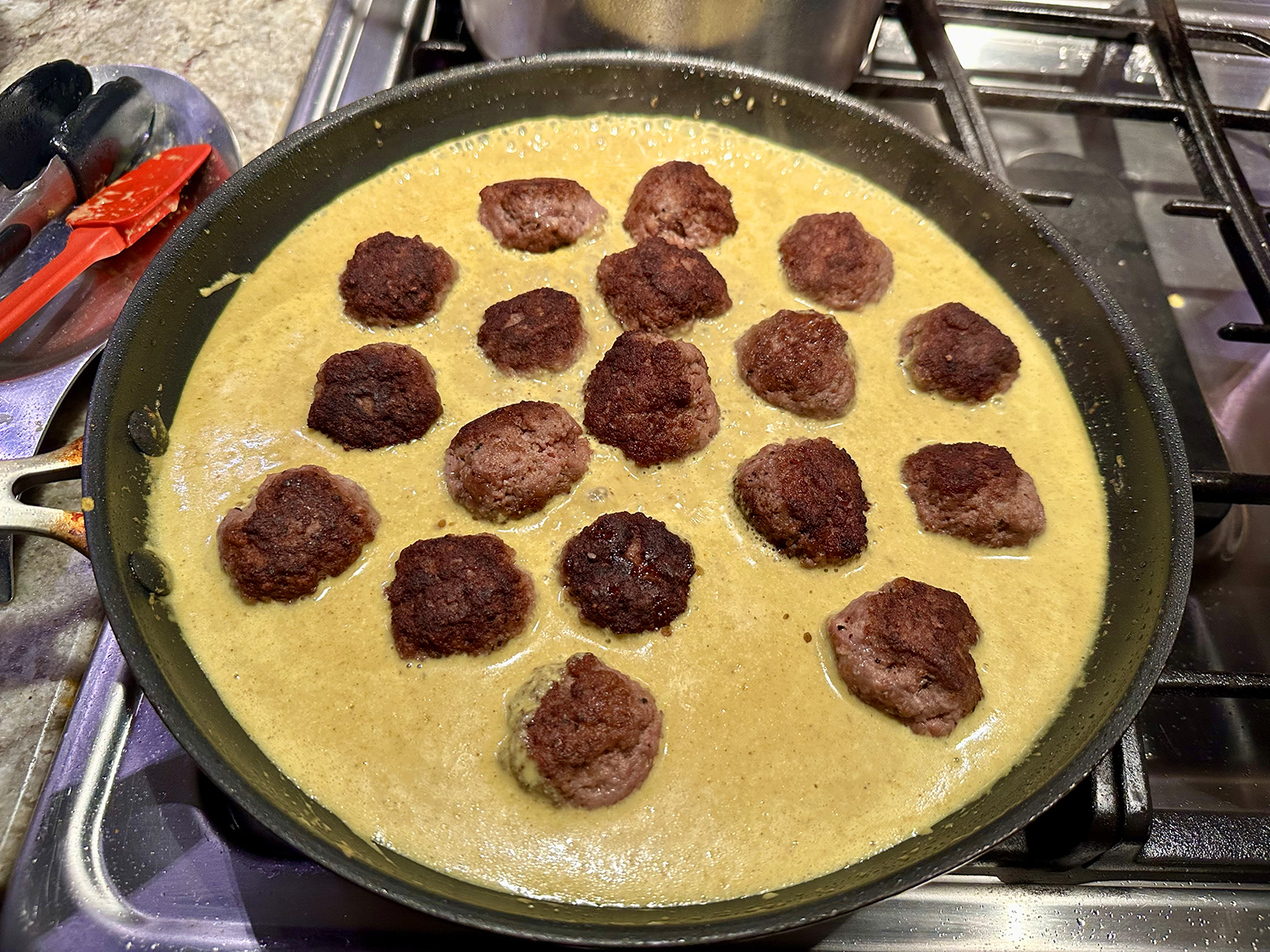
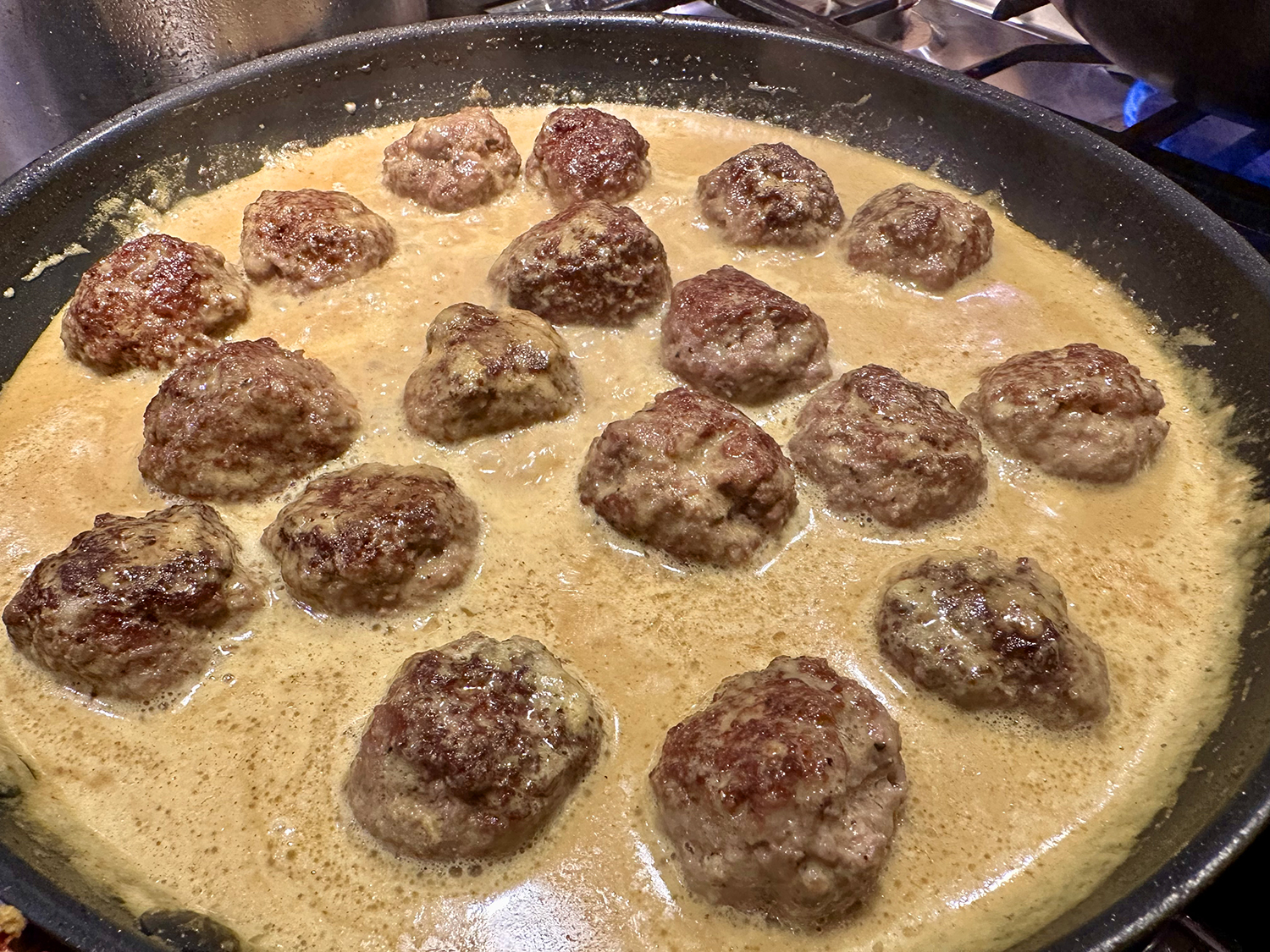
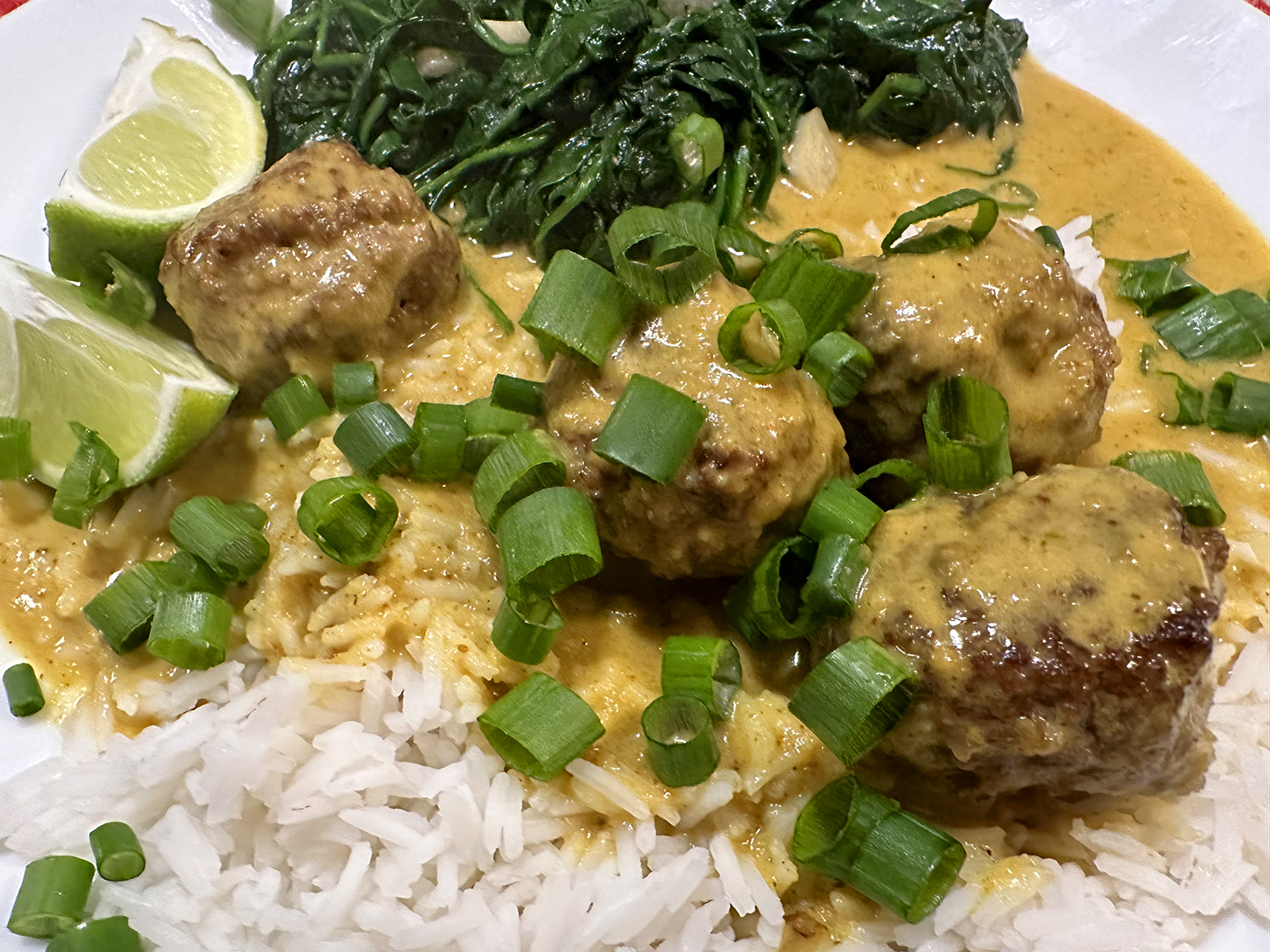
Another weeknight meal done in under an hour. And who doesn’t like meatballs? This is not a typical meatball and sauce combination, but rather exudes an Indian profile. We paired ours with a side of baby spinach and sliced garlic stir-fried in a wok.

Taken from an article in Bon Appétit Magazine, it informs us that puréeing onions allow you to harness all of that punchy allium flavor with none of the chopping and tears. Here, they’re blended up with yogurt and aromatics to create a mixture inspired by onion-and-yogurt pastes used in Mughal-style cooking.

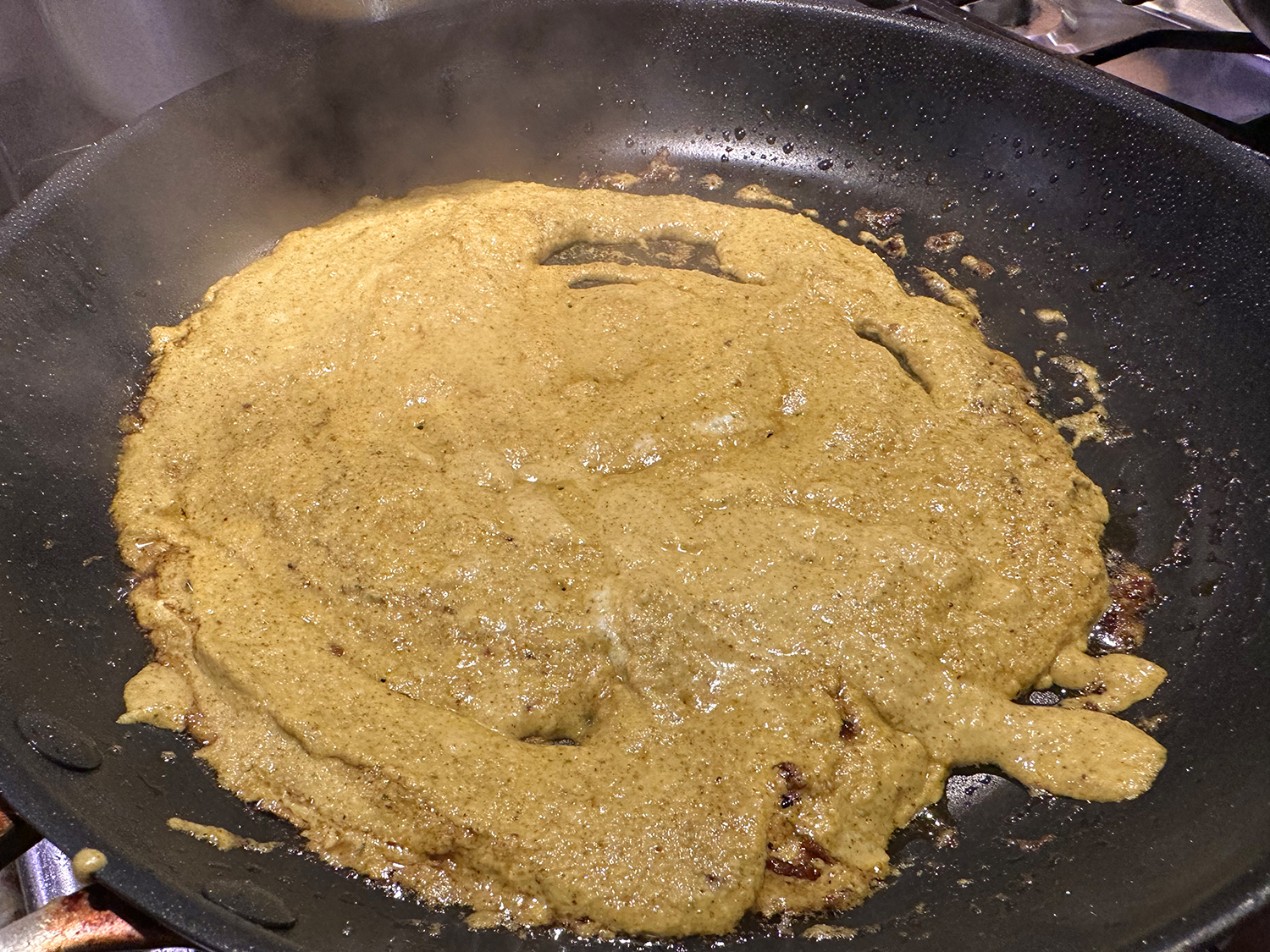
Added to both the base of the curry and the meatball mixture; the purée thickens and seasons the sauce while keeping the meatballs tender and sweet. Take care to cook out the paste for the curry until drops of fat bead on the surface, which ensures that the final product will taste rich and rounded.

This coconut curry sauce is incredibly versatile. Not a red meat fan? Try cooking canned chickpeas, cubes of seared tofu, or browned 1″ pieces of skinless, boneless chicken thighs in it instead of the meatballs. Just make sure to cook the full amount of purée in the pan before adding the coconut milk and water; it will take a minute or two longer.

Creamy Coconut Curry Meatballs

  • Servings: 4
  • Difficulty: easy
  • Print

Ingredients

  • 1 small onion, peeled, quartered through root end
  • 6 garlic cloves
  • 1 1″ piece ginger, peeled
  • 1 serrano chile, halved lengthwise
  • ½ cup plain whole-milk Greek yogurt
  • 2 Tbsp. mild curry powder (preferably S&B)
  • 1 tsp. sugar
  • 1 tsp. plus 1 Tbsp. Diamond Crystal or 2¼ tsp. Morton kosher salt, divided
  • 1 lb. ground lamb or ground beef chuck (20% fat)
  • ¼ cup panko
  • 1 tsp. freshly ground pepper
  • ¼ tsp. baking soda
  • 2 Tbsp. vegetable oil, divided
  • 1 13.5-oz. can unsweetened coconut milk
  • 6 scallions, dark green parts only, thinly sliced
  • Cooked rice or flatbread and lime wedges (for serving)

Directions

  1. Purée 1 small onion, peeled, quartered through root end, 6 garlic cloves, one 1” piece ginger, peeled, 1 serrano chile, halved lengthwise, and ½ cup plain whole-milk Greek yogurt in a blender until smooth. Transfer ¼ cup onion purée to a large bowl. Add 2 tablespoons mild curry powder, 1 tsp. sugar, and 1 tsp. Diamond Crystal or ½ teaspoon Morton kosher salt to remaining purée in blender and blend briefly to combine; set aside. 
  2. Add 1 pound ground lamb or ground beef chuck (20% fat), ¼ cup panko, 1 teaspoon freshly ground pepper, ¼ teaspoon baking soda, remaining 1 tablespoon Diamond Crystal or 1¾ teaspoon Morton kosher salt, and ¼ cup water to ¼ cup purée in bowl; mix vigorously with your hands until smooth and meat is beginning to stick to sides of bowl. Wet your hands and roll lamb mixture into 1½”-diameter balls (you should have about 16).
  3. Heat 1 tablespoon vegetable oil in a large nonstick skillet over medium-high. Cook half of meatballs, turning occasionally, until browned on all sides, about 5 minutes total (meatballs will still be raw in the center); transfer to a plate with a slotted spoon. Repeat with remaining meatballs and 1 tablespoon vegetable oil.
  4. Reduce heat to medium; add reserved onion purée to same skillet (stand back; mixture will spatter) and cook, stirring often, until purée thickens significantly and beads of oil form on the surface, 6–8 minutes. Add one 13.5-ounce can unsweetened coconut milk and ½ cup water, stirring to combine. Return meatballs to skillet, cover, and cook, stirring occasionally and reducing heat as needed to maintain a simmer, until meatballs are cooked through, 8–10 minutes.
  5. Transfer meatball curry to a large shallow bowl; top with 6 scallions, dark green parts only, thinly sliced. Serve with cooked rice or flatbread and lime wedges alongside.

http://www.lynnandruss.com

Recipe by Shilpa Uskokovic for Bon Appétit Magazine

Braised Cod with Peperonata

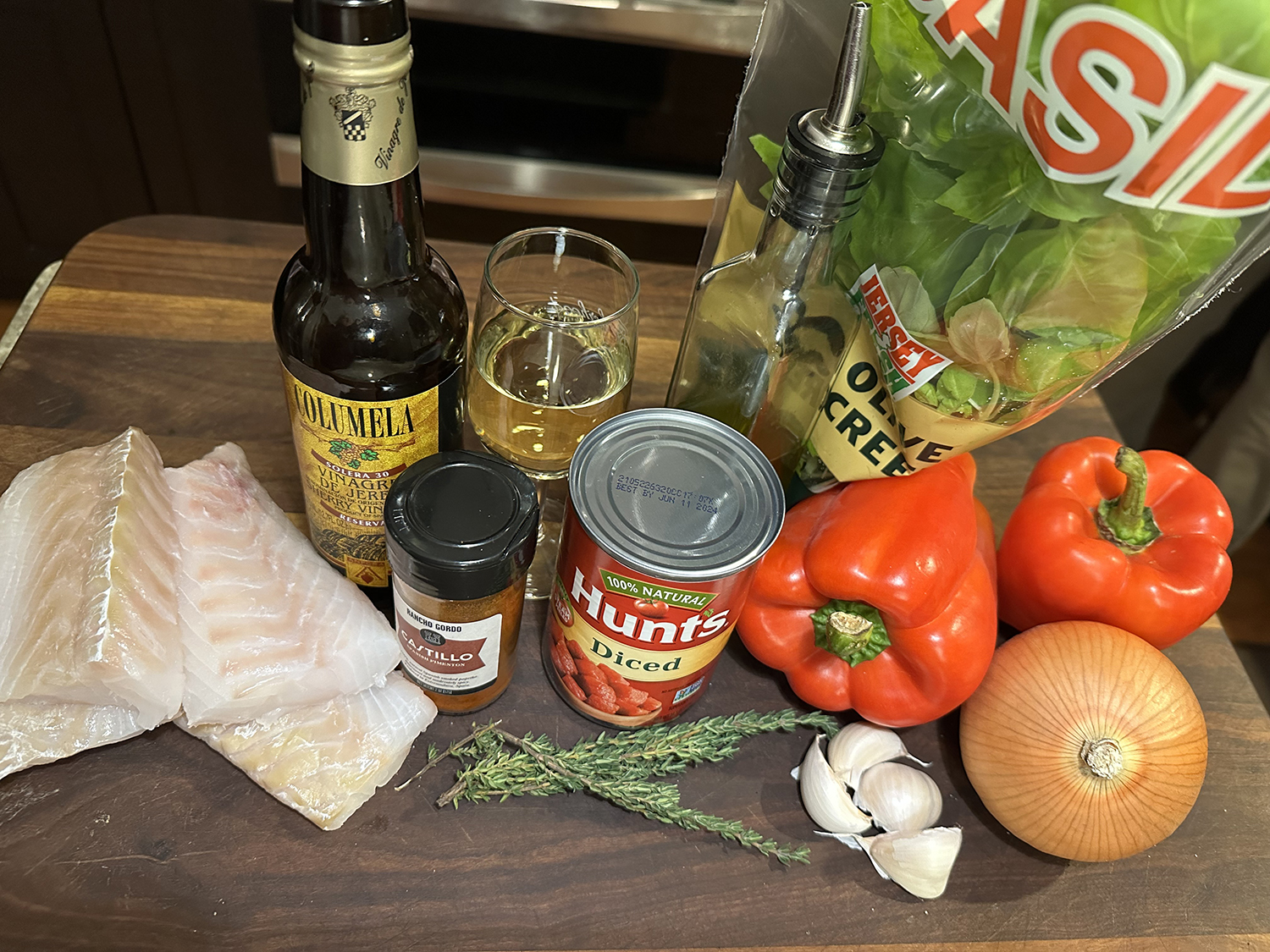
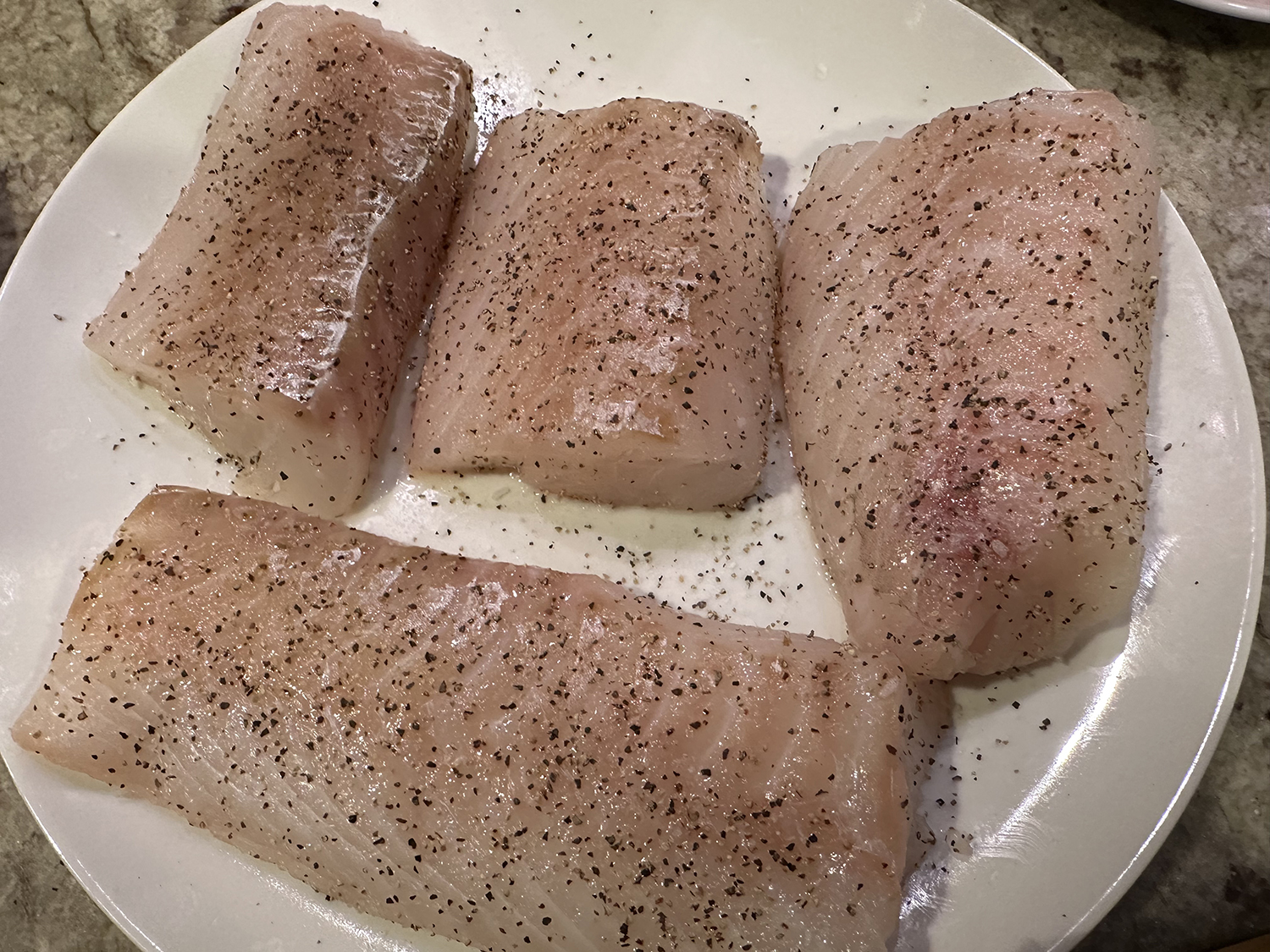
What home cook doesn’t want a quick dinner without too much prep, is healthy, and is ready to eat in under an hour? This lovely recipe fits the bill. Nice bright flavors, delicate flaky fish and a bit of punch from the paprika (we used smoked paprika).

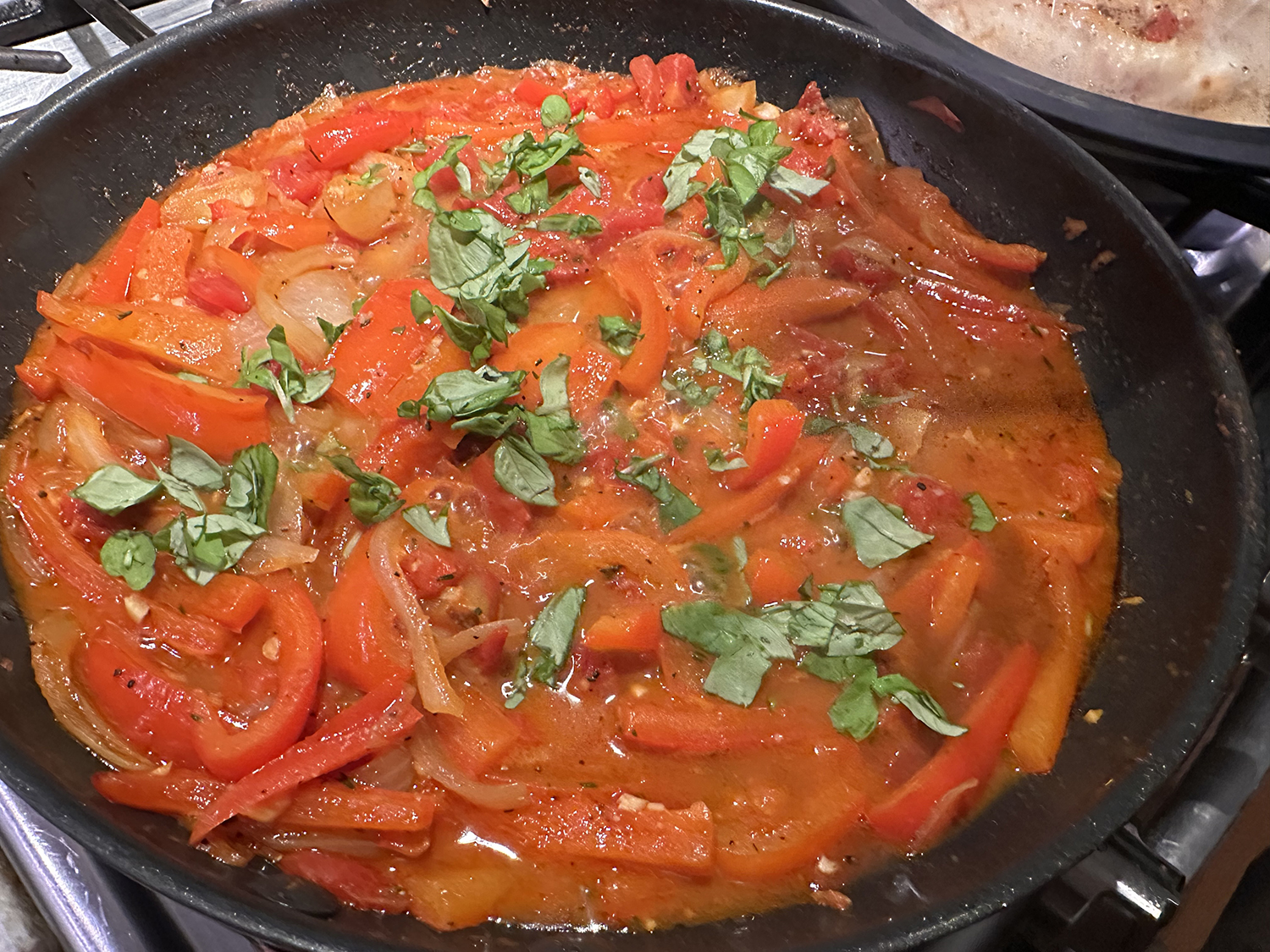
Flaky white cod is one of the more widely distributed and moderately priced fish available. Its mild flavor can be used in countless different dishes, but we think it’s at its best when braised with assertive flavorings, like the sweet peppers, thyme, garlic, and paprika of peperonata, a classic Spanish dish.

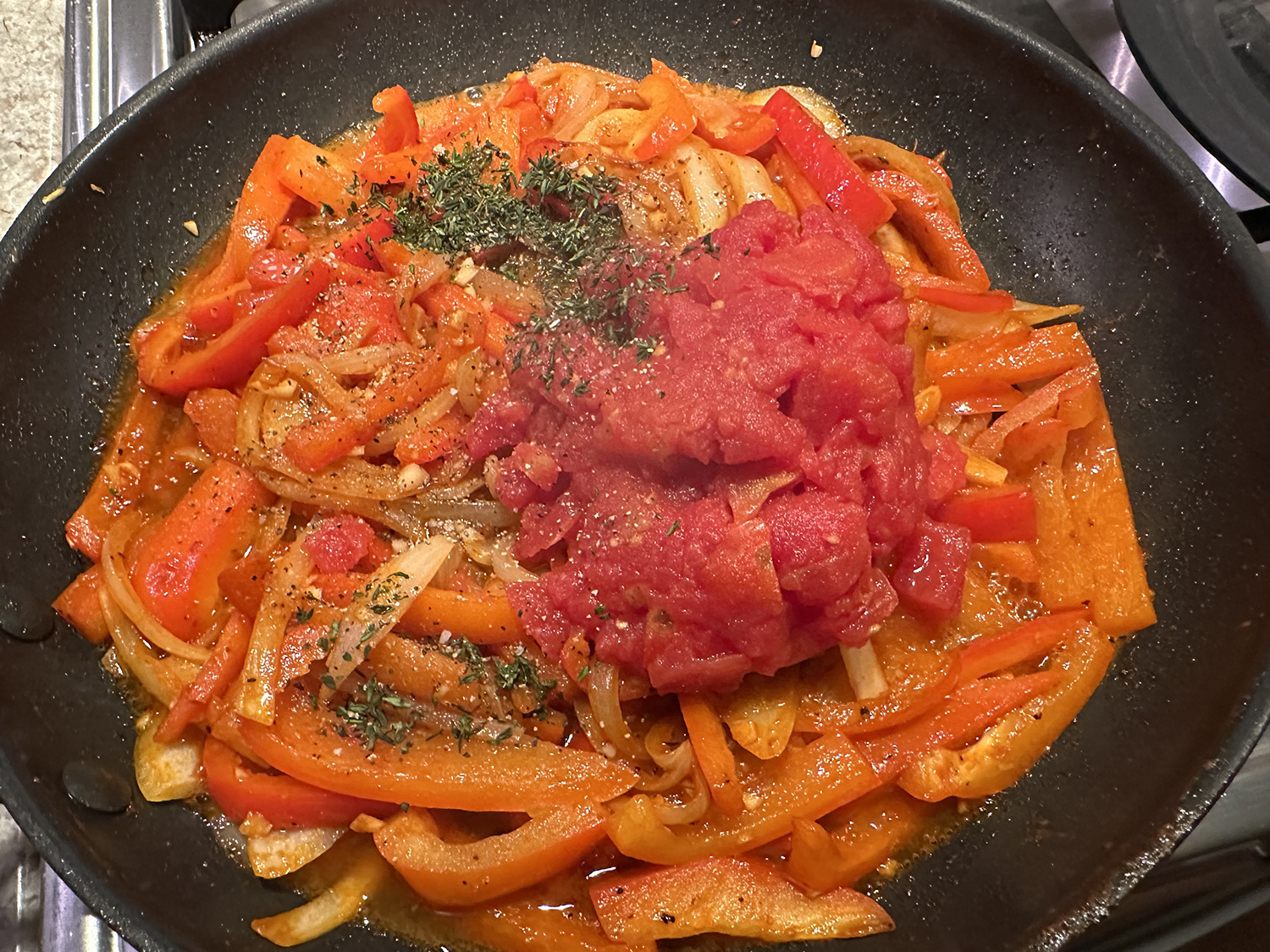
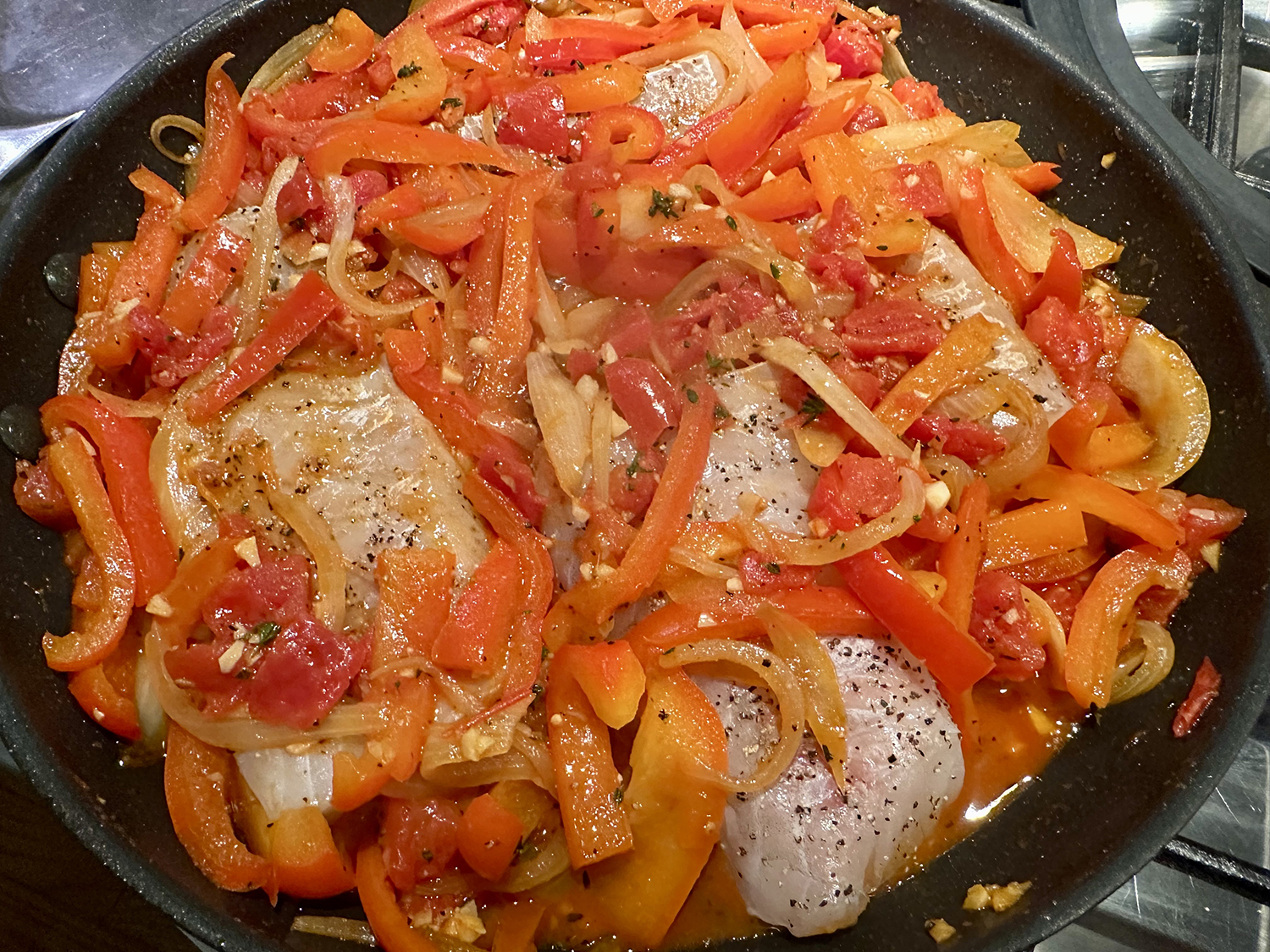
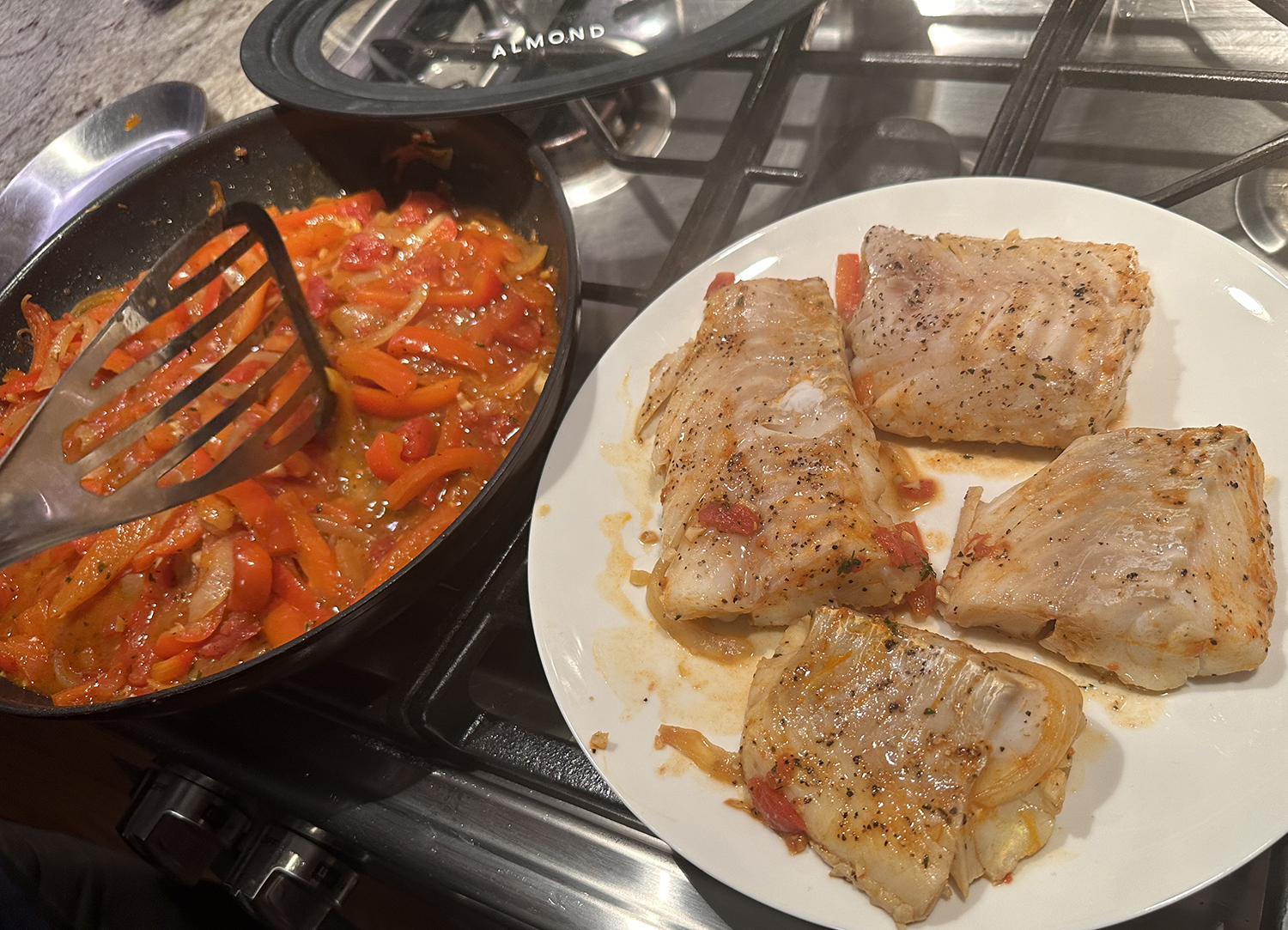
For this Spanish-style braised cod recipe, we laid down a base of sautéed onion, bell pepper, garlic, and paprika, to which we added tomatoes, fresh thyme, and wine. Once the broth was prepared, we simply nestled the pieces of fish down into the sauce, dropped the heat to low, covered the skillet, and let the fish cook in the moist environment. Within about 10-15 minutes, the fish was cooked through—the result being a tender, moist, and very well seasoned braised cod recipe.

Halibut, snapper, tilapia, bluefish, monkfish, or sea bass fillets are all good substitutions for the cod. If desired, drizzle with extra-virgin olive oil before serving. Smoked paprika (often found in specialty spice markets) is a nice substitution for the paprika here. Serve with soft polenta or crusty bread. Or go low-carb as we did, and just serve the fish and sauce.

Braised Cod with Peperonata

  • Servings: 4
  • Difficulty: easy
  • Print

Ingredients

  • 2 Tbsp. olive oil
  • 2 red bell peppers, cored and sliced thin
  • 1 onion, halved and sliced thin
  • 2 tsp. paprika
  • Salt and ground black pepper
  • 4 garlic cloves, minced
  • 1 (14.5-oz.) can diced tomatoes, drained
  • ½ cup dry white wine
  • 1 tsp. minced fresh thyme
  • 4 skinless cod fillets, 1 inch thick
  • 2 Tbsp. coarsely chopped fresh basil leaves
  • 2 tsp. balsamic vinegar or sherry vinegar

Directions

  1. Heat oil in 12-inch nonstick skillet over medium heat until shimmering. Add bell peppers, onion, paprika, and 1/2 teaspoon salt and cook until softened, about 7 minutes. Stir in garlic and cook until fragrant, about 30 seconds.
  2. Stir in tomatoes, wine, thyme, and 1/4 teaspoon pepper, and bring to simmer.
  3. Pat cod dry with paper towels and season with salt and pepper. Nestle cod into pan and spoon sauce over fish. Cover and cook over low heat until fish flakes apart when gently prodded with paring knife, about 10 minutes. (Ours took 15 minutes before it was flaky.)
  4. Transfer fish to individual plates. Stir basil and vinegar into sauce and season with salt and pepper to taste. Spoon sauce over fish and serve.

http://www.lynnandruss.com

Recipe from America’s Test Kitchen

Mustardy Cider-Braised Pork Chops

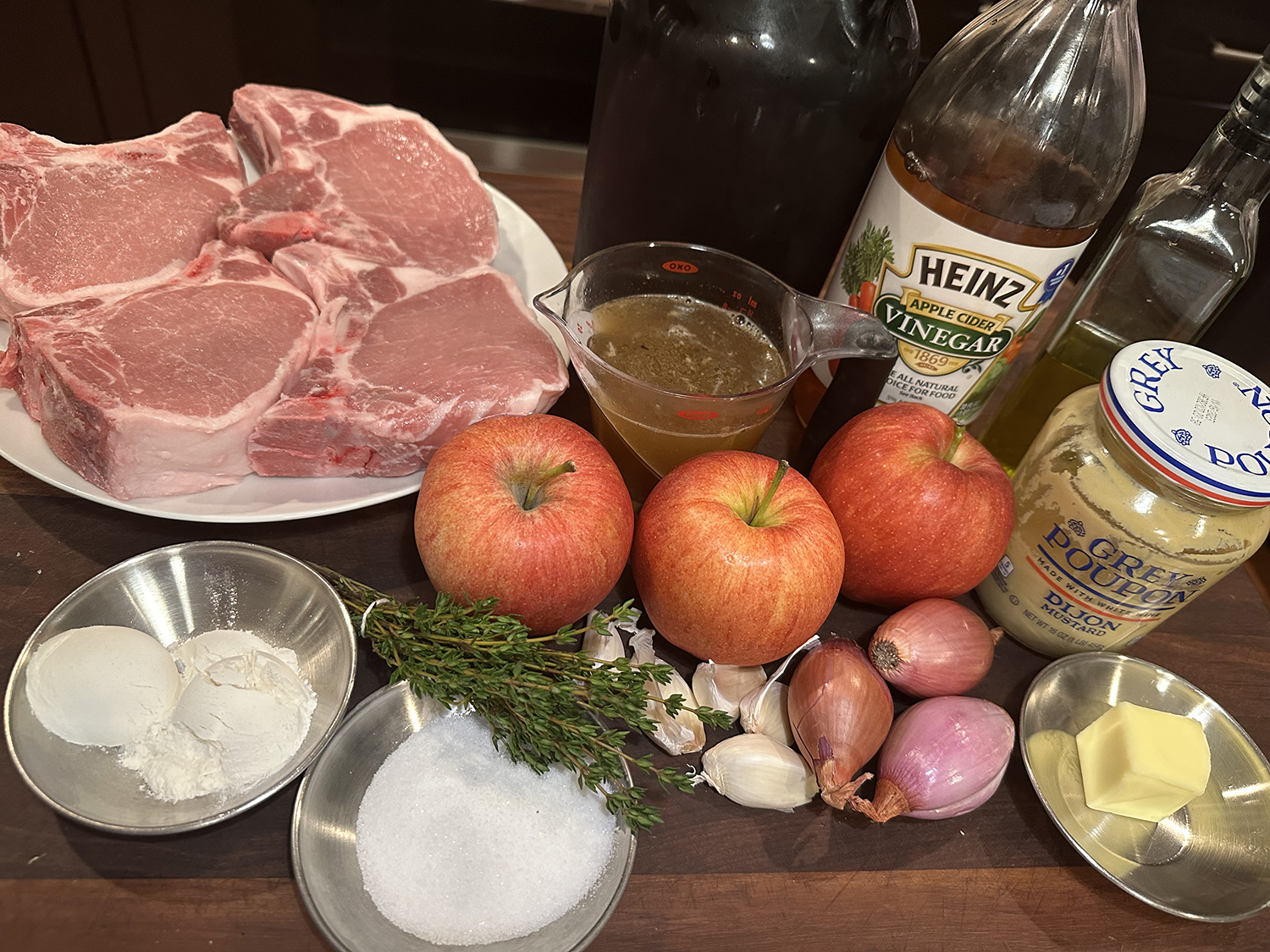
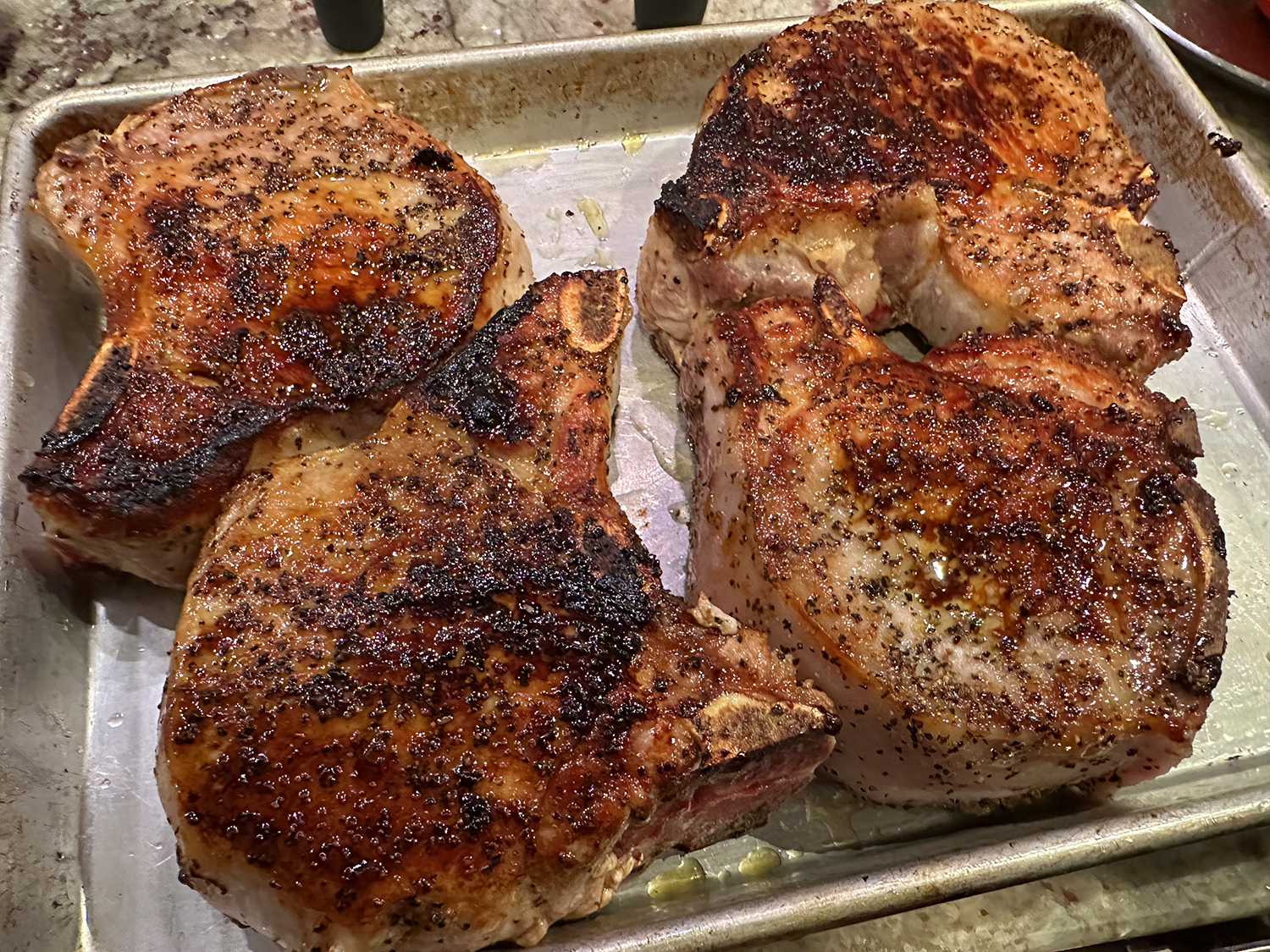
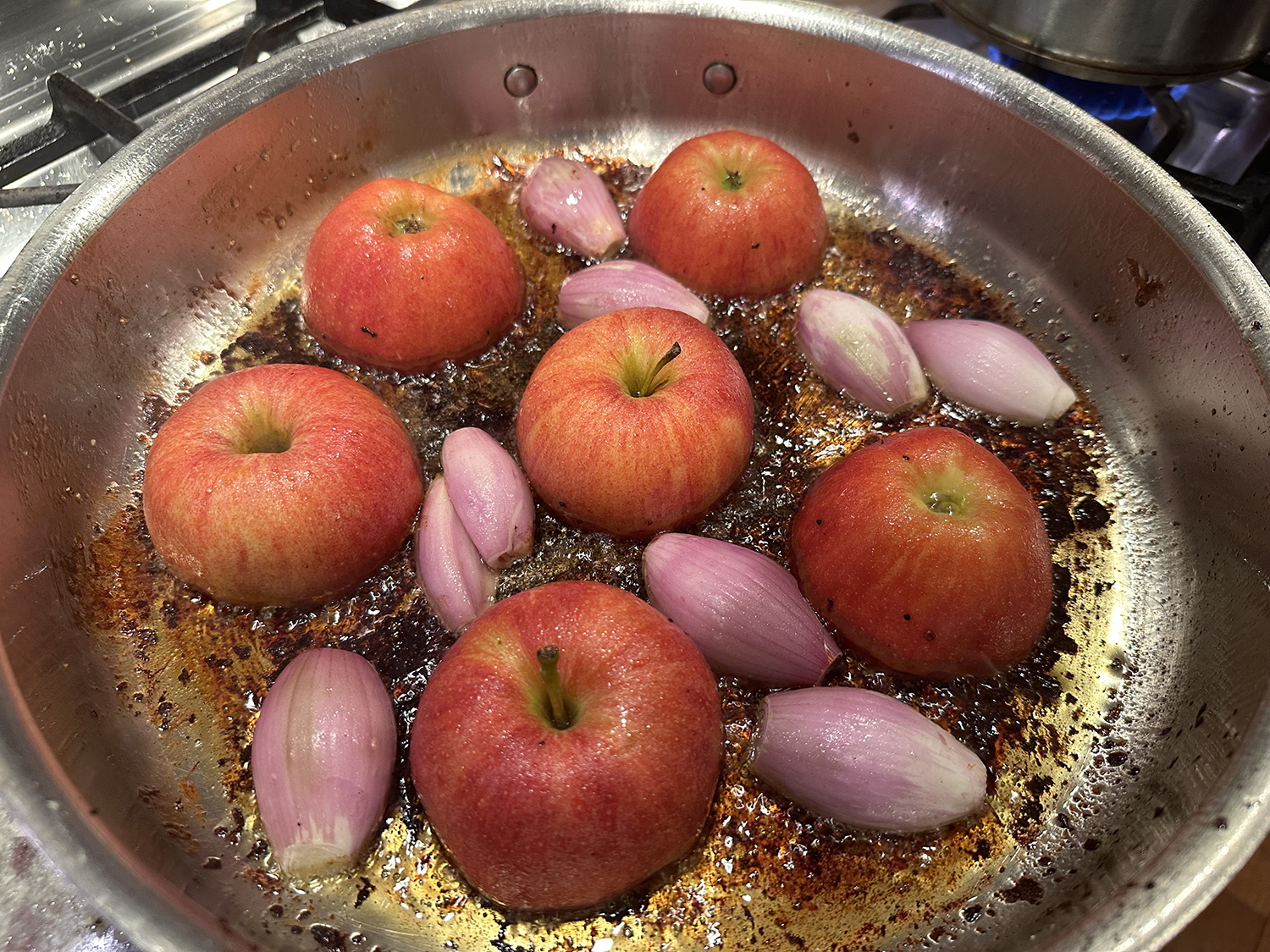
Braising doesn’t always mean long cooking times. For tender cuts like pork chops, the secret to a great braise lies in the method, not in hours on the stove. First, a hard sear on the meat, as well as halved shallots and apples, creates a beautiful fond (the wonderfully delicious caramelized little bits left in the bottom of the pan after cooking).

Deglazing the pan with a tart-savory combination of hard cider, vinegar, and stock loosens up that layer of browned goodness and reduces down to gravy in about 20 minutes. To finish, the chops simmer in the sauce until they’re cooked through. Voilà: cooked-all-day depth in just an hours time.

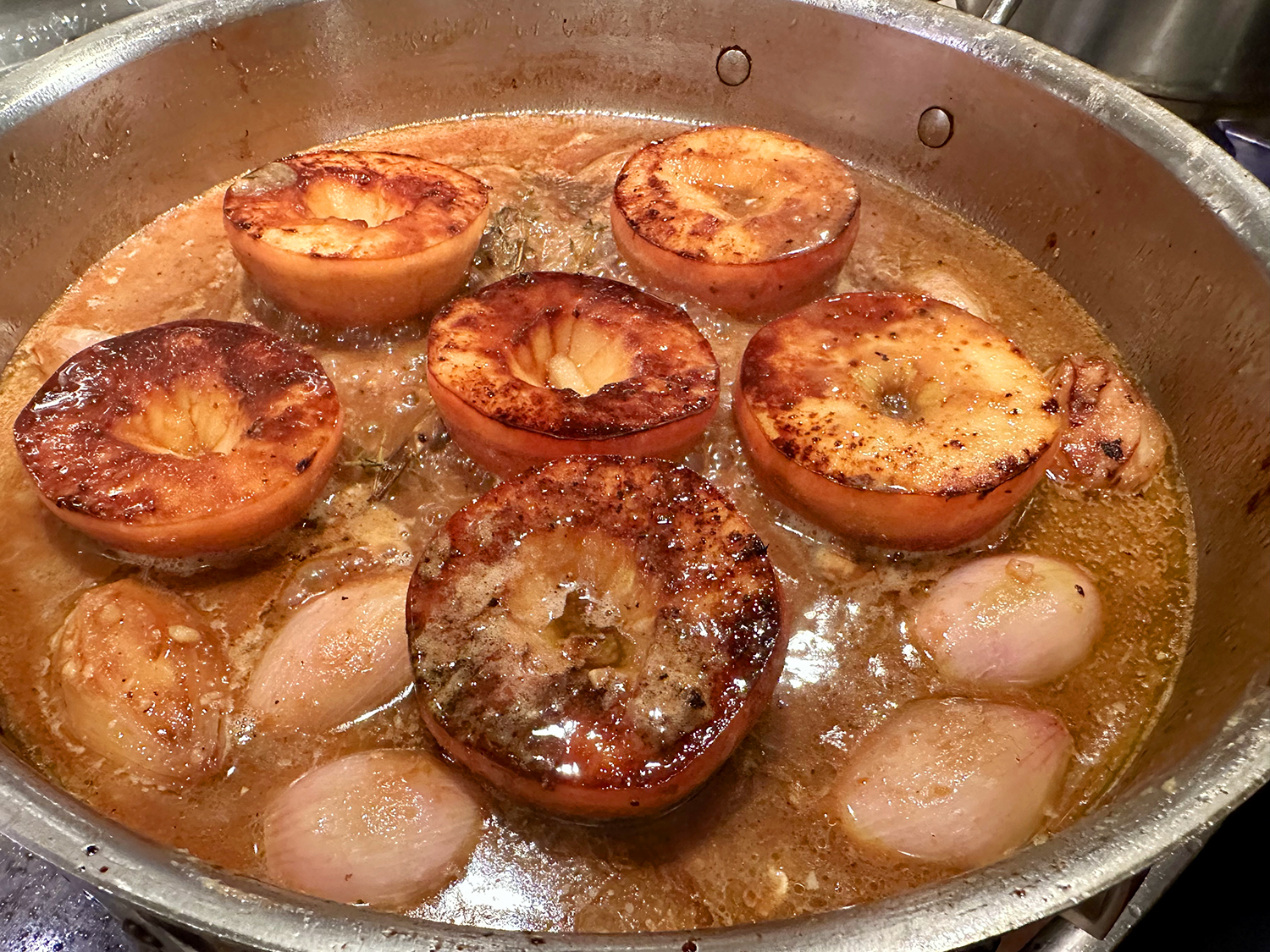
Our changes? If it serves 4, then why only use 3 shallots? We added a fourth one, so each serving received two halves (and next time we may be inclined to add even more). Our intuition took over when thinking about the amount of time the apples actually cooked. The original directions have you put the browned halves back into the pan when the chops get added back. If you want firm apples, then by all means, wait until then to add them to the pan. If like us, you prefer softer bites, then arrange them cut side up when placing the thyme bundle into the sauce.

Otherwise, pretty much everything was spot on. Make sure to use a very large pan to hold all of the ingredients. And that sauce—it was sooo good, you may be tempted to drink any leftovers… Serve with egg noodles, polenta or mashed potatoes.

Mustardy Cider-Braised Pork Chops

  • Servings: 8
  • Difficulty: easy
  • Print

Ingredients

  • 4 1½”-thick bone-in rib pork chops (about 2 lb. total)
  • 3 Tbsp. sugar
  • 1 Tbsp. Diamond Crystal or 1¾ tsp. Morton kosher salt, plus more
  • 1 Tbsp. freshly ground pepper, plus more
  • 2 Tbsp. vegetable oil
  • 3 medium Granny Smith or Gala apples, halved through equators, remove core and seeds
  • 4-8 medium shallots, peeled, halved lengthwise through root ends
  • 4 garlic cloves, finely grated
  • ¼ cup Dijon mustard
  • 3 Tbsp. all-purpose flour
  • 2 Tbsp. unsalted butter
  • 2 cups sweet hard apple cider (such as Angry Orchard)
  • 1 cup chicken broth
  • 1 Tbsp. apple cider vinegar
  • 10–12 sprigs thyme, tied together with kitchen twine
  • Finely chopped chives (for serving)

Directions

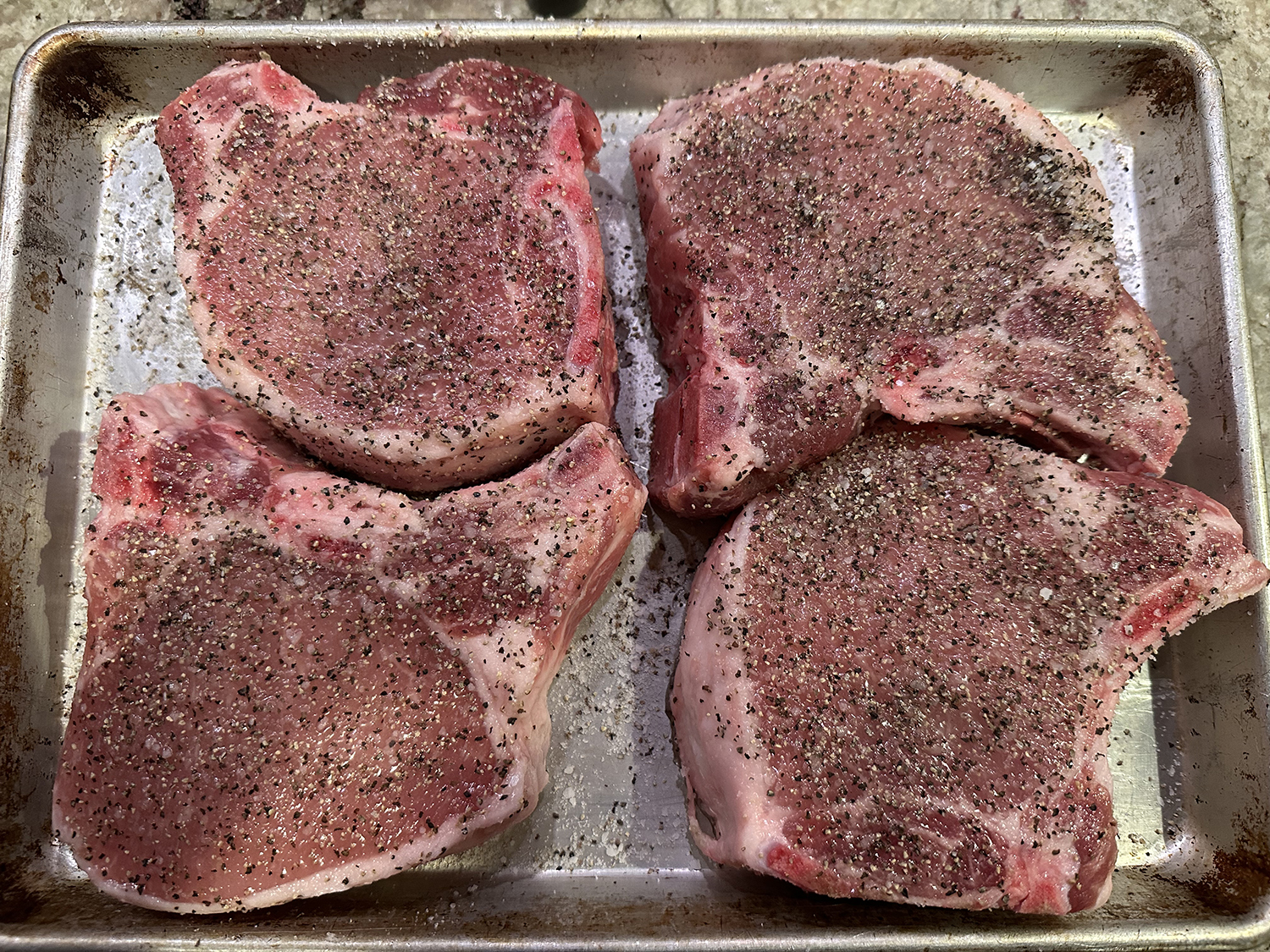
  1. Pat four 1½”-thick bone-in rib pork chops (about 2 pounds total) dry with paper towels. Sprinkle all over with 3 Tbsp. sugar, 1 Tbsp. Diamond Crystal or 1¾ tsp. Morton kosher salt, and 1 tablespoon freshly ground pepper. Heat 2 tablespoon vegetable oil in a large cast-iron skillet over high. Working in batches if needed, cook pork chops, turning halfway through, until deeply browned, about 5 minutes total. Transfer to a large plate.
  2. Working in batches if needed, cook 3 medium Granny Smith or Gala apples, halved through equators, and 3 medium shallots, peeled, halved lengthwise through root ends, cut sides down, in same skillet, gently pressing down on them with a spatula to create contact with pan, until golden brown on cut sides, about 2 minutes (it’s okay if shallots fall apart). Transfer apples to plate with chops.
  3. Reduce heat to medium, add 4 garlic cloves, finely grated, to pan, and cook, stirring constantly, just until fragrant, about 30 seconds. Add ¼ cup Dijon mustard, 3 tablespoon all-purpose flour, and 2 tablespoon unsalted butter; stir to coat shallots. Pour in 2 cups sweet hard apple cider, 1 cup low-sodium chicken broth, and 1 tablespoon apple cider vinegar, scraping up browned bits and flour stuck to bottom of pan and incorporating into liquid.
  4. Add thyme bundle and apple halves arranging them cut sides up, and bring mixture to a simmer. Partially cover (use a baking sheet if you don’t have a lid) and simmer until sauce is thick enough to coat a spoon, about 20 minutes. Taste and season with salt and pepper.
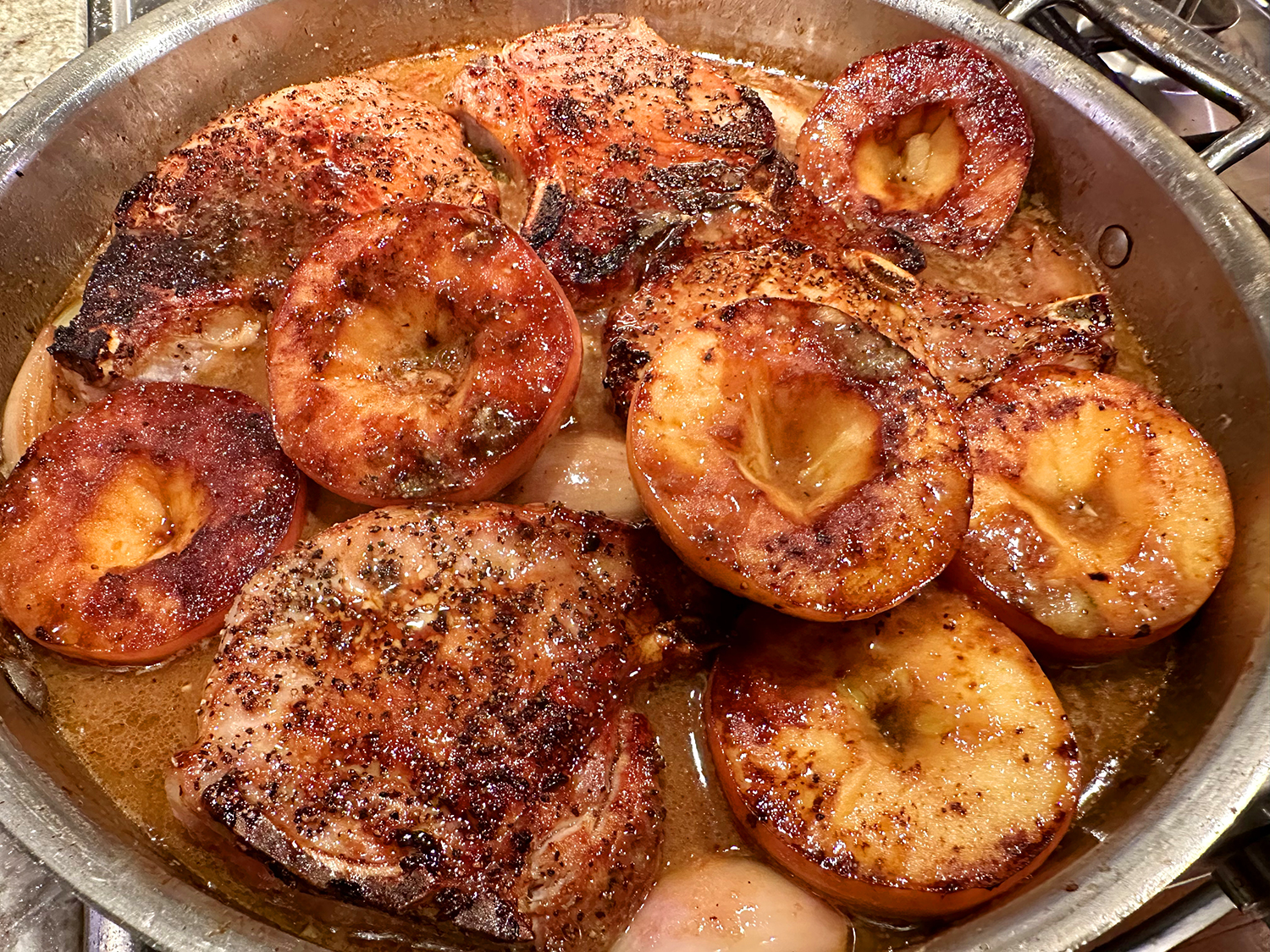
  5. Place pork chops in sauce, and partially cover. Simmer until an instant-read thermometer inserted into the thickest part of a pork chop registers 145°, 7–10 minutes. Remove from heat; sprinkle with finely chopped chives and season with more pepper to serve.

http://www.lynnandruss.com

Recipe by Inés Anguiano for Bon Appétit Magazine

Limoncello and Whiskey Shrimp

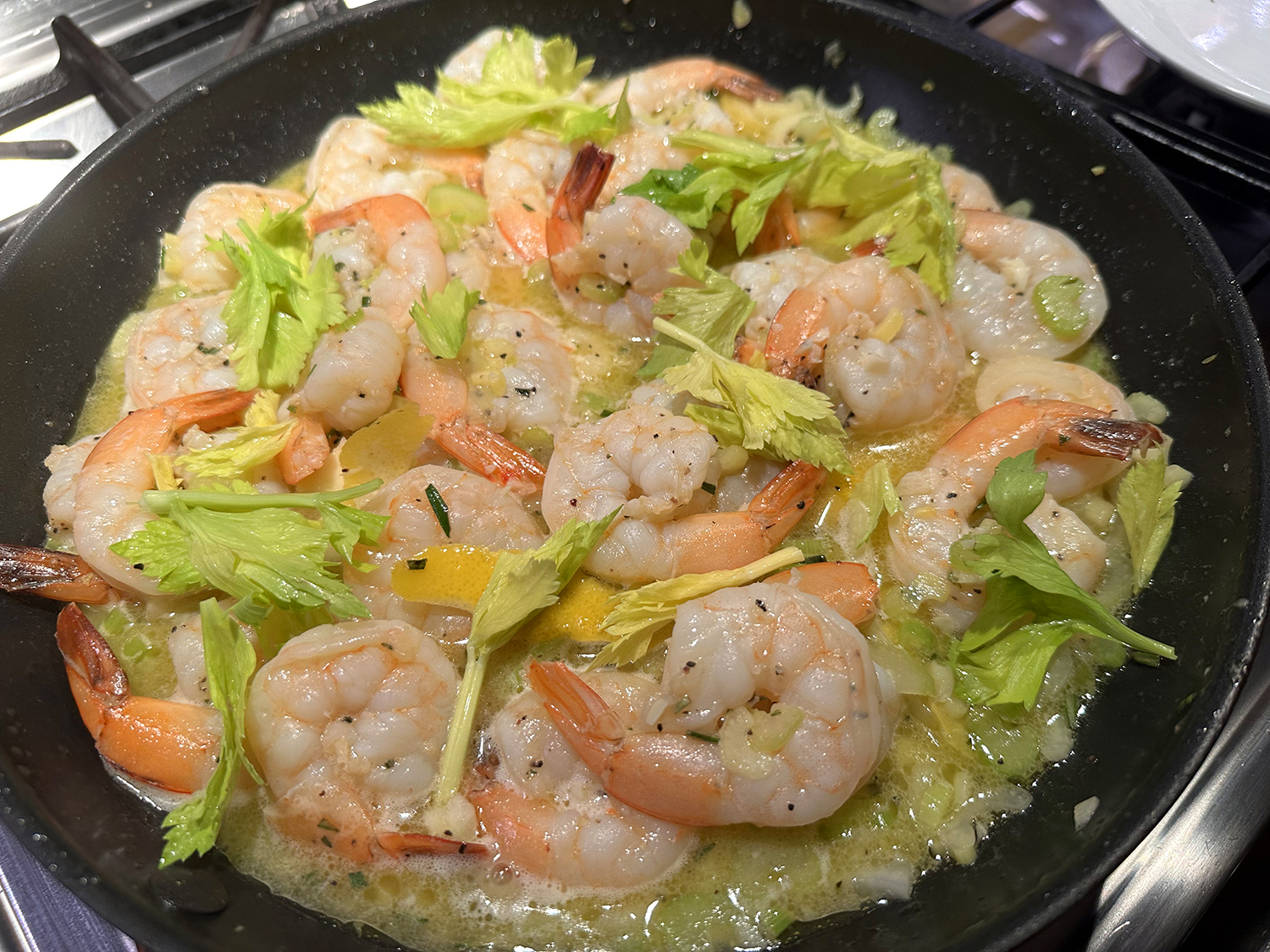
This light healthy meal of crisp-tender celery and sautéed shrimp get a tangy punch from a double hit of lemon—both fresh juice and limoncello. To balance it out, cookbook author Amy Thielen adds a splash of whiskey; the sharp bite of the alcohol is tamed as the sauce simmers, leaving behind a warm earthiness in the glaze.

Since we had 1 1/2 pounds of shrimp—50% more that the recipe called for—we decided to increase all of the other ingredients. In the end, that wasn’t necessary. If using only one pound of shrimp, plan on four first course servings, or 3-4 entrées over a bed of jasmine rice or polenta.

Limoncello and Whiskey Shrimp

  • Servings: 3-4
  • Difficulty: easy
  • Print

Ingredients

  • 1 lb. peeled and deveined raw jumbo shrimp, tails on
  • 4 (3 x 1-inch) lemon peel strips
  • 1 Tbsp. extra-virgin olive oil
  • 2 tsp. limoncello (liqueur)
  • 1/2 tsp. finely chopped fresh rosemary
  • 3/4 tsp. black pepper, divided
  • 1/2 tsp. salt, divided
  • 1 medium bunch celery (about 1 1/2 lbs.)
  • 6 Tbsp. unsalted butter
  • 4 garlic cloves, finely chopped’
  • 3 Tbsp. (1 1/2 oz.) whiskey
  • 2 Tbsp. fresh lemon juice, plus lemon slices for serving
  • Toasted baguette slices for serving

Directions

  1. Pat shrimp dry and place in a medium bowl. Add lemon peel strips, oil, limoncello, rosemary, 1/4 teaspoon pepper and 1/4 teaspoon salt. Toss to coat. Cocer and marinate in refrigerator at least 30 minutes or up to an hour.
  2. Meanwhile remove outer stalks of celery, reserve for another use. Finely chop inner celery stalks and heart to yield one cup; set aside. Pick off pale yellow leaves to yieldabout 1/4 cup; set aside for garnish. Reserve any remaining stalks for another use.
  3. Heat butter over medium until foamy. Add chopped celery, garlic, remaining 1/2 teaspoon pepper, and remaining 1/4 teaspoon salt; cook, stirring often until mixture is fragrant, 30 seconds to 1 minute.
  4. Add shrimp, reserving marinade in bowl (there won’t be much); cook, flipping shrimp occasionally, until shrimp begin to turn pink, about 1 minute.
  5. To skillet, add whiskey, lemon juice, and reserved marinade in bowl; cook, stirring occasionally, until sauce bubbles and shrimp turn opaque, 1 to 2 minutes.
  6. Remove from heat, and sprinkle with celery leaves. Serve immediately with lemon wedges and toasted baguette slices.

http://www.lynnandruss.com

Recipe from Food & Wine Magazine

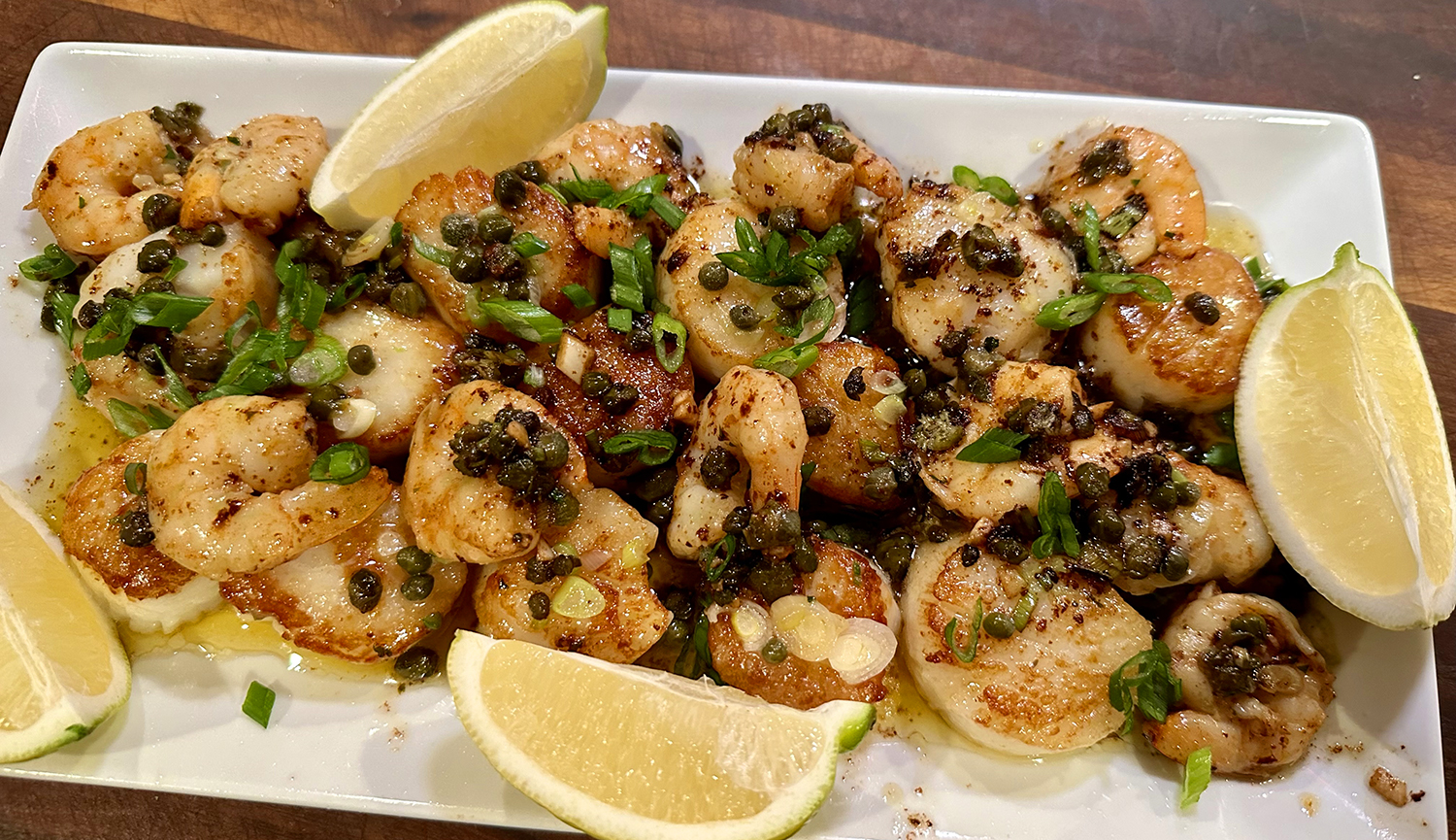
Sea Scallops with Browned Butter, Capers and Lemon

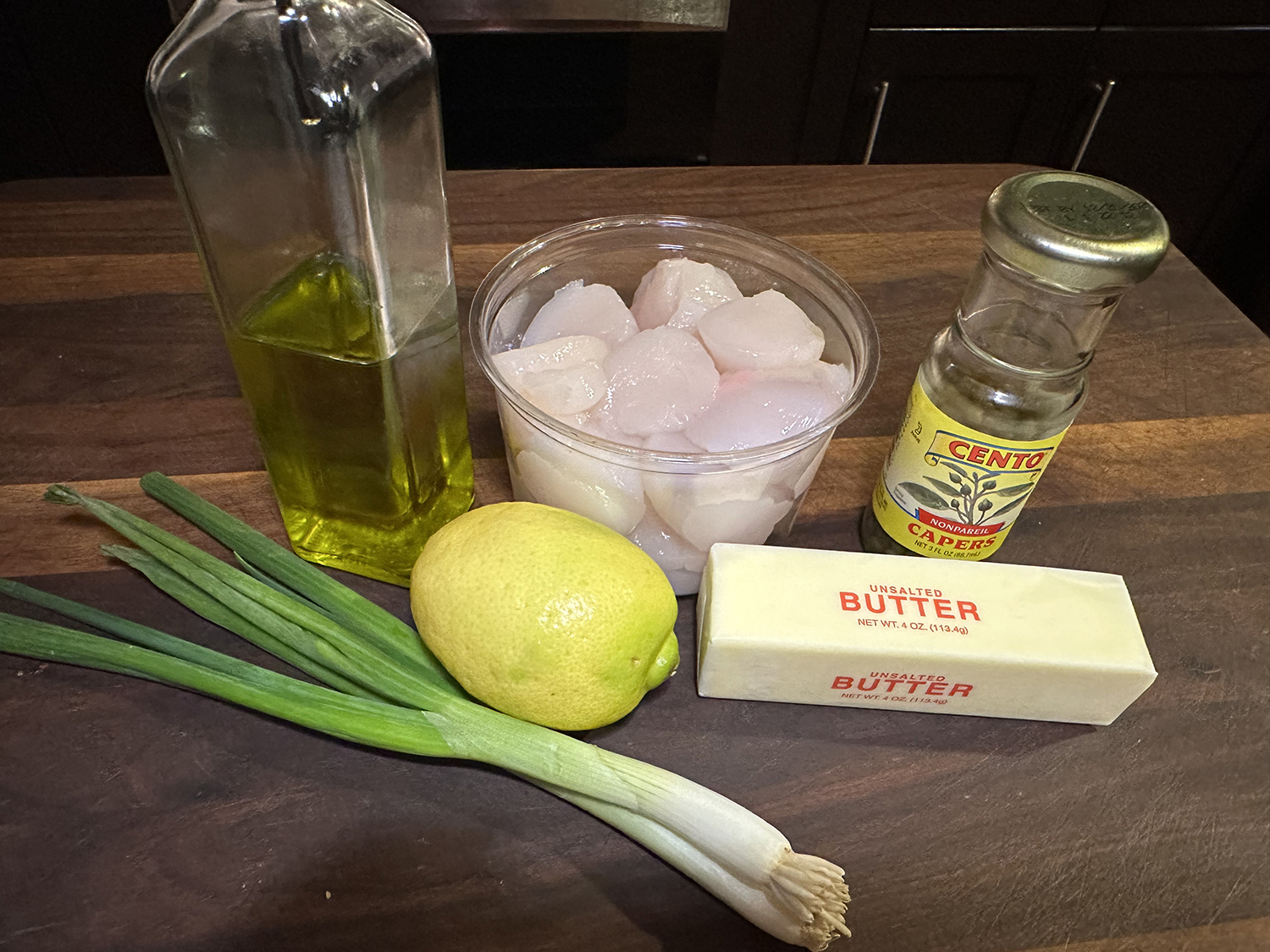
Sea scallops are a rare delicacy due to the high price at restaurants and at the fish market. So in the event of a stay-at-home New Year’s Eve celebration for the two of us, the occasion was the perfect opportunity to “treat” ourselves. Couple that with a few lump meat crab cakes, and our year-end meal was one to remember.

In this recipe, sea scallops get the piccata treatment, and who can resist that? Their sweet, briny flavor is perfectly matched by nutty browned butter, salty capers and puckery lemon. And while not part of the original recipe, we added in 8 pre-cooked shrimp (leftover from another appetizer), reheating them at the end of step four with the addition of the lemon juice.

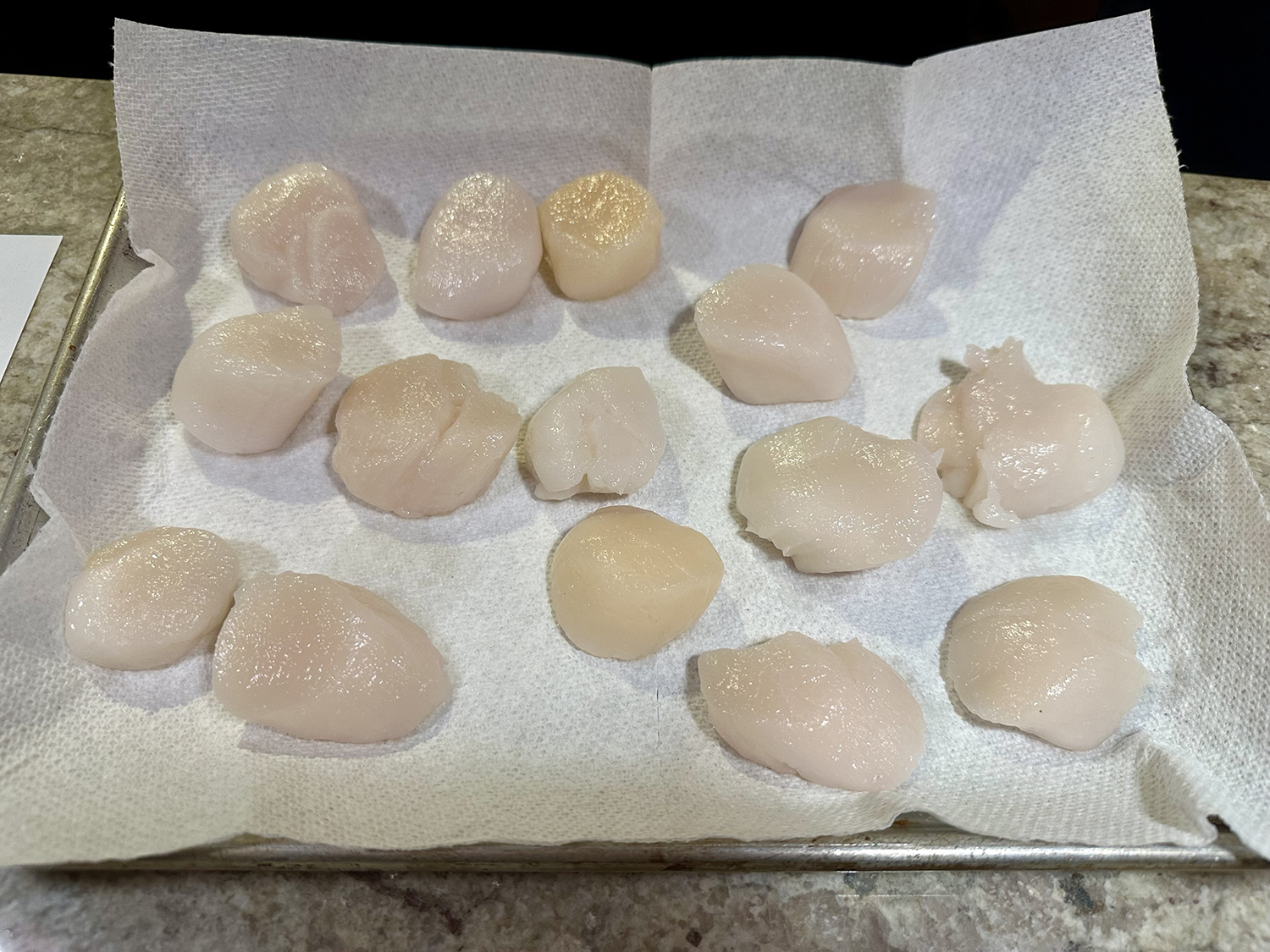
When shopping, look for dry sea scallops—“Dry” indicates that the shellfish has not been treated with sodium tripolyphosphate (STPP), a preservative that forces water retention and that has a bleaching effect. In fact, bright white color is a tell-tale sign of the presence of STPP, as untreated scallops have a pale coral or ivory hue. And at the seafood counter, dry scallops should not be sitting in a pool of milky liquid.

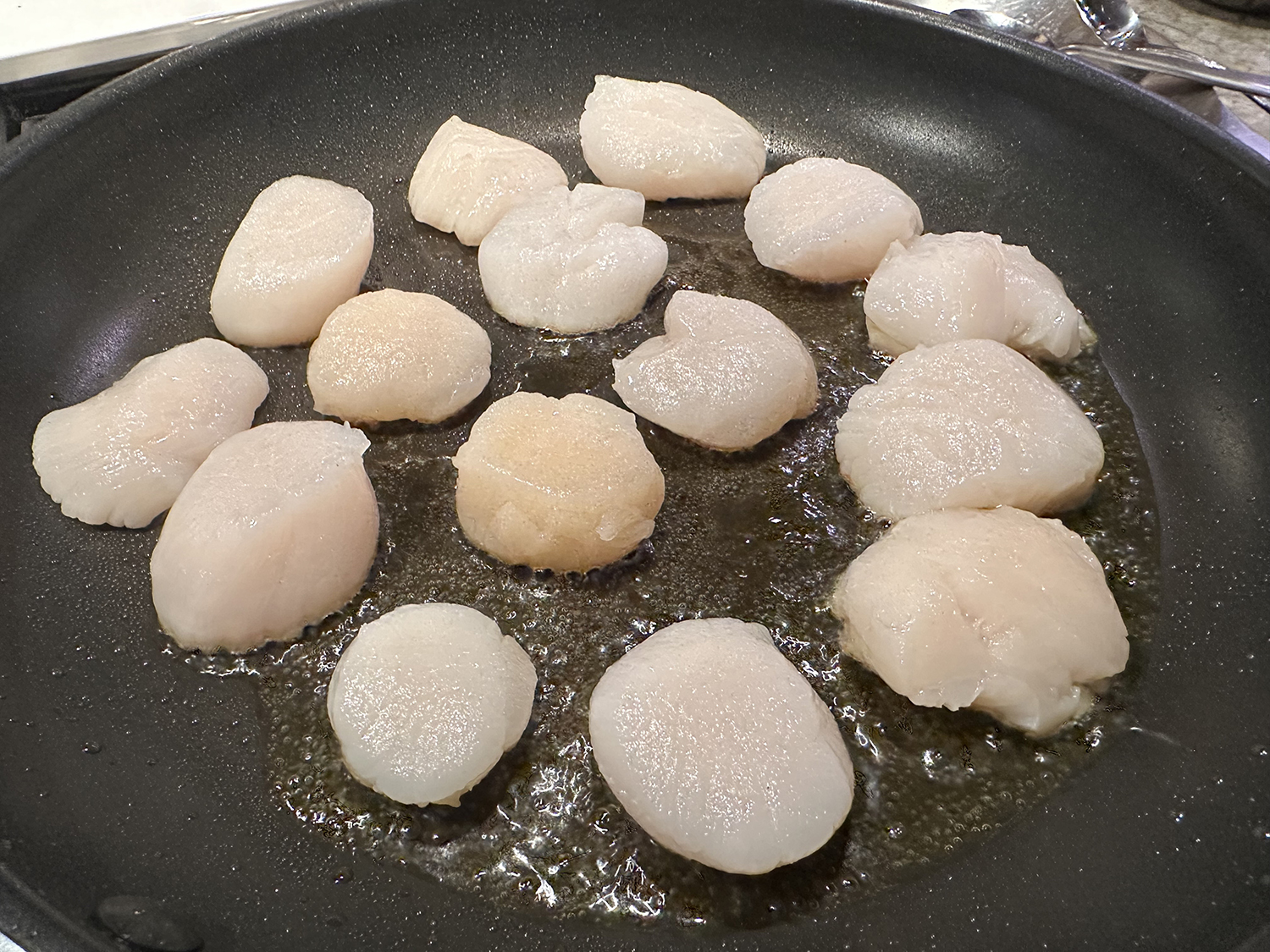
Don’t attempt to move the scallops immediately after placing them in the skillet. They may stick at first but will release after they’ve formed a nicely browned bottom crust. Serve with crusty bread and a leafy salad dressed with a bright vinaigrette.

With a minimum of ingredients and a short cooking time, you can have an elegant meal on the table in under a half hour!

Sea Scallops with Browned Butter, Capers and Lemon

  • Servings: 2-4
  • Difficulty: easy
  • Print

Ingredients

  • 1 1/4 lbs. dry sea scallops, side tendons removed and discarded, patted dry
  • Kosher salt and ground black pepper
  • 2 Tbsp. extra-virgin olive oil
  • 4 Tbsp. salted butter, cut into 4 pieces
  • 1/4 cup drained capers
  • 2 scallions, thinly sliced on the diagonal, whites and greens reserved separately
  • 1 tsp. grated lemon zest
  • 1 Tbsp. lemon juice
  • Lemon wedges to serve

Directions

  1. Place the scallops on a paper towel–lined plate. Season lightly on all sides with salt; set aside. In a 12-inch nonstick skillet over medium-high, heat the oil until barely smoking. Quickly pat the scallops dry once again and place in the pan, a flat side down, spacing them evenly apart. Cook without disturbing until golden brown on the bottoms and they release easily from the pan, 2 to 4 minutes.
  2. Flip each scallop, then add the butter, capers and scallion whites, swirling the pan to incorporate.
  3. Cook, spooning some of the hot butter over the scallops, until the butter smells nutty and the scallops are opaque throughout, 2 to 3 minutes.
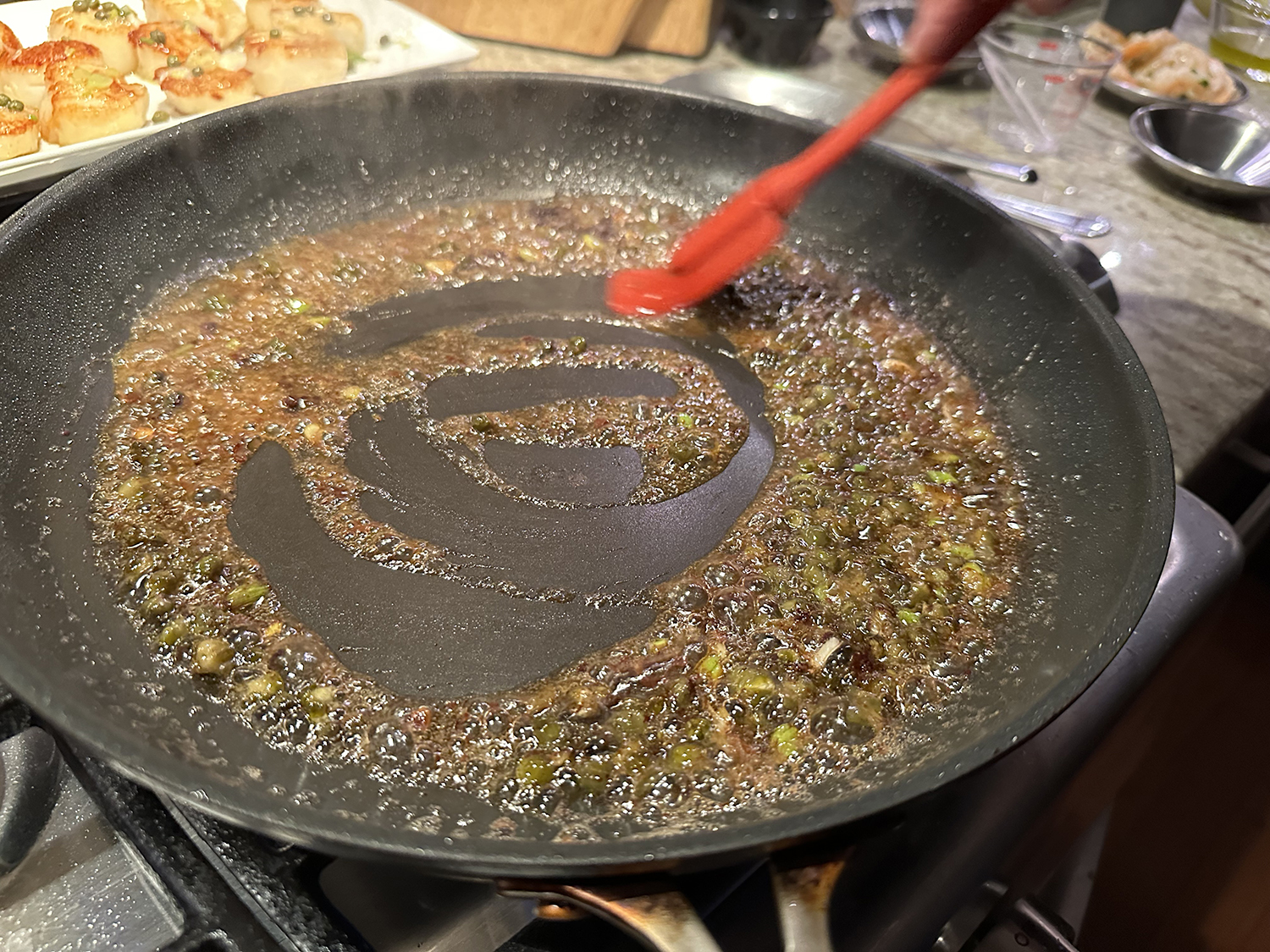
  4. Remove the pan from the heat and, using tongs, transfer the scallops to a serving plate. To the skillet, add the lemon zest and juice; stir to combine.
  5. Taste and season with salt and pepper, then pour the sauce over the scallops. Sprinkle with the scallion greens.

http://www.lynnandruss.com

Recipe from Milk Street

Soy-Braised Baby Bok Choy

In traditional recipes for Chinese soy-braised greens, the greens are likely to be blanched before they’re quickly cooked with ingredients that supply high-impact flavor. In this recipe, however, the baby bok choy is stir-fried with aromatics, then braised in a mixture of Shaoxing rice wine and soy sauce, with sugar for sweetness and sesame oil for nuttiness.

A few minutes of uncovered cooking drives off excess moisture, leaving the greens meltingly tender and coated in a light savory-sweet sauce. Serve with steamed fish or spooned atop a bowl of rice. Ours paired nicely with Pan-Seared Sesame-Crusted Tuna Steaks.

NOTE: Don’t forget to wash the bok choy, as the inner leaves often trap dirt or sand. But make sure to drain and dry so it browns rather than steams when it hits the hot skillet.

Soy-Braised Baby Bok Choy

  • Servings: 4
  • Difficulty: easy
  • Print

Ingredients

  • 2 Tbsp. grapeseed or other neutral oil
  • 2 lbs. baby bok choy, trimmed and cut crosswise into 1-inch pieces
  • 1 bunch scallions, whites thinly sliced, greens thinly sliced on the diagonal, reserved separately
  • 1 Tbsp. minced fresh ginger
  • 2 medium cloves garlic, minced
  • 3 Tbsp. Shaoxing wine OR dry sherry OR sake
  • 3 Tbsp. soy sauce
  • 1 Tbsp. packed light brown sugar OR white sugar
  • 2 tsp. toasted sesame oil

Directions

  1. In a 12-inch skillet over medium-high, heat the neutral oil until shimmering. Add the bok choy and cook, stirring occasionally, until wilted and lightly browned, 3 to 4 minutes.
  2. Add the scallion whites, ginger and garlic, then cook, stirring, until fragrant, 30 to 60 seconds. Reduce to medium and stir in the Shaoxing wine, soy sauce, sugar and sesame oil, then immediately cover. Cook until the bok choy is tender-crisp, 2 to 3 minutes.
  3. Uncover and cook, stirring occasionally, until the liquid is lightly thickened and the bok choy is fully tender, 2 to 3 minutes. Transfer to a serving dish and sprinkle with the scallion greens.

http://www.lynnandruss.com

Recipe from Milk Street

Salmon Traybake with Harissa-Roasted Pepper Sauce

The inspiration for this colorful traybake is Moroccan-style red chermoula: a bold, warmly spiced sauce, often served with fish. This weeknight-friendly version from Milk Street calls on smoky harissa, a North African chili and spice paste, plus sweet roasted peppers, earthy cumin, bright lemon juice and fresh garlic and parsley, all whirred together in the blender.

Harissa spiciness varies by brand, so a range is suggested. To make the most of the mixture, use it three ways: as a salmon marinade, a seasoning for roasted zucchini and as a sauce for the finished dish. Serve with couscous, rice or warmed flatbreads.

The original recipe called for 1 1/2 pounds of salmon, but we purchased a one-pound piece and cut it in half allowing for 2 servings. If using 1 1/2 pounds, cut the filet into 3 or 4 pieces, or buy them already cut down to 6 ounce servings.

Don’t use large zucchini for this. They tend to contain many seeds and will turn soft and mushy with cooking. Instead, look for medium to small zucchini.

Salmon Traybake with Harissa-Roasted Pepper Sauce

  • Servings: 3-4
  • Difficulty: easy
  • Print

Ingredients

  • 1/2 cup drained roasted red peppers, chopped
  • 1/2 cup lightly packed fresh flat-leaf parsley, plus chopped parsley to serve
  • 1/4 cup extra-virgin olive oil
  • 2 Tbsp. lemon juice, plus lemon wedges to serve
  • 1-2 Tbsp. harissa paste
  • 1 medium garlic clove, smashed and peeled
  • 1/2 tsp. ground cumin
  • Kosher salt
  • 4 6-oz. center-cut salmon fillets, patted dry
  • 3 medium zucchini (about 1½ lbs. total), cut into ¼-inch cubes
  • 1 ripe medium tomato, cored, seeded and chopped
  • 1/2 cup pitted green olives, chopped

Directions

  1. Heat the oven to 425°F with a rack in the middle position. In a blender, combine the roasted peppers, parsley, oil, lemon juice, harissa, garlic, cumin and ½ teaspoon salt. Puree until smooth, about 30 seconds. Measure out 2 tablespoons, then spread it onto the flesh side of the salmon fillets.
  2. On a rimmed baking sheet, toss the zucchini with ¼ cup of the remaining puree; transfer the rest of the puree to a small bowl for serving. Roast until the zucchini is tender, 20 to 25 minutes, stirring halfway through. Remove the baking sheet from the oven and sprinkle the tomato and olives over the zucchini. Scrape up and stir the zucchini and push it to the edges.
  3. Place the salmon, skin side down, in the center of the baking sheet. Roast until the flesh flakes easily and the zucchini is lightly charred, and registers 135°F, about 10 to 14 minutes. Transfer to a platter and sprinkle with additional parsley. Serve with lemon wedges and the remaining sauce on the side.

http://www.lynnandruss.com

Recipe by Rose Hattabaugh for Milk Street