For this dish, use whole farro, in which the grain’s germ and bran have been retained. It has a nutty flavor and delicately chewy texture, and some brands cook in as little as 20 minutes, making it one of the fastest-cooking whole grains. (Ours took 30 minutes.)
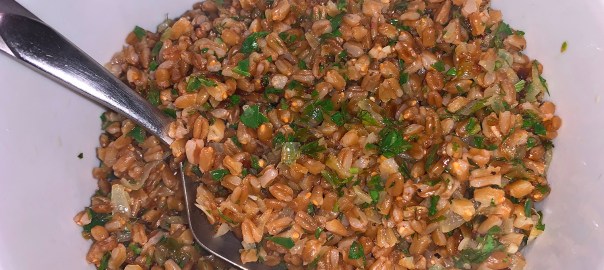
The simplest cooking method is best: Just boil in salted water for about 20-30 minutes until tender and drain well. Warm farro can be tossed with sautéed aromatics, olive oil and herbs for a simple but satisfying side dish such as this one. It went wonderfully with our Shawarma Chicken.
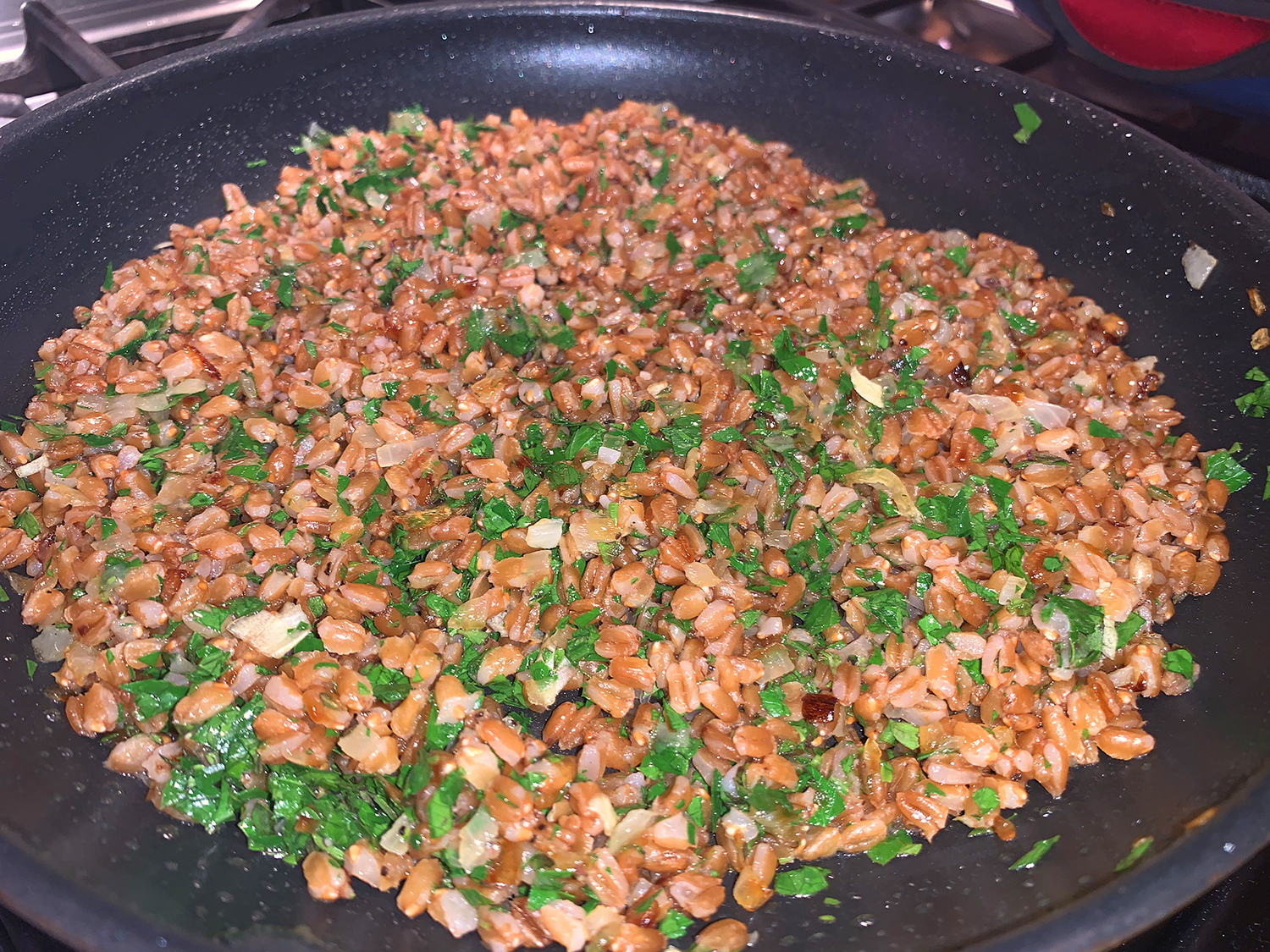
We were fresh out of mint, so in lieu of making an extra trip to the grocery store, we just substituted two tablespoons of fresh oregano, which was one of the herbs in our main chicken entrée.
Bring 4 quarts water to a boil in a Dutch oven. Add farro and 1 tablespoon salt, return to boil, and cook until grains are tender with a slight chew, 20-30 minutes. Drain farro, return to now empty pot, and cover to keep warm.
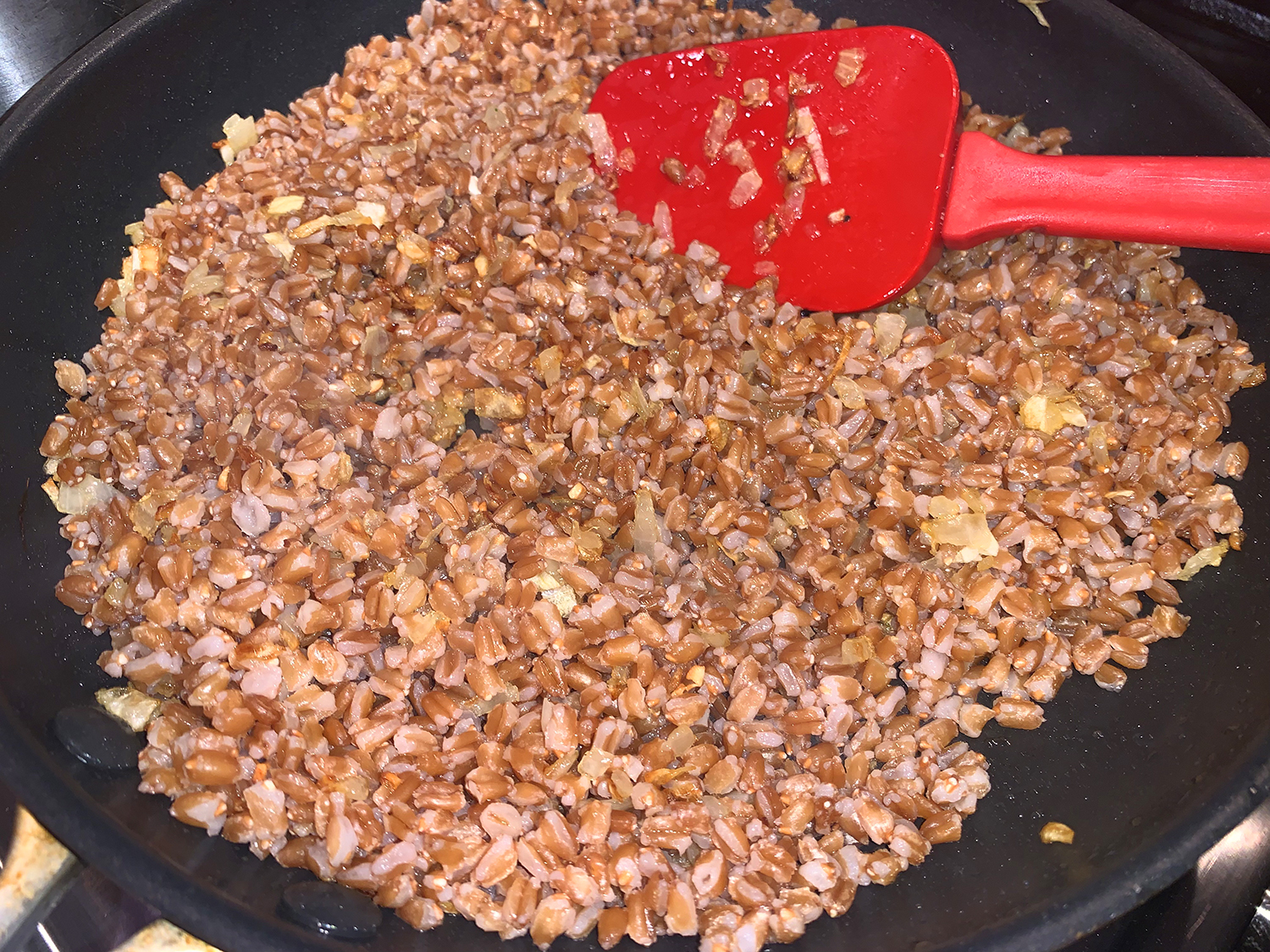
Heat 2 tablespoons olive oil in 12-inch skillet over medium heat, until shimmering. Add onion and 1/4 teaspoon salt and cook, stirring frequently, until onion is softened and slightly golden, 6 to 8 minutes.
Add garlic and cook until fragrant, about 1 minute.
Add remaining 1 tablespoon oil and cooked farro, stirring frequently until heated through, 3 to 5 minutes.
Remove from heat and stir in parsley, mint, and lemon juice. Season with salt and pepper to taste, and serve.
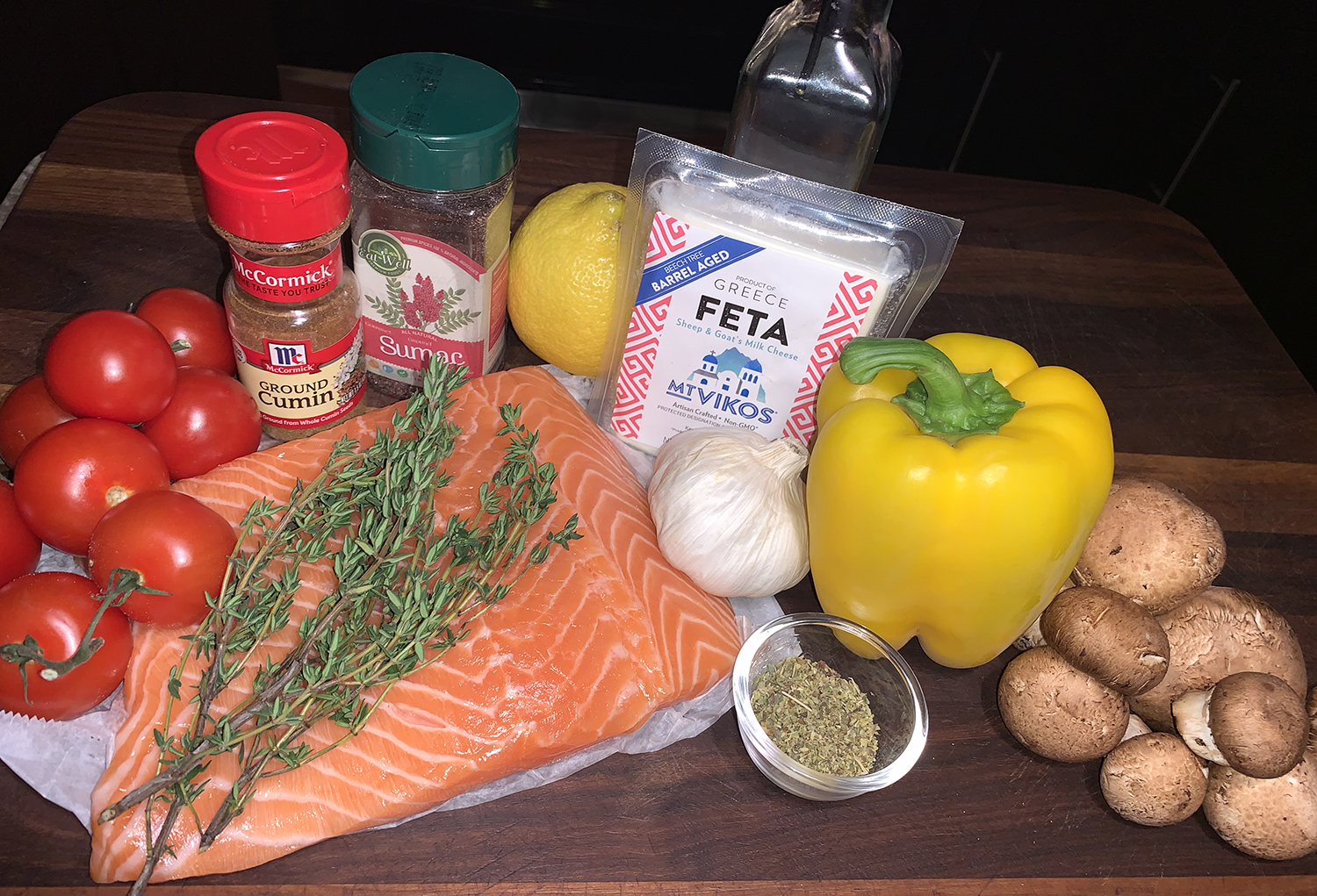
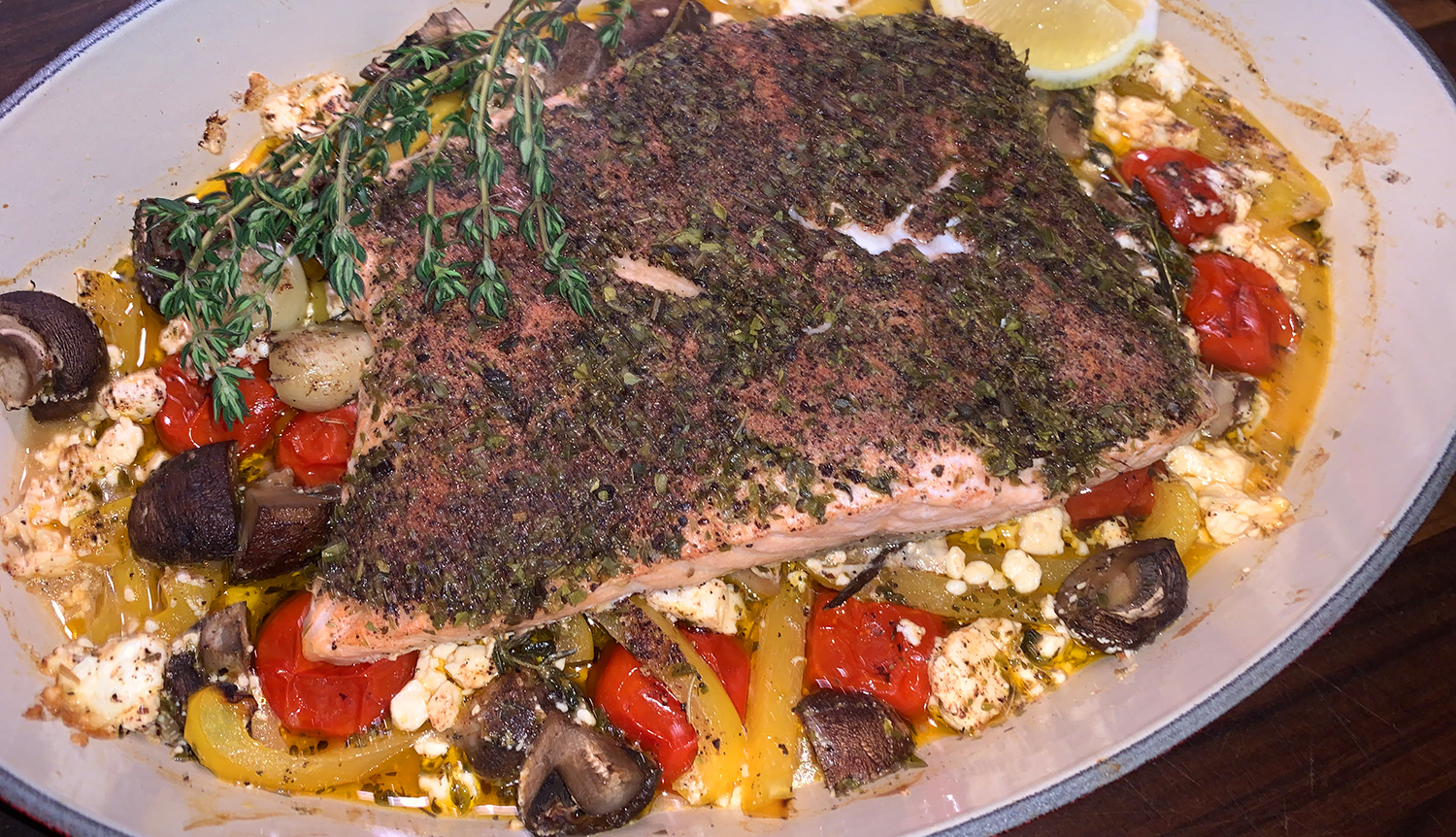
This one-pan dinner is ready in no time, and you’ll love the bold Greek vibes in this dish. A perfect weeknight meal, this easy, “fancy” salmon recipe with vegetables and feta is brimming with healthy ingredients and enlivened Mediterranean flavors.
A couple of suggestions so that your salmon won’t dry out. Bring the fish closer to room temperature before baking. About 15 minutes before you start cooking, set the salmon on the counter to get it as close to room temperature as possible. Allowing the salmon fillets to return to room temperature helps them cook more evenly.
And, cover with foil to bake. Covering the pan with foil will trap the moisture and help cook the fish so that it is perfectly tender, moist, and flaky. Here, you’ll also par-cook the vegetables briefly before adding the salmon in.
The original recipe indicated to first cook the vegetables for 5-10 minutes before adding the salmon. We did not feel they were ready at that point and cooked them an additional 5 minutes, totaling 15 altogether. Since our fish was one slab, we let it sit out for 30 minutes to come to room temperature. Plus, due to the size and thickness, it took double the time at 20 minutes to cook to medium, 130°F after adding it atop the vegetables, covered with foil.
So we had to bide our time a little longer, but it was sooo worth the wait!
1 bell pepper, any color, cored and sliced into thin sticks
5 oz. cremini mushrooms, trimmed and halved
4 to 5 large garlic cloves, peeled
5 to 6 oz. feta cheese block, cut into large chunks
6 to 7 sprigs of fresh thyme
Kosher salt and black pepper
Extra virgin olive oil
4 6-oz. portions salmon fillet
1 to 2 large lemons, halved, for serving
Directions
Heat the oven to 425°F and arrange a rack in the middle.
In a small bowl, combine the oregano, sumac, and cumin.
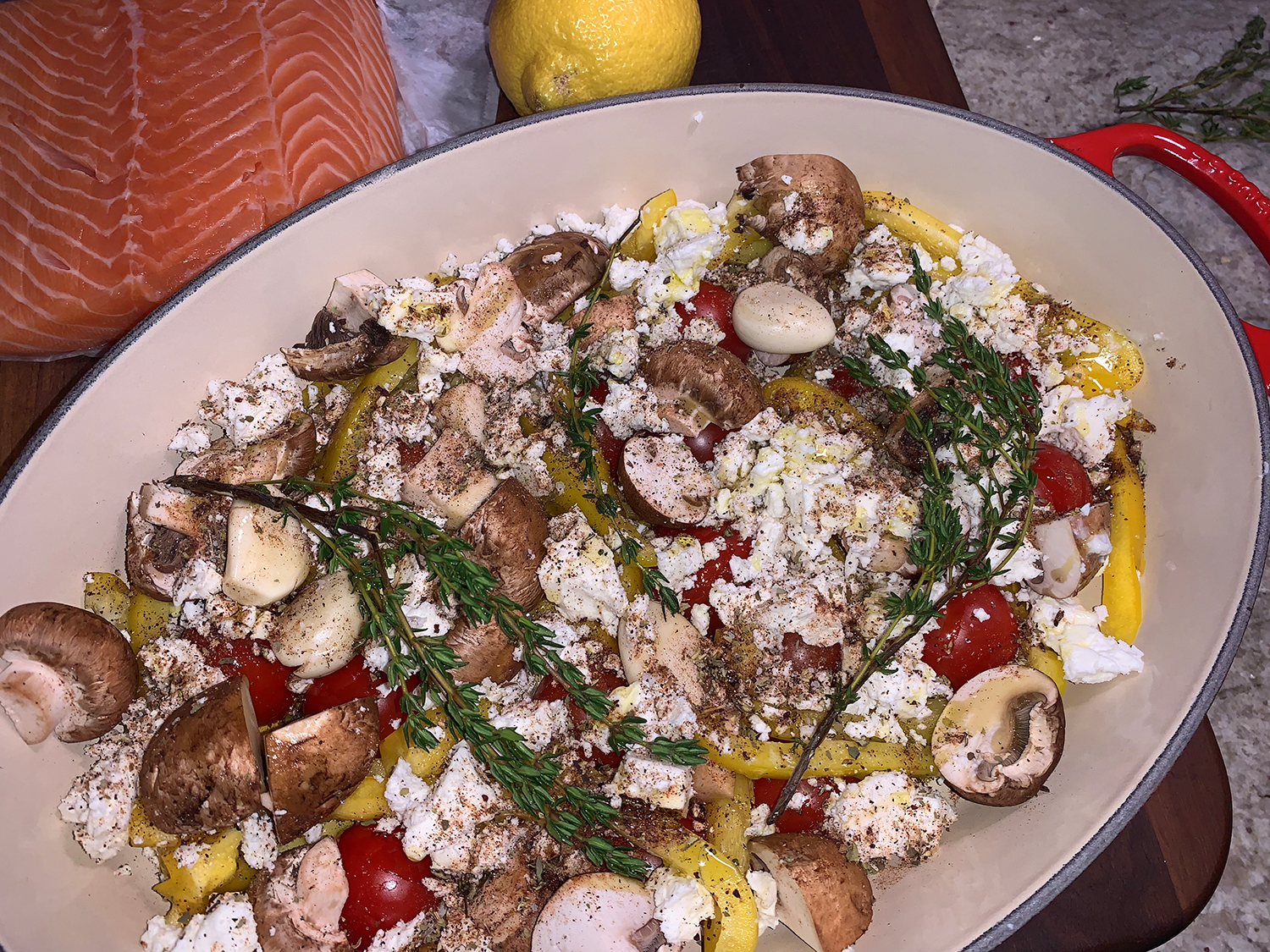
In a baking dish or sheet-pan, arrange the tomatoes, mushrooms, bell peppers, and 4 to 5 whole garlic cloves. Nestle the chunks of feta in between. Sprinkle with 1 ½ teaspoons of the spice mixture and a good pinch of kosher salt and black pepper. Add a few sprigs of fresh thyme. Drizzle with 1 to 2 tablespoon olive oil.
Place the sheet pan in the heated oven on the center rack. Bake for 15 minutes until the veggies start to soften.
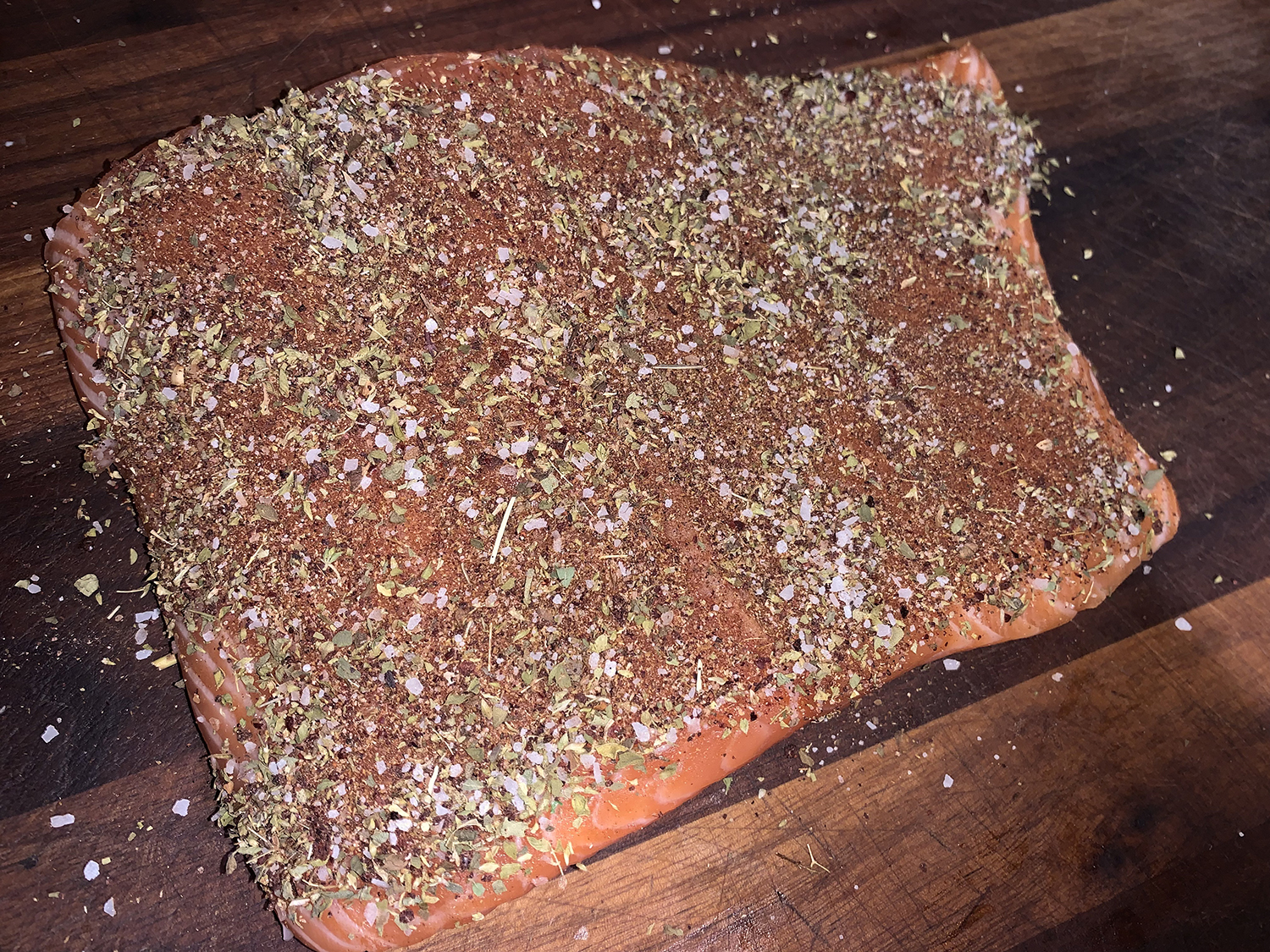
Meanwhile, pat the fish dry and season on both sides with kosher salt and black pepper and the remainder of the spice mixture.
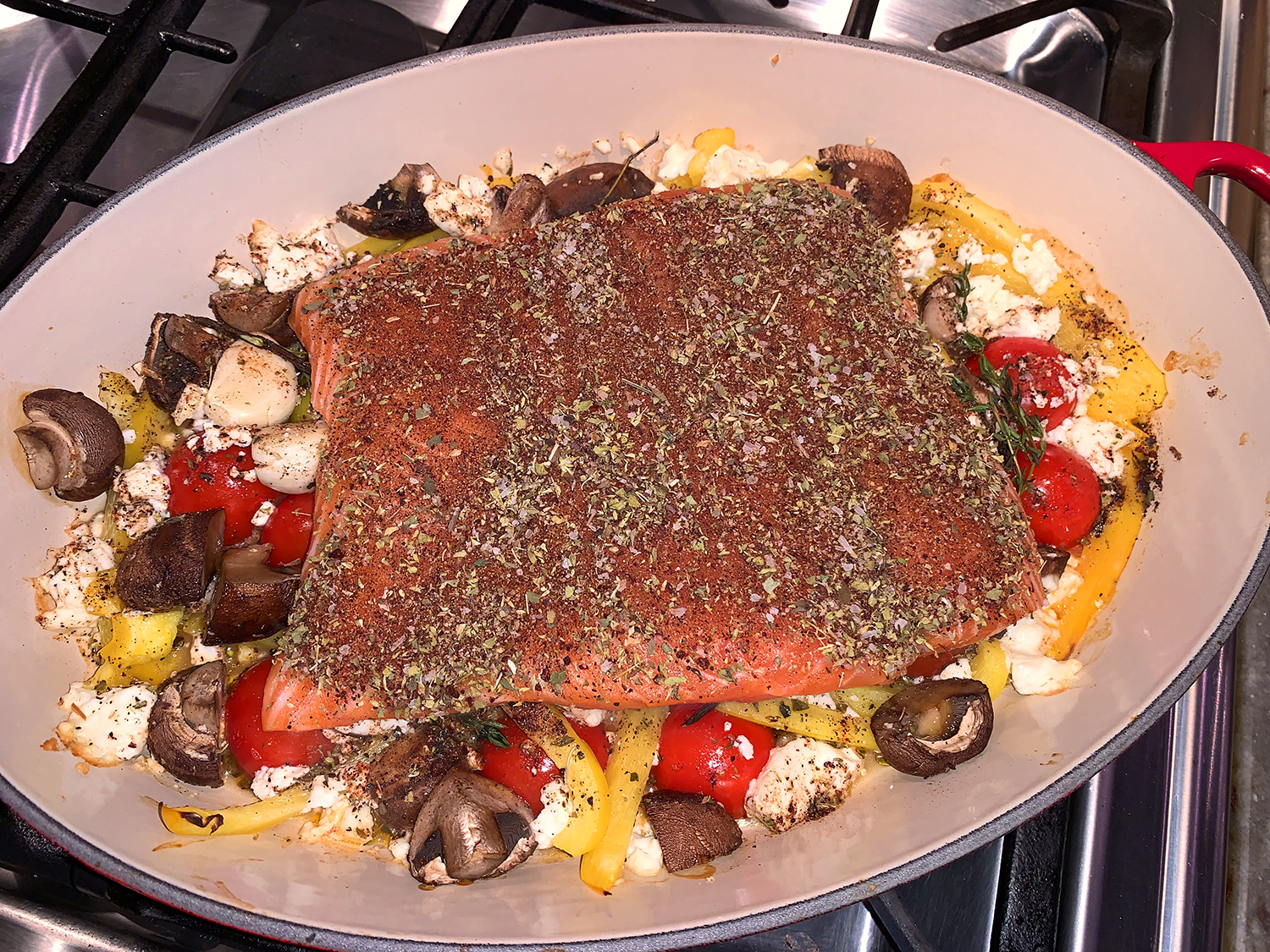
Carefully remove the sheet pan/baking dish from the oven and add the fish in with the veggies and feta.
Cover the sheet pan/baking dish with foil and return to the center rack of the heated oven. Cook for about 10 minutes or until the fish is cooked through and flakes easily. (As one thick slab, ours took 20 minutes to reach the preferred 130°F.)
Remove from the oven and immediately squeeze lemon juice onto the fish.
Similar to it’s meat cousin, Pork-Fried Rice, this vegetable version with simple seasonings and a balance of mix-ins makes for a frugal and incredibly satisfying meal—or side dish. Typically you use day old rice, but if you cook rice like pasta, in other words in a lot of water with salt for 10 minutes then drain and cool it, you don’t have to make it ahead of time. Plus cooking it like pasta rids the raw grains of any surface starch so that it readily breaks apart into individual grains.
But, if you have leftover rice here’s the deal. Day-old jasmine rice works best; the varietal is loaded with a popcorn-y aromatic compound that perfumes the fried rice with gorgeous fragrance, and when stir-fried, the hard, dry clumps relax into tender-firm, distinct grains. All rice should be roughly room temperature when you stir-fry.
To make fluffy, tender pockets of scrambled eggs, pour the raw beaten eggs into oil that is just smoking (not merely shimmering); the eggs will puff as their water rapidly turns to steam and their proteins set.
There’s no garlic or ginger to mince, no spices or curry paste to bloom, and no sauce to mix up, which keeps the prep work minimal and the backdrop neutral, not plain, simply highlighting the namesake ingredient: rice. However, you may want to serve with soy sauce on the side for those who wish a bit more flavor.
In case you are curious why this is labeled vegetarian, since they are not technically animal flesh, eggs are usually thought of as vegetarian. Eggs that have been fertilized and therefore have the potential to become an animal may not be considered vegetarian.
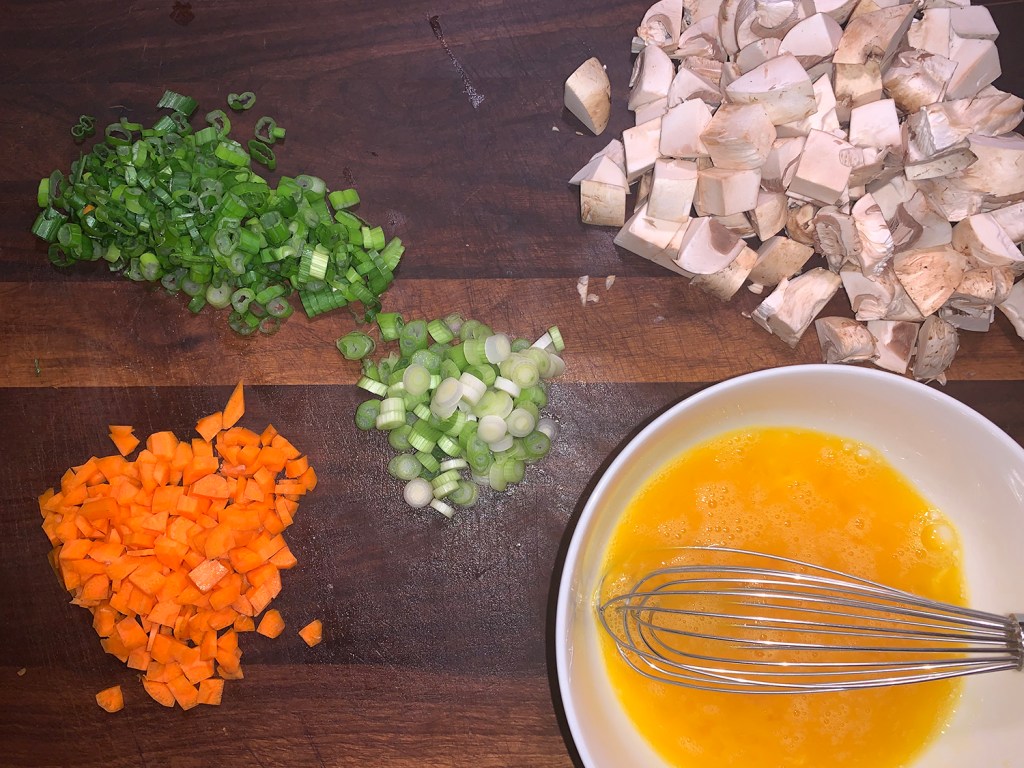
4 scallions, white and green parts separated and sliced
4 cups cooked jasmine rice, room temperature
¼ tsp. pepper
½ cup frozen peas
Directions
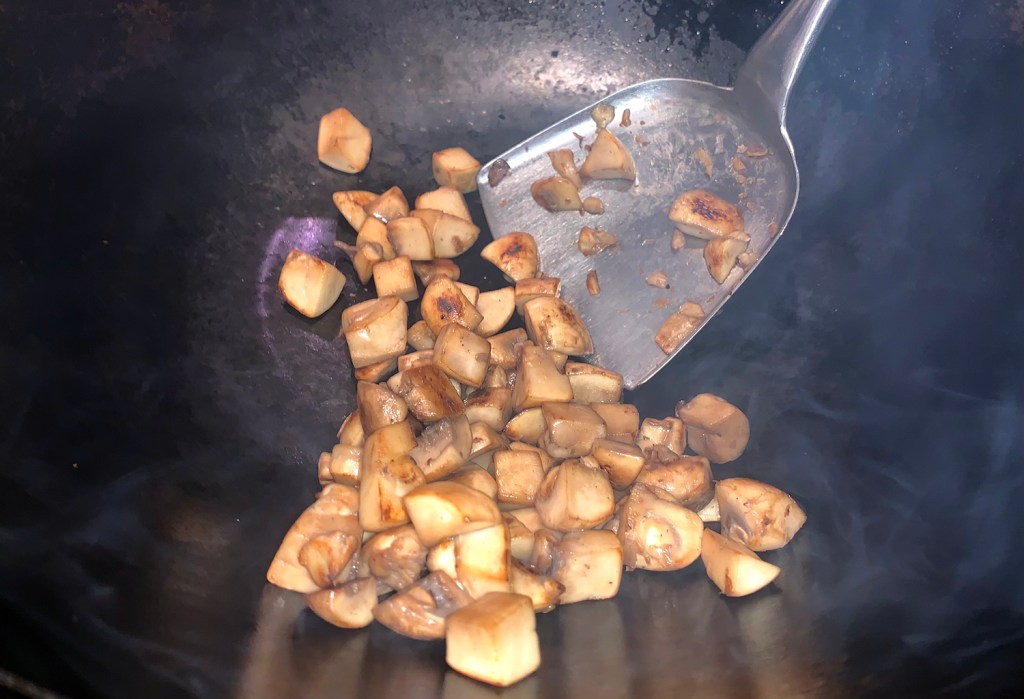
Beat eggs and ¼ teaspoon salt in bowl until well combined. Heat 2 teaspoons oil in 14-inch flat-bottomed wok or 12-inch carbon-steel or cast-iron skillet over medium-high heat until oil is just smoking. Add the mushrooms and cook, stirring frequently, until just beginning to brown, about 4 minutes. Transfer to a large plate.
Add eggs and cook, stirring frequently, until very little liquid egg remains, 30 to 60 seconds. Transfer to the large plate.
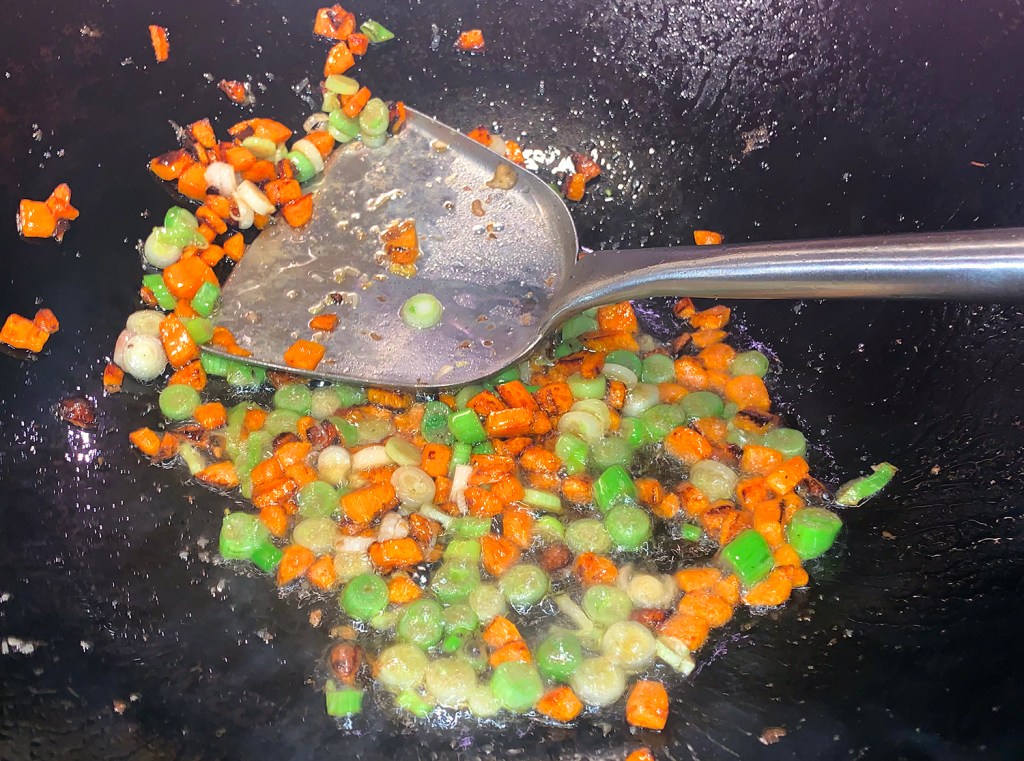
Add 1 teaspoon oil to now-empty wok and reduce heat to medium. Add carrot and ¼ teaspoon salt and cook, stirring frequently, until just beginning to brown, 2 to 4 minutes. Transfer to plate with eggs.
Add scallion whites and remaining 1 tablespoon oil to now-empty wok. Cook, stirring constantly, until fragrant, about 1 minute. Add rice and stir until combined. (It’s OK if some clumps of rice remain.) Spread into even layer. Sprinkle pepper and remaining 1 teaspoon salt evenly over rice. Continue to cook, stirring frequently and pressing on rice with spatula to break up clumps, until grains are separate and heated through, 2 to 5 minutes longer.
Add peas, egg and mushroom mixture, and scallion greens and cook, stirring frequently and using edge of spatula to break eggs into small pieces, until peas are warmed through, about 2 minutes. Serve with soy sauce.
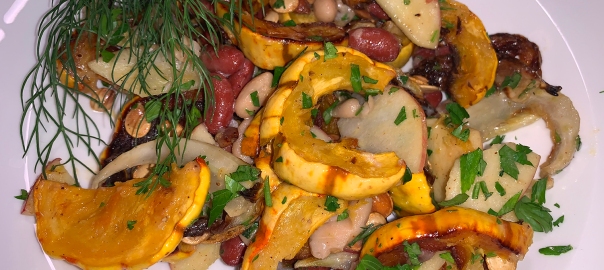
This cold-weather salad from chef Carla Hall hits all the notes: sweet, savory, spicy, and salty—with a bit of crunch from the squash seeds. Here, Hall uses her Country Ham Potlikker as an umami-rich base for a spicy vinaigrette that gets its silky texture from blended cannellini beans.
But the thing is, most people are not going to have this potlikker broth on hand. We had some leftover from our Smothered Pork Chops dinner in which you had to pre-make the Country Ham Potlikker. Our suggestion is to use a mix of oil and vinegar instead, you won’t have that smoky ham flavor, but you will be keeping the meal vegetarian.
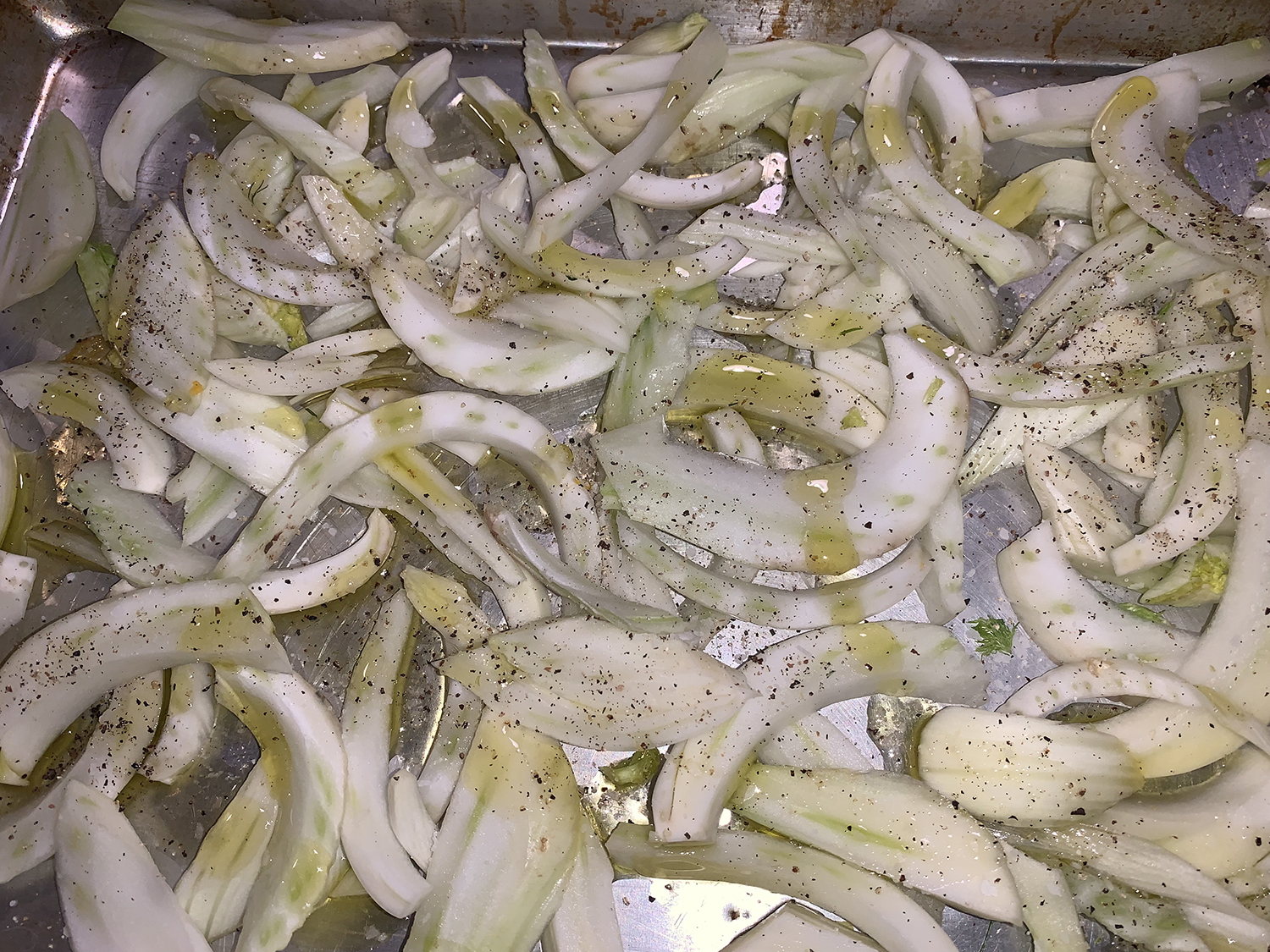
*We decided to roast our fennel slices since I didn’t shave them thin enough. Basically, place the fennel on a rimmed baking sheet, drizzle olive oil all over, sprinkle with salt and pepper, rub it all together with your hands, then roast for about 30-35 minutes in a 400° oven. This can be done ahead of time, simply cover the roasted fennel with foil until ready to mix in with the other ingredients.
Bean and Vegetable Salad with Potlikker Vinaigrette
2 tsp. Diamond Crystal, or 1 1/4 tsp. Morton kosher salt, plus more
Freshly ground black pepper
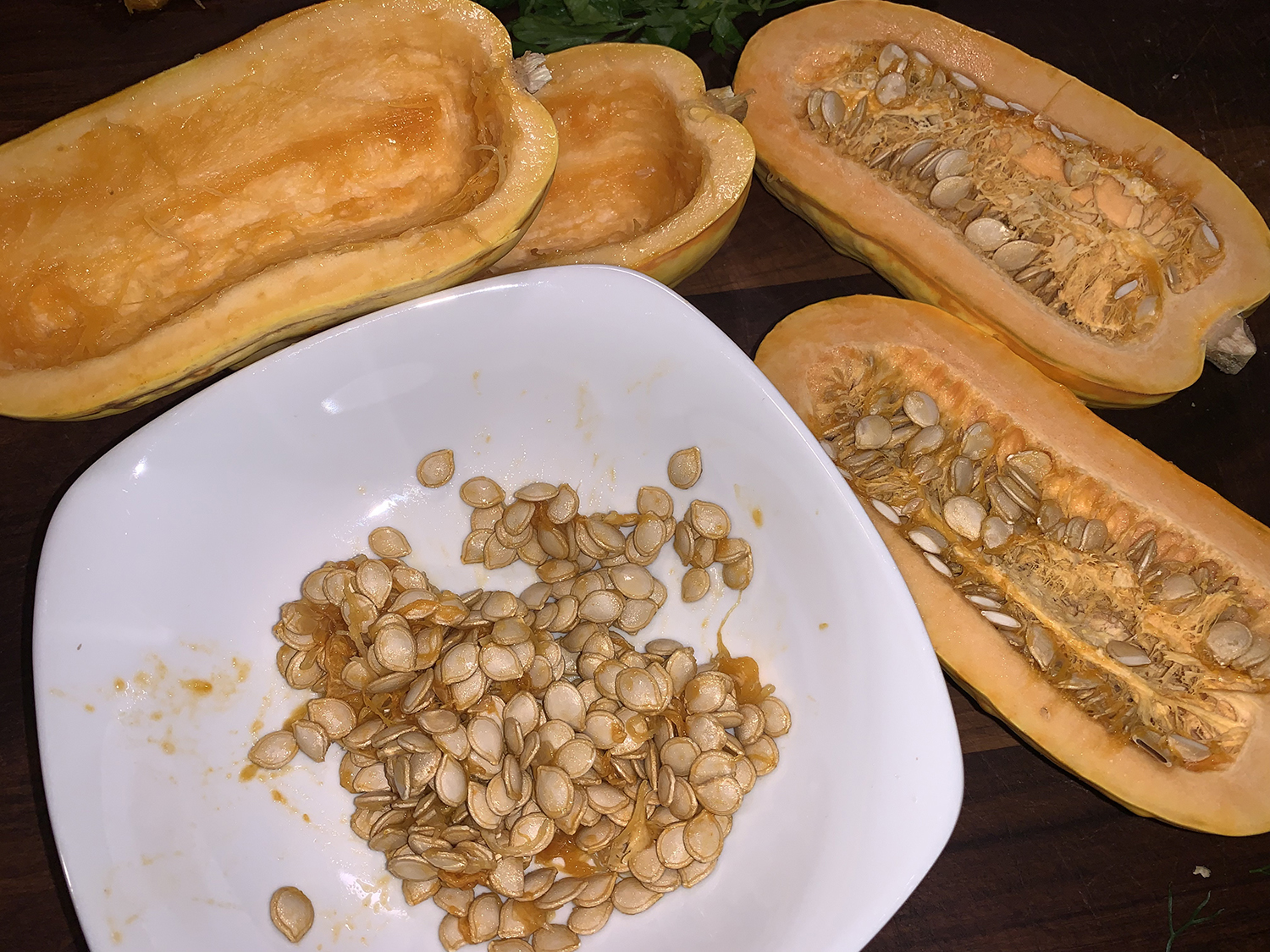
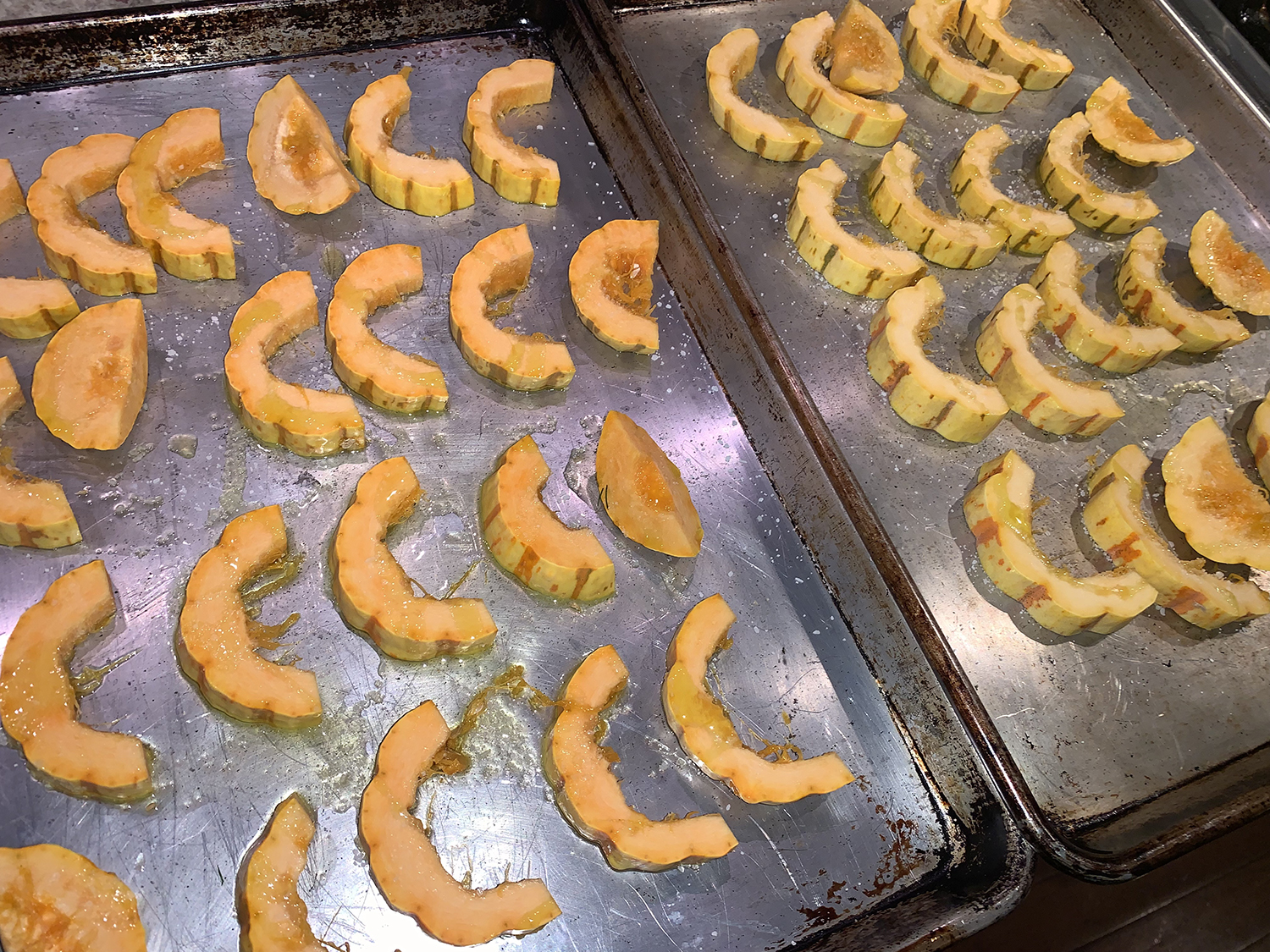
2 medium delicata squash, halved, seeds removed and reserved, sliced crosswise 1/2″ thick
3 extra-virgin olive oil, divided
1/4 tsp. cayenne pepper
1 large sweet-tart apple, (such as Honeycrisp), cored, quartered, sliced 1/4″ thick
1 large fennel bulb, quartered, shaved in very thin slices (*See note above for roasting option)
1 15-oz. can kidney beans, rinsed
1/4 cup chopped parsley
Directions
Blend vinegar, potlikker (or substitute), mustard, and ¼ cup cannellini beans in a blender until smooth. With the motor running, stream in vegetable oil; blend until emulsified. Season vinaigrette with salt and pepper.
Place racks in upper and lower thirds of oven; preheat to 400°. Divide sliced squash between 2 rimmed baking sheets; drizzle 2 Tbsp. olive oil over. Sprinkle with 2 tsp. Diamond Crystal or 1¼ tsp. Morton kosher salt; season with pepper. Roast 15 minutes.
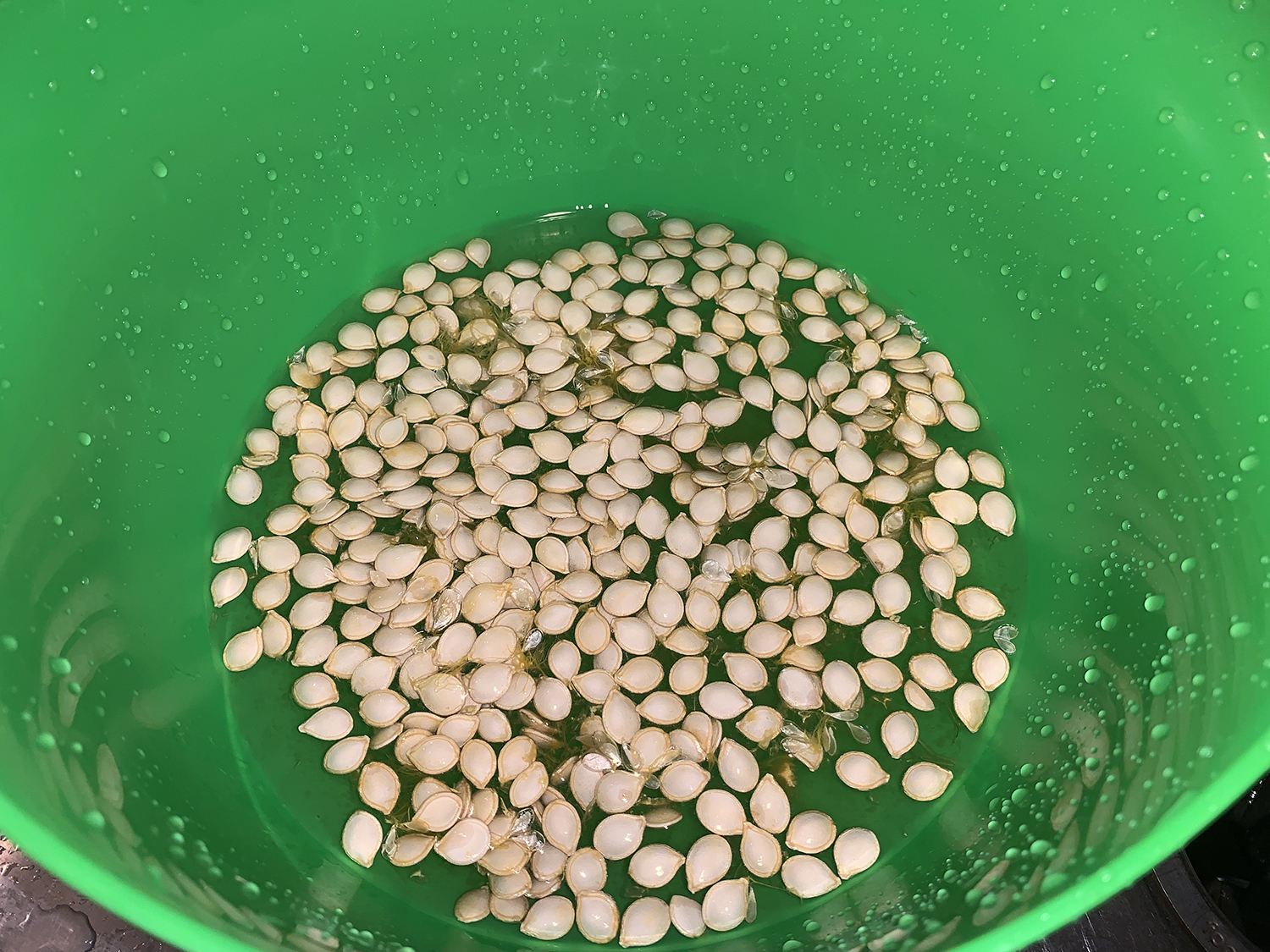
Meanwhile, rinse squash seeds and pat dry. Toss seeds with cayenne and remaining 1 Tbsp. olive oil in a small bowl; season with salt.
Sprinkle seeds over squash. Continue to roast until squash is golden brown and tender, 13–15 minutes more.
Combine squash and seeds, apple, fennel, kidney beans, and remaining cannellini beans in a large bowl. Toss with ½ cup vinaigrette. Taste and add more vinaigrette if needed. Add parsley, season with salt, and toss again.
Transfer salad to a platter; serve any remaining vinaigrette alongside.
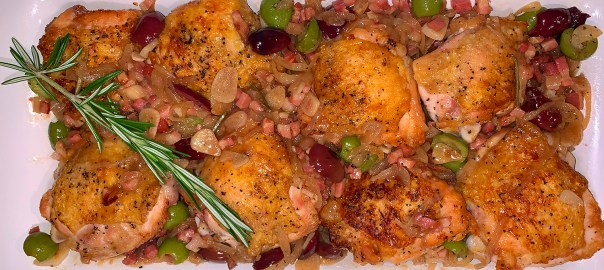
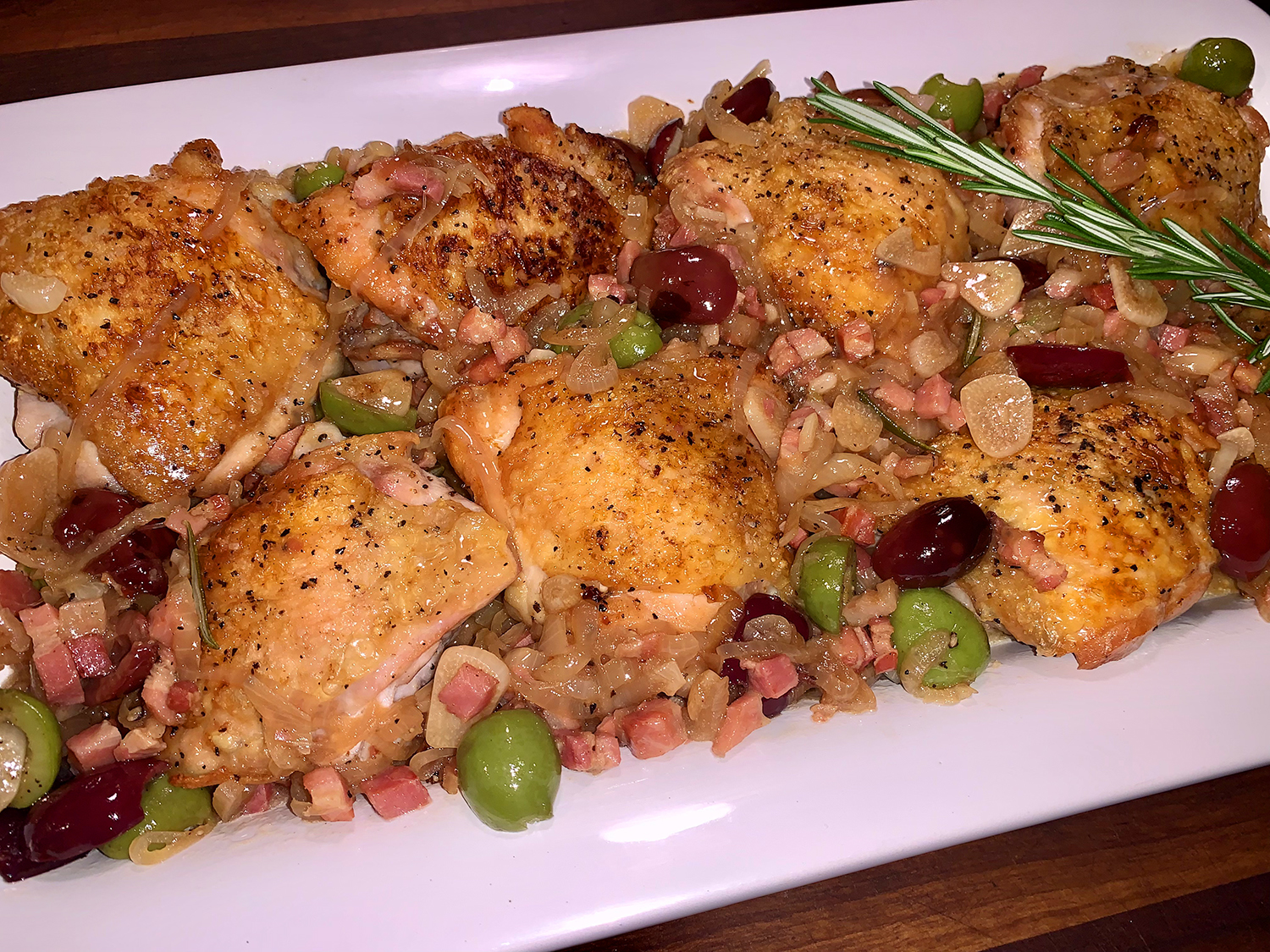
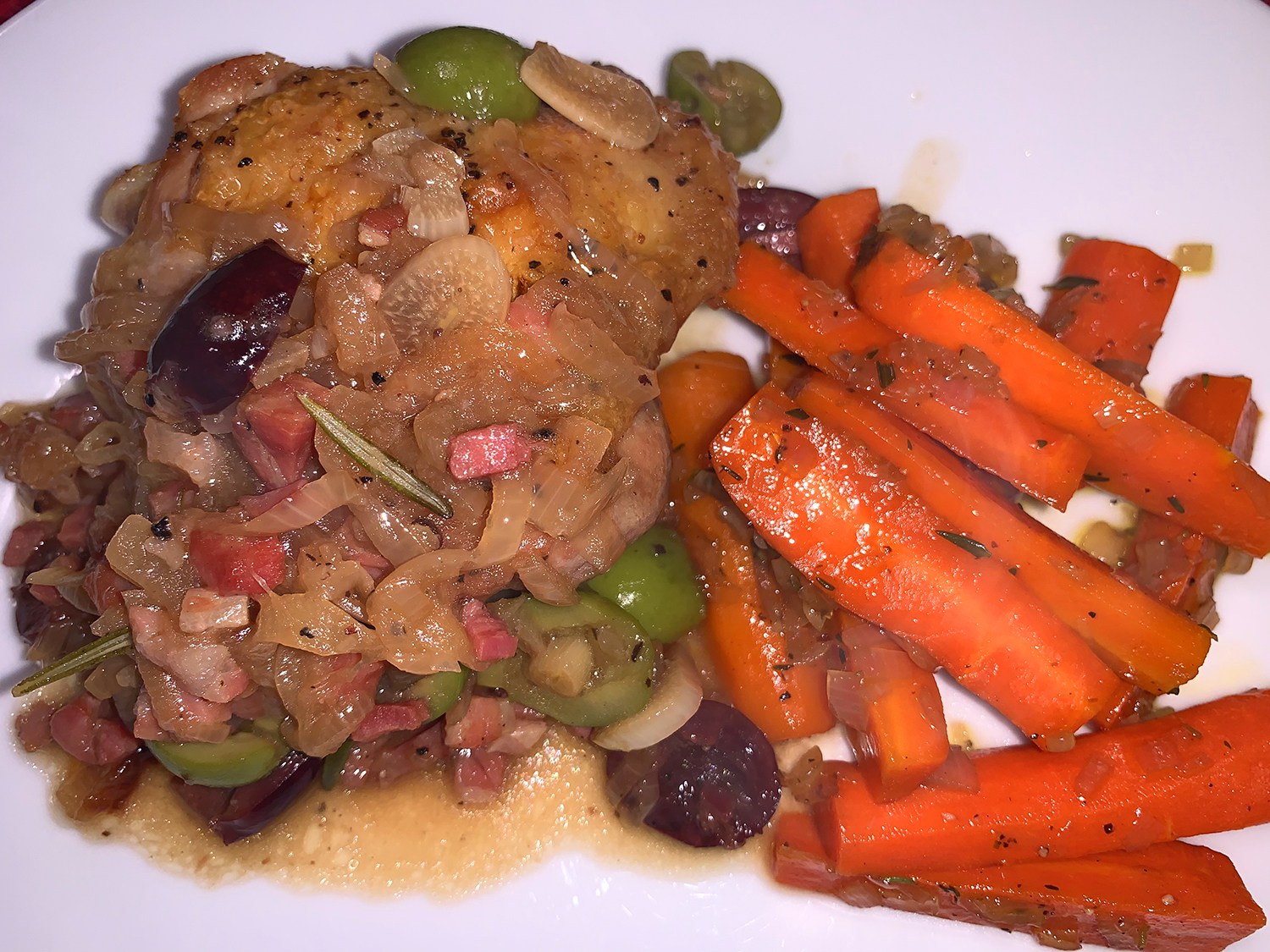
Did you know that Umbria, in central Italy, is home to a tomato-free version of Chicken alla Cacciatora? Rather, the rustic braise gets it character from lemon, olives, garlic and herbs. Capers also are customary, but this version uses pancetta instead to build rich, savory depth. Finally, alternatively to cutting up a whole chicken, which is what we usually do, here we substitute bone-in, skin-on thighs.
Strips of lemon zest are simmered into the sauce to infuse the dish with subtle citrusy notes. For easiest results, use a sharp vegetable peeler to plane off wide strips of zest from the fruit; each piece should be roughly 2 to 3 inches long. You will need a 12-inch oven-safe skillet for this recipe, our 3-quart Le Creuset “Baby Blue” enameled cast-iron pot was perfect.
Fantastic! The combination of flavors had so much depth, we wanted to lick our plates clean. I know we loved the previous version using an entire chicken and capers, but this riff may have raised the bar to another level…
3 lbs. bone-in, skin-on chicken thighs, trimmed and patted dry
Kosher salt and ground black pepper
1 Tbsp. extra-virgin olive oil
4 oz. pancetta, finely chopped
1 large yellow onion, halved and thinly sliced
1 cup dry white wine
4 cloves garlic, thinly sliced
2 sprigs fresh rosemary
1 cup pitted green or black olives or a combination, drained and halved
4 strips lemon zest, plus 1 Tbsp. lemon juice
2 Tbsp. white balsamic vinegar
Directions
Heat the oven to 450°F with a rack in the middle position. Season the chicken on both sides with salt and pepper.
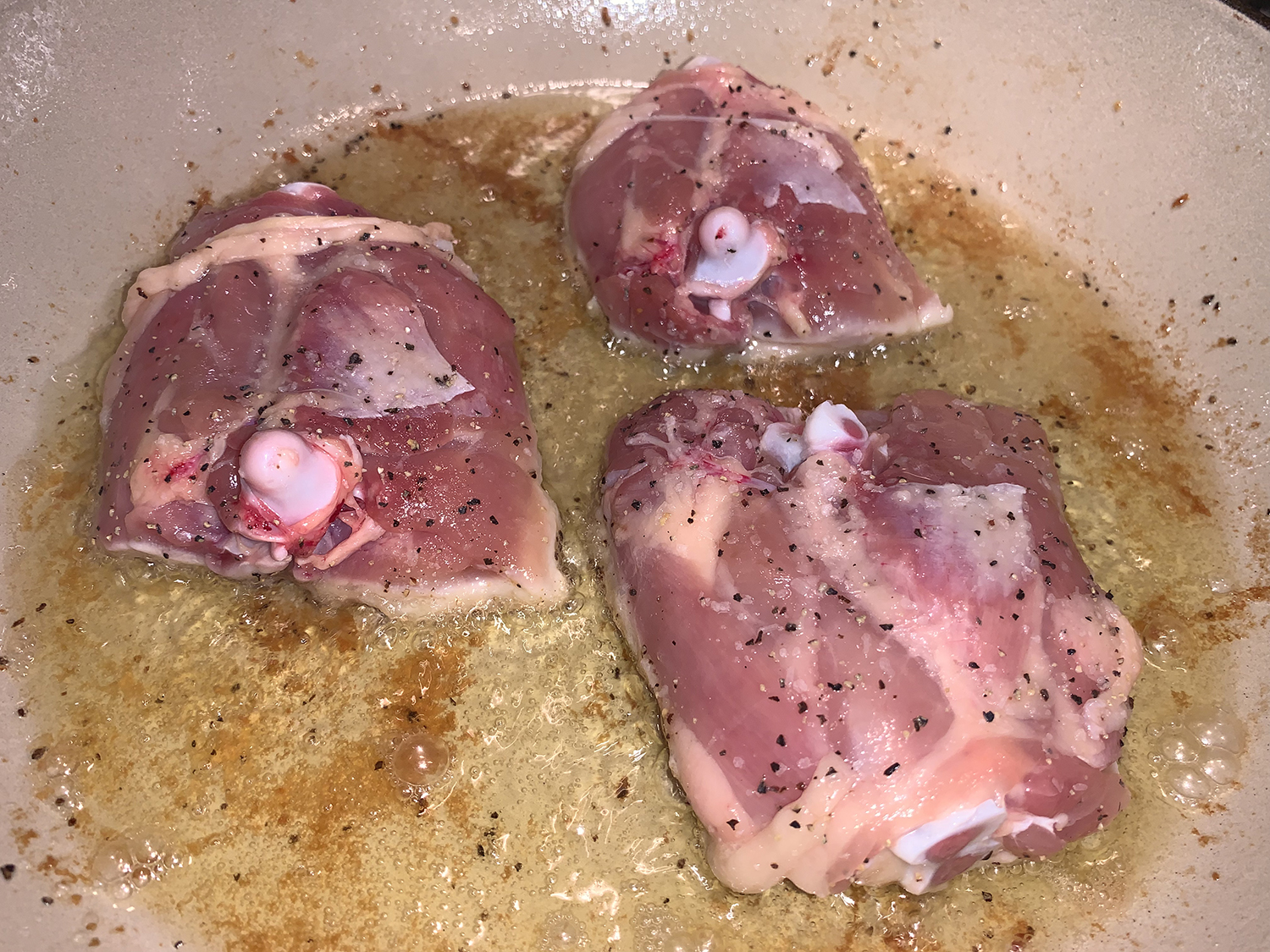
In an oven-safe 12-inch skillet over medium-high, heat the oil until shimmering. Add the chicken skin down and cook without disturbing until golden brown on the bottom, 5 to 8 minutes. Using tongs, transfer the chicken skin up to a large plate.
Pour off and discard all but 1 tablespoon fat from the skillet and set the pan over medium. Add the pancetta and onion, then cook, stirring occasionally, until the onion begins to brown, about 5 minutes.
Add the wine, bring to a simmer over medium-high and cook, scraping up any browned bits, until most of the liquid has evaporated, 2 to 3 minutes.
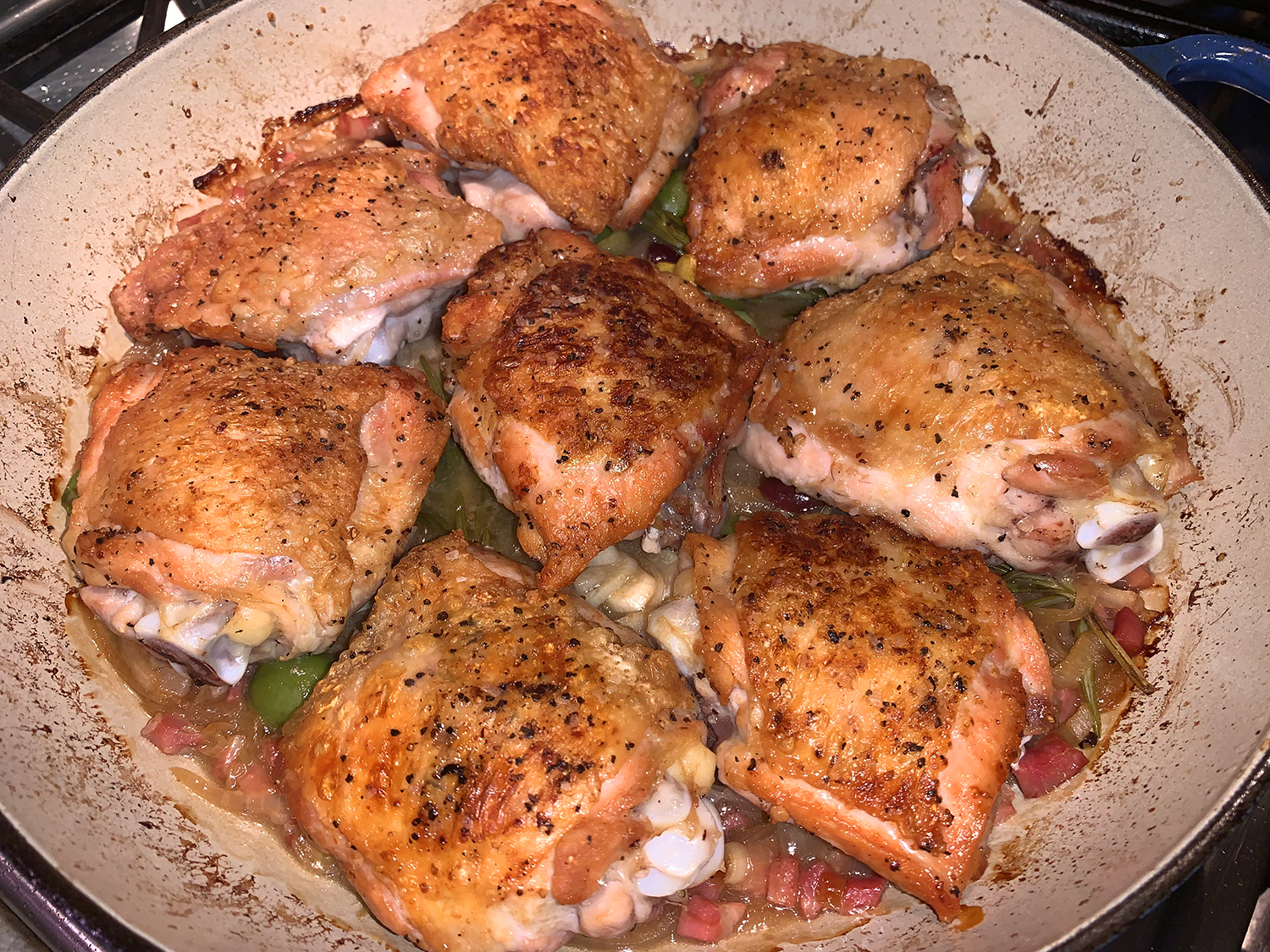
Stir in the garlic, rosemary, olives and lemon zest. Return the chicken skin up to the skillet and pour in the accumulated juices. Transfer to the oven and cook until the thickest part of the thigh reaches 175°F, 15 to 20 minutes.
Remove the skillet from the oven; the handle will be hot. Using tongs, transfer the chicken skin up to a serving platter, then remove and discard the rosemary and lemon zest. Bring the liquid in the pan to a simmer over medium-high and cook, stirring occasionally, until slightly thickened and reduced, 2 to 3 minutes.
Stir in the lemon juice and vinegar, then taste and season with salt and pepper. Spoon the sauce around the chicken.
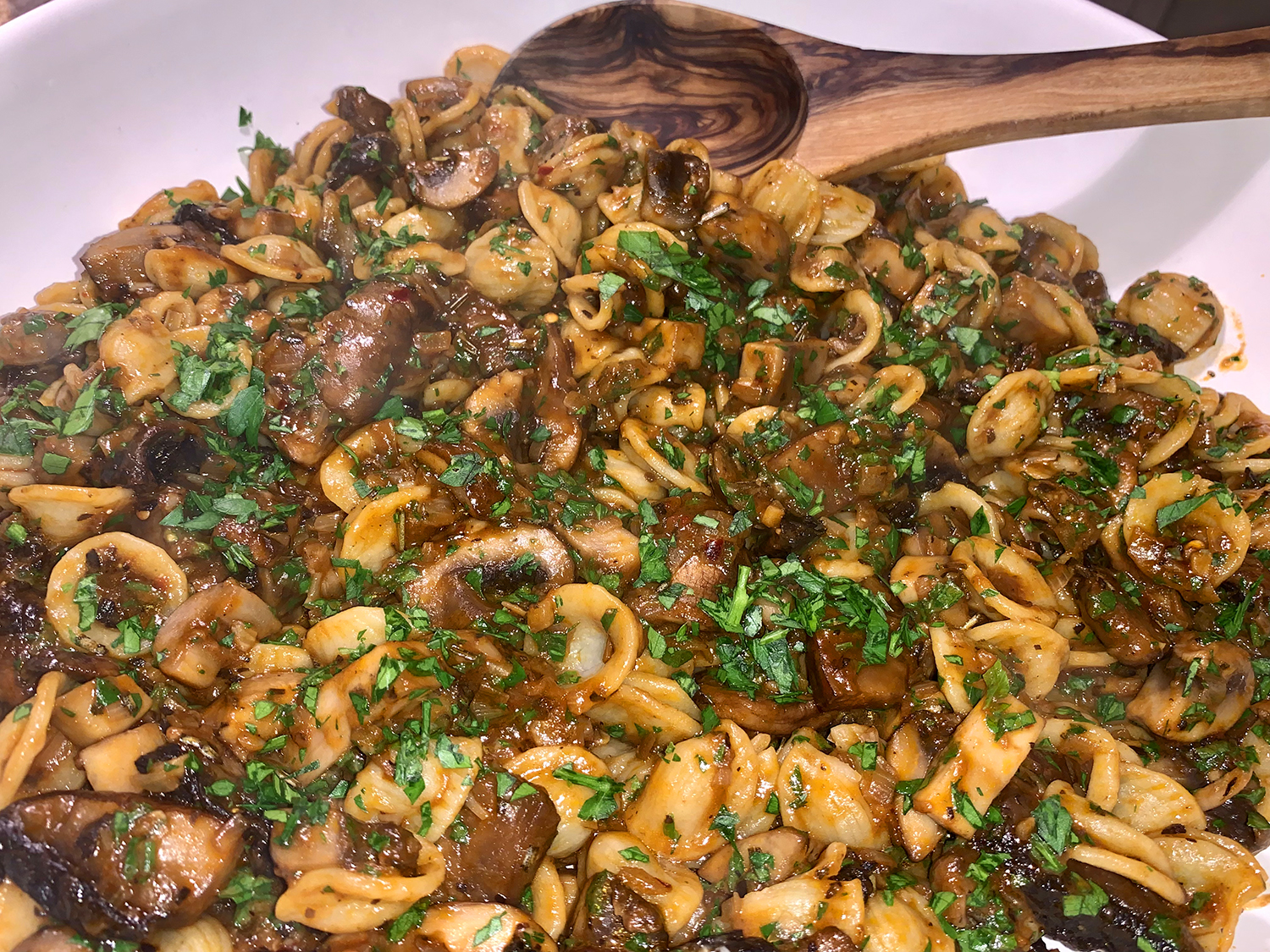
According to chef/author Suzy Karadheh, this is hands-down the BEST mushroom pasta recipe without cream. Rich and velvety with loads of mushrooms, garlic, shallots, a little parmesan, and a lighter silky-smooth sauce.
An easy recipe, it has two main components: the pasta and the mushroom sauce. Once you cook the pasta and sauté the mushrooms, everything will come together with a light sauce in one pan.
A typical pasta with mushrooms usually involves a heavy cream-based sauce that you would likely cook separately and then spoon over the pasta. Making a hearty garlic mushroom pasta without cream or too much butter is fairly simple. The science behind this is using a little of the starchy pasta water.
Walnuts were in the original list of ingredients, but you know how The Hubs detests those little nuggets, claiming they taste like soap. I personally love them, but to keep the peace they went by the wayside. And the dish didn’t seem to suffer without them!
8 oz. dry pasta, such as orecchiette, campanelle or farfalle
Kosher salt
⅓ cup extra virgin olive
1 Tbsp. butter
2 shallots, minced
5 garlic cloves, minced
8 oz. cremini mushrooms, sliced
8 oz. white mushrooms, sliced
8 oz. portabella mushrooms, roughly chopped
Black pepper
1 tsp. rosemary
3 Tbsp. of tomato paste
¼ cup dry red wine
½ cup of grated Parmigiano-Reggiano
½ cup packed parsley, chopped
Red pepper flakes to taste, optional
Directions
Cook the pasta to al dente in boiling salted water according to box instructions. Keep 1 cup of the pasta cooking water then drain the pasta.
In a large skillet, heat the olive and butter over medium-high heat, add the shallots and garlic and cook, tossing regularly for 2 to 3 minutes (manage the heat so that the garlic does not burn).
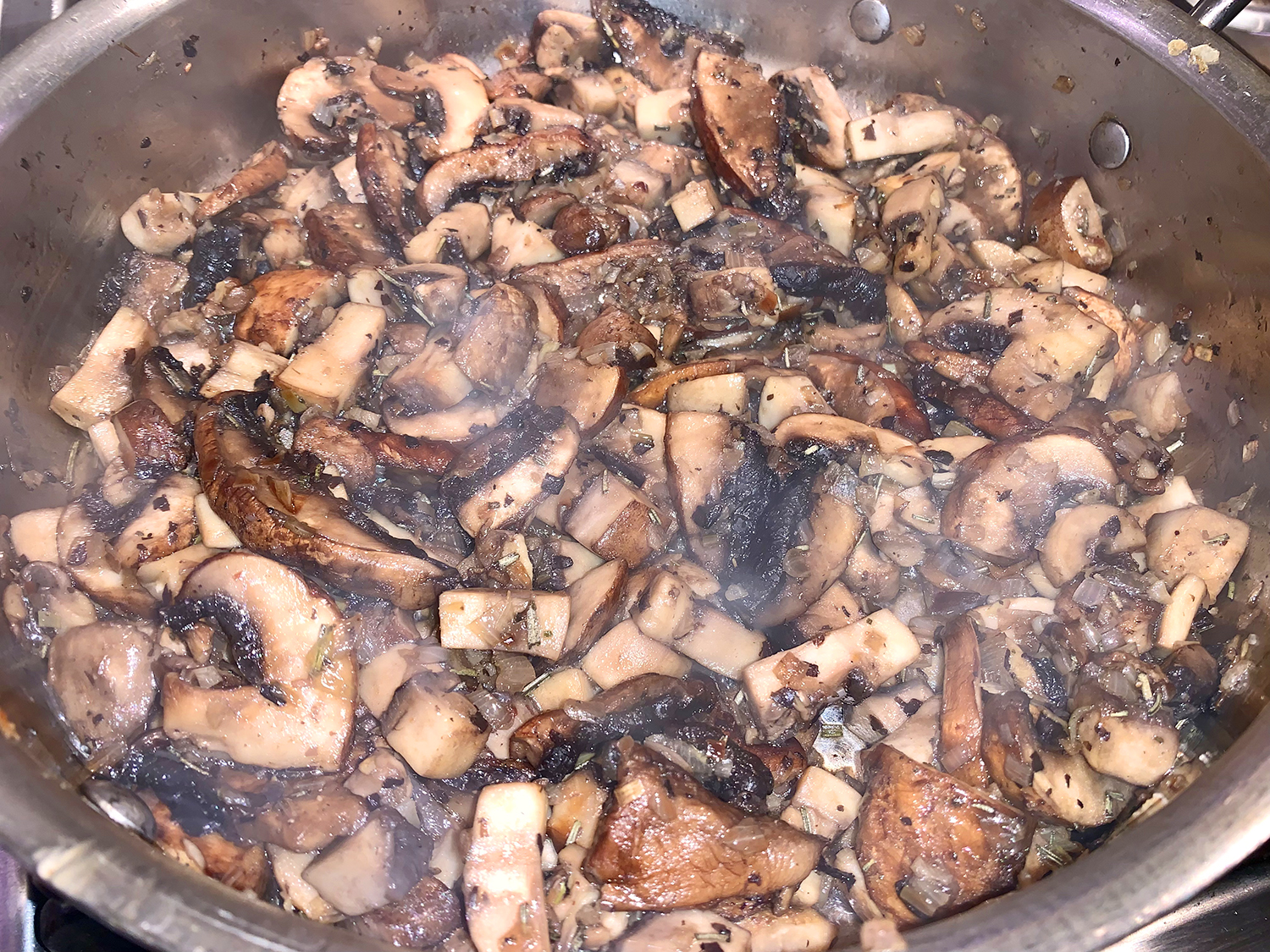
Add all the mushrooms and toss them around in the pan for a couple of minutes, adding another drizzle of extra virgin olive oil. Season with a good pinch of kosher salt, black pepper and the rosemary. Cook the mushrooms for about 7 to 10 minutes, tossing occasionally, until they turn color and release their juices.
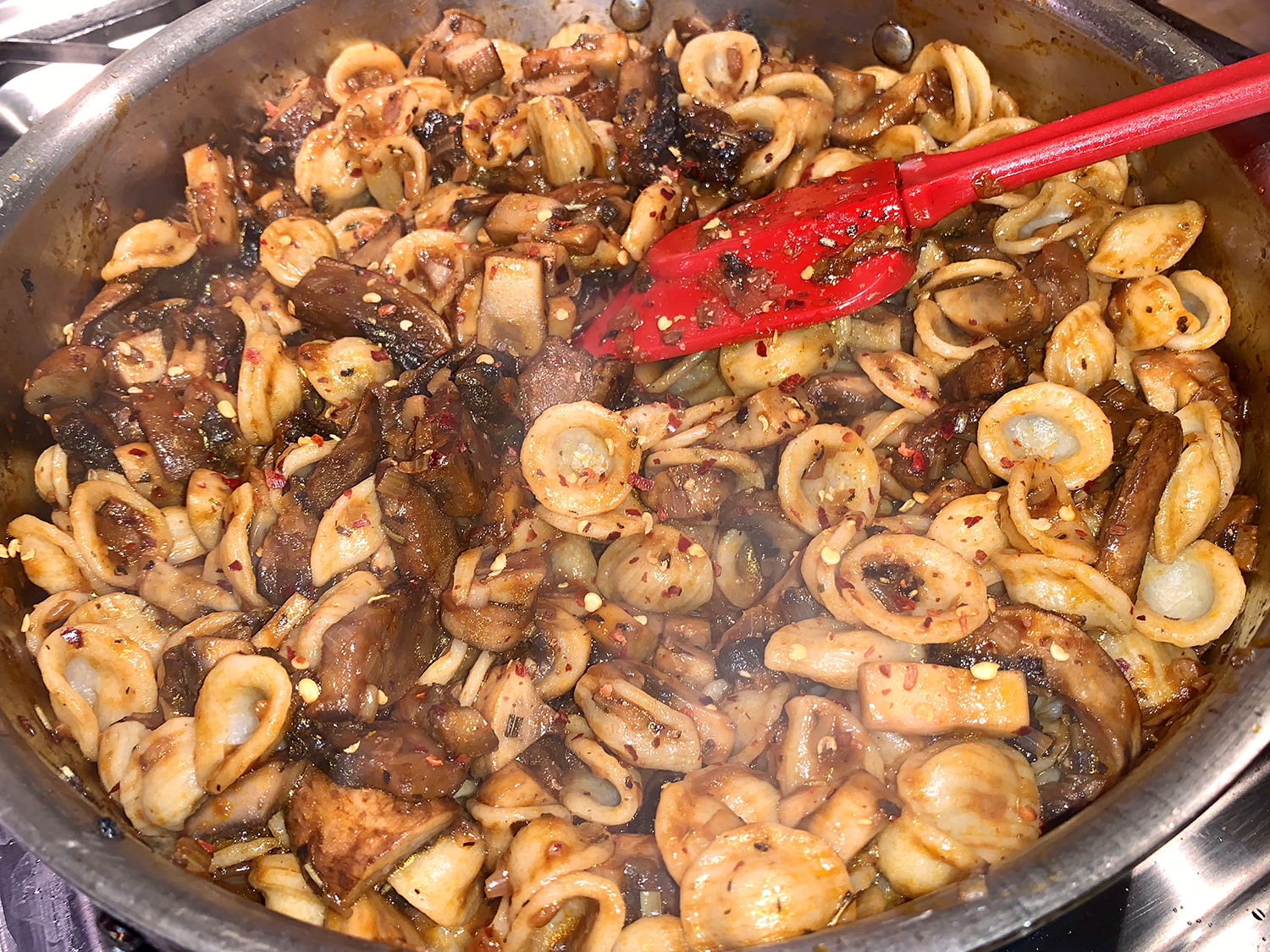
Add the tomato paste, wine and about ½ to ¾ cup of the pasta cooking water. Cook over medium heat for about 4 to 5 minutes (this becomes your mushroom pasta sauce).
Add the cooked pasta to the mushroom sauce. Toss to combine. If needed add a little bit more of the pasta cooking water.
Stir in Parmesan cheese and finish with a sprinkle of parsley and red pepper flakes. Serve immediately.
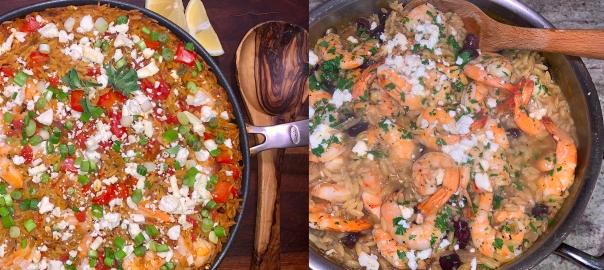
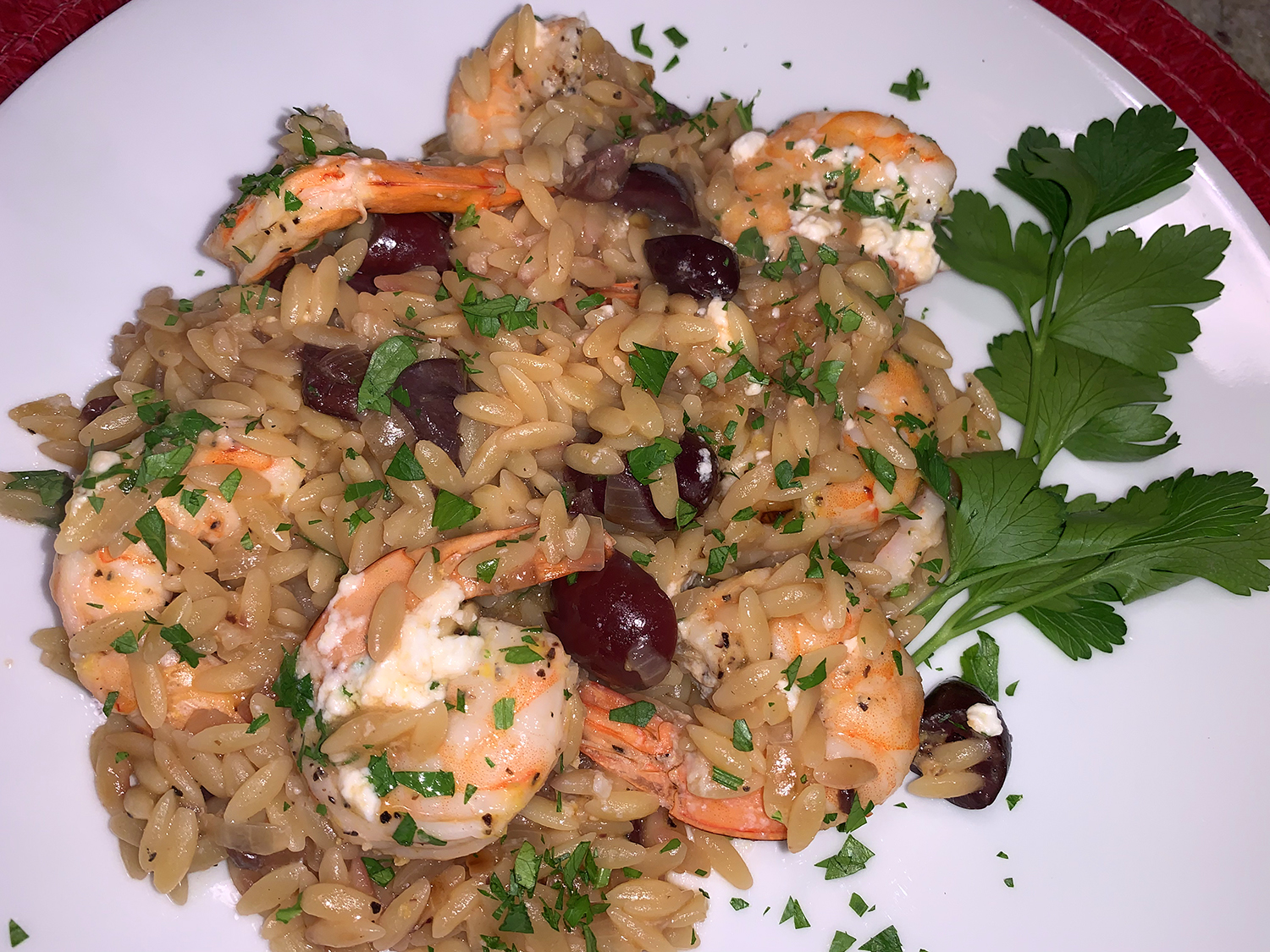
Does a Mediterranean diet appeal to you? Then these two recipes might be worth a try. The first from Cook’s Country, Orzo with Shrimp, Feta and Lemon dish will grab your attention. Cooking the orzo pilaf-style gives it extra flavor and allows you to control the slightly creamy consistency.
To keep this meatless, use seafood/shellfish stock as opposed to chicken broth. Also, if the broth you use is on the bland side, use 4 cups of the stock and omit the water. If, like our homemade shellfish stock, it is intense, dilute it with two cups of water.
Adjust the amounts of olives and feta to suit your own preferences. One version of the recipe indicated only a half cup of Kalamatas and only 2 ounces of feta, while the list below indicates double of each.
Because we cooked our meal in a 10-inch-wide nonstick pan, the shrimp took an extra two minutes to become opaque. Keep that in mind if using less than a 12-inch skillet.
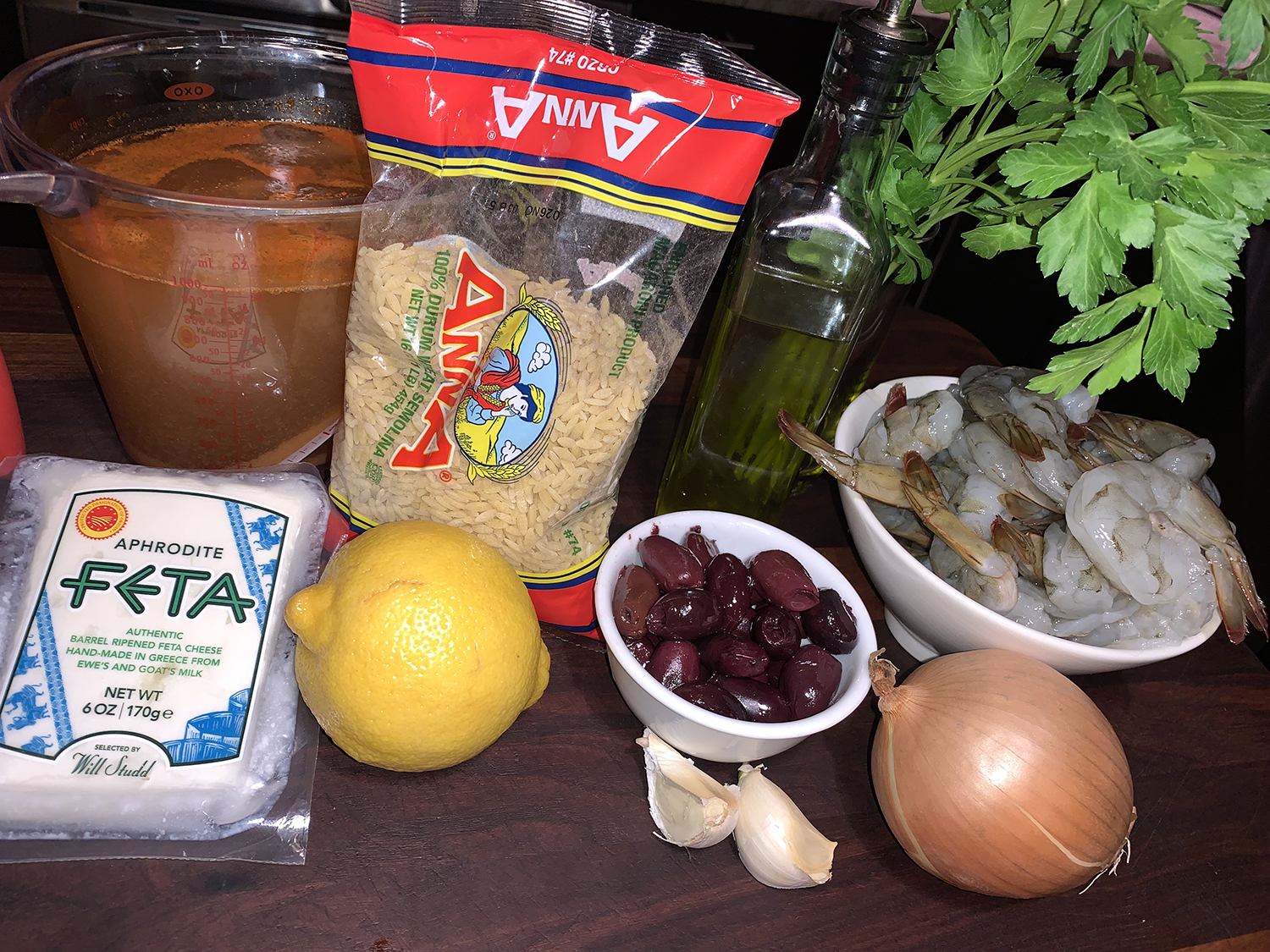
1 ½ lbs. extra-large shrimp (21 to 25 per pound), peeled and deveined
2 Tbsp. extra-virgin olive oil, plus extra for drizzling
1 onion, chopped fine
2 garlic cloves, minced
2 cups orzo
2 cups seafood (or chicken) broth
2 cups water
1 cup pitted Kalamata olives, chopped coarse
4 oz. feta cheese, crumbled (1 cup)
Fresh parsley, for garnish
Directions
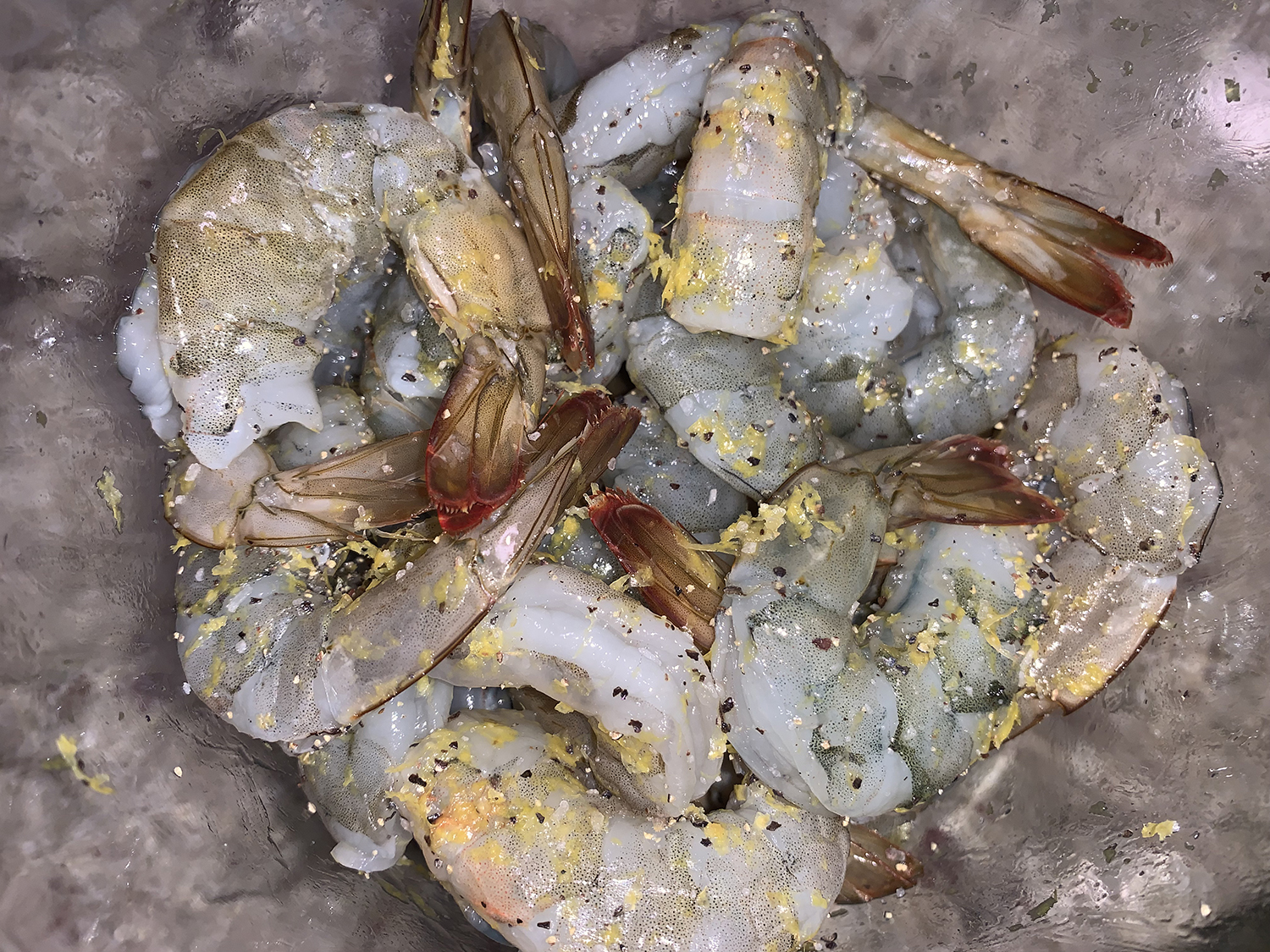
Mix lemon zest, 1/2 teaspoon salt, and 1/2 teaspoon pepper together. Pat shrimp dry with paper towels and toss with lemon-salt mixture to coat; set aside.
Heat 1 tablespoon oil in 12-inch nonstick skillet over medium-high heat until just smoking. Add onion and cook until softened, about 4 minutes.
Stir in garlic and cook until fragrant, about 30 seconds.
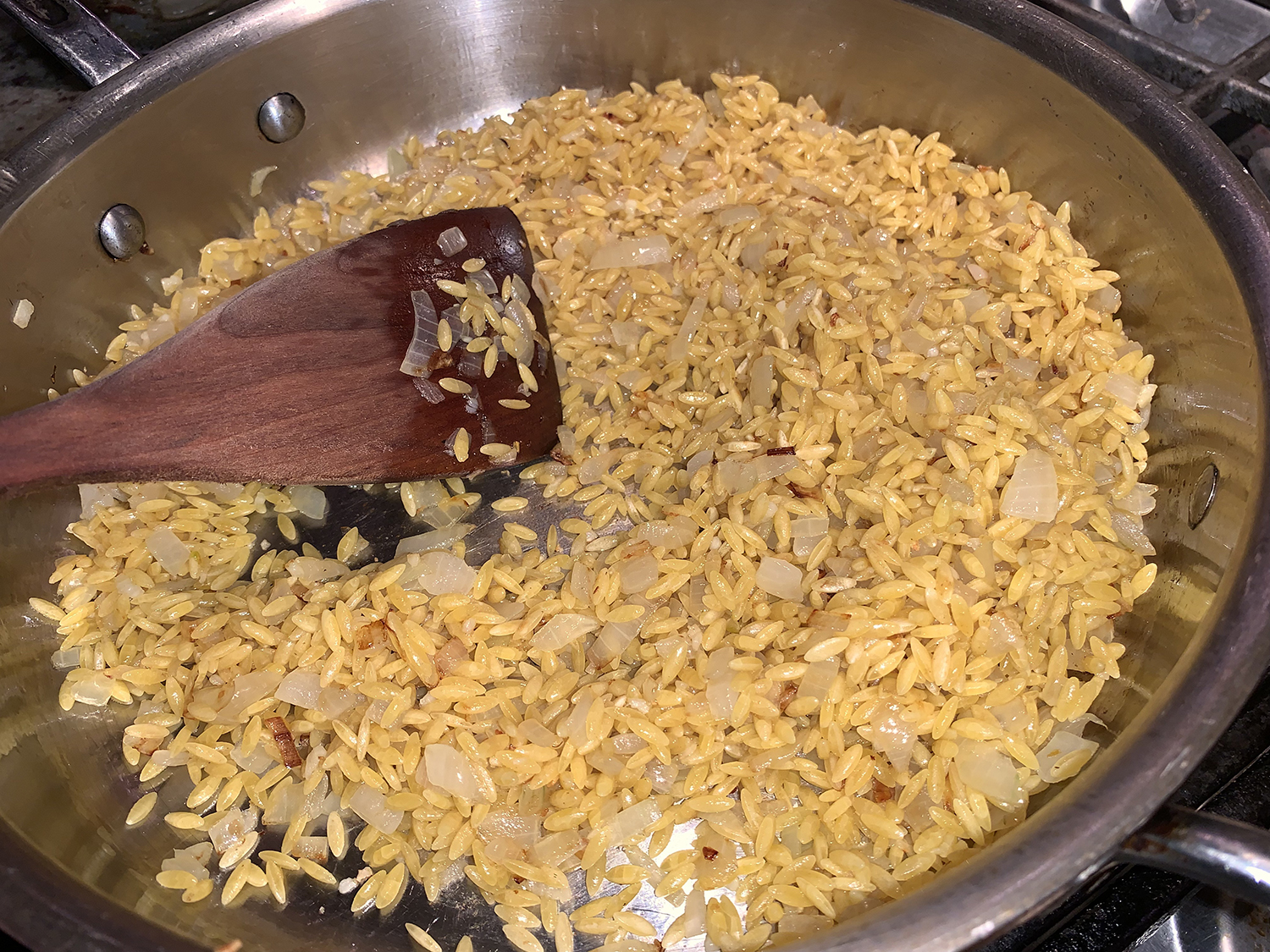
Stir in orzo and cook, stirring frequently, until orzo is coated with oil and lightly browned, about 4 minutes.
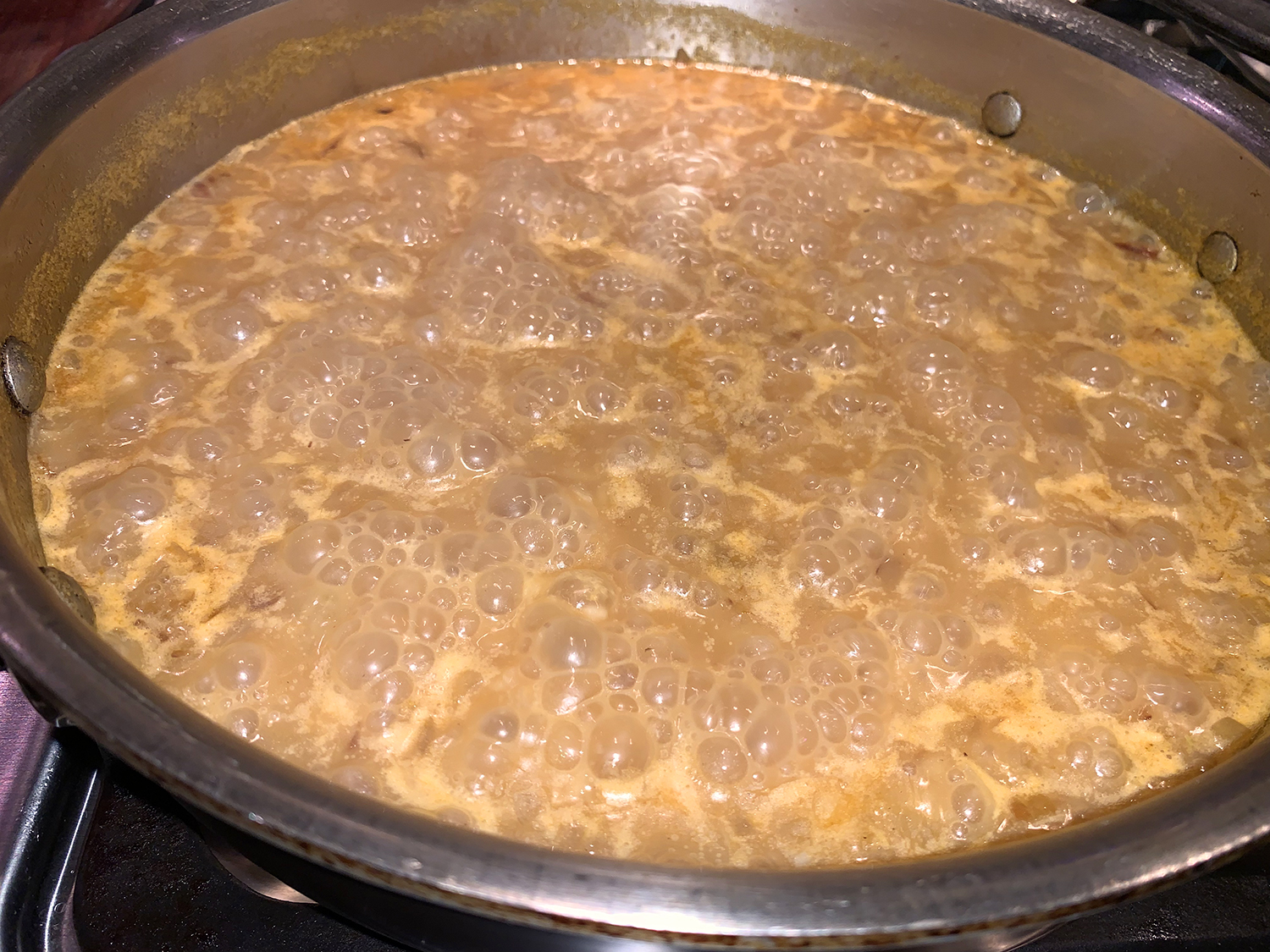
Add broth and water, bring to boil, and cook, uncovered, until orzo is al dente, about 6 minutes.
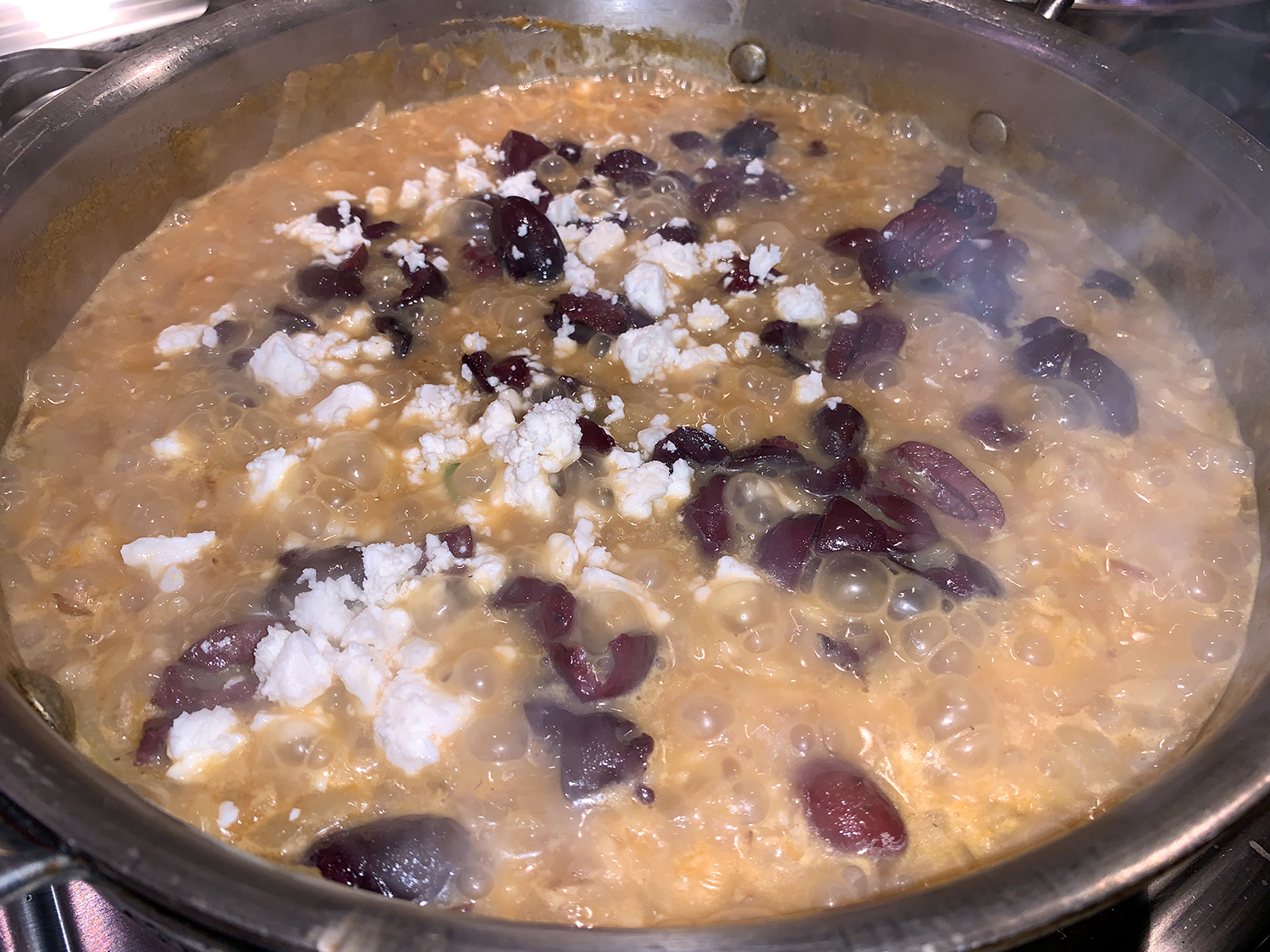
Stir in olives, 1/2 cup feta, and lemon juice. Season with salt and pepper to taste.
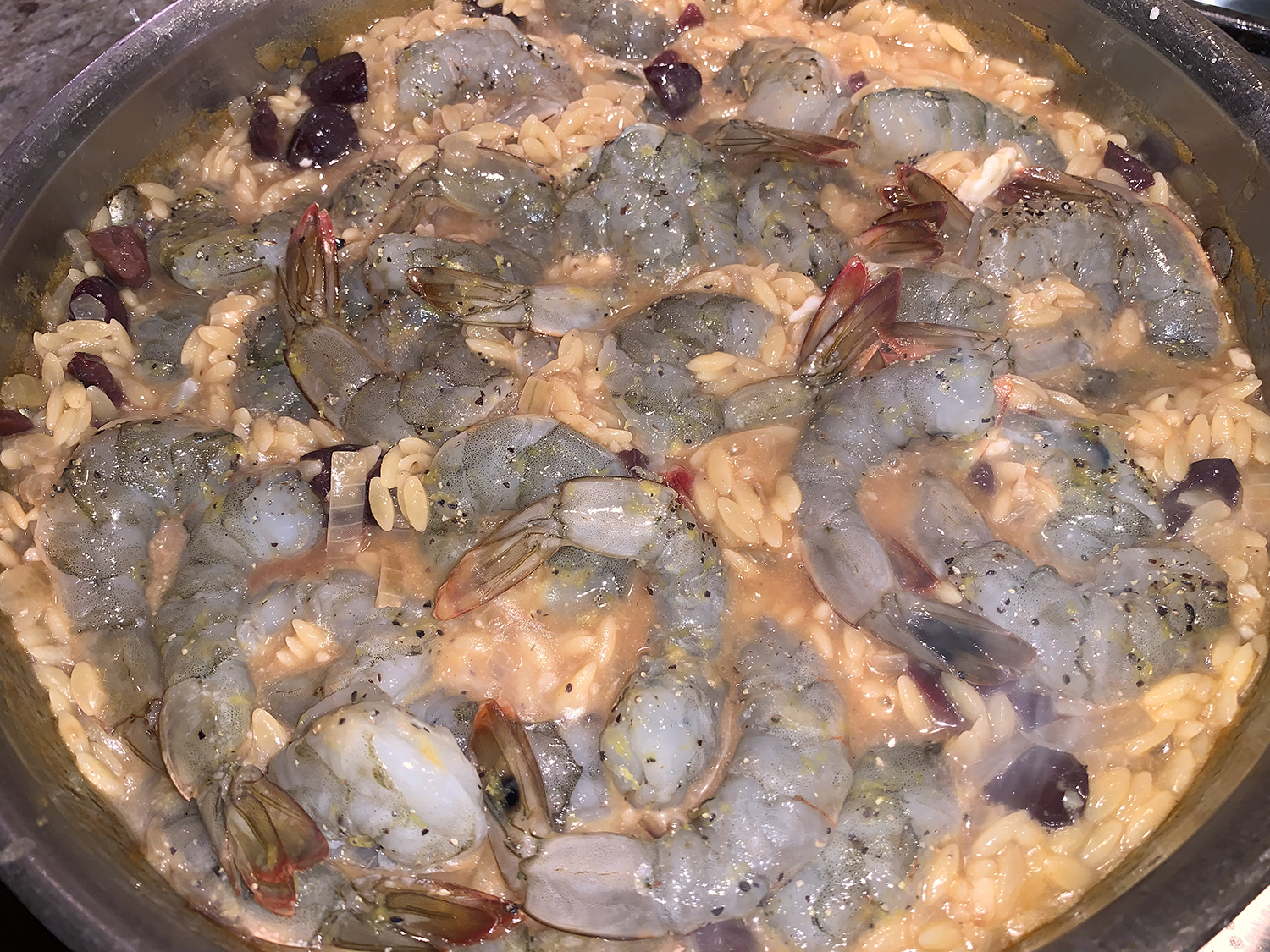
Reduce heat to medium-low, nestle shrimp into orzo, cover, and cook until shrimp are pink and cooked through, about 5 minutes.
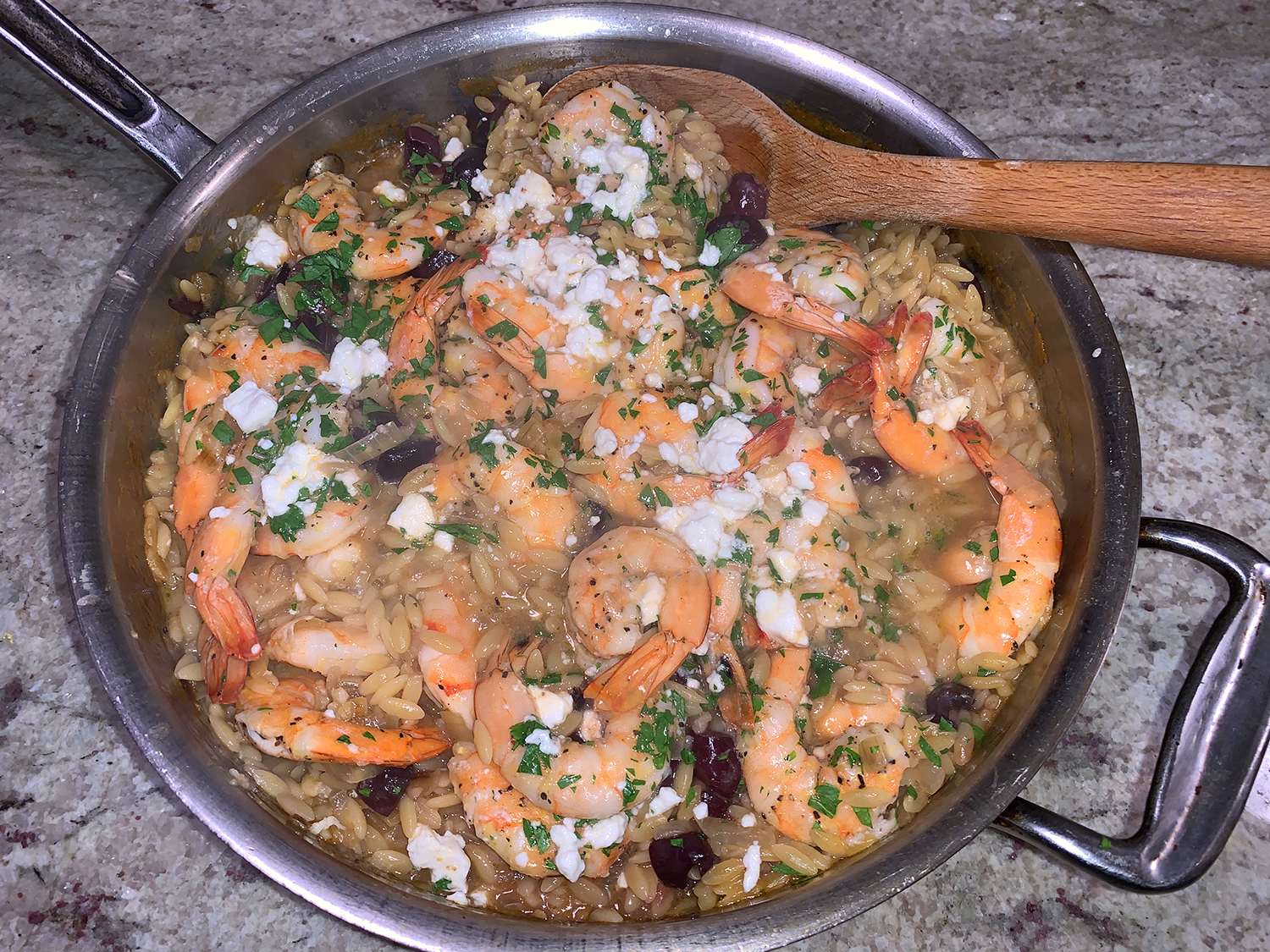
Sprinkle remaining 1/2 cup feta over top and drizzle with extra oil. Serve.
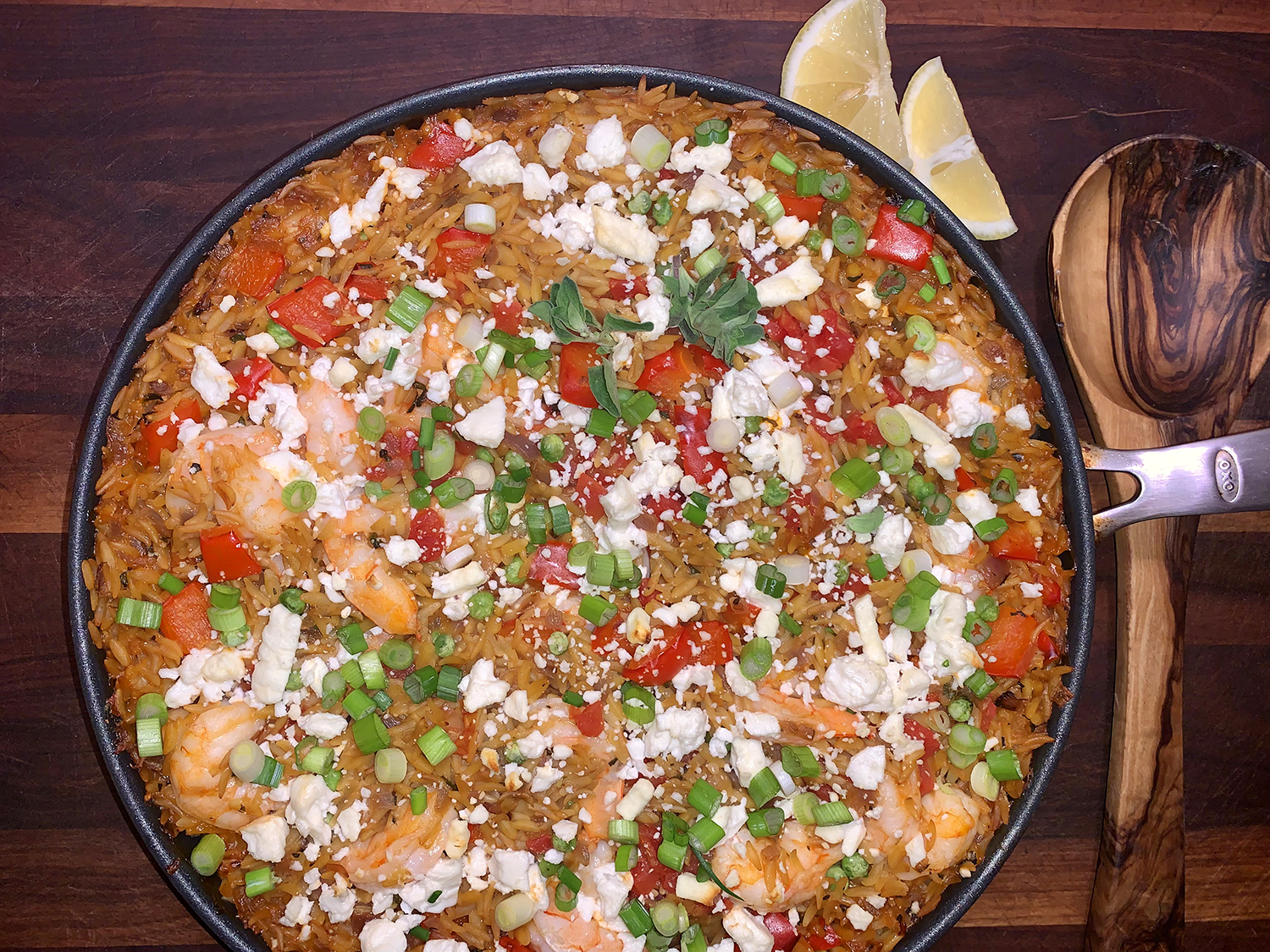
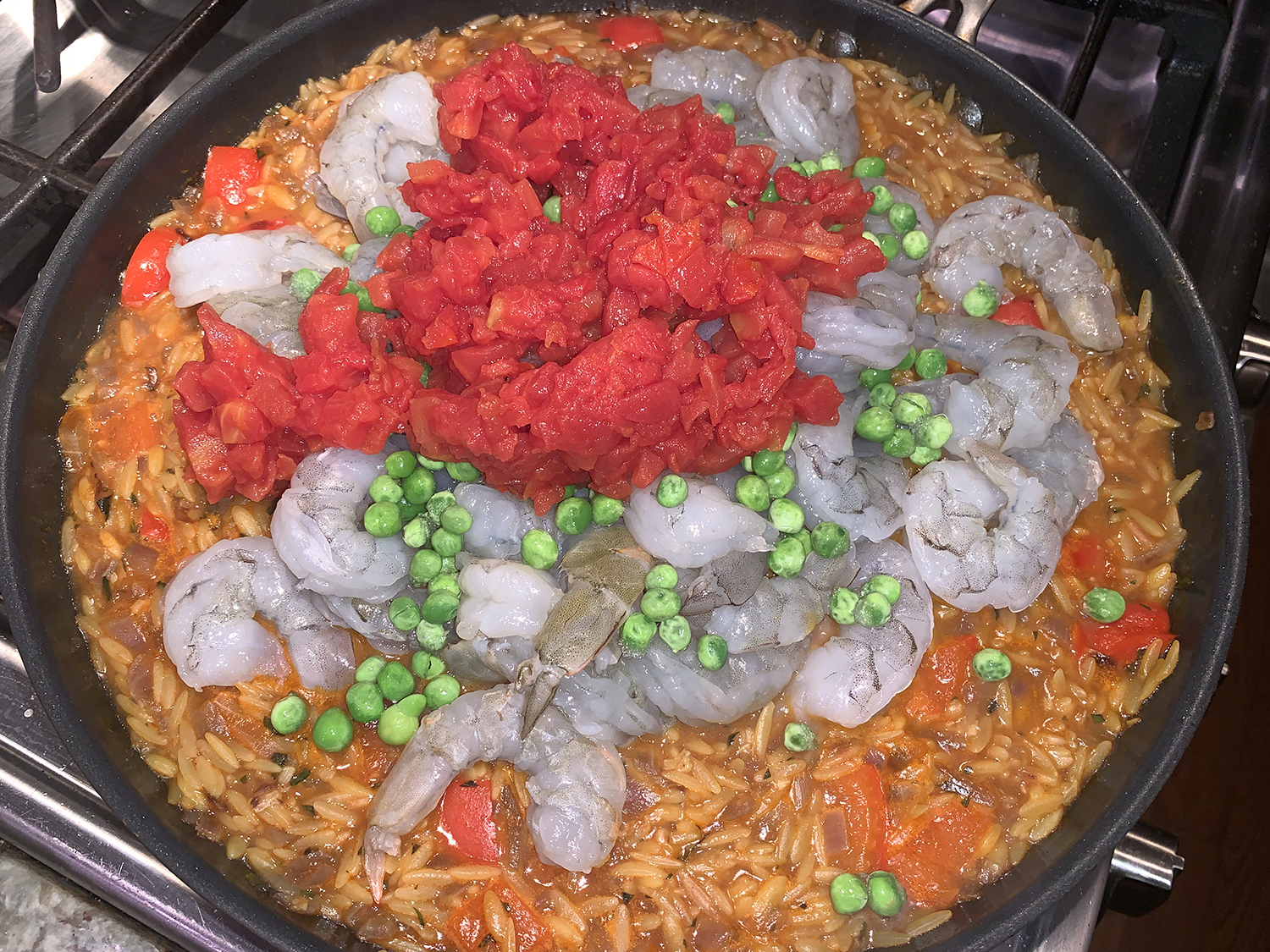
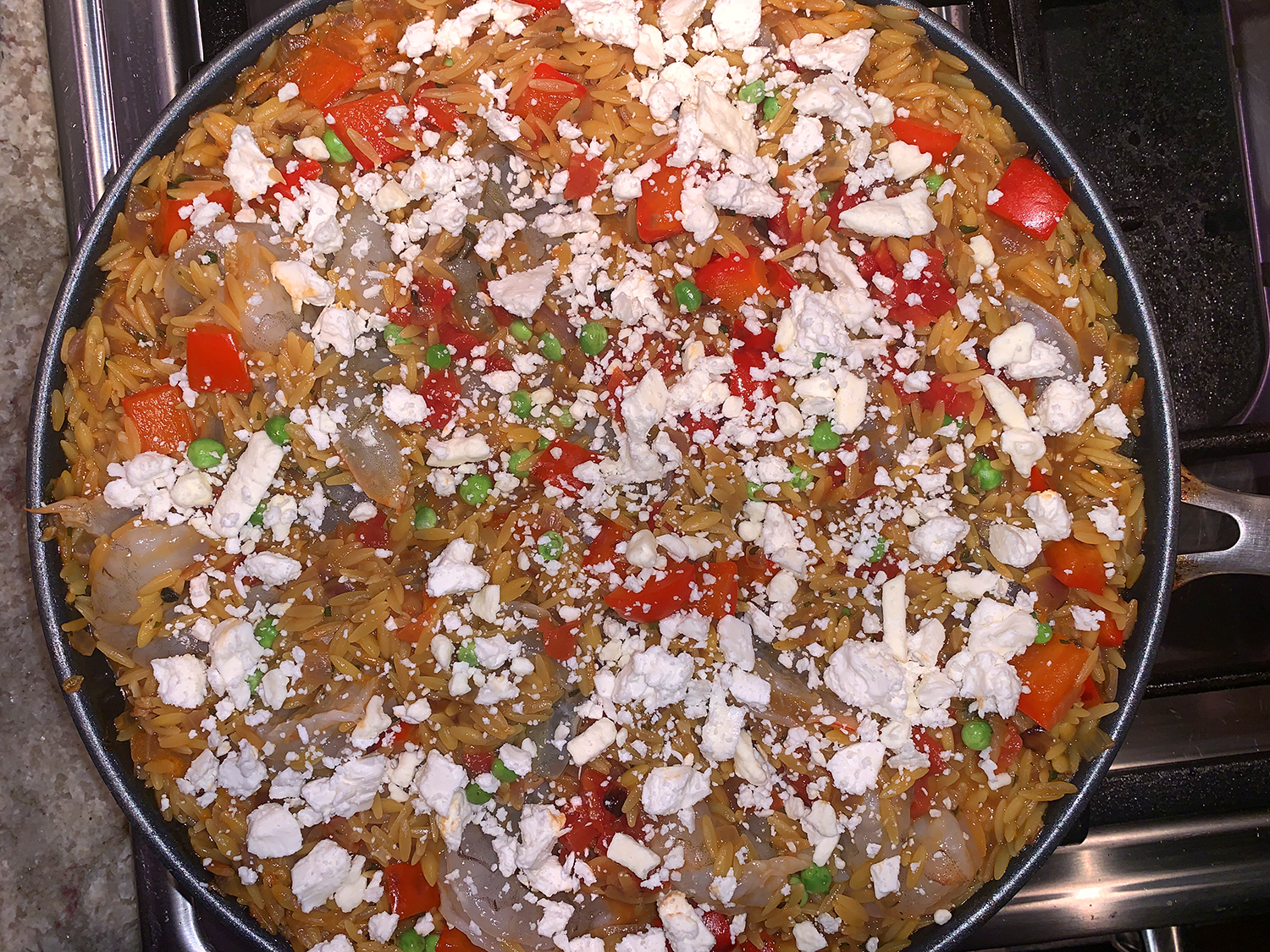
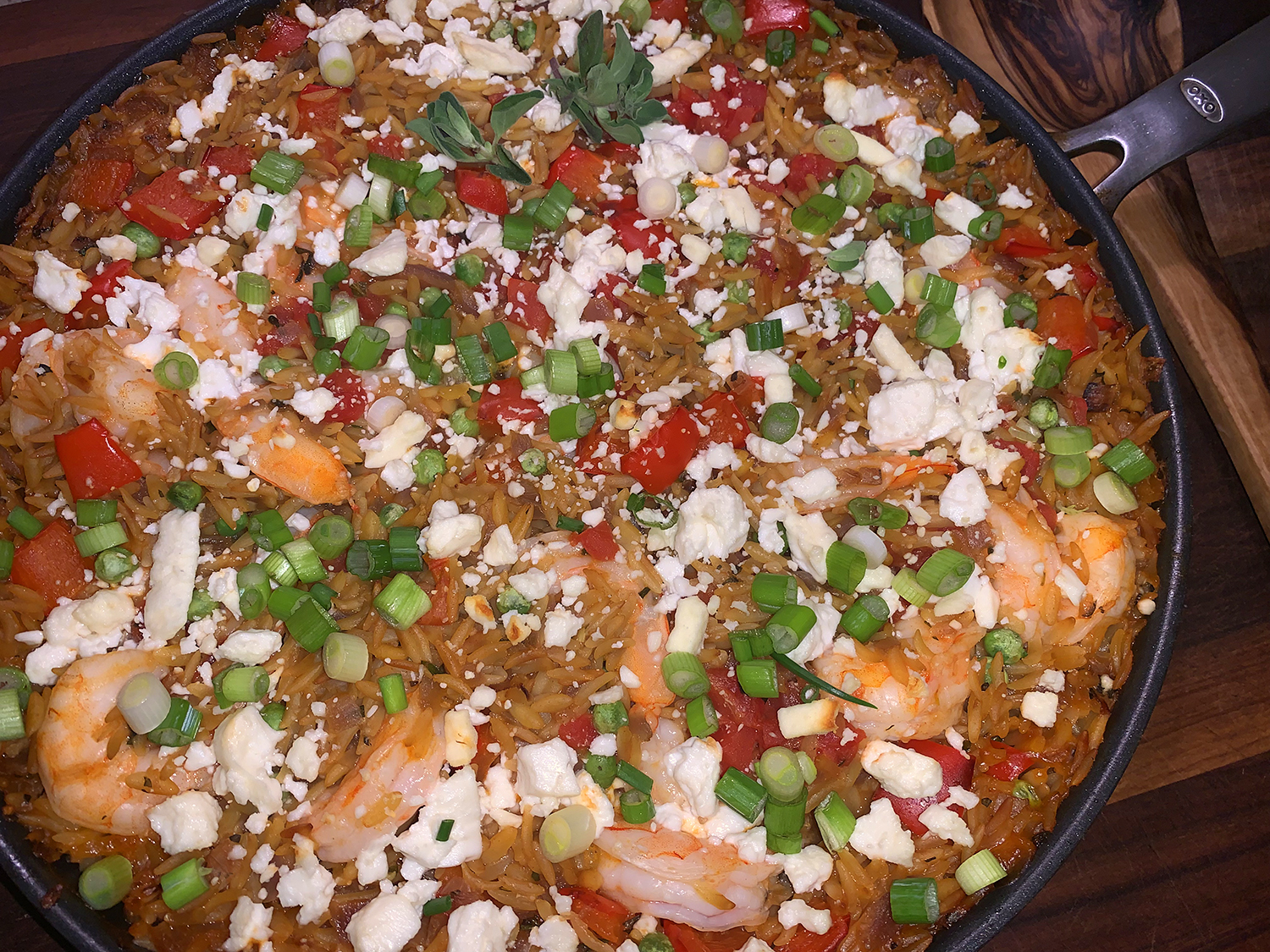
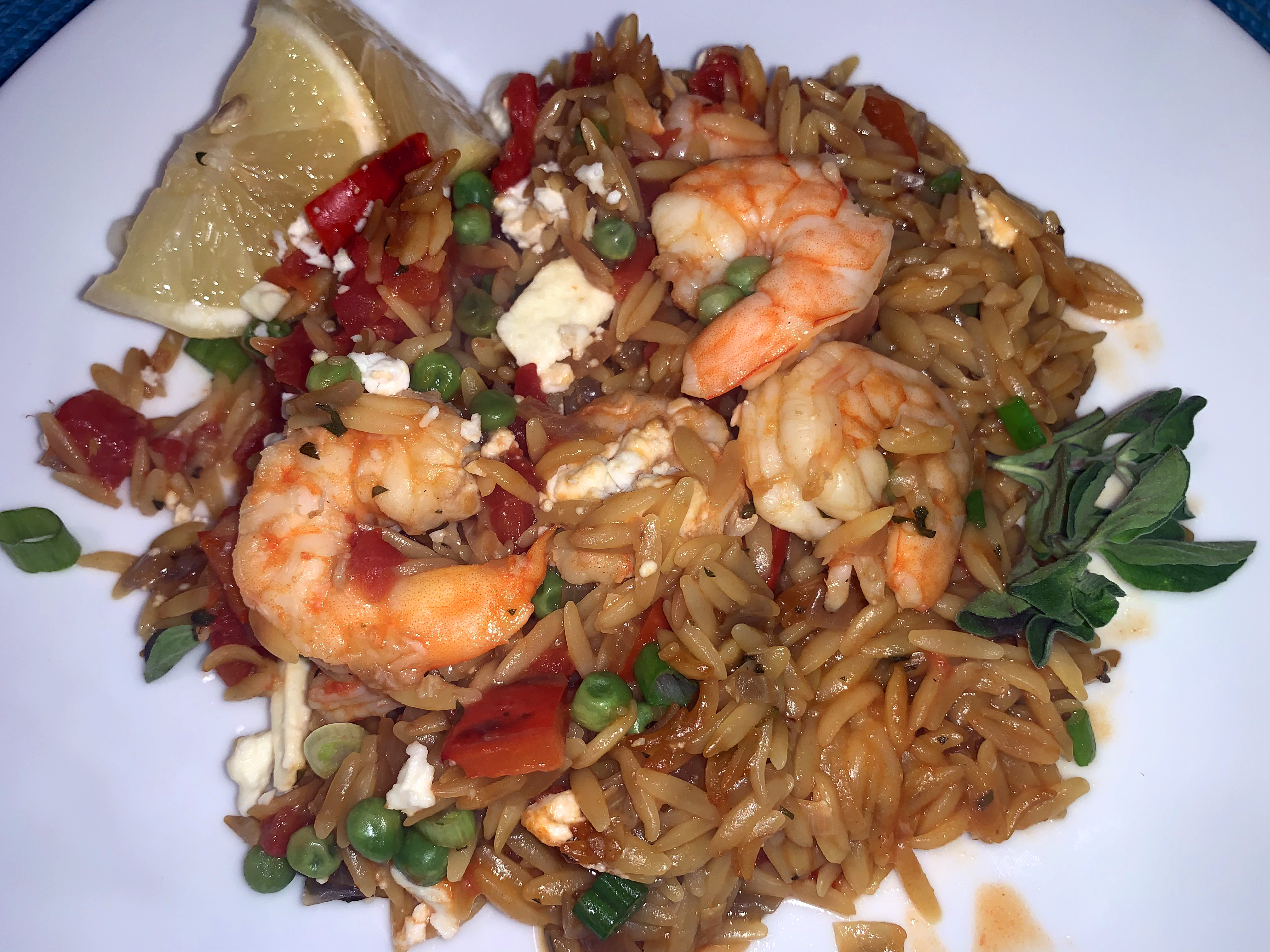
The second recipe, Baked Shrimp and Orzo with Feta and Tomatoes, is another Mediterranean-inspired shrimp dish similar to the Orzo with Shrimp, Feta and Lemon above, however this version gets started on the cooktop and then baked in the oven. It only calls for 1 pound of shrimp but we had 1 1⁄2 pounds and decided to use it all. The 12-inch skillet was brimming full. Our other change was incorporating homemade shellfish stock for the chicken broth.
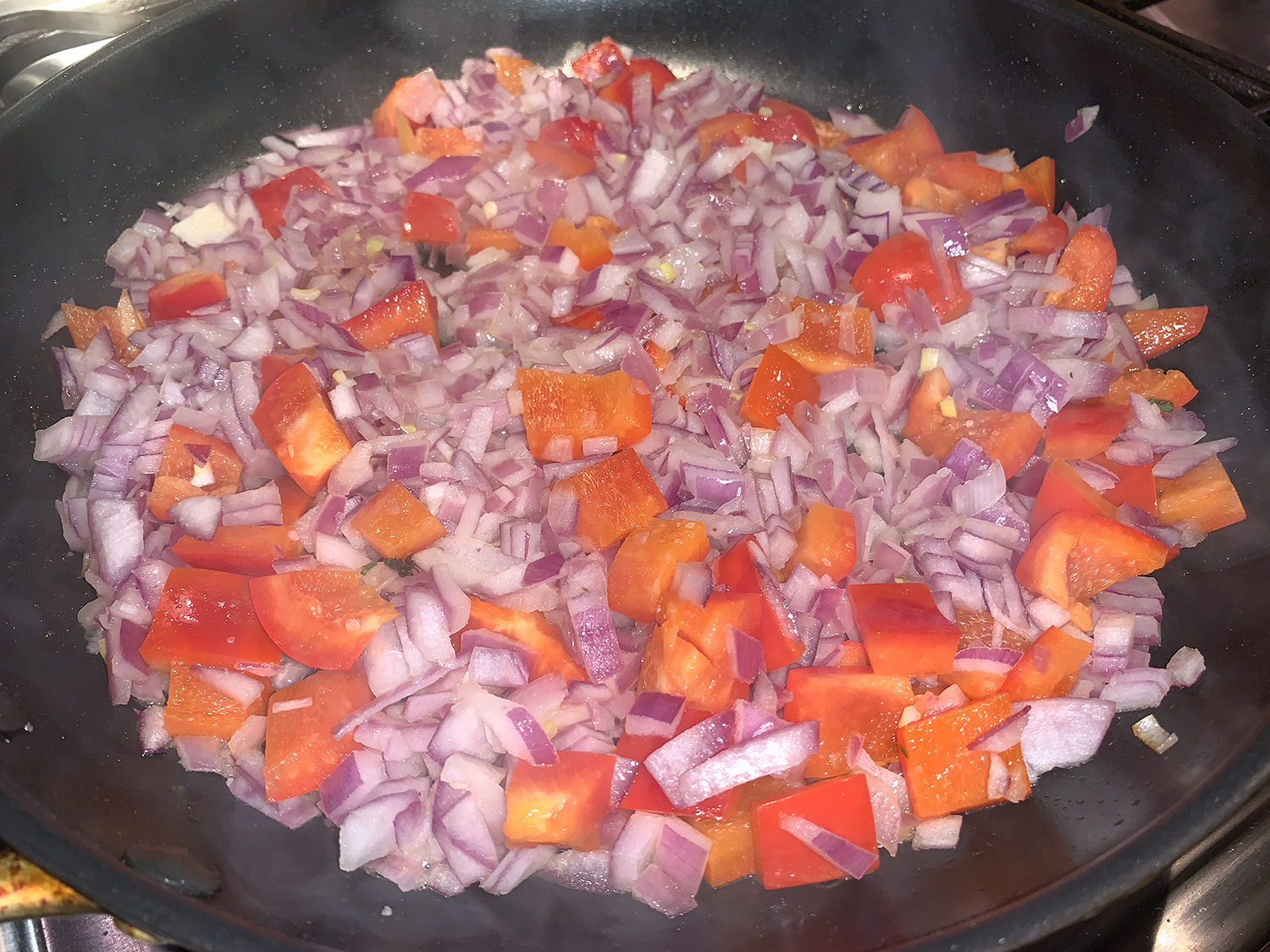
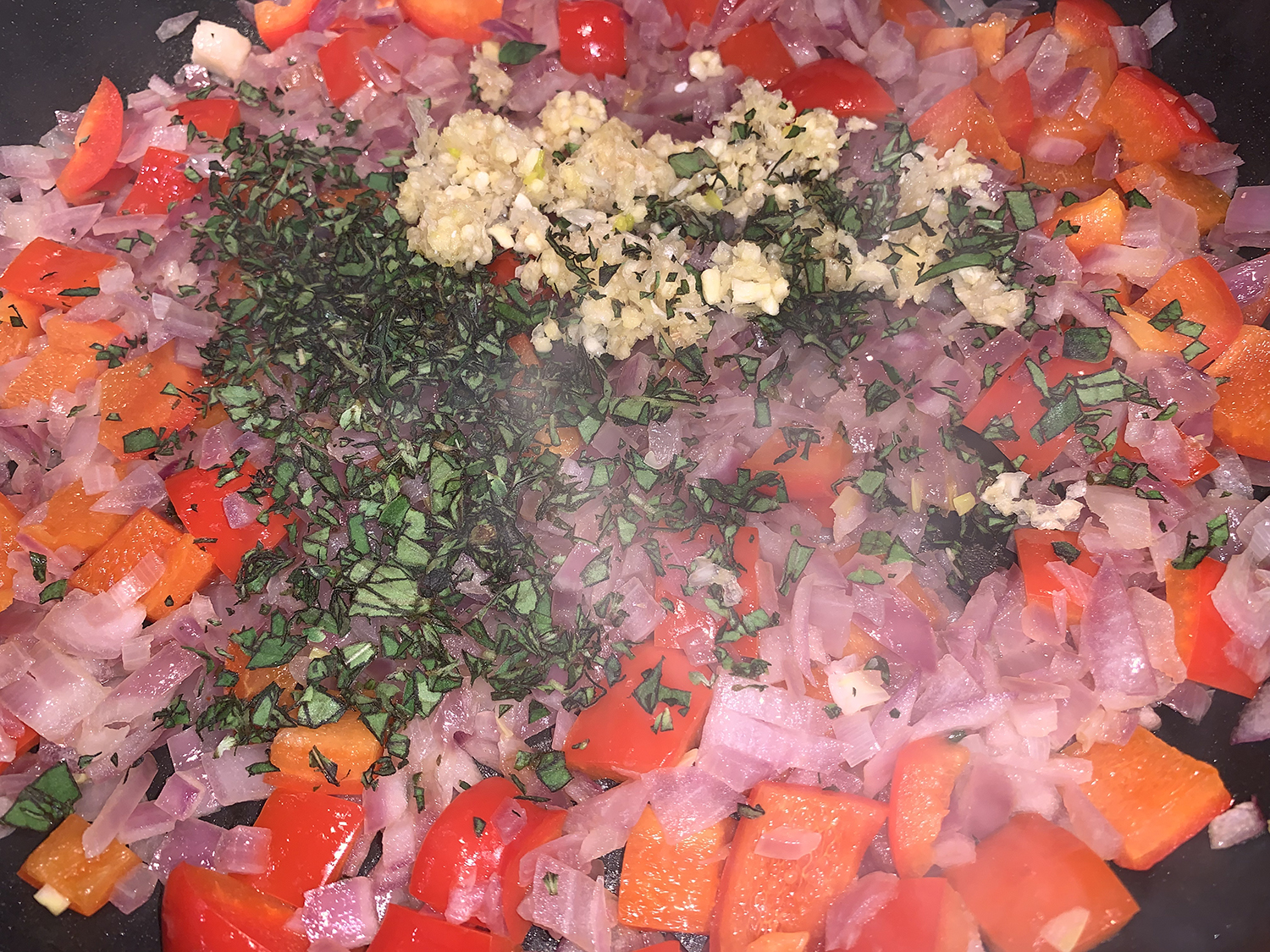
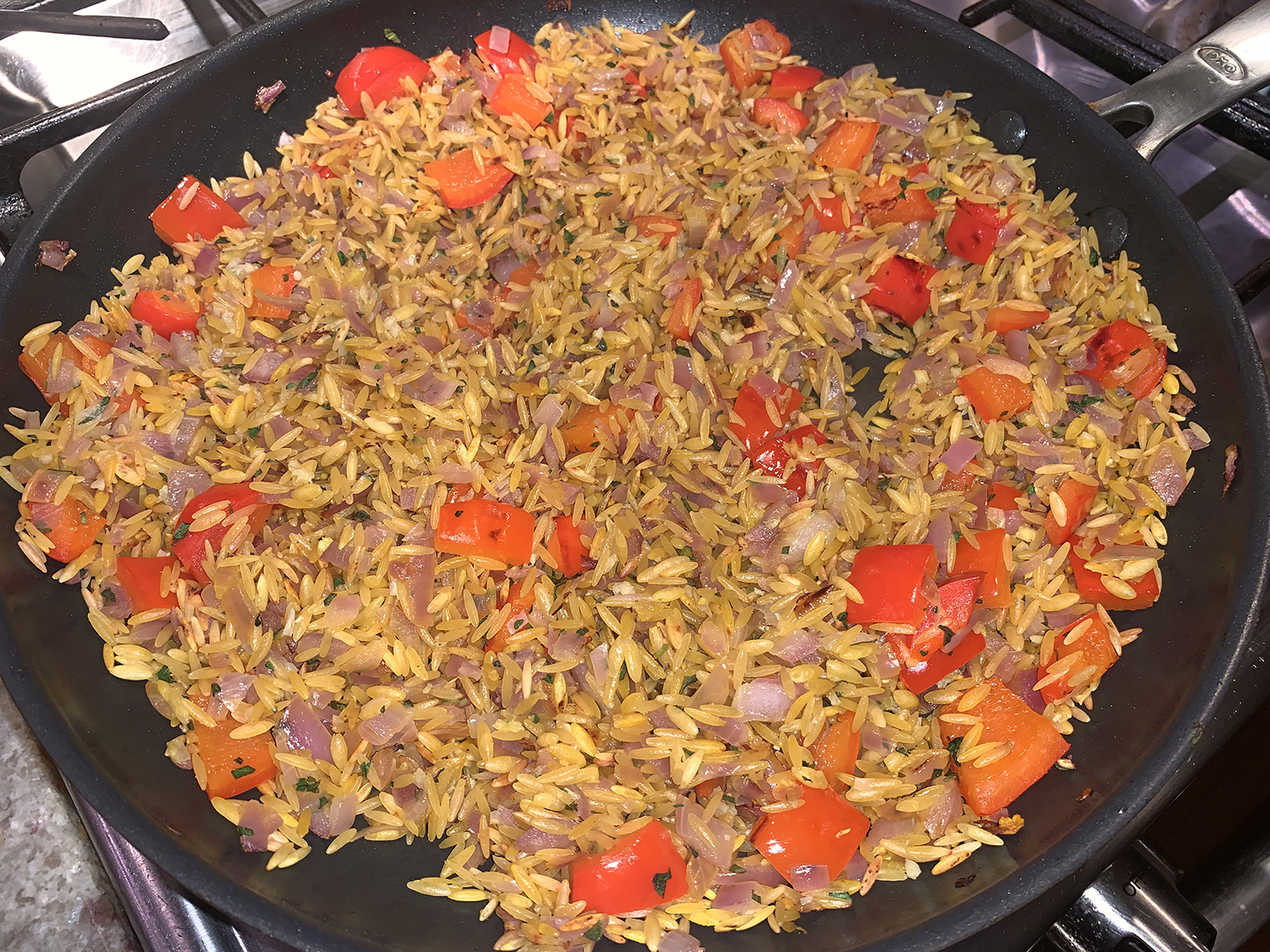
To build in plenty of Mediterranean flavor, start by sautéing chopped onion and red bell pepper, to soften them before adding in minced garlic and oregano. To guarantee perfectly cooked shrimp and pasta, sauté the orzo in the aromatics to unlock its toasty notes. The crumbled saffron threads, though not traditional, introduce a sunny hue and warm, complex flavor.
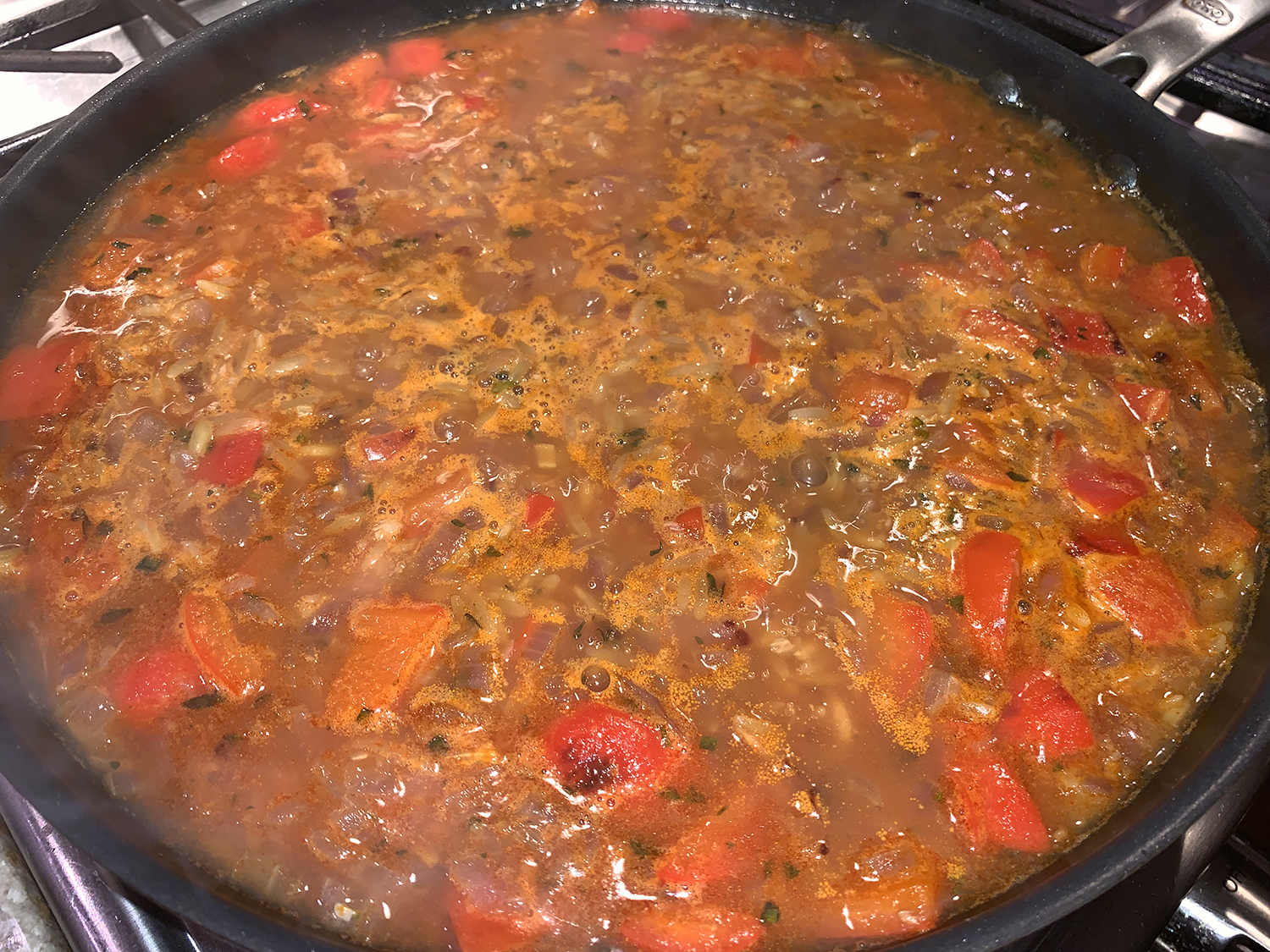
Chicken (or shellfish) broth and the drained juice from a can of diced tomatoes are then stirred in; as the orzo cooks to al dente, its releases starch (similar to a risotto) creating a sauce with a subtly creamy texture. To prevent the shrimp from overcooking, stir them right into the orzo, along with the reserved tomatoes and frozen peas, and transfer the skillet to the oven to cook through gently. A sprinkling of feta before baking reinforces the dish’s Greek flavors and promises an appealing browned, cheesy crust.
Make sure that the orzo is al dente, or slightly firm to the bite; otherwise it may overcook in the oven. If using smaller or larger shrimp, the cooking times may vary accordingly. You can leave the shrimp tails on, if desired. The small amount of saffron makes a big difference to the flavor and look of the dish, so be sure to include it. You will need a 12-inch oven-safe nonstick skillet for this recipe.
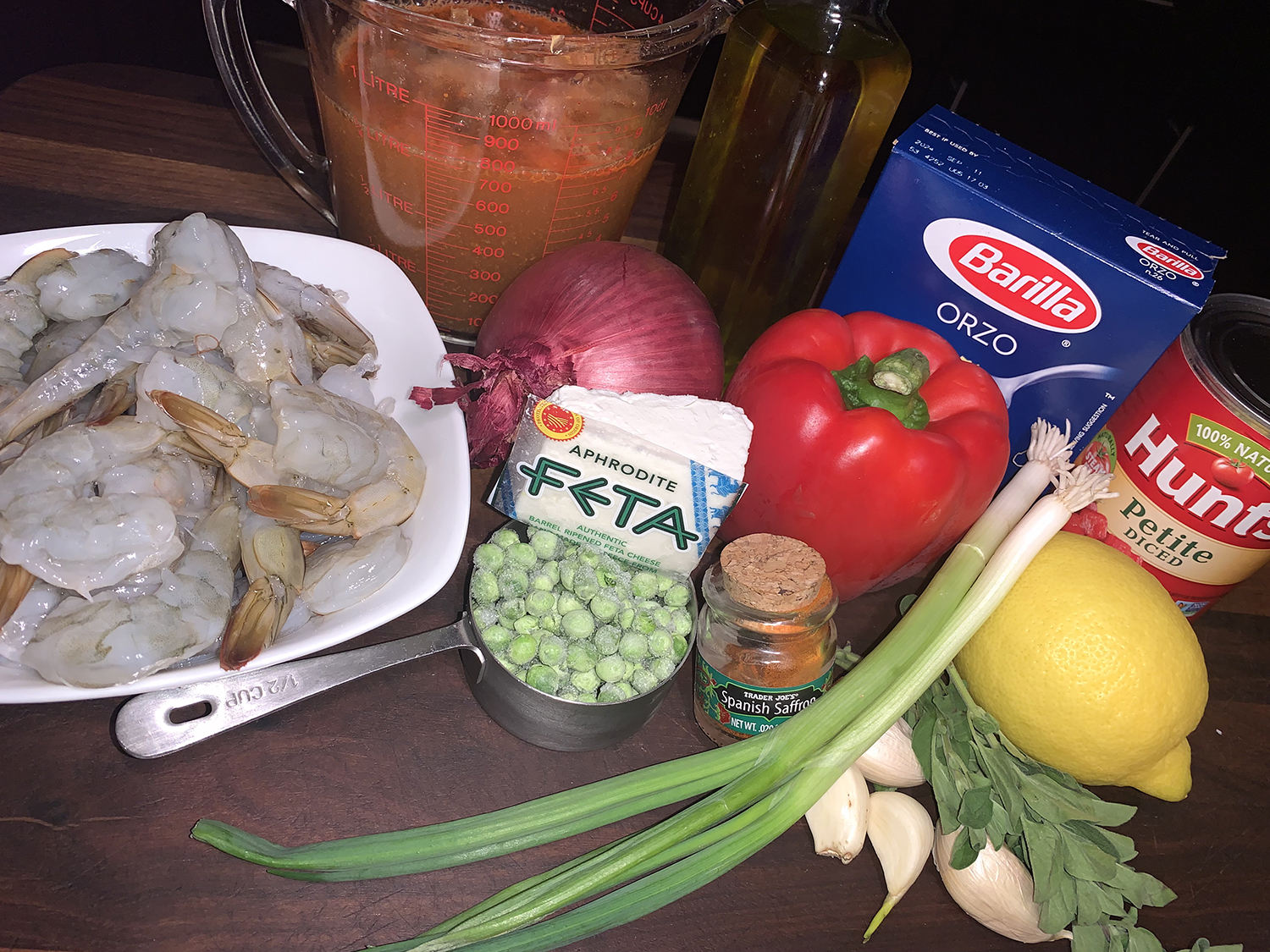
1 lb. extra-large shrimp (21 to 25 per pound), peeled, deveined, and tails removed
Salt and pepper
1 Tbsp. extra-virgin olive oil
1 red onion, chopped fine
1 red bell pepper, stemmed, seeded, and cut into ½-inch pieces
4 garlic cloves, minced
2 tsp. minced fresh oregano or ½ teaspoon dried
2 cups (12 oz.) orzo
Pinch saffron threads, crumbled
3 cups chicken or shellfish broth
1 (14.5-oz.) can diced tomatoes, drained with juice reserved
½ cup frozen peas
3 oz. feta cheese, crumbled (¾ cup)
2 scallions, sliced thin
Lemon wedges
Directions
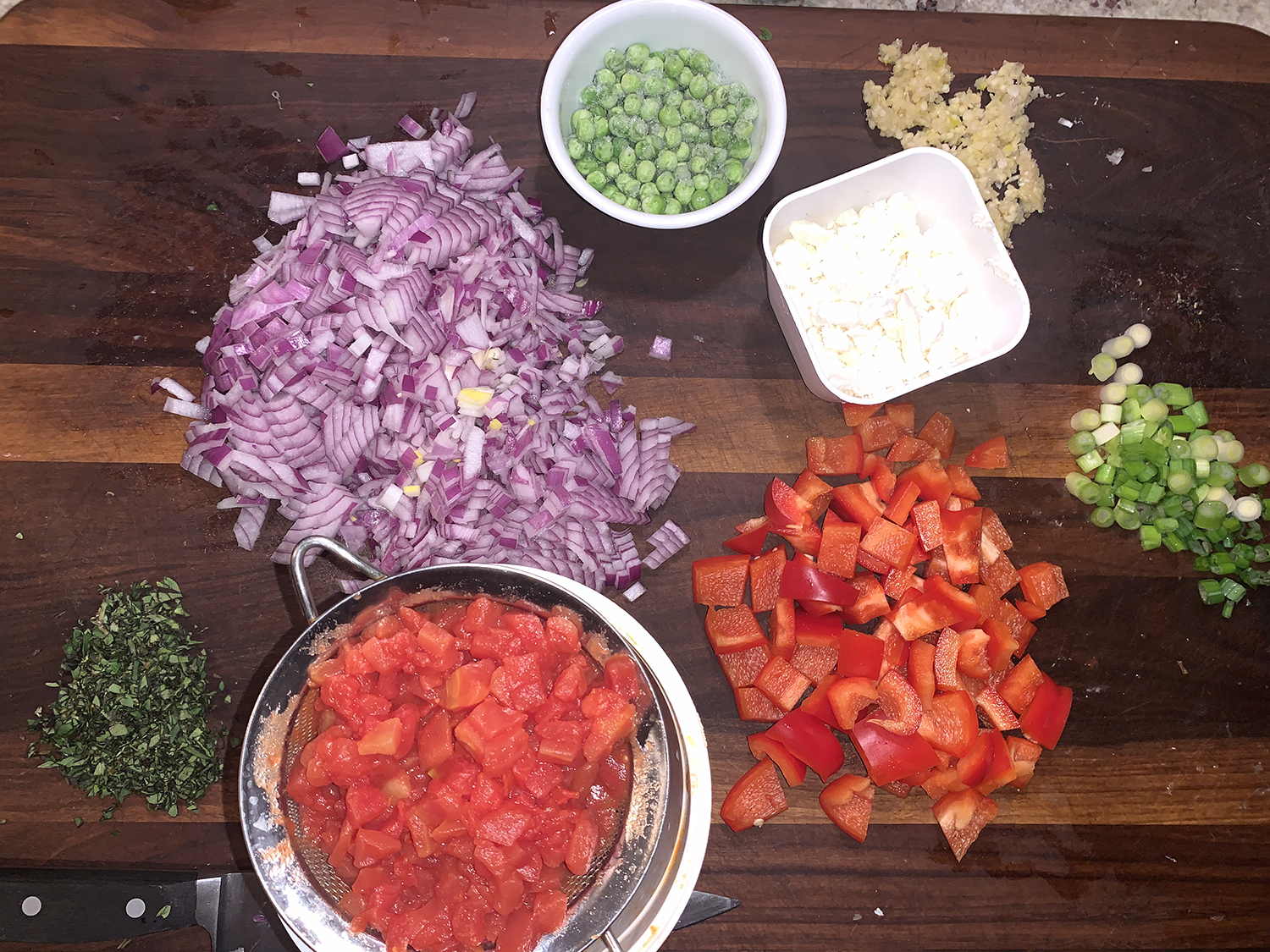
Adjust oven rack to middle position and heat oven to 375 degrees. Pat shrimp dry with paper towels and season with salt and pepper; cover and refrigerate until needed.
Heat oil in 12-inch oven-safe nonstick skillet over medium heat until shimmering. Add onion and bell pepper and cook until vegetables are softened, 5 to 7 minutes. Stir in garlic and oregano and cook until fragrant, about 30 seconds. Stir in orzo and saffron and cook, stirring often, until orzo is lightly browned, about 4 minutes.
Stir in broth and reserved tomato juice, bring to simmer, and cook, stirring occasionally, until orzo is al dente, 10 to 12 minutes.
Stir in shrimp, tomatoes, and peas, then sprinkle feta evenly over top. Transfer skillet to oven and bake until shrimp are cooked through and feta is lightly browned, about 20 minutes.
Remove skillet from oven (skillet handle will be hot). Sprinkle scallions over top and serve with lemon wedges.
Can’t get much simpler than this. Few ingredients, three steps, main dish done. Achieving deeply browned, juicy bone-in pork chops starts with choosing the right chop: Use 1½-inch-thick rib chops, which are thick enough to build up a browned exterior before cooking through.
Start the chops in a cold (not preheated) nonstick skillet (we used our well-seasoned carbon steel skillet) over high heat and flip them every 2 minutes so that the meat’s temperature increases gradually, allowing a crust to build up on the outside without overcooking the interior. Starting the chops in a cold pan helps the meat heat up slowly and evenly, and using a nonstick pan means that no oil is necessary.
If you have time, salt the chops for at least 1 hour or up to 24 hours before cooking: Sprinkle each chop with 1½ teaspoons of Diamond Crystal Kosher Salt (if using Morton, which is denser, use only 1⅛ teaspoons), refrigerate them, and pat them dry with paper towels before cooking. If the pork is enhanced (injected with a salt solution), do not salt the chops ahead. Make sure to include the bones when serving; they’re great for nibbling—it might be a battle as to who of the four diners get them though…
Yes, quite simple. However, every 2 minutes for about 25 minutes, you’ll need to flip the meat. But it resulted in perfectly cooked pork chops without much effort or other ingredients. Our sides included Beer Braised Cabbage and Braised Red Potatoes with Miso and Scallions. Since there was only the two of us, the chops were served whole—but there was plenty of leftovers for another meal.
Pat chops dry with paper towels and sprinkle both sides with pepper. Place chops 1 inch apart in cold 12-inch nonstick or carbon-steel skillet, arranging so narrow part of 1 chop is opposite wider part of second. Place skillet over high heat and cook chops for 2 minutes. Flip chops and cook on second side for 2 minutes. (Neither side of chops will be browned at this point.)
Flip chops; reduce heat to medium; and continue to cook, flipping chops every 2 minutes, until exterior is well browned and meat registers 140 degrees, 10 to 15 minutes longer. (Chops should be sizzling; if not, increase heat slightly. Reduce heat if skillet starts to smoke.)
Transfer chops to carving board and let rest for 5 minutes. Carve meat from bone and slice ½ inch thick. (When carving chops, meat at tapered end near bone may retain slightly pink hue despite being cooked.) Season meat with coarse or flake sea salt to taste. Serve with bones.
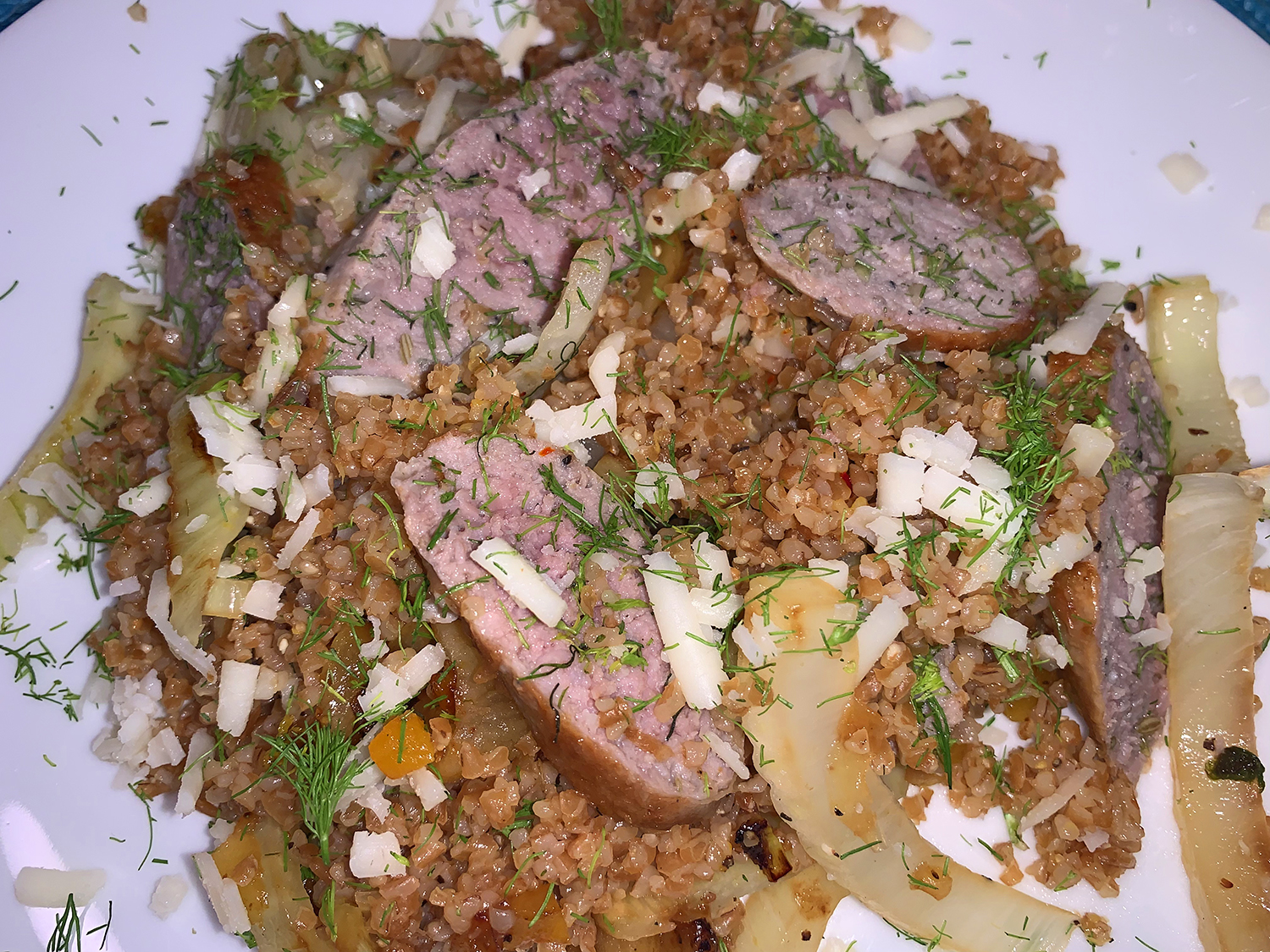
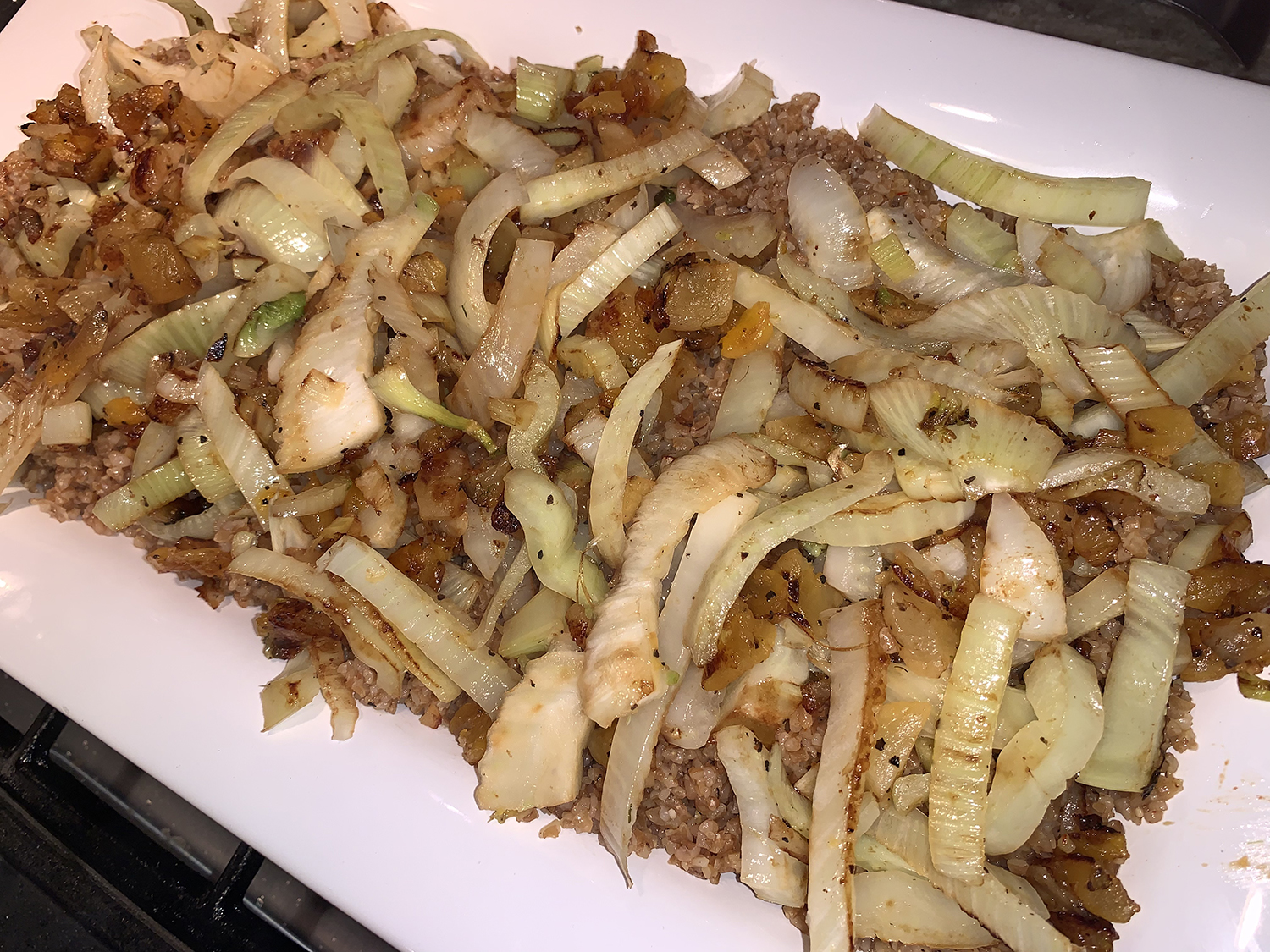
This bright, bold, hearty bulgur dish radiates hues of golden saffron. Turkey sausage lends deep savor and dinnertime heft to the floral bulgur, and is given the golden treatment with a saffron-infused pomegranate vinaigrette.
And if that isn’t enough, efflorescent caramelized fennel deepens the savory notes, and dried apricots add contrasting texture and pleasant sweetness. Topping it all is Manchego cheese which provides divergent sharpness and saltiness. I errantly shredded the cheese instead of shaving it, but the flavor was still the same.
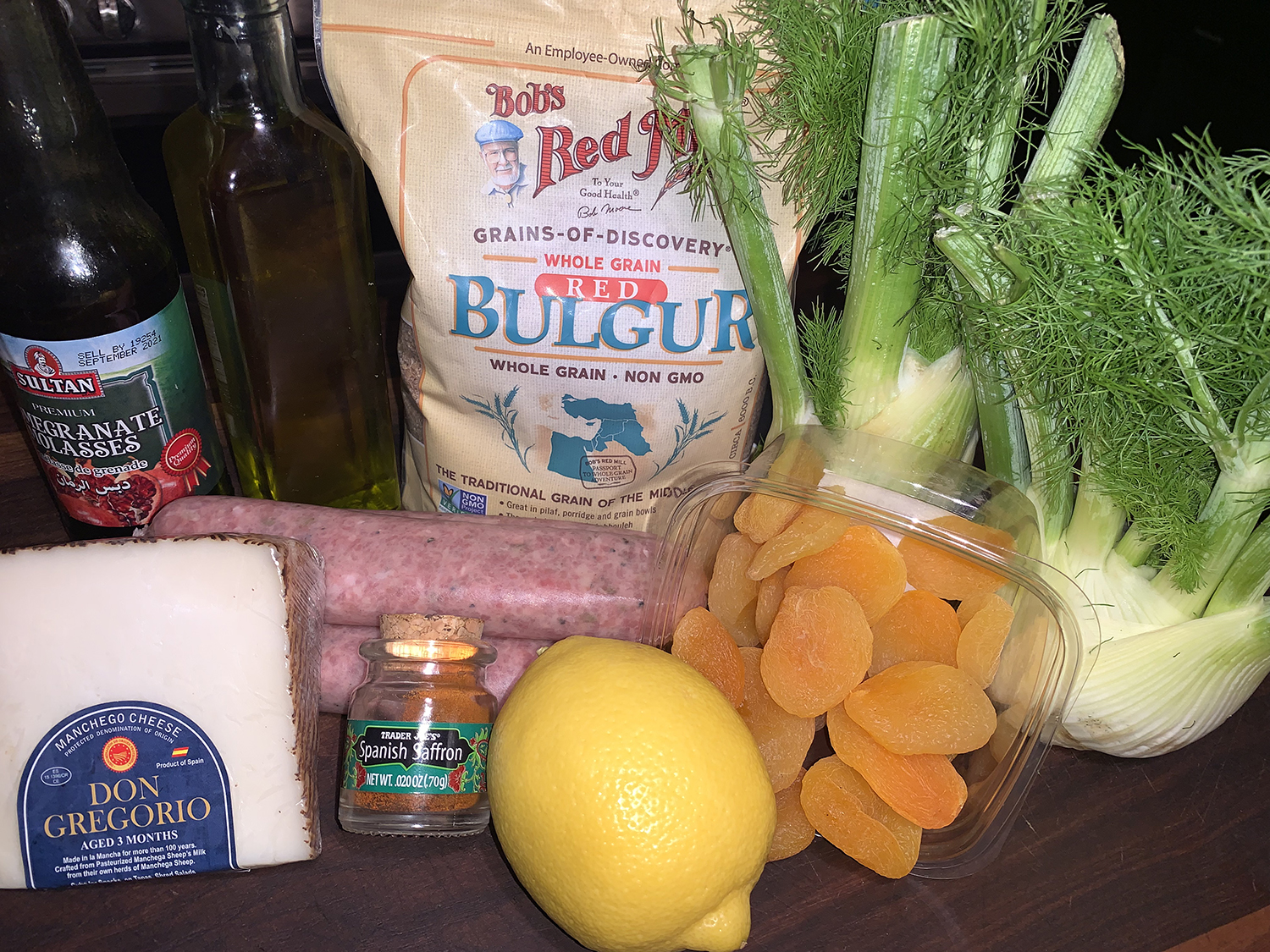
1 1⁄2 cups medium-grind bulgur (do not use cracked wheat)
1⁄4 tsp. table salt, divided, plus more for cooking the bulgur
3 Tbsp. extra-virgin olive oil, divided
1 lb. Italian Turkey sausage
2 fennel bulbs, 1⁄4 cup fronds, minced, stalks discarded, bulbs halved, cored and sliced 1⁄4 inch thick
1⁄2 cup dried apricots, chopped
1⁄2 tsp. pepper, divided
1⁄4 tsp. saffron threads, crumbled
2 Tbsp. pomegranate molasses
1 tsp. grated lemon zest
2 oz. Manchego cheese, shaved
Directions
Bring 4 quarts water to a boil in a large pot. Stir in bulgur and 1 teaspoon salt and cook until tender, about 5 minutes. Drain well and set aside.
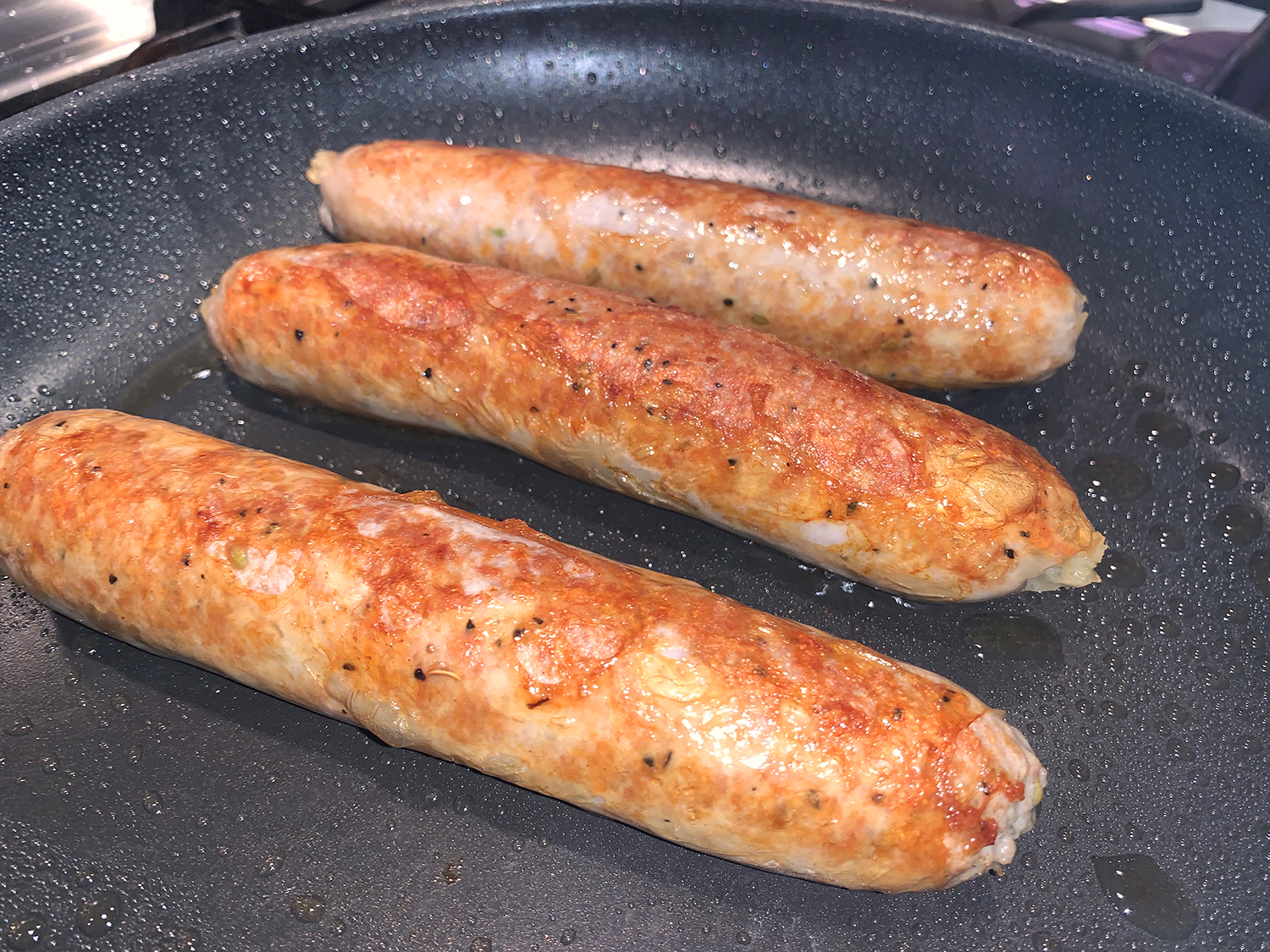
Heat 1 tablespoon oil in a 12-inch nonstick skillet over medium heat until shimmering. Add sausage and cook until browned on all sides and registers 160°, 6 to 8 minutes. Transfer to a cutting board, cover with foil and let rest. Slice sausage 1/2-inch thick on the diagonal just before serving.
Pour off all but 2 teaspoons fat from skillet (or add oil to equal 2 teaspoons). Add sliced fennel, apricots, 1⁄2 cup water, 1⁄8 teaspoon salt, and 1⁄4 teaspoon pepper, cover, and cook over medium heat for 1 minute.
Uncover and continue to cook, stirring occasionally, until fennel is spotty brown, 2 to 4 minutes; set aside until ready to serve. (This step took 8 minutes for the fennel to start browning.)
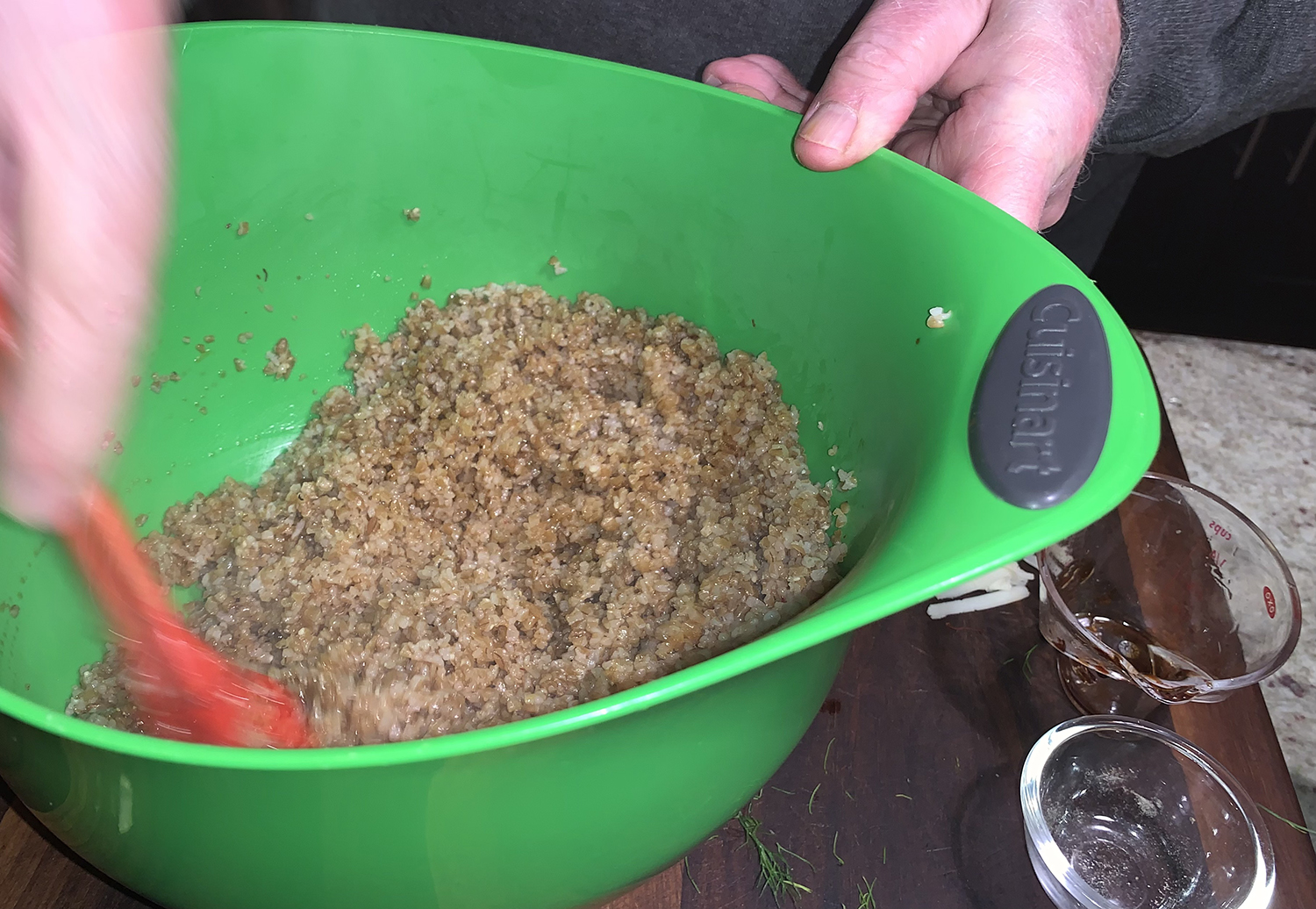
Combine saffron with 2 teaspoons water in a large bowl and let sit for 5 minutes. Whisk in remaining 2 tablespoons oil, 1⁄8 teaspoon salt, 114 teaspoon pepper, pomegranate molasses and lemon zest, then stir in bulgur to coat.
Season with salt and pepper to taste. Divide among individual bowls, then top with fennel mixture and sausage slices. Sprinkle with fennel fronds and Manchego cheese shavings. Serve.
To pump up the flavors of the braising liquid in this Beer-Braised Cabbage, Cook’s Country chose a light-bodied lager. They also used beer-complementing ingredients like sautéed onion, mustard, vinegar, and thyme. To ensure the cabbage doesn’t overcook from extended simmering, the braising liquid is simmered until slightly thickened before adding the cabbage.
We paired the cabbage with a pan-seared pork chop and braised red potatoes with miso and scallions.
A great side dish that’s quick enough for a weeknight. You can substitute ¼ teaspoon of dried thyme for the fresh. This hearty side dish was a nice complement to the pork, although you can serve it as a vegetarian side.
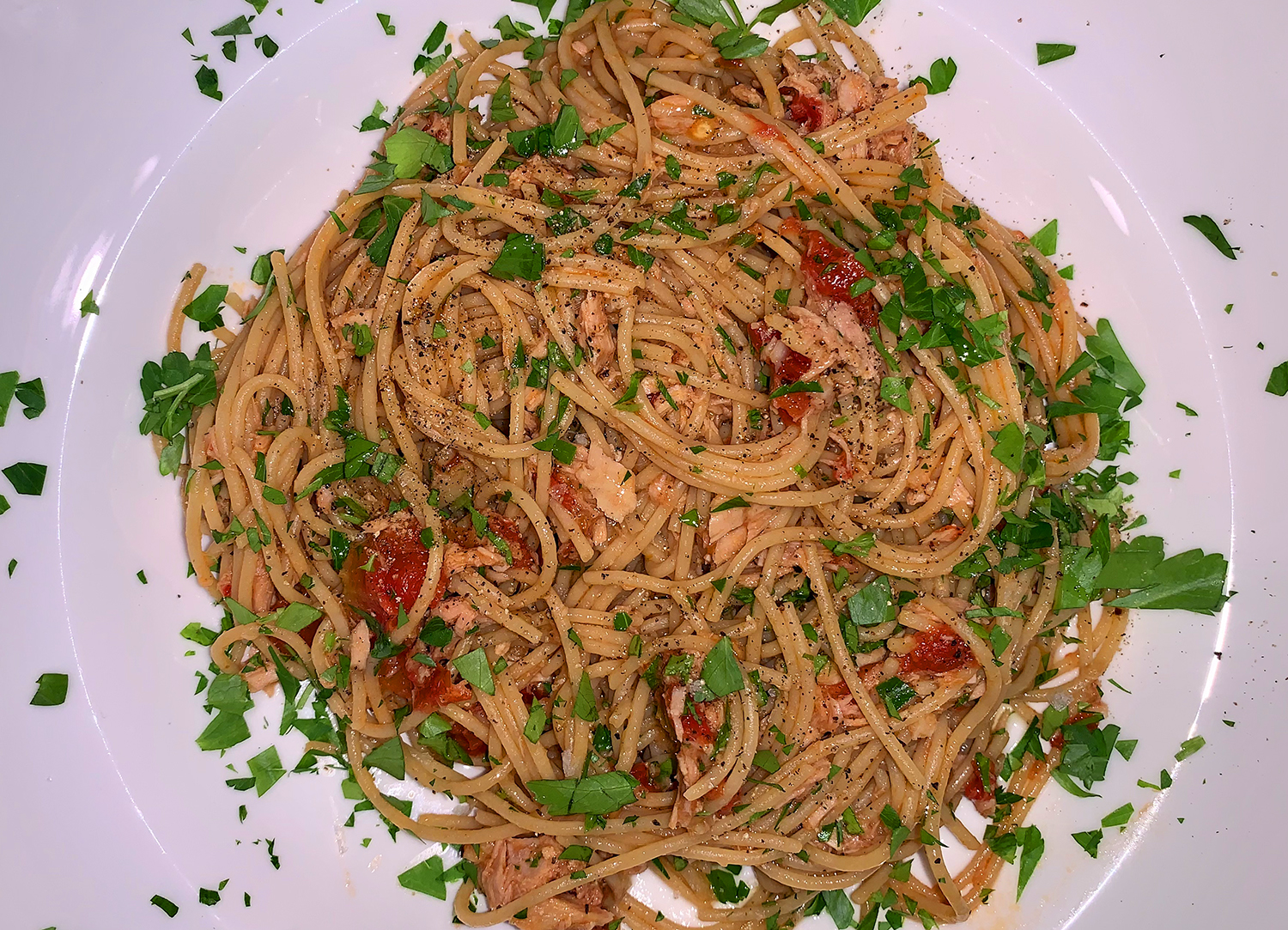
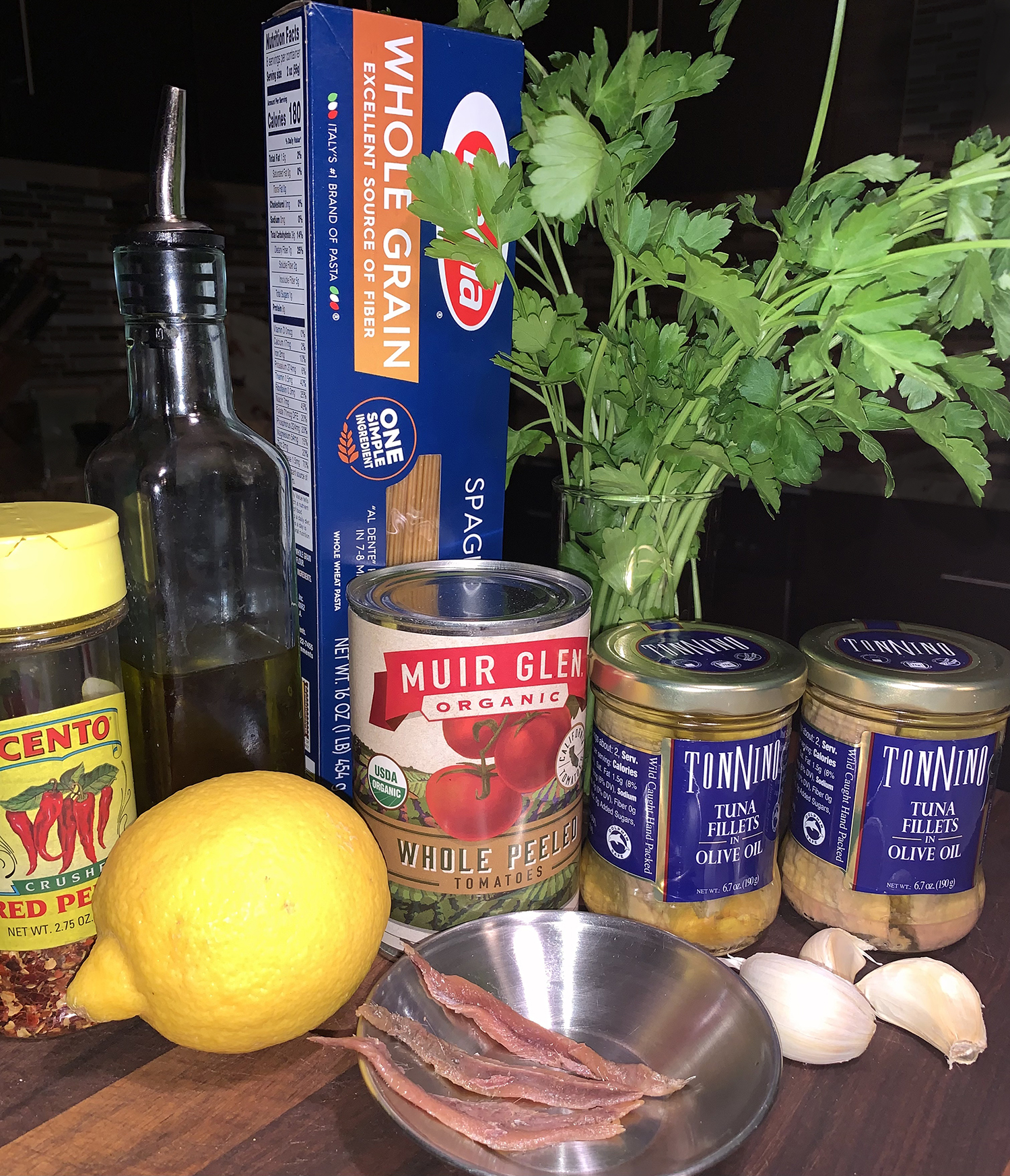
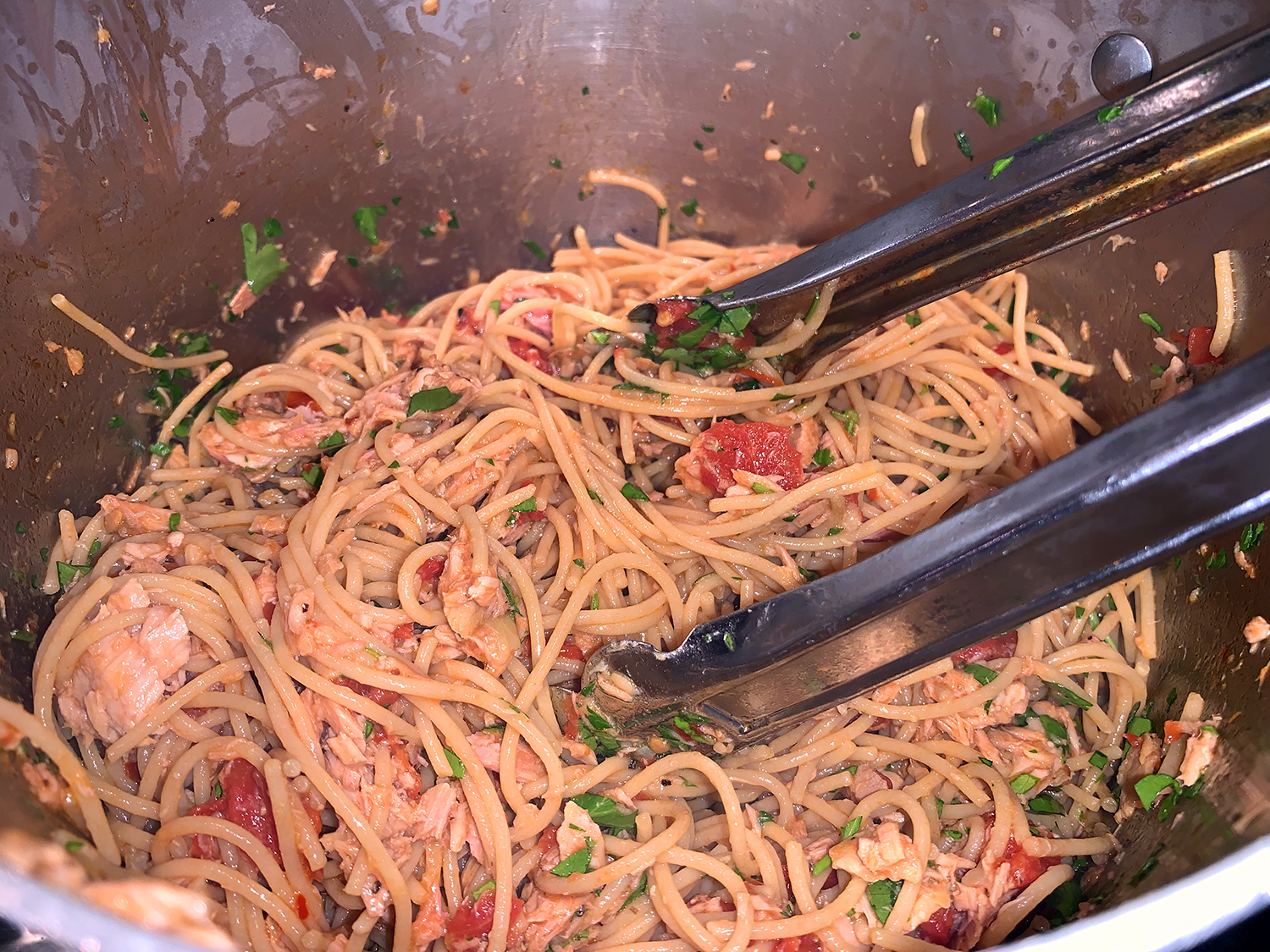
For this Spaghetti al Tonno pasta dish, it uses two jars of olive oil–packed tuna and a small amount of canned whole tomatoes, crushed by hand to produce small, supple pieces. Lots of garlic, some cooked in olive oil and the rest simply warmed through, contribute potent flavor to the tomato sauce, along with red pepper flakes for heat and anchovies for a briny backbone.
To ensure that the tuna stays moist and silky, stir it into slightly underdone spaghetti along with the tomato mixture off the heat and simply let it warm through. This not only gently warms the fish through so that it holds its moisture, but also hedges against mushy spaghetti.
Spaghetti or linguine are preferred for this dish (we used whole wheat pasta), but short or tubular shapes such as penne, fusilli, farfalle, ziti, or rigatoni also work. Likewise, oil-packed tuna is recommended, but if you happen to have water-packed tuna instead, don’t let that stop you. For a spicier dish, use the full ½ teaspoon of red pepper flakes.
The tuna brand we buy is Tonnino. With rich flavor and silky, thick‑cut yellowfin fillets, it is a step above most brands. Yes, it costs a few extra dollars, but it yields pasta al tonno that’s posh enough for company, and can bring a luxurious touch to any weeknight meal. And aren’t you worth at least a few extra bucks?
*Now here’s the thing. If you are using the more expensive jarred tuna, why would you discard the oil it is packed in? Use that oil and add some EVOO if needed to make the 1/2 cup called for in the recipe.
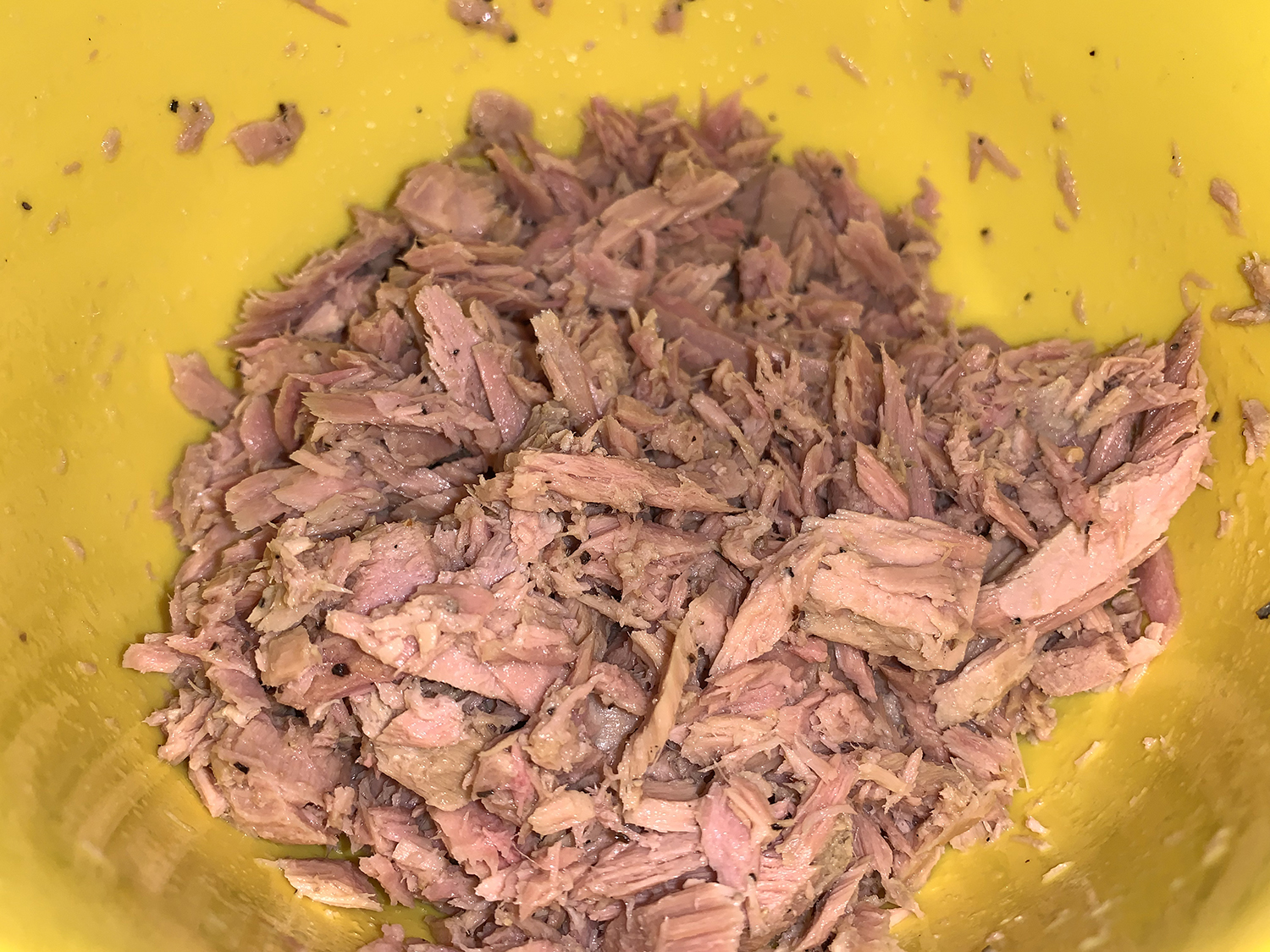
2 5- to 7-oz. jars/cans olive oil-packed tuna, drained* (see head note)
1 Tbsp. lemon juice
1 tsp. table salt, divided, plus salt for cooking pasta
½ tsp. pepper, divided
½ cup extra-virgin olive oil*, divided, plus extra for drizzling
1½ Tbsp. minced garlic, divided
3 anchovy fillets, rinsed, patted dry, and minced
¼–½ tsp. red pepper flakes
1 14.5-oz. can whole peeled tomatoes, drained with juice reserved, crushed by hand to small pieces
12 oz. spaghetti
6 Tbsp. chopped fresh parsley, divided
Directions
Bring 4 quarts water to boil in large pot. While water comes to boil, gently stir tuna, lemon juice, ¼ teaspoon salt, and ¼ teaspoon pepper together in small bowl.
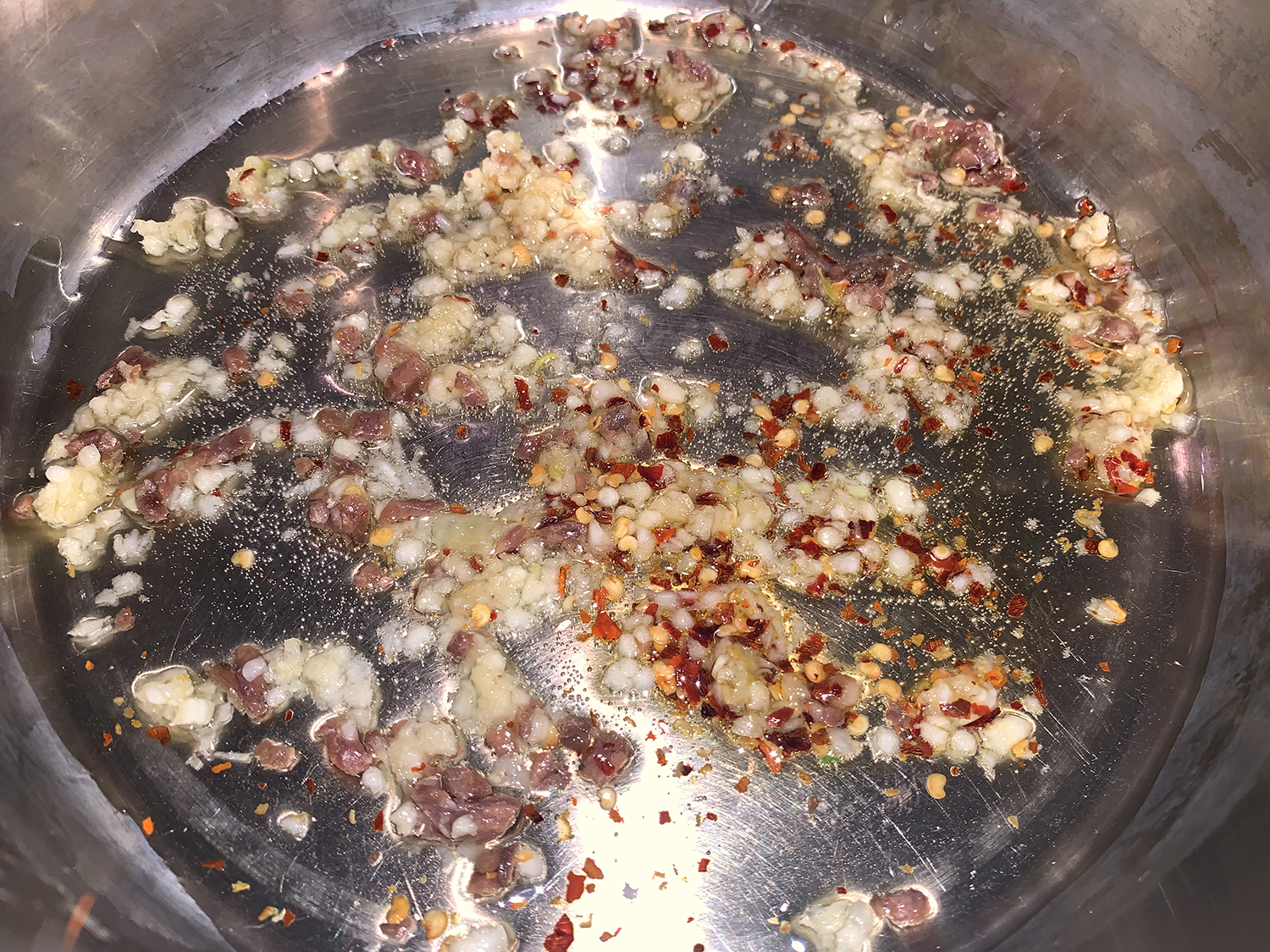
Heat 2 tablespoons oil, 1 tablespoon garlic, anchovies, and pepper flakes in saucepan over medium heat, stirring occasionally, until oil sizzles gently and anchovies break down, 1½ to 2 minutes.
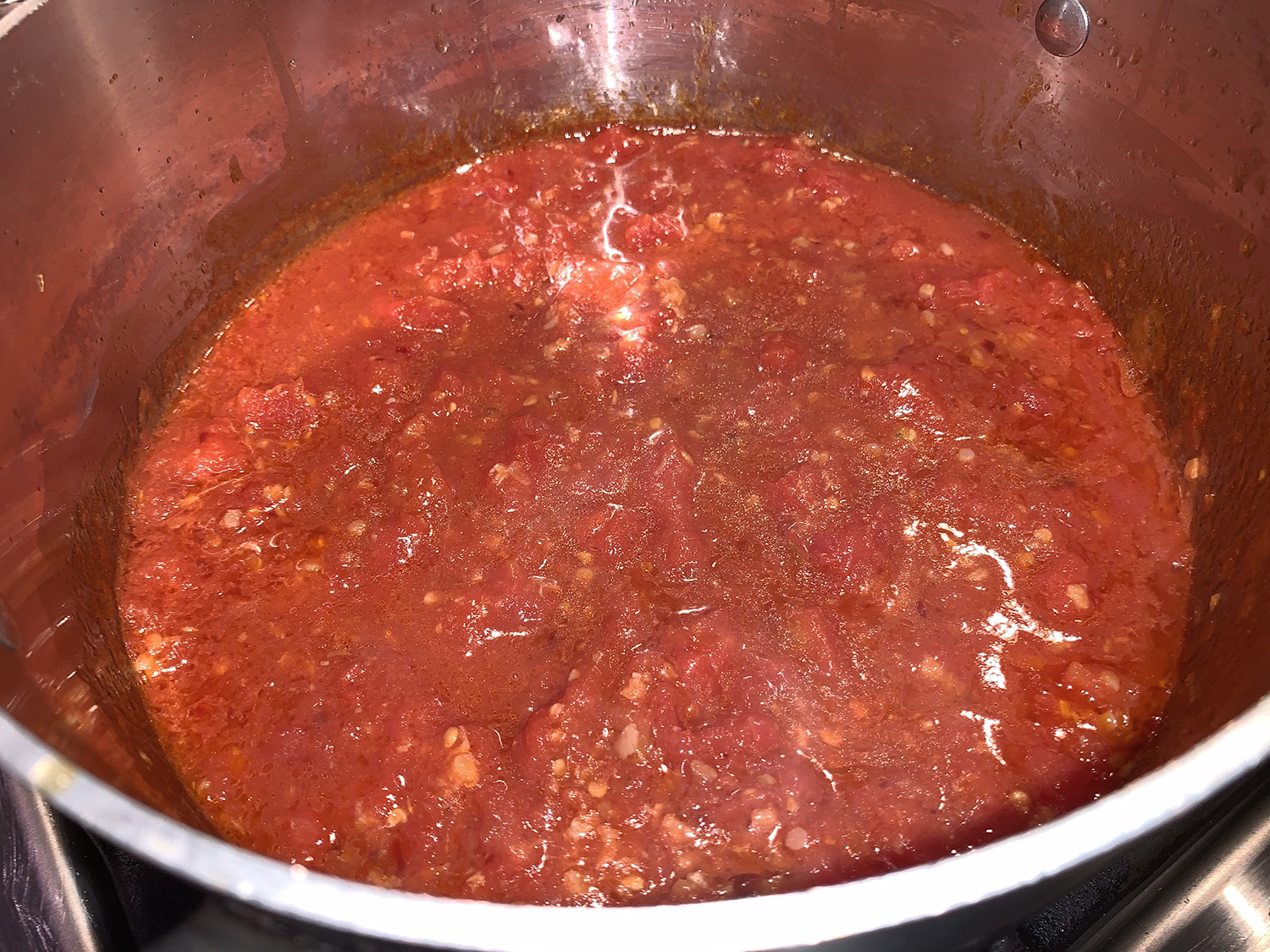
Stir in tomatoes and their juice and ½ teaspoon salt. Increase heat to high and bring to strong simmer. Adjust heat to maintain gentle simmer and cook, stirring occasionally, until slightly thickened, 6 to 7 minutes. Cover and keep warm over low heat.
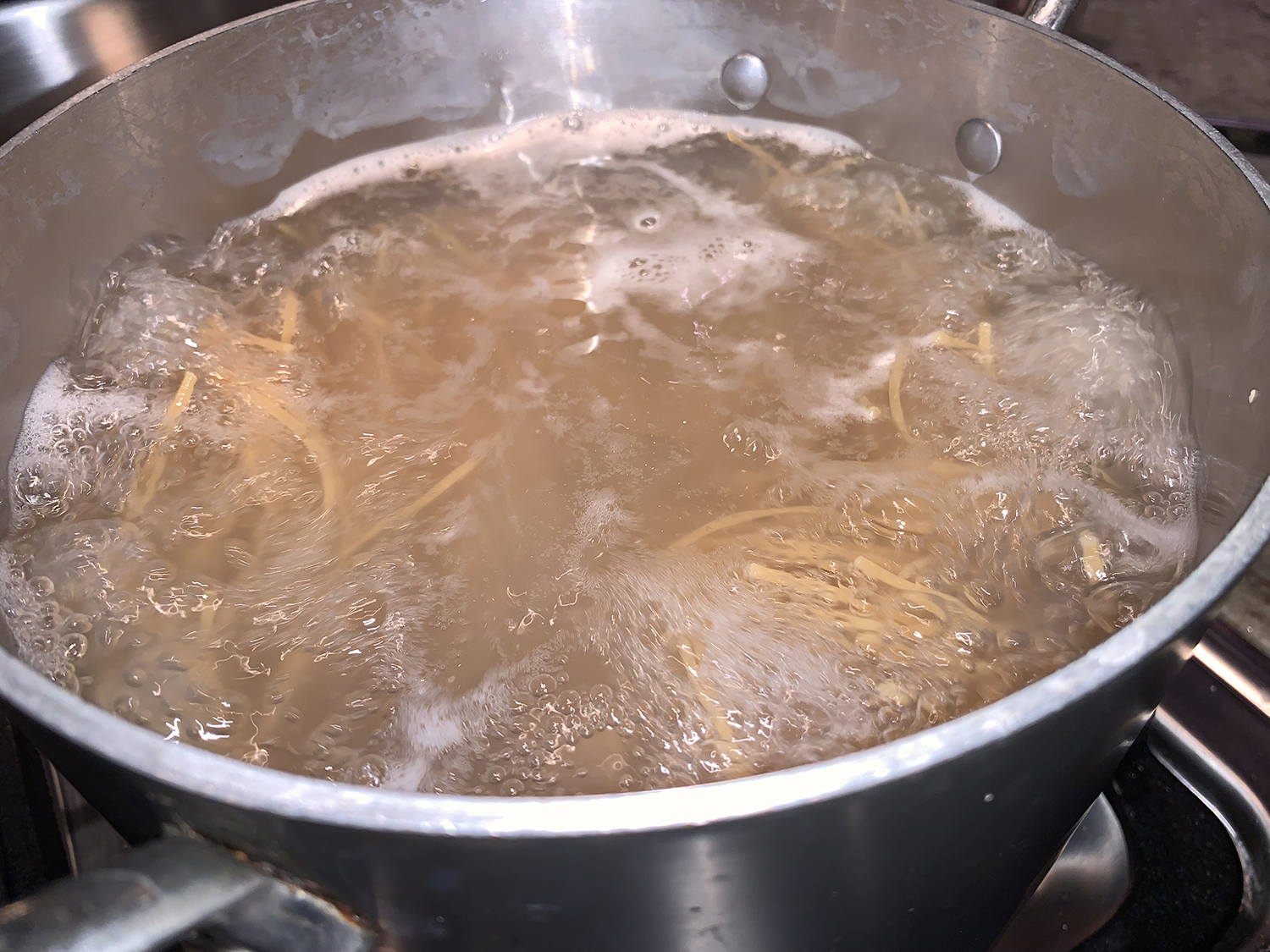
Add spaghetti and 1 tablespoon salt to boiling water. Cook, stirring often, until barely al dente. Reserve ½ cup cooking water. Drain pasta and return it to pot.
Off heat, add tomato mixture, remaining ¼ teaspoon salt, remaining ¼ teaspoon pepper, and remaining 1½ teaspoons garlic and toss until pasta is well coated. Add tuna mixture and toss gently. Cover and set aside for 3 minutes so flavors can meld and pasta can finish cooking.
Adjust consistency of sauce with reserved cooking water as needed.
Add ¼ cup parsley and remaining 2 tablespoons oil and toss to combine. Season with salt and pepper to taste.
Distribute among pasta bowls. Drizzle each portion with extra oil, if using. Sprinkle with remaining 2 tablespoons parsley and serve.
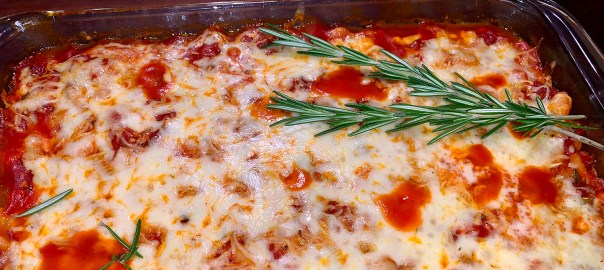
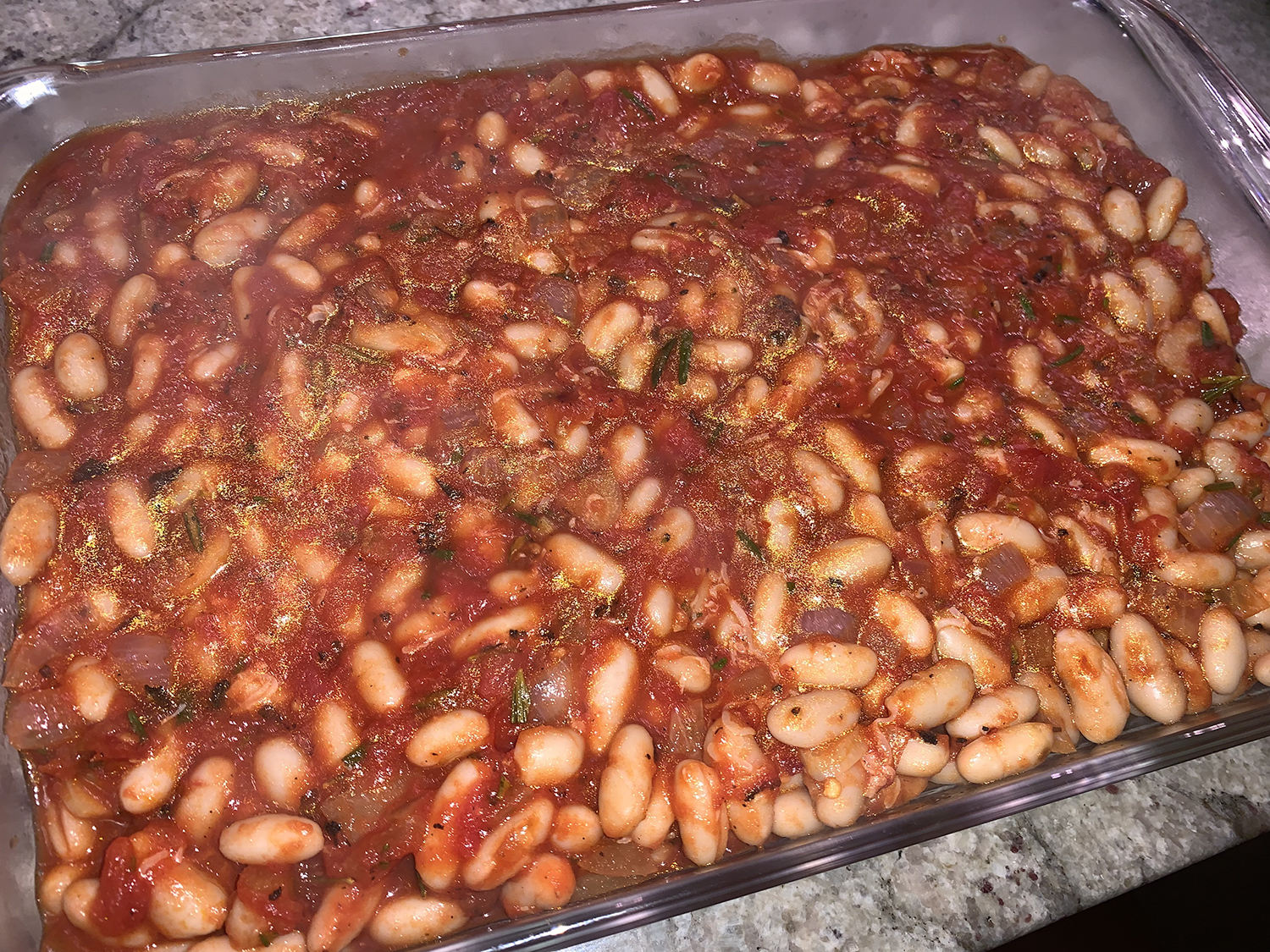
Flexible in that this Cheesy Italian Baked Beans recipe could be your main dish, or part of a meal as a side. Here, traditional Italian ingredients like onion, garlic, tomatoes, cheese, and rosemary put a spin on classic baked beans.
The prep is minimal and afterward it only cooks in the oven for about 20 minutes. When it came to topping the casserole with the shredded fontina cheese, I may have put a bit more than the 1/2 cup that was called for… like 50% more 🙂
I added a final step of letting the casserole sit for 5-10 minutes after removing from the oven. We paired the entrée with a side of steamed broccolini and a toasted whole grain baguette with garlic and parmesan.
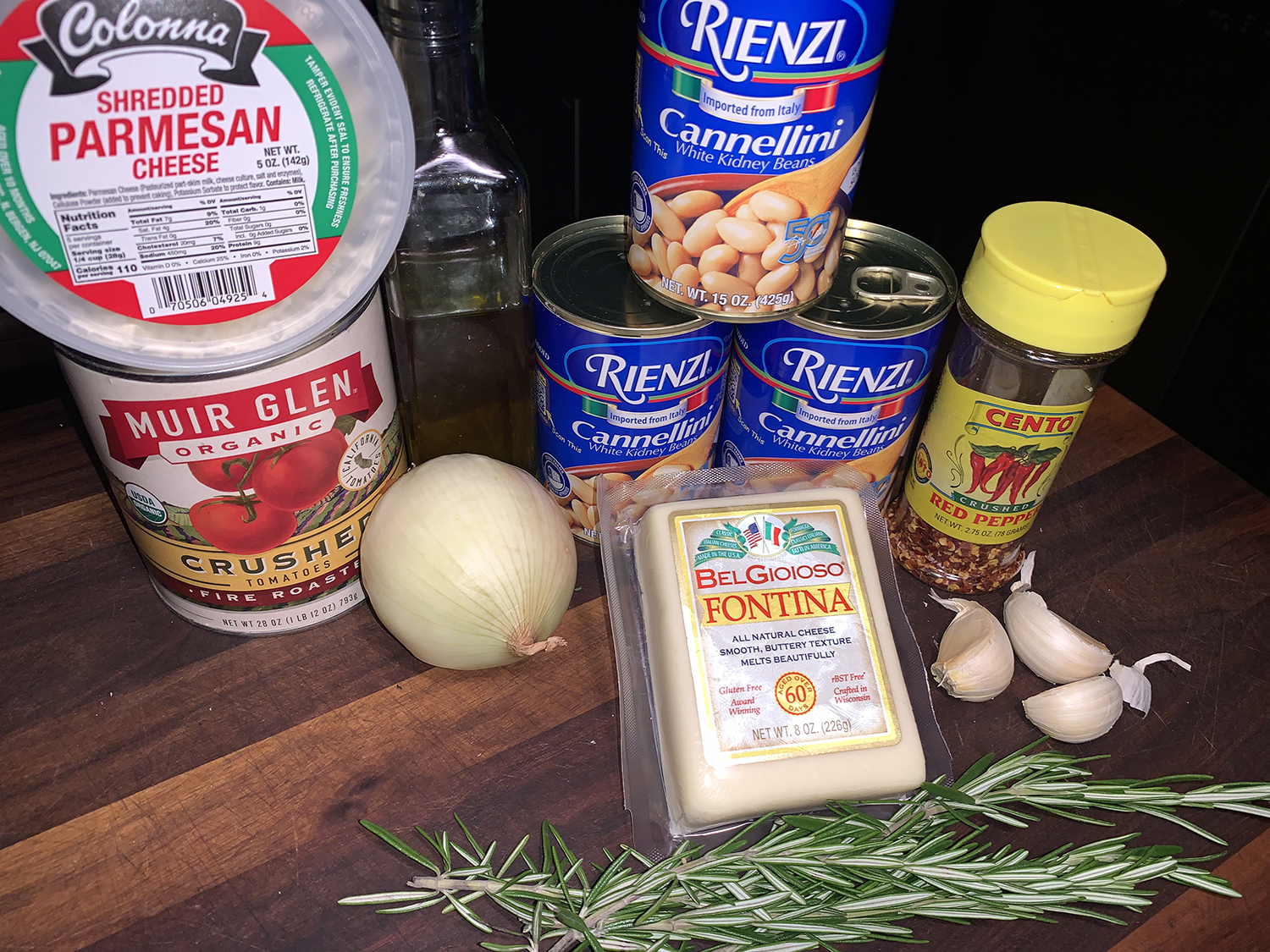
1 28-oz. can fire-roasted crushed tomatoes, undrained
¼ cup fresh rosemary leaves, coarsely chopped, plus additional for garnish
3 15-oz. cans cannellini beans, rinsed and drained
¾ cup shredded Parmesan cheese
Crushed red pepper
Coarse salt and freshly ground black pepper
½ cup cup shredded Fontina cheese
Directions
Preheat oven to 400°F. In a large skillet heat olive oil over medium-high heat. Add onion, garlic, and 1/8 tsp. salt. Cook and stir for 5 minutes or until tender.
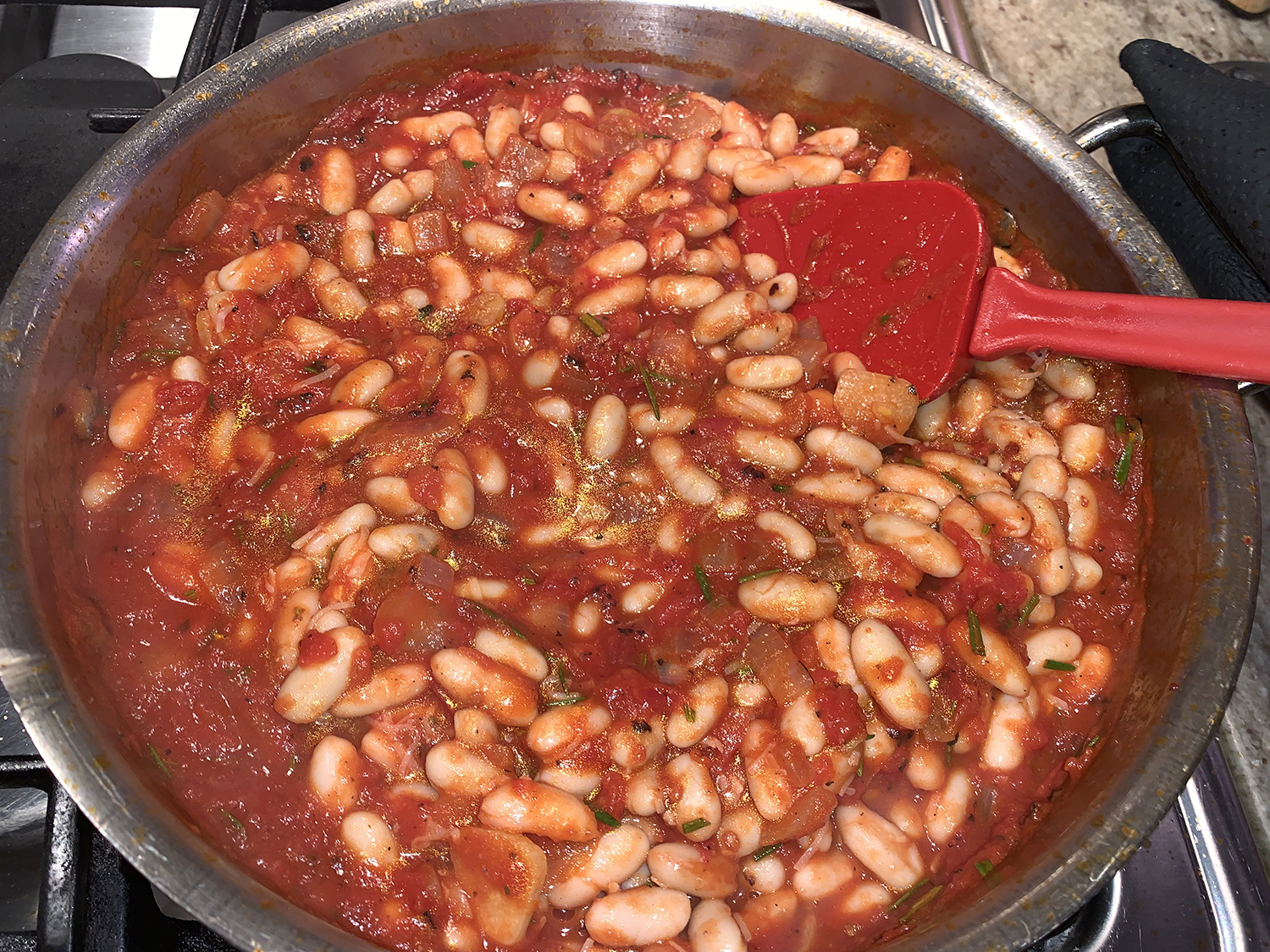
Stir in tomatoes and rosemary. Bring to boiling; boil gently, uncovered, 5 minutes or until slightly thickened.
Stir in beans and half the Parmesan. Season to taste with crushed red pepper, salt, and black pepper. Transfer to a 2-qt. rectangular baking dish. Top with remaining Parmesan and the Fontina. Bake 15 to 20 minutes or until beginning to lightly brown around the edges.
Remove from the oven and let sit for 5-10 minutes to thicken.
This recipe is a lighter spin on the typical cheese-stuffed chicken breast, featuring feta, tomato and Greek-inspired flavors.
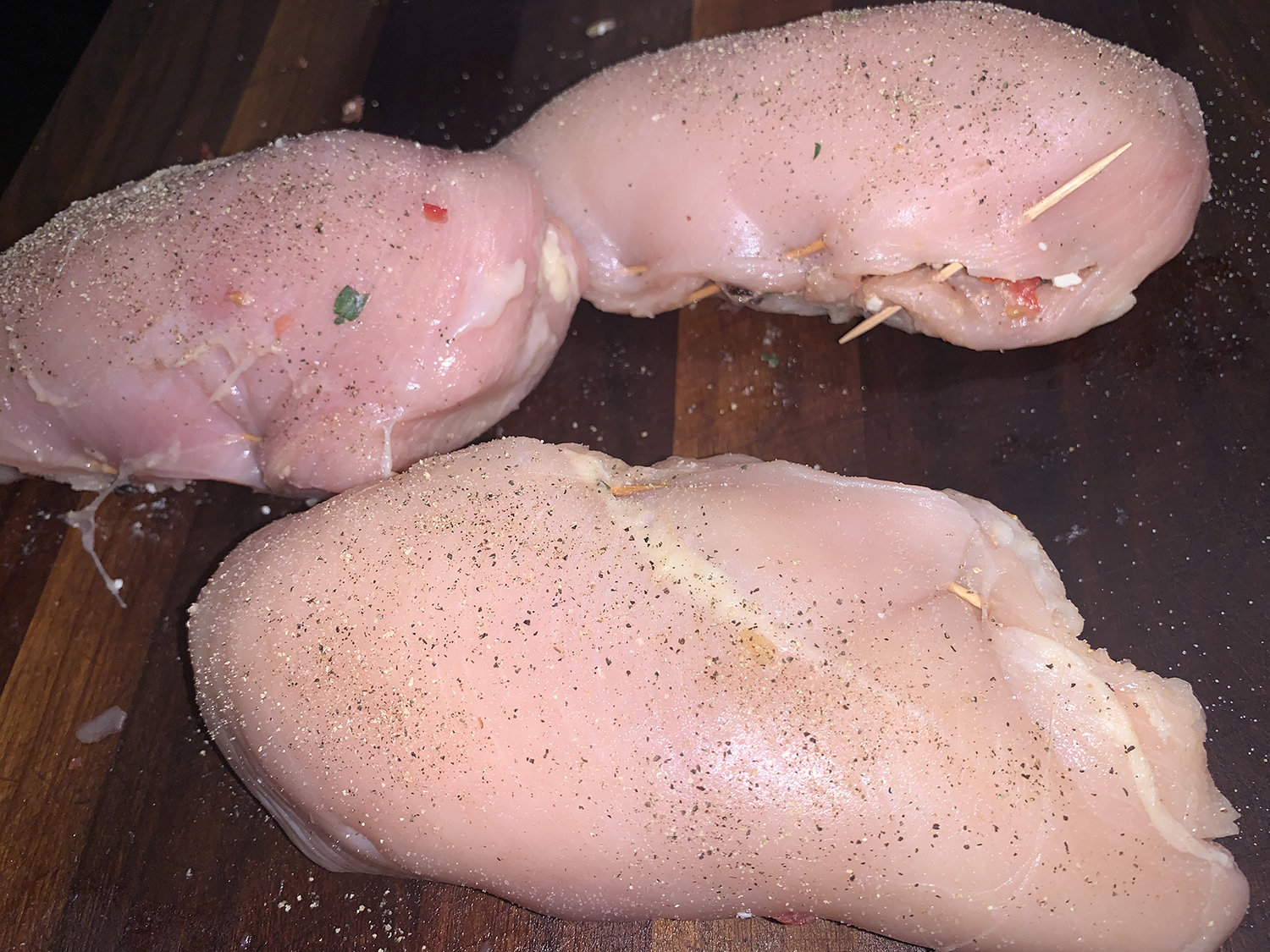
Purchase similarly sized chicken breasts so they’ll cook at the same rate. Because our 3 breasts were quite large, the stuffing mixture was doubled, although that is NOT noted in the list of ingredients below. And, they had to be cooked an additional 10 minutes to come to the proper temperature. As a side dish, we roasted some asparagus spears drizzled with olive oil and seasoned with salt, pepper and Za’atar.
Preserved lemons are a common ingredient in Moroccan recipes. You can find the salty pickled citrus in well-stocked grocery stores (near the pickles and olives) or Middle Eastern markets. We usually make and keep a jar of them in our auxiliary refrigerator. (Forgot to include them in the set-up photo below.)
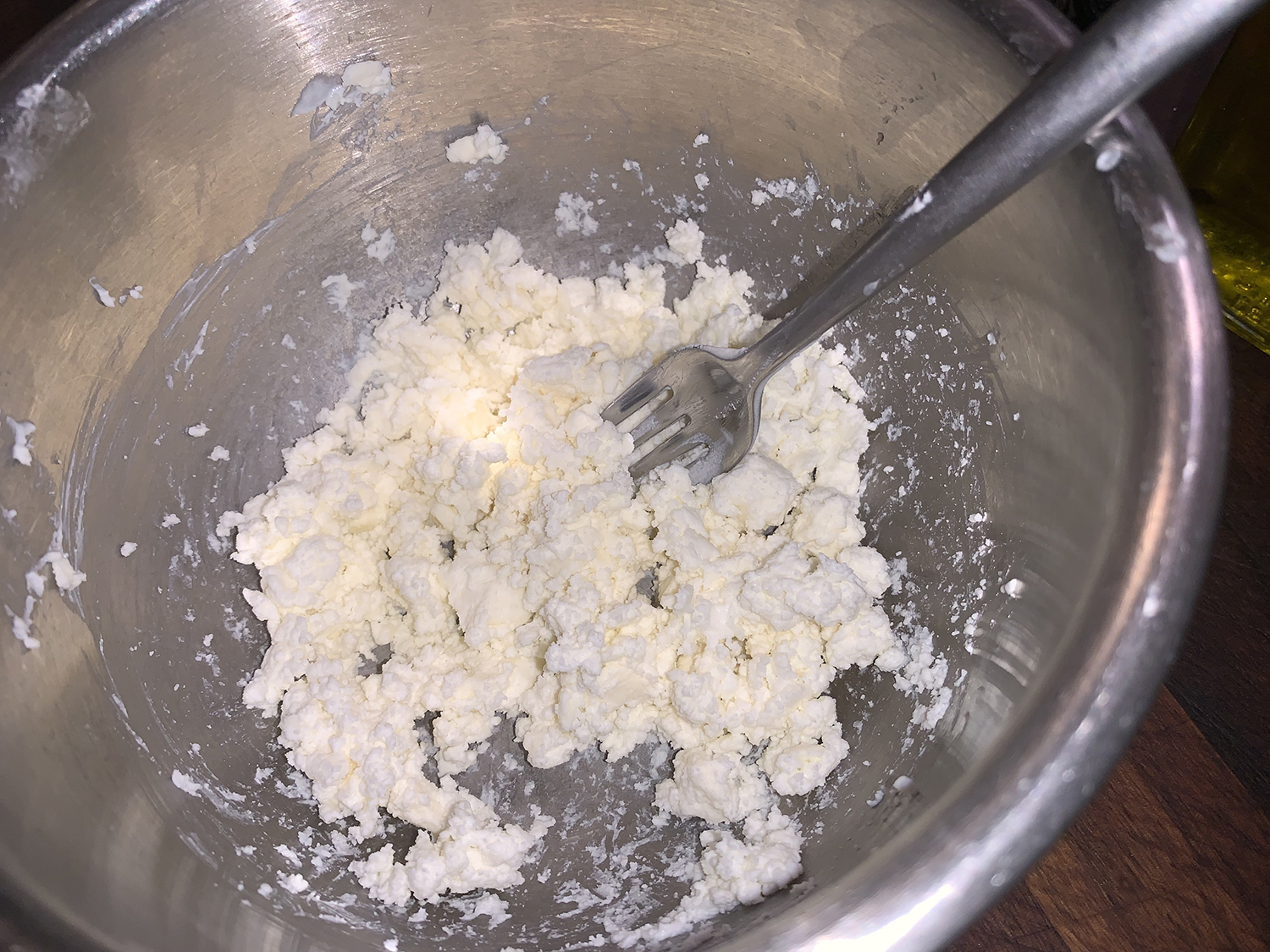
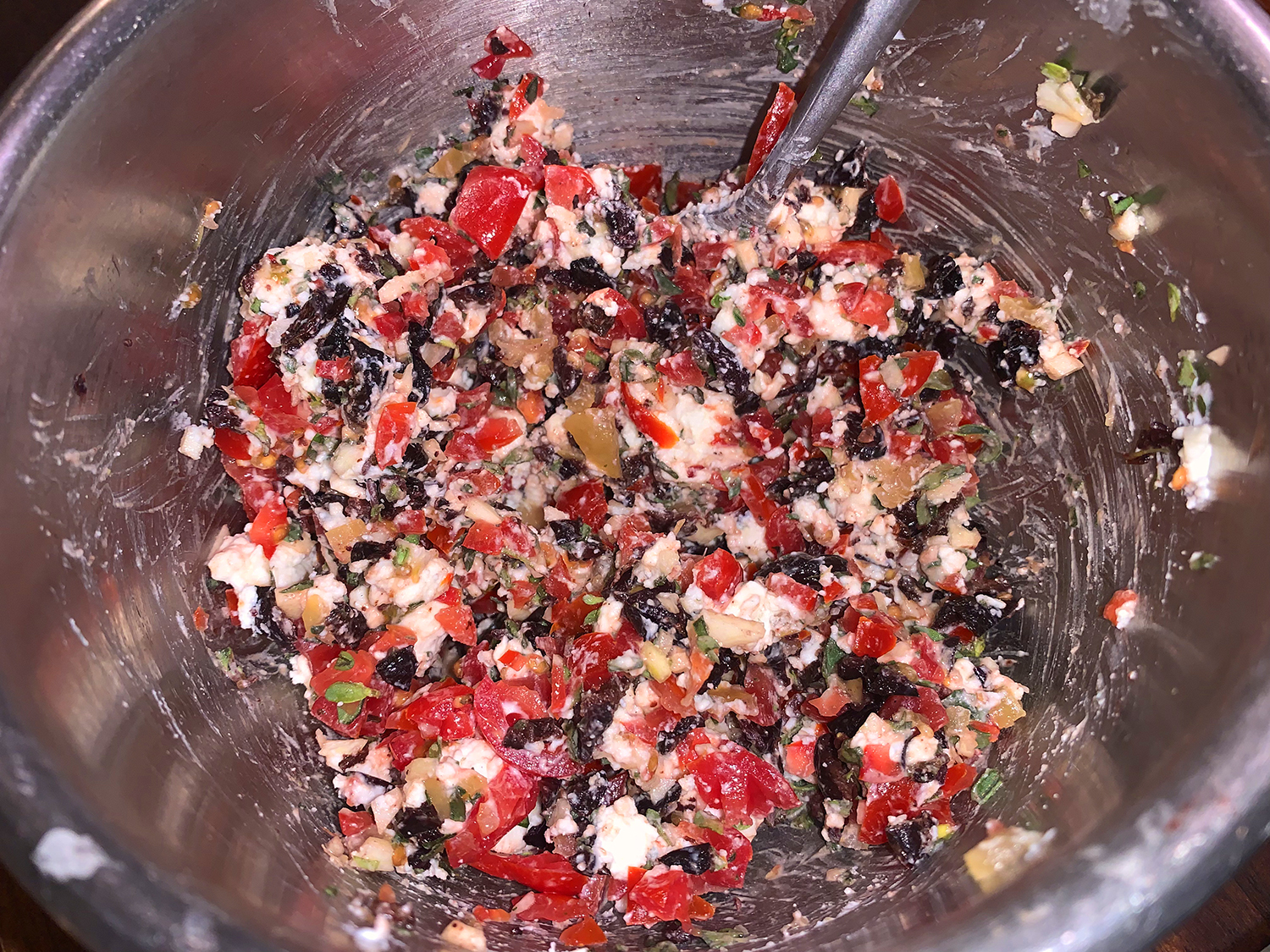
Mash feta and yogurt together in a small bowl. Stir in tomatoes, olives, lemon, oregano and garlic.
Using a sharp knife, cut chicken breasts in half horizontally without cutting all the way through, to create a pocket. Stuff each pocket with equal amounts of the feta mixture; fold the chicken back over and secure with toothpicks. Sprinkle with salt and pepper.
Heat oil in a large ovenproof skillet over medium-high heat. Add the chicken and cook until golden brown, about 4 minutes. Carefully flip the chicken and transfer the pan to the oven.
Bake until an instant-read thermometer inserted in the thickest part of the chicken registers 165 degrees F, 20 to 25 minutes. Transfer to a clean cutting board. Let rest for 5 minutes, then slice.
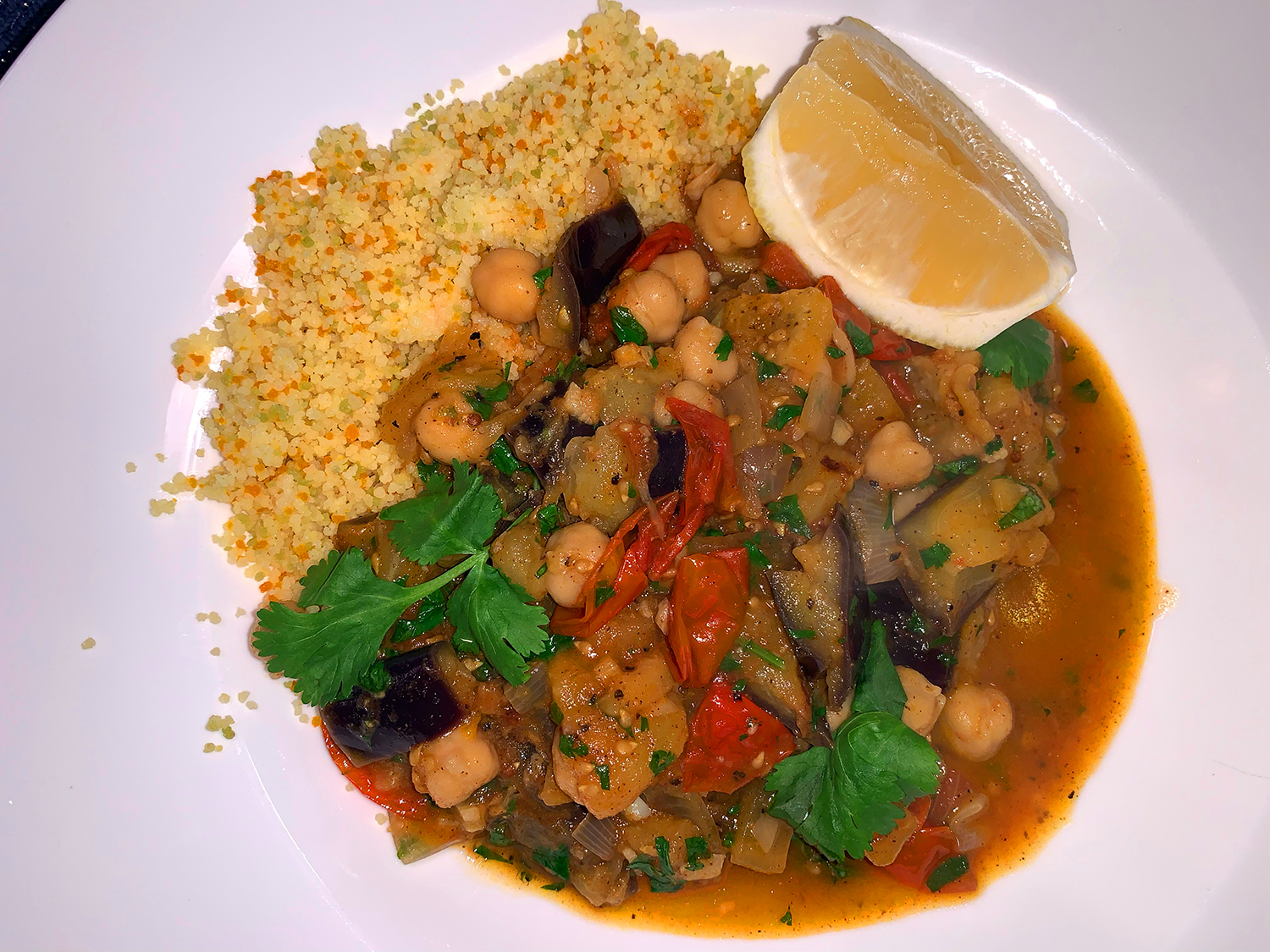
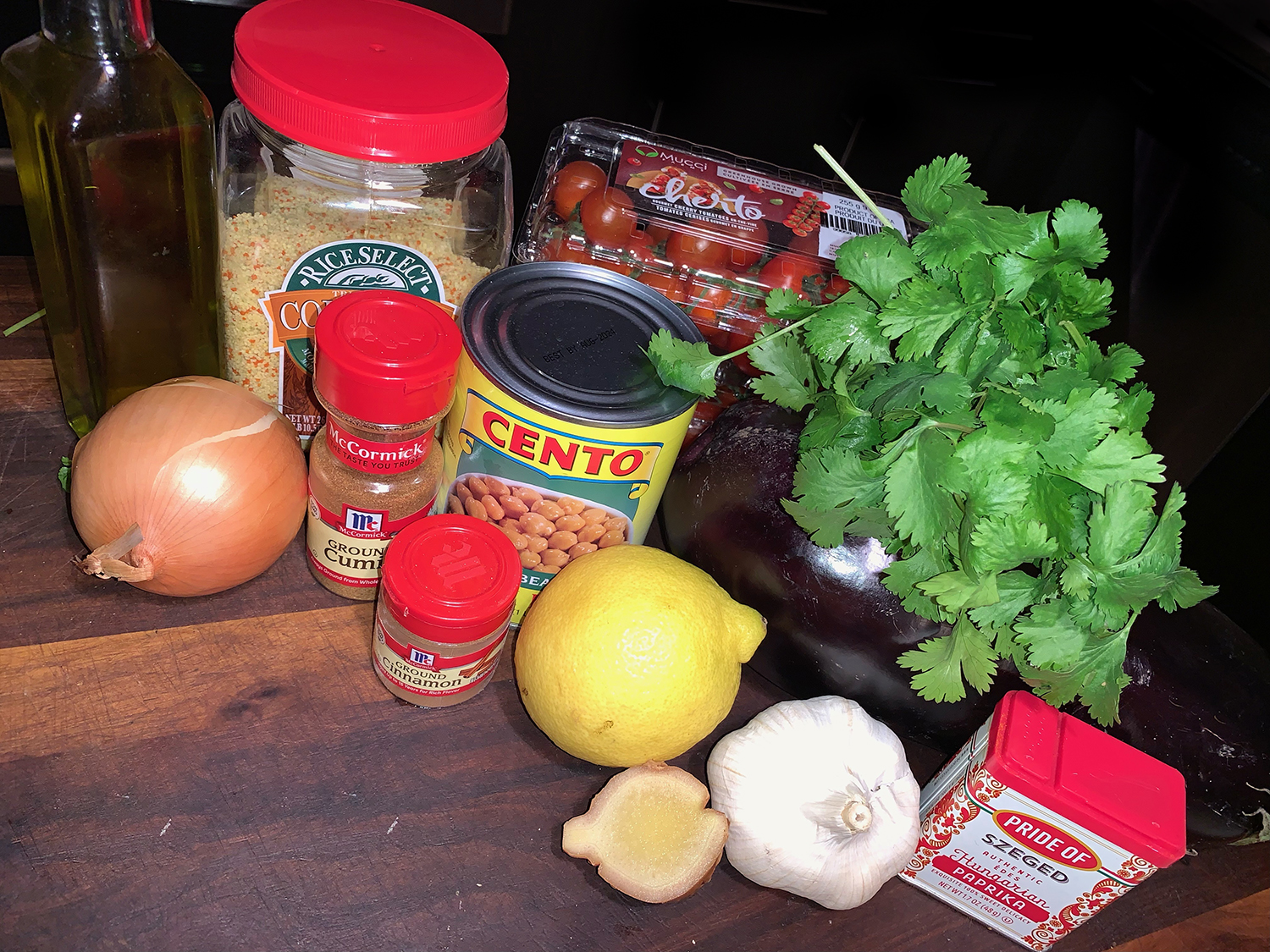
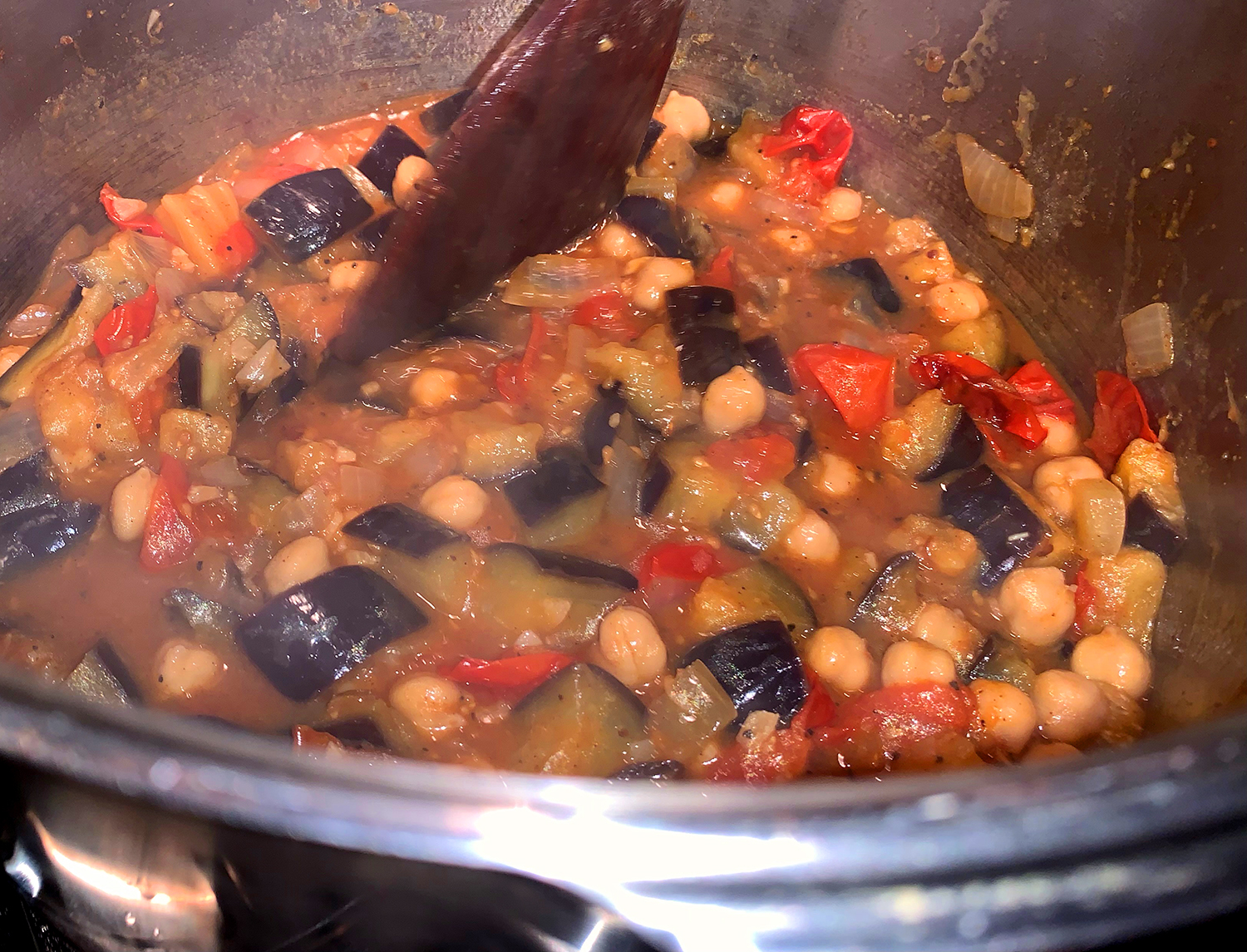
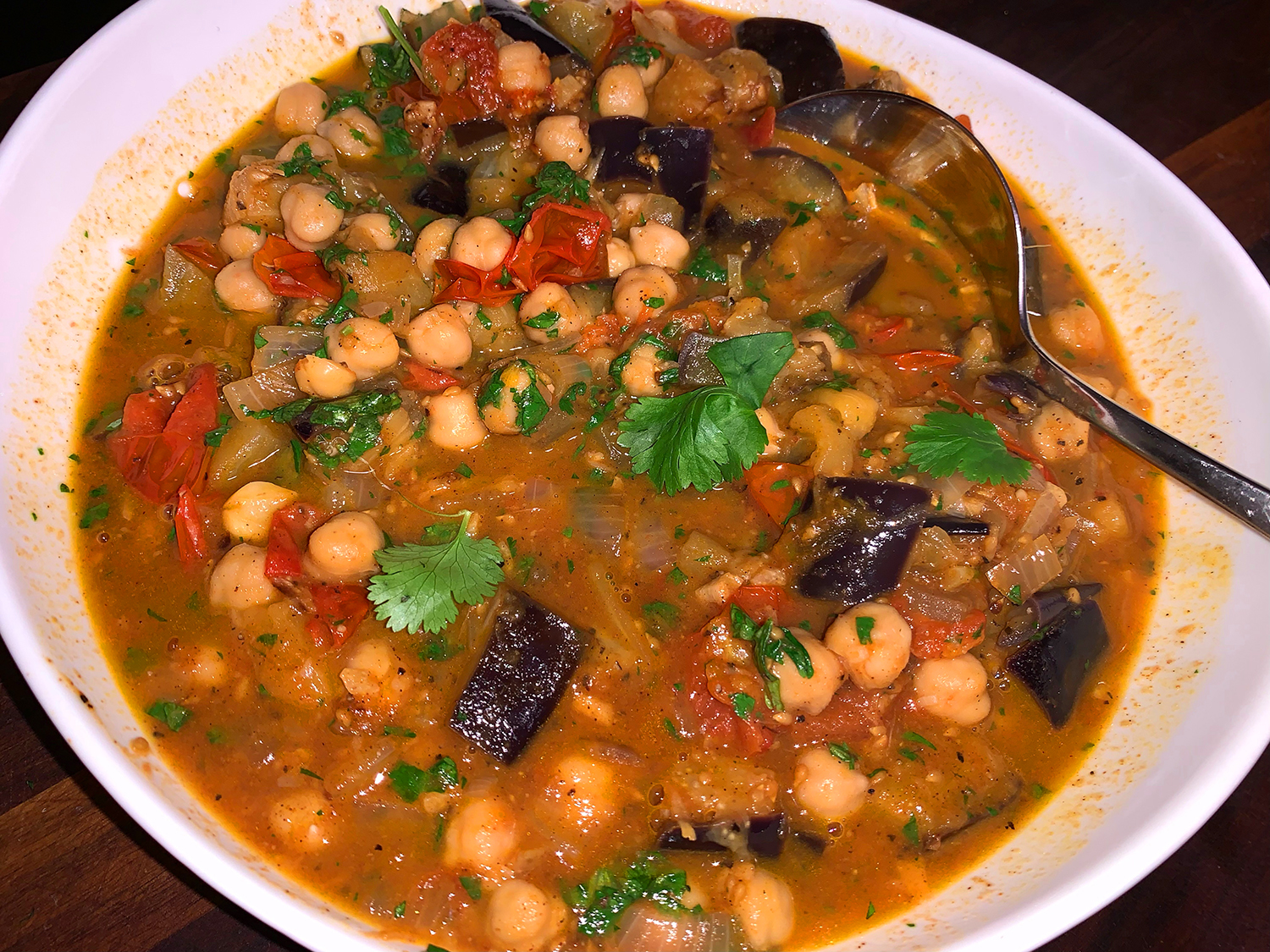
We found this lovely and full-flavored vegetarian dish in Milk Street’s Fast and Slow Cookbook for Instant Pot Cooking. A tagine is a North African stew cooked in a shallow, conical clay pot that goes by the same name. This chunky vegetable dish is warmly spiced like a tagine and features the common North African pairing of sweet and tart flavors.
For extra depth and a touch of spiciness, swirl in a spoonful of harissa into the tagine just before serving or offer some at the table for spooning on to taste. You will probably want to soak up the delicious sauce with crusty bread, warmed flatbread or couscous (or choice).
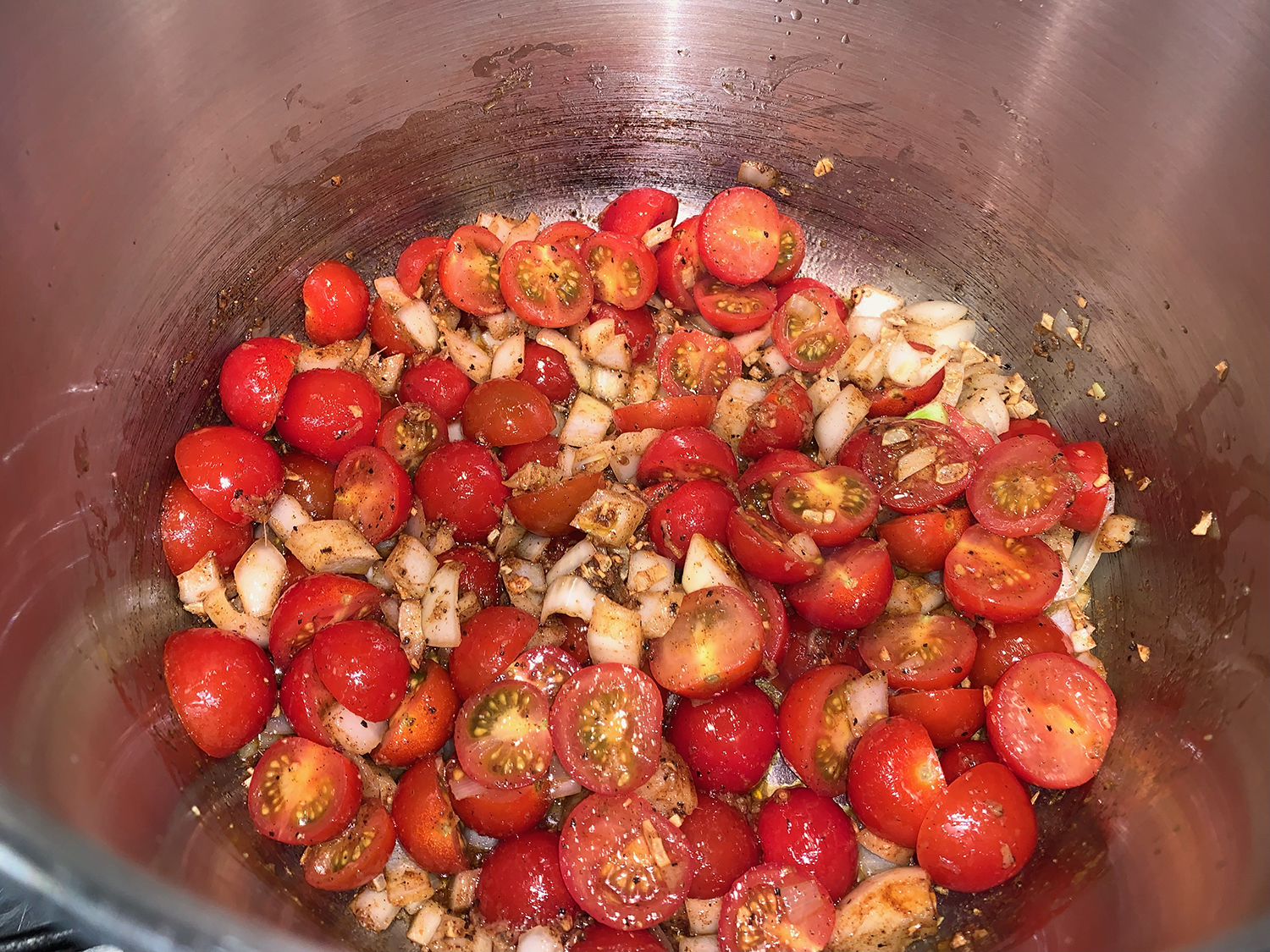
Be aware, you don’t want to shortcut the prep by leaving the tomatoes whole. Slicing 2 pints of grape tomatoes may sound like a bummer, but this step helps the tomatoes break down and cook at the same rate as the eggplant.
2 lbs. eggplant, trimmed and cut into 1-inch chunks
15½ oz. can chickpeas, rinsed and drained
1 Tbsp. lemon juice, plus lemon wedges to serve
1 cup lightly packed fresh cilantro, finely chopped
Directions
On a 6-quart Instant Pot, select Normal/Medium Sauté.
Add the oil and garlic, then cook, stirring often, until golden brown, about 4 minutes.
Add the onion, tomatoes, ginger, cumin, paprika, cinnamon, 2½ teaspoons salt and 1 teaspoon pepper. Cook, stirring occasionally, until the tomatoes begin to release some of their juices, 2 to 4 minutes.
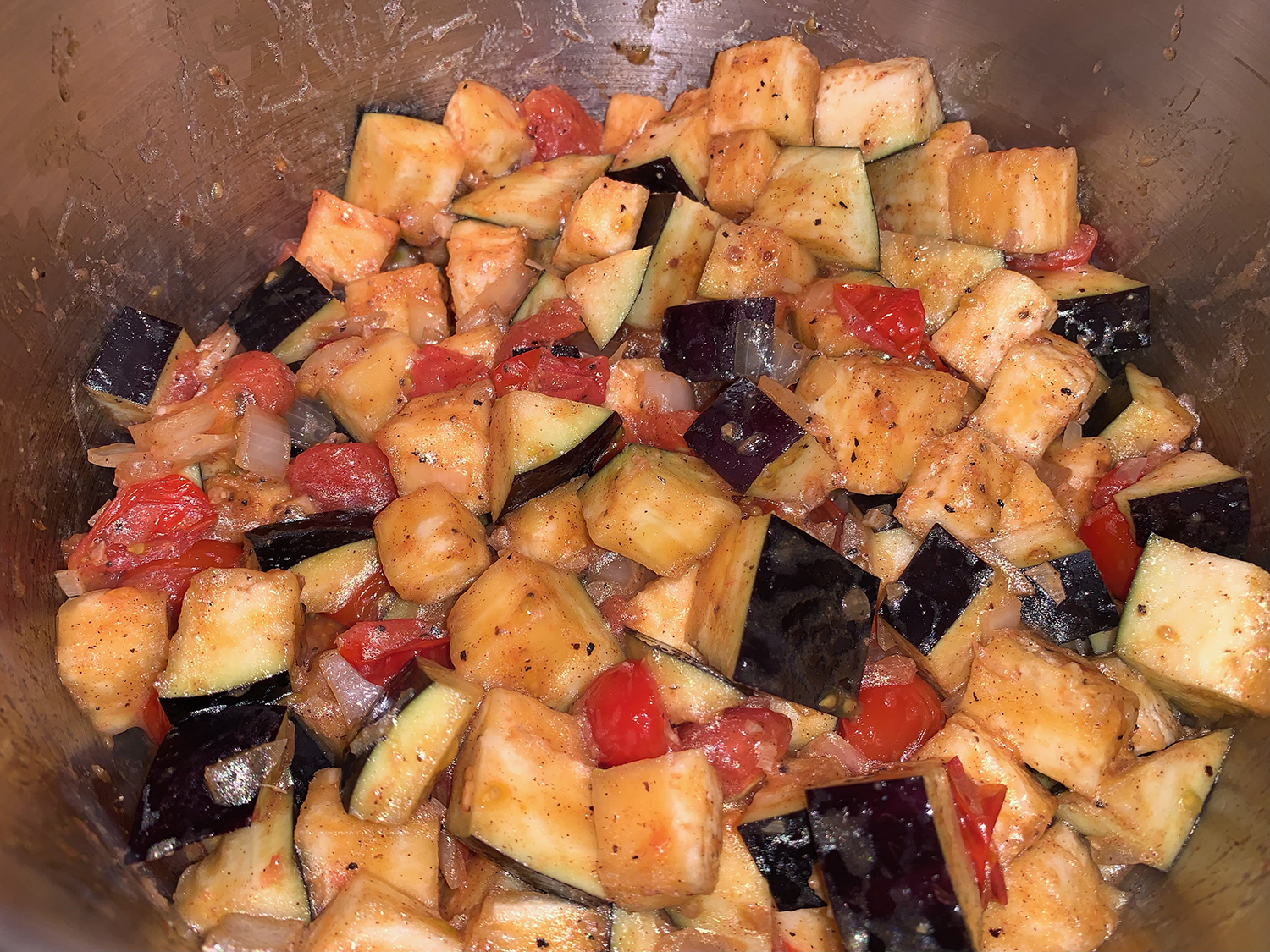
Press Cancel, then stir in ¼ cup water, scraping up any browned bits. Gently stir in the eggplant, then distribute in an even layer.
Lock the lid in place and move the pressure valve to Sealing. Select Pressure Cook or Manual; set the pressure level to Low. Set the cooking time for 3 minutes. When pressure cooking is complete, quick-release the steam by moving the pressure valve to Venting. Press Cancel, then carefully open the pot.
Gently stir in the chickpeas and lemon juice, then taste and season with salt and pepper. Stir in the cilantro.
Serve drizzled with additional oil and with lemon wedges on the side.
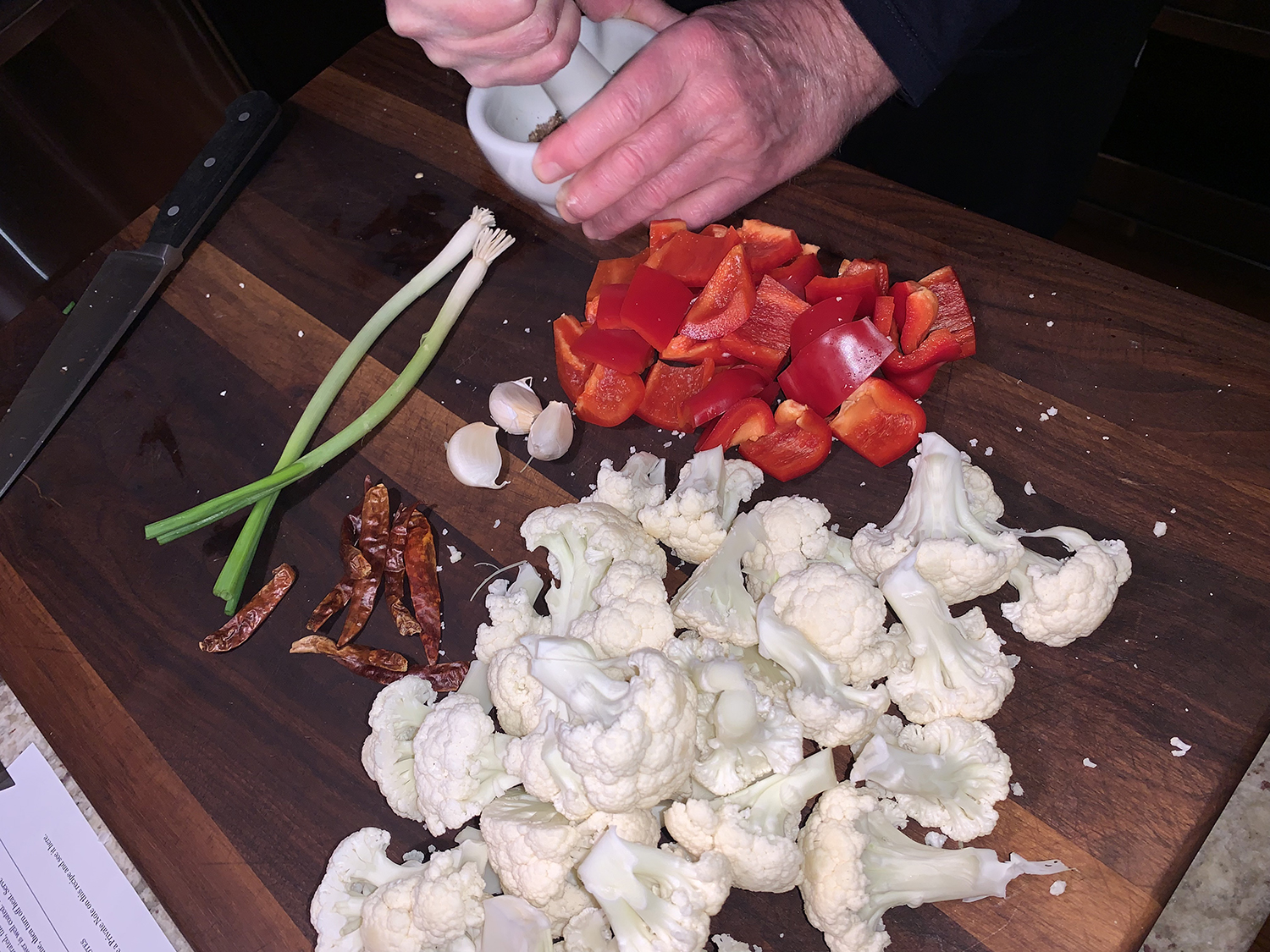
Even though Kung Pao Chicken originated in China’s Sichuan Province, it has become an iconic Chinese-American dish. The popular stir-fry typically includes chicken, vegetables and peanuts tossed in a dark, salty, sweet and spicy sauce, but in this vegan take, cauliflower steps in for the chicken.
Dark soy sauce is more caramel-flavored and less salty than regular soy sauce, and it adds color and richness to the dish. If you don’t have dark soy, substitute with regular soy sauce or hoisin sauce.
Make sure you have a lid for your skillet or wok on hand before you start cooking, as covering the cauliflower allows it to cook quicker and more evenly. And as with any stir-fry, always prep each ingredient ahead of cooking because you won’t have time in between.
Now, The Hubs inadvertently made more sauce than called for. He was using the “ounce” side of the small measuring cup instead of the “tablespoon” side. So he ended up doubling the soy sauces, vinegar, sugar and cornstarch. The vegetable stock remained at 1/4 cup. It ended up being a good mistake, as we tend to prefer our stir-fries on the saucier side anyway.
1 head cauliflower (about 2 lbs.), cut into small 2-inch-long florets
Kosher salt
1 green or red bell pepper, core, seeds and membrane removed, and cut into 1-inch pieces
1 tsp. Sichuan peppercorns, lightly ground in a mortar and pestle, spice grinder or crushed with a rolling pin
8 whole dried chiles, such as er jing tiao or chiles de árbol
2 cloves garlic, finely chopped
1 piece ginger, (1-inch) peeled and finely sliced
1/3 cup roasted peanuts
2 scallions, white and green parts, finely sliced
Steamed rice, to serve
Directions
In a small bowl, whisk together the dark soy sauce, soy sauce, black vinegar, sugar, vegetable stock or water, and cornstarch. Set aside.
Heat wok or large (12-inch) skillet on medium-high until very hot. Add 2 tablespoons of oil, the cauliflower florets and 1/2 teaspoon salt, and toss for 1 minute. Cover and cook for 5 to 6 minutes, tossing the cauliflower every 1 1/2 minutes or so, until the cauliflower is crisp-tender and charred in some parts. Remove from the pan and set aside.
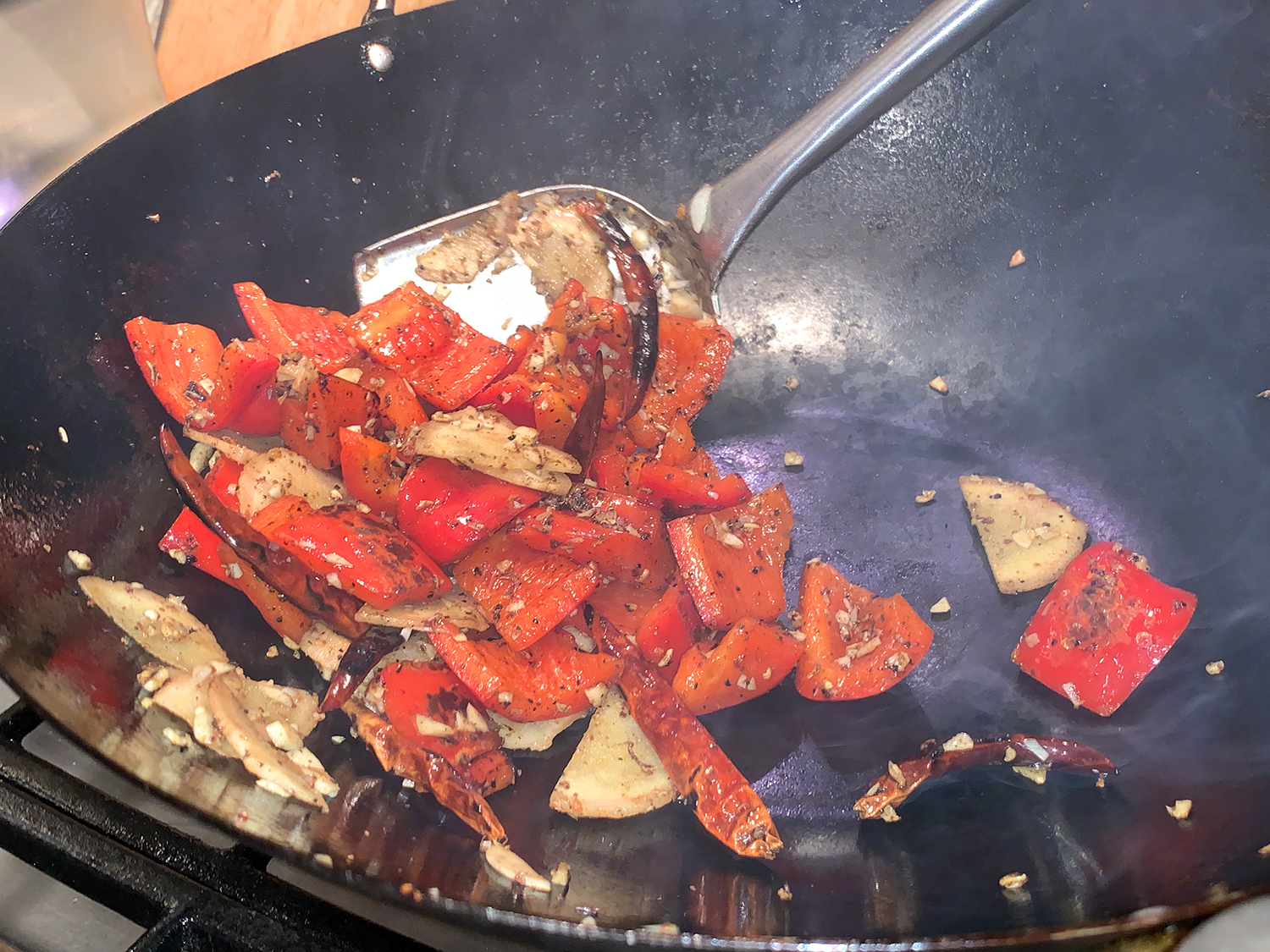
In the same wok or skillet, add the remaining 1 tablespoon of neutral oil, along with the bell pepper. Toss for 1 minute, then add the Sichuan peppercorns and whole dried chiles, and stir for 1 minute until fragrant.
Add the garlic and ginger, and stir for 30 seconds, then add the cauliflower back to the pan. Stir the sauce in the bowl to make sure the cornstarch is well incorporated, then pour it over the cauliflower and toss until the cauliflower is well coated.
Toss in the peanuts and scallions, stir to combine, then turn off heat. Serve with rice.












































 Accounting for Taste