Tag Archives: weeknight

Sausage and Barley Soup with Greens

This simple, satisfying soup relies on sausage as its flavorful base, therefore we doubled the amount. Start by cooking raw sausage, rather than precooked links, since it generally has better texture and flavor for soup.

Pearled barley adds heartiness and a wonderful chewy texture, another item we increased. We also doubled the greens which are stirred in at the end. A little vinegar is added for brightness, and voila!, you have a cozy meal in less than an hour of mostly hands-off time.

To make this soup gluten-free, you can substitute French green lentils for the barley. If you are making it ahead of time, wait to add the greens until you’re ready to serve to preserve their bright, fresh flavor.

As mentioned above, we altered certain ingredients, in some cases because that is how the items were packaged. Instead of 8 ounces of sausage, our coil was 1 pound and felt that amount was perfect. The baby kale came in 5-ounce clam shells so we used two for a total of 10 ounces instead of the 8 listed. The barley was increased to 3/4 cup and we added 4 cloves of garlic, chopped. Our changes are noted in the recipe below.

Tip: If using regular (hulled) barley, add about 15 minutes to the simmer time for the barley to become tender.

Sausage and Barley Soup with Greens

  • Servings: 6-8
  • Difficulty: easy
  • Print

Ingredients

  • 2 Tbsp. olive oil 
  • 1 lb. raw Italian pork or chicken sausage (casings removed if necessary)
  • 1 medium onion, chopped (about 2 cups)
  • 3 large carrots, peeled and chopped (about 2 cups)
  • 4 cloves garlic, peeled and chopped
  • Salt and black pepper
  • 6 cups chicken stock or water
  • 1 14-oz. can diced tomatoes
  • 3/4 cup pearled barley (see Tip)
  • 10 oz. tender greens, like spinach or baby kale
  • 2 Tbsp. red wine vinegar or apple cider vinegar
  • Grated Parmesan and fresh herbs (optional), for garnishing

Sausage and Barley Soup with Greens

  • Servings: 6
  • Difficulty: easy
  • Print

Directions

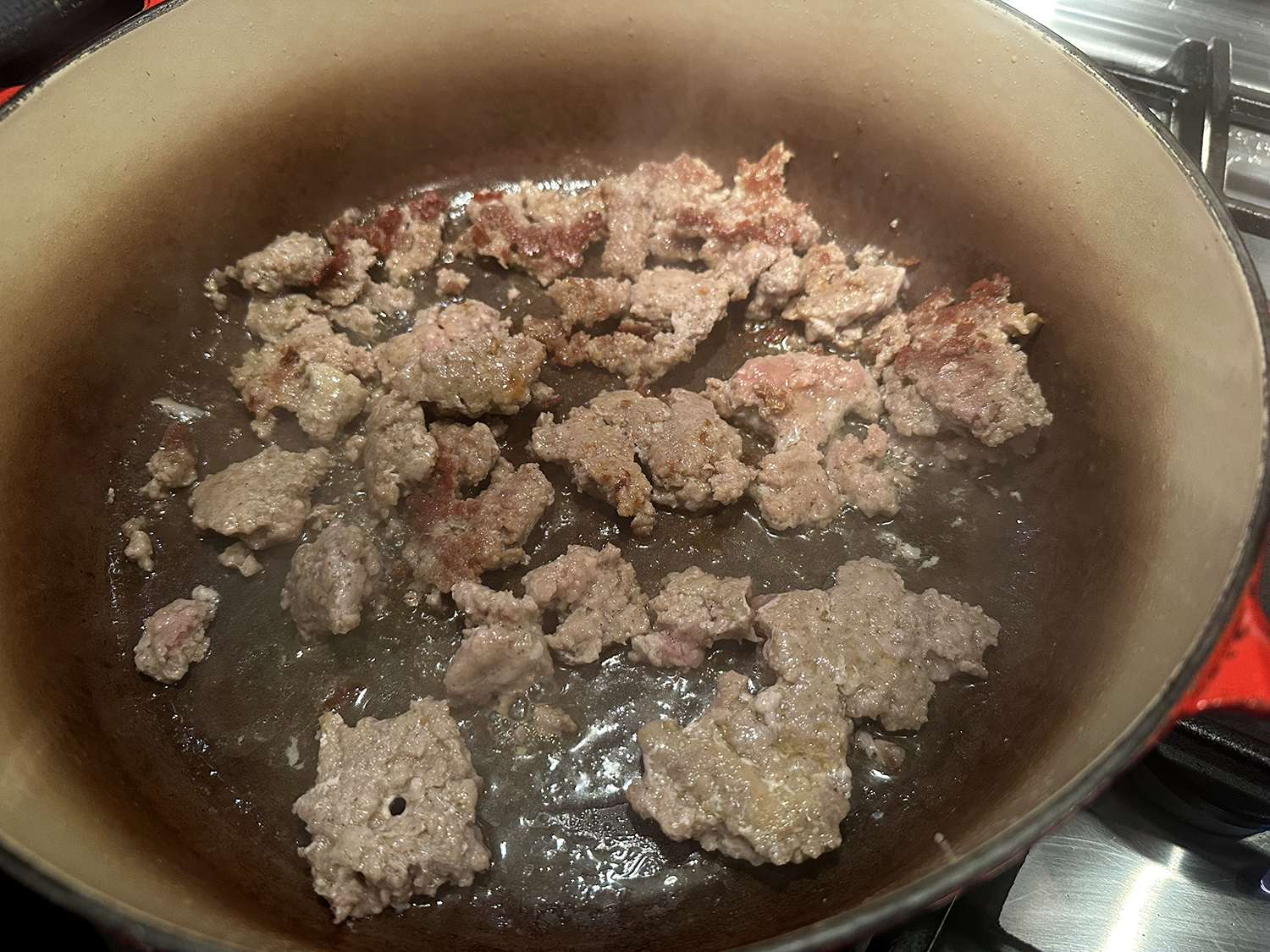
  1. Heat a medium Dutch oven or other heavy-bottomed pot over medium. Add the olive oil and swirl to coat the bottom of the pot. Add the sausage, pressing it into a thin layer that covers the bottom of the pot. Cook, undisturbed, until golden brown on the bottom, about 5 minutes. Flip the sausage and break it up into bite-size pieces, then cook until golden brown all over, stirring occasionally, about 5 minutes more. If there is a large amount of fat left in the pot after browning the sausage, remove all but about 2 tablespoons.
  2. Add the onion and carrots, season with salt and pepper, and cook, stirring occasionally, until the onion is translucent, about 5 minutes.
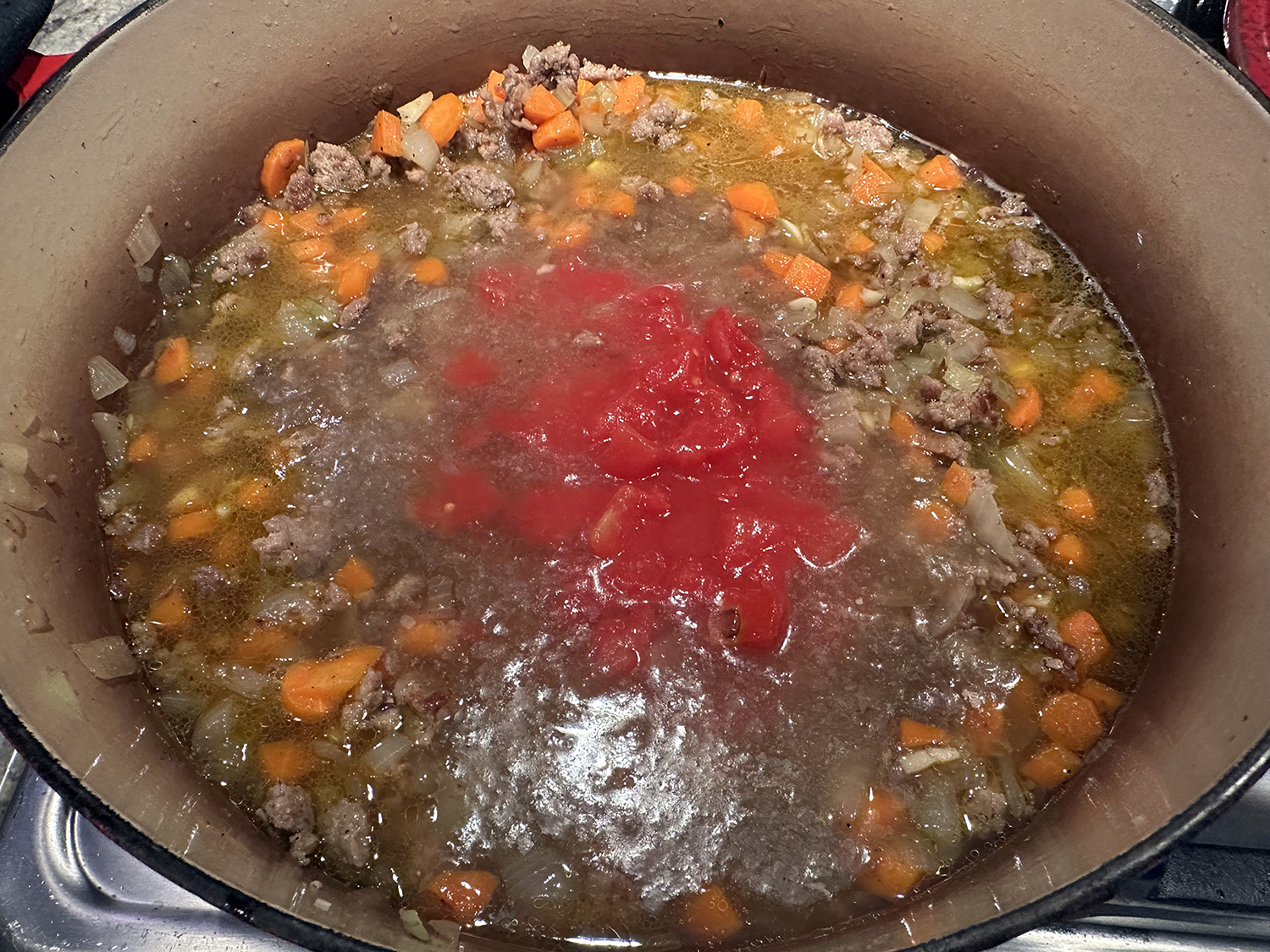
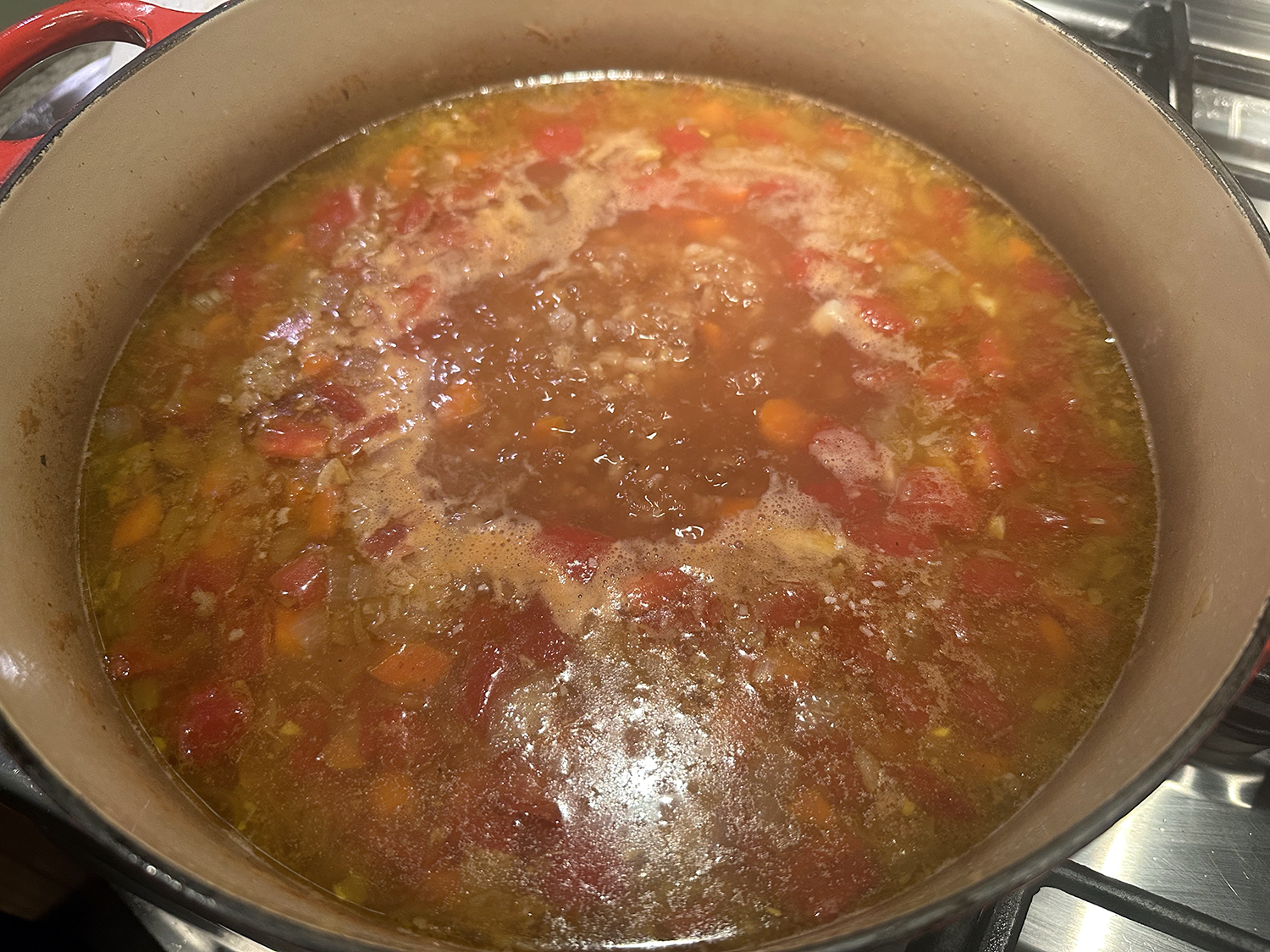
  3. Stir in the stock, tomatoes and their juices and the barley, scraping the browned bits from the bottom of the pot. Bring to a simmer, then turn the heat down to low and cook, stirring occasionally, until the barley is tender, about 30 minutes.
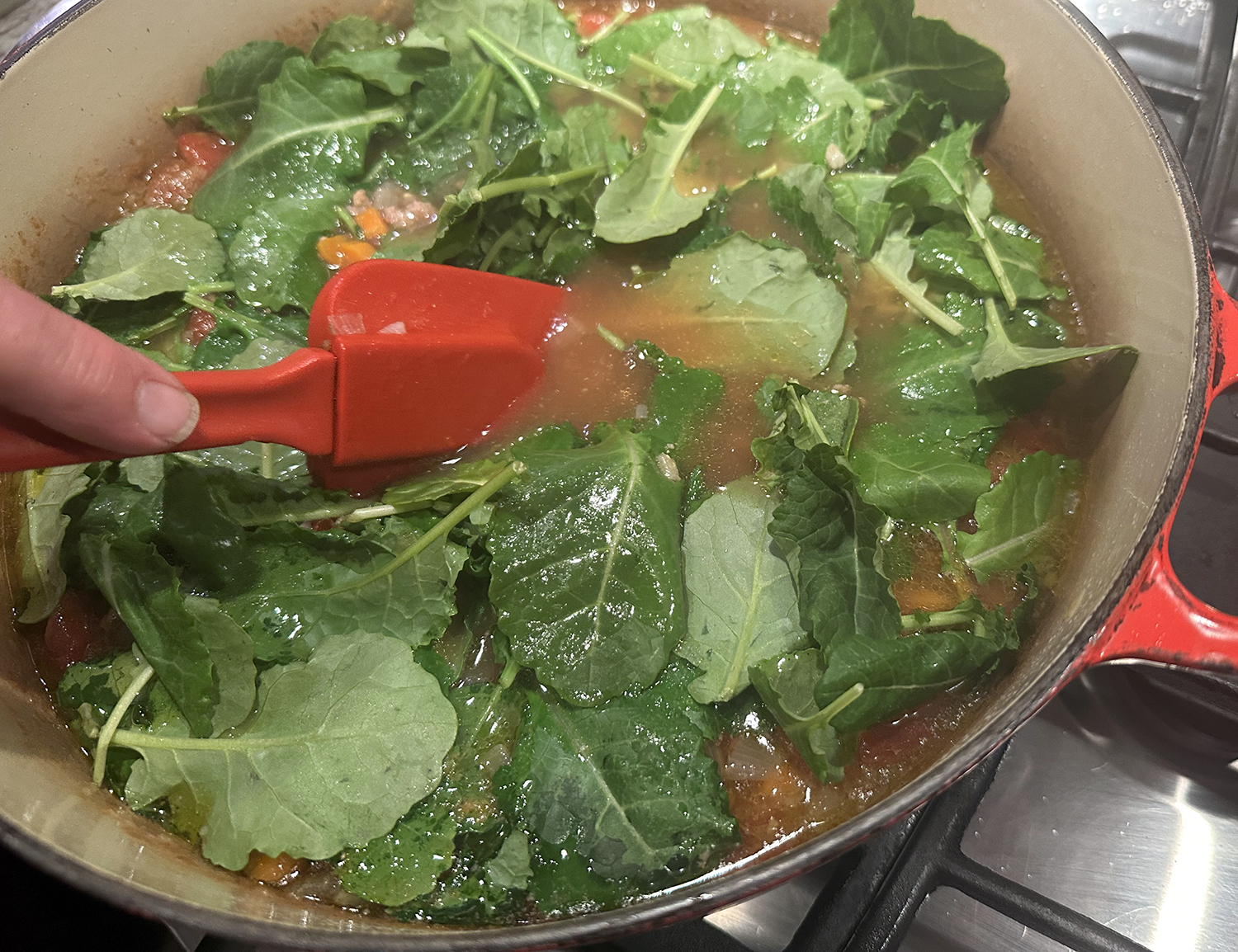
  4. When ready to serve, stir in the greens and cook until bright green and slightly wilted, about 2 minutes.
  5. Add the vinegar, taste and season with salt and pepper as needed.
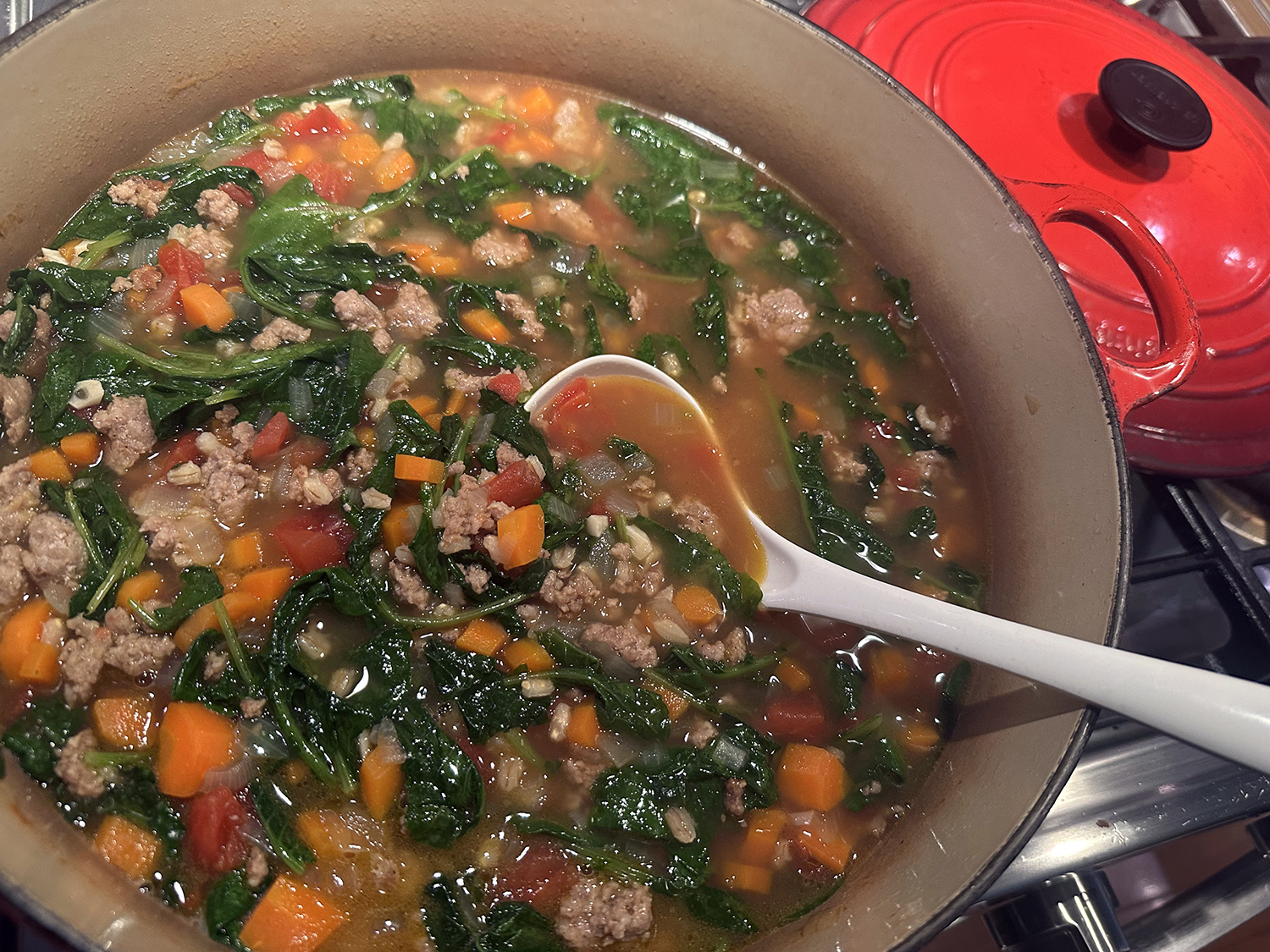
  6. Divide among bowls and garnish with Parmesan and fresh herbs, if using. (The soup will keep, refrigerated, for up to 3 days. The barley will absorb some liquid as the soup sits, so loosen any leftover soup with a bit of water or stock.)

http://www.lynnandruss.com

Adapted from a recipe by Linda Xiao for NYTimes Cooking

Porcini-Seasoned Steak au Poivre

For a decadent but easy “date-night” dinner, splurge a little on some decent steaks, then make this au poivre sauce to take it to the next level. Another hack to ensure great steak is to dry-age it. The dry-aging process allows the meat’s natural enzymes to break down the connective tissue, resulting in a more tender steak. The process also causes the meat’s moisture to evaporate, intensifying the beefy flavor and creating a unique taste and texture.

About the sauce. “Mushroom powder sounds illicit, but it’s actually a secret-weapon umami bomb.” Here, dried porcini mushrooms are pulverized, mixed with salt and pepper, then rubbed all over steaks for intense seasoning. Additionally, some water is stirred in for an instant broth, making a full-flavored pan sauce. Crème fraîche, instead of heavy cream, gives the sauce body and richness. And what a treat they are!

Avoid moving the steaks until halfway through cooking. They will release easily when properly seared. *We thought the amount of black pepper was pretty intense and would cut it back to 1 tablespoon, but that’s a choice we’ll leave up to you…

The extra sauced can be spooned over your sides such as pasta, mashed potatoes or vegetables. Our sides were porcini tagliatelle and sautéed spinach and garlic.

Porcini-Seasoned Steak au Poivre

  • Servings: 4
  • Difficulty: easy
  • Print

Ingredients

  • 1/4 oz. dried porcini mushrooms, broken into pieces
  • 1½ Tbsp.* whole black peppercorns
  • 1 ½ tsp. Kosher salt
  • 1 Tbsp. neutral oil
  • 2 1-lb. beef strip steaks or ribeye steaks, trimmed
  • 2 Tbsp. salted butter
  • 1 medium shallot, minced
  • 4 Tbsp. brandy, divided
  • 1/4 cup crème fraîche
  • Finely chopped fresh chives, to serve

Directions

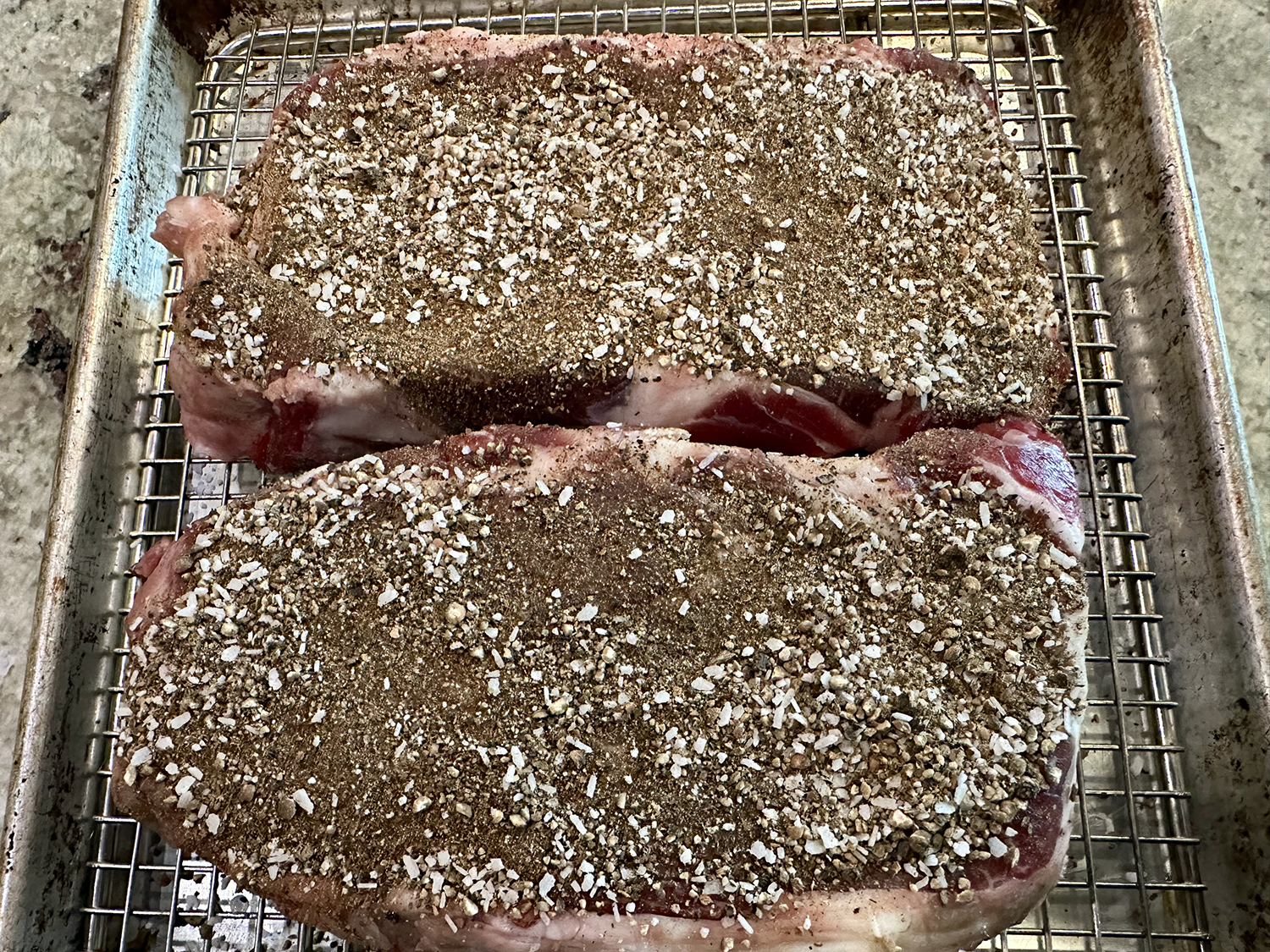
  1. In a spice grinder, pulverize the porcini to a fine powder; transfer to a small bowl. Add 1 tablespoon of the porcini powder to 1½ cups water; set aside. In the spice grinder, pulse the peppercorns until coarsely ground. Stir the pepper and 1½ teaspoons salt into the remaining porcini powder; sprinkle and rub over the steaks. (Dry-age the steaks for 24 to 48 hours prior, if desired.) Add any seasoning that falls off to the porcini water.
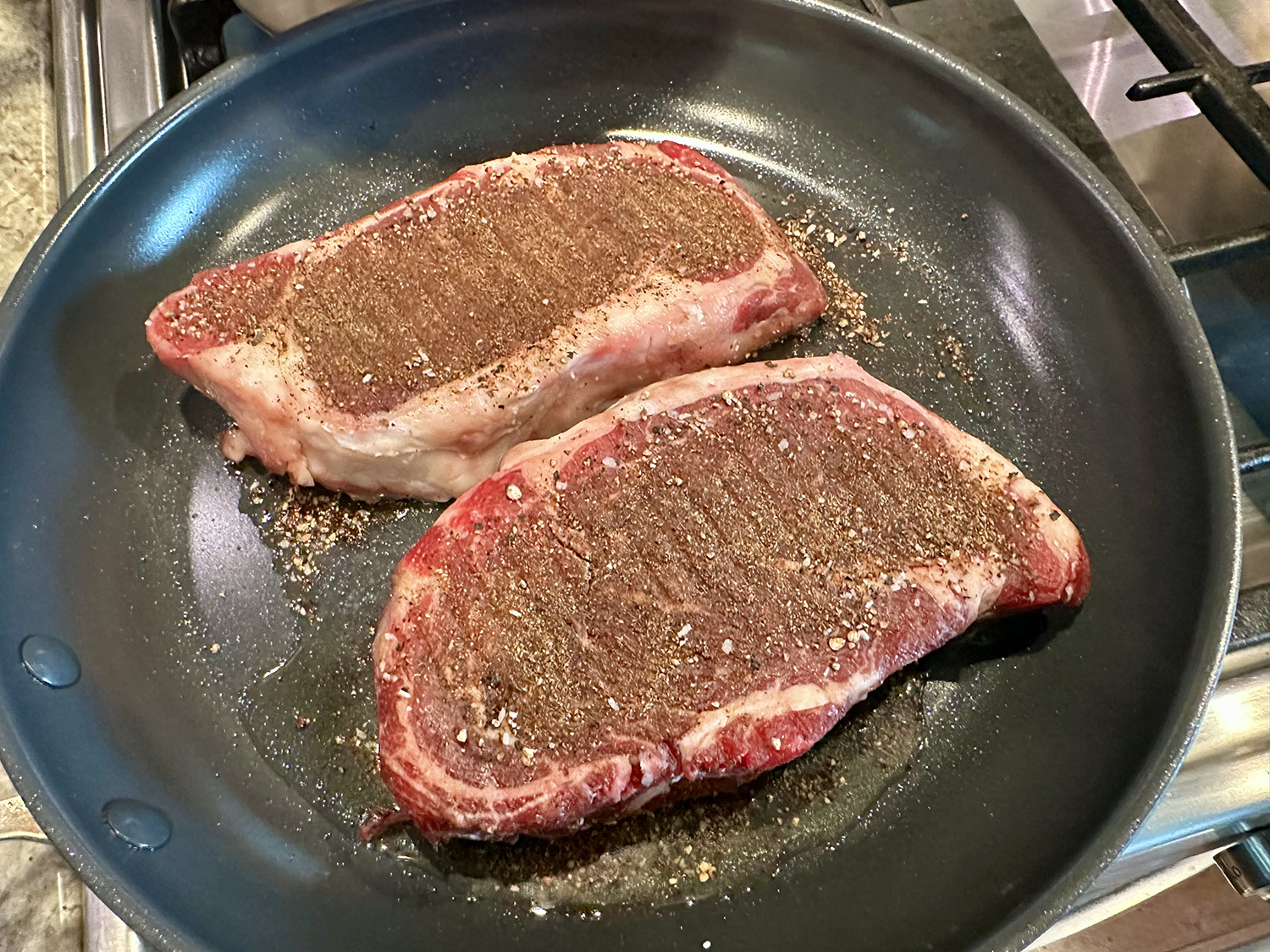
  2. In a 12-inch skillet over medium-high, heat the oil until barely smoking. Add the steaks, reduce to medium and cook until the centers reach 120°F for medium-rare, 10 to 12 minutes; flip halfway through. Transfer to a platter, and tent with foil while you make the sauce. Discard any fat in the pan.
  3. In the same pan over medium, melt the butter. Add the shallot and cook, stirring, until softened, about 2 minutes. Off heat, add 3 tablespoons of the brandy. Return to medium and cook, scraping up the browned bits, until slightly reduced. Add the porcini water; cook over medium-high, stirring, until a spatula drawn through leaves a trail, 8 to 10 minutes.
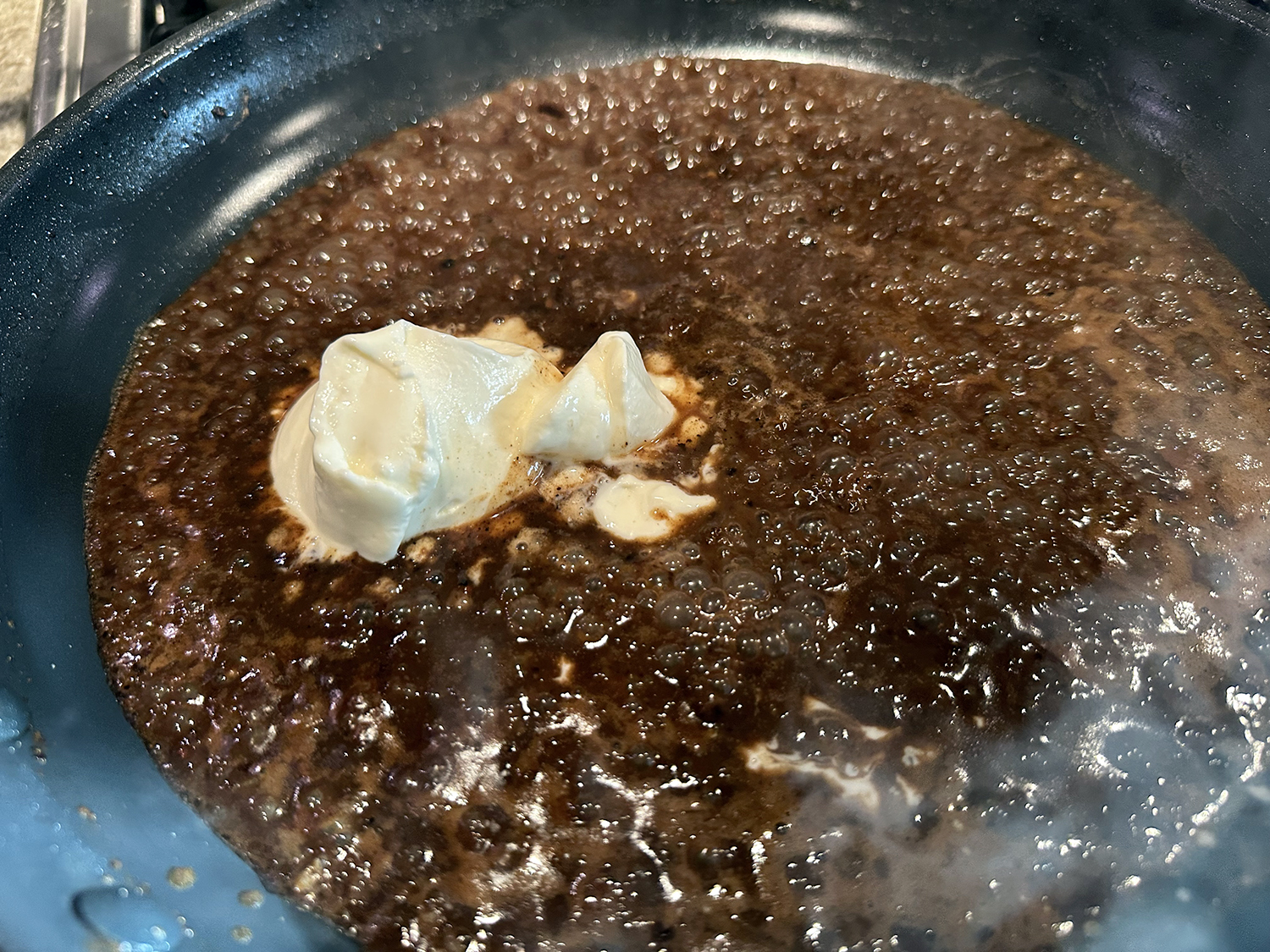
  4. Whisk in the crème fraîche, remaining 1 tablespoon brandy and any steak juices; cook, whisking, until slightly thickened, 2 to 3 minutes. Off heat, taste and season with salt and pepper. Slice the steaks, return to the platter and pour the sauce over them. Sprinkle with chives.

http://www.lynnandruss.com

Recipe by Hisham Hassan for Milk Street

One-Skillet Crispy Salmon with Mustardy Lentils

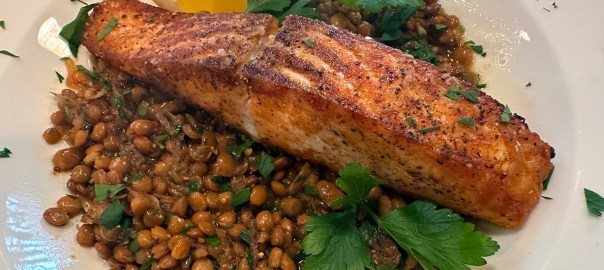
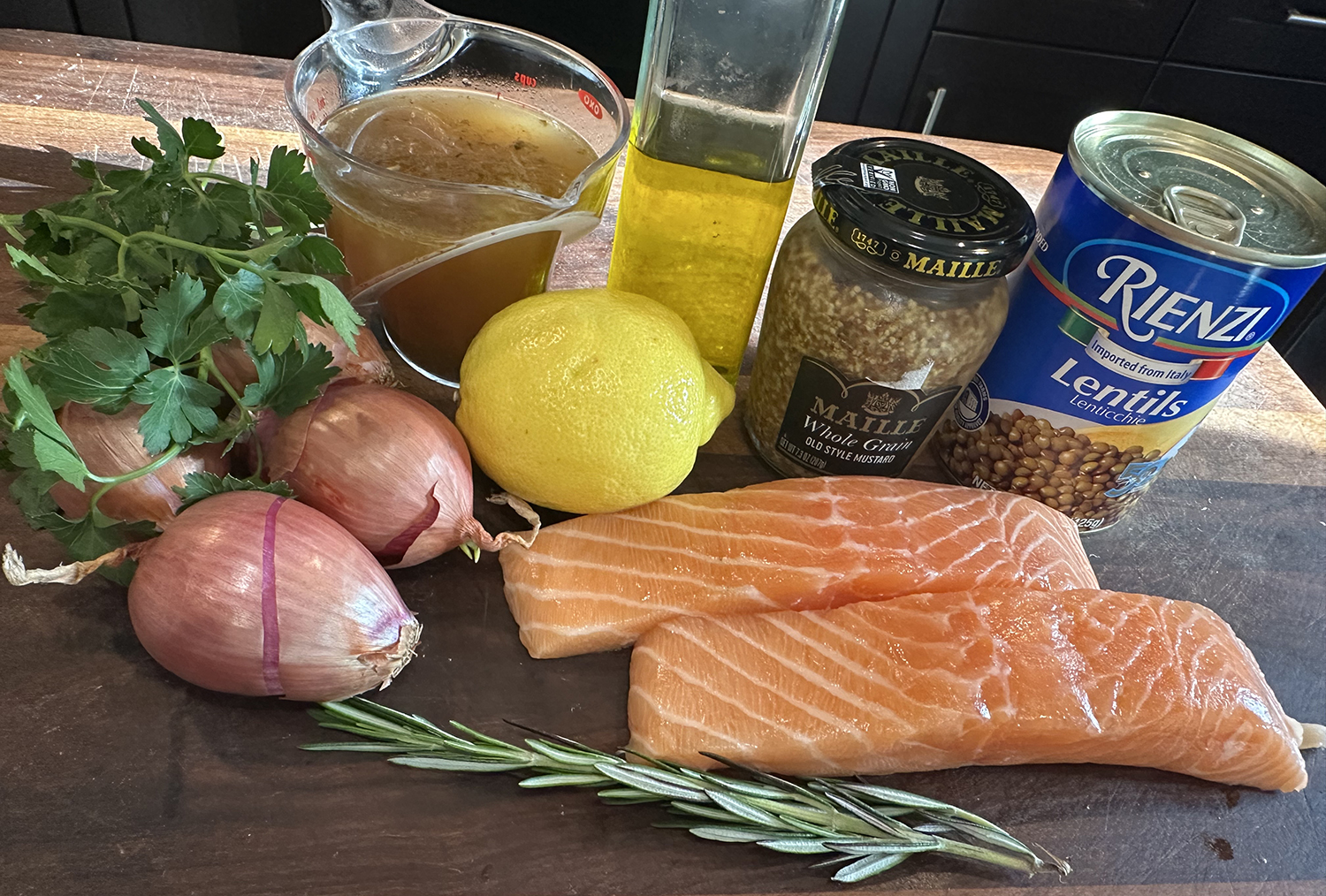
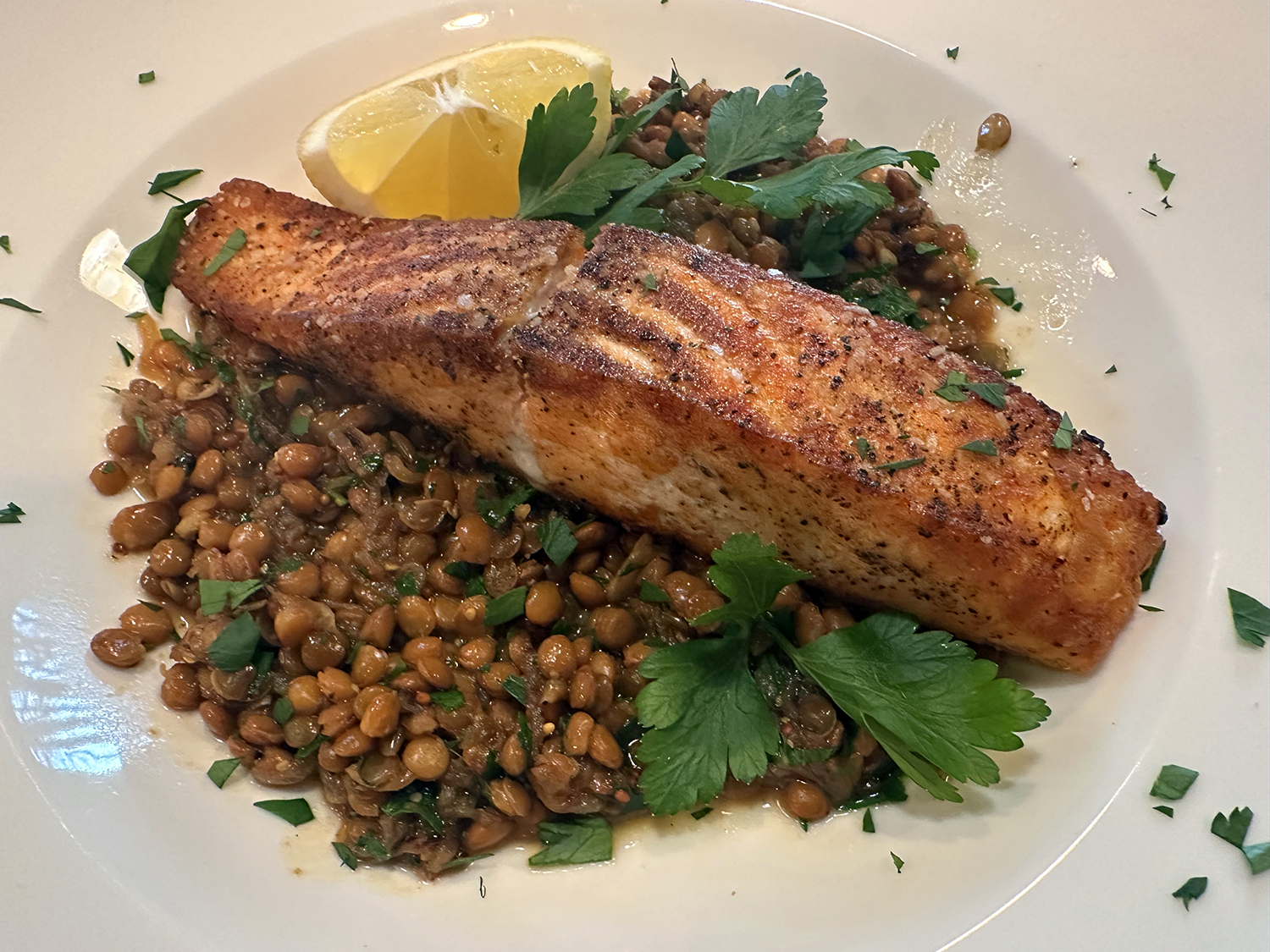
Salmon and lentils is an absolutely classic French pairing. In this simple, satisfying one-pot dinner for two that plays off the famous coupling, crispy salmon is served in a broth of lentils flavored with caramelized shallots and mustard.

Using one skillet for the entire recipe allows the caramelized shallots to play double duty, imparting their sweet flavor to both the salmon and the lentils. The salmon rests while the canned lentils are quickly cooked with vegetable broth, herbs, and mustard, so that the whole dish is ready without wasting a minute.

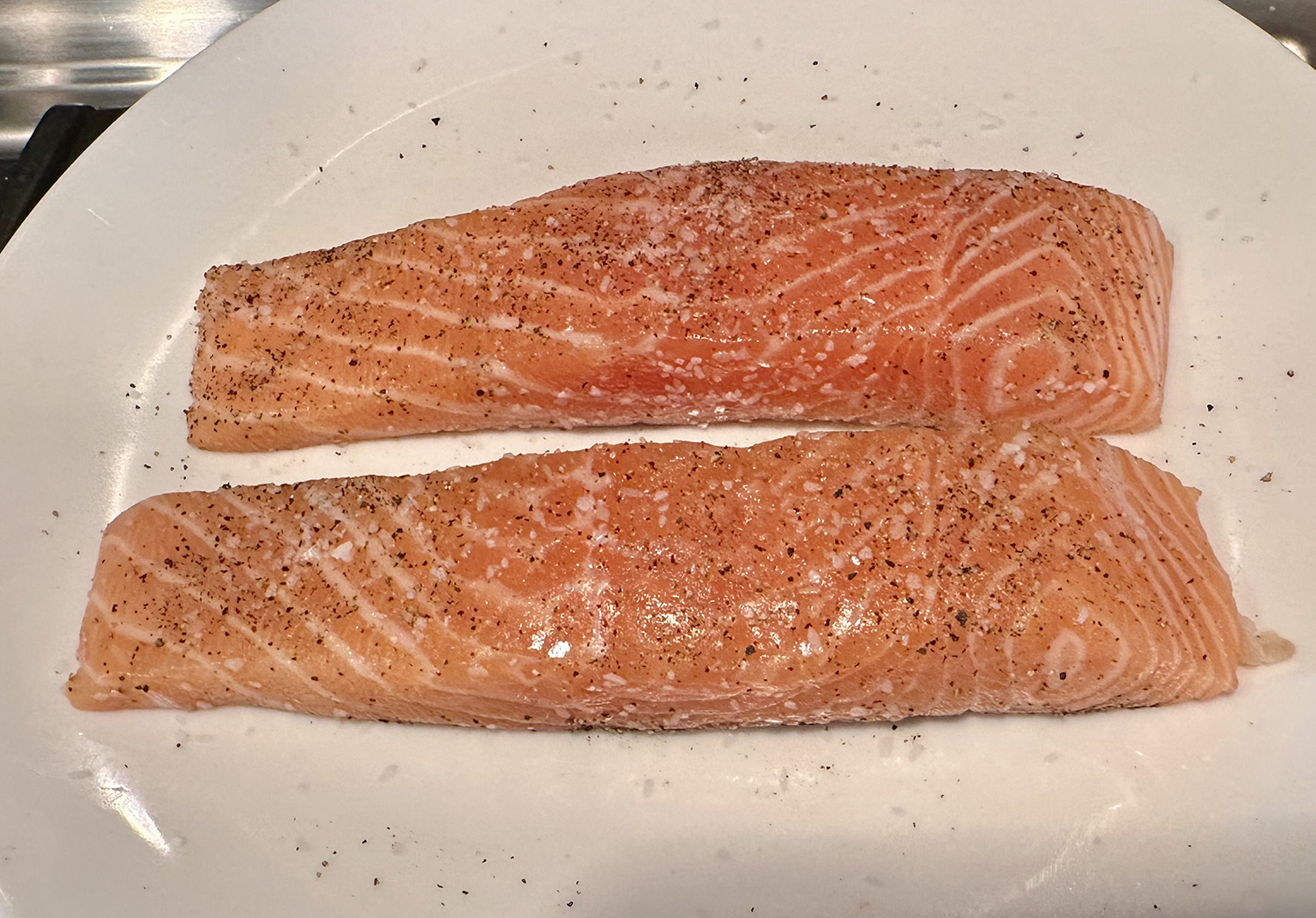
Mistakingly, we bought salmon filets without the skin, but it ended up being a positive error. I personally do not like to eat salmon skin and the fish got just as crispy without it. When making this dish again in the future, we will again purchase salmon filets without the skin. That choice is up yo you…

In the end, the meal was super simple and super-tasty!

One-Skillet Crispy Salmon with Mustardy Lentils

  • Servings: 2
  • Difficulty: easy
  • Print

Ingredients

  • 2 Tbsp. extra-virgin olive oil, divided, plus more for serving
  • 4 medium shallots, thinly sliced (about 1/2 cup)
  • Kosher salt and freshly ground black pepper
  • 2 6-oz. salmon filets, skin on (or not, depending on your preference)
  • 1 14.5-oz. can Puy lentils, drained and rinsed
  • 3 sprigs thyme or 1 sprig rosemary
  • 1 cup vegetable or chicken stock, preferably homemade
  • 1 Tbsp. whole-grain mustard
  • 1 Tbsp. chopped flat-leaf parsley
  • 1 tsp. fresh lemon juice

Directions

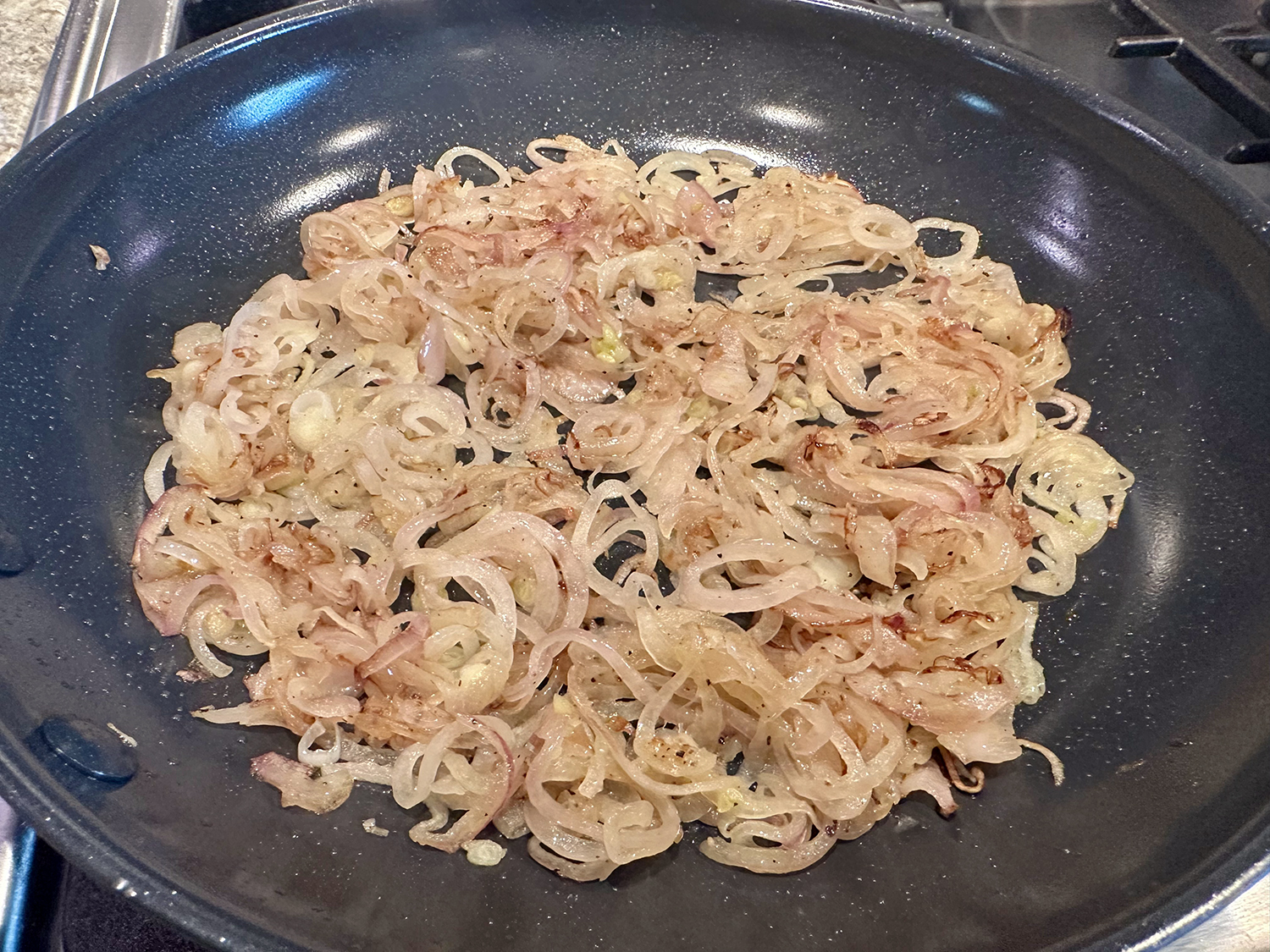
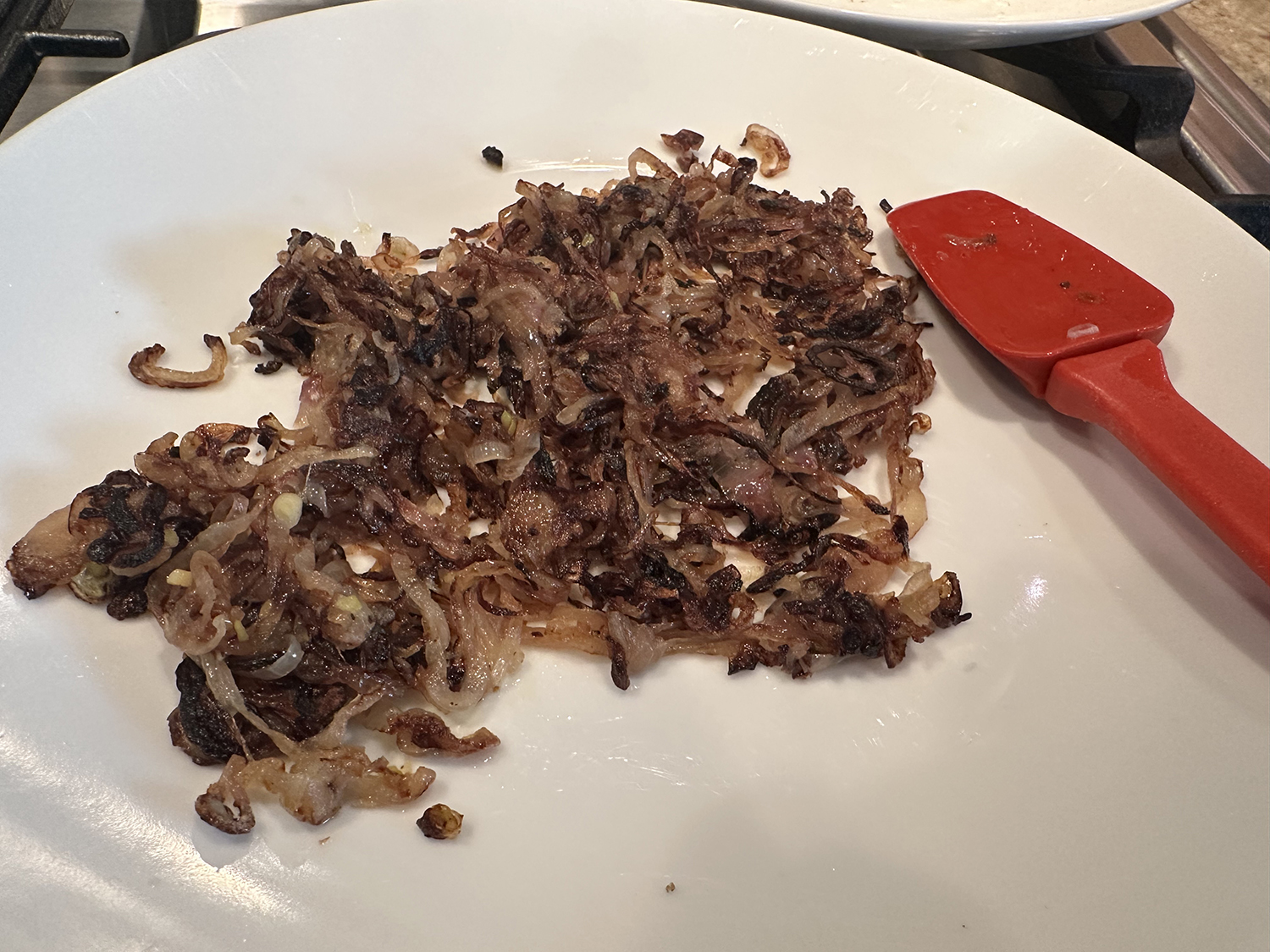
  1. In a medium nonstick skillet, heat 1 tablespoon of olive oil over medium heat until shimmering. Add shallots and cook, stirring frequently, until very soft and browned, about 15 minutes; lower the heat if necessary to prevent burning. Season to taste with salt and pepper and set caramelized shallots aside. Wipe out skillet.
  2. Press salmon filets between paper towels to dry surfaces thoroughly. Season on all sides with salt and pepper. Heat remaining 1 tablespoon in the skillet over medium-high heat until shimmering. Add salmon filets skin side-down. Immediately reduce heat to medium-low. Cook, pressing gently on back of filets to ensure good contact with skin, until skin is rendered and crisp, about 6 minutes. If skin shows resistance when attempting to lift with a spatula, allow it to continue to cook until it lifts easily. Flip salmon and cook on second side until a thermometer inserted into the thickest part registers 120°F for medium rare or 130°F for medium, about 1 minute longer. Transfer salmon to a paper towel-lined plate and allow to rest.
  3. Add lentils, thyme or rosemary, broth, whole grain mustard, and caramelized shallots to the skillet and bring to a boil. Reduce heat to medium and simmer until the broth has reduced by about half, about 5 minutes. Remove from the heat and stir in parsley and lemon juice. Season to taste with salt and pepper. Spoon the lentils onto plates, set the salmon on top, drizzle with more olive oil, and serve immediately.

http://www.lynnandruss.com

Adapted from a recipe from Serious Eats

Orecchiette Puttanesca with Tuna and White Beans

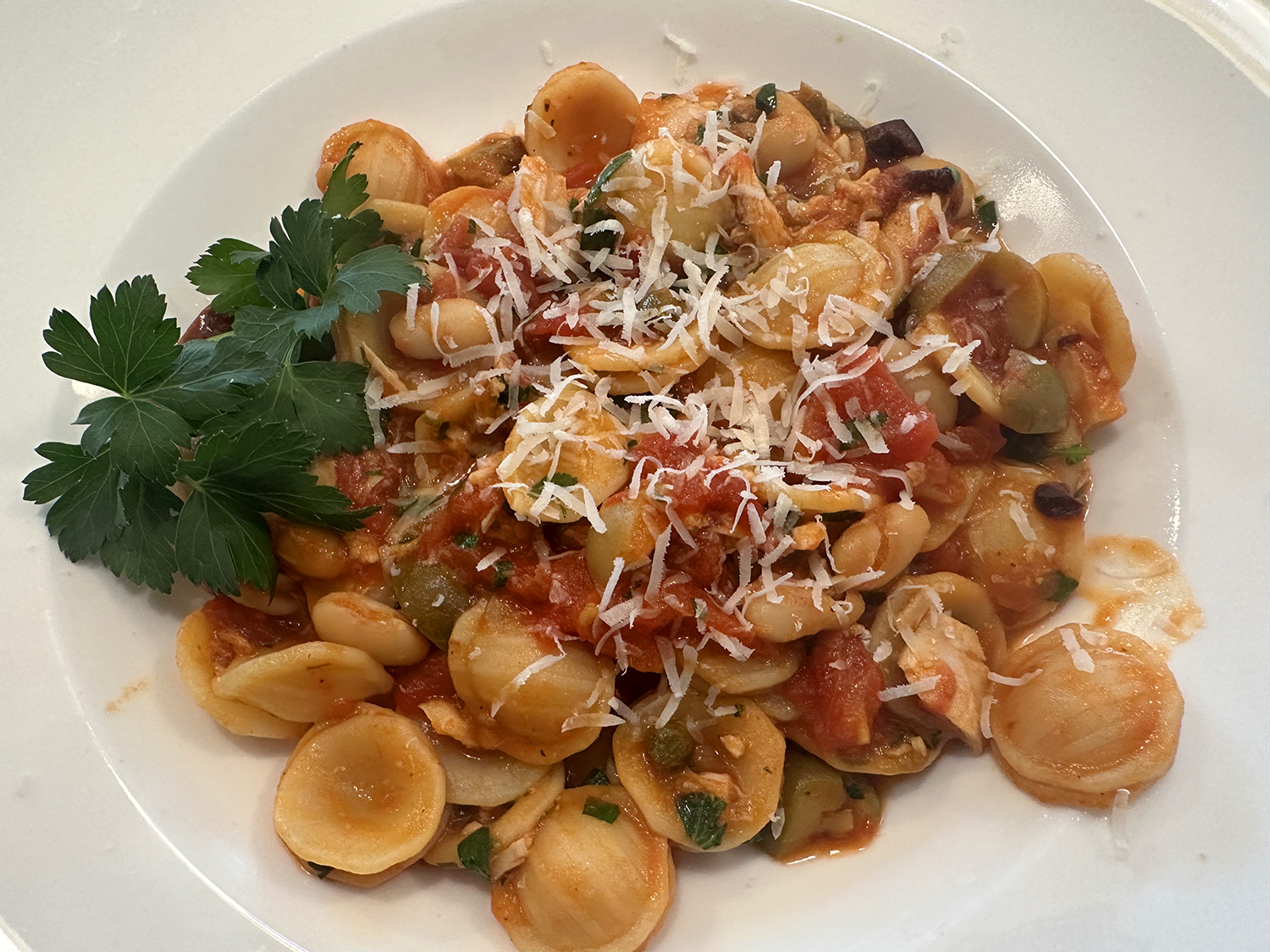
In a word, delicious! A great choice for those nights where you prefer a meatless or pescatarian meal.

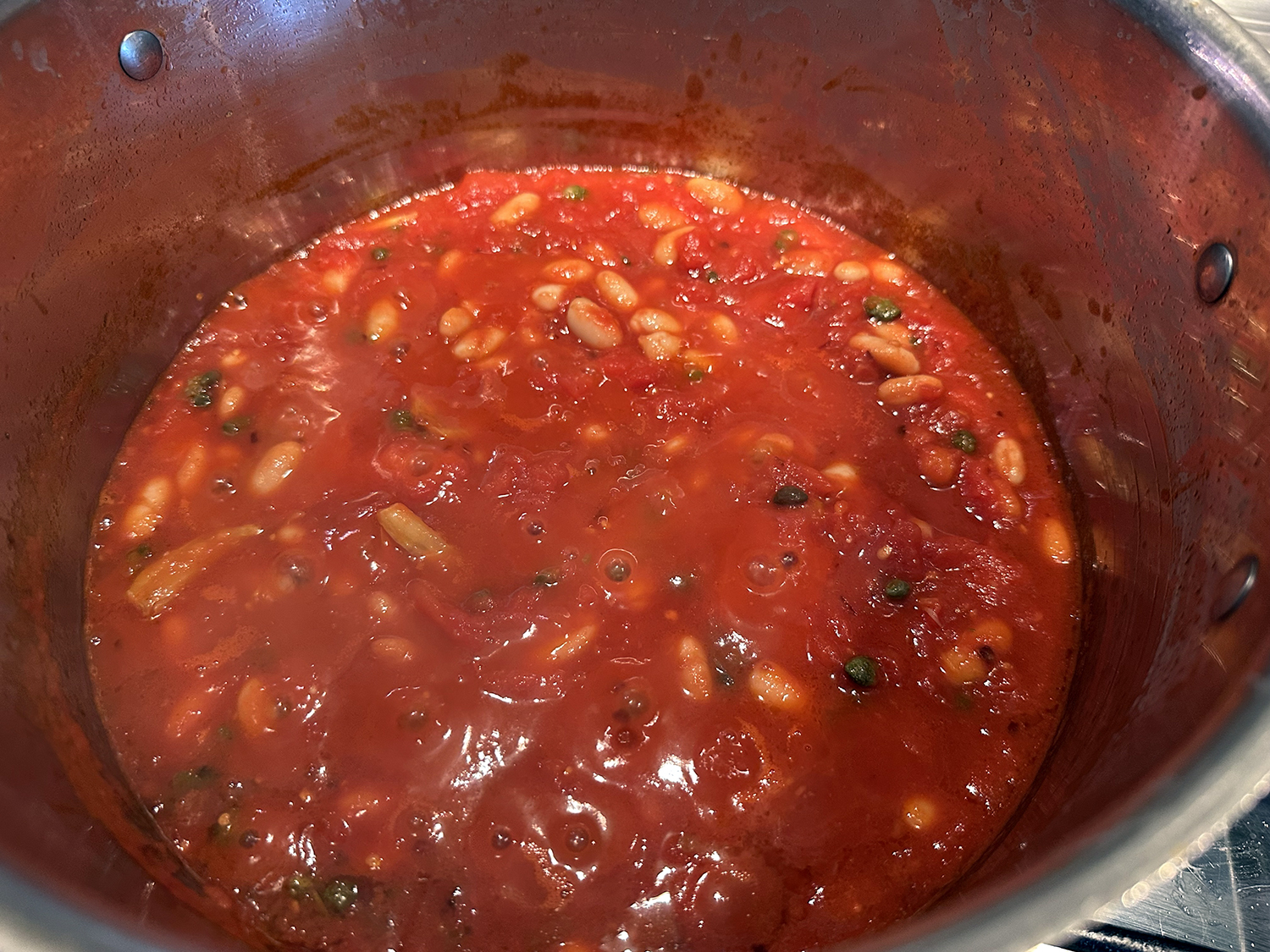
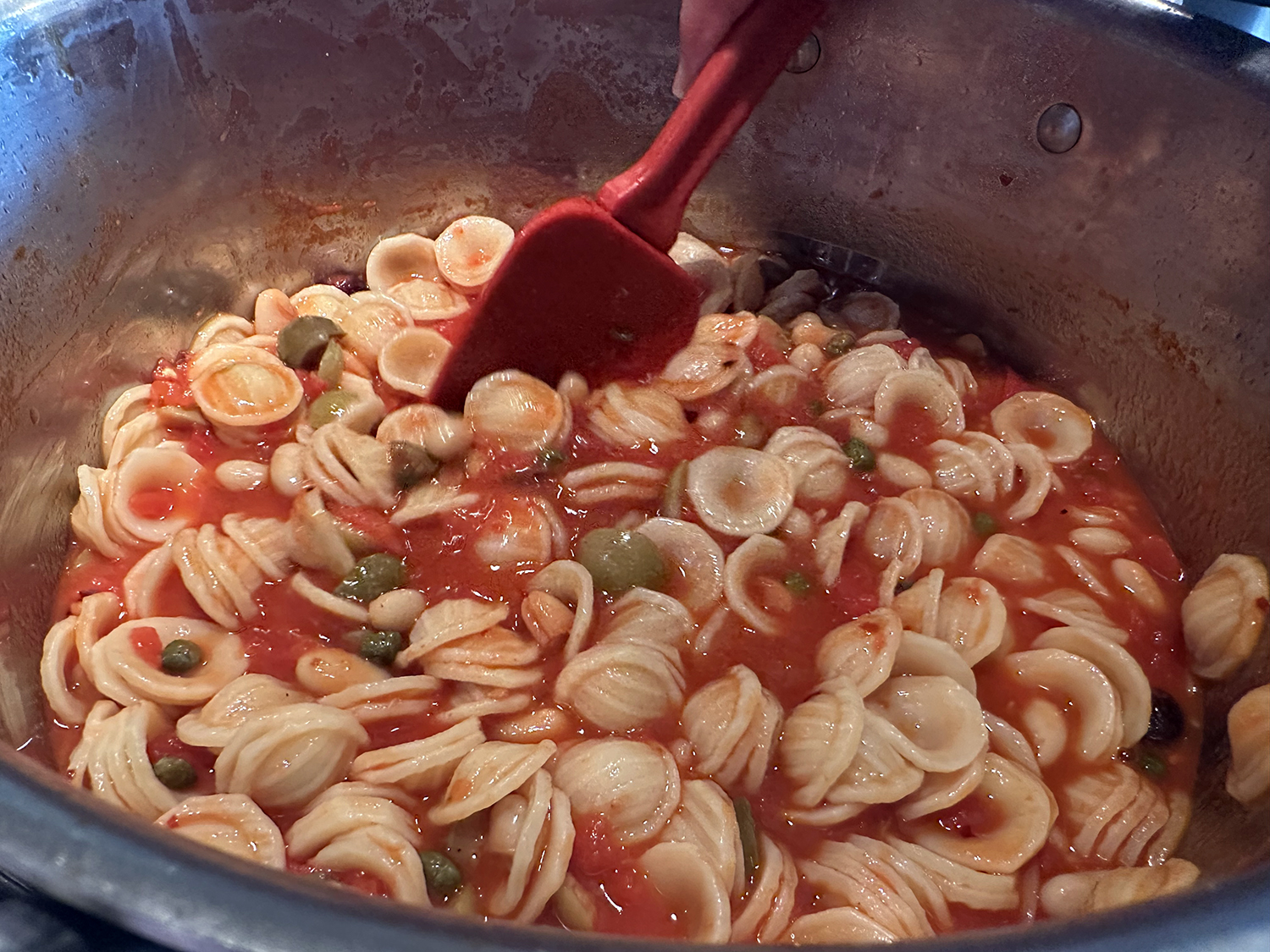
A one-pot wonder, this recipe is bold, with a briny puttanesca sauce that finds delicious partners in creamy white beans and flaked tuna (just needed more of it). First the pasta is boiled and drained, then the same pot is used to make the sauce.

Orecchiette pasta is preferred because the small saucer shapes catch bits of the olives, capers and tuna. The consistency is on the “soupy” side; stir in additional pasta water at the end to adjust the consistency to suit your taste.

Two major changes we made included doubling the canned tuna to two 5-ounce cans, and decreasing the pasta by 25%, down to 12 ounces. These differences still provided 4 large portions. Also, don’t discard the olive oil when draining the tuna. Use it as part of, or in place of, the necessary olive oil for the recipe.

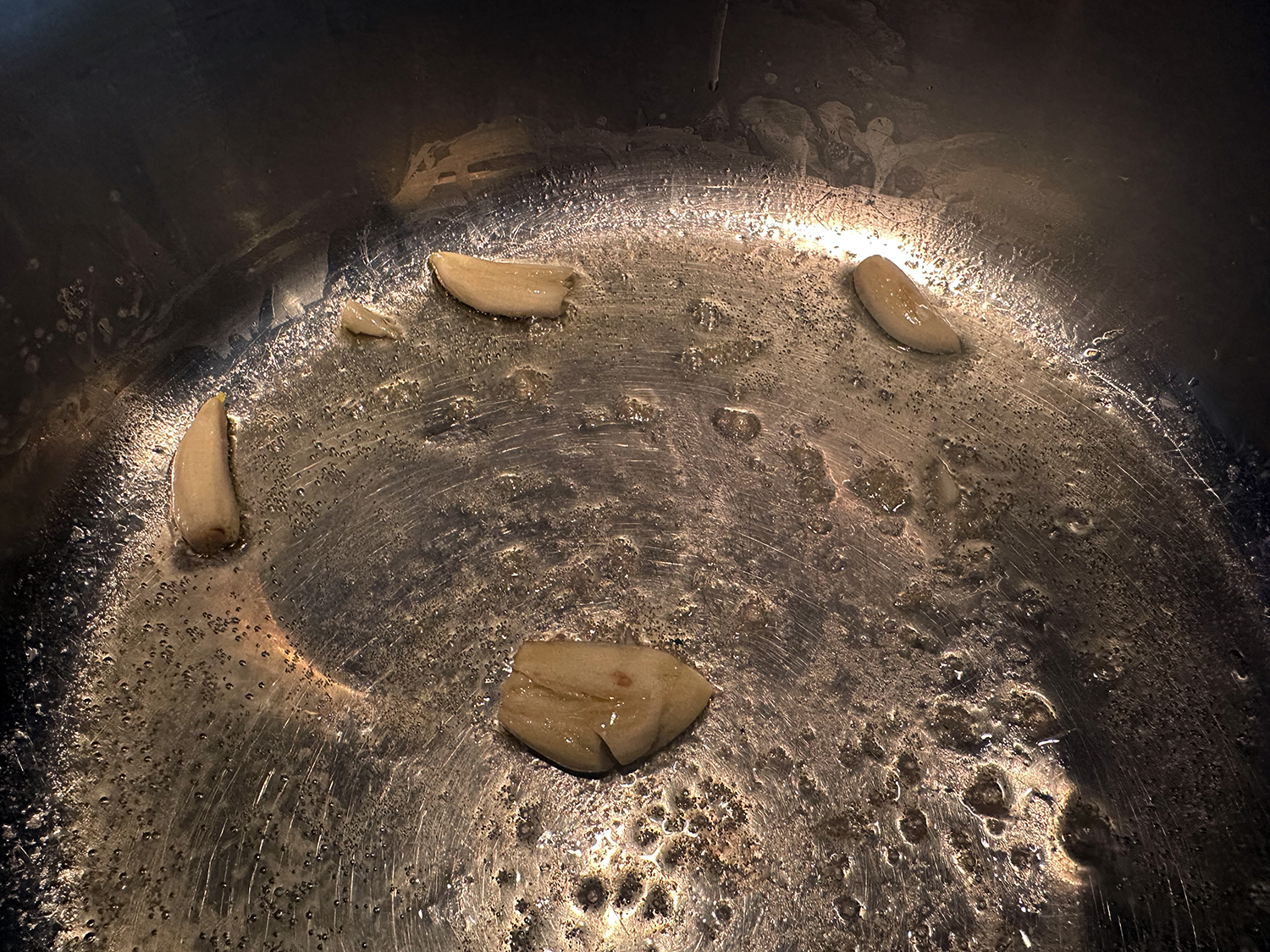
NOTES: Don’t forget to rinse and drain the beans. If their starchy liquid makes it into the pot, it will turn the sauce thick and heavy. Don’t worry about removing the garlic cloves after they’re lightly browned. They’ll soften and break apart slightly as the sauce cooks.

Orecchiette Puttanesca with Tuna and White Beans

  • Servings: 4-6
  • Difficulty: easy
  • Print

Ingredients

  • 12 oz. orecchiette pasta
  • Kosher salt and ground black pepper
  • 1 Tbsp. extra-virgin olive oil, plus more to serve
  • 2 medium garlic cloves, smashed and peeled
  • 1 tsp. red pepper flakes
  • 1 cup pitted green or black olives (or a combination), roughly chopped
  • ¼ cup drained capers, rinsed and patted dry
  • 28 oz. can whole peeled tomatoes, crushed by hand
  • 15½ oz. can cannellini beans, rinsed and drained
  • 2 5 oz. cans olive oil-packed tuna, drained and flaked
  • ⅓ cup lightly packed fresh flat-leaf parsley, roughly chopped

Directions

  1. In a large pot, bring 4 quarts of water to a boil. Stir in the pasta and 1 tablespoon salt, then cook, stirring occasionally, until just shy of al dente. Reserve 2½ cups of the cooking water, then drain.
  2. In the same pot over medium, combine the oil and garlic. Cook, stirring occasionally, until the garlic is light golden brown, 2 to 4 minutes. Add the pepper flakes, olives, and capers. Increase to medium-high and cook, stirring, until the capers begin to brown, about 1 minute. Add the tomatoes with juices along with the beans, then cook, stirring occasionally, until the mixture is slightly thickened, 3 to 4 minutes.
  3. Stir in 1½ cups of the reserved water and bring to a simmer over medium-high. Add the orecchiette and cook, stirring occasionally, until the pasta is al dente, 2 to 4 minutes; add more reserved water if needed to thin. Taste and season with salt and black pepper. Off heat, stir in the tuna and parsley. Serve drizzled with additional oil.

http://www.lynnandruss.com

Adapted from a recipe from Karen Waldman for Milk Street

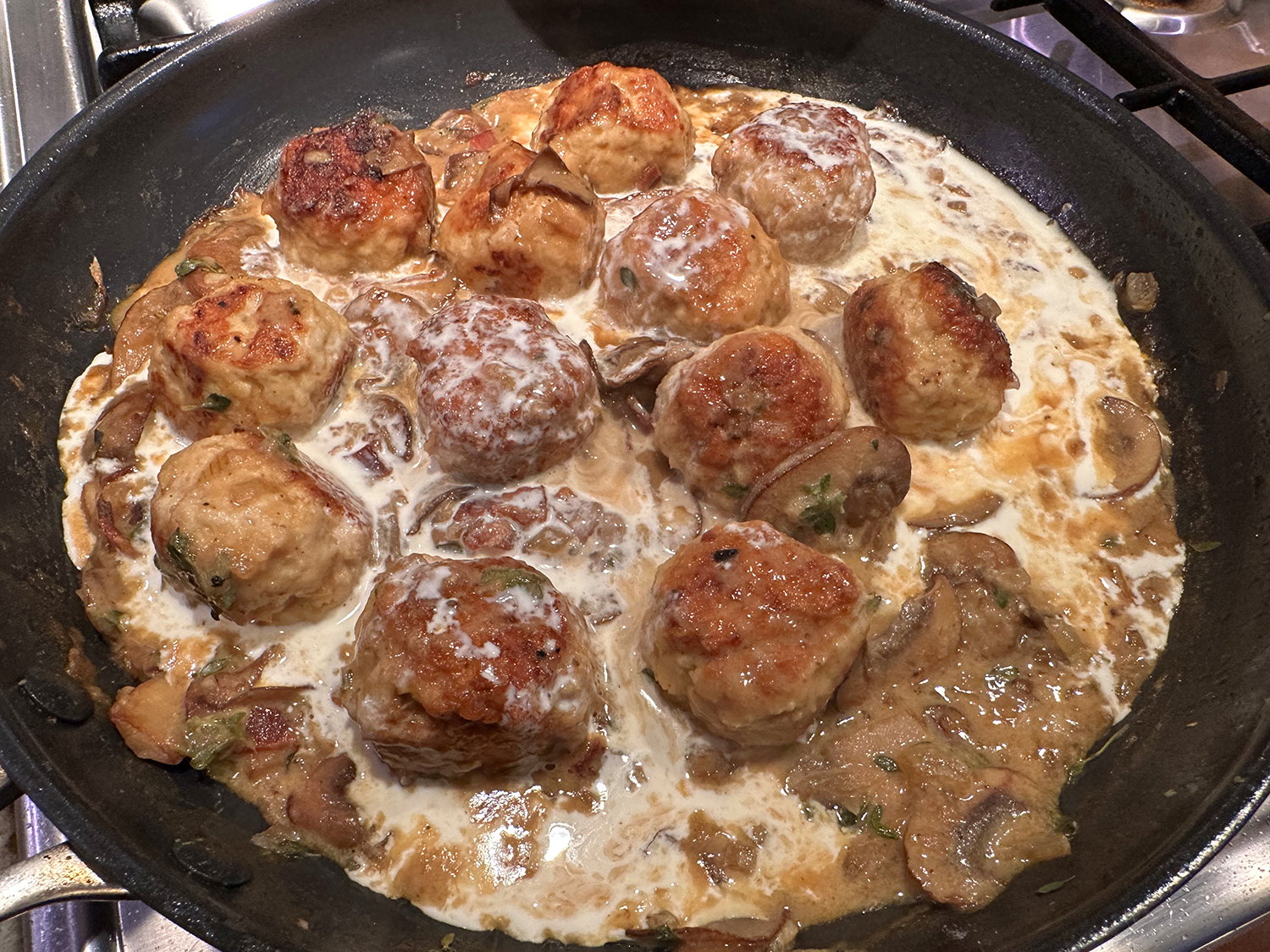
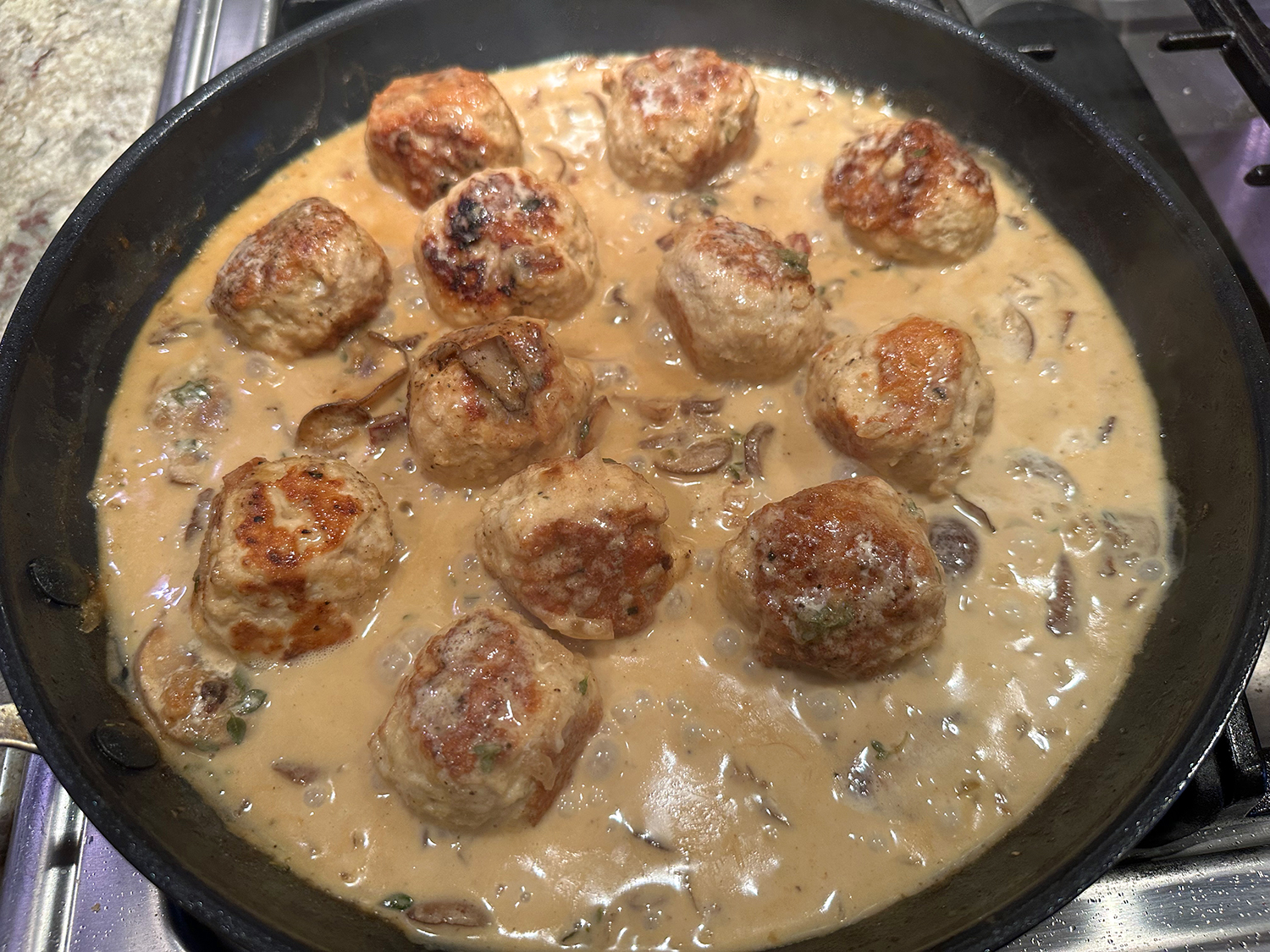
Coq Au Vin Meatballs

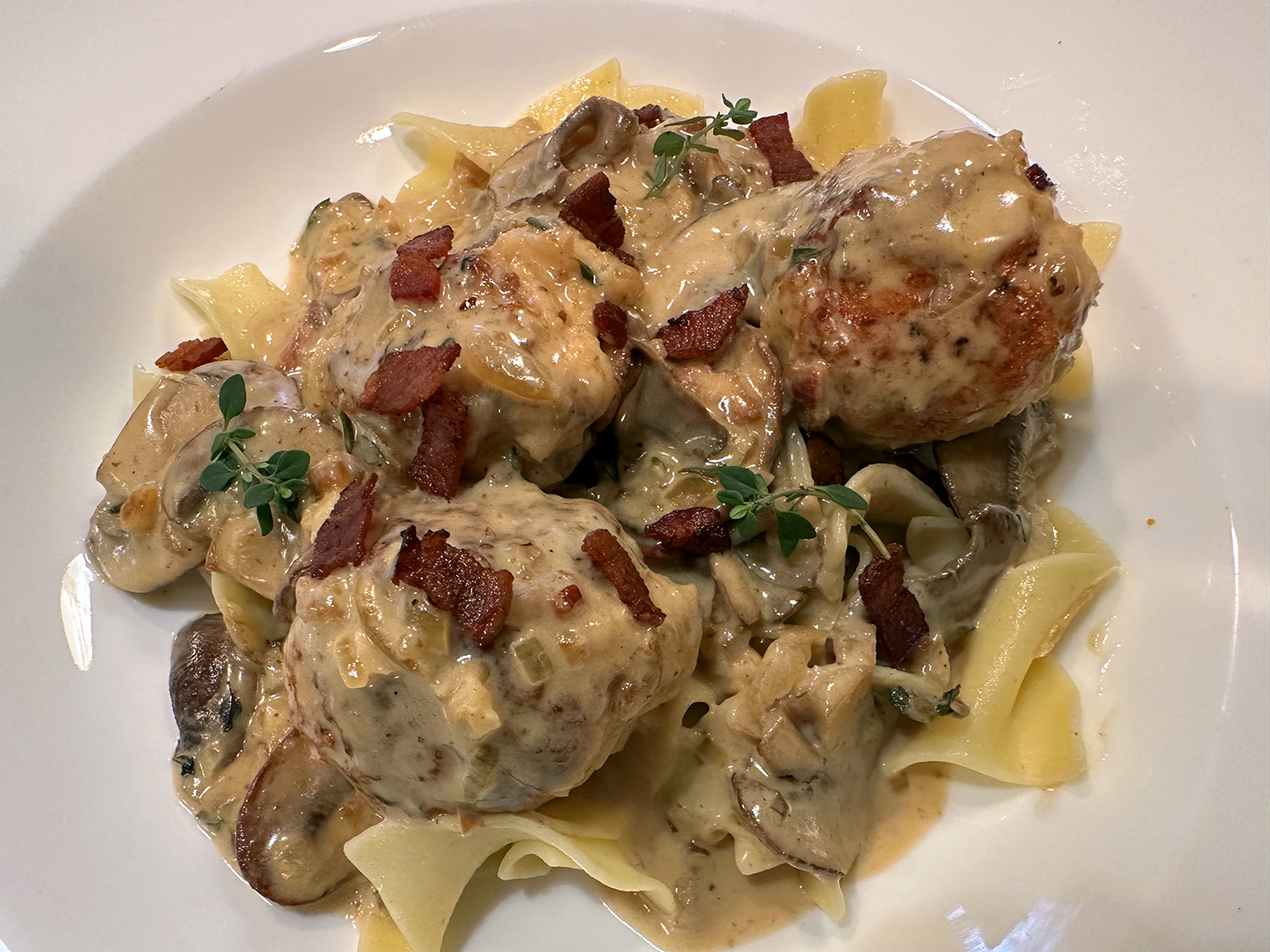
From Food & Wine, this riff on Coq au Vin, a classic French dish of chicken braised in a red wine stew, swaps out the chicken for ground turkey, leans on white wine, and transforms the dish into a semi-quick weeknight dinner. Tender turkey meatballs are browned and then finished in a simple and lightly acidic pan sauce speckled with earthy mushrooms and smoky bacon.

When making these meatballs, you can substitute ground chicken for ground turkey. Be sure to source ground chicken that is a mix of white and dark meat, not just ground chicken breast, which is very lean and will result in dry meatballs. Keep the meatballs chilled until you are ready to cook to help them hold their shape.

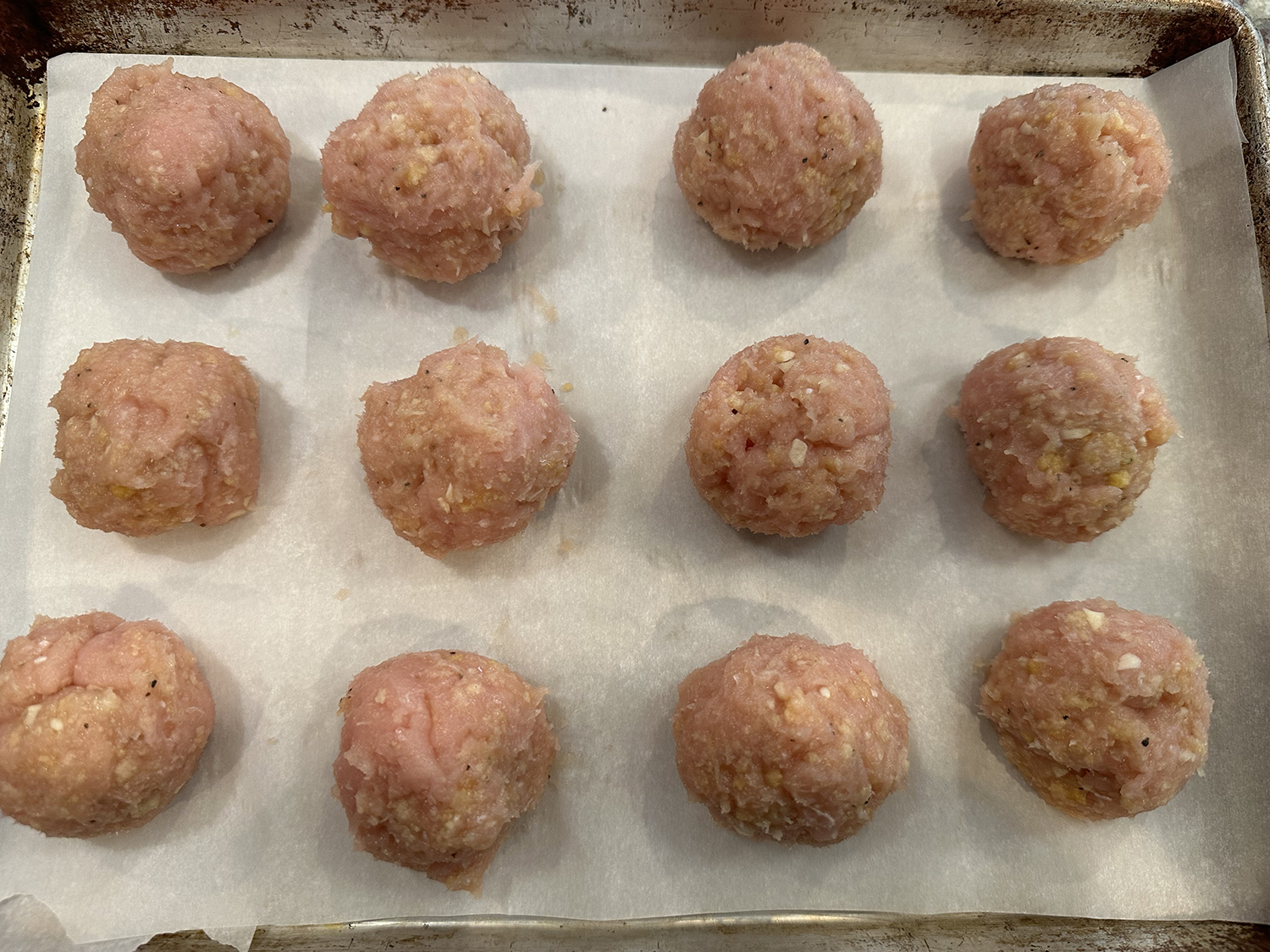
*Our meatballs ended up being quite dense, probably because they were too lean at 99%. So, just as you should not purchase all white chicken meat, buy ground turkey that’s no more than 93% lean, and try not to overwork them when creating the balls. We also suggest that after you place the meatballs back into the skillet with the sauce that you partially cover the pan. This should ensure the sauce won’t reduce too much and the meatballs will get to temperature quicker and stay more moist.

The original recipe indicates it feeds four, three 1 1/2-inch meatballs per guest. We had our doubts, thinking so few meatballs per person would be a bit on the shy side. However, served over noodles or pasta, it was quite filling (we also paired with a side salad). Meatballs can be prepared through Step 1 up to one day in advance. Proceed with the recipe as directed when ready to cook.

Coq Au Vin Meatballs

  • Servings: 4
  • Difficulty: easy
  • Print

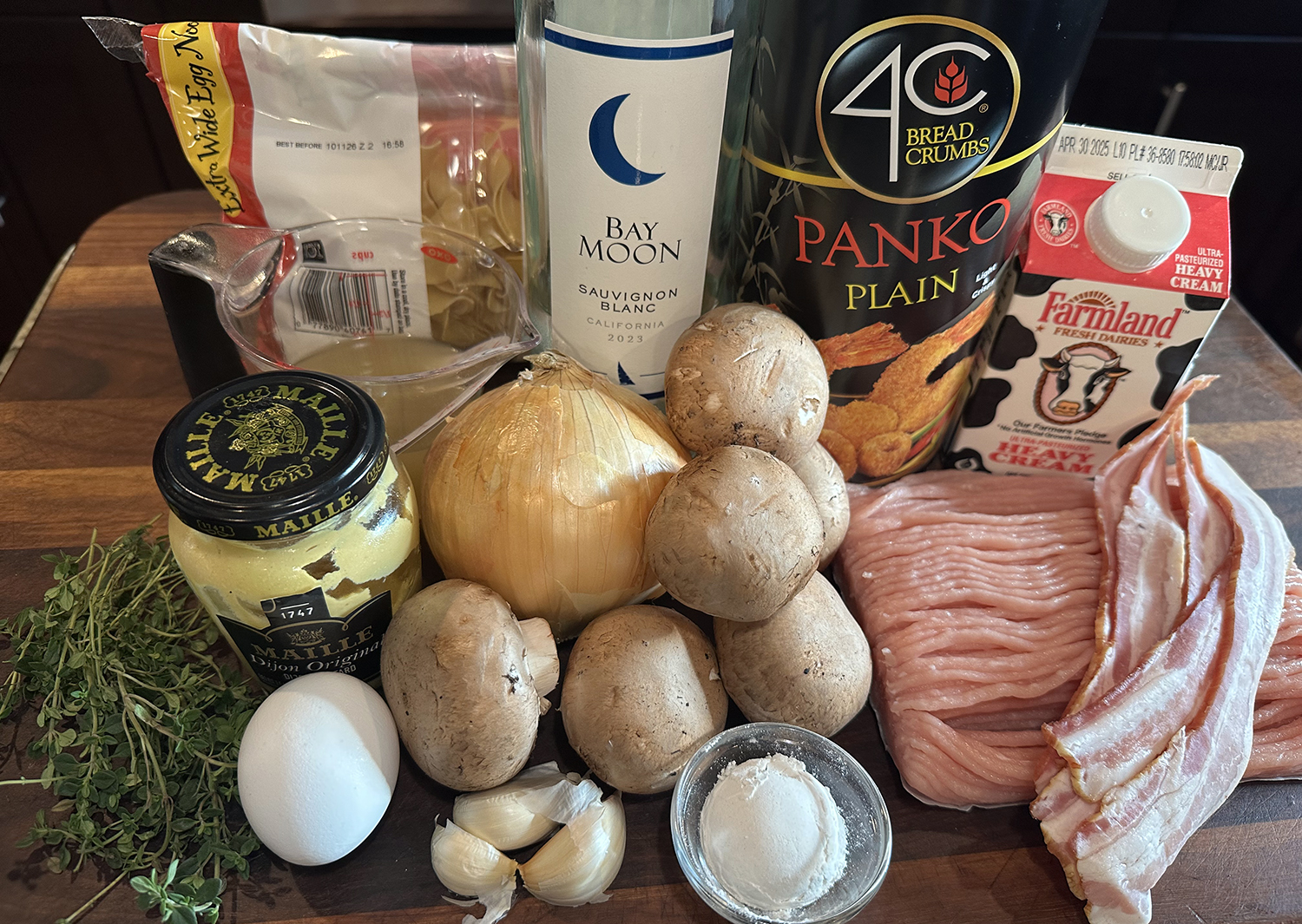
Ingredients

  • 1 lb. lean ground turkey (see above*)
  • 1 large egg, beaten
  • 1/3 cup panko
  • 1 tsp. kosher salt, plus more to taste
  • 1 Tbsp. minced garlic, divided
  • 1/2 tsp. black pepper, divided
  • 4 thick-cut bacon slices, chopped
  • 8 oz. cremini mushrooms, sliced
  • 1 small yellow onion, finely chopped
  • 1/2 cup plus 2 Tbsp.  chicken broth, divided
  • 1 Tbsp.  all-purpose flour
  • 1 cup (8 oz.) dry white wine
  • 2 Tbsp.  Dijon mustard
  • 1 Tbsp.  fresh thyme leaves, plus more for garnish
  • 1/2 cup heavy cream

Directions

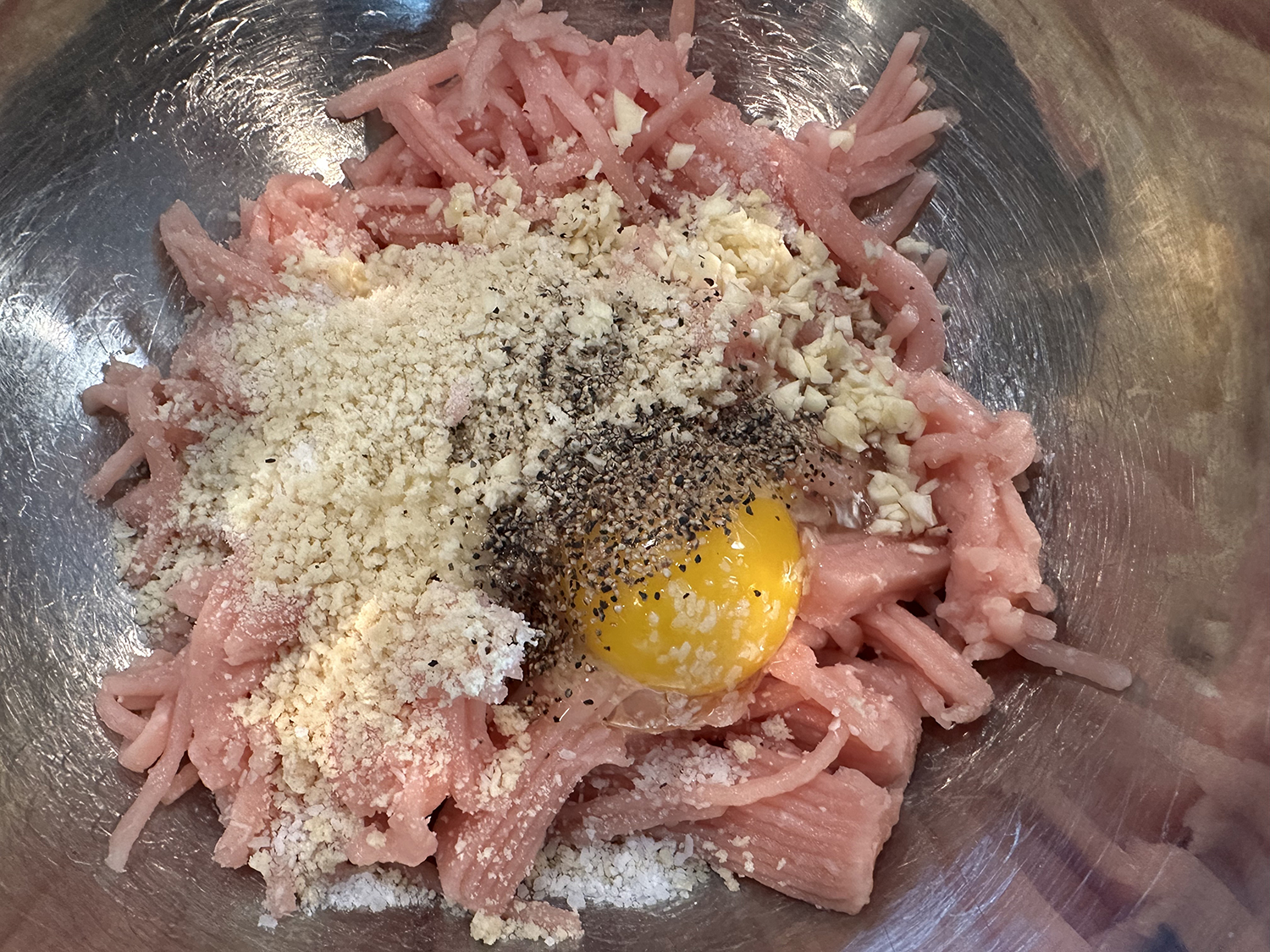
  1. Stir together ground turkey, egg, panko, salt, 1 teaspoon garlic, and 1/4 teaspoon pepper in a medium bowl until evenly combined. Shape mixture into 12 (about 1 1/2-inch) meatballs; transfer to a parchment paper–lined baking sheet. Cover and refrigerate until ready to cook.
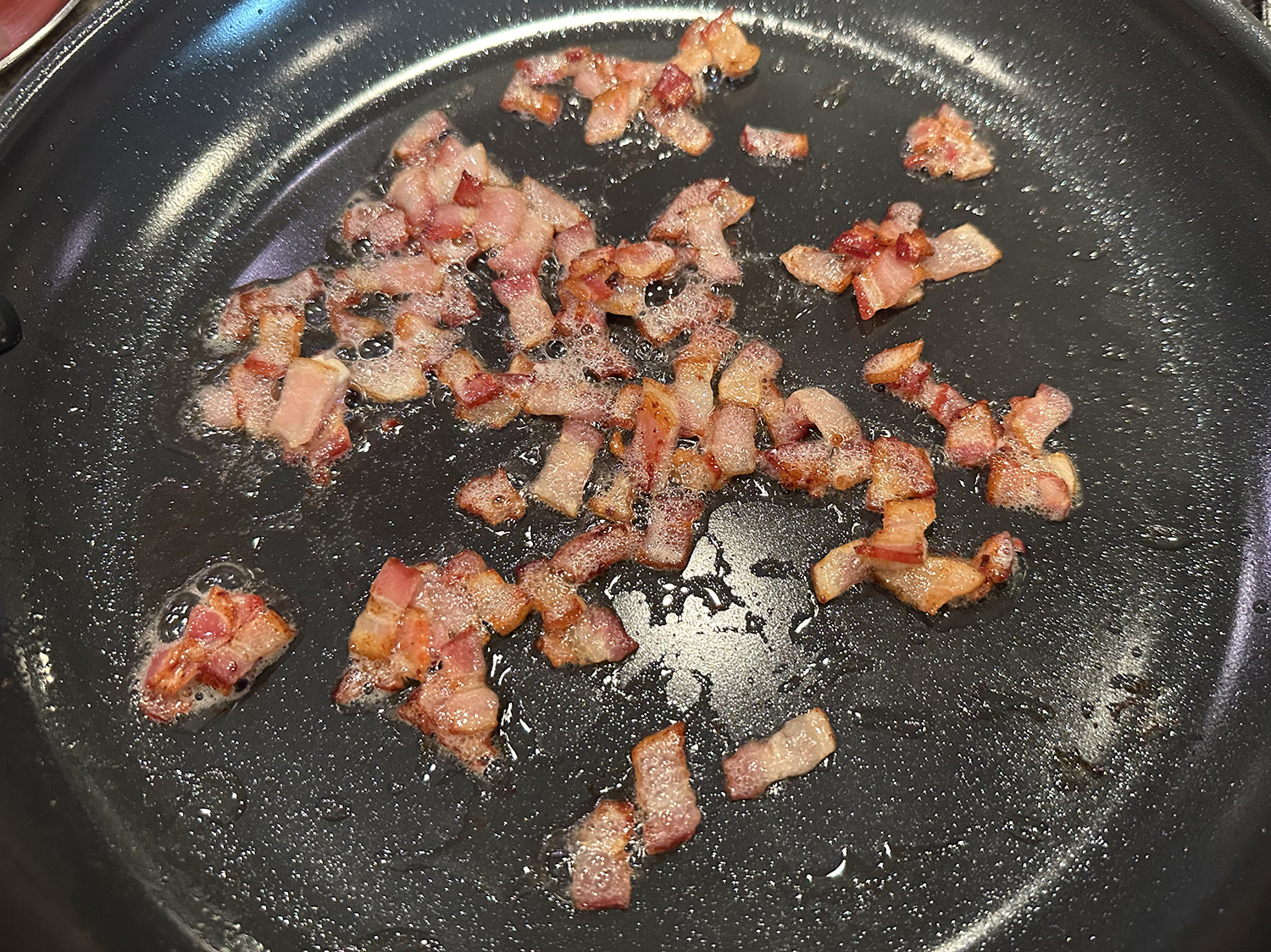
  2. Cook bacon in a large skillet over medium-high, stirring often, until crisp and rendered, about 8 minutes. Transfer bacon to a paper towel–lined plate using a slotted spoon. Reserve 1/4 cup drippings in skillet; discard remaining drippings, or reserve for another use.
  3. Return skillet with drippings to medium-high. Cook meatballs, turning occasionally, until browned on all sides, about 6 minutes. Transfer meatballs to a plate, and set aside.
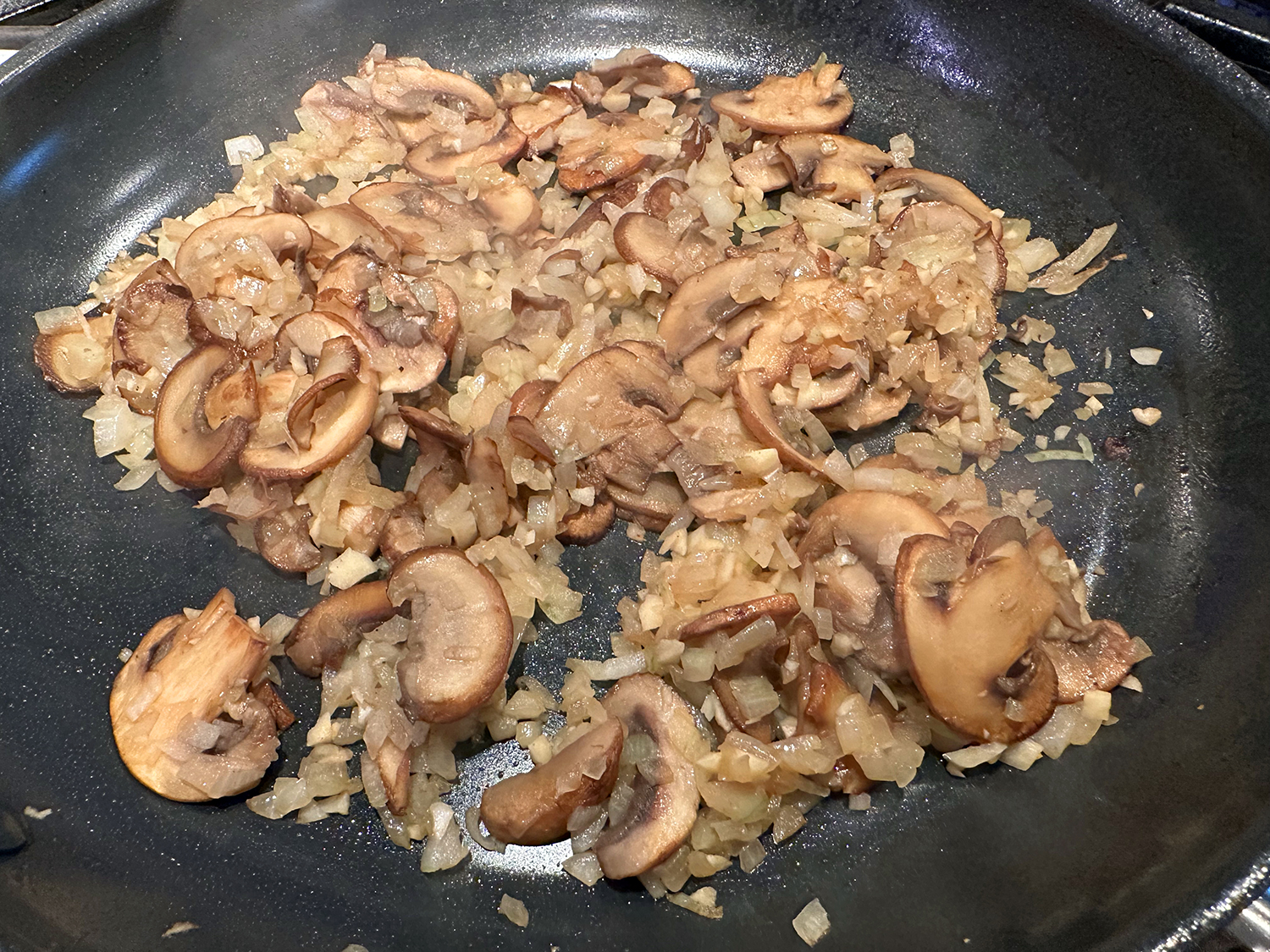
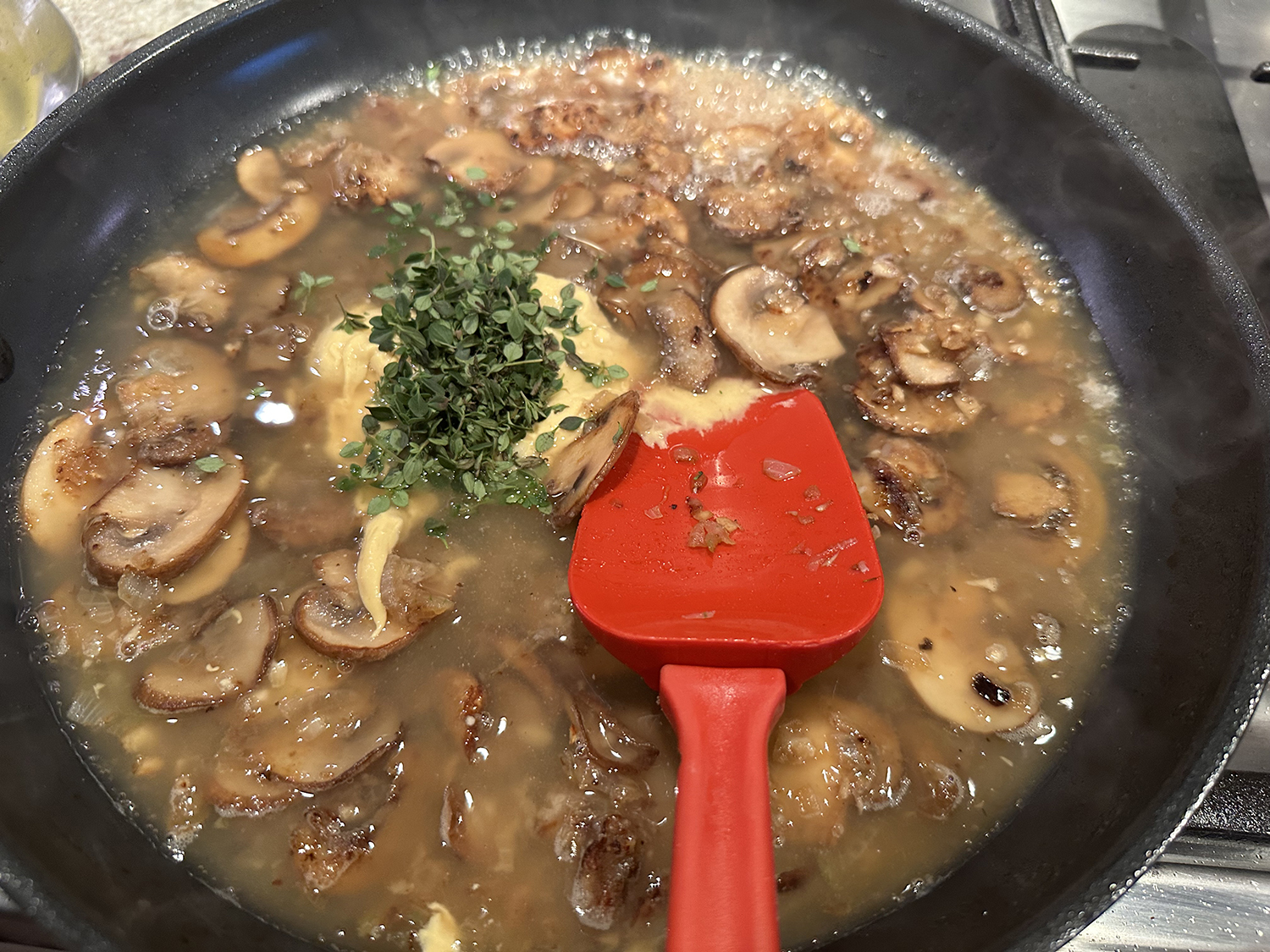
  4. Add mushrooms to skillet with drippings, and cook over medium-high, undisturbed, until browned on 1 side, about 3 minutes; stir and cook 2 more minutes. Add onion, 2 tablespoons broth, and remaining 2 teaspoons garlic. Cook, scraping up browned bits from the bottom of the skillet, until onion is just tender, about 3 minutes. Add flour; cook, stirring constantly, for 1 minute. Add wine, mustard, thyme, and remaining 1/2 cup broth; bring to a boil over medium-high.
  5. Add meatballs and half of reserved bacon to skillet; simmer over medium-low, partially cover and turn meatballs occasionally, until a thermometer inserted into meatballs registers 165°F and sauce is thickened, 8 to 10 minutes. Stir in cream and remaining 1/4 teaspoon pepper. Season to taste with salt. Sprinkle with remaining bacon, and garnish with additional thyme leaves.

http://www.lynnandruss.com

Original recipe from Anna Theoktisto for Food & Wine

Cod with Chorizo, Greens and Chickpeas

In this one-pan dinner from Bon Appétit, cod and Spanish chorizo—the dry, cured kind, often sold in a link like salami—showcase why the ingredients make such a great pair.

Chorizo is a highly seasoned chopped or ground pork sausage used in Spanish and Mexican cuisine. Mexican chorizo is made with fresh (raw, uncooked) pork; while the Spanish version, which is used here, is made with garlic and pimentón (Spanish smoked paprika, either sweet or hot), which gives it its deep brick-red color and smoky flavor.

Using rendered chorizo to cook down garlic, tomato paste, and sherry vinegar creates a red-tinged mixture at the bottom of the pan; with water, it becomes a flavorful braising liquid for sturdy greens, then warming canned chickpeas, and finishing your previously seared fish.

Finishing the lean, flaky fish in liquid ensures gentle cooking so you don’t end up with rubbery overdone fish. Crispy chickpeas, made first, in the same pan, add a textural garnish. Add a piece of crusty bread for sopping up all the extra sauce and you have a dish that’s fast enough for a weeknight but elevated enough for company.

For an extra fiery version of this dish, swap in a tablespoon of Calabrian chile paste for one of the two tablespoons of tomato paste (you’ll want to still use a bit of tomato paste to ensure the sauce gets some color).

We made numerous changes including increasing the olive oil, using a larger can of chickpeas, decreasing the amount of flour, and starting with a larger skillet. All of our changes are noted in the recipe below.

Cod with Chorizo, Greens and Chickpeas

  • Servings: 4-6
  • Difficulty: easy
  • Print

Ingredients

  • 2 Tbsp. all-purpose flour, for dusting one side of the fish
  • 1–1½ lb. skinless cod fillet, cut into 2–4 pieces, patted dry
  • Kosher salt, freshly ground pepper
  • 4 Tbsp. extra-virgin olive oil
  • 1 19 oz. can chickpeas, rinsed, divided
  • 4 oz. smoked Spanish chorizo, casing removed if needed, cut into very small pieces
  • 5 garlic cloves, thinly sliced
  • 2 Tbsp. sherry vinegar or red wine vinegar
  • 2 Tbsp. tomato paste
  • ¼ tsp. crushed red pepper flakes
  • 1 bunch kale, ribs and stems removed, leaves torn into large pieces (about 6 cups)
  • 2 Tbsp. unsalted butter

Directions

  1. Place ⅓ cup all-purpose flour in a shallow bowl. Season 1–1½ pounds skinless cod fillet, cut into 2–4 pieces, patted dry, on both sides with kosher salt and freshly ground black pepper, then press one side into flour to coat and tap off excess.
  2. Heat 2 tablespoons extra-virgin olive oil in a large high-sided skillet over medium-high. Cook ½ cup chickpeas, rinsed, tossing often, until crisp, about 3 minutes. Using a slotted spoon, transfer to a small bowl; season with salt.
  3. Reduce heat to medium. Cook cod, flour side down, in oil left in pan until light golden underneath, about 3 minutes. Transfer to a plate and arrange browned side up.
  4. Cook 4 ounces smoked Spanish chorizo, casing removed if needed, cut into very small pieces, in same pan, stirring often, until oil is red and chorizo is starting to crisp, about 1 minute. Add 5 garlic cloves, thinly sliced, and cook, stirring often, until fragrant, about 1 minute. Add 2 tablespoons sherry vinegar, 2 tablespoons tomato paste, and ¼ teaspoon crushed red pepper flakes and cook, stirring often, until combined about 1 minute. Add 1 medium bunch kale, ribs and stems removed, leaves torn into large pieces (about 4 cups), and stir to coat, then add 2 tablespoons unsalted butter, remaining chickpeas, a pinch of salt, and 1 cup water. Cook, tossing often, until kale is wilted, about 3 minutes.
  5. Arrange cod, browned side up, in pan; simmer, spooning sauce over, until cooked through, about 3 minutes. Top with crisped chickpeas and season with black pepper.

http://www.lynnandruss.com

Adapted from a recipe by Kendra Vaculin for Bon Appétit

Reuben Sandwich

Although there are several versions as to the origins of a Reuben sandwich, today’s Reuben sandwiches feature corned beef, sauerkraut, Swiss cheese and a healthy smear of Russian dressing between toasted, buttered rye.

Instead of bottled dressing, make this homemade concoction. Homemade dressing has a brighter, fresher flavor than the store-bought variety, and comes together in just a few turns of a whisk. To achieve the prized crispy crust and gooey cheese, keep the heat low enough to allow the buttered bread to toast while the cheese melts.

We had homemade sauerkraut on hand which still contain the benefits of fermentation. But of course, supermarket varieties work just fine in this case. The quality of the rye bread, Swiss cheese and corned beef all come into play for an excellent outcome, so choose wisely.

The Russian dressing is fantastic. We added some horseradish for an additional brightness and kick. According to one reviewer, “The reason the Reuben is a great sandwich is because it contains, among its various ingredients, a good balance of all the basic flavors (sweet, sour, salt, bitter, umami). Without the horseradish the bitter is missing, and the sandwich just isn’t the sublime creation it can and should be.”

Instead of buttering the outsides of the bread, The Hubs chose to use mayonnaise as his spread. One note of caution, be very careful when flipping the sandwiches…

Reuben Sandwich

  • Servings: 4 sandwiches
  • Difficulty: easy
  • Print

Ingredients

For the Russian Dressing

  • ½ cup mayonnaise
  • 5 Tbsp. ketchup
  • 3 Tbsp. dill pickle relish (not sweet)
  • 1 Tbsp. minced onion
  • 1 tsp. yellow mustard
  • 1 tsp. Worcestershire sauce
  • 1/2 tsp. horseradish, more to taste

For the Sandwiches

  • 8 slices rye sandwich bread
  • 4 Tbsp. unsalted butter, at room temperature
  • 1 lb. thinly sliced corned beef
  • 1 cup drained sauerkraut
  • 8 slices Swiss cheese

Directions

  1. Make the Russian dressing: In a small bowl, combine all ingredients and mix well.
  2. Make the sandwiches: Spread one side of each bread slice with ½ tablespoon butter. In a large nonstick skillet (or flat griddle), arrange 2 slices of bread, buttered side down, over medium-low heat.
  3. Spread 2 tablespoons of Russian dressing on each slice of bread, then top each with ¼ pound corned beef, ¼ cup sauerkraut and 2 slices cheese. Top each with 1 slice of bread, buttered side up.
  4. Cook until golden and crispy underneath, about 5 minutes. Flip the sandwiches and cook, pressing down gently with a spatula, until second side is golden and cheese melts, about 3 minutes more.
  5. Transfer sandwiches to a wire rack for 5 minutes so that bread doesn’t get soggy underneath before putting them on plates. Wipe out skillet, and repeat with the remaining bread, sauce, corned beef, sauerkraut and cheese. Serve warm.

http://www.lynnandruss.com

Original recipe from Kay Chun for NYTimes Cooking

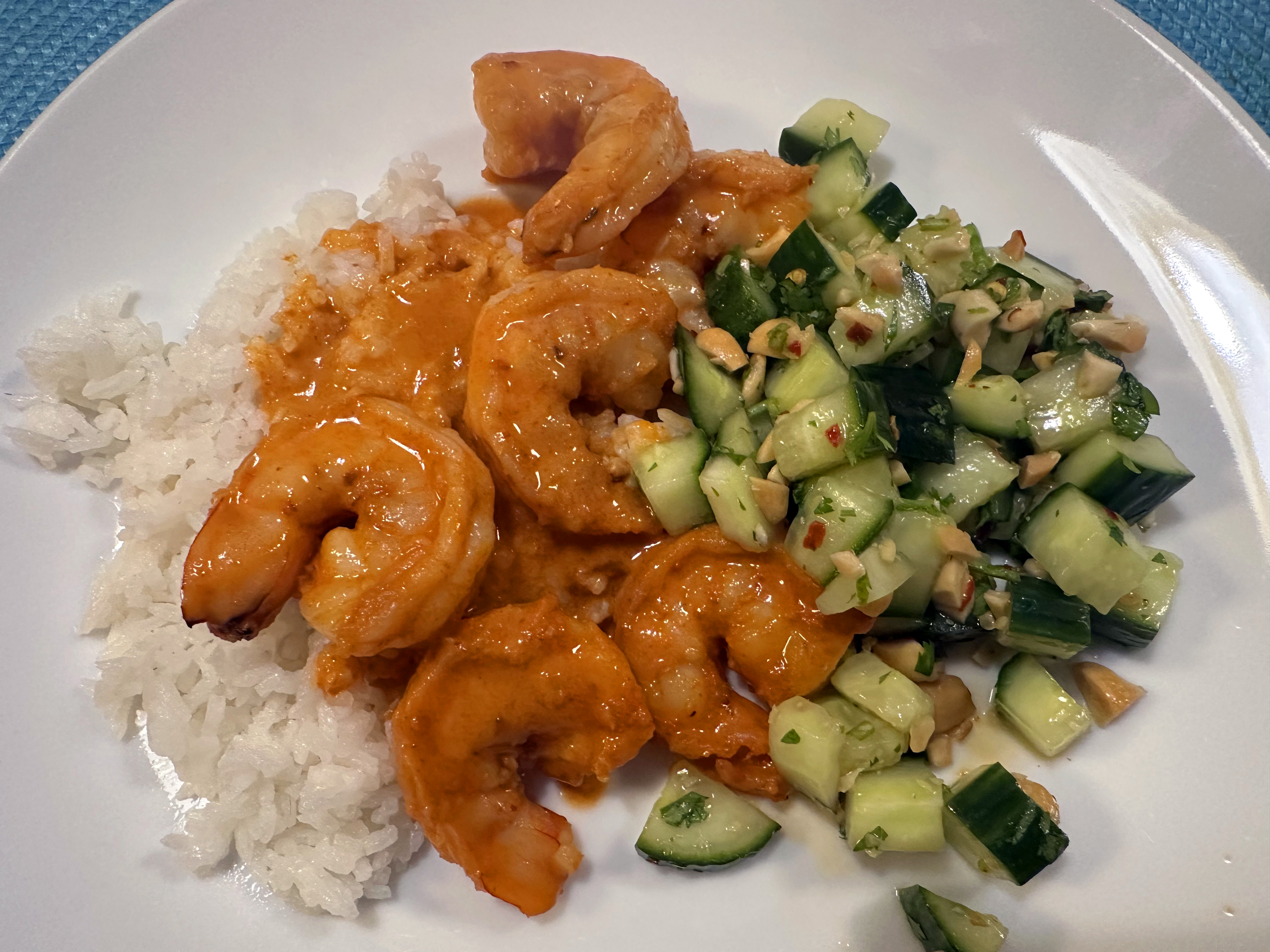
Shrimp Saganaki

Attending a Greek dinner party, we were tasked with supplying an appetizer to go with the theme. After a bit of a search, we decided on the Shrimp in a Skillet with Feta and Tomatoes from our “My Greek Table” cookbook by Diane Kochilas.

This Greek recipe is a taverna classic and beloved all over Greece, AND in Greek restaurants all over the world, too. It’s also very easy to prepare at home and can be served as a meze or as a main course. It’s delicious over rice or pasta, too.

There were a total of 10 guests at the party so we decided to double the recipe which required cooking the shrimp in two batches. Lucky for us, there were some leftovers which we served atop a bed of orzo for dinner a couple of days later.

Shrimp Saganaki

  • Servings: 4-6
  • Difficulty: easy
  • Print

Ingredients

  • 1 ½ lbs. large shrimp cleaned, with heads and tails intact
  • 6 Tbsp. ouzo
  • Juice of 1/2 lemon, strained
  • 4 Tbsp. extra virgin olive oil
  • 1 large red onion finely chopped
  • 1 large garlic clove minced
  • 1 green chile pepper (such as Anaheim), seeded and finely chopped
  • 2 cups chopped or grated fresh tomatoes, or diced canned tomatoes
  • Salt and freshly ground black pepper
  • 1 tsp. finely grated lemon zest
  • 2/3 cup Greek feta cheese, crumbled
  • 2 tsp. dried oregano
  • 2 Tbsp. finely chopped flat-leaf parsley

Directions

  1. Place the shrimp, 3 tablespoons of the ouzo and the lemon juice in a bowl. Cover, and refrigerate for at least 15 minutes or up to 2 hours.
  2. In a large, deep skillet, heat two tablespoons of the oil over medium heat. Add the onion and chile and cook, stirring until wilted, about 8 minutes. Stir in half the garlic. Add the tomatoes and bring to a simmer. Season lightly with salt and pepper. Raise the heat to medium-high and cook for 15 minutes, until most of the watery liquid from the tomatoes has evaporated.
  3. In a separate large skillet. heat the remaining two tablespoons of olive oil over medium-high heat. Add the shrimp and remaining garlic, toss to combine and cook until the shrimp turn pink. Carefully spritz with the remaining 3 tablespoons ouzo; it may flame up a bit.
  4. Add the shrimp and pan juices to the tomato sauce. Stir in the lemon zest and feta. When the feta starts to melt, gently stir in the oregano and parsley. Remove from the heat and serve.

http://www.lynnandruss.com

Adapted from a recipe by Diane Kochilas

Better-Than-My-Mom’s Chungking Pork

Although Sichuan is famous for its fiery food, the flavors in Chungking Pork are relatively mild on the heat scale, instead hitting you with a combination of three different fermented beans. However in this revised version by J. Kenji Lopez-Alt, it uses only fermented black beans, and a touch of hoisin sauce for sweetness.

Don’t forget to roughly chop the fermented beans. And if you have the time, try to marinate the pork for longer than 15 minutes. Our sliced meat did so for 3 and half hours and it turned out perfect.

In his revised recipe, it indicates it serves four. When we made it, which truth be told our pork weighed in at a bit under one pound, we didn’t even get 3 full servings, more like two-and-a-half. Something to keep in mind if you are meal planning for four people.

But lo and behold, it was absolutely delicious! A side salad rounds out the meal and provides more nutritious vegetables.

Better-Than-My-Mom's Chungking Pork

  • Servings: 3
  • Difficulty: easy
  • Print

Ingredients

For the Pork:

  • 1 lb. boneless pork loin or tenderloin cut into 1/4 by 1- by 2-inch pieces
  • 1 tsp. dark soy sauce
  • 1 tsp. Shaoxing wine or dry sherry
  • 1/4 tsp. baking soda
  • 1 tsp. cornstarch
  • 1/4 tsp. MSG (optional)

For the Sauce:

  • 2 Tbsp. dried fermented black beans, roughly chopped
  • 2 Tbsp. hoisin sauce
  • 2 tsp. dark soy sauce
  • 2 Tbsp. chicken stock or water
  • 1/2 tsp. hot red pepper flakes or ground Chinese hot chiles

For the Stir Fry:

  • 3 Tbsp. peanut, rice bran, or other neutral oil
  • 3 slices fresh ginger
  • 3 medium garlic cloves, peeled and lightly smashed with the side of a knife
  • 6 oz. green cabbage, cut into 1 1/2-inch squares
  • 2 scallions, sliced thinly on the diagonal for garnish (optional)

Directions

  1. For the Pork: Place the pork slices in a medium bowl, cover with cold water, and vigorously agitate it. Drain through a fine-mesh strainer set in the sink and press on the pork with your hands to remove excess water.
    Return the pork to the bowl and add the soy sauce, wine, baking soda and cornstarch. Stir vigourosly with your fingertips for 30 seconds. Set aside for 15 minutes at room temperature, or refrigerate for up to 8 hours.
  2. For the Sauce: Combine the fermented black beans, hoisin sauce, hoisin sauce, water or broth, and red pepper flakes in a small bowl and mix with a fork until homogenous.
  3. For the Stir-fry: Heat a wok over high heat until lightly smoking. Add 1 tablespoon of the oil and swirl to coat. Add 1 slice of the ginger and 1 garlic clove and let sizzle for 5 seconds. Immediately add the cabbage and stir-fry until lightly translucent and browned in spots, 1 to 2 minutes. Transfer to a large bowl.
  4. Wipe out the wok and return to high heat until lightly smoking. Add 1 tablespoon of the remaining oil and swirl to coat. Add 1 more slice of ginger and 1 more garlic clove and let sizzle for 5 seconds. Immediately add half of the pork and stir-fry until the pork is no longer pink and is mostly cooked through, about 1 minute. Transfer the pork to the bowl with the cabbage, wipe out the wok, and repeat with the remaining oil, ginger, garlic and pork.
  5. Return all the pork and cabbage to the wok. Add the sauce mixture and toss until the cabbage and pork are coated evenly. Transfer to a serving platter and serve immediately with steamed rice.

http://www.lynnandruss.com

Recipe from J. Kenji Lopez-Alt’s cookbook “The Wok”

Roasted Mushroom Soup

If you love mushrooms, then you must try this soup from Ali Slagle (for NYTimes cooking). It is noted that you don’t need fancy mushrooms to make a rich soup, you just need to brown them. To do that, spread creminis — no need for fancier mushrooms here — on a sheet pan and roast them until they’re juicy. Pour off and save the umami-heavy juices which will provide a savory backbone to the soup; then keep roasting the mushrooms until they’re glistening brown.

Blending so many mushrooms with plain water (or preferably stock, if you have some) creates a thick soup, not to mention one with a deeply earthy flavor. While the soup has a lot of flavor, it lacks in looks unless garnished with color and texture. For a more substantial meal, top with croutons (as shown), farro or sautéed spinach, or serve alongside buttered toast, roasted sausage or a green salad. Lots of options to round out the meal!

Roasted Mushroom Soup

  • Servings: 4
  • Difficulty: easy
  • Print

Ingredients

  • 2 lbs. cremini mushrooms, halved, quartered if large
  • 2 shallots, cut into wedges
  • 2 garlic cloves, minced
  • 4 thyme sprigs, plus 1 Tbsp. leaves for serving
  • ¼ cup extra-virgin olive oil
  • 2 Tbsp. soy sauce
  • Salt and black pepper
  • 3 cups water, or chicken broth
  • 2-3 Tbsp. sherry
  • ¼ cup heavy cream, plus more for serving

Directions

  1. Heat the oven to 400 degrees. On a sheet pan, toss together the mushrooms, shallots, thyme, oil and soy sauce until well combined. Sprinkle with salt and pepper and spread into an even layer.
  2. Roast until the mushrooms are pooling in liquid, about 15 minutes. Carefully pour the liquid into a small bowl and reserve. Return the sheet pan to the oven and roast, stirring occasionally, until browned, another 25 to 30 minutes.
  3. Discard the thyme sprigs and set aside ½ cup of the roasted mushrooms. If using an immersion blender, transfer the remaining mushrooms to a pot, or transfer to a regular blender. To the sheet pan, add some of the water (about ½ cup but no need to measure) and scrape off the stuck-on browned bits. Pour the mixture into the pot or blender, along with the remaining water, reserved mushroom liquid and sherry. Blend until smooth.
  4. Warm the soup on the stove over medium-high. Turn off the heat and stir in the cream. Taste; if the flavor is bland, add salt and pepper; repeat until the mushroom flavor is pronounced. Serve topped with a drizzle of cream, the reserved mushrooms and thyme leaves.

http://www.lynnandruss.com

Adapted from a recipe by Ali Slagle for NYTimes Cooking

Thai Vegetable Curry

This colorful, aromatic Thai Vegetable Curry recipe may be vegetarian, but it doesn’t skimp on flavor. Creamy coconut milk and Thai red curry paste create the perfect base for tender eggplant, crisp vegetables, and fragrant Thai basil. 

The beauty of this dish is its versatility. You can easily adjust the spice level by using less curry paste, and the vegetables can be swapped based on what you have in your fridge. We made some minor adjustments, but followed the recipe pretty closely otherwise. And it definitely has a kick to it, so cut back on the red curry paste if you have a more “delicate” palate.

Our Asian Mart was carrying Taiwan Basil as opposed to the Thai variety so we used that. And using just half of a red bell pepper? C’mon, that’s just silly, so we incorporated the entire pepper. We loved it!

Thai Vegetable Curry

  • Servings: 4
  • Difficulty: easy
  • Print

Ingredients

  • 3 Tbsp. neutral oil (such as vegetable, canola, or avocado oil)
  • 1 Chinese eggplant, sliced on an angle into ½-inch/1cm thick slices
  • 2 cloves garlic, minced
  • 2 slices ginger, peeled and minced
  • 4 oz. Thai red curry paste
  • 2 tsp. brown sugar (or palm sugar)
  • 1 small onion, cut into small wedges, root end removed
  • 1 red bell pepper, seeded and chopped into 3⁄4″ chunks
  • 1 zucchini, halved lengthwise, and sliced on an angle
  • 6 oz. green beans, ends trimmed, and cut in half crosswise
  • 5 oz. bamboo shoots, drained
  • 2 tsp. vegan fish sauce or soy sauce
  • 13.5 oz. coconut milk
  • ½ cup Thai basil leaves
  • ¼ cup roasted peanuts, chopped, optional

Directions

  1. Heat a wok or large cast iron/carbon steel skillet over medium-high heat until it just starts to smoke. Add 2 tablespoons of oil, and spread it around to coat. Add the eggplant, and stir-fry for about 7 minutes, until the eggplant is lightly browned and tender. Drizzle in a little more oil during this process if the eggplant looks dry, and try to keep it in one layer so it sears on all sides. Transfer the eggplant to a dish and set aside.
  2. Over medium-low heat, add the remaining 1 tablespoon oil to the pan, along with the garlic and ginger, and fry for 1 minute until fragrant. Increase the heat to medium-high, add the curry paste, and fry for another minute. Stir in the sugar.
  3. Add the onion, bell pepper, zucchini, green beans, bamboo shoots, and vegan fish sauce (or soy sauce/regular fish sauce), and fry for 3 minutes, until the vegetables begin to get tender. Then reduce the heat to medium, and add the coconut milk and eggplant. Bring to a simmer. (From this point on, keep the curry at a simmer. Avoid boiling it too vigorously, or the coconut milk may split.)
  4. Simmer for 4 minutes, or until the vegetables are crisp-tender. Stir in the Thai basil until wilted. Garnish with chopped peanuts if desired, and serve over steamed rice.

http://www.lynnandruss.com

Adapted from a recipe courtesy of The Woks of Life

Creamy Mushroom and Leek Pasta

The premise of a one-pot meal is always compelling. But after reading the reviewers comments from this NYTimes Cooking recipe, I decided numerous changes were necessary. It seems the original was bland (not our MO at all!), and using just one pot wasn’t the best approach.

It ended up being a deeply satisfying pasta, brimming with rich umami flavor. Once the leek, shallots, and mushrooms are caramelized and sticking to the pot, they’re deglazed to lift all the extra depth from the bottom of the pan. Using half a lemon as the original recipe suggested didn’t do such a great job of deglazing so I also dribbled in a couple tablespoons of white wine as well.

This recipe leaves the choice of mushrooms up to you: Cremini and shiitake are a good combination, but you could even use rehydrated porcinis. However, a mere 6 ounces is truly not enough, so increase the amount to at least 12, and up to 16 ounces. To round out the meal, add a green salad or side of a green vegetable such as broccolini.

Creamy Mushroom and Leek Pasta

  • Servings: 3-4
  • Difficulty: easy
  • Print

Ingredients

  • 4 Tbsp. olive oil
  • 1 leek, white part only, finely sliced
  • 1 large (or 3 small) shallots, diced
  • 2 garlic cloves, finely chopped
  • 12-16 oz. mixed mushrooms, such as cremini, shiitake or oyster, sliced
  • 1 lemon, halved
  • Zest of 1 lemon
  • 8 oz. short pasta, such as orecchiette, cavatappi, gemelli or penne
  • 2 cups vegetable or chicken stock
  • 1 Tbsp. white miso
  • 2 Tbsp. unsalted butter
  • ½ cup chopped fresh parsley, plus more for garnish
  • Kosher salt and black pepper
  • ½ to 1 cup whole-milk ricotta
  • ½ to 1 tsp. red-pepper flakes
  • ½ cup chopped parsely, more for garnish

Directions

  1. Heat a wide, deep 12-inch skillet or Dutch oven over medium-high. When hot, add 3 tablespoons of olive oil, leeks and shallots, reduce heat to medium and cook, stirring constantly, until softened and lightly golden, 5 minutes. Remove to a side dish. (In my photos, I neglected to do this before adding the mushrooms.)
  2. In the meantime, cook the pasta until al dente.
  3. Add remaining tablespoon of olive oil, garlic and mushrooms to hot pan. Cook, undisturbed, for 2 minutes, then stir and cook, undisturbed, until the mushrooms start to caramelize and stick to the bottom of the pan, another 2 to 3 minutes. (This allows the water from the mushrooms to evaporate, encouraging caramelization.) Return the leeks and shallots to pan with mushrooms. Add the juice of one lemon half to deglaze the pan and stir to combine. (White wine seems to do a better job of deglazing.)
  4. Drain the pasta and add it and 1 cup of the stock with miso mixed in to the pan; stir well. Add more liquid if necessary, a bit at a time. (I did not need to use any more, but if you included more pasta, you may need to do so.) Stir in the red pepper flakes.
  5. Cook for about 1 minute, turn off the heat and add the butter and parsley. Squeeze in the juice from the remaining lemon half and stir until butter is melted and dispersed. Season with salt and pepper.
  6. To serve, top with ricotta, more red-pepper flakes (to taste), and more chopped parsley.

http://www.lynnandruss.com

Hunan-Style Ginger Chicken

This is a flavorful , easy-to-make weeknight dish. Here, you simmer juicy chicken thigh pieces in an umami-rich soy-based sauce with earthy shiitake mushrooms and sweet mini peppers for this 30-minute, one-pan dinner.

This version of the comforting Hunan classic, lao jiang men ji, from cookbook author Andrea Nguyen is a simple braise that gets its heat from a generous handful of unpeeled fresh ginger root. However, we decided to peel our ginger…

If you don’t have a wok, a large skillet, with plenty of surface area, will also work well. It is recommended to use a cast-iron skillet, which has a naturally nonstick surface. (Avoid using a skillet with a nonstick Teflon coating when cooking over high heat, such is the case in this recipe.)

Our changes? We had a frozen packet of chicken thighs that weighed in at 2 1/4 pounds, more than the recipe called for. That fact, plus only 4 ounces of bell pepper just seemed too paltry so we tripled that amount, doubled the scallions, and replaced the water with chicken stock. With all of the “extra” ingredients, we decided to double the sauce ingredients too. Then, at the end, the sauce didn’t seem thick enough so we mixed in a small cornstarch slurry.

The Hubs decided to stir-fry the ginger and garlic, then instead of pushing them to the side, he removed them to a side plate so as not to burn. Next he stir-fried the chicken in two batches (remember we had more than the instructed amount), and added the ginger and garlic back to the wok with the chicken. While the recipe was very good, it just didn’t contain enough “heat” for us, so next time we’ll add some dried chili peppers to kick it up a notch.

Hunan-Style Ginger Chicken

  • Servings: 4
  • Difficulty: easy
  • Print

Ingredients

  • 1 1/2 lbs. boneless, skinless chicken thighs, cut into 1 1/2-inch pieces 
  • 3/4 tsp. kosher salt
  • 2 1/2 Tbsp. canola oil
  • 3 garlic cloves, halved lengthwise
  • 1 (3-inch) piece fresh ginger, halved crosswise and cut into 1/8-inch-thick matchsticks
  • 6 oz. shiitake mushrooms, stemmed and caps halved (quartered if large)
  • 2/3 cup chicken stock
  • 1 1/2 Tbsp. Shaoxing wine
  • 2 tsp. soy sauce, plus more to taste
  • 1 1/2 tsp. dark soy sauce
  • 1/2 tsp. granulated sugar
  • 4 oz. multicolored sweet mini peppers, stemmed and thinly sliced crosswise
  • 1 tsp. toasted sesame oil
  • 3 scallions, thinly sliced
  • Steamed white rice

Directions

  1. Toss together chicken and salt in a large bowl; set aside. Heat oil in a wok or large cast iron skillet over medium. Add garlic and ginger; cook, stirring constantly, until fragrant, about 30 seconds. Push garlic and ginger to one side of wok; increase heat to high, and add chicken pieces in a single layer. Cook, undisturbed, until browned in spots, about 2 minutes. Continue cooking, stirring occasionally, until chicken is no longer pink, about 3 minutes.
  2. Stir mushrooms, 2/3 cup chicken stock, Shaoxing wine, soy sauce, dark soy sauce, and sugar into wok. Bring to a boil over high. Reduce heat to medium; cover and simmer vigorously, undisturbed, until a thermometer inserted in the thickest piece of chicken registers 165°F, 5 to 8 minutes.
  3. Uncover wok, and increase heat to high. Add peppers and sesame oil; cook, stirring occasionally, until liquid has reduced into a thick sauce, 3 to 5 minutes. If not thick enough to your liking, stir in a small amount of cornstarch slurry.
  4. Remove from heat, and stir in scallions. Season to taste with additional soy sauce. Serve with steamed rice on the side.

http://www.lynnandruss.com

Adapted from a recipe by Andrea Nguyen for Food & Wine

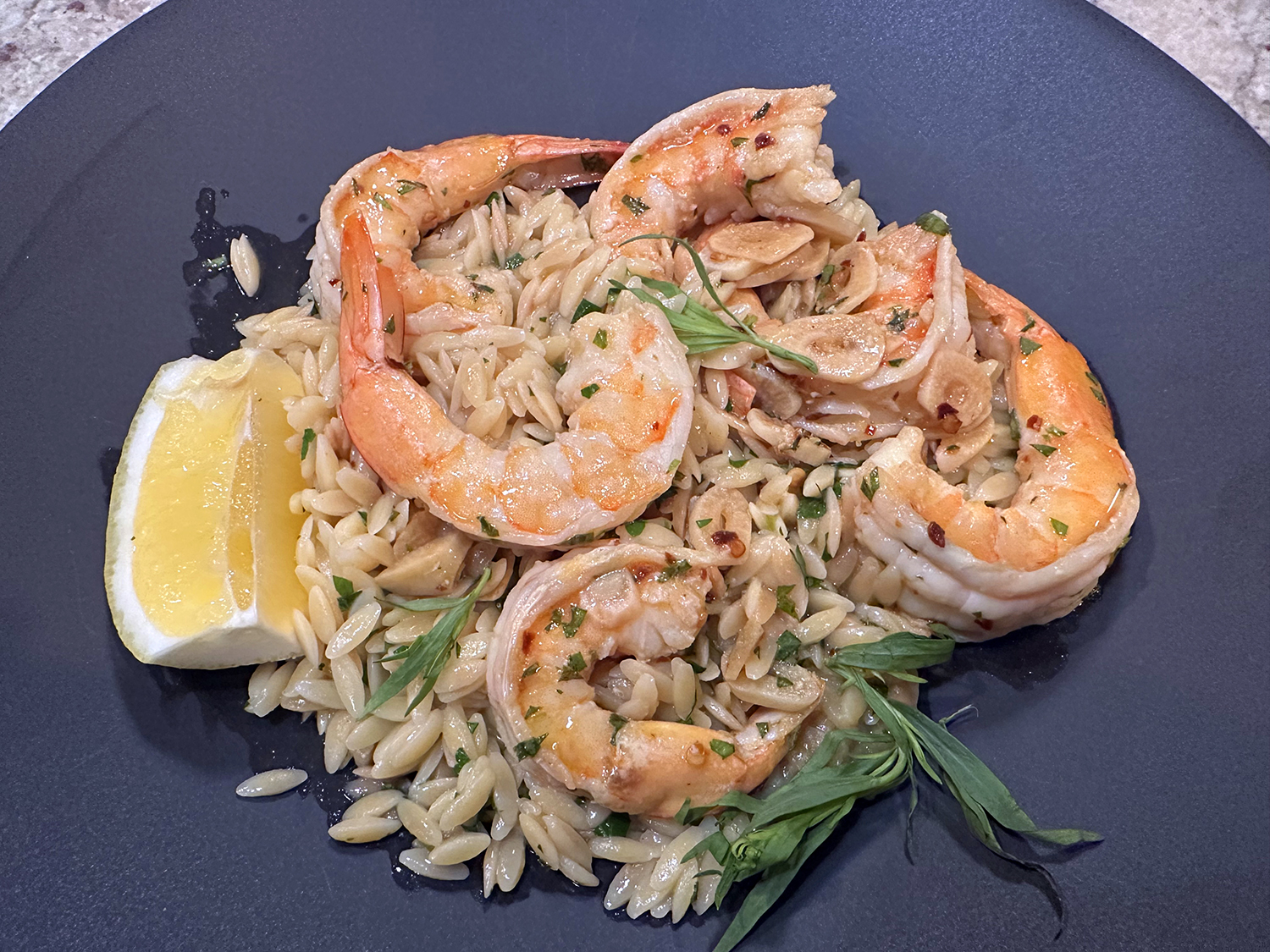
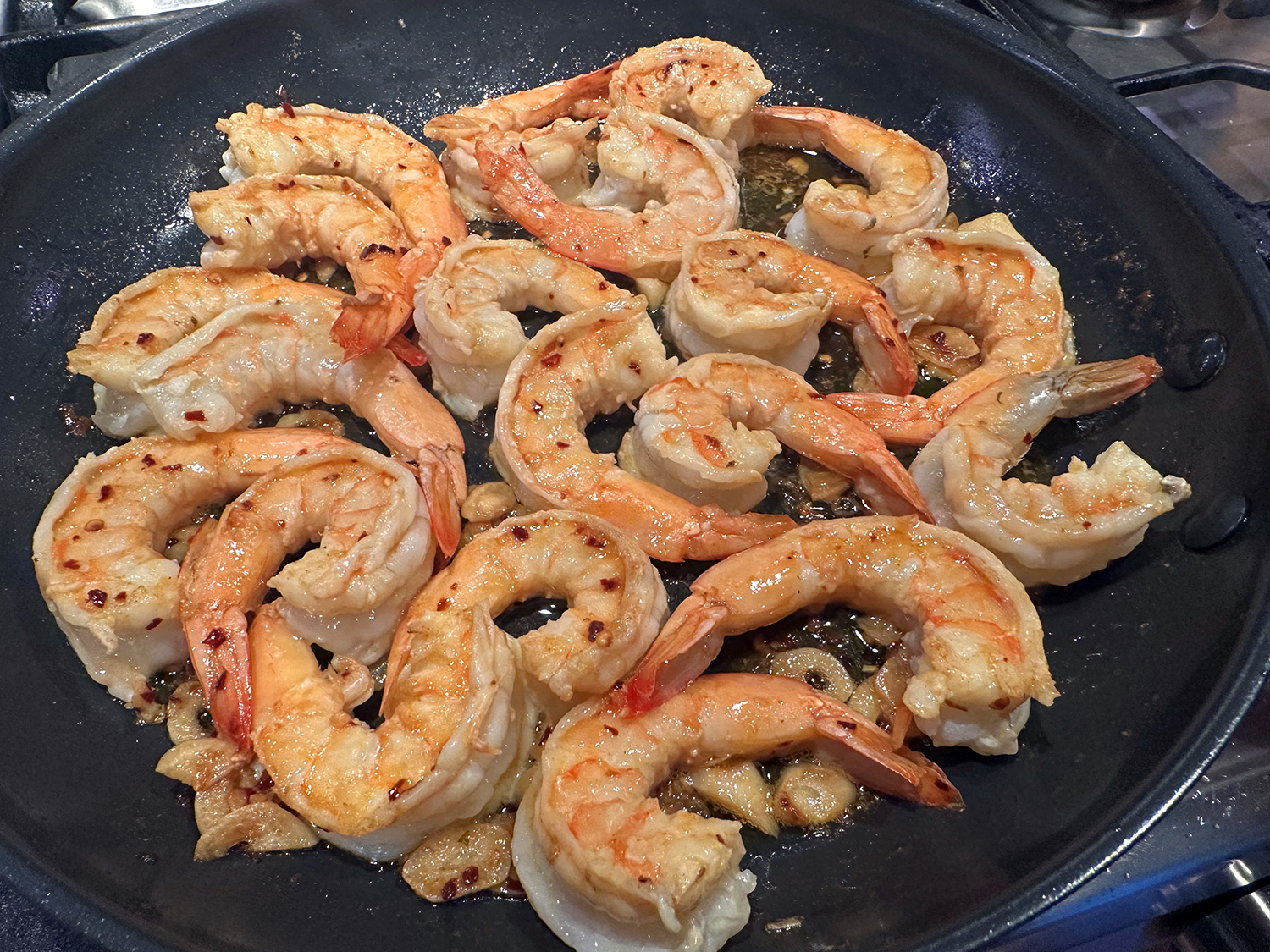
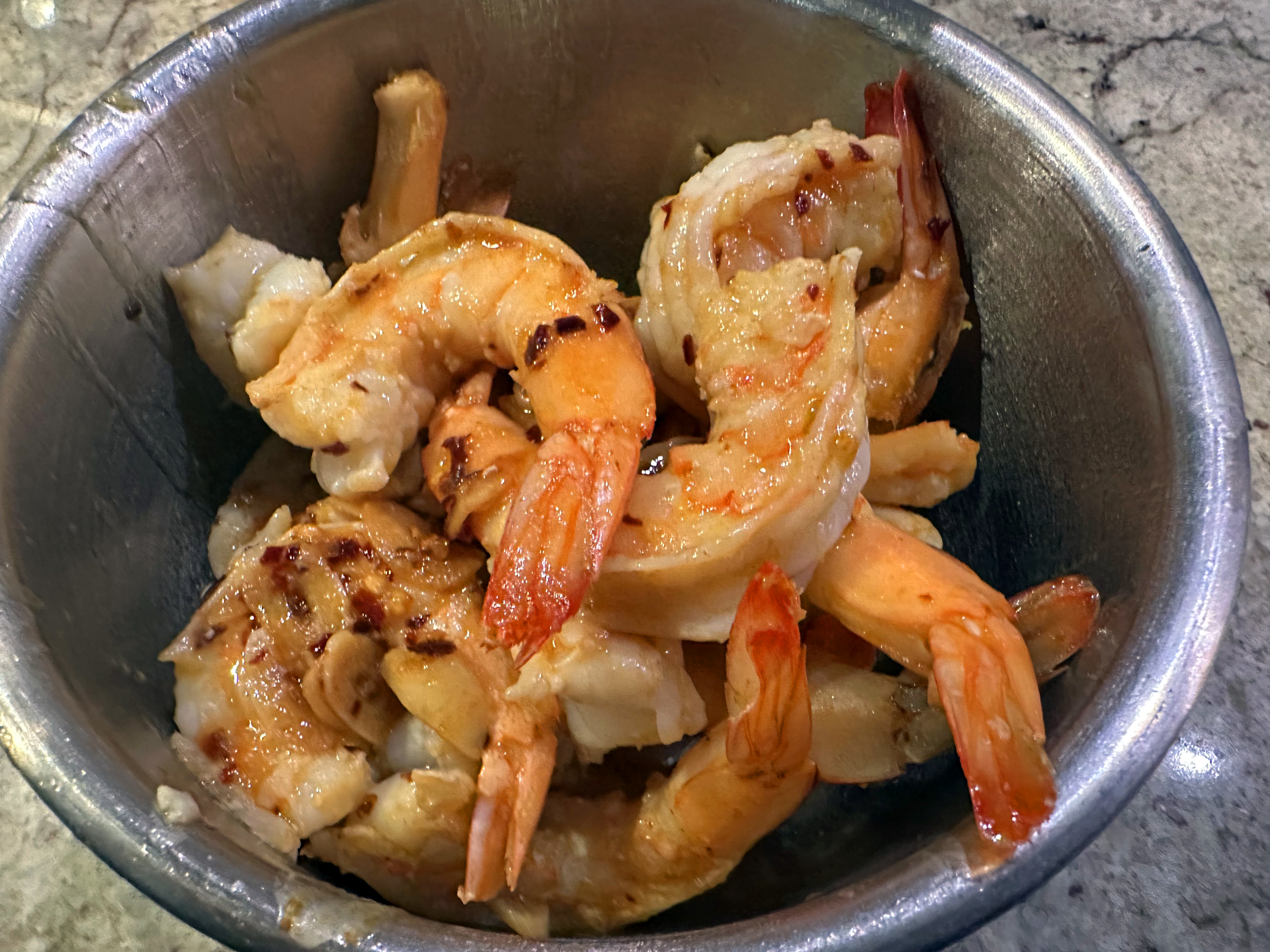
Shrimp Scampi with Orzo

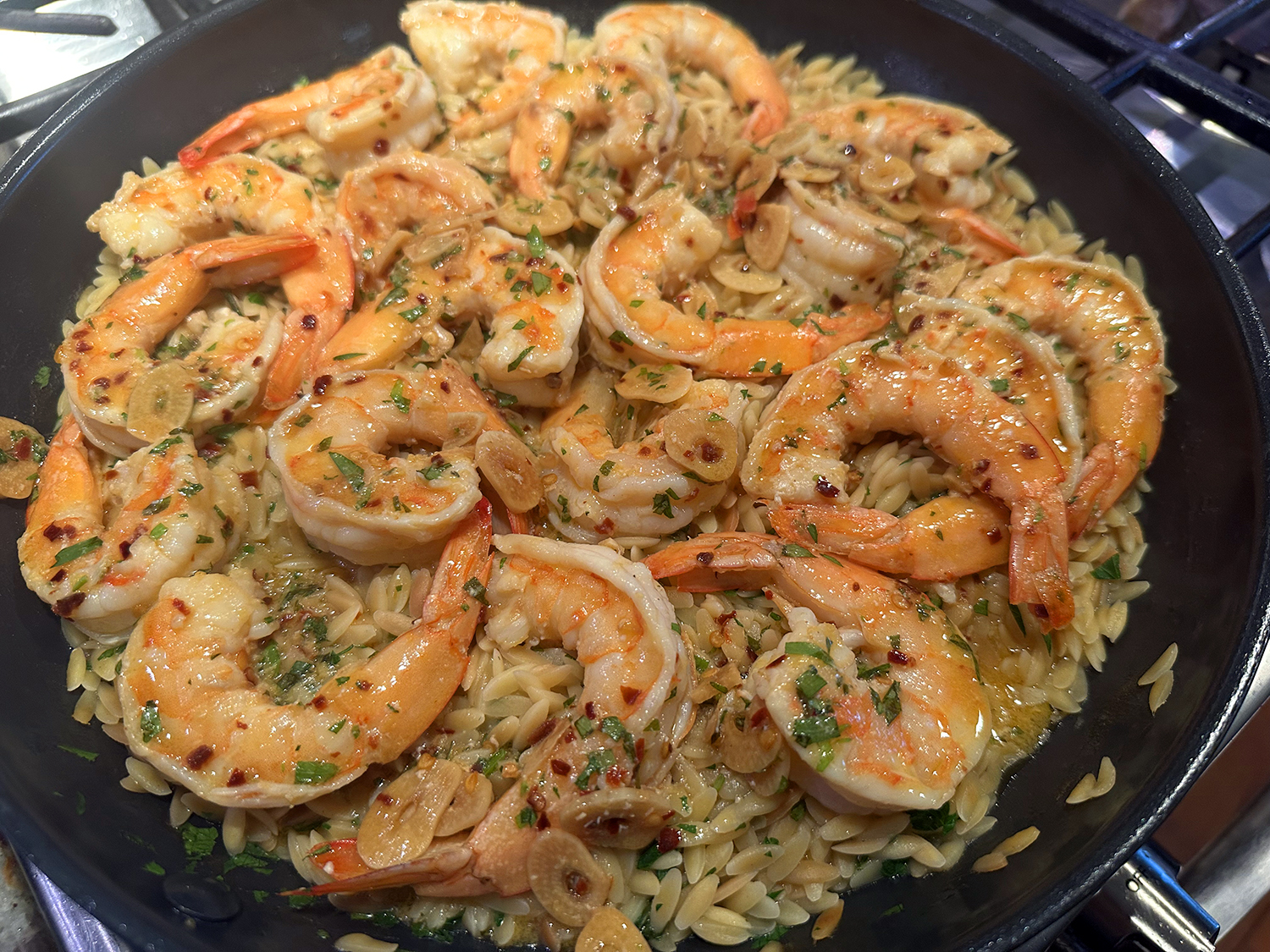
With over 16,600 5-star reviewer ratings, this recipe sounded like a win-win, and it was! According to NYTimes Cooking, the universal appeal of shrimp scampi they say, isn’t the shrimp but the pan sauce: garlicky butter lightened with white wine and bursts of lemon, parsley and red-pepper flakes. Scampi is often tossed with pasta or served with crusty bread, but this version instead uses quick-cooking orzo.

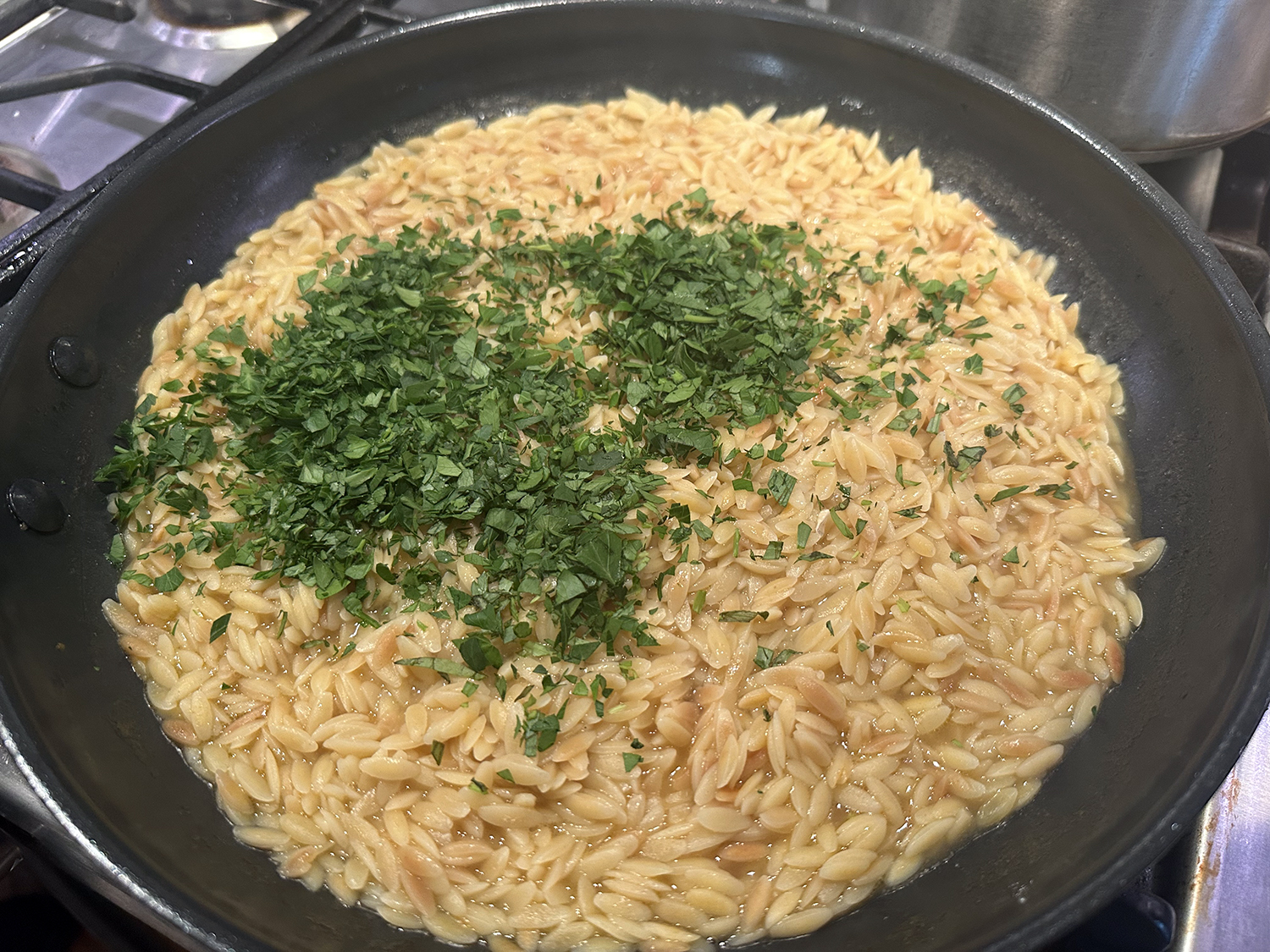
It simmers directly in the pan sauce, imparting a starchy gloss — and soaking up the garlicky scampi flavors. Toss the shrimp with some garlic, lemon zest and red-pepper flakes to marinate while the pasta gets a head start on the stove, then simply toss the shrimp on top of the orzo to steam. It all comes together in a flash, and feels effortless. Pair this dish with Caesar salad, steamed broccoli or arugula, or bask in its simple comfort, straight from a spoon.

Whichever liquid you choose, make sure it is boiling. We had homemade seafood stock on hand so we opted for that which makes a huge difference in amping up the depth of flavor. (Clam broth would also be a great choice.) In lieu of parsley, which we were fresh out of, we included chopped fresh basil.

Both the orzo and the shrimp had to be cooked a few minutes longer than suggested. But once the dish rested for a couple of minutes off the heat at the end, everything came together perfectly.

Shrimp Scampi with Orzo

  • Servings: 3-4
  • Difficulty: easy
  • Print

Ingredients

  • 1 lb. large shrimp, peeled and deveined
  • 3 Tbsp. extra-virgin olive oil
  • 1 Tbsp. lemon zest, plus 1 tablespoon juice (from 1 lemon)
  • ½ tsp. red-pepper flakes
  • Kosher salt and black pepper
  • 4 garlic cloves, minced
  • 2 Tbsp. unsalted butter
  • 1 cup orzo
  • ⅓ cup dry white wine
  • 2 cups boiling water, seafood stock, clam broth or chicken stock
  • 3 Tbsp. finely chopped parsley, or parsely

Directions

  1. In a medium bowl, stir together shrimp, 1 tablespoon olive oil, lemon zest, red-pepper flakes, ½ teaspoon salt, ¼ teaspoon pepper and half of the garlic. Set aside to marinate. (This step can be done up to 1 hour in advance.)
  2. Add butter, remaining 2 tablespoons olive oil and remaining garlic to a medium skillet set over medium heat. When the butter starts to bubble, add the orzo and ½ teaspoon salt and cook, stirring often, until the orzo is toasted, about 2 minutes, adjusting the heat as necessary to prevent the garlic from burning. Carefully add the wine — it will bubble — and stir until absorbed, about 1 minute. Stir in boiling liquid, reduce heat to low, cover, and cook until orzo is al dente, about 12 minutes.
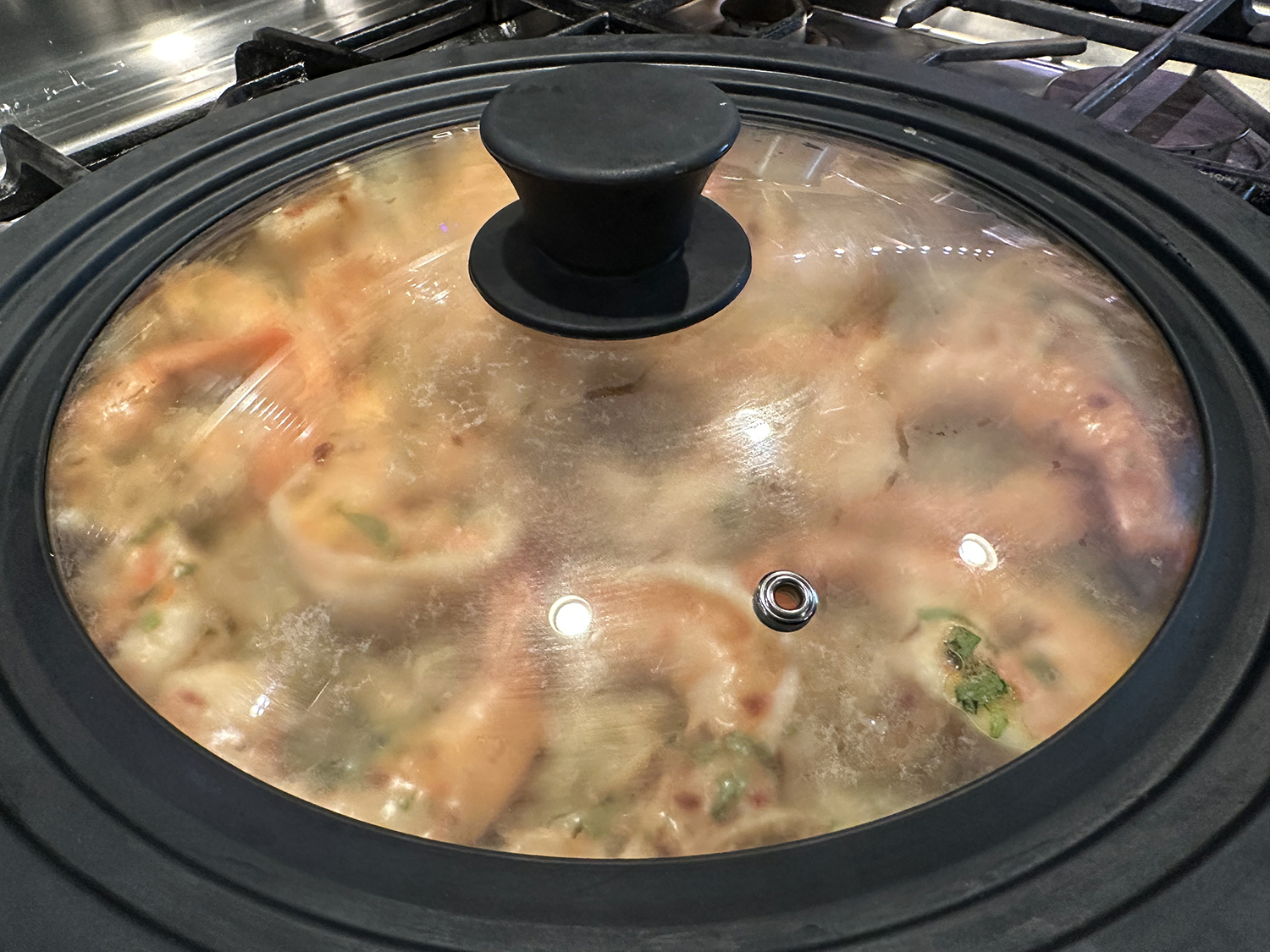
  3. Add the shrimp in a snug, even layer on top of the orzo, cover, and cook until all the shrimp is pink and cooked through, 2 to 4 minutes. Remove from heat and let sit, covered, 2 minutes.
  4. Sprinkle with parsley and lemon juice, season with salt and pepper, and serve immediately.

http://www.lynnandruss.com

Recipe by Ali Slagle for NYTimes Cooking
Chinese Eggplant with Garlic Sauce

As you may know, Chinese eggplant with garlic sauce is a familiar sight in many Chinese restaurants. The credit for this delicious version goes to the Woks of Life with its soft, creamy eggplant seasoned with pungent, fragrant seasonings. The eggplant is super tender and seared, does not require deep-frying, and has a perfect sweet and savory balance. For a more ample meal, serve over steamed jasmine rice.

The recipe calls for Chinese or Japanese eggplant, which is longer and thinner than regular globe eggplants. These eggplants also tend to have fewer seeds (and less bitterness), thinner skins, and a more tender texture. 

Chinese eggplant is a lighter purple color, while Japanese eggplants tend to be very dark purple—almost black. You can find both varieties in Asian grocery stores, and perhaps even some supermarkets in urban areas these days. If you can’t find Chinese or Japanese eggplant, you can substitute regular globe eggplant. Just know that it will take longer to cook, with its thicker skin and denser flesh. 

This recipe calls for 2 tablespoons of minced garlic. Half gets added with the ginger, chilies, and pork in the beginning of the sauce making process, while half gets added to the sauce mixture itself, which you add later. This gives the final dish both an undertone of sweet garlic, as well as a more forward kick of garlic. The garlic sauce has more flavor and dimension.

For a vegetarian rendition, just omit the ground meat. To make the dish completely vegan, simply omit the meat and substitute vegetarian oyster sauce (made with mushrooms) for the regular oyster sauce. No other changes to the recipe are necessary.

As far as number of servings feeding four, we have to disagree. We doubled the amount of ground pork and increased the eggplant by a little more than half. These changes, along with steamed rice, only made three decent-sized servings. We noted these new amounts in the ingredients list below.

Chinese Eggplant with Garlic Sauce

  • Servings: 3-4
  • Difficulty: easy
  • Print

Ingredients

  • 1/2 cup hot water
  • 1 Tbsp. granulated sugar
  • 1 Tbsp. cornstarch
  • 1 1/2 Tbsp. oyster sauce
  • 1 Tbsp. rice vinegar
  • 1 Tbsp. Shaoxing wine
  • 1 Tbsp. light soy sauce
  • 1 tsp. sesame oil
  • 1/2 dark soy sauce
  • 1/8 tsp. white pepper
  • 2 Tbsp. minced garlic
  • 1 1/2 lb. Chinese eggplants (3-4)
  • 4 1/2 Tbsp. neutral oil
  • 4 to 8 oz. ground pork
  • 2 tsp. minced ginger
  • 5-10 dried red chiles
  • 2 scallions
  • Jasmine rice, cooked according to package directions

Directions

  1. In a small bowl, add the hot water and stir in the sugar to dissolve. Then add the corn starch, oyster sauce, rice vinegar, Shaoxing wine, light soy sauce, sesame oil, dark soy sauce, and white pepper. Stir in half of the garlic, and set this mixture aside.
  2. When ready to cook, trim the ends off the eggplants and cut them on an angle rotating the eggplant with each cut. into triangular bite-size chunks. (Don’t leave them out too long or they will turn brown.)
  3. Meanwhile, cook your rice according to package directions.
  4. Heat a wok over medium-high heat until it’s smoking lightly, then pour 1 1/2 tablespoons of the neutral oil around the perimeter of the wok to evenly coat it with oil. Spread the eggplant in a single layer, reduce the heat to medium, and cook for 3-4 minutes, flipping and stirring occasionally, until the eggplant is lightly browned.
  5. Spread another 1 1/2 tablespoons of the neutral oil around the perimeter of the wok. Continue cooking the eggplant (still in a single layer) for another 4 minutes, stirring occasionally, until evenly seared, soft and slightly translucent. (You may want to do this in two batches, which will add time of course.) Remove the eggplant from the wok and set on a plate.
  6. Increase the heat to high and add the remaining 1 1/2 tablespoons of oil to the wok. Add the ground pork and cook until opaque, breaking it up into small bits as you go. Add the ginger, dried chiles, and the remaining tablespoon of garlic. Cook for 1-2 minutes, stirring constantly, until the aromatics are toasted and fragrant.
  7. Add the eggplant back to the wok, and stir-fry until combined. Stir the sauce again to ensure the corn starch is well combined with the liquid, then add it to the wok. Mix well and bring to a simmer, cooking until the sauce is just thick enough to coat a spoon. Stir in the scallions and serve immediately over hot jasmine rice.

http://www.lynnandruss.com

Recipe from The Woks of Life