Tag Archives: main dish

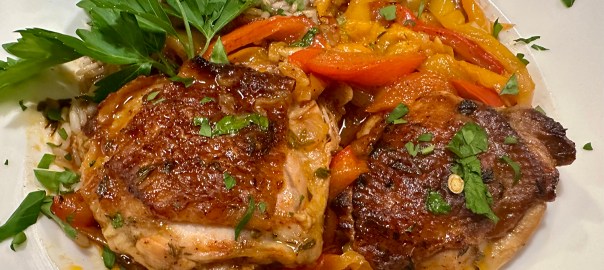
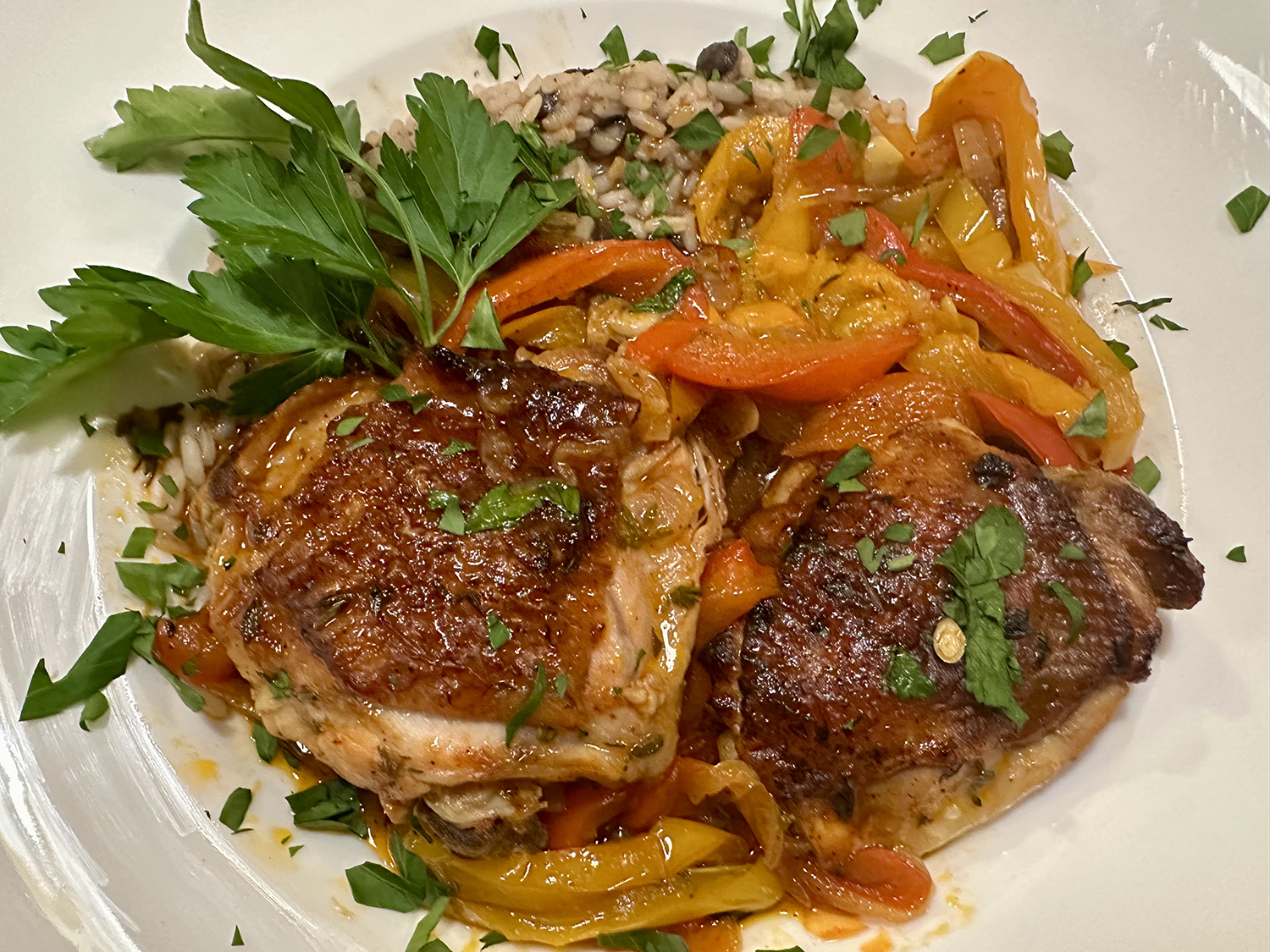
Haitian Chicken in Sauce (Poul Nan Sos)

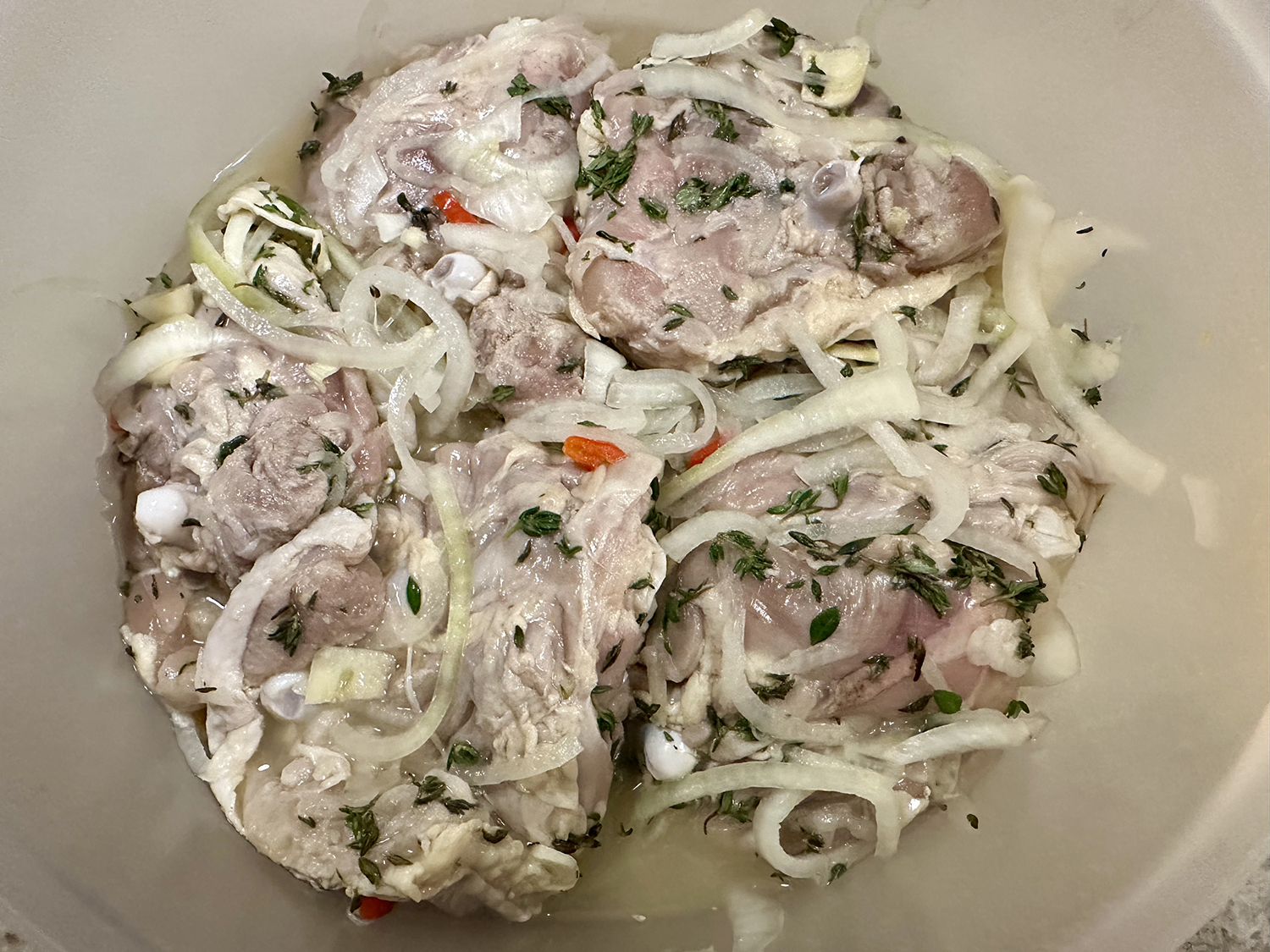
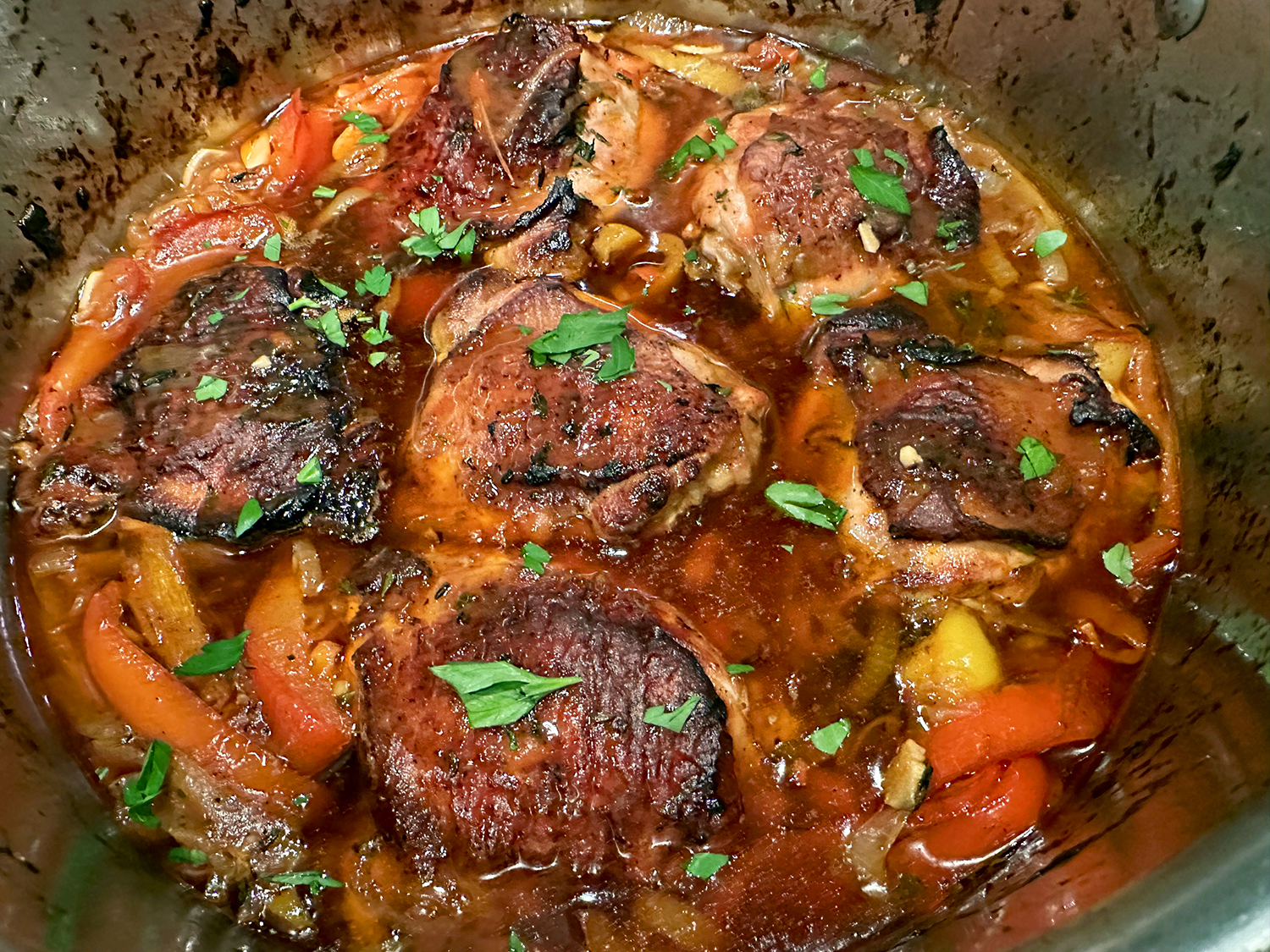
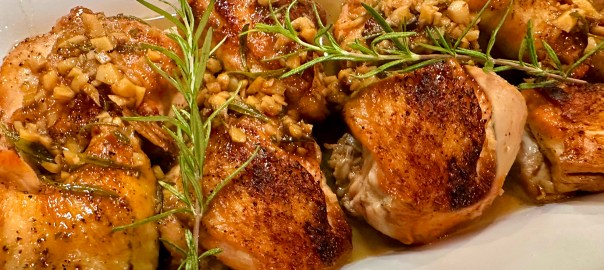
For this ultra-flavorful dish, the chicken is marinated overnight with onions, garlic, thyme, chiles, and citrus before it’s stewed with loads of bell peppers. The meltingly tender puddle of bell peppers collapses into a nest of lusciousness as they simmer under the chicken pieces.

According to Chef/Author Gregory Gourdet “The meat is marinated overnight with onions, garlic, thyme, and chiles along with citrus, which is rubbed forcefully onto the chicken to access the fragrant oils. After the meat takes on all that flavor, it’s stewed with the marinade and loads of bell peppers for a satisfying, thrilling stew.”

About the hot pepper choice: The heat level of any given pepper can vary widely, but Scotch bonnet and habanero peppers both generally register between 100,000 and 350,000 Scoville units. Scotch bonnets, which tend to be sweeter and have distinct citrus notes, are the traditional choice for Haitian chicken stew, but the closely related habanero makes a fine substitution. In the end, there was barely any heat from these peppers, but they added a nice subtle nuance of flavor.

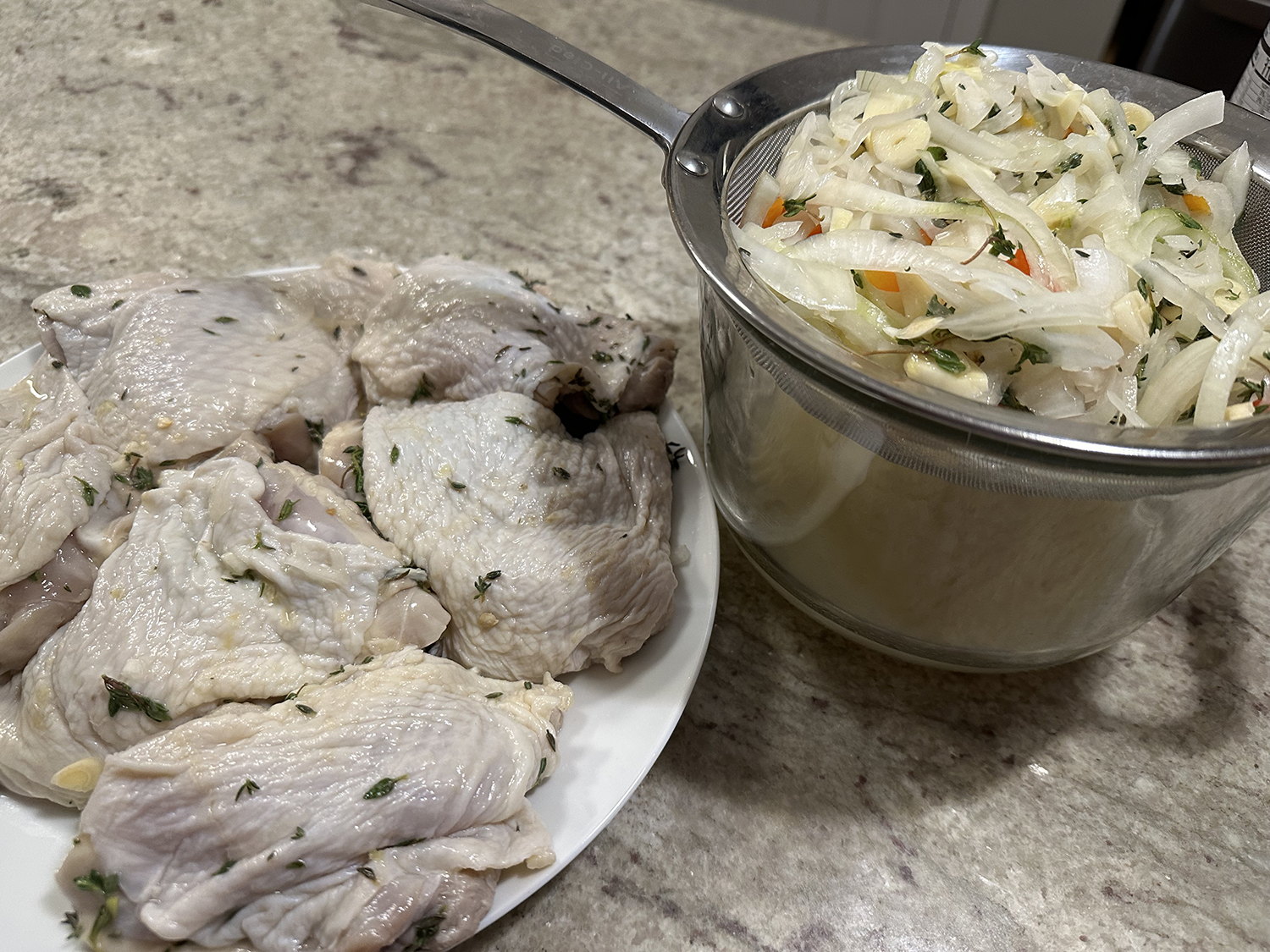
While this dish isn’t particularly difficult or time-consuming to prepare, the chicken does require a long marination, so you’ll need to plan ahead. Allow anywhere from 12 to 48 hours for the chicken to absorb all those flavors in the fridge. When it comes time to cook the meat, be sure to reserve both the marinade’s liquid and solids, which will be incorporated back in later.

You definitely need a bed of rice or something to help soak up all of the liquid (we served with a side of rice and beans). In fact, it may be wise to reduce the amount of chicken broth from 2 cups down to 1 cup, which is indicated below*. After all, more liquid comes from the marinade, and moisture that comes from the peppers and chicken.
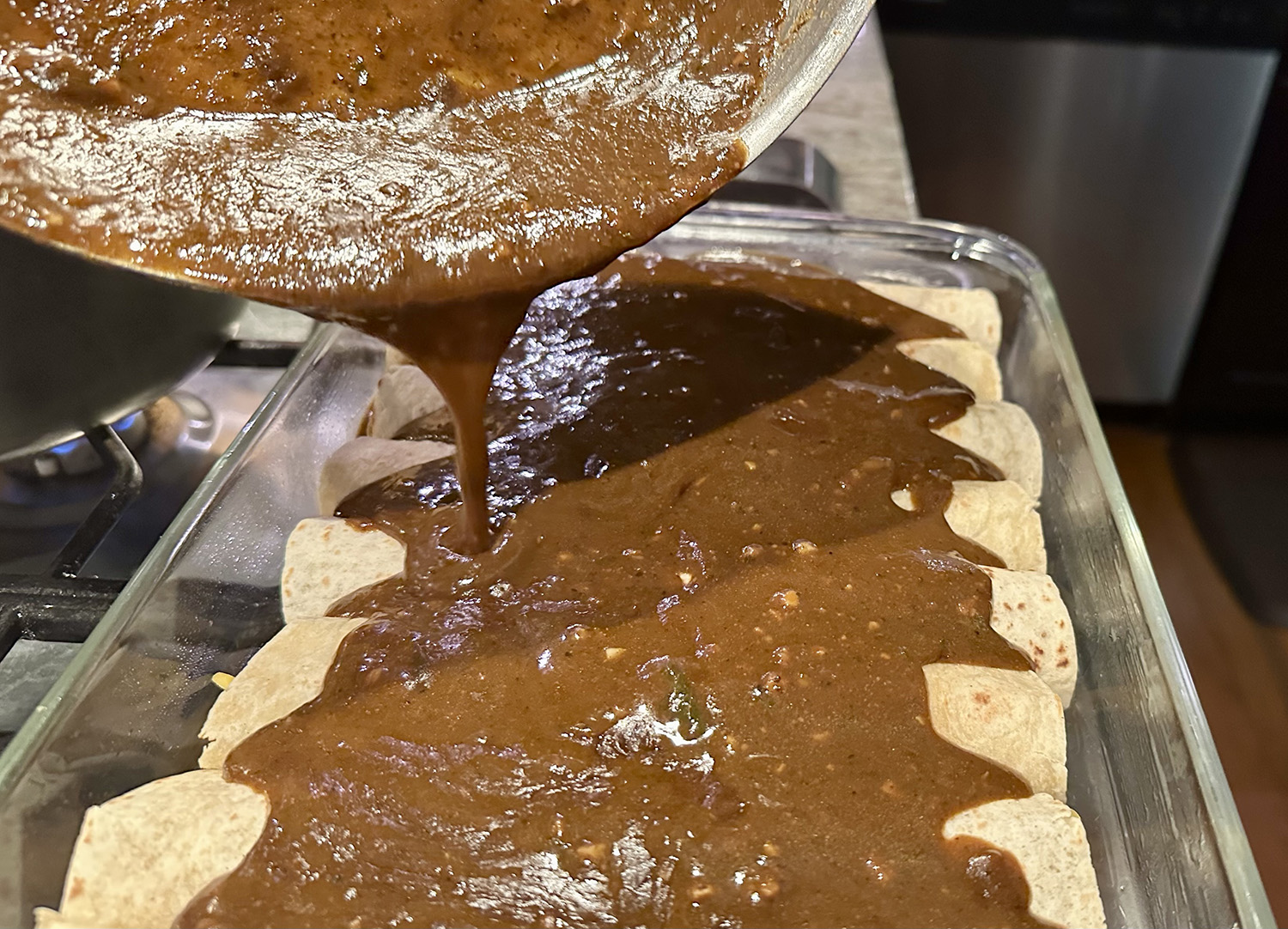
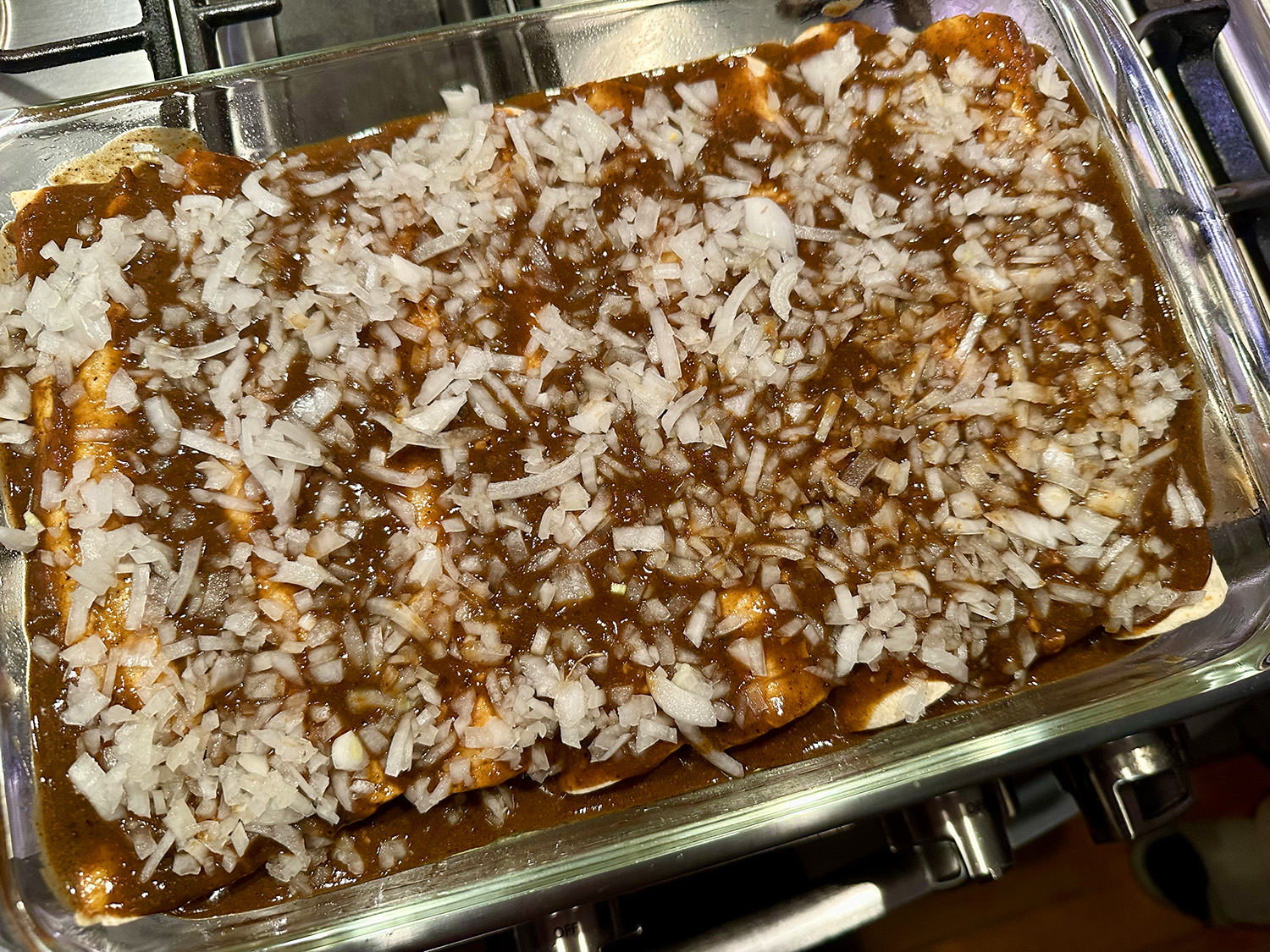
So unbelievably good!!

Haitian Chicken in Sauce (Poul Nan Sos)

  • Servings: 4-6
  • Difficulty: easy
  • Print

Ingredients

Marinade

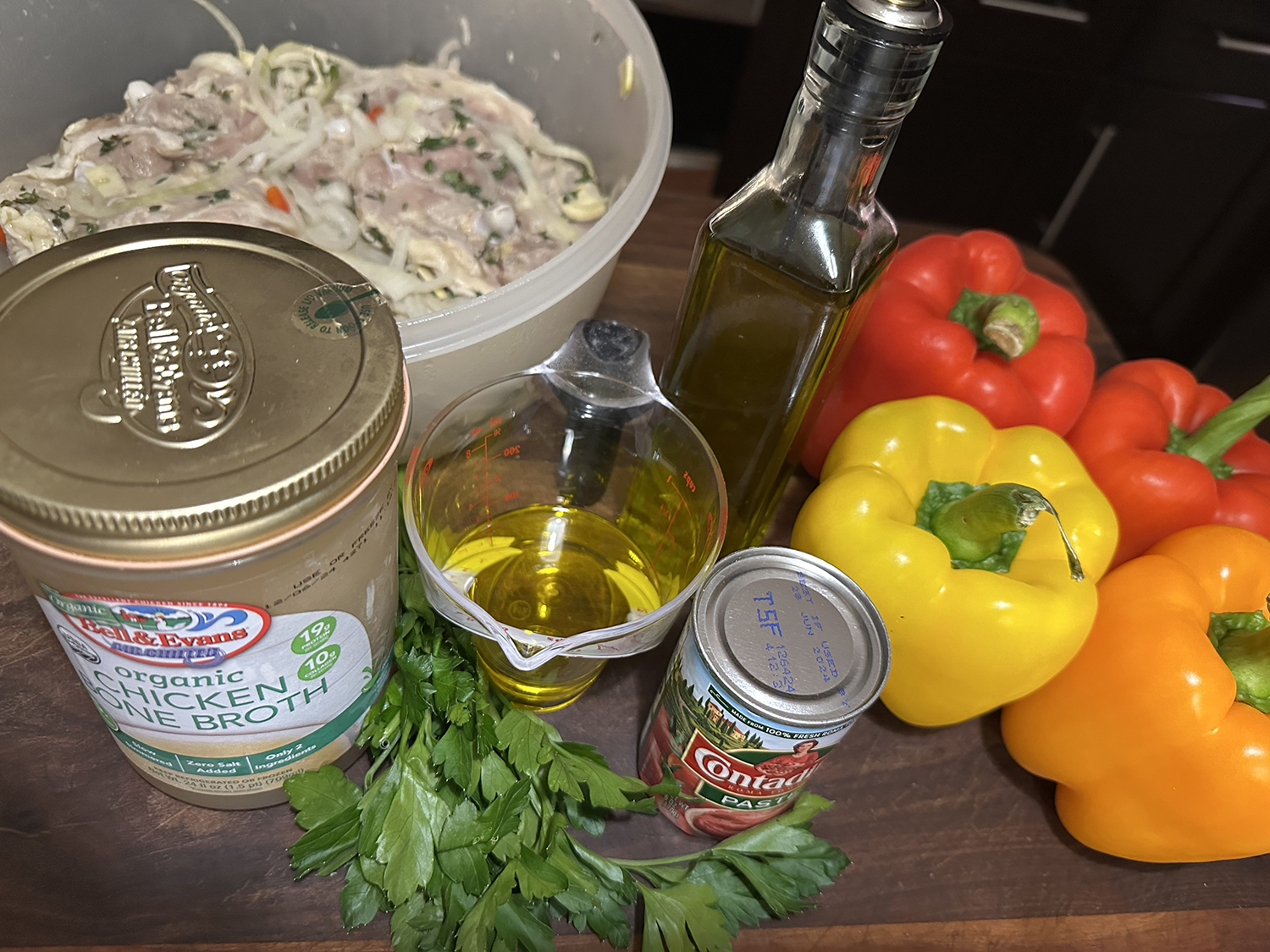
  • 3 lbs. bone-in chicken thighs (drumsticks optional), patted dry (we used all thighs)
  • 3 Tbsp. kosher salt
  • 1 juicy orange, halved
  • 1 juicy lime, halved
  • 1 juicy lemon, halved
  • 2 medium yellow onions, halved and thinly sliced
  • 8 garlic cloves, sliced
  • 2 Scotch bonnet or habanero chiles, cut in half and sliced thin
  • 1/4 cup fresh thyme leaves

Stew

  • 1/3 cup extra-virgin olive oil
  • 1/2 cup tomato paste
  • 1 Tbsp kosher salt
  • 2 red bell peppers, seeded and deveined, cut into long, thin slices
  • 2 yellow bell peppers, seeded and deveined, cut into long, thin slices
  • 1 cup chicken stock*, salted homemade or store-bought
  • Small handful roughly chopped parsley sprigs, for serving

Directions

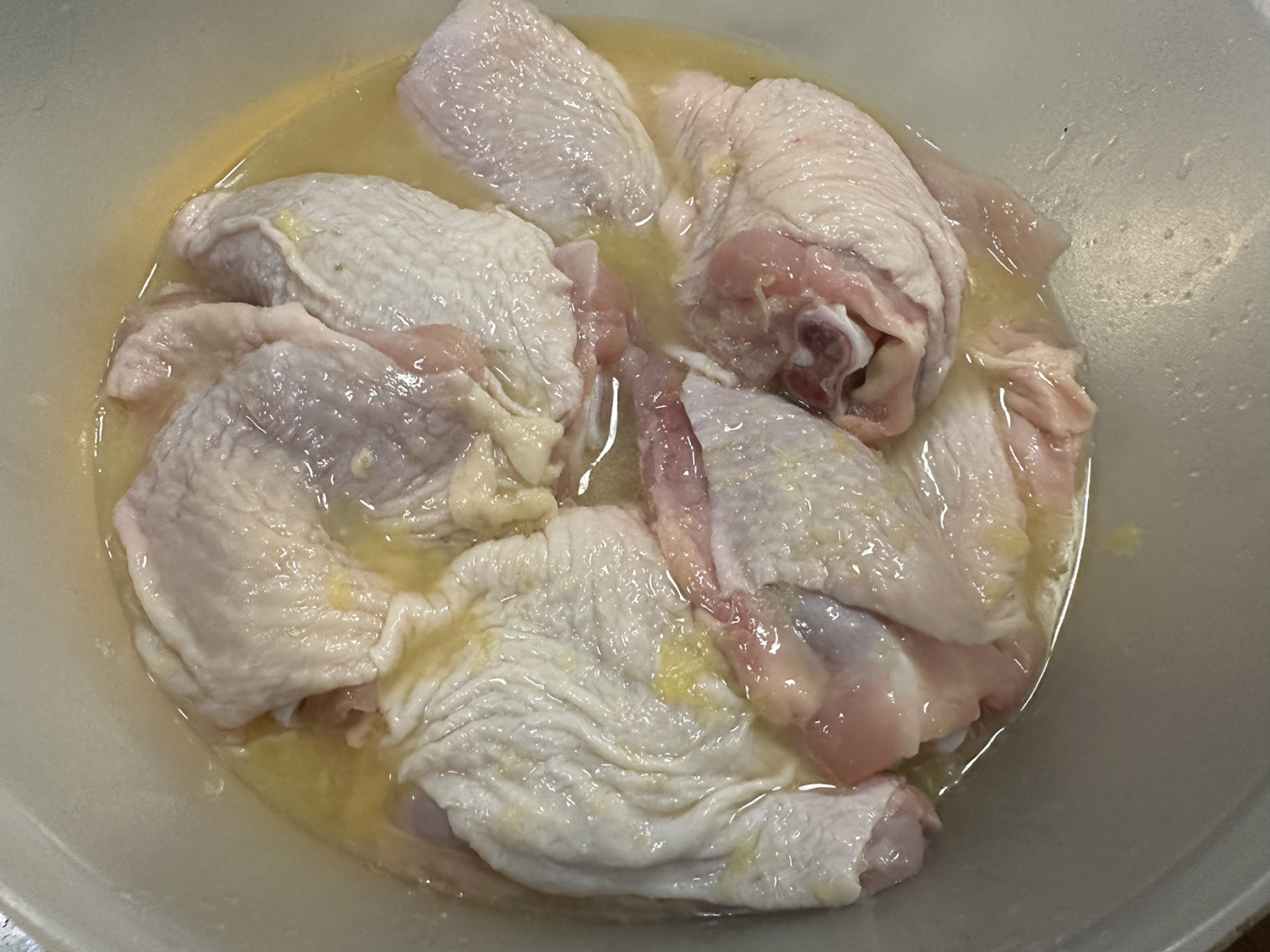
  1. Put the chicken pieces in a large bowl and season with the salt. Squeeze the citrus halves over the chicken, then spend a minute or so rubbing the cut sides of the citrus against the chicken. Add the onions, garlic, chile, and thyme and toss well, rubbing the chicken as you do. Cover and marinate in the fridge for at least 12 hours or up to 48 hours. (We marinated 27 hours.)
  2. Preheat the oven to 375°F. Remove the chicken from the marinade, guiding any stuck-on aromatics back into the bowl. Set a strainer over a small mixing bowl. Pour the marinade through the strainer, reserving the solids and liquid. Pat the chicken very dry with paper towels.
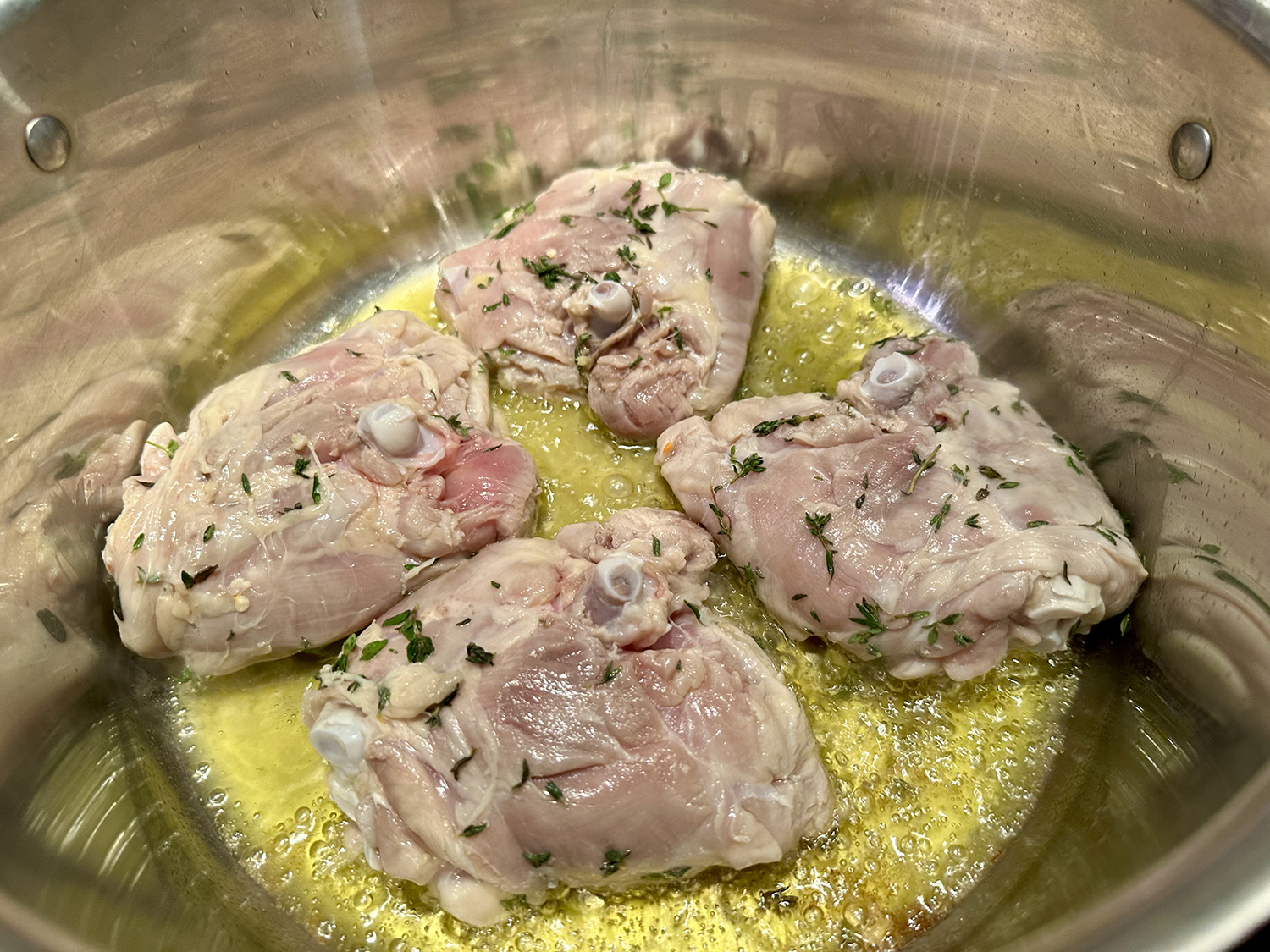
  3. Heat the oil in a wide, heavy ovenproof pot (such as a 3 1/2-quart braiser) over medium-high heat just until shimmery. Cook the chicken, skin-side down, occasionally turning the drumsticks but not the thighs, until the skin is deep brown, about 8 minutes. (It may take two batches so that the chicken browns instead of steams.) Transfer the chicken pieces to a plate.
  4. Reduce the heat to medium-low, add the tomato paste and salt, and cook, stirring often, until it turns several shades darker, about 3 minutes. Add the bell peppers and the reserved solids from the marinade; cook, stirring occasionally, until the peppers soften slightly and take on a little color, about 8 to 10 minutes.
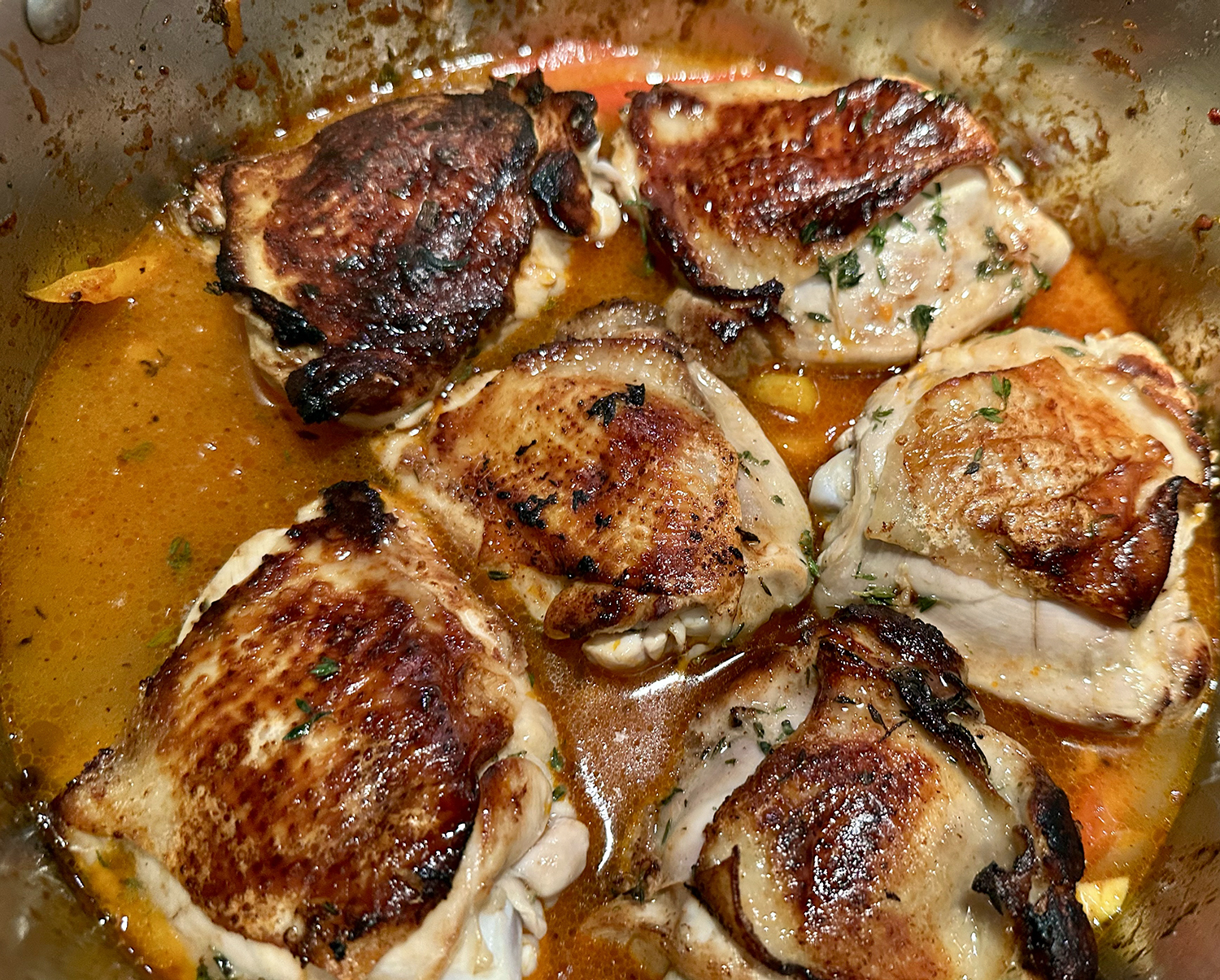
  5. Return the chicken to the pan, skin side up and in a single layer nestled into the peppers, arranging the pile of peppers, onions, and other aromatics around the chicken. Then evenly pour in the reserved liquid from the marinade along with the stock. Cook in the oven, basting every 15 minutes to coat the chicken with the peppers and sauce, until the sauce has thickened slightly and the meat pulls off the bone with a gentle tug from a fork, about 1 hour. Garnish with the parsley and serve over rice and beans.

http://www.lynnandruss.com

Adapted fro a recipe by Gregory Gourdet for Food & Wine

Beef Tagine with Green Beans and Olives

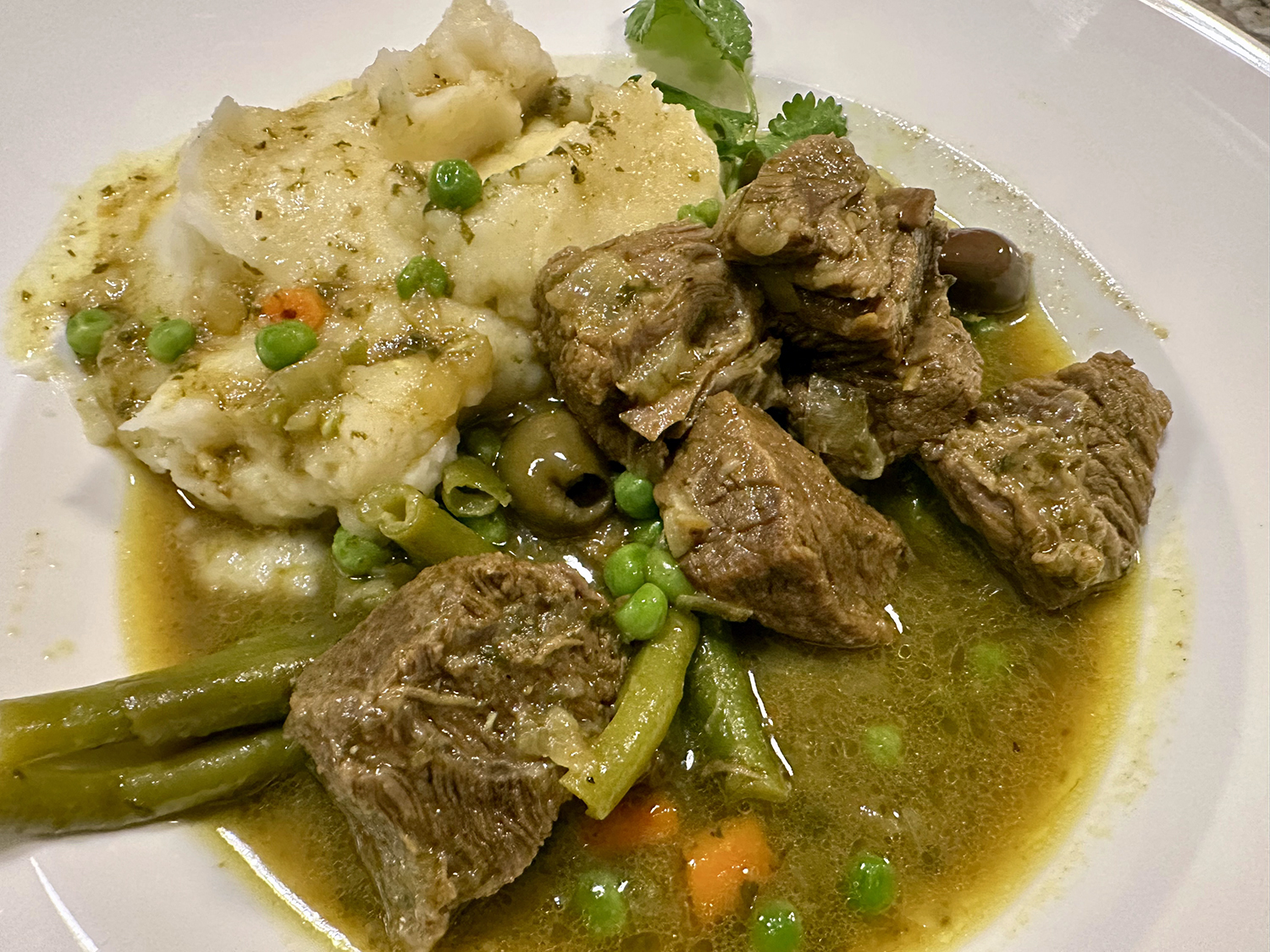
Even though it is labeled a tagine, it’s not cooked in one. This hearty tagine is a staple family meal in many Moroccan homes, cooked in the traditional m’qualli style with garlic, ground ginger and ground turmeric. The comforting, earthy flavors of the meat, spices and green beans create a satisfying dinner perfect for sharing or meal prepping.

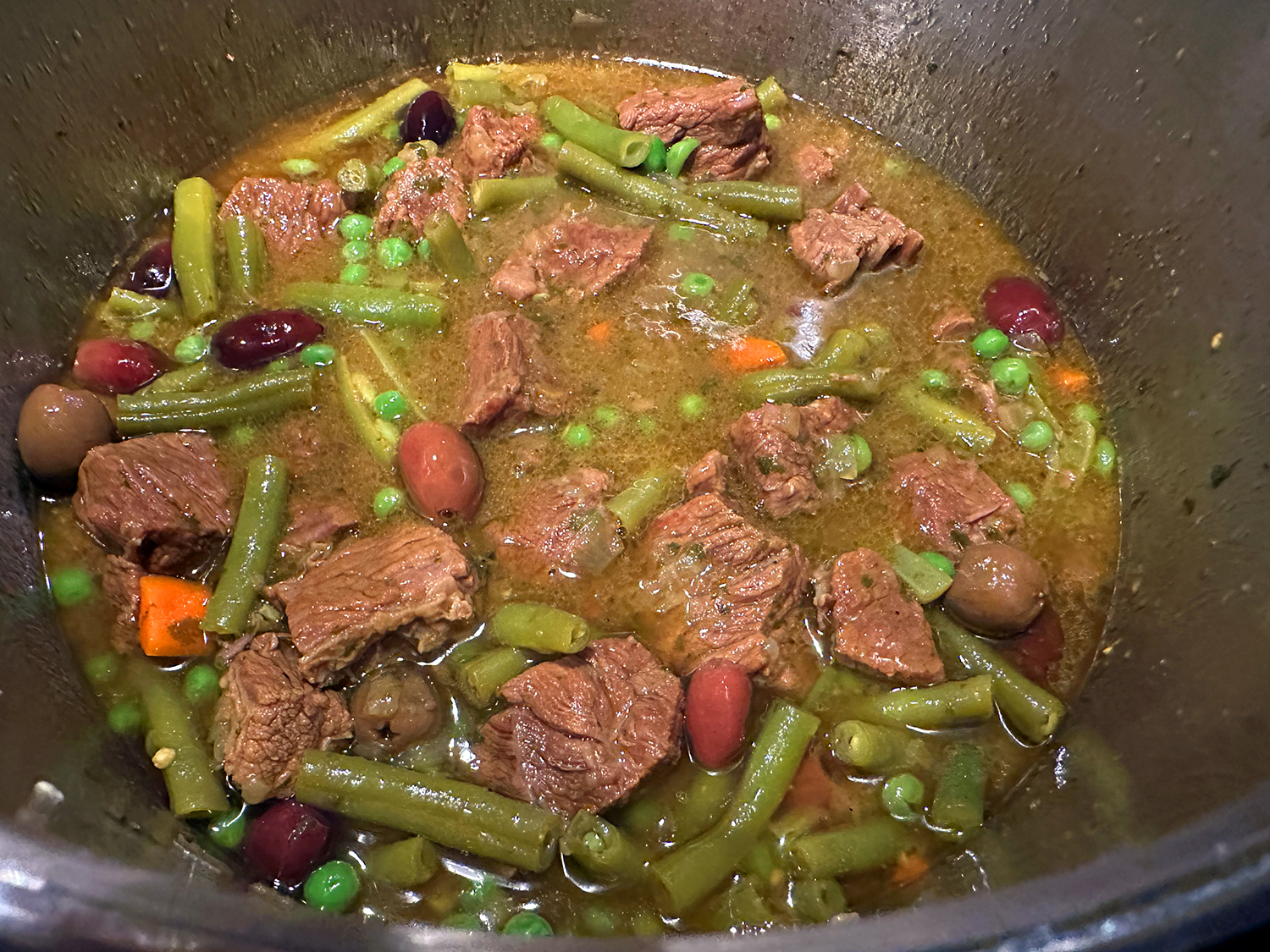
The cozy, fragrant stew is packed with pops of flavor from tangy preserved lemon and briny olives. The green beans are added towards the end when the meat is almost cooked. For a variation, consider substituting or adding peas and/or chopped carrots (see Tip). We added both peas and carrots.

This dish is supposed to take 2 1/4 hours from start to finish. *We decided to use our pressure cooker and therefore cut the total time down to one hour. What we neglected to do was reduce the amount of liquid, because when you use a pressure cooker, none of the moisture evaporates. Next time we will add less liquid to start with, then remove the ingredients with a slotted spoon to another bowl. Add a cornstarch slurry to thicken the sauce and pour it over the meat and vegetables in the bowl.

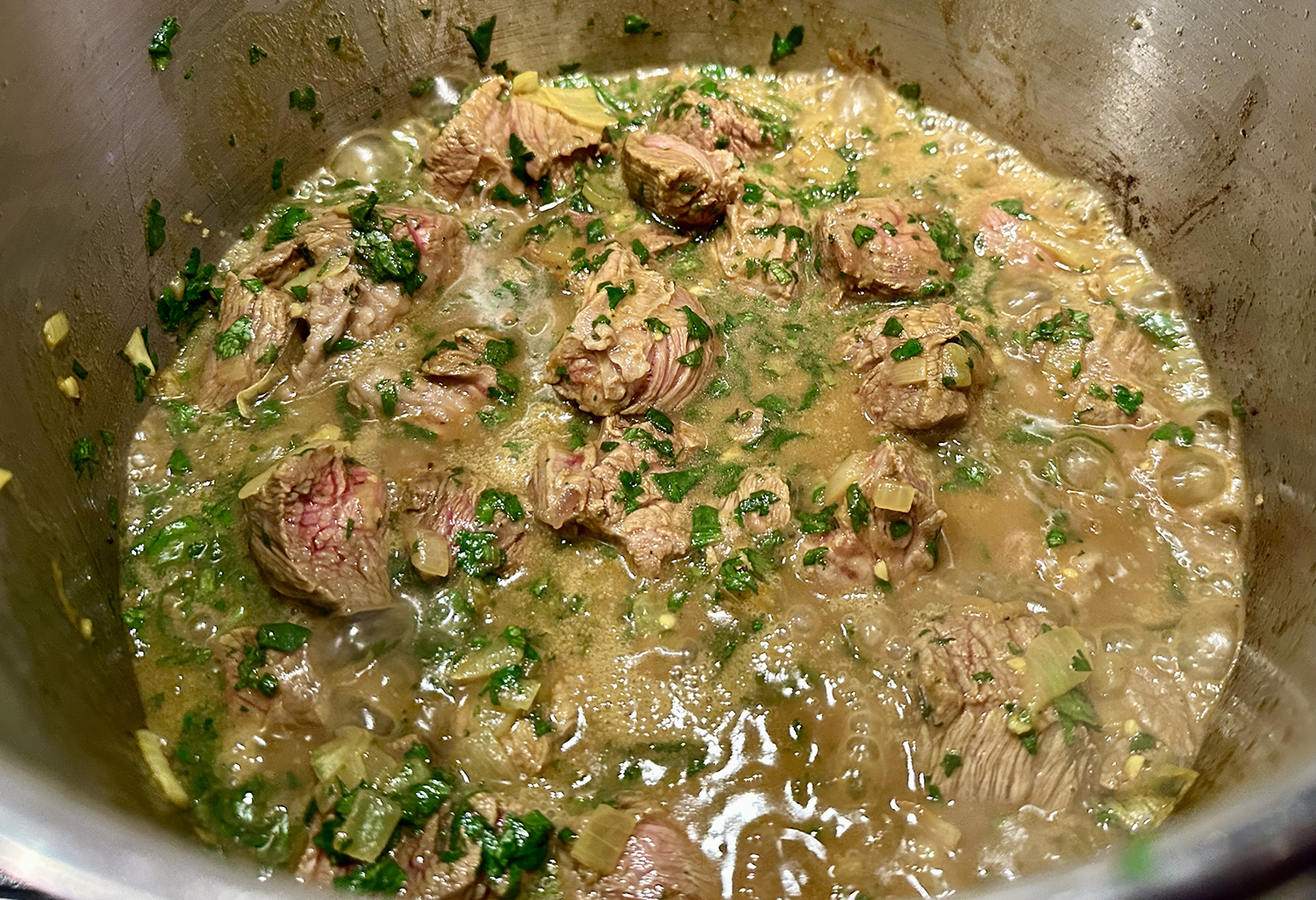
In addition, we would brown the seasoned (salt and pepper) meat chunks on all sides in shimmering oil in the Dutch oven first; in batches so as not to steam the beef. Remove the beef to a side plate, turn the heat to medium-low and add the onions, garlic and seasoning…

TIP: If making a variation on this recipe using peas and carrots, add the carrots about the same time as the green beans, and add the peas when the other vegetables are tender, cooking them for a few minutes.

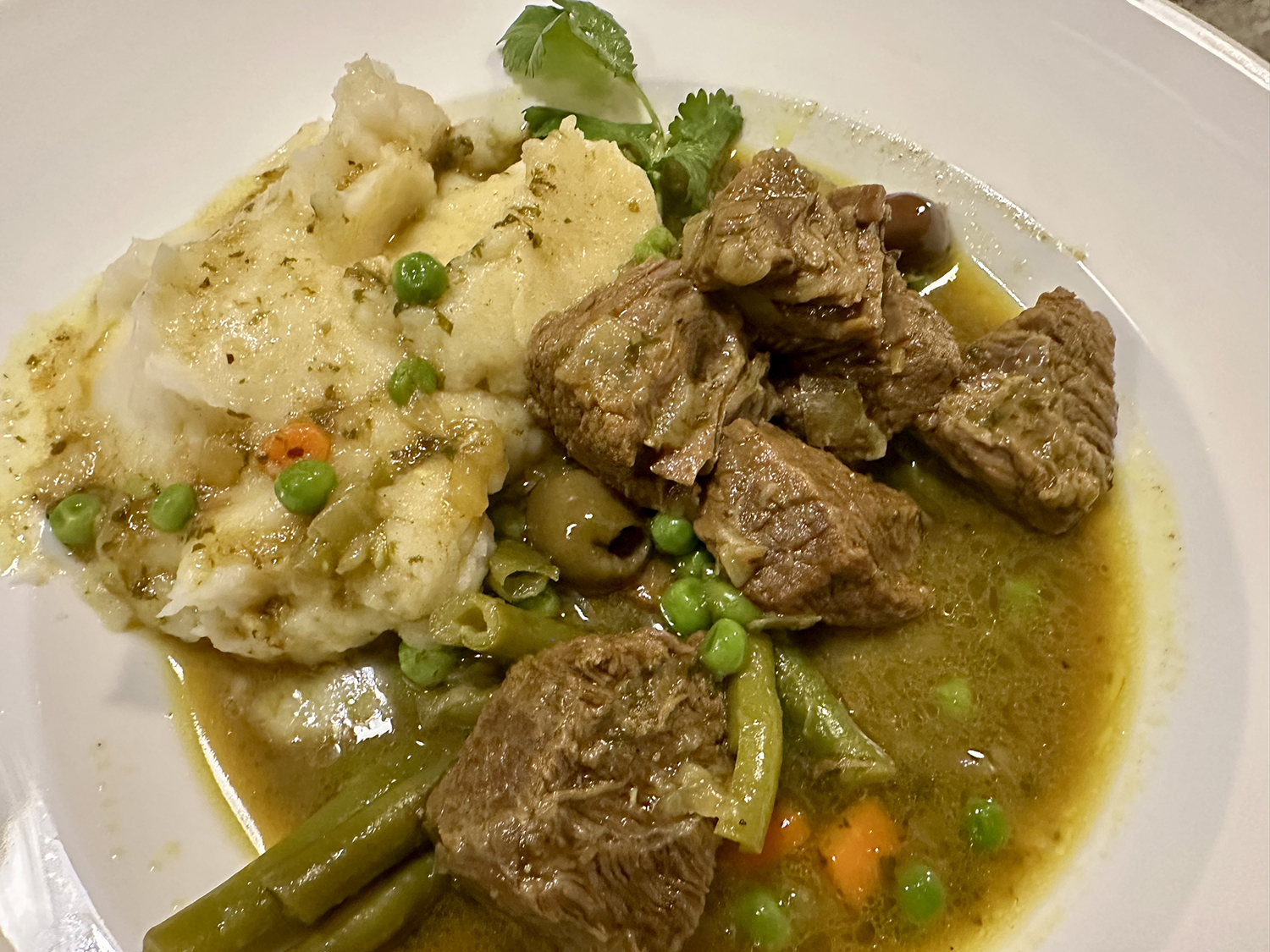
To enhance the Moroccan profile, serve over couscous, We decided on garlicky mashed potatoes, because we needed to use up our spud supply. All of our changes are noted in the recipe below.

Beef Tagine with Green Beans and Olives

  • Servings: 6-8
  • Difficulty: easy
  • Print

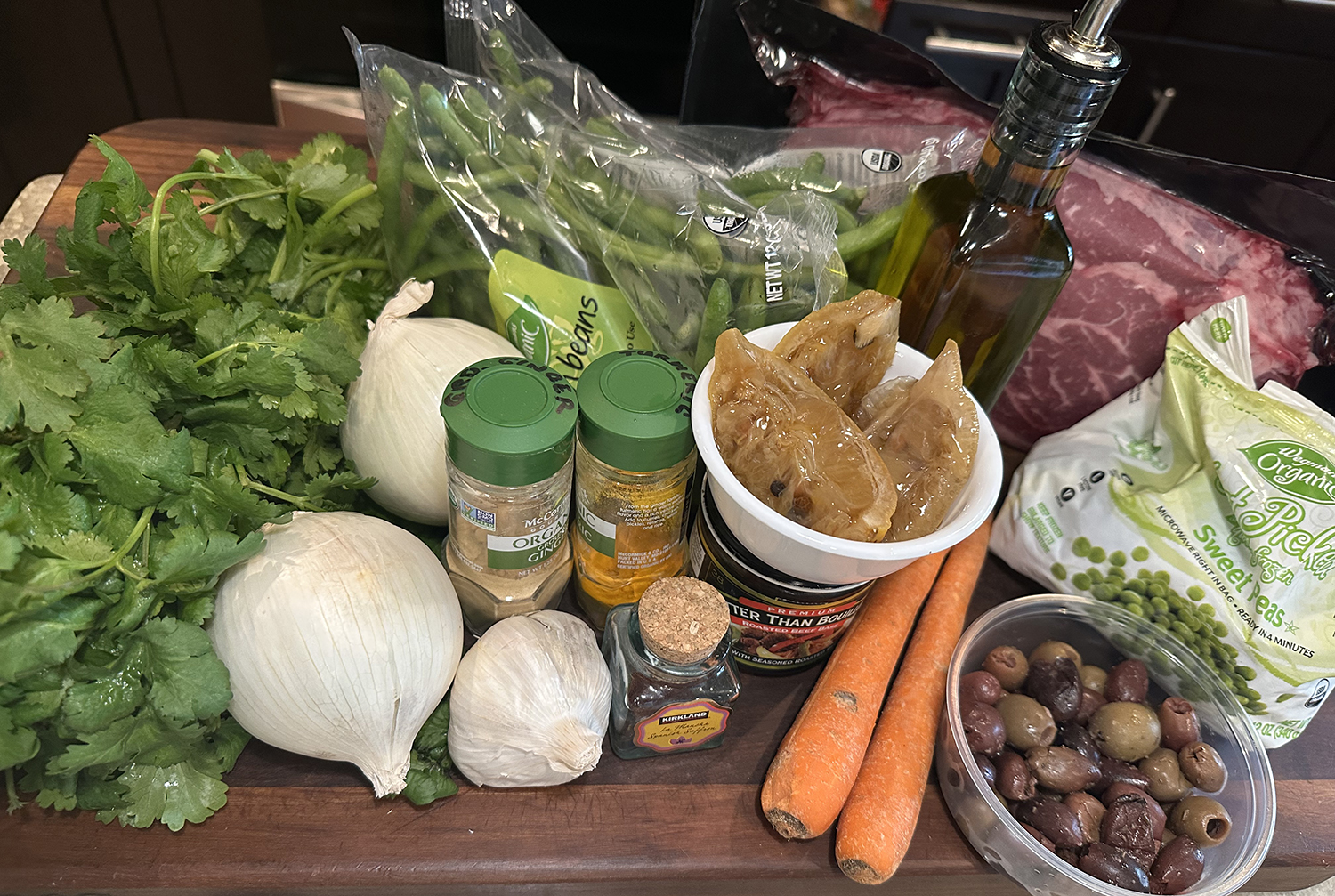
Ingredients

  • 3 Tbsp. olive oil
  • 2 medium onions, diced (about 3 cups)
  • 3 garlic cloves, minced or pressed
  • 1 tsp. ground turmeric
  • 1 tsp. ground ginger
  • 1 small pinch saffron (optional)
  • Fine sea salt and black pepper
  • 2½ lbs. boneless beef chuck or other stewing beef, trimmed of excess fat and cut into 2-inch pieces
  • ¾ cup vegetable or beef stock, or water, plus more if needed
  • 1 cup cilantro leaves and tender stems, finely chopped, plus more for serving
  • 1½ lbs. green beans, trimmed
  • 2 carrots peeled and cut into 1/2-inch rounds
  • 2 to 3 Tbsp. seeded and finely chopped preserved lemon (about ½ lemon), plus more to taste
  • ½ cup pitted Castelvetrano or Kalamata olives, and peas (if using)
  • Bread, for serving

Directions

  1. Heat oil in a large Dutch oven over medium. Add the beef, cook, stirring occasionally, until the meat is lightly browned on all sides, about 7-8 minutes. Remove to a plate.
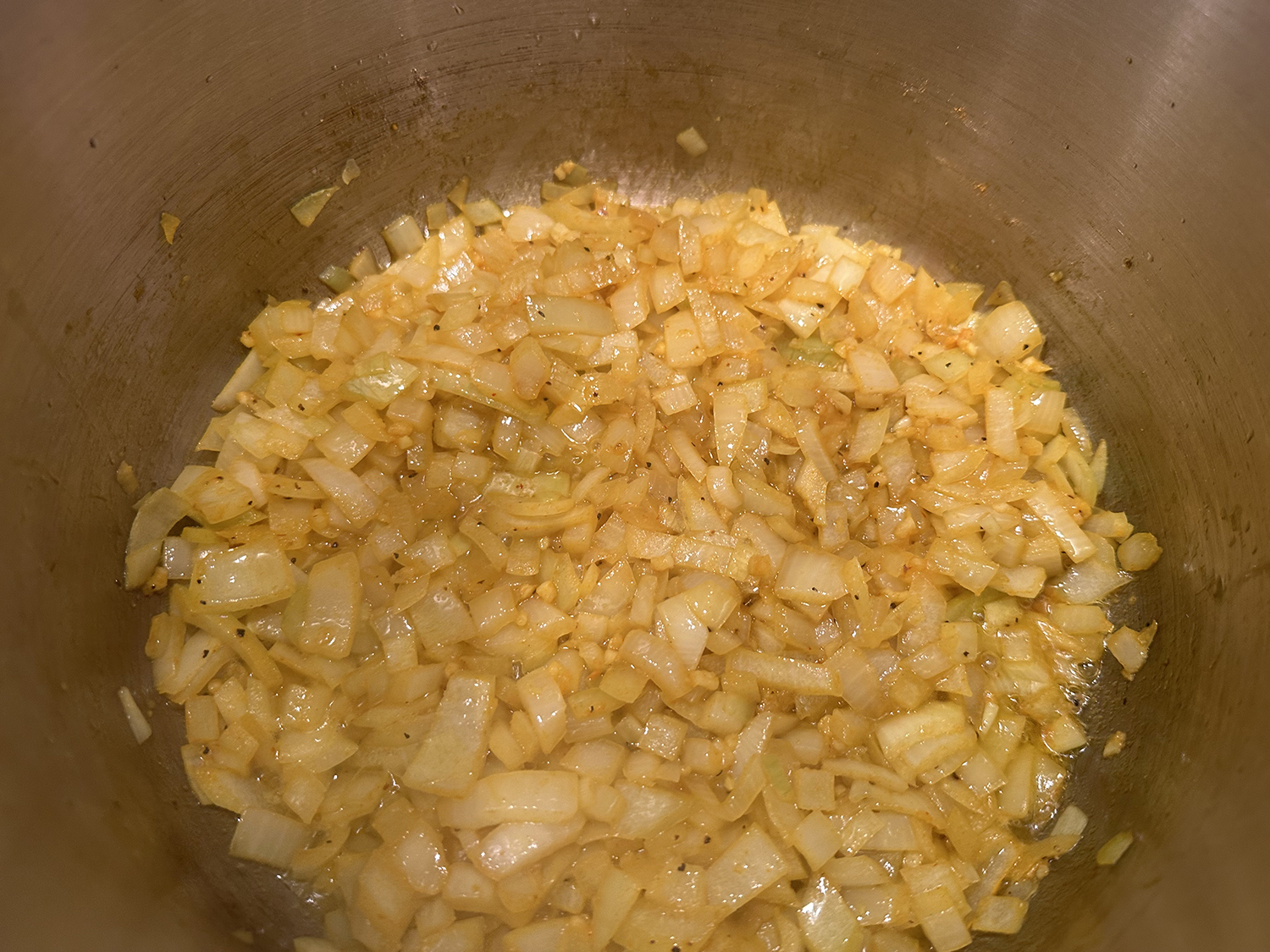
  2. Add onions, garlic, turmeric, ginger, saffron (if using), ¾ teaspoon salt and ¼ teaspoon pepper. Cook, stirring frequently, until the onions begin to soften, 5 to 7 minutes.
  3. Return meat to pot, add stock (or water) and cilantro, and bring to a boil over high heat.
  4. Cover the pot, adjust heat to low and simmer for about 1½ hours, until the beef has partially softened (when pressed with a fork it should feel soft but not fall apart).
  5. Stir in the green beans, carrots and preserved lemon, adjust heat to high and bring to a boil. The green beans should be partially submerged in the liquid; add stock or water as needed. Turn down to low, cover and simmer until the green beans and carrots are tender, 15 to 20 minutes. Stir occasionally to make sure the beans cook evenly.
  6. Taste and add more preserved lemon or salt as necessary. Garnish with olives and more cilantro, and serve with bread.

http://www.lynnandruss.com

Recipe by Nargisse Benkabbou for NYTimes Cooking

Vegan Dan Dan Noodles With Eggplant

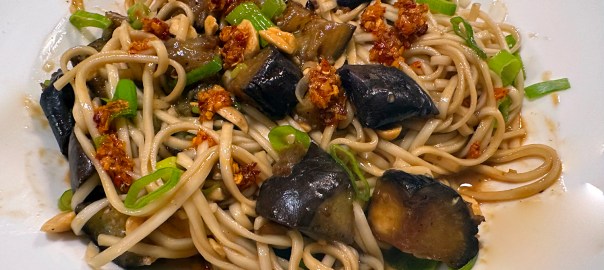
Sichuan dan dan noodles are traditionally made with ground pork, a spicy sauce and sui mi ya cai, or pickled vegetables, but this vegan version features pan-fried eggplant in place of the meat.
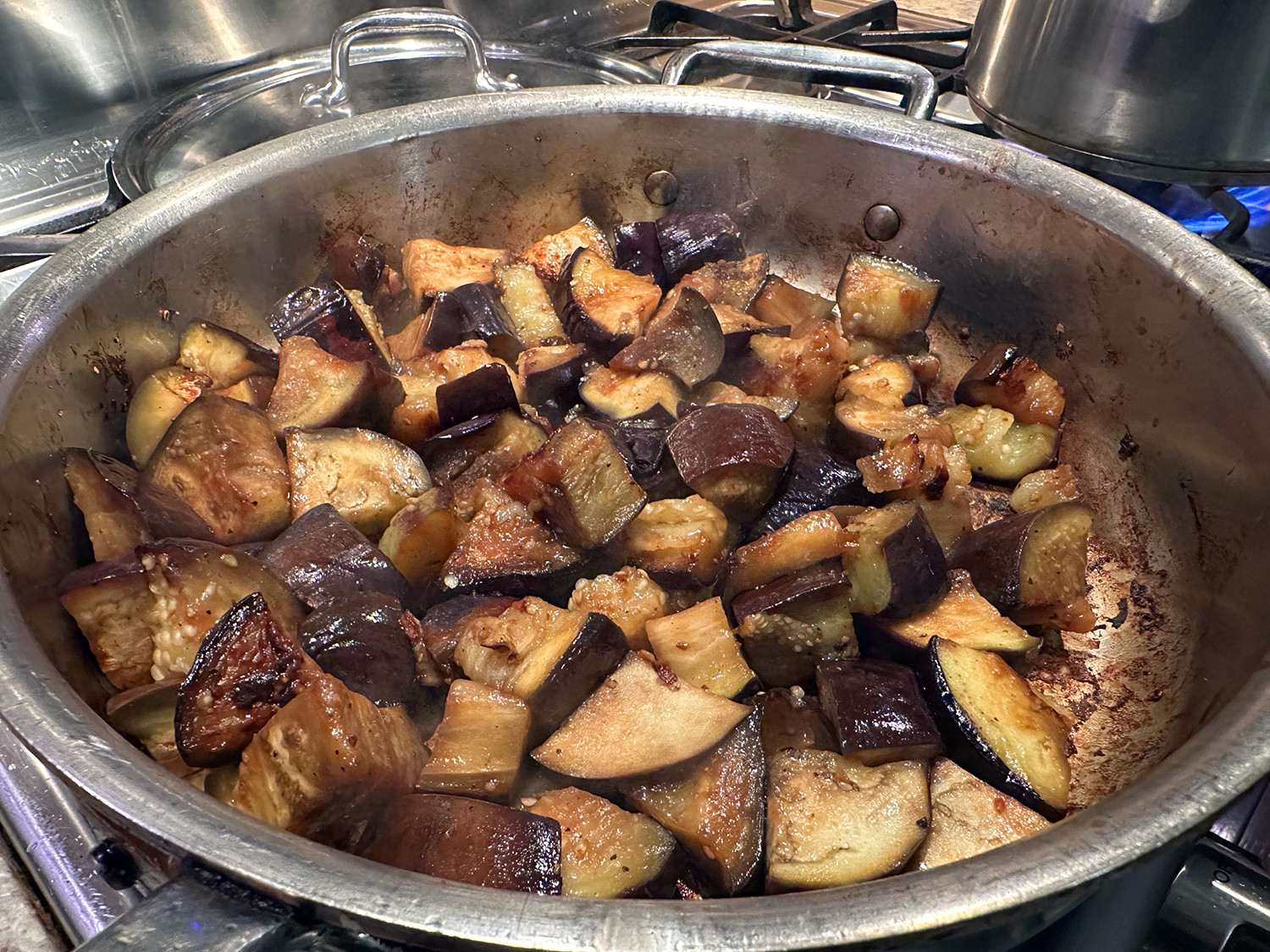
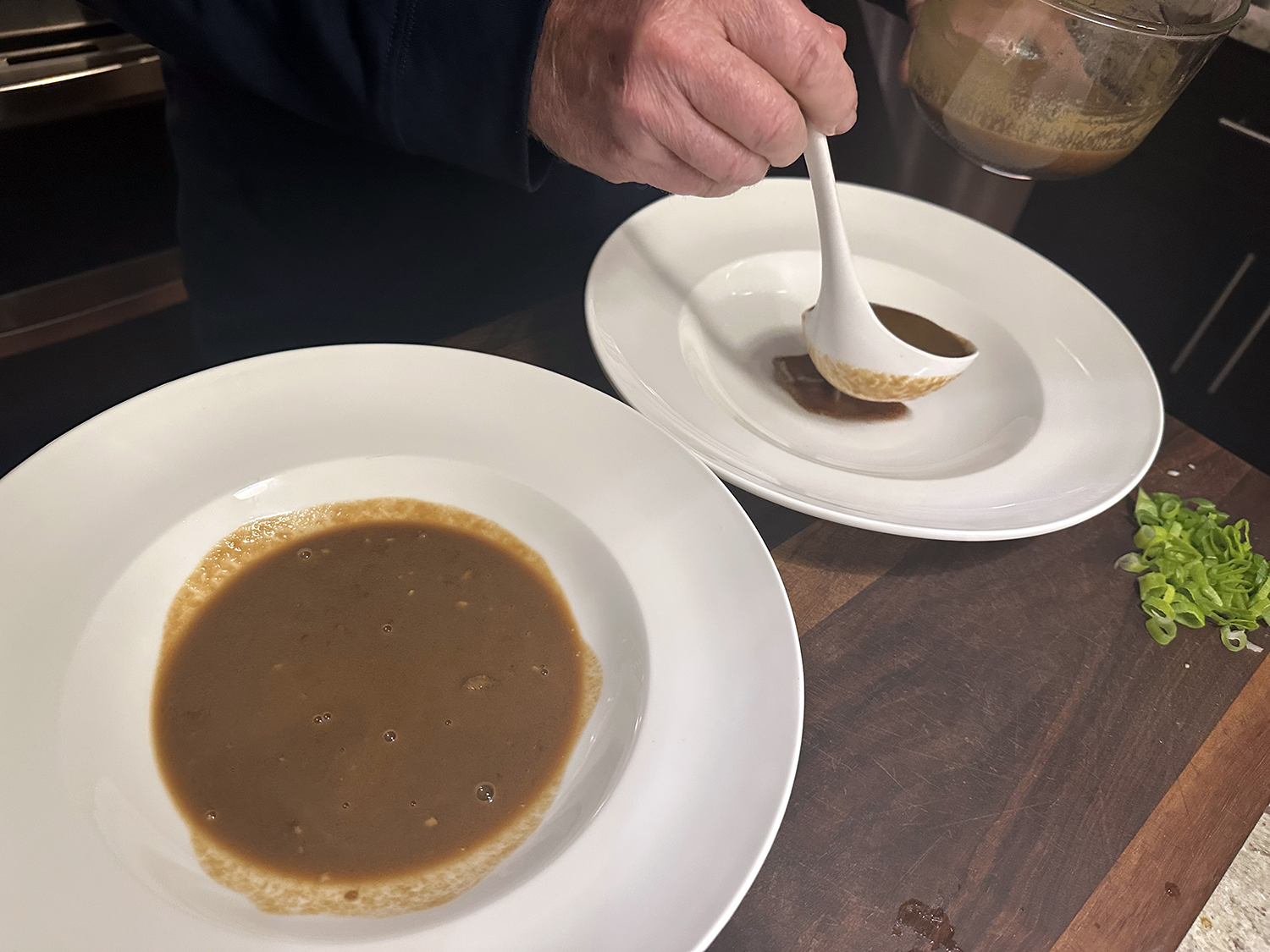
Cutting the eggplant into relatively chunky pieces and covering the pot with a lid while cooking is the key to achieving the right texture: It locks in moisture, ensures that the pieces don’t fall apart, and allows the flesh to become tender and smoky. Once tossed with the noodles and sauce, the eggplant breaks up and becomes creamy. If you don’t have tahini, you can substitute it with smooth peanut butter (our choice) or almond butter.

NOTE: You can also use egg noodles but the dish will no longer be vegan.

Vegan Dan Dan Noodles With Eggplant

  • Servings: 4
  • Difficulty: easy
  • Print

Ingredients

For the Sauce

  • 3 Tbsp. soy sauce
  • 3 Tbsp. black or rice vinegar
  • ¼ cup tahini (or Chinese/Japanese sesame paste)
  • 2 garlic cloves, peeled and finely grated or chopped
  • 1 (1-inch) piece of ginger, peeled and finely grated or chopped (about 1 Tbsp.)
  • 2 to 3 Tbsp. chile oil, chile crisp or doubanjiang
  • 2 tsp. granulated sugar

For the Noodles

  • 1 large eggplant (about 1¼lbs.), trimmed
  • Kosher salt (such as Diamond Crystal)
  • 12 oz. dried thin wheat noodles (see Note)
  • Neutral oil, such as canola or vegetable
  • 1 Tbsp. soy sauce
  • Black pepper
  • ½ tsp. ground Sichuan peppercorns (optional)
  • 2 scallions, white and green parts separated and finely sliced
  • A generous pinch of granulated sugar
  • Handful of cilantro leaves
  • 1 cup dry, unsalted roasted peanuts, roughly chopped
  • Chile oil or chile crisp, for serving

Directions

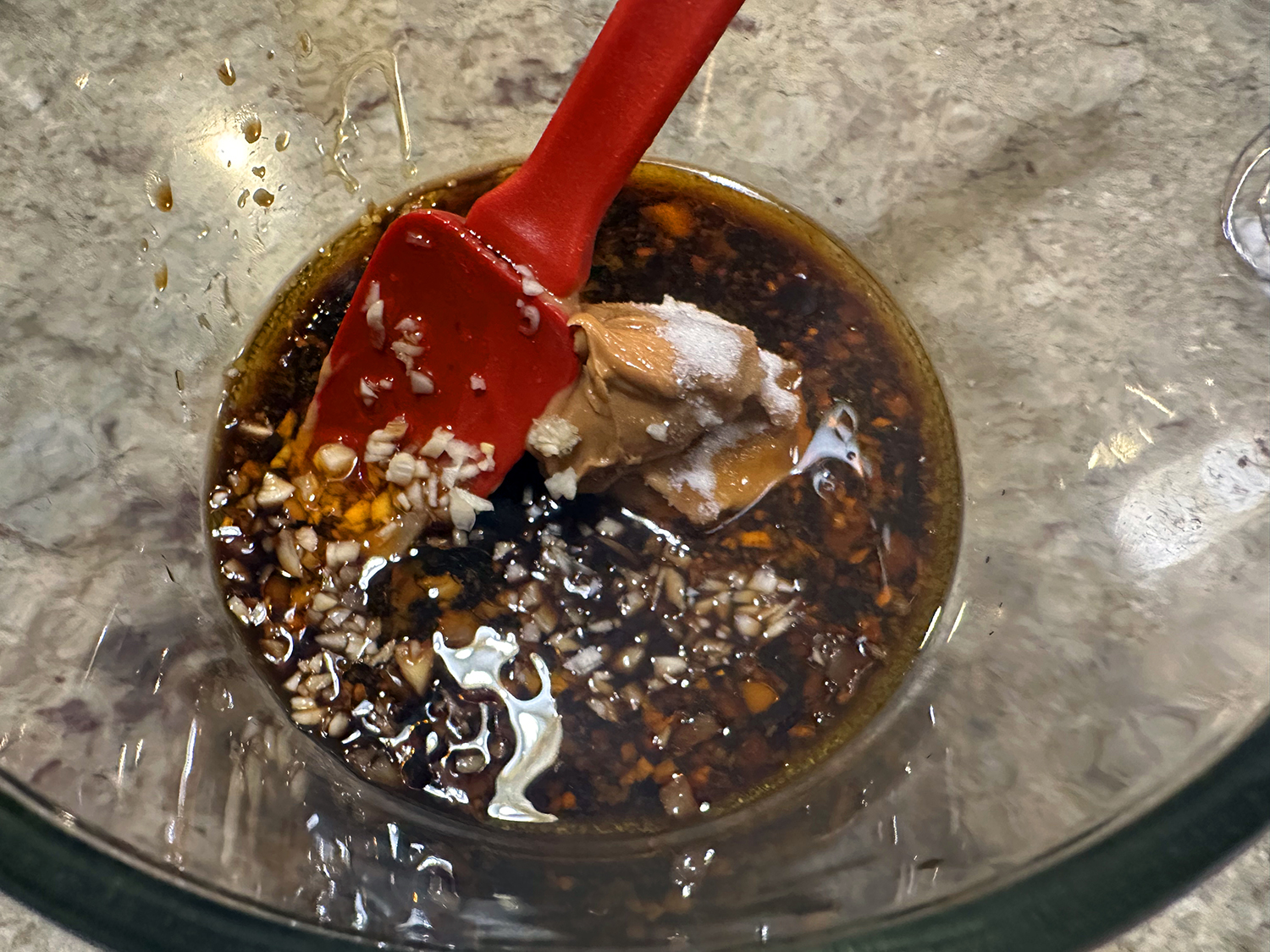
  1. Make the sauce: Combine the soy sauce, black or rice vinegar, tahini, garlic, ginger, chile oil and granulated sugar in a bowl, and whisk to combine. Set aside.
  2. Slice the eggplant crosswise into ¾-inch-thick circles, then cut each circle into 1½- to 2-inch pieces. (They should be quite chunky.)
  3. Bring a large pot of salted water to boil. Add the noodles and cook according to package instructions until al dente. Reserve ½ cup of the cooking water, then drain the noodles, rinse just for a few seconds to remove some of the starchy water (they should still be hot), and allow them to drain.
  4. Meanwhile, cook the eggplant: Heat a wok or large, deep-sided skillet over medium-high. When hot, add 2 tablespoons of neutral oil along with the eggplant, soy sauce, 1 teaspoon of salt and a pinch of black pepper, and toss well to combine. Cover with a lid and cook for 6 to 7 minutes, tossing every 60 seconds. If it starts to burn, reduce the heat to medium. The eggplant is ready when it is caramelized and cooked all the way through but still intact. (Don’t let it get mushy.) Remove the lid, sprinkle with the ground Sichuan peppercorns (if using), the white parts of the scallions and the sugar, and season with ½ teaspoon of salt and a pinch of black pepper. Toss for 30 seconds and then turn off the heat.
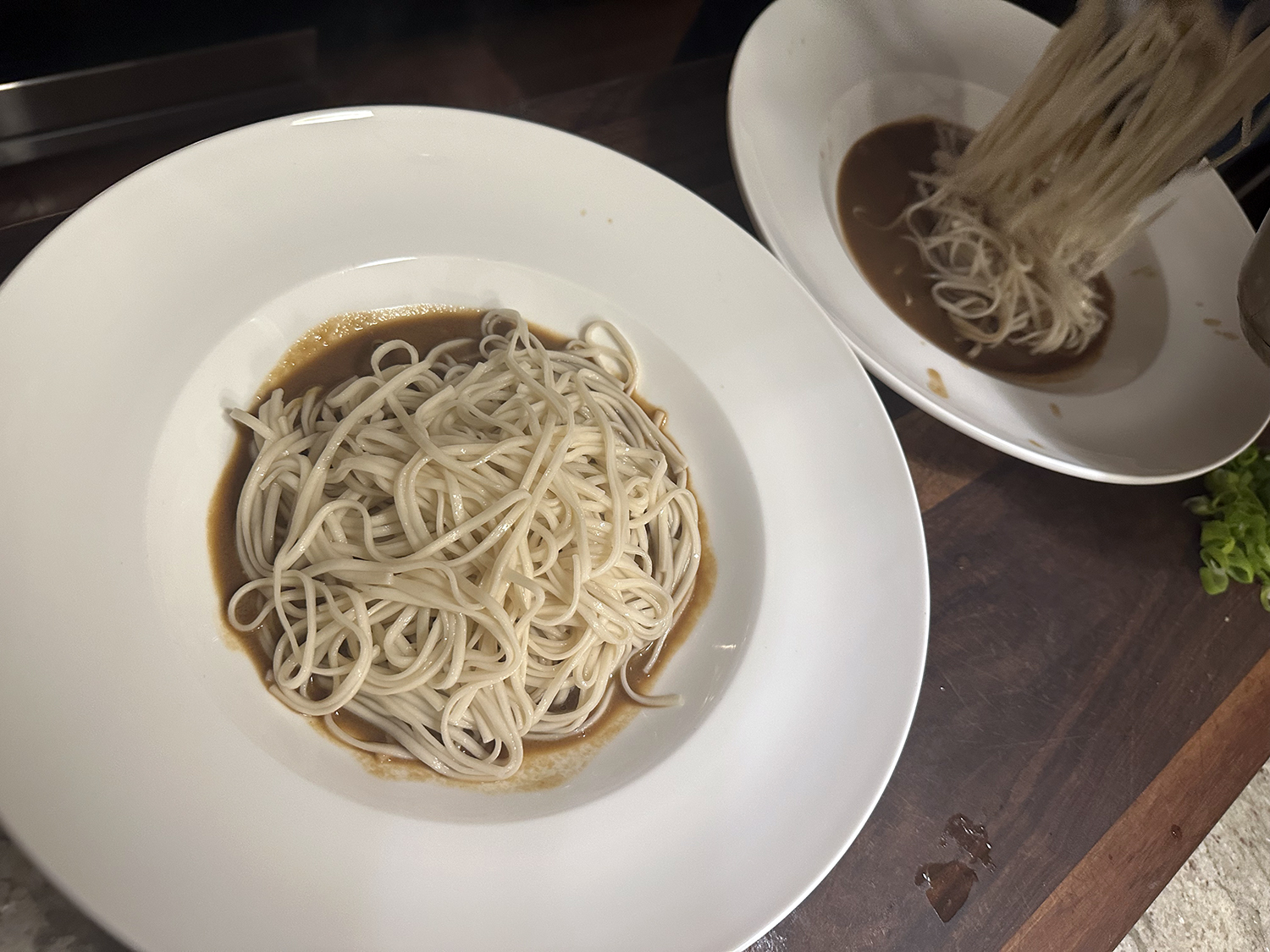
  5. Add the reserved noodle cooking water to the bowl of sauce and whisk to combine. Divide the sauce among four serving bowls.
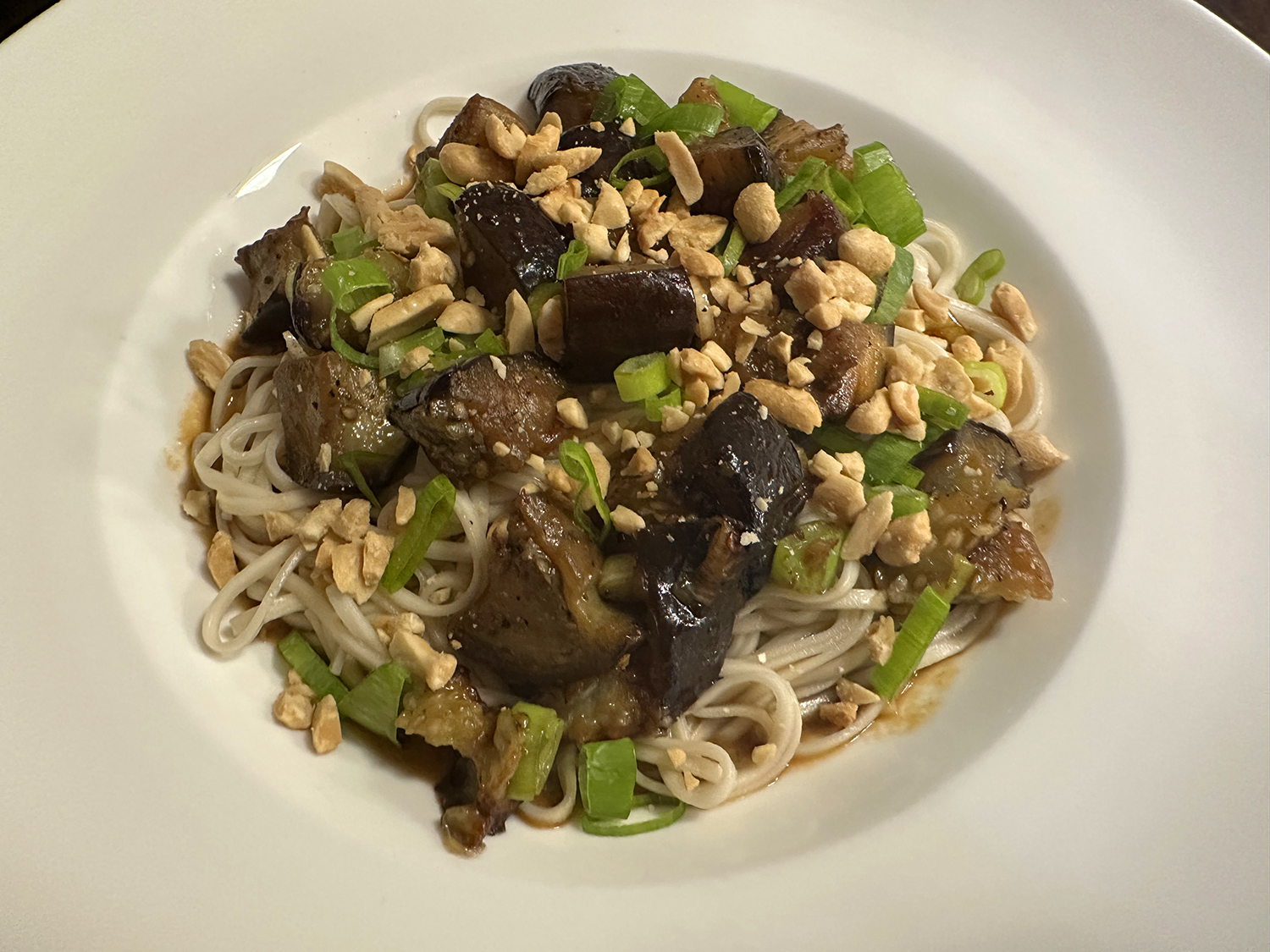
  6. Divide the noodles among the four bowls, on top of the sauce. Finish each bowl with eggplant, scallion greens, a few cilantro leaves and some peanuts.
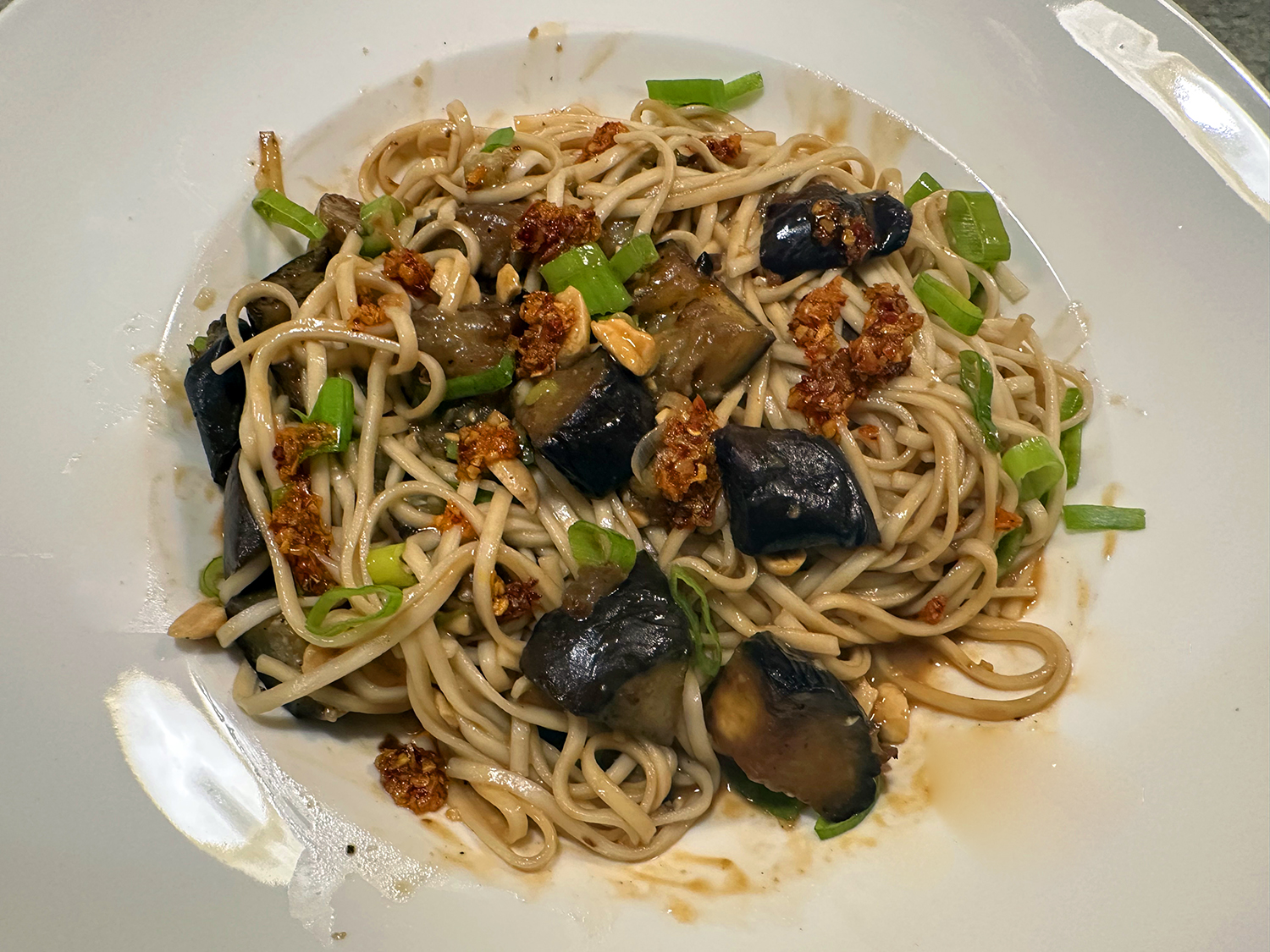
  7. To eat, toss everything together so that the noodles and eggplant are well coated in the sauce. Serve topped with chile oil or crisp.

http://www.lynnandruss.com

Recipe by Hetty Lui McKinnon for NYTimes Cooking

Colima-Style Shredded Braised Pork

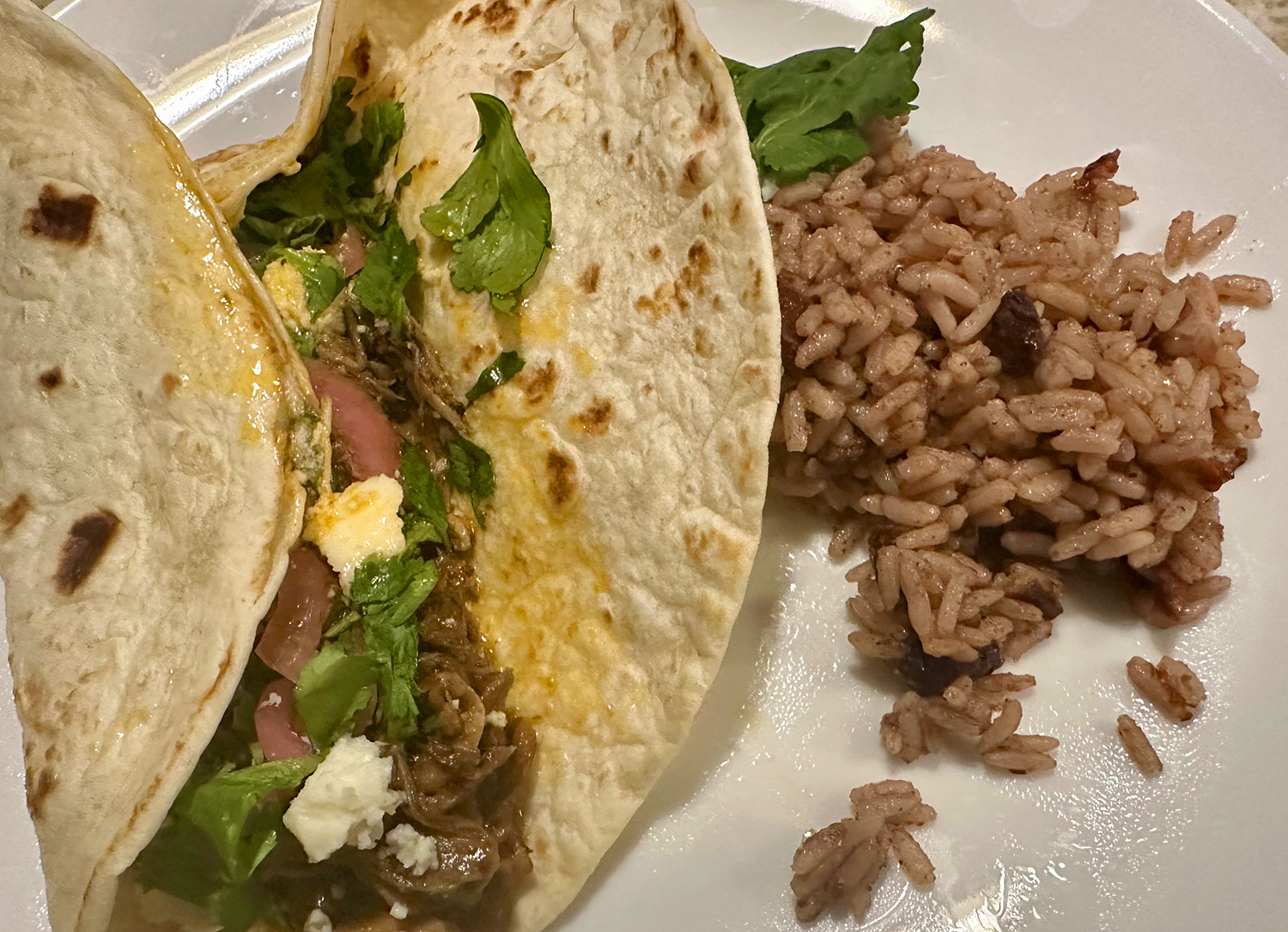
OK, this is definitely a keeper! If shredded pork is your thing, than this recipe needs to get on your short list ASAP. Milk Street Magazine cites: “The state of Colima on the western coast of Mexico is home to the pork dish called tatemado de Colima. Dried chilies, spices and aromatics, all blended to a smooth puree, are key flavorings, but a defining ingredient, other than the pork itself, is vinegar. In chef Paola Briseño-González’s version, her recipe uses a generous amount of smooth-tasting, subtly sweet coconut vinegar, a common ingredient in the coconut-producing region of Colima, and after slow-cooking the pork, she shreds the meat and mixes it with the braising liquid.”

The flavors are rich and porky but deliciously balanced by the tangy vinegar and fresh ginger, whose sharpness disappears into the mix. Milk Street adapts González’s recipe, and in doing so, found widely available rice vinegar to be a decent alternative to coconut vinegar. Braise in the oven, where the heat is steady and all-encompassing; the meat will do a fine job of soaking up the seasonings after it is shredded. The pork is briefly broiled after braising to develop deep browning, so you will need a broiler-safe Dutch oven for this recipe.

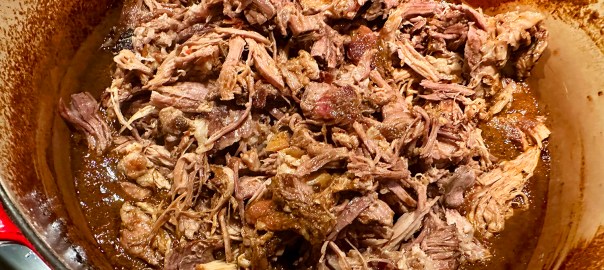
Pungent, flavorful, enticing, and delicious—this “tatemado de Colima” makes for a huge batch of succulent, juicy meat perfect on its own with a fork—or on top of some tortillas, tostada style. Now you have a dish that blows past everyday barbecue. Serve the shredded pork with rice and beans, or make tacos with it, offering shredded cabbage, chopped onion and lime wedges alongside. It’s low-carb if eaten without tortillas.

Word to the Wise: Don’t use an uncoated cast-iron Dutch oven, even if it is well seasoned. The acidity of the vinegar may react with the metal, resulting in a tinny, “off” flavor. However, an enamel-coated Dutch oven is fine.

Colima-Style Shredded Braised Pork

  • Servings: 8-10
  • Difficulty: easy
  • Print

Ingredients

  • 4 large (1¼ oz.) guajillo chilies, stemmed and seeded
  • 5-7 lb. bone-in pork butt or pork shoulder roast
  • 2 cups coconut vinegar or unseasoned rice vinegar
  • 1 cup coconut milk
  • 1/3 cup roughly chopped peeled fresh ginger
  • 9 medium garlic cloves, smashed and peeled
  • 3 bay leaves
  • 1 Tbsp. tomato paste
  • 1/2 tsp. coriander seeds
  • 1/2 tsp. cumin seeds
  • 1/2 tsp. white sugar
  • Kosher salt and ground black pepper

Directions

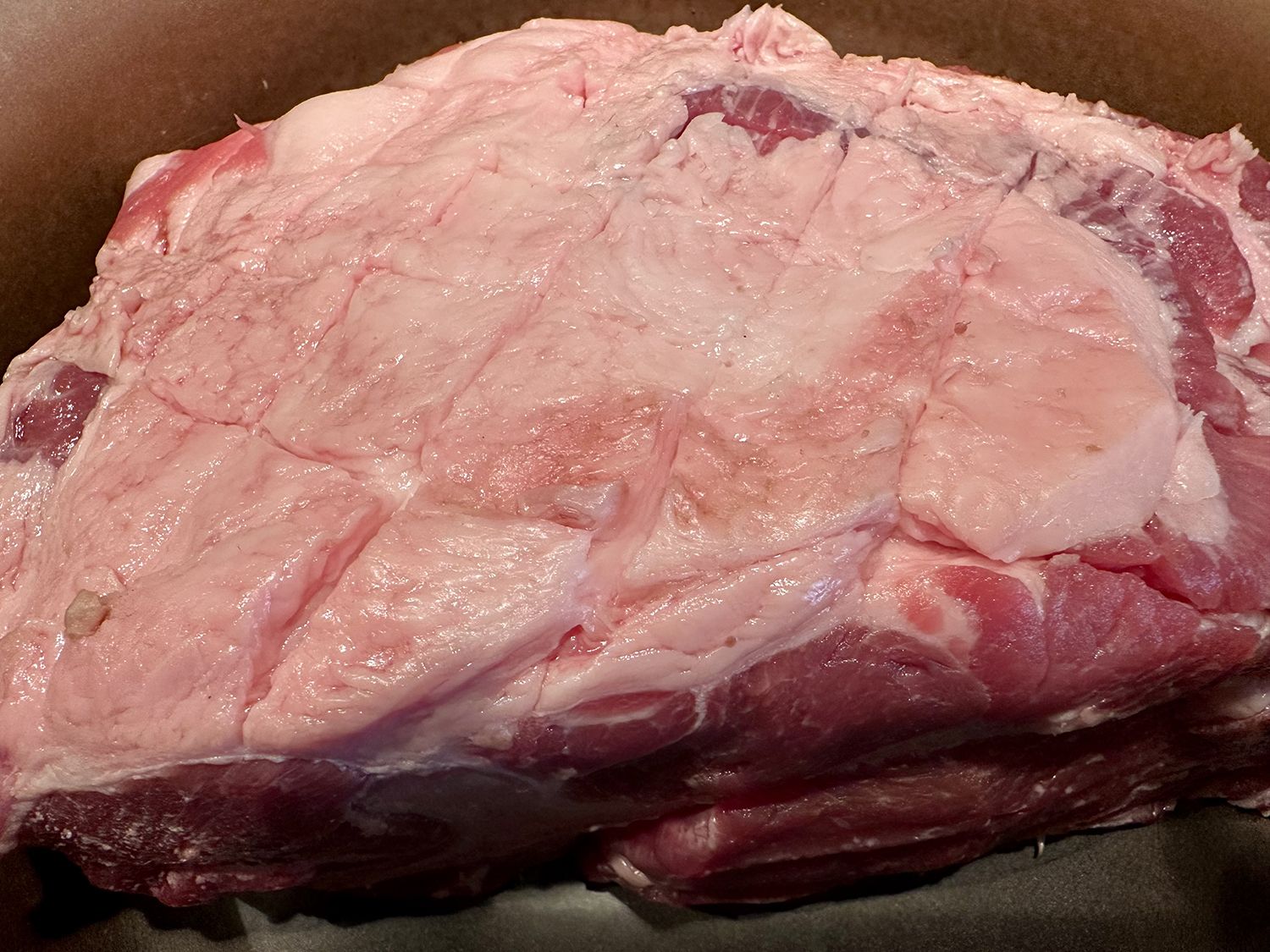
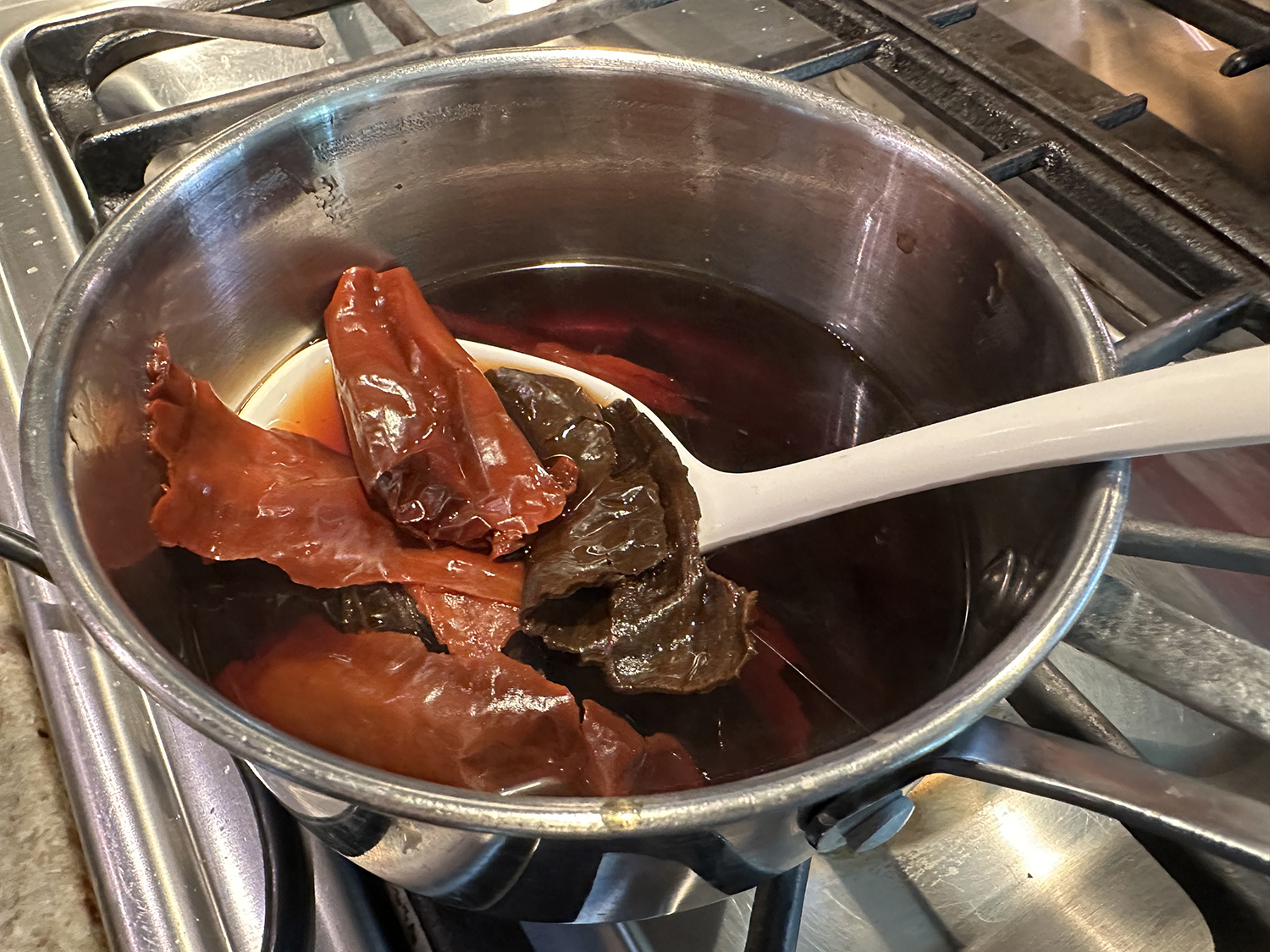
  1. In a small saucepan, combine the chilies and enough water to cover by about 1 inch. Bring to a boil over medium-high, pressing on the chilies to submerge them. Remove from the heat, cover and let stand until the chilies are fully softened, 15 to 20 minutes. Meanwhile, using a sharp knife, score the fat side of the pork roast with a 1-inch crosshatch pattern. Set the pork scored side up in a large enamel-coated Dutch oven.
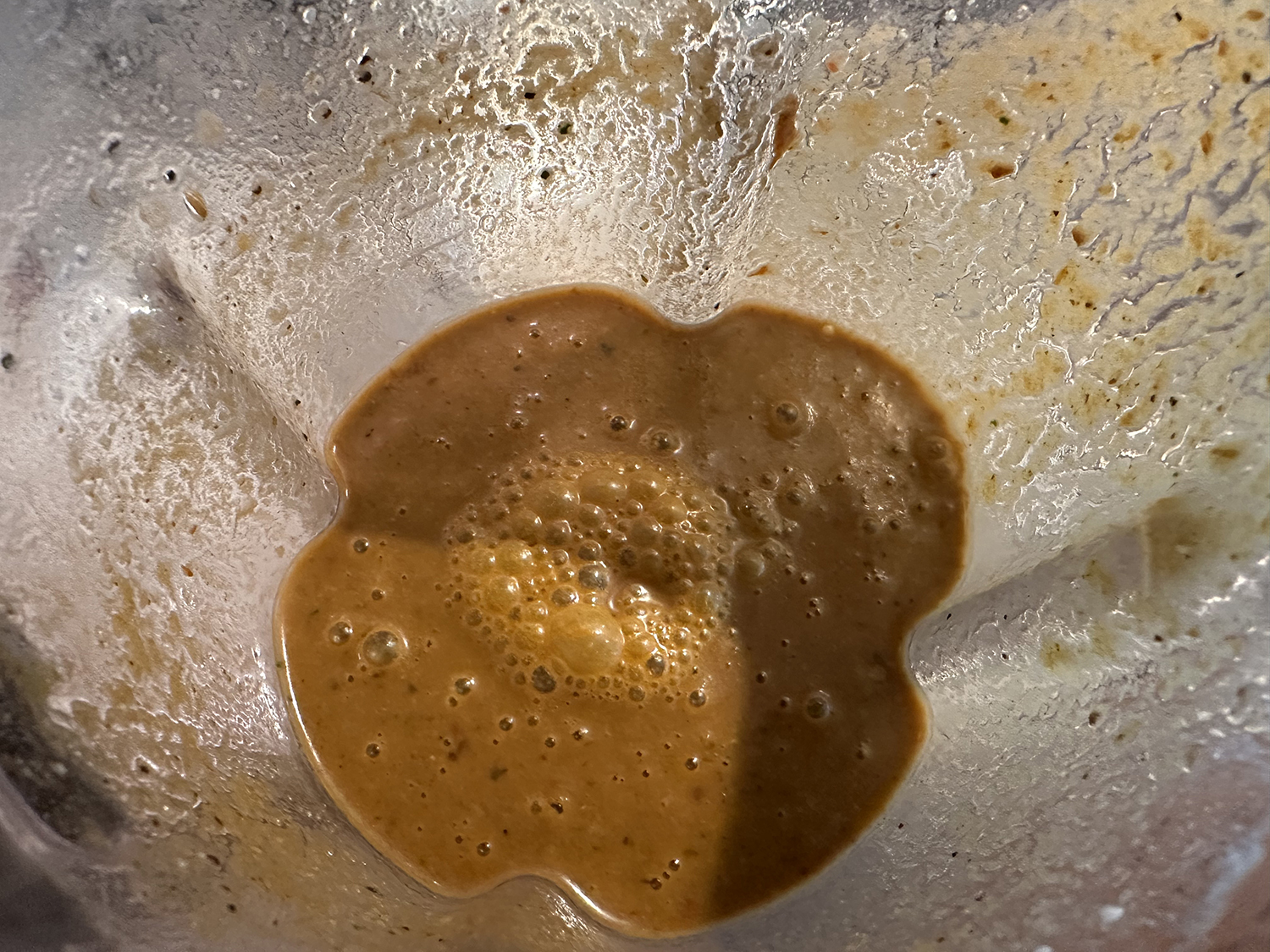
  2. Using a slotted spoon, transfer the chilies to a blender; discard the soaking water. Add the vinegar, coconut milk, ginger, garlic, bay, tomato paste, coriander, cumin, sugar, 1 tablespoon salt and 1 teaspoon pepper. Blend until smooth, about 1 minute. Pour the puree over the pork and rub it into the meat, then cover the pot.
  3. Heat the oven to 325°F with a rack in the lower-middle position. When the oven comes up to temperature, place the pot in the oven and cook until a skewer inserted into the center of the pork meets no resistance, 4½ to 5½ hours.
  4. Remove the pot from the oven and heat the broiler. Return the pot, uncovered, to the oven and broil until the surface of the pork is deeply browned, 2 to 4 minutes. Transfer the pork to a large bowl and set aside. Tilt the pot to pool the braising liquid to one side, then use a wide spoon to skim off and discard fat from the surface, leaving just a couple tablespoons for flavor. You should have between 2 and 4 cups defatted braising liquid; if you have more than 2 cups, set the pot over medium-high, bring the liquid to a rapid simmer and cook, stirring occasionally, until reduced to about 2 cups. Meanwhile, shred the pork into large bite-size pieces, discarding the bone and excess fat.
  5. Return the shredded pork to the pot and stir to combine with the braising liquid. Cover and cook over medium-low, stirring occasionally, just until heated through, 5 to 8 minutes, then taste and season with salt and pepper.

http://www.lynnandruss.com

Recipe adapted by Courtney Hill for Milk Street

Spaghetti with Fresh Soppressata

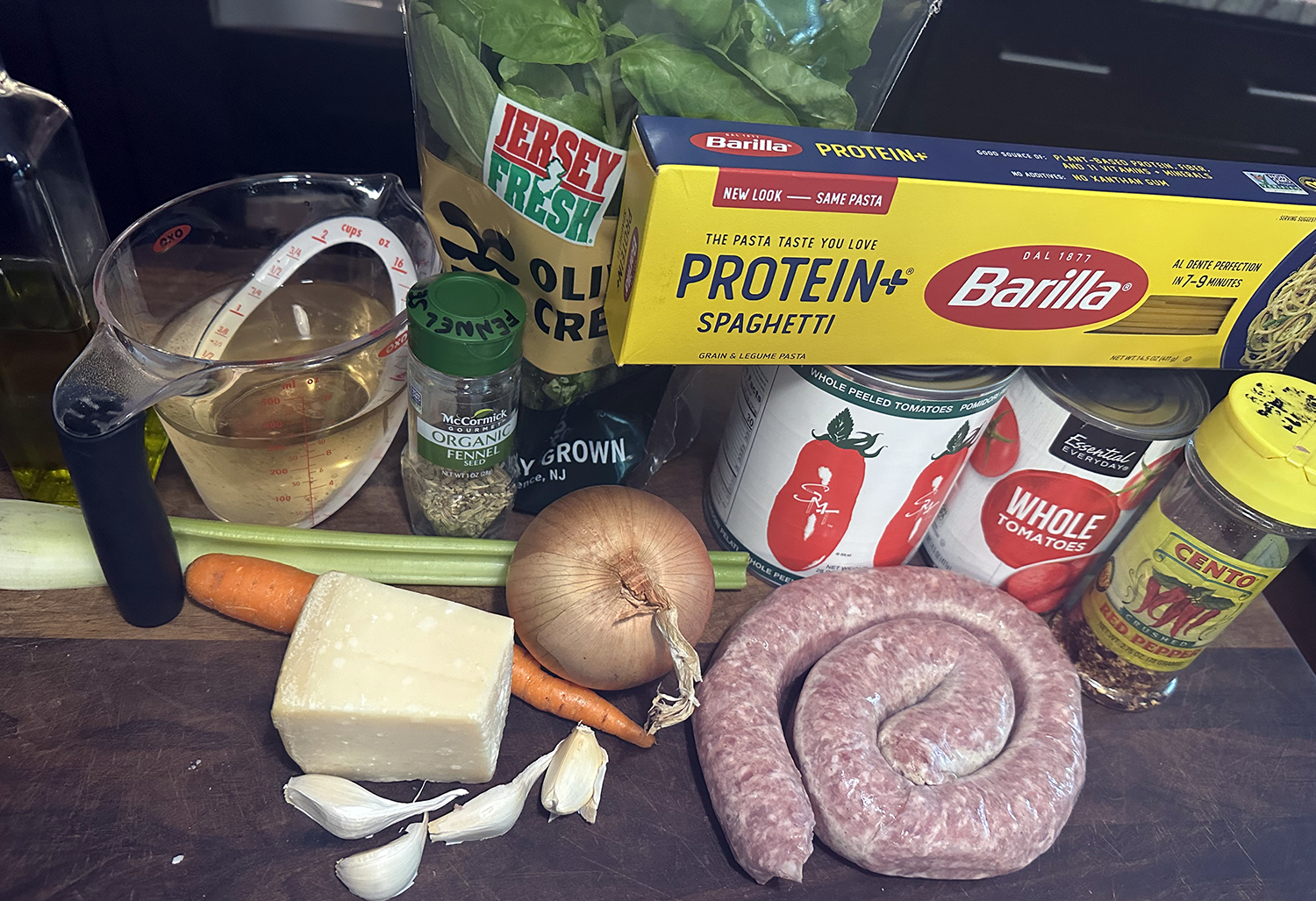
One look at the long list of ingredients and you may well just thumb past this recipe. But we’ll tell you it was well worth the effort and time.

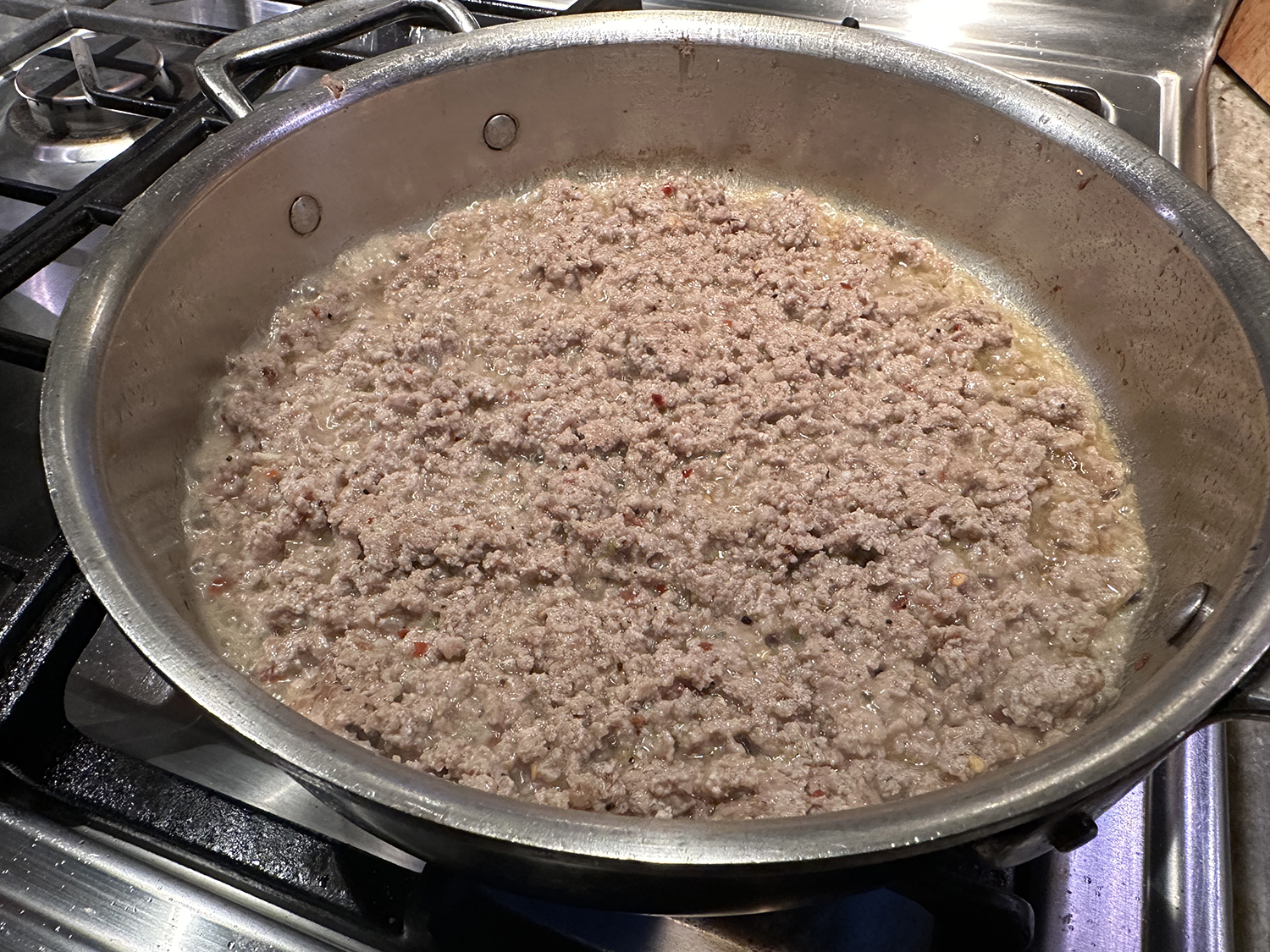
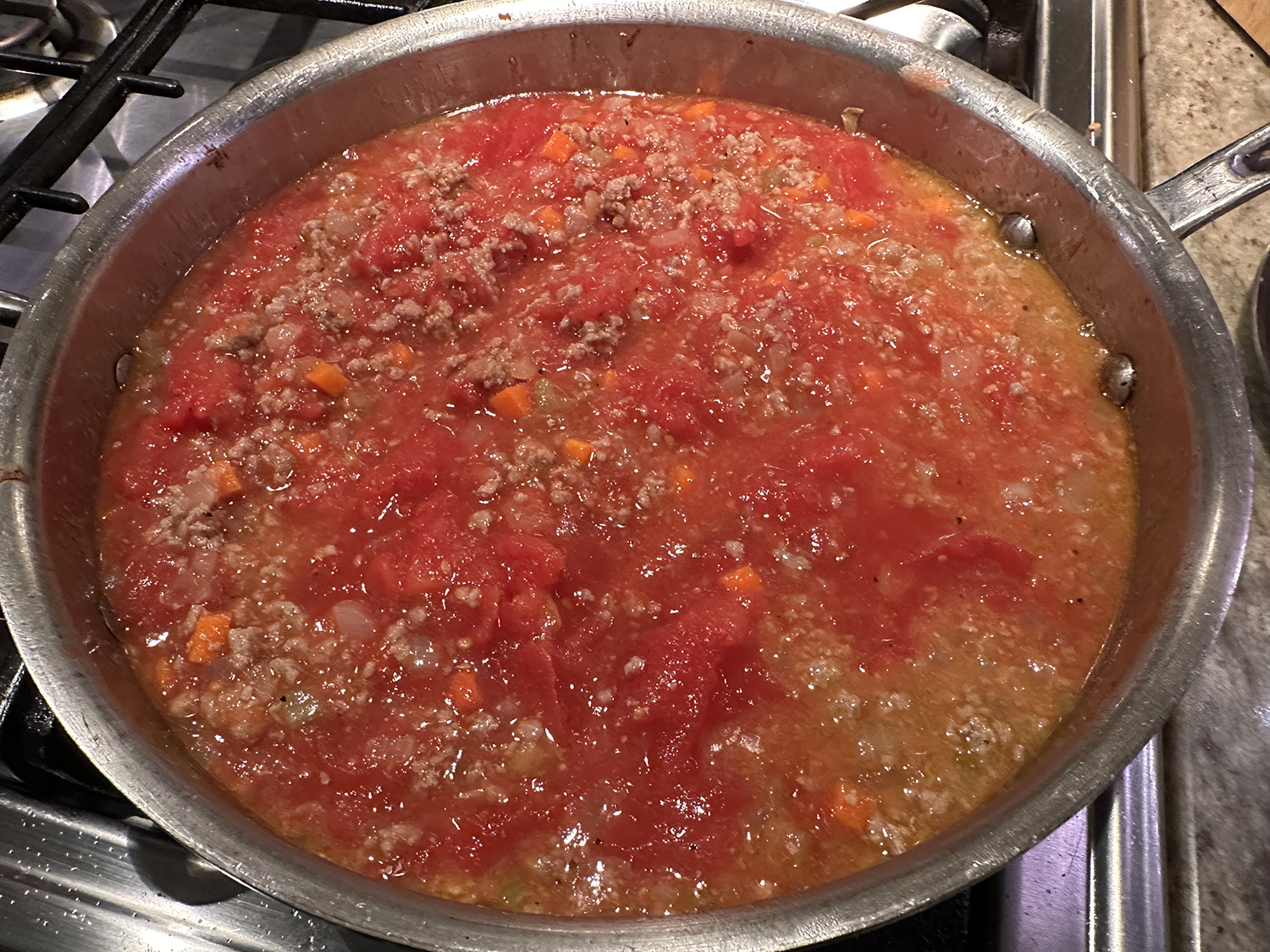
Store-bought Italian sausage gets a wine and fennel infusion to make fresh soppressata, which is the base for this pasta’s fresh and flavorful tomato sauce. The sauce is robust with a savory, fresh acidity, and the meat is tender and juicy.

You might associate soppressata with a charcuterie board (that was my initial reaction) but this comforting pasta is inspired by a family tradition of fresh sausage-making. In this recipe, store-bought Italian sausages are marinated in white wine to make fresh soppressata, which is the base for this pasta’s fresh and flavorful tomato sauce. A heap of spaghetti clings to the garlicky, sausage-laden sauce in an easy and impressive meal made to serve a small crowd. 

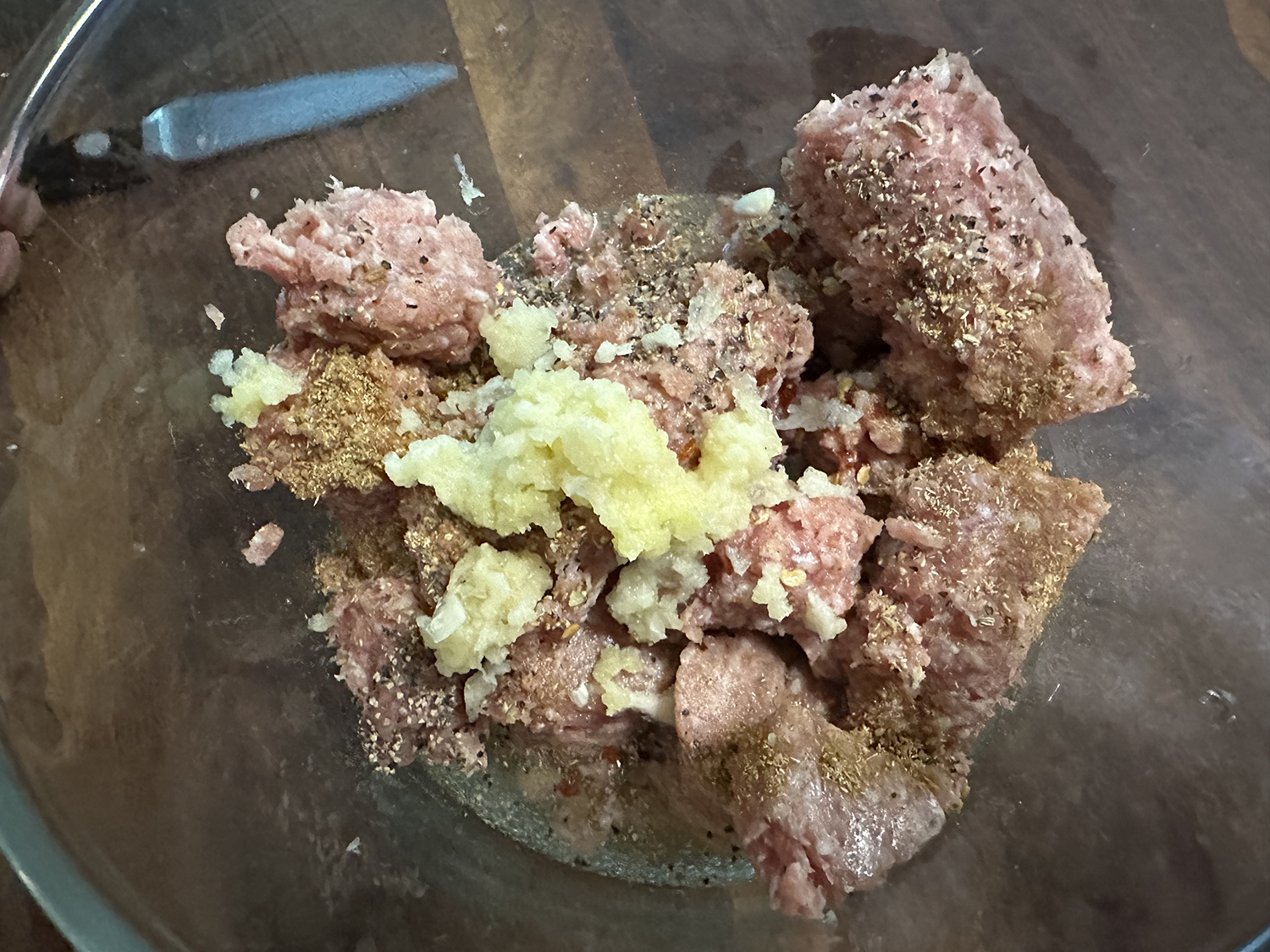
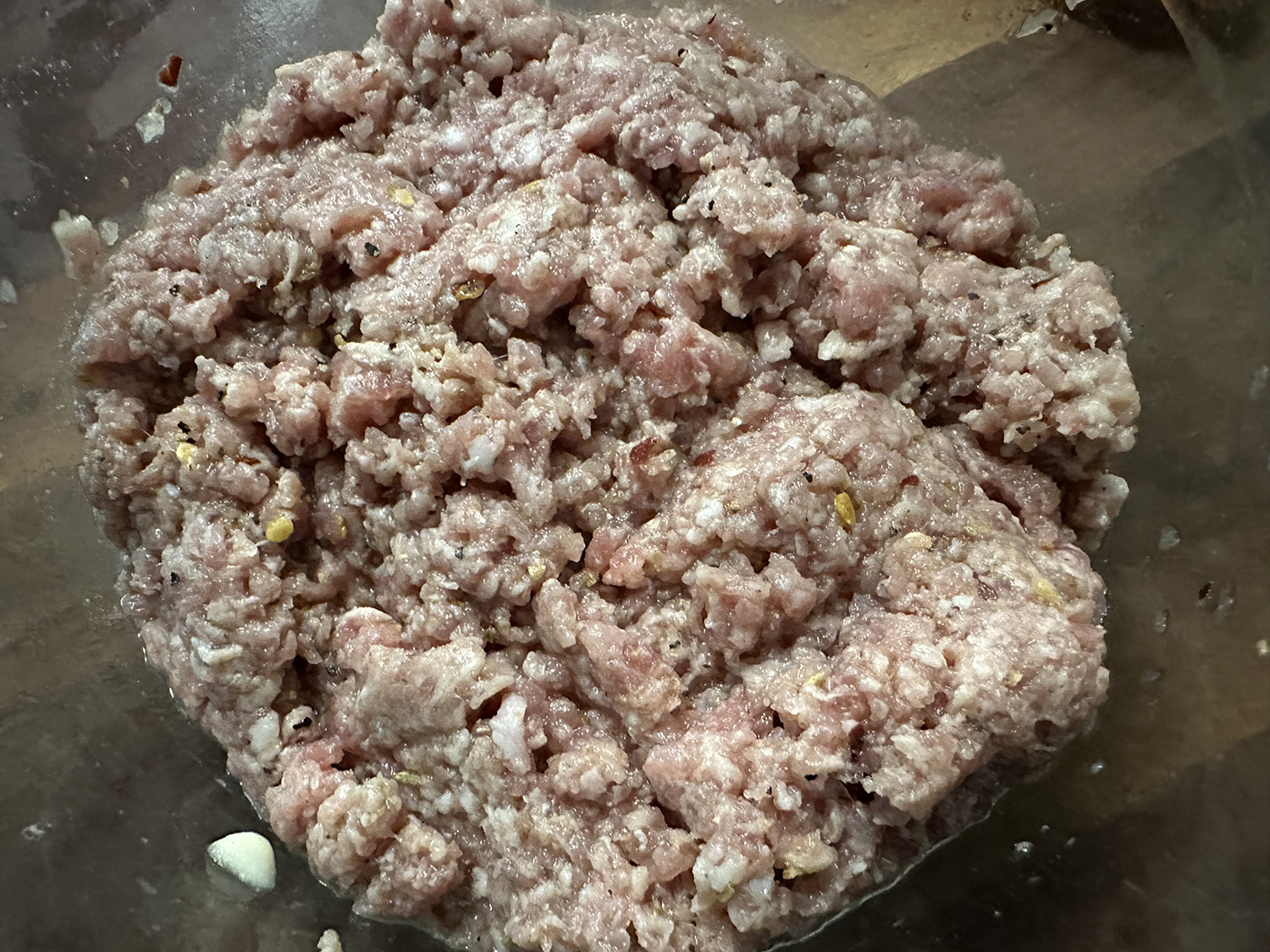
Most soppressata you’ll encounter is a dry, cured pork-based salami from southern Italy that is often — but not always — a little spicy. In this recipe, fresh soppressata is made by marinating uncooked sweet Italian sausage in white wine and adding spices like fennel, black pepper, and crushed red pepper.

We allowed 6 hours for the meat mixture to marinade, ensuring those flavors would have enough chance to meld.

Spaghetti with Fresh Soppressata

  • Servings: 6
  • Difficulty: easy
  • Print

Ingredients

  • 4 garlic cloves, grated (about 1 Tbsp.)
  • 1 1/3 cups dry white wine, divided
  • 1 lb. sweet Italian sausage, casings removed
  • 1 tsp. ground fennel
  • 1/2 tsp. black pepper
  • 1/2 tsp. crushed red pepper
  • 1/4 cup extra-virgin olive oil
  • 1 small yellow onion, finely chopped
  • 1 small carrot, finely chopped
  • 1 celery stalk, finely chopped
  • 1 28-oz. can whole peeled tomatoes, undrained and crushed
  • 1 14.5-oz. can whole peeled tomatoes, undrained and crushed
  • 1/8 tsp. kosher salt
  • 1 lb. uncooked spaghetti
  • 2 oz. Parmigiano-Reggiano cheese, grated
  • 1/4 cup chopped fresh basil, plus small leaves for garnish
  • 1 cup chopped fresh flat-leaf parsley, plus more for garnish

Directions

  1. Stir together garlic and 1/3 cup wine in a large bowl. Add sausage, fennel, black pepper, and crushed red pepper; stir well to combine. Cover and refrigerate for at least 1 hour or up to 12 hours.
  2. Heat oil in a large, deep, 12″ or larger skillet over medium until shimmering. Increase heat to high, and add sausage mixture; cook, stirring occasionally to break up clumps, until lightly browned, 6 to 7 minutes.
  3. Stir in onion, carrot, and celery; cook, stirring often, until softened, about 4 minutes. Add remaining 1 cup wine; cook, scraping up any browned bits on bottom of the skillet, until wine is nearly evaporated, 5 to 6 minutes.
  4. Stir in crushed tomatoes with juices and salt. Bring mixture to a simmer over high; reduce heat to medium-low, and simmer, stirring occasionally, until thickened and reduced by about half, 30 to 35 minutes.
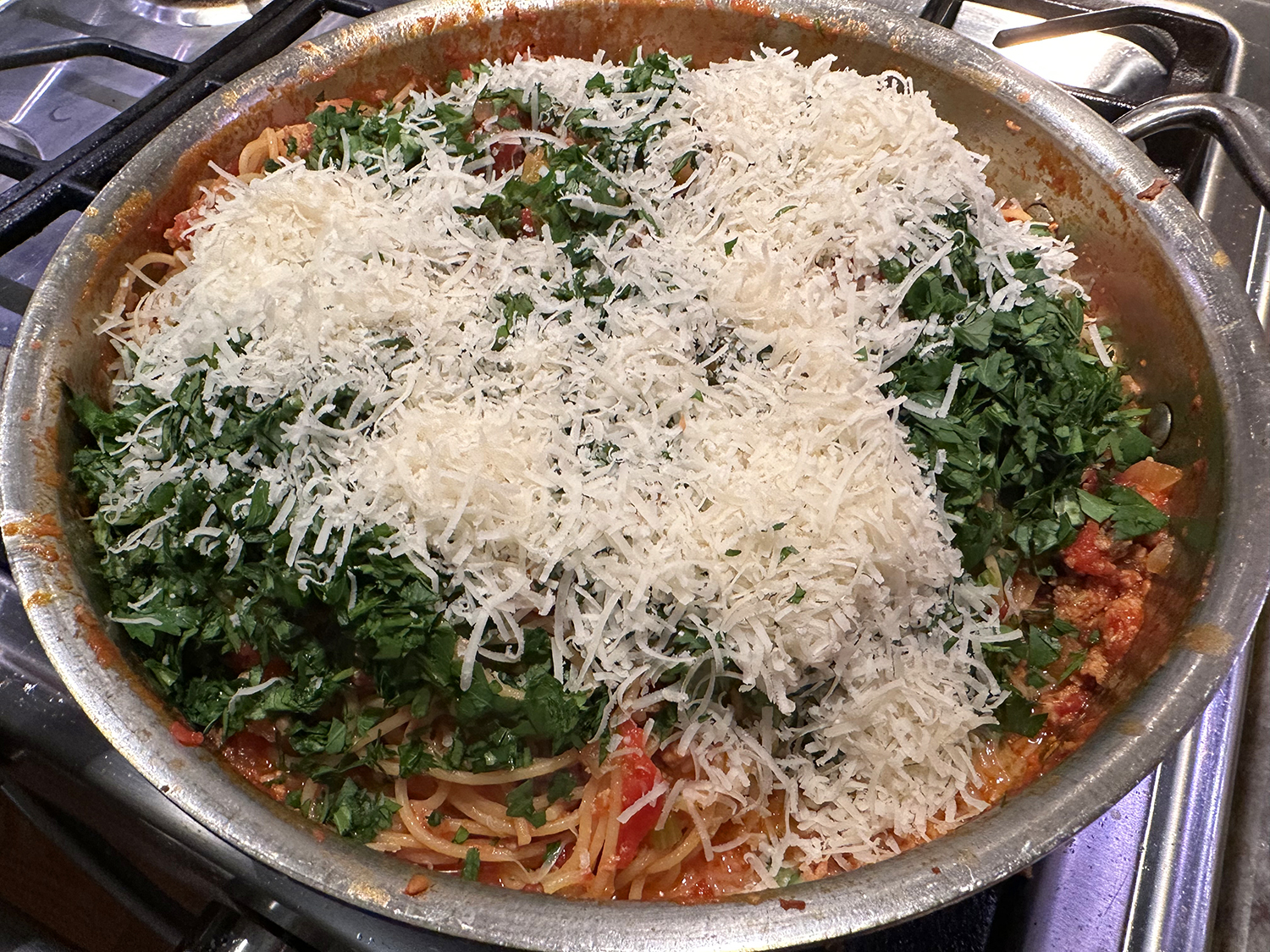
  5. Bring a large pot of salted water to a boil over high. Add spaghetti; cook according to package directions for al dente, about 8 minutes. Drain pasta, reserving 1/2 cup cooking liquid. Stir spaghetti into sauce in skillet; stir in cheese, basil, and parsley.
  6. Add reserved cooking liquid, 1/4 cup at a time, if needed to thin sauce to desired consistency. Increase heat to medium-high; cook, stirring often, until sauce clings to pasta, about 2 minutes. Garnish with additional basil and parsley. Serve hot.

http://www.lynnandruss.com

Recipe by Andrew Carmellini for Food & Wine

Roman-Style Chicken Cacciatore

Cacciatore without tomatoes? As it turns out, it is not always a chunky, tomato-heavy braise. At Piatto Romano in Rome, Milk Street learned how to make the Roman version—an elegant, minimalist dish bright with the acidity of white wine and vinegar and heady with rosemary, garlic and anchovies, not a tomato in sight. (And you would never know there were anchovies in it.)

With so few ingredients, deeply searing the bone-in, skin-on pieces is necessary for developing rich flavor. A quick sauté of aromatics followed by a deglazing with a full bottle of a light, dry white wine forms the cooking liquid that becomes the fabulous sauce.

To preserve the chicken’s browning during braising, the pieces are only partially submerged in liquid and cooked, uncovered, to completion in a 450°F oven; the dry heat keeps the skin crisp and caramelized even as the liquid simmers in the bottom of the pan. (You will need an oven-safe 12-inch skillet for this recipe.)

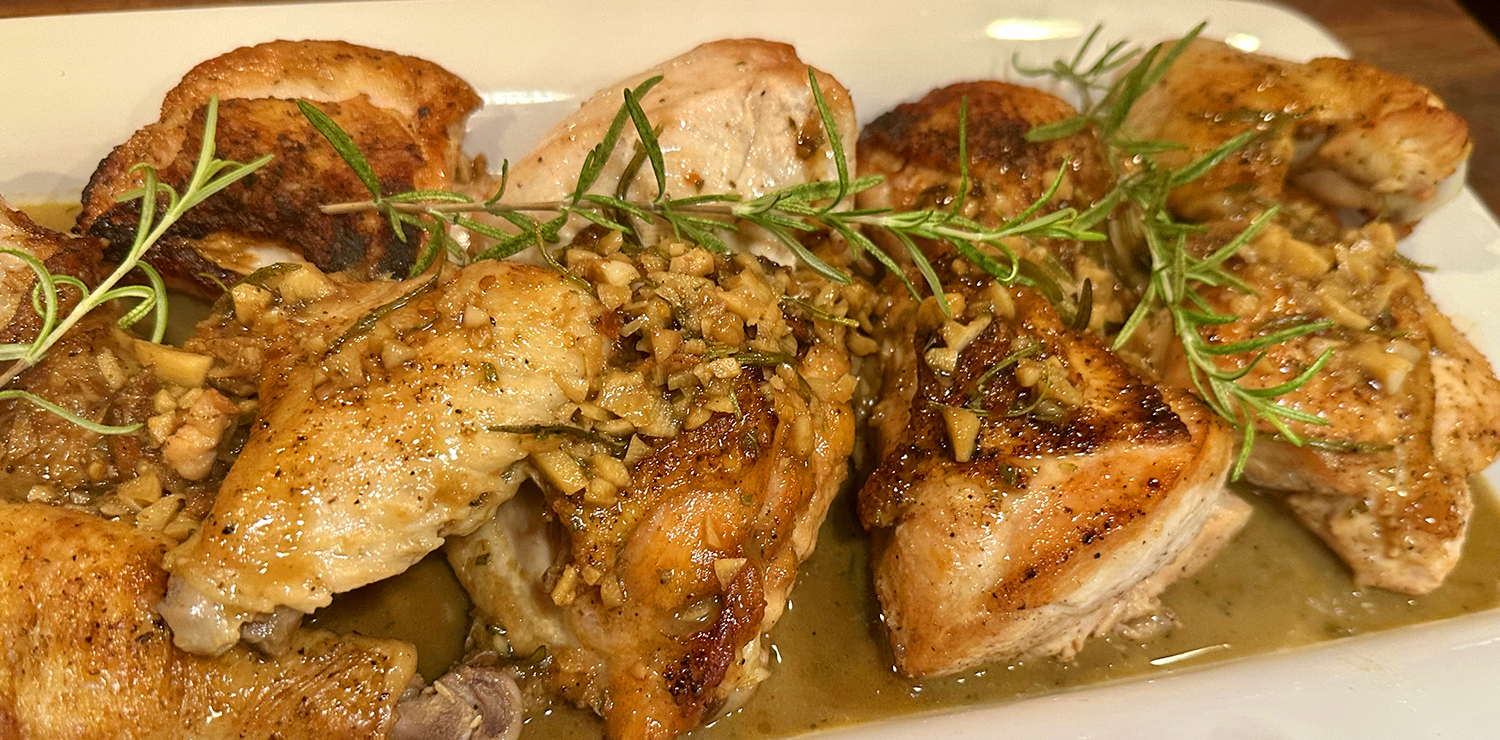
A good measure of white wine vinegar and minced rosemary finishes the dish, adding a surge of tartness and herbal notes to keep the flavors vibrant. This cacciatore is best with a starchy side, such as crusty bread, polenta or mashed potatoes. We served ours with garlic and rosemary-infused mashed potatoes, and a side of roasted carrots and Brussels sprouts.

What a tremendous weeknight meal that can just as well be the feature of an intimate dinner party. Adding the final zip of vinegar is just the right balance of acid.

Don’t forget to lower the heat before adding the wine. This helps prevent fiery flare-ups if the wine splashes out of the skillet.

Instead of chicken pieces, we used a whole chicken, cut it up and saved the remaining body parts (neck, back, heart, etc.) to add to our “body bag” of frozen chicken parts for future homemade stock.

Roman-Style Chicken Cacciatore

  • Servings: 4-6
  • Difficulty: easy
  • Print

Ingredients

  • 3-4 lb. bone-in, skin-on chicken thighs or breasts, trimmed and patted dry
  • Kosher salt and ground black pepper
  • 2 Tbsp. extra-virgin olive oil
  • 6 – 8 oil-packed anchovy fillets, patted dry
  • 6 medium garlic cloves, minced
  • 3 5-inch rosemary sprigs, plus 1 tsp. minced fresh rosemary, reserved separately
  • 1/4 tsp. red pepper flakes
  • 750 mL bottle dry white wine, such as pinot grigio or frascati
  • 1/4 cup white wine vinegar

Directions

  1. Heat the oven to 450°F with a rack in the middle position. If the chicken breasts are larger than about 12 ounces each, cut them in half crosswise. Season the chicken all over with salt and pepper.
  2. In a 12-inch oven-safe skillet over medium-high, heat the oil until shimmering. Add the chicken skin-side down and cook until golden brown on both sides, 8 to 10 minutes, flipping the pieces halfway through. Transfer to a large plate; set aside.
  3. To the skillet over medium, add the anchovies, garlic, rosemary sprigs and pepper flakes. Cook, stirring, until the anchovies have broken down and the mixture is fragrant, about 1 minute. Reduce to low, then slowly add the wine. Bring to a simmer over medium-high and cook, scraping up the browned bits, until the wine has reduced by about half, 8 to 10 minutes.
  4. Return the chicken skin-side up to the pan and add the accumulated juices. Transfer to the oven and cook until a skewer inserted into the thickest part of the chicken meets no resistance, 12 to 15 minutes.
  5. Remove the skillet from the oven (the handle will be hot) and set it on the stovetop. Transfer the chicken, skin side up, to a deep platter. Remove and discard the rosemary sprigs from the skillet. Add the minced rosemary and vinegar to the liquid in the skillet; bring to a simmer over medium-high. Cook, stirring, until reduced by about half, about 5 minutes. Remove from the heat, then taste and season with salt and black pepper. Spoon the sauce over and around the chicken.

http://www.lynnandruss.com

Adapted from a recipe from Courtney Hill for Milk Street

Pork and Porcini Meatballs

When the cooler weather starts hanging around for good, we gravitate away from al fresco dining and grilled fare to comfort food meals such as braises, casseroles, and roasted meats with sides of mashed potatoes and gravy.

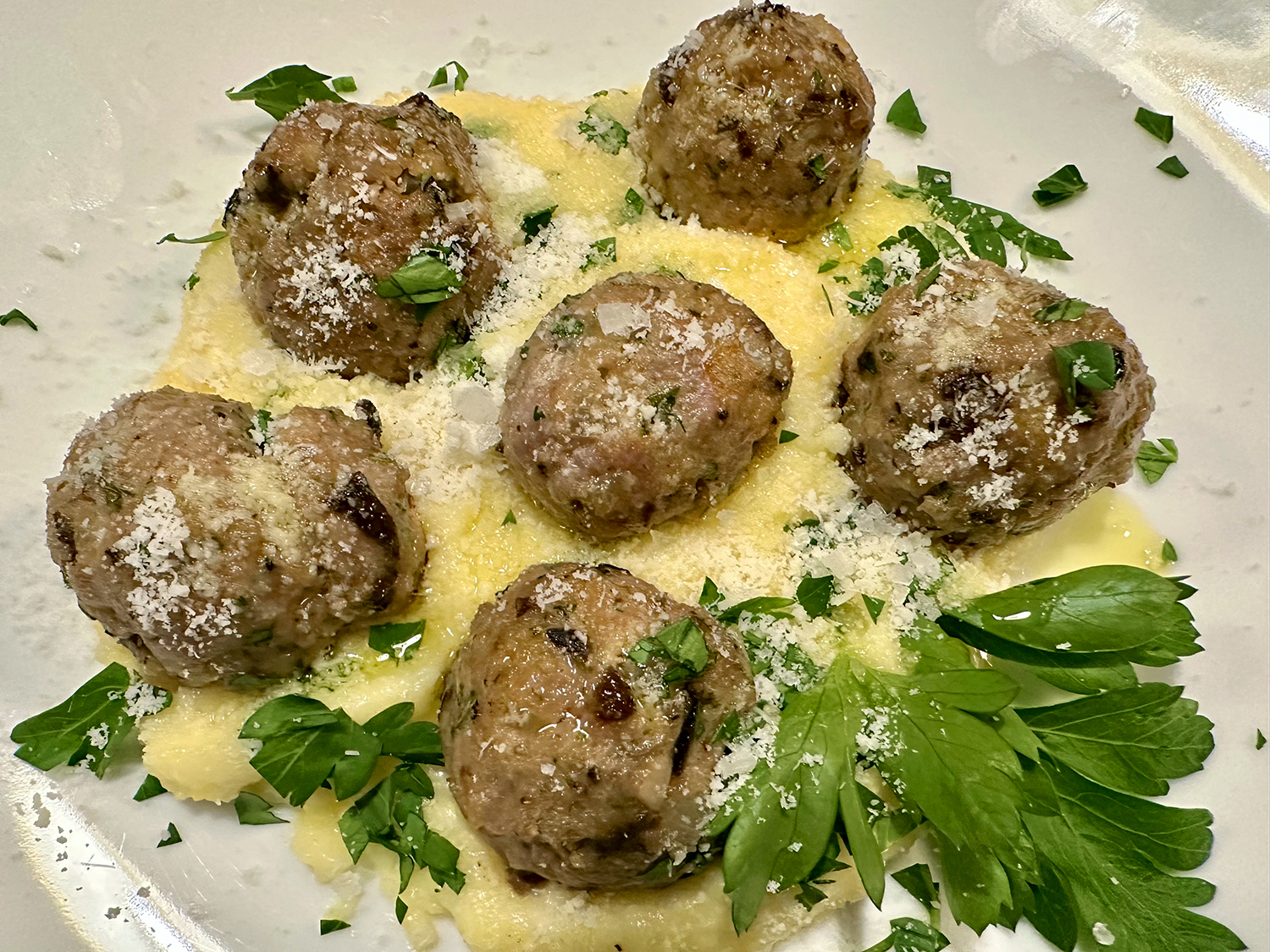
Then there are meatballs. Those round succulent tasty balls of ground meat packed with a variety of herbs and spices. This Pork and Porcini Meatballs recipe was by Nancy Oakes for a recent Food & Wine magazine.

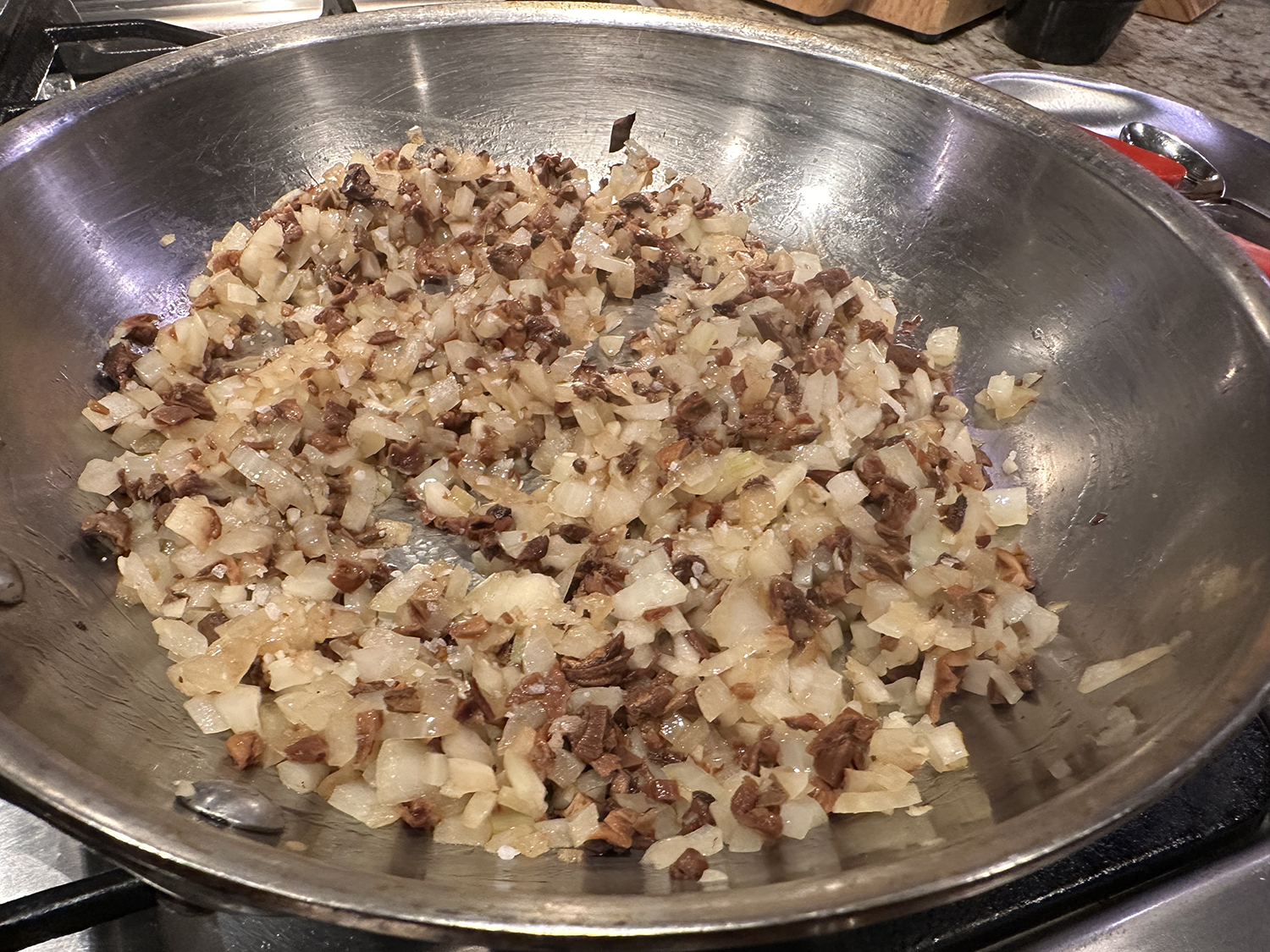
Her original recipe called for fresh or frozen porcini mushrooms, neither of which we have ever seen in our plethora of local supermarkets. Therefore, we went with dried porcinis that had to be reconstituted. That liquid was then used in place of the 1/4 cup of water*. You can buy a half (.5) ounce clamshell package of the funghi which is the perfect amount. Porcini mushrooms are a type of seasonal mushroom known for their meatier texture and rich, nutty flavor. They pop up from late summer into late autumn, peaking between September and October.

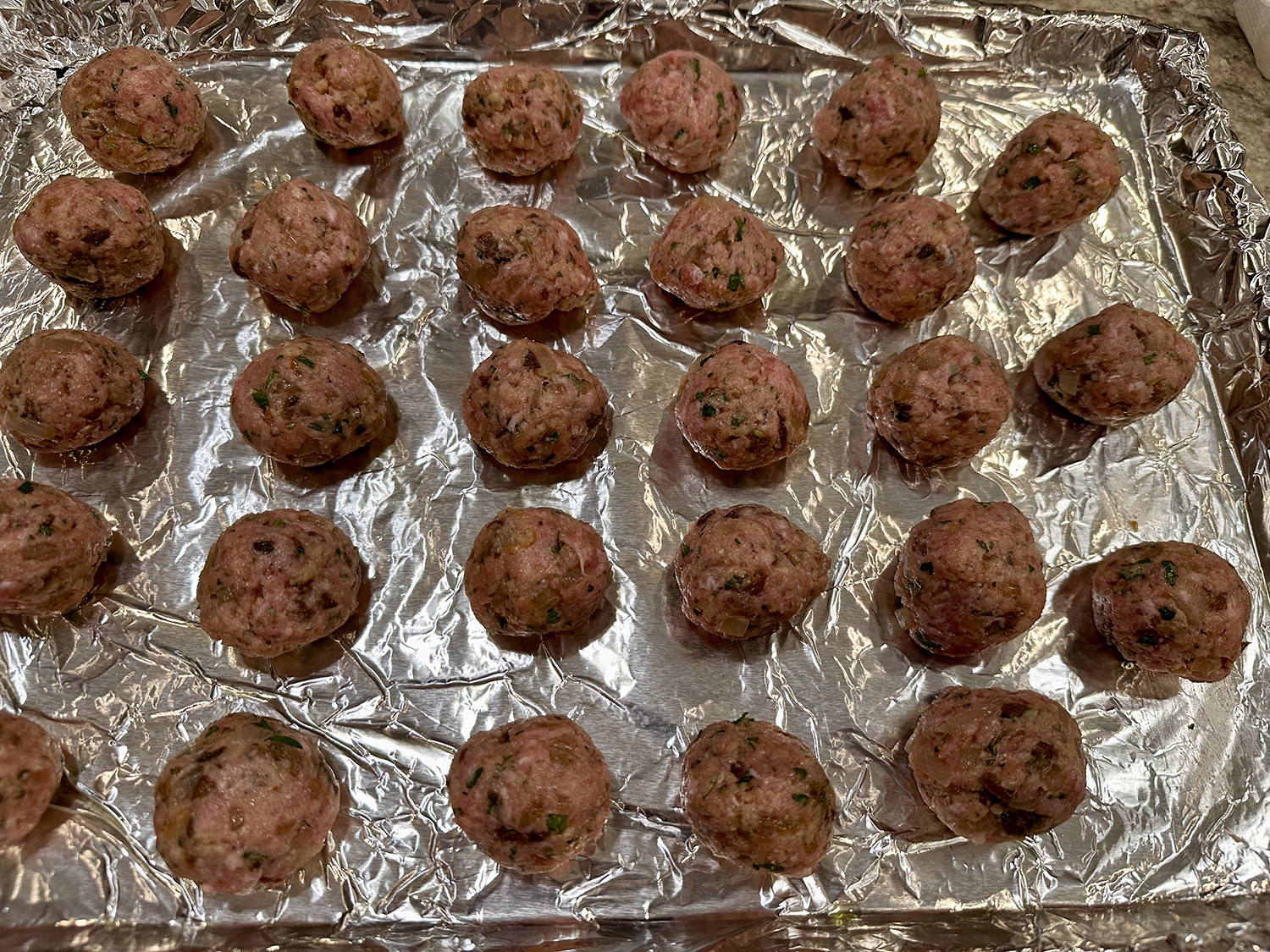
Also, the meatballs are supposed to be covered and refrigerated for 1, or up to 24 hours. We didn’t have that time, so we placed the rimmed baking sheet in the **freezer for 12-15 minutes. Then popped them directly into the heated oven.

The Hubs said that he liked the meatballs so much that they will now be our default meatballs, and are very versatile as to what you can do with them.

One recipe reviewer commented “These meatballs have a lingering savoriness, a heady aroma, and a juicy center. The porcini mushrooms add in a nuanced savoriness, and the cheeses add to that. The meat is so tender.”

Pork and Porcini Meatballs

  • Servings: 28 meatballs
  • Difficulty: easy
  • Print

Ingredients

  • 1 Tbsp. plus 2 tsp. olive oil, divided, plus more for serving
  • 1 small yellow onion, finely chopped (about 1 cup)
  • 1/4 cup chopped fresh or frozen porcini mushrooms
  • 1 garlic clove, finely chopped
  • 3/4 cup panko
  • 2 oz. Parmesan cheese, grated (about 1/2 cup), plus more for serving 
  • 2 oz. Pecorino Romano cheese, grated (about 1/2 cup)
  • 2 Tbsp. chopped fresh flat-leaf parsley, plus more for garnish
  • 2 tsp. chopped fresh rosemary
  • 1 tsp. chopped fresh mint
  • 1 tsp. kosher salt
  • 1 tsp. black pepper
  • 1 lb. ground pork
  • 1 large egg, beaten
  • 1/4 cup water* or use some of the liquid from the reconstituted porcinis
  • Cooked polenta or orzo, for serving

Directions

  1. Preheat oven to 400°F. Heat 1 tablespoon oil in a medium skillet over medium-low. Add onion, mushrooms, and garlic; cook, stirring often, until onion is softened, 5 to 6 minutes. Remove from heat; let cool 5 minutes.
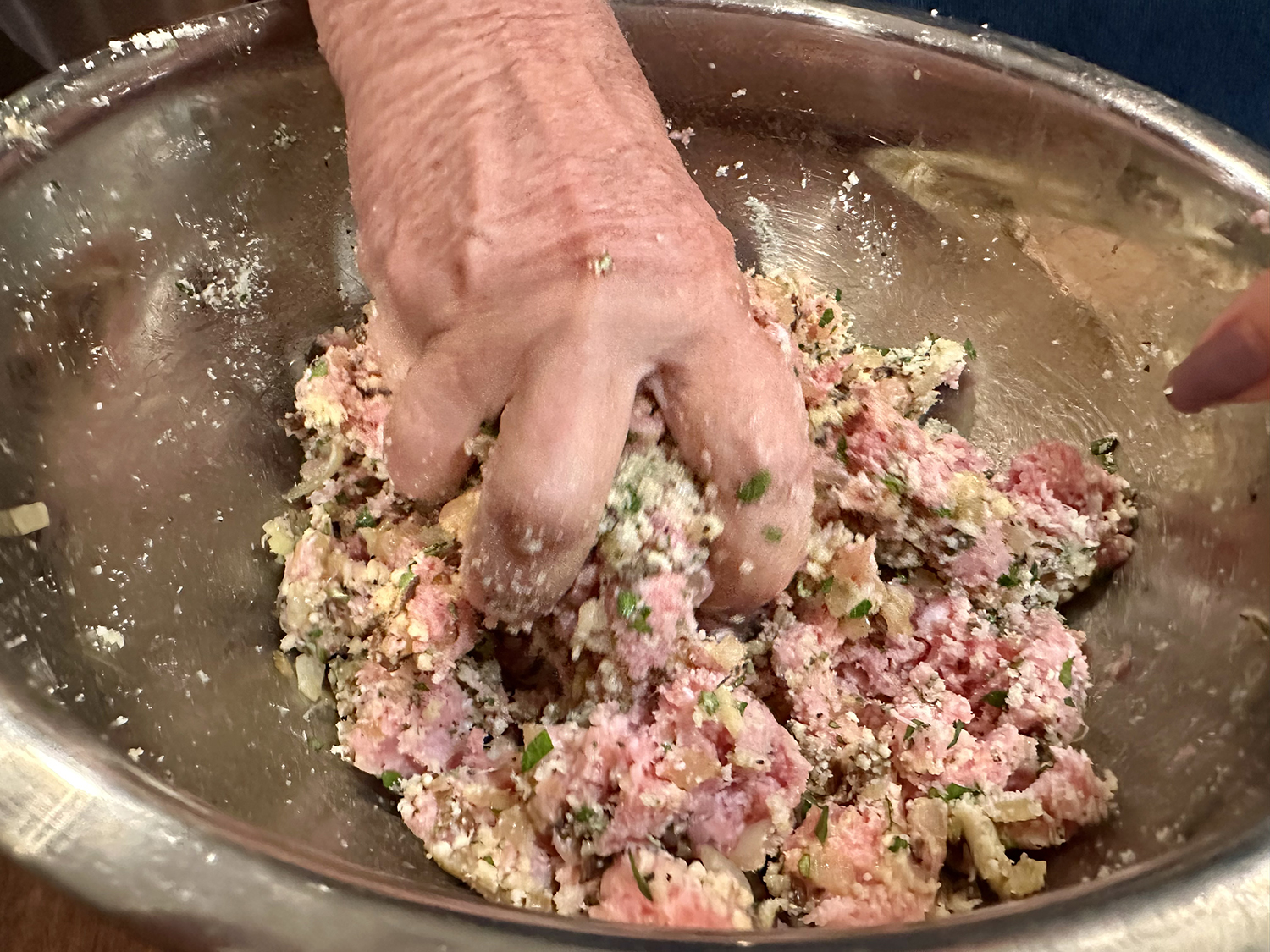
  2. Stir together panko, Parmesan, Pecorino Romano, parsley, rosemary, mint, salt, and pepper in a large bowl until combined. Stir in pork, egg, and cooled onion mixture until thoroughly combined. Slowly add 1/4 cup water, stirring until incorporated. Cover mixture, and refrigerate at least 1 hour or up to 24 hours. **We didn’t have the time, so we put the sheet pan of meatballs in the freezer for about 12 minutes.
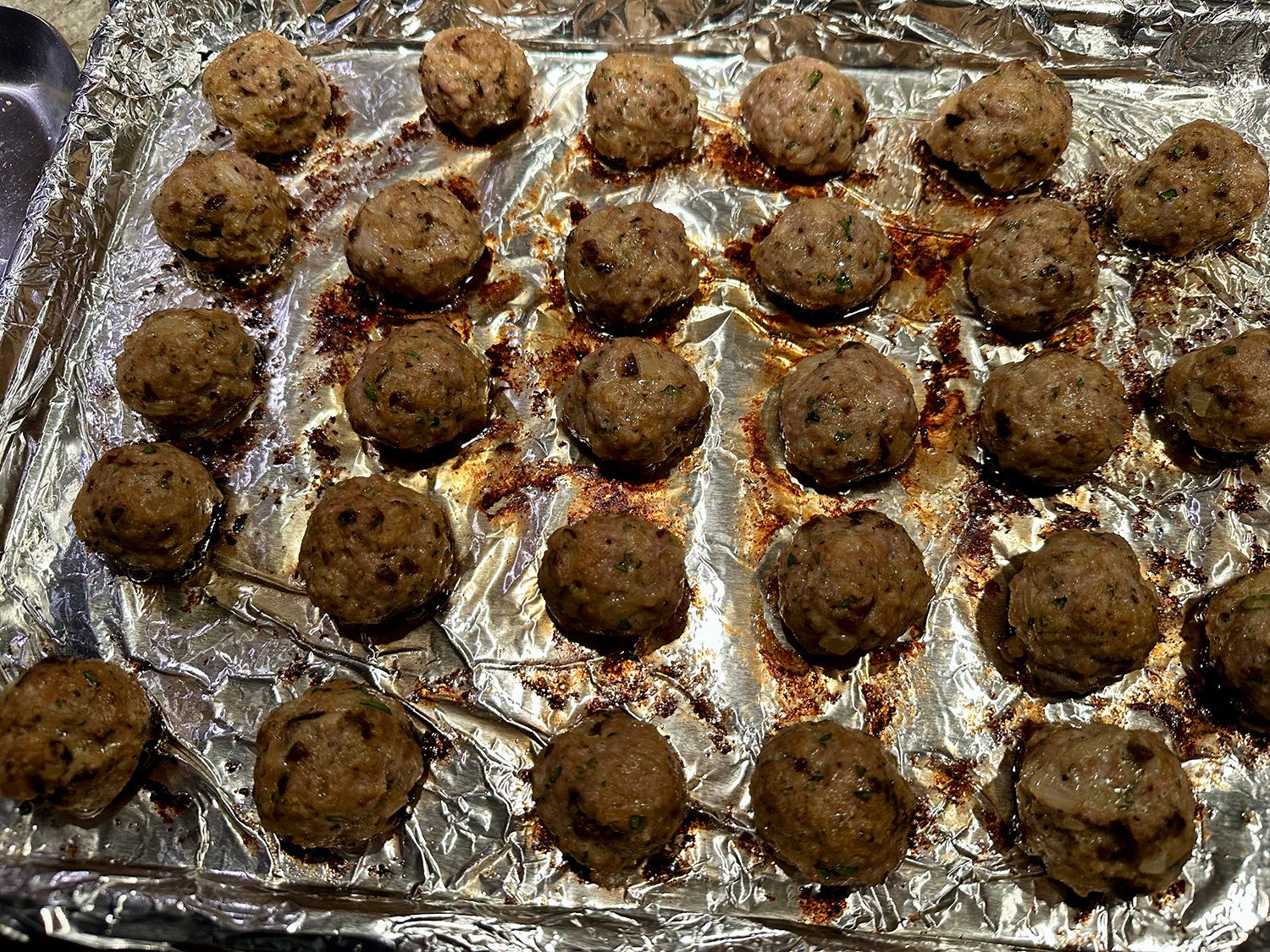
  3. Line a large rimmed baking sheet with aluminum foil; coat with remaining 2 teaspoons oil. Shape pork mixture into 28 (1-ounce) meatballs; transfer to baking sheet. Bake in preheated oven until an instant-read thermometer inserted in center of meatball registers 160°F, 15 to 17 minutes.
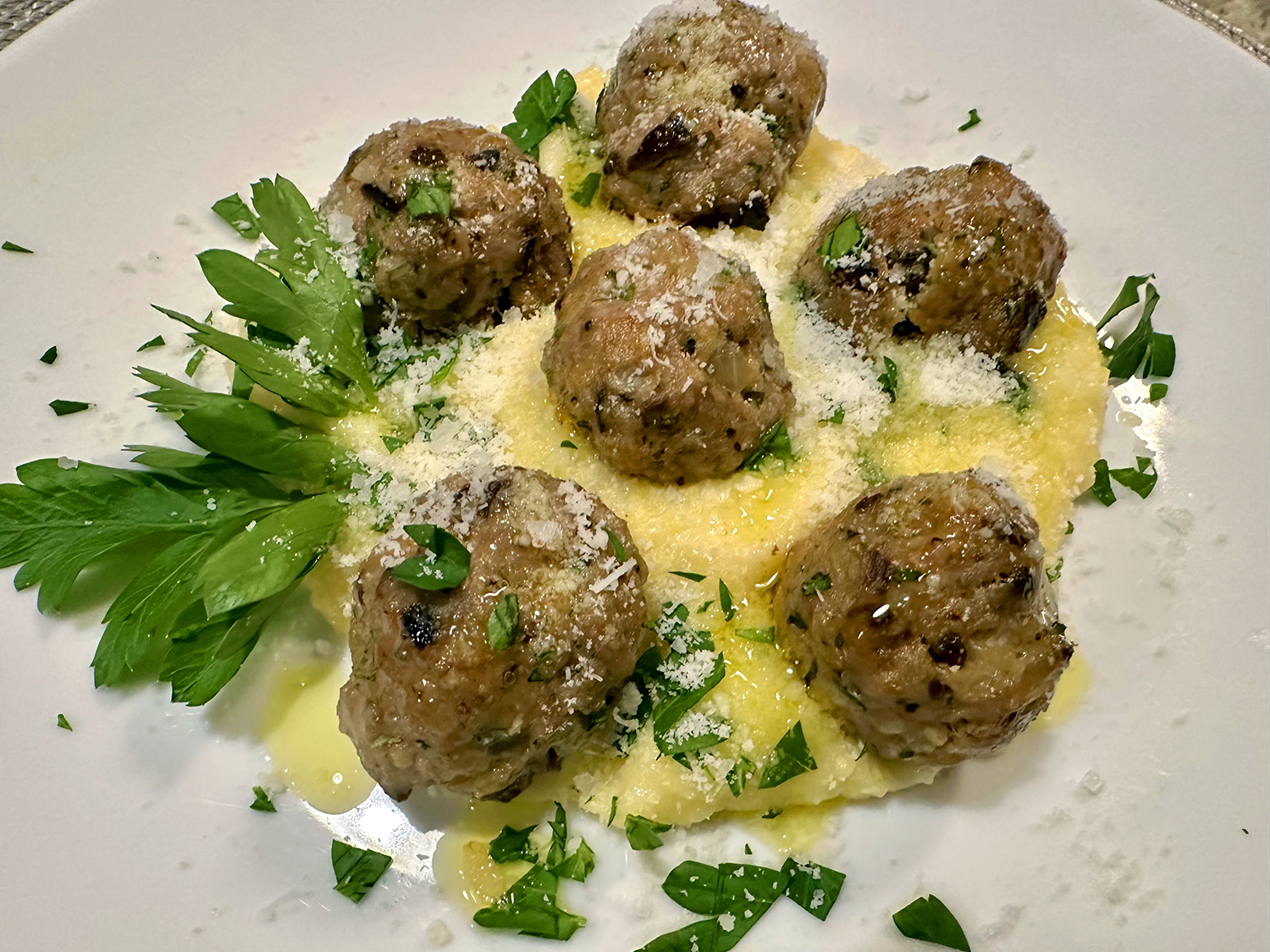
  4. Serve meatballs over polenta; drizzle with additional olive oil. Sprinkle with Parmesan and parsley; serve hot.

http://www.lynnandruss.com

Adapted from a recipe by Nancy Oakes for Food & Wine Magazine

One-Pot Chicken and Rice with Caramelized Lemon

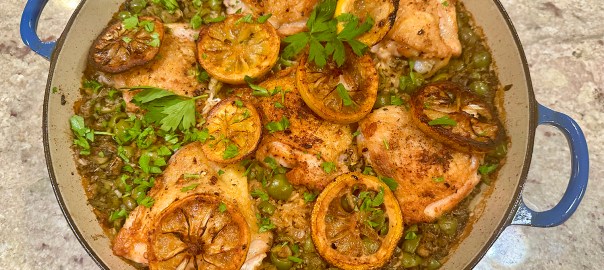
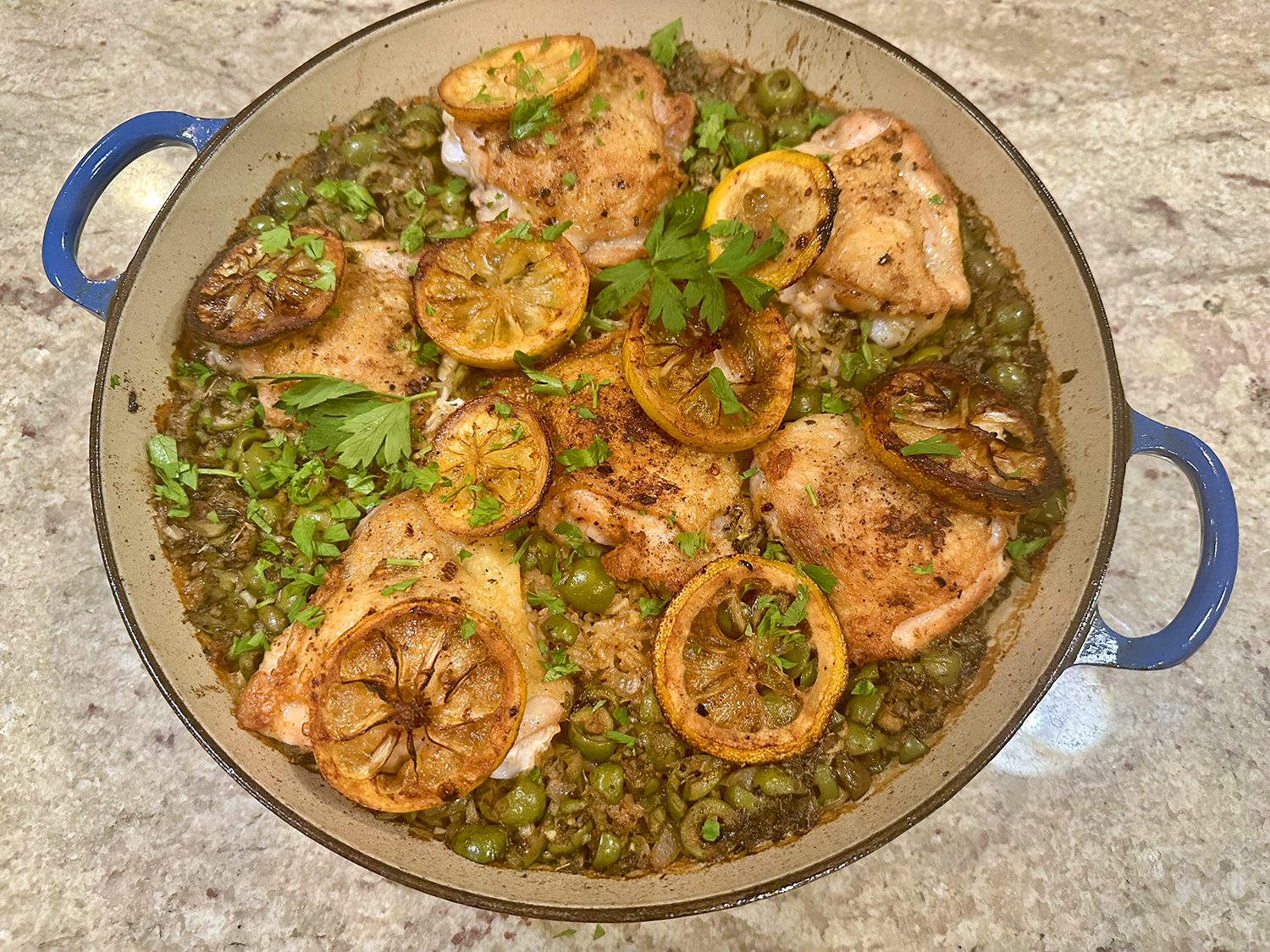
There are so many fabulous chicken recipes out there, and this is yet another winner to add to the list. This simple one-pot chicken and rice dish is topped with caramelized lemon slices that add sweet flavor and texture.

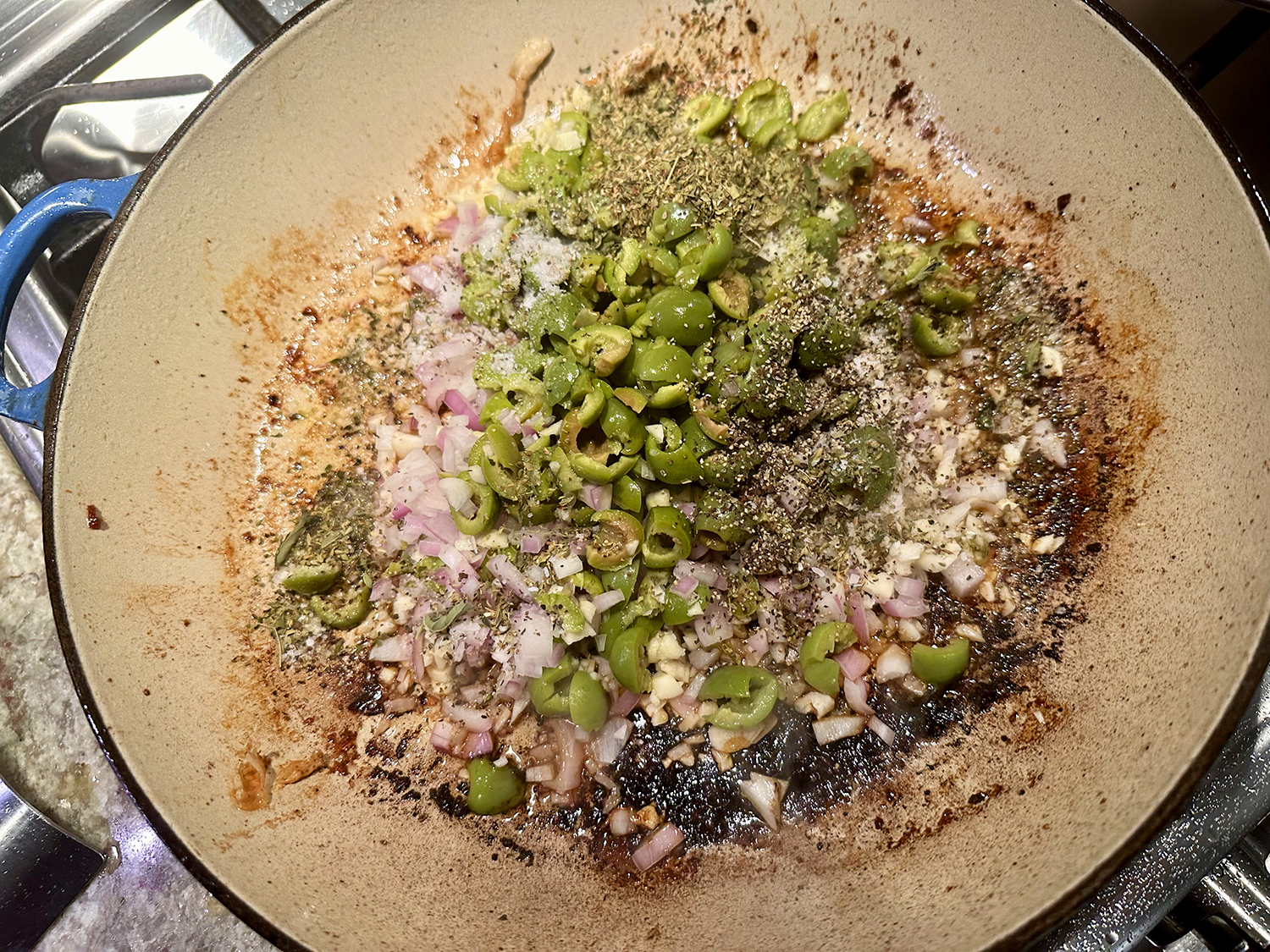
Thin slices of lemon are cooked in chicken fat and oil until their pulp dissolves, their pith sweetens and their rind softens to the point of being edible. Briny Castelvetrano olives and herby dried oregano are wrapped up in creamy rice and topped with juicy chicken thighs. Fresh parsley and a squeeze of fresh lemon juice on top before serving add brightness and crunch. 

What did we do differently? Increased the number of thighs from 4 to 6; cut 1 and 1/2 lemons into quarter-inch slices, and flipped those slices for an additional minute to caramelize both sides. Added about 1/2 cup more of the olives. Finally, we decreased the amount of rice to 1 1⁄2 cups, and reduced the chicken broth to 3 cups. And if at all possible, try to use homemade chicken stock which adds so much more chickeny flavor.

All of the prep and cooking time added 15 to 20 minutes longer than the noted 55* minutes, so keep that in mind when starting the dish.

One-Pot Chicken and Rice with Caramelized Lemon

  • Servings: 4-6
  • Difficulty: easy
  • Print

Ingredients

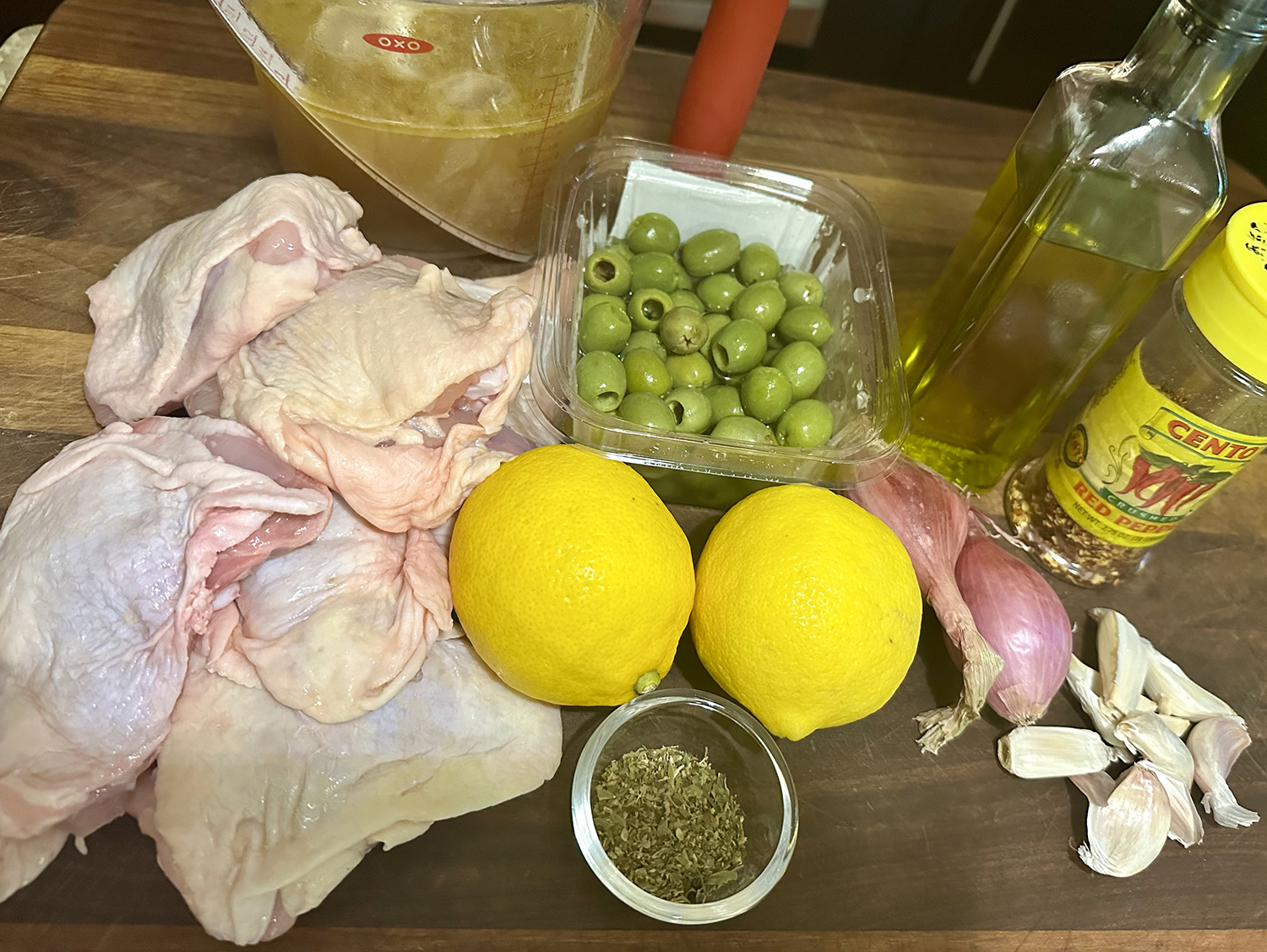
  • 6 bone-in, skin-on chicken thighs, trimmed of extra skin
  • Salt and black pepper
  • 2 tsp. dried oregano
  • Crushed red pepper
  • 2 Tbsp. extra-virgin olive oil
  • 2 lemons, divided
  • 1 cup pitted Castelvetrano or kalamata olives, smashed and roughly chopped
  • 6 garlic cloves, minced
  • 1 medium shallot or ½ medium onion, minced
  • 1 1⁄2 cups long-grain white rice, rinsed
  • 3 cups chicken broth, preferably homemade
  • ¼ cup roughly chopped fresh parsley, for serving

Directions

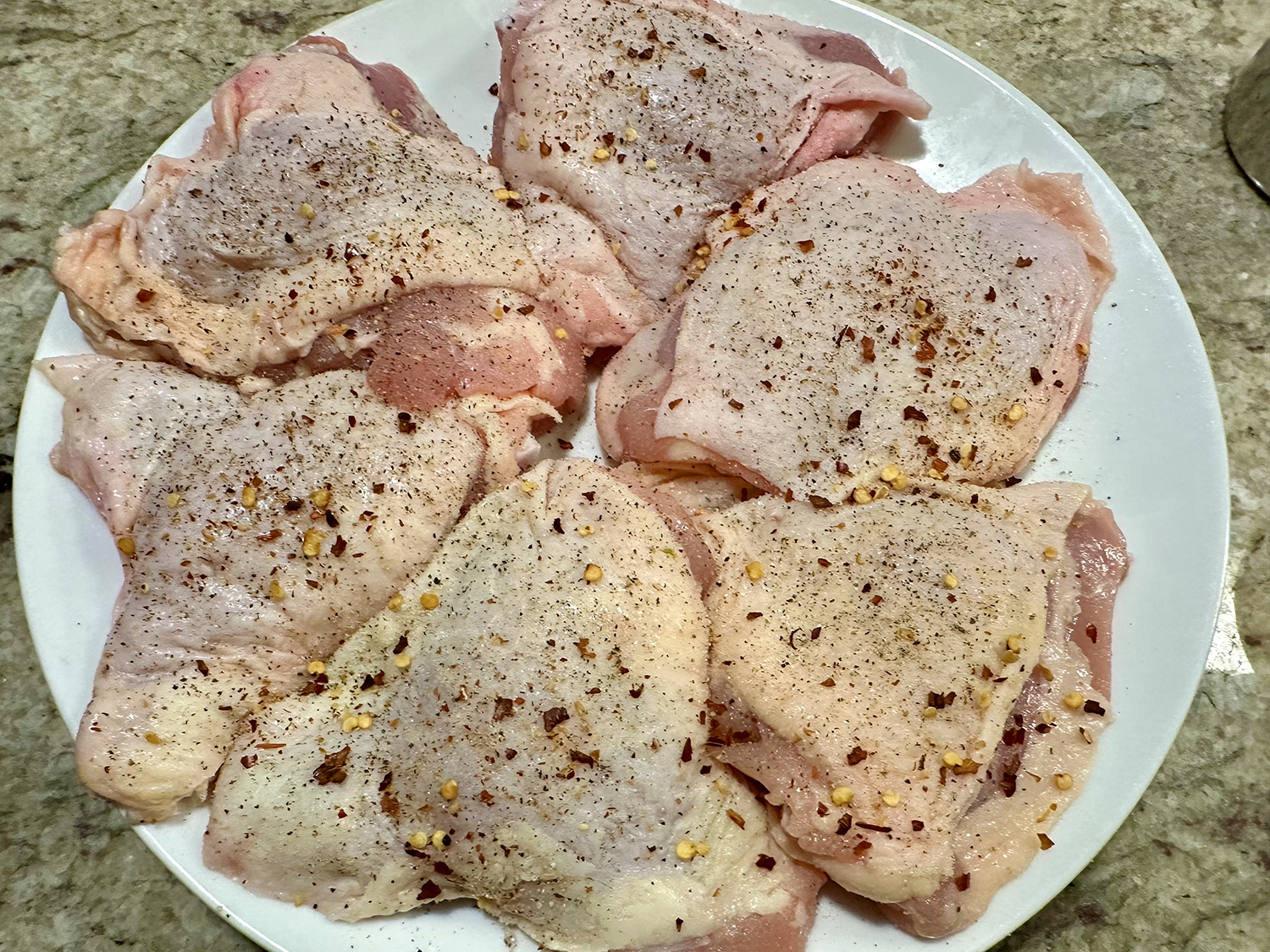
  1. Heat the oven to 400 degrees. Use paper towels to pat the chicken thighs until dry on all sides. Season the chicken with 1 teaspoon each salt, pepper and dried oregano and a pinch of crushed red pepper.
  2. Place a large Dutch oven or other heavy-bottomed pot over medium-high heat and add oil. Let oil heat up for a few minutes. Add thighs to the pot, skin side down, and let cook undisturbed until they self-release from the bottom of the pot, about 5 minutes. Remove from the pot and set aside.
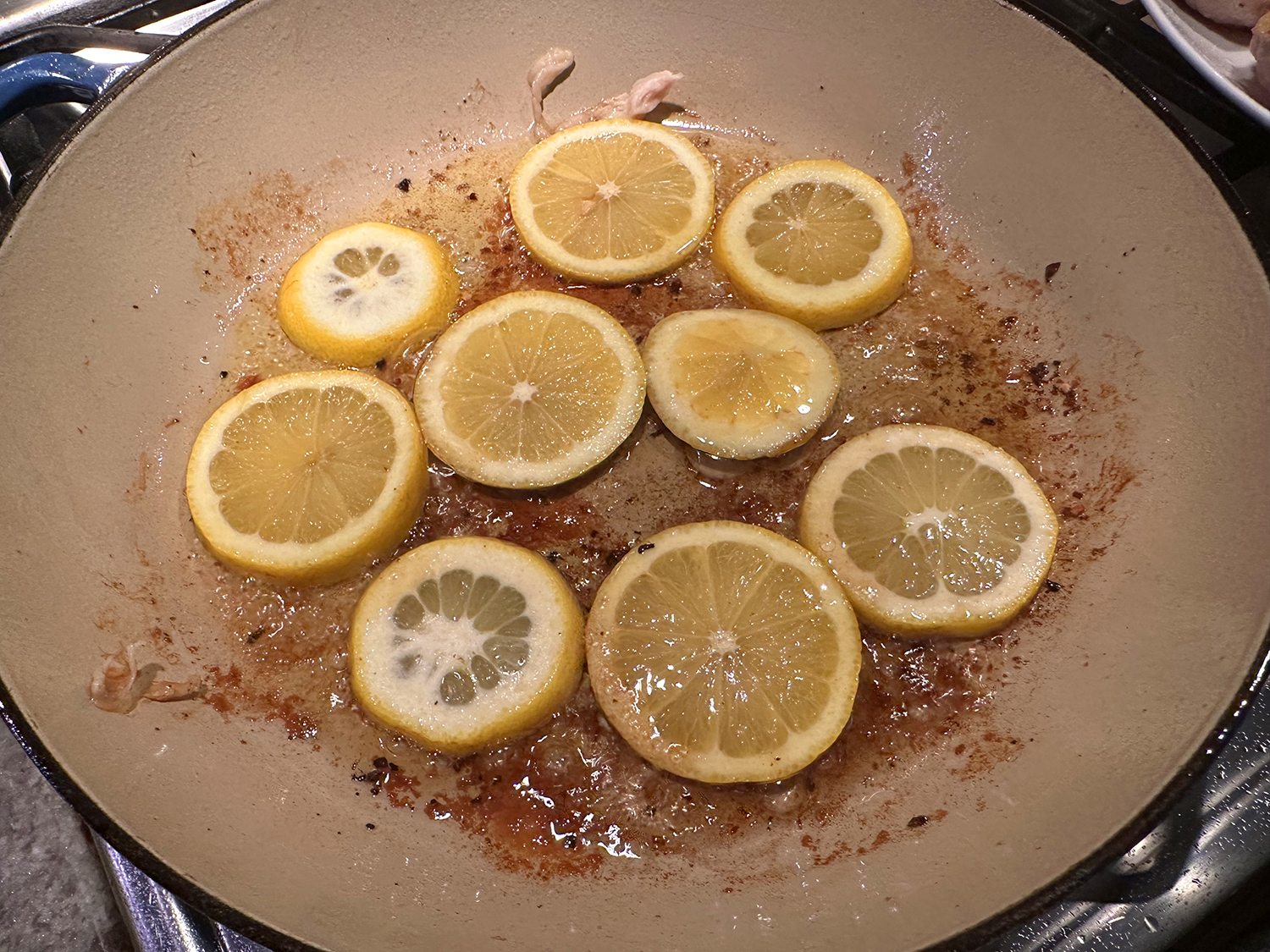
  3. Cut 1 1⁄2 lemons into ¼-inch-thick slices. Add to the pot and cook until caramelized and softened, about 2 minutes. Flip over, and caramelize the other side for 1 minute. Remove from the pot and set aside.
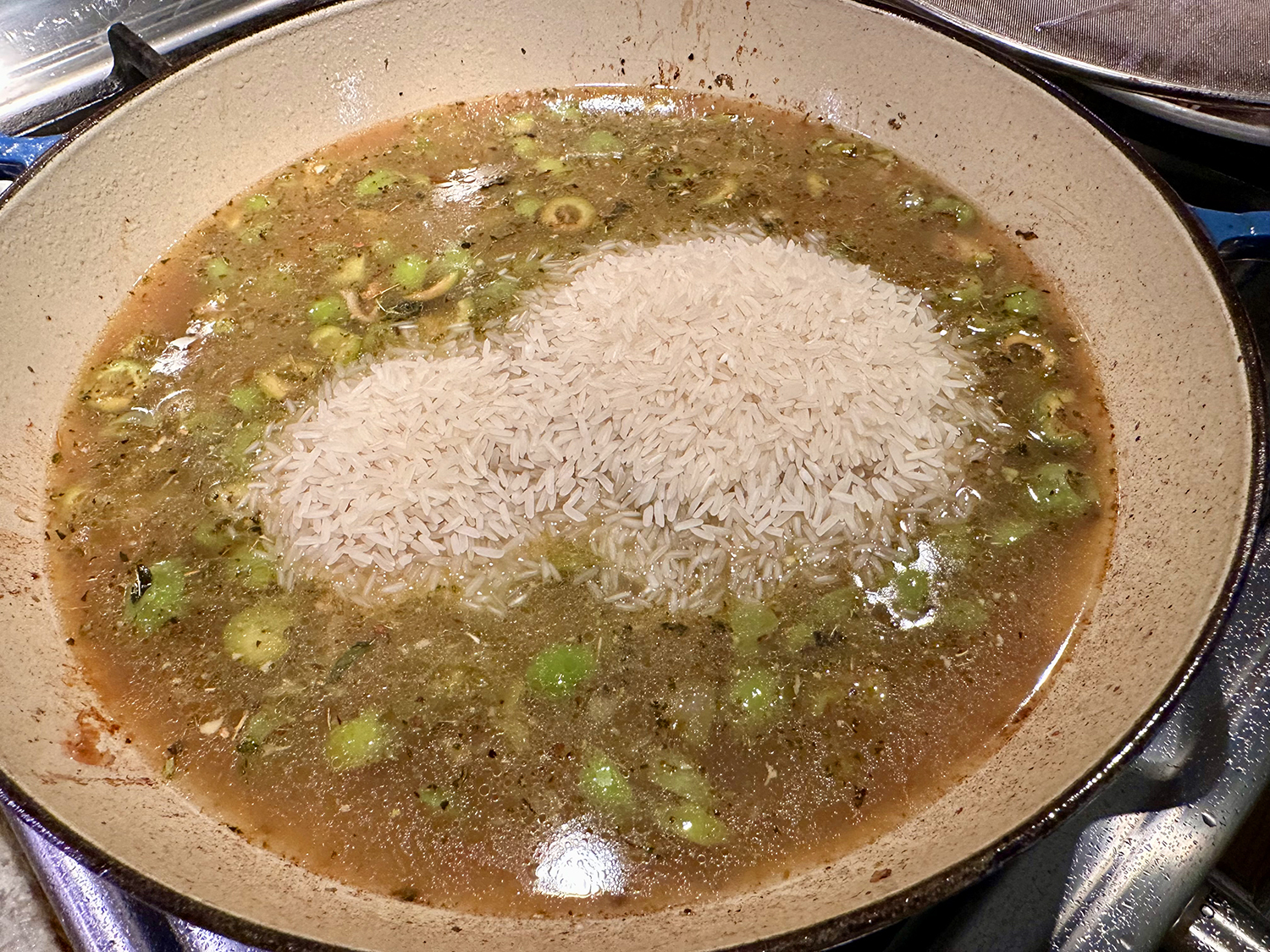
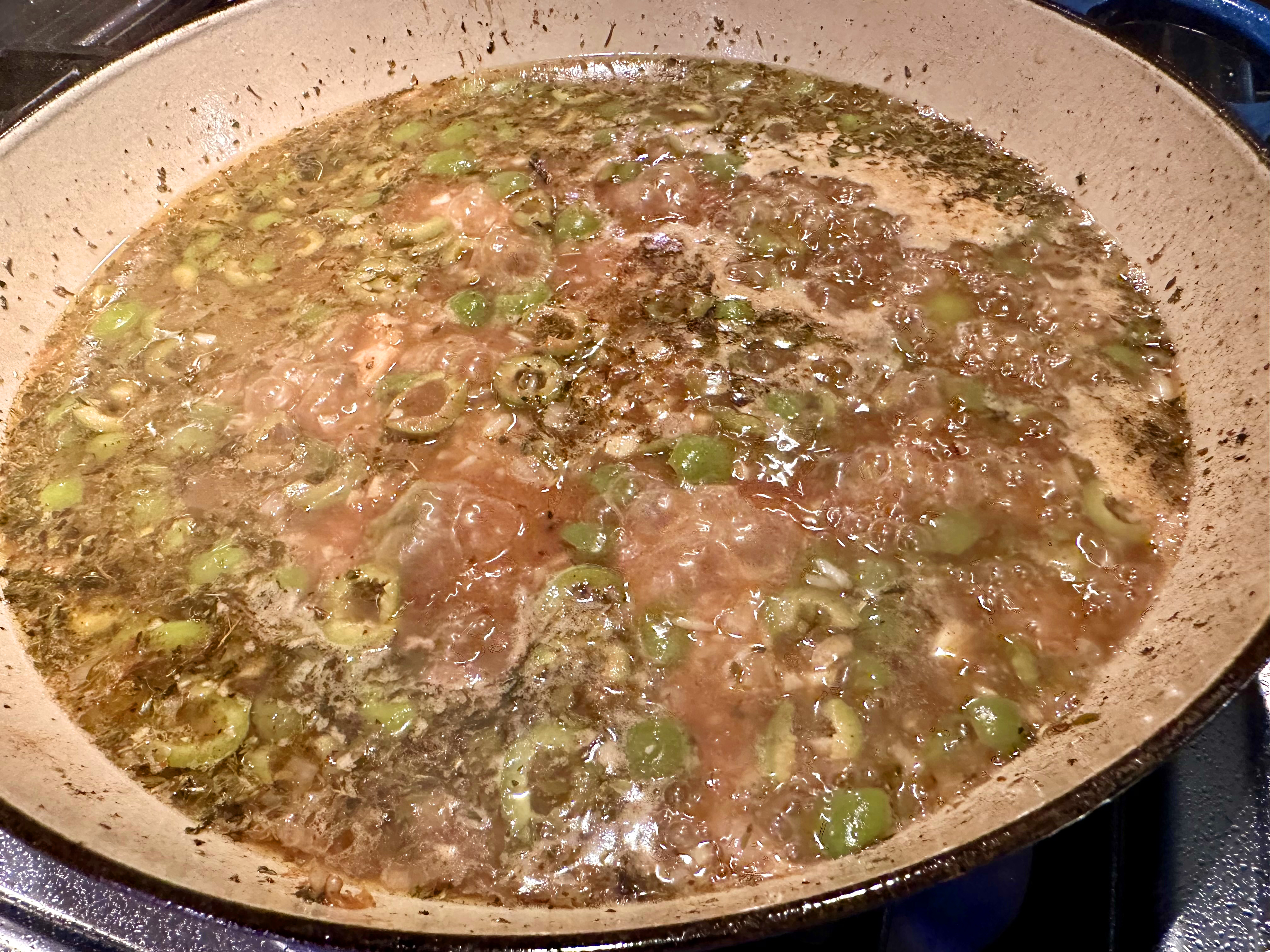
  4. Add the olives, garlic, shallot and 1 teaspoon each salt, pepper and dried oregano to the pot. Cook over medium-low heat, scraping browned bits from the bottom of the pan, until garlic is fragrant, 2 to 3 minutes. Turn the heat up to high, add the rice and broth to the pot, stir to combine and cover until it comes to a boil, about 5 minutes.
  5. Remove the pot from heat, add the browned chicken thighs on top of the rice, skin side up, then cover the chicken thighs with the lemon slices. Place the pot, covered, into the oven and bake until the rice and chicken are fully cooked, 25 to 30 minutes. Serve topped with fresh parsley and a squeeze of lemon juice.

http://www.lynnandruss.com

Adapted from a recipe by Dan Pelosi for NYTimes Cooking

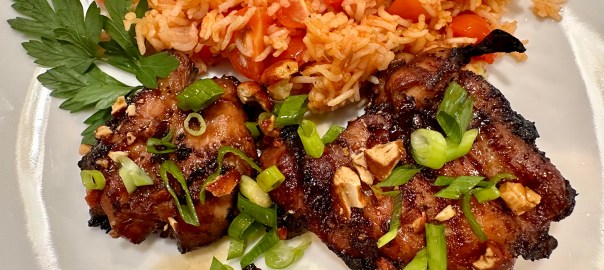
Grilled Soy-Basted Chicken Thighs with Spicy Cashews

The skinless chicken browns nicely over a medium flame, and the sugary soy basting sauce lacquers it beautifully in the final few minutes of cooking. It’s terrific with rice, or as a topping for a salad of sturdy greens. You may wish to double the recipe for Sriracha-roasted cashews (we are glad that we did!). They are addictive, and for them you will find many delicious uses.

This dish was so packed with flavor, we couldn’t stop moaning with each bite we took. And we were thrilled to have leftovers for lunch the next day.

Grilled Soy-Basted Chicken Thighs with Spicy Cashews

  • Servings: 4-6
  • Difficulty: easy
  • Print

Ingredients

  • ½ cup unsalted cashews
  • 2 Tbsp. Sriracha sauce
  • 3 Tbsp. toasted sesame oil
  • ½ cup plus 3 Tbsp. soy sauce
  • 2 Tbsp. hoisin sauce
  • 1 Tbsp. cracked black pepper
  • Hot sauce, to taste
  • 2½ lbs. skinless, boneless chicken thighs
  • ¼ cup brown sugar (light or dark) or molasses
  • 2 Tbsp. peeled and minced ginger
  • 4 scallions, sliced thin
  • 5 or 6 springs cilantro, tough stems removed and roughly chopped (approximately 2 Tbsp.)

Directions

  1. Heat oven to 300 degrees. Combine cashews and Sriracha sauce in a small bowl and stir until nuts are coated. Line a small baking pan with foil and spread the coated cashews out on it, then place in the oven and bake until nuts are dry, approximately 20 minutes. Carefully remove the nuts from the foil and let cool, then chop roughly and set aside in a small bowl.
  2. Meanwhile, in a large bowl, whisk together sesame oil, ½ cup soy sauce, the hoisin sauce and the black pepper, and hot sauce if using. Add chicken thighs and stir to coat. Refrigerate until ready to cook.
  3. For the basting sauce, combine the remaining 3 tablespoons soy sauce, the brown sugar and the ginger in a small bowl, and whisk until the sugar has dissolved.
  4. When you are ready to cook the chicken, build a fire in a charcoal grill, leaving about ⅓ of the cooking space free of coals. When coals are covered with gray ash and the temperature is medium (you can hold your hand 5 inches above the coals for 5 to 7 seconds), you are ready to cook. (For a gas grill, turn one burner to high, leaving the others off, then lower cover and heat for 15 minutes.)
  5. Using tongs, remove chicken thighs from marinade and cook, directly over the coals, turning every few minutes, until they are well-browned but not crusty, approximately 8 to 10 minutes. Then, using a pastry brush, begin to baste them with the soy, ginger and sugar mixture, until they develop a lacquer, an additional 8 to 10 minutes, again turning every few minutes. (If chicken threatens to burn, place it over the part of the grill without coals.)
  6. Transfer chicken to a warmed platter, sprinkle with the chopped cashews, the scallions and the cilantro, and serve.

http://www.lynnandruss.com

Recipe from Sam Sifton for NYTimes Cooking

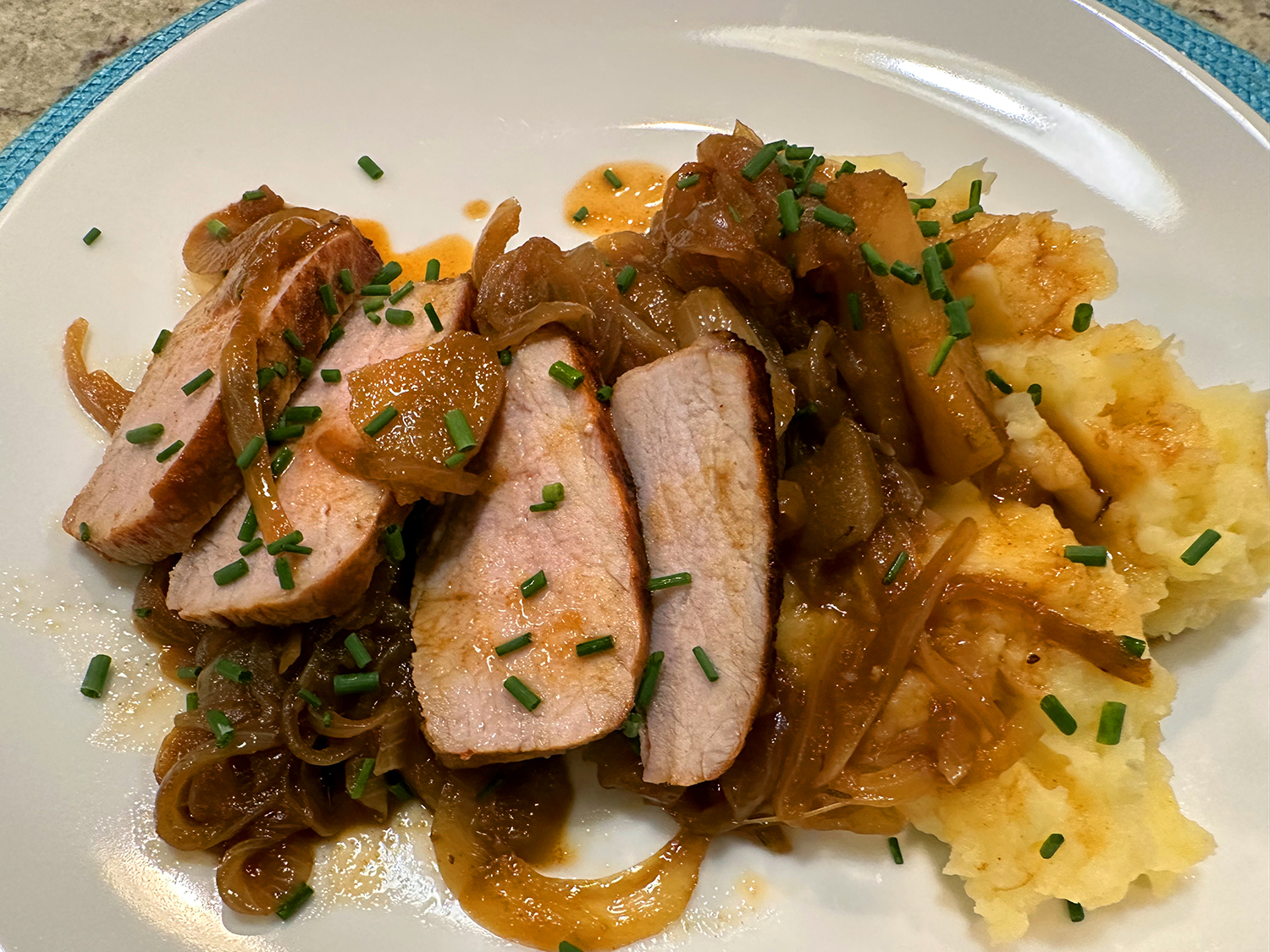
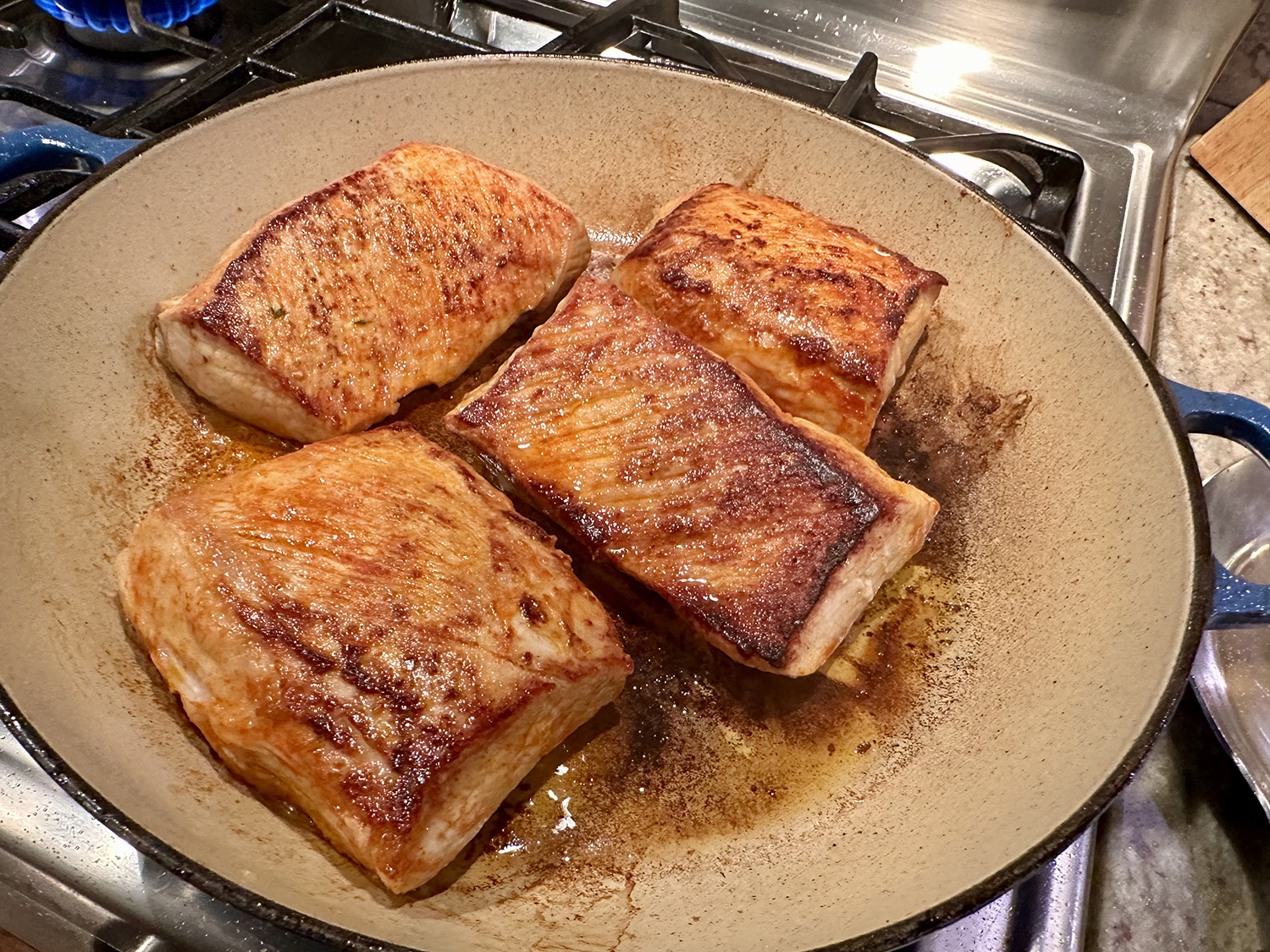
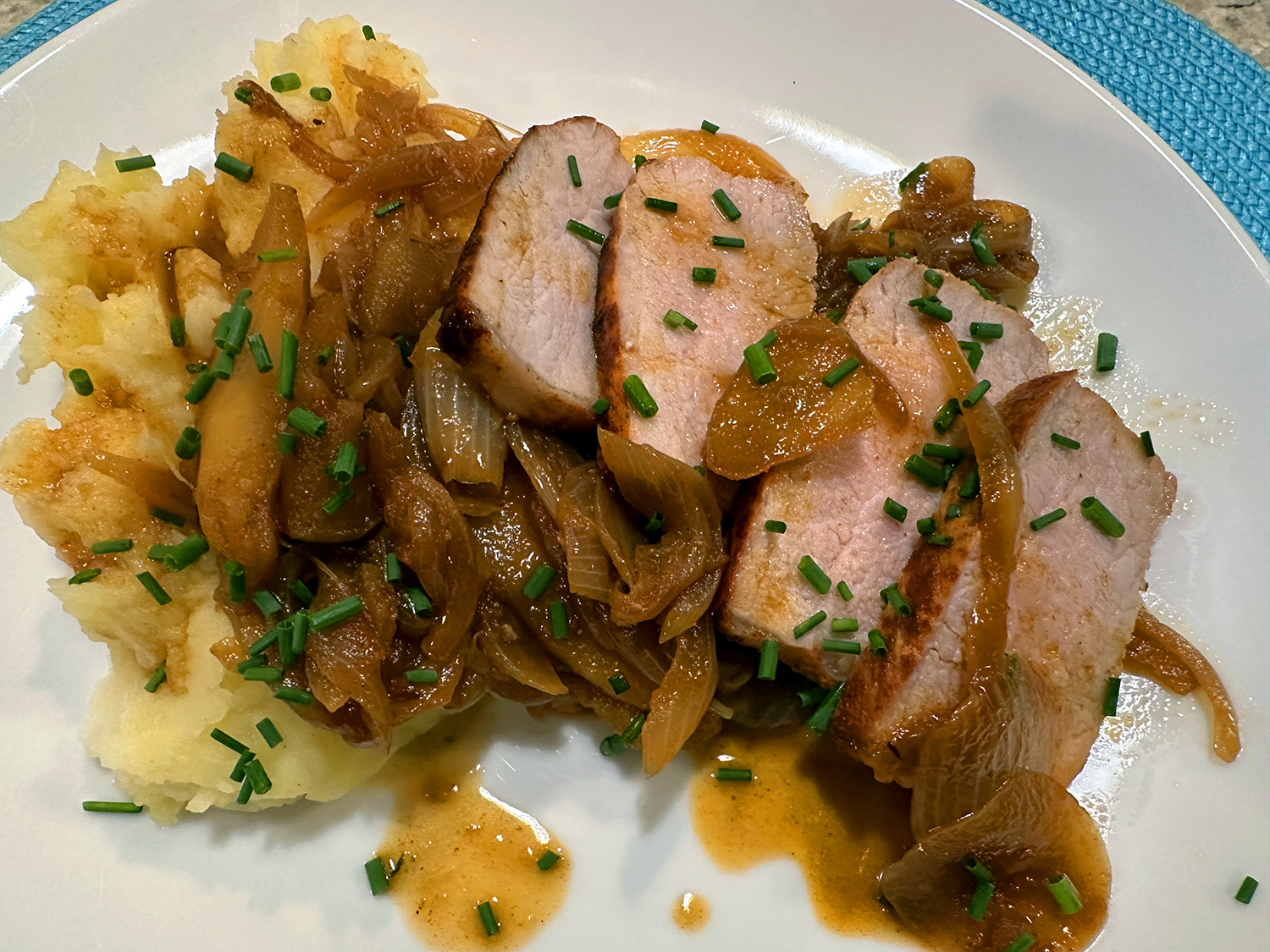
Pan-Roasted Pork Tenderloins with Apple, Sherry and Smoked Paprika

The inspiration for a Spanish spin on pork and apples comes from “Tapas: A Taste of Spain in America” by José Andrés. Milk Street’s version uses pork tenderloins that get a stovetop sear and finish in the oven on a bed of lightly sautéed onion and Granny Smith apple.

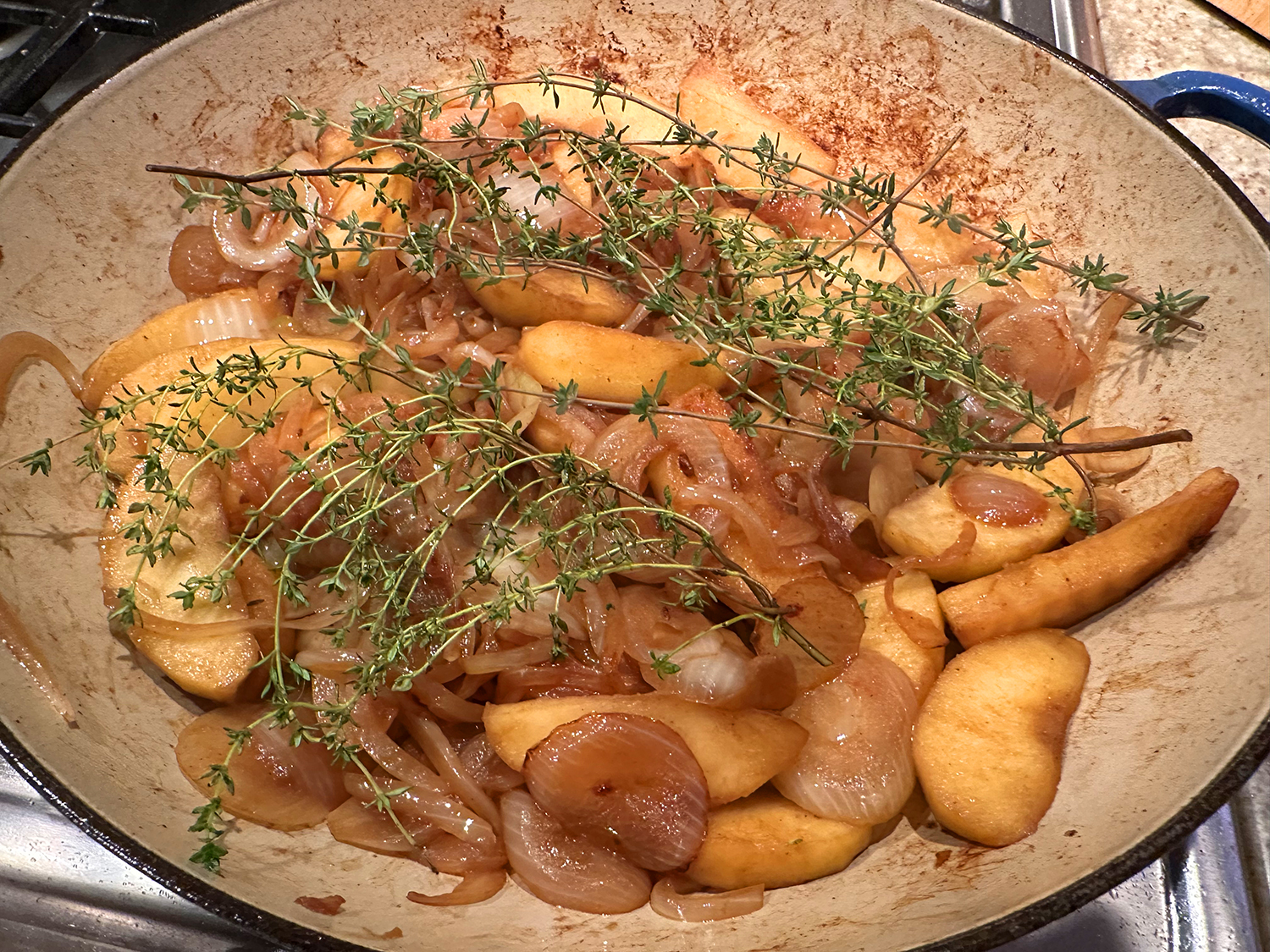
The onion-apple mixture softens to a relish-like accompaniment that is accented with smoked paprika and dry sherry. It’s a rich, woodsy complement to slices of the mild, meaty tenderloin. You will need a 12-inch oven-safe skillet for this recipe. And don’t forget to use an oven mitt or potholder when handling the skillet after removing it from the oven; the handle will be hot.

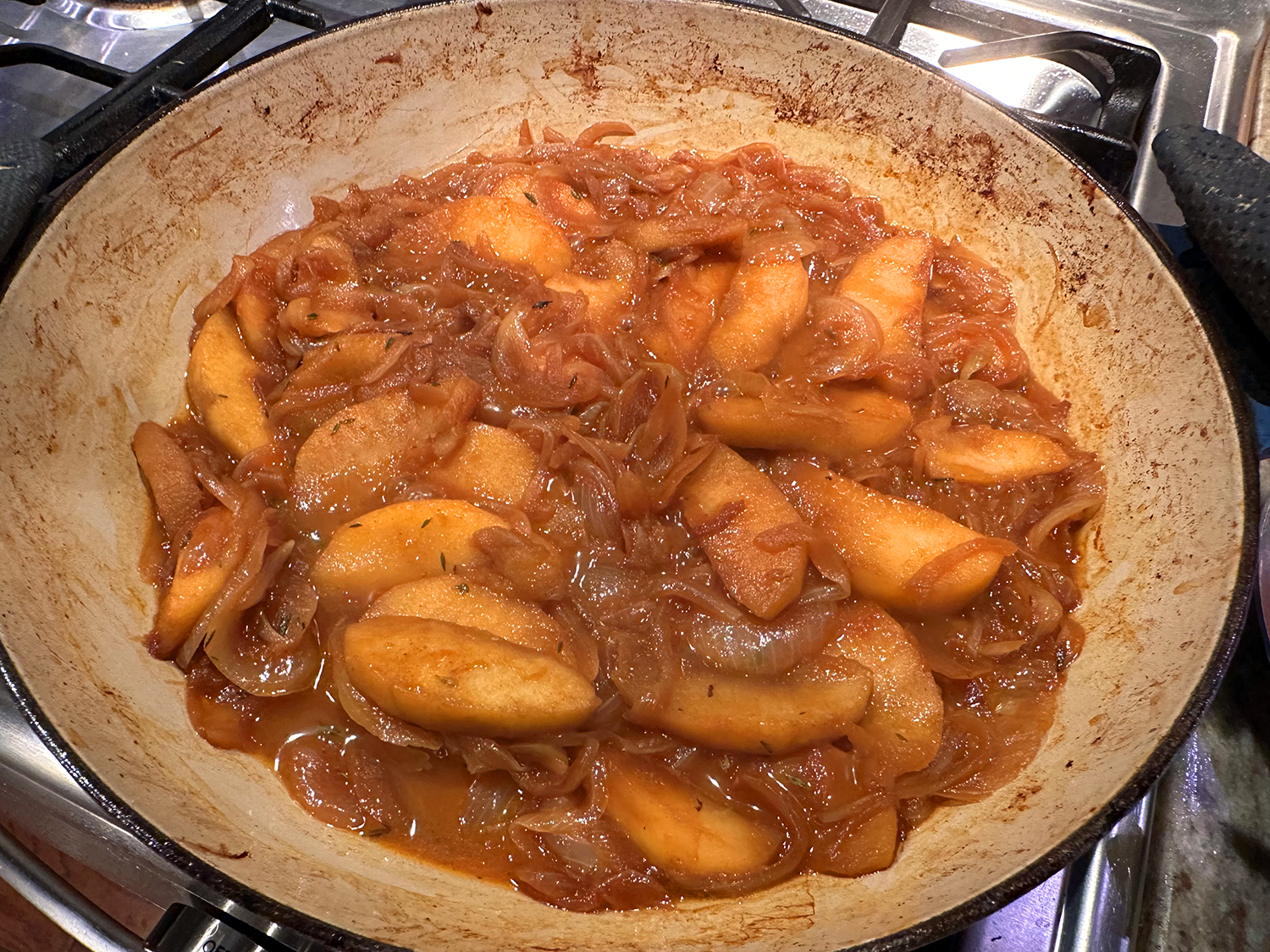
Nearly all previous reviewers of this recipe said they had, or will next time, double the apple/onion mixture (perhaps even triple it?). That made culinary sense to us, so we went ahead and doubled the sauce from the get-go. And the increased amounts are list under ingredients below.

As to doubling the ingredients for the apple/onion mixture, the recipe indicates to “Add the remaining 2 tablespoons butter and stir until melted” in Step 5. We completely forgot to do so, and that sauce was still divine; although the additional butter would lend more silkiness to the bottom line. Your call…

Serving suggestion: Spoon over mashed garlicky potatoes, parsnip and potato purée or wide egg noodles. We agree it is a company-worthy dish!

Pan-Roasted Pork Tenderloins with Apple, Sherry and Smoked Paprika

  • Servings: 6
  • Difficulty: easy
  • Print

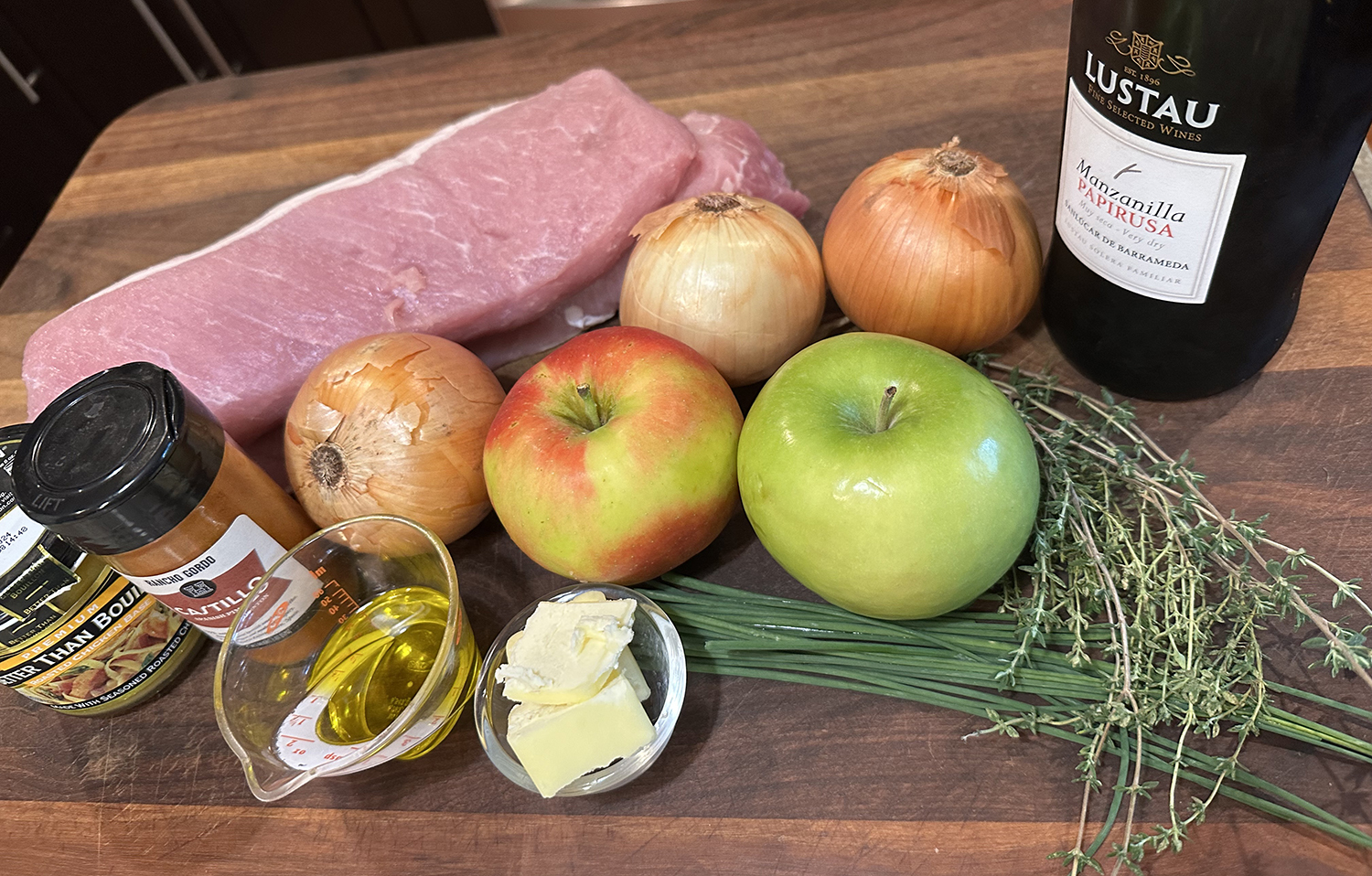
Ingredients

  • 2 tsp. smoked paprika, divided
  • Kosher salt and ground black pepper
  • 2 1¼-lb. pork tenderloins, trimmed of silver skin and halved crosswise
  • 2 Tbsp. extra-virgin olive oil
  • 4 Tbsp. salted butter, divided
  • 2 large, or 3 small yellow onions, halved and thinly sliced
  • 2 Granny Smith apples, peeled, halved, cored and cut into ½-inch-thick wedges
  • 5-7 sprigs thyme
  • 1 cup dry sherry
  • 1/2 cup chicken broth
  • 1 Tbsp. finely chopped fresh chives

Directions

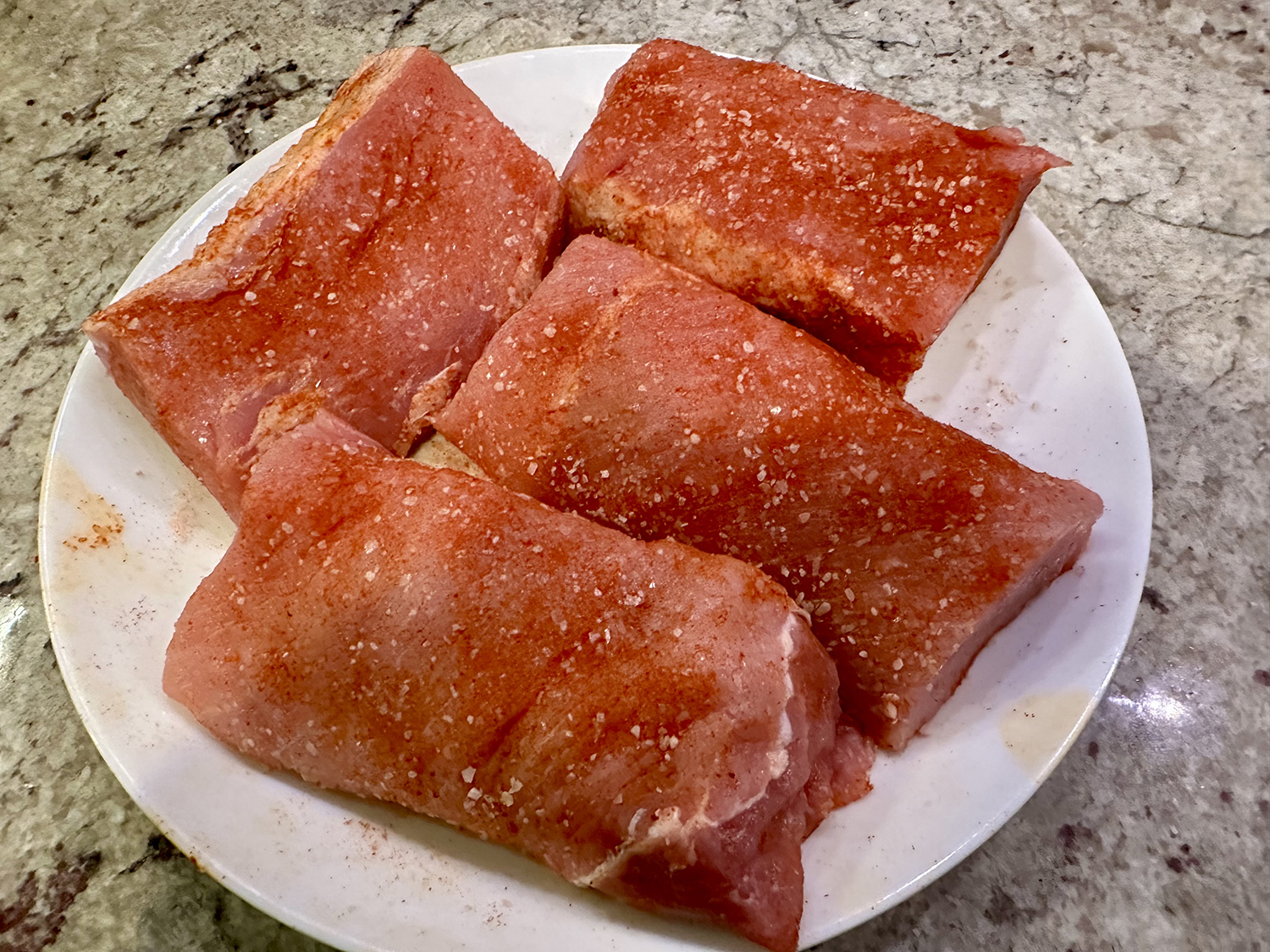
  1. Heat the oven to 450°F with a rack in the middle position. In a small bowl, mix together 1 teaspoon of paprika and 1½ teaspoons salt. Rub the mixture onto all sides of the pork.
  2. In an oven-safe 12-inch skillet over medium-high, heat the oil until shimmering. Place the pork in the skillet. Cook, turning occasionally, until lightly browned on all sides, about 4 minutes total. Transfer to a large plate.
  3. Add 2 tablespoons of butter, the onion and apple to the skillet. Cook over medium-high, stirring occasionally, until softened and golden brown, about 8 minutes. Distribute the mixture in an even layer, then scatter on the thyme. Place the pork on top, add any accumulated juices and transfer to the oven. Roast until the center of the thickest piece of tenderloin reaches 135°F or is just slightly pink when cut into, 9 to 12 minutes.
  4. Remove the skillet from the oven; the handle will be hot. Using tongs, transfer the pork to a cutting board and tent with foil. Add the sherry, broth and the remaining 1 teaspoon paprika to the pan, then cook over medium-high, stirring occasionally, until the liquid is slightly reduced and thickened, about 4 minutes.
  5. Remove the pan from the heat, then remove and discard the thyme. Add the remaining 2 tablespoons butter and stir until melted. Taste and season with salt and pepper. Using a slotted spoon, transfer the onion-apple mixture to a serving platter, leaving the liquid in the pan. Thinly slice the pork and arrange over the onion-apple mixture. Drizzle the pan liquid over the meat and sprinkle with the chives.

http://www.lynnandruss.com

Recipe from Milk Street

Polenta with Sausage and Peppers

This creamy polenta is a great base for a weeknight meal. Cooking the polenta over the lowest setting limits sticking and eliminates the need for stirring, while a pinch of baking soda speeds up cooking. One of the toppings for serving over the polenta that could be prepared simultaneously is juicy sausage, tender vegetables, and a savory sauce that clings to the polenta.

This recipe was developed with Bob’s Red Mill yellow corn polenta. Coarse-ground grits also work well. Avoid quick-cooking or instant polenta and cornmeal. Either sweet or spicy Italian sausage links work fine. Make the choice depending on the tolerance of the eaters.

Creamy Polenta

  • Servings: 4 cups
  • Difficulty: easy
  • Print

POLENTA

Ingredients

  • 4 ½ cups water
  • 1 cup coarse-ground polenta
  • 1 tsp. table salt
  • Pinch baking soda
  • 1 Tbsp. unsalted butter
  • 1 oz. Parmesan cheese, grated (½ cup)

Directions

  1. Bring water to boil in medium saucepan over high heat. Whisk in polenta, salt, and baking soda. Bring mixture to boil, stirring frequently. Reduce heat to lowest possible setting, cover and cook for 5 minutes.
  2. Whisk until smooth, cover, and continue to cook until grains are tender but slightly al dente, about 25 minutes. (The polenta should be loose and barely hold its shape when drizzled from whisk; it will continue to thicken as it cools.)
  3. Remove from heat, whisk in butter and Parmesan, and season to taste with salt and pepper. Keep covered until ready to serve.

http://www.lynnandruss.com

Recipe from Cook’s Illustrated

TOPPINGS

Sausage and Peppers Topping

  • Servings: 4
  • Difficulty: easy
  • Print

Ingredients

  • 1 lb. sweet Italian sausage
  • ½ cup water
  • 4 garlic cloves, minced
  • 1 tsp. dried oregano
  • 1/8 tsp. red pepper flakes
  • ½ cup dry red wine
  • 2 red bell peppers, stemmed, seeded, and sliced thin
  • 1 small onion, halved and sliced thin
  • ¼ tsp. table salt
  • 2 Tbsp. all-purpose flour
  • 1 cup chicken broth
  • 1 Tbsp. red wine vinegar
  • Chopped fresh parsley

Directions

  1. Bring sausage and water to simmer in 12-inch skillet over medium heat. Cover and cook until sausages register at least 135 degrees, 5 to 7 minutes. (If skillet contents begin to sizzle, add ¼ cup water.)
  2. Uncover and, using paring knife, pierce each sausage in 8 to 10 spots to release fat and juices. Continue to cook, uncovered, moving sausages as necessary, until dark fond forms on bottom of skillet, 5 to 6 minutes. Transfer sausages to cutting board.
  3. Add garlic, oregano, and pepper flakes to now-empty skillet and cook, stirring constantly until fragrant, about 30 seconds. Stir in wine, scraping up any browned bits. Add peppers, onion, and salt; increase heat to medium-high, and cook, stirring frequently until vegetables have softened, 6 to 8  minutes. Sprinkle flour evenly over vegetables and stir until no lumps of flour remain. Add chicken broth and bring to boil, stirring constantly. Reduce heat to maintain gentle simmer.
  4. Slice each sausage in half diagonally. Return sausages to skillet, cover and cook, stirring occasionally, until peppers and onions are tender, 15 to 20 minutes. Stir in vinegar. Season to taste with salt and pepper. Serve over polenta and sprinkle with parsley.

http://www.lynnandruss.com

Recipe from Cook’s Illustrated

Pan-Fried Breaded Pork Chops

Look for beautiful good-quality pork, such as Berkshire, and ask for center-cut loin chops with bone. That being said, we were recipients of some meat from a recently butchered pig. Our friends gifted us a few cuts that were already wrapped in freezer paper. When we thawed them, we realized there were two loin and two shoulder chops, as opposed to center-cut loin chops. In the end, it didn’t make any difference.

For the bread crumbs, use day-old firm white sandwich bread or French loaf, cubed and whirled in a food processor, for about three cups of soft, fluffy crumbs. Take note: dry, fine store-bought crumbs will not yield the same result.

Make sure to fry these chops very gently over medium-high heat, to allow the bread-crumb coating to brown slowly, creating a crisp, golden crust. We paired ours with some Spanish-Style Butter Beans and toasted garlic bread.

The most important thing is to bread the chops early and let sit uncovered in the fridge for a couple of hours. It really makes a difference. The crust sautés beautifully without being greasy or falling off.

Pan-Fried Breaded Pork Chops

  • Servings: 4
  • Difficulty: easy
  • Print

Ingredients

  • 4 (8-oz.) center-cut pork chops, about ½-inch thick
  • Kosher salt and black pepper
  • 2 eggs, beaten
  • ½ cup milk
  • Small pinch of cayenne powder
  • All-purpose flour, for sprinkling
  • 3 cups fresh bread crumbs (from 8 slices crustless day-old sandwich bread)
  • 1 cup clarified butter/ghee, extra-virgin olive oil or lard, plus more as needed
  • Lemon wedges, for garnish

Directions

  1. Lay pork chops on a baking sheet, and season well on both sides with salt and pepper.
  2. Combine eggs and milk in a low, flat bowl. Season with salt, pepper and the small pinch of cayenne.
  3. Sprinkle flour generously over the chops on both sides, then shake off excess.
  4. Submerge the floured chops in the egg mixture, and turn them over several times to coat well. Leave chops in egg mixture for 5 minutes.
  5. Use your left hand to remove a chop from the batter and drain off excess liquid. Place chop on a baking sheet and, with your right hand, heavily sprinkle with bread crumbs on both sides. Repeat with remaining chops.
  6. Sprinkle each chop again with crumbs, patting with your hand to make sure crumbs adhere and coat well. Refrigerate, uncovered, until ready to fry.
  7. Set a wide cast-iron or other heavy skillet over medium-high heat. Add clarified butter to a depth of ½ inch. When butter is hot, lay in the chops without crowding, and let them fry very gently, about 4 to 5 minutes per side, until beautifully golden brown. (Turn down heat if they seem to be browning too fast.) If your pan is small, cook in 2 batches and keep finished chops warm in a 250-degree oven.
  8. Blot cooked chops on paper towels. Transfer to a warm platter or individual plates. Serve with lemon wedges.

http://www.lynnandruss.com

Recipe by Davis Tanis for The NYTimes Cooking

Spring Chicken With Mushroom and Lemon

For a main course, chicken-noodle anything is always an attractive option, and here, boneless, skinless chicken thighs come together with button mushrooms and a sauce of chicken broth, white wine and crème fraîche for a bright, filling stew.

To make it sparkle, it’s all finished with a generous handful of tender sweet herbs and lots — lots! — of lemon zest. To serve, ladle over egg noodles, or fresh pasta, such as pappardelle; all are a good choice.

Spring Chicken With Mushroom and Lemon

  • Servings: 4-6
  • Difficulty: easy
  • Print

Ingredients

  • 4 Tbsp. unsalted butter or extra-virgin olive oil, plus more as needed
  • 1 lb. button mushrooms, or a mix of other mushrooms, sliced
  • Salt and black pepper
  • 1½ lbs. boneless, skinless chicken thighs, cut into ½-inch pieces
  • 2 Tbsp. all-purpose flour, for dusting
  • 2 large shallots, diced
  • 1 small bay leaf
  • ½ cup dry white wine or vermouth
  • 2 cups chicken broth
  • 12 oz. wide egg noodles or wide-cut pasta, for serving
  • ¼ cup crème fraîche
  • 1 cup frozen peas (optional)
  • 2 Tbsp. snipped chives
  • 2 Tbsp. roughly chopped dill
  • 1 Tbsp. roughly chopped tarragon
  • 1 Tbsp. roughly chopped mint
  • 3 Tbsp. roughly chopped chervil or parsley
  • Zest of 2 lemons (about 2 Tbsp.)

Directions

  1. Put 2 tablespoons butter or olive oil in a Dutch oven or deep, wide skillet over medium-high heat. When butter sizzles, add mushrooms, season with salt and pepper, and cook, stirring, until mushrooms are lightly browned and softened, 3 to 4 minutes. Turn off heat. Transfer mushrooms to a plate, and set aside.
  2. Season chicken with salt and pepper. Dust lightly with flour; shake off excess. Add the remaining 2 tablespoons butter to the same Dutch oven and turn heat to medium. When butter sizzles, add half of the chicken, letting it brown on all sides, about 5 minutes per batch. Remove from the pot. Add remaining chicken and repeat, setting aside the chicken. (You may have to add more butter or oil.)
  3. Add shallots to the Dutch oven, and cook over medium-high heat until softened, about 2 minutes. Add bay leaf and wine, and simmer for about 2 minutes, scraping the pot to deglaze any browned bits. Return chicken to pot and turn heat to high.
  4. Add chicken broth and bring to a boil. Turn down heat to maintain a brisk simmer and cook, uncovered, until the chicken is tender, about 20 minutes, then raise heat to high and let liquid reduce by half, about 5 minutes.
  5. Meanwhile, cook noodles or pasta in salted water.
  6. Add reserved mushrooms, crème fraîche and peas, if using, to the stew. Reduce sauce again, until thickened to a gravy- like consistency, a few minutes more. Taste and adjust seasoning. To finish, stir in half of the chives, dill, tarragon, mint, chervil and lemon zest, reserving part of the herb mix to sprinkle over top.
  7. Drain noodles or pasta, transfer to a warm serving platter and spoon chicken and sauce on top, and finish with more of the herb mixture.

http://www.lynnandruss.com

Recipe by David Tanis for NYTimes Cooking

Chickpea, Chard and Porcini Soup

This hearty soup gets its big flavors from the earthiness of porcini mushrooms. If desired, use canned white beans, such as cannellini, instead of the chickpeas, and kale or spinach in place of chard.

Feel free to add in additions of your own. We included a bay leave and about 1/2-pound of small baby potatoes that were quartered. And for some odd reason, those small potato pieces took much longer to get soft, so keep checking on them, if using.

The porcini broth was a bit underwhelming so The Hubs decided to enhance the flavor with some mushroom flavored Better Than Bouillon. When cooled, we covered and refrigerated the soup overnight, then reheated some for lunch the next day, it was delicious!!

Chickpea, Chard and Porcini Soup

  • Servings: 4
  • Difficulty: easy
  • Print

Ingredients

  • 1 oz. dried porcini mushrooms
  • 3 cups hot water
  • 3 Tbsp. extra-virgin olive oil, plus more for drizzling
  • 2 Tbsp. unsalted butter (may substitute vegan butter, such as Earth Balance)
  • 1 small yellow onion, chopped
  • 2 cloves garlic, finely chopped
  • One (14 -oz.) can diced tomatoes, plus their juices
  • One (14 -oz.) can no-salt-added chickpeas, drained and rinsed
  • 1 1/2 cups baby potatoes quartered (optional)
  • 1 sprig rosemary
  • 1 bay leaf, preferably fresh
  • 1/4 tsp. fine sea or table salt
  • Freshly ground black pepper
  • 10 oz. (1 bunch) Swiss chard, stemmed and shredded
  • Parmesan, hard goat cheese or other flavorful hard cheese, shaved (optional; may substitute vegan Parmesan)

Directions

  1. Soak the porcini in the hot water for 30 minutes. Remove the mushrooms with a slotted spoon, reserving the soaking water. Rinse the mushrooms briefly under cold water (they can be gritty), pat dry with a clean dish towel and coarsely chop. Strain the mushroom soaking liquid through a sieve lined with cheesecloth or paper towels into a bowl.
  2. In a saucepan over medium-low heat, melt the olive oil with the butter. When the mixture is hot, add the onion and cook, stirring occasionally, until soft and translucent, about 15 minutes. Add the garlic and stir for 1 minute, then add the mushrooms and cook, stirring, for another 2 minutes.
  3. Add the tomatoes, chickpeas, rosemary, reserved mushroom soaking liquid, salt and a few grinds of black pepper. Bring to a boil, then reduce the heat, and simmer gently until the flavors meld, 20 to 30 minutes. Add the chard and cook until it is tender, about 5 minutes.
  4. If the soup seems too thick, thin it out with a little water. Discard the rosemary. Taste and add salt and/or pepper as needed.
  5. Ladle into warmed bowls, drizzle over some olive oil, and top with the cheese shavings, if using. Serve hot.

http://www.lynnandruss.com

Recipe from the Washington Post

Butter-Lemon Roasted Chicken with Herbs

A whole roasted chicken with citrus and fresh herbs always brings me back to my childhood when Mom would make Sunday dinner and serve her Orange Juice Chicken/Turkey. To this day, whenever The Hubs and I cook a similar recipe, those warm memories come flooding back.

This simple roasted chicken recipe from Milk Street makes a buttery yet bright sauce. Tucking fresh herbs and lemon halves in the cavity flavors the juices for the incredible sauce; cooking mellows the lemon’s acidity. We used a mix of rosemary and tarragon sprigs for the cavity, and chopped for a garnish.

Roasting on a flat wire rack in a rimmed baking sheet allows for improved circulation, resulting in better browning and even cooking. Resulting in a super-juicy chicken with crispy skin.

With just a handful of ingredients, and a mostly hands-off approach, this dish comes together quickly. While the bird roasts in the oven, you can attend to your guests, and/or prepare any sides you wish to serve.

Butter-Lemon Roasted Chicken with Herbs

  • Servings: 4
  • Difficulty: easy
  • Print

Ingredients

  • 4-lb. whole chicken, patted ry, fat near the cavity removed and discarded
  • 6 tarragon OR rosemary OR thyme OR flat-leaf parsley sprigs, plus 1 Tbsp. chopped
  • 1 lemon, halved crosswise
  • 1 Tbsp.extra-virgin olive oil
  • Kosher salt and ground pepper
  • 3/4 cup dry wine
  • 4 Tbsp. salted butter, cut into 4 pieces

Directions

  1. Heat the oven to 425°F. Place the chicken on a wire rack set in a rimmed baking sheet.
  2. Place the lemon halves and the herb sprigs in the cavity, tie the legs together with kitchen twine, and tuck the wings back.
  3. Brush the bird with olive oil and season with salt and pepper. Roast until the thighs reach 175°F, about 1 hour, 15 minutes. tilt the chicken so the juices run out of the cavity into the pan, transfer to a cutting board; let rest.
  4. Meanwhile remove the rack and pour half of the wine onto the baking sheet. Scrape up any browned bits, then pour the mixture into a medium suace pan; add the remaining wine. Simmer over medium until reduced by half, about 10 minutes.
  5. Remove from the heat, untie the chicken, remove and reserve the lemon halves. Carve the chicken, transfer to a platter and pour on any accumulated juices. Return the sauce to simmer, then remove from the heat and whisk in the butter until melted.
  6. Add chopped herbs, then squeeze in 2 tablespoon juice from the lemon halves. Season to taste. Serve the sauce with the chicken.

http://www.lynnandruss.com

Recipe from Milk Street