Two rotisserie chickens on sale for $10, a bargain I couldn’t pass up. I had gone to the store for one bird to make Enchiladas Verdes, but when I saw the sale, it was a no-brainer. When I got home and the poultry cooled off, I stripped off the skin then harvested all of the white and dark meat. The skin and bones I bagged for the freezer for The Hubs to make his delicious stock.
This couldn’t be any easier. If you happen to have some leftover cooked chicken on hand, you could certainly use that and save yourself a trip to the grocer.
When rotisserie chicken is cool enough to handle, pull off the chicken, then strip all white and dark meat from the bones. Discard skin and bones, or save to make stock at a later date.
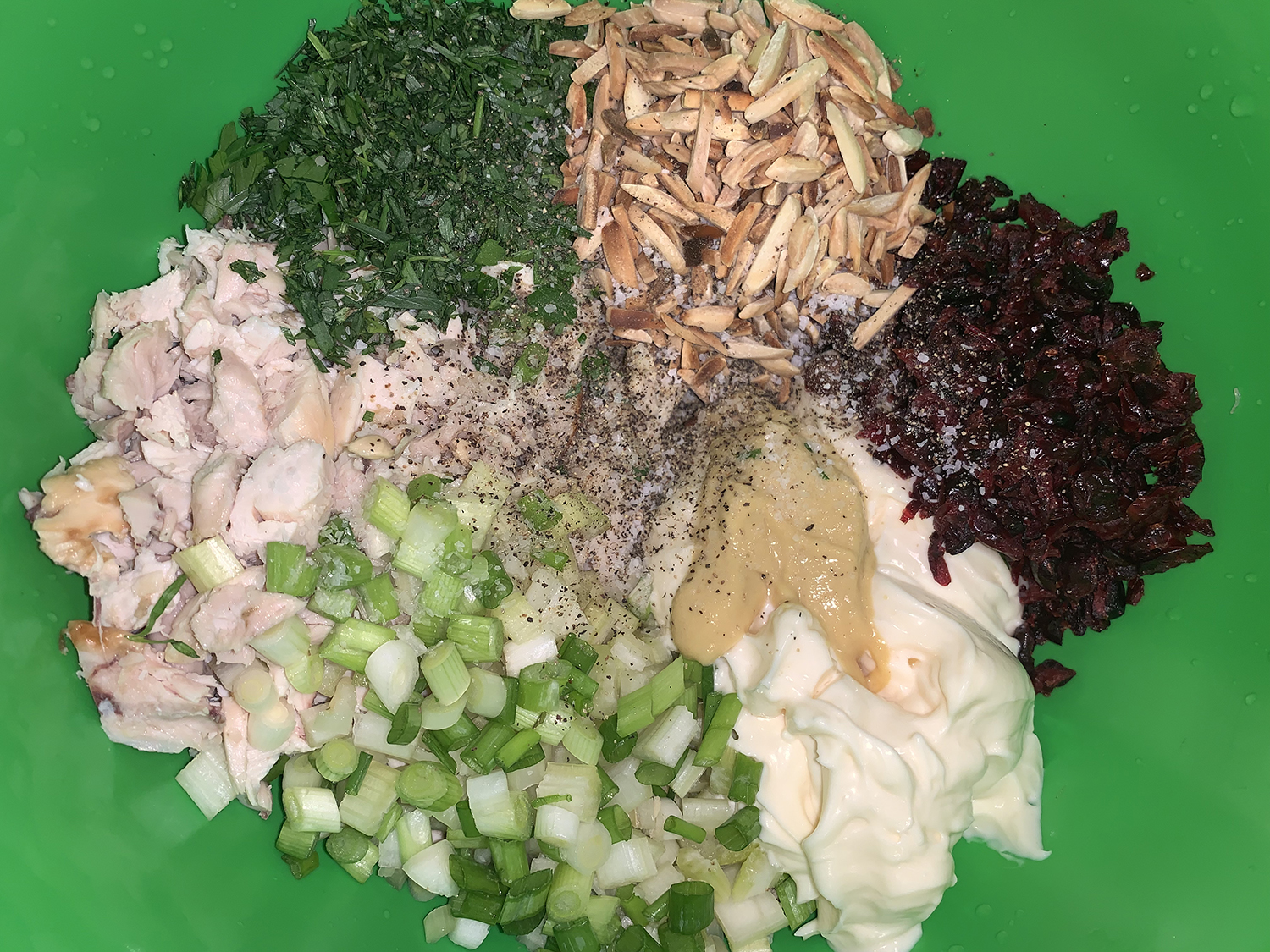
Chop the chicken meat into about a 1/2-inch dice. Place into a large bowl.
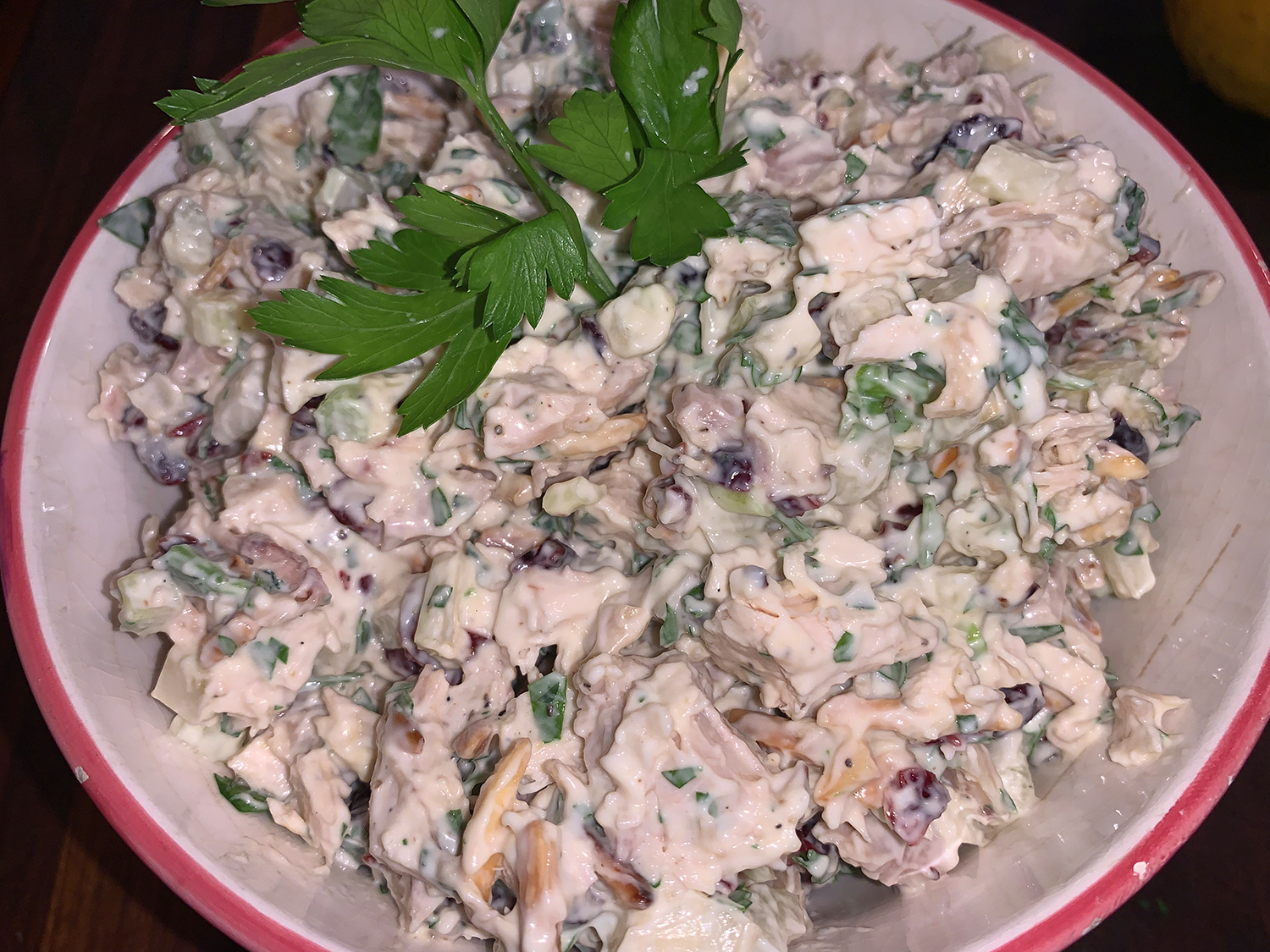
Slice and dice the celery, green onion, grapes, parsley and tarragon. Add those ingredients to the mixing bowl along with the mayonnaise, Dijon mustard, and lemon juice. Season with salt and pepper.
Serve on a couple of Bibb lettuce leaves and garnish with bell pepper strips, if using.
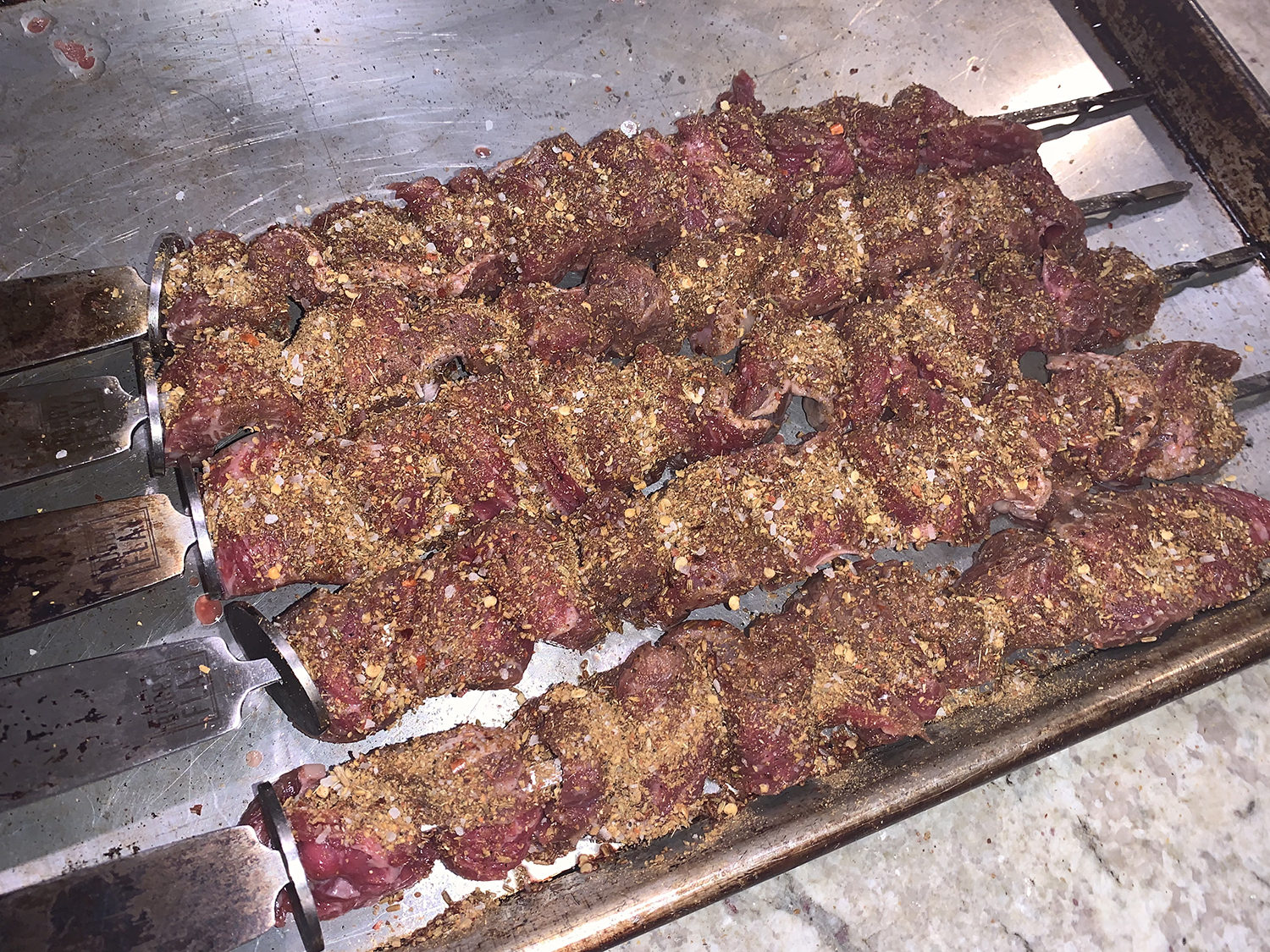
Spice it twice—the mantra for this flavorful beef skewer. After skewering but before going on the grill, the meat is dusted generously with the spices. Those spices toast, their flavors deepening during cooking. Once the meat comes off the heat, it’s seasoned a second time with the same spice blend, creating multiple layers of nuanced flavors from the same few ingredients.
What did we do different? In place of flat iron steak, we substituted flap meat because it was already in our freezer and it’s easier to source than the aforementioned flat iron cut. In keeping with the Asian theme, we also grilled bok choy right along with the meat skewers. They benefited from a chili oil sauce that complimented the meat rub.
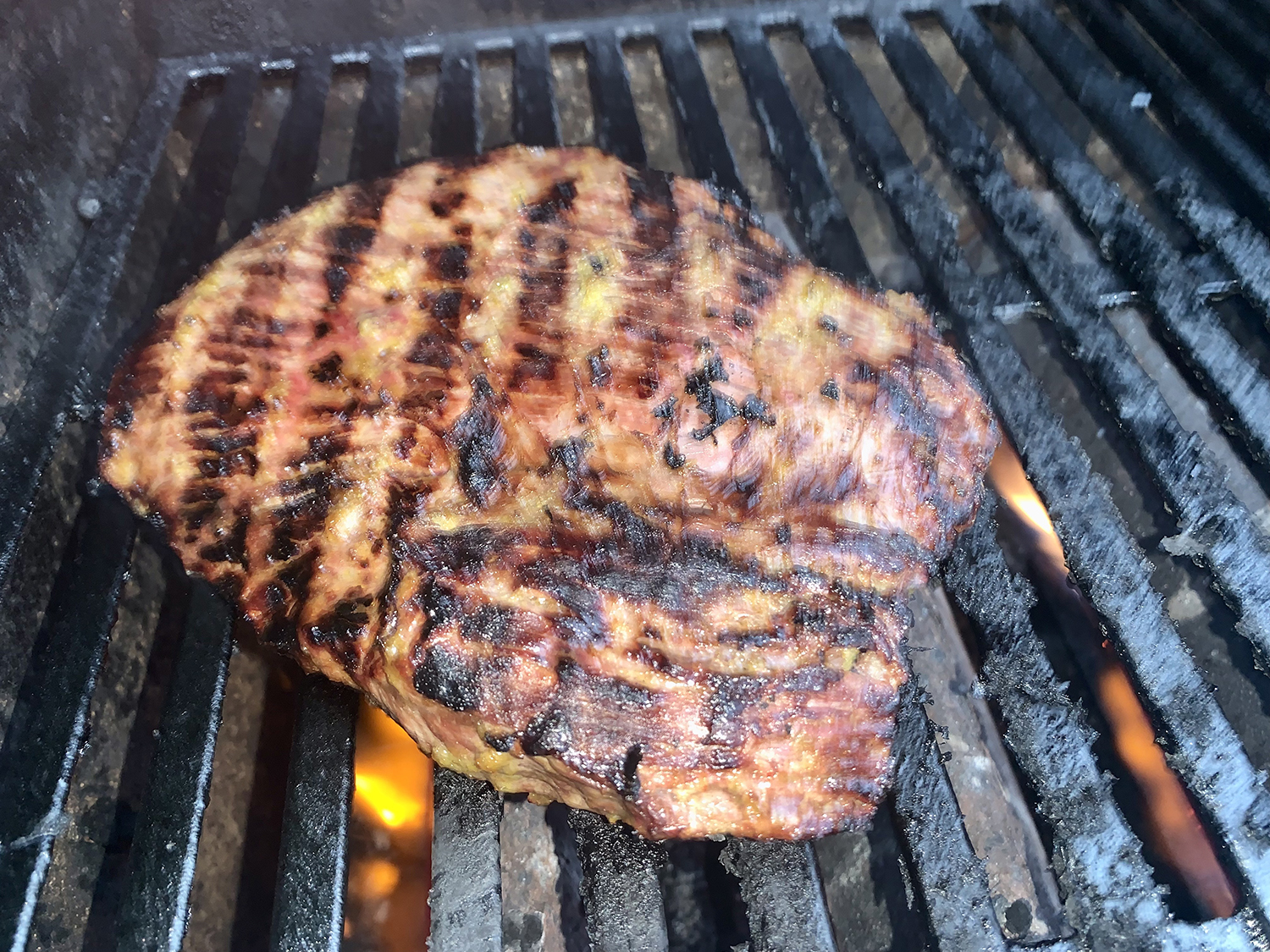
Don’t trim the fat from the beef before cooking. The fat adds flavor and helps keep the meat succulent. If you’re using a gas grill, make sure to give it at least 10 to 15 minutes to heat before cooking the skewers. This ensures the meat gets a nice surface char without overcooking the interior.
1½ lbs. beef flat iron steak, sliced against the grain into ¼-inch-thick strips
1 Tbsp. dry sherry or Shaoxing wine
1 Tbsp. soy sauce
2 Tbsp. grapeseed or other neutral oil, plus more for grill grate
2½ Tbsp. cumin seeds
2½ tsp. fennel seeds
1½ tsp. sichuan peppercorns
2 tsp. red pepper flakes
Kosher salt
chili oil, to serve (optional)
Directions
In a medium bowl, combine the beef, sherry, soy sauce and oil. Let stand at room temperature while preparing the spice mix and the grill.
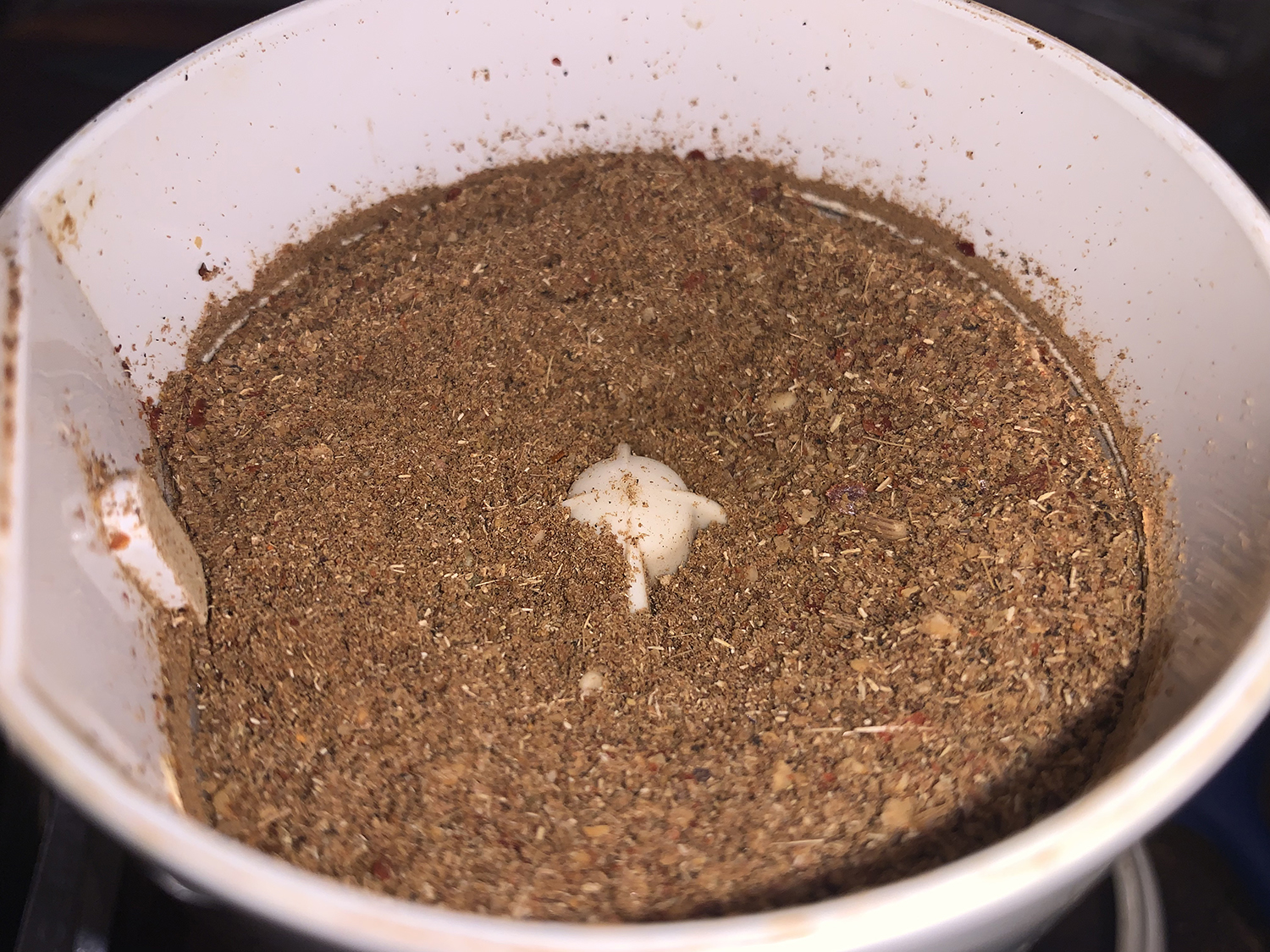
In a small skillet over medium-low, toast the cumin, fennel and Sichuan peppercorns until fragrant, about 2 minutes. Transfer to a spice grinder and add the pepper flakes. Process until coarsely ground, about 10 seconds. Transfer to a small bowl and stir in 1¾ teaspoons salt. Measure out 1 tablespoon of the mix and set aside to use as garnish.
Prepare a charcoal or gas grill for direct, high-heat cooking. For a charcoal grill, ignite a large chimney of coals and let burn until lightly ashed over, then distribute the coals evenly over one side of the grill bed; open the bottom grill vents and the lid vent. For a gas grill, turn all burners to high. Heat the grill, covered, for 10 to 15 minutes, then clean and oil the cooking grate.
While the grill heats, thread the beef onto ten 8- to 10-inch metal skewers, evenly dividing the meat and pushing the pieces together. Sprinkle the remaining spice mixture evenly over both sides of the meat, patting gently to adhere.
Grill until lightly charred, 2 to 3 minutes, then flip and grill until the second sides are lightly charred, another 2 minutes. Transfer to a serving platter, sprinkling both sides of the skewers with the reserved spice mix, then drizzle with chili oil (if using).
Large, juicy, ripe heirloom or beefsteak tomatoes and fresh picked corn on the cob are two heavy hitters that shine from mid- to late-summer in our neck of the woods. For those few fleeting months we try to take advantage of the produce preparing them in a myriad of different ways. Often, the simple approach is just as tasty as a more complicated recipe such as a corn sauté or an heirloom tomato tart.
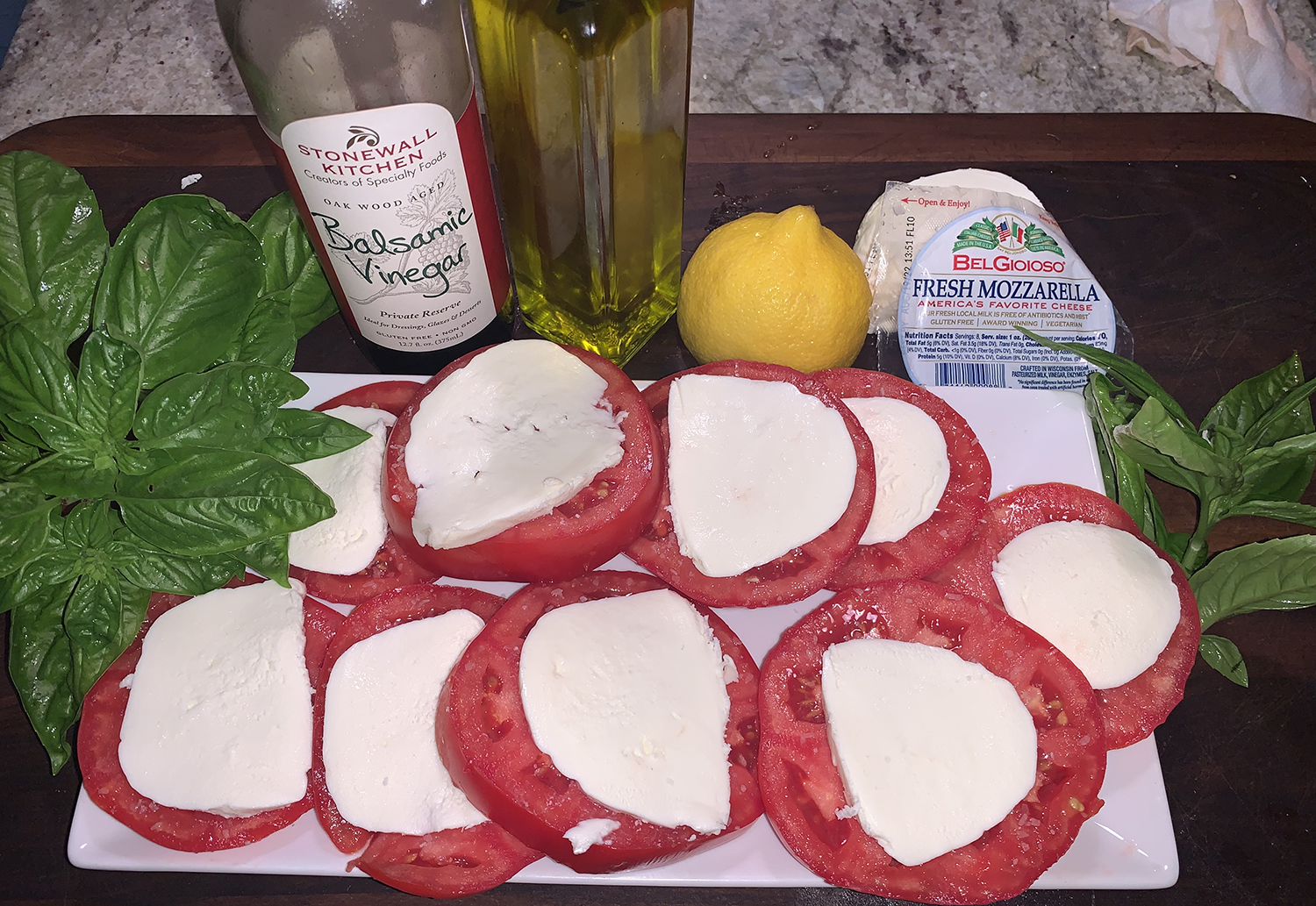
You may have enjoyed Caprese Salad before, but have you ever topped it with some grated lemon zest? This twist on the preparations adds a wonderful bright note that compliments the other flavors. Sun-ripened farmers market tomatoes are layered with creamy mozzarella and topped with aromatic fresh basil, sweet and tangy balsamic vinegar, and that aforementioned floral lemon zest.
To complete the meal, we boiled fresh ears of corn, and grilled a cedar-planked salmon with a North African spice rub—both of which took about the same amount of time to cook. Deliscioso!
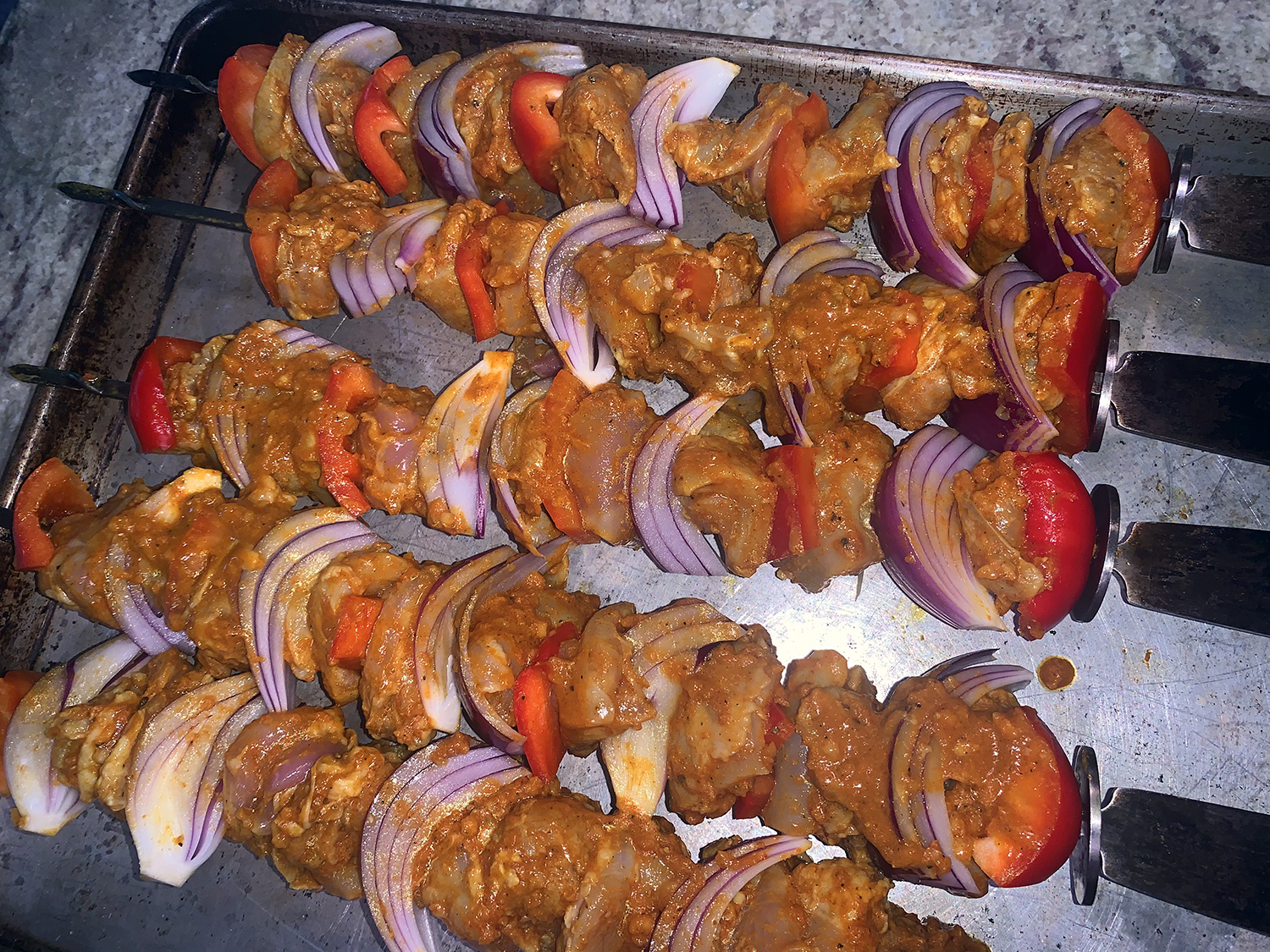
These luscious kebabs are an adaptation of the mishkaki from “Feast: Food of the Islamic World” by Anissa Helou, reinterpreted by Milk Street. Mishkaki are grilled skewers of marinated meat from Zanzibar, an archipelago in the Indian Ocean, just off the coast of Tanzania. So transport yourself to another land while in the comfort of your own home and enjoy a laid-back feast of Ginger-Curry Grilled Chicken Kebabs.
Zanzibar’s cuisine represents a fusion of the people and cultures—Persian, Portuguese, Arabic—that once colonized or settled in the area. Chunks of chicken are marinated in an aromatic mixture of their spices including ginger, garlic, tomato paste and lemon juice before they’re skewered and grilled.
Don’t worry if the cut pieces of chicken are irregularly shaped. As long as they’re similarly sized, shape isn’t important. Don’t crowd the skewers on the grill grate. Allow some space between them so heat circulates and the chicken cooks quickly and without steaming.
While it was suggested to serve with warm naan and plain yogurt for drizzling; we paired ours in combo with another Mediterranean dish Bulgar Pilaf with Cremini Mushrooms. Suffice it to say, we fell in love with this tasty meal. And the leftovers were just as good!
2 lbs. boneless, skinless chicken thighs or breasts, trimmed and cut into 1½-inch chunks
1 medium red, orange or yellow bell pepper, stemmed, seeded and cut into 1-inch pieces
1 small red onion, cut into 1-inch pieces
Directions
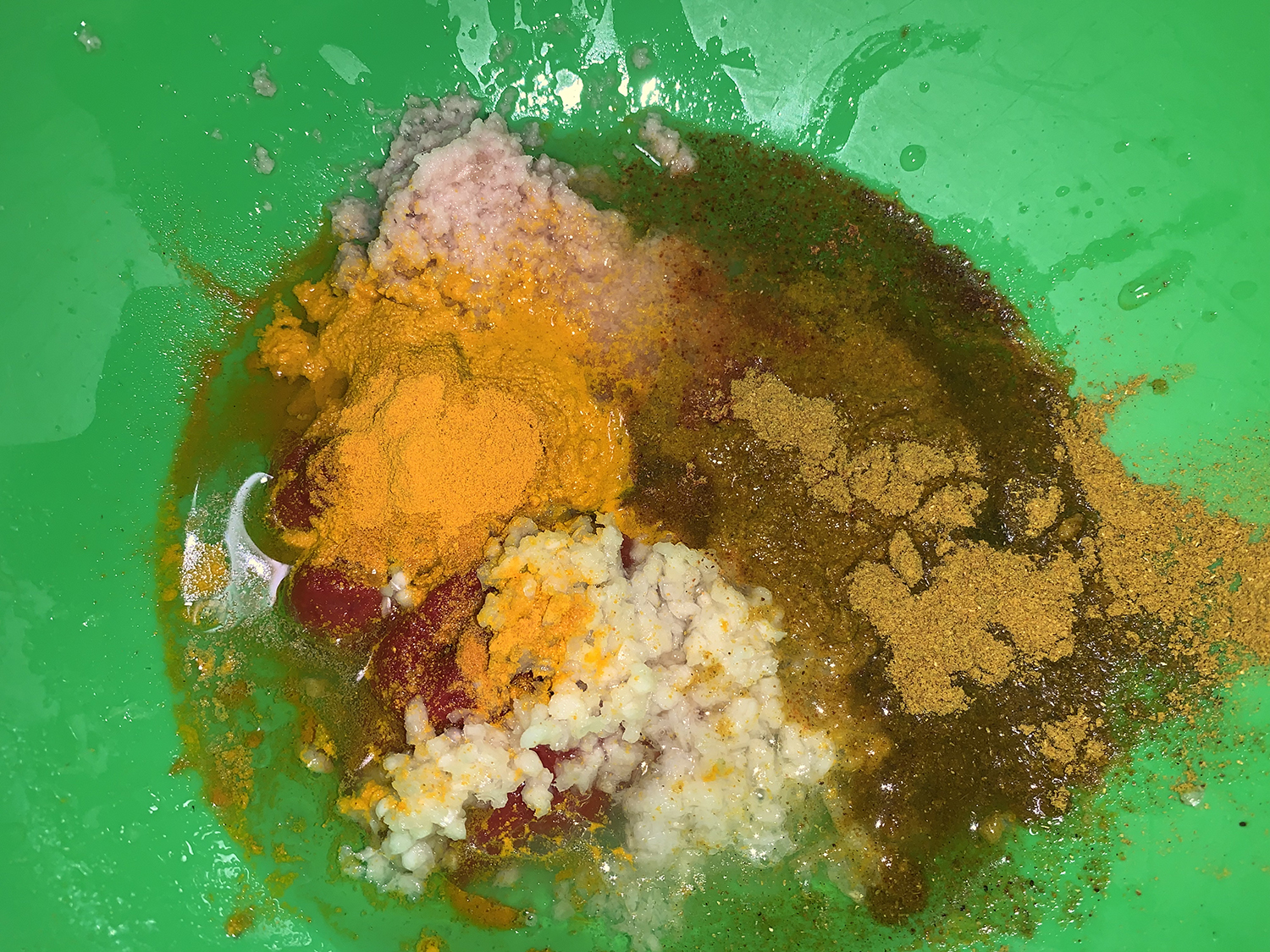
In a large bowl, stir together the oil, tomato paste, lemon juice, ginger, garlic, curry powder, turmeric, cayenne, 1¼ teaspoons salt and ½ teaspoon black pepper.
Add the chicken and mix with your hands, rubbing the seasonings into the meat, until evenly coated. Marinate at room temperature for about 30 minutes while you prepare the grill or cover and refrigerate for up to 4 hours.
Prepare a charcoal or gas grill. For a charcoal grill, ignite a large chimney of coals, let burn until lightly ashed over, then distribute evenly over the grill bed; open the bottom grill vents. For a gas grill, turn all burners to high. Heat the grill, covered, for 5 to 10 minutes, then clean and oil the grate.
While the grill heats, thread the chicken, alternating with the pepper and onion pieces, onto 6 to 8 metal skewers. Place the skewers on the grill. Cook without disturbing until lightly charred on the bottom and the meat releases easily from the grill, 3 to 4 minutes.
Flip the skewers and cook, turning every few minutes, until charred all over and the chicken is no longer pink when cut into, another 8 to 9 minutes.
Transfer to a platter and serve with lemon wedges.
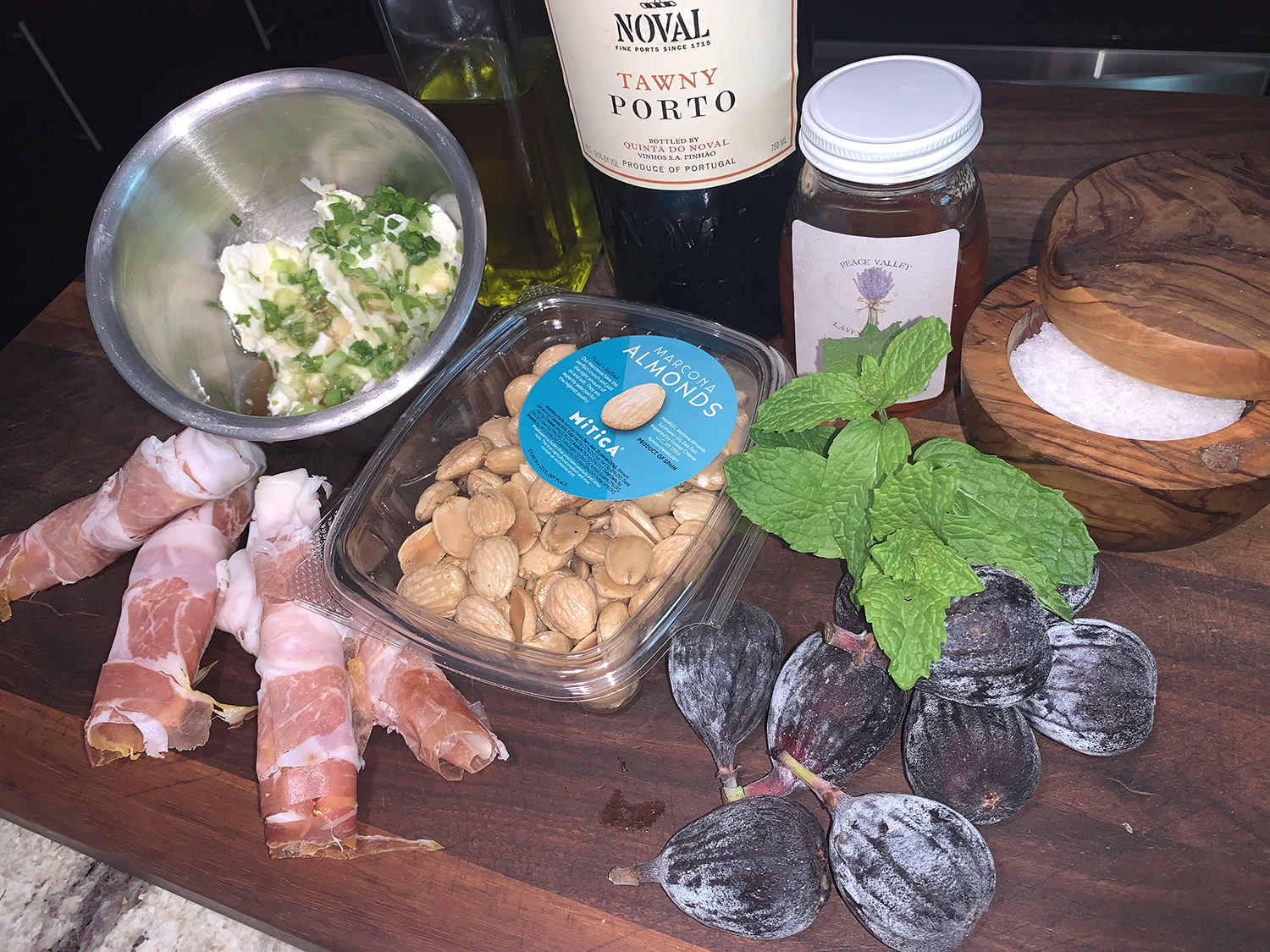
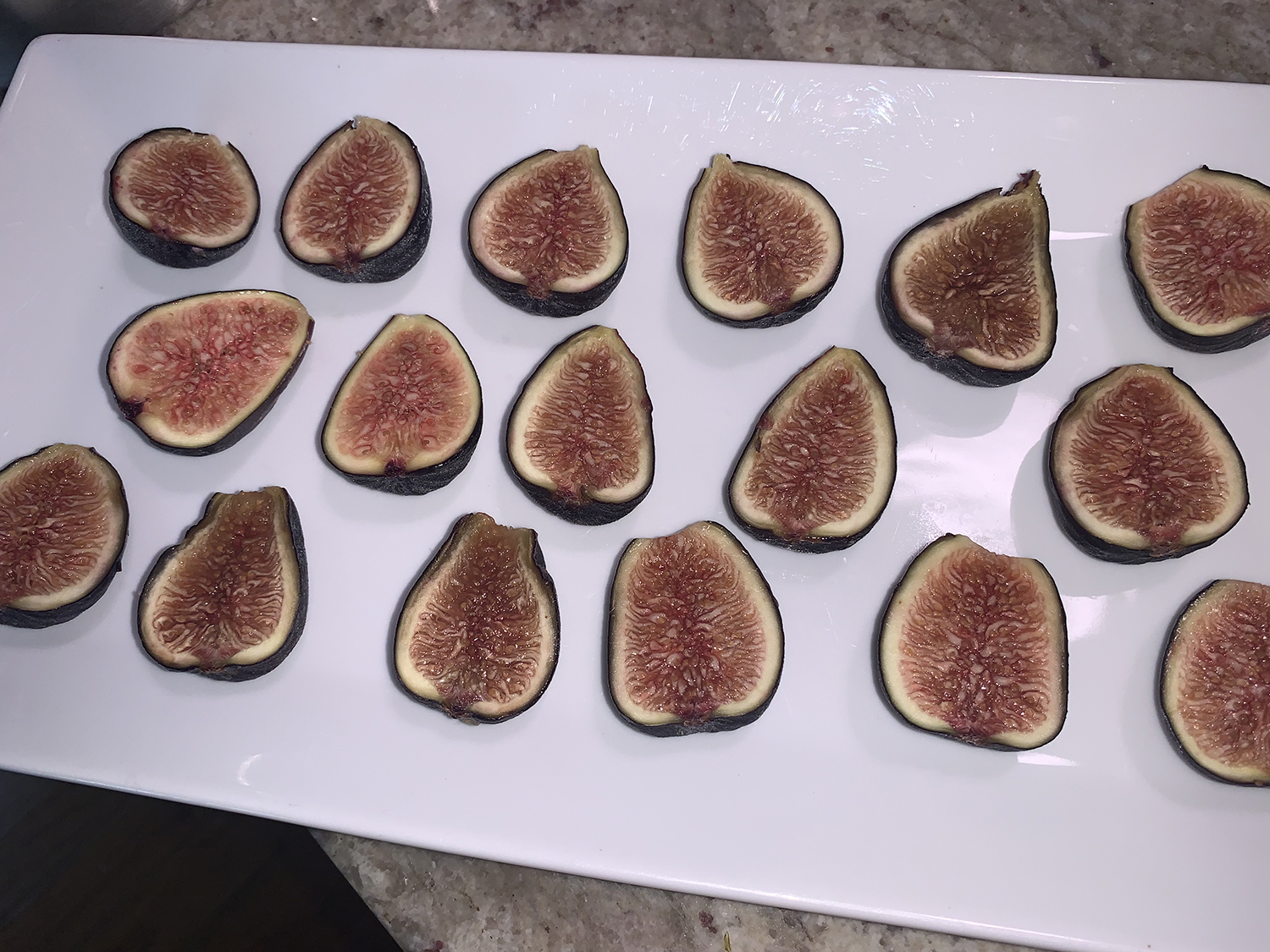
These addictive fig bites from Fat Rice chef Abraham Conlon are very simple, so it’s crucial to use the best ingredients, from true Spanish ham to ripe, juicy figs, crunchy marcona almonds (a fave of mine) and best-quality olive oil.
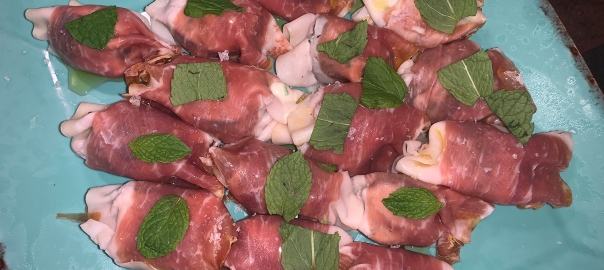
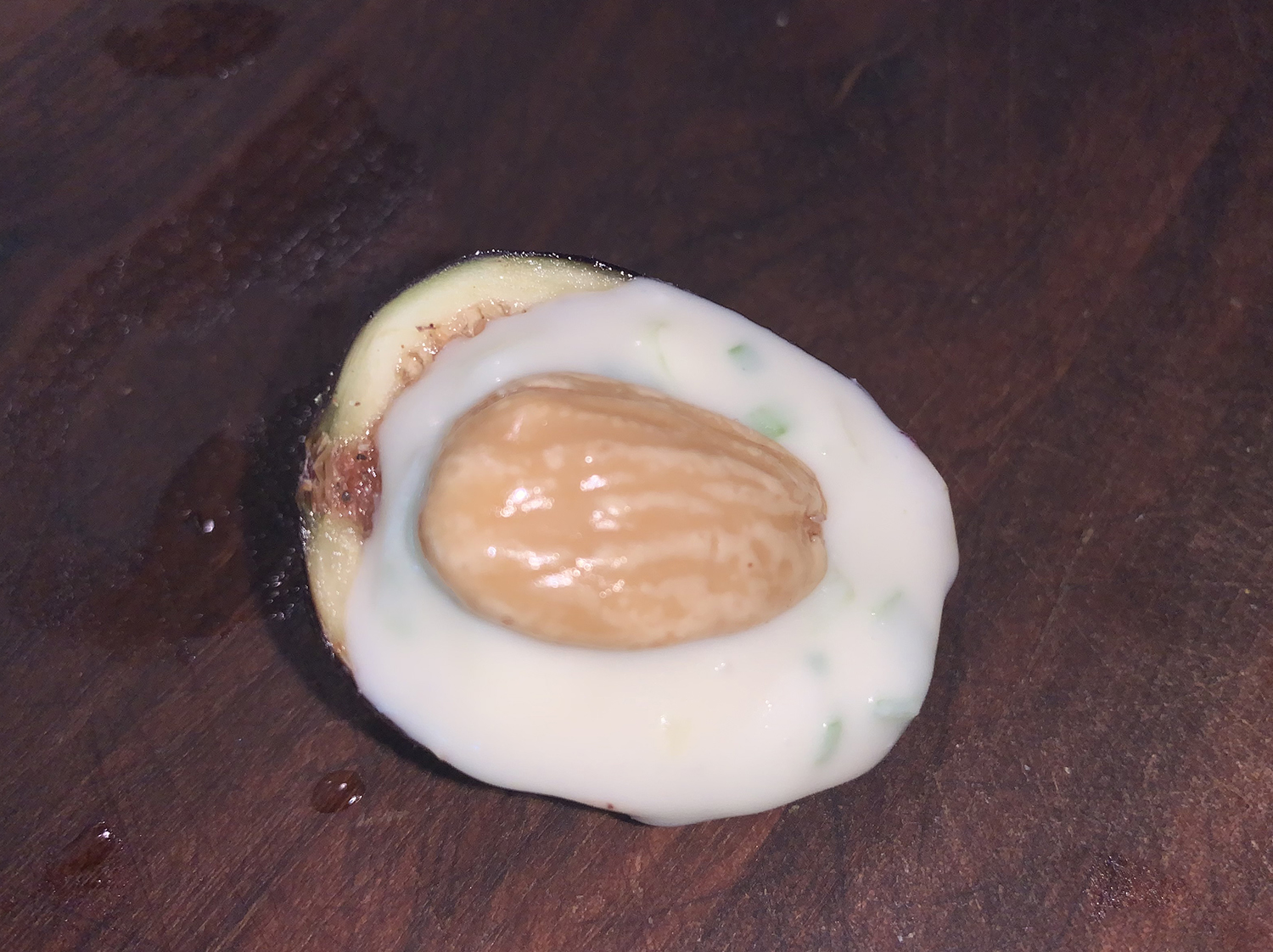
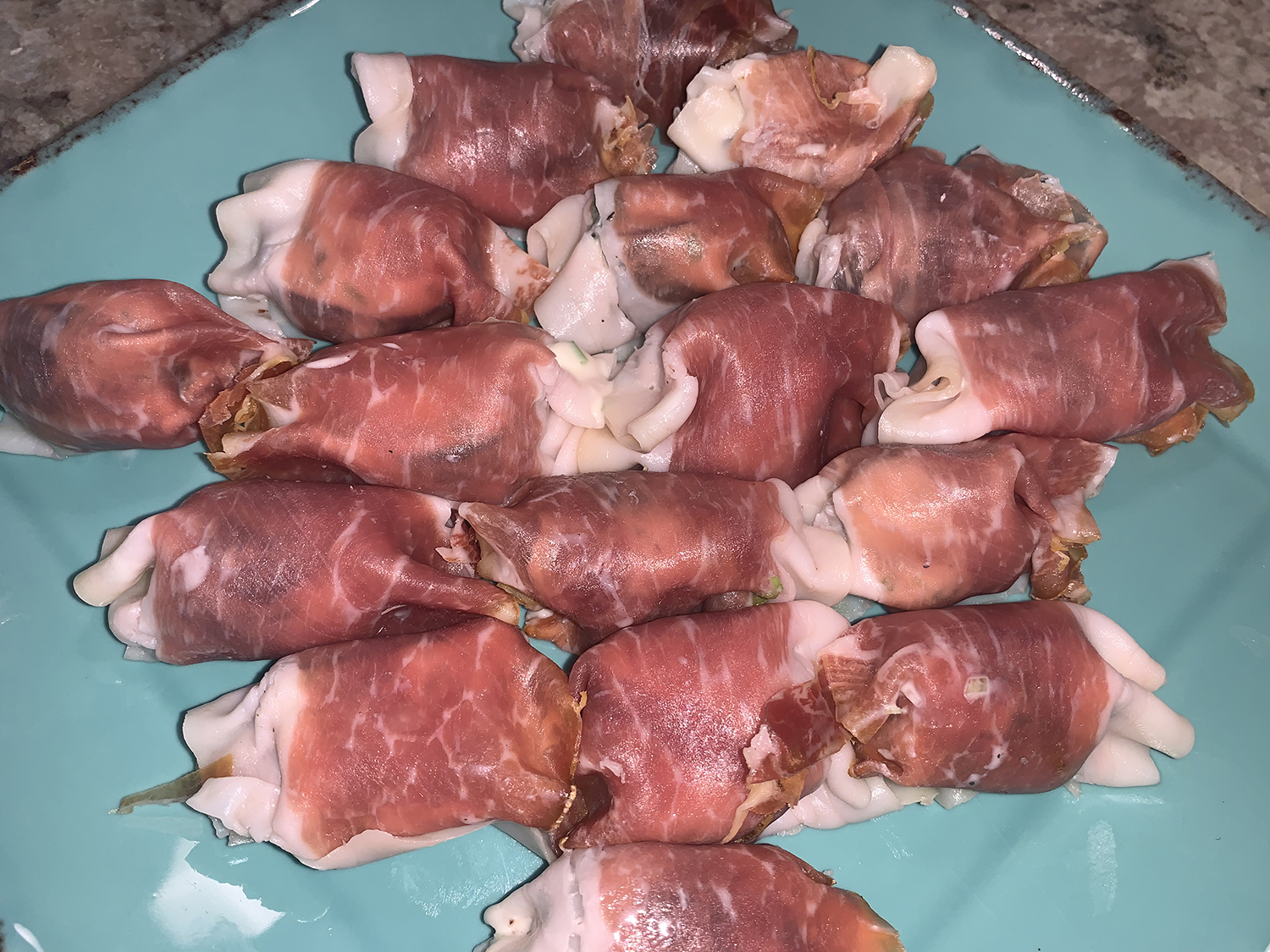
Unable to source jamón ibérico or serrano, we had to resort to prosciutto. And the original recipe indicated a whole almond should be place on top as a finish. But we decided that was not practical. How would the nut stay adhered to the piece? Instead, we placed the almond on top of the goat cheese, then wrapped each piece in a slice of the prosciutto with a mint leaf as garnish.
Or better yet, crush the almonds and mix them into the goat cheese mixture. Quite a decadent little bite!
Prosciutto Wrapped Figs with Goat Cheese and Honey
4 ounces thinly sliced dry-cured ham, such as jamón ibérico, serrano or prosciutto torn into 16 long strips
Extra-virgin olive oil, for drizzling
16 Marcona almonds, lightly crushed
Small mint leaves, for garnish
Directions
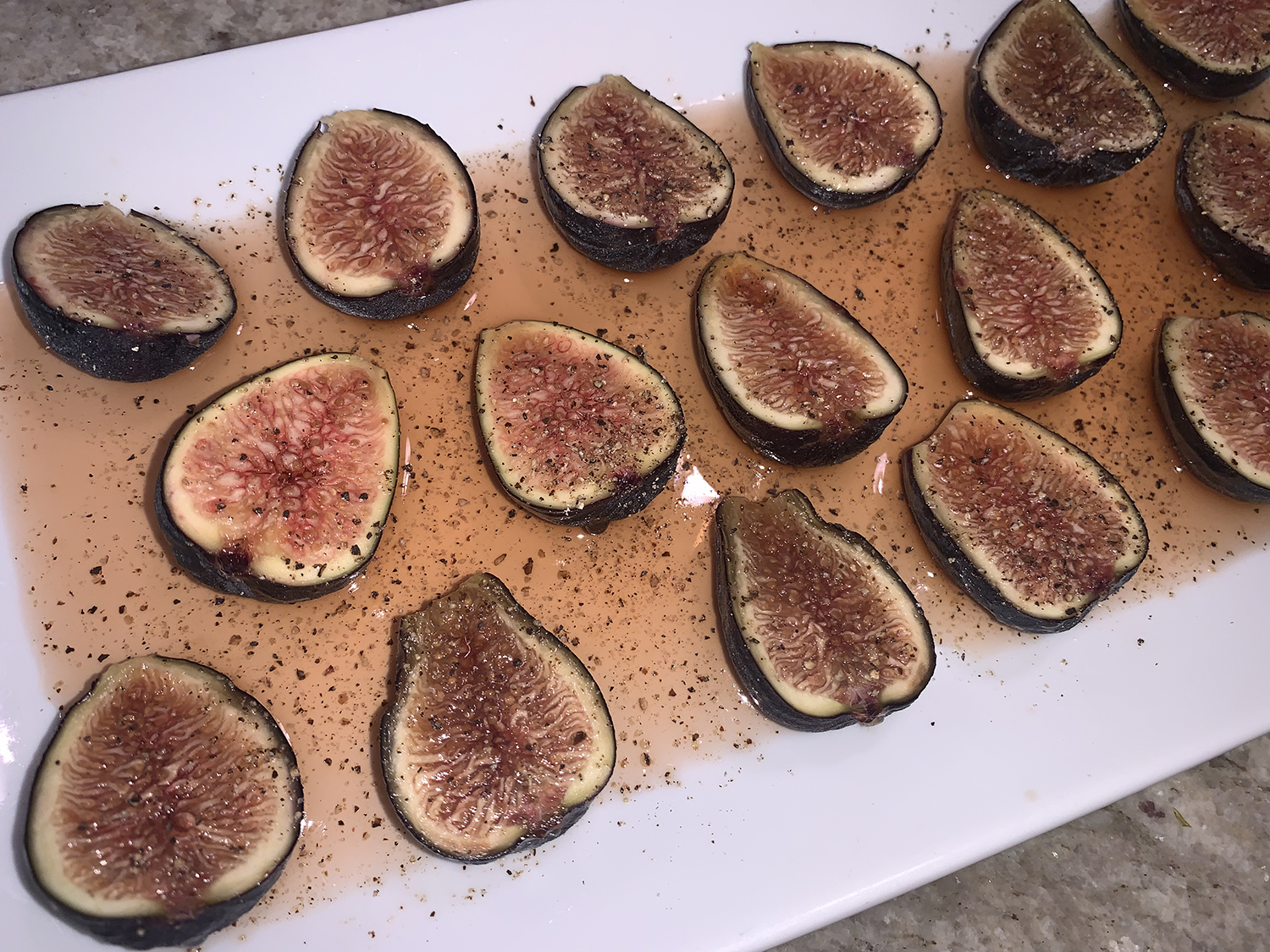
Arrange the figs cut side up on a plate. Drizzle with the port and season with black pepper. Let stand at room temperature for 10 minutes.
Meanwhile, in a small bowl, using a fork, blend the goat cheese with the honey, scallion, crushed almonds and a pinch of flaky sea salt.
Dollop small spoonfuls of the goat cheese on the fig halves. Wrap each cheese-topped fig half in a strip of ham and transfer to a platter. Drizzle the figs with olive oil, top with the mint and sea salt and serve.
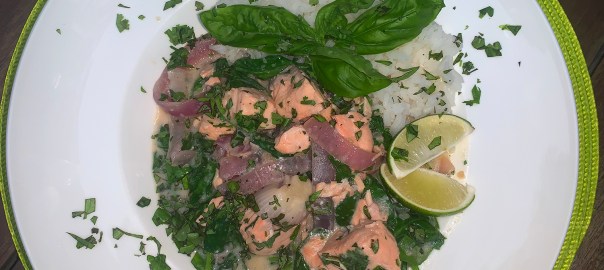
This light, delicate weeknight curry comes together in less than 30 minutes and is defined by its deep miso flavor. Miso is typically whisked into soups toward the end of the recipe, but sweating it directly in the pot with ginger, garlic and a little oil early on helps the paste caramelize, intensifying its earthy sweetness.
Unfortunately, I misread the instructions and didn’t add the miso until after the coconut milk had been boiling for several minutes, missing out on the nice caramelization—mea culpa. While the overall flavor is on the mild side, adding a tablespoon of red Thai curry paste at the same time as introducing the miso to the pot, will provide a more pronounced touch of heat and deepen the overall color.
Adding coconut milk creates a rich broth that works with a wide range of seafood. Salmon is used here, but flaky white fish, shrimp or scallops would all benefit from this quick poaching method. A squeeze of lime and a flurry of fresh herbs keep this curry bright and citrusy. For a hit of heat, garnish with sliced fresh jalapeño or serrano chile peppers.
1 Tbsp. fresh lime juice, plus lime wedges for serving
Steamed rice, such as jasmine or basmati, for serving
¼ cup chopped fresh basil
¼ cup chopped fresh cilantro
Directions
In a large pot, heat 2 tablespoons oil over medium. Add onion, ginger and garlic and season with salt and pepper. Cook, stirring occasionally, until softened, about 3 minutes.
Add miso and cook, stirring frequently, until miso is lightly caramelized, about 2 minutes.
Add coconut milk and 3 cups water and bring to a boil over high heat. Cook until liquid is slightly reduced, about 5 minutes.
Stir in salmon, reduce the heat to medium-low and simmer gently until just cooked through, about 5 minutes. Turn off heat and stir in spinach and lime juice.
Divide rice among bowls. Top with salmon curry, basil and cilantro. Serve with lime wedges for squeezing on top.
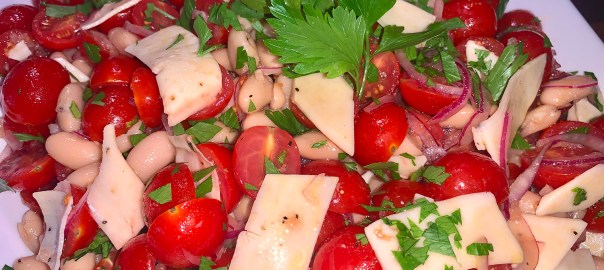
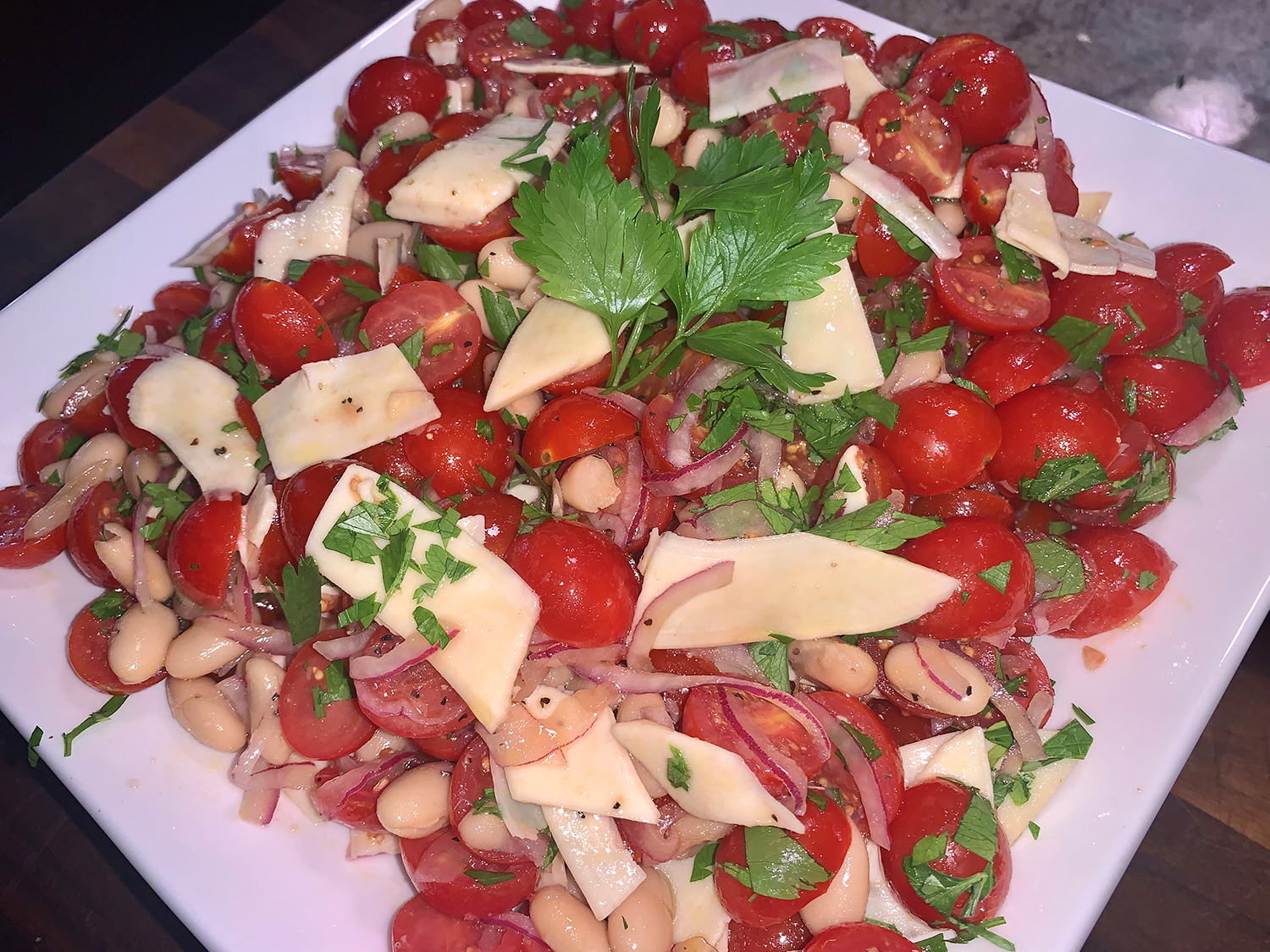
Have a potluck or picnic coming up? Then this simple salad is a perfect choice because it travels well and can be made ahead. It makes a bright, tangy companion to grilled meat or fish. Marinating the red onions and garlic in the vinaigrette for 15 minutes not only diffuses their flavor but also softens their bite.
The salad is also supremely versatile, and can be dressed up with any soft herb like basil, tarragon or mint, and chile, in almost any form. We doubled the recipe for a recent picnic and practically every morsel disappeared.
While we had never tried the SweetPops brand of grape tomatoes, they were so sweet and delicious. Make sure you use Parmesan shavings as opposed to grated parm.
¾ cup very thinly sliced red onion (about 1/2 a small onion)
1 ½ tsp. minced garlic (about 1 large clove)
2 pints cherry/grape tomatoes, halved
1 15-oz. can cannellini beans, rinsed and drained
⅓ cup chopped fresh parsley
½ cup shaved Parmesan (about 2 ounces)
Directions
In a small bowl, whisk together the olive oil, vinegar, mustard, salt and pepper. Stir in the red onion and garlic and set the dressing aside to marinate for 15 to 30 minutes at room temperature.
Place the tomatoes, white beans and parsley in a large bowl. Pour the dressing over the salad, toss well, then gently fold in the Parmesan.
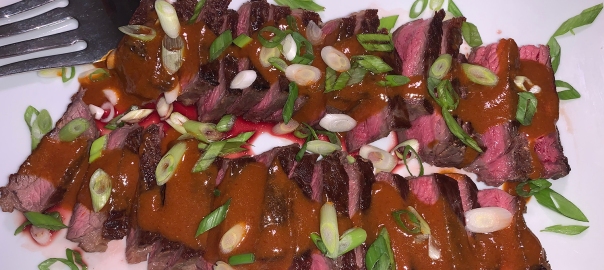
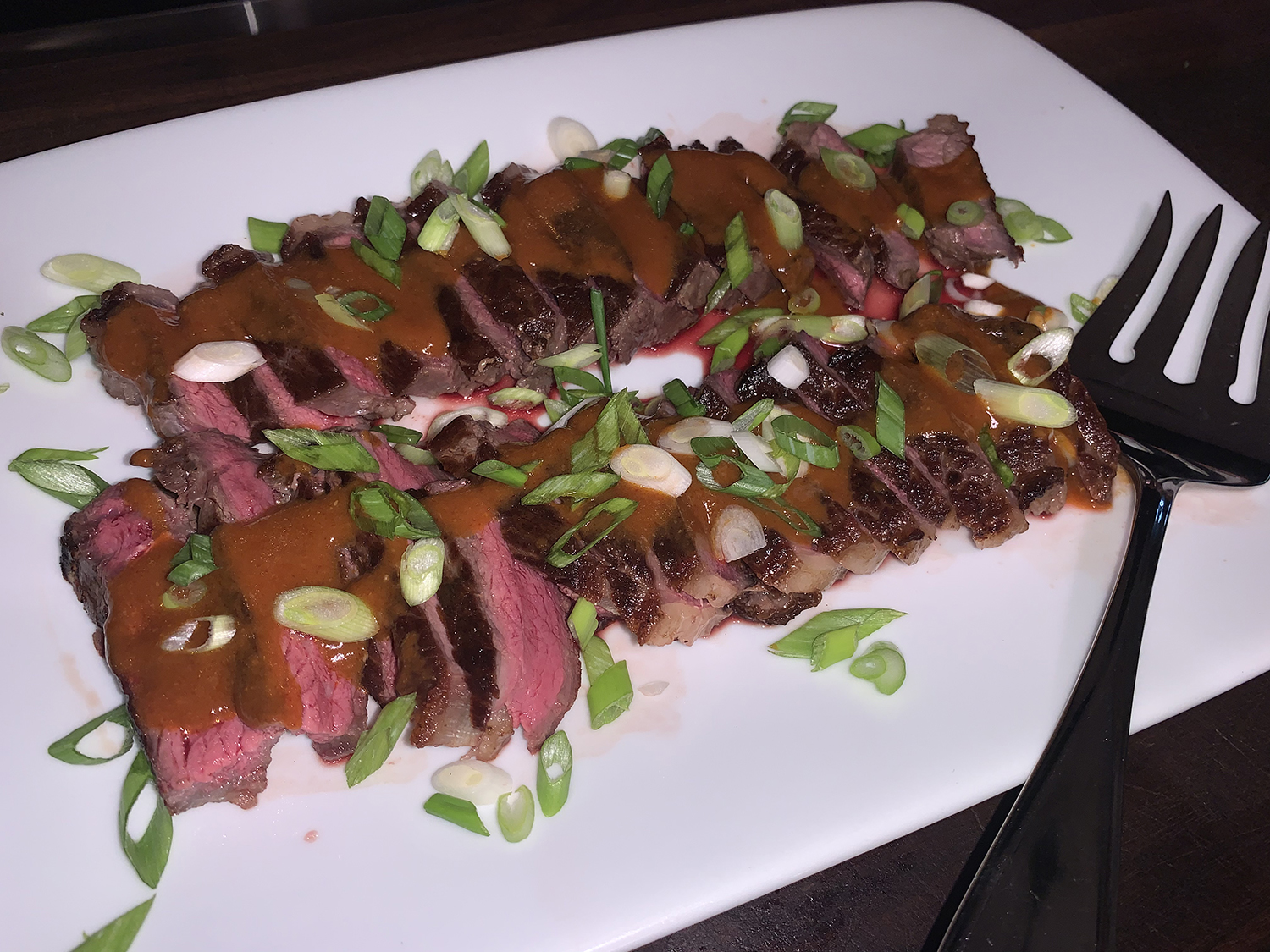
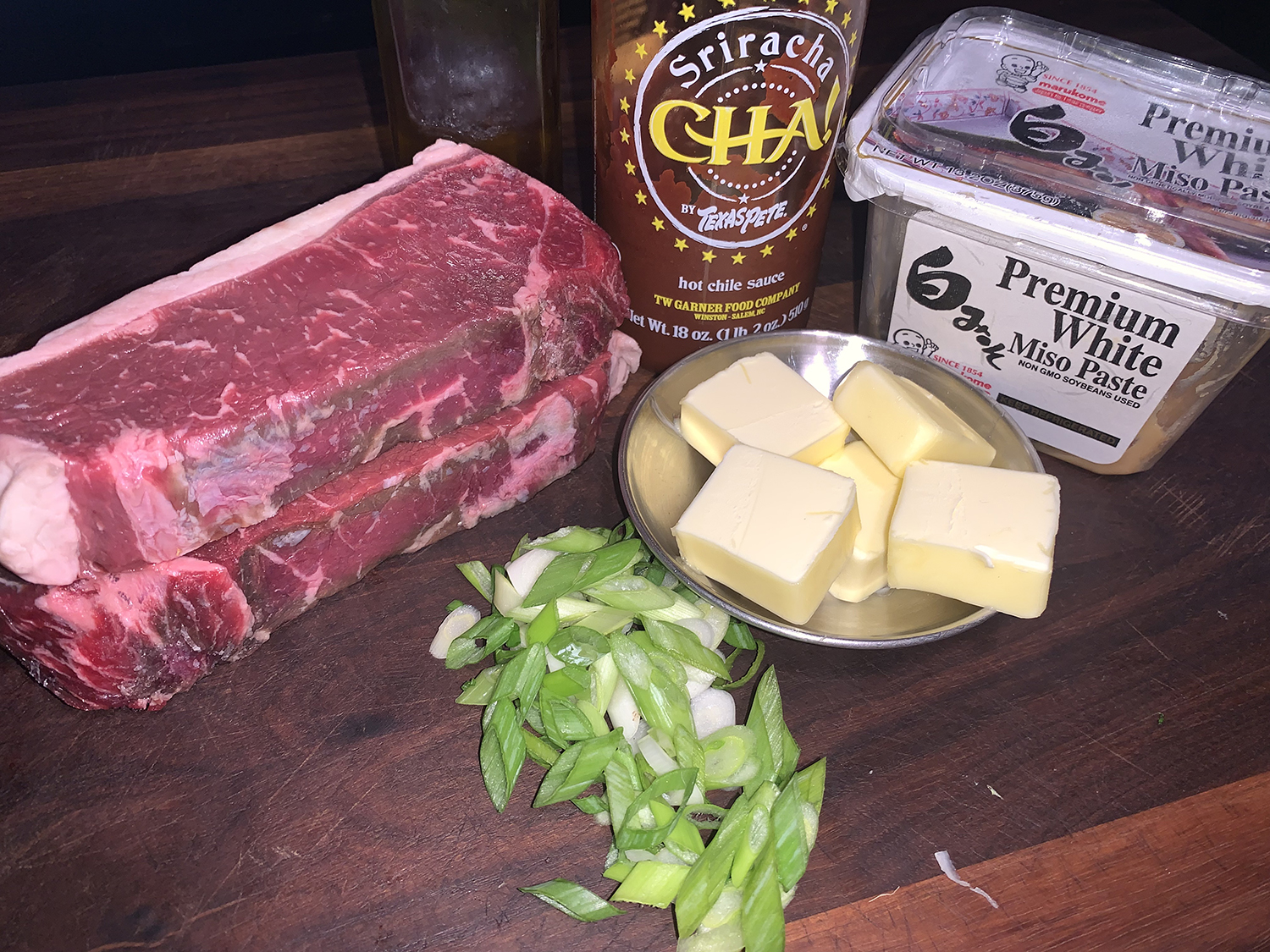
If you’re looking to add a bit of a kick to your usual steak routine, this creamy fusion of butter and Sriracha sauce starts with a base of caramelized miso, which deepens its savory-nutty flavor, and adds body to the finished dressing. It brings tang and a gentle pulse of heat from the vinegary Sriracha.
Words to the wise: There was an abundance of sauce for the amount of steak. You may want to cook more steaks or cut the sauce ingredients by half. If you do have leftovers, it’s also fantastic on any other protein like tofu, chicken, or even fish.
2 1″-thick New York strip steaks (about 12 oz. each)
Kosher salt
2 Tbsp. extra-virgin olive oil or vegetable oil
5 Tbsp. unsalted butter, cut into pieces, divided
2 Tbsp. white or yellow miso
½ cup Sriracha
¼ cup water
2 scallions, thinly sliced
Directions
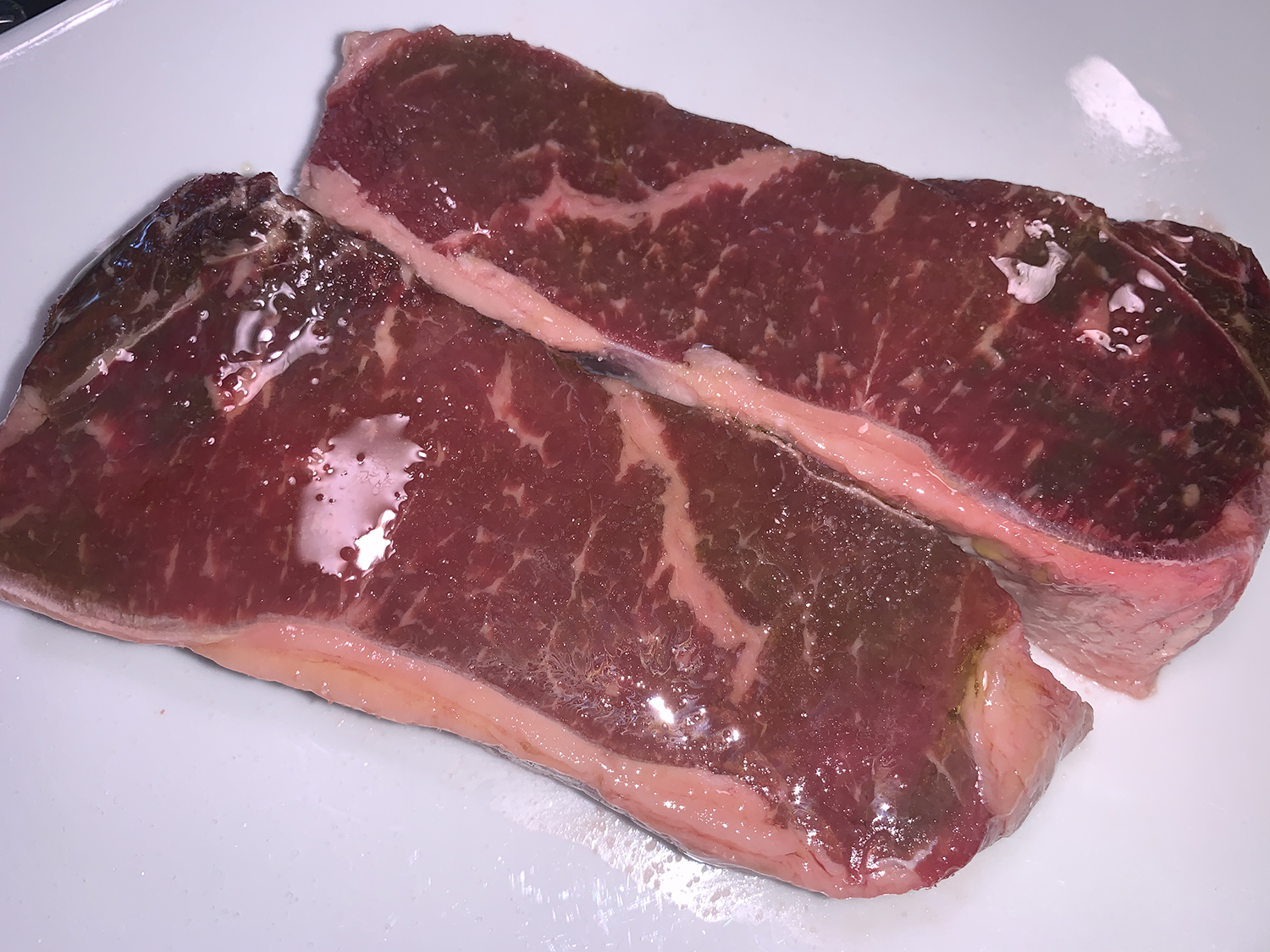
Heat a dry large heavy skillet, preferably cast iron, over medium-high. Season steaks generously with salt, then coat with oil. When skillet is very hot, cook steaks, turning every 2 minutes or so, until deeply browned and an instant-read thermometer inserted into thickest part registers 120° for medium-rare (internal temperature should climb to about 130° as steaks rest), 8–10 minutes.
Transfer steaks to a wire rack set inside a rimmed baking sheet and let rest 10 minutes.
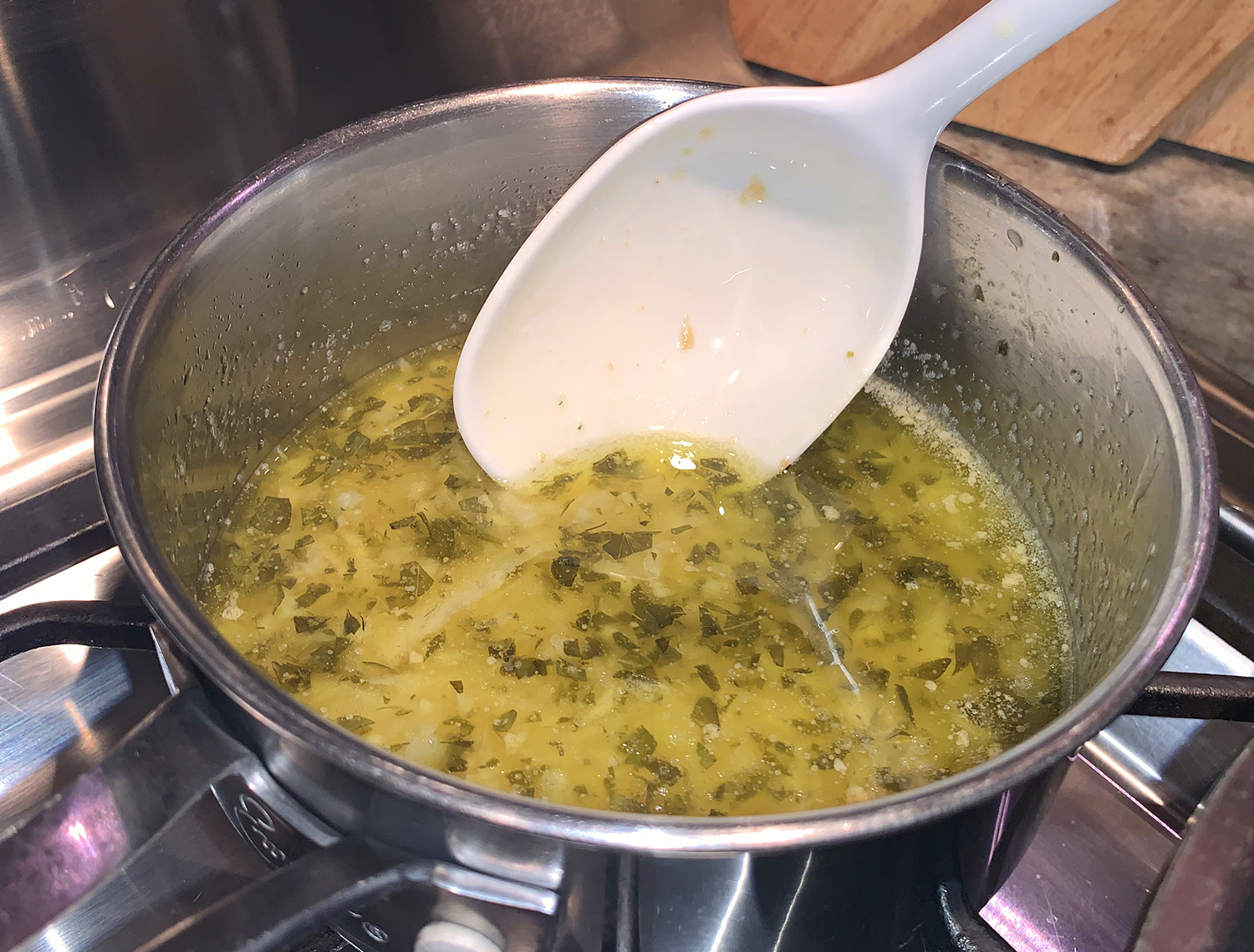
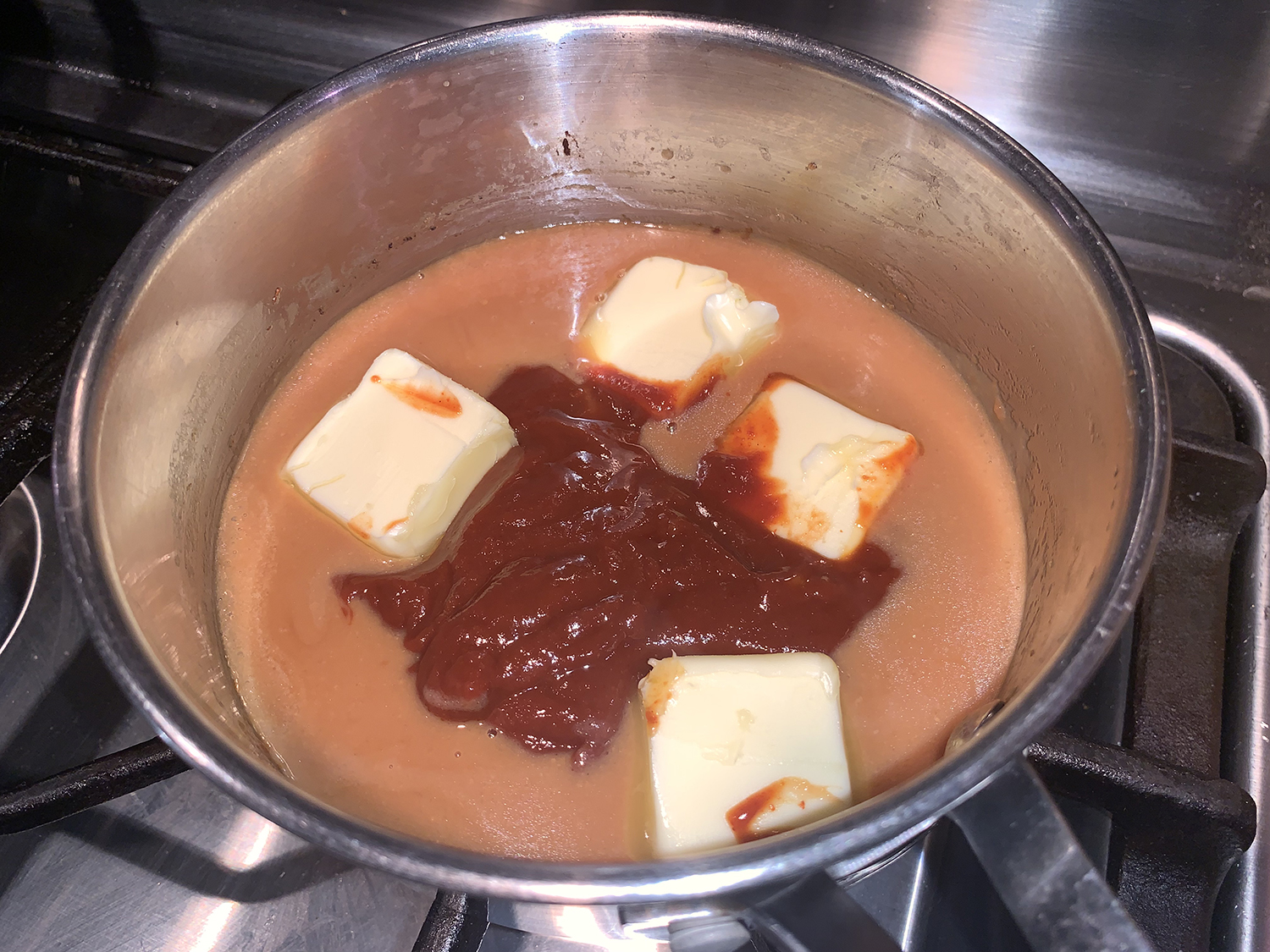
Meanwhile, melt 1 Tbsp. butter in a small saucepan over medium heat. Add miso and cook, stirring and scraping bottom of pan constantly, until miso darkens a few shades and smells very toasty and nutty (it will stick to pan), about 4 minutes.
Pour in ¼ cup water and whisk until incorporated, scraping bottom of pan to release any browned bits. Add Sriracha and remaining 4 Tbsp. butter; cook, whisking constantly, until butter is melted and sauce is smooth. Season with salt.
Transfer steaks to a cutting board and slice against the grain. Arrange on a platter and spoon some butter sauce over; top with scallions. Serve remaining butter sauce alongside.
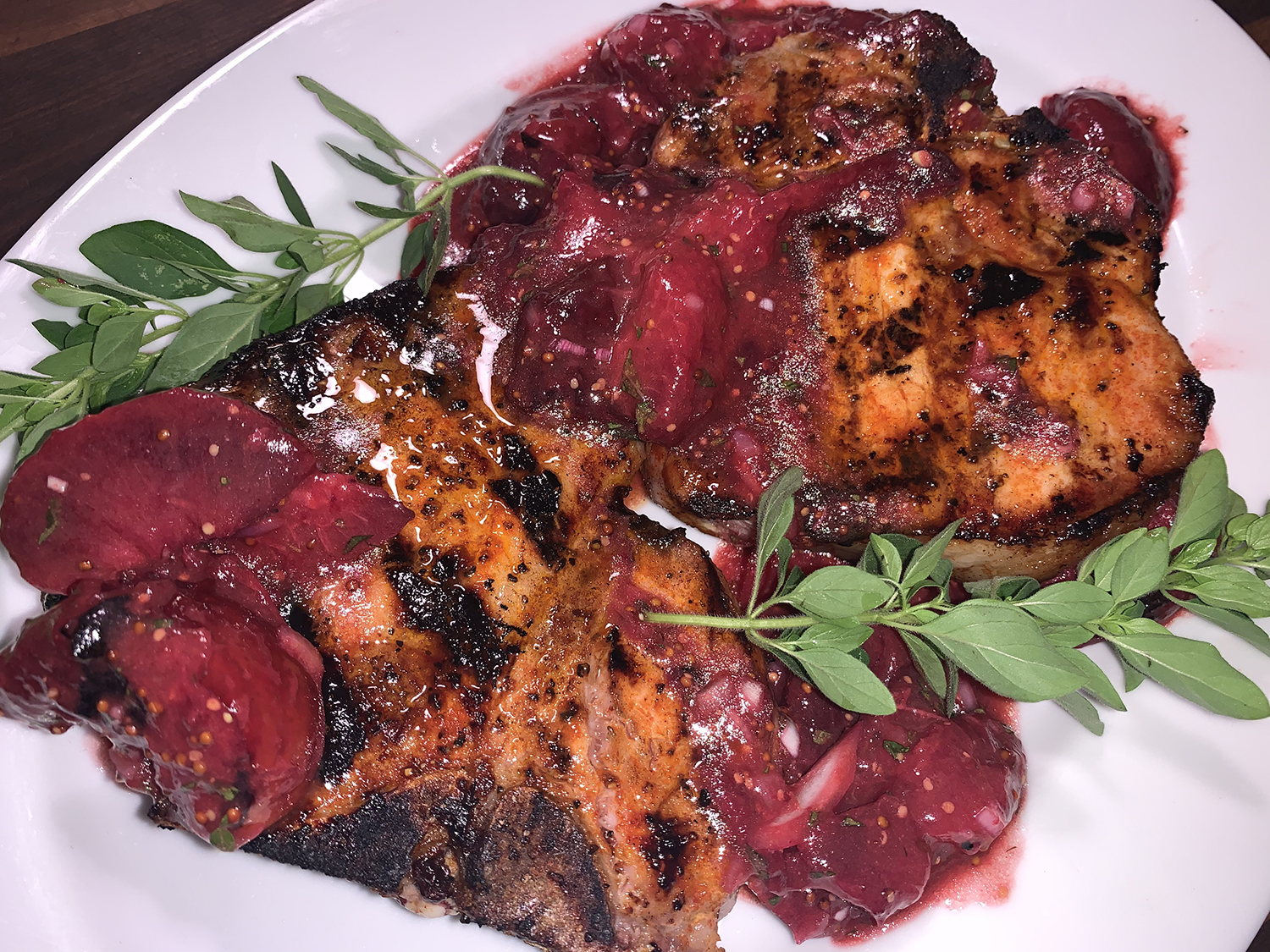
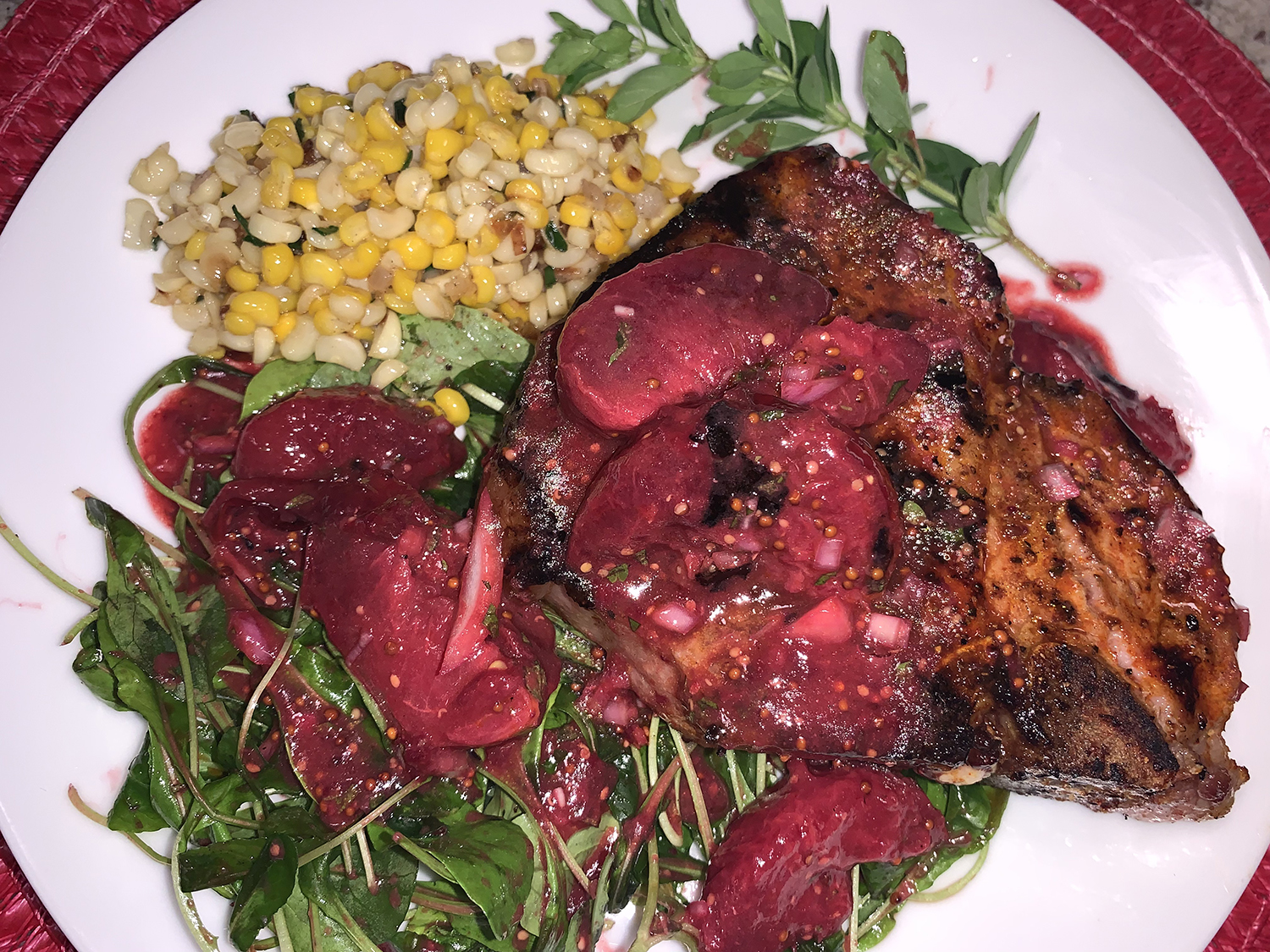
Absolutely delicious, this pork chop dinner was both slightly sweet and slightly spicy, with neither profile overwhelming the other. The Hubs is typically not fond of stone fruit, so when I mentioned that I’d like to make this recipe from Bon Appétit, he hesitantly got on board. After the first bite, he, and I, were amazed how much we plum loved it!
No doubt this will get on our rotation for company in the near future. The plum mostarda can easily be made ahead and rewarmed the evening of the party. All the host would have to do is season and grill the chops. The arugula gets mixed with a little of the sauce, and a simple side dish, such as a corn sauté completes the meal.
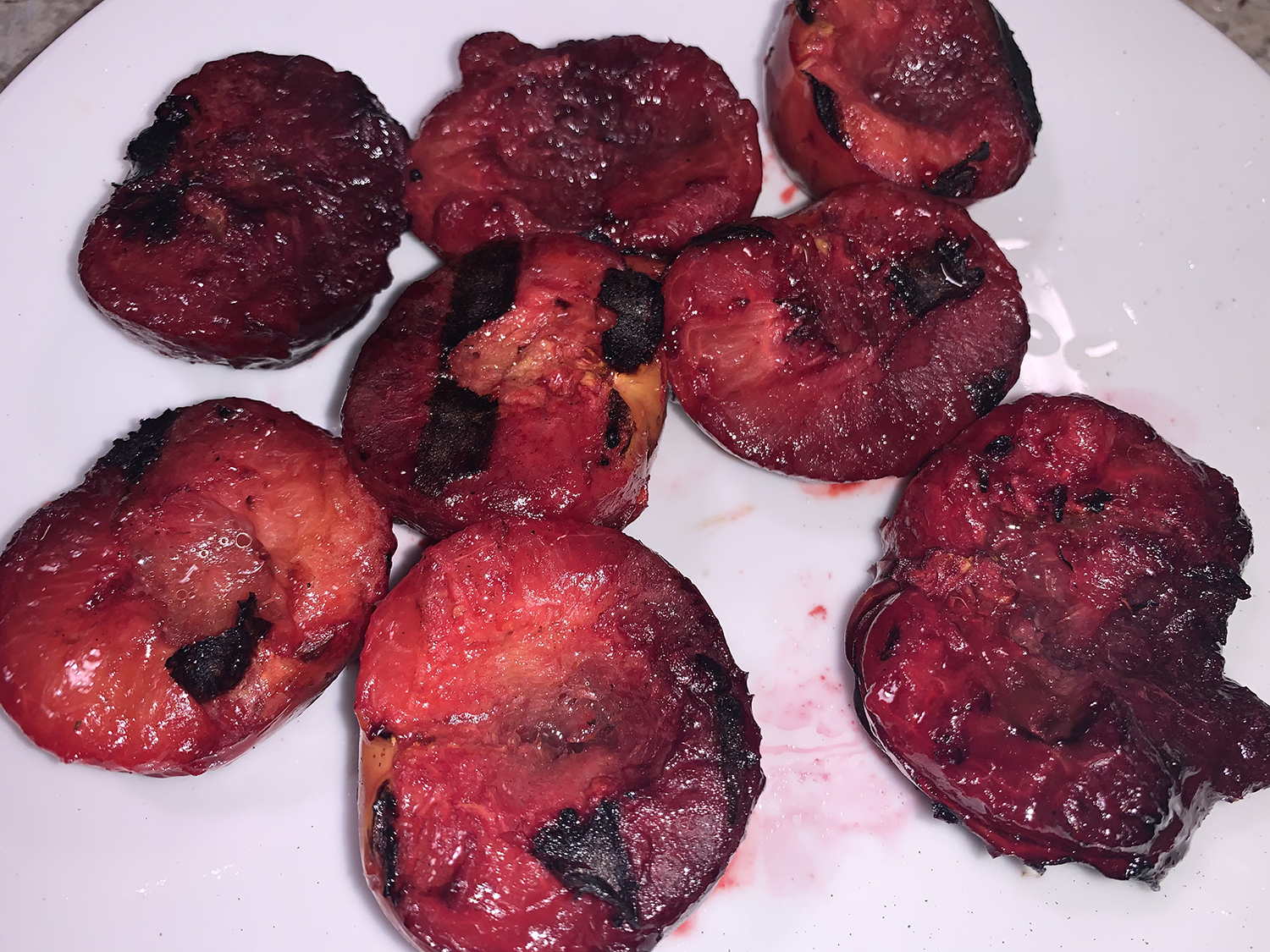
These grilled pork chops keep things simple—which is great when you are entertaining. Pop your seasoned plums onto the grill just before you add the meat. Then once everything is good and charred, toss the plums in the zingy dressing inspired by the flavors of mostarda, a sharp, heavy-hitting Italian condiment of candied fruit and dry mustard (used here is whole grain and Dijon mustard, red wine vinegar, and shallots).
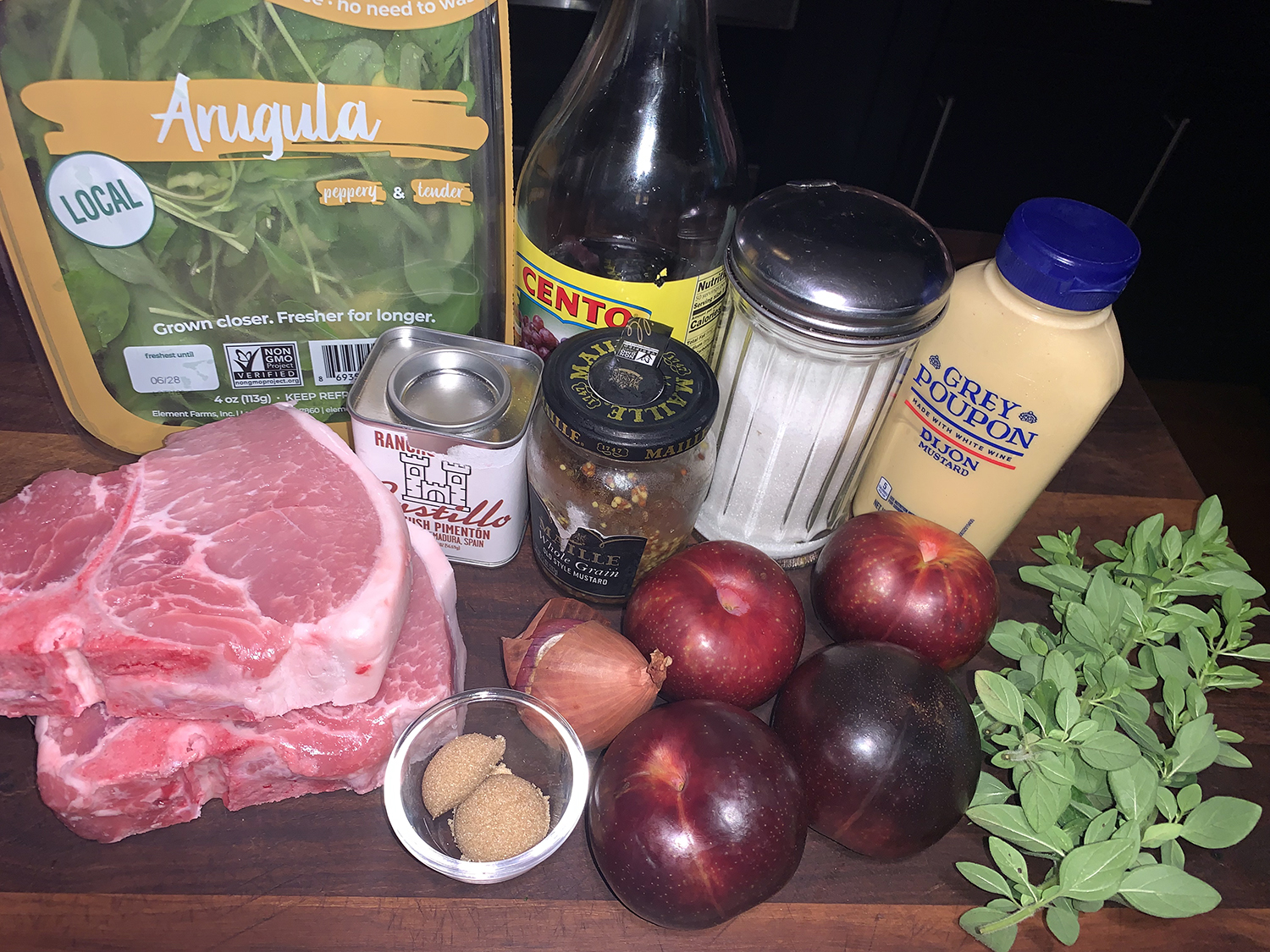
Not able to source pork rib chops at the grocery store, we opted for loin chops—just make sure they are at least an inch thick. For the rub, we mixed together and pimentón and brown sugar then added 1 1/2 teaspoons salt and 1/2 teaspoon pepper before sprinkling on the meat.
4 oz. mature arugula, tough stems removed (about 4 cups)
Directions
Whisk together shallot, vinegar, whole grain mustard, granulated sugar, and Dijon mustard in a medium bowl. Gradually stream in ½ cup oil, whisking vigorously until emulsified. Whisk in oregano and season with salt and pepper. Set vinaigrette aside.
Prepare a grill for medium-high heat; oil grate. Grill plums, cut side down, until charred and fruit releases easily from grill, about 2 minutes. Transfer to a cutting board and let cool.
Season pork chops all over with salt and pepper and sprinkle with brown sugar and paprika. Grill, turning occasionally, until deeply browned and an instant-read thermometer inserted near the bone registers 140° (internal temperature should climb to 145° as chops rest), 10–12 minutes. Transfer to a platter and let rest 10 minutes.
Meanwhile, cut plum halves into 2 or 3 wedges each and add to reserved vinaigrette; toss gently to coat. Season plum mostarda with salt and pepper.
To serve, toss arugula with some plum mostarda in a large bowl to coat; transfer to plates. Spoon more plum mostarda over pork chops; serve chops with arugula salad alongside.
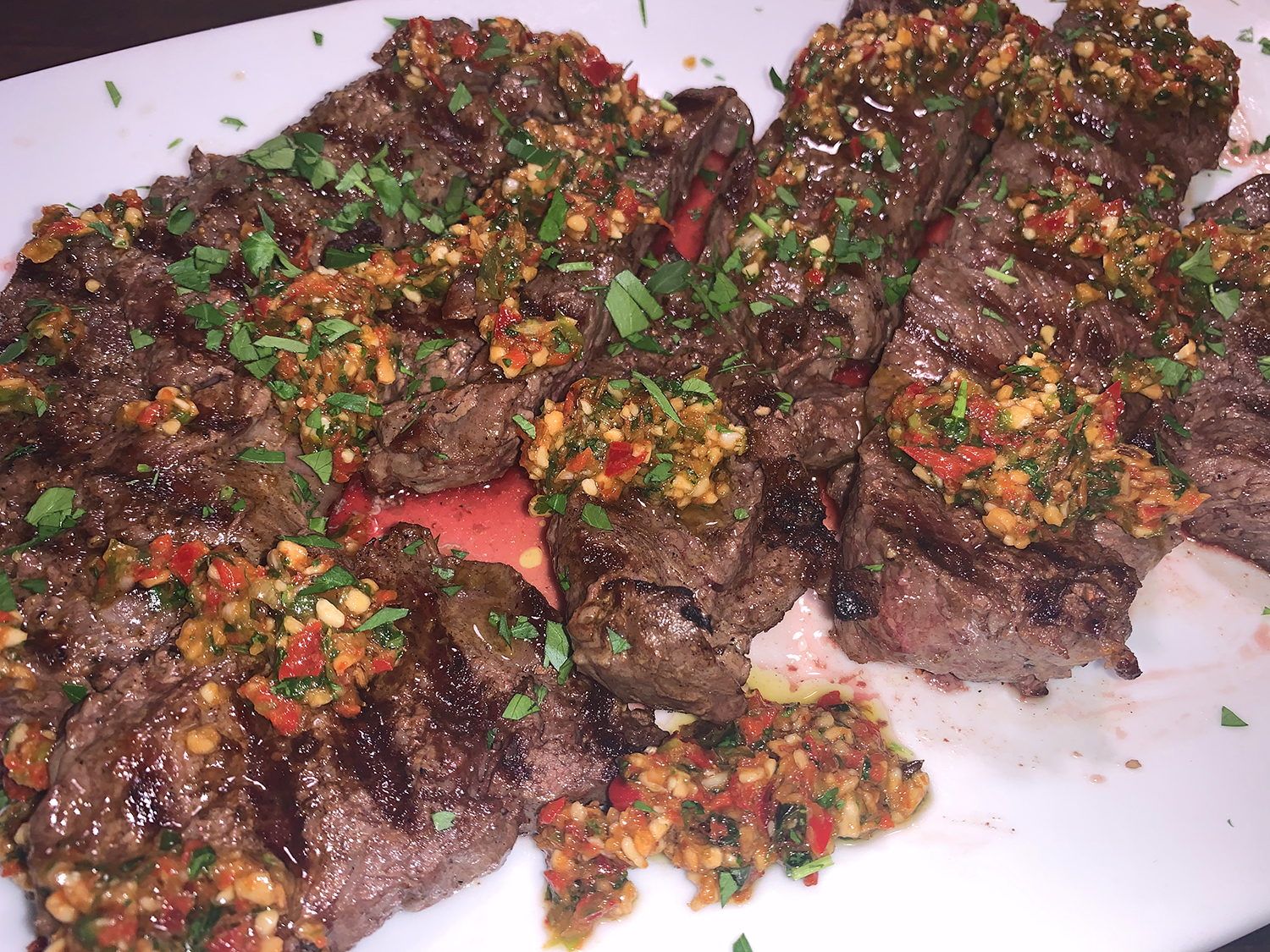
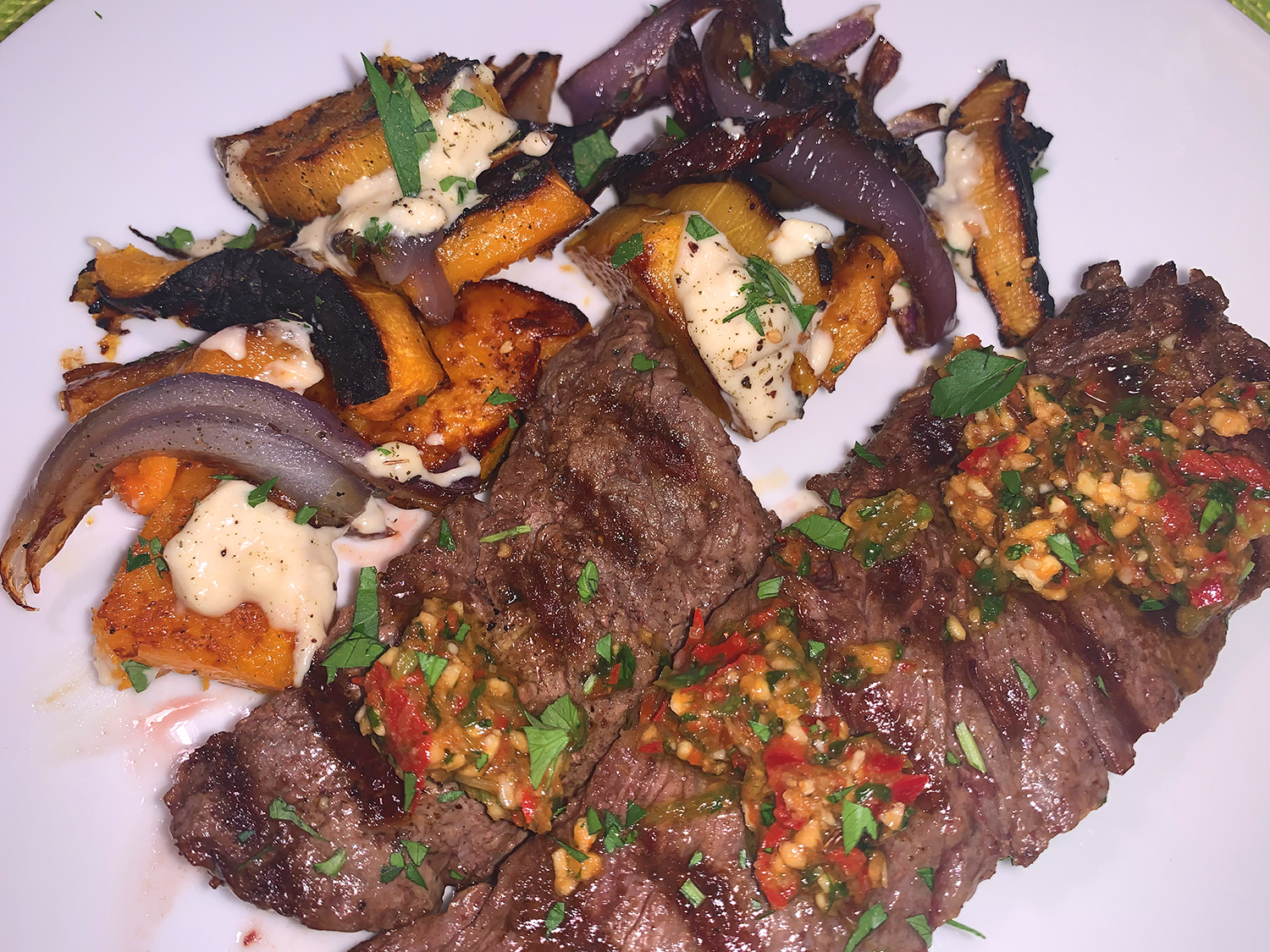
“Spicy, garlicky thecha is a green-(or red)-chile-based condiment that hails from Maharashtra in western India. You can use it to complement seared skirt steak, as well as chicken, eggplant, cauliflower, or any other ingredient that longs for massive flavor.” — Bon Appétit
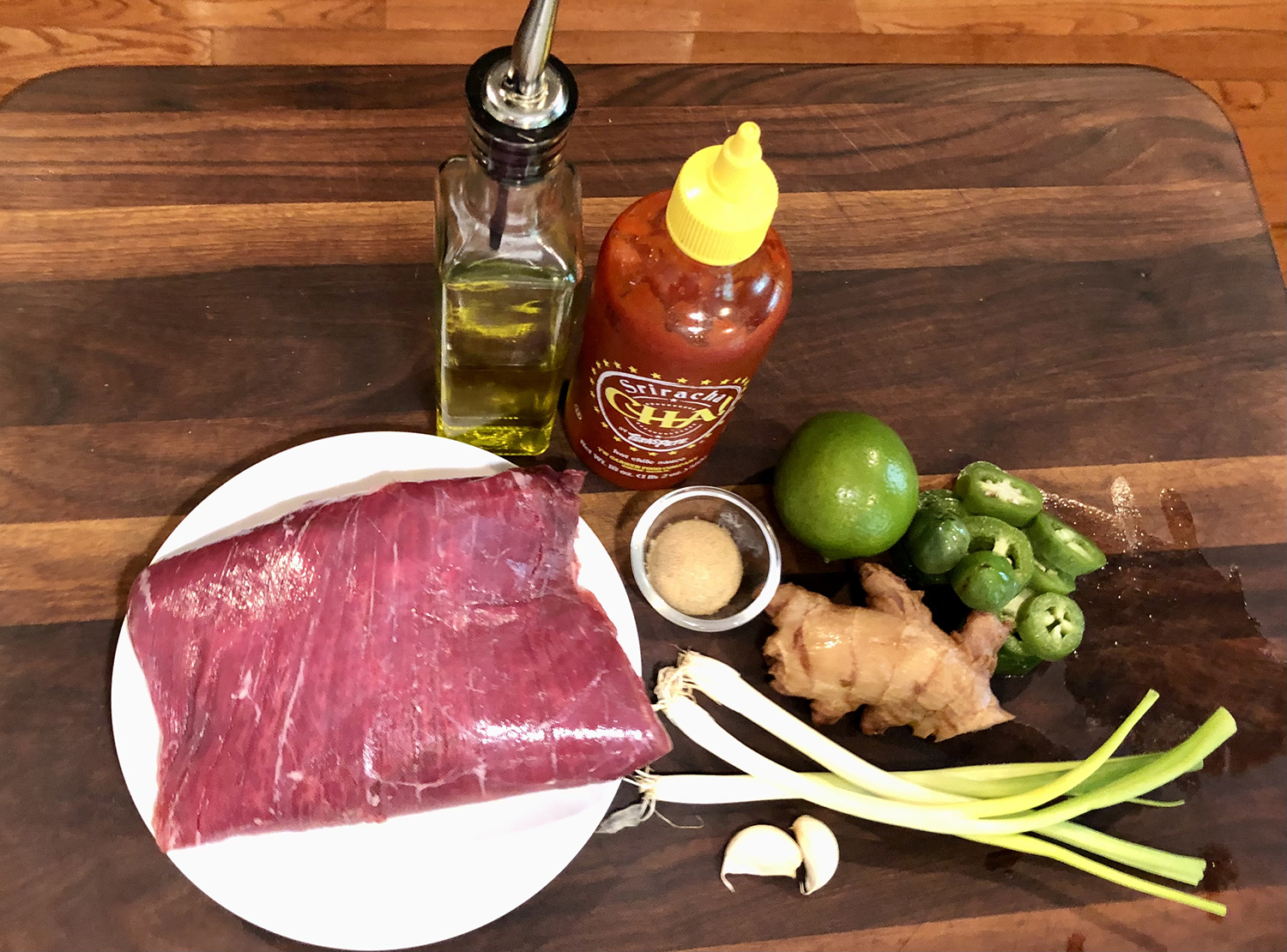
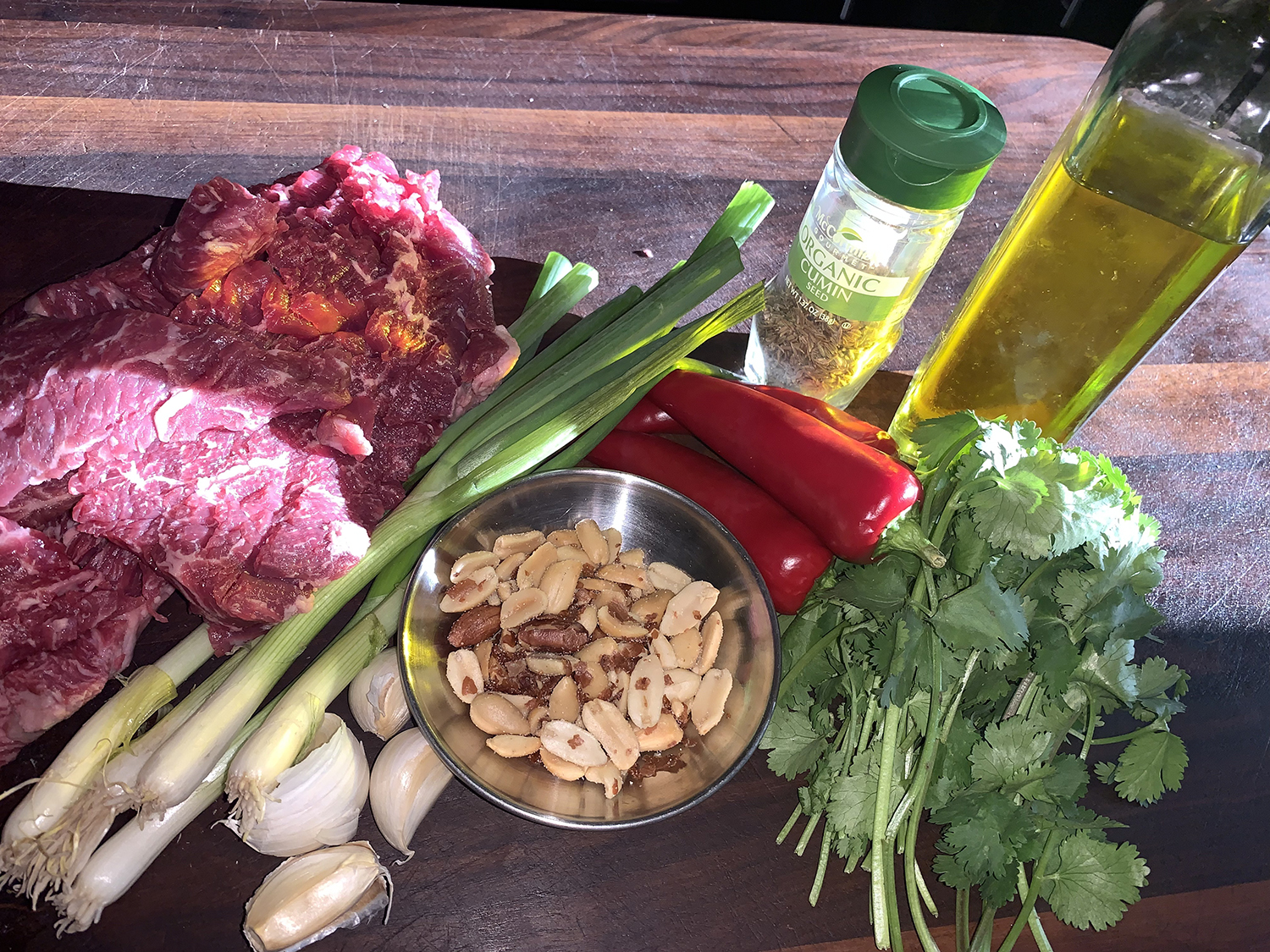
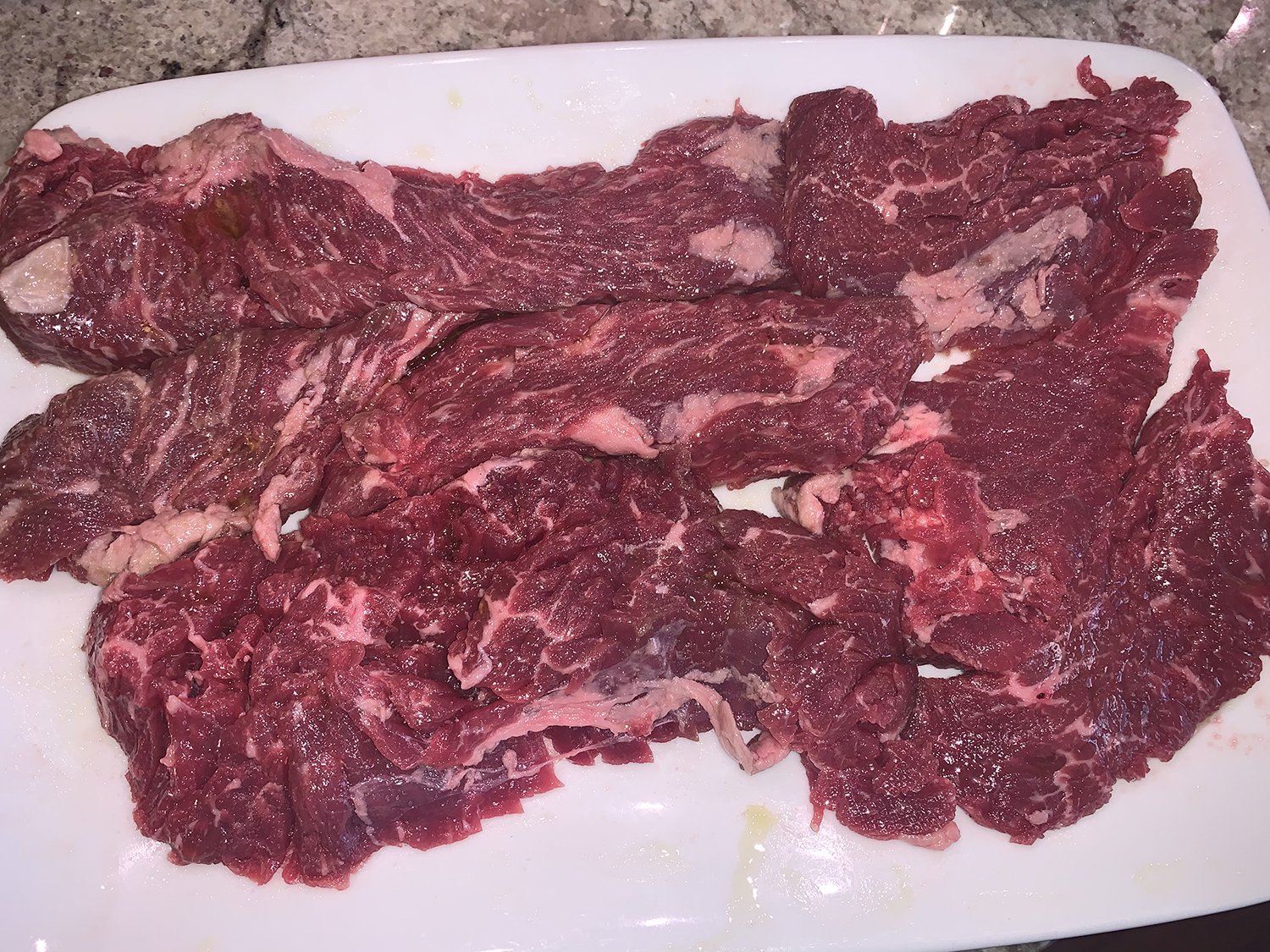
Since we had some flap meat in the freezer, and actually prefer it over skirt steak, it became the foundation for our meal. Because flap steak is thicker than skirt, we sliced the thicker portions and adjusted the times slightly. However, the Skirt Steak with Scallion Thecha recipe below mimics the original from Bon Appétit.
NOTE: To save a step, grind the peanuts in the mini-food processor before using it to make the thecha.
Our choice of sides was roasted butternut squash and red onions, plus a side salad; but you could also serve the steak with rice, roasted potatoes, and/or a salad for a full meal. Our Thai chiles were red, so the thecha is more red than one made with green serrano chiles, as is typical.
1 small bunch cilantro, tough stems removed, leaves and tender stems coarsely chopped
4 scallions, coarsely chopped
3 green Thai or serrano chiles, stemmed and seeded
4 garlic cloves, coarsest chopped
1 tsp. Diamond Crystal or ½ tsp. Morton kosher salt, plus more
⅓ cup vegetable oil, plus more for steak
1 tsp. cumin seeds
¼ cup salted or unsalted roasted peanuts, crushed
1½ lb. ½”-thick skirt steak, cut into 5”-long pieces
Flaky sea salt
Directions
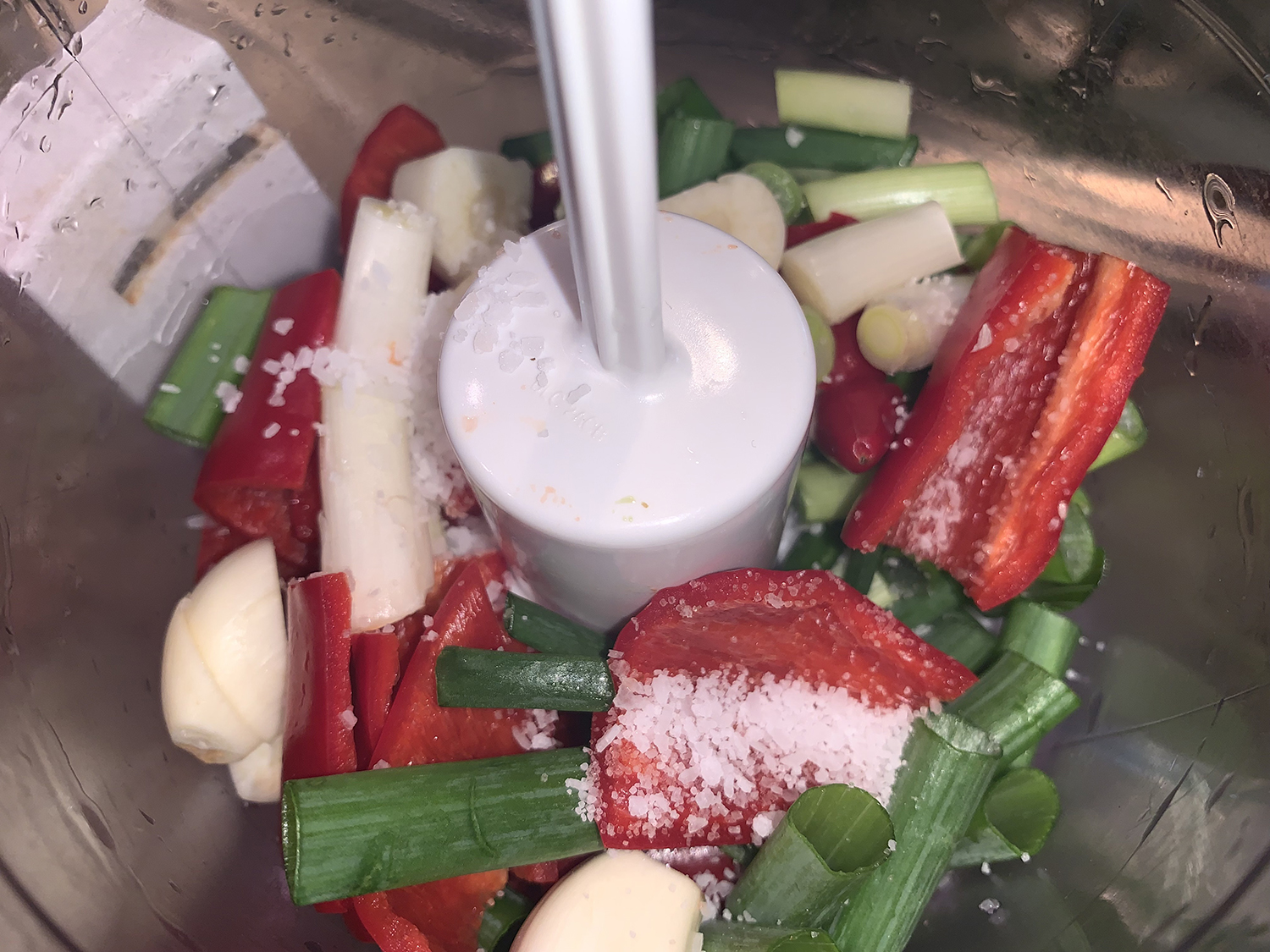
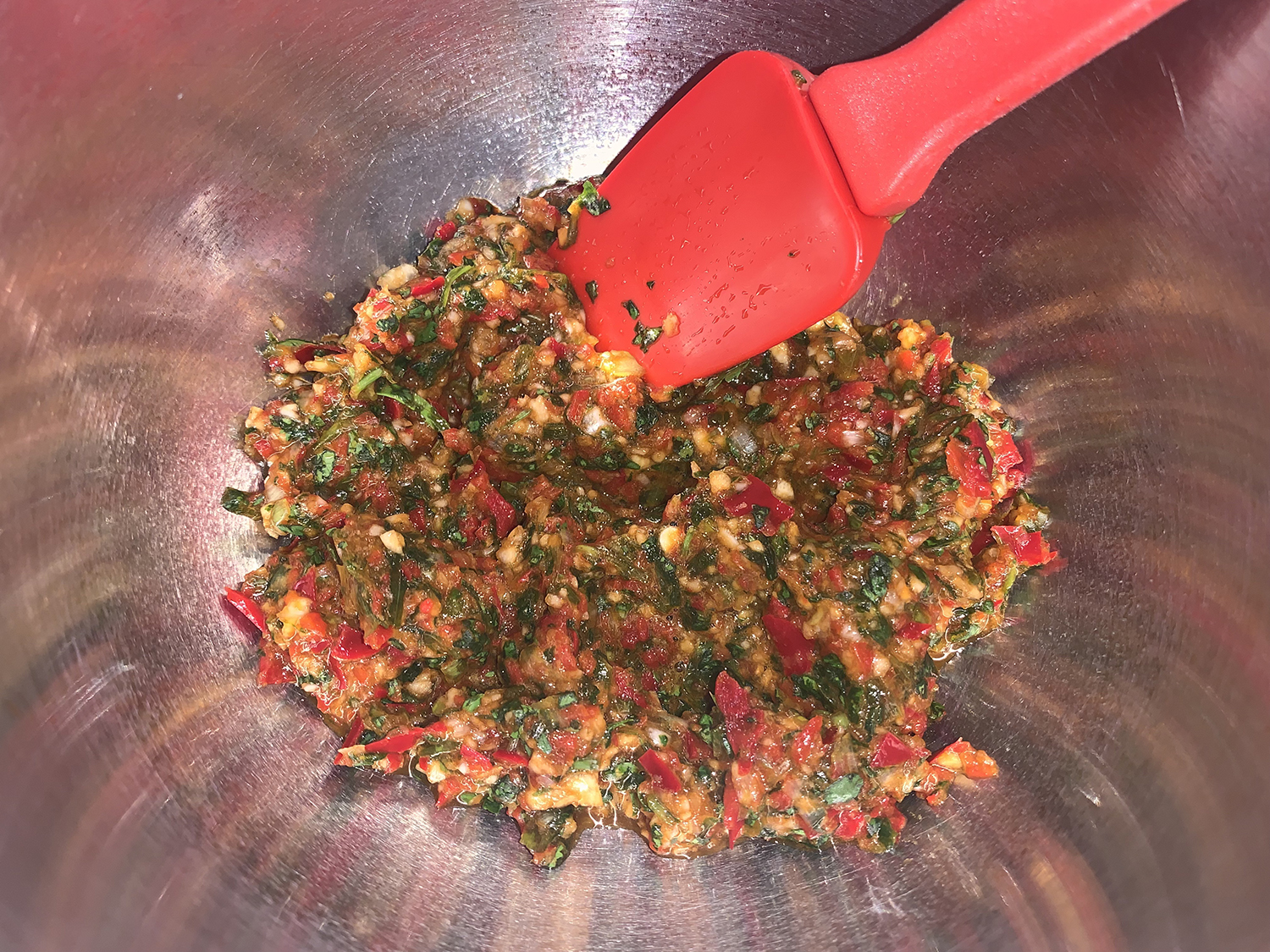
Pulse cilantro, scallions, chiles, garlic, and 1 tsp. Diamond Crystal or ½ tsp. Morton kosher salt in a food processor (a mini processor works well here) until a coarse paste forms. Transfer to a small heatproof bowl.
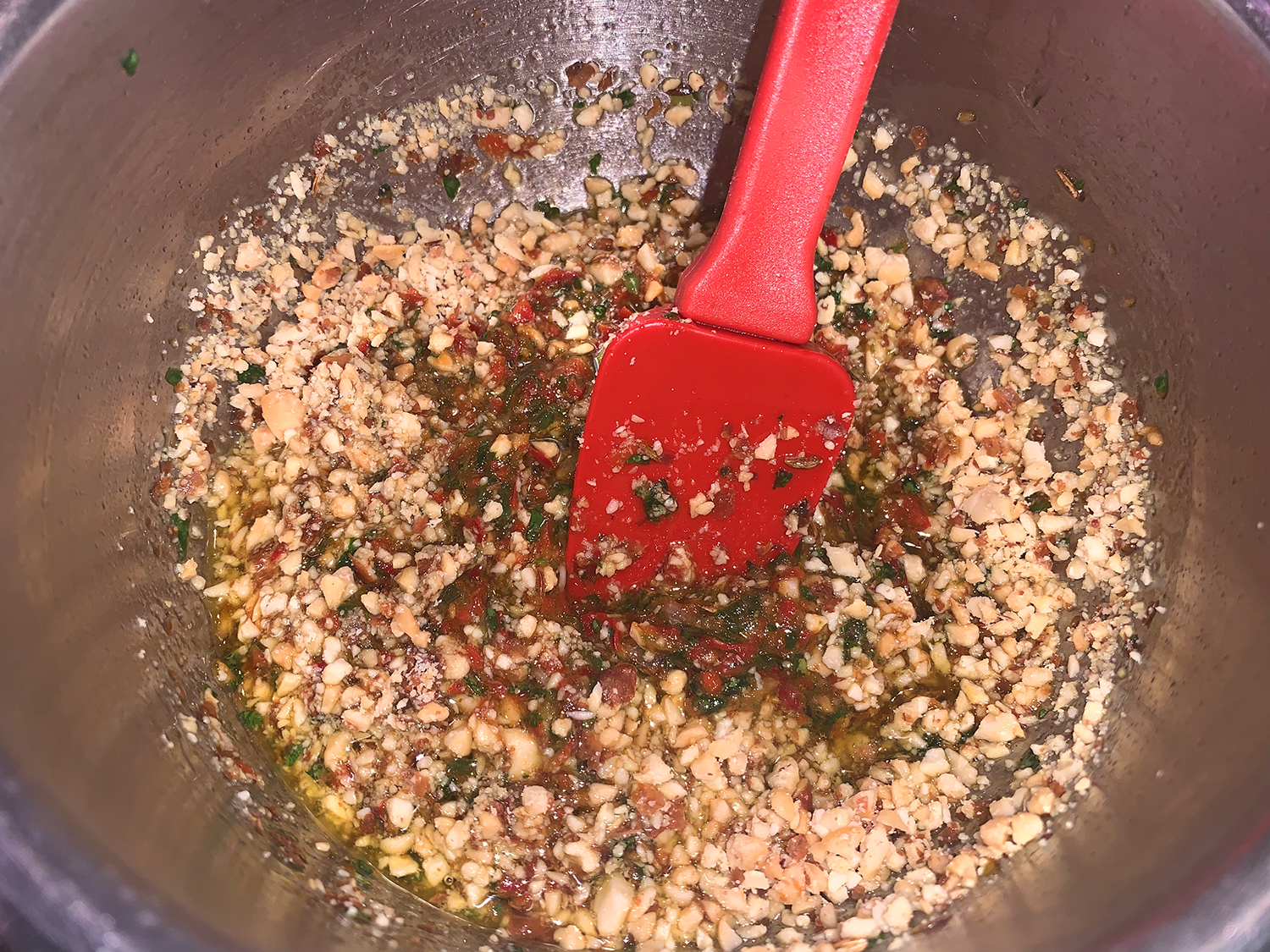
Heat ⅓ cup oil in a small skillet over medium-high. Cook cumin until fragrant, about 10 seconds. Transfer to bowl with paste; add peanuts and mix well. Set scallion thecha aside for serving.
Pat steaks dry with paper towels and season on both sides with kosher salt. Rub a little oil over steaks to coat lightly.
Heat a large cast-iron skillet over medium-high. Add half of the steak, arranging in a single layer, and cook, undisturbed, until a golden brown crust forms, 2–3 minutes. Turn steak over and cook until second side forms a golden brown crust, 2–3 minutes. (We had a large enough grill pan to cook all of the steak at once.)
Transfer steak to a cutting board and repeat process with remaining steak, if necessary. Let rest 10 minutes.
Slice steak against the grain and arrange on a platter. Top with reserved scallion thecha and sprinkle with sea salt.
We just can’t get enough of roasted or grilled chicken. The bird is so versatile and the ways to prepare it are endless! “Pantry superstars do the heavy lifting in this easy, crowd-pleasing grilled chicken dinner.”
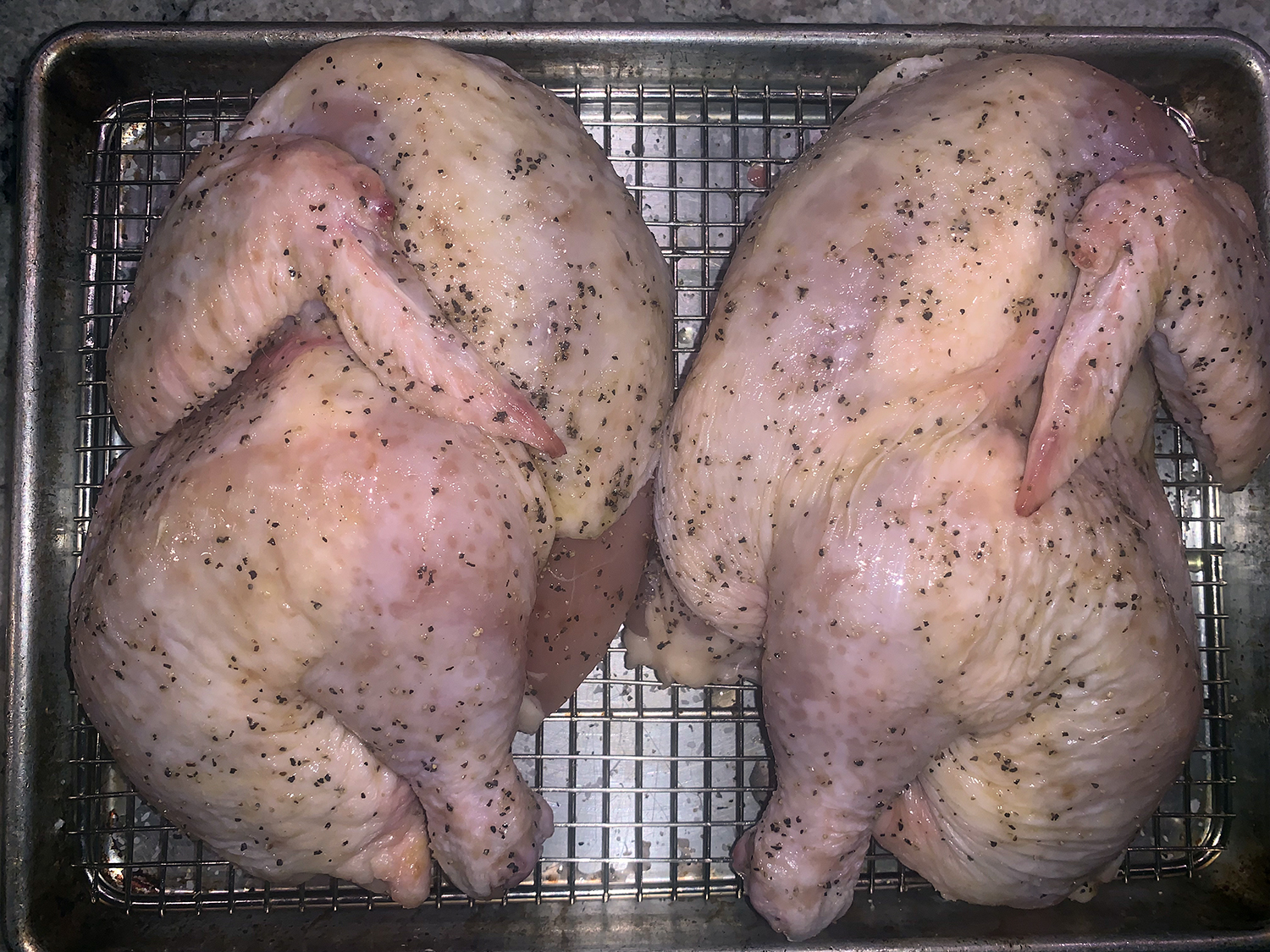
Now If you can find a whole chicken that is already split, the result is a chicken dinner with the same properties of spatchcocking (quick-cooking, lots of surface area to get charred, crispy skin) but which is more manageable than dealing with a whole bird. If you can’t score one, buy a whole chicken, butterfly it, then split it yourself by slicing directly between the two breasts.
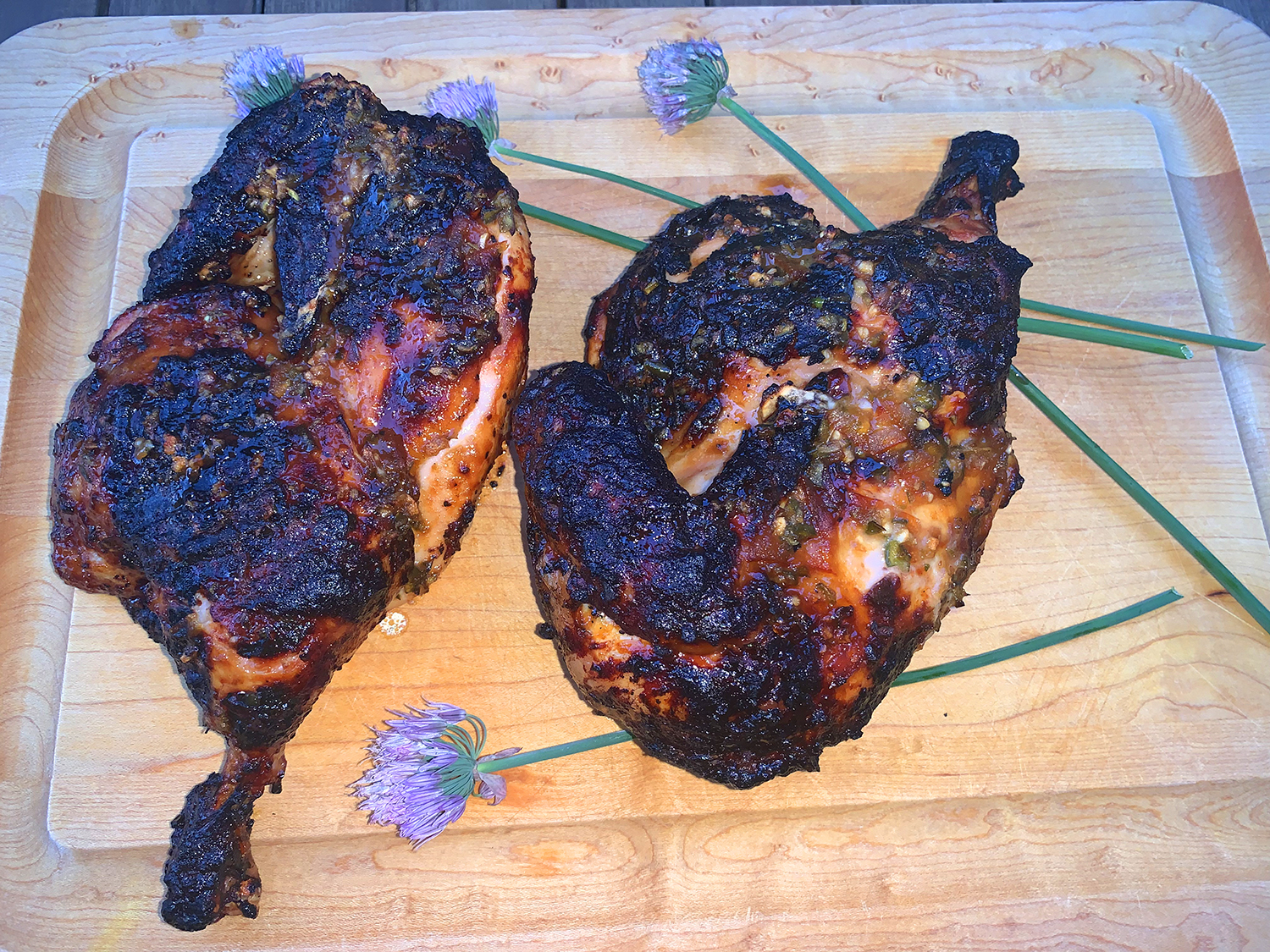
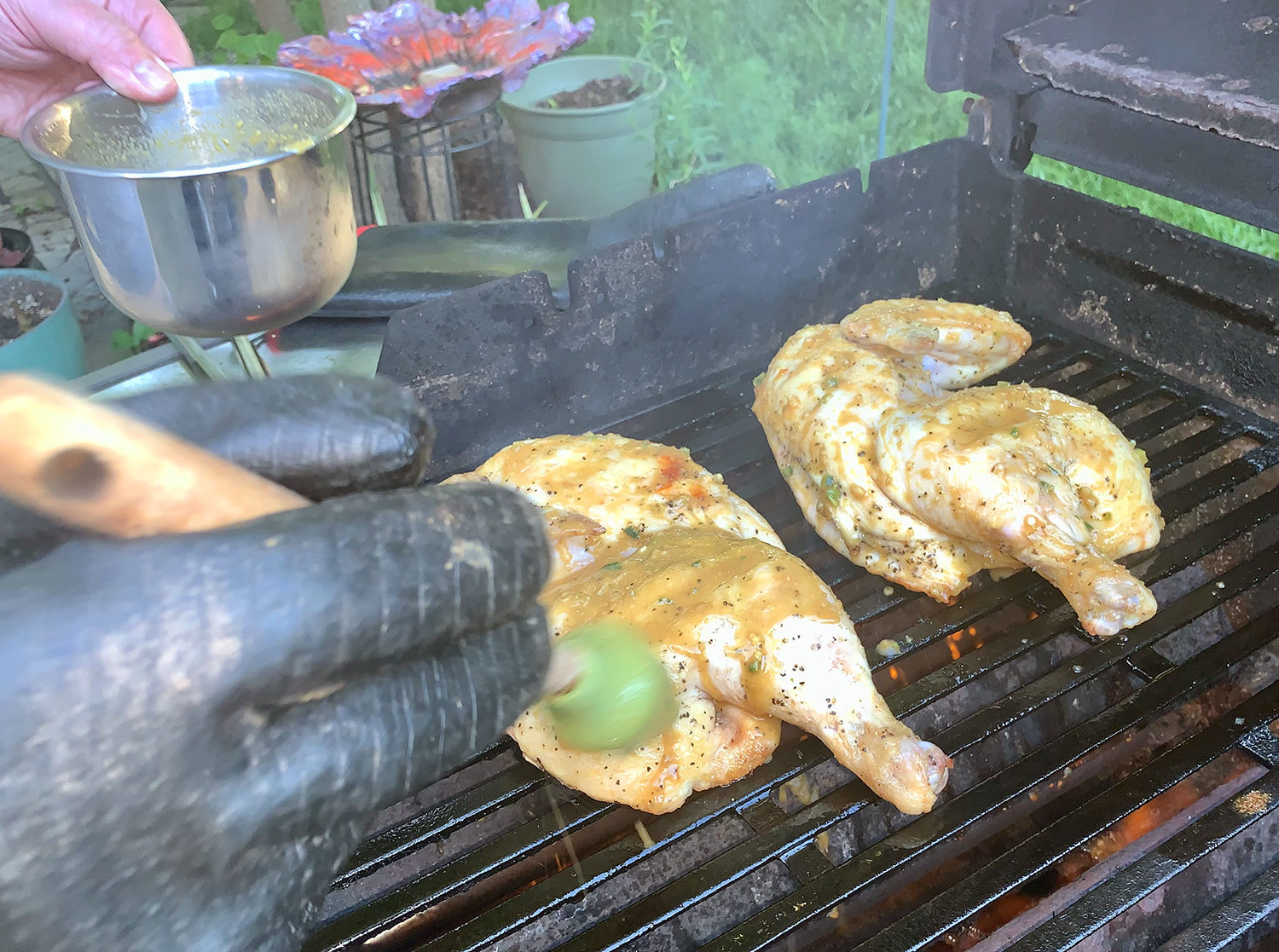
The chicken got a bit too charred on the outside, but the inside meat was succulent and juicy!
For the tangy glaze, stir up a few condiment powerhouses like marmalade, Dijon mustard, and sherry vinegar, and brush them onto the chicken after cooking it most of the way through, covered over indirect heat. For the final 10 to 15 minutes, transfer the chicken halves to direct heat and baste with every flip until glistening and charred. Leftover glaze can be cooked down as a sauce to serve alongside the finished dish.
Generously season chicken halves all over with salt and pepper. Let sit at room temperature at least 15 minutes, or chill up to 1 day. If chilling, let sit at room temperature 1 hour before grilling.
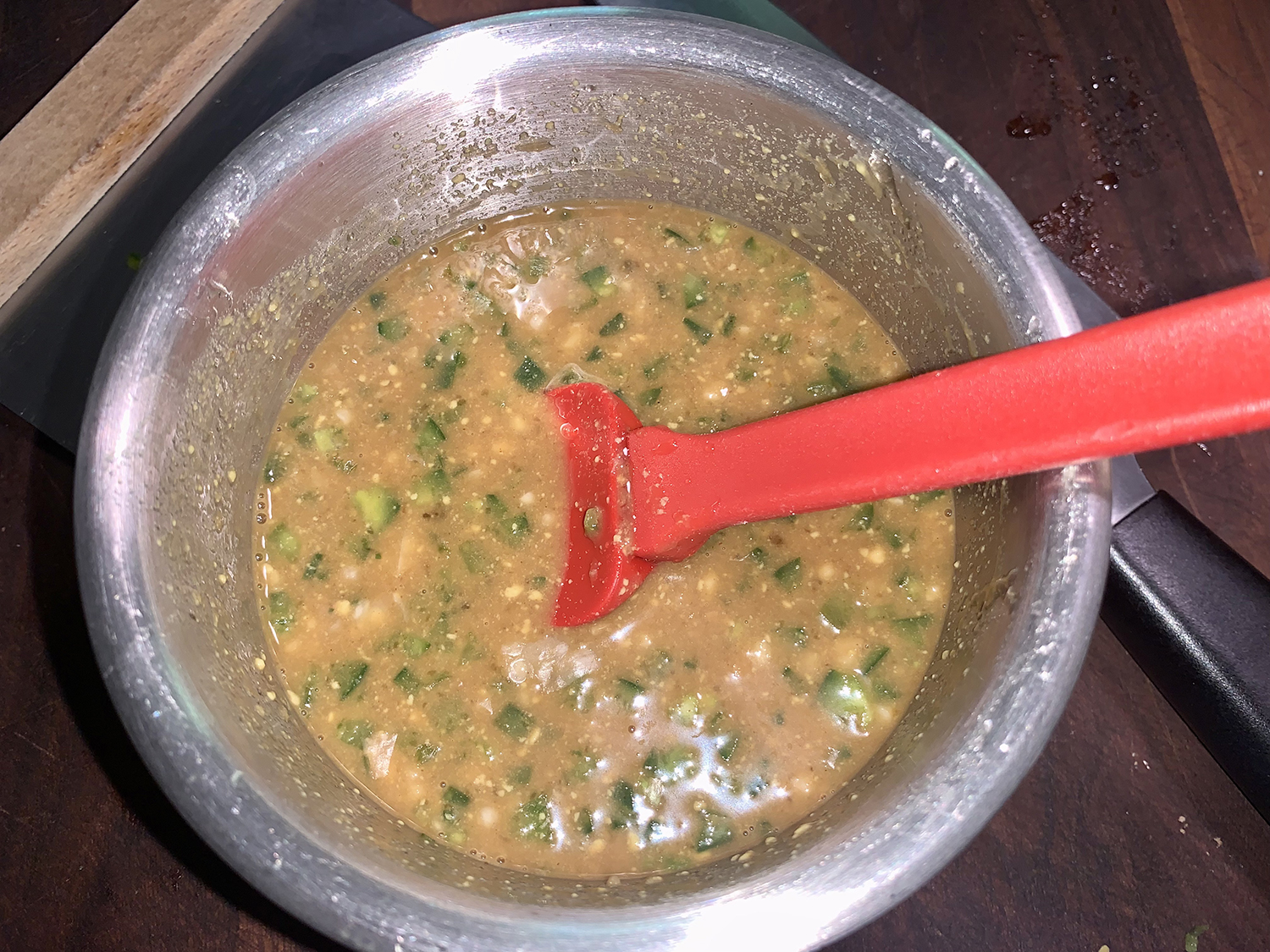
Whisk marmalade, mustard, vinegar, soy sauce, jalapeño (if using), and garlic in a small bowl to combine. Set glaze aside.
Prepare a grill for medium-high indirect heat (for a charcoal grill, bank coals on one side of grill; for a gas grill, leave one or two burners off). Lightly oil grate. Pat chicken dry with paper towels, then rub with 1 Tbsp. oil. Place, skin side down, over indirect heat. Cover grill and grill chicken, turning halfway through, until skin is lightly browned and an instant-read thermometer inserted into thickest part of thighs registers 120°–130°, 15–20 minutes.
Uncover grill, turn chicken over, and move over direct heat. Brush chicken with reserved glaze. Grill, turning often and brushing generously with glaze (move to indirect heat if browning too quickly), until charred in spots and an instant-read thermometer inserted into thickest part of breast registers 150° (it will climb to 160° as chicken rests), 10–15 minutes. Transfer chicken, skin side up, to a cutting board; let rest 15 minutes.
While chicken is resting, transfer any remaining glaze to a small saucepan and cook over medium-high heat, stirring occasionally, until bubbling and slightly thickened, about 5 minutes.
Carve chicken and transfer to a platter; sprinkle with sea salt. Serve with sauce alongside.
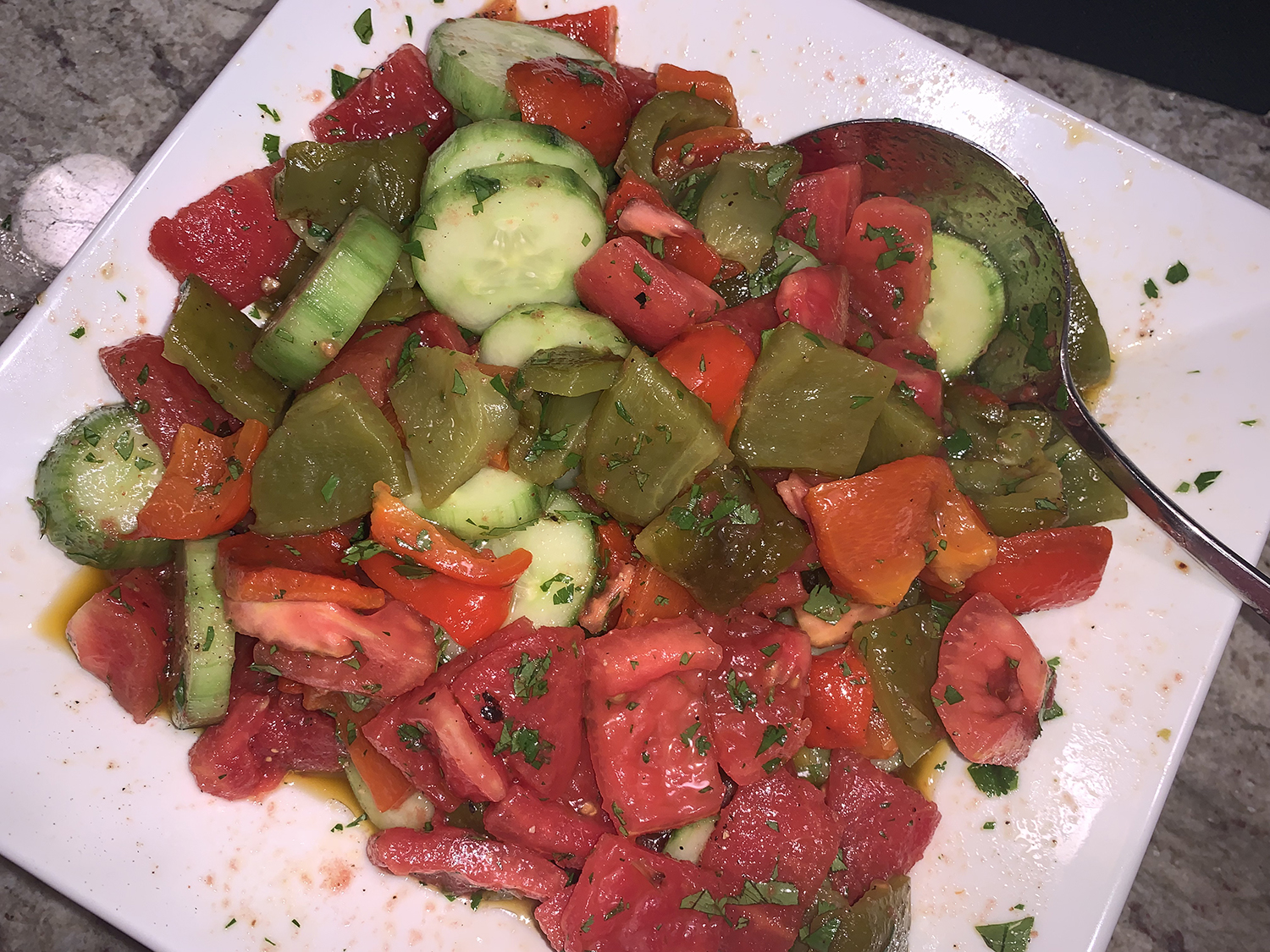
In a sense, this salad is glorified gazpacho, but chunkier—and it paired wonderfully with our Cataplana(Portugal’s Simple Seafood Stew) entrée. As it only feeds 3 to 4, we doubled the amounts to feed the party of 6.
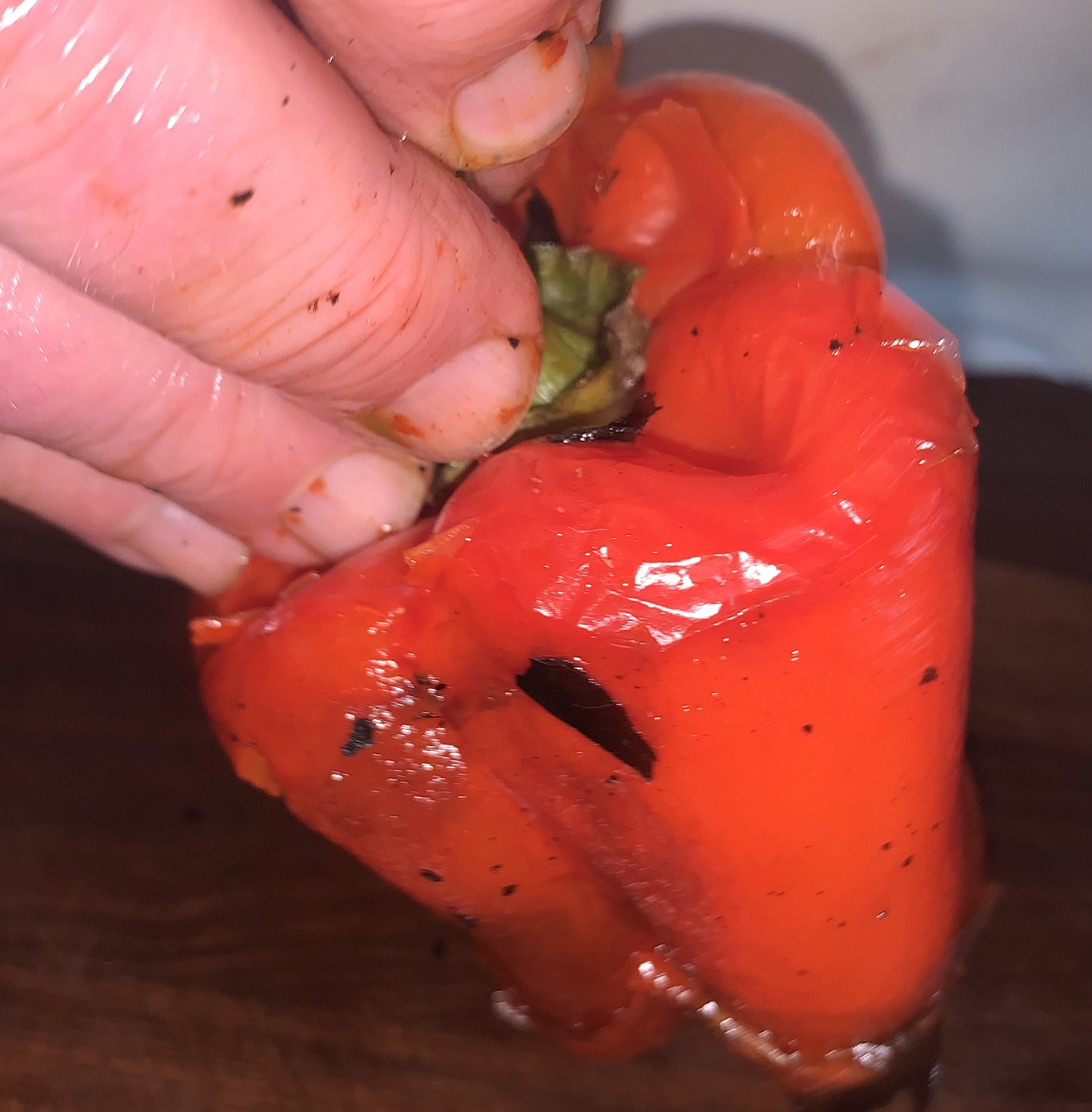
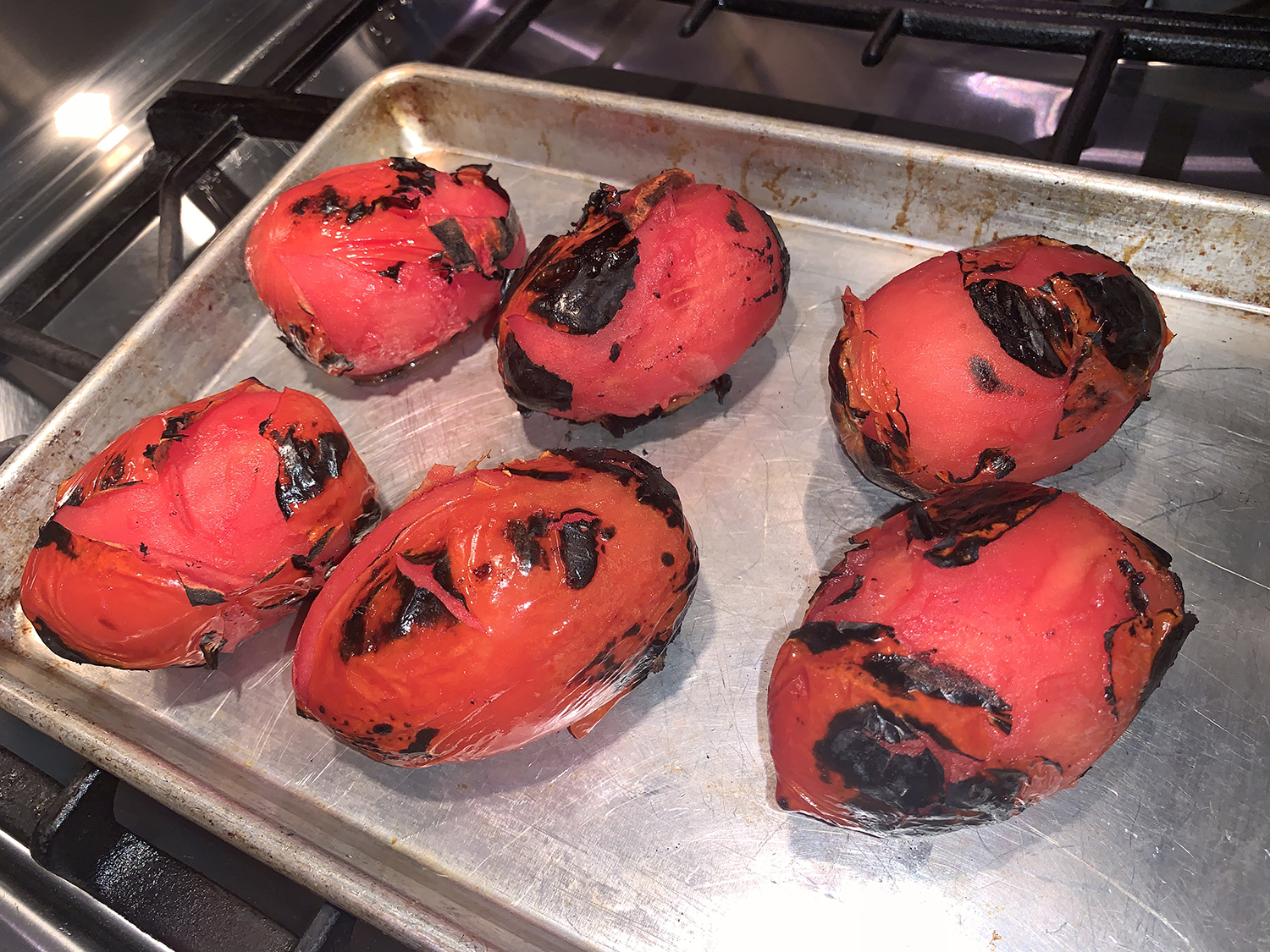
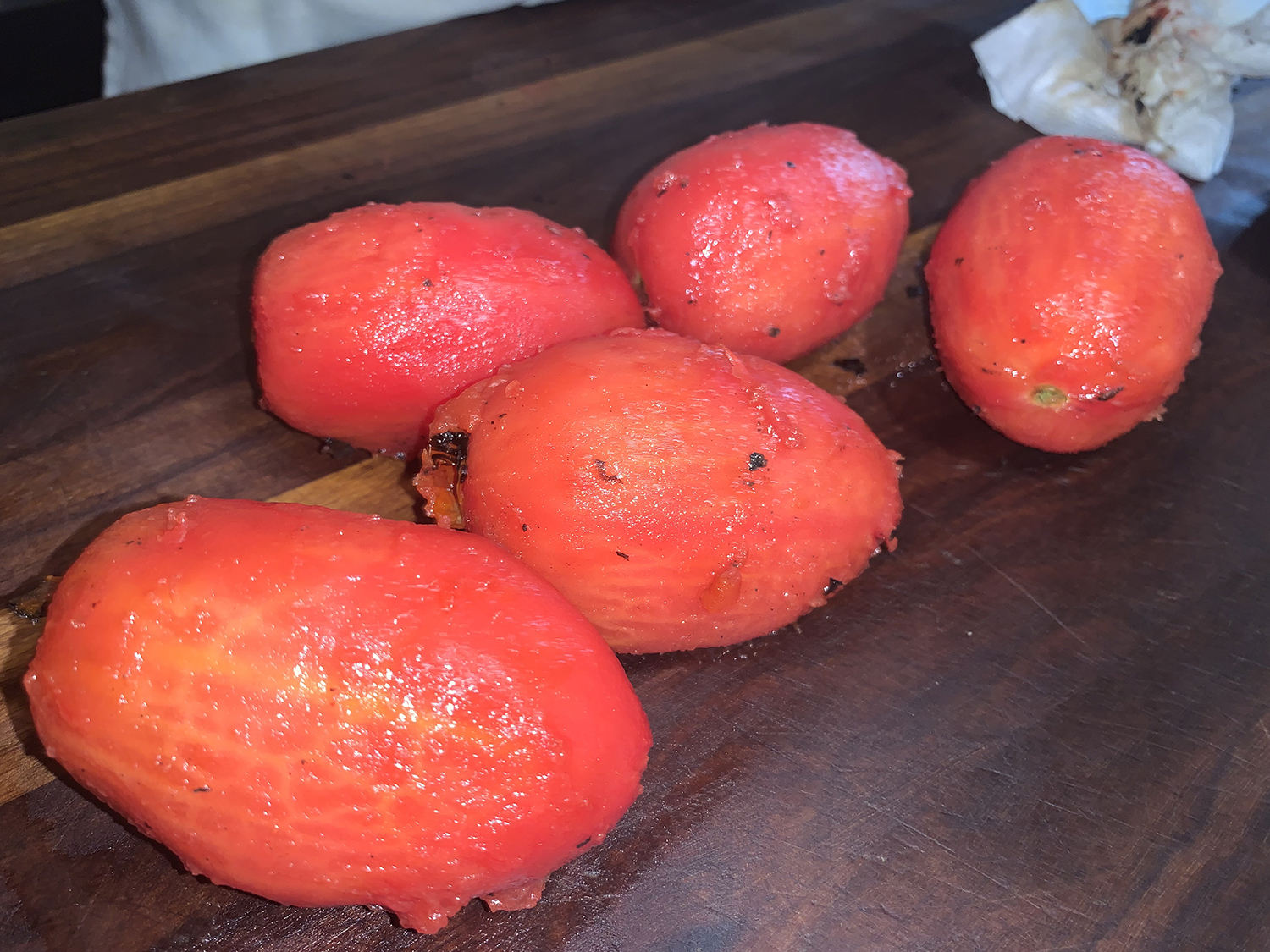
As I’ve mentioned in the past, our gas oven broiler doesn’t do the best job. When I walked into the kitchen and saw The Hubs down on his knees with his arm stuck into the oven rotating the peppers with tongs, I gently told him that it might be much easier to char them directly over a gas burner. Smart man that he is, he took the hint, because when I walked back in, he was searing the plum tomatoes, two at a time, directly on the grates.
When it comes to hosting, we like to do as much as possible the day prior to the event. For this side dish, he blackened and peeled the tomatoes and bell peppers, then salted the peeled cucumber slices. About half an hour before the feast was served, the salad was finished with the dressing.
Turn the broiler on, and set the red and green bell peppers underneath. Cook, turning occasionally, until lightly blackened on all sides. When done, place in a small plastic bag and let steam for a few minutes. Repeat with the tomatoes, but first lightly coat in olive oil. They will cook much quicker. Remove when lightly blackened all over and let cool on a tray.
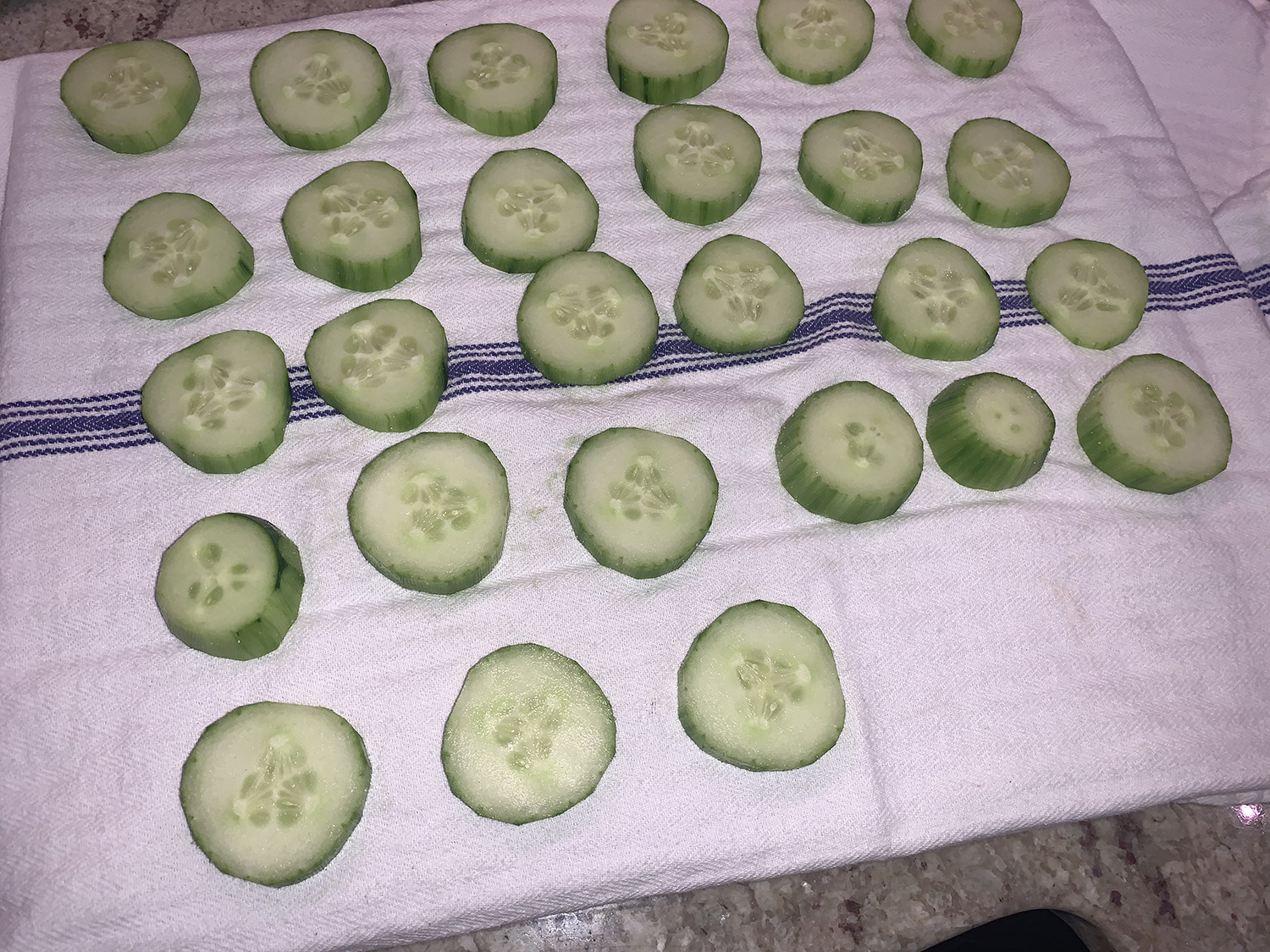
While the bell peppers and tomatoes cool, slice the cucumber into 1/2 inch inch thick slices. Set on a rack or on a paper towel, and sprinkle lightly with salt. Let those hang out for 20 minutes or so until they release some water. Dry with paper towels.
Remove the bell peppers from the plastic bags when cooled. Peel off the skin, remove the stems, and chop into 1-inch squares. Repeat this process with the tomatoes, discarding most of the pulp.
Toss the chopped bell peppers, tomato, and cucumbers in a large bowl. Add the chopped cilantro, olive oil, red wine vinegar, and chili paste. Season to taste with salt and pepper. Eat right away, or let sit in the fridge for 30 minutes for the flavors to really marry.
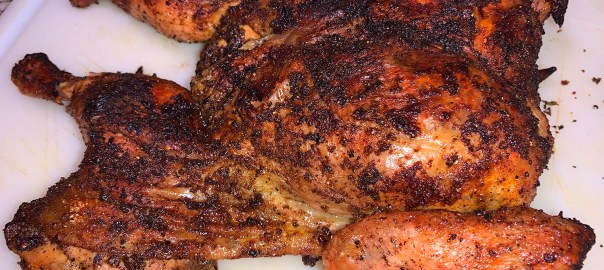
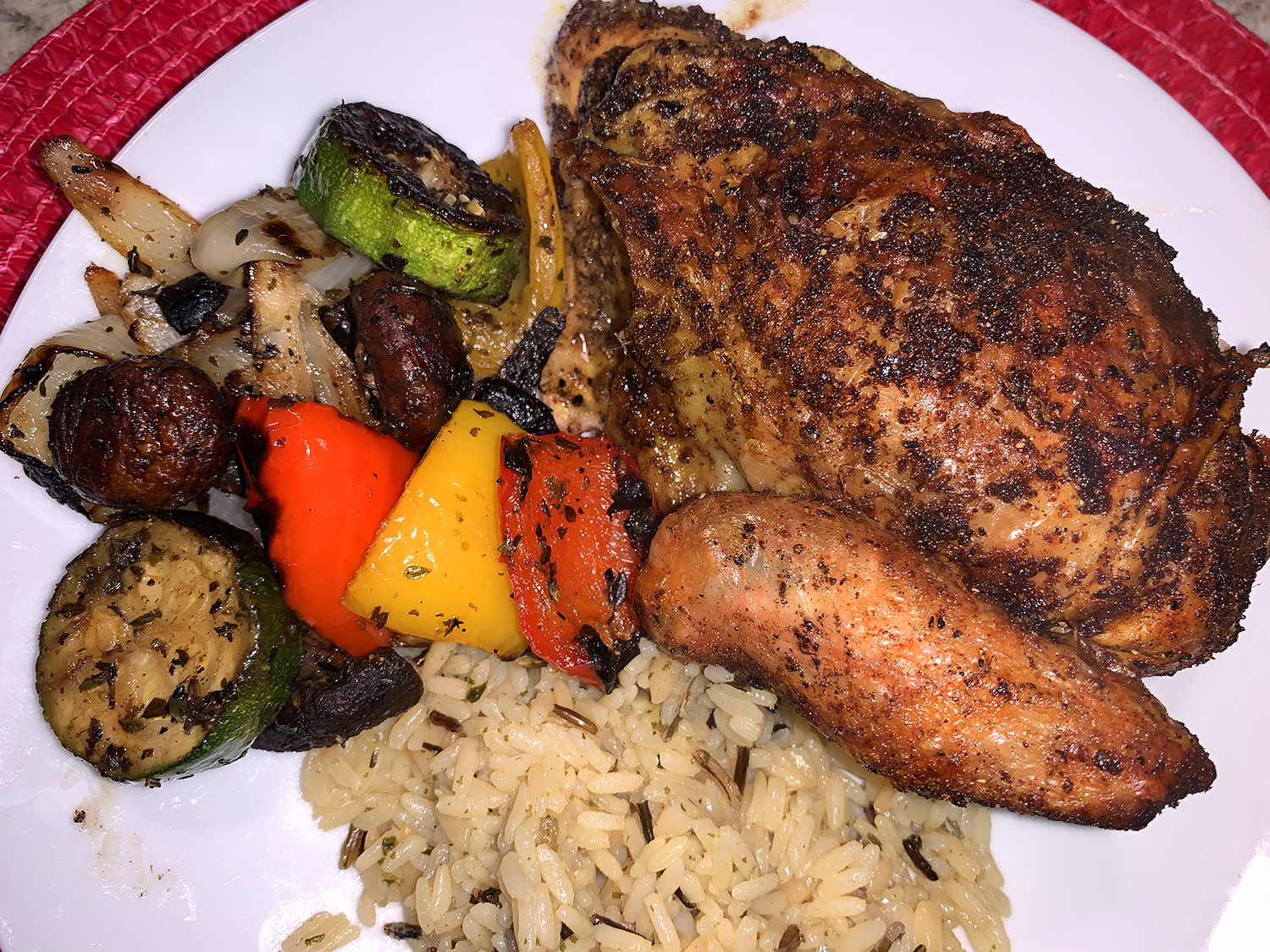
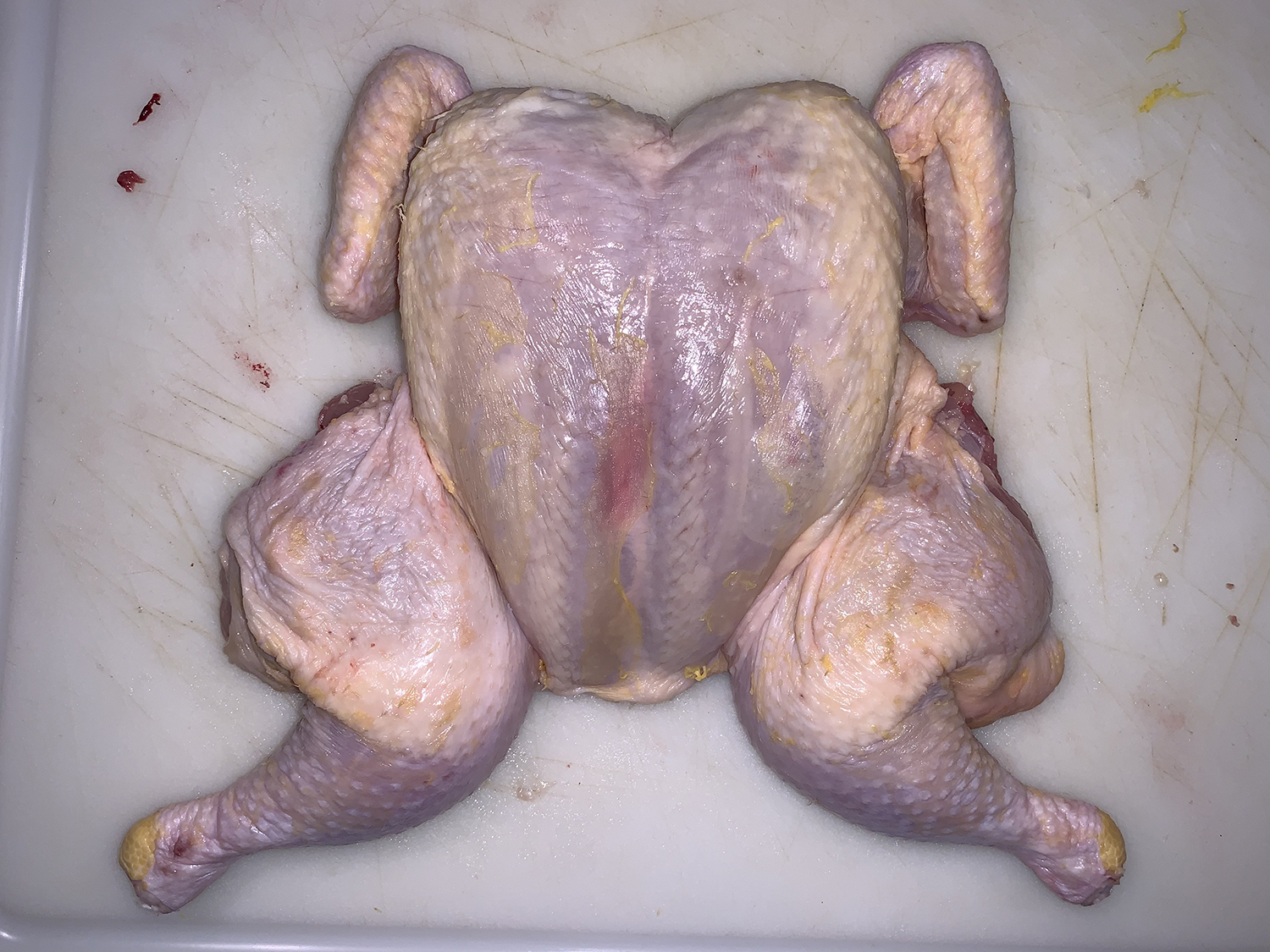
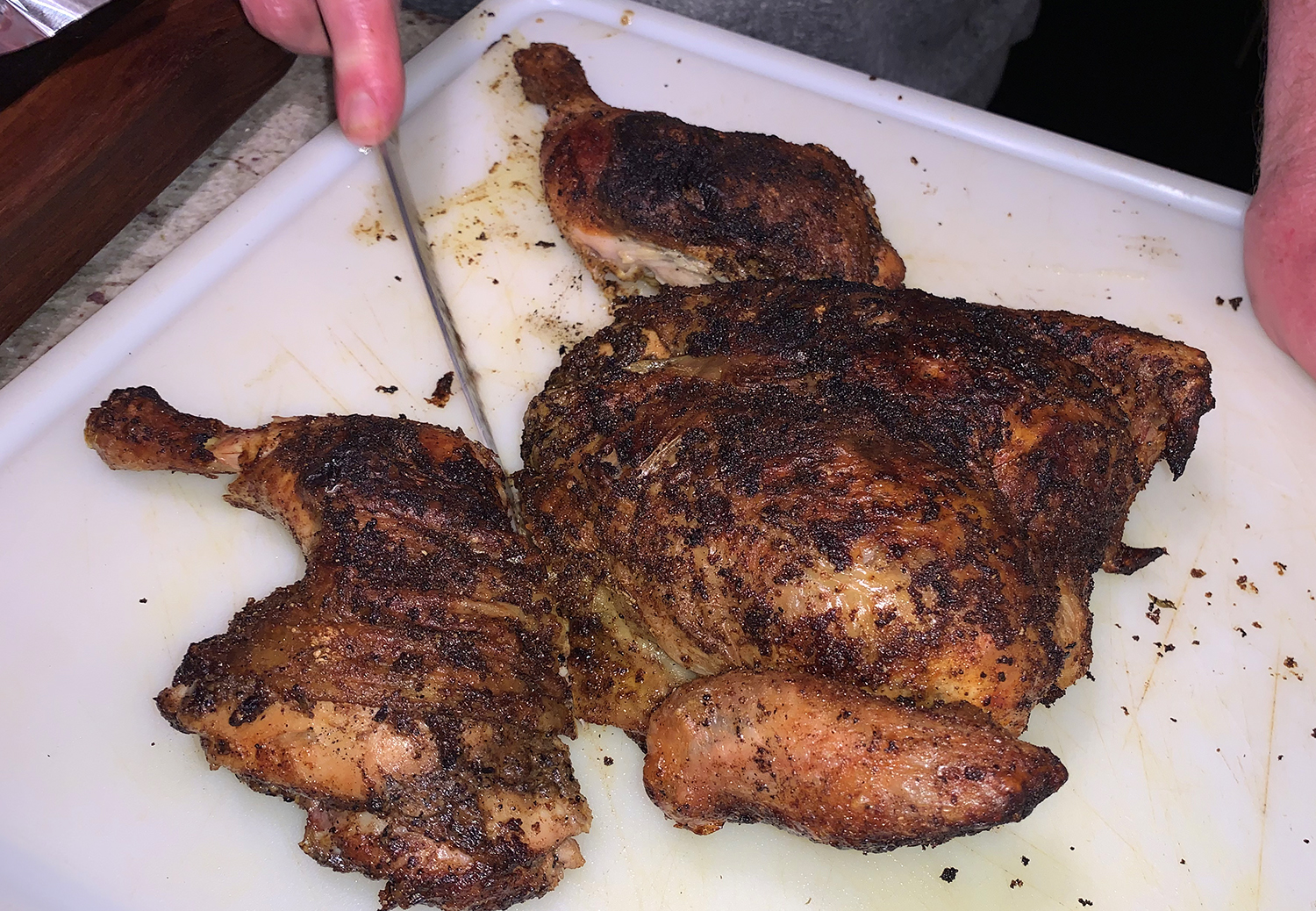
If you reside in the camp of bold flavors, then this bird is calling your name. Not only does it smell and taste wonderful, but the meat remains juicy while the skin gets nice and crispy. We paired ours with mixed vegetables that were grilled alongside the chicken, and an easy boxed rice dish. Some stores even sell the chicken already spatchcocked, but we prefer to buy it whole so that the extra parts can go into our poultry “body bag” and used to make stock.
To shorten the very long list of spices that make up the aromatic rub for traditional Iraqi grilled chicken, both curry powder and garam masala are used. These two Indian seasoning blends add up to about a dozen different spices at play in this recipe. Ground sumac in the rub lends the chicken earthy, citrusy notes and, along with the paprika, a deep, brick-red hue. But don’t omit the additional few spices listed!
Spatchcocked and grilled, the bird cooks in under an hour and is rich and complexly flavored, with smokiness from the grill. (If you’re using charcoal, don’t forget to open the grill vents, both on the bottom of the grill and on the lid. This is will allow airflow so the fire does not extinguish during the covered cooking time.)
In a small skillet over low, combine 1½ tablespoons of oil and the garlic. Cook, stirring frequently, until fragrant and sizzling, but not browned, about 2 minutes. Transfer to a small bowl and set aside.
In another small bowl, stir together the sumac, coriander, curry powder, garam masala, paprika, cumin, cardamom, 1 tablespoon salt and 1 teaspoon pepper. Add 2 tablespoons of the spice mixture to the garlic oil and stir to form a paste.
Place the chicken breast down on a cutting board. Using sturdy kitchen shears, cut along both sides of the backbone, from top to bottom; remove and discard the backbone (or save to make broth). Open up the chicken, then turn it skin up. Use the heel of your hands to press down firmly on the thickest part of the breast until the wishbone snaps. Loosen the skin over the chicken’s breasts and thighs by gently working your fingers between the skin and the flesh.
Using your fingers, evenly distribute the garlic-spice paste under the skin and rub it into the flesh. Sprinkle the remaining spice mixture evenly on both sides of the chicken, patting gently to help it adhere. Let stand uncovered at room temperature for about 45 minutes.
Prepare a grill for indirect, high-heat cooking. For a charcoal grill, spread a large chimney of hot coals evenly over one side of the grill bed; open the bottom grill vents and the lid vent. For a gas grill, turn all burners to high. Heat the grill, covered, for 5 to 10 minutes, then clean and oil the cooking grate.
Using tongs, rotate the chicken to bring the breast side closest to the heat. Cover and cook until the thickest part of the breast reaches 160°F and the thighs reach 175°F, another 25 to 35 minutes.
Brush the skin of the chicken with the remaining 1 tablespoon oil. Using tongs and a wide spatula, flip the chicken skin down onto the hot side of the grill. Cook until the skin is lightly charred, about 5 minutes. Transfer skin up to a cutting board and let rest for 15 minutes. Carve and serve with lemon wedges.
Simply delicious! It just so happened, that we started making our vacation plans to visit Portugal the same day we made this dish. The power of suggestion…
Cataplana is both the name of the dish and the pot that it is cooked in. There are two types of cataplana: either seafood packed with both fish and seafood, or a pork and clam version, which this one is. It uses abundant fresh seafood, smoky cured meat, and vibrant paprika in a rich, ruddy broth. In lieu of a traditional copper cataplana pot, we cooked ours in a Dutch oven with a tight-fitting lid to mimic the steamy cooking environment.
The strips of fresh fennel and red bell pepper, enliven the dish with a crisp‑tenderness that contrasts with the juicy chew of the sausage and the meaty clams. Since I don’t eat clams and The Hubs does, we substituted a bit more shrimp and fewer clams, but kept the ratios the same.
To accompany the stew and help mop up all of those luscious juices, we made some tasty toasted garlic baguette slices topped with grated parmesan and a hint of smoked paprika—the perfect companion! We made it again a few weeks later for a small party we hosted…
1 red bell pepper, stemmed, seeded, and cut into ¼-inch-wide strips
1 28-oz. can whole peeled tomatoes, drained and chopped coarse
1 8-oz. bottle clam juice
½ cup dry white wine
3 lbs. littleneck or Manila clams, scrubbed
½ cup chopped fresh parsley
Lemon wedges
Directions
Combine shrimp and ¼ teaspoon salt in bowl; refrigerate until needed. Heat oil in large Dutch oven over medium-high heat until shimmering. Add linguica and cook, stirring occasionally, until browned and fat is slightly rendered, about 4 minutes.
Stir in garlic, paprika, and pepper flakes and cook until fragrant, about 30 seconds.
Add onion, fennel, bell pepper, and remaining ½ teaspoon salt and cook, stirring occasionally, until vegetables are softened, 8 to 10 minutes.
Stir in tomatoes, clam juice, and wine. Bring to simmer and cook, stirring occasionally, until thickened slightly, about 5 minutes.
Increase heat to high and bring mixture to boil. Stir in clams; cover and cook until clams have opened, 5 to 7 minutes, stirring halfway through cooking.
Off heat, stir in shrimp. Cover and let stand off heat until shrimp are opaque and just cooked through, about 5 minutes.
Discard any unopened clams. Stir in parsley; season with salt to taste; transfer to serving bowl if desired; and serve, passing lemon wedges separately.
Typically, we find lamb shoulder chops to be a tough cut of meat and benefit from a longer braise. However, Cook’s Illustrated tried a much shorter braise than usual for this lamb chop recipe—just enough to cook the meat. After only 15 to 20 minutes, they claimed the lamb was tender, but we beg to differ.
Our initial concerns at the short amount of time (15 to 20 minutes originally) the lamb chops cooked were well-founded. After 20 minutes, they were still tough and we added another 10 minutes to the braise. In fact, they could have used even more time to tenderize. In the past, we’ve always braised them, covered over low heat for 2 hours, until they were fall-apart tender.
The much-anticipated caper and red pepper sauce with the deglazing liquid was delicious! Because we only cooked two chops, there was some sauce leftover which we made good use of on some pork chops the following day. Our pairings for the lamb included a side salad and a recent new potato fave, Crispy Parmesan Potatoes.
4 lamb shoulder chops, about 3/4 inch thick, trimmed of external fat
Salt and ground black pepper
2 Tbsp. olive oil
1 small onion, chopped fine
1 red bell pepper, seeded and diced small
2 small cloves garlic, minced
⅓ cup dry red wine
1 cup canned tomatoes packed in puree, chopped
2 Tbsp. minced fresh parsley leaves
2 Tbsp. capers, drained
2 Tbsp. balsamic vinegar
Directions
Sprinkle chops with salt and pepper to taste.
Heat 1 tablespoon of the oil in 12-inch heavy-bottomed nonreactive skillet over medium-high heat. Cooking in 2 batches to avoid overcrowding, add 2 chops; sauté until brown on both sides, 4 to 5 minutes. Remove from pan; set aside. Repeat.
Pour fat from pan; return pan to medium heat, adding remaining tablespoon of oil. Add onion and pepper; sauté until softened, about 4 minutes.
Add garlic; cook until fragrant, about 1 minute longer.
Add wine; simmer until reduced by half, scraping browned bits from pan bottom with wooden spoon, 2 to 3 minutes.
Stir in tomatoes, then return chops to pan. Reduce heat to low; cover and simmer until chops are cooked through but tender, at least 30 minutes.
Transfer chops to each of four plates. Stir parsley, capers, and balsamic vinegar into braising liquid; simmer until sauce thickens, 2 to 3 minutes. Adjust seasonings, spoon portion of sauce over each chop, and serve.