Tag Archives: Gluten Free

Curried Salmon and Tomato Traybake

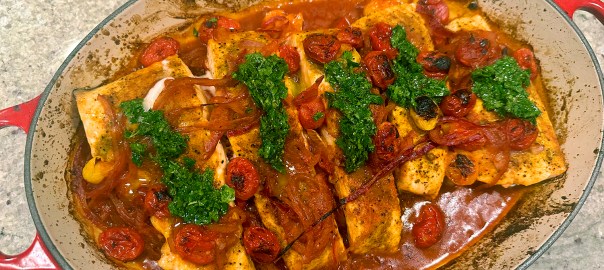
This Curried Salmon and Tomato Traybake recipe is packed with lean protein, vegetables, and healthy fats from the salmon. The salmon fillets nestled on top of a bed of roasted red onions, bursting cherry tomatoes and a curry-inspired sauce, all roasted together in a single baking dish.

For the salmon, our only option at shopping time was to purchase two separate prepackaged filets which we then cut down into 5 equal-sized pieces. In the end, it was a bit more fish than the recipe called for, but we were more than fine with that.

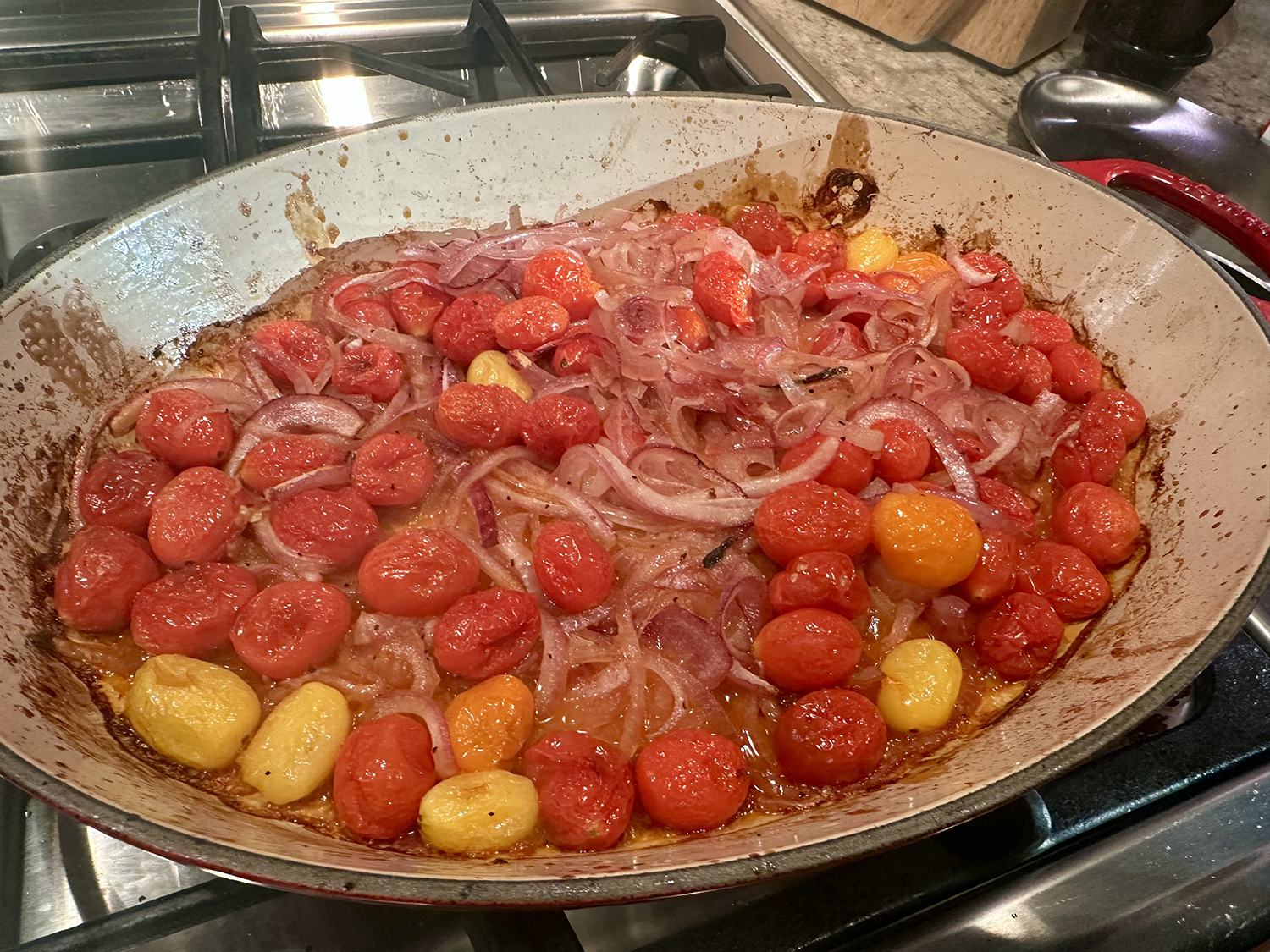
The timing was off when blistering the tomatoes, which took an additional 10 minutes on top of the 15 minutes indicated in the directions. Also, we have a gas broiler which always takes slightly longer to brown efficiently compared to an electric oven broiler.

NOTE: Make sure to use a broiler-safe dish such as copper enamel. Glass baking dishes usually shatter at such high heat.

As a side, we paired with tricolor couscous using homemade shellfish stock as opposed to water for a more substantial flavor.

Curried Salmon and Tomato Traybake

  • Servings: 4
  • Difficulty: easy
  • Print

Ingredients

  • 1 tsp. curry powder
  • Kosher salt and ground black pepper
  • 4 x 6-oz. center-cut salmon fillets (each 1 to 1¼ inches thick), patted dry
  • 1 medium red onion, halved and thinly sliced
  • 1 pint cherry or grape tomatoes
  • 4 Tbsp. extra-virgin olive oil, divided
  • 2 Tbsp. tomato paste
  • 1 tsp. ground coriander
  • 2 Tbsp. lemon juice, divided, plus 1 tablespoon grated lemon zest
  • ¼ cup fresh flat-leaf parsley, finely chopped

Directions

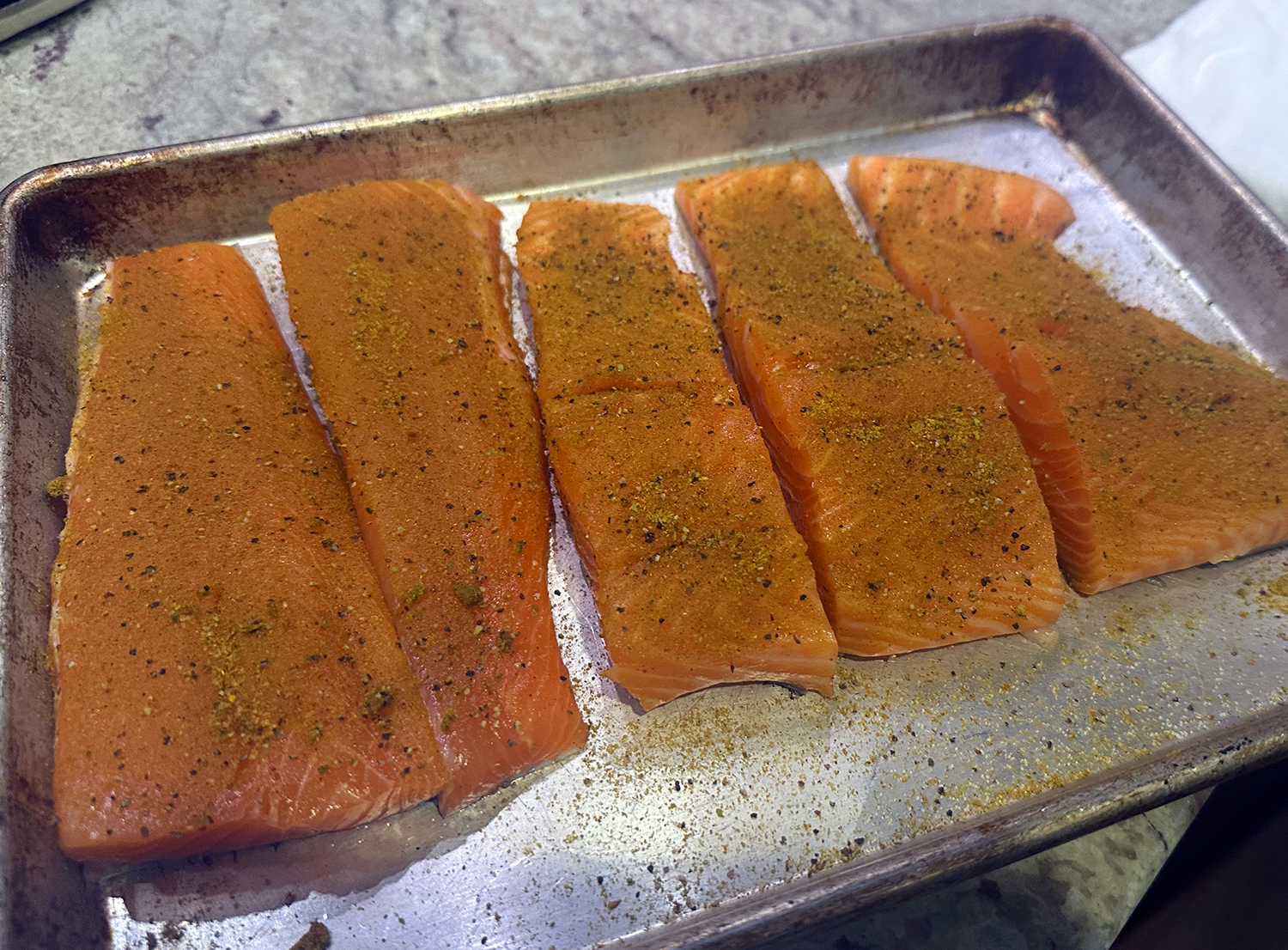
  1. Heat the oven to 475° F with a rack in the upper-middle position. In a small bowl, stir together the curry powder, ½ teaspoon salt and ¼ teaspoon pepper. Season the salmon all over with the mixture; reserve the bowl.
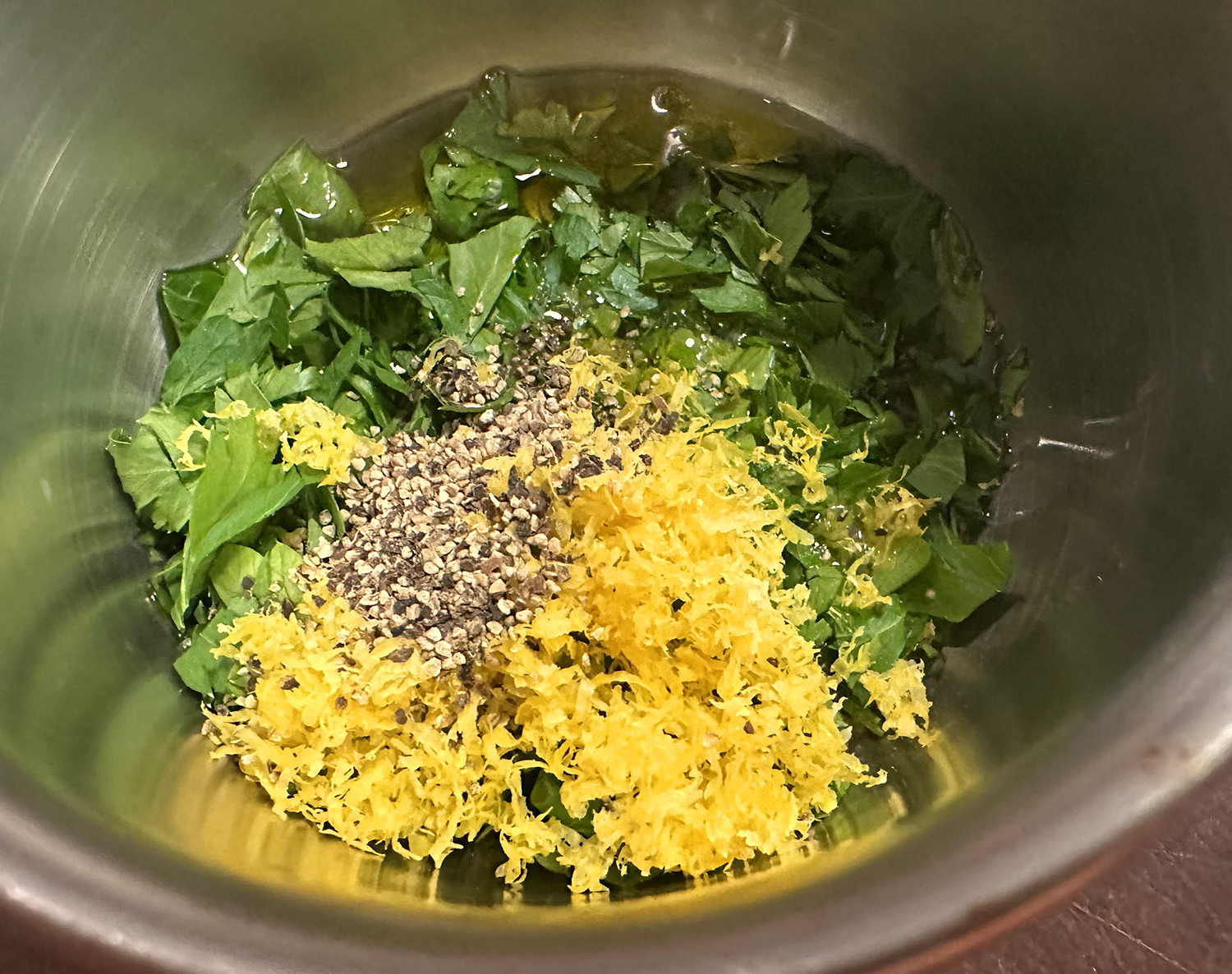
  2. In a broiler-safe 9-by-13-inch baking dish, stir together the onion, tomatoes, 2 tablespoons oil and ¼ teaspoon each salt and pepper. Roast until the tomatoes begin to burst, about 15 minutes. Meanwhile, in the now-empty bowl, whisk the tomato paste, coriander, 1 tablespoon lemon juice and ½ cup water. In another small bowl, stir together the parsley, the remaining 2 tablespoons oil, remaining 1 tablespoon lemon juice, lemon zest and ¼ teaspoon pepper.
  3. Remove the baking dish from the oven; heat the broiler. Stir the tomato paste mixture into the onion-tomato mixture. Nestle in the salmon, skin side down, then spoon some of the onion-tomato mixture over the top. Broil until the fish flakes easily, 4 to 6 minutes.
  4. Cool for 5 minutes, then spoon on the parsley mixture.

http://www.lynnandruss.com

Adapted from a recipe by Milk Street
Iraqi-Spice Crusted Chicken

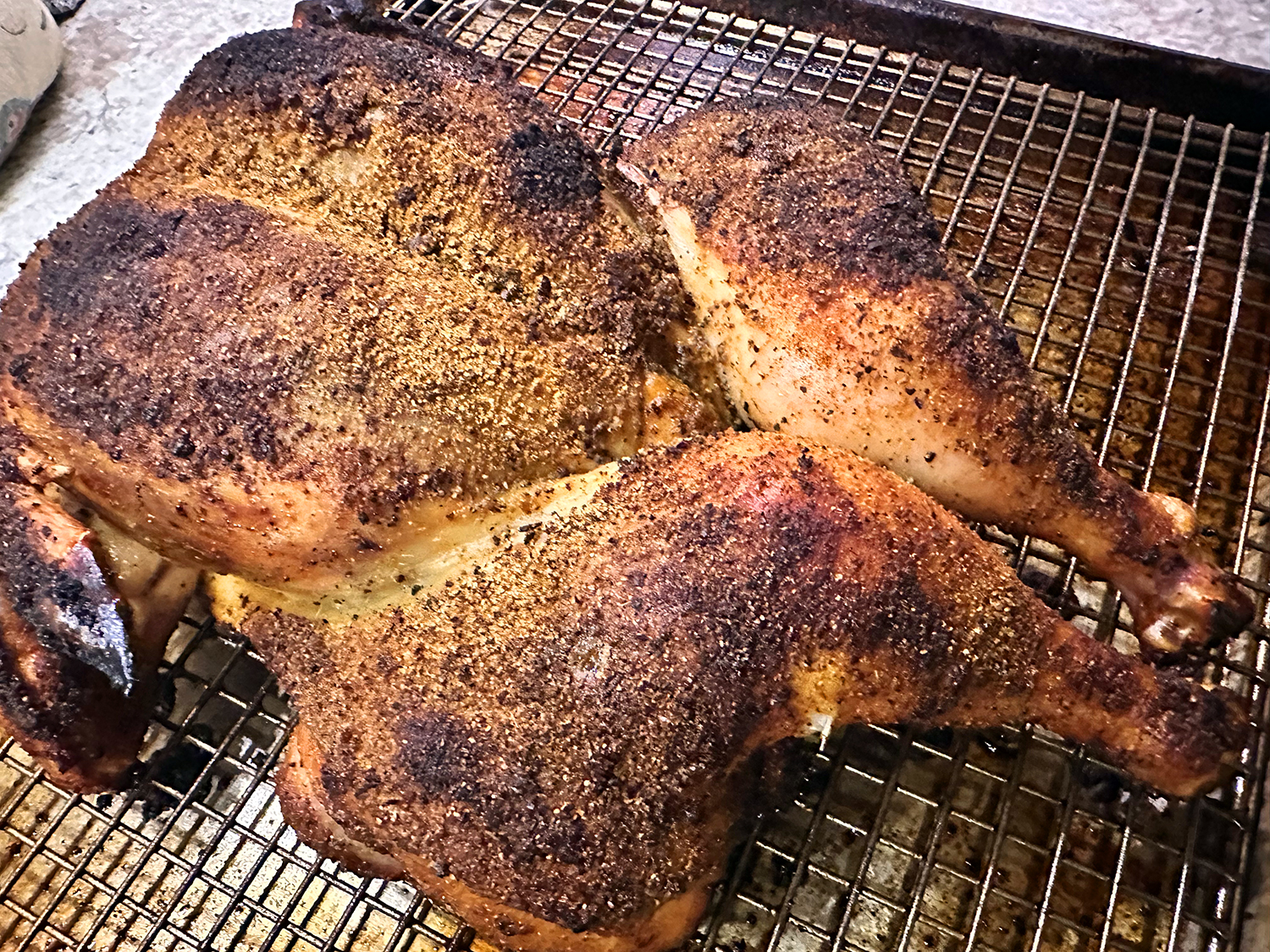
This just sounded delicious from the moment we started reading the recipe. To shorten the very long list of spices that typically make up the aromatic rub for traditional Iraqi grilled chicken, Milk Street reached for both curry powder and garam masala. These two Indian seasoning blends add up to about a dozen different spices at play in this recipe.

Ground sumac in the rub lends the chicken earthy, citrusy notes and, along with the paprika, a deep, brick-red hue. Spatchcocked and grilled, the bird cooks in under an hour and is rich and complexly flavored, with smokiness from the grill.

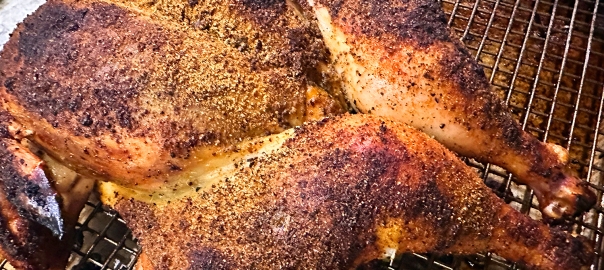
Well, ours started on the hot grill but within 15 minutes of placing the bird on the grates, Mother Nature came roaring in with a wicked storm. Plan B, of roasting the chicken in a 450° oven was the second method of choice. It still ended up super juicy and bursting with flavor. To complete the meal we served fresh corn on the cob and a tomato salad.

Many supermarkets now carry ready-to-cook spatchcocked chickens. So if you are a little hesitant to do it yourself, save yourself a bit of aggravation and buy one. We like to get the whole bird for the extra body parts (neck, back, hearts, etc.) to make homemade chicken stock.

One step not in the original recipe, but ensures juicy white meat, is brining the chicken in a mixture of water, salt and sugar in a ziploc bag for 2, or up to 4 hours. See instructions below.

BTW, don’t forget to open the grill vents, both on the bottom of the grill and on the lid, if you’re using charcoal. This is will allow airflow so the fire does not extinguish during the covered cooking time.

Iraqi-Spice Crusted Chicken

  • Servings: 4
  • Difficulty: easy
  • Print

Ingredients

  • 2½ Tbsp. extra-virgin olive oil, divided
  • 3 medium garlic cloves, grated
  • 1 Tbsp. ground sumac
  • 2 tsp. ground coriander
  • 2 tsp. curry powder
  • 1 tsp. garam masala
  • 1 tsp. sweet or hot paprika
  • ¾ tsp. ground cumin
  • ½ tsp. ground cardamom
  • Kosher salt and ground black pepper
  • 1 whole chicken, about 4 lbs.
  • Lemon wedges, to serve

For Brine

  • 1 qt. cold water
  • 6 Tbsp. table salt
  • 6 Tbsp. white sugar

Directions

  1. In a small skillet over low, combine 1½ tablespoons of oil and the garlic. Cook, stirring frequently, until fragrant and sizzling, but not browned, about 2 minutes. Transfer to a small bowl and set aside. In another small bowl, stir together the sumac, coriander, curry powder, garam masala, paprika, cumin, cardamom, 1 tablespoon salt and 1 teaspoon pepper. Add 2 tablespoons of the spice mixture to the garlic oil and stir to form a paste.
  2. To Spatchcock: Place the chicken breast down on a cutting board. Using sturdy kitchen shears, cut along both sides of the backbone, from top to bottom; remove and discard the backbone (or save to make broth).
  3. To Brine: Stir sugar and salt into water until dissolved. Brine spatchcocked chicken in mixture for 2-4 hours. Drain, rinse, and dry chicken with paper towels before cooking.
  4. Open up the chicken, then turn it skin up. Use the heel of your hands to press down firmly on the thickest part of the breast until the wishbone snaps. Loosen the skin over the chicken’s breasts and thighs by gently working your fingers between the skin and the flesh. Using your fingers, evenly distribute the garlic-spice paste under the skin and rub it into the flesh. Sprinkle the remaining spice mixture evenly on both sides of the chicken, patting gently to help it adhere. Let stand uncovered at room temperature for about 45 minutes.
  5. Prepare a grill for indirect, high-heat cooking. For a charcoal grill, spread a large chimney of hot coals evenly over one side of the grill bed; open the bottom grill vents and the lid vent. For a gas grill, turn all burners to high. Heat the grill, covered, for 5 to 10 minutes, then clean and oil the cooking grate.
  6. Insert an 8-inch metal or wooden skewer laterally through one of the chicken’s drumsticks and into the other to hold the legs in place. Tuck the wing tips to the back. If using a gas grill, leave the primary burner on high and turn off the other burners. Set the chicken skin up on the cooler side of the grill, legs facing the heat. Cover and cook for 25 minutes.
  7. Using tongs, rotate the chicken to bring the breast side closest to the heat. Cover and cook until the thickest part of the breast reaches 160°F and the thighs reach 175°F, another 25 to 35 minutes.

http://www.lynnandruss.com

Recipe by Milk Street
Zucchini Parmesan

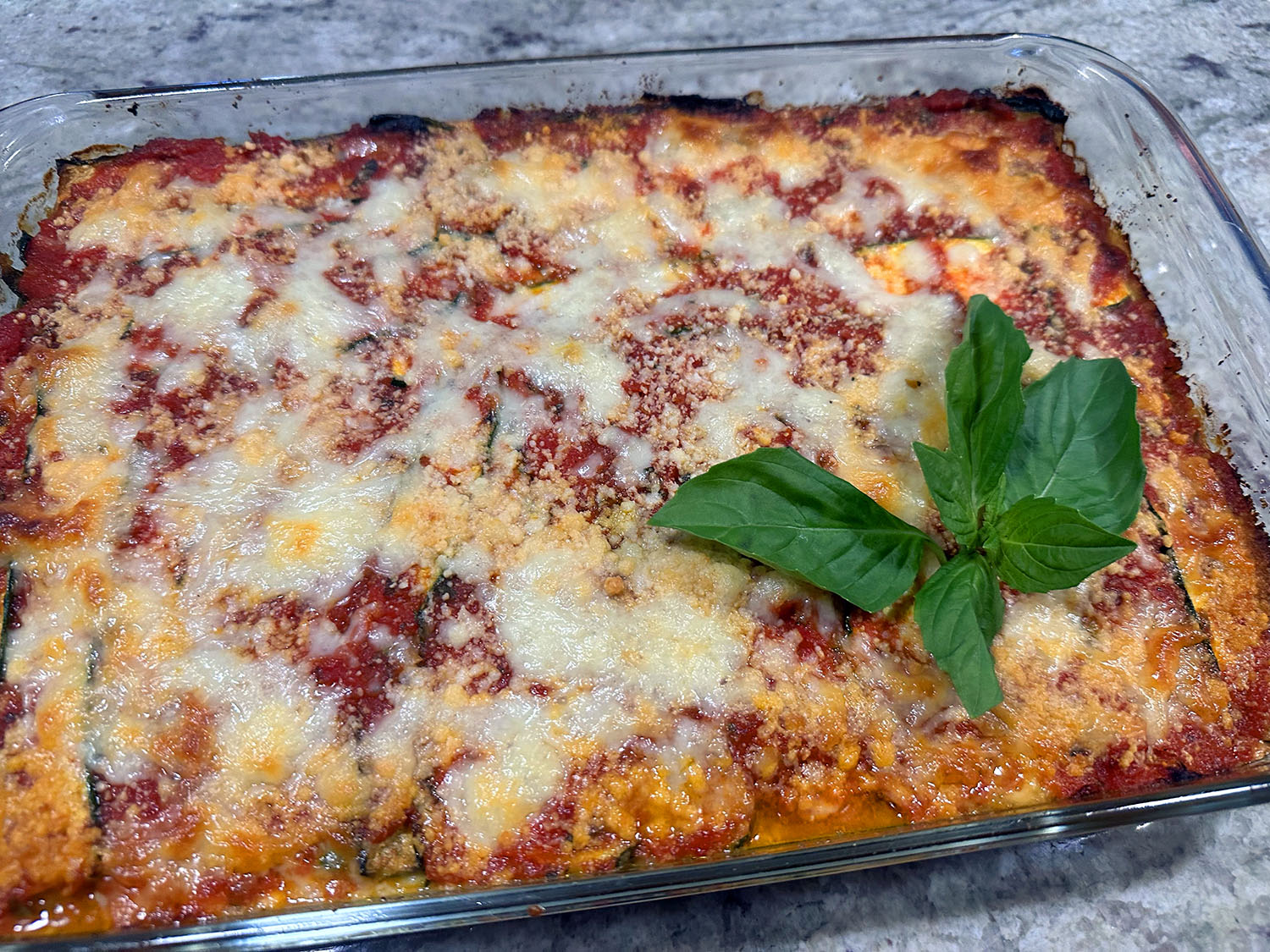
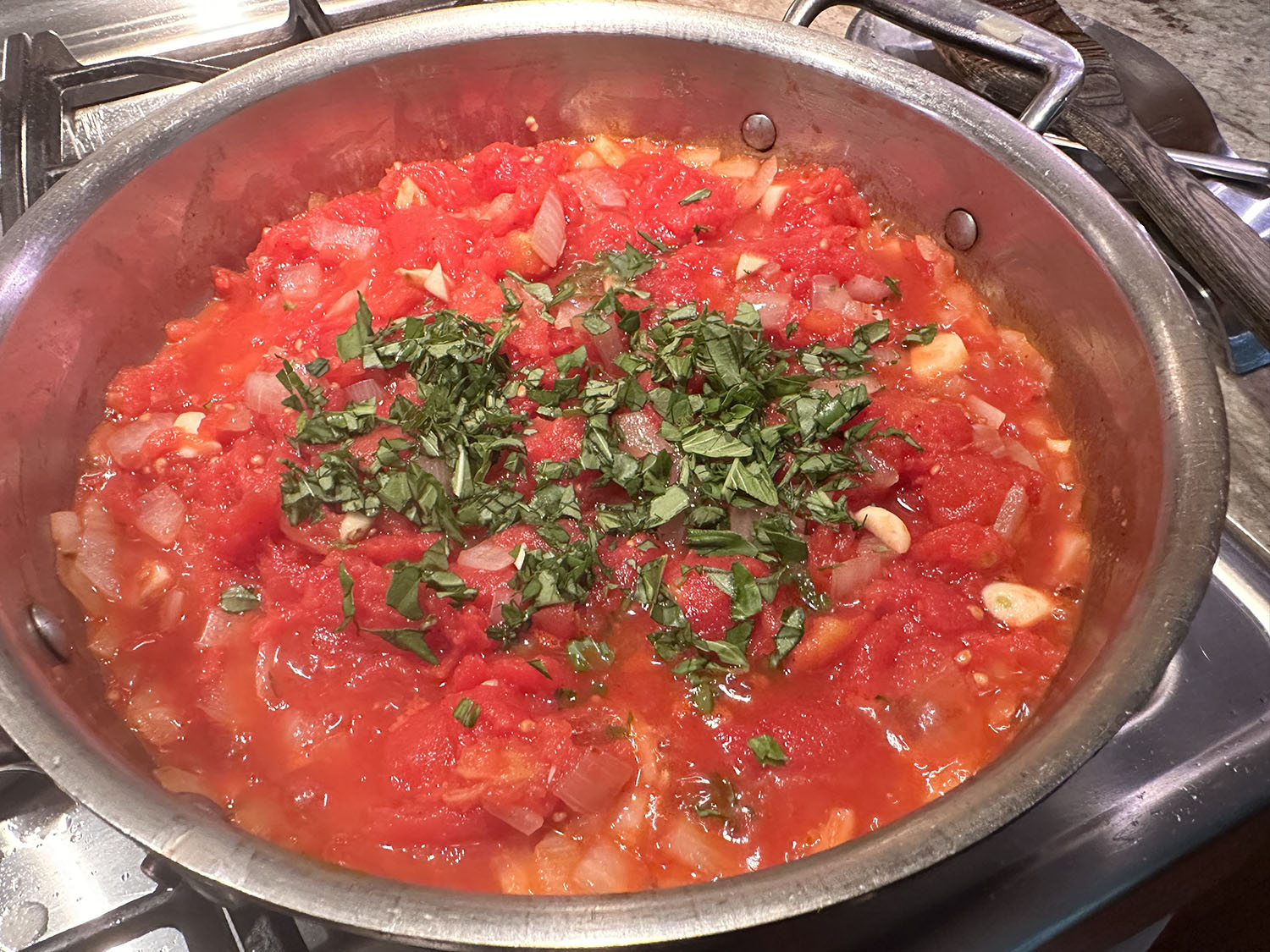
By mid- to late-summer, many home gardeners (or farm stands) will have ample tomatoes and zucchini, so this tasty recipe will assist in using up some of that seasonal bounty. It’s a wonderful meatless dish that can be served as a side or as an entrée with a side salad.

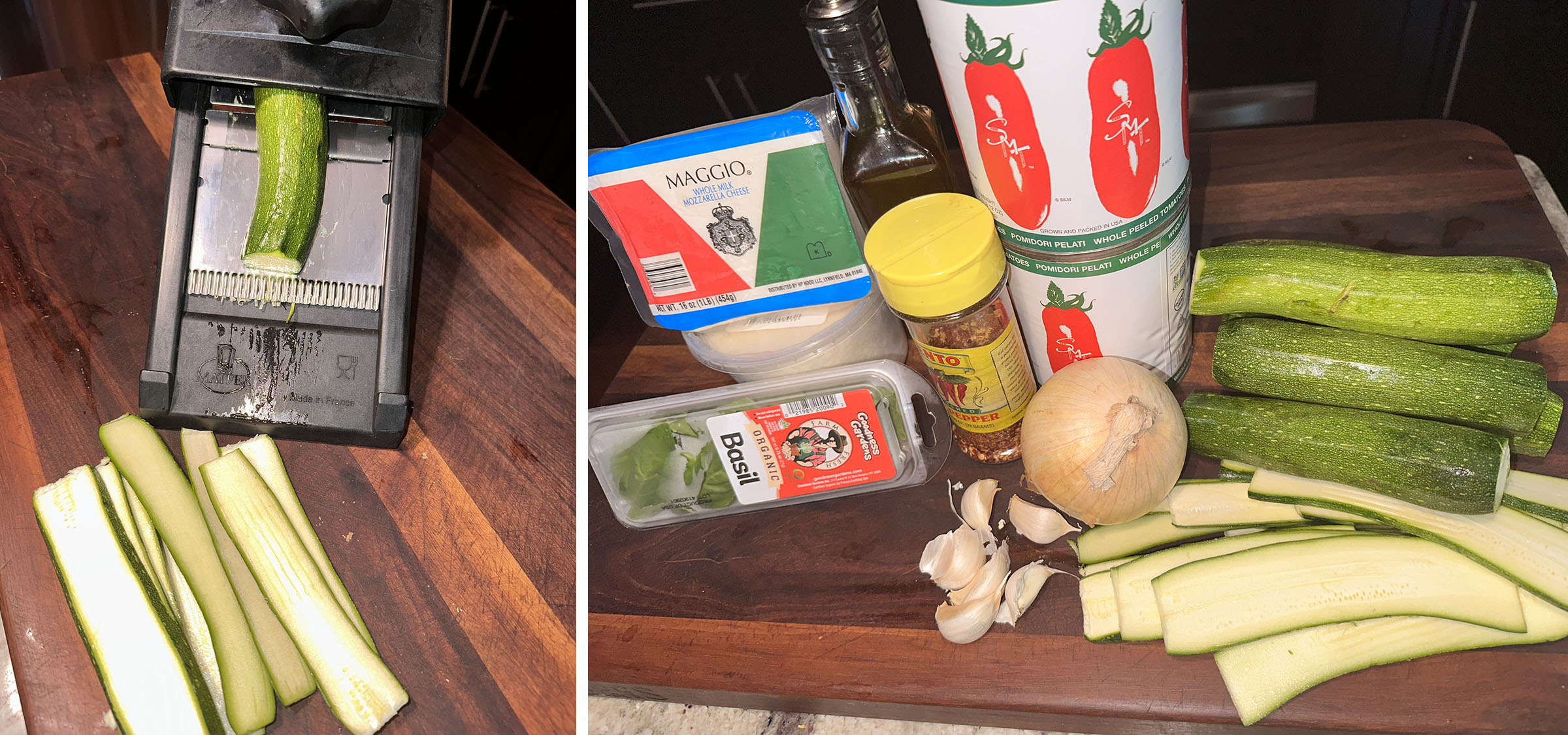
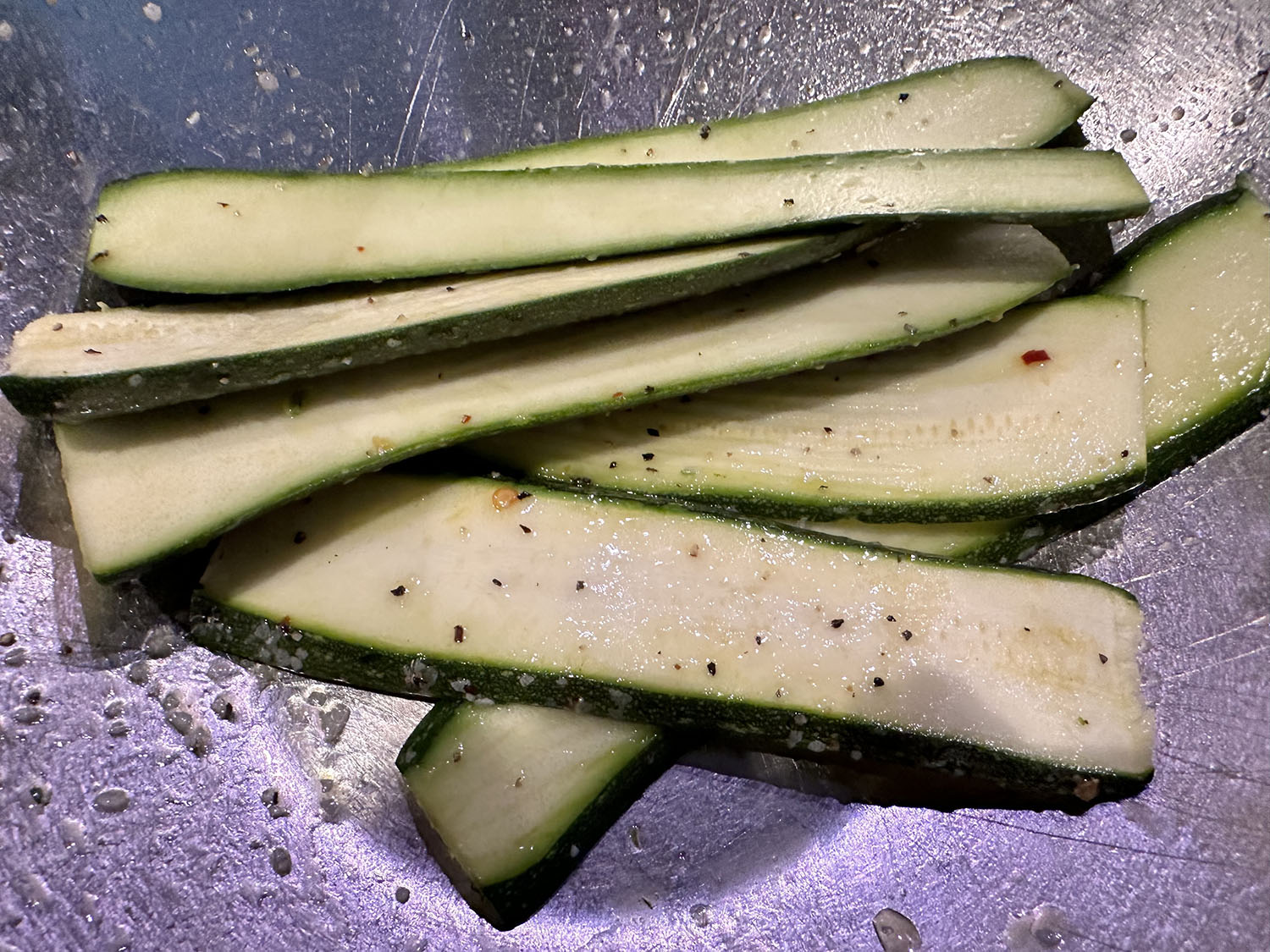
The original recipe by Martha Shulman looked very appetizing, however, we felt a number of alterations could improve the outcome. Roasting, rather than frying the zucchini, allows you to cut down on olive oil and time. With small zucchini under 8 inches long, there is no need to cut them in half crosswise; simply slice them into 1/4″ strips using a mandoline if you have one.

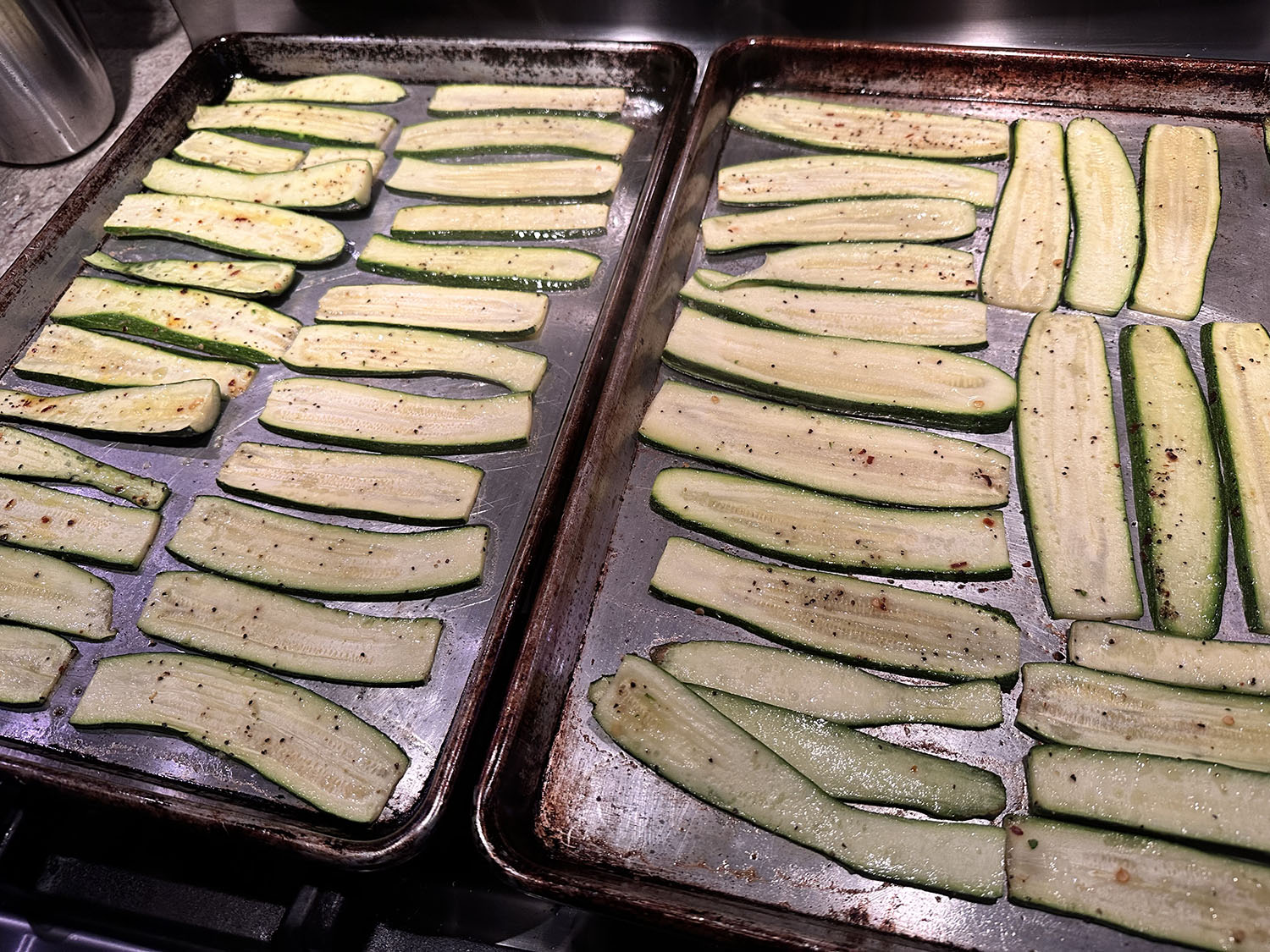
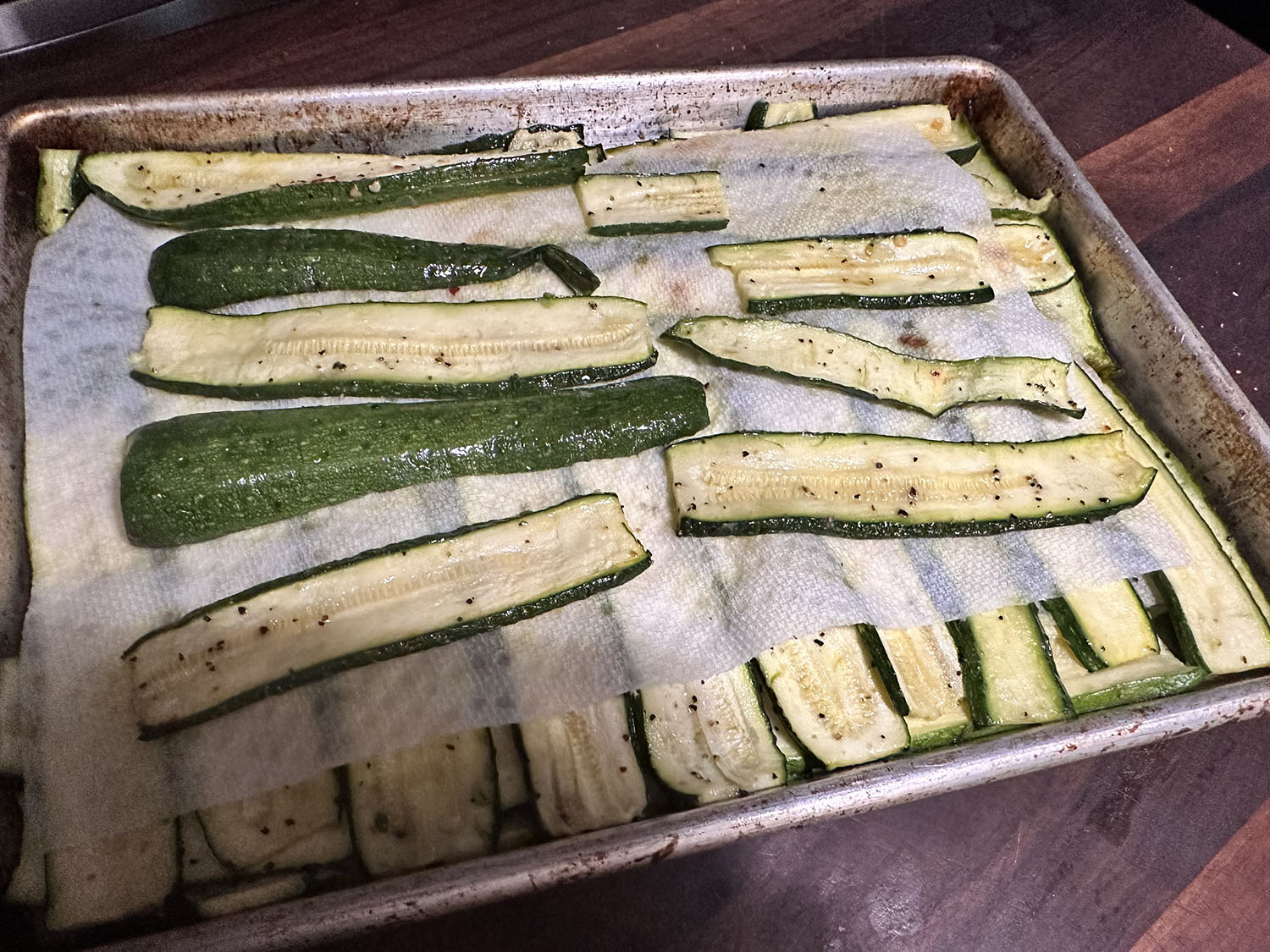
Two sheet pans are oiled with Pam Olive Oil spray instead of lining them with parchment (which many reviewers claimed left the zucchini too watery). After roasting the zucchini, layer the cooled planks between paper towels, and refrigerate until ready to assemble. This helps eliminate any extra moisture. Do this step the day before or that morning, which will save time when you are ready to prep.

Of course, while using fresh tomatoes is preferred, another time saver is to use canned whole tomatoes instead. Crush them with your hands, then follow the directions for making the sauce. For a heftier meal, amp up the dish with 8 ounces of shredded mozzarella, sprinkling between each set of layers with some on top. A small amount of sugar (1⁄8 tsp.) was in the recipe, but we did not include any.

It will serve 4-6 as an entrée, or 8-10 as a side. Fabulous as leftovers too… eaten at room temperature, or reheated.

Zucchini Parmesan

  • Servings: 4-6
  • Difficulty: easy
  • Print

Ingredients

For the Tomato Sauce

  • 2 to 2½ lbs. fresh ripe tomatoes; OR 2, 28-ounce cans of whole tomatoes, hand crushed
  • 1 Tbsp. extra-virgin olive oil
  • 1 small onion, chopped
  • 6 garlic cloves (more or less to taste), roughly chopped
  • Salt and pepper
  • 3 Tbsp. chopped fresh basil, divided

For the Zucchini Parmesan

  • 2 to 2¼ lbs. zucchini
  • Salt and pepper
  • 3 Tbsp. extra-virgin olive oil, divided
  • ½ to 1 tsp. red pepper flakes, to taste
  • ¾ cup freshly grated Parmesan
  • 8 oz. shredded mozzarella

Directions

  1. If you have a food mill, quarter tomatoes. If not, peel, seed and chop them. OR, use canned whole tomatoes and drain the juices saving for another purpose. Crush tomatoes with hands.
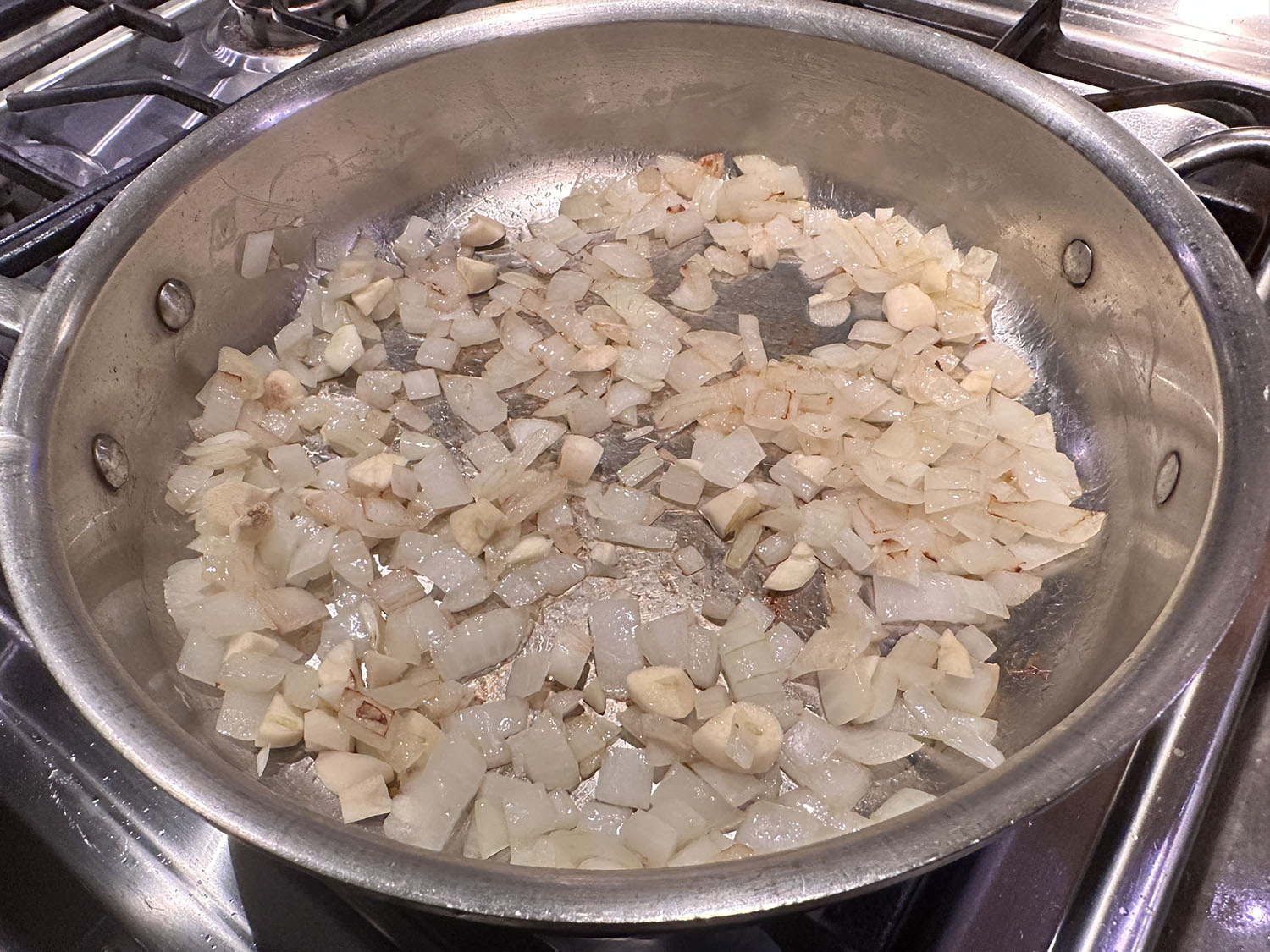
  2. To make tomato sauce, heat 1 tablespoon olive oil in a large, heavy skillet over medium heat and add onion. Cook, stirring often, until tender, about 5 minutes.
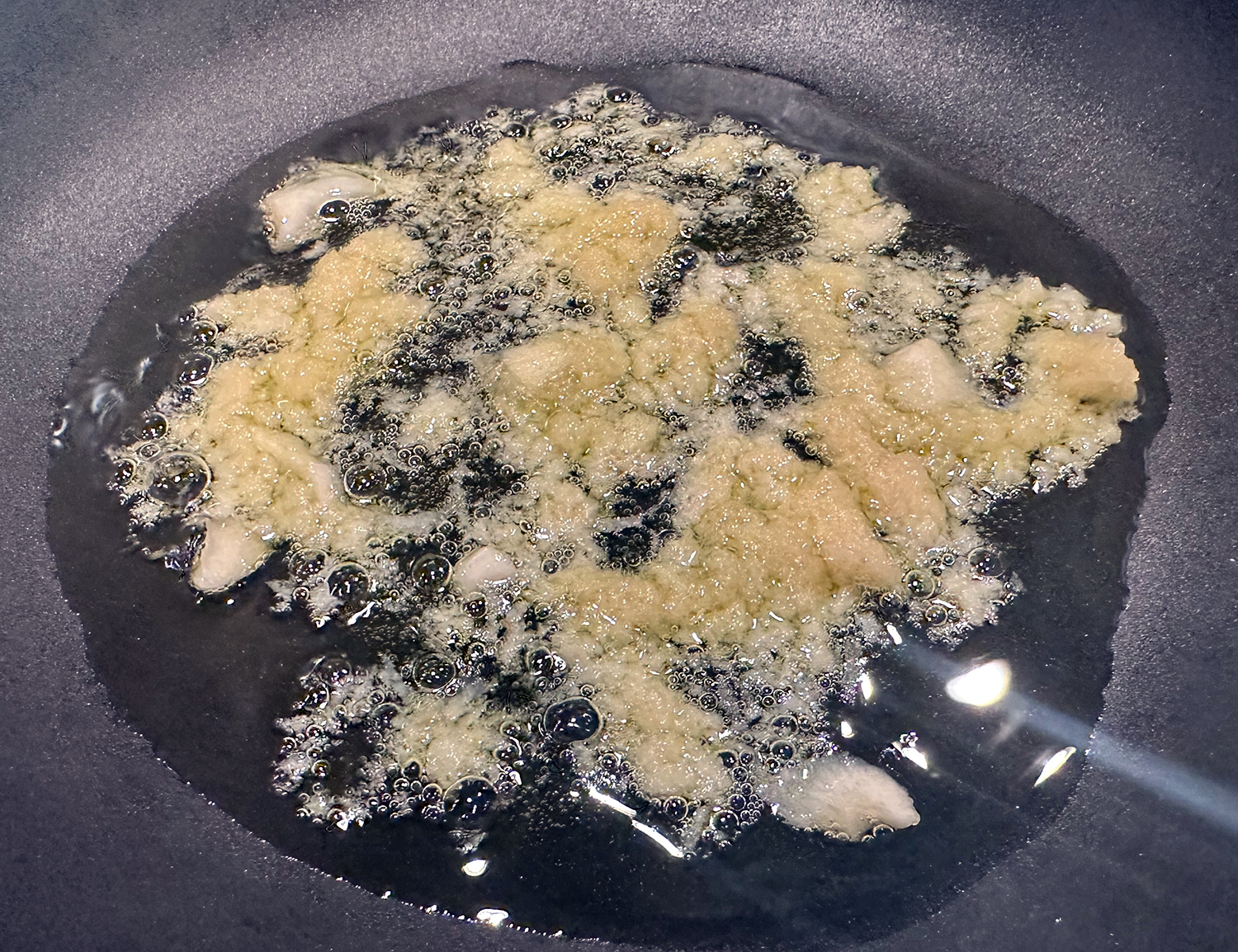
  3. Add garlic. Cook, stirring, until fragrant, 30 seconds to a minute, and add crushed tomatoes, salt, pepper, and 2 tablespoons of chopped basil. Increase heat to medium-high. When tomatoes are bubbling briskly, stir and reduce heat to medium. Cook, stirring often, until tomatoes have cooked down and are beginning to stick to pan, 15 to 25 minutes, depending on consistency. Taste and adjust seasoning.
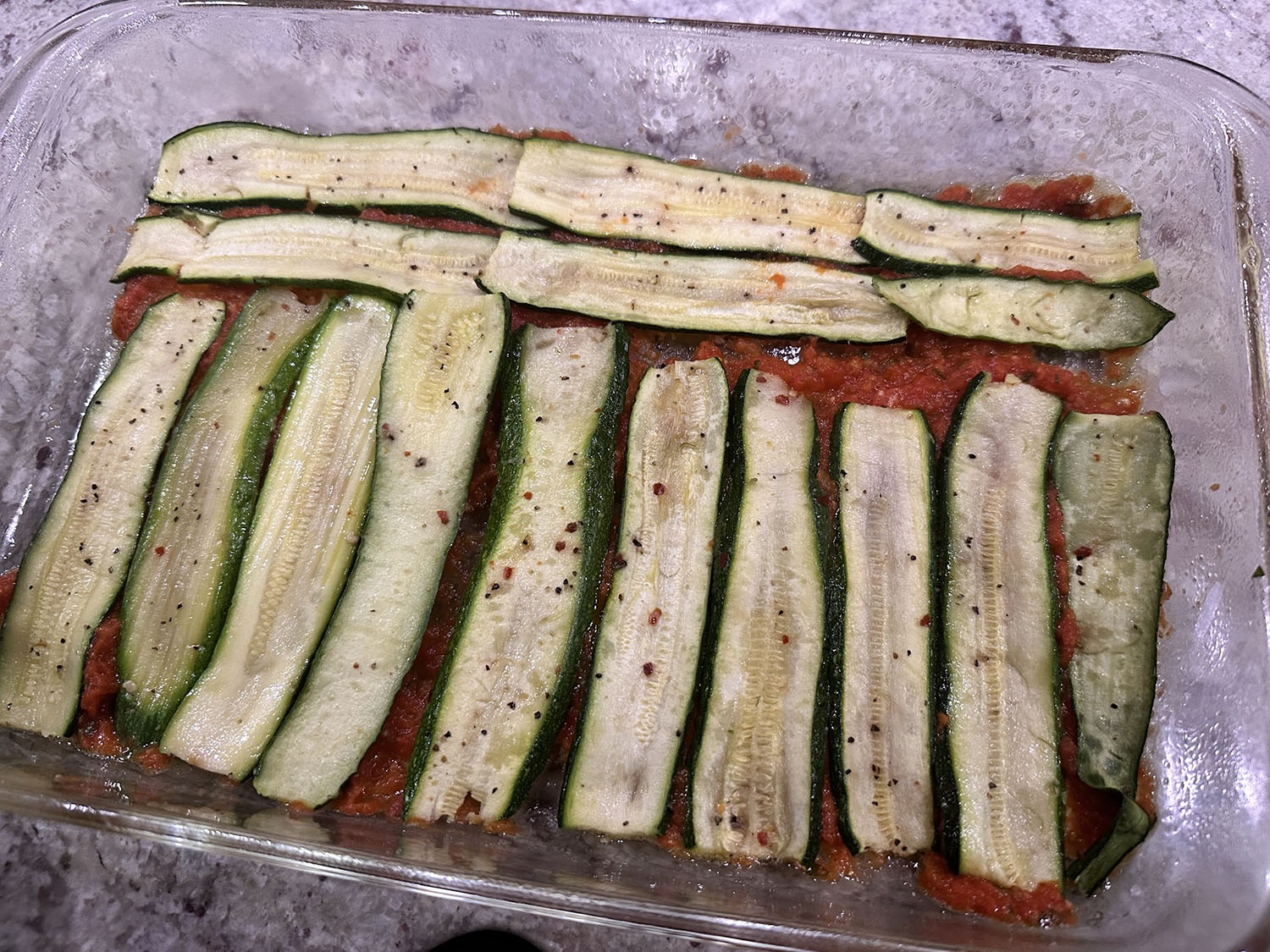
  4. Heat oven to 450 degrees. Spray 2 sheet pans with olive oil. Trim ends off zucchini and cut in half crosswise if larger than 8 inches long, then cut into lengthwise slices, about ¼ to ⅓ inch thick (a mandoline comes in handy for this step).
  5. Season on both sides with salt and pepper and toss with 2 tablespoons olive oil. Arrange zucchini slices on baking sheets in one layer and sprinkle with red pepper flakes. Roast for 12 minutes, until lightly browned and easily pierced with a knife. Remove from oven and reduce heat to 375 degrees.
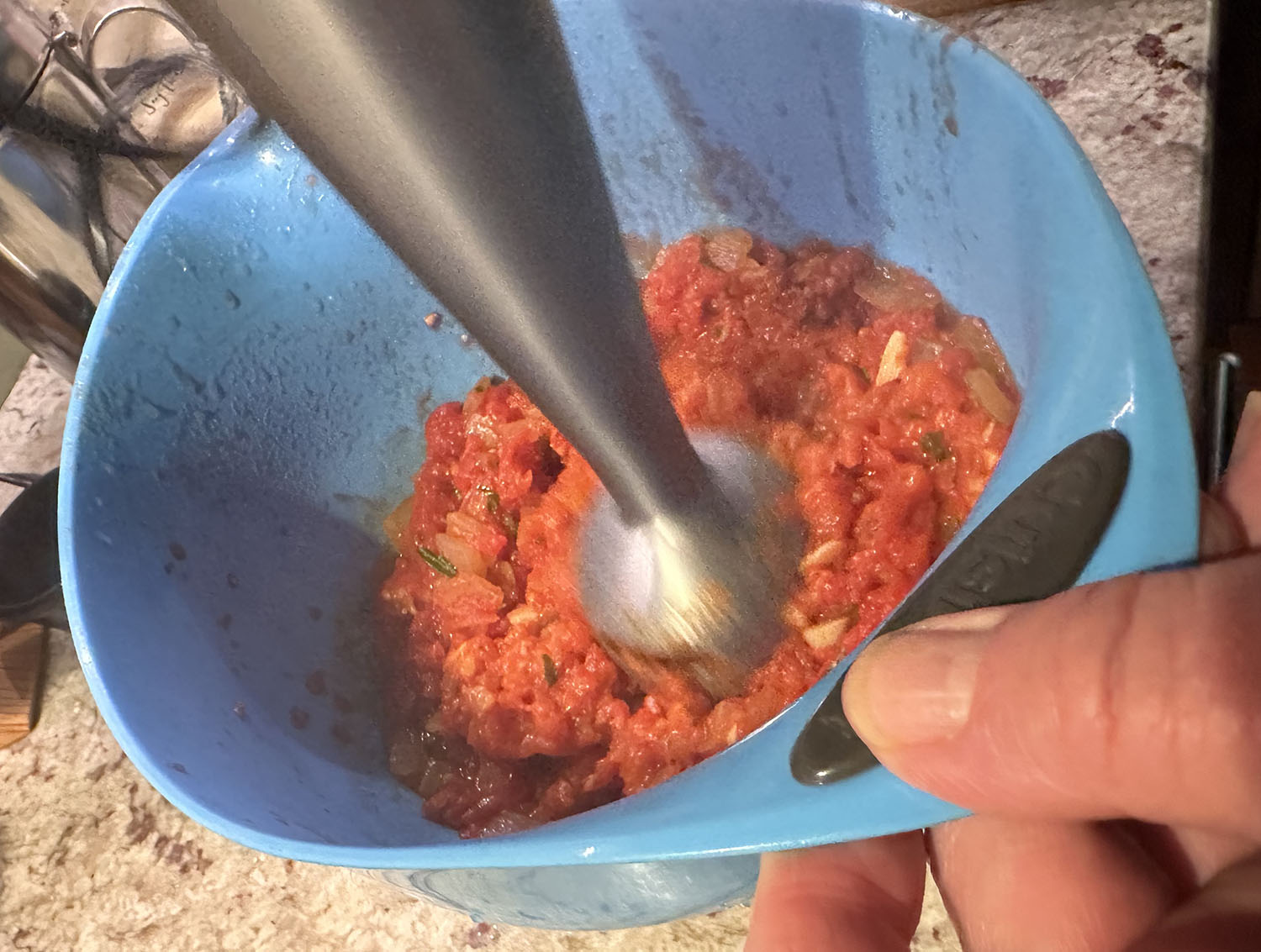
  6. If using a food mill, put sauce through medium blade. If not, pulse sauce in a food processor fitted with steel blade until just coarsely puréed. (Or use an immersion blender.) Stir in remaining chopped basil.
  7. To assemble the dish, oil a 2-quart gratin pan with olive oil. Spread ¼ cup tomato sauce over bottom of dish. Arrange a third of the zucchini in an even layer over tomato sauce. Spoon a third of remaining sauce over zucchini, sprinkle with ¼ cup Parmesan, and add 1⁄3 of mozzarella. Repeat with 2 more layers, ending with ¼ cup Parmesan and remaining mozzarella. Drizzle on remaining tablespoon olive oil.
  8. Bake 30 to 35 minutes, until bubbling and browned on the top and edges. Remove from heat and allow to sit for 10 minutes before serving.

http://www.lynnandruss.com

Loosely adapted from a recipe by Martha Shulman for NYTimes Cooking

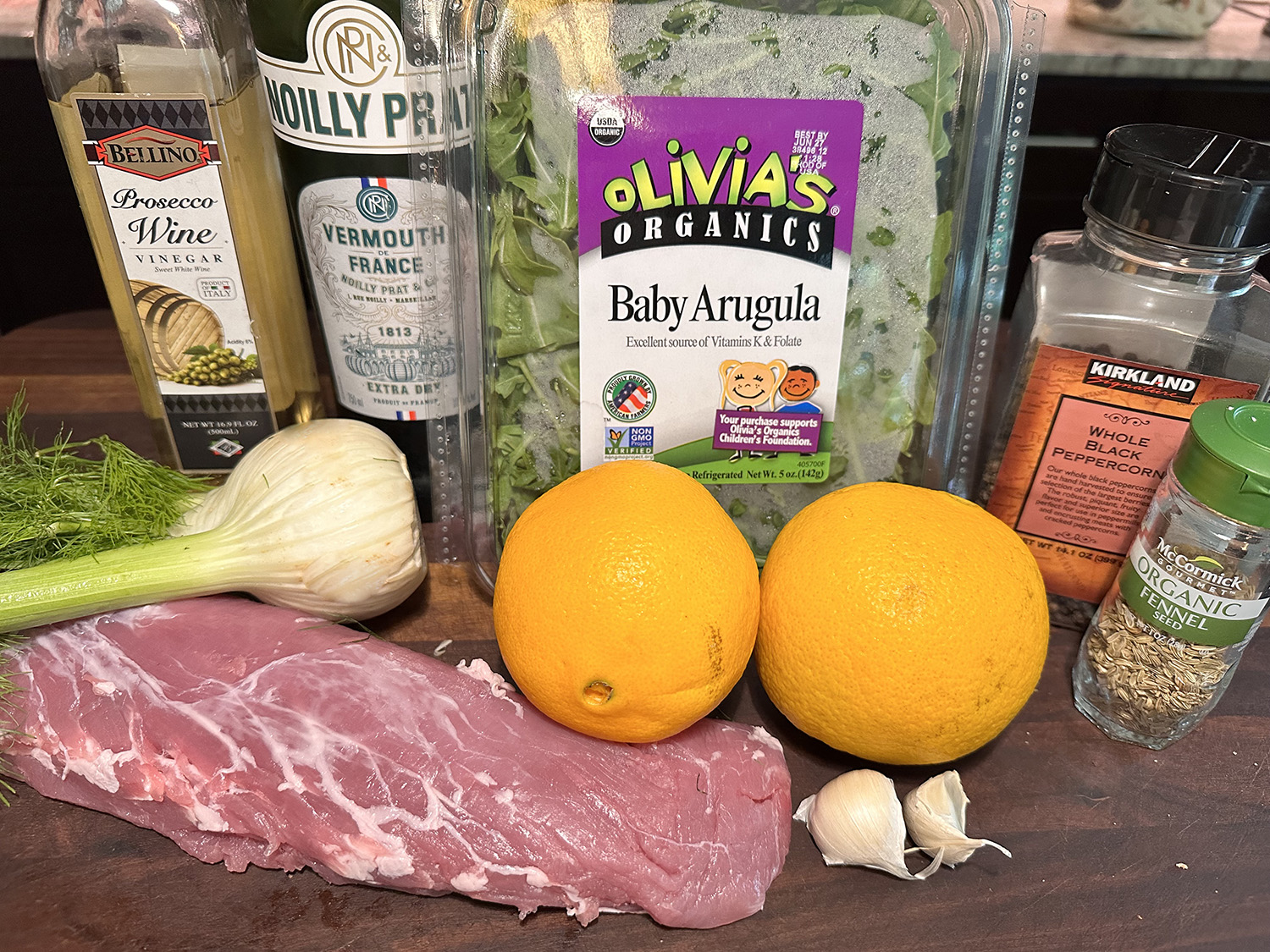
Fennel-Crusted Pork Tenderloins with Orange and Arugula Salad

With this recipe, Milk Street’s intention was to evoke the flavor and aroma of Italian porchetta. Porchetta is a wonderfully fatty and delicious boneless pork roast hailing from Italy. Traditionally, porchetta is made with a whole, deboned suckling pig. But now it’s generally made with only the best part of the pig—rind on pork belly.

But here we use pork tenderloin which is remarkably lean and mild. To compensate for the lack of fat (and therefore flavor), complexity is introduced with a bright, citrusy sauce and salad to perfectly complement the fennel seed and black pepper spice mix that seasons the meat.

The two tenderloins are quickly seared on the stovetop and finished in the oven before they’re sliced and served atop the salad, so you will need an oven-safe 12-inch skillet, (a large cast iron one works well) for this recipe.

The weight of our single tenderloin was 1.5 lbs for just the two of us. All of the other ingredient amounts were kept the same, except the baby arugula, which we used about 3 ounces of the 5-ounce package. A truly delicious meal!

Fennel-Crusted Pork Tenderloins with Orange and Arugula Salad

  • Servings: 6
  • Difficulty: easy
  • Print

Ingredients

  • 1 Tbsp. fennel seeds
  • 2 tsp. black peppercorns
  • Kosher salt and ground black pepper
  • 2 1 1/4 lb. pork tenderloins, silver skin removed, patted dry
  • 2 oranges
  • 5 Tbsp. extra-virgin olive oil, divided
  • 1 Tbsp. white wine vinegar
  • 2 medium garlic cloves, thinly sliced
  • 1/4 cup dry vermouth
  • 1 container baby arugula, (5 oz.)
  • 1 small fennel bulb, trimmed, halved, cored and thinly sliced

Directions

  1. Heat the oven to 450°F with a rack in the middle position. In a spice grinder, pulse the fennel seeds and peppercorns until coarsely ground, 8 to 10 pulses. Transfer to a small bowl and stir in 1 teaspoon salt. Measure ½ teaspoon of the spice mix into a small bowl, then sprinkle the remainder all over the pork, rubbing it into the meat; set both the reserved spice mix and pork aside.
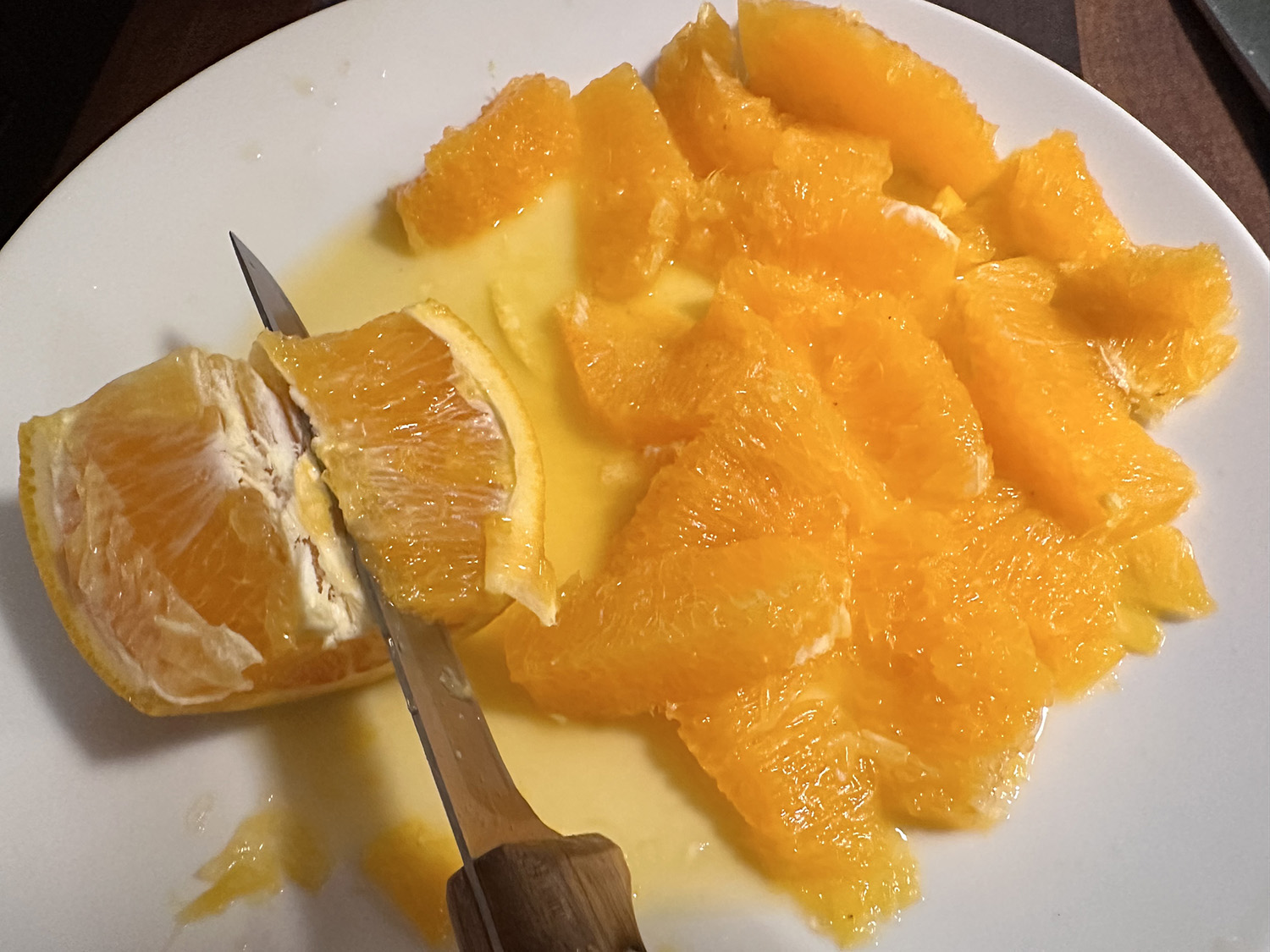
  2. Grate 1 teaspoon zest from 1 orange and add to a medium bowl. Using a sharp knife, slice off the top and bottom ½ inch from each orange. One at a time, stand the oranges on a cut end and cut from top to bottom following the contours of the fruit to remove the peel and white pith. Hold each orange over the bowl containing the zest and cut between the membranes to release the segments, allowing the juices to fall into the bowl; set the segments aside in a large bowl.
  3. Once all of the segments have been cut free, squeeze the membranes to collect their juice, then discard the membranes; you should have about 2 tablespoons juice. Into the zest-juice mixture, whisk 3 tablespoons oil, the vinegar and ¼ teaspoon each salt and pepper; set aside.
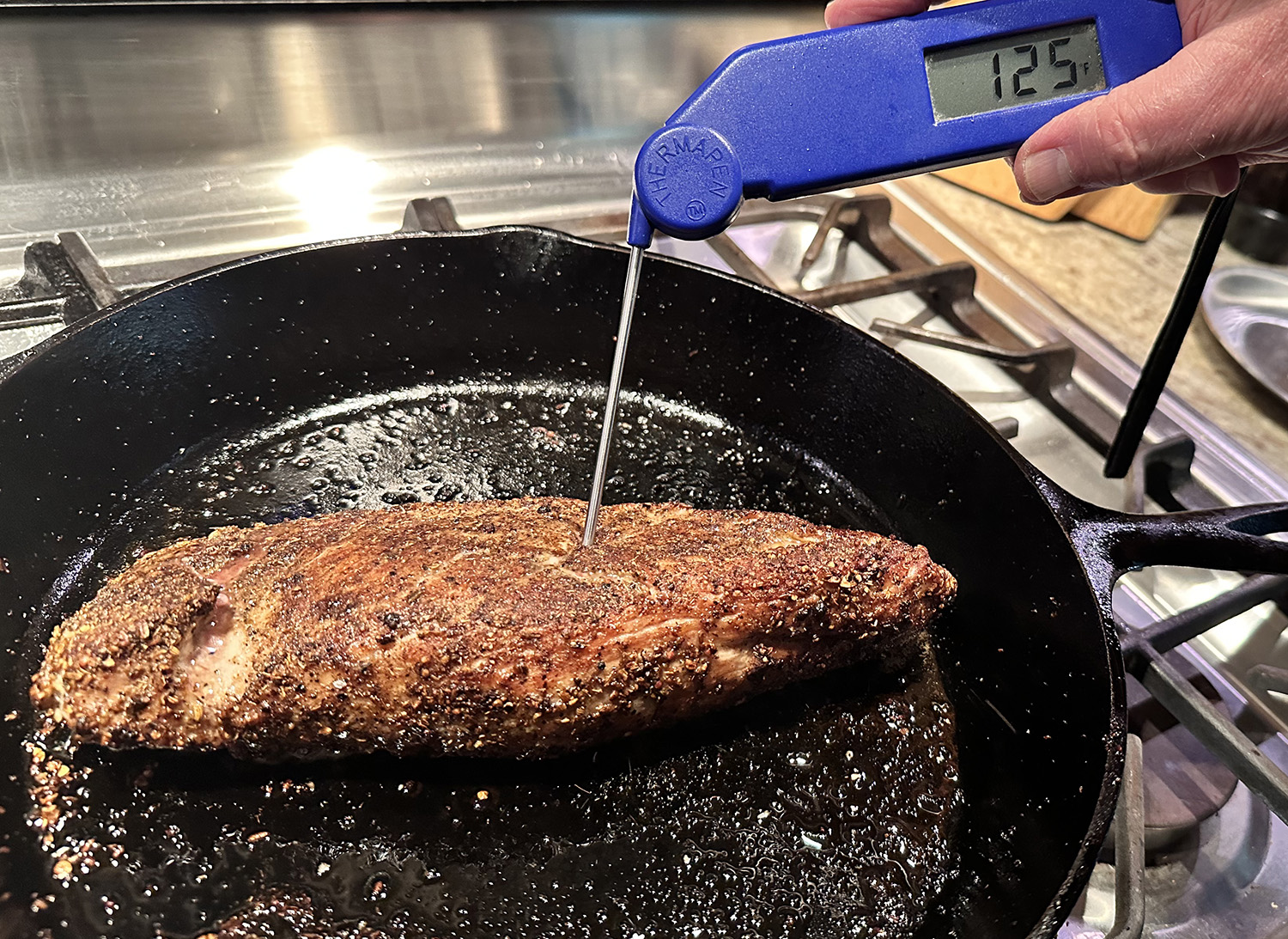
  4. In a 12-inch oven-safe skillet over medium-high, heat the remaining 2 tablespoons oil until barely smoking. Add the pork and cook, turning occasionally, until lightly browned on all sides, about 4 minutes. Transfer the skillet to the oven and roast until the center of the thickest piece reaches 135°F or is just slightly pink when cut into, 9 to 12 minutes. Remove from the oven (the handle will be hot) and transfer the pork to a cutting board; let rest while you make the sauce and salad.
  5. Set the skillet over medium, add the garlic and cook, stirring, until fragrant, about 30 seconds. Add the vermouth, bring to a simmer and cook, scraping up the browned bits, until reduced to about 3 tablespoons, 2 to 3 minutes. Stir in the orange juice mixture, then remove from the heat. To the bowl containing the orange segments, add the arugula, sliced fennel and 3 tablespoons of the sauce; toss to combine. Taste and season with salt and pepper.
  6. Arrange the salad in a bed on a serving platter. Thinly slice the pork, arrange on the salad and drizzle with a little of the remaining sauce, then sprinkle with the reserved spice mix. Serve the remaining sauce on the side.

http://www.lynnandruss.com

Adapted from a recipe from Milk Street
Honey-Chipotle Glazed Flank Steak and Cumin Cauliflower

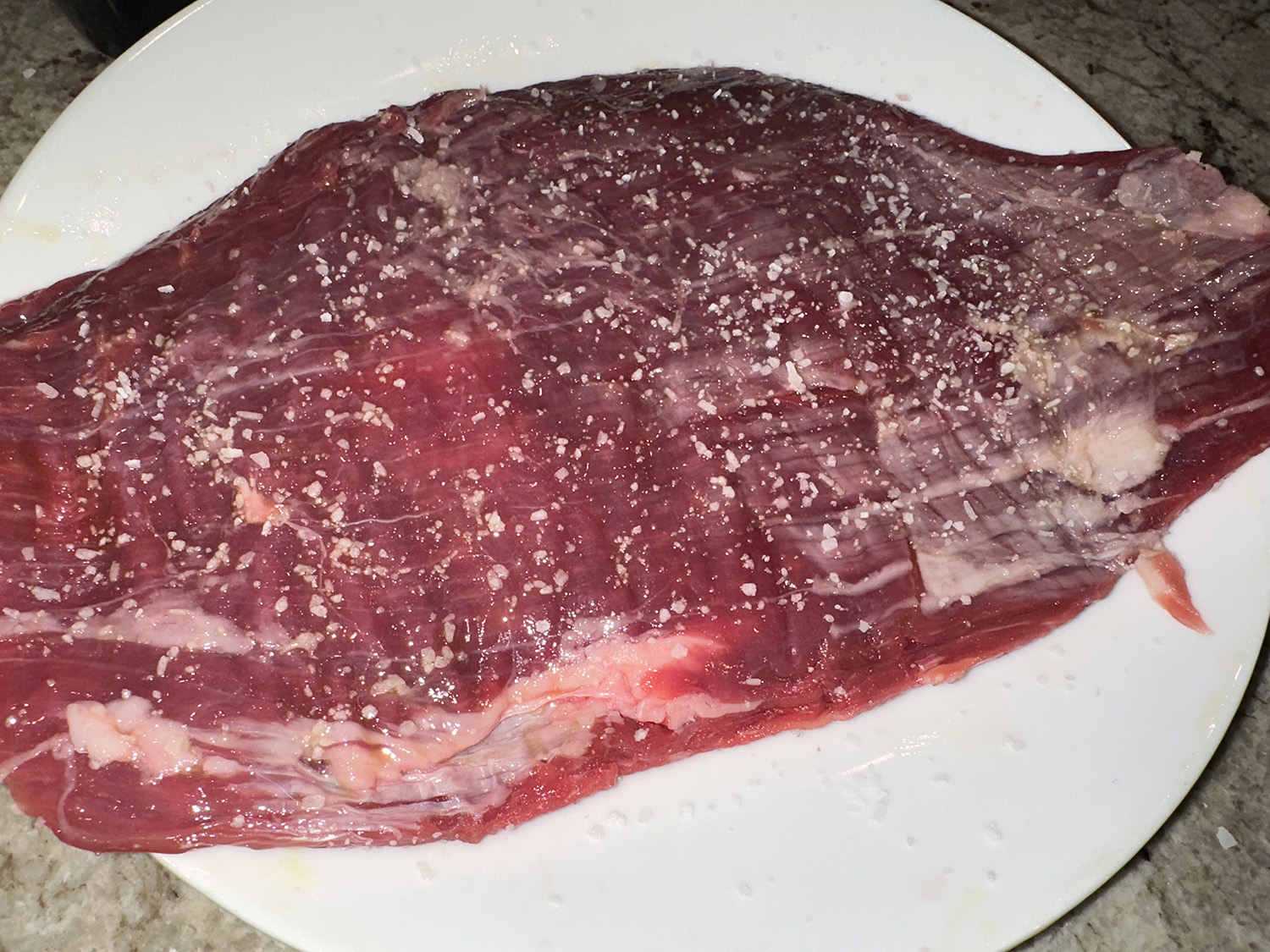
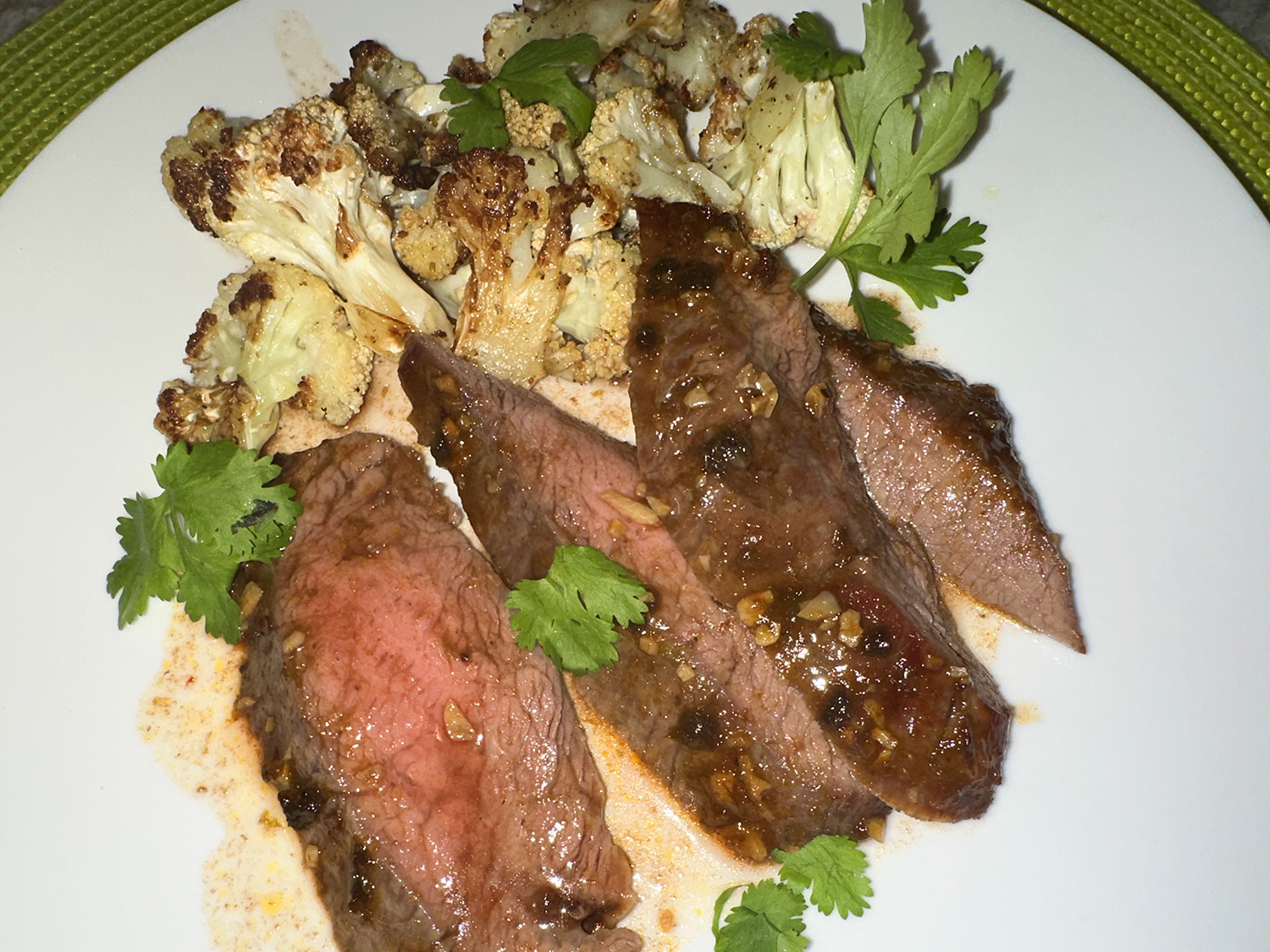
Flank steak, with its deep beefy flavor and standout striations that soak up rubs and marinades, it should be on everybody’s list of favorite grilling cuts. So when you’re craving a little barbecue flavor anytime of year, this recipe does the trick. The beauty of flank steak is that it absorbs the flavors of any rub or marinade easily.

One of the tastiest, and potentially toughest cuts of meat you’ll ever eat, there are two opposite cooking choices with flank. You either cook it hot and fast, or long and slow by braising. The purpose is to break down the connective tissues by cutting thin slices or by heat and moisture. Clearly we are doing the fast method here.

Using cumin as the common seasoning on both the meat and the cauliflower make them pair together well.

Honey-Chipotle Glazed Flank Steak and Cumin Cauliflower

  • Servings: Yield: 4
  • Difficulty: easy
  • Print

Ingredients

  • 2 tsp. extra virgin olive oil
  • 2 tsp. minced garlic
  • 1/2 tsp. ground cumin
  • Kosher salt
  • 1 1/2 Tbsp. minced canned chipotle in adobo sauce
  • 1 Tbsp. honey
  • 1 tsp. finely grated lime zest
  • 1 Tbsp. fresh lime juice
  • 1 lb. flank steak

Directions

  1. Position an oven rack 6 inches below the broiler and heat the broiler on high. Line a large-rimmed baking sheet with foil.
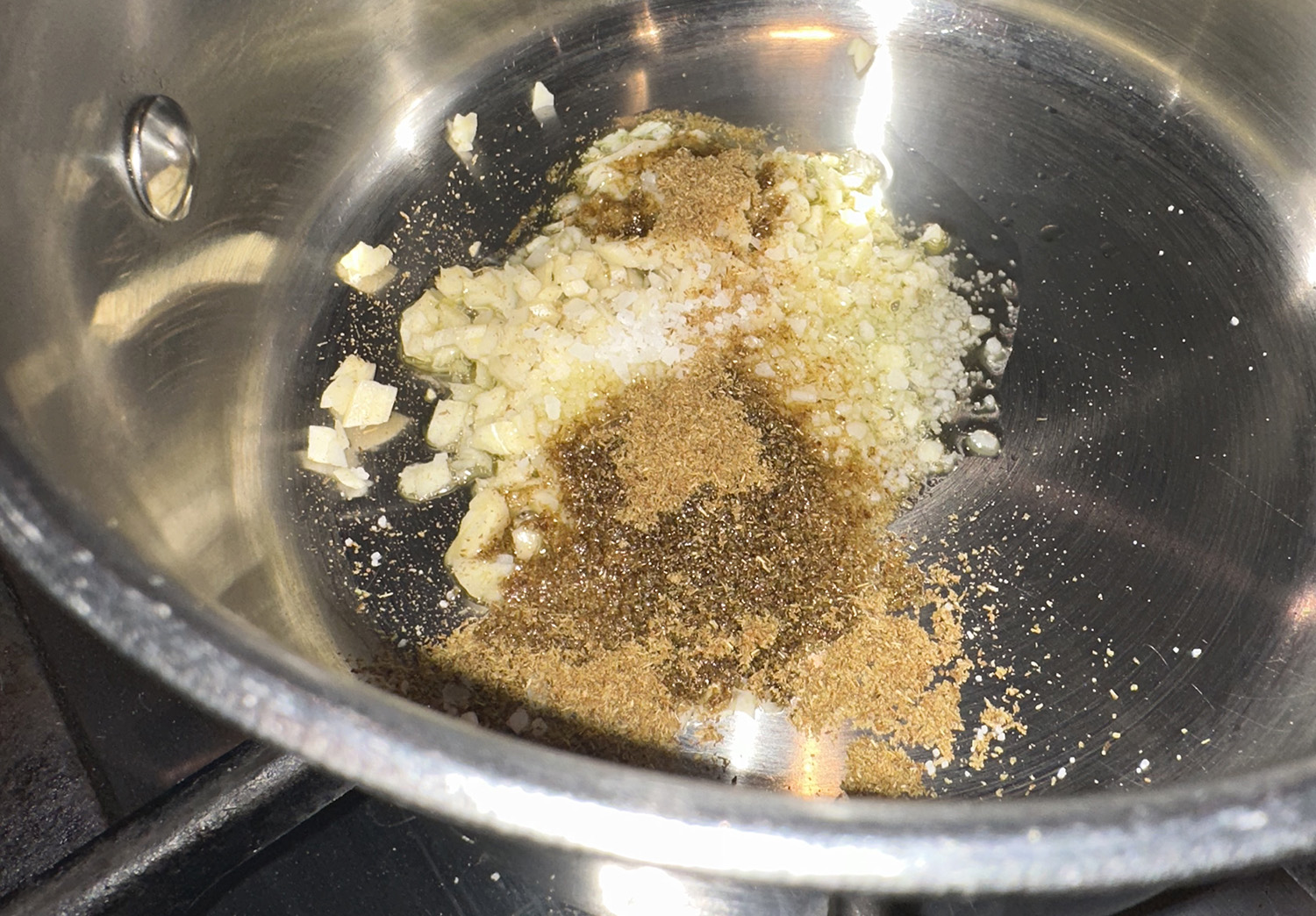
  2. Combine 1 tsp. of the oil, garlic, cumin, and 1/2 tsp. salt in a 1-quart saucepan over medium-low heat; cook, stirring occasionally, until the garlic is golden, about 2 minutes. Add the chipotle and honey and stir until heated through about 1 minute. Remove from the heat and stir in the lime juice and zest.
  3. Rub the flank steak with the remaining 1 tsp. oil and season generously with salt. Transfer to the prepared baking sheet and broil, turning once, until slightly browned and cooked to your liking, about 3 minutes per side for an internal temperature of 140°F.
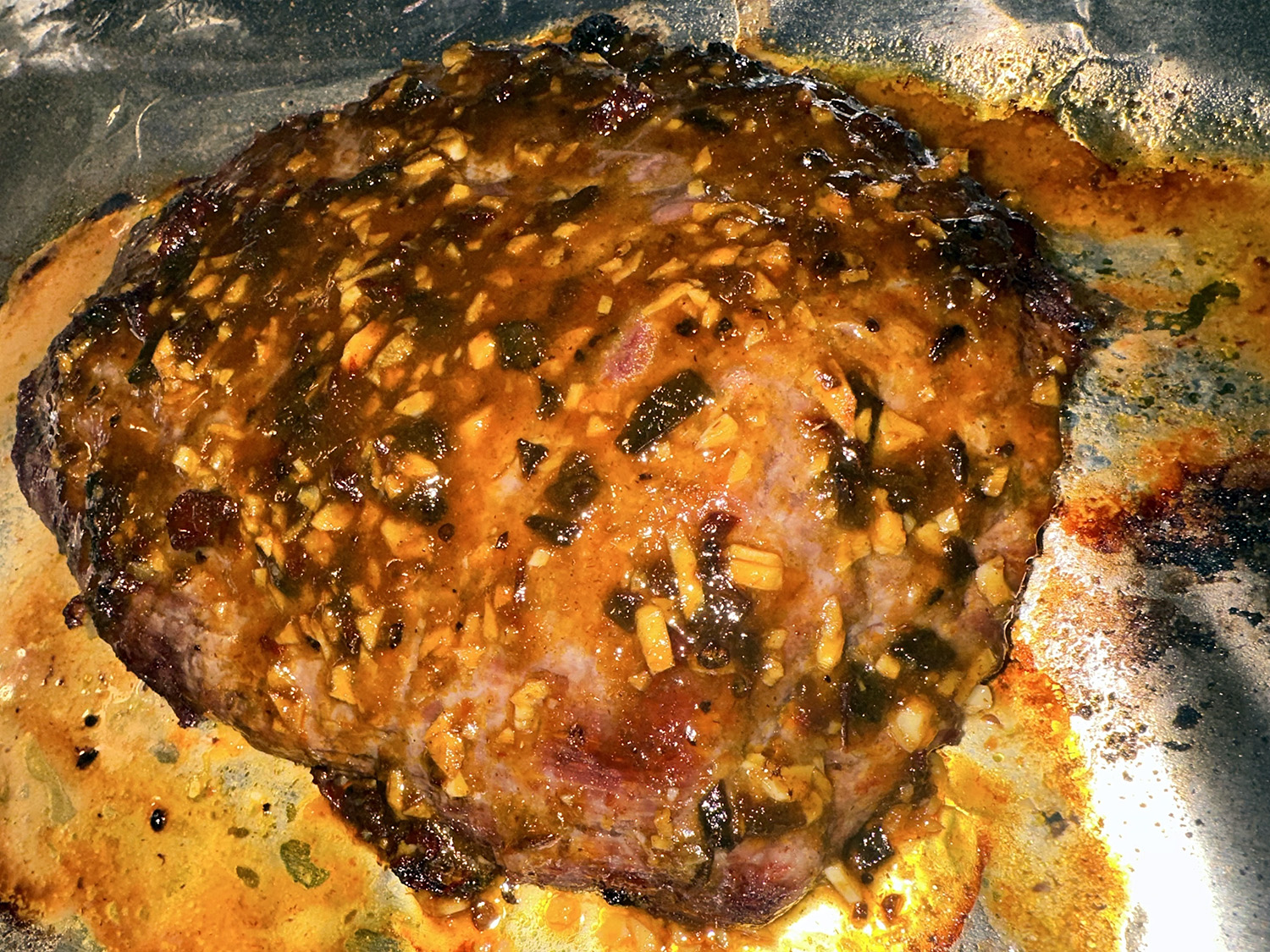
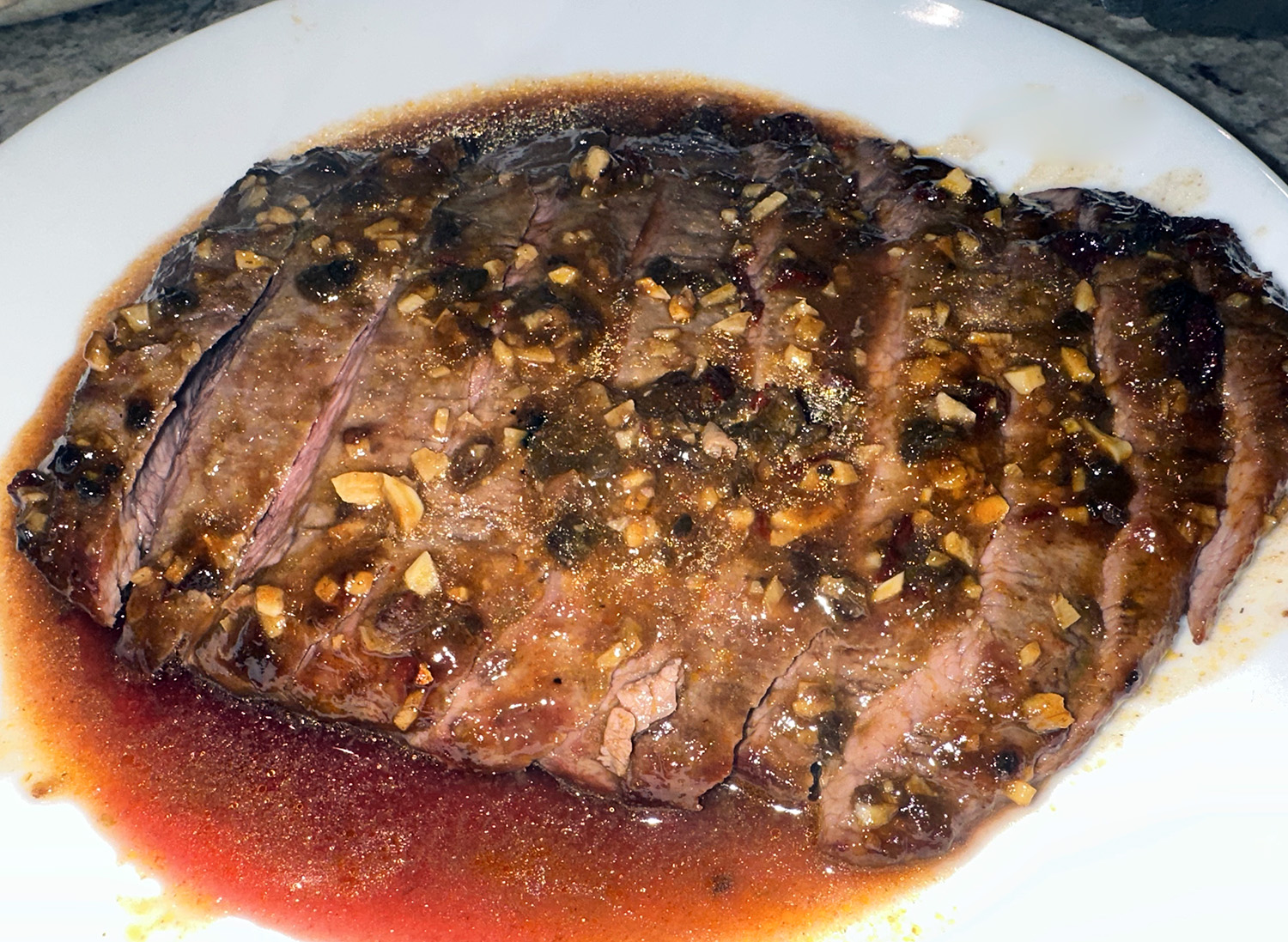
  4. Spread the glaze over the top of the steak and broil until it begins to bubble and darken in places, 1 to 2 minutes. Transfer to a cutting board and let rest for 5 minutes. Slice against the grain and serve.

Cumin Roasted Cauliflower

Ingredients

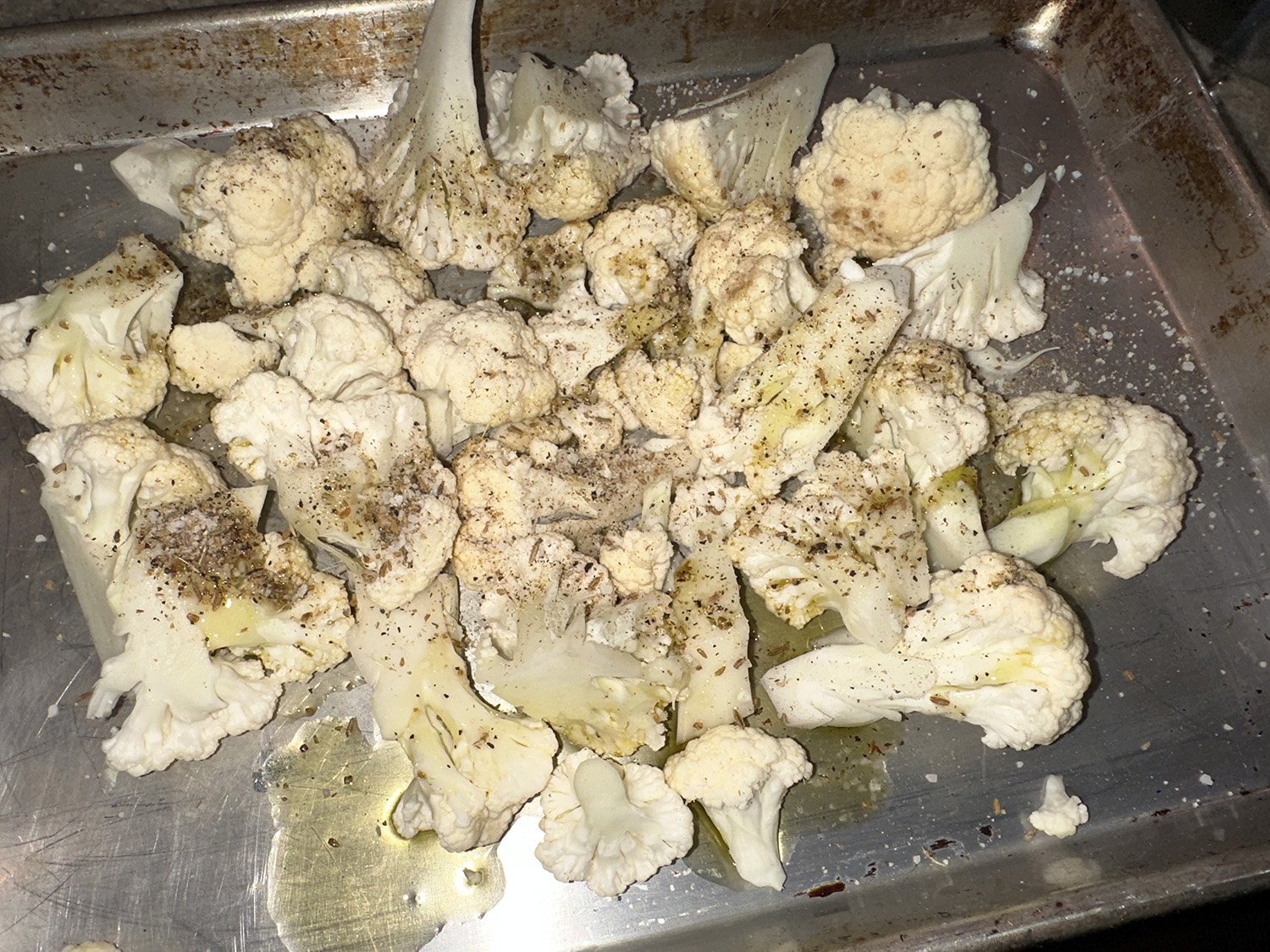
  • 1 medium cauliflower, broken down into florets
  • 1 tsp. cumin seeds, lightly crushed
  • 2 Tbsp. extra virgin olive oil
  • Kosher salt and ground black pepper, to taste

Directions

  1. Preheat oven to 450 degrees.
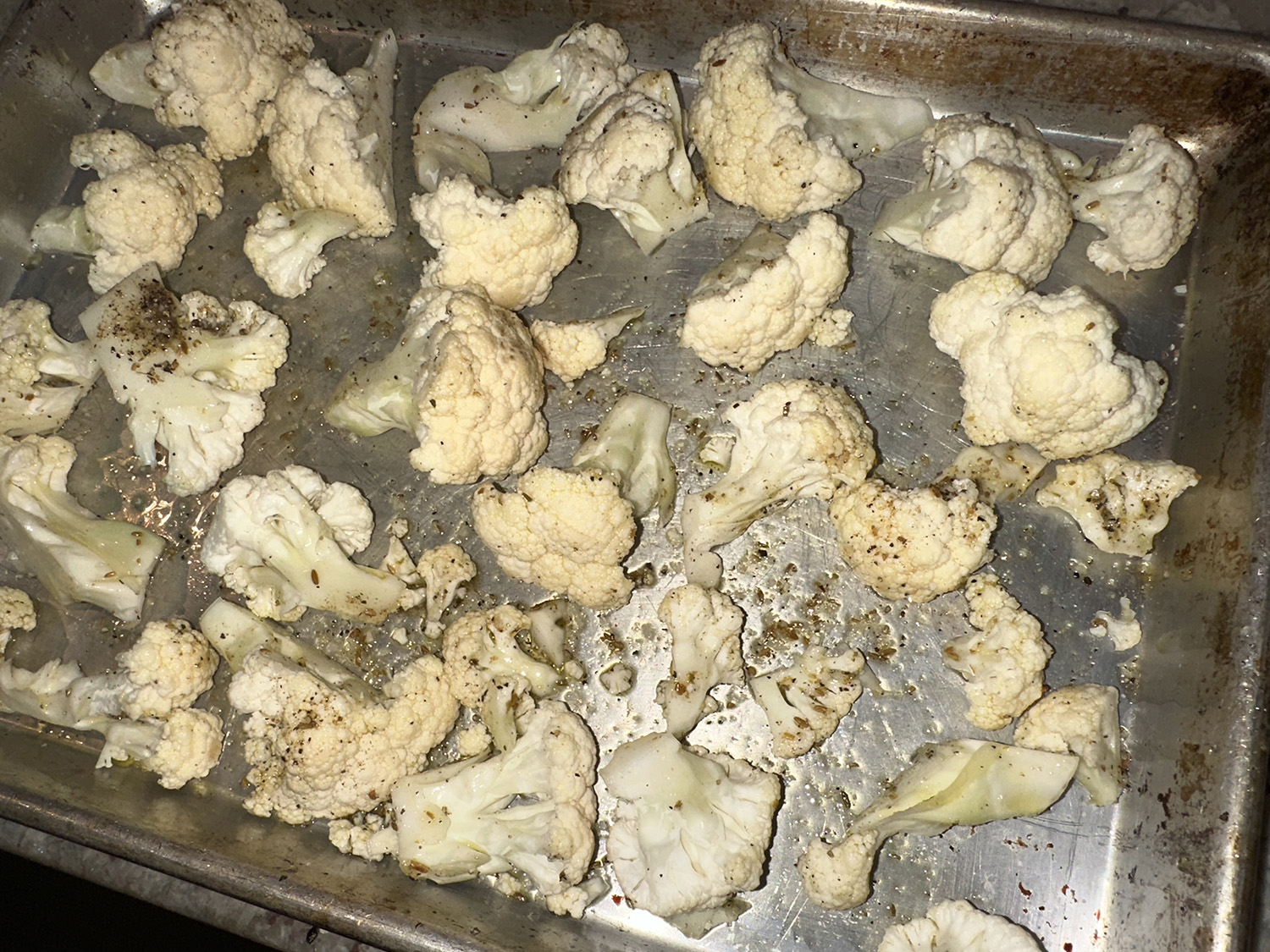
  2. Toss the cauliflower with olive oil, cumin seeds, and salt and pepper in a large bowl.
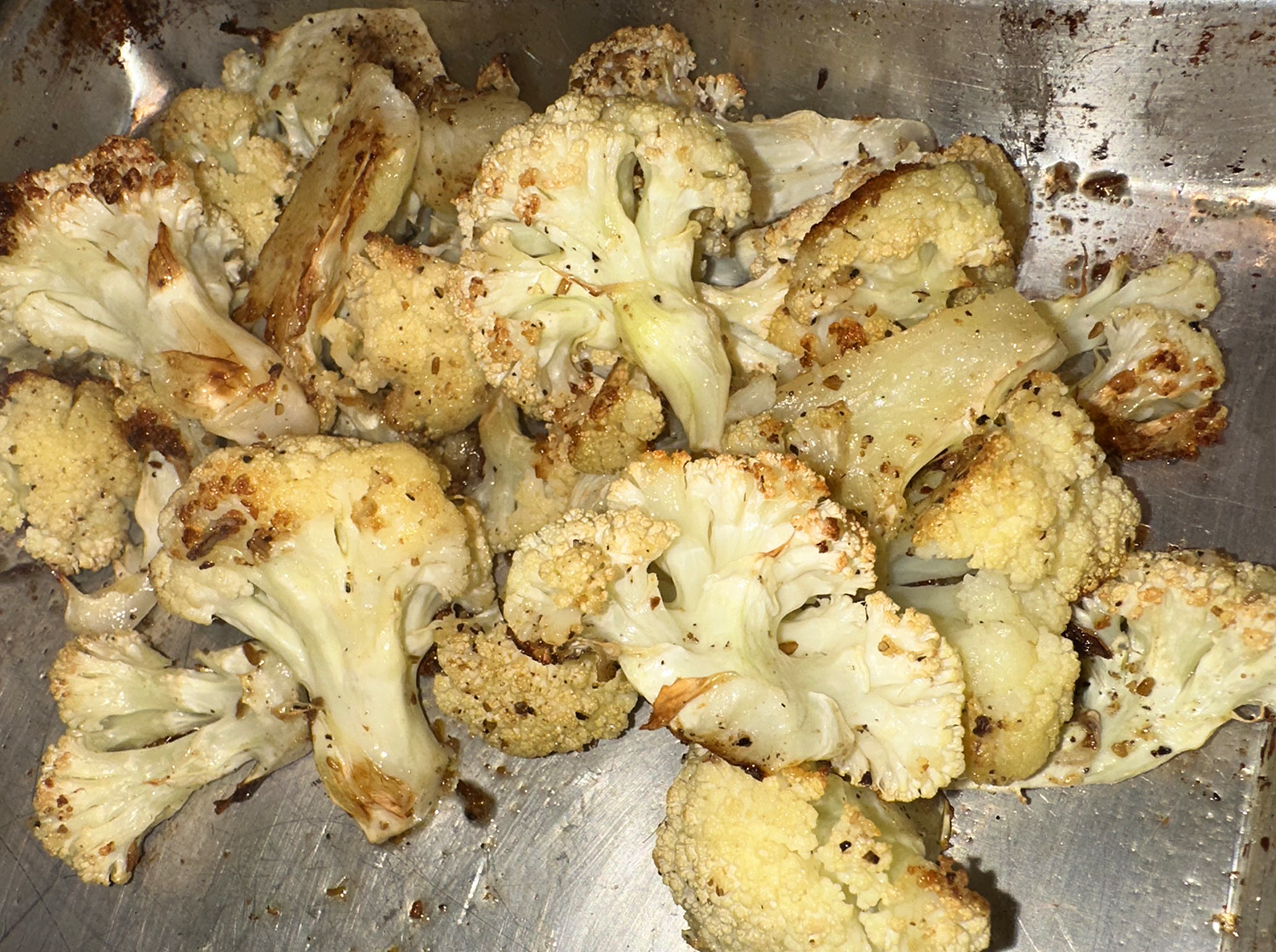
  3. Spread the cauliflower on a large sheet pan and roast in the preheated oven for 15-20 minutes turning halfway through cooking (cauliflower should be browned in spots and tender).

http://www.lynnandruss.com

Recipes by Julissa Roberts for Fine Cooking

Grilled Flap Steak, Mushroom and Onion Kebabs

As you are aware, Shish kebab is a dish of skewered and grilled cubes of meat that is popular all over the Middle East, and made of lamb, beef or chicken, they also are commonly found in the United States. When selecting the type of beef to make your kebabs, you have unlimited choices but ultimately you want your beef on the skewer to be tasty, tender and not break your budget.

If cost is not a hindrance, the best cut of beef for kebabs is definitely filet mignon. Other excellent beef options include Porterhouse, and if it looks good at the butcher or in the meat counter, also try a rib-eye. They all grill nicely and don’t require a marinade to make them tender. But while those cuts meet the criteria of best tasty beef, they’re pricey and will take a chunk out of your wallet.

For those looking for great flavor on a budget, sirloin tips work well if they are marinated ahead to make them more flavorful. Our choice, flap meat. Historically, flap meat was one of the cuts of beef that butchers kept out of the meat case for a reason: they were saving it for themselves. Much like skirt steak and hanger steak, it’s becoming more widely known and popular, and therefore easier to find in markets everywhere. (Costco carries flap meat.)

With its great beefy flavor, flap steak has a similar texture and grain to flank, hanger and skirt steaks. It tends to come to the market at 3 to 4 pounds, whereas skirt and flank steaks average around 2 pounds or less. Price-wise, flank and flap steaks are about the same.

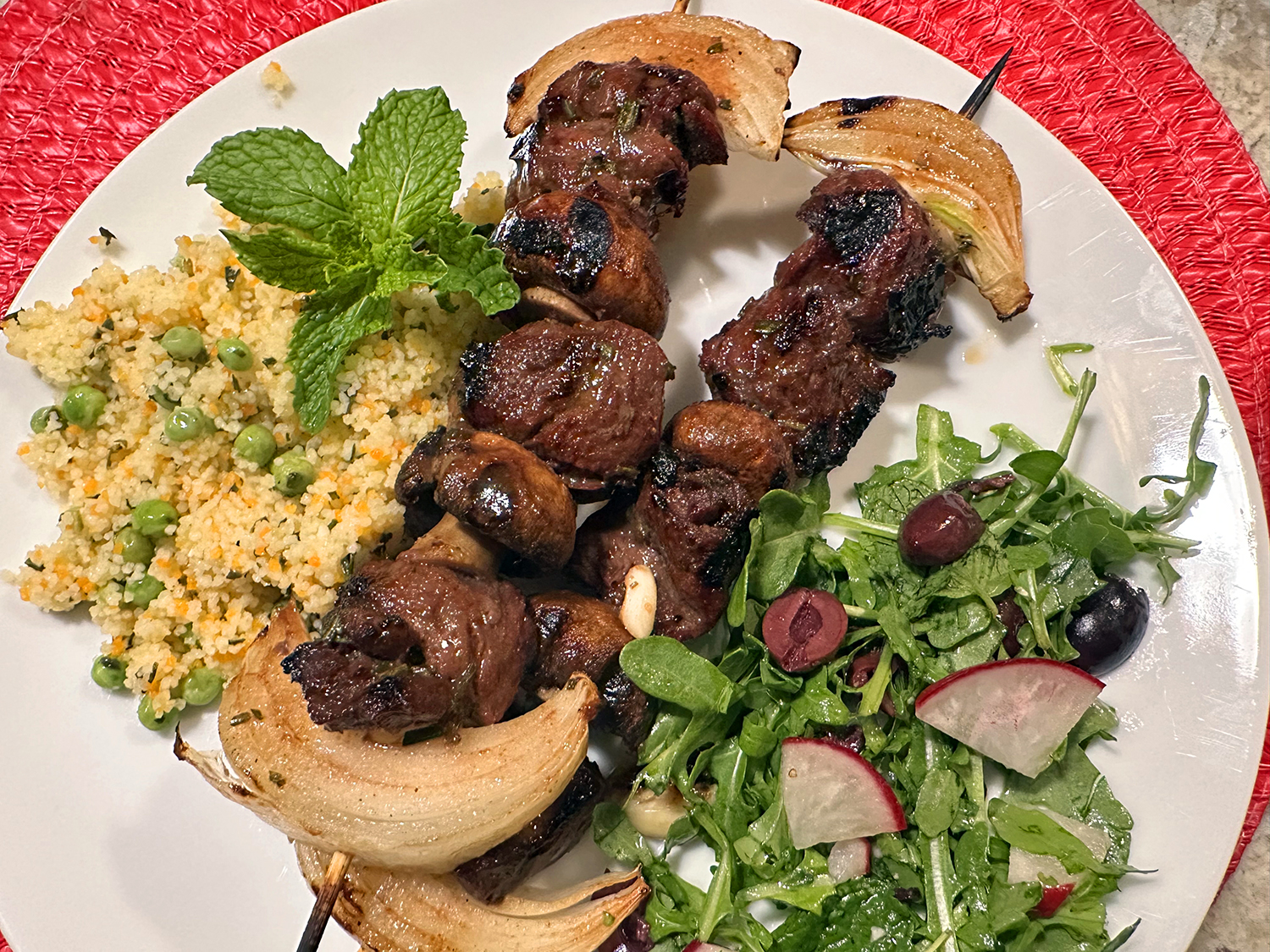
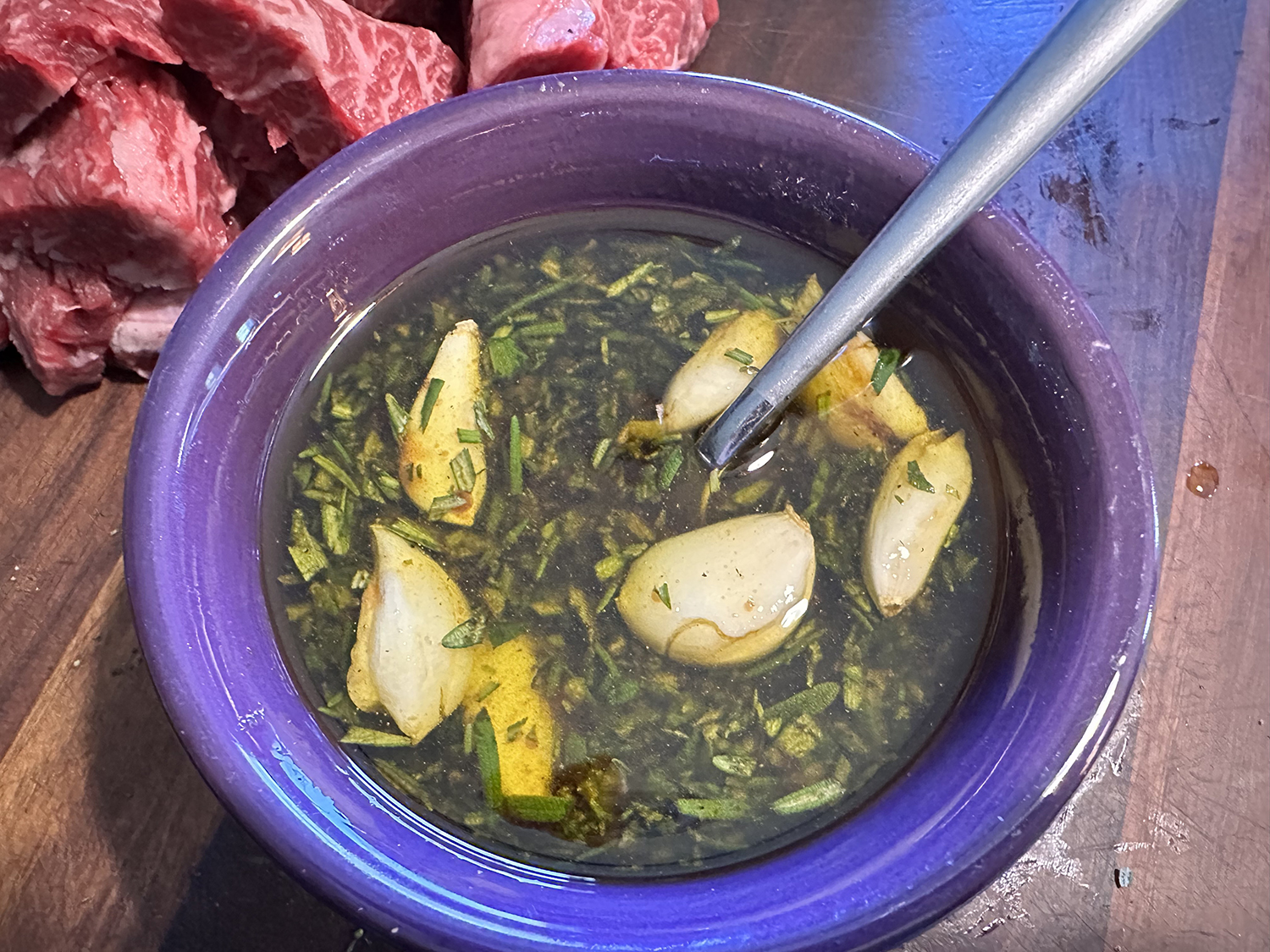
We had 2 pounds of flap meat instead of the 18 ounces originally called for, so we also increased the mushrooms from 8 to 12 ounces. Another alteration to the recipe was adding 6 whole smashed garlic cloves to the marinade. Our kebabs were served with a minted couscous (recipe below), and a baby arugula side salad that also contained mint.

Grilled Steak, Mushroom and Onion Kebabs

  • Servings: 4
  • Difficulty: easy
  • Print

Ingredients

  • 6 Tbsp. olive oil
  • 6 Tbsp. balsamic vinegar
  • 1 Tbsp. Dijon mustard
  • Kosher salt
  • Freshly ground black pepper
  • 1 Tbsp. minced fresh rosemary
  • 6 garlic cloves, peeled and smashed
  • 2 lbs. flap steak, cut into 24 cubes
  • 12 oz. baby bella (cremini) mushrooms, trimmed of stem
  • 1 large Vidalia onion, sliced into 12 wedges

Directions

  1. Whisk oil, vinegar, mustard, garlic cloves and rosemary into a large bowl. Season with salt and pepper. Add steak to a bowl, and mix to coat. Cover with plastic wrap (or place in a ziploc bag) and transfer to the refrigerator to marinate for a minimum of 1 hour (longer is better).
  2. While beef is marinating, soak 12 bamboo skewers in water.
  3. To assemble skewers: Add 1 piece of steak, 1 mushroom and onion wedge. Continue by adding the same. Continue until all 12 skewers are complete.
  4. Preheat the grill on high for 15 minutes. Reduce heat to medium-high and clean and then oil grates. Add skewers Cook for approximately 2-3 minutes and then flip skewers. Continue cooking for additional 2 minutes.
  5. Transfer to serving plate. Garnish with fresh rosemary if desired.

http://www.lynnandruss.com

Adapted from a recipe from Paula of Bell’alimento for The Mushroom Council

Minted Couscous

Minted Couscous

  • Servings: 4
  • Difficulty: easy
  • Print

Ingredients

  • 3⁄4 cup tri-colored couscous
  • 1⁄2 cup frozen peas, thawed
  • 1⁄4 cup fresh mint, chopped
  • 1 cup water
  • 3⁄4 tsp. salt
  • 2 Tbsp. fresh lemon juice
  • 1 Tbsp. olive oil
  • 1 garlic clove, minced

Directions

  1. In a small bowl combine the lemon juice, olive oil and garlic.
  2. While the kebabs are grilling, bring 1 cup water and 3⁄4 teaspoon salt to a boil in a small saucepan over medium-high heat.
  3. Stir in the couscous, peas, and lemon juice mixture. Cover, remove from heat and let stand at least until the peas are tender and the couscous has absorbed all of the liquid, at least 10 minutes.

http://www.lynnandruss.com

Braised Red Cabbage With Apples

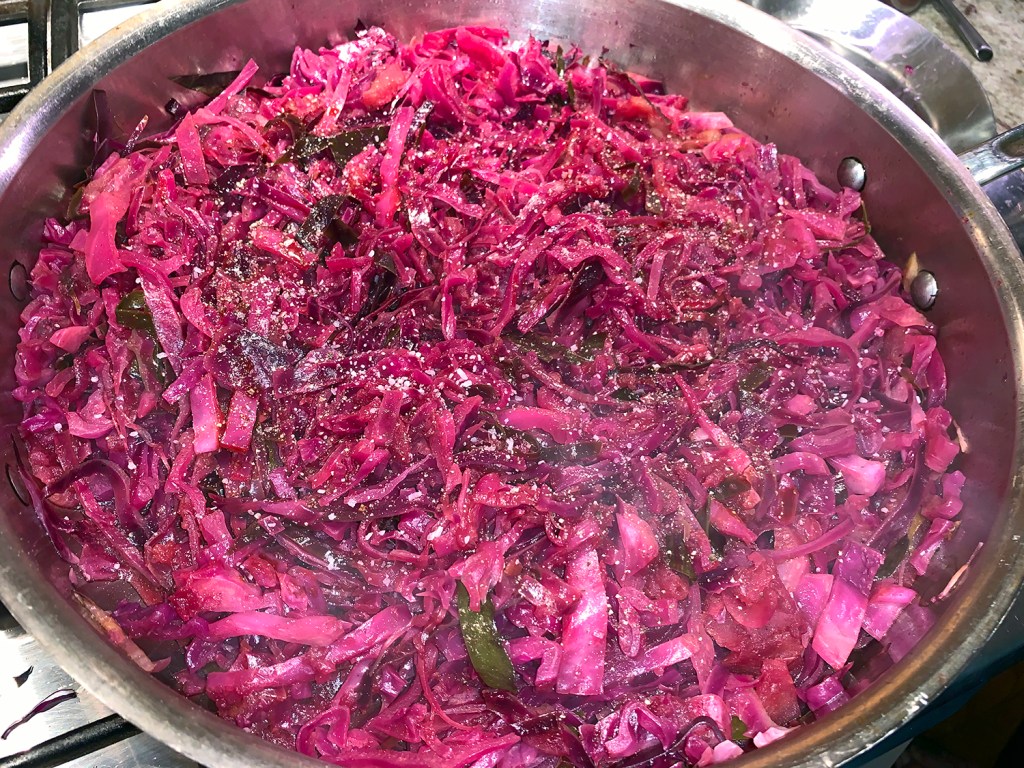
What do you do with a red cabbage leftover from a Farmers Market Arrangement made for your garden club? I know this is a dilemma for many of you…

Initially, my red cabbage was part of this arrangement.

Kidding aside, cooler October temps invite the braising season to commence. And this is one of those dishes that’s even better the following day, so go ahead and make it when you have time and then serve it on a weeknight with quick cooking chops of some sort.

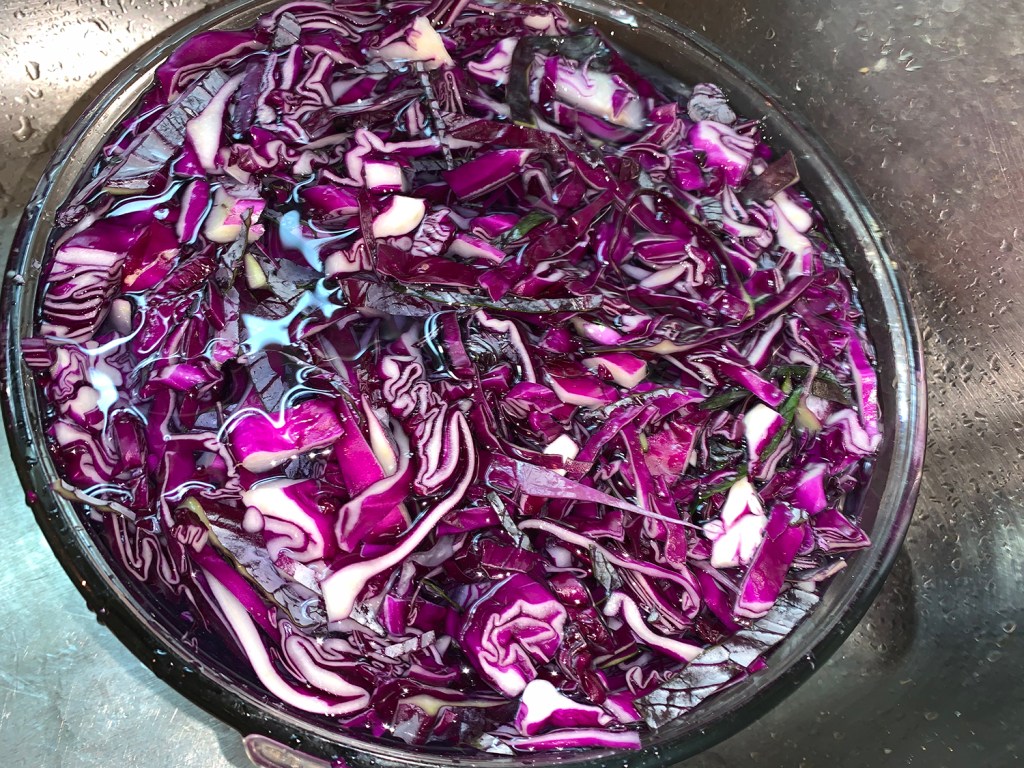
Be sure to soak the shredded cabbage in cold water as suggested in Step 1. The cabbage absorbs water, which is then released in cooking, and helps to steam the cabbage for utmost tenderness.

We concur, this is probably THE BEST braised cabbage we’ve ever had, and no sugar!

Braised Red Cabbage with Apples

  • Servings: 8
  • Difficulty: easy
  • Print

Ingredients

  • 1 large red cabbage, 2 to 2 1/2 pounds, quartered, cored and cut crosswise in thin strips
  • 2 Tbsp. canola oil
  • 1 small onion, thinly sliced
  • 2 tart apples, such as Braeburn or granny smith, peeled, cored and sliced
  •  About 1/3 cup balsamic vinegar
  • ¼ teaspoon ground allspice
  •  Salt
  •  Freshly ground pepper to taste

Directions

  1. Prepare the cabbage, and cover with cold water while you prepare the remaining ingredients.
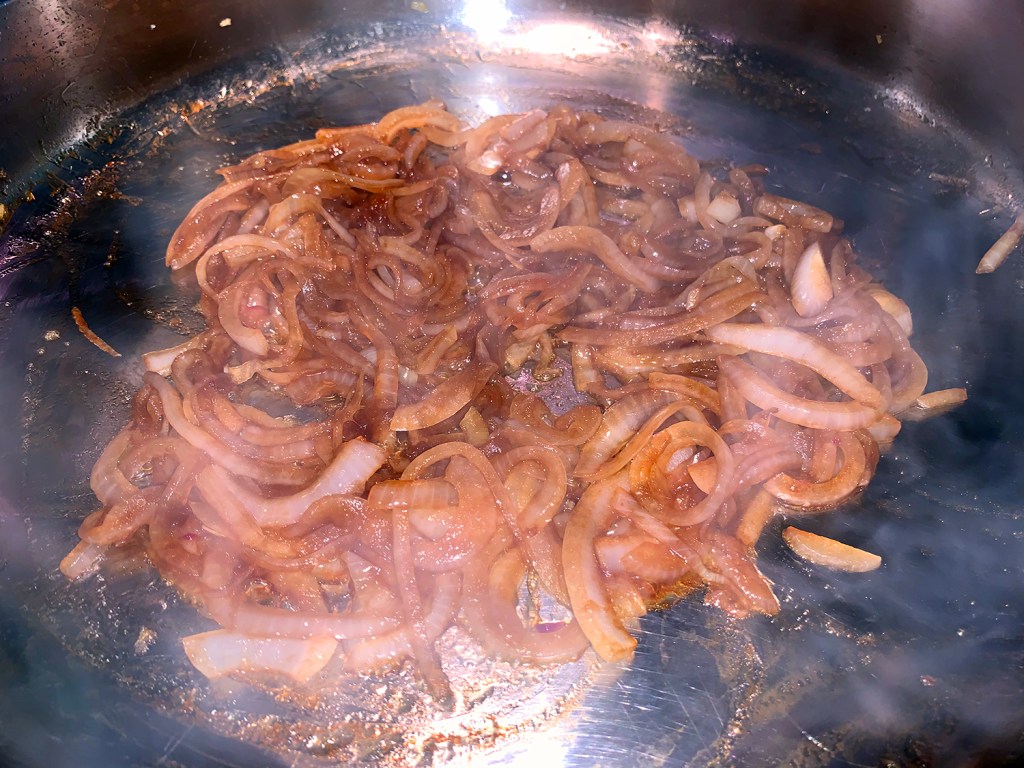
  2. Heat the oil over medium heat in a large, lidded skillet or casserole, and add the onion. Cook, stirring, until just about tender, about three minutes.
  3. Add 2 tablespoons of the balsamic vinegar and cook, stirring, until the mixture is golden, about three minutes, then add the apples and stir for two to three minutes.
  4. Drain the cabbage and add to the pot. Toss to coat thoroughly, then stir in the allspice, another 2 tablespoons balsamic vinegar, and salt to taste. Toss together.
  5. Cover the pot, and cook over low heat for one hour, stirring from time to time.
  6. Add freshly ground pepper, taste and adjust salt, and add another tablespoon or two of balsamic vinegar as desired.

http://www.lynnandruss.com

Recipe from Martha Rose Shulman for The NY Times