Category Archives: Uncategorized

Authentic Hunan Beef

Yes, there are a lot of ingredients. Yes, there are a lot of steps. Yes, there is a lot of prep. Yes, the process goes quickly (so make sure you have ALL of the prep work done beforehand). And YES, it is probably the best Hunan Beef we’ve ever had!

Bill from Woks of Life says “Our Hunan Beef recipe is an authentic Chinese version of the dish, not the Americanized version. Try it to taste what Hunan Beef should really be like!”

Peppers are vital to Hunan Beef, but the peppers you use are a matter of personal preference. We like to use a variety—both spicy and sweet. Poblano and Holland peppers are mild, but if you want more spice, you can add Fresnos or jalapeños to the mix.

Remember that the addition of the dried chili peppers can add a lot of spice (also depending on whether you chop them to release the seeds inside or leave them whole), so you’ll want to consider those factors as well. Slice all the fresh peppers crosswise into thin slices on the diagonal. Set aside the dried red peppers. Do not break them open or chop unless you want a very spicy Hunan Beef!

In the meantime, don’t forget to make your rice…

Authentic Hunan Beef

  • Servings: 4
  • Difficulty: easy
  • Print

Ingredients

For the beef:

  • 1 lb. flank steak, sliced 1/4-inch thick
  • 1/4 tsp. baking soda
  • 2 Tbsp. water
  • 1 tsp. oyster sauce
  • 1/3 cup cornstarch

For the Rest of the Dish:

  • 1 red Holland pepper, deseeded; can substitute red Fresno peppers
  • 1 small green bell pepper or poblano pepper, deseeded
  • 1 small red bell pepper, deseeded
  • 2 banana peppers, deseeded
  • 8 whole dried chili peppers
  • 1/2 tsp. granulated sugar
  • 2 Tbsp. hot water
  • 1/2 teaspoon Chinese black vinegar
  • 2 1/2 Tbsp. soy sauce
  • 1/4 teaspoon white pepper
  • 1/3 cup vegetable or canola oil for frying
  • 1 Tbsp. fresh ginger, sliced
  • 1/2 cup shallots, thinly sliced
  • 2 Tbsp. Shaoxing wine
  • 5 cloves garlic, sliced
  • 2 Tbsp. fermented black beans
  • 2 scallions cut at an angle into 2-inch lengths

Directions

  1. In a medium bowl, combine the sliced flank steak with the baking soda, water and oyster sauce. Massage these ingredients into the beef until any liquid has been absorbed by the meat. Marinate for 30 minutes.
  2. Lightly dredge all of the beef slices in cornstarch. Set aside until ready to fry.
  3. Slice all the fresh peppers crosswise into thin slices on the diagonal. Set aside the dried red peppers. Do not break them open or chop unless you want a very spicy Hunan Beef!
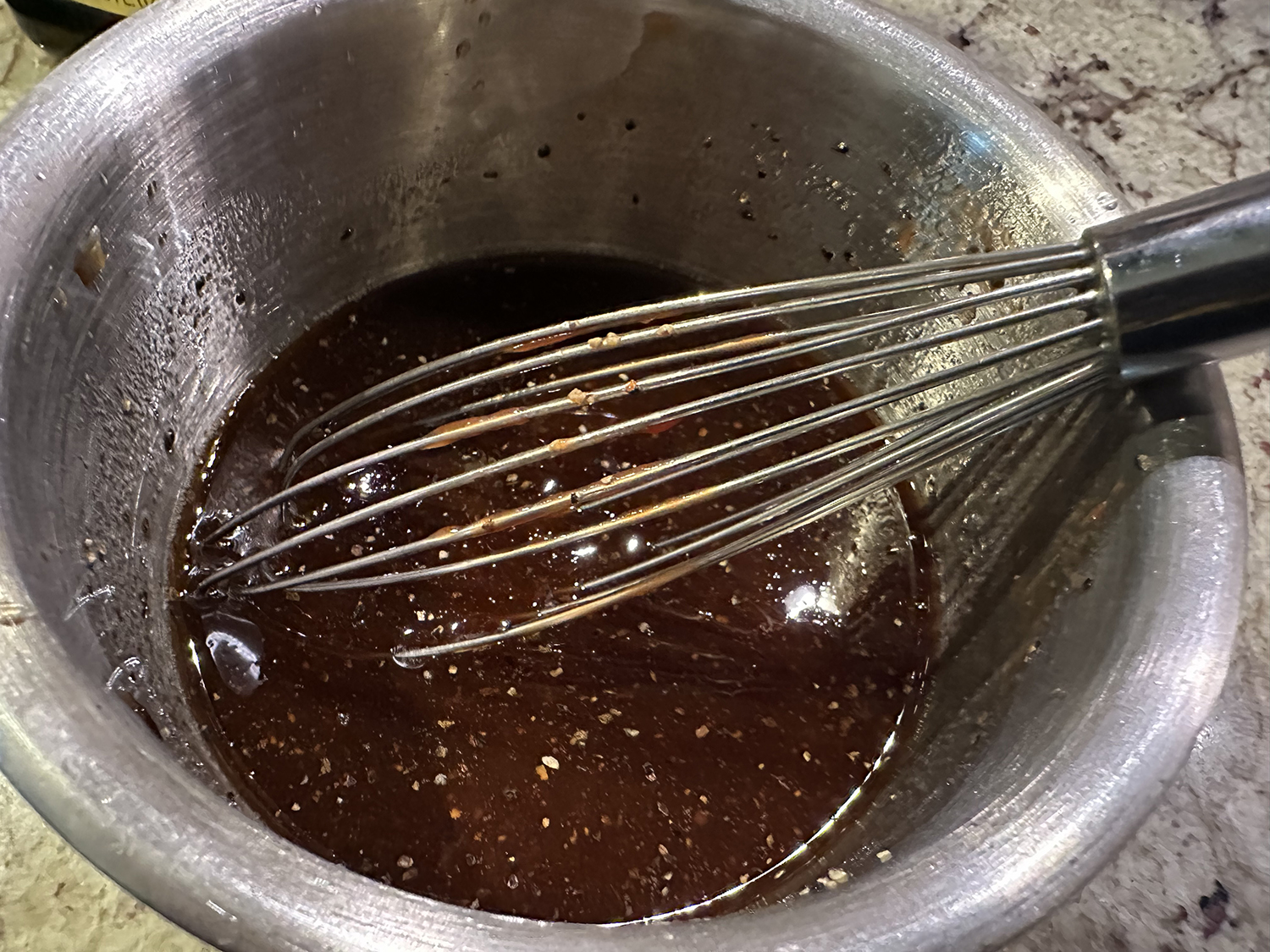
  4. Stir the sugar into 2 tablespoons of hot water until dissolved. Add the Chinese black vinegar, soy sauce, and ground white pepper. Mix until well combined and set aside.
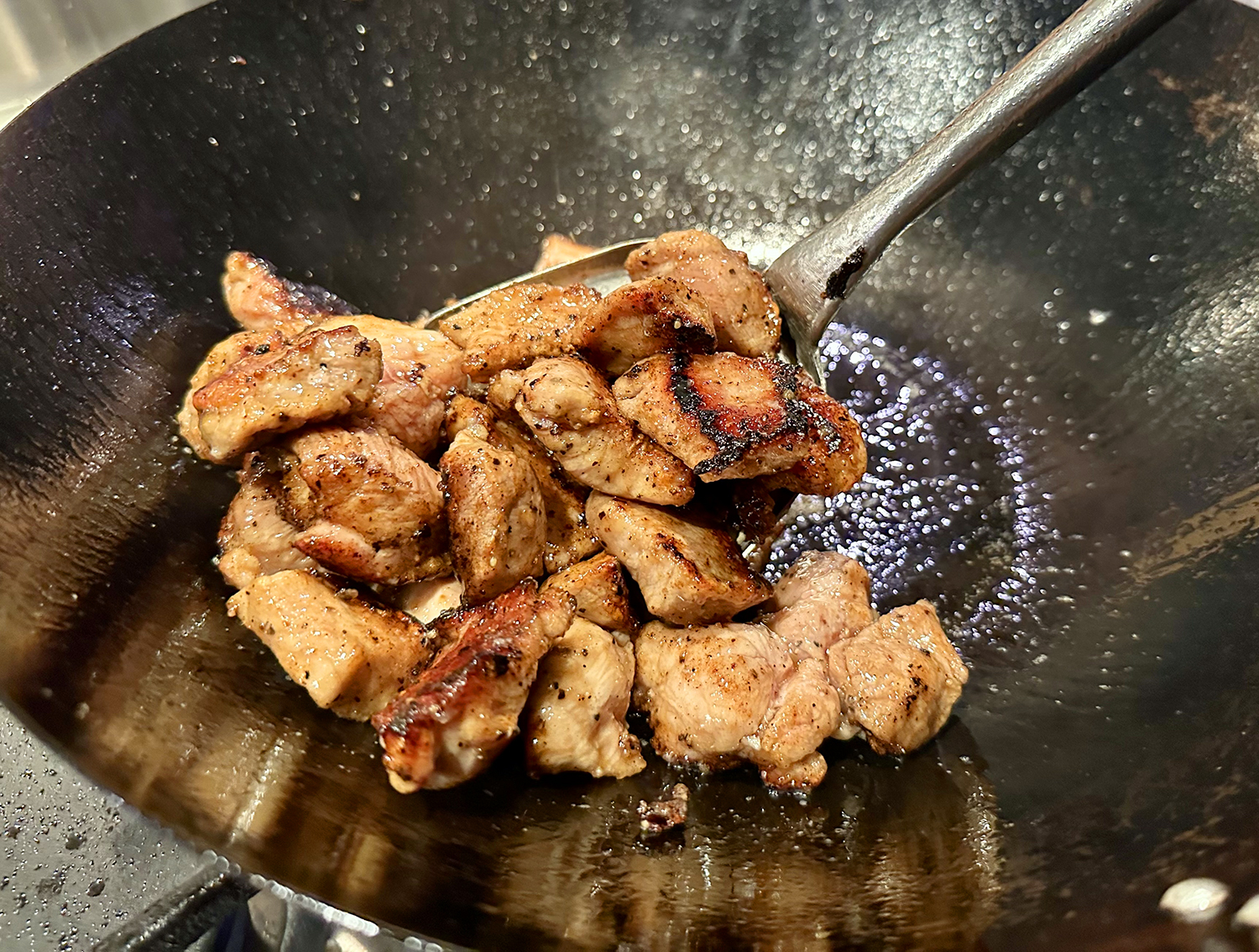
  5. Heat your wok over high heat until smoking. Spread ⅓ cup oil around the wok, and sear the beef in three batches on both sides until browned and slightly crispy on the outside. Be sure the wok and oil are hot each time you add a batch of beef.
  6. Between each batch, drain the crispy beef by moving it up to the side of the wok. The oil will drain to the bottom and you can then transfer the beef to a sheet pan or plate.   
  7. After frying the beef, leave about 2 tablespoons of the oil in the wok, and remove any excess. If your wok got burned in the frying process, this is a good time to wash it. While you want the beef flavor from frying, you definitely don’t want burned bits in the stir-fry if you got carried away with the heat during frying.
  8. Set the wok over medium heat. Add the sliced ginger and fry until caramelized, about 30 seconds.
  9. Next, add the shallots. Continue to fry for another 30 seconds, and add the fresh peppers (except for the red holland or fresno peppers). Turn the heat up to high and stir-fry for 1 minute to get a nice sear on the peppers.
  10. Clear a section on the bottom of the wok, and add the dried chili peppers. Let them toast in the oil for 20 seconds. (If you want your dish spicier, add the dried chili peppers earlier, along with the shallots.)
  11. Next, pour the Shaoxing wine around the perimeter of the wok. Add the sliced garlic, fermented black beans, and the red Holland or Fresno peppers. Stir-fry for another 30 to 60 seconds on high heat.
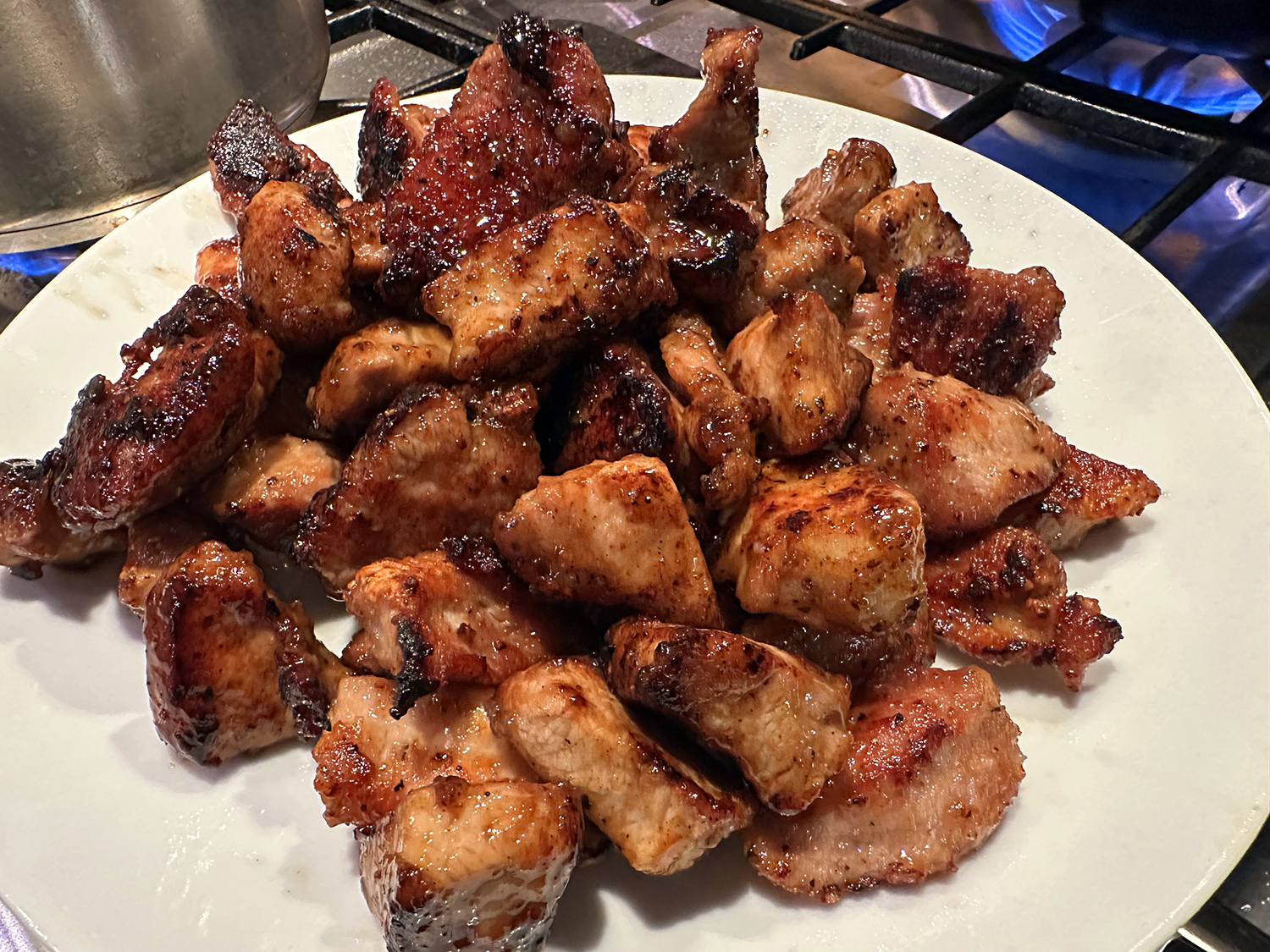
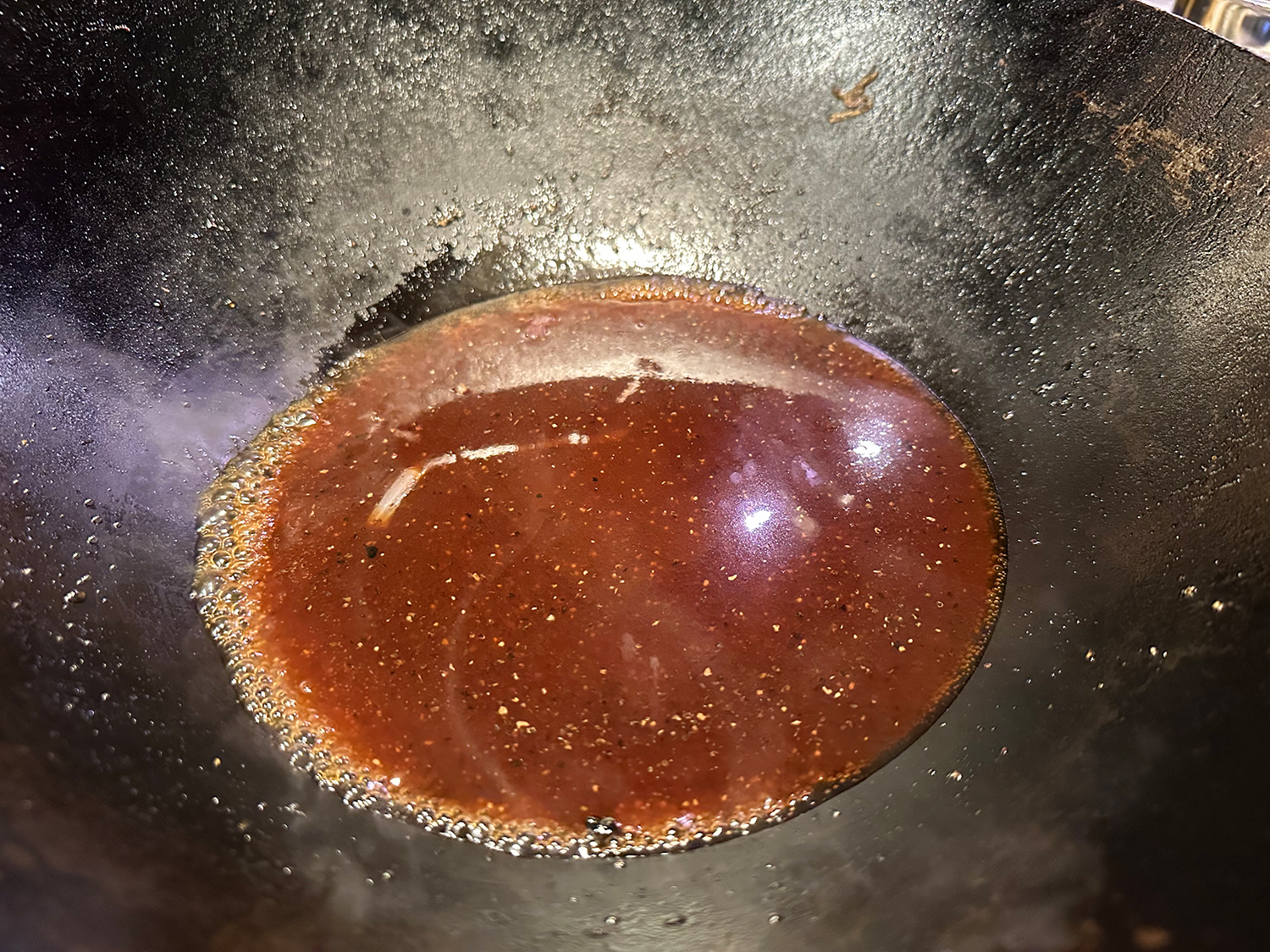
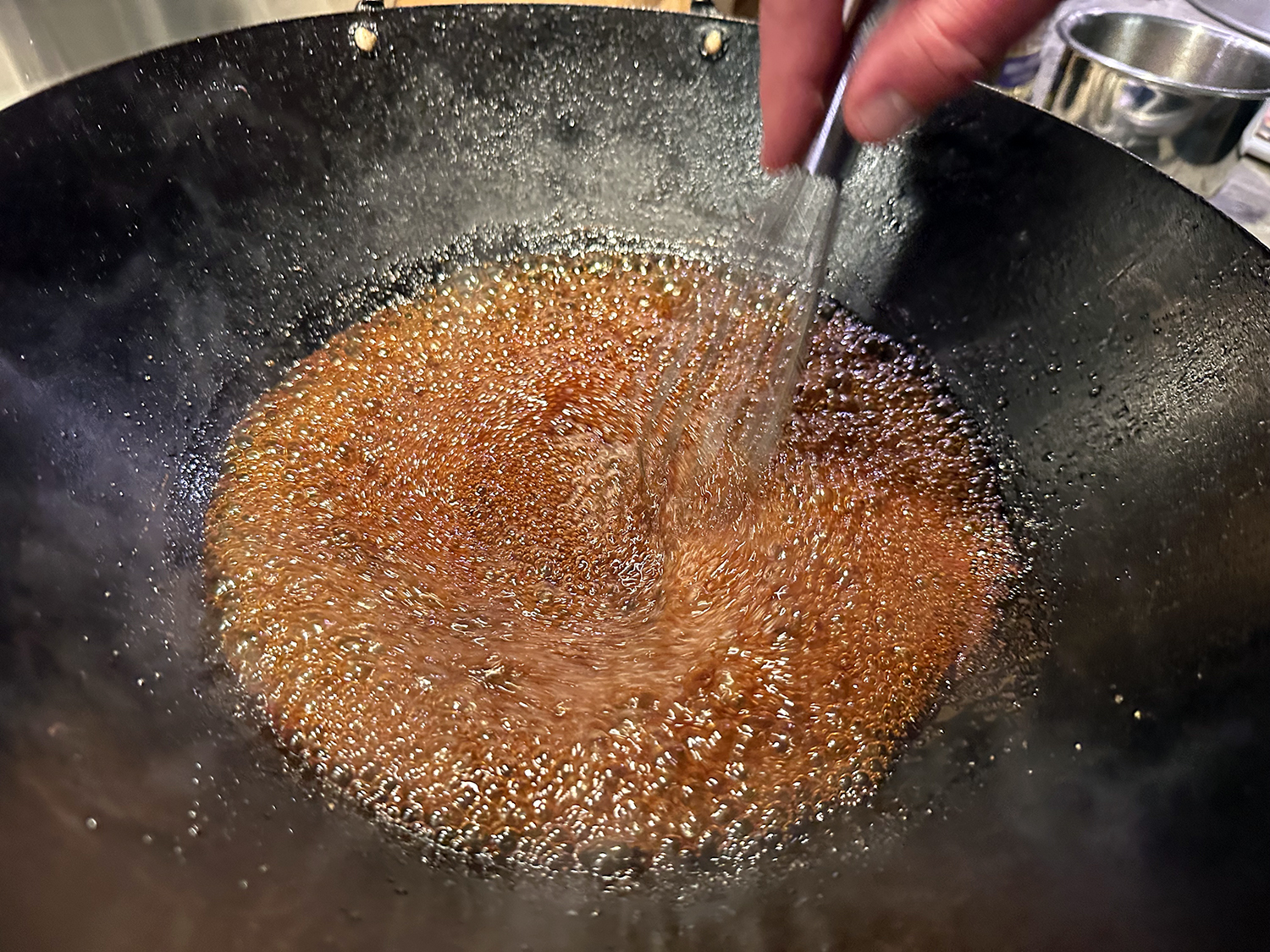
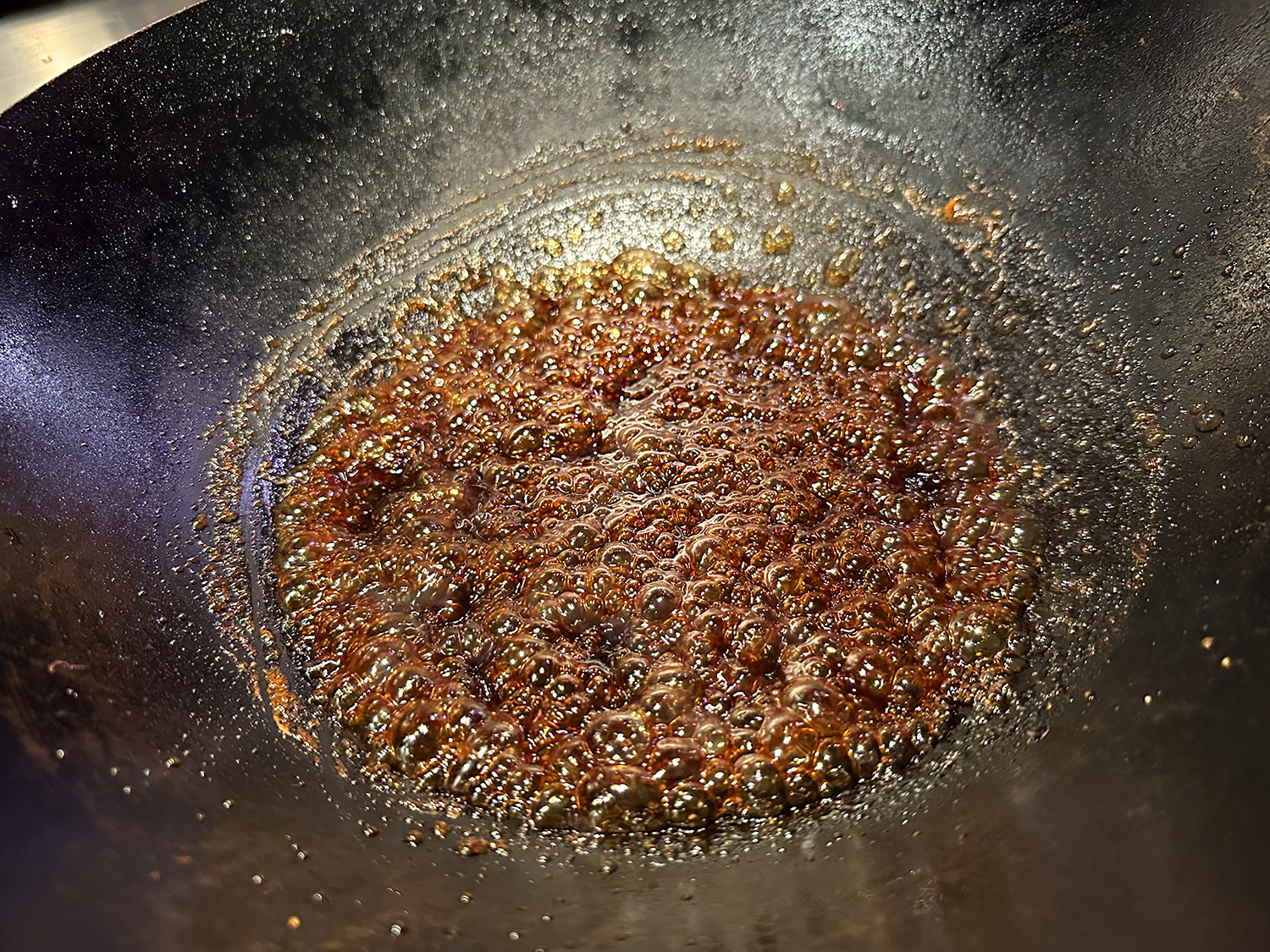
  12. Next, add the fried beef and pour over the pre-prepared sauce. Maintain the highest heat possible and stir-fry everything together for 20 seconds. Add the scallions. Continue to stir fry until most––if not all––of the sauce has evaporated.
  13. Serve over steamed rice.

http://www.lynnandruss.com

Adapted recipe from Bill for Woks of Life

Roman-Style Chicken Cacciatore

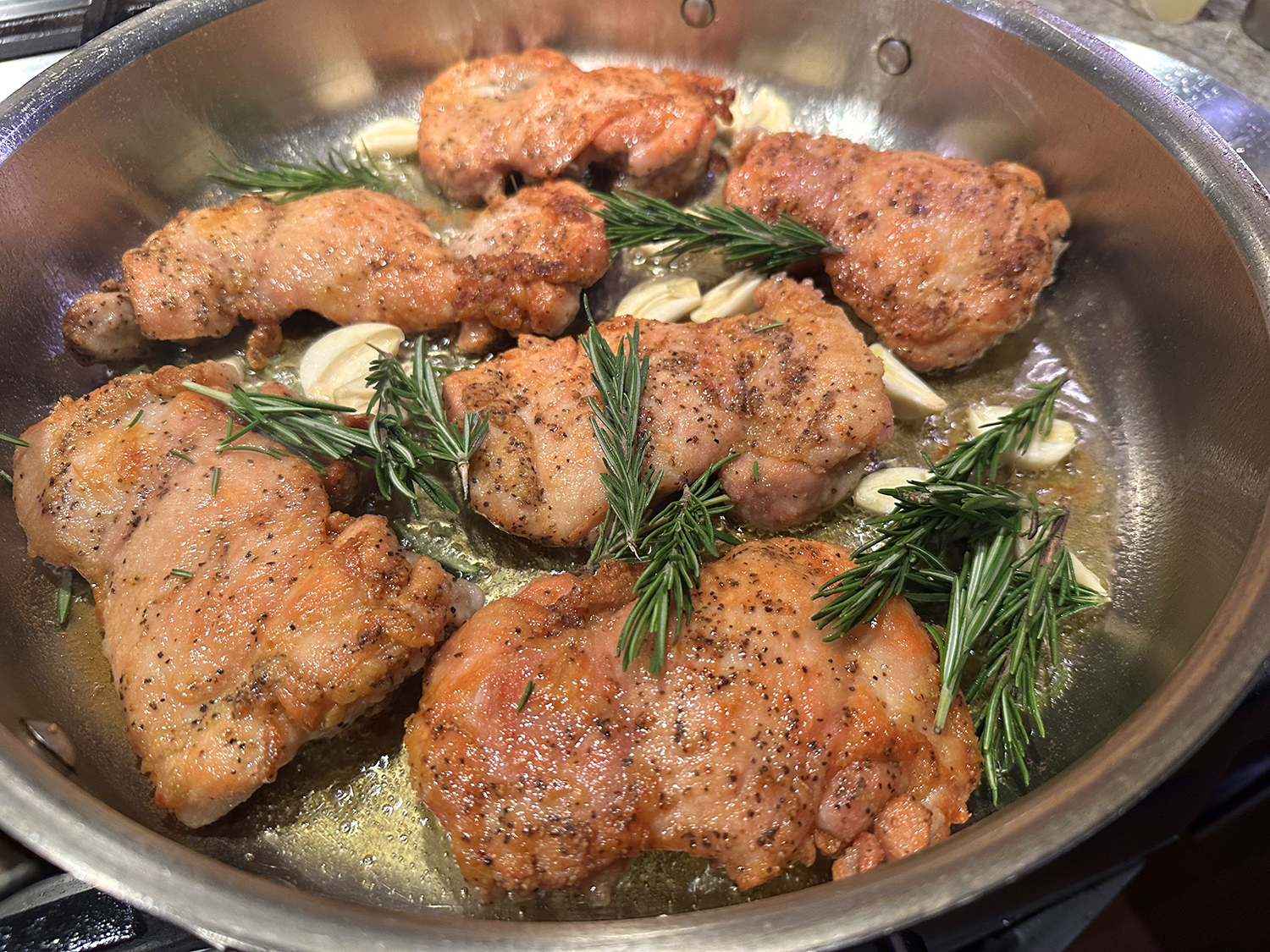
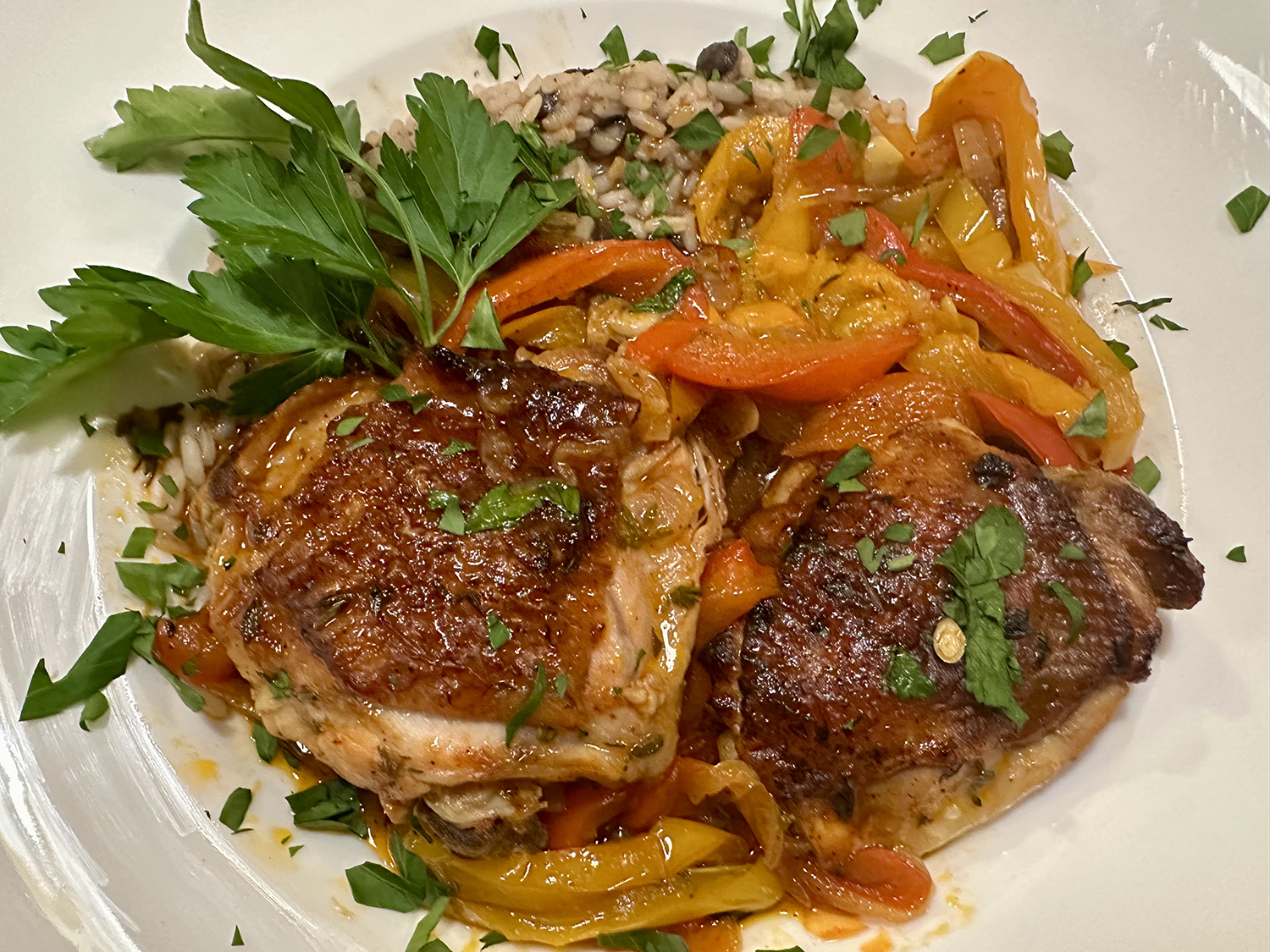
Cacciatore without tomatoes? As it turns out, it is not always a chunky, tomato-heavy braise. At Piatto Romano in Rome, Milk Street learned how to make the Roman version—an elegant, minimalist dish bright with the acidity of white wine and vinegar and heady with rosemary, garlic and anchovies, not a tomato in sight. (And you would never know there were anchovies in it.)

With so few ingredients, deeply searing the bone-in, skin-on pieces is necessary for developing rich flavor. A quick sauté of aromatics followed by a deglazing with a full bottle of a light, dry white wine forms the cooking liquid that becomes the fabulous sauce.

To preserve the chicken’s browning during braising, the pieces are only partially submerged in liquid and cooked, uncovered, to completion in a 450°F oven; the dry heat keeps the skin crisp and caramelized even as the liquid simmers in the bottom of the pan. (You will need an oven-safe 12-inch skillet for this recipe.)

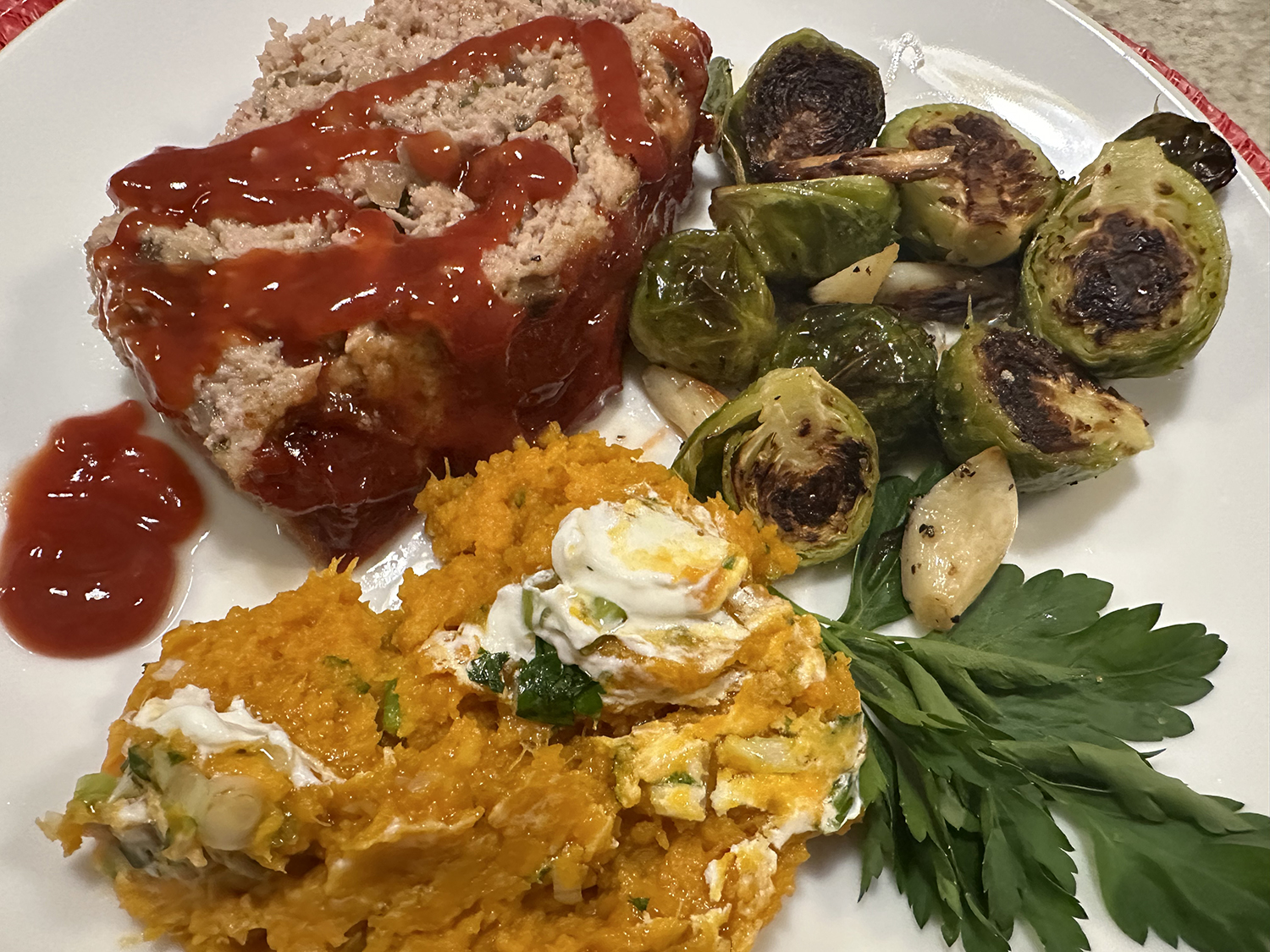
A good measure of white wine vinegar and minced rosemary finishes the dish, adding a surge of tartness and herbal notes to keep the flavors vibrant. This cacciatore is best with a starchy side, such as crusty bread, polenta or mashed potatoes. We served ours with garlic and rosemary-infused mashed potatoes, and a side of roasted carrots and Brussels sprouts.

What a tremendous weeknight meal that can just as well be the feature of an intimate dinner party. Adding the final zip of vinegar is just the right balance of acid.

Don’t forget to lower the heat before adding the wine. This helps prevent fiery flare-ups if the wine splashes out of the skillet.

Instead of chicken pieces, we used a whole chicken, cut it up and saved the remaining body parts (neck, back, heart, etc.) to add to our “body bag” of frozen chicken parts for future homemade stock.

Roman-Style Chicken Cacciatore

  • Servings: 4-6
  • Difficulty: easy
  • Print

Ingredients

  • 3-4 lb. bone-in, skin-on chicken thighs or breasts, trimmed and patted dry
  • Kosher salt and ground black pepper
  • 2 Tbsp. extra-virgin olive oil
  • 6 – 8 oil-packed anchovy fillets, patted dry
  • 6 medium garlic cloves, minced
  • 3 5-inch rosemary sprigs, plus 1 tsp. minced fresh rosemary, reserved separately
  • 1/4 tsp. red pepper flakes
  • 750 mL bottle dry white wine, such as pinot grigio or frascati
  • 1/4 cup white wine vinegar

Directions

  1. Heat the oven to 450°F with a rack in the middle position. If the chicken breasts are larger than about 12 ounces each, cut them in half crosswise. Season the chicken all over with salt and pepper.
  2. In a 12-inch oven-safe skillet over medium-high, heat the oil until shimmering. Add the chicken skin-side down and cook until golden brown on both sides, 8 to 10 minutes, flipping the pieces halfway through. Transfer to a large plate; set aside.
  3. To the skillet over medium, add the anchovies, garlic, rosemary sprigs and pepper flakes. Cook, stirring, until the anchovies have broken down and the mixture is fragrant, about 1 minute. Reduce to low, then slowly add the wine. Bring to a simmer over medium-high and cook, scraping up the browned bits, until the wine has reduced by about half, 8 to 10 minutes.
  4. Return the chicken skin-side up to the pan and add the accumulated juices. Transfer to the oven and cook until a skewer inserted into the thickest part of the chicken meets no resistance, 12 to 15 minutes.
  5. Remove the skillet from the oven (the handle will be hot) and set it on the stovetop. Transfer the chicken, skin side up, to a deep platter. Remove and discard the rosemary sprigs from the skillet. Add the minced rosemary and vinegar to the liquid in the skillet; bring to a simmer over medium-high. Cook, stirring, until reduced by about half, about 5 minutes. Remove from the heat, then taste and season with salt and black pepper. Spoon the sauce over and around the chicken.

http://www.lynnandruss.com

Adapted from a recipe from Courtney Hill for Milk Street

Crispy Artichoke Pasta

Quick, easy, tasty and filling—what’s not to like about that? Fast enough for a weeknight mad dash to dinner, this pantry pasta tastes more like a restaurant dish with its silky, flavorful sauce. The recipe uses canned artichokes which are brought to the peak of their crispy potential. The key is to remove as much water from the artichokes as possible by pressing them gently with paper towels (as you would tofu).

Some of the artichokes are fried in olive oil until shatteringly crisp, then the rest cook gently in more oil, along with garlic and chile flakes, to soften. They’re all mixed with pasta and Parmesan into a stunning weeknight meal. 

While the original recipe calls for one pound* of dried pasta, we cut that in half to 8 ounces, but kept the other ingredients as they were. However, using less rigatoni facilitated an adjustment for the amount of water. Save at least a cup of the pasta water before draining and introduce it bit-by-bit to the entire mixture until you get a silky consistency.

If you want to amp up the dish, you could add in some decent jarred tuna, crispy pancetta, bacon or prosciutto.

Crispy Artichoke Pasta

  • Servings: 4
  • Difficulty: easy
  • Print

Ingredients

  • Salt and black pepper
  • 1 lb. short cut pasta*, such as rigatoni or gemelli
  • 2 14-oz. cans whole or quartered artichoke hearts
  • ½ cup extra-virgin olive oil
  • 4 garlic cloves, thinly sliced
  • 1 tsp. crushed red pepper flakes
  • 3 Tbsp. unsalted butter, cut into small pieces
  • ½ cup finely grated Parmesan, plus more for serving
  • ⅓ cup finely chopped parsley

Directions

  1. Bring a large pot of water to a boil, then season generously with salt. Cook the pasta until a bit firmer than al dente, about 2 fewer minutes than listed on the package. (It’ll finish cooking in the sauce.) Reserve 2 cups of pasta water, then drain.
  2. While the water comes to a boil, drain the artichokes and place on a clean kitchen towel (or paper towels). Cover with another kitchen towel (or paper towels), and gently press down to remove the excess water. Give the artichokes a rough chop.
  3. Line a plate with paper towels. Set another large pot over medium-high heat, and pour in ¼ cup oil. When the oil is hot, after 1 to 2 minutes, add one-third of the artichokes and cook, stirring occasionally, until deeply brown and crisp in most spots, 3 to 5 minutes. Using a slotted spoon, scoop out the artichokes, transfer to the lined plate and season with salt.
  4. Adjust heat to medium, add the remaining ¼ cup oil and the remaining artichokes to the pot, along with the garlic and red pepper. Season with salt and pepper and cook, stirring occasionally, until the garlic begins to soften and everything smells very good, 2 to 3 minutes.
  5. Add the drained pasta and 1½ cups of the pasta water and bring to a simmer, still over medium heat. (This may seem like a lot of liquid, but it will thicken when the remaining ingredients are added.) Add the butter and sprinkle in the Parmesan and continue to cook, tossing vigorously, until the cheese is melted and the sauce is creamy and clings to the pasta, 2 to 3 minutes. If the sauce looks too thick, add more pasta water, 1 to 2 tablespoons at a time. Turn off the heat and stir in the parsley. Season to taste with salt and pepper.
  6. Divide among bowls or plates. Sprinkle the reserved crispy artichokes and more Parmesan on top before serving.

http://www.lynnandruss.com

Adapted from a recipe by Andy Baraghani for NYTimes Cooking

Pork and Porcini Meatballs

When the cooler weather starts hanging around for good, we gravitate away from al fresco dining and grilled fare to comfort food meals such as braises, casseroles, and roasted meats with sides of mashed potatoes and gravy.

Then there are meatballs. Those round succulent tasty balls of ground meat packed with a variety of herbs and spices. This Pork and Porcini Meatballs recipe was by Nancy Oakes for a recent Food & Wine magazine.

Her original recipe called for fresh or frozen porcini mushrooms, neither of which we have ever seen in our plethora of local supermarkets. Therefore, we went with dried porcinis that had to be reconstituted. That liquid was then used in place of the 1/4 cup of water*. You can buy a half (.5) ounce clamshell package of the funghi which is the perfect amount. Porcini mushrooms are a type of seasonal mushroom known for their meatier texture and rich, nutty flavor. They pop up from late summer into late autumn, peaking between September and October.

Also, the meatballs are supposed to be covered and refrigerated for 1, or up to 24 hours. We didn’t have that time, so we placed the rimmed baking sheet in the **freezer for 12-15 minutes. Then popped them directly into the heated oven.

The Hubs said that he liked the meatballs so much that they will now be our default meatballs, and are very versatile as to what you can do with them.

One recipe reviewer commented “These meatballs have a lingering savoriness, a heady aroma, and a juicy center. The porcini mushrooms add in a nuanced savoriness, and the cheeses add to that. The meat is so tender.”

Pork and Porcini Meatballs

  • Servings: 28 meatballs
  • Difficulty: easy
  • Print

Ingredients

  • 1 Tbsp. plus 2 tsp. olive oil, divided, plus more for serving
  • 1 small yellow onion, finely chopped (about 1 cup)
  • 1/4 cup chopped fresh or frozen porcini mushrooms
  • 1 garlic clove, finely chopped
  • 3/4 cup panko
  • 2 oz. Parmesan cheese, grated (about 1/2 cup), plus more for serving 
  • 2 oz. Pecorino Romano cheese, grated (about 1/2 cup)
  • 2 Tbsp. chopped fresh flat-leaf parsley, plus more for garnish
  • 2 tsp. chopped fresh rosemary
  • 1 tsp. chopped fresh mint
  • 1 tsp. kosher salt
  • 1 tsp. black pepper
  • 1 lb. ground pork
  • 1 large egg, beaten
  • 1/4 cup water* or use some of the liquid from the reconstituted porcinis
  • Cooked polenta or orzo, for serving

Directions

  1. Preheat oven to 400°F. Heat 1 tablespoon oil in a medium skillet over medium-low. Add onion, mushrooms, and garlic; cook, stirring often, until onion is softened, 5 to 6 minutes. Remove from heat; let cool 5 minutes.
  2. Stir together panko, Parmesan, Pecorino Romano, parsley, rosemary, mint, salt, and pepper in a large bowl until combined. Stir in pork, egg, and cooled onion mixture until thoroughly combined. Slowly add 1/4 cup water, stirring until incorporated. Cover mixture, and refrigerate at least 1 hour or up to 24 hours. **We didn’t have the time, so we put the sheet pan of meatballs in the freezer for about 12 minutes.
  3. Line a large rimmed baking sheet with aluminum foil; coat with remaining 2 teaspoons oil. Shape pork mixture into 28 (1-ounce) meatballs; transfer to baking sheet. Bake in preheated oven until an instant-read thermometer inserted in center of meatball registers 160°F, 15 to 17 minutes.
  4. Serve meatballs over polenta; drizzle with additional olive oil. Sprinkle with Parmesan and parsley; serve hot.

http://www.lynnandruss.com

Adapted from a recipe by Nancy Oakes for Food & Wine Magazine

Smoky Shrimp Saganaki

The name of the dish almost sounds Japanese, while the ingredients are an interesting mash-up inspired by Greek shrimp saganaki, that is combined wonderfully with sweet shrimp, tomatoes and feta with subtly smoky dried Mexican chiles. Identity crisis? In name only, because once you taste it, you are transported to another realm entirely — it is so utterly delicious!

The aromatics — cherry tomatoes and garlic, plus an assortment of dried and fresh chiles — simmer and confit in oil in the oven, with shrimp and feta added toward the end of cooking, broiling quickly, to create a wonderfully oozy, charred dish. Now that description certainly got our attention!

It’s a simple, one-pan weeknight meal that cooks in just 30 minutes. This recipe allows flexibility in your choice of chiles; whichever you choose, the gentle confiting of the chiles releases their flavors, adding nuanced heat to complement the bright and tangy tomatoes and feta. (Make sure to get the whole block feta, not the precrumbled variety.)

According to the chef, you can switch out the ancho chile for pasilla chile, or dial up the heat with a fruity Scotch bonnet. Enjoy this dish straight from the pan, mopped up with a piece of crusty bread. Any leftovers can be easily turned into a show-stopping pasta sauce, making this recipe a versatile addition to any recipe collection.

Smoky Shrimp Saganaki

  • Servings: 4
  • Difficulty: easy
  • Print

Ingredients

  • 1 chipotle chile (or similar), stem and seeds removed
  • 1 ancho chile (or similar), stem and seeds removed
  • 2 fresh long red chiles (or similar), split open lengthwise with the stem intact
  • 1 head garlic (1 clove minced, the rest separated but left skin-on and whole)
  • 24 oz. cherry tomatoes
  • ¾ cup extra-virgin olive oil
  • Fine sea salt and black pepper
  • 1 8-oz. block feta
  • ½ lb. peeled and deveined medium shrimp
  • ½ cup roughly chopped fresh cilantro
  • Crusty bread, for serving

Directions

  1. Heat the oven to 425 degrees.
  2. Add the chipotle chile, ancho chile, fresh chiles, whole garlic cloves, cherry tomatoes, oil, 1 teaspoon of salt and a good grind of pepper to a 10-inch cast-iron pan or an 8-by-11-inch broiler-safe baking dish. Tuck the dried chiles underneath so that they are submerged in oil to avoid burning. Bake for 10 minutes, then stir, keeping the dried chiles submerged in oil.
  3. Nestle the feta into the middle of the mixture, and return to the oven for 15 minutes, until the tomatoes are nicely charred and the feta has softened, then remove from the oven.
  4. While the feta cooks, delicately butterfly the shrimp by making a shallow cut using a sharp paring knife along the back of each shrimp from head to tail.
  5. Set the broiler to the highest setting and let it heat up for 5 minutes.
  6. Stir the shrimp and the crushed garlic into the tomato mixture, leaving the feta whole in the middle. Broil on the top rack for 3 to 5 minutes, until the shrimp is cooked through and the feta is golden brown.
  7. To serve, spoon some of the tomato mixture on top of the feta, then sprinkle over the cilantro. Serve with crusty bread.

http://www.lynnandruss.com

Recipe by Yotam Ottolenghi for NYT Cooking

Hungarian-Style Cabbage and Bean Soup

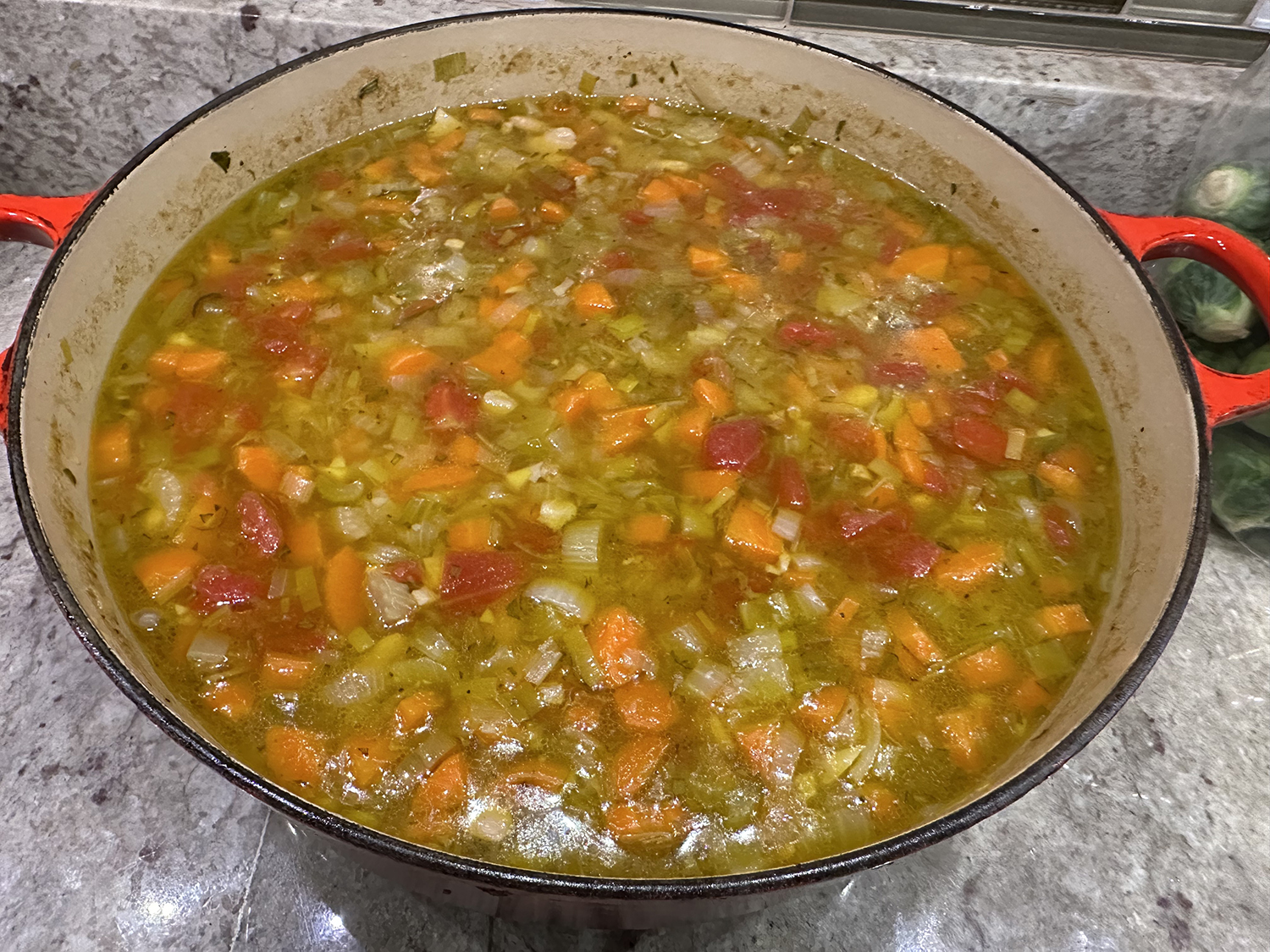
When the weather cools, we start craving dense homemade soups. This one is a concoction that The Hubs whipped up as he went along. It is every bit as satisfying as a full-course meal, and has lots of veggies and fiber.

Using homemade stock always ratchets up the flavor component. Here we used a homemade ham stock, but chicken stock would work just fine. Also, our kielbasa was homemade coming from a local butchered pig, of which we bought a 1/4 share. If you prefer another type of sausage, go ahead.

There’s a lot of chopping so put on some good background music and perhaps sip a glass of wine while you get down with this hearty soup!

Hungarian-Style Cabbage and Bean Soup

  • Servings: 8
  • Difficulty: easy
  • Print

Ingredients

  • 4 Tbsp. olive oil, divided
  • 1/2 head of a large green cabbage, chopped
  • 2 large carrots, peeled and chopped
  • 2 celery stalks, peeled and chopped
  • 6 garlic cloves, peeled and minced
  • 1 red bell pepper, cored, seeded and chopped
  • 4 cups ham (or chicken stock)
  • 4 cups water
  • 1 tsp. smoked paprika
  • 4 tsp. sweet paprika
  • 2 tsp. salt
  • 1 tsp. black pepper
  • 3 bay leaves
  • 1 Tbsp. fresh thyme, stripped off stem or tied in a bundle
  • 1 1/2 lbs. kielbasa*, sliced lengthwise and cut into 1/4″ half moons
  • 2 cans cannellini beans, drained
  • 2 tsp. apple cider vinegar
  • 1/4 cup parsley, chopped

Directions

  1. Heat 3 tablespoons of olive oil in a large heavy soup pot until hot. Add celery, carrot, red pepper, and onion, sauté until softened, about 7 minutes. Add garlic, sauté for 1 more minute.
  2. Stir in both paprikas, salt, pepper, bay leaves and thyme
  3. Add cabbage, broth and 4 cups water. Bring to a boil, reduce to simmer and cover until the cabbage is tender, about 20 minutes.
  4. In the meantime, heat a large pan with 1 tablespoon olive oil, add the sausage slices, and sauté for about 5 minutes stirring occasionally; remove to plate. (*This step is not necessary unless you would prefer it, OR, your sausage is not precooked.)
  5. Add beans and sausage to pot, simmer for 10 minutes. Remove from heat, taste for salt and pepper, and stir in parsley and vinegar.
  6. Serve hot, or cool down before refrigeration.

http://www.lynnandruss.com

One-Pot Chicken and Rice with Caramelized Lemon

There are so many fabulous chicken recipes out there, and this is yet another winner to add to the list. This simple one-pot chicken and rice dish is topped with caramelized lemon slices that add sweet flavor and texture.

Thin slices of lemon are cooked in chicken fat and oil until their pulp dissolves, their pith sweetens and their rind softens to the point of being edible. Briny Castelvetrano olives and herby dried oregano are wrapped up in creamy rice and topped with juicy chicken thighs. Fresh parsley and a squeeze of fresh lemon juice on top before serving add brightness and crunch. 

What did we do differently? Increased the number of thighs from 4 to 6; cut 1 and 1/2 lemons into quarter-inch slices, and flipped those slices for an additional minute to caramelize both sides. Added about 1/2 cup more of the olives. Finally, we decreased the amount of rice to 1 1⁄2 cups, and reduced the chicken broth to 3 cups. And if at all possible, try to use homemade chicken stock which adds so much more chickeny flavor.

All of the prep and cooking time added 15 to 20 minutes longer than the noted 55* minutes, so keep that in mind when starting the dish.

One-Pot Chicken and Rice with Caramelized Lemon

  • Servings: 4-6
  • Difficulty: easy
  • Print

Ingredients

  • 6 bone-in, skin-on chicken thighs, trimmed of extra skin
  • Salt and black pepper
  • 2 tsp. dried oregano
  • Crushed red pepper
  • 2 Tbsp. extra-virgin olive oil
  • 2 lemons, divided
  • 1 cup pitted Castelvetrano or kalamata olives, smashed and roughly chopped
  • 6 garlic cloves, minced
  • 1 medium shallot or ½ medium onion, minced
  • 1 1⁄2 cups long-grain white rice, rinsed
  • 3 cups chicken broth, preferably homemade
  • ¼ cup roughly chopped fresh parsley, for serving

Directions

  1. Heat the oven to 400 degrees. Use paper towels to pat the chicken thighs until dry on all sides. Season the chicken with 1 teaspoon each salt, pepper and dried oregano and a pinch of crushed red pepper.
  2. Place a large Dutch oven or other heavy-bottomed pot over medium-high heat and add oil. Let oil heat up for a few minutes. Add thighs to the pot, skin side down, and let cook undisturbed until they self-release from the bottom of the pot, about 5 minutes. Remove from the pot and set aside.
  3. Cut 1 1⁄2 lemons into ¼-inch-thick slices. Add to the pot and cook until caramelized and softened, about 2 minutes. Flip over, and caramelize the other side for 1 minute. Remove from the pot and set aside.
  4. Add the olives, garlic, shallot and 1 teaspoon each salt, pepper and dried oregano to the pot. Cook over medium-low heat, scraping browned bits from the bottom of the pan, until garlic is fragrant, 2 to 3 minutes. Turn the heat up to high, add the rice and broth to the pot, stir to combine and cover until it comes to a boil, about 5 minutes.
  5. Remove the pot from heat, add the browned chicken thighs on top of the rice, skin side up, then cover the chicken thighs with the lemon slices. Place the pot, covered, into the oven and bake until the rice and chicken are fully cooked, 25 to 30 minutes. Serve topped with fresh parsley and a squeeze of lemon juice.

http://www.lynnandruss.com

Adapted from a recipe by Dan Pelosi for NYTimes Cooking

Cheesy Pork and Tomatillo Skillet

Trust me on this one, if you’re gonna cheat, this is the babe you should be doing it with! Calories aside, it’s worth cutting back earlier in the day to imbibe in this decadent cheesy concoction.

If you are looking for a reason to make a meaty, cheesy, saucy skillet dip for dinner, look no further. Great when eaten with tortilla chips but just as great scooped into a bowl and devoured with a spoon, this one-pan dish comes together in around 45 minutes. Serve up to four as a main course, or just let your guests have at it as an appetizer.

Bright and acidic tomatillos are the star here; often sold in their papery husks, this tart fruit softens and gets sweeter as it cooks, adding freshness to the otherwise rich and oozy skillet (thank you, melty pepper Jack cheese).

Pork is a natural friend to green chiles and cumin, but feel free to use any ground meat—or meat substitute—you have on hand. If the contents of this skillet doesn’t disappear in the first go around, thank your lucky stars there will be leftovers.

Cheesy Pork and Tomatillo Skillet

  • Servings: 4-8
  • Difficulty: easy
  • Print

Ingredients

  • 1 lb. ground pork
  • 1 tsp. Diamond Crystal or ½ tsp. Morton kosher salt, plus more
  • 1 tsp. ground cumin
  • 1 tsp. smoked paprika
  • 2 Tbsp. extra-virgin olive oil
  • 1 small red onion, thinly sliced
  • 4 garlic cloves, thinly sliced
  • 1 large poblano chile, ribs and seeds removed, thinly sliced
  • 3 medium tomatillos, husks removed, rinsed, coarsely chopped
  • 2 4-oz. cans diced green chiles
  • 8 oz. pepper Jack cheese, coarsely grated
  • Cilantro leaves with tender stems and tortilla chips (for serving)

Directions

  1. Place 1 lb. ground pork in a medium bowl and sprinkle with 1 tsp. Diamond Crystal or ½ tsp. Morton kosher salt, 1 tsp. ground cumin, and 1 tsp. smoked paprika. Using your hands, gently mix to incorporate.
  2. Heat 2 Tbsp. extra-virgin olive oil in a large skillet over medium-high. Cook pork mixture, undisturbed, until browned and beginning to crisp underneath, about 3 minutes. Break up meat into ½” pieces with a wooden spoon and continue to cook, stirring often, until just cooked through, about 2 minutes more. Transfer to a small bowl with a slotted spoon, leaving fat behind; set aside.
  3. Add 1 small red onion, thinly sliced, and 4 garlic cloves, thinly sliced, to same skillet; season with salt. Cook, stirring often, until onion is slightly softened and garlic is starting to turn golden, about 3 minutes. Add 1 large poblano chile, ribs and seeds removed, thinly sliced, and 3 medium tomatillos, husks removed, rinsed, coarsely chopped; cook, stirring occasionally, until poblano is golden in spots, about 1 minute. Add two 4-oz. cans diced green chiles and 1 cup water and cook, stirring occasionally and scraping up any browned bits, until almost all liquid is evaporated and tomatillos are mostly softened, 7–9 minutes. Remove from heat.
  4. Heat broiler. Add reserved pork mixture to skillet and stir to combine. Top evenly with 8 oz. pepper Jack cheese, coarsely grated. Broil until cheese is melted and starting to blister in spots, about 3 minutes. Let cool slightly.
  5. Top with cilantro leaves with tender stems. Serve with tortilla chips.

http://www.lynnandruss.com

Recipe by Kendra Vaculan for Bon Appétit

Pasta with No-Cook Tomato Sauce

This pasta is perfect for late summer, when you want to enjoy the flavor of tomatoes at the peak of their season in a meal that is simple, yet utterly delicious. It goes without saying, you want the ripest, freshest tomatoes for this dish; their flavor makes all the difference.

A no-cook tomato sauce is the ultimate way to show off the beauty of sweet summer tomatoes when they are at the peak of their season. In this version, use two types of tomatoes — large beefsteak tomatoes grated to make up the base of the sauce and cherry tomatoes to give the sauce a toothy texture. A box grater is key for grating the tomatoes, garlic, and Parmesan but you can also use a food processor with the grater attachment if necessary. 

Grated fresh garlic is far more pungent than cooked garlic, so one clove of garlic is all that is needed for this recipe. If you are a true garlic lover, as we are, add another grated clove to the tomatoes as they marinate. 

The original recipe indicates to use tongs to transfer the cooked pasta to the bowl with the tomatoes. We found that to be too watery, and suggest draining the pasta first before adding it to the tomato sauce.

Pasta with No-Cook Tomato Sauce

  • Servings: 4
  • Difficulty: easy
  • Print

Ingredients

  • 2 1/2 lbs. ripe beefsteak tomatoes, halved crosswise
  • 1 garlic clove
  • 1 pint (10 oz.) cherry tomatoes, cut in half
  • 1 Tbsp. extra-virgin olive oil, plus more for serving
  • 1 Tbsp. red wine vinegar, plus more as needed
  • 1 Tbsp. kosher salt, plus more to taste
  • 1 tsp. cracked black pepper
  • 1 lb. angel hair pasta (we used whole wheat linguine)
  • 3 Tbsp. unsalted butter, room temperature 
  • 1/2 cup grated Parmesan, plus more for serving
  • 1 cup thinly sliced basil, plus more for serving
  • Pinch crushed red pepper flakes

Directions

  1. Grate the cut sides of the beefsteak tomato halves on the large holes of a box grater set in a large bowl until only the skins remain; discard the skins. Grate the garlic clove against the smallest holes into the same bowl.
  2. Add the halved cherry tomatoes, olive oil, vinegar, salt, and pepper. Stir to combine, cover, and let tomato mixture sit at room temperature for at least 30 minutes and up to 4 hours. Taste the tomato sauce, and add more salt and red wine vinegar to boost the flavor as needed.
  3. Bring a large pot of salted water to a boil. Add the pasta and cook to al dente according to package instructions, 4 to 5 minutes.
  4. Drain the cooked pasta and add it the to the bowl with the tomatoes; add the butter, Parmesan, basil, and crushed red pepper flakes and toss until the pasta and sauce are combined. Divide the pasta into four bowls, and top each with a drizzle of olive oil, plus grated Parmesan and sliced basil.

http://www.lynnandruss.com

Adapted by a recipe by Chandra Ram for Food & Wine

Grilled Soy-Basted Chicken Thighs with Spicy Cashews

The skinless chicken browns nicely over a medium flame, and the sugary soy basting sauce lacquers it beautifully in the final few minutes of cooking. It’s terrific with rice, or as a topping for a salad of sturdy greens. You may wish to double the recipe for Sriracha-roasted cashews (we are glad that we did!). They are addictive, and for them you will find many delicious uses.

This dish was so packed with flavor, we couldn’t stop moaning with each bite we took. And we were thrilled to have leftovers for lunch the next day.

Grilled Soy-Basted Chicken Thighs with Spicy Cashews

  • Servings: 4-6
  • Difficulty: easy
  • Print

Ingredients

  • ½ cup unsalted cashews
  • 2 Tbsp. Sriracha sauce
  • 3 Tbsp. toasted sesame oil
  • ½ cup plus 3 Tbsp. soy sauce
  • 2 Tbsp. hoisin sauce
  • 1 Tbsp. cracked black pepper
  • Hot sauce, to taste
  • 2½ lbs. skinless, boneless chicken thighs
  • ¼ cup brown sugar (light or dark) or molasses
  • 2 Tbsp. peeled and minced ginger
  • 4 scallions, sliced thin
  • 5 or 6 springs cilantro, tough stems removed and roughly chopped (approximately 2 Tbsp.)

Directions

  1. Heat oven to 300 degrees. Combine cashews and Sriracha sauce in a small bowl and stir until nuts are coated. Line a small baking pan with foil and spread the coated cashews out on it, then place in the oven and bake until nuts are dry, approximately 20 minutes. Carefully remove the nuts from the foil and let cool, then chop roughly and set aside in a small bowl.
  2. Meanwhile, in a large bowl, whisk together sesame oil, ½ cup soy sauce, the hoisin sauce and the black pepper, and hot sauce if using. Add chicken thighs and stir to coat. Refrigerate until ready to cook.
  3. For the basting sauce, combine the remaining 3 tablespoons soy sauce, the brown sugar and the ginger in a small bowl, and whisk until the sugar has dissolved.
  4. When you are ready to cook the chicken, build a fire in a charcoal grill, leaving about ⅓ of the cooking space free of coals. When coals are covered with gray ash and the temperature is medium (you can hold your hand 5 inches above the coals for 5 to 7 seconds), you are ready to cook. (For a gas grill, turn one burner to high, leaving the others off, then lower cover and heat for 15 minutes.)
  5. Using tongs, remove chicken thighs from marinade and cook, directly over the coals, turning every few minutes, until they are well-browned but not crusty, approximately 8 to 10 minutes. Then, using a pastry brush, begin to baste them with the soy, ginger and sugar mixture, until they develop a lacquer, an additional 8 to 10 minutes, again turning every few minutes. (If chicken threatens to burn, place it over the part of the grill without coals.)
  6. Transfer chicken to a warmed platter, sprinkle with the chopped cashews, the scallions and the cilantro, and serve.

http://www.lynnandruss.com

Recipe from Sam Sifton for NYTimes Cooking

Seafood Pasta with Tomato and Crushed Olives

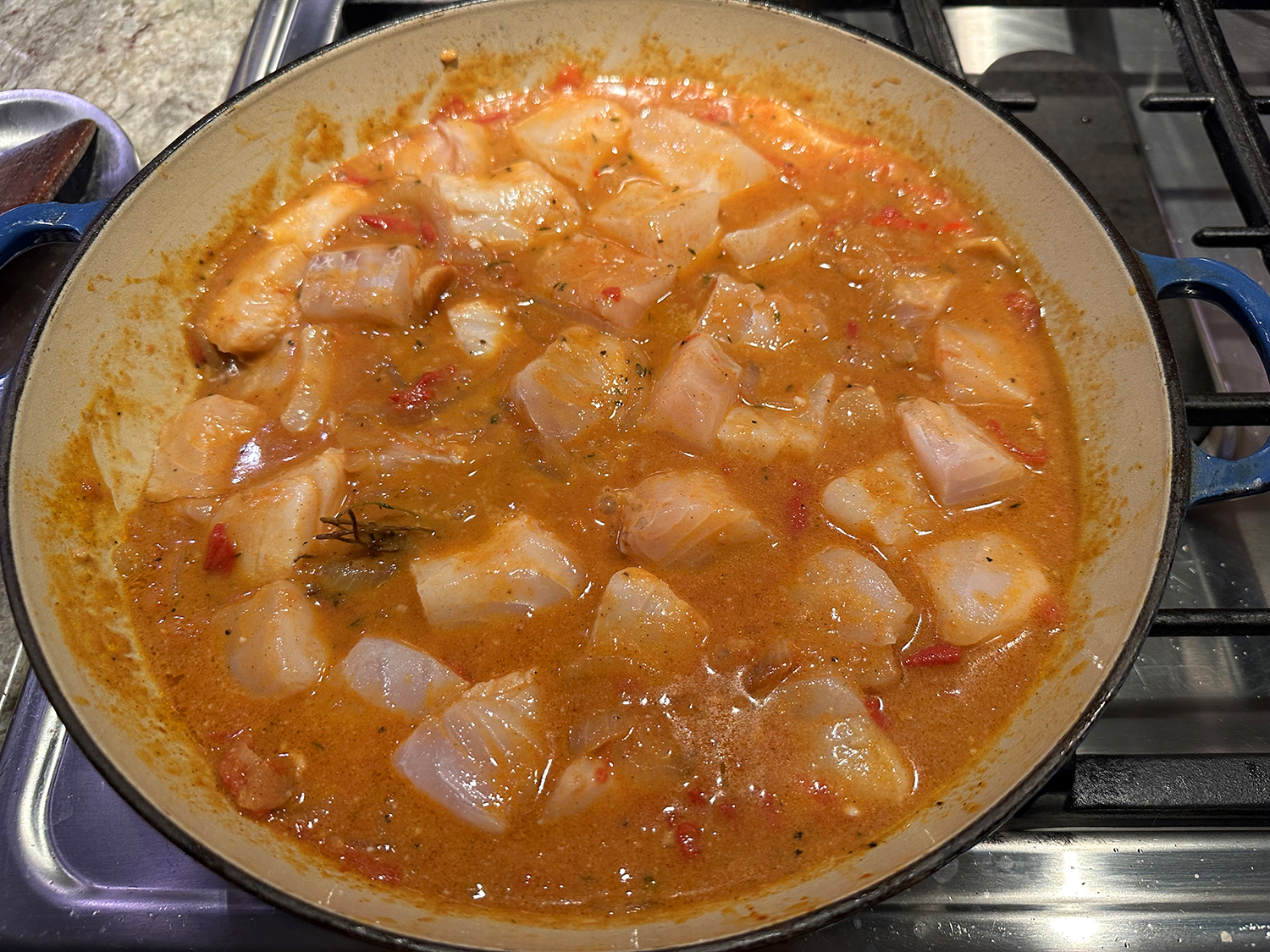
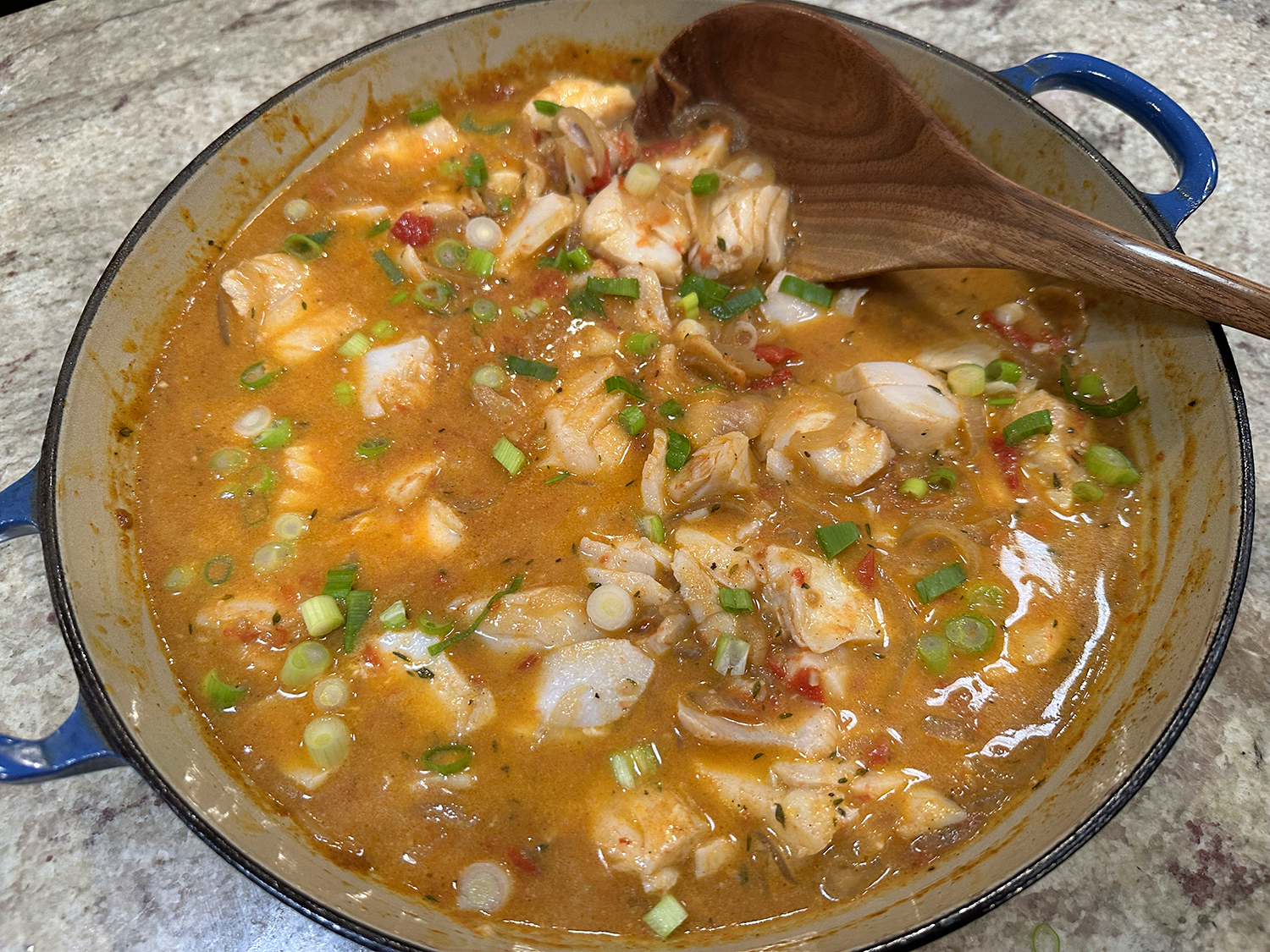
Think of this as a weeknight fish stew with pasta rather than a seafood pasta. It’s highly customizable: You can use whatever seafood you like, including but not limited to shellfish, like mussels, clams or shrimp, and firm-fleshed white fish, such as cod, halibut or flounder.

Since one of our diners did not eat clams, we doubled the amount of shrimp. If you do omit the clams, use some clam broth along with the water* in Step 3 to help flavor the overall broth. Seafood stock would also be another good option.

The trick is to make sure the garlicky tomatoes are brothy enough to gently poach the seafood (which then further flavors the sauce), yet thick enough to coat each tube of pasta. Finished with briny olives and a smattering of fresh parsley, it’s best eaten with a spoon and lots of thick-cut toast for sopping up all the luscious goodness.

Seafood Pasta With Tomato and Crushed Olives

  • Servings: 4
  • Difficulty: easy
  • Print

Ingredients

  • 8 oz. rigatoni or another tube-shaped pasta
  • Kosher salt
  • 3 Tbsp. olive oil, plus more for drizzling
  • 4 garlic cloves, sliced
  • Pinch of red-pepper flakes (optional)
  • 1 (28-oz.) can whole San Marzano tomatoes, crushed by hand
  • ½ lb. mussels or clams (optional)
  • 1 lb. firm-fleshed white fish, such as cod, halibut, swordfish, hake or flounder, cut into 2-inch pieces
  • ½ lb. shrimp, peeled and deveined if you like
  • ¾ cup Castelvetrano or other green olives, pitted and crushed
  • ½ cup parsley, tender leaves and stems, chopped

Directions

  1. Cook pasta in a large pot of boiling salted water. Once it reaches al dente, drain and set aside while you finish the sauce.
  2. Meanwhile, heat olive oil in a heavy-bottomed Dutch oven over medium heat. Add garlic and season with salt. Cook, stirring occasionally, until garlic is lightly browned and toasted around the edges, about 2 minutes. Add red-pepper flakes, if using.
  3. Add tomatoes and then fill the empty can about ¾ of the way up with water*. Swirl the can to loosen the tomatoey bits left behind and add that to the pot. Season with salt, bring to a simmer and cook, stirring occasionally, until sauce has thickened slightly (it should still look quite brothy), 10 to 15 minutes.
  4. Add the mussels or clams to the sauce, if using, along with the fish, and season again with salt. Let the seafood settle into the brothy tomato sauce and gently swirl the pot, encouraging the seafood to cook evenly. Cook a minute or two, then add the shrimp, swirling the skillet again. Cook until all the seafood is just cooked through and the mussels or clams have opened, another 3 to 5 minutes.
  5. Add the pasta and very gently toss to coat, cooking another 1 to 2 minutes, just to let the flavors meld. Add olives and remove from heat.
  6. Divide among bowls, top with parsley and drizzle with olive oil before serving.

http://www.lynnandruss.com

Recipe from Alison Roman for NYTimes Cooking

Cumin-Spiced Tomato Rice

This tomato rice pairs well with seafood, poultry or vegetable-centric mains, or it can be eaten as a light meal with a dollop of yogurt or topped with a fried egg. The Hubs even chopped up some leftover pork tenderloin and stirred it in the remaining rice, creating a pork-fried rice of a sorts.

To make this version of South Indian tomato rice, two tomato forms are used: paste, which offers concentrated flavor and deep color, plus chopped cherry or grape tomatoes for freshness. The cooking starts with a tarka—that is, blooming the spices and aromatics in hot oil to draw out their essence—before basmati rice goes into the saucepan.
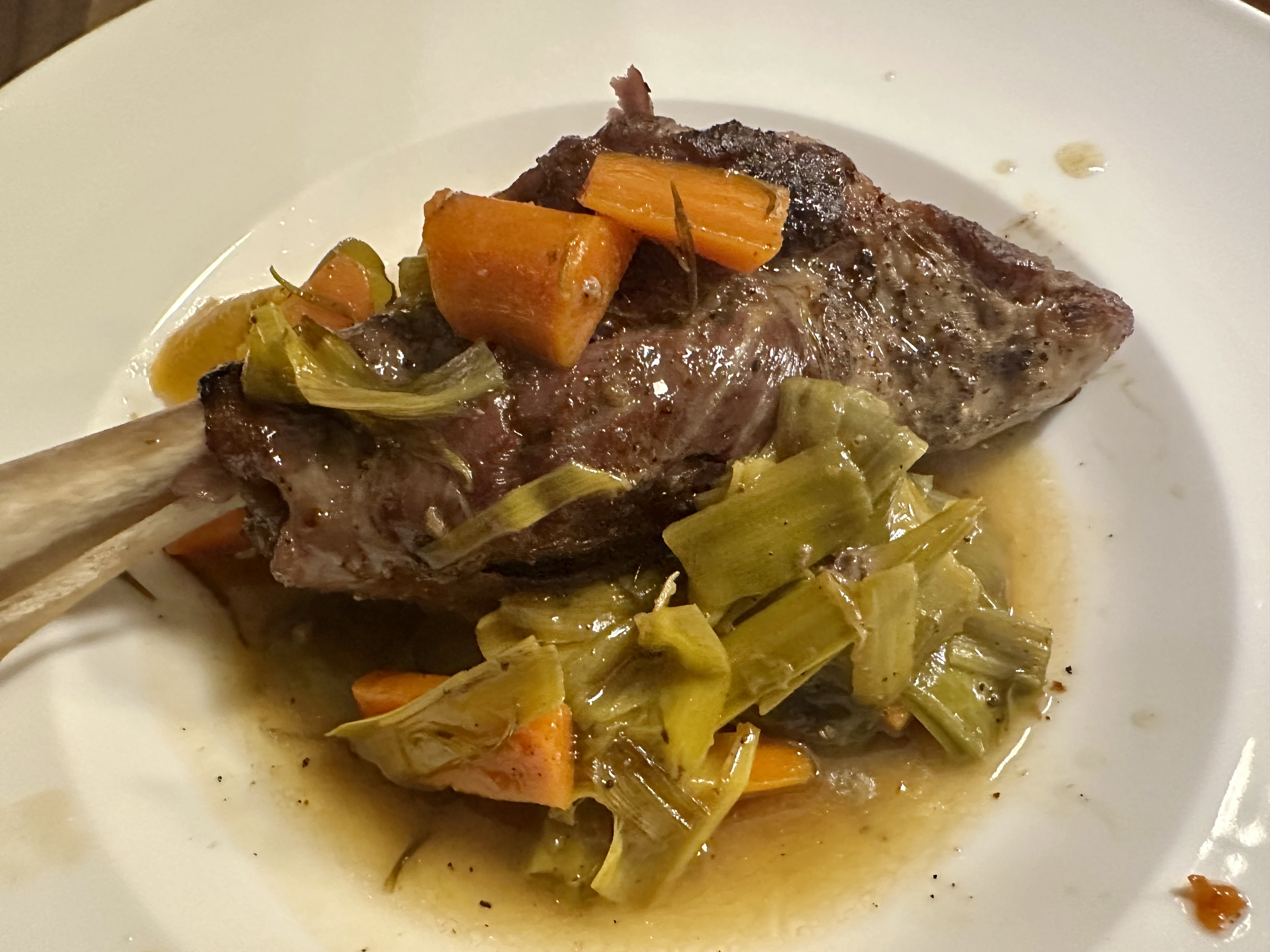
We like the subtle fruity, smoky notes that árbol chilies release into the rice, but if you have only red pepper flakes on hand, they will work, but will add a more direct, less nuanced spiciness. We didn’t find it very spicy at all. Be sure to rinse and drain the rice before use. Rinsing removes excess starch for especially light, fluffy grains.

Cumin-Spiced Tomato Rice

  • Servings: 4-6
  • Difficulty: easy
  • Print

Ingredients

  • 2½ Tbsp. tomato paste
  • Kosher salt
  • 2 Tbsp. grapeseed or other neutral oil
  • 2 tsp. cumin seeds OR yellow or brown mustard seeds OR a combination
  • 2 – 3 árbol chilies, broken in half, seeds discarded OR ¼ to ½ tsp. red pepper flakes
  • 2 medium garlic cloves, finely grated
  • 1½ tsp. finely grated fresh ginger
  • 1½ cups basmati rice, rinsed and drained
  • 1 pint cherry OR grape tomatoes, quartered

Directions

  1. In a 2-cup liquid measuring cup or a small bowl, whisk together 2 cups water, the tomato paste and ¾ teaspoon salt. In a large saucepan over medium, combine the oil, cumin seeds, chilies, garlic and ginger. Cook, stirring, until the seeds begin to pop and the mixture is fragrant, about 1 minute.
  2. Stir in the rice, coating the grains with oil. Stir in the tomato water and bring to a boil over medium-high. Cover, reduce to low and cook until the water has been absorbed, about 15 minutes.
  3. Remove the pan from the heat. Quickly scatter the tomatoes over the rice and re-cover. Let stand for 10 minutes. Using a fork, fluff the rice, incorporating the tomatoes into it. Remove and discard the chilies, if used. Taste and season with salt.
  4. Optional garnish: Chopped fresh cilantro

http://www.lynnandruss.com

Recipe by Elizabeth Germain & Elizabeth Mindreau for Milk Street

Pan-Roasted Pork Tenderloins with Apple, Sherry and Smoked Paprika

The inspiration for a Spanish spin on pork and apples comes from “Tapas: A Taste of Spain in America” by José Andrés. Milk Street’s version uses pork tenderloins that get a stovetop sear and finish in the oven on a bed of lightly sautéed onion and Granny Smith apple.

The onion-apple mixture softens to a relish-like accompaniment that is accented with smoked paprika and dry sherry. It’s a rich, woodsy complement to slices of the mild, meaty tenderloin. You will need a 12-inch oven-safe skillet for this recipe. And don’t forget to use an oven mitt or potholder when handling the skillet after removing it from the oven; the handle will be hot.

Nearly all previous reviewers of this recipe said they had, or will next time, double the apple/onion mixture (perhaps even triple it?). That made culinary sense to us, so we went ahead and doubled the sauce from the get-go. And the increased amounts are list under ingredients below.

As to doubling the ingredients for the apple/onion mixture, the recipe indicates to “Add the remaining 2 tablespoons butter and stir until melted” in Step 5. We completely forgot to do so, and that sauce was still divine; although the additional butter would lend more silkiness to the bottom line. Your call…

Serving suggestion: Spoon over mashed garlicky potatoes, parsnip and potato purée or wide egg noodles. We agree it is a company-worthy dish!

Pan-Roasted Pork Tenderloins with Apple, Sherry and Smoked Paprika

  • Servings: 6
  • Difficulty: easy
  • Print

Ingredients

  • 2 tsp. smoked paprika, divided
  • Kosher salt and ground black pepper
  • 2 1¼-lb. pork tenderloins, trimmed of silver skin and halved crosswise
  • 2 Tbsp. extra-virgin olive oil
  • 4 Tbsp. salted butter, divided
  • 2 large, or 3 small yellow onions, halved and thinly sliced
  • 2 Granny Smith apples, peeled, halved, cored and cut into ½-inch-thick wedges
  • 5-7 sprigs thyme
  • 1 cup dry sherry
  • 1/2 cup chicken broth
  • 1 Tbsp. finely chopped fresh chives

Directions

  1. Heat the oven to 450°F with a rack in the middle position. In a small bowl, mix together 1 teaspoon of paprika and 1½ teaspoons salt. Rub the mixture onto all sides of the pork.
  2. In an oven-safe 12-inch skillet over medium-high, heat the oil until shimmering. Place the pork in the skillet. Cook, turning occasionally, until lightly browned on all sides, about 4 minutes total. Transfer to a large plate.
  3. Add 2 tablespoons of butter, the onion and apple to the skillet. Cook over medium-high, stirring occasionally, until softened and golden brown, about 8 minutes. Distribute the mixture in an even layer, then scatter on the thyme. Place the pork on top, add any accumulated juices and transfer to the oven. Roast until the center of the thickest piece of tenderloin reaches 135°F or is just slightly pink when cut into, 9 to 12 minutes.
  4. Remove the skillet from the oven; the handle will be hot. Using tongs, transfer the pork to a cutting board and tent with foil. Add the sherry, broth and the remaining 1 teaspoon paprika to the pan, then cook over medium-high, stirring occasionally, until the liquid is slightly reduced and thickened, about 4 minutes.
  5. Remove the pan from the heat, then remove and discard the thyme. Add the remaining 2 tablespoons butter and stir until melted. Taste and season with salt and pepper. Using a slotted spoon, transfer the onion-apple mixture to a serving platter, leaving the liquid in the pan. Thinly slice the pork and arrange over the onion-apple mixture. Drizzle the pan liquid over the meat and sprinkle with the chives.

http://www.lynnandruss.com

Recipe from Milk Street

Lemon Mint Panna Cotta

Lemon Panna Cotta: This is a deliciously silky, sweet, and slightly tart dessert that will definitely make your mouth water. Panna cotta, or cooked cream, is an old treat from the mountains of northern Italy, where the cream is so spectacular it’s been eaten as a dessert all by itself for generations. This lemon version is super tangy with the zest and juice of 2 lemons.

It’s similar to a custard (without the eggs) but with a creamier, lighter texture. This is the type of dessert that is perfect for dinner parties (can be prepared ahead) and is a refreshing end to a big meal … it leaves you sweetly satisfied!

Lemon Mint Panna Cotta

  • Servings: 5
  • Difficulty: easy
  • Print

Ingredients

  • 2 cups heavy cream
  • 8 oz. whole milk
  • 1/2 cup granulated sugar
  • 1 oz. fresh mint
  • 2 large lemons, 1 zested, both squeezed to get 1/4 cup of juice
  • 2 tsp. gelatin powder
  • Optional: garnish with lemon zest, mint spring, blueberry compote; and serve with a butter cookie

Directions

  1. Wash the mint and remove leaves, throwing out stems
  2. Finely chop the mint leaves, or grind in a mini food processor, then put bowl together with the sugar and lemon zest. Rub the mixture with your fingertips until the sugar takes on a green tone.
  3. Warm the cream and milk in a sauce pan, adding sugar, zest, and herb mixture. Turn off the flame as soon as the cream boils.
  4. Add gelatin to the lemon juice and stir to dissolve, then add it to the still-warm cream mixture and stir until completely dissolved and well-blended; let cool.
  5. Grease the ramekins or other molds with a paper napkin soaked with a neutral vegetable oil.
  6. Strain the cream mixture, stir to blend well, and divide among 5 ramekins. Cover with plastic wrap and refrigerate for a least 8 hours.
  7. To unmold the panna cotta, run a fine knife around the inside edge of the ramekin to loosen the panna cotta. Flip the ramekin over above the intended serving plate and allow gravity to do it’s work.
  8. Garnish with more a mint leaf, lemon zest, and/or blueberry compote, if desired.

http://www.lynnandruss.com

Spanish version for El Pais by Ana Vega

Sheet-Pan Chicken Thighs with Spicy Corn

Another winner, sheet-pan dinner. The spicy, salty jalapeño brine balances sweet corn kernels, which roast on a sheet pan alongside chicken thighs in this simple, summery weeknight meal. The chicken, marinated with basil, garlic and a little mayonnaise, stays juicy even after a brief stint under the broiler.

You can serve this hot from the oven or at room temperature — it’s equally good each way — and cold leftovers are excellent piled onto lettuce or avocado for a salad the next day. BINGO!

It is required that you marinate the chicken in a mayo mixture for at least 30 minutes, and up to six hours. Ours marinated for three hours, so keep this in mind when planning to make this dish. We had two ears of corn already previously heated, plus two more fresh cobs, and just sliced off the kernels from all four and mixed them together.

Sheet-Pan Chicken Thighs with Spicy Corn

  • Servings: 4-6
  • Difficulty: easy
  • Print

Ingredients

  • 2 lbs. boneless, skinless chicken thighs
  • 1 ¾ tsp. fine sea or table salt, divided
  • 2 Tbsp. mayonnaise
  • ¼ cup finely chopped basil, plus more for garnish
  • 2 garlic cloves, finely grated or minced
  • ⅓ cup chopped pickled jalapeños, plus brine from the jar
  • 4 cups fresh or frozen corn kernels (from about 4 ears)
  • 3 Tbsp. olive oil, plus more for drizzling
  • 5 scallions, thinly sliced
  • 1 jalapeño, sliced into rings
  • 1 lime, halved

Directions

  1. Season the chicken all over with ¾ teaspoon of salt. In a large bowl, stir together the mayonnaise, basil, garlic and 2 tablespoons jalapeño brine. Add the chicken to the marinade. Cover and refrigerate for 30 minutes and up to 6 hours.
  2. Heat oven to 425 degrees. In a medium bowl, toss together corn, pickled jalapeños, olive oil, remaining 1 teaspoon salt and half of the scallions (save remaining scallions for serving).
  3. Arrange the chicken on a baking sheet, spacing it out. Roast for 12 minutes. Spoon the corn mixture onto the empty parts of the baking sheet. Drizzle chicken and corn with oil. Continue to roast until the chicken is cooked through, 10 to 15 minutes longer, stirring the corn once while roasting. (Our chicken thighs were ready after 10 minutes.)

  4. Turn the broiler on high and broil the chicken and corn until golden brown in spots, 2 to 4 minutes (watch carefully so it doesn’t burn, though a little blistering is nice).
  5. Garnish chicken and corn with basil, remaining scallions and fresh jalapeño slices. Sprinkle with with lime juice. Serve hot or at room temperature.

http://www.lynnandruss.com

Adapted from a recipe by Melissa Clark for NYTimes Cooking