Tag Archives: pescatarian

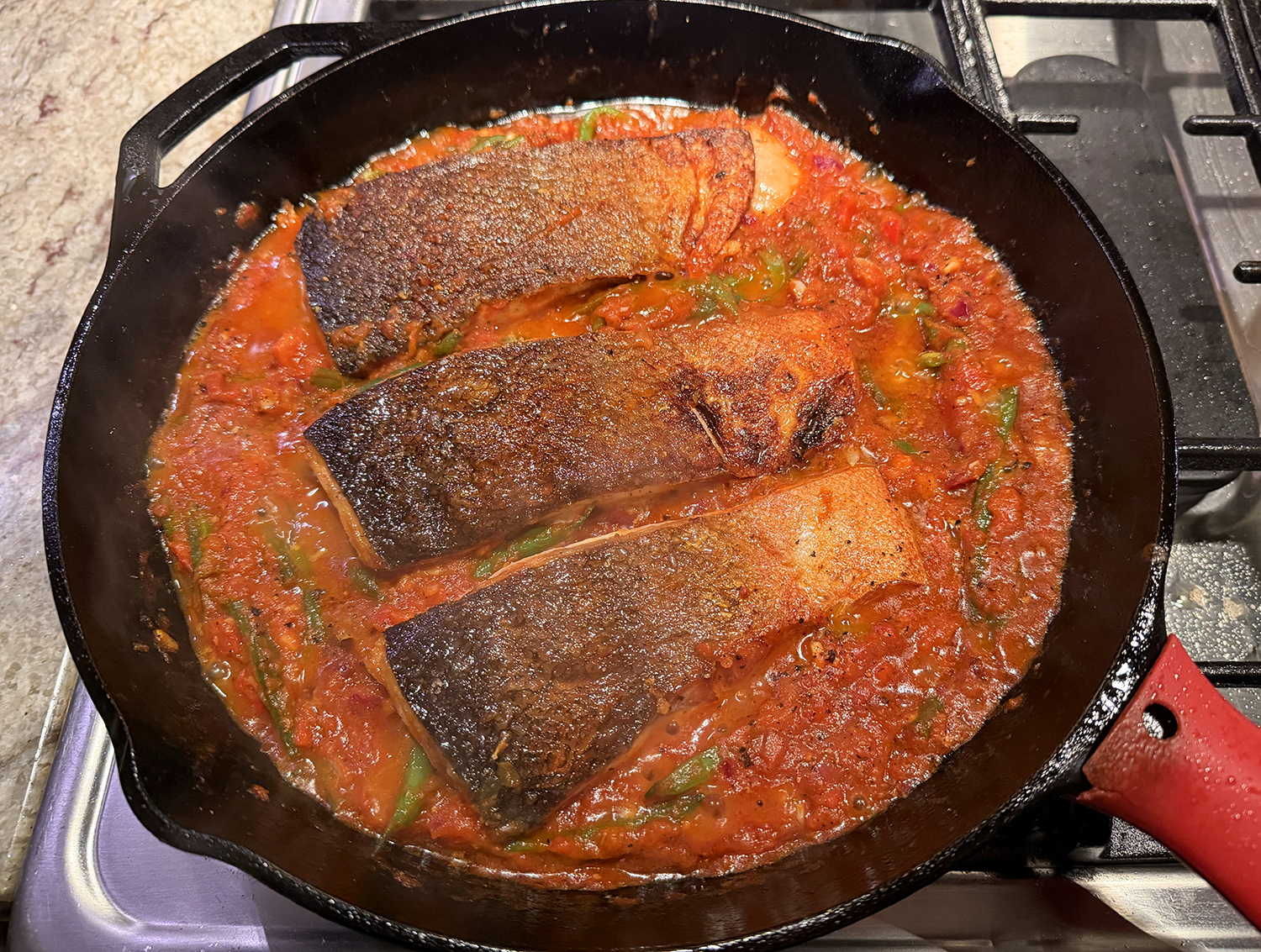
Salmon and Green Beans in Red Pepper Sauce

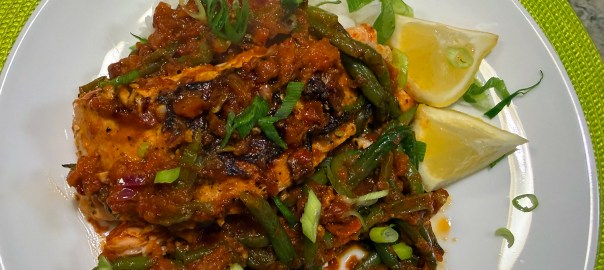
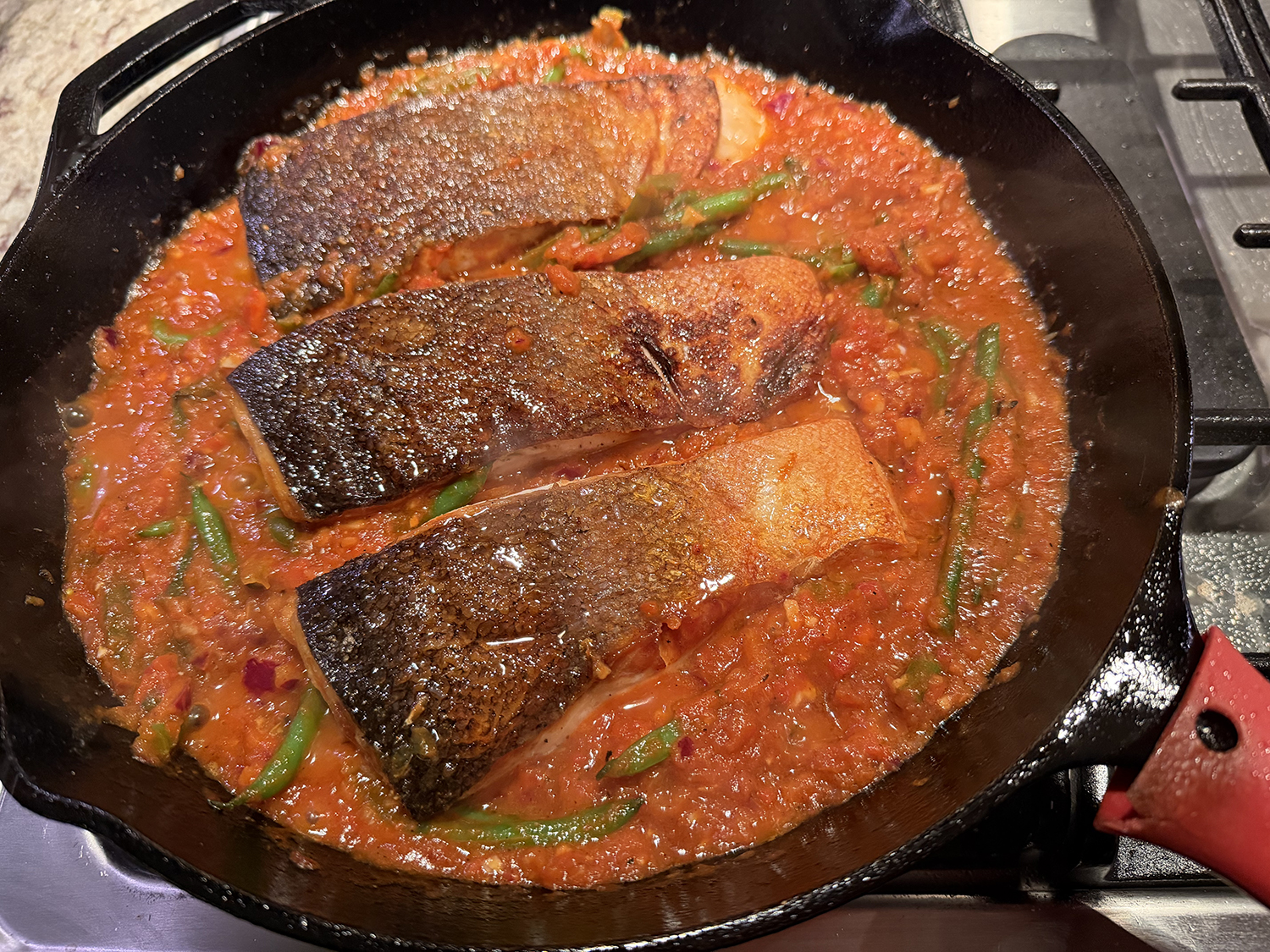
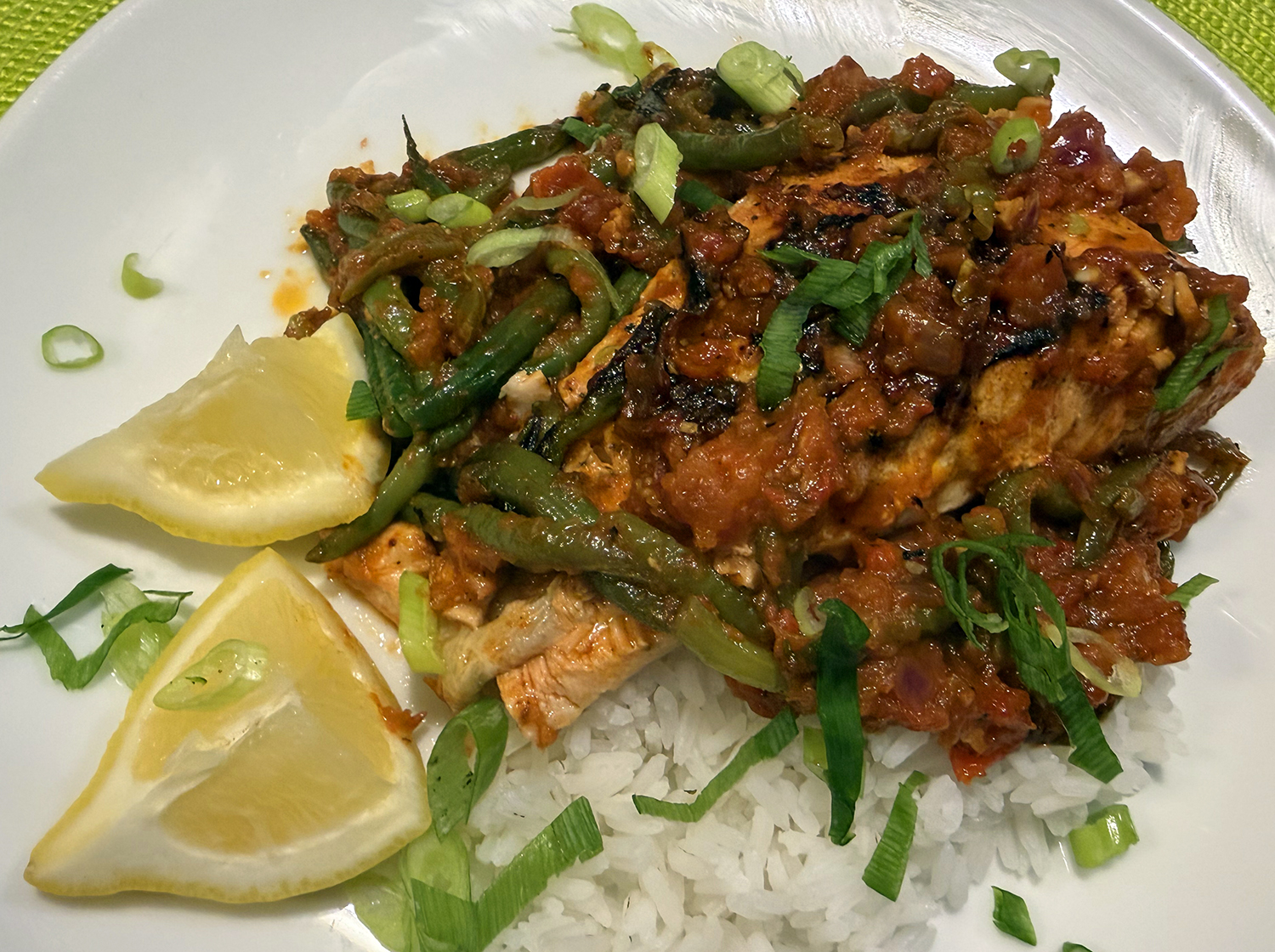
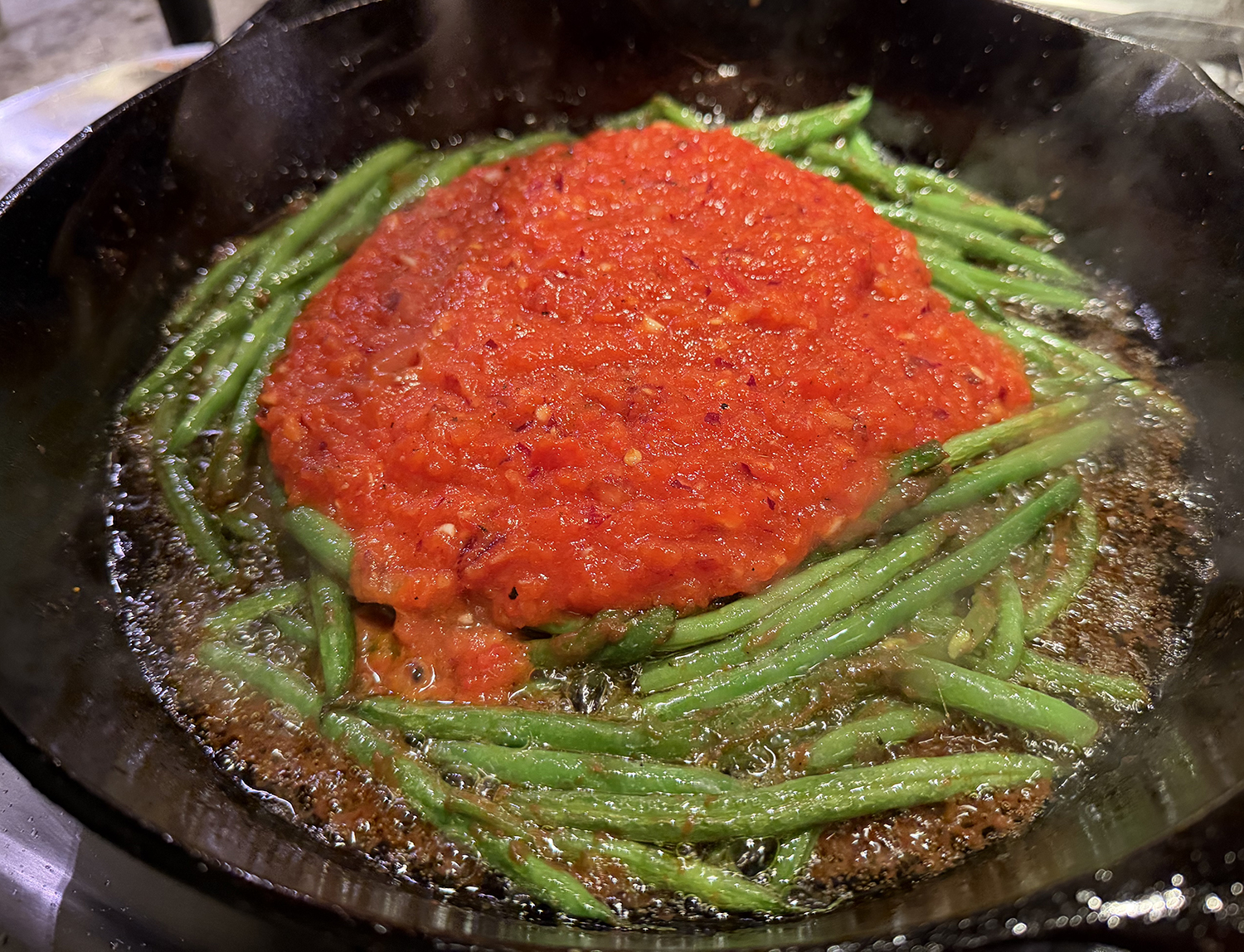
Crisp-skinned salmon is the star protein here and simmers alongside green beans in the sauce, which is balanced, rich and tasty with anchovies and miso. According to NY Times Cooking, a sauce this good works with any protein that benefits from a gentle simmer. It was spot-on with the salmon!

Resist the notion that fish should be paired with vegetables that keep their crunch in the cooking process. Rather, here these green beans—which hold their shape while they gently and endearingly collapse—contribute a generous texture to a roasted red pepper sauce.

We are quite fond of salmon and enjoy the fish often, both at home and while dining out. The Hubs adores anchovies (in any form), yet I tend to be a bit more timid about them. In this dish, they literally dissolve into the sauce. If there is an anti-anchovy militant in your household, don’t even mention they are part of the recipe.

Our changes included slicing a 24-ounce slab of salmon into three 8-ounce portions. We also increased the amount of green beans from 8 ounces to 12 ounces (but then forgot to slice them into 2-inch pieces 😏).

Salmon and Green Beans in Red Pepper Sauce

  • Servings: 4
  • Difficulty: easy
  • Print

Ingredients

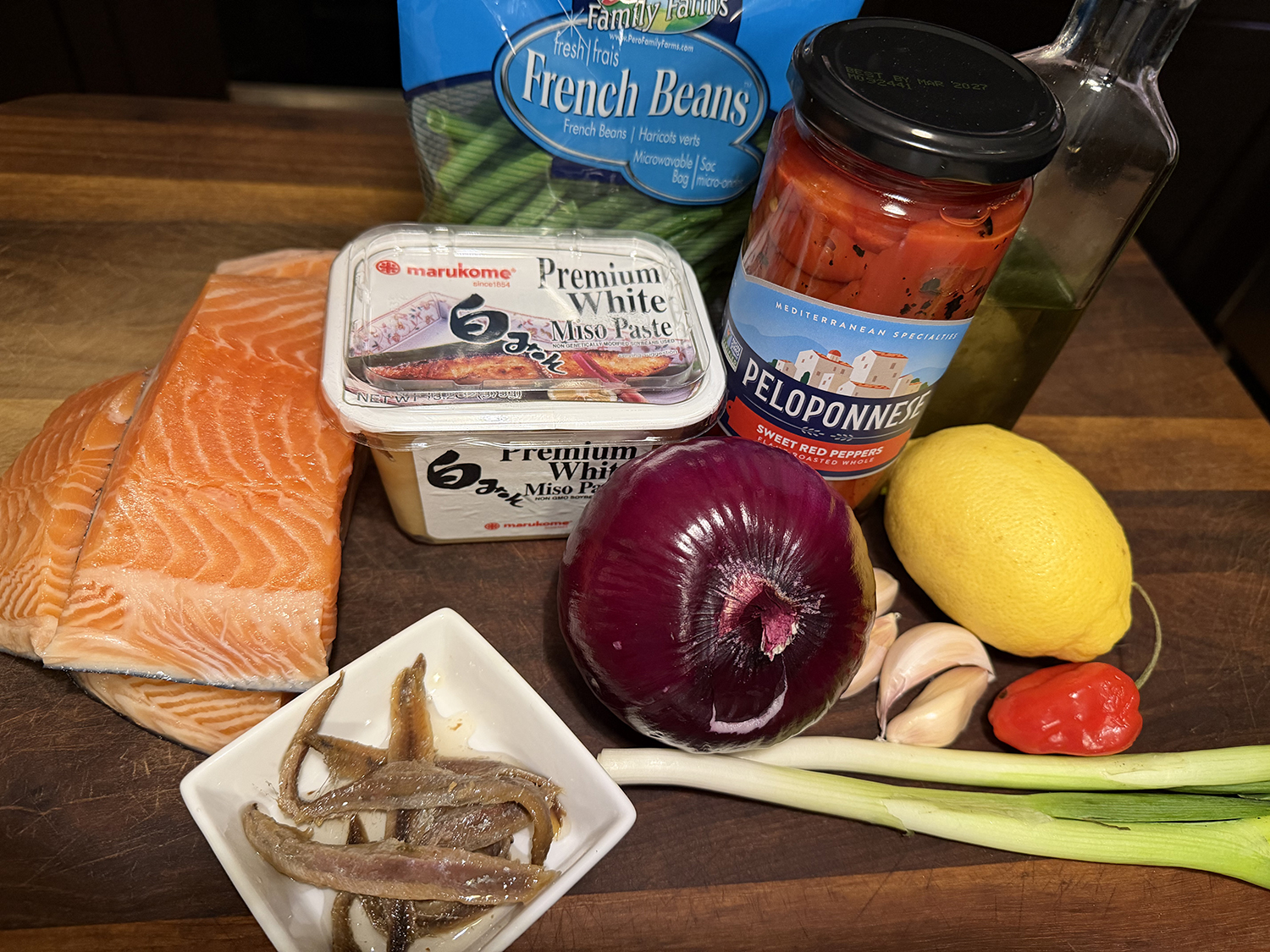
  • 1 small red onion, peeled and chopped (about 1 cup)
  • 1 (16-oz.) jar roasted red bell peppers, drained and chopped (about 1 ½ cups)
  • 1 Scotch bonnet or habanero chile, seeds in or out
  • 4 garlic cloves, peeled
  • 5 Tbsp. olive oil, divided
  • 4 salmon fillets (about 6 oz. each), skin on or off
  • Salt and black pepper
  • 8 oz. green beans, trimmed and cut into 2-inch pieces (about 2 cups)
  • 6 to 8 oil-packed anchovies
  • 1 Tbsp. white or red miso
  • ½ cup thinly sliced fresh scallions
  • Rice, for serving
  • 1 lemon, cut in wedges

Directions

  1. Prepare the red pepper sauce: Using a food processor or blender, coarsely chop the onion, roasted red peppers, Scotch bonnet and garlic by pulsing them together.
  2. Heat a large (10-inch) cast iron or nonstick skillet over high and add 2 tablespoons oil.
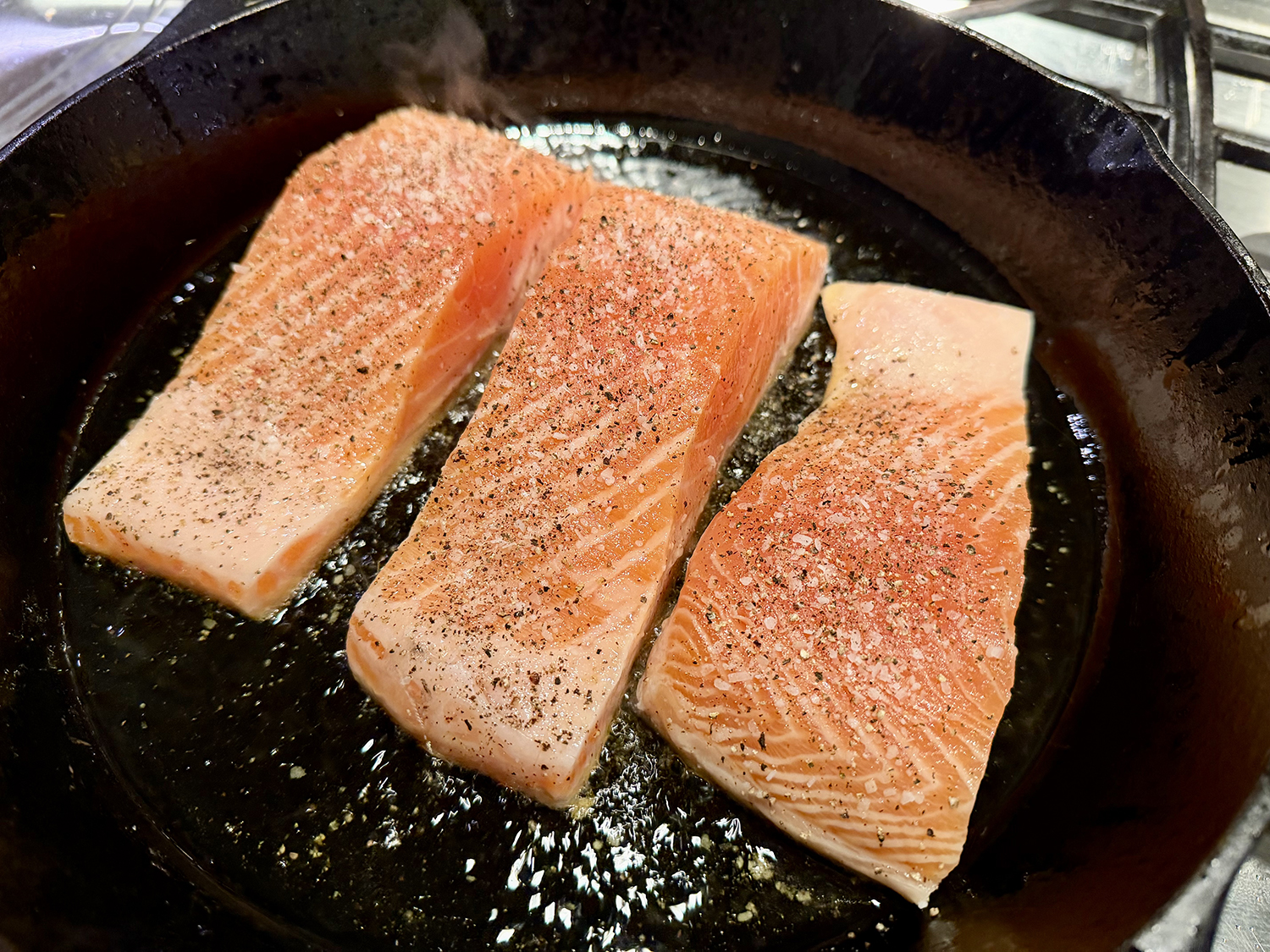
  3. Place the salmon fillets in the hot oil, skin side down, season lightly with salt and pepper and cook without moving until the contact side is gently browned, about 5 minutes. Move the salmon to a plate, setting it skin side up, and set aside.
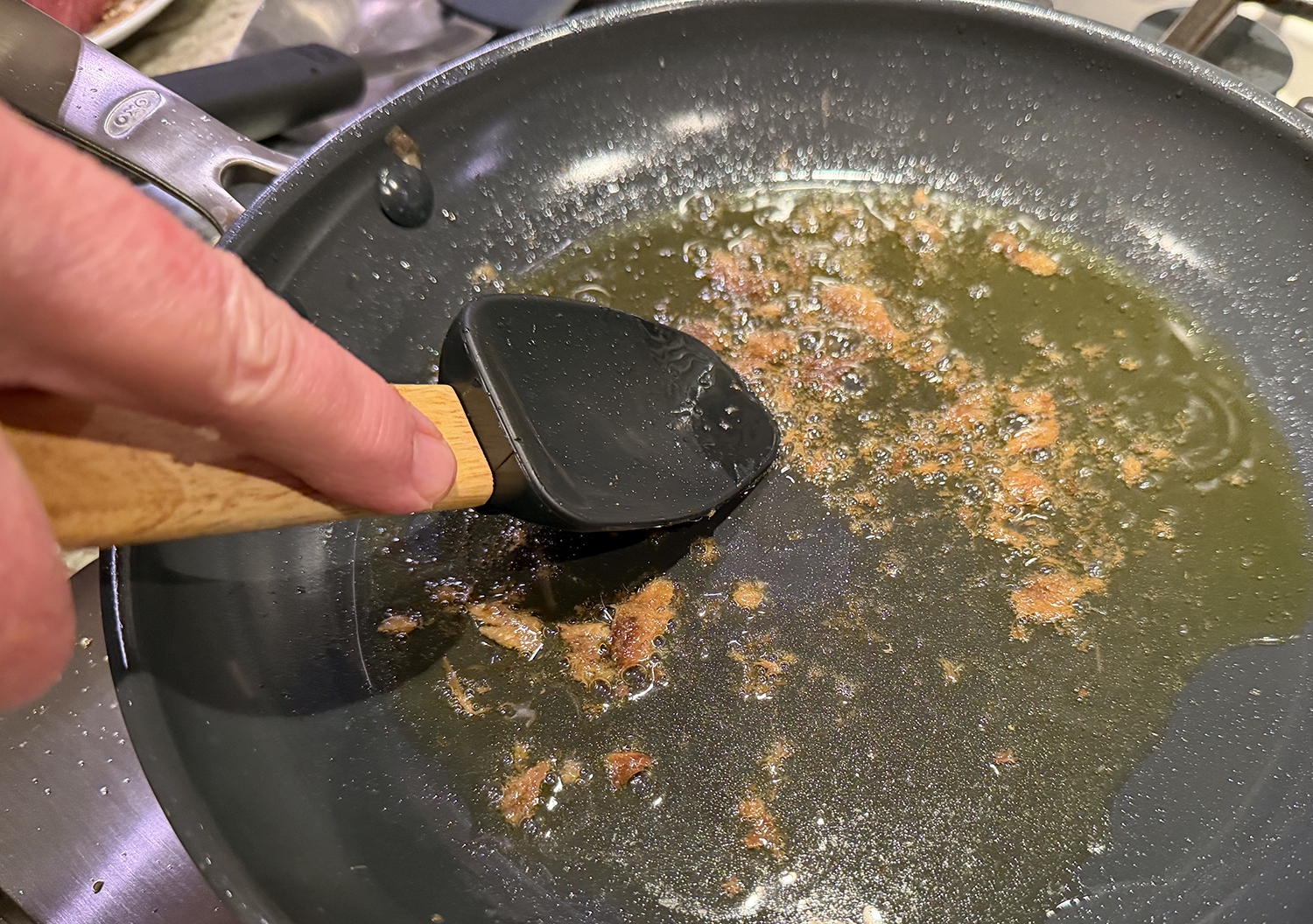
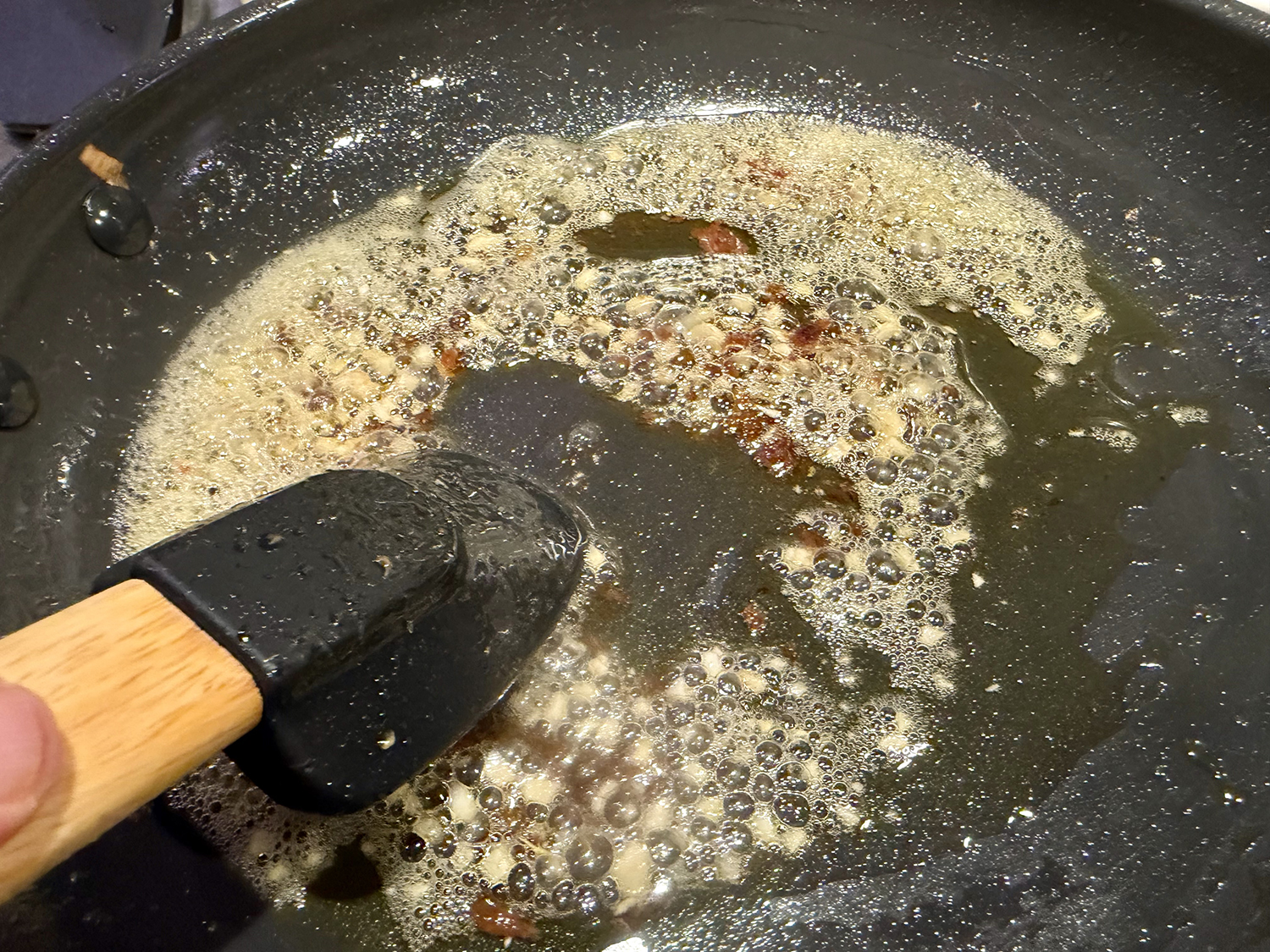
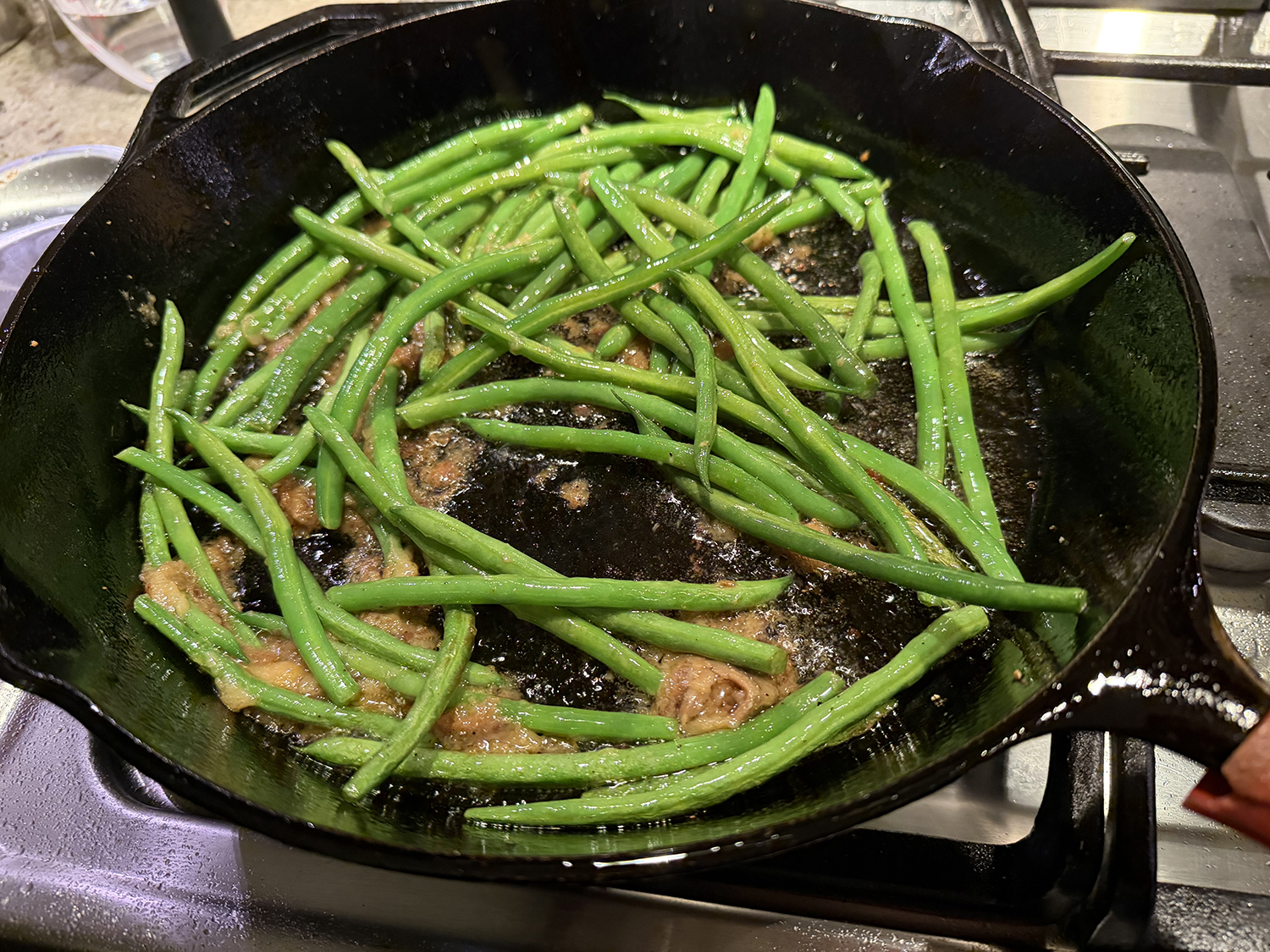
  4. Turn the heat down to medium-high, add 1 tablespoon oil to the skillet, the green beans, anchovies and miso. Cook, stirring frequently, mashing the anchovies with the spatula until miso is broken up and anchovies are dissolved. Add ½ cup water to the skillet and bring to a simmer. Cook until green beans are just wrinkly, 4 to 6 minutes.
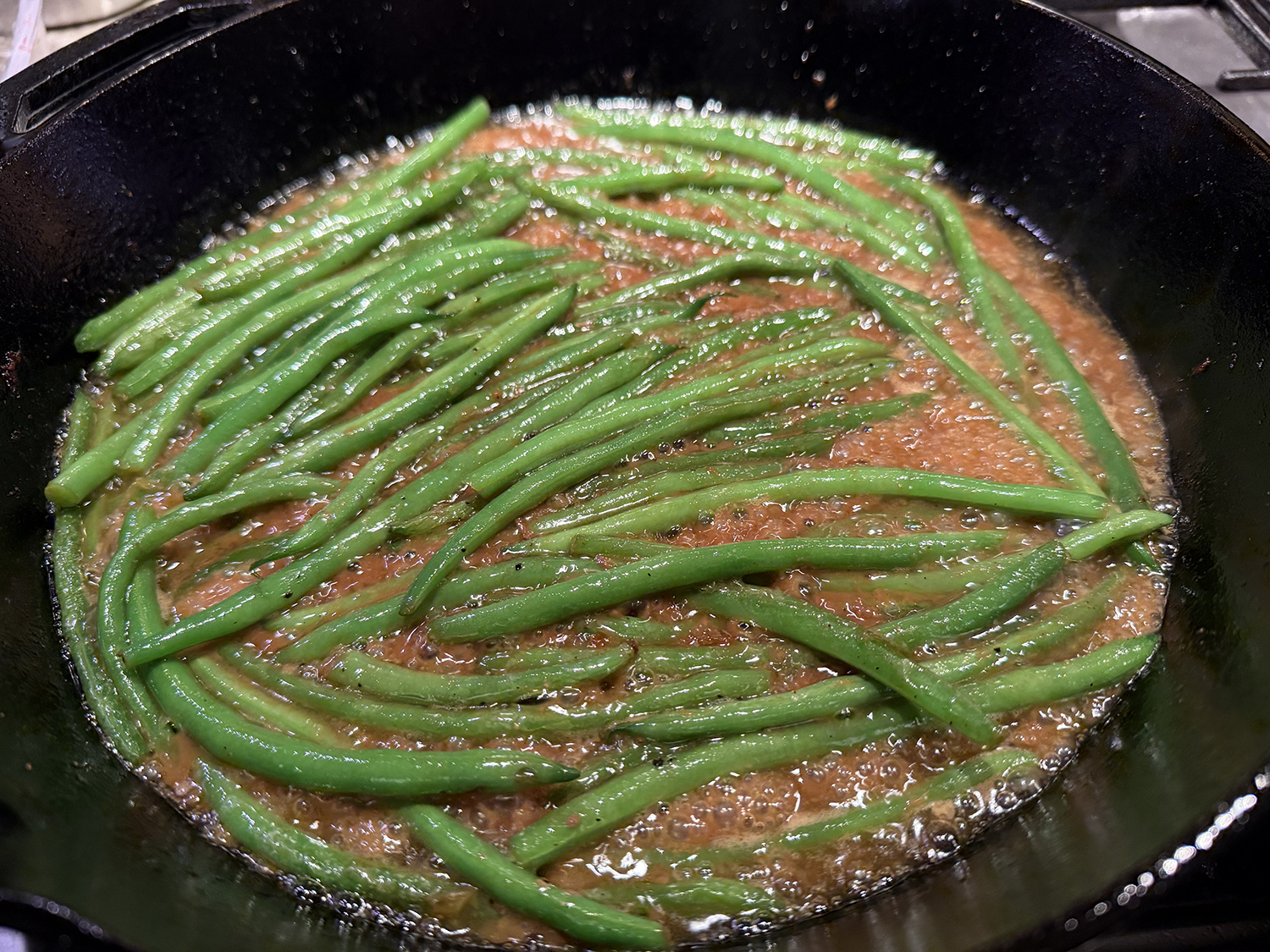
  5. Reduce heat to medium, pour the red pepper sauce into the skillet. Stir in ½ cup water and the remaining 2 tablespoons oil. Simmer the sauce, stirring frequently until slightly reduced and the liquid and oil collect toward the center of the skillet, 5 to 6 minutes. Taste for seasoning and adjust with additional salt and pepper if necessary.
  6. Using a wooden spoon, create divots in the sauce and green beans. Nestle the fillets in the divots, skin side up. Cook until the fish is fork-tender, the sauce reduced and the green beans are softened, 6 to 8 minutes.
  7. Garnish with scallions and serve fish, green beans and sauce immediately over rice, with lemon wedges for squeezing.

http://www.lynnandruss.com

Recipe by Yewande Komolafe for NYTimes Cooking

Creamy Saffron Orzo with Spiced Garlic-Butter Shrimp

For a quick, creamy pasta dish that delivers the same comfort and satisfaction as risotto, start by toasting orzo in butter with shallots and garlic and then douse the lot with wine, which is quickly absorbed by the pasta, infusing it with flavor.

To make the dish pescatarian, we swapped out a combination of shellfish stock and vegetable broth for the chicken stock. We also included lemon zest into the orzo for a brighter note.

Vigorously simmering the orzo in diluted broth hydrates it while adding subtle depth. Stirring the pasta occasionally releases its starches, creating a velvety texture. The process is so hands-off, you are able to simultaneously prepare a quick topping. The shrimp is quickly seared and then tossed with a potent garlic-butter scented with a slightly spicy red pepper.

A small amount of tomato paste adds savory notes and helps the sauce coat the shrimp. A shower of chopped mint provides a fresh finish.

NOTE: If pul biber and Aleppo pepper are unavailable, substitute 2 teaspoons paprika and ⅛ teaspoon cayenne pepper. 

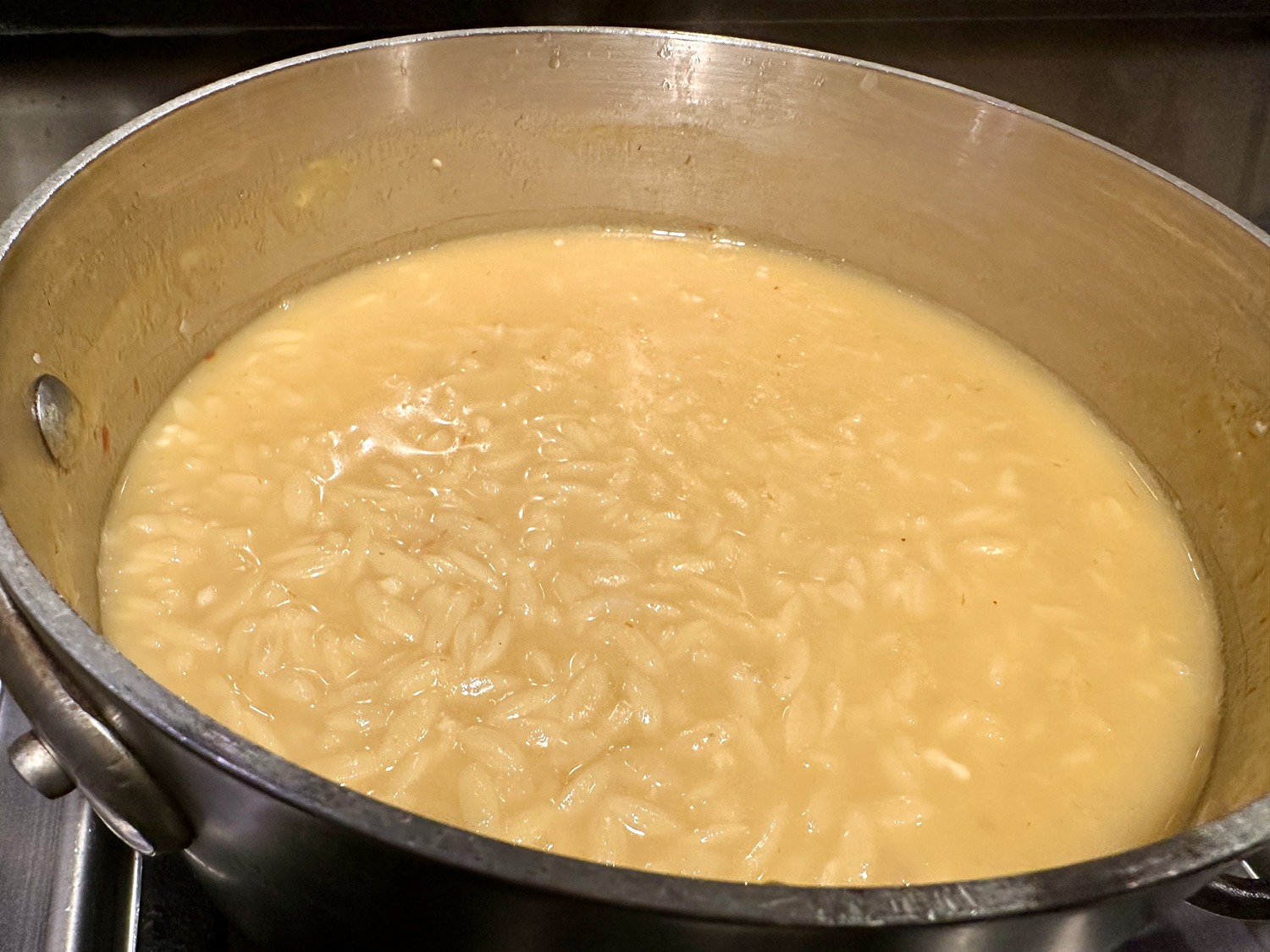
*Many recipe reviewers, including ourselves, found the finished orzo to be too soupy. Instead of starting with 3 cups of water as noted in the list of ingredients, use 1 or 1 1⁄2 cups at first, adding more as need to get the al dente consistency. When plating, we used a slotted spoon to separate the the orzo from some of the liquid.

FYI: If you’re reluctant to uncork a bottle of white wine only to use a small amount for any recipe, dry vermouth is a convenient, inexpensive alternative. It’s fortified with high-proof alcohol that inhibits the growth of vinegar-producing microbes that can spoil wine, so an open bottle will last for a few months in the refrigerator.

Creamy Saffron Orzo with Spiced Garlic-Butter Shrimp

  • Servings: 4
  • Difficulty: easy
  • Print

Ingredients

  • 6 Tbsp. unsalted butter, divided
  • 1 large shallot, minced
  • 1½ tsp. table salt, divided
  • 1 tsp. plus 1 Tbsp. minced garlic, divided
  • ¼ tsp. saffron threads, crumbled
  • 1½ cups orzo
  • ½ cup dry white wine or vermouth
  • 3 cups water* (see head note)
  • 2 cups chicken broth, or shellfish stock, preferably homemade
  • 1 Tbsp. pul biber or ground dried Aleppo pepper
  • 1 Tbsp. tomato paste
  • 1 lb. large shrimp (26 to 30 per lb.), peeled, deveined, and tails removed
  • 1 tsp. vegetable oil
  • 3 Tbsp. chopped fresh mint
  • Lemon wedges
  • Zest of half a lemon

Directions

  1. Melt 2 tablespoons unsalted butter in medium saucepan over medium heat. Add 1 minced large shallot and 1¼ teaspoons table salt; cook, stirring frequently, until shallot is softened but not browned, 3 to 5 minutes.
  2. Add 1 teaspoon minced garlic and ¼ teaspoon saffron threads, crumbled, and cook until fragrant, about 30 seconds. Add 1½ cups orzo and stir until evenly coated. Add ½ cup white wine and cook, stirring constantly, until fully absorbed, about 30 seconds. 
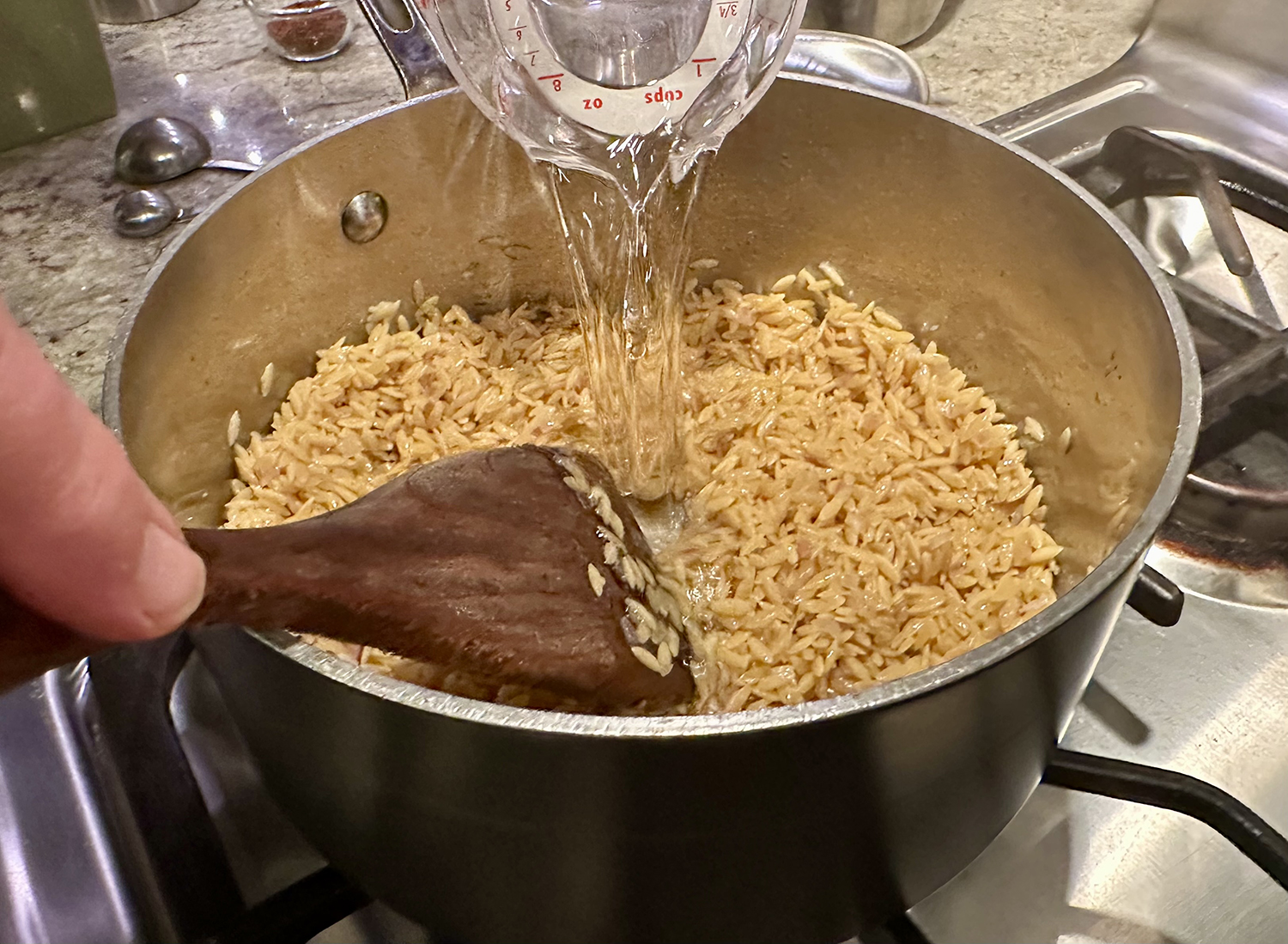
  3. Stir in water (see head note) and 2 cups chicken broth. Increase heat and bring to boil; reduce heat to maintain vigorous simmer and cook, stirring occasionally, until liquid is reduced and thickened, and orzo is al dente, about 15 minutes (if orzo starts to stick toward end of cooking time, reduce heat and stir more frequently). Stir in lemon zest. Season with salt to taste. 
  4. Meanwhile, melt remaining 4 tablespoons butter in 12-inch nonstick skillet over medium-low heat. Add 1 tablespoon pul biber and remaining 1 tablespoon minced garlic and cook, stirring constantly, until fragrant, about 30 seconds. Stir in 1 tablespoon tomato paste until fully combined. Transfer to small bowl and set aside. Wipe out skillet with paper towel. 
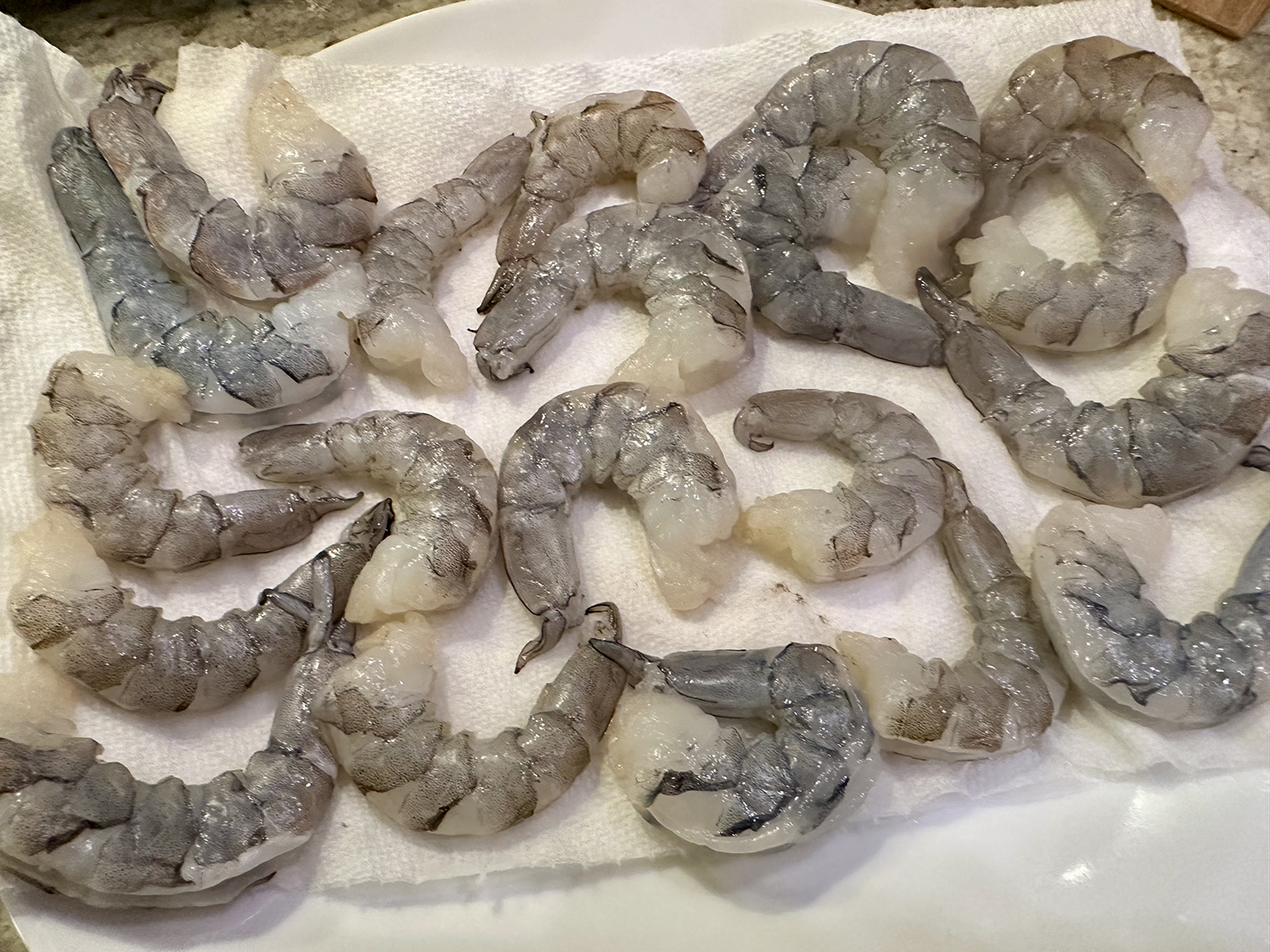
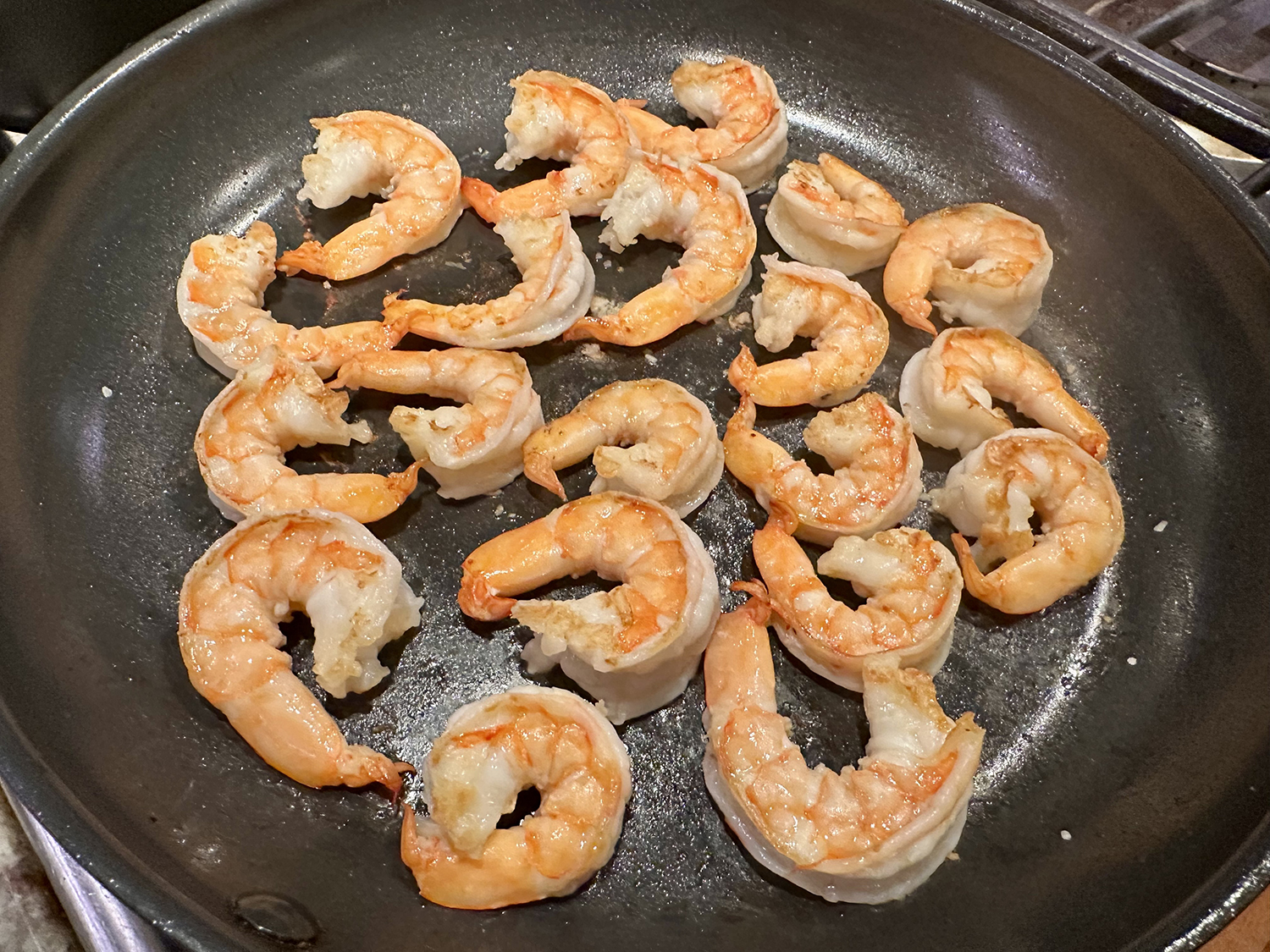
  5. Pat 1 pound shrimp, peeled, deveined, and tails removed, dry with paper towels. Combine shrimp, 1 teaspoon vegetable oil, and remaining ¼ teaspoon salt in now-empy skillet and toss to coat. Spread into even layer. Cook over high heat until edges turn pink, 3 to 4 minutes. Remove skillet from heat. Working quickly, use tongs to flip each shrimp. Let stand until second side is opaque, about 2 minutes. Add butter mixture to skillet and stir until shrimp is coated. 
  6. Transfer orzo to wide serving bowl. Top with shrimp; sprinkle with 3 tablespoons chopped mint; and serve, passing lemon wedges separately.

http://www.lynnandruss.com

Recipe by Andrea Geary for Cook’s Illustrated

Pan-Seared Flounder with Lemon-Caper Sauce

Flatfish such as flounder and sole are quick-cooking, ultraconvenient—and finicky. Because they lie in camouflage on the seabed waiting for prey, the flesh of these fish is unbeatably tender, flaky, and delicate. But their flesh is quick to tighten up and dry out over fierce heat, yet if you go too easy on the sear, the fragile fillets can tear or break when you attempt a flip. 

Once you nail the process, you are handsomely rewarded: Done right, flounder and sole are buttery, flaky, mild, and sweet, the perfect canvas for a variety of punchy sauces and toppings.

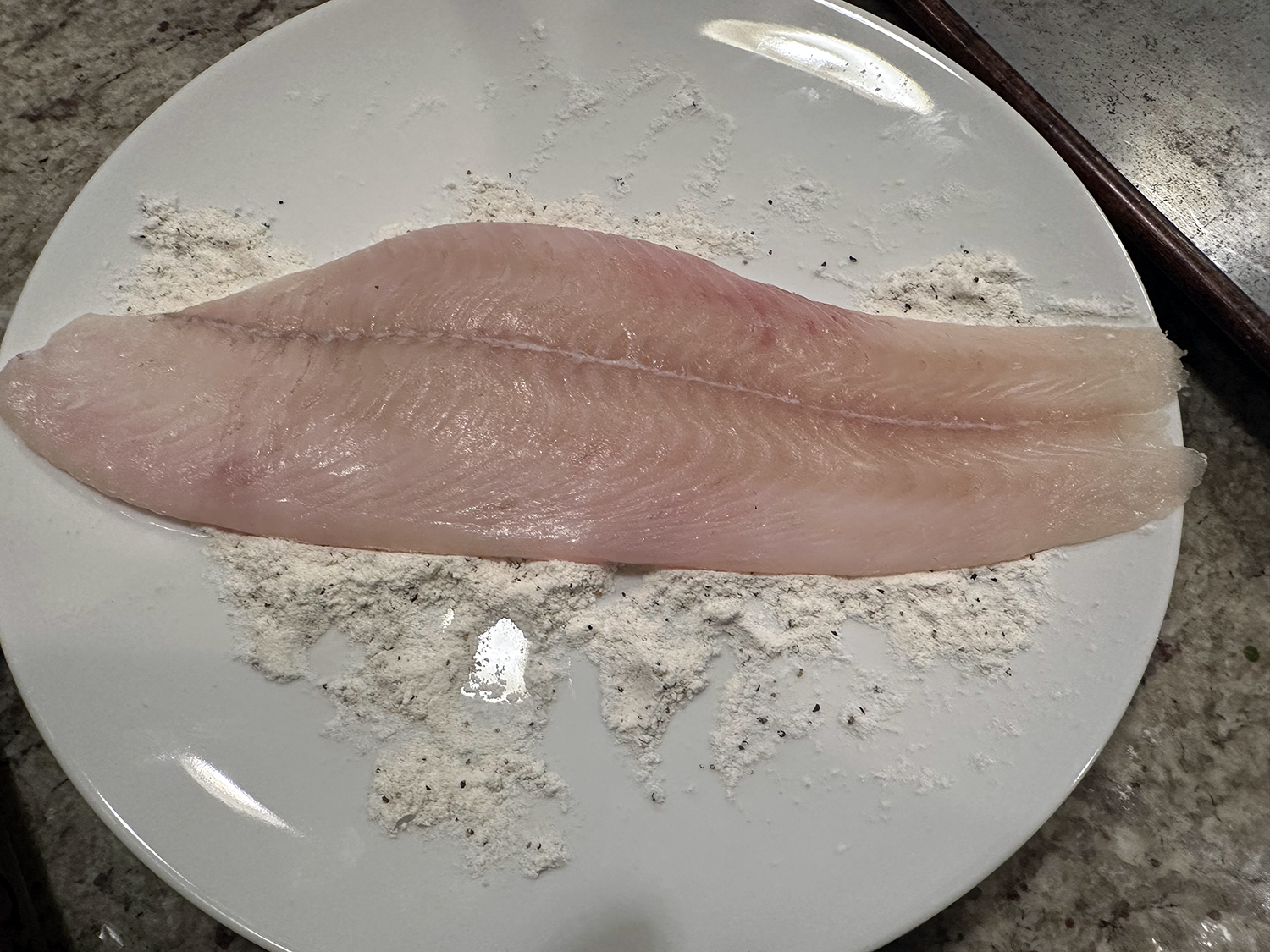
According to chef David Yu, when fish releases moisture in the skillet, that moisture impedes the fillet’s contact with the pan and oil and also lowers the temperature of everything, resulting in a longer browning time. So it’s key not only to thoroughly dry the fish with paper towels but also to dredge it in flour, which absorbs any moisture left on the fish’s surface.
Flour presents a couple of other perks as well: It helps hold the delicate flesh together by forming gluten, and its protein and sugar also help the fish to brown. Here, the fish is floured on only one side.

TIP: Using a well-oiled stainless-steel skillet rather than nonstick allows you to cook the fish at a higher temperature, quickly altering the proteins in the fish to keep them from bonding to the pan.

Our fillets were larger than noted in the original recipe, so we used a 13″ stainless steel skillet and a bit more oil in the pan. Because of their length, the fillets were a bit tricky to turn over. Pairing with steamed broccoli and a side salad, we enjoyed a fast, healthy and tasty dinner!
Pan-Seared Flounder with Lemon-Caper Sauce
  • Servings: 4
  • Difficulty: easy
  • Print

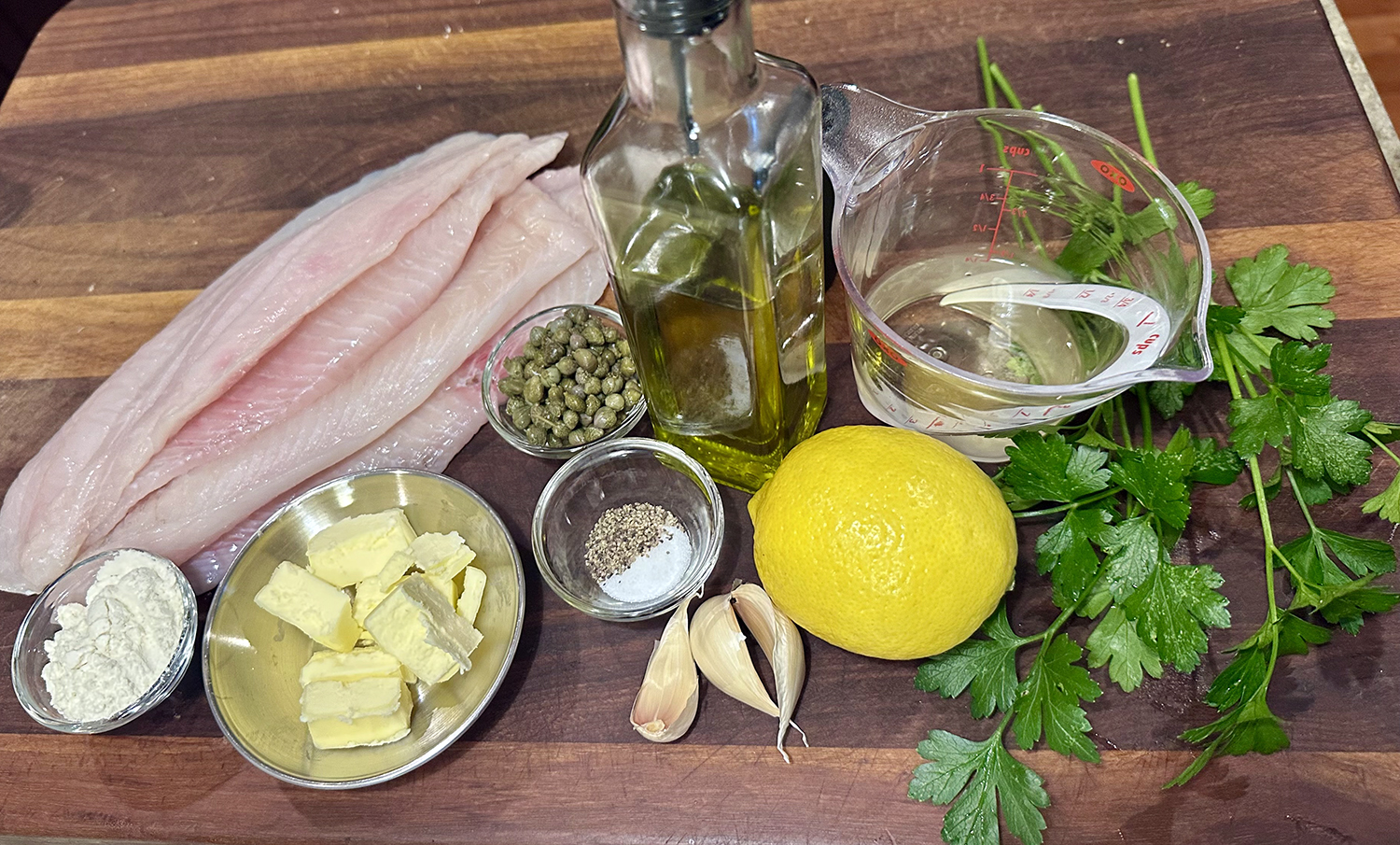
Ingredients

  • 2 Tbsp. all-purpose flour
  • ¾ tsp. table salt, divided
  • ¼ tsp. pepper
  • 6 (4- to 6-oz.) skinless flounder fillets, ¼ to ½ inch thick
  • 4 tsp. vegetable oil, divided
  • 3 garlic cloves, minced
  • ⅓ cup dry white wine
  • ⅓ cup water
  • 1½ tsp. grated lemon zest, plus 1½ Tbsp. juice
  • 3 Tbsp. unsalted butter, cut into 6 pieces and chilled
  • 2 Tbsp. capers, rinsed
  • 1 Tbsp. minced fresh parsley

Directions

  1. Whisk 2 tablespoons all-purpose flour, ½ teaspoon table salt, and ¼ teaspoon pepper together in small bowl. Reserve 1 teaspoon flour mixture, then spread remaining mixture in even layer on large plate. 
  2. Dry 6 skinless flounder fillets thoroughly with paper towels. Place 3 fillets, skinned side down, into flour mixture on plate to coat 1 side. Shake off excess and transfer to rimmed baking sheet, floured side up. 
  3. Heat 1½ teaspoons vegetable oil in 12-inch skillet over medium-high heat until just smoking. Carefully place fillets, floured side down, in pan and cook until bottom is golden brown, about 2 minutes. Remove skillet from heat. Using 2 thin spatulas, gently flip fillets and let stand until second side is opaque, 15 to 30 seconds. Transfer fillets, browned side up, to platter. Wipe out skillet with paper towels and repeat steps 2 and 3 with remaining fillets and 1½ teaspoons oil.
  4. Wipe out skillet with paper towels. Add remaining 1 teaspoon oil and 3 minced garlic cloves and cook over medium heat until fragrant, about 30 seconds. Stir in reserved 1 teaspoon flour mixture and cook for 15 seconds.
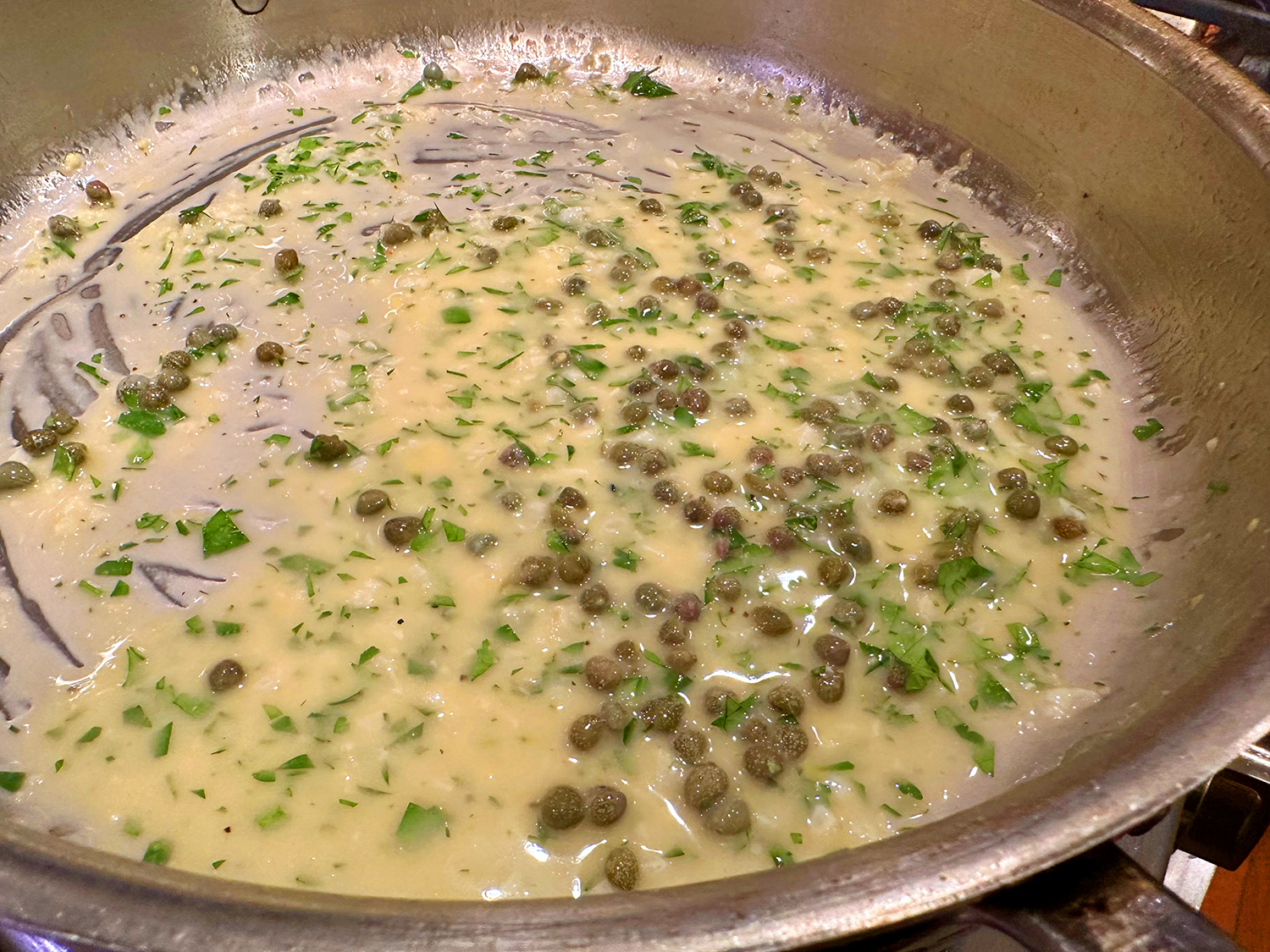
  5. Whisk in ⅓ cup white wine, ⅓ cup water, 1½ teaspoons grated lemon zest and 1½ tablespoons juice, and remaining ¼ teaspoon salt. Bring to simmer and cook until sauce has thickened slightly, about 2 minutes. 
  6. Off heat, whisk in 3 tablespoons chilled unsalted butter, cut into 6 pieces. Stir in 2 tablespoons rinsed capers and 1 tablespoon minced parsley. Spoon sauce over fish and serve.

http://www.lynnandruss.com

Recipe by David Yu for Cook’s Illustrated

Curried Salmon and Tomato Traybake

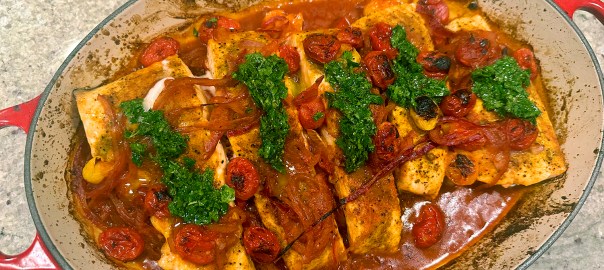
This Curried Salmon and Tomato Traybake recipe is packed with lean protein, vegetables, and healthy fats from the salmon. The salmon fillets nestled on top of a bed of roasted red onions, bursting cherry tomatoes and a curry-inspired sauce, all roasted together in a single baking dish.

For the salmon, our only option at shopping time was to purchase two separate prepackaged filets which we then cut down into 5 equal-sized pieces. In the end, it was a bit more fish than the recipe called for, but we were more than fine with that.

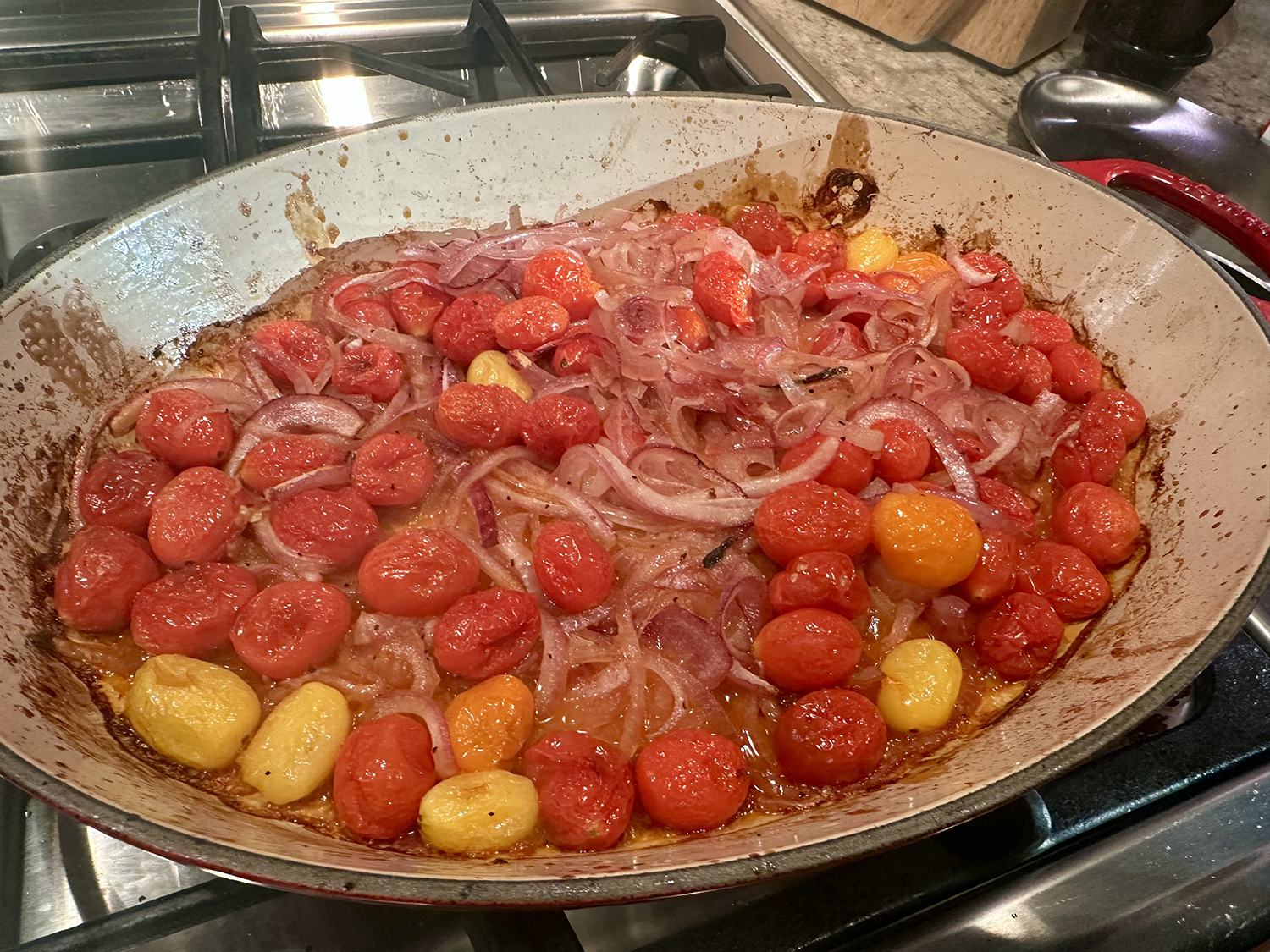
The timing was off when blistering the tomatoes, which took an additional 10 minutes on top of the 15 minutes indicated in the directions. Also, we have a gas broiler which always takes slightly longer to brown efficiently compared to an electric oven broiler.

NOTE: Make sure to use a broiler-safe dish such as copper enamel. Glass baking dishes usually shatter at such high heat.

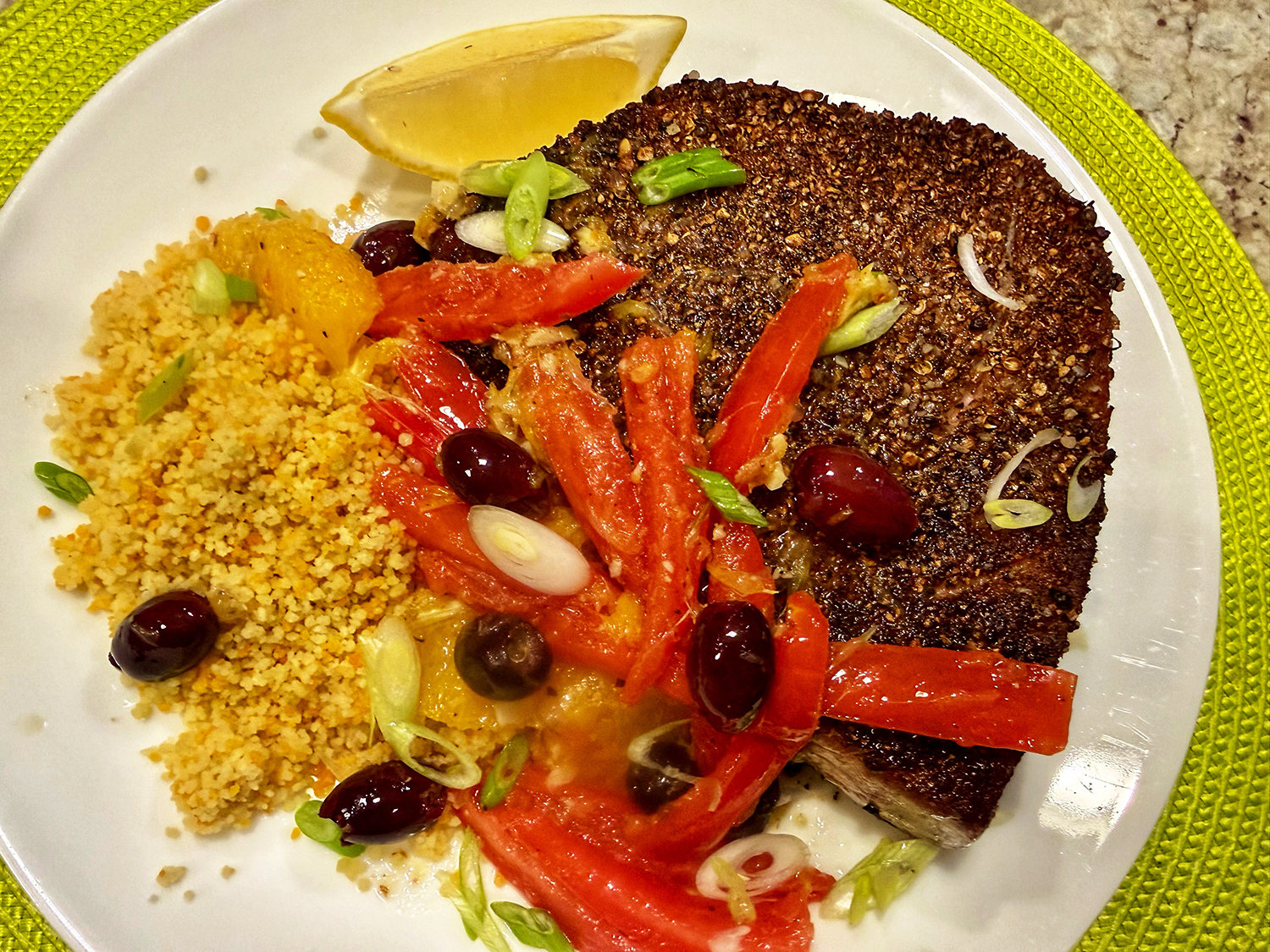
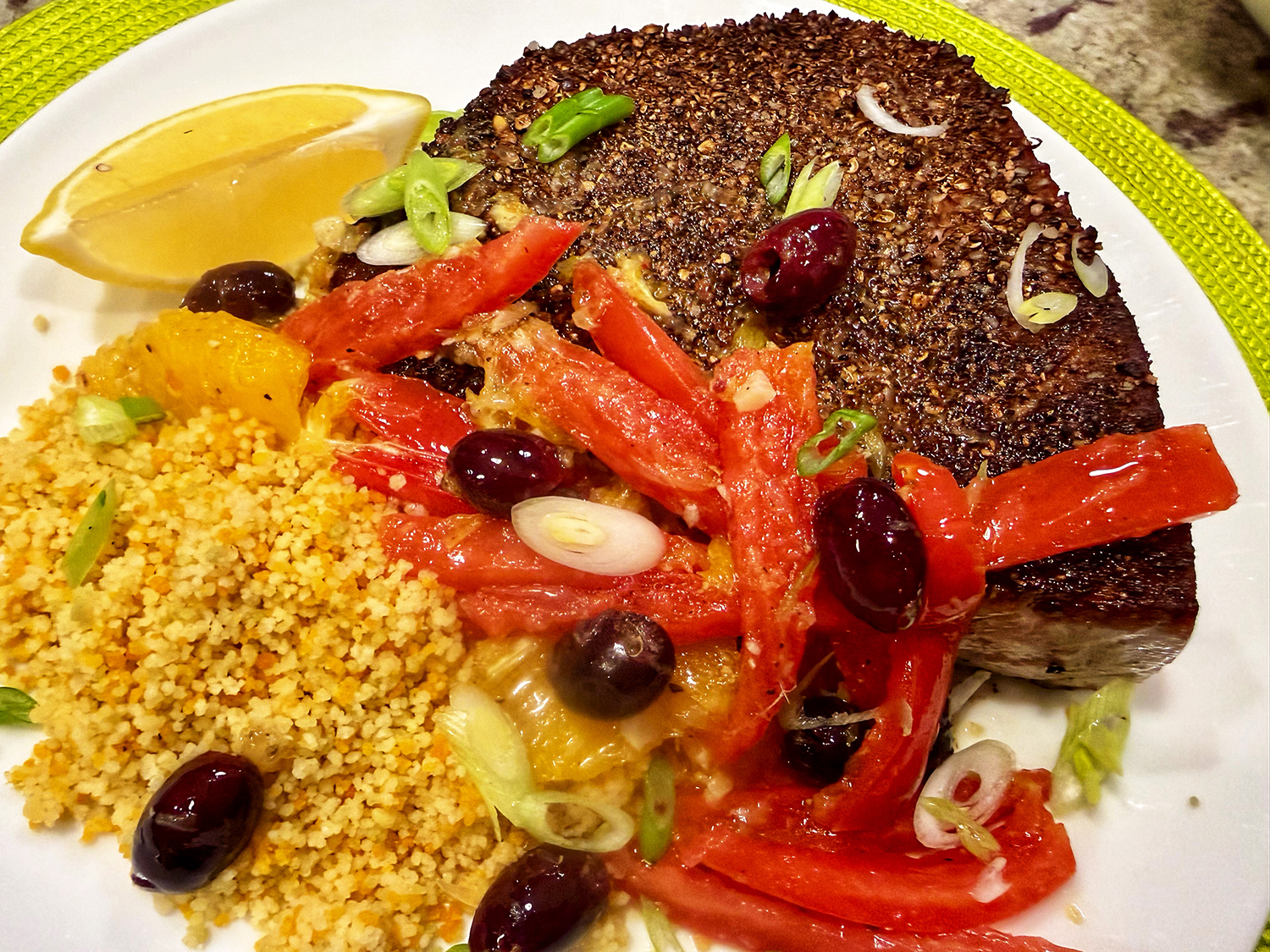
As a side, we paired with tricolor couscous using homemade shellfish stock as opposed to water for a more substantial flavor.

Curried Salmon and Tomato Traybake

  • Servings: 4
  • Difficulty: easy
  • Print

Ingredients

  • 1 tsp. curry powder
  • Kosher salt and ground black pepper
  • 4 x 6-oz. center-cut salmon fillets (each 1 to 1¼ inches thick), patted dry
  • 1 medium red onion, halved and thinly sliced
  • 1 pint cherry or grape tomatoes
  • 4 Tbsp. extra-virgin olive oil, divided
  • 2 Tbsp. tomato paste
  • 1 tsp. ground coriander
  • 2 Tbsp. lemon juice, divided, plus 1 tablespoon grated lemon zest
  • ¼ cup fresh flat-leaf parsley, finely chopped

Directions

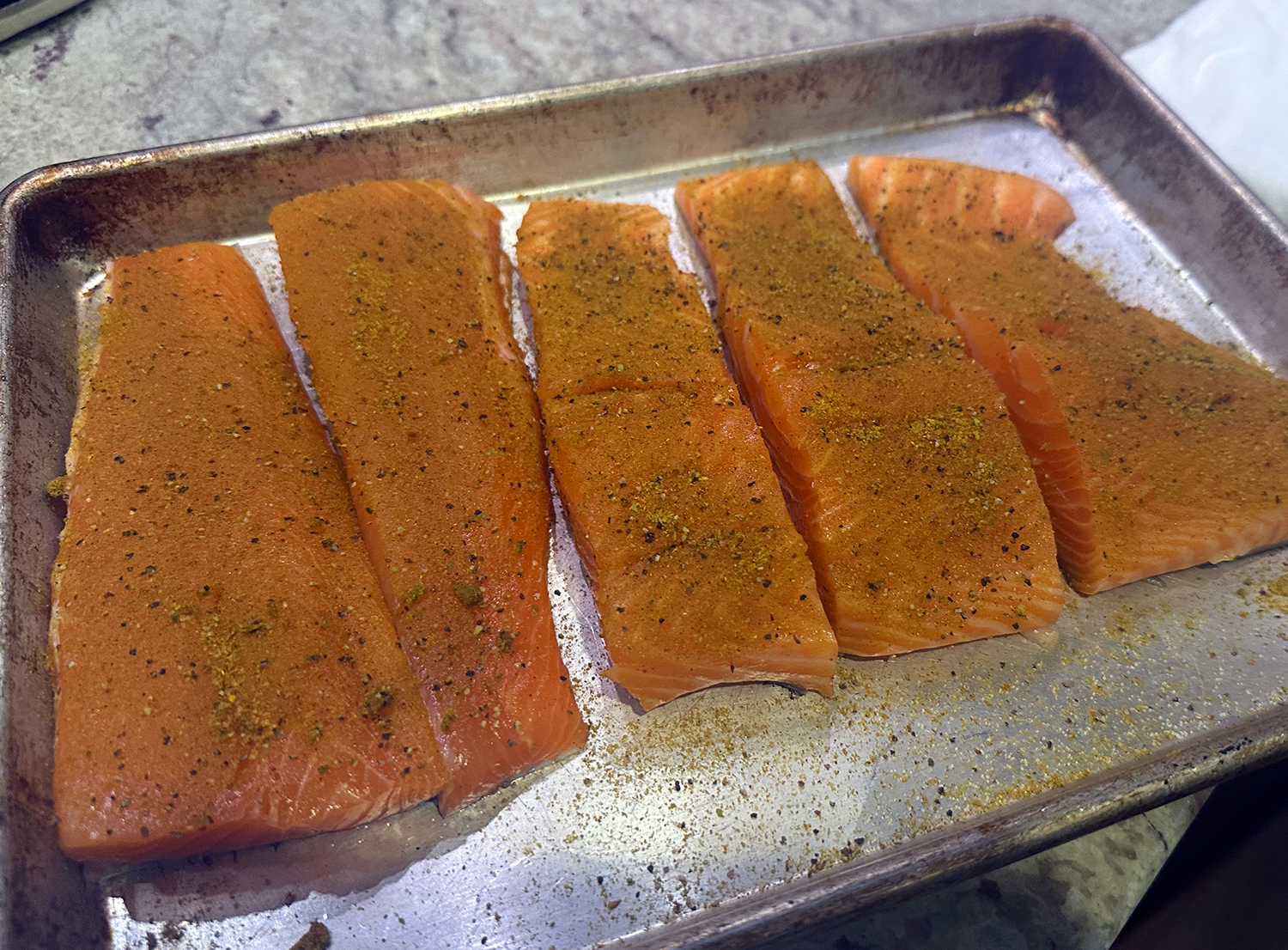
  1. Heat the oven to 475° F with a rack in the upper-middle position. In a small bowl, stir together the curry powder, ½ teaspoon salt and ¼ teaspoon pepper. Season the salmon all over with the mixture; reserve the bowl.
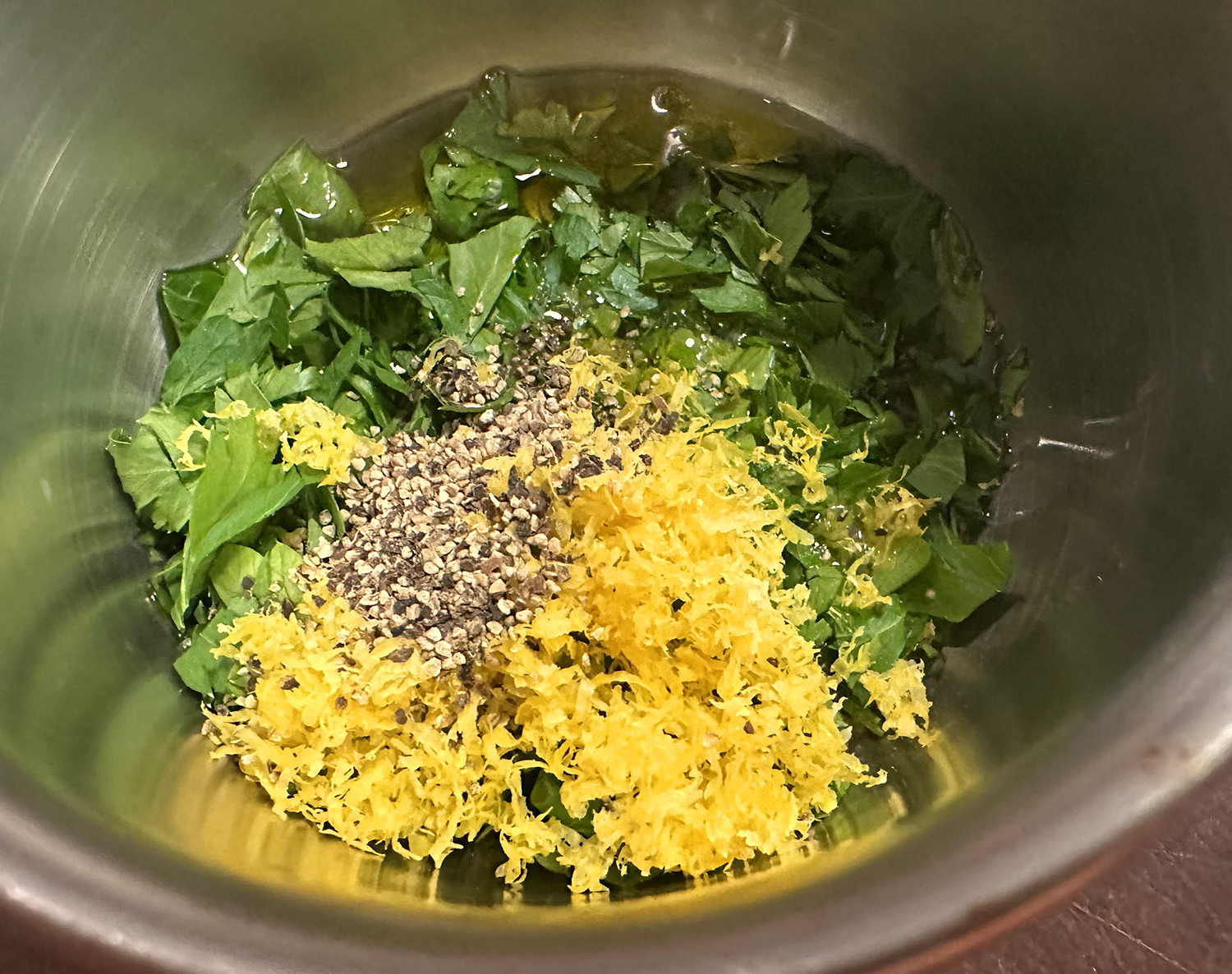
  2. In a broiler-safe 9-by-13-inch baking dish, stir together the onion, tomatoes, 2 tablespoons oil and ¼ teaspoon each salt and pepper. Roast until the tomatoes begin to burst, about 15 minutes. Meanwhile, in the now-empty bowl, whisk the tomato paste, coriander, 1 tablespoon lemon juice and ½ cup water. In another small bowl, stir together the parsley, the remaining 2 tablespoons oil, remaining 1 tablespoon lemon juice, lemon zest and ¼ teaspoon pepper.
  3. Remove the baking dish from the oven; heat the broiler. Stir the tomato paste mixture into the onion-tomato mixture. Nestle in the salmon, skin side down, then spoon some of the onion-tomato mixture over the top. Broil until the fish flakes easily, 4 to 6 minutes.
  4. Cool for 5 minutes, then spoon on the parsley mixture.

http://www.lynnandruss.com

Adapted from a recipe by Milk Street

Chan Chan Yaki (Miso Butter Salmon)

Salmon is one of our go-to fish choices. And this one from NYTimes Cooking is a fabulous choice. It’s quick, easy, healthy, tasty and uses only one pan! What’s not to like?

According to Mia Leimkuhler, “Chan chan yaki, or miso butter salmon, is a classic dish from Hokkaido, Japan, a place known for its excellent salmon. The fish-and-vegetable dish is frequently made on a teppan (a large grill), with everything chopped and mixed with two metal spatulas that make the onomatopoetic “chan chan” sound.”

This clever version from Marc Matsumoto, the Tokyo-based blogger behind No Recipes, streamlines the dish for home cooking, calling for a lidded skillet and keeping the salmon in one large piece for easier preparation and presentation. You can replicate the chan chan action in your own bowl or plate, composing perfect bites of salmon, veggies and the miso butter sauce.

And the vegetables are flexible, with some delicious options being Shimeji mushrooms, bell peppers, corn or negi (long green onions). Unfortunately, we just totally forgot to purchase the enoki mushrooms. And the smallest head of green cabbage was huge, so we used only a portion of it.

BTW, you can ditch the salmon skin since the fish is just set atop the vegetables and not crisped in any fashion. Or, cut the skin off the filet and crisp it in a separate pan to add strips of the crispy skin as a garnish at the end.

Here’s a hack from The Hubs: Increase the sake to 3/4 cup. Use 1/4 cup in Step 4 to pour over the cooked veggies and deglaze the pan loosening all of those luscious browned bits. Cook, stirring until the sake nearly evaporates. Then use the remaining 1/2 cup in Step 5.

Chan Chan Yaki (Miso Butter Salmon)

  • Servings: 4
  • Difficulty: easy
  • Print

Ingredients

  • 1 (1¼-lb.) piece skin-on salmon fillet
  • ½ small head green cabbage, trimmed and cored
  • 2 large carrots
  • 1 medium yellow onion
  • 3½ oz. enoki mushrooms (optional)
  • ⅓ cup shiro (white) or tanshoku (yellow) miso
  • 3 Tbsp. unsalted butter, at room temperature
  • 1 Tbsp. sugar
  • 1 Tbsp. neutral oil
  • Salt and pepper, to taste
  • 3⁄4 cup dry (junmai) sake, divided
  • 2 scallions, thinly sliced
  • Steamed rice, for serving

Directions

  1. Remove the salmon from the fridge while you prep the vegetables: Chop the cabbage into 2-inch pieces (about 6 cups). Peel and cut the carrots on the diagonal into ½-inch coins (about 2 cups). Halve the onion and slice into ½-inch half moons (about 1½ cups). If using enoki mushrooms, trim the root end and separate them into large clusters.
  2. Make the miso butter: Combine miso, butter and sugar in a small bowl and stir until smooth and homogenous. (Miso butter can be made at least 3 days ahead and kept in the refrigerator; bring to room temperature before using.)
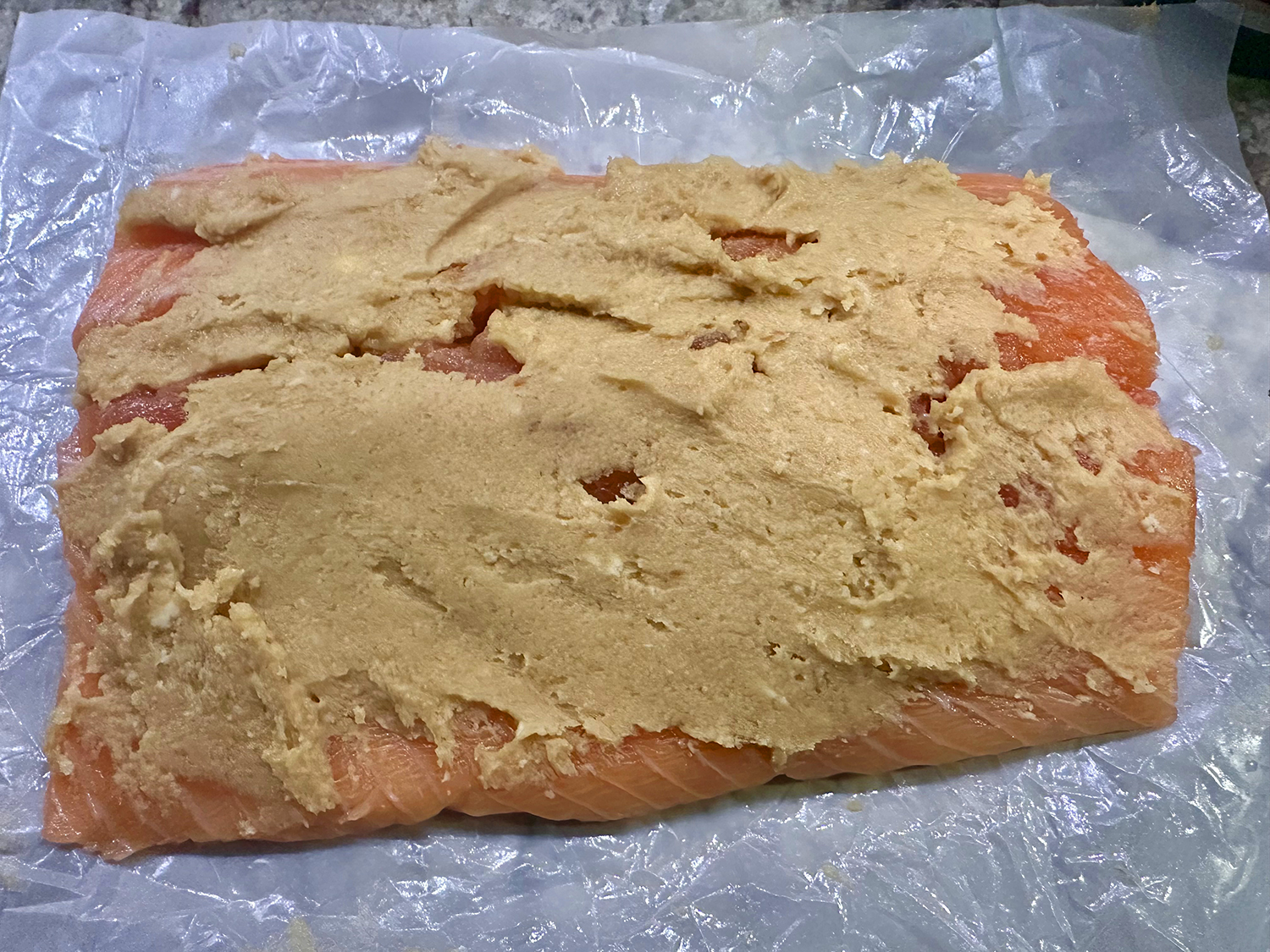
  3. Place the salmon on a plate, skin side down, and spread the miso butter in a thin layer on top, holding back about 2 tablespoons of miso butter for the vegetables.
  4. Heat a large, deep (lidded) skillet over medium-high. Add the oil and the cabbage, carrot, onion and enoki mushrooms (if using). Season the vegetables with salt and pepper (go lightly on the salt, since the miso butter is salty!) and cook, stirring frequently, until they begin to wilt but are still quite crisp, 5 to 8 minutes.
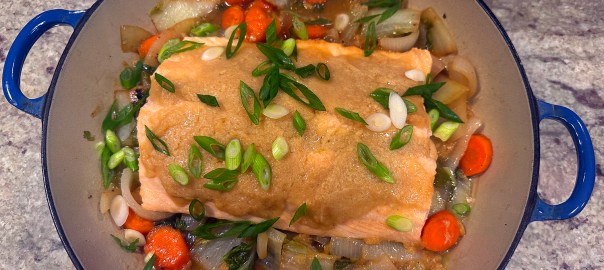
  5. Flatten the vegetables and place the salmon on top of them, miso side up. Dot the reserved miso butter on the vegetables (you may not need all of it) and pour the remaining sake over the vegetables. Place the lid on the pan, lower the heat to medium to maintain a strong simmer and cook for 7 to 10 minutes, until flaky and just cooked through in the center. (Exact time depends on the thickness of the salmon fillet and preferred level of doneness.)
  6. When the salmon has finished cooking, remove the lid and stir the vegetables around the salmon to mix them with the melted miso butter. Scatter the salmon with the chopped scallions and serve with rice.

http://www.lynnandruss.com

Recipe from Marc Matsumoto for NYTimes Cooking

Red Curry Shrimp with Coconut Rice and Cucumber Relish

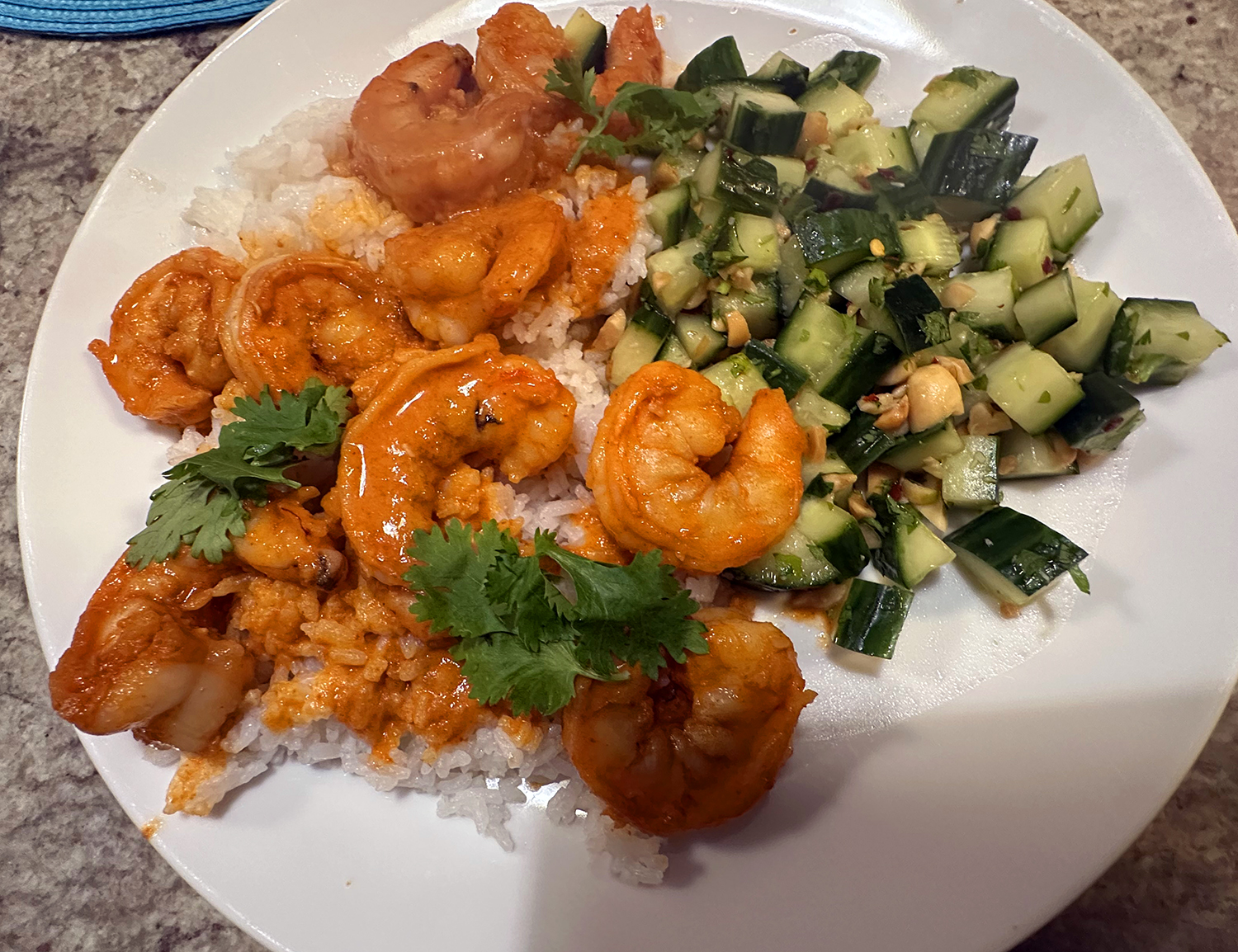
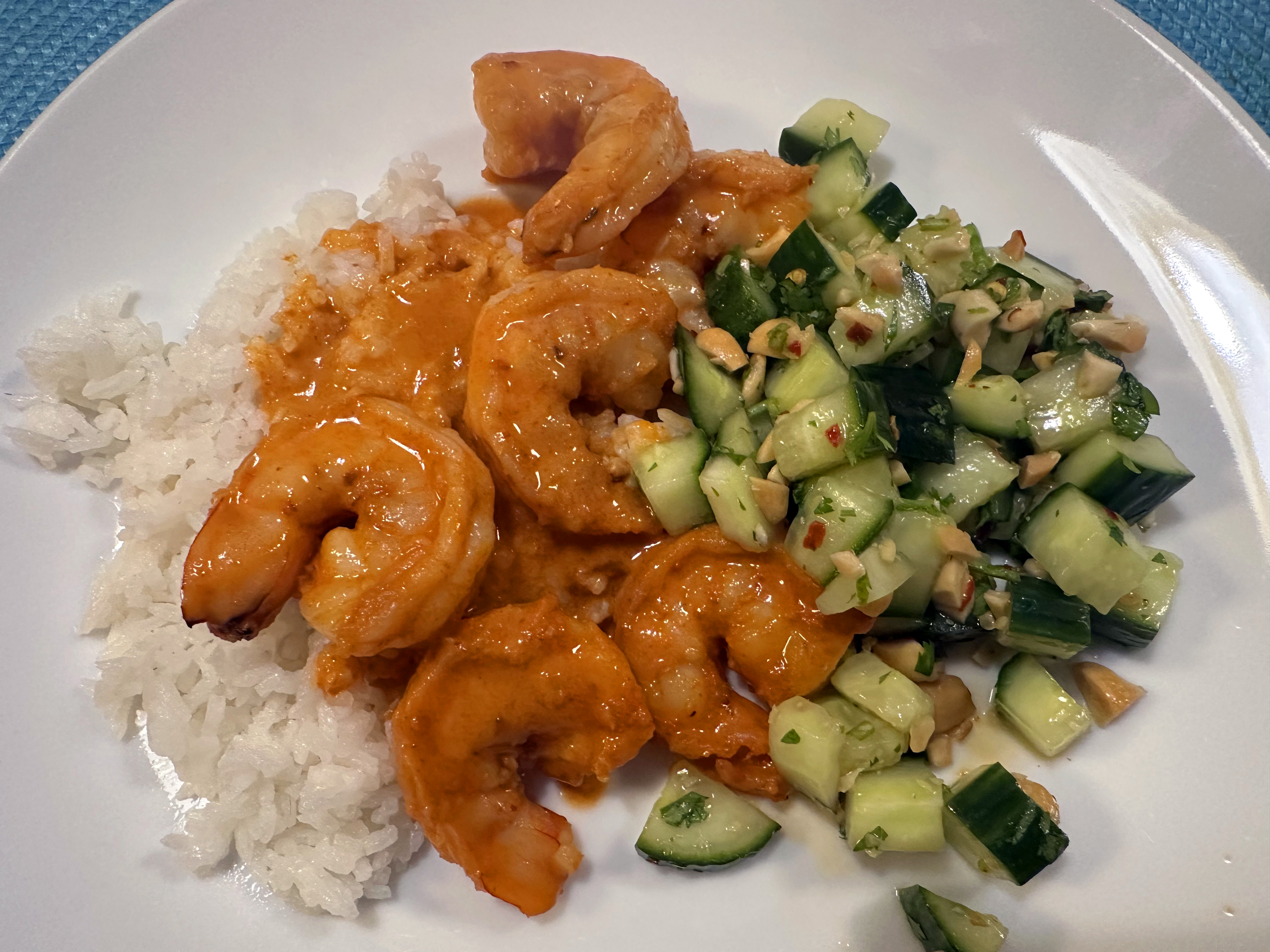
Sweet and creamy coconut rice provide a cooling contrast to shrimp sautéed with red curry paste and a piquant cucumber relish. A delicious Thai dish that’s sure to impress and please. The coconut rice and the combination of cucumber and peanuts in the salad was fabulous — a nice change from a traditional side salad.

It was a bit of a fiasco in the kitchen that night. Just as three of us had filled our plates (thank goodness) from the pans on the stove, the Hubs bashed into the skillet handle sending the remaining shrimp and sauce flying into the air and all over the cabinets, floor and appliances.

Our grand doggie Bentley was in for a visit from the West Coast and made an immediate, lightening-fast U-turn to start licking up the floors and chow down any shrimp he could get to. Luckily Mommy Bentley scooped up the critter and held onto him until The Hubs wiped down the entire mess. Dinner take two…

As the meal ended, The Hubs knocked his glass of red wine over, with some spilling onto his brand new Kindle birthday gift—I kid you not. It was time for someone to just go to bed…

TIP: We typically buy shrimp with their heads on (this time we did not) so that we can save them and the shells for making shellfish stock. If you intend to do the same, buy about 1/4- to 1/2-pound more in weight.

Red Curry Shrimp with Coconut Rice and Cucumber Relish

  • Servings: 4
  • Difficulty: easy
  • Print

Ingredients

  • 1½ cups jasmine rice, rinsed thoroughly
  • 1½ cups water
  • 1¼ cups plus 2 Tbsp. canned coconut milk, divided
  • 2 Tbsp. plus 1 tsp. sugar, divided
  • 2¼ tsp. table salt, divided
  • ¼ cup distilled white vinegar
  • ¼ tsp. red pepper flakes
  • 1 English cucumber, cut into ½-inch pieces
  • ½ cup salted dry-roasted peanuts, chopped coarse
  • 2 Tbsp. chopped fresh cilantro
  • 2 Tbsp. red curry paste
  • 1½ lbs. jumbo shrimp (16 to 20 per lb.), peeled, deveined, and tails removed

Directions

  1. Combine rice, water, 1 cup coconut milk, 1 tablespoon sugar, and ¾ teaspoon salt in large saucepan. Bring to boil over high heat. Reduce heat to low to maintain bare simmer. Cover and cook until liquid is absorbed, about 20 minutes. Remove saucepan from heat and let sit, covered, for 10 minutes. Mix rice gently but thoroughly with rubber spatula.
  2. Meanwhile, whisk vinegar, pepper flakes, 1 tablespoon sugar, and 1 teaspoon salt in bowl until sugar is dissolved. Add cucumber, peanuts, and cilantro and toss to combine. Let stand until ready to serve, tossing occasionally.
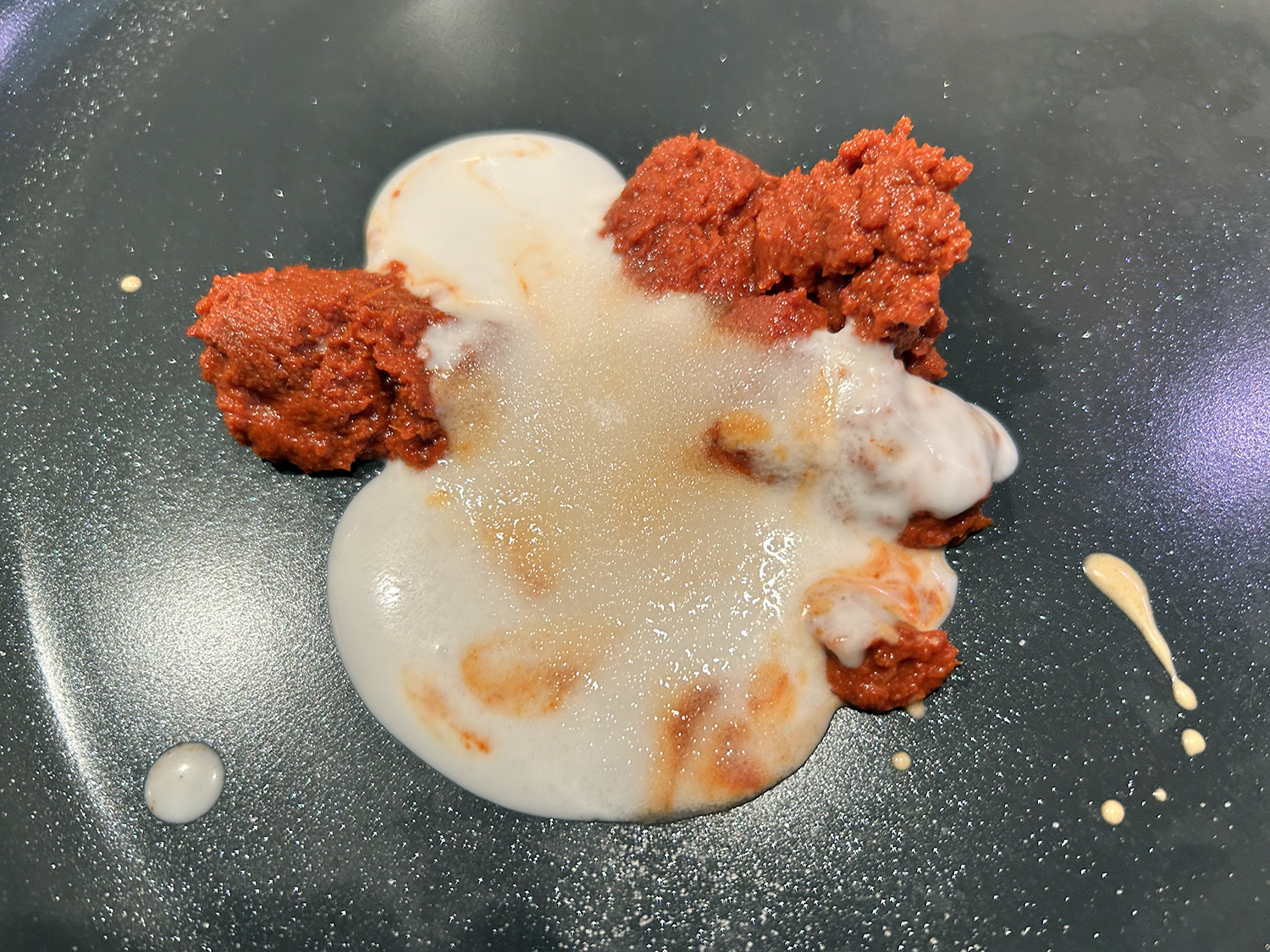
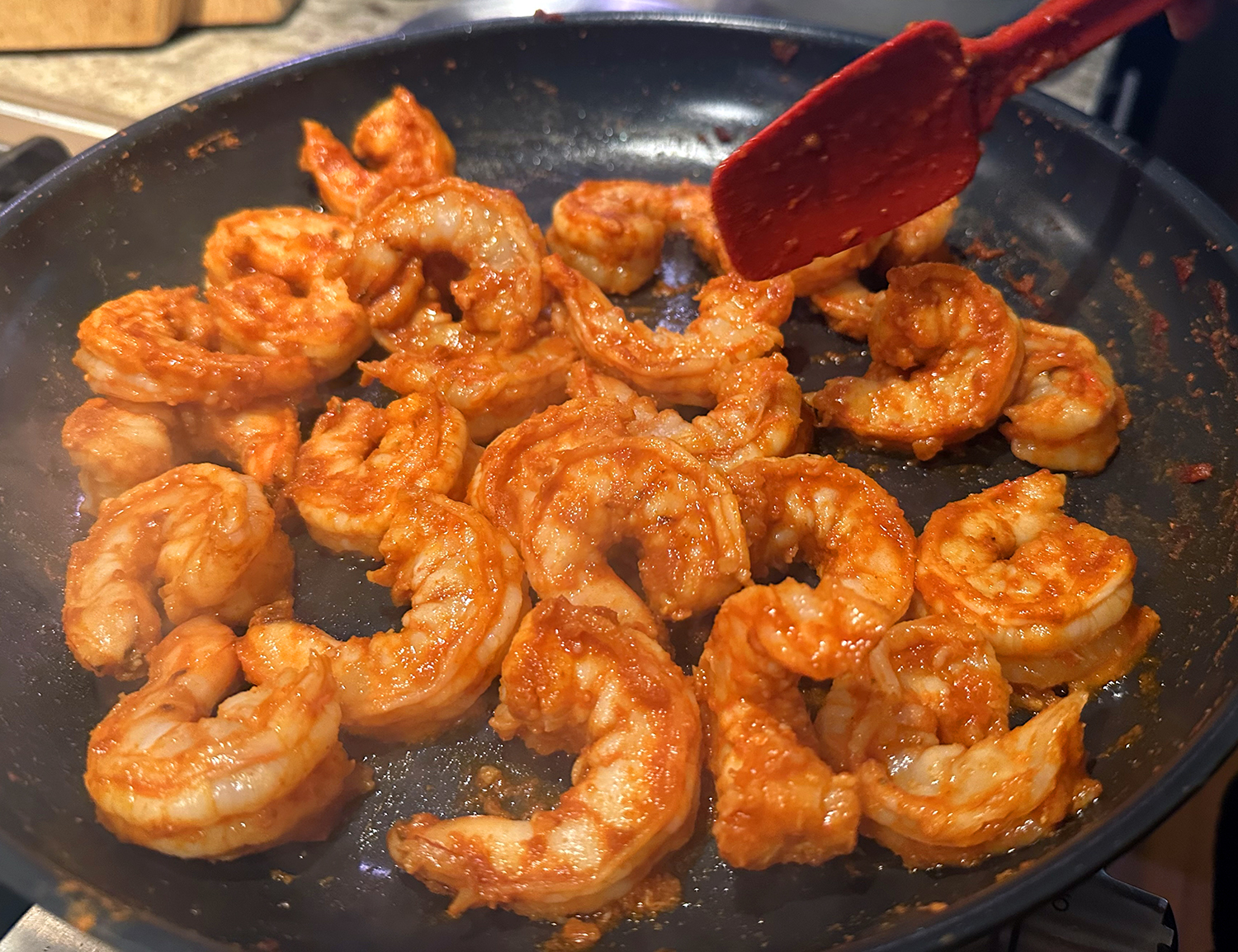
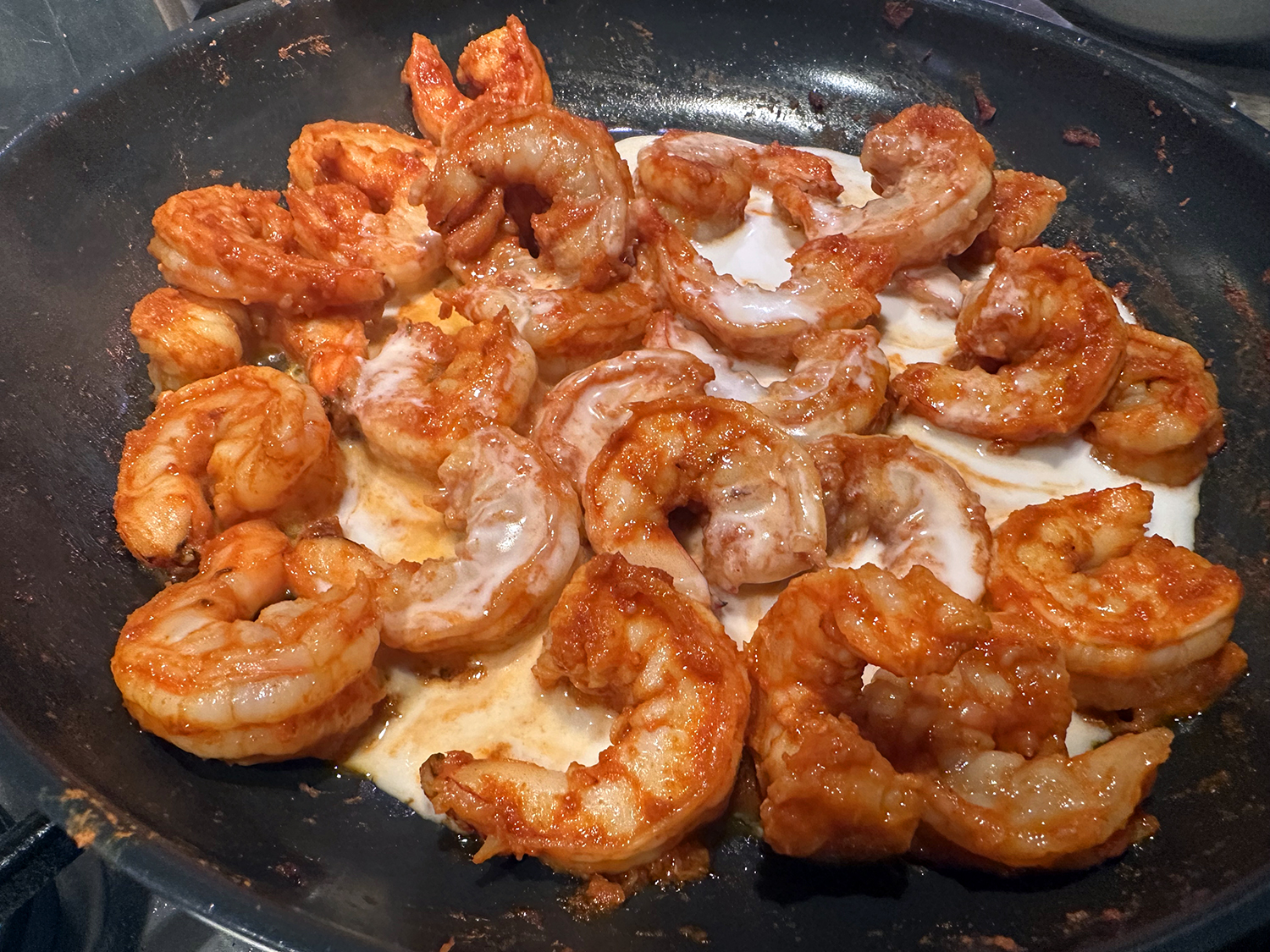
  3. Cook curry paste, 1 tablespoon coconut milk, remaining 1 teaspoon sugar, and remaining ½ teaspoon salt in 12-inch nonstick skillet over medium-high heat until mixture is dry, about 3 minutes. Add shrimp and cook, stirring occasionally, until shrimp are opaque throughout, 4 to 5 minutes. Stir in remaining 5 tablespoons coconut milk. Bring to simmer, then remove from heat. Serve shrimp with coconut rice and cucumber relish.

http://www.lynnandruss.com

Recipe by Jessica Rudolf for ATK’s Cooks Country

One-Skillet Crispy Salmon with Mustardy Lentils

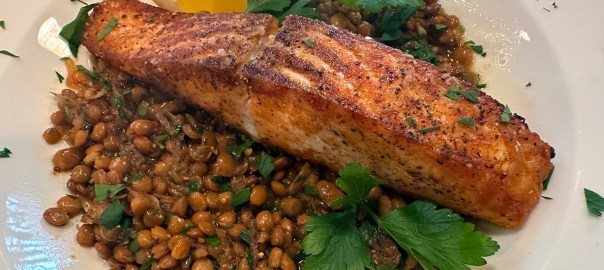
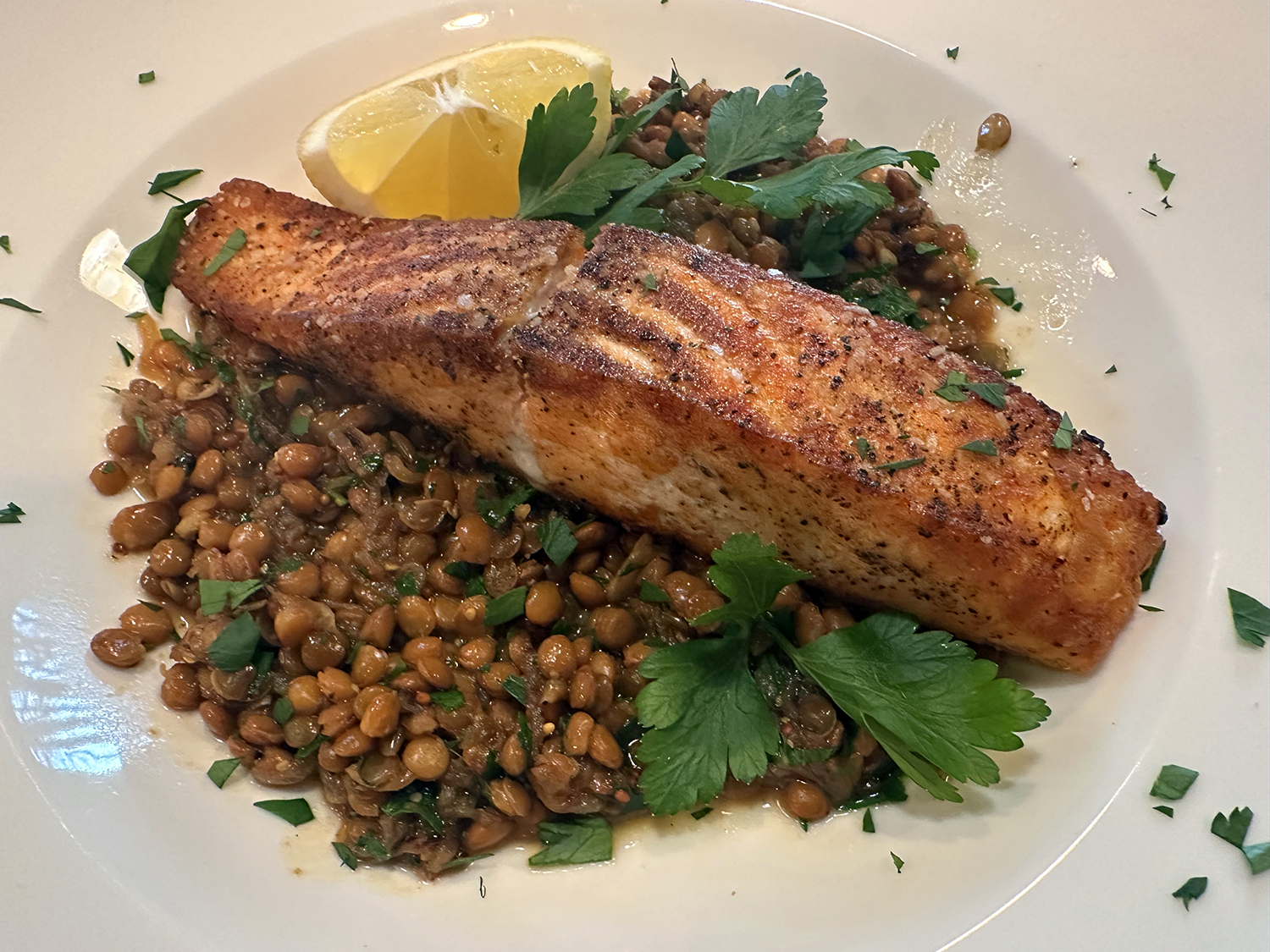
Salmon and lentils is an absolutely classic French pairing. In this simple, satisfying one-pot dinner for two that plays off the famous coupling, crispy salmon is served in a broth of lentils flavored with caramelized shallots and mustard.

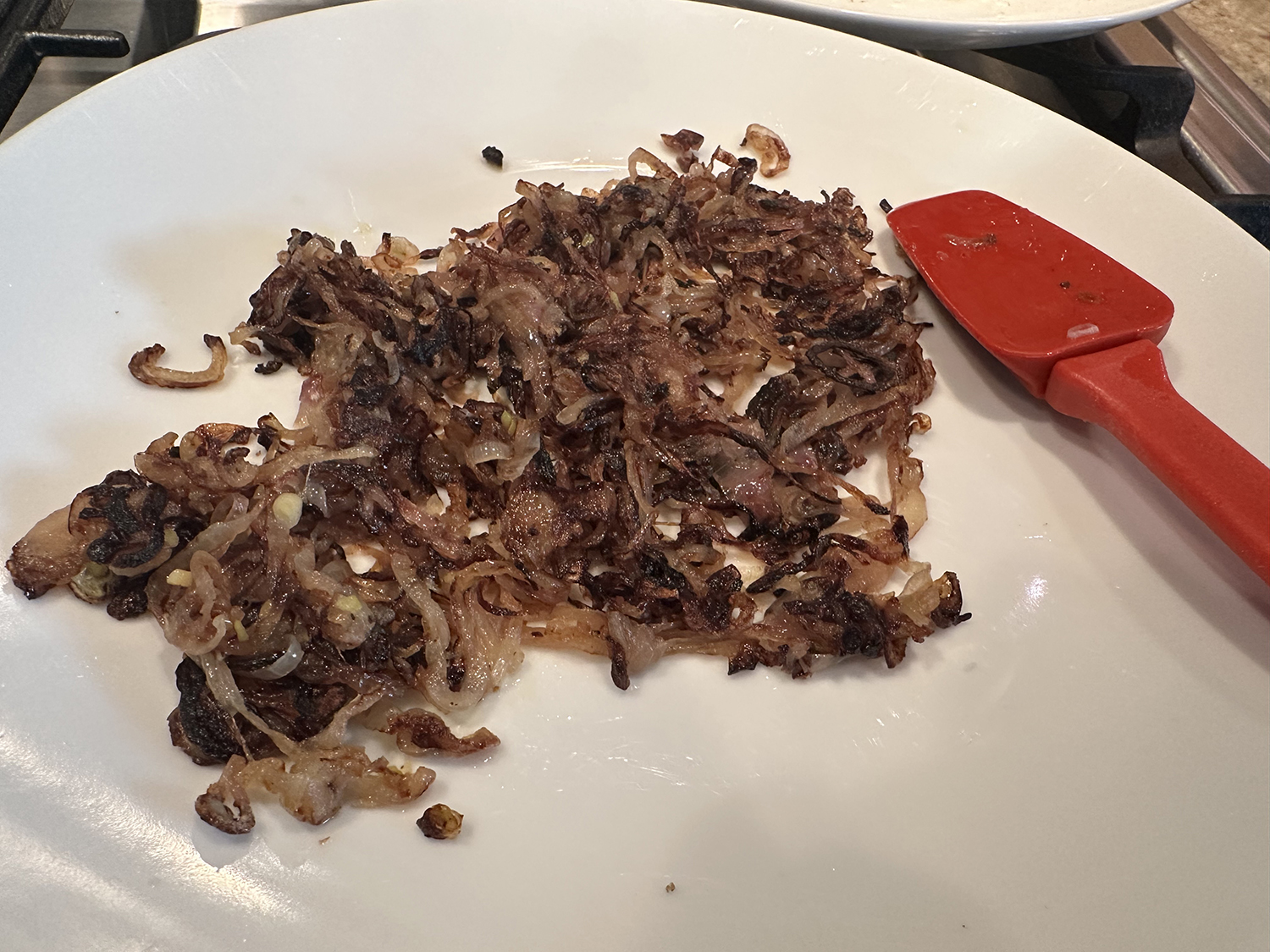
Using one skillet for the entire recipe allows the caramelized shallots to play double duty, imparting their sweet flavor to both the salmon and the lentils. The salmon rests while the canned lentils are quickly cooked with vegetable broth, herbs, and mustard, so that the whole dish is ready without wasting a minute.

Mistakingly, we bought salmon filets without the skin, but it ended up being a positive error. I personally do not like to eat salmon skin and the fish got just as crispy without it. When making this dish again in the future, we will again purchase salmon filets without the skin. That choice is up yo you…

In the end, the meal was super simple and super-tasty!

One-Skillet Crispy Salmon with Mustardy Lentils

  • Servings: 2
  • Difficulty: easy
  • Print

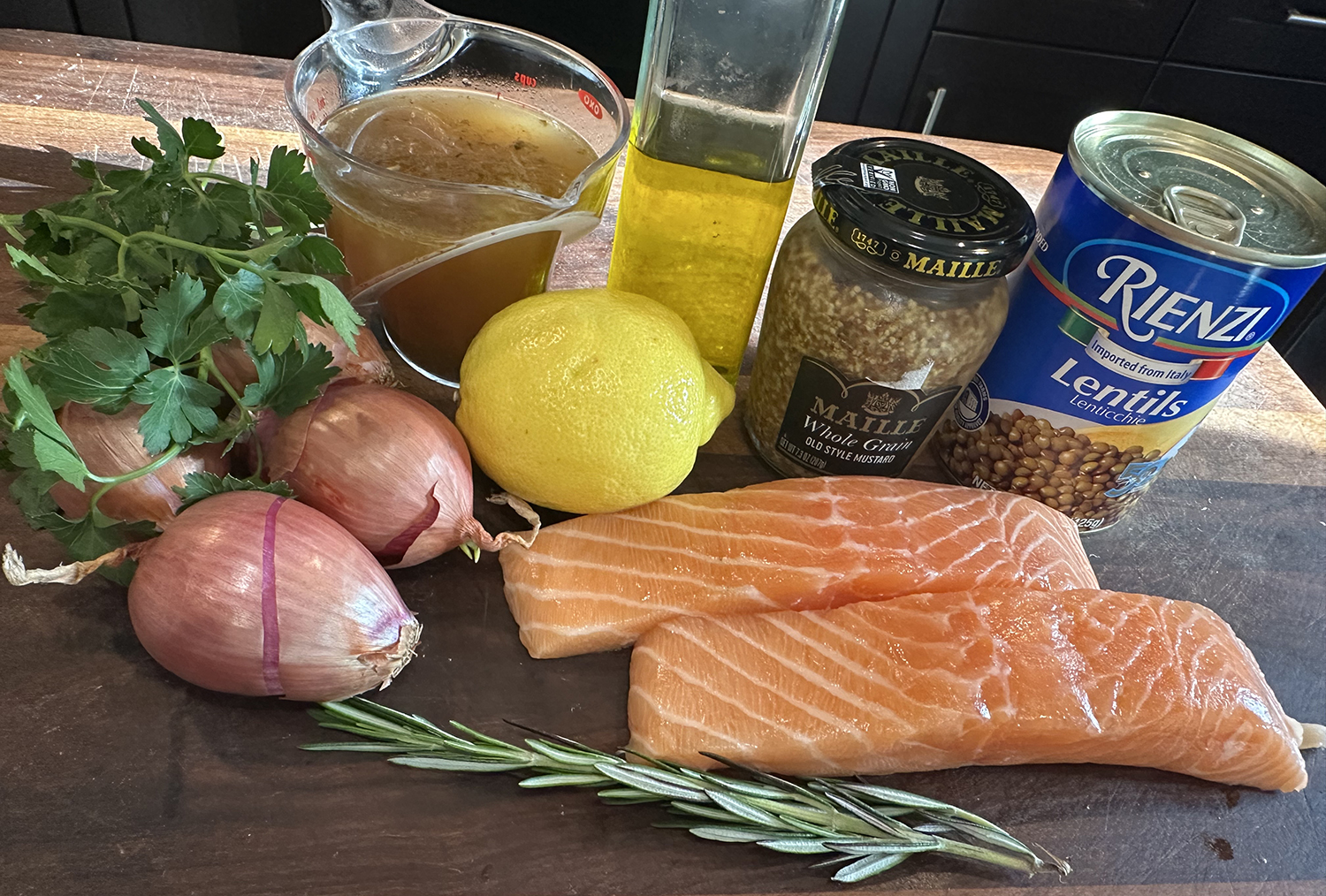
Ingredients

  • 2 Tbsp. extra-virgin olive oil, divided, plus more for serving
  • 4 medium shallots, thinly sliced (about 1/2 cup)
  • Kosher salt and freshly ground black pepper
  • 2 6-oz. salmon filets, skin on (or not, depending on your preference)
  • 1 14.5-oz. can Puy lentils, drained and rinsed
  • 3 sprigs thyme or 1 sprig rosemary
  • 1 cup vegetable or chicken stock, preferably homemade
  • 1 Tbsp. whole-grain mustard
  • 1 Tbsp. chopped flat-leaf parsley
  • 1 tsp. fresh lemon juice

Directions

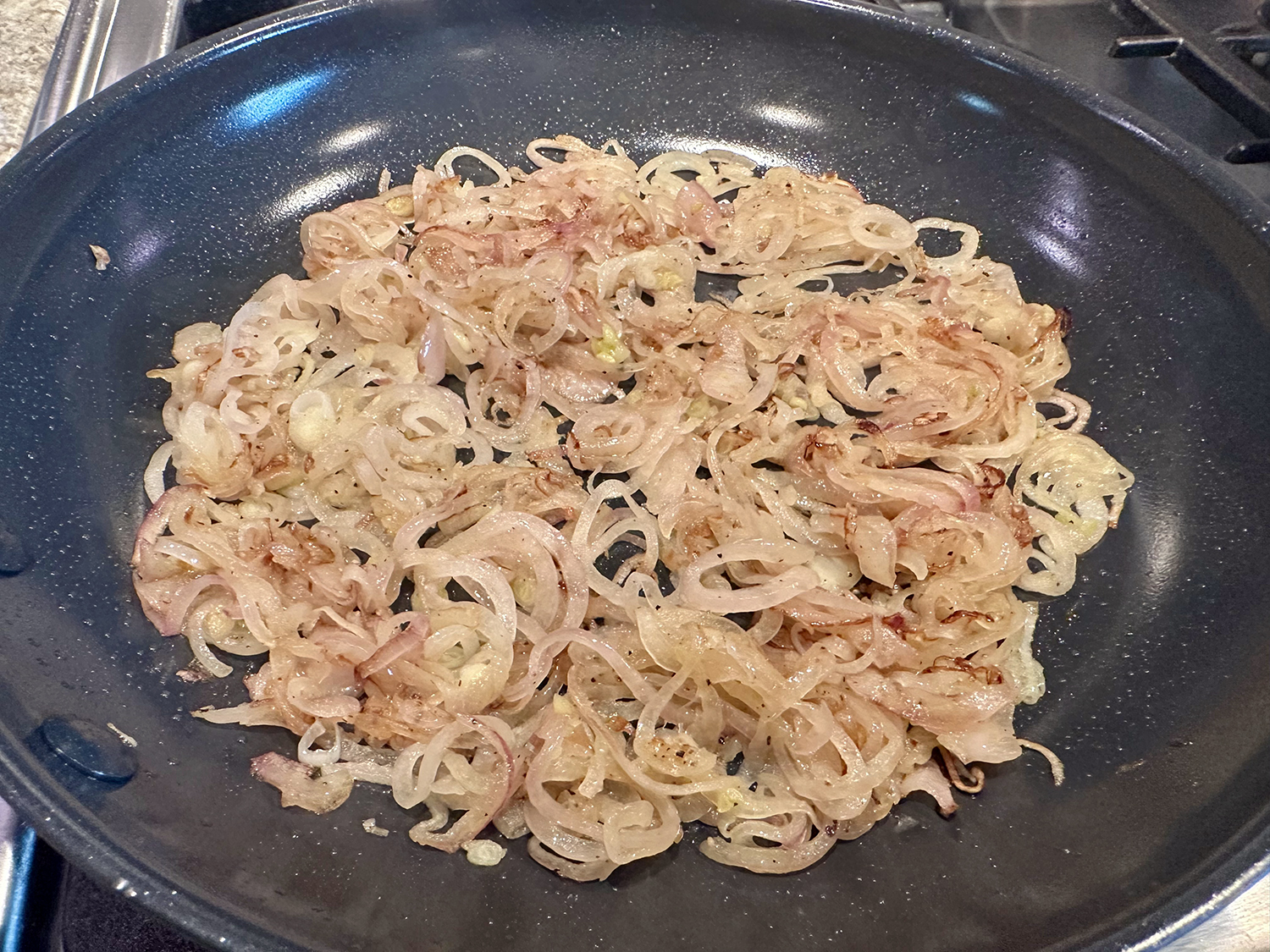
  1. In a medium nonstick skillet, heat 1 tablespoon of olive oil over medium heat until shimmering. Add shallots and cook, stirring frequently, until very soft and browned, about 15 minutes; lower the heat if necessary to prevent burning. Season to taste with salt and pepper and set caramelized shallots aside. Wipe out skillet.
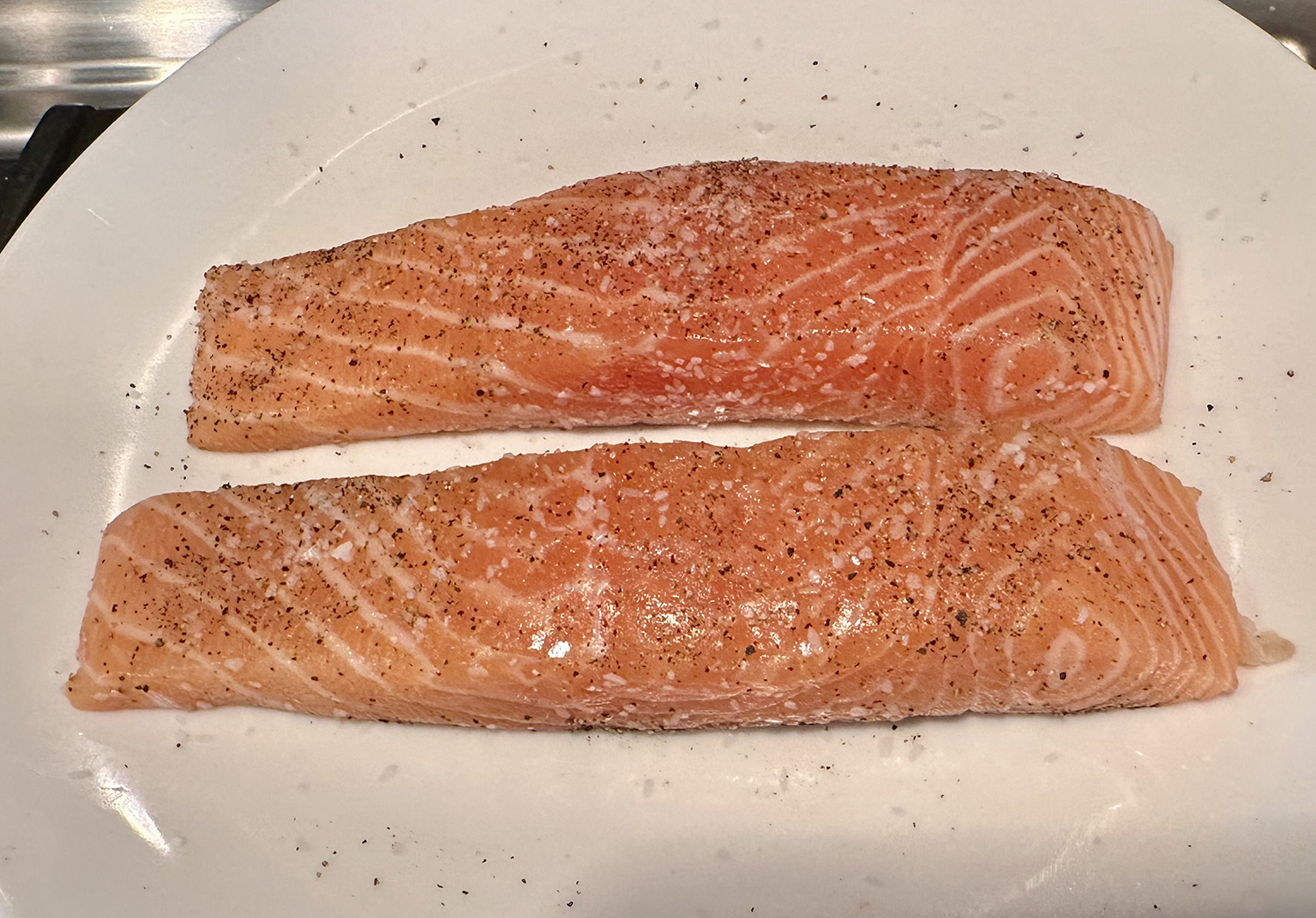
  2. Press salmon filets between paper towels to dry surfaces thoroughly. Season on all sides with salt and pepper. Heat remaining 1 tablespoon in the skillet over medium-high heat until shimmering. Add salmon filets skin side-down. Immediately reduce heat to medium-low. Cook, pressing gently on back of filets to ensure good contact with skin, until skin is rendered and crisp, about 6 minutes. If skin shows resistance when attempting to lift with a spatula, allow it to continue to cook until it lifts easily. Flip salmon and cook on second side until a thermometer inserted into the thickest part registers 120°F for medium rare or 130°F for medium, about 1 minute longer. Transfer salmon to a paper towel-lined plate and allow to rest.
  3. Add lentils, thyme or rosemary, broth, whole grain mustard, and caramelized shallots to the skillet and bring to a boil. Reduce heat to medium and simmer until the broth has reduced by about half, about 5 minutes. Remove from the heat and stir in parsley and lemon juice. Season to taste with salt and pepper. Spoon the lentils onto plates, set the salmon on top, drizzle with more olive oil, and serve immediately.

http://www.lynnandruss.com

Adapted from a recipe from Serious Eats

Orecchiette Puttanesca with Tuna and White Beans

In a word, delicious! A great choice for those nights where you prefer a meatless or pescatarian meal.

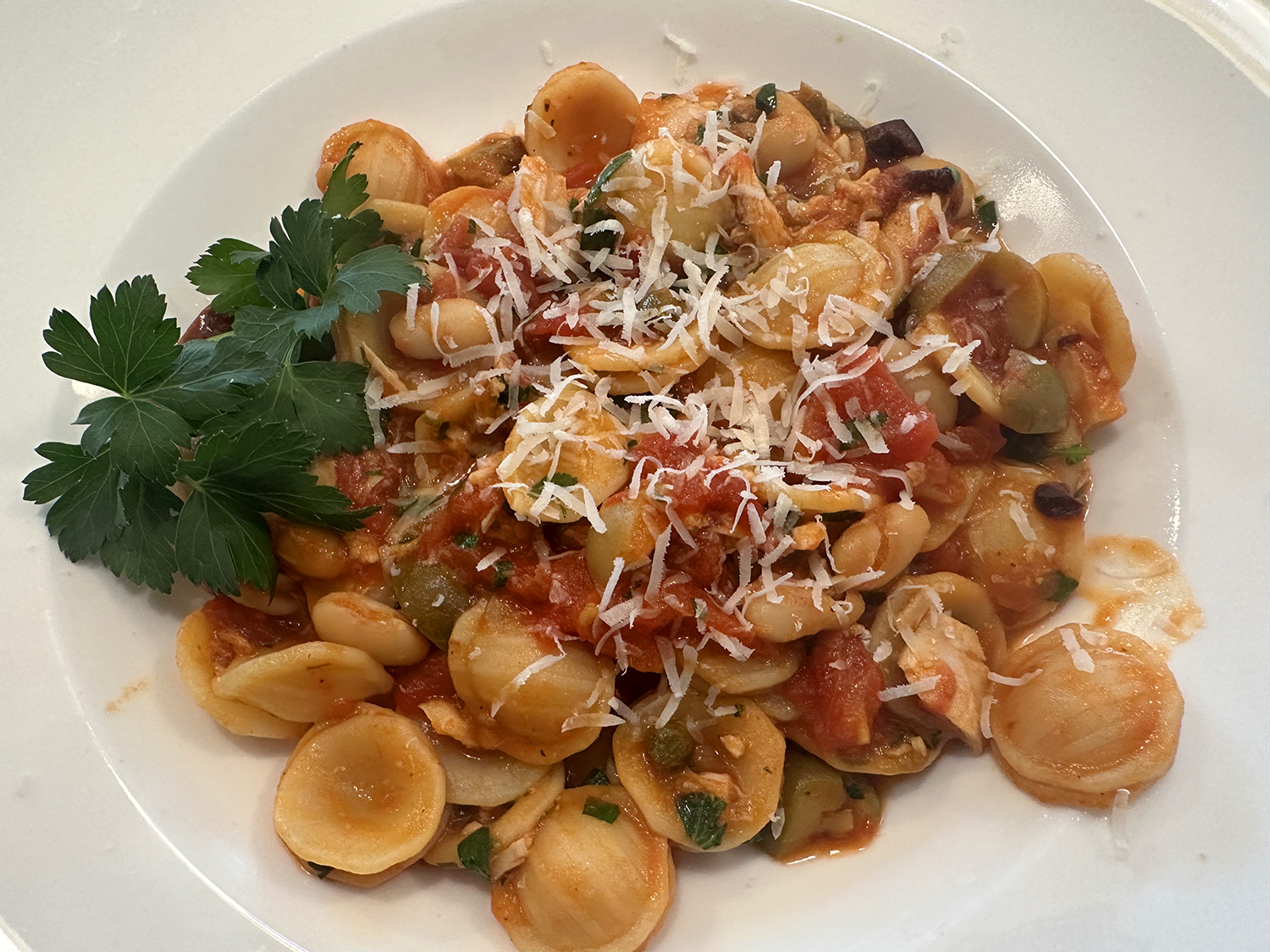
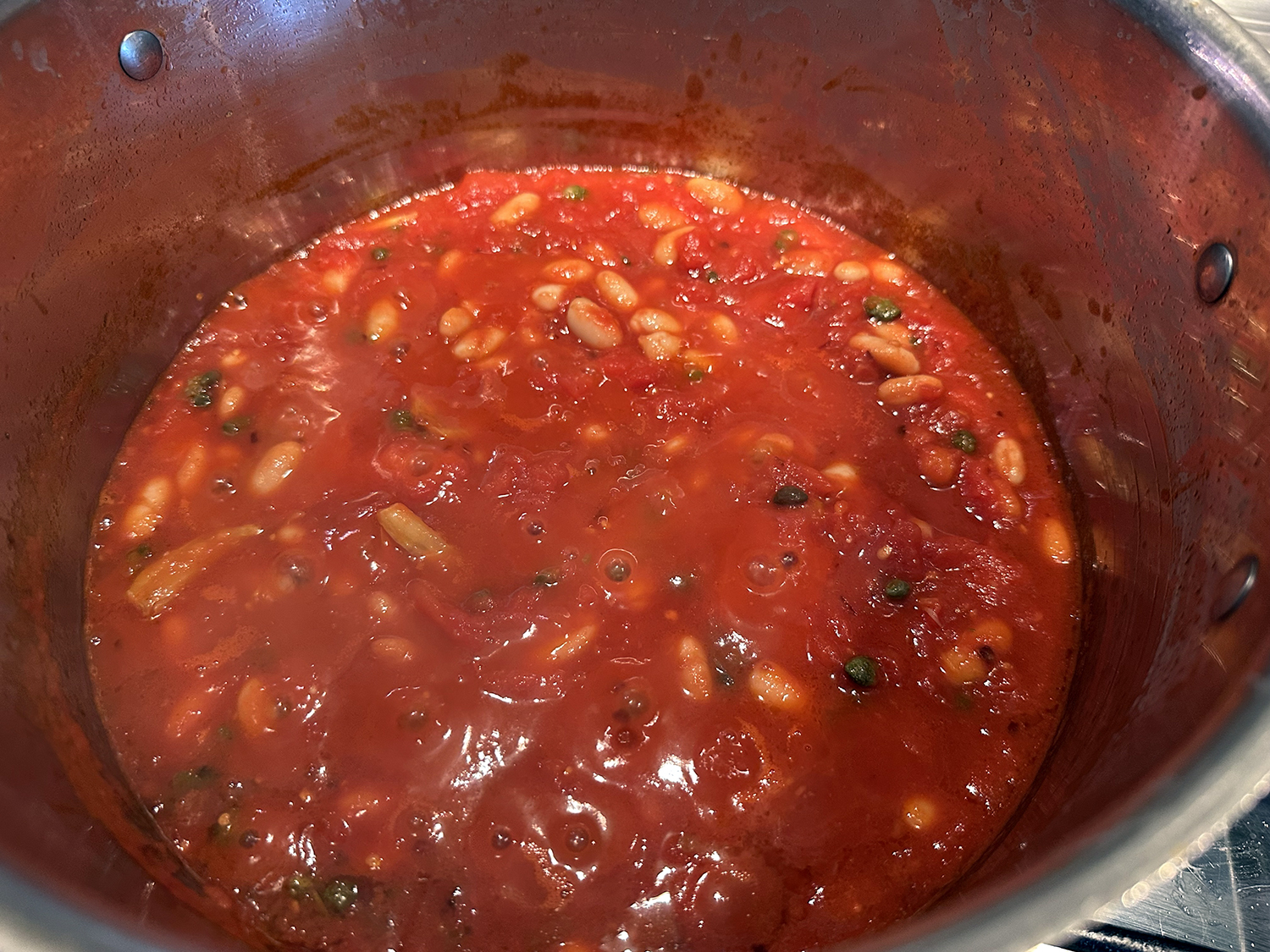
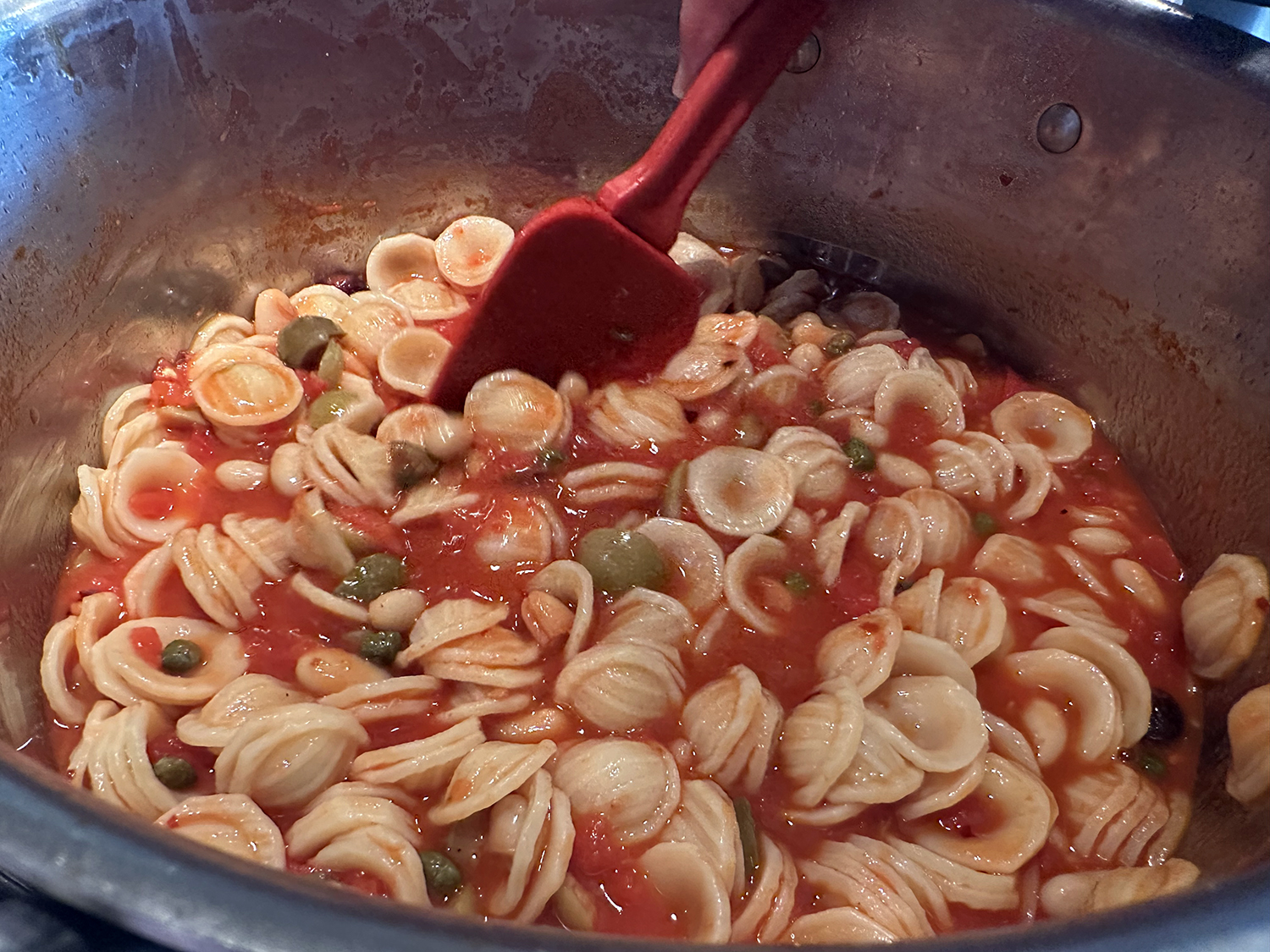
A one-pot wonder, this recipe is bold, with a briny puttanesca sauce that finds delicious partners in creamy white beans and flaked tuna (just needed more of it). First the pasta is boiled and drained, then the same pot is used to make the sauce.

Orecchiette pasta is preferred because the small saucer shapes catch bits of the olives, capers and tuna. The consistency is on the “soupy” side; stir in additional pasta water at the end to adjust the consistency to suit your taste.

Two major changes we made included doubling the canned tuna to two 5-ounce cans, and decreasing the pasta by 25%, down to 12 ounces. These differences still provided 4 large portions. Also, don’t discard the olive oil when draining the tuna. Use it as part of, or in place of, the necessary olive oil for the recipe.

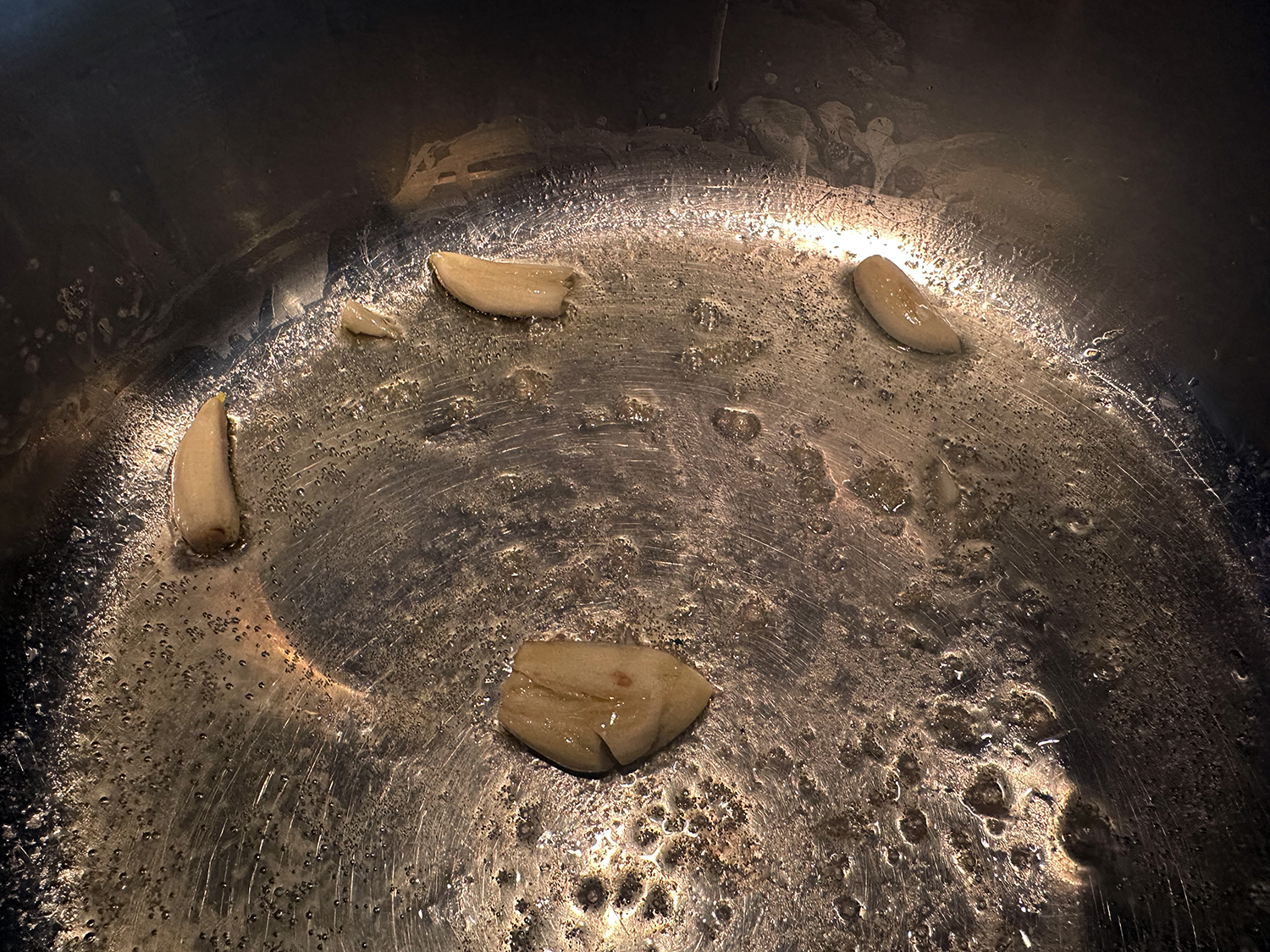
NOTES: Don’t forget to rinse and drain the beans. If their starchy liquid makes it into the pot, it will turn the sauce thick and heavy. Don’t worry about removing the garlic cloves after they’re lightly browned. They’ll soften and break apart slightly as the sauce cooks.

Orecchiette Puttanesca with Tuna and White Beans

  • Servings: 4-6
  • Difficulty: easy
  • Print

Ingredients

  • 12 oz. orecchiette pasta
  • Kosher salt and ground black pepper
  • 1 Tbsp. extra-virgin olive oil, plus more to serve
  • 2 medium garlic cloves, smashed and peeled
  • 1 tsp. red pepper flakes
  • 1 cup pitted green or black olives (or a combination), roughly chopped
  • ¼ cup drained capers, rinsed and patted dry
  • 28 oz. can whole peeled tomatoes, crushed by hand
  • 15½ oz. can cannellini beans, rinsed and drained
  • 2 5 oz. cans olive oil-packed tuna, drained and flaked
  • ⅓ cup lightly packed fresh flat-leaf parsley, roughly chopped

Directions

  1. In a large pot, bring 4 quarts of water to a boil. Stir in the pasta and 1 tablespoon salt, then cook, stirring occasionally, until just shy of al dente. Reserve 2½ cups of the cooking water, then drain.
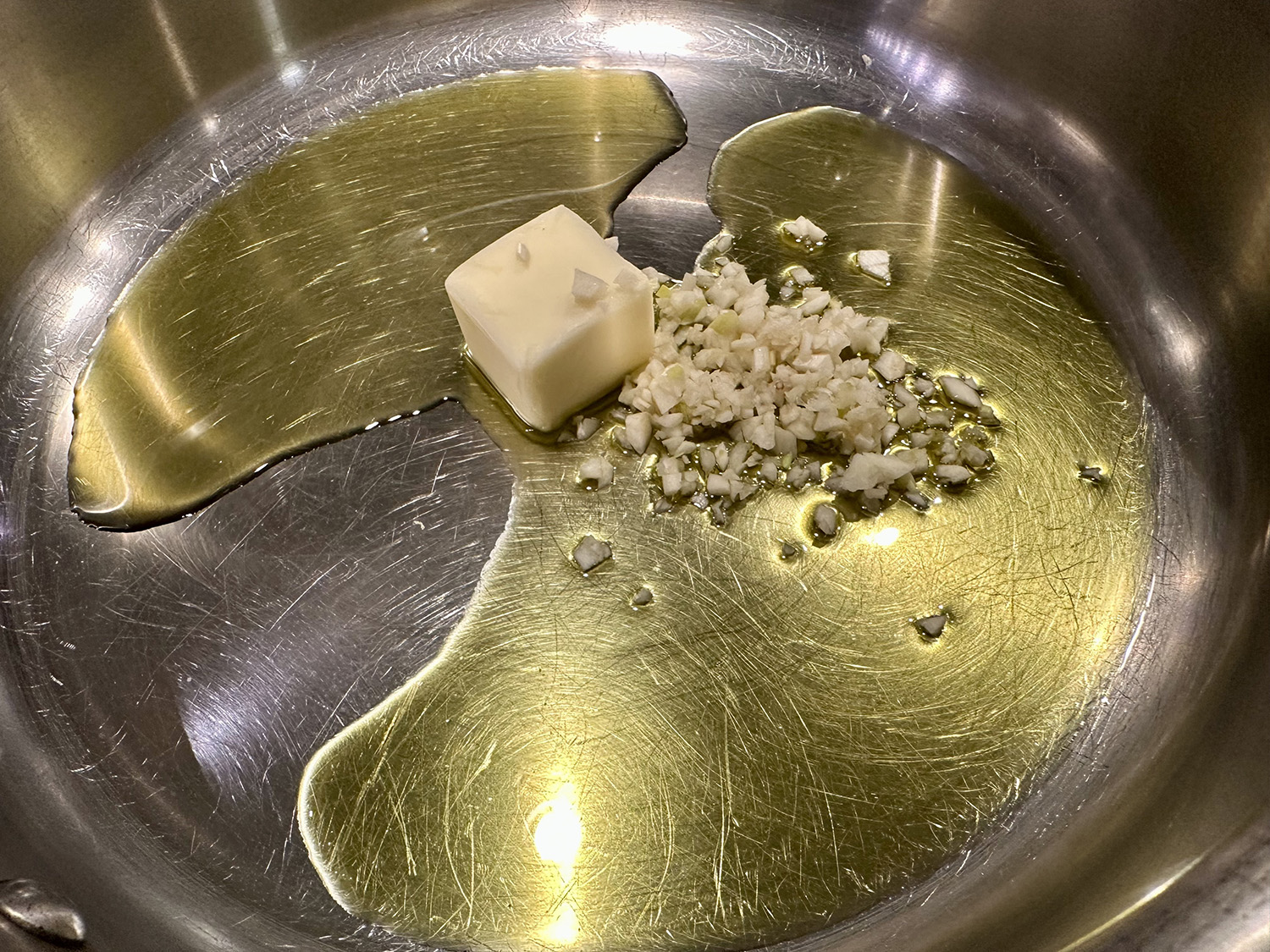
  2. In the same pot over medium, combine the oil and garlic. Cook, stirring occasionally, until the garlic is light golden brown, 2 to 4 minutes. Add the pepper flakes, olives, and capers. Increase to medium-high and cook, stirring, until the capers begin to brown, about 1 minute. Add the tomatoes with juices along with the beans, then cook, stirring occasionally, until the mixture is slightly thickened, 3 to 4 minutes.
  3. Stir in 1½ cups of the reserved water and bring to a simmer over medium-high. Add the orecchiette and cook, stirring occasionally, until the pasta is al dente, 2 to 4 minutes; add more reserved water if needed to thin. Taste and season with salt and black pepper. Off heat, stir in the tuna and parsley. Serve drizzled with additional oil.

http://www.lynnandruss.com

Adapted from a recipe from Karen Waldman for Milk Street

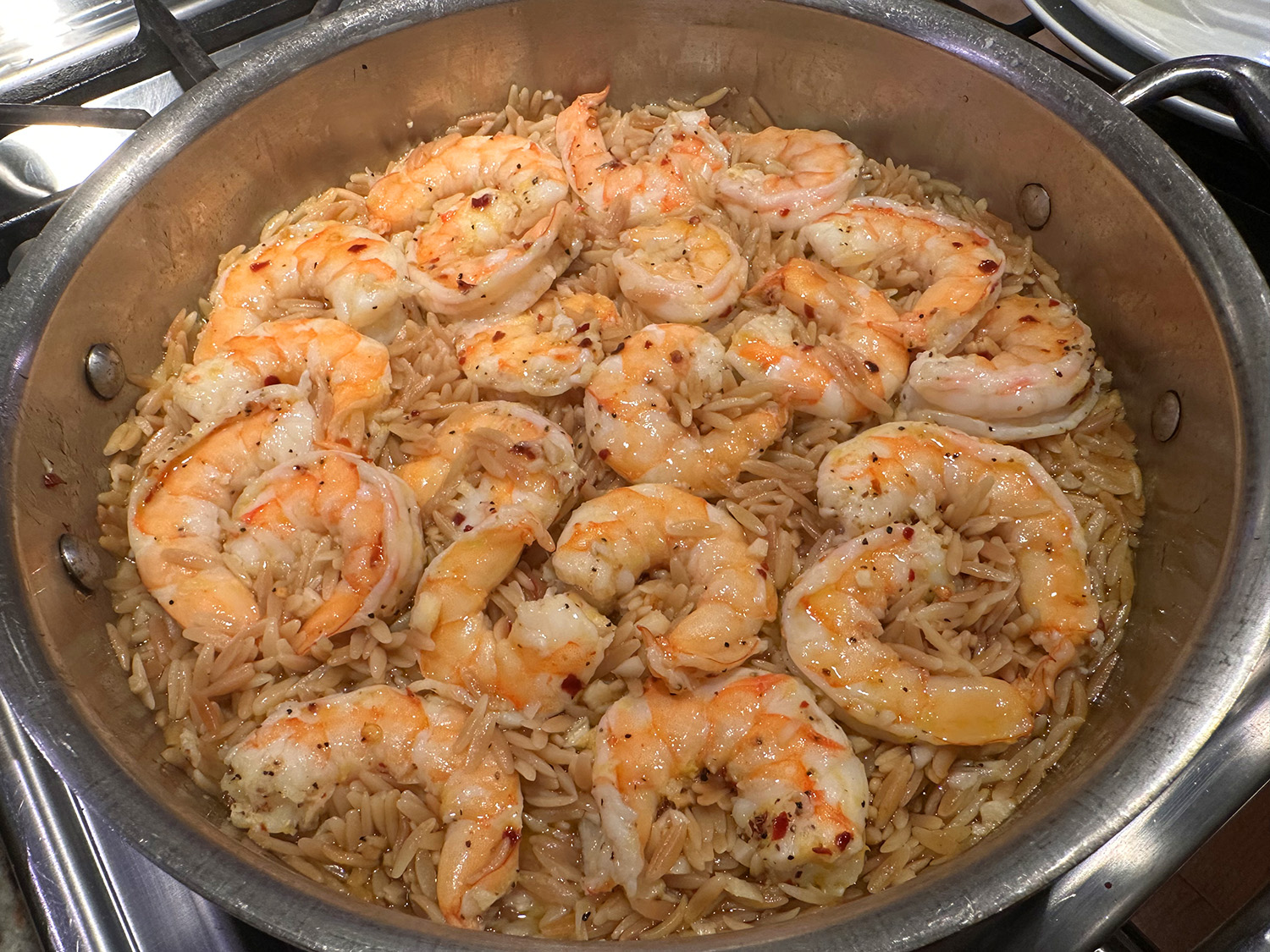
Shrimp Scampi with Orzo

With over 16,600 5-star reviewer ratings, this recipe sounded like a win-win, and it was! According to NYTimes Cooking, the universal appeal of shrimp scampi they say, isn’t the shrimp but the pan sauce: garlicky butter lightened with white wine and bursts of lemon, parsley and red-pepper flakes. Scampi is often tossed with pasta or served with crusty bread, but this version instead uses quick-cooking orzo.

It simmers directly in the pan sauce, imparting a starchy gloss — and soaking up the garlicky scampi flavors. Toss the shrimp with some garlic, lemon zest and red-pepper flakes to marinate while the pasta gets a head start on the stove, then simply toss the shrimp on top of the orzo to steam. It all comes together in a flash, and feels effortless. Pair this dish with Caesar salad, steamed broccoli or arugula, or bask in its simple comfort, straight from a spoon.

Whichever liquid you choose, make sure it is boiling. We had homemade seafood stock on hand so we opted for that which makes a huge difference in amping up the depth of flavor. (Clam broth would also be a great choice.) In lieu of parsley, which we were fresh out of, we included chopped fresh basil.

Both the orzo and the shrimp had to be cooked a few minutes longer than suggested. But once the dish rested for a couple of minutes off the heat at the end, everything came together perfectly.

Shrimp Scampi with Orzo

  • Servings: 3-4
  • Difficulty: easy
  • Print

Ingredients

  • 1 lb. large shrimp, peeled and deveined
  • 3 Tbsp. extra-virgin olive oil
  • 1 Tbsp. lemon zest, plus 1 tablespoon juice (from 1 lemon)
  • ½ tsp. red-pepper flakes
  • Kosher salt and black pepper
  • 4 garlic cloves, minced
  • 2 Tbsp. unsalted butter
  • 1 cup orzo
  • ⅓ cup dry white wine
  • 2 cups boiling water, seafood stock, clam broth or chicken stock
  • 3 Tbsp. finely chopped parsley, or parsely

Directions

  1. In a medium bowl, stir together shrimp, 1 tablespoon olive oil, lemon zest, red-pepper flakes, ½ teaspoon salt, ¼ teaspoon pepper and half of the garlic. Set aside to marinate. (This step can be done up to 1 hour in advance.)
  2. Add butter, remaining 2 tablespoons olive oil and remaining garlic to a medium skillet set over medium heat. When the butter starts to bubble, add the orzo and ½ teaspoon salt and cook, stirring often, until the orzo is toasted, about 2 minutes, adjusting the heat as necessary to prevent the garlic from burning. Carefully add the wine — it will bubble — and stir until absorbed, about 1 minute. Stir in boiling liquid, reduce heat to low, cover, and cook until orzo is al dente, about 12 minutes.
  3. Add the shrimp in a snug, even layer on top of the orzo, cover, and cook until all the shrimp is pink and cooked through, 2 to 4 minutes. Remove from heat and let sit, covered, 2 minutes.
  4. Sprinkle with parsley and lemon juice, season with salt and pepper, and serve immediately.

http://www.lynnandruss.com

Recipe by Ali Slagle for NYTimes Cooking

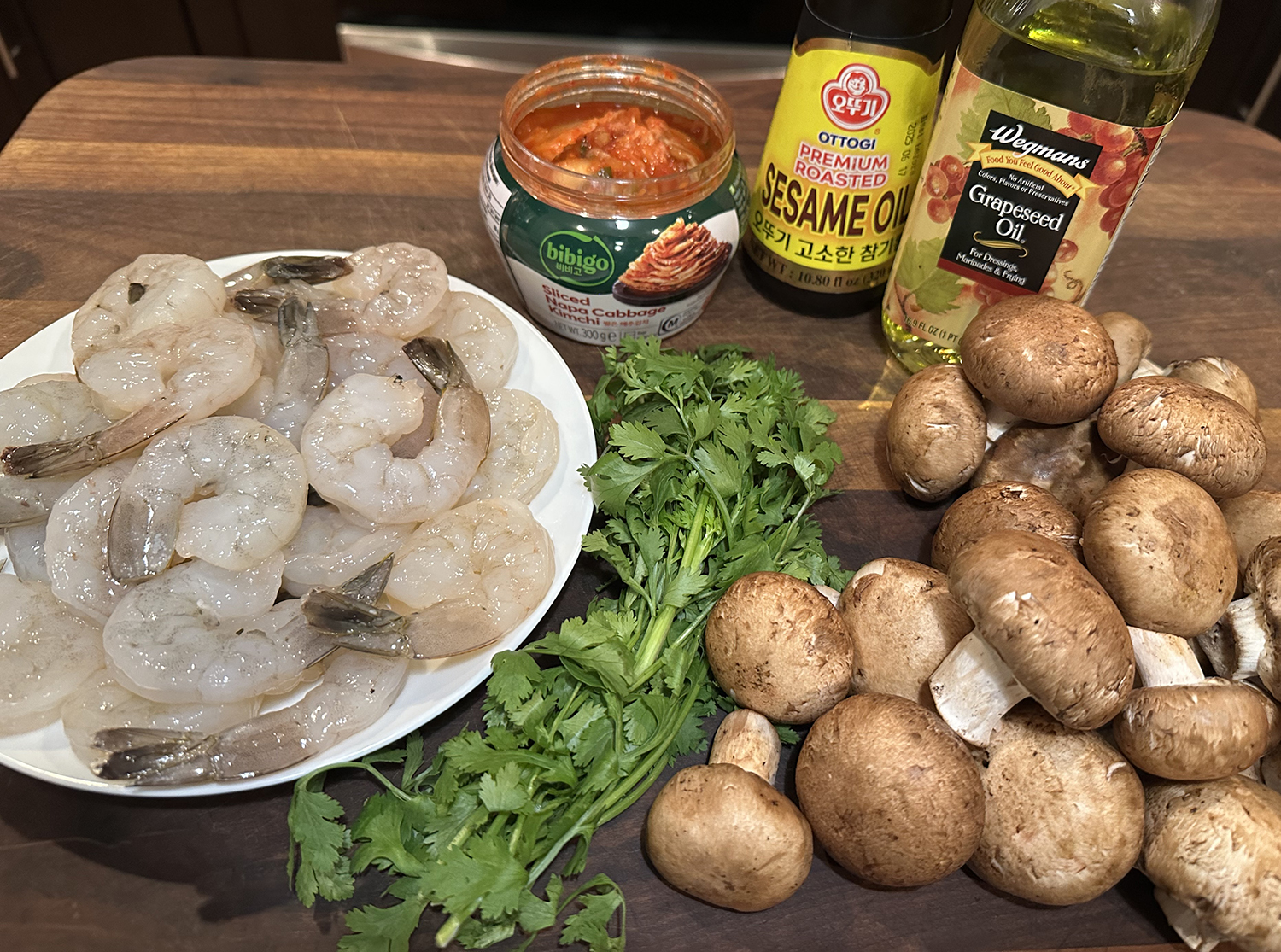
Spicy Shrimp and Mushroom Stir-Fry

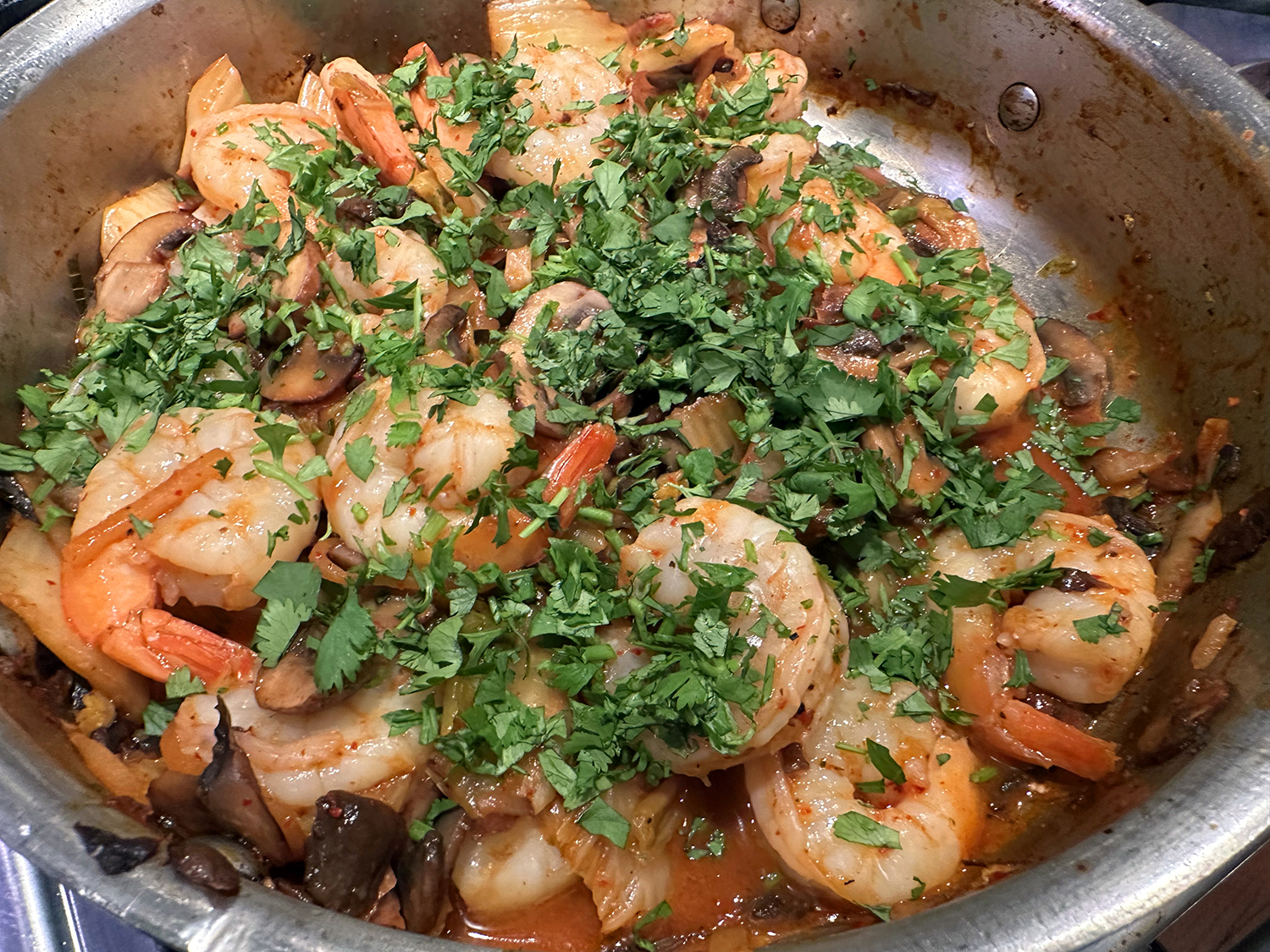
We found that this assertively spicy and savory stir-fry from Ali Slagle for NYTimes Cooking comes together quickly because each ingredient brings so much to the skillet. Just a few minor changes were made on our end, and we liked the dish even more than we thought we would!

Meaty mushrooms provide an earthy base, while the shrimp offers a sweet, saline snap. But the key ingredient is a considerable amount of kimchi: The fermented cabbage is cooked until just warm so it stays effervescent, spicy, crunchy and juicy.

As you may know, kimchi’s heat varies jar by jar, so if you find the dish a bit too punchy, stir in a tablespoon of butter at the end. If you want a green vegetable, toss in a handful of spinach. Serve with rice, lettuce cups, rice cakes or ramen noodles (our choice).

Conveniently, we were able to buy a one-cup package of kimchi from the local Asian market. The pieces were small enough that we didn’t have to “snip” them down in size. Worried there wasn’t enough brine in the one-cup container to coat all of the noodles, The Hubs made a two tablespoon combo of water mixed with gochujang, which ended up working perfectly.

Spicy Shrimp and Mushroom Stir-Fry

  • Servings: 4
  • Difficulty: easy
  • Print

Ingredients

  • 2 Tbsp. neutral oil, such as grapeseed
  • 1 lb. sliced button or cremini mushrooms
  • Kosher salt and black pepper
  • 1 lb. peeled medium shrimp
  • 1 packed cup cabbage kimchi, snipped into small pieces with scissors
  • 2 Tbsp. kimchi brine
  • 2 Tbsp. toasted sesame oil
  • Cilantro leaves and tender stems, for serving

Directions

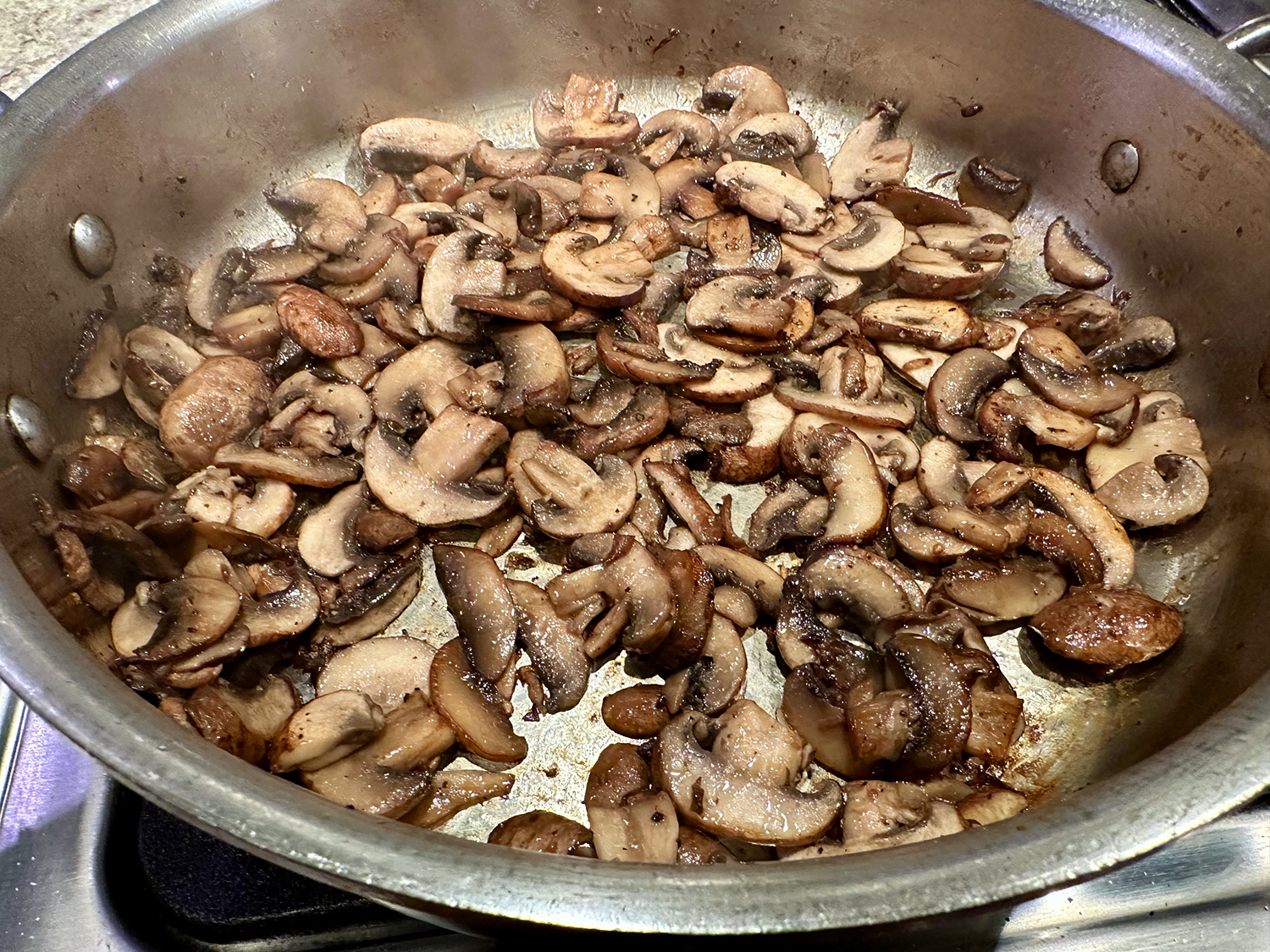
  1. Heat the oil in a large (12-inch) skillet over medium-high. Add the mushrooms, season with salt and pepper, and cook, stirring just once every minute or two, until browned and crisp, 8 to 11 minutes.
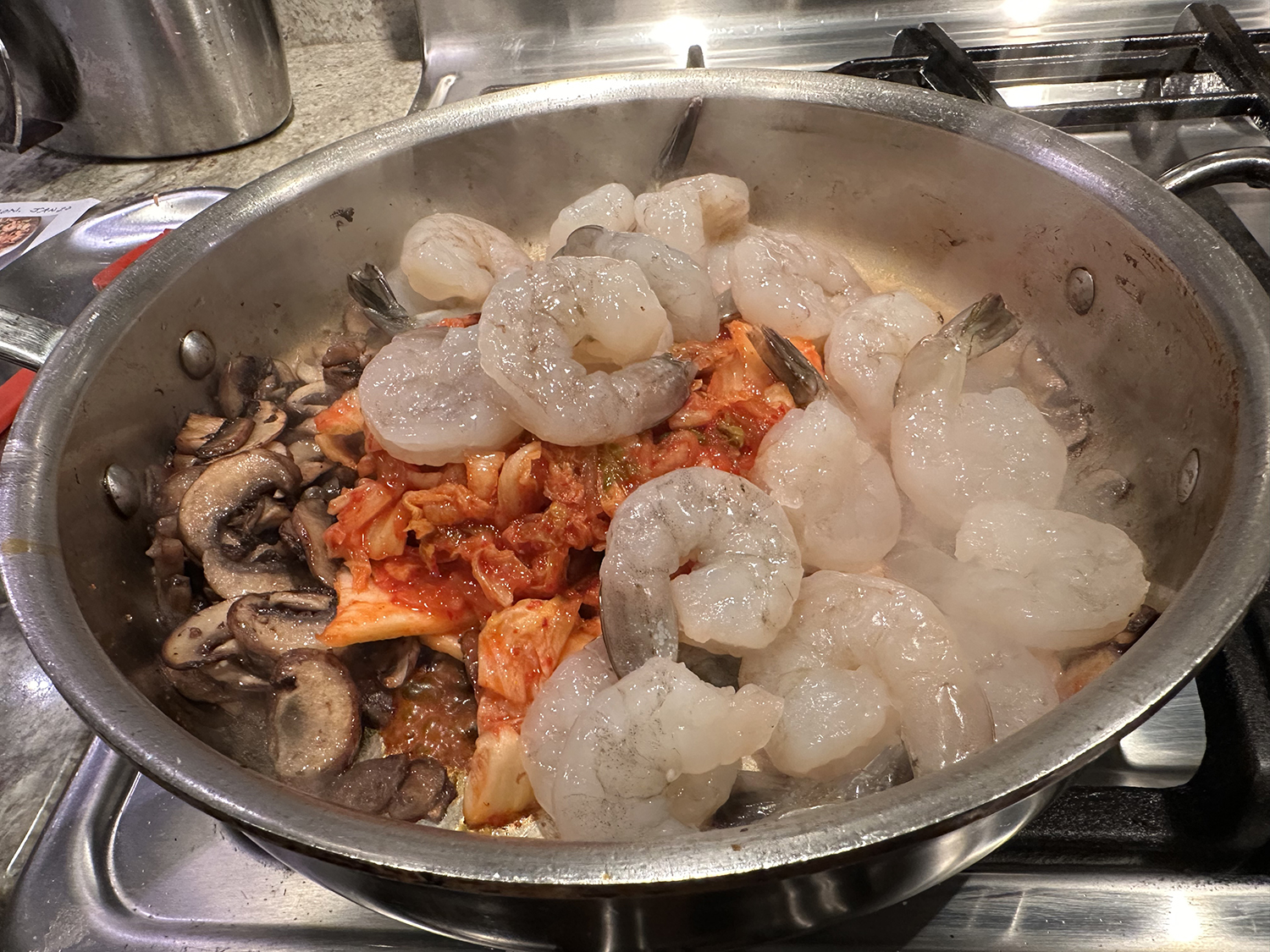
  2. Reduce heat to medium and add the shrimp, kimchi, kimchi brine and sesame oil. Stir until the shrimp is just opaque, 2 to 4 minutes. Top with cilantro. (Since shrimp and kimchi are both salty, you likely won’t need more salt.)

http://www.lynnandruss.com

Recipe by Ali Slagle for NYTimes Cooking

Seafood Fra Diavolo

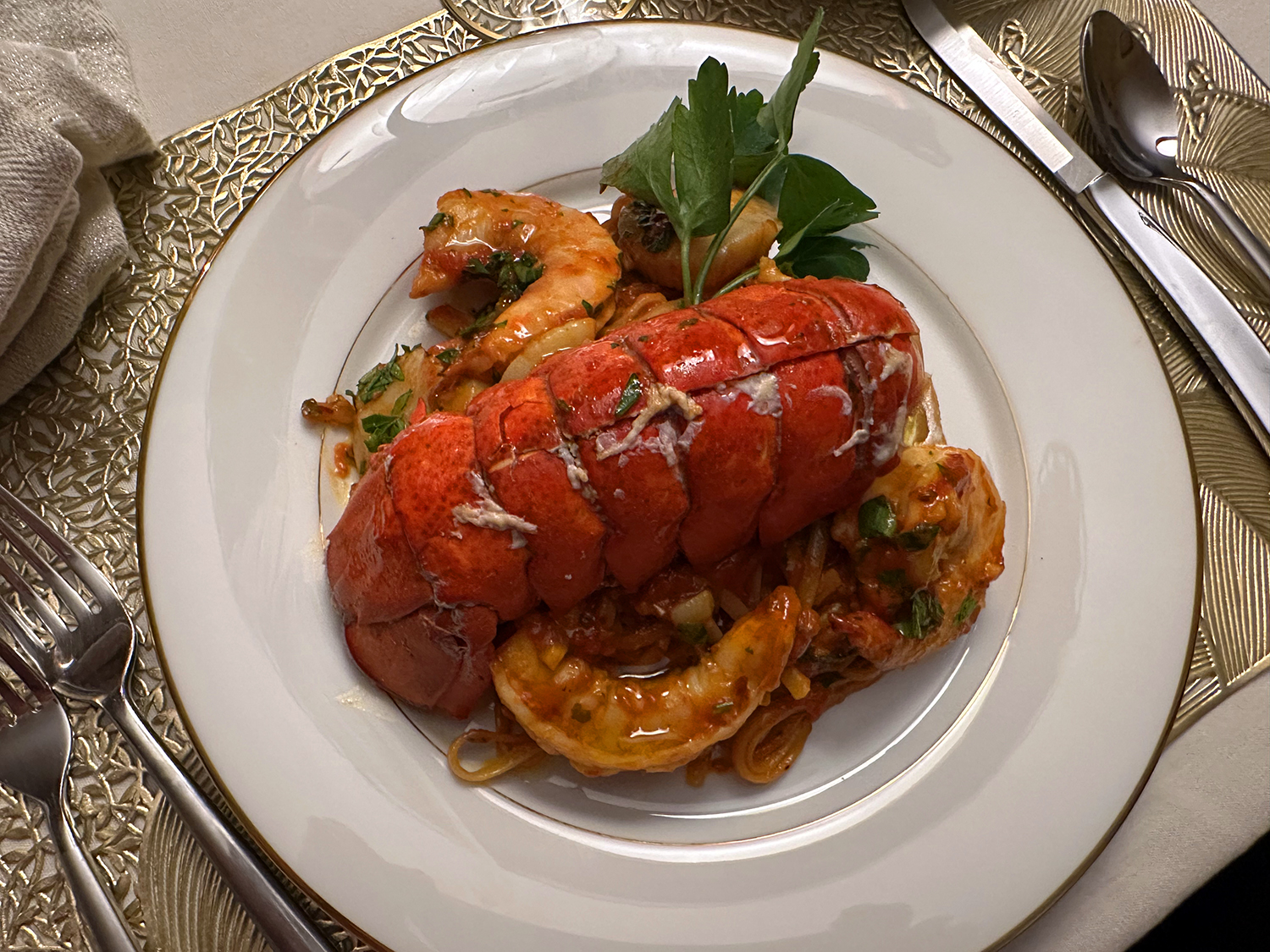
In this version from America’s Test Kitchen, we made a few changes based on what we had on hand, or preferred to use. Since Yours Truly doesn’t like mussels, but we had a couple of recently purchased lobster tails in the freezer, they became the star of the show.

In addition, instead of a 28-ounce can of whole peeled tomatoes, we used a quart of our homemade marinara sauce. Otherwise we finished the recipe as written. And it was amazing!

We made it for just the two of us with enough leftovers for two more servings, although we cooked only two lobster tails the night of the dinner. For leftovers, you can either steam two more tails or forego them altogether. If serving four guests at once, of course use all four lobster tails.

This ever-popular Italian American restaurant classic consists of an abundant amount of mixed seafood (shrimp, scallops, and lobster tails in our version) and pasta tossed in a rich, homemade marinara sauce. To make the recipe doable at home, most of the ingredients cook in the same pot, and the pasta gets just enough flavorful liquid to hydrate and fully soften. Not only does this method simplify cleanup, but it also ensures that every element of the dish is infused with fresh seafood flavor.

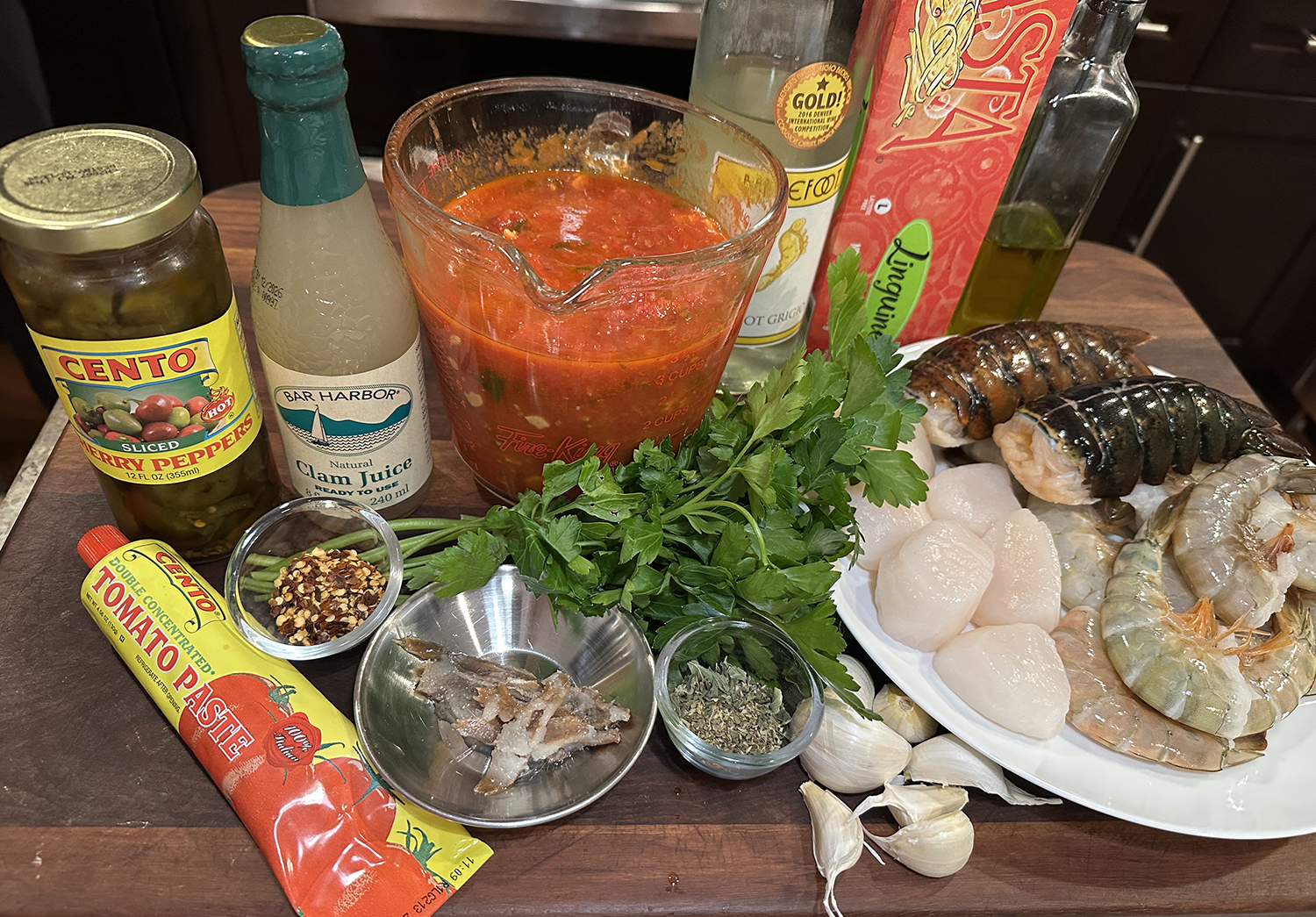
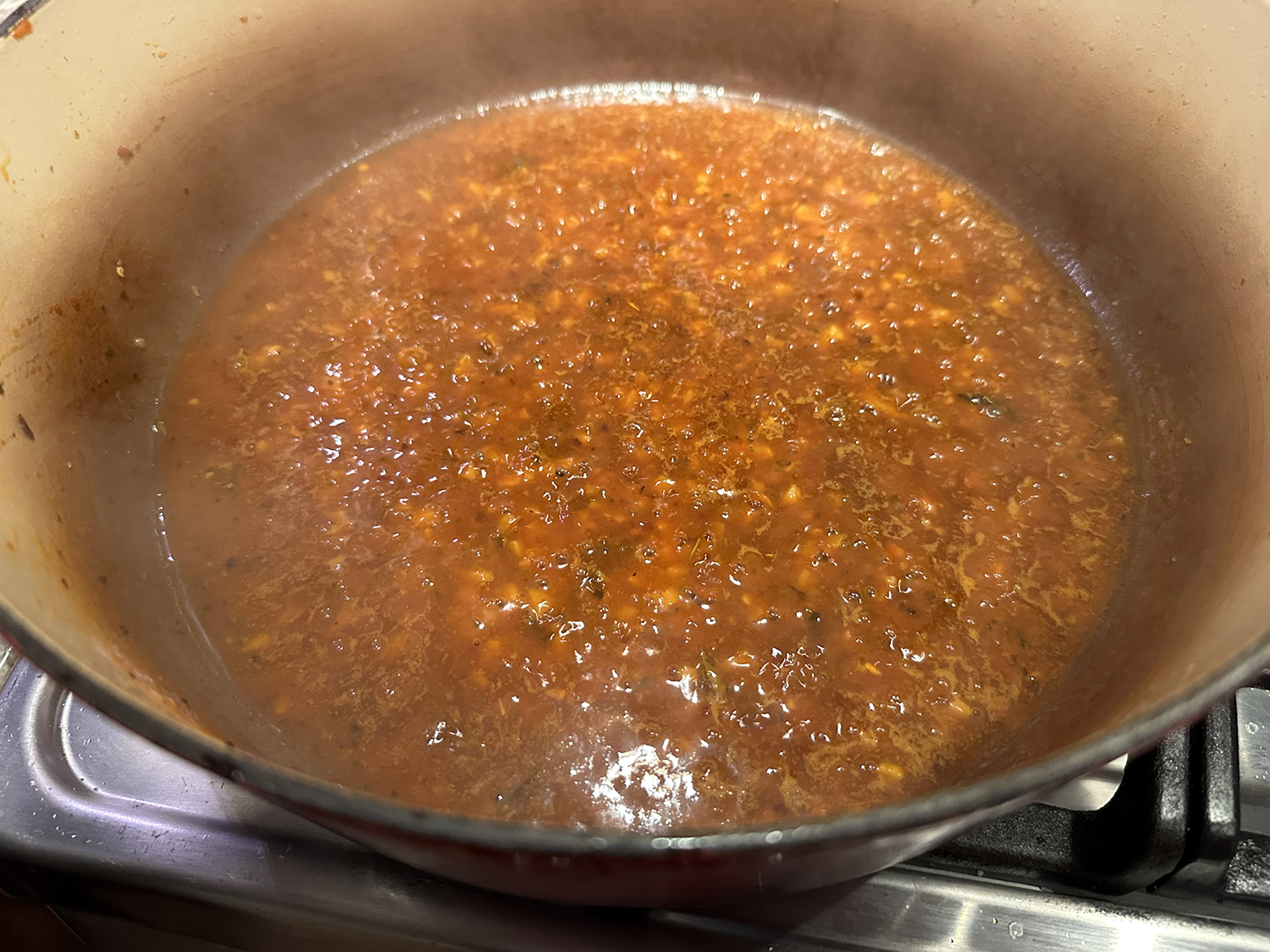
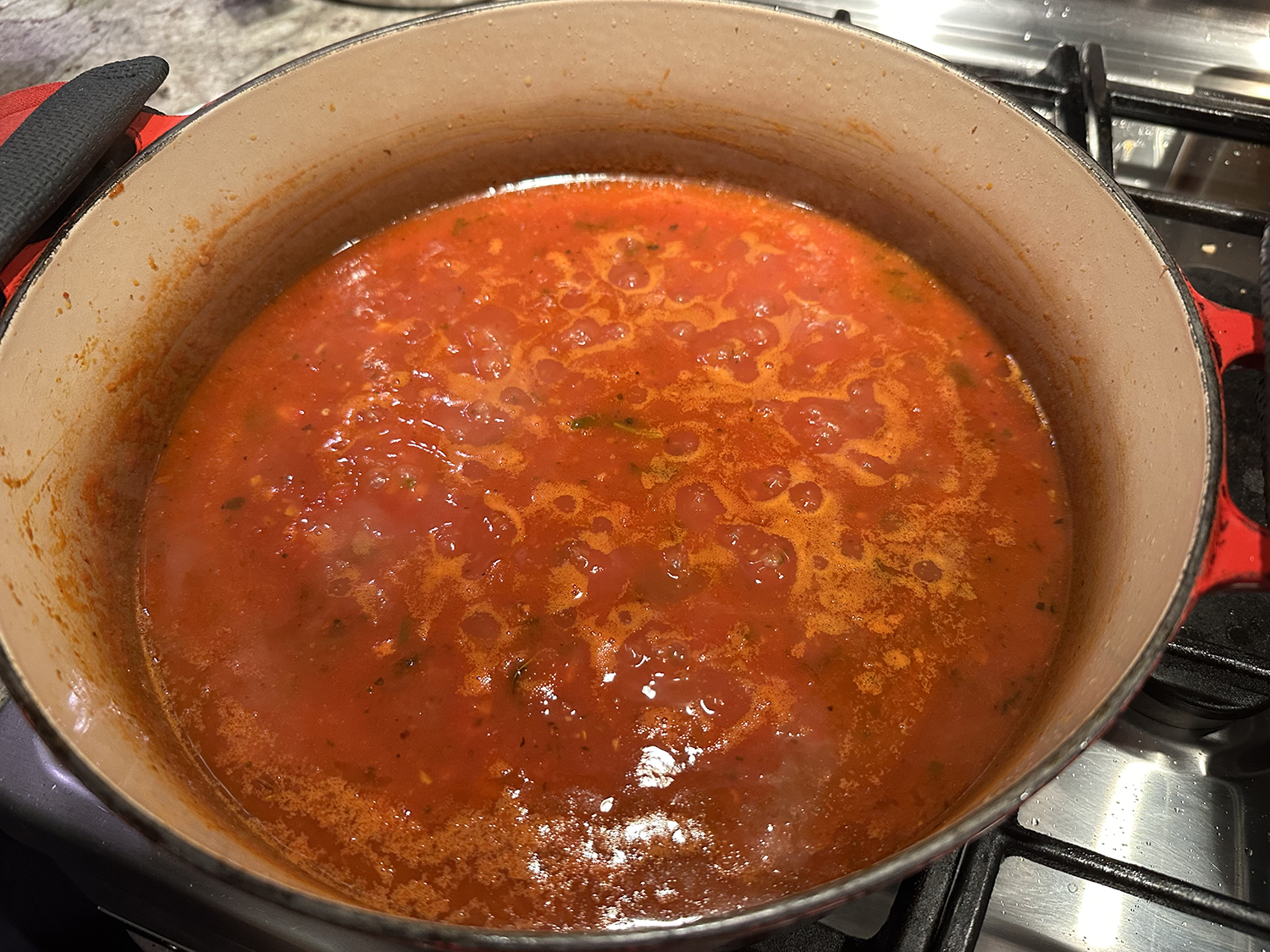
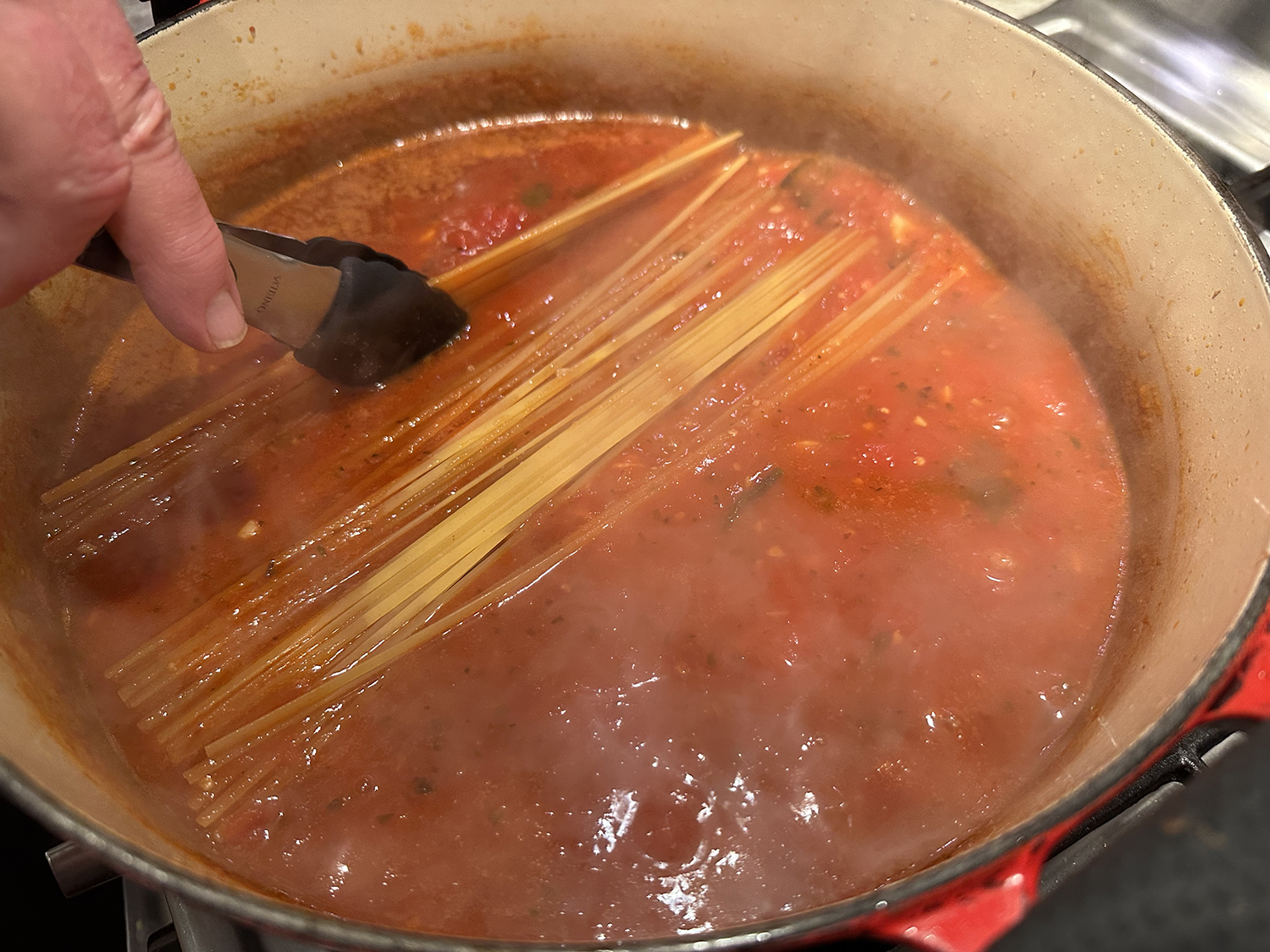
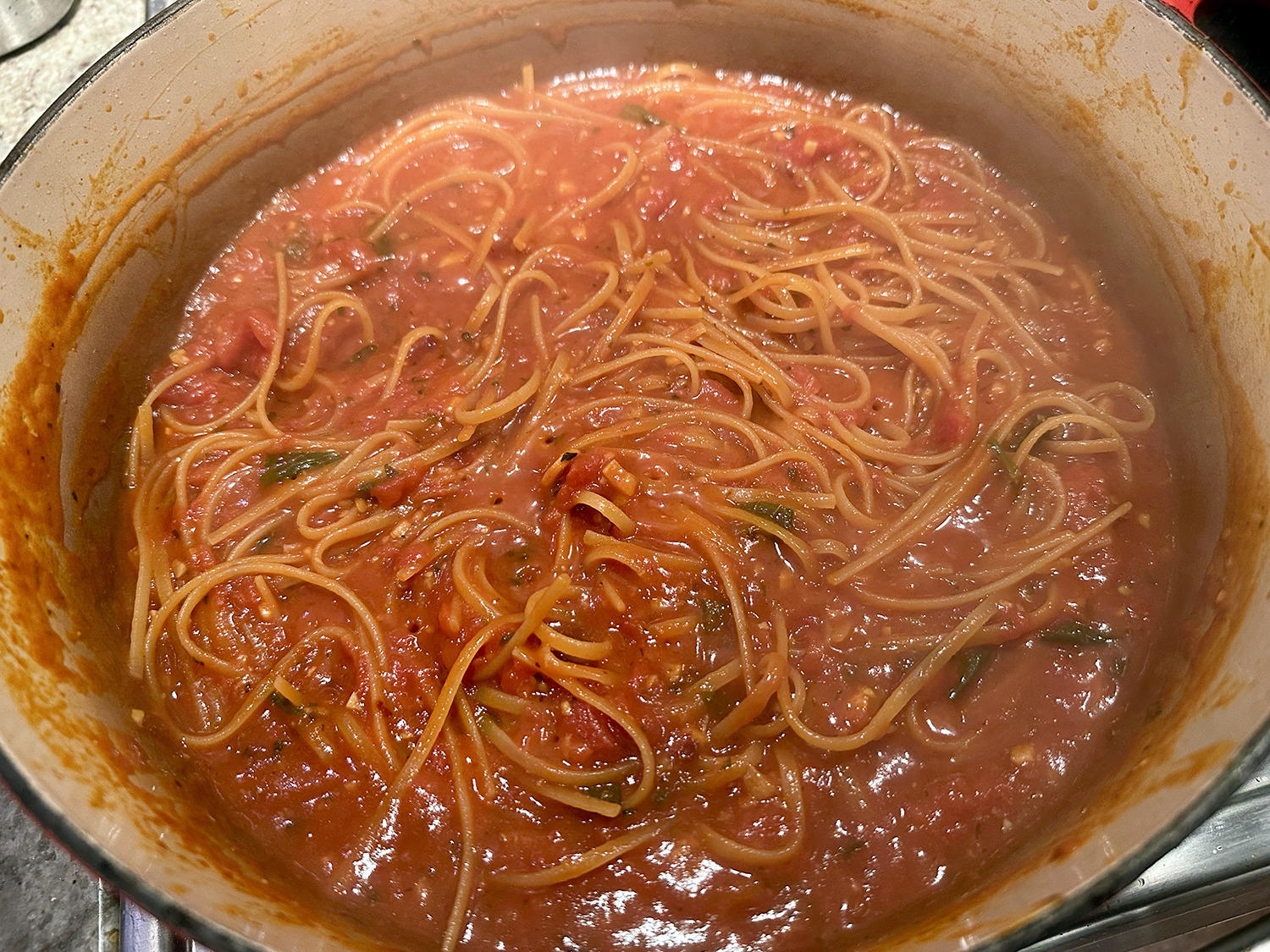
We started by making a potent mix of garlic, white wine, tomato paste, and fiery red pepper flakes, making a flavorful cooking liquid as a base for the sauce. After adding a quart of our homemade marinara sauce and a bottle of clean-tasting, briny clam juice (to enhance the seafood presence in the sauce), we brought the liquid to a boil, and added the linguine to cook through and soak up the flavors of the sauce.

Once the pasta was nearly cooked through, we tossed in the quick-cooking shrimp and scallops, and after just a few minutes, they were gently cooked through to perfection. For a bright, spicy finish we stirred in the chopped pickled cherry peppers and fresh parsley, then topped our plates with a steamed lobster tail and a swirl of good extra-virgin olive oil.

NOTES: If you’re spice-averse, use a lesser amount of pepper flakes and cherry peppers. Different brands of linguine will cook at different rates and absorb different amounts of liquid; you may not need to add any hot water in Step 5, but having some on hand provides insurance against the pasta being too dry.

Seafood Fra Diavolo

  • Servings: 4
  • Difficulty: easy
  • Print

Ingredients

  • 12-oz. extra-large shrimp (21 to 25 per lb.), peeled, deveined, and tails removed
  • 12-oz. large sea scallops, tendons removed, cut in half horizontally
  • 6 Tbsp. extra-virgin olive oil, divided, plus extra for drizzling
  • 7 garlic cloves, minced, divided
  • ¾ teaspoon table salt, divided
  • 3 anchovy fillets, rinsed
  • 3 Tbsp. tomato paste
  • 2 tsp. dried oregano
  • 1–1½ tsp.red pepper flakes, plus extra for sprinkling
  • 4 lobster tails
  • 1 cup dry white wine
  • 1 (28-oz.) can whole peeled tomatoes; OR 1 qt. of homamade marina sauce
  • 1 (8-oz.) bottle clam juice
  • 12-oz. linguine
  • Hot water
  • ½ cup chopped fresh parsley
  • 1–2 Tbsp. chopped jarred hot cherry peppers, plus 1 Tbsp. brine

Directions

  1. Toss shrimp and scallops with 2 tablespoons oil, 1 tablespoon garlic, and ½ teaspoon salt in bowl. Refrigerate until ready to use.
  2. Combine anchovies, remaining ¼ cup oil, and remaining garlic in large Dutch oven and cook over medium heat until garlic is just beginning to brown, 3 to 5 minutes, breaking up anchovies with wooden spoon.
  3. Add tomato paste, oregano, and pepper flakes and cook, stirring constantly, until tomato paste begins to darken, about 2 minutes. Increase heat to medium-high, cover and cook, stirring pot occasionally, for about 3 to 4 minutes.
  4. Add canned tomatoes and their juice (or homemade marinara), clam juice, and remaining ¼ teaspoon salt to pot. Using a potato masher, mash tomatoes in pot until coarsely pureed. (Not necessary if using homemade marina.)
  5. Bring tomato mixture to boil over medium-high heat. Add pasta (it needn’t be fully submerged) and cook, stirring often, until strands are flexible but still slightly firm in center, 6 to 10 minutes. (If sauce begins to dry up before pasta is done, add hot water, ½ cup at a time, and continue cooking pasta. Begin checking pasta 2 minutes shy of package instructions; it should be nearly cooked to your liking before adding seafood.)
  6. Add water to a separate pot with a steamer basket, bring to a boil, drop in the lobster tails and cover, steaming for 3 minutes. Remove tails from pot set aside.
  7. While the lobster is steaming, stir shrimp and scallops into red sauce and cook, stirring frequently, until pasta is al dente and seafood is opaque, about 3 minutes.
  8. Off heat, add parsley, cherry peppers and brine, and toss to combine. (Pasta sauce will continue to thicken. Adjust consistency with additional hot water as needed.) Season with salt to taste.
  9. Serve, sprinkled with extra pepper flakes (optional), topped with lobster tails and drizzled with extra oil.

http://www.lynnandruss.com

Recipe by Matthew Fairman for America’s Test Kitchen

Jamaican-Style Chili-Lime Fish Stew

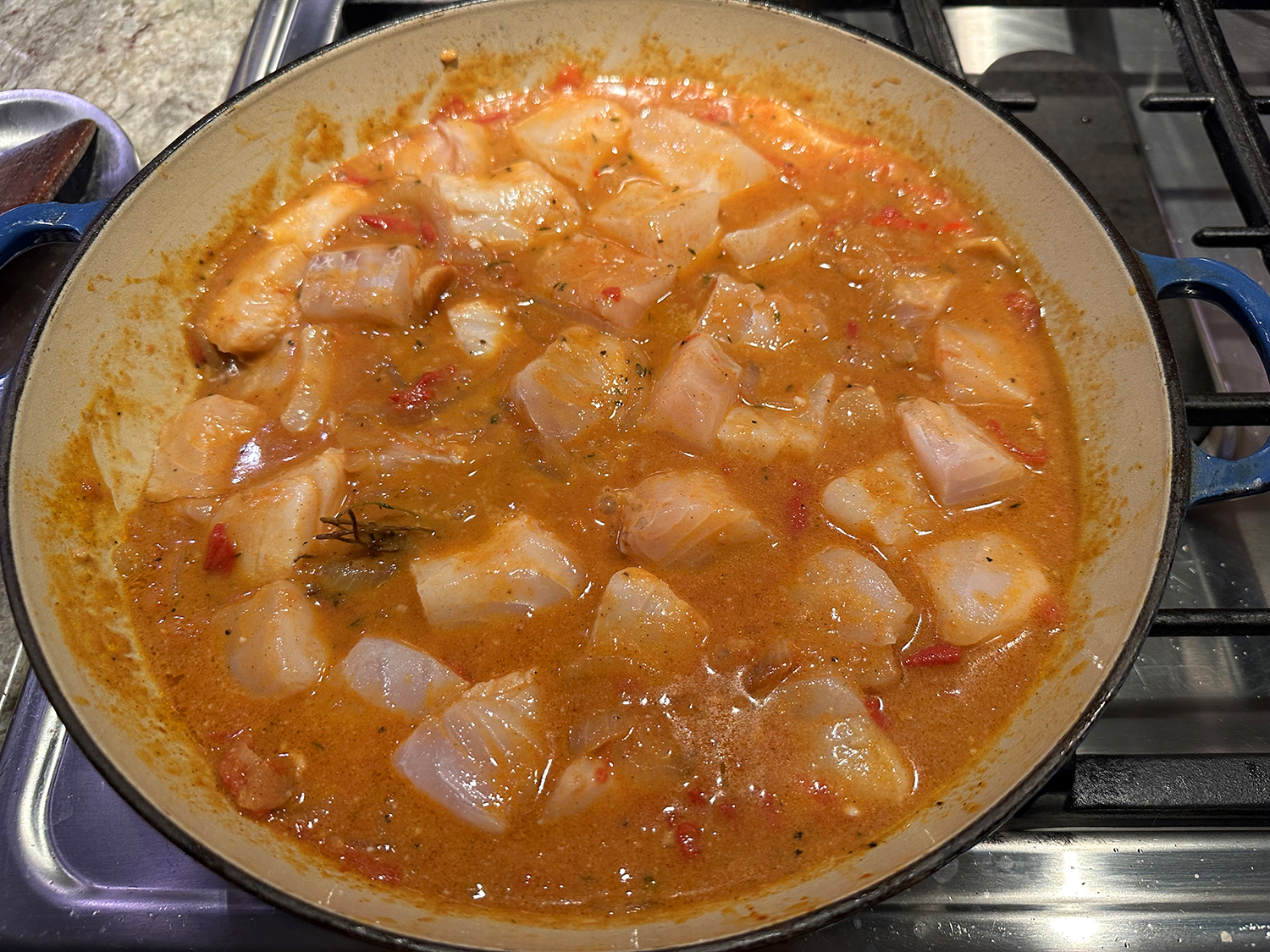
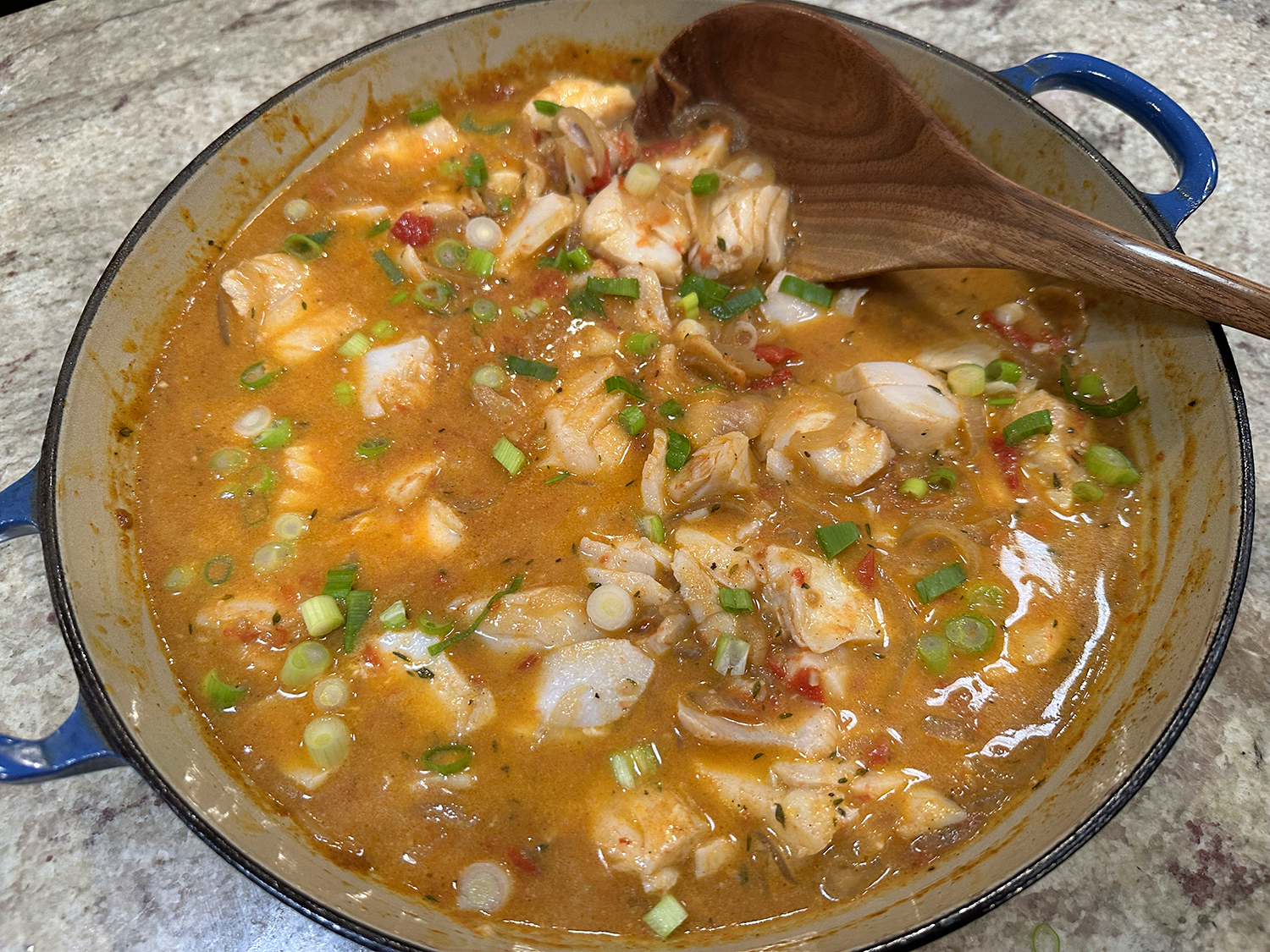
This dish truly showcases the wonderful fruitiness of habanero and the heat* is a lovely combination with the rest of the ingredients. This simple skillet stew is rich with Caribbean flavors. It’s inspired by a dish called Jamaican run-down, which simmers mackerel in coconut milk, along with tomatoes, thyme and aromatics.

The cooking liquid reduces to a luxurious sauce with spiciness and fruity notes from the habanero chili, tropical flavor from the coconut and brightness from the lime juice. Instead of mackerel, which can be difficult to source and also has an assertiveness that’s polarizing, (and we just flat out don’t like it) mild, firm sea bass or cod fillets are used. Serve with steamed jasmine rice, fried plantains or rice and beans.

TIP: Don’t touch your face if you’ve handled the habanero with bare hands, as there will be residual capsaicin on your fingers. If you have food-safe gloves, consider slipping them on before prepping the chili. And don’t use light coconut milk, as its flavor and consistency are too lean and watery.

*Word to the wise: Do not substitute a Carolina Reaper chili for the Habanero (a Serrano would be an OK choice). The supermarket didn’t have habaneros at the time so we just grabbed a reaper chili and didn’t bother looking at how they compared with the habanero heat-wise on the Scoville Heat Unit Scale. As we ate dinner, while The Hubs was sweating, had teary eyes and a flushed face, I quickly Googled only to find out while habaneros rate between 100,000 and 350,000, the Carolina Reaper clocks in at 2.5 million!! (Luckily when I was prepping the ingredients, I wore food-safe rubber gloves.)

A few changes that we made included adding a 1 1/2-inch piece of ginger cut into fine slices, increasing the coconut milk to one cup and reduced the water to a 1/2 cup.

Jamaican-Style Chili-Lime Fish Stew

  • Servings: 4
  • Difficulty: easy
  • Print

Ingredients

  • 2 Tbsp. grapeseed or other neutral oil
  • 1 medium yellow onion, halved and thinly sliced
  • 1 1/2 inch piece of fresh ginger sliced into thin circles
  • 2 medium garlic cloves, minced
  • 1 habanero chili, stemmed and sliced into thin rings
  • 1/4 tsp. ground allspice
  • 12 oz. ripe tomatoes, cored and chopped
  • 3/4 cup coconut milk
  • 2 large thyme sprigs
  • Kosher salt and ground black pepper
  • 1 1/2 lbs. skinless sea bass or snapper fillets, about 1 inch thick, cut into 1½-inch chunks (we used cod, much more economical)
  • 2 Tbsp. lime juice, plus lime wedges to serve
  • 3 scallions, thinly sliced

Directions

  1. In a 12-inch skillet over medium-high, heat the oil until shimmering. Add the onion and ginger slices and cook, stirring occasionally, until softened and beginning to brown, 4 to 5 minutes. Add the garlic, habanero and allspice; cook, stirring, until fragrant, 30 to 60 seconds. Stir in the tomatoes and cook, stirring occasionally, until they begin to break down and release their liquid, 3 to 4 minutes.
  2. Add the coconut milk and 1⁄2 cup water; scrape up any browned bits. Add the thyme, ½ teaspoon salt and ¼ teaspoon pepper, then bring to a simmer. Cover and simmer, stirring occasionally, until the tomatoes have fully broken down and the sauce is slightly thickened, about 10 minutes.
  3. Nestle the fish into the sauce. Bring to a gentle simmer and cook, stirring gently and occasionally, until the fish is opaque throughout, 4 to 5 minutes. Off heat, remove and discard the thyme, then stir in the lime juice. Taste and season with salt and pepper. Serve with lime wedges.

http://www.lynnandruss.com

Recipe by Calvin Cox for Milk Street

Smoky Shrimp Saganaki

The name of the dish almost sounds Japanese, while the ingredients are an interesting mash-up inspired by Greek shrimp saganaki, that is combined wonderfully with sweet shrimp, tomatoes and feta with subtly smoky dried Mexican chiles. Identity crisis? In name only, because once you taste it, you are transported to another realm entirely — it is so utterly delicious!

The aromatics — cherry tomatoes and garlic, plus an assortment of dried and fresh chiles — simmer and confit in oil in the oven, with shrimp and feta added toward the end of cooking, broiling quickly, to create a wonderfully oozy, charred dish. Now that description certainly got our attention!

It’s a simple, one-pan weeknight meal that cooks in just 30 minutes. This recipe allows flexibility in your choice of chiles; whichever you choose, the gentle confiting of the chiles releases their flavors, adding nuanced heat to complement the bright and tangy tomatoes and feta. (Make sure to get the whole block feta, not the precrumbled variety.)

According to the chef, you can switch out the ancho chile for pasilla chile, or dial up the heat with a fruity Scotch bonnet. Enjoy this dish straight from the pan, mopped up with a piece of crusty bread. Any leftovers can be easily turned into a show-stopping pasta sauce, making this recipe a versatile addition to any recipe collection.

Smoky Shrimp Saganaki

  • Servings: 4
  • Difficulty: easy
  • Print

Ingredients

  • 1 chipotle chile (or similar), stem and seeds removed
  • 1 ancho chile (or similar), stem and seeds removed
  • 2 fresh long red chiles (or similar), split open lengthwise with the stem intact
  • 1 head garlic (1 clove minced, the rest separated but left skin-on and whole)
  • 24 oz. cherry tomatoes
  • ¾ cup extra-virgin olive oil
  • Fine sea salt and black pepper
  • 1 8-oz. block feta
  • ½ lb. peeled and deveined medium shrimp
  • ½ cup roughly chopped fresh cilantro
  • Crusty bread, for serving

Directions

  1. Heat the oven to 425 degrees.
  2. Add the chipotle chile, ancho chile, fresh chiles, whole garlic cloves, cherry tomatoes, oil, 1 teaspoon of salt and a good grind of pepper to a 10-inch cast-iron pan or an 8-by-11-inch broiler-safe baking dish. Tuck the dried chiles underneath so that they are submerged in oil to avoid burning. Bake for 10 minutes, then stir, keeping the dried chiles submerged in oil.
  3. Nestle the feta into the middle of the mixture, and return to the oven for 15 minutes, until the tomatoes are nicely charred and the feta has softened, then remove from the oven.
  4. While the feta cooks, delicately butterfly the shrimp by making a shallow cut using a sharp paring knife along the back of each shrimp from head to tail.
  5. Set the broiler to the highest setting and let it heat up for 5 minutes.
  6. Stir the shrimp and the crushed garlic into the tomato mixture, leaving the feta whole in the middle. Broil on the top rack for 3 to 5 minutes, until the shrimp is cooked through and the feta is golden brown.
  7. To serve, spoon some of the tomato mixture on top of the feta, then sprinkle over the cilantro. Serve with crusty bread.

http://www.lynnandruss.com

Recipe by Yotam Ottolenghi for NYT Cooking

Seafood Pasta with Tomato and Crushed Olives

Think of this as a weeknight fish stew with pasta rather than a seafood pasta. It’s highly customizable: You can use whatever seafood you like, including but not limited to shellfish, like mussels, clams or shrimp, and firm-fleshed white fish, such as cod, halibut or flounder.

Since one of our diners did not eat clams, we doubled the amount of shrimp. If you do omit the clams, use some clam broth along with the water* in Step 3 to help flavor the overall broth. Seafood stock would also be another good option.

The trick is to make sure the garlicky tomatoes are brothy enough to gently poach the seafood (which then further flavors the sauce), yet thick enough to coat each tube of pasta. Finished with briny olives and a smattering of fresh parsley, it’s best eaten with a spoon and lots of thick-cut toast for sopping up all the luscious goodness.

Seafood Pasta With Tomato and Crushed Olives

  • Servings: 4
  • Difficulty: easy
  • Print

Ingredients

  • 8 oz. rigatoni or another tube-shaped pasta
  • Kosher salt
  • 3 Tbsp. olive oil, plus more for drizzling
  • 4 garlic cloves, sliced
  • Pinch of red-pepper flakes (optional)
  • 1 (28-oz.) can whole San Marzano tomatoes, crushed by hand
  • ½ lb. mussels or clams (optional)
  • 1 lb. firm-fleshed white fish, such as cod, halibut, swordfish, hake or flounder, cut into 2-inch pieces
  • ½ lb. shrimp, peeled and deveined if you like
  • ¾ cup Castelvetrano or other green olives, pitted and crushed
  • ½ cup parsley, tender leaves and stems, chopped

Directions

  1. Cook pasta in a large pot of boiling salted water. Once it reaches al dente, drain and set aside while you finish the sauce.
  2. Meanwhile, heat olive oil in a heavy-bottomed Dutch oven over medium heat. Add garlic and season with salt. Cook, stirring occasionally, until garlic is lightly browned and toasted around the edges, about 2 minutes. Add red-pepper flakes, if using.
  3. Add tomatoes and then fill the empty can about ¾ of the way up with water*. Swirl the can to loosen the tomatoey bits left behind and add that to the pot. Season with salt, bring to a simmer and cook, stirring occasionally, until sauce has thickened slightly (it should still look quite brothy), 10 to 15 minutes.
  4. Add the mussels or clams to the sauce, if using, along with the fish, and season again with salt. Let the seafood settle into the brothy tomato sauce and gently swirl the pot, encouraging the seafood to cook evenly. Cook a minute or two, then add the shrimp, swirling the skillet again. Cook until all the seafood is just cooked through and the mussels or clams have opened, another 3 to 5 minutes.
  5. Add the pasta and very gently toss to coat, cooking another 1 to 2 minutes, just to let the flavors meld. Add olives and remove from heat.
  6. Divide among bowls, top with parsley and drizzle with olive oil before serving.

http://www.lynnandruss.com

Recipe from Alison Roman for NYTimes Cooking

Sheet-Pan Roasted Salmon Niçoise Salad

Here, the classic French salad becomes an elegant dinner, with mustard-glazed salmon in place of tuna, roasted vegetables and slightly jammy eggs served over a jumble of salad greens tossed with a red-wine vinaigrette.

Roasting the vegetables, rather than serving some steamed and some raw as you would for a traditional Niçoise, gives this dish great texture and a delicious contrast of temperatures. The vegetables and salmon are roasted on a single sheet pan — fit for company and easy enough for a weeknight.

It’s best to buy 4 uniform fillets of salmon so that they all cook at the same rate. Our piece was thick on one end thinner at the tail, which just meant two of the sections were more done than the other two. You could add the smaller sections to the pan 5 minutes after the others have started to roast if you want them less well-done.

Regarding the comments of several other reviewers, I lessened the amount of olive oil overall, down to about 6 tablespoons, which seemed perfect in the end. And/or you may also choose to double the Dijon-olive oil glaze for the salmon.

Sheet-Pan Roasted Salmon Niçoise Salad

  • Servings: 4
  • Difficulty: easy
  • Print

Ingredients

  • 1 lb. baby Yukon Gold potatoes, halved
  • 8* Tbsp. extra-virgin olive oil
  • 2 tsp. kosher salt, plus more to taste
  • 1¼ tsp. black pepper
  • 2 large eggs
  • 2 Tbsp. red-wine vinegar
  • 2 tsp. Dijon mustard
  • 1 tsp. minced garlic (about 1 clove)
  • 1 anchovy fillet, minced (optional)
  • 6 oz. haricots verts or green beans, trimmed
  • 1½ cups cherry tomatoes
  • ½ cup pitted olives, preferably Niçoise or Kalamata
  • 4 6-oz. center-cut, skin-on salmon fillets
  • 5 oz. tender salad greens, like baby red and green leaf lettuce

Directions

  1. Heat the oven to 400 degrees and place a rack near the top of the oven.
  2. Place the potatoes in a large bowl, add 1 tablespoon olive oil, ½ teaspoon salt and ½ teaspoon pepper and toss. Arrange the potatoes on a sheet pan so the cut sides are facing down and roast for 20 minutes. Afterward, if they are completely cooked through and browned on the cut sides, remove to a plate for later.
  3. While the potatoes roast, fill a medium saucepan with water and bring to a boil. Add the eggs and cook over medium heat for exactly 6 minutes. Remove the eggs, and when they are cool enough to handle, peel and quarter them.
  4. Make the dressing: In a small bowl, whisk together the vinegar, 1 teaspoon Dijon mustard, the garlic, anchovy (if using), ½ teaspoon salt and ½ teaspoon pepper. Slowly whisk in 4* (or less) tablespoons of olive oil and set aside.
  5. Add the haricots verts, tomatoes and olives to the same bowl that the potatoes were in, and toss with 2 tablespoons olive oil and ½ teaspoon salt. Using tongs, toss well, then move the vegetables to the sides to create space in the center of the sheet pan. Pat the salmon fillets dry with a paper towel and place them, skin-side down, in the center of the sheet pan.
  6. Brush fillets with remaining 1 tablespoon olive oil and 1 teaspoon Dijon mustard, and sprinkle with ½ teaspoon salt and ¼ teaspoon pepper. Roast on the top rack in the oven for 10 minutes. Add the cooked potatoes back onto the sheet pan. Turn the broiler to high and broil for 2 to 3 minutes to lightly brown the salmon. (If you don’t have a broiler, roast salmon for an additional 2 to 3 minutes instead.) The salmon should flake easily and be just cooked in the center.
  7. Add the greens to a large bowl with the dressing, and toss gently. Place the salmon fillets in the middle of the platter, then arrange the roasted vegetables and eggs around them. Sprinkle with salt and serve.

http://www.lynnandruss.com

Recipe by Lidey Heuck for NYTimes Cooking