Tag Archives: main dish

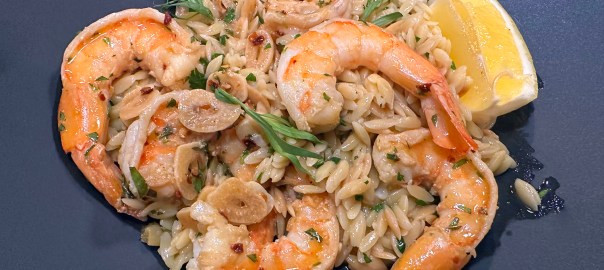
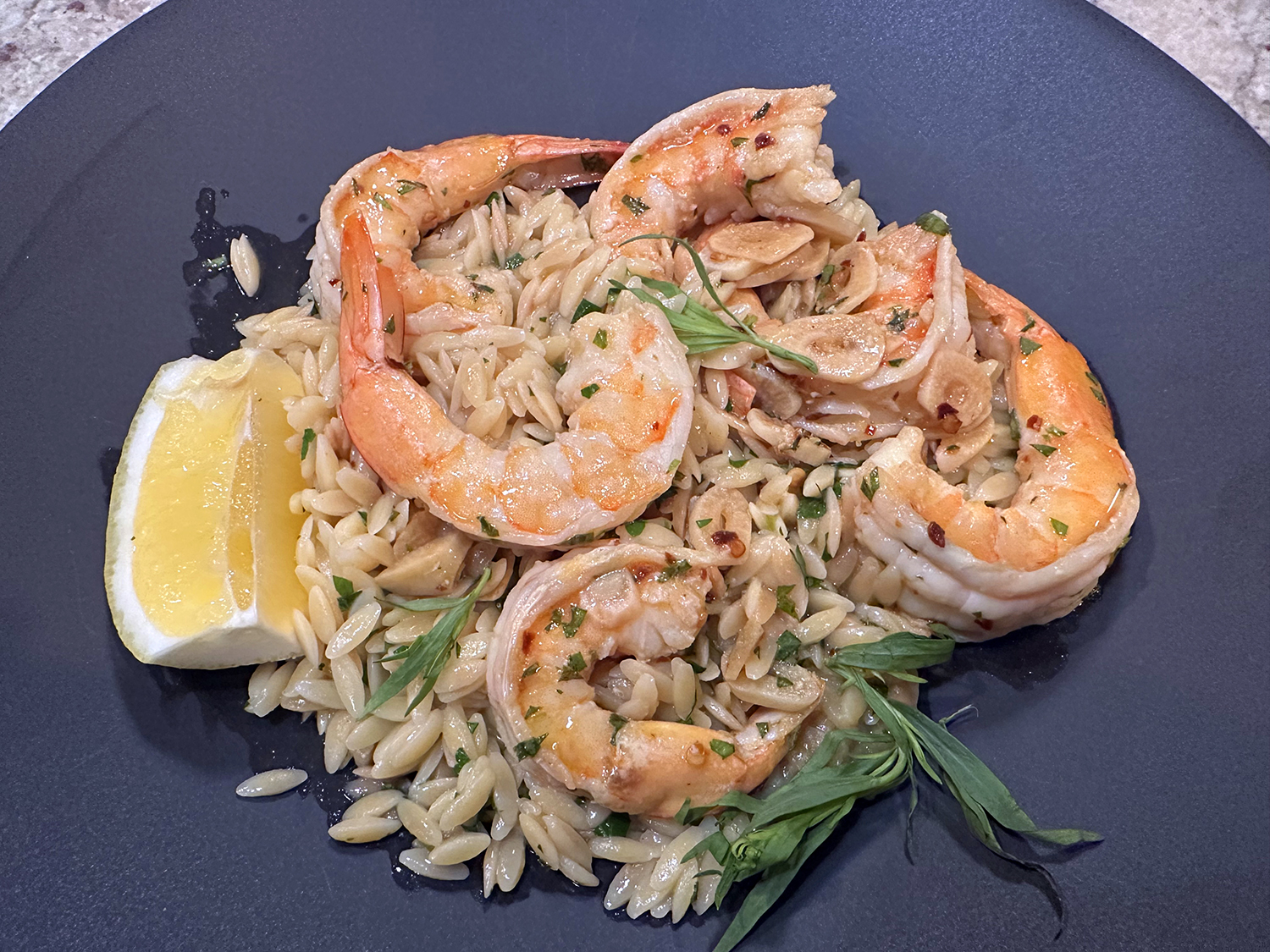
Lemon-Tarragon Shrimp Scampi with Orzo

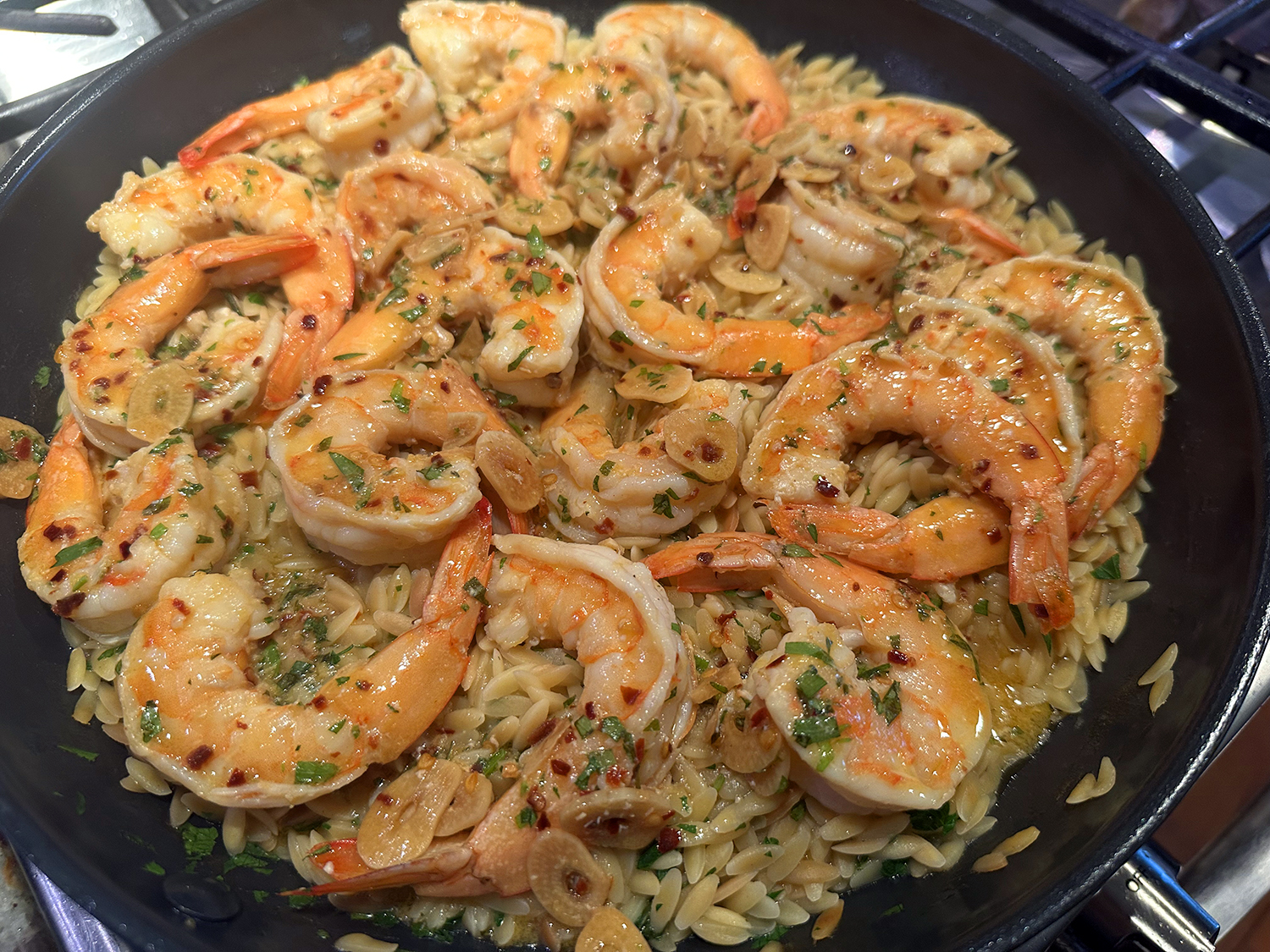
For a delicious and simple one-dish dinner, this lemony shrimp scampi is served over a bed of tarragon-and-parsley-flecked orzo. Lightly toast the orzo before simmering to impart a faint nutty flavor and toasty aroma.

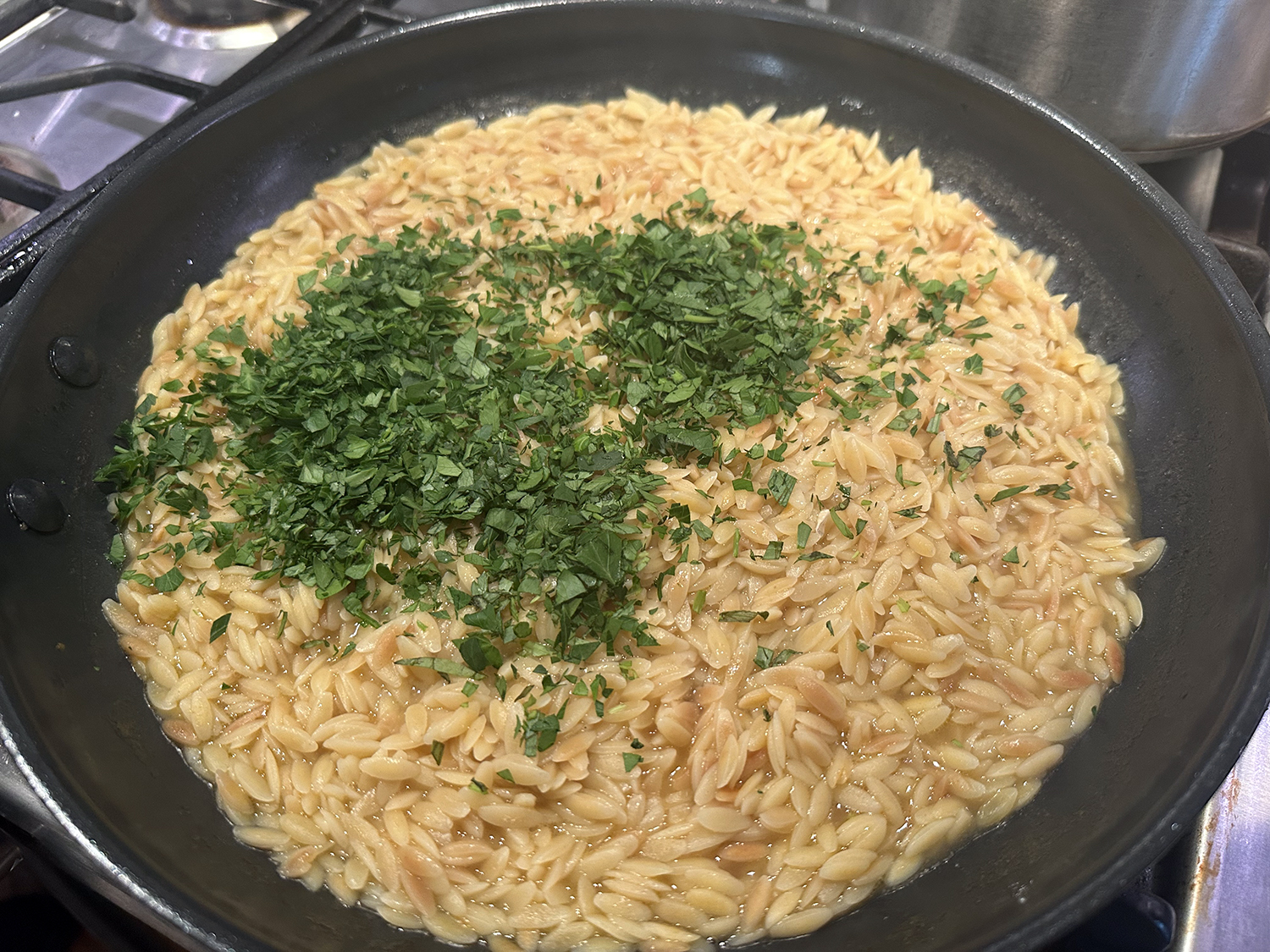
The orzo will continue to absorb some liquid after you add the shrimp and re-cover, so don’t worry if it still looks a little soupy when you take it off the heat — you don’t want the skillet to be completely dry.

Fresh tarragon brings an anise-like pop of flavor to the classic garlicky white wine sauce in this version of shrimp scampi. Serve the shrimp over creamy, herb-flecked orzo, or crusty bread if you are short on time. The Hubs suggested if you dislike tarragon, use cilantro instead and swap out the lemon juice and zest with lime for a Mexican riff.

F&W suggests you might pair this one-skillet dish with with a fresh, crunchy side, such as Celery and Apple Salad or Wedge Salad with Candied Bacon.

*Since we had homemade shellfish stock on hand, we used it instead of chicken stock. This makes the dish pescatarian.

Lemon-Tarragon Shrimp Scampi with Orzo

  • Servings: 4
  • Difficulty: easy
  • Print

Ingredients

  • 1/4 cup unsalted butter
  • 2 Tbsp. extra-virgin olive oil, divided
  • 4 garlic cloves, thinly sliced
  • 1/2 tsp. crushed red pepper
  • 1/2 cup (4 oz.) dry white wine  
  • 1 tsp. kosher salt
  • 1 tsp. grated lemon zest plus 1/4 cup fresh lemon juice (about 2 medium lemons),
  • divided
  • 1 lb. jumbo (16/20) peeled and deveined raw shrimp, tail-on
  • 8 oz. orzo (about 1 1/3 cups)
  • 2 cups chicken stock*
  • 1 cup water
  • 1/4 cup finely chopped fresh parsley
  • 1 Tbsp. chopped fresh tarragon, divided, plus more for garnish

Directions

  1. Heat butter and 1 tablespoon oil in a large skillet over medium-high. Add garlic and crushed red pepper; cook, stirring constantly, until fragrant, about 1 minute. Stir in wine, salt, and lemon zest; cook, stirring occasionally, until wine is slightly reduced, about 3 minutes.
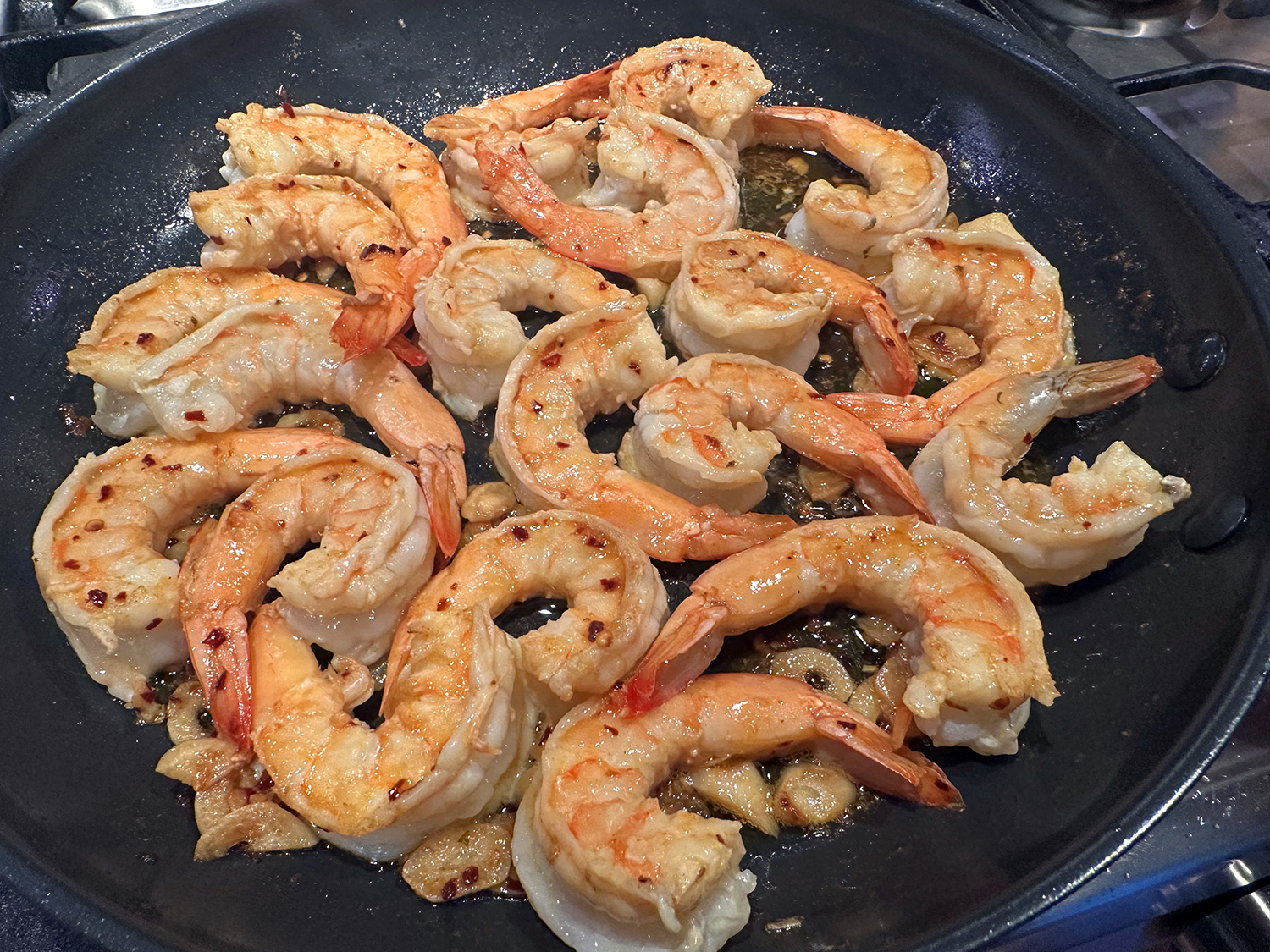
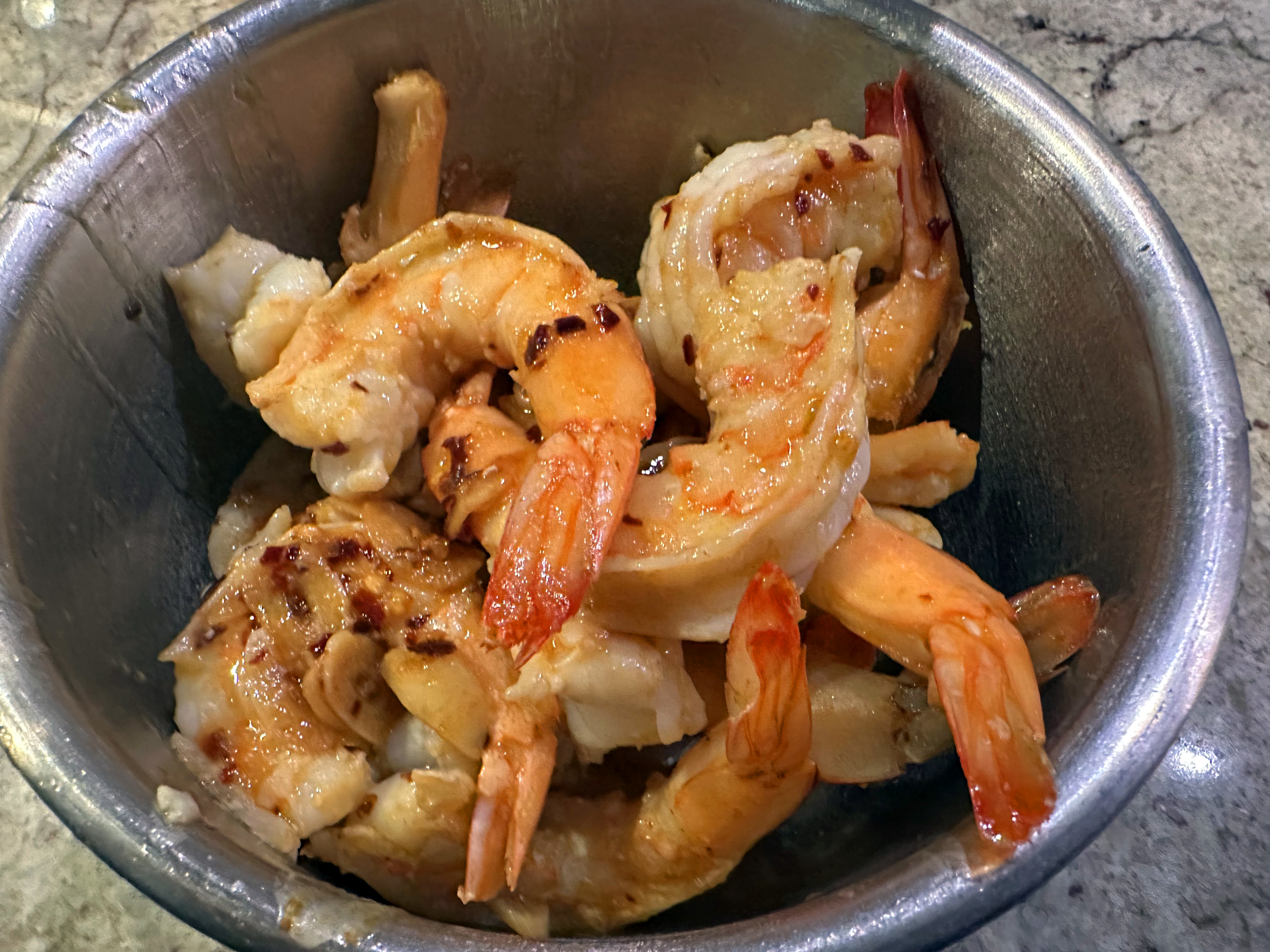
  2. Add shrimp in a single layer to sauce in skillet; cook until shrimp are opaque and just cooked through, 1 to 2 minutes, flipping once halfway through cook time. Transfer shrimp mixture to a medium bowl, and tent with aluminum foil to keep warm; set aside. Wipe skillet clean.
  3. Heat remaining 1 tablespoon oil in skillet over medium. Add orzo, and cook, stirring constantly, until lightly toasted, about 1 minute. Add chicken stock and 1 cup water; bring to a simmer over high. Reduce heat to medium-low; simmer, uncovered and undisturbed, until orzo is al dente and liquid is mostly absorbed, about 12 minutes. Remove from heat, and add parsley, 2 tablespoons lemon juice, and 1 teaspoon tarragon. Stir orzo mixture using a fork until evenly combined.
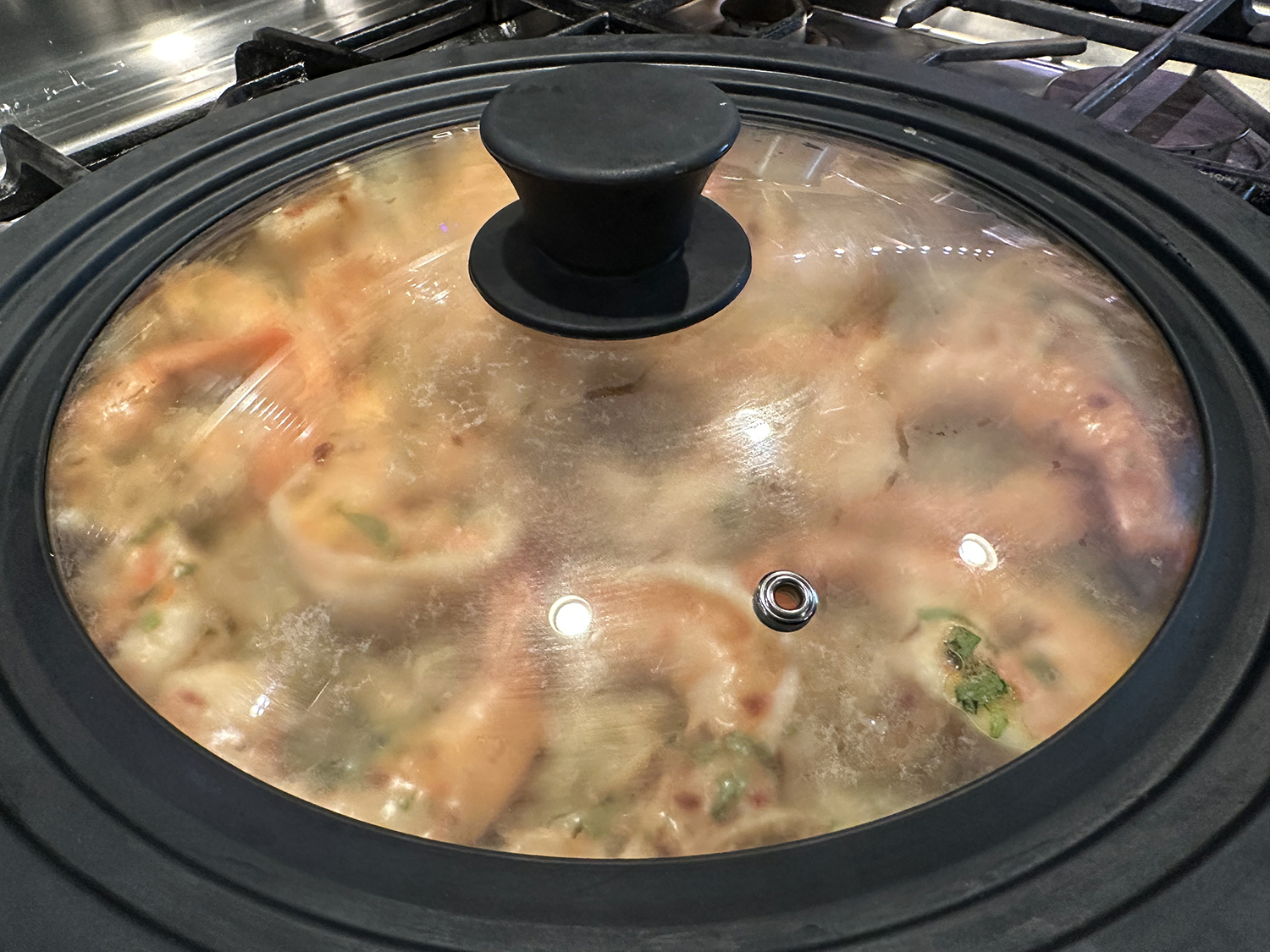
  4. Stir remaining 2 tablespoons lemon juice and remaining 2 teaspoons tarragon into reserved shrimp mixture. Spoon shrimp mixture over orzo; cover and let stand, allowing residual heat from the orzo to warm the shrimp through, 4 to 5 minutes. Uncover and garnish with additional chopped tarragon; serve immediately.

http://www.lynnandruss.com

Recipe by Paige Grandjean for Food & Wine

One-Pan Bratwurst with Fennel, Olives, and Oranges

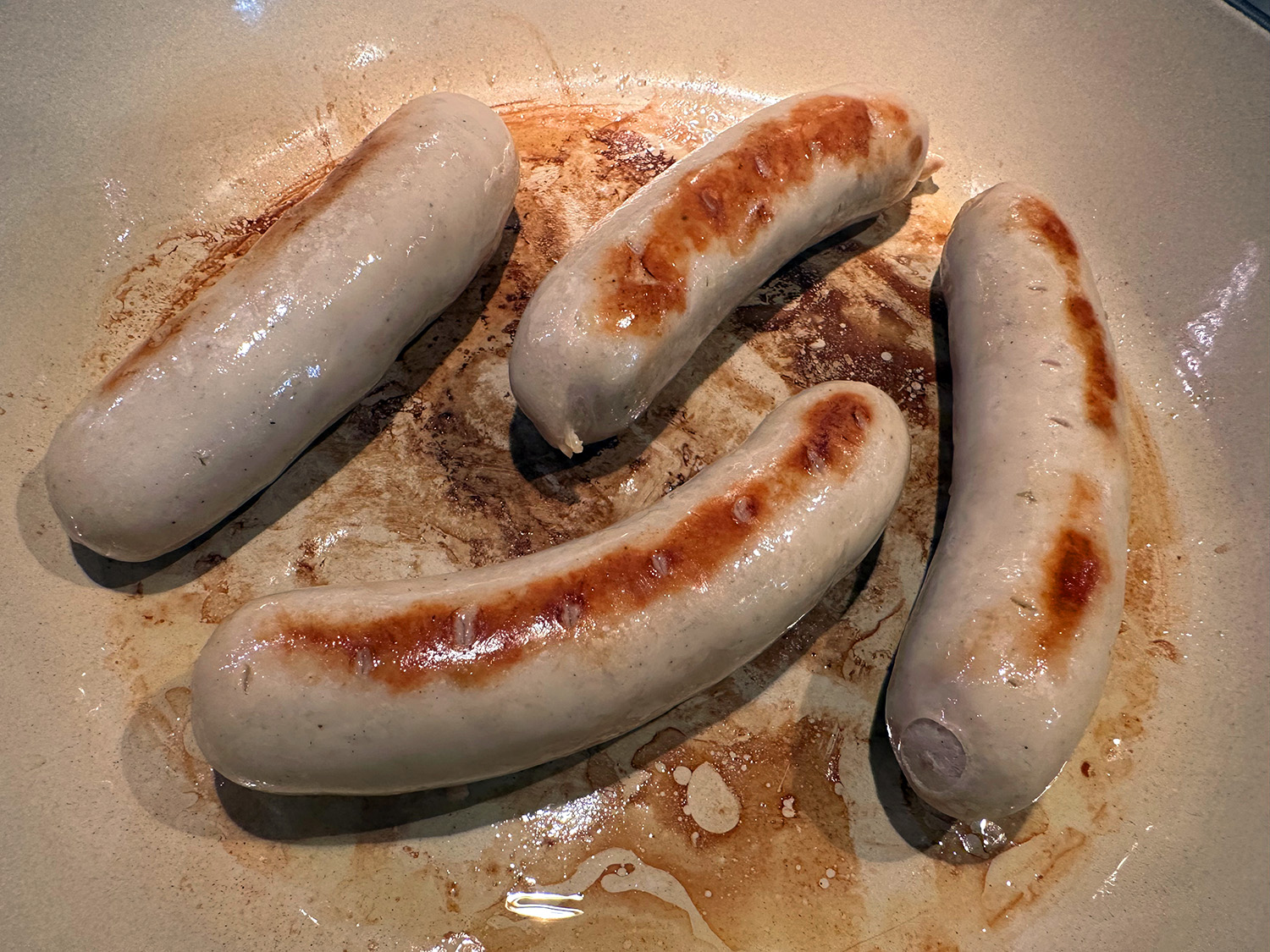
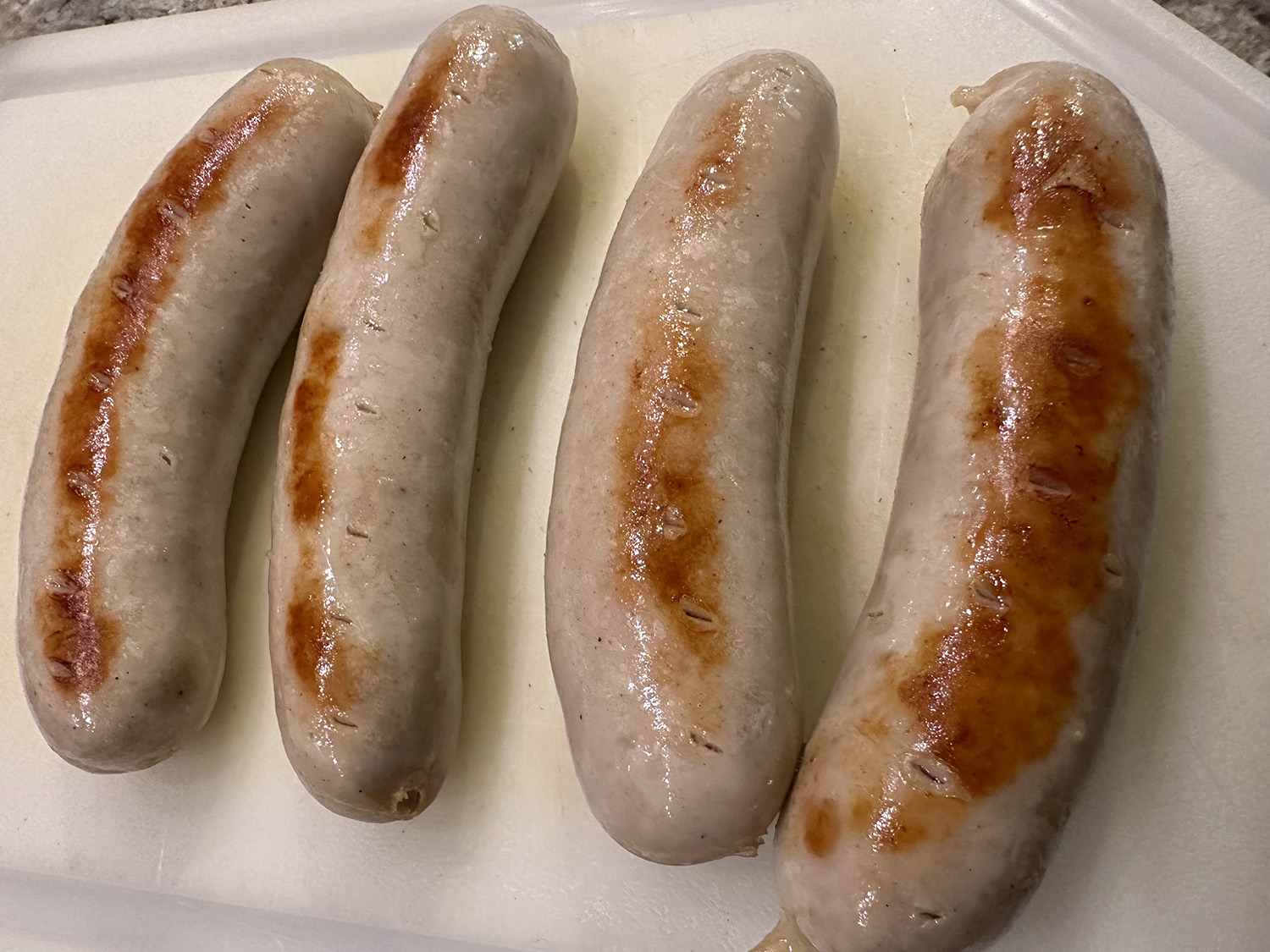
America’s test Kitchen tells us why sausages are a great focal point for speedy one-pan meals. Starting the sausages in a covered skillet with some water keeps their casings from turning tough and leathery. The links are then pricked with the tip of a paring knife so that they give up a bit of their fat and juices. When the juices evaporate, they form a robust fond that could be deglazed from the pan with wine and used to create a braising liquid that deeply infuses the fennel with savory, meaty flavor. Quick-to-prep and quick-to-cook ingredients rounds out the meal.

The fond—the savory superstar of the kitchen—infuses every bite of the meal with porky goodness. “Though unassuming in appearance, the bronzed bits that form on the bottom of a pan as meat juices sizzle, evaporate, and brown are pure flavor, and the more of it that you can create, the meatier, richer, and all-around better-tasting your food will be.”

Pricking the links before too much pressure has built up inside the casings is vital, as it allows the meat to exude just enough fat and moisture to create a generous fond but not so much that the meat’s succulence is diminished.

We were beta testers for this recipe in the early summer of 2024. The final recipe and article were published in the Jan/Feb 2025 issue of Cook’s Illustrated.

One-Pan Bratwurst with Fennel, Olives, and Oranges

  • Servings: 4
  • Difficulty: easy
  • Print

Ingredients

  • 2 fennel bulbs, bases lightly trimmed
  • 2 Tbsp. fronds minced, divided, stalks discarded
  • 2 navel oranges
  • 1 lb. bratwurst
  • 2 cups water, divided, plus extra as needed
  • 1⁄2 cup dry white wine
  •  2 Tbsp. plus 2 tsp. extra-virgin olive oil, divided
  • 1⁄4 tsp. table salt
  • 1⁄8 tsp. pepper
  • 16 pitted Castelvetrano olives, halved lengthwise
  • 2 tsp. sherry vinegar
  • 1½ tsp. cornstarch
  • 1 tsp. honey

Directions

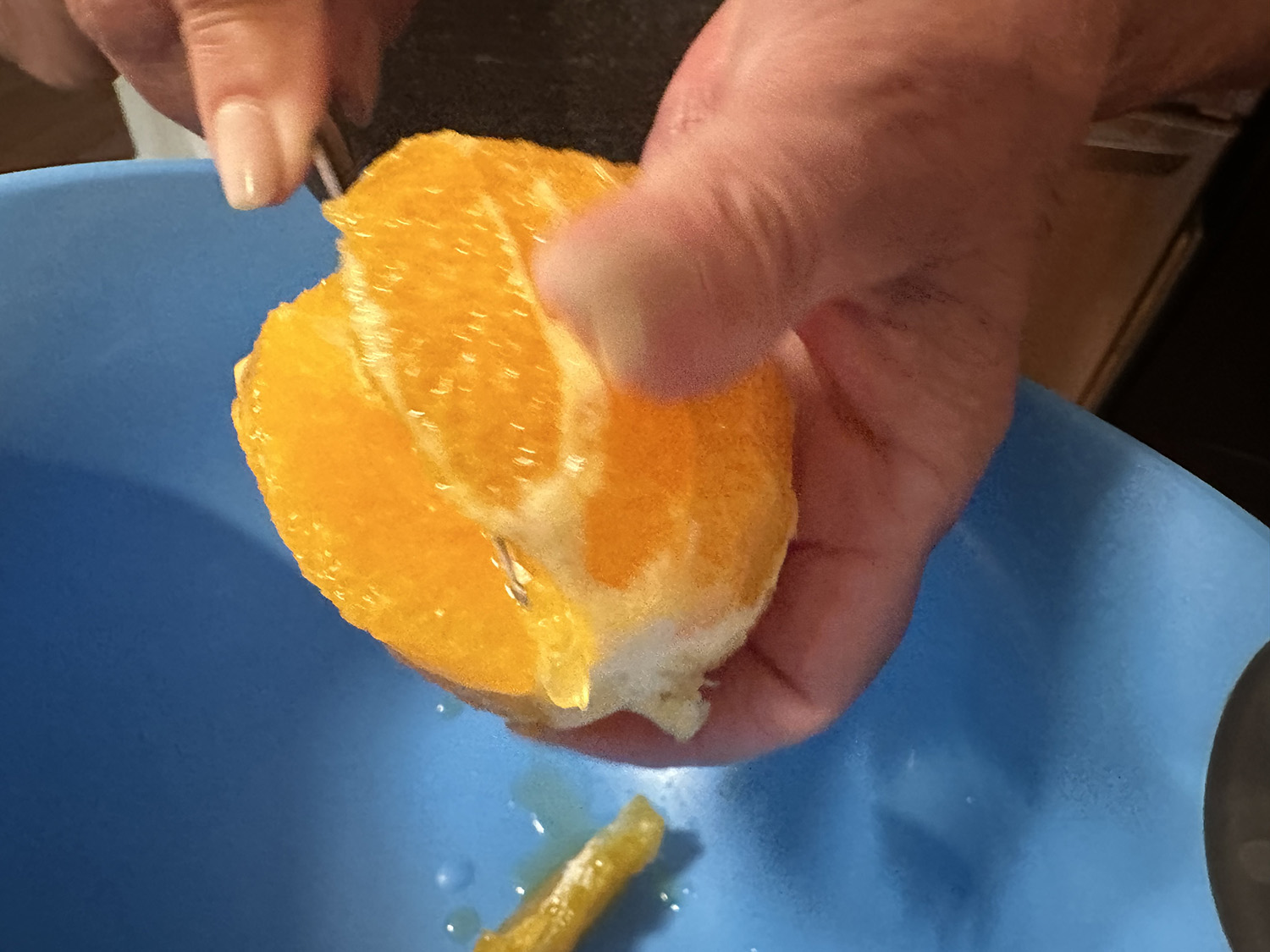
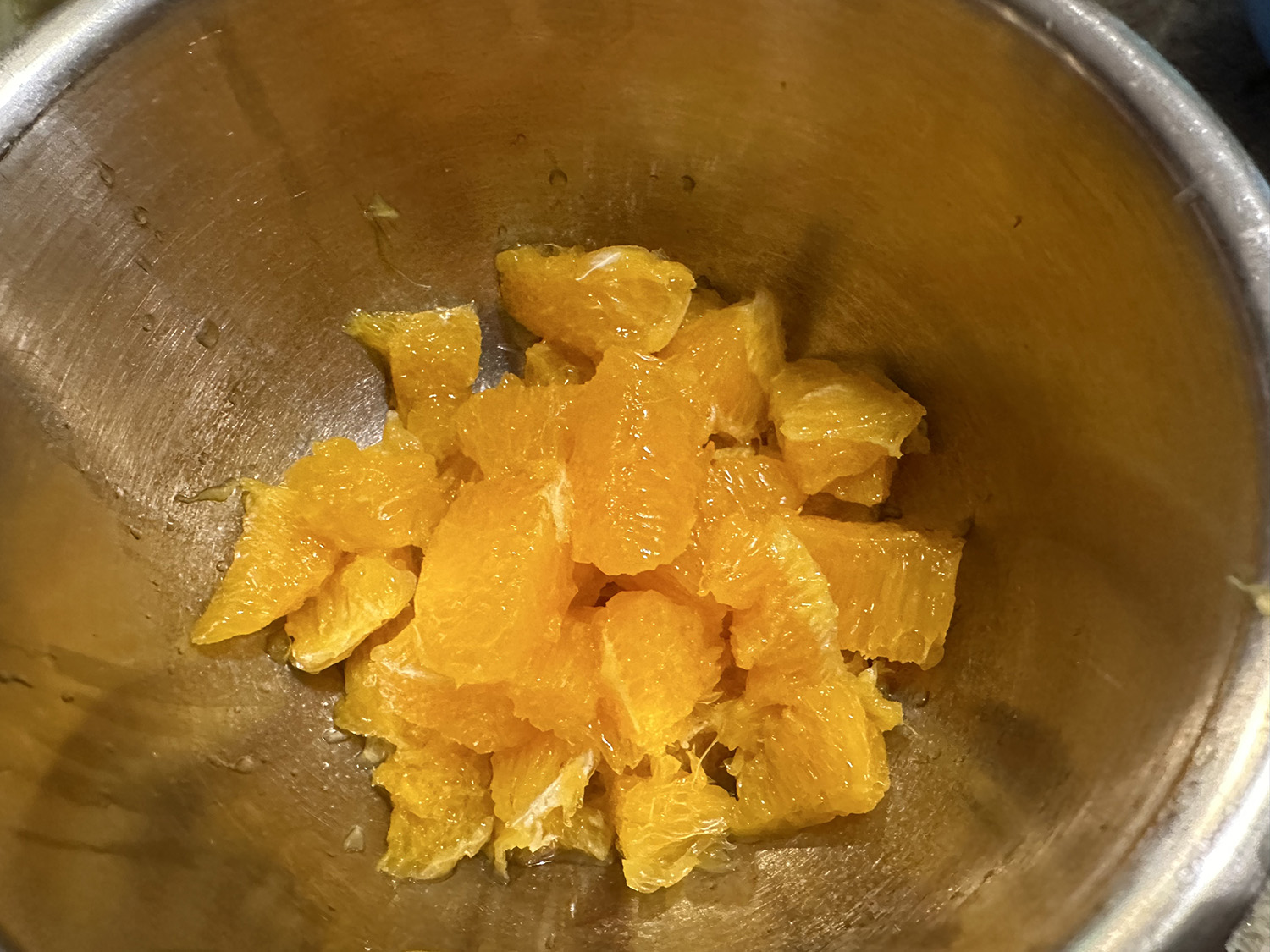
  1. Cut each fennel bulb lengthwise through core into 8 wedges (do not remove core); set aside. Cut away peel and pith from oranges. Holding fruit over bowl, use paring knife to slice between membranes to release segments. Squeeze remaining juice from membranes to yield 2 tablespoons; set aside. Cut segments in half and place in second bowl.
  2. Bring bratwursts and ¼ cup water to simmer in 12-inch skillet over medium heat. Cover and cook until bratwursts register about 135 degrees, 5 to 7 minutes. (If skillet contents begin to sizzle, add ¼ cup water.)
  3. Uncover and, using paring knife, pierce each bratwurst in 8 to 10 spots to release fat and juices. Continue to cook, uncovered, moving bratwursts as necessary, until dark fond forms on bottom of skillet, 2 to 4 minutes longer. Transfer bratwursts to cutting board.
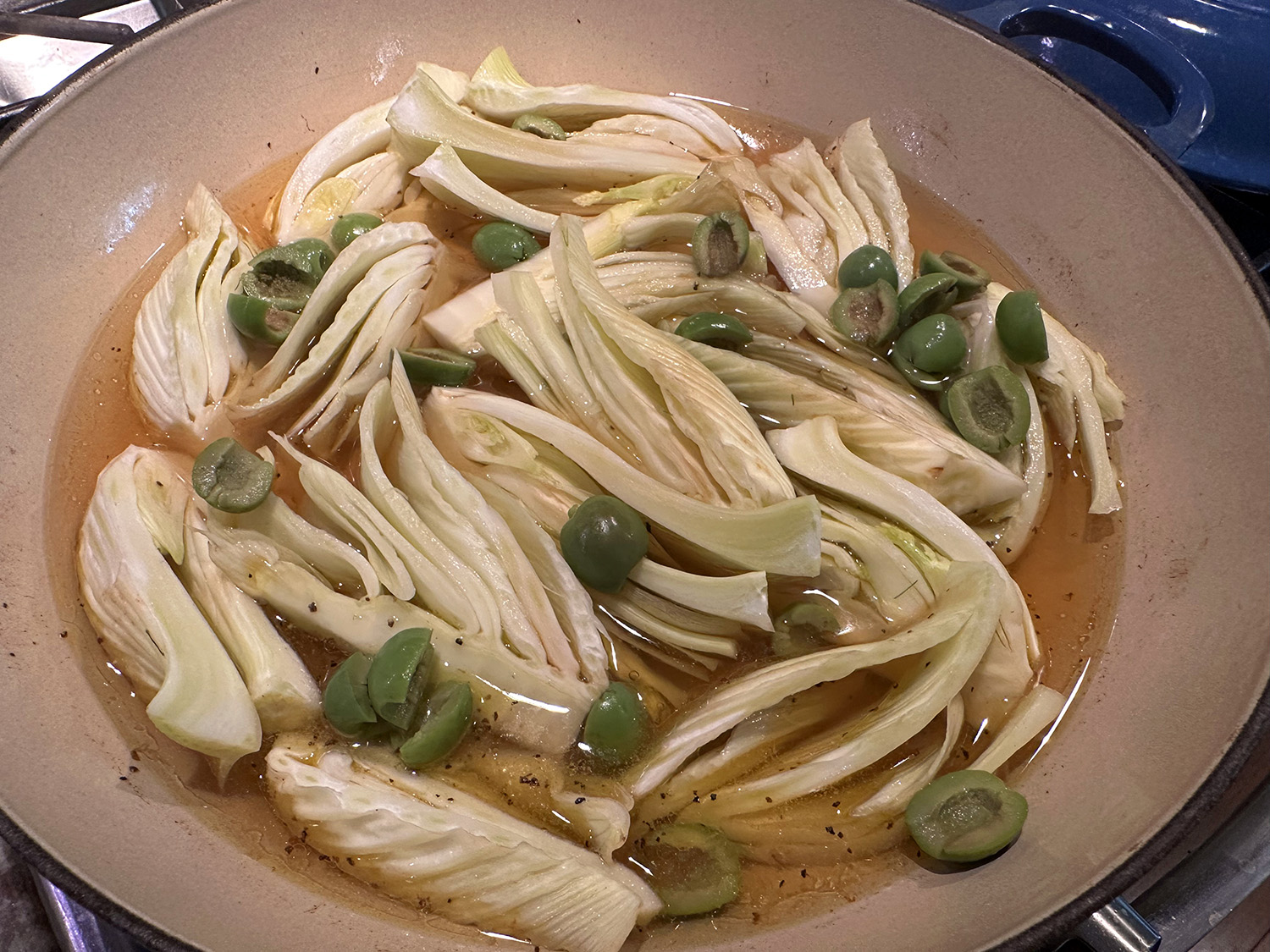
  4. Add wine, 1 tablespoon oil, salt, pepper, and remaining 1¾ cups water to now-empty skillet. Stir, scraping up any browned bits. Add fennel wedges, arranging them cut side down in single layer. Add olives and bring to boil over medium-high heat. Adjust heat to maintain simmer; cover; and cook until fennel is tender, 10 to 12 minutes. Flip wedges and continue to cook, uncovered, until liquid is reduced by half, 5 to 7 minutes longer.
  5. While fennel cooks, add 2 teaspoons fennel fronds, vinegar, cornstarch, honey, and remaining 5 teaspoons oil to reserved orange juice and whisk to combine.
  6. Return bratwursts to pan, nestling links between fennel. Cover and continue to cook until bratwursts register 160 degrees, 7 to 12 minutes. Transfer bratwursts to cutting board and slice each link into thirds.
  7. Whisk orange juice mixture to recombine, then add to skillet. Cook, stirring constantly, until sauce is thickened and glossy, about 1 minute. Off heat, season with salt and pepper to taste. Divide fennel and sauce among shallow bowls. Top with bratwursts and orange segments and garnish with remaining 4 teaspoons fronds. Serve.

http://www.lynnandruss.com

Recipe from Steve Dunn for America’s Test Kitchen

Seared Chicken Thighs with Cherry Tomatoes and Olives

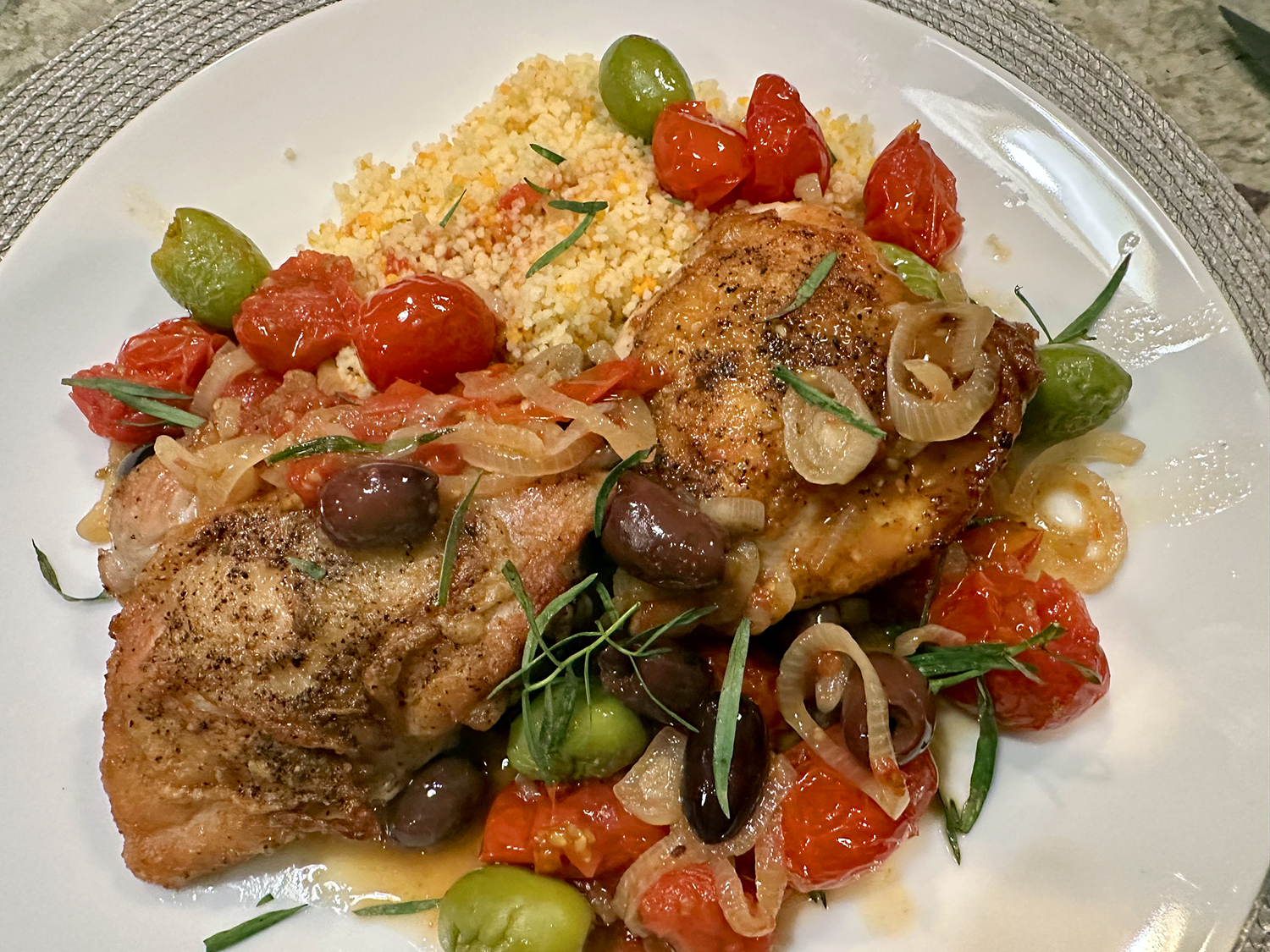
Always game for a weeknight one-pan dinner, here’s another winner to add to your repertoire. In this one-pan meal, freshly seared chicken thighs simmer in their own schmaltz alongside bursting tomatoes and salty olives. Those sweet and bright tomato juices serve as a starting point for a delicate sauce.

To make the most of the leftover olive brine, this recipe uses it in lieu of salt to season the sauce, as well as to deglaze the pan and extract the rich flavors that stick to the bottom when you sear chicken. Tarragon sprigs add their irresistible peppery aroma. If tarragon is impossible to find, fresh rosemary or marjoram make equally tasty alternatives. 

Overall, the recipe couldn’t have been much simpler, there is almost no prep. Other than seasoning the chicken thighs and slicing the shallots (a hand-held mandoline comes in real handy for that), the remaining ingredients just get thrown in the pan without any slicing or dicing.

Of course, if you are not enamored with olives, then this just isn’t for you…

Seared Chicken Thighs with Cherry Tomatoes and Olives

  • Servings: 4-5
  • Difficulty: easy
  • Print

Ingredients

  • 2 1/2 lbs. bone-in, skin-on chicken thighs (5 to 7 thighs)
  • Salt
  • 1 Tbsp. neutral oil, such as avocado or grapeseed oil
  • 2 shallots, thinly sliced
  • 1 6-oz. jar pitted green olives, drained, brine reserved
  • 1 6-oz. jar pitted Kalamata olives, drained
  • 1½ lbs. cherry tomatoes
  • 3 fresh tarragon sprigs
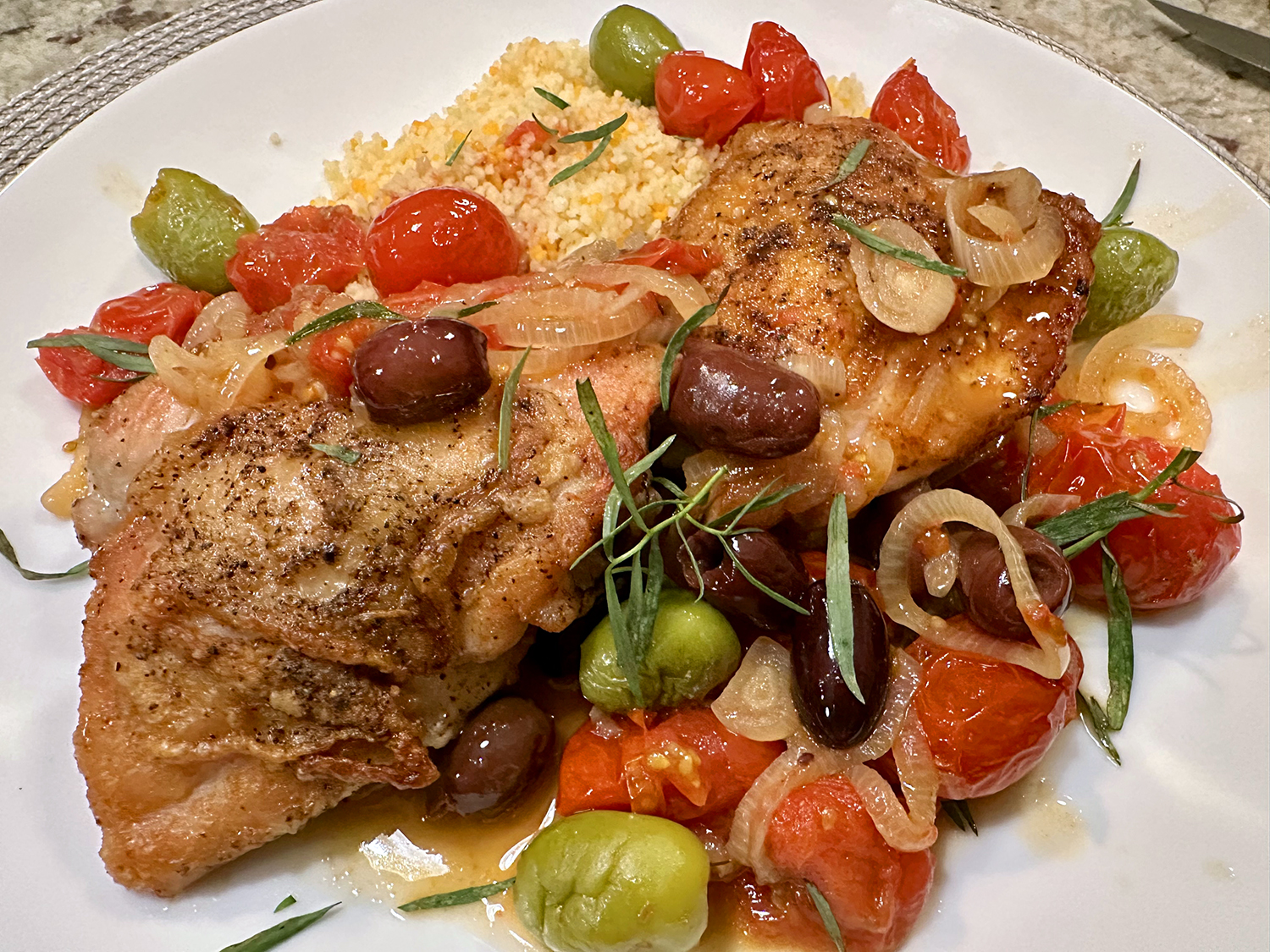
  • Crusty bread, or couscous for serving

Directions

  1. Pat dry the chicken using a paper towel and season with salt on all sides.
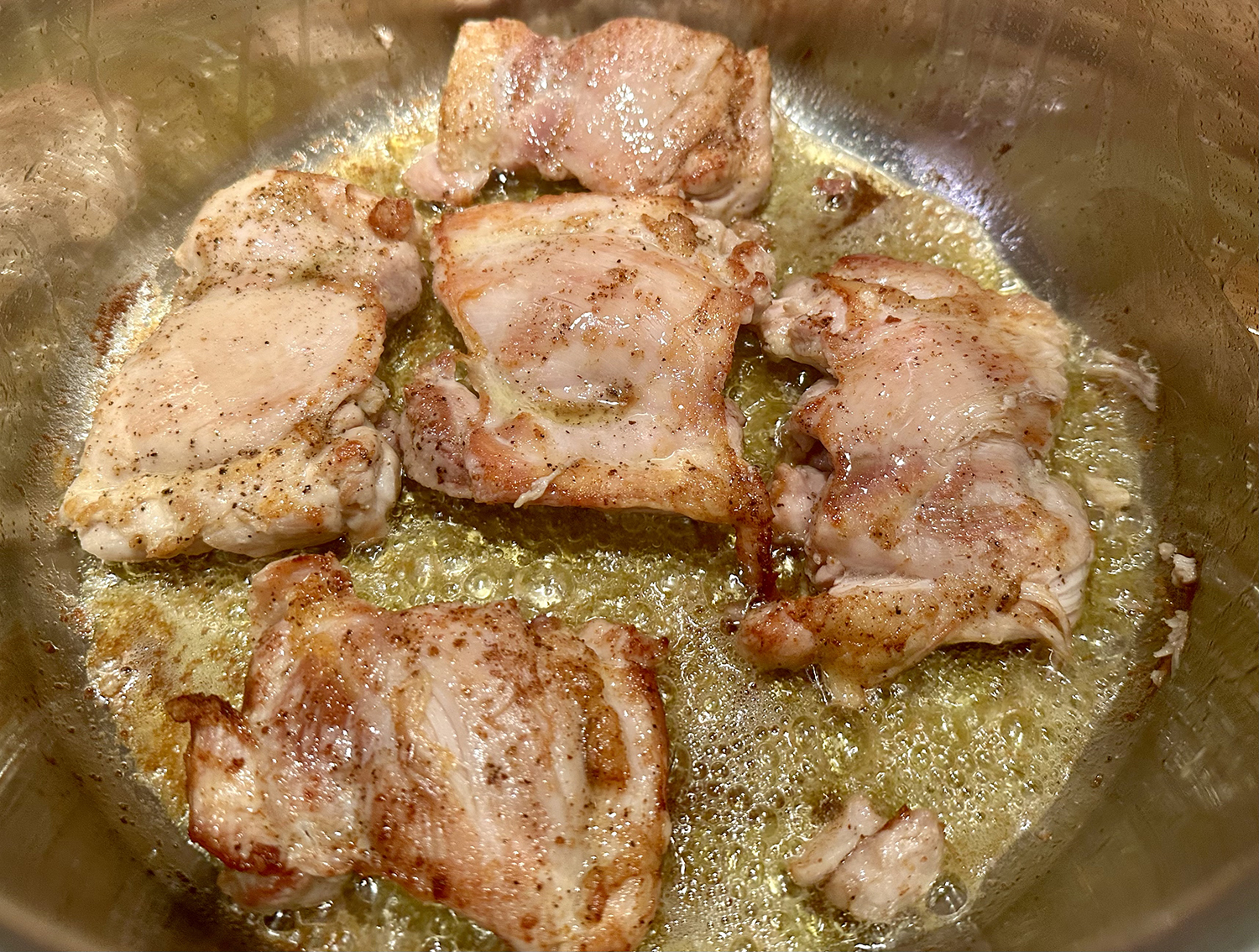
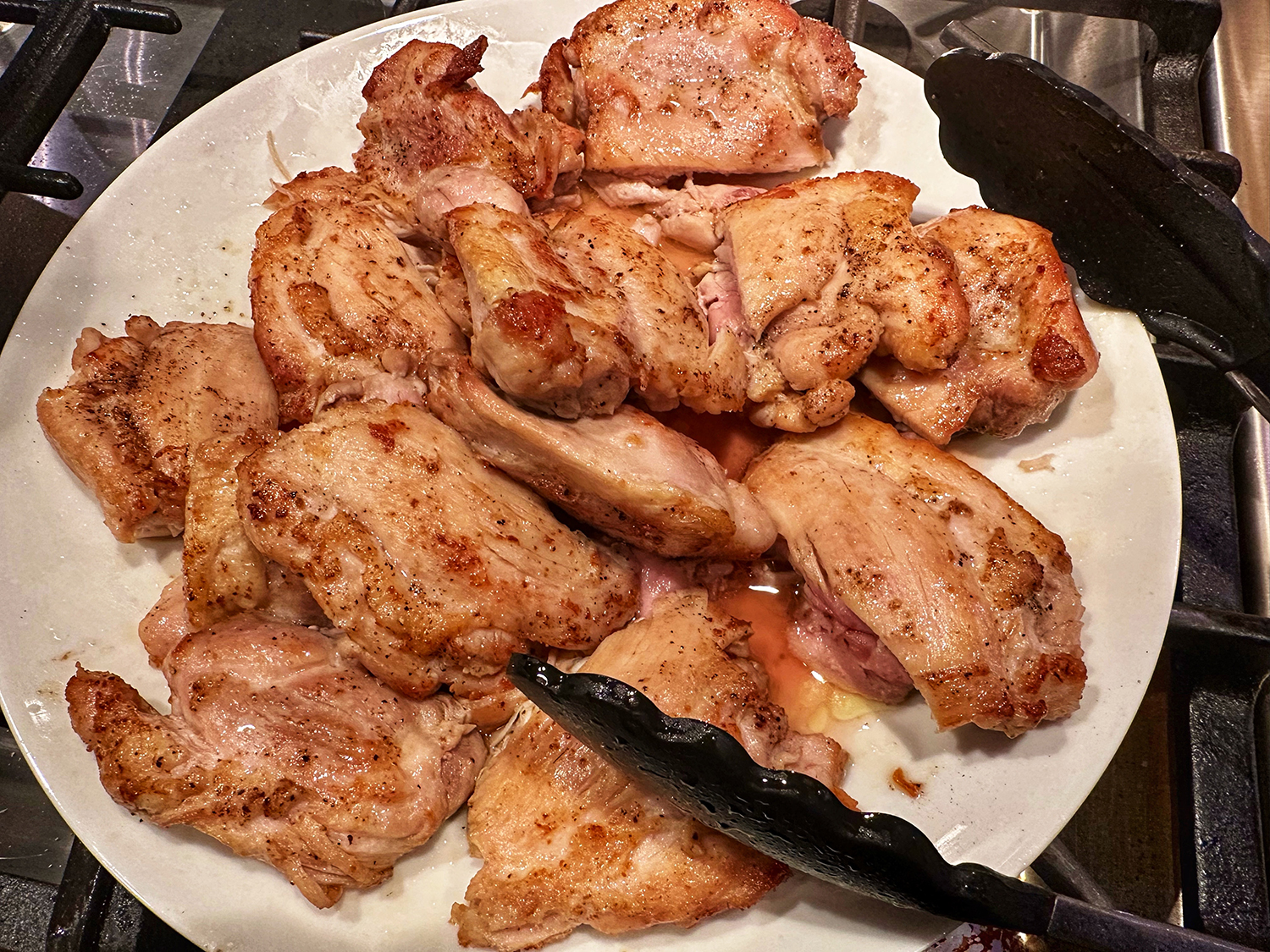
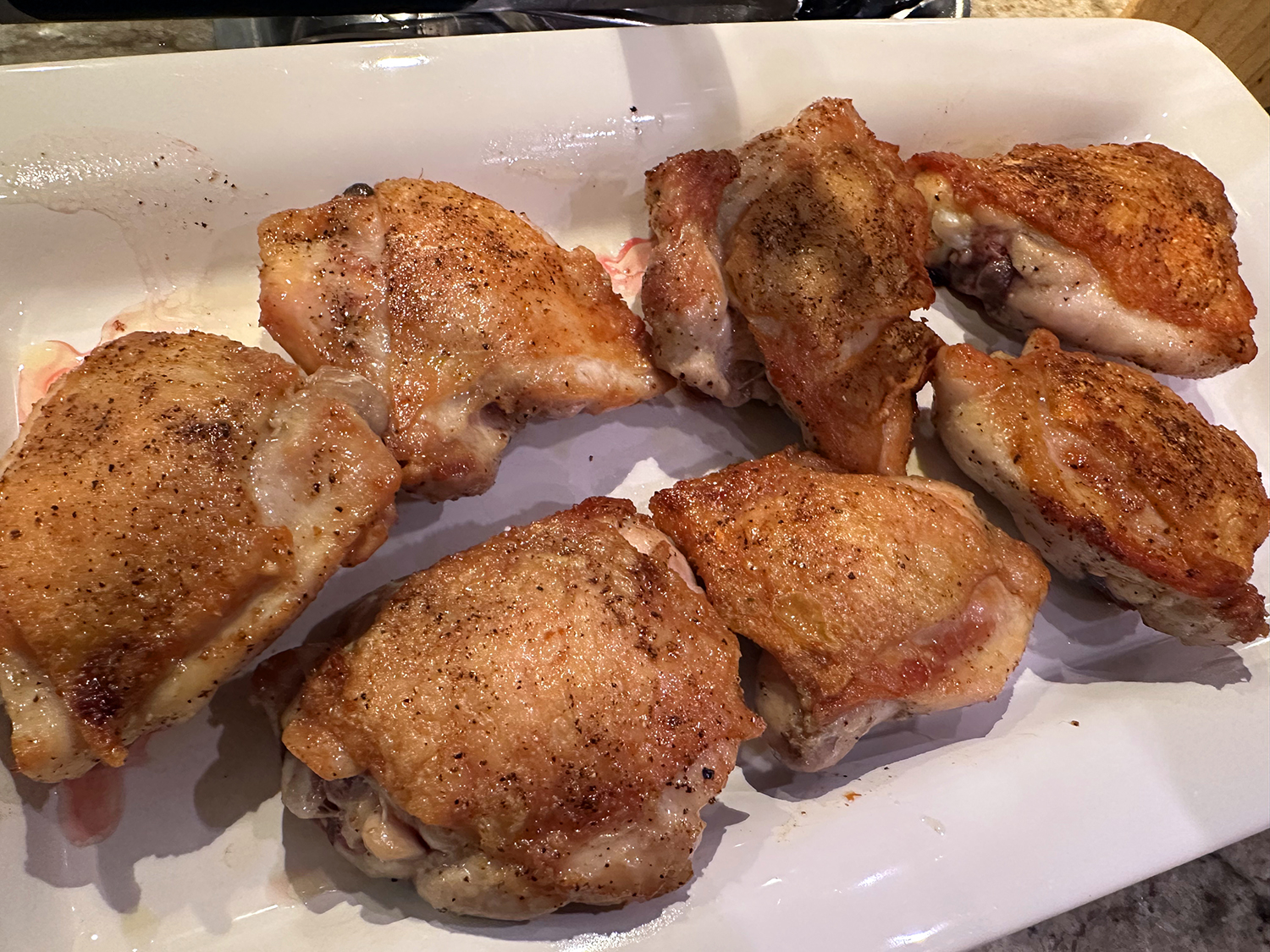
  2. In a large (12-inch) skillet over medium-high, heat the oil. Place the chicken skin-side down in the skillet and sear for 7 to 9 minutes, until crispy, golden and the skin easily releases from the bottom of the skillet. Flip the chicken thighs and continue cooking for 5 minutes, until golden brown. Transfer the seared chicken to a plate.
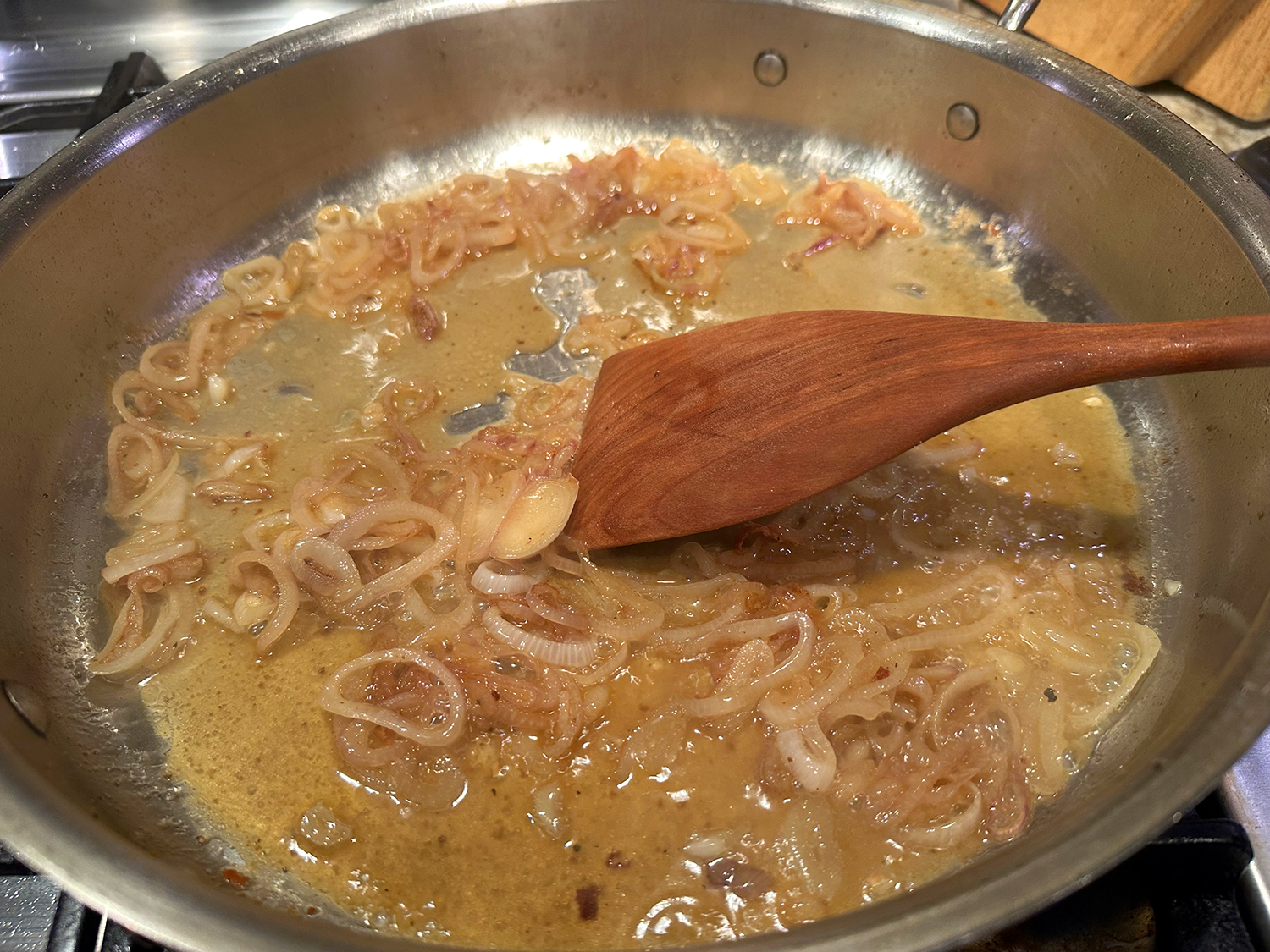
  3. Remove all but about 3 tablespoons of schmaltz from the skillet and add the shallots. Decrease the heat to medium. Cook, stirring frequently, until translucent and soft, about 3 minutes.
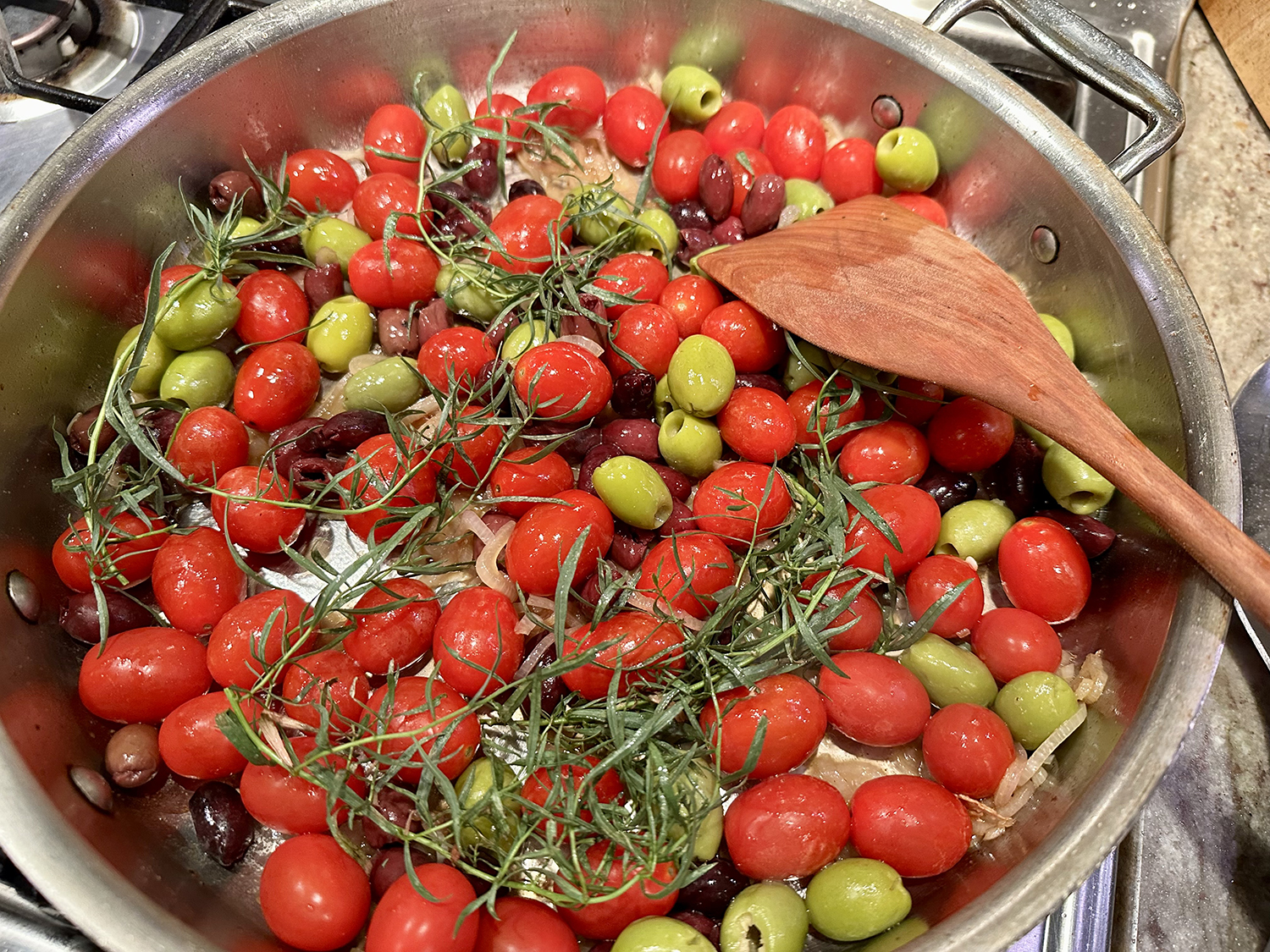
  4. Add ⅓ cup of the green olive brine to the skillet and scrape to loosen the brown bits from the bottom of the pan. Add the green olives, Kalamata olives, tomatoes and tarragon. Partly cover with a lid and bring the mixture to a simmer, occasionally stirring and crushing some of the tomatoes with the back of a spoon to release their juices.
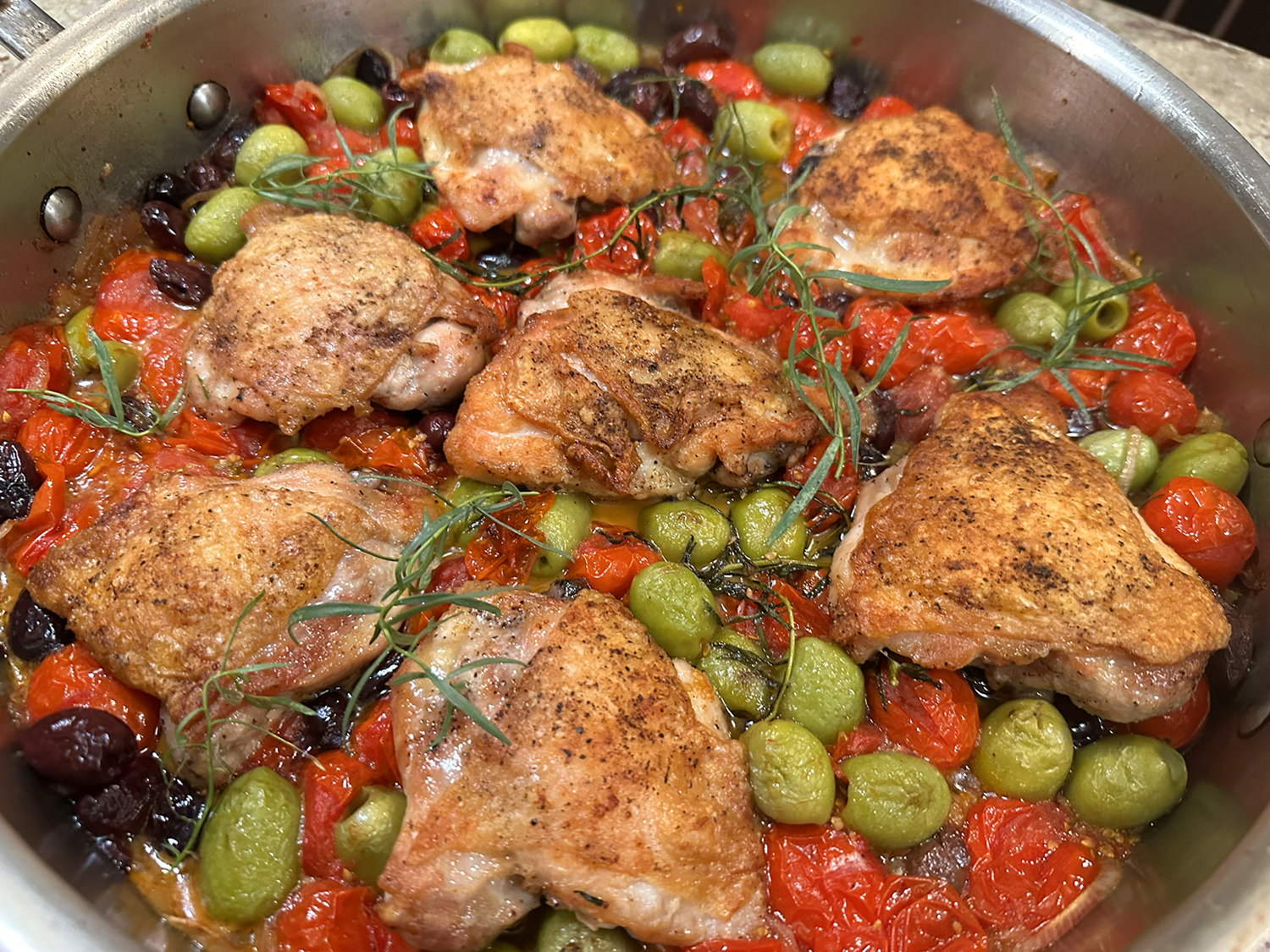
  5. When the mixture reaches a simmer, tuck the chicken thighs in between the cherry tomatoes and olives, skin-side up. Partly cover with a lid and simmer over medium for 12 minutes, until the tomatoes have released most of their juices and have burst and softened.
  6. Meanwhile, place an oven rack as close to the broiler as possible and set the oven to broil.
  7. Remove the lid and place the skillet under the broiler for 2 to 3 minutes, until the chicken skin is slightly charred in places and crispy.
  8. Serve right away, with bread on the side.

http://www.lynnandruss.com

Recipe by Carolina Gelen for the NYTimes Cooking

Chicken Manchurian

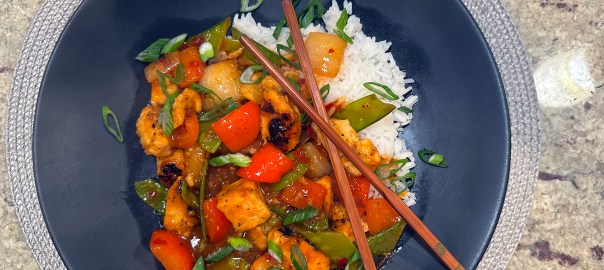
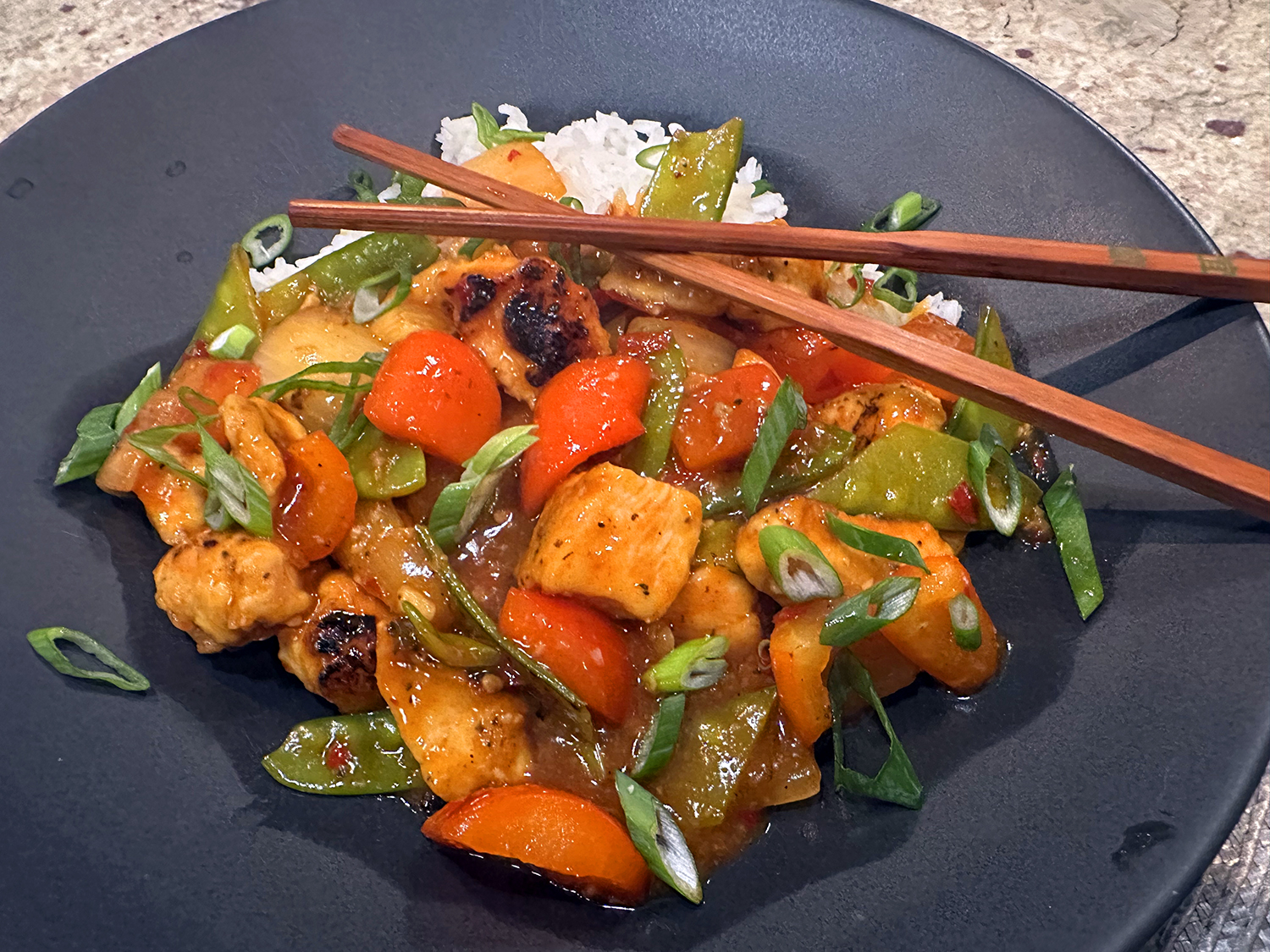
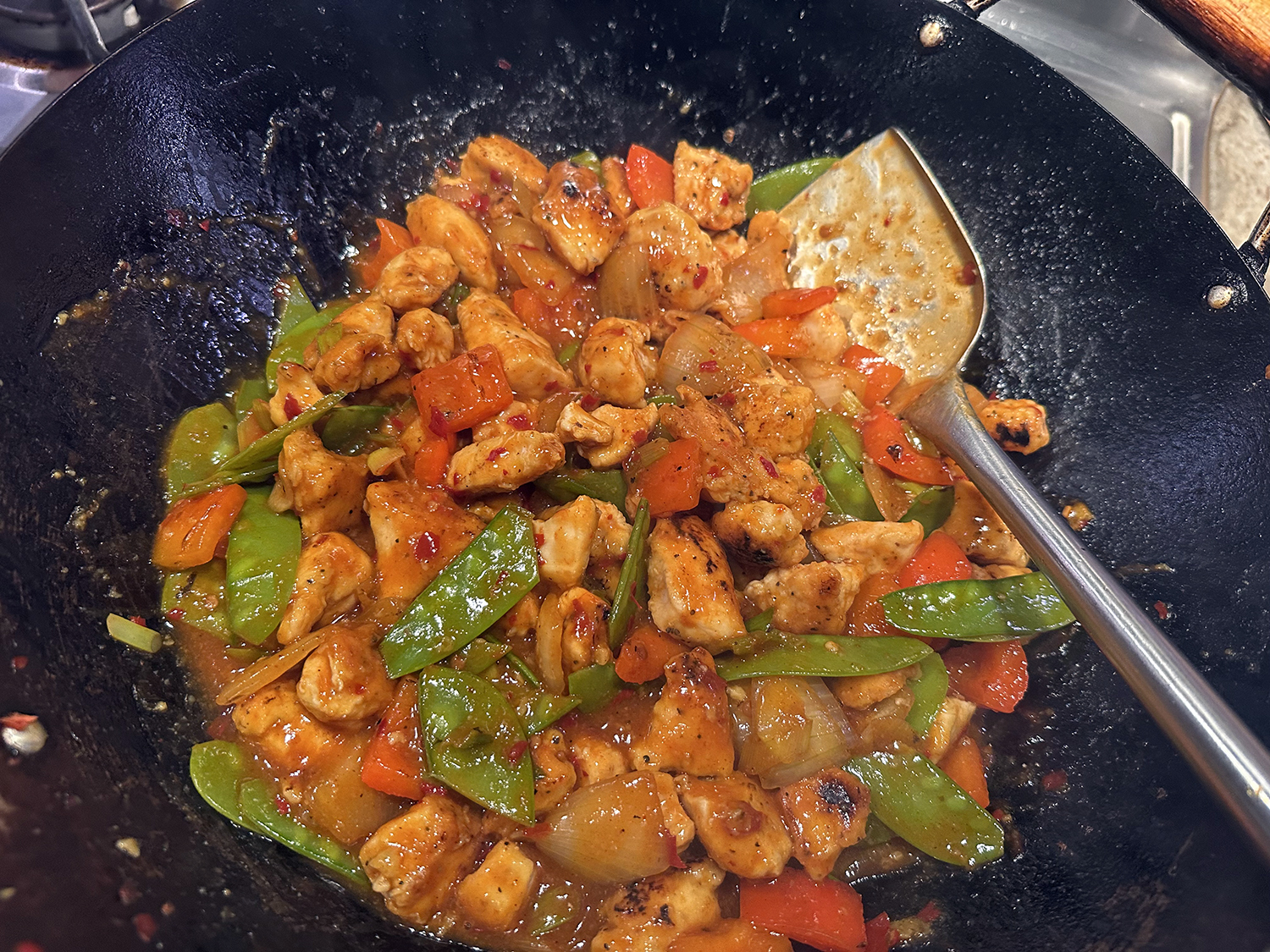
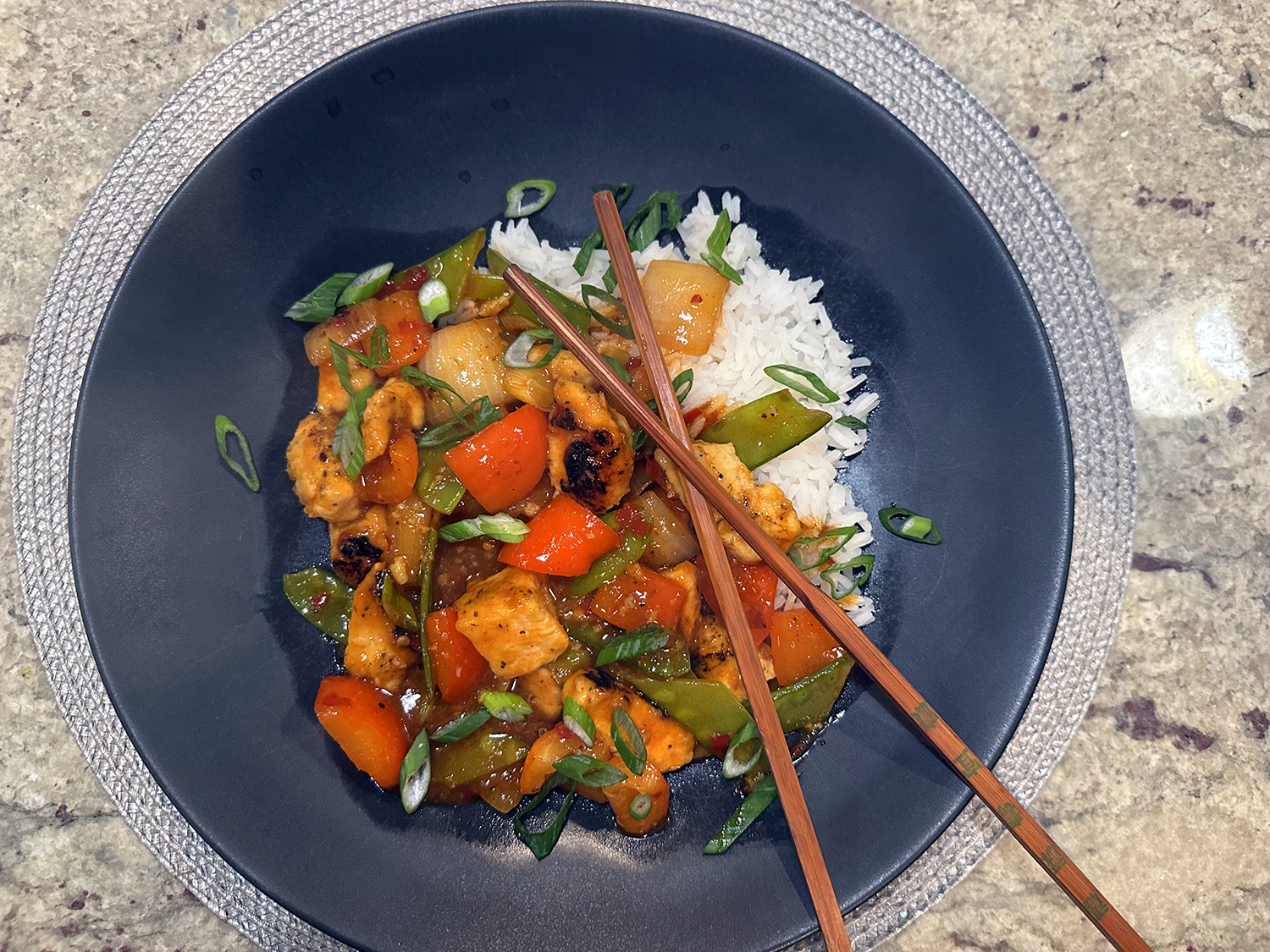
We just love colorful stir-fries that explode with flavor! And this recipe doesn’t disappoint.

A bit of background: “A stalwart of Desi Chinese cooking, chicken Manchurian is immensely popular at Chinese restaurants across South Asia. Nelson Wang, a third generation Chinese chef who was born in Kolkata (formerly Calcutta), is credited with inventing the dish in Mumbai in the 1970s. This recipe comes from attempts at recreating the version served at Hsin Kuang in Lahore, Pakistan, in the late ’90s.”

You may have noticed at restaurants, it’s almost always served on a sizzler platter, the tangy, sweet-and-sour sauce bubbling and thickening on its way to the table. But making it at home doesn’t compromise any of the punchy flavors, in fact you can adjust the spiciness to your own preferences.

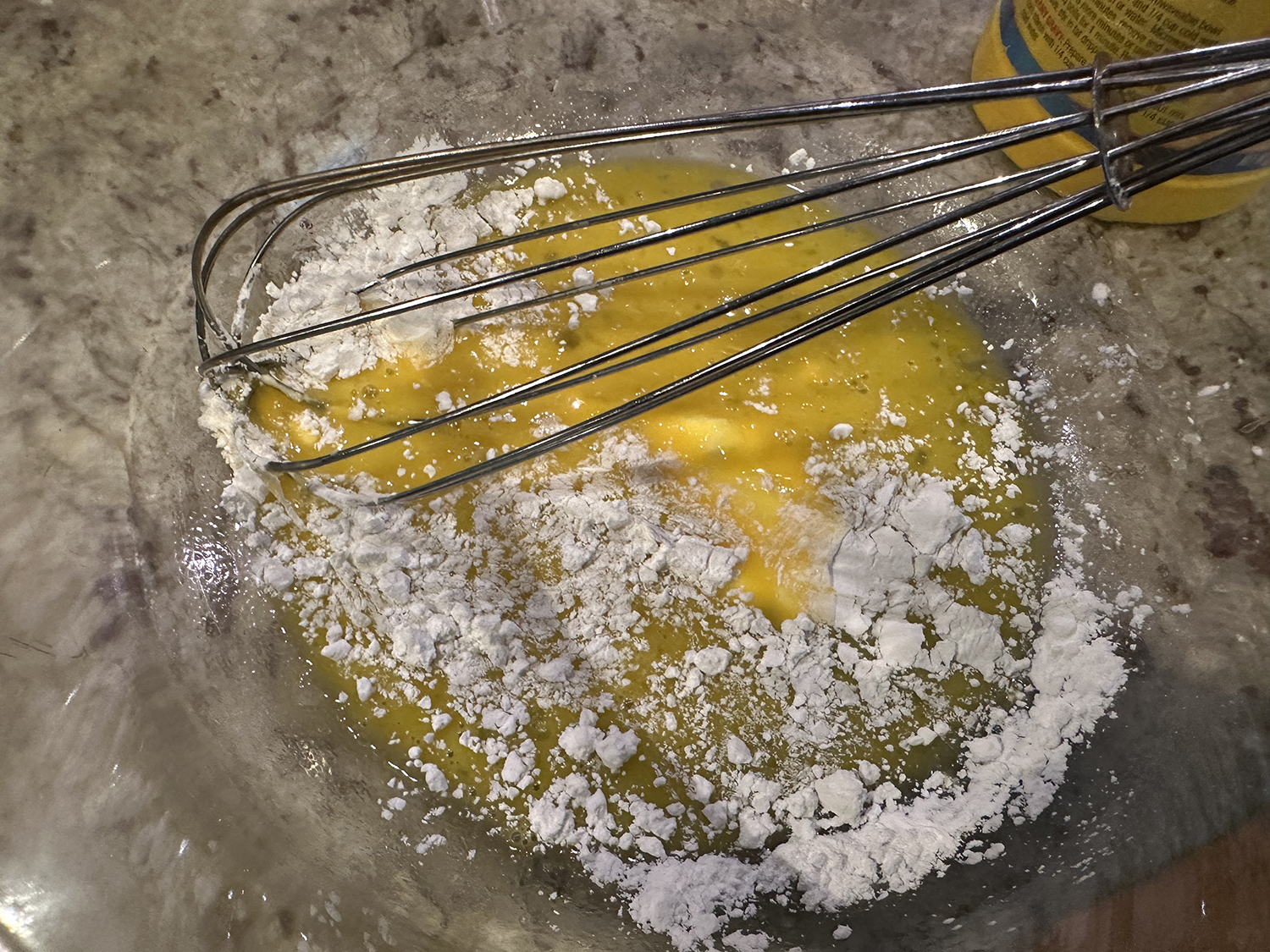
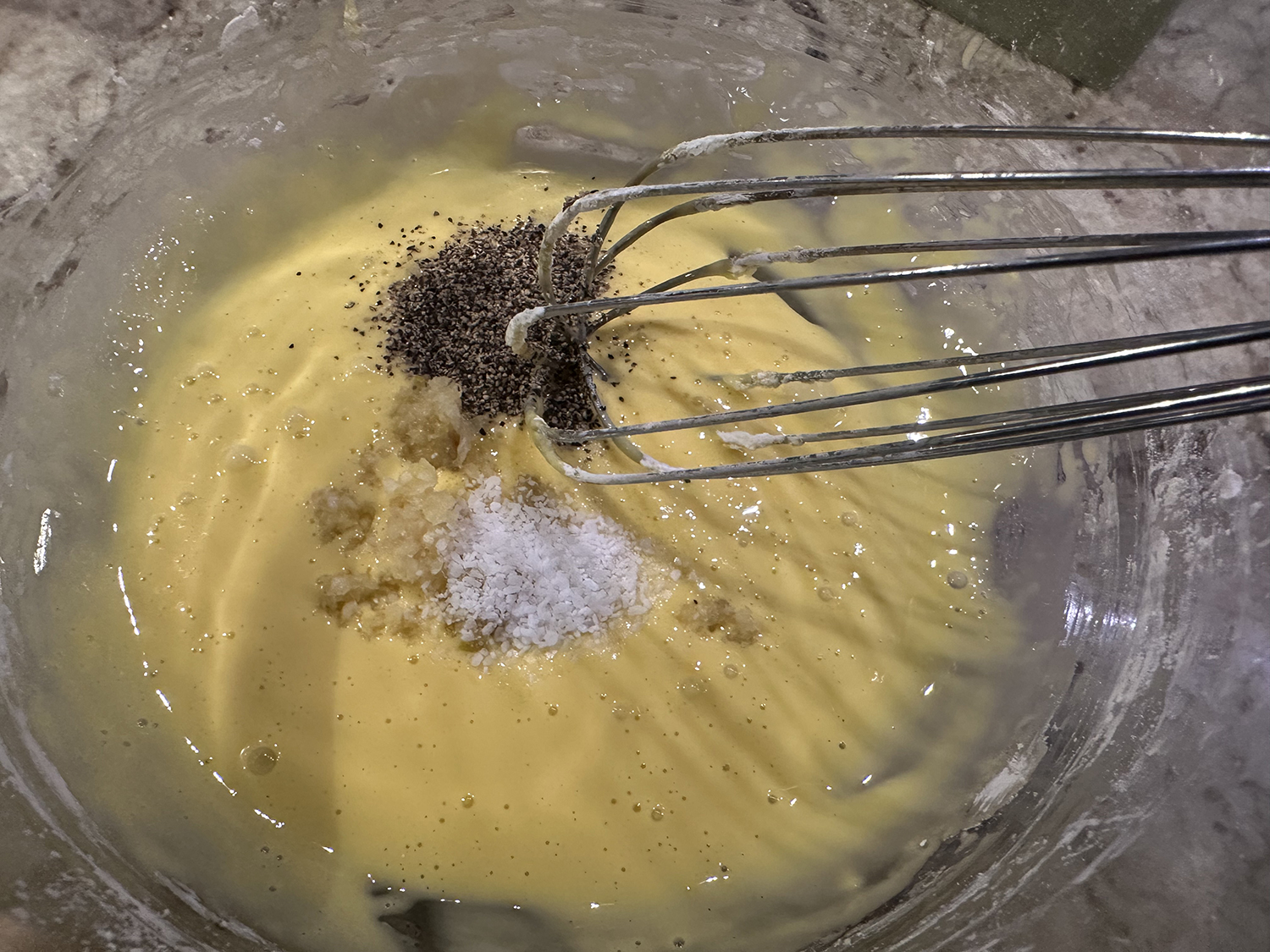
Velveting the chicken in egg and cornstarch means it’ll stay tender through the short cooking process; bell pepper, snow peas and onions add freshness and crunch to the otherwise intense flavors from ketchup and chile-garlic sauce.

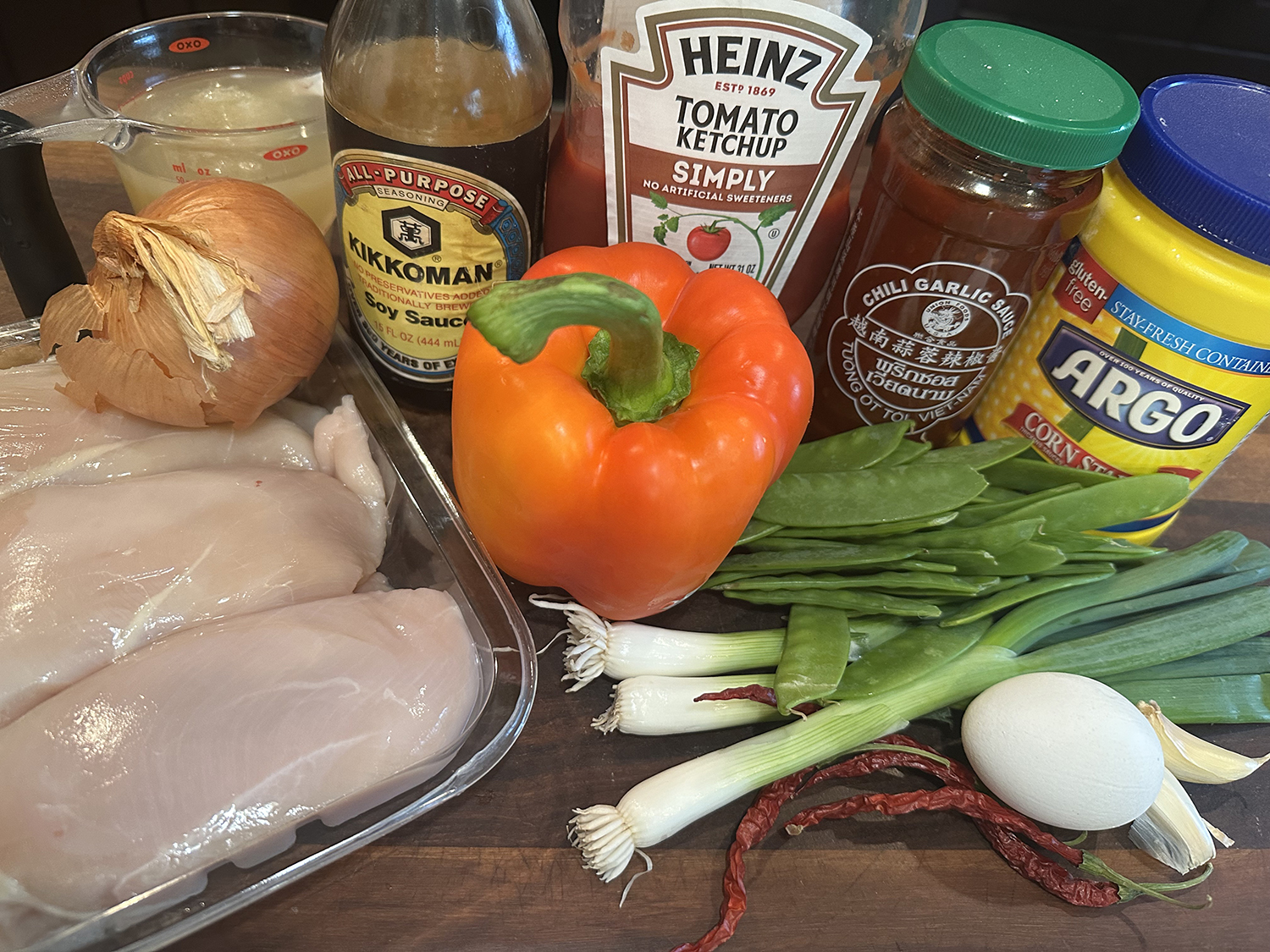
As is typical, we did make some alterations. The ketchup was cut back by half to limit the sweetness. And last minute, we nixed the dried chiles altogether since their was so much chile-garlic sauce, and it was plenty spicy. Six ounces of snow peas were included for more color and crunch.

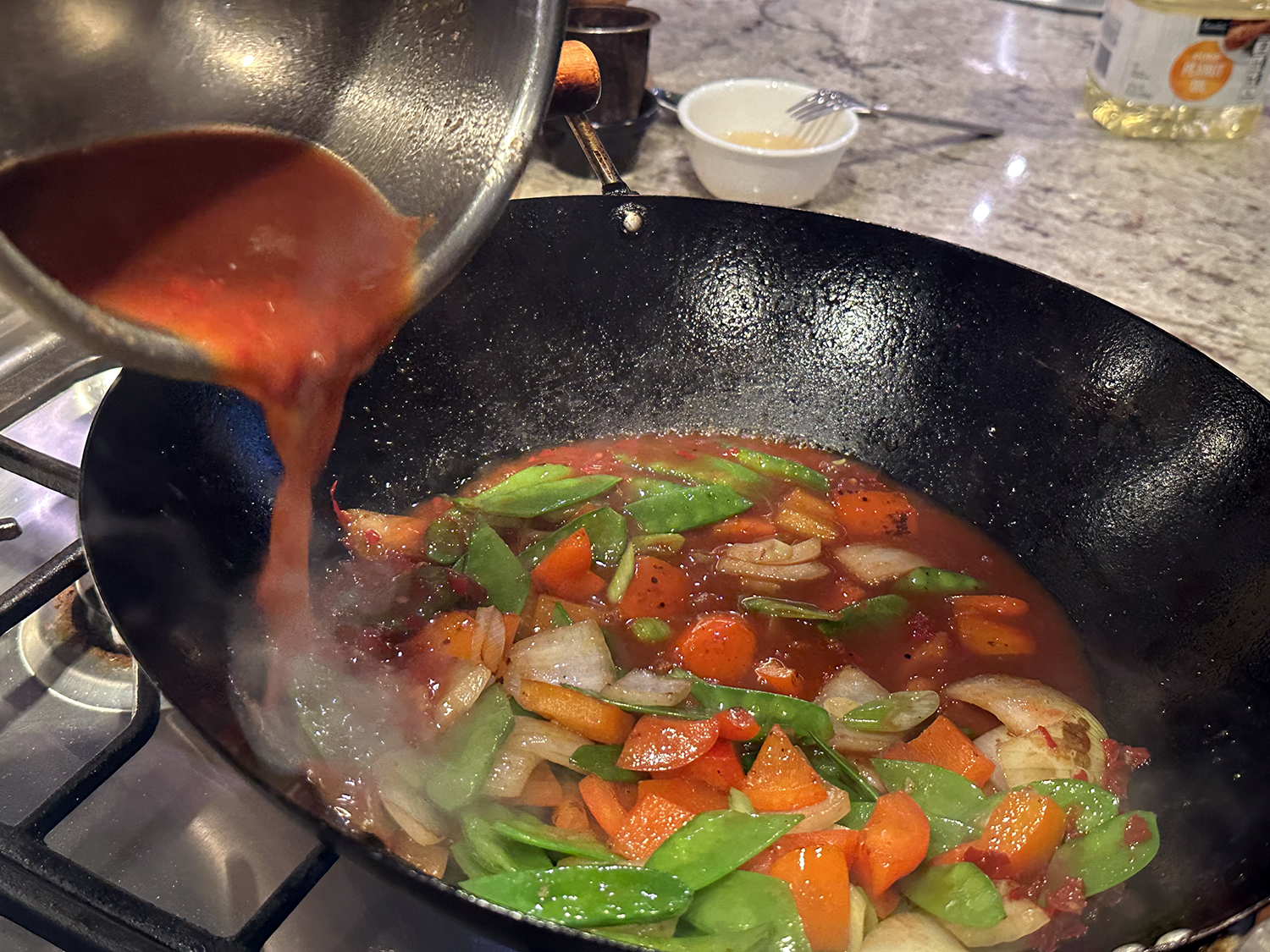
Finally at the end, for the slurry, a mere teaspoon of cornstarch wasn’t enough. Start with 1 tablespoon of corn starch in 1/4 cup of cool water combined until smooth. In Step 6, add half of it, and if more is needed, add a tablespoon at a time until you get your consistency. We used it all.

Chicken Manchurian

  • Servings: 4
  • Difficulty: easy
  • Print

Ingredients

  • 1 egg
  • 1/4 cup cornstarch, plus 1 Tbsp. for the slurry
  • 1 tsp. garlic paste or freshly grated garlic
  • 1 tsp. black pepper
  • Fine sea salt
  • 1½ lbs. boneless, skinless chicken breast, cut into ¾-inch cubes
  • ⅓ cup vegetable oil
  • 3 whole dried dundicut chiles or bird’s-eye chiles (optional)
  • 2-4 Tbsp. ketchup
  • ¼ cup chile-garlic sauce
  • 2 Tbsp. soy sauce
  • 1 cup chicken stock
  • 1 red bell pepper, halved, seeded and cut into ¾-inch pieces
  • 1 small onion, cut into ¾-inch cubes; OR 4 large scallion, trimmed and thinly sliced, more for garnish; OR both
  • 6 oz. snow peas, trimmed of strings, cut in half diagonally if large
  • Cooked white rice or fried rice, for serving

Directions

  1. Velvet the chicken: In a medium bowl, whisk the egg. Continue whisking and gradually add 4 tablespoons of cornstarch until there are no lumps. Stir in garlic, black pepper and ½ teaspoon salt. Add the chicken pieces and stir until well coated. Cover and set aside for 30 minutes.
  2. Meanwhile, in a small bowl, stir together ketchup, chile-garlic sauce, soy sauce, ½ teaspoon salt and chicken stock (if not using chicken stock, stir in 1 cup water). Set aside.
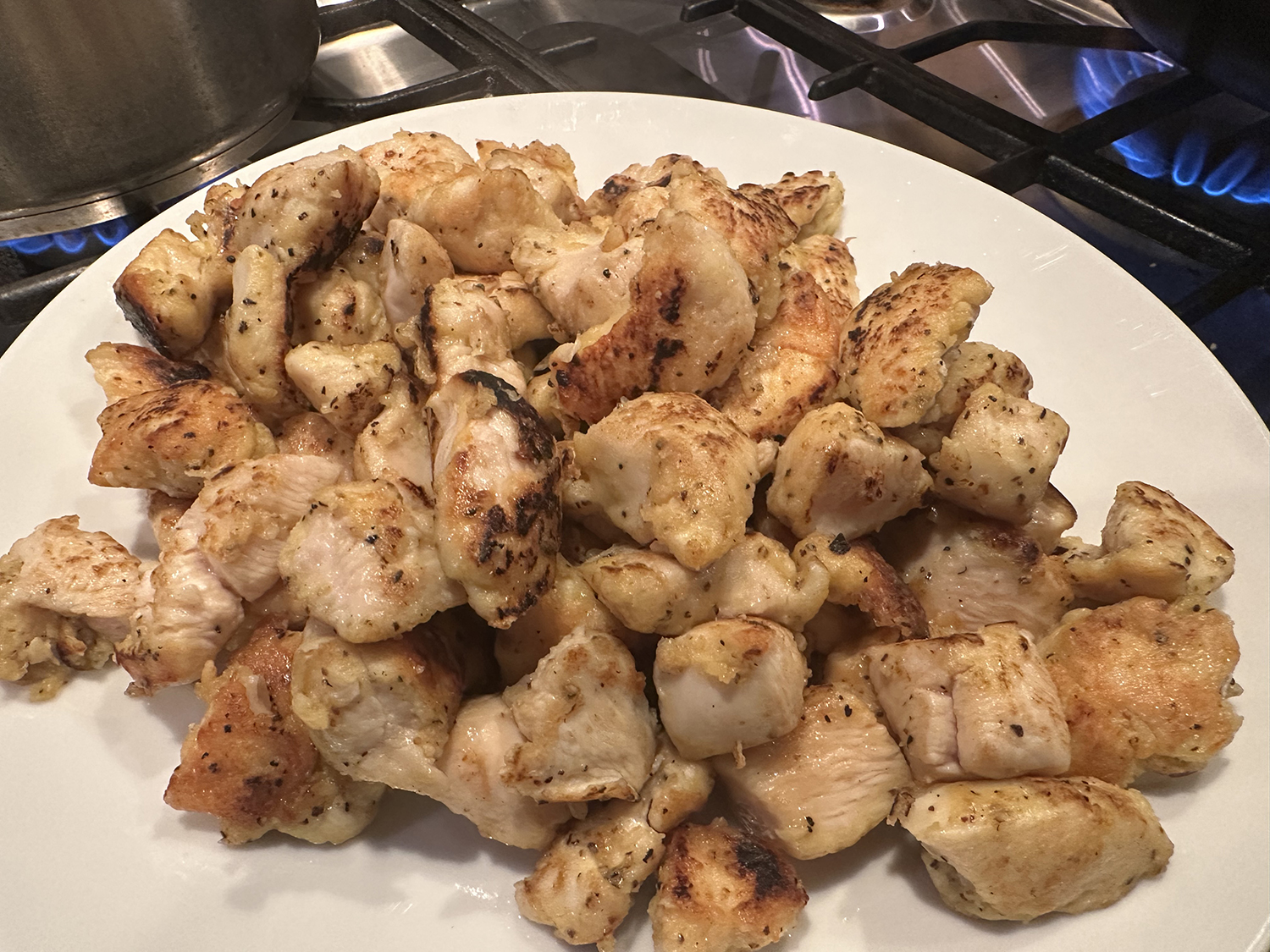
  3. In a large wok or deep, high-sided skillet, heat oil on medium for 45 seconds. Add half of the chicken (done in two batches to avoid crowding) and cook until it starts turning white, 1 to 2 minutes. Flip the pieces and continue cooking until the chicken starts to turn golden, 2 to 3 minutes. Using a slotted spoon, remove chicken and set aside. Repeat with remaining chicken.
  4. (Optional) Add dried chiles and cook on medium for about 1 minute, stirring occasionally.
  5. Add more oil to the wok. When hot, add the bell pepper and onion. Cook, stir-frying constantly until crisp tender. Add the snow peas and scallions, stirring altogether for about 1 minute more.
  6. Separately, mix the remaining 1 tablespoon cornstarch with ¼ cup water until smooth. Stir it into the wok and simmer until the sauce thickens and starts to turn glossy, 3 to 4 minutes. Add chicken and stir to combine. Top with scallion slices. Serve over steamed rice.

http://www.lynnandruss.com

Adapted from a recipe by Zainab Shah for NYTimes Cooking

Hot Honey-Glazed Pork Chops

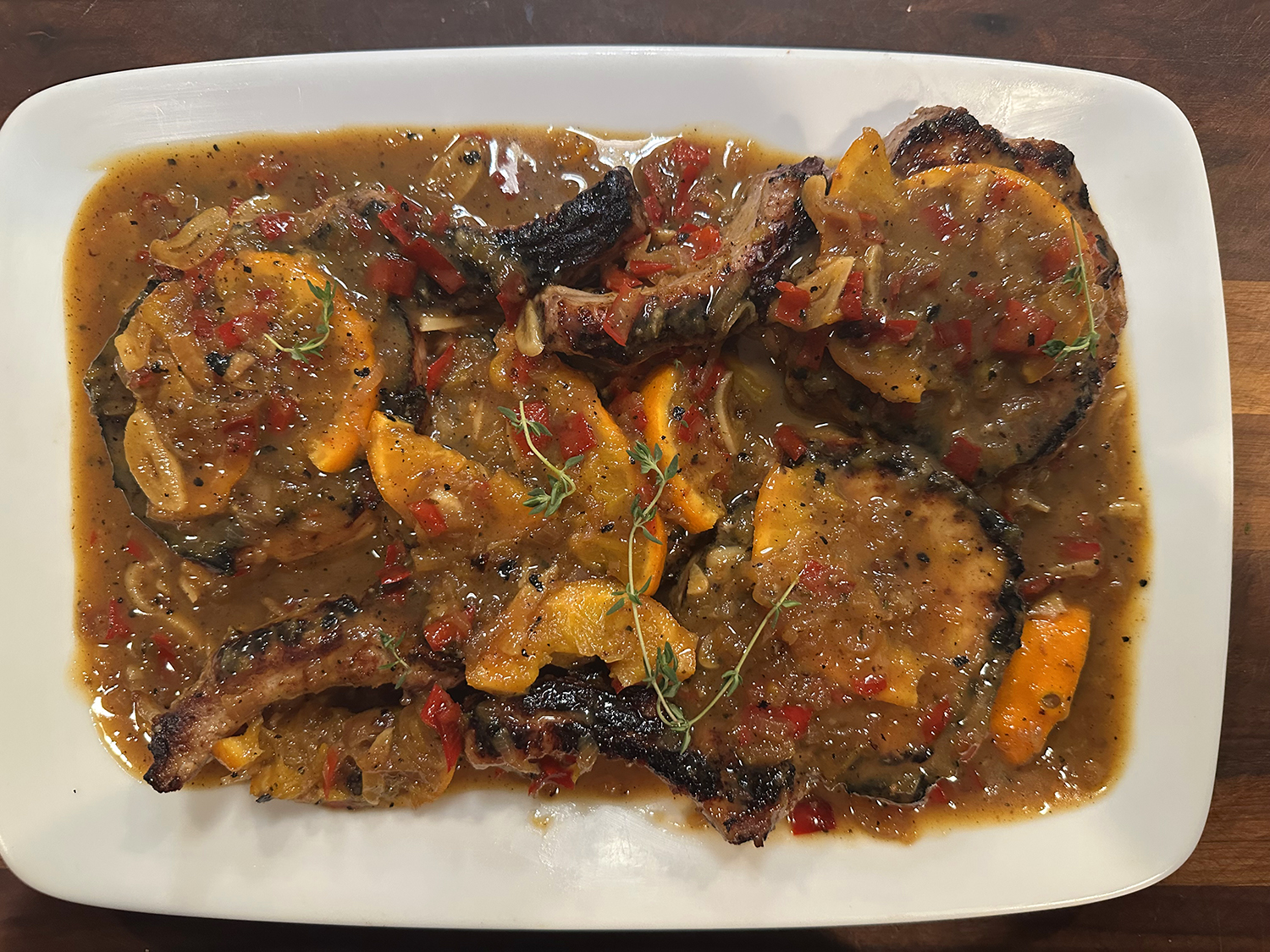
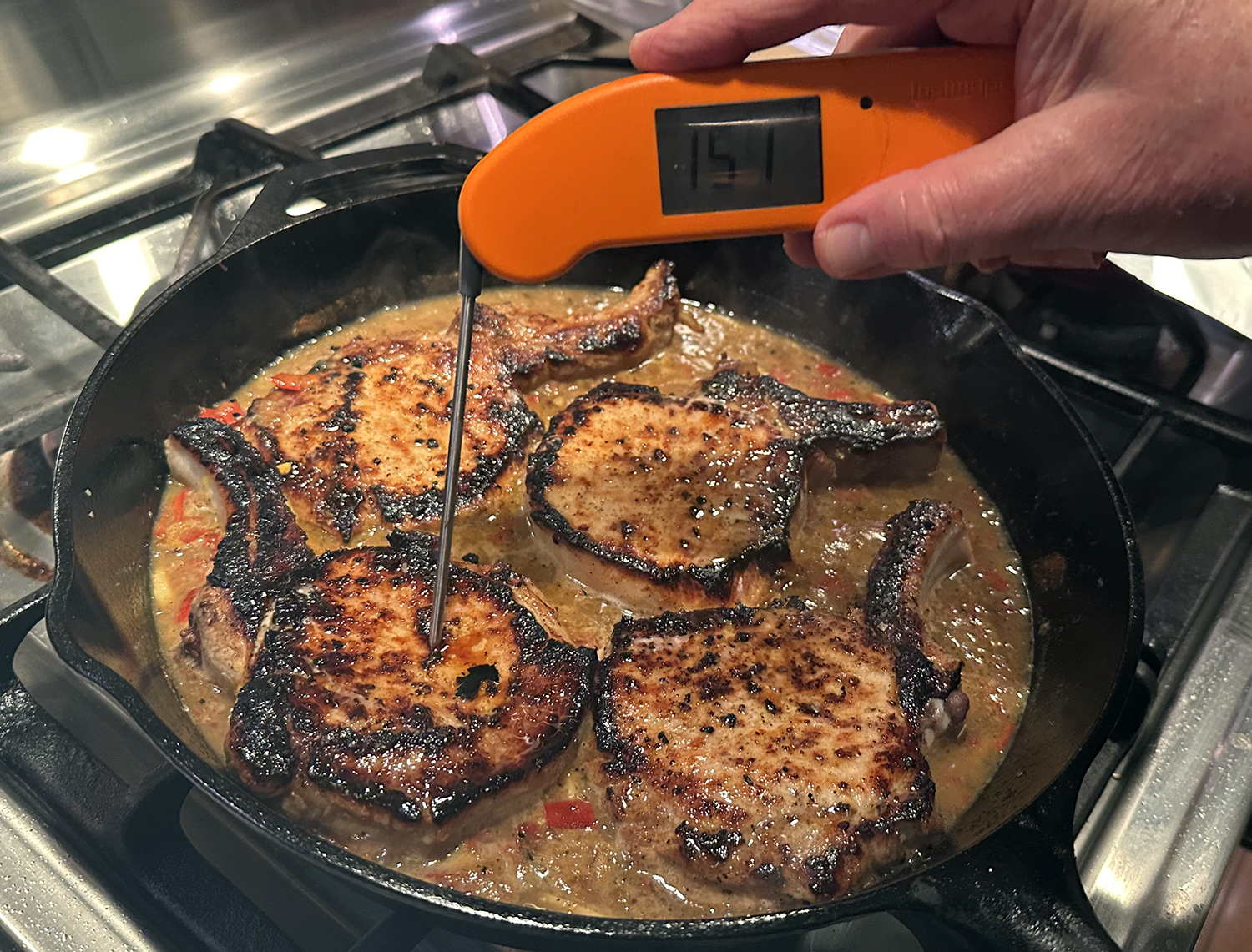
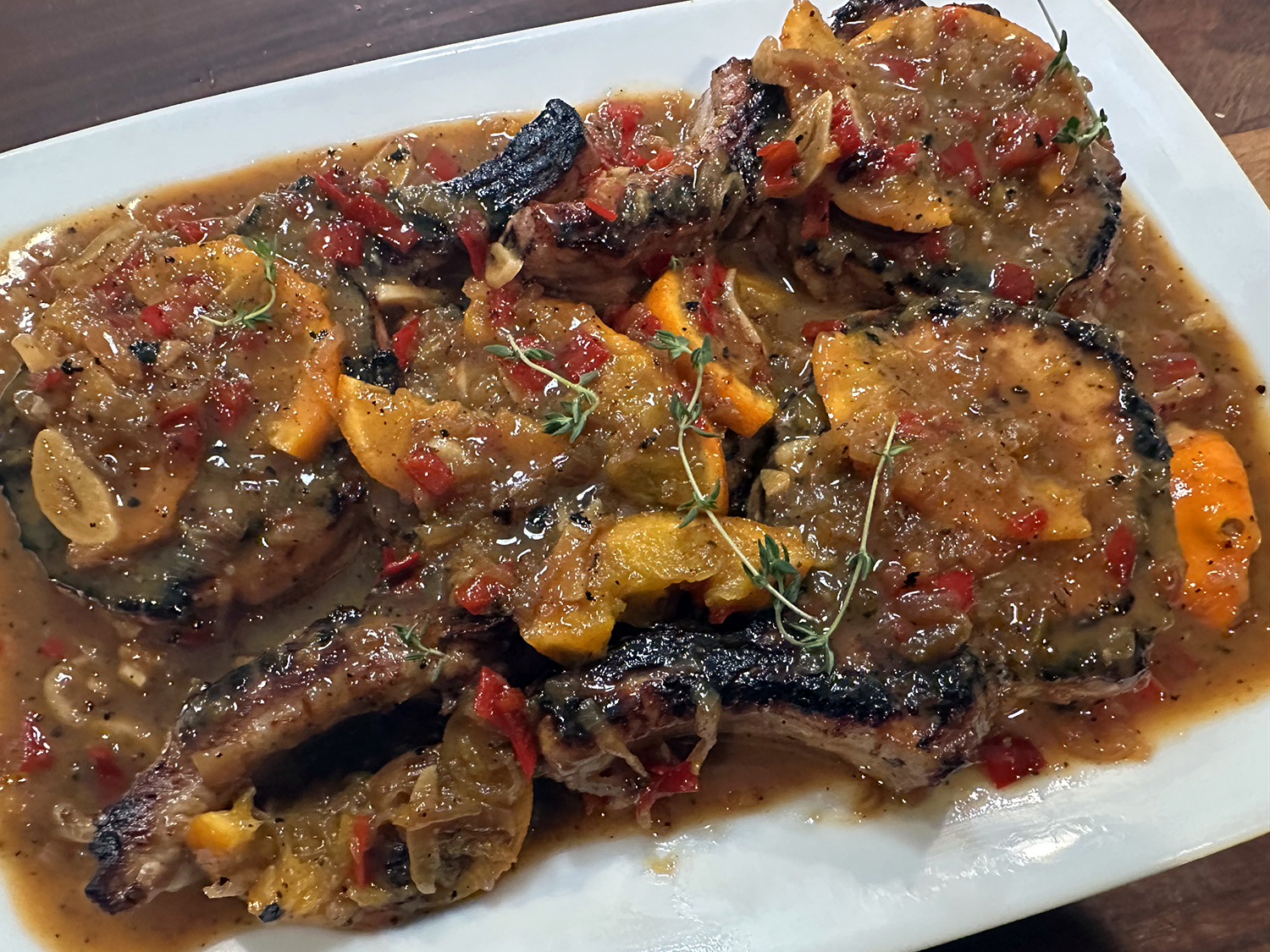
OMG, these skillet-cooked pork chops have it all going on, and then some. Here, Calabrian chiles combine with bright orange juice, honey, and salt for a sweet and zippy marinade that infuses the meat with smoky, fruity flavor while simultaneously tenderizing the chops. And sucking the meat off the bones is a must!

Calabrian chiles have a moderate heat level, comparable to cayenne peppers. There are three major types of Calabrian chiles, and their heat ranges from warming and tangy to mildly fruity. Whole jarred Calabrian chiles, such as the ones called for in this recipe, tend to be more warming and tangy than fruity.

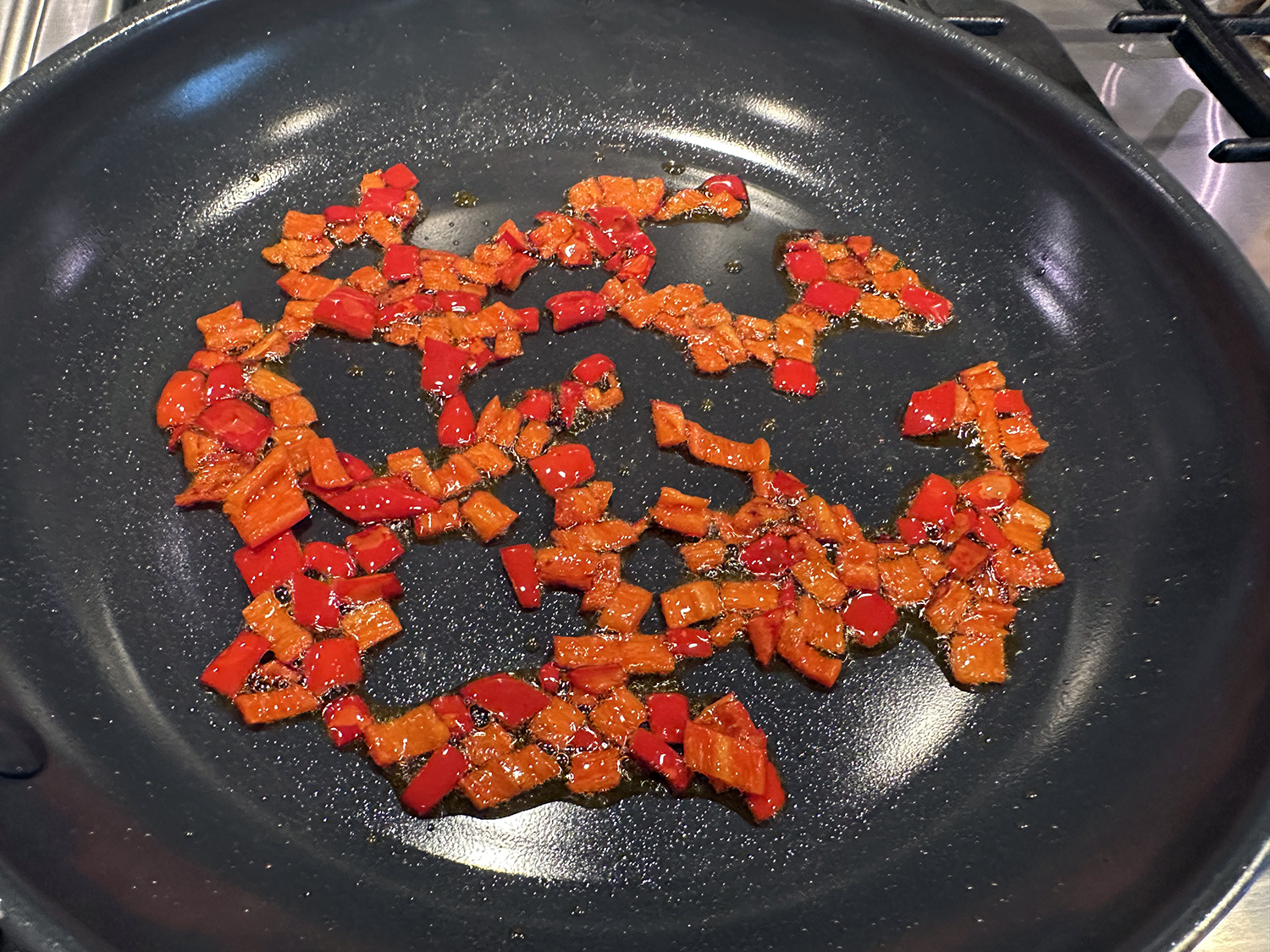
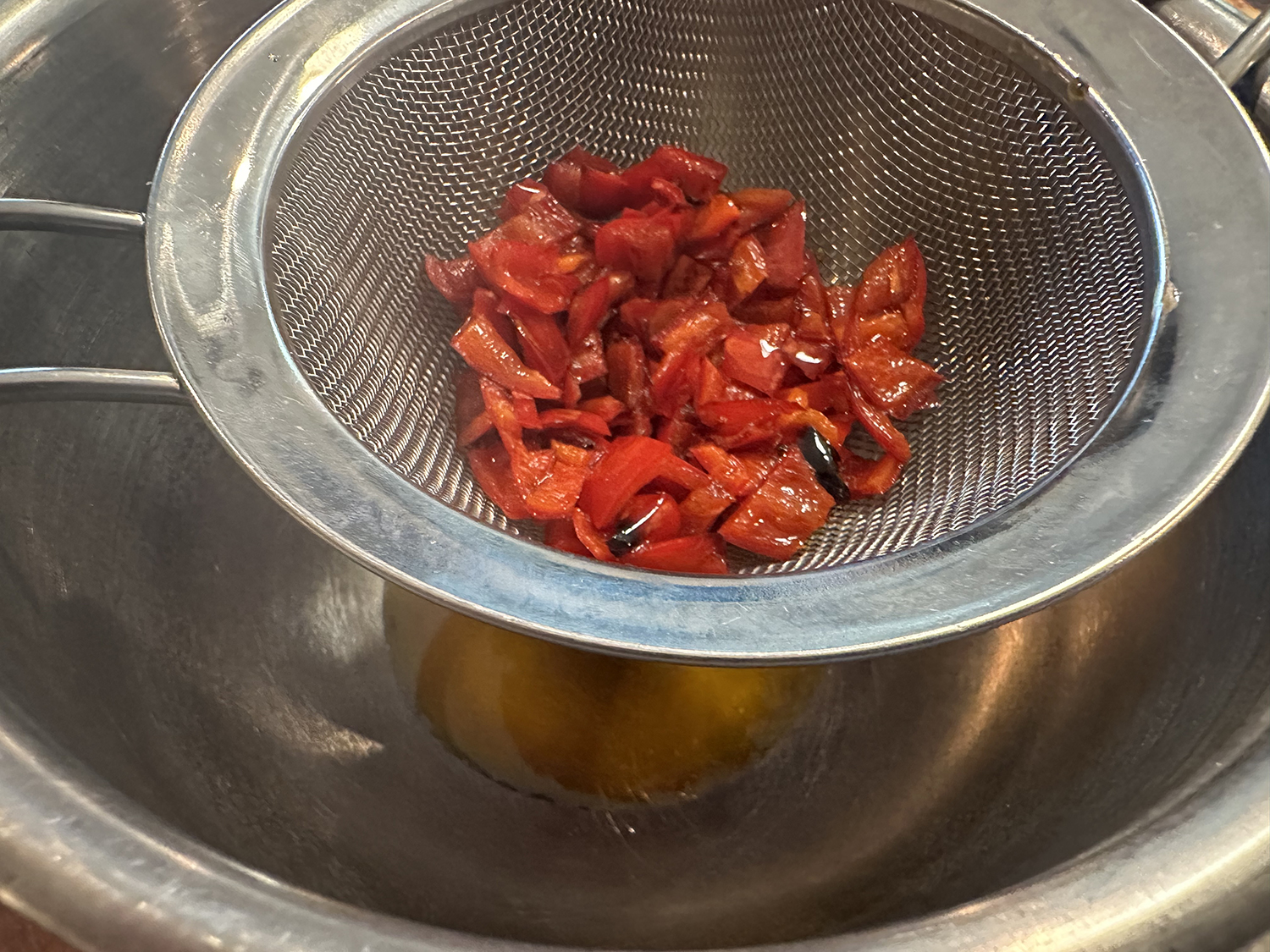
Can’t quickly source Calabrian chiles? Do what we did and use Fresno chiles as a substitution. Chop a couple of them up, sauté in about 1 tablespoon olive oil for several minutes, then strain the oil from the chiles. Separate and use both for the recipe.

Aside from adding flavor to a dish, raw honey is mildly acidic and contains trace amounts of a key enzyme called protease, which both help break down connective muscle tissue, gradually tenderizing tougher meat cuts. For more tender cuts like these chops, honey caramelizes the surface for a cracking crust suffused with toasty notes and a lustrous glaze that doesn’t require much work on your behalf.

Remember you’ll be marinating the pork chops for at least 1 hour. Ours marinated for 2 1/2 hours. And by all means, get the rib chops. We kept oohing and aahing through out the dinner, and again with the leftovers. It is on the short list to make again.

Hot Honey-Glazed Pork Chops

  • Servings: 4
  • Difficulty: easy
  • Print

Ingredients

  • 3/4 cup plus 1 Tbsp. orange juice, divided
  • 2 Tbsp. plus 1/4 cup honey, divided
  • 2 Jarred whole Calabrian chiles, chopped, plus 2 tsp. chile oil, divided
  • 1 Tbsp. kosher salt, divided, plus more to taste
  • 4 Bone-in rib-cut pork chops (about 1 inch thick) (about 2 lbs.)
  • 1 tsp. black pepper
  • 2 Tbsp. canola oil, divided
  • 2 Shallots, sliced
  • 4 Garlic cloves, thinly sliced 
  • 1 1/4 cups chicken broth
  • 1 Tbsp. Dijon mustard
  • 1 Whole small navel orange, sliced into half-moons
  • 2 Tbsp. cold unsalted butter, cut into 2 pieces 
  • 2 tsp. fresh thyme leaves

Directions

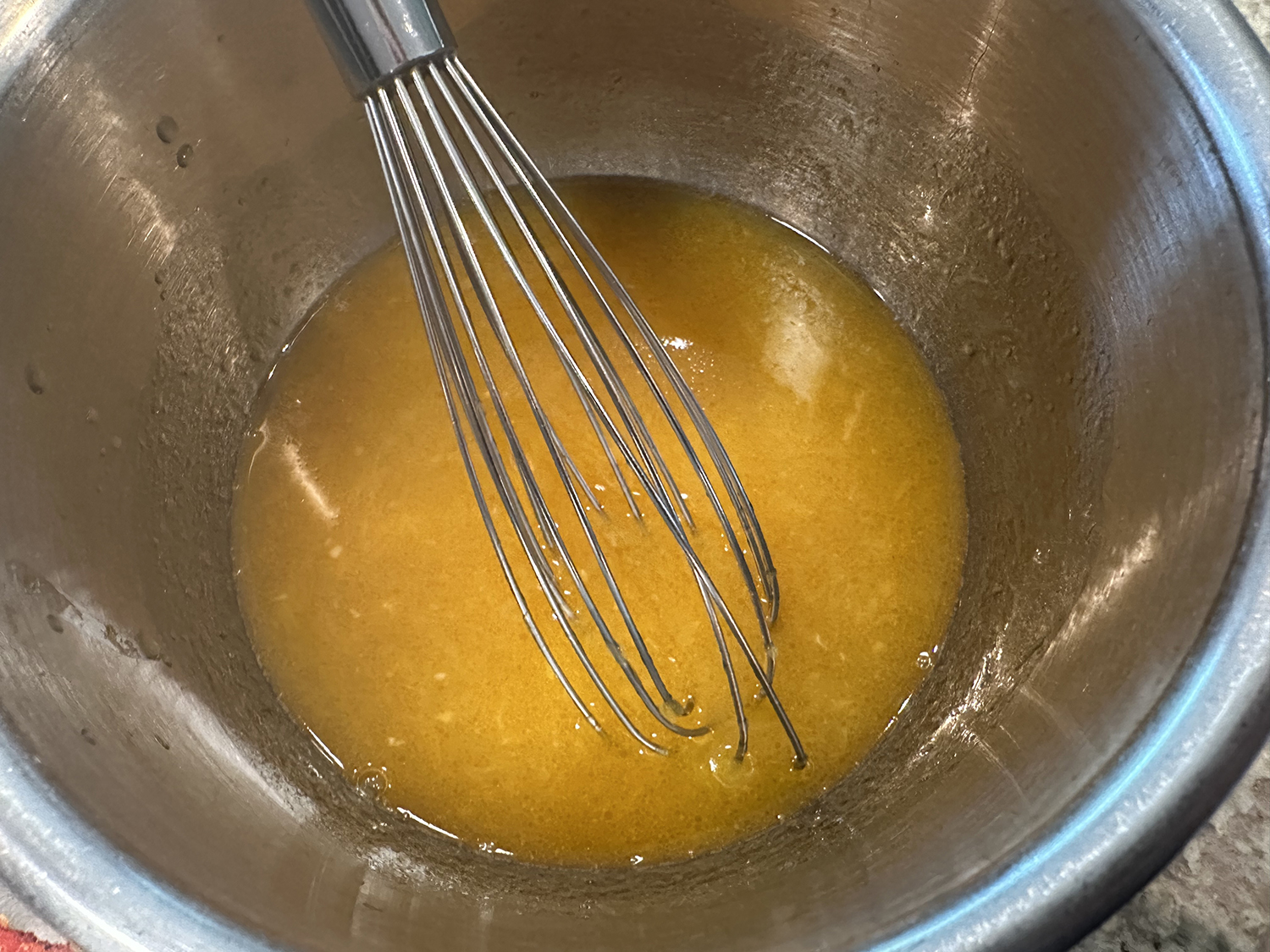
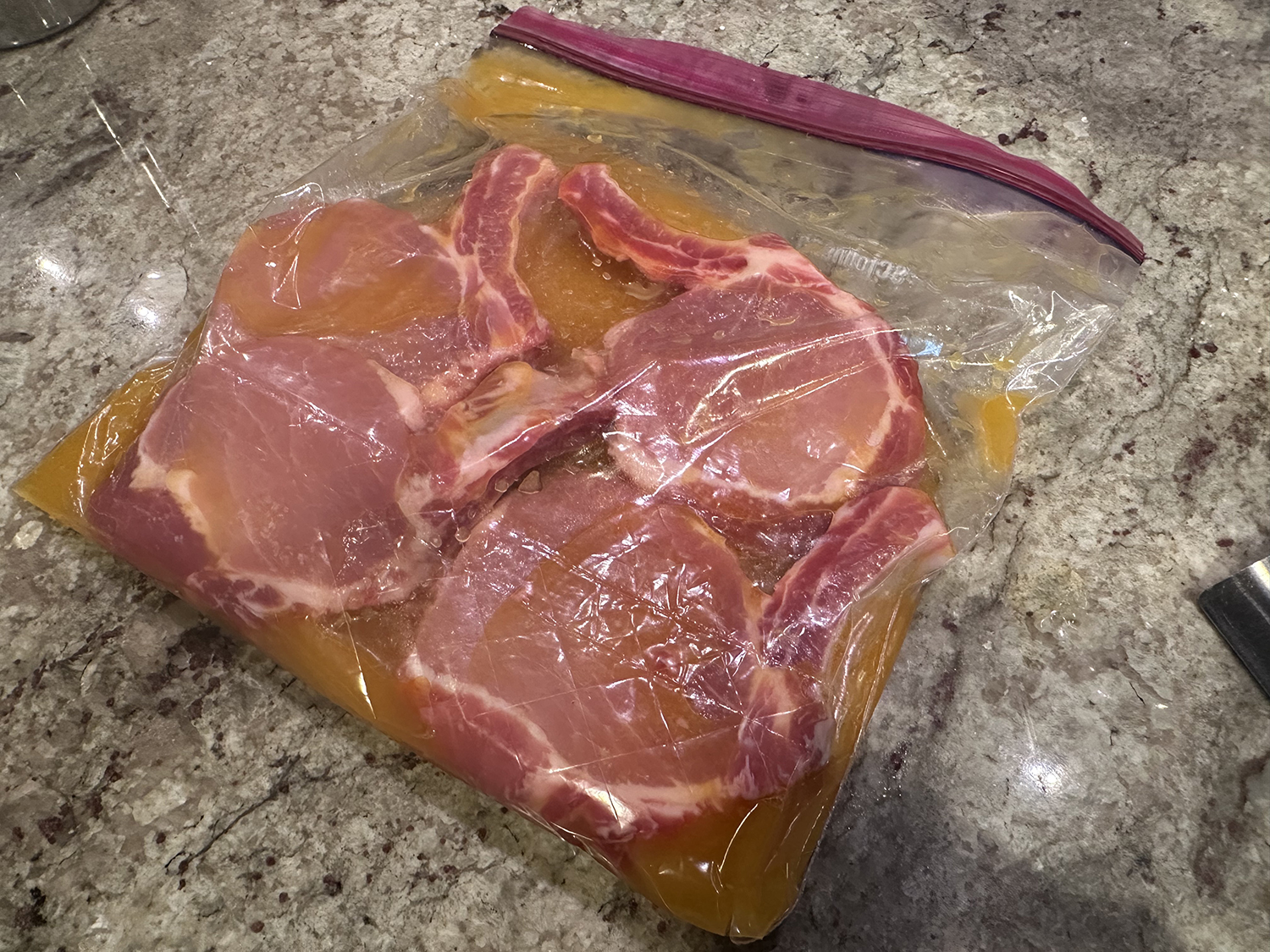
  1. Whisk together 3/4 cup orange juice, 2 tablespoons honey, Calabrian chile oil, and 1 teaspoon salt in a small bowl. Transfer mixture to a large ziplock plastic bag; add pork chops. Seal bag, and turn to coat pork. Refrigerate for at least 1 hour and up to 8 hours.
  2. Preheat oven to 425°F. Place marinated pork chops on a large plate; reserve marinade. Pat pork chops dry using paper towels. Sprinkle both sides evenly with black pepper and remaining 2 teaspoons salt.
  3. Heat a 12-inch cast-iron skillet over high until starting to smoke. Reduce heat to medium. Add 1 tablespoon canola oil to skillet, swirling to coat. Add 2 pork chops; cook, undisturbed, until browned on 1 side, 3 to 4 minutes. Transfer to a plate, browned side up; repeat cooking process with remaining 2 pork chops. Set aside.
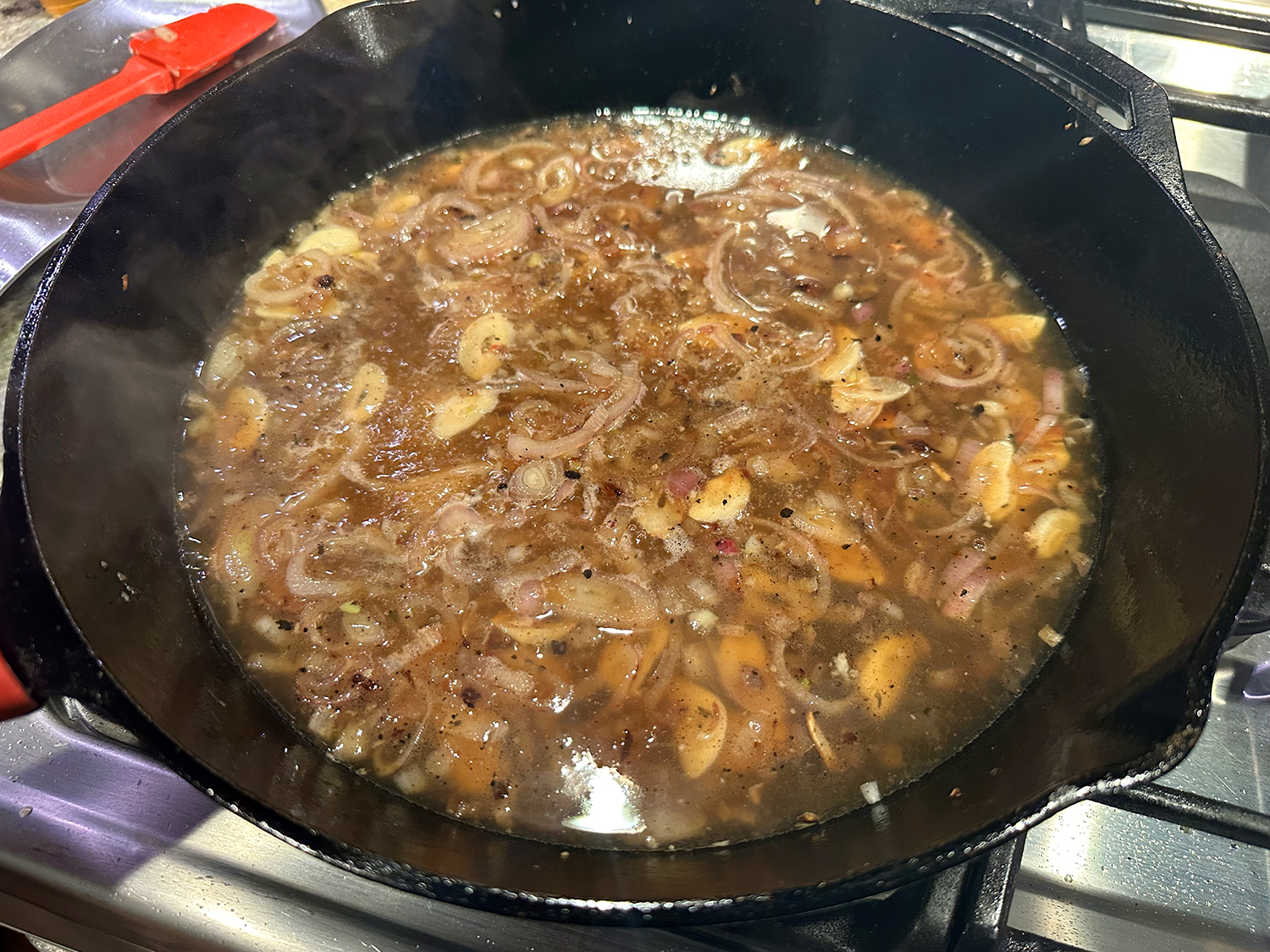
  4. Wipe skillet clean. Return skillet to medium heat and add remaining 1 tablespoon canola oil, shallots and garlic. Cook over medium, stirring often, until starting to soften, 2 to 3 minutes. Add chicken broth, and bring to a boil over high. Boil, stirring often, until slightly reduced, about 1 minute. Add reserved marinade, and continue to boil for 1 minute. Reduce heat to medium; add chopped Calabrian chiles. Place pork chops in skillet, browned side up, and bake until a meat thermometer inserted into thickest portion of pork chops registers 140°F, about 12 minutes.
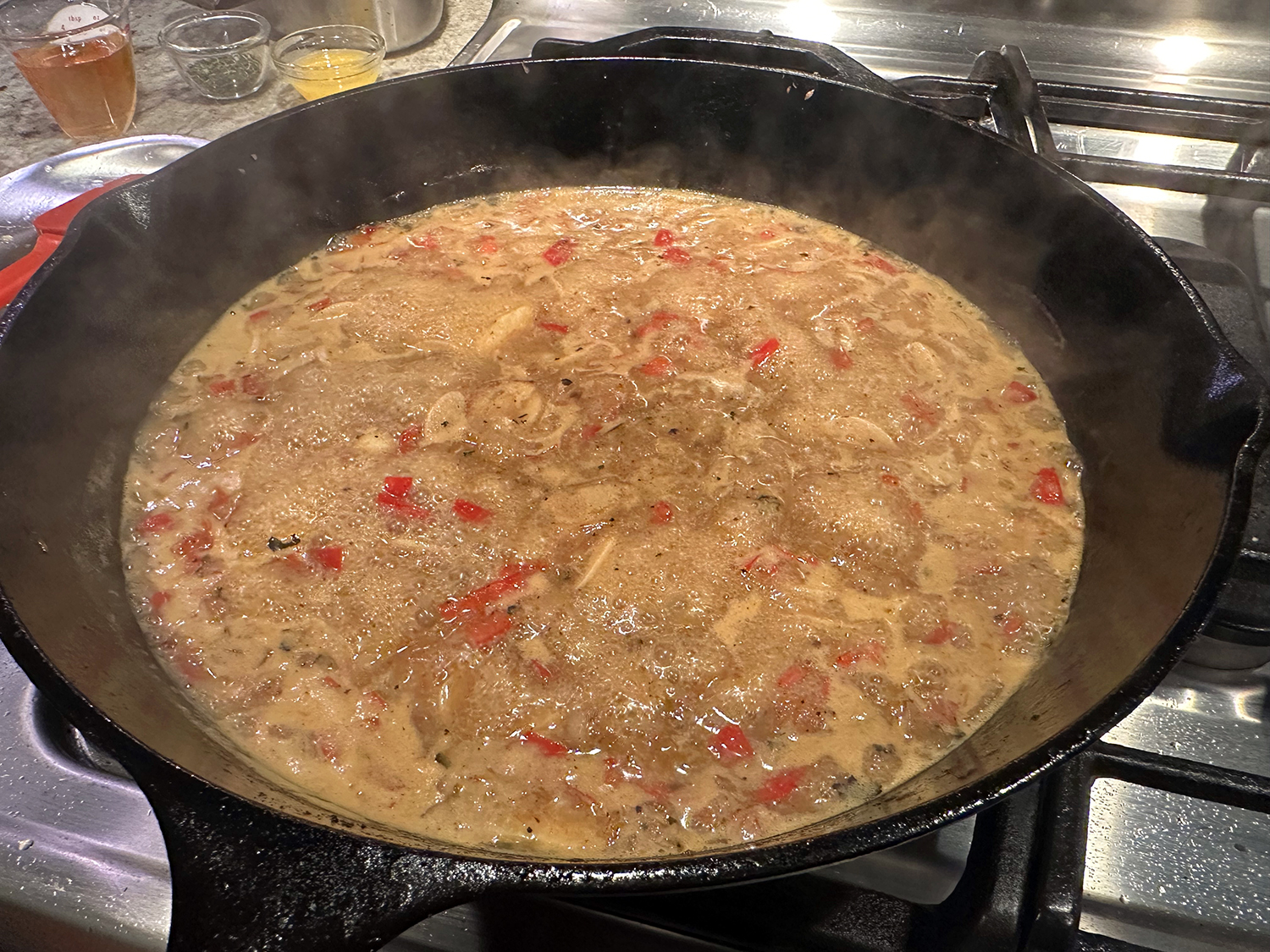
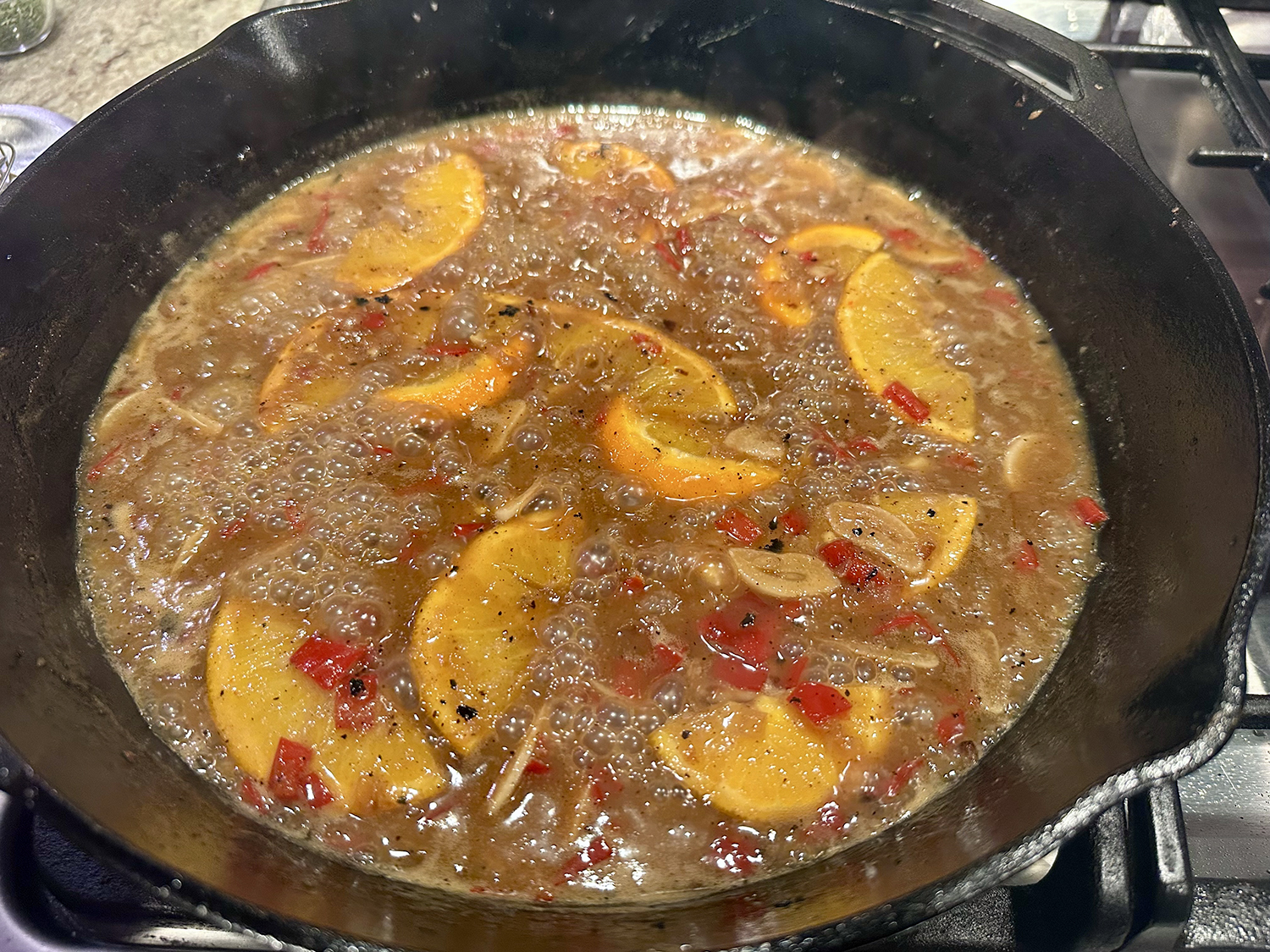
  5. Transfer pork chops to a plate. Bring marinade mixture in skillet to a boil over medium-high. Whisk in mustard, remaining 1/4 cup honey, and remaining 1 tablespoon orange juice until combined. Add orange slices, and cook, stirring occasionally, until mixture is thickened and begins to resemble a sauce, about 4 minutes. Remove from heat; add butter, 1 tablespoon at a time, whisking until emulsified, about 1 minute. Season to taste.
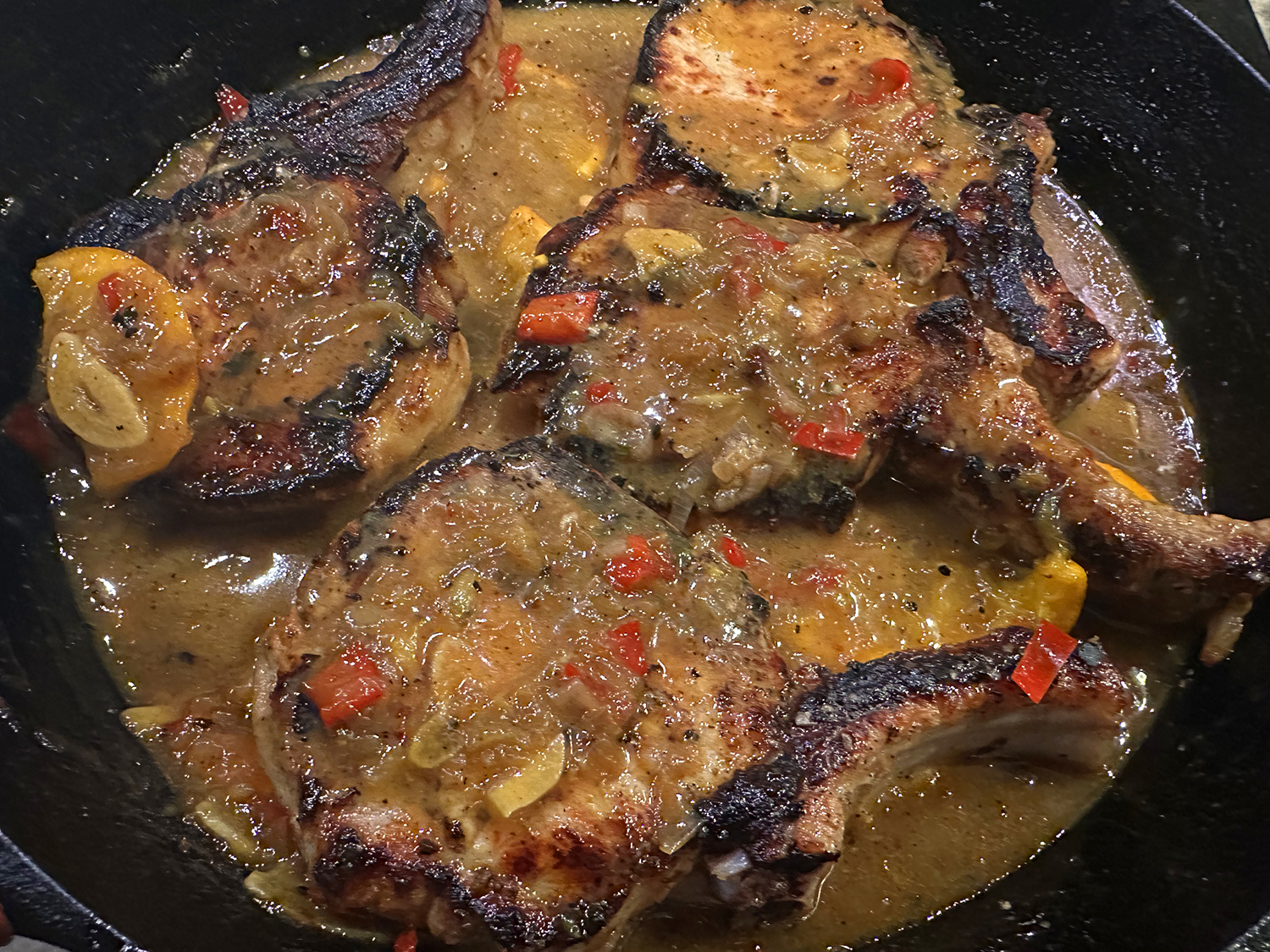
  6. Nestle pork chops in skillet, spooning orange slices and sauce over pork chops. Sprinkle with thyme; serve.

http://www.lynnandruss.com

Recipe by Andee Gosnell for Food & Wine

Porcini-Seasoned Steak au Poivre

For a decadent but easy “date-night” dinner, splurge a little on some decent steaks, then make this au poivre sauce to take it to the next level. Another hack to ensure great steak is to dry-age it. The dry-aging process allows the meat’s natural enzymes to break down the connective tissue, resulting in a more tender steak. The process also causes the meat’s moisture to evaporate, intensifying the beefy flavor and creating a unique taste and texture.

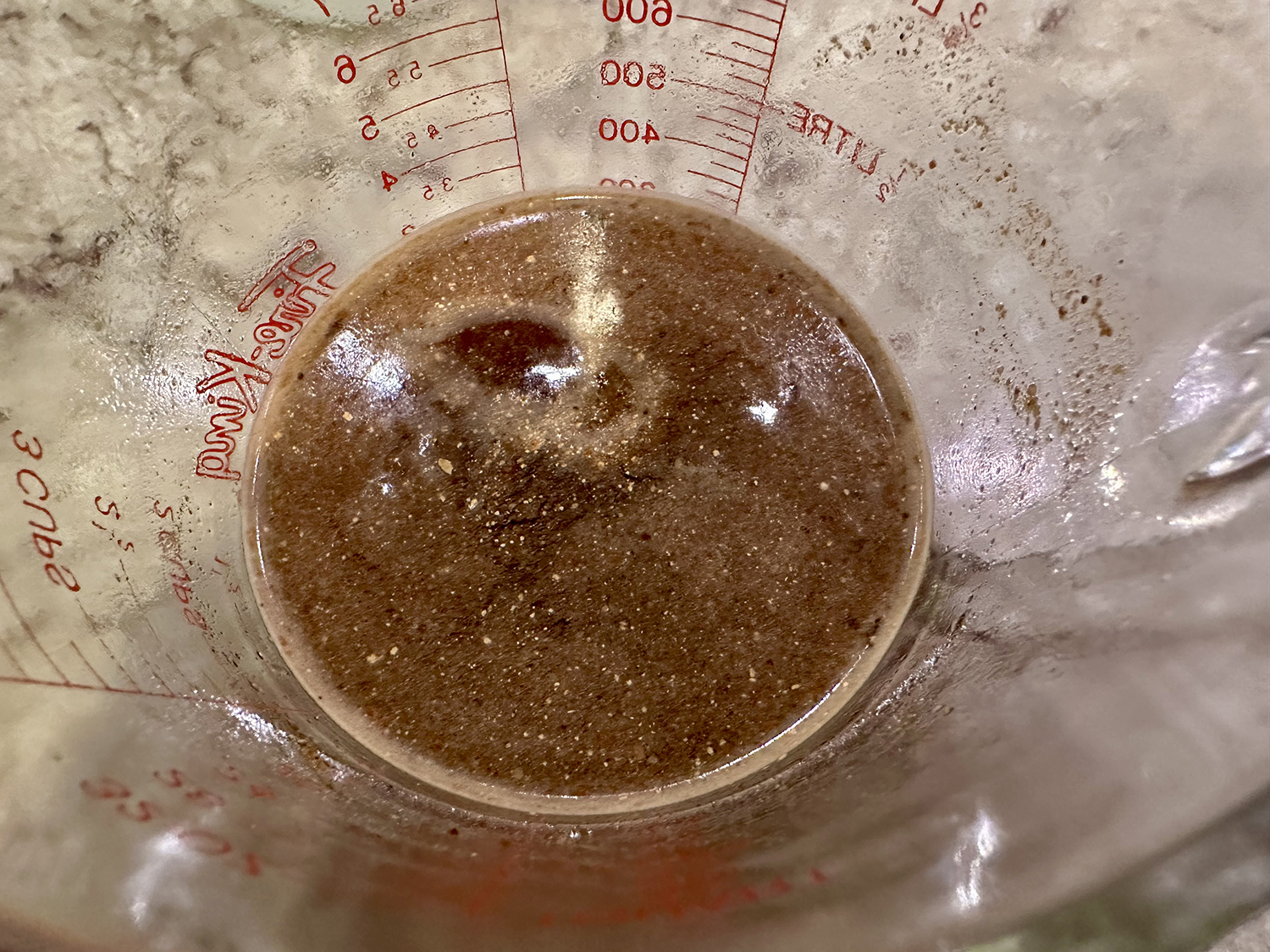
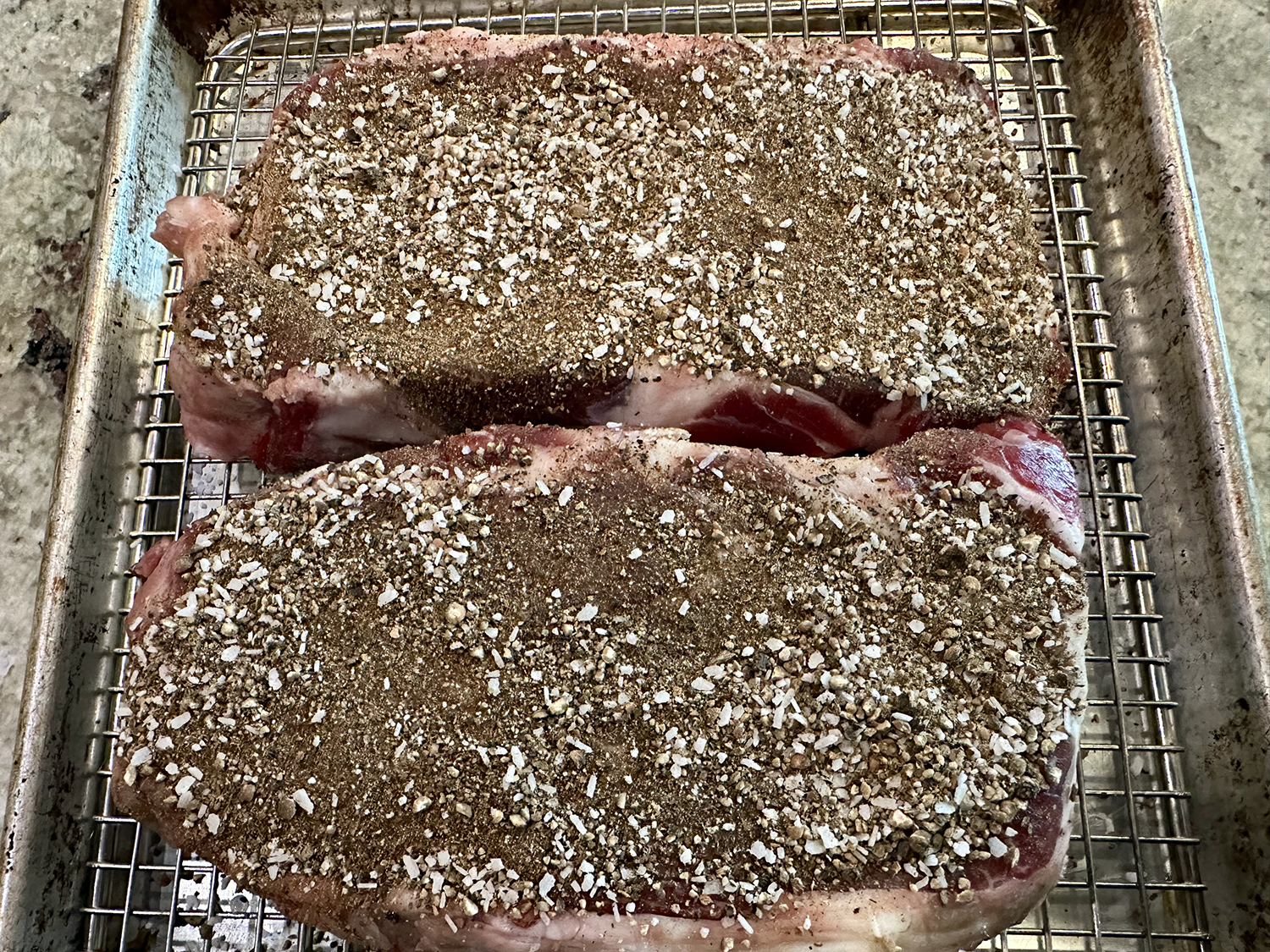
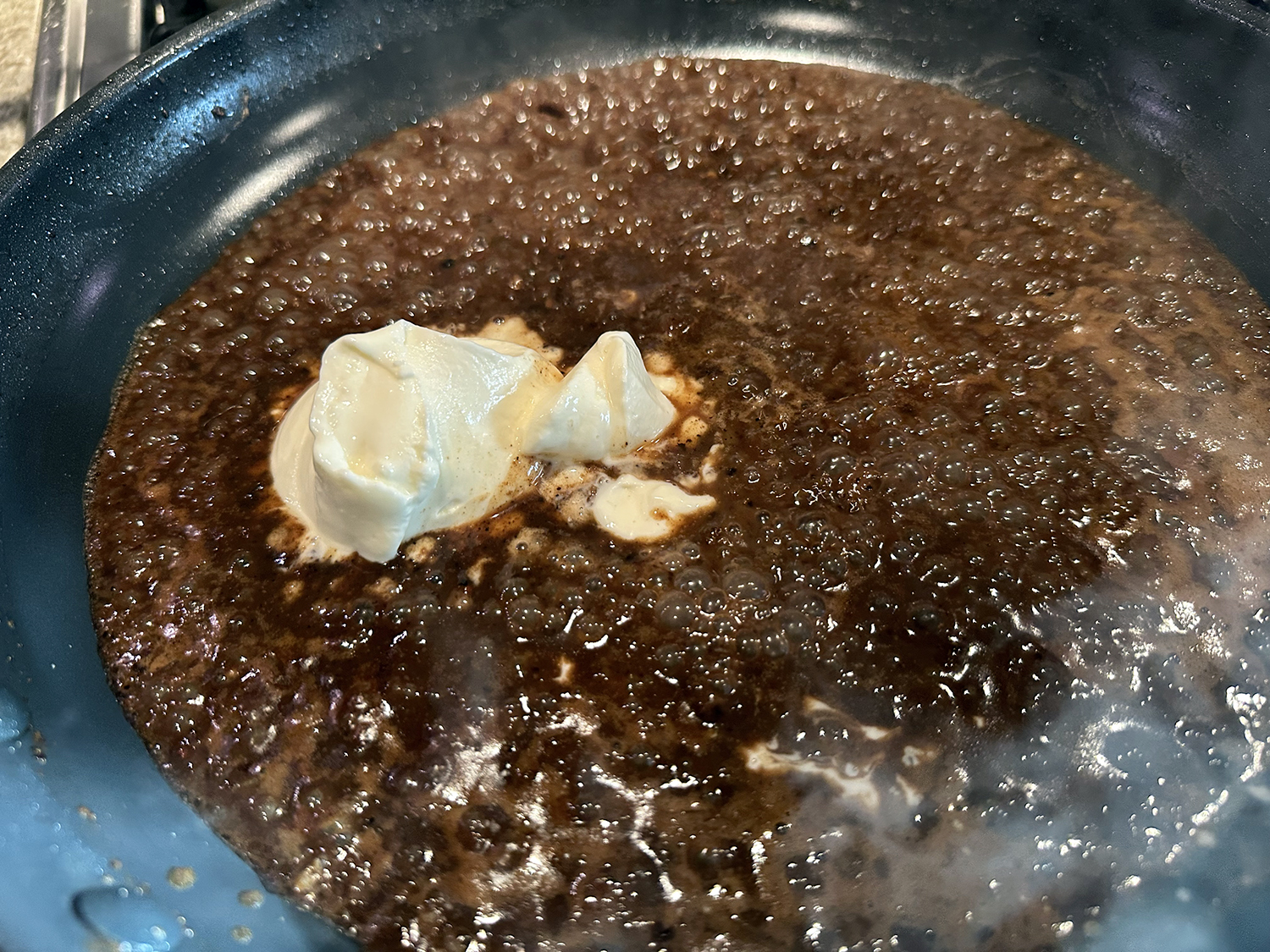
About the sauce. “Mushroom powder sounds illicit, but it’s actually a secret-weapon umami bomb.” Here, dried porcini mushrooms are pulverized, mixed with salt and pepper, then rubbed all over steaks for intense seasoning. Additionally, some water is stirred in for an instant broth, making a full-flavored pan sauce. Crème fraîche, instead of heavy cream, gives the sauce body and richness. And what a treat they are!

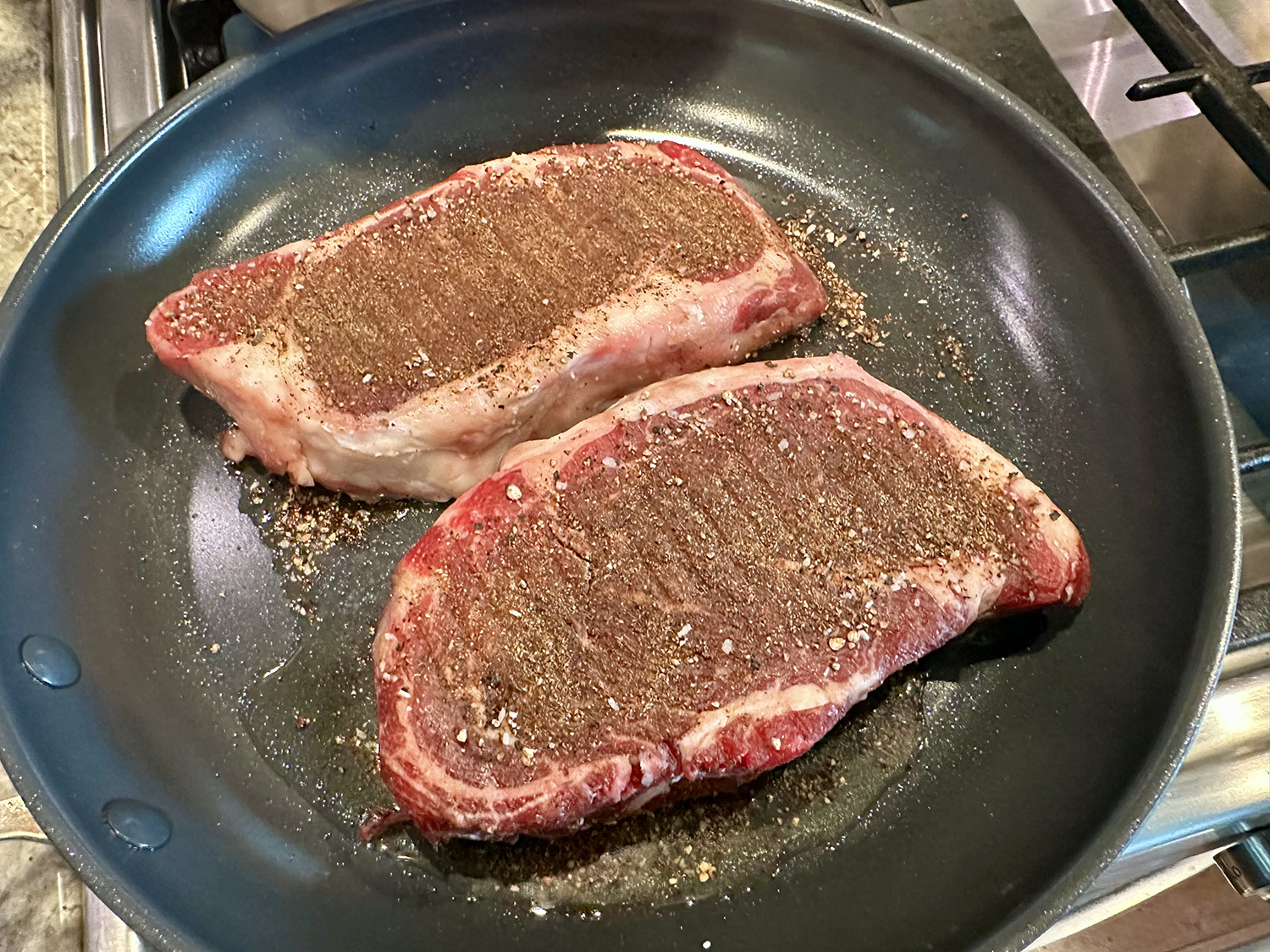
Avoid moving the steaks until halfway through cooking. They will release easily when properly seared. *We thought the amount of black pepper was pretty intense and would cut it back to 1 tablespoon, but that’s a choice we’ll leave up to you…

The extra sauced can be spooned over your sides such as pasta, mashed potatoes or vegetables. Our sides were porcini tagliatelle and sautéed spinach and garlic.

Porcini-Seasoned Steak au Poivre

  • Servings: 4
  • Difficulty: easy
  • Print

Ingredients

  • 1/4 oz. dried porcini mushrooms, broken into pieces
  • 1½ Tbsp.* whole black peppercorns
  • 1 ½ tsp. Kosher salt
  • 1 Tbsp. neutral oil
  • 2 1-lb. beef strip steaks or ribeye steaks, trimmed
  • 2 Tbsp. salted butter
  • 1 medium shallot, minced
  • 4 Tbsp. brandy, divided
  • 1/4 cup crème fraîche
  • Finely chopped fresh chives, to serve

Directions

  1. In a spice grinder, pulverize the porcini to a fine powder; transfer to a small bowl. Add 1 tablespoon of the porcini powder to 1½ cups water; set aside. In the spice grinder, pulse the peppercorns until coarsely ground. Stir the pepper and 1½ teaspoons salt into the remaining porcini powder; sprinkle and rub over the steaks. (Dry-age the steaks for 24 to 48 hours prior, if desired.) Add any seasoning that falls off to the porcini water.
  2. In a 12-inch skillet over medium-high, heat the oil until barely smoking. Add the steaks, reduce to medium and cook until the centers reach 120°F for medium-rare, 10 to 12 minutes; flip halfway through. Transfer to a platter, and tent with foil while you make the sauce. Discard any fat in the pan.
  3. In the same pan over medium, melt the butter. Add the shallot and cook, stirring, until softened, about 2 minutes. Off heat, add 3 tablespoons of the brandy. Return to medium and cook, scraping up the browned bits, until slightly reduced. Add the porcini water; cook over medium-high, stirring, until a spatula drawn through leaves a trail, 8 to 10 minutes.
  4. Whisk in the crème fraîche, remaining 1 tablespoon brandy and any steak juices; cook, whisking, until slightly thickened, 2 to 3 minutes. Off heat, taste and season with salt and pepper. Slice the steaks, return to the platter and pour the sauce over them. Sprinkle with chives.

http://www.lynnandruss.com

Recipe by Hisham Hassan for Milk Street

Confetti Stuffed Peppers Redux

Over eight years ago I posted a very similar stuffed pepper recipe but haven’t made them since, so I thought it was time for a redo. While much of the veggie-forward ingredients and directions remain the same, there are a few differences here. For one, I switched out the zucchini and instead used cremini mushrooms. Another is when I added the tomato sauce…

Since peppers vary in size, you will get anywhere from four to six servings. Using four large (not necessarily tall), I still had enough meat mixture leftover to fill a fifth pepper (which I packaged for another day).

As I noted eight years ago, there’s the debate about which rice to use, white or brown? There are pluses and minuses to each. The upside is, brown rice, unlike white rice, still has the side hull and bran. Other facts:

The Good—

  • Brown rice has more micronutrients: magnesium, phosphorus, and potassium. It also has a lot of manganese, selenium, and copper.
  • Brown rice has a lower glycemic index than white rice.
  • The fiber content of brown rice keeps bowel function at it’s peak since it makes digestion that much easier.

The Bad—

  • Brown rice has 43 more calories per cup than white rice.
  • Brown rice has 7g more carbohydrates per cup than white rice.

The Ugly—

  • That would only pertain to those who have a rice allergy…

Alright, the rice choice is totally up to you and those who will be eating the stuffed peppers. We opted for brown rice. But no matter which choice you make, you have to cook the rice before it is used in the stuffing.

To make the meal more weeknight-friendly, make the recipe on a Sunday afternoon up to the first line of Step 7, and then refrigerate them over night. It sure makes for an easy dinner prep the next day.

Veggie-Forward Stuffed Peppers

  • Servings: 4-6
  • Difficulty: easy
  • Print

Ingredients

  • 1 1/2 lbs. lean ground meatloaf mixture (beef, veal, pork)
  • 4 large bell peppers, a mix of colors
  • 5 Tbsp. olive oil
  • Kosher salt and freshly ground black pepper
  • 4 cloves garlic, finely minced
  • 1 onion, finely diced
  • 1 medium zucchini or summer squash, finely diced
  • 4 plum tomatoes, seeded and finely diced
  • 1/2 tsp. red pepper flakes, more to taste
  • 1 1/2 cups cooked brown or white long grain rice
  • 2 cups tomato sauce, more for topping
  • 1 1/2 cups grated pepper Jack cheese

Directions

  1. Preheat the oven to 350 degrees F.
  2. Cut the tops off the peppers. Remove and discard the stems, then finely chop the tops; set aside. Scoop out the seeds and as much of the membrane as you can. In a baking dish large enough to hold them upright, place the peppers in cut-side up.
  3. Heat 2 tablespoons of the olive oil in a large skillet over medium-high heat. Add the meat, season with salt and pepper and cook, breaking up the lumps, until it is cooked through and just beginning to brown, 8 to 10 minutes. Remove as much fat from the pan, then transfer the meat to a paper towel-lined plate to get rid of the remaining fat.
  4. Wipe out the skillet and add one more tablespoon olive oil. When hot, add the chopped mushroom pieces and stir occasionally for about 4 minutes until lightly browned and most of the moisture is evaporated. Transfer to the plate with the ground meat.
  5. Add the remaining 2 tablespoon oil to the skillet and when hot, add the onions and chopped peppers and cook until beginning to soften, 3 to 4 minutes. Add the garlic and cook for another minute.
  6. Add the diced tomatoes and season with salt and red pepper flakes. Cook until everything is heated through.
  7. In a large mixing bowl, add the cooked veggies, then stir in the meat and rice. Taste and adjust the seasoning. Stir in 1 cup of the cheese.
  8. Fill the peppers with the rice mixture. Pour two cups of tomato sauce over the potted peppers. Cover and bake for 30 minutes. (If you refrigerated overnight, cook for 45-50 minutes.)
  9. Uncover and cook for another 15 minutes, then top each with a sprinkle of the remaining 1/2 cup cheese. Bake until the peppers are soft and the cheese is melted and lightly browned, another 10 minutes or so. Alternatively, plate each pepper, slice in half, then top with more sauce and some cheese. Microwave for 30 seconds to melt cheese.
  10. Serve with mashed potatoes and top with more tomato sauce from the bottom of the pot, if desired.

http://www.lynnandruss.com

Catalan Braised Pork Shoulder with Dried Fruit

A long braise on a cool Sunday afternoon is not uncommon in our household. And we just happened to have a 4-pound pork shoulder in the freezer waiting for a chance to show off. It was over nine years ago since we made this luscious Catalan pork dish, so I located the post in our blog and resurrected the recipe, with several changes this time.

For a little background, I am repeating “Spain is a nation of pork eaters. Their penchant for pork has economic underpinnings because the matanza—the fall slaughter of the family hog—was central to rural life. A country within a country, with its own language, complex history, and a wealth of artistic traditions, Catalunya (to natives) has more in common with neighboring France, than macho Castile—but all share a love of pork. Catalan food blends Roman, Arabic and even Italian influences into one of Europe’s most distinct and emphatic cuisines.”

About those changes. One major alteration involves the cooking time. The original recipe said to cook the roast for 1 1/2 hours until it reaches an internal temperature of 165°. According to all of our other sources, a 4-pound pork shoulder roast needs to be cooked at least 2 hours with an internal temp of 180-185°F. This ensures tender slices.

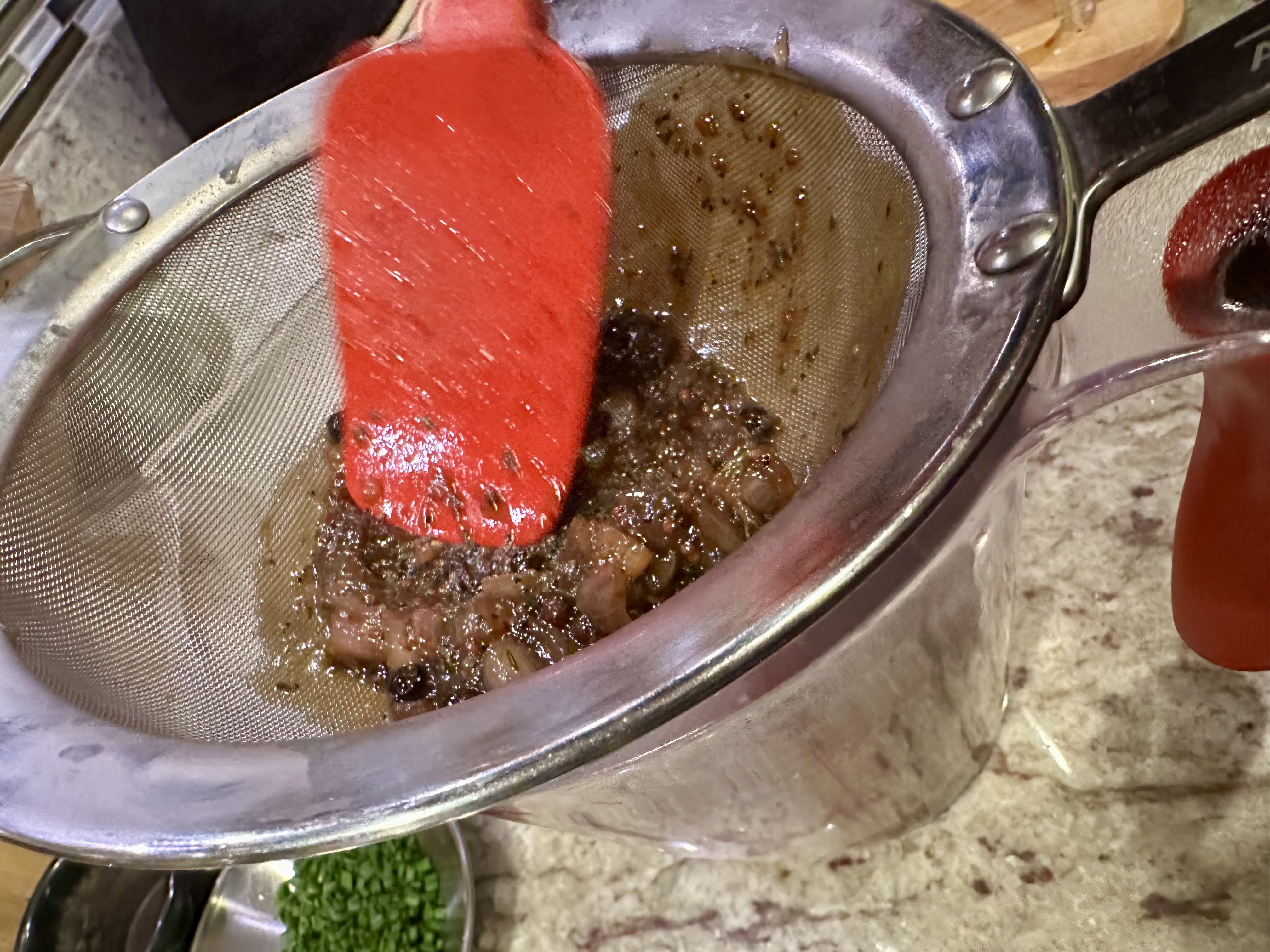
After searing the roast on all sides, including the end caps, The Hubs removed the meat to a platter and poured the contents of the pot through a strainer into a cup. This way it is easy to eliminate the burnt garlic, return the oil to the Dutch oven and continue the cooking process. And though we didn’t cut down the apricots this time or last, we suggest you give them a rough chop so that the pieces are easier to consume.

BTW, kirsch can be substituted for the brandy. We had never cooked with it before and thought you might be interested in the flavor profile, which sounds like a great match for this dish:

kirsch, dry, colourless brandy distilled from the fermented juice of the black morello cherry. Kirsch is made in the Black Forest of Germany, across the Rhine River in Alsace (France), and in the German-speaking cantons of Switzerland. Its production methods remain traditional. The fully ripened cherries are mashed in a large wooden tub or vat and allowed to ferment freely. Upon completion of this process, the entire mass—liquid, pulp, and cherry stones—is distilled in a pot still. During the mashing some of the cherry stones, or pits, are crushed, releasing some of their oils and acids. These include small amounts of hydrocyanic acid, which impart a distinctive bitter almond undertone to the beverage. Kirsch is not aged. It is marketed at 90 to 100 proof, in the clear white (colorless) state it comes off the still. It is a fruit brandy with a clean cherry fragrance and bitter almond taste. Kirsch is consumed neat, as brandy, and in cocktails and is also used in cooking as a flavoring.

So if pork is in your wheelhouse, you may want to get this on your shortlist.

Catalan Braised Pork Shoulder with Dried Fruit

  • Servings: 6-8
  • Difficulty: easy
  • Print

Ingredients

  • 1 boneless pork shoulder, such as Boston Butt (about 4 lbs., trimmed of excess fat)
  • Salt and freshly ground black pepper (kosher or sea)
  • 2 medium garlic cloves, crushed
  • 3 Tbsp. light olive oil
  • 1 medium onion, chopped
  • 1 carrot, diced
  • 8 oz. frozen white pearl onions
  • 1⁄4 cup brandy
  • 2 cups full-bodied dry red wine
  • 1 cup stock (beef or chicken)
  • 3⁄4 cup pitted dried sour cherries
  • 1⁄2 cup dried apricots (or dried figs), roughly chopped
  • 1 large bay leaf
  • 1 small piece cinnamon stick
  • 2 fresh rosemary sprigs

Directions

  1. Preheat oven to 325º.
  2. Using kitchen string, tie the pork shoulder crosswise, spacing the ties 1 inch apart. Rub the pork generously with salt and pepper and the garlic.
  3. Heat 2 tablespoons of the olive oil in a 5 to 6 quart flameproof casserole or Dutch oven over high heat until almost smoking. Add the pork and cook until richly browned on all sides, about 8 minutes total. Add the remaining oil while the pork browns, if the casserole looks too dry. Transfer the pork to a platter. Drain oil and drippings over a strainer on a cup to remove burnt garlic, and return strained oil to the Dutch oven.
  4. Add the chopped onion, carrot, and pearl onions to the casserole and brown well, 6 to 7 minutes. Add the brandy and cook over high heat until it is reduced to about 1 tablespoon, about 1 minute.
  5. Add the wine, beef stock, cherries, apricots, bay leaf, cinnamon stick, and rosemary sprigs and bring to a boil, scraping the bottom of the casserole to dislodge the brown bits. Season the sauce with salt to taste.
  6. Return the pork to the casserole. Place a large piece of parchment that over hangs the pot, then cover tightly and transfer it to the oven. Bake the pork, turning it once or twice, until it is very tender and an instant-read thermometer registers 180-185°, about 2 hours and 15 minutes. Start checking at 2 hours.
  7. Transfer the pork to a plate and cover it tightly with foil to keep warm. Remove and discard the bay leaf, cinnamon stick, and rosemary sprigs.
  8. Transfer the casserole to the stove top and cook the sauce over high heat until it is slightly syrupy, about 5 minutes.
  9. Remove the string from the pork and discard it. Cut the pork into slices and arrange on a serving platter. Pour the sauce over the pork and serve.

http://www.lynnandruss.com

Adapted from a recipe in Anya Von Bremzen’s cookbook “The New Spanish Table”

Cod with Chorizo, Greens and Chickpeas

In this one-pan dinner from Bon Appétit, cod and Spanish chorizo—the dry, cured kind, often sold in a link like salami—showcase why the ingredients make such a great pair.

Chorizo is a highly seasoned chopped or ground pork sausage used in Spanish and Mexican cuisine. Mexican chorizo is made with fresh (raw, uncooked) pork; while the Spanish version, which is used here, is made with garlic and pimentón (Spanish smoked paprika, either sweet or hot), which gives it its deep brick-red color and smoky flavor.

Using rendered chorizo to cook down garlic, tomato paste, and sherry vinegar creates a red-tinged mixture at the bottom of the pan; with water, it becomes a flavorful braising liquid for sturdy greens, then warming canned chickpeas, and finishing your previously seared fish.

Finishing the lean, flaky fish in liquid ensures gentle cooking so you don’t end up with rubbery overdone fish. Crispy chickpeas, made first, in the same pan, add a textural garnish. Add a piece of crusty bread for sopping up all the extra sauce and you have a dish that’s fast enough for a weeknight but elevated enough for company.

For an extra fiery version of this dish, swap in a tablespoon of Calabrian chile paste for one of the two tablespoons of tomato paste (you’ll want to still use a bit of tomato paste to ensure the sauce gets some color).

We made numerous changes including increasing the olive oil, using a larger can of chickpeas, decreasing the amount of flour, and starting with a larger skillet. All of our changes are noted in the recipe below.

Cod with Chorizo, Greens and Chickpeas

  • Servings: 4-6
  • Difficulty: easy
  • Print

Ingredients

  • 2 Tbsp. all-purpose flour, for dusting one side of the fish
  • 1–1½ lb. skinless cod fillet, cut into 2–4 pieces, patted dry
  • Kosher salt, freshly ground pepper
  • 4 Tbsp. extra-virgin olive oil
  • 1 19 oz. can chickpeas, rinsed, divided
  • 4 oz. smoked Spanish chorizo, casing removed if needed, cut into very small pieces
  • 5 garlic cloves, thinly sliced
  • 2 Tbsp. sherry vinegar or red wine vinegar
  • 2 Tbsp. tomato paste
  • ¼ tsp. crushed red pepper flakes
  • 1 bunch kale, ribs and stems removed, leaves torn into large pieces (about 6 cups)
  • 2 Tbsp. unsalted butter

Directions

  1. Place ⅓ cup all-purpose flour in a shallow bowl. Season 1–1½ pounds skinless cod fillet, cut into 2–4 pieces, patted dry, on both sides with kosher salt and freshly ground black pepper, then press one side into flour to coat and tap off excess.
  2. Heat 2 tablespoons extra-virgin olive oil in a large high-sided skillet over medium-high. Cook ½ cup chickpeas, rinsed, tossing often, until crisp, about 3 minutes. Using a slotted spoon, transfer to a small bowl; season with salt.
  3. Reduce heat to medium. Cook cod, flour side down, in oil left in pan until light golden underneath, about 3 minutes. Transfer to a plate and arrange browned side up.
  4. Cook 4 ounces smoked Spanish chorizo, casing removed if needed, cut into very small pieces, in same pan, stirring often, until oil is red and chorizo is starting to crisp, about 1 minute. Add 5 garlic cloves, thinly sliced, and cook, stirring often, until fragrant, about 1 minute. Add 2 tablespoons sherry vinegar, 2 tablespoons tomato paste, and ¼ teaspoon crushed red pepper flakes and cook, stirring often, until combined about 1 minute. Add 1 medium bunch kale, ribs and stems removed, leaves torn into large pieces (about 4 cups), and stir to coat, then add 2 tablespoons unsalted butter, remaining chickpeas, a pinch of salt, and 1 cup water. Cook, tossing often, until kale is wilted, about 3 minutes.
  5. Arrange cod, browned side up, in pan; simmer, spooning sauce over, until cooked through, about 3 minutes. Top with crisped chickpeas and season with black pepper.

http://www.lynnandruss.com

Adapted from a recipe by Kendra Vaculin for Bon Appétit

Shrimp Saganaki

Attending a Greek dinner party, we were tasked with supplying an appetizer to go with the theme. After a bit of a search, we decided on the Shrimp in a Skillet with Feta and Tomatoes from our “My Greek Table” cookbook by Diane Kochilas.

This Greek recipe is a taverna classic and beloved all over Greece, AND in Greek restaurants all over the world, too. It’s also very easy to prepare at home and can be served as a meze or as a main course. It’s delicious over rice or pasta, too.

There were a total of 10 guests at the party so we decided to double the recipe which required cooking the shrimp in two batches. Lucky for us, there were some leftovers which we served atop a bed of orzo for dinner a couple of days later.

Shrimp Saganaki

  • Servings: 4-6
  • Difficulty: easy
  • Print

Ingredients

  • 1 ½ lbs. large shrimp cleaned, with heads and tails intact
  • 6 Tbsp. ouzo
  • Juice of 1/2 lemon, strained
  • 4 Tbsp. extra virgin olive oil
  • 1 large red onion finely chopped
  • 1 large garlic clove minced
  • 1 green chile pepper (such as Anaheim), seeded and finely chopped
  • 2 cups chopped or grated fresh tomatoes, or diced canned tomatoes
  • Salt and freshly ground black pepper
  • 1 tsp. finely grated lemon zest
  • 2/3 cup Greek feta cheese, crumbled
  • 2 tsp. dried oregano
  • 2 Tbsp. finely chopped flat-leaf parsley

Directions

  1. Place the shrimp, 3 tablespoons of the ouzo and the lemon juice in a bowl. Cover, and refrigerate for at least 15 minutes or up to 2 hours.
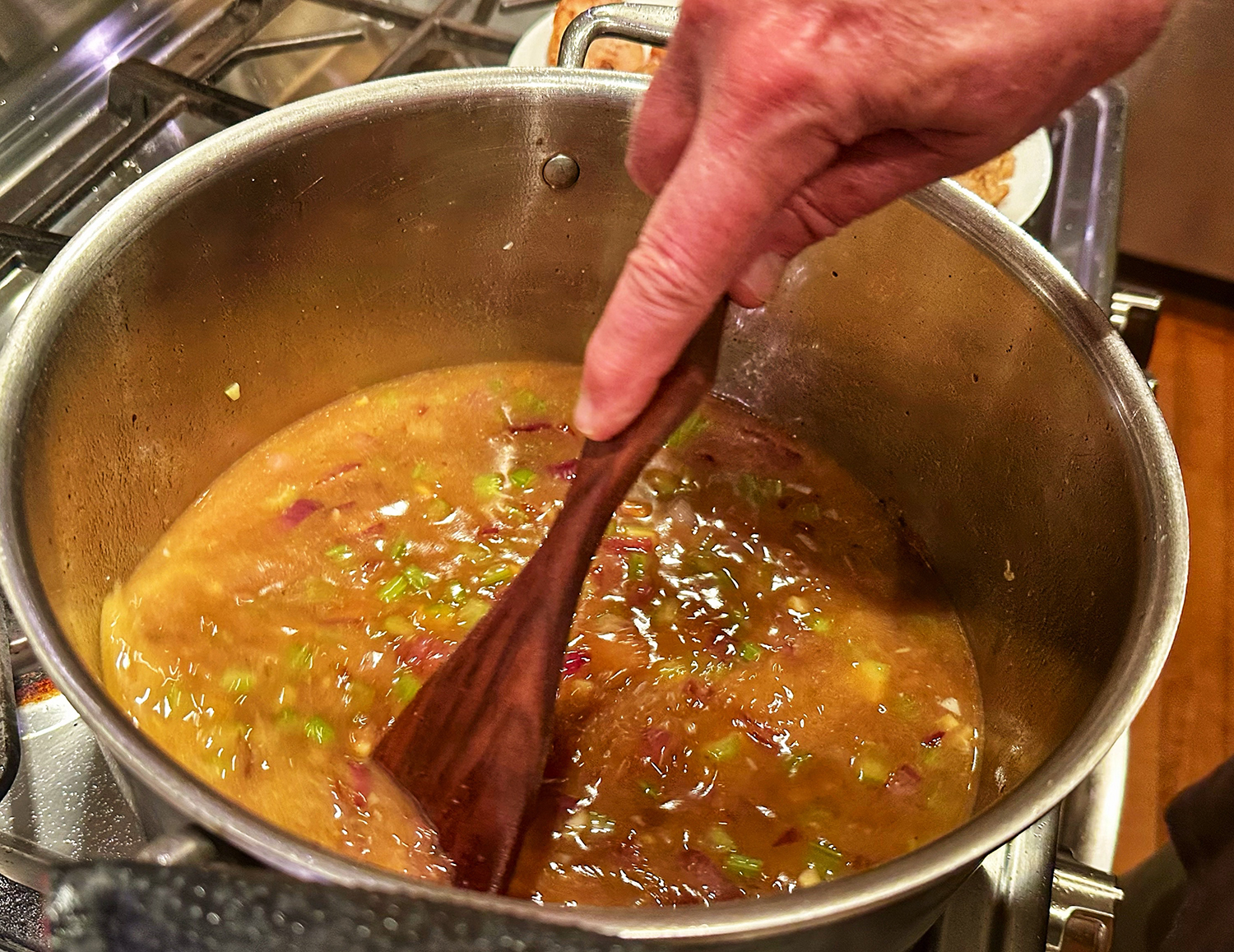
  2. In a large, deep skillet, heat two tablespoons of the oil over medium heat. Add the onion and chile and cook, stirring until wilted, about 8 minutes. Stir in half the garlic. Add the tomatoes and bring to a simmer. Season lightly with salt and pepper. Raise the heat to medium-high and cook for 15 minutes, until most of the watery liquid from the tomatoes has evaporated.
  3. In a separate large skillet. heat the remaining two tablespoons of olive oil over medium-high heat. Add the shrimp and remaining garlic, toss to combine and cook until the shrimp turn pink. Carefully spritz with the remaining 3 tablespoons ouzo; it may flame up a bit.
  4. Add the shrimp and pan juices to the tomato sauce. Stir in the lemon zest and feta. When the feta starts to melt, gently stir in the oregano and parsley. Remove from the heat and serve.

http://www.lynnandruss.com

Adapted from a recipe by Diane Kochilas

Marry Me Chicken Stuffed Shells

You feast with your eyes first, and with this dish, it was love at first sight. All the hallmarks of Marry Me Chicken — sun-dried tomatoes, chicken, cream, and Parmesan cheese — are blended with even more cheese, then stuffed into jumbo shells along with Italian seasoning and fresh basil to make this decadent casserole.

Appealing to all ages, this cozy pasta dish can be served as a weeknight dinner, weekend dining with guests, or as an impressive potluck main course. The extra melty mozzarella cheese on top and fresh basil flourish makes this a meal sure to become a favorite.

Aim to cook your shells to al dente; they should be mostly tender but with a bit of firmness to them. You can often see a faint dry, starchy line  in the center of a cross section when you cut into one — that means  they’re ready. Al dente shells will be easier to handle and will bake to tender in the oven.
This is a saucy stuffed shell recipe. The sauce not only provides flavor but ensures the shells and filling remain moist and tender throughout the baking process. That said, if you want some of your shells to be more exposed so they have some toasted, chewier bites to some edges, you could hold back about a cup of the sauce and just serve the extra sauce alongside.

For an extra treat, serve it with some Cheesy French Onion Garlic Bread.

Marry Me Chicken Stuffed Shells

  • Servings: 6-8
  • Difficulty: moderate
  • Print

Ingredients

  • 24 jumbo pasta shells, from one 12-oz. package
  • 1 cup whole milk ricotta cheese
  • 3/4 cup finely chopped cooked chicken
  • 1 package goat cheese, (4-oz.) about 1/2 cup
  • 1/3 cup finely grated Parmesan cheese
  • 1 large egg, beaten
  • 1 1/2 Tbsp. finely chopped fresh basil, plus more roughly chopped for garnish
  • 2 cloves garlic, minced
  • 1 tsp. kosher salt
  • 3/4 tsp. dried Italian seasoning
  • 1/4 tsp. black pepper
  • 1 package low-moisture part-skim mozzarella cheese, (8-oz.) freshly shredded and divided (about 2 cups)
  • 1 jar julienne-cut sun-dried tomatoes in oil, (7-oz,) about 2/3 cup
  • 1 small yellow onion, finely chopped
  • 1 jar marinara sauce, (24-oz.) about 2 1/2 cups
  • 1/4 cup water
  • 1/4 tsp. crushed red pepper
  • 1 cup heavy whipping cream

Directions

  1. Preheat oven to 375°F. Bring a large pot of salted water to a boil over high. Add shells; cook, stirring often, over high until al dente, 8 to 10 minutes. Drain shells, running under cold water to help stop cooking.
  2. Stir together ricotta, chicken, goat cheese, Parmesan, egg, basil, garlic, salt, Italian seasoning, black pepper, and 4 ounces (about 1 cup) of the mozzarella in a medium bowl until well combined. Set aside.
  3. Reserve 1 tablespoon sun-dried tomato oil from jar; drain and finely chop tomatoes (about 2/3 cup). Heat reserved oil in a medium saucepan over medium until shimmering. Add chopped tomatoes and onion; cook, stirring frequently, until onions are softened, about 3 minutes. Add marinara sauce, water, and red pepper; bring to a boil over medium, stirring occasionally, then reduce heat to low. Cook, stirring occasionally, over low until flavors meld and slightly reduced, about 15 minutes.
  4. While sauce cooks, place ricotta mixture in a large resealable plastic bag or piping bag; cut a 1-inch hole in corner or tip. Evenly pipe ricotta mixture into cooked shells (about 2 tablespoons each).
  5. Stir cream into sauce until combined. Spread half of sauce over bottom of a 13- x 9-inch baking dish. Arrange shells, filled side up, over sauce; top with remaining sauce.
  6. Cover dish with aluminum foil; bake in preheated oven until shells are tender, sauce is bubbling and filling is heated through, about 30 to 35 minutes. Remove from oven; uncover and sprinkle evenly with remaining 4 ounces (about 1 cup) mozzarella.
  7. Preheat oven to broil with rack about 7 inches from heat source. Broil until cheese is melted and just lightly browned in spots, about 2 to 4 minutes. Garnish with basil. Serve immediately.

http://www.lynnandruss.com

Recipe by Tricia Manzanero Stuedeman for Food & Wine

Tuna Noodle Casserole

Have an aversion to tuna noodle casseroles? I certainly did growing up. But this sophisticated recipe has a more grown-up flavor-packed profile. It is filled with egg noodles, creamy tonnato sauce, pimientos, and peas, and topped with crunchy potato chips. Although I don’t believe the chips to be a necessary ingredient, they do add a nice crunch factor.

Often associated with 1950s middle America, tuna noodle casserole is a creamy and comforting baked pasta studded with flakes of canned tuna and sweet peas. This version forgoes the classic canned cream of mushroom soup base and instead leans on tonnato sauce, a bright and briny Italian condiment made with pureed canned tuna, anchovies, and mayonnaise, to add richness and zing. 

For this recipe, it’s important to use water-packed tuna, instead of oil-packed tuna, for a silky-smooth sauce. The most common types of canned tuna you’ll see in grocery stores are labeled “white tuna,” which is 100% albacore tuna, or “light tuna,” which can be a mix of yellowfin, bigeye, or skipjack. Albacore tuna is preferred for its firm, meaty texture and mild flavor. Yellowfin, bigeye, and skipjack tuna tend to have a more tan or pink color and a stronger, fishier flavor. 

Concerned that the potato chips would get soggy while covered in foil, but we went ahead and made the recipe as written. The chips were crispy in the end. However, if you know that you will have half of the casserole left, top only half of it with potato chips, then when you go to reheat, put the chips on the remaining portion and cook until hot.

Make ahead: The casserole can be prepared through step 3 up to one day in advance and stored, covered, in the refrigerator. Let it stand at room temperature while the oven preheats. Proceed with step 4 as directed, increasing the baking time to about 25 minutes covered and 15 minutes uncovered.

Tuna Noodle Casserole

  • Servings: 8
  • Difficulty: easy
  • Print

Ingredients

  • 1 (12-oz.) package wide egg noodles
  • 1/2 cup mayonnaise
  • 2 tsp. grated lemon zest
  • 1/4 cup fresh lemon juice
  • 1/4 cup water
  • 2 Tbsp. drained capers
  • 1 tsp. black pepper
  • 4 garlic cloves smashed
  • 3 oil-packed anchovy fillets, drained 
  • 4 (5-oz.) cans tuna in water, drained and broken into large flakes, divided
  • 3 Tbsp. unsalted butter 
  • 1 yellow onion, finely chopped
  • 1/4 cup all-purpose flour
  • 1 cup half-and-half
  • 1 cup chicken stock
  • 4 oz. grated Parmesan cheese (about 1 cup), divided
  • 1 cup fresh or frozen sweet peas
  • 2 (4-oz.) jars diced pimientos, drained
  • 1 1/2 tsp. kosher salt
  • 3 Tbsp. chopped fresh dill, divided
  • 2 cups potato chips, barely crushed, some left whole

Directions

  1. Preheat oven to 400°F. Bring a large pot of salted water to a boil over high. Cook egg noodles, stirring occasionally, until al dente, about 5 minutes; drain and rinse with cold water. Set aside.
  2. Combine mayonnaise, lemon zest and juice, 1/4 cup water, capers, black pepper, garlic, anchovies, and 2 cans tuna in a blender; process until smooth, about 25 seconds. Set tonnato sauce aside.
  3. Melt butter in a large Dutch oven over medium. Add onion; cook, stirring often, until softened, about 4 minutes. Sprinkle with flour; cook, stirring constantly, 1 minute. Stir in half-and-half; cook, stirring constantly, until thickened, 30 seconds to 1 minute. Stir in tonnato sauce, stock, and 3/4 cup Parmesan. Remove from heat; stir in egg noodles, peas, pimientos, salt, 2 tablespoons dill, and remaining 2 cans tuna. Transfer mixture to a 3-quart baking dish (such as a 9- x 13-inch dish).
  4. Top casserole evenly with potato chips and remaining 1/4 cup Parmesan. Cover dish tightly with aluminum foil, and bake in preheated oven for 15 minutes. Uncover, and continue baking until heated through, about 10 minutes. Garnish with remaining 1 tablespoon dill.

http://www.lynnandruss.com

Recipe by Liz Mervosh for Food & Wine

King Ranch Casserole

This creamy, hearty, Tex-Mex weeknight casserole is packed with shredded chicken, corn tortillas, melty cheese, and chiles. It combines smoky and spicy ingredients into a comforting weeknight dinner. Shred the meat from a rotisserie chicken the night before, and your ahead of the game when it is time to make dinner.

While the flavors are reminiscent of enchilada casserole, the assembly process is even easier — rather than filling and rolling tortillas, the ingredients and melty cheese are layered like a lasagna. The salsa macha verde is a crunchy and spicy dried chile condiment with garlic, nuts, and seeds that adds a punch of spicy umami; chile crisp can be used in place of it.

If you don’t have a large (12-inch) cast-iron skillet, you can bake the casserole in a 9- x 13-inch baking dish. The layering and assembly instructions as well as the bake time will be the same.

Even though The Hubs added a 1/4 teaspoon of cayenne, we found the dish could have been spicier. So we also included pickled jalapeños as an extra garnish and a salsa verde as a side.

NOTE: Wrap the tortillas in aluminum foil and pop them in the already heated oven for about 10 minutes to soften them and bring out their flavors. You can also char them in a pan on the stove. Or do as we did, wrap them in a moistened paper towel and microwave the stack for one minute.

Let the casserole sit for 10 minutes after removing from the oven. The slices will still be sloppy when first serving, but if you have leftovers, you can easily cut wedges and heat them in a microwave.

King Ranch Casserole

  • Servings: 8
  • Difficulty: easy
  • Print

Ingredients

  • 3 Tbsp. unsalted butter 
  • 1 red bell pepper, stemmed, seeded, and chopped (about 1 2/3 cups)
  • 1 yellow onion, chopped (about 1 1/2 cups)
  • 1 Tbsp. chili powder
  • 2 tsp. ground cumin
  • 3 1/2 cups chicken broth
  • 1/4 cup all-purpose flour
  • 3 cups shredded rotisserie chicken (about 1 rotisserie chicken)
  • 1 (10-oz.) can diced tomatoes and green chiles (such as Rotel), drained 
  • 3/4 cup heavy cream
  • 3/4 cup sour cream, plus more for garnish
  • 3 Tbsp. salsa macha verde or chile crisp, plus more for serving
  • 1 tsp. kosher salt
  • 2 cups shredded Monterey Jack cheese (about 8 oz.), divided
  • 12 (5 1/2-inch) corn tortillas, warmed, divided
  • Sliced avocado and fresh cilantro leaves, for garnish  

Directions

  1. Preheat oven to 425°F. Melt butter in a 12-inch cast-iron skillet over medium-high. Add bell pepper and onion; cook, stirring occasionally, until softened, about 6 minutes. Add chili powder and cumin, and cook, stirring often, until fragrant, about 1 minute. Add chicken broth; bring to a boil over high, stirring occasionally. Boil until broth is reduced by about one-third, 8 to 10 minutes.
  2. Reduce heat to low, and gradually whisk in flour; cook, whisking constantly, until broth mixture thickens slightly, about 1 minute. Remove from heat; stir in chicken, diced tomatoes and green chiles, heavy cream, sour cream, salsa macha verde, and salt until well combined; transfer to a large bowl. Do not wipe skillet clean.
  3. Spoon 2 cups chicken mixture back into skillet; spread in an even layer. Top evenly with 1/2 cup cheese and 6 tortillas, overlapping slightly and tearing as needed to fit. Repeat layering process with chicken mixture and cheese. Top with remaining 6 tortillas, remaining 2 cups chicken mixture, and remaining 1 cup cheese.
  4. Bake casserole in preheated oven until bubbly and cheese is browned in spots, 15 to 20 minutes. Let the casserole sit for 10 minutes before slicing into wedges.
  5. Garnish with sliced avocado, cilantro, and sour cream. Drizzle with salsa macha verde or chili crisp.

http://www.lynnandruss.com

Adapted from a recipe by Liz Mervosh for Food and Wine

Creole-Style Red Jambalaya With Chicken, Sausage, and Shrimp

This New Orleans classic is loaded with meat, seafood, and tomatoes. Two main categories of jambalaya exist: Creole (or red) jambalaya, which is associated with the city of New Orleans and contains tomato; and Cajun (or brown) jambalaya, which contains no tomato and is more common in other parts of Louisiana. This recipe focuses on the Creole version with tomato.

According to Serious Eats “Beyond those two categories, though, it gets more difficult to pin down specifics. Meats often include pork (ham or sausage), chicken, shrimp, and crawfish, but oysters, turtle, duck, alligator, and more can also find their way into the jambalaya pot. Many recipes call for the “holy trinity”—Cajun cooking’s signature aromatic mixture of onion, green bell pepper, and celery—but I’ve found examples that omit or alter some part of it.”

This version sticks with some of the most common choices: a mixture of chicken, smoked andouille sausage, and shrimp, along with the trinity in its most typical form. The rice ratio? Rice can be tricky, but as a rule of thumb, using twice as much liquid as rice by volume will more or less put you in the ballpark.

You’ll need the juice from the tomatoes to function as a portion of the rice-cooking liquid, so be sure to check the ingredients and get canned peeled whole tomatoes packed in juice, not in purée.

The reason to use canned whole tomatoes is threefold. First, they tend to be better quality than crushed or puréed. Second, canned whole tomatoes tend not to have the firming agents that crushed tomatoes do—those firming agents can prevent the tomatoes from softening as they cook, so that they never fully melt into the dish. And third, because it’s easier to separate the flesh of whole tomatoes from their juices than it is to separate crushed or puréed tomatoes from them.

Creole-Style Red Jambalaya With Chicken, Sausage, and Shrimp

  • Servings: 6-8
  • Difficulty: easy
  • Print

Ingredients

  • 1 28-oz. can peeled whole tomatoes, packed in juice
  • About 3 cups homemade chicken or shellfish stock, plus more as needed
  • 1 1/4 lbs. boneless, skinless chicken thighs
  • Kosher salt and freshly ground black pepper
  • 1 Tbsp. vegetable, canola, or other neutral oil, plus more if needed
  • 3/4 lb. cooked Cajun or Creole sausage, such as andouille or chaurice (or other similar smoked or spiced pork sausage), sliced into thin rounds
  • 1 medium yellow onion, diced
  • 2 medium green bell peppers, stemmed, seeded, and diced
  • 4 celery ribs, diced
  • 4 medium cloves garlic, minced
  • 1 tsp. tomato paste
  • 1 Tbsp. Louisiana-style hot sauce (like Tabasco sauce), plus more for serving
  • 2 tsp. minced fresh thyme leaves or 1 tsp. dried thyme
  • 1 tsp. dried oregano
  • 1/4 tsp. cayenne pepper, or to taste
  • 1/4 tsp. garlic powder
  • 2 bay leaves
  • 2 cups long-grain rice
  • 3/4 lb. peeled and deveined shrimp
  • 6 scallions, white and light green parts only, thinly sliced

Directions

  1. Strain tomatoes and add juice to a 4-cup measuring cup. Place tomatoes in a medium bowl. Using your fingers, carefully tear each tomato open to release the liquid inside its seed compartments. Strain all this liquid into measuring cup. Crush tomatoes well with your hands. Add enough chicken stock to tomato juices to total 4 cups (960ml). Set aside.
  2. Preheat oven to 325°F (160°C). Season chicken all over with salt and pepper. In a Dutch oven, heat oil over medium-high heat until shimmering. Add chicken and cook, turning, until browned on both sides, about 6 minutes per side. Transfer chicken to a cutting board and let rest for 5 minutes, then cut into 1/2-inch chunks and set aside.
  3. Meanwhile, add sausage to Dutch oven and cook, stirring often, until just starting to darken, about 3 minutes; lower heat and/or add oil at any point to prevent burning. Add onion, bell pepper, celery, and garlic and cook, stirring and scraping bottom of Dutch oven, until browned bits have come loose and vegetables just begin to turn lightly golden, about 8 minutes.
  4. Stir in tomato paste and cook, stirring, until lightly browned, about 1 minute. Add hot sauce, thyme, oregano, cayenne, garlic powder, and a very generous dose of black pepper. Add crushed tomatoes, tomato/stock mixture, diced chicken, and bay leaves and bring to a simmer. Season with salt, tasting liquid to ensure it is well seasoned.
  5. Stir in rice and return to a simmer. Cover with lid and transfer to oven. Bake until liquid is fully absorbed and rice is tender, about 40 minutes.
  6. Gently stir in shrimp and scallions and return to oven until shrimp are just cooked through, about 5 minutes. Cover pot and let rest 15 minutes. Remove bay leaves.
  7. Serve, passing hot sauce at the table for diners to add to taste.

http://www.lynnandruss.com

Original recipe by Daniel Gritzer for Serious Eats

Golden Chicken with Mustard and Shallots

From a recent Bon Appétit magazine issue, this dish was featured in an article about the editor’s choice of the best 56 recipes since it first started publishing in 1956. OK, now that’s intriguing. And it is especially geared toward those who prefer the white meat of a chicken, although The Hubs, a dark meat fan, was surprised how delicious it was.

Yes, chicken breasts can be juicy and delightful. The key here is to coat them in a dusting of flour, salt, and turmeric, which yields a lightly seasoned crust and prevents them from sticking to the pan. Searing the chicken to start yields a crackly-golden exterior on the meat, and lots of flavorful browned bits too.

The sauce comes together in the same skillet, with shallots and garlic infusing the olive oil before Dijon mustard, heavy cream, and fresh thyme team up for a sunny, fragrant sauce. For maximum juiciness, the chicken gently finishes cooking in the oven, until it reaches succulent, tender perfection. Rely on an instant-read thermometer if you’re feeling unsure of its doneness, and make sure to let it rest before slicing.

The original recipe indicated it served two, but we had plenty leftover for a third portion, especially if it is served with rice (our choice) or bread.

Golden Chicken with Mustard and Shallots

  • Servings: 2-3
  • Difficulty: easy
  • Print

Ingredients

  • 1 Tbsp. all-purpose flour
  • 1½ tsp. Diamond Crystal or ¾ tsp. Morton kosher salt, divided
  • 1½ tsp. ground turmeric, divided
  • 2 skinless, boneless chicken breasts (about 1½ lb. total)
  • 2 Tbsp. extra-virgin olive oil, divided
  • 2 medium shallots, thinly sliced
  • 4 garlic cloves, finely chopped
  • 3 sprigs thyme, plus leaves for serving
  • 1 cup heavy cream
  • 3 Tbsp. Dijon mustard
  • 1 Tbsp. honey
  • 1 tsp. freshly ground pepper
  • Steamed rice or toasted country-style bread (for serving)

Directions

  1. Preheat oven to 375°. Mix 1 Tbsp. all-purpose flour, ½ tsp. Diamond Crystal or ¼ tsp. Morton kosher salt, and 1 tsp. ground turmeric in a small bowl to combine. Sprinkle 2 skinless, boneless chicken breasts (about 1½ lb. total) all over with flour mixture.
  2. Heat 1 Tbsp. extra-virgin olive oil in a medium ovenproof skillet over medium-high. Cook chicken until golden brown on both sides, about 5 minutes per side; transfer to a plate.
  3. Reduce heat to medium; heat remaining 1 Tbsp. extra-virgin olive oil in same skillet. Cook 2 medium shallots, thinly sliced, and 4 garlic cloves, finely chopped, stirring often, until shallots are translucent, about 4 minutes. Add 3 sprigs thyme, 1 cup heavy cream, 3 Tbsp. Dijon mustard, 1 Tbsp. honey, 1 tsp. freshly ground pepper, and remaining 1 tsp. Diamond Crystal or ½ tsp. Morton kosher salt and ½ tsp. ground turmeric; stir to combine. Bring to a simmer, then return chicken and any accumulated juices to skillet.
  4. Transfer skillet to oven and bake until sauce is slightly reduced and chicken is cooked through (an instant-read thermometer inserted into thickest part of breasts should register 160°), 20–25 minutes.

http://www.lynnandruss.com

Recipe by Rachel Gurjar for Bon Appétit