Category Archives: Uncategorized

Stir-Fried Orange Beef with Scallions

For those home cooks who look forward to a short ingredient list and a quick cooking time, but demand great taste, this recipe is for you. This stir-fried spin on Chinese Orange Beef, a perennial favorite, typically calls for deep-frying the meat; plus using a myriad of spices and techniques. But you don’t have to worry about any of that here.

The recipe uses orange marmalade to add layers of sweetness, bitterness and citrusy brightness. Five-spice powder adds to the complexity with its warm spiciness. Then the stir-fry is finished with scallions or basil to accentuate the anise notes of the five-spice. Serve with steamed white or brown rice; and perhaps a side salad if you crave more veggies.

Stir-Fried Orange Beef with Scallions

  • Servings: 3-4
  • Difficulty: easy
  • Print

Ingredients

  • 1½ lbs. beef flat-iron steak OR boneless beef short ribs OR flap meat, trimmed and sliced ¼ inch thick against the grain
  • 1½ tsp. Chinese five-spice powder
  • Ground black pepper OR ground white pepper
  • 1 Tbsp. neutral oil
  • 3 Tbsp. orange marmalade
  • 2 Tbsp. soy sauce
  • 1 bunch scallions, whites and light greens cut into 1-inch lengths, dark greens chopped for garnish OR 1 cup lightly packed fresh basil, torn if large
  • Juice from 1⁄2 orange, plus extra wedges to serve

Directions

  1. Toss the beef with the five-spice and ½ teaspoon pepper.
  2. In a 12-inch skillet, heat the oil until barely smoking. Add the beef in an even layer and cook without stirring until browned on the bottom, about 3 minutes.
  3. Stir, then add the marmalade and soy sauce. Cook, stirring, until the beef is lightly glazed. Off heat, stir in the scallions and orange juice. Season with pepper and additional orange juice.

http://www.lynnandruss.com

Adapted from a recipe by Courtney Hill for Milk Street

Colombian-Style Asado Pork Chops

The flavor, a bold blend of sweet and savory, with herbs and onions most obvious, but sugar and brine almost as pronounced. The thick pork chops are drenchingly moist and wildly flavorful. Each bite has briny and spicy and rich and savory.

This recipe is an attempt to recreate a Bogotá asado mix. Instead of a mix of meats, this option is for easy-to-cook, richly flavorful bone-in pork chops. Typically it includes achiote, a seed that adds vivid red-orange color and mild, earthy notes. Easier-to-source sweet paprika is substituted here, and cider vinegar is a stand-in for apple wine (a beverage similar to dry hard cider) to bring tart, fruity notes that balance the spices and herbs.

A blender makes quick work of the seasoning paste, half of which coats the chops for marinating; the rest is brushed onto the pork midway through cooking. If desired, serve with roasted potatoes and/or fried plantains, as asado is served in Bogotá. We paired ours with grilled broccoli and pickled shallots.

Don’t scrape the seasoning paste off the chops before grilling. The paste aids with browning and develops a rich, heady aroma along with depth of flavor on the grill.

Colombian-Style Asado Pork Chops

  • Servings: 4
  • Difficulty: easy
  • Print

Ingredients

  • 1/4 cup sweet paprika
  • 2 scallions, roughly chopped
  • 2 bay leaves
  • 1 1/2 tsp. ground cumin
  • 1 tsp. dried thyme
  • 1 tsp. ground allspice
  • 2 medium garlic cloves, smashed and peeled
  • 3 Tbsp. cider vinegar
  • 2 Tbsp. packed brown sugar
  • 2 Tbsp. grapeseed or other neutral oil
  • Kosher salt and ground black pepper
  • 4 10- to 12-oz. bone-in pork loin chops (each ¾ to 1 inch thick), patted dry
  • Lime wedges, to serve (optional)

Directions

  1. In a blender, combine the paprika, scallions, bay, cumin, thyme, allspice, garlic, vinegar, sugar, oil, ¼ cup plus 2 tablespoons water, 2 teaspoons salt and 1 teaspoon pepper. Blend, scraping the jar as needed, until smooth, about 30 seconds. Measure ⅓ cup of the paste into a small bowl, then stir in 2 tablespoons water; cover and set aside or cover and refrigerate if you will be marinating the chops for more than 2 hours. It is preferable to marinate a full 24 hours if possible.
  2. Coat the chops on all sides with the remaining seasoning paste, rubbing it into the meat. Set on a large plate or baking dish, cover and refrigerate for at least 1 hour or up to 24 hours.
  3. When you are ready to cook the chops, remove from the refrigerator (along with the reserved seasoning paste, if refrigerated) and let stand at room temperature while you prepare a charcoal or gas grill.
  4. For a charcoal grill, ignite a large chimney of coals, let burn until lightly ashed over, then distribute evenly over one side of the grill bed; open the bottom grill vents. For a gas grill, turn all burners to high. Heat the grill, covered, for 5 to 10 minutes, then clean and oil the grate.
  5. Without scraping off the seasoning paste, place the chops on the grill (on the hot side, if using charcoal). Cook, uncovered, until nicely charred on the bottoms, 5 to 7 minutes.
  6. Brush the chops with about half of the reserved seasoning paste, then flip the chops and brush with the remaining reserved seasoning paste. Cook, uncovered, until the second sides are well charred and the centers near the bone reach 135°F or are just barely pink when cut into, another 5 to 7 minutes.
  7. Flip the chops once again and cook for about 1 minute to heat the newly applied seasoning paste. Transfer to a platter and tent with foil; let rest for 10 minutes. Serve with lime wedges (if using).

http://www.lynnandruss.com

Recipe from an adaptation by Diane Unger for Milk Street

Chicken Noodle Salad With Spicy Peanut Sauce

When the weather gets stifling, many home cooks prefer to use the oven as little as possible. To that end, salads are a good meal choice. Cold, crunchy, fiery, nutty—this Chicken Noodle Salad With Spicy Peanut Sauce dish is everything you want in a summer side, or even as a main.

Refreshing romaine and cucumber provide ample texture while a zippy, tangy peanut sauce coats the springy noodles and revives your too-hot-to-eat-anything palate. Gently poaching chicken breasts takes just a few minutes, so you can minimize your time at the stovetop. Of course if you have any leftover chicken, or want to use a precooked rotisserie chicken, buy all means go ahead.

TIP: Prepare the chicken ahead of time and have it chilling in the fridge for you. 

Prepping the lettuce, cucumber, and chicken in similar sizes will give you the most pleasant eating experience; the nutty sauce especially loves to latch on to the craggy surface of the hand-torn chicken pieces.

Unable to source chili crisp at the time (although now we found some), we made our own with chili garlic paste and fried shallots. The amount of English cucumber was rather shy because we already about 1/3 of one on hand and didn’t feel the need to buy more.

Chicken Noodle Salad With Spicy Peanut Sauce

  • Servings: 4
  • Difficulty: easy
  • Print

Ingredients

CHICKEN

  • 1 lb. skinless, boneless chicken breasts (about 2 medium)
  • 1 scallion
  • 3 garlic cloves, smashed
  • 1 1″ piece ginger, peeled, thinly sliced

SAUCE

  • ⅓ cup smooth peanut butter
  • ⅓ cup soy sauce
  • ¼ cup well-mixed chili crisp
  • 2 Tbsp. apple cider vinegar
  • 2 Tbsp. balsamic vinegar
  • 2 Tbsp. toasted sesame oil
  • 2 tsp. sugar
  • Kosher salt, freshly ground pepper

SALAD AND ASSEMBLY

  • 6 oz. fresh or dried wheat noodles (such as ramen)
  • Toasted sesame oil (for drizzling)
  • Kosher salt, freshly ground pepper
  • 1 lb. romaine (about 2 hearts or 1 head), thinly sliced
  • 1 English hothouse cucumber, sliced on a diagonal, julienned lengthwise
  • 3 scallions, finely chopped
  • Chili crisp, fried shallots, or peanuts (for serving; optional)

Directions

CHICKEN

  1. Place 1 pound skinless, boneless chicken breasts (about 2 medium), 1 scallion, 3 garlic cloves, smashed, and one 1″ piece ginger, peeled, thinly sliced, in a medium pot and pour in water to cover by 1″. Bring to a boil, then remove from heat. Cover and let sit 20 minutes.
  2. Using tongs, transfer chicken and garlic to a cutting board; let cool. Scoop out ¼ cup poaching liquid (you won’t use all of it); set aside. (Remaining liquid can be discarded or strained and reserved in the refrigerator up to 3 days. Use as you would stock.)

SAUCE

  1. Whisk ⅓ cup smooth peanut butter, ⅓ cup soy sauce, ¼ cup well-mixed chili crisp, 2 tablespoons apple cider vinegar, 2 tablespoons balsamic vinegar, 2 tablespoons toasted sesame oil, 2 teaspoons sugar, and 2 tablespoons reserved poaching liquid in a medium bowl to combine; season peanut sauce with kosher salt and freshly ground pepper. Set aside.

SALAD AND ASSEMBLY

  1. Cook 6 ounces fresh or dried wheat noodles (such as ramen) in a medium pot of boiling water according to package directions. Drain in a colander and rinse under cool running water. Drizzle with a bit of toasted sesame oil (about 1 teaspoon; this will prevent sticking) and toss to coat. Set aside.
  2. Finely shred chicken, then mash garlic with the flat side of a chef’s knife. Toss chicken, garlic, and ¼ cup reserved peanut sauce in a large bowl; season with kosher salt and freshly ground pepper.
  3. Add 1 pound romaine (about 2 hearts or 1 head), thinly sliced, 1 English hothouse cucumber, sliced on a diagonal, julienned lengthwise, most of the 3 scallions, finely chopped, reserved noodles, and remaining peanut sauce and carefully toss to coat, making sure every element gets properly dressed.
  4. Arrange salad in a serving dish. Top with remaining scallions and serve with chili crisp for drizzling over, and fried shallots or peanuts, if desired.

http://www.lynnandruss.com

Adapted from recipe by Hana Asbrink for Bon Appétit

Zucchini Parmesan

By mid- to late-summer, many home gardeners (or farm stands) will have ample tomatoes and zucchini, so this tasty recipe will assist in using up some of that seasonal bounty. It’s a wonderful meatless dish that can be served as a side or as an entrée with a side salad.

The original recipe by Martha Shulman looked very appetizing, however, we felt a number of alterations could improve the outcome. Roasting, rather than frying the zucchini, allows you to cut down on olive oil and time. With small zucchini under 8 inches long, there is no need to cut them in half crosswise; simply slice them into 1/4″ strips using a mandoline if you have one.

Two sheet pans are oiled with Pam Olive Oil spray instead of lining them with parchment (which many reviewers claimed left the zucchini too watery). After roasting the zucchini, layer the cooled planks between paper towels, and refrigerate until ready to assemble. This helps eliminate any extra moisture. Do this step the day before or that morning, which will save time when you are ready to prep.

Of course, while using fresh tomatoes is preferred, another time saver is to use canned whole tomatoes instead. Crush them with your hands, then follow the directions for making the sauce. For a heftier meal, amp up the dish with 8 ounces of shredded mozzarella, sprinkling between each set of layers with some on top. A small amount of sugar (1⁄8 tsp.) was in the recipe, but we did not include any.

It will serve 4-6 as an entrée, or 8-10 as a side. Fabulous as leftovers too… eaten at room temperature, or reheated.

Zucchini Parmesan

  • Servings: 4-6
  • Difficulty: easy
  • Print

Ingredients

For the Tomato Sauce

  • 2 to 2½ lbs. fresh ripe tomatoes; OR 2, 28-ounce cans of whole tomatoes, hand crushed
  • 1 Tbsp. extra-virgin olive oil
  • 1 small onion, chopped
  • 6 garlic cloves (more or less to taste), roughly chopped
  • Salt and pepper
  • 3 Tbsp. chopped fresh basil, divided

For the Zucchini Parmesan

  • 2 to 2¼ lbs. zucchini
  • Salt and pepper
  • 3 Tbsp. extra-virgin olive oil, divided
  • ½ to 1 tsp. red pepper flakes, to taste
  • ¾ cup freshly grated Parmesan
  • 8 oz. shredded mozzarella

Directions

  1. If you have a food mill, quarter tomatoes. If not, peel, seed and chop them. OR, use canned whole tomatoes and drain the juices saving for another purpose. Crush tomatoes with hands.
  2. To make tomato sauce, heat 1 tablespoon olive oil in a large, heavy skillet over medium heat and add onion. Cook, stirring often, until tender, about 5 minutes.
  3. Add garlic. Cook, stirring, until fragrant, 30 seconds to a minute, and add crushed tomatoes, salt, pepper, and 2 tablespoons of chopped basil. Increase heat to medium-high. When tomatoes are bubbling briskly, stir and reduce heat to medium. Cook, stirring often, until tomatoes have cooked down and are beginning to stick to pan, 15 to 25 minutes, depending on consistency. Taste and adjust seasoning.
  4. Heat oven to 450 degrees. Spray 2 sheet pans with olive oil. Trim ends off zucchini and cut in half crosswise if larger than 8 inches long, then cut into lengthwise slices, about ¼ to ⅓ inch thick (a mandoline comes in handy for this step).
  5. Season on both sides with salt and pepper and toss with 2 tablespoons olive oil. Arrange zucchini slices on baking sheets in one layer and sprinkle with red pepper flakes. Roast for 12 minutes, until lightly browned and easily pierced with a knife. Remove from oven and reduce heat to 375 degrees.
  6. If using a food mill, put sauce through medium blade. If not, pulse sauce in a food processor fitted with steel blade until just coarsely puréed. (Or use an immersion blender.) Stir in remaining chopped basil.
  7. To assemble the dish, oil a 2-quart gratin pan with olive oil. Spread ¼ cup tomato sauce over bottom of dish. Arrange a third of the zucchini in an even layer over tomato sauce. Spoon a third of remaining sauce over zucchini, sprinkle with ¼ cup Parmesan, and add 1⁄3 of mozzarella. Repeat with 2 more layers, ending with ¼ cup Parmesan and remaining mozzarella. Drizzle on remaining tablespoon olive oil.
  8. Bake 30 to 35 minutes, until bubbling and browned on the top and edges. Remove from heat and allow to sit for 10 minutes before serving.

http://www.lynnandruss.com

Loosely adapted from a recipe by Martha Shulman for NYTimes Cooking

Salmon with Miso, Mirin and Sake

Here’s a quick, healthy weeknight meal bursting with flavor. You just have to be mindful of marinating the salmon the night before, or the morning of.

Instead of buying 4, 6-ounce fish filets, we bought one large piece and cut it down into 3 filets measuring 8 ounces each. We paired ours with a side salad and Roasted Butternut Squash with Hoisin and Chives, which also had an Asian profile.

During the broiling process, the internal temperature was too low while the outsides were getting scorched. To continue cooking the fish, drape a piece of aluminum foil over the fish, and cook for a few minutes more.

What is the difference between white and red miso? White miso, also known as “sweet” or “mellow” miso, is fermented for a shorter time and lower in salt than darker varieties. It has a milder, more delicate flavor. A longer-fermented miso that encompasses any darker red and brown varieties, red miso is generally saltier than light yellow and white miso and has a more assertive, pungent flavor.

FYI: Miso paste should be stored in a tightly sealed container in the refrigerator. Lighter varieties will keep for about 9 months and darker ones up to a year.

Salmon with Miso, Mirin and Sake

  • Servings: 3-4
  • Difficulty: easy
  • Print

Ingredients

  • 1⁄2 cup white (or red) miso
  • 1⁄3 cup granulated white sugar
  • 3 Tbsp. mirin
  • 2 Tbsp. sake
  • 1 1⁄2 Tbsp. soy sauce
  • 1 Tbsp. toasted sesame oil
  • 1 1⁄2 lbs. skin-on salmon fillet, cut into 3 or 4 filets
  • Pickled ginger

Directions

  1. Whisk together miso, sugar, mirin, sake, soy sauce, and sesame oil in medium bowl. Pat salmon dry with paper towels and place in 1-gallon zipper-lock bag. Pour miso mixture over fish. Press out air, seal bag, and turn to coat fish in marinade. Refrigerate for at least 8 hours or up to 24 hours, turning occasionally.
  2. Adjust oven rack 8 inches from broiler and heat broiler. Set wire rack in rimmed baking sheet and cover with aluminum foil. Lightly grease foil with nonstick cooking spray. Wipe excess marinade from salmon with fingers, leaving thin layer on fish, and transfer to prepared pan, skin side down.
  3. Broil until salmon is deeply browned and registers 125 degrees, 10 to 14 minutes, rotating sheet halfway through cooking and shielding filets with foil if they begin to get too dark. Serve with slices of pickled ginger.

http://www.lynnandruss.com

Fennel-Crusted Pork Tenderloins with Orange and Arugula Salad

With this recipe, Milk Street’s intention was to evoke the flavor and aroma of Italian porchetta. Porchetta is a wonderfully fatty and delicious boneless pork roast hailing from Italy. Traditionally, porchetta is made with a whole, deboned suckling pig. But now it’s generally made with only the best part of the pig—rind on pork belly.

But here we use pork tenderloin which is remarkably lean and mild. To compensate for the lack of fat (and therefore flavor), complexity is introduced with a bright, citrusy sauce and salad to perfectly complement the fennel seed and black pepper spice mix that seasons the meat.

The two tenderloins are quickly seared on the stovetop and finished in the oven before they’re sliced and served atop the salad, so you will need an oven-safe 12-inch skillet, (a large cast iron one works well) for this recipe.

The weight of our single tenderloin was 1.5 lbs for just the two of us. All of the other ingredient amounts were kept the same, except the baby arugula, which we used about 3 ounces of the 5-ounce package. A truly delicious meal!

Fennel-Crusted Pork Tenderloins with Orange and Arugula Salad

  • Servings: 6
  • Difficulty: easy
  • Print

Ingredients

  • 1 Tbsp. fennel seeds
  • 2 tsp. black peppercorns
  • Kosher salt and ground black pepper
  • 2 1 1/4 lb. pork tenderloins, silver skin removed, patted dry
  • 2 oranges
  • 5 Tbsp. extra-virgin olive oil, divided
  • 1 Tbsp. white wine vinegar
  • 2 medium garlic cloves, thinly sliced
  • 1/4 cup dry vermouth
  • 1 container baby arugula, (5 oz.)
  • 1 small fennel bulb, trimmed, halved, cored and thinly sliced

Directions

  1. Heat the oven to 450°F with a rack in the middle position. In a spice grinder, pulse the fennel seeds and peppercorns until coarsely ground, 8 to 10 pulses. Transfer to a small bowl and stir in 1 teaspoon salt. Measure ½ teaspoon of the spice mix into a small bowl, then sprinkle the remainder all over the pork, rubbing it into the meat; set both the reserved spice mix and pork aside.
  2. Grate 1 teaspoon zest from 1 orange and add to a medium bowl. Using a sharp knife, slice off the top and bottom ½ inch from each orange. One at a time, stand the oranges on a cut end and cut from top to bottom following the contours of the fruit to remove the peel and white pith. Hold each orange over the bowl containing the zest and cut between the membranes to release the segments, allowing the juices to fall into the bowl; set the segments aside in a large bowl.
  3. Once all of the segments have been cut free, squeeze the membranes to collect their juice, then discard the membranes; you should have about 2 tablespoons juice. Into the zest-juice mixture, whisk 3 tablespoons oil, the vinegar and ¼ teaspoon each salt and pepper; set aside.
  4. In a 12-inch oven-safe skillet over medium-high, heat the remaining 2 tablespoons oil until barely smoking. Add the pork and cook, turning occasionally, until lightly browned on all sides, about 4 minutes. Transfer the skillet to the oven and roast until the center of the thickest piece reaches 135°F or is just slightly pink when cut into, 9 to 12 minutes. Remove from the oven (the handle will be hot) and transfer the pork to a cutting board; let rest while you make the sauce and salad.
  5. Set the skillet over medium, add the garlic and cook, stirring, until fragrant, about 30 seconds. Add the vermouth, bring to a simmer and cook, scraping up the browned bits, until reduced to about 3 tablespoons, 2 to 3 minutes. Stir in the orange juice mixture, then remove from the heat. To the bowl containing the orange segments, add the arugula, sliced fennel and 3 tablespoons of the sauce; toss to combine. Taste and season with salt and pepper.
  6. Arrange the salad in a bed on a serving platter. Thinly slice the pork, arrange on the salad and drizzle with a little of the remaining sauce, then sprinkle with the reserved spice mix. Serve the remaining sauce on the side.

http://www.lynnandruss.com

Adapted from a recipe from Milk Street
Slicked and Spicy Lamb Pappardelle

This weeknight pasta by Zaynab Issa is all about creating deep flavor in as little time as possible. As in the classic Northern Chinese dish, this recipe deploys a similarly heavy hand of cumin, but complements it here with frizzled shallots and caramelized tomato paste for an added touch of sweetness.

To make things extra fast, use ground lamb and store-bought pappardelle, but any wide, long, flat pasta or other noodle will cling well to the spiced oil and saucy meat. To finish, top the whole thing with a little extra fresh mint to balance out the richness of the dish; and some shavings of parmesan or grana padano.

Our pappardelle cooked to al dente in 4 minutes, so keep timing in mind when making this meal. We also used the entire 2 cups of reserved pasta water. If you’d like the dish to be more meat-centric, use only 8 ounces of pasta (which of course will result in fewer servings). At the end, we added all of the pasta to the lamb mixture instead of doing it in two steps.

As to the amount of pasta, we were originally only going to cook up one 8.8 ounce package, but then decided to use two of them, totaling 17.6 ounces (a bit more than the recipe called for). In the end, we agreed that 8- to12-ounces would have made a better ratio with the one pound of meat. If preferred, ground beef, turkey or pork can be substituted in place of the lamb.

Slicked and Spicy Lamb Pappardelle

  • Servings: 6
  • Difficulty: easy
  • Print

Ingredients

  • 2 Tbsp. cumin seeds
  • ½ cup extra-virgin olive oil
  • 3 large shallots, thinly sliced
  • Kosher salt
  • 2 Tbsp. double-concentrated tomato paste
  • 1 Tbsp. smoked paprika
  • 1 tsp. crushed red pepper flakes
  • 1 lb. ground lamb
  • 1 lb. pappardelle (or less)
  • ½ cup coarsely chopped mint, plus more for serving
  • Shaved parmesan or grano padano for topping

SPECIAL EQUIPMENT

A mortar and pestle or a spice mill

Directions

  1. Coarsely grind 2 Tbsp. cumin seeds in mortar and pestle or spice mill. Set aside. 
  2. Heat ½ cup extra-virgin olive oil in a large (12-13″) high-sided skillet over medium-high. Add 3 large shallots, thinly sliced, and season with kosher salt. Cook, stirring occasionally, until shallots are softened and beginning to brown around the edges, 6–9 minutes.
  3. Add 2 Tbsp. double-concentrated tomato paste and stir to coat shallots. Cook, stirring often, until paste is darkened in color, about 3 minutes.
  4. Add 1 Tbsp. smoked paprika, 1 tsp. crushed red pepper flakes, and reserved cumin seeds. Cook, stirring, until spices are fragrant, about 30 seconds.
  5. Add 1 lb. ground lamb and break up into small pieces with a wooden spoon; season with salt. Cook, stirring occasionally, until lamb is cooked through, about 5 minutes. Reduce heat to low and keep warm. 
  6. Cook 1 lb. pappardelle or other wide noodle in a large pot of boiling salted water, stirring occasionally, until al dente. Drain, reserving 2 cups pasta cooking liquid. Return pasta to pot off heat. 
  7. Increase heat under lamb to medium and add 1 cup pasta cooking liquid; stir to combine. Add half of lamb and ½ cup coarsely chopped mint to the cooked pasta; cook over medium-low heat, tossing and adding more pasta cooking liquid if needed to loosen, until sauce coats pasta, about 2 minutes. Taste and season with more salt if needed.
  8. Divide pasta among bowls; top with remaining lamb in skillet, then with more mint. 

http://www.lynnandruss.com

Adapted from a recipe by Zaynab Issa for Bon Appétit

Sluovaki-Inspired Blended Burger

Burgers are such a versatile meal. Be it beef, turkey mushroom, pork, vegetarian, the options are endless, as are the toppings. This one is “Going to the Greek” and takes you in a different direction.

The instructions indicate to create 4 burger patties from the meat and mushroom mixture. We felt that they were too large, so we divided the mixture into 5 equal portions. That’s why under assembly the amounts show 4 or 5 of the lettuce, buns, etc. Our large nonstick skillet wasn’t quite large enough for the 5 patties without them touching each other so we used our griddle atop the stove.

Make sure to have enough napkins because it was quite a challenge to eat the assembled burger due to height, and therefore can be a bit messy. We wondered if perhaps instead of a bun, that a pita pocket might be a better bet. A side oven-baked onion rings complimented the burgers.

Sluovaki-Inspired Blended Burger

  • Servings: 4-5
  • Difficulty: easy
  • Print

Ingredients

Tzatziki Sauce:

  • 2/3 cup plain Greek yogurt (with at least 2% milk fat; do not use non-fat)
  • 1/3 cup grated seedless English cucumber, patted dry with paper towels
  • 2 tsp. chopped fresh dill fronds
  • 1 tsp. fresh lemon juice
  • 1/4 tsp. kosher salt
  • 1 small clove garlic, minced

Burgers:

  • 16 oz. ground pork
  • 8 oz. white button mushrooms, finely chopped (use a mini food processor for this task)
  • 1 teaspoon freshly grated lemon zest
  • 1 tsp. dried oregano
  • 1 tsp. kosher salt
  • 1/4 tsp. cracked black pepper
  • 1/4 cup fresh lemon juice
  • 1/4 cup extra-virgin olive oil

Assembly:

  • 4-5 butter lettuce leaves
  • 4-5 soft white hamburger buns, split
  • 4-5 sliced rings red onion
  • 2 Tbsp. crumbled feta cheese
  • 16-20 thin slices seedless English cucumber
  • 8-10 slices Roma tomato

Directions

  1. For the tzatziki sauce: Combine the yogurt, cucumber, dill, lemon juice, salt and garlic in a small bowl. Cover and refrigerate until ready to serve.
  2. For the burgers: Combine the pork, mushrooms, lemon zest, oregano, salt and pepper in a medium bowl. Form into 4 equal-size patties. Pour the lemon juice and olive oil into separate shallow bowls. Dip both sides of each patty into the lemon juice, then into the olive oil to coat.
  3. Heat a large nonstick skillet over medium heat. Cook the patties in the hot skillet, flipping once, until the pork is just cooked through, 4 to 6 minutes per side.
  4. For the assembly: Put 1 lettuce leaf on each bottom bun. Dollop each leaf with about 2 tablespoons tzatziki sauce (reserve the remaining sauce), then top with 1 patty and 1 red onion slice. Mix the feta into the reserved tzatziki sauce and spoon 1 to 2 teaspoons onto each burger, followed by 4 cucumber slices and 2 tomato slices. Close the burgers with the top buns. Serve immediately.

http://www.lynnandruss.com

Recipe adapted from Sarah Meuser, 2022 Blended Burger Contest Winner

Stir-Fried Thai-Style Beef with Chiles and Shallots

Stir-fried dishes are one of our favorite go-to meals. You can basically add whatever ingredients that suits your fancy—or in an effort to use up some fresh vegetables.

For a sophisticated Thai beef recipe using available ingredients and requiring minimal cooking time, you can use an inexpensive blade steak, which offers both tenderness and robust flavor. With a marinade made of fish sauce, white pepper, citrusy coriander, and a little light brown sugar, the beef needs to marinated for only 15 minutes to develop full flavor.

To add heat to this stir-fried Thai beef recipe, use an easily controlled heat source—Asian chili-garlic paste—that also adds toasty garlicky flavors along with heat.

If you cannot find blade steaks, use flank steak (our choice). To cut a flank steak into the proper-sized slices for stir-frying, first cut the steak with the grain into 1 1/2-inch strips, then cut the strips against the grain into 1/4-inch-thick slices (see photo below). White pepper lends this stir-fry a unique flavor (black pepper is not a good substitute). Serve the stir-fry with steamed jasmine rice.

Stir-Fried Thai-Style Beef with Chiles and Shallots

  • Servings: 4
  • Difficulty: easy
  • Print

Ingredients

Beef and Marinade

  • ¾ tsp. ground coriander
  • ⅛ tsp. ground white pepper
  • 1 tsp. light brown sugar
  • 1 Tbsp. fish sauce
  • 2 lbs. blade or flank steak, trimmed and cut into 1/4-inch-thick strips

Stir-Fry

  • 2 Tbsp. fish sauce
  • 2 Tbsp. rice vinegar
  • 2 Tbsp. water
  • 1 Tbsp. light brown sugar
  • 1 Tbsp. Asian chili-garlic paste
  • 3 medium cloves garlic, minced or pressed through garlic press (about 1 Tbsp.)
  • 3 Tbsp. vegetable oil
  • 3 Serrano chiles or jalapeño chiles, halved, seeds and ribs removed, chiles cut crosswise ⅛ inch thick
  • 3 medium shallots, trimmed of ends, peeled, quartered lengthwise, and layers separated
  • ½ cup fresh mint leaves, large leaves torn into bite-sized pieces
  • ½ cup fresh cilantro leaves
  • ⅓ cup chopped unsalted roasted peanuts and lime wedges for serving

Directions

  1. FOR THE BEEF AND MARINADE: Combine coriander, white pepper, brown sugar, and fish sauce in large bowl. Add beef, toss well to combine; marinate 15 minutes.
  2. FOR THE STIR-FRY: In small bowl, stir together fish sauce, vinegar, water, brown sugar, and chili-garlic paste until sugar dissolves; set aside.
  3. In small bowl, mix garlic with 1 teaspoon oil; set aside. Heat 2 teaspoons oil in 12-inch nonstick skillet (or use a wok like we did) over high heat until smoking; add one-third of beef to skillet in even layer. Cook, without stirring, until well browned, about 2 minutes, then stir and continue cooking until beef is browned around edges and no longer pink in the center, about 30 seconds.
  4. Transfer beef to medium bowl. Repeat with additional oil and remaining meat in 2 more batches.
  5. After transferring last batch of beef to bowl, reduce heat to medium; add remaining 2 teaspoons oil to now-empty skillet and swirl to coat. Add chiles and shallots and cook, stirring frequently, until beginning to soften, 3 to 4 minutes.
  6. Push chile-shallot mixture to sides of skillet to clear center; add garlic to clearing and cook, mashing mixture with spoon, until fragrant, about 15 seconds. Stir to combine garlic with chile-shallot mixture.
  7. Add fish sauce mixture to skillet; increase heat to high and cook until slightly reduced and thickened, about 30 seconds.
  8. Return beef and any accumulated juices to skillet, toss well to combine and coat with sauce, stir in half of mint and cilantro; serve immediately, sprinkling individual servings with portion of peanuts and remaining herbs, and passing lime wedges separately.

http://www.lynnandruss.com

Adapted from a recipe in Cook’s Illustrated

Huli Huli Chicken

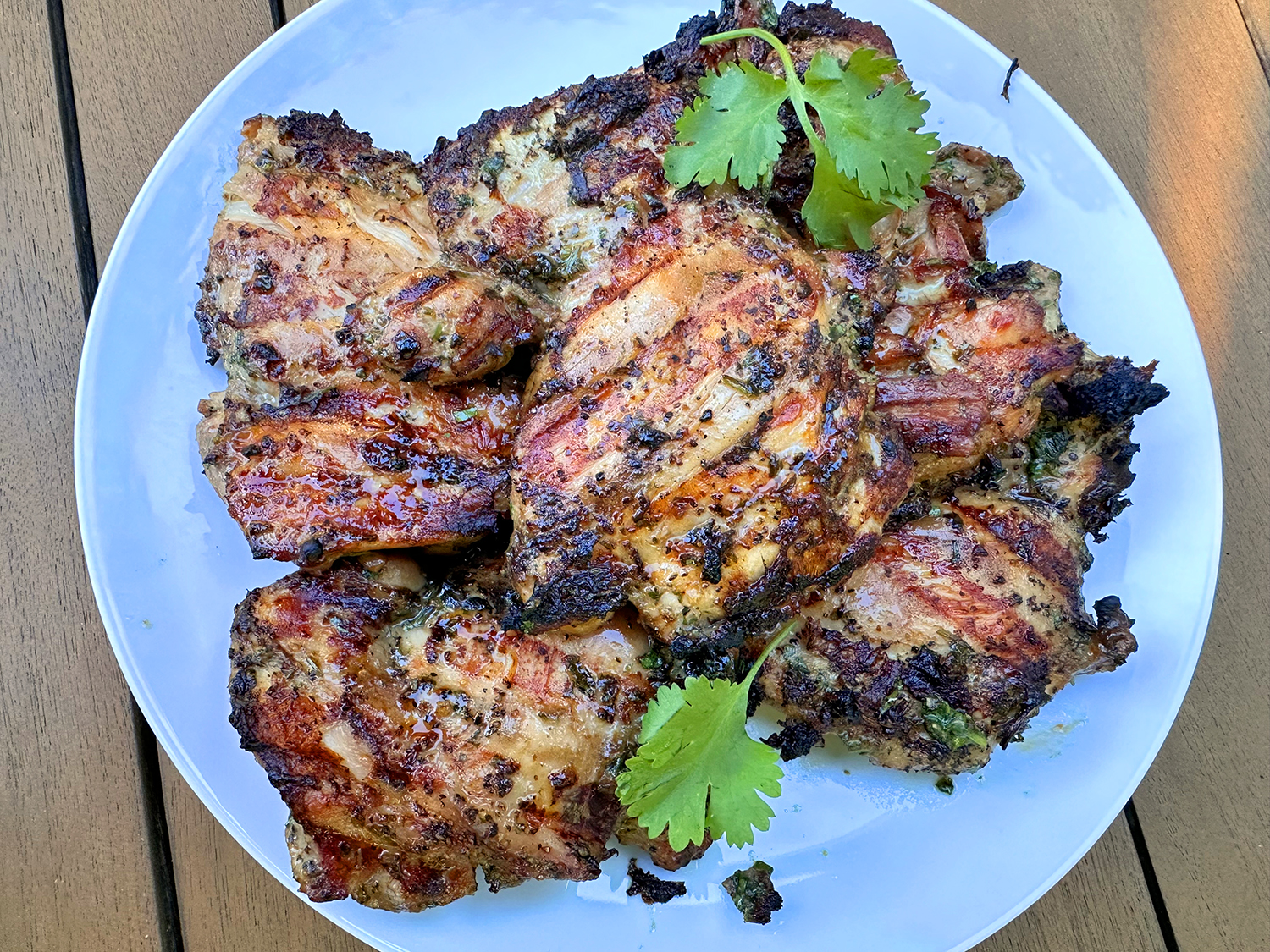
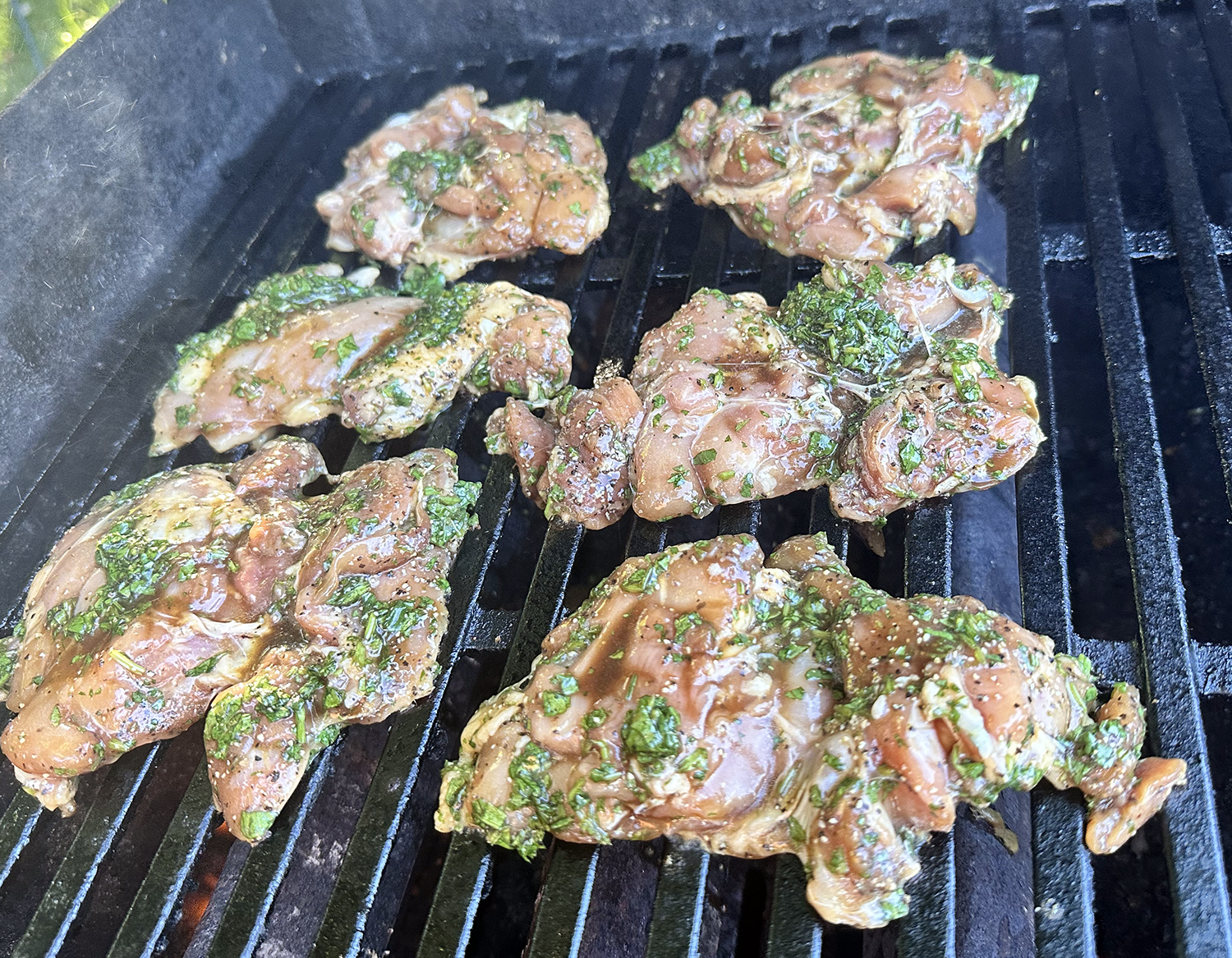
To transport yourself back to the tropics, try this grilled Huli Huli Chicken dinner, made with a minimum of everyday pantry ingredients.

Aloha my friends! As the story goes: “In 1955, Ernest Morgado, a Honolulu businessman, served a group of farmers grilled chicken that had been marinated in his mother’s teriyaki-style sauce. It was such a hit that he decided to market it with the name “huli huli.” Huli means “turn” in Hawaiian and refers to how it’s prepared: grilled between two racks and turned halfway through cooking.”

This simplified version from NY Times Cooking calls for chicken pieces and a standard grill. The original recipe is a trade secret, but you can find many slightly different variations on the internet, most all containing ginger, garlic, soy sauce, something sweet (honey, brown sugar or maple syrup) and something acidic (vinegar, white wine, lime juice or pineapple juice).

This recipe is adapted from “Aloha Kitchen: Recipes from Hawai‘i” by Alana Kysar. It also works beautifully with boneless chicken thighs, but adjust your cooking time accordingly.

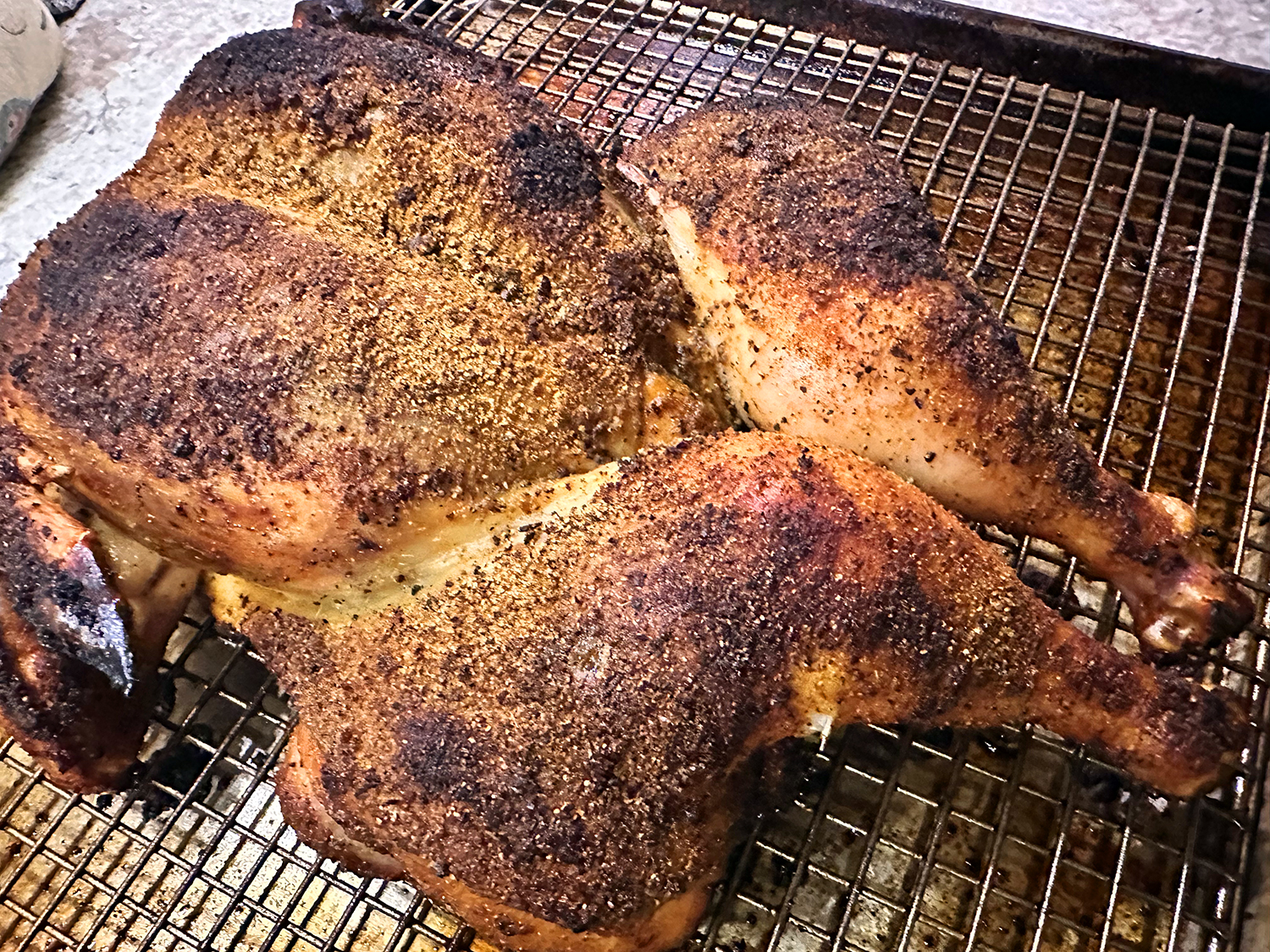
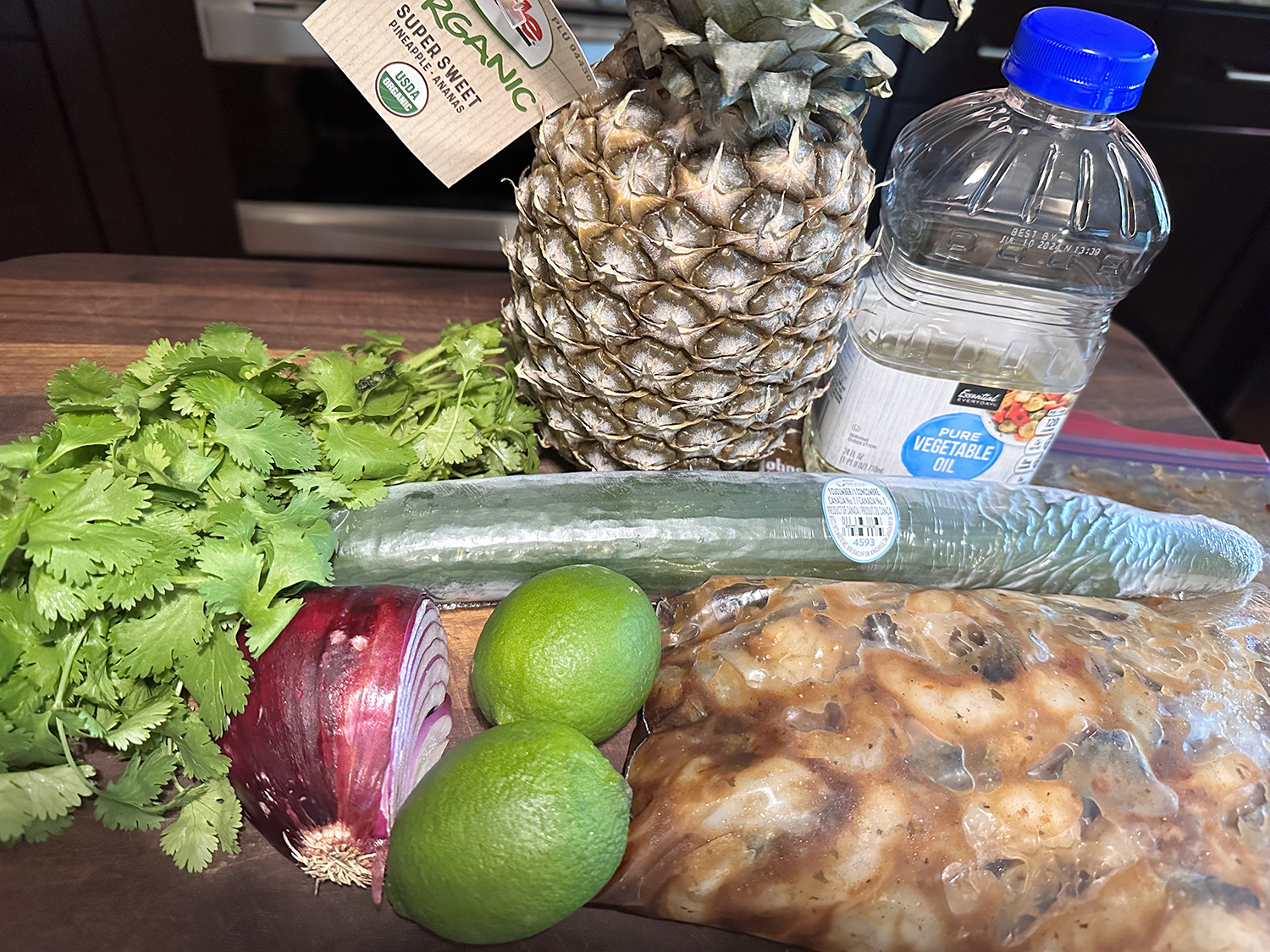
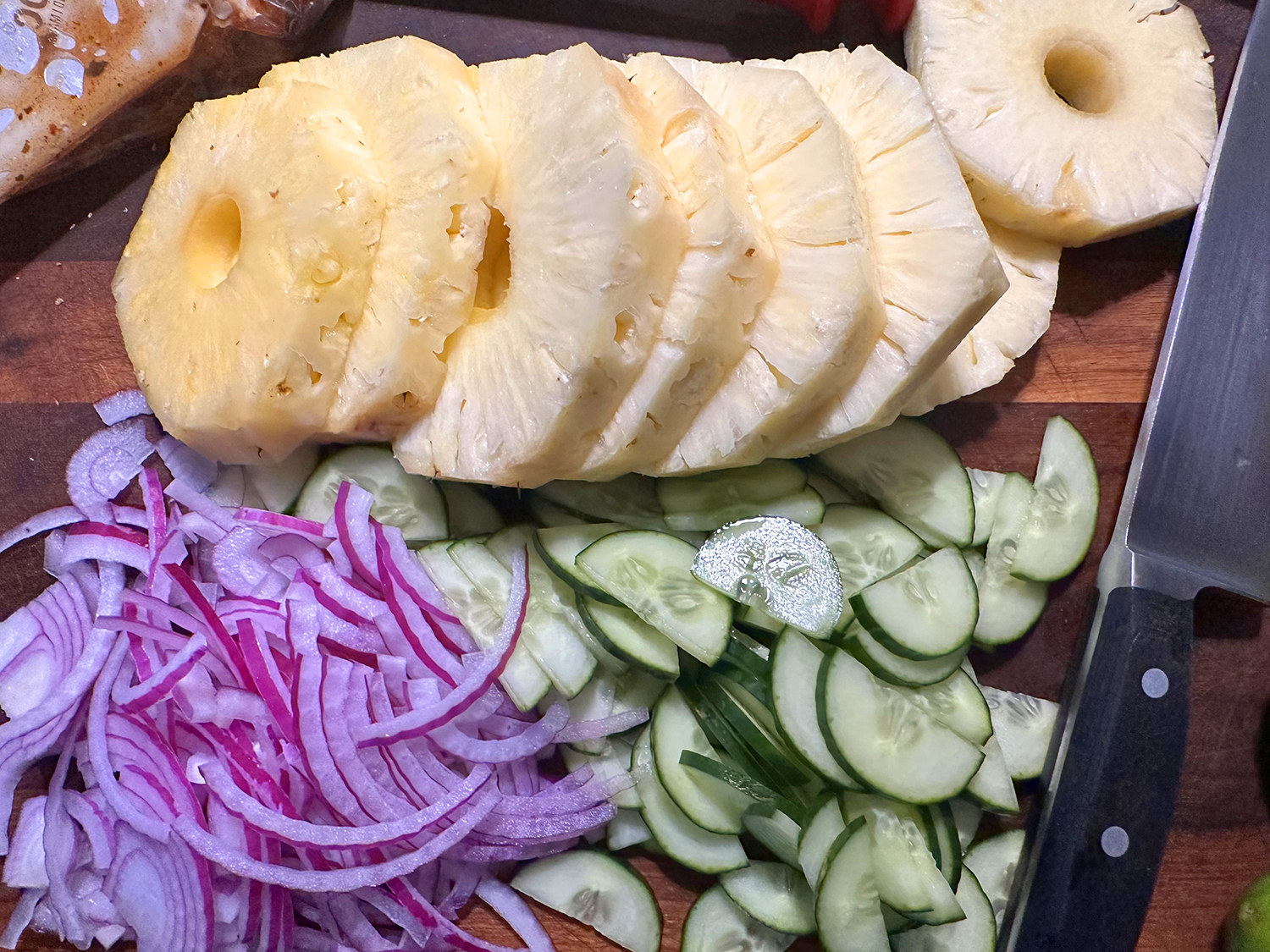
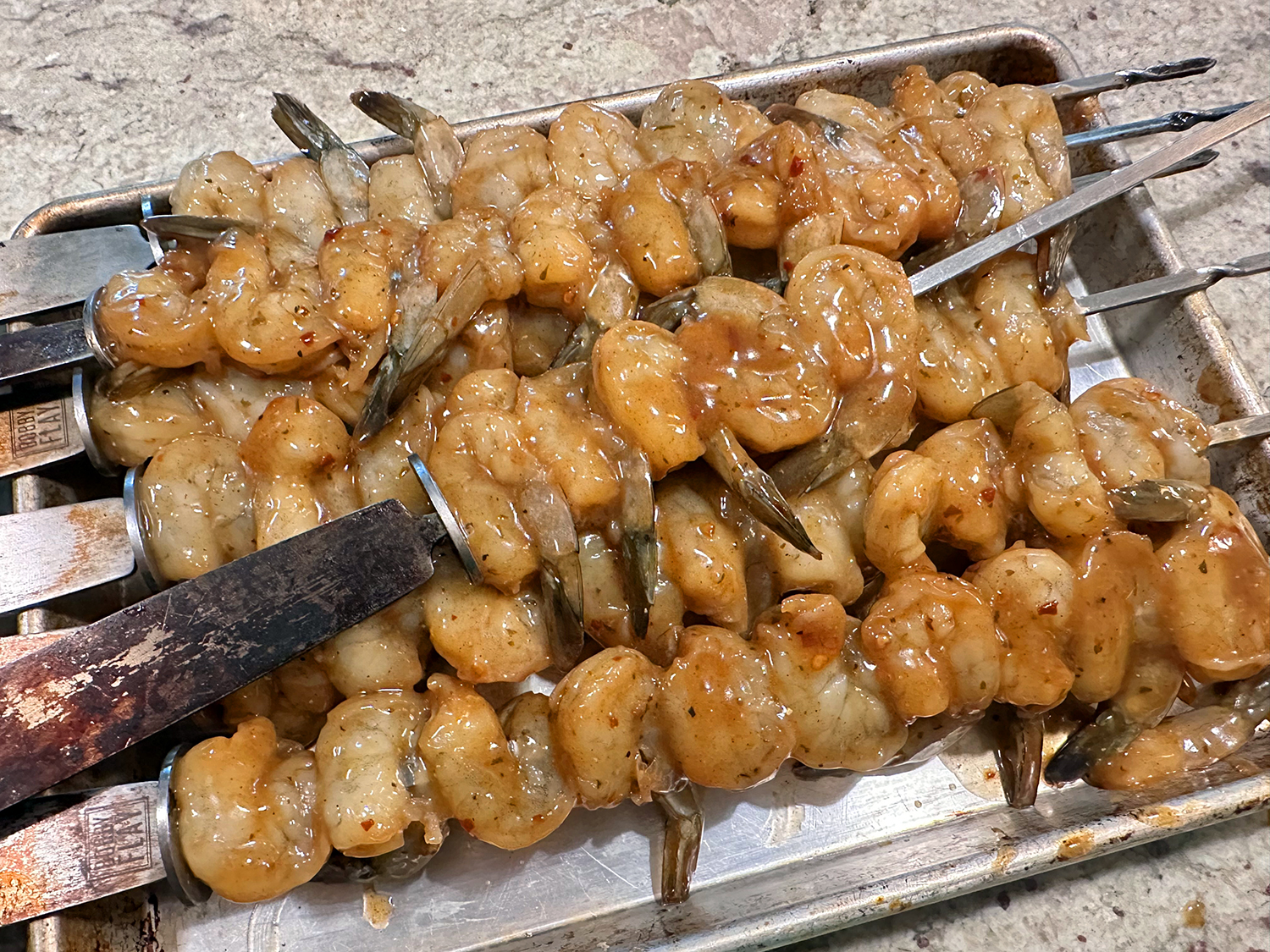
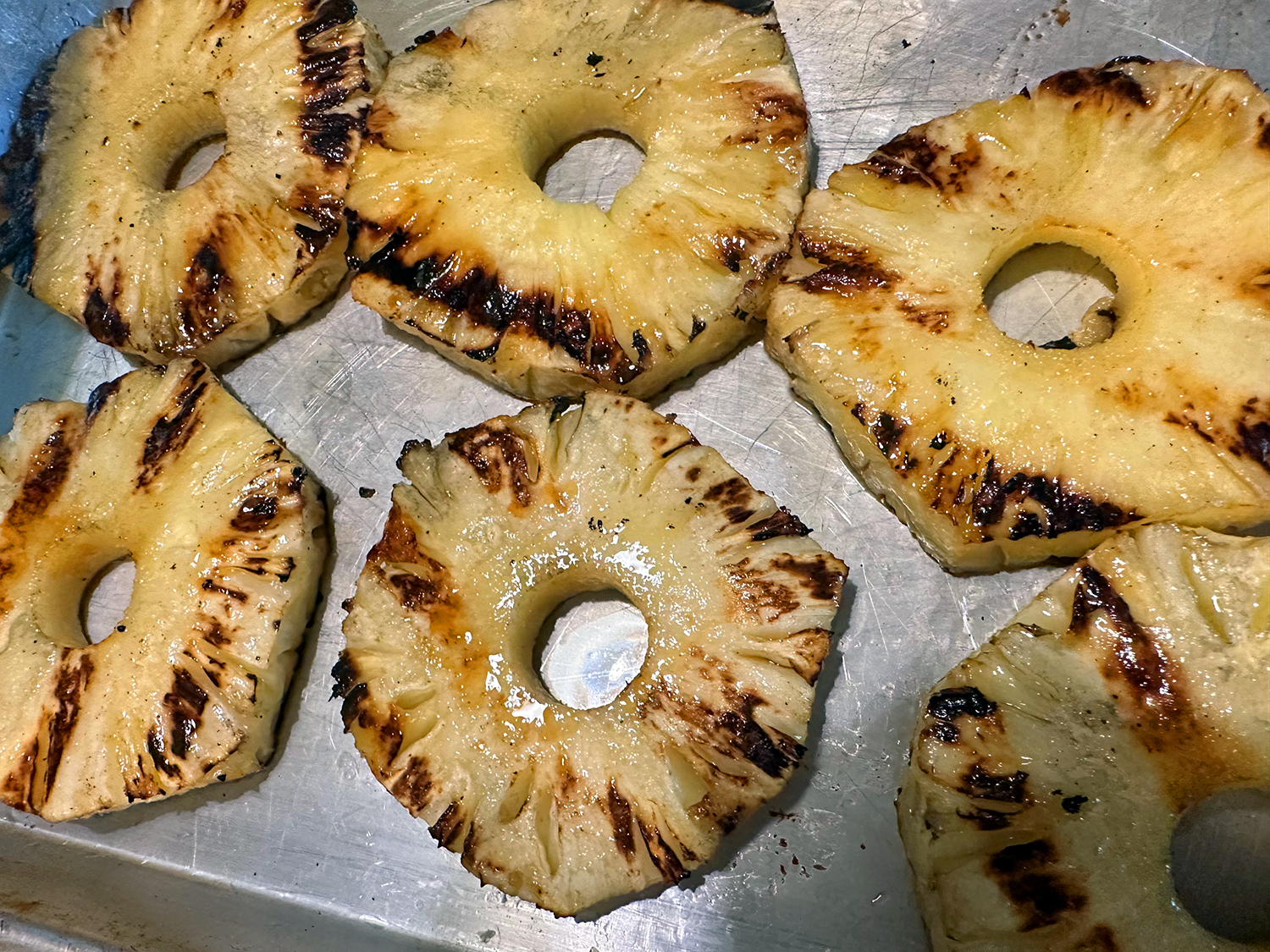
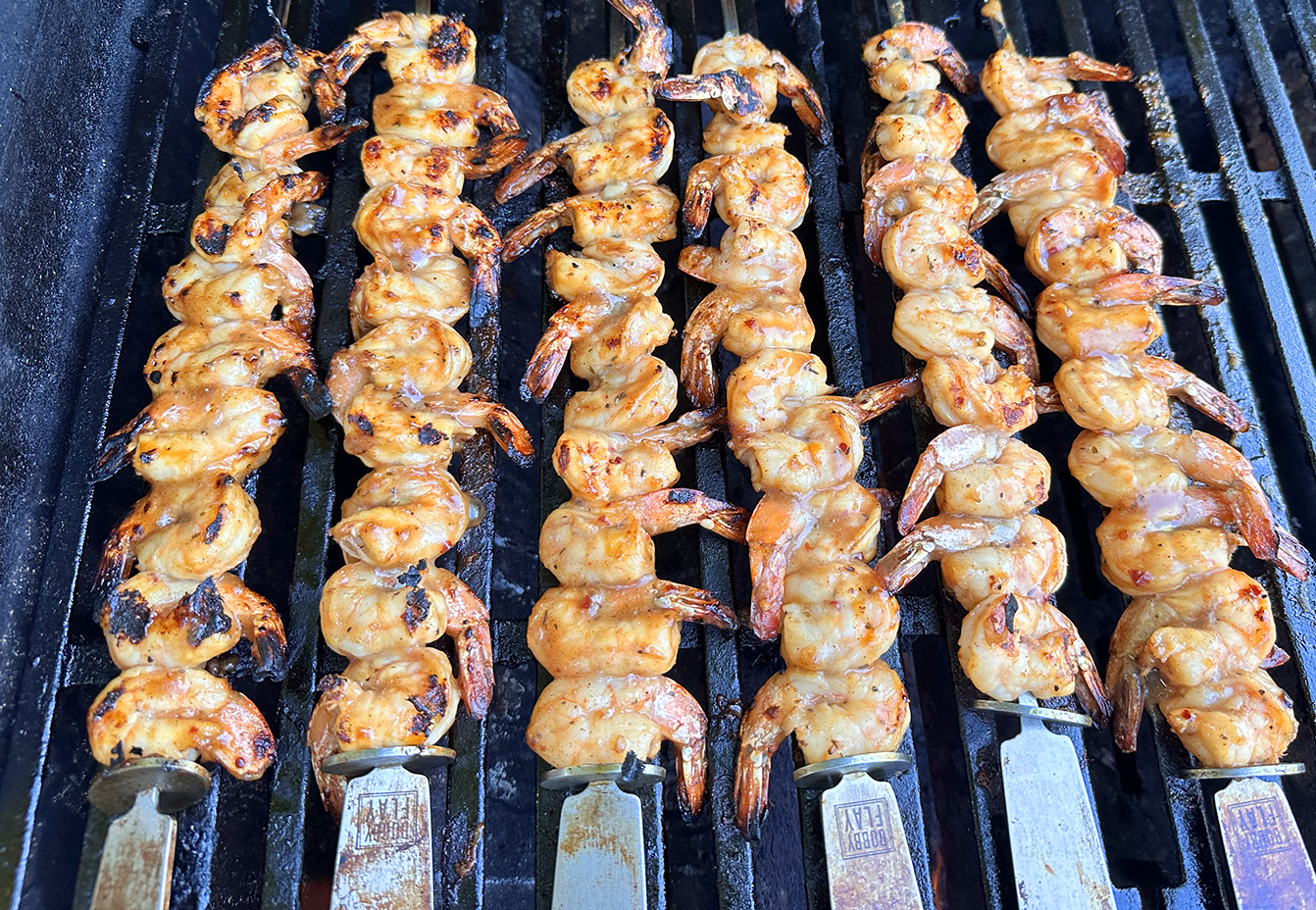
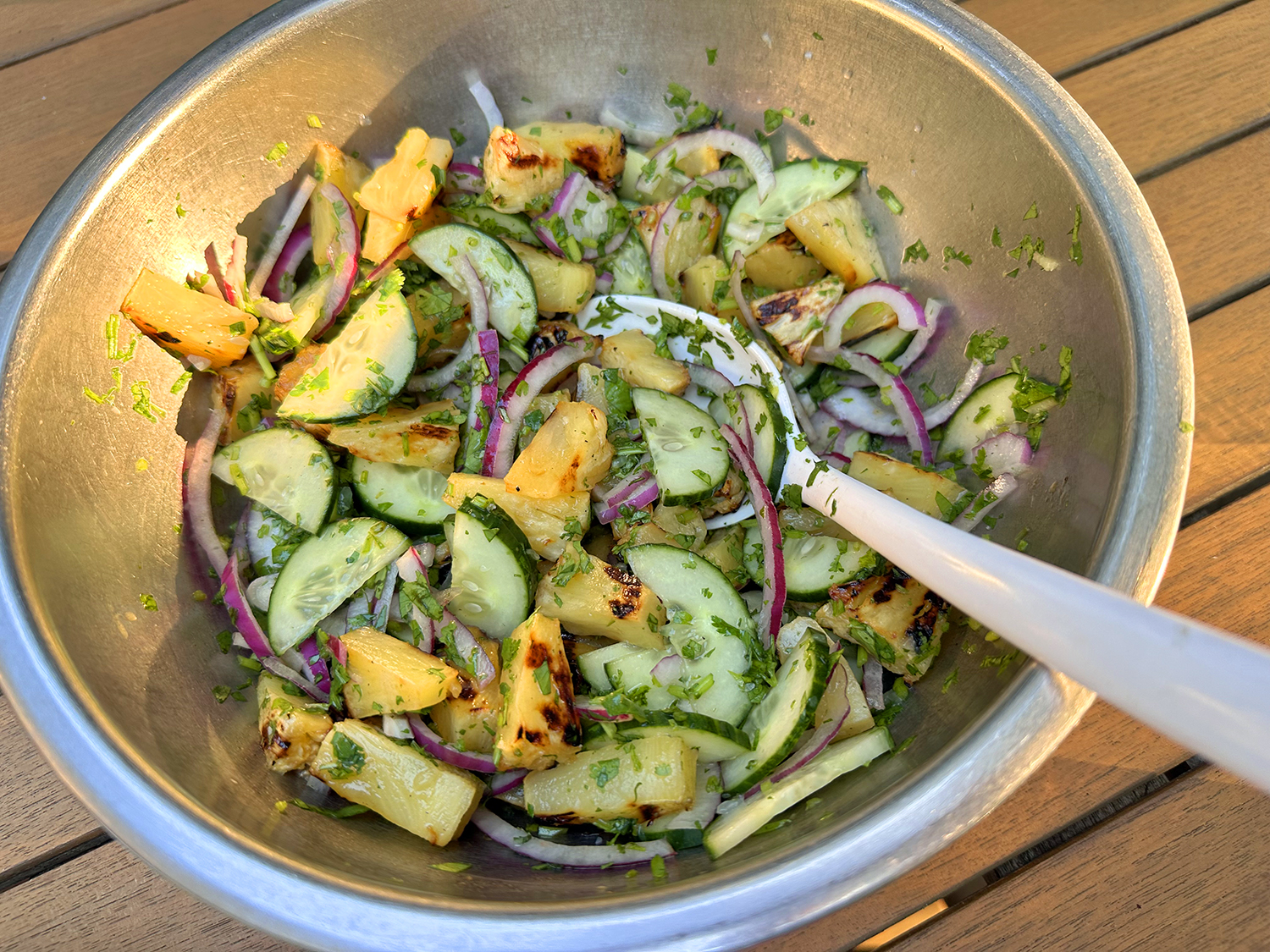
We deconstructed a whole chicken, ending up with unused body parts (back, neck, etc.) for our “body bag” of poultry pieces kept in the freezer for making homemade chicken stock. To add another layer of flavor, grill some pineapple slices. Buy them already sliced, and grill for about 3-4 minutes each side with a bit of the marinade brushed on.

To complete the meal, spoon some warmed baked beans onto your plate.

Huli Huli Chicken

  • Servings: 4
  • Difficulty: easy
  • Print

Ingredients

  • ½ cup ketchup
  • ½ cup soy sauce
  • ½ cup packed light or dark brown sugar
  • ¼ cup rice vinegar or apple cider vinegar
  • 1 (1-inch) piece fresh ginger, peeled and finely grated
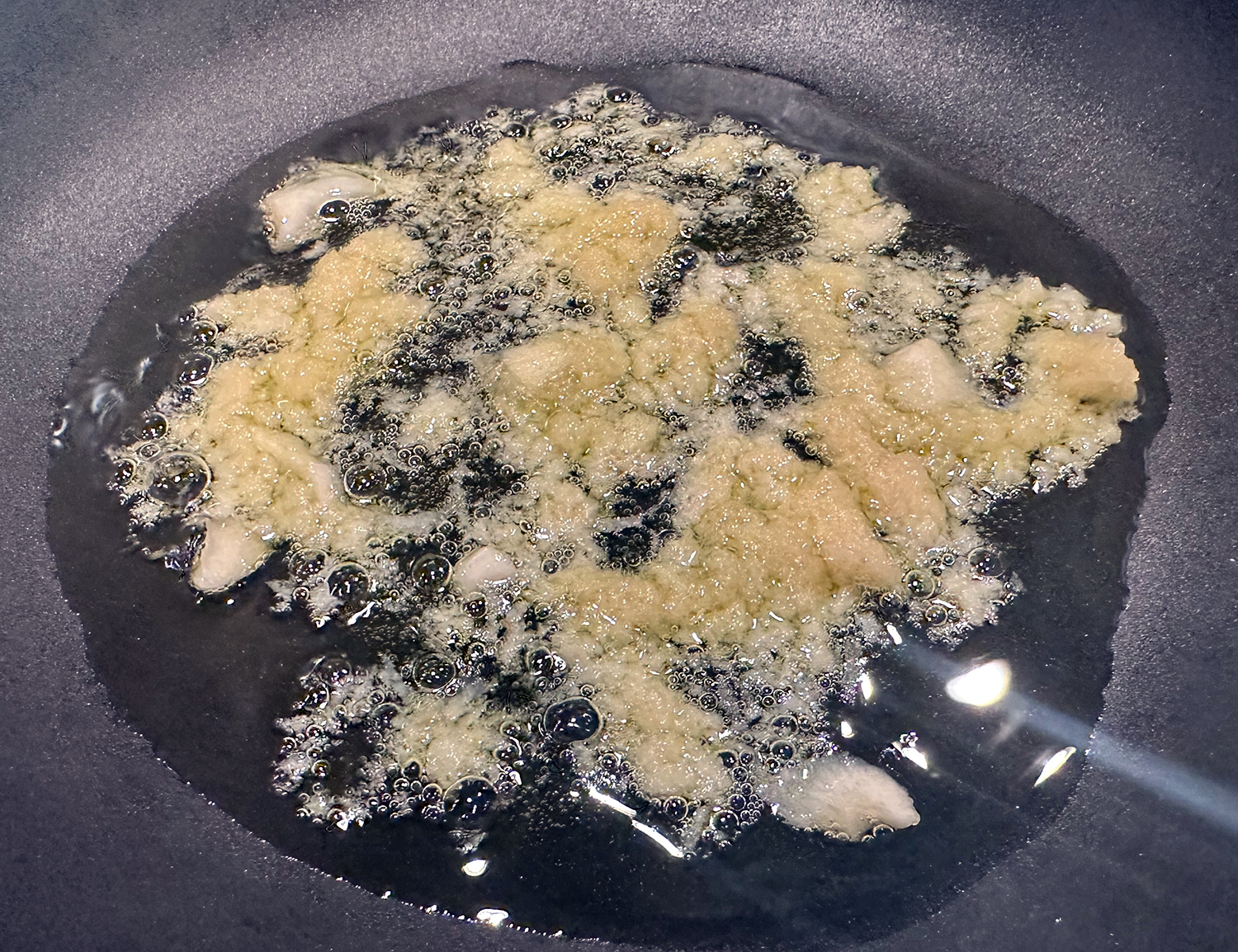
  • 2 to 3 garlic cloves, peeled and finely grated
  • 3½ to 4 lbs. bone-in, skin-on chicken pieces
  • Grapeseed or canola oil, for brushing the grill grate

Directions

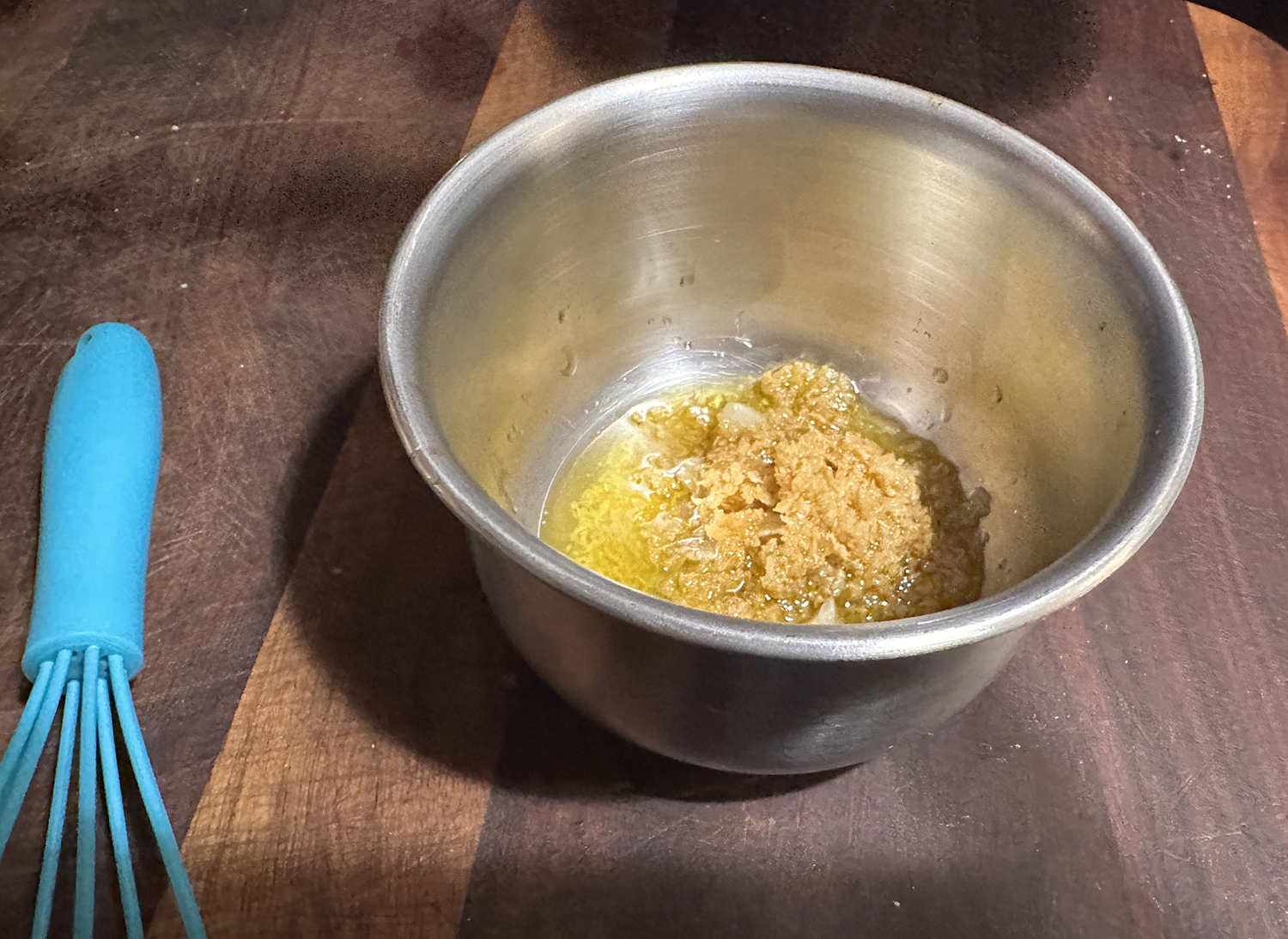
  1. In a large bowl or a gallon-size resealable plastic bag, combine the ketchup, soy sauce, brown sugar, rice vinegar, ginger and garlic, and stir or shake until combined. Reserve and refrigerate ½ cup of the mixture for basting the chicken later.
  2. Add the chicken to the remaining mixture, and stir or shake until evenly coated. If using a bowl, cover with plastic wrap. Refrigerate overnight, or at least 8 hours, turning the chicken at least once.
  3. When you’re ready to cook, oil your grill grates well. Heat the grill to medium (for charcoal, the grill is ready when you can hold your hand 5 inches above the coals for 5 to 7 seconds). Add the chicken to the grill, cover, and cook 25 to 35 minutes, turning every 5 minutes to keep the chicken from burning, and basting it with the reserved marinade after you turn it, until cooked through. (Cook times will vary depending on sizes and cuts of chicken pieces, so be sure to check for doneness: Meat should not be pink and the juices should run clear.)
  4. When the chicken is pretty much to temperature, move the meat to the indirect side of the grill, and place the pineapple slices over the direct heat. Baste with the marinade and cook for 3 minutes each side to show char marks. Plate with the grilled chicken.
  5. Serve immediately.

http://www.lynnandruss.com

Recipe adapted from Alana Kysar for NYTimes Cooking

Toasted Noodles with Shrimp

Also known as Rossejat de Fideus, this Toasted Noodles with Shrimp dish is similar to paella, but instead of rice, uses slender noodles that have been toasted until richly browned. Here capellini pasta (aka angel hair) is used. Break it by hand into rough 1-inch pieces (do this over a bowl to keep the pieces contained).

Toasting brings out the nutty-wheaty notes of the pasta, which then is simmered in broth instead of water. You will need a broiler-safe 12-inch skillet for this recipe, as the noodles are first cooked on the stovetop, then browned under the broiler. This dish is traditionally served with aioli, a garlicky mayonnaise. The recipe below makes a quick, extra-lemony version using store-bought mayonnaise. We decided to use up an open jar of Stonewall brand garlic aioli.

Don’t use regular paprika. Smoked paprika gives this dish a very Spanish flavor profile. Before broiling the noodles, make sure most of the liquid has been absorbed; too much moisture in the pan will prevent the surface from crisping and browning. Don’t forget that the skillet handle will be hot after broiling; use a potholder or oven mitt.

Typically, we would incorporate our homemade chicken stock, but we were completely out, so we used a boxed brand. Then it hit us halfway through making the dish, we should have used our homemade seafood stock!!

Toasted Noodles with Shrimp

  • Servings: 4
  • Difficulty: easy
  • Print

Ingredients

  • ½ cup mayonnaise
  • 1 tsp. grated lemon zest, plus 2 tablespoons lemon juice
  • 3 garlic cloves, 1 finely grated, plus 2 thinly sliced
  • 1 lb. extra-large (21/25 per lb.) shrimp, peeled and deveined
  • 2 tsp. smoked sweet paprika, divided
  • Kosher salt and ground black pepper
  • 3 Tbsp. extra-virgin olive oil, divided
  • 6 oz. capellini pasta, broken into rough 1-inch pieces (see note)
  • 1 small yellow onion, finely chopped
  • 1 plum tomato, cored and chopped
  • 2 cups chicken broth or seafood stock, preferably homemade
  • 1 pinch saffron threads
  • ¼ cup lightly packed fresh flat-leaf parsley, chopped

Directions

  1. In a small bowl, stir together the mayonnaise, lemon zest and juice and the grated garlic. Cover and refrigerate until ready to use. (Or use a store-bought brand.)
  2. Heat the broiler with a rack about 6 inches from the heat. In a medium bowl, toss the shrimp with 1 teaspoon paprika, ¾ teaspoon salt and ¼ teaspoon pepper; set aside.
  3. In a broiler-safe 12-inch skillet over medium, heat 1 tablespoon of oil until shimmering. Add the pasta and cook, stirring frequently, until deep golden brown, about 5 minutes. Transfer to a medium bowl and set aside; wipe out the skillet with paper towels.
  4. Return the skillet to medium-high, heat 1 tablespoon of the remaining oil until barely smoking. Add the shrimp in a single layer and cook without stirring until deep golden brown, 1 to 2 minutes. Flip the shrimp and continue to cook until opaque, another 20 to 30 seconds. Transfer to a plate, tent with foil and set aside.
  5. In the same skillet over medium, combine the remaining 1 tablespoon oil, the onion, the remaining 1 teaspoon paprika and ½ teaspoon salt. Cook, stirring occasionally, until softened, about 5 minutes. Add the tomato and the sliced garlic and cook, stirring, until fragrant, about 30 seconds.
  6. Stir in the toasted pasta, the broth and the saffron. Bring to a boil over medium-high, then reduce to medium and cook, uncovered, stirring occasionally, until almost all of the liquid has been absorbed, 3 to 5 minutes.
  7. Place the skillet under the broiler and cook until the surface is crisp and the tips of the noodles begin to brown, 3 to 5 minutes.
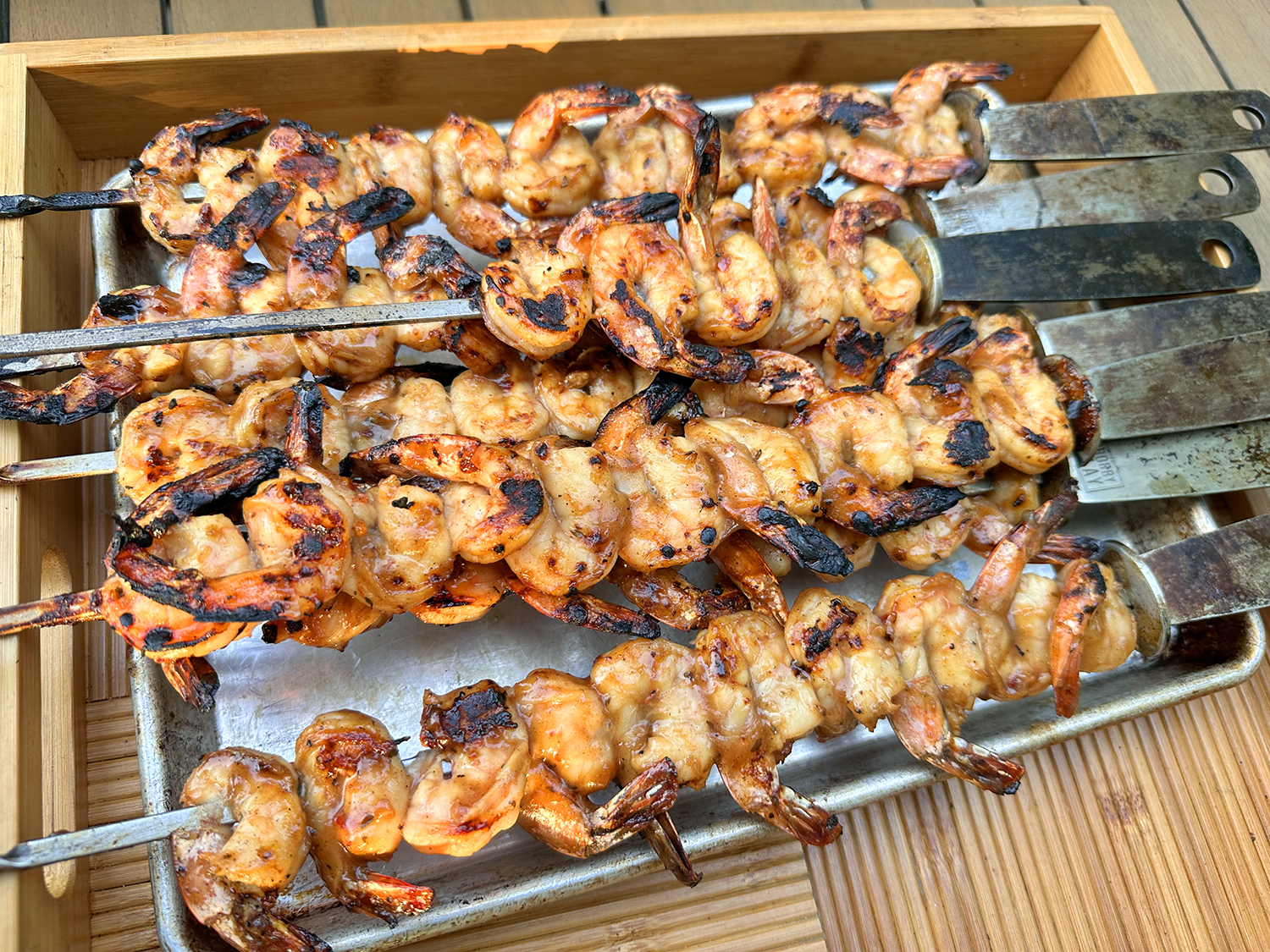
  8. Remove from the broiler, then top with the shrimp and drizzle with the accumulated juices. Spoon on some of the mayonnaise and sprinkle with the parsley; serve the remaining mayonnaise mixture on the side.

http://www.lynnandruss.com

Adapted from a recipe for Milk Street
Spanish Rice and Beans

Spanish rice and beans is a quick and easy vegetarian, vegan, and gluten-free weeknight dinner. Serve as a side dish, vegan main dish, or top with baked chicken or shrimp for a little extra protein. It’s ready in just 30-minutes and made with pantry staples like rice, kidney beans, and olives.

This dish is the definition of versatile: it’s flavorful enough to stand on its own, but mild enough to complement the flavors of a wide variety of dishes. Rice and beans are a complete protein: they’re high in nutritional value, essential vitamins, minerals, and fiber. Plus, they’re super filling, inexpensive, easy to store, and delicious! What more could you ask for in a vegan recipe?

Confession. Ours was not vegetarian because we used some of our homemade chicken stock and a 3-inch piece of Mexican chorizo that was finely minced. Both of them added another dimension of flavor.

As far as the timing, our rice was still a bit crunchy after 20 minutes, so we cooked it another 5 minutes, took it off the burner, left it covered, and let it sit for another 10 minutes, at which point it was perfect.

Spanish Rice and Beans

  • Servings: 6
  • Difficulty: easy
  • Print

Ingredients

  • 2 Tbsp. extra virgin olive oil
  • 1 large yellow onion, finely chopped
  • 1 green bell pepper, cored and chopped
  • Kosher salt
  • 2 garlic cloves, minced
  • 1 tsp. smoked or sweet paprika
  • 1 tsp. ground cumin
  • ½ tsp. red pepper flakes, optional
  • 2 cups basmati rice or similar long grain rice, rinsed very well
  • 2 (15-oz.) cans kidney beans, drained and rinsed
  • 1 (15-oz.) can diced fire roasted tomatoes
  • 2 Tbsp. tomato paste
  • 2 ½ cups vegetable broth
  • ⅓ cup sliced green olives, optional, for garnish
  • ¼ cup chopped fresh cilantro or parsley, optional, for garnish

Directions

  1. Saute the onion and pepper: In a large, deep pan heat 2 tablespoons extra virgin olive oil over medium heat until shimmering but not smoking. Add the chopped onion, chopped bell pepper and season with a big pinch of kosher salt. Cook, tossing regularly until the vegetables soften a bit.
  2. Add the garlic and spices: Add the garlic, paprika, cumin, and red pepper flakes. Cook for about 30 more seconds.
  3. Add the rice, beans and tomatoes: Add the rice and season with another pinch of kosher salt. Toss to combine, then add the beans and fire roasted tomatoes. In a small bowl or liquid measuring cup, mix the tomato paste and broth together, then add it to the rice mixture.
  4. Boil then simmer: Raise the heat and bring the mixture to a boil, then reduce the heat to low. You want it to simmer gently. Cover with a tight fitting lid and allow the rice to cook until its tender and the liquid is fully absorbed, about 20 minutes.
  5. Garnish and serve: Garnish with the olives and parsley, if using, and serve.

http://www.lynnandruss.com

Recipe from Suzy Karadsheh

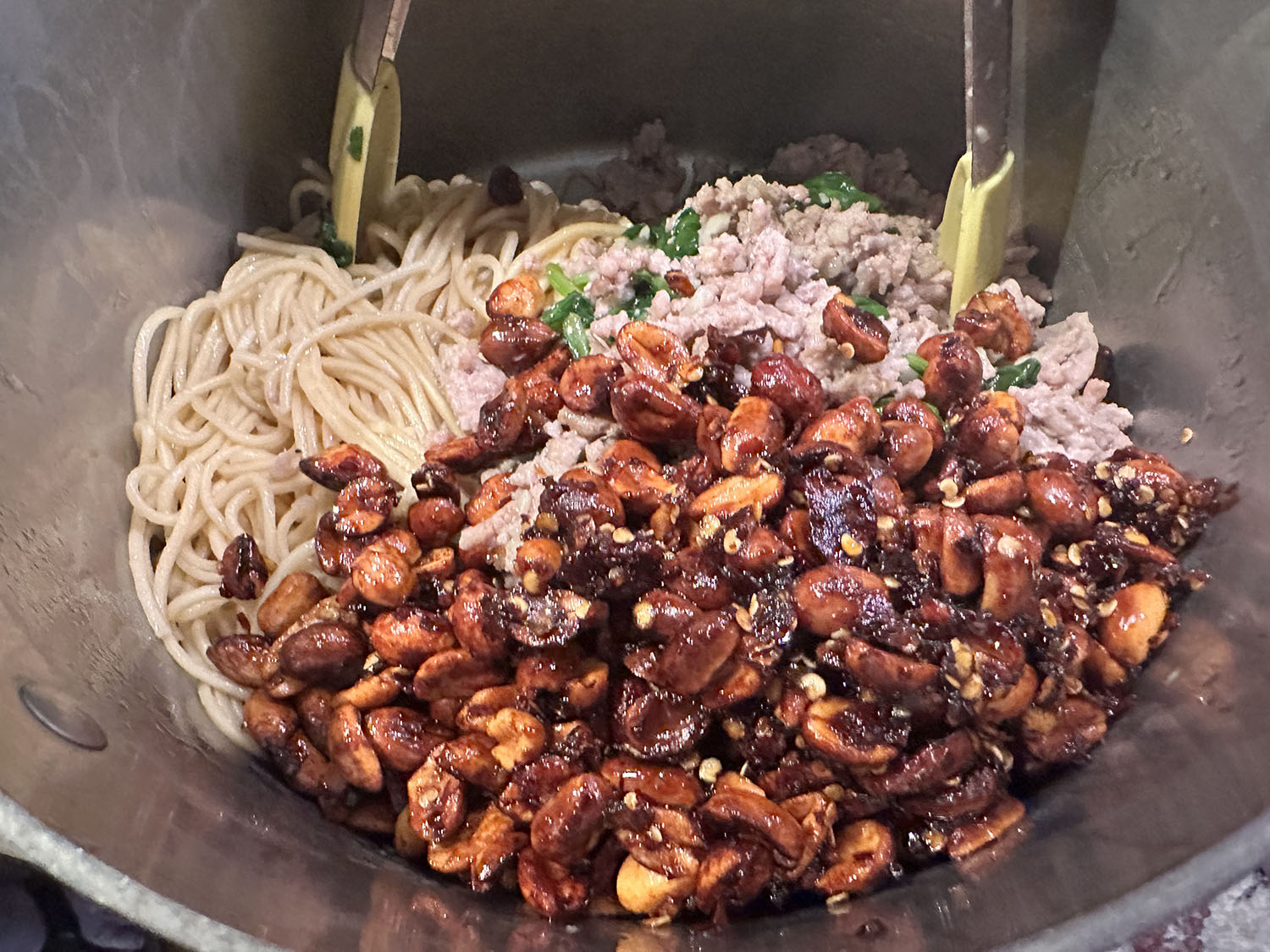
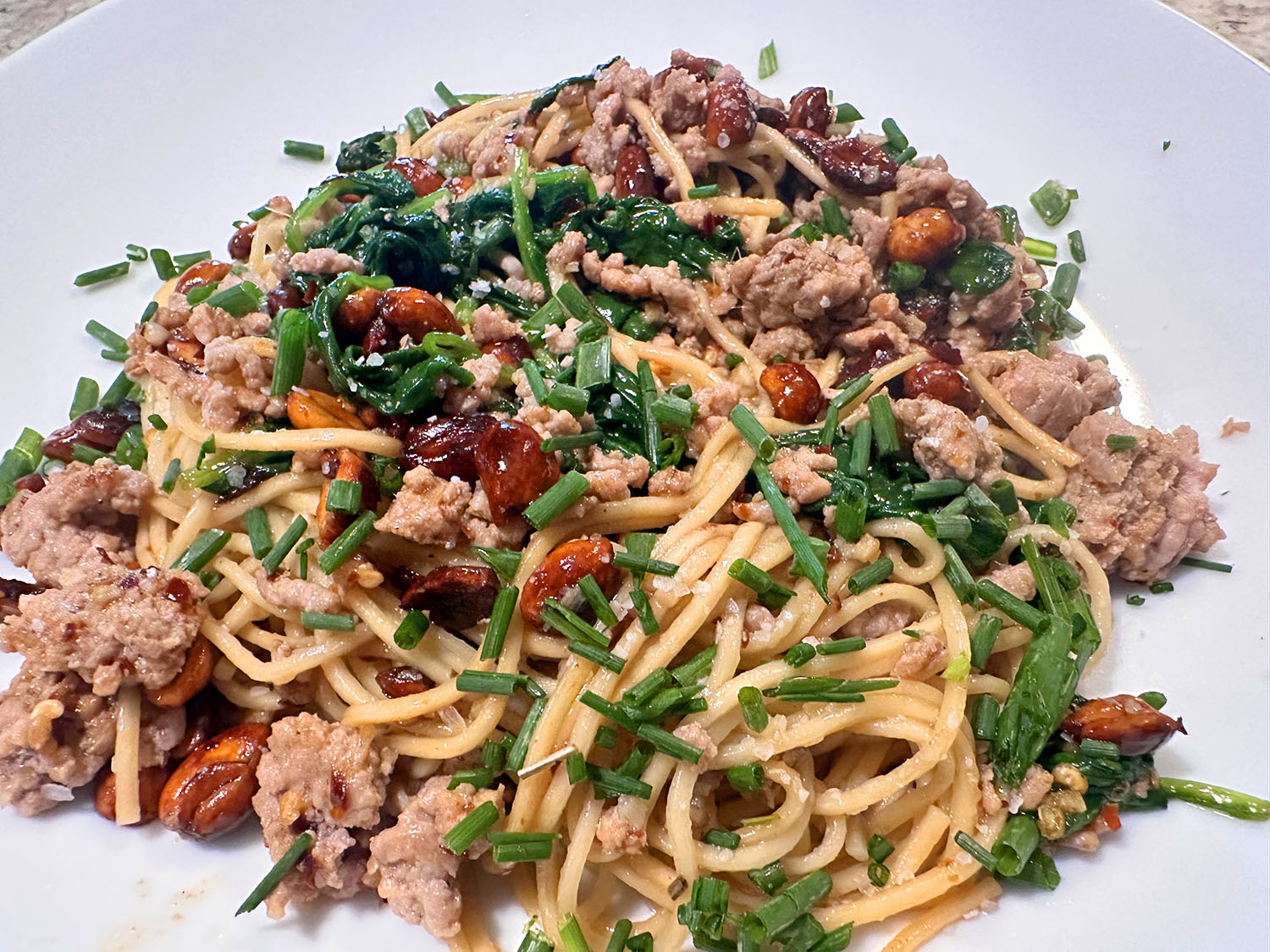
Spicy Pork and Oyster Sauce Noodles

This simplified version of Sichuan spicy pork noodles starts with the fiery, savory sauce that is the hallmark of dan dan mian. To have a bit more body, something that would help it truly cling to and coat the noodles, Milk Street found the answer in another simple classic—peanut butter.
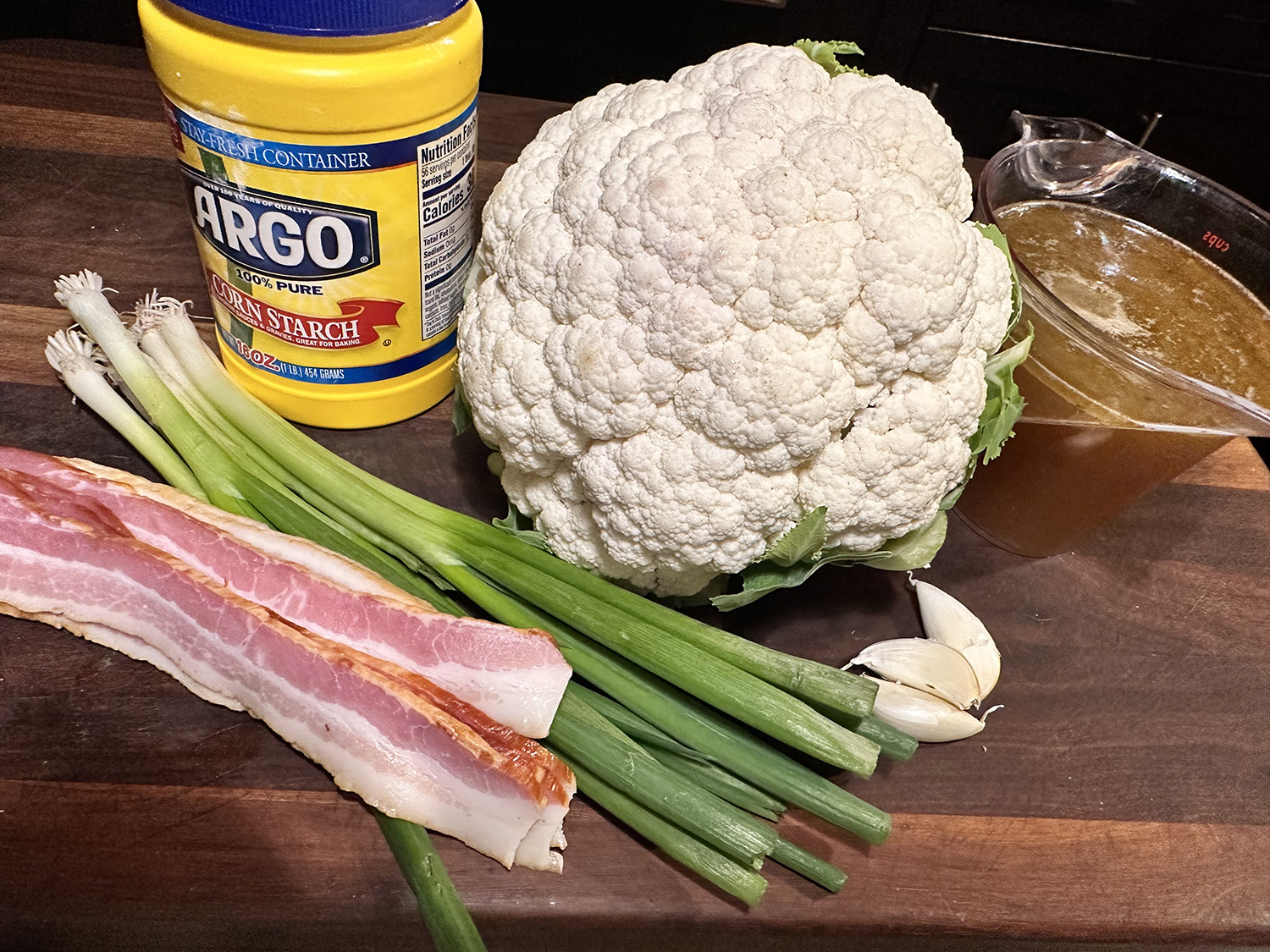
This is pulled off with a few key high-impact condiments: Soy sauce adds fermented depth in addition to salinity, while oyster sauce packs a sweet-savory punch. Whisking them together with peanut butter creates a luscious, creamy sauce.

The meat is sautéed with a splash of flavor-­boosting balsamic vinegar—we substituted the more traditional Chinese black vinegar—which offers a mellow acidity. For bright, complex heat, chili garlic sauce or Sriracha is added.

You can luxe up the finished dish with any number of garnishes, be it a handful of chopped peanuts, a scattering of scallions, chopped cilantro (our choices), cucumber matchsticks, or a rich, runny-yolked fried egg. Oh, and we doubled the amount of ground pork to one pound.

It was a delicious, quick weeknight meal!

Spicy Pork and Oyster Sauce Noodles

  • Servings: 4-6
  • Difficulty: easy
  • Print

Ingredients

  • 1 lb. spaghetti OR linguine OR dried udon noodles
  • 3 Tbsp. creamy OR crunchy peanut butter
  • 3 Tbsp. soy sauce, plus more if needed
  • 3 Tbsp. oyster sauce OR hoisin sauce
  • Ground black pepper
  • 3 Tbsp. grapeseed or other neutral oil
  • 8 oz. ground pork OR turkey OR beef
  • 2 medium garlic cloves, minced OR 1-inch piece fresh ginger, peeled and finely grated OR both
  • 2 Tbsp. Chinese black vinegar OR balsamic vinegar
  • 1 Tbsp. chili-garlic sauce OR 1½ Tbsp. Sriracha sauce OR ½ tsp. red pepper flakes
  • Optional garnish: Chopped roasted peanuts OR chili oil OR cucumber matchsticks OR toasted sesame oil OR thinly sliced scallions OR a combination

Directions

  1. In a large pot, bring 4 quarts water to a boil. Reserve ½ cup of the hot water. Add the pasta to the pot, then cook, stirring occasionally, until al dente. When the pasta is done, drain; set aside.
  2. While the pasta is cooking, in a small bowl, whisk together the peanut butter, soy sauce, oyster sauce, ½ teaspoon pepper and the reserved water.
  3. In a 12-inch skillet over medium-high, heat the oil until shimmering. Add the pork and cook, breaking the meat into little bits, until no longer pink, 1 to 1½ minutes. Add the garlic, vinegar and chili-garlic sauce. Cook, stirring constantly, until the pork is browned, about 1 minute. Stir in the peanut butter mixture, followed by the pasta. Cook, stirring and tossing with tongs, until the pasta is shiny and the sauce clings, 2 to 4 minutes.
  4. Off heat, taste and season with additional soy sauce and black pepper.

http://www.lynnandruss.com

Adapted from a recipe by Courtney Hill for Milk Street

Broccoli Rabe with White Beans and Ditalini

This simple weeknight pasta features a classic southern Italian combination of ingredients. Each contributes unique character, fruity olive oil, pungent garlic, spicy pepper flakes, bitter broccoli rabe, creamy white beans, wheaty pasta, funky pecorino cheese and tangy lemon juice. For ease, we use canned beans and cook everything together in a single pot—no need to boil the pasta separately.

Don’t discard the leaves from the broccoli rabe unless they’re bruised or damaged. The leaves are tender and flavorful, so leave them attached and cut them into 2-inch pieces with the stalks.

A couple of things we did differently was stir in the entire cup of grated parm instead of half, as noted in Step 3. Then we put a lid on it and let it sit for 10 minutes which allowed the moisture to get sucked up into the ditalini. Additional parmesan was available to top the dish, if desired.

Broccoli Rabe with White Beans and Ditalini

  • Servings: 4
  • Difficulty: easy
  • Print

Ingredients

  • 1/4 cup extra-virgin olive oil, plus more to serve
  • 4 medium garlic cloves, minced
  • 1/2 tsp. red pepper flakes
  • 1 lb. broccoli rabe, trimmed and cut into 2-inch pieces
  • 8 oz. (2 cups) ditalini pasta
  • 15 1/2 oz. can cannellini OR great northern beans, rinsed and drained
  • Kosher salt and ground black pepper
  • 2 oz. pecorino Romano cheese, finely grated (1 cup)
  • 2 Tbsp. lemon juice

Directions

  1. In a large Dutch oven over medium-high, combine the oil, garlic, pepper flakes and broccoli rabe. Cook, stirring occasionally, until the rabe leaves begin to wilt, about 3 minutes.
  2. Stir in 3 cups water and bring to a boil, then stir in the ditalini, beans, ¼ teaspoon salt and ½ teaspoon black pepper. Return to a boil, cover and cook, stirring occasionally, until the ditalini is al dente, 10 to 12 minutes.
  3. Remove the pot from the heat and stir in half of the cheese and the lemon juice; if the mixture appears dry, stir in water as needed.
  4. Taste and season with salt and black pepper. Serve drizzled with additional oil and sprinkled with the remaining cheese.

http://www.lynnandruss.com

Adapted by Rose Attabaugh for Milk Street

Glazed Black Cod with Baby Bok Choy and Scallions

A flavor-packed marinade of salty soy sauce and sweet honey coats black cod for a quick but flavorful dinner. Black cod is a species of cod fish found in the North Pacific Ocean; also known as sablefish, butterfish, and blue cod, it is a rich white-flesh fish with a moist, succulent texture. It is not a true cod.

When it comes to home cooking, Alaskan black cod is an exceptional choice. Black cod has a meaty and flaky texture, making it incredibly versatile and pretty forgiving in the oven. In fact, it’s rather difficult to overcook this fish, making it a popular option for home chefs of all backgrounds.

The backbone of this simple, flavor-packed marinade is the salty soy sauce and sweet honey that permeate the fish, bok choy, and scallions while they cook together under the broiler—and all on the same baking sheet. Everything is ready in less than 15 minutes and the result is lightly charred vegetables and perfectly cooked fish that flakes easily with a fork.
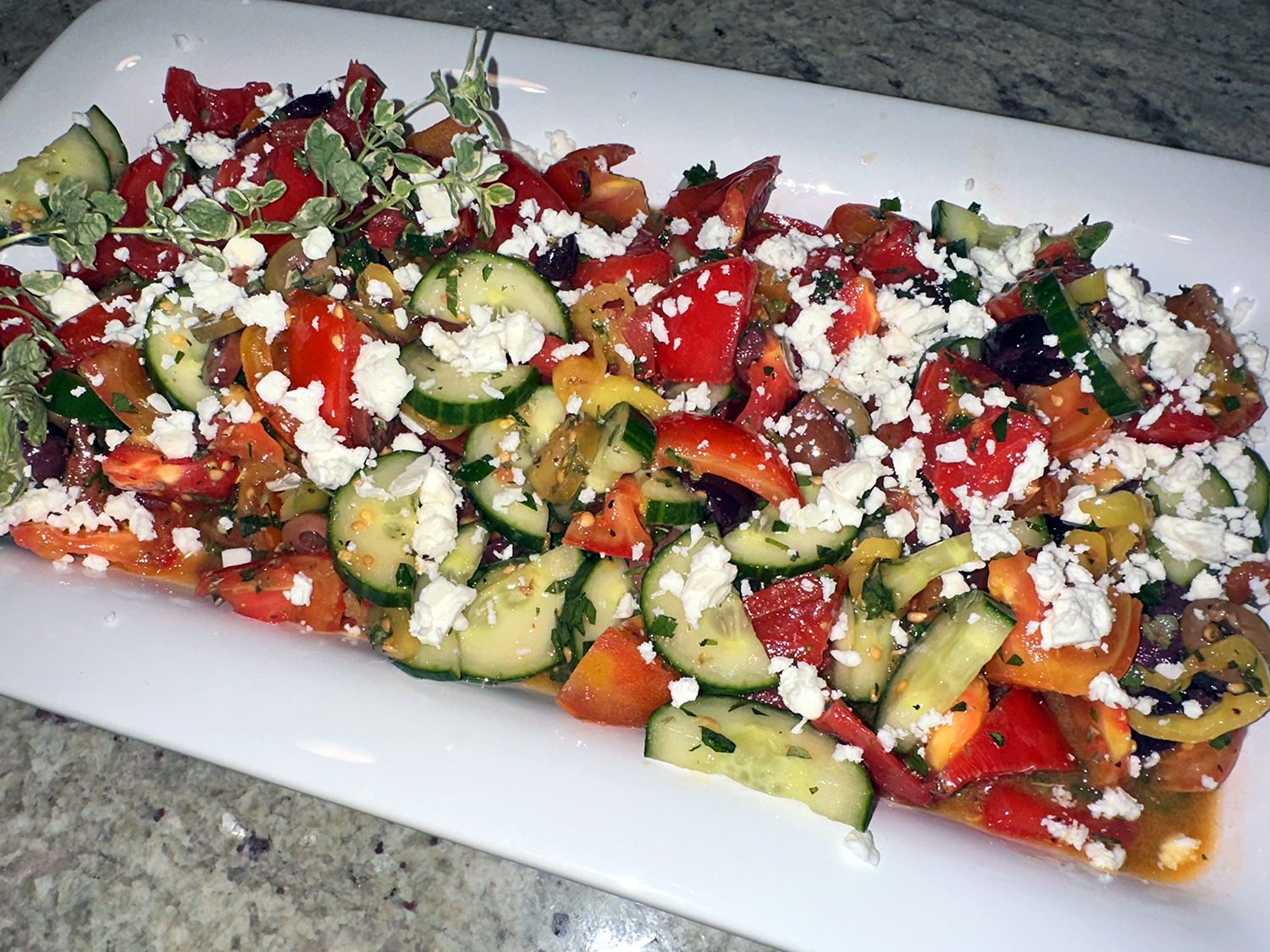
The secret yet simple flavor-enhancing trick of this dish is the Sichuan peppercorns that are lightly toasted beforehand, and add tingling heat to the dish, making this meal even more of a stand-out.

Unable to source black cod at the time, salmon was noted as an acceptable substitution. And just for the 2 of us, we cooked a one-pound piece; but kept the amounts of marinating ingredients the same. To make the meal more vegetable-centric, we nearly doubled the baby bok choy.

Glazed Black Cod with Baby Bok Choy and Scallions

  • Servings: 4
  • Difficulty: easy
  • Print

Ingredients

  • 1 1/2 tsp. Szechuan peppercorns
  • 6 Tbsp. lower-sodium soy sauce
  • 1/4 cup honey
  • 6 garlic cloves, minced (about 2 Tbsp.)
  • 2 pieces fresh ginger, peeled and finely chopped (about 2 Tbsp.)
  • 2 Tbsp. rice wine vinegar
  • 1 1/2 Tbsp. toasted sesame seeds
  • 1 Tbsp. hot chile oil
  • 2 (1-lb.) skinless wild Alaskan black cod fillets (about 1 inch thick), pin bones removed
  • 6 heads baby bok choy, halved lengthwise or quartered if large (about 1 1/4 lbs.)
  • 12 medium scallions, halved crosswise
  • 2 Tbsp.s canola oil

Directions

  1. Toast peppercorns in a small skillet over medium, shaking pan often, until fragrant, 2 to 4 minutes. Transfer to a mortar, and let cool slightly, about 1 minute. Crush with pestle into a coarse powder; set aside.
  2. Stir together soy sauce, honey, garlic, ginger, rice vinegar, sesame seeds, chile oil, and crushed peppercorns in a medium bowl. Transfer to a large ziplock plastic bag. Add cod fillets, and seal bag, pressing out as much air as possible. Refrigerate 4 to 8 hours.
  3. Preheat broiler with oven rack 6 to 8 inches from heat. Toss together bok choy, scallions, and oil on a large rimmed baking sheet; spread in an even layer. Remove fish from marinade, reserving marinade. Place fish in center of baking sheet. Pour reserved marinade over fish, bok choy, and scallions, coating well.
  4. Broil in preheated oven until vegetables and fish are nicely charred and fish is just cooked through and flakes easily with a fork, 10 to 12 minutes, rotating baking sheet halfway through broiling time. Serve immediately.
http://www.lynnandruss.com

Adapted from a recipe by Justin Chappel for Food & Wine