All posts by LynnHoll

Unknown's avatar

About LynnHoll

I have been an artist and designer all my life incorporating graphic design for websites, gardens, publications, fabrics, interior design and cooking. I am now retired from my professional job, but still create artistic visions in all forms on a daily basis.

Crispy Skillet Gnocchi with Spicy Cumin Lamb and Celery

Shelf-stable gnocchi show their star potential when you skip boiling and brown them instead. For deep, even browning, arrange them in a single layer in a cold, dry skillet (easier than adding them to a pan of hot, spattering oil) and then pour a full 6 tablespoons of oil over the top, which seeps to the bottom of the skillet, thoroughly coating it and ensuring even contact with the heat.

Let the gnocchi sit over medium-high heat without moving until a nicely browned crust develops, and then lightly crisp the second side so that they retained moisture and chew. Remove the gnocchi with a slotted spoon and use the remaining oil in the pan to cook other ingredients.

For a stir-fry-style dish, brown the ground lamb tossed with soy sauce, Shaoxing wine, and cornstarch, stirring in a robust spice blend of cumin, Sichuan chili flakes and peppercorns, as well as sugar, sliced celery for fresh crunch, and Chinese black vinegar for punch, and then add the gnocchi back to the pan.

The gnocchi should be well-browned with a crisp-chewy texture. The lamb should be tender and savory with an intense, tingling heat. The celery should add refreshing crunch. As recipe testers for this, we were intrigued by the shelf-stable gnocchi, something we had never cooked with before.

When the dish finishes cooking, it doesn’t look like enough to feed four. But after all, gnocchi is very filling, and the servings should be smaller than those you might normally take.

NOTE: If desired, ground beef and scallions can be used in place of the lamb and cilantro.

Crispy Skillet Gnocchi with Spicy Cumin Lamb and Celery

  • Servings: 4
  • Difficulty: easy
  • Print

Ingredients

  • 2 tsp. ground cumin
  • 1 ½ tsp. Sichuan chili flakes
  • 1 tsp. Sichuan peppercorns, ground
  • ½ tsp. sugar
  • 1 Tbsp. water
  • ⅛ tsp. baking soda
  • 8 oz. ground lamb
  • 1 Tbsp. soy sauce
  • 1 Tbsp. Shaoxing wine
  • ½ tsp. cornstarch
  • ½ tsp. table salt
  • 1 lb. vacuum-packed gnocchi
  • 6 Tbsp. vegetable oil
  • 4 garlic cloves, minced
  • 1 Tbsp. grated fresh ginger
  • 4 celery ribs, sliced on bias ¼-inch thick (2 cups)
  • 4 tsp. Chinese black vinegar, plus extra for serving
  • ½ cup fresh cilantro leaves, chopped coarse

Directions

  1. Combine cumin, chile flakes, peppercorns, and sugar in small bowl and set aside. Combine water and baking soda in medium bowl. Add lamb and toss to coat. Let sit for 5 minutes. Add soy sauce, Shaoxing wine, cornstarch, and salt to lamb mixture and toss to coat.
  2. Separate gnocchi and arrange in single layer in 12-inch nonstick skillet. Drizzle oil evenly over gnocchi. Place skillet over medium-high heat and cook, without moving gnocchi, until well browned on one side, 5 to 8 minutes. Stir gnocchi and continue to cook until second side of most pieces is lightly crisp, 1 to 2 minutes longer. Using slotted spoon, transfer gnocchi to large plate, leaving oil in skillet.
  3. Add lamb to skillet and cook, using wooden spoon to break meat into pieces no larger than ¼ inch, until just cooked through, 2 to 3 minutes. Add garlic and ginger and cook, stirring constantly, until fragrant, about 30 seconds.
  4. Stir in cumin mixture and celery and cook until celery is heated through, 1 to 2 minutes. Off heat stir in vinegar. Stir in gnocchi. Divide among 4 shallow bowls, garnish with cilantro, and serve, passing extra vinegar separately.

http://www.lynnandruss.com

Recipe by Annie Petito for America’s Test Kitchen

Tuscan-Style Shrimp with White Beans

In the cuisine of Tuscany, Italy, with its miles of coastline and reputation as the home of mangiafagioli—or bean eaters—it’s no surprise that shrimp and white beans are a classic pairing. And they do a fine job of co-starring in this dish.

In this quick, easy recipe from Milk Street, the two are the highlights. With so few supporting ingredients, it’s important to use a dry white wine that’s good enough to drink on its own. And why not pour yourself a glass with the meal?!

While the original recipe indicates it takes a total time of 25 minutes from start to finish, it was more like 40-45 minutes with prep. Serve warm or at room temperature with a leafy salad and crusty bread to round out the meal.

Tuscan-Style Shrimp with White Beans

  • Servings: 4
  • Difficulty: easy
  • Print

Ingredients

  • 3 Tbsp. extra-virgin olive oil, plus more to serve
  • 1 medium yellow onion, finely chopped
  • 1 sprig fresh rosemary OR ½ teaspoon dried rosemary
  • 1/2 tsp. red pepper flakes
  • Kosher salt and ground black pepper
  • 2 15½-oz. cans butter beans OR cannellini beans, rinsed and drained
  • 3/4 cup dry white wine
  • 1 lb. extra-large (21/25 per pound) shrimp, peeled and deveined
  • 1 cup lightly packed fresh flat-leaf parsley OR fresh basil, roughly chopped

Directions

  1. In a 12-inch skillet over medium-high, heat the oil until shimmering. Add the onion, rosemary, pepper flakes and ½ teaspoon salt; cook, stirring occasionally, until the onion is translucent, 4 to 6 minutes. Stir in the beans, then add the wine and cook, uncovered and stirring occasionally, until the pan is dry, 5 to 7 minutes.
  2. 02Stir in the shrimp. Cover, reduce to medium-low and cook until the shrimp are opaque throughout, 4 to 5 minutes; stir once about halfway through.
  3. 03Off heat, taste and season with salt and black pepper. Remove and discard the rosemary sprig (if used). Stir in the parsley and serve drizzled with additional oil.

http://www.lynnandruss.com

Recipe by Coutney Hill for Milk Street

Calabrian-Style Tomato and Sweet Pepper Sauce with Pasta

This Spanish recipe was inspired by a stewy mélange of cherry tomatoes, garlic, sweet-spicy peppers and extra-virgin olive oil that was served with flatbread at Ristorante Barbieri in Calabria.

To make a sauce for pasta, combine mini sweet peppers (usually sold in a trio of colors) with an earthy cubanelle pepper and add heat with pepper flakes. Cherry, grape or homegrown slicing tomatoes, plus a couple tablespoons of tomato paste, form the sauce’s backbone.

Short pasta with a twisty or curly shape—such as casarecce, gemelli, cavatappi or campanelle—is ideal for ensnaring bits of tomato and peppers. As simple as it is, the end result is delicious!

NOTES: Don’t use regular bell peppers. Mini sweet peppers are more delicate, so they soften more readily, and their skins are more tender.
Also, don’t forget to save 1 cup of the pasta cooking water before draining the noodles. It is necessary to lend some body to the sauce. A good reminder not to toss out all of the water before reserving some, is to put your measuring cup and ladle inside the colander.

Calabrian-Style Tomato and Sweet Pepper Sauce with Pasta

  • Servings: 4-6
  • Difficulty: easy
  • Print

Ingredients

  • 12-16 oz. casarecce, gemelli or cavatappi pasta
  • Kosher salt and ground black pepper
  • 1/4 cup extra-virgin olive oil, plus more to serve
  • 2 pints cherry or grape tomatoes
  • 8 oz. sweet mini peppers in a mix of colors, stemmed and sliced into thin rounds
  • 1 medium cubanelle pepper, stemmed, seeded and thinly sliced
  • 2 medium garlic cloves, minced
  • 2 Tbsp. tomato paste
  • 1/2 tsp. red pepper flakes
  • 1/4 cup lightly packed fresh basil, torn
  • 2 oz. pecorino Romano or ricotta salata, finely grated (1 cup)

Directions

  1. In a large pot, boil 4 quarts water. Add the pasta and 1 tablespoon salt, then cook, stirring occasionally, until just shy of al dente. Reserve 1 cup of the cooking water, then drain. Return the pasta to the pot; set aside off heat.
  2. In a 12-inch skillet over medium, heat the oil until shimmering. Add the tomatoes, sweet peppers, cubanelle pepper, garlic, tomato paste, pepper flakes, ½ teaspoon salt and ¼ teaspoon black pepper. Stir, then cover and cook, stirring occasionally, until the tomatoes burst and the peppers have softened, 8 to 10 minutes.
  3. Stir in ¼ cup reserved pasta water, scraping up the browned bits, then add to the pasta along with another ¼ cup reserved pasta water. Cook over medium, stirring, until the pasta is al dente, about 2 minutes. If needed, adjust the consistency with additional reserved pasta water.
  4. Off heat, taste and season with salt and black pepper. Serve drizzled with additional oil and sprinkled with the basil and cheese.

http://www.lynnandruss.com

Adapted from a recipe by Courtney Hill for Milk Street

Cast Iron Crispy Home Fries with Bacon

Super-savory spuds for any time of day—breakfast, lunch, dinner, or late night. We beta-tested this recipe for America’s Test Kitchen many months ago, and it was published in Cook’s Country April/May 2025 issue.

This recipe for bacon-y potatoes demonstrates the superior browning ability of cast-iron skillets. For home fries with tender, fluffy insides and crispy, browned exteriors, precooking the potatoes is essential.

Peel and cut russet potatoes into ¾-inch pieces before microwaving them, covered, with oil, salt, and pepper until tender. Then crisp the potatoes in a hot cast-iron skillet, using bacon fat to give them smoky savoriness.

Fresh garlic and delicate chives provided sweet-savory depth without overpowering the spuds. As mentioned, these potatoes aren’t just for breakfast—they can be enjoyed any time of the day.

NOTE: To minimize food waste, when cutting peeled potatoes into cubes, don’t bother squaring off the sides of the potatoes. The cubes just need a few flat sides; some rounded sides are fine too. FYI: Six slices of bacon should weigh six ounces.

Cast Iron Crispy Home Fries with Bacon

  • Servings: 4
  • Difficulty: easy
  • Print

Ingredients

  • 6 slices bacon, cut into ½-inch pieces
  • 2¼ lbs. russet potatoes, peeled and cut into ¾-inch cubes
  • 2 tablespoons vegetable oil, plus extra as needed
  • 1¼ tsp. table salt
  • ¼ tsp. pepper
  • 1 garlic clove, minced
  • 2 Tbsp. minced fresh chives

Directions

  1. Cook bacon in 12-inch cast-iron skillet over medium heat until crispy, 5 to 7 minutes. Using slotted spoon, transfer bacon to paper towel–lined plate. Transfer rendered bacon fat to small bowl and reserve. (You should have about 5 tablespoons fat; add vegetable oil as needed to equal 5 tablespoons.) Wipe skillet clean with paper towels.
  2. Meanwhile, toss potatoes with 2 tablespoons vegetable oil, salt, and pepper in large bowl and microwave, covered, until potatoes are fully tender, 10 to 12 minutes, stirring halfway through microwaving. (Take care when removing cover; steam will be very hot.) Transfer potatoes to colander and let cool for 15 minutes.
  3. Heat reserved 5 tablespoons bacon fat in now-empty skillet over medium-high heat until just smoking. Add potatoes and cook without moving until first side is well browned, about 3 minutes. Continue to cook, stirring every 3 minutes, until potatoes are well browned and crisp all over, about 12 minutes longer.
  4. Off heat, stir in garlic. Transfer to platter and sprinkle with chives. Serve.

http://www.lynnandruss.com

Recipe by Mark Huxoil for America’s Text Kitchen

Chicken Paillard with Lemon Butter Sauce

Not only is this French-inspired chicken paillard delicious, but the entire dish comes together in about a half hour with one pan and a handful of ingredients. It’s quick enough for any night of the week, but special enough to serve whenever you want something that feels a bit elevated. Don’t know of any home cook that doesn’t appreciate that!

Thin, golden, and covered in a bright lemon-butter sauce, this chicken paillard turns boneless, skinless chicken breasts into a dish that’s quick, elegant, and unexpectedly luxurious—-not necessarily an easy thing to accomplish.

By pounding the meat into thin, even cutlets, the chicken cooks quickly, develops a golden exterior, and stays juicy—a far cry from the dry, tasteless results that often afflict boneless, skinless chicken breasts.

While paillard is a French culinary term for pounding meat thin for quick and even cooking, in the US, chicken paillard often refers to seared chicken breasts with a lemony herb-butter sauce. It’s become a weeknight staple thanks to its ease and speed, offering a meal that feels far more refined than its quick cooking time might suggest.

The fond in the pan becomes the base for a quick pan sauce after the chicken is seared. Wine and stock deglaze the browned bits, and cold butter melts gradually as it is swirled in at the end. This allows the fat to emulsify evenly into the sauce creating a rich, glossy consistency. Lemon zest and juice brighten the flavors, and fresh parsley, chives, and tarragon add a burst of herbal freshness.

We find it is easier to pound the chicken inside a large ziploc as opposed to covering with plastic wrap because the bag is thicker and is easier to handle.

NOTE: You can use 4 store-bought chicken breast cutlets instead of whole chicken breasts, but pounding your own ensures even thickness and more reliable cooking.

Chicken Paillard with Lemon Butter Sauce

  • Servings: 3-4
  • Difficulty: easy
  • Print

Ingredients

  • 1/2 cup all-purpose flour
  • 2 tsp. Diamond Crystal kosher salt, divided; for table salt, use half as much by volume
  • 1 tsp. freshly ground black pepper, divided
  • 2 medium boneless, skinless chicken breasts (about 6 to 8 oz. each)
  • 1/4 cup extra-virgin olive oil, divided
  • 3/4 cup dry white wine
  • 1/2 cup homemade chicken stock (preferable) or store-bought chicken broth
  • 1 medium garlic clove, grated
  • 5 Tbsp. unsalted butter, cut into ½-inch pieces and chilled
  • 1 tsp. grated lemon zest, plus 1 Tbsp.  fresh juice, divided
  • 2 Tbsp. finely chopped fresh flat-leaf parsley, divided
  • 2 Tbsp. thinly sliced chives, divided
  • 2 tsp. finely chopped tarragon leaves, optional, plus more for garnish
  • Flaky sea salt, such as Maldon, for sprinkling

Directions

  1. Preheat oven to 200°F. Place a wire rack inside a baking sheet; set aside.
  2. In a shallow dish or plate, stir together flour, 1 1/2 teaspoons kosher salt, and 3/4 teaspoon pepper; set aside. Set aside a large plate to transfer chicken to after breading.
  3. Working with one chicken breast at a time, place chicken breast on a cutting board. Hold it in place with the palm of your non-cutting hand, and use a sharp knife to slice chicken horizontally into two even cutlets. Repeat process with remaining chicken breast. Cover each breast half with plastic wrap, and use a meat mallet or rolling pin to pound to 1/3-inch thickness.
  4. Place 2 chicken halves in prepared flour mixture, and turn to coat; tap off excess flour mixture, and transfer chicken to the large plate. Repeat process with remaining chicken halves.
  5. In a large stainless steel, cast iron, or carbon steel skillet, heat oil over medium-high until shimmering. Working in batches, add two chicken pieces to hot oil; cook, undisturbed, until golden brown on both sides, 4 to 5 minutes total. Repeat process with remaining 2 chicken pieces. Place browned chicken halves on prepared baking sheet, and place in warm oven (do not wipe out skillet).
  6. While chicken is resting in oven, heat the same skillet over medium-high. Add wine; cook, stirring occasionally and scraping up browned bits from bottom of skillet, until reduced to about 1/4 cup, 3 to 4 minutes. Add stock and cook, stirring constantly, until mixture has reduced to about 1/3 cup, 3 to 4 minutes. Reduce heat to medium-low. Add garlic, butter, lemon juice, 1 tablespoon of parsley, 1 tablespoon of chives, 2 teaspoons tarragon (if using), remaining 1/2 teaspoon salt, and remaining 1/4 teaspoon pepper; cook, swirling and stirring constantly, until butter is completely melted, about 1 minute.
  7. Spoon sauce over chicken, and garnish with remaining chives, parsley, and additional tarragon (if using), lemon zest, and flaky salt. Serve immediately.

http://www.lynnandruss.com

From a recipe developed by Marianne Williams for Serious Eats

Green Goddess Potato Salad

It’s not often a mayonnaise-based dressing is described as “refreshing,” but green goddess dressing forever changed the game. We came across the recipe online from Food & Wine, and thought it would be perfect herby and tangy side to our grilled beef skewers.

The overall structure of the dressing was inspired by sauce verte, a classic French sauce traditionally made with soft green herbs such as parsley, mint, and tarragon. While sauce verte is typically served with fish or spooned over roast chicken, here it leans into a creamy dressing designed for chilled, composed salads.

For the ideal texture of a potato salad, you want tender pieces of potato that still have some bite to them and that can also bear the weight of the dressing. Choose waxy or all-purpose potatoes such as baby red, Yukon Gold, or fingerlings. These varieties are lower in starch and higher in moisture, helping them stay intact and tender after boiling. Their naturally smooth, creamy flesh and thin skins make them ideal for salads where you want defined pieces that hold dressing without turning mushy.

In order for our potatoes and eggs to be done and not undercooked, we had to cook them longer than the 8 to 10 minutes suggested in the original recipe. For us, that was nearly 15 minutes. For a more manageable mouthful, the potatoes were cut in half as opposed to being left whole. This also allows the sauce to penetrate the meat of the spuds more thoroughly.

NOTE: Make potato salad up to 1 day ahead and keep refrigerated in an airtight container. Dressing can be made up to 2 days ahead and refrigerated in an airtight container.

TIP: Starting the potatoes in cold, heavily salted water allows them to cook evenly and absorb seasoning from the inside out. This method prevents the outsides from falling apart before the centers are tender.

Green Goddess Potato Salad

  • Servings: 8-12
  • Difficulty: easy
  • Print

Ingredients

  • 3 lbs. baby red potatoes, halved
  • 5 Tbsp. plus 1 teaspoon kosher salt, divided
  • 4 large eggs
  • 2/3 cup mayonnaise
  • 1/2 cup whole-milk strained (Greek-style) yogurt
  • 1/2 cup packed basil leaves, plus more for garnish
  • 1/4 cup packed fresh dill fronds, plus more for garnish
  • 2 Tbsp. fresh lemon juice
  • 2 tsp. Dijon mustard
  • 2 oil-packed anchovy fillets
  • 1/4 teaspoon black pepper
  • 2 Tbsp. minced chives, plus more for garnish
  • 2 Tbsp. finely chopped fresh tarragon leaves
  • 1 cup thinly sliced celery (about 3 ribs)
  • 1 cup drained sliced pepperoncini
  • 1/2 cup thinly sliced radishes (about 3 medium radishes)

Directions

  1. Place potatoes and 5 tablespoons of the salt in a large pot; cover by 2 inches with water and bring to a boil over high heat. Gently add eggs and cook until potatoes are tender when pierced with a fork, 12 to 15 minutes. Transfer eggs with a slotted spoon to an ice bath, and drain potatoes. Let cool to room temperature on a large rimmed baking sheet, about 30 minutes. Slice potatoes in half when cool.
  2. While eggs and potatoes cool, combine mayonnaise, yogurt, basil, dill, lemon juice, mustard, anchovy fillets, pepper, and remaining 1 teaspoon salt in a food processor; process until smooth and a light green color, scraping down sides as needed, about 1 minute. Transfer to a small bowl and stir in chives and tarragon. Refrigerate until ready to use.
  3. Combine potatoes, celery, pepperonicini, and radishes in a large bowl; drizzle with mayonnaise mixture and toss until evenly coated. Transfer to a serving bowl. Peel eggs and cut into quarters and place on top of potato mixture. Garnish with more basil, dill, and chives. Serve cold or at room temperature.

http://www.lynnandruss.com

Adapted from a recipe by Andy Gosnell for Food & Wine

Corn on the Cob with Melted Miso-Butter

The fresh ears of corn are drenched in a creamy-salty richness of butter, miso, and salt, then topped with sliced scallions. For maximum flavor, sake is used as an added liquid (our version reduces the sake by half), but water works, too. Scallions and flaky salt, are the final flourish.

This recipe is loosely based on a grilled corn recipe from Milk Street in which the corn is also topped with toasted sesame seeds (we omitted). We opted to steam the corn and then drench it with a miso-butter mixture combined with an immersion blender.

The original recipe calls for the butter and miso to be melted in a skillet and whisked until emulsified. Ours never did emulsify, so we just put all ingredients (except scallions) into the immersion blender cup.

In fact, we doubled the butter mixture because we wanted leftovers for a corn sauté dish for an upcoming party. And we still had some leftover for future dishes! Think baked potatoes, streamed veggies, hot dinner rolls…

Corn on the Cob with Melted Miso-Butter

  • Servings: 4-6
  • Difficulty: easy
  • Print

Ingredients

  • 6 Tbsp. salted butter, melted
  • 2 Tbsp. white miso
  • 1/4 cup sake or water
  • 1 Tbsp. lime juice (missing in above photo)
  • 1 tsp. toasted sesame oil
  • Ground white pepper
  • 6 ears corn, husked
  • 2 scallions, thinly sliced

Directions

  1. Boil water in a large skillet. Add the ears of corn, turn off the heat and cover for 10 minutes.
  2. Meanwhile, using an immersion blender, emulsify the melted butter and white miso.
  3. Add in the sake, lime juice sesame oil and white pepper and continue blending until you have a smooth consistency.
  4. Remove corn to a platter, drain the water from the pan. Add the ears of corn back to the skillet and pour the miso-butter mixture over the ears, cover and let sit over low heat for a few minutes until warmed through.
  5. With tongs, lift each ear out of the skillet, letting excess mixture drip off, and place all earns on a platter. Sprinkle with scallions slices and serve immediately.
  6. Save remaining miso-butter mixture in a glass container with lid. Refrigerate. Let come to room temperature when ready to use again.

http://www.lynnandruss.com

Stir-Fried Beef and Tomatoes

Here’s a very easy, low-count-ingredient, tasty stir-fry recipe from Milk Street. If you can get local in-season plum tomatoes, all the better.

The protein flank steak, has a beefy flavor and slightly coarse texture that makes it versatile for many dishes, from fajitas to stir-fries. But what happens when flank steak is unavailable, or you’re looking for a more budget-friendly or tender option? The good news is that several excellent flank steak alternatives can provide similar results.

Here are three possible options: Skirt steak is the most common substitute for flank steak. Both cuts are similar in shape and have pronounced muscle fibers, making them ideal for high-heat cooking. Cut from the shoulder, flat iron steak is tender and flavorful. It is often considered one of the most underrated cuts of beef. Or hanger steak, often called the “butcher’s cut” because of its rich flavor, hanger steak comes from the cow’s diaphragm.

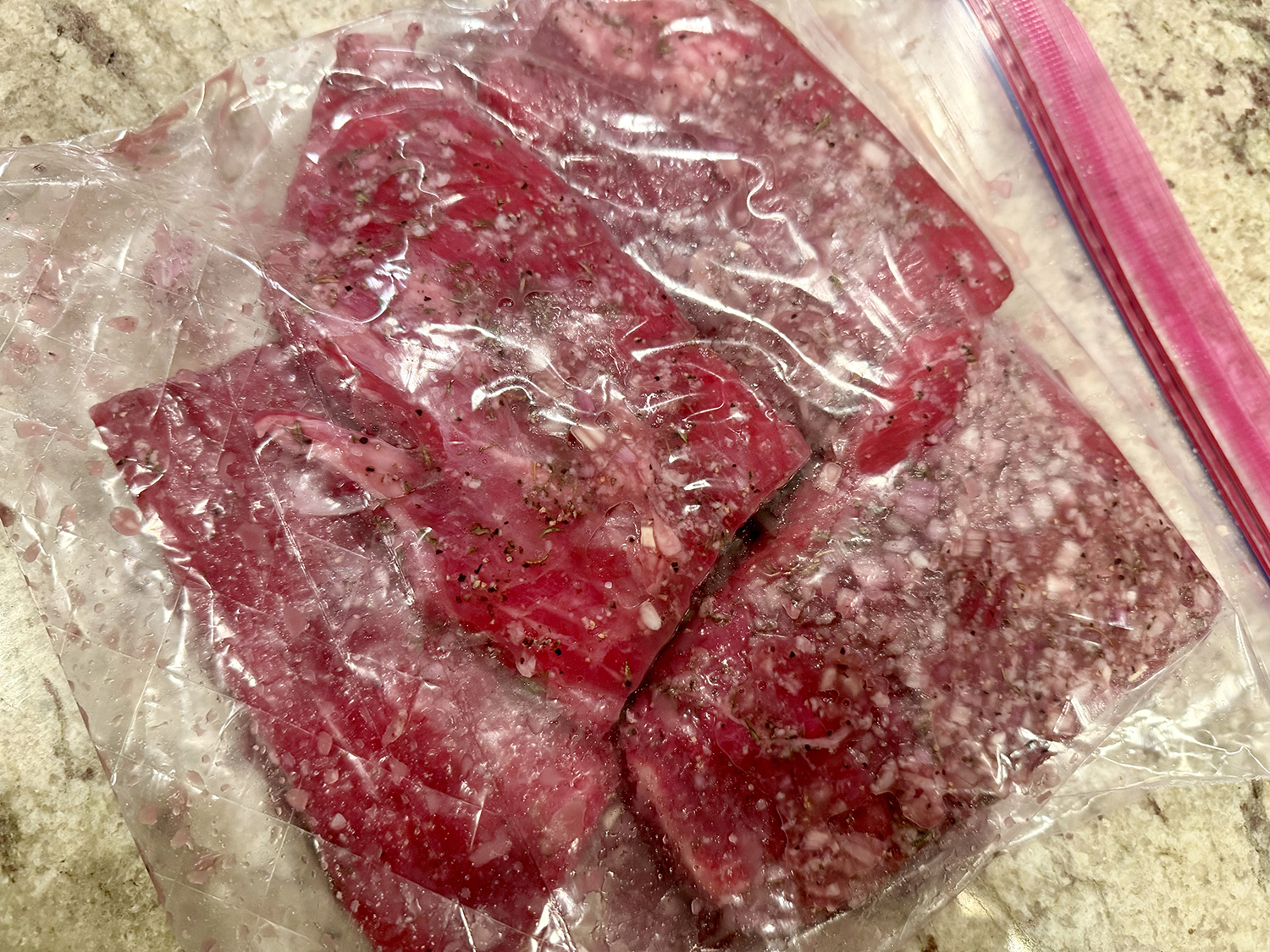
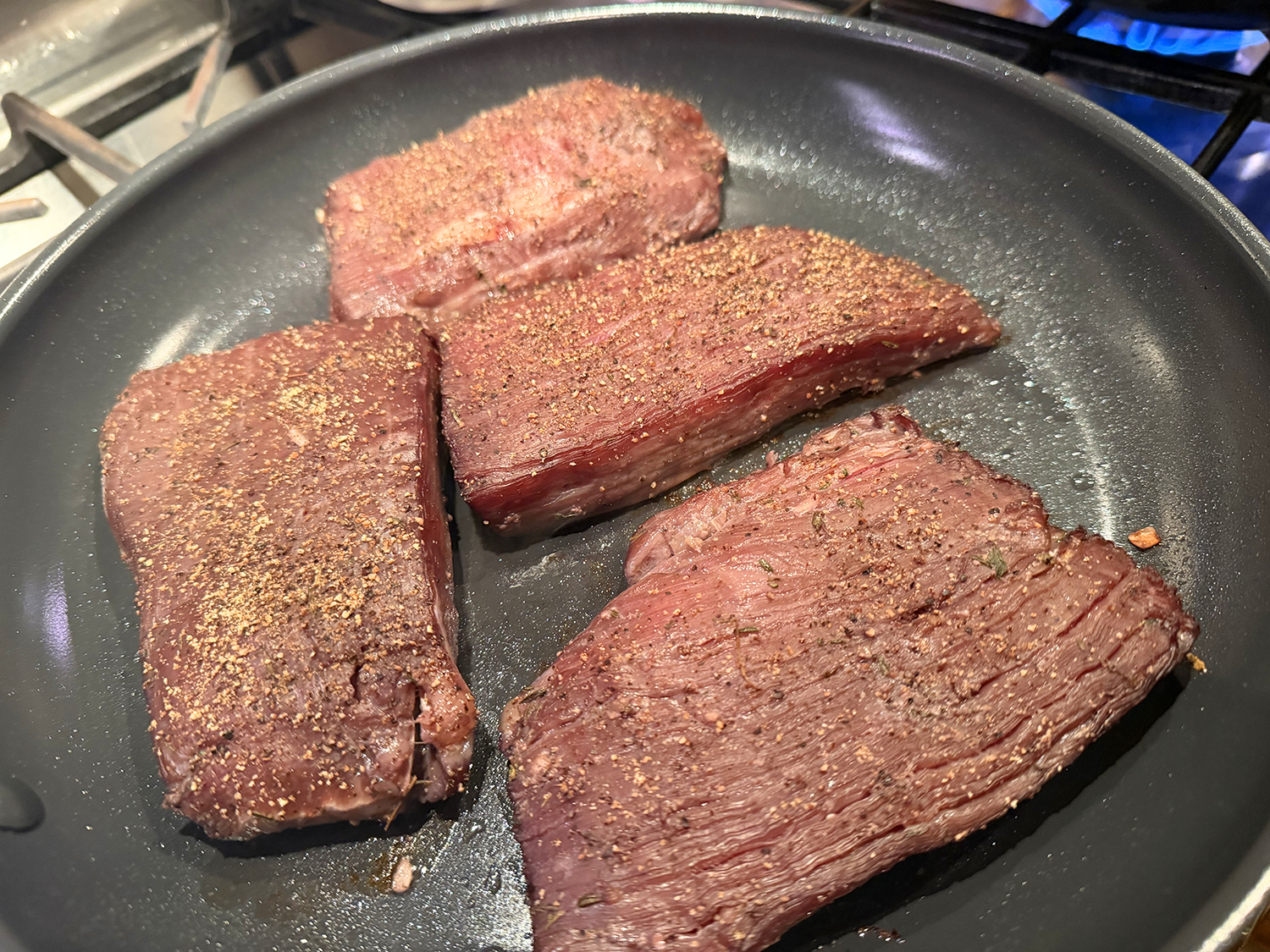
Whatever your protein choice, if the pan is too crowded the meat will steam instead of brown. At first, we thought all of that meat in the skillet was too much. But to our delight, the pieces did brown. If your amount looks tighter than the image below, you may want to cook in two batches just to be sure the beef does brown.

There is no spicy heat in this dish, but if that is your preference, you can always add some spicy chiles or include a bit of red pepper flakes.

Stir-Fried Beef and Tomatoes

  • Servings: 4
  • Difficulty: easy
  • Print

Ingredients

  • 4 Tbsp. oyster sauce OR hoisin sauce, divided
  • 1 Tbsp. cornstarch
  • Kosher salt and ground white or black pepper
  • 1 lb. flank steak, cut with the grain into 2- to 3-inch pieces, then thinly sliced against the grain
  • 1 lb. plum tomatoes, cored and cut into 1/2-inch wedges
  • 3 Tbsp. neutral oil, divided
  • 2 tsp. minced fresh ginger OR 3 medium garlic cloves, minced, OR both
  • 1 bunch scallions, cut on the diagonal into 1-inch lengths
  • Steamed rice
  • Optional garnish: Toasted sesame oil

Directions

  1. In a medium bowl, whisk 1 tbsp. oyster sauce, the cornstarch, ½ tsp. pepper, and 1 tbsp. water. Add the beef, stirring; let stand at room temperature for 15 minutes or cover and refrigerate for 1 hour. Meanwhile, place the tomatoes on a paper-towel-lined plate and sprinkle with ¼ tsp. salt; set aside.
  2. In a 12-inch skillet over high, heat 2 tbsp. oil until barely smoking. Add the beef in an even layer and cook without stirring until well browned and the pieces release easily from the skillet, 2 to 3 minutes. Stir, then transfer to a large plate.
  3. In the same skillet over medium-high, heat the remaining 1 tbsp. oil until shimmering. Add the tomatoes and ginger; cook, scraping up any browned bits, until the tomatoes soften and the ginger is aromatic, 30 to 60 seconds. Add the beef and any juices, then stir in the remaining 3 tbsp. oyster sauce and 2 tbsp. water. Cook, stirring, until the meat is tender and the sauce has thickened, 1 to 2 minutes. Stir in the scallions to wilt slightly, about 30 seconds. Off heat, taste and season with salt and pepper. Serve with hot cooked rice.

http://www.lynnandruss.com

Recipe by Christopher Kimball for Milk Street

Spanish Zucchini with Garlic and Sherry Vinegar

Spanish gambas al ajillo—shrimp cooked with generous amounts of garlic and olive oil—is a popular tapa, but as the recipe from Milk Street explains, the “al ajillo” technique isn’t strictly for shrimp. It can be employed with a number of different ingredients, including vegetables.

Here, zucchini is used to make calabacines al ajillo, also a Spanish classic. Cut into spears, quickly cooked, then left to stand for a few minutes before serving, the summer squash soaks up the heady notes of toasted garlic and the fruity, peppery olive oil.

Since it was just the two of us for dinner, and we didn’t want leftovers, the recipe was cut in half. You can serve with lots of warm, crusty bread for dipping into the oil or as a side to seared or grilled white fish. Ours was paired with a couple of grilled pork chops and some fresh garden tomatoes and basil. This dish is great served warm or even at room temperature.

TIP: Don’t leave the seeds in the zucchini. The seedy cores quickly turn soft and spongy with cooking and release moisture that would water down the dish. Be sure to turn up the heat to medium-high after adding the zucchini to the skillet to help maintain the temperature of the pan and oil.

Spanish Zucchini with Garlic and Sherry Vinegar

  • Servings: 4-6
  • Difficulty: easy
  • Print

Ingredients

  • 4 medium zucchini (about 2 lbs. total)
  • 1/3 cup extra-virgin olive oil
  • 4 medium garlic cloves, thinly sliced
  • 2 dried árbol chilies, broken in half, seeds shaken out and discarded, OR ¼ tsp. red pepper flakes
  • 1 Tbsp. sherry vinegar
  • Kosher salt and ground black pepper
  • 1/2 cup lightly packed fresh flat-leaf parsley, chopped
  • Flaky salt (optional)

Directions

  1. Halve the zucchini lengthwise, then use a spoon to scrape out the seeds. Turn each half cut side down and slice it lengthwise about ¼ inch thick, then cut the strips crosswise into 2-inch sections.
  2. In a 12-inch skillet over medium, combine the oil and garlic, then cook, stirring often, until the garlic is softened and lightly golden around the edges, about 3 minutes. Add the zucchini and chilies; immediately increase to medium-high and cook, stirring occasionally, until the zucchini begins to brown at the edges, about 5 minutes.
  3. Stir in the vinegar, ½ teaspoon salt and ¼ teaspoon black pepper; cook, stirring often, until the zucchini is tender yet holds its shape, 7-8 minutes. Remove the pan from the heat and let stand for about 5 minutes to cool slightly and to allow the zucchini to absorb the flavors.
  4. Stir in the parsley, then taste and season with salt (if not using flaky salt) and with black pepper. If desired, remove and discard the árbol chilies (if used). Transfer to a serving dish and sprinkle with flaky salt (if using).

http://www.lynnandruss.com

Recipe by Courtney Hill for Milk Street

Curried Salmon and Tomato Traybake

This Curried Salmon and Tomato Traybake recipe is packed with lean protein, vegetables, and healthy fats from the salmon. The salmon fillets nestled on top of a bed of roasted red onions, bursting cherry tomatoes and a curry-inspired sauce, all roasted together in a single baking dish.

For the salmon, our only option at shopping time was to purchase two separate prepackaged filets which we then cut down into 5 equal-sized pieces. In the end, it was a bit more fish than the recipe called for, but we were more than fine with that.

The timing was off when blistering the tomatoes, which took an additional 10 minutes on top of the 15 minutes indicated in the directions. Also, we have a gas broiler which always takes slightly longer to brown efficiently compared to an electric oven broiler.

NOTE: Make sure to use a broiler-safe dish such as copper enamel. Glass baking dishes usually shatter at such high heat.

As a side, we paired with tricolor couscous using homemade shellfish stock as opposed to water for a more substantial flavor.

Curried Salmon and Tomato Traybake

  • Servings: 4
  • Difficulty: easy
  • Print

Ingredients

  • 1 tsp. curry powder
  • Kosher salt and ground black pepper
  • 4 x 6-oz. center-cut salmon fillets (each 1 to 1¼ inches thick), patted dry
  • 1 medium red onion, halved and thinly sliced
  • 1 pint cherry or grape tomatoes
  • 4 Tbsp. extra-virgin olive oil, divided
  • 2 Tbsp. tomato paste
  • 1 tsp. ground coriander
  • 2 Tbsp. lemon juice, divided, plus 1 tablespoon grated lemon zest
  • ¼ cup fresh flat-leaf parsley, finely chopped

Directions

  1. Heat the oven to 475° F with a rack in the upper-middle position. In a small bowl, stir together the curry powder, ½ teaspoon salt and ¼ teaspoon pepper. Season the salmon all over with the mixture; reserve the bowl.
  2. In a broiler-safe 9-by-13-inch baking dish, stir together the onion, tomatoes, 2 tablespoons oil and ¼ teaspoon each salt and pepper. Roast until the tomatoes begin to burst, about 15 minutes. Meanwhile, in the now-empty bowl, whisk the tomato paste, coriander, 1 tablespoon lemon juice and ½ cup water. In another small bowl, stir together the parsley, the remaining 2 tablespoons oil, remaining 1 tablespoon lemon juice, lemon zest and ¼ teaspoon pepper.
  3. Remove the baking dish from the oven; heat the broiler. Stir the tomato paste mixture into the onion-tomato mixture. Nestle in the salmon, skin side down, then spoon some of the onion-tomato mixture over the top. Broil until the fish flakes easily, 4 to 6 minutes.
  4. Cool for 5 minutes, then spoon on the parsley mixture.

http://www.lynnandruss.com

Adapted from a recipe by Milk Street

Easy Crunchy Asian Slaw

A simple healthy recipe for Asian Slaw – easy and crunchy, this vegan slaw can be made ahead and is packed full of flavor. It’s also a fantastic way to use up some of the stray veggies in the fridge—that remaining half cabbage, the lone carrot or parsnip, or the leftover bell pepper… you get the idea…

The Asian Slaw Dressing is the best! Not only is it made with accessible ingredients you most likely have in your pantry, but it also seems to have the right balance of sweetness, tartness, and depth with just a little heat. And of course, you can personalize it even further to your own tastes.

The slaw recipe will keep up to 4 days in an airtight container in the refrigerator. You can prep the cabbage up to 3 days ahead as well as the dressing and toss before serving—leaving the sesame seeds off until serving.

We served our slaw as a side to stir-fried Ginger Beef.

Easy Crunchy Asian Slaw

  • Servings: 6
  • Difficulty: easy
  • Print

Ingredients

  • 2 – 2 1/4 lb cabbage – shredded-roughly 6-7 cups
  • 3 scallions, sliced
  • 1 cup cilantro, chopped (or sub Italian Parsley)
  • 1/2 toasted cashews, chopped, optional

Asian Slaw Dressing

  • 3 Tbsp.olive oil
  • 1–3 tsp. toasted sesame oil
  • 1/4 cup rice wine vinegar
  • 3 Tbsp. sugar, maple syrup, honey, or coconut sugar
  • 1 Tbsp. soy sauce
  • 1 Tbsp. fresh ginger, grated, or use ginger paste
  • 1 garlic clove, grated or use garlic paste (garlic is optional, adds punchy flavor)
  • 1/2 tsp. salt
  • 1/2 tsp. chili flakes or chili paste, optional

Directions

  1. Toss slaw ingredients together in a large bowl. Add cilantro and scallions.
  2. Whisk Asian Slaw Dressing ingredients together in a small bowl.
  3. Pour dressing into slaw and toss well. Taste, adjust salt, honey and sesame oil to taste.
  4.  Garnish with sesame seeds and/or nuts.

http://www.lynnandruss.com

Adaptable recipe from feastingathome.com

Pork-and-Mushroom Stuffed Zucchini Boats

A great keto-friendly, low-carb meal option from Food & Wine, these aromatic with garlic, scallions, and fish sauce, these zucchini boats are stuffed with juicy pork and mushrooms for a dish that’s light, satisfying, and packed with Vietnamese flavor. You can even make most of it a day ahead (which came in real handy when we went to make them).

It’s a fun and easy vegetable-and-meat dish that makes the most out of the bounty of farmers market squash. Reminiscent of a dumpling filling, the pork-and-mushroom stuffing has notes of ginger, garlic, and scallions.

Bouillon powder (although we used bullion paste) and fish sauce bring umami to the forefront. Salting and baking the scooped-out cavities of the zucchini help release excess moisture, creating a perfectly textured final dish.

If looking to amp up the meal, serve these stuffed zucchini boats with rice, and/or a side salad for a quick and delicious dinner. 

NOTE: If you don’t eat pork, you can easily swap it for an equal amount of ground beef or ground turkey in this recipe.

Pork-and-Mushroom Stuffed Zucchini Boats

  • Servings: 4
  • Difficulty: easy
  • Print

Ingredients

  • 2 12-oz. zucchini
  • 1/2 tsp. kosher salt
  • 2 Tbsp. neutral cooking oil, plus more for brushing
  • 1 (5-oz.) package sliced shiitake mushrooms, finely chopped
  • 1/4 cup thinly sliced scallion 
  • 1 Tbsp. finely chopped garlic (about 3 cloves)
  • 2 tsp. finely chopped fresh ginger, from 1-inch piece
  • 1 lb. ground pork
  • 1/4 cup chopped fresh cilantro, plus more for garnish
  • 2 Tbsp. fish sauce
  • 1 tsp. chicken bouillon granules
  • 1/2 tsp. black pepper

Directions

  1. Preheat oven to 425°F. Halve zucchini lengthwise; scoop the flesh from each half using a spoon or melon baller, leaving a 1/4- to 1/2-inch wall on the sides and base. Set scooped flesh aside. Sprinkle cut sides with salt, and place zucchini, cut side down, on a paper towel–lined plate. Let stand for 20 minutes.
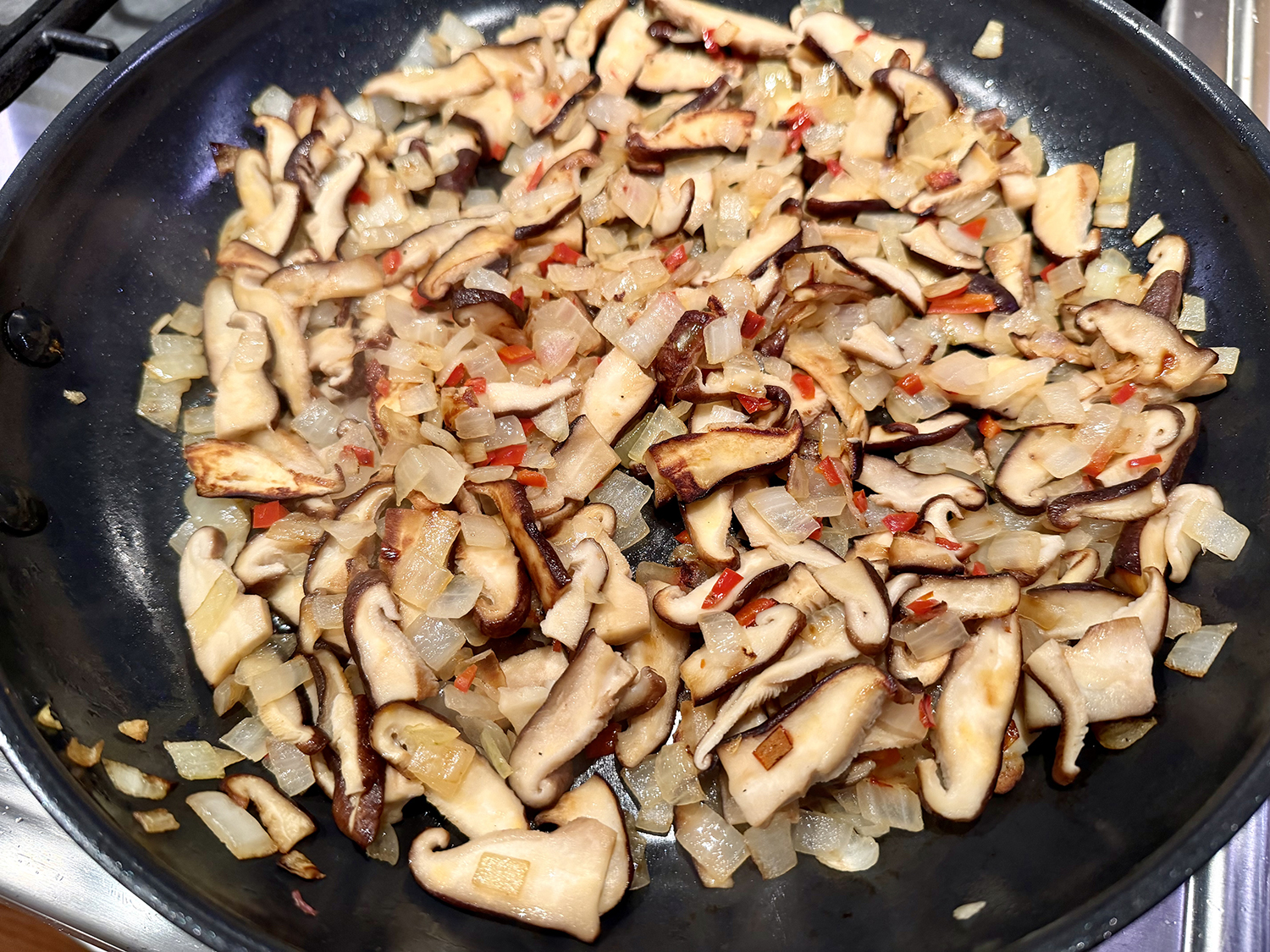
  2. Meanwhile, heat oil in a large skillet over medium-high. Add mushrooms, and cook, stirring occasionally, until tender and browned, 4 to 5 minutes. Add scallion, garlic, ginger, and reserved zucchini flesh; cook, stirring often, until softened and the released liquids evaporate, 3 to 5 minutes. Add pork; cook, stirring occasionally to break meat into fine crumbles, until browned, 6 to 8 minutes. Remove from heat, and let cool for 5 minutes.
  3. Pat zucchini halves dry, and lightly brush with oil. Arrange zucchini, cut sides down, on an aluminum foil–lined baking sheet. Bake until the zucchini begins to soften, 8 to 10 minutes; remove from oven. Increase oven temperature to broil.
  4. Stir cilantro, fish sauce, bouillon, and pepper into pork mixture. Fill each zucchini cavity with pork mixture (about 2/3 cup per half); firmly press mixture into zucchini. Place on an aluminum foil–lined baking sheet, and broil until browned on top, 2 to 3 minutes. Let cool slightly, about 3 minutes. (With an electric oven, in order to get a little brown crisp on top, it took several minutes longer under the broiler.) Serve zucchini hot, garnished with additional cilantro and/oror scallion slices.

http://www.lynnandruss.com

Adapted from a recipe by Cường Phạm for Food & Wine

Blueberry Pie Bars

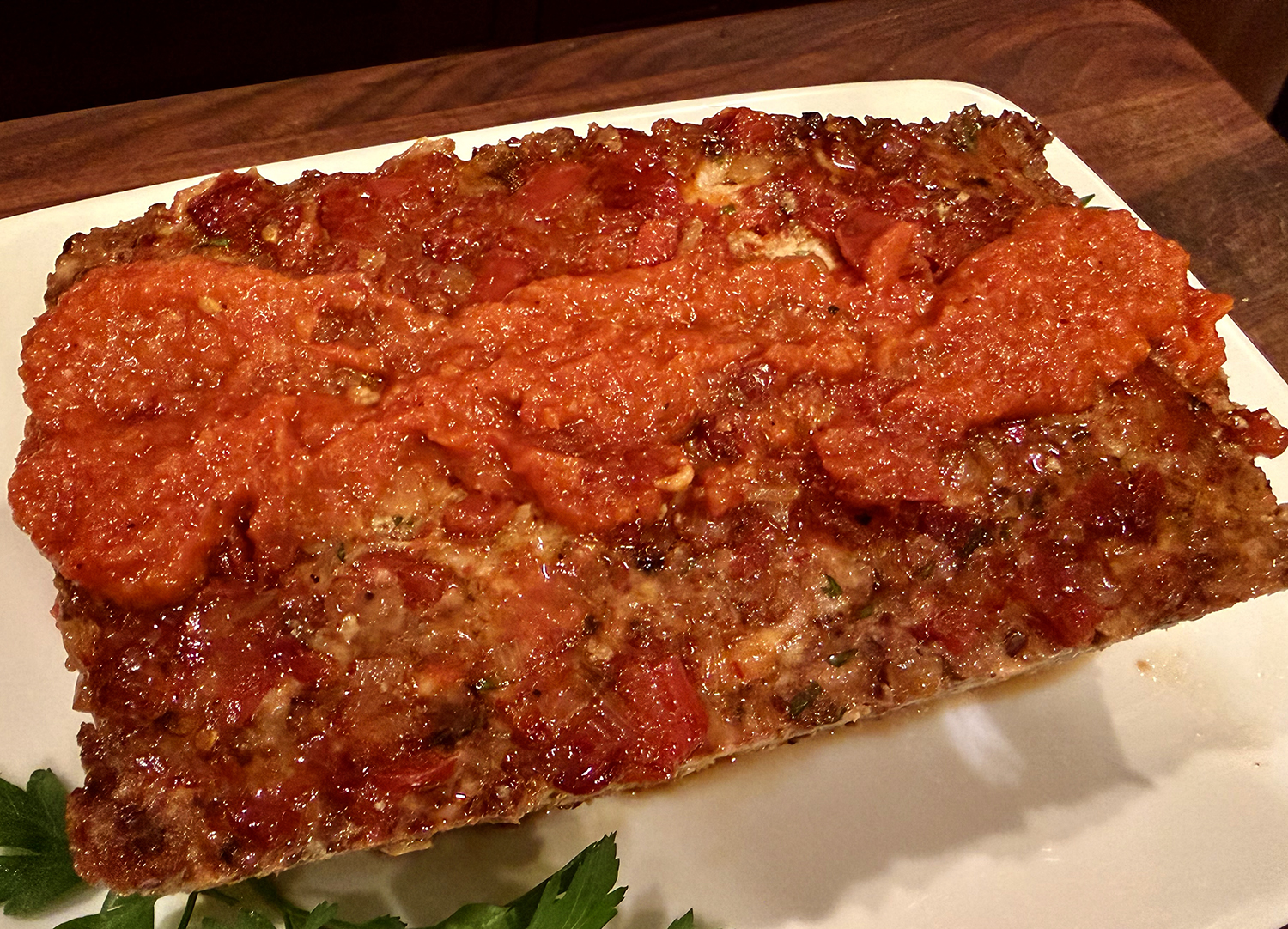
Need a summery dessert for a party/picnic? In my mind, anything with blueberries is a sure bet. The Hubs happened to mention he just came across this recipe earlier in the day and thought it might be just the dessert I was looking for to bring to a garden luncheon. Indeed it was!

“At first glance, these bars may look like every other fruit crumble bar you’ve had, but they have a secret. Between the jammy fruit and buttery shortbread is a bonus layer of sweetened cream cheese you never knew you needed until now.”

Did you know wild blueberries are less watery than conventional blueberries and have a more concentrated blueberry flavor? They are available frozen and need not be thawed before using, but you can use whichever variety you find. These bars will be delicious no matter what. For a bright note, I incorporated fresh zest from half of a large lemon into the cream cheese filling.

There are so many store-bought shortbread cookie varieties to choose from, and they make the recipe easier than making shortbread from scratch. But if that’s your thing, by all means, go for it. You’ll need about 1 pound total of shortbread cookies such as Lorna Doone, Walkers, Kirkland brand, Trader Joe’s Vanilla Wafers, etc.

I let them cool completely on the rack (about 3-4 hours). Then I wrapped the pan with plastic wrap and refrigerated the pan overnight before slicing the 2 edges along the glass with a knife to loosen, lifting them out with the parchment overhang, then cutting into 16 even squares.
Blueberry Pie Bars

  • Servings: 16 squares
  • Difficulty: easy
  • Print

Ingredients

For the Crust:

  • 10 ⅔ oz. shortbread cookies (2, 5.3-oz packages)
  • 3 Tbsp. granulated sugar
  • 1 Tbsp. all-purpose flour
  • ½ tsp. kosher salt
  • 4 Tbsp. unsalted butter (½ stick), melted

For the Fillings:

  • 8 oz. cream cheese, at room temperature
  • 1 tsp. lemon zest
  • ¼ cup plus ⅓ cup granulated sugar
  • 1 large egg
  • 3 cups (12 oz.) wild blueberries, fresh or frozen, but not thawed
  • 1 Tbsp. cornstarch
  • Pinch of kosher salt

For the Topping:

  • 5 ⅓ oz. shortbread cookies (1, 5.3-oz. package)
  • 1 Tbsp. all-purpose flour
  • ¼ tsp. kosher salt
  • ½ tsp. baking powder
  • 1 Tbsp. granulated sugar
  • 2 Tbsp. unsalted butter, at room temperature
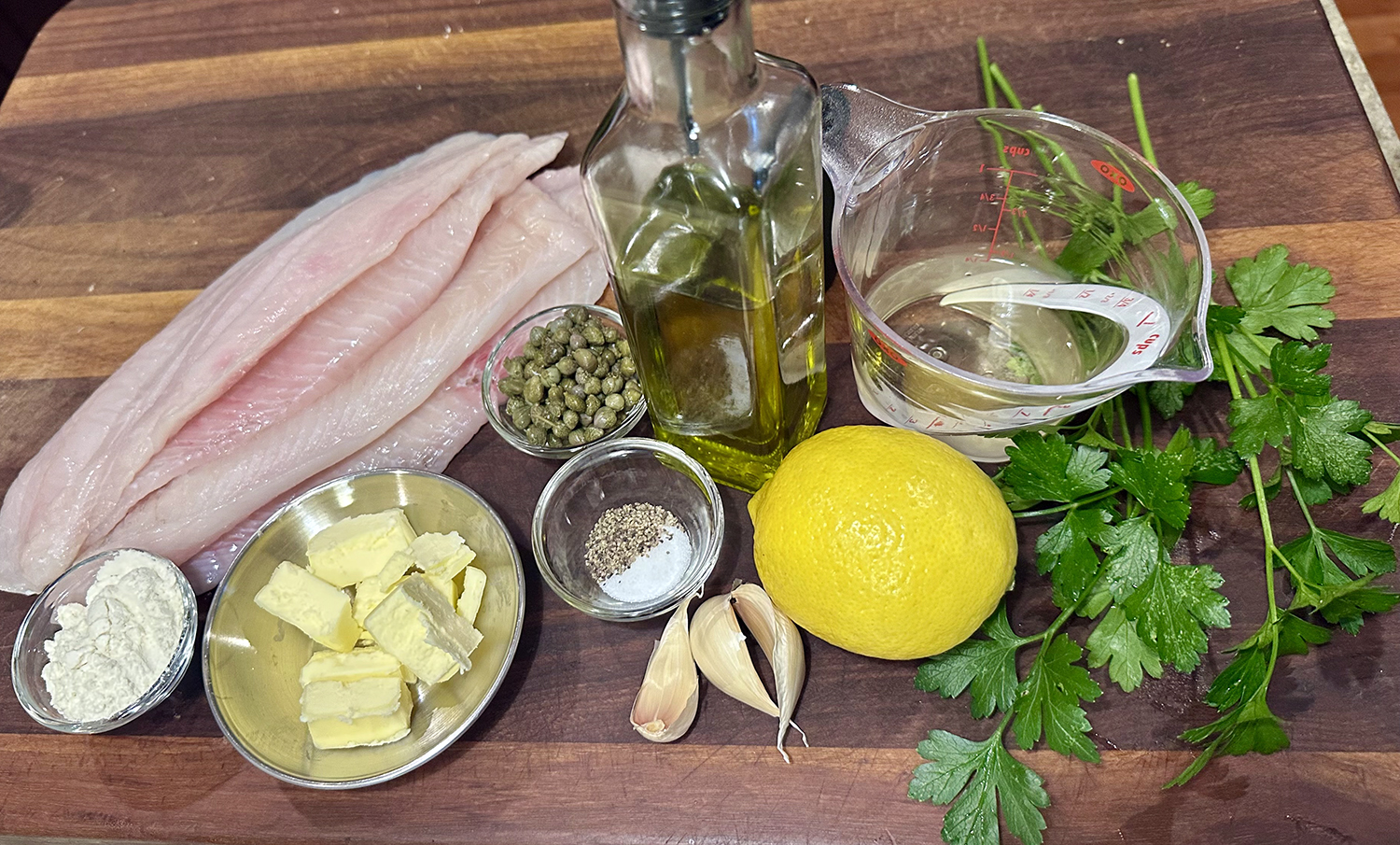
  • 1 large egg yolk

Directions

  1. Heat oven to 350 degrees. Line a 9-inch square pan with parchment paper, leaving a 2-inch overhang on two sides. In a food processor, combine shortbread cookies, sugar, flour and salt and pulse until you have fine crumbs. Add butter and pulse until crumbs are evenly moistened. Transfer mixture into the prepared pan and press down into an even layer. Bake until fragrant and a shade darker, about 20 minutes.
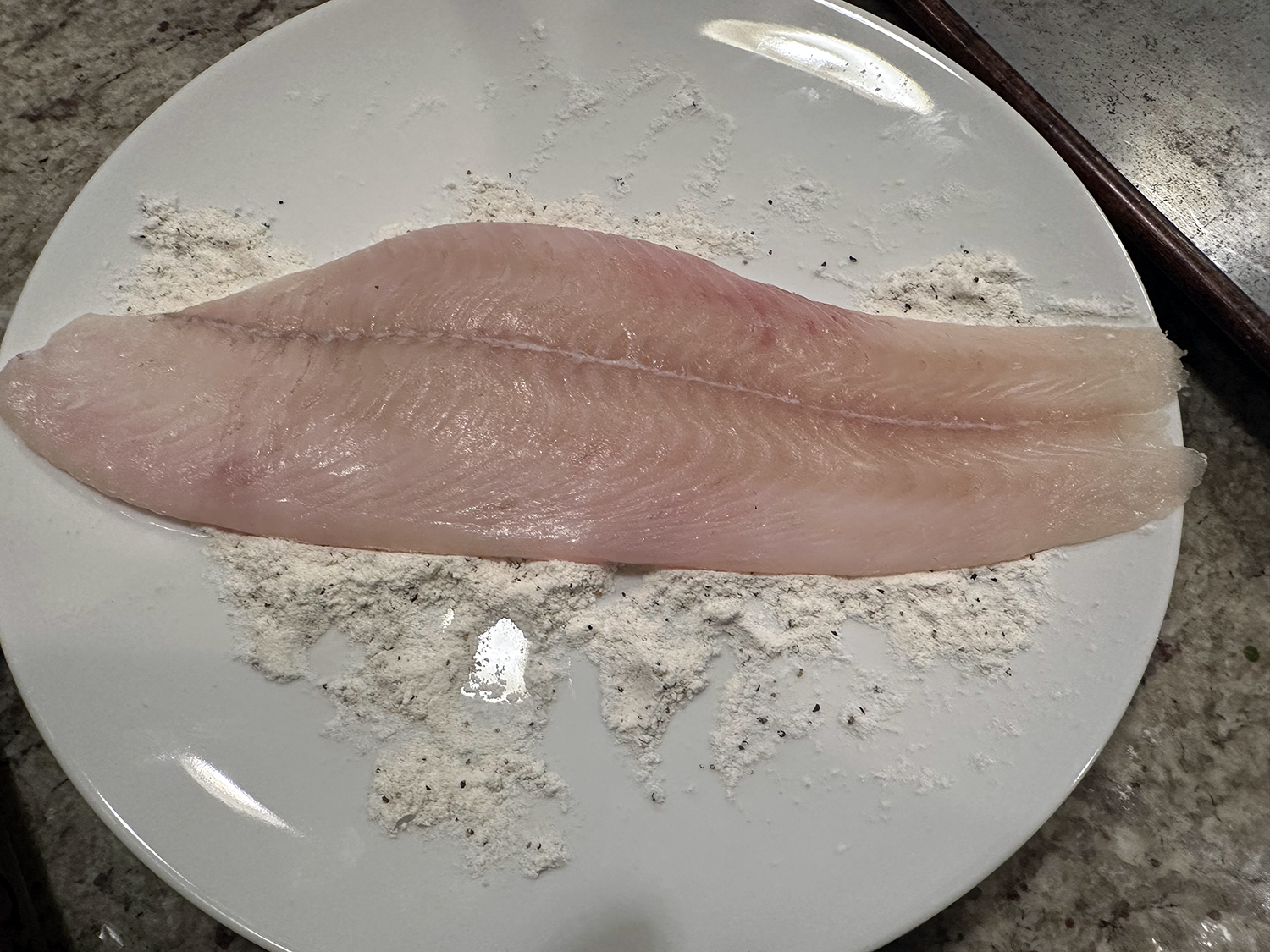
  2. Meanwhile, prepare filling: In a medium bowl, add cream cheese, lemon zest, ¼ cup of sugar and 1 egg and mix until smooth. In a separate medium bowl, add blueberries, remaining ⅓ cup sugar, cornstarch and salt, and toss to combine.
  3. Prepare topping: In a food processor, combine shortbread, flour, salt, baking powder and sugar and pulse to combine. Add butter and egg yolk, and pulse until the mixture is evenly moistened.
  4. Remove crust from oven and top it evenly with cream cheese mixture and then blueberry mixture. Sprinkle topping over blueberry layer, squeezing to make some larger clumps. Bake until filling is set and no longer jiggly, 35 to 40 minutes. (It took 50 minutes for ours to gel.) Transfer to a rack to cool completely then chill (another 3 to 4 hours), then in the refrigerator for at least 1 hour, up to overnight.
  5. To serve, use a sharp knife to release edges. Using parchment overhang, lift and transfer to a cutting board and cut into 16 squares.

http://www.lynnandruss.com

Adapted from a recipe by Samantha Seneviratne for NYTimes Cooking

Orecchiette Salad with Roasted Vegetables, Chicken and Jalapeño-Lime Dressing

For a pasta salad that could serve as a main course, some of the pasta is swapped out for chicken, roasted corn and zucchini. Orecchiette works great because its little cup shapes are perfect for holding dressing. The pasta is cooked until it is a little too soft so that as it cools and firms up, it has just the right tender texture.

Because a classic thin vinaigrette would slide to the bottom of the bowl, it is thickened by blending it with pickled jalapeños and scallion whites. Add some crunch with bits of carrot and sliced radish, then top with cilantro leaves and scallions to contribute color and fresh herbal notes.

NOTES: For convenience, a store-bought rotisserie is the way to go. And, the pasta is intentionally overcooked in this recipe so that it remains tender, even when served cold. If making this salad ahead, dress the salad and garnish it with the reserved cilantro right before serving.

There is a fair amount of prep, and it easily took closer to an hour than the 45 minutes suggested in the original recipe. Since good fresh corn was available at farm stands, we used that instead of frozen corn. Just slice the kernels off the cob, and mix with the cut zucchini.

It may seem like a lot of jalapeños, but we found it to be just right. The quantity is versatile, so add or subtract the pickled chile to suit your own preferences.

Orecchiette Salad with Roasted vegetables, chicken and Jalapeño-Lime Dressing

  • Servings: 4-6
  • Difficulty: easy
  • Print

Ingredients

  • 1 lb. zucchini, quartered lengthwise and sliced ¼ inch thick
  • 1½ cups fresh or frozen corn kernels
  • 2 Tbsp. plus
  • ½ cup vegetable oil, divided
  • 1½ tsp. table salt, divided, plus salt for cooking pasta
  • 8 oz. (2¼ cups) orecchiette
  • ⅓ cup plus ¼ cup jarred sliced jalapeños, drained, divided
  • 4 scallions, white parts sliced thin, green parts cut into 1-inch pieces
  • ¼ cup lime juice (2 limes)
  • 1 lb. cooked chicken, torn into bite-size pieces (3 cups)
  • ¾ cup fresh cilantro leaves, divided
  • 8 radishes, trimmed, halved, and sliced thin
  • 1 large carrot, peeled and shredded

Directions

  1. Arrange oven rack 4 inches from broiler element and heat broiler. Combine zucchini, corn kernels, 2 tablespoons oil, and ½ teaspoon salt in large bowl and toss to coat. Transfer to rimmed baking sheet (do not wash bowl) and spread into even layer. Broil until spotty brown in places, 8 to 10 minutes, stirring halfway through broiling. Transfer sheet to wire rack to cool.
  2. Meanwhile, bring 2 quarts water to boil in large saucepan. Add pasta and 1½ teaspoons salt and cook until pasta is tender throughout, 2 to 3 minutes past al dente. Drain well and rinse with cold water. Drain well and transfer to now-empty bowl.
  3. Process ⅓ cup jalapeños, scallion whites, lime juice, and remaining 1 teaspoon salt in blender until coarse paste forms, about 30 seconds. With blender running, drizzle in remaining ½ cup oil and continue to process until dressing is emulsified and smooth, about 1 minute.
  4. Chop remaining ¼ cup jalapeños and add to pasta along with chicken, ½ cup cilantro, radishes, carrot, zucchini and corn, and scallion greens. Pour dressing over salad and toss to coat. Transfer to serving bowl. Sprinkle with remaining ¼ cup cilantro and serve.

http://www.lynnandruss.com

Recipe by Andrea Geary for America’s Test Kitchen

Hunan Pork and Tofu Spicy Stir-Fry

An easy and tasty Hunan Pork and Tofu classic dish served at many Hunan restaurants throughout China and the US., and now you can create in your own home. Hunan-style food, like Sichuan food, features chilis and spice as a core flavor, and has really taken off in popularity in recent years as more Chinese immigrants and visitors make their way into all parts of America. 

According to Woks of Life where we got this dish, this Hunan Pork and Tofu recipe uses a liberal amount of oil (6 tablespoons), but you’ll notice that it’s lacking the strong/visible greasiness that you might see in Chinese restaurants, thank goodness.

NOTES: We had two boneless pork loins, each weighing 8 ounces, we decided to use both thus increasing the amount of pork from 10 ounces to a total of 16*. Because of the additional protein, we upped the amount of some of the other ingredients. We also used extra-firm tofu.

Out of spicy bean sauce, we substituted gochujang. In most recipes, doubanjiang and gochujang are used in comparable ways. They both provide spicy hits to any meal. However, doubanjiang balances out that spiciness with savory flavors, while gochujang emits sweeter flavors to provide a similar balance. 

Hunan Pork and Tofu Spicy Stir-Fry

  • Servings: 4
  • Difficulty: easy
  • Print

Ingredients

For the pork and marinade:

  • 10 oz. pork (see above note*), sliced ⅛-inch thick
  • 2 Tbsp. water
  • 1 tsp. oil
  • 1 tsp. cornstarch

For the rest of the dish:

  • 6 Tbsp. vegetable or canola oil, divided
  • 1 lb. firm tofu, drained and cut into 2-inch squares, ½-inch thick
  • 1 tsp. ginger, minced
  • 2 Tbsp. spicy bean sauce (dou ban jiang)
  • 3 scallions, cut on an angle into 2-inch pieces
  • 2 tsp. fresh garlic, minced
  • 3 Tbsp. fermented black beans
  • 1 red bell pepper, cut into 1×2-inch pieces, about 1½ cups
  • 1 Tbsp. Shaoxing wine
  • ¾ tsp. sugar
  • ⅓ cup hot water or chicken stock
  • 1 tsp. cornstarch, mixed with 1 Tbsp. water

Directions

  1. In a bowl, add 2 tablespoons of water to the pork slices and massage until the pork absorbs all of the water. Next, add the oil and cornstarch, mix thoroughly until the pork is coated, and set aside.
  2. Heat your wok over high heat, and spread 2 tablespoons of oil around the wok to evenly coat the surface. Add the tofu slices to the wok in one layer, and let them sear. Don’t move them for a least 1 minute. Tilt your wok so the oil reaches the tofu on all sides. Add more oil if needed.
  3. After another 1 to 2 minutes, the tofu should be browned, and it should not stick to the wok. You may have use a metal spatula to loosen the pieces slightly. Turn down the heat, and carefully flip all of the tofu slices. After the tofu is golden brown on both sides, transfer to a plate. They should be much easier to handle now.
  4. Over high heat, add another 2 tablespoons of oil to your wok. When the wok just starts to smoke a bit, immediately add the pork. Spread the pork around the wok using your metal spatula, and let the meat sear for 20 seconds on one side. Stir fry for another 15 seconds, and scoop out the meat into your marinade bowl. It should be about 80% cooked.
  5. Using the same wok, turn the heat to low, and immediately add 2 tablespoons oil, the minced ginger, the spicy chili bean paste (doubanjiang), and the white parts of the scallions. Stir this mixture into the oil and let it fry at low heat for 15 seconds to infuse the oil and bring out a rich red color.
  6. Next, add the garlic, black beans, red bell peppers, and the rest of the scallions. Turn the heat to high, and give everything a good stir-frying for 45 seconds. The red pepper will sear and add more natural red color to this dish.
  7. Add the pork and juices from your marinade bowl and the tofu back to the wok. Next, spread 1 tablespoon of Shaoxing wine around the perimeter of the wok, add the sugar, and continue to stir-fry for 15 seconds. Be gentle so you don’t break up the tofu.
  8. After another 15 seconds of stir-frying, spread the hot chicken stock or water around the perimeter of the wok to deglaze it. Continue to stir fry for another 30 seconds, being sure to spread the liquid to the sides of the wok to further deglaze it.
  9. At this point, you can continue to stir-fry the dish until most of the liquid is reduced, or add the water and cornstarch to thicken any standing liquid. Plate with steamed rice.

http://www.lynnandruss.com

Adapted from a recipe by Woks of Life