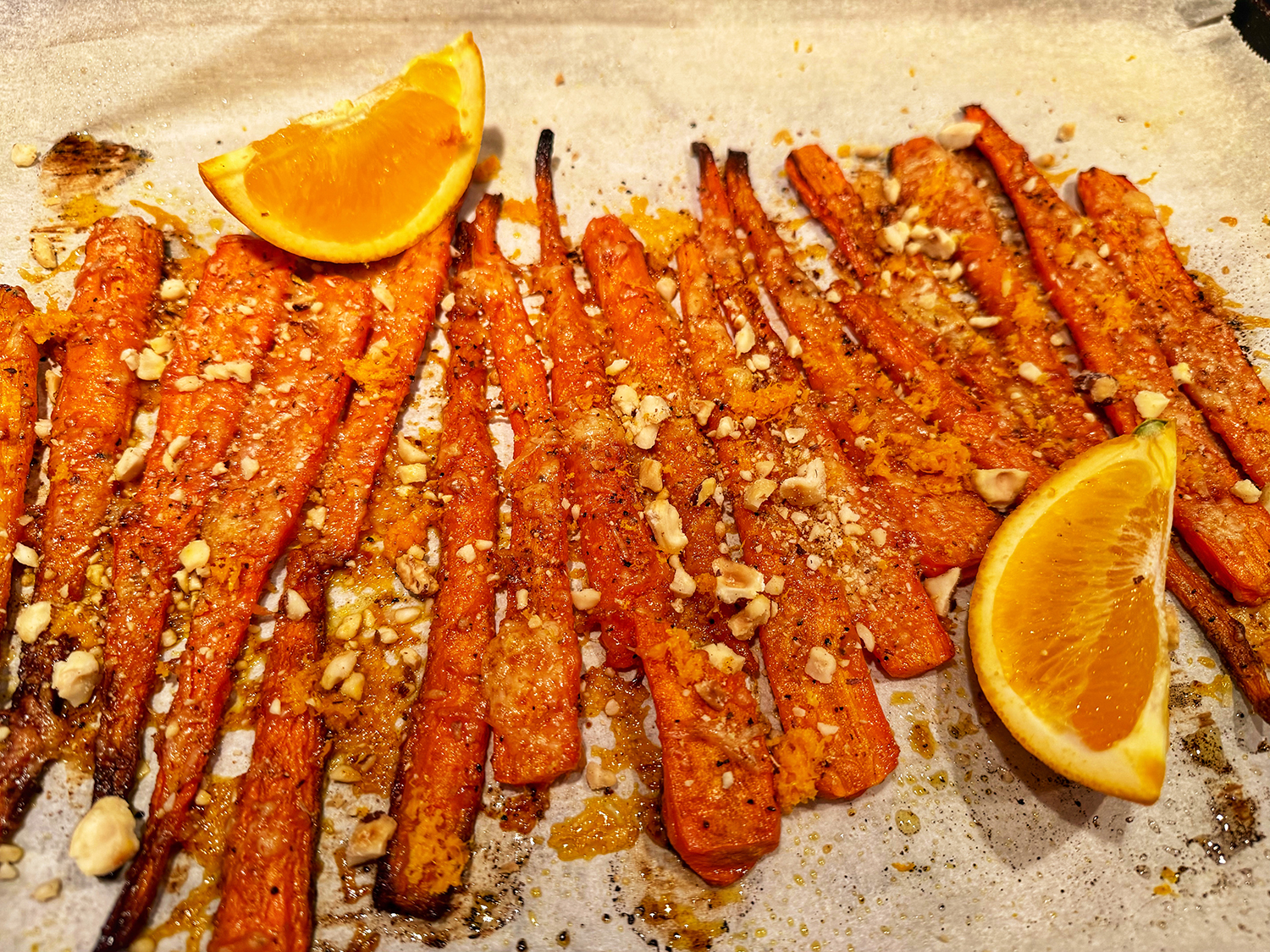
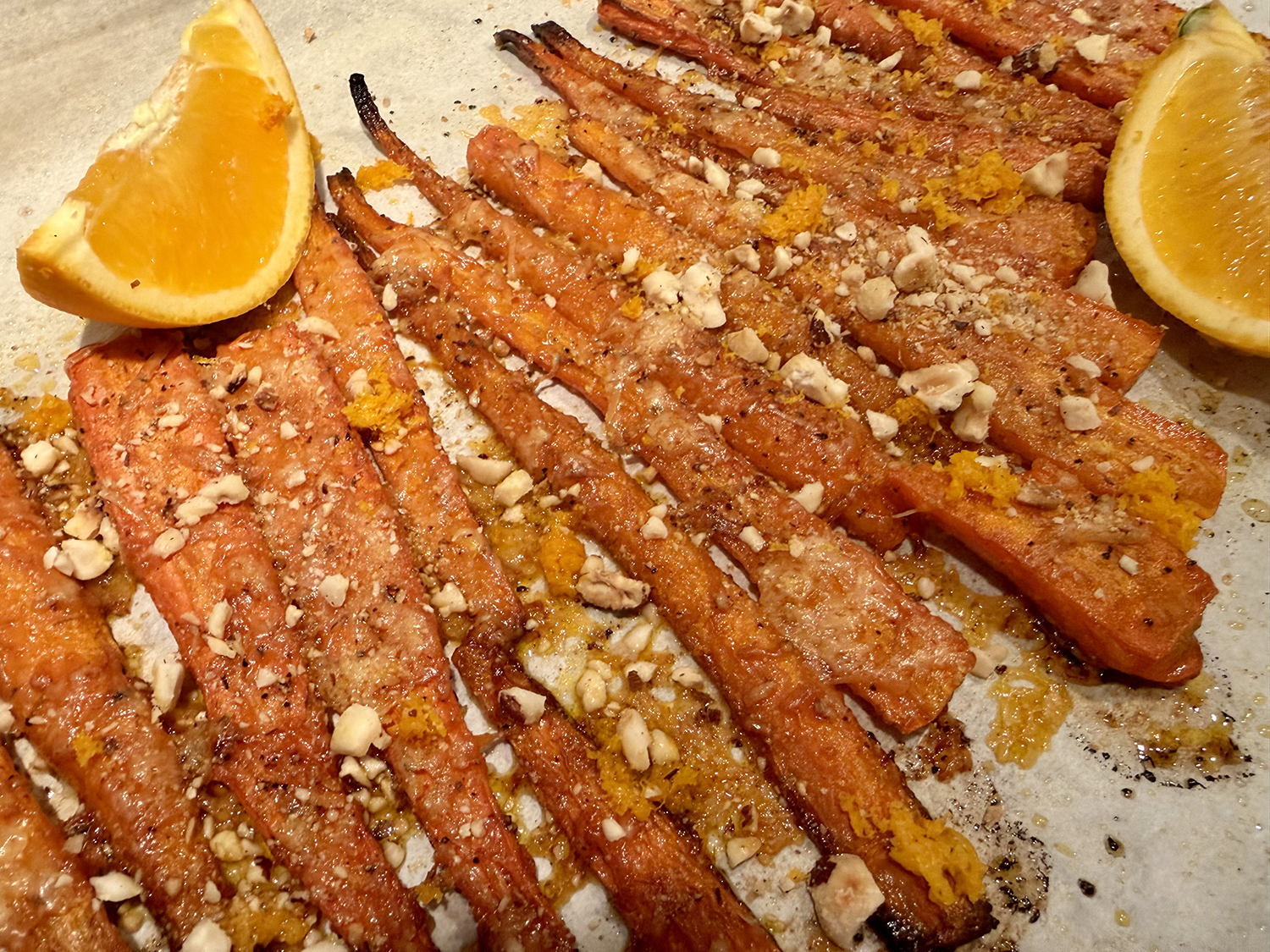
Crispy, caramelized, and totally irresistible! Barely roasted carrot halves are smashed to create more surface area and caramelly edges. Manchego and hazelnuts reinforce their nutty earthy flavor. A lovely, impressive way to prepare an ordinary side dish.
Bring out carrots’ natural sweetness by roasting them in the oven. Although it takes longer than steaming or microwaving, the tender, caramelized outcome makes the extra cook time worthwhile. Simply roast the carrots until they’re fork-tender, then smash them (without breaking), sprinkle with a little cheese, and roast again until the edges are nice and crispy and the cheese is melted.
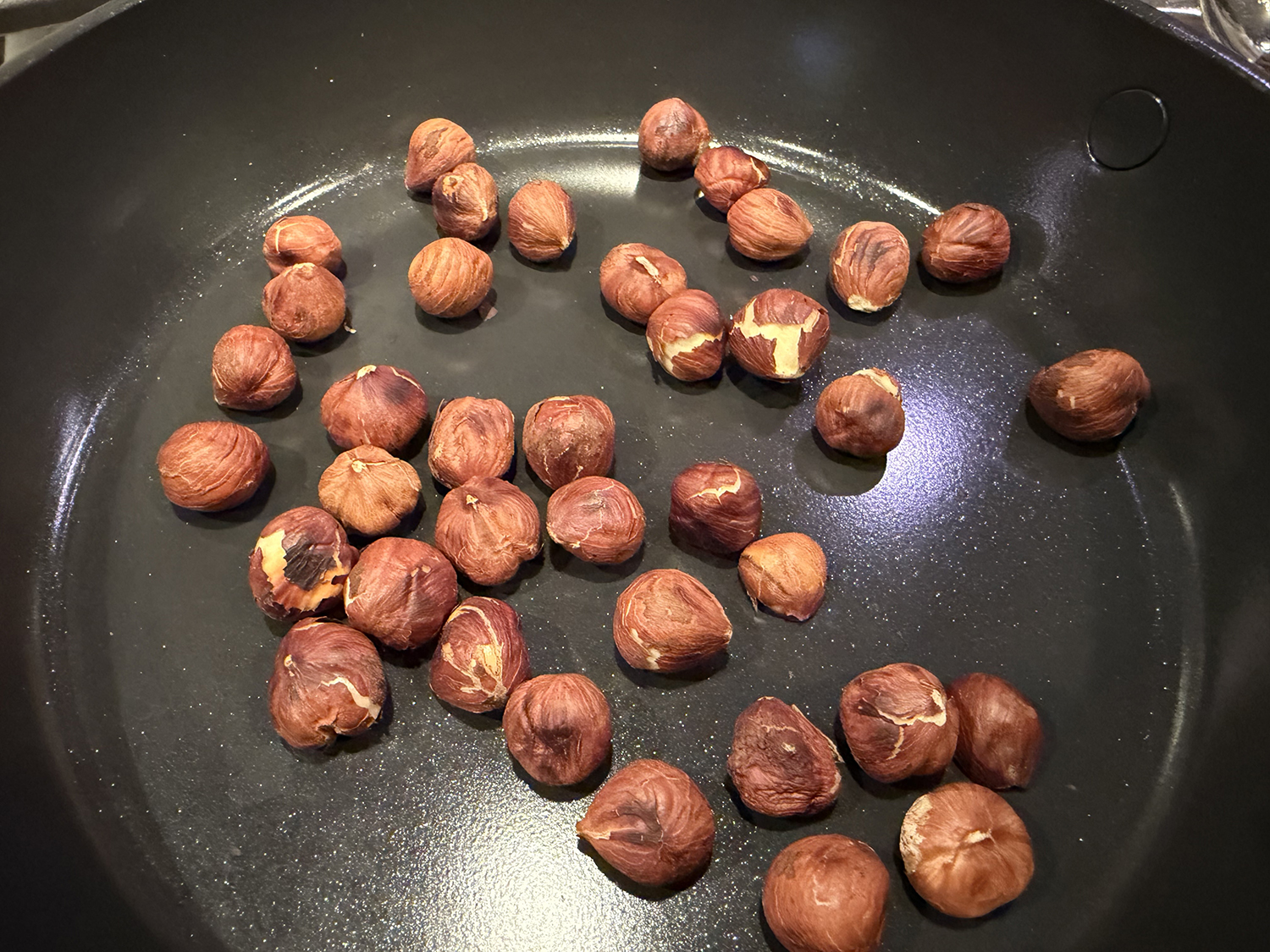
If you are starting with raw filberts, toast the nuts in a dry pan. When cooled, removed the skins as much as possible. The hazelnuts can be chopped in a small mini food processor, or hit with a mallet while inside a ziploc bag.
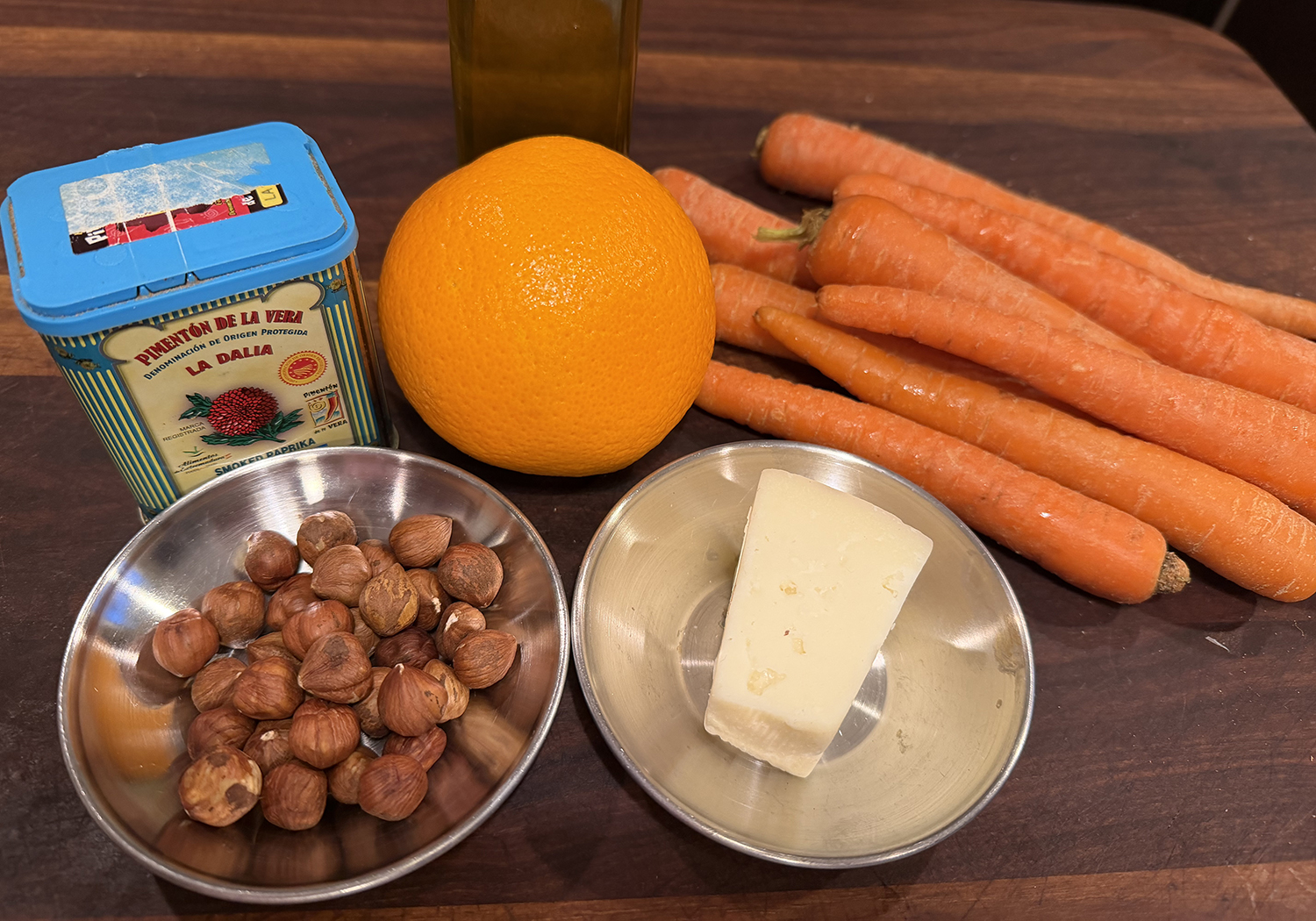
1 lb. medium carrots, peeled and halved lengthwise
2 Tbsp. olive oil, divided
1/2 tsp. salt
1/4 tsp. smoked paprika
1/4 tsp. black pepper
1/4 to 1/2 cup shredded Manchego cheese (1 to 2 oz.)
2 Tbsp. chopped toasted hazelnuts, skins removed
1/2 tsp. orange zest (optional)
1 orange wedge (optional)
Directions
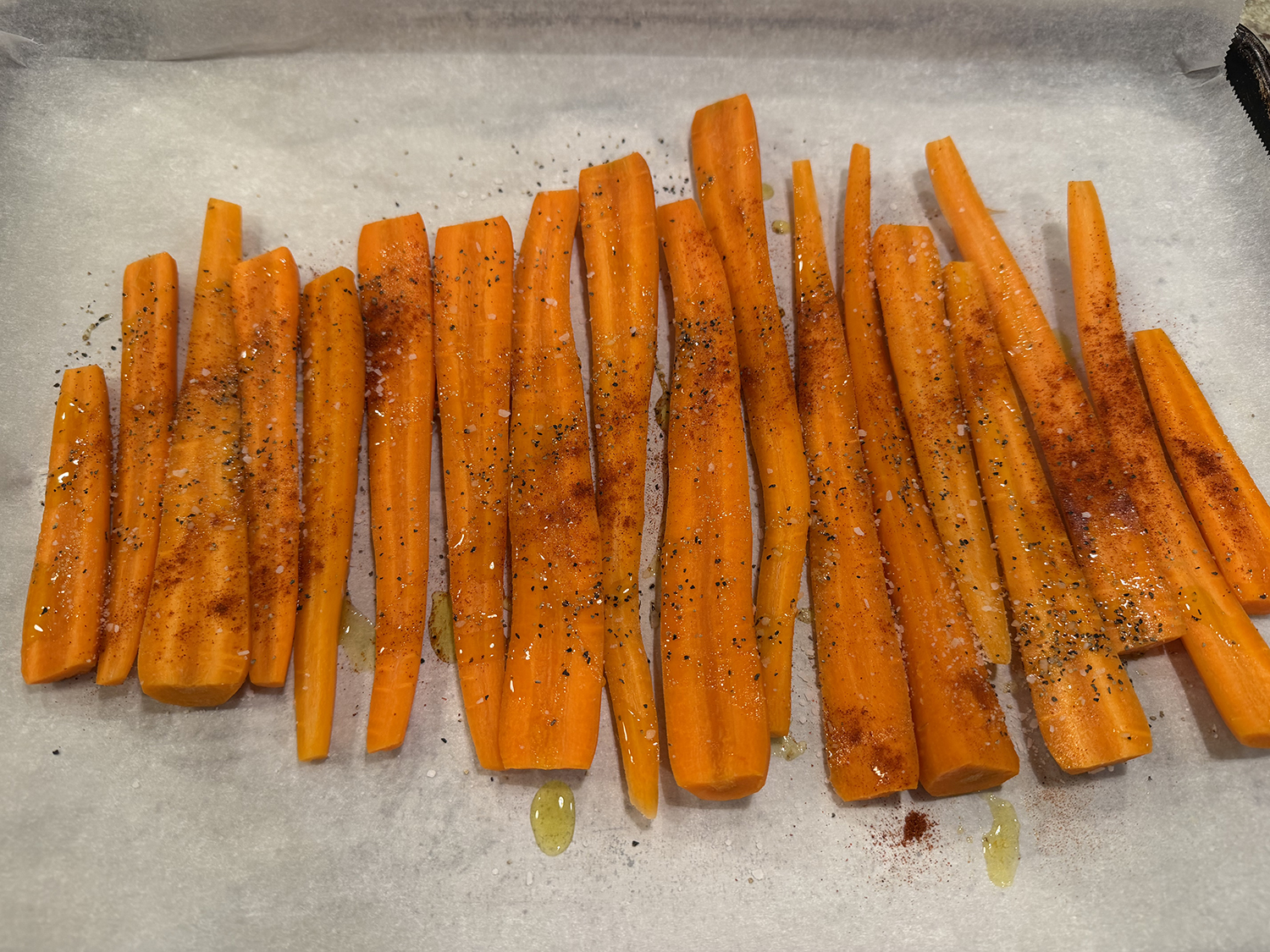
Preheat oven to 400°F. Line a 15×10-inch baking pan with parchment paper. Place carrots in prepared pan. Drizzle with 1 Tbsp. of the oil. Sprinkle with salt, paprika, and pepper; toss to coat.
Roast until carrots are fork tender, 20 to 25 minutes. Use the bottom of a heavy glass or measuring cup to smash carrots, without breaking them, to about 1/2-inch thickness. Drizzle with remaining 1 Tbsp. oil. Sprinkle with cheese. Roast until edges of carrots are lightly browned and crisp, 15 to 20 minutes more.
Sprinkle with hazelnuts. If you like, top with orange zest and squeeze orange wedge over carrots. Serve immediately.
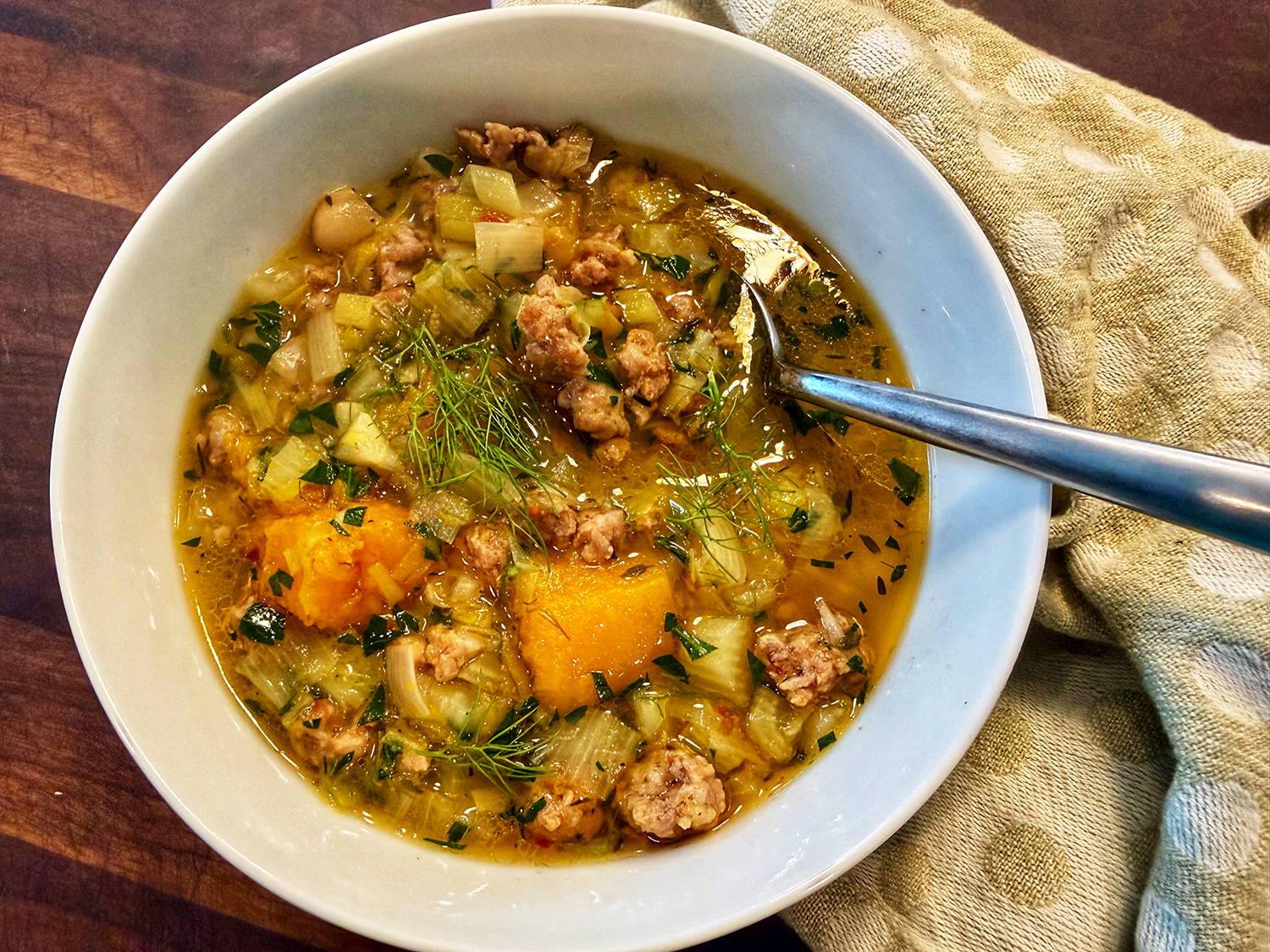
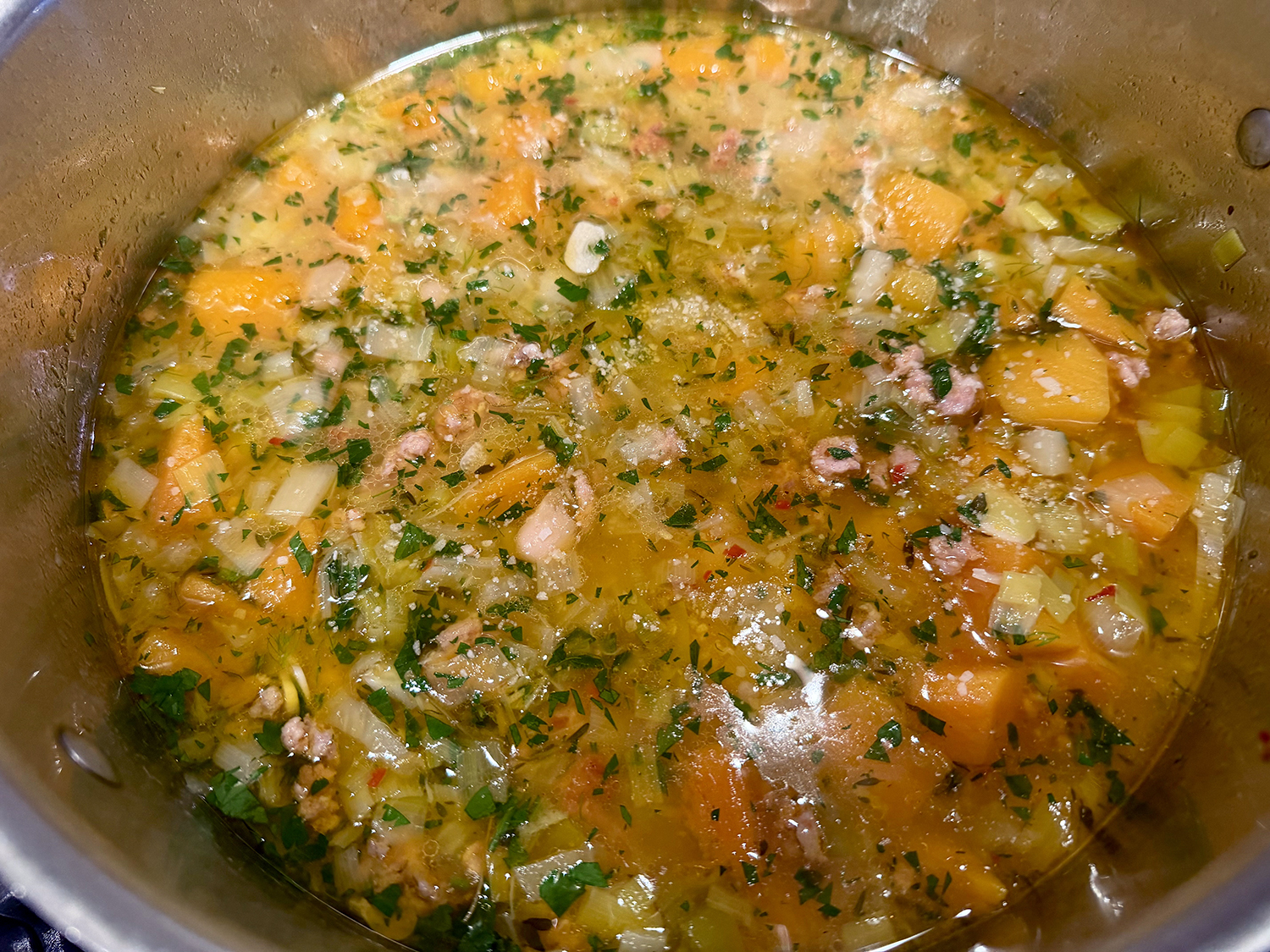
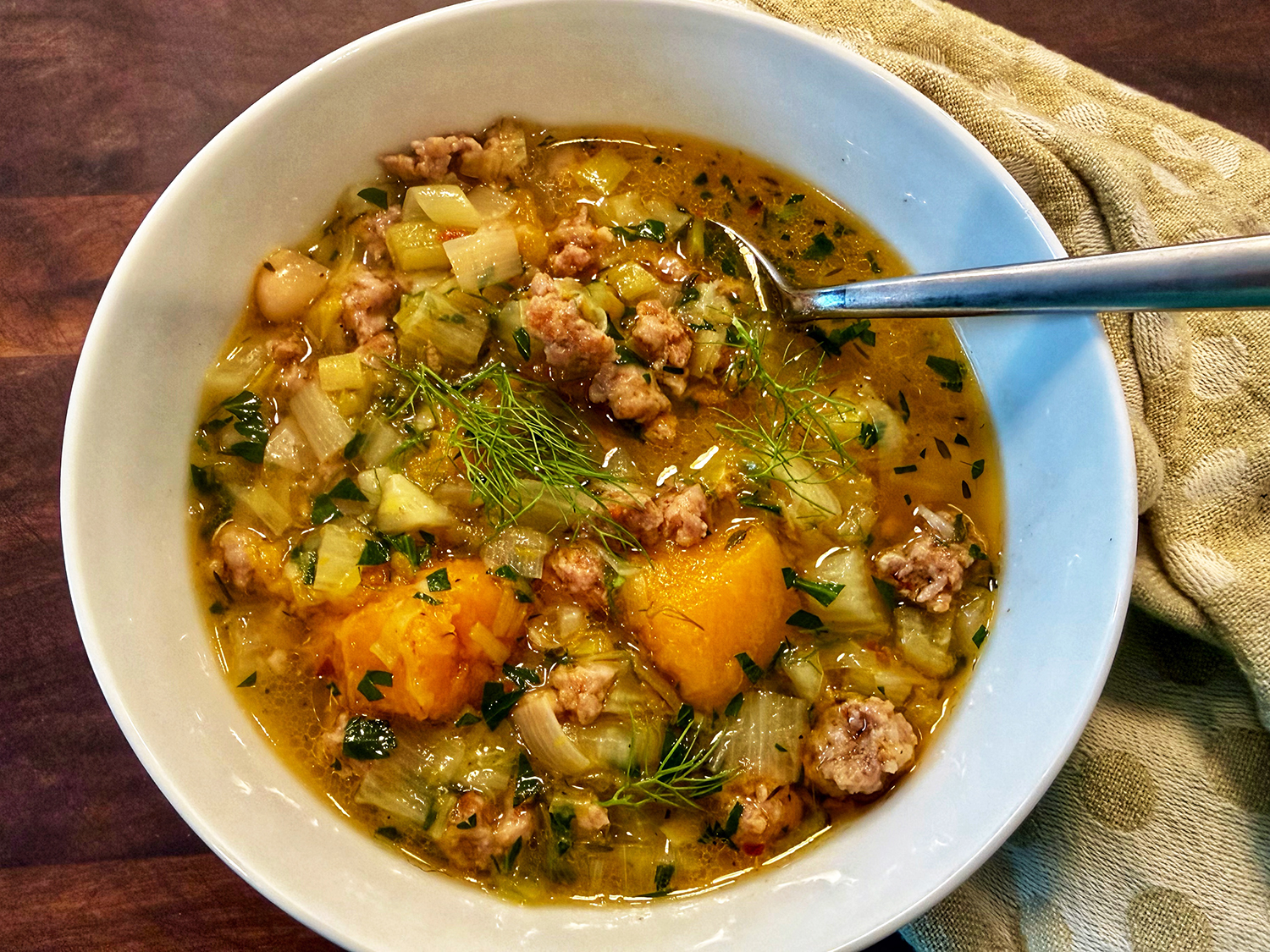
Who doesn’t love a tasty homemade soup? Leek, Fennel, and Squash Soup with Sausage is a hearty, flavorful bowlful that blends sweet, aromatic vegetables with savory, spiced sausage for a comforting and satisfying meal.
This soup starts with sautéed leeks and fennel, which bring a mild onion-like sweetness combined with the subtle anise flavor of fennel. Both vegetables soften and infuse the broth with their delicate aromatics. Of course, using homemade chicken broth adds oodles of flavor and health benefits.
The squash—a winter variety like kabocha or butternut—adds a creamy, naturally sweet, and slightly nutty element once cooked. Its vibrant orange color makes the dish visually appealing as well.
Savory sausage—usually Italian, fennel, or spicy sausage—is browned and crumbled into the soup, infusing it with rich, meaty notes and a bit of spice and seasoning complexity. This soup is perfect for a cozy lunch or dinner, served with crusty bread on the side, if desired.
NOTE: Kabocha squash is worth seeking out in this soup, but if you can’t find it red kuri or butternut squash will also work.
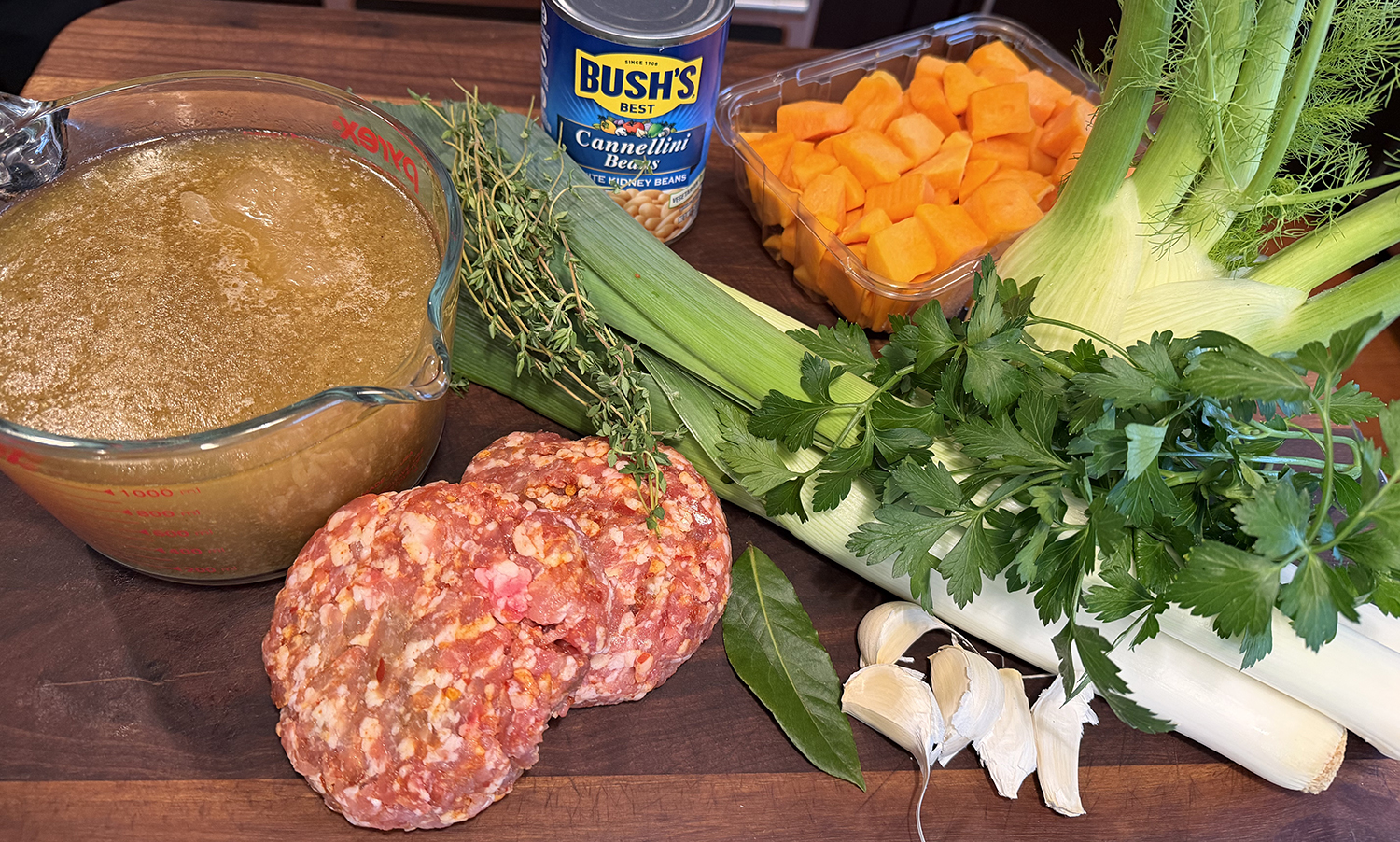
1 1/2 lbs. leeks white and light green parts only, halved lengthwise, cut into 1/2-inch pieces, and washed thoroughly
1 fennel bulb halved, cored, and cut into 1/4-inch pieces
4 cloves garlic peeled and sliced thin
1 Tbsp. extra-virgin olive oil
1/4 tsp. table salt
1 bay leaf
4 sprigs fresh thyme
1 1/2 lbs. winter squash (kabocha, red kuri, or butternut), peeled, seeded, and cut into 1-inch pieces
6 cups chicken broth, preferably homemade
1 can cannellini beans (15-oz.) rinsed
1/2 cup finely chopped fresh parsley
Directions
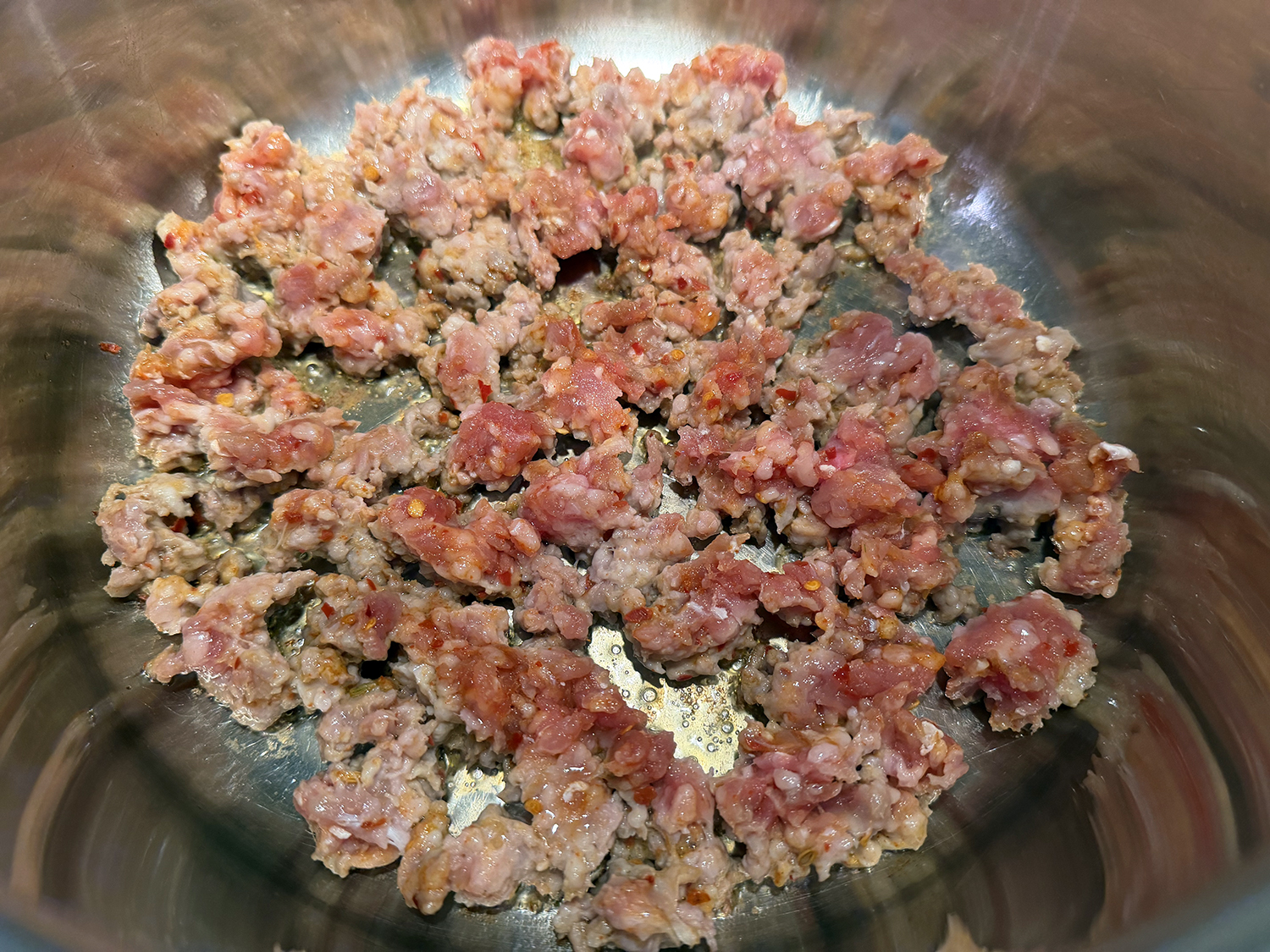
Cook sausage in large Dutch oven over medium-high heat, breaking up meat with wooden spoon, until browned, 5 to 7 minutes. Using slotted spoon, transfer sausage to plate and set aside.
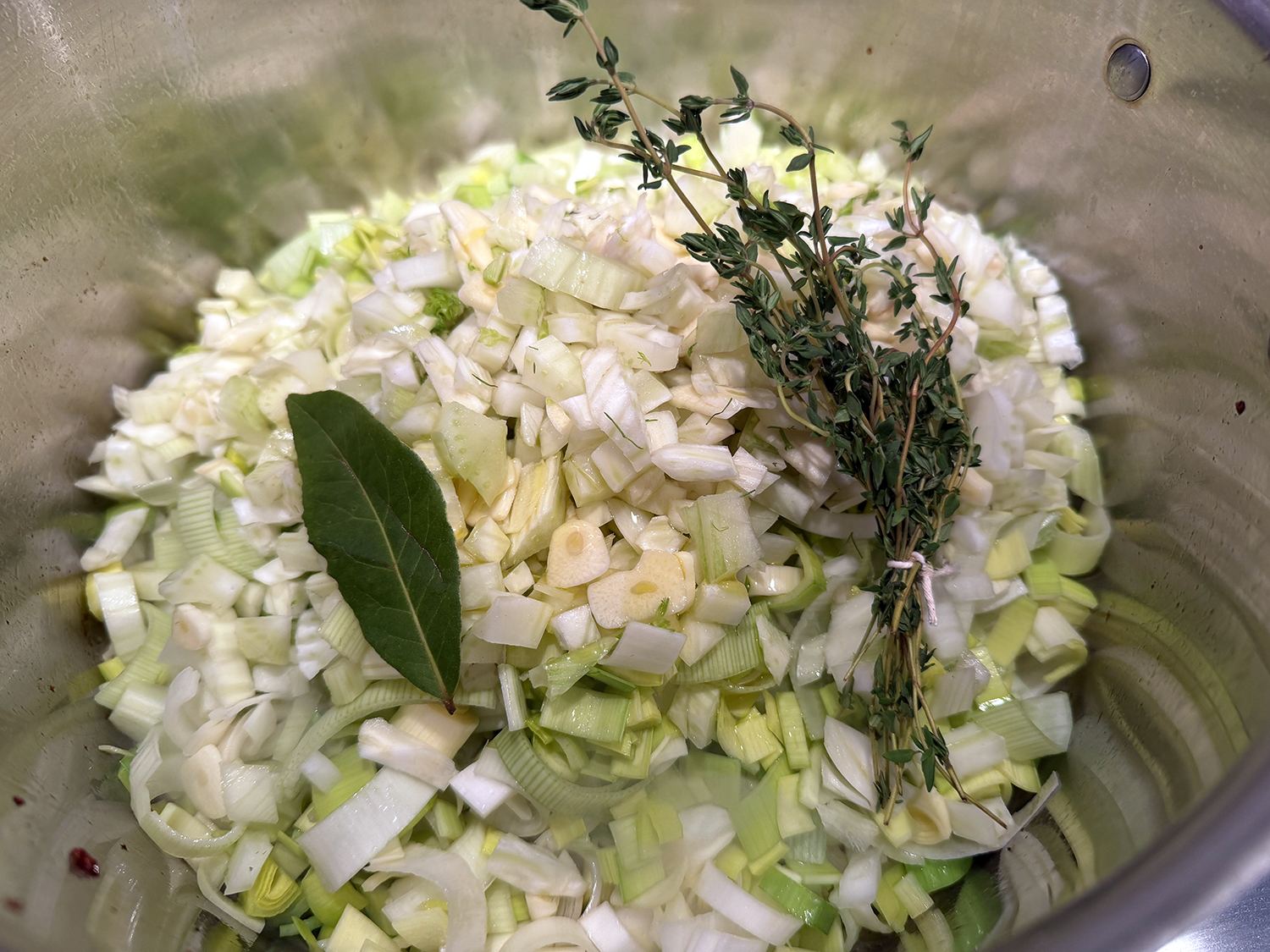
Add leeks, fennel, garlic, oil, salt, bay leaf, and thyme sprigs to fat left in pot. Reduce heat to medium and cook, stirring occasionally, until vegetables are tender and just beginning to brown, about 7 minutes.
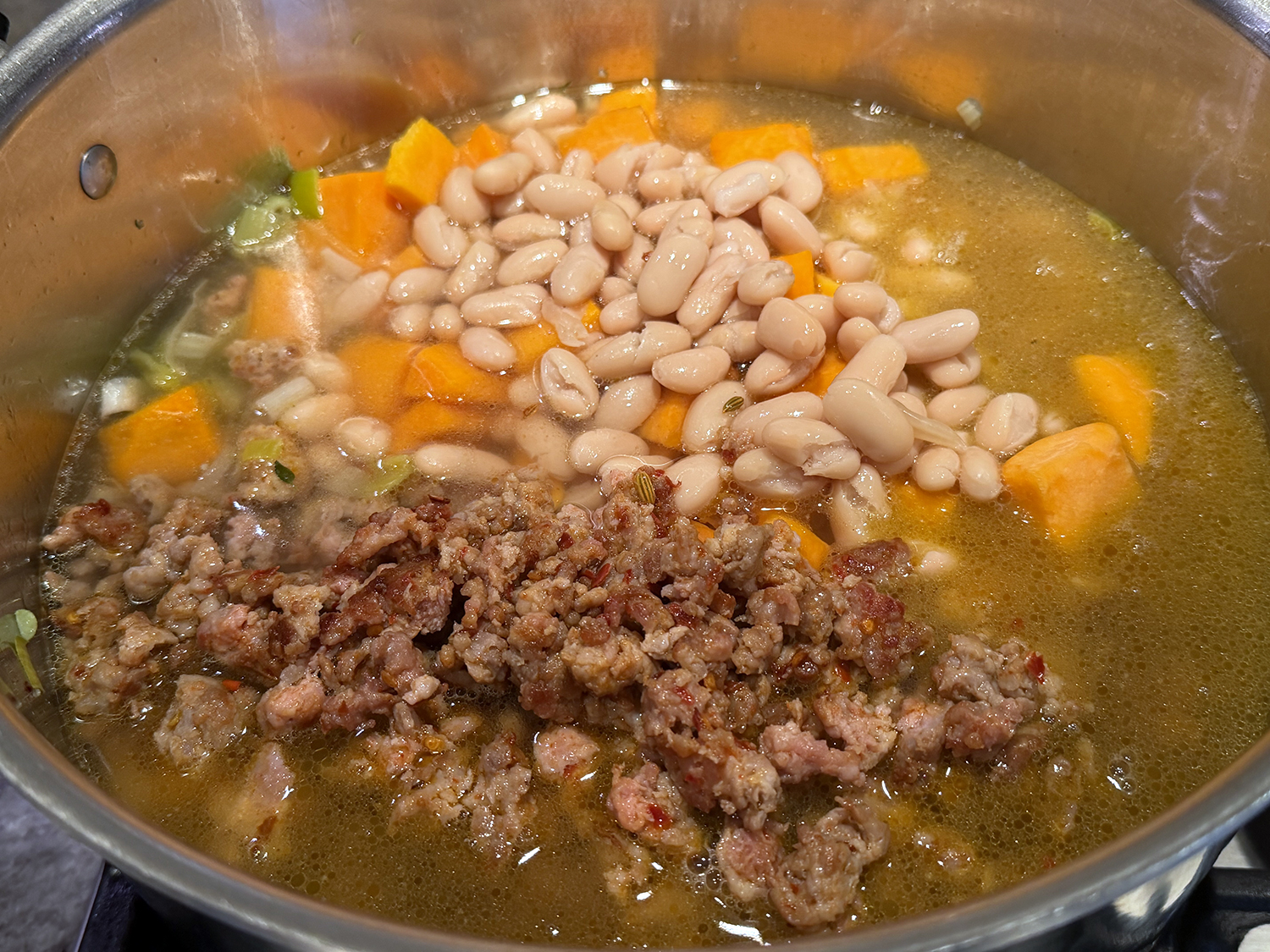
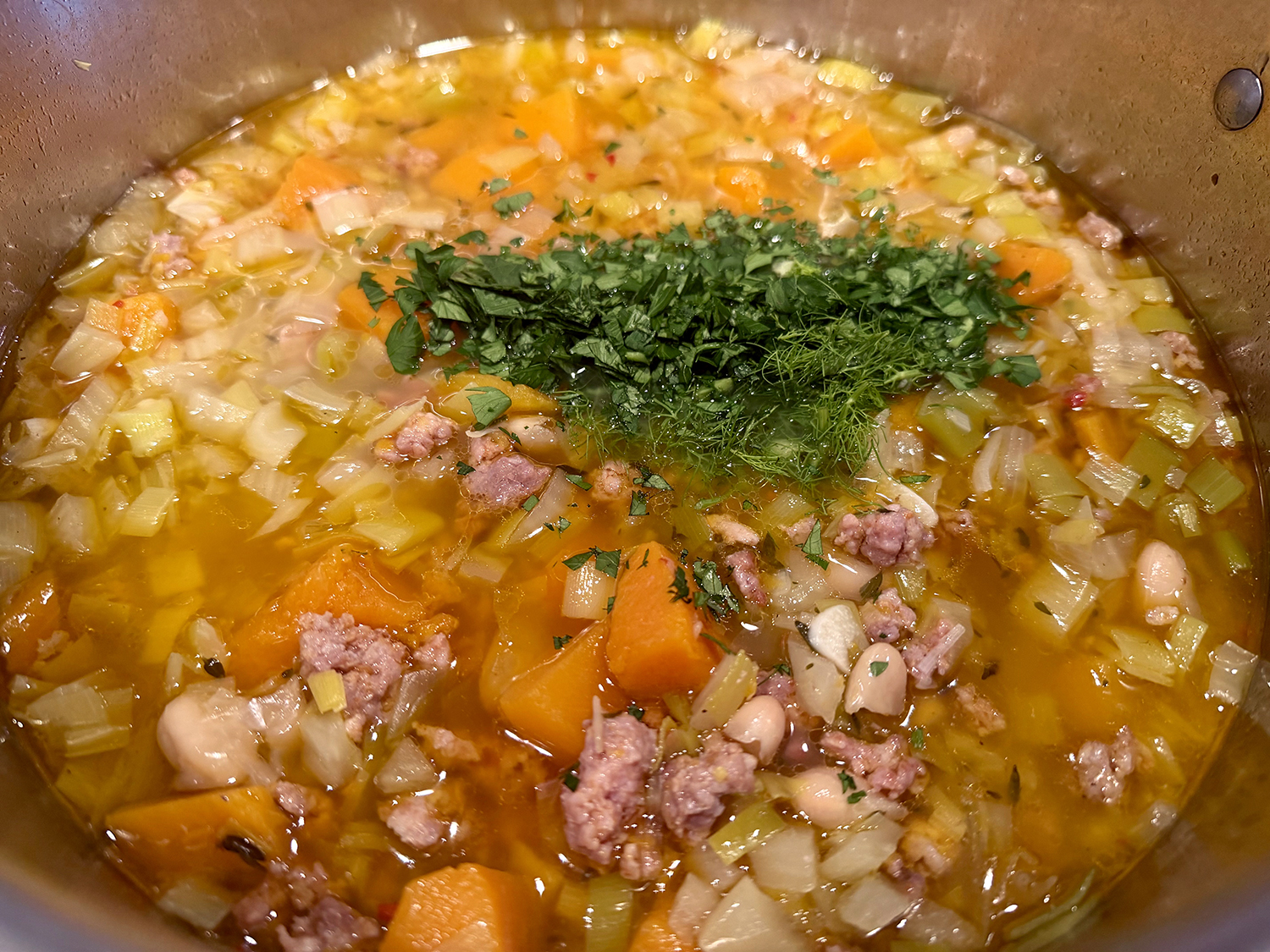
Stir in squash, broth, beans, and reserved sausage, scraping up any browned bits. Cover pot, increase heat to high, and bring soup to vigorous simmer. Reduce heat to medium and vigorously simmer for 20 to 35 minutes, until squash is tender. Remove pot from heat, discard bay leaf and thyme sprigs, and stir in parsley. Season with salt and pepper to taste. Serve.
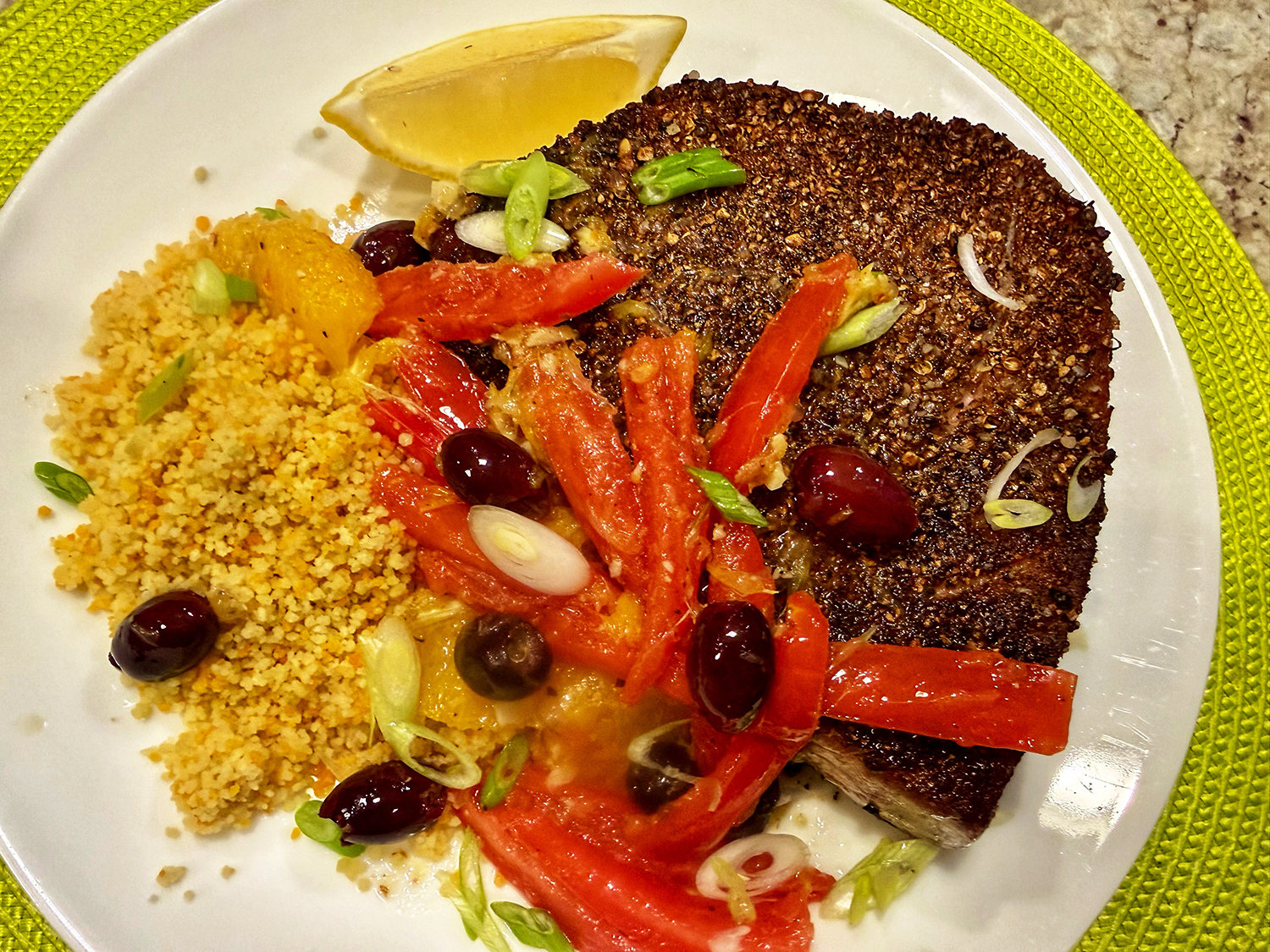
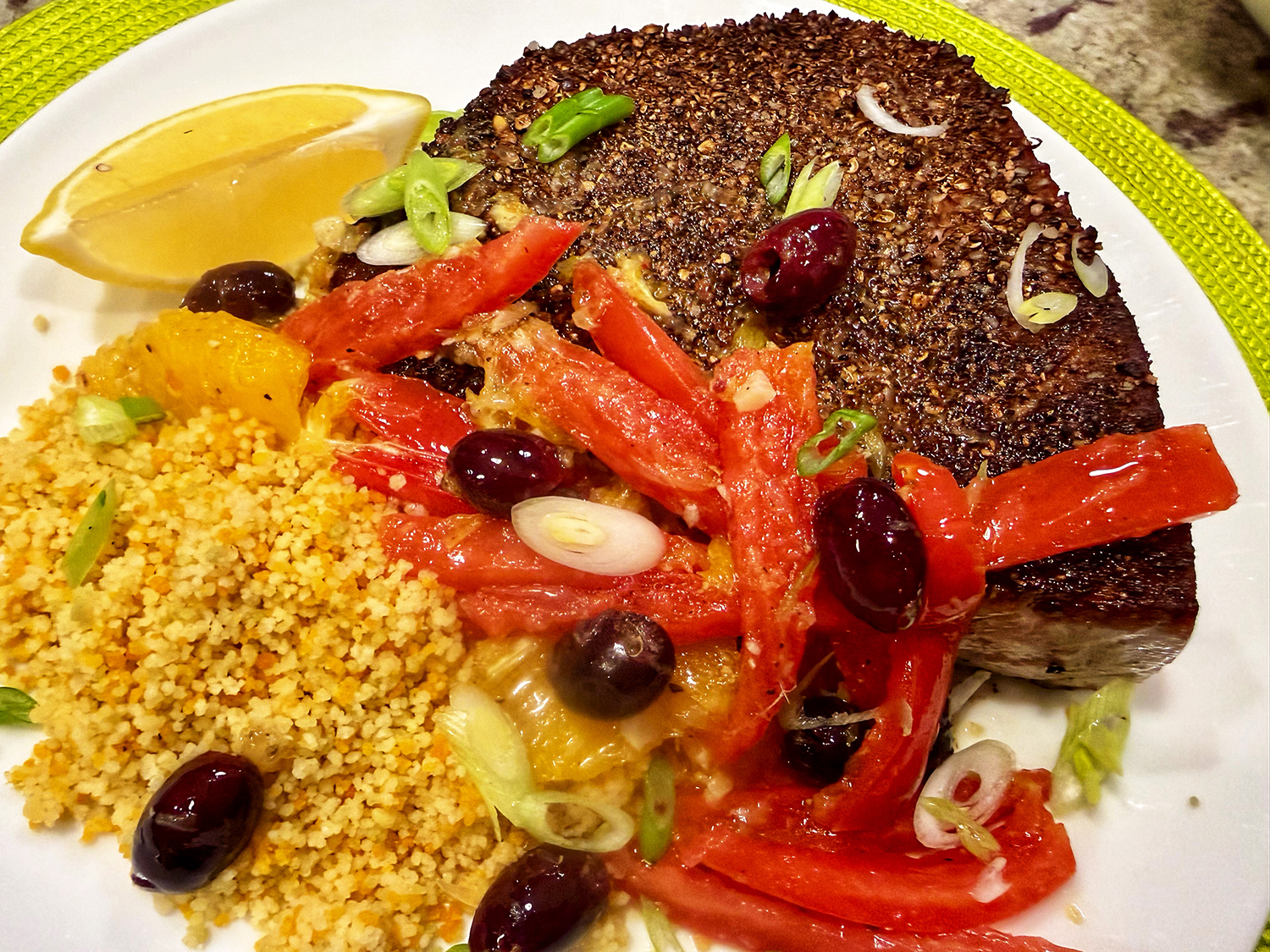
Imagine a beautifully plated dish that showcases the vibrant, fresh flavors of the sea and Mediterranean garden. At the center is a perfectly seared tuna steak, its exterior caramelized to a tender, golden-brown crust while the interior remains delightfully rare, melt-in-your-mouth pink. The tuna’s rich, meaty texture provides a luxurious base for the meal.
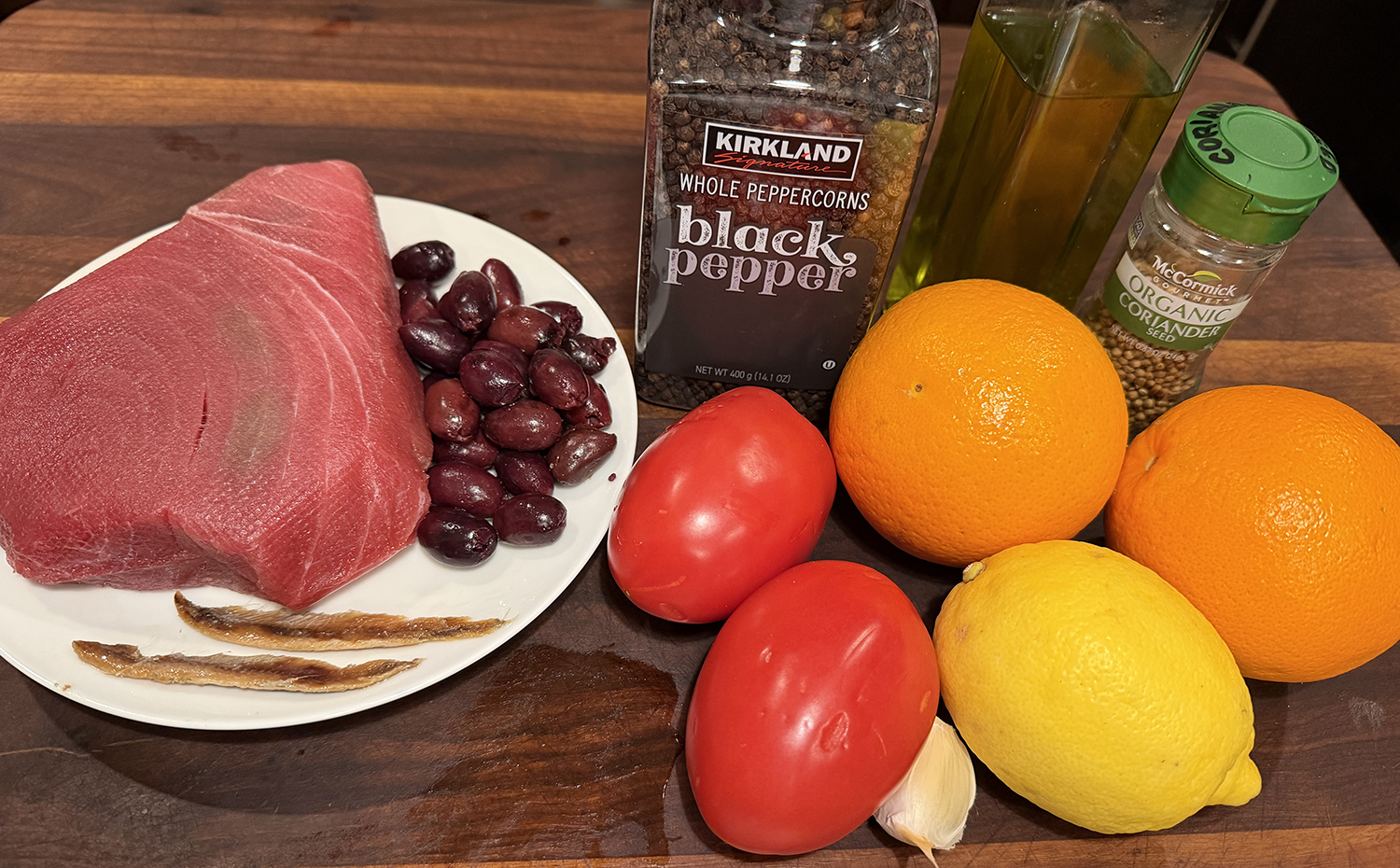
Resting atop the tuna is a bright and zesty citrus, tomato, and olive sauce. This sauce balances savory and tangy notes with a Mediterranean flair. Juices of fresh lemons and oranges mingle with ripe, sliced plum tomatoes and briny black olives, enhanced by a touch of garlic. The acidity and complexity of the sauce perfectly cut through the richness of the tuna, creating a harmonious blend of flavors in every bite.
On the side, a serving of fluffy couscous complements the dish with its light, grainy texture. The couscous is cooked to a tender consistency, each tiny granule separate and airy, and acts as a gentle flavor absorber, soaking up the juices from the citrus sauce and adding a satisfying, hearty component to the meal.
Together, this dish offers a balance of textures and flavors—tender, rich tuna; vibrant, tangy sauce; and delicate, comforting couscous—making a meal that’s fresh, elegant, and nourishing.
With just the two of us for dinner, we simply cooked one large tuna steak (keeping the amount of the other ingredients intact) and shared it along with couscous cooked in homemade shrimp stock, and a small side salad. Healthy eating at its best!
Cut each tomato into four wedges, cut out the cores, and remove the seeds and pulp. Slice the tomatoes lengthwise into 1/4-inch strips. In a colander, toss them with 1/4 tsp. salt and let them drain for 15 minutes.
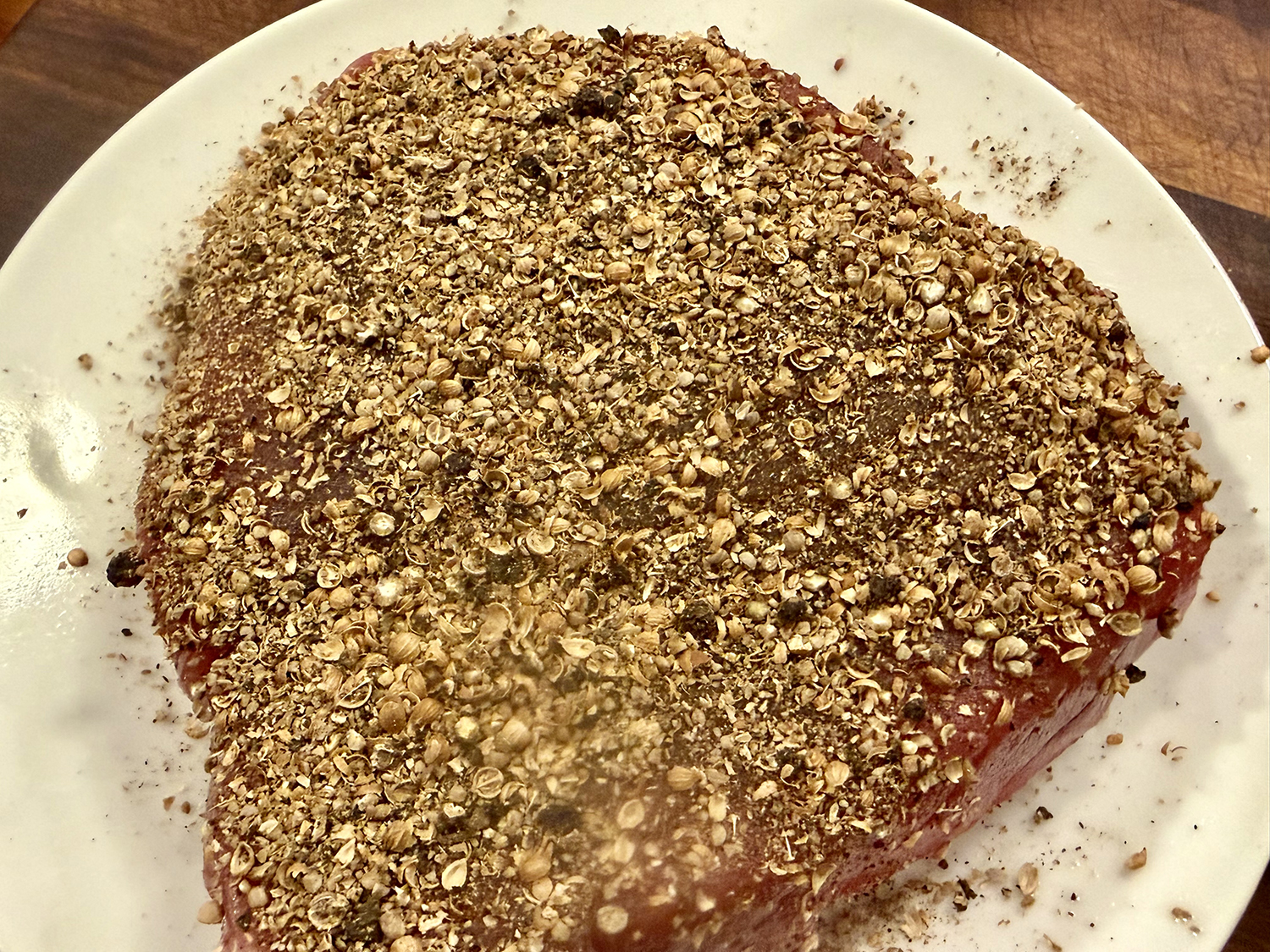
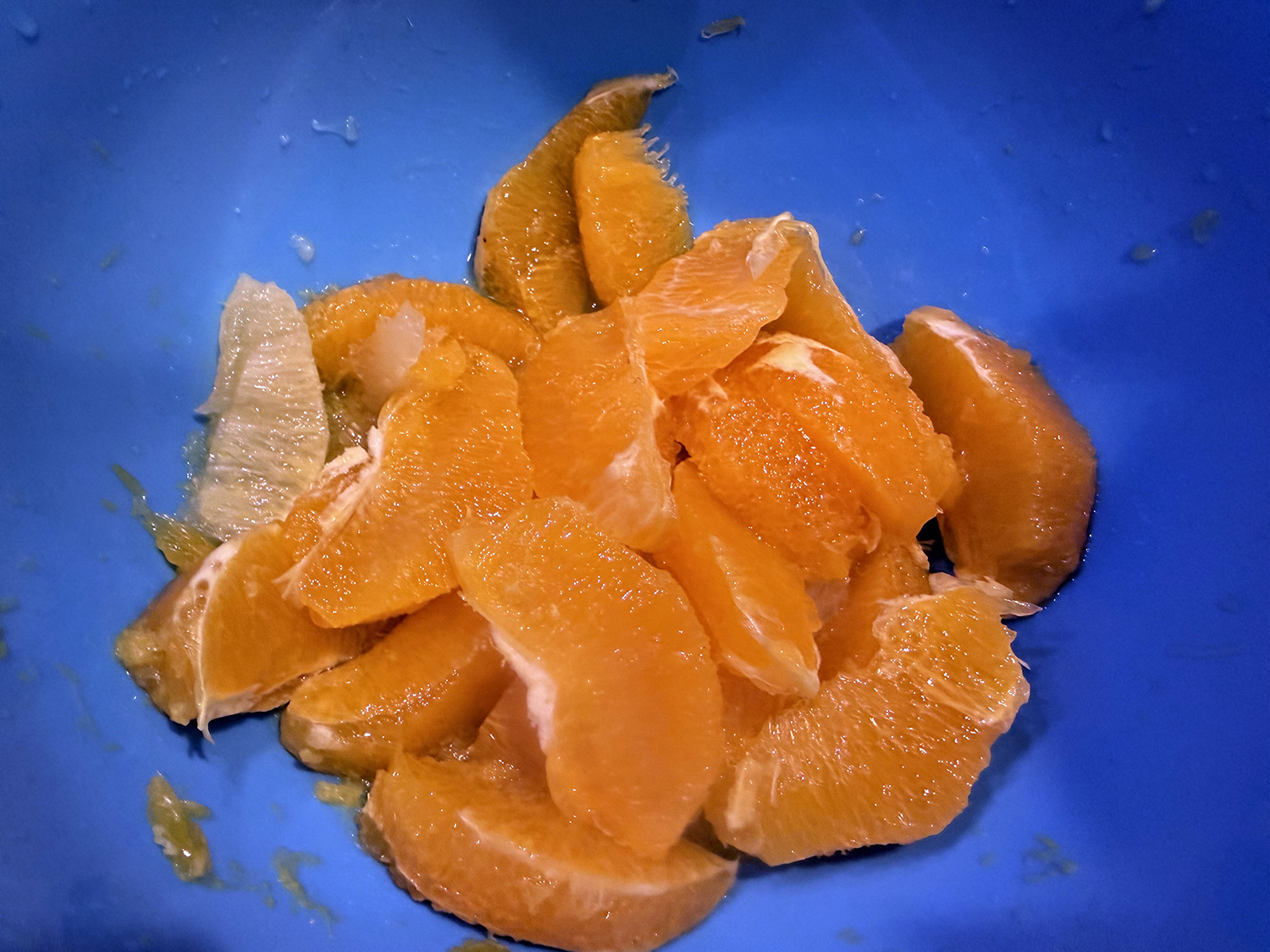
Meanwhile, finely grate the zest of the lemon. Put the zest in a medium bowl. Working over the bowl, segment the lemon and the oranges. In a spice grinder or mortar and pestle (or with a meat mallet; put the spices in a zip-top bag), coarsely grind the coriander and peppercorns. Press the spices into both sides of the tuna steaks.
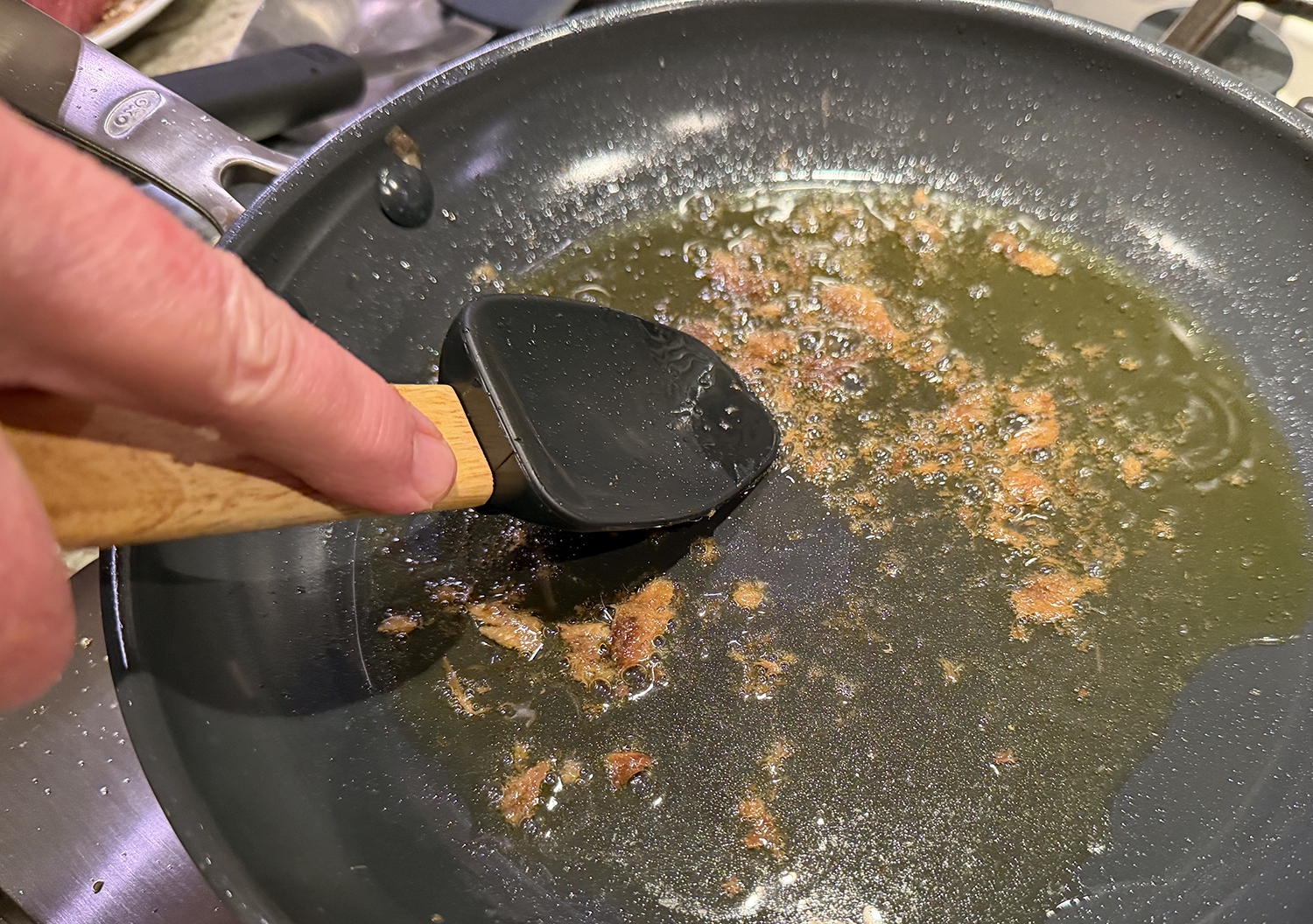
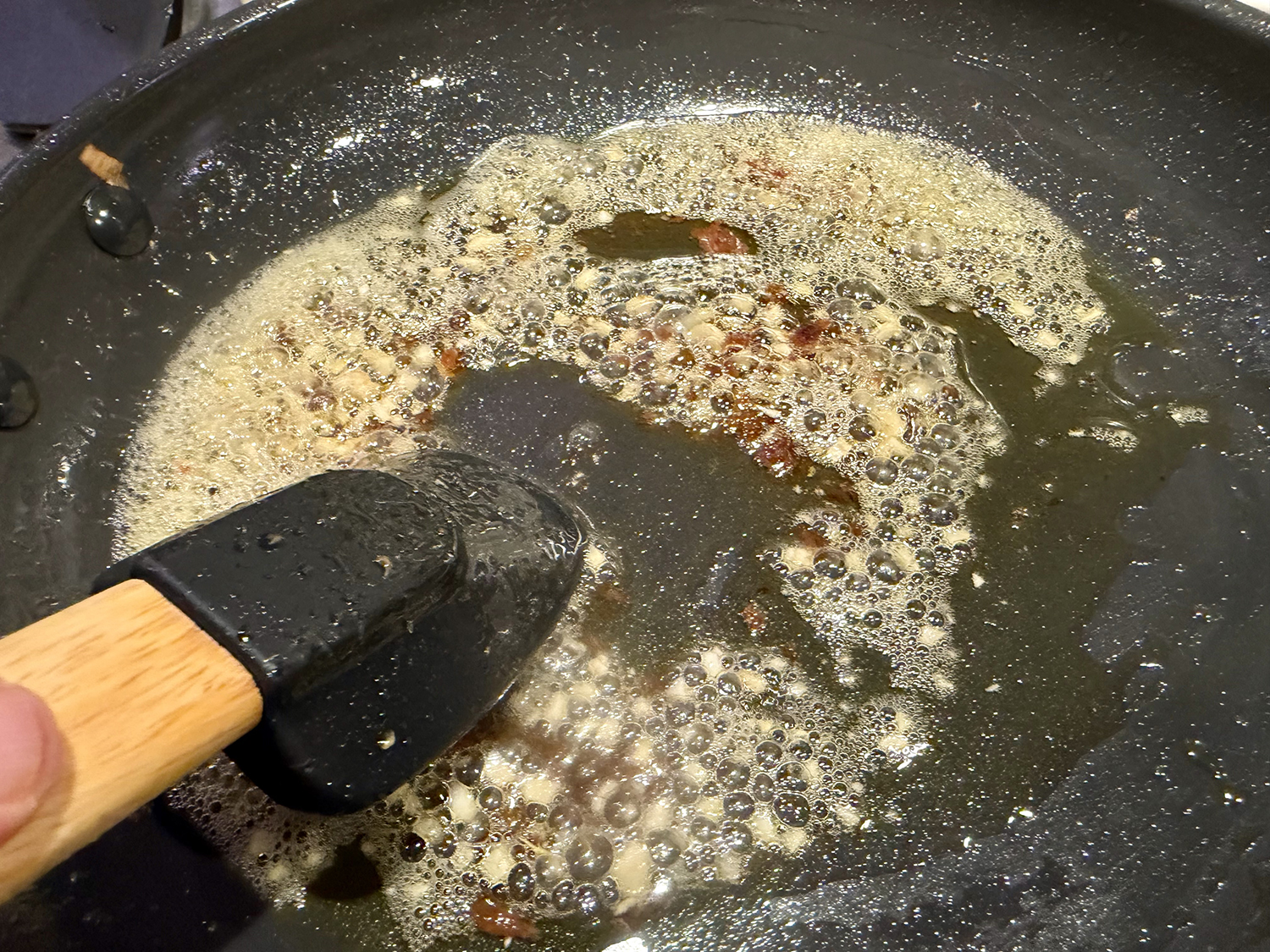
Gently heat 3 tablespoons of the oil in a 12-inch skillet over medium heat. Add the anchovies and mash them into the oil with the back of a spoon until nearly dissolved. Turn the heat to low, add the garlic, and cook until softened but not browned, 3 to 4 minutes. Remove from the heat.
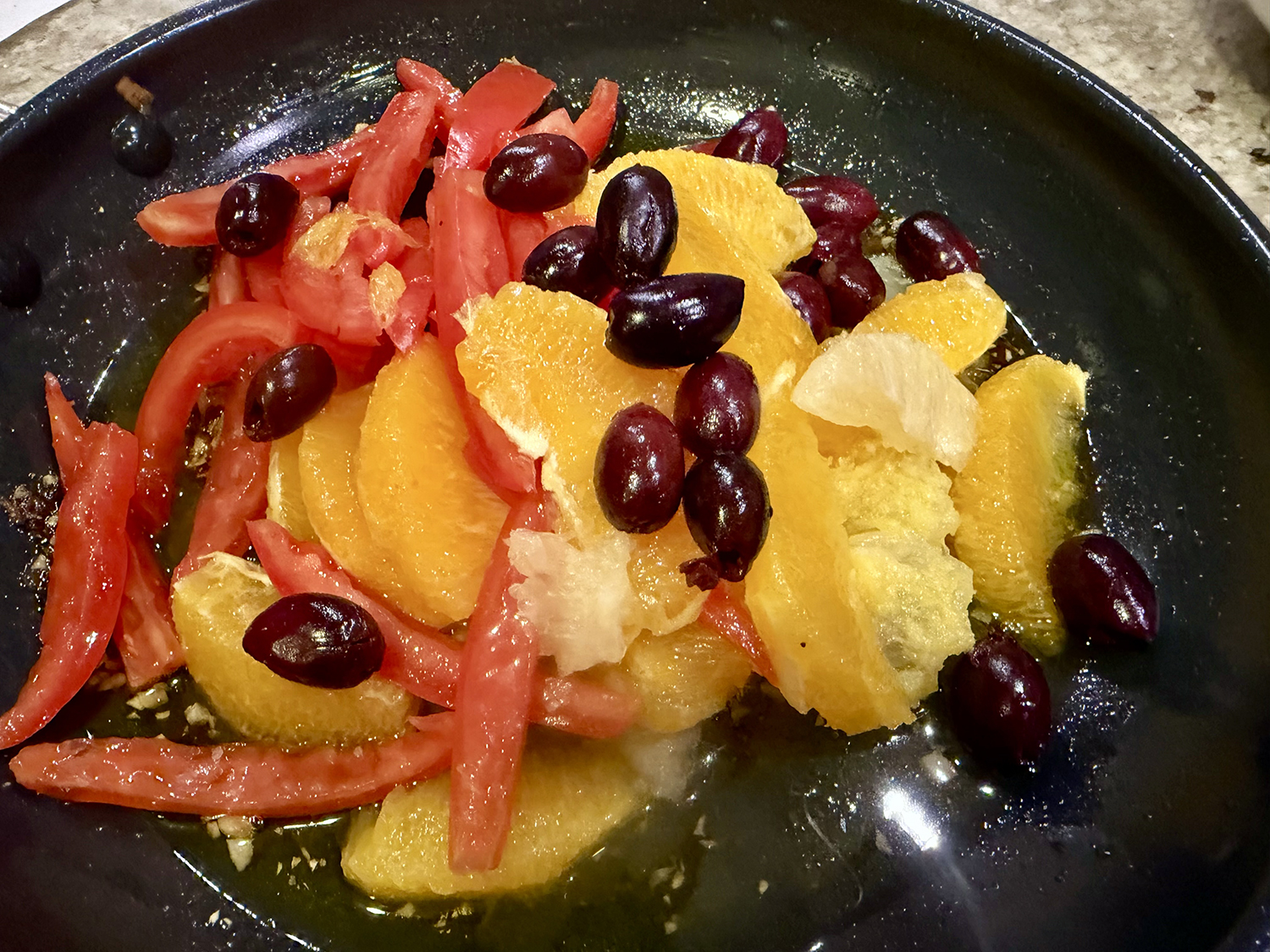
Add the drained tomato strips, the orange and lemon segments (with the zest and juice), and the olives to the pan. Toss very gently to warm through, being careful not to break up the citrus segments. Season to taste with salt and pepper. Transfer to a serving bowl and keep warm.
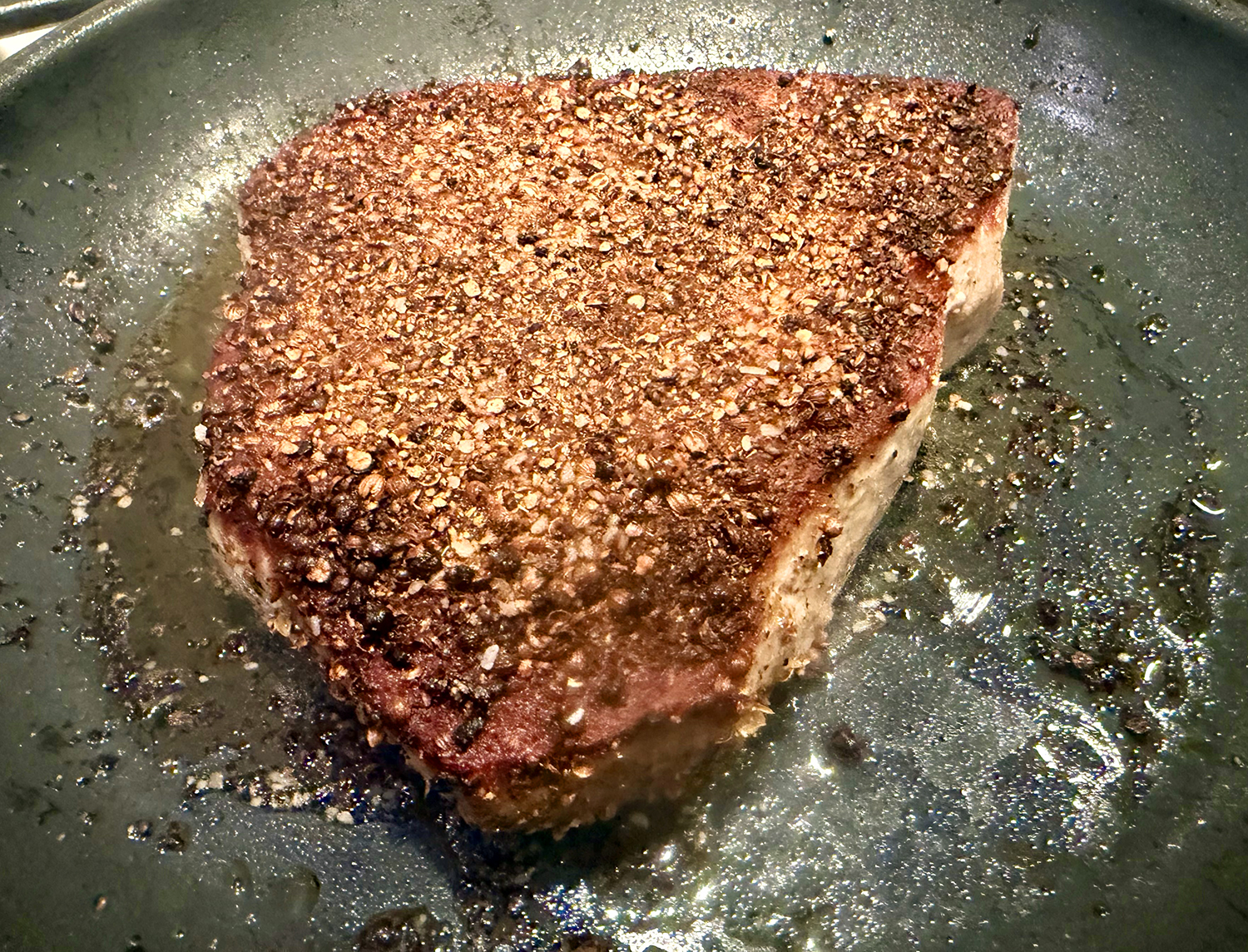
Wipe out the skillet, set it over medium-high heat, and pour in the remaining 2 tablespoons oil. Generously salt the tuna steaks on both sides. Working in batches if necessary, sear the steaks, pressing on them while cooking to help a crust develop, until golden brown, 2 to 3 minutes. Flip the tuna and continue to cook until golden brown, another 2 to 3 minutes for medium rare to medium. Transfer the tuna to dinner plates and serve with the warm citrus sauce.
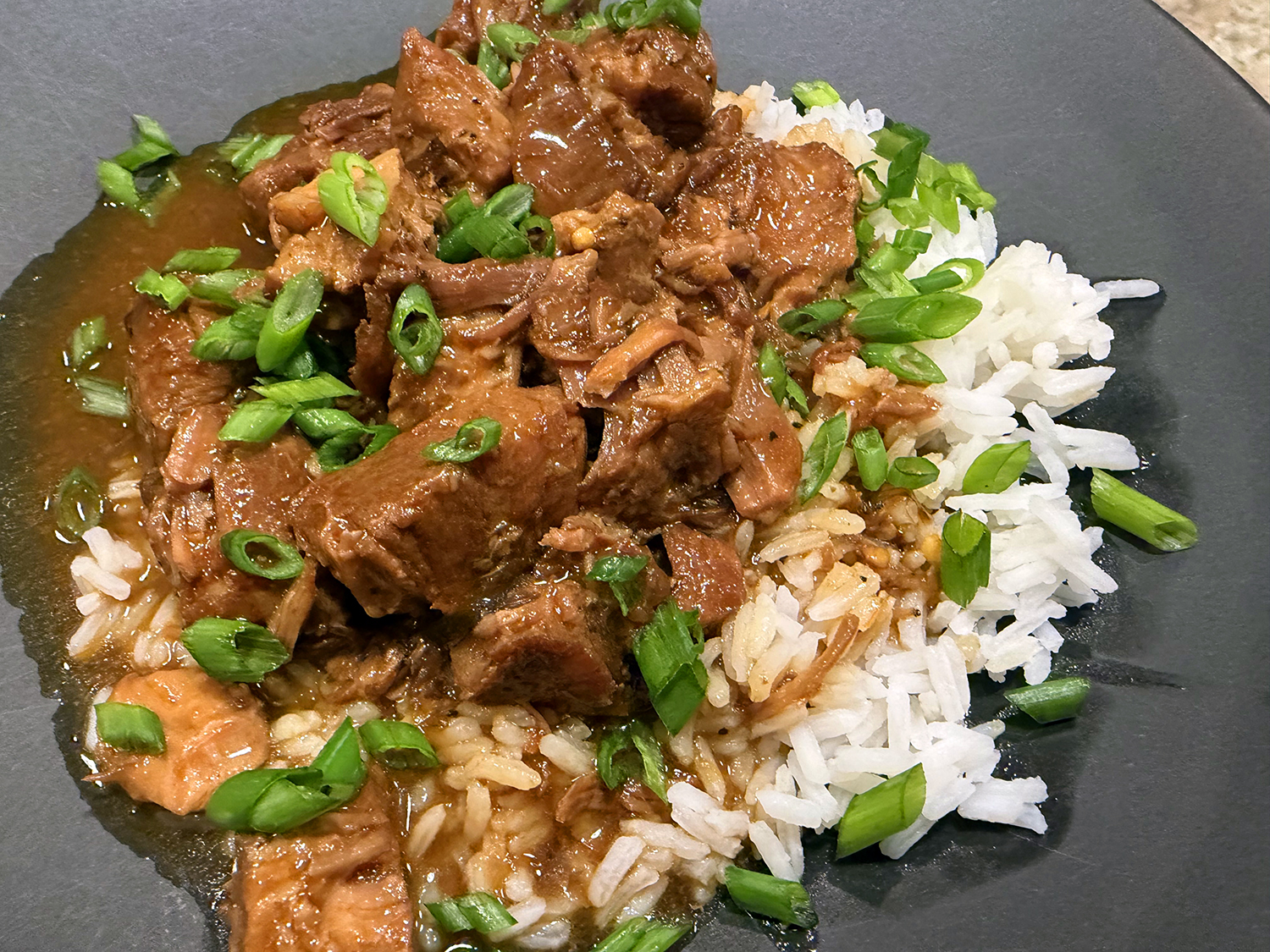
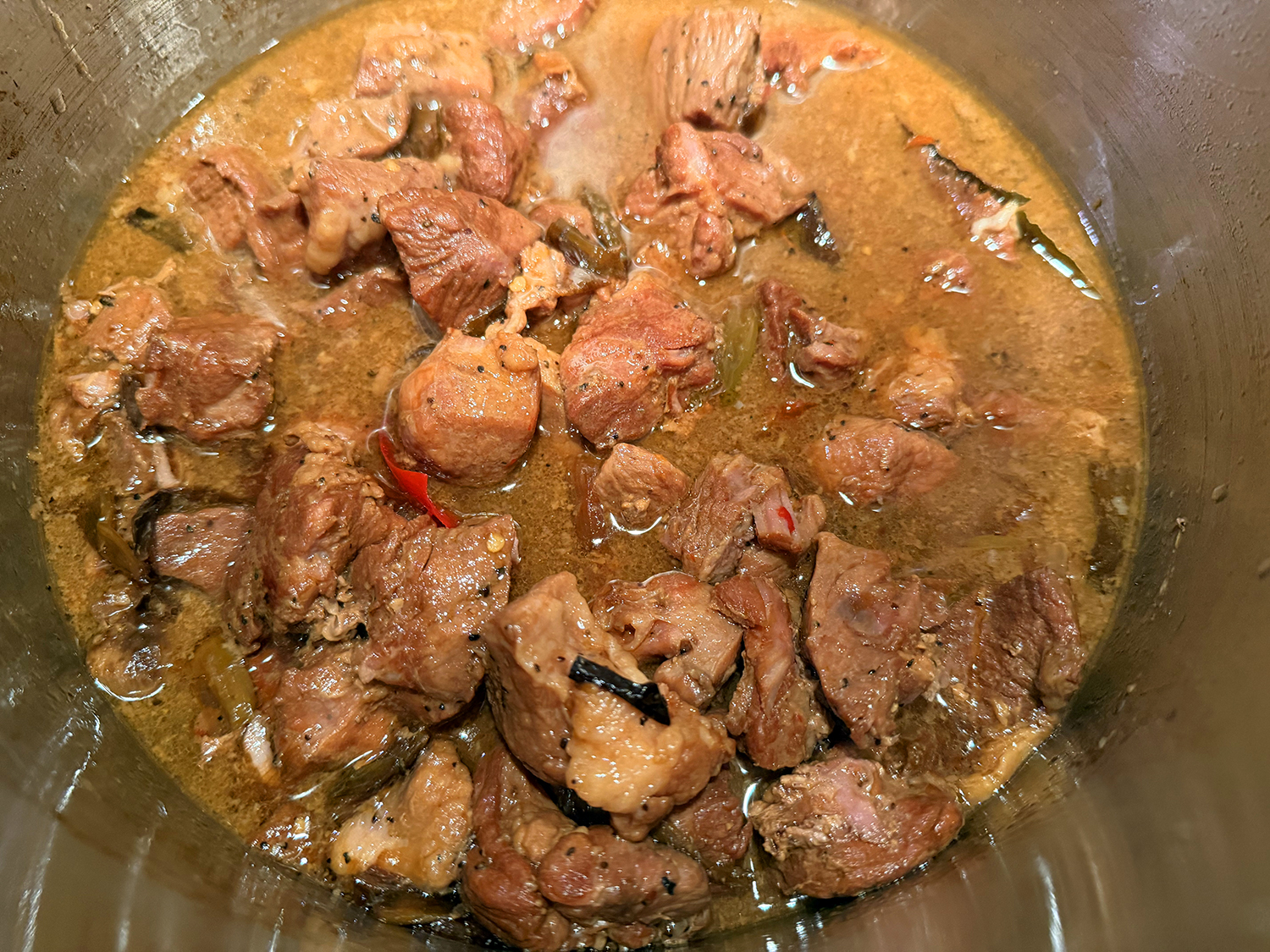
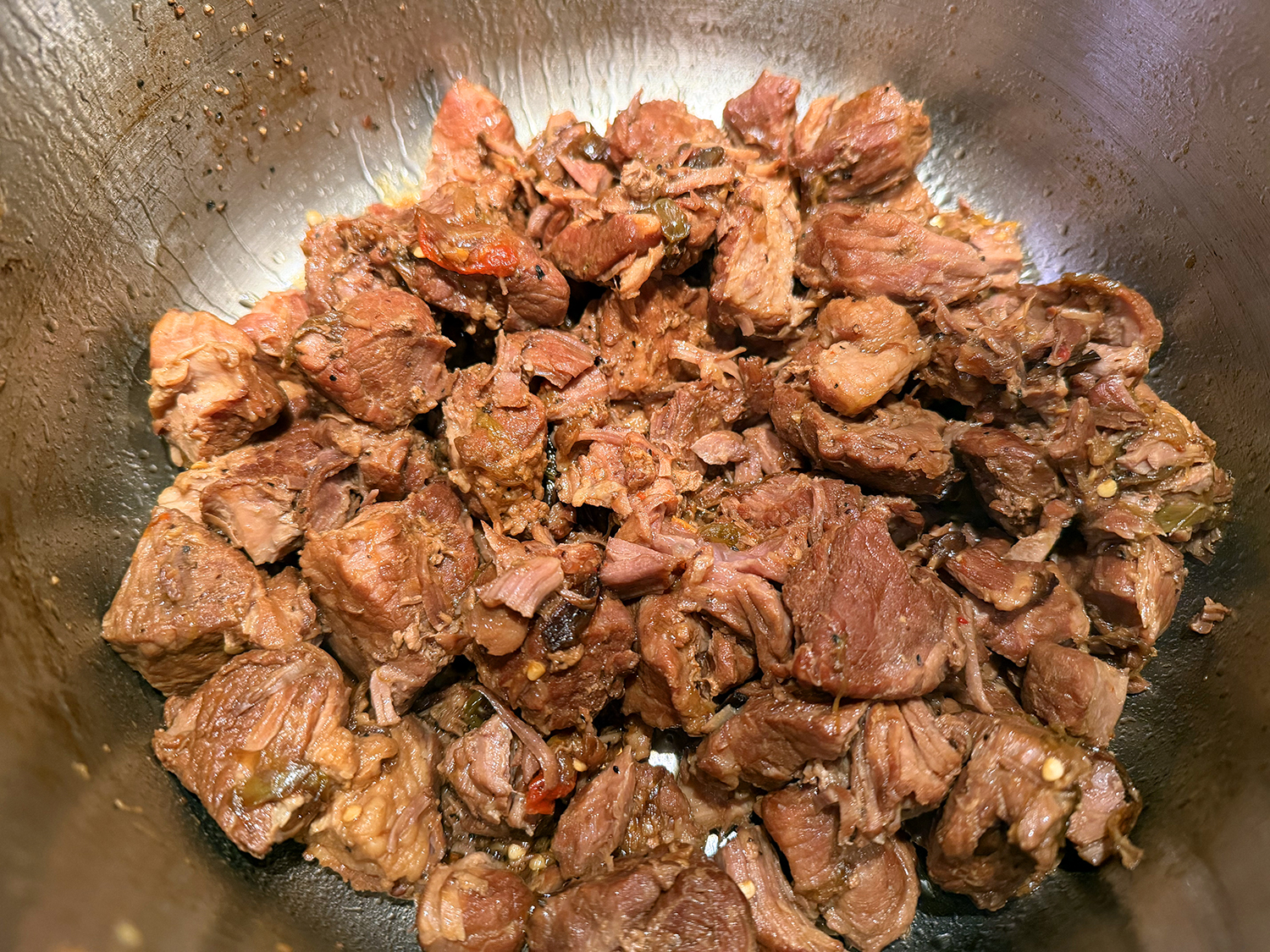
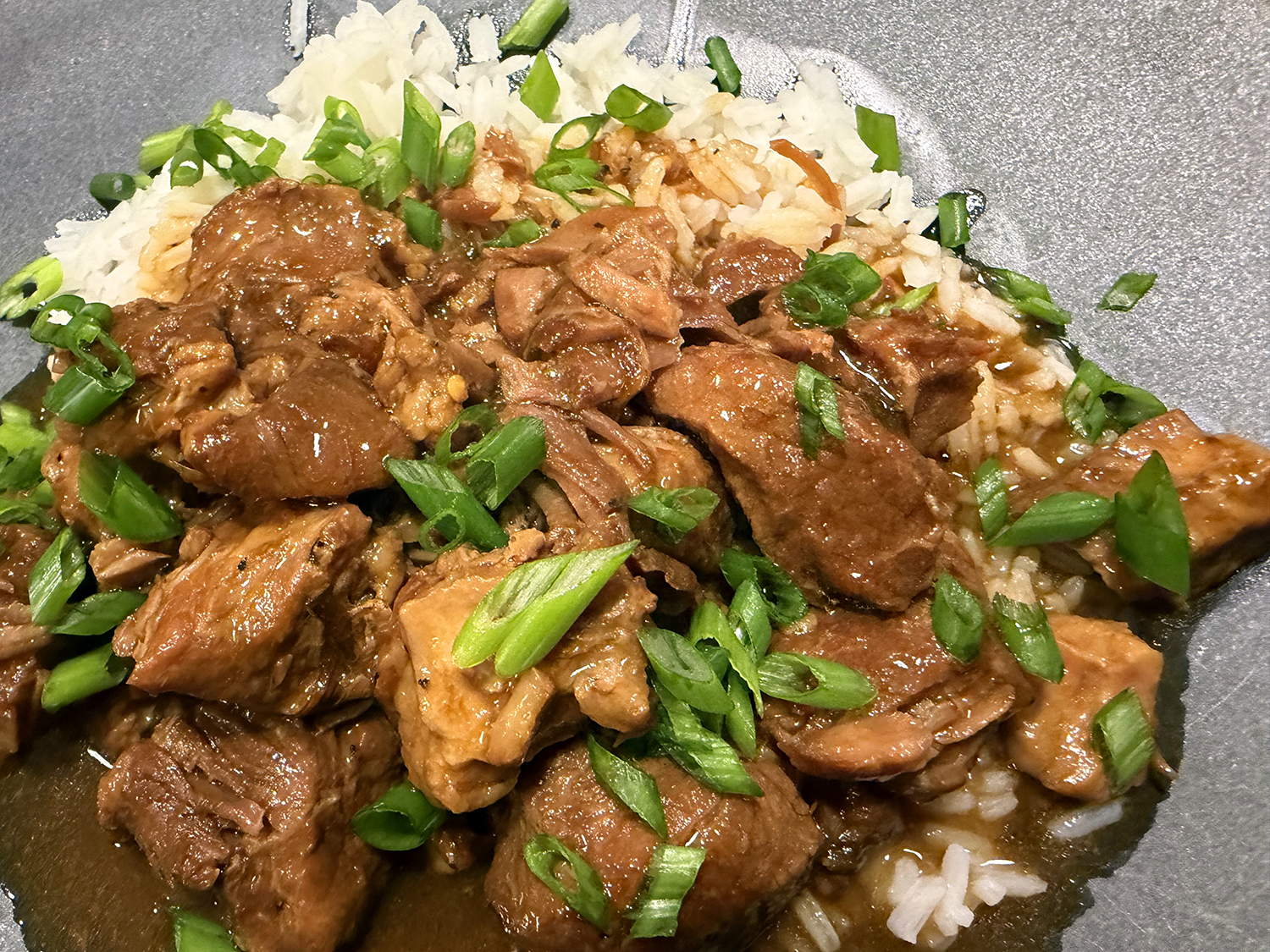
In this Milk Street recipe (that all reviewers rated 5 stars), there is a slow and fast version. Here, we made it using the fast method (with a pressure cooker, not an InstaPot). The final result is fork tender meat with deeply satisfying flavor, all done from start to finish in one pot.
Adobo varies from household to household across the Philippines, with some versions being more sour, others sweeter or with a thicker sauce. It’s considered the unofficial national dish of the Philippines due to its popularity, ease of preparation, and flavorful, comforting taste. The defining flavors are vinegar, garlic, black pepper, bay and salt in some form (often soy sauce). For this version of pork adobo, instead of the oft-used pork belly, boneless shoulder is the meat choice because it is easier to find in supermarkets, but still is rich and flavorful.
Honey, or any type of sweetener, is an unconventional ingredient in adobo, but is used here to balance the salty and sour flavors in the dish. The serranos give the braise a gentle spiciness; if you prefer, use just one chili or keep both whole. Serve this over rice to soak up the sauce.
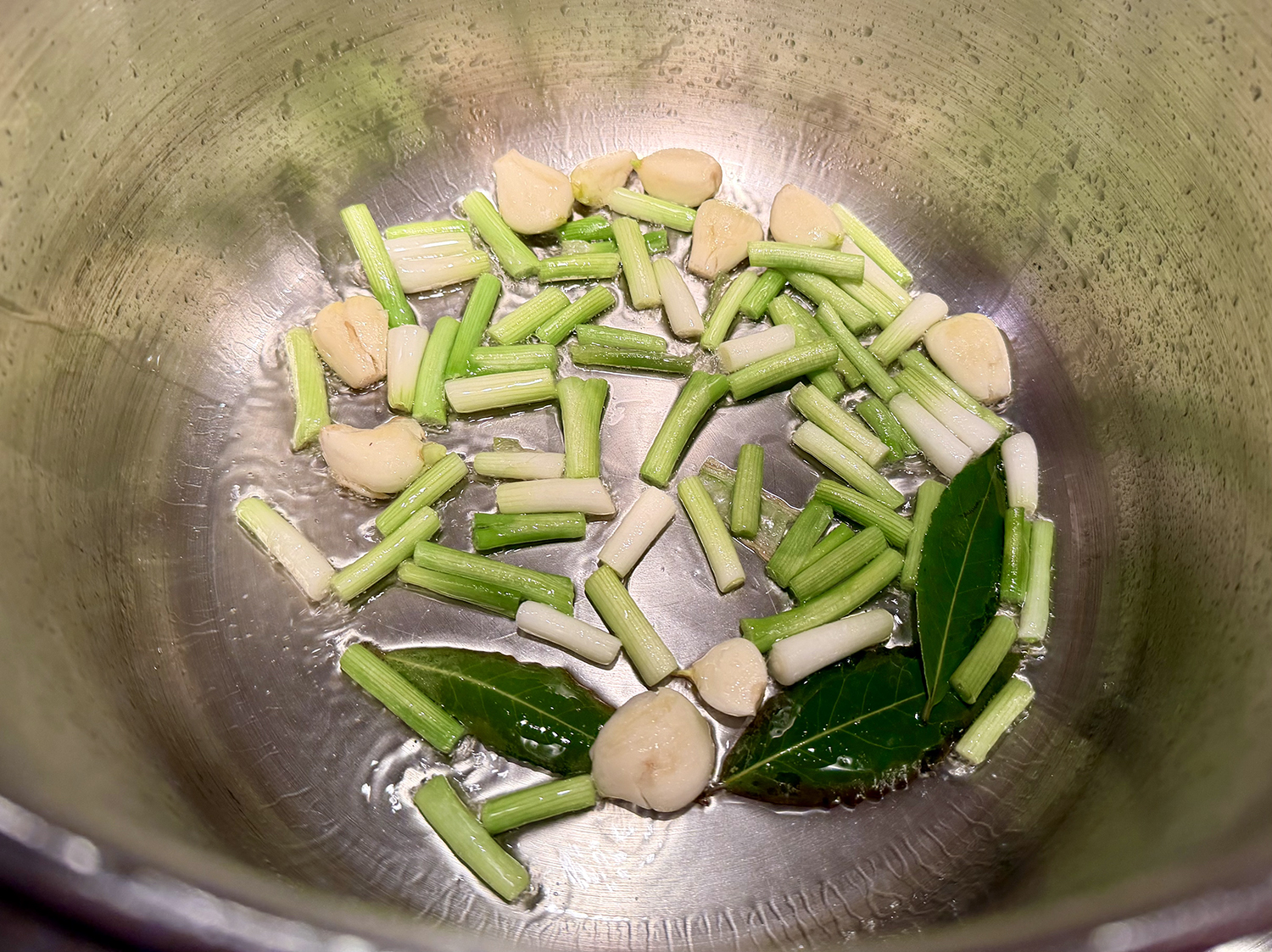
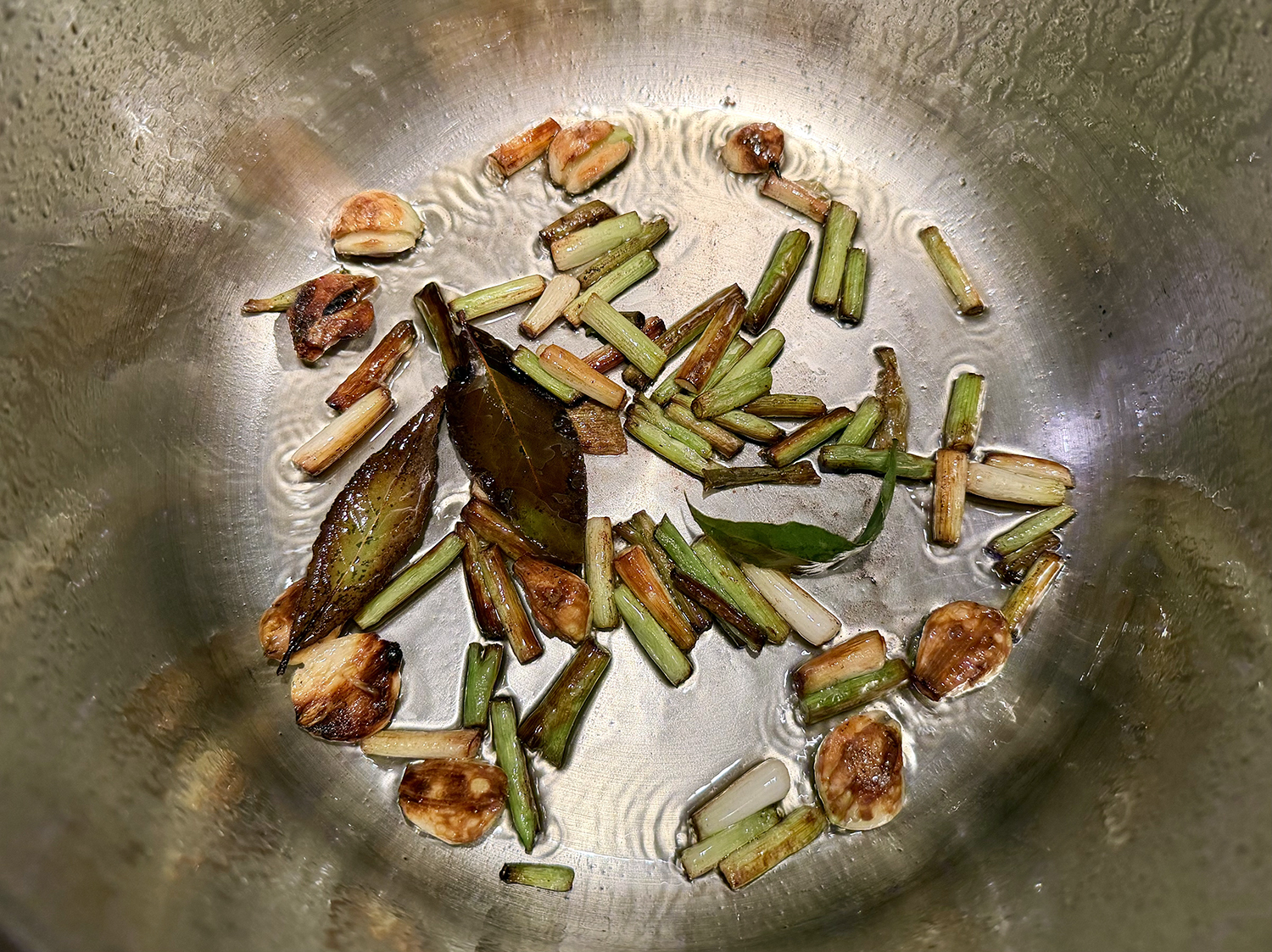
NOTE: When cooking the scallion whites, garlic and bay, don’t over stir; the goal is to develop deep browning, which builds flavor in the dish.
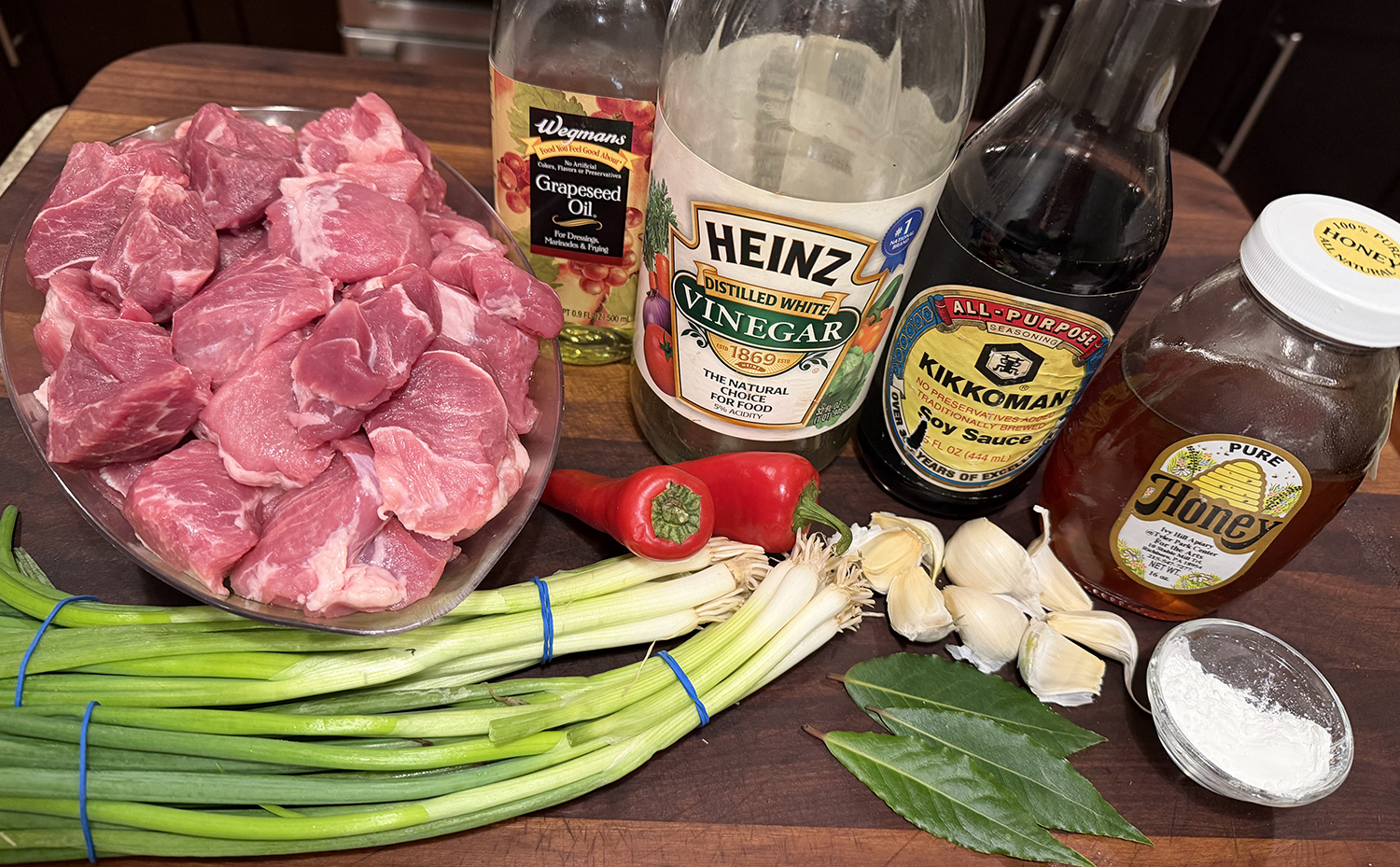
2 bunches scallions, white and light green parts cut into 1-inch pieces, green parts thinly sliced, reserved separately
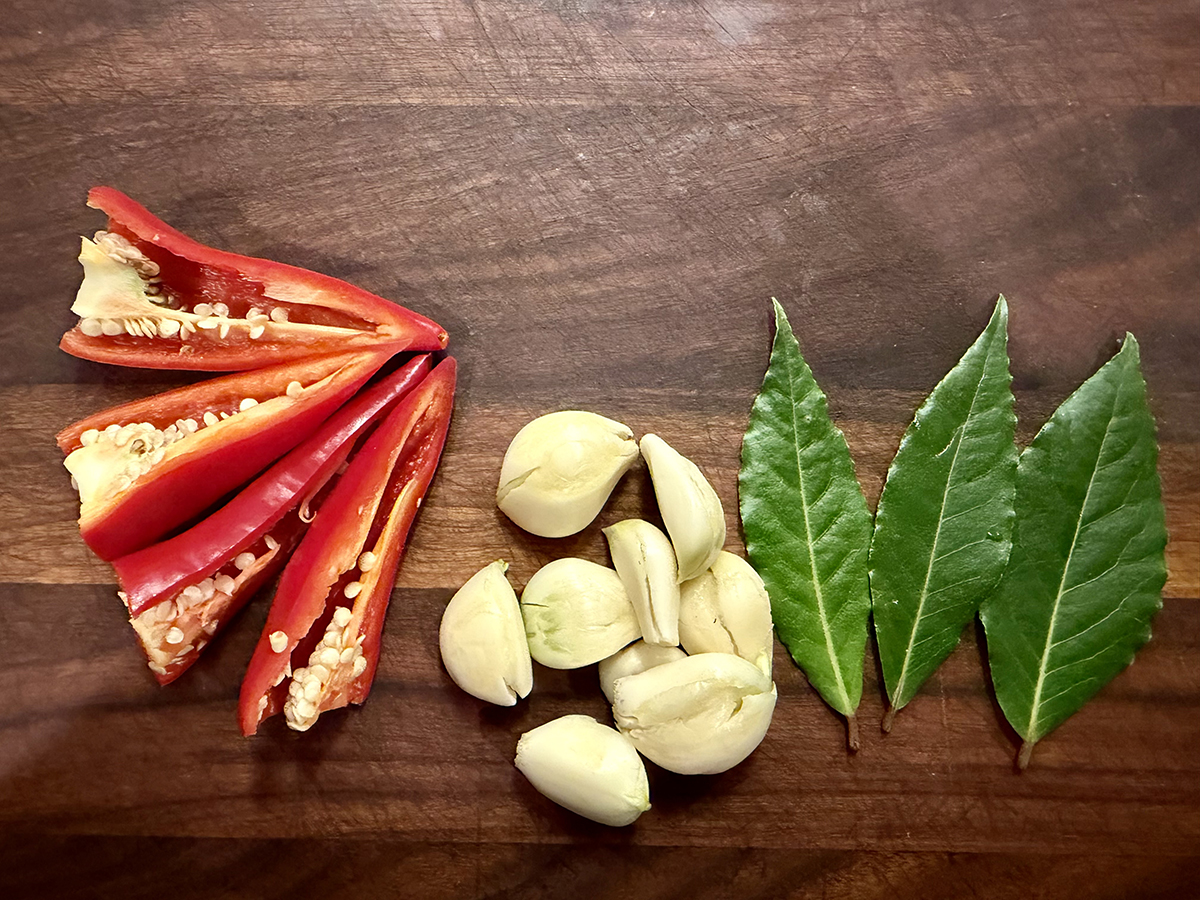
8 medium garlic cloves, smashed and peeled
3 bay leaves
½ cup low-sodium soy sauce
¼ cup white vinegar
2 Tbsp. honey
2 serrano chilies, stemmed and halved
Ground black pepper
3 lbs. boneless pork shoulder, trimmed and cut into 2-inch chunks
1 Tbsp. cornstarch
Directions
On a 6-quart Instant Pot, select More/High Sauté. Add the oil and heat until shimmering. Add the scallion whites, garlic and bay, then cook without stirring until golden brown on the bottom, about 4 minutes.
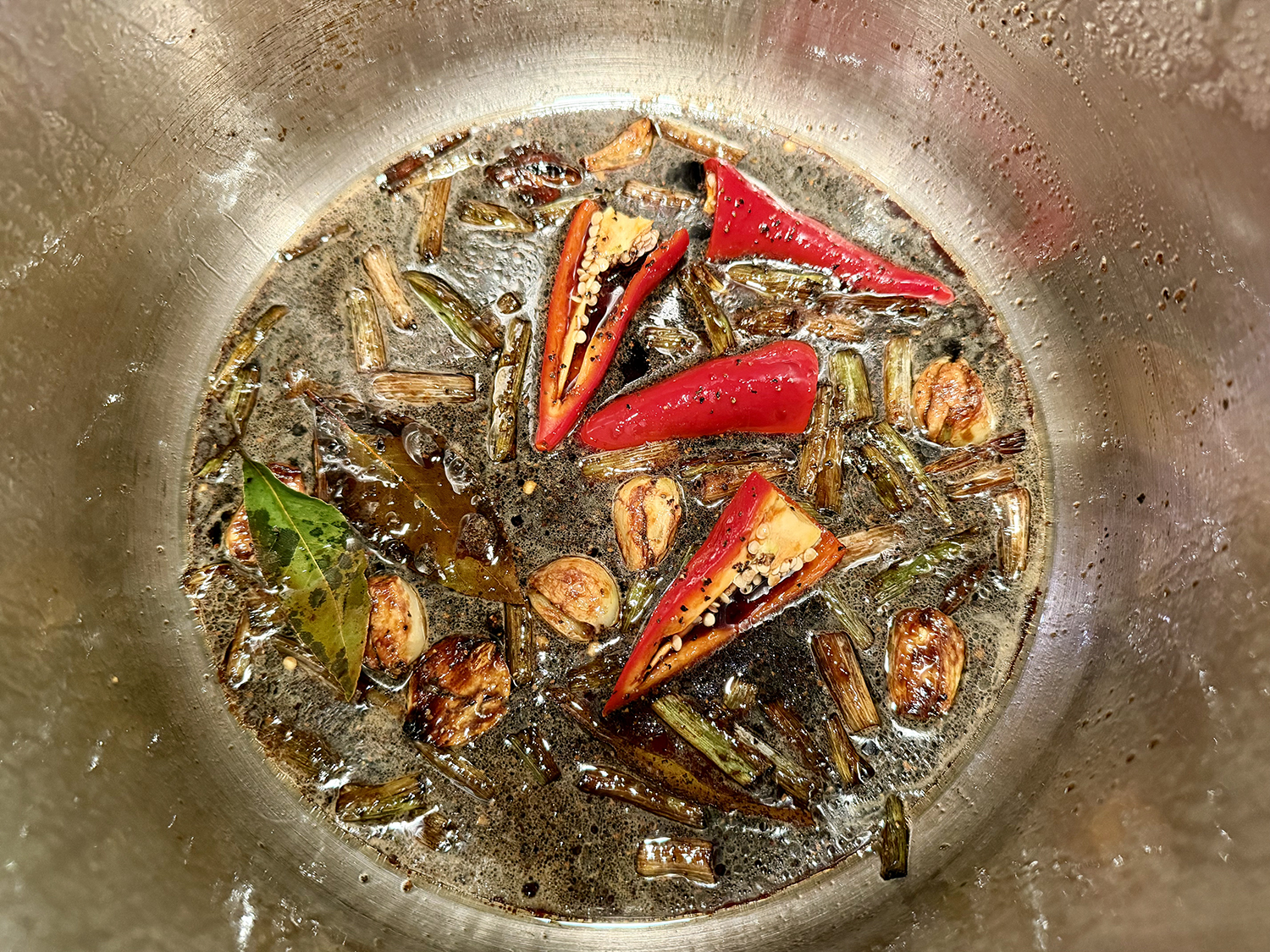
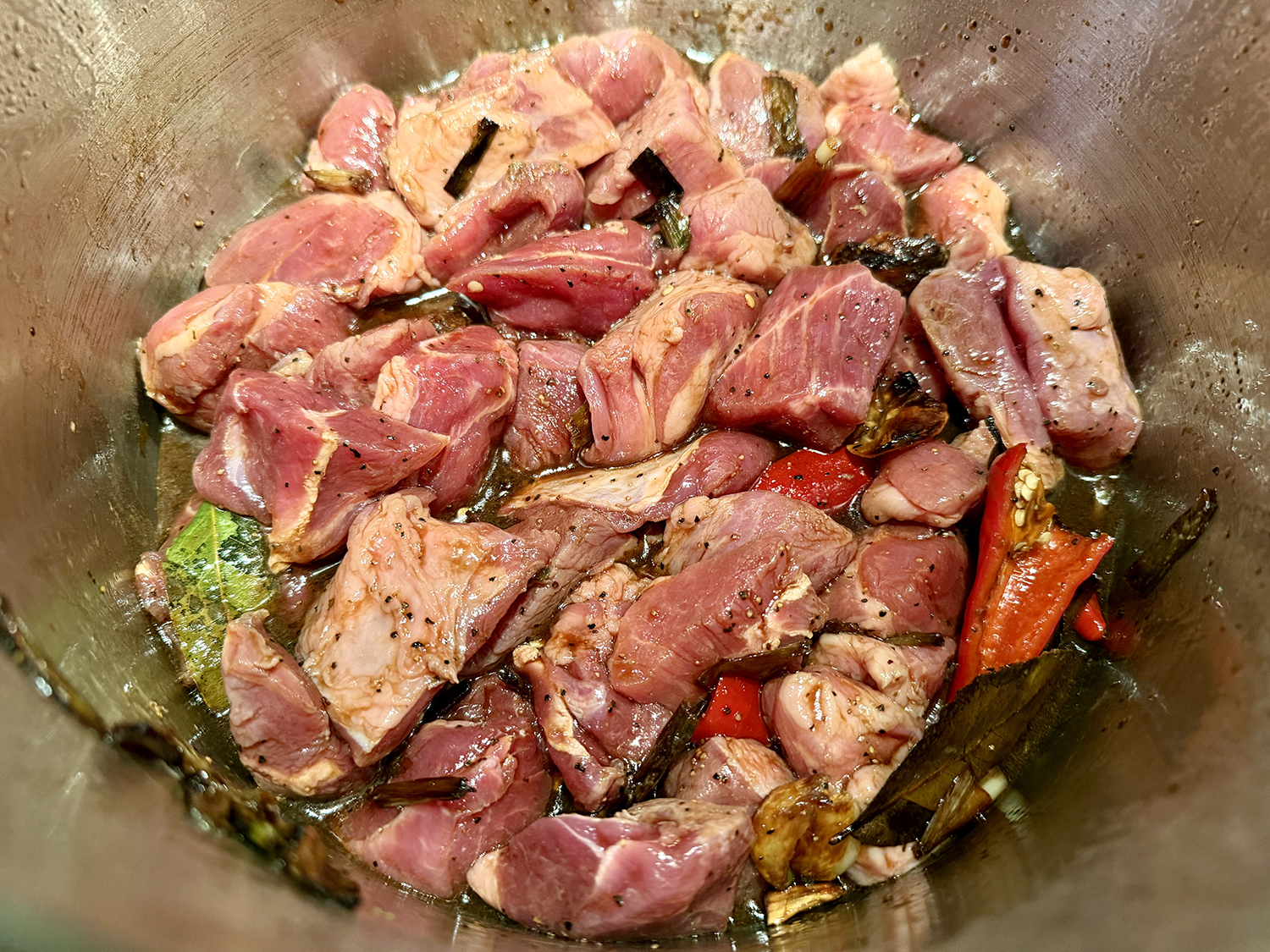
Stir and continue to cook, stirring only once or twice, until darkly browned, about another 2 minutes. Press Cancel, then stir in the soy, vinegar, honey, serranos and 1 teaspoon pepper, scraping up any browned bits. Add the pork; stir to combine, then distribute in an even layer.
Lock the lid in place and move the pressure valve to Sealing. Select Pressure Cook or Manual; make sure the pressure level is set to High. Set the cooking time for 30 minutes.
When pressure cooking is complete, allow the pressure to release naturally for 15 minutes, then release the remaining steam by moving the pressure valve to Venting. Press Cancel, then carefully open the pot.
Using a large spoon, skim off and discard the fat from the surface of the cooking liquid. Remove and discard the chilies and bay.
In a small bowl, whisk the cornstarch with 3 tablespoons of the cooking liquid, then stir into the pot. Select Normal/Medium Sauté and bring to a simmer, stirring constantly, and cook, stirring, until lightly thickened, about 1 minute.
Press Cancel to turn off the pot. Taste and season with salt and pepper. Serve sprinkled generously with the scallion greens.
During our childhood, most families undoubtedly served canned cranberry jelly at Thanksgiving dinner. The ribbed, “cylindrical beauty plops out of the can like a gavel marking the start of the holiday”, retaining its signature shape so guests can slice off just the right amount. OK, I admit, I was NOT a fan favorite then, nor am I now. But in this recipe it works!
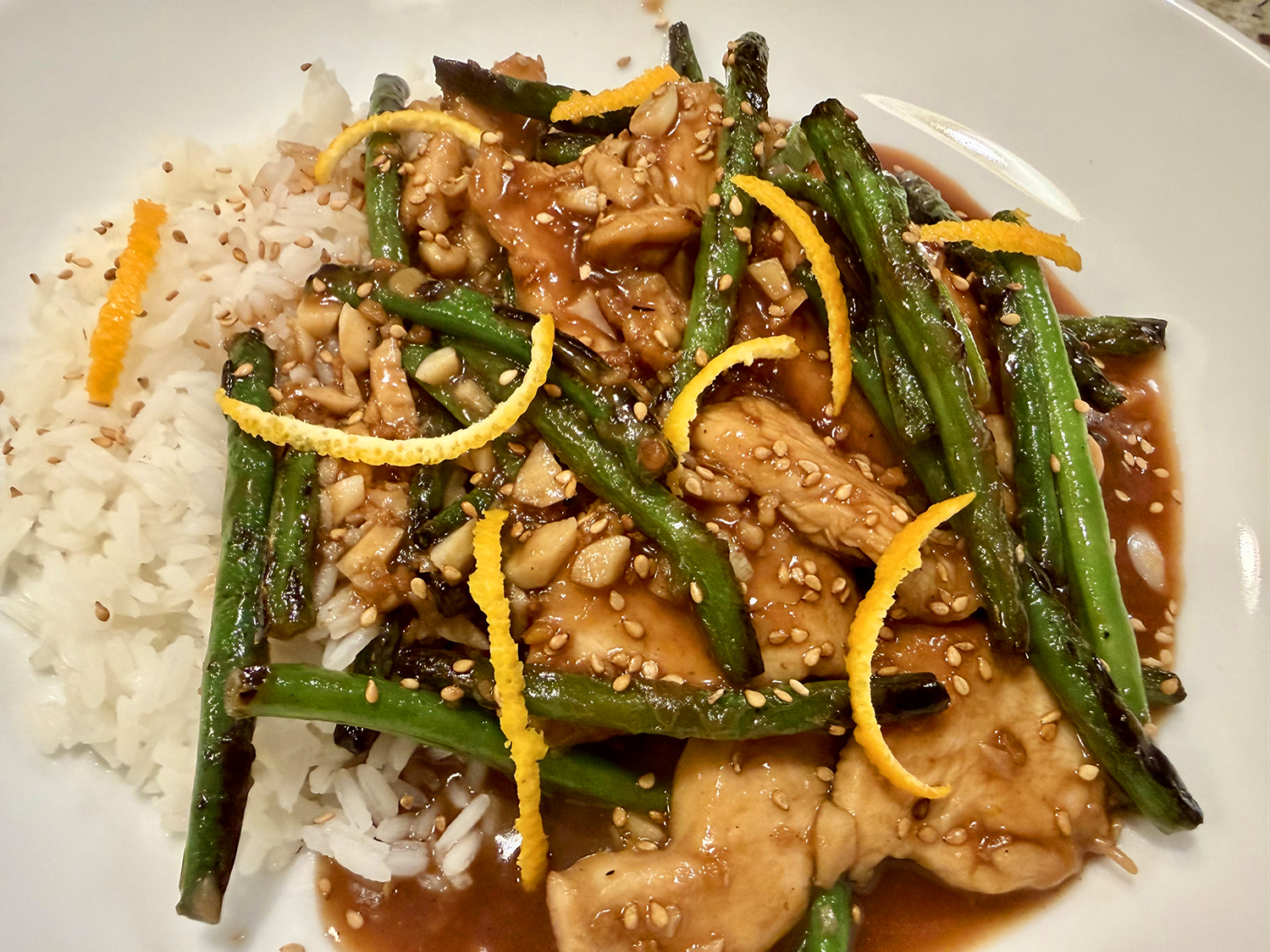
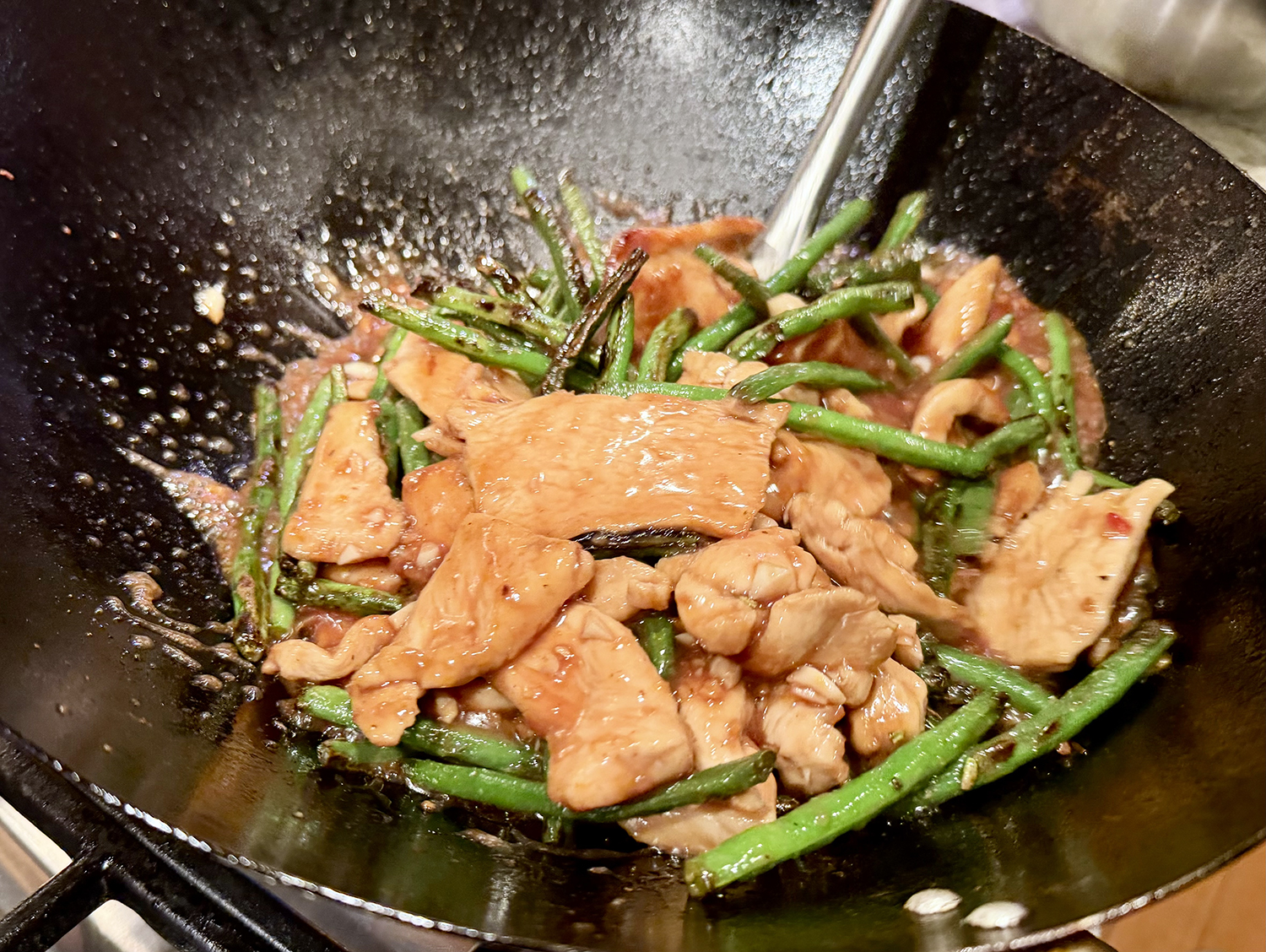
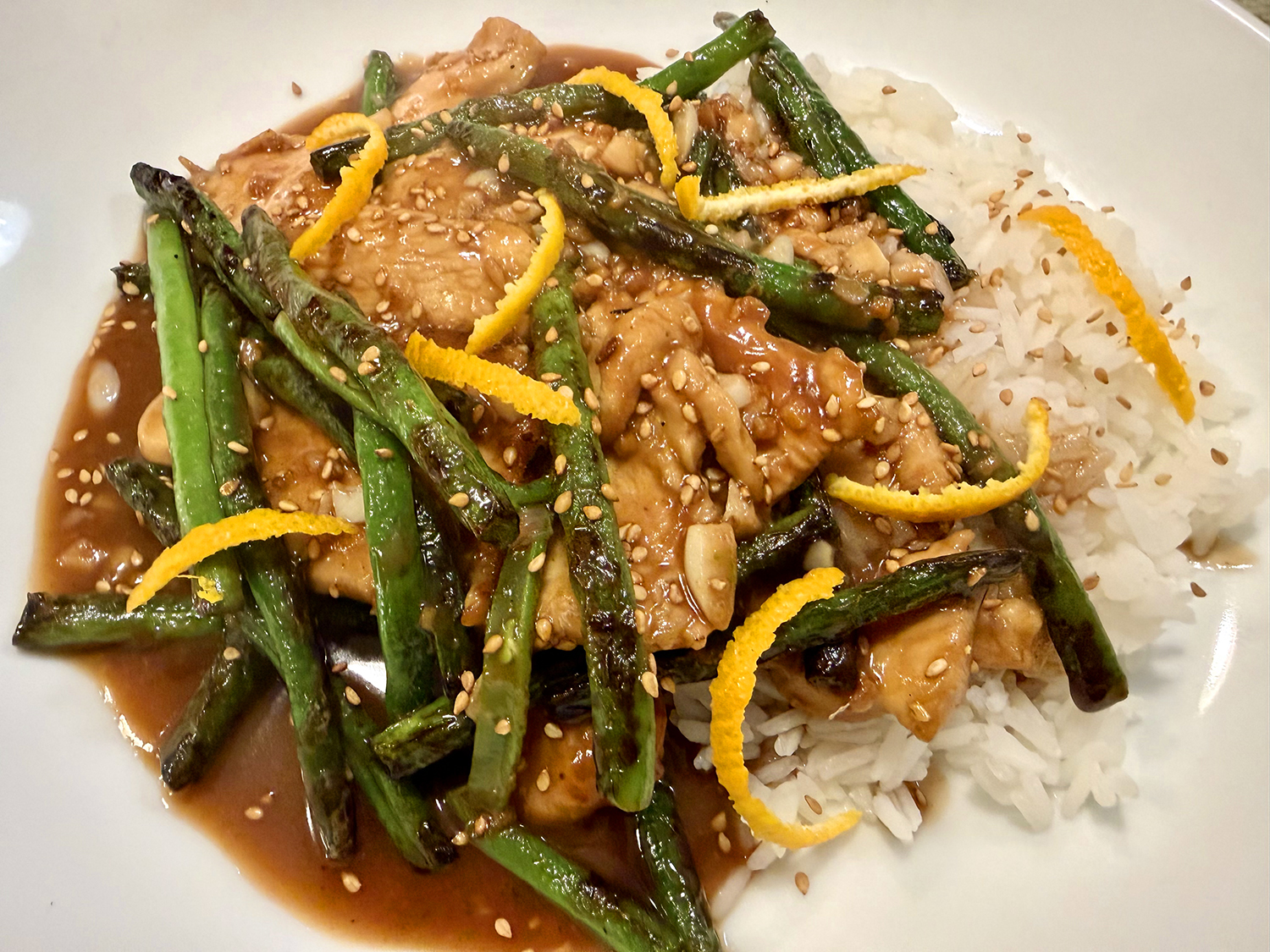
While slicing is a perfectly acceptable (if not somewhat encouraged) way of serving, here the jelly is used as a weeknight dinner shortcut, transforming into a quick stir-fry sauce that coats chicken and green beans in a glossy sweet-and-sour sauce reminiscent of orange chicken.
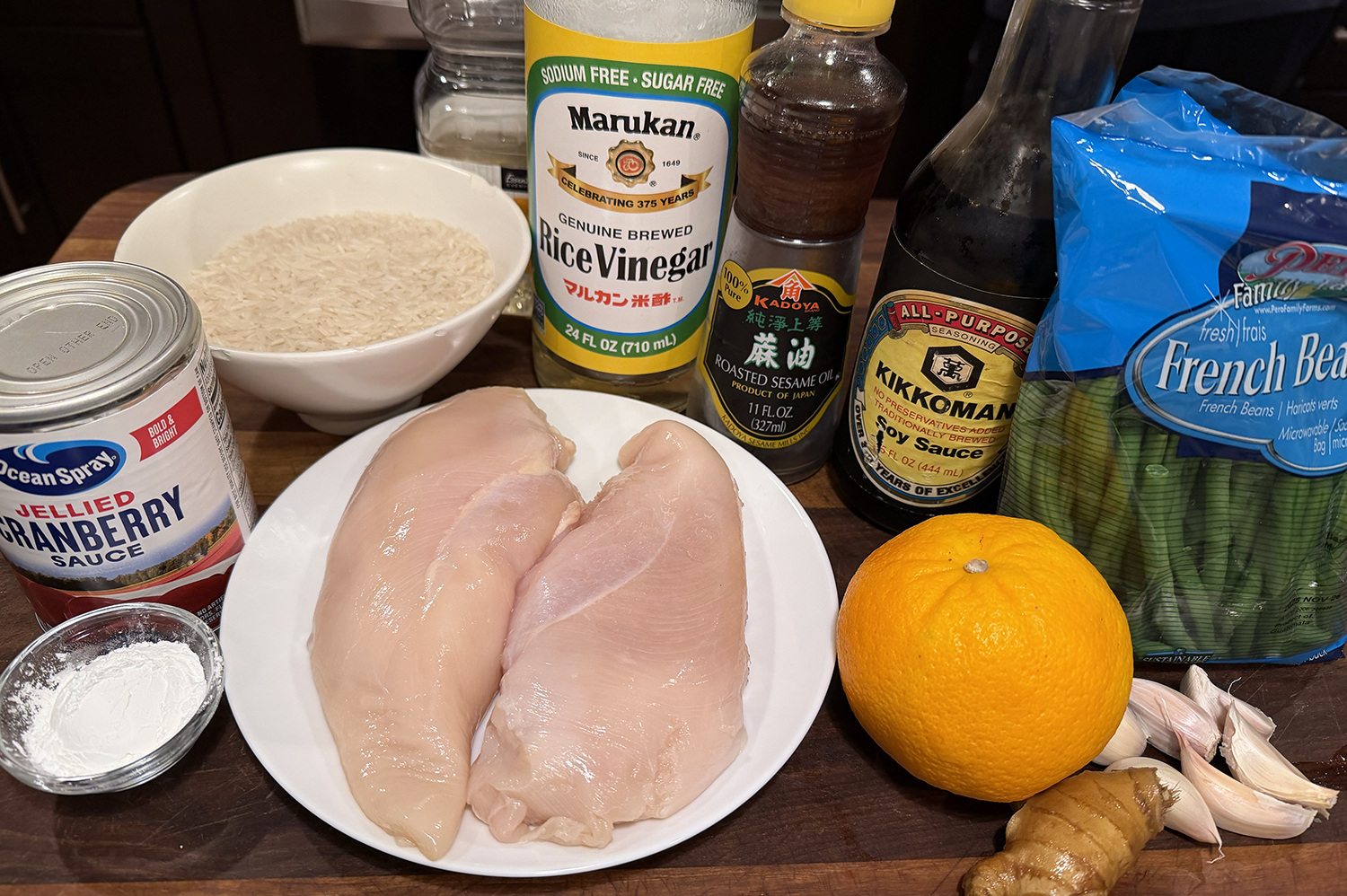
Just make sure to grab a can of jellied cranberry sauce, not the whole-berry kind. While they might look similar, the former will result in a smooth and glossy glaze (the berries in the other will clump it up). BUT, it contains high fructose corn syrup.
High-fructose corn syrup is a liquid sweetener made from corn. When corn starch is broken down into individual molecules, it becomes corn syrup, which is 100% glucose, a simple sugar. Enzymes are added to convert some of this glucose into fructose. High-fructose corn syrup is cheaper than sugar, with better flavor enhancement and longer shelf life. It’s more stable and consistent, especially in acidic foods and drinks. It works well in this recipe and is up to you on whether or not it fits your life style diet. We can honestly say, it was darn-right delicious!
All-in-all, most of the other ingredients are healthy for you…
1 lb. skinless, boneless chicken breasts, halved crosswise, thinly sliced against the grain
1 Tbsp. cornstarch
4 Tbsp. (or more) vegetable oil, divided
1 lb. green beans, trimmed
6 garlic cloves, finely chopped
1 ½” piece ginger, peeled, finely chopped
Kosher salt
Thinly sliced orange zest and toasted sesame seeds (for serving)
Steamed white rice (for serving; optional)
Directions
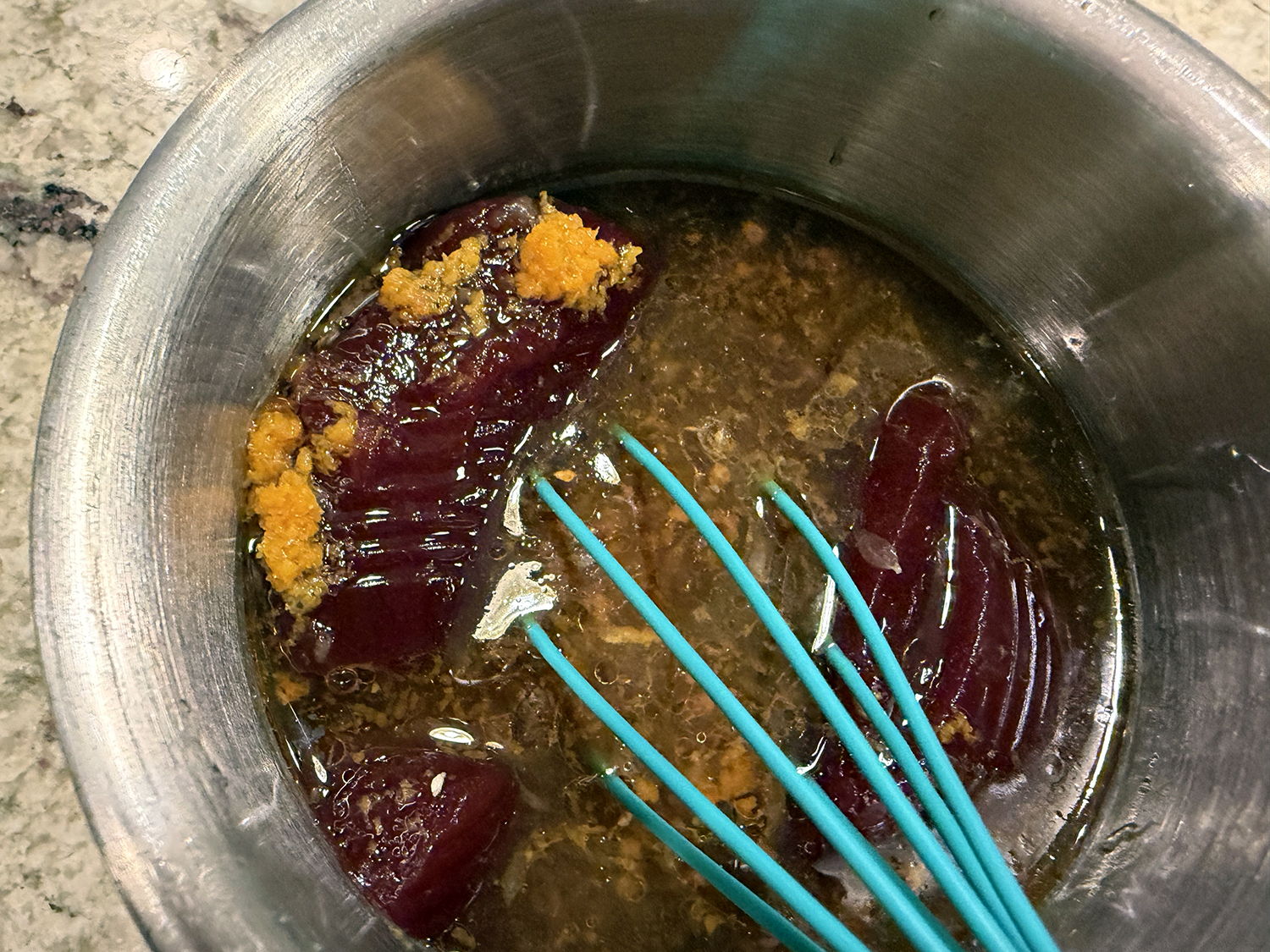
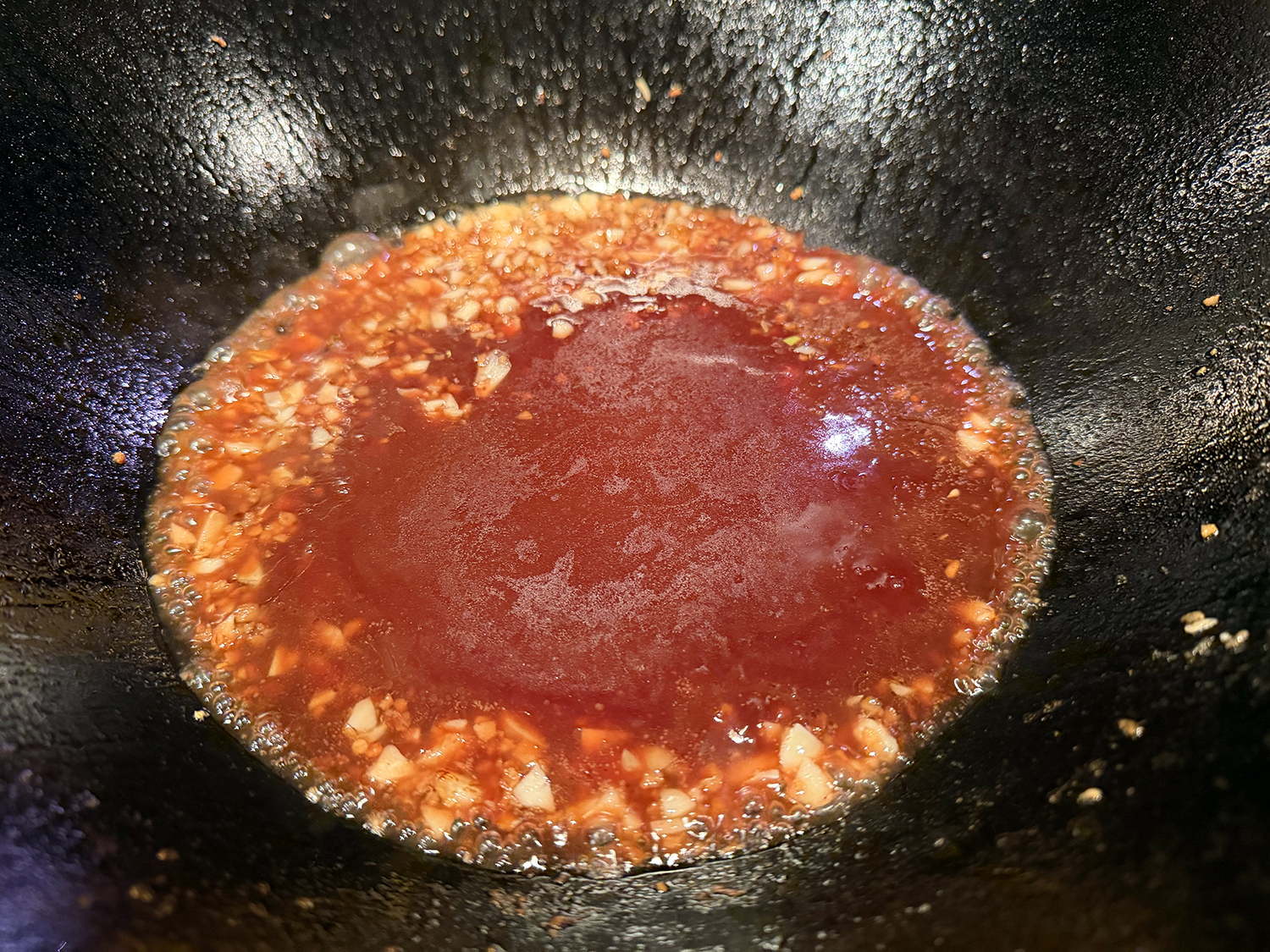
Whisk 1 cup jellied cranberry sauce (from a 14-oz. can), 3 Tbsp. unseasoned rice vinegar, 2 tsp. finely grated orange zest, ¼ cup fresh orange juice, 2 tsp. toasted sesame oil, and 2 Tbsp. soy sauce in a small bowl until jelly is mostly dissolved (some lumps are okay); set sauce aside.
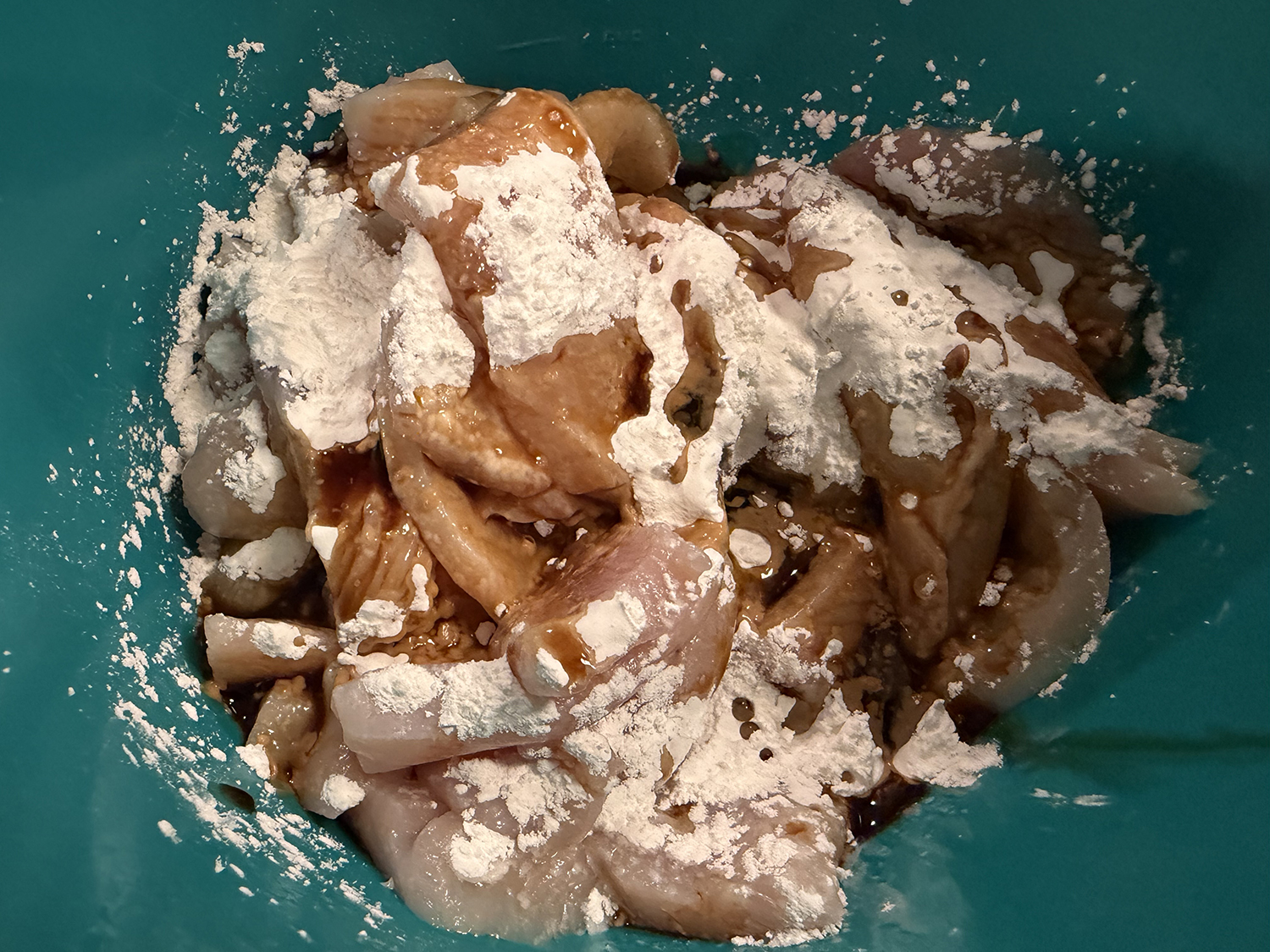
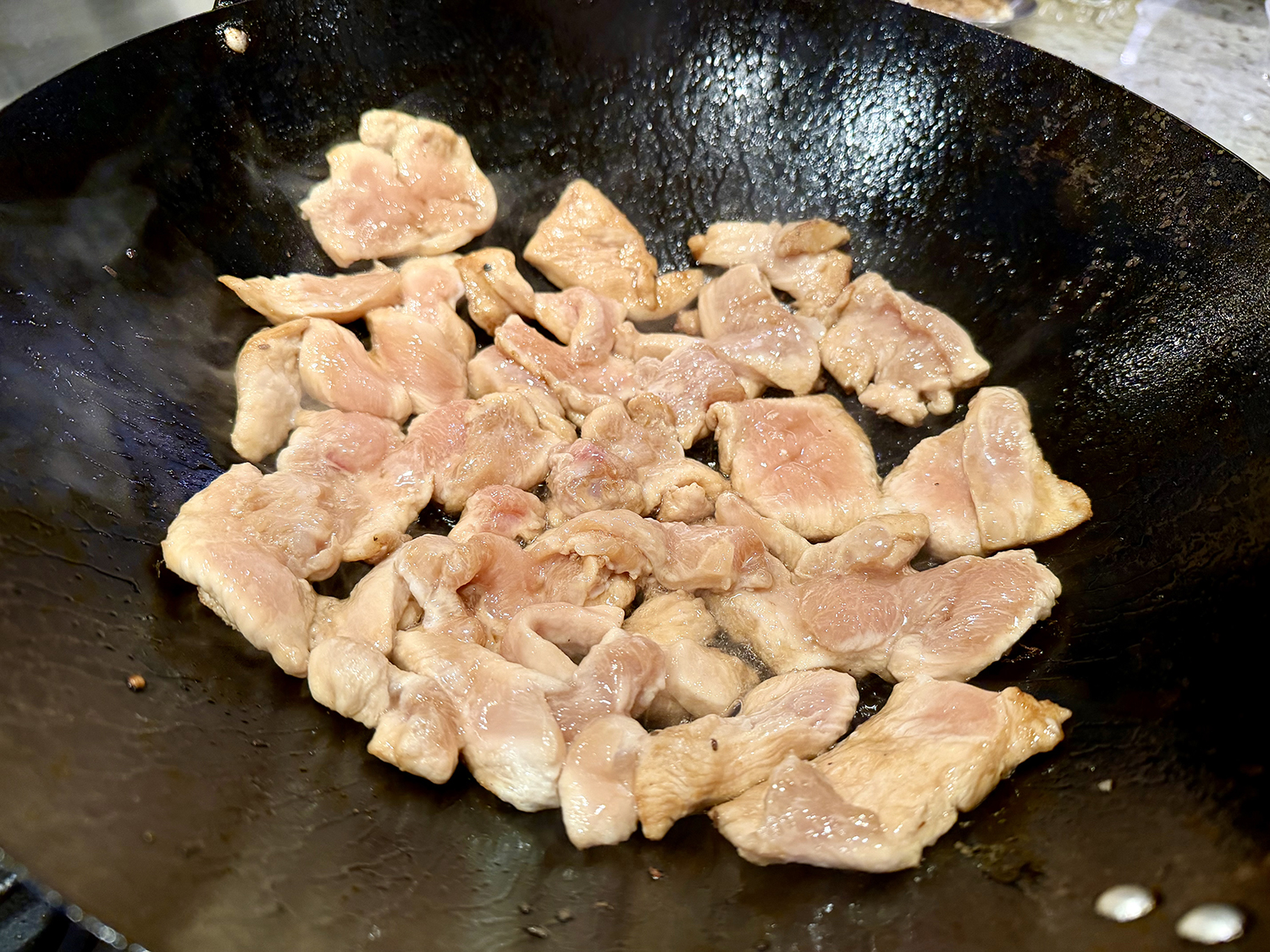
Toss 1 lb. skinless, boneless chicken breasts, halved crosswise, thinly sliced against the grain, 1 Tbsp. cornstarch, and remaining 1 Tbsp. soy sauce in a medium bowl until chicken is well coated; set aside.
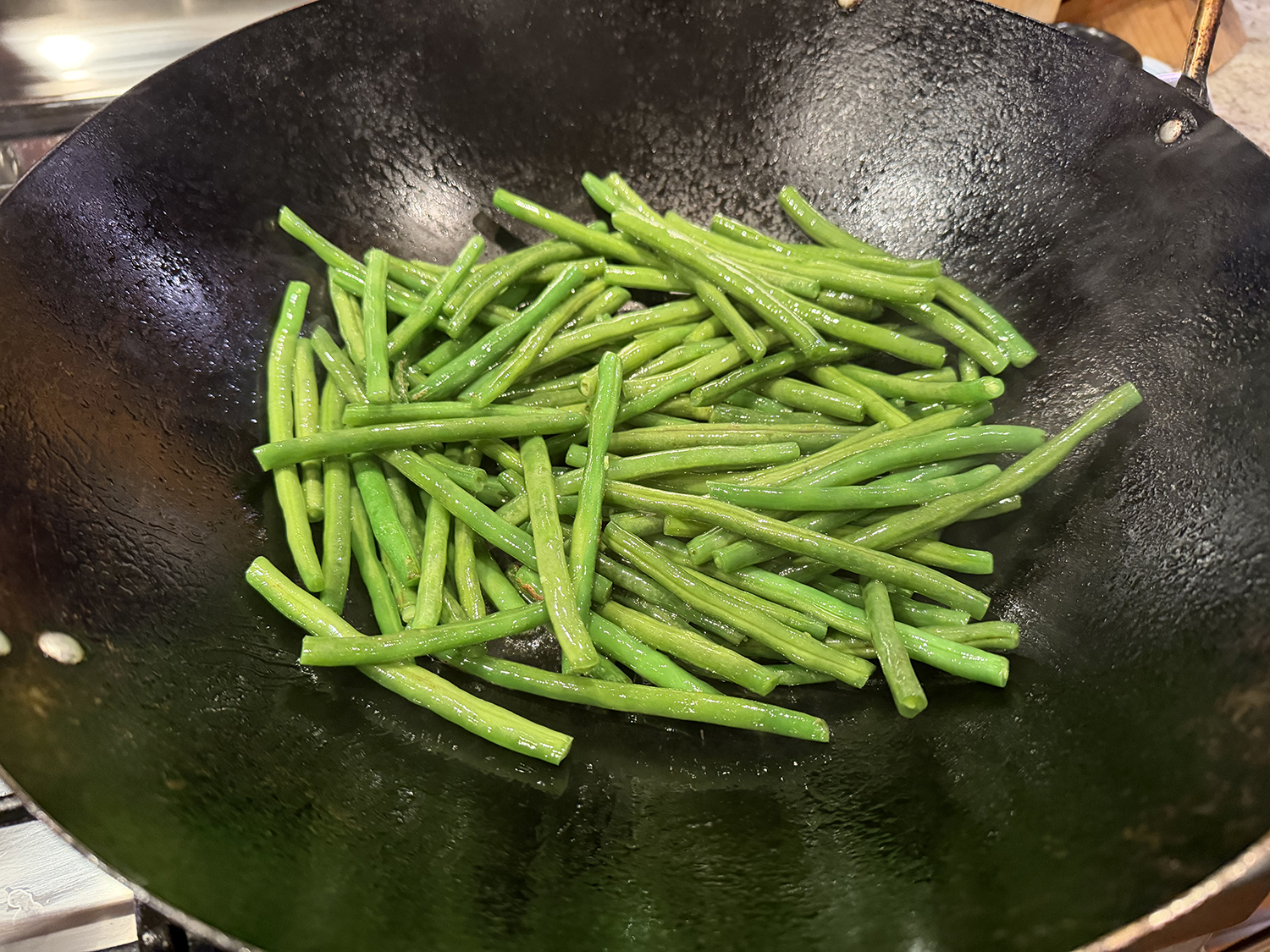
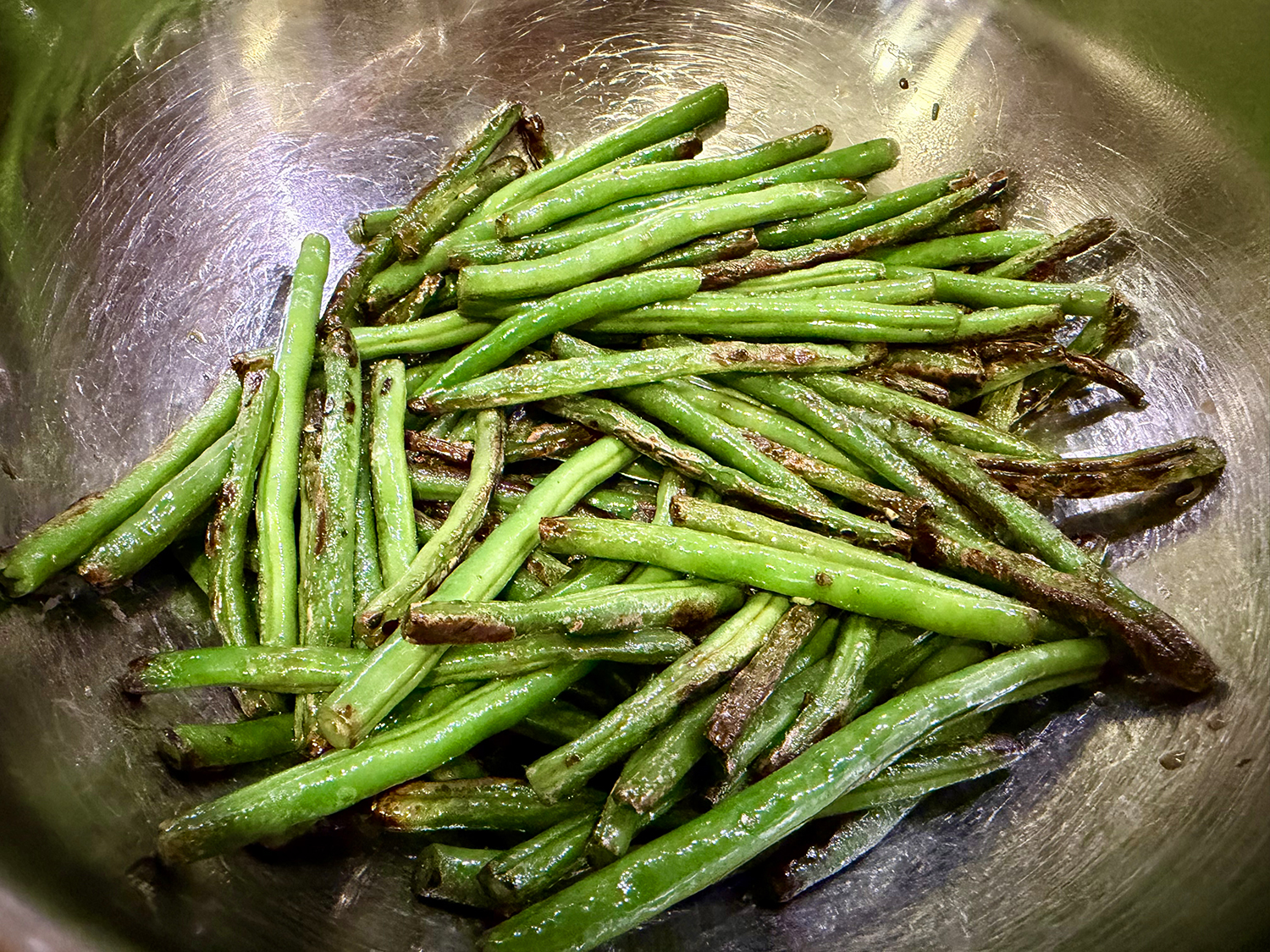
Heat 2 Tbsp. vegetable oil in a large skillet over high. Cook 1 lb. green beans, trimmed, tossing very occasionally, until tender and deeply browned in spots, 6–8 minutes. Using tongs, transfer to a large bowl.
Heat remaining 2 Tbsp. vegetable oil in same pan. Arrange reserved chicken in a single layer and cook, tossing very occasionally, until golden brown and cooked through, about 5 minutes. Transfer to bowl with green beans.
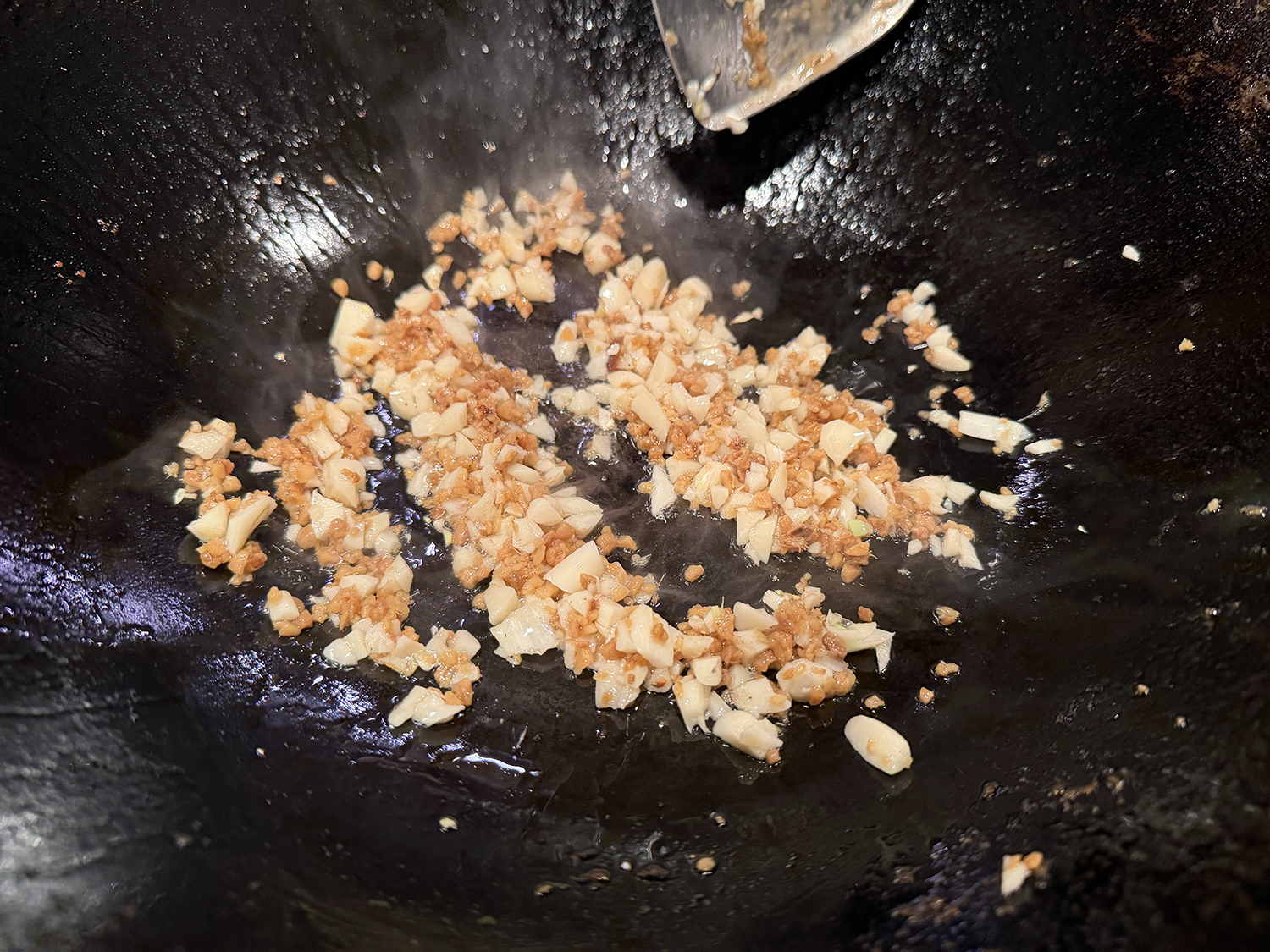
If pan is dry, add more vegetable oil (up to 2 Tbsp.). Add 6 garlic cloves, finely chopped, and one ½” piece ginger, peeled, finely chopped, and cook, stirring constantly, until fragrant, about 1 minute. Add reserved sauce; cook, stirring, until thickened slightly, about 1 minute. Return green beans and chicken to pan; toss to coat.
Remove stir-fry from heat; season with kosher salt. Top with thinly sliced orange zest and toasted sesame seeds. Serve with steamed white rice if desired.
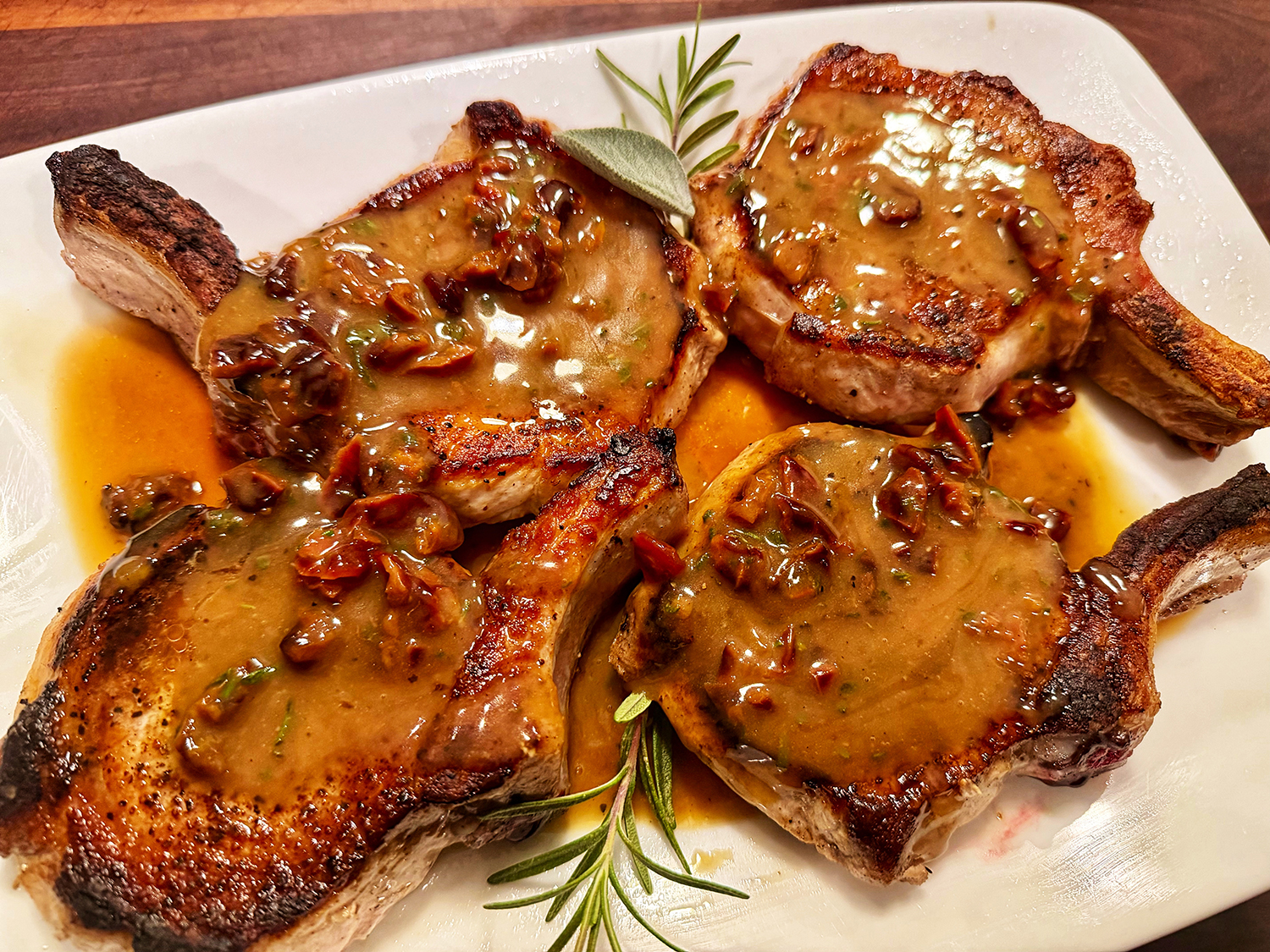
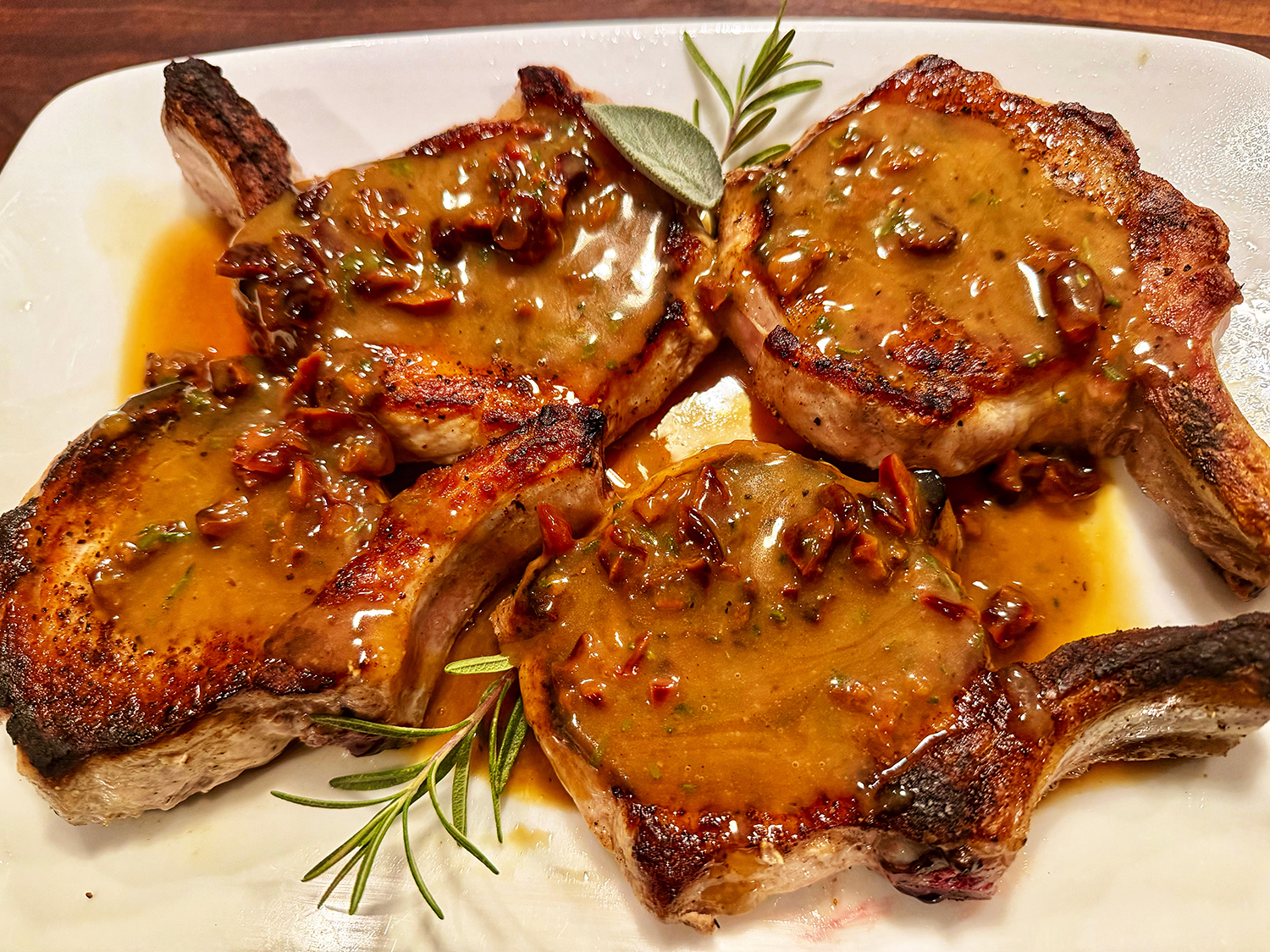
Just a WOW!! Pairing pork with fruit is most definitely a win. Fruits often bring aromatic compounds (floral, citrusy, or spicy notes) that complement the mild, savory flavor of pork. This layering of aromas adds complexity and depth. The gorgeous caramel color alone is enough to make me swoon.
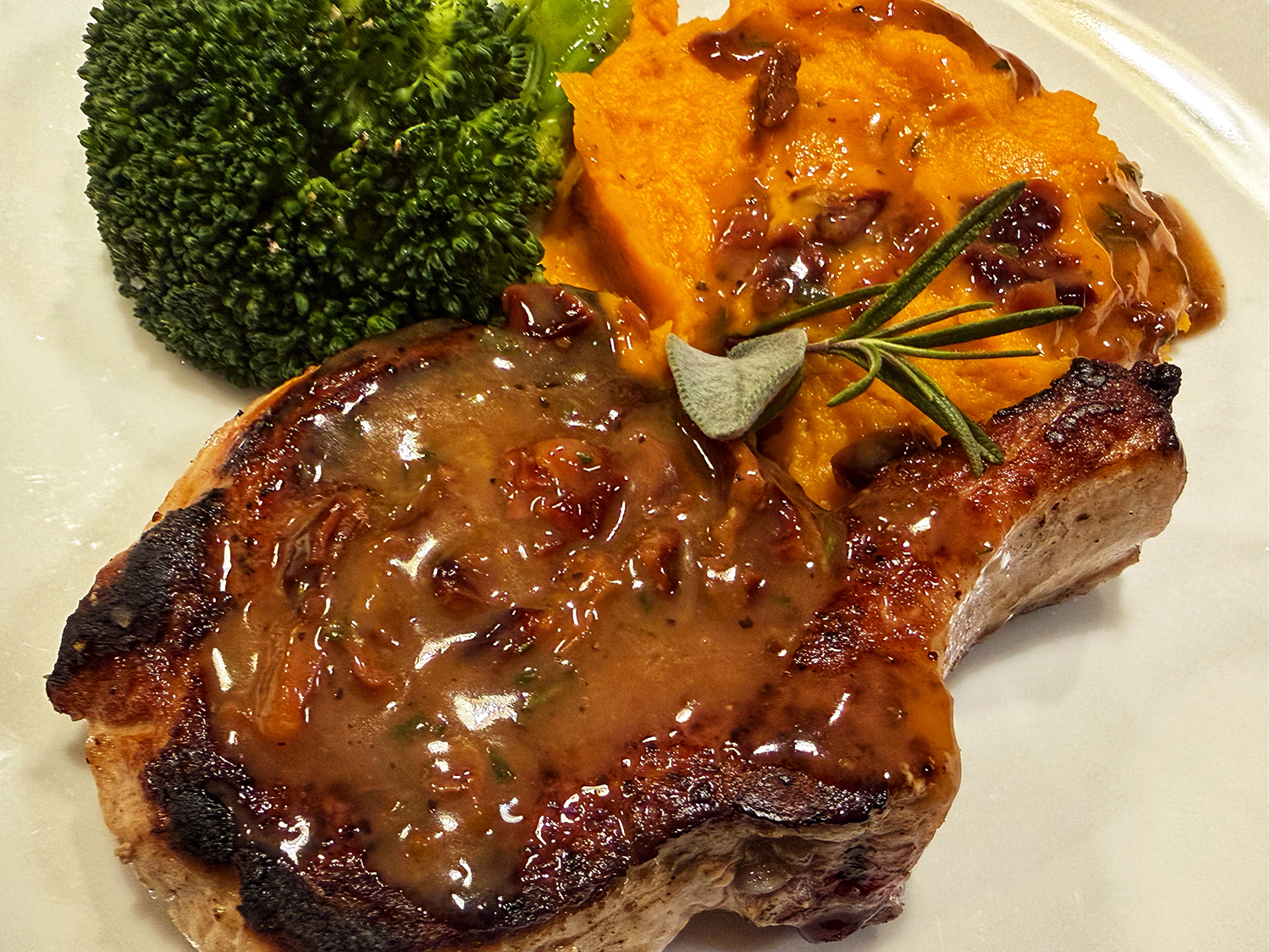
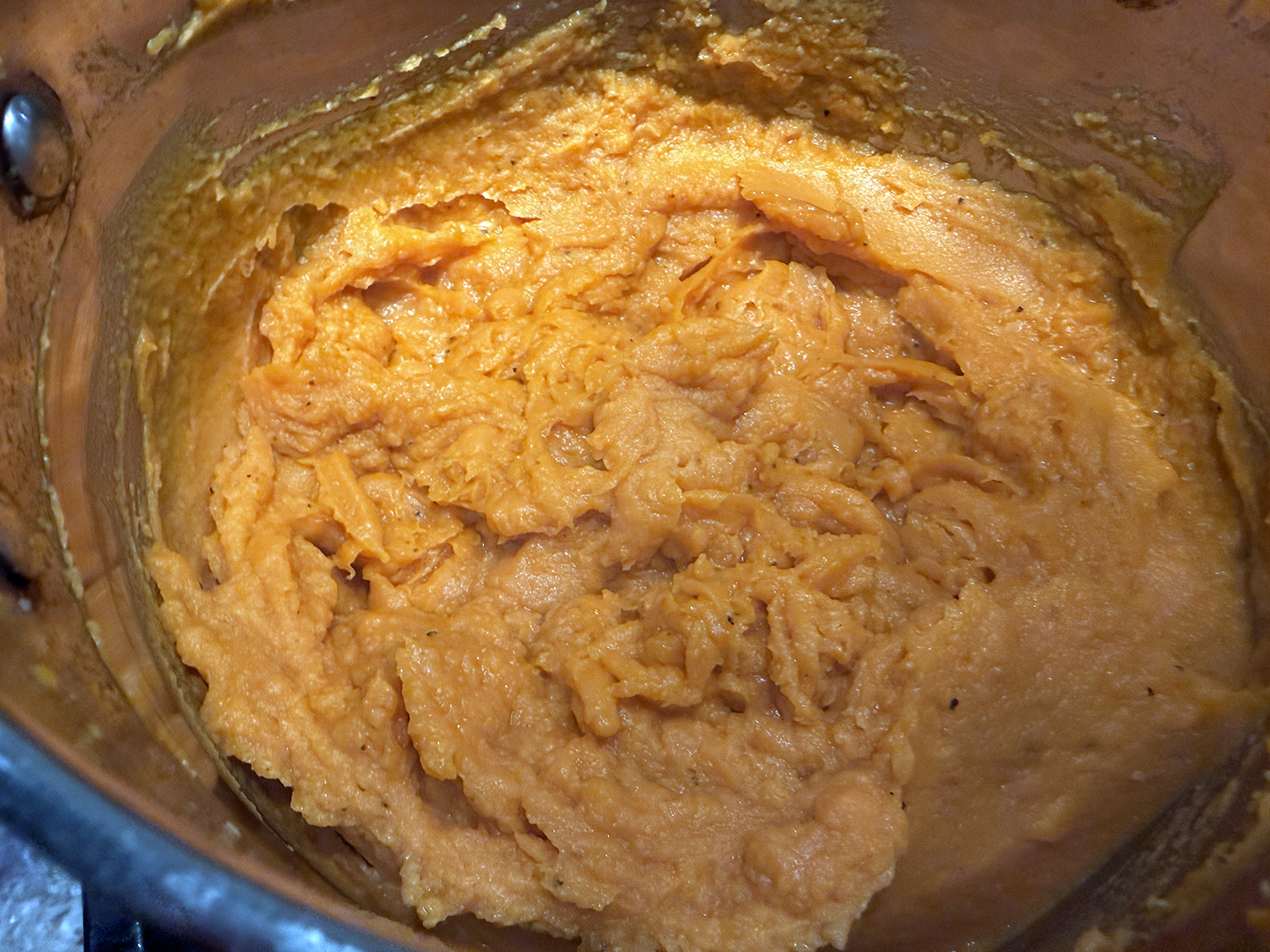
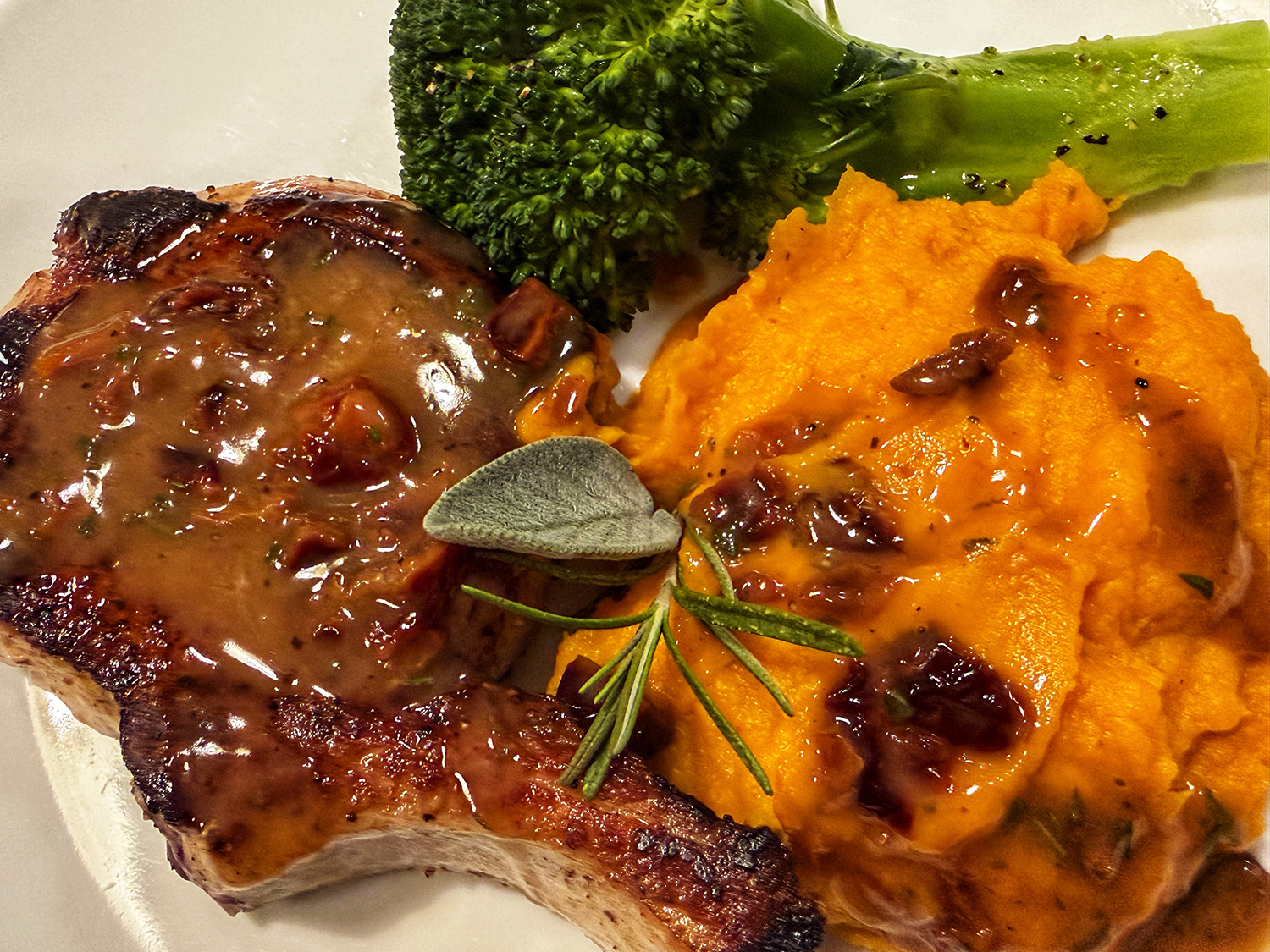
For this recipe, pumpkin pie spice adds warmth to pan-seared pork chops; while using an immersion blender whips the sweet potatoes into an ultra-creamy mash, DELISH! A quick sweet and savory pan sauce—inspired by the flavors of an old-fashioned cocktail—ties the dish together in an unforgettable way.
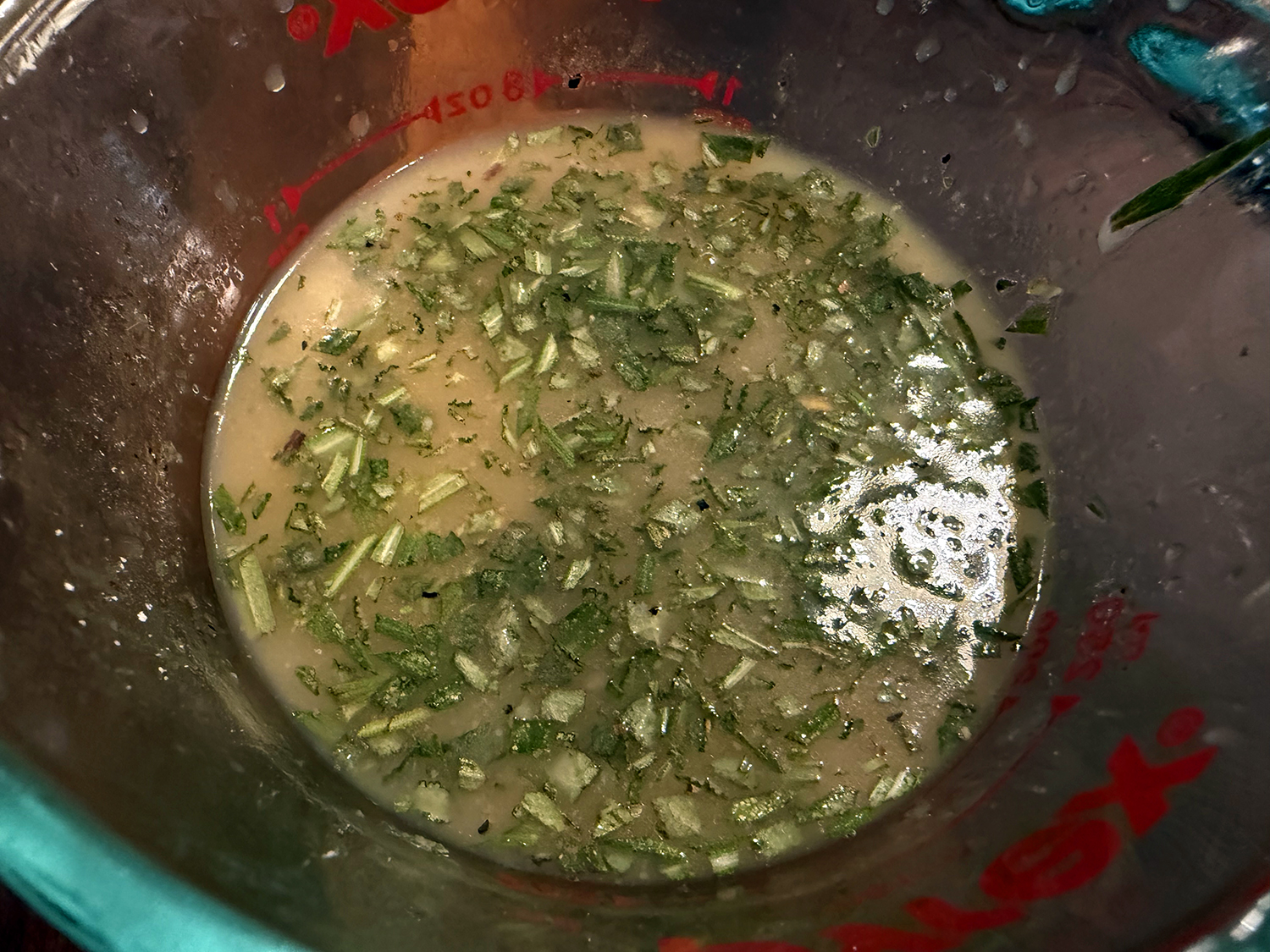
For an herbal note in the sauce, we included about a teaspoon each of chopped fresh sage and rosemary. To round out the meal and add a pop of color, we accompanied the dish with steamed broccoli. We are already planning on creating this fabulous meal again in the near future, with increasing that to-die-for sauce by 50%.
At 6 minutes per side, our chops would have been too-well done for our liking. We suggest a minimum of 5 minutes per side. The ingredients list and directions below include our changes—which increases the sauce. (If saucy dishes are not your thing, cut back the sauce ingredients by 50%.)
We practically died and went to heaven while enjoying this meal!
NOTES: You can substitute ground cinnamon for the pumpkin pie spice. In lieu of frozen cherries, we used rehydrated dried cherries. In the realm of cooking,applejuice or cider reduced with spices can serve as a non-alcoholic substitute for bourbon in sauces.
Pork Chops with Bourbon-Cherry Sauce and Sweet Potatoes
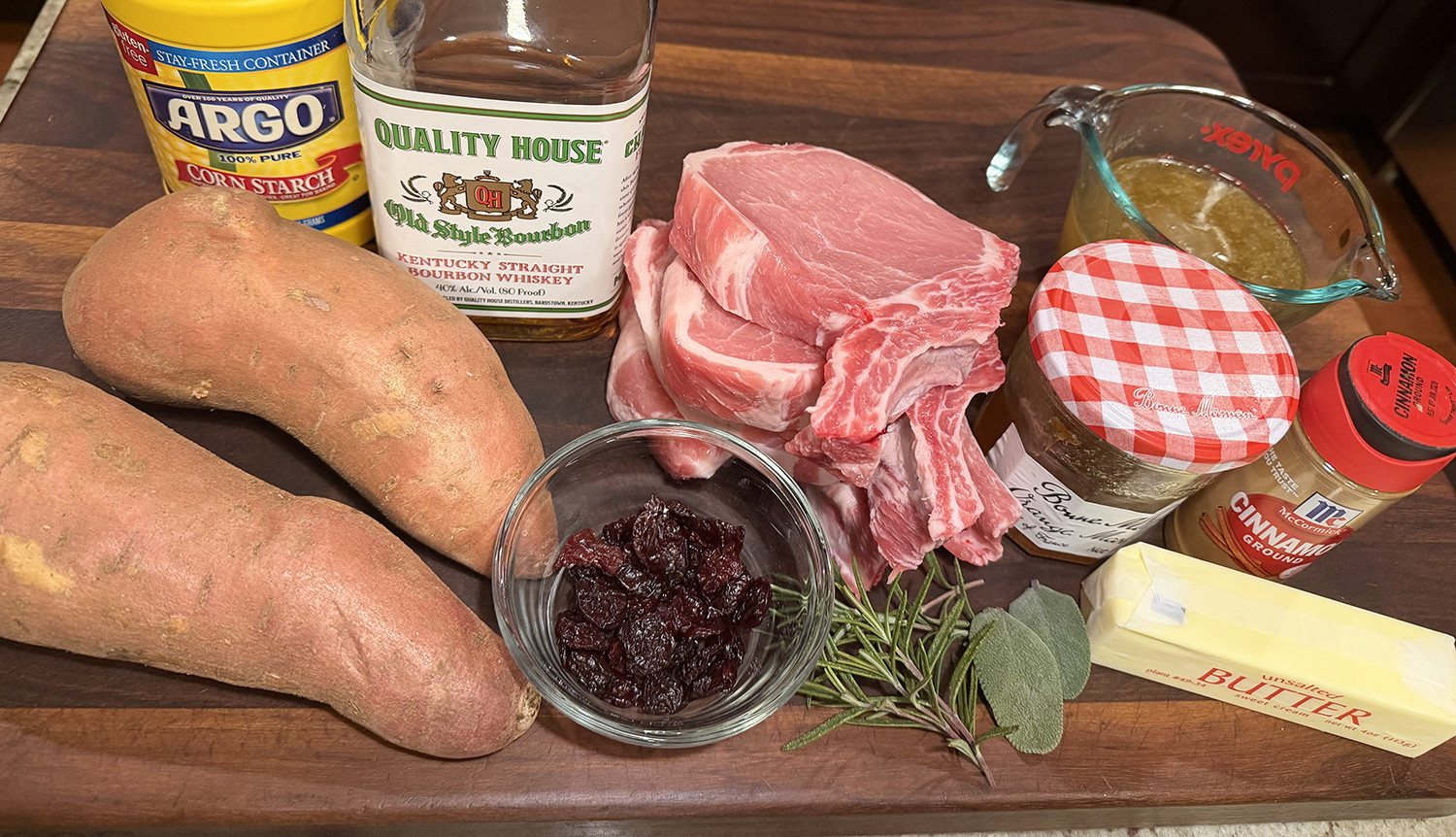
2 lbs. sweet potatoes, peeled and sliced ¼ inch thick
1 1⁄2 cups chicken broth, divided
8 Tbsp. unsalted butter, divided
2 tsp. table salt, divided
1 ¾ tsp. pepper, divided
4 (8- to 10-oz.) bone-in pork rib chops, ¾ to 1 inch thick, trimmed
¼ tsp. pumpkin pie spice, or cinnamon
1 1⁄2 tsp. cornstarch
12 oz. frozen sweet cherries, quartered
¼ cup bourbon, plus 2 Tbsp.
1 1⁄2 Tbsp. orange marmalade
1 tsp. chopped fresh rosemary
1 tsp. chopped fresh sage
Directions
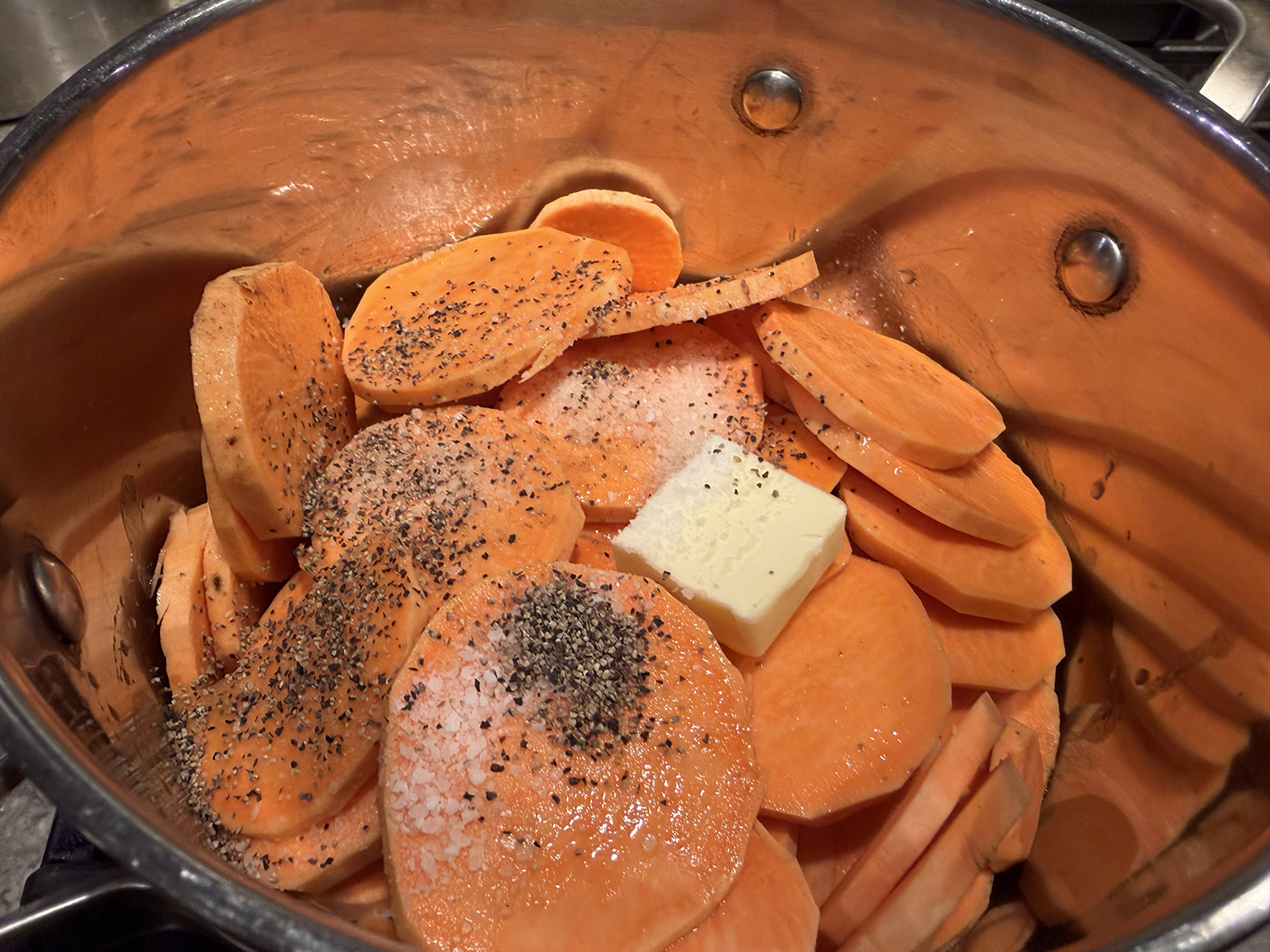
Combine potatoes, ½ cup chicken broth, 4 tablespoons butter, ¾ teaspoon salt, and ½ teaspoon pepper in large saucepan. Cover and cook over medium heat, stirring occasionally, until potatoes are tender, about 20 minutes. Process with immersion blender until smooth.
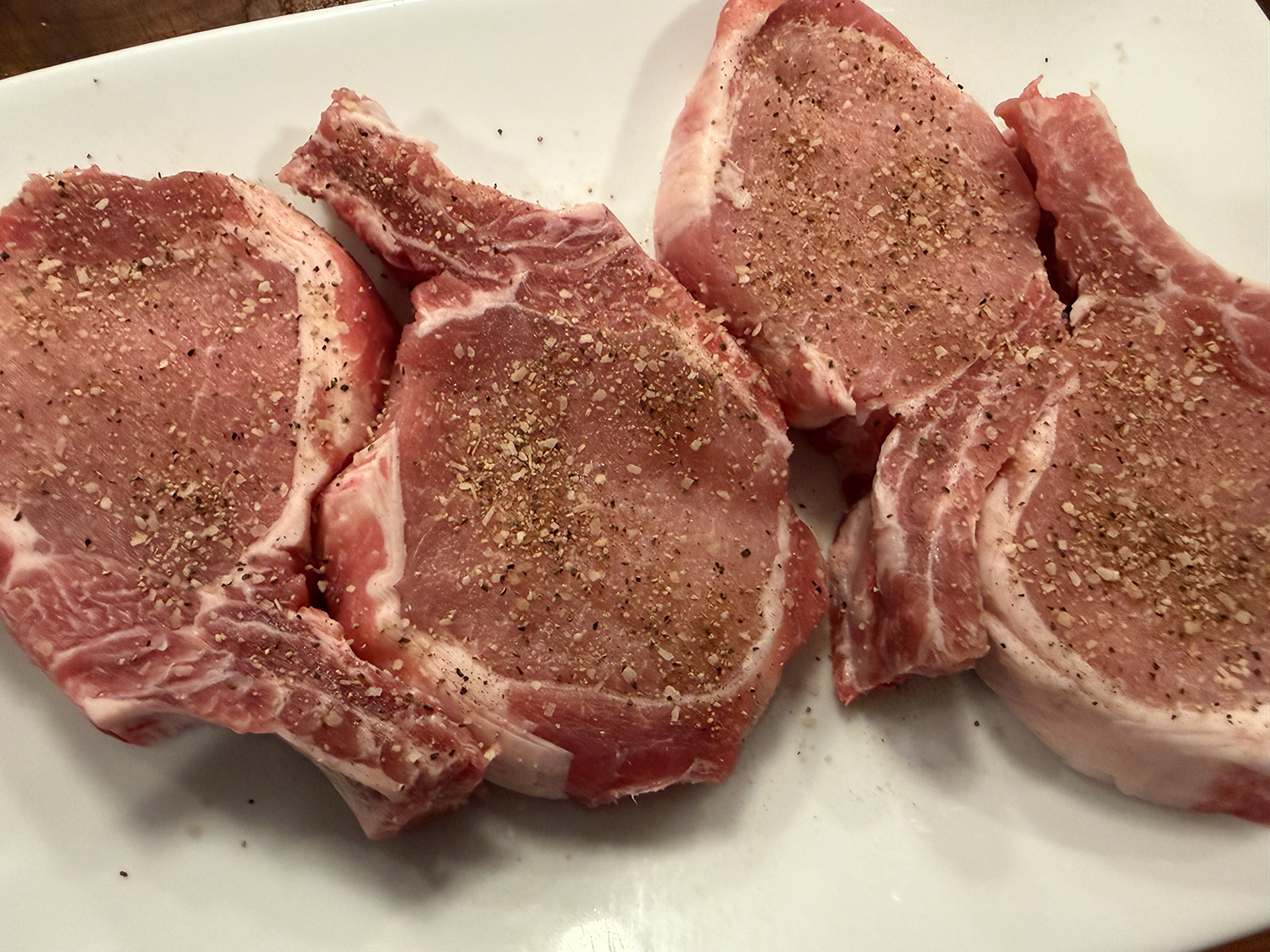
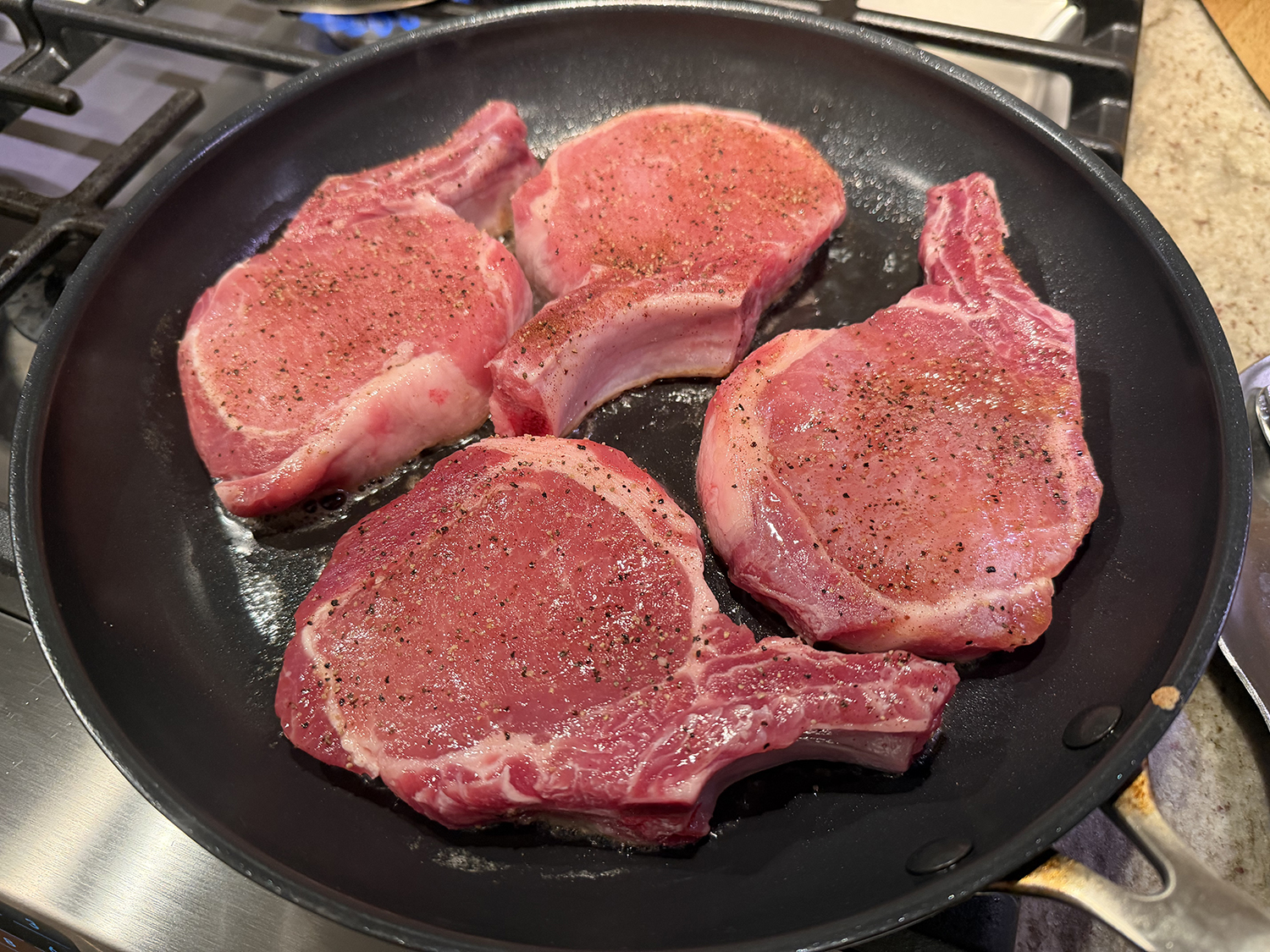
Meanwhile, pat pork dry with paper towels and sprinkle with pie spice, 1 teaspoon salt, and 1 teaspoon pepper. Melt 1 tablespoon butter in 12-inch nonstick skillet over medium-high heat. Add pork and cook until well browned and registers 140 degrees, about 5 minutes per side. Transfer pork to platter and tent with foil.
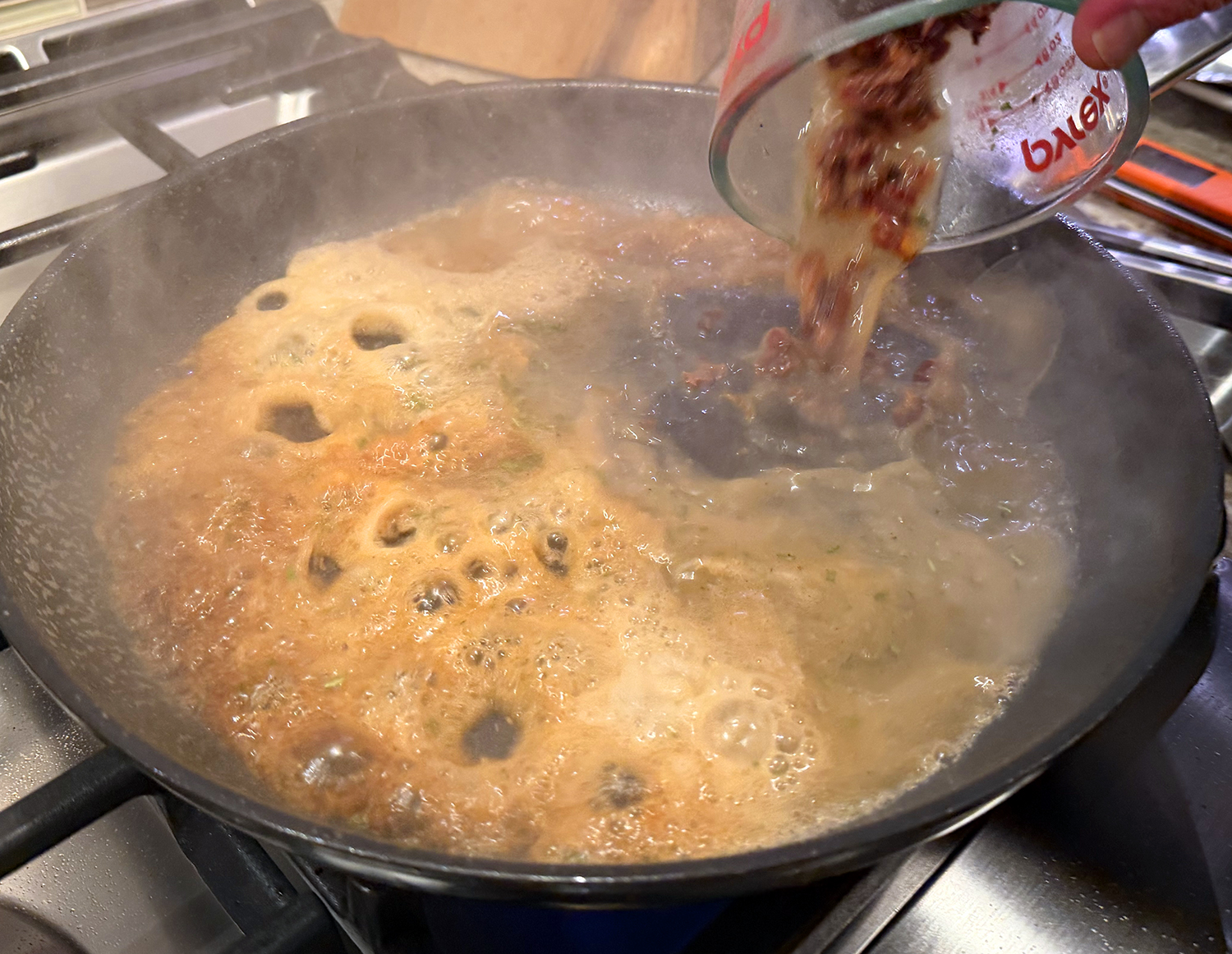
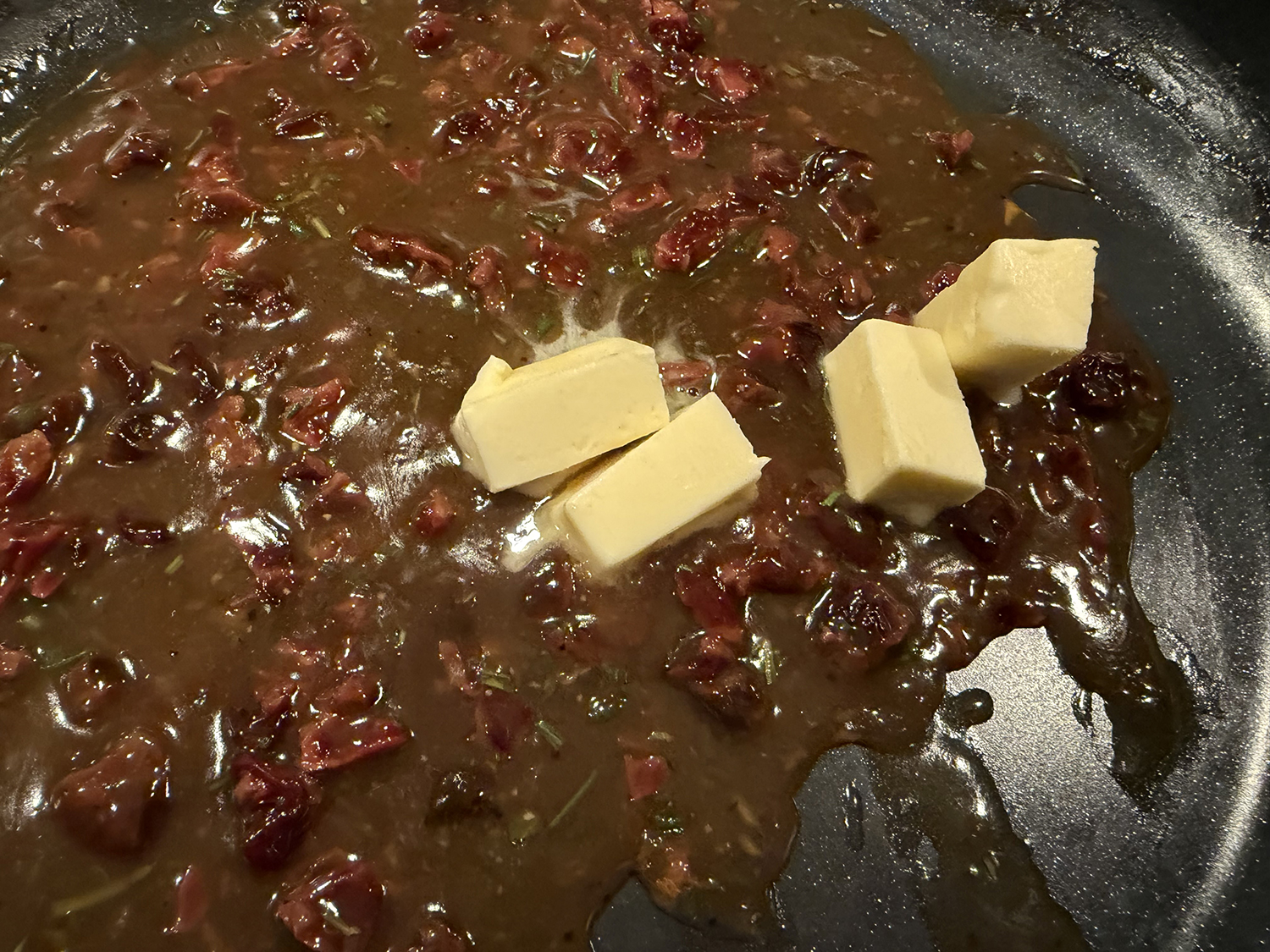
Whisk cornstarch and remaining ¾ cup chicken broth together in bowl. Combine cherries, bourbon, orange marmalade, chicken broth mixture, chopped fresh herbs, remaining ¼ teaspoon salt, and remaining ¼ teaspoon pepper in now-empty skillet. Bring to simmer over medium-high heat and cook, stirring, until mixture turns thick and translucent, about 3 minutes. Off heat, stir in remaining 3 tablespoons butter. Serve pork chops and sweet potatoes with sauce.
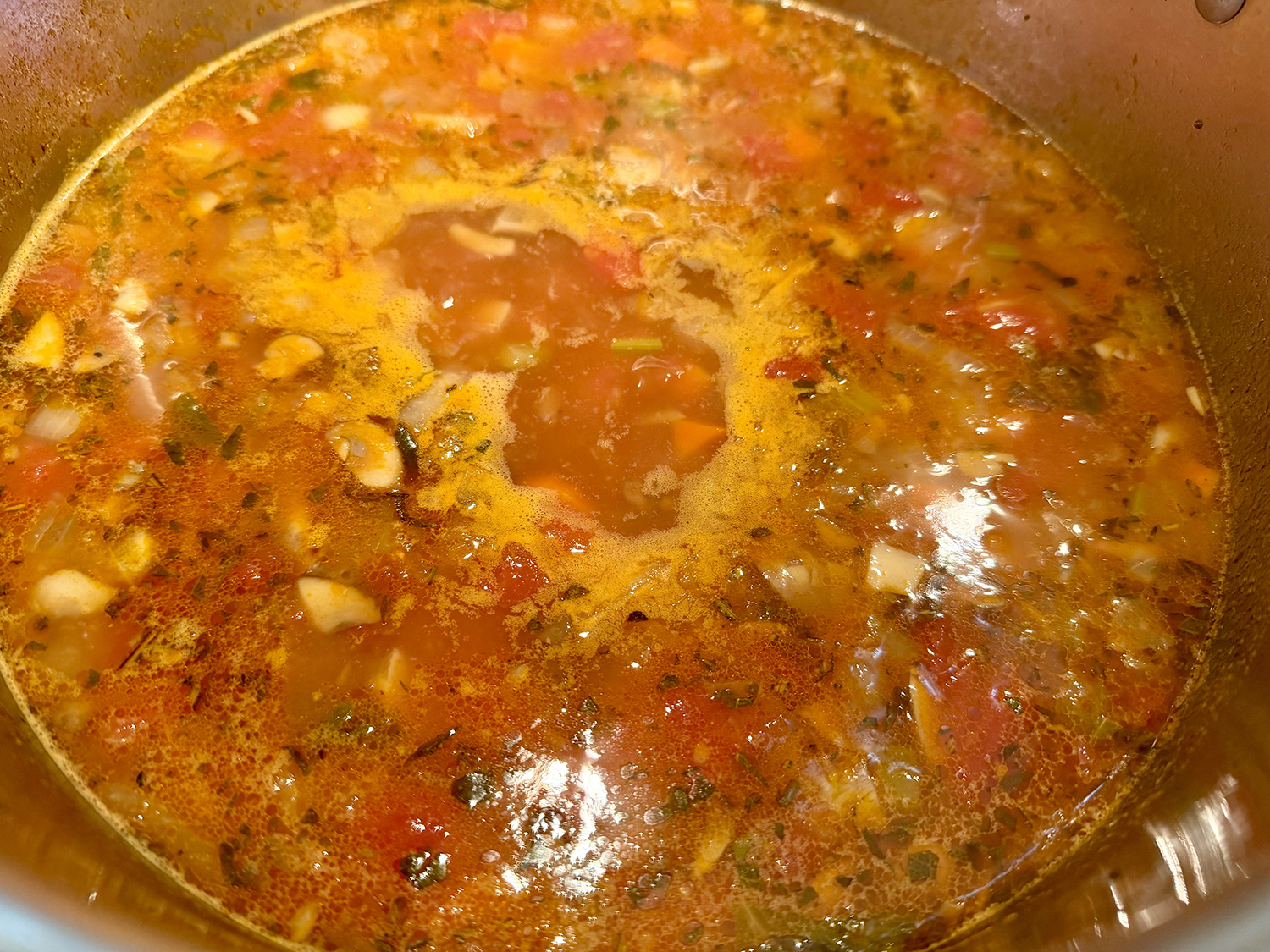
A healthy homemade soup in one hour! A fiber-rich spin on minestrone, this hearty soup is packed with vegetables and beans in a tomatoey broth. Sautéed mushrooms, piney rosemary and nutty farro give the dish richness and umami.
You can substitute other white beans, such as Great Northern, navy, or chickpeas; and other mushrooms in place of the creminis. As I always mention, when broth or stock is listed as an ingredient, homemade is your best choice, but if that is not an option for you, we suggest the Better-Than-Buillon brand for the most flavor.
NOTES: Refrigerate for up to 4 days, or freeze for up to 3 months. The farro will continue to absorb liquid as it sits, so you may need to add more broth or water to thin it out as needed. Do not use quick-cooking farro.
1 (15-oz.) can cannellini beans, drained and rinsed
6 cups low-sodium chicken or vegetable broth
1 (14-oz.) can diced tomatoes
1 Parmesan cheese rind (optional)
1/2 tsp. freshly ground black pepper, divided
1/2 cup pearled or semi-pearled farro
5 oz. baby kale or spinach, lightly chopped
Grated parmesan cheese, for serving
Directions
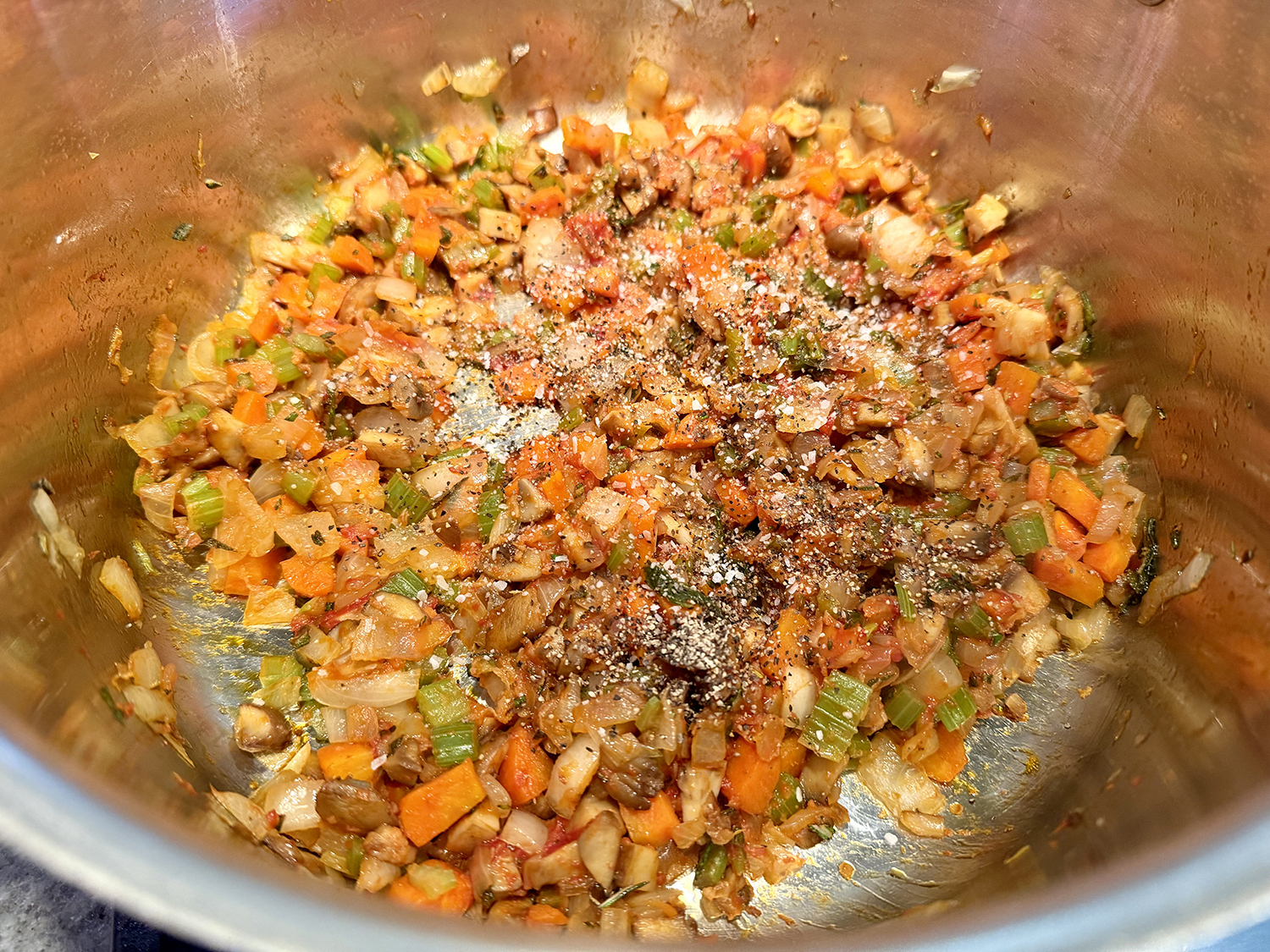
In a medium-to-large (4-to-6-quart) pot over medium-high heat, heat the oil until shimmering. Add the mushrooms and cook, stirring occasionally, until they release their liquid and it evaporates, 4 to 5 minutes.
Add the celery, onion, carrot and 1/4 teaspoon of the salt, and reduce the heat to medium. Cook, stirring frequently, until the vegetables slightly soften, about 4 minutes. Stir in the garlic, rosemary and tomato paste, and cook, stirring, until aromatic, about 1 minute.
Stir in the beans, then add the broth, tomatoes, the Parmesan rind (if using), and the remaining 1/2 teaspoon of salt and the pepper, then increase the heat to high and bring to a boil. Stir in the farro, then reduce the heat to medium-low and simmer, partially covered, until the farro is al dente, 30 to 35 minutes.
Stir in the kale and cook until just tender, about 5 minutes. Taste for salt and pepper and adjust according to taste. Remove from the heat, ladle into bowls, sprinkle with parmesan, if using, drizzle with extra-virgin olive oil, and serve hot.
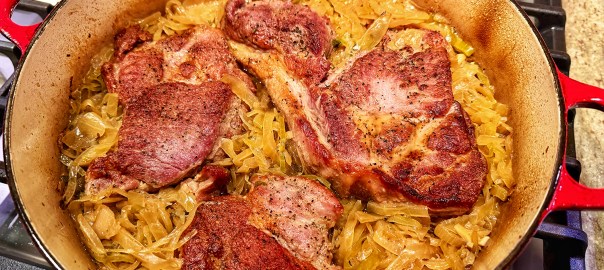
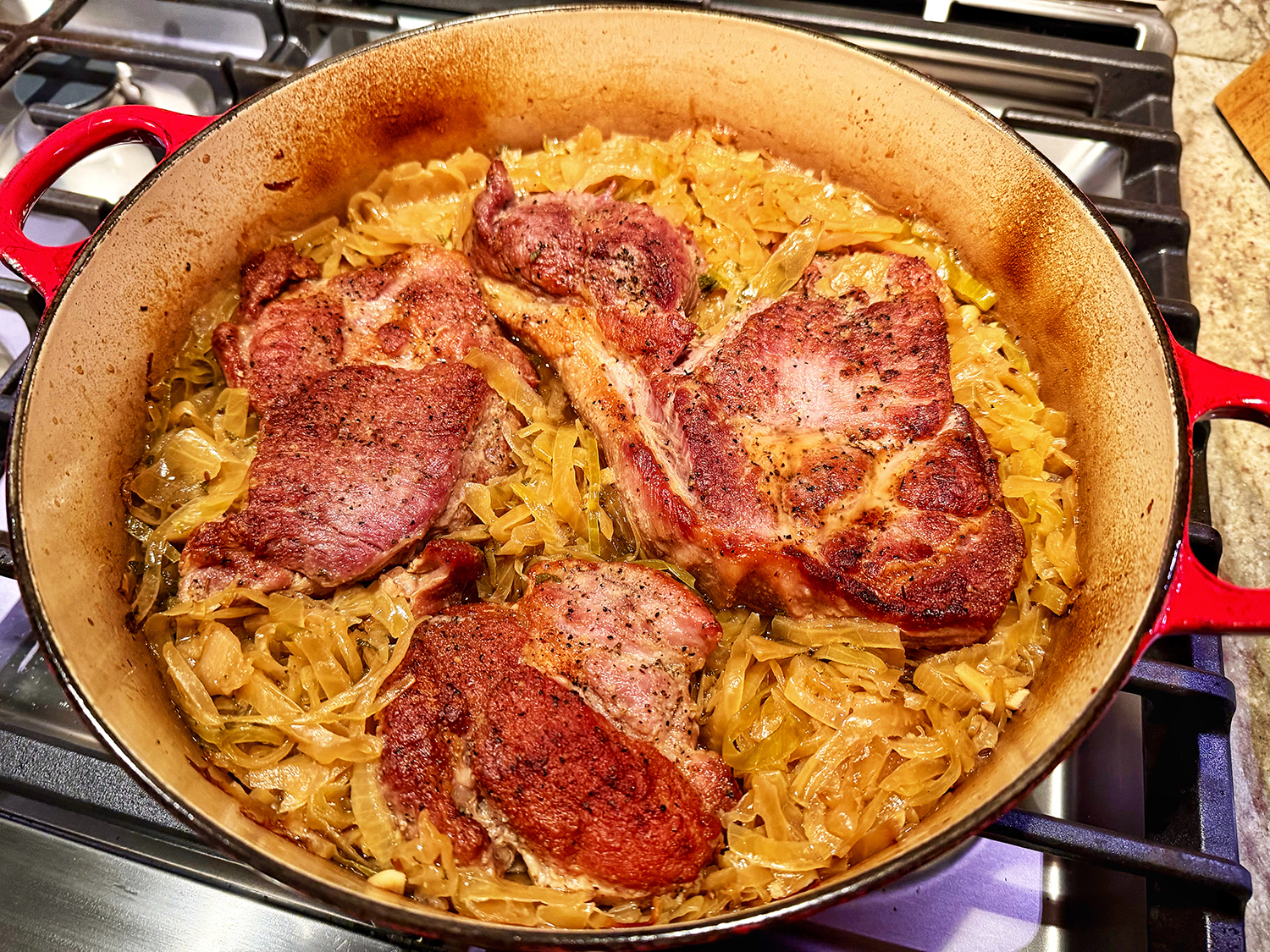
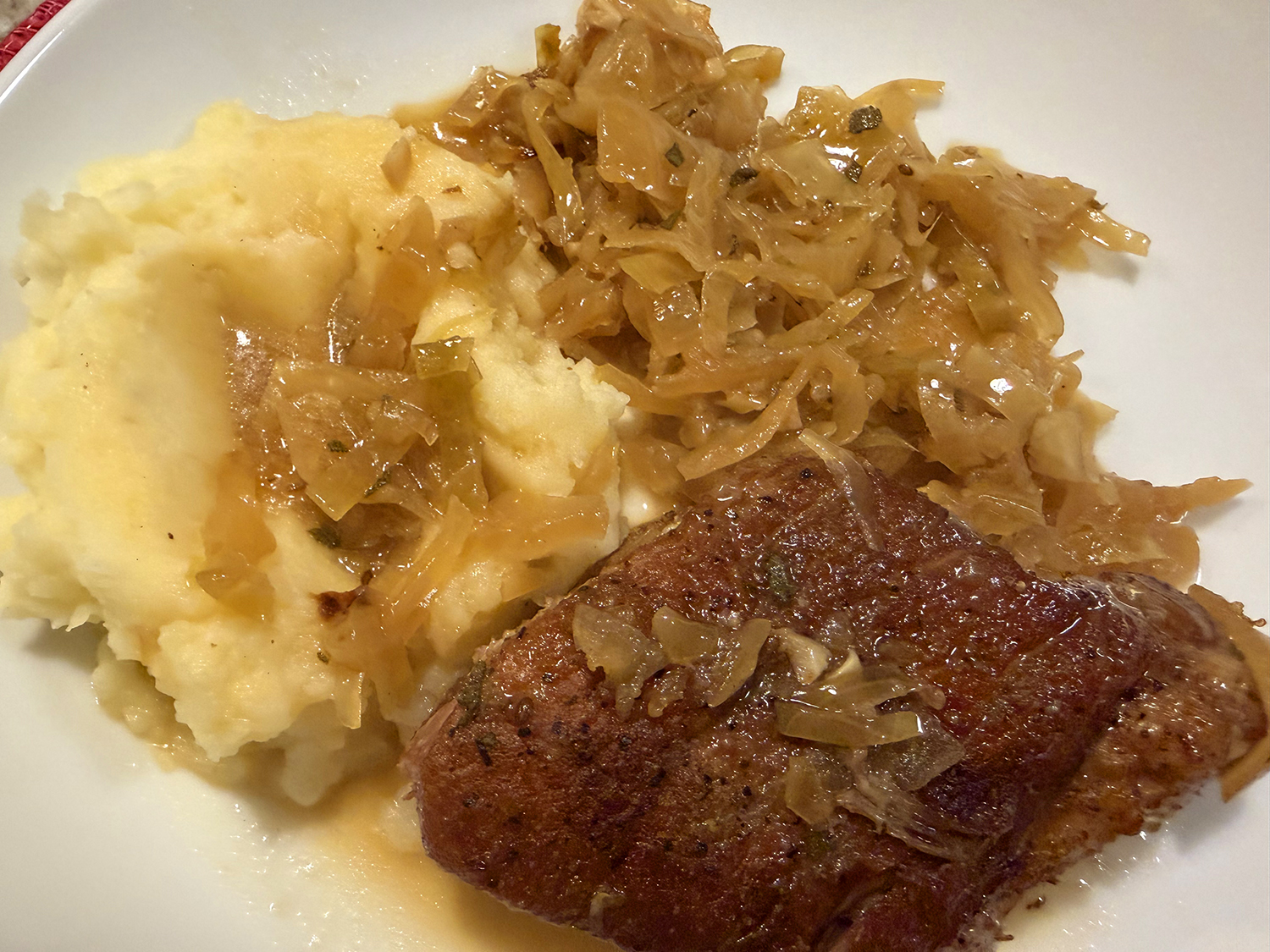
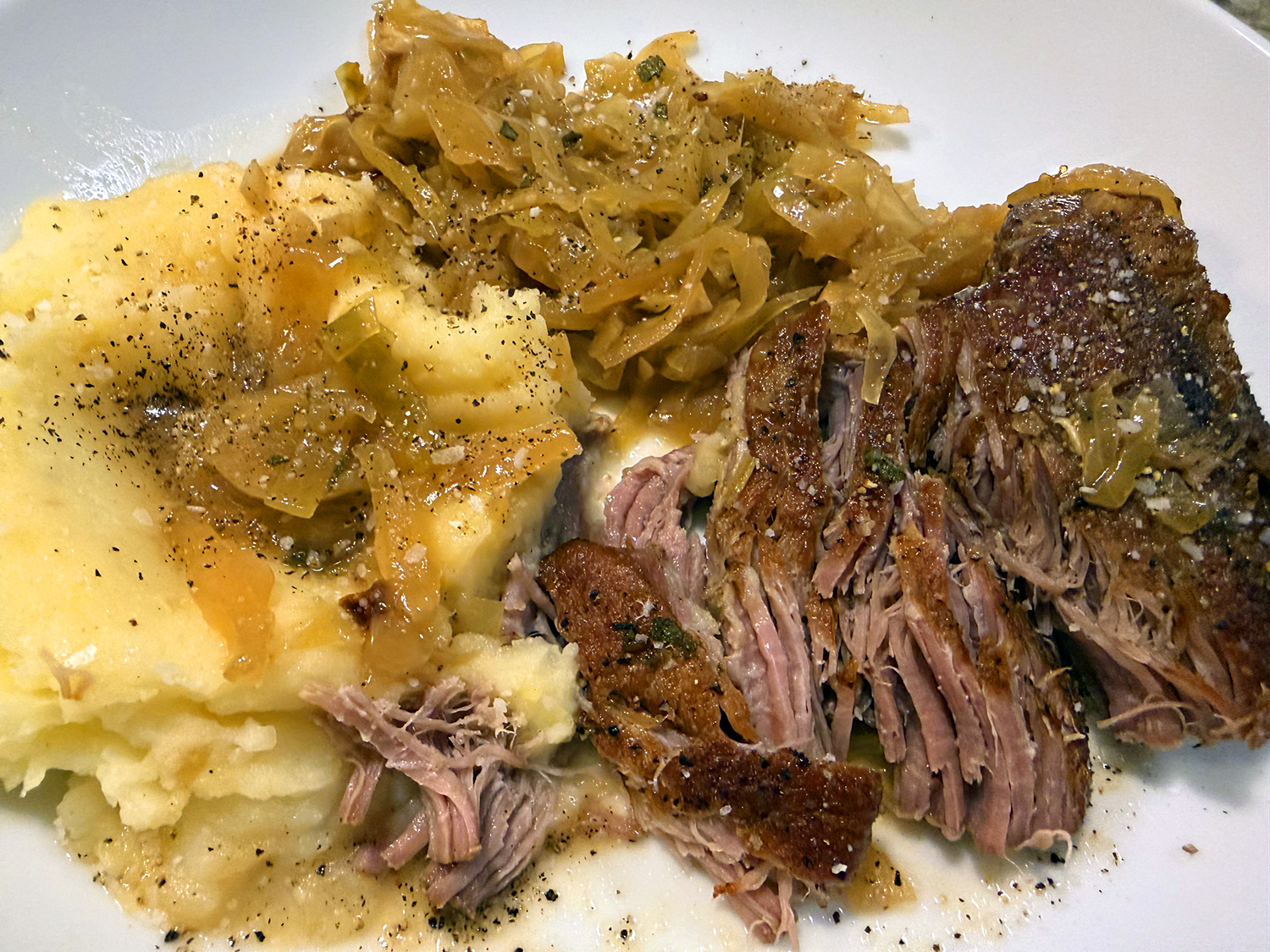
I first posted a blog on this recipe four years ago. Each year for New Year’s Day, we traditionally make an evolving version of The Hubs pork and sauerkraut recipe. We now use his own fermented sauerkraut which seems to elevate the dish, but is not a requirement.
Serve with mashed potatoes or pureed celery root. It’s traditional to serve apple sauce with this dish as well. We like the sugar-free natural varieties with a light sprinkle of cinnamon.
In this instance, we only used 3 pounds of pork shoulder and 2 pounds of sauerkraut, but the written recipe below is based on a larger amount of both. And in lieu of rosemary, we used 2 tablespoons of chopped fresh sage because that’s what we had on hand.
NOTE: You can substitute hard cider for the beer to lend an apple flavor to the dish.
4 lbs. sauerkraut preferably homemade, OR (refrigerated, not canned) drained
3 cups amber beer or hard cider
2 stalks rosemary leaves removed and finely chopped
6 stems thyme tied in a bunch
2 bay leaves
1 Tbsp. black peppercorns
6 juniper berries (optional) lightly crushed
Olive or other vegetable oil for browning the meat
Cheesecloth for making the bouquet garni
Directions
At least 8, but preferably 24 hours before cooking the pork, combine the first five ingredients and rub it all over the pork. On a rack in a sheet pan, refrigerate. Remove meat from refrigerator and allow to warm at room temperature about an hour before you plan to cook it.
Make a bouquet garni with the peppercorns and the juniper berries (if using them) and set aside. Be sure to double or triple the cheesecloth.
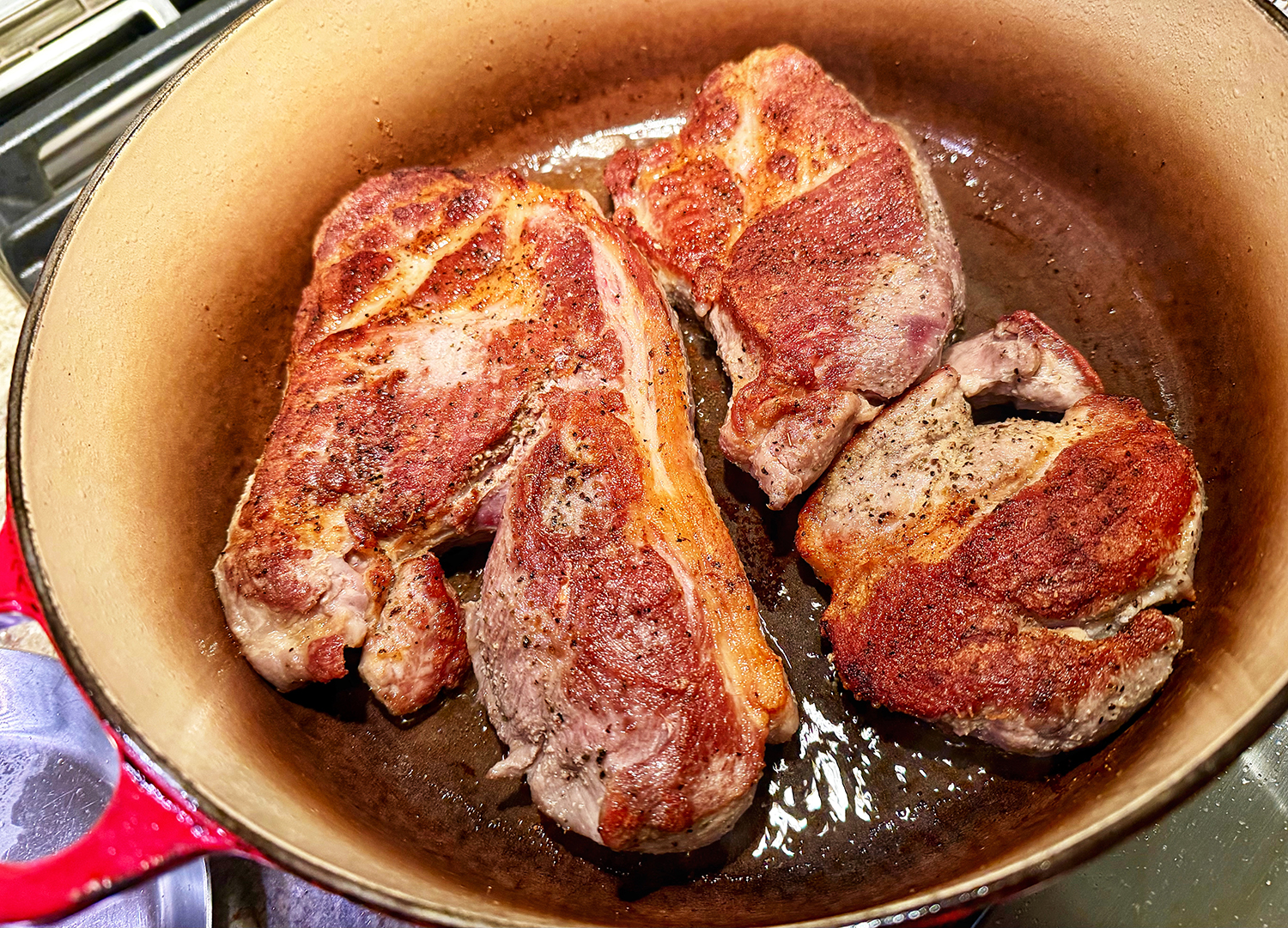
Preheat the oven to 300 degrees F. In a large Dutch oven with a tight fitting lid, heat 3 tablespoons of olive oil over a medium high flame until shimmering. Unwrap the pork shoulder and brown on all sides, about 15-20 minutes. Remove meat from pot and set on plate while you complete the next steps.
Add the sliced onions to the pot and saute until they be come translucent. Add the chopped garlic and saute for about one minute. Add the drained sauerkraut, then the beer or hard cider. Mix everything together well, making sure to deglaze the bottom of the pan.
Add the bay leaves, thyme bundle, chopped rosemary and the bouquet garni. Mix well again with the sauerkraut and onions.
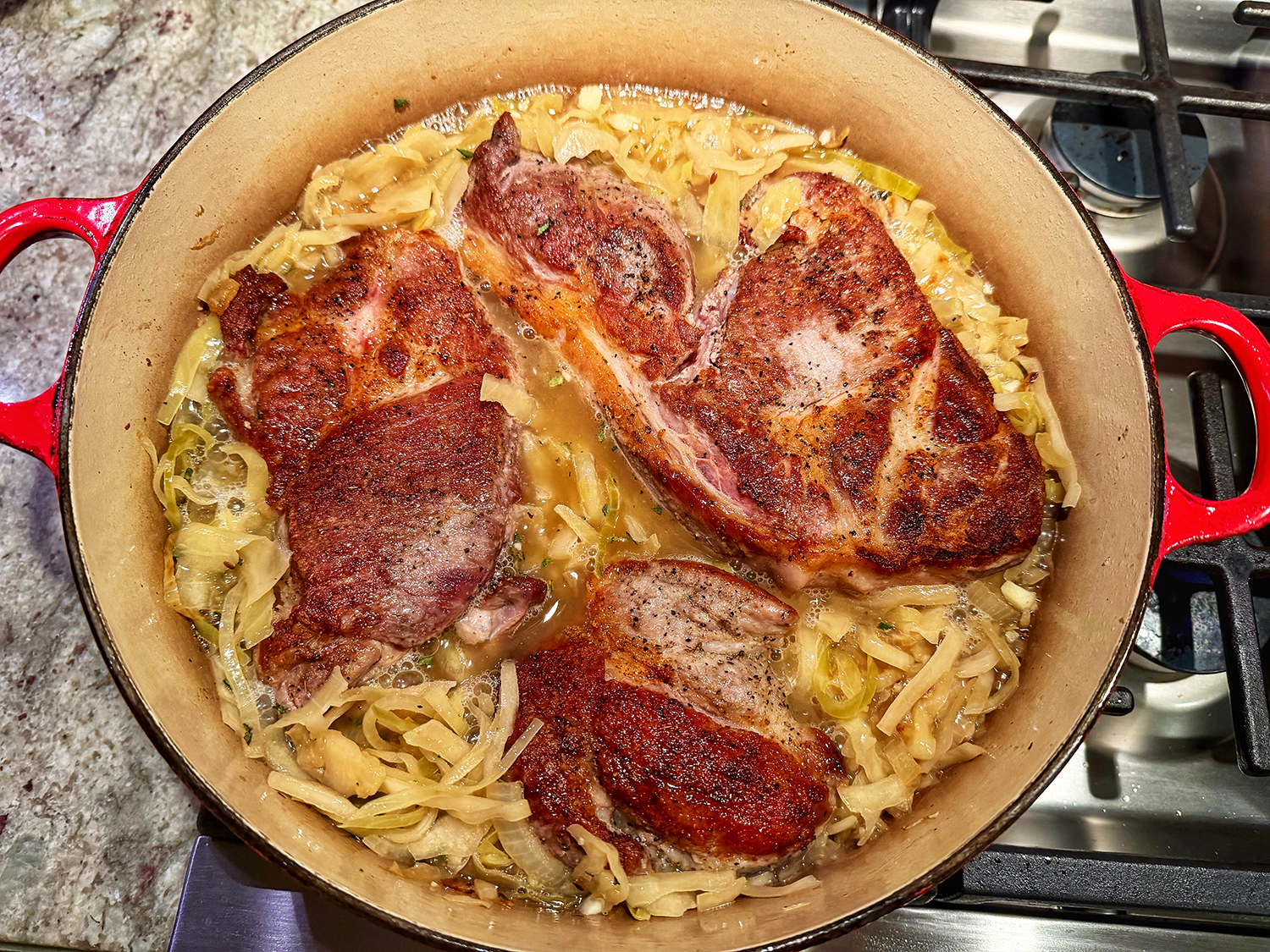
Return the pork shoulder to the pot, nestling it into the sauerkraut. Place a sheet or parchment of aluminum foil over the pot, then put on the lid ensuring that it fits tightly. Place the pot in the preheated oven and cook for 2 hours. Turn the roast, then return it to the oven for another 1 1/2 – 2 hours or until the meat is very tender.
To serve, remove the pork shoulder from the pot to a platter to carve. Remove the bay leaves, thyme bundle and bouquet garni and discard. Give the sauerkraut mixture a good stir and serve with the pork and mashed potatoes or celery root mash.
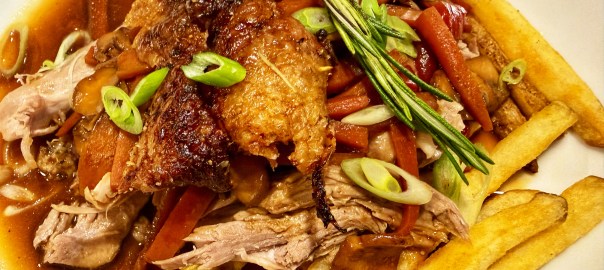
A very interesting combination, with amazing results! Now you might say this takes a lot of time and effort to only get two to three servings—and we would have to agree. But sometimes when we have a long non-scheduled afternoon ahead of us, we find a culinary challenge fits our MO. Plus, we love duck! OK, maybe “masochist” might be an appropriate adjective?
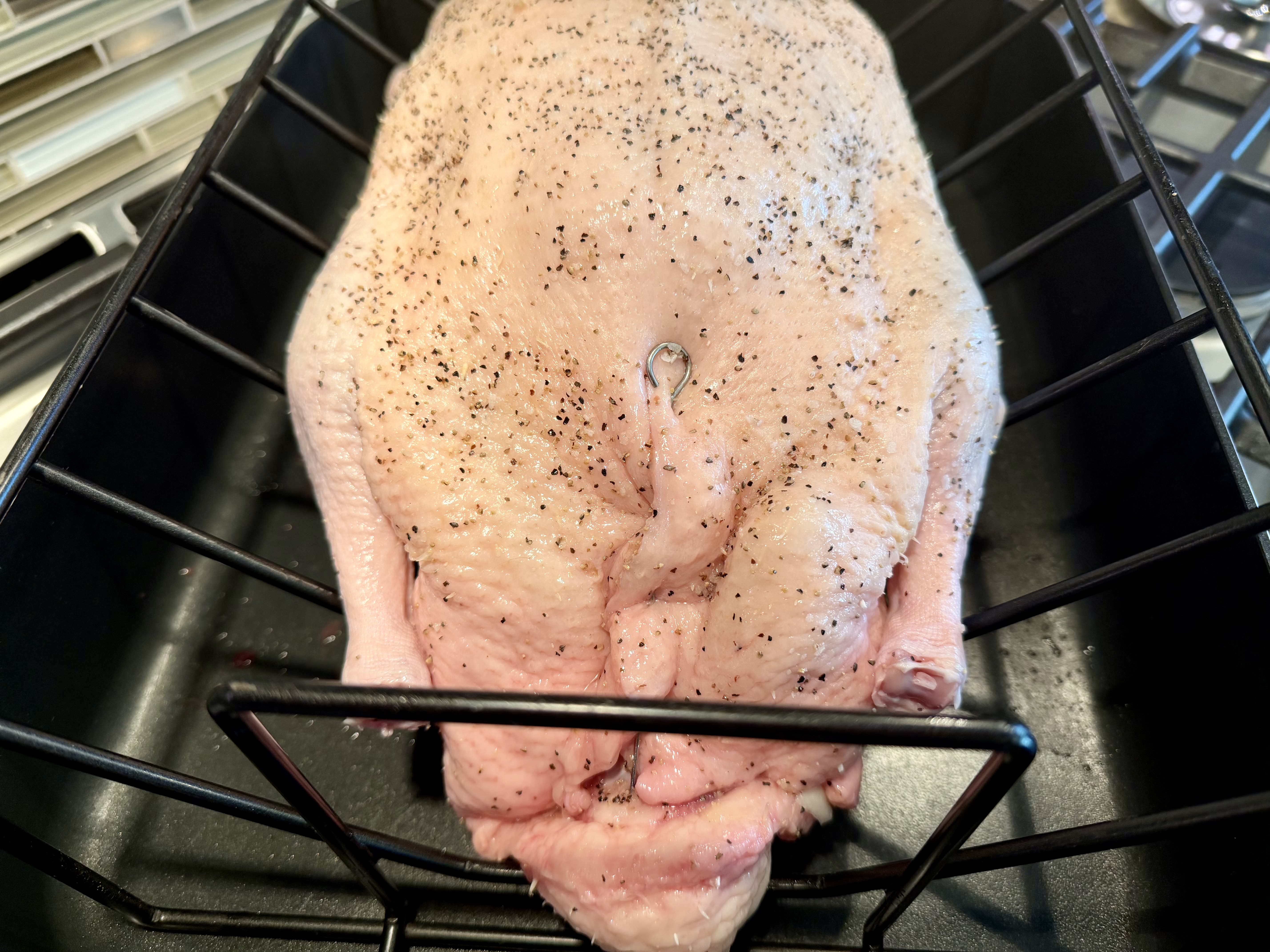
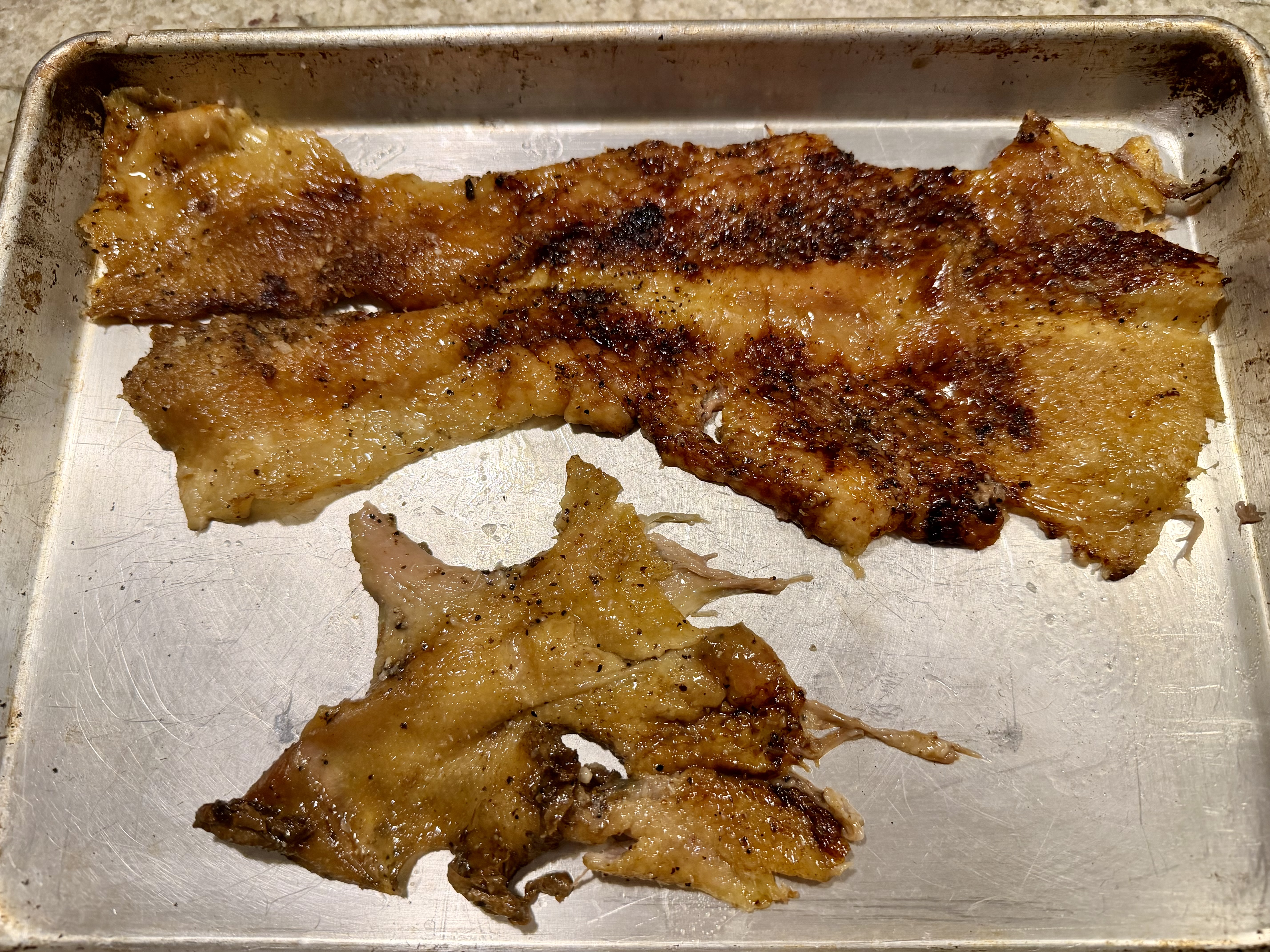
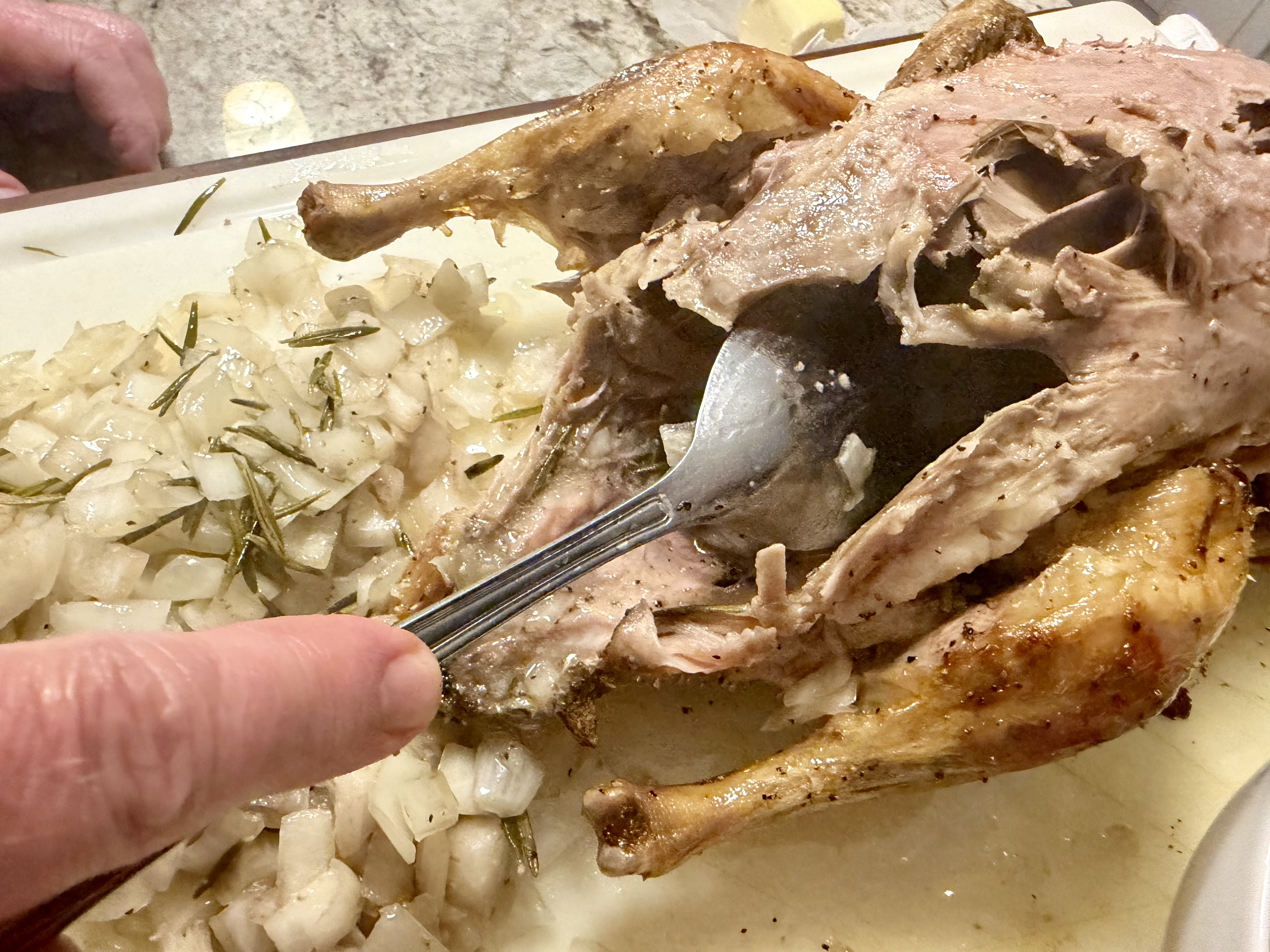
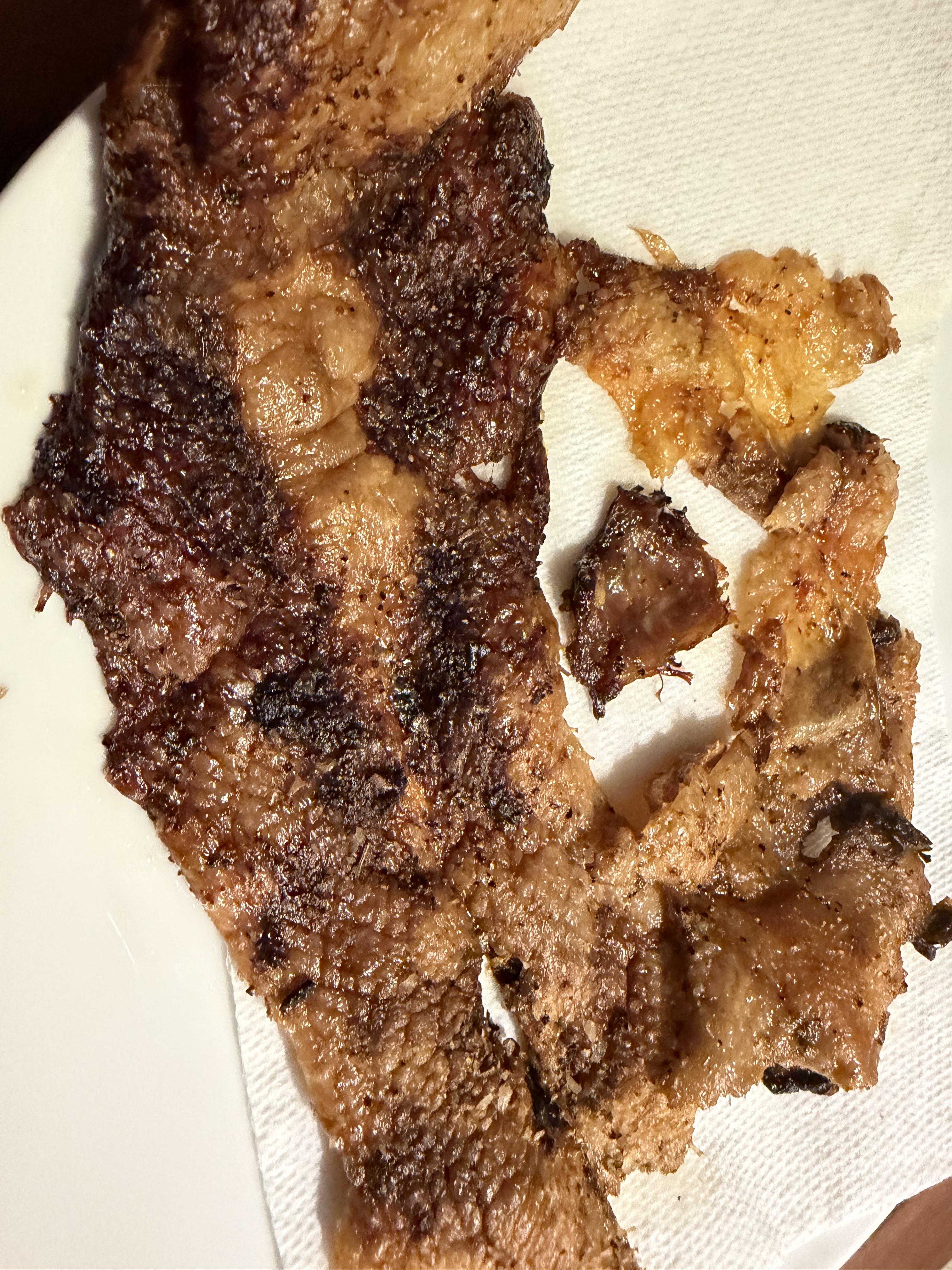
Typically a duck is scored in order to render the fat properly. However, in this recipe, there is no need to prick the skin beforehand due to the long cooking time. Plus, après roasting, the skin of the breast is removed from the meat and is fully crisped at a higher temperature just prior to serving.
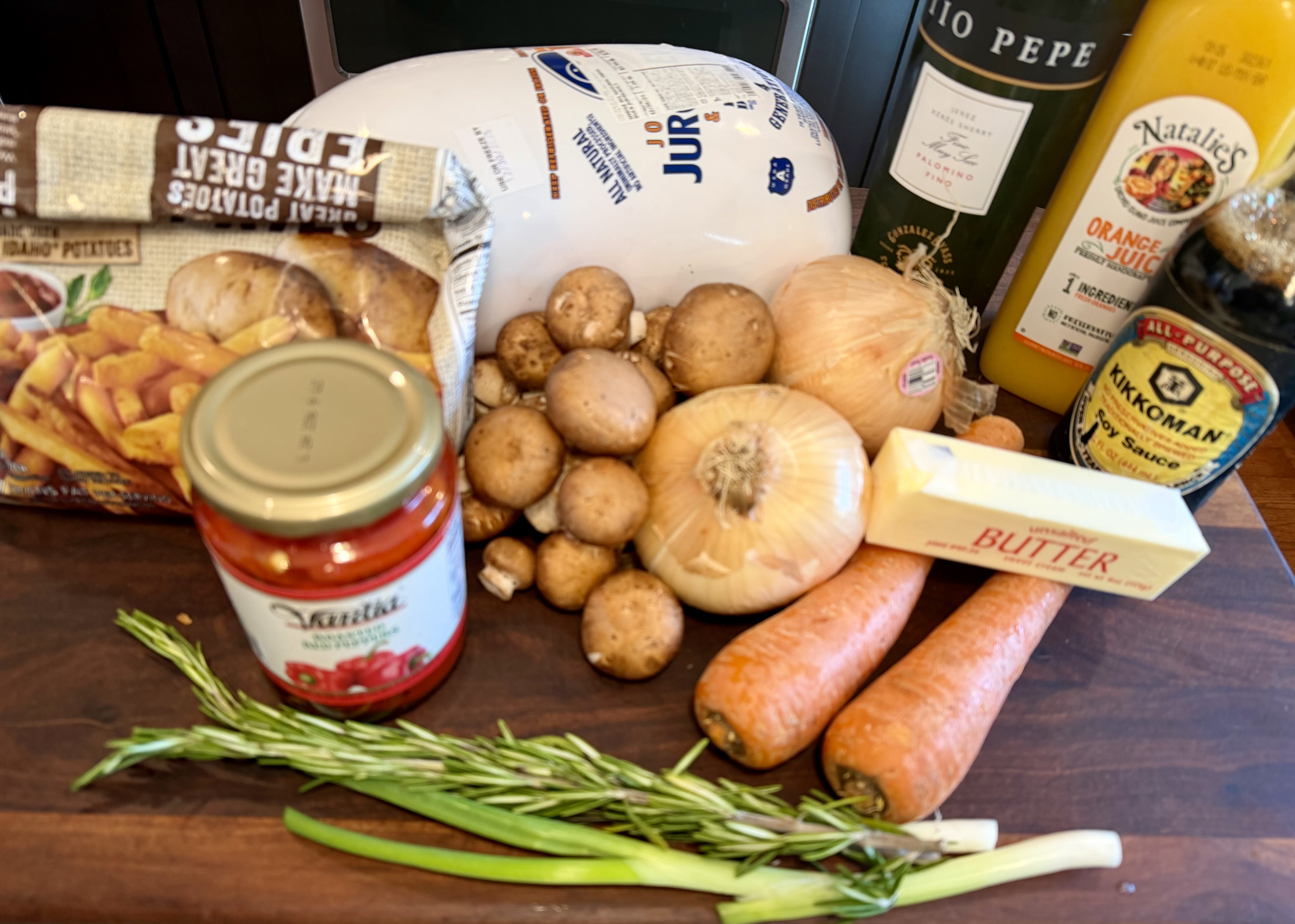
Under the Ingredients category, we made a few changes, starting with the fact that our bird was 7 pounds instead of 5 — providing 3 full servings. Also, unable to buy 4 ounces of loose creminis, we had to purchase an 8-ounce package and decided to use them all. Finally, we garnished our dish with diagonal slices of scallion (already had on hand) as opposed to 1-inch pieces of chives.
The original Directions were a bit wonky and unclear in places, so we altered them for clarification. For instance, instead of draining the fat every hour (the duck roasts for 4 1/2 hours), just place the bird on a rack in the roasting pan, then at the end of cooking you can remove the fat all at once. (Of course it is liquid gold, so save for future culinary endeavors. We ended up with about 3 1/2 cups worth!)
Ducks and chickens belong to the avian family, yet their anatomical structures exhibit some significant differences. The texture also differs; duck tends to be denser and more succulent, while chicken can be more delicate and prone to shredding.
Ducks possess dark meat, which has a higher fat content and a more robust flavor. This fat contributes to the bird’s juiciness and tenderness. However once you pick it from the carcass, make sure to wrap the meat tightly in tinfoil and keep warm while you finish making the dinner, so that it won’t dry out.
This dish gives a huge nod toward the New Orleans’s legendary street food tradition of gravy-soaked po’ boys laden with French fries; usually NOT my go-to option. Home cooks can substitute shoestring potatoes, mock frites or hash browns. Either way, it’s told, the interplay between the moist meat, luscious sauce and crisp potatoes is nonpareil.
4 oz. cremini or white button mushrooms, trimmed and sliced thin
2 Tbsp. unsalted butter
17-oz. jar roasted red peppers, rinsed, drained and cut into strips
2 fresh chives, cut into 1-inch lengths
Hash browns, OR French fries
Directions
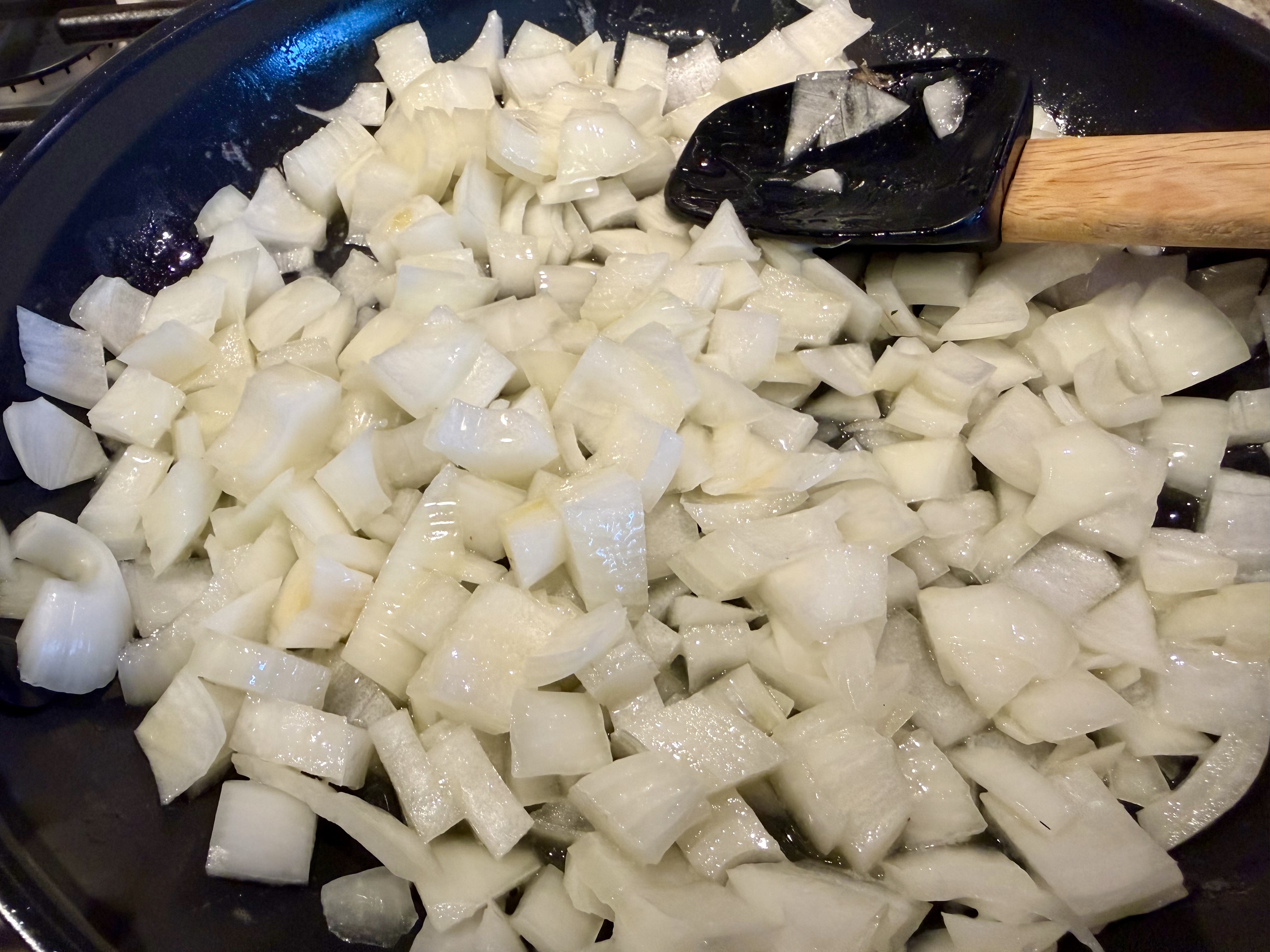
Heat oven to 500 degrees. In a large bowl, toss onions with melted butter. Season duck inside and out with salt and pepper. Place rosemary sprigs inside duck’s cavity and then tightly pack with buttered onion mixture.
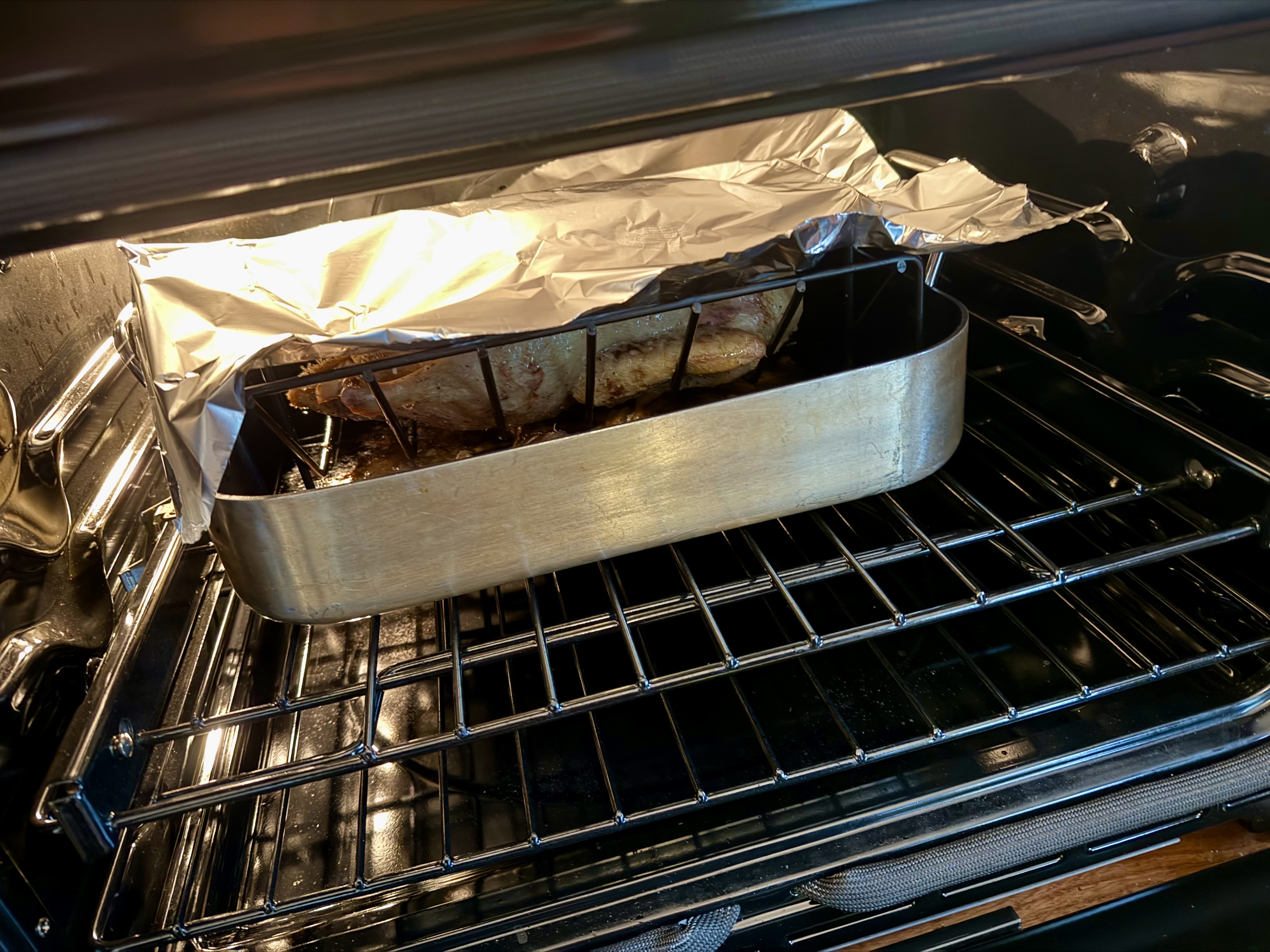
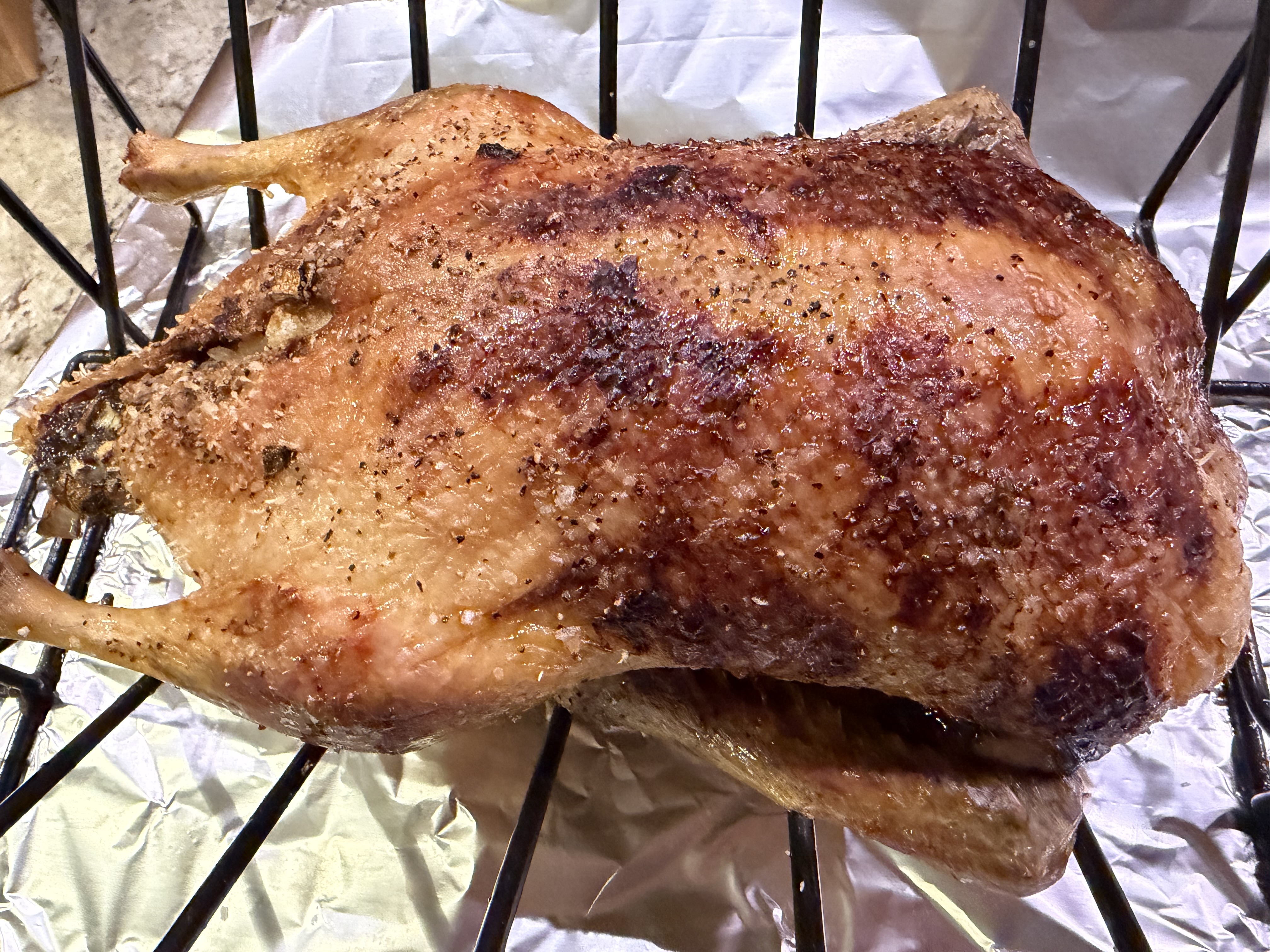
Place duck in medium-size roasting pan, and roast for 10 minutes. Reduce oven temperature to 300 degrees and cover pan loosely with foil. Roast for about 4½ hours, draining fat every hour.
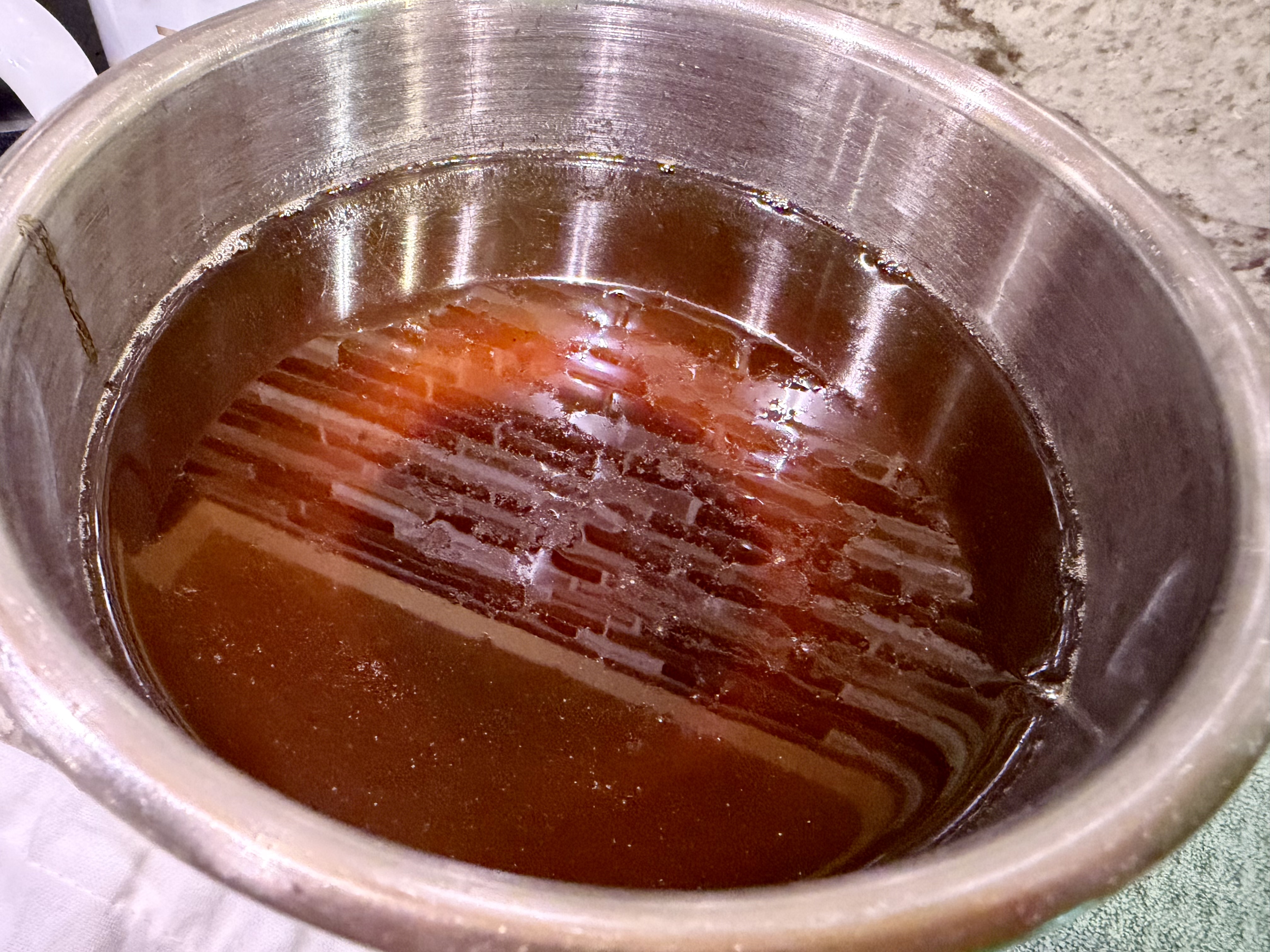
Remove pan from oven and carefully discard as much fat as possible with a ladle. Add orange juice, sherry and soy sauce. Return pan to oven and roast uncovered for 30 minutes. Transfer duck to a platter and let cool slightly. Pour pan juices (about 4 cups) into a saucepan, discarding any pieces of skin. Skim off fat and bring to a boil over medium-high heat.
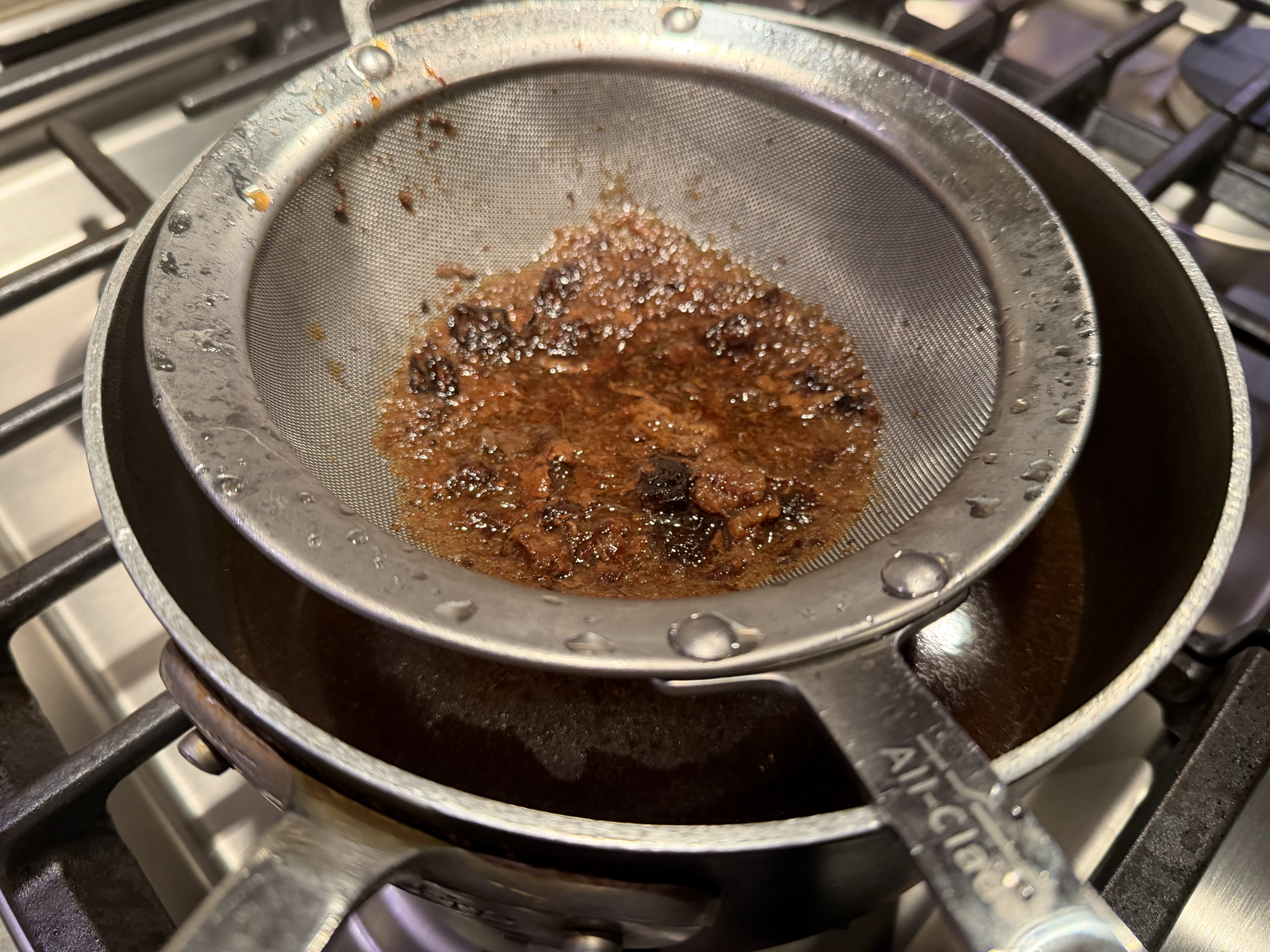
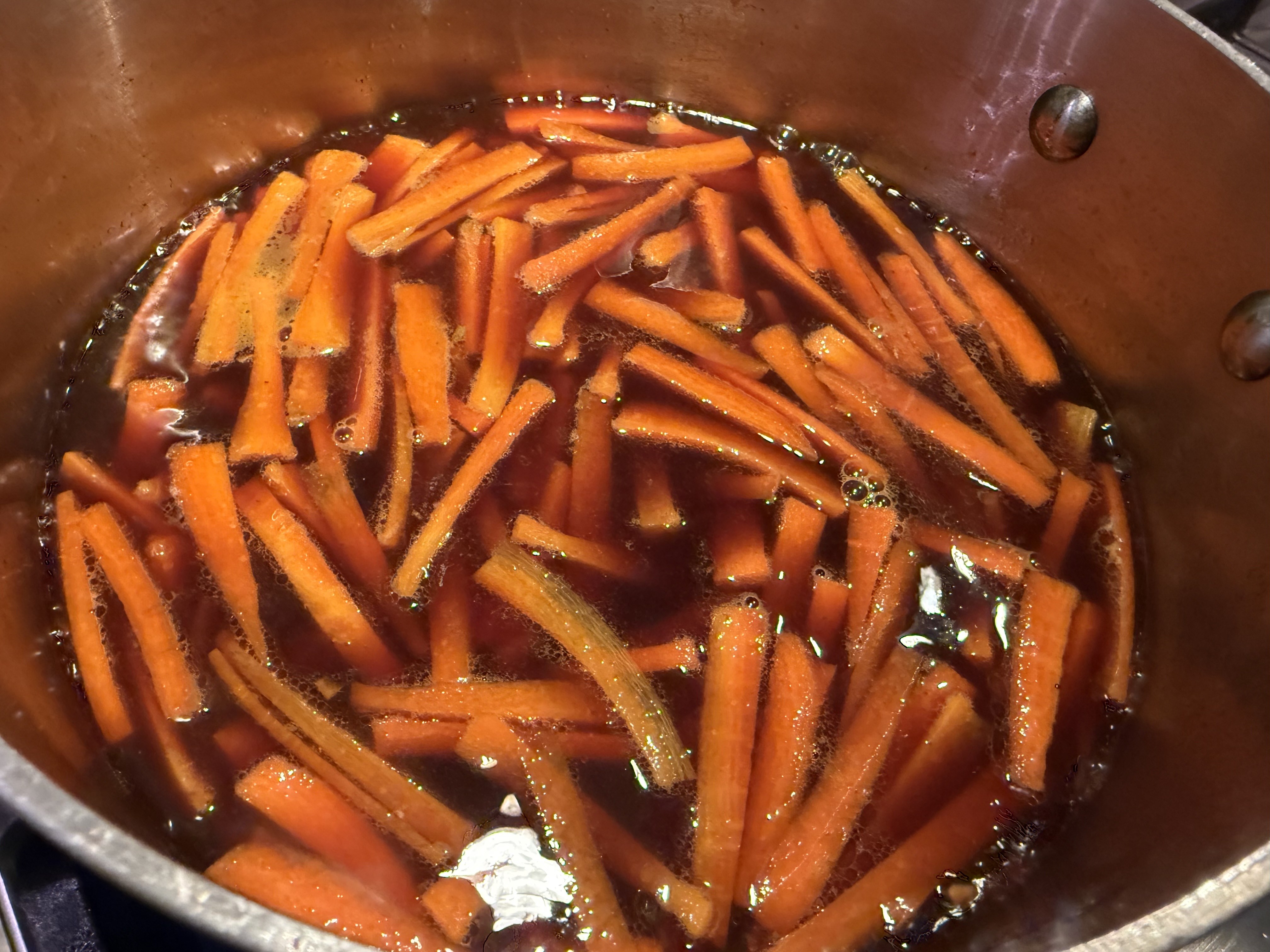
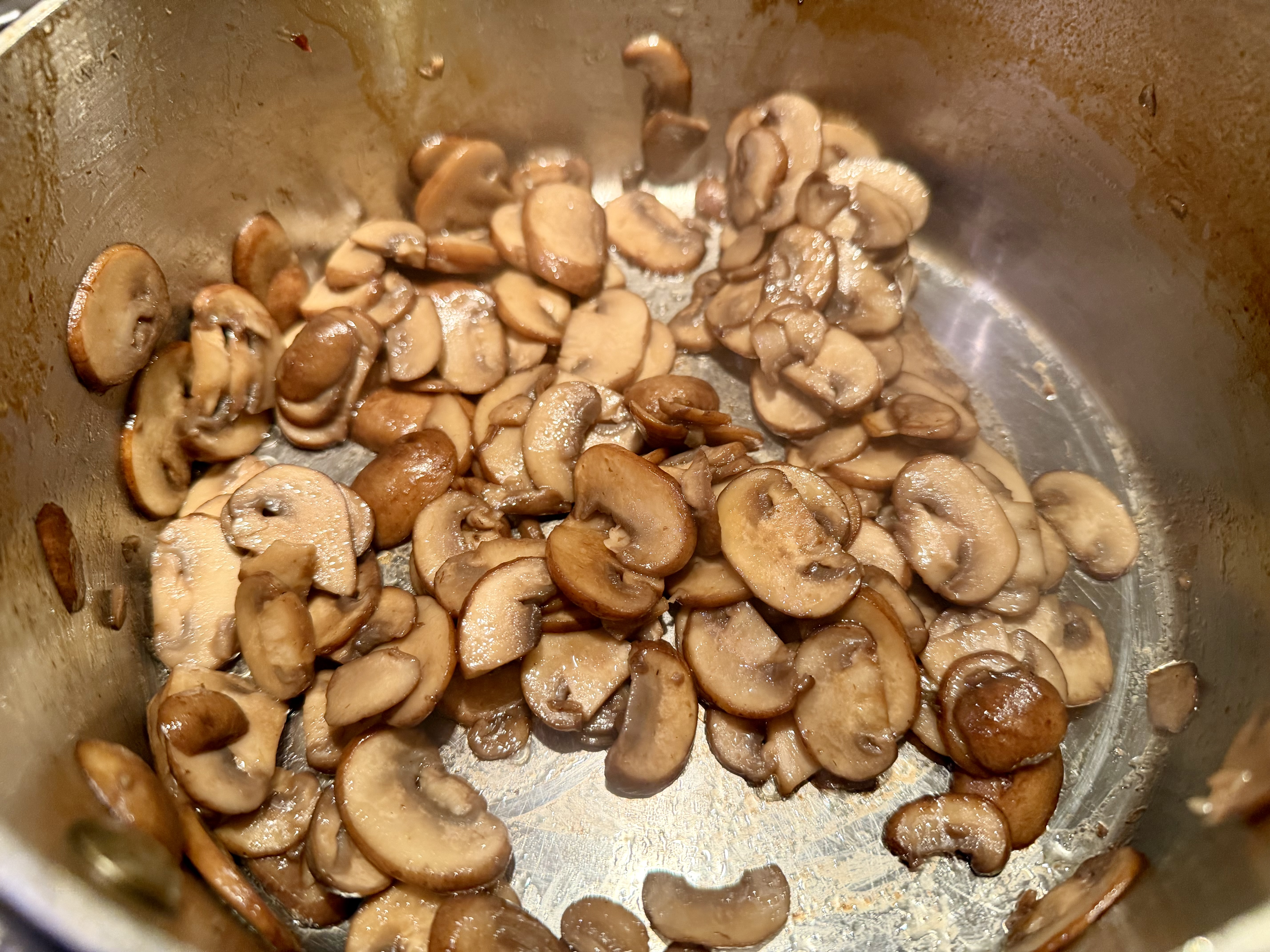
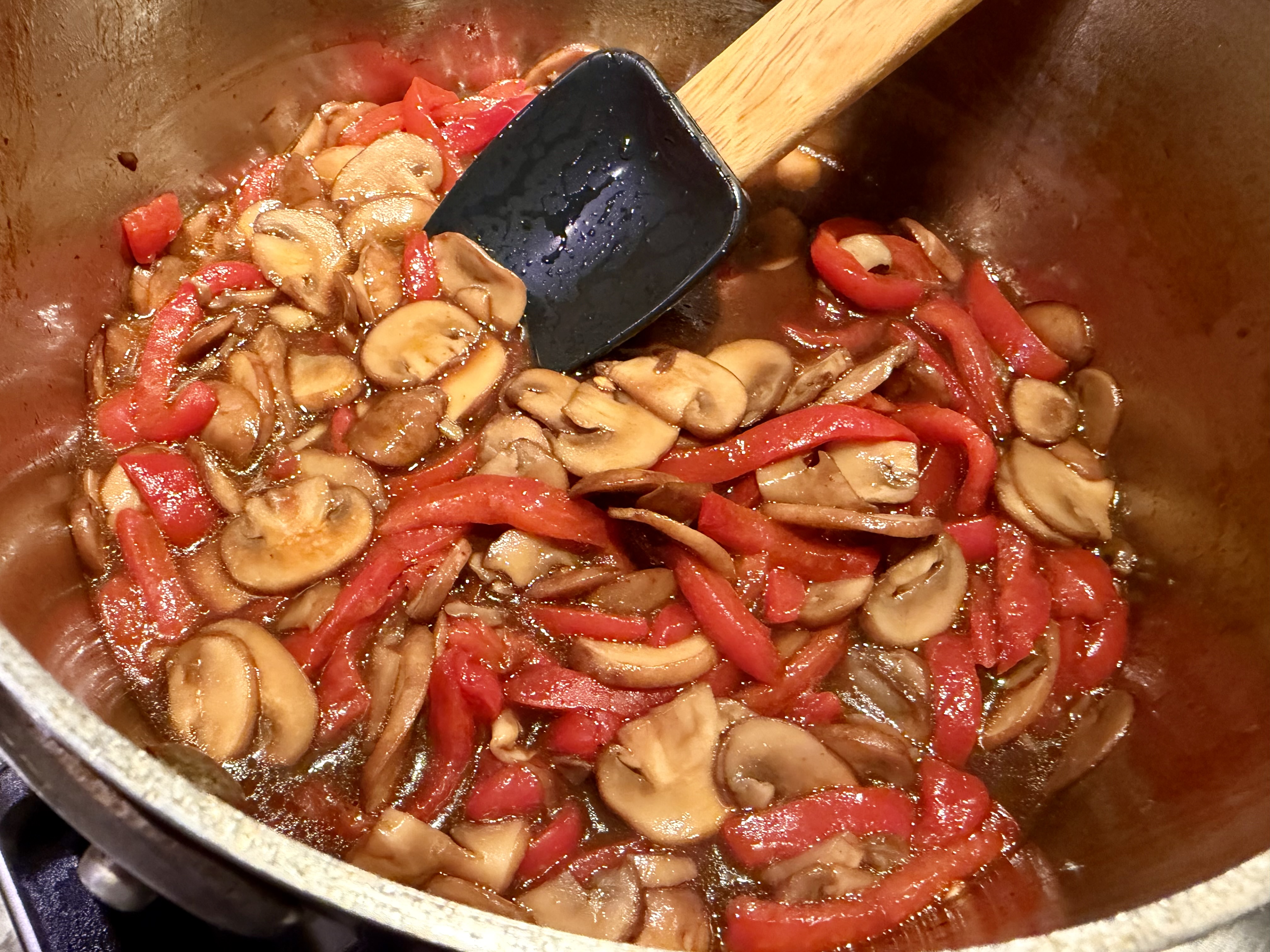
Add carrots and reduce to 1½ cups, strain and keep on the side. In same pan, sauté mushrooms with 2 tablespoons butter until brown. Add red peppers and briefly sauté, then add reduced sauce. Season to taste with salt and pepper. Keep warm over low heat.
Remove onions and rosemary from duck’s cavity and discard. Remove meat from bones. Place skin from duck breasts onto rimmed baking sheet and bake at 400 degrees until skin starts to foam, about 5 to 10 minutes. (Ours took 13 minutes to crisp up.)
Cover bottoms of individual plates with sauce and top with either pasta, shoestring fries, hash browns or unsalted potato chips. Place a generous amount of duck meat on top, then garnish with crispy skin, vegetables and chives or scallions.
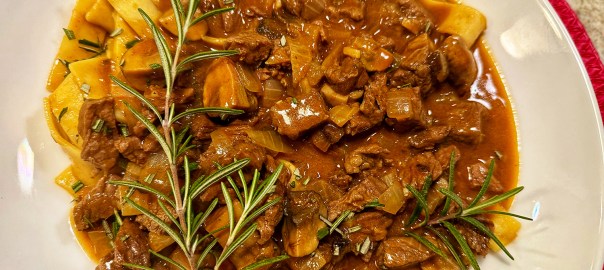
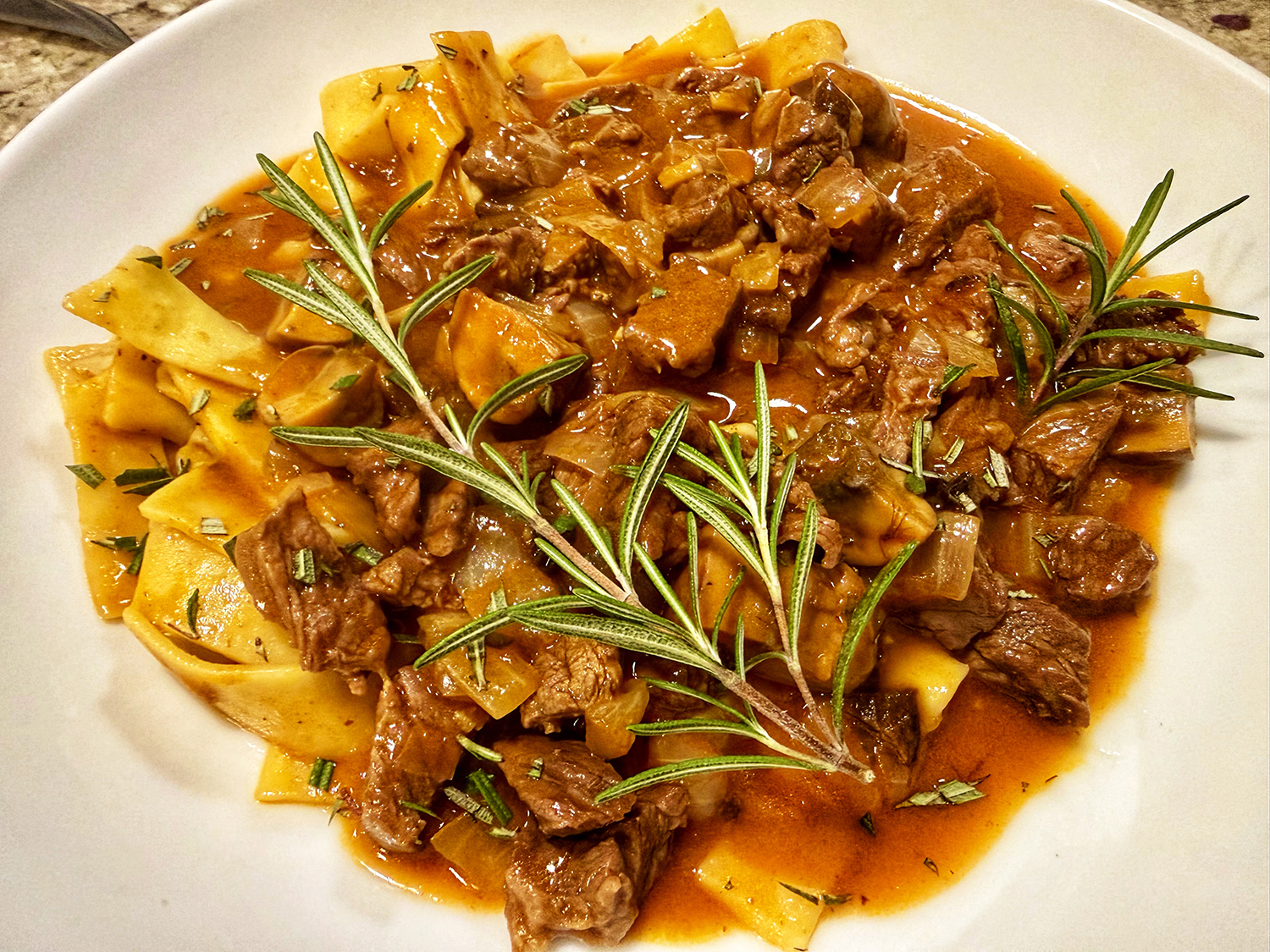
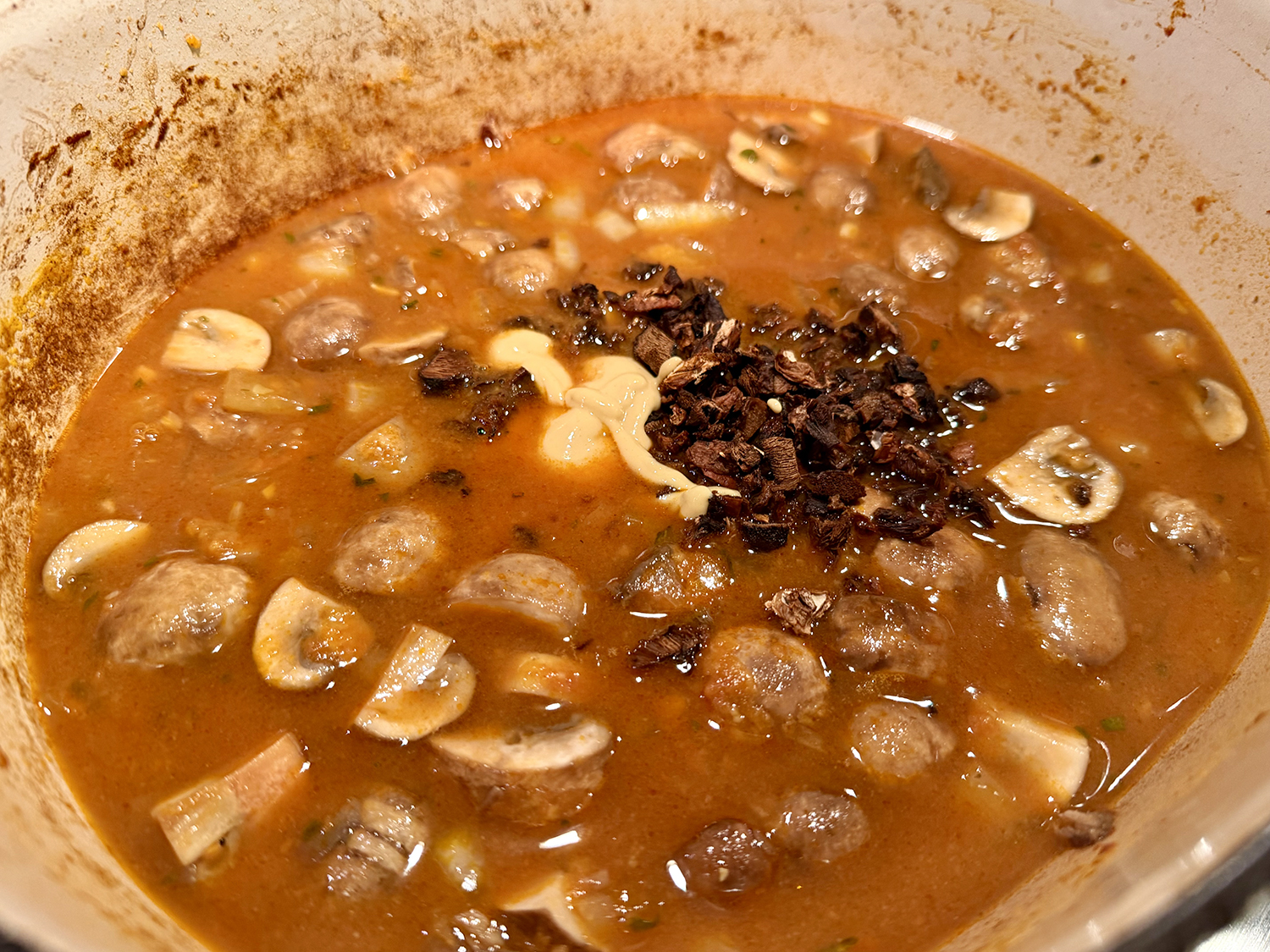
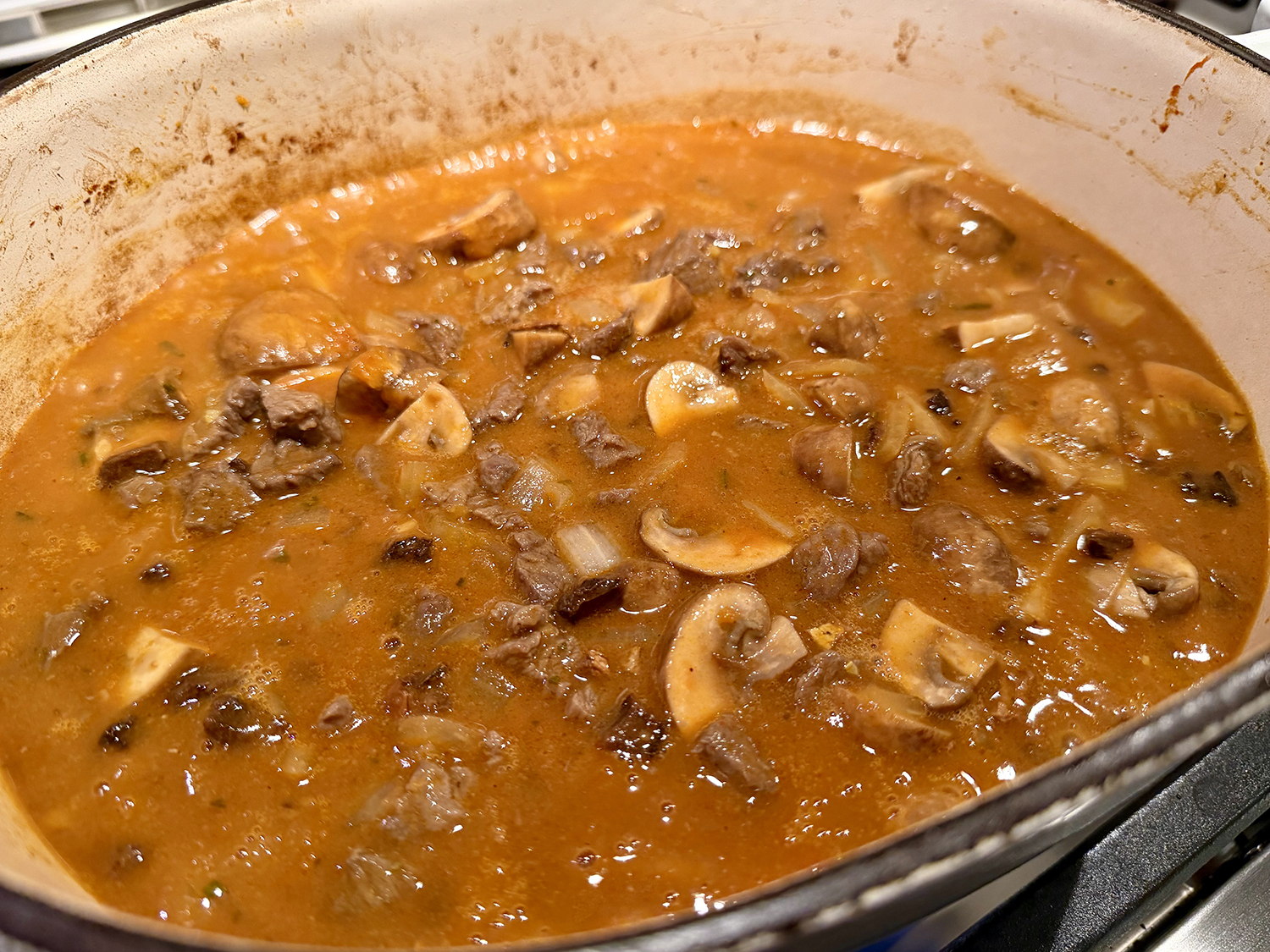
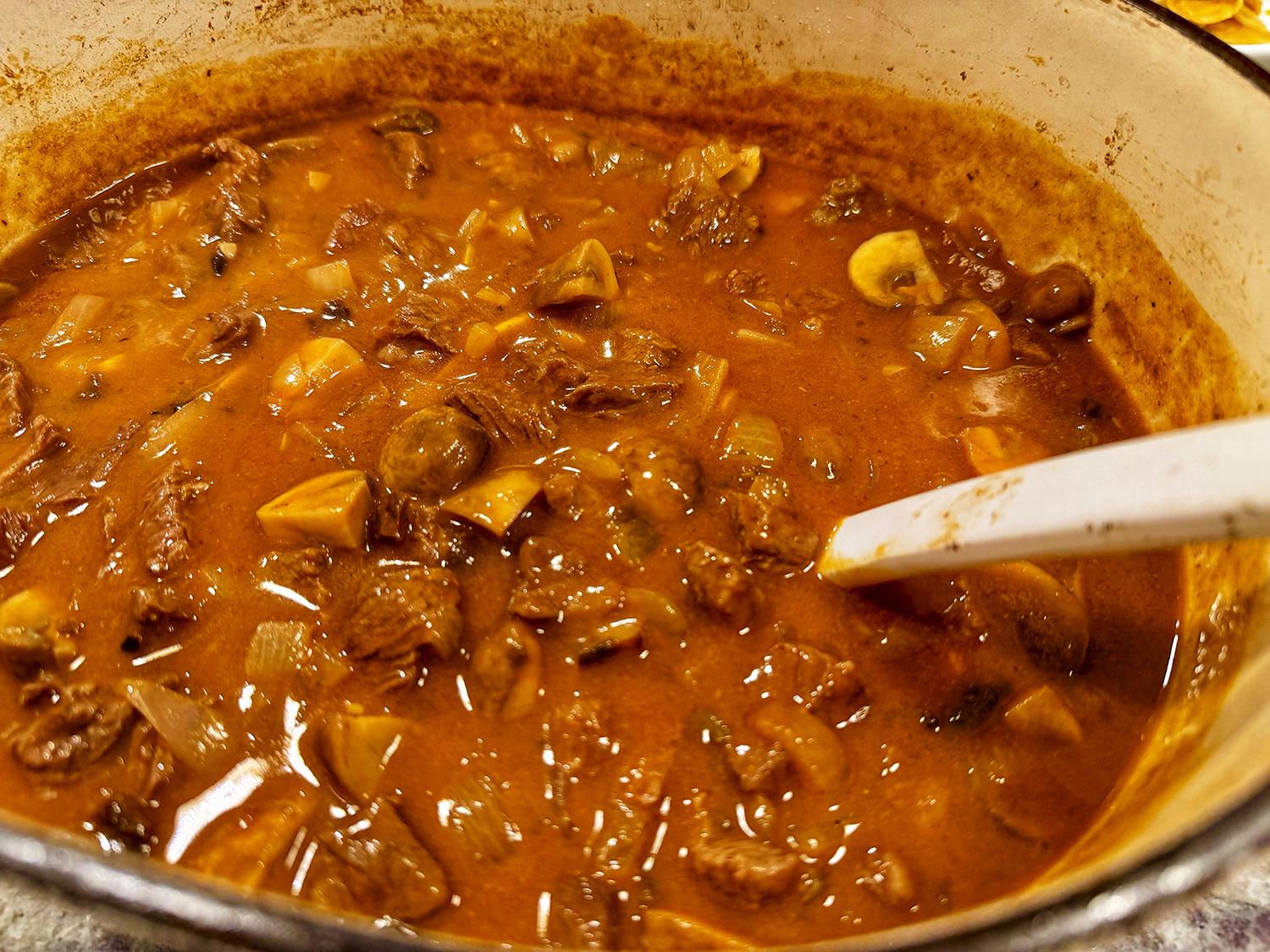
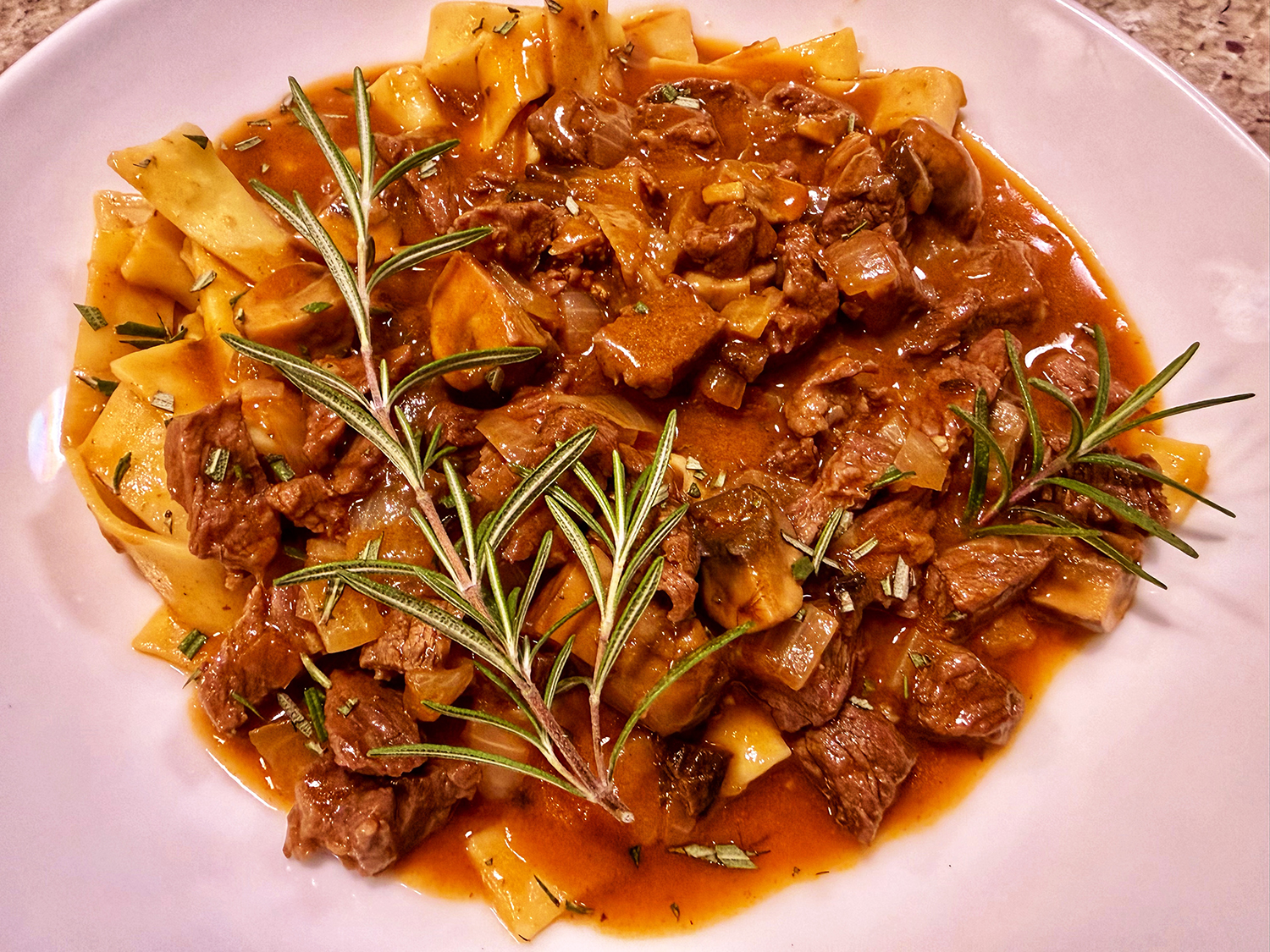
The main basis for this recipe from America’s Test Kitchen is a flavorful, yet quick, weeknight stew. Therefore the cut of meat is important. Sirloin steak tips (also known as flap meat or bavette steak) is essential if wanting a tender beef stew in less than an hour’s time. Yes, it is more expensive than chuck, but well worth it.
Quick-cooking sirloin steak tips have a beefy flavor and tender texture, so they are perfect for this speedy stew. Cutting the meat into small pieces allows it to get tender even faster. Smaller chunks are also easier to eat IMHO.
This stew tastes great after only 10 minutes of simmering but gets even better when cooked for longer; you can simmer it for up to 1 hour if time allows. Serve with mashed potatoes, polenta, egg noodles, rice, or crusty bread and sprinkle with additional chopped rosemary or fresh chives.
If you are simmering closer to an hour, you could consider adding in sliced carrots or parsnips.
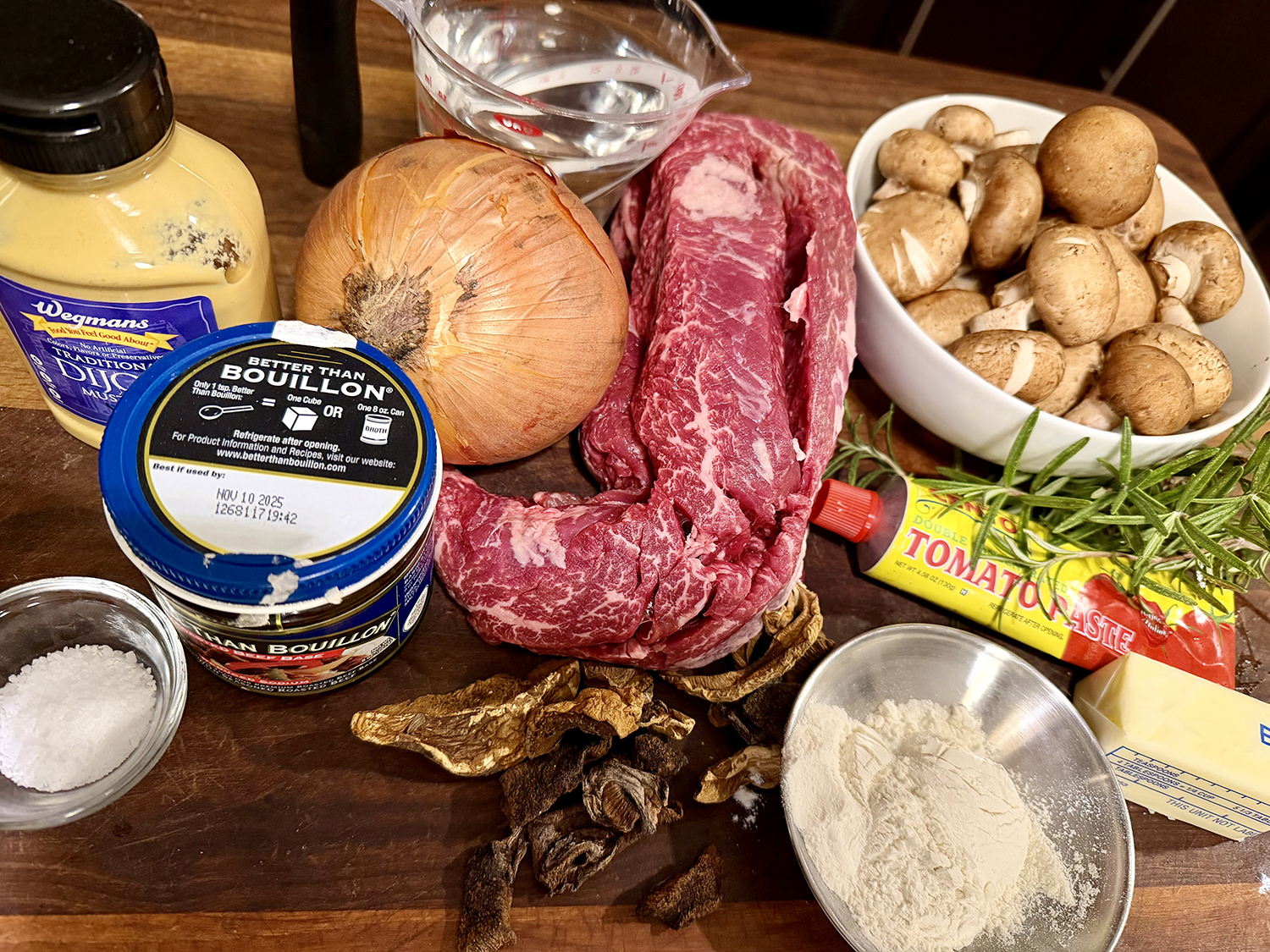
1½ lbs. sirloin steak tips, trimmed and cut into ½-inch cubes
1½ tsp. table salt, divided
4 Tbsp. unsalted butter
8 oz. cremini mushrooms, trimmed and quartered
1 onion, chopped
3 cloves garlic, minced
¼ cup tomato paste
1 tsp. chopped fresh rosemary
3 Tbsp. all-purpose flour
2 cups beef broth
1 cup water
½ oz. dried porcini mushrooms, rinsed and chopped fine
2 Tbsp. Dijon mustard
Directions
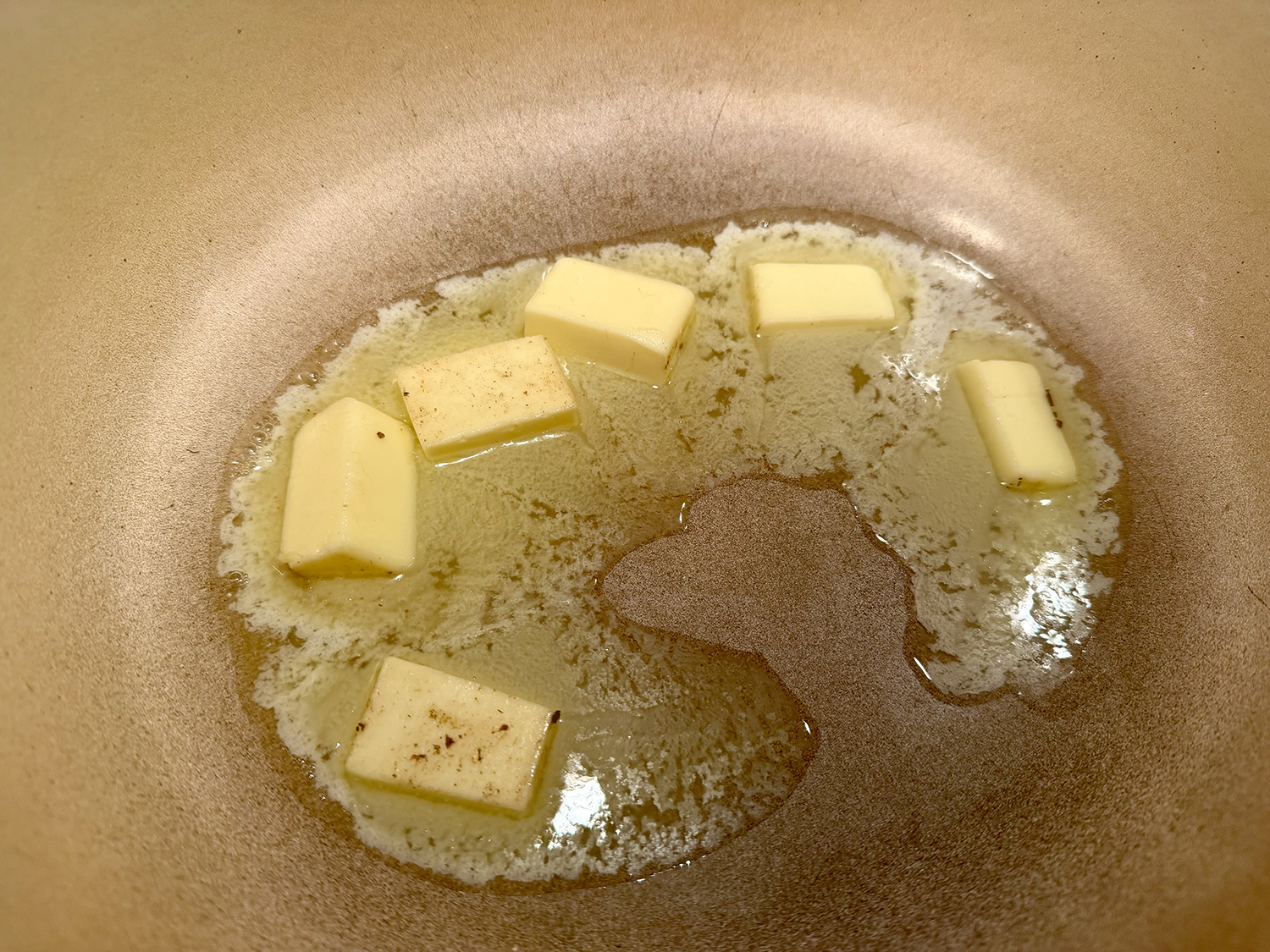
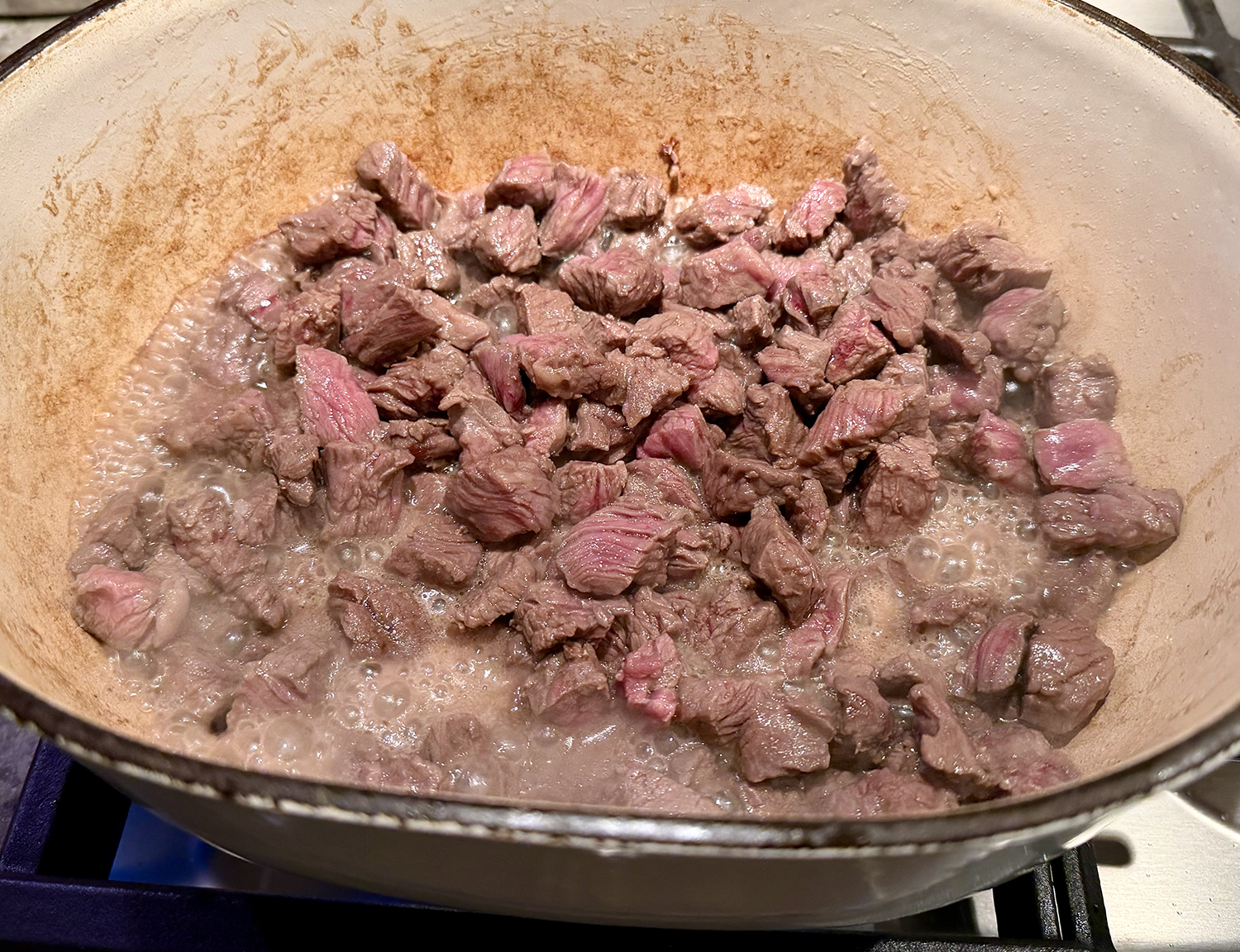
Pat beef dry with paper towels and sprinkle with 1 teaspoon salt. Melt butter in Dutch oven over high heat. Add beef and cook, stirring occasionally, until browned, 6 to 8 minutes; transfer to plate.
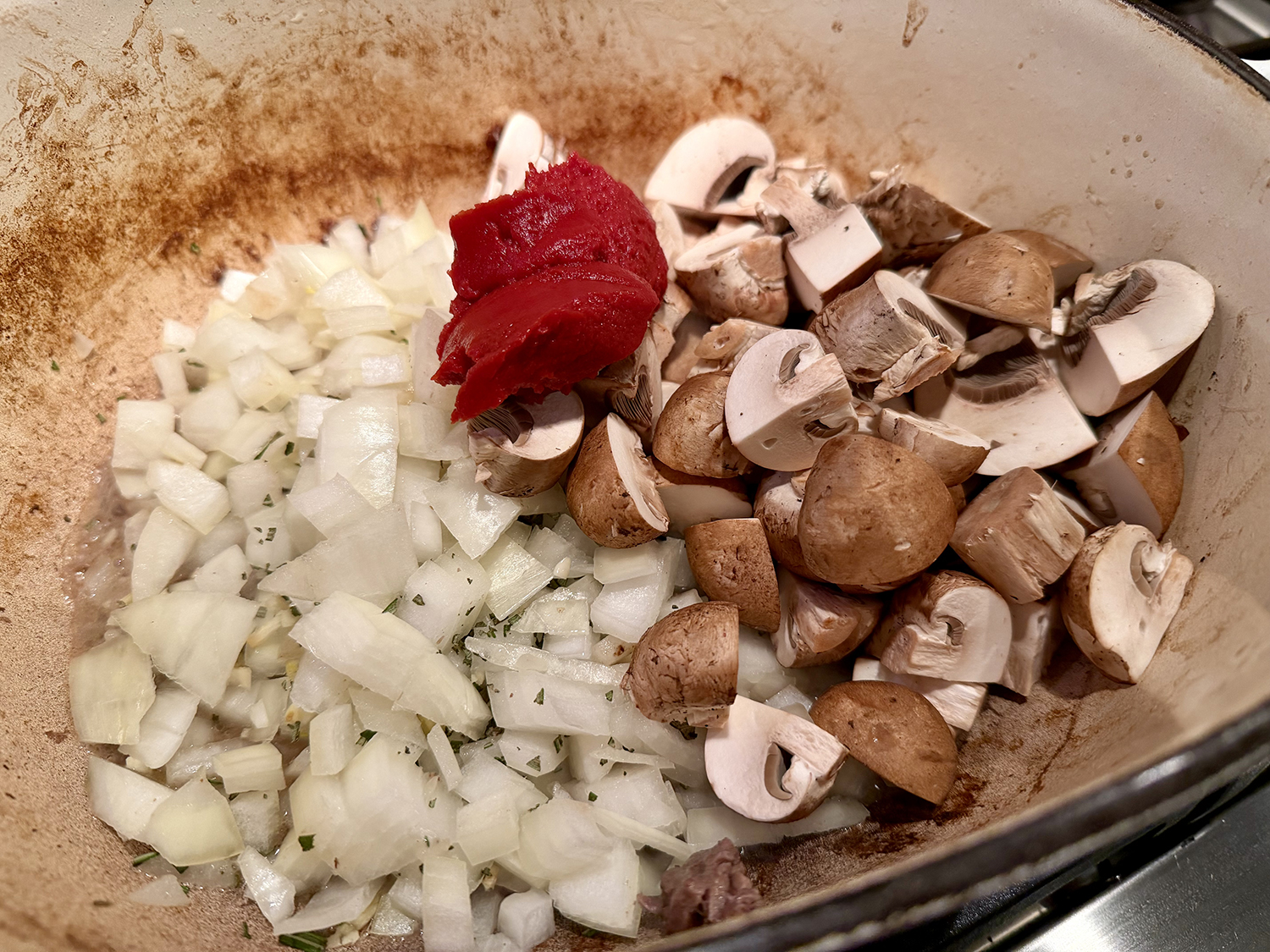
Add cremini mushrooms, onion, garlic, tomato paste, rosemary, and remaining ½ teaspoon salt to fat left in pot and cook over medium heat, stirring occasionally, until vegetables begin to soften and tomato paste darkens, 4 to 7 minutes.
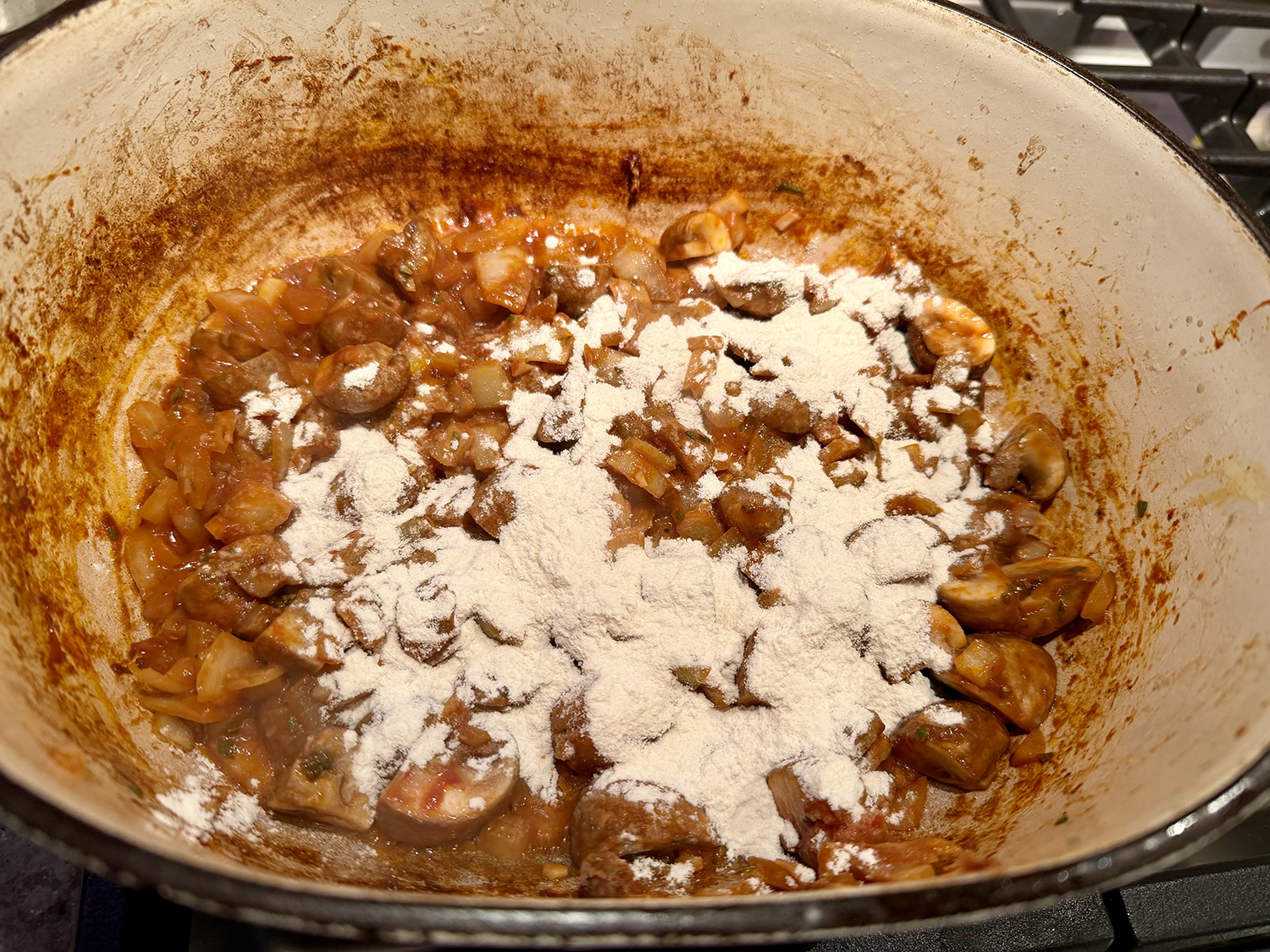
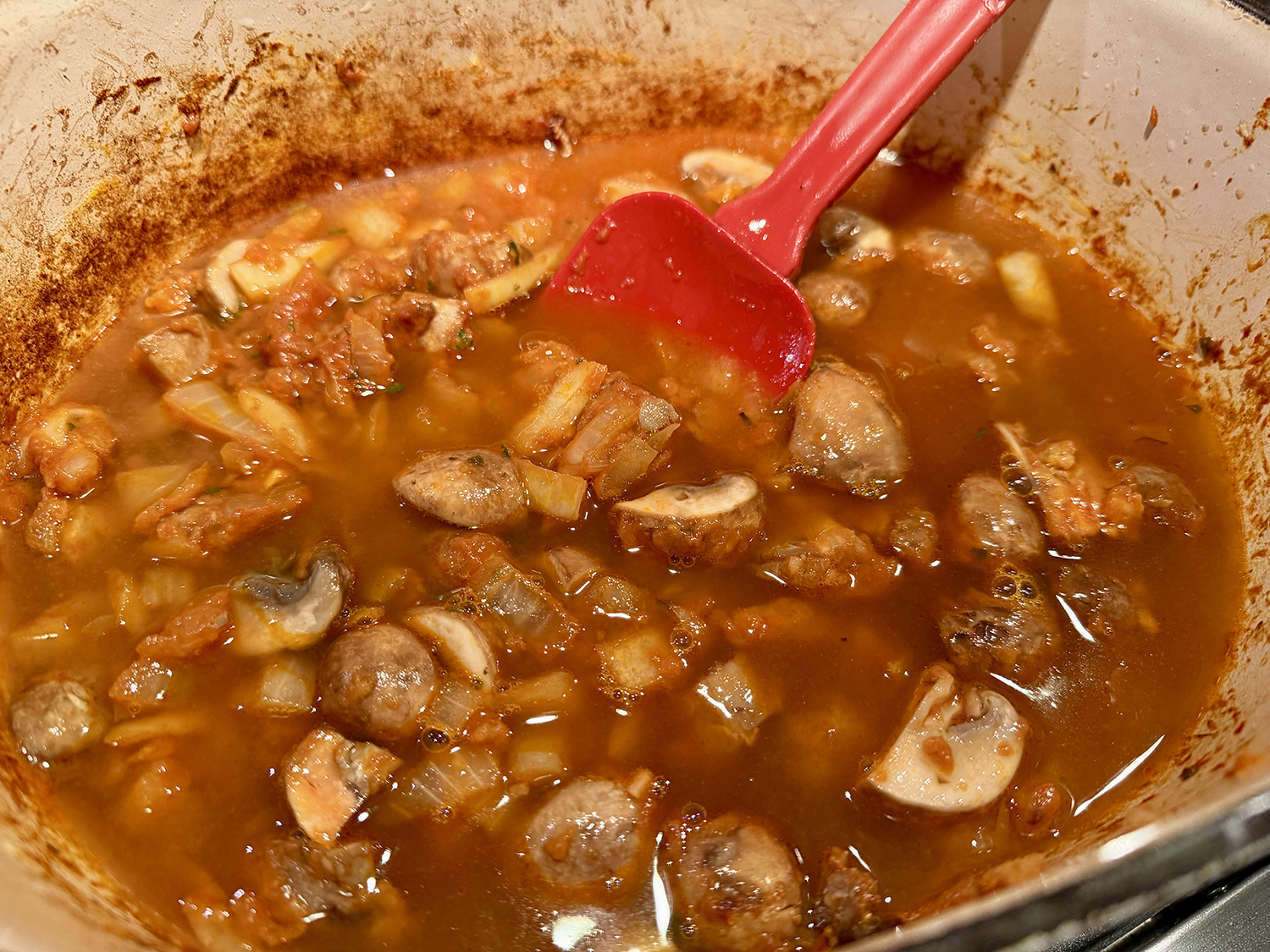
Stir in flour and cook for 1 minute. Stir in broth and water, scraping up any browned bits. Stir in porcini mushrooms, mustard, and beef, along with any accumulated juices, and bring to boil.
Reduce heat to low and simmer, covered, until beef and vegetables are tender, about 10 minutes (or up to 1 hour if time allows; the meat will get more tender the longer it’s simmered. Add extra water if stew gets too thick). Season with salt to taste. Serve.
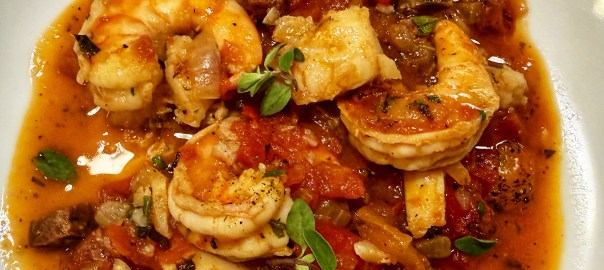
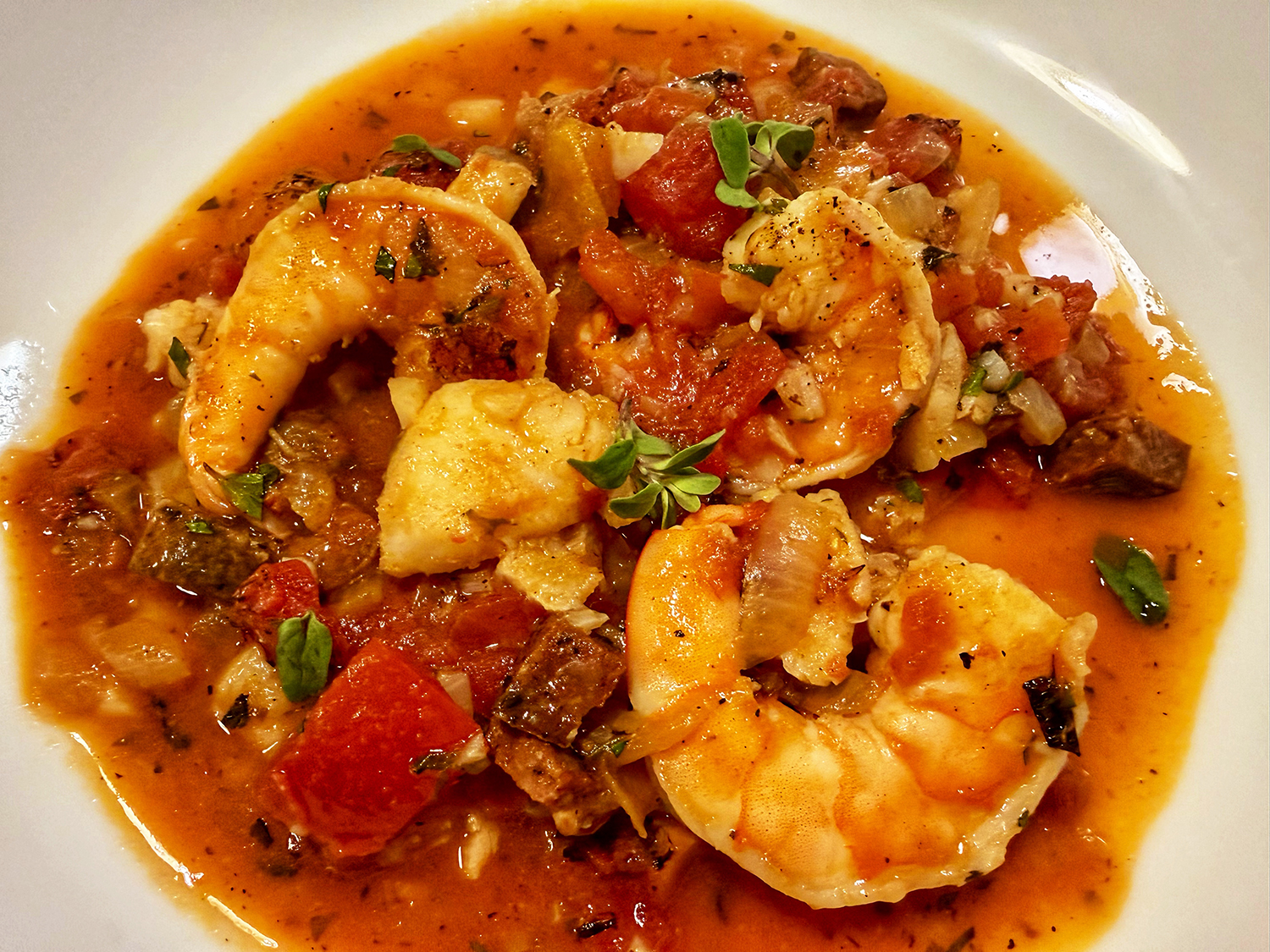
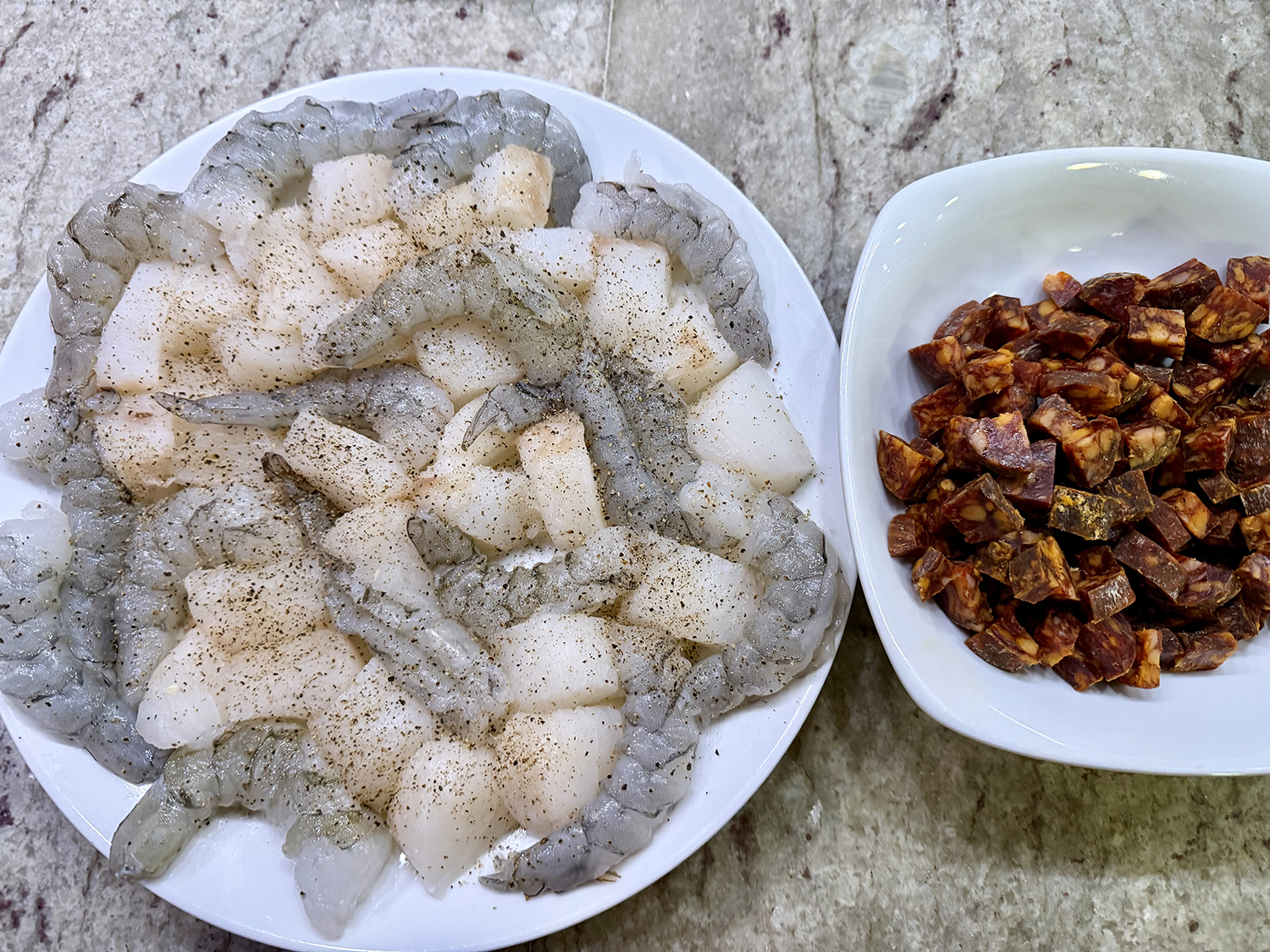
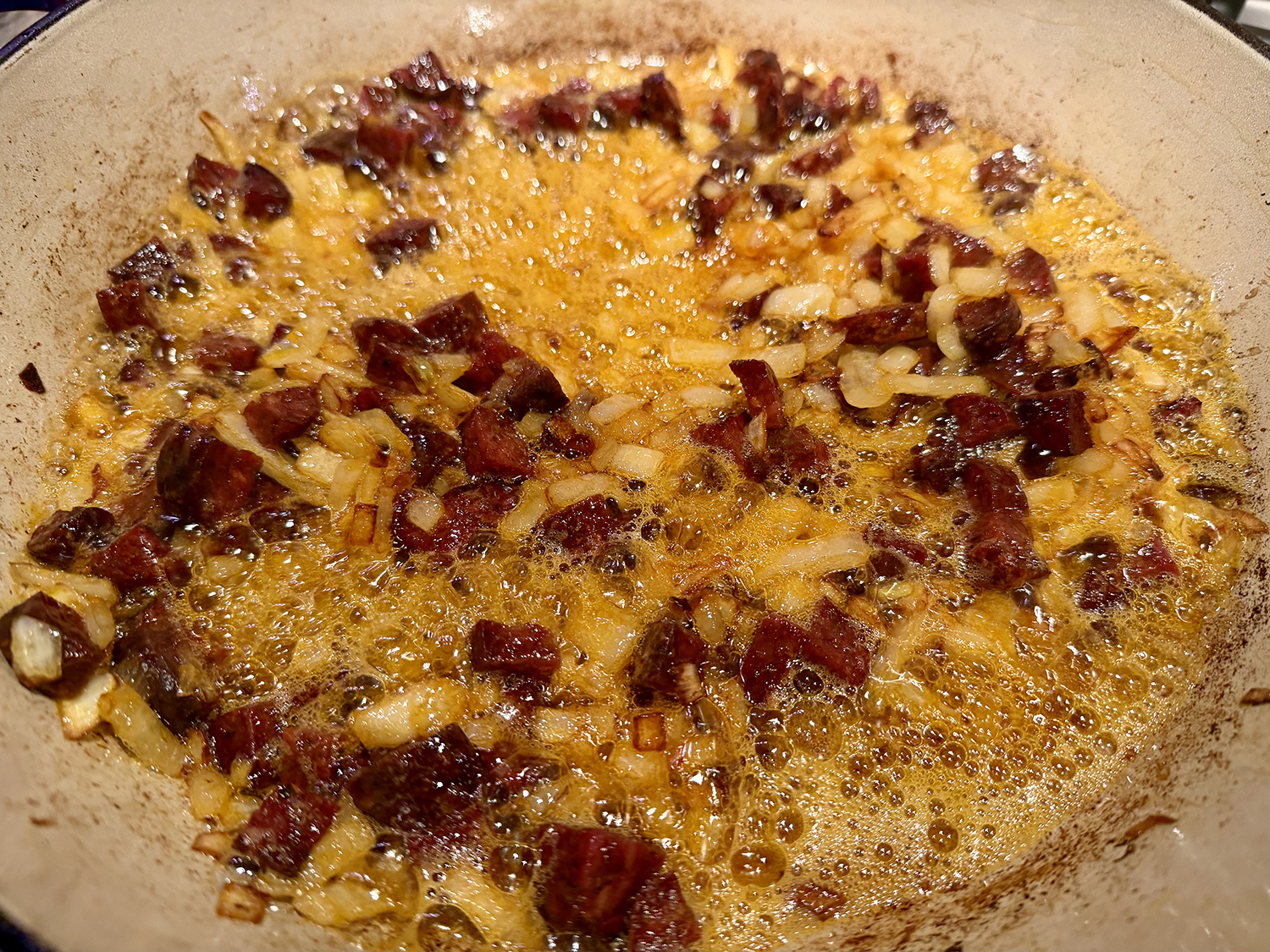
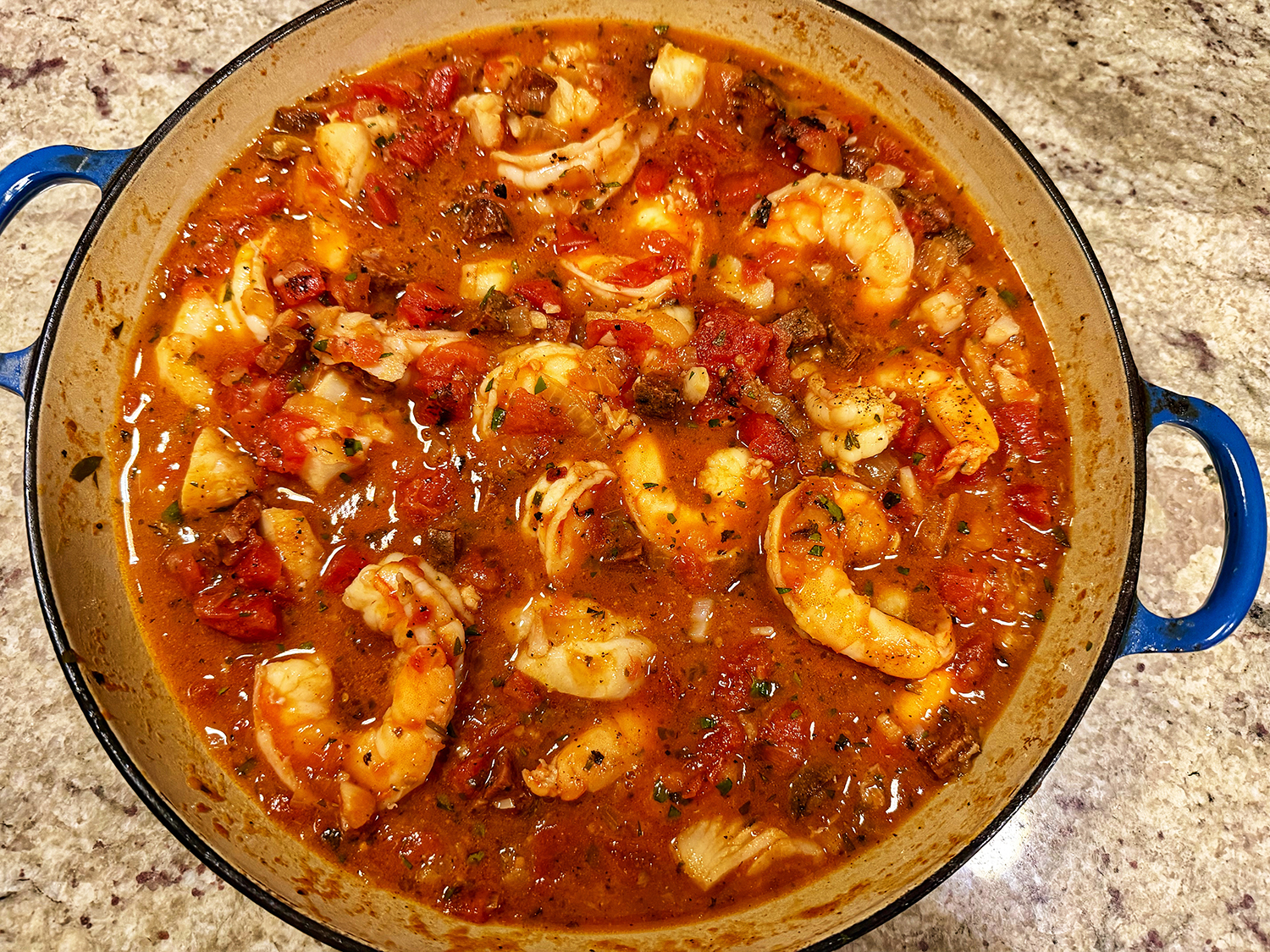
This stew is started by cooking Spanish-style chorizo and onion together to infuse a bold flavor combination into its base. A mix of shrimp and cod are added at the end of the process to ensure that they are not overcooked.
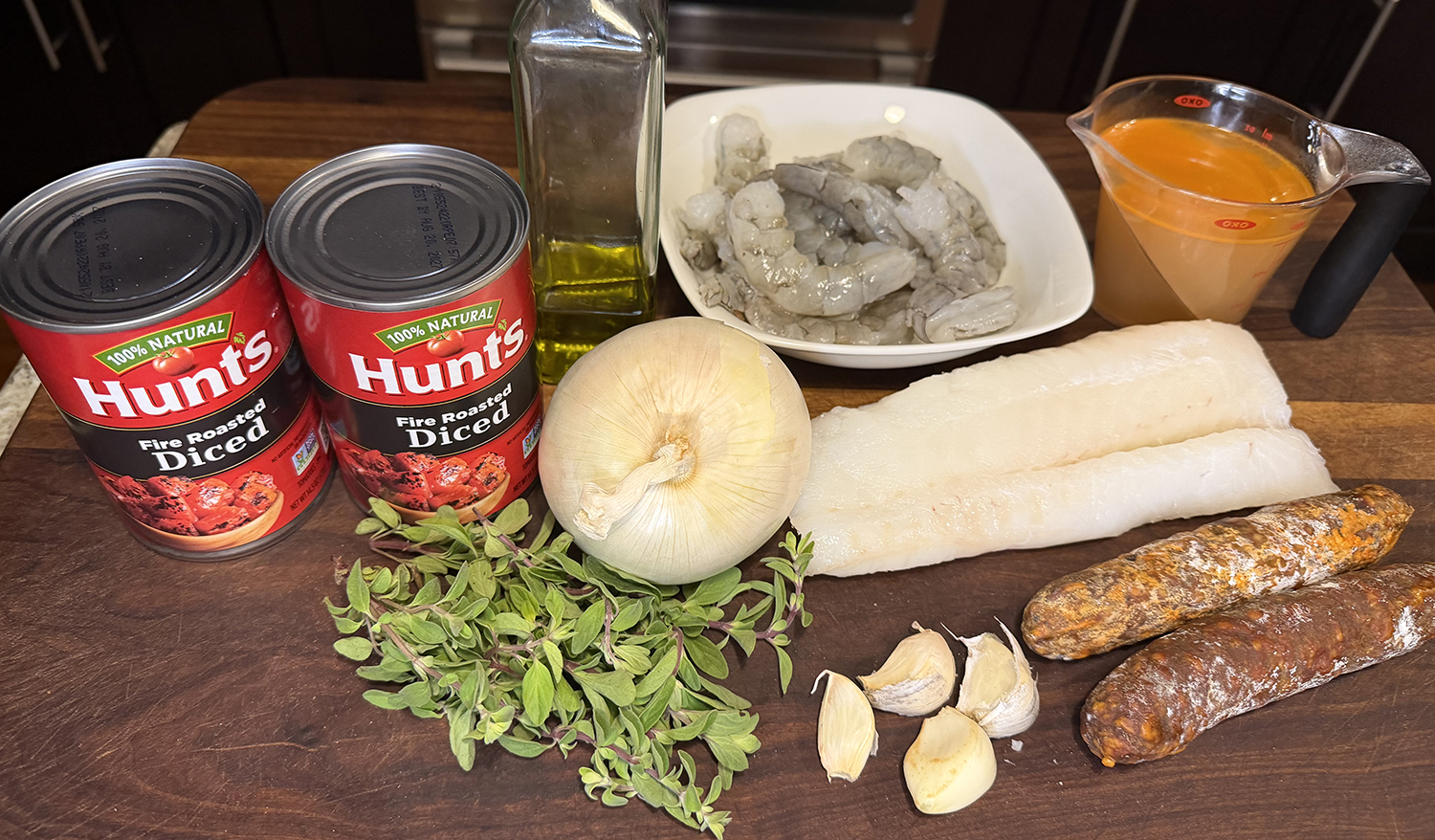
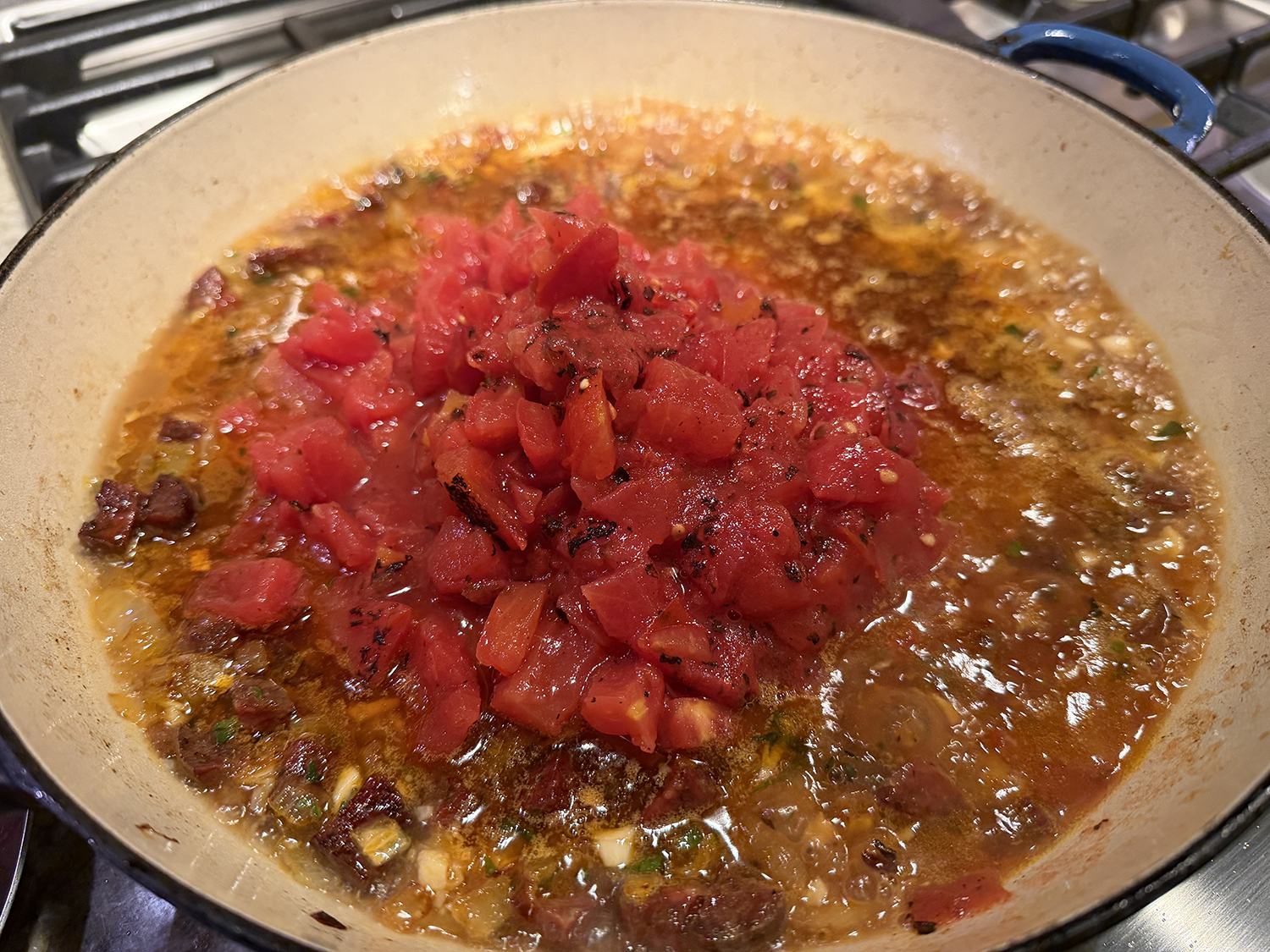
The Hubs had made homemade seafood stock earlier in the day, so in place of the bottle of clam juice, we incorporated the stock—which adds tons of flavor. Another flavor-amping choice was using fire-roasted diced tomatoes.
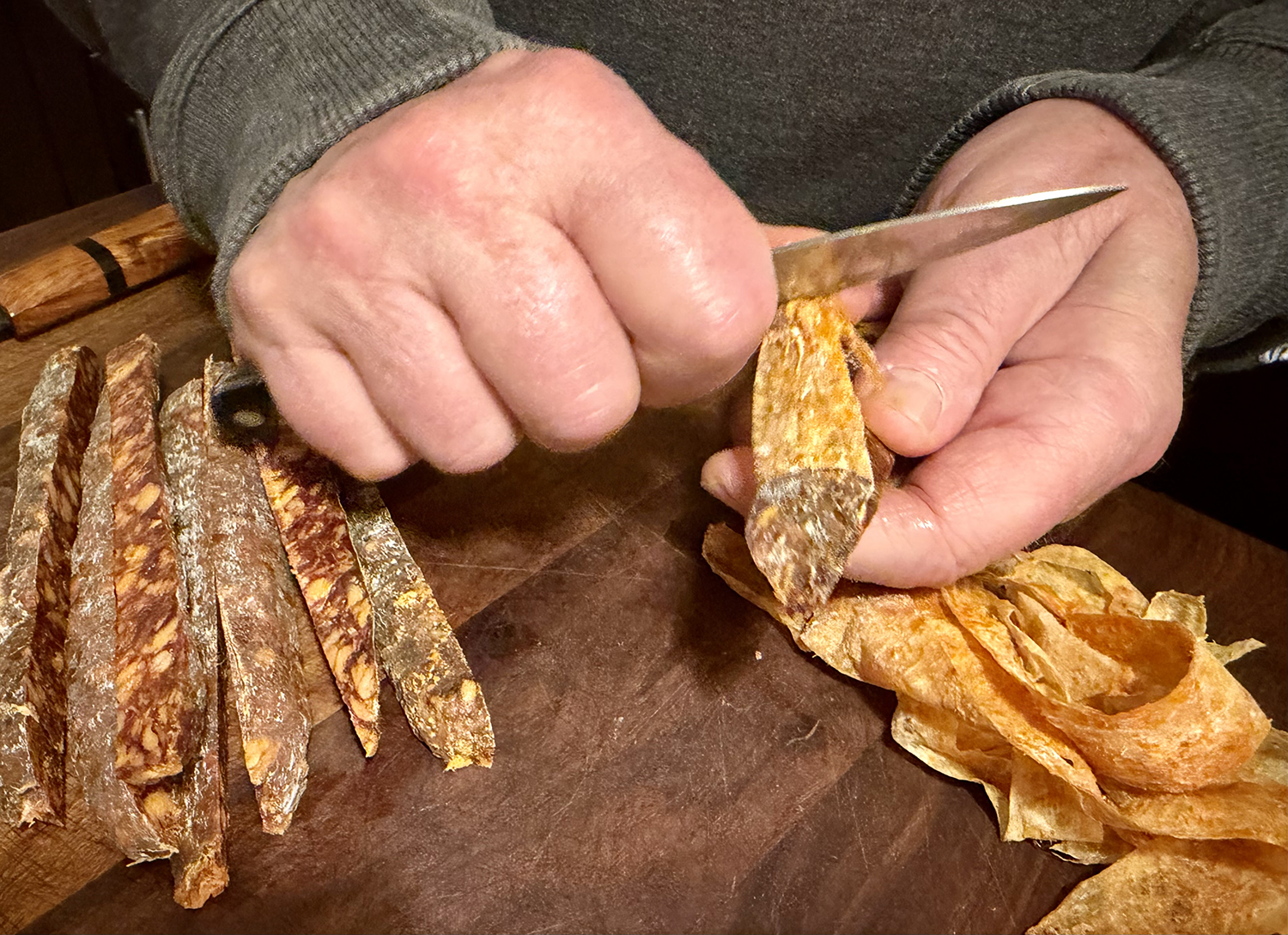
Unlike Mexican chorizo, which is fresh and uncured, Spanish chorizo is fermented, smoked, and aged for weeks, resulting in a deep, complex flavor and firm texture. Spanish chorizo has been part of Iberian cuisine for centuries. Its origins trace back to the Roman Empire, but it wasn’t until the arrival of pimentón from the New World that chorizo took on its signature red hue and smoky depth.
1 Tbsp. extra-virgin olive oil, plus extra for drizzling
6 oz. Spanish chorizo sausage, skins removed, quartered lengthwise and sliced ½ inch thick
1 onion, chopped fine
4 garlic cloves, minced
1 Tbsp. chopped fresh oregano
2 (14.5-oz.) cans diced tomatoes
1 cup homemade seafood stock, OR 1 (8-oz.) bottle clam juice
1 lb. extra-large shrimp (21 to 25 per lb.), peeled, deveined, and tails removed
12 oz. skinless cod fillet, 1 to 1 ½ inches thick, cut into 1-inch chunks
Salt and pepper
Directions
Heat oil in large saucepan over medium-high heat until shimmering. Add chorizo and onion and cook until both are lightly browned, 7 to 9 minutes.
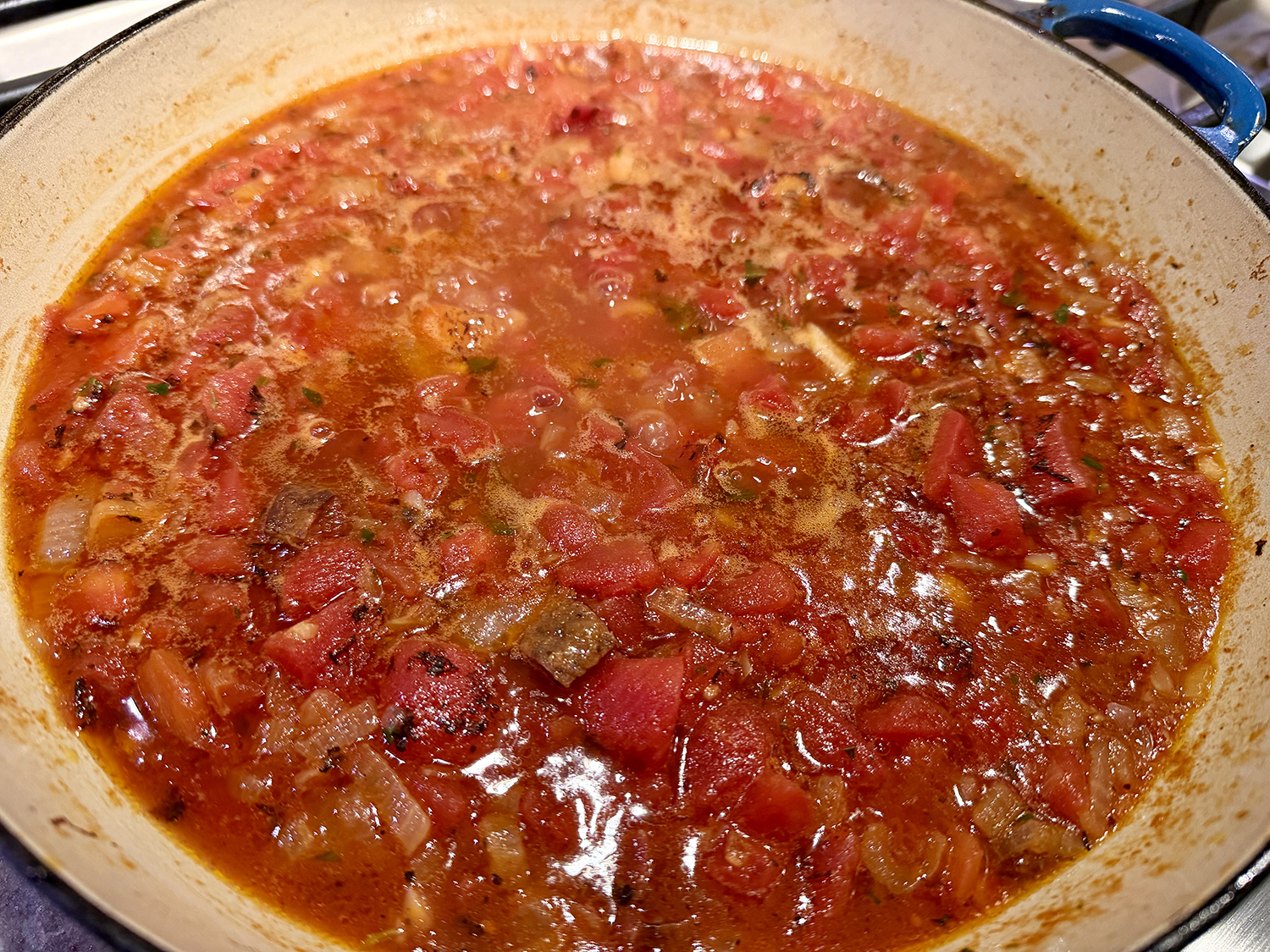
Stir in garlic and 1 teaspoon oregano and cook until fragrant, about 30 seconds. Add tomatoes and their juice and clam juice, scraping up any browned bits, and bring to simmer. Cook until slightly thickened, about 10 minutes.
Pat shrimp and cod dry with paper towels and season with salt and pepper. Gently stir seafood into stew and cook until opaque and cooked through, about 5 minutes.
Stir in remaining 2 teaspoons oregano and season with salt and pepper to taste. Portion stew into individual bowls and drizzle with extra oil. Serve.





























 Accounting for Taste