Tag Archives: tarragon

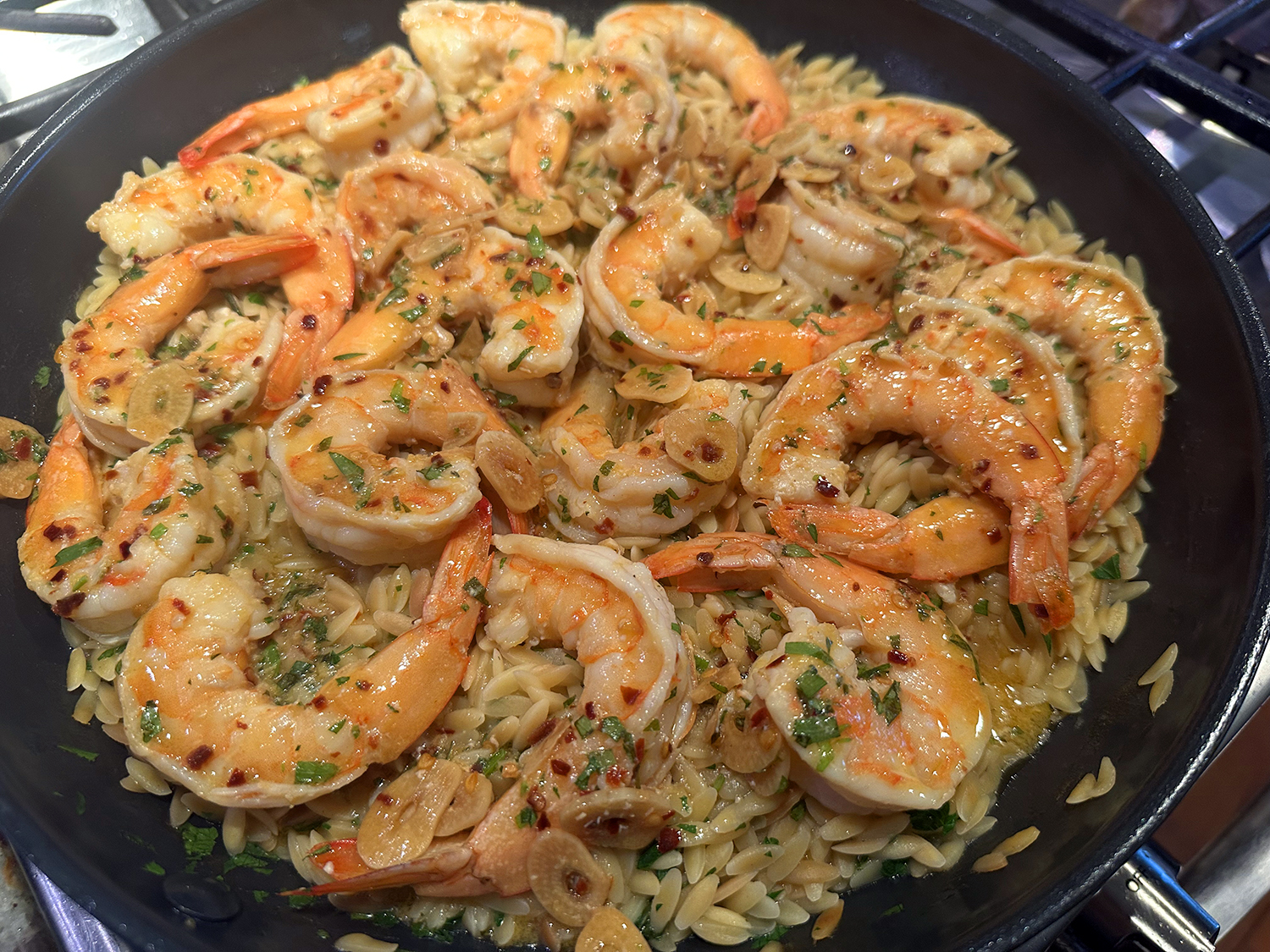
Lemon-Tarragon Shrimp Scampi with Orzo

For a delicious and simple one-dish dinner, this lemony shrimp scampi is served over a bed of tarragon-and-parsley-flecked orzo. Lightly toast the orzo before simmering to impart a faint nutty flavor and toasty aroma.

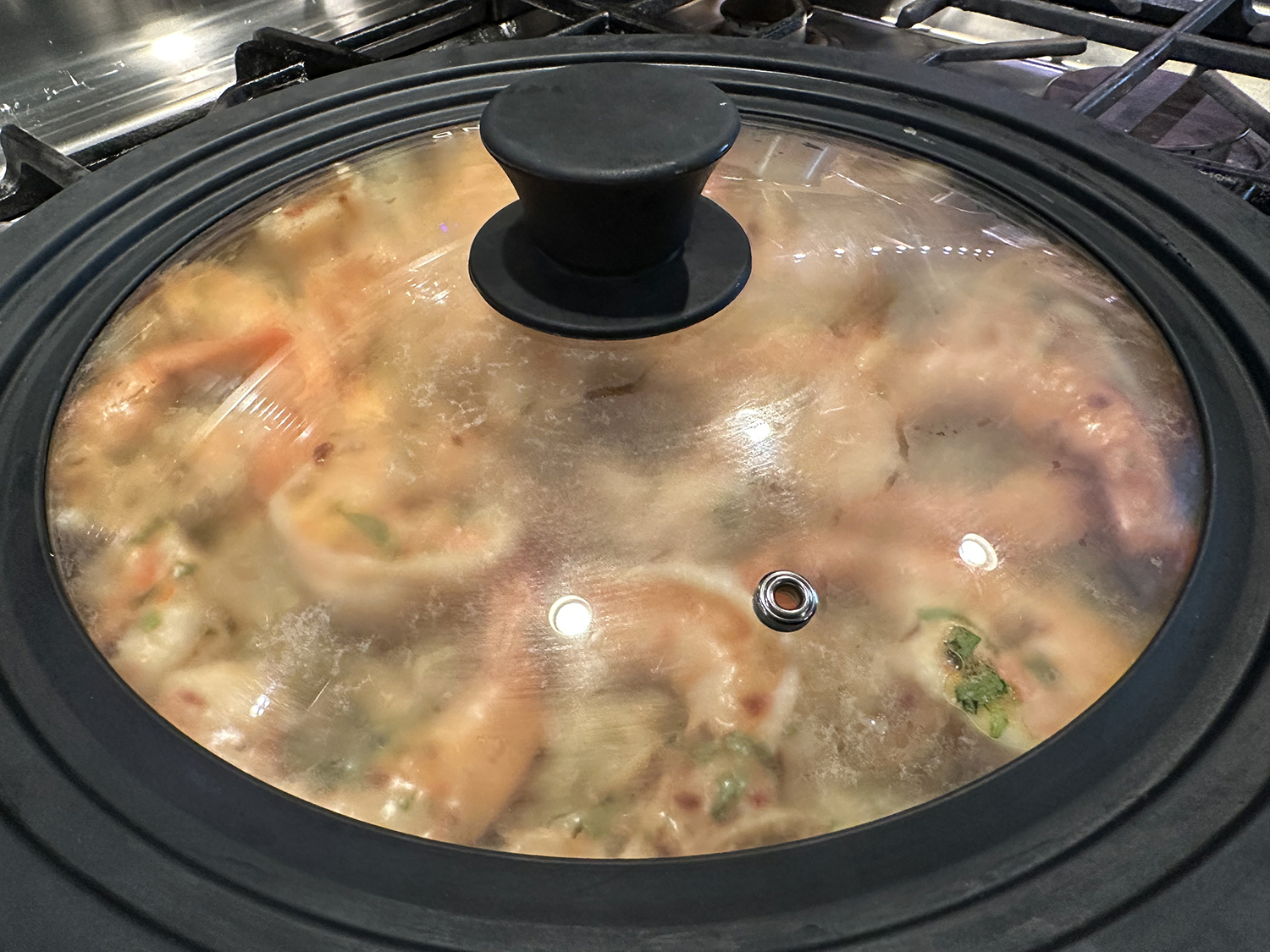
The orzo will continue to absorb some liquid after you add the shrimp and re-cover, so don’t worry if it still looks a little soupy when you take it off the heat — you don’t want the skillet to be completely dry.
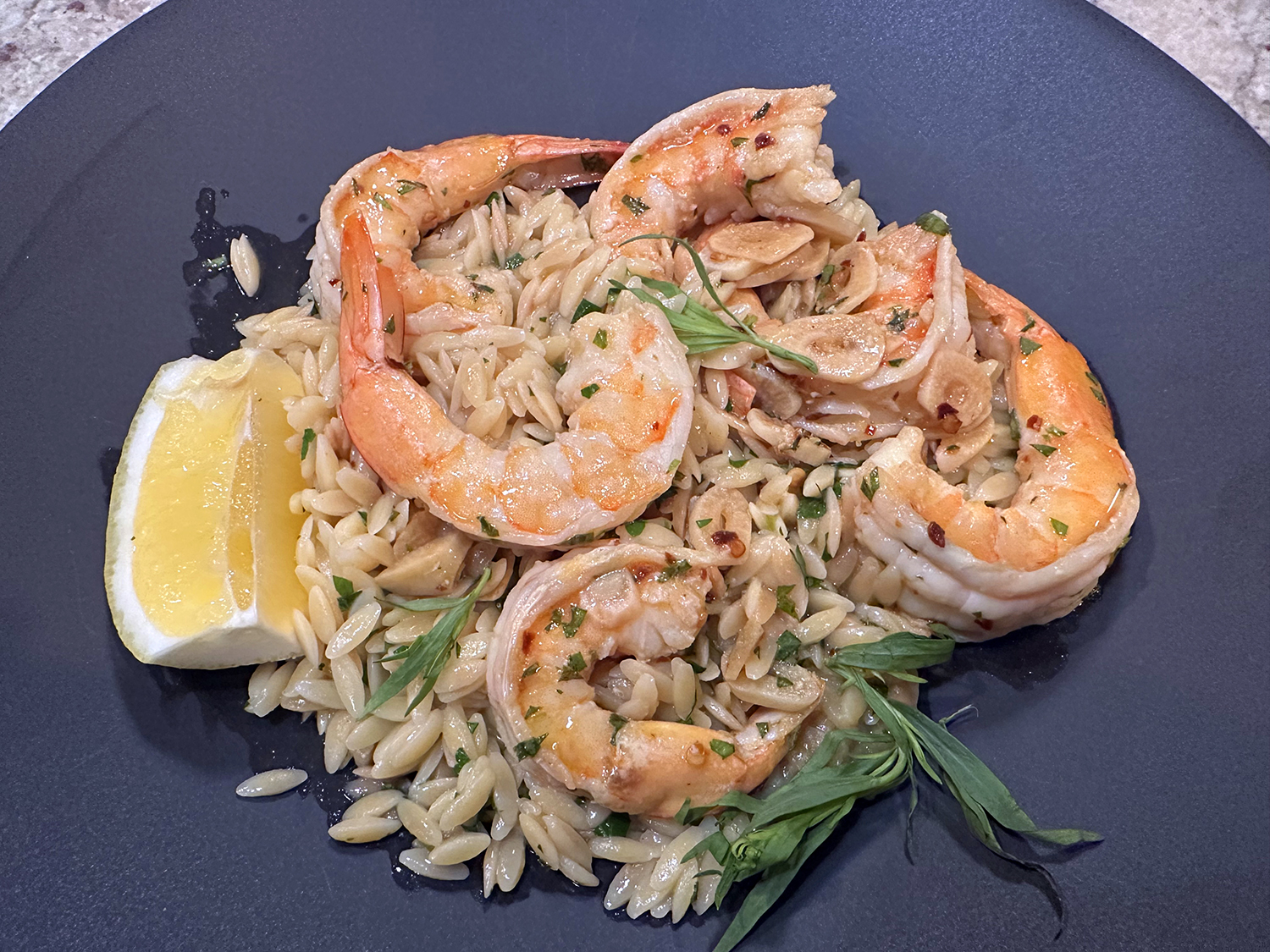
Fresh tarragon brings an anise-like pop of flavor to the classic garlicky white wine sauce in this version of shrimp scampi. Serve the shrimp over creamy, herb-flecked orzo, or crusty bread if you are short on time. The Hubs suggested if you dislike tarragon, use cilantro instead and swap out the lemon juice and zest with lime for a Mexican riff.

F&W suggests you might pair this one-skillet dish with with a fresh, crunchy side, such as Celery and Apple Salad or Wedge Salad with Candied Bacon.

*Since we had homemade shellfish stock on hand, we used it instead of chicken stock. This makes the dish pescatarian.

Lemon-Tarragon Shrimp Scampi with Orzo

  • Servings: 4
  • Difficulty: easy
  • Print

Ingredients

  • 1/4 cup unsalted butter
  • 2 Tbsp. extra-virgin olive oil, divided
  • 4 garlic cloves, thinly sliced
  • 1/2 tsp. crushed red pepper
  • 1/2 cup (4 oz.) dry white wine  
  • 1 tsp. kosher salt
  • 1 tsp. grated lemon zest plus 1/4 cup fresh lemon juice (about 2 medium lemons),
  • divided
  • 1 lb. jumbo (16/20) peeled and deveined raw shrimp, tail-on
  • 8 oz. orzo (about 1 1/3 cups)
  • 2 cups chicken stock*
  • 1 cup water
  • 1/4 cup finely chopped fresh parsley
  • 1 Tbsp. chopped fresh tarragon, divided, plus more for garnish

Directions

  1. Heat butter and 1 tablespoon oil in a large skillet over medium-high. Add garlic and crushed red pepper; cook, stirring constantly, until fragrant, about 1 minute. Stir in wine, salt, and lemon zest; cook, stirring occasionally, until wine is slightly reduced, about 3 minutes.
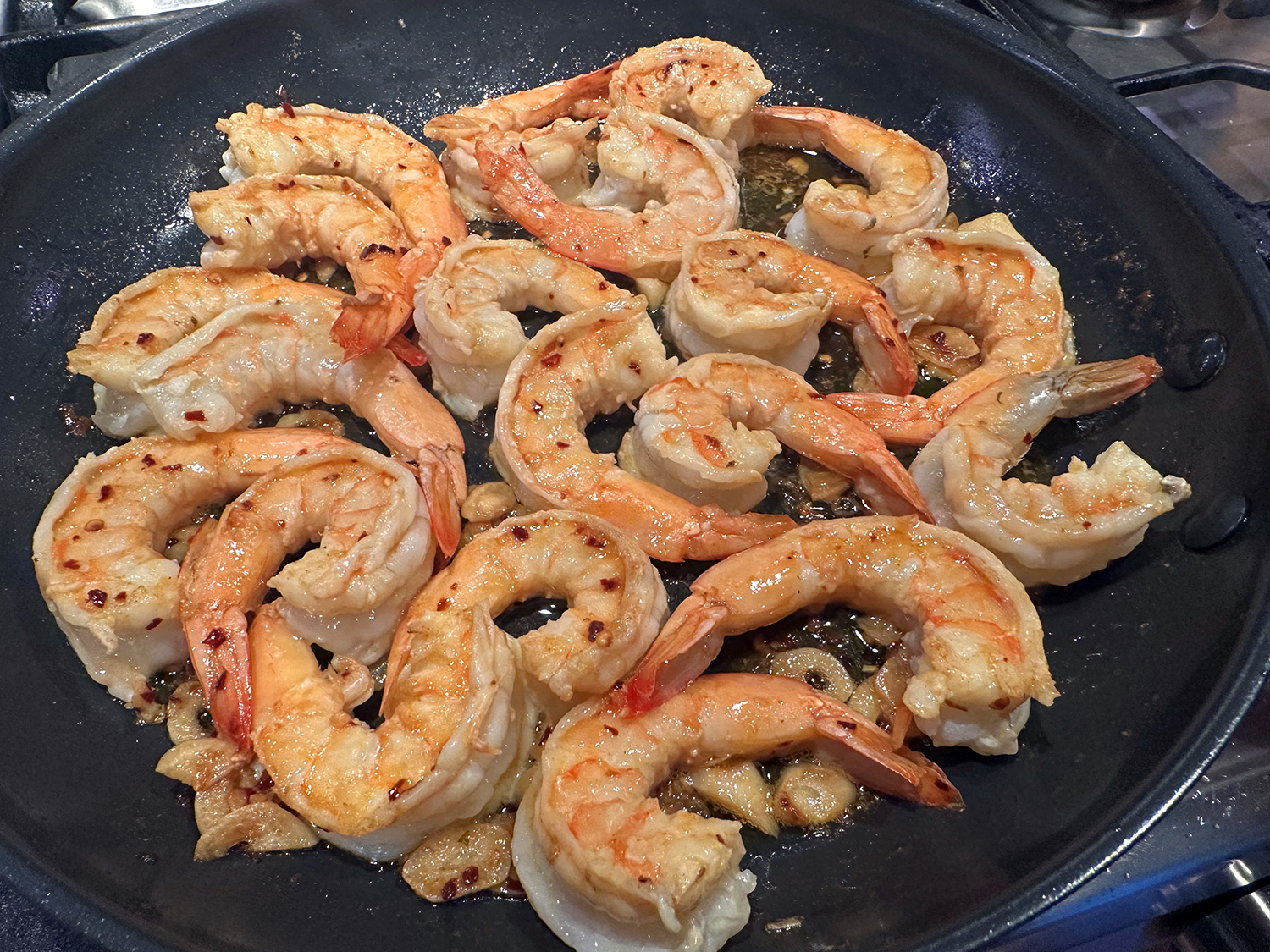
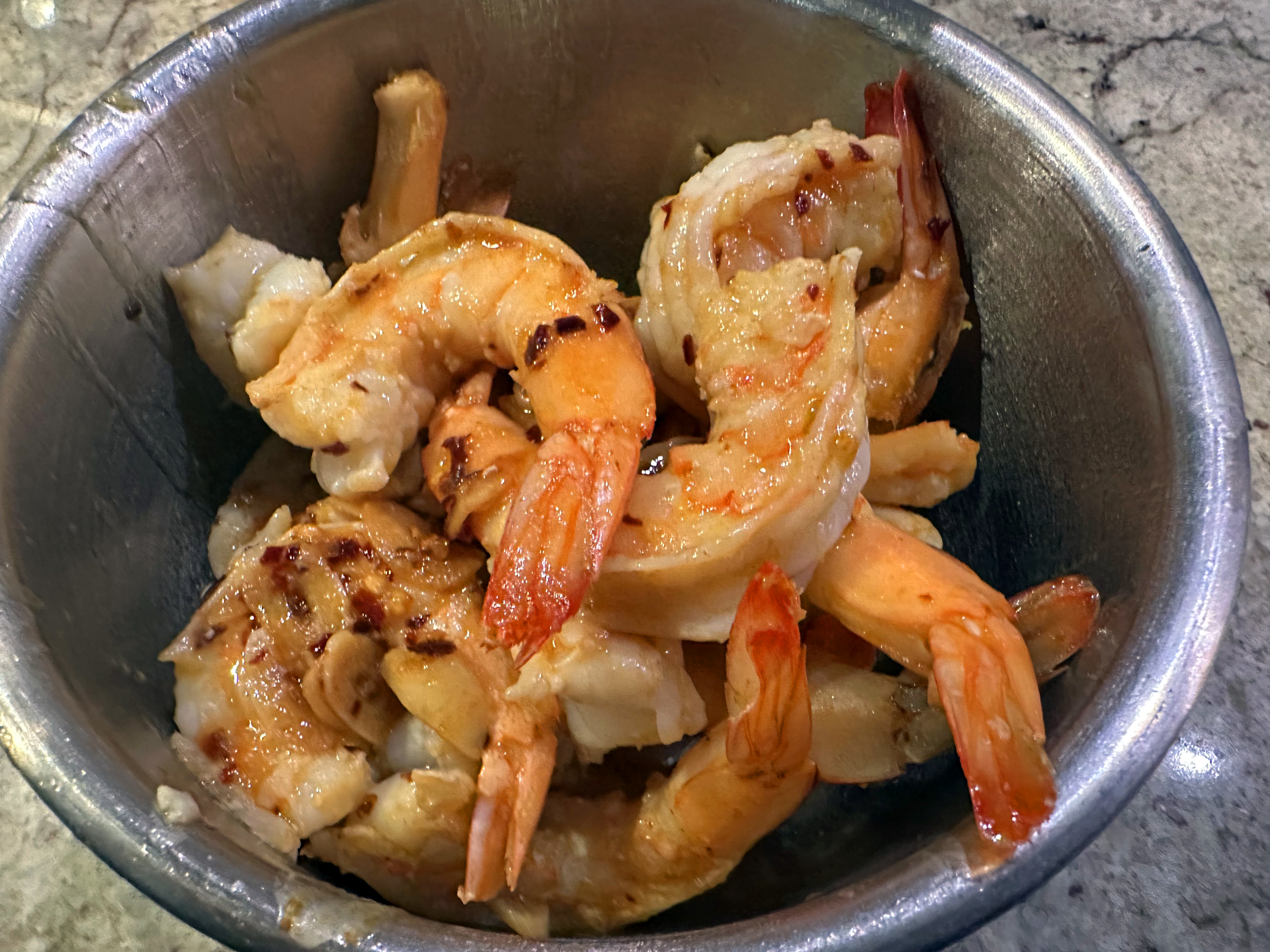
  2. Add shrimp in a single layer to sauce in skillet; cook until shrimp are opaque and just cooked through, 1 to 2 minutes, flipping once halfway through cook time. Transfer shrimp mixture to a medium bowl, and tent with aluminum foil to keep warm; set aside. Wipe skillet clean.
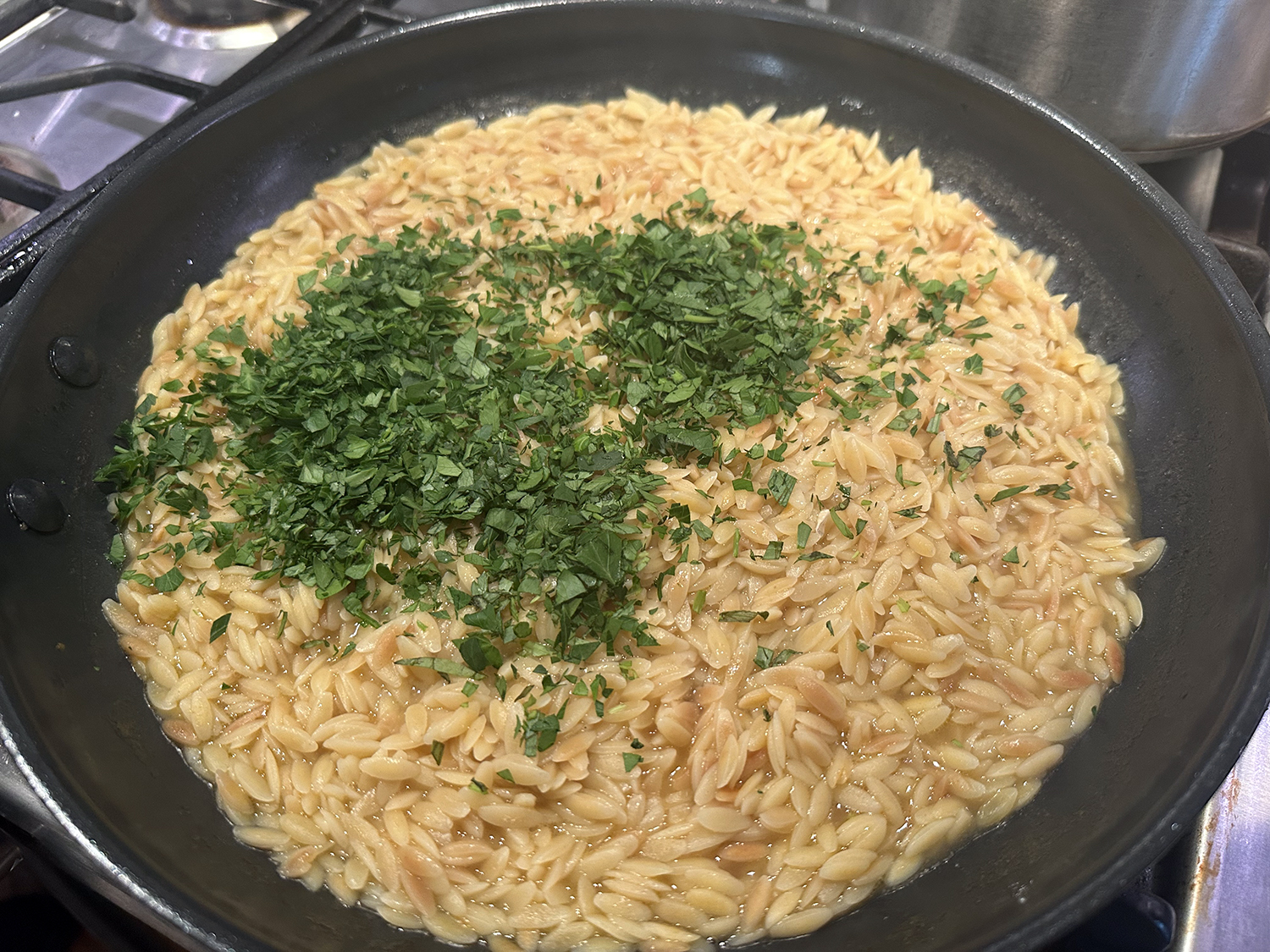
  3. Heat remaining 1 tablespoon oil in skillet over medium. Add orzo, and cook, stirring constantly, until lightly toasted, about 1 minute. Add chicken stock and 1 cup water; bring to a simmer over high. Reduce heat to medium-low; simmer, uncovered and undisturbed, until orzo is al dente and liquid is mostly absorbed, about 12 minutes. Remove from heat, and add parsley, 2 tablespoons lemon juice, and 1 teaspoon tarragon. Stir orzo mixture using a fork until evenly combined.
  4. Stir remaining 2 tablespoons lemon juice and remaining 2 teaspoons tarragon into reserved shrimp mixture. Spoon shrimp mixture over orzo; cover and let stand, allowing residual heat from the orzo to warm the shrimp through, 4 to 5 minutes. Uncover and garnish with additional chopped tarragon; serve immediately.

http://www.lynnandruss.com

Recipe by Paige Grandjean for Food & Wine

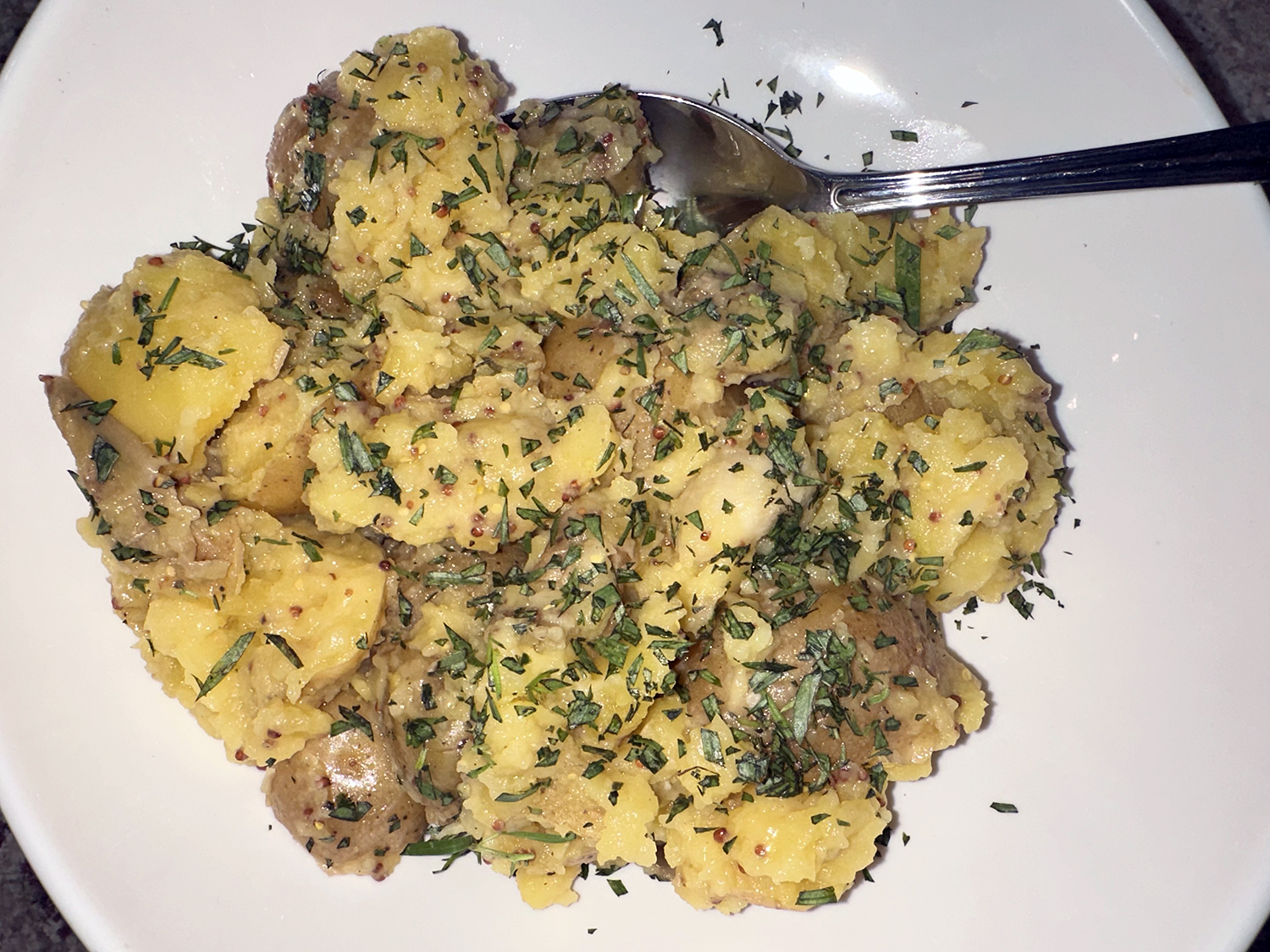
Braised Baby Potatoes with Dijon and Tarragon

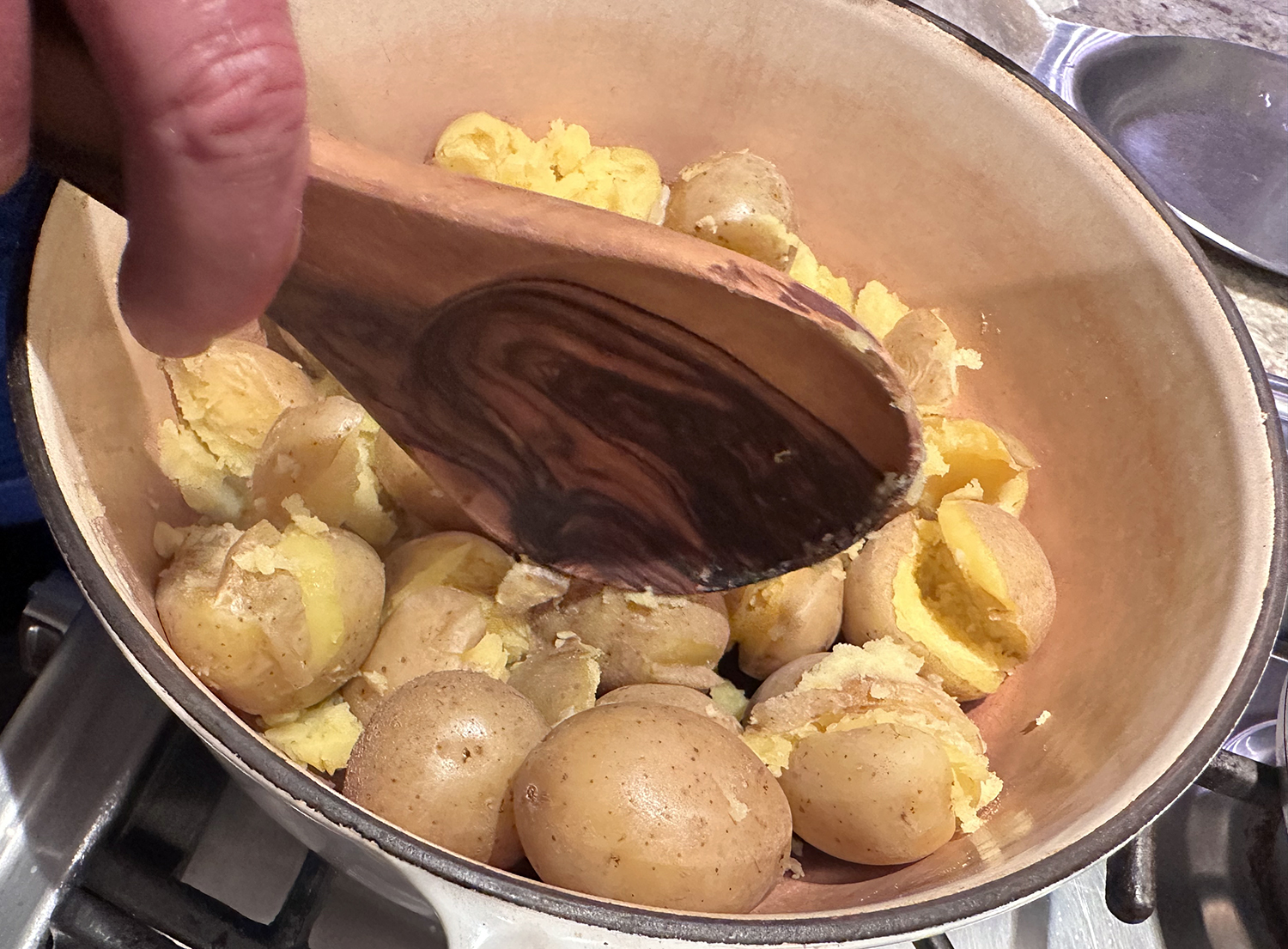
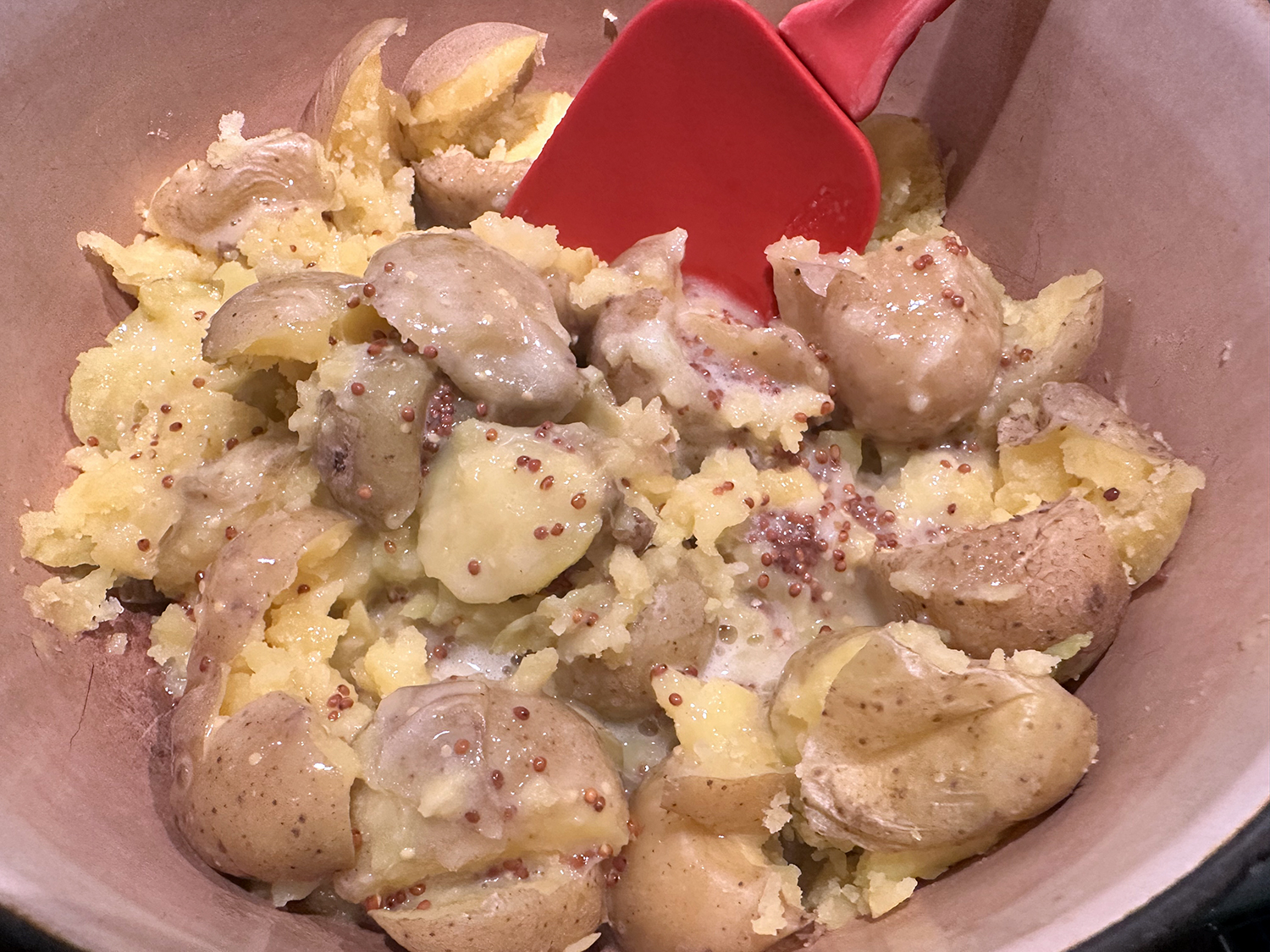
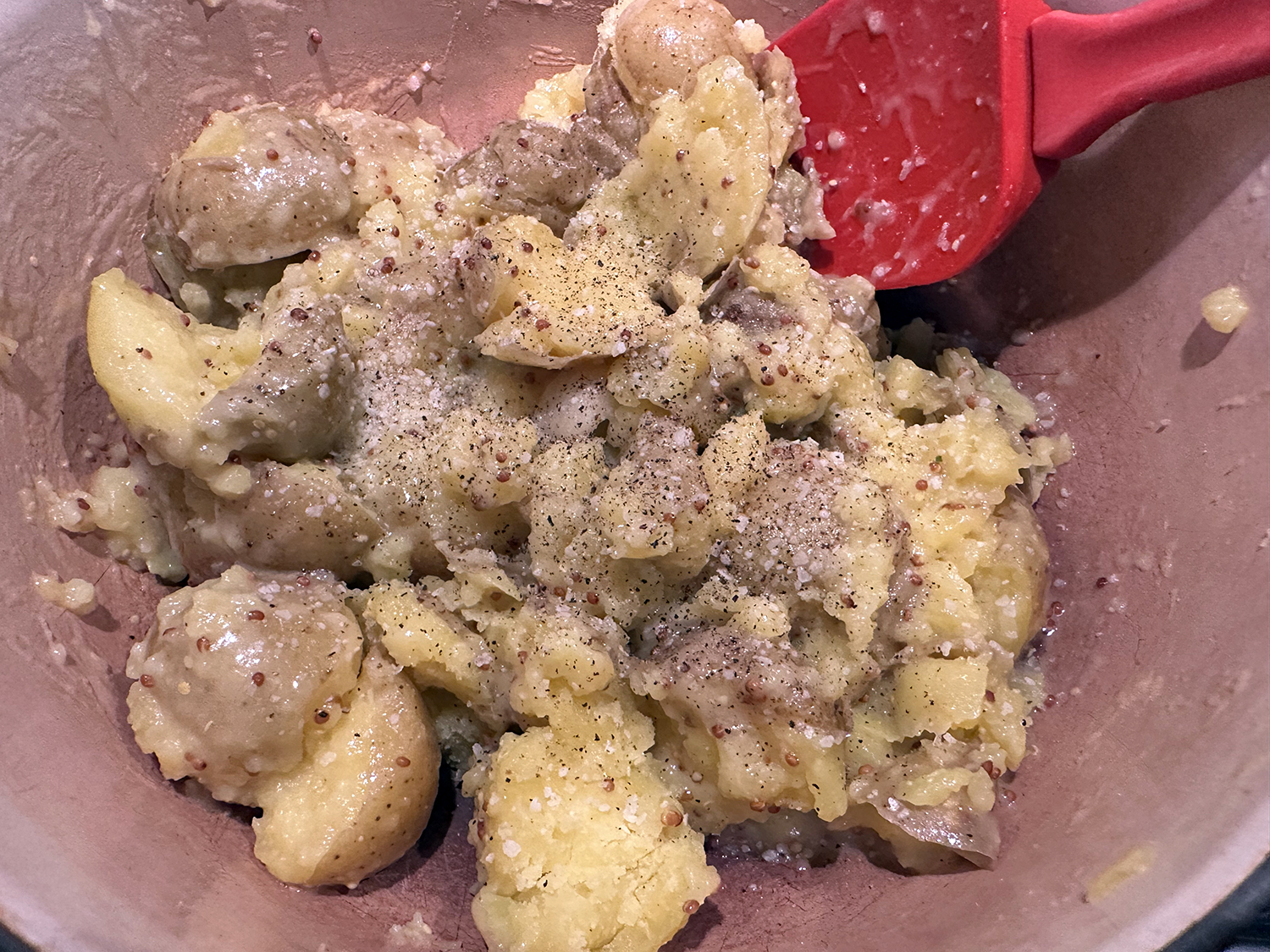
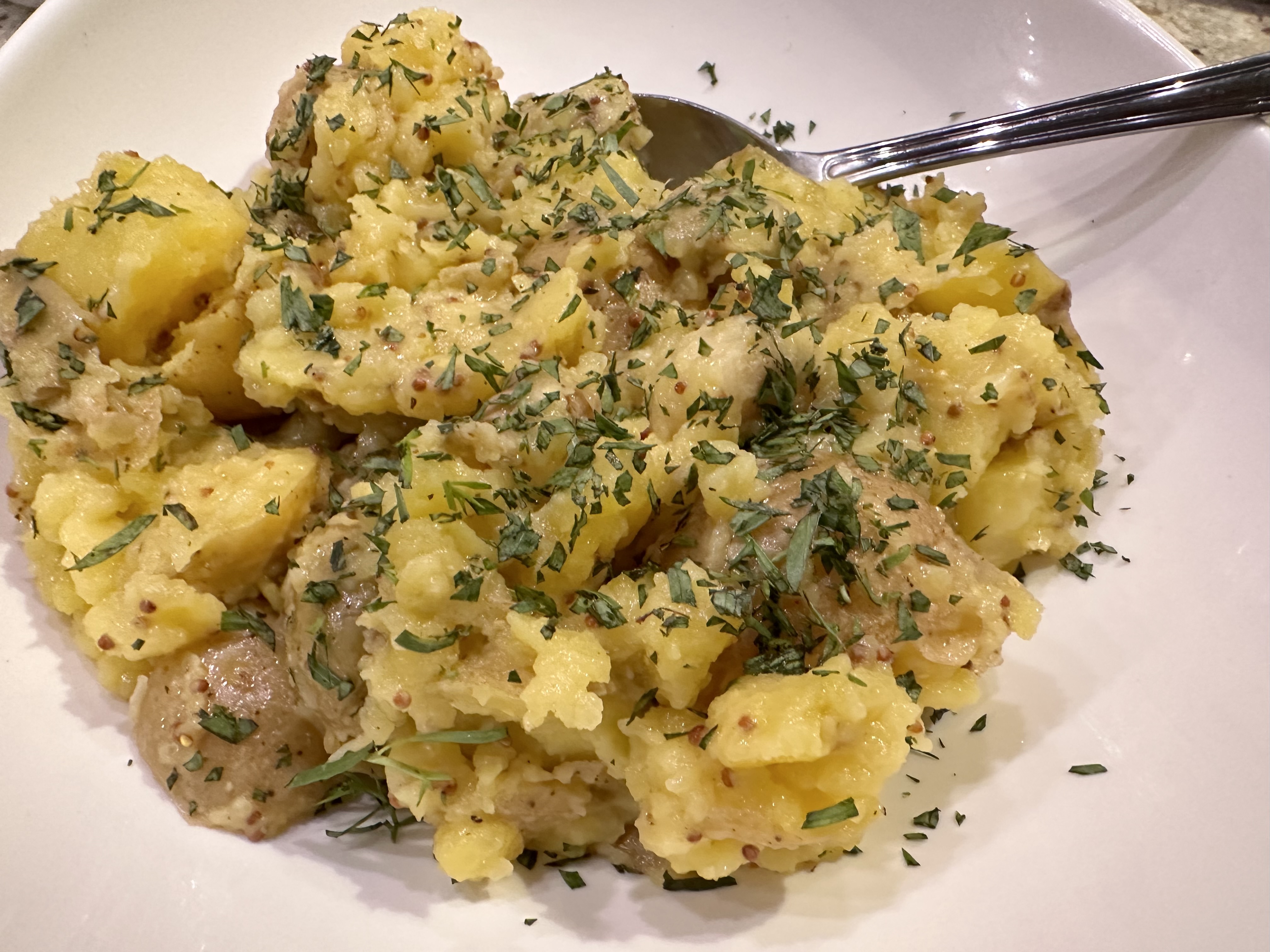
What if you could get the creamy interiors produced by steaming baby potatoes and the browned exteriors produced by roasting—without doing either of those things? Well, we just had to find out…

This is a creative recipe for a simple, one-pot potato side dish that features the benefits of both boiling and roasting. Halved small potatoes (about 1 1/2 inches in diameter) are combined with butter, and salted water in a 12-inch skillet. Then they are simmered until the potatoes turn creamy and the water fully evaporates.

In the then-dry skillet, the potatoes and butter are left alone to fry and develop great flavor and color. Subtle aromatics like thyme and garlic balance well with last-minute additions like Dijon mustard. Potatoes turn nicely browned and the dressing is just enough to give them good flavor.

As you may have noticed, we did not use red potatoes due to the fact that the supermarket was only carrying large red spuds. Therefore, we opted for small yellow potatoes. In another twist, whole grain mustard was substituted for the Dijon.

Braised Baby Potatoes with Dijon and Tarragon

  • Servings: 4-6
  • Difficulty: easy
  • Print

Ingredients

  • 1 ½ lbs. small red potatoes, unpeeled, halved; about 1 1/2 inches in diameter
  • 2 cups water
  • 3 Tbsp. unsalted butter
  • 3 garlic cloves, peeled
  • 3 sprigs fresh thyme
  • ¾ tsp. salt
  • 2 tsp. Dijon mustard
  • ¼ tsp. pepper
  • 1 Tbsp. minced fresh tarragon

Directions

  1. Arrange potatoes in single layer, cut side down, in 12-inch nonstick skillet. Add water, butter, garlic, thyme, and salt and bring to simmer over medium-high heat. Reduce heat to medium, cover, and simmer until potatoes are just tender, about 15 minutes.
  2. Remove lid and use slotted spoon to transfer garlic to cutting board; discard thyme. Increase heat to medium-high and vigorously simmer, swirling pan occasionally, until water evaporates and butter starts to sizzle, 15 to 20 minutes. When cool enough to handle, mince garlic to paste. Transfer paste to bowl and stir in mustard and pepper.
  3. Continue to cook potatoes, swirling pan frequently, until butter browns and cut sides of potatoes turn spotty brown, 4 to 6 minutes longer. Off heat, add garlic mixture and tarragon and toss to thoroughly coat. Serve immediately.

http://www.lynnandruss.com

Recipe courtesy of America’s Test Kitchen for Cook’s Illustrated

Roast Tarragon-Cognac Chicken

Chef/author Melissa Clark tell us “The sophisticated, French flavors of brandy, butter and tarragon season this golden-skinned roast chicken, adding panache to what is otherwise an easy and straightforward recipe.”

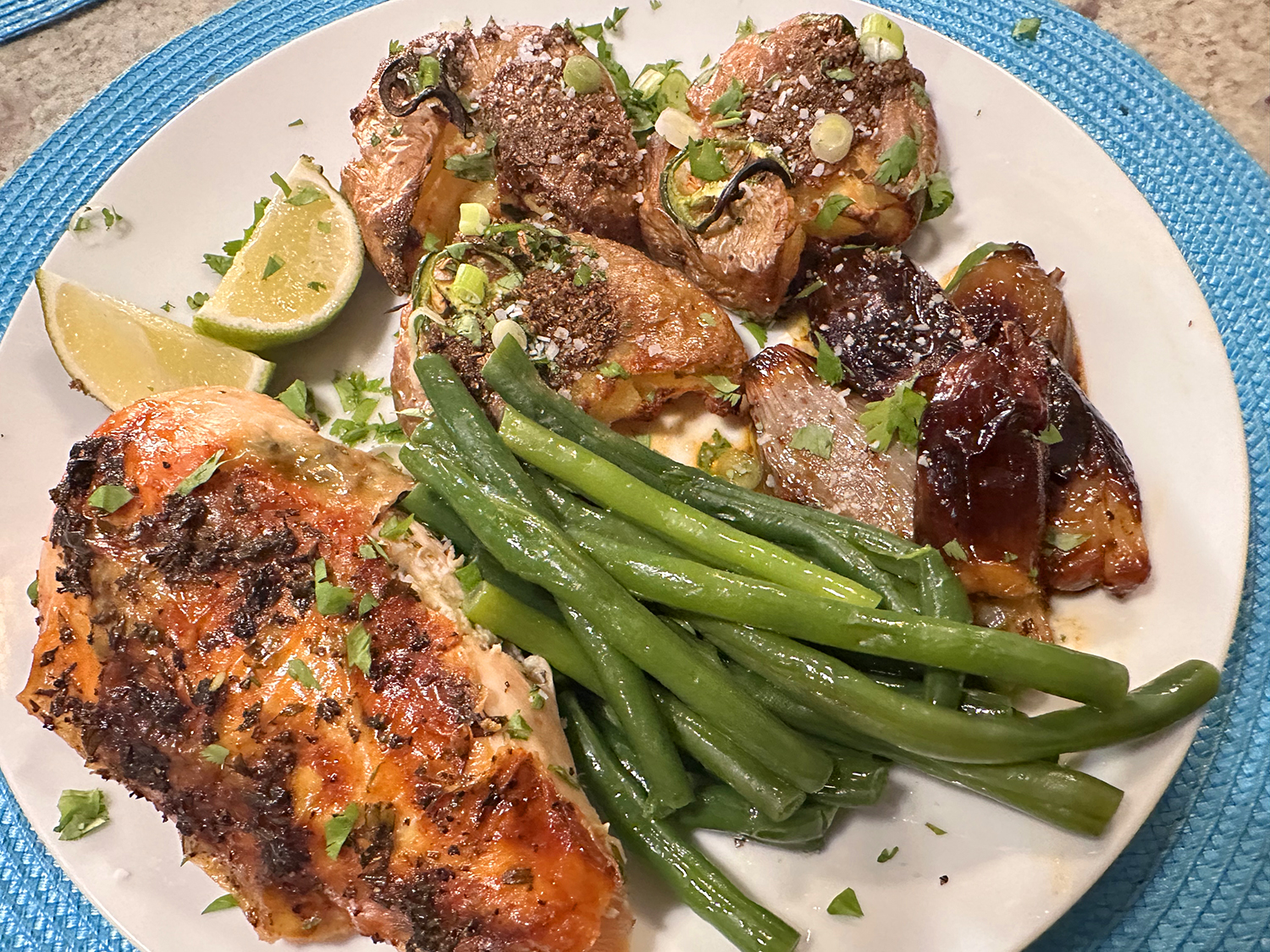
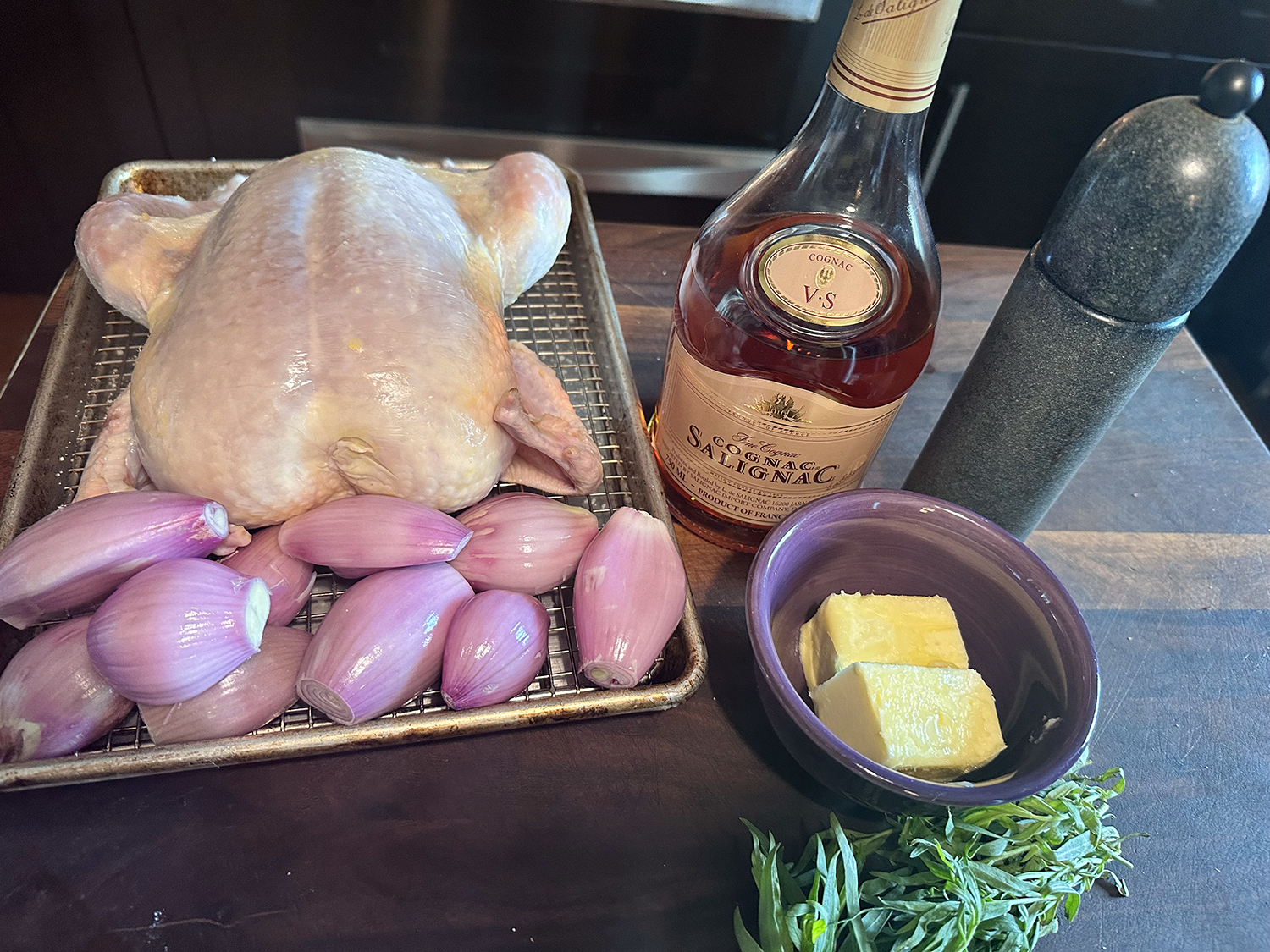
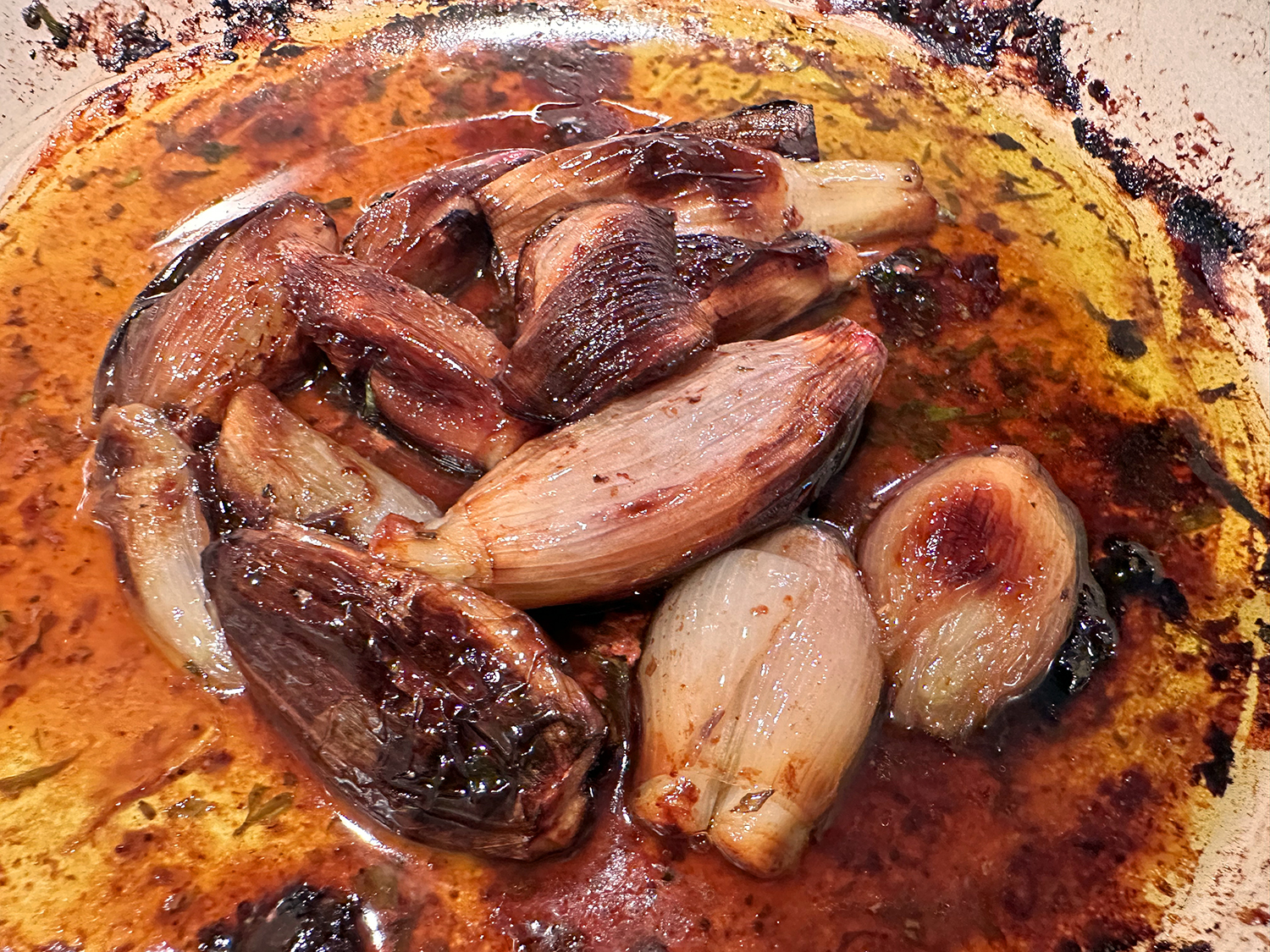
Nothing like a fabulous meal using a limited number of ingredients. We decided to include about a dozen shallots to surround the poultry and add the beloved allium flavor. As they roast with the chicken, the shallots become all soft and jammy.

Serving the chicken with mashed potatoes or polenta, provide a soft bed to absorb all the heady, buttery juices. But we were jonesing to try the “Gunpowder Potatoes” in this case. If you choose the mashed potatoes idea, go ahead and make a flavorful pan sauce, especially if you add those shallots.

Oh, and if you’re not a tarragon fan, fresh thyme makes an excellent, milder substitute.

Roast Tarragon-Cognac Chicken

  • Servings: 4
  • Difficulty: easy
  • Print

Ingredients

  • 1 4-lb. whole chicken
  • 10-12 shallots, trimmed and peeled
  • 2 tsp. coarse gray sea salt or 2½ teaspoons kosher salt (such as Diamond Crystal)
  • 6 Tbsp. unsalted butter, softened
  • 1 bunch fresh tarragon, leaves and tender stems coarsely chopped (about ¾ cup)
  • 2 Tbsp.s Cognac
  • 1 tsp. freshly ground black pepper

Directions

  1. Pat the chicken dry and salt the bird inside and out. Transfer to a plate or baking dish, preferably on a rack, and refrigerate uncovered for at least 1 hour or overnight. (Ours was in the fridge for 4 hours.)
  2. When ready to cook the chicken, heat the oven to 400 degrees.
  3. In a small bowl, combine butter, tarragon, 1 tablespoon Cognac and the pepper. Rub mixture inside the chicken cavity and over and under the chicken skin.
  4. Place chicken on a rimmed sheet pan or in a large, ovenproof skillet. Roast, breast side up, until the skin is golden and crisp, and the juices run clear when you insert a fork in the thickest part of the thigh (165 degrees), about 1 hour.
  5. Turn off the oven — don’t skip this step, or the Cognac may overheat and catch fire — and transfer the pan with the chicken to the stovetop. Pour the remaining 1 tablespoon Cognac over the bird and baste with some of the buttery pan juices. Immediately return the chicken to the turned-off oven and let rest there for 10 minutes before carving and serving.

http://www.lynnandruss.com

Adapted from a recipe by Melissa Clark for NYTimes Cooking

Roasted Fingerling Potatoes with Tarragon Shallot Butter

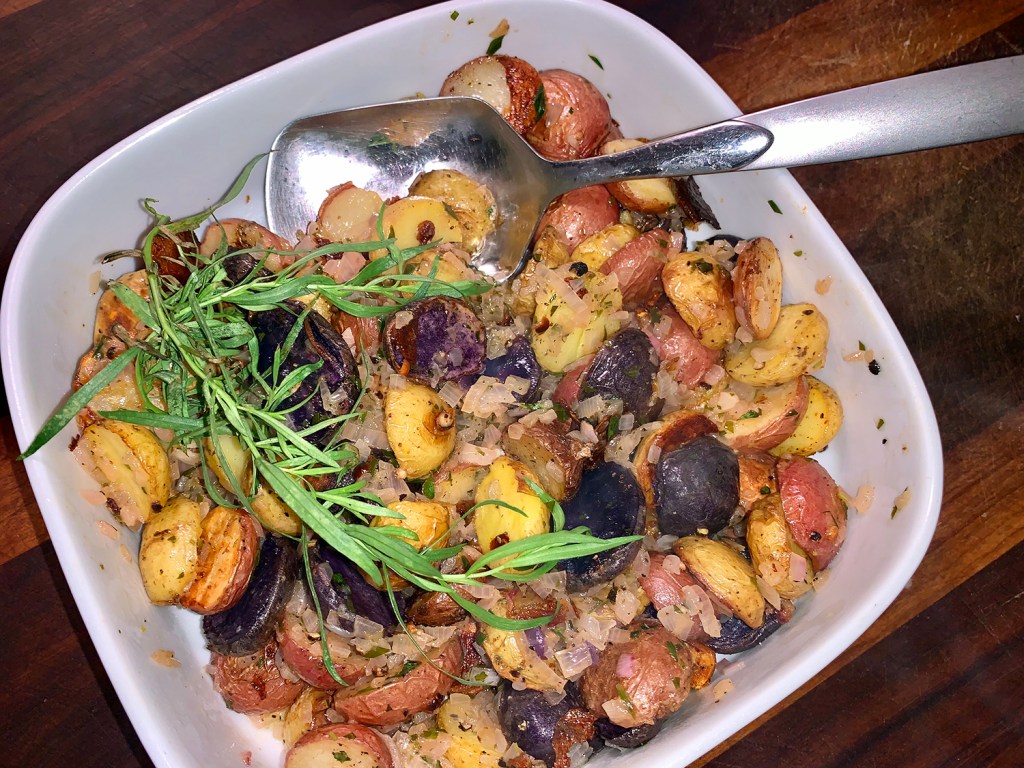
Potatoes are one of my favorite sides, no matter how they are cooked. And, this recipe is one I’ve never tried before, but will be sure to make again. Paired with a sirloin steak that marinaded in a sauce also containing fresh tarragon, they made great dinner companions.
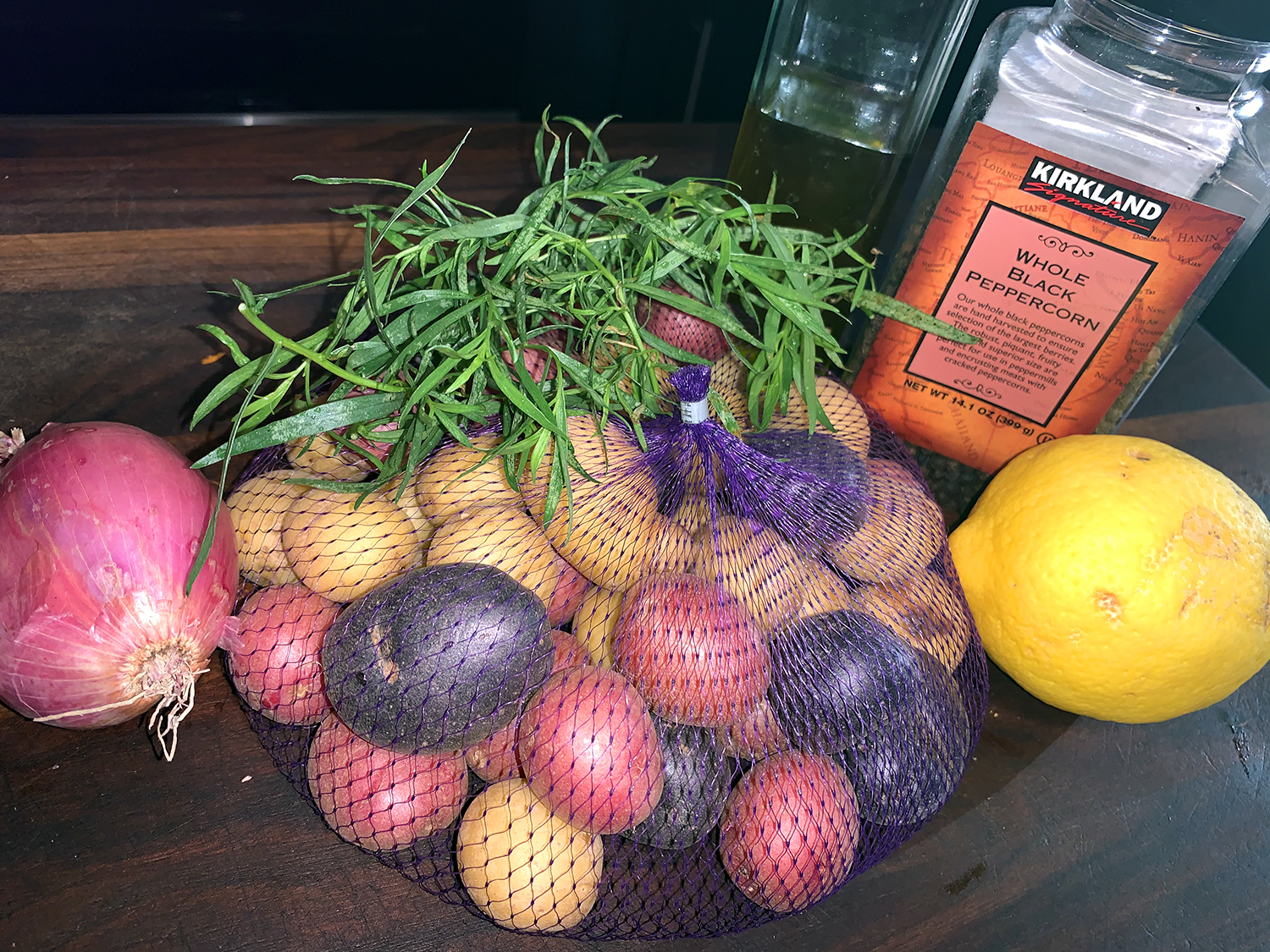
The original recipe called for mixed-color fingerling potatoes, but the grocery store was plum out of any type of fingerlings. However, there were some tri-colored baby spuds available. And I mean “baby” to the point of almost preemies! Thus I knew the cooking time was going to be drastically reduced.

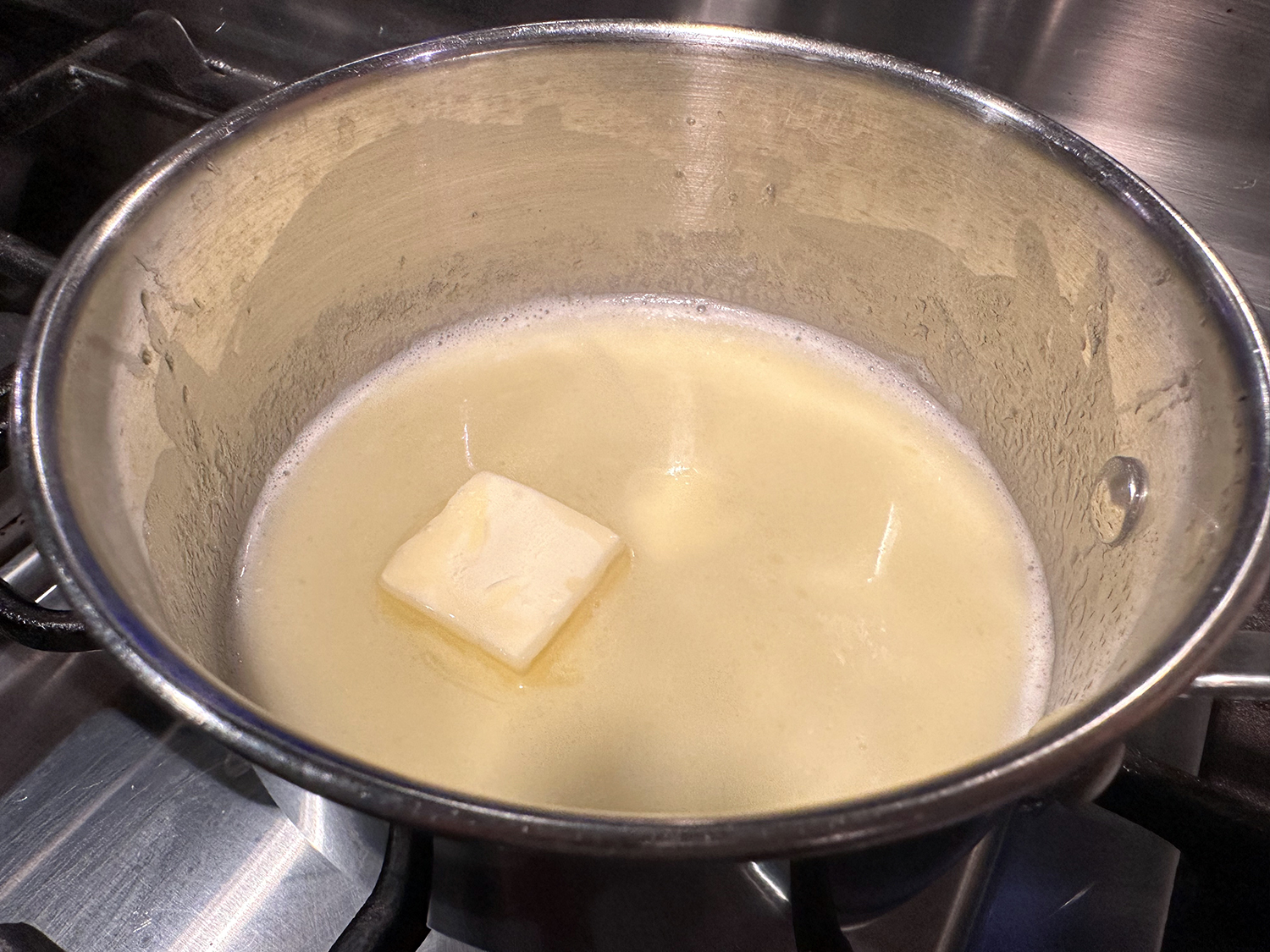
As your potatoes are finishing roasting, make the luscious tarragon-shallot sauce. The actual sauce is made up of only five ingredients: unsalted butter, finely chopped shallot, crushed black peppercorns, lemon zest and juice, and finely chopped tarragon. But boy, it delivers flavor in spades!

Roasted Fingerling Potatoes with Tarragon Shallot Butter

  • Servings: 4-6
  • Difficulty: easy
  • Print

Ingredients

Roasted Fingerling Potatoes:

  • 1½ lbs. fingerling potatoes, mixture of yellow, red, and blue, if possible
  • 1 Tbsp. extra virgin olive oil
  • Kosher salt
  • Freshly ground black pepper

Tarragon Shallot Butter:

  • 3 Tbsp. unsalted butter
  • 1 large shallot, finely diced
  • ½ tsp. whole black peppercorns, coarsely crushed
  • 2 tsp. fresh lemon zest
  • 3 large sprigs fresh tarragon, plus more for garnishing leaves removed and finely chopped
  • Juice of ½ lemon
  • Fosher salt

Directions 

  1. Roast Fingerling Potatoes: Preheat oven to 450°F (232°C) with a rack in the center position. Rinse and dry the potatoes thoroughly. Slice the fingerling potatoes in half lengthwise. Toss on a large baking sheet with the olive oil and a generous sprinkling of salt and pepper.
  2. Place the potatoes cut-side down on the sheet pan and spread them out evenly on the baking sheet. Roast for 15 minutes. Flip the potatoes and roast for an additional 10 minutes, or until the potatoes are caramelized, crispy, and fork-tender. Remove the potatoes from the oven, place on a rack, and allow them to cool slightly while you prepare the tarragon shallot butter.
  3. Prepare Tarragon Shallot Butter: In a small skillet, heat the butter over medium heat. Once the butter has melted fully and is bubbling slightly, add the shallot and sauté, stirring frequently, for 1 to 2 minutes, or until soft and translucent.
  4. Add the crushed peppercorns, lemon zest, chopped tarragon leaves, and lemon juice. Reduce heat to low, and continue to reduce the sauce for an additional minute or so. Season sauce to taste with salt and pepper.
  5. Place the roasted potatoes in a shallow heat-proof bowl. Pour the warm tarragon shallot butter (scrape the skillet with a spatula to remove any bits) over the potatoes, and toss them gently with a spoon until they are evenly coated. Season to taste with salt and pepper. Garnish with additional tarragon and serve immediately.

http://www.lynnandruss.com

Adapted from a recipe found on abeautifulplate.com

Grilled Tarragon Mustard Flank Steak

Our vegetable garden was brimming with an assortment of aromatic herbs and one of them that exploded recently was the tarragon. We often pair tarragon with chicken but thought perhaps steak might make a good companion for a change.

Never used tarragon? It is a leafy green herb that is highly aromatic with a subtle licorice flavor. It adds a fresh, spring taste and a bit of elegance to a variety of recipes, including salad dressings, sauces, fish, chicken, and in this case, a steak dish. In France, it is referred to as “the king of herbs” because of its ability to elevate a dish, and is one of the four herbs in the French mixture fines herbes, a combination of parsley, tarragon, chervil, and chives.

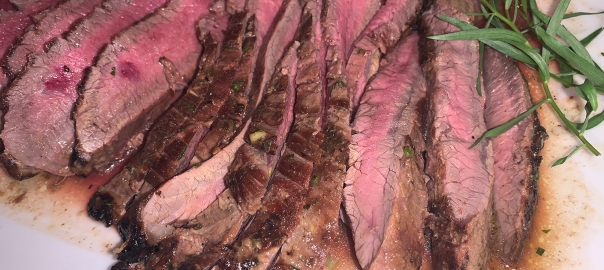
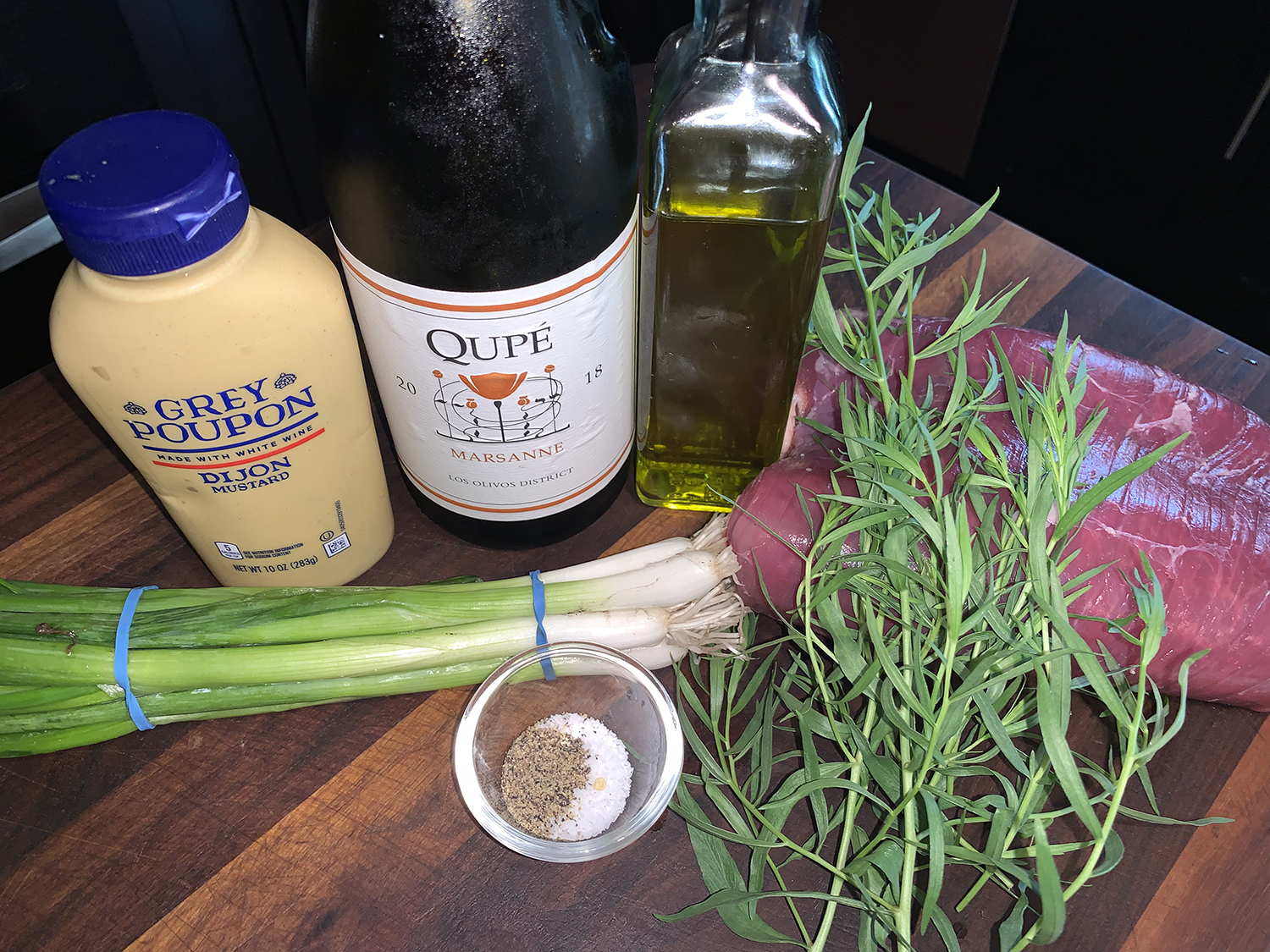
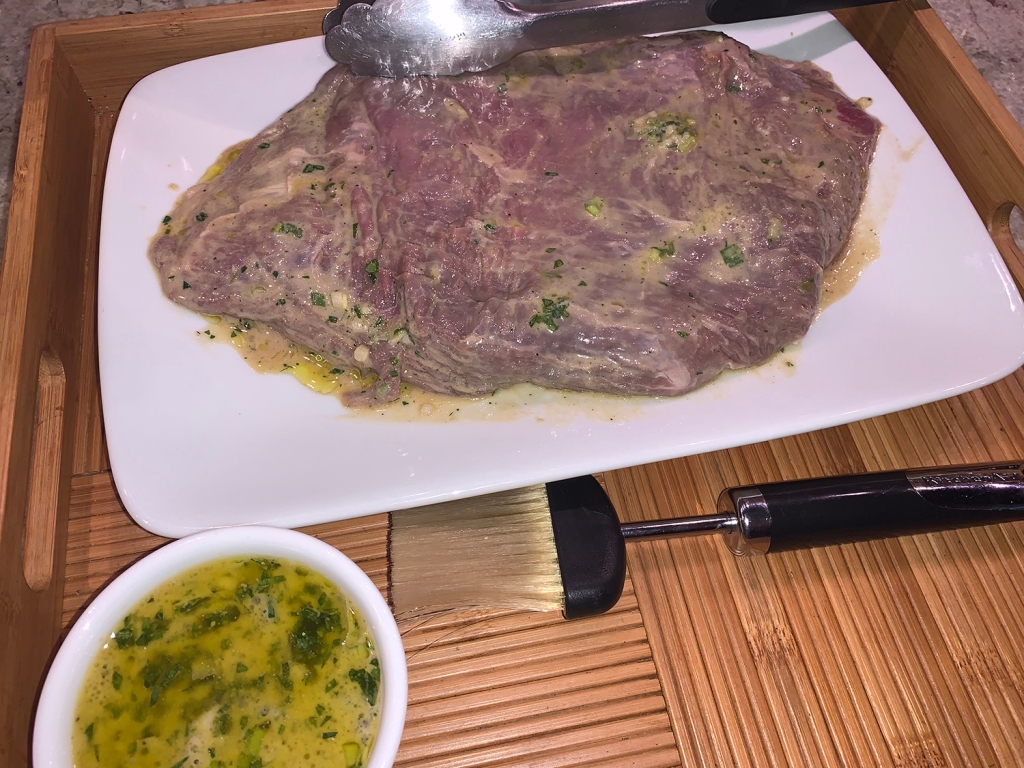
While the cooking time for this recipe is minimal, you want to make sure you leave ample time to marinate the meat so that it gets all happy in those flavors of mustard, white wine, scallions and of course, tarragon.

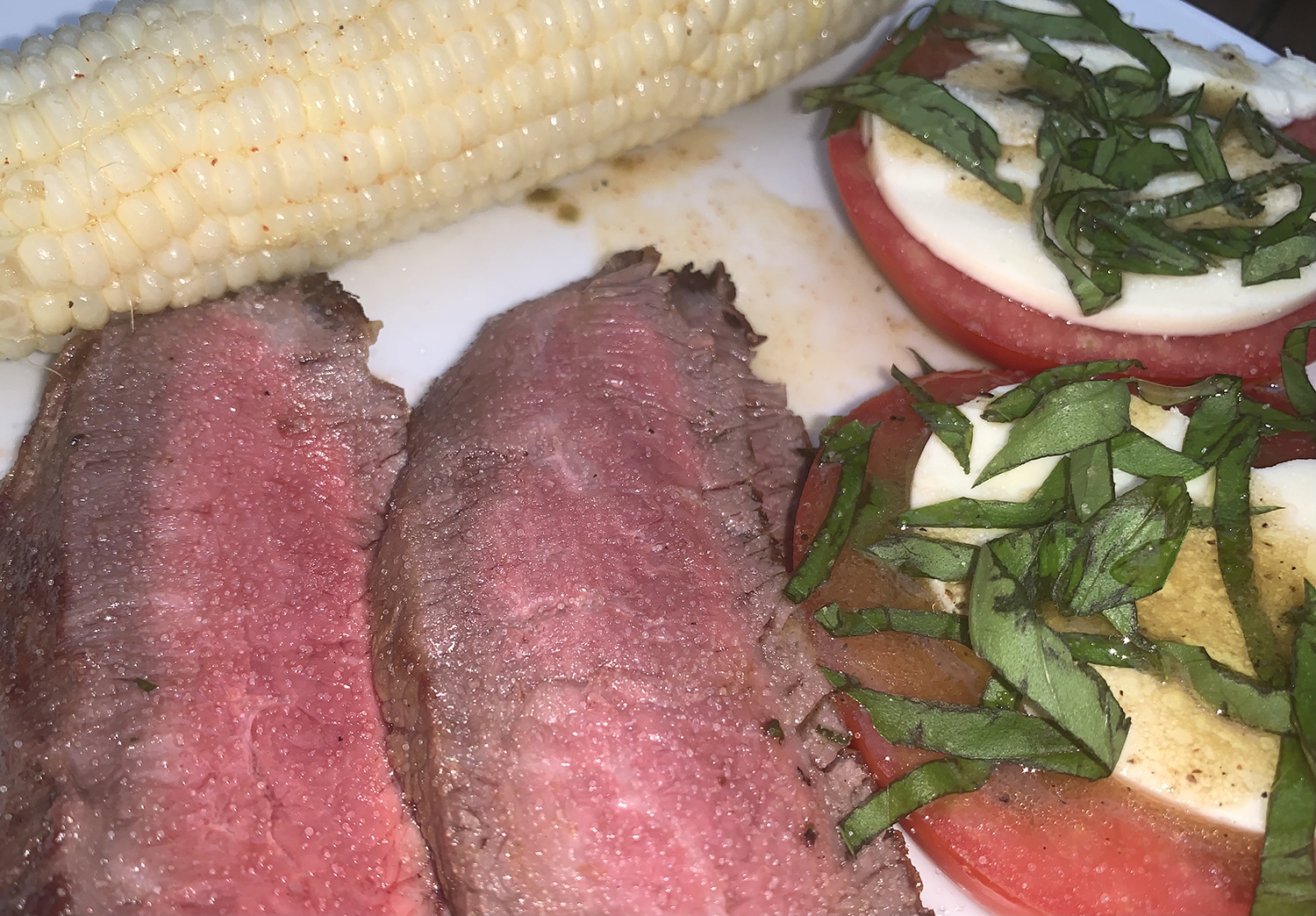
From mid- to late-summer we often pair our grilled entrées with fresh picked corn and locally grown tomatoes, and this was no exception. The basil was just plucked from our herb garden for the caprese salad, which is also where the tarragon came from.

Grilled Tarragon Mustard Flank Steak

  • Servings: 4-6
  • Difficulty: easy
  • Print

Ingredients

  • 1 2-lb. flank steak
  • 1/2 cup olive oil
  • 1/2 cup white wine
  • 1/4 cup mustard (Dijon or grainy Dijon mustard work really well for this)
  • 3 scallions, chopped
  • 3 Tbsp. chopped fresh tarragon, plus extra for garnish
  • Coarse salt and fresh ground pepper

Directions

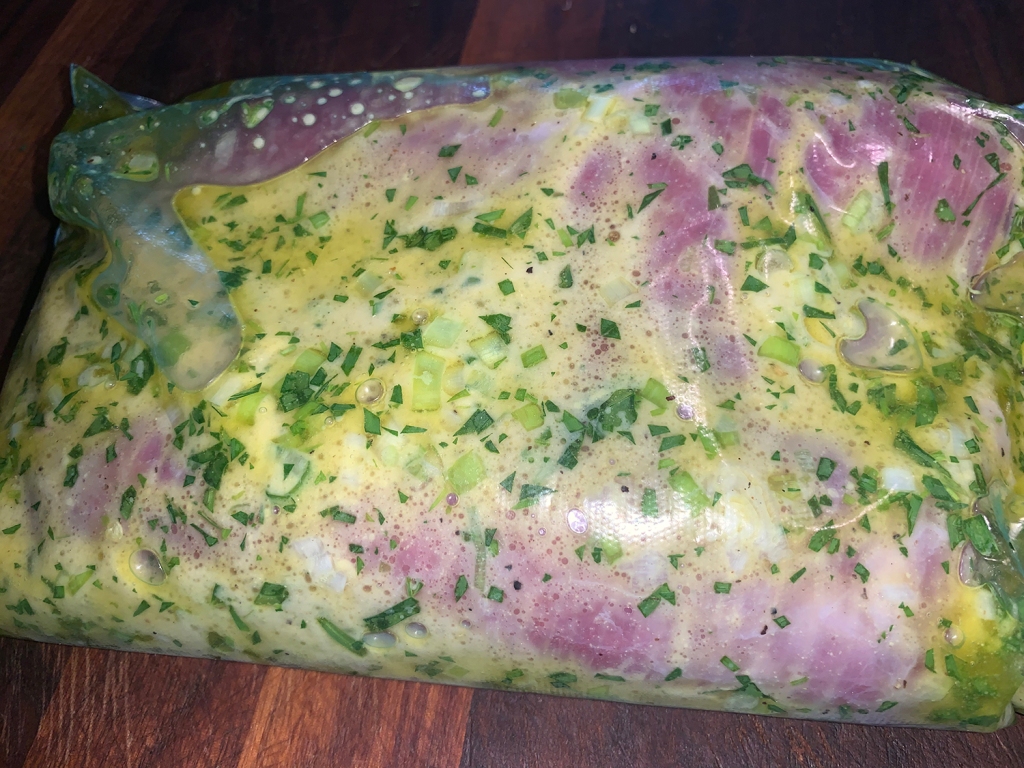
  1. Combine oil, wine, mustard, scallions and chopped tarragon in a zipper plastic bag. Add steak, seal bag and rotate until steak is coated.
  2. Marinate in refrigerator for 2 hours and up to overnight, turning the bag over occasionally.
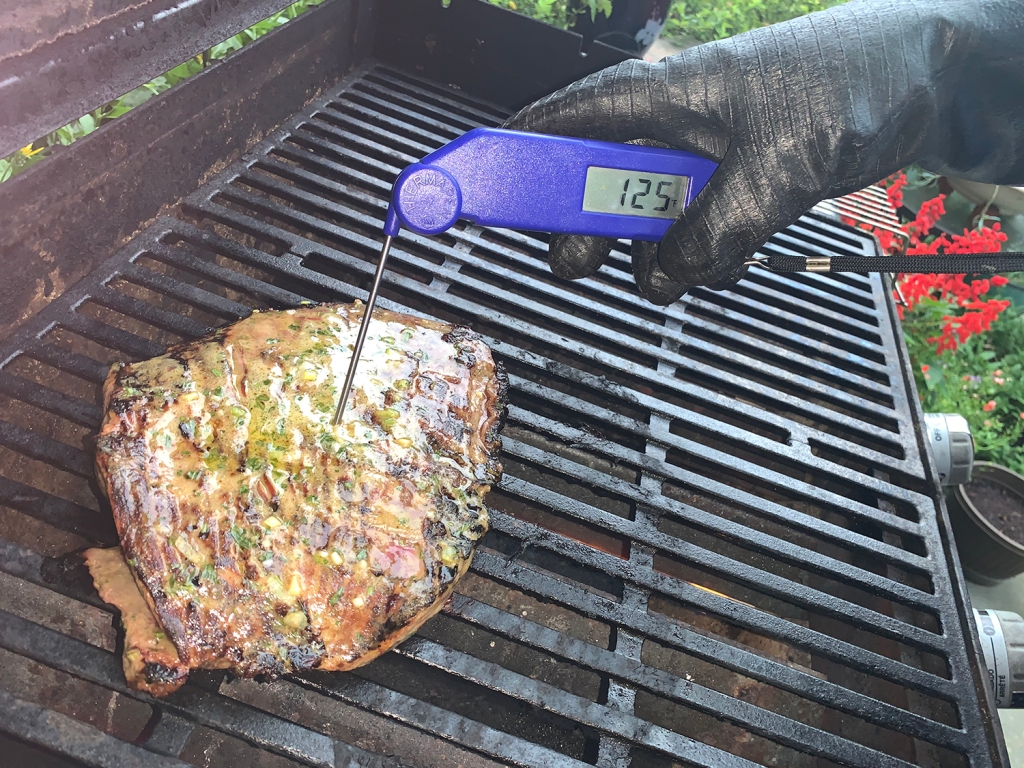
  3. Heat grill to high. Reserve some marinade for basting, discard the rest. Grill steak for 5 minutes per side for medium rare, 125° on an instant-read thermometer.
  4. Rest steak on a moated carving board under foil for 10 minutes (don’t skip this step) and then thinly slice at an angle and against the grain. Arrange on a platter and drizzle any accumulated juices over meat. Serve at once.

http://www.lynnandruss.com

Adapted from recipe for FramedCooks.com

White Balsamic Chicken with Tarragon

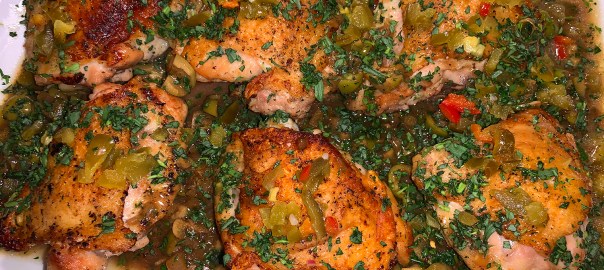
Sweet-tart white balsamic vinegar and tangy Peppadew peppers bring flavor and color to this weeknight chicken dish found on Milk Street. White balsamic, which is not cooked and aged as long as regular balsamic vinegar, has a mellow acidity that complements the peppadews, a variety of small, sweet peppers from South Africa.

Peppadews add slight heat and additional sweetness, as well as a vivid splash of red. Find them (or not) jarred at most grocery stores, and sometimes loose at the olive bar. Unable to locate peppadews, we substituted cherry peppers. And for some odd reason, there were no plain pitted green olives (no open olive bar during COVID) and all the jarred versions were pimento stuffed. Frustrating yes, but in the end… FRIGGIIN’ delicious!!

Packed with Flavor

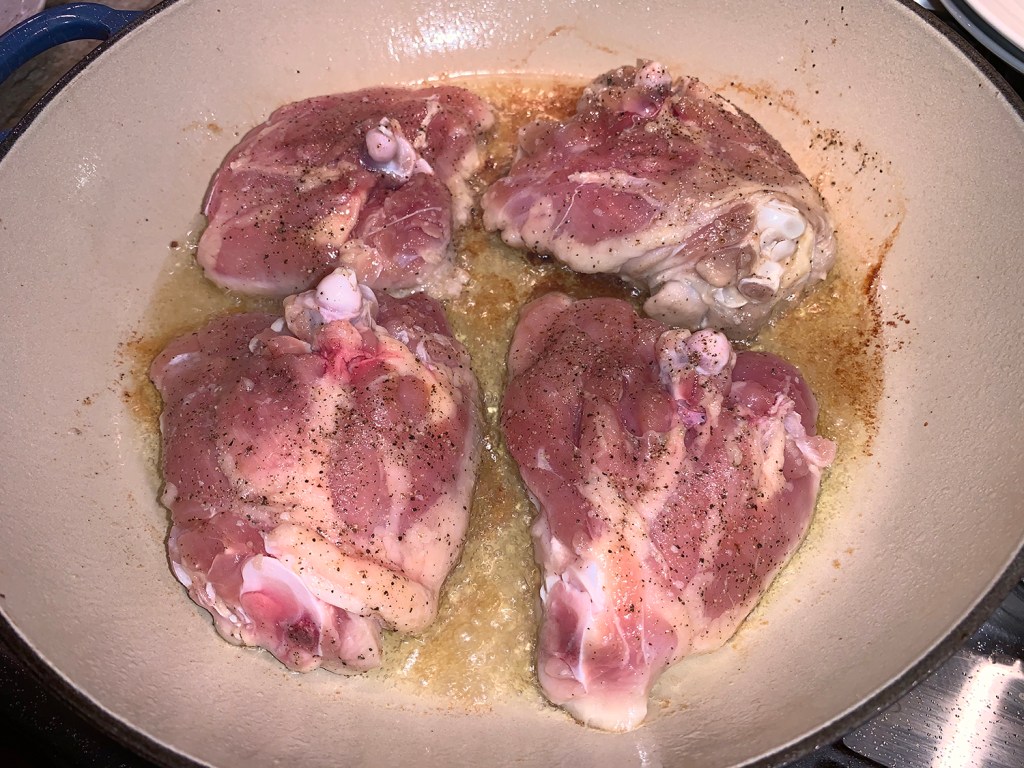
Don’t rush rendering the fat from the skin on the chicken thighs. The skin should be golden brown and feel crisp. When reducing the sauce before serving, add water if the liquid is less than 1 cup. It took us extra time to get the sauce reduced to one cup, more like 6 minutes,

The sauce was just bursting with flavor and the chicken retained crispy exteriors and juicy interiors. Some serving suggestions are with roasted sweet potatoes—our choice—boiled baby red potatoes or spinach pasta tossed with butter and poppy seeds.

White Balsamic Chicken with Tarragon

  • Servings: 4
  • Difficulty: easy
  • Print

Ingredients

  • 3 lbs. bone-in, skin-on chicken thighs, trimmed and patted dry
  • Kosher salt and ground black pepper
  • 1 Tbsp. grapeseed or other neutral oil
  • 3 garlic cloves, thinly sliced
  • 1 medium shallot, minced (about â…“ cup)
  • ¾ cup white balsamic vinegar
  • ¾ cup low-sodium chicken broth
  • â…“ cup pitted green olives, chopped
  • 4 Tbsp. finely chopped fresh tarragon, divided
  • â…“ drained peppadew peppers, chopped

Directions

  1. Heat the oven to 450°F with a rack in the middle position. Season the chicken on all sides with salt and pepper.
  2. In a 12-inch oven-safe skillet over medium-high, heat the oil until smoking. Add the chicken, skin down, and cook until fat is rendered and the skin is golden brown, about 5 minutes. (You will probably have to do this in two stages as you don’t want to crowd the pan and steam instead of crisp the skin.)
  3. Transfer the chicken skin up to a plate. Pour off all but 1 tablespoon of fat from the skillet. Stir in the garlic and shallot and cook over medium, stirring occasionally, until light golden brown, about 1 minute.
  4. Add the vinegar and broth and bring to a simmer, scraping up any browned bits. Return the chicken to the skillet, skin up. Transfer to the oven and bake until the chicken reaches 175°F at the thickest part, or a skewer inserted into the thickest part meets no resistance, 12 to 15 minutes.
  5. Transfer the chicken, skin up, to a deep platter and return the skillet to the stovetop (handle will be hot) over medium-high. Bring the sauce to a boil and cook until reduced to about 1 cup, 2 to 3 minutes (or longer if necessary).
  6. Stir in the olives, then taste and season with salt and pepper. Off heat, stir in half the tarragon, then spoon the sauce around the chicken.
  7. Top with Peppadews and the remaining tarragon.

http://www.lynnandruss.com

Adapted from a recipe by Courtney Hill of Milk Street

Honey-Mustard Turkey Cutlets with Arugula, Carrot, and Celery Salad

Tarragon is the secret ingredient in the honey-mustard coating for these quick-cooking turkey cutlets. It adds lovely licorice notes that elevate without overwhelming.

Our turkey cutlets were obtained at Zook’s Meats in the Newtown Farmer’s Market. Inquiring at their meat counter if they had any turkey cutlets, the woman showed Russ a fresh boneless, skinless breast and suggested she could cut it down for us however we wanted. And she did just that at no extra cost.

IMG_5311
Each cutlet was placed between saran wrap and pounded thin.

IMG_5315
Once the cutlets were pounded, I realized they were too big and cut them in half.

I did still pound them down to about an 1/8″ thick. Then they were so large I cut each of three cutlets in half, producing six total. Unfortunately, I also had to make 50% more of the mustard marinade because the original amount only covered 4 pieces. We had enough tarragon growing in our herb garden so it was no bother to go out and cut some more.

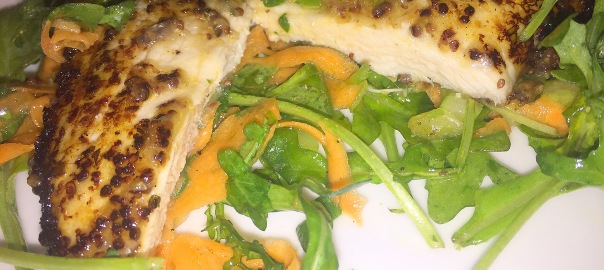
To plate, we arranged a larger bed of the salad before placing the turkey cutlet on top. After which we crowned the meat with a smaller helping of salad. I knew I was going to like this dish based on the ingredients, but I wasn’t prepared for how much I did actually like it!

We had three cutlets left over, so the following evening (our usual leftovers night) I made more of the same arugula salad (love the peppery bite), slightly reheated the meat, and we had an instant dinner.

IMG_5309
Ingredients are prepped to make the salad.

IMG_5307
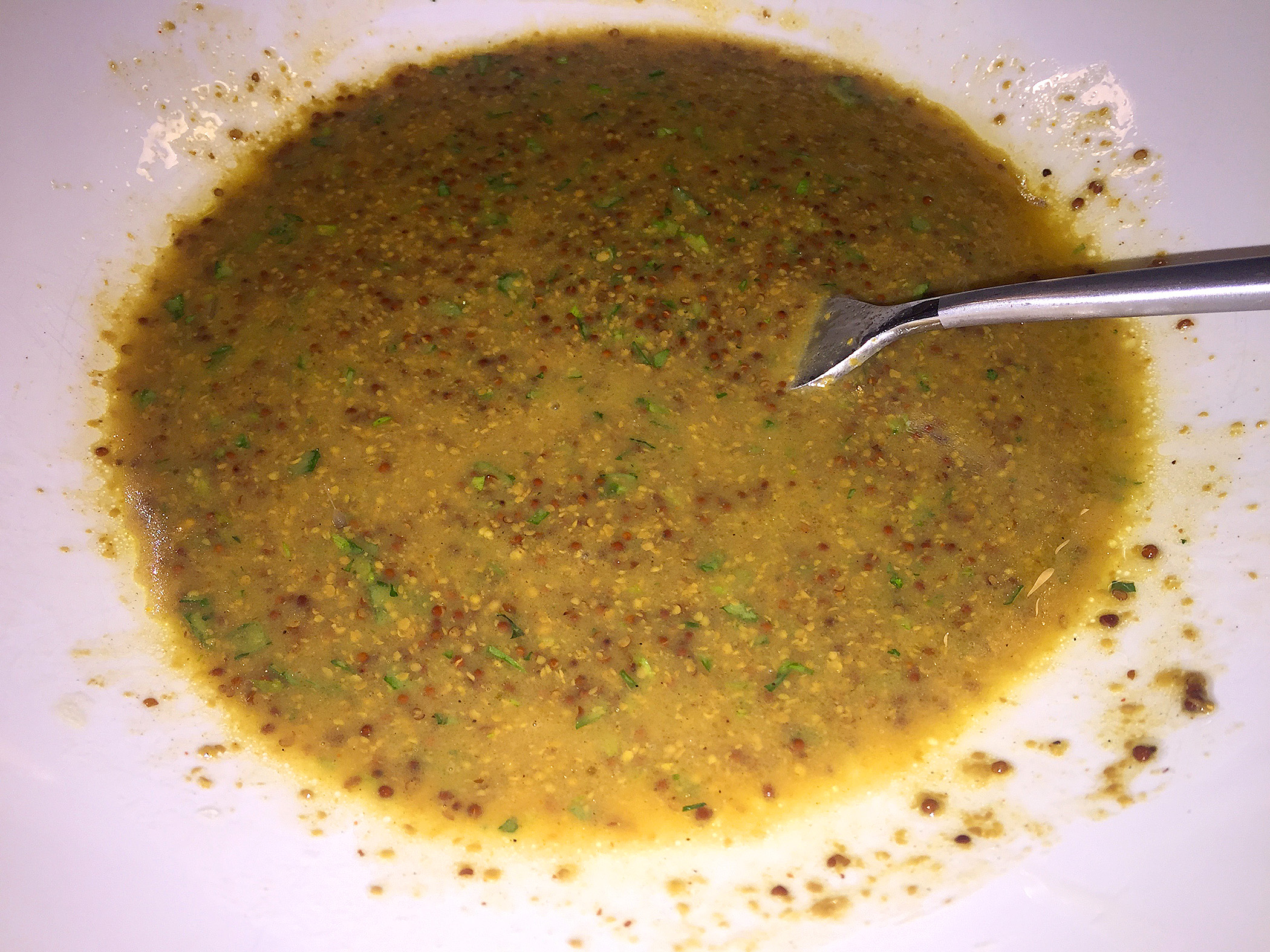
A mustard vinaigrette consists of whole-grain mustard, olive oil, honey, lemon juice, and tarragon.

IMG_5318
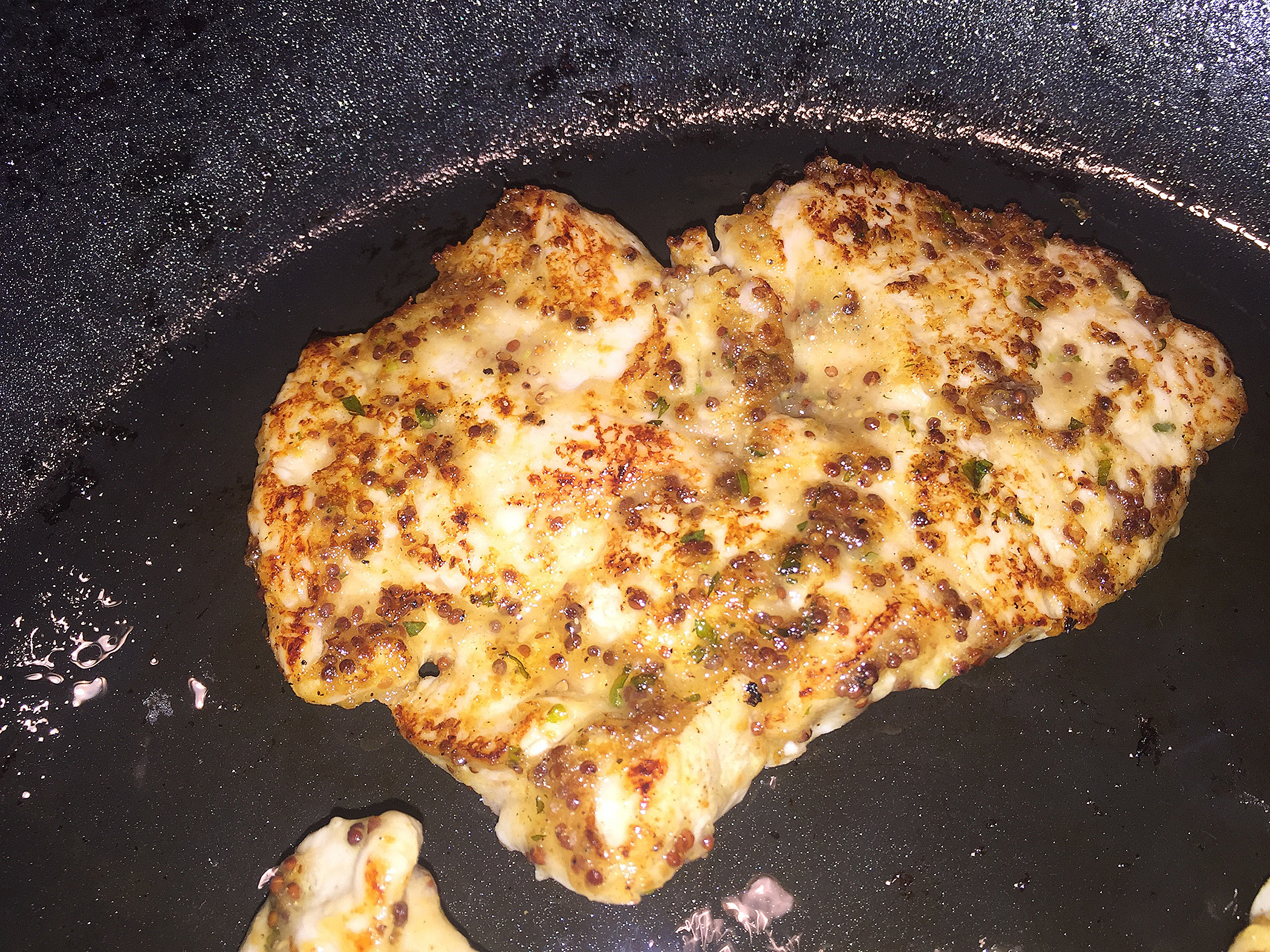
After dredging through flour, each cutlet is then washed in the mustard vinaigrette.

IMG_5322
The cutlets are browned for a few minutes on each side in a hot skillet.

IMG_5324
We plated ours with the salad on top and bottom of the meat.

Honey-Mustard Turkey Cutlets with Arugula, Carrot and Celery Salad

  • Servings: 4
  • Difficulty: easy
  • Print

Ingredients

  • 1/4 cup all-purpose flour
  • Kosher salt and freshly ground pepper
  • 4 Tbs. extra-virgin olive oil
  • 1/4 cup whole-grain mustard
  • 1 Tbs. honey
  • 3 Tbs. fresh lemon juice
  • 1 Tbs. finely chopped fresh tarragon
  • 4 6-oz. turkey cutlets, pounded to 1/8 inch thick
  • 2 Tbs. canola oil; more as needed
  • 1/4 tsp. ground cumin
  • 2 oz. baby arugula (2 packed cups)
  • 2 medium celery ribs, trimmed and sliced 1/8 inch thick on the diagonal
  • 1 medium carrot, thinly shaved with a vegetable peeler

Directions

  1. Combine the flour, 1/2 tsp. salt, and 1/4 tsp. pepper in a shallow bowl. In another shallow bowl, whisk 2 Tbs. of the olive oil, the mustard, honey, 2 Tbs. of the lemon juice, and 2 tsp. of the tarragon.
  2. Dredge each turkey cutlet in the flour mixture and then the mustard mixture. Transfer to a wax-paper- or parchment-lined baking sheet or tray.
  3. Heat 1 Tbs. of the canola oil in a 12-inch nonstick skillet over medium heat until shimmering hot. Add two cutlets and cook, flipping once, until golden brown and just cooked through, 5 to 6 minutes total.
  4. Transfer to a clean plate and tent with foil to keep warm. Wipe out the skillet and repeat with the remaining 1 Tbs. canola oil and the remaining cutlets.
  5. Whisk the remaining 2 Tbs. olive oil, 1 Tbs. lemon juice, cumin, 1/4 tsp. salt, and 1/8 tsp. pepper in a small bowl. In a large bowl, combine the arugula, celery, and carrots; toss with enough of the dressing to lightly coat.
  6. Serve the cutlets topped with the salad, sprinkled with the remaining tarragon, and drizzled with any remaining dressing.

http://www.lynnandruss.com

Recipe by Ronne Day from Fine Cooking