Tag Archives: bell pepper

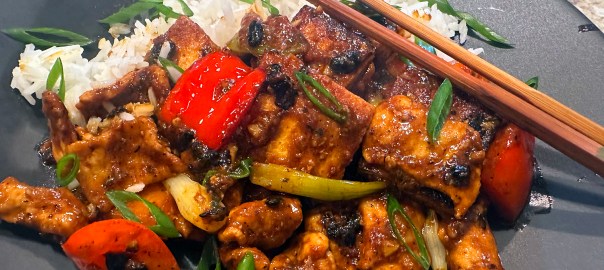
Hunan Pork and Tofu Spicy Stir-Fry

An easy and tasty Hunan Pork and Tofu classic dish served at many Hunan restaurants throughout China and the US., and now you can create in your own home. Hunan-style food, like Sichuan food, features chilis and spice as a core flavor, and has really taken off in popularity in recent years as more Chinese immigrants and visitors make their way into all parts of America. 

According to Woks of Life where we got this dish, this Hunan Pork and Tofu recipe uses a liberal amount of oil (6 tablespoons), but you’ll notice that it’s lacking the strong/visible greasiness that you might see in Chinese restaurants, thank goodness.

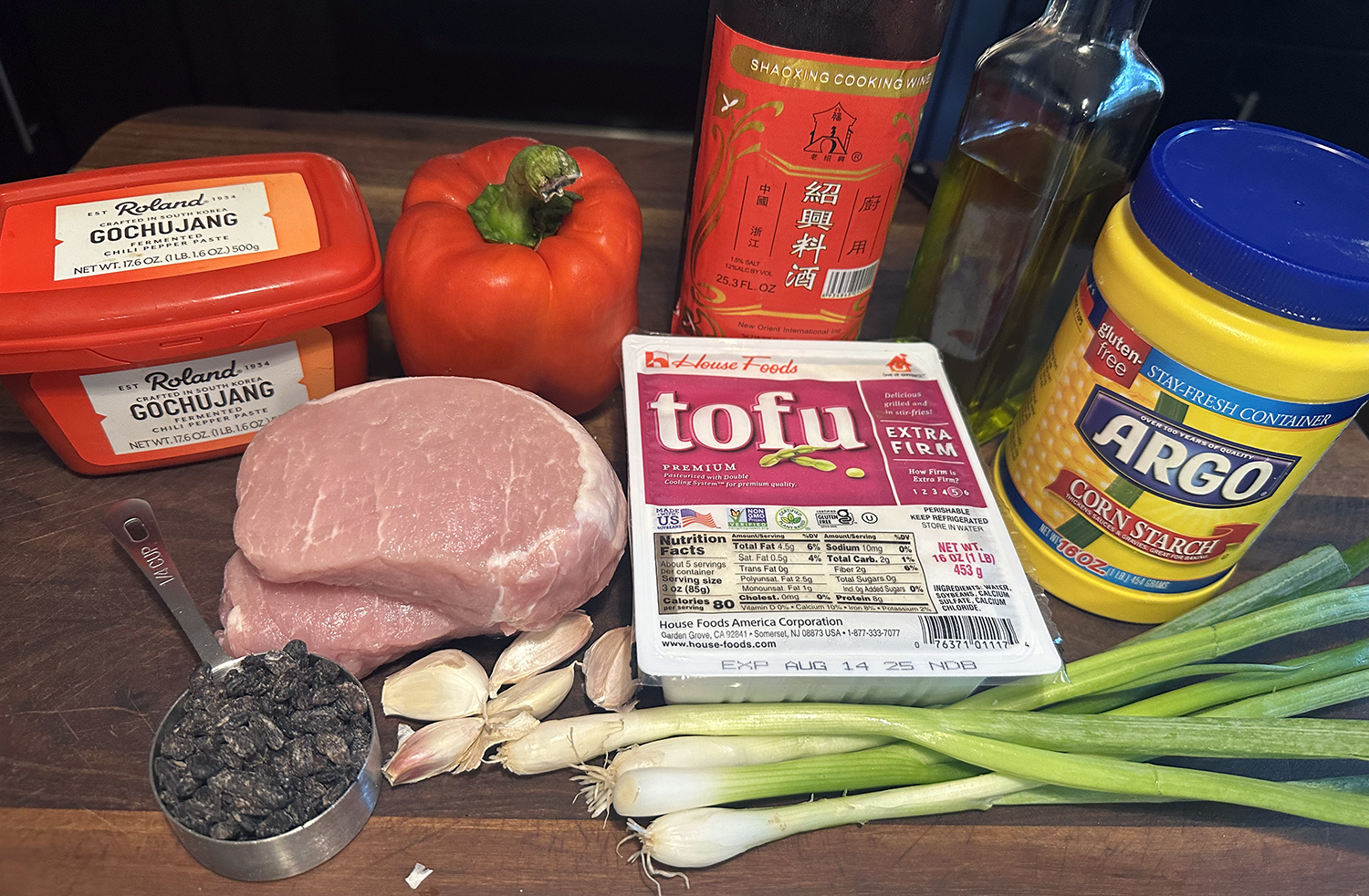
NOTES: We had two boneless pork loins, each weighing 8 ounces, we decided to use both thus increasing the amount of pork from 10 ounces to a total of 16*. Because of the additional protein, we upped the amount of some of the other ingredients. We also used extra-firm tofu.

Out of spicy bean sauce, we substituted gochujang. In most recipes, doubanjiang and gochujang are used in comparable ways. They both provide spicy hits to any meal. However, doubanjiang balances out that spiciness with savory flavors, while gochujang emits sweeter flavors to provide a similar balance. 
Hunan Pork and Tofu Spicy Stir-Fry

  • Servings: 4
  • Difficulty: easy
  • Print

Ingredients

For the pork and marinade:

  • 10 oz. pork (see above note*), sliced ⅛-inch thick
  • 2 Tbsp. water
  • 1 tsp. oil
  • 1 tsp. cornstarch

For the rest of the dish:

  • 6 Tbsp. vegetable or canola oil, divided
  • 1 lb. firm tofu, drained and cut into 2-inch squares, ½-inch thick
  • 1 tsp. ginger, minced
  • 2 Tbsp. spicy bean sauce (dou ban jiang)
  • 3 scallions, cut on an angle into 2-inch pieces
  • 2 tsp. fresh garlic, minced
  • 3 Tbsp. fermented black beans
  • 1 red bell pepper, cut into 1×2-inch pieces, about 1½ cups
  • 1 Tbsp. Shaoxing wine
  • ¾ tsp. sugar
  • ⅓ cup hot water or chicken stock
  • 1 tsp. cornstarch, mixed with 1 Tbsp. water
Directions

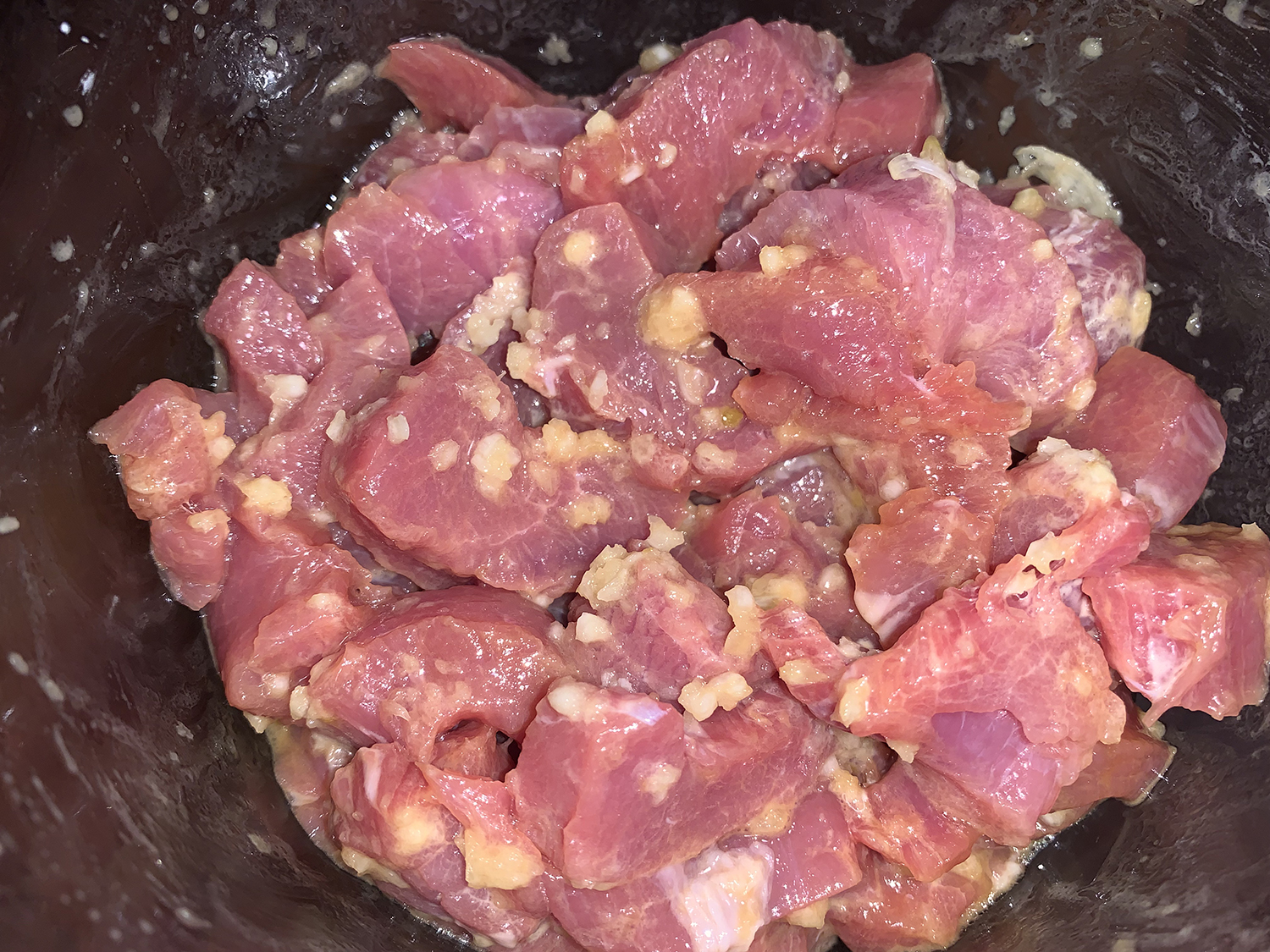
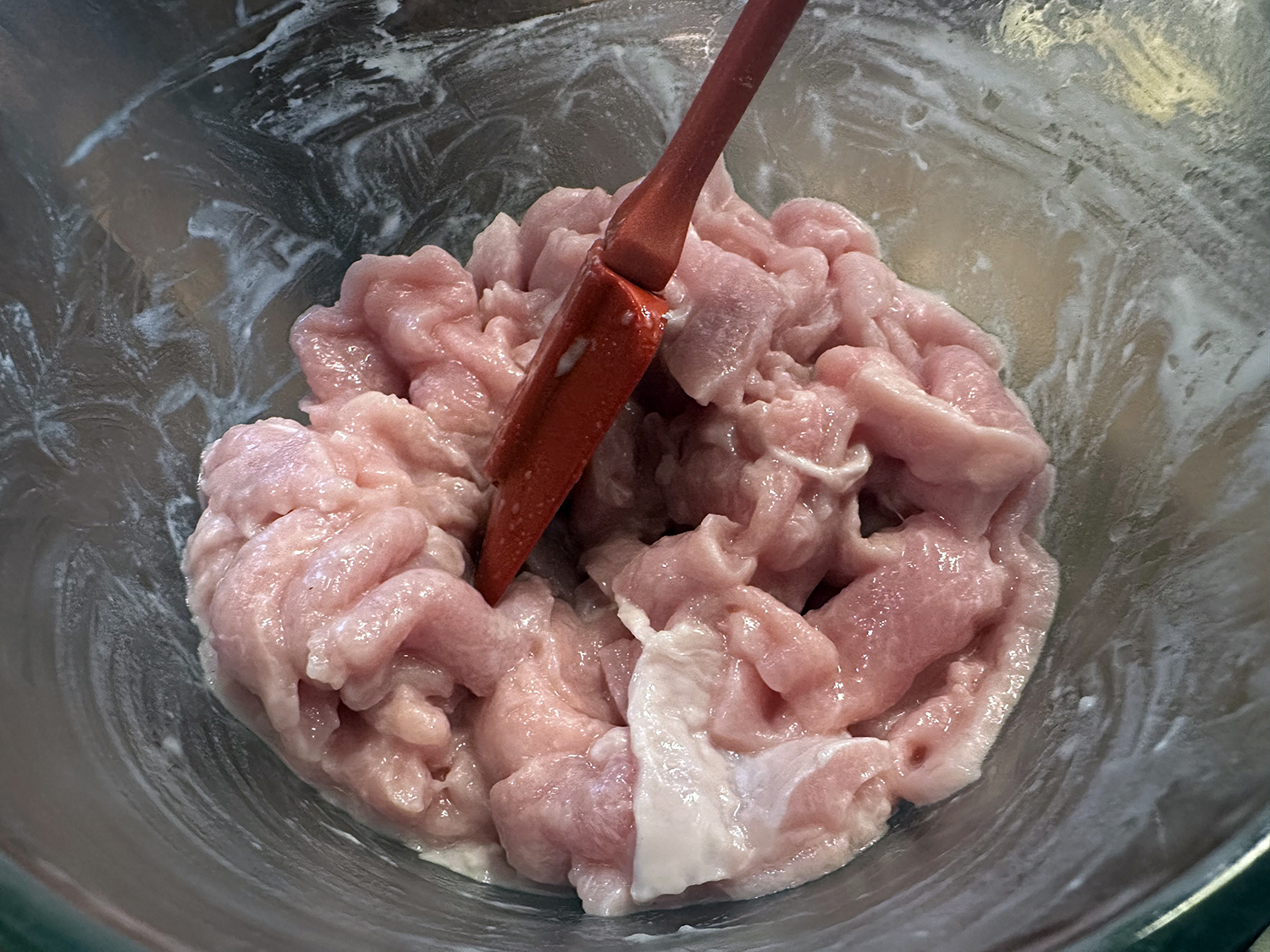
  1. In a bowl, add 2 tablespoons of water to the pork slices and massage until the pork absorbs all of the water. Next, add the oil and cornstarch, mix thoroughly until the pork is coated, and set aside.
  2. Heat your wok over high heat, and spread 2 tablespoons of oil around the wok to evenly coat the surface. Add the tofu slices to the wok in one layer, and let them sear. Don’t move them for a least 1 minute. Tilt your wok so the oil reaches the tofu on all sides. Add more oil if needed.
  3. After another 1 to 2 minutes, the tofu should be browned, and it should not stick to the wok. You may have use a metal spatula to loosen the pieces slightly. Turn down the heat, and carefully flip all of the tofu slices. After the tofu is golden brown on both sides, transfer to a plate. They should be much easier to handle now.
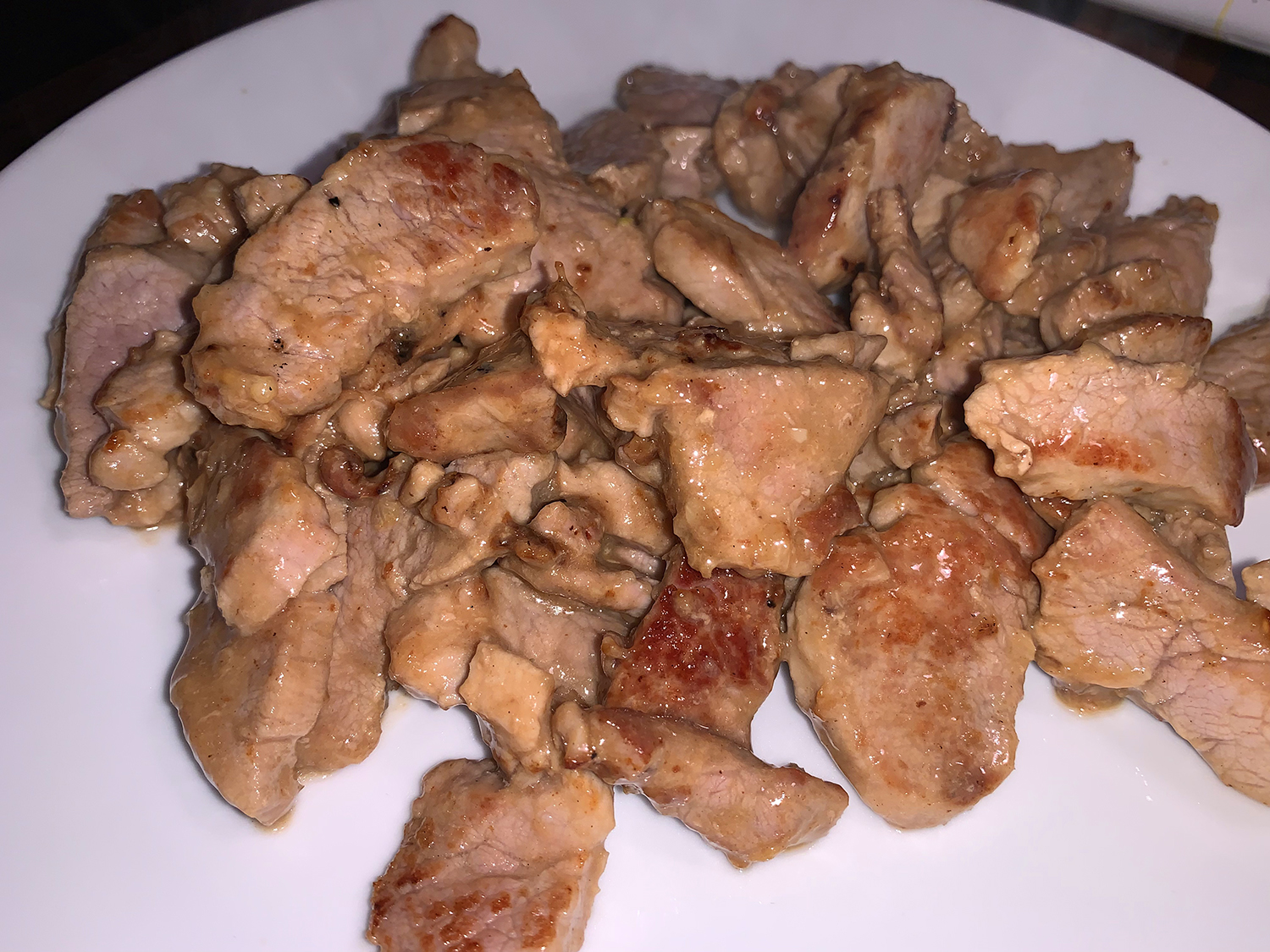
  4. Over high heat, add another 2 tablespoons of oil to your wok. When the wok just starts to smoke a bit, immediately add the pork. Spread the pork around the wok using your metal spatula, and let the meat sear for 20 seconds on one side. Stir fry for another 15 seconds, and scoop out the meat into your marinade bowl. It should be about 80% cooked.
  5. Using the same wok, turn the heat to low, and immediately add 2 tablespoons oil, the minced ginger, the spicy chili bean paste (doubanjiang), and the white parts of the scallions. Stir this mixture into the oil and let it fry at low heat for 15 seconds to infuse the oil and bring out a rich red color.
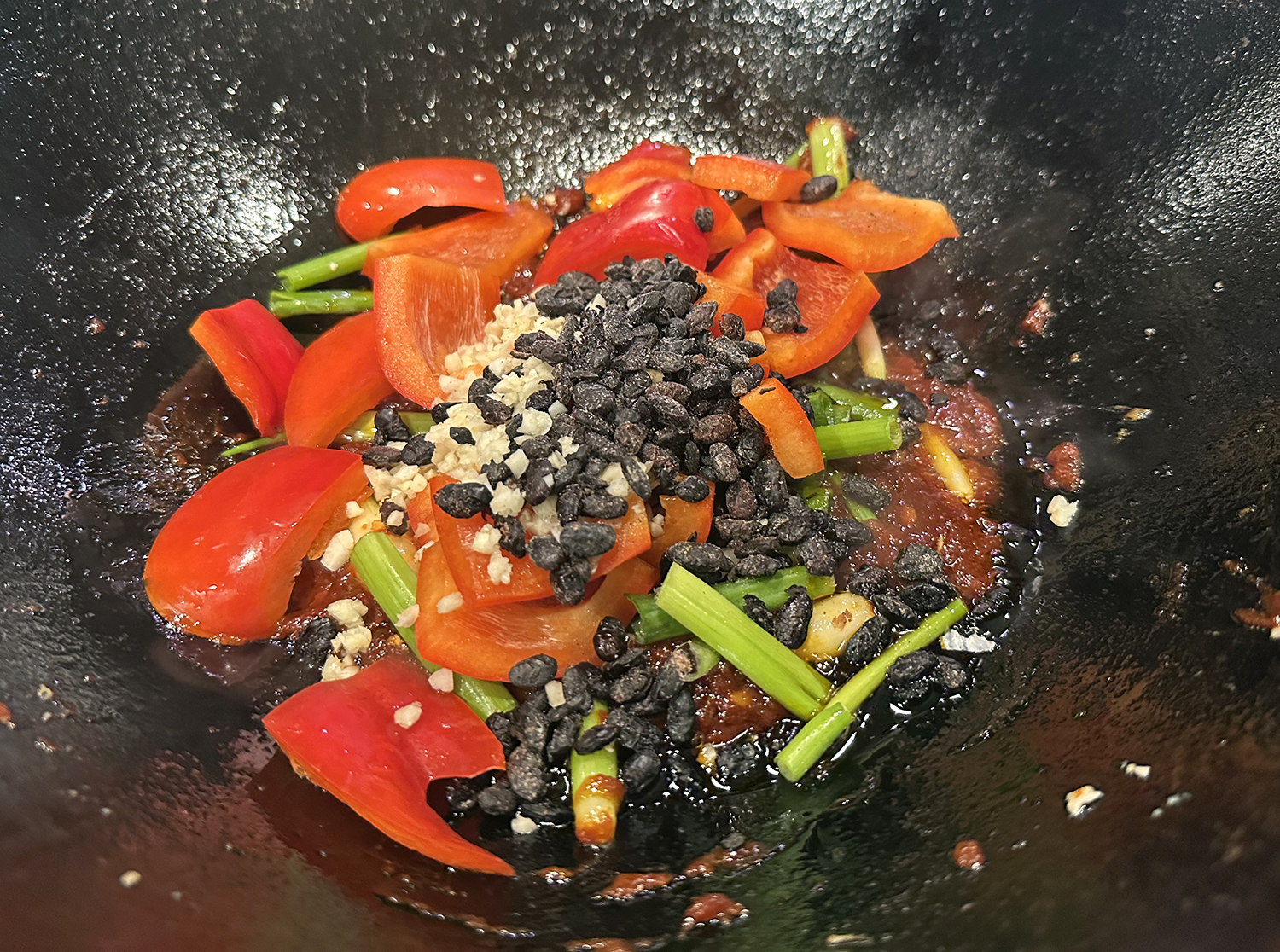
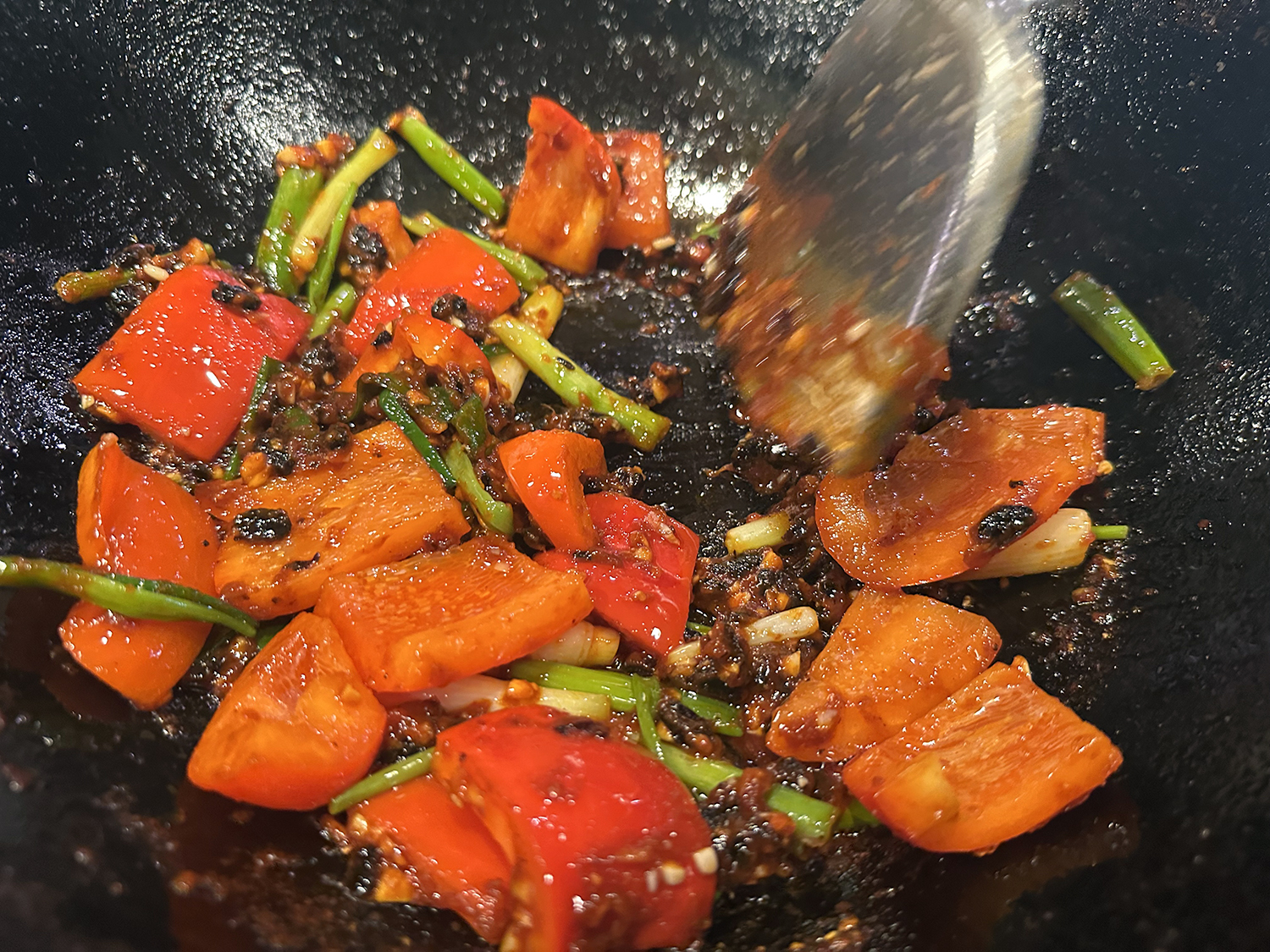
  6. Next, add the garlic, black beans, red bell peppers, and the rest of the scallions. Turn the heat to high, and give everything a good stir-frying for 45 seconds. The red pepper will sear and add more natural red color to this dish.
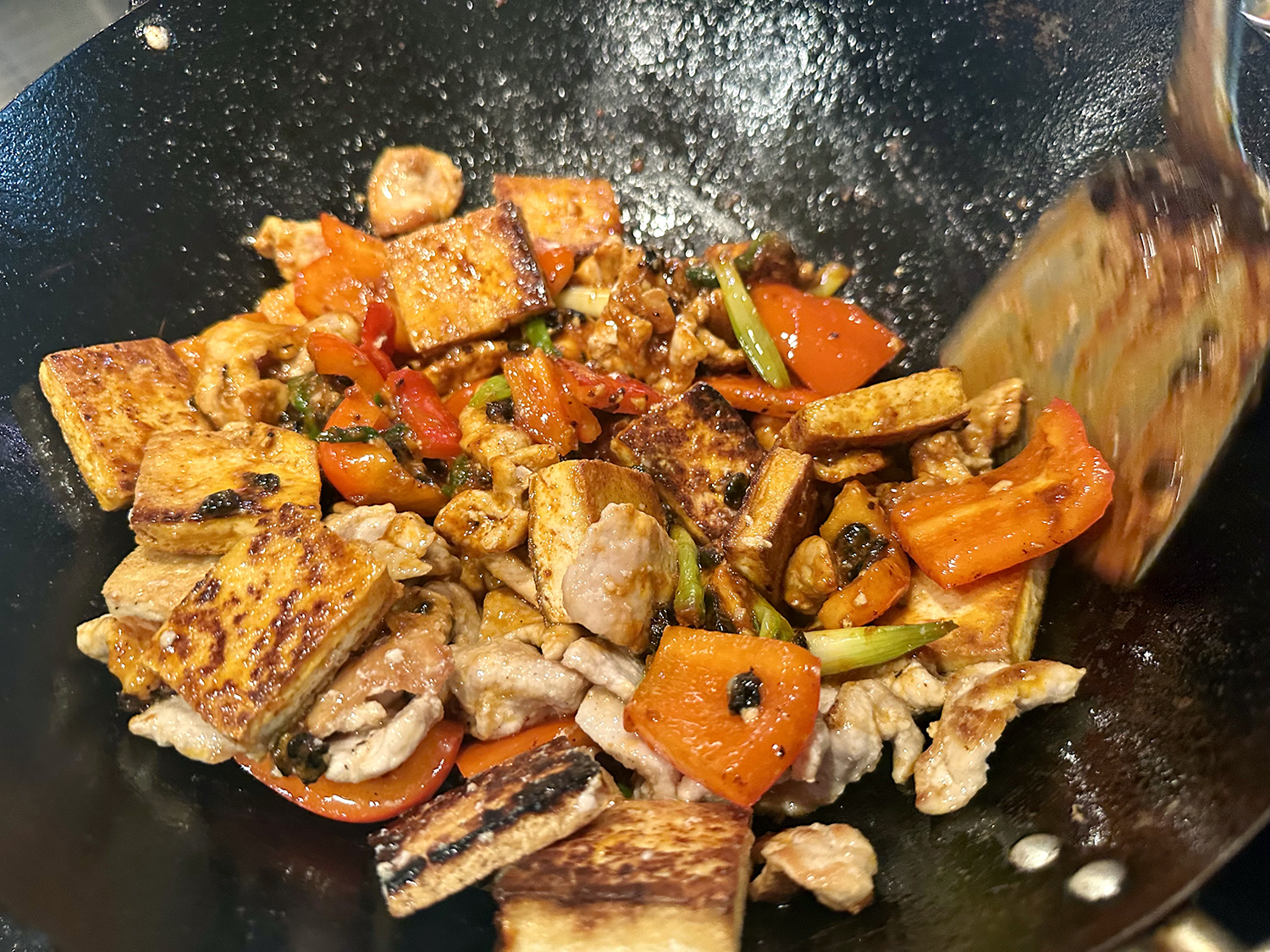
  7. Add the pork and juices from your marinade bowl and the tofu back to the wok. Next, spread 1 tablespoon of Shaoxing wine around the perimeter of the wok, add the sugar, and continue to stir-fry for 15 seconds. Be gentle so you don’t break up the tofu.
  8. After another 15 seconds of stir-frying, spread the hot chicken stock or water around the perimeter of the wok to deglaze it. Continue to stir fry for another 30 seconds, being sure to spread the liquid to the sides of the wok to further deglaze it.
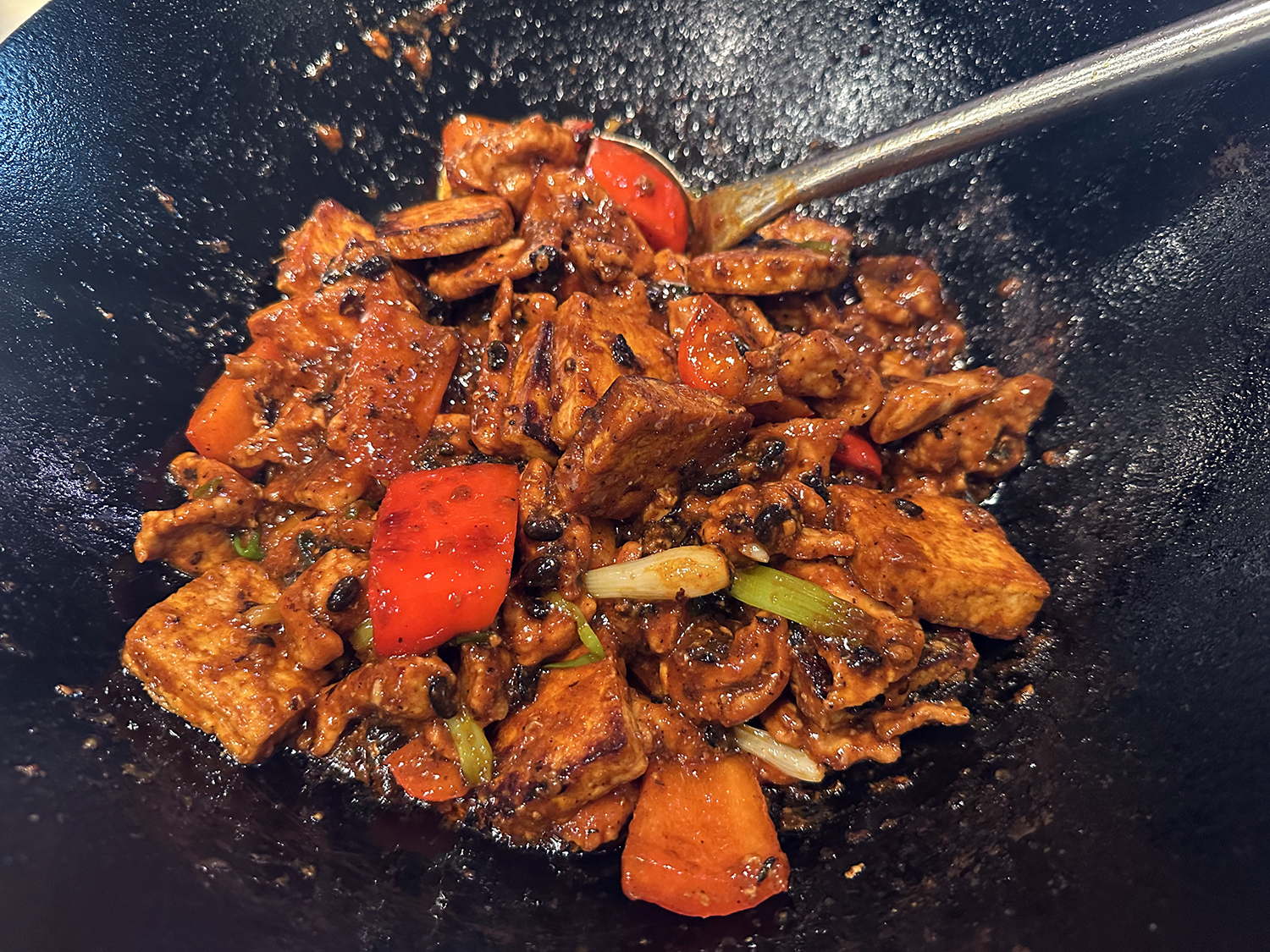
  9. At this point, you can continue to stir-fry the dish until most of the liquid is reduced, or add the water and cornstarch to thicken any standing liquid. Plate with steamed rice.

http://www.lynnandruss.com

Adapted from a recipe by Woks of Life

Cantonese Sweet-and-Sour Pork

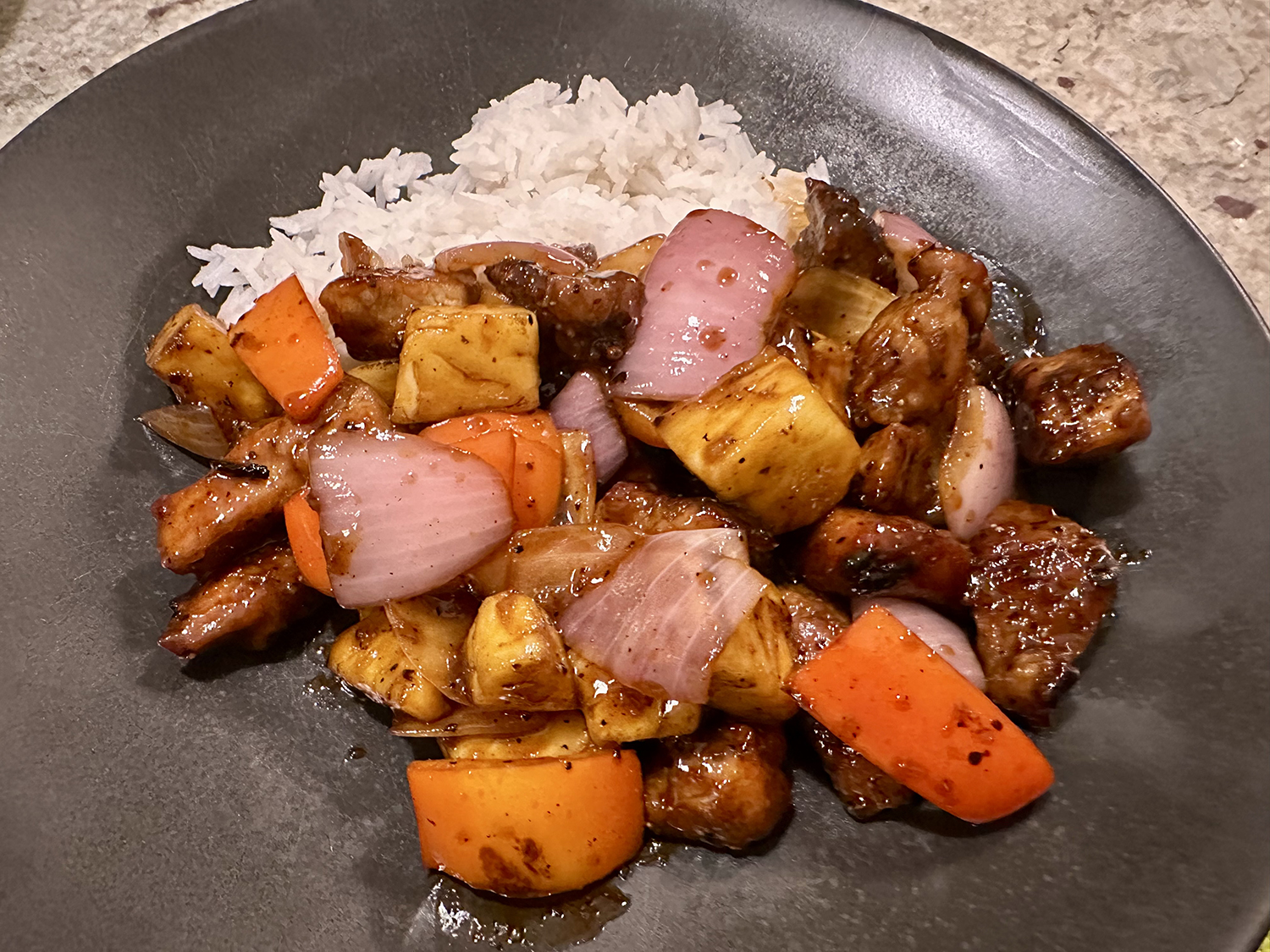
Hands down. THE. BEST. Sweet-and-Sour Pork ever! As The Hubs said “Finally a grown-up version that’s not all gloppy sweet.” In Hong Kong, a true Cantonese sweet-and-sour pork was the predecessor of the overly sweet versions served today in many Chinese-American restaurants (I’m sure you’ve had one or two?). Milk Street created this recipe by combining the attributes of the best ones.

Though the pork typically is deep-fried, it is kept lighter by pan-frying it in just ¼ cup of oil to crisp a thin cornstarch coating. Traditional versions are flavored with hawthorn berries, a crabapple-like fruit. To approximate the flavor of hawthorn berries, use apple jelly—it provides fruitiness, sweetness and a little body to the glaze-like sauce.

Finally, a little MSG amplifies the savoriness, but it’s optional. A 12- to 14-inch wok is the best pan to use, but a 12-inch skillet works, too. If using a skillet, cook the pork in a single batch instead of two.

Don’t use canned pineapple. Milk Street tasted versions in Hong Kong made with canned fruit and they claim the flavor and texture fell flat. Also, be sure the sauce is adequately reduced and thickened before returning the pork to the pan. If it is too thin, its flavor will be diluted and it won’t cling properly to the pork and vegetables.

We were definitely a little skeptical of the level of sweetness with ketchup, sugar and pineapple, but while there was a hint of sweetness, it was by no means cloying. A few changes that we made? Instead of a small red onion, we used a large one; and the amount of fresh pineapple chunks* was more like 3 cups worth.

We both love stir-fries because they are usually quick and contain a lot of vegetables. This recipe has now earned a well-deserved spot in the top ten best of all stir-fries!

Cantonese Sweet-and-Sour Pork

  • Servings: 4
  • Difficulty: easy
  • Print

Ingredients

  • 1 – 1¼ lbs. boneless country-style pork spareribs, cut into ¾- to 1-inch pieces
  • 4 Tbsp. white sugar, divided
  • 3 Tbsp. soy sauce, divided
  • 3/4 tsp. MSG, divided (optional)
  • Kosher salt and ground black pepper
  • 1/2 cup unseasoned rice vinegar
  • 1/4 cup apple jelly
  • 2 Tbsp. ketchup
  • 1/4 cup cornstarch
  • 1/4 cup grapeseed or other neutral oil
  • 1½ cups fresh pineapple chunks* (¾- to 1-inch pieces)
  • 1 small red onion, cut into 1-inch pieces
  • 1 medium red, orange, yellow or green bell pepper, stemmed, seeded and cut into 1-inch pieces

Directions

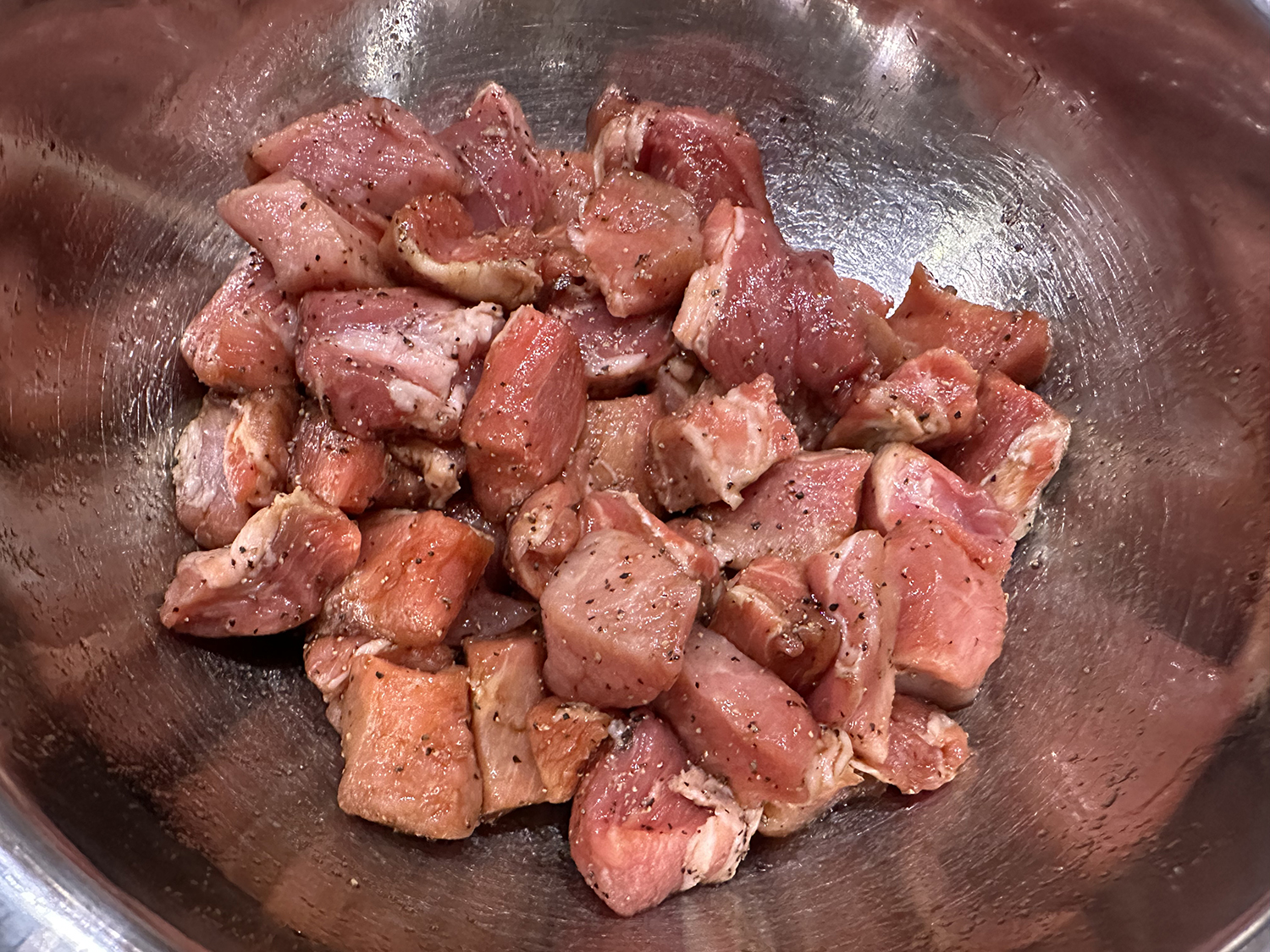
  1. In a medium bowl, combine the pork, 1 tablespoon of the sugar, 1 tablespoon of the soy sauce, ½ teaspoon of the MSG (if using), ¼ teaspoon salt and ¾ teaspoon pepper. Mix until the pork is thoroughly coated; set aside at room temperature for 30 minutes (for longer storage, cover and refrigerate for up to 2 hours).
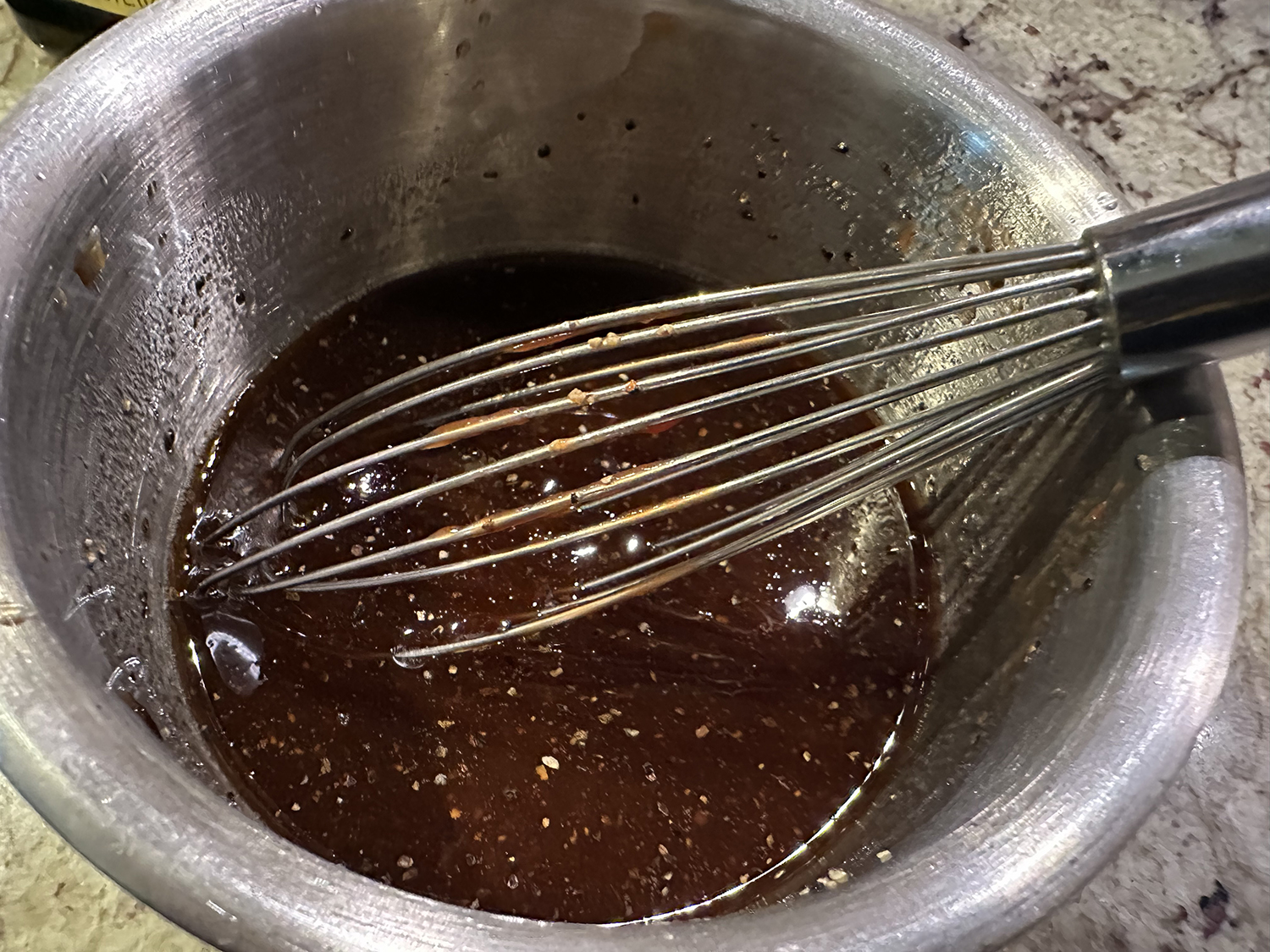
  2. Meanwhile, in a small bowl, whisk together the remaining 3 tablespoons sugar, remaining 2 tablespoons soy sauce, remaining ¼ teaspoon MSG (if using), vinegar, apple jelly, ketchup, ¼ teaspoon salt and ½ teaspoon pepper; set aside until ready to use.
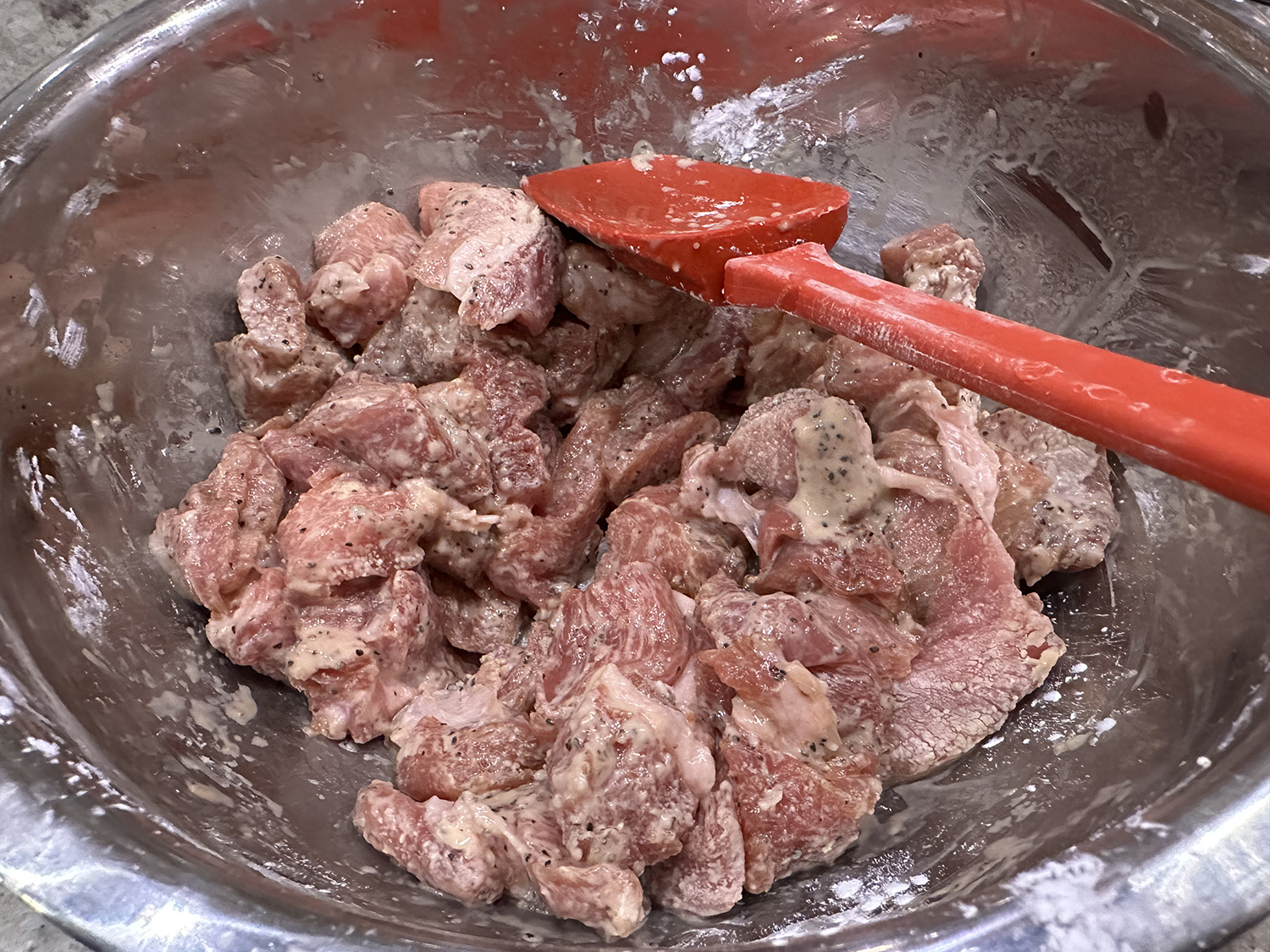
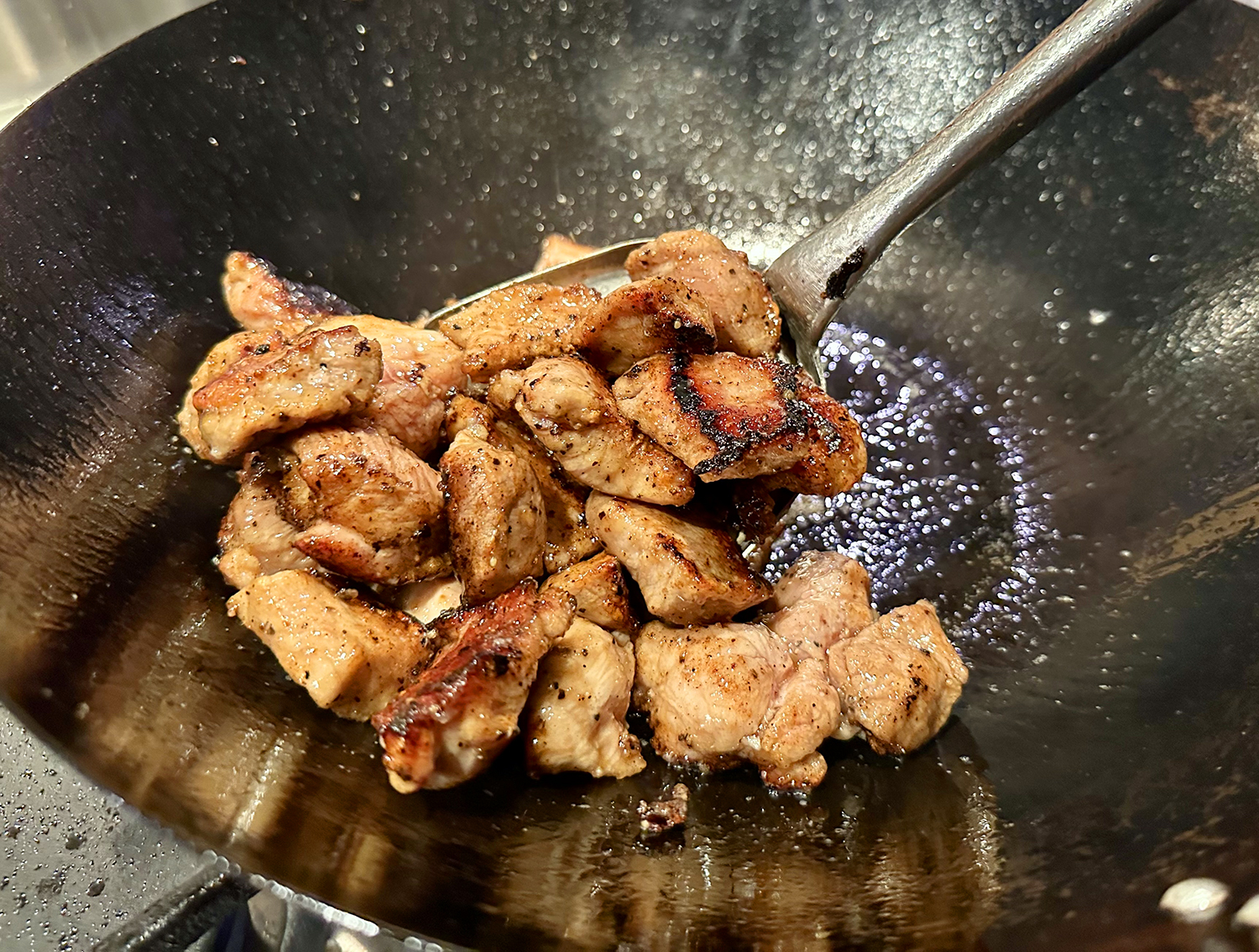
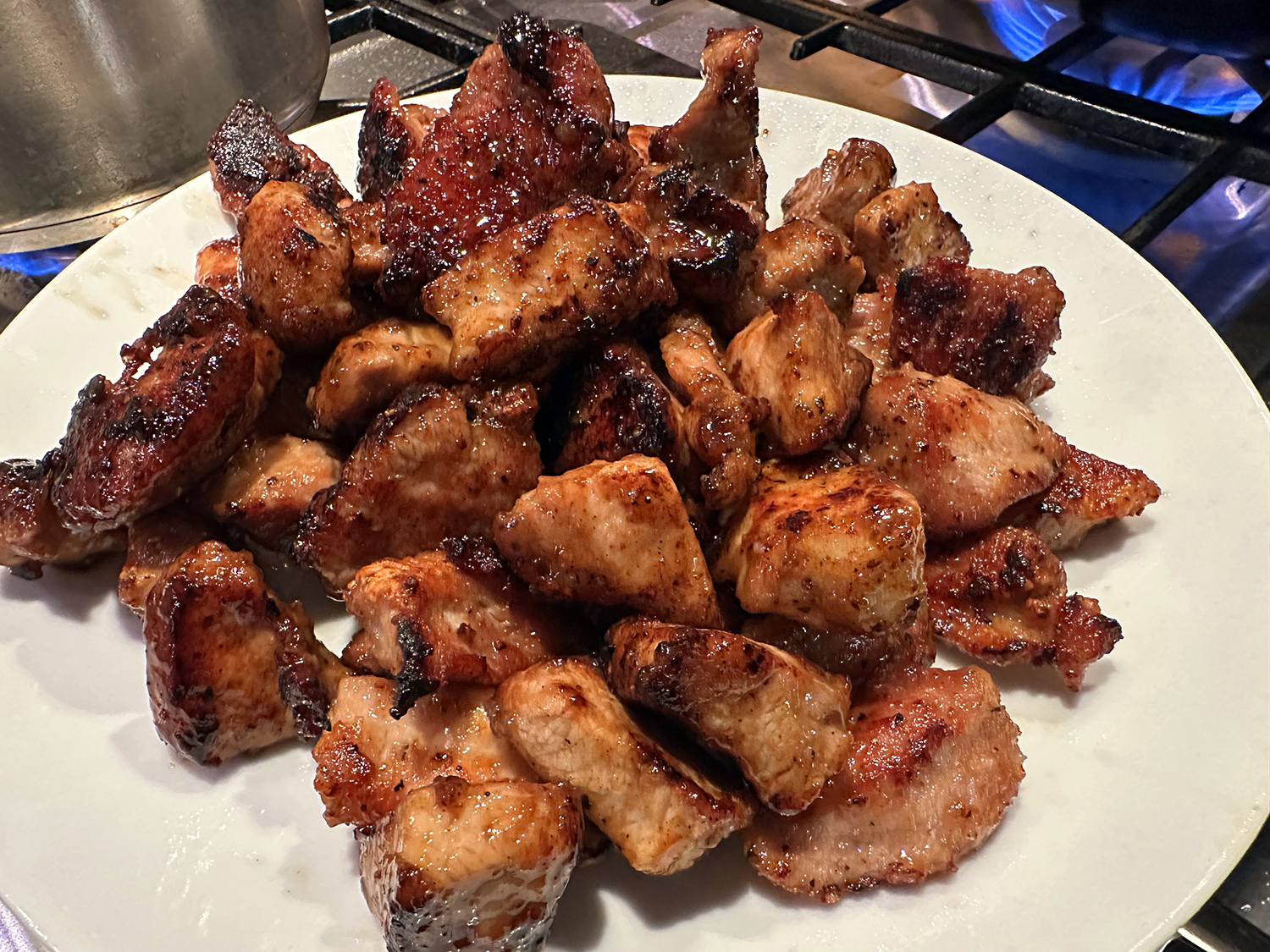
  3. When you are ready to cook, sprinkle the cornstarch over the pork and mix until evenly coated. In a 12- to 14-inch wok over high, heat the oil until barely smoking. Add half of the pork, separating the pieces and distributing them in an even layer. Cook, undisturbed, for 1 minute. Stir, then cook, stirring occasionally, until crisp and deeply browned on all sides, 5 to 7 minutes. Using a slotted spoon, transfer to a large plate and set aside. Using the oil remaining in the wok, cook the remaining pork in the same way and transfer to the plate. Pour off and discard all but 1 tablespoon of the oil.
  4. Return the wok to high and heat the oil until barely smoking. Add the pineapple, onion and bell pepper; cook, stirring once or twice, until spottily charred but still crisp, about 2 minutes. Transfer to another plate and set aside.
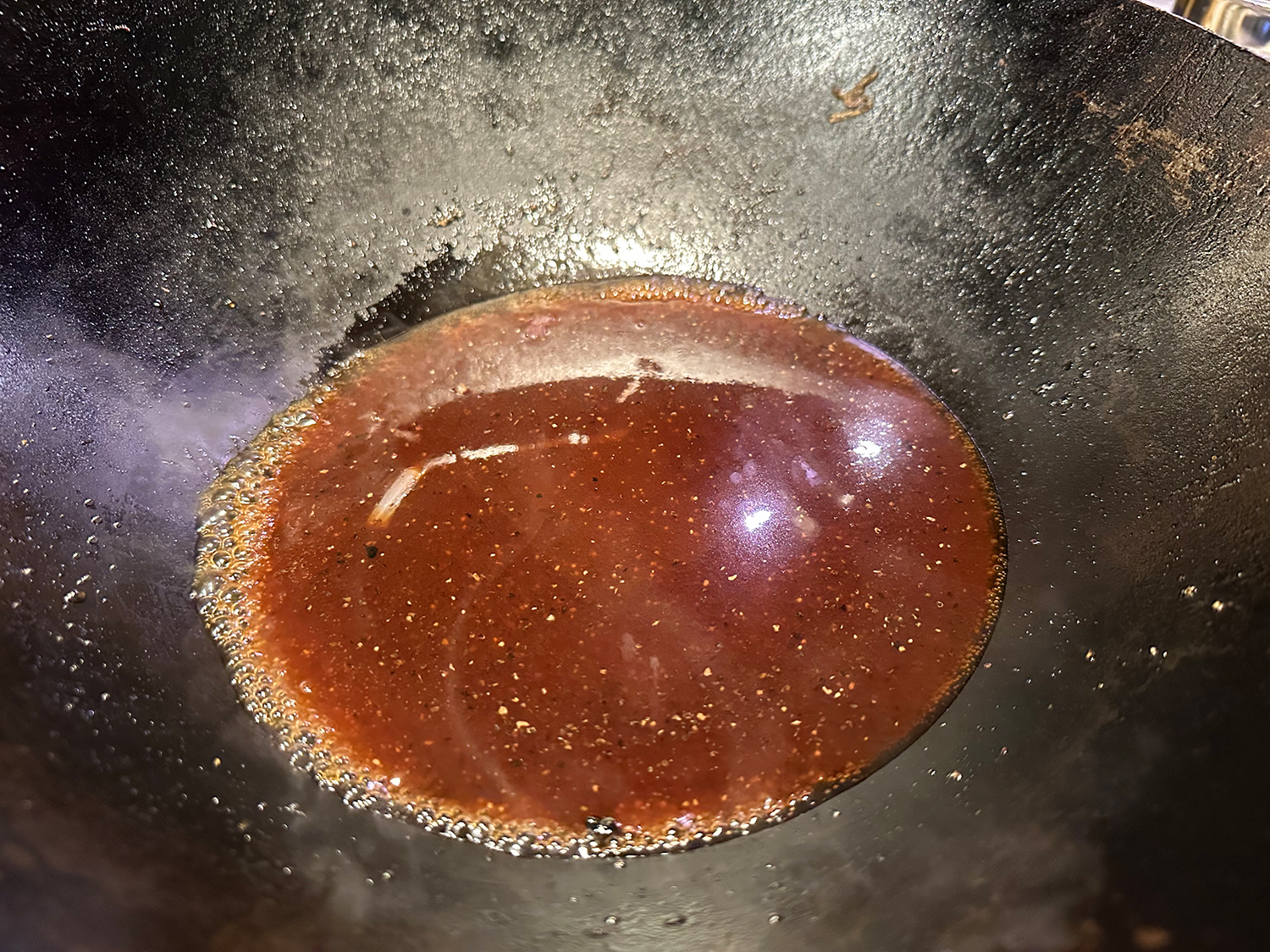
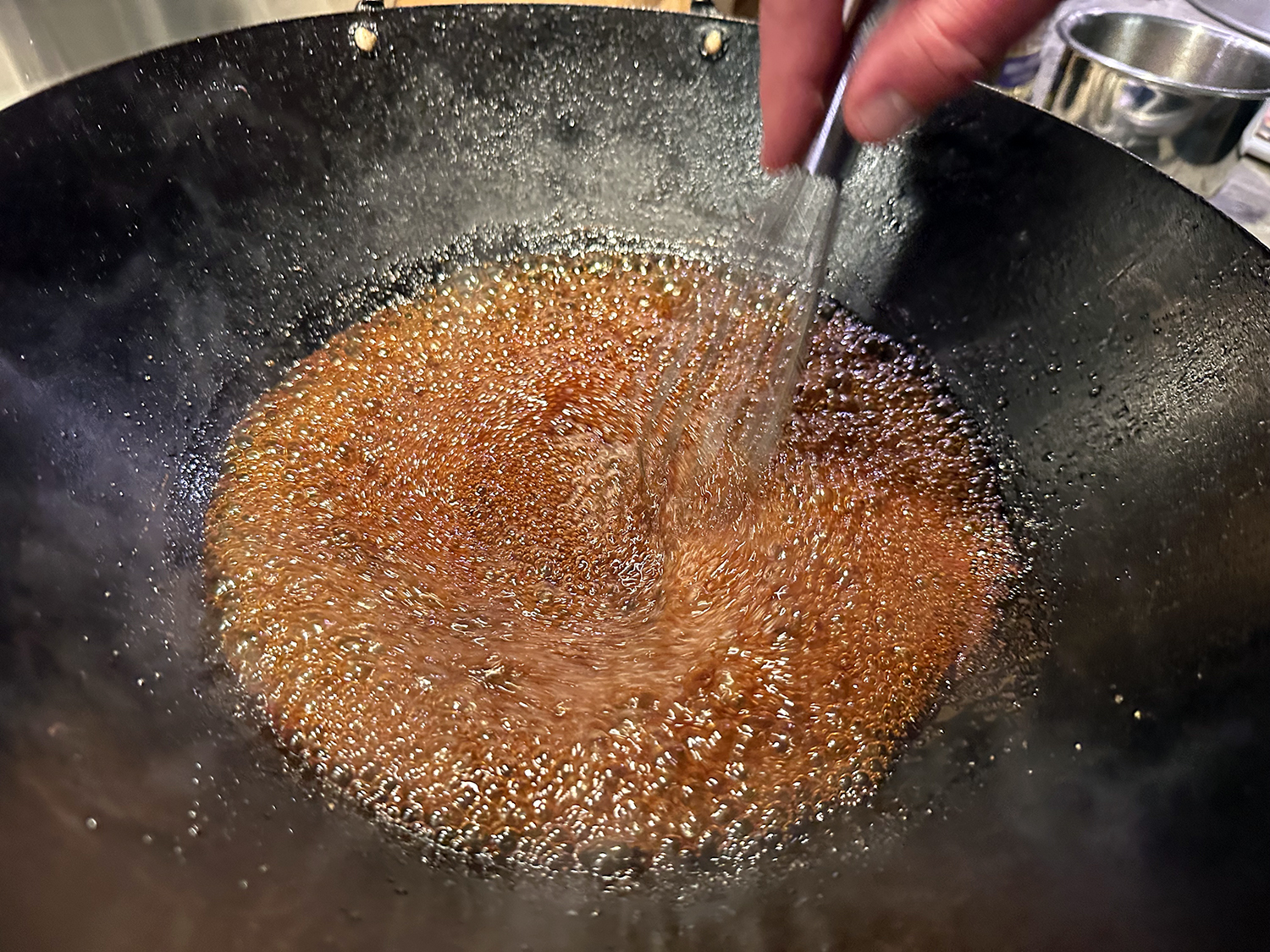
  5. Pour the sauce mixture into the wok and bring to a boil over medium-high. Cook, whisking to combine and to scrape up any browned bits, until the sauce is thick and syrupy and forms large bubbles across the entire surface, 5 to 7 minutes.
  6. Return the pork to the pan and cook, stirring and tossing, until well glazed, 2 to 3 minutes. Return the vegetable mixture and cook, tossing, until well coated, 1 to 2 minutes. Off heat, taste and season with salt and pepper.

http://www.lynnandruss.com

Recipe adapted by Courtney Hill for Milk Street

Home-Style Tofu Stir-Fry

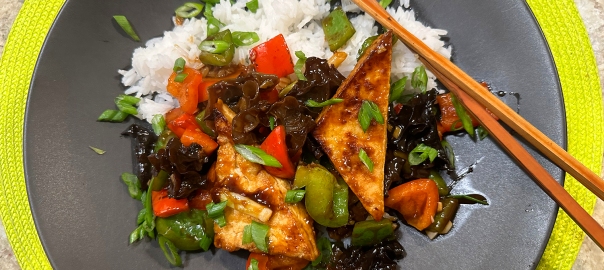
This home-style tofu recipe from “The Woks of Life” is as delicious as it is comforting. With firm tofu slices, some aromatics, crisp veggies and a light sauce, it’s perfect over rice and so easy to make. Just keep in mind, you’ll need to rehydrate the dried mushrooms for two hours prior to cooking.

On some Chinese menus you may notice the word jiā cháng in front of several dishes. It translates to “home-style or family-style.” So the dish can vary greatly depending on what the chef’s interpretation of “home” tastes like.

Now we made a few changes, (all included in recipe below) starting with incorporating a whole red, and a whole green bell pepper, rather than half of each. We also increased the sauce by 50%; cut the tofu into smaller triangles than originally noted; and fried the tofu pieces in two batches, in the same wok instead of an additional cast-iron skillet.

Home-Style Tofu Stir-Fry

  • Servings: 4
  • Difficulty: easy
  • Print

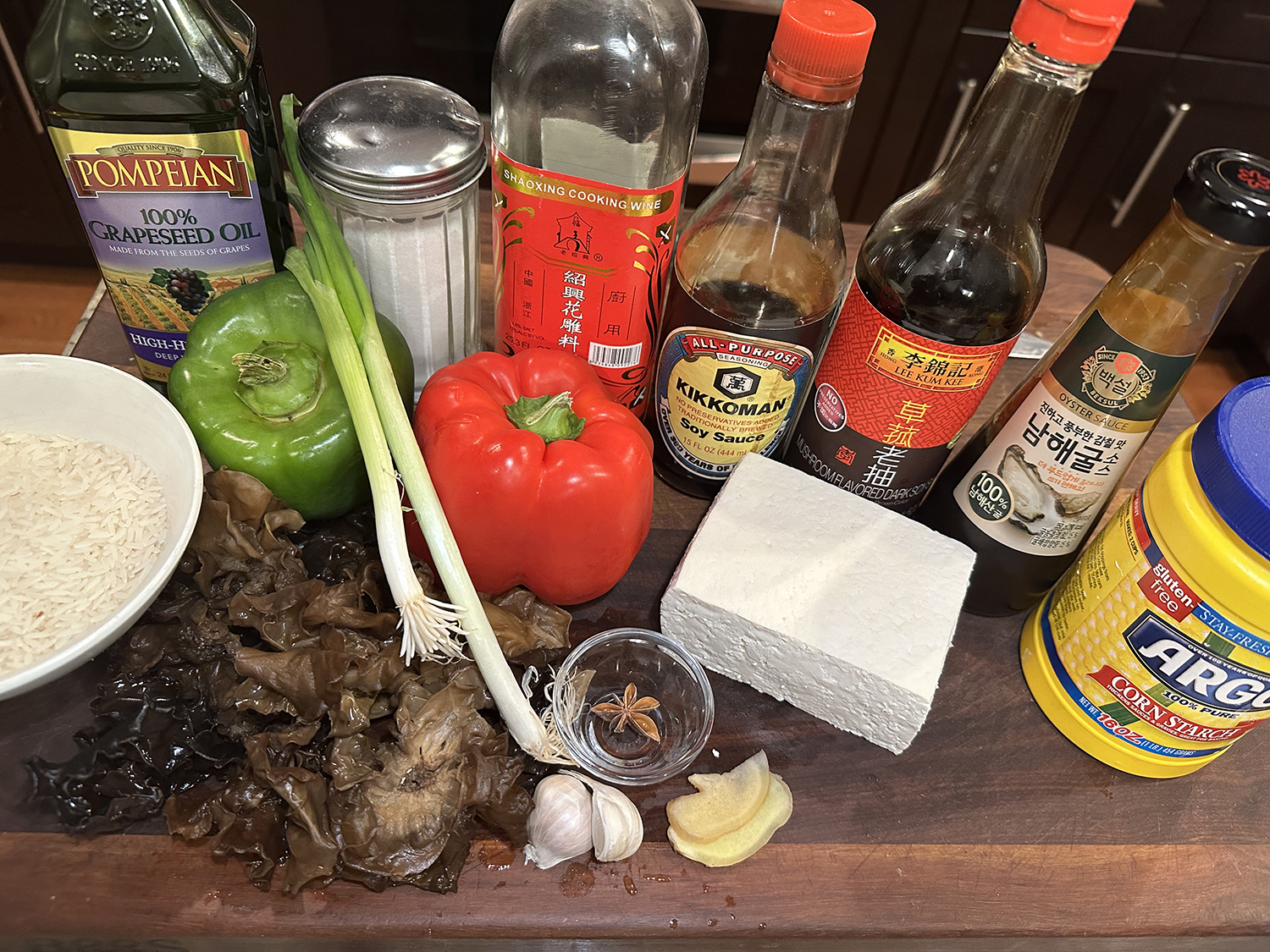
Ingredients

For the Mushrooms and Tofu:

  • 2/3 cup dried wood ear mushrooms
  • 1 lb. firm tofu

For the Sauce:

  • 1 1/2 tsp. dark soy sauce
  • 1 1/2 Tbsp. light soy sauce
  • 1 1/2 Tbsp. oyster sauce, or vegetarian oyster sauce
  • 3/4 tsp. sugar
  • 3/4 tsp. table salt
  • 1/4 cup Shaoxing wine
  • 1/2 cup water
  • 1 1/2 Tbsp. cornstarch

For the Rest of the Dish:

  • 4 Tbsp. neutral oil, divided
  • 2 cloves garlic, minced
  • 2 slices fresh ginger, each 1/8-inch thick
  • 1 star anise
  • 1 red chili pepper, deseeded and thinly sliced, optional
  • 1 red bell pepper, seeded and cut into 1-inch pieces
  • 1 green pepper, seeded and cut into 1-inch pieces, or 2 long hot green peppers or Anaheim peppers
  • 3 scallions, white parts separated from the green parts and cut on the diagonal into 2-inch lengths
  • 1 Tbsp. water
  • 1 Tbsp. Shaoxing wine

Directions

  1. Prepare the Mushrooms and Tofu: In a medium bowl, cover the wood ear mushrooms with enough water to cover by 2 inches and soak for at least 2 hours or until rehydrated. Rinse them to remove any grit or dirt. Drain and cut the mushrooms into bite-size pieces. Drain the tofu and pat it dry. Cut it crosswise into 1/2-thick rectangles, then cut each rectangle into 4 triangles.
  2. Make the Sauce: In a small bowl, combine the water, wine, cornstarch, oyster sauce, light soy sauce, dark soy sauce, sugar, and salt. Mix well and set aside.
  3. Pan-Fry the Tofu: Heat a wok over medium-high heat until lightly smoking. Add 3 tablespoons of the neutral oil and swirl it around the wok to coat the surface. Carefully add half of the tofu pieces in a single layer and fry for 4 minutes on the first side until golden brown. Use a thin spatula to carefully flip the tofu pieces and fry on the other side for another 4 minutes. Transfer the tofu to a plate. Repeat.
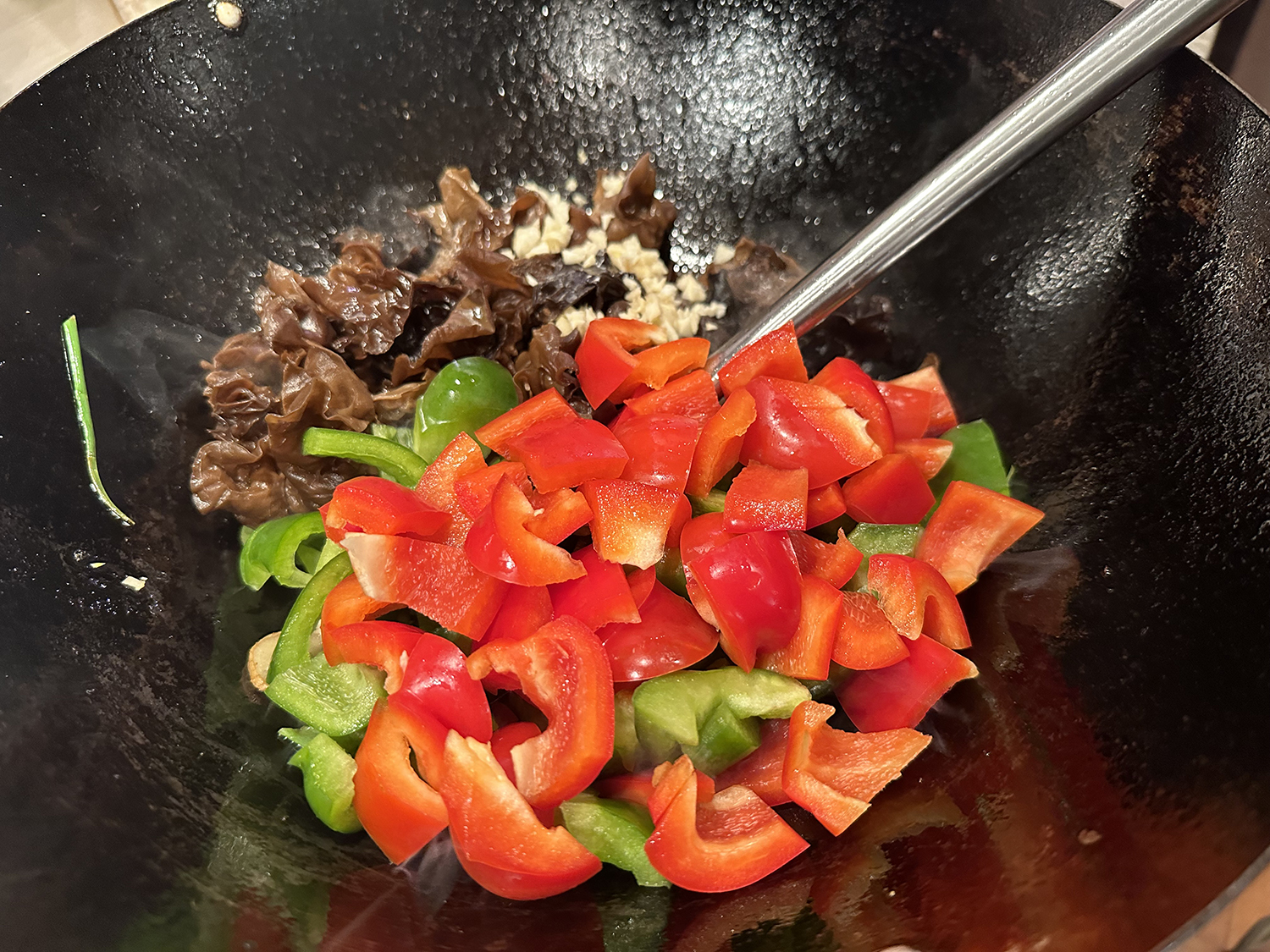
  4. Assemble the Dish: Over medium heat, add the remaining tablespoon of oil along with the ginger slices and star anise. Toss quickly for 20 seconds, then add the white part of the scallions and stir fry for another 30 seconds. Add the wood ears, garlic, peppers, and 1 tablespoon water. Stir fry for 2-3 minutes until the peppers are tender but still have a fresh crunch. Increase the heat to medium-high and add the Shaoxing wine around the perimeter of the wok.
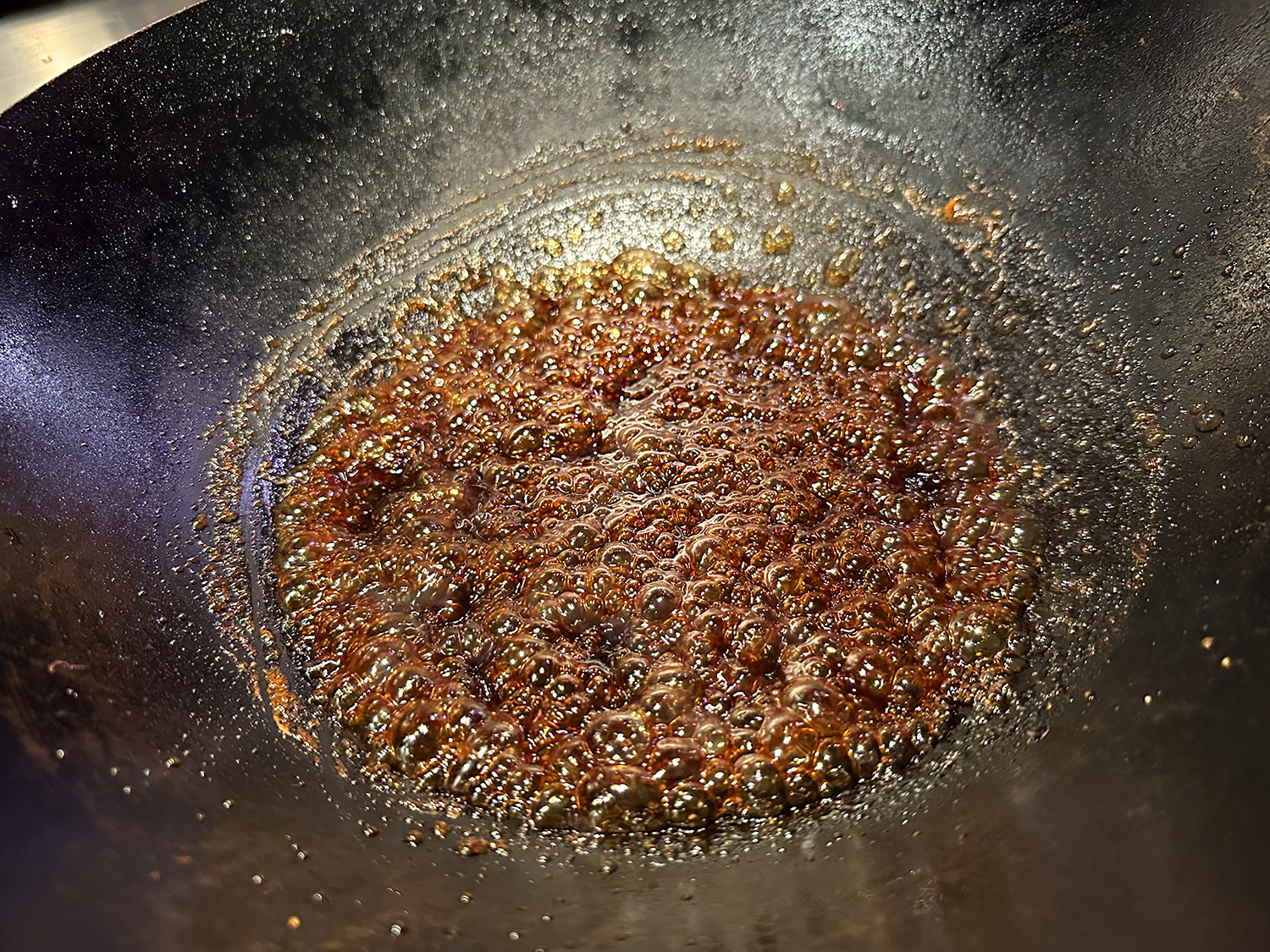
  5. Stir the sauce to make sure the cornstarch is well incorporated into the liquid. Add the sauce to the wok and bring it to a simmer. Let the sauce thicken until coats the back of a spoon. (If it’s too thick, add a splash of water.) Stir in the tofu and add the green parts of the scallions. Mix until the tofu and vegetables are evenly coated in sauce and the scallions are wilted. Serve.

http://www.lynnandruss.com

Adapted from a recipe by Judy Leung for Woks of Life

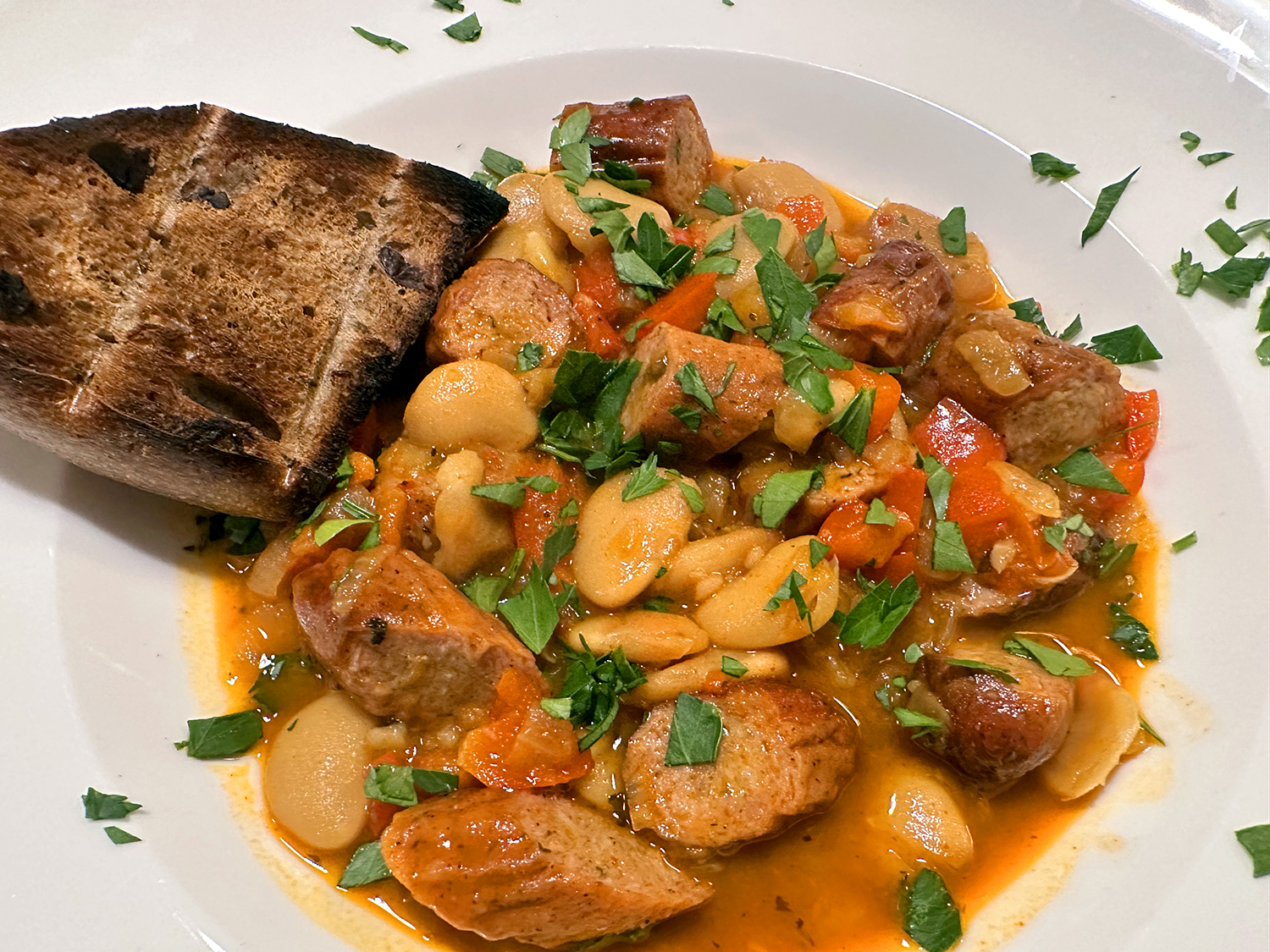
Baked White Beans and Sausages with Paprika, Onions and Sweet Peppers

This lovely, tasty “stew” is all done in one pot, which appeals to many home cooks. The time commitment is nearly two hours, so it is not necessarily a weeknight effort. Our concern was if the butter beans would hold up and not turn to mush in that amount of time. Spoiler alert—they were perfect. And all of the wonderful flavors melded together. It’s even better as leftovers!

The story from Milk Street reads “tavče gravče, which translates as “beans in a pan,” is a Macedonian classic. Traditionally, large dried white beans called tetovac, named after a city in northwestern Macedonia, are the star of the rustic dish, while onions, garlic, peppers and paprika provide deep, rich flavor and color.”

The convenience of canned butter beans, which are plump, creamy and the best widely available alternative to tetovac beans was the obvious choice here. If butter beans are difficult to find, cannellini beans work, too. Combined with sautéed aromatics and baked for an hour with smoked sausages, the beans turn silky-soft and deeply flavorful. Serve with crusty bread on the side.

Don’t forget to reserve 1½ cups of the bean liquid before draining the cans. The liquid is added to the pot and keeps the beans plump and moist during baking. (If the amount of liquid from the cans comes up short, make up the difference with more water.) To ensure enough liquid evaporates during cooking, use a Dutch oven with a wide diameter—ideally between 11 and 12 inches.

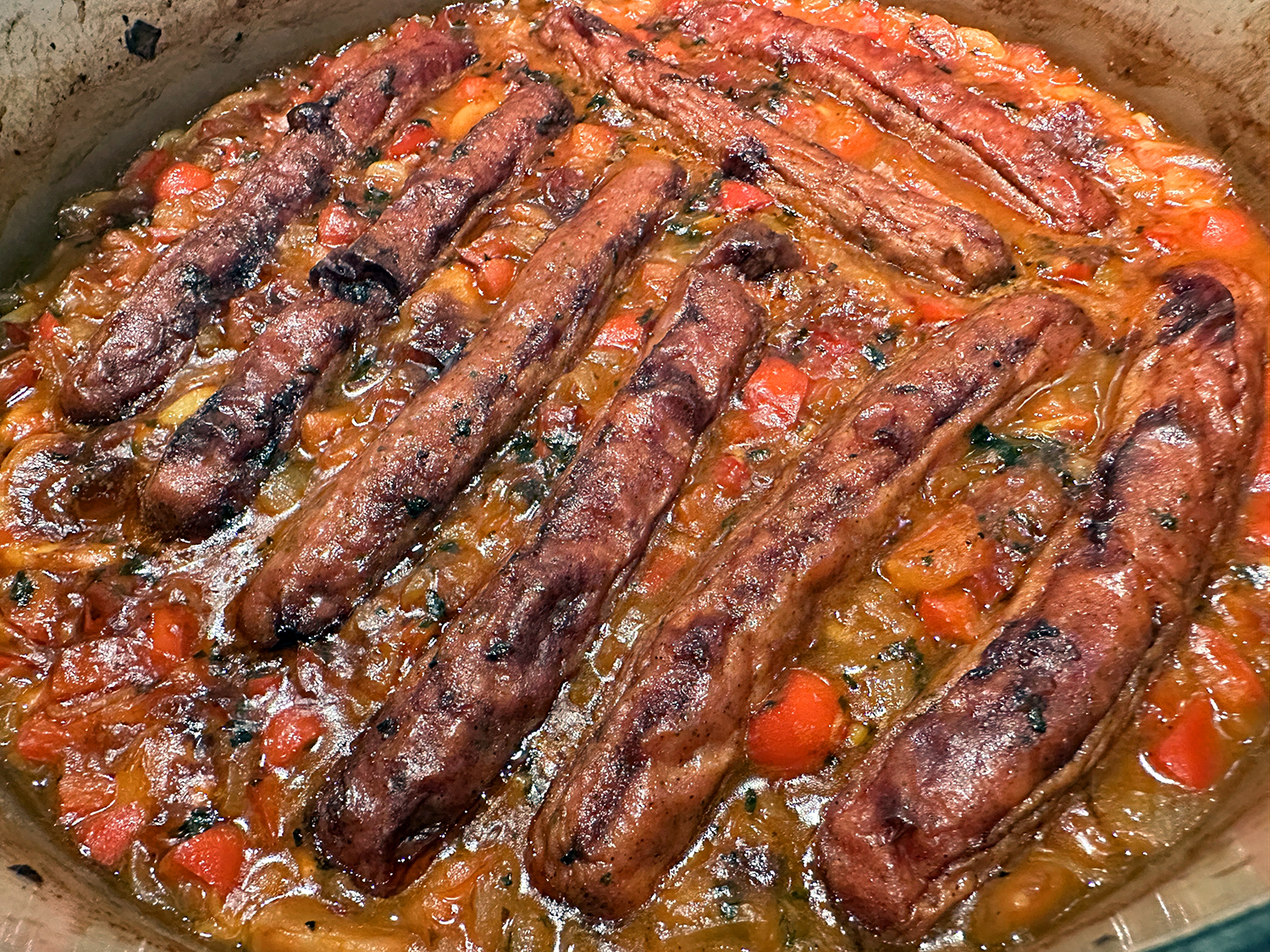
We used smoked chicken Andouille sausages, and paired with a thick, crusty slice of toasted olive loaf and a side salad.

Baked White Beans and Sausages with Paprika, Onions and Sweet Peppers

  • Servings: 6
  • Difficulty: easy
  • Print

Ingredients

  • 4 Tbsp. grapeseed or other neutral oil, divided
  • 2 medium yellow onions, chopped
  • 2 medium red bell peppers, stemmed, seeded and chopped
  • Kosher salt and ground black pepper
  • 6 medium garlic cloves, thinly sliced
  • 4 tsp. sweet paprika
  • 1 1/2 tsp. dried mint (optional)
  • 3 15½-oz. cans butter beans (1½ cups liquid reserved), rinsed and drained
  • 2 dried árbol chilies OR ¼ teaspoon red pepper flakes
  • 1-1 1/4 lbs. smoked sausage, such as kielbasa or bratwurst
  • 1/4 cup lightly packed fresh flat-leaf parsley, chopped

Directions

  1. Heat the oven to 400°F with a rack in the lower-middle position. In a large Dutch oven over medium-high, heat 3 tablespoons of the oil until shimmering. Add the onions, bell peppers and 1 teaspoon salt; cook, stirring occasionally, until lightly browned, 8 to 10 minutes.
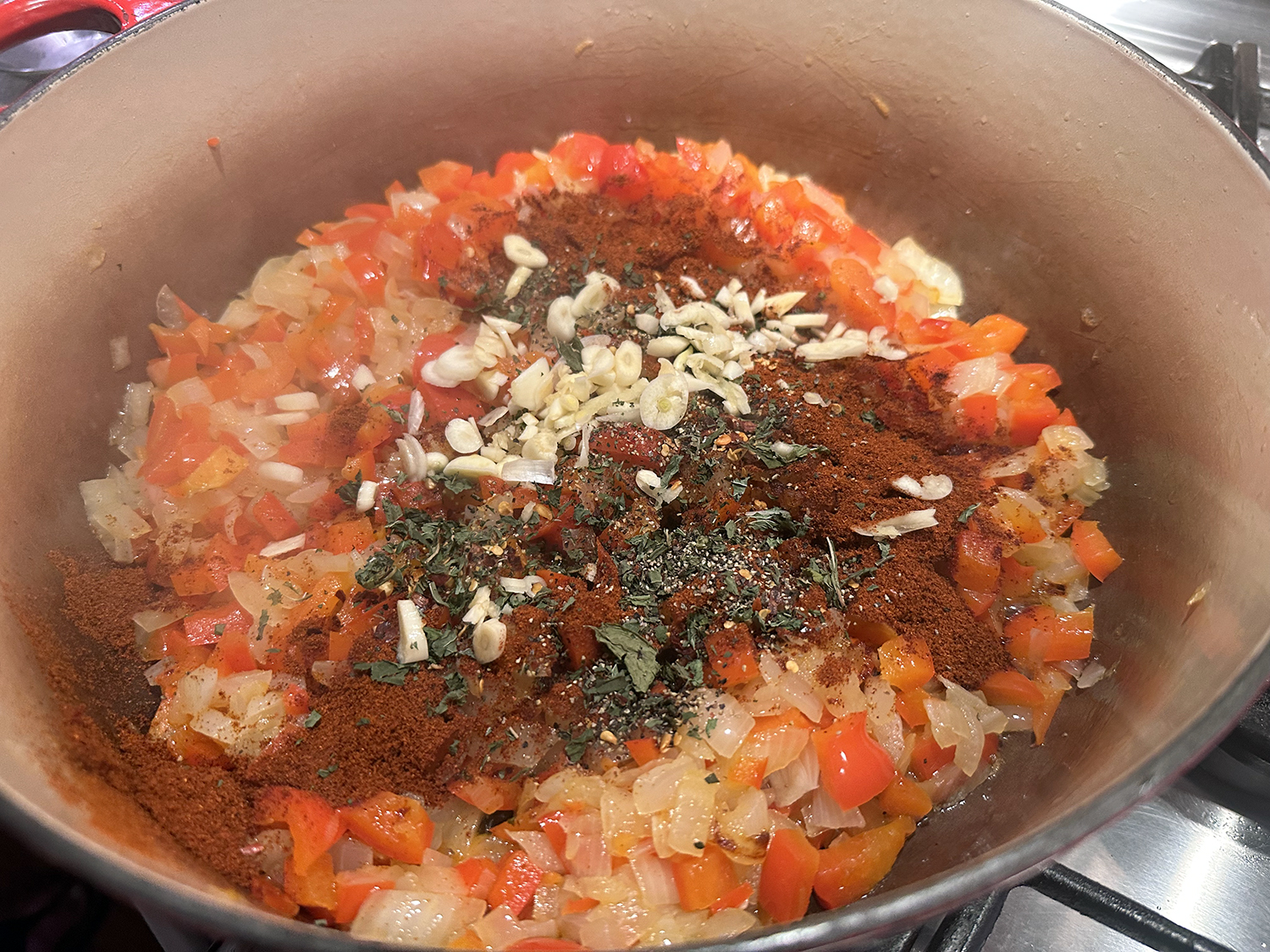
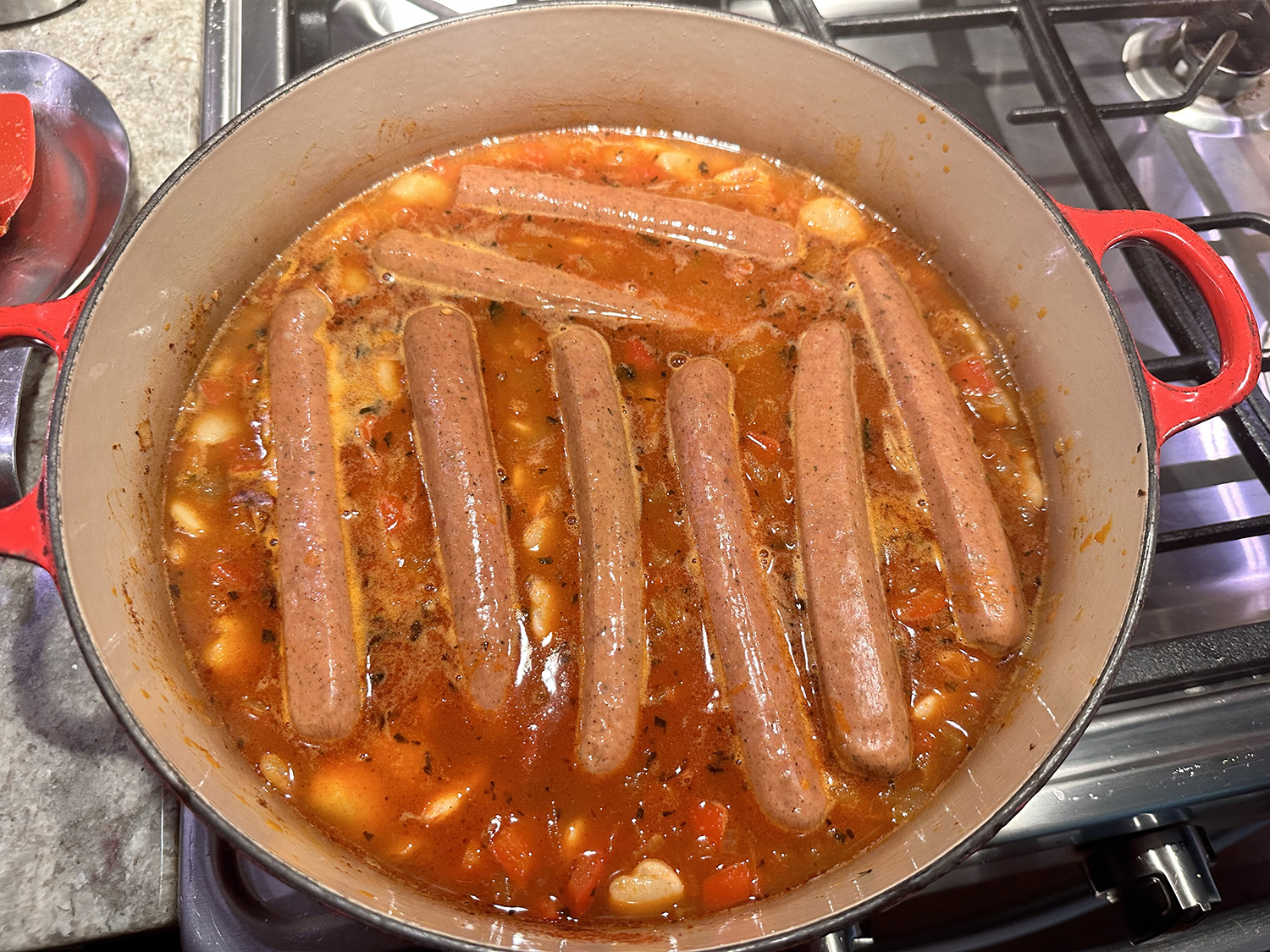
  2. Add the garlic, paprika, mint (if using) and ½ teaspoon pepper; cook, stirring, until fragrant, about 1 minute. Stir in the beans and reserved liquid, árbol chilies and 1½ cups water. Bring to a simmer, stirring occasionally, then nestle the sausages into the pot and drizzle the surface with the remaining 1 tablespoon oil. Transfer to the oven and bake, without stirring, until the sausages are browned and the beans on the surface are slightly crisped, 1 to 1¼ hours.
  3. Remove the pot from the oven and let stand, uncovered, for about 15 minutes; the bean mixture will thicken as it cools. Transfer the sausages to a cutting board. Cut them into pieces, return them to the pot and stir into the beans. Remove and discard the árbol chilies (if used). Taste and season with salt and pepper, then sprinkle with the parsley. Serve from the pot.

http://www.lynnandruss.com

Recipe by Courtney Hill for Milk Street

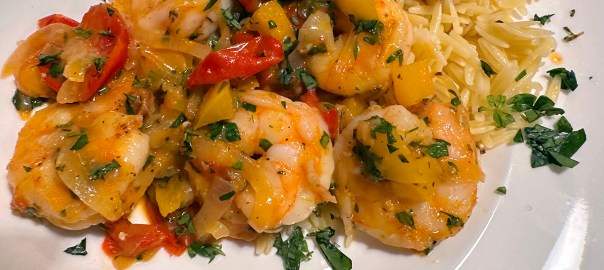
Shrimp with Ouzo, Orange and Oregano Over Orzo

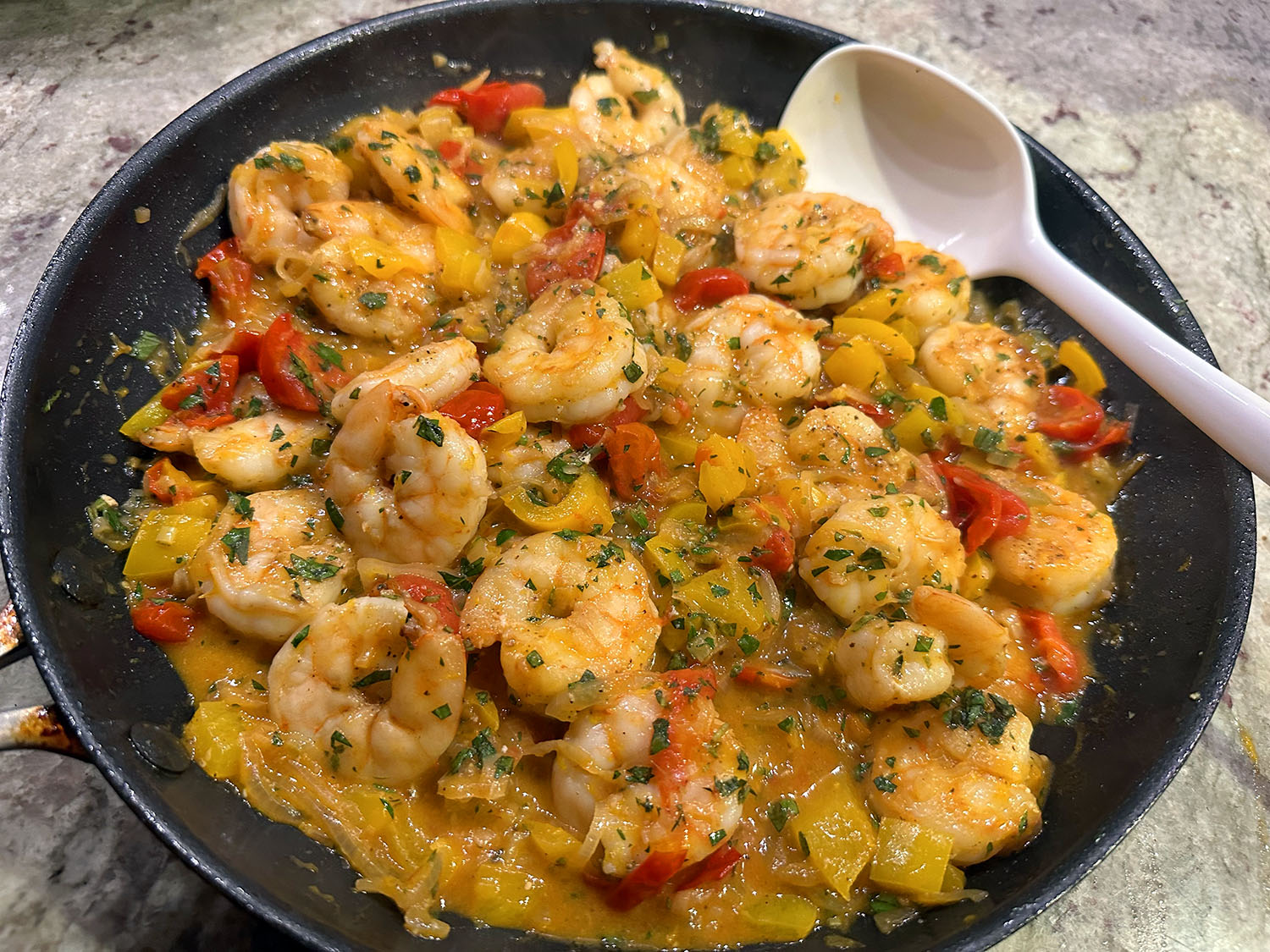
Here’s a lovely, bright, citrusy shrimp dinner that can be on your weeknight table in under an hour. This recipe borrows an ouzo-orange combination to make a delicious sauce for plump, briny-sweet shrimp, and finishes the dish with a little butter to round out the flavors.

If you don’t have ouzo, substitute ½ teaspoon aniseed, lightly crushed, stirred into ⅓ cup vodka. Serve the shrimp with orzo.

Warning: Don’t add the ouzo while the skillet is on the burner (if cooking with gas), as the alcohol may ignite. Either turn off the burner or slide the pan off the stovetop before pouring in the ouzo.

Shrimp with Ouzo, Orange and Oregano Over Orzo

  • Servings: 4
  • Difficulty: easy
  • Print

Ingredients

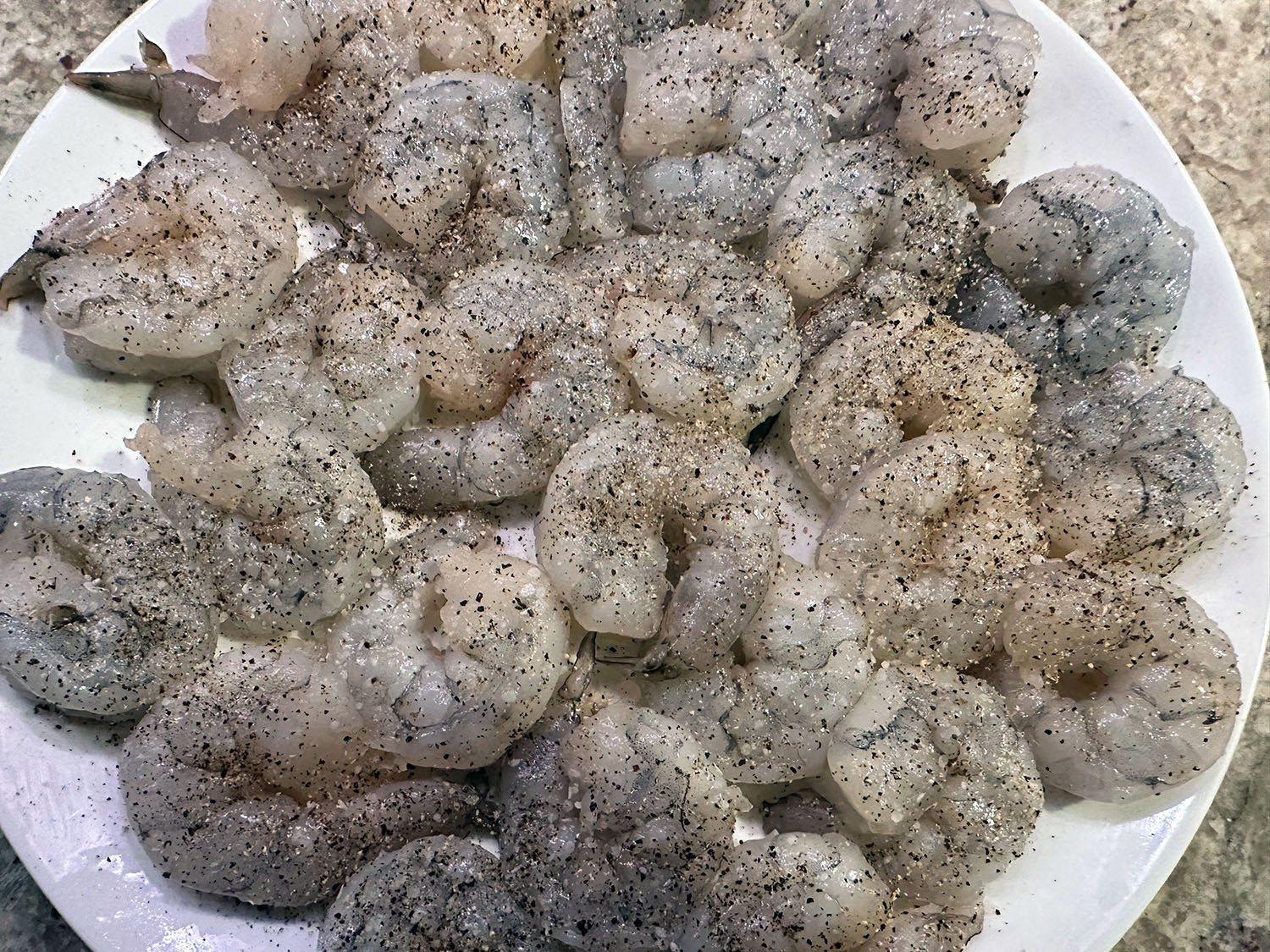
  • 1½ lbs. extra-large (21/25 per pound) shrimp, peeled (tails removed), deveined and patted dry
  • Kosher salt and ground black pepper
  • 5 Tbsp. extra-virgin olive oil, divided
  • 2 medium shallots, halved and thinly sliced
  • 1 pint grape tomatoes, halved
  • ½ yellow, orange or red bell pepper, stemmed, seeded and chopped
  • ⅓ cup ouzo
  • 1 tsp. grated orange zest, plus ⅔ cup orange juice
  • 2 Tbsp. salted butter, cut into 2 pieces
  • 3 Tbsp. fresh oregano, chopped

Directions

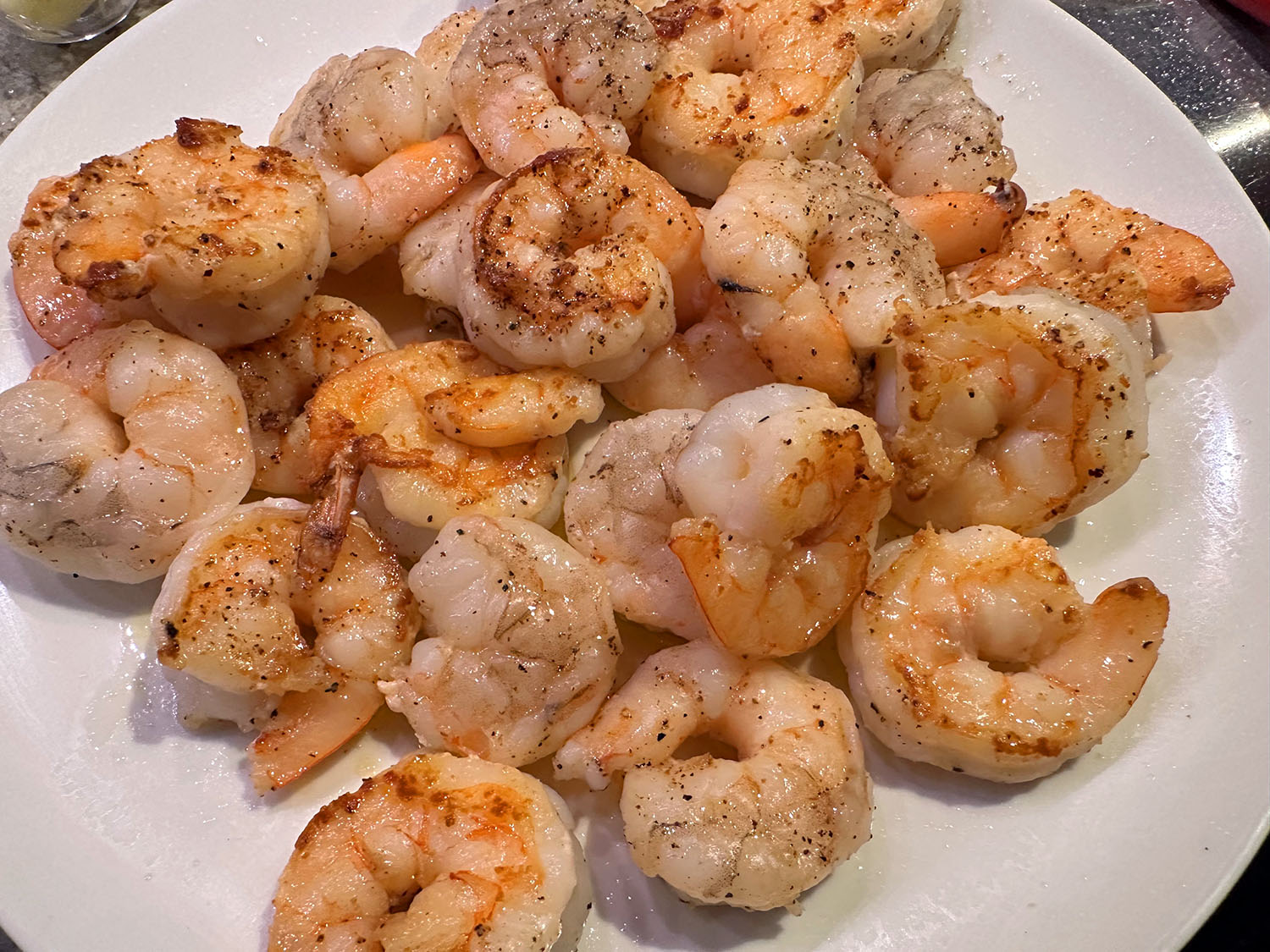
  1. Season the shrimp with salt and pepper. In a 12-inch skillet over medium-high, heat 2 tablespoons of oil until shimmering. Add half the shrimp in an even layer and cook until well browned on the bottoms, about 3 minutes, then transfer to a large plate. Repeat, using 2 tablespoons of the remaining oil and the remaining shrimp.
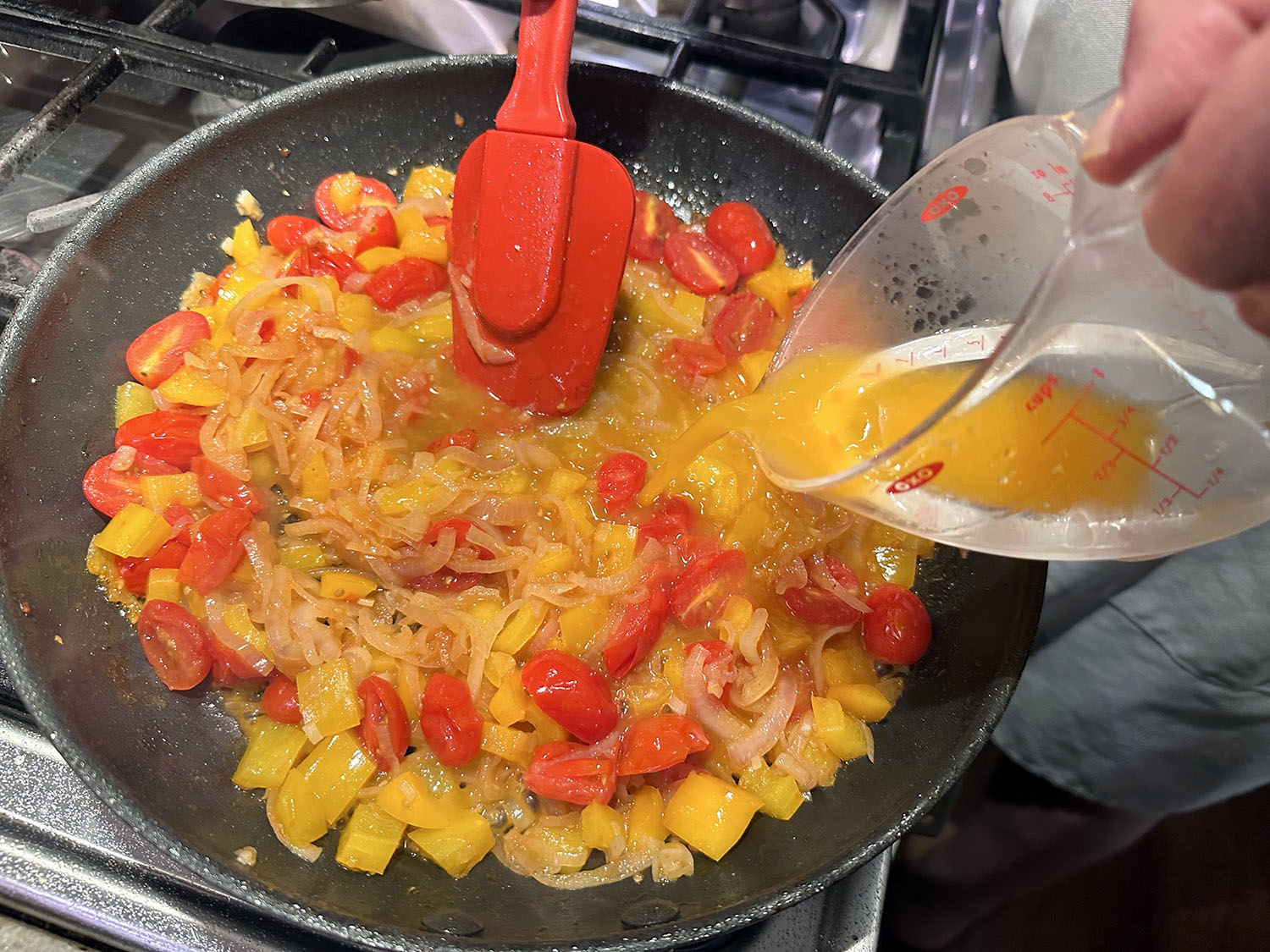
  2. In the same skillet over medium-high, heat the remaining 1 tablespoon oil until shimmering. Add the shallots, tomatoes and bell pepper, then cook, stirring occasionally, until the shallots and tomatoes soften, 4 to 5 minutes.
  3. Remove the pan from the heat and add the ouzo. Return to medium-high and cook, scraping up any browned bits, until the liquid is reduced and syrupy, 1 to 2 minutes.
  4. Add the orange juice, bring to a simmer and cook, stirring, until once again reduced and syrupy, 4 to 5 minutes.
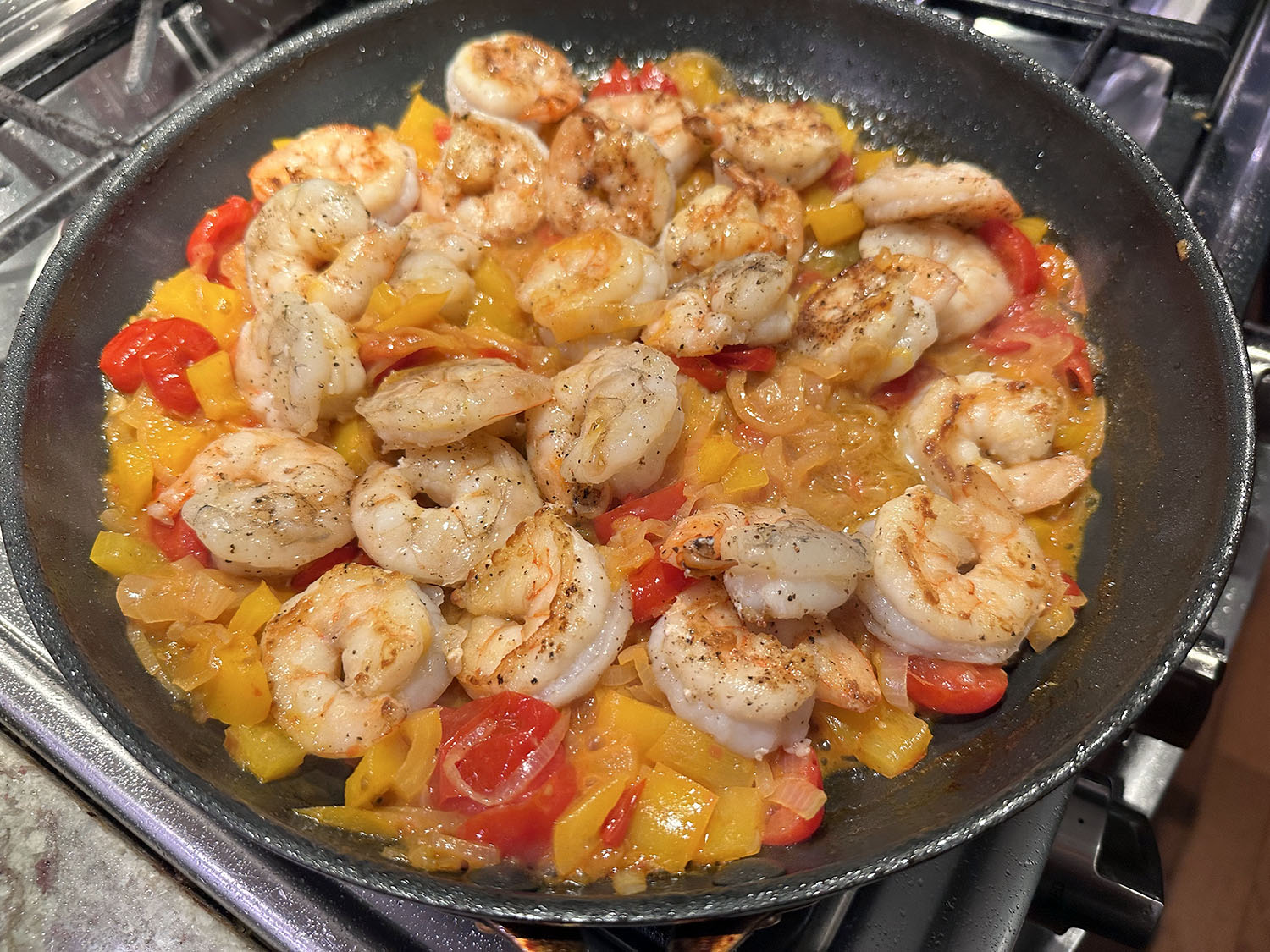
  5. Reduce to medium-low and return the shrimp with any accumulated juices to the pan. Cover and cook until the shrimp are opaque throughout, 3 to 4 minutes.
  6. Off heat, add the butter and stir until melted, then stir in the orange zest and oregano. Taste and season with salt and pepper, then transfer to a serving dish.

http://www.lynnandruss.com

Recipe taken from Milk Street’s Tuesday Night Mediterranean cookbook

Berbere-Spiced Chicken Skewers

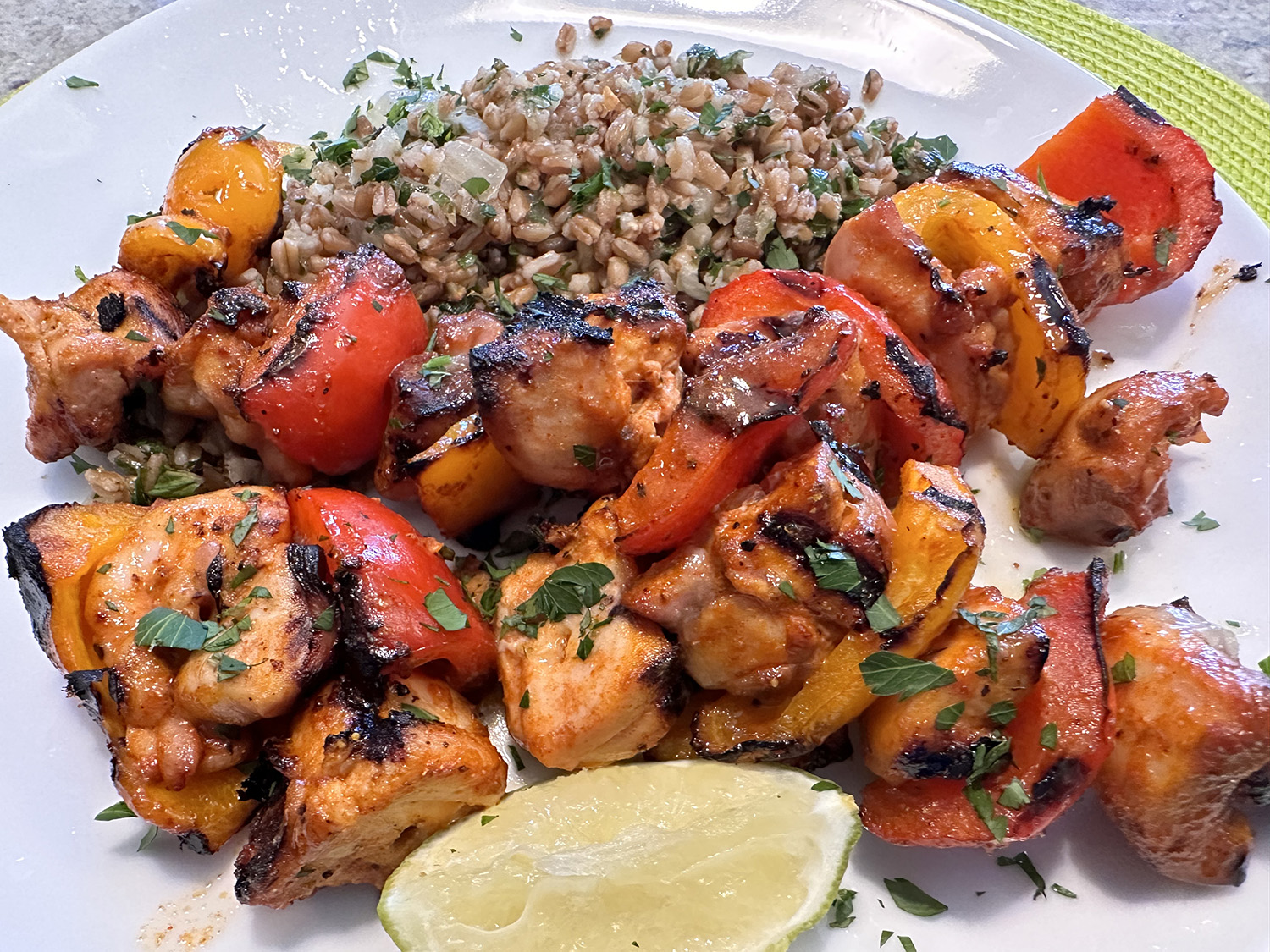
If you’ve never tried Ethiopia’s signature spice blend berbere, these vibrant chicken skewers get deep flavor from it. Made with dried alliums, chilies and warm spices, berbere features complex flavor and a rich, earthy aroma. Look for it in spice shops or well-stocked grocery stores.

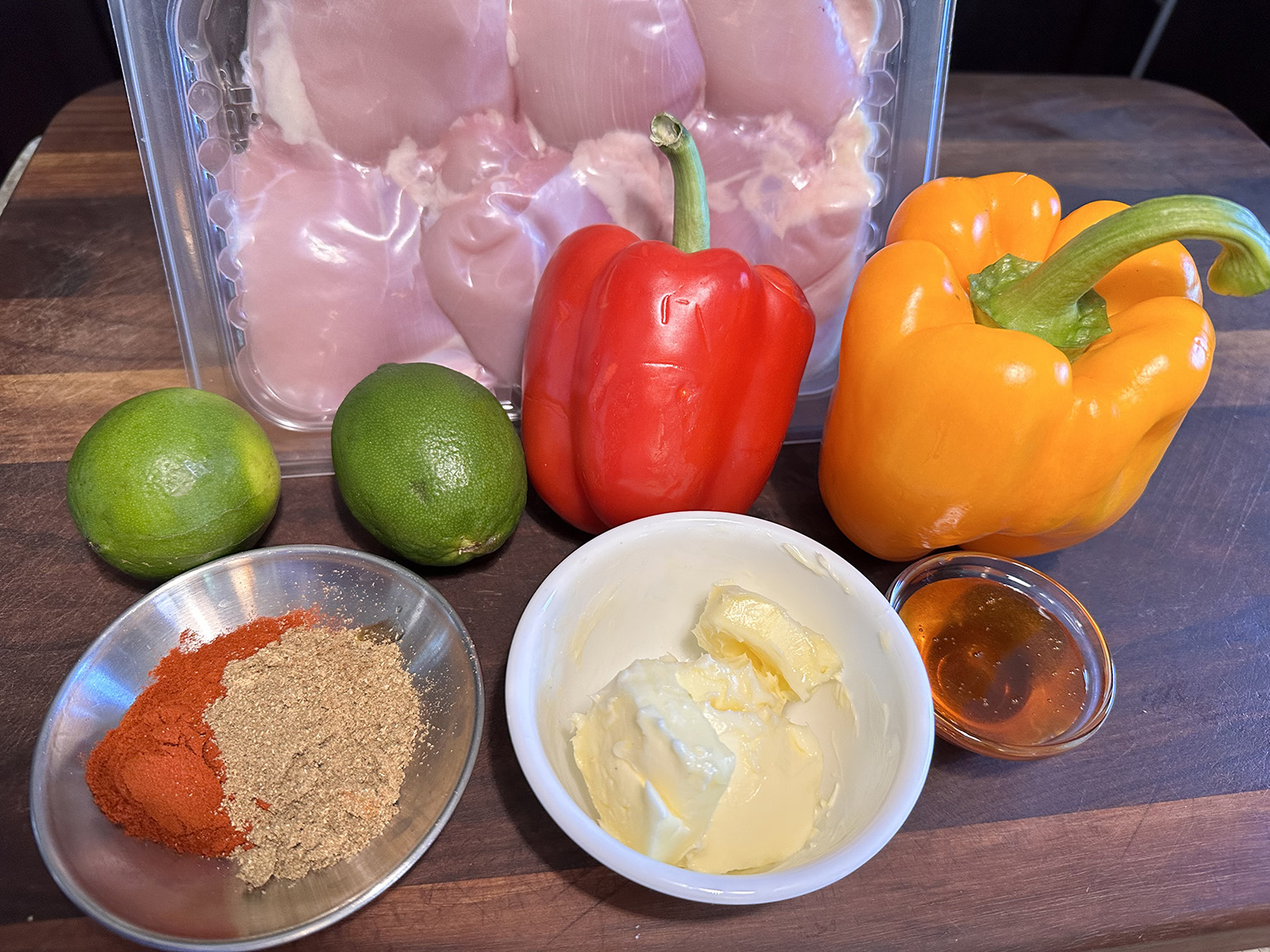
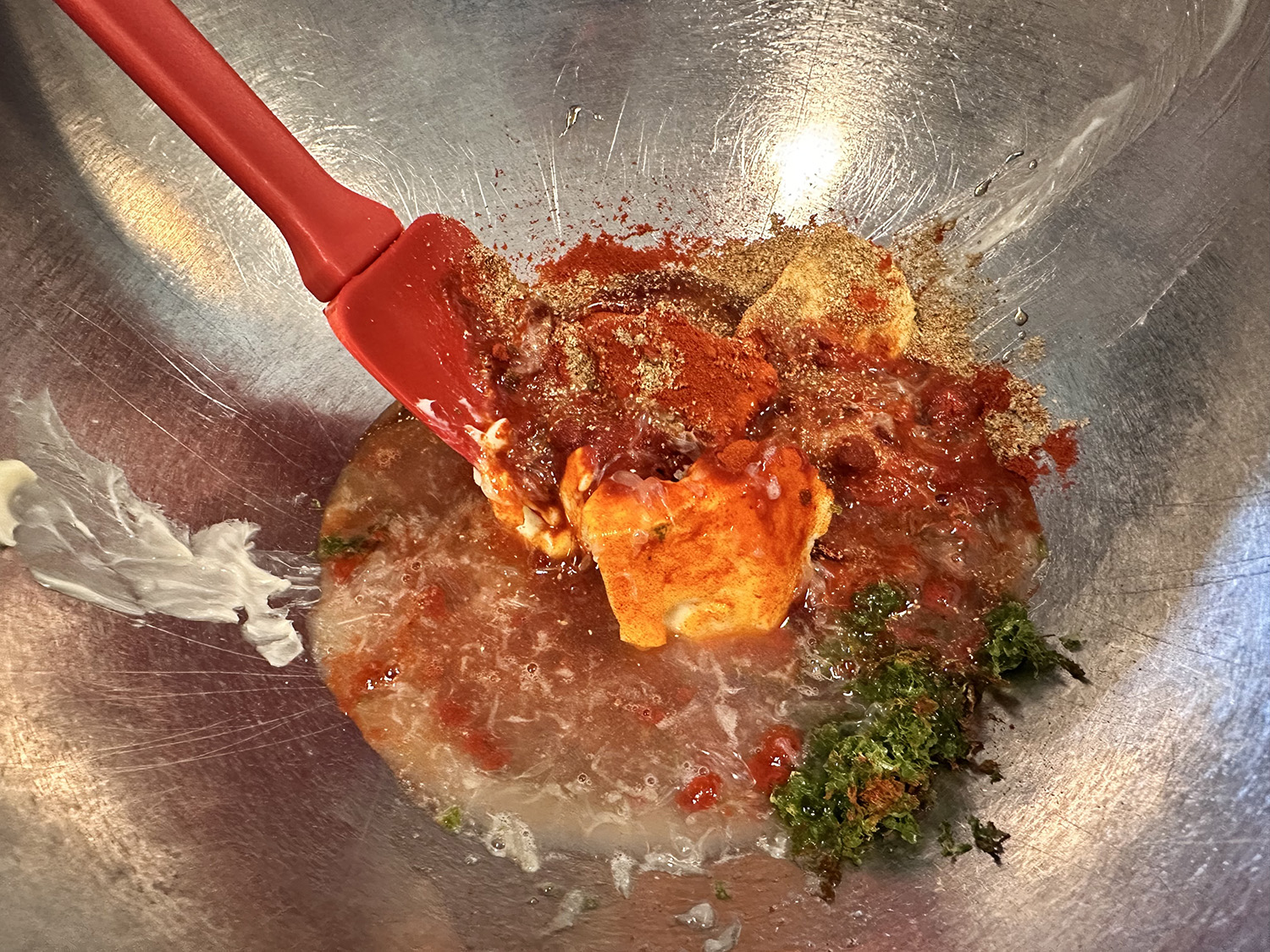
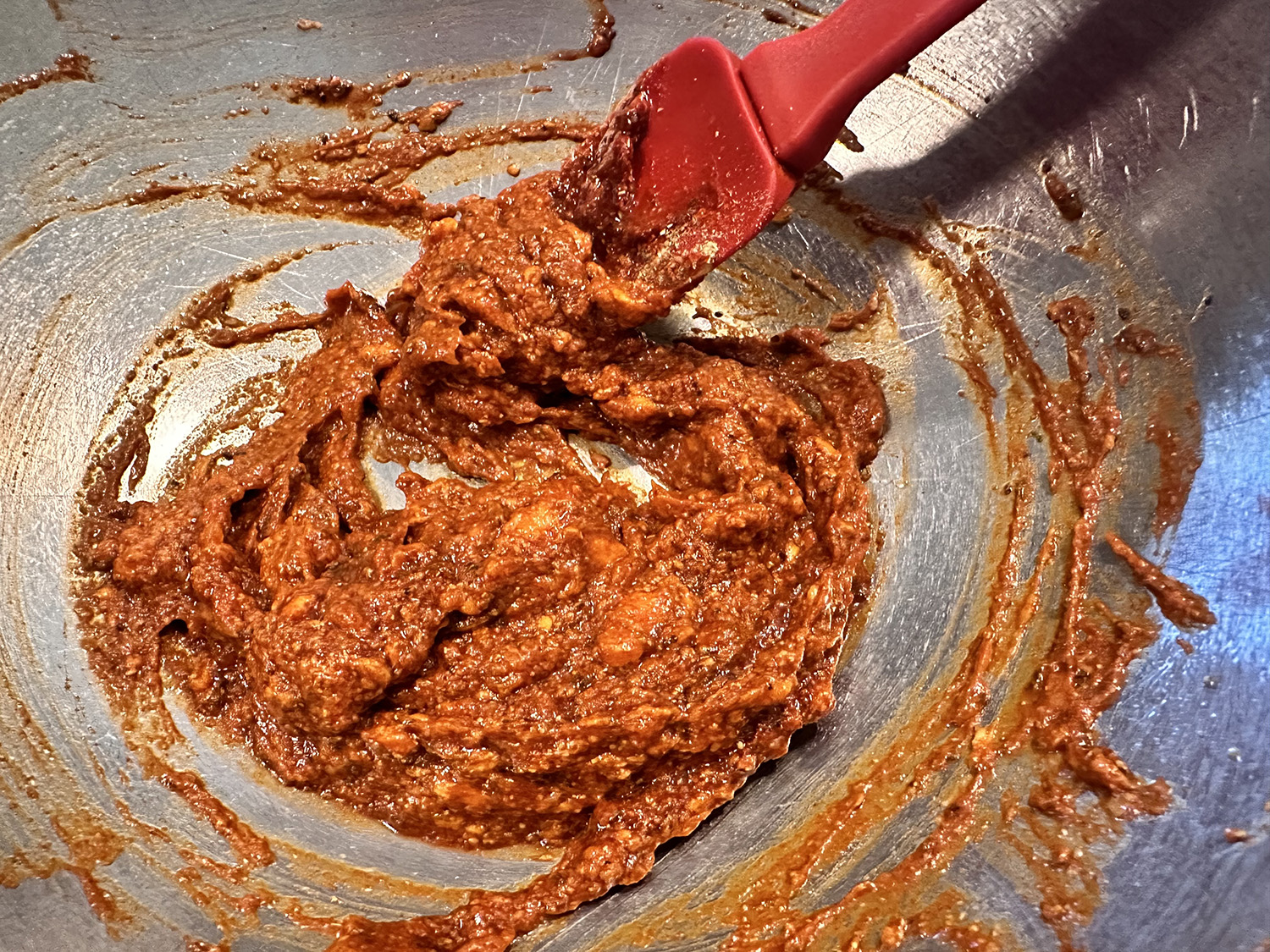
If you can’t find berbere, or don’t feel like purchasing another spice to add to your growing collection, use a mixture of ground coriander and smoked paprika (which is what we did). In this recipe from Milk Street, they combine berbere with softened butter, lime juice and honey, making a spicy-sweet seasoning mix ideal for clinging to the chicken before cooking.

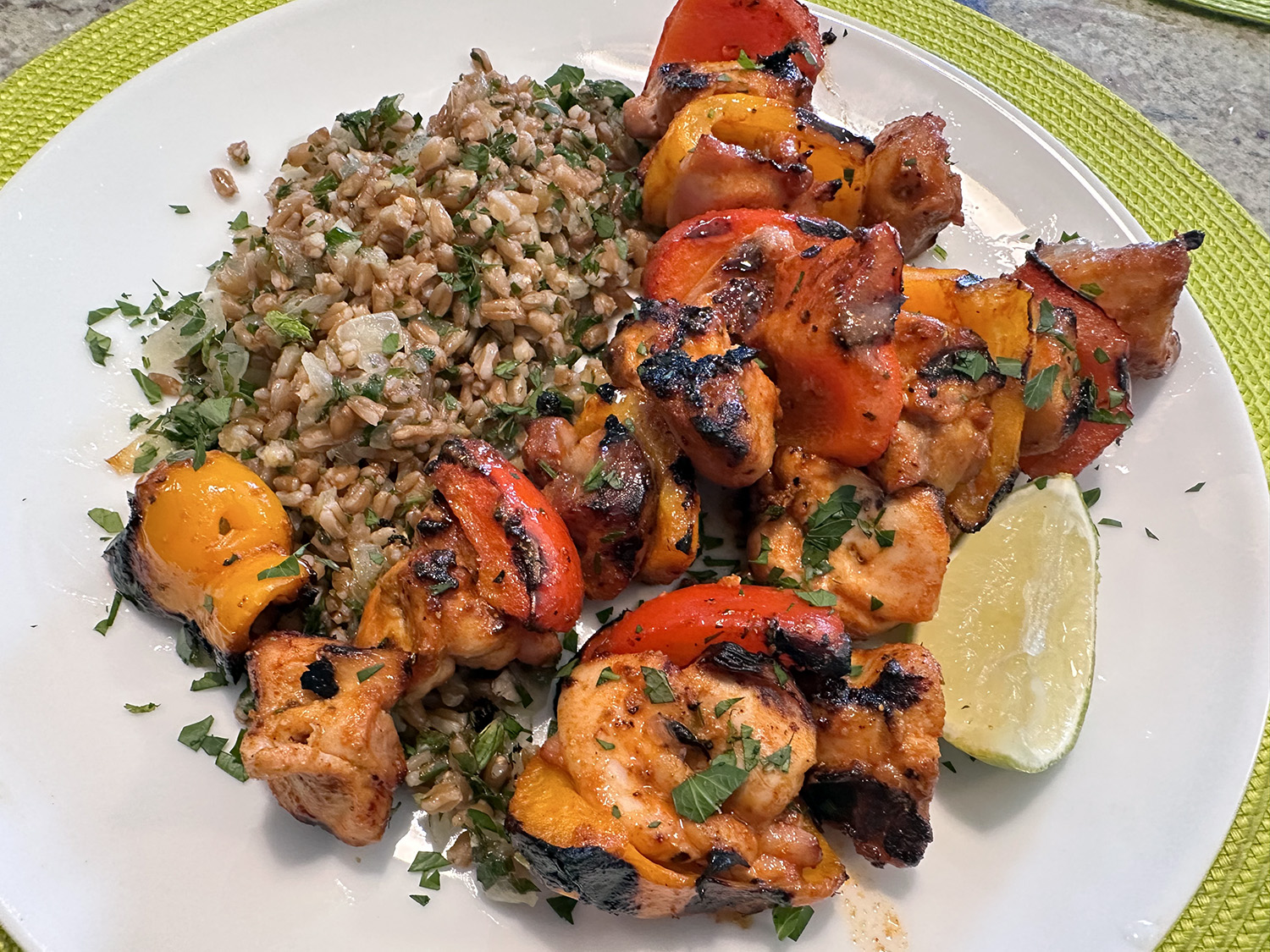
We served our skewers with a Lemon and Herb Farro side dish.

Berbere-Spiced Chicken Skewers

  • Servings: 4
  • Difficulty: easy
  • Print

Ingredients

  • 4 Tbsp. salted butter, room temperature
  • 2 Tbsp. berbere OR 1 Tbsp. ground coriander plus 1 Tbsp. smoked paprika
  • 2 Tbsp. honey, plus more to serve
  • 1 Tbsp. grated lime zest, plus 2 Tbsp. lime juice, plus lime wedges to serve
  • Kosher salt and ground black pepper
  • 1½ lbs. boneless, skinless chicken thighs, trimmed and cut into 1½-inch pieces
  • 2 medium red OR orange OR yellow bell peppers OR a combination, stemmed, seeded and cut into 1½-inch pieces

Directions

  1. Set a wire rack in a broiler-safe rimmed baking sheet and mist with cooking spray.
  2. In a large bowl, mix the butter, berbere, honey, lime zest and juice, 1 teaspoon salt and ½ teaspoon pepper. Measure 2 tablespoons of the mixture into a small bowl; set aside for brushing.
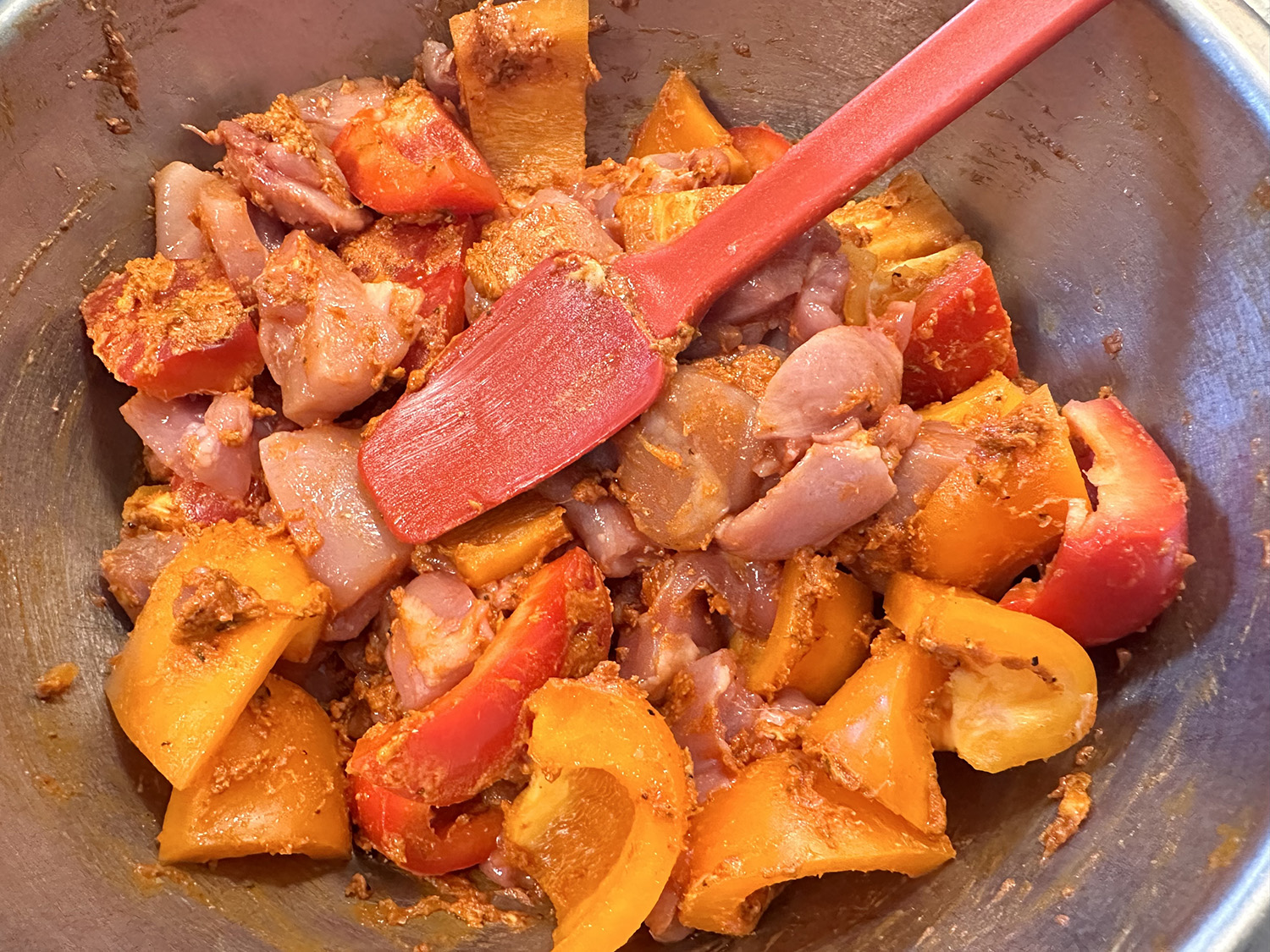
  3. Add the chicken and peppers to the bowl with the remaining berbere mixture and mix with your hands to coat.
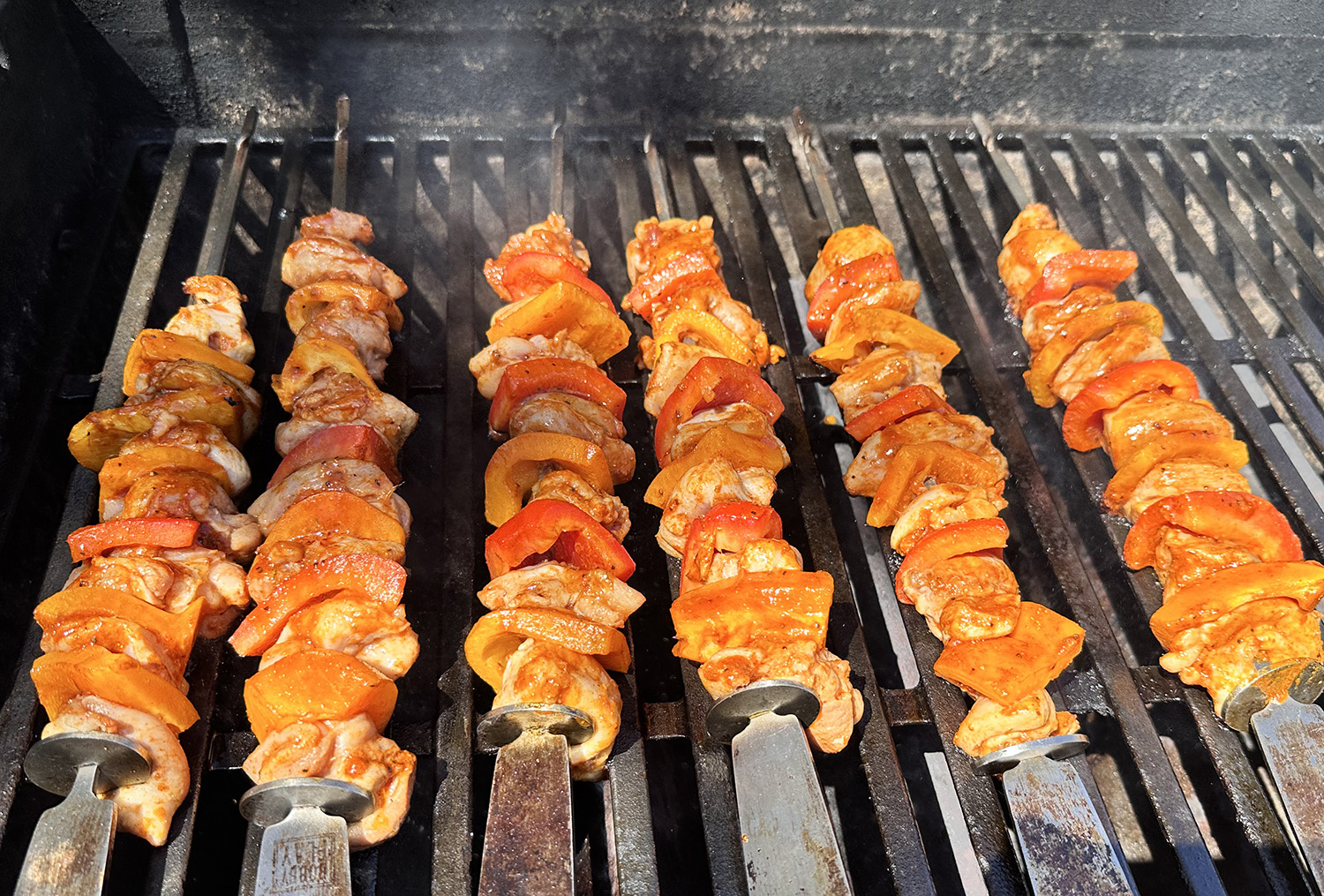
  4. Thread the chicken, alternating with the peppers, onto four 12-inch metal skewers. Place the skewers on the prepared rack, spacing them evenly. Let stand at room temperature while the broiler heats.
  5. Heat the broiler with a rack about 6 inches from the element. Broil the skewers until lightly charred, 6 to 7 minutes. Remove from the oven, flip and broil until charred on the second sides, another 6 to 7 minutes.
  6. Transfer to a serving platter, brush with the reserved butter mixture and drizzle with additional honey. Serve with lime wedges.

http://www.lynnandruss.com

Original recipe from Milk Street

Stir-Fried Pork and Sweet Peppers with Peanuts

Yes indeed, the flavors in this colorful stir-fry from Milk Street are a fantastic combination of savory, sweet, tangy, garlicky, spicy and nutty. The chili-garlic sauce can be moderated depending on your tolerance for spicy, and those peanuts add just the right amount of crunch.

Briefly marinating the sliced tenderloin means that the meat browns beautifully in the skillet and also adds flavor and moisture to an otherwise lean and mild cut. Balsamic vinegar may seem like an odd ingredient in a stir-fry, but it mimics the subtle sweetness, moderate acidity and maltiness of Chinese black vinegar and probably already is in your pantry. Serve with steamed white rice.

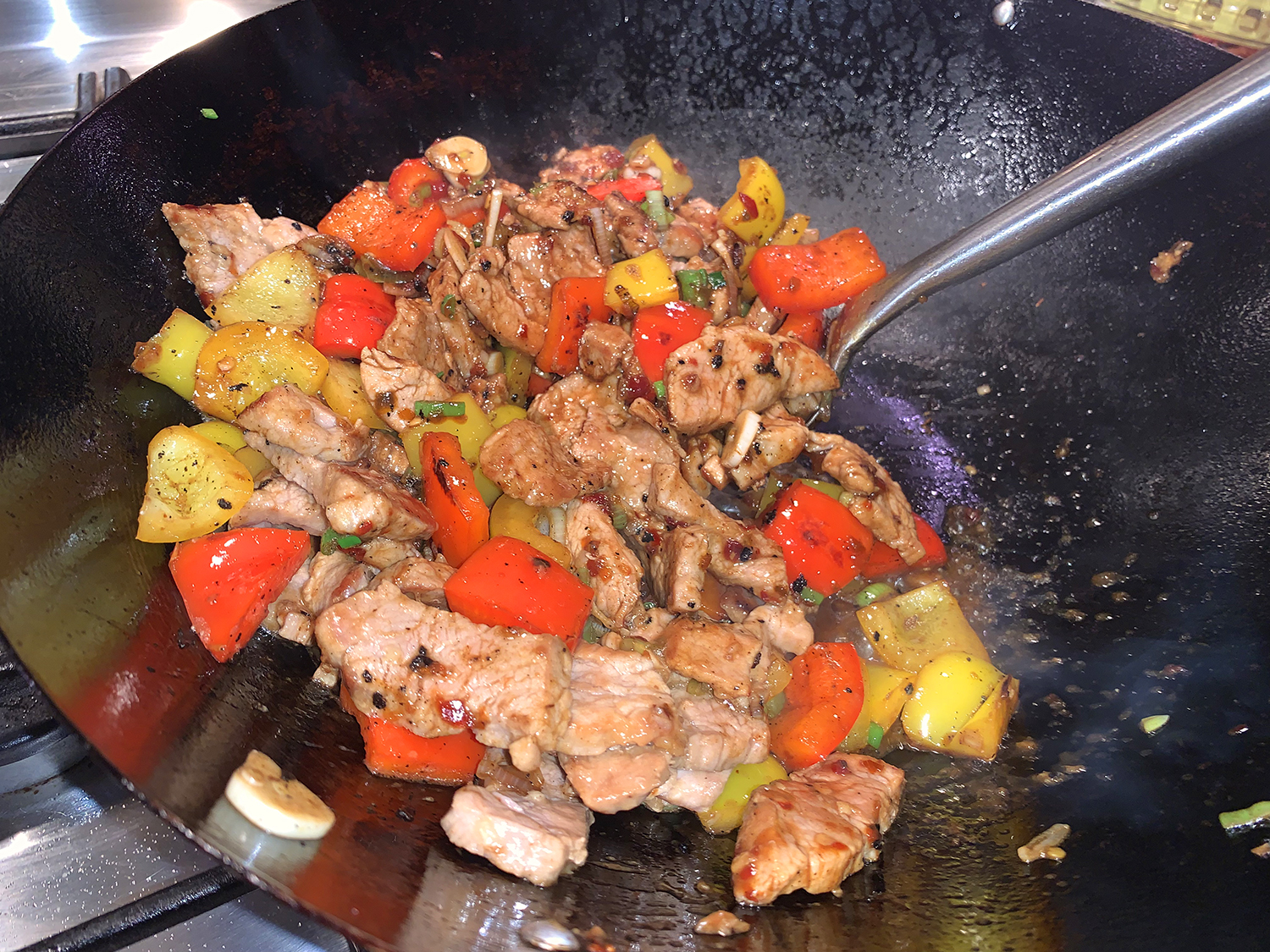
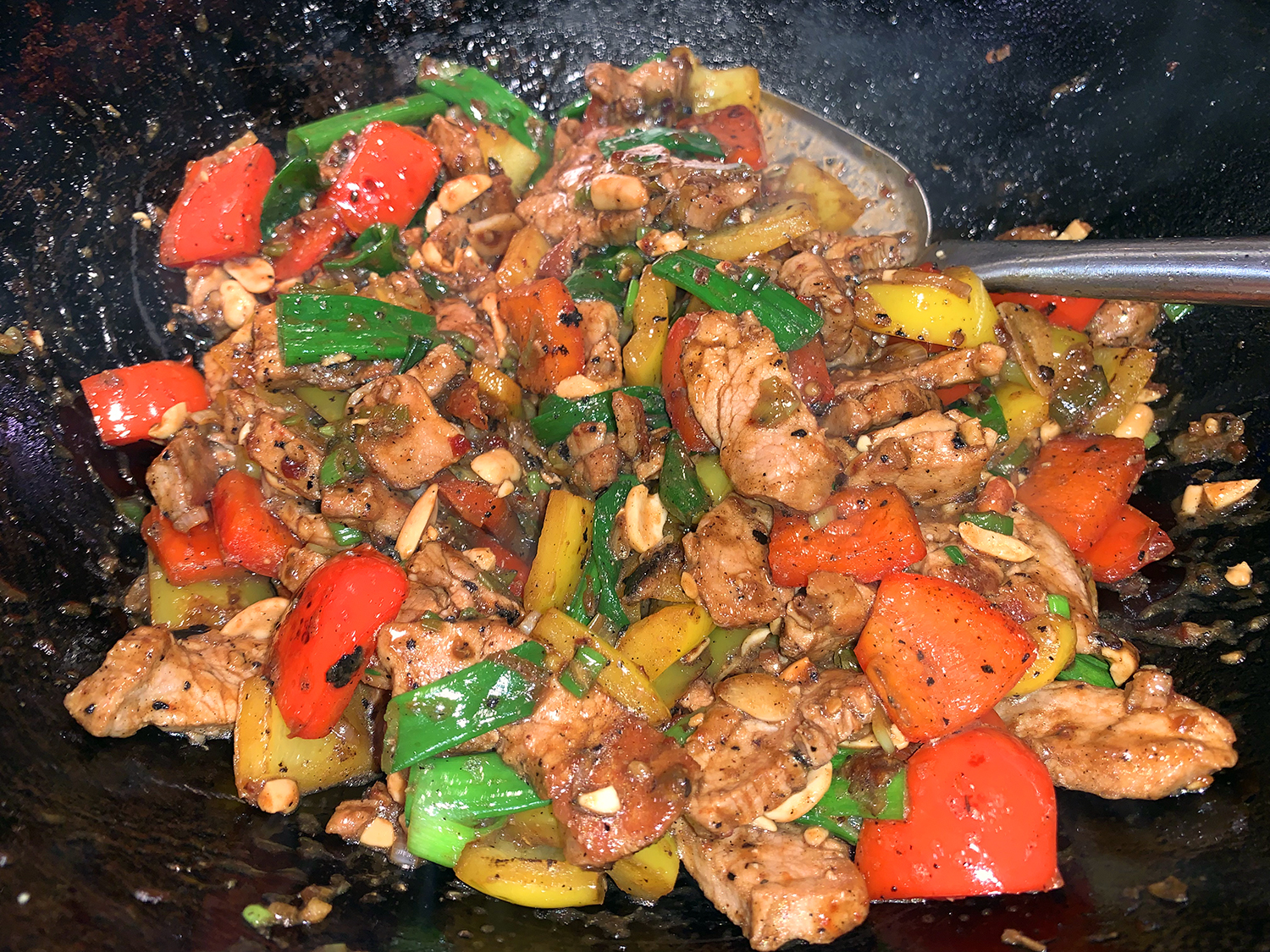
Instead of a nonstick skillet, we used a well-seasoned wok. The Hubs swears you get a hotter heat with the added benefit of pushing ingredients up the sides.

Warning: Don’t use a conventional (that is not nonstick) skillet. The pork will char and stick to the skillet instead of nicely browning.

Stir-Fried Pork and Sweet Peppers with Peanuts

  • Servings: 4-6
  • Difficulty: easy
  • Print

Ingredients

  • 1 1/4 lb. pork tenderloin, trimmed of silver skin and sliced crosswise ⅛ to ¼ inch thick
  • 3 Tbsp. grapeseed or other neutral oil, divided
  • 3 Tbsp. dry sherry, divided
  • 2 Tbsp. soy sauce, divided
  • 3 garlic cloves, 1 minced, 2 thinly sliced
  • 1 Tbsp. cornstarch
  • 2-3 Tbsp. chili-garlic sauce
  • 1 1/2 Tbsp. balsamic vinegar
  • 2 medium red, yellow or orange bell peppers, stemmed, seeded and cut into 1- to 1½-inch pieces
  • 1 bunch scallions, whites thinly sliced, greens cut into 1½-inch lengths, reserved separately
  • 1/2 cup roasted peanuts, roughly chopped

Directions

  1. In a medium bowl, stir together the pork, 1 tablespoon of the oil, 1 tablespoon of the sherry, 1 tablespoon of the soy sauce, the minced garlic and the cornstarch. Let stand for about 15 minutes.
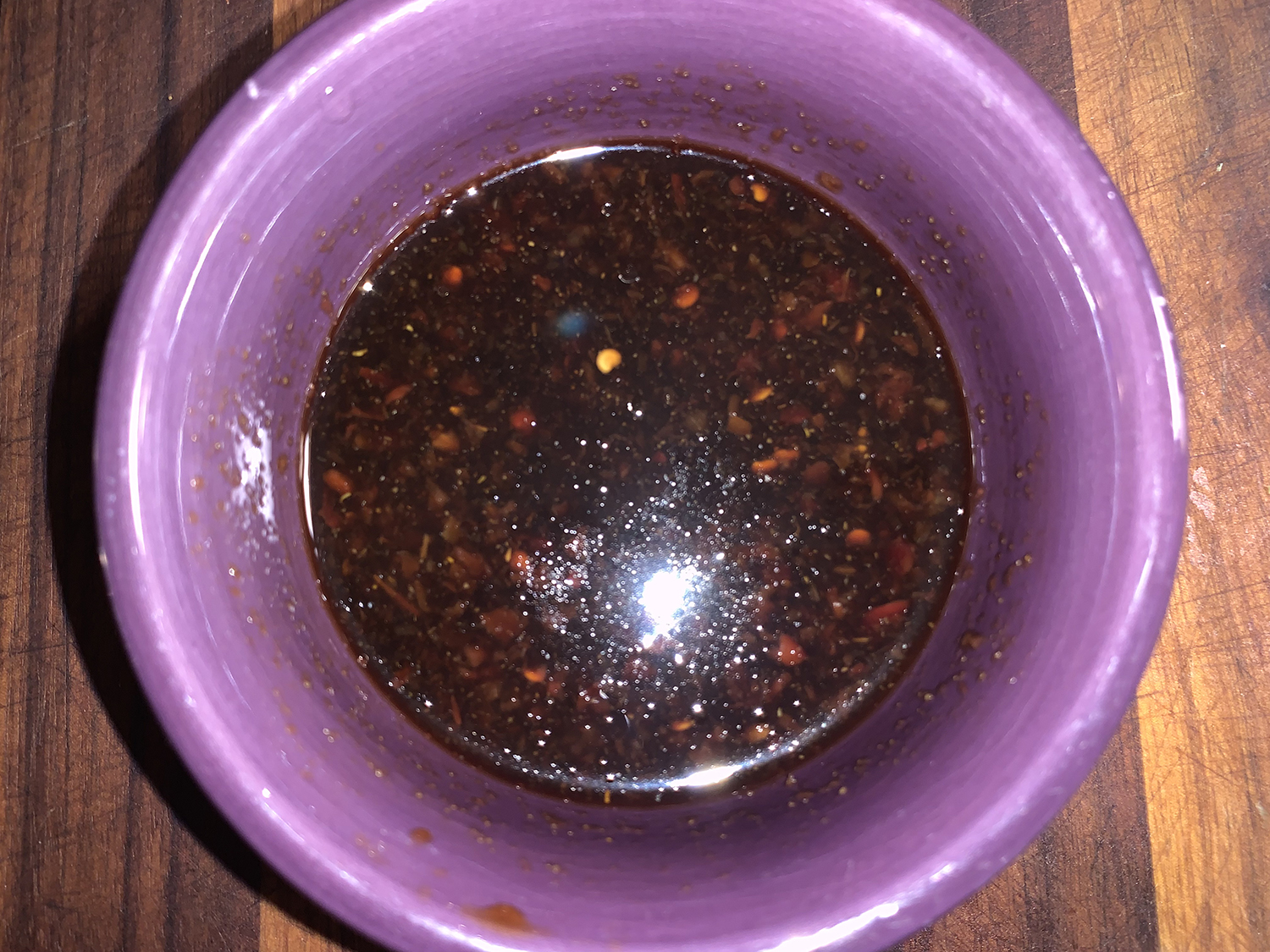
  2. Meanwhile, in a small bowl, stir together the remaining 2 tablespoons sherry, remaining 1 tablespoon soy sauce, chili-garlic sauce and vinegar.
  3. In a 12-inch nonstick skillet over medium-high, heat another 1 tablespoon oil until barely smoking. Add the pork in an even layer and cook, stirring once or twice, until well browned, 4 to 5 minutes; transfer to a plate.
  4. Add the remaining 1 tablespoon oil to the skillet and heat until shimmering. Add the bell peppers and cook, stirring occasionally, until tender-crisp, 6 to 7 minutes.
  5. Add the scallion whites and sliced garlic; cook, stirring, until fragrant, 30 to 60 seconds.
  6. Add the pork and accumulated juices, sauce mixture and scallion greens; cook, stirring, until the sauce is lightly thickened, 30 to 60 seconds.
  7. Off heat, stir in half the peanuts. Transfer to a serving dish and sprinkle with the remaining peanuts.

http://www.lynnandruss.com

Adapted from a recipe by Calvin Cox for Milk Street

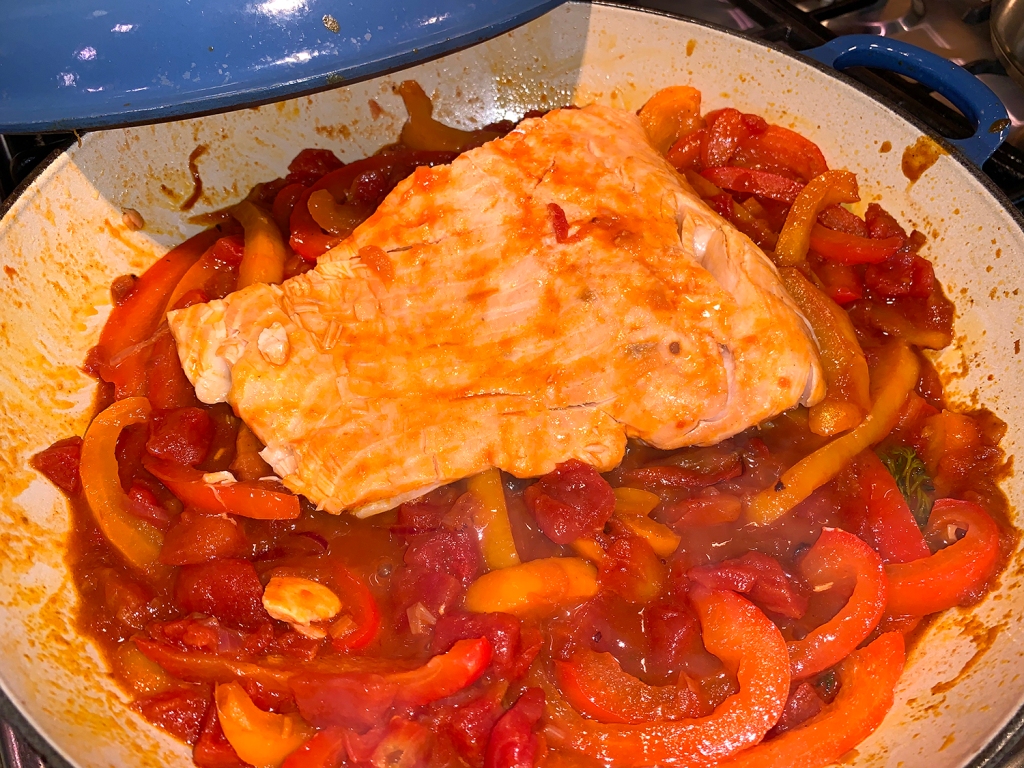
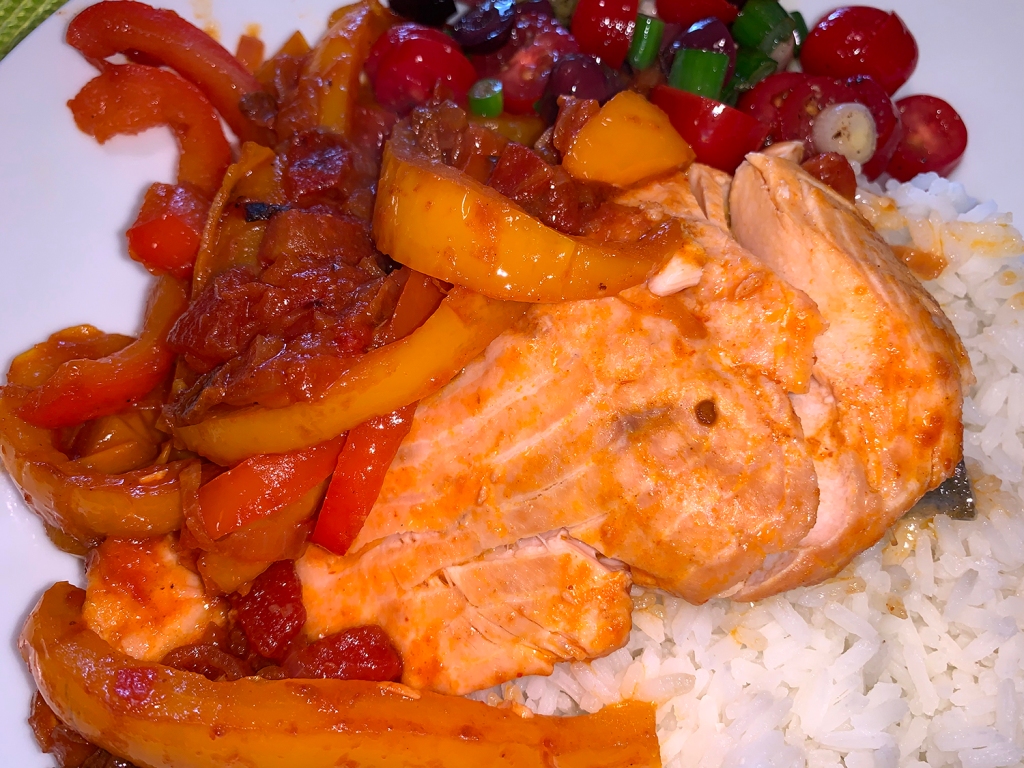
Salmon with Sweet Peppers and Chorizo

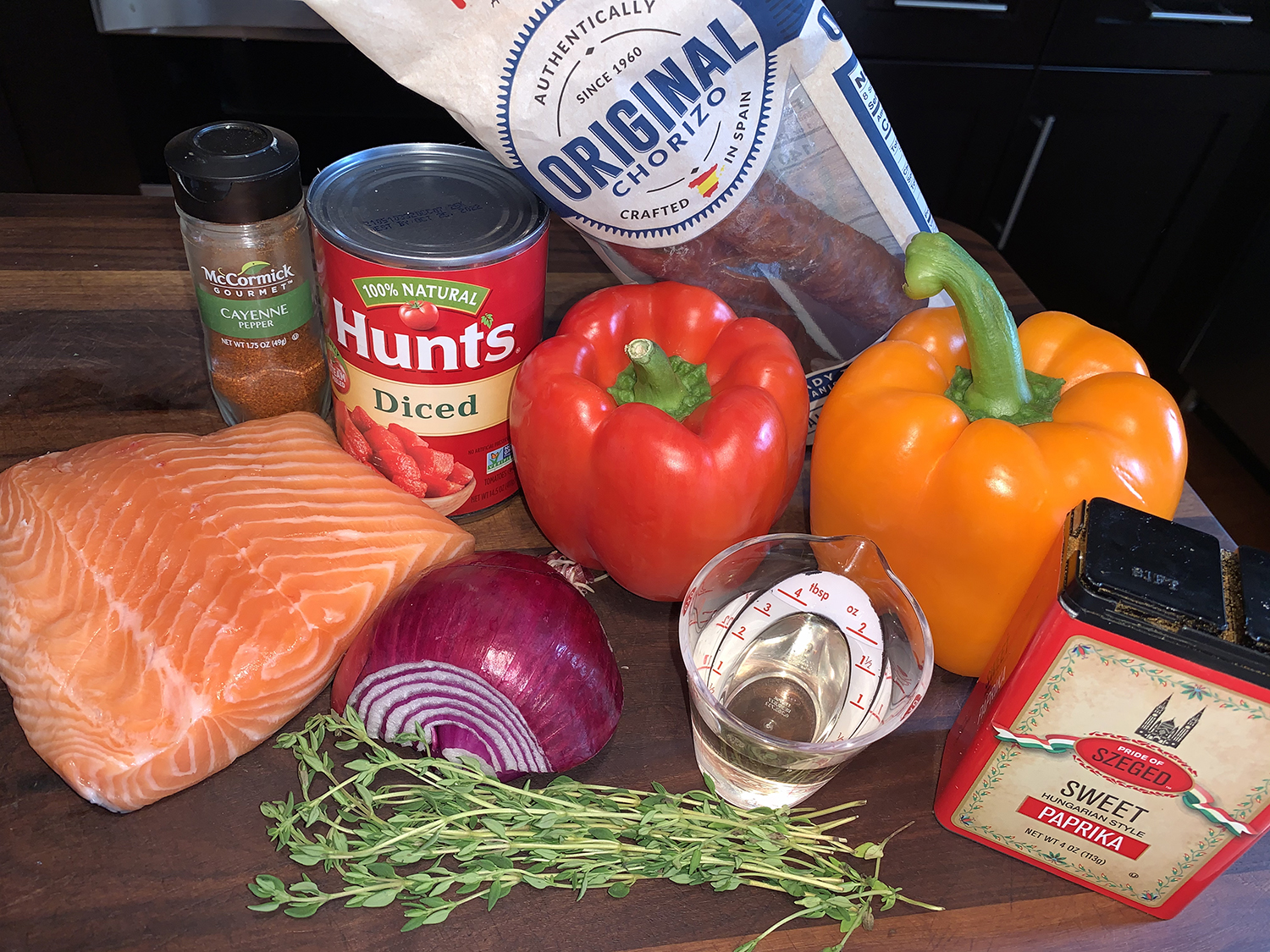
The rich flavor and firm texture of salmon, one of our favorite fish, pair perfectly with sweet peppers made into pipérade, a Basque relish-like stew of peppers, tomatoes, onion and garlic. Piment d’esplette is the authentic seasoning for pipérade, but instead a combination of sweet paprika and cayenne is used, both of which are probably already in your pantry.

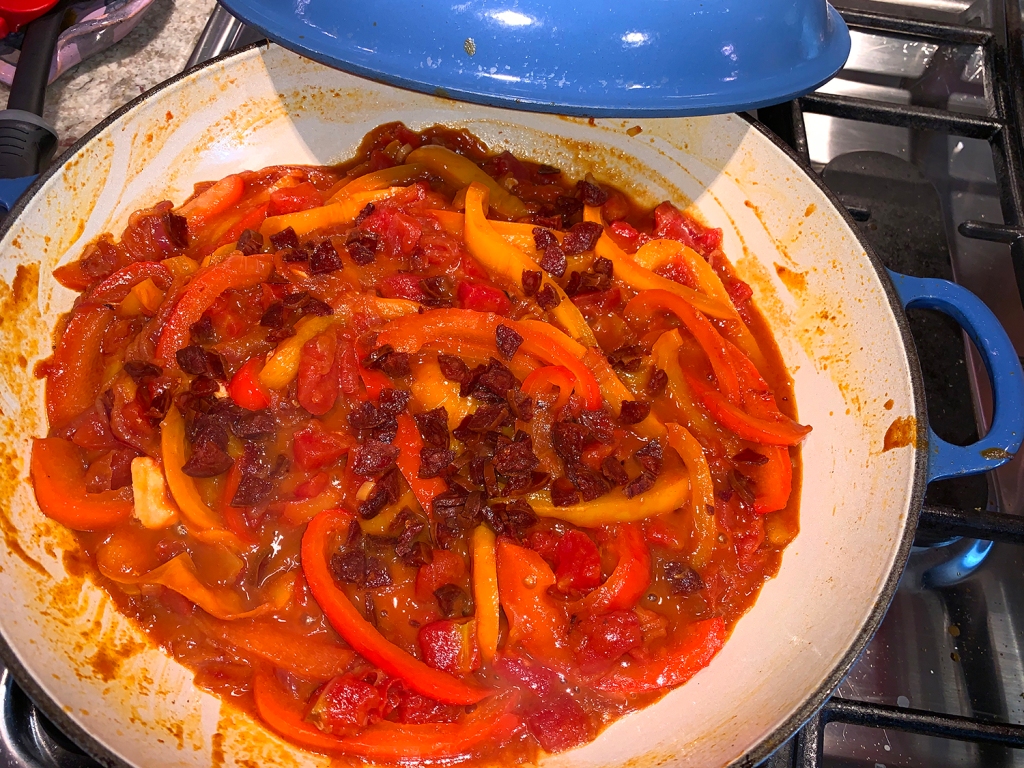
And for smoky, meaty flavor, sauté slices of Spanish chorizo; the rendered fat helps cook the vegetables and the browned chorizo simmers with peppers for a few minutes at the end. We prefer salmon at medium-well doneness—that is, cooked until the center is no longer translucent. To cook the fish until opaque throughout, simmer the fillets for a few minutes longer, or until the center reaches 130°F to 135°F. Serve with warm, crusty bread if desired.

Tip: Don’t forget to place the salmon skin side up in the pan. This way, while the fillets cook gently in the pepper mixture, the skin, which we remove before serving, protects the surface from drying out. Also, don’t allow the pepper mixture to simmer vigorously while the fish is in the skillet. Medium heat should ensure a gentle simmer, but adjust the burner as needed.

Salmon with Sweet Peppers and Chorizo

  • Servings: 4
  • Difficulty: easy
  • Print

Ingredients

  • 4 6-oz. center-cut salmon fillets
  • 3 Tbsp. extra-virgin olive oil, plus more to serve
  • 2 oz. Spanish chorizo, quartered lengthwise and thinly sliced
  • 2 medium red or orange bell peppers (or 1 of each), stemmed, quartered lengthwise, seeded and thinly sliced crosswise
  • 1 medium red onion, halved and thinly sliced
  • 1 tsp. sweet paprika
  • ¼ tsp. cayenne pepper
  • ¼ cup dry vermouth or white wine
  • 14½ oz. can diced tomatoes
  • 3 large thyme sprigs

Directions

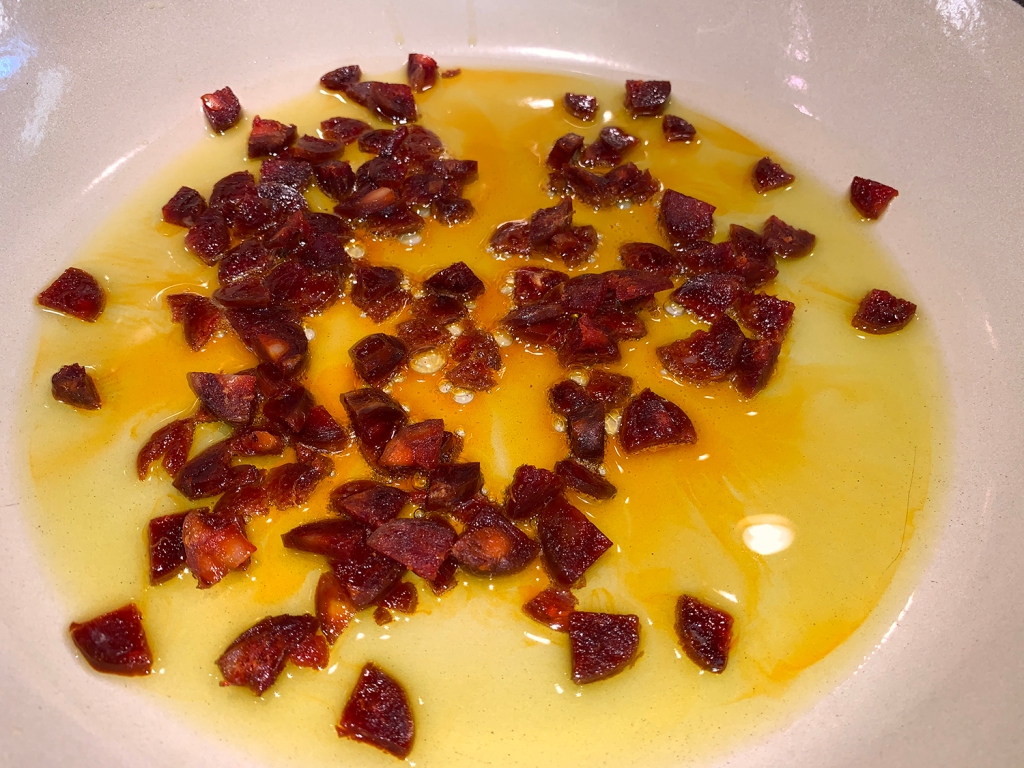
  1. Season the salmon on both sides with salt. In a 12-inch skillet over medium, combine the oil and chorizo and cook, stirring occasionally, until the oil has taken on a reddish hue and the chorizo begins to brown, 3 to 4 minutes. Using a slotted spoon, transfer the chorizo to a small plate and set aside.
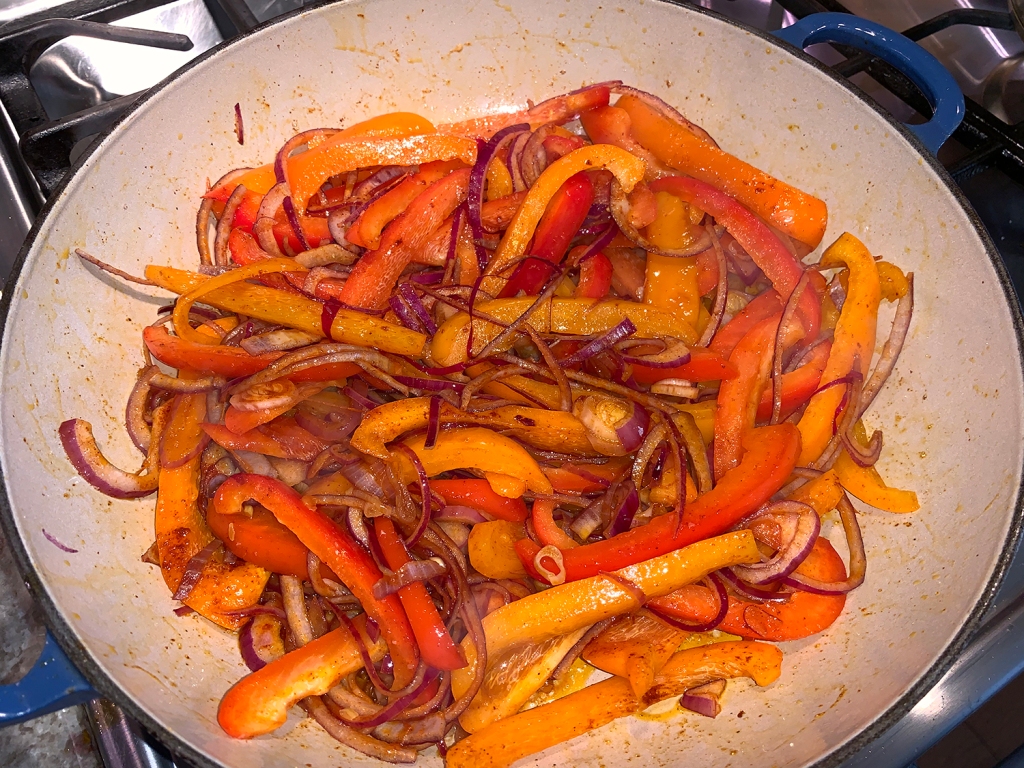
  2. Set the skillet over medium-high and heat the fat until shimmering. Add the bell peppers, onion, paprika, cayenne and ½ teaspoon salt. Cook, stirring occasionally, until the vegetables are wilted and tender, 5 to 8 minutes.
  3. Add the vermouth and cook, scraping up any browned bits, until the wine has evaporated, about 1 minute.
  4. Add the tomatoes with juices along with the thyme, then bring to a simmer. Nestle the salmon fillets, skin-side up, in the mixture. Reduce to medium, cover and simmer, until the thickest parts of the fillets reach 115°F to 120°F, 6 to 8 minutes. If you want your salmon opaque throughout, cook a few minutes longer.
  5. Remove the pan from the heat. Using tongs, carefully peel off and discard the skin from each fillet. Using a wide metal spatula, transfer the salmon to serving plates, flipping each piece so the skinned side faces down.
  6. Bring the pepper mixture to a simmer over medium-high, add the chorizo and cook, stirring occasionally, until slightly thickened, 2 to 4 minutes. Taste and season with salt and pepper. Remove and discard the thyme, then spoon the mixture over and around the salmon and drizzle with additional oil.

http://www.lynnandruss.com