All posts by LynnHoll

Unknown's avatar

About LynnHoll

I have been an artist and designer all my life incorporating graphic design for websites, gardens, publications, fabrics, interior design and cooking. I am now retired from my professional job, but still create artistic visions in all forms on a daily basis.

Rustic Pear Crostata

A work of art—and not by me. Recently we enjoyed a fabulous dinner at the home of friends Rosanne and Gary (Mr. and Mrs. Z, as you may recall). And the showstopper was the Rustic Pear Crostata, a recipe Mrs. Z. got from well-known chef Lidia Bastianich.

Now I know I’m not much of a dessert eater, but the crostata was a thing of beauty—and I’m sure those purple edible butterflies may have had something to do with the attraction. Yes, that’s correct, I did say edible butterflies. I was so intrigued, I questioned where Rosanne got them.

The answer? From http://www.DecoMachineLLC.com where they sell edible dessert toppers or, “pictures you can eat.” These are very thin and almost translucent (see through), similar to a “communion wafer” and are virtually tasteless, not sweet at all and, are sugar-free.

The Hubs LOVED his portion! He’s a pear man to begin with, and then served with a generous dollop of homemade whipped cream, you’d think he died and went to Heaven. He certainly didn’t decline the offer to take some of the leftovers home…

Couldn’t resist giving a shout out to my gal-pal for the fabulous dinner with the eye-catching finale! Drum roll please…

Rustic Pear Crostata

  • Servings: 8
  • Difficulty: moderate
  • Print

Ingredients

  • 1 ¼ cups all-purpose flour, plus more as needed
  • 2 Tbsp. sugar
  • ½ tsp. baking powder
  • ¼ tsp. kosher salt
  • 8 Tbsp. very cold unsalted butter, cut into small pieces
  • 1 Large egg

Ingredients for the filling:

  • ¼ cup apricot jam
  • 2 Tbsp. sugar, plus more for sprinkling
  • 3 Firm-ripe bartlett pears, peeled and sliced ¼ inch thick
  • 1 Tbsp. cornstarch
  • 1 tsp. grated lemon zest plus 1 tablespoon juice
  • 2 Tbsp. unsalted butter, cut into bits
  • 1 Large egg, beaten with a pinch of salt

Directions

  1. For the dough, combine the flour, sugar, baking powder, and salt in a food processor. Pulse just to combine. Scatter in the butter pieces and pulse until the butter is the size of peas. Combine the egg and 2 tablespoons cold water in a small bowl and pour over the flour. Pulse just until the dough comes together in loose crumbs. (Add a little more water if the dough is too crumbly or a little more flour if it is too wet.)
  2. Mound the dough on a work surface and knead a few times to make a cohesive dough. Wrap in plastic and flatten into a disk.
  3. Refrigerate at least 1 hour or up to overnight. Let rest on the work surface for 10 minutes before you begin to roll it out.   
  4. Preheat oven to 400 degrees F, with a baking stone, if you have one, on the bottom rack.
  5. For the filling, warm the jam in a small bowl in the microwave to thin it out, then stir in the sugar. Toss the pears, cornstarch, and lemon zest and juice until the cornstarch is absorbed. Drizzle with the jam mixture and toss to combine.  
  6. Roll the dough on a piece of parchment to a circle with a 13-inch diameter. Mound the pear mixture in the center, leaving a 2-inch border all around. Dot the top with the butter pieces.
  7. Fold the crust over the top of the fruit, pleating as you go. Slide the crostata, still on the parchment, onto a baking sheet. Brush the crust with the beaten egg and sprinkle with sugar.  
  8. Bake until the filling is bubbling and the bottom of the crust is crisp and golden, about 40 minutes. Remove to a rack and let cool at least 30 minutes.
  9. Serve warm or at room temperature. If desired, shake on some powdered sugar just before serving.

http://www.lynnandruss.com

Rotini with Ground Pork and Spicy Peanut Sauce

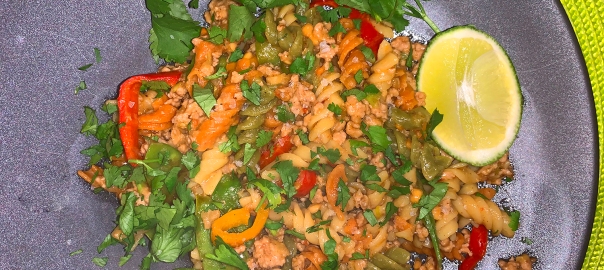
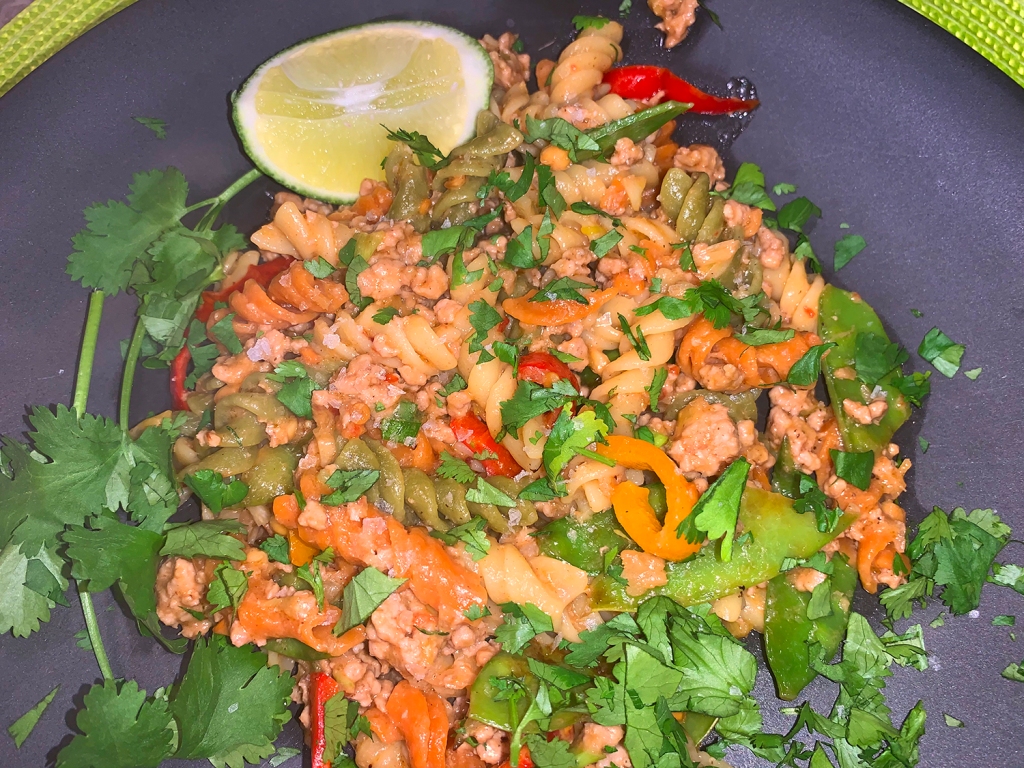
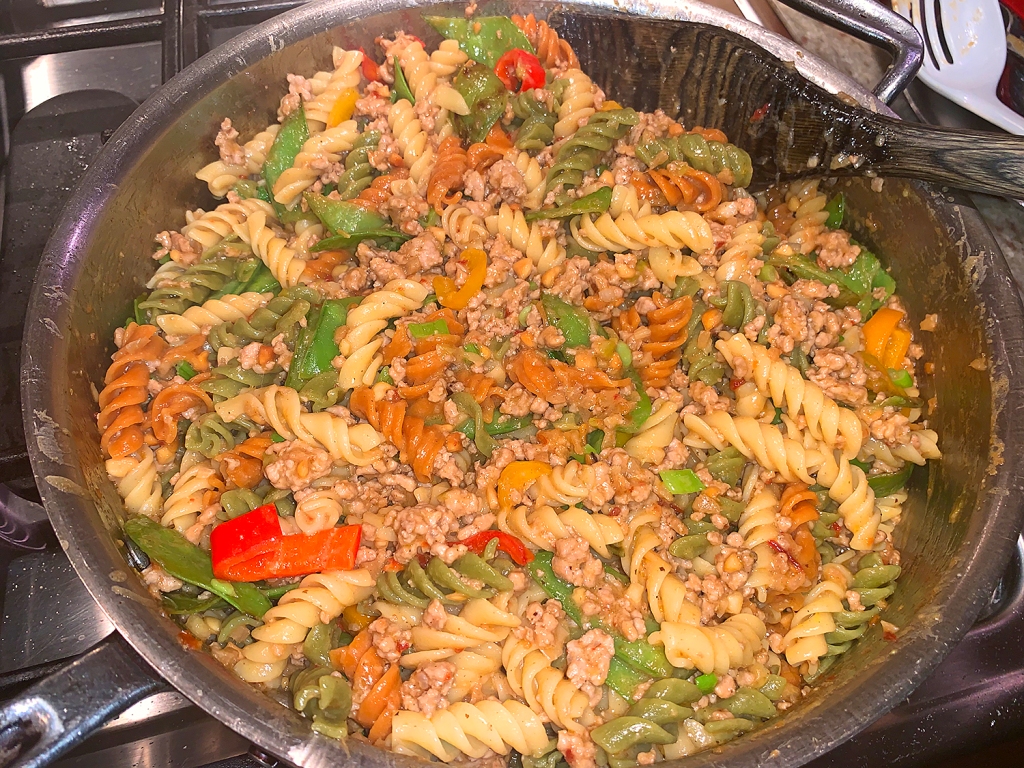
Chitalian Fusion is what we dubbed this pairing of satay like flavors with pasta and green herbs. Flavorful, but not too hot. You may not expect bright, Asian-inspired flavors to be paired with Italian rotini pasta, but it’s a great choice for holding onto the sauce. Like Pad Thai, although easier to eat than with the long noodles—yet where are the veggies?

My initial issue was the overall drab color of the dish. Cooked pork, with regular pasta, peanut butter and scallions—where’s the color? So I started with tri-colored rotini, and added snow peas and three small, different colored baby bell peppers. Now it was a fiesta on a plate, visually appealing enough to want to dive in.

Rotini with Ground Pork and Spicy Peanut Sauce

  • Servings: 4-5
  • Difficulty: easy
  • Print

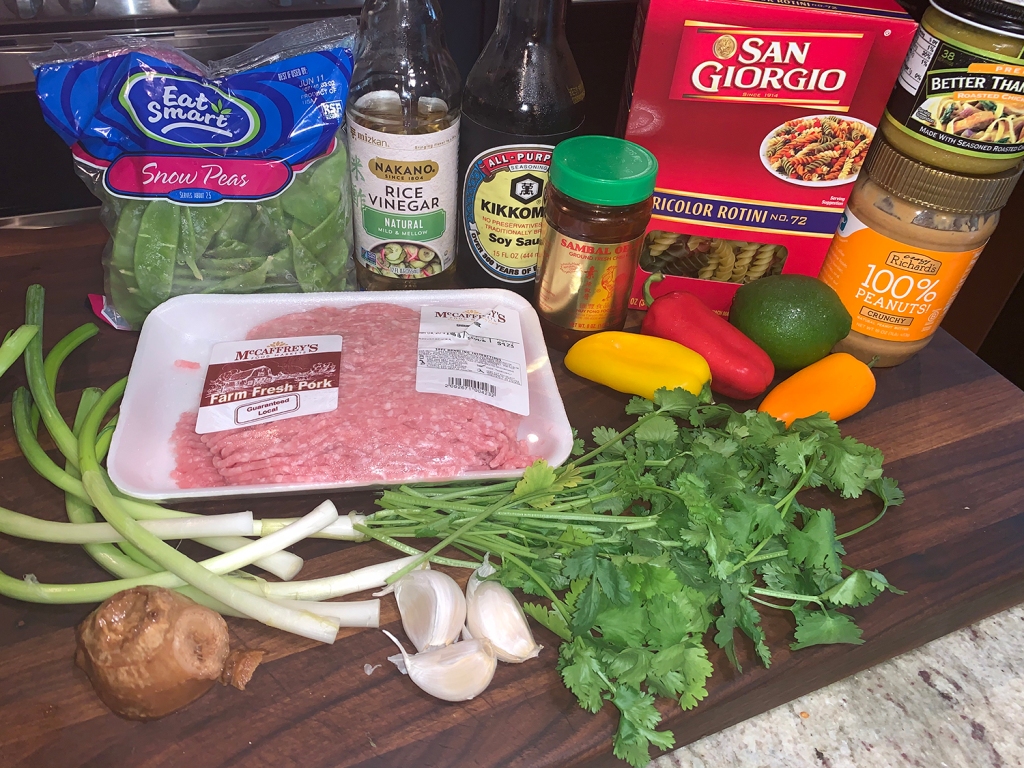
Ingredients

  • Kosher salt
  • 12 oz. tri-colored rotini
  • 1-1/2 Tbs. peanut oil
  • 8 oz. snow peas, strings removed, cut in half on a diagonal
  • 3 baby bell peppers, stems removed, seeded, cut in half lengthwise, then sliced into 1/4″ strips
  • 6 medium scallions, thinly sliced, whites and greens separated
  • 2 Tbs. minced fresh ginger
  • 2 medium cloves garlic, minced
  • 1 lb. ground pork
  • 3 Tbs. soy sauce
  • 2 Tbs. unseasoned rice vinegar
  • 1 Tbs. sambal oelek or other Asian chile paste; more to taste
  • 1 Tbs. granulated sugar
  • 1/2 cup crunchy peanut butter, preferably natural
  • 2/3 cup chicken broth
  • 1 Tbs. Asian sesame oil
  • 1 medium lime, cut into 4 wedges
  • 1/4 cup chopped fresh cilantro as garnish

Directions

  1. Bring a large pot of salted water to a boil. Add the rotini and cook according to package directions until al dente.
  2. Meanwhile, heat a 12-inch heavy-duty skillet over medium heat. Add the oil, when hot toss in the snow peas and bell pepper strips. Cook about 2 minutes and remove to another dish.
  3. Add the scallion whites to the hot pan. Cook, stirring, until softened, about 1 minute.
  4. Add the ginger and garlic and cook, stirring for 30 seconds.
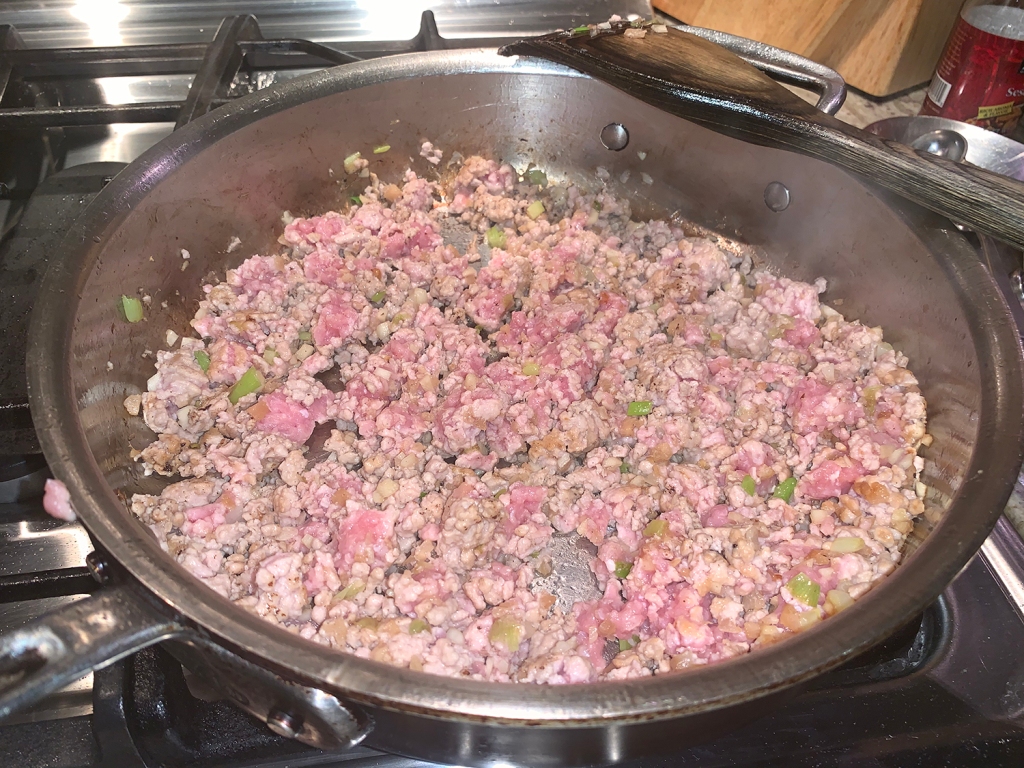
  5. Crumble in the pork and cook, stirring occasionally, until it loses its pink color, about 5 minutes.
  6. Stir in the soy sauce, vinegar, sambal oelek, and sugar and cook until bubbling. Add the peanut butter and stir until incorporated.
  7. Pour in the broth, stir well, and bring to a simmer. Cook for 2 minutes, stirring occasionally.
  8. Reserve 1/2 cup of the pasta water, drain the pasta. Add the pasta and the snow pea mix to the pork and scallions.
  9. Thin the sauce with the pasta water, if necessary. Divide among plates or bowls, squeeze a lime wedge over each serving, and top with cilantro.

http://www.lynnandruss.com

Adapted from a recipe by Bruce Weinstein, Mark Scarbrough from Fine Cooking

Dry-Brine, Reverse-Sear Sirloins with Argentinian Chimichurri Sauce

That title is certainly a mouthful, but want a perfect steak? This method for dry-brining steak, paired with reverse-sear cooking, will result in the tastiest steak you’ve ever made—as long as you don’t commit the cardinal sin. Don’t be a cheap-skate and try to get away with a sub-par piece of meat. No matter what you hear or read, this method will not transform a cheap steak into an expensive one, it will merely improve it.

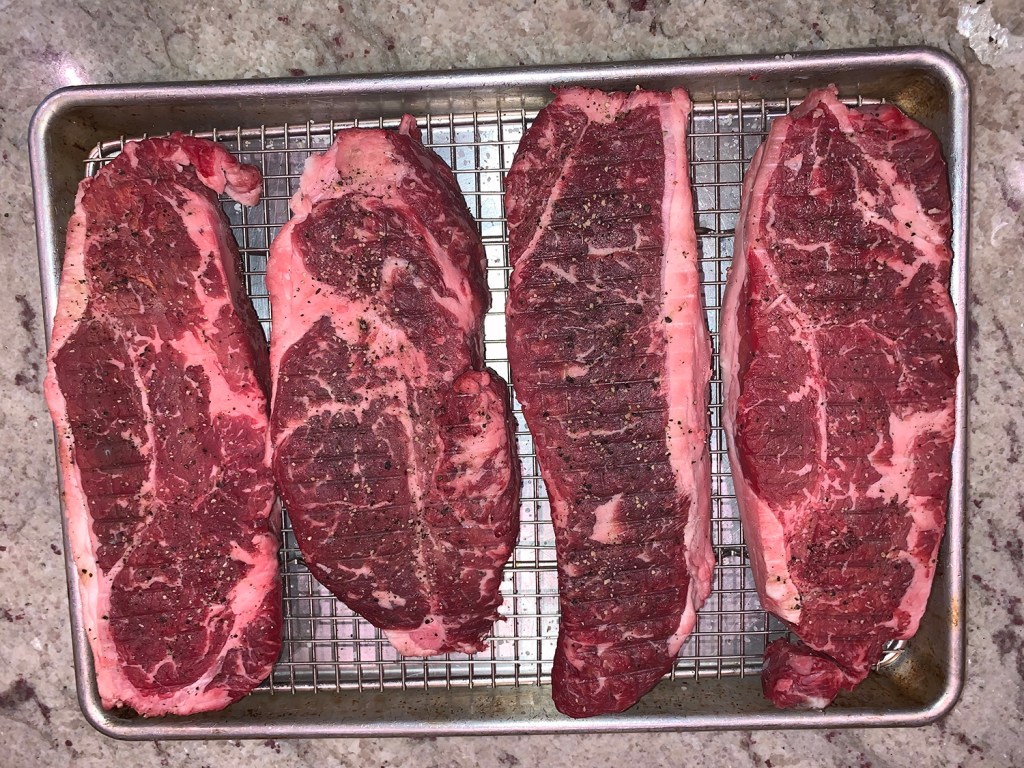
You will definitely need a meat thermometer to do this correctly, so if you do not have an instant-read Thermapen, go get yourself one now. Plus, each piece of meat needs to be at least 1.5 inches thick for the reverse sear method to work. I started with a 3.6 pound strip roast and sliced it down into four equal steaks. The roast was on sale for 50% off, and I had it tucked away in the freezer for just such an occasion.

Did you know that with this method, the salt gets deeper into the meat than with conventional seasoning. The salt crystals draw out moisture, creating a slick watery surface on the steak that eventually dissolves the salt, then the process of diffusion draws this salty brine back into the meat. Voila!

Yes, the steaks do look somewhat smaller after the brining process, but the meat has a more intense beefy flavor. A word to the wise, you’re going to want to make sure there’s nothing with a strong odor left uncovered in the fridge which could work it’s way into the meat.

Now you might be saying to yourself that it takes longer to cook with reverse sear than other methods. Admittedly, some of the better things in life do take longer, but ultimately, the steaks are ready to eat immediately because you’ve rested them prior to the sear!

Along with an eye-opening chimichurri sauce (recipe follows), we paired the steaks with two recent 5-star side dishes, Russel’s Russets and Green Beans and Blistered Tomatoes.

Argentinian Chimichurri Sauce—This recipe from Milk Street can easily be halved, but you’ll find uses other than steak for this delicious condiment such as on grilled pork, fish and other seafood. Chimichurri can be stored in an airtight container in the refrigerator for up to a week; bring to room temperature before serving. Don’t substitute fresh oregano. The stronger flavor and texture of dried oregano is a hallmark of chimichurri.

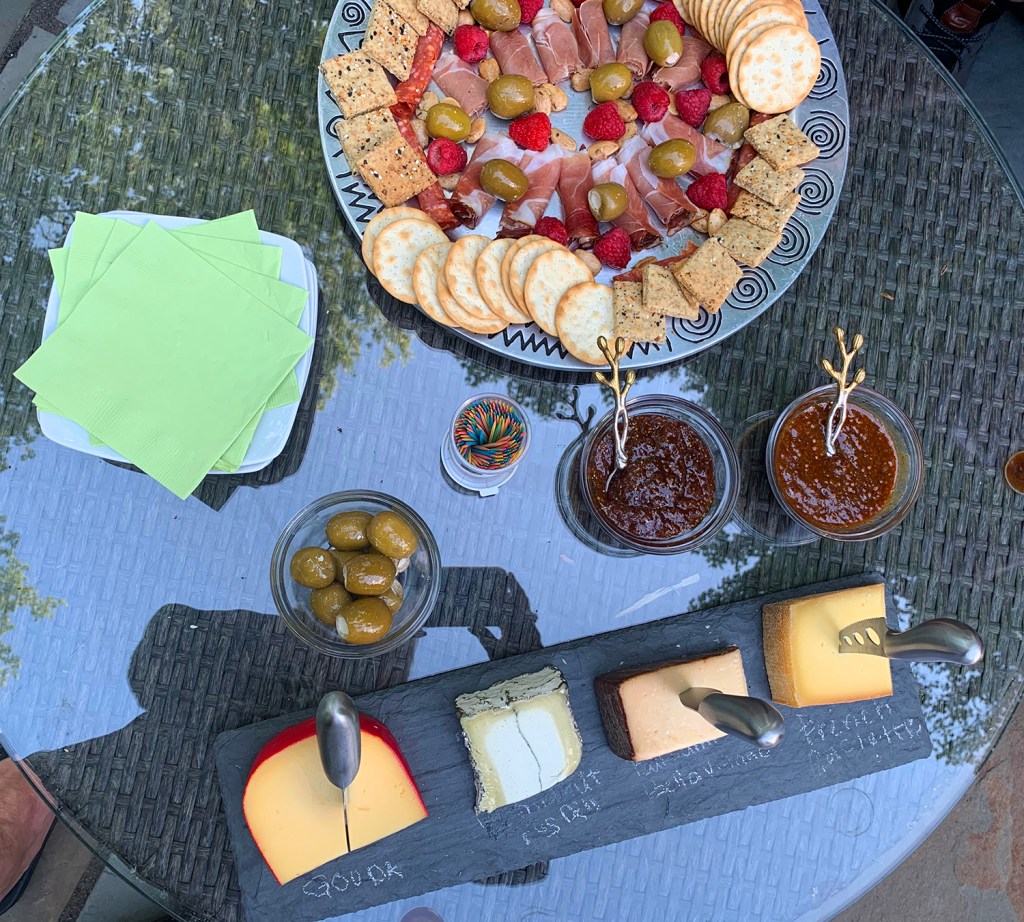
The evening got started when our guests, Paula and Mike toted in the appetizer, and WOW, they did not disappoint! Along with a slate of four scrumptious cheeses, they also supplied a platter of low-carb crackers (that Paula made from scratch), meats, stuffed olives, and mustard/honey and fig spreads. Which, BTW, went nicely with the chilled rosé that we were sipping.

When it was time to start grilling, Russ transferred the rimmed baking sheet with rack and steaks from counter directly onto the indirect heated side of the grill. He kept it covered and maintained a temperature of 250°. After 45 minutes, he turned up the burners on the other side of the grill to high, oiled the grates and slapped the meat onto them for the final char.

Dry-Brine, Reverse-Sear Sirloins

  • Servings: 4-6
  • Difficulty: easy
  • Print

Ingredients

  • 3.5-4 lb. strip roast, cut into 4 steaks, fat trimmed
  • Kosher salt and fresh cracked pepper
  • Argentinian Chimichurri sauce (see recipe below)

Directions

  1. Cut the sirloin roast into 4 equal sized steaks. (Ours were 1 1/2″ each from a 3 1/2 pound roast.) Lay them on small rimmed baking sheet with rack. Generously salt and pepper each side.
  2. Place baking sheet uncovered into refrigerator for at least 24 hours, up to 3 days.
  3. Start up the grill using the indirect method. Turn on the burners on one side and cover until it reaches 250°. Place the steaks on the off side and close the lid. When the meat reaches 115°, they will be ready to sear over high heat. Our 1 1/2″ steaks took 45 minutes.
  4. Turn the burners to high and place the steaks over the direct heat to char the outsides, about 2 minutes per side, and the internal temp is 125° for medium-rare.
  5. Transfer steaks to a cutting board with a moat to catch any juices.
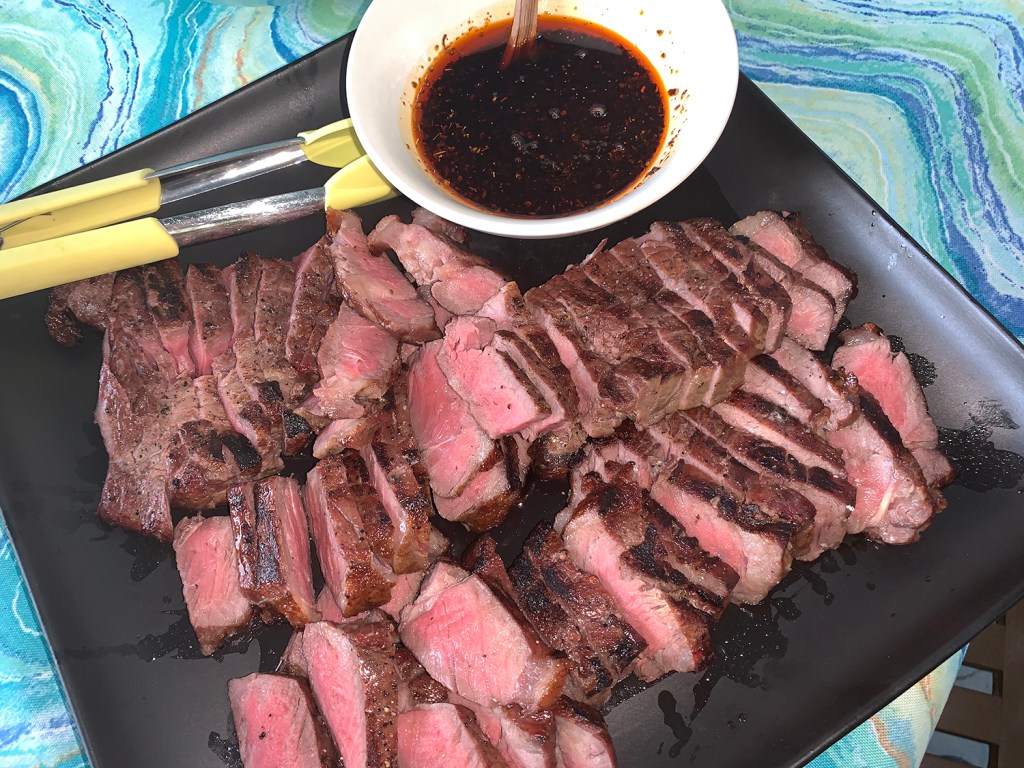
  6. Using tongs and a sharp knife, cut each steak into 1/2″ thick slices and pile all of the meat and any accumulated juices onto a platter along with a bowl of the chimichurri sauce.

Ingredients

  • ¾ cup grapeseed or other neutral oil
  • ¼ cup sweet paprika
  • ¼ cup red pepper flakes (you can reduce the amount if desired)
  • ¼ cup dried oregano
  • 2 medium garlic cloves, finely grated
  • ½ cup balsamic vinegar
  • Kosher salt

Directions

  1. In a small saucepan over low, combine the oil, paprika, pepper flakes and oregano. Cook, stirring occasionally, until the mixture begins to bubble, 5 to 7 minutes.
  2. Remove from the heat and stir in the garlic. Let cool to room temperature.
  3. In a medium bowl, combine the vinegar and 1 teaspoon salt, then stir until the salt dissolves. Slowly whisk in the cooled oil mixture.

http://www.lynnandruss.com

Poached Fish Fillets with Sherry-Tomato Vinaigrette

Super-moist, delicately cooked fish, this Poached Cod Fillets with Sherry-Tomato Vinaigrette recipe from Cook’s Illustrated (CI) was just the ticket for Meatless Monday. Any meaty white fish such as halibut, sea bass or snapper would also work, but cod tends to be the most economical—at least in our ‘hood.

The restaurant-style dish typically requires a pot of pricey olive oil. And even 3/4 cup may seem like a lot, but CI found that using a smaller skillet, dropping in half an onion, and flipping the fish halfway puts a nice dent in the supply needed. Plus they employed that same oil to crisp flavorful garnishes and finally blend into a creamy vinaigrette.

Speaking of garnishes, only four ounces of artichoke hearts seemed miserly at best, and many reviewers agreed. So I tripled the amount to 12 ounces, and patted myself on the back for doing so because they were the BOMB! That decision of course made it necessary to increase the volume of corn starch.

And we have been trying to locate frozen artichokes for months now, none of our local grocery stores carry them anymore—odd indeed. So if you find you’re in the same pickle, purchase the jarred version, but don’t get the marinated variety. It is essential that you drain them really well and blot them with paper towels before coating them with the corn starch. (Later found out Trader Joe’s carries frozen artichokes.)

A few other alterations included boosting the quantity of cherry tomatoes and an extra garlic clove (pretty much a staple move on our part). In addition, I placed the platter of covered, cooked cod into the turned-off oven along with the dish of artichokes to keep warm while we made the vinaigrette.

My changes are noted in the ingredients list below. And while serving the meal with couscous or steamed white rice is great to sop up all that luscious vinaigrette, we went low-carb and made a side of sautéed baby spinach.

IMG_3953

Poached Fillets with Sherry-Tomato Vinaigrette

  • Servings: 4
  • Difficulty: easy
  • Print

Ingredients

Fish

  • 1 1/2 lbs. skinless white fish fillets, 1 inch thick
  • Kosher salt
  • 12 oz. frozen artichoke hearts, thawed, patted dry, and sliced in half lengthwise
  • 2-3 Tbsp. cornstarch
  • ¾ cup olive oil
  • 4 garlic cloves, minced
  • ½ onion, peeled

Vinaigrette

  • 5 ounces cherry tomatoes
  • ½ small shallot, peeled
  • 4 teaspoons sherry vinegar
  • Kosher salt
  • ½ teaspoon pepper
  • 1 tablespoon chopped fresh parsley
  • 4 ounces cherry tomatoes, cut into 1/8-inch-thick rounds

Directions

FOR THE FISH:

  1. Adjust oven racks to middle and lower-middle positions and heat oven to 250 degrees. Pat fish dry with paper towels and season each fillet with 1/4 teaspoon salt. Let sit at room temperature for 20 minutes.
  2. Meanwhile, toss artichokes and cornstarch in bowl to coat. Heat 1/2 cup oil in 10-inch nonstick skillet over medium heat until shimmering. Shake excess cornstarch from artichokes (mine didn’t have any excess to shake off) and add to skillet; cook, stirring occasionally, until crisp and golden, 2 to 4 minutes.
  3. Add garlic and continue to cook until garlic is golden, 30 to 60 seconds. Strain oil through fine-mesh strainer into bowl. Transfer artichokes and garlic to an ovenproof plate lined with a paper towel and season with salt. Do not wash strainer.
  4. Return strained oil to skillet and add remaining ¼ cup oil. Place onion half in center of pan. Let oil cool until it registers about 180 degrees, 5 to 8 minutes.
    IMG_3964
  5. Arrange fish fillets, skinned side up, around onion (oil should come roughly halfway up fillets). Spoon a little oil over each fillet, cover skillet, transfer to middle rack, and cook for 15 minutes.
  6. Remove skillet from oven. Using 2 spatulas, carefully flip fillets. (Don’t sweat it if the fillets fall apart, it’s almost impossible to flip them completely intact.)
  7. Cover skillet, return to middle rack, and place plate with artichokes and garlic on lower-middle rack. Continue to cook fish until it registers 130 to 135 degrees, 9 to 14 minutes longer.
  8. Gently transfer fish to serving platter, reserving 1/2 cup oil, and tent fish loosely with aluminum foil. Turn off oven, place the platter of fish in oven while also leaving plate of artichokes inside.

FOR THE VINAIGRETTE:

  1. Process whole cherry tomatoes, shallot, vinegar, 3/4 teaspoon salt, and pepper with reserved 1/2 cup fish cooking oil in blender until smooth, 1 to 2 minutes. Add any accumulated fish juice from platter, season with salt to taste, and blend for 10 seconds. Strain sauce through fine-mesh strainer, pressing on solids to extract as much liquid as possible (discard solids).
  2. To serve, pour vinaigrette around fish. Garnish each fillet with warmed crisped artichokes and garlic, parsley, and tomato rounds. Serve immediately.
    IMG_3972

http://www.lynnandruss.com

Adapted from a recipe by Cook’s Illustrated

Simple Veal Chops Extraordinaire!

Veal chops are a rarity in our house, typically due to the high cost. I picked these up by mistake a while back, (I meant to get pork chops, go figure!) and put them in the freezer until such time we felt like treating ourselves. (Like every day since the lockdown went into effect.)

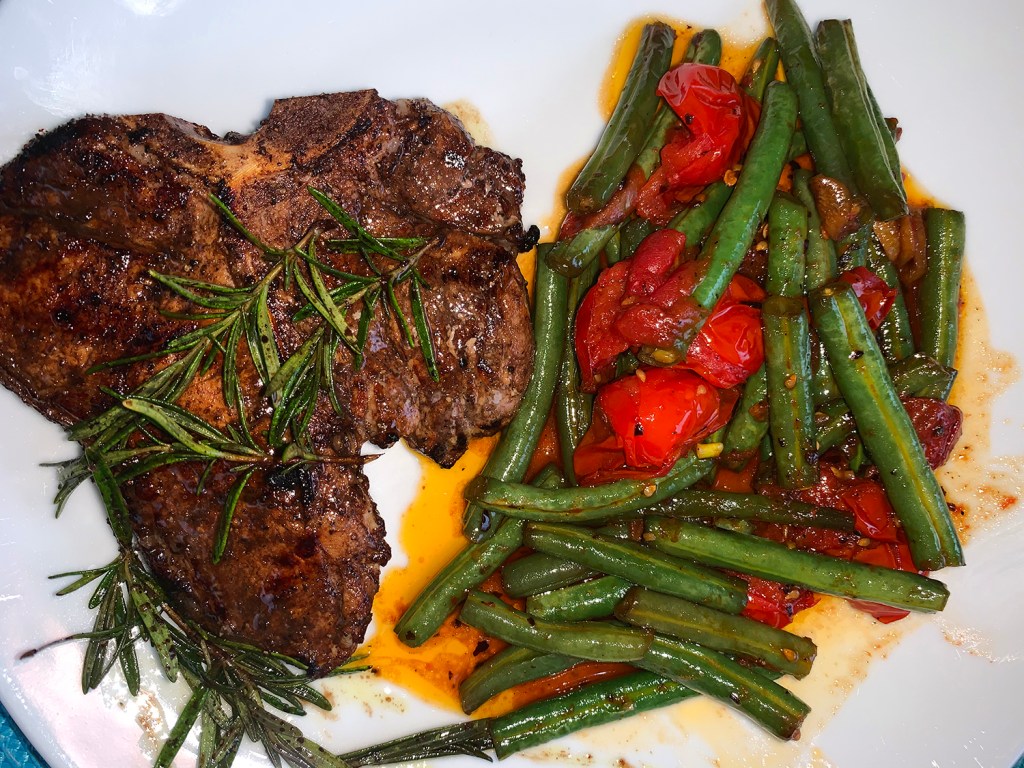
So on a recent Friday night—when in the good ol’ days we use to dine out—those veal chops came to mind as an “aha” moment. Grilled Veal Chops with Rosemary with Green Beans and Blistered Tomatoes, can’t even tell you how good this combo was; you’ll have to make them yourself.

While this dinner is meant for 6 people, with only two veal chops on hand, we cut the marinade recipe in half and bathed them in it for one hour (you can do up to 4 hours). The grilling was super quick; about 3 minutes per side because the thickness was less than 3/4″.

With little to do, you’ll have more time to enjoy company. In fact, the green bean side dish (absolutely divine BTW) can be made ahead and served at room temperature. Get the chops marinating before guests arrive, and all you’ll have to do is toss them on the grill for a few minutes when ready to eat. Dinner done.

Grilled Veal Chops with Rosemary

  • Servings: 6
  • Difficulty: easy
  • Print

Ingredients

  • 5 Tbsp. extra-virgin olive oil
  • 1/4 cup balsamic vinegar
  • 1 1/2 Tbsp. chopped fresh rosemary or 2 teaspoons dried
  • 2 large garlic cloves, pressed, or 1 Tbsp. roasted garlic paste
  • 1/2 tsp. salt
  • 1/2 tsp. ground black pepper
  • 6 8-oz. veal rib chops (3/4 to 1 inch thick)

Directions

  1. Whisk oil, wine, rosemary, garlic, salt and pepper to blend in 13 x 9 x 2-inch glass baking dish. Add veal chops to dish and turn to coat with marinade. Let stand at room temperature 1 hour or refrigerate up to 4 hours, turning veal occasionally.
  2. Prepare barbecue (medium-high heat) or preheat broiler.
  3. Remove veal from marinade, shaking off excess. Season veal with salt and pepper.
  4. Lightly oil grill. Grill or broil veal to desired doneness, about 4 minutes per side for medium-rare. Transfer to platter. Garnish with rosemary sprigs and serve.

http://www.lynnandruss.com

Green Beans and Blistered Tomatoes

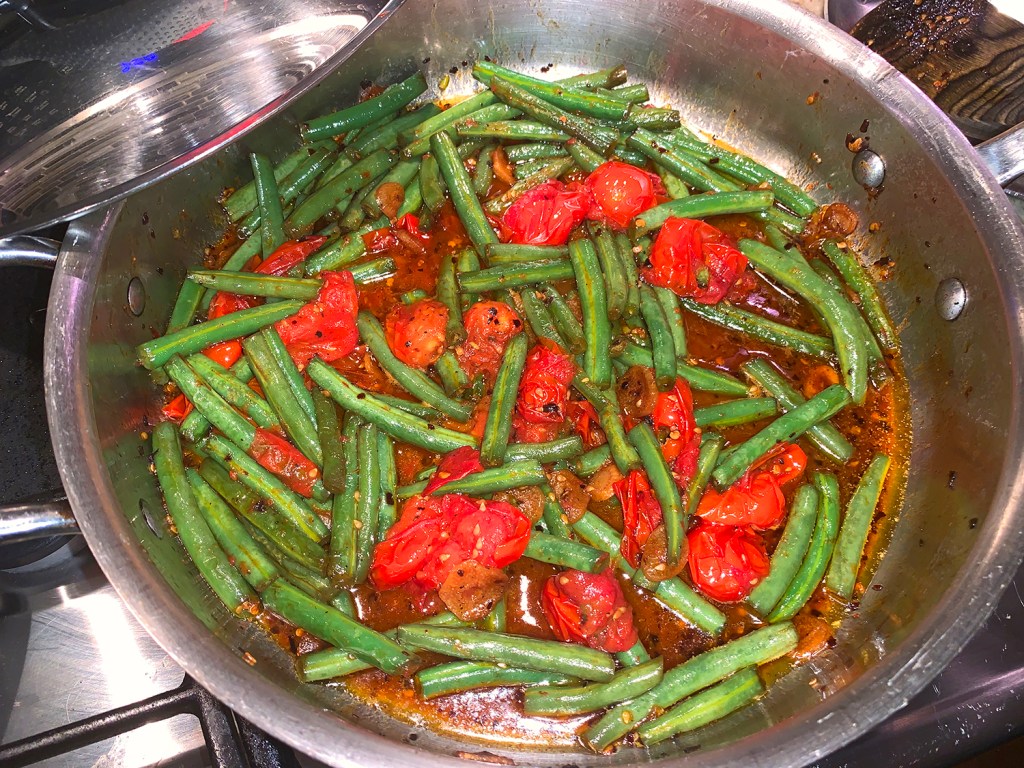
Super easy to make and delicious served at room temperature, these green beans pack a ton of savory, spicy flavor. Next time however, we will reduce the “remaining 3 Tbs of coconut oil” by half.

Green Beans and Blistered Tomatoes

  • Servings: 4-6
  • Difficulty: easy
  • Print

Ingredients

  • 1-1/2 cups cherry tomatoes
  • 1/4 cup coconut oil, melted
  • Kosher salt and freshly ground black pepper
  • 1 tsp. crushed red pepper flakes
  • 3 medium cloves garlic, sliced
  • 1-1/2 lb. green beans, trimmed and cut into 21/2-inch pieces
  • 3 Tbs. soy sauce

Directions

  1. Position a rack in the center of the oven, and heat the oven to 400°F.
  2. On a small rimmed baking sheet, toss the tomatoes with 1 Tbs. of the oil, 1 tsp. salt, and 1/2 tsp. black pepper. Bake until the skins crack, about 15 minutes. Set aside.
  3. Heat the remaining 3 Tbs. oil in a large, deep skillet over medium heat until shimmering. Add the pepper flakes and stir. Add the garlic and cook, stirring, until fragrant, about 30 seconds.
  4. Reduce the heat to medium low. Add the green beans and soy sauce. Stir to coat the beans, cover, and cook for 5 minutes.
  5. Uncover and gently stir in the tomatoes. Cook until the beans are crisp-tender, about 5 minutes. Season to taste with salt and black pepper.
  6. Serve warm or at room temperature.

http://www.lynnandruss.com

Side dish recipe found on Fine Cooking by Samantha Fore

Cumin-Chile Lamb Kebabs

It was a beautiful late-Spring evening, just perfect for grilling—al fresco dining at its best with low humidity, a slight breeze and temps in the mid-70s. One of our favorite ways to roll when dining outside is kebabs. They can consist of a large variety of proteins, veggies, spices and even fruit. Pots and pans aren’t even part of the cooking equation, so clean-up is a breeze.

As I mentioned in a past blog, make sure to get the right cut of meat for the job. The key to a knockout skewer? Being choosy at the butcher counter. The ideal cuts are often (counterintuitively) boneless braising cuts. Full-flavored, well-marbled, and appealingly affordable, they welcome high heat and won’t dry out the way leaner cuts tend to.

Here we used a 2-pound leg of lamb cut into 2-inch cubes. (This is contrary to the original recipe of 1 1/4-pound lamb shoulder cut into 1-inch pieces); and I substituted roasted garlic paste in place of the grated clove for the yogurt sauce. We completed the meal with veggie skewers that included cherry tomatoes, zucchini, summer squash and red onion—and two small potatoes that were first microwaved, cut in half and added to the mix.

The directions indicate to dry rub the lamb after you skewer the meat. I put the seasoning on the cubes early in the morning to let them get happy all day and really permeate the lamb. A perfect cube is not essential, but try to get the lamb into roughly the same size pieces so they cook at the same rate.

Cumin-Chile Lamb Kebabs with Garlic Yogurt Sauce

  • Servings: 4
  • Difficulty: easy
  • Print

Ingredients

Garlic Yogurt

You can make the garlic yogurt sauce up to three days ahead.
  • 1 garlic clove, grated
  • ½ tsp. finely grated lemon zest
  • 1 Tbsp. fresh lemon juice
  • 1 cup plain Greek yogurt
  • Kosher salt, freshly ground pepper

Lamb and Assembly

  • 2 Tbsp. cumin seeds
  • 1 Tbsp. Sichuan peppercorns or 1 tsp. black peppercorns
  • 2 tsp. caraway seeds
  • 2 tsp. crushed red pepper flakes
  • 1 tsp. sugar
  • Vegetable oil (for grill)
  • 2 lbs. boneless leg of lamb, cut into 2-inch pieces
  • Kosher salt, freshly cracked pepper
  • Finely grated lemon zest (for serving)

Directions

Garlic Yogurt

  • Stir garlic, lemon zest, and lemon juice into yogurt in a small bowl to combine; season with salt and pepper.
  • Do Ahead: Yogurt can be made 3 days ahead. Cover and chill.

Lamb and Assembly

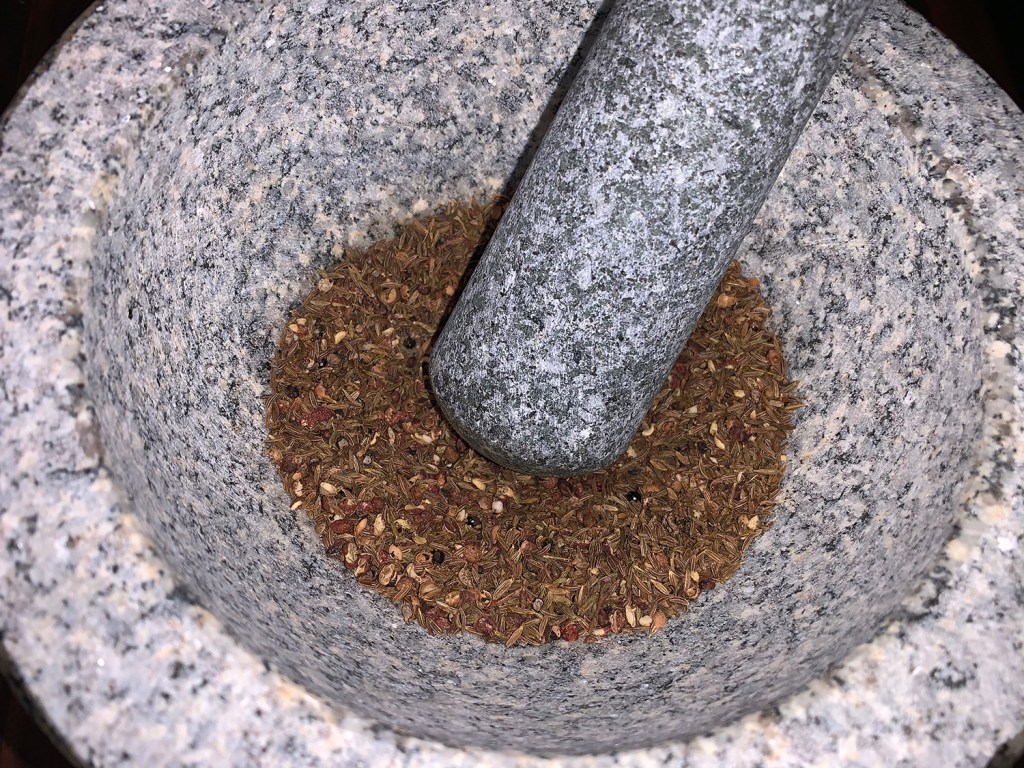
  1. Coarsely grind cumin seeds, peppercorns, caraway seeds, red pepper flakes, and sugar in spice mill or with mortar and pestle until only a few whole spices remain.
  2. Prepare a grill for medium-high, indirect heat (for a charcoal grill, bank coals on one side of grill; for a gas grill, leave one or two burners off). Oil grates.
  3. Thread lamb onto 3-4 skewers, leaving a small gap between each piece of meat. Season with salt, then sprinkle generously with spice blend, pressing it onto the meat with your hands to help it adhere if needed. OR, press the spice mixture onto the lamb cubes earlier in the day, cover and refrigerate, then skewer the meat just before grilling.
  4. Grill lamb over direct heat, turning every minute or so, until browned and beginning to char in spots, about 4 minutes. Move to cooler side of grill and continue to grill until lamb is cooked to desired doneness, about 4 minutes longer for medium-rare.
  5. Top garlic yogurt with cracked black pepper and a little lemon zest. Serve alongside lamb.

Do Ahead: Spice blend can be made 1 month ahead. Store airtight at room temperature.

http://www.lynnandruss.com

Adapted from a recipe by Chris Morroco of Bon Appétit.

One-Pot Chicken Thighs with Black Beans, Rice and Chiles

A real crowd pleaser, this true one-pot wonder is adapted from Diane Henry’s “From the Oven to the Table: Simple Dishes that Look after Themselves.” That title alone can put a busy home chef at ease. While there is a fair amount of prep, the meal does take care of itself once it’s assembled.

Truth be told, we were a little shy on the amount of chicken. Unlike days of yore (just a few months ago), folks don’t just run out to the store to pick up a few things anymore. Like most, our ventures into the COVID-infected world are planned ahead of time, so we often try to make do with what’s on hand. In this case, only five thighs weighing in at two pounds.

*Now the recipe specifically indicates using a 12-inch skillet here; a smaller or larger pan could result in under- or over-cooked chicken or rice. And God knows, we have enough pots and pans to feed an army, but we did NOT have an ovenproof 12-inch skillet. So I reasoned using our 11-inch ovenproof pan with one pound less chicken should suffice—and it did, just beautifully.

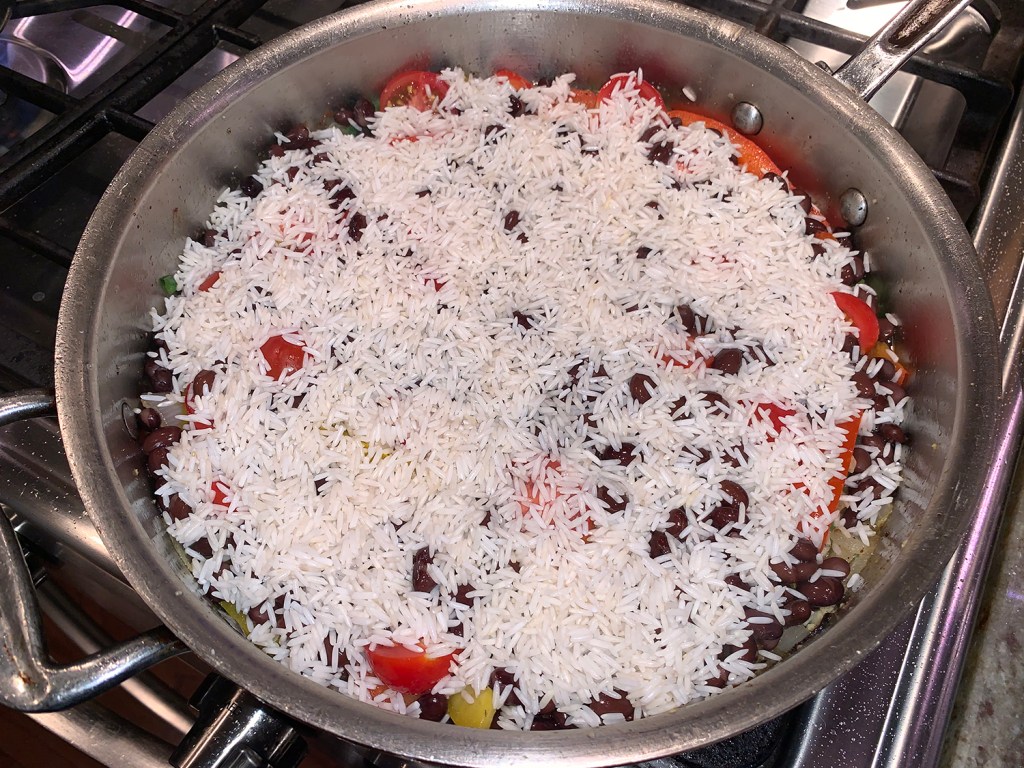
When assembling, it’s important that the black beans and tomatoes are beneath the rice and chicken. The rice will burn otherwise, and you’ll have to soothe the feathers of some unhappy diners.

The final dish had tons of flavor, although it was only mildly spicy—even with two large jalapeños. I did increase the amount of tomatoes from 1/3-pound to 1/2-pound; but keep in mind, they add more liquid, so you may want to scale back slightly on the amount of stock.

The Hubs, who loves all things Spanish, insisted on using a white Spanish onion instead of the yellow onion suggested in the original recipe. He also questioned the use of basmati rice, saying Latino dishes typically favor medium- over long-grained rice. But since I was the chef that night, I used the basmati.

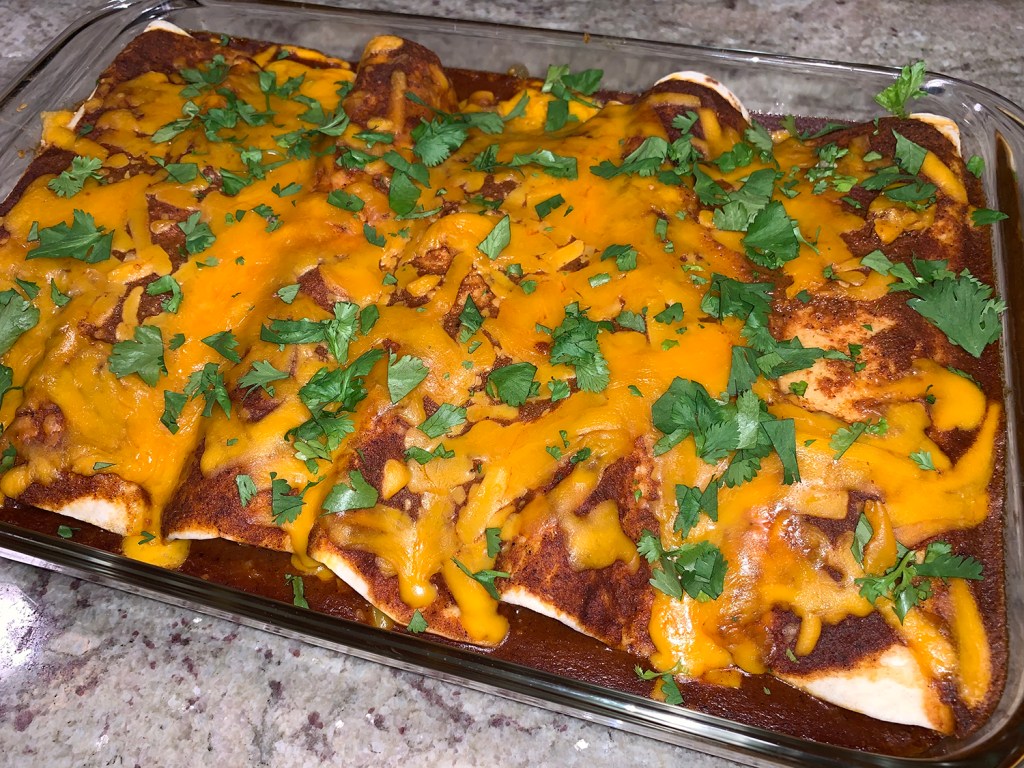
Enchiladas made with the leftovers.

Oh and if you have any leftover, make enchiladas! In a large casserole dish, spread enchilada sauce (store-bought or homemade) across the bottom. Shred the chicken, stir it into the rice and beans mixture and ladle it into flour tortillas. (We had enough for six.) Add some shredded cheddar or Mexican style cheese, then fold and lay each tortilla seam-down. Repeat until dish is full. Ladle more enchilada sauce over the top followed by shredded cheese. Bake in a preheated 325° oven for about 35 minutes. Top with chopped cilantro.

One-Pot Chicken Thighs with Black Beans, Rice and Chiles

  • Servings: 4-6
  • Difficulty: easy
  • Print

Ingredients

  • 8 bone-in, skin-on chicken thighs, about 3 lbs.
  • Flaky sea salt and black pepper
  • 2 Tbsp. EVOO
  • 1 large white Spanish onion, chopped
  • 2 bell peppers (different colors), halved, seeded, and sliced2 1/2 cups chicken stock, preferably homemade
  • 2 jalapeños, halved, seeded, and chopped
  • 1 3-inch cinnamon stick, broken in half
  • 4 garlic cloves, finely minced
  • 1 tsp. ground cumin
  • 1 15-oz. can black beans, drained
  • 1/2 lb. cherry tomatoes halved
  • 1 cup basmati rice, rinsed in a sieve until the water runs clear
  • 3 Tbsp. chopped cilantro leaves
  • Garnish options: lime wedges, sliced avocado, pickled chiles, sour cream
Brown seasoned chicken thighs on both sides, about 5 minutes each.

Directions

  1. Heat the oven to 375°.
  2. Season the chicken on both sides with salt and pepper. Heat the oil in a 12-inch ovenproof skillet* over medium high.
  3. Brown the chicken on both sides about 5 minutes each to get good color. Transfer to a plate.
  4. Add the onion and bell peppers to the pan and sauté until just starting to soften, about 5 minutes. Season with salt and pepper.
  5. In a small sauce pan, bring the chicken stock to a boil.
  6. Meanwhile, add the jalapeños, cinnamon halves, garlic and cumin to the skillet with the peppers and cook for 2 minutes.
  7. Add the black beans and cherry tomatoes. Season generously with salt and pepper.
  8. Sprinkle the rice on top in an even layer, then add the stock carefully so as not to disrupt the rice too much.
  9. Add the chicken back to the skillet, skin side up.
  10. Bake uncovered for 40-45 minutes. The chicken will be a light golden color, the stock should be absorbed, and the rice tender.
  11. Sprinkle with cilantro. Serve with garnishes of choice.

http://www.lynnandruss.com

Adapted from a recipe by Margaux Laskey from The NY Times Cooking site

Turkey Sausage Skillet

Meet weeknight cooking at its best! Combining a few flavorful ingredients like turkey sausage, onions and garlic, with pantry staples such as crushed tomatoes and Italian herbs, then utilizing a simple cooking technique, this recipe builds flavor with every step. And it’s easy-peasy!

Yum and Yum!

Sliced onions and peppers are sautéed in the drippings left behind from cooking the sausage. Aromatic garlic and herbs get added toward the end, so they have time to bloom without getting overcooked. Acidic tomatoes help release any flavor stuck to the bottom of the pan after the other ingredients have been cooked, to the benefit of the entire dish.

So the end result is a single-dish dinner alive with richly spiced sausage, silky cooked vegetables, all bathing in a tomatoey pan sauce over a bed of egg noodles. To keep it low-carb, just nix the noodles.

Turkey Sausage Skillet

  • Servings: 4
  • Difficulty: easy
  • Print

Ingredients

  • 1 Tbsp. extra-virgin olive oil
  • 1 lb. Italian turkey sausage links, cut into 1-inch slices
  • 2 onions, peeled and sliced thin 
  • 2 bell peppers of different colors, halved, seeded, and cut into strips
  • 3 cloves garlic, chopped
  • 1 Tbsp. fresh oregano, chopped
  • 1 cup crushed tomatoes, undrained
  • 1/3 cup chopped fresh basil
  • 1/2 cup grated Parmesan cheese
  • 1 pkg. egg noodles, cooked according to package directions
After browning the sausage slices on both sides, transfer to a plate and cut into bite sized pieces. Sprinkle on chopped oregano and cover to keep warm.

Directions

  1. In a 12-inch nonstick skillet, heat oil over medium-high. Add sausage slices and cook for about 10 minutes, until no longer pink inside (165°).
  2. Leaving as much fat in the pan, transfer to a plate and chop into smaller pieces. Sprinkle on the chopped oregano, and cover to keep warm.
  3. Reduce heat to medium and add the onions, peppers and 1/2 teaspoon salt. Cook for 10-12 minutes, stirring occasionally until tender.
  4. Meanwhile, cook egg noodles according to package directions.
  5. To the skillet, stir in garlic and cook for 1 minute until fragrant.
  6. Stir in the crushed tomato and cooked sausage. heat to simmering while stirring occasionally. Reduce heat, cook uncovered for 8-10 minutes until completely heated through and piping hot.
  7. Serve over cooked egg noodles and garnish with fresh basil and Parmesan cheese.

http://www.lynnandruss.com

Focaccia Art

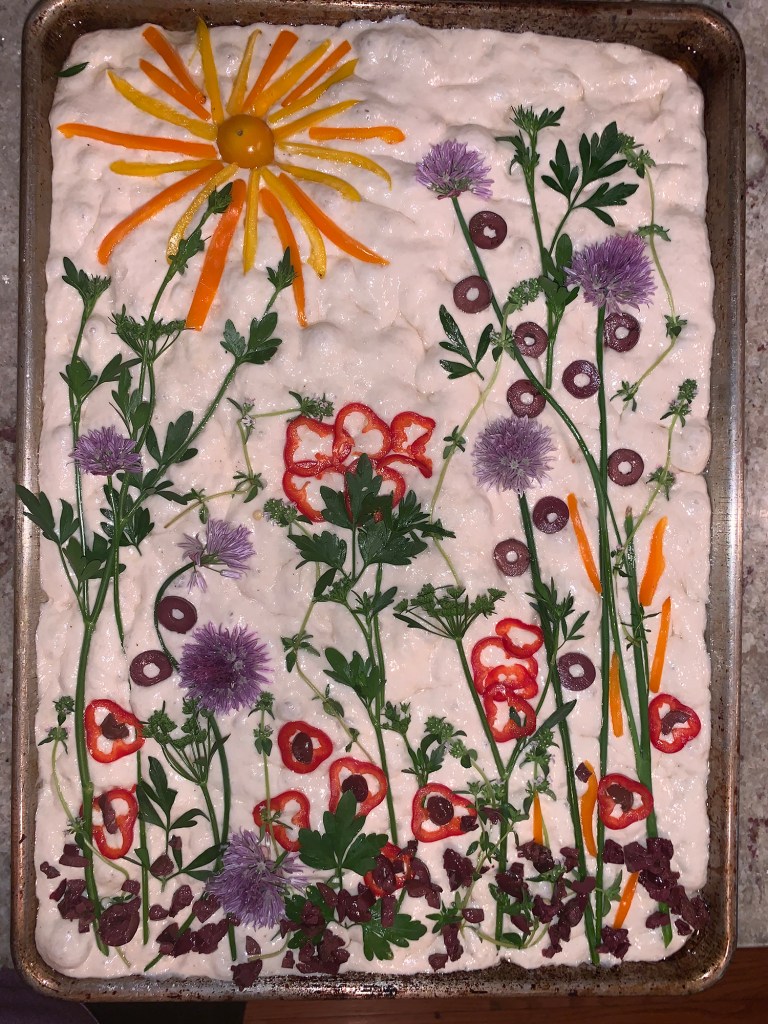
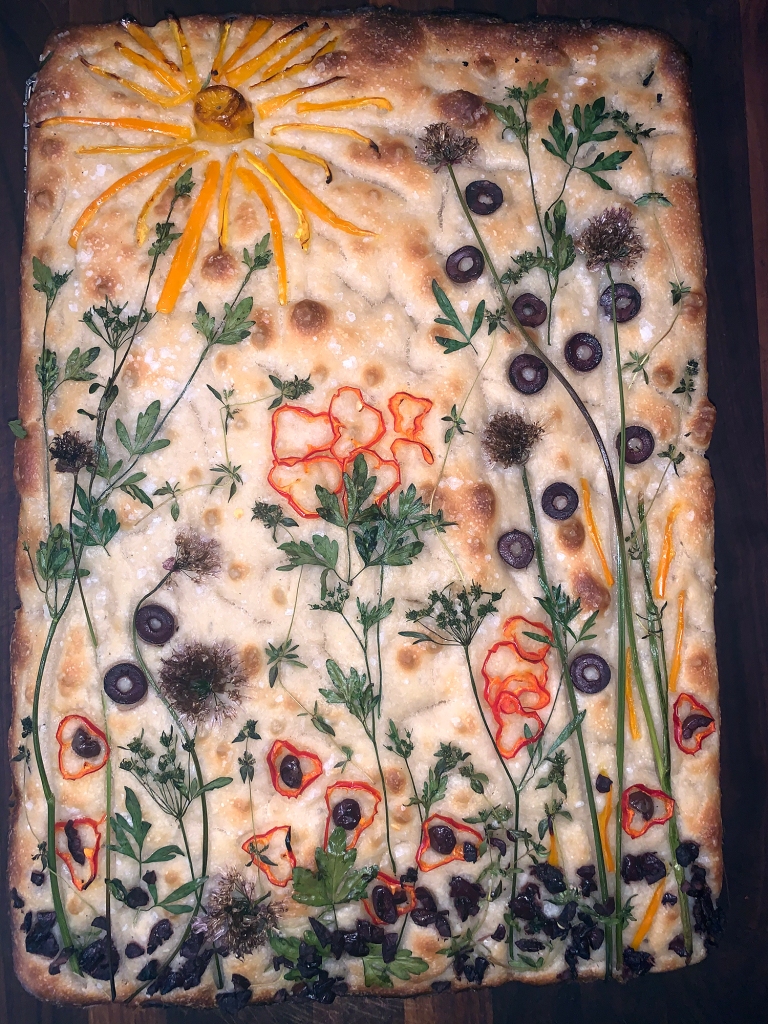
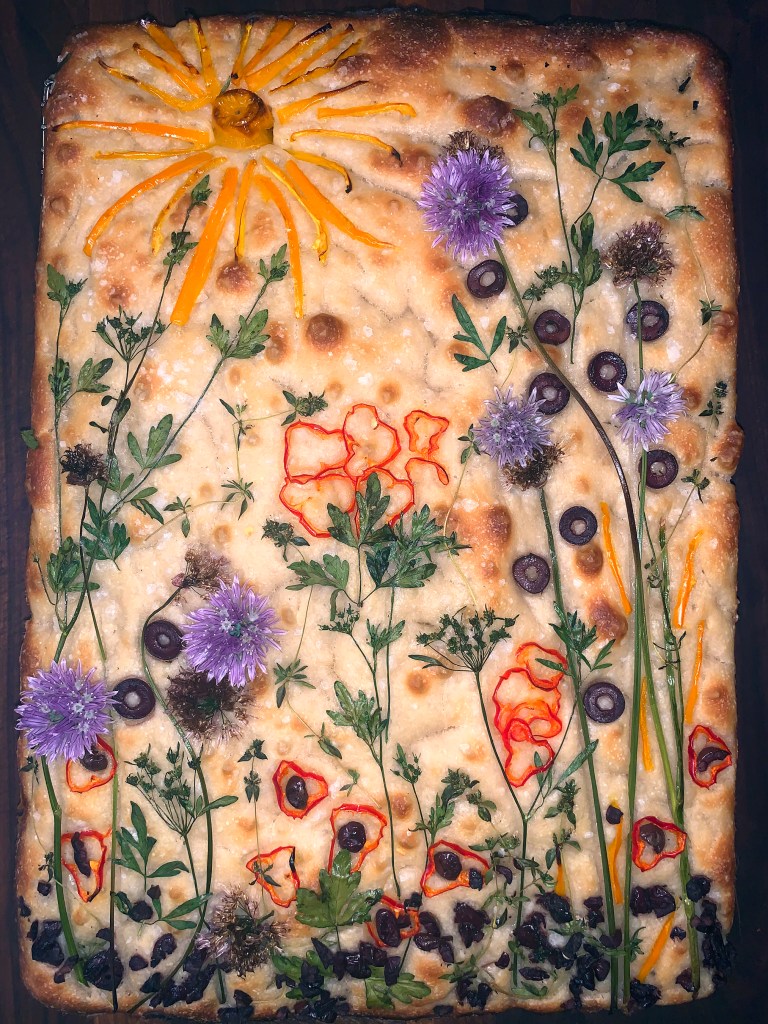
As an artist, master gardener and avid cook, I was intensely curious the first time I saw some focaccia art because it bundles those three passions into one—a trifecta if you will. Then pictures started popping up all over social media, especially Pinterest. I knew I had to jump on that bandwagon. And I did, finally…

This classic focaccia bread recipe* is compliments of Bon Appétit. Their focaccia has a moist but airy crumb sandwiched between thin but ultra-crunchy top and bottom crusts, thanks to a generous amount of olive oil in the pan and on top of the dough. It’s a bit of a messy process, and a long one, but worth it if you’re looking for a WOW factor.

My garden was brimming with fresh herbs, with the chives in full bloom of stunning light purple globular flowers. What I did learn however, even though they were brushed with oil, they still did burn in 450° hot oven. Not to be dissuaded, I just snipped a few more fresh blooms, made a hole in the dough with a thick toothpick, and stuck them in afterward. The burnt ones look like they are in the background, with the fresh blooms coming forward, adding depth to the visuals.

You might consider using any of the following: parsley leaves and flowers, thyme, rosemary, chives and their flowers, capers, bell pepper rings, sliced or chopped olives, grape tomatoes. The list is endless so get your creative juices flowing…

A word to the wise, it’s best to measure your flour by weight instead of by cup because you’ll get a more exact measurement.

Since the world has been locked down these past several months due to COVID-19, there seems to be a shortage of specific grocery items—other than toilet paper. Apparently a lot of folks are baking because it’s almost impossible to get bread flour and yeast at your local supermarket. So we just used all-purpose flour which we had on hand, and scored online with the yeast—even though it was Italian!

A little more dense than expected, next time I hope to use bread flour which has a higher percentage of protein. Apparently the higher protein is what helps you get those deliciously chewy air pockets.

*Equipment-wise, you’ll need a stand mixer with a dough hook and an 18″ x 13″ rimmed sheet pan for this recipe.

Do Ahead: Focaccia can be baked 1 day ahead. Tightly wrap in plastic and store at room temperature.

Focaccia Art Bread

  • Servings: 18-24
  • Difficulty: moderate
  • Print

Ingredients

  • 6¼ cups bread flour (30 oz. or 850g)
  • 2¼ tsp. active dry yeast (from one ¼-oz. packet)
  • Pinch of sugar
  • 2 Tbsp. Diamond Crystal or 1 Tbsp. Morton kosher salt
  • 5 Tbsp. extra-virgin olive oil, divided, plus more for greasing and drizzling
  • Fresh herbs and vegetables for decoration
  • Flaky sea salt

Directions

  1. Combine flour and 2½ cups room-temperature water in the bowl of a stand mixer fitted with the dough hook. Mix on low speed, scraping down sides and hook as needed to incorporate any dry flour, until a shaggy dough forms. Remove dough hook and cover bowl with plastic. Let sit while you prepare the yeast (you can leave the dough in this state up to 2 hours).
  2. Stir yeast, sugar, and ½ cup warm water with a fork in a small bowl to dissolve. Let sit until yeast is foamy, about 5 minutes.
  3. Pour yeast mixture into stand mixer bowl and mix on low speed until dough absorbs all additional water, about 1 minute (pulse mixer on and off a couple of times at very beginning to prevent liquid from splashing over the sides). Add kosher salt and continue to mix, increasing speed to medium, until dough is extremely elastic and very sticky (it will look more like a thick batter and will stick to sides of bowl), about 5 minutes.
  4. Pour 3 Tbsp. oil into a large (preferably glass) bowl and swirl to coat sides. Scrape in dough with a large spatula or flexible bench scraper. Cover and place in a warm spot until dough is doubled in volume, 2–3 hours. If using a glass bowl, it’s helpful to mark the position of the dough at the beginning so you can accurately assess the rise (a dry-erase marker or piece of tape works).
  5. Drizzle 2 Tbsp. oil over a 18 x 13″ sheet pan and use fingertips to rub all over bottom and sides. Using large spatula or flexible bench scraper, fold dough inside bowl a couple of times to deflate, then scrape onto prepared baking sheet. Using oiled hands, lift up dough and fold over onto itself in half, then rotate baking sheet 90° and fold in half again. Cover dough with a piece of well-oiled plastic and let rest 10 minutes to let gluten relax.
  6. Uncover and go back in with oiled hands, gently stretching dough (to avoid tearing) across length and width of baking sheet in an even layer, working all the way to edges and into corners. If dough starts to spring back, let sit 5–10 minutes and start again. Cover again with same piece of oiled plastic and chill at least 8 hours and up to 24.
  7. Let sheet pan sit in a warm spot until dough is puffed and bubbly and nearly doubled in height, 45–65 minutes (if you’re using a standard half sheet pan, it will have risen to the very top of the sides). Meanwhile, place a rack in center of oven; preheat to 450°.
  8. Remove plastic and drizzle dough generously with more oil. Oil hands again and press fingertips firmly into dough, pushing down all the way to bottom of pan to dimple all over. Sprinkle generously with sea salt.
  9. Decorate the top with whatever you desire. It helps to Google focaccia art and/or look it up on Pinterest to get some ideas. After you’ve arranged everything, brush them with olive oil to help prevent burning (although delicate flowers you may want to add after baking).
  10. Bake focaccia until surface is deep golden brown all over, 20-25 minutes. Let cool in pan 10 minutes. Slide a thin metal spatula underneath focaccia to loosen from sheet pan (it may stick in a couple of places, so use some elbow grease to get underneath) and transfer to a wire rack. Let cool completely before cutting as desired.

http://www.lynnandruss.com

Purple Tex-Mex Slaw

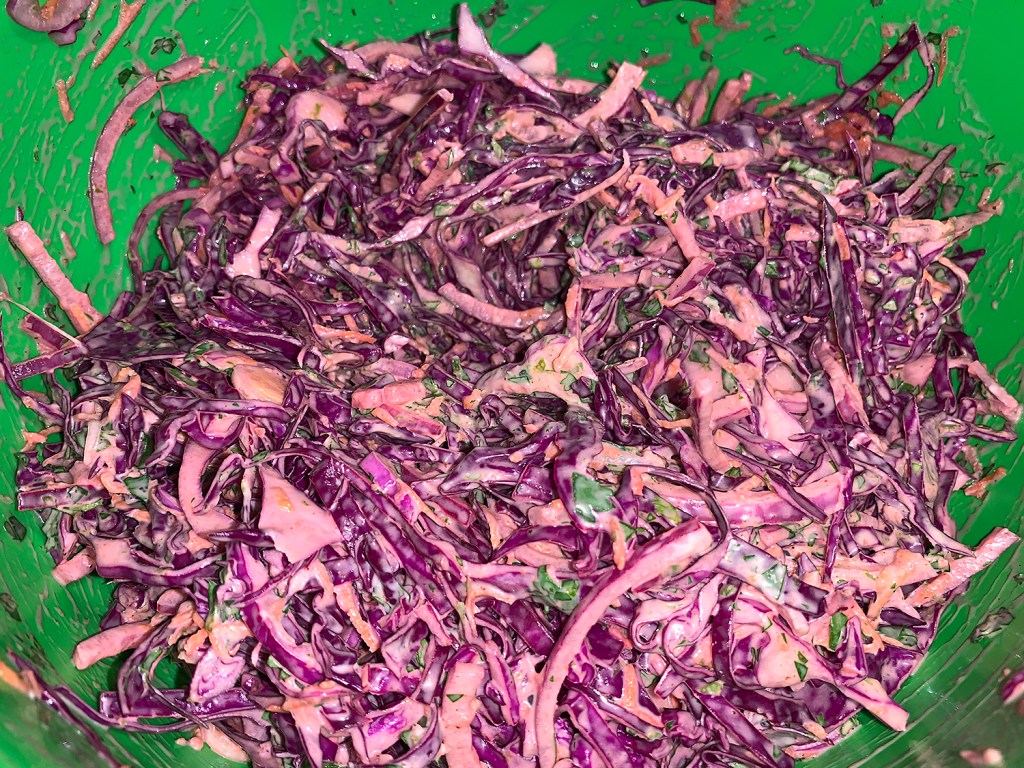
This isn’t your grandma’s coleslaw by any stretch. We’ve taken the idea of slaw and turned it on its “head” to perk up your tastebuds and shout “look at me!” It contains both chipotle powder and a jalapeño, but if you think that might be going too far out on a limb for some of your guests, just scale them back a touch, or use one or the other.

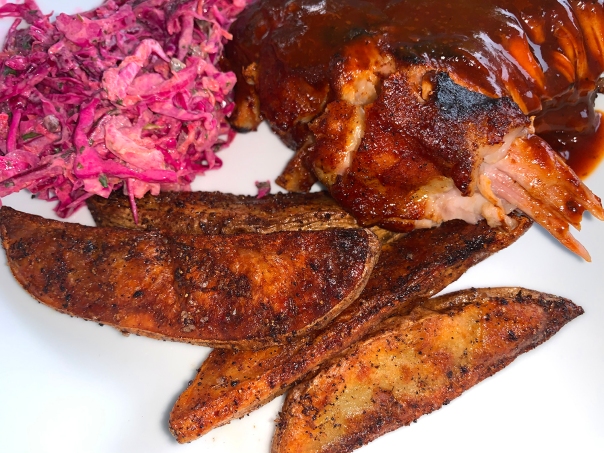
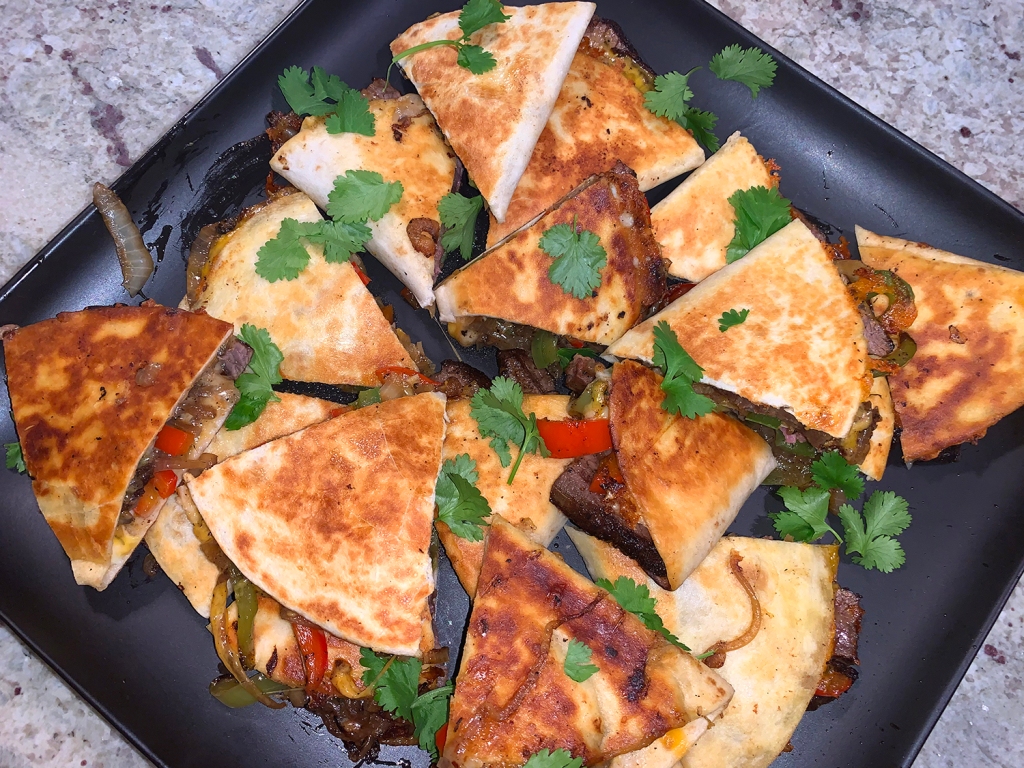
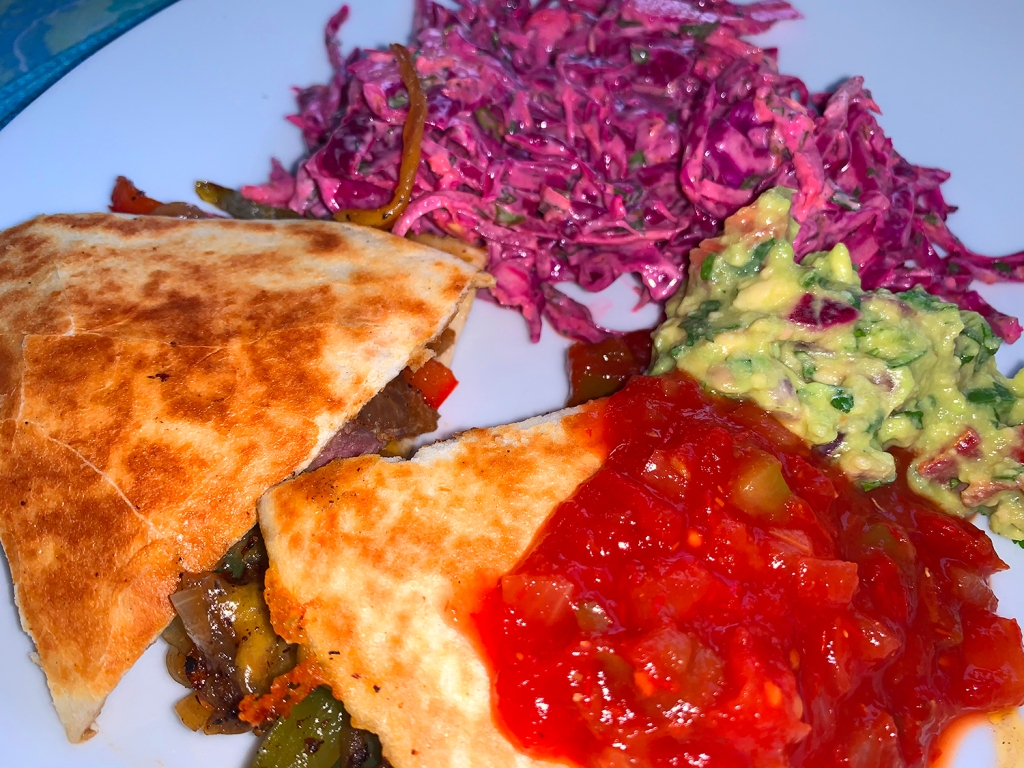
We enjoyed it here with steak fajita quesadillas, and the next day with BBQ’d baby back ribs.

Please don’t use bottled lime juice. Just don’t. The fresh ingredients in this recipe are really what makes it so special. Bottled lime juice will not give it the same fresh, tangy taste. On that note however, we decided next time to scale back on the amount of lime zest, and zest only one of them, but use the juice from both.

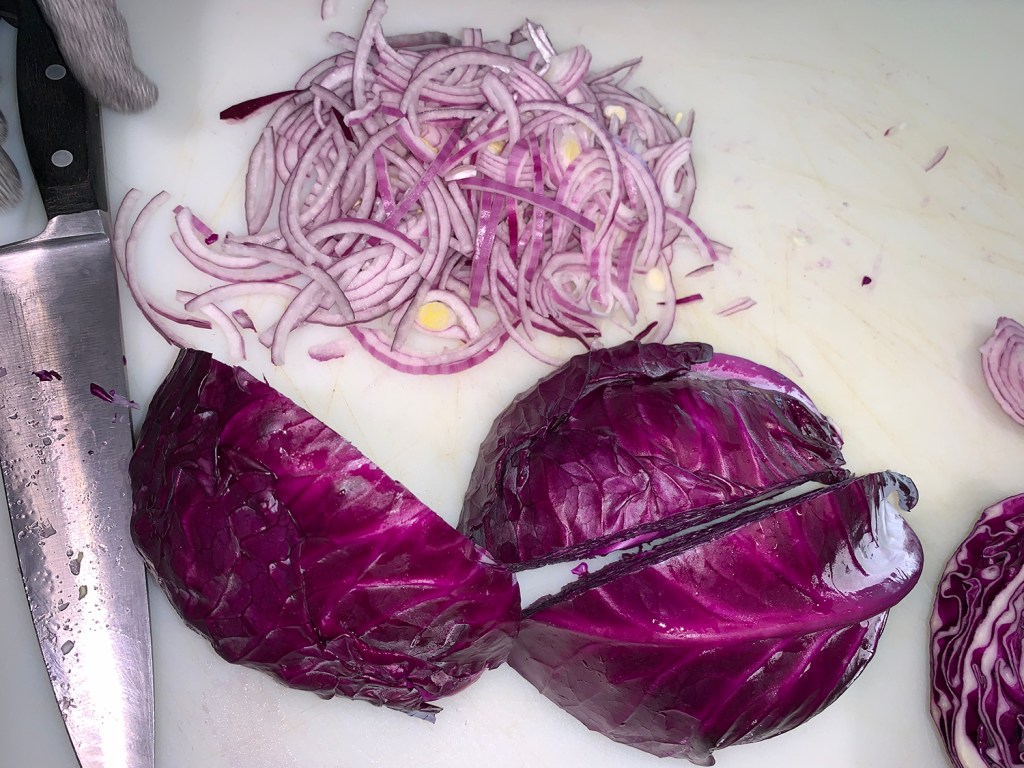
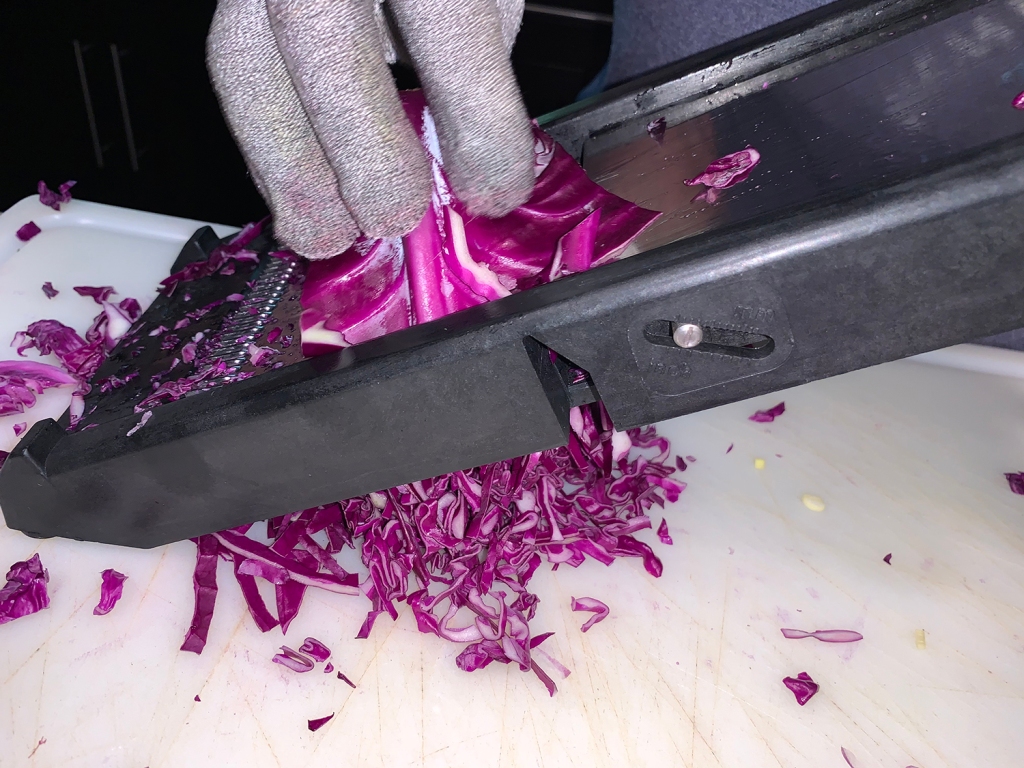
A large mandoline is worth its weight in gold when cutting the cabbage and onion into sliver-thin slices. When it comes to the amount of mayo, I suggest starting with a half-cup’s worth and increasing the amount to suit your personal preference.

So next time you’re asked to bring a side dish to a BBQ or potluck, this just might be your ticket in…

Purple Tex-Mex Slaw

  • Servings: 8
  • Difficulty: easy
  • Print

Ingredients

  • 2 limes, zested then juiced
  • 1/2 large red onion, thinly sliced
  • 1 1/2 tsp sea salt
  • 1 small head purple cabbage, thinly sliced
  • 1 large carrot, peeled and shredded on a box grater
  • 1 bunch cilantro, rinsed and finely chopped (about 3/4 cup)
  • 1 small jalapeño, deveined and finely minced
  • 1/2 to 3/4 cup mayo, more or less for taste
  • 1/2 tsp cumin powder
  • 1/4 tsp chipotle powder

Directions

  1. Combine sliced onion, salt and lime juice in a glass bowl and marinate 20 minutes.
  2. In another large mixing bowl, combine cabbage through seasonings.
  3. Either using your hands or a rubber spatula, and the mixture until well combined.
  4. Cover and refrigerate for at least 30 minutes before serving.
  5. This coleslaw is best after a few hours so that the flavors meld. And, if you have the time, it’s even better the next day, so by all means, make it a day ahead!

http://www.lynnandruss.com

Green Stuffed Peppers with Meat and Bread Crumbs

Stuffed Peppers with garlicky mashed potatoes is another one of those comfort meals; especially when the weather is on the cool side. And for the better part of Spring 2020, it’s unfortunately been cooler than normal here in the Northeast U.S. (until the last couple of days that is…)

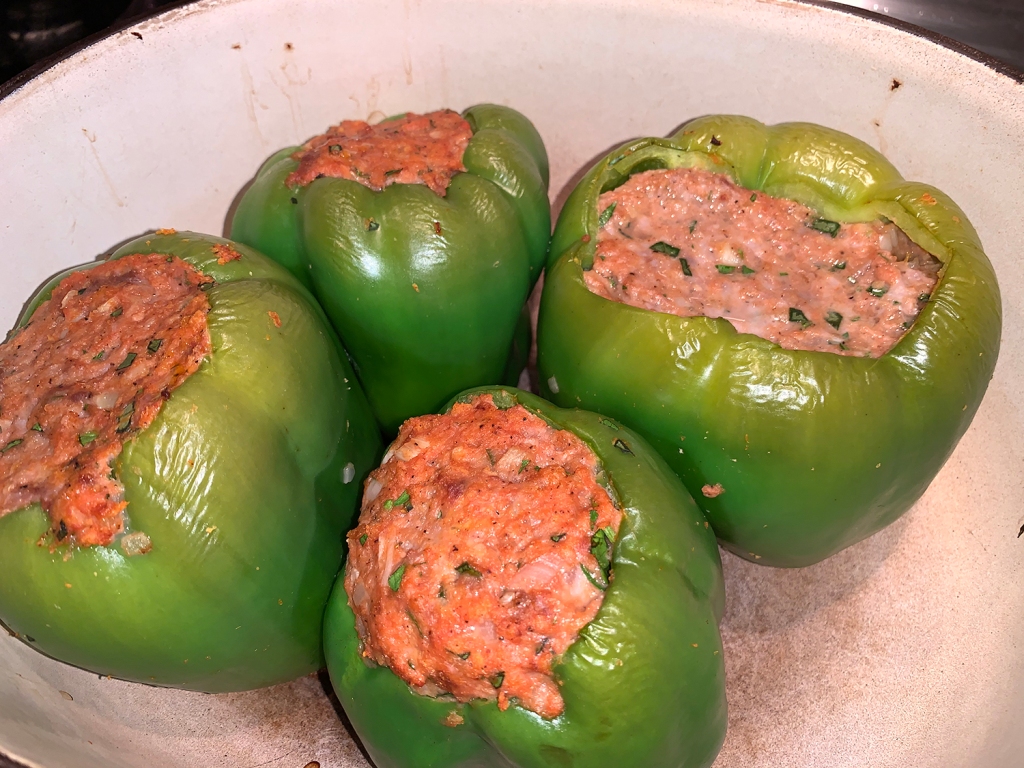
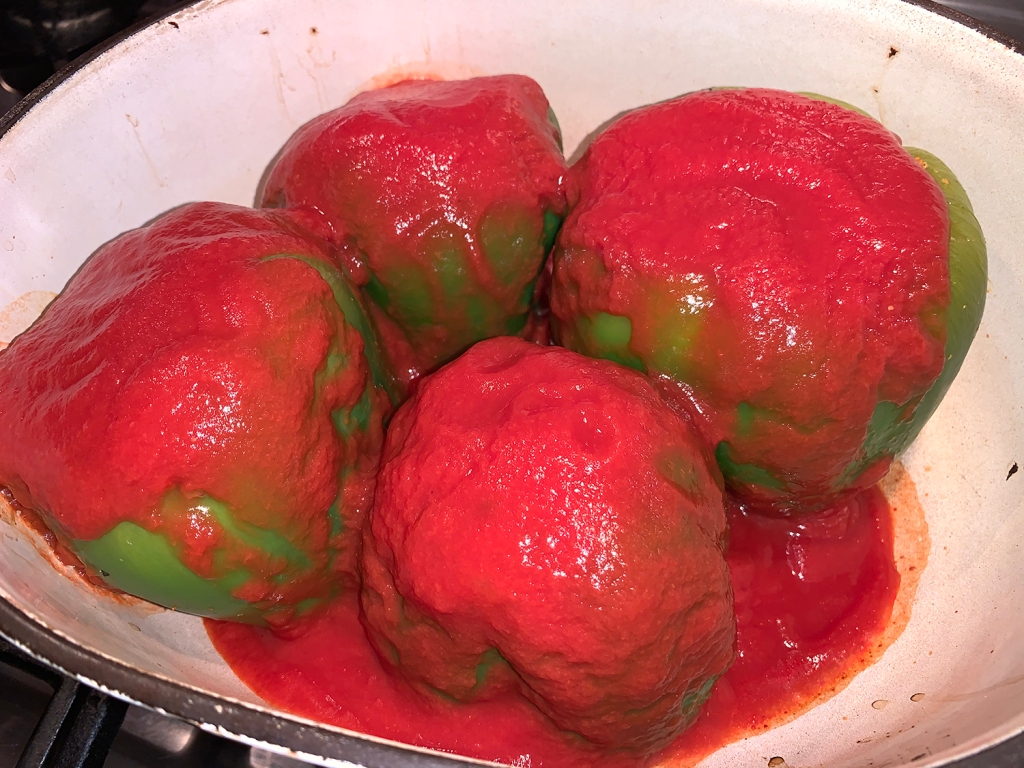
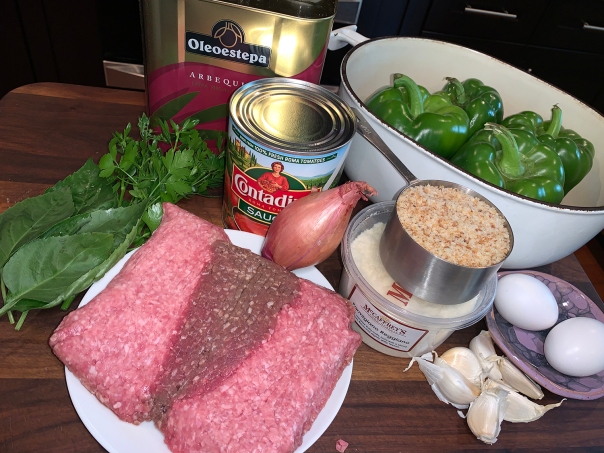
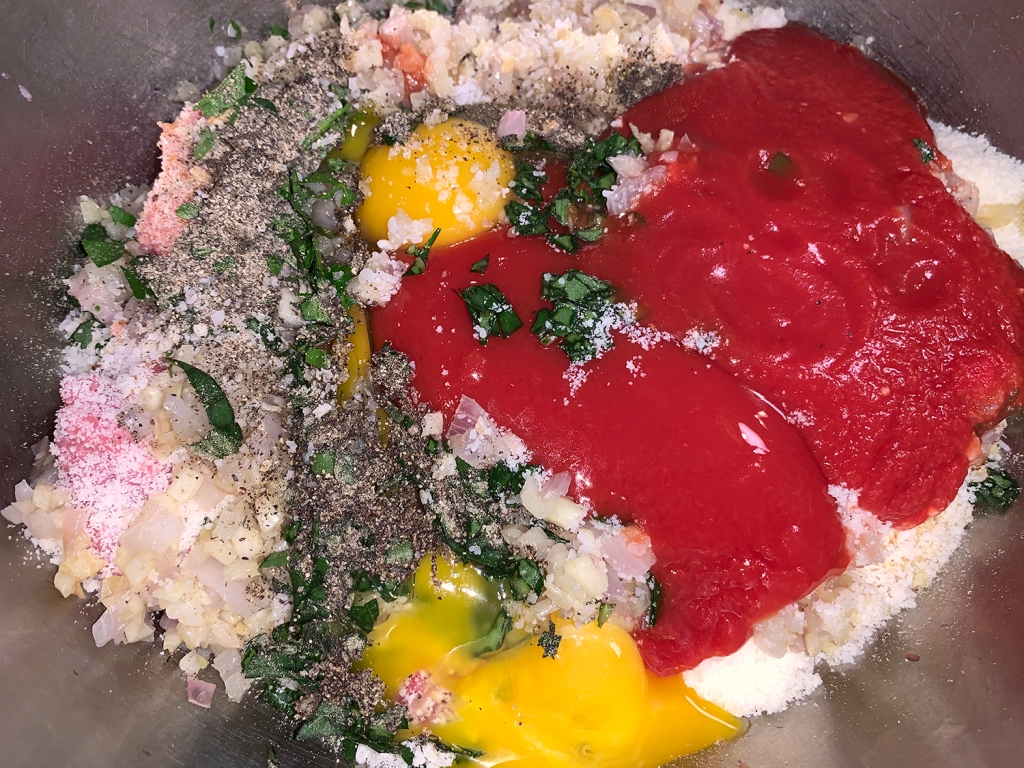
Yes, there are as many ways to make these gems as there are meatball recipes. Here, I concentrated on using green bell peppers and bread crumbs instead of rice. (We’d been having a lot of rice lately.) Plus, no need to precook the rice, thus saving time and having to clean another pot.

Blanching the peppers helps the vegetables retain a nice bright color but it doesn’t really cook the vegetable. If you prefer, you can absolutely blanch your bell peppers before stuffing them. In this case, I skipped that step and saved a little time and dirtying yet another kitchen item. Two points!

Stuffed Peppers

A full 28-ounce can of tomato sauce may seem like a lot. But we love to top our mashed potatoes with it as well as the peppers. In fact, we had two stuffed peppers remaining, but no more sauce, so for the leftovers, we’ll open up another can.

Our herb garden was at picking stage already, so I was able to harvest four, very large basil leaves and enough fresh parsley for the stuffing. If you cannot access your fresh herbs, go ahead and used dried, although the end result won’t be quite as profound.

Make sure to select a heavy pot that is large and deep enough to contain all of the peppers with a little extra room for the tomato sauce.

Stuffed peppers with Meat and Bread Crumbs

  • Servings: 4-6
  • Difficulty: easy
  • Print

Ingredients

  • 4 large green peppers, stemmed, cored, and seeded
  • 1 1/2 lbs. meatloaf mix
  • 4 cloves garlic, peeled and minced
  • 1 large shallot, peeled and minced
  • 1 cup fine bread crumbs
  • 1/4 cup grated Parmigiano-Reggiano
  • 4 Tbsp. chopped flat-leaf parsley
  • 4 large fresh basil leaves, finely chopped
  • 1 tsp. kosher salt
  • 1/2 tsp. black pepper
  • 1 28-oz. can tomato sauce, divided
  • 2 eggs
  • 1 Tbsp. olive oil

Directions

  1. Preheat the oven to 400°F.
  2. Heat 1 Tbsp. oil in a nonstick skillet over medium heat. Add minced shallot and garlic. Cook for 4 minutes, stirring occasionally until the shallot is translucent. Move off of the heat to cool.
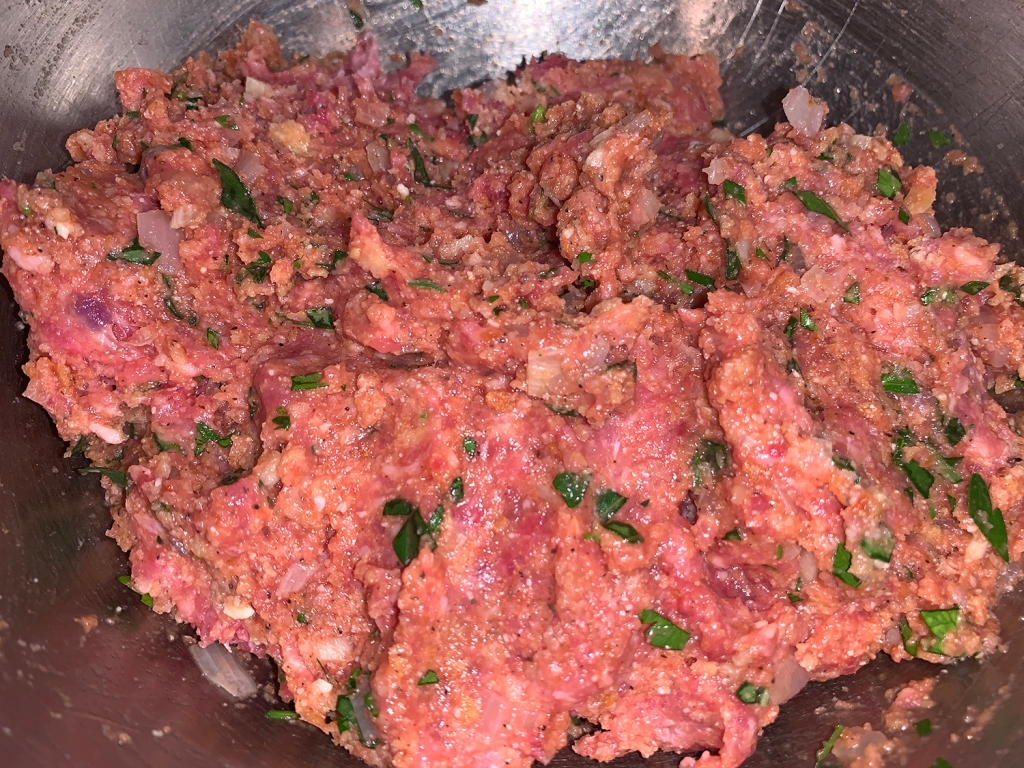
  3. Combine the meatloaf combo with all the other filling ingredients including the cooled shallot mixture and 1 cup of the tomato sauce. Stuff the peppers all the way to the top.
  4. Stand the peppers on end in a casserole dish. Bake at 400°F for 20 minutes.
  5. Reduce the temperature to 375°F and pour the remaining 2 cups of tomato sauce over and around them.
  6. Continue baking until the inside temperature of the meat reaches 160°, about 40-45 minutes.
  7. Bring to the table in the casserole dish and serve.

http://www.lynnandruss.com

Something to Stew About

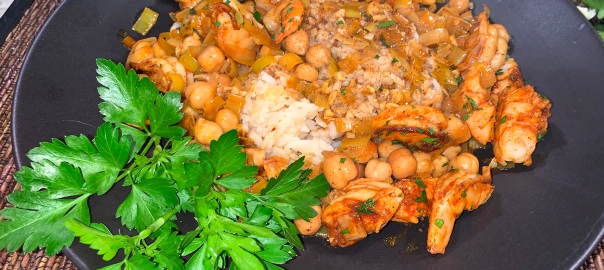
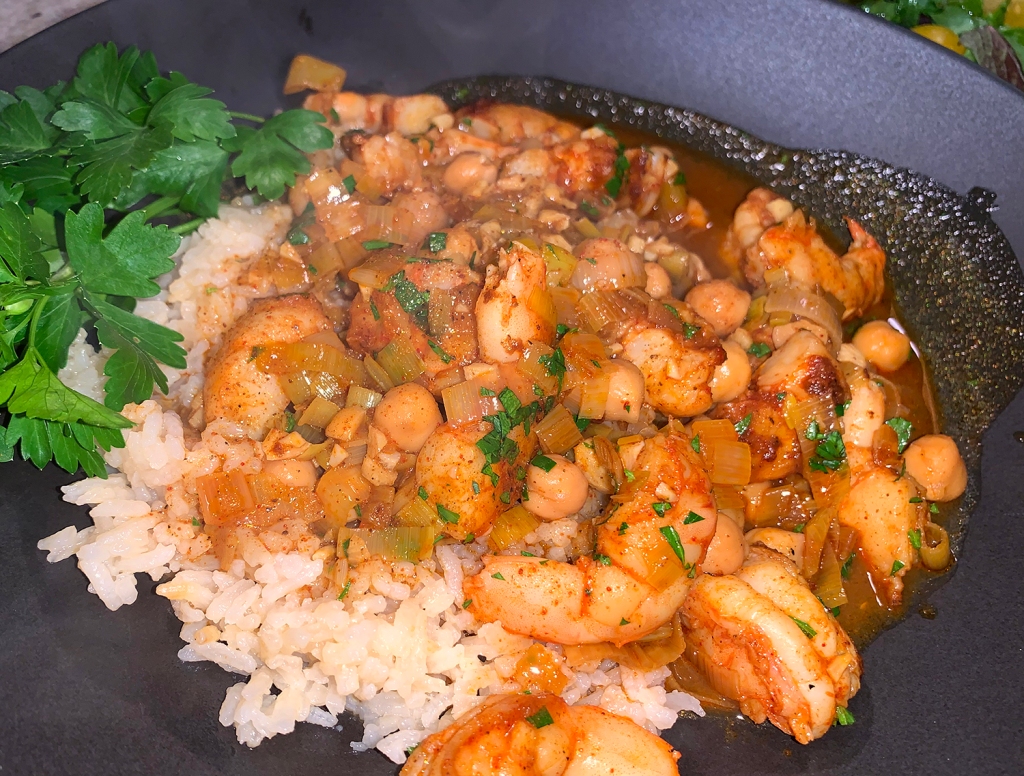
You know we love all-things-Spanish, so it went without saying that when we saw this Spanish Shrimp and Chickpea Stew recipe from Milk Street, we were immediately intrigued. It seems at Palacio Carvajal Girón, in the Extremadura region of Spain, Milk Street staff tasted a delicious shellfish and chickpea stew that was rich and redolent with locally produced smoked paprika. Requiring both a ham- and langoustine-infused broth and made with dried chickpeas, the dish was a time- and labor-intensive preparation.

Their much-simplified version captures the essence of the stew in just a fraction of the time. It uses canned chickpeas for convenience, and the broth gets flavor from bottled clam juice and the viscous liquid from the chickpeas. A combination of Spanish smoked paprika and standard sweet paprika gives the stew deep color and earthy complexity without overwhelming the shrimp.

A side salad and glass of wine completed the feast.

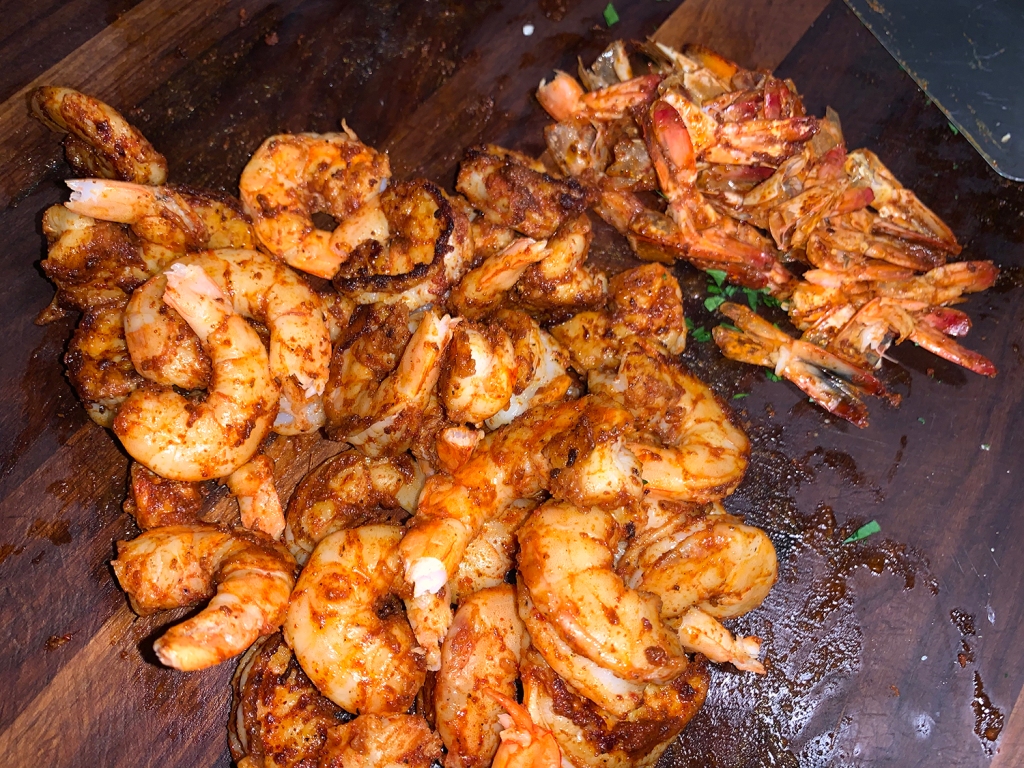
Don’t forget to reserve ½ cup of the liquid before draining the can of chickpeas. The liquid adds both body and flavor to the broth. When peeling the shrimp, don’t remove the tails because they also lend flavor to the broth. But do remove the tails when halving the seared shrimp so that the pieces are easier to eat in the finished stew. In all honesty, you can skip this step if you don’t mind serving the shrimp whole with tails intact.

We served ours over steamed jasmine rice made with homemade shellfish stock.

Spanish Shrimp and Chickpea Stew

  • Servings: 4
  • Difficulty: easy
  • Print

Ingredients

  • 2 Tbsp. smoked paprika
  • 1 Tbsp. sweet paprika Kosher salt and ground black pepper
  • 1 Lb. extra-large (21/25 per pound) shrimp, peeled and deveined, tails left on
  • 2 Tbsp. extra-virgin olive oil, plus more to serve
  • 2 Tbsp. salted butter
  • 1 Medium leek, white and light green parts halved lengthwise, thinly sliced, rinsed and dried
  • 4 Medium garlic cloves, minced
  • 15½ Oz. can chickpeas, ½ cup liquid reserved, drained
  • 8 Oz. bottle clam juice
  • Chopped fresh flat-leaf parsley, to serve

Directions

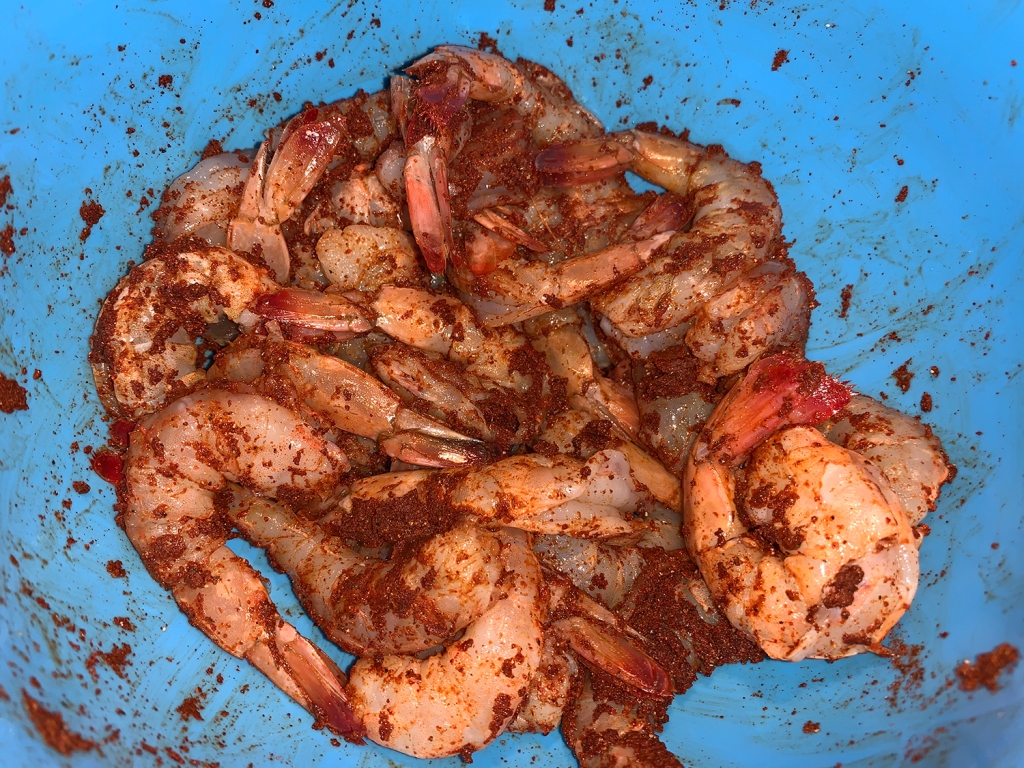
  1. In a medium bowl, stir together both paprikas and ¾ teaspoon pepper; measure 2 tablespoons into a small bowl and set aside. Add the shrimp to the paprika mixture in the medium bowl and toss to coat; set aside.
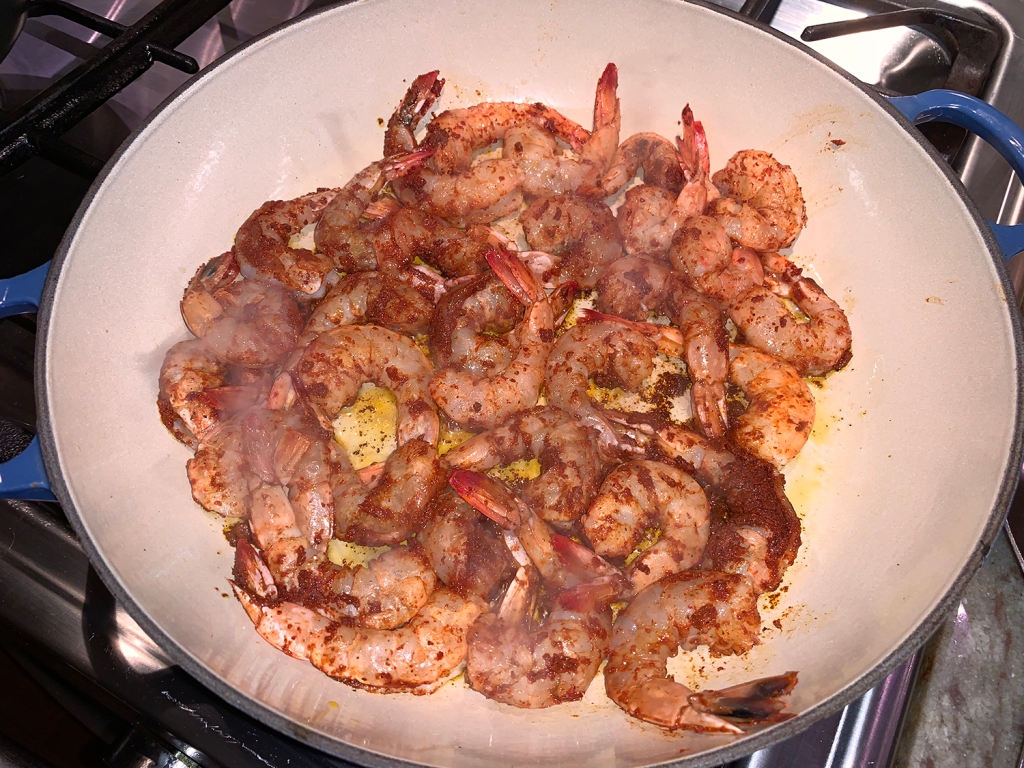
  2. In a large Dutch oven over medium-high, heat the oil until shimmering. Add the shrimp in an even layer; reserve the bowl. Cook without stirring until browned on the bottom, about 2 minutes.
  3. Using a slotted spoon, return the shrimp to the bowl. In the same pot over medium, melt the butter.
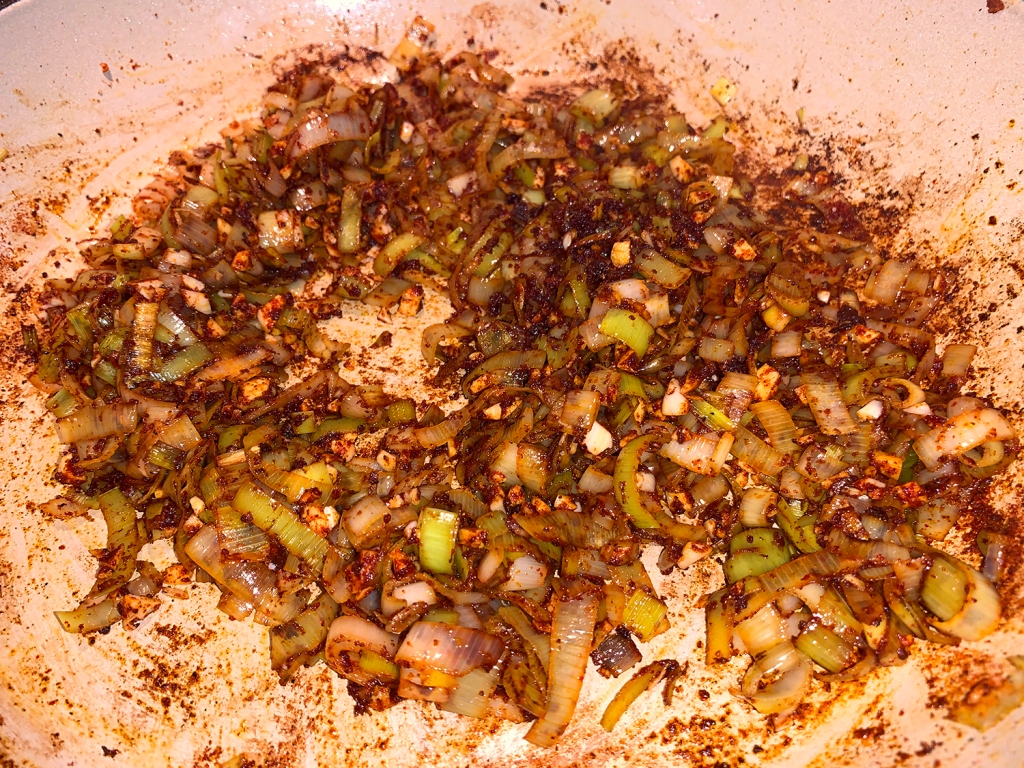
  4. Add the leek and cook, stirring occasionally, until softened, 4 to 5 minutes.
  5. Add the garlic and the reserved paprika mixture, then cook, stirring, until fragrant, about 1 minute.
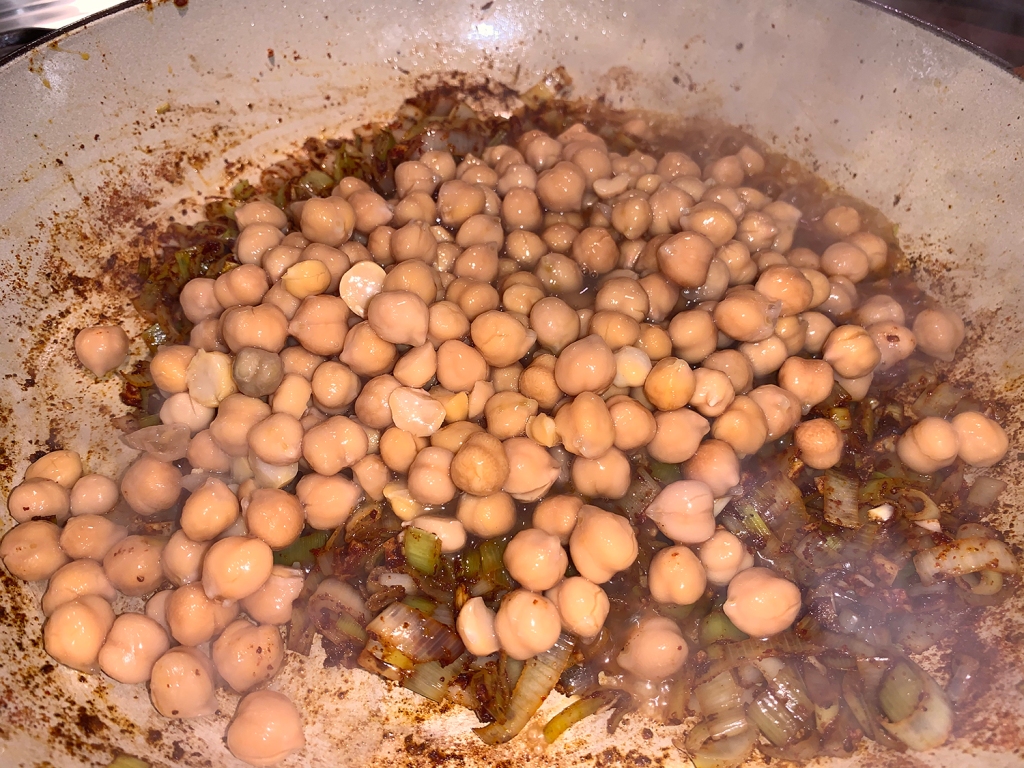
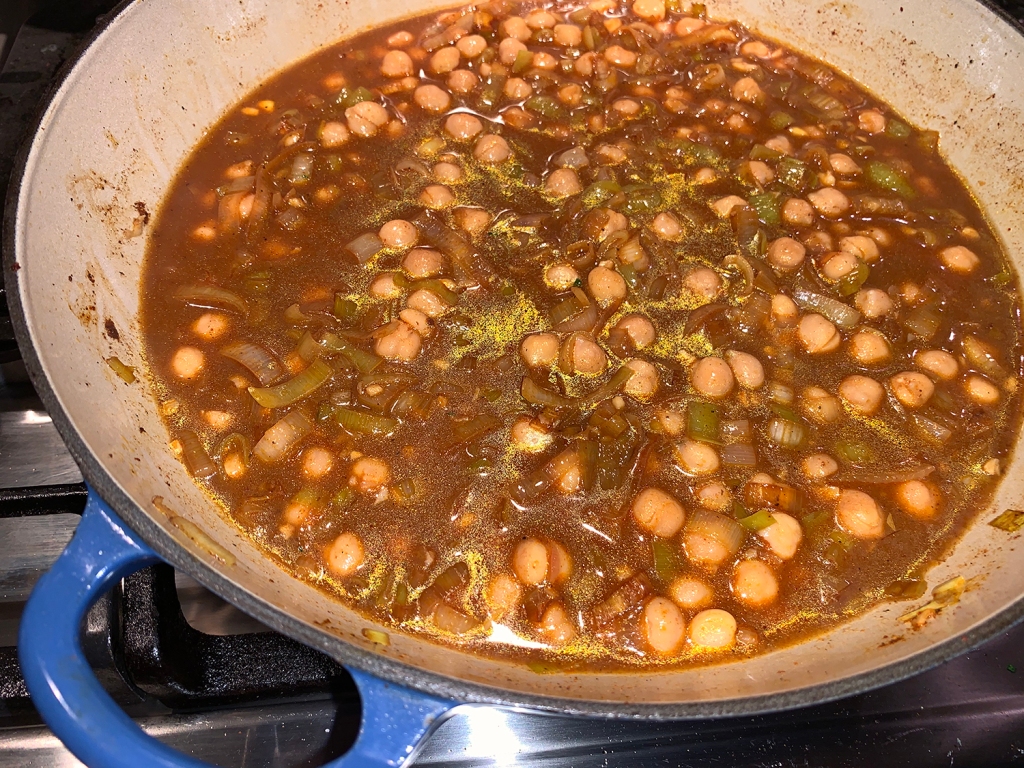
  6. Stir in the chickpeas, the reserved chickpea liquid and the clam juice. Bring to a simmer, then reduce to low, cover and cook for 10 minutes, stirring once or twice.
  7. Meanwhile, remove the tails from the shrimp and cut each in half crosswise. Remove the pot from the heat and stir in the shrimp along with accumulated juices.
  8. Cover and let stand until the shrimp are opaque throughout, 2 to 3 minutes.
  9. Taste and season with salt and pepper. Serve sprinkled with parsley and drizzled with additional oil.

http://www.lynnandruss.com

Adapted from a recipe by Milk Street

Russell’s Russets

Steak fries on steroids. That’s how I first thought of these spuds when The Mr. first made them. Savory and crispy on the outside, super tender and creamy on the inside. A perfect accompaniment to his birthday dinner of grilled baby back ribs and a Tex-Mex slaw.

And speaking of his birthday, pretty much every gift he received had something to do with cooking/food. One of which is his new pride and joy, the Dao Vua hand-carved carbon steel cleaver made in Vietnam and sold through Bernal Cutlery on the West Coast (Oakland, CA). It truly is a work of art. They’re so popular, they are completely out of stock, so I’m glad I ordered it months ahead of time.

Bernal Cutlery opened for business in 2005 and specializes in all things knife related. Using time-honored Japanese Whetstone grinding techniques—and finishing by hand with a modified version of an old fashioned Barber’s strop—it offers peerless sharpening services, as well as very high caliber new knives, collectable and vintage models, classes in care and sharpening as well as hosting sessions on knife skills. This sharpening approach results in edges that are sharper, longer lasting and produce far less metal removal making for less wear on the knife.

But I digress. The very first thing he cut with that knife was the russet potatoes. And it was smooth sailing for sure. Not that potatoes are hard to cut, it’s just the experience of holding reverence in your hand while doing a mundane task, kind of elevates the process to another level.

The recipe came about one day when Russ had a hankering for sumac. A few weeks back, these very spuds were a side dish for our Seared Pork Tenderloin with Smoked Paprika and Oregano dinner. For some reason sumac is one of those spices that isn’t necessarily first and foremost in my mind, but I’m glad he took it out of hibernation.

Ground sumac is a versatile spice with a tangy lemony flavor, although more balanced and less tart than lemon juice. While having a diverse flavor profile, sumac blends exceptionally well with other spices such as allspice, chili, thyme, and cumin—the latter of which he also included.

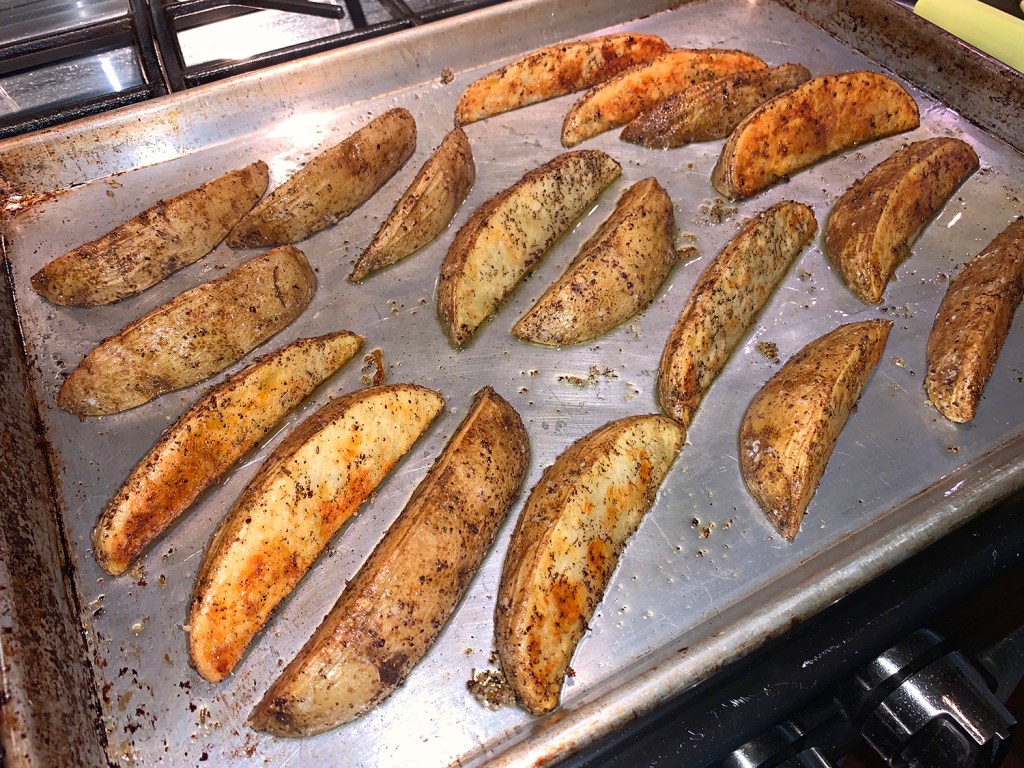
Be generous with the olive oil, and make sure to fully coat the baking sheet. After you flipped the spuds for the second 20 minutes, test with a knife tip to see if it easily pierces the potato. If, not cook 5 more minutes and test again.

These would also go well with a nice grilled steak, or pork or lamb kebabs. Enjoy!

Russell's Russets

  • Servings: 4
  • Difficulty: easy
  • Print

Ingredients

  • 3 medium russet potatoes, cut into 6-8 wedges each
  • 1 tsp. ground cumin
  • 1 tsp. ground sumac
  • 1/2 tsp. kosher salt
  • 1/2 tsp. freshly ground black pepper
  • 1/2 cup extra-virgin olive oil

Directions

  1. Preheat the oven to 400°.
  2. Grease a large rimmed baking liberally with 1/3 cup of the EVOO, spread evenly.
  3. Put the potato wedges in a large mixing bowl. Drizzle the remaining EVOO over the potatoes, add all of the seasonings, and mix well.
  4. When the oven reaches temperature arrange the potatoes without them touching each other. Bake for 20 minutes.
  5. Turn the potatoes over and then return the pan to the oven for another 20 minutes.
  6. Serve immediately.

http://www.lynnandruss.com

Identity Crisis?

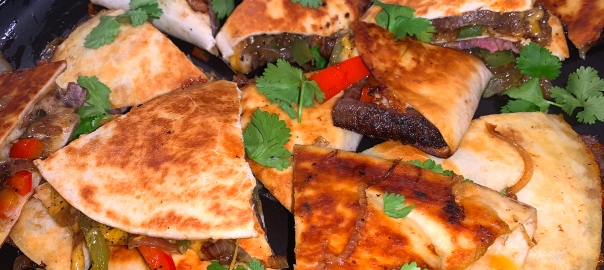
Why did I never think of this before? Fajita Quesadilla—a win-win! In this case with red meat, but you could also substitute chicken, fish and/or other veggies. This particular combo, sizzling spiced steak, onions and peppers paired with gooey cheese certainly got my attention. We dubbed them QUESAJITAS.

It was our first dinner party since we began the COVID lockdown the beginning of March (if you can call four people a party—but then, I can be a party of one!) And to be honest, it was the first warm, dry weekend we’ve had since the spring season began; so we were beyond ready for some socialization—that included of course, great food and adult beverages.

We were well on our way in prepping everything in the morning, when unexpectedly our kitchen touch-faucet went on the blink. 3 1/2 hours later, without success in getting the automatic touch feature to work, The Hubs disconnected it—but at least got it to work manually.

Now back to that party. What’s nice about this recipe, and our side of Purple Tex-Mex Slaw, is that all of the prep can be done ahead of time. So you’ll only be standing in front of the stove, or over a grill for an abbreviated period of time. Lucky for us, we had enough leftover for the two of us for lunch a couple of days later. This recipe can easily be cut in half.

And because I’m feeling generous today, I’ll throw in my famous Holy-Moley Lynn’s Great Guacamole recipe. It’s chunky style and packed with fabulous flavor while providing a perfect accompaniment for those Quesajitas!

Margarita anyone?

Steak Fajita Quesadilla

  • Servings: 6-8
  • Difficulty: easy
  • Print

Ingredients

  • 1 Tbsp. + 1 tsp. chili powder
  • 2 tsp. ground cumin
  • 2 tsp. dried oregano
  • Kosher salt
  • 2 lbs. flank steak
  • 1/4 cup. vegetable oil; more as needed
  • 2 medium yellow onions, thinly sliced (about 2 cups)
  • 2 bell peppers: 1 red and 1 green, thinly sliced (about 1 cup)
  • 4 cloves garlic, finely chopped
  • 8 large flour tortillas (9- to 10-inch diameter, burrito-size)
  • 1 1/2 lbs. Mexican-style shredded cheese blend (about 6 cups)
  • Salsa, guacamole, sour cream, and Mexican hot sauce, for serving

Directions

  1. In a small bowl, combine the chili powder, cumin, oregano, and 2 tsp. salt. Rub the steak all over with the spice mixture. It’s best to do this a few hours ahead of time if possible.
  2. Heat 1 Tbs. of the oil in a large nonstick skillet over medium-high heat, or alternatively, heat an oiled grill to medium high (400°F to 475°F). Cook the steak, flipping once, until rare, 4 to 5 minutes.
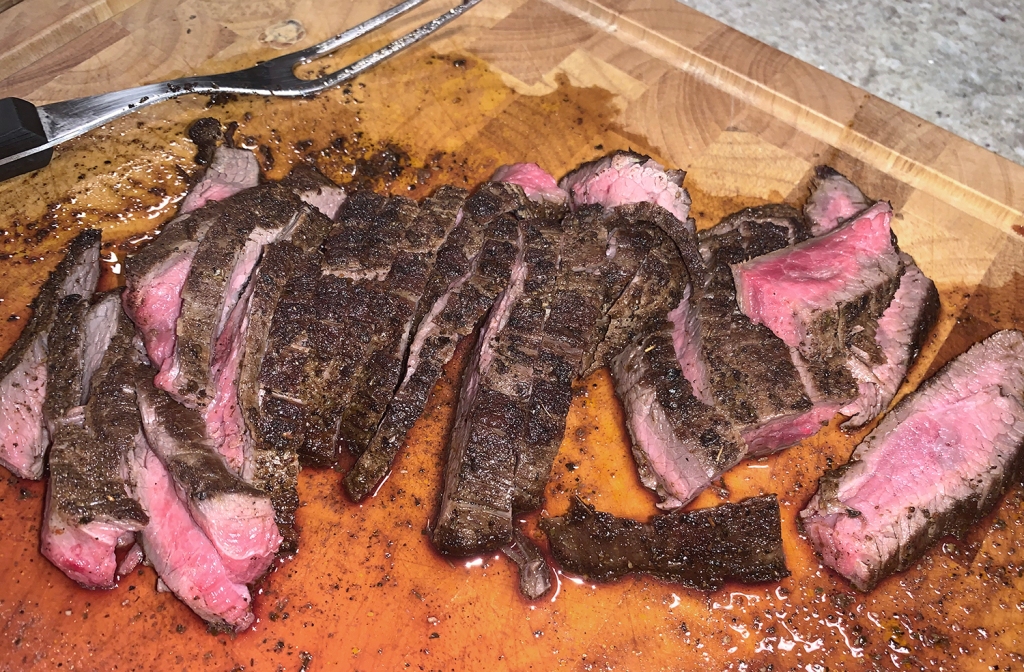
  3. Transfer to a cutting board. Let rest 5 minutes, then thinly slice across the grain. Repeat if necessary with another steak.
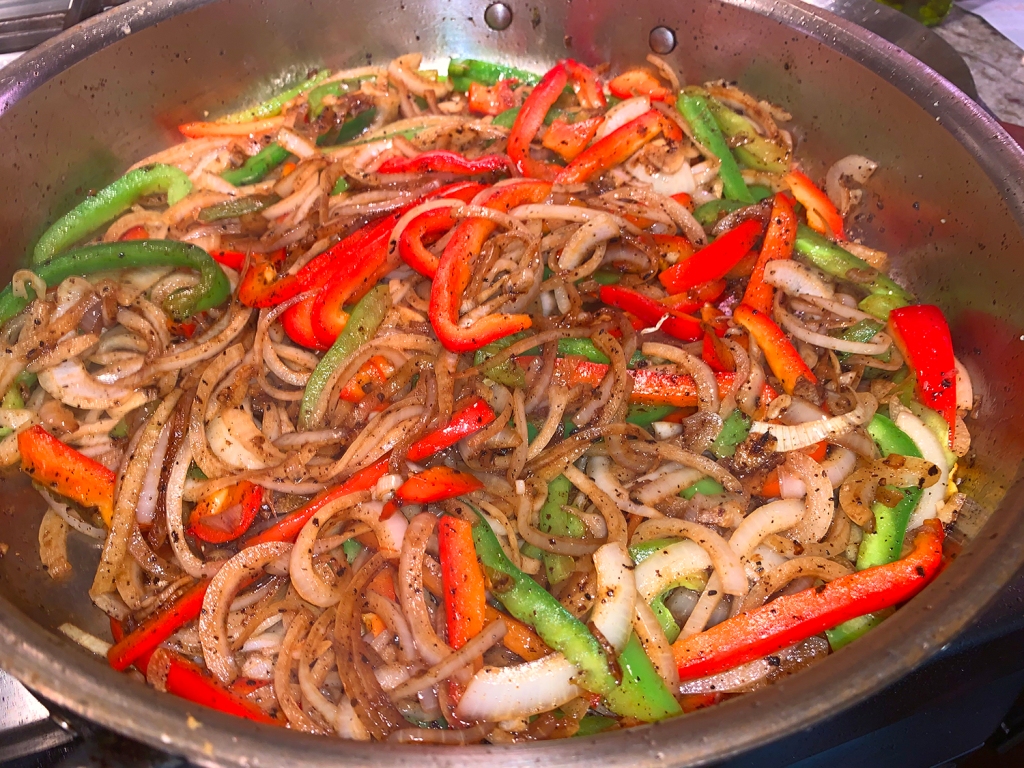
  4. Return the pan to the heat, and add more oil if dry. Add the onion, bell pepper, and garlic to the pan, season generously with salt, and cook, stirring occasionally, until the onion is softened and the peppers are crisp-tender, about 5 minutes. Transfer to a bowl; set aside. Wipe out the skillet with paper towels; set aside.
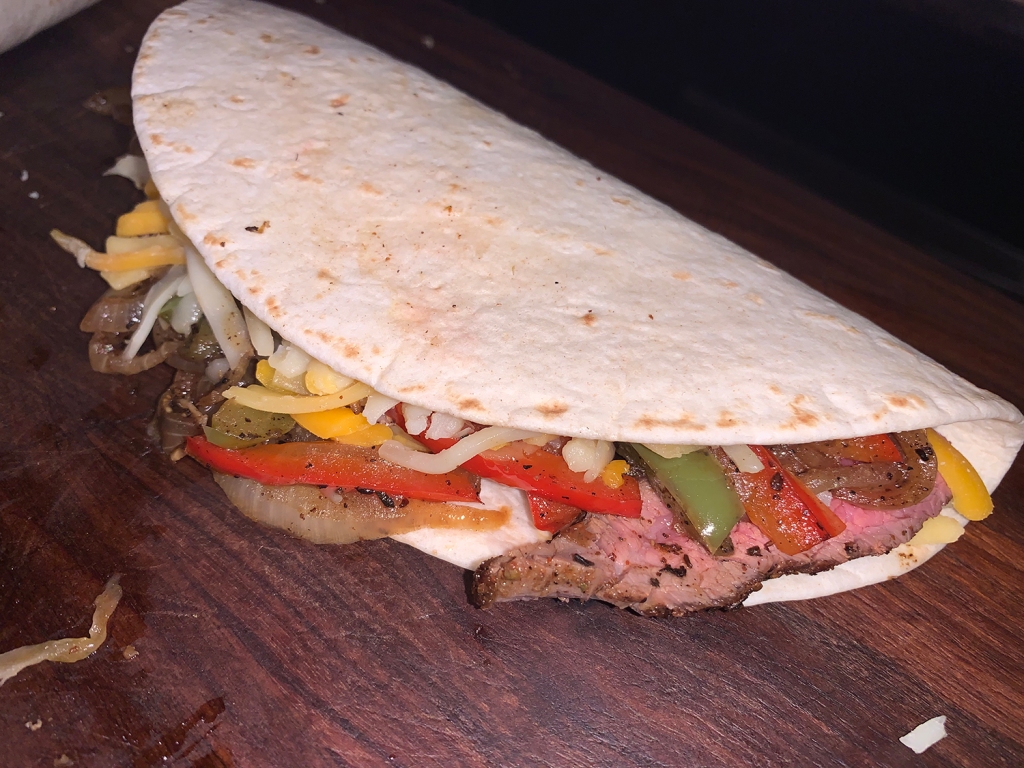
  5. Put the tortillas on a work surface. Sprinkle 1/3 cup of the cheese over half of each tortilla. Evenly divide the steak and vegetables over the cheese.
  6. Sprinkle the remaining cheese over the steak and vegetables. Fold each tortilla in half so that the empty side covers the filling.
  7. Heat 1 tsp. of the oil in the skillet over medium heat until shimmering. Add 2-3 of the quesadillas, and cook until golden-brown and the cheese is melted, about 3 minutes per side.
  8. Transfer to a clean cutting board, and then repeat with the remaining oil and quesadillas in as many batches as necessary. Cut the quesadillas into wedges, and serve with the salsa, guacamole, sour cream, and/or hot sauce.

http://www.lynnandruss.com

Adapted from a recipe by Christine Gallary from Fine Cooking

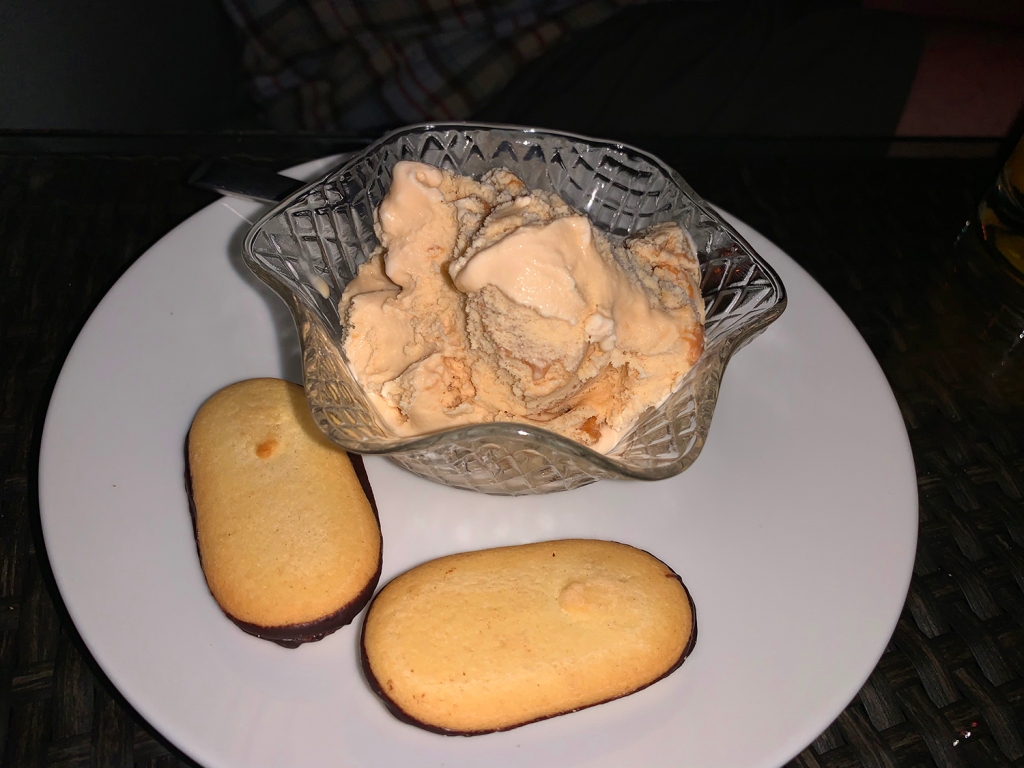
A Mexican twist for dessert with Dulce de Leche ice cream and double chocolate Milano cookies. (OK, The Pepperidge Farm cookies were of a different nationality…)

Holy-Moley Lynn’s Great Guacamole

Holy-Moley Lynn's Great Guacamole

  • Servings: yields about 4 cups
  • Difficulty: easy
  • Print

Ingredients

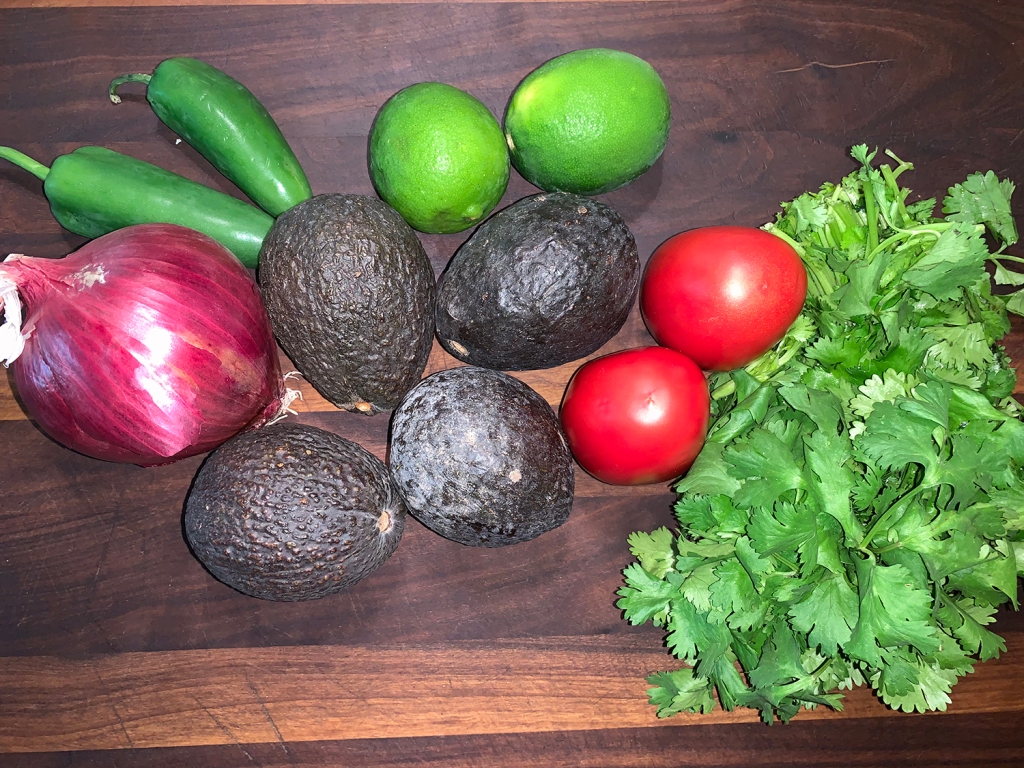
  • 1/4 cup, finely chopped red onion
  • 1/4 cup freshly squeezed lime juice
  • 1 tsp. slt
  • 4 large ripe Haas avocados, halved, pitted
  • 2 plum tomatoes, seeded, diced
  • 2 jalapeños, seeded, minced
  • 1/3 cup chopped cilantro, more to taste

Directions

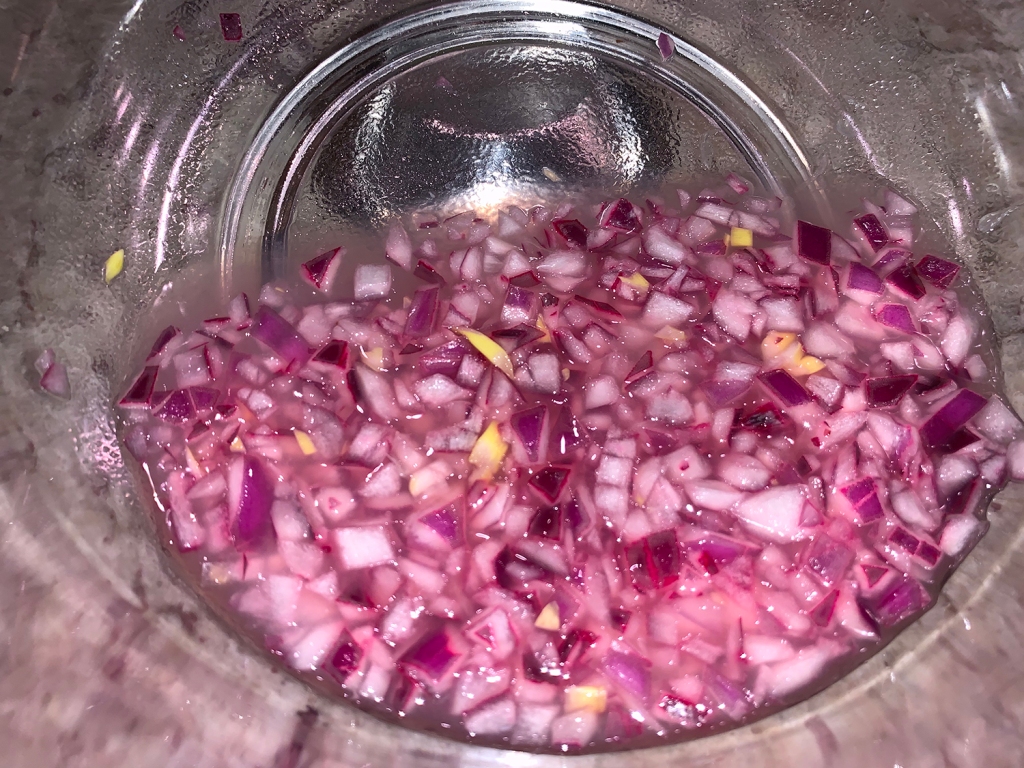
  1. In a large glass bowl, combine onion, lime juice and salt; let stand at room temperature for 20 minutes.
  2. With a large tablespoon, scoop avocado flesh into the bowl with the onion mixture. Coarsely mash with a potato masher.
  3. Stir in the remaining ingredients.
  4. Cover with plastic wrap pushing down on plastic to make sure no air is between the covering and the guacamole to prevent browning.
  5. Refrigerate up to 24 hours.

http://www.lynnandruss.com

Funghi Ragoût with Mushroom Agnolotti

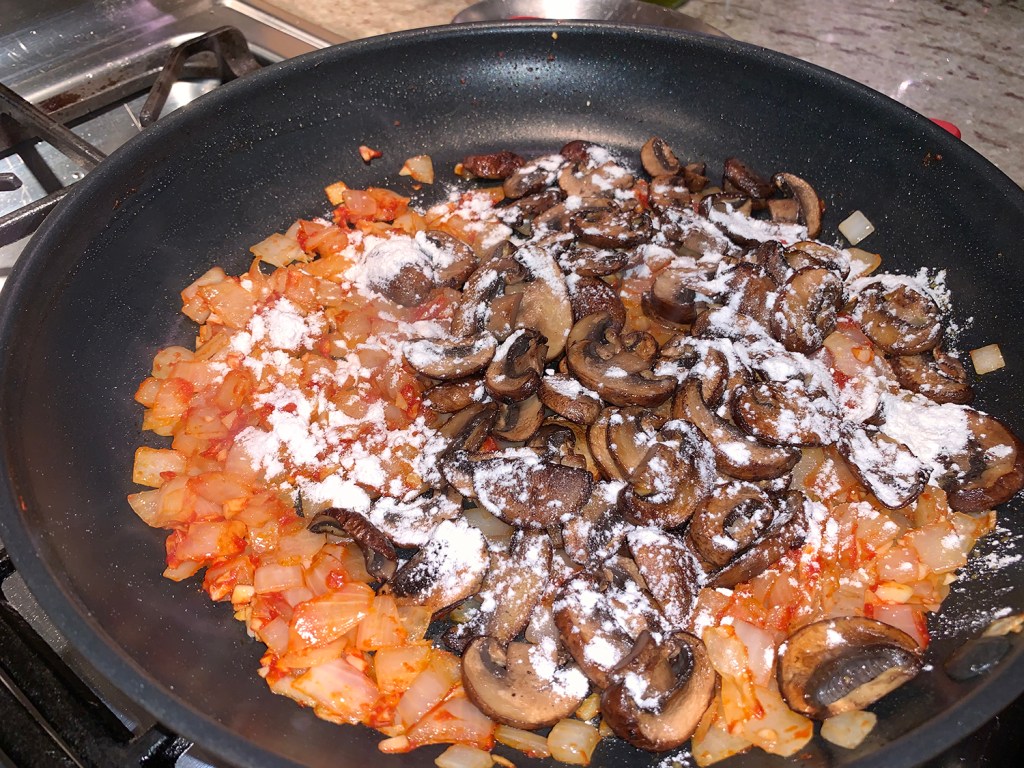
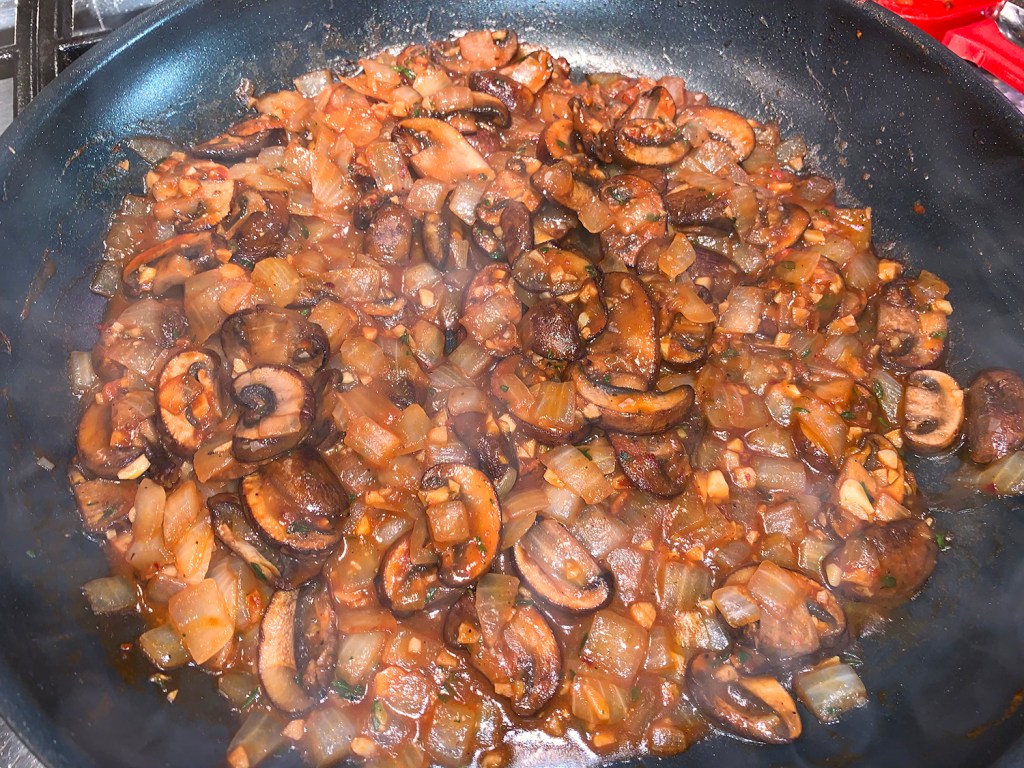
Mushroom lovers unite! Not only is the pasta filled with the fleshy and edible fruit bodies of macrofungi (OK, maybe a little too scientific sounding), but the mushroom is the star of the show in the topping. Though delicious made with cremini mushrooms alone, this one-pan sauce is even more spectacular if you use a mix of mushrooms.
Luscious Mushrooms

My inspiration recipe from Fine Cooking used cheese ravioli, but mushrooms were the name of the game for me, so I chose agnolotti. It is a type of pasta typical of the Piedmont region of Italy, made with small pieces of flattened pasta dough, folded over a filling of roasted meat or vegetables—in this case, mushrooms.

Funghi Ragoût with Mushroom Agnolotti

  • Servings: 4
  • Difficulty: easy
  • Print

Ingredients

  • Kosher salt
  • 2-1/2 to 3 Tbs. extra-virgin olive oil; more as needed
  • 12 oz. cremini mushrooms (or mixed wild), sliced about 1/4 inch thick
  • Freshly ground black pepper
  • 1 small yellow onion, chopped
  • 3 cloves garlic, minced
  • 2 tsp. tomato paste
  • 1-1/2 tsp. all-purpose flour
  • 1-1/2 tsp. chopped fresh thyme leaves
  • Pinch crushed red pepper flakes
  • 1/4 cup dry red wine
  • 1/4 cup lower-salt vegetable or chicken broth
  • 10 oz. fresh or frozen mushroom stuffed agnolotti
  • 1 Tbs. chopped fresh flat-leaf parsley
  • Grated Parmigiano-Reggiano or Grana Padano

Directions

  1. Bring a large pot of well-salted water to a boil.
  2. Heat 1-1/2 Tbs. of the oil in a large skillet over medium-high heat. Add the mushrooms, 1/4 tsp. salt, and a few grinds of black pepper. Stir to combine, then spread the mushrooms out in the pan and cook, undisturbed, until well browned on one side, about 3 minutes.
  3. Stir and continue to cook until well browned all over and any liquid has evaporated, about 3 minutes. (if the mushrooms are dry and the pan begins to scorch, add a drizzle of oil.) Transfer the mushrooms to a plate.
  4. Add 1 Tbs. of the remaining oil in the same pan over medium heat. Add the onion and cook until translucent, about 2 minutes.
  5. Add the garlic and cook until fragrant, about 30 seconds. Add the tomato paste and cook, stirring, for 1 minute.
  6. Return the mushrooms and any liquid to the pan. Add the flour, thyme, and pepper flakes, and cook, stirring frequently, for 1 to 2 minutes.
  7. Add the wine, and stir until thickened. Add the broth, and simmer until the liquid reduces to a light sauce. Season to taste with salt and pepper.
  8. Meanwhile, cook the pasta in the boiling water according to package directions until al dente, drain, and add to the skillet with the mushrooms. Stir to coat over low heat. Serve topped with the parsley and cheese.

http://www.lynnandruss.com

Original recipe by Lynne Curry from Fine Cooking