Monthly Archives: July 2024

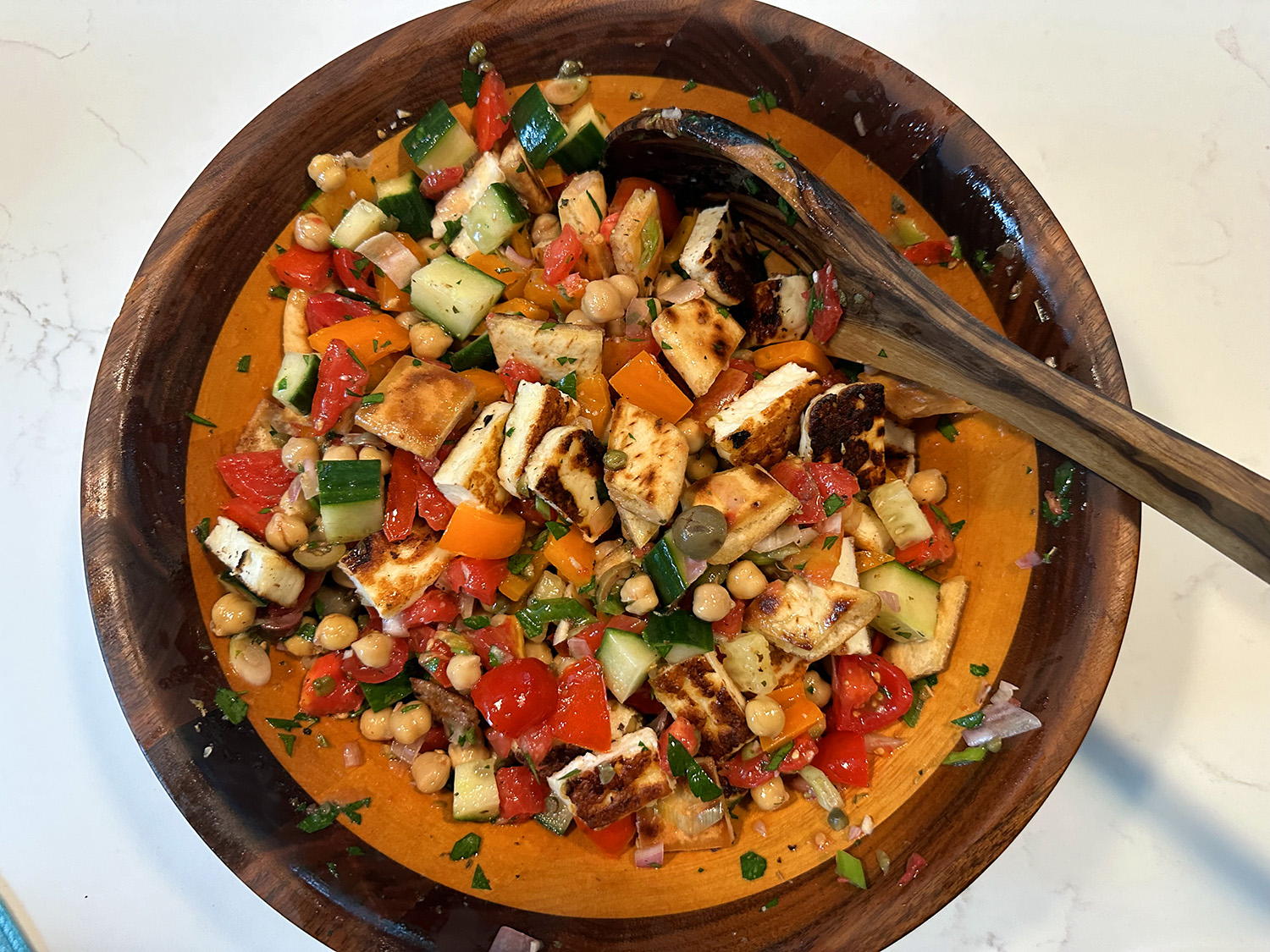
Taverna Salad

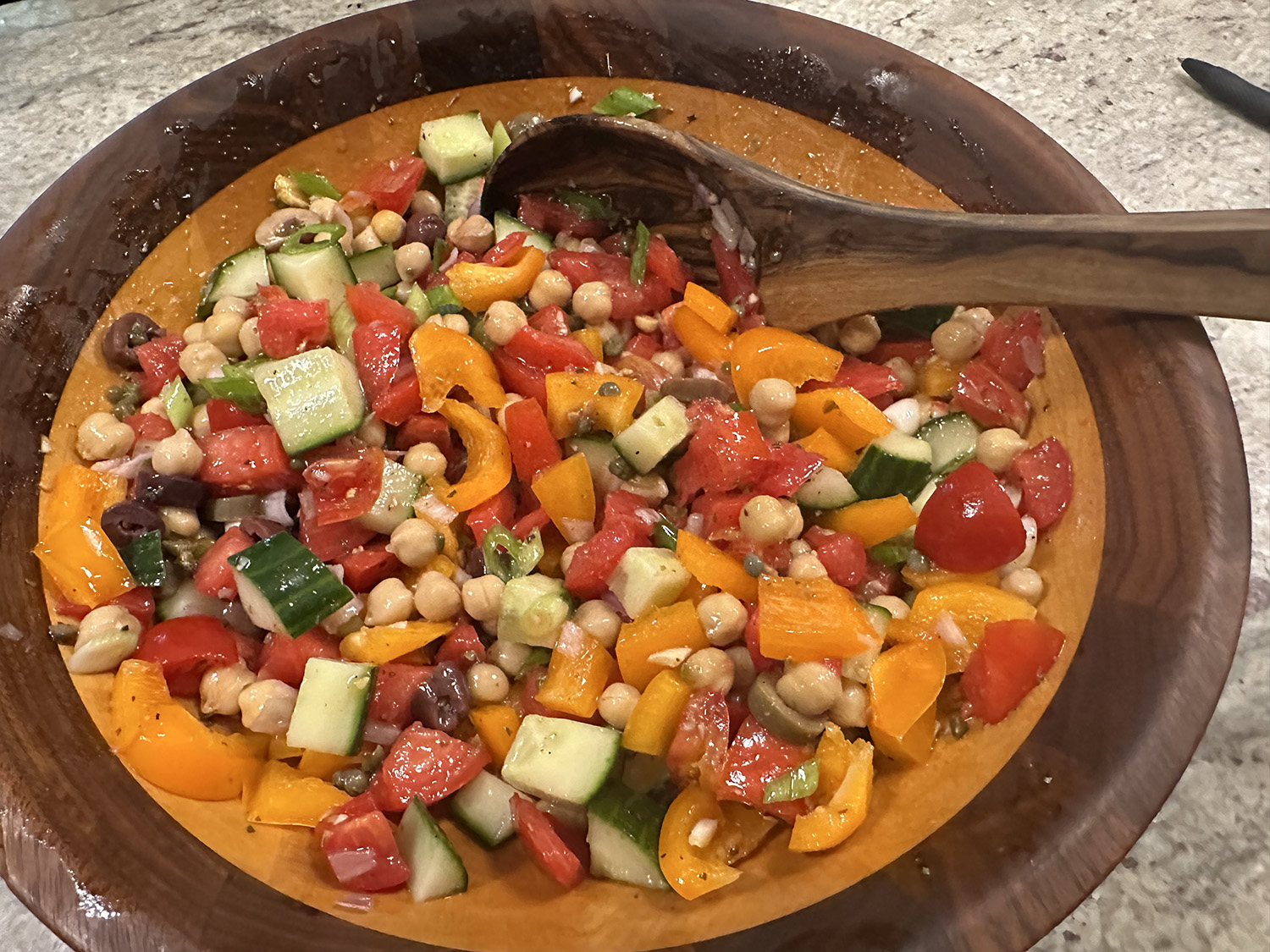
This colorful, meal-of-a-salad is inspired by two dishes creating a mash-up of a classic Greek salad (also known as horiatiki) and fattoush, the Lebanese salad of vegetables and pieces of fried pita. The ingredient list may look long at first, but each ingredient contributes to the harmony of the salad: bell pepper and cucumbers for crunch; shallot, olives and capers for a bit of tang; chopped tomatoes for sweetness.
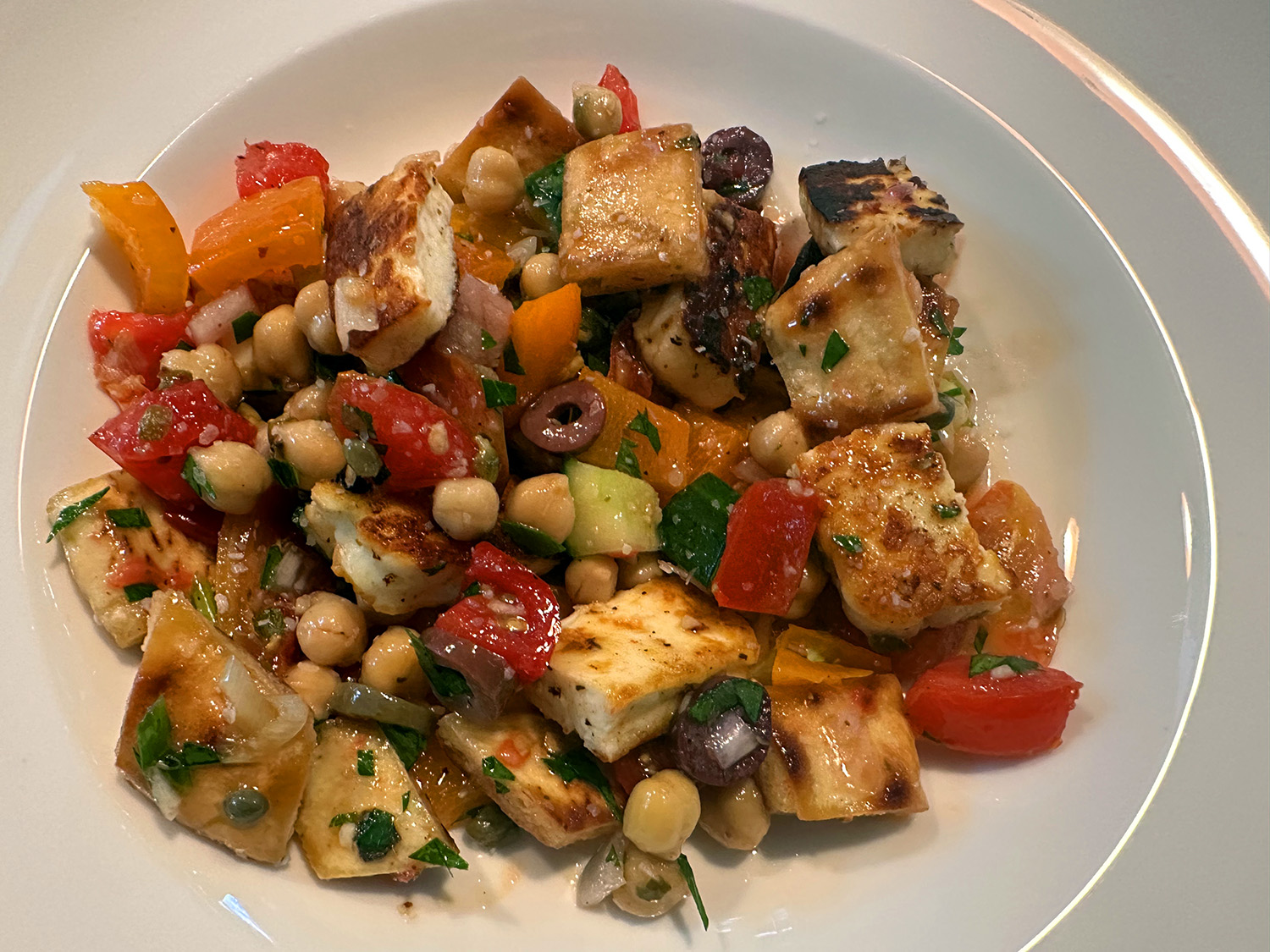
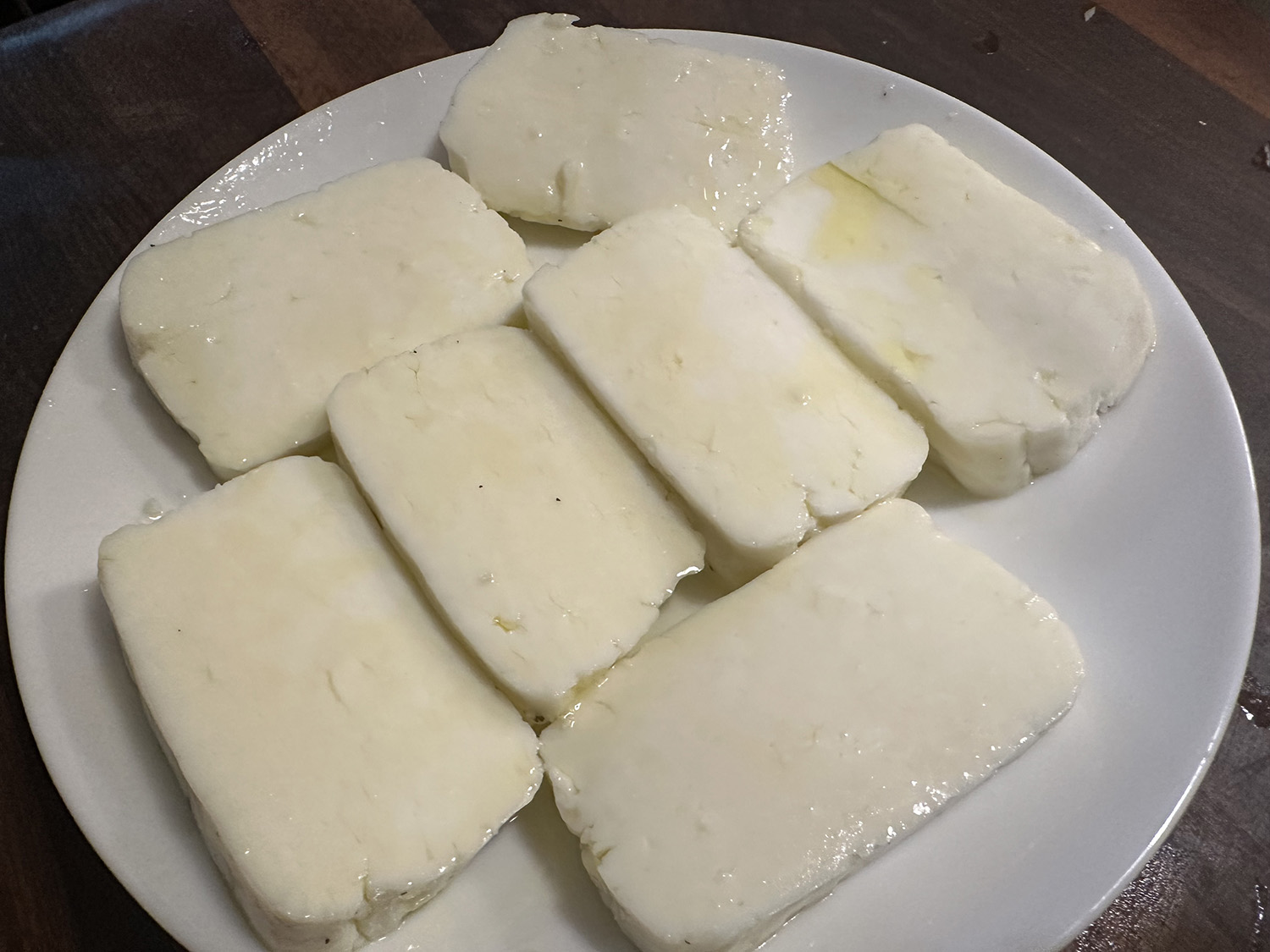
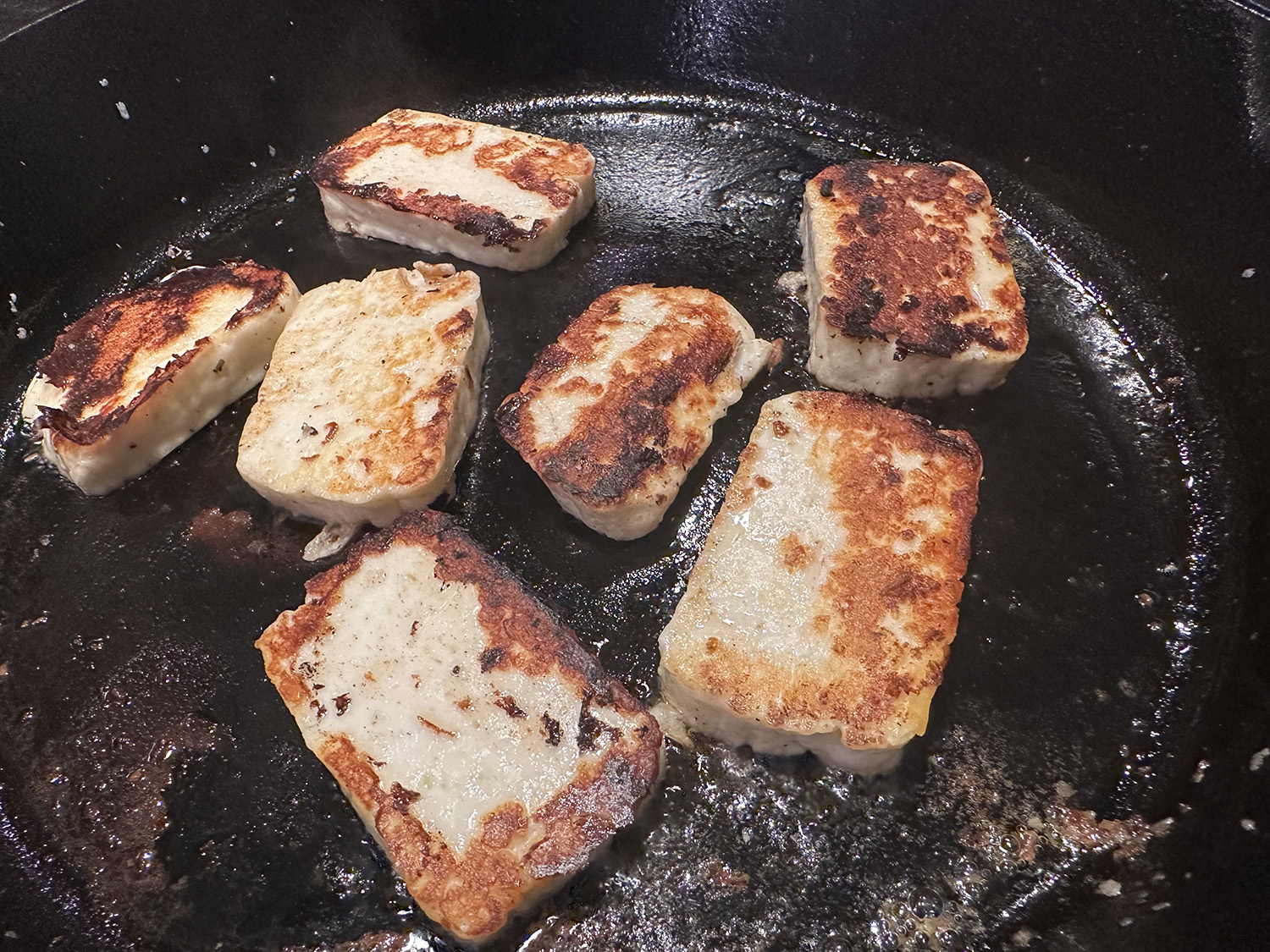
Pan-fried halloumi adds richness and heft, but you can skip the searing process and instead opt for a 6-ounce block of feta, if desired. (Although we recommend going with the seared halloumi.) To save even more time, you can add a large handful of crumbled pita chips instead of making your own.

It was unanimous, all three of us loved it! While the recipe indicates it serves up to six, four is a more realistic estimate unless you are serving with other courses. There is no ingredient that we would have left out. For those who insist on a bit of meat, you could always serve chunks of chicken, beef or pork on the side.

Taverna Salad

  • Servings: 4-6
  • Difficulty: easy
  • Print

Ingredients

  • â…“ cup plus 2 Tbsp. extra-virgin olive oil
  • 2 Tbsp. red wine vinegar
  • 1 tsp. minced garlic (1 small clove)
  • ½ tsp. dried oregano
  • Salt and pepper
  • 3 medium tomatoes, cored, seeded and diced into ½-inch pieces (or 1 cup halved cherry tomatoes)
  • 1 15-oz. can chickpeas, rinsed
  • 1 orange or yellow bell pepper, halved, seeded and diced into ½-inch pieces
  • ½ large English cucumber, halved, seeded and diced into ½-inch pieces
  • ½ cup pitted Kalamata olives
  • ¼ cup chopped fresh parsley
  • ¼ cup minced red onion or shallot
  • 2 Tbsp. drained capers, coarsely chopped
  • 2 scallions, thinly sliced
  • 1 6-inch pita
  • 1 8-oz. block halloumi cheese, patted dry and cut into ¾-inch-thick slices

Directions

  1. In a small bowl, combine â…“ cup olive oil with the vinegar, garlic and oregano. Whisk vigorously to combine then season to taste with salt and pepper.
  2. In a large bowl, combine the tomatoes, chickpeas, bell pepper, cucumber, olives, parsley, red onion, capers and scallions. Pour the dressing over the salad and toss well.
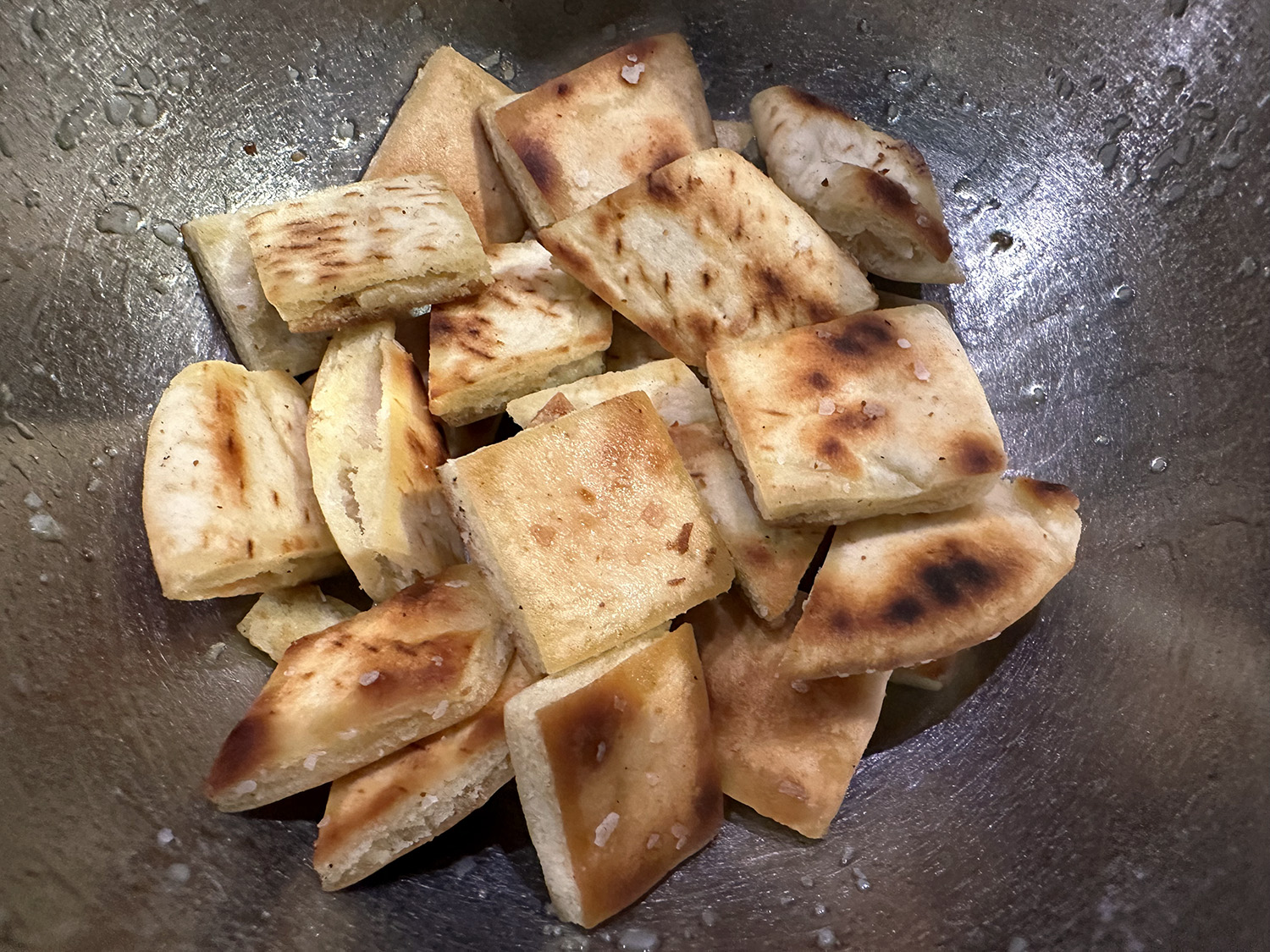
  3. Chop the pita into 1-inch pieces and place them in a small bowl. Drizzle with 1 tablespoon olive oil, sprinkle with salt and toss to coat. Heat an 8-inch skillet over medium. Add the pita pieces and cook, tossing often, until toasted and golden brown, about 5 minutes. Return to the small bowl to cool, reserving the skillet.
  4. Place the halloumi slices on a small plate and drizzle with 1 tablespoon olive oil. Heat the same skillet over medium-high heat, and cook the halloumi until golden brown, 2 to 3 minutes per side. Transfer to a cutting board and cut the slices into bite-size cubes.
  5. Add the pita and halloumi to the salad, toss well and serve.

http://www.lynnandruss.com

Recipe by Lidey Heuck for NYTimes Cooking

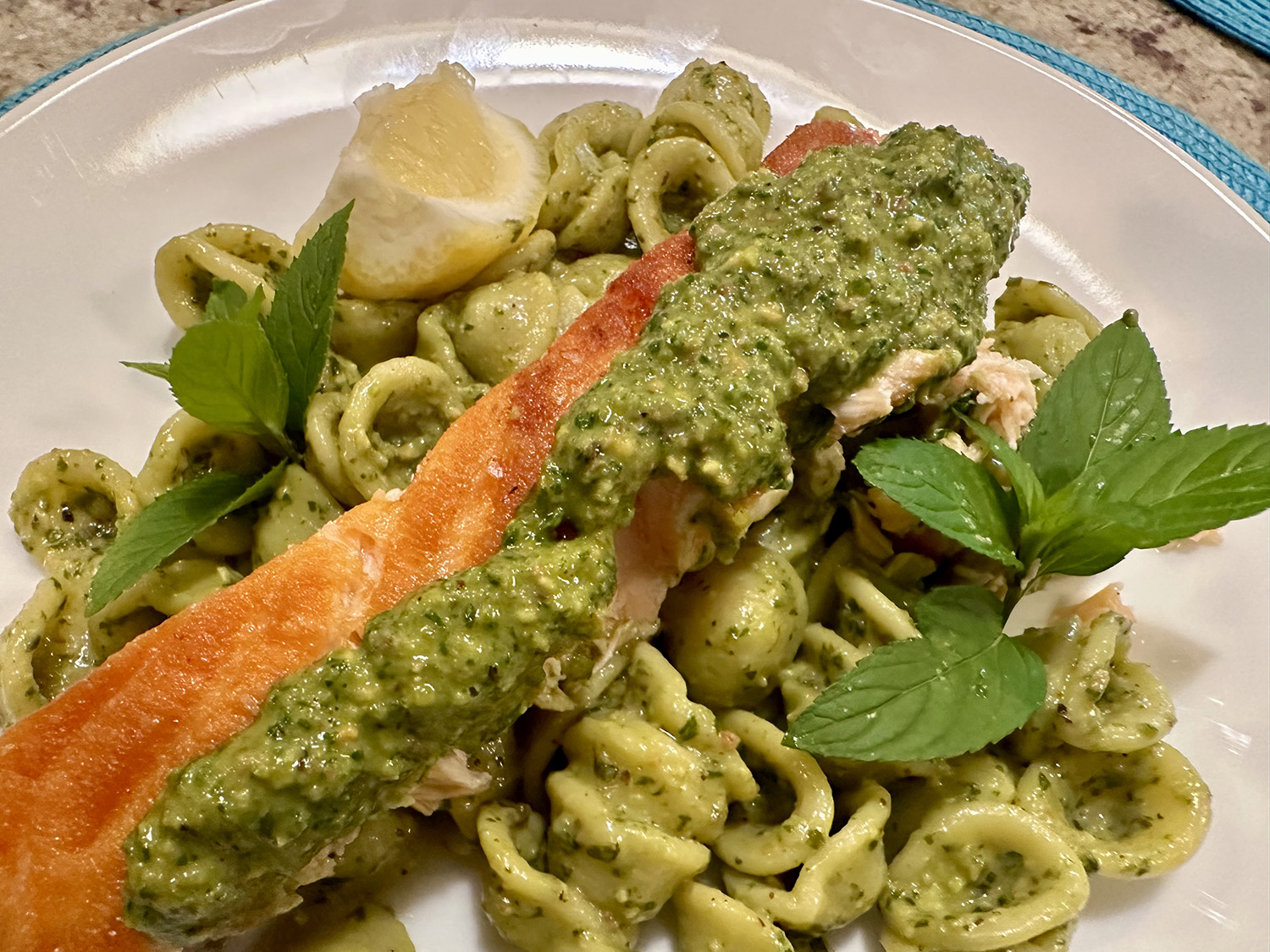
Pan-Seared Salmon with Citrus Pesto and Pasta

A lovely pescatarian meal utilizing a unique pesto which uses lot of fresh basil, and perhaps some fresh mint from your herb garden, or a local farmer’s market. And the citrus coming from a pink grapefruit is a novel approach, although we added the zest from one lemon also, to emphasize those welcome citrus notes.

Genovese pesto isn’t the only pesto around: There are many regional variations, including a vibrant and light Sicilian version that stars citrus. This naturally vegan version doesn’t need cheese: The citrus provides acidity, and the umami comes from the capers and toasted nuts.

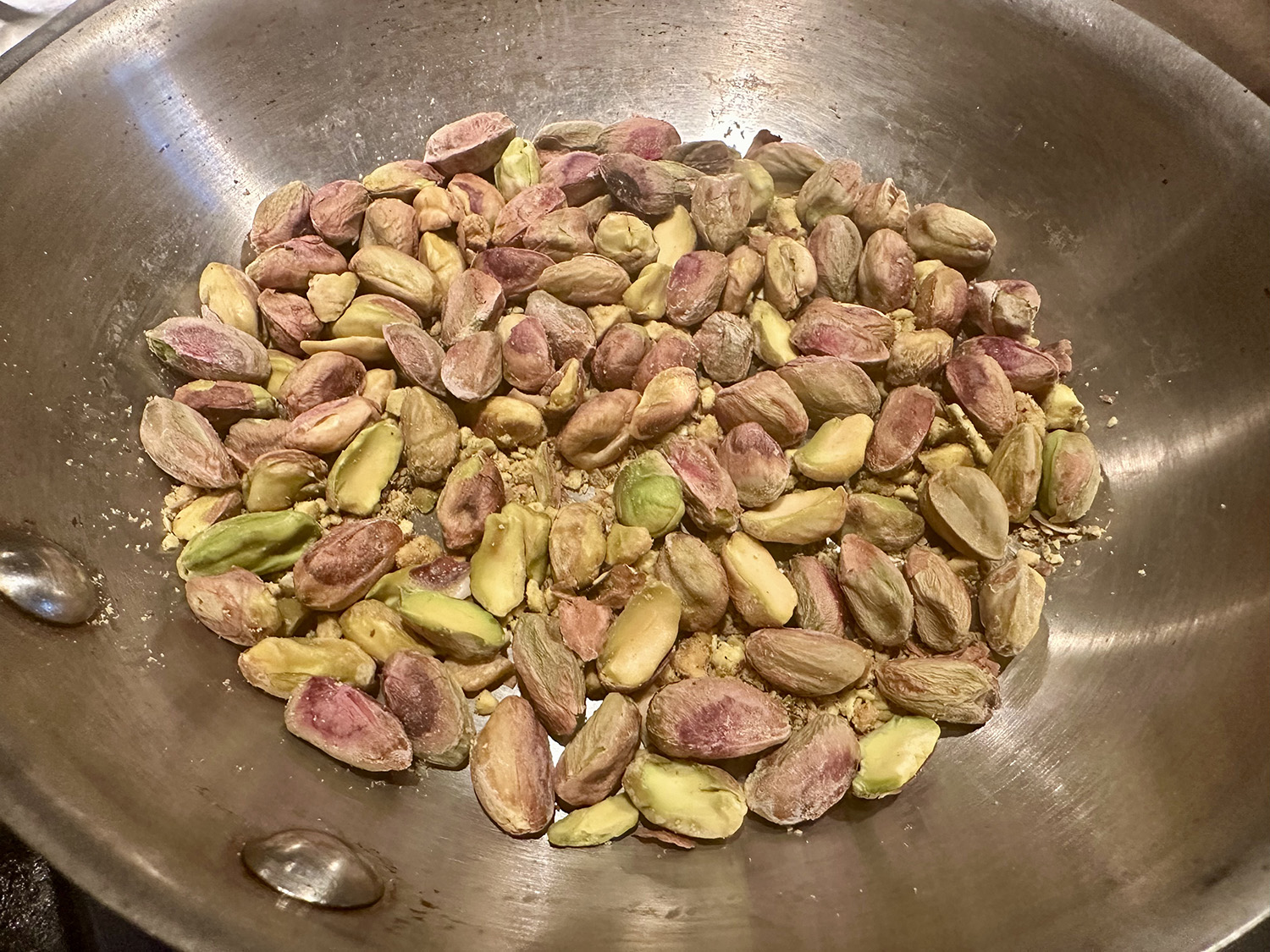
Pistachios and almonds grow abundantly in Sicily, but walnuts or pine nuts also work. Feel free, generally, to adapt this base recipe, as you’ll find Italian citrus pestos made with anchovies, garlic, dried oregano, fennel fronds, dried chile and, yes, cheese, if desired. We did add a bit of grated parmesan on the pasta.

We altered the original recipe to better suit our needs and preferences. For starters, we used a single one-pound salmon filet. The pesto was increased by half to make sure we had enough for our choice of pasta, orecchiette—which the sauce nestles inside of. And while we used both basil and mint, it was about a 75-25% ratio with basil being the dominant herb.

Pan-Seared Salmon with Citrus Pesto and Pasta

  • Servings: 2-4
  • Difficulty: easy
  • Print

Ingredients

For the Pesto

  • ½ cup toasted pistachios
  • 12 oz. orecchiette pasta
  • 1 Tbsp. drained and rinsed capers
  • Kosher salt
  • 3 cups mint or basil leaves (or a combination)
  • 1 ½ Tbsp. grapefruit, and ½ Tbsp.lemon zest; plus 4 ½ Tbsp. grapefruit juice
  • ½ cup extra-virgin olive oil, plus more as needed

For the Fish

  • 1 lb. salmon fish fillet
  • Salt
  • Extra-virgin olive oil, for greasing

Directions

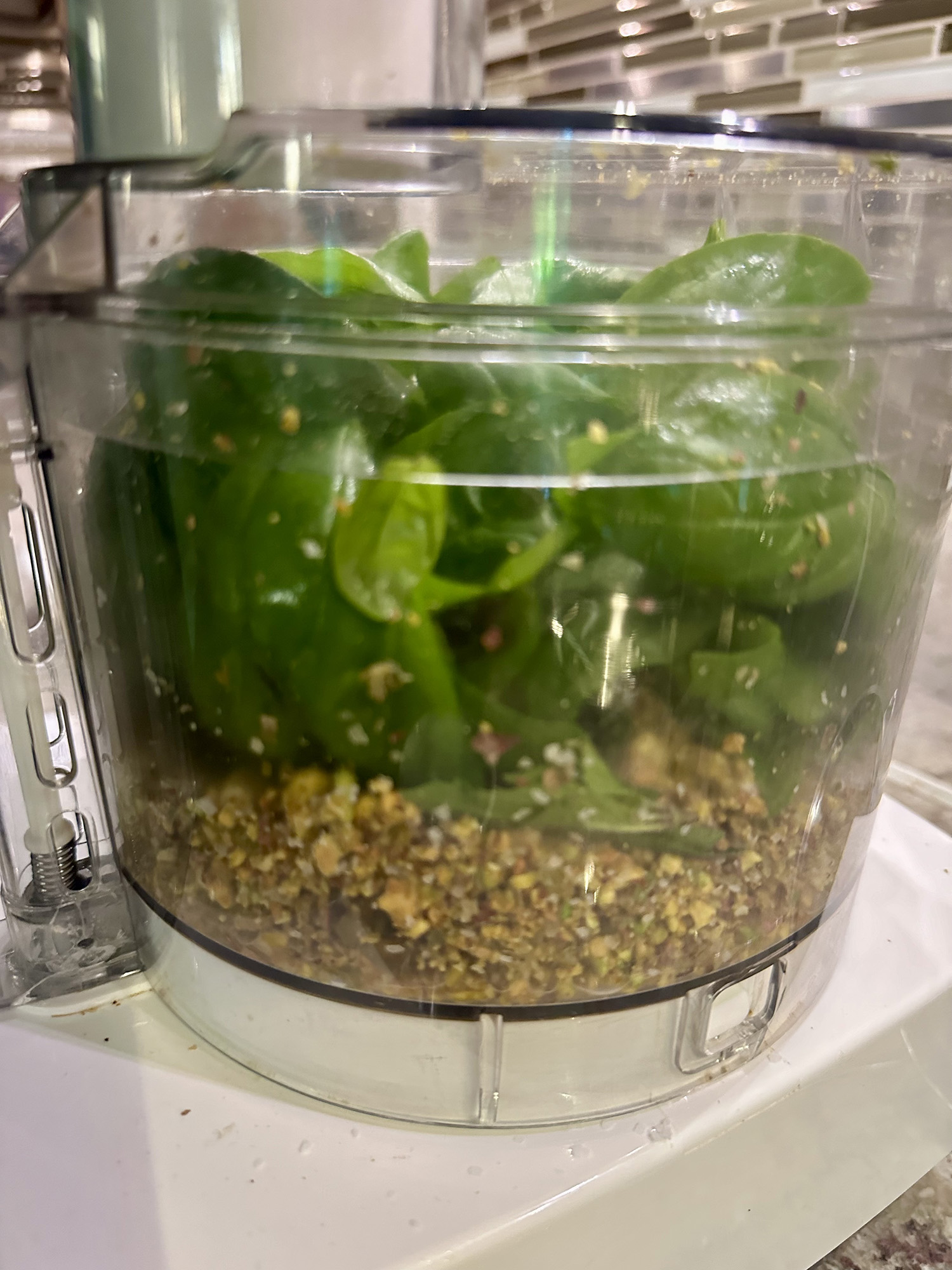
  1. To make the pesto, add the pistachios, capers and 1 teaspoon salt to a food processor and process until coarsely chopped. Add the herbs, citrus juice and a pinch of salt and pulse until the herbs are finely chopped and the nuts are about the size of sesame seeds.
  2. Cook the orecchiette as directed on the package. Reserve about 1 cup of the pasta water.
  3. Add the olive oil and pulse just until combined. Stir in 1 Tbsp. of citrus zest. Taste, then continue to add more zest and salt until the pesto is citrusy and punchy.
  4. Thin with 2 to 3 more tablespoons of olive oil until it’s the consistency of a loose paste. Taste, and adjust seasonings as needed.
  5. To make the fish, season it all over with salt and oil. Add the fish (skin-side down, if your fillets are skin-on) to a large nonstick skillet, then heat over medium. Cook until the flesh is opaque ¾ of the way up the sides, 6 to 12 minutes, depending on the thickness of the fish. If the fish is buckling, press it down with a spatula so it makes contact with the skillet. Flip and cook until cooked through, 1 to 2 minutes.
  6. Divide the pesto roughly in half, adding part of it to the pasta along with some reserved pasta water until a loose consistency.
  7. Divide desired amount of cooked and sauced orecchiette onto plates, lay the salmon fillets and top with a few spoonfuls of pesto.

http://www.lynnandruss.com

Loosely adapted from a recipe by Ali Slagle for NYTimes Cooking
Pasta with Seafood Galore!

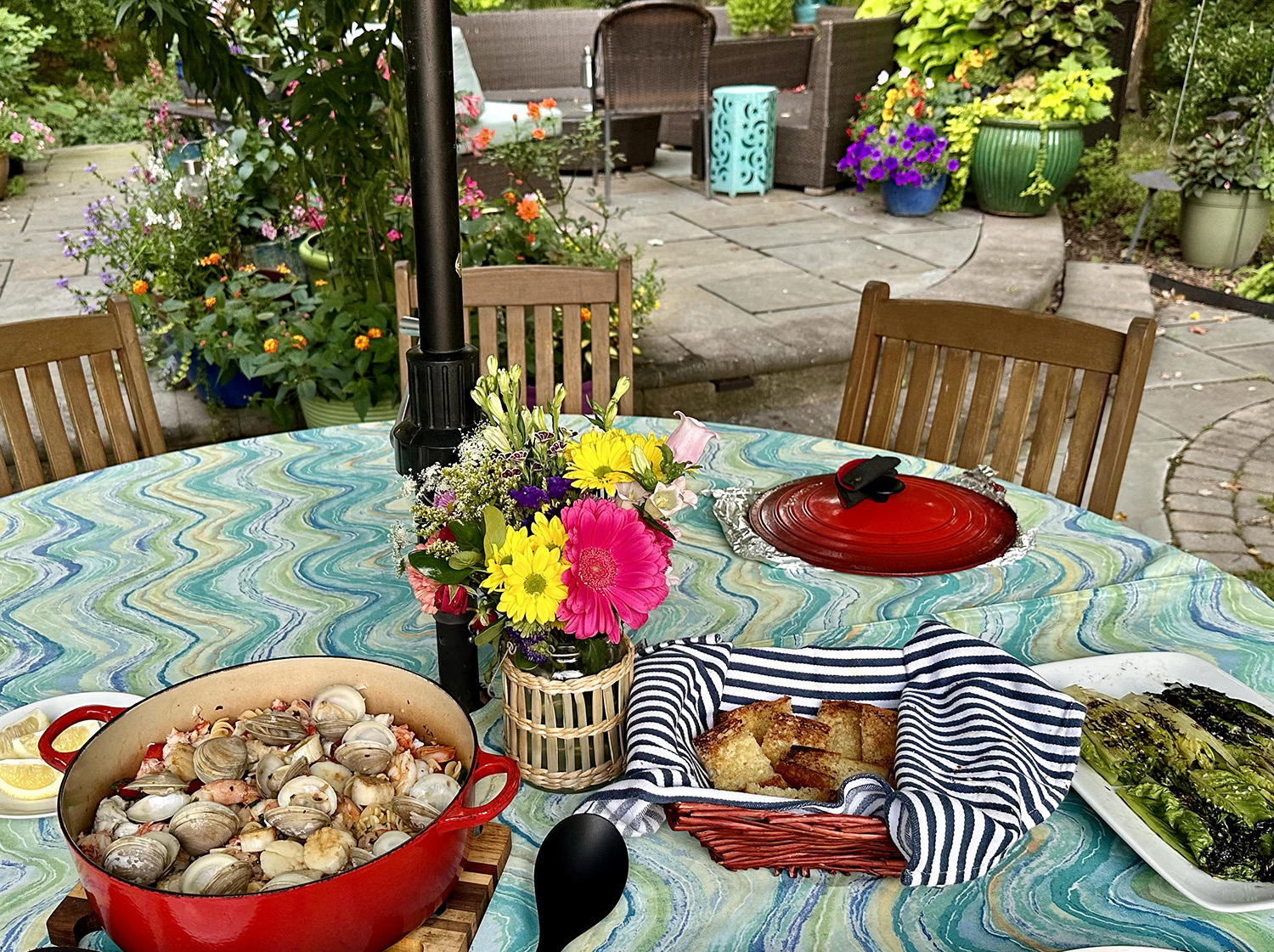
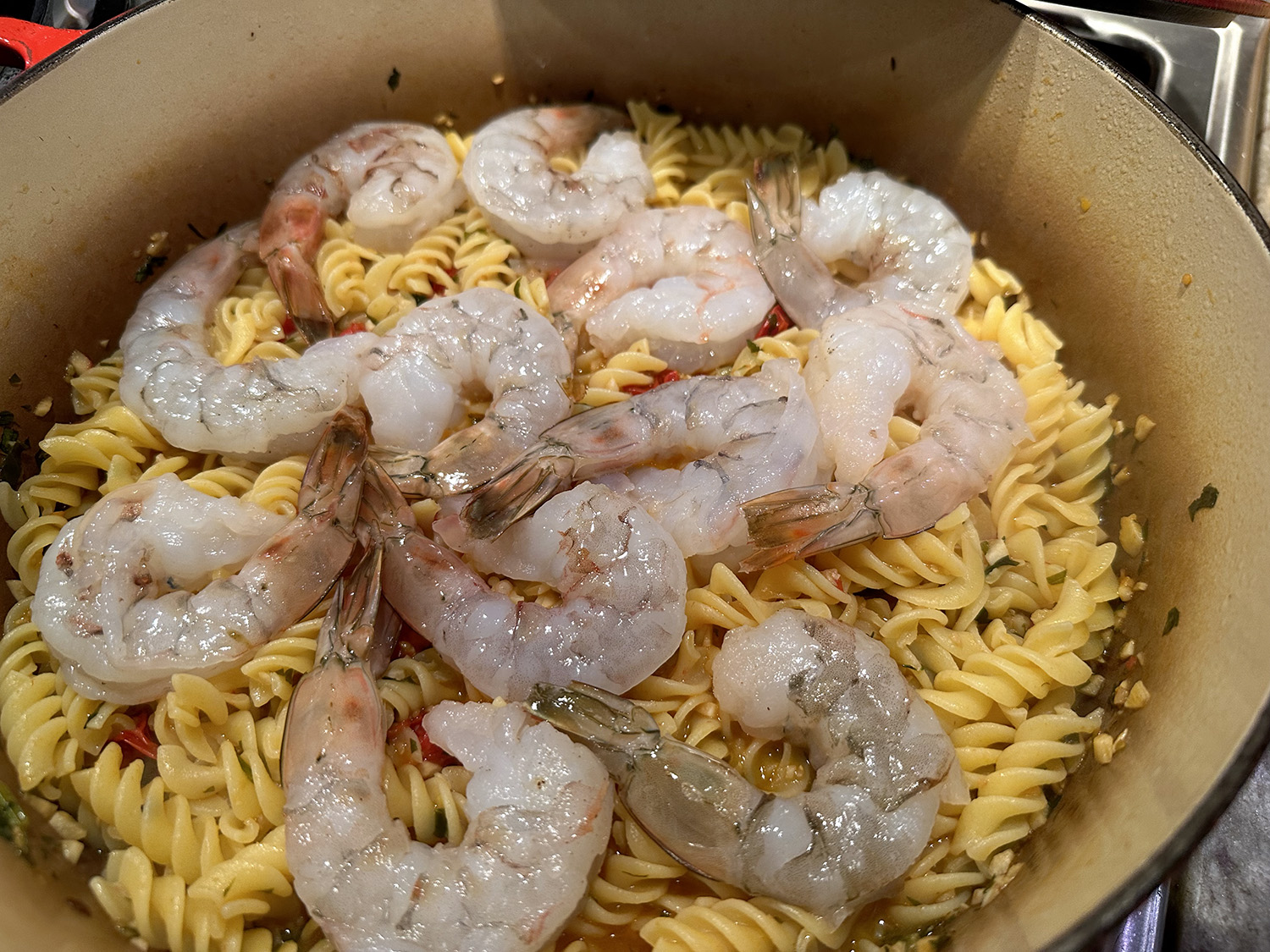
For savory seafood flavor in every bite, make a sauce with clam juice and several minced anchovies, which fortify the juices shed by the shellfish. Cooking the shellfish in a careful sequence—adding hardier clams first and then adding the shrimp and remaining seafood during the final few minutes of cooking—ensures that every piece is plump and tender.

The pasta is then finished cooking directly in the sauce; the noodles soaked up flavor while shedding starches that thickened the sauce so that it clings well to the linguine. Fresh cherry tomatoes, lots of garlic, fresh herbs, and lemon make for a bright, clean, complex-tasting sauce.

Our guest diner was following a gluten-free diet so we used gluten-free fusilli which tends to fall apart when stirred with other ingredients. If gluten-free is not an issue for you, stick with a regular wheat pasta such as linguine.

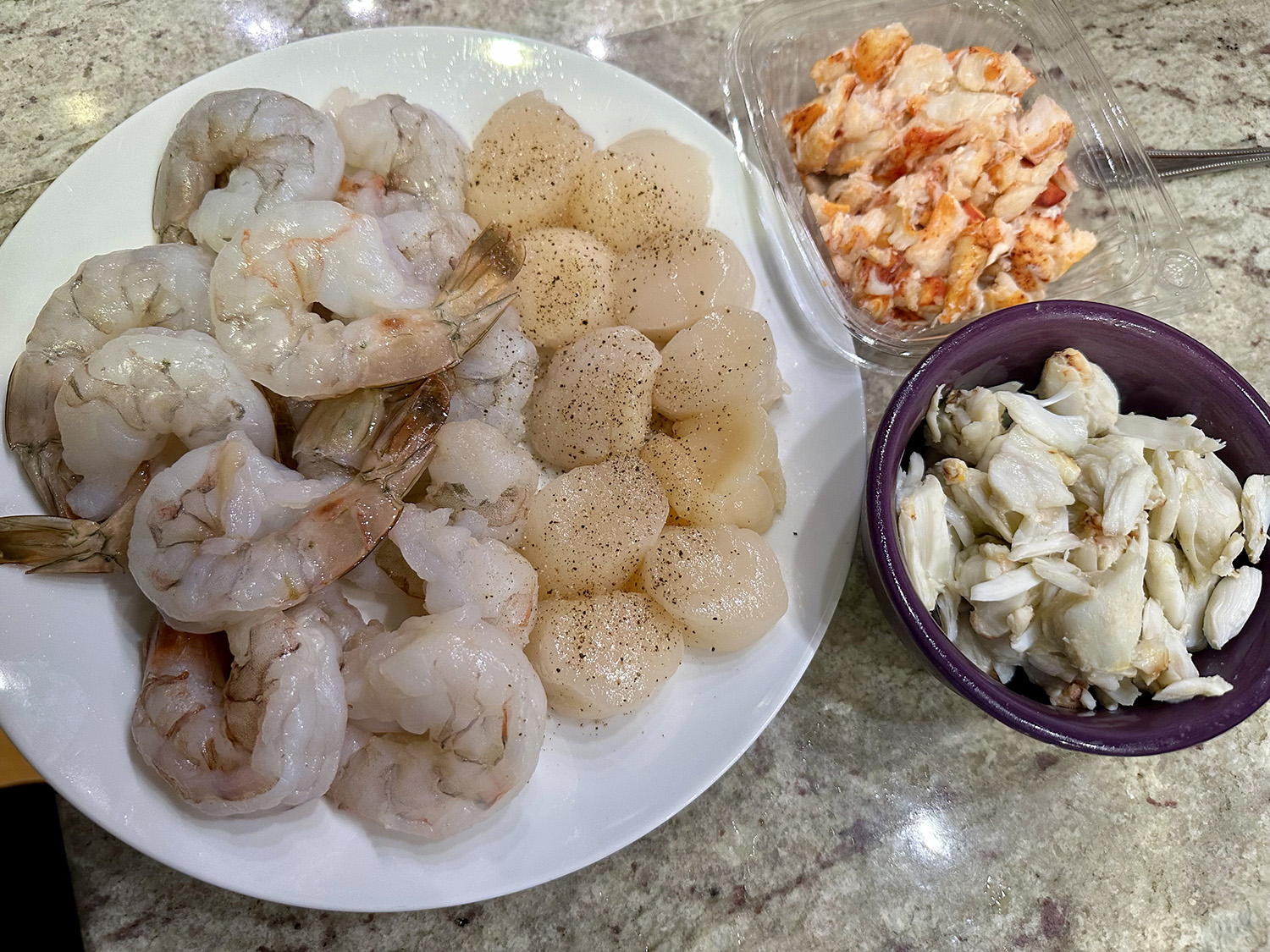
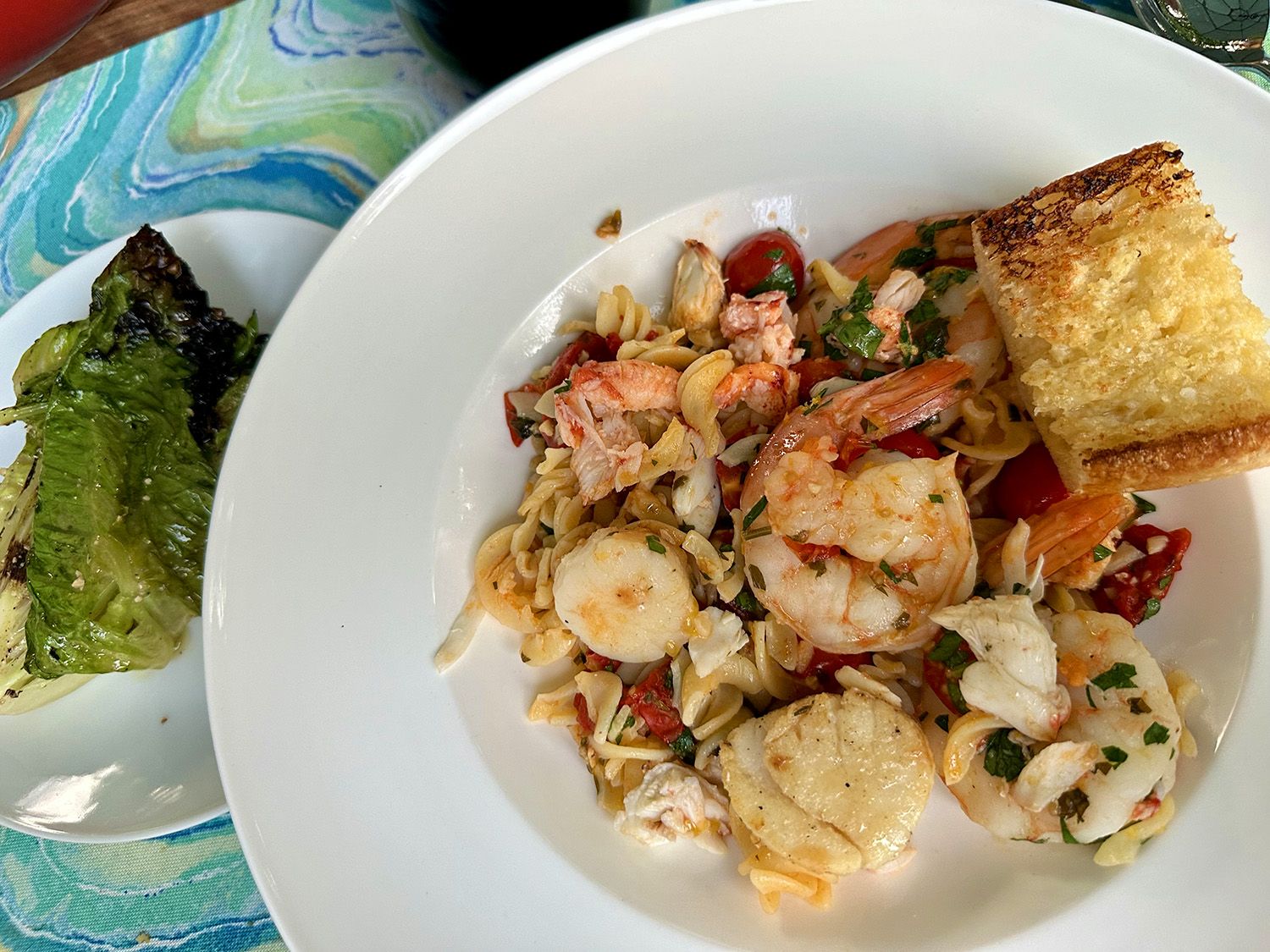
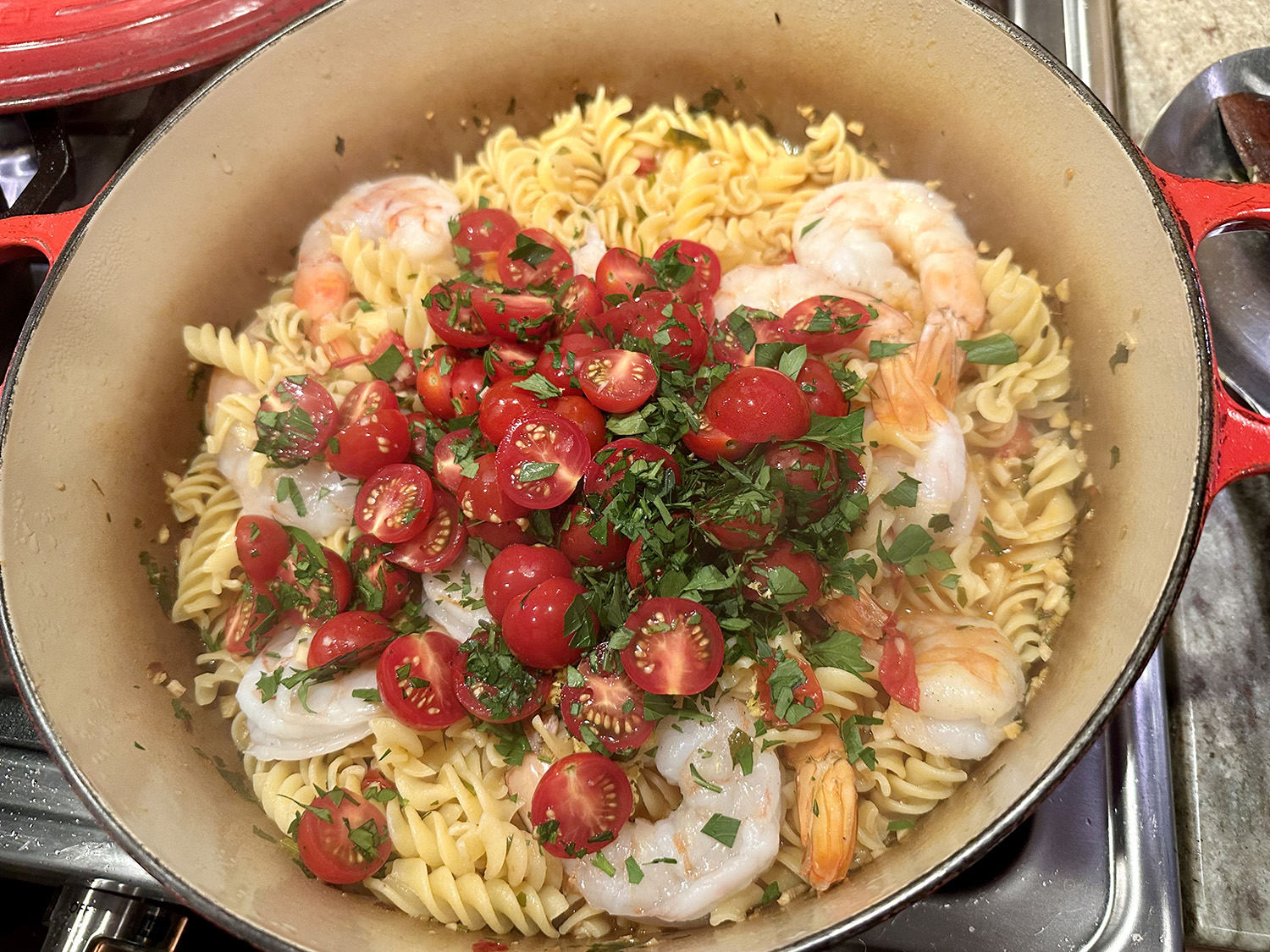
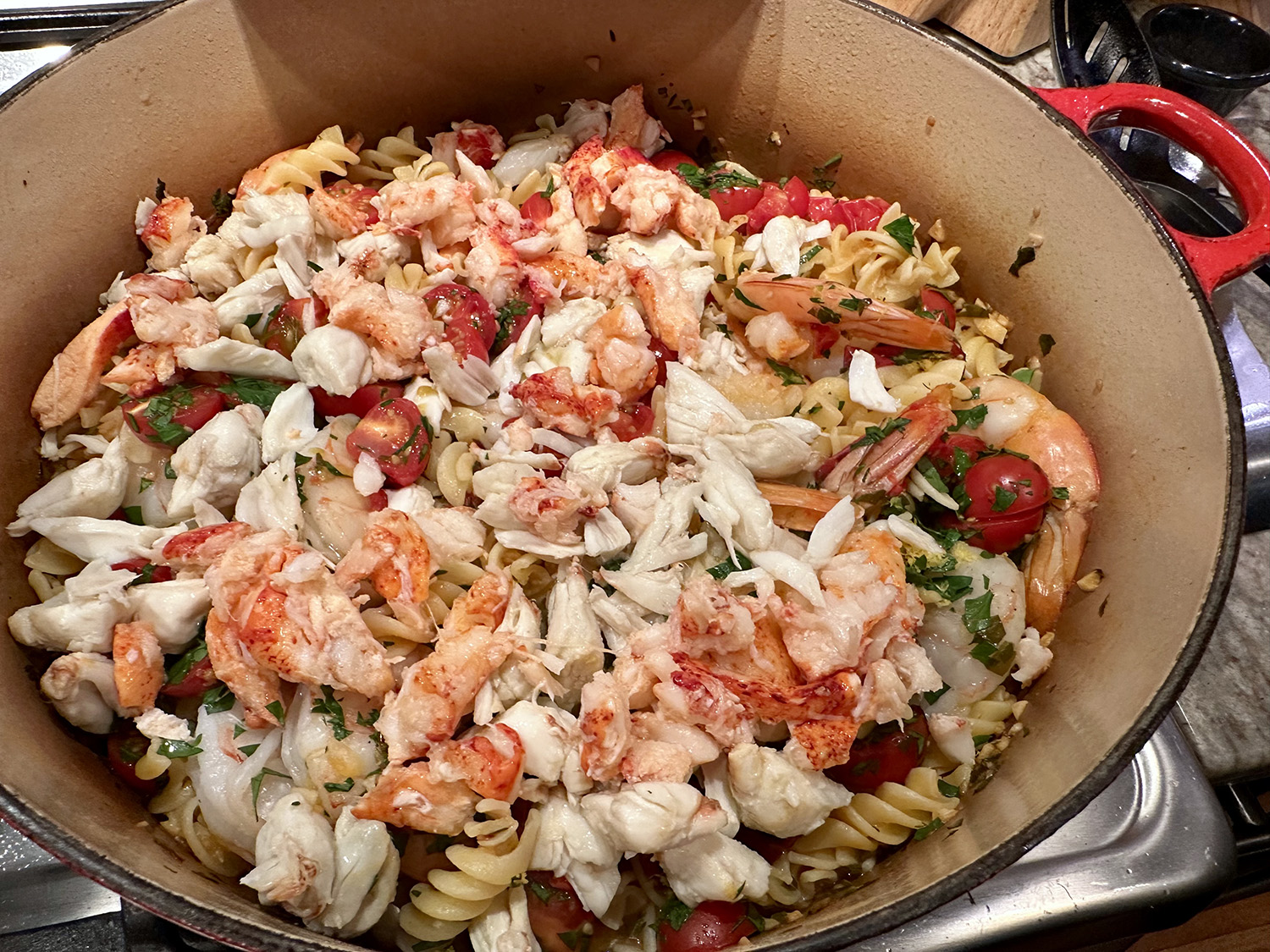
The types of seafood and amounts were altered to fit our preferences. One diner did not like mussels or squid, so we substituted lump crab meat and chunks of lobster. To complete the meal, we served a side of grilled romaine and some crusty garlic bread.

Pasta with Seafood Galore!

  • Servings: 4-6
  • Difficulty: easy
  • Print

Ingredients

  • 6 Tbsp. extra-virgin olive oil
  • 12 garlic cloves, minced
  • ¼ tsp. red pepper flakes
  • 12 littleneck clams, scrubbed
  • 9 scallops
  • 1 ¼ lbs. cherry tomatoes, half of tomatoes halved, remaining tomatoes left whole
  • 1 (8-oz) bottle clam juice
  • 1 cup dry white wine
  • 1 cup minced fresh parsley
  • 1 Tbsp. tomato paste
  • 4 anchovy fillets, rinsed, patted dry, and minced
  • 1 tsp. minced fresh thyme
  • Salt and pepper
  • 12 oz. linguine (or any pasta you prefer)
  • 12 extra-large shrimp (21 to 25 per lb.), peeled and deveined
  • 8 oz. lump crab meat
  • 5 oz. chunked lobster meat
  • 2 tsp. grated lemon zest, plus lemon wedges for serving

Directions

  1. Heat 1/4 cup oil in large Dutch oven over medium-high heat until shimmering. Add garlic and pepper flakes and cook until fragrant, about 1 minute. Add clams, cover, and cook, shaking pan occasionally, for 8 minutes until clams. Transfer clams to bowl, discarding any that haven’t opened, and cover to keep warm; leave any broth in pot.
  2. Add whole tomatoes, clam juice, wine, 1/2 cup parsley, tomato paste, anchovies, thyme, and 1/2 teaspoon salt to pot and bring to simmer over medium-high heat. Reduce heat to medium and cook, stirring occasionally, until tomatoes have started to break down and sauce is reduced by one-third, about 10 minutes.
  3. Meanwhile, bring 4 quarts water to boil in large pot. Add pasta and 1 tablespoon salt and cook, stirring often, for 7 minutes. Reserve 1/2 cup cooking water, then drain pasta.
  4. Add pasta to sauce in Dutch oven and cook over medium heat, stirring gently, for 2 minutes. Reduce heat to medium-low, stir in shrimp, cover, and cook for 4 minutes. Stir in lemon zest, halved tomatoes, and remaining 1/2 cup parsley; cover and continue to cook until shrimp are just cooked through, about 2 minutes longer.
  5. Gently stir in clams, crab meat and lobster. Remove pot from heat, cover, and let stand until clams are warmed through, about 2 minutes. Season with salt and pepper to taste and adjust consistency with reserved cooking water as needed.
  6. Transfer to large serving dish, drizzle with remaining 2 tablespoons oil, and serve, passing lemon wedges separately.

http://www.lynnandruss.com

Adapted from a recipe by America’s Test Kitchen

Pan-Fried Breaded Pork Chops

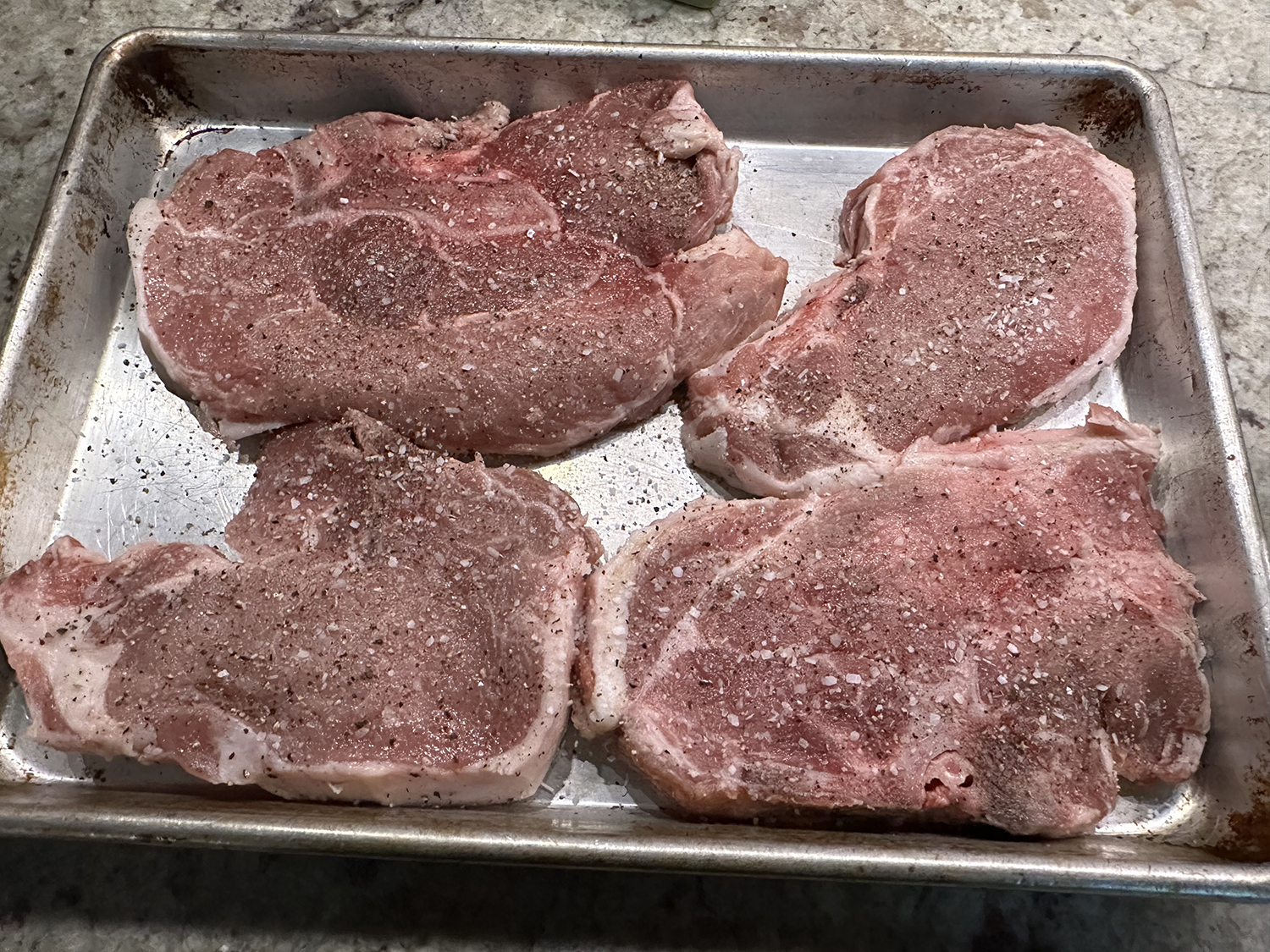
Look for beautiful good-quality pork, such as Berkshire, and ask for center-cut loin chops with bone. That being said, we were recipients of some meat from a recently butchered pig. Our friends gifted us a few cuts that were already wrapped in freezer paper. When we thawed them, we realized there were two loin and two shoulder chops, as opposed to center-cut loin chops. In the end, it didn’t make any difference.

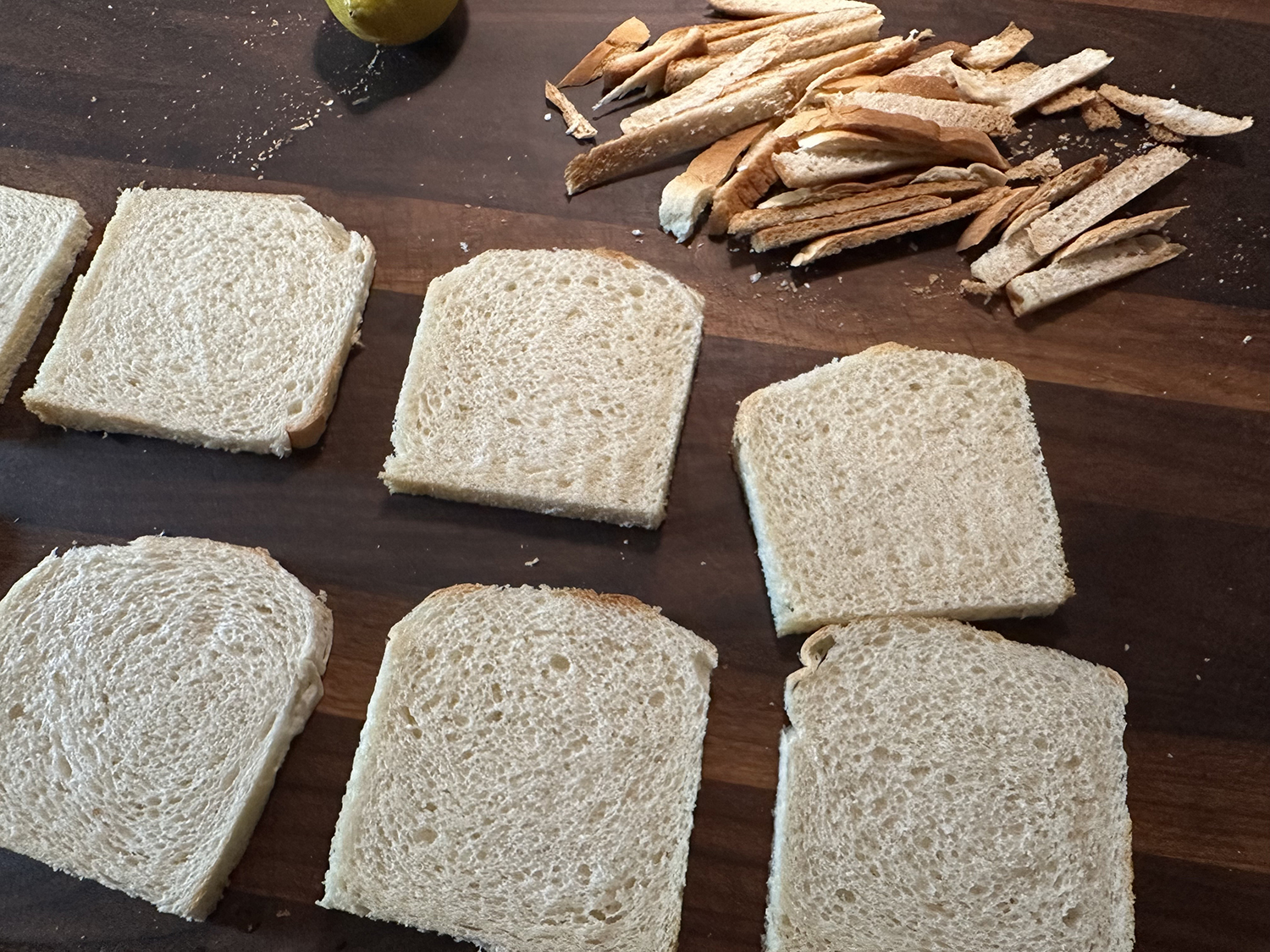
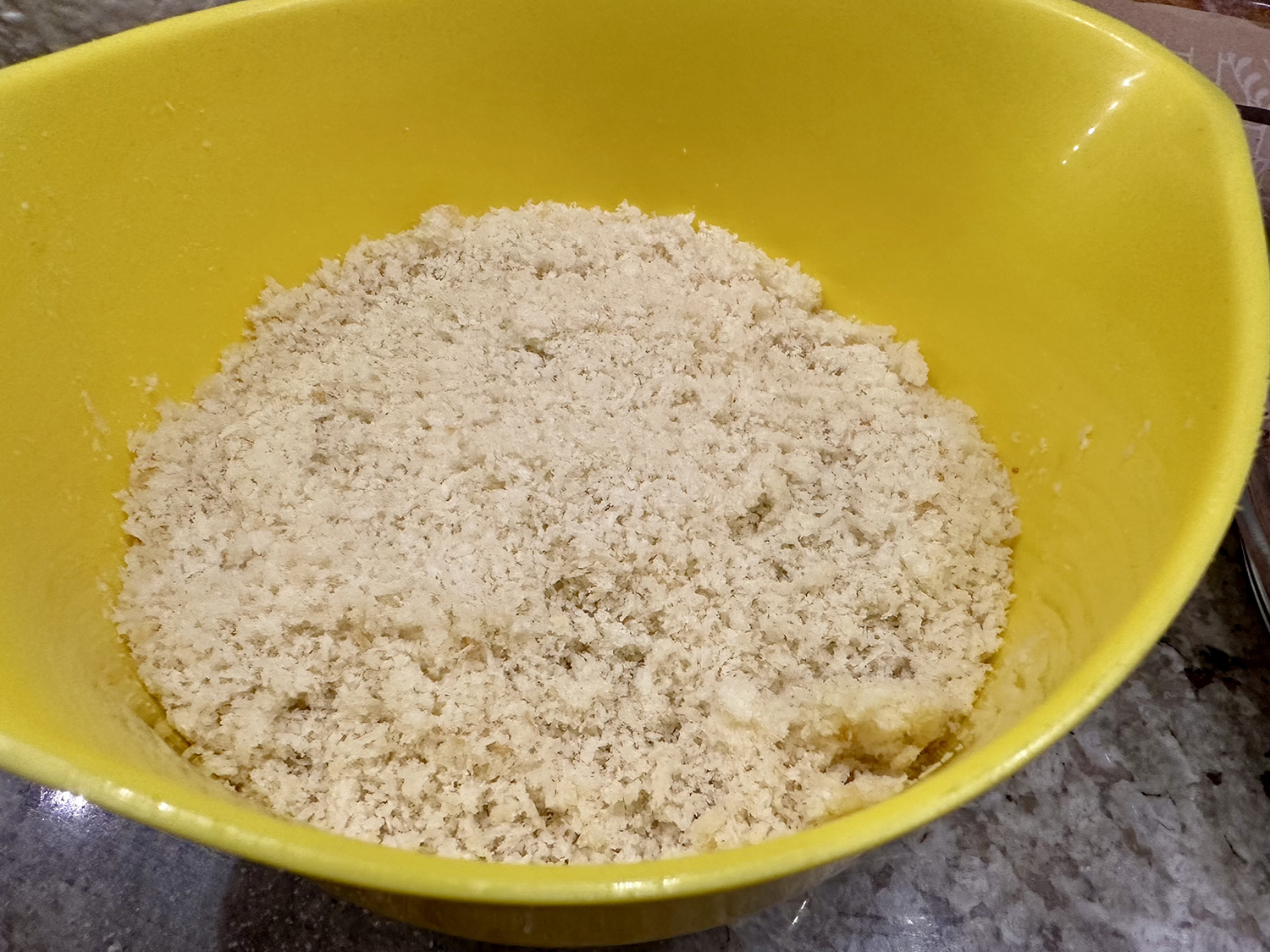
For the bread crumbs, use day-old firm white sandwich bread or French loaf, cubed and whirled in a food processor, for about three cups of soft, fluffy crumbs. Take note: dry, fine store-bought crumbs will not yield the same result.

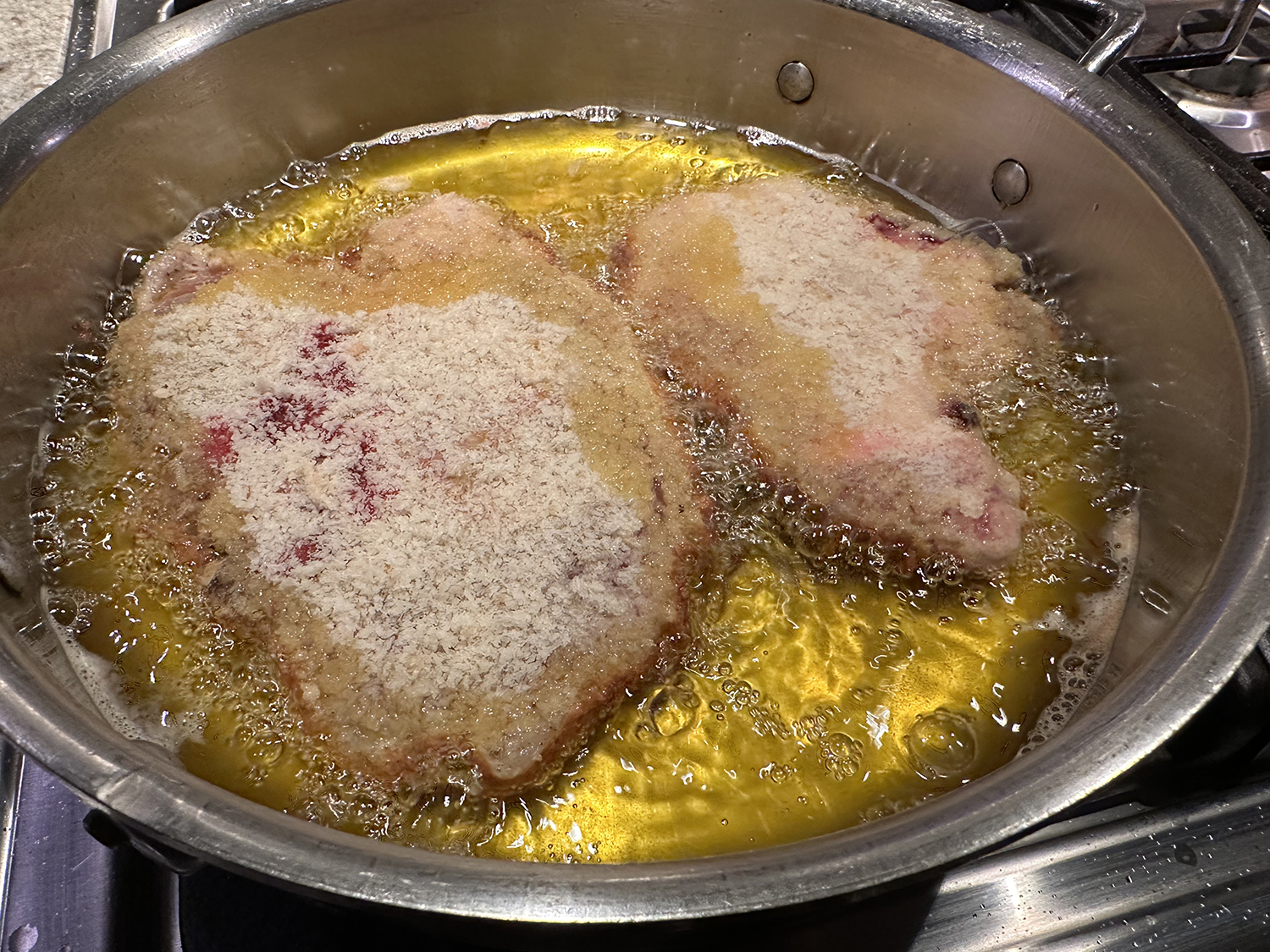
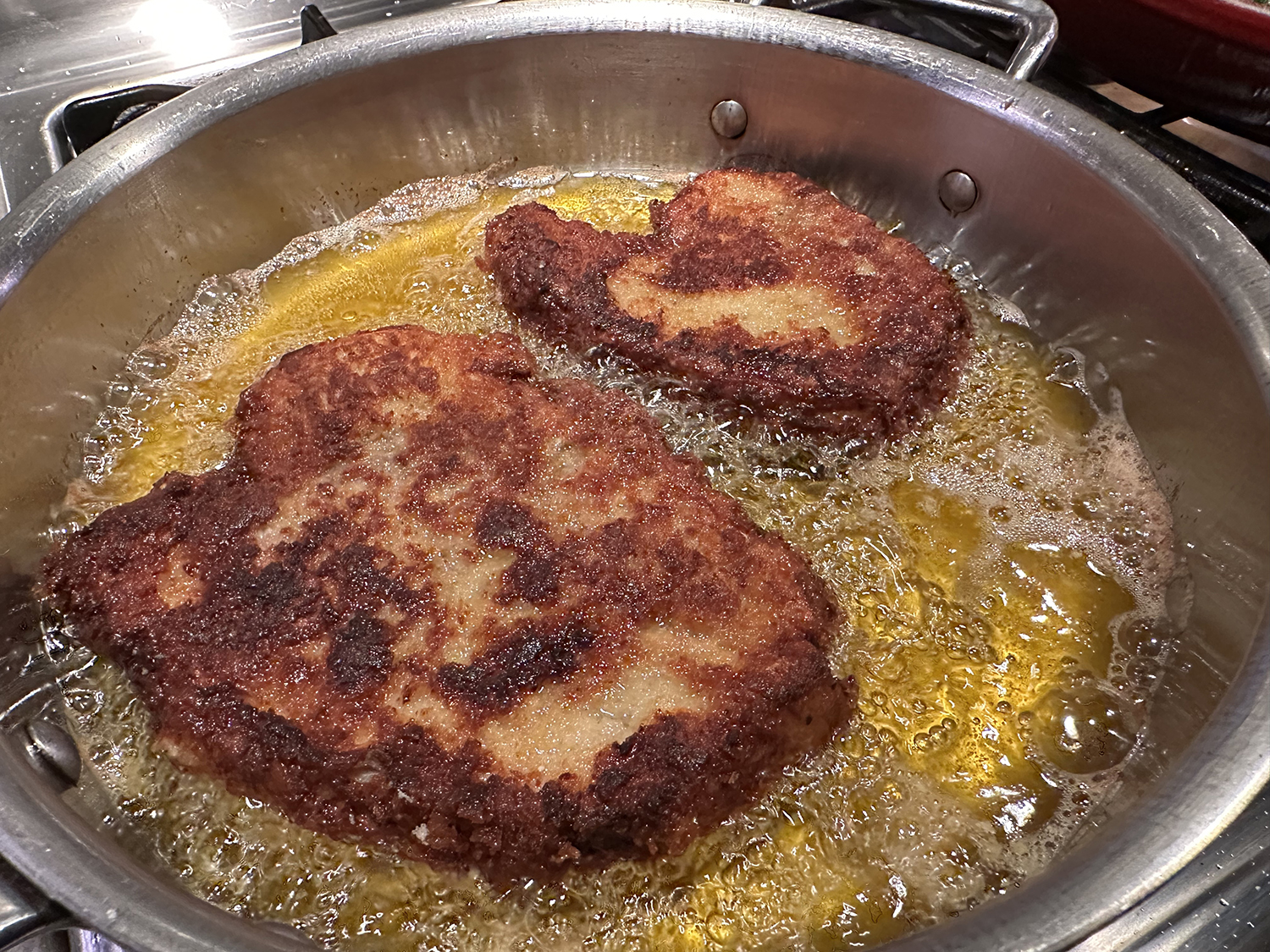
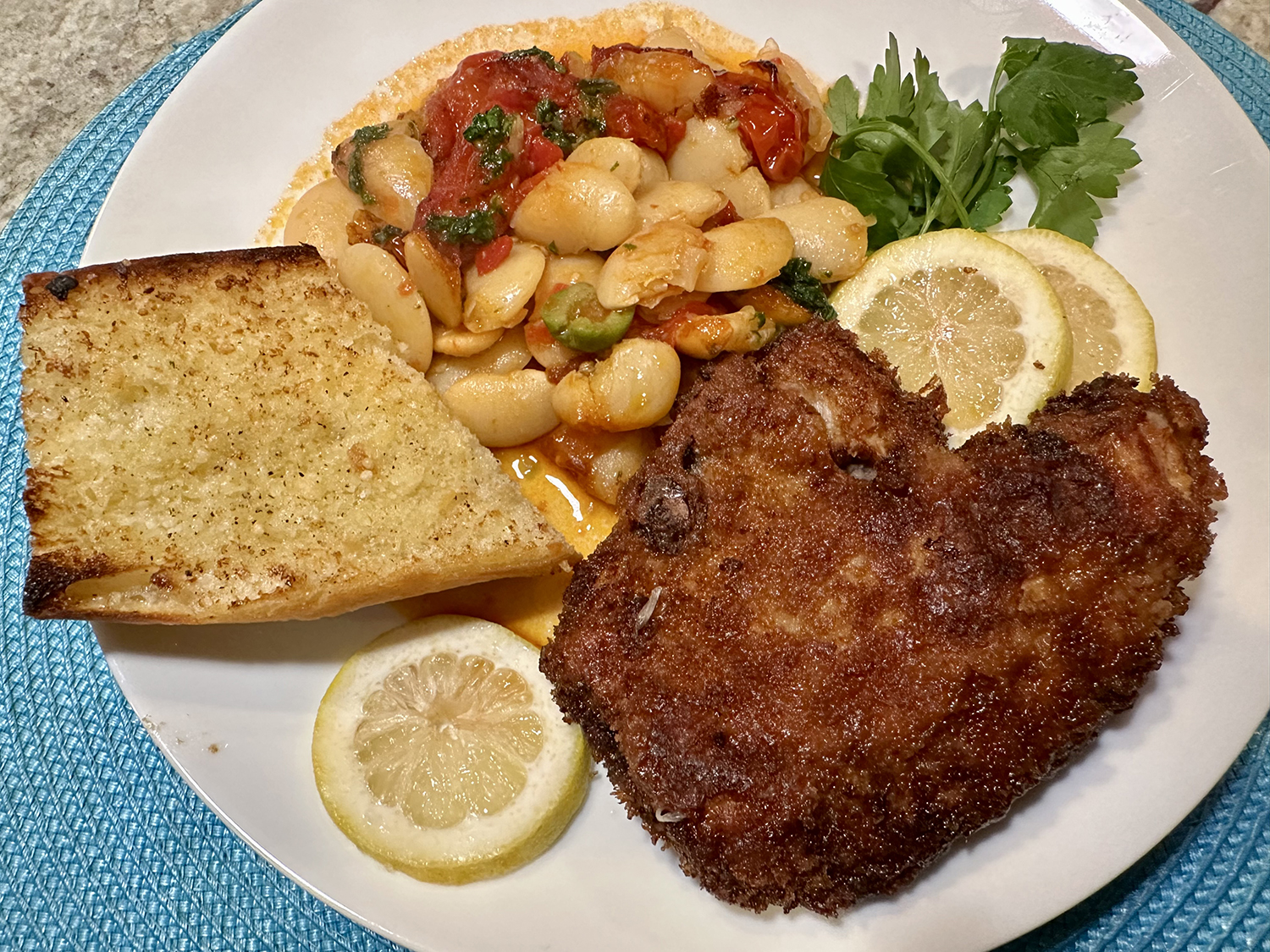
Make sure to fry these chops very gently over medium-high heat, to allow the bread-crumb coating to brown slowly, creating a crisp, golden crust. We paired ours with some Spanish-Style Butter Beans and toasted garlic bread.

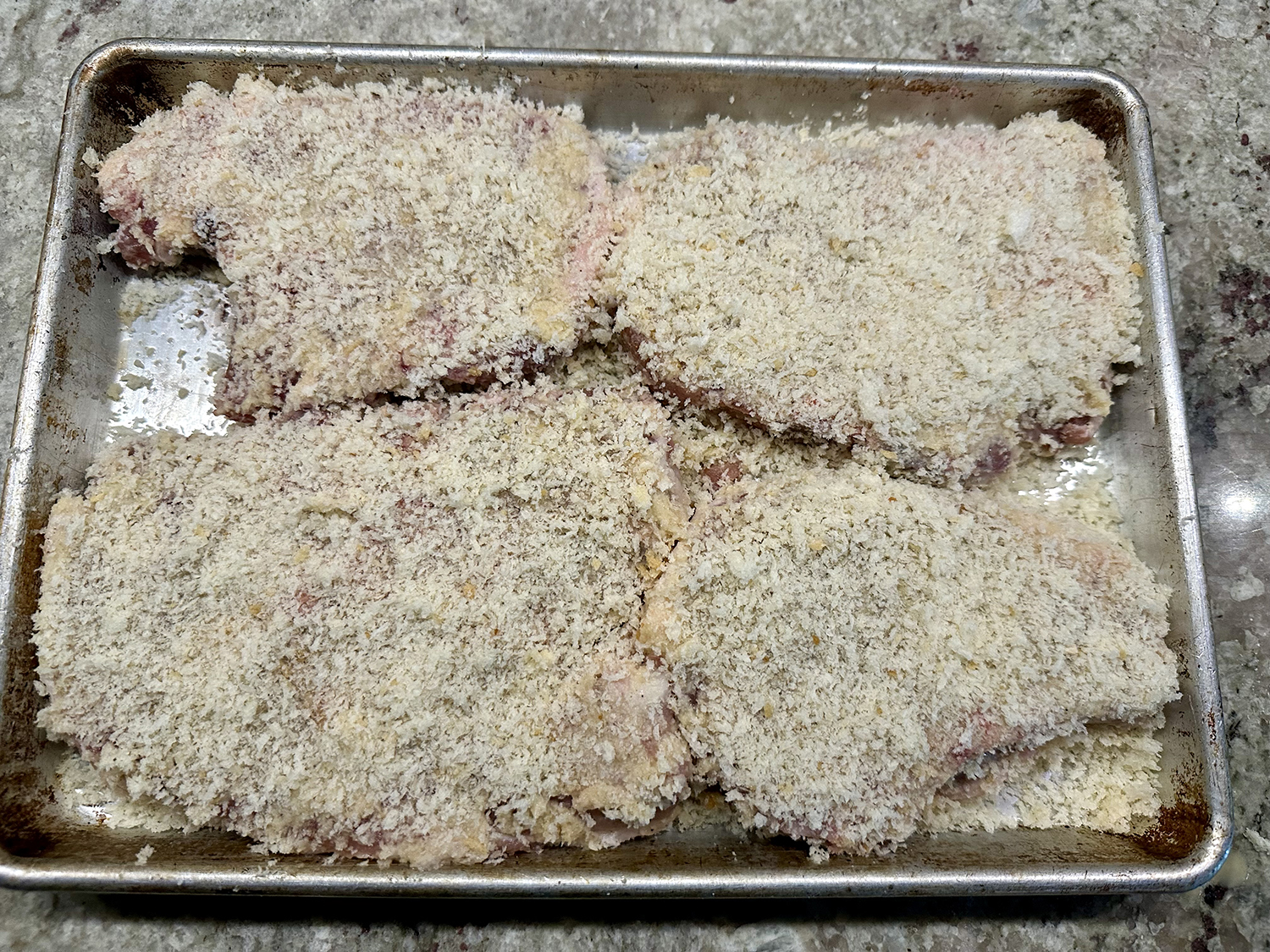
The most important thing is to bread the chops early and let sit uncovered in the fridge for a couple of hours. It really makes a difference. The crust sautés beautifully without being greasy or falling off.

Pan-Fried Breaded Pork Chops

  • Servings: 4
  • Difficulty: easy
  • Print

Ingredients

  • 4 (8-oz.) center-cut pork chops, about ½-inch thick
  • Kosher salt and black pepper
  • 2 eggs, beaten
  • ½ cup milk
  • Small pinch of cayenne powder
  • All-purpose flour, for sprinkling
  • 3 cups fresh bread crumbs (from 8 slices crustless day-old sandwich bread)
  • 1 cup clarified butter/ghee, extra-virgin olive oil or lard, plus more as needed
  • Lemon wedges, for garnish

Directions

  1. Lay pork chops on a baking sheet, and season well on both sides with salt and pepper.
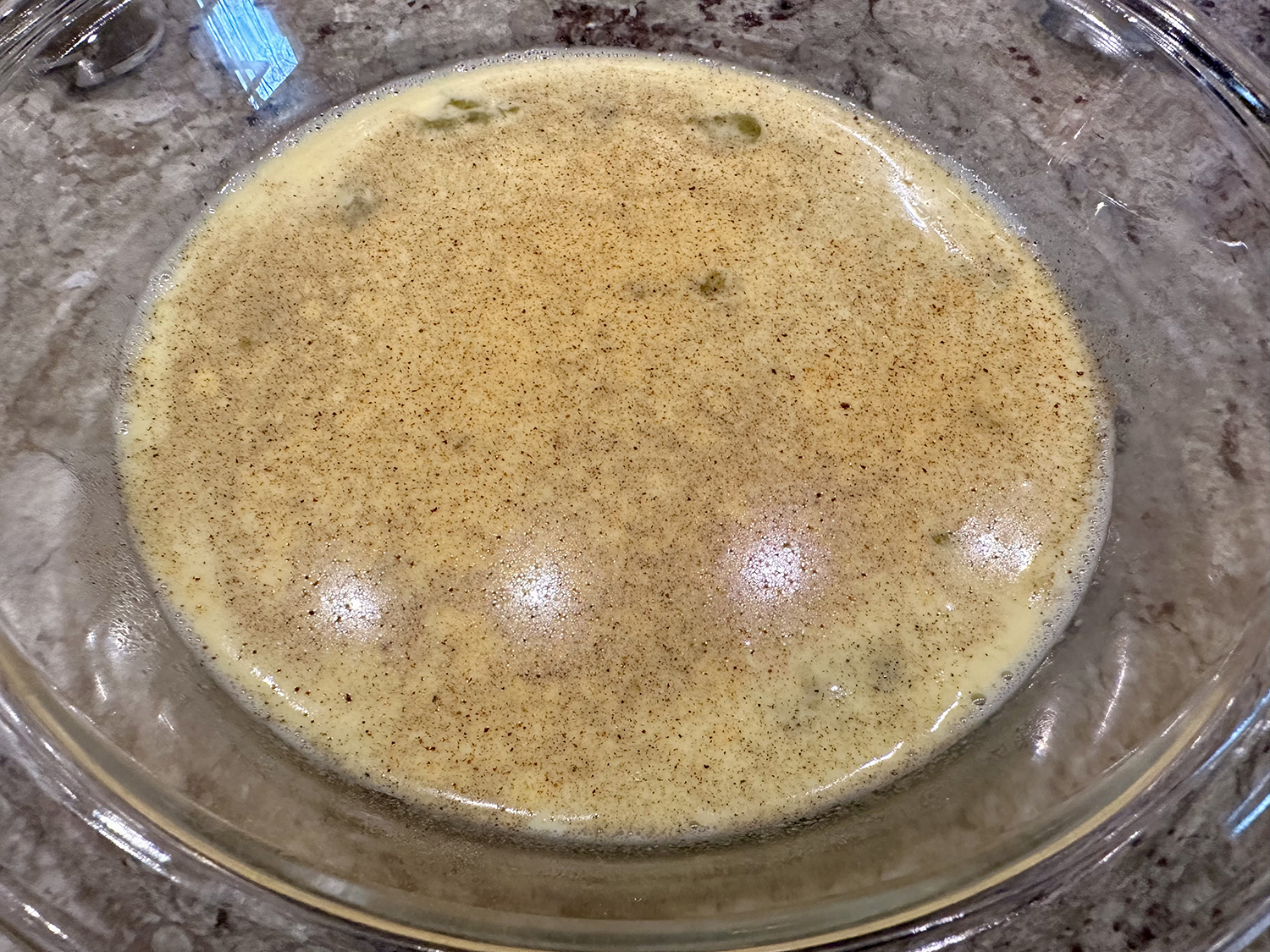
  2. Combine eggs and milk in a low, flat bowl. Season with salt, pepper and the small pinch of cayenne.
  3. Sprinkle flour generously over the chops on both sides, then shake off excess.
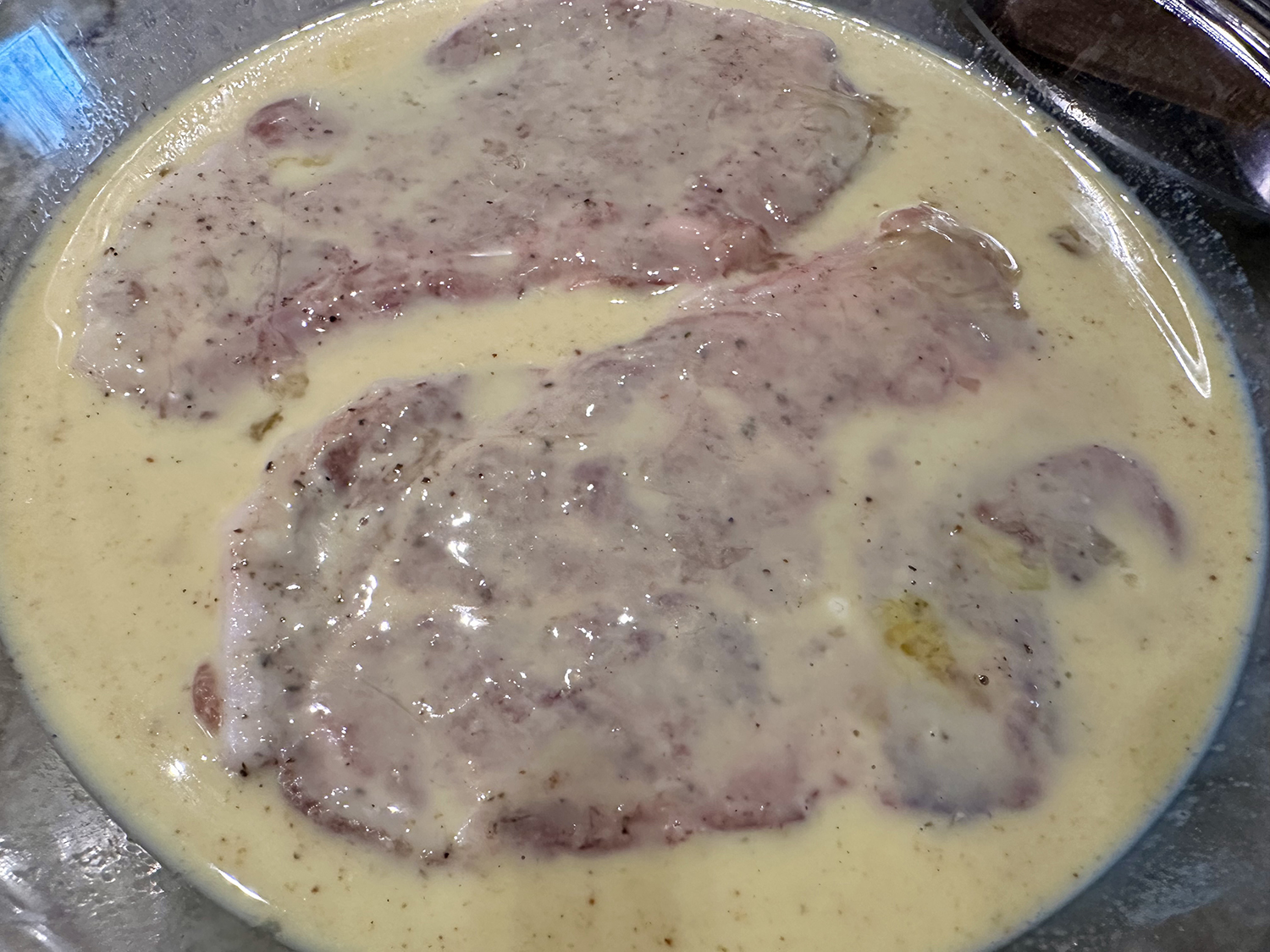
  4. Submerge the floured chops in the egg mixture, and turn them over several times to coat well. Leave chops in egg mixture for 5 minutes.
  5. Use your left hand to remove a chop from the batter and drain off excess liquid. Place chop on a baking sheet and, with your right hand, heavily sprinkle with bread crumbs on both sides. Repeat with remaining chops.
  6. Sprinkle each chop again with crumbs, patting with your hand to make sure crumbs adhere and coat well. Refrigerate, uncovered, until ready to fry.
  7. Set a wide cast-iron or other heavy skillet over medium-high heat. Add clarified butter to a depth of ½ inch. When butter is hot, lay in the chops without crowding, and let them fry very gently, about 4 to 5 minutes per side, until beautifully golden brown. (Turn down heat if they seem to be browning too fast.) If your pan is small, cook in 2 batches and keep finished chops warm in a 250-degree oven.
  8. Blot cooked chops on paper towels. Transfer to a warm platter or individual plates. Serve with lemon wedges.

http://www.lynnandruss.com

Recipe by Davis Tanis for The NYTimes Cooking

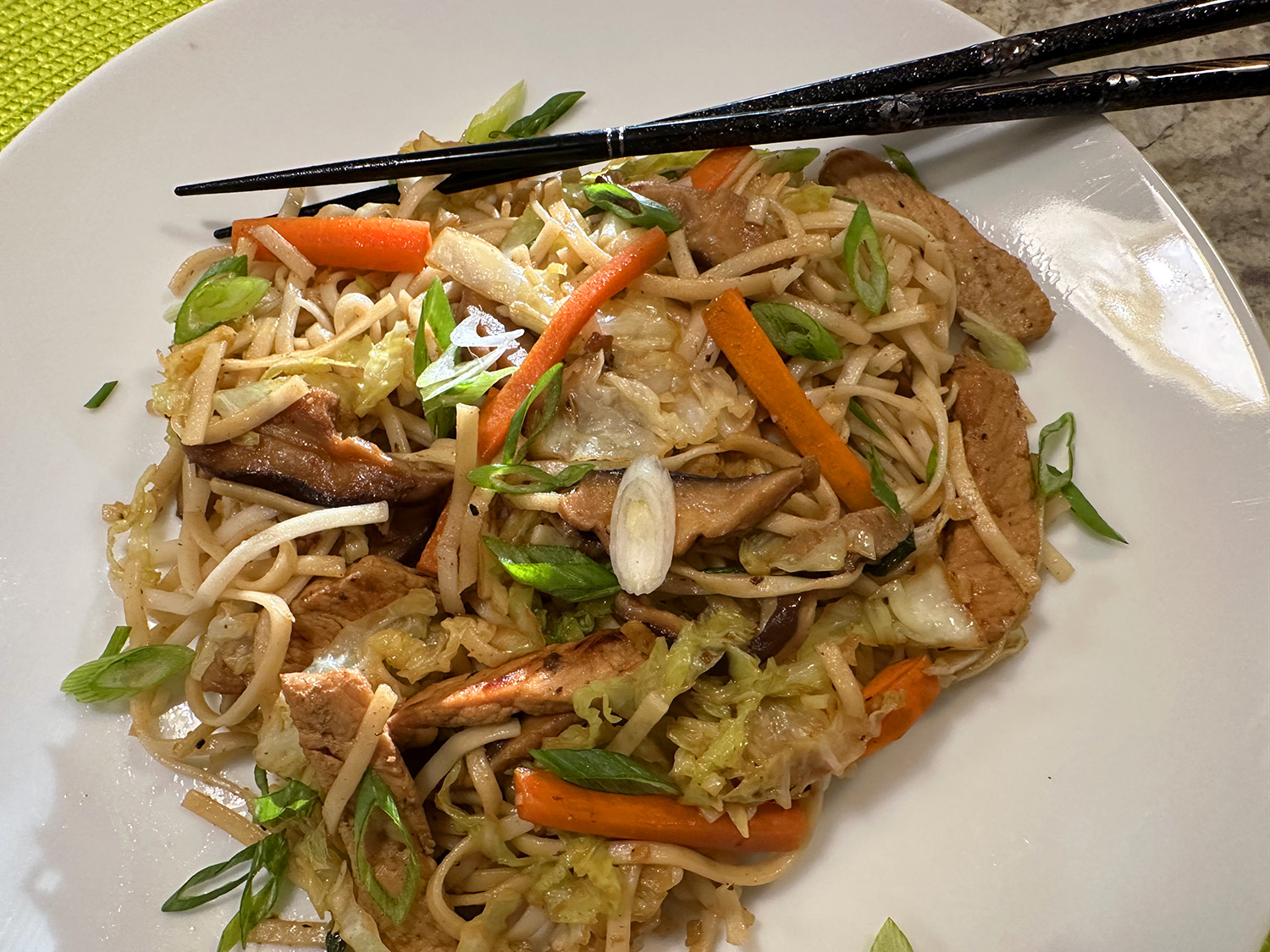
Yaki Udon

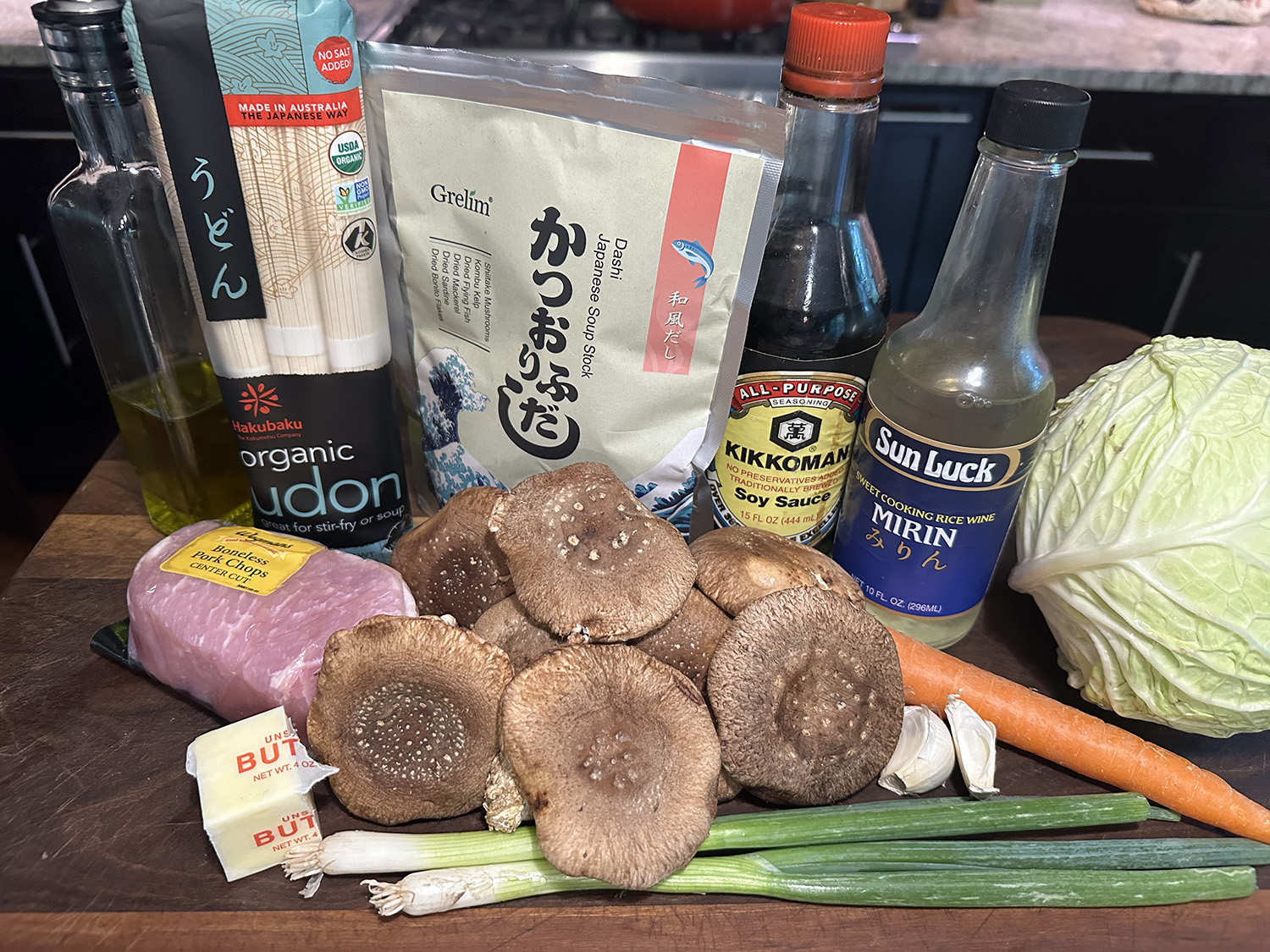
According to “The Woks of Life” cookbook, this Yaki Udon with pork and vegetables is a tasty one-pan meal that’s also very open to adaptation and interpretation. You can replace the pork with chicken, beef, or tofu, and use whatever vegetables you have on hand. Just don’t skip the first step of the recipe, which you might not find in other versions! 

This dish is similar to yakisoba, differing only in terms of the type of noodle used. While udon noodles are often served in soup, their thickness makes them great for stir-fries as well. And there is no need to buy frozen udon noodles if you happen to have a dry-packaged variety on hand.

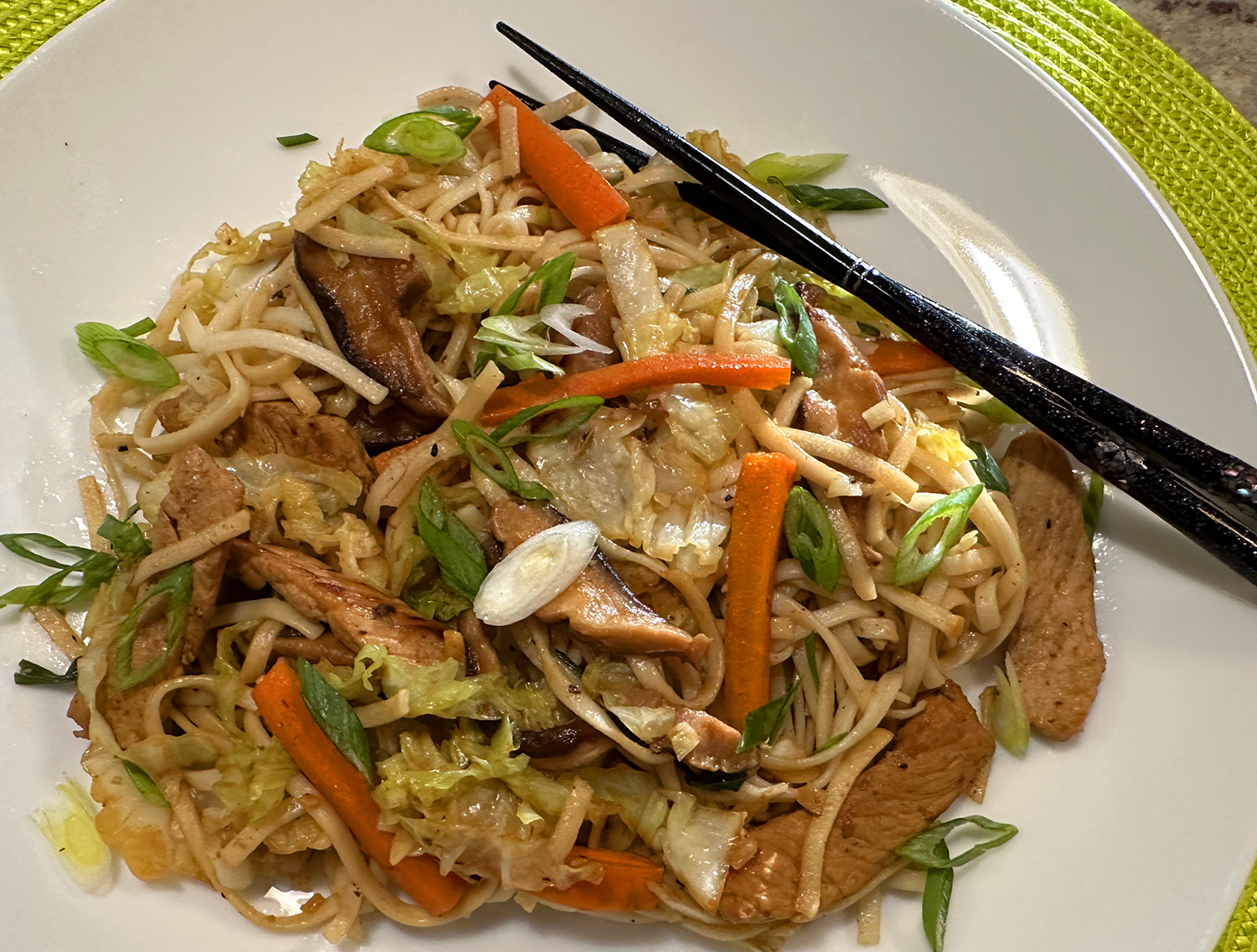
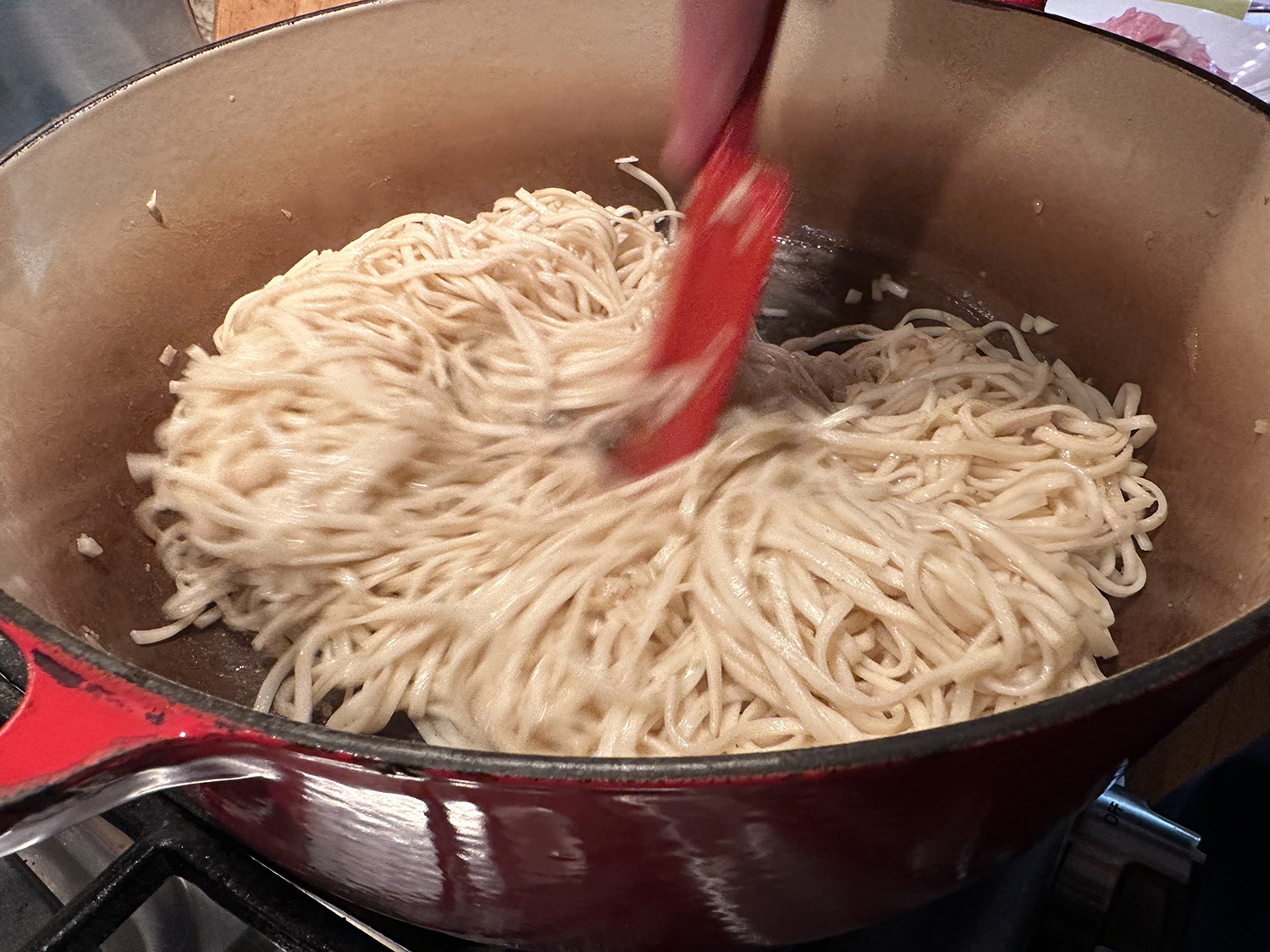
Before stir-frying anything, you’re going to melt together butter, garlic, and dashi powder. Then, you let the udon noodles fry in the garlic/dashi butter until they crisp up a bit on the outside. Then you proceed with the regular steps to put together the recipe. We garnished with diagonally sliced scallion.

Not familiar with dashi powder? Neither were we. But don’t omit the the Japanese soup stock because it makes the dish taste very authentic. We ordered it online and received within 2 days. The umami profile consists of shiitake mushrooms, kombu kelp, dried flying fish, dried sardine and dried bonito flakes.

*While the original instructions suggest you can use a large Dutch oven, non-stick pot, or large cast iron skillet, we highly recommend a non-stick vessel. We used our large Le Crueset braising pot and the ingredients crusted to the bottom of the pot which was difficult to remove.

Yaki Udon

  • Servings: 4
  • Difficulty: easy
  • Print

Ingredients

  • 1 lb. frozen or dry-packaged udon noodles
  • 2 Tbsp. butter
  • 1 clove garlic, minced
  • 2 tsp. dashi powder
  • 1 Tbsp. oil
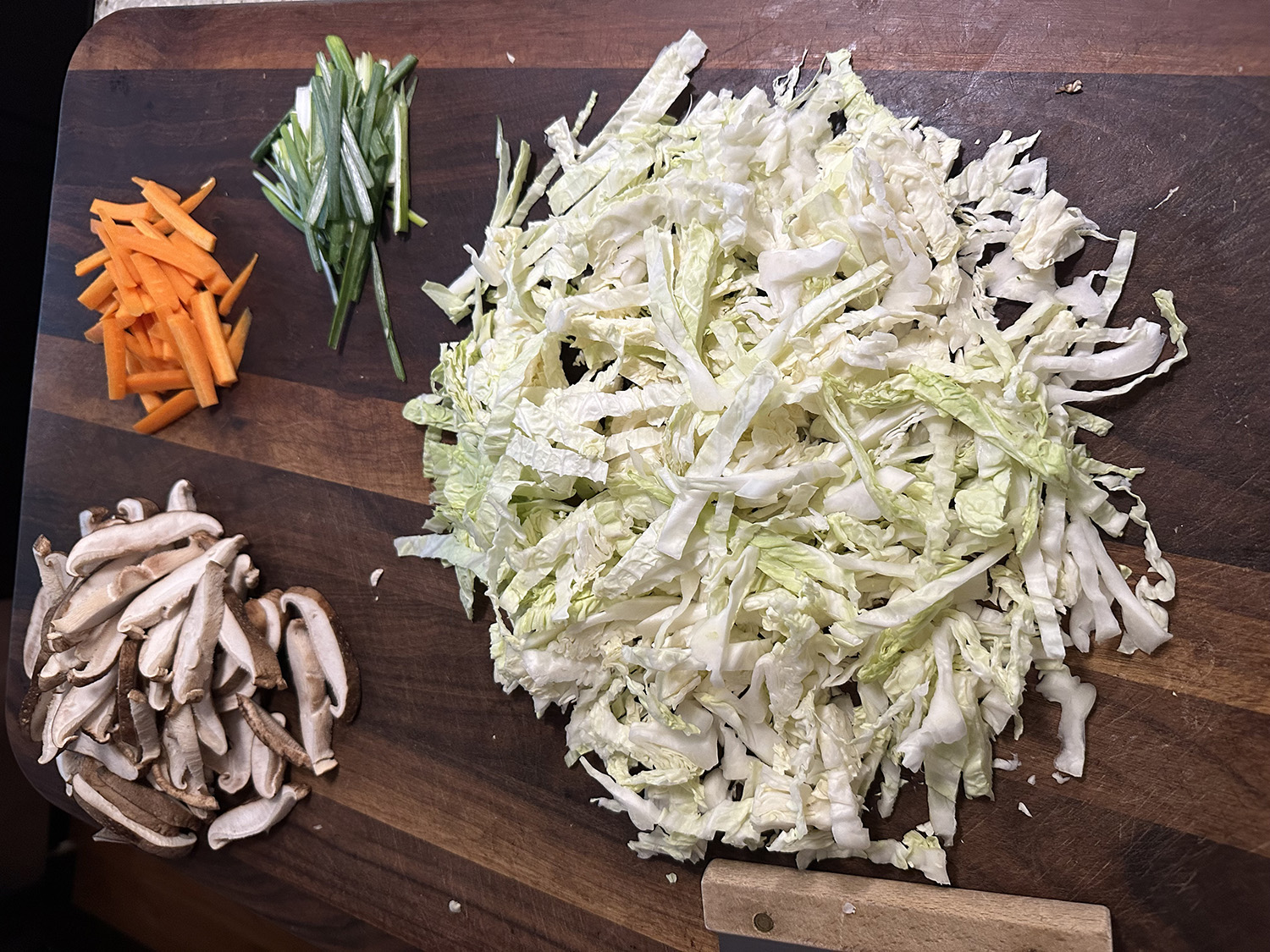
  • 4 oz. pork shoulder, julienned; can substitute chicken, beef, seafood, pressed tofu, or more vegetables
  • 4 oz. oyster or shiitake mushrooms, thinly sliced
  • 2 Tbsp. mirin
  • 2 cups cabbage, shredded
  • 1 medium carrot, julienned
  • 1/8 teaspoon black pepper
  • 2 Tbsp. low sodium soy sauce
  • 1 Tbsp. water
  • 3 scallions, 2 julienned; 1 diagonally sliced for garnish

Directions

  1. Start by bringing a large pot of water to a boil. Add the udon noodles. Boil for 30 seconds – 1 minute to loosen them. If using dried noodles, cook according to package instructions. Drain, rinse in cold water to remove excess starch, and drain thoroughly again. Set aside.
  2. Place a large Dutch oven, non-stick pot, or large cast iron skillet* over medium heat. When the pan is heated, add the butter. Once partially melted, stir in the garlic and dashi granules. Cook for 30 seconds, until the dashi partially dissolves. At this point, the butter should be a light brown color.
  3. Add the drained noodles and toss to coat them in the butter. Cook for 5 minutes over medium heat, until the noodles have dried out and are slightly crisped. Remove and set aside.
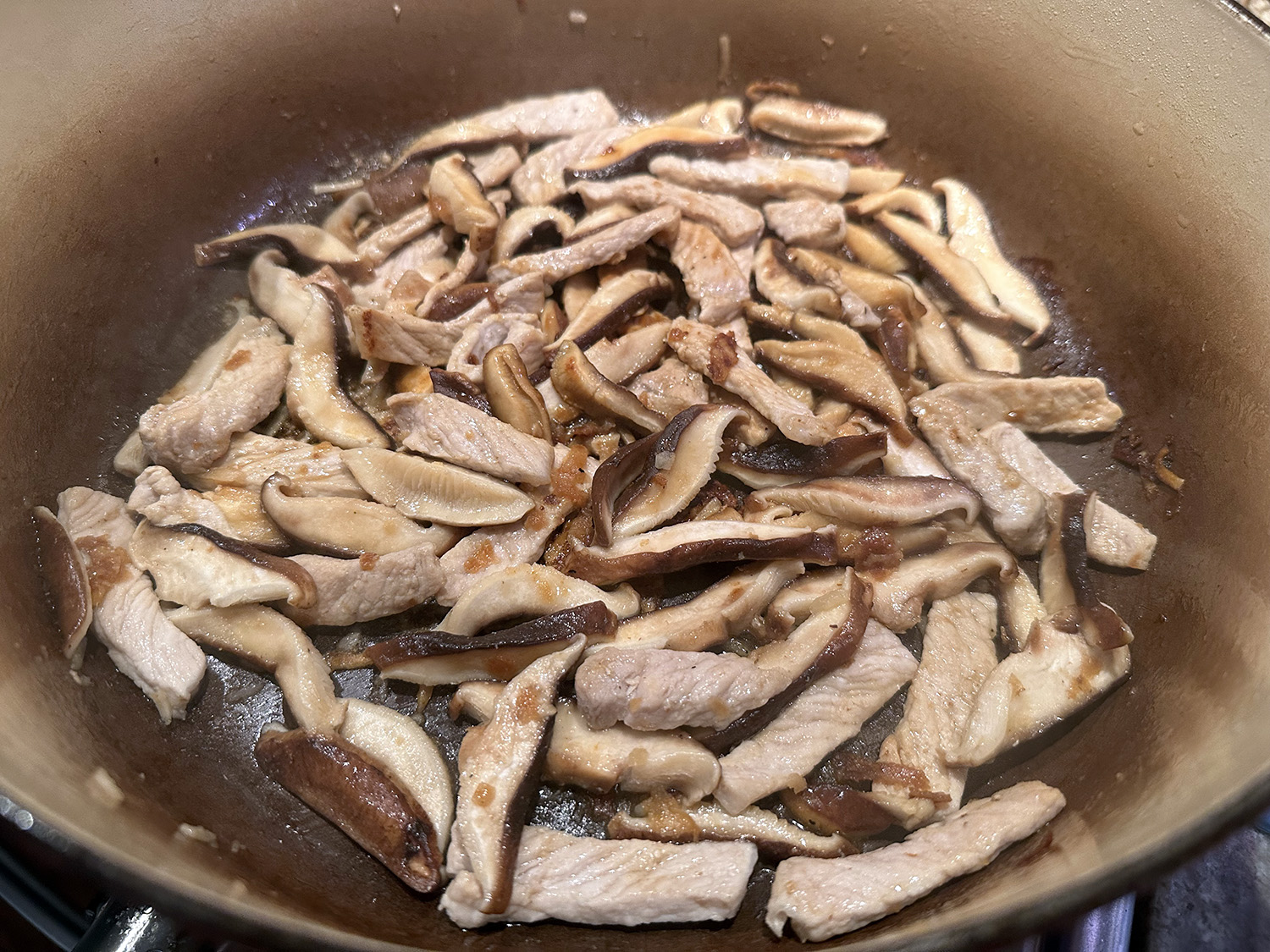
  4. Add a tablespoon of oil to the pot, along with the pork shoulder. Brown the pork until crisp on the edges. Add the mushrooms and mirin, and cook until caramelized.
  5. Add the cabbage, carrot, pepper, soy sauce, and water. Stir-fry until the vegetables are wilted, and add the noodles back in, along with the scallions. Stir-fry for another minute. Serve!

http://www.lynnandruss.com

Adapted from a recipe in The Woks of Life cookbook

Grilled Homemade Pizza

Homemade pizzas can run the gamut as far as the whole flavor profile goes. Are you jonesing for a meat lovers pie? A vegetarian mix? A spicy concoction? Or just a free-for-all?

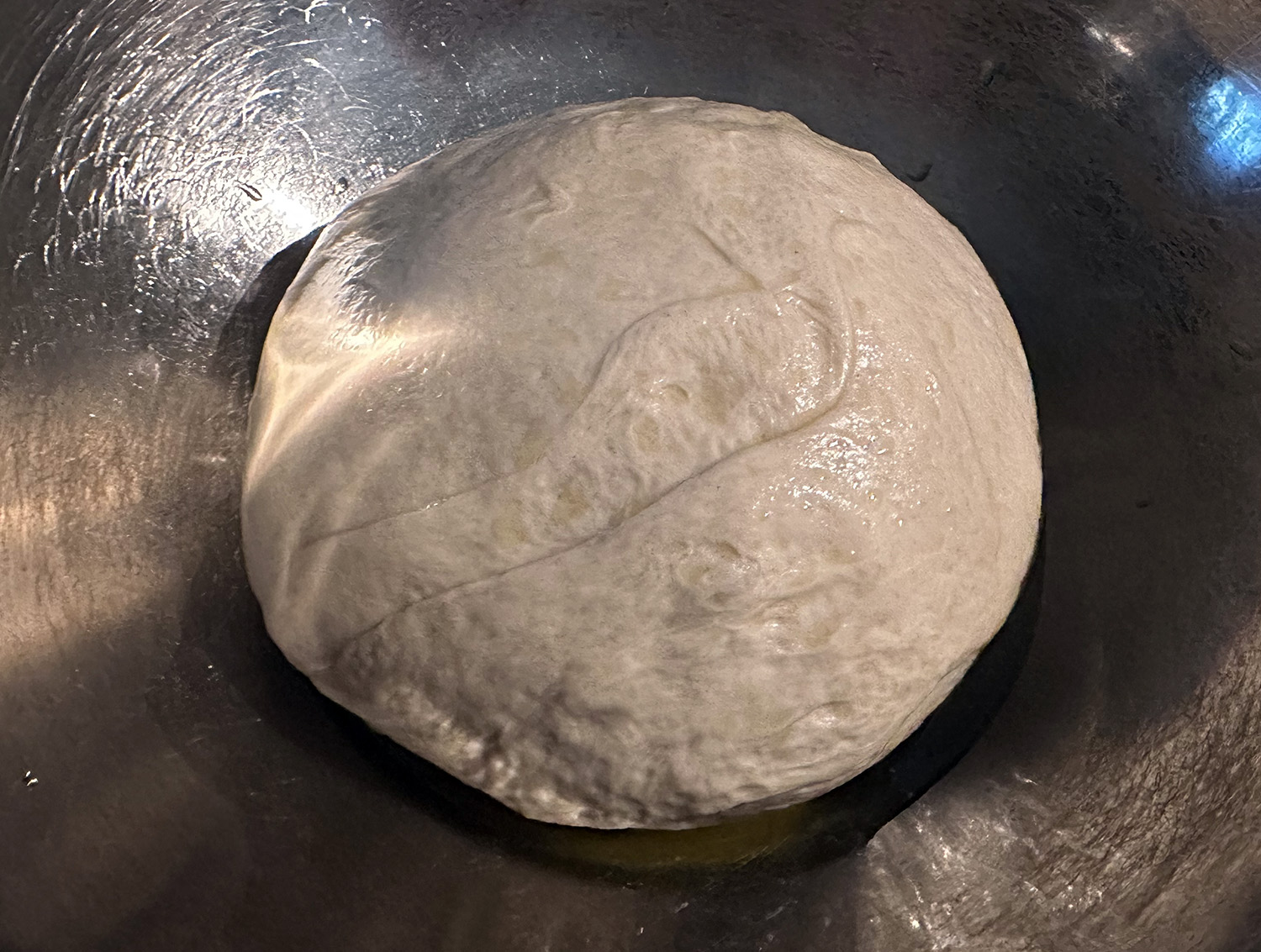
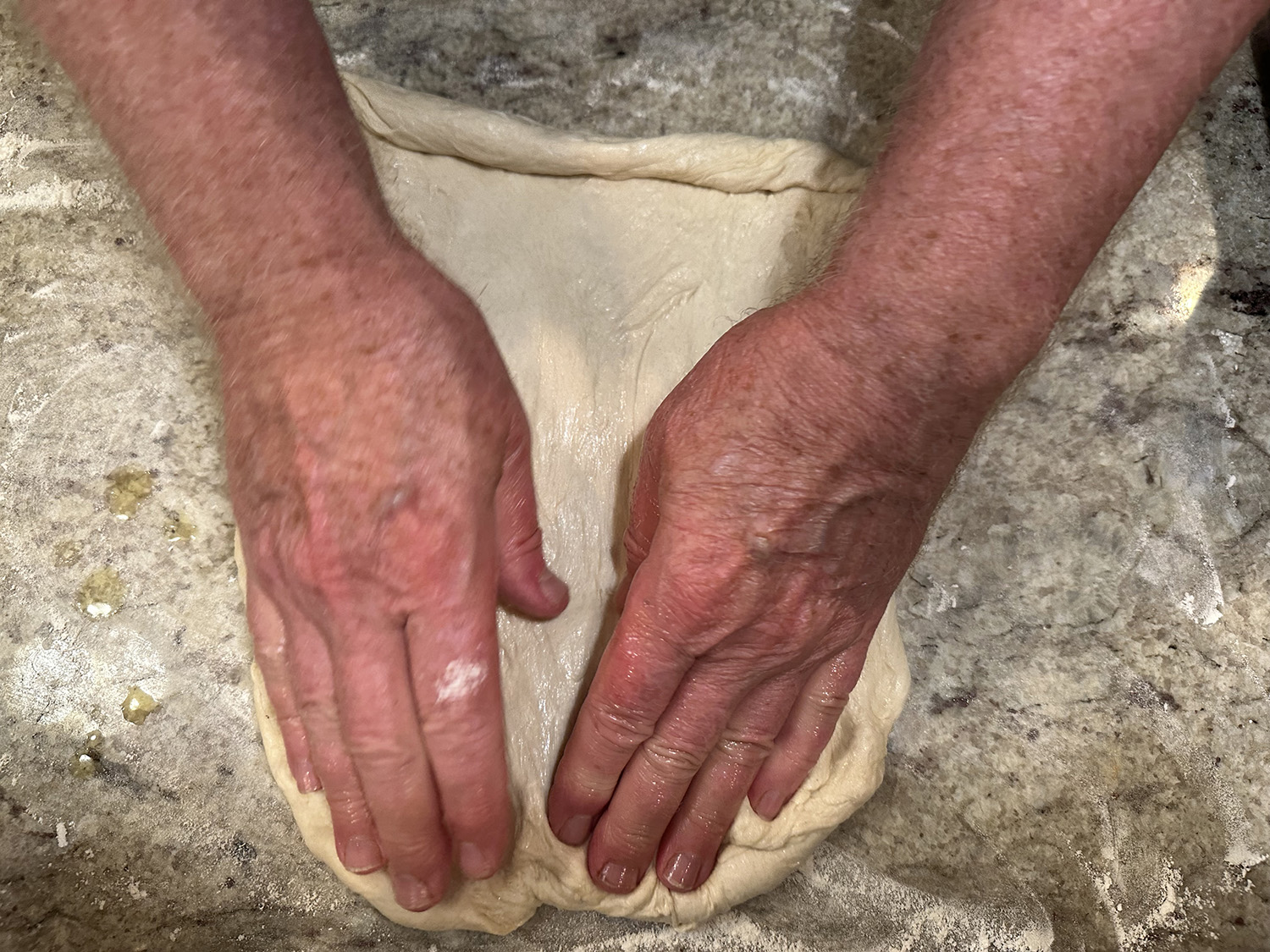
Even the crust has options, be it typical white flour, whole wheat, or gluten-free. Not to mention a lo-carb choice of a cauliflower crust. In this case, we just used a store-bought pizza dough for our maiden voyage of cooking it on the gas grill.

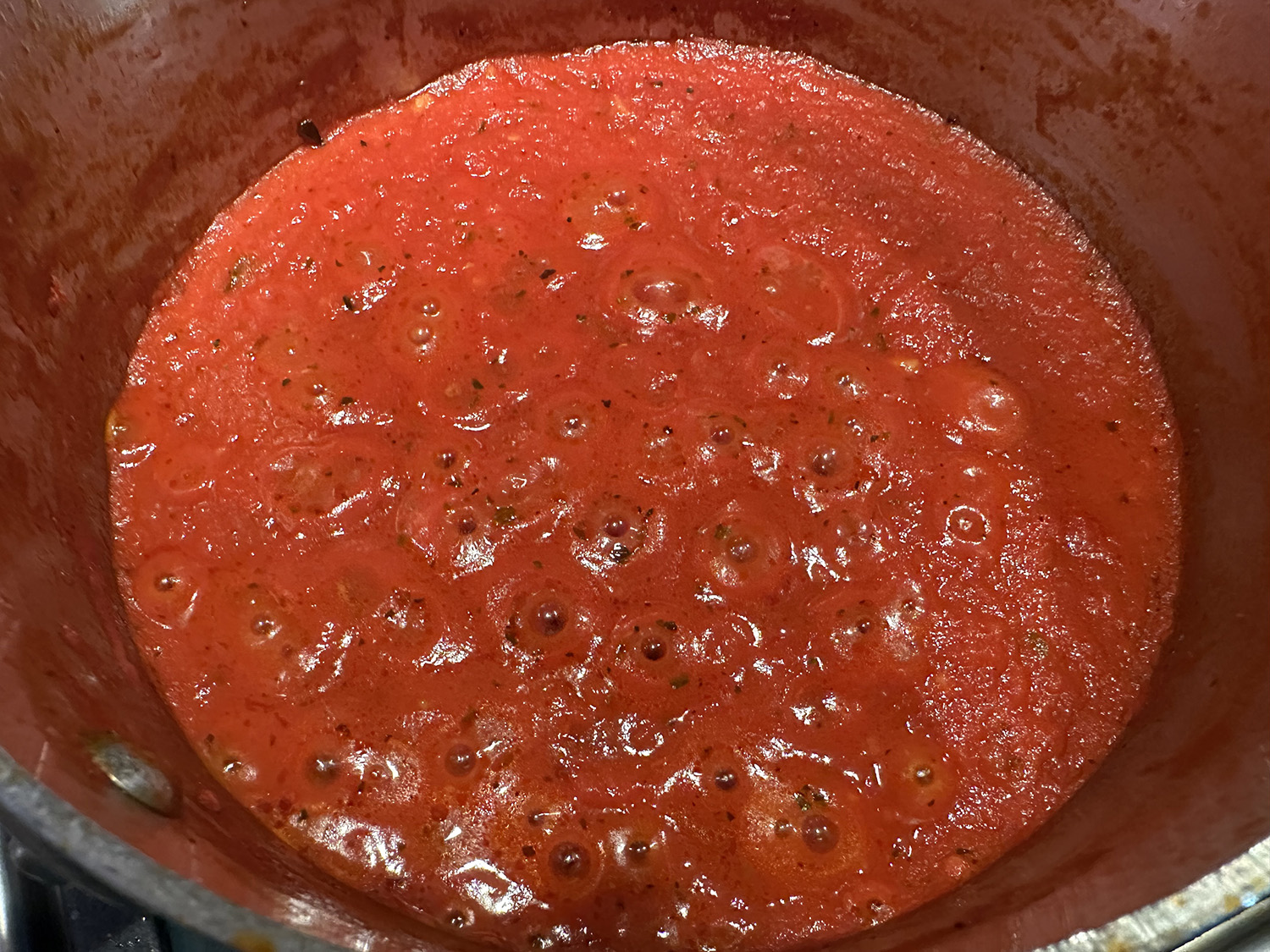
Of course you can expedite the process even more by using a jarred sauce. Instead we prepared a homemade tomato sauce from Milk Street. This can always be made ahead of time. In fact, the sauce makes enough for two pies, just freeze the leftovers for a future pizza.

The steps to a great grilled pizza were taken from an article by J. Kenji López-Alt for NYTimes Cooking. Neapolitan-style pizza is typically baked in ovens heated past 900 degrees to achieve its signature crackly, thin, charred crust with a moist, stretchy crumb. But you can easily yield similar textures and flavors at home by baking pizza dough directly on a pizza stone on a hot grill until it’s bubbly and crisp.

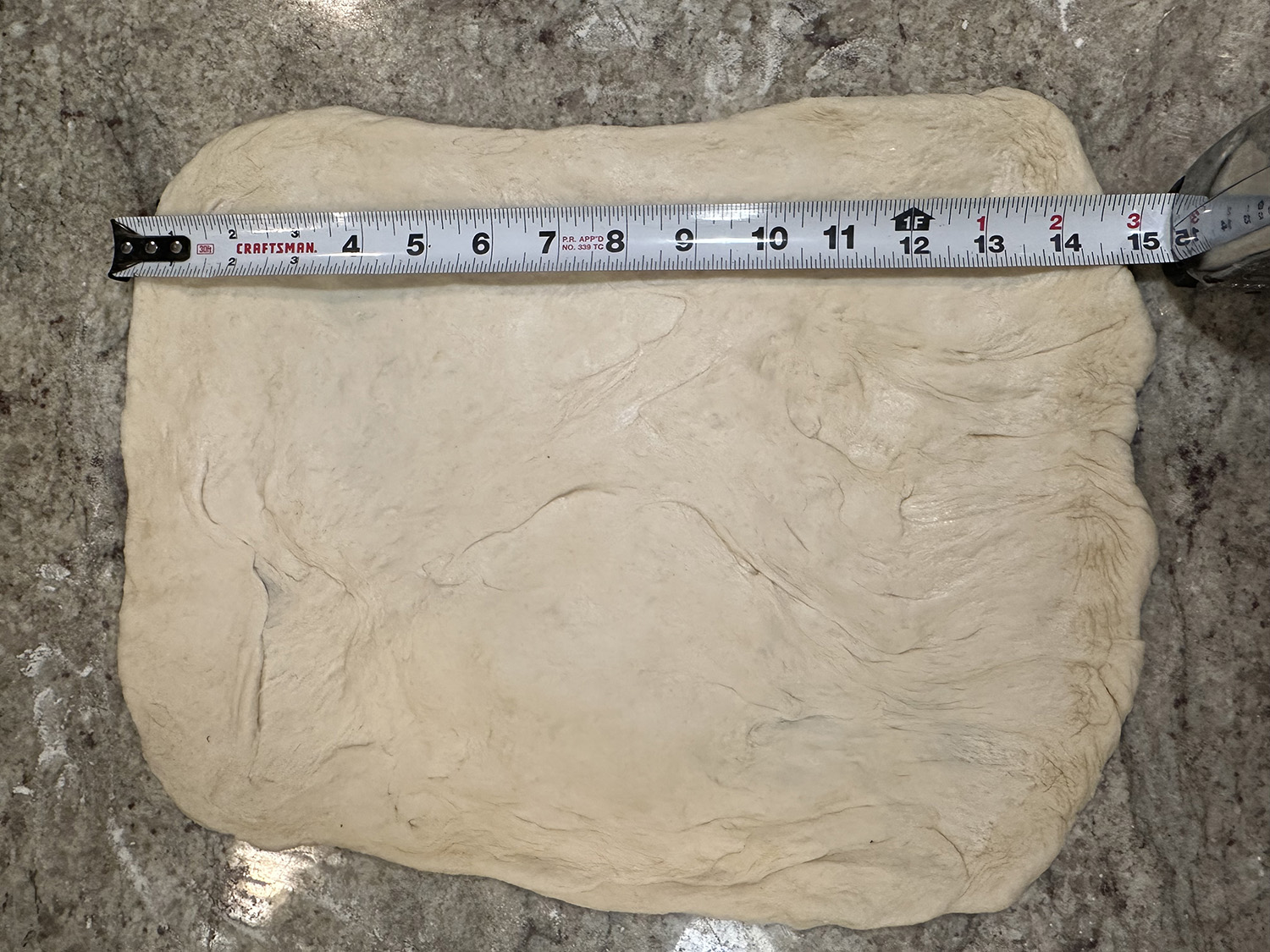
When rolled out, the dough measures approximately 12 inches x 15 inches, a bit smaller than an unrimmed baking sheet. Total time is about 45 minutes. When cut down to 6 or 8 pieces, it will serve 3 to 4 people with 2 slices each.

Grilled Pizza with Homemade Sauce

  • Servings: 2 cups
  • Difficulty: moderate
  • Print

Ingredients

The Best Pizza Sauce

  • 1 28-oz can whole peeled tomatoes, with juice
  • 2 Tbsp. extra-virgin olive oil
  • 2 garlic cloves, minced
  • 1 tsp. dried oregano
  • 1/2 tsp. red pepper flakes
  • Kosher salt and ground black pepper

Directions

  1. In a blender, process half of the tomatoes until smooth, about 20 seconds. Transfer to a large bowl. Process the remaining tomatoes until mostly smooth but with some chunks, 4 or 5 pulses. Add to the bowl.
  2. In a medium saucepan over medium, heat the oil, garlic, oregano and pepper flakes, stirring occasionally, until sizzling. Slowly pour in the tomatoes and stir. Bring to a simmer over medium-high, then reduce to low and cook, stirring occasionally and adjusting the heat as needed to maintain a simmer, until a wooden spoon leaves a trail when drawn through the sauce, 20 to 25 minutes. (Ours took twice as long to thicken properly.)
  3. Remove from the heat and let cool to room temperature. Taste and season with salt and pepper. Refrigerate in an airtight container for up to 3 days or freeze for up to 1 month (thaw and stir to recombine before using).

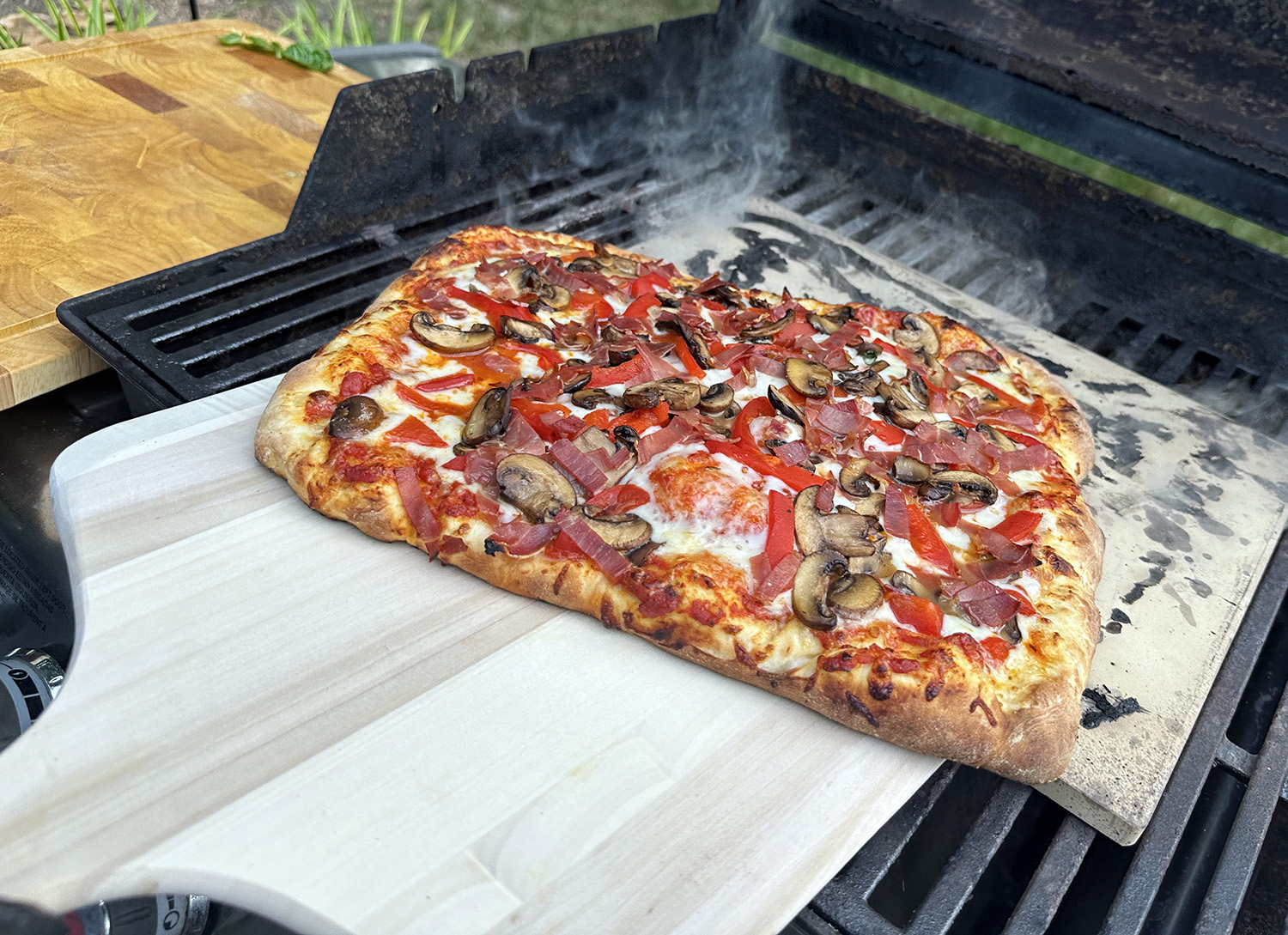
The steps to a great grilled pizza were taken from an article by J. Kenji López-Alt for NYTimes Cooking. Neapolitan-style pizza is typically baked in ovens heated past 900 degrees to achieve its signature crackly, thin, charred crust with a moist, stretchy crumb. But you can easily yield similar textures and flavors at home by baking pizza dough directly on the grates (or on the hot pizza stone) of a hot grill until it’s bubbly and crisp. Once the dough is baked, it can be topped and finished via indirect heat.

Heat pizza stone on grill, cover for 30 minutes.

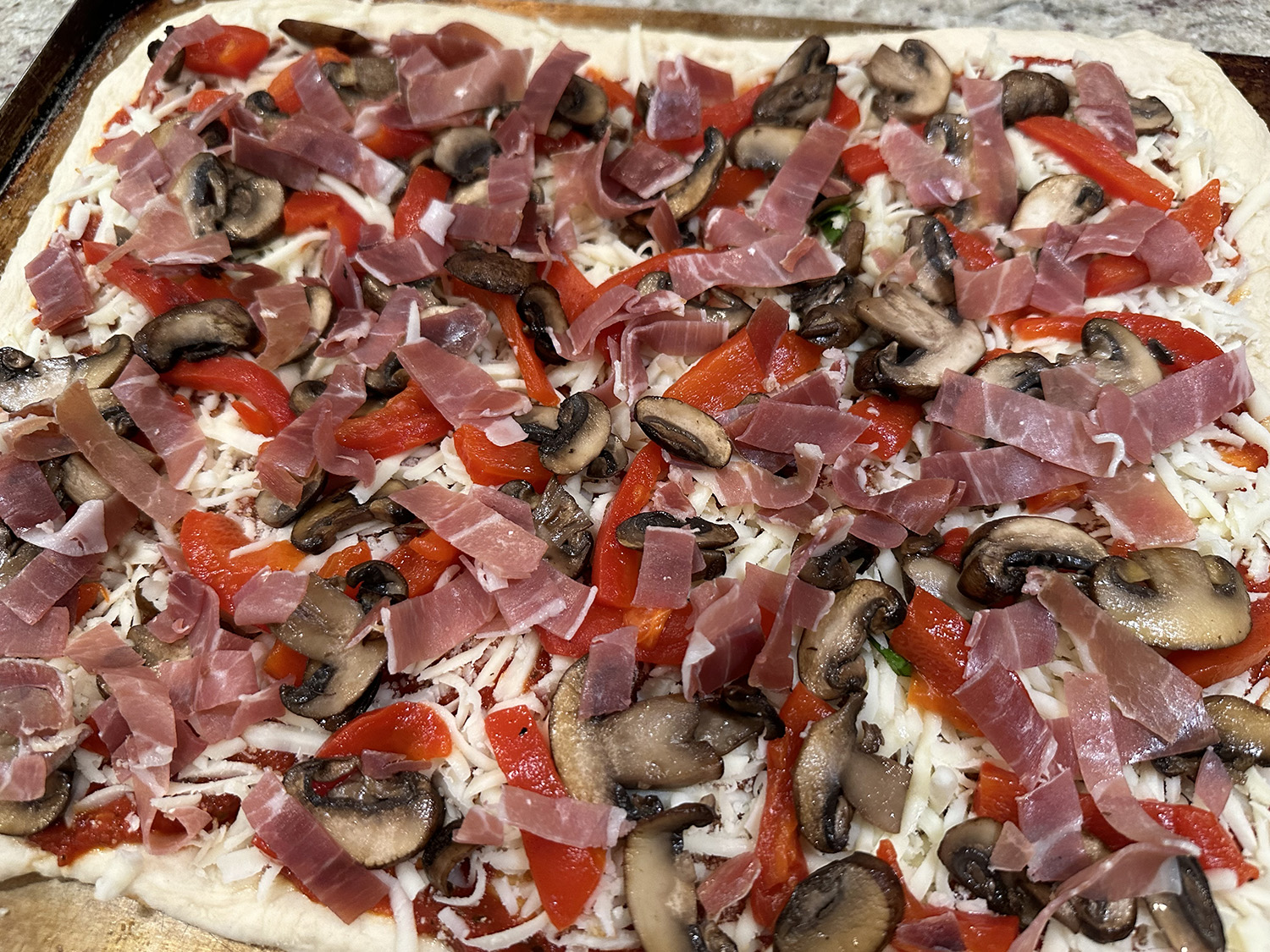
Transfer the crust to a pizza peel. (A cutting board or the back of a baking sheet will also work.) Spread a thin layer of shredded cheese across the surface of the crust (about 1 cup should do it). Using a spoon, add tablespoon-size dollops of crushed tomatoes, spaced an inch or two apart, across the whole surface of the pizza.

Add toppings as desired (our list is below). Slide the pizza onto the pizza stone, and move to cooler side of the grill, cover, and cook until the cheese is melted and the crust is crisp, 5 to 7 minutes total. Transfer to a cutting board, drizzle with olive oil, sprinkle with basil chiffonade, cut into 6 or 8 squares, and serve immediately. Top with more grated parmesan if desired.

Our Toppings

  • Roasted red peppers, drained, patted dry and sliced into thin strips
  • 4 oz. Cremini mushrooms, sliced thin and sautéed until browned
  • 2 oz. Proscuitto, sliced into ribbons
  • 1/4 cup grated parmesan, more for topping
  • 8 oz. mozzarella, shredded on box grater; don’t use preshredded
  • Fresh basil leaves, chiffonade for topping

http://www.lynnandruss.com

Cold Noodle Salad with Spicy Peanut Sauce

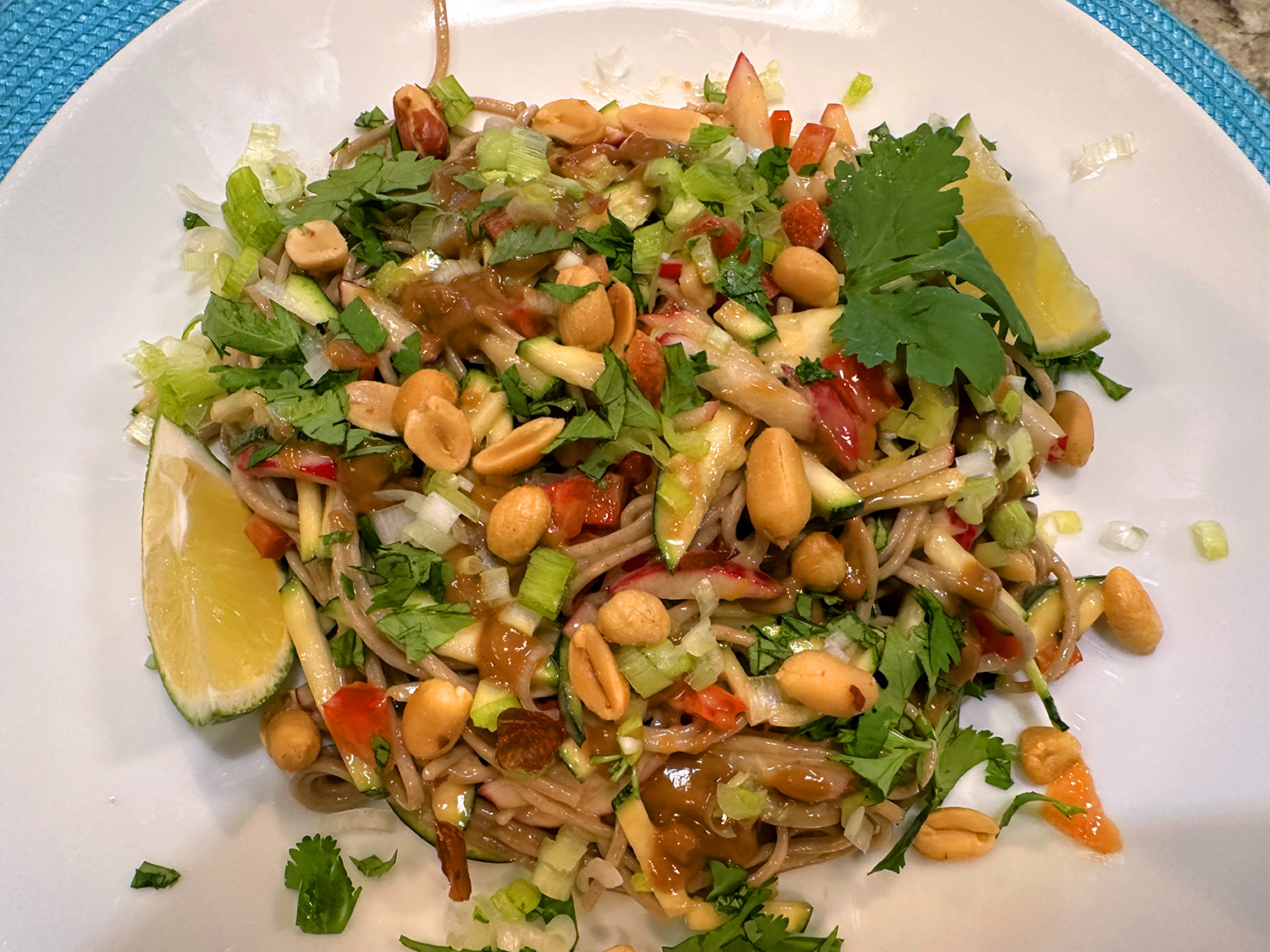
Looking for a recipe that’s healthy, meatless, is ready in less than a half hour, and would transport well for a picnic or potluck? Look no further than this tasty concoction from Betty Lou McKinnon.

Soba, Japanese buckwheat noodles, are ideal for salads because they taste particularly great when served cold. Crunchy vegetables are highlighted here, adding lots of crisp, fresh texture. Substitute with any raw vegetables you have on hand, such as cabbage, carrot, fennel, asparagus, broccoli or cauliflower.

The spicy peanut sauce is very adaptable: If you don’t want to use peanut butter, you can use any nut or seed butter, like cashew, almond, sunflower or even tahini. Both the soba and the peanut sauce can be prepared ahead of time and stored in the fridge overnight, but wait to combine them until you are ready to eat for the best texture and consistency. The peanut sauce thickens as it sits, so add a tablespoon or two of water to loosen it up, if necessary.

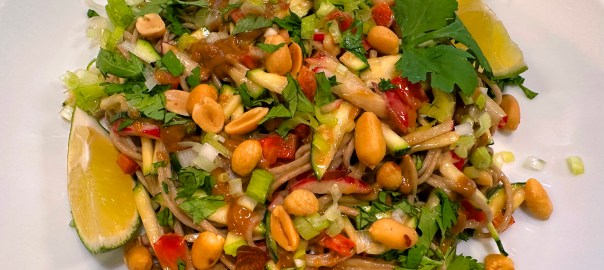
Instead of drizzling the peanut sauce on top of the mixed vegetables, we incorporated about 75% of it into the mix, saving the remainder to drizzle on top with the other garnishes.

Cold Noodle Salad with Spicy Peanut Sauce

  • Servings: 4
  • Difficulty: easy
  • Print

Ingredients

For the Salad

  • Kosher salt
  • 10 oz. soba noodles
  • 1 medium zucchini or cucumber (about 6 oz.)
  • 5 radishes
  • 1 bell pepper (any color)
  • 1 Tbsp. sesame oil
  • ½ cup roasted salted peanuts (about 2 oz.), roughly chopped
  • 2 scallions, trimmed and finely chopped
  • Handful of cilantro leaves
  • 1 lime, cut into wedges for serving

For the Spicy Peanut Sauce

  • ½ cup smooth peanut butter (not natural)
  • ¼ cup soy sauce
  • 2 Tbsp. maple syrup
  • 2 Tbsp. lime juice (from 1 lime)
  • 1 Tbsp. sesame oil
  • 2 tsp. chile oil or hot sauce, plus more to taste
  • 1 garlic clove, grated

Directions

  1. Bring a pot of salted water to the boil. Add the soba, stir to prevent sticking, and cook according to package instructions until just tender. Rinse under cold water until the noodles are completely cold.
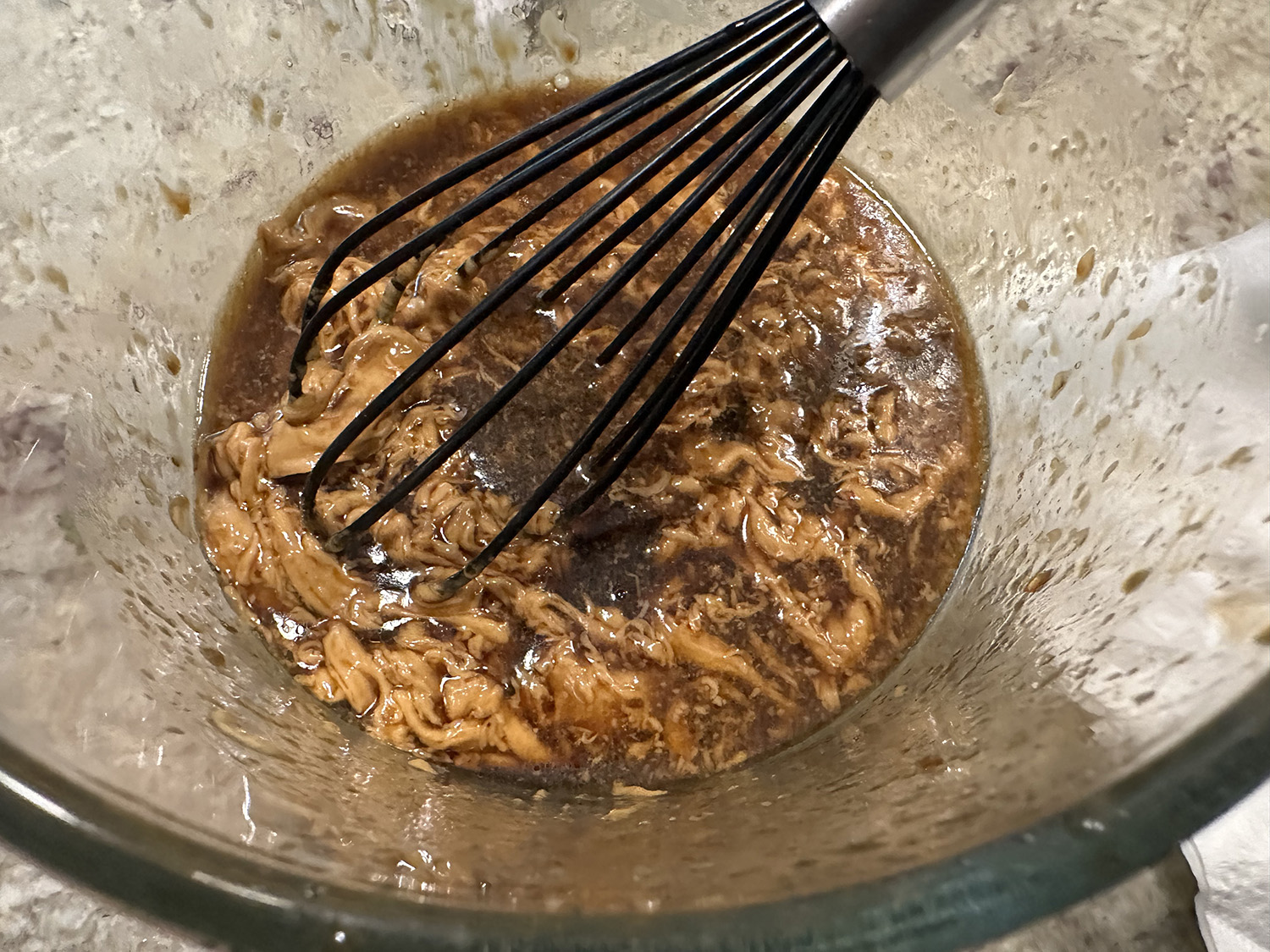
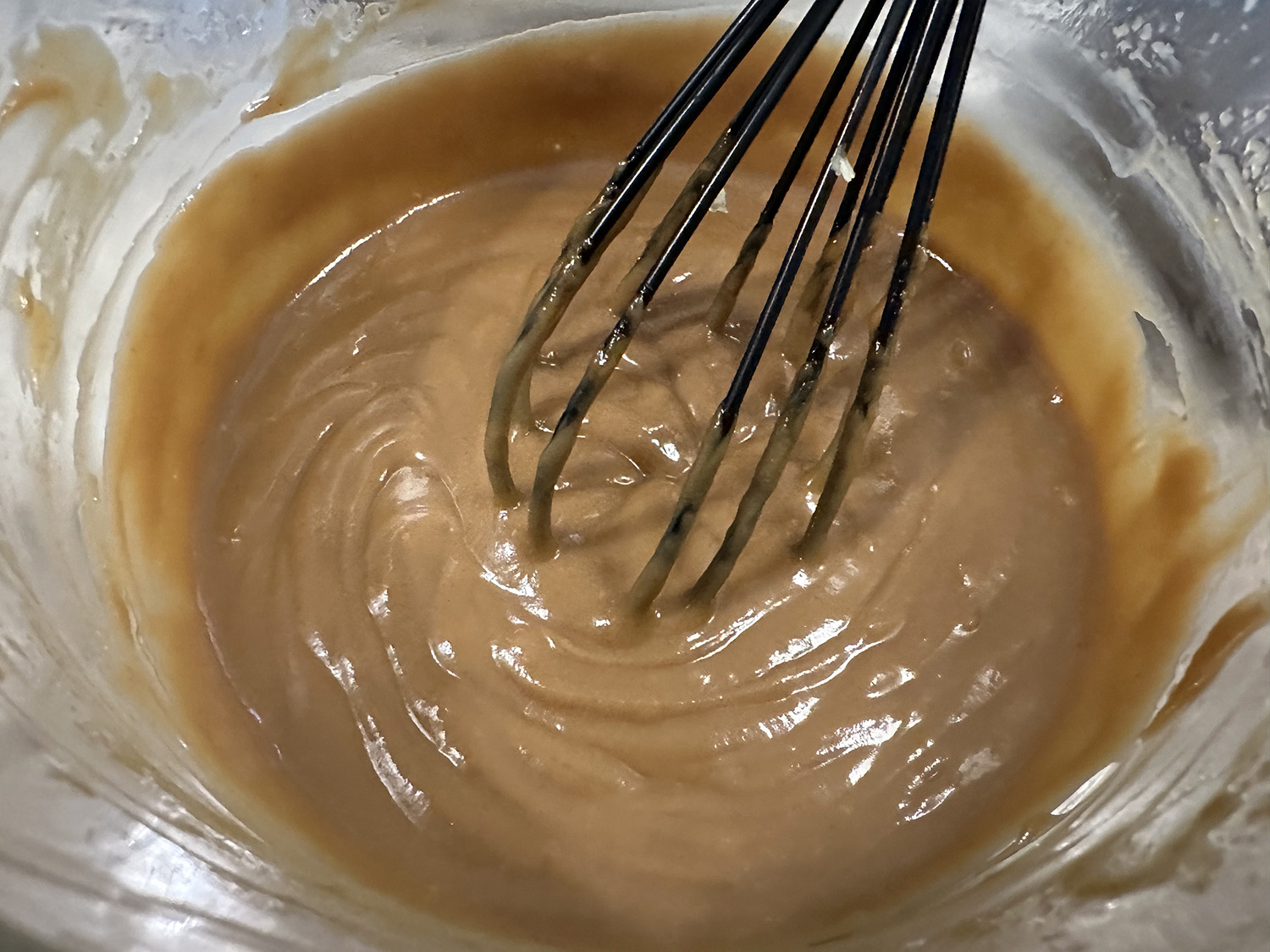
  2. Meanwhile, make the sauce: In a medium bowl, combine the peanut butter, soy sauce, maple syrup, lime juice, sesame oil, chile oil or hot sauce, and garlic. Add ¼ to ½ cup water, 1 tablespoon at a time, and whisk until the sauce is a pourable consistency. Taste and add more chile oil or hot sauce as desired; set aside.
  3. Cut the zucchini or cucumber and radishes into â…›-inch thick slices, then cut into thin matchsticks. Slice the peppers into â…›-inch pieces. Place them all in a large bowl.
  4. Loosen the soba noodles by running them under some water, then allow to drain again. Add them to the vegetables, add the remaining 1 tablespoon sesame oil and toss to combine.
  5. When you are ready to serve, drizzle with spicy peanut sauce and top with peanuts, scallions and cilantro. Serve immediately, with lime wedges alongside.

http://www.lynnandruss.com

Recipe by Betty Lou McKinnon for NYTimes Cooking
Sheet-Pan Chicken Tikka Thighs

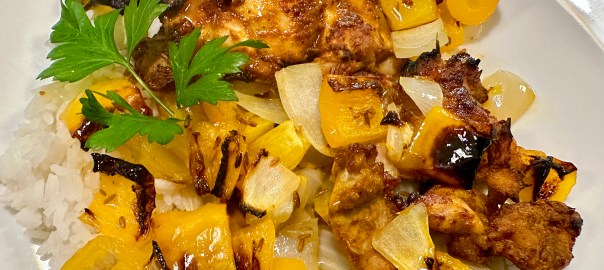
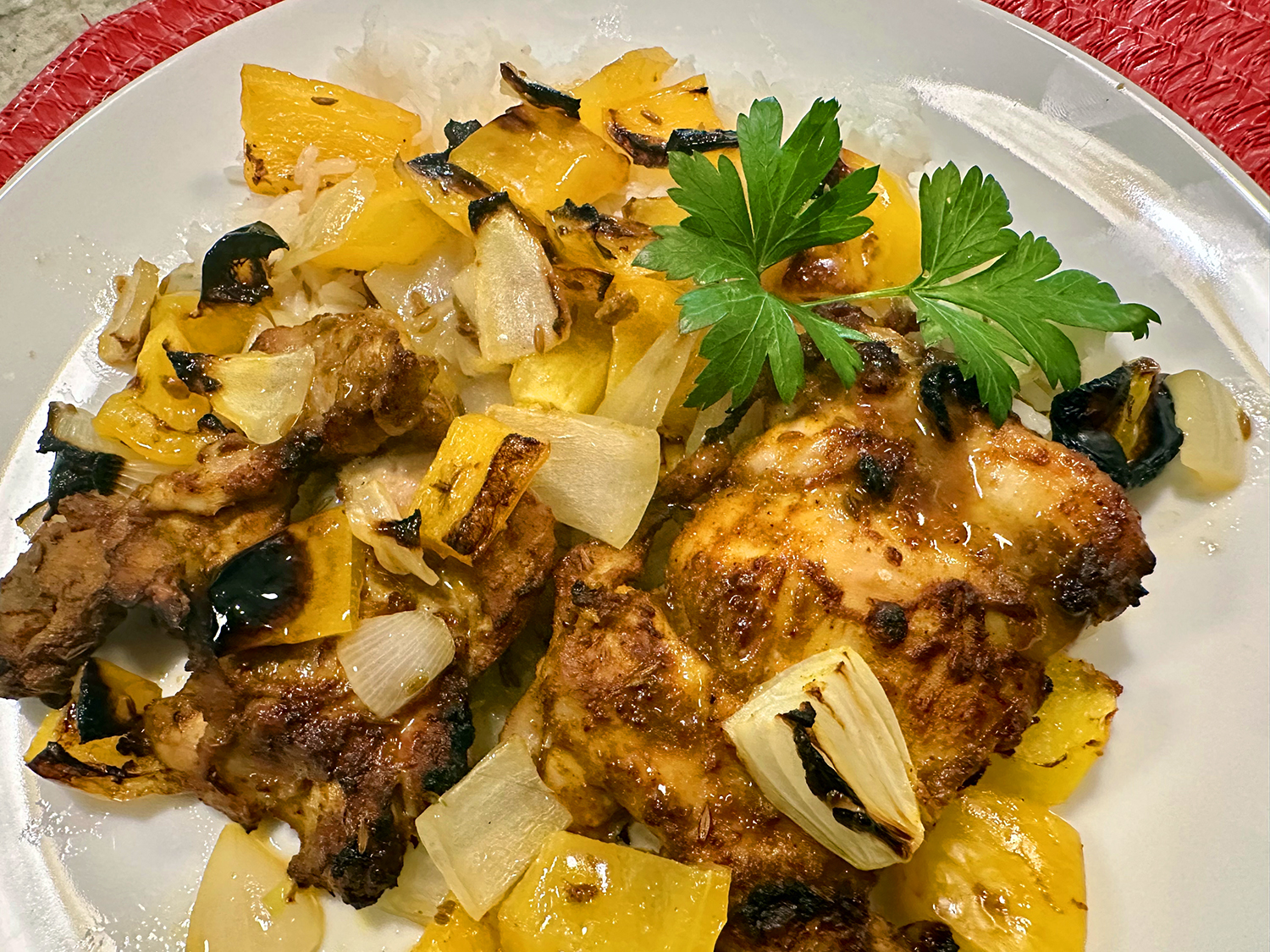
Commonly cooked in restaurants and street stalls across India and Pakistan, chicken tikka is typically prepared with marinated bone-in pieces and cooked on coals or in a tandoor. This preparation of chicken tikka uses boneless, skinless chicken thighs and a broiler for the same effect — layered, slightly smoky flavor from charred edges of otherwise juicy, tender chicken thighs. With minimal cleanup, this dish is delicately sweet, deeply spiced and has a confetti of textures.

The chicken is marinated in ginger, garlic and a mix of heady South Asian spices — red chile powder, cumin, garam masala — and yogurt is used as a tenderizer. Thirty minutes of marination does the trick but overnight is better. Bell pepper and onions sweeten during broiling and their edges char and crisp up too. Plus, juices from the spiced chicken further flavor the vegetables. Eat any leftovers in a salad or sandwich. 

Some of our changes include using a white onion instead of a red one (because that’s what we had on hand). The chicken thighs weighed in at about one-third more than the 1 pound suggested in the recipe. We also increased the Greek yogurt to 1/2 cup instead of 2 tablespoons. And even with the extras, and served with rice, the dish realistically fed 3 people, not 4.

Sheet-Pan Chicken Tikka Thighs

  • Servings: 3-4
  • Difficulty: easy
  • Print

Ingredients

  • 1/2 cup full-fat Greek or Indian yogurt
  • 1 tsp. ginger paste or freshly grated ginger
  • 1 tsp. garlic paste or freshly grated garlic
  • 1½ tsp. Kashmiri red chile powder
  • 1½ tsp. garam masala
  • 1½ tsp. ground cumin
  • ½ tsp. ground turmeric
  • Salt
  • 2 Tbsp. vegetable oil
  • 1 lb. boneless, skinless chicken thighs
  • 2 large bell peppers, chopped into 1-inch pieces
  • 1 red onion, chopped into 1-inch pieces
  • 1 tsp. cumin seeds
  • Cooked rice, for serving

Directions

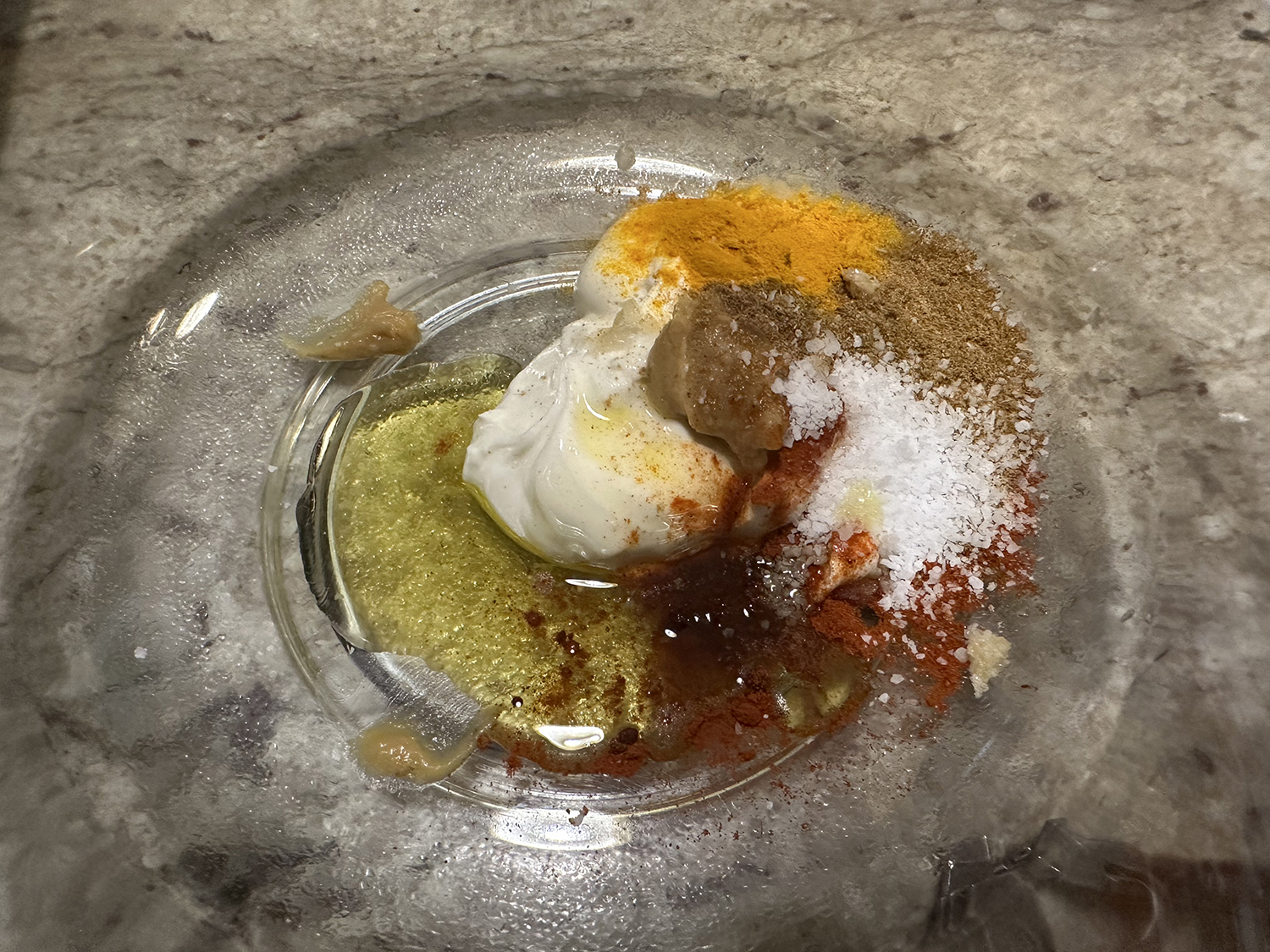
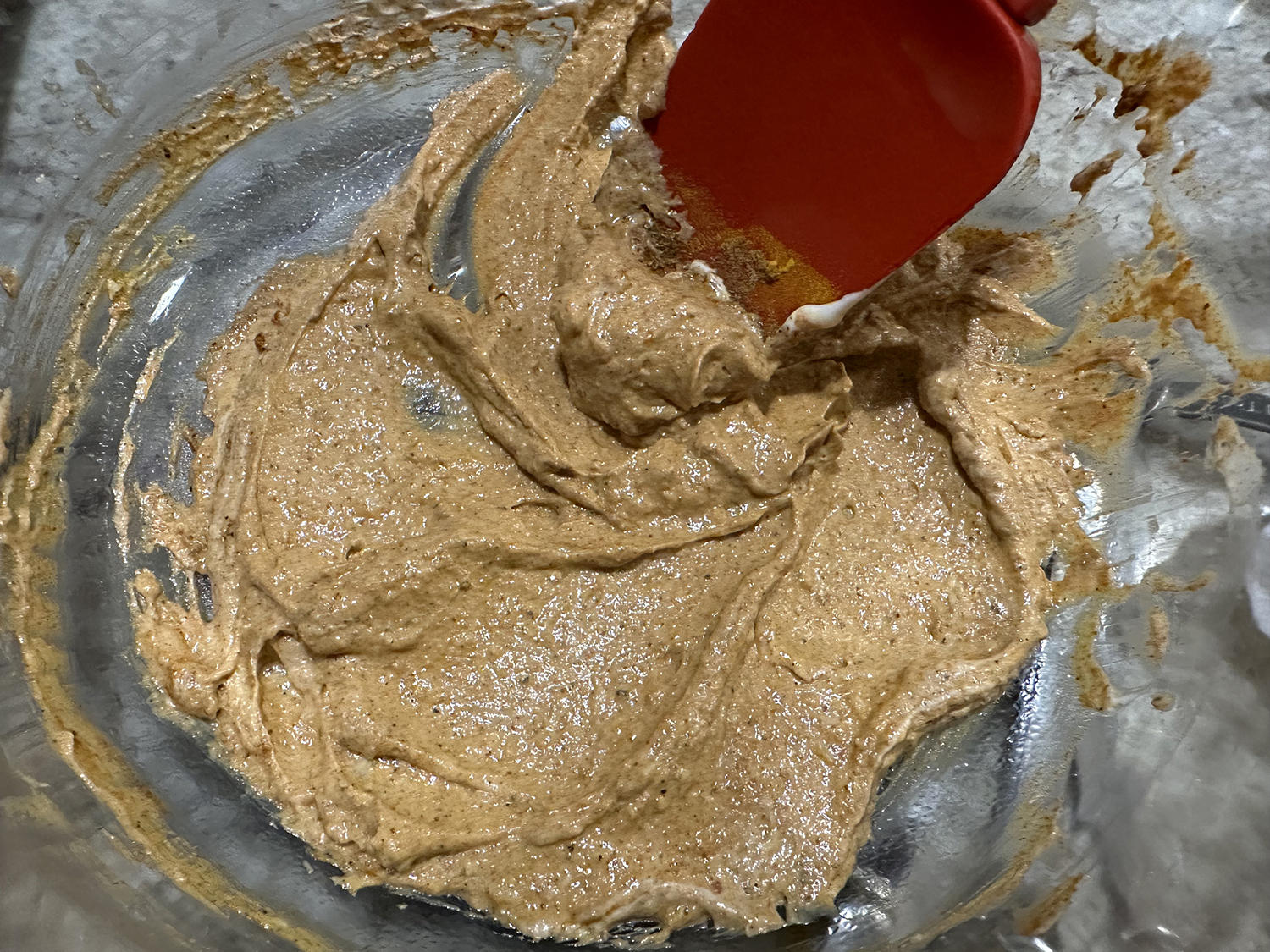
  1. In a large bowl, stir together the yogurt, ginger, garlic, chile powder, garam masala, ground cumin, turmeric, 1 teaspoon salt and 1 tablespoon oil. Add the chicken and stir until the thighs are completely coated. Using a fork, thoroughly stab the chicken thighs so the marinade may penetrate the meat. Set aside for 30 minutes or cover and refrigerate overnight to marinate.
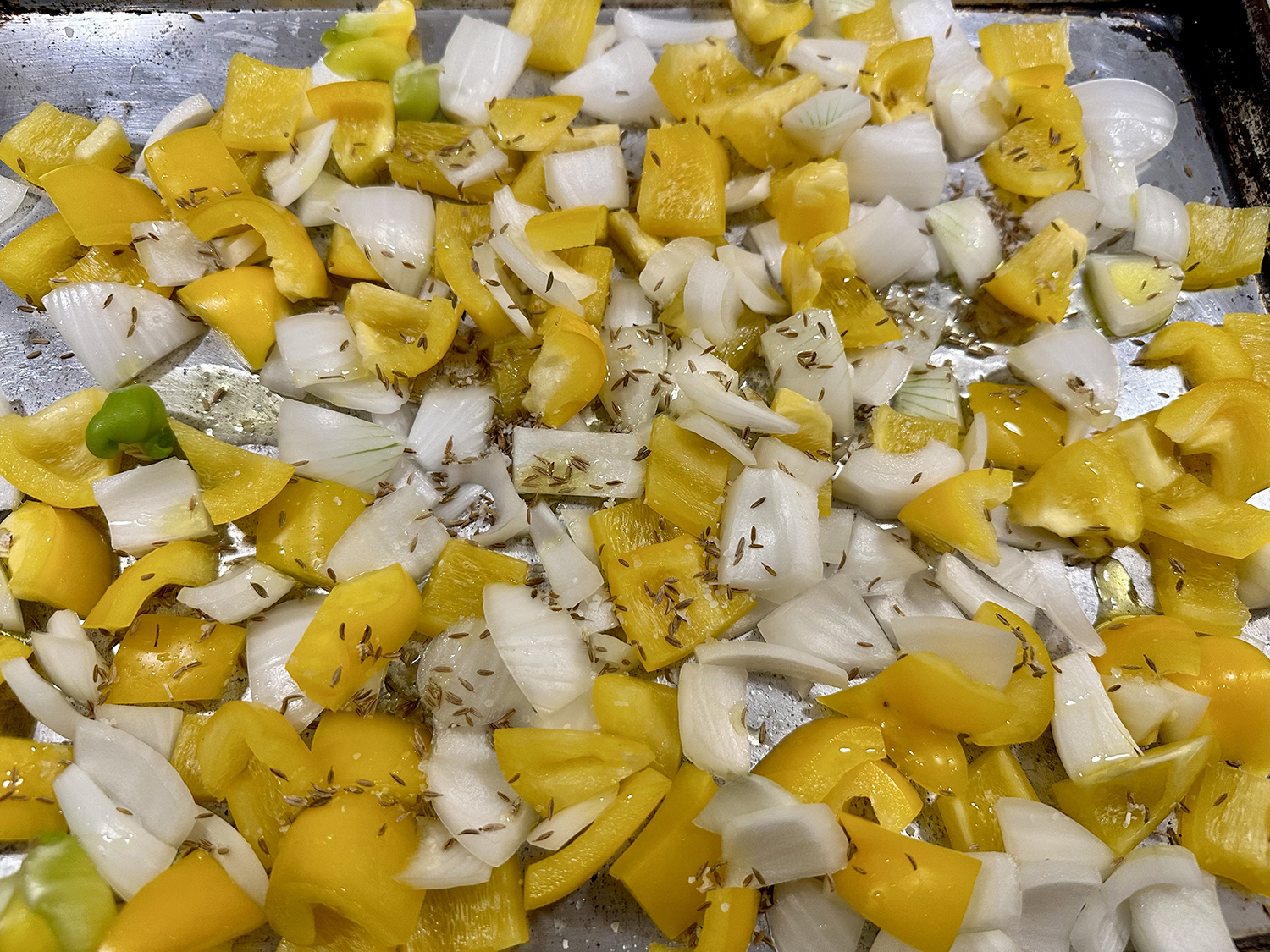
  2. On a medium sheet pan, about 13- by 9-inches, toss the bell peppers and onion with the cumin seeds and the remaining 1 tablespoon oil and ½ teaspoon salt. Lay the ingredients out in a single layer. Using tongs, hold up a chicken thigh over the bowl and scrape the excess marinade off with a spatula, and lay it on the vegetables. Repeat the process for the remaining thighs.
  3. Turn the broiler on high. Place the sheet pan on a rack about 3 inches below the broiler. Broil for 7 to 10 minutes. Flip the thighs and broil for another 7 to 10 minutes, until parts of the chicken and vegetables are charred and crisp on the outside and chicken is cooked through (when a thermometer inserted into thickest part of a thigh reads 165 degrees). Serve with rice or as is, spooning the juices from the sheet pan over the chicken as sauce.

http://www.lynnandruss.com

Adapted from a recipe by Zainab Shah for NYTimes Cooking
Grilled Swordfish Salmoriglio

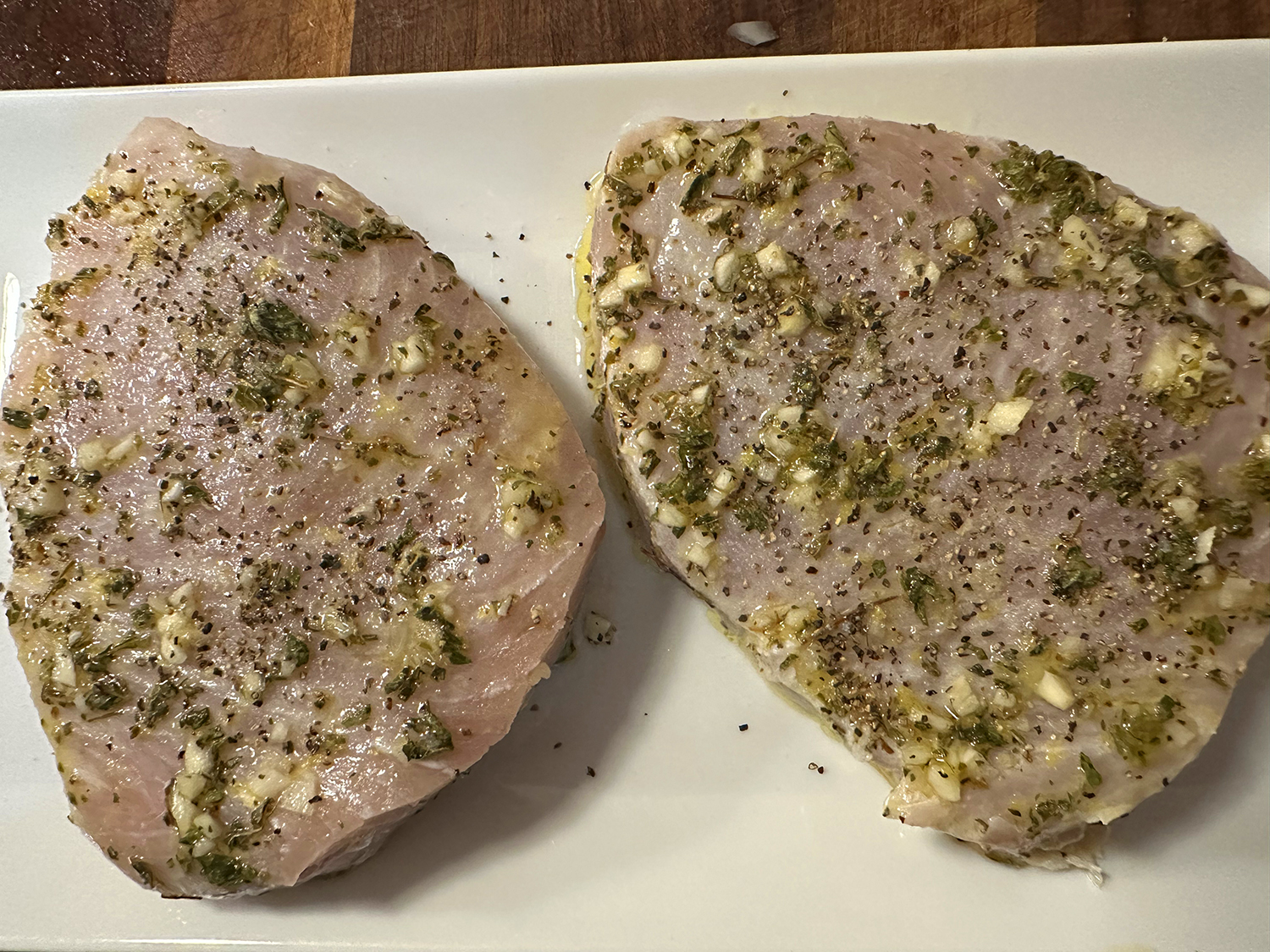
Lemony, garlicky, oregano-infused salmoriglio is a workaday Sicilian staple, stirred together from basic ingredients and always on hand to season grilled foods, particularly swordfish and other proteins. A nearly 1:1 ratio of lemon juice to olive oil made for a bracing sauce, and adding lemon zest boosted its aroma.

Yes, swordfish is just as pricey in our area as is halibut, but we decided we were worth a splurge. And with just the two of us for dinner, we got by with only two steaks weighing in at just a bit over a pound. With a minimum of easy-to-source ingredients, and with only 40 minutes from start to finish, you can easily squeeze this fish meal into a weekday.

As the cooked fish rests in the salmoriglio, it sheds juices that slightly dilute the sauce’s acidity and balances its flavor. Plenty of dried oregano, garlic, salt, and pepper adds savory, herbaceous character to the bright sauce. Applying it to the swordfish three times—before and after cooking, as well as alongside the fish for serving—means every bite is full of flavor.

Flipping the fish every 2 minutes during cooking ensured that heat continuously hit both sides of the flesh, promoting uniform doneness. Pulling the swordfish off the grill when it reached 130 degrees and letting carryover cooking bring it up to its serving temperature (140 degrees) prevented overcooking.
While the swordfish rested for 10 minutes, it allowed us time to prepare our side of baby spinach and garlic sauté, and a side salad.

Purchase swordfish steaks that are 1 to 1½ inches thick, either four steaks that weigh 7 to 9 ounces each or two steaks that weigh about 1 pound each. Cut the larger steaks in half to create four steaks. Ask your fishmonger to remove the skin or trim it yourself with a thin, sharp knife.

Grilled Swordfish Salmoriglio

  • Servings: 4
  • Difficulty: easy
  • Print

Ingredients

  • 1 Tbsp. dried oregano
  • 2 tsp. grated lemon zest plus ¼ cup juice (2 lemons)
  • 2 garlic cloves, minced
  • 2 tsp. kosher salt, divided
  • 1 tsp. pepper, divided
  • ⅓ cup extra-virgin olive oil
  • 2 lbs. skinless swordfish steaks, 1 to 1½ inches thick
  • 2 Tbsp. chopped fresh parsley, divided

Directions

  1. Whisk oregano, lemon zest and juice, garlic, 1¼ teaspoons salt, and ½ teaspoon pepper in bowl until salt is dissolved. Whisk in oil.
  2. Arrange swordfish in single layer in shallow pan or dish. Pour half of marinade over fish, flipping steaks to ensure both sides are evenly covered. Refrigerate for at least 20 minutes or up to 45 minutes. Whisk 1½ tablespoons parsley into remaining marinade and set aside.
  3. FOR A CHARCOAL GRILL: Open bottom vent completely. Light large chimney starter filled with charcoal briquettes (6 quarts). When top coals are partially covered with ash, pour evenly over half of grill. Set cooking grate in place, cover, and open lid vent completely. Heat grill until hot, about 5 minutes.
    FOR A GAS GRILL: Turn all burners to high; cover; and heat grill until hot, about 15 minutes. Leave primary burner on high and turn other burner(s) to medium-high.
  4. Clean and oil cooking grate. Remove fish from marinade, letting excess drip off (do not pat dry). Sprinkle both sides with remaining ¾ teaspoon salt and ½ teaspoon pepper. Place fish on hotter side of grill and cook (covered if using gas), flipping every 2 minutes, until steaks develop dark grill marks and register 130 to 135 degrees, 7 to 11 minutes.
  5. Transfer fish to clean shallow pan or dish and pour reserved marinade over top. Tent with aluminum foil and let rest until centers register 140 degrees, 5 to 10 minutes. Transfer fish to serving platter or individual plates and sprinkle with remaining 1½ teaspoons parsley. Transfer sauce in pan to small bowl. Serve, passing sauce separately.

http://www.lynnandruss.com

Recipe from Cook’s Illustrated

Baked Harissa Meatballs with Cherry Tomato Sauce

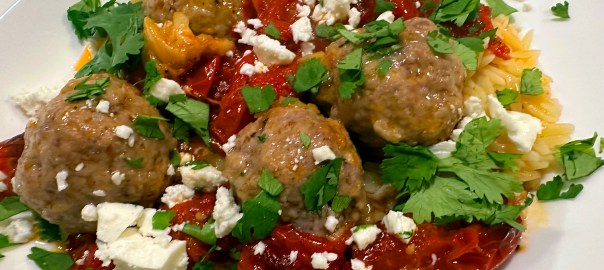
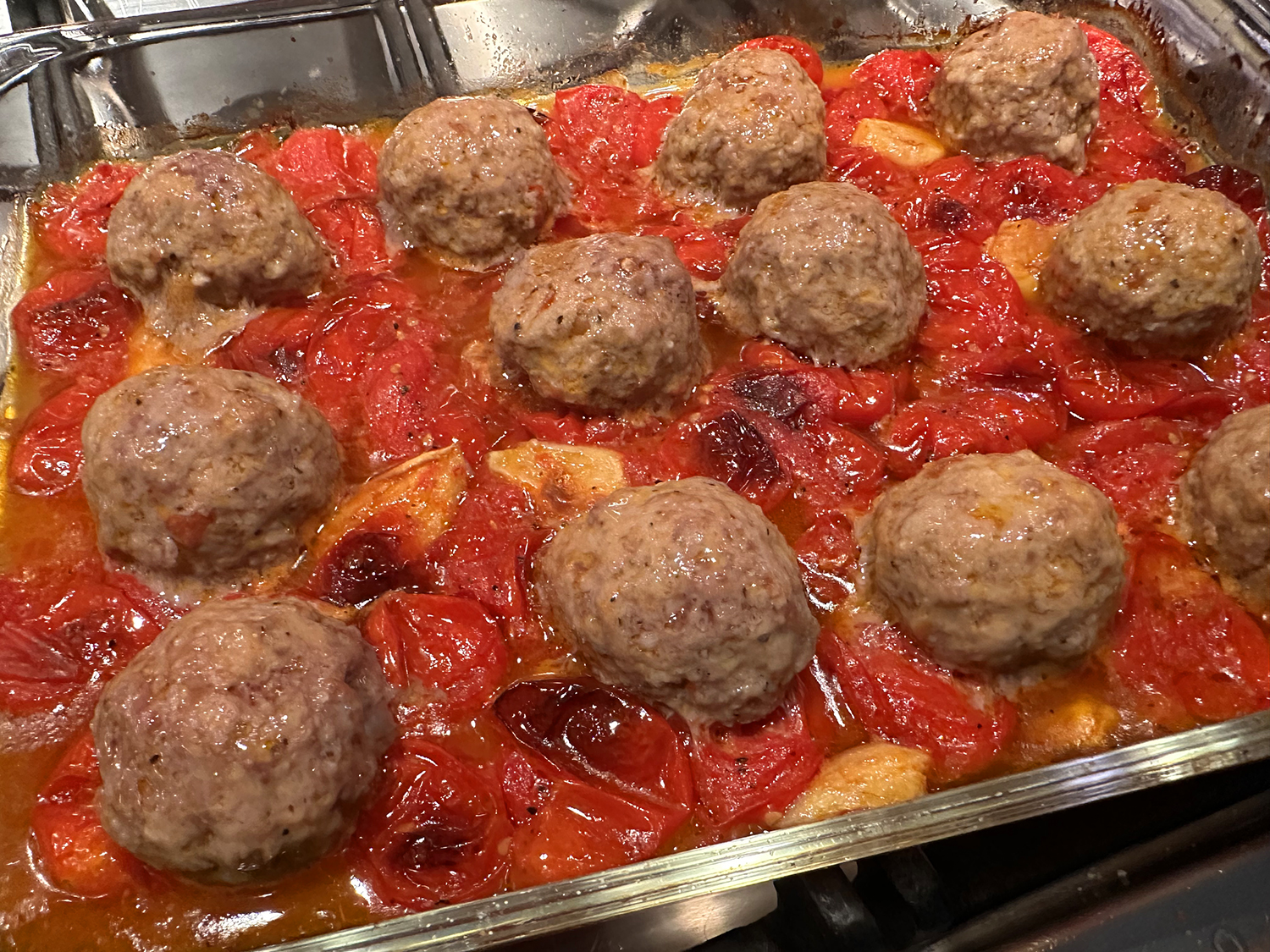
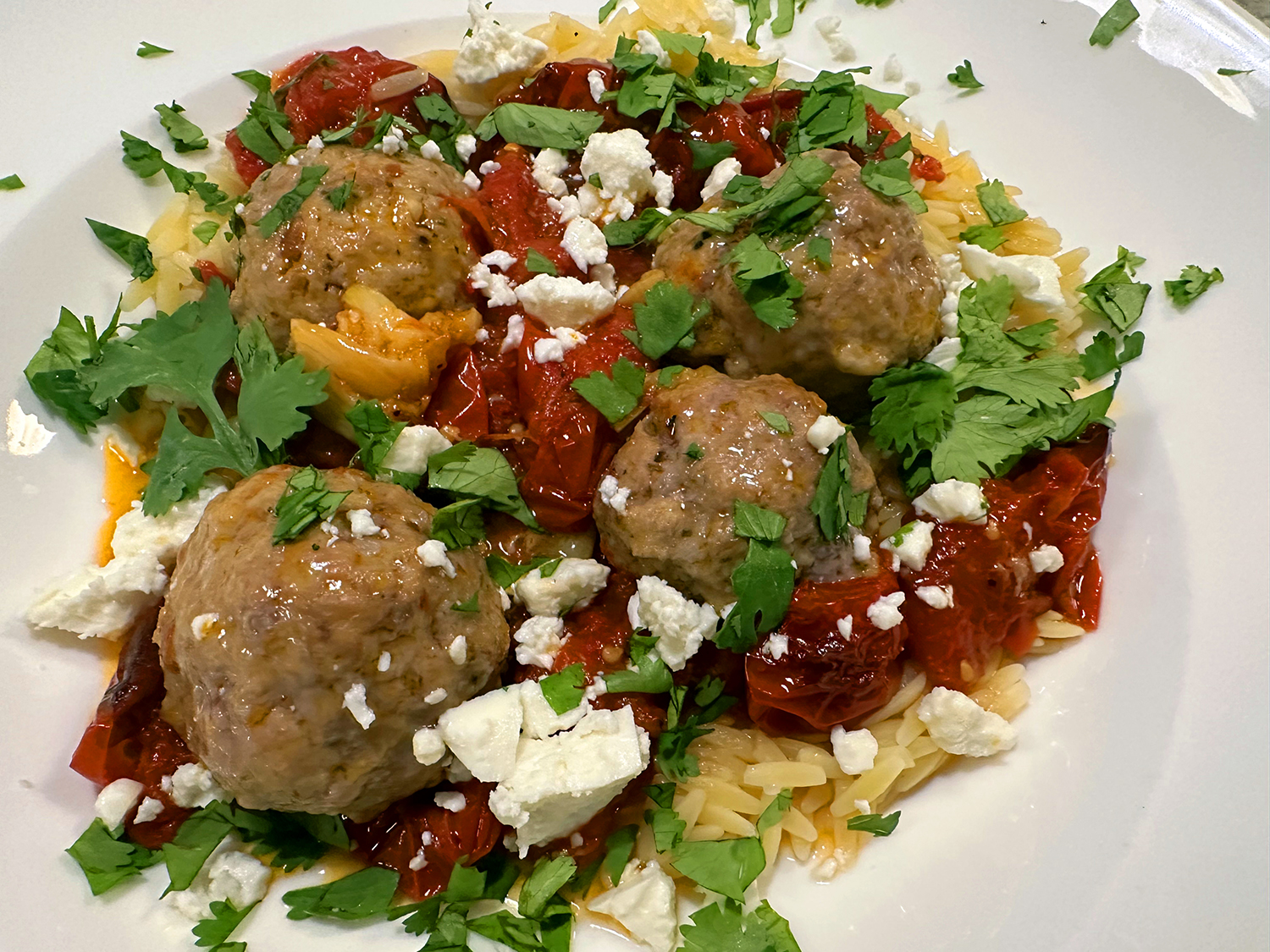
A go-to pantry flavor solution does double duty when both meatballs and sauce are added into the mix. For a taste of North Africa use the spice paste harissa described here, or depending on your mood and what you have on hand, give the dish a Mexican flair with smoky-spicy chipotle chilies in adobo instead.

Cherry tomatoes are roasted until they burst—their juices mingling with the seasonings to form a luscious sauce. Then the meatballs are nestled into the tomatoes and everything is roasted in the same pan. Serve with crusty bread for dipping in the sauce.

TIP: Refrigerate the meatballs before cooking; this firms them up so they’ll hold their shape as they roast.

Let’s talk about portion size. The original recipe states it feeds four—and that’s without any rice or pasta. Realistically, we felt 4 meatballs over orzo made for a decent serving, therefore comfortably feeding three people.

Baked Harissa Meatballs with Cherry Tomato Sauce

  • Servings: 3-4
  • Difficulty: easy
  • Print

Ingredients

  • 2 pints cherry OR grape tomatoes
  • 6 medium garlic cloves, 4 cloves smashed and peeled, 2 cloves finely grated, reserved separately
  • ¼ cup extra-virgin olive oil
  • 2 Tbsp. harissa paste, divided
  • Kosher salt and ground black pepper
  • â…“ cup panko breadcrumbs
  • 1 lb. ground lamb, OR 90 percent lean ground beef
  • Chopped fresh cilantro OR flat-leaf parsley, to serve
  • Crumbled feta cheese, as topping

Directions

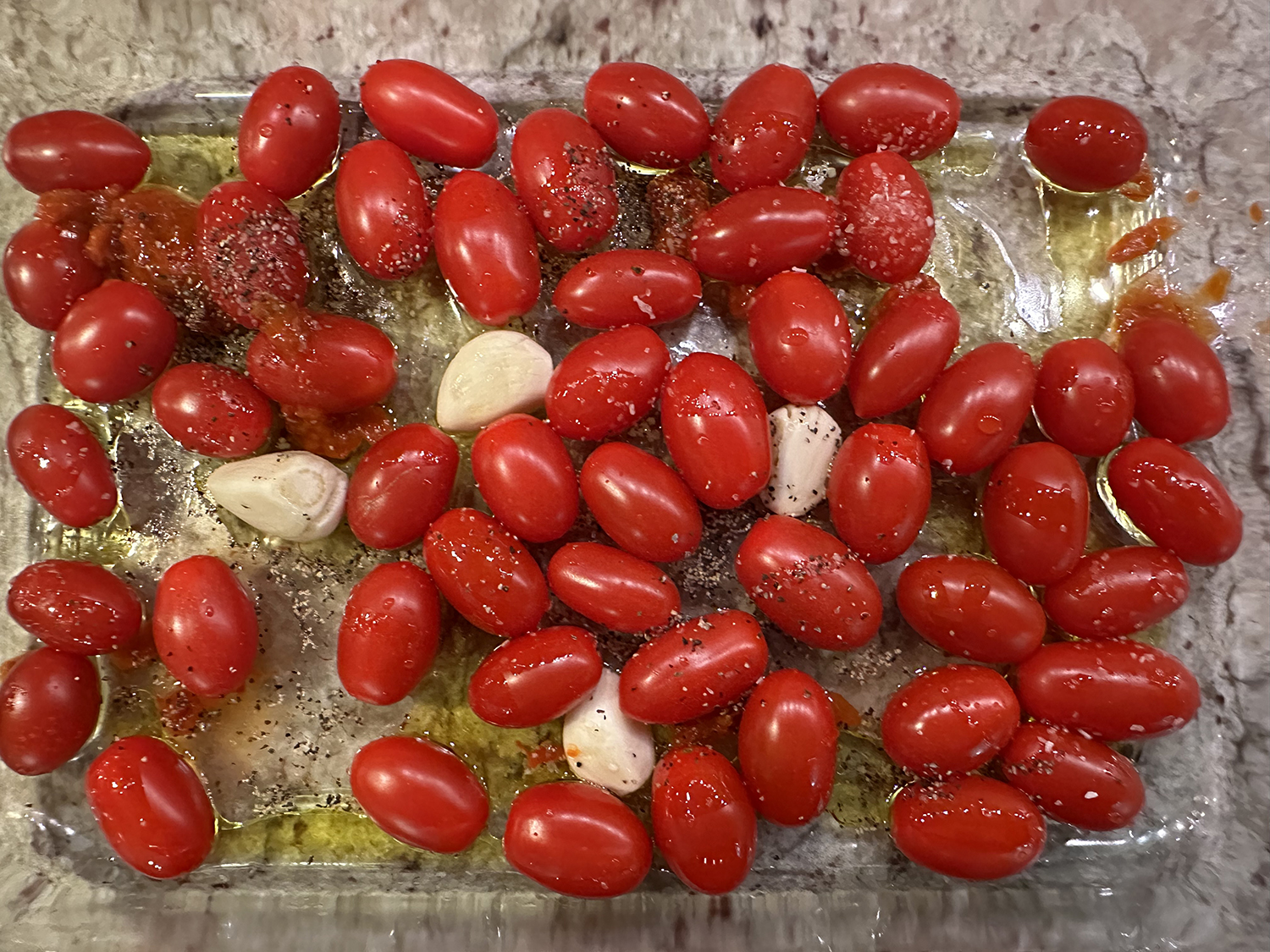
  1. Heat the oven to 425°F with a rack in the middle position. In a 9-by-13-inch baking dish, toss together the tomatoes, smashed garlic, oil, 1 tablespoon harissa, ¼ teaspoon each salt and pepper and ¼ cup water. Bake, uncovered, until the tomatoes have broken down, 30 to 35 minutes; stir once about halfway through.
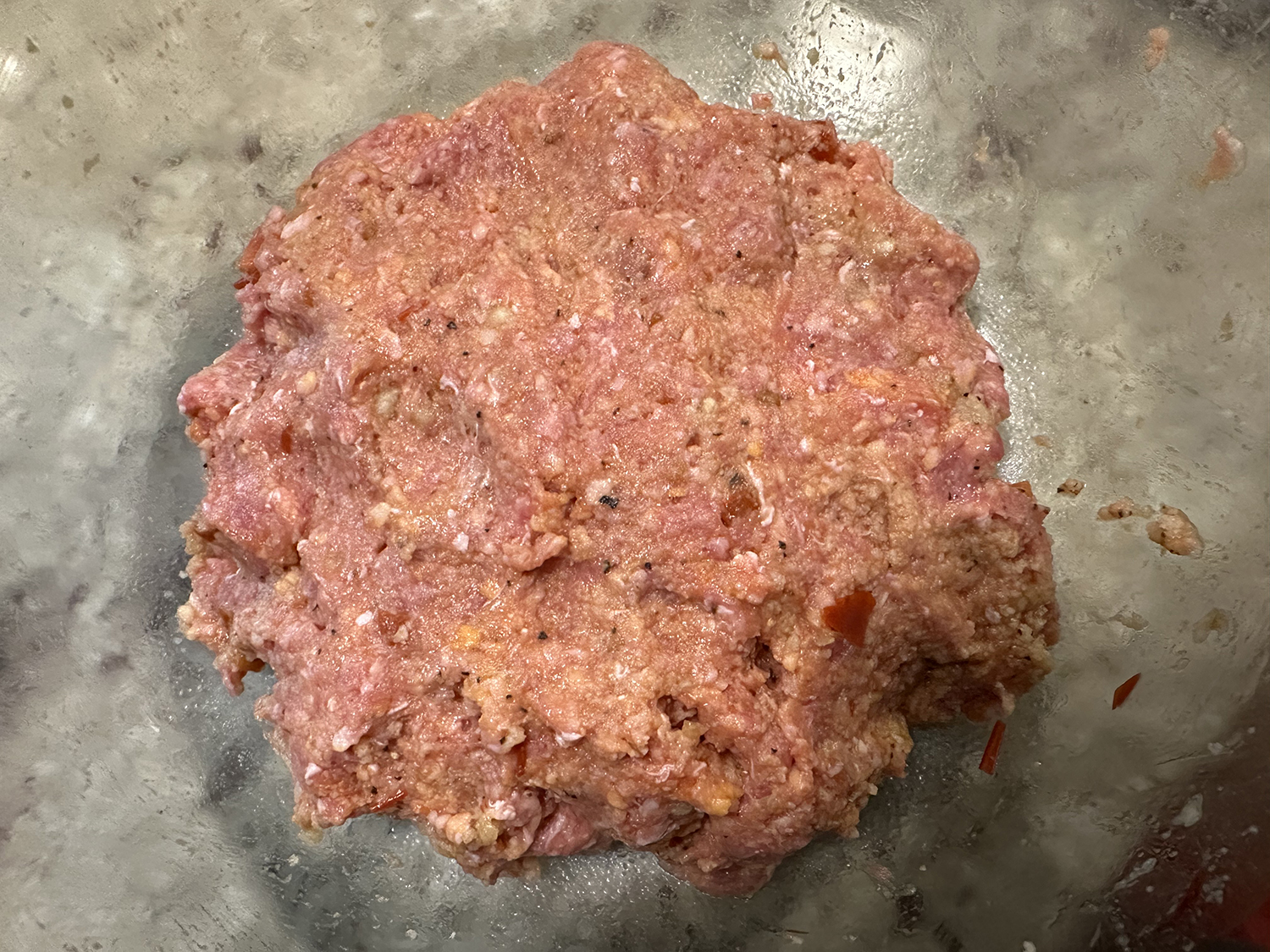
  2. Meanwhile, in a medium bowl, combine the panko and ½ cup water. Let stand until the panko softens, about 5 minutes, then use your hands to mash to a smooth paste. Add the beef, grated garlic, remaining 1 tablespoon harissa and ½ teaspoon each salt and pepper; mix thoroughly with your hands. Divide into 12 portions, rolling them into smooth balls. Place on a large plate and refrigerate until ready to use.
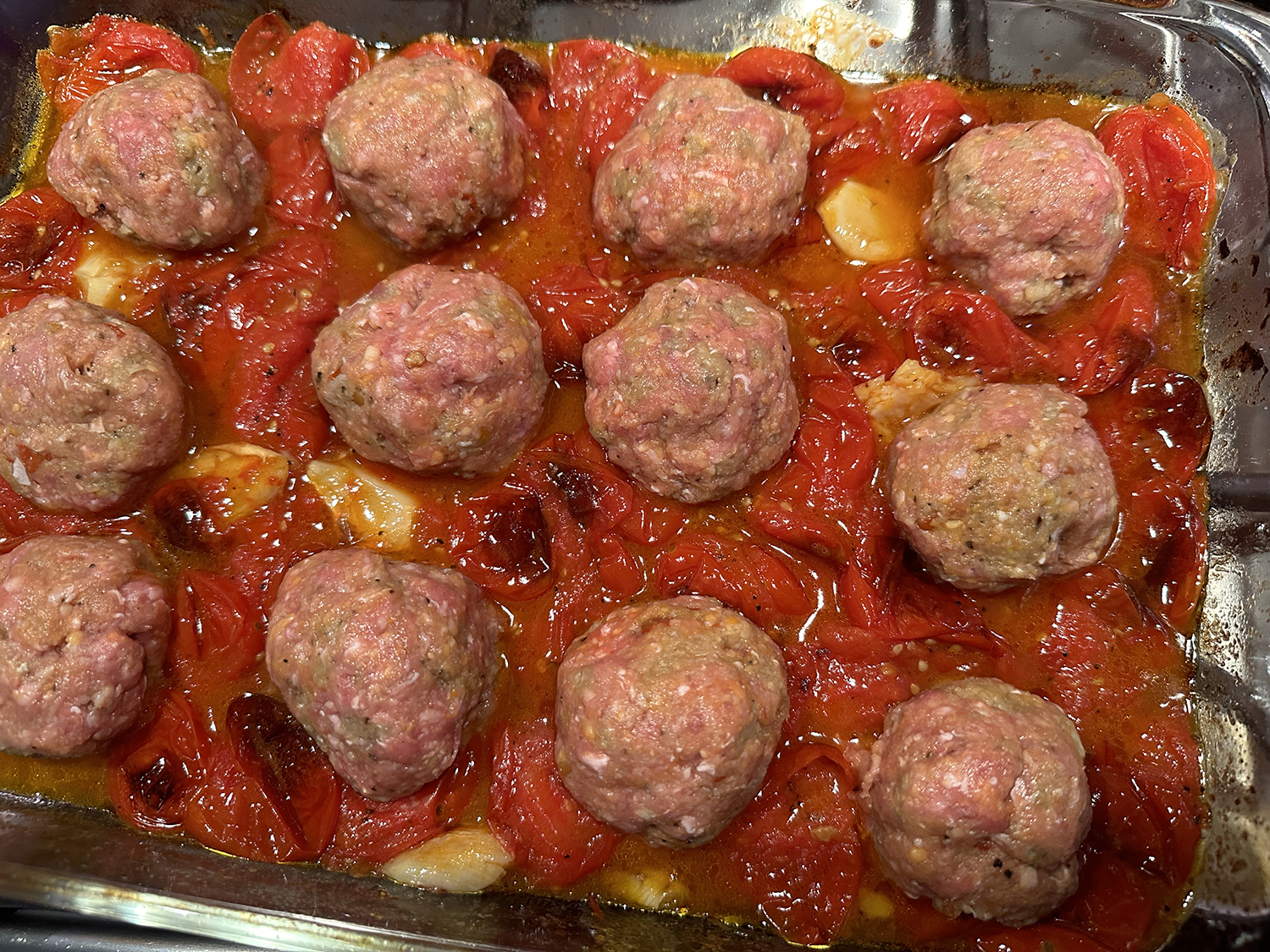
  3. Remove the baking dish from the oven and nestle the meatballs in the tomato sauce. Bake, uncovered, until the meatballs are browned and the centers reach 160°F, about 15 minutes. Taste and season the sauce with salt and pepper. Sprinkle with cilantro and feta cheese crumbles.

http://www.lynnandruss.com

Adapted from a recipe by Courtney Hill for Milk Street