Tag Archives: main dish

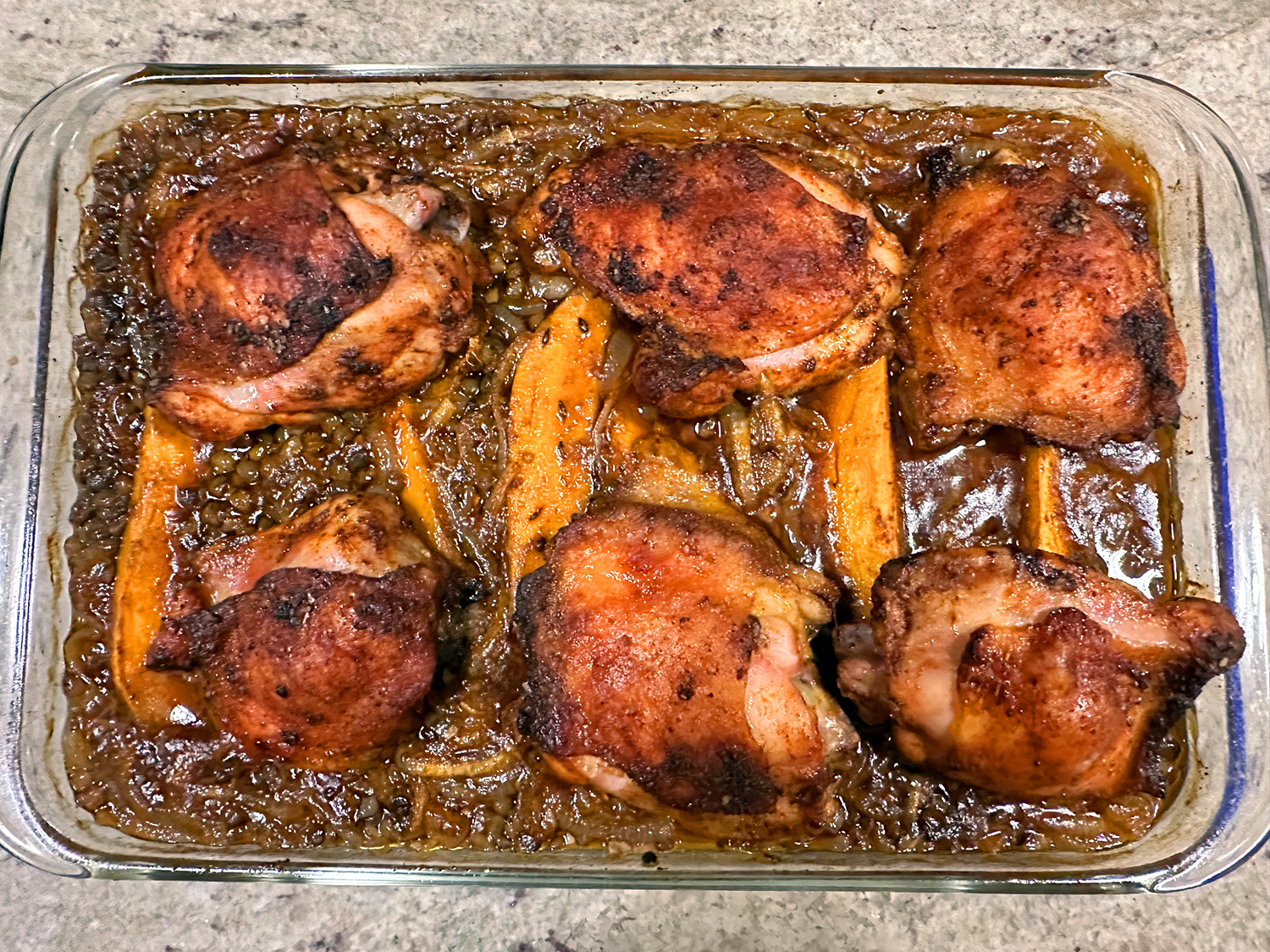
One-Pan Paprika Chicken with Lentils, Squash and Daqa

Who doesn’t love a one-pan dinner? (Although you will be using several bowls.) This oven bake requires minimal effort and is very much a meal in itself. Daqa is a vinegar-based condiment, most commonly used when making the much-loved Egyptian koshari, a hearty dish of rice, pasta and lentils.

Daqa is a nifty way to brighten stews, braises and anything that needs an acidic lift. Feel free to swap out the kabocha squash for root vegetables, such as sweet potato (which we used) or celery root, and serve the whole thing with nothing more than a leafy green salad.

This meal was so flavorful, and fantastic as leftovers.
One-Pan Paprika Chicken with Lentils, Squash and Daqa

  • Servings: 4-6
  • Difficulty: easy
  • Print

Ingredients

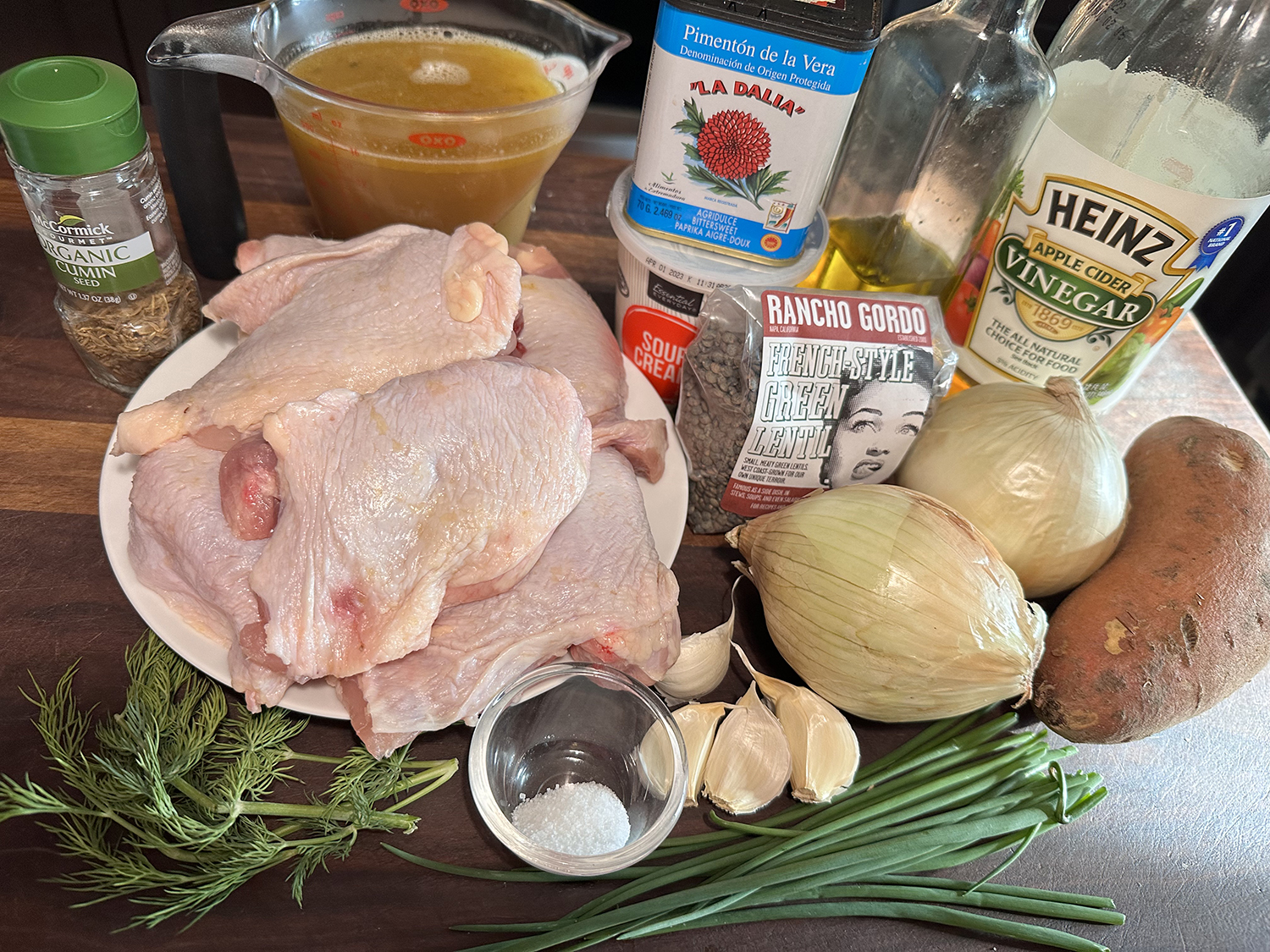
  • 6 bone-in, skin-on chicken thighs (about 2¼ lbs.)
  • ¾ lb. skin-on kabocha squash, seeds removed, cut into about 6 (1-inch-thick) wedges
  • 1 Tbsp. plus 2 tsp. ground sweet paprika
  • 3 Tbsp. olive oil
  • Fine sea salt
  • 2 small yellow onions, halved and thinly sliced
  • 3 garlic cloves, minced
  • 1 tsp. cumin seeds, lightly toasted
  • 8 oz./1 heaping cup (uncooked) French green lentils, rinsed
  • 2 cups chicken stock
  • ¾ cup sour cream
  • ¼ cup finely chopped chives
  • 3 Tbsp. finely chopped fresh dill, plus 1 tablespoon picked leaves for serving
  • 3 Tbsp. apple cider vinegar
  • ½ tsp. granulated sugar

Directions

  1. Heat the oven to 450 degrees.
  2. In a large bowl, mix together the chicken, squash, 1 tablespoon paprika, 1 tablespoon oil and 1 teaspoon salt; set aside.
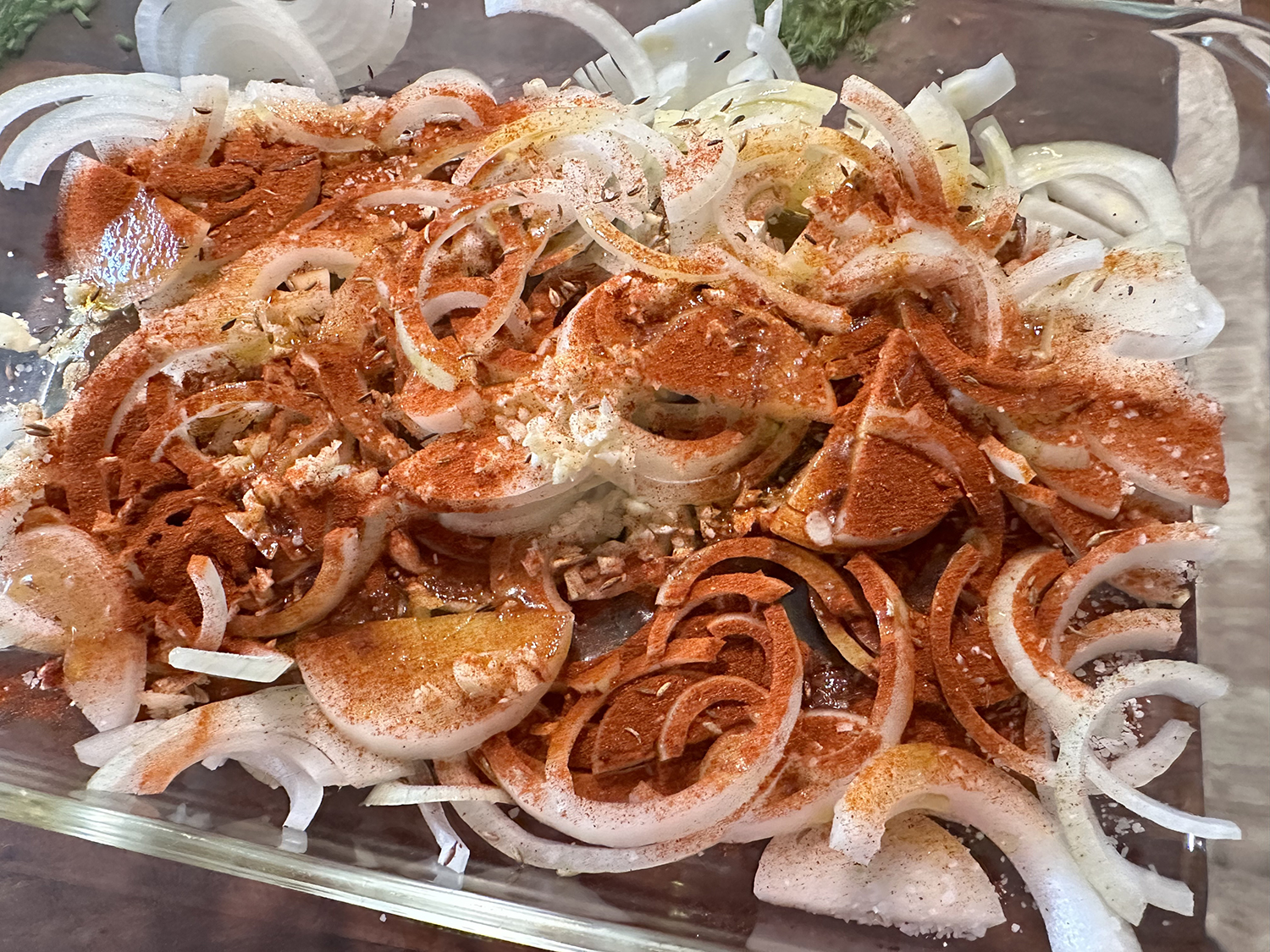
  3. Place the onions, 2 garlic cloves, ½ teaspoon cumin, 1 teaspoon salt and the remaining 2 tablespoons oil and 2 teaspoons paprika in a 9-by-13-inch baking dish and mix to combine. Roast for 10 minutes, stirring halfway, until the onions are lightly colored.
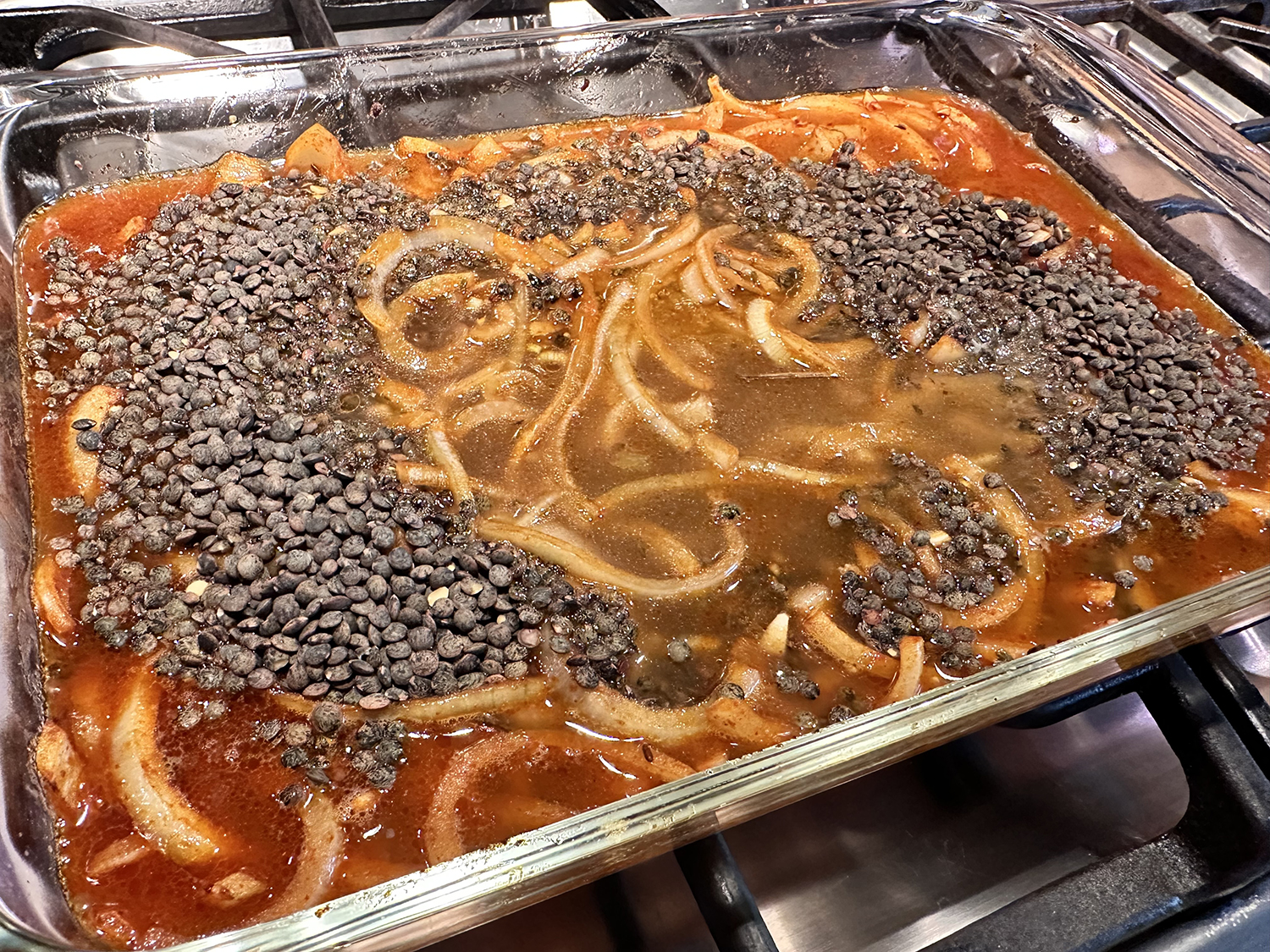
  4. Stir in the lentils and chicken stock. Arrange the squash wedges and the chicken, skin-side up, on top and roast for another 20 minutes, until the chicken skin is deeply golden.
  5. Turn the oven down to 350 degrees and cook for another 40 minutes, until the chicken is cooked through and the squash is nicely softened.
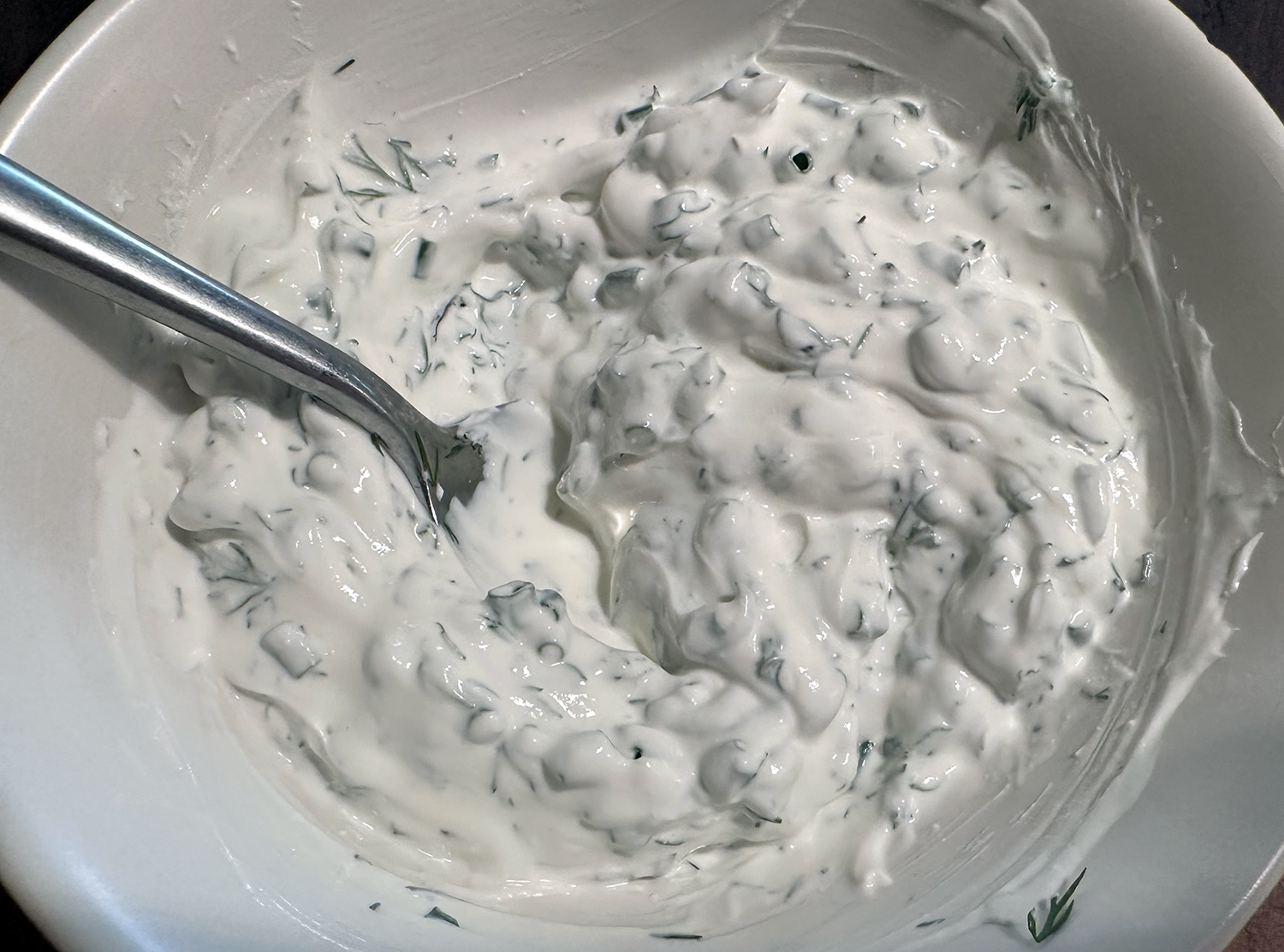
  6. Meanwhile, in a small bowl, combine the sour cream, chives and dill; set aside.
  7. To make the daqa, mix the remaining garlic and cumin with the vinegar, sugar, ¼ teaspoon salt and 2 tablespoons of water.
  8. When ready, remove the bake from the oven and top with spoonfuls of the sour cream mixture. Pour over the daqa and sprinkle with the extra dill. Serve hot, straight out of the baking dish.

http://www.lynnandruss.com

Recipe by Yotam Ottolenghi for NYTimes Cooking

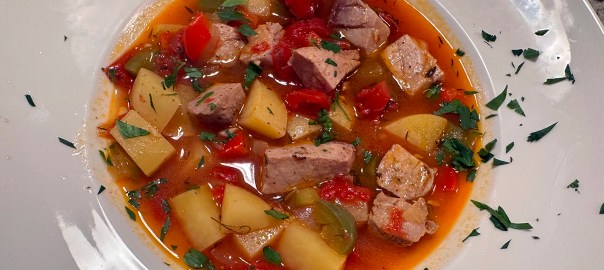
Marmitako—Basque Tuna Stew

There is nothing better than a warm and comforting stew on a cold day, it takes all the chills out of your body and fills you with nothing but comfort. However, this tuna stew is equally welcome on a bright Spring Day. And since The Hubs loves all-things Spanish, making the dish was a no-brainer.

Marmitako is really quite simple to make and you don’t need any special equipment, just a standard stock/braising pot, and most importantly, fresh ingredients. With a recipe this simple, it is always important to use the freshest and highest of quality ingredients, it truly does make a difference in the overall flavor.

We made numerous changes to the original recipe, which included doubling most of the vegetable ingredients. Some of the timing was altered also to cook the potatoes 5 minutes longer, and the tuna cubes 5 minutes less. All of the changes are noted below.

Marmitako - Basque Tuna Stew

  • Servings: 4
  • Difficulty: easy
  • Print

Ingredients

  • 2 fillets fresh tuna
  • 1/4 cup extra virgin Spanish olive oil
  • 4 cloves of garlic
  • 1 onion
  • 1 red bell pepper
  • 1 green bell pepper
  • 2 medium Yukon gold potatoes
  • 1 can fire-roasted diced tomatoes
  • 1/2 tsp. dried thyme
  • 1/2 tsp. smoked paprika
  • 1/2 cup white wine
  • 2 1/2 cups fish broth, preferably homemade
  • Sea salt
  • Freshly cracked black pepper
  • Fresh parsley

Directions

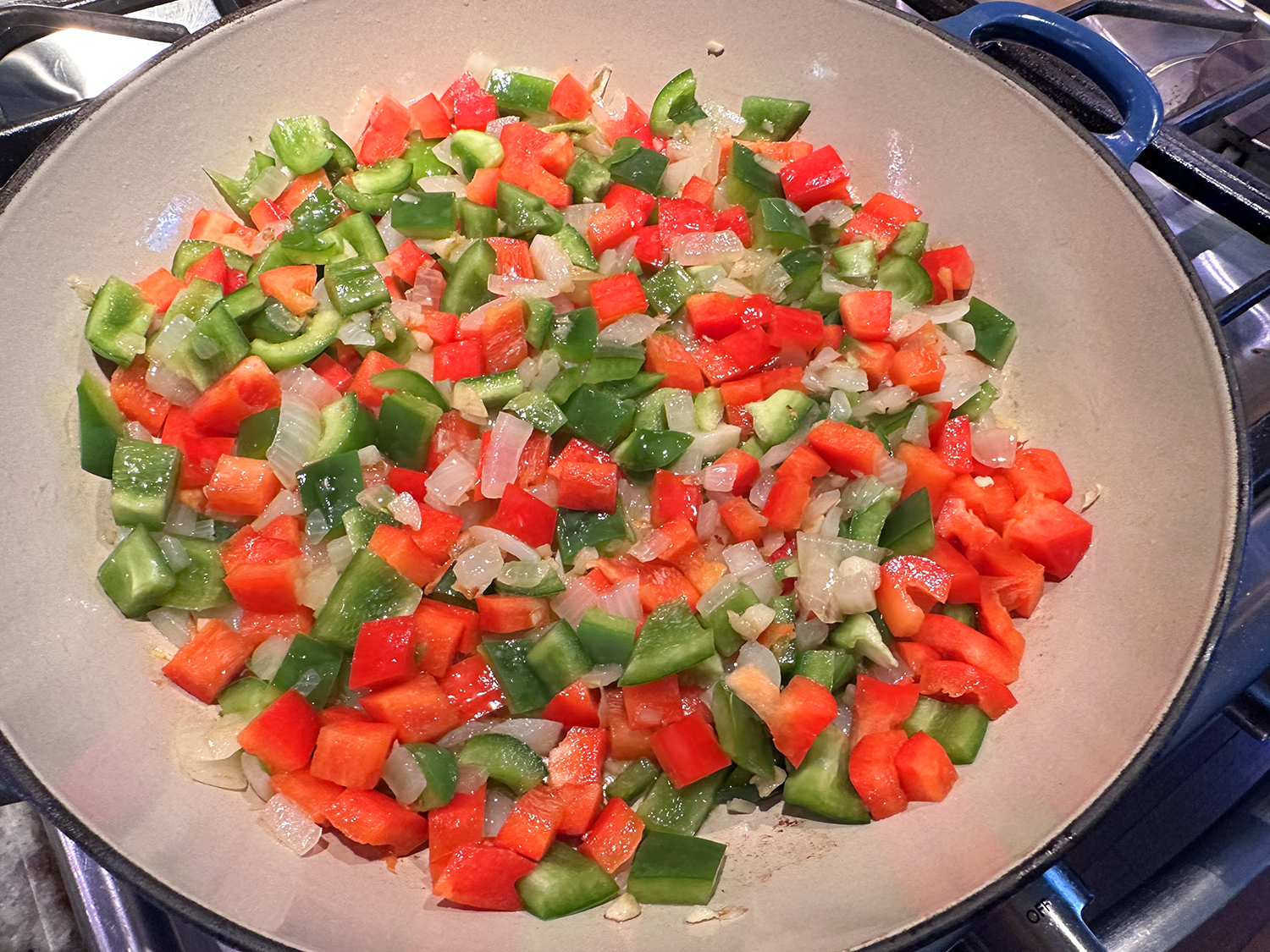
  1. Begin by cutting all the vegetables first, 4 minced cloves of garlic, diced onion, diced red bell pepper, dice green bell pepper and cut 2 medium Yukon gold potato into 1/2-inch cubes.
  2. Heat a large stock pot with a medium heat and add a 1/4 cup of extra virgin Spanish olive oil, once the oil gets hot add the diced onions and minced garlic, mix with the oil and cook for about 4 minutes, then add the diced bell peppers, mix and cook for another 5 minutes, then add the cubed potatoes, mix and cook for another 2 minutes, then add 1 cup of diced tomatoes, season everything with a generous pinch of sea salt, freshly cracked black pepper, 1/2 teaspoon of dried thyme and 1/2 teaspoon of smoked paprika, mix everything together and cook for 2 minutes.
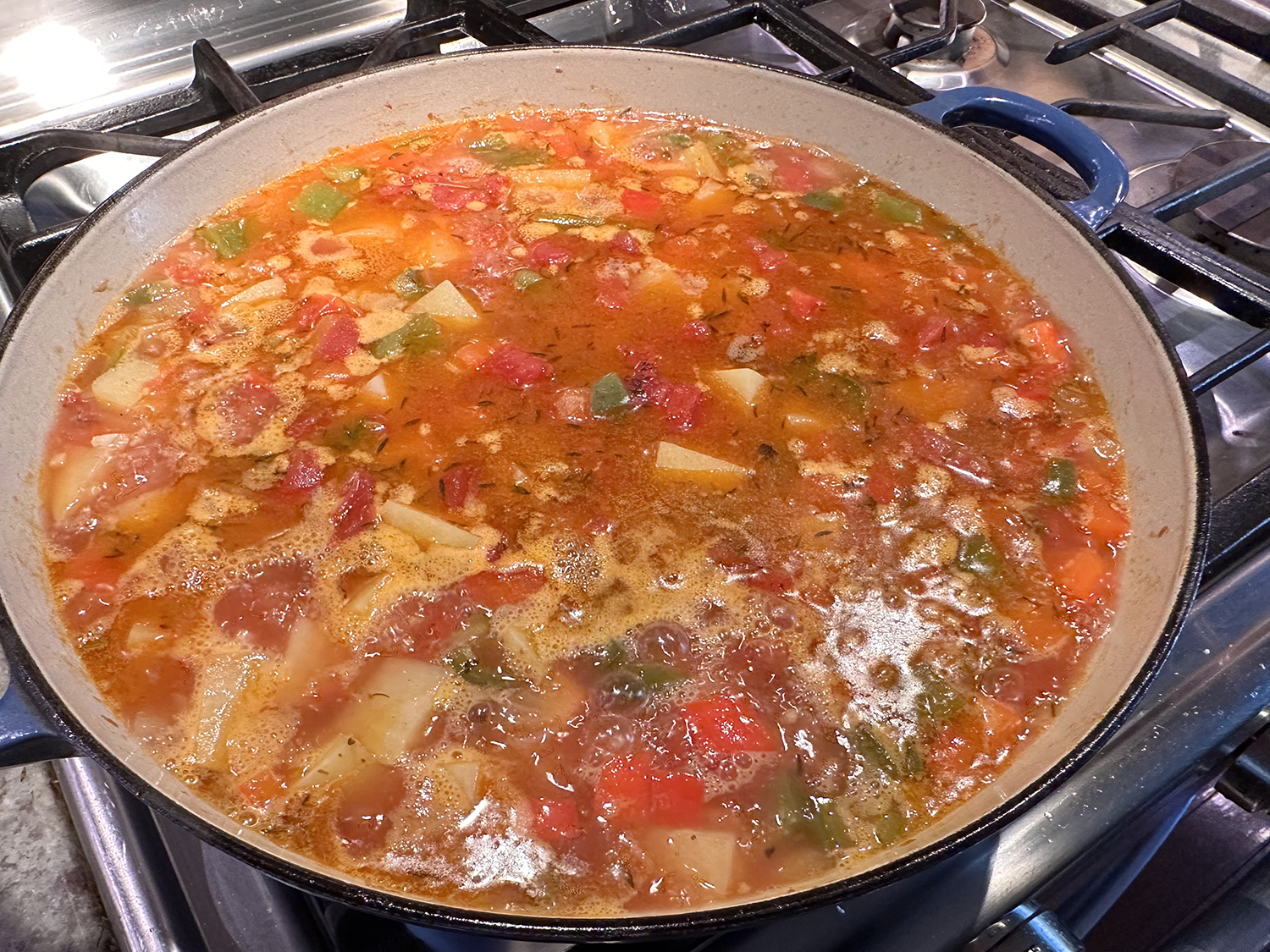
  3. Turn the fire up to a HIGH heat and add 1/2 cup of white wine, about 4 minutes after adding the white wine add 2 1/2 cups of fish broth, once it comes to a boil, place a lid on top and lower the fire to a LOW heat.
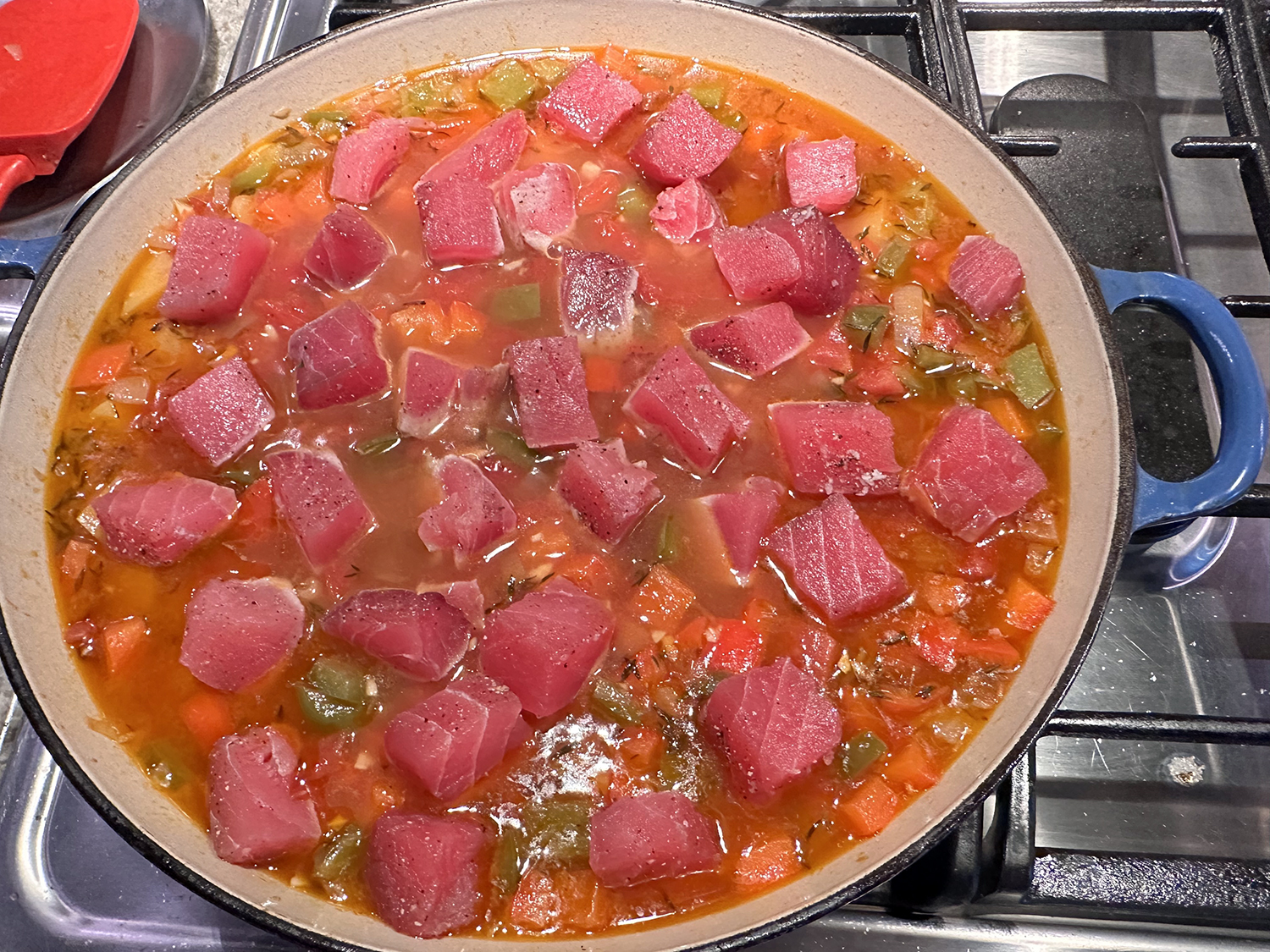
  4. While the stew is simmering, season 2 fresh tuna fillets with sea salt and freshly cracked black pepper on both sides, then cut each one into 1/2 inch cubes.
  5. After leaving the stew to simmer for 25 minutes, add the cubed tuna to the stock pot, mix it with the rest of the ingredients, place the lid back on top and cook for another 5 minutes.
  6. Transfer the tuna stew into shallow bowls and garnish each one with fresh parsley

http://www.lynnandruss.com

Adapted from a recipe from Spain on a Fork

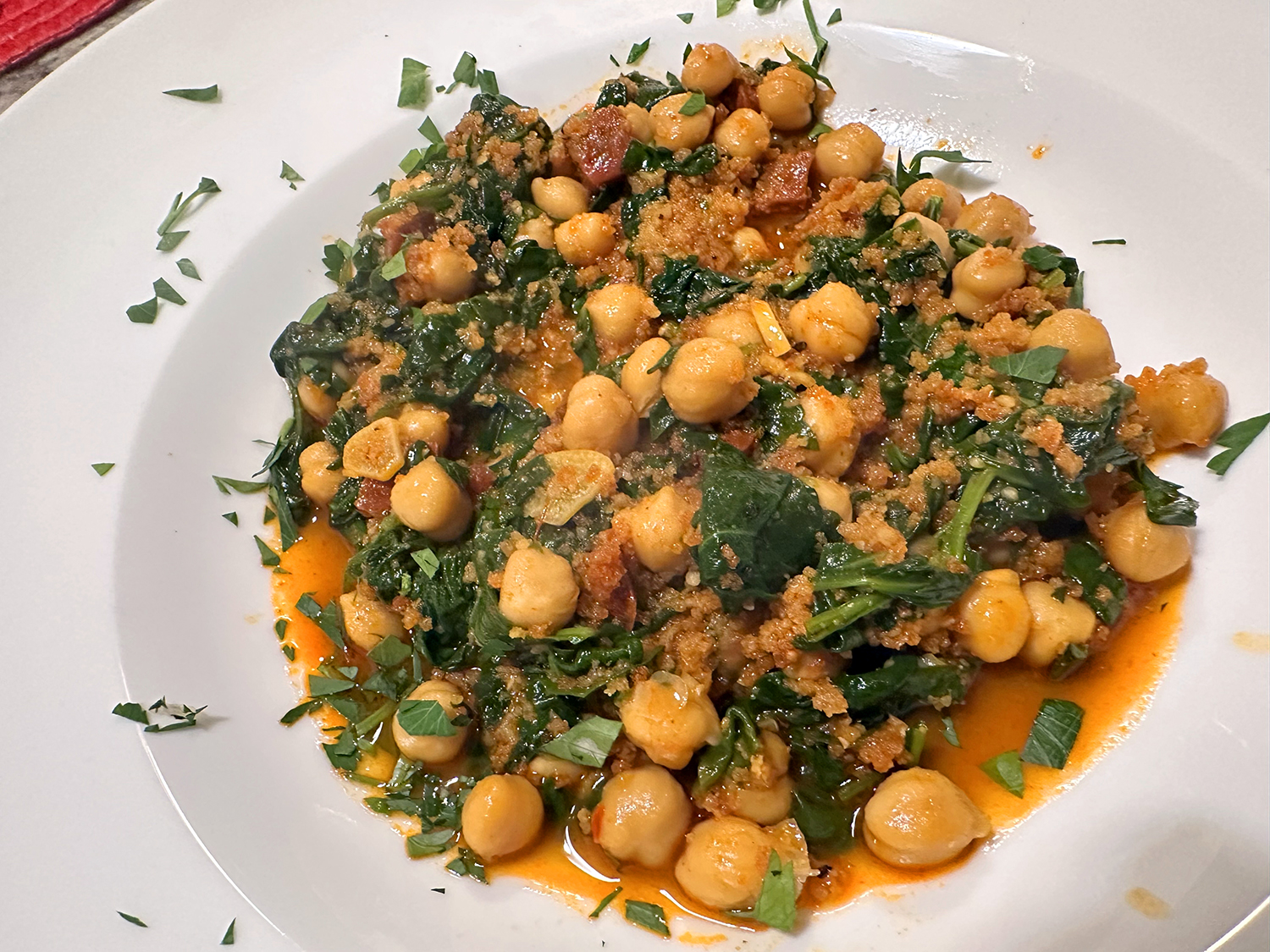
Chickpeas with Spinach, Chorizo, and Smoked Paprika

A traditional tapas from the southern Spanish region of Andalucia, this dish consists of tender stewed chickpeas, delicate wilted spinach, and bold North African-influenced spices. For the flavor backbone, the Spanish classics of saffron, garlic, smoked paprika and cumin are utilized.

Traditional addition of chorizo adds meaty richness, while curly-leafed spinach is the best choice for its sturdy texture in this brothy dish. That being said, we were unable to source curly-leafed spinach and had to go with baby spinach—not the best option, but it still worked.

Including the chickpeas’ flavorful, starchy canning liquid helps to give the dish more body. The picada is a traditional cooking thickener in Spain. This bread crumb-based mixture gives the stewed beans and greens just the right velvety texture and flavor boost.

It is good served over rice or with good crusty bread to sop up the flavorful broth. We just served it with a side salad.

Chickpeas with Spinach, Chorizo, and Smoked Paprika

  • Servings: 4
  • Difficulty: easy
  • Print

Ingredients

  • Pinch saffron threads, crumbled
  • 2 tsp. extra-virgin olive oil
  • 8 oz. curly-leaf spinach, stemmed
  • 3 oz. Spanish-style chorizo sausage, chopped fine
  • 5 garlic cloves, sliced thin
  • 1 Tbsp. smoked paprika
  • 1 tsp. ground cumin
  • Salt and pepper
  • 2 (15-oz.) cans chickpeas
  • 1 recipe Picada (recipe follows)
  • 1 Tbsp. sherry vinegar

Directions

  1. Combine 2 Tbsp. boiling water and saffron in small bowl and let steep for 5 minutes.
  2. Heat 1 teaspoon oil in Dutch oven over medium heat until shimmering. Add spinach and 2 tablespoons water, cover, and cook, stirring occasionally, until spinach is wilted but still bright green, about 1 minute. Transfer spinach to colander and gently press to release liquid. Transfer spinach to cutting board and chop coarse. Return to colander and press again.
  3. Heat remaining 1 teaspoon oil in now-empty pot over medium heat until shimmering. Add chorizo and cook until lightly browned, about 5 minutes. Stir in garlic, paprika, cumin, and 1/4 teaspoon pepper and cook until fragrant, about 30 seconds. Stir in chickpeas and their liquid, 1 cup water, and saffron mixture and bring to simmer. Cook, stirring occasionally, until chickpeas are tender and liquid has thickened slightly, 10 to 15 minutes.
  4. Off heat, stir in picada (recipe below), spinach, and vinegar and let sit until heated through, about 2 minutes. Adjust sauce consistency with hot water as needed. Season with salt and pepper to taste and serve.

Picada:

  • 1/4 cup slivered almonds
  • 2 slices hearty white sandwich bread, torn into quarters
  • 2 Tbsp. extra-virgin olive oil
  • 1/8 tsp. salt
  • Pinch pepper

Directions

  1. Adjust oven rack to middle position and heat oven to 375 F. Pulse almonds in food processor to fine crumbs, about 20 pulses.
  2. Add bread, oil, salt, and pepper and pulse bread to coarse crumbs, about 10 pulses.
  3. Spread mixture evenly in rimmed baking sheet and bake, stirring often, until golden brown, about 10 minutes. Set aside to cool. (Picada can be stored in airtight container for up to 2 days.)

http://www.lynnandruss.com

Recipe from The Complete Mediterranean Cookbook by America’s test Kitchen

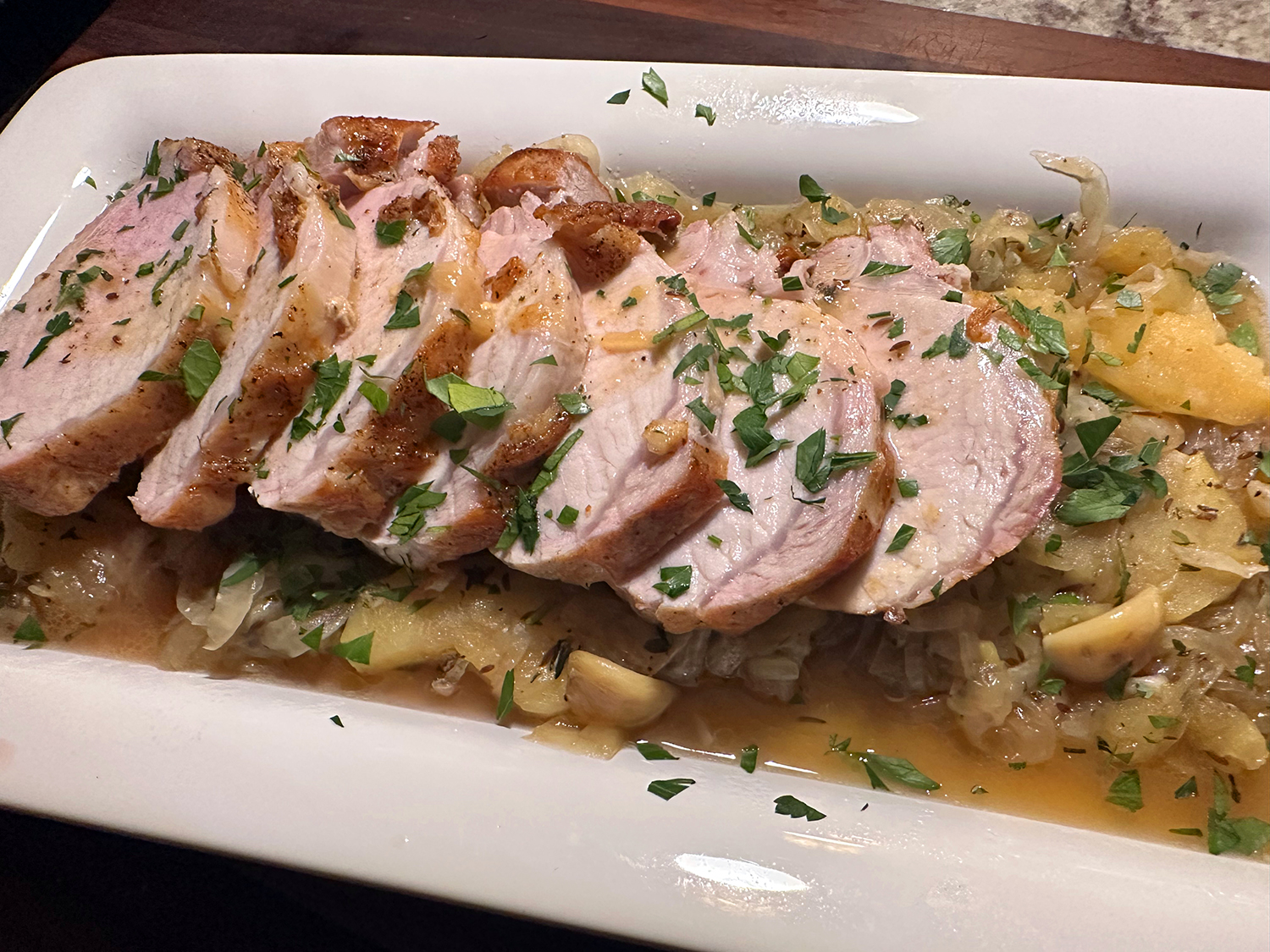
Roasted Sweet Vidalia Pork Loin

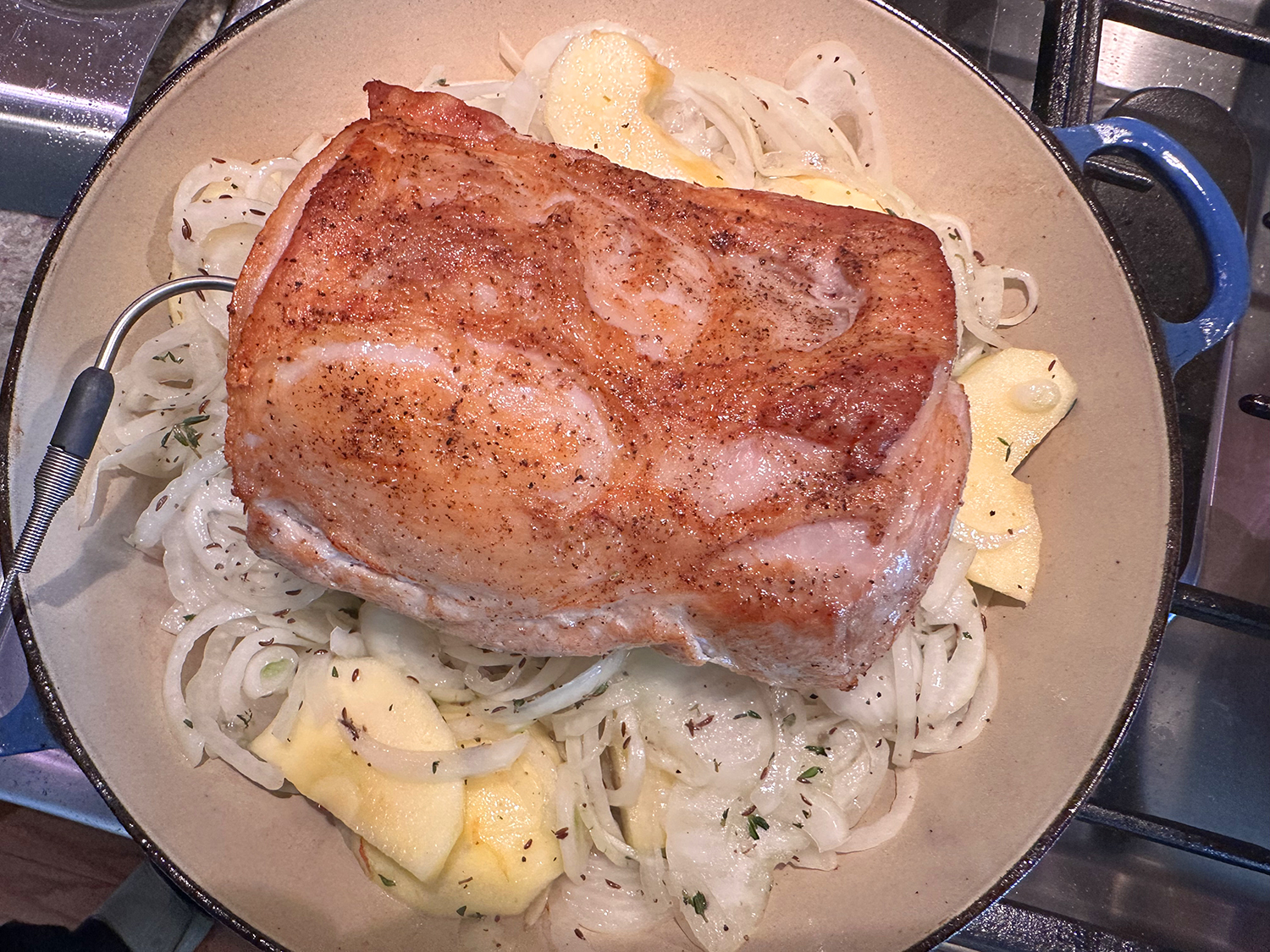
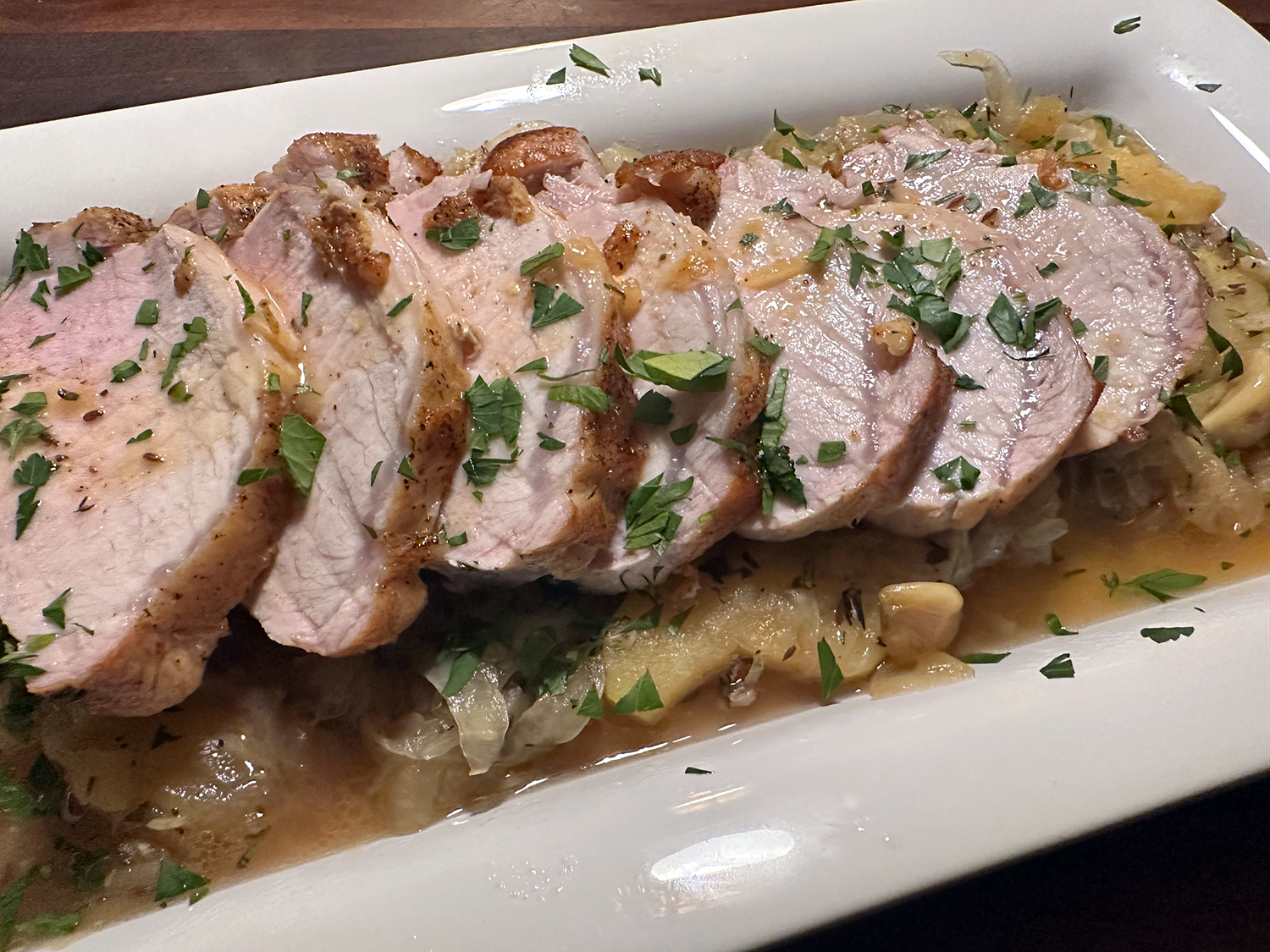
For quite a fancy spread, this elegant dinner comes together in not much more than an hour. The sweet Vidalia onions break down into luxurious softness, while the apple slices (we used Ruby Frost) and garlic render down and provide additional layers of flavor to the onion mixture.

Served with garlicky mashed potatoes and steamed broccoli, it was a complete and satisfying meal. We had plenty leftover so we plan to get two additional meals from it. One, a pork fried rice dish, and the other we’ll just simply reheat the leftovers as they are, and enjoy the meal all over again!

Roasted Sweet Vidalia Pork Loin

  • Servings: 6-8
  • Difficulty: easy
  • Print

Ingredients

  • 1 center-cut pork loin, (3 lbs.)
  • Kosher salt and freshly cracked black pepper
  • 3 Tbsp. olive oil
  • 3 Vidalia onions, sliced into thin half-moons
  • 1 apple, sliced thick
  • 1 tsp. caraway seeds
  • 1 tsp. dried thyme
  • 4 cloves garlic
  • 3/4 cup chicken stock
  • 1/2 cup hard apple cider, or beer
  • 1 Tbsp. Dijon mustard
  • 1 Tbsp. unsalted butter
  • 1/4 cup fresh flat-leaf parsley, chopped

Directions

  1. Preheat the oven to 375 degrees F.
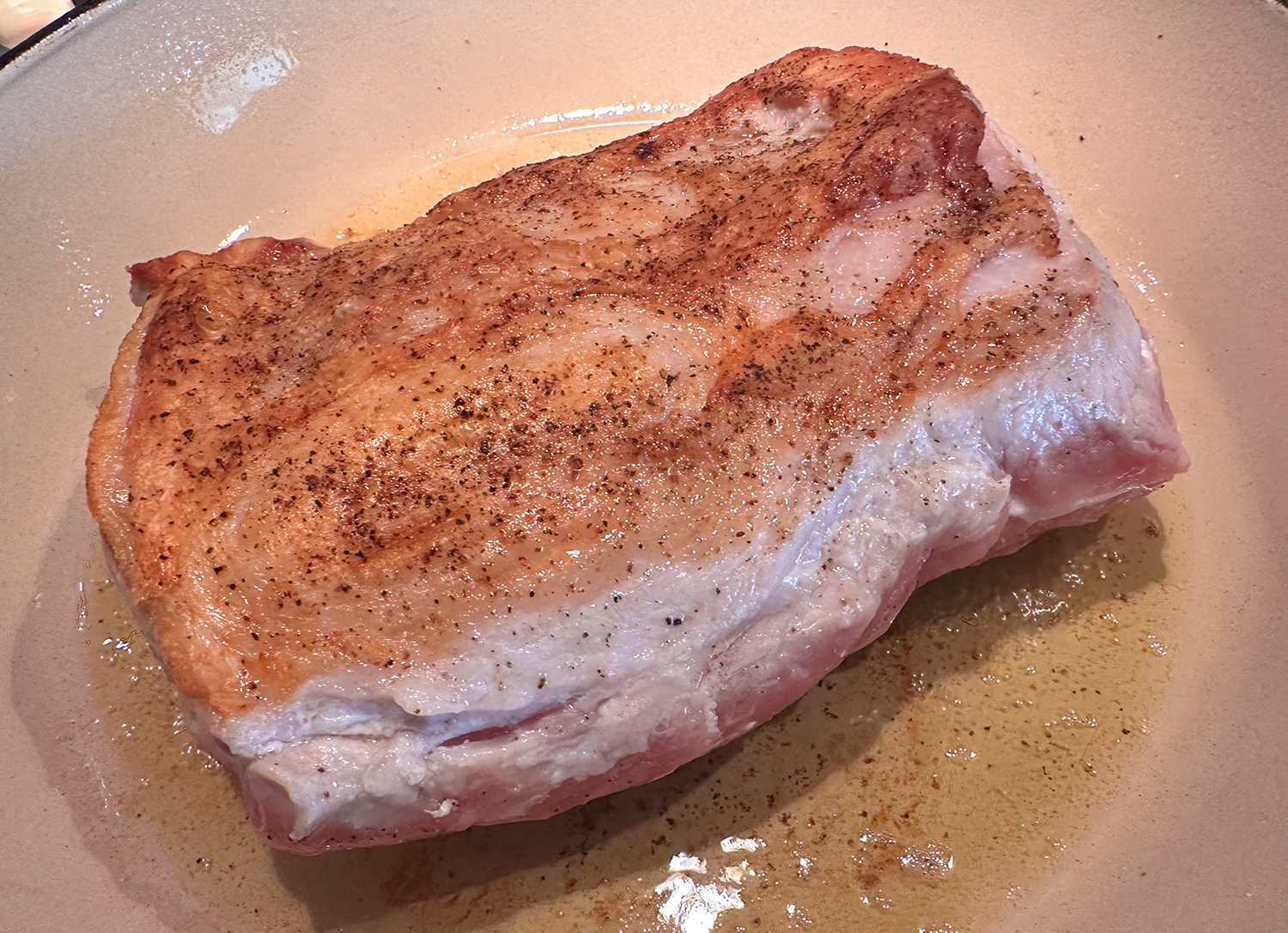
  2. Generously sprinkle all sides of the pork loin with salt and pepper. Place a braiser or shallow Dutch oven over medium-high heat. Add 2 tablespoons of the oil and heat until shimmering. Carefully put the pork in the pan. Sear until deeply golden on all sides, 1 to 2 minutes per side. Remove from the pan.
  3. Put the onions and apple in a large mixing bowl. Add the caraway seeds, dried thyme, remaining 1 tablespoon oil, 1 teaspoon salt and 1/2 teaspoon pepper and toss to coat. Transfer the mixture to the bottom of the braiser and nestle in the garlic cloves. Pour in 1/4 cup of the chicken stock and place the pork back on top. Put in the oven.
  4. About 20 minutes into the roasting time, turn the apple and onion mixture, leaving the pork loin alone. Continuing cooking the roast until the pork reaches an internal temperature of 145 degrees F, about 30 minutes. (Ours took 40 minutes to come to temperature.)
  5. Transfer the pork to a cutting board to rest while you make a pan sauce. Remove the apple and onion mixture to a platter
  6. Return the braiser to the stove over medium-high heat. Pour in the hard cider and remaining 1/2 cup chicken stock. Cook, scraping with a spatula to remove any brown bits from the bottom of the pan. Whisk in the mustard. Allow the sauce to simmer until reduced slightly, a couple of minutes. Add the butter, whisking until melted. Cook just until the sauce is shiny and slightly thickened, about 5 minutes. Taste and season with more salt and pepper if needed.
  7. Slice the pork and arrange the slices over the onion and apple mixture. Top with sauce and chopped parsley.

http://www.lynnandruss.com

Adapted from a recipe by Trisha Yearwood

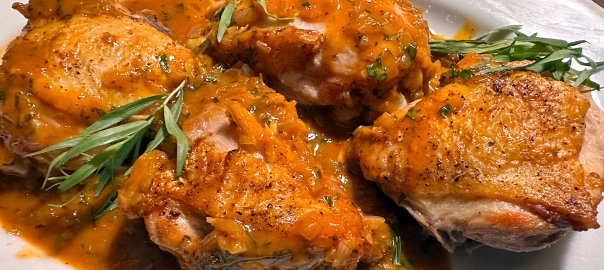
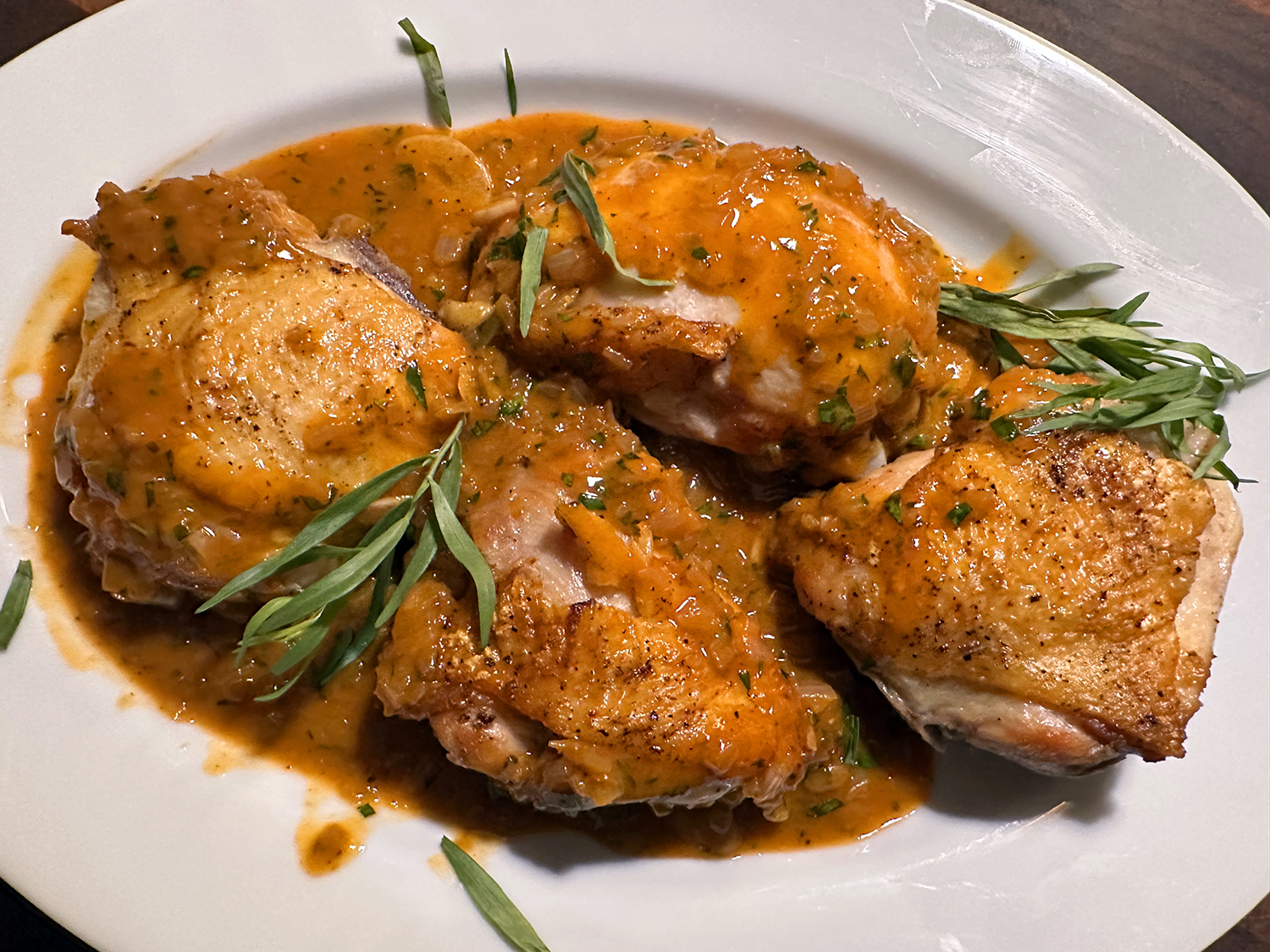
Poulet au Vinaigre

This classic Lyonnaise dish calls for using just chicken thighs rather than the usual combination of light and dark meat to ensure that all the meat cooks at the same rate. It hails from America’s Test Kitchen and we were excited to try the recipe.

The chicken thighs are browned to develop flavor and then braised in a flavorful mix of chicken broth (preferably homemade), white wine, and red wine vinegar until it reaches 195 degrees and is meltingly tender and juicy.

To finish the sauce, fortify the braising liquid with tomato paste and reduce it to a luxurious, lightly thickened consistency before adding minced fresh tarragon. The sauce is typically finished with heavy cream, but this version whisks in a couple tablespoons of butter instead to help preserve the vibrancy of the luscious sauce. 

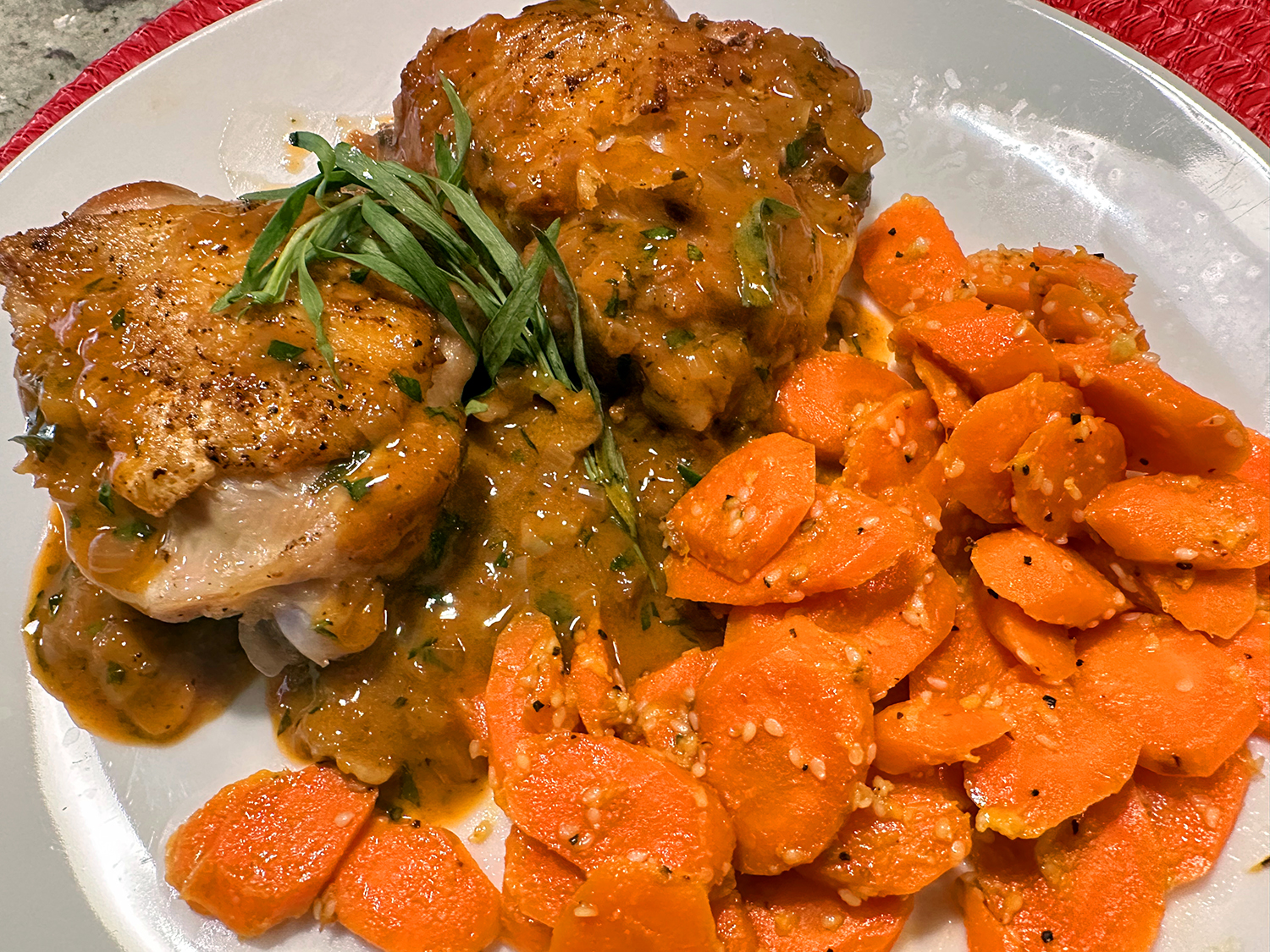
We initially loved the fact that it was a recipe for two. But after dining on the amazing dish, we almost wished we did have leftovers. The sauce alone is so incredibly tasty, you’ll want to lick your plate clean! Our entree was paired with Miso-Orange Glazed Carrots.

NOTE: Use an inexpensive dry white wine here or substitute dry vermouth. Fresh tarragon is traditional for poulet au vinaigre, but parsley can be substituted, if desired.

Poulet au Vinaigre

  • Servings: 2
  • Difficulty: easy
  • Print

Ingredients

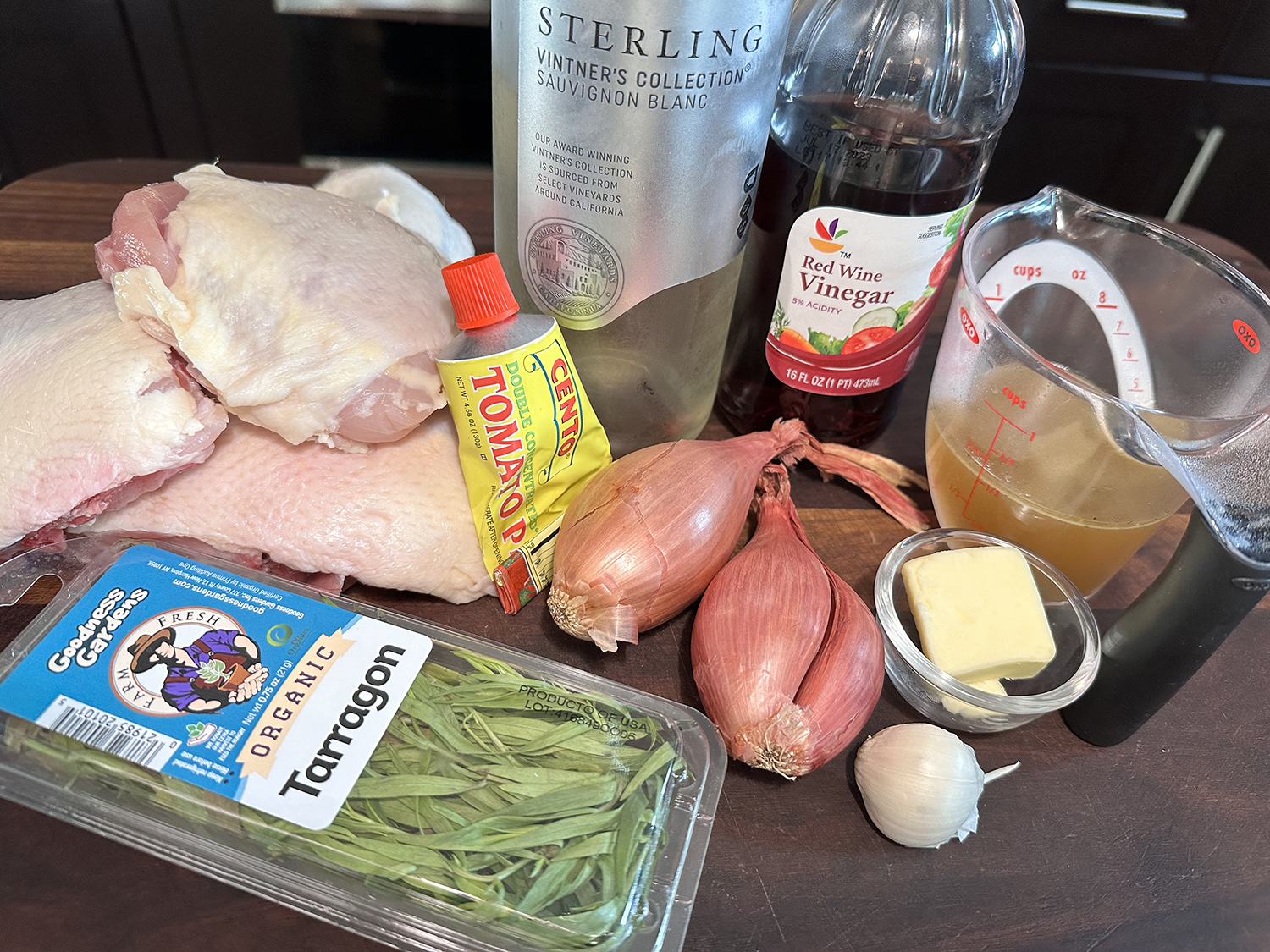
  • 4 (5- to 7-oz.) bone-in chicken thighs, trimmed
  • ½ tsp. table salt
  • ¼ tsp. pepper
  • 1 ½ tsp. vegetable oil
  • 2 Tbsp. minced shallot, or more (we doubled it to 1⁄4 cup)
  • 1 garlic clove, sliced thin
  • ½ cup chicken broth, preferably homemade
  • ½ cup dry white wine
  • 2 ½Tbsp. red wine vinegar, plus extra for seasoning
  • 1 ½ tsp. tomato paste
  • 1 Tbsp. unsalted butter, chilled
  • 1 ½ tsp. minced fresh tarragon

Directions

  1. Adjust oven rack to lower-middle position and heat oven to 325 degrees.
  2. Pat chicken dry with paper towels and sprinkle both sides with salt and pepper. Heat oil in 10-inch oven-safe skillet over medium heat until shimmering.
  3. Add chicken, skin side down, and cook, without moving it, until well browned, about 8 minutes. Using tongs, flip chicken and brown on second side, about 3 minutes. Transfer chicken to large plate.
  4.  Pour off all but 1 tablespoon fat from skillet. Add shallot and garlic and cook, stirring frequently, until garlic is golden brown, about 1½ minutes.
  5. Add broth, wine, and vinegar; bring to simmer, scraping up any browned bits. Return chicken to skillet, skin side up (skin will be above surface of liquid).
  6. Transfer skillet to oven and bake, uncovered, until chicken registers 195 degrees, 35 to 40 minutes. Using tongs, transfer chicken to clean serving platter and tent with aluminum foil.
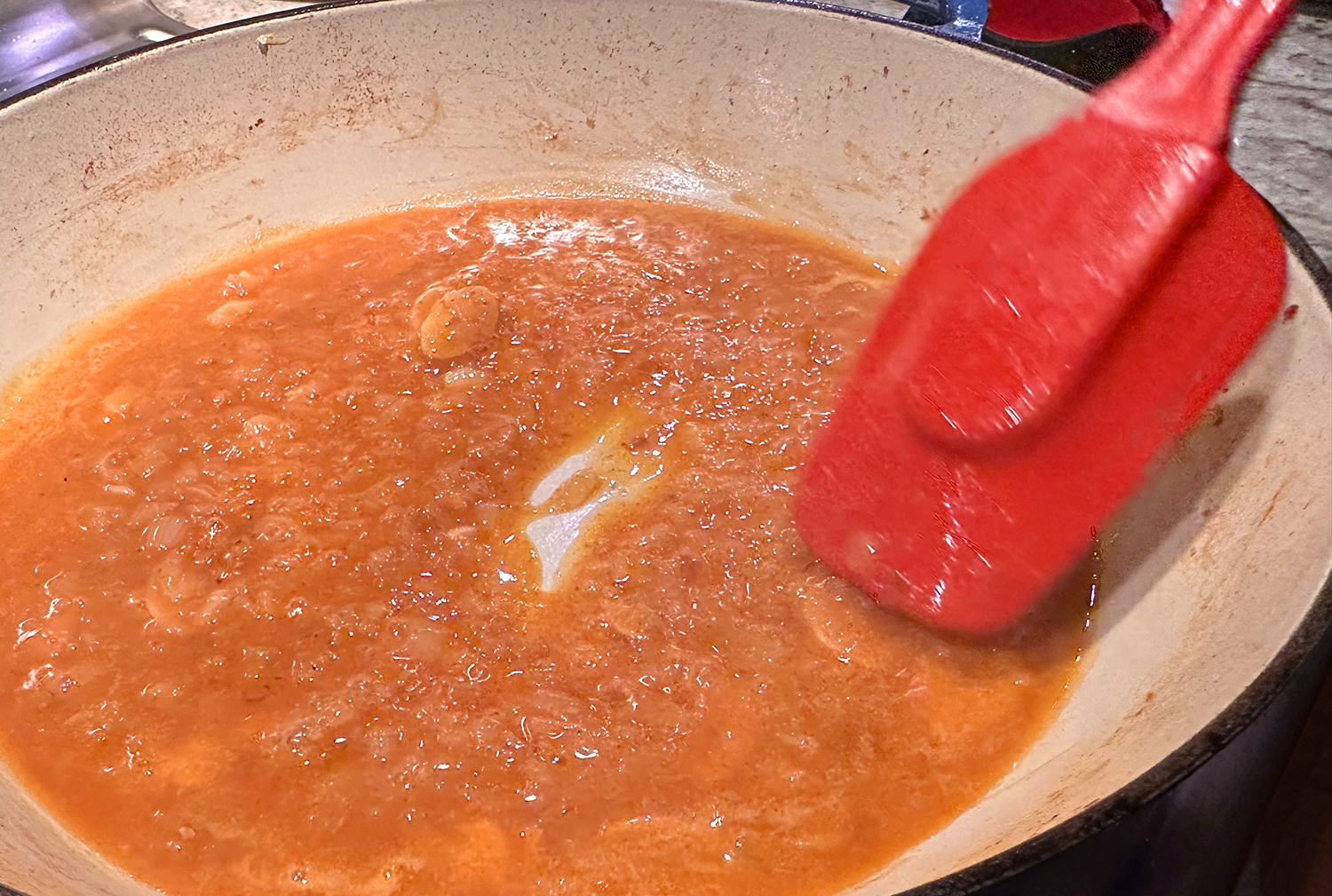
  7. Place skillet over high heat. Whisk tomato paste into liquid and bring to boil. Cook, occasionally scraping side of skillet to incorporate fond, until sauce is thickened and reduced to ⅔ cup, 5 to 7 minutes.
  8. Off heat, whisk in butter and tarragon. Season with salt, pepper, and up to ½ teaspoon extra vinegar (added ⅛ teaspoon at a time) to taste. Pour sauce around chicken and serve.

http://www.lynnandruss.com

Original recipe from America’s test Kitchen

Cod with Pancetta, Artichokes and Olives

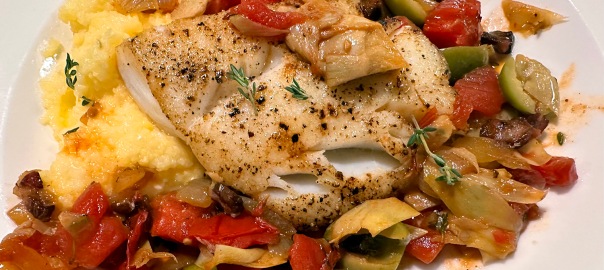
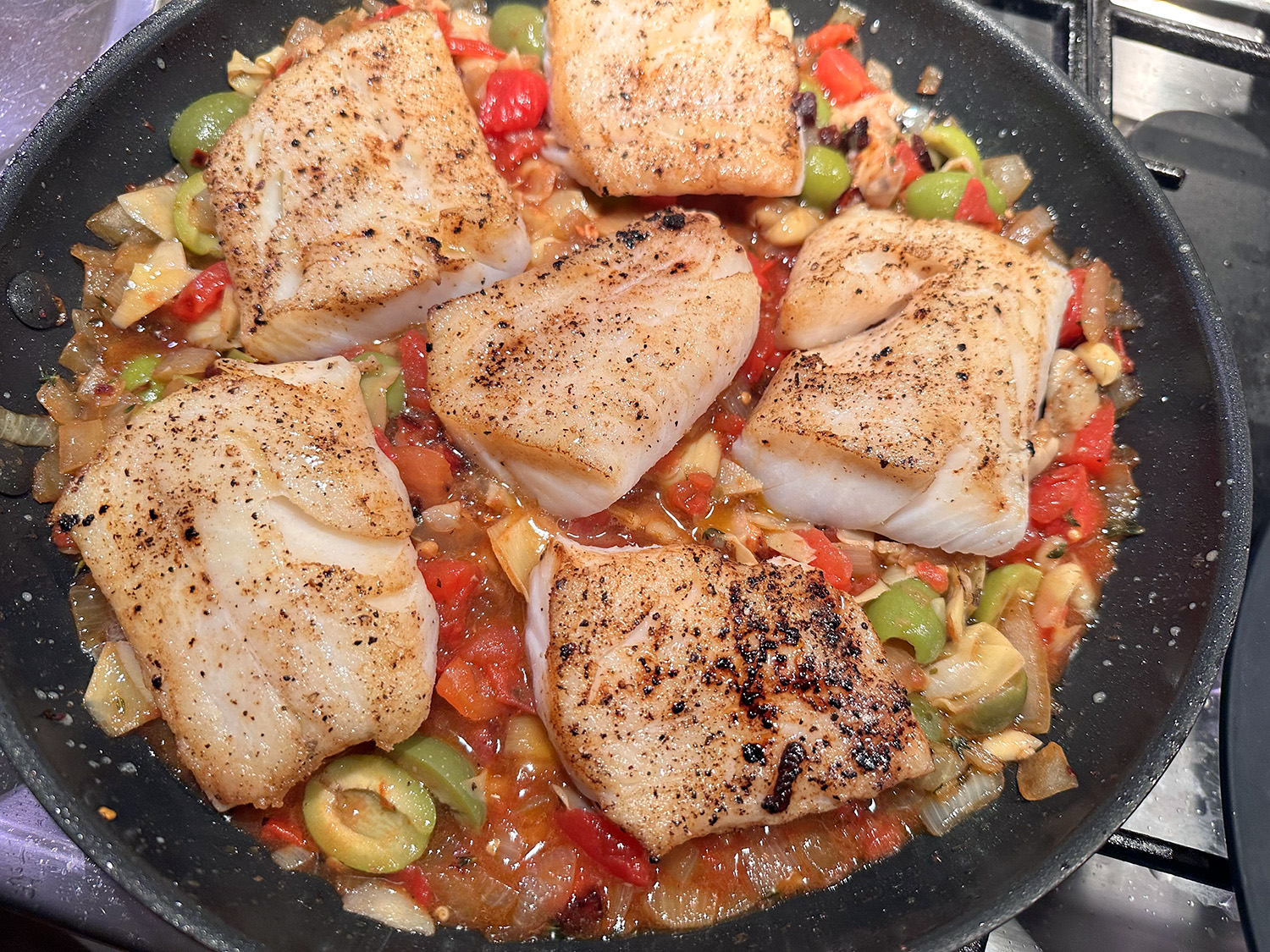
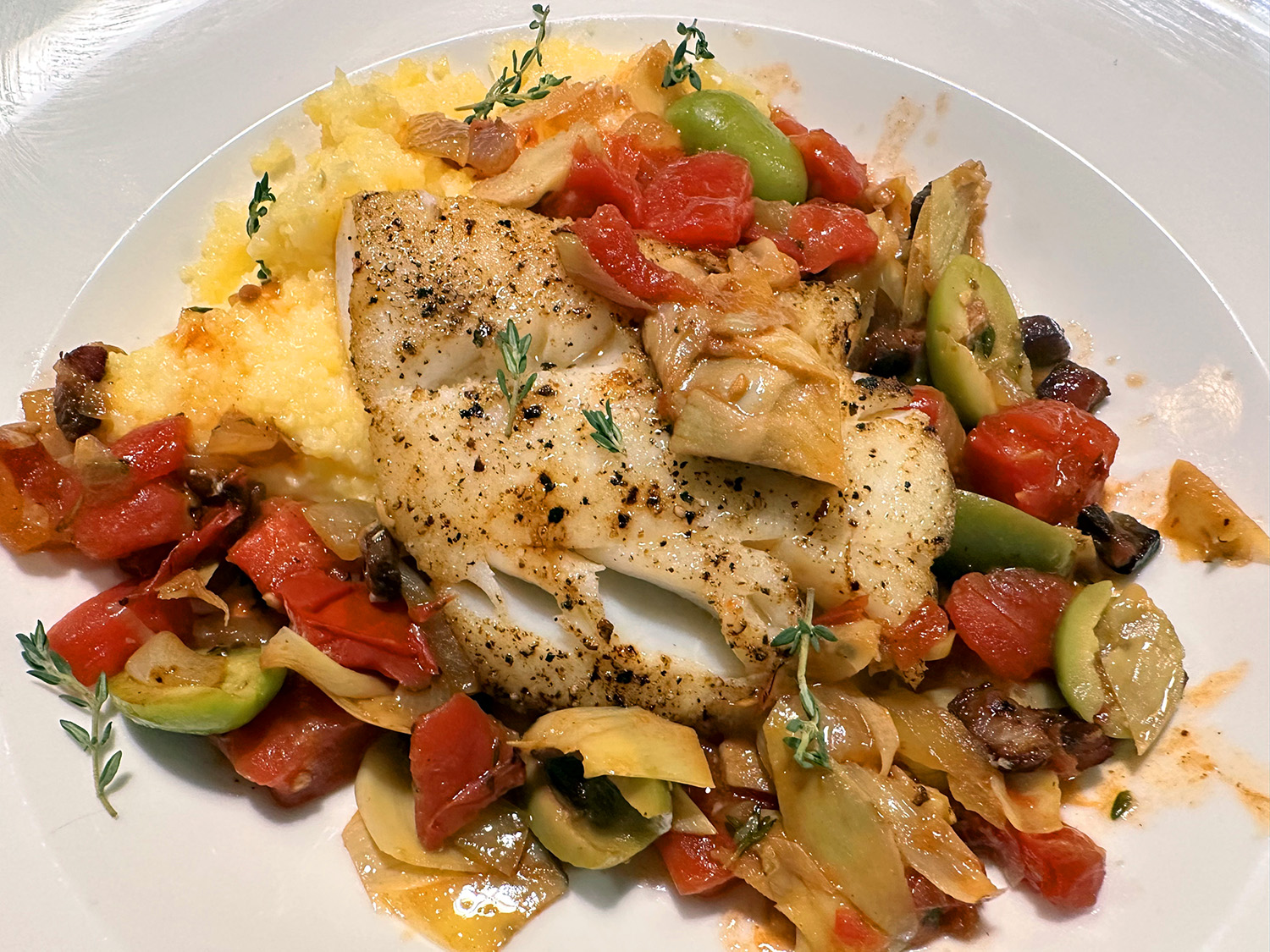
Looking to introduce more seafood dishes into your evening repertoire of family meals? This lovely recipe is easy, is ready in just over a half hour, and contains heart-healthy ingredients.

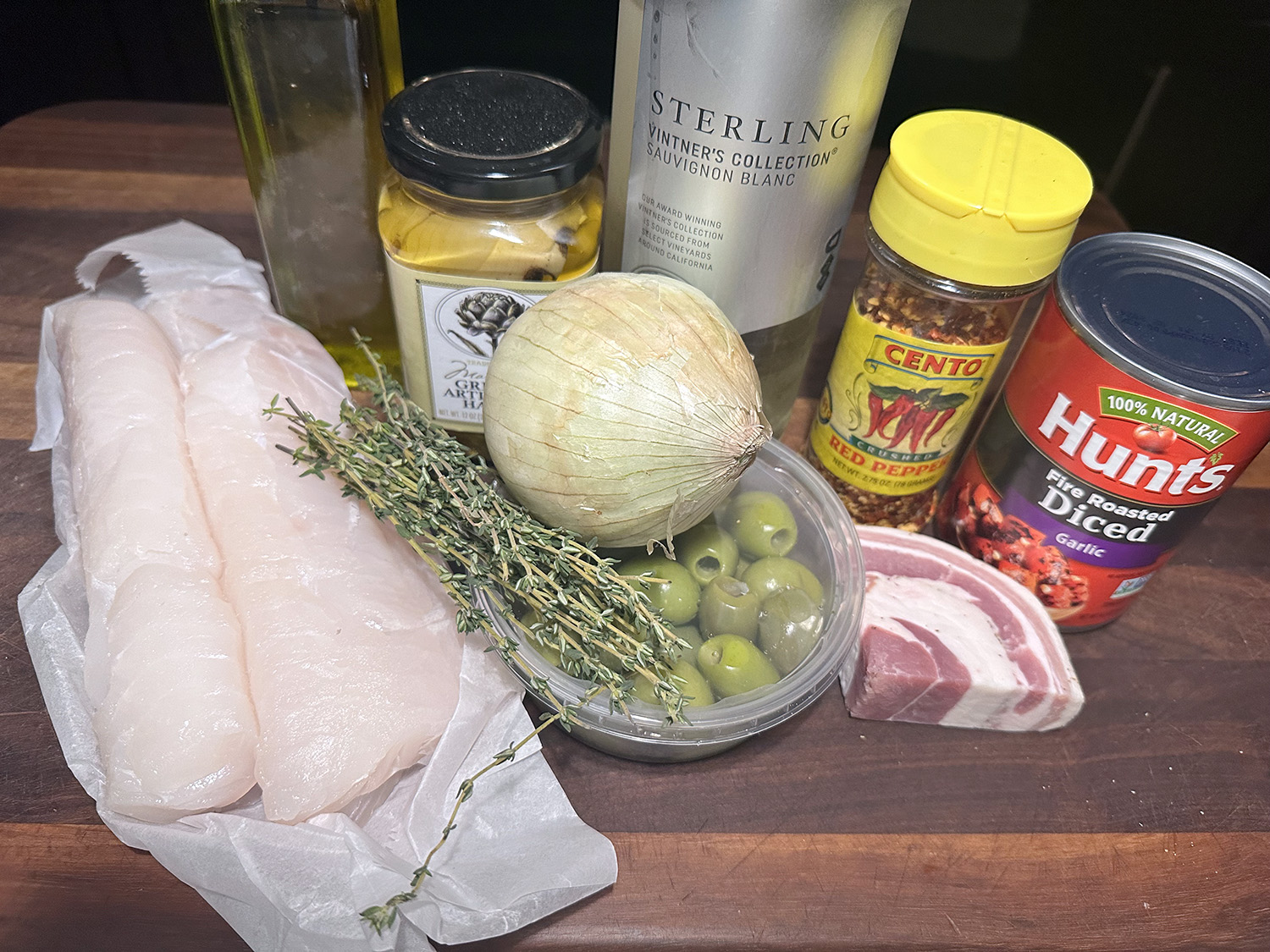
We served ours over polenta and it was delicious! Our pancetta weighed in at closer to 4 ounces, and we used it all. Are there meatless substitutions for pancetta? Yes, you can try marinated tofu, mushrooms, smoked paprika, olives (already in the dish), and parmesan cheese to substitute for pancetta.

Cod with Pancetta, Artichokes and Olives

  • Servings: 4
  • Difficulty: easy
  • Print

Ingredients

  • 4 6-oz. pieces fresh cod loin fillet
  • Kosher salt and freshly ground black pepper
  • 2 Tbsp. extra-virgin olive oil
  • 2 oz. pancetta, cut into 1/4-inch dice (about 1/4 cup)
  • 1 medium yellow onion, cut into 1/4-inch dice
  • 1 tsp. fresh thyme leaves
  • 1/8 to 1/4 tsp. crushed red pepper flakes
  • 1/2 cup dry white wine
  • 1 15-oz. can diced fire-roasted tomatoes in juice
  • 1 cup marinated artichoke hearts, drained and chopped
  • 1/2 cup large pitted green olives, such as Castelvetrano, halved

Directions

  1. Pat the cod dry and season with salt and pepper.
  2. Heat the oil in a 12-inch nonstick skillet over medium-high heat. Add the pancetta and cook, stirring, until crisp and golden, 2 to 4 minutes. Using a slotted spoon, transfer the pancetta to a paper-towel-lined plate, leaving the fat behind in the pan.
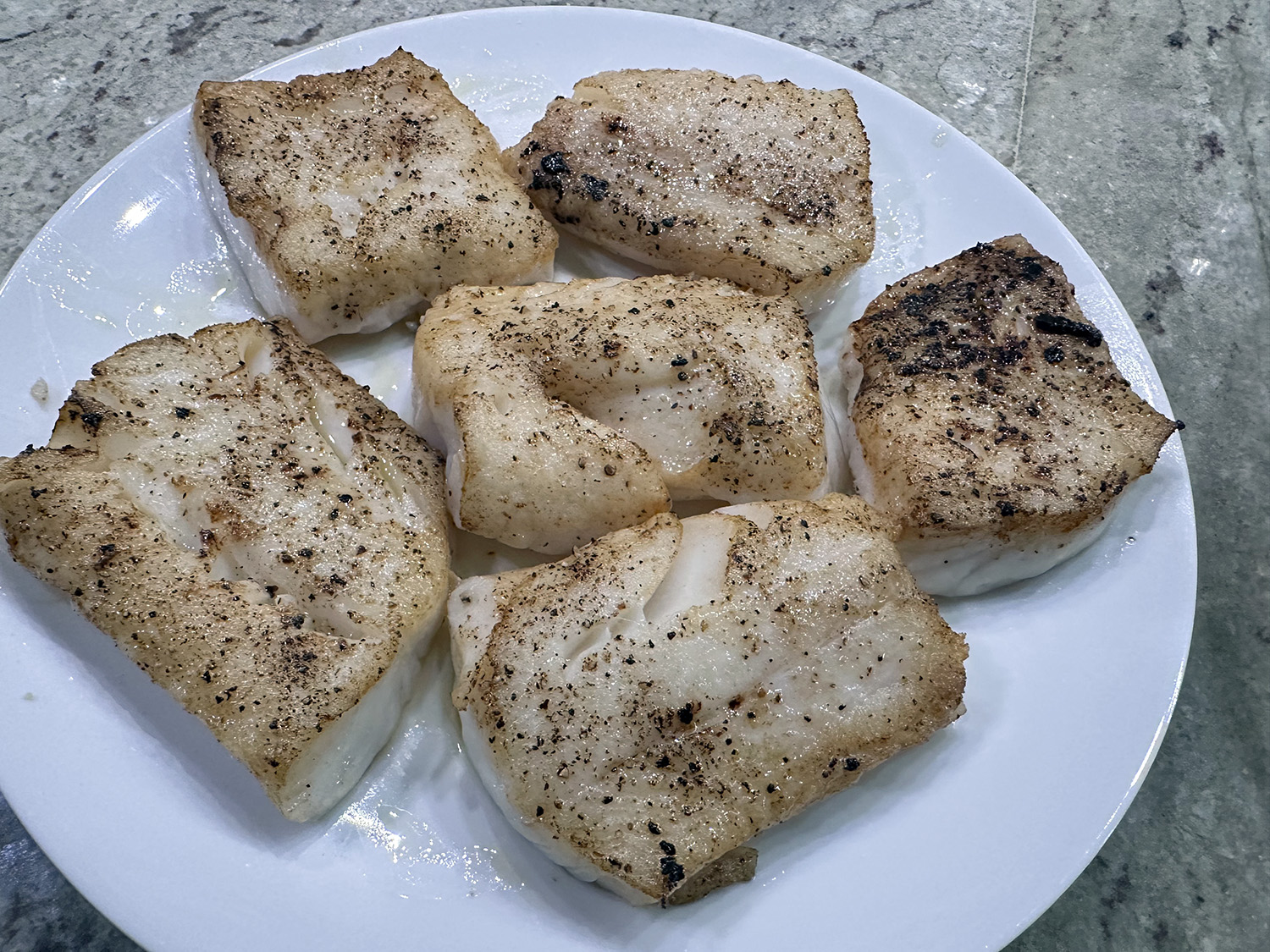
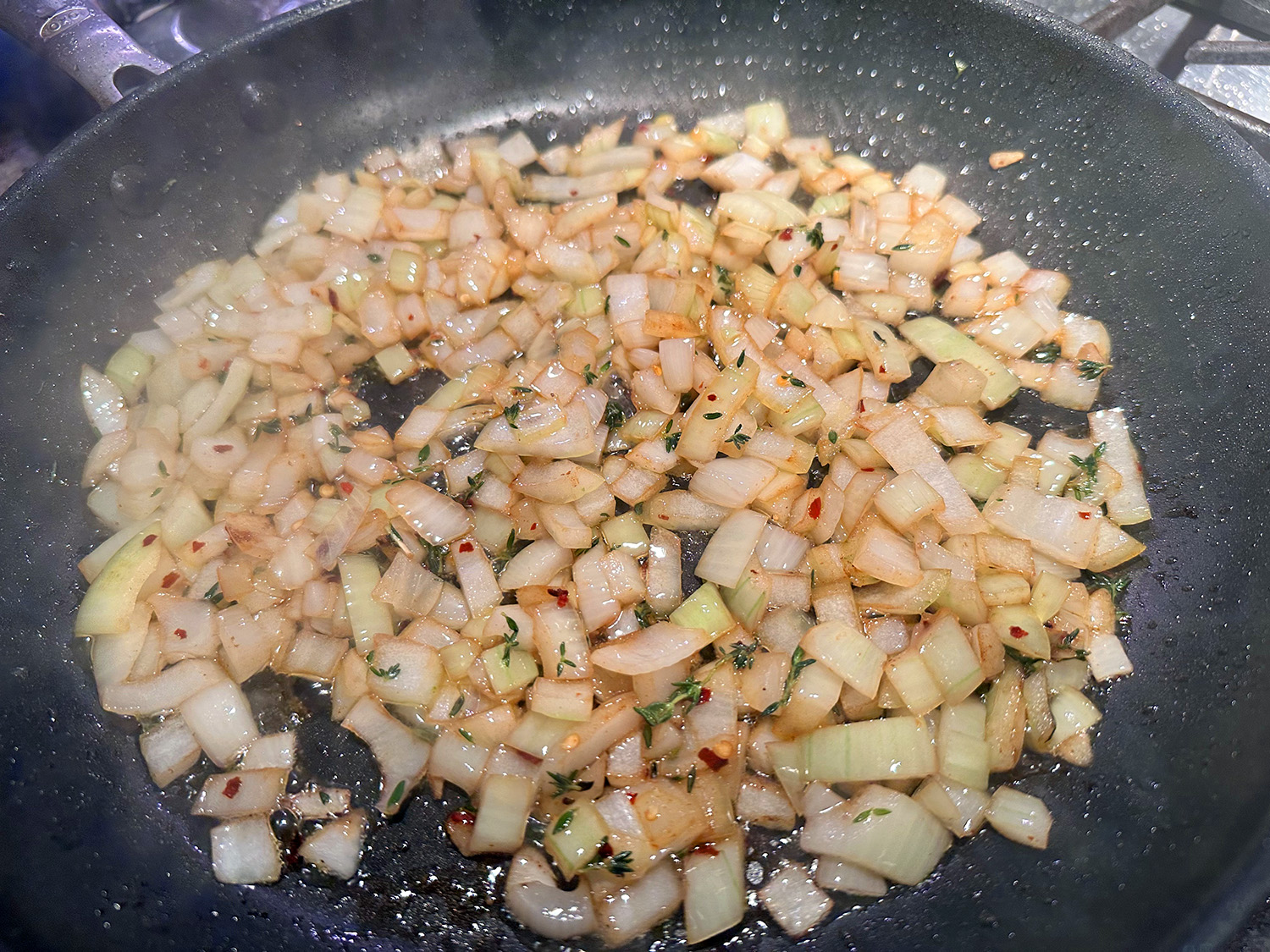
  3. Add the fish to the skillet and cook until slightly golden, about 3 minutes. Flip and transfer to a plate, seared side up. Add the onion, thyme, and pepper flakes to the skillet; cook, stirring, until the onion is soft, about 4 minutes.
  4. Add the wine and cook until the pan is almost dry, about 1 minute. Add the tomatoes and their juice, artichokes, and olives. Simmer, stirring occasionally, to meld the flavors, about 2 minutes.
  5. Lower the heat to medium and nestle the fish into the sauce, keeping the seared side exposed. Cover and cook until the fish is opaque and just cooked through, about 3 minutes.
  6. Sprinkle with the pancetta, divide among rimmed plates or wide, shallow bowls, and serve.

http://www.lynnandruss.com

Original recipe from Fine Cooking

Rolled Boneless Leg of Lamb with Green Herb Stuffing

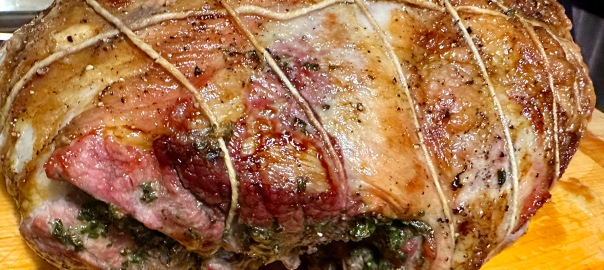
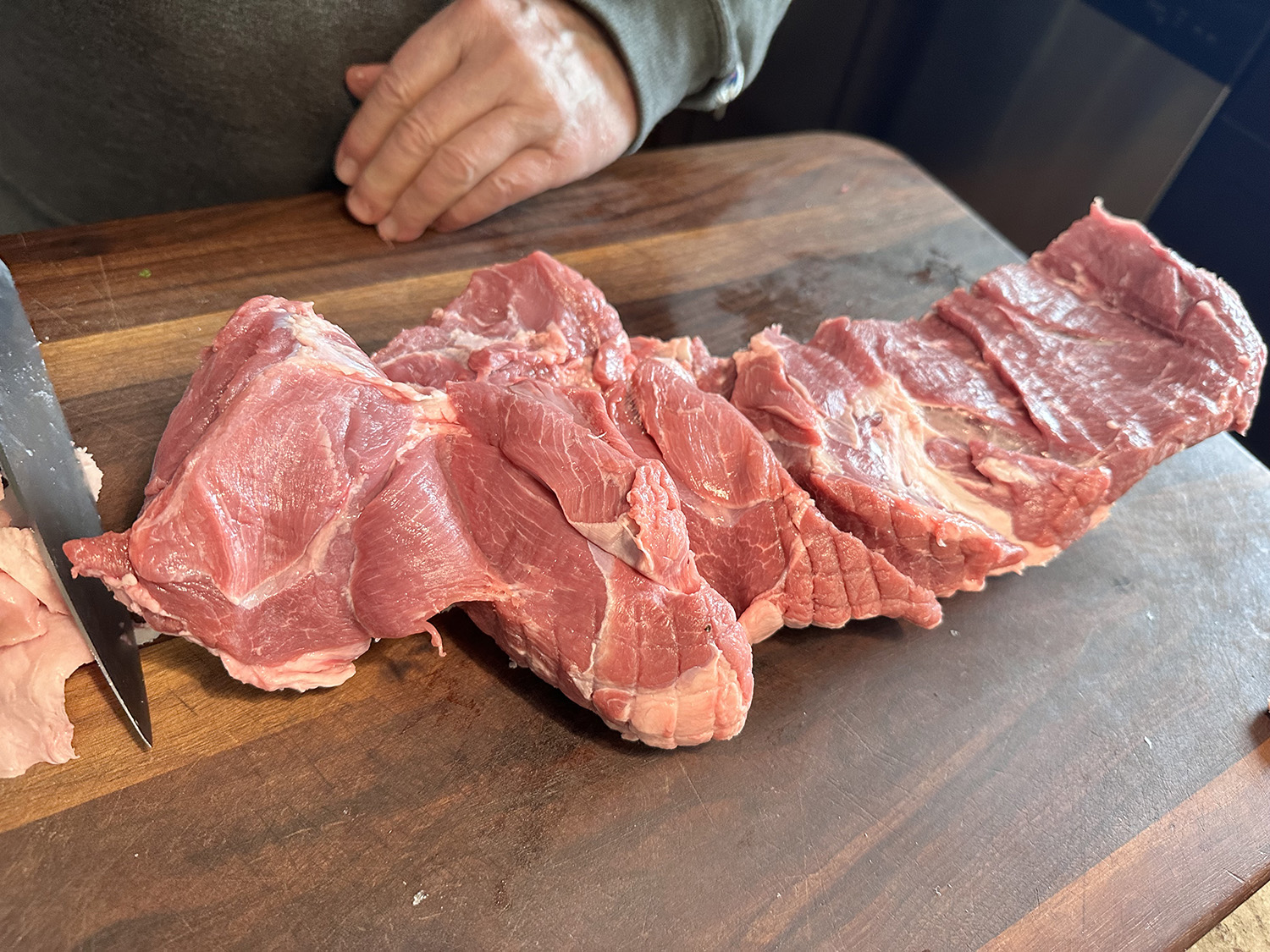
Here is the quintessential roast lamb recipe for a sit-down Sunday dinner party, or family supper. From Molly Stevens “All About Roasting” cookbook—a cherished favorite of ours—this compact bundle of tender, flavorful meat serves 6 on the smaller leg of lamb, or up 10 with a 4 1⁄2 pounder like ours, and all without breaking the bank. (BTW, Costco has real good prices on different cuts of lamb.)

This recipe goes beyond the pure and simple method of just seasoning with salt and pepper. The flavor is bumped up by smearing the butterflied piece of meat with an herb paste, tying it back into a bundle, and roasting for about 1 hour. Our leg of lamb weighed in at 4.8 pounds, so quite a bit larger than the recipe called for. But by cooking it in a convection oven, the roasting time didn’t take much longer.

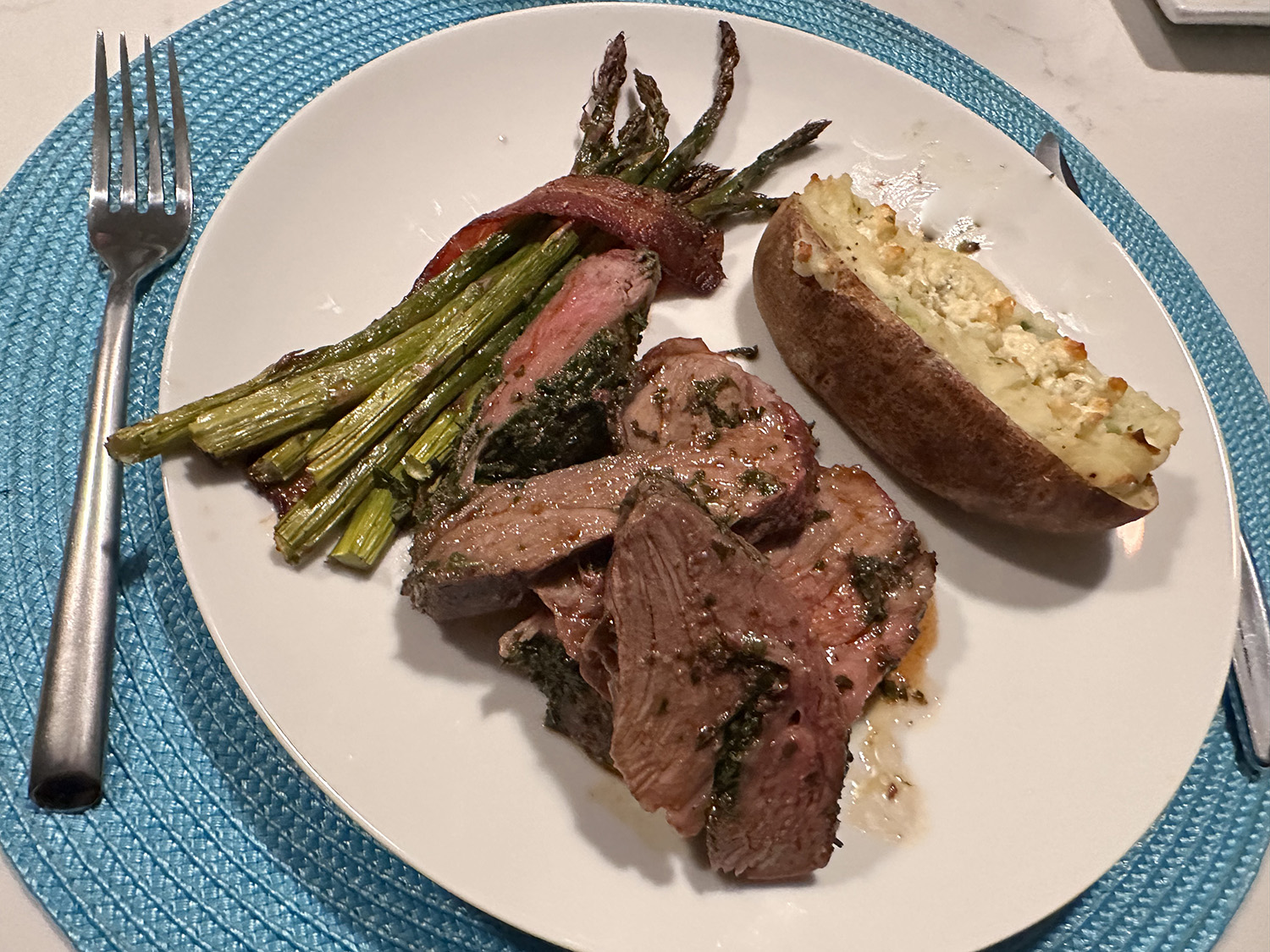
It also made for more servings; which was a good thing because son David and his buddy Mike came over to help lug stuff out of our basement, and they stayed for dinner. The meat was paired with twice-baked potatoes and asparagus bundles wrapped in bacon. Let’s just say, they don’t have “shy” appetites, and they got a doggy bag to take home with them.

Rolled Boneless Leg of Lamb with Green Herb Stuffing

  • Servings: 6 to 8
  • Difficulty: easy
  • Print

Ingredients

  • One 2 1⁄2- to 3-pound butterflied leg of lamb
  • Kosher salt and freshly ground black pepper
  • 1⁄2 cup chicken or beef broth, preferably homemade
  • 1⁄4 cup dry white wine, or dry white vermouth

Directions

  1. Lay the lamb out flat on a cutting board. Arrange it so the cut side is down and the outside faces up. If there is more than a 1⁄8-inch scant layer of fat, pare it down with a sharp, thin-bladed knife till it just barely covers the meat. Flip the meat and trim away any large clumps of fat from the cut side.
  2. Follow the directions below to make the herb stuffing. Make sure the lamb is skin side down and spread with herb paste.
  3. Roll the lamb into a cylinder so that the grain of the meat runs the length of the roast. Using kichen string, secure the roll by tying loops of string at 1 1⁄2-inch intervalls along its length.
  4. Finish by weaving a long loop of twine through the crosswise loops.
  5. Position a rack in the lower third of the oven and heat to 350°F (235° convection).
  6. Place the lamb on a shallow roasting pan or a heavy-duty rimmed baking sheet just a bit larger than the meat. Roast until an instant-read thermometer inserted into the lamb reaches 120-125° for rare; 130° for medium.
  7. Transfer the leg to a cutting board, preferably one with a trough, and let the meat rest for 20-30 minutes.
  8. If the pan drippings look appealing, and you want to make a pan sauce, start by tilting the and pouring or spooning off the clear fat, stop before you discard any of the drippings, even if this means leaving some fat.
  9. Add the broth or water and the white wine or vermouth. Heat over medium heat, scrapping up the drippings with a wooden spoon. Transfer the sauce to a small saucepan and simmer over medium-high heat until slightly reduced, about 4 minutes. If it seems a bit watery, simmer a bit longer.
  10. Carve the meat into thick or thin slices as you like, removing the kitchen string as you go. Add any carving juices to the sauce and serve.

Green Herb Stuffing

This piquant, verdant stuffing enhances the rich flavor of the lamb and provides a visual contrast to the rosy meat.

Ingredients

  • 3 garlic cloves
  • 1 cup loosely packed fresh flat-leaf parsley
  • 1⁄4 cup loosely packed fresh mint leaves
  • 1 Tbsp. fresh oregano or marjoram leaves
  • 2 anchovy fillets, coarsely chopped
  • 1 tsp. cracked black pepper
  • Kosher salt and freshly ground black pepper
  • 1⁄4 tsp. crushed red pepper flakes
  • 2 Tbsp. extra-virgin olive oil

Directions

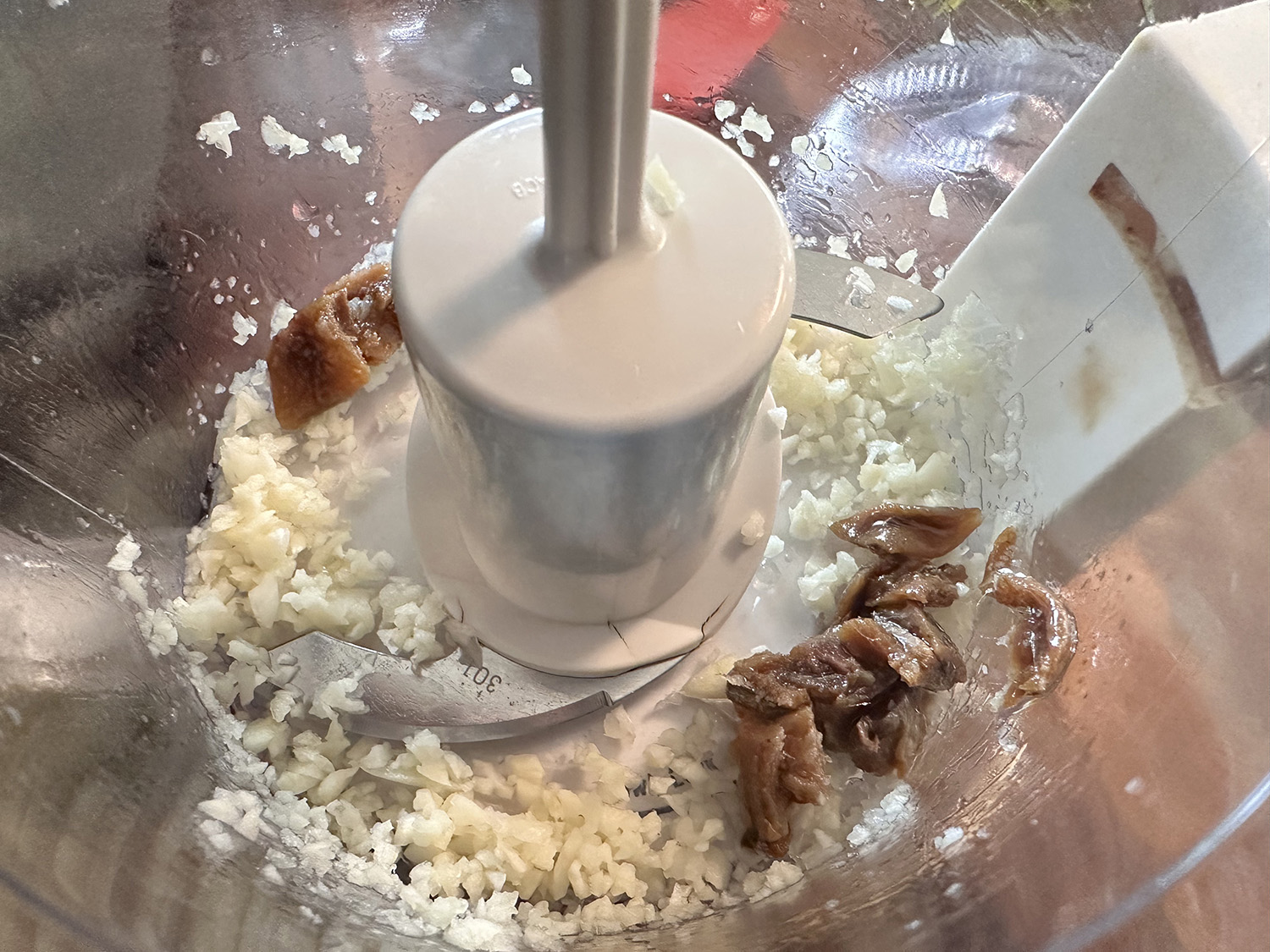
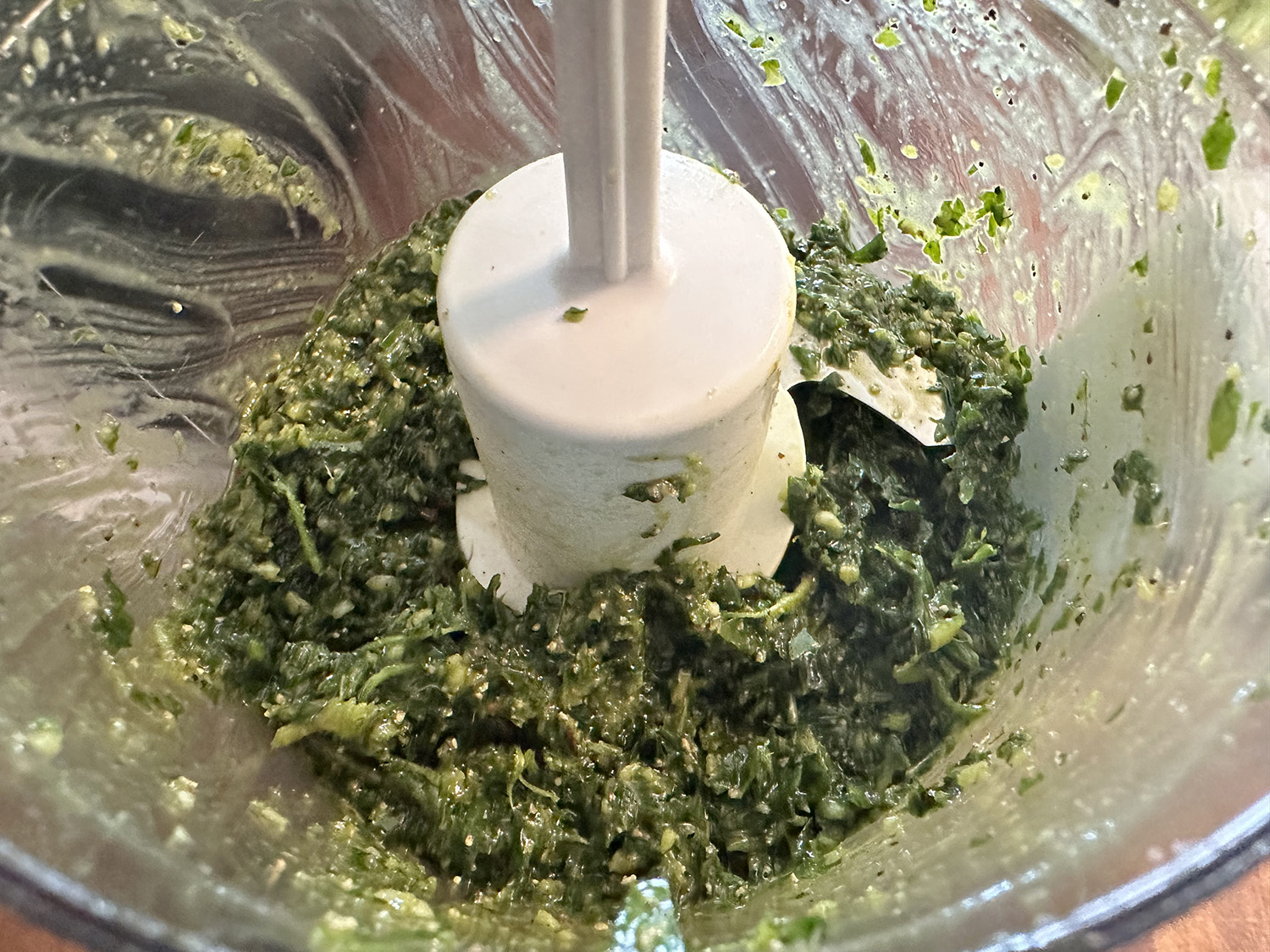
  1. Start the food processor, and with the motor running, drop in the garlic cloves. When finely minced, stop the motor, remove the top, scrape down the sides of the bowl, and add the parsley, mint, oregano, anchovies, cracked black pepper, 3⁄4 teaspoon salt, and red pepper flakes.
  2. Arrange the butterflied leg of lamb skin side down, and spread the herb stuffing all the way to the edges, rubbing it in with your hands to get into any crevices or gaps. Roll and tie the roast with kitchen twine. Gather any herb paste that falls out during rolling and tying and rub it over the surface of the lamb.
  3. Follow the above instructions from Step 5 for roasting the stuffed leg.

http://www.lynnandruss.com

Recipes from “All About Roasting” by Molly Stevens

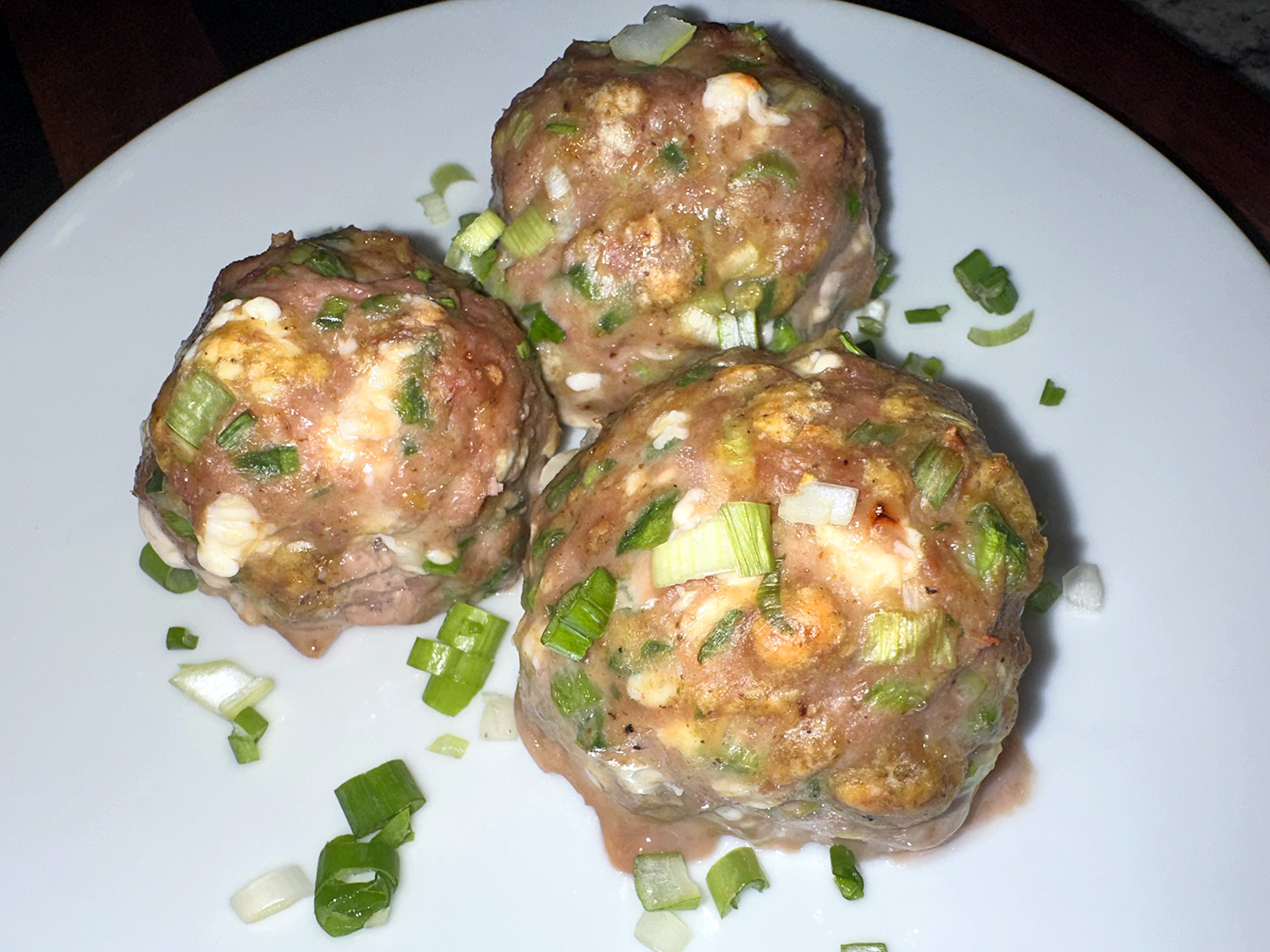
Roasted Turkey Meatballs With Mozzarella and Scallions

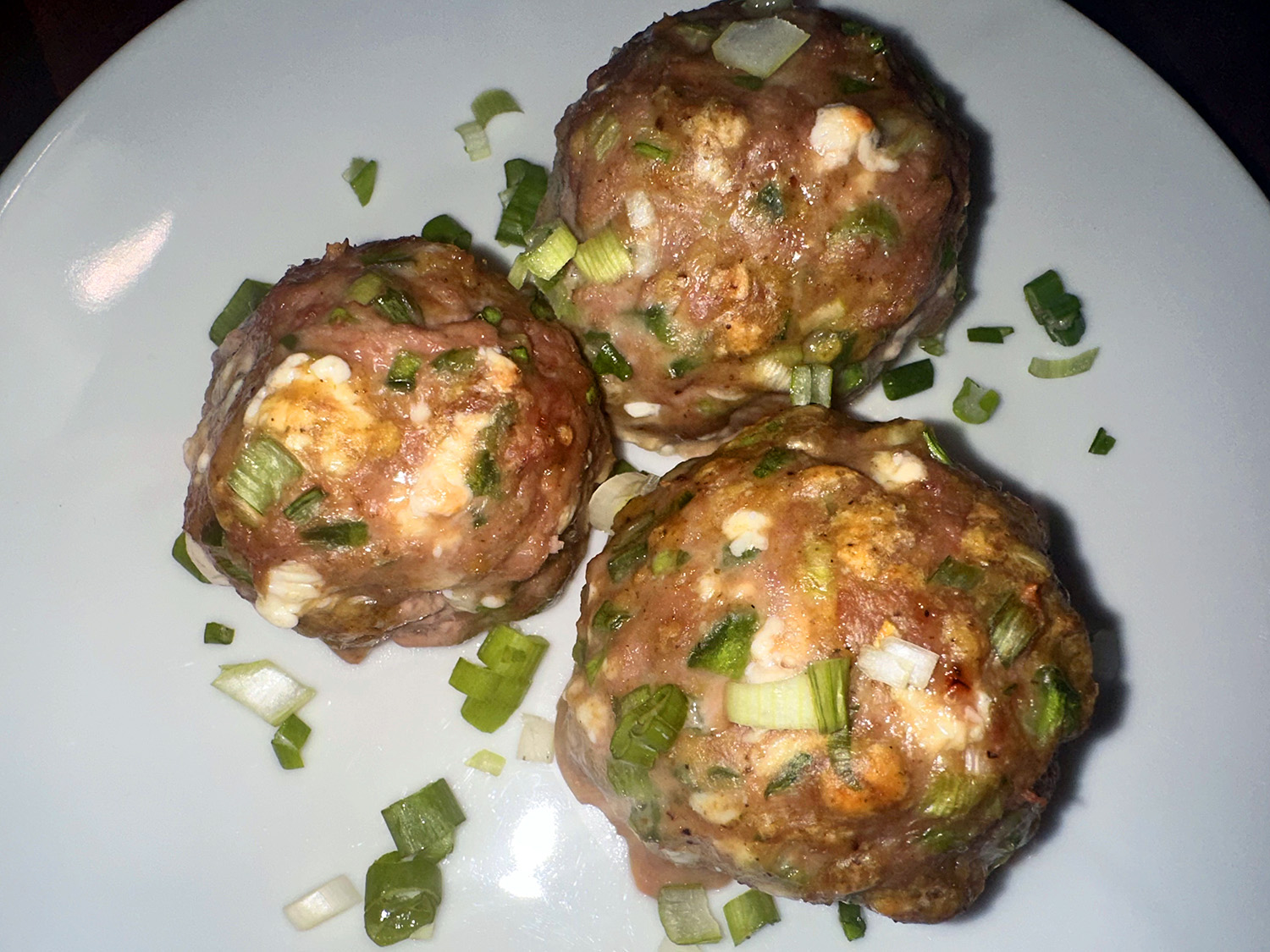
These meatballs are straightforward to make and a welcome addition to many meals. The combination of mozzarella, scallions and jalapeño is cheerfully reminiscent of jalapeño poppers, and those ingredients—along with crushed Ritz crackers instead of bread crumbs — add fat and moisture for tenderness (which also makes them irresistible to nibble on while making dinner).

Our jalapeños were the size of small cucumbers, so our better judgement told us to use only one of them. In the end, the balls were only slightly spicy. But if you just can’t take any level of heat, omit the jalapeño(s) for a milder meatball.

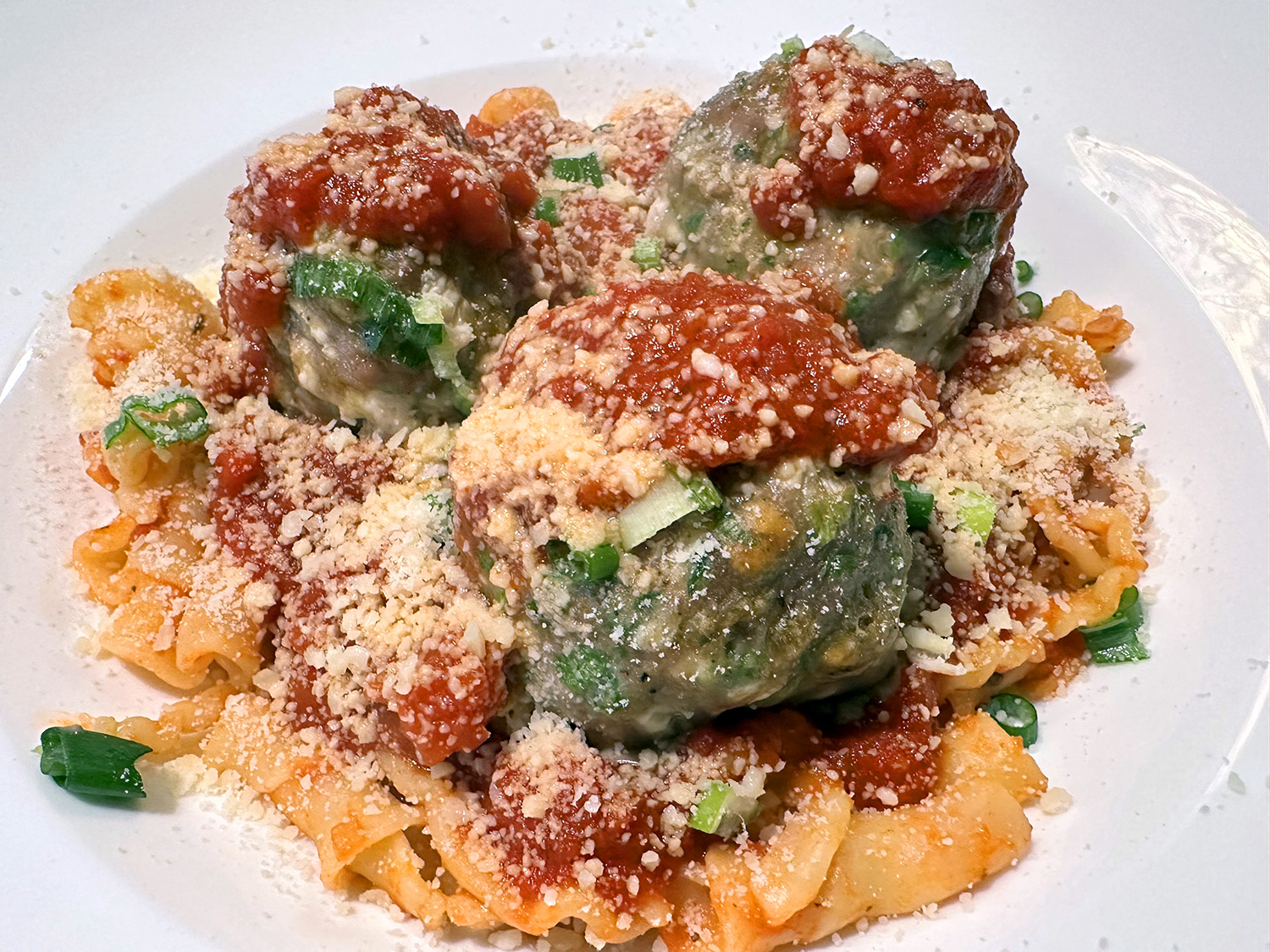
You can eat these with Italian, Mexican or Middle Eastern flavors; their versatility is limitless. Dip them into green sauce, ketchup or tahini; swaddle them in tortillas, pitas or hero rolls; or plop them on top of rice, refried beans, mashed sweet potatoes or sturdy salad greens. In the end, we paired them with a curly pasta shape, and a favorite jarred marinara sauce.

TIP: We used individually-wrapped 1-ounce pieces of mozzarella and shredded them on a box grater, and it worked great.

Roasted Turkey Meatballs With Mozzarella and Scallions

  • Servings: 4
  • Difficulty: easy
  • Print

Ingredients

  • ½ cup crushed buttery crackers, like Ritz
  • 1 large egg
  • 1½ tsp. ground cumin
  • Kosher salt (such as Diamond Crystal) and black pepper
  • 6 scallions, coarsely chopped
  • 2 jalapeños, seeded if desired, coarsely chopped
  • 1 lb. ground turkey
  • 2 oz. chopped mozzarella, preferably fresh (about ½ cup)

Directions

  1. Heat the oven to 425 degrees and line a sheet pan with parchment paper.
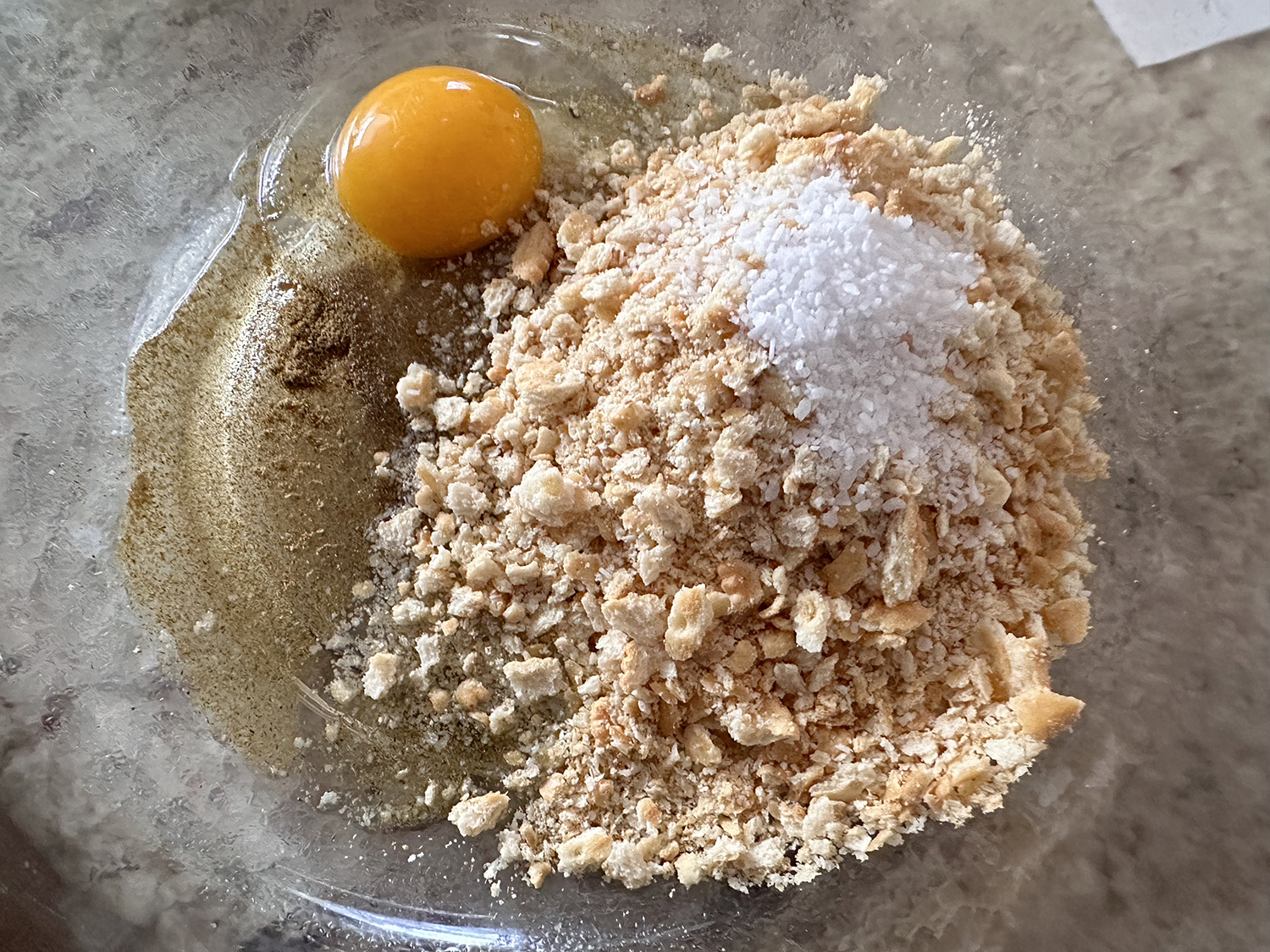
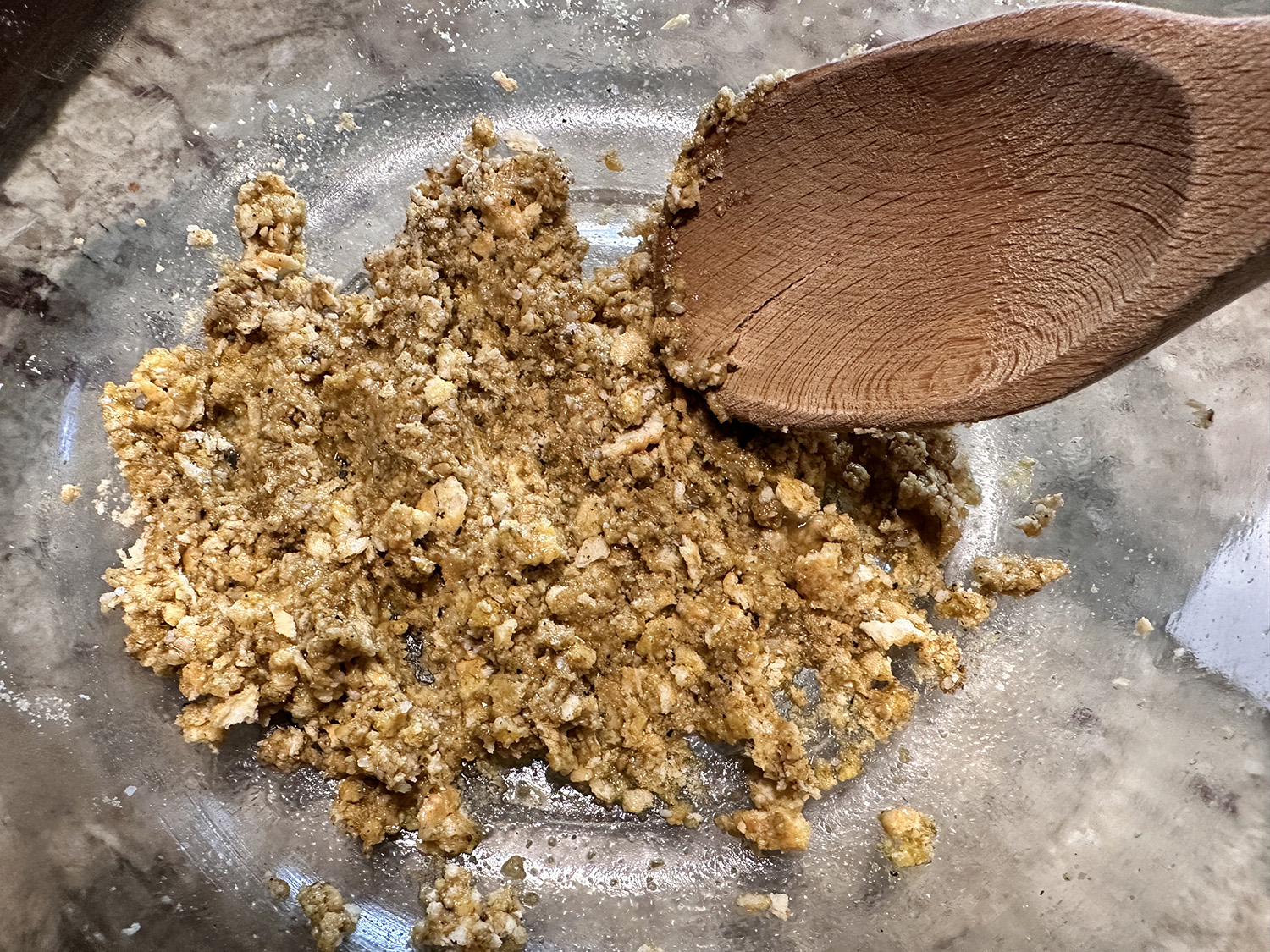
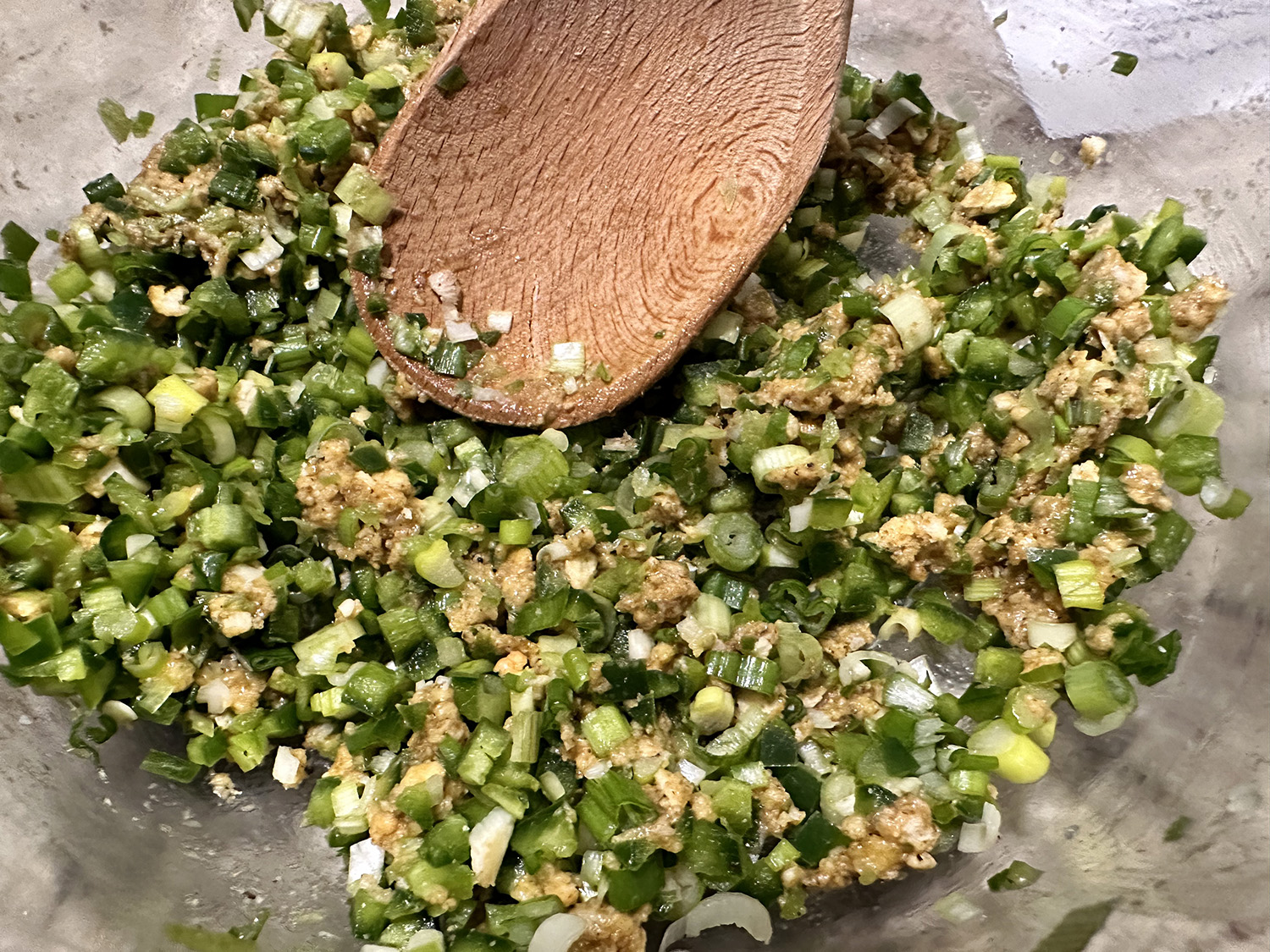
  2. In a large bowl, stir together the cracker crumbs, egg, cumin, 1 teaspoon salt and a few grinds of pepper until a paste forms. Stir in the scallions and jalapeños, if using (reserve a little of each for garnish, if you like).
  3. Add the turkey and use your hands to mix until combined. Add the mozzarella and mix just until combined. The mixture will be loose and sticky.
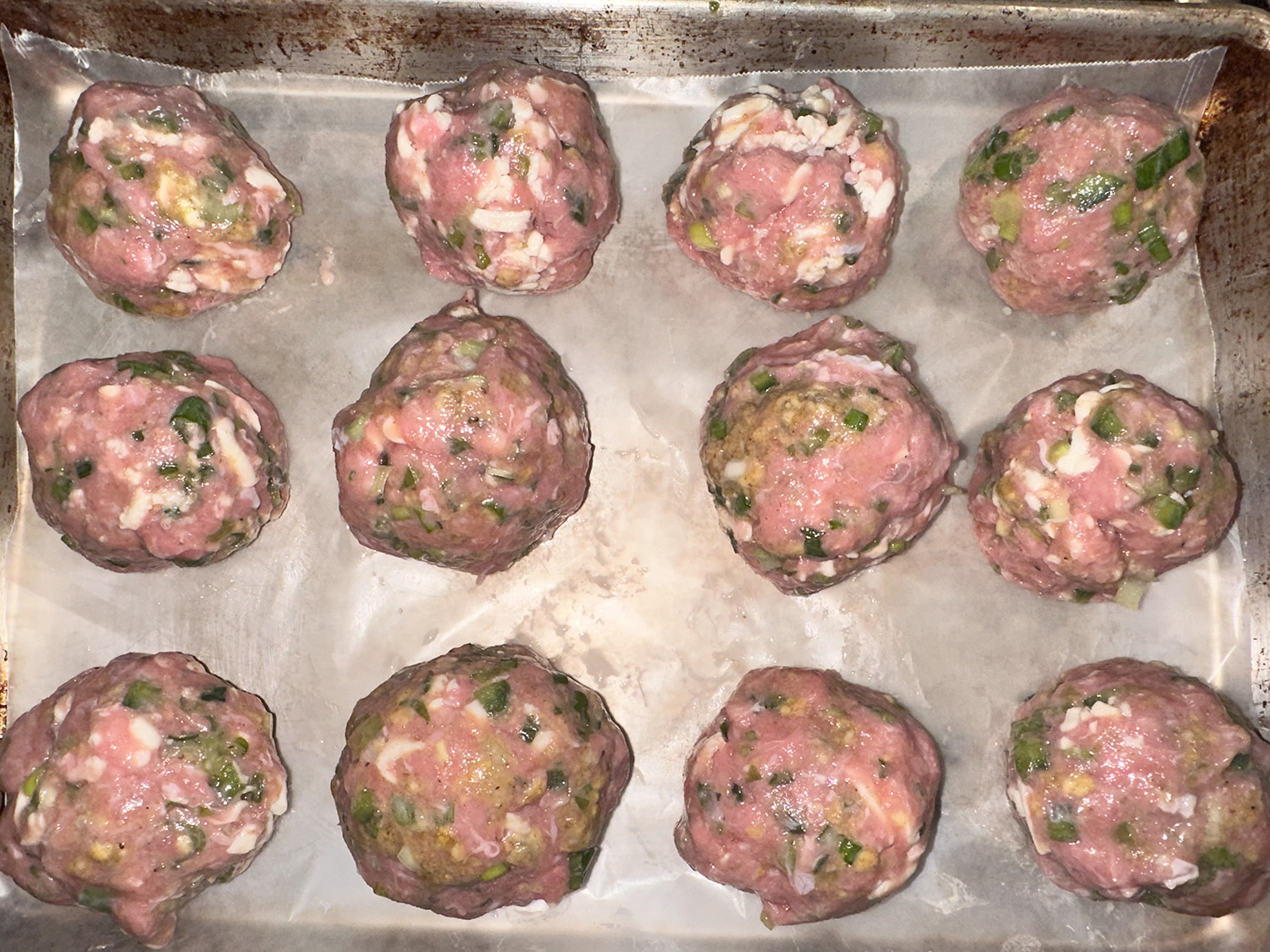
  4. Using wet hands, roll into 12 meatballs (3 tablespoons each) and place on the prepared sheet pan. Bake until cooked through and bottoms are golden, 15 to 20 minutes.
  5. Garnish with optional reserved scallions and jalapeños, if you like.

http://www.lynnandruss.com

Recipe by Ali Slagle for NYTimes Cooking

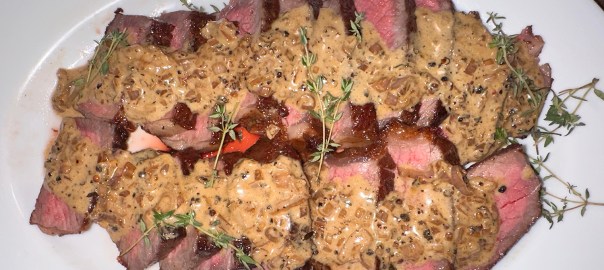
Steak Au Poivre

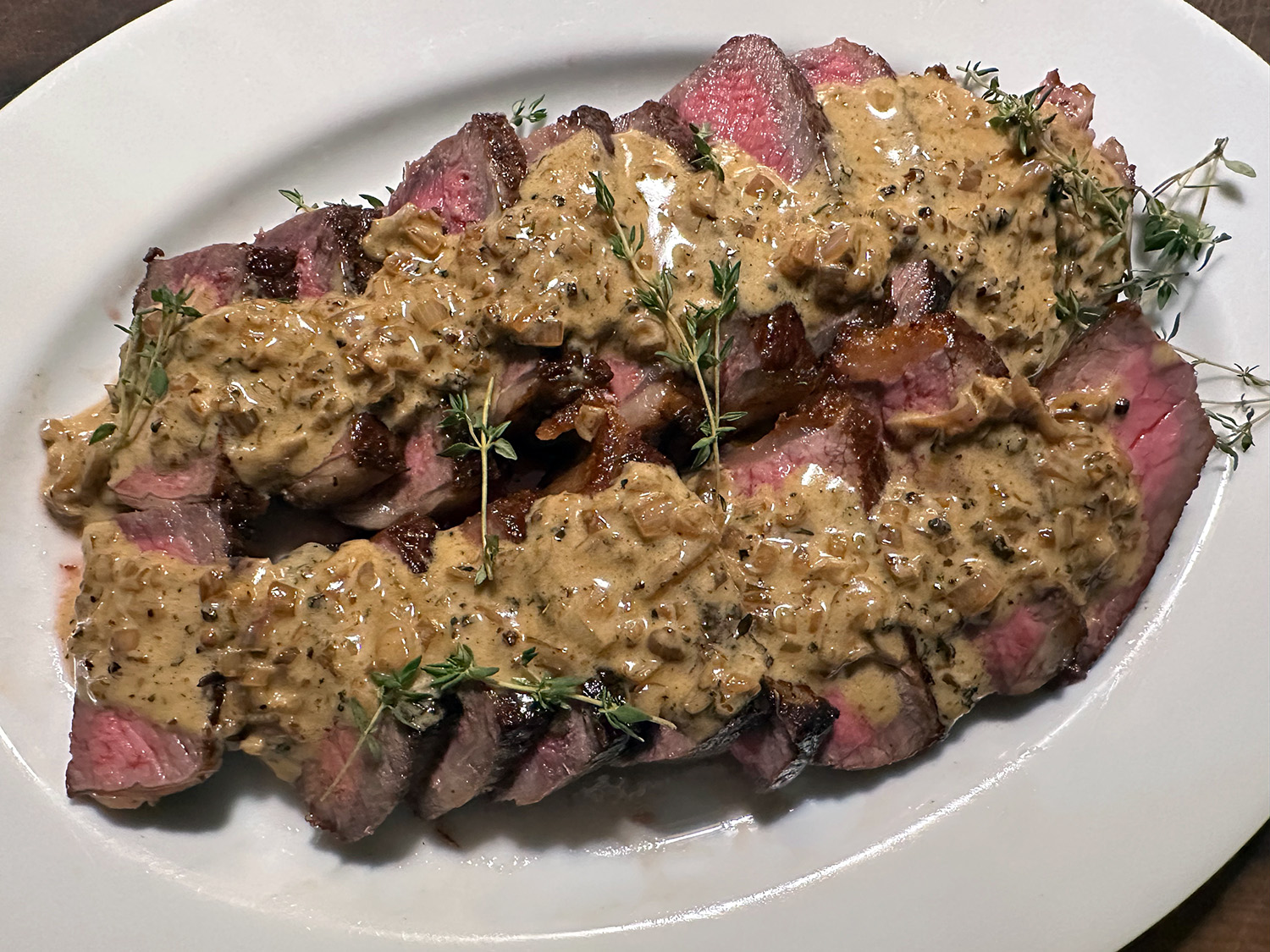
Bringing back a classic. Want to impress your significant other with an impossibly fancy-sounding dish that really isn’t all that complicated? Then Steak Au Poivre (pronounced oh-pwav) is your guy, …er recipe. Even though we made it for our Valentine’s dinner, you can make it for any special occasion, or just because.

Steak au poivre sounds as if it would be difficult, but it is actually quite simple to prepare, and makes an easy and elegant (perhaps somewhat pricy) meal. Essentially it is a sautéed steak, with a quick pan sauce. This version made with black peppercorns tastes bright but not overpoweringly peppery or boozy.

Although the classic cut of beef for this dish is filet mignon, other cuts of boneless steak can be prepared au poivre, including boneless ribeye, strip steak (our choice), or sirloin. Just remember, a bad or tough steak will still be tough, so select a decent piece of beef with good marbling. It’s best if you season the raw steaks with salt and pepper then place them on a rack without covering in the fridge for 8 up to 24 hours. Take them out of refrigerator 1 hour before cooking.

Because pepper is such an important part of the dish (at least one teaspoon of whole peppercorns per steak), it’s applaudable to splurge on high quality peppercorns. Crush the peppercorns with a light hand. They should be “just-cracked” into big pieces, so it’s best to use a mallet, or mortar and pestle, but not a pepper grinder. The au poivre sauce is made from pan drippings, liquor, and cream.

Steak Au Poivre

  • Servings: 4
  • Difficulty: easy
  • Print

Ingredients

  • 2 1½”-thick New York strip steaks (about 1½ lb. total)
  • Kosher salt, freshly ground pepper
  • 1 Tbsp. whole black peppercorns
  • 2 Tbsp. vegetable oil
  • 4 Garlic cloves, 2 smashed, 2 thinly sliced
  • 3 Sprigs thyme
  • 3 Tbsp. unsalted butter, divided
  • 1 Large shallot, finely chopped
  • ⅓ cup cognac, dry sherry, or brandy
  • ½ cup heavy cream
  • Flaky sea salt

Directions

  1. Pat steaks dry with paper towels. Season all over with kosher salt and a generous amount of ground pepper. Let sit 15–30 minutes.
  2. Coarsely crush peppercorns with a mortar and pestle or place in a resealable plastic bag and crush with a small saucepan (they should be a lot coarser than ground pepper).
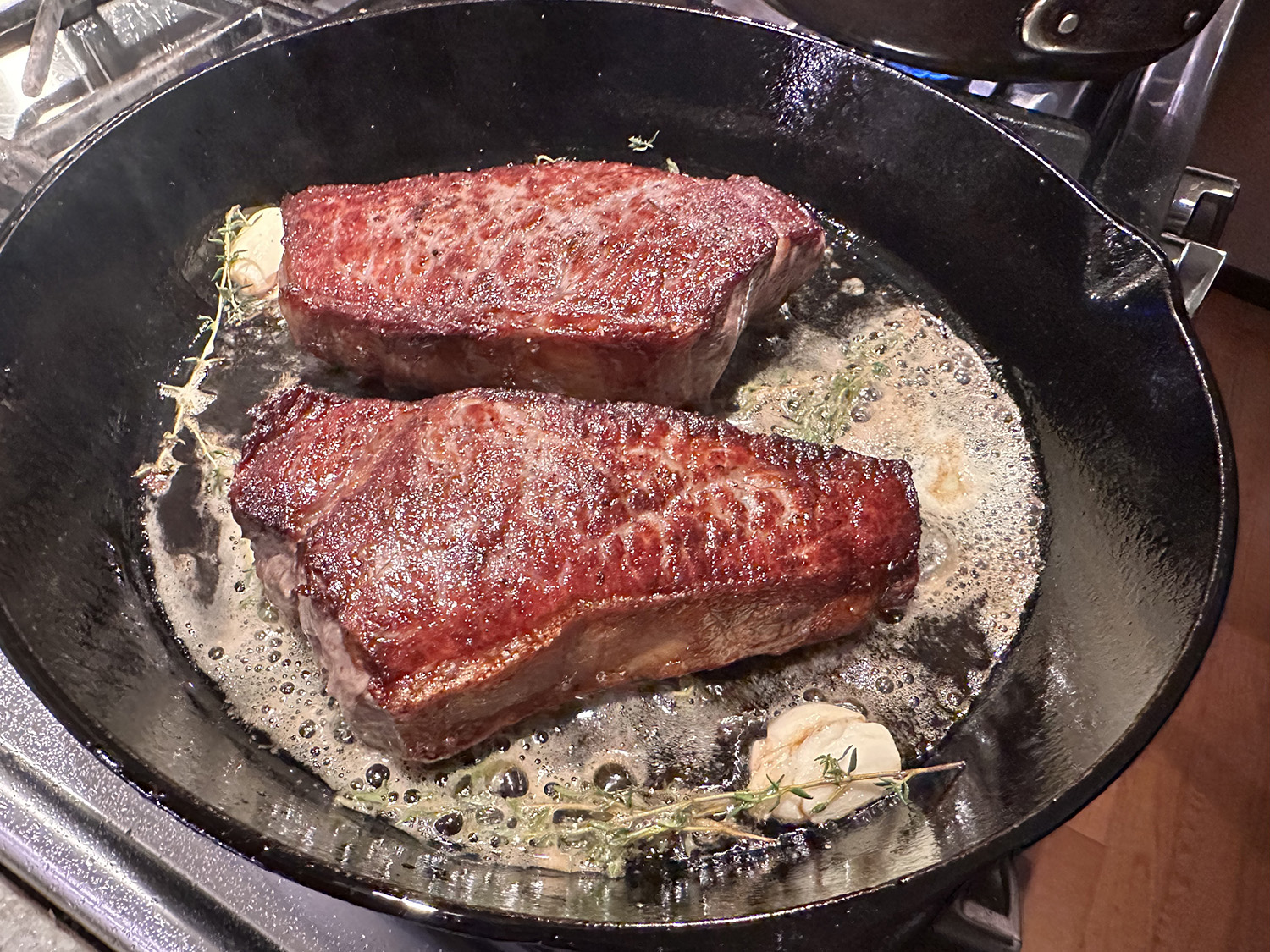
  3. Heat oil in a large skillet, preferably cast iron, over medium-high. Cook steaks, undisturbed, until a deep golden brown crust forms underneath, about 3 minutes. Turn over and cook on second side until golden brown, about 3 minutes. If the steaks have a fat cap, stand them on their sides with tongs and cook until browned, about 3 minutes.
  4. Reduce heat to medium-low. Add smashed garlic cloves, thyme sprigs, and 1 Tbsp. butter to the pan. Cook, basting steak continuously, until an instant-read thermometer inserted into the thickest part of each steak registers 120°, about 2 minutes. Transfer steaks to a cutting board and let rest 10 minutes.
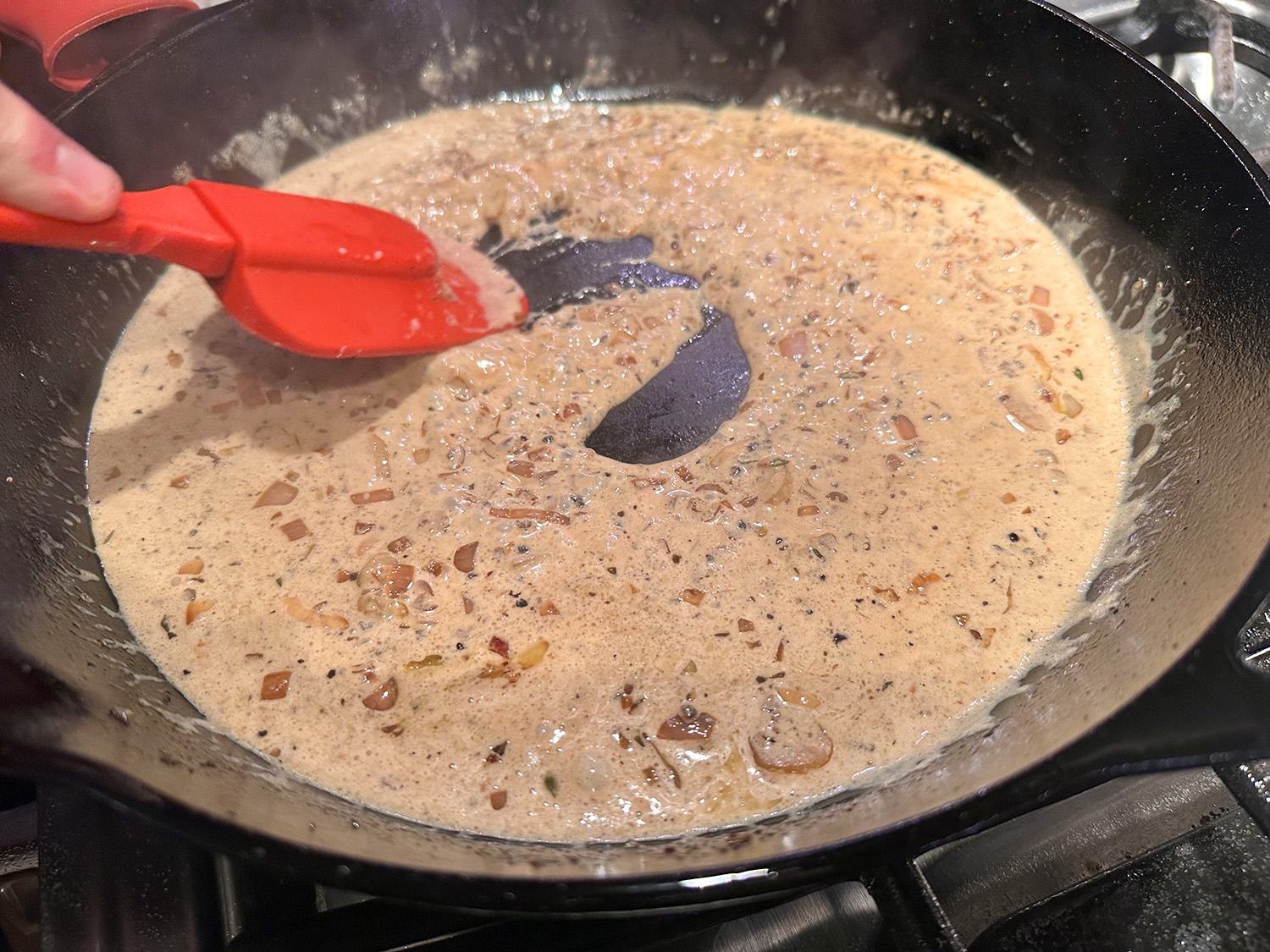
  5. Meanwhile, combine shallot, sliced garlic, crushed peppercorns, and remaining 2 Tbsp. butter in skillet and cook, stirring often, until shallot and garlic are softened but not browned, about 5 minutes.
  6. Remove from heat and add cognac to pan. Set over medium heat and cook until cognac is mostly evaporated and spoon leaves streaks in skillet while stirring, 1–2 minutes. Add cream, bring to a simmer, and cook until sauce coats spoon, about 1 minute. Season with kosher salt.
  7. Slice steaks against the grain and transfer to a platter. Pour any juices from cutting board back into skillet and stir into sauce. Spoon sauce generously over steak; sprinkle with sea salt. 

http://www.lynnandruss.com

Adapted from recipe in “Cook This Bookby Molly Baz

Tex-Mex Chili

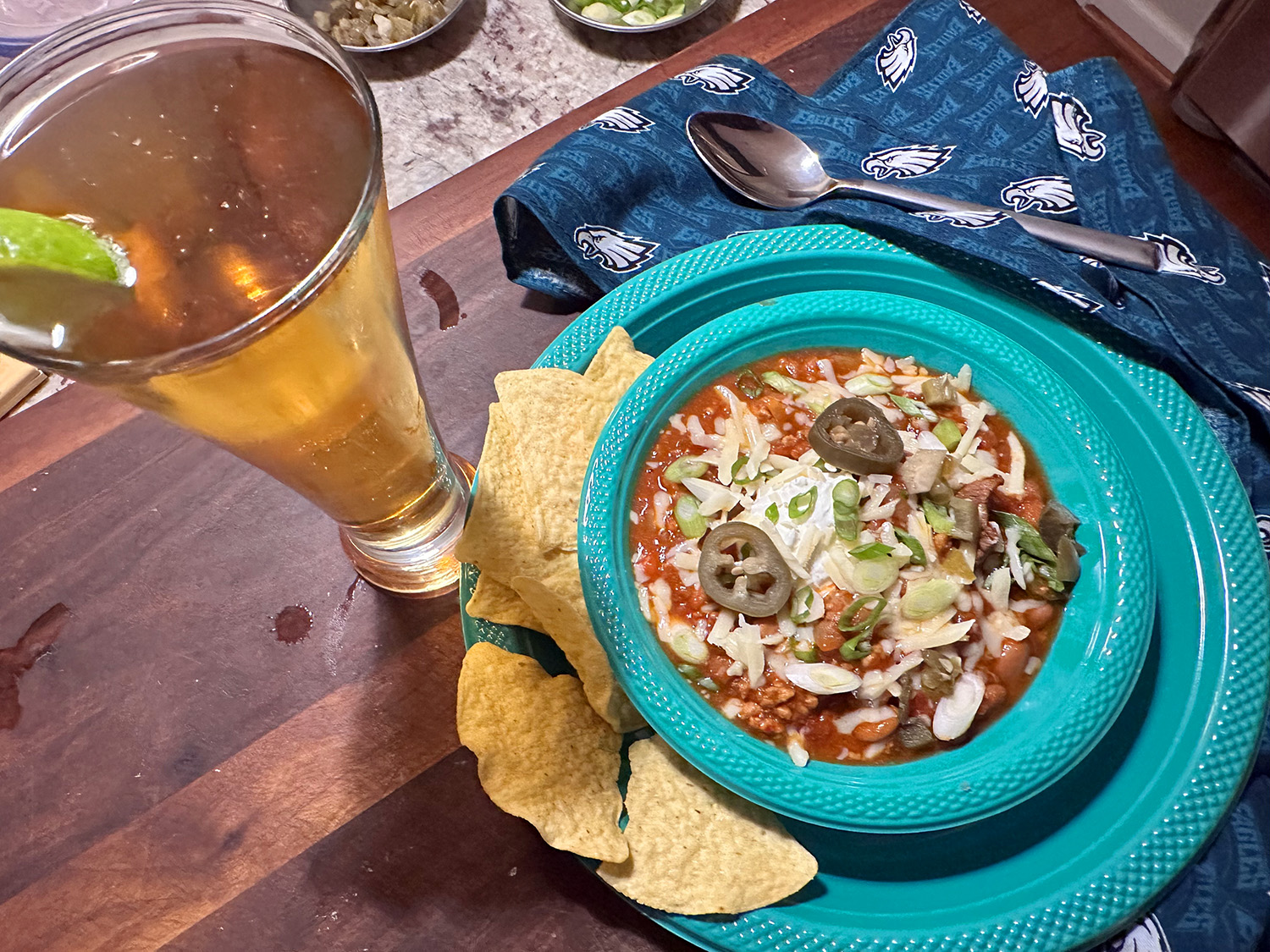
Well, it was the biggest football game of the year—”Super Bowl 57″—and our hometown Eagles team were part of the action, so we wanted to make it an authentic culinary experience, even if it was just the two of us. When we think football, our minds conjure up certain food items that are iconic stalwarts of the game celebration. To us that might mean spicy wings, soft pretzels with mustard, loaded nachos, buffalo chicken dip, bacon-wrapped jalapeño poppers, and of course chili with all the fixins’.

Over the decades we’ve made many a chili recipe with as many variations as there are football fans. This one by Pati Jinich is worth the effort. She is a Mexican chef, TV personality, cookbook author, educator, and food writer. Pati is best known for her James Beard Award-winning and Emmy-nominated public television series Pati’s Mexican Table. So she has some hefty credit backing up her authority on the chili issue.

Chili is a hearty and flavorful crowd-pleaser that’s perfect all winter long, not just on football Sundays. As is typical, we did make a few tweaks. Number one, we used an entire large jalapeño, not just a mere tablespoon’s worth. Secondly, the stew beef was not tender after one hour (no surprise there), so we simmered, uncovered, for another hour before adding the beans. It then takes another 45 minutes to an hour for the beans, covered on low with a gentle simmer, stirring every once in a while.

Alas, our team lost the Super Bowl, but the chili was a clear winner!

Tex-Mex Chili

  • Servings: 6-8
  • Difficulty: easy
  • Print

Ingredients

  • 3 Tbsp. vegetable oil, plus one Tbsp. set aside
  • 1 lb. beef stew meat, cubed into 1-inch chunks
  • 1 lb. ground pork or beef
  • 1 tsp. kosher salt, or more to taste
  • 1/4 tsp. freshly ground black pepper, or more to taste
  • 1 large white onion, chopped
  • 1 red bell pepper, chopped
  • 1 Tbsp. chopped jalapeño, seeding optional
  • 4 cloves garlic, finely chopped
  • 1/2 tsp. crushed red pepper flakes
  • 1/2 tsp. cayenne pepper
  • 1/2 tsp. paprika
  • 1 tsp. chili powder, such as ancho or chipotle chili powder
  • 1 Tbsp. chipotle chiles in adobo sauce, or more to taste
  • 1/2 tsp. cumin
  • 1 tsp. dried oregano
  • 1 Tbsp. tomato paste
  • 1 28-oz. can crushed tomatoes
  • 1 Tbsp. dark brown sugar
  • 1 Tbsp. distilled white vinegar
  • 4 cups beef stock
  • 2 15-oz. cans pinto beans, drained and rinsed

To Garnish

  • Sour cream
  • Chopped fresh cilantro
  • Shredded cheddar cheese
  • Tortilla chips
  • Green onions, sliced thin

Directions

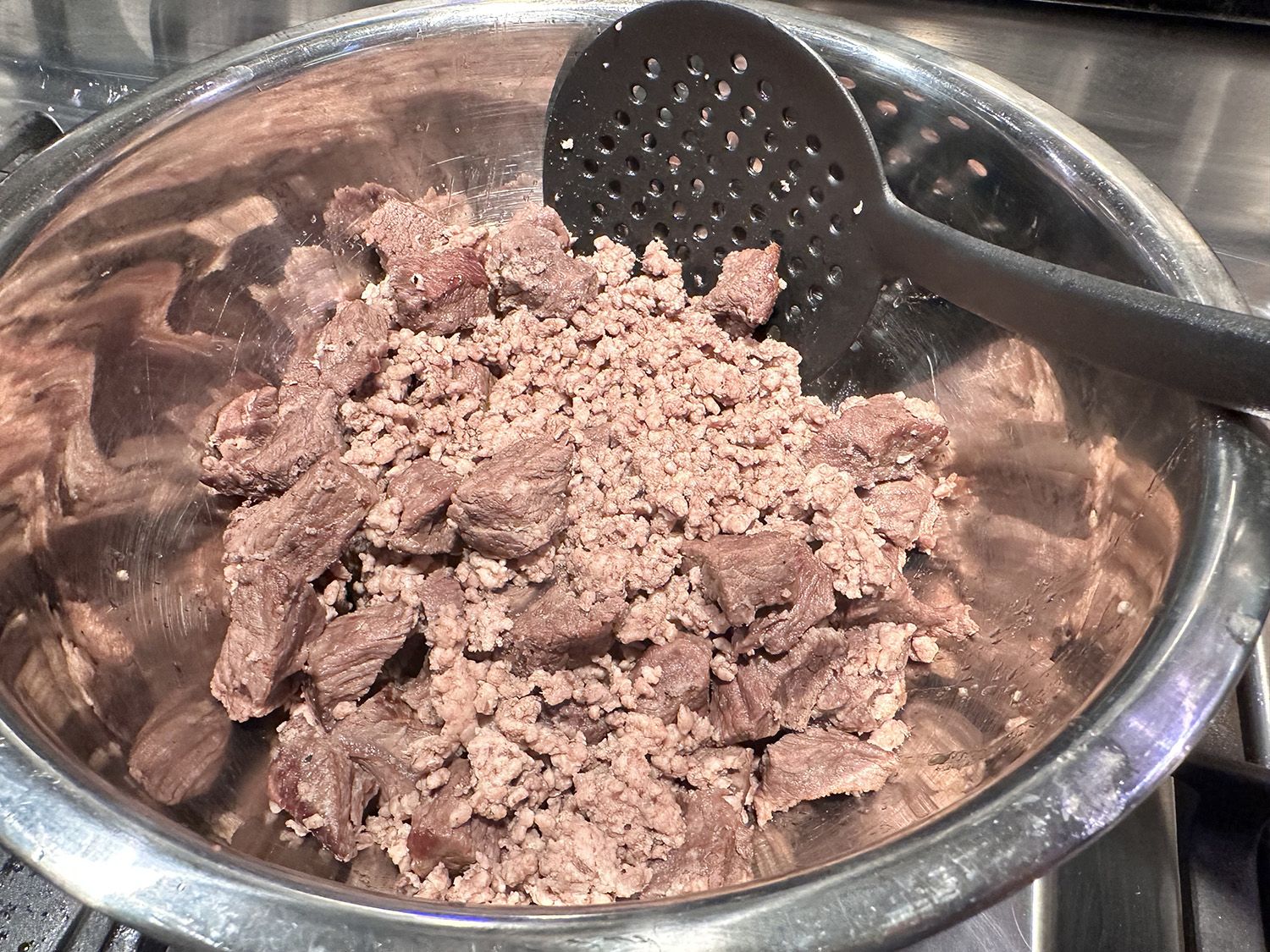
  1. In a Dutch oven or heavy bottom casserole, heat 3 tablespoons oil over medium-high heat. Add the beef, and begin to brown on all sides. After 2 to 3 minutes, add the ground meat, sprinkle with salt and pepper, and let it brown along with the cubed meat for another 5 to 6 minutes. The juices of the ground meat should have come out and then dry out. Stir as the meat browns. Remove meat from pot, set aside.
  2. Make room in the center of the pan, add the extra tablespoon of oil and add the onions and peppers, cook for 5 more minutes or until they begin to soften.
  3. In the casserole again, add the garlic, red pepper flakes, cayenne, paprika, chili powder, chipotle sauce, cumin, oregano, stir well.
  4. Add the crushed tomatoes, tomato paste, sugar and vinegar, mix well and cook for 3 to 4 minutes stirring a couple times. The tomato paste should have dissolved and the sauce thickened a bit.
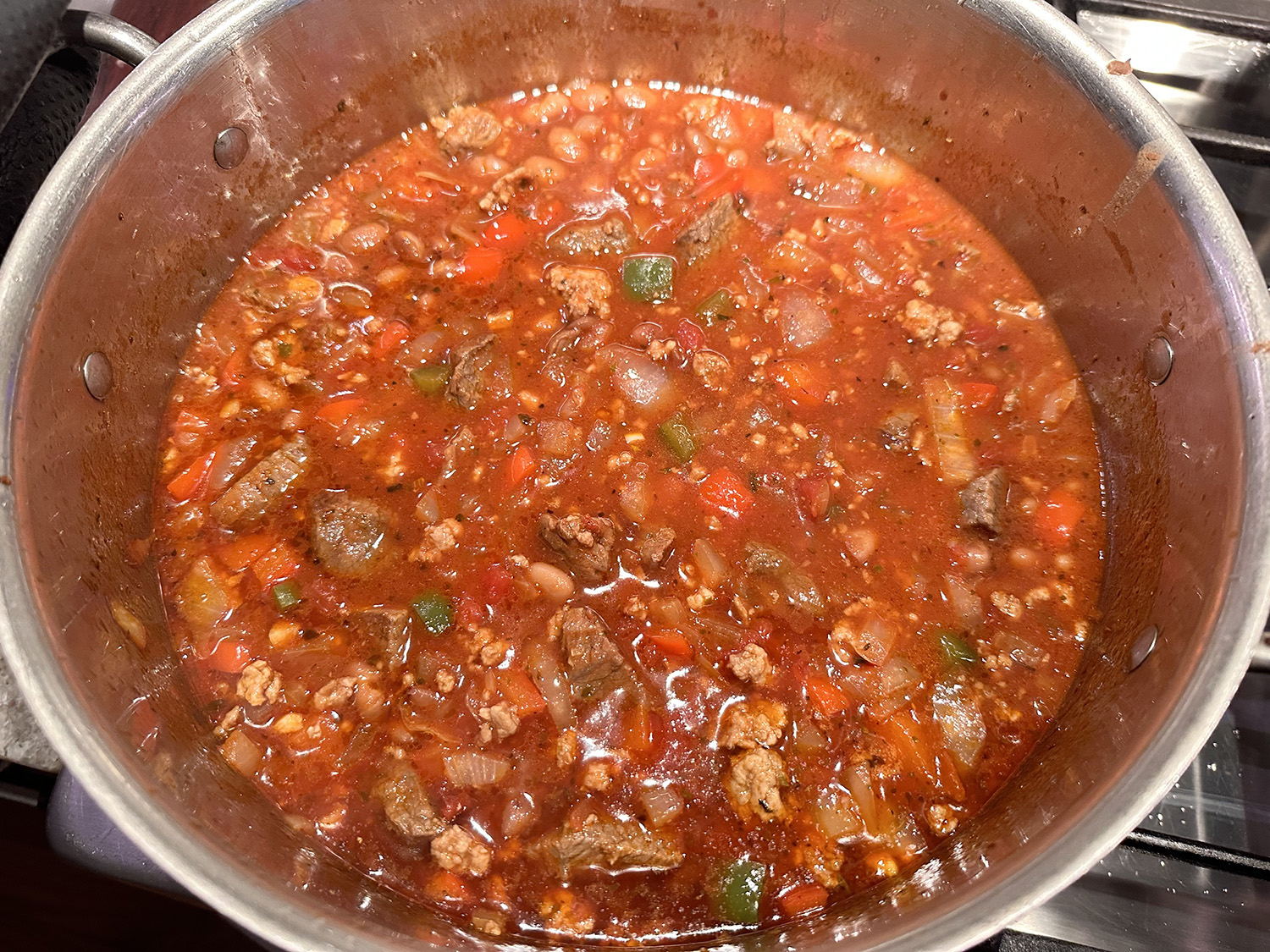
  5. Pour in the beef stock and once it comes to a strong simmer, reduce heat to medium. Add the browned meat back into the pot, cover and cook for another hour.
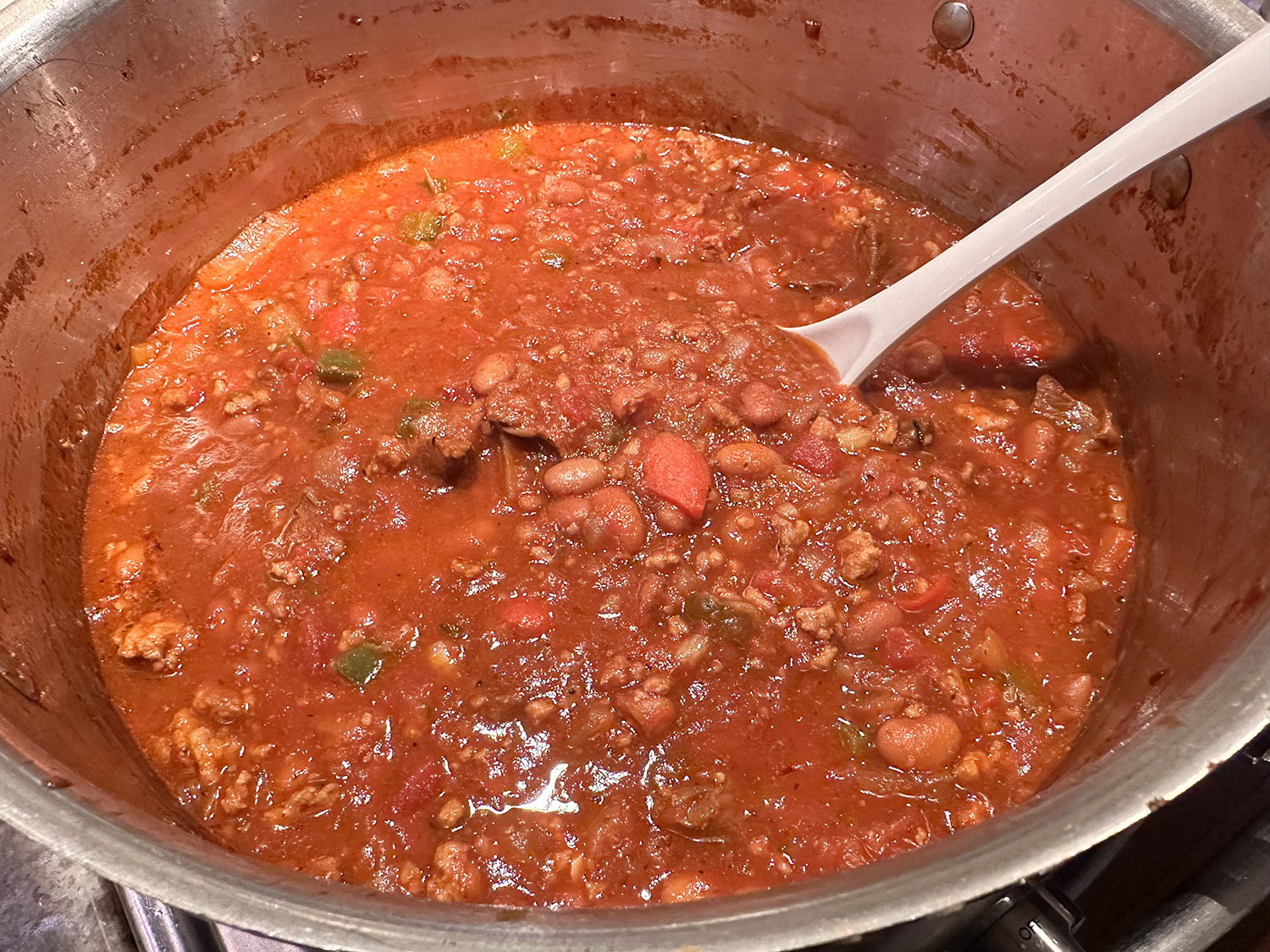
  6. Next, add the beans and stir. Lower the heat to medium-low, it should have a low steady simmer, and cook uncovered for 45 minutes to an hour, stirring every once in awhile.
  7. Serve the chili in bowls and let your guests garnish with sour cream, cilantro, shredded cheddar cheese, tortilla chips and green onions.

http://www.lynnandruss.com

Original recipe by Pati Jinich

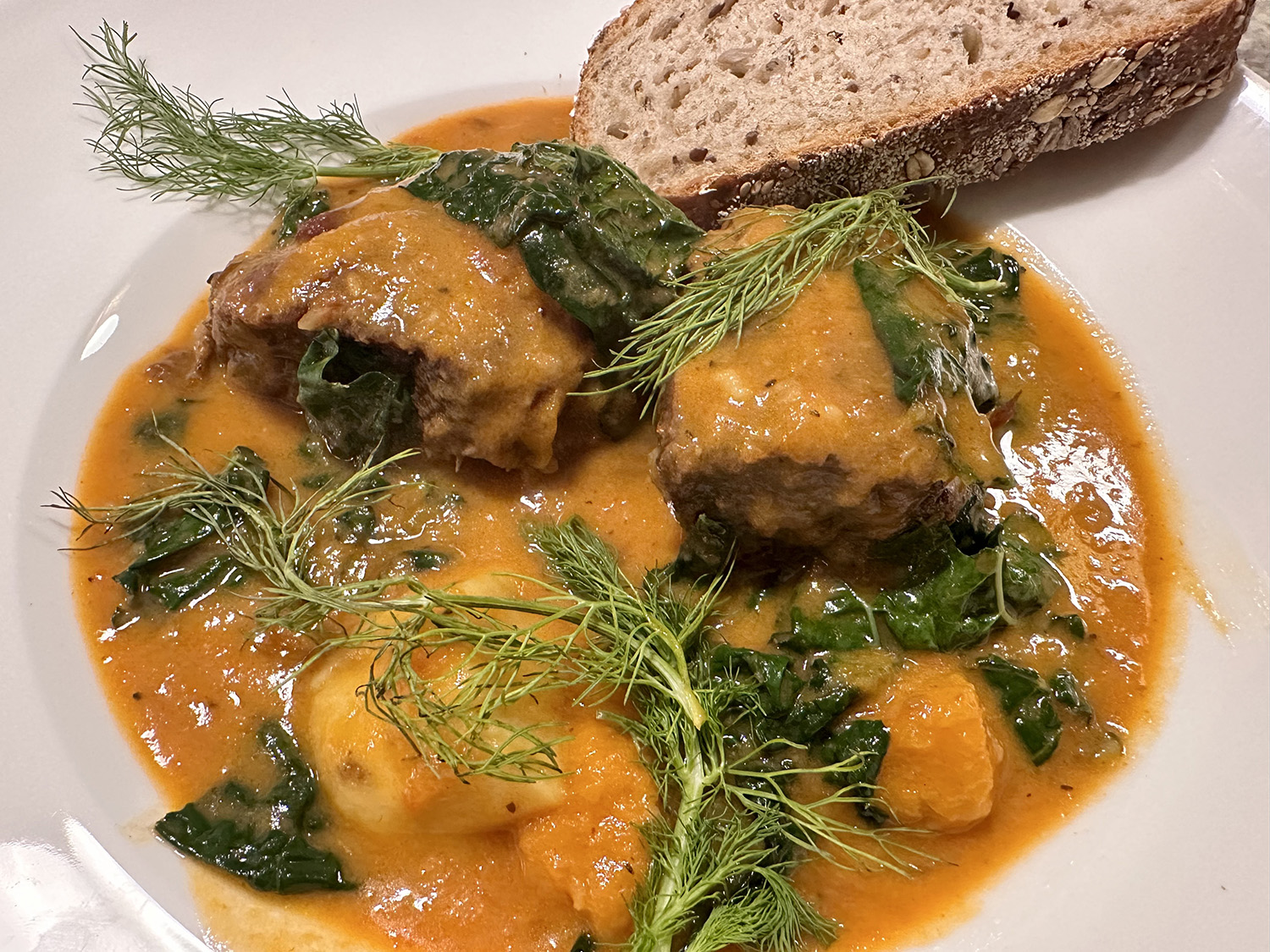
Eintopf: Braised Short Ribs with Fennel, Squash and Sweet Potato

It’s a German thing. Although, after reading the ingredients, it seems to be a mash-up of Italian, Asian and German. Typically this traditional German stew includes bratwurst and sauerkraut, but most notably is how it’s cooked. Eintopf translates to “one pot”—a magic word to most home chefs.

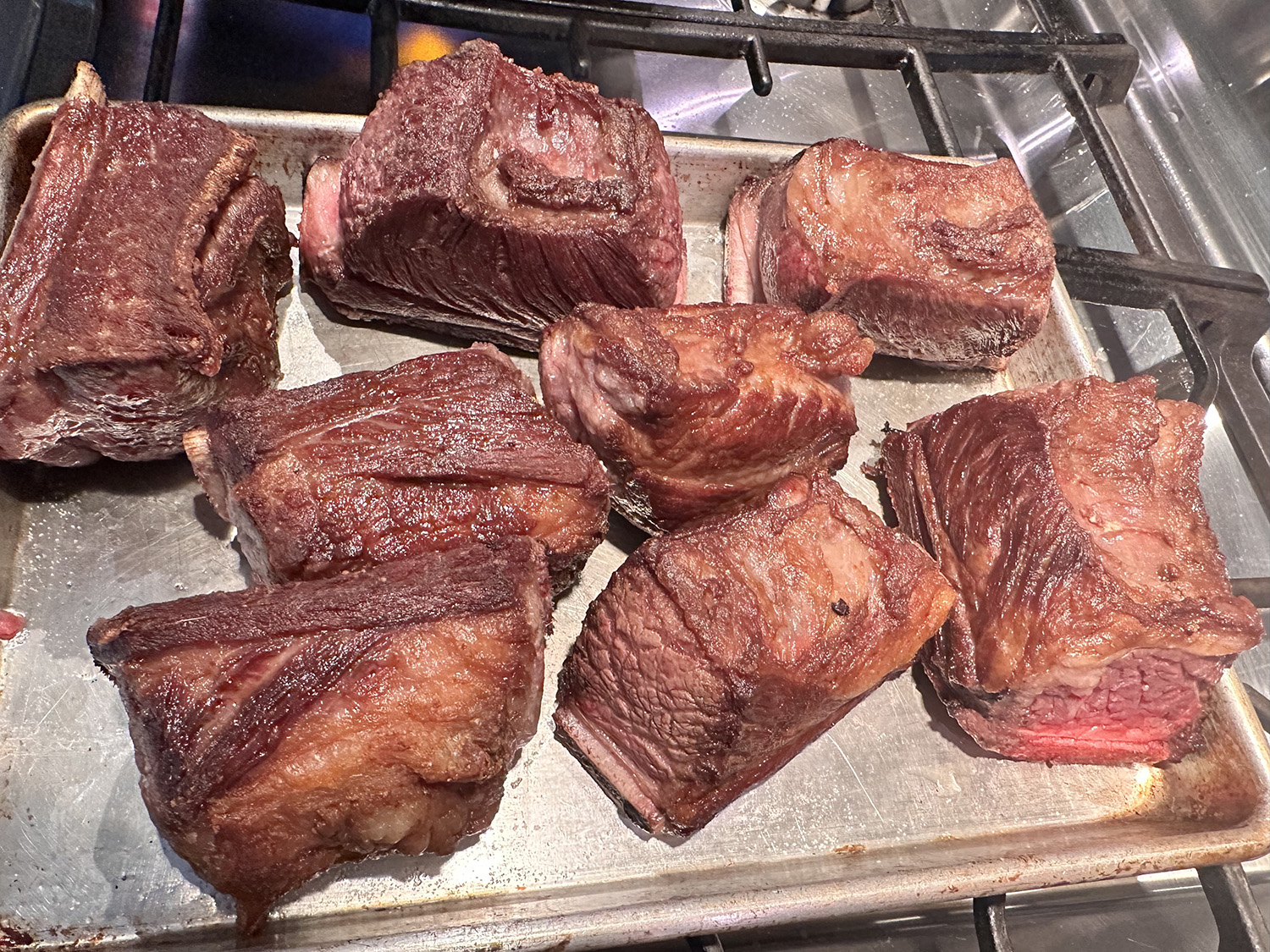
This particular recipe, made with bone-in short ribs, is braised until the meat melts off the bone. Fennel — fresh bulb and dried seeds — stars in the braise, while the fronds are sliced for garnishing. Every bite of this stew bursts with flavor, and, as is the case with so many one-pot meals, this dish will only improve with time as all the ingredients sit and mingle.

Using Japanese white sweet potatoes was a new one on us, and we were surprised to see them at our local supermarket. However, they were on the small side so we bought, and used, two.

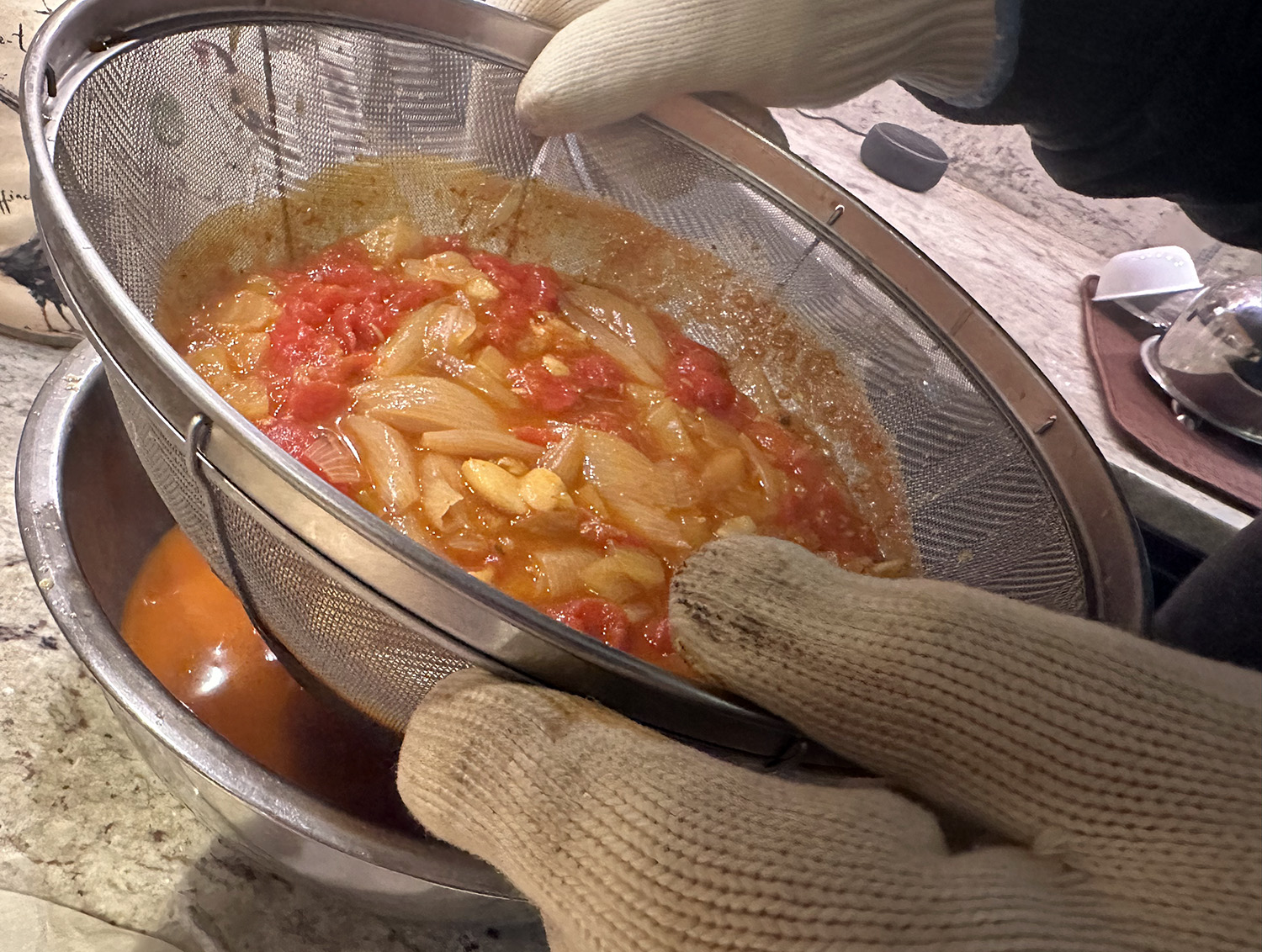
Now, we made one major alteration. And that is after you drain out the vegetable solids from the pot DO NOT discard the flavorful veggies, blasphemy! Use an immersion blender on the solids and add them to the liquid broth after you discard the surface oil. This not only enhances the flavor profile, but also gives the stew some heft instead of a brothy base.

And you just might about faint when you go to buy the short ribs, the cost had us shell-shocked, and may be prohibitive for some. So go ahead and use chuck roast in its place if necessary.

Eintopf: Braised Short Ribs with Fennel, Squash and Sweet Potato

  • Servings: 4-6
  • Difficulty: easy
  • Print

Ingredients

  • 4 lbs. meaty, bone-in short ribs, cut into single-bone portions
  • Salt
  • 1 Tbsp. neutral oil, such as grapeseed, canola or vegetable oil
  • 1 small fennel bulb, trimmed and chopped (about 2¼ cups), top with fronds separated from bulb and thinly sliced
  • 6 shallots, peeled and halved lengthwise
  • 6 garlic cloves, smashed and peeled
  • 1 tsp. fennel seeds, crushed
  • ½ tsp. ground turmeric
  • 1 (28-oz.) can whole peeled tomatoes
  • 4 cups chicken stock
  • 1 white sweet potato, such as Japanese sweet potatoes, peeled and cut into 2-inch pieces, or use an orange sweet potato (2 loose cups)
  • ½ small butternut squash (about 1 lb. 3 oz.), seeds removed, peeled and cut into 2-inch pieces
  • 1 14½-oz. can full-fat coconut milk
  • 1 tsp. freshly ground black pepper
  • 1 1-inch piece fresh ginger, scrubbed and grated
  • 4 cups torn or cut fresh greens, such as kale, mature spinach, mustard greens or dandelion greens
  • Warm crusty bread, for serving

Directions

  1. Season the short ribs with a sprinkle of salt on all sides. Heat the oil in a large Dutch oven set over medium-high. Working in batches if necessary, brown the tops and sides of short ribs, about 3 minutes per side. Transfer to a large plate and repeat the browning process with the remaining ribs.
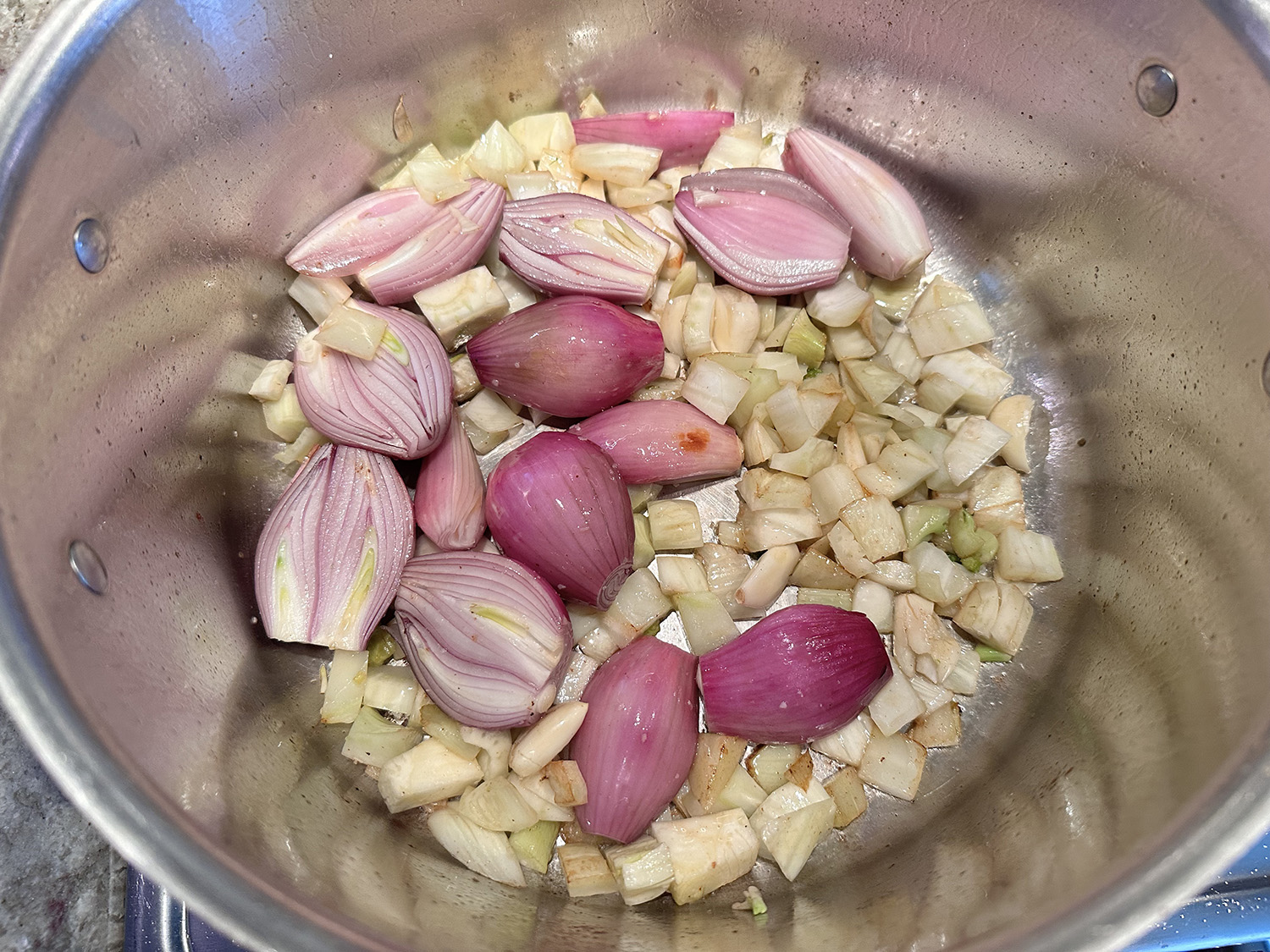
  2. Heat the oven to 350 degrees. Pour off all but 2 tablespoons of fat from the pot. Add the chopped fennel bulb, (reserve the top and fronds for garnish), shallots and garlic to the pot, season with salt, and toss to coat in the pan drippings. Sauté over medium-high heat, stirring frequently until softened, 3 minutes.
  3. Add the fennel seeds and turmeric, and cook until fragrant, 1 minute. Add the tomatoes and break apart the whole pieces with a wooden spoon or other cooking utensil. Cook until the tomato juices are thickened, about 6 minutes.
  4. Return the browned short ribs, bone side up, to the pot along with any drippings from the plate. Pour in the chicken stock and bring up to a simmer. Cover and transfer pot to the oven. Braise until the meat is tender, but not falling off the bone, about 2 to 2½ hours.
  5. Increase the oven temperature to 375 degrees. Transfer the cooked short ribs to a plate. Using a colander or sieve set over a bowl, drain out the vegetable solids from the pot and discard (or not, see note above about using an immersion blender), reserving the liquid broth. Skim off and discard as much oil as you can from the surface of the liquid using a spoon or a ladle. (You should have about 3 to 4 cups of broth.)
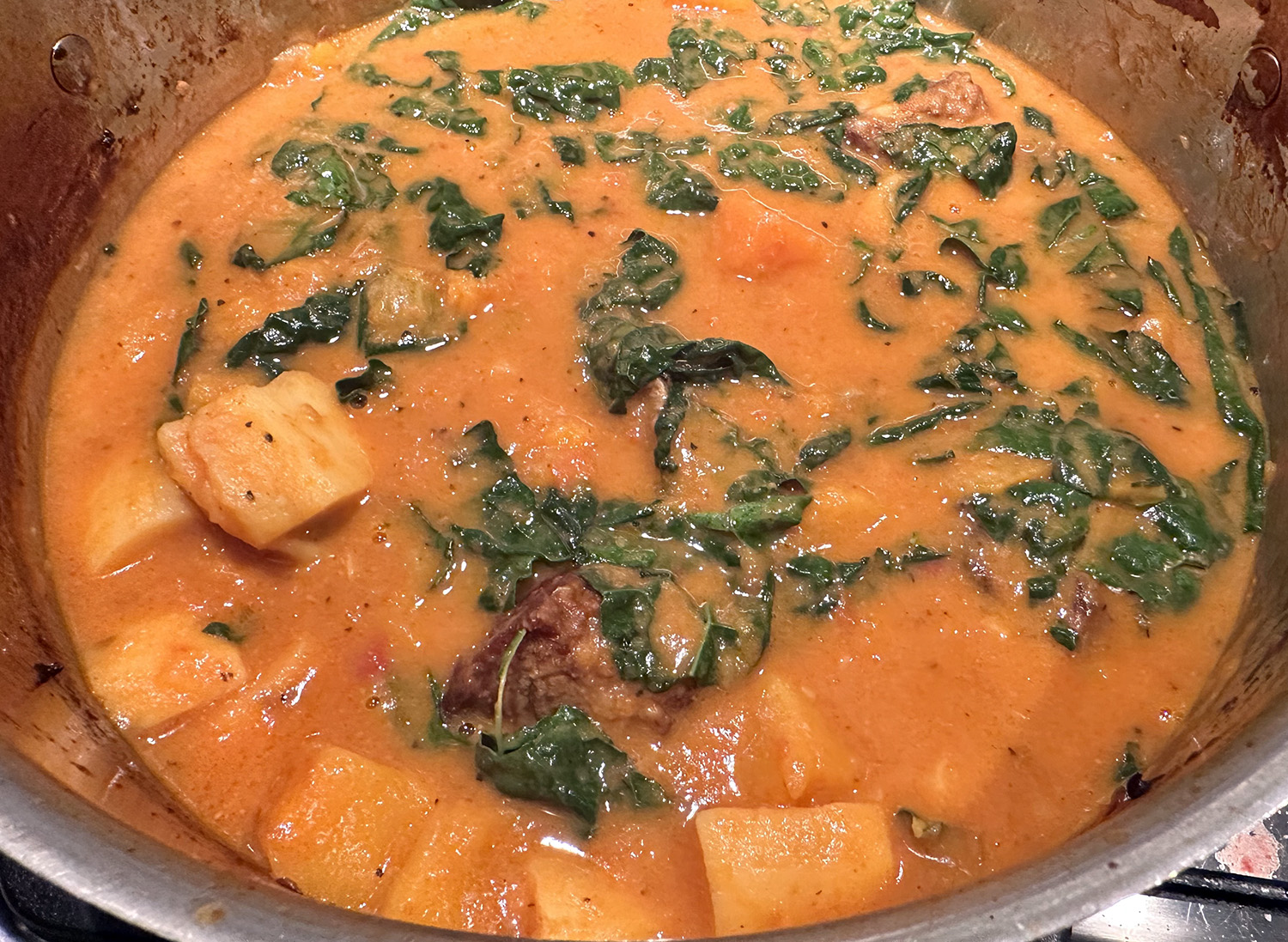
  6. Return the broth to the pot, add the potato and squash, and pour in the coconut milk. Season to taste with salt and the 1 teaspoon black pepper. Add the ginger and return the short ribs to the pot, nestling the pieces between the vegetables so that the meat is mostly submerged in the liquid. Return the pot to the oven and braise uncovered until the potato and squash are tender, the meat is falling off the bone, and the liquid is slightly reduced, 50 minutes to 1 hour.
  7. On the stovetop but off heat, stir in the greens: The heat from the stew should gently wilt the leaves. Top with the thinly sliced fennel top and fronds. Serve hot in bowls with warm crusty bread for dipping.

http://www.lynnandruss.com

Recipe by Yewande Komolafe for NYTimes Cooking

Braised Tuna Puttanesca with Lemon-Garlic Rice

Did you know that Puttanesca sauce originated in Naples Italy? The name derives from the Italian word puttana which translates roughly to “lady of the night,” or “in the style of the whore.” Puttana in turn arises from the Latin word putida which means stinking. It’s a wonder how this tasty dish became associated with such sordid content, but I’ll leave you to research that aspect… There is a lot of disagreement about the origins, and the authorities on Italian food seem to be wary of making a definitive statement about it.

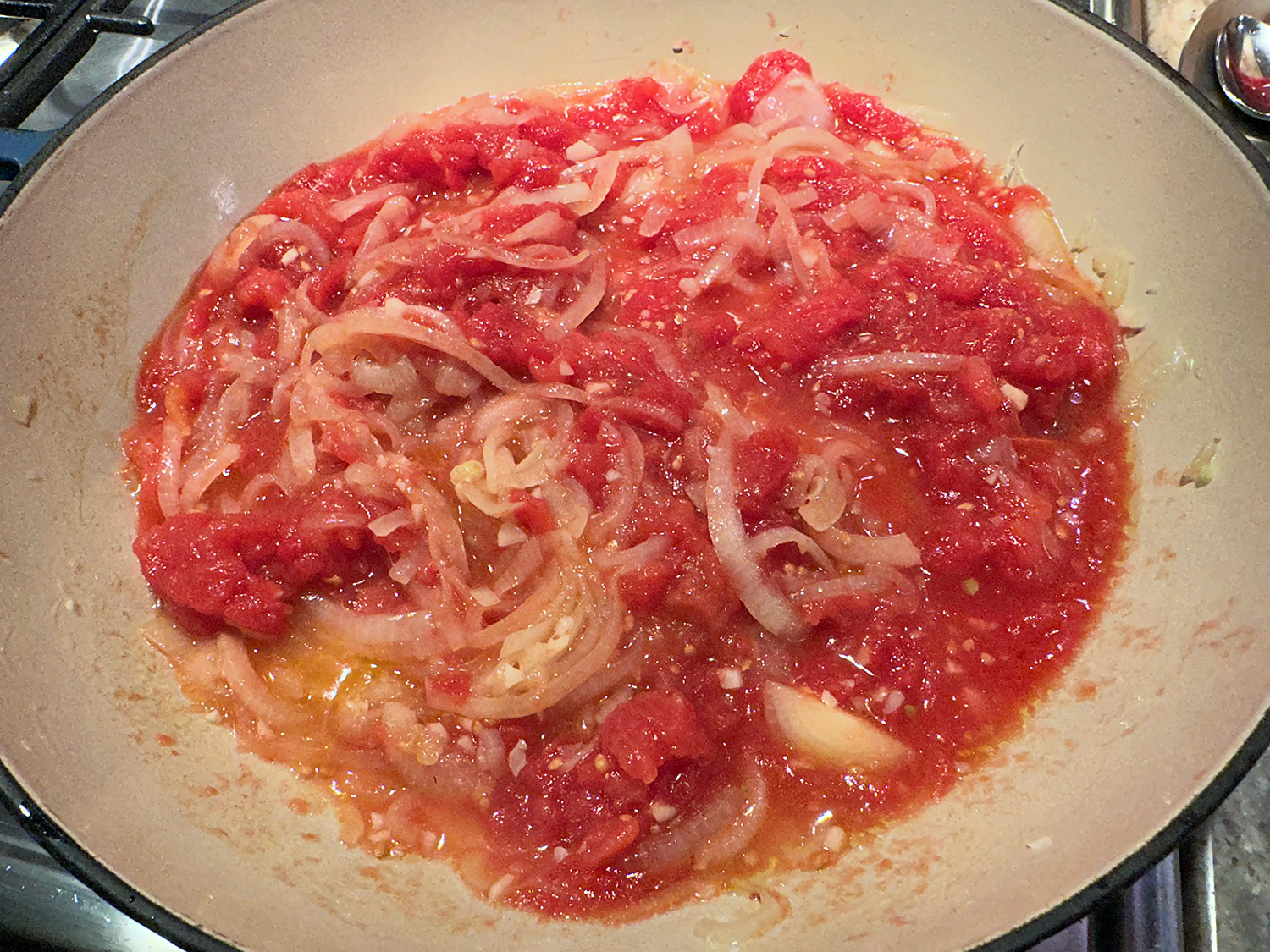
OK, so let’s get to the delicious recipe. Puttanesca is made from tomatoes, black olives, capers, anchovies, onions, garlic, and herbs, usually oregano and parsley but sometimes also basil; we used cilantro for a change of pace. This particular version leaves out the anchovies, but you could easily add some in if desired.

It is an easy sauce, briefly cooked, and is very fragrant and spicy. We paired it here with a Lemon-Garlic Rice, but fell free to use a simple steamed rice.

Braised Tuna Puttanesca

  • Servings: 4
  • Difficulty: easy
  • Print

Ingredients

  • 1/4 cup extra virgin olive oil
  • 1 1/2 cups onion, thinly sliced
  • 2 Tbsp. garlic, minced
  • 28-oz. can whole tomatoes, crushed with hands
  • 1/4 cup capers, rinsed
  • 1/3 cup pitted olives, black or green, or a mix, sliced
  • Pinch red pepper flakes
  • 1 1/2 cups dry white wine
  • 4 tuna steaks, about 6 oz. each
  • 1/4 cup cilantro, chopped
  • 1/4 cup slivered almonds, toasted
  • Lemon Garlic Rice (see recipe below)

Directions

  1. Heat oil in large saute pan. Add onions and cook for about 4 minutes.
  2. Add garlic and cook 1 minute. Add tomatoes; saute until softened, about 3 minutes.
  3. Add capers, olives, pepper flakes and wine. Bring to simmer. Add tuna steaks. Reduce heat to low. Cover and simmer for 10-15 minutes. Remove tuna and keep warm.
  4. Reduce sauce to desired consistency. Stir in cilantro. Serve tuna with warm sauce and sprinkle with slivered almonds.
  5. Serve with Lemon Garlic Rice, (see recipe below).

http://www.lynnandruss.com

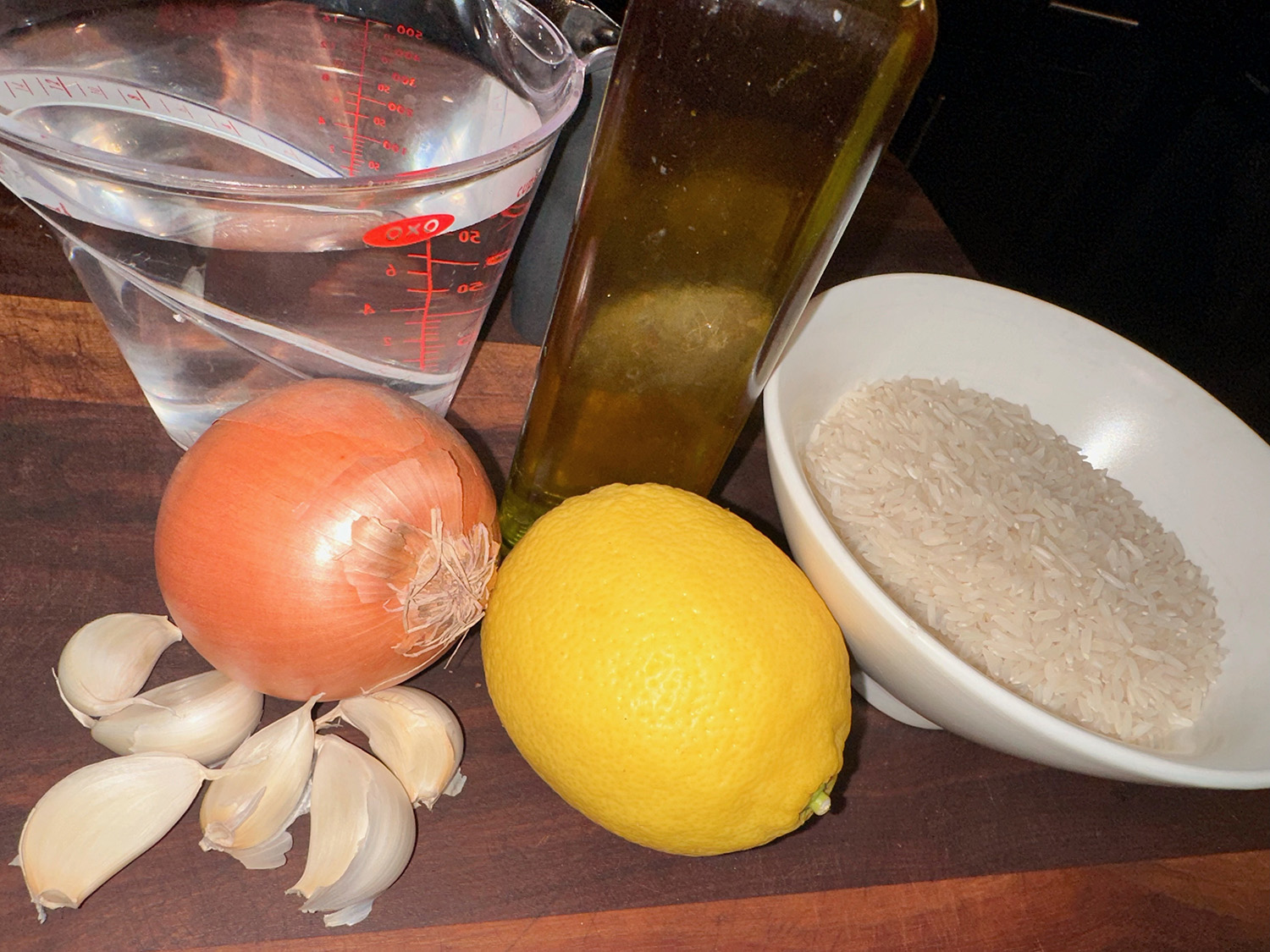
Lemon-Garlic Rice

Lemon-Garlic Rice

  • Servings: 4
  • Difficulty: easy
  • Print

Ingredients

  • 2 Tbsp. olive oil
  • 1/2 cup onion, minced
  • 2 Tbsp. garlic, minced
  • 1 cup long-grain white rice, uncooked
  • 2 cups water
  • Pinch salt
  • 1/2 lemon, juiced
  • 2 Tbsp. chopped cilantro
  • 1 lemon, zested
  • Black pepper

Directions

  1. Heat oil in saucepan over medium high heat. Add onion and cook until soft.
  2. Add garlic and cook one minute.
  3. Add rice and toss to coat with oil. Add water, a pinch of salt and lemon juice. Bring to a boil. Cover and reduce heat to low. Simmer until all liquid is absorbed.
  4. Remove from heat, fluff with fork, toss with lemon zest and chopped cilantro. Season to taste with salt and pepper.

http://www.lynnandruss.com

Weeknight Beef Stroganoff

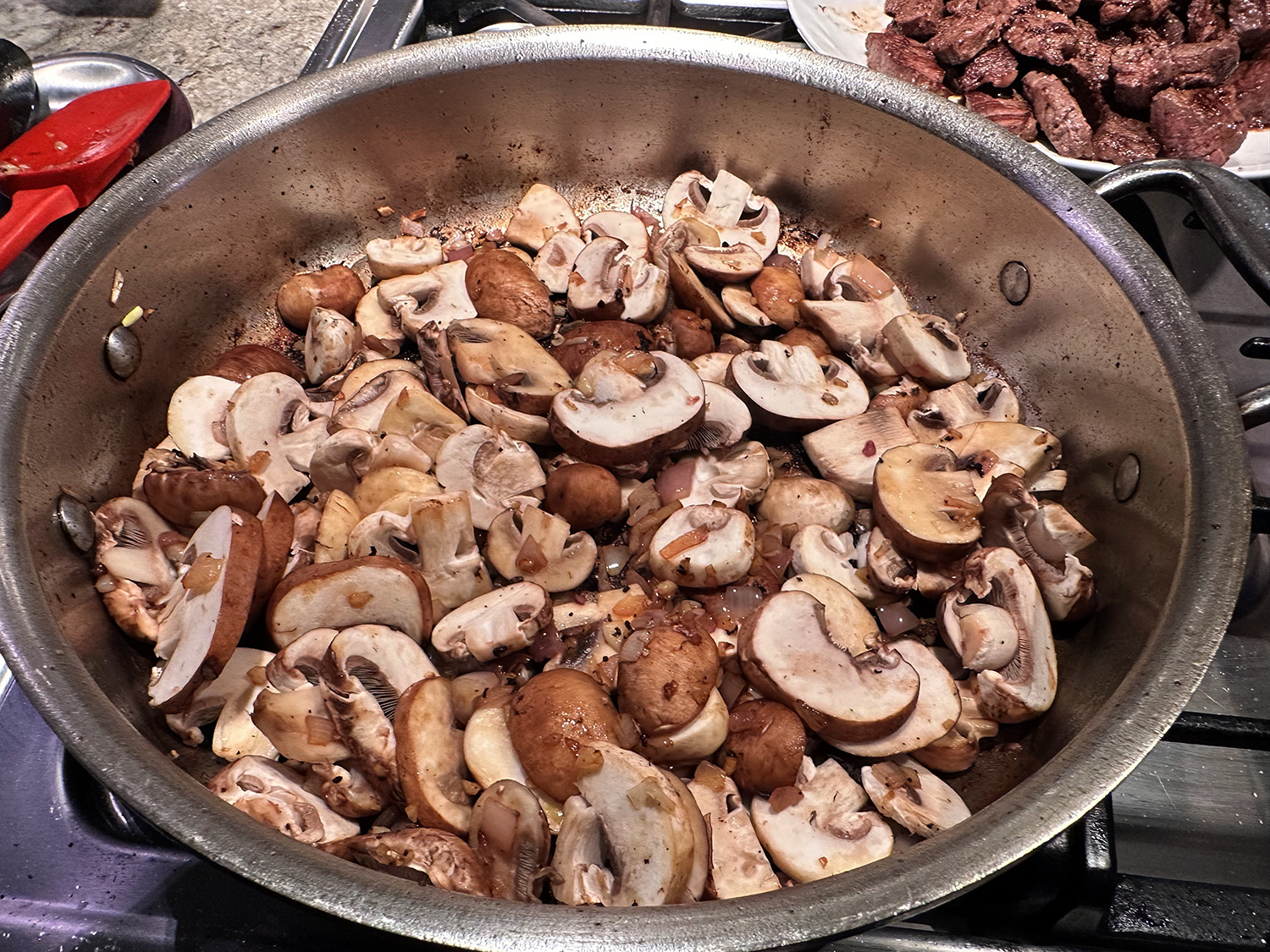
Beef Stroganoff preparation varies significantly not only based on geography, but based on other factors as well, such as the cut of meat and seasonings selected. When looking for a “quick” version of Beef Stroganoff, we ended up creating a mash-up of several different ones put together.
Originally a Russian dish, it is made up of sautéed pieces of beef served in a sauce of mustard and sour cream. From its origins in mid-19th-century Russia, it has become popular around the world, with considerable variation from the original recipe. Mushrooms are common in most variants.

Although are several starches you could serve with it, we opted for old fashioned wide egg noodles. Try to time it so that the noodles are done just as the meat and sauce are finishing.

TIP: If you substitute yogurt for the sour cream, use full fat yogurt, and make sure to take the pan off the heat before stirring it in or it may curdle.

Weeknight Beef Stroganoff

  • Servings: 4
  • Difficulty: easy
  • Print

Ingredients

  • 5 Tbsp. butter, divided
  • Salt
  • Freshly ground black pepper
  • 1 1/2 lb. top sirloin or tenderloin, cut thinly into 1-inch wide by 2 1/2-inch strips long
  • 1/3 cup chopped shallots or onions
  • 2 cloves garlic, minced
  • 1 tsp. Worcestershire sauce
  • 8 oz. cremini mushrooms, sliced
  • 1/8 tsp. nutmeg
  • 1/4 cup white wine
  • 1/2 cup beef broth
  • 1/2 tsp. dry tarragon or 2 tsp. chopped fresh tarragon
  • 1 cup sour cream (full fat), at room temperature
  • 8 oz. large wide egg noodles, cooked according to package directions

Directions

  1. Melt 3 tablespoons of butter in a large skillet on medium heat. Increase the heat to high/med-high. Working in 2 or 3 batches, add the strips of beef in a single layer with space between the strips. You want to cook the beef quickly, browning on each side, so the temp needs to be high enough to brown the beef, but not so high as to burn the butter. While cooking the beef, sprinkle generously with salt and pepper. When both sides are browned, remove the beef to a dish and set it aside. Repeat with remaining beef slices.
  2. In the same pan, reduce the heat to medium and add the shallots. Cook the shallots for a minute or two, allowing them to soak up any meat drippings.
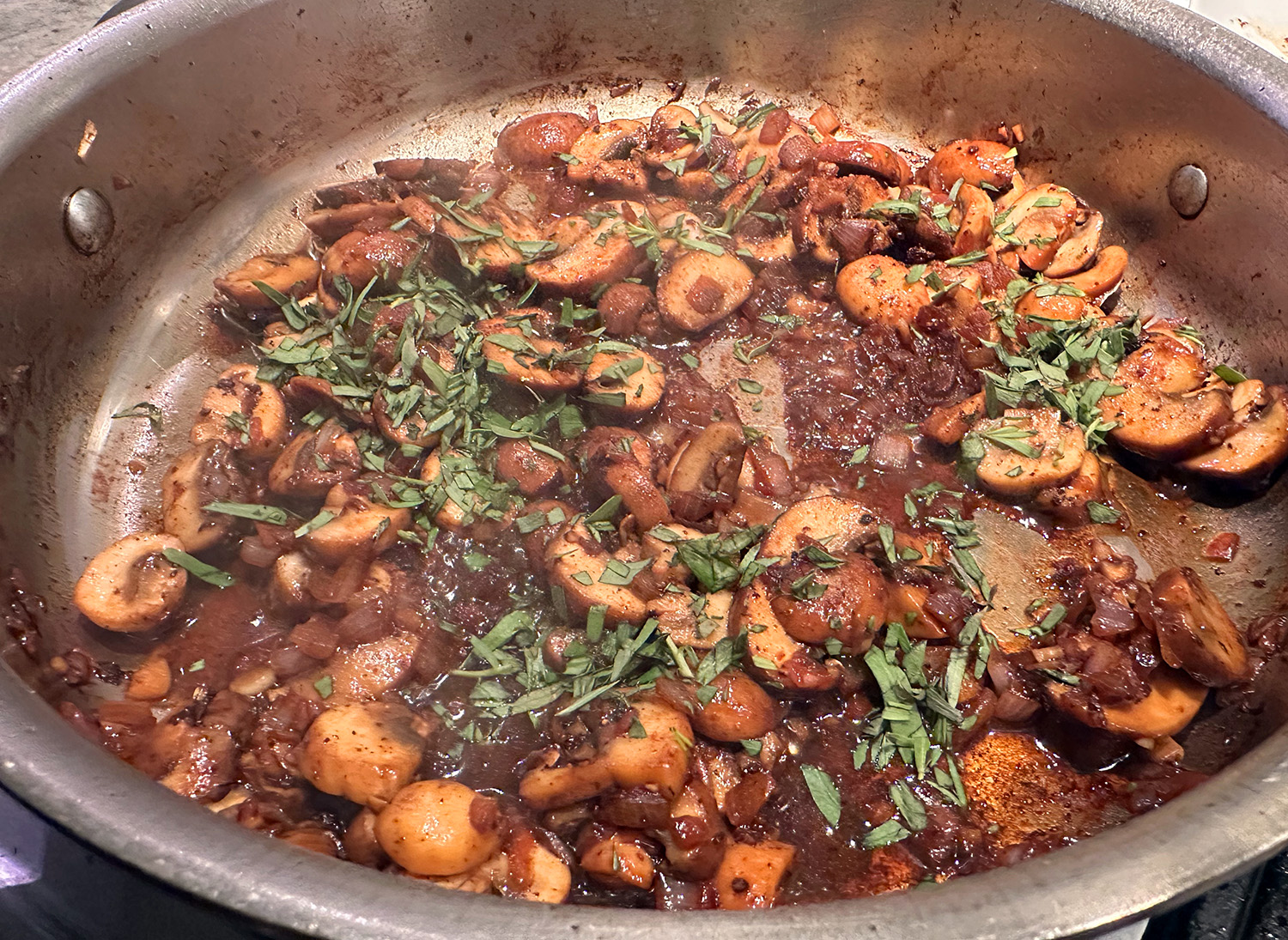
  3. In the same pan with the shallots, melt the remaining 2 tablespoons of butter. Increase heat to medium-high and add the mushrooms. Cook, stirring occasionally for about 4 minutes. While cooking, sprinkle the nutmeg and the tarragon on the mushrooms.
  4. Add 1/4 cup wine to deglaze the pan and loosen brown bits. Add 1/2 beef broth.
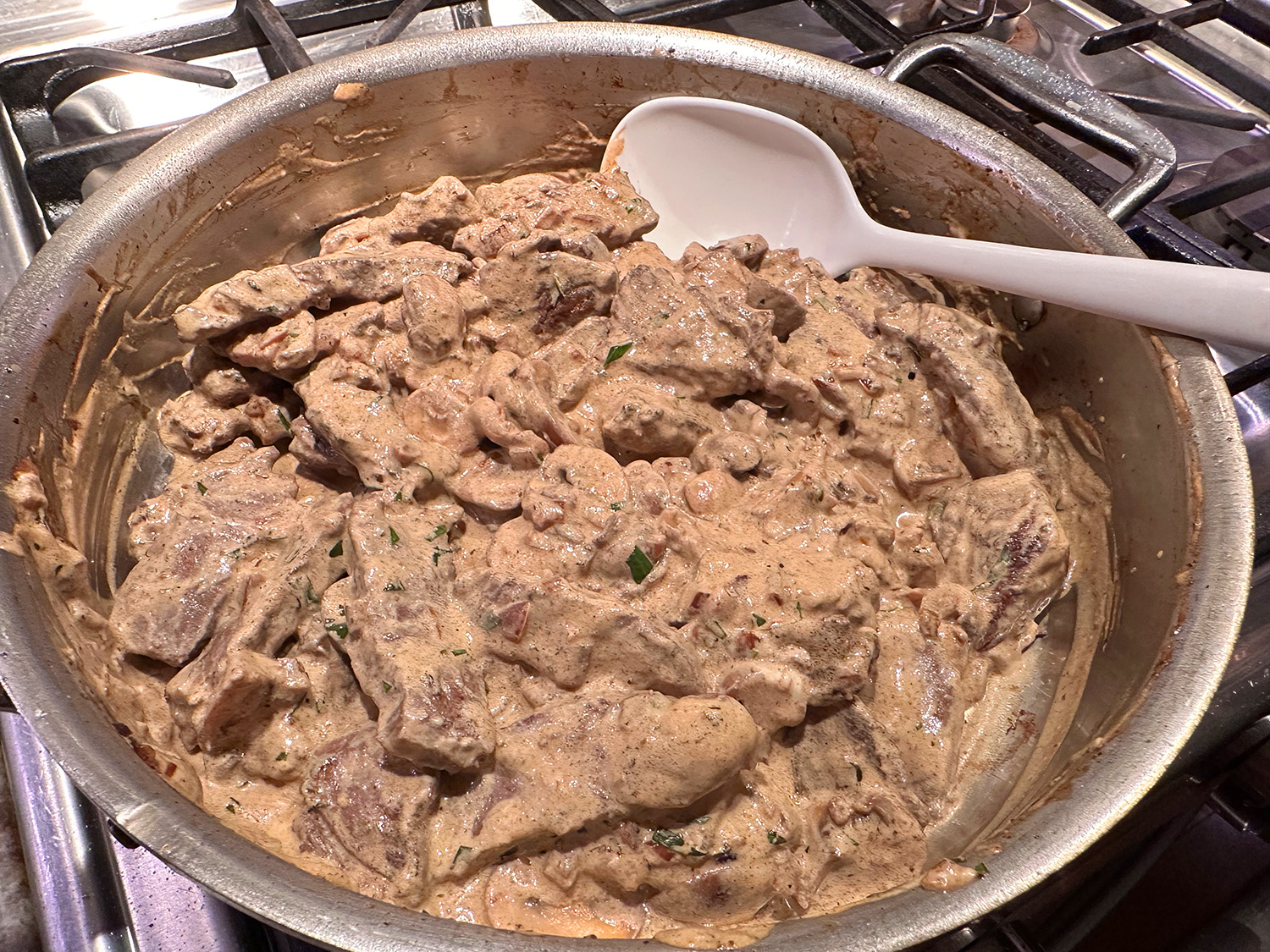
  5. Reduce the heat to low and add the sour cream to the mushrooms. Mix in the sour cream thoroughly. Do not let it come to a simmer or boil or the sour cream may curdle. Stir in the beef.
  6. Add salt and pepper to taste. Note that you will likely need more salt than you expect. Taste, and if it needs salt, add 1/2 teaspoon or more. Serve immediately over cooked egg noodles.

http://www.lynnandruss.com

Skillet-Roasted Peruvian-Style Chicken

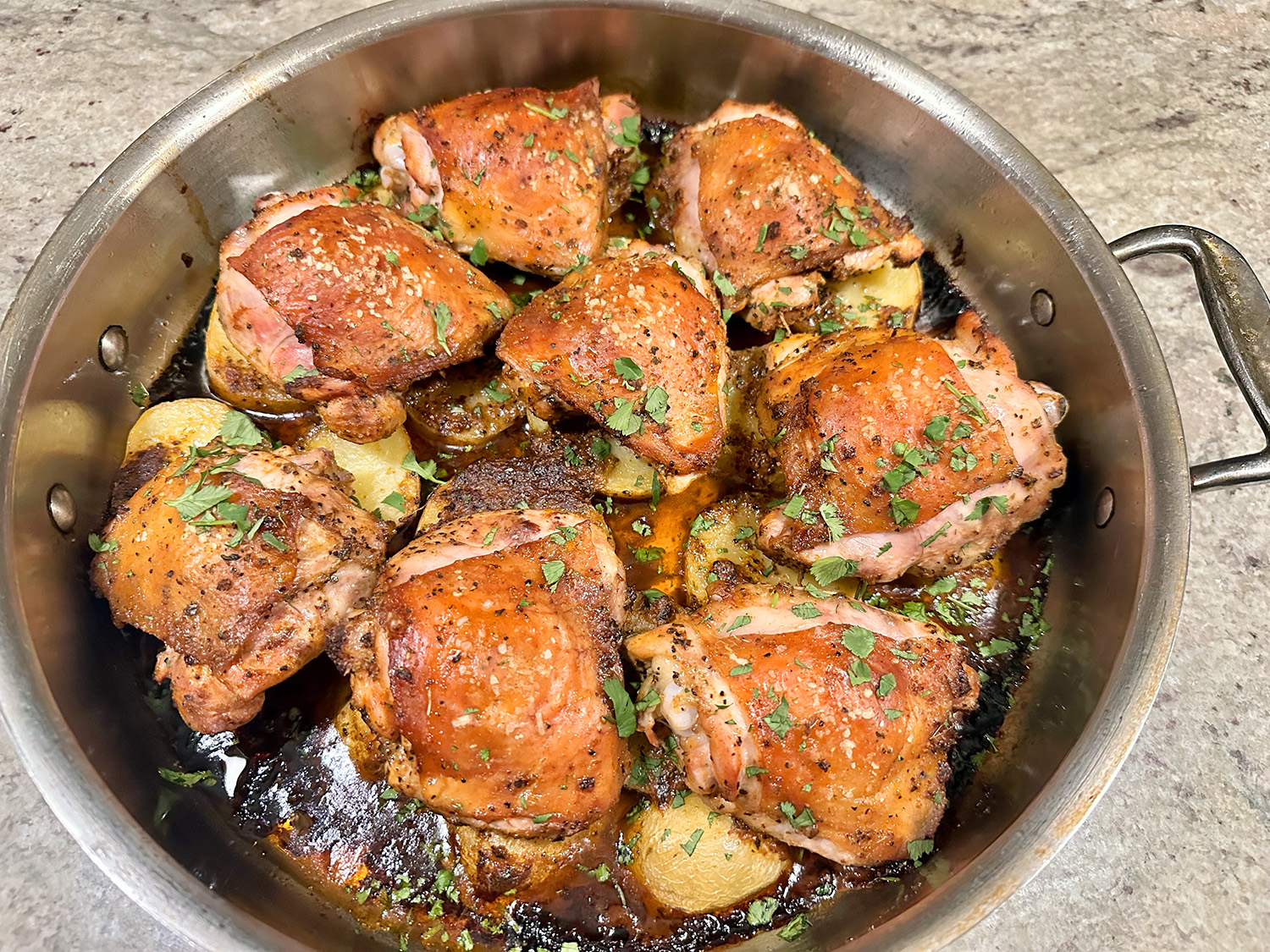
Peruvian pollo a la brasa is a whole chicken that is marinated, then cooked slowly on a rotisserie until the meat is ultra-tender; fried potatoes are a common accompaniment. Here, chicken leg quarters are used and roasted directly on top of sliced Yukon Golds that have first been lightly browned in the skillet on the stovetop.

We have both fallen hard in love with this recipe, and even though I don’t show a photo with the aji verde sauce on my plate, (I dove right into the meal before adding the sauce), it’s a wonderful condiment that enhances the meal enormously!

Marinate the chicken for 24 hours, if you can; if that’s not an option, give it at least an hour to soak in the seasonings. Ají panca paste is made from a Peruvian variety of chili of the same name; the paste is red with fruity, lightly smoky undertones and little heat. Look for it, sold in jars, in well-stocked supermarkets or Latin American grocery stores. If you cannot find it, don’t hesitate to use the sweet paprika plus smoked paprika substitute.

Beer is a common marinade ingredient for pollo a la brasa; Cusqueña, a Peruvian lager, is a good choice, but any quaffable variety will do. We highly recommend serving the chicken and potatoes with ají verde (recipe below), a Peruvian goes-with-everything condiment that’s deliciously creamy, tangy, herbal and spicy.

TIP: Don’t forget to pat the chicken dry after removing it from the marinade, and before sprinkling it with salt and placing the pieces in the skillet. The drier the skin, the better the browning and crisping.

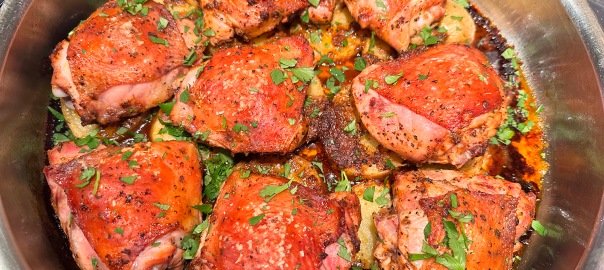
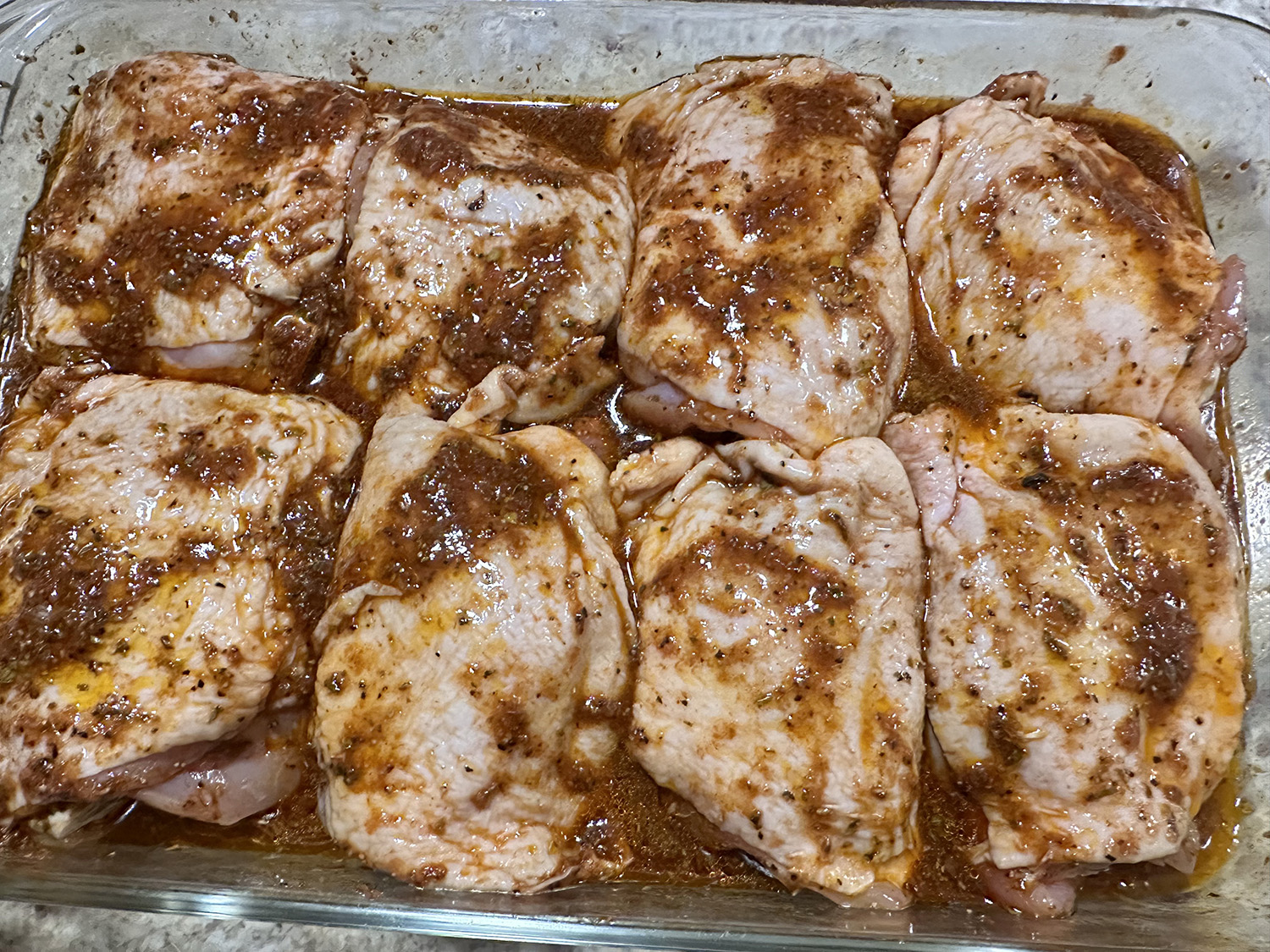
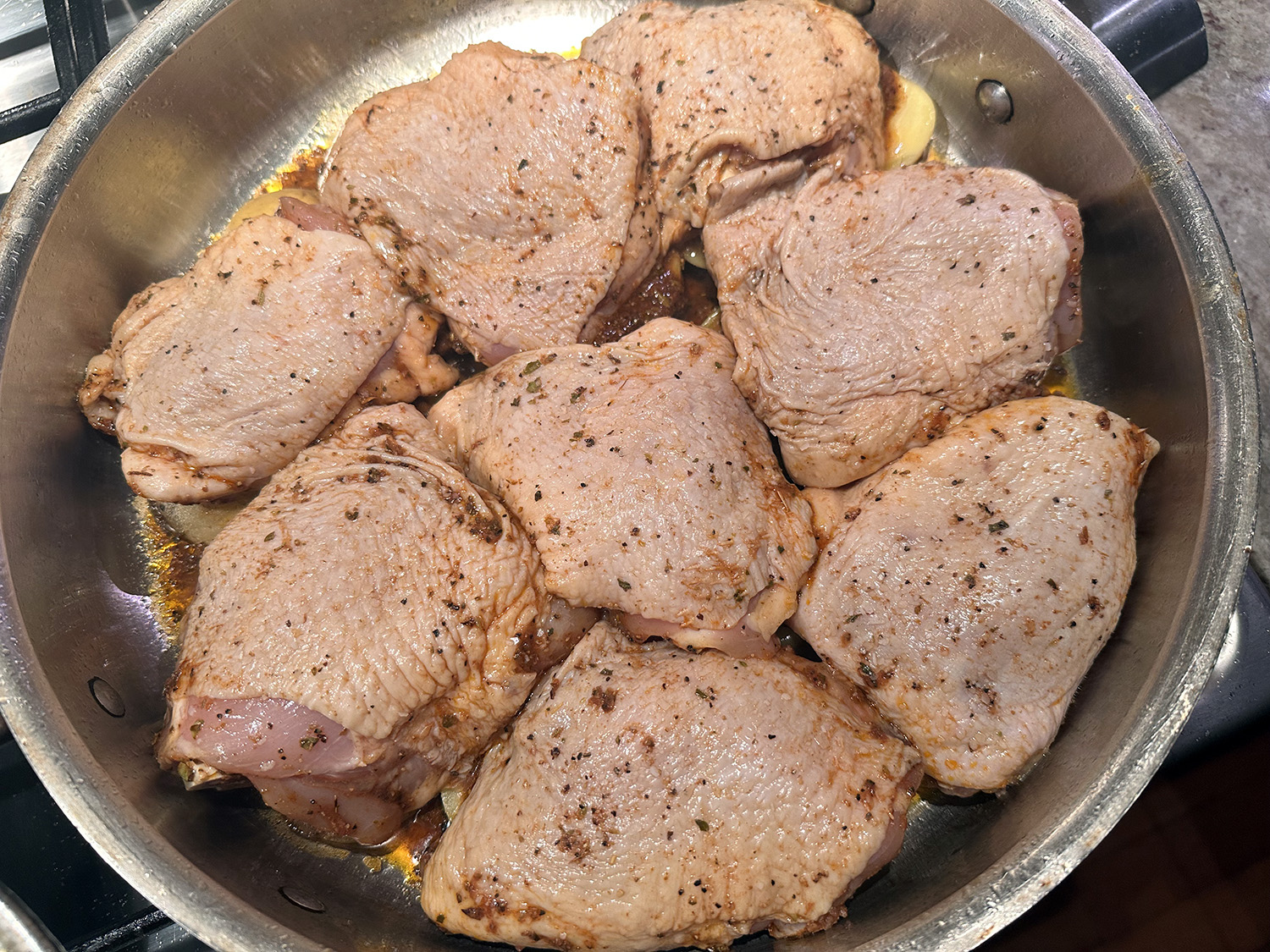
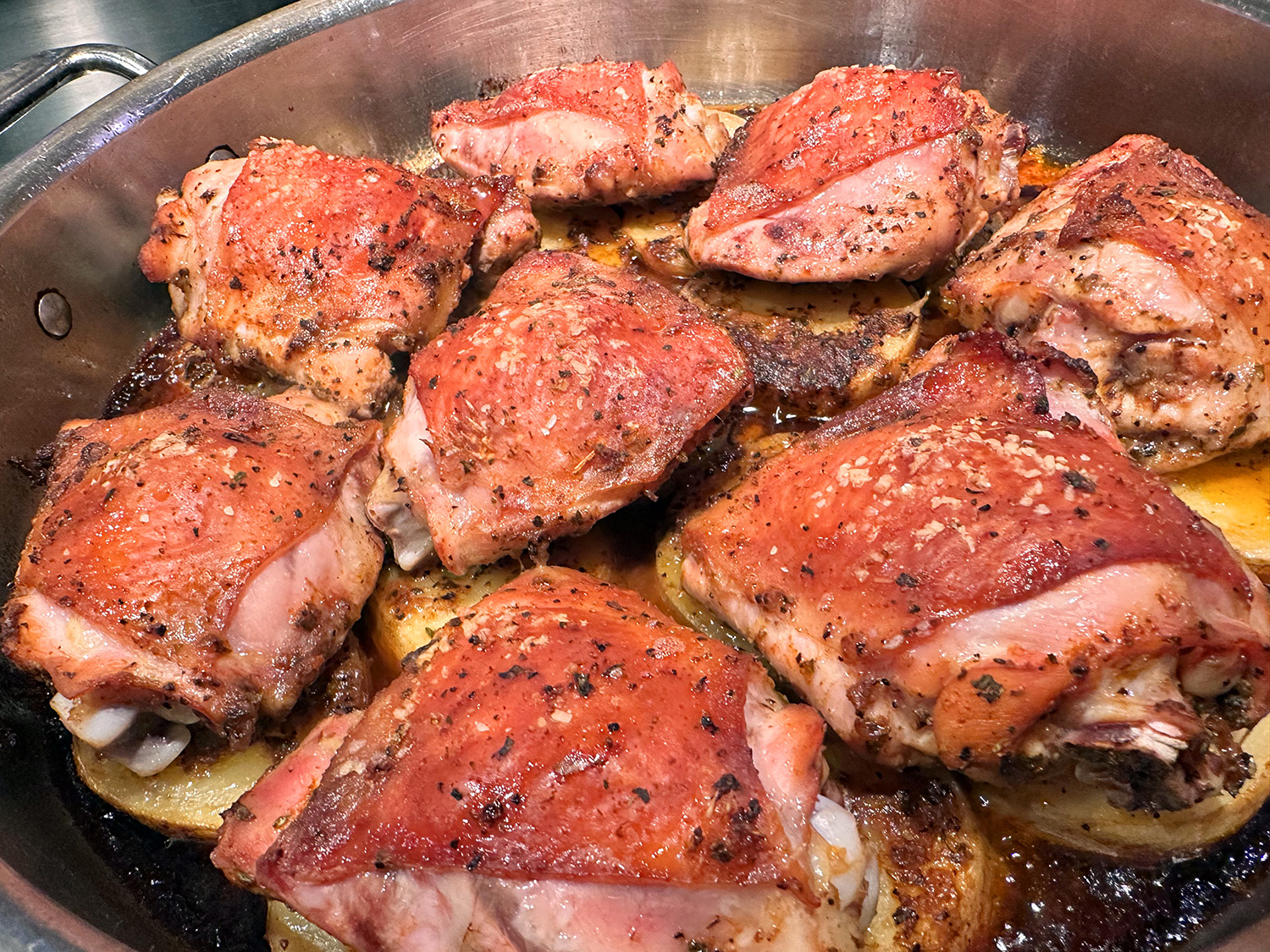
We could not bear to eliminate the flavorful marinade altogether, yet we wanted the skin to be very crispy. So we wiped off the marinade from the chicken into the baking dish and patted them dry. The leftover marinade was then spread over the hot potato slices, and then the chicken pieces placed on top before going into the hot oven.

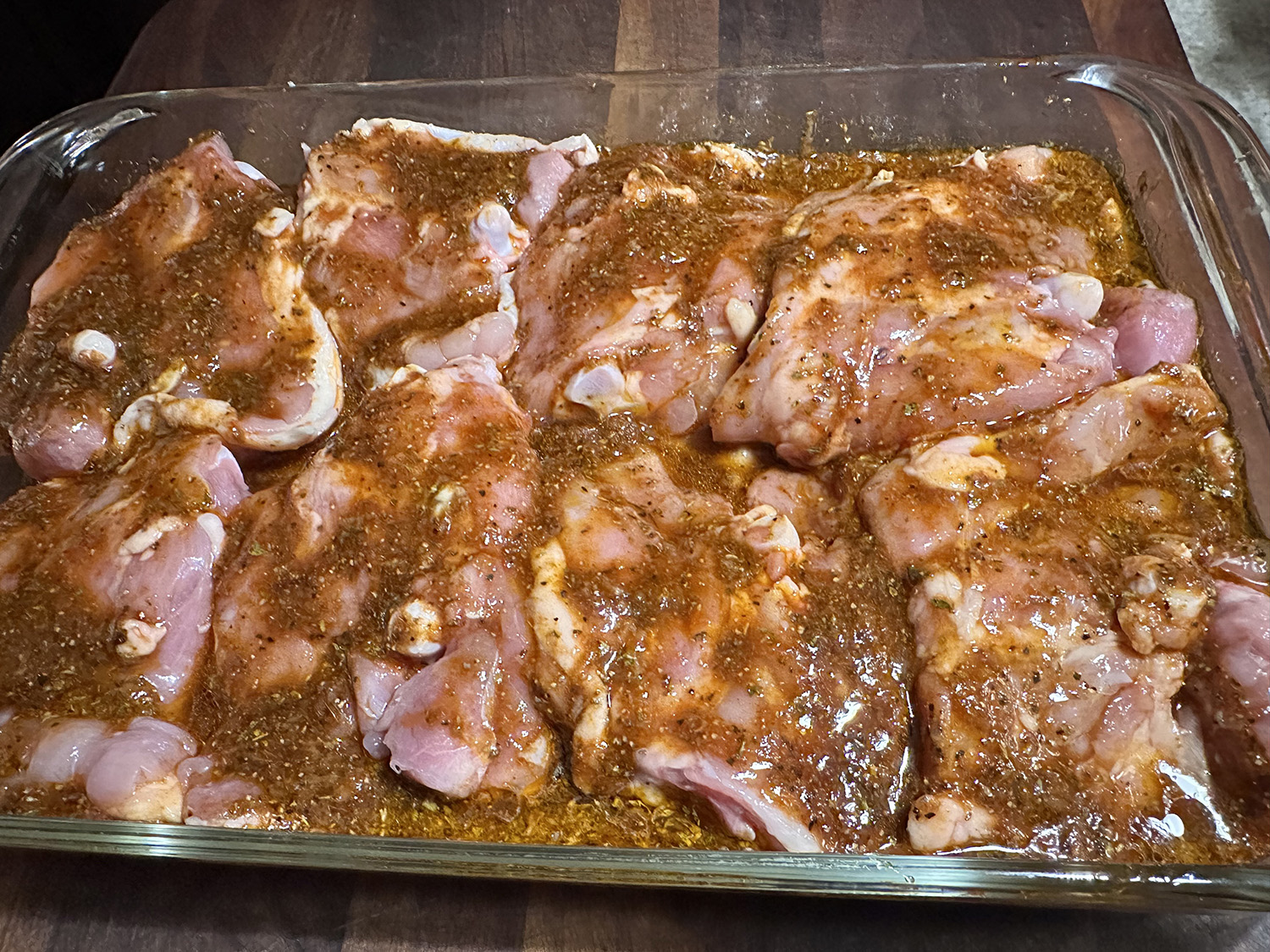
Not a fan of poultry legs, we used 8 bone-in chicken thighs, which required a larger oven-safe skillet. They went into the baking dish skin-side down, but we ladled the marinate onto the undersides to make sure all parts of the chicken got some flavoring going on. After 30 minutes, we turned the thighs to skin side up and brushed with more marinade.
Skillet-Roasted Peruvian-Style Chicken

  • Servings: 4
  • Difficulty: easy
  • Print

Ingredients

  • 3 Tbsp. extra-virgin olive oil, divided
  • 1/2 cup beer
  • 4 medium garlic cloves, finely grated
  • 2 Tbsp. soy sauce
  • 2 Tbsp. red wine vinegar
  • 2 Tbsp. ají panca paste OR 1 Tbsp. sweet paprika, plus 1 Tbsp. smoked paprika
  • 2 tsp. dried oregano
  • 2 tsp. ground cumin
  • Kosher salt and ground black pepper
  • 4 bone-in, skin-on chicken leg quarters, OR 6-8 chicken thighs (about 3 lbs.), trimmed
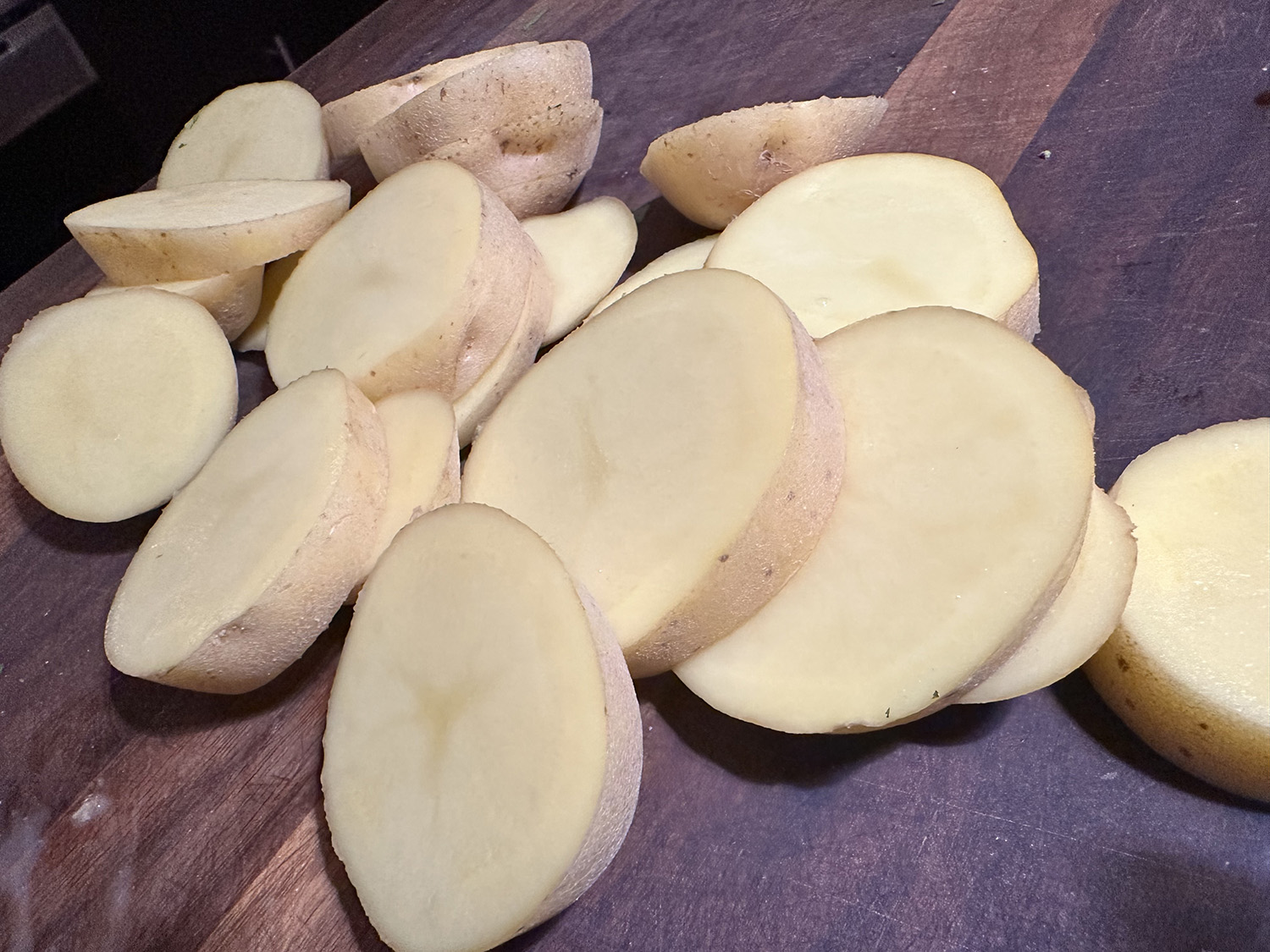
  • 1 1/2 lbs. Yukon Gold potatoes, unpeeled, sliced into ½-inch rounds
  • 1/2 cup lightly packed fresh cilantro, chopped
  • Ají verde, to serve (optional, see recipe below)

Directions

  1. In a 9-by-13-inch glass or ceramic baking dish, stir together 2 tablespoons oil, the beer, garlic, soy sauce, vinegar, ají panca, oregano, cumin, 1 teaspoon salt and 2 teaspoons pepper. Add the chicken and turn to coat. Cover and refrigerate for at least 1 hour or up to 24 hours, turning the chicken once about halfway through marinating.
  2. Heat the oven to 450°F with a rack in the lowest position. Remove the chicken from the marinade; discard the marinade. Pat the chicken dry and season lightly with salt.
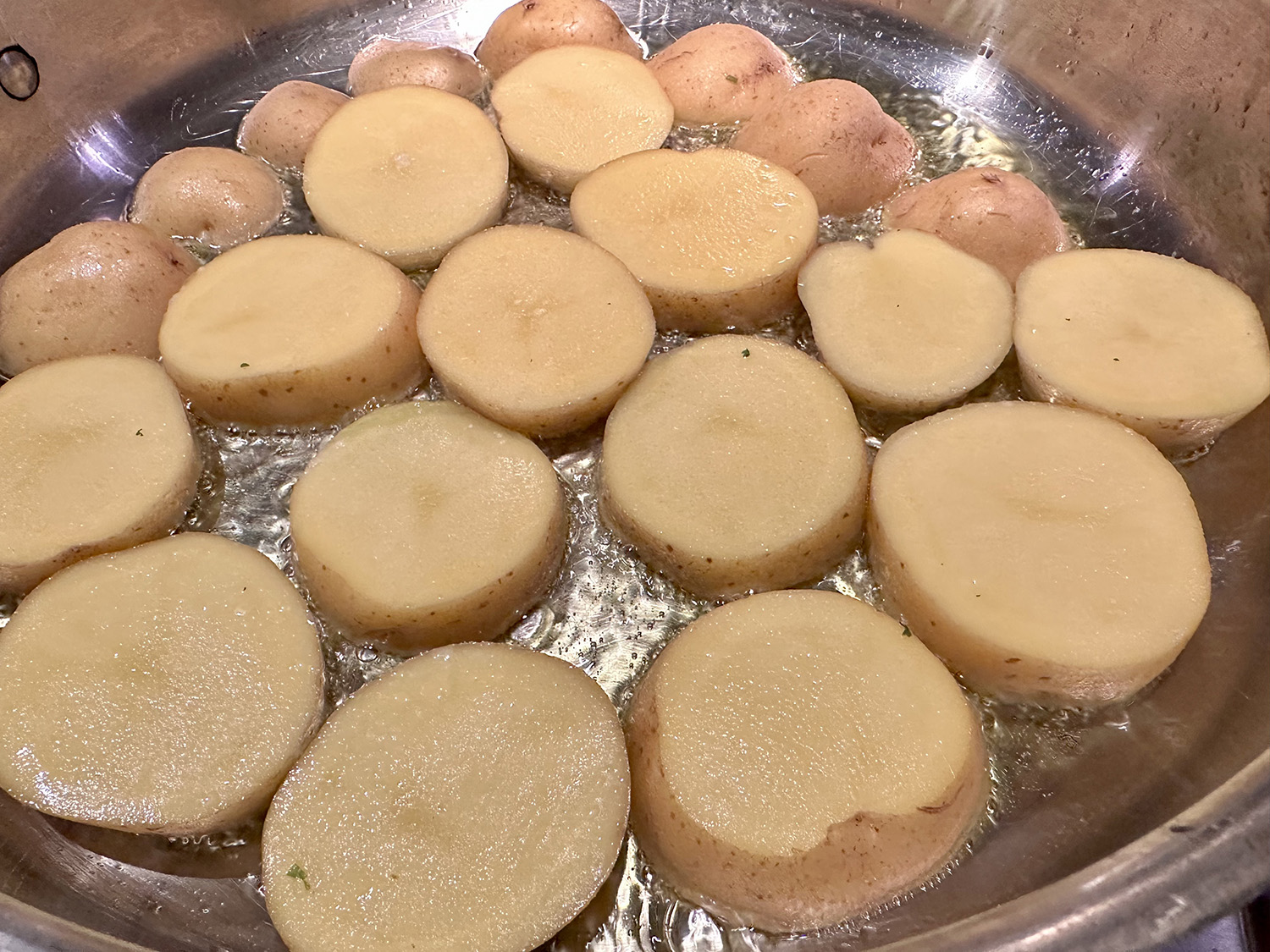
  3. In a 12-inch oven-safe skillet over medium-high, heat the remaining 1 tablespoon oil until shimmering. Add the potatoes in an even layer and cook, uncovered and without stirring, until lightly browned at the edges, 2 to 3 minutes. Place the chicken skin side up on top of the potatoes. Transfer the skillet to the oven and roast until the chicken is deeply browned and the thickest part of the leg quarters reach 175°F, about 45 minutes.
  4. Remove the pan from the oven (the handle will be hot). Let rest for about 10 minutes, then transfer the chicken and potatoes to a serving platter. Sprinkle with the cilantro and serve with ají verde (if using).

Aji Verde Sauce

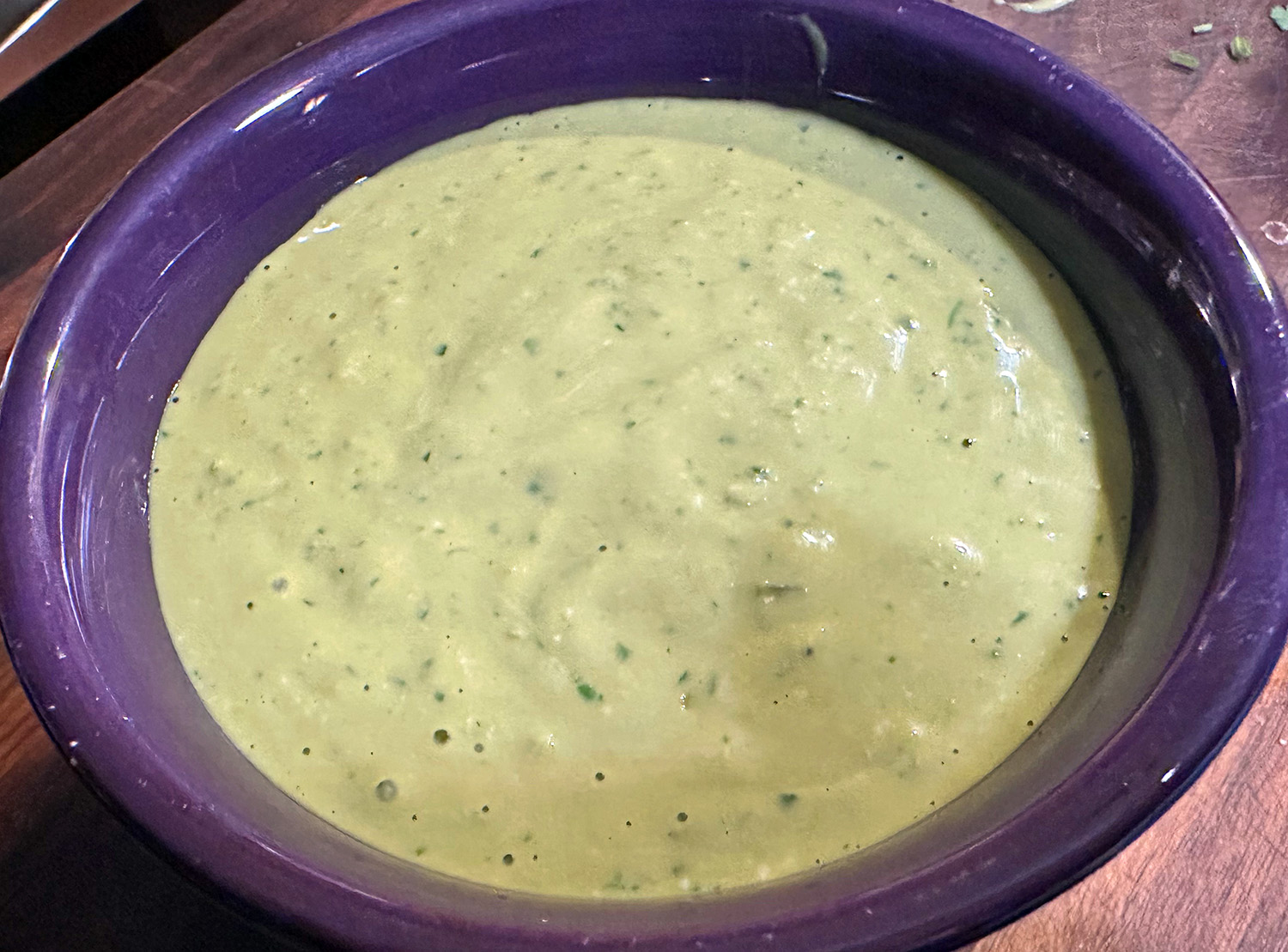
Ají verde is a popular Peruvian condiment. Creamy and spicy, with fruity acidity from lime juice, it’s the perfect accompaniment to pollo a la brasa. Ají amarillo is a spicy yellow Peruvian chili. Look for ají amarillo paste in Latin American markets, but if not available, simply omit it. The sauce still will taste great.

Ingredients

  • ½ cup  mayonnaise
  • 1 jalapeño, stemmed and seeded, coarsely chopped
  • 1 garlic clove. minced
  • 2 Tbsp. grated cotija cheese
  • 3 Tbsp. fresh minced cilantro
  • 1 Tbsp. jarred huacatay paste
  • 2 Tbsp. fresh lime juice

Directions

Combine all ingredients in a blender or small food processor until smooth, about 1 minute.

http://www.lynnandruss.com

Recipes by Courtney Hill & Elizabeth Mindreau for Milk Street

Braised Lamb Shanks with White Beans, Swiss Chard and Marjoram

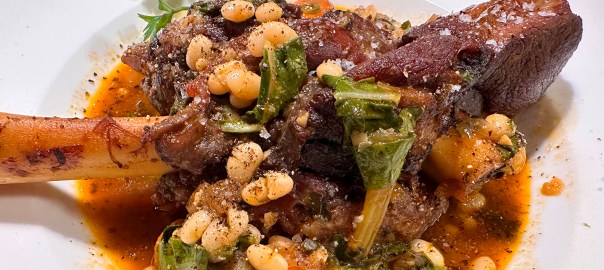
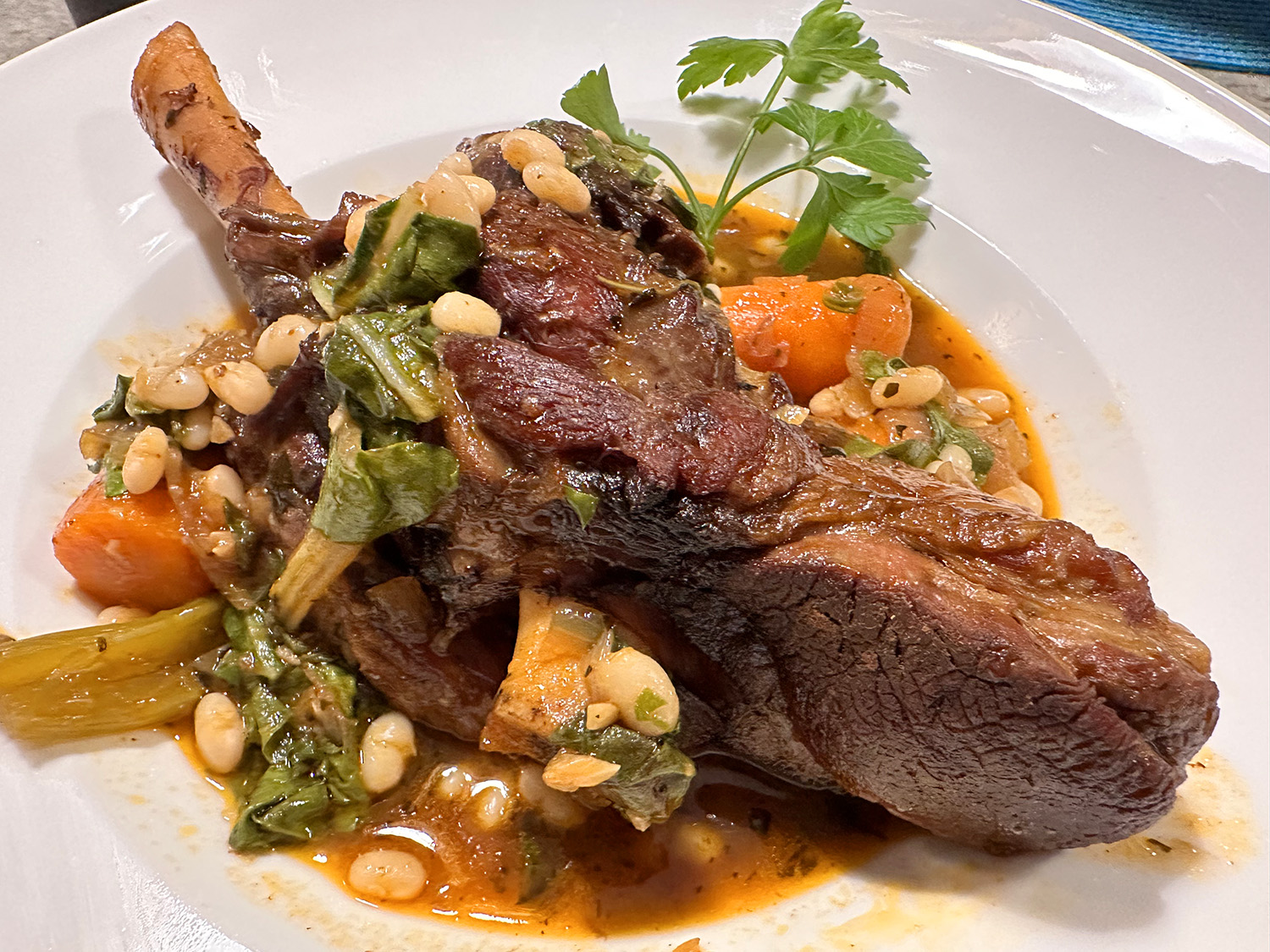
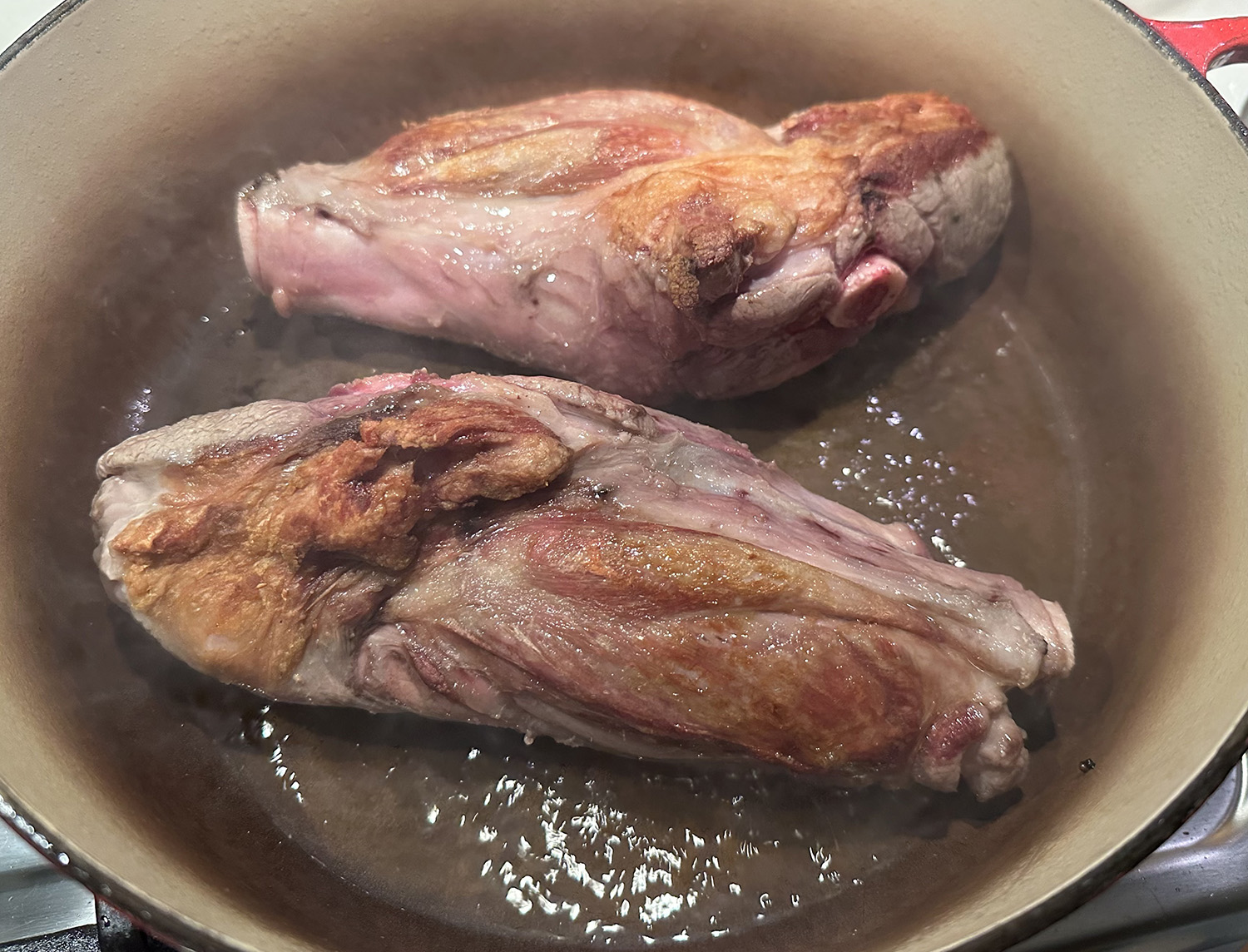
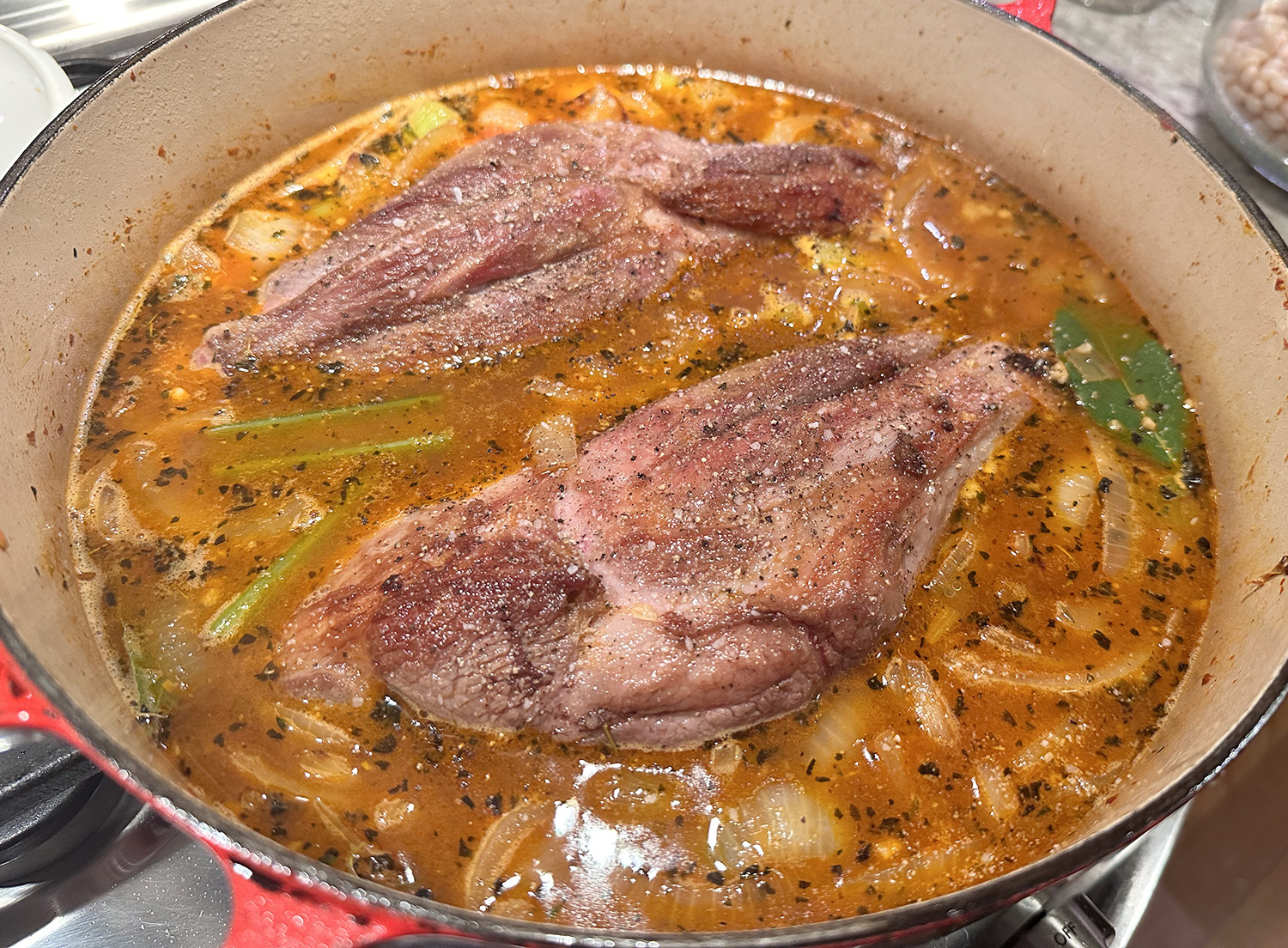
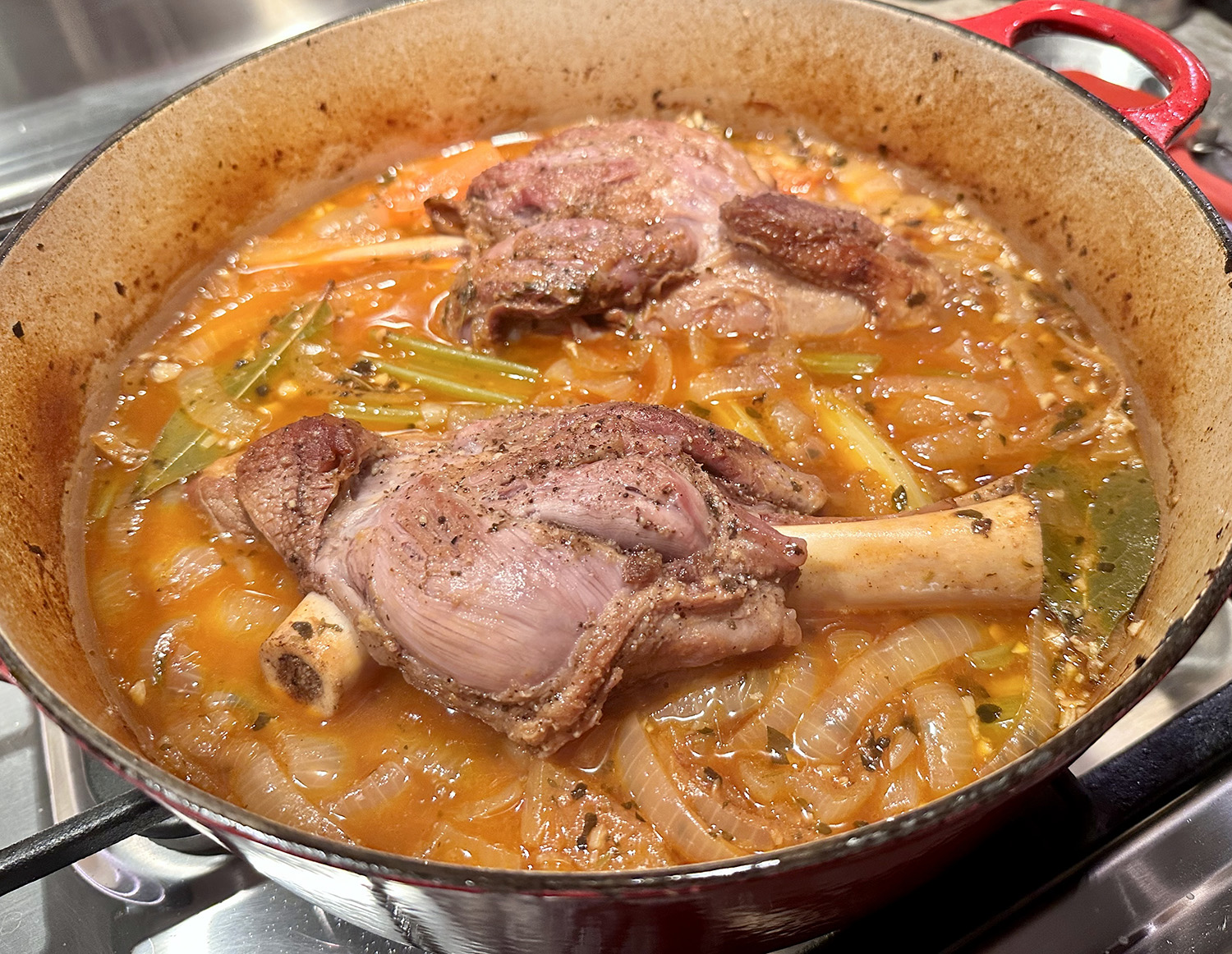
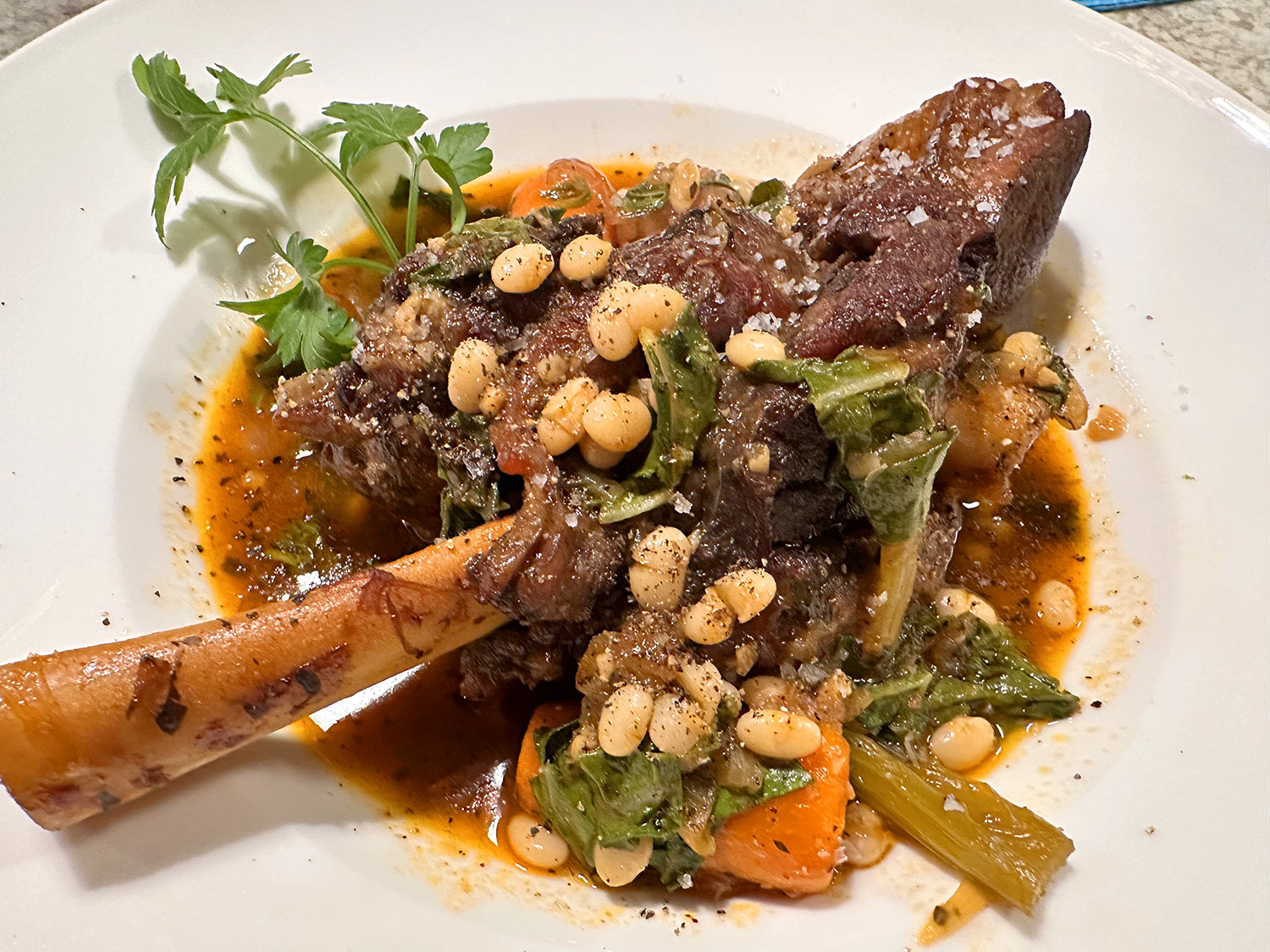
For this lamb shanks recipe, Cook’s Illustrated preferred to braise them in the oven rather than on the stovetop, as the oven provided more even heat. Browning the shanks over high heat in a skillet first added a great deal of flavor to the dish. The shanks are braised in chicken stock (which complements, rather than overpowers, the lamb, as beef or veal stock might have), white wine, and herbs.

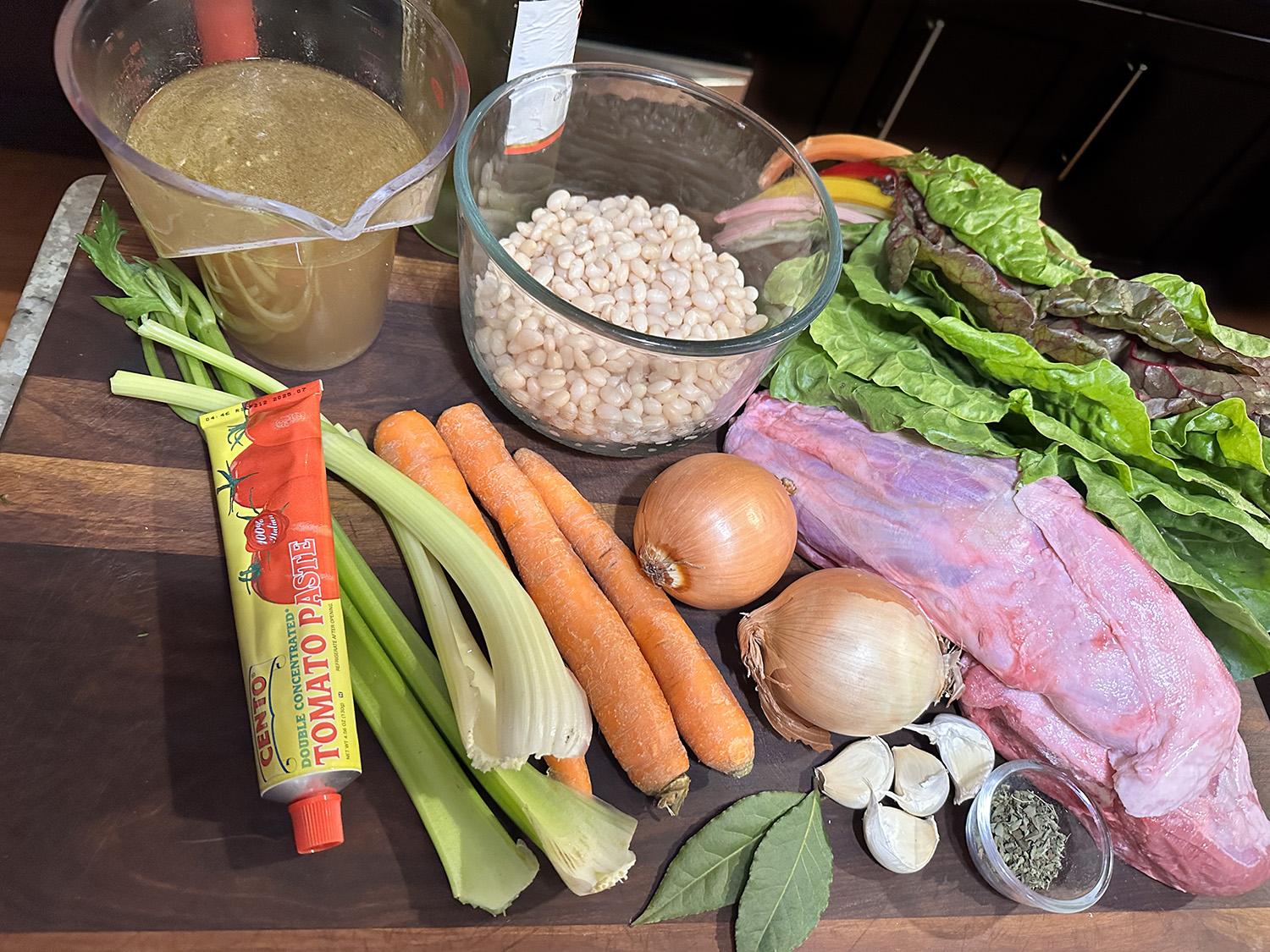
We made numerous changes to this recipe, starting with the lamb shanks. Instead of six small (which equates to more bone and less meat), we braised two meaty shanks that weighed close to two pounds each. When it is time to brown the shanks, you may have to do it in two batches if cooking more than two of them.

*As for the white beans, we did soak ours overnight as per the instructions below, but you could use 2 cans of cannellinis, drained and rinsed to save time. Instead of using several different skillets and pans, we did everything in one large braising pot. Finally, although we didn’t do it this time, we highly suggest that you reduce the liquids from 3 cups of broth to 2, and 2 cups of white wine down to 1 cup. These changes are note in the recipe below.

Braised Lamb Shanks with White Beans, Swiss Chard and Marjoram

  • Servings: 4
  • Difficulty: easy
  • Print

Ingredients

Cannellini Beans*

  • 1 bay leaf
  • 1 lb. small white beans (such as Cannellini), soaked until rehydrated, overnight or at least 4 hours
  • 4 cloves garlic (peeled, left whole)
  • 7 cups water
  • 1 ½ tsp. table salt

Lamb Shanks and Braising Liquid

  • 4 lamb shanks, 1 1⁄4 to 1 1⁄2 lb. each, trimmed of excess fat and fell (thin, white papery covering)
  • Table salt
  • 2 Tbsp. olive oil
  • 2 medium onions, sliced thick
  • 3 medium carrots, peeled and cut crosswise into 2-inch pieces
  • 2 medium ribs celery, cut crosswise into 2-inch pieces
  • 4 medium cloves garlic, minced
  • 2 Tbsp. tomato paste
  • 3 tsp. fresh marjoram leaves, minced, or 1 1/2 tsp. dried marjoram
  • 2 cups chicken broth, preferably homemade
  • 1 cup dry white wine
  • 1 bunch Swiss chard, cleaned, stemmed, and chopped coarsely
  • Ground black pepper

Directions

  1. FOR BEANS: Bring dried beans, bay leaf, garlic, and water to simmer in large saucepan. Simmer, partially covered, until beans are just tender, 30 to 40 minutes.
  2. Remove from heat, stir in salt, cover, and let beans stand until completely tender, about 15 minutes. Drain, reserve cooking liquid, and discard bay leaf and garlic. (Beans in liquid can be cooled, covered, and refrigerated up to 5 days.)
  3. FOR SHANKS: Heat oven to 350 degrees. Sprinkle shanks with salt. Heat oil in a large, nonreactive sauté pan over medium-high heat. Add shanks to pan in batches if necessary to avoid overcrowding. Sauté until browned on all sides, 5-7 minutes. Using tongs, transfer shanks to a plate as they brown.
  4. Drain all but 2 tablespoons fat from the sauté pan; add onions, carrots, celery, garlic, tomato paste, a light sprinkling of salt and 2 teaspoons of the fresh marjoram (less if using dried); sauté to soften vegetables slightly, 3 to 4 minutes.
  5. Add wine, then chicken stock to the skillet, stirring with a wooden spoons to loosen browned bits from skillet bottom. Bring liquid to simmer; transfer vegetables and liquid into a deep braising pan, large enough to hold the shanks in a single layer. Add shanks and season with salt and pepper.
  6. Cover pan (with foil if pan has no lid) and transfer it to the oven; braise shanks for 1 1/2 hours. Uncover and continue braising until shank tops are browned, about 30 minutes. Turn shanks and continue braising until remaining side has browned and shanks are fall-off-the-bone tender, about another 20 minutes.
  7. Remove pan from oven; let shanks rest for at least 15 minutes. Carefully transfer shanks with tongs to each plate.
  8. Arrange a portion of vegetables around each shank. Skim excess fat from braising liquid. Add beans and chard and remaining 1 teaspoon marjoram; cook over medium heat until greens wilt, about 5 minutes. Adjust seasoning. Spoon a portion of braising liquid over each shank and serve.

http://www.lynnandruss.com

Adapted from a recipe by Cook’s Illustrated