Tag Archives: green olives

Pork Tenderloins with Sun-Dried Tomatoes and Green Olives

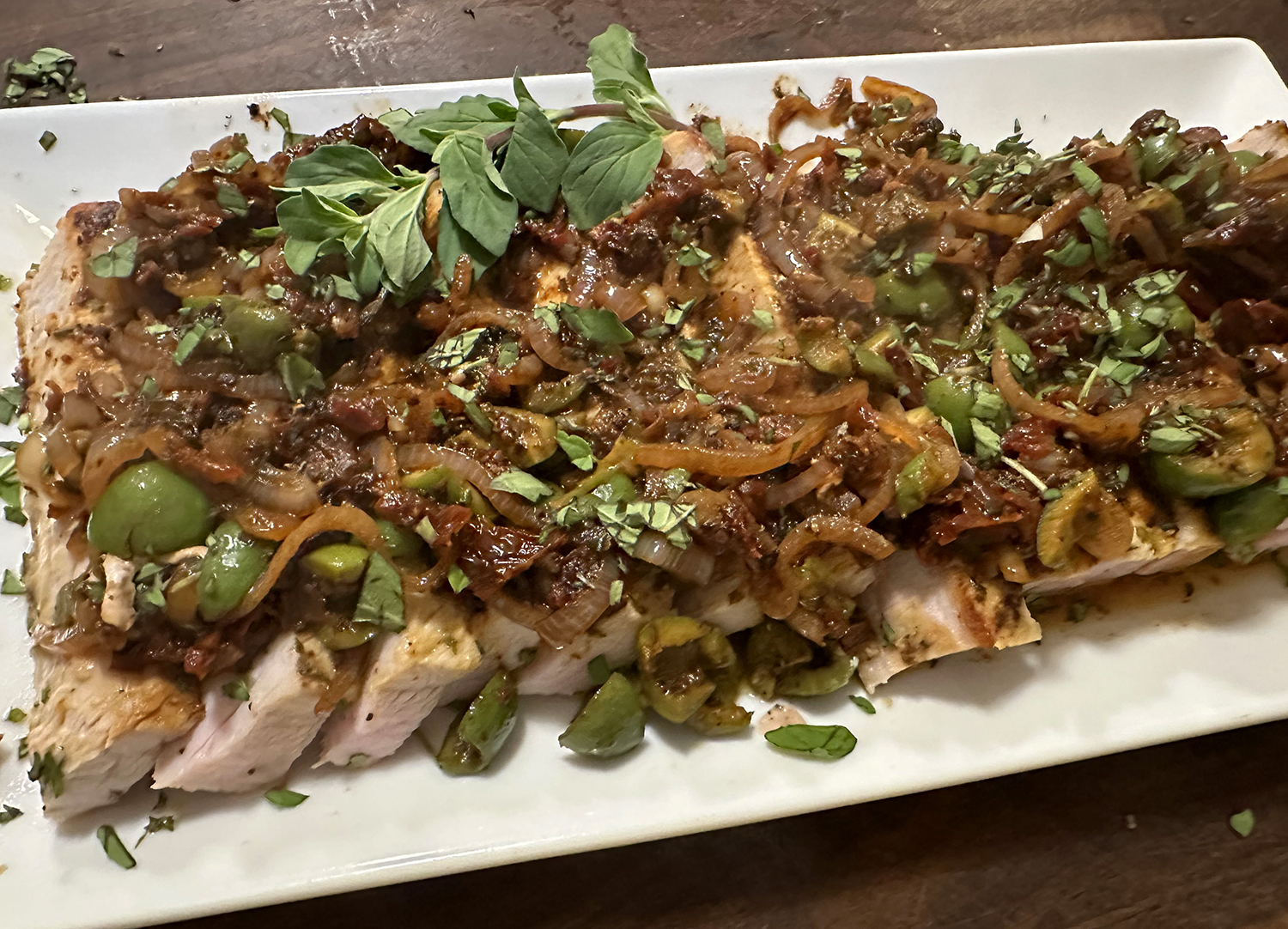
Oodles of flavor in this simple and quick weeknight recipe. Inspired by a recipe in “How to Roast a Lamb” by chef Michael Psilakis, two umami-packed ingredients are used for this dish: sun-dried tomatoes and olives. But instead of applying the ingredients to lamb, they are used as a big Mediterranean flavor boost for lean, mild pork tenderloin.

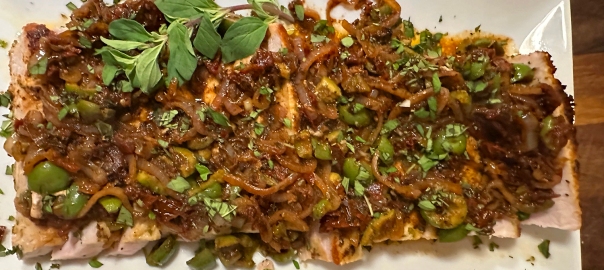
They are combined to make a relish-like pan sauce to finish pork tenderloins seasoned with Dijon, garlic and oregano. A quick sear followed by pan-roasting ensures the meat gets caramelization on the exterior, but also cooks speedily. Serving suggestions: a simple salad, carrot medallions, crusty bread, or rice or orzo pilaf. BTW, you will need an oven-safe 12-inch skillet for this recipe.

Don’t sear the pork until deeply browned. Instead, aim for light, spotty charring, which takes about 4 minutes. Also, don’t worry if the drippings in the skillet become very dark and even smoke lightly during roasting. Deglazing the pan to make the sauce will loosen the drippings.

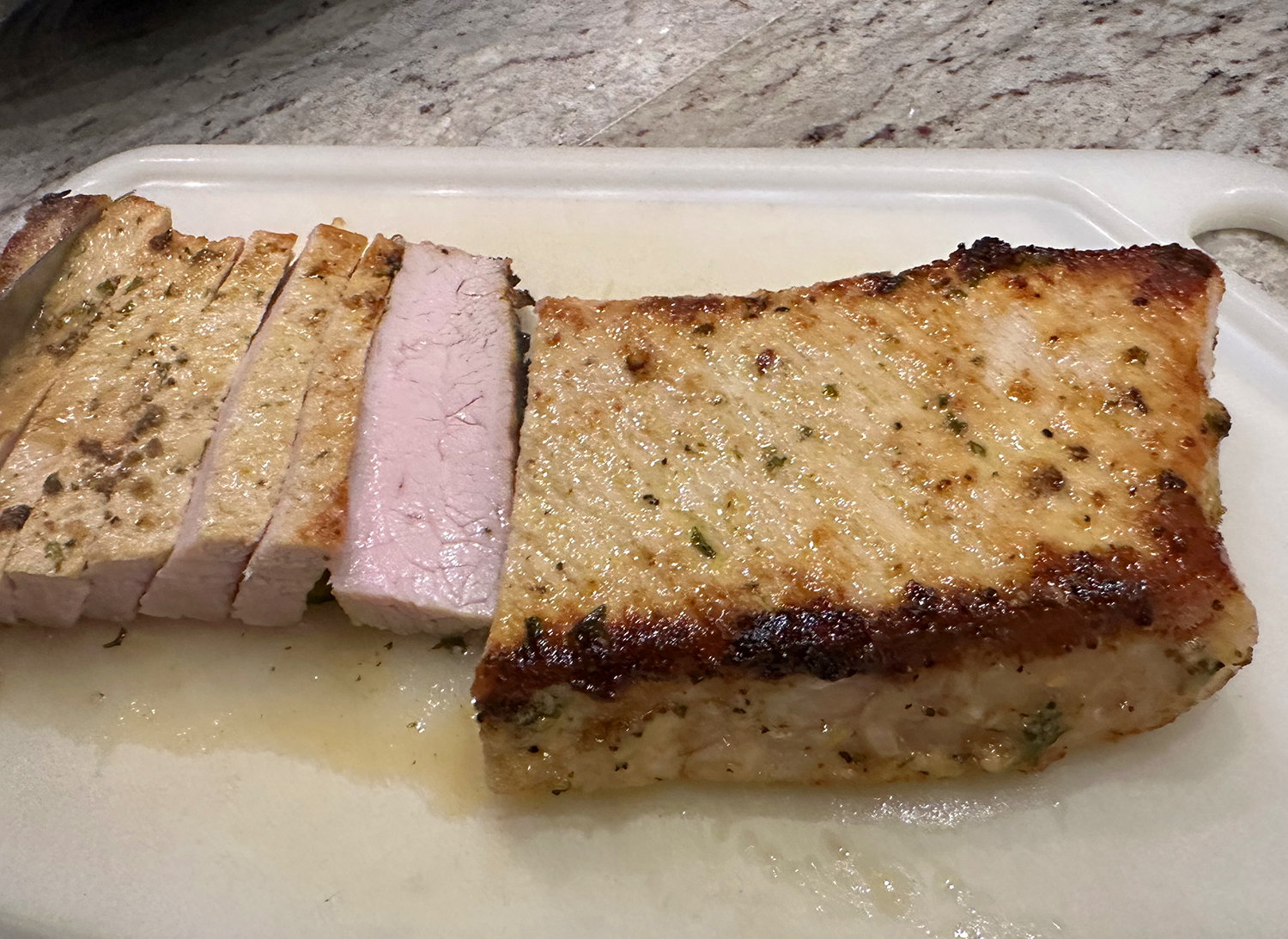
Confession. It was our intention to cut the amount of meat in half (keeping the other ingredients the same). While at the grocery store, we both had a senior moment because we picked up a pork loin filet, and not a pork tenderloin, which usually come two to a package. In all honesty, the cooking times worked just as well with the filet. All-in-all, we loved the dish which we paired with cooked carrot medallions and a side salad.

Pork Tenderloins with Sun-Dried Tomatoes and Green Olives

  • Servings: 6
  • Difficulty: easy
  • Print

Ingredients

  • 4 Tbsp. grapeseed or other neutral oil, divided
  • 2 tsp. minced fresh oregano, plus 1 tablespoon chopped fresh oregano
  • 3 medium garlic cloves, finely grated
  • 2 Tbsp. dijon mustard
  • Kosher salt and ground black pepper
  • 2 1¼-lb. pork tenderloins, trimmed of silver skin, halved crosswise
  • 1 medium shallot, halved and thinly sliced
  • ½ cup drained oil-packed sun-dried tomatoes, finely chopped
  • ¼ cup pitted green olives, roughly chopped
  • 2 tsp. red wine vinegar

Directions

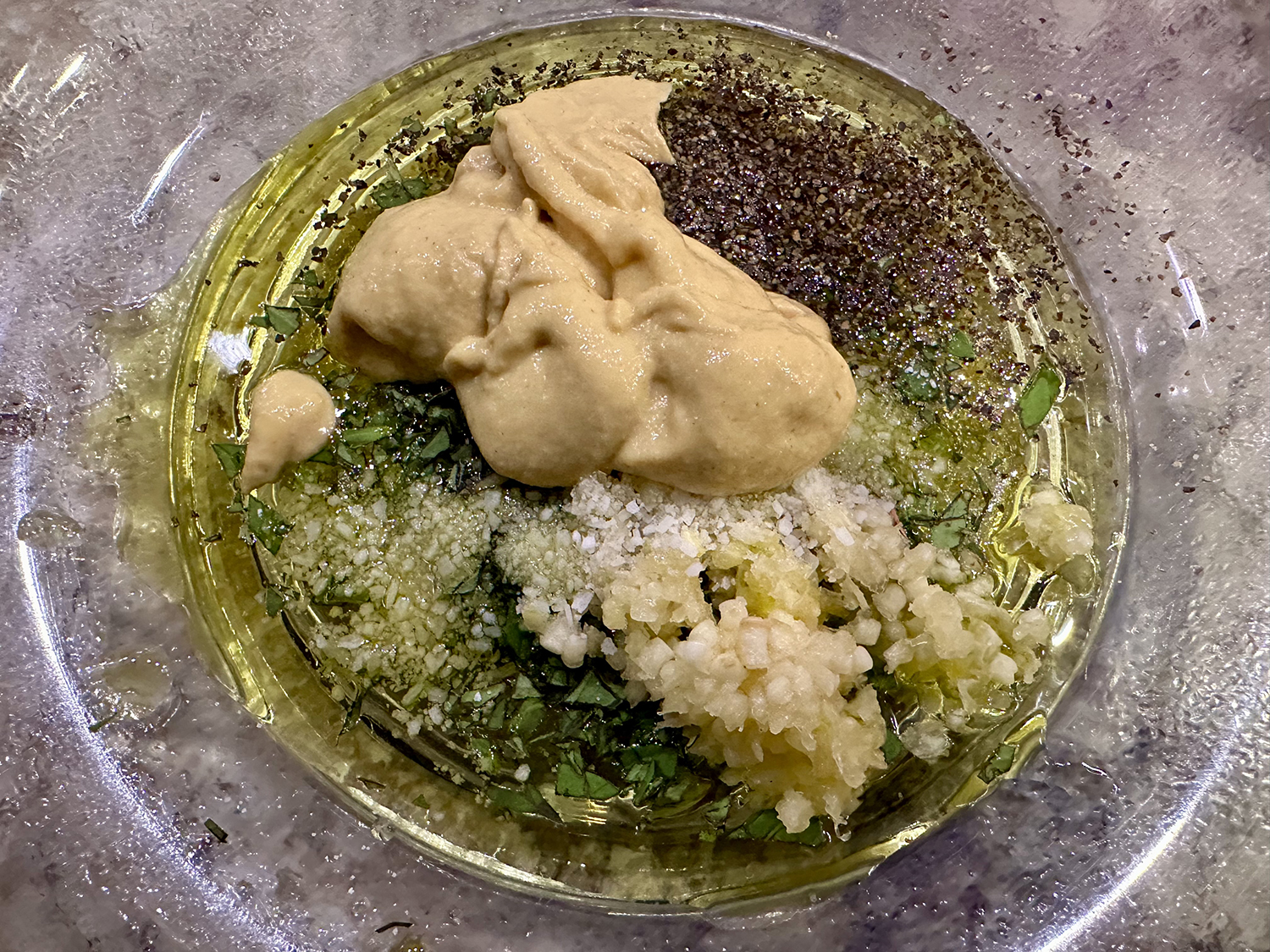
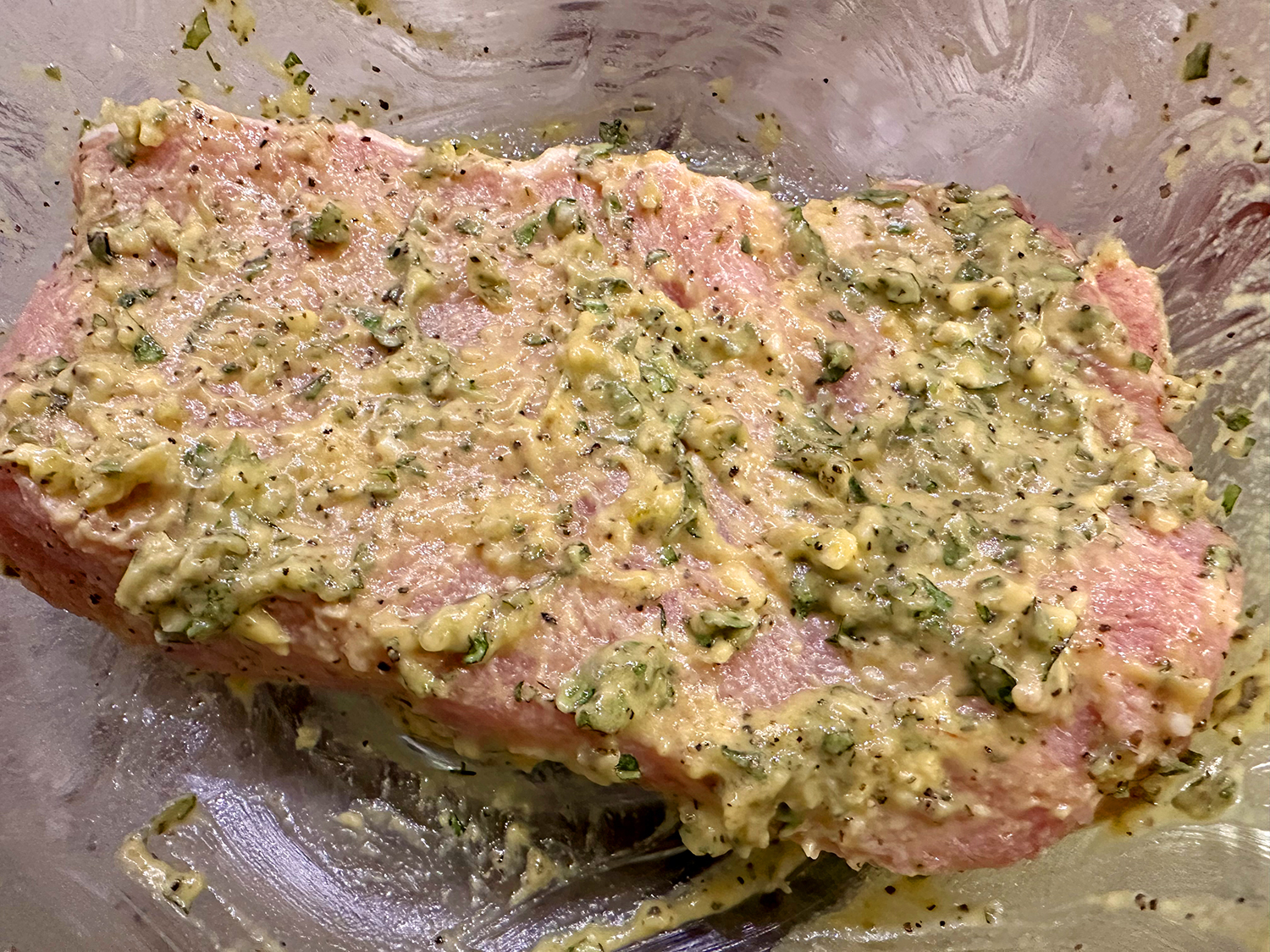
  1. Heat the oven to 450°F with a rack in the middle position. In a large bowl, stir together 2 tablespoons of oil, the minced oregano, garlic, mustard, ¾ teaspoon salt and ½ teaspoon pepper. Add the pork, turn to coat and rub the seasonings into the meat.
  2. In an oven-safe 12-inch skillet over medium-high, heat the remaining 2 tablespoons oil until shimmering. Add the pork and cook, turning occasionally, until lightly browned on all sides, about 4 minutes.Transfer the skillet to the oven and roast until the center of the thickest piece reaches 135°F or is just slightly pink when cut into, 9 to 12 minutes. Remove from the oven; the handle will be hot. Using tongs, transfer the pork to a platter and let rest while you make the sauce.
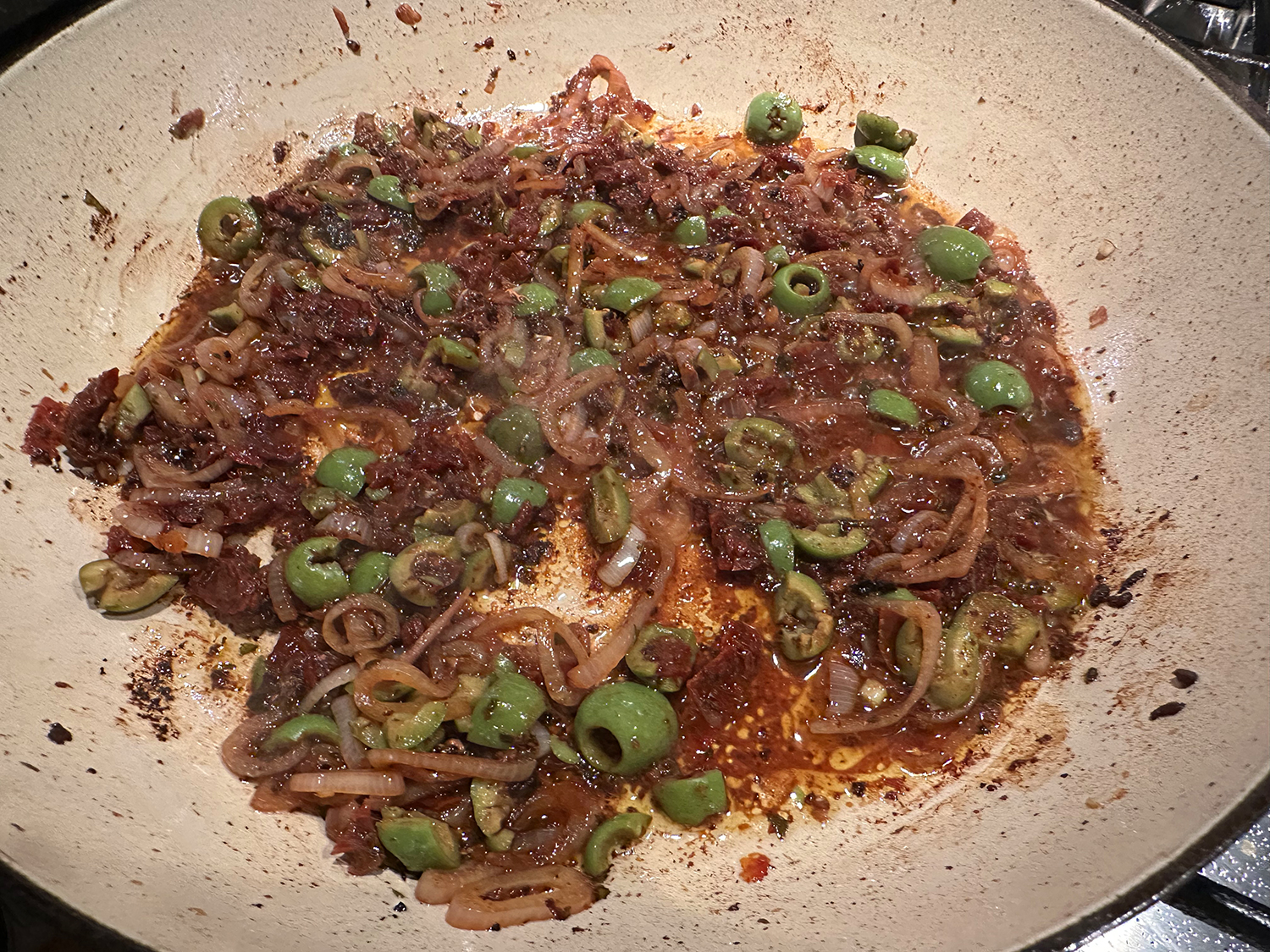
  3. Set the skillet over medium and add the shallot. Cook, stirring constantly, until the shallot is lightly browned, about 1 minute.Add the sun-dried tomatoes, olives, vinegar and ¼ cup water, then cook, scraping up any browned bits, until the tomatoes are plumped and the mixture has the consistency of a loose relish, about 3 minutes. Remove the pan from the heat. Thinly slice the pork and return to the platter. Spoon the sauce over it and sprinkle with the chopped oregano.

http://www.lynnandruss.com

Recipe by Courtney Hill for Milk Street

Green Olives Sevilla-Style

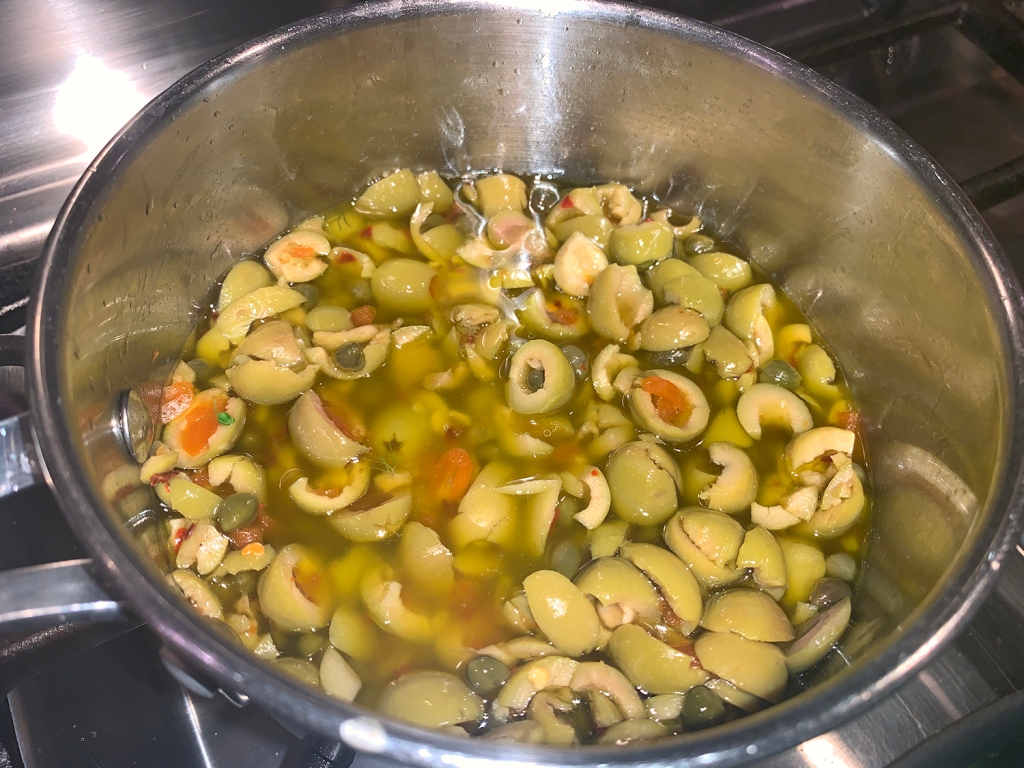
From Penelope Casas TAPAS cookbook, comes this typically Andalusian riff on olives. One whiff of these spicy tidbits erases any doubt of their Arab origins. Dried or fresh herbs, or a combination of the two bring on the magic.

With an upcoming holiday finger food party on the horizon, we thought they’d make a wonderful accompaniment to the other appetizers being served. Keep in mind, these olives need several days to marinate, so it is nice to prepare one of the dishes ahead of time, then just plate them as the hot recipes come out of the oven.

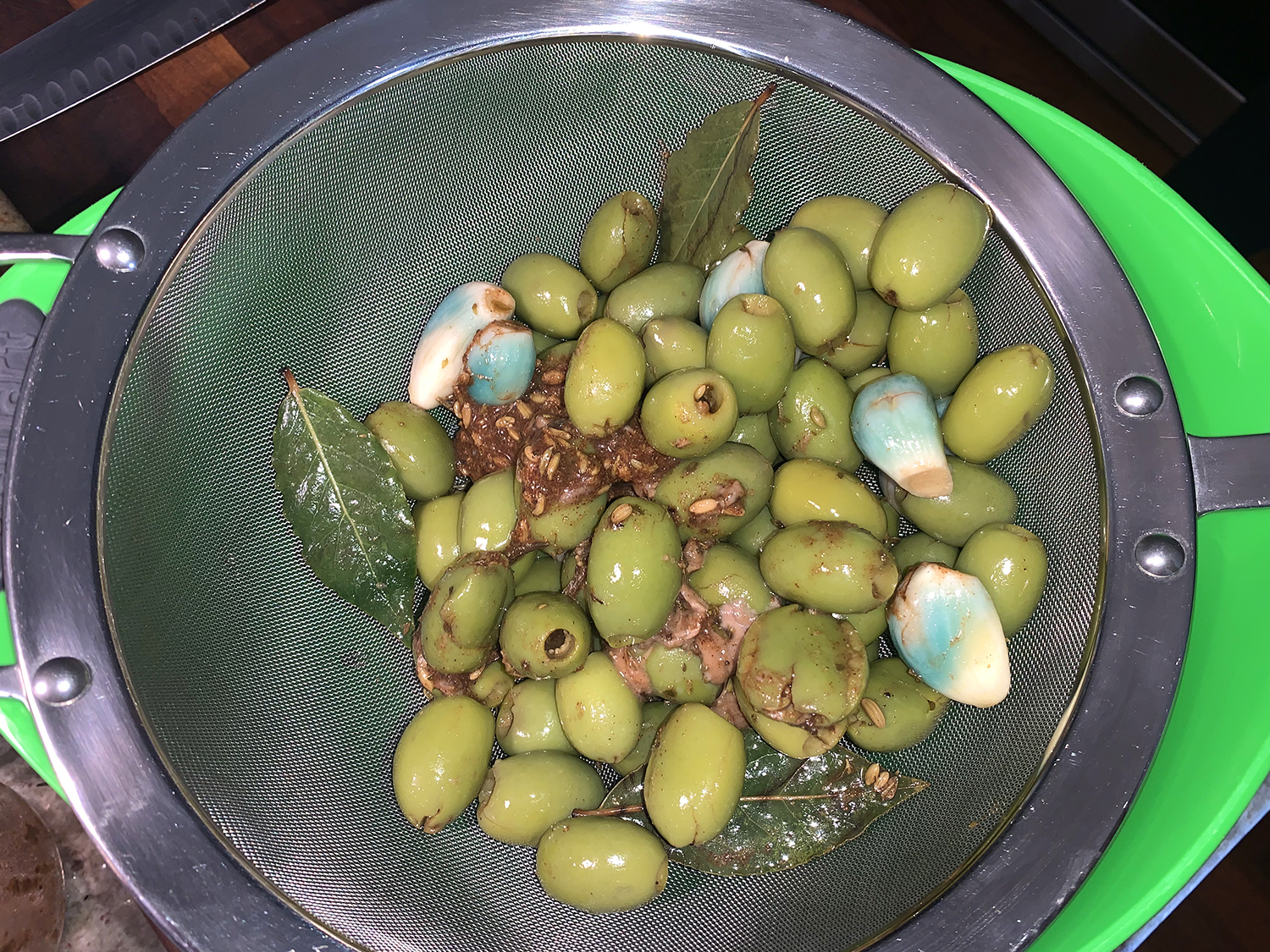
Don’t be alarmed if the garlic cloves turn blue. It startled us at first until The Hubs googled the reason and found out they weren’t going bad, it was just a reaction caused between enzymes and sulfur-containing amino acids in the garlic. They are perfectly safe to consume and taste just fine.

The compound responsible for this reaction, isoalliin, is formed when garlic is stored at a cool temperature for several weeks, typically in the winter, when pantries are colder.

Green Olives Sevilla-Style

  • Servings: 1 Pound
  • Difficulty: easy
  • Print

Ingredients

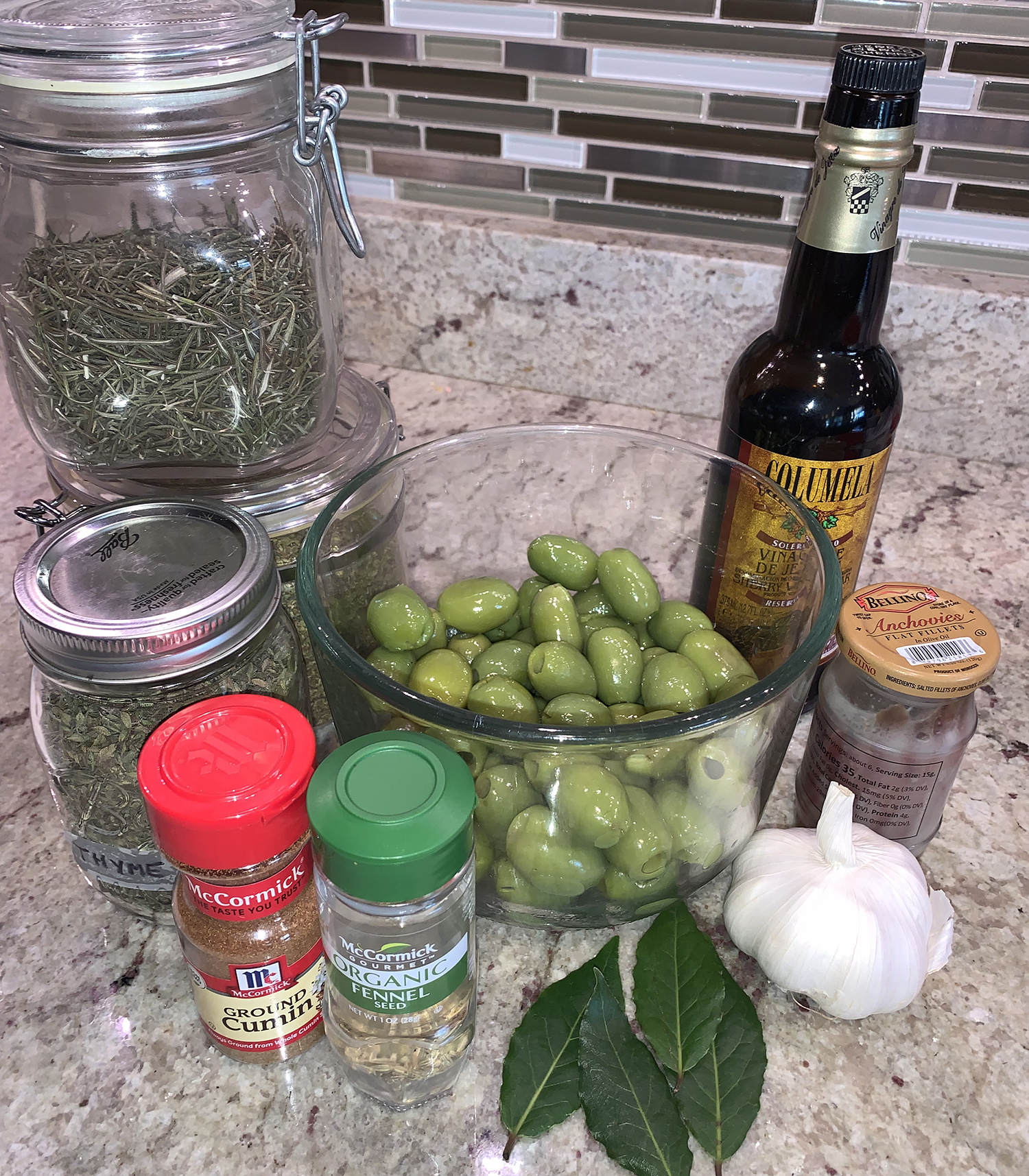
  • 1 lb. pitted Spanish green olives, drained and lightly crushed
  • 1 Tbsp. chopped fresh rosemary, or 1/2 tsp. dried
  • 1 tsp. ground cumin
  • 1 tsp. dried oregano
  • 2 Tbsp. fresh thyme, or 1 tsp. dried
  • 4 bay leaves
  • 1 tsp. fennel seed
  • 8 cloves garlic, lightly crushed and peeled
  • 1/2 cup vinegar
  • 8 anchovy fillets (optional)

Directions

  1. Place the olives in a glass jar in which they just fit.
  2. Add all other ingredients, then fill the jar with water.
  3. Shake well and marinate at room temperature for several days, then refrigerate if necessary.
  4. They will keep in the refrigerator, but do bring them to room temperature before serving.
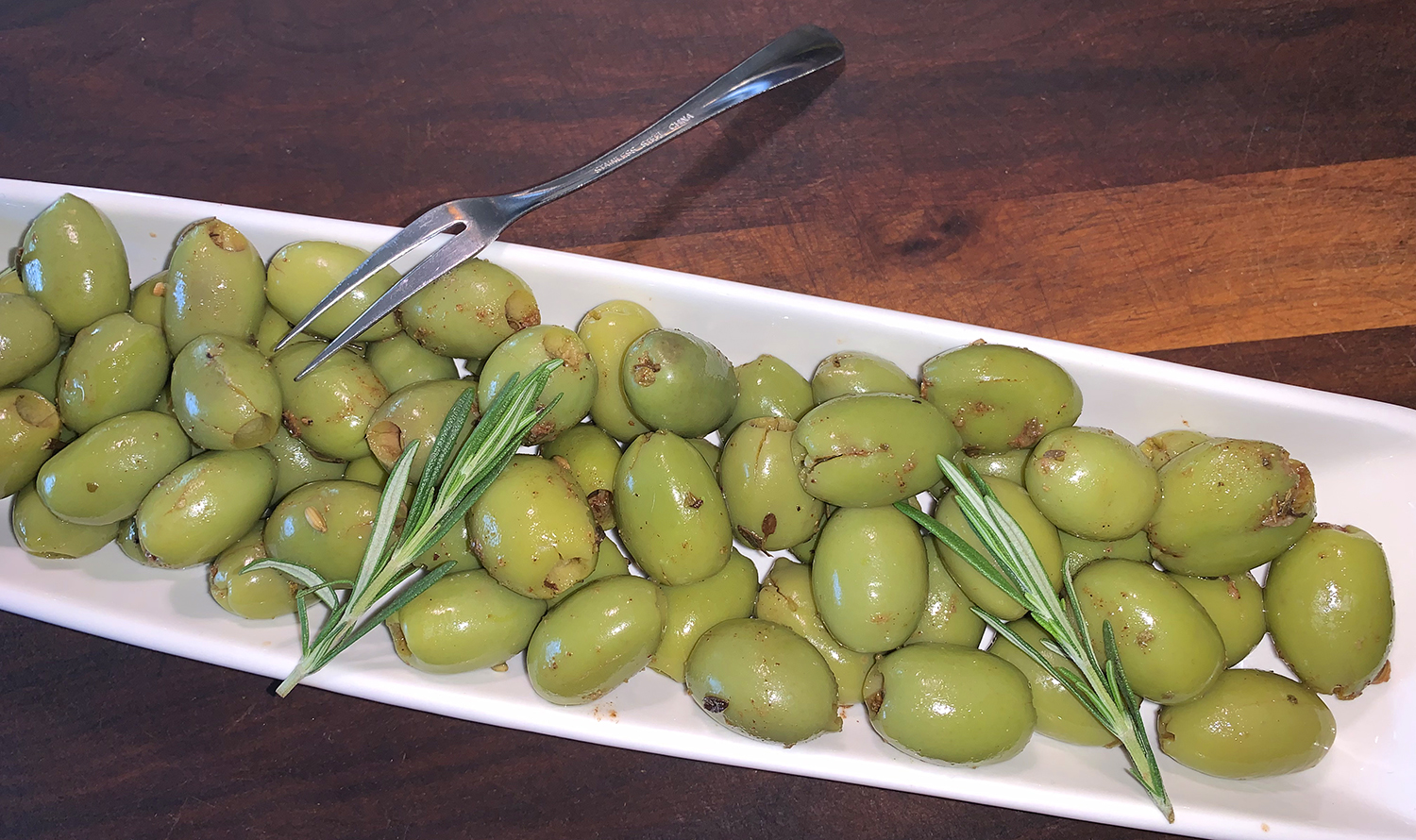
  5. Strain, discard the anchovies, bay leaves and garlic if desired, and serve in an olive boat with toothpicks.

http://www.lynnandruss.com

Recipe from cookbook Tapas by Penelope Casas

Fennel-Steamed Salmon with Warm Olive and Caper Vinaigrette

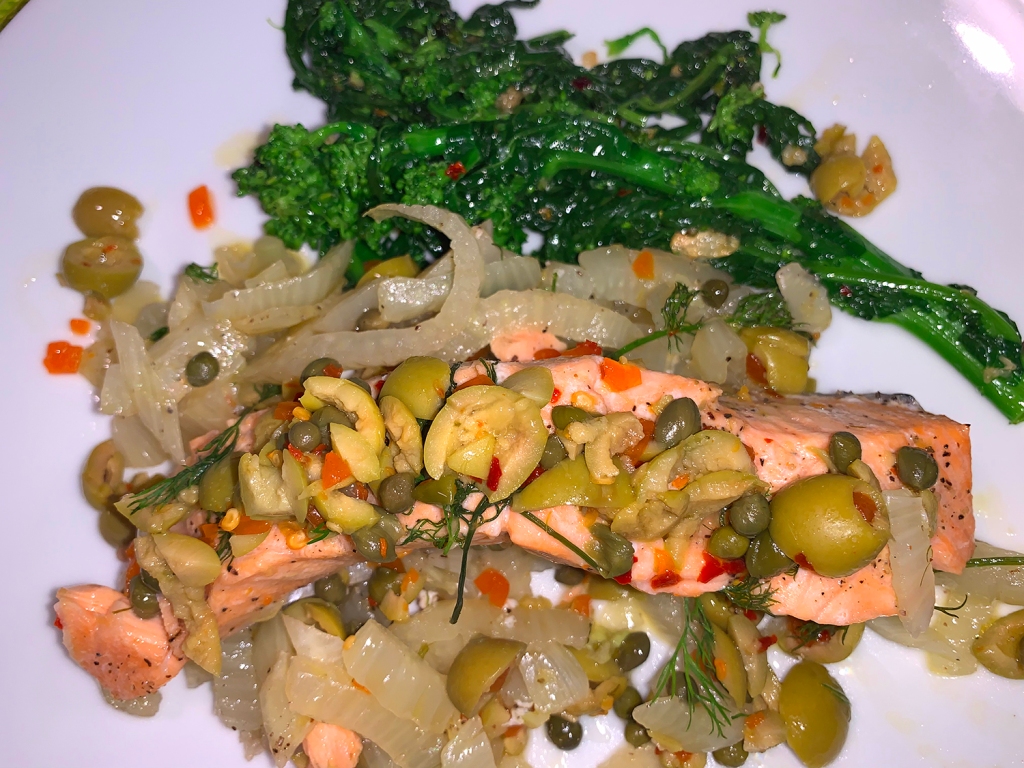
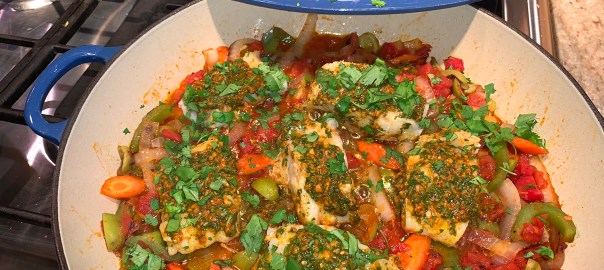
While we know salmon isn’t a Mediterranean fish, this recipe riff from “Patricia Wells at Home in Provence,” uses high-impact Provençal ingredients which are an ideal match for the rich, meaty fillets. Here, steamed fish sits atop a bed of sliced fennel to add sweet, licorice-like perfume; after cooking, the tender-crisp slices make a delicious accompaniment.

The sharp flavors of the warm olive, caper and lemon vinaigrette complement both fish and fennel. Cook the salmon to medium doneness—that is, until only the center is translucent. For well-done fillets, steam the fish for a couple minutes longer than indicated.

If you prefer white fish over salmon, thick fillets of striped bass or sea bass work well, but increase the steaming time to about 10 minutes. No matter the type of fish you choose, try to select fillets of equal thickness so they cook at the same rate.

Don’t uncover the pot while the fish is steaming, as loss of steam will slow the cooking. Instead, simply set a timer (or tell Alexa to remind you 😉 ). Note to the wise: When opening the pot, angle the lid away from you to avoid a burst of steam to the face.

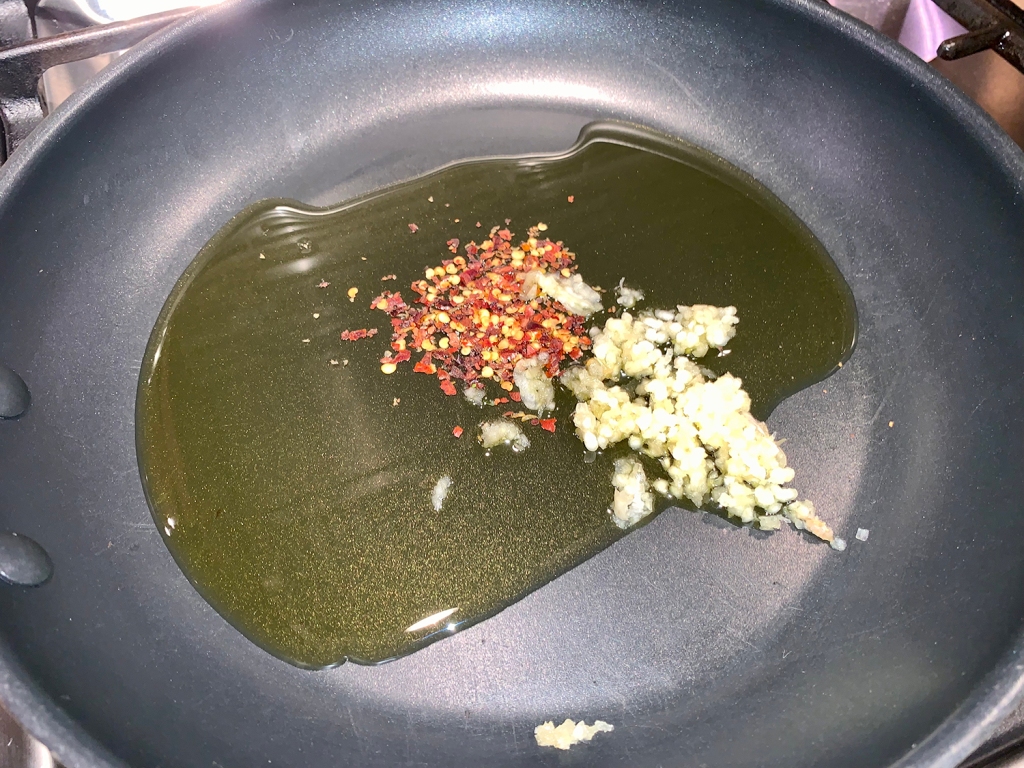
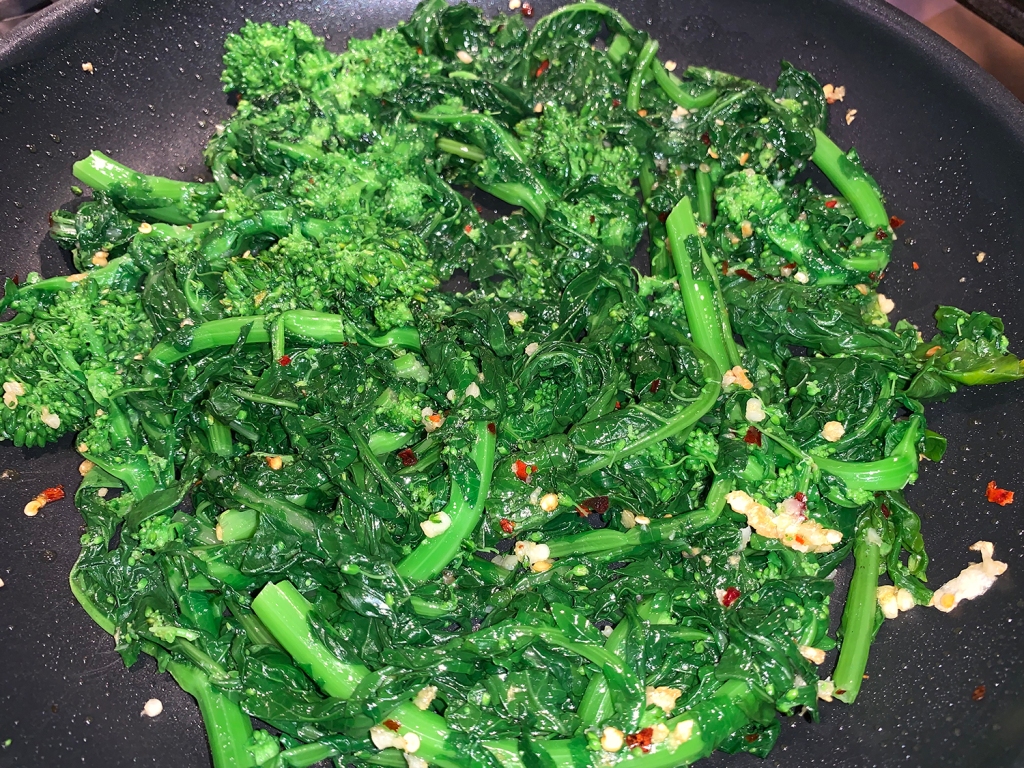
We chose broccoli rabe as the other side dish. By par-boiling it first, much of the bitterness is eradicated. Once chilled in an ice bath and drained, any extra moisture is wrung out in a clean dish towel. A little garlic, olive oil and red pepper flakes give it a boost of flavor when reheated in a pan.
Fennel-Steamed Salmon with Warm Olive and Caper Vinaigrette

  • Servings: 4
  • Difficulty: easy
  • Print

Ingredients

  • 2 small fennel bulbs (about 1 lb. total), halved, cored and thinly sliced (about 4 cups)
  • 1 tsp. grated lemon zest, plus ¼ cup lemon juice
  • Kosher salt and ground black pepper
  • 4 6-oz. salmon fillets, each about 1 inch thick
  • 6 sprigs dill, plus 1 Tbsp. chopped fresh dill
  • 1 cup pimento-stuffed green olives, roughly chopped
  • ¼ cup drained capers
  • ¼ cup extra-virgin olive oil
  • ¼ tsp. red pepper flakes

Directions

  1. In a medium bowl, toss the fennel with the lemon zest and ¼ teaspoon each salt and black pepper; set aside. Season the salmon all over with salt and pepper.
  2. Place a folding steamer basket in a large Dutch oven. Add enough water to fill the bottom of the pot without submerging the basket. Remove the basket. Cover the pot and bring to a simmer over medium-high.
  3. Line the basket with the fennel. Place the salmon skin down on the fennel, then lay the dill sprigs on the fillets. Turn off the heat under the pot, then set the basket in it. Cover and return to a simmer over medium. Steam until the thickest parts of the fillets reach 115°F to 120°F (for medium doneness), 7 to 9 minutes; the fennel should be tender but not completely soft.
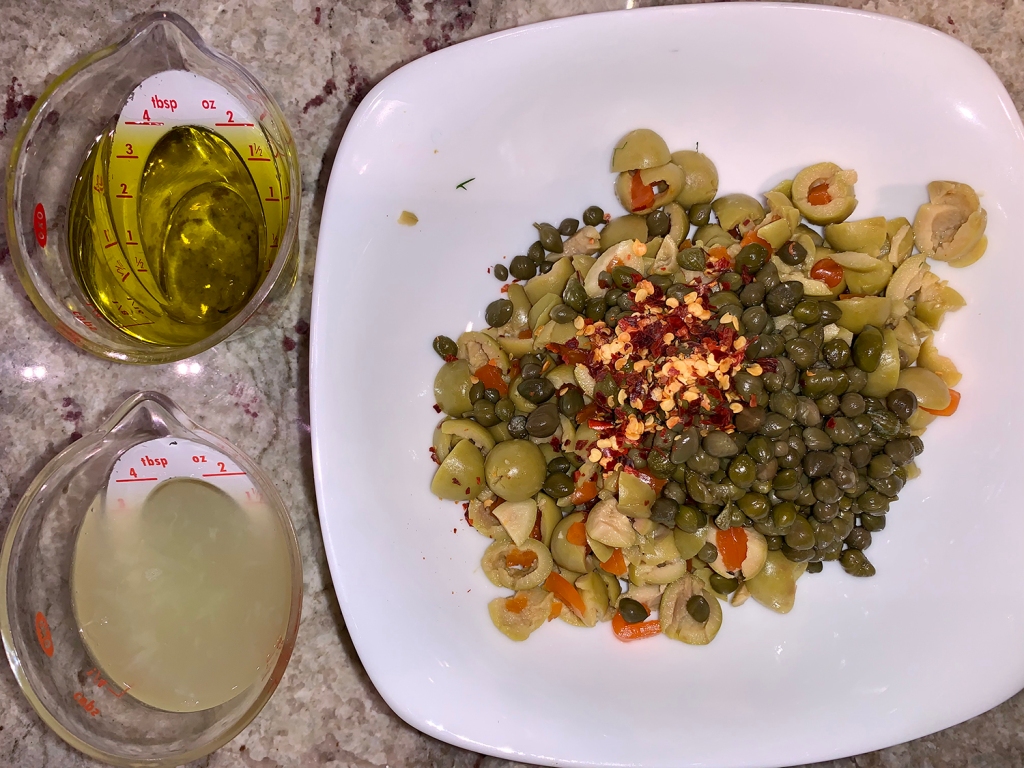
  4. Meanwhile, in a small saucepan over medium, combine the olives, capers, oil and pepper flakes. Cook, stirring, just until sizzling gently, about 2 minutes.
  5. Add the lemon juice and cook, stirring, just until warm, another 1 to 2 minutes. Cover and set aside.
  6. When the salmon is done, remove and discard the dill sprigs. Using a metal spatula, transfer the fennel and fillets, skin down, to a serving platter. Sprinkle with the chopped dill, then spoon on the warm sauce.

http://www.lynnandruss.com

Adapted from a recipe found in Milk Street; original by “Patricia Wells at Home in Provence”

Moroccan Cod Tagine for Two

The bright colors and flavors literally pop off the plate in this lovely, healthy fish tagine. And with a few tweaks, we bolstered that brightness by doubling the amount of carrots and green olives. Pairing it with a side of tricolored couscous to help soak up the luscious sauce didn’t harm the color palette either!

For a bright, flavorful fish tagine, start by salting chunks of cod to season the flesh and help it retain moisture. Coat the fish in chermoula, a flavorful herb-spice paste of cilantro, garlic, cumin, paprika, cayenne, lemon juice, and olive oil, just before cooking to season its exterior.

Softening bell pepper, onion, and carrot before adding the tomatoes and fish ensures that the vegetables will be soft and tender by the time the fish has cooked through. Preserved lemon and olives add acidity, complexity, and salty punch to the broth. To produce moist, flaky cod, turn off the heat once the broth is bubbling at the bottom of the pot and allow the fish to cook in the residual heat.

You can substitute red snapper or haddock for the cod as long as the fillets are 1 to 1½ inches thick. Picholine or Cerignola olives work well in this recipe. Serve this dish with flatbread, couscous, or rice.

Moroccan Cod Tagine for Two

  • Servings: 2
  • Difficulty: easy
  • Print

Ingredients

  • 12 ounces skinless cod fillets (1 to 1½ inches thick), cut into 1½- to 2-inch pieces
  • ½ teaspoon table salt, divided
  • ¼ cup fresh cilantro leaves, plus 2 tablespoons chopped
  • 2 garlic cloves, peeled
  • ¾ teaspoon ground cumin
  • ¾ teaspoon paprika
  • ⅛ teaspoon cayenne pepper
  • 2 teaspoons lemon juice
  • 3 tablespoons extra-virgin olive oil, divided
  • ½ onion, sliced through root end ¼ inch thick
  • ½ green bell pepper, cut into ¼-inch strips
  • 1 small carrot, peeled and sliced on bias
  • ¼ inch thick¾ cup canned diced tomatoes
  • 3 tablespoons pitted green olives, quartered lengthwise
  • 1 tablespoon finely chopped preserved lemon

Directions

  1. Place cod in bowl and toss with ¼ teaspoon salt. Set aside.
  2. Pulse cilantro leaves, garlic, cumin, paprika, and cayenne in food processor until cilantro and garlic are finely chopped, about 12 pulses. Add lemon juice and pulse briefly to combine. Transfer mixture to small bowl and stir in 1½ tablespoons oil. Set aside.
  3. Heat remaining 1½ tablespoons oil in large saucepan over medium heat until shimmering. Add onion, bell pepper, carrot, and remaining ¼ teaspoon salt and cook, stirring frequently, until softened, 5 to 7 minutes. Stir in tomatoes and their juice, olives, and preserved lemon. Spread mixture in even layer on bottom of saucepan.
  4. Toss cod with cilantro mixture until evenly coated, then arrange cod over vegetables in single layer. Cover and cook until cod starts to turn opaque and juices released from cod are simmering vigorously, 3 to 5 minutes. Remove saucepan from heat and let stand, covered, until cod is opaque and just cooked through (cod should register 140 degrees), 3 to 5 minutes. Sprinkle with chopped cilantro and serve.

http://www.lynnandruss.com

Adapted from a recipe by Cook’s Illustrated