Tag Archives: seafood

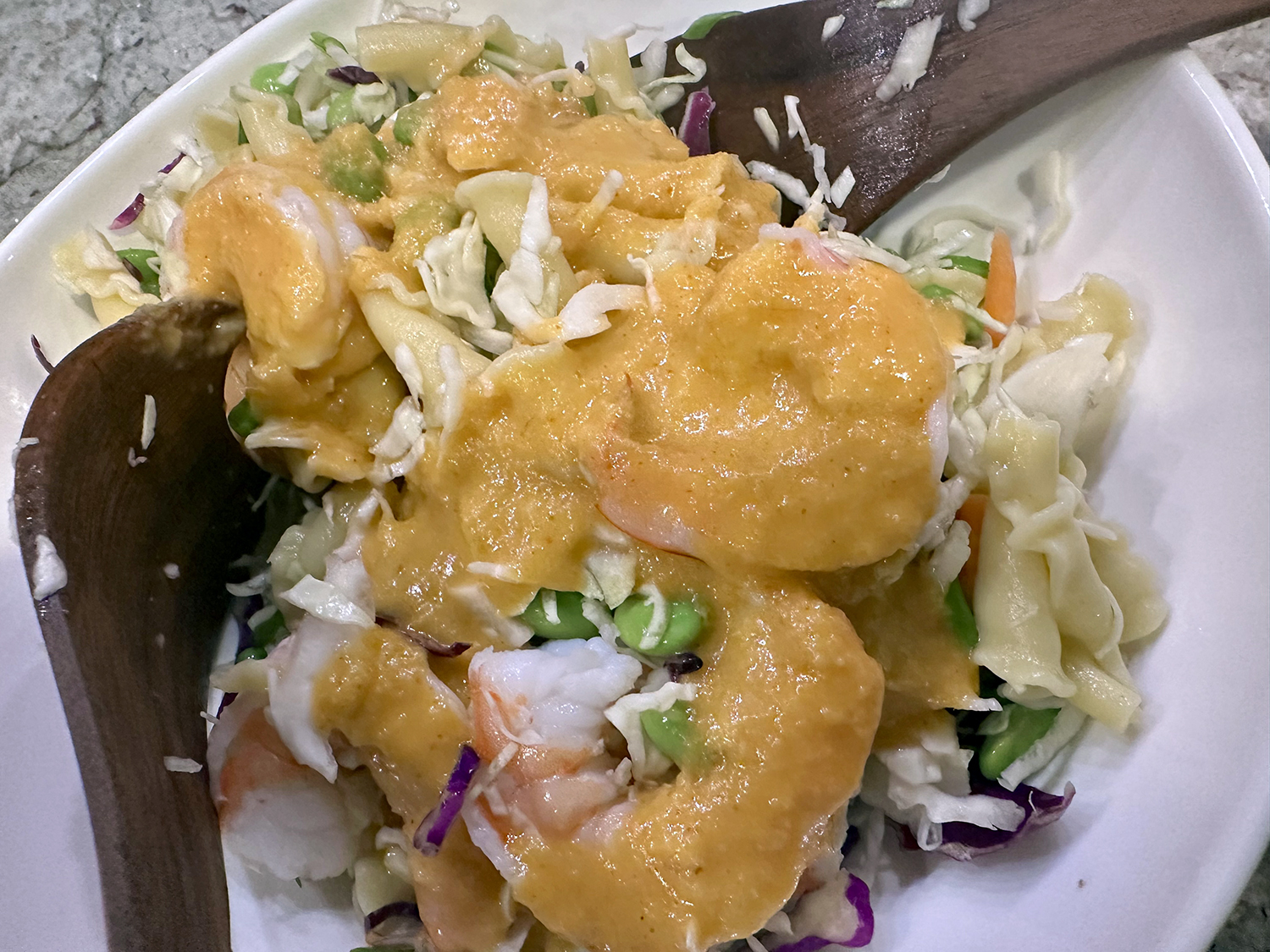
Campanelle Salad with Shrimp, Cabbage an Scallion-Ginger Dressing

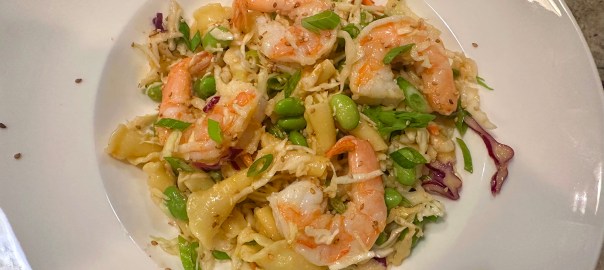
When it’s too hot to cook, a cool salad with little prep is a go-to in our household. So this campanelle salad from Cook’s Illustrated chock-full of crunchy vegetables and succulent shrimp fits the bill.

The pasta is intentionally overcooked here. When cooked pasta is refrigerated, it goes through a process called retrogradation in which the water in the noodles becomes bound up in starch crystals, making the pasta firm and dry. But if you’re making a cold pasta salad, you can make retrogradation work to your advantage by boiling the pasta 2 or 3 minutes beyond al dente. This way the pasta’s starch absorbs more water and becomes extra-soft so that when it firms up with cooling, the final texture is just right.

While numerous reviewers were somewhat disappointed in the dressing—it was too gingery, too vinegary, etc.—we found it to be almost perfect! (The amount of sriracha we used was reduced slightly.) Another change included cooking the edamame with the pasta 1 minute longer.

NOTES: If campanelle is unavailable, substitute penne. There’s no need to peel the ginger; just give it a thorough wash. Use the full amount of sriracha if you’re a fan of spice. We intentionally overcook the pasta in this recipe so that it remains tender, even when served cold. If making this salad ahead, dress the salad and then garnish it with the scallion greens and sesame seeds right before serving. A mix of white and black sesame seeds is desired, but it’s fine to use 2 teaspoons of either.

If feeding only two or three, place the desired amount of salad mix in a large bowl then stir in dressing and plate. Reserve any leftover salad and dressing in separate sealed containers for the next day.

Campanelle Salad with Shrimp, Cabbage an Scallion-Ginger Dressing

  • Servings: 4-6
  • Difficulty: easy
  • Print

Ingredients

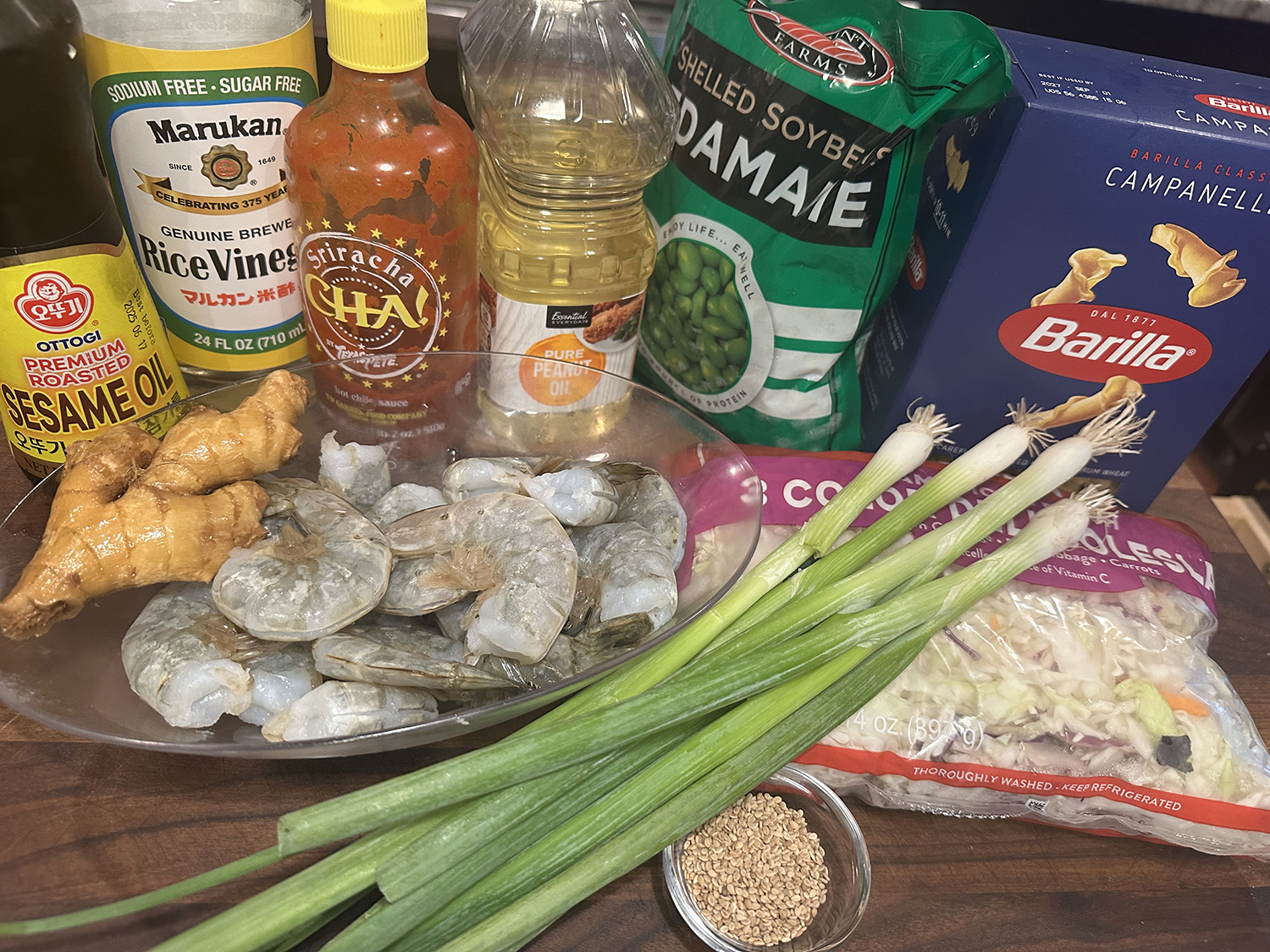
  • 1 lb. large shrimp (26 to 30 per lb.), peeled, deveined, and tails removed
  • 1¼ tsp. table salt, plus salt for cooking pasta and shrimp
  • 8 oz. (2½ cups) campanelle
  • 8 oz. frozen shelled edamame
  • 4 cups (11 oz.) shredded green coleslaw mix
  • 4 scallions, white parts chopped, green parts sliced thin on bias, divided
  • ⅓ cup chopped fresh ginger
  • ⅓ cup unseasoned rice vinegar
  • 1½ Tbsp. sriracha
  • 2 tsp. toasted sesame oil
  • ½ cup vegetable oil
  • 1 tsp. black sesame seeds, toasted
  • 1 tsp. white sesame seeds, toasted

Directions

  1. Bring 3 cups water to boil in large saucepan over high heat. Stir in shrimp and 1 tablespoon salt. Cover and let stand off heat until shrimp are opaque, about 5 minutes, shaking saucepan halfway through. Using spider skimmer or slotted spoon, transfer shrimp to colander; rinse with cold water until cool. Drain well and transfer to large bowl. Add 1 quart water to water in saucepan and return to boil.
  2. Add pasta and 1½ teaspoons salt to boiling water and cook until pasta is al dente. Add edamame to saucepan with pasta and cook 2 minutes more. Drain and rinse with cold water. Drain well and add to shrimp along with coleslaw mix and two-thirds of scallion greens.
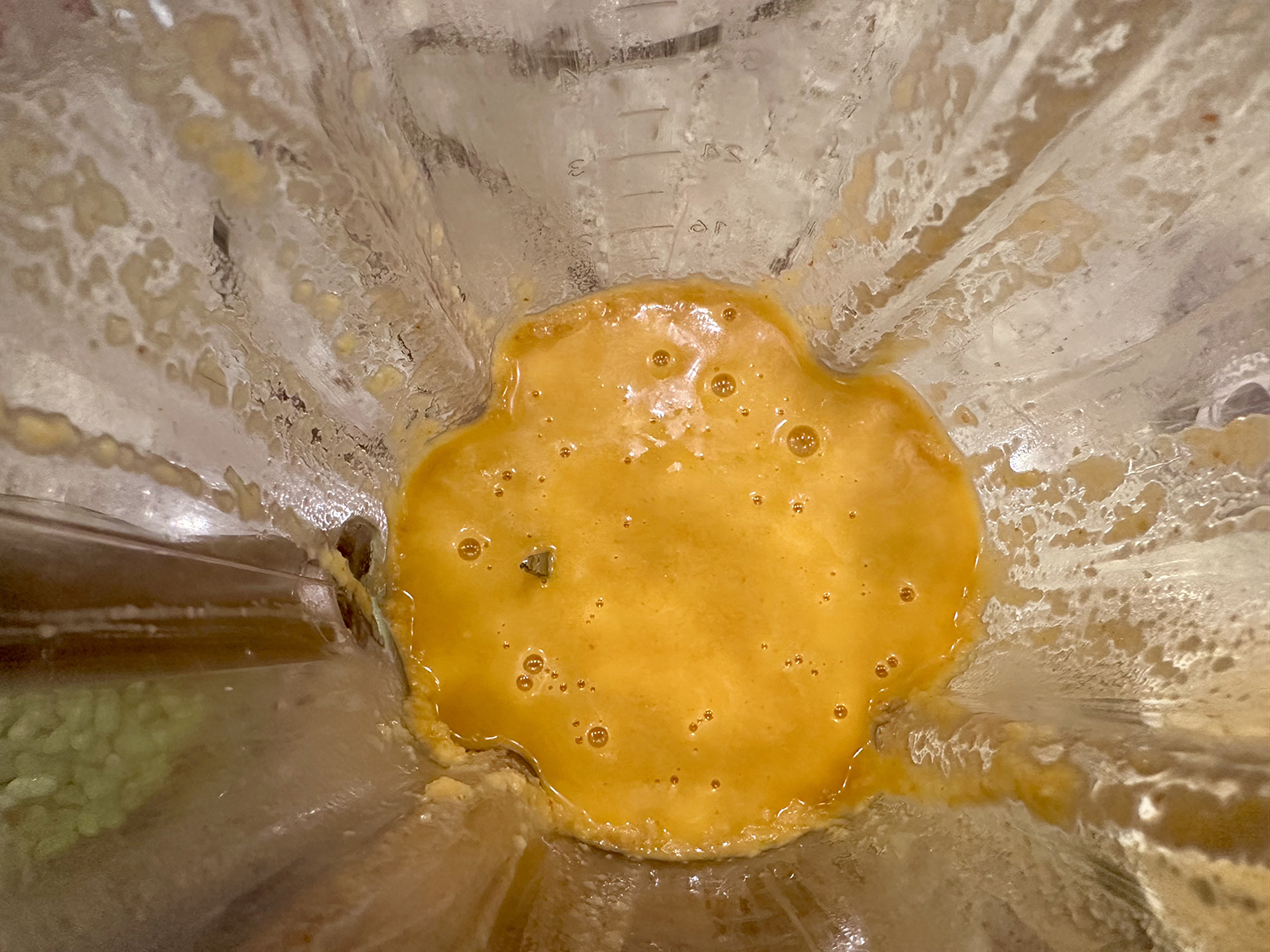
  3. Process scallion whites, ginger, vinegar, sriracha, sesame oil, and salt in blender until coarse paste forms, about 30 seconds. With blender running, slowly drizzle in vegetable oil until dressing is emulsified and smooth, about 1 minute.
  4. Pour dressing over salad and toss to combine. Transfer to serving bowl. Sprinkle with remaining scallion greens and sesame seeds and serve.

http://www.lynnandruss.com

Adapted from a recipe by Andrea Geary for Cook’s Illustrated

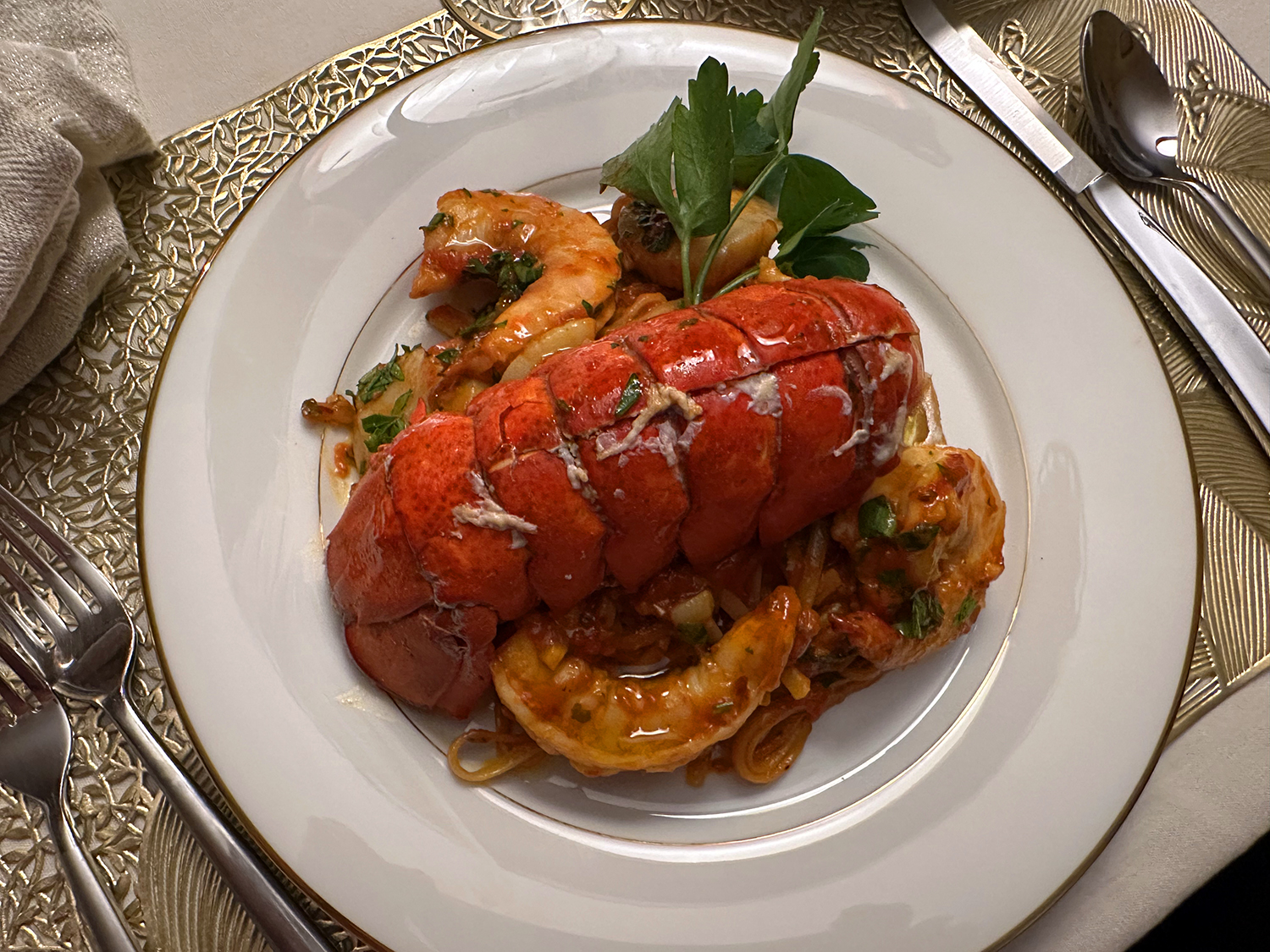
Seafood Fra Diavolo

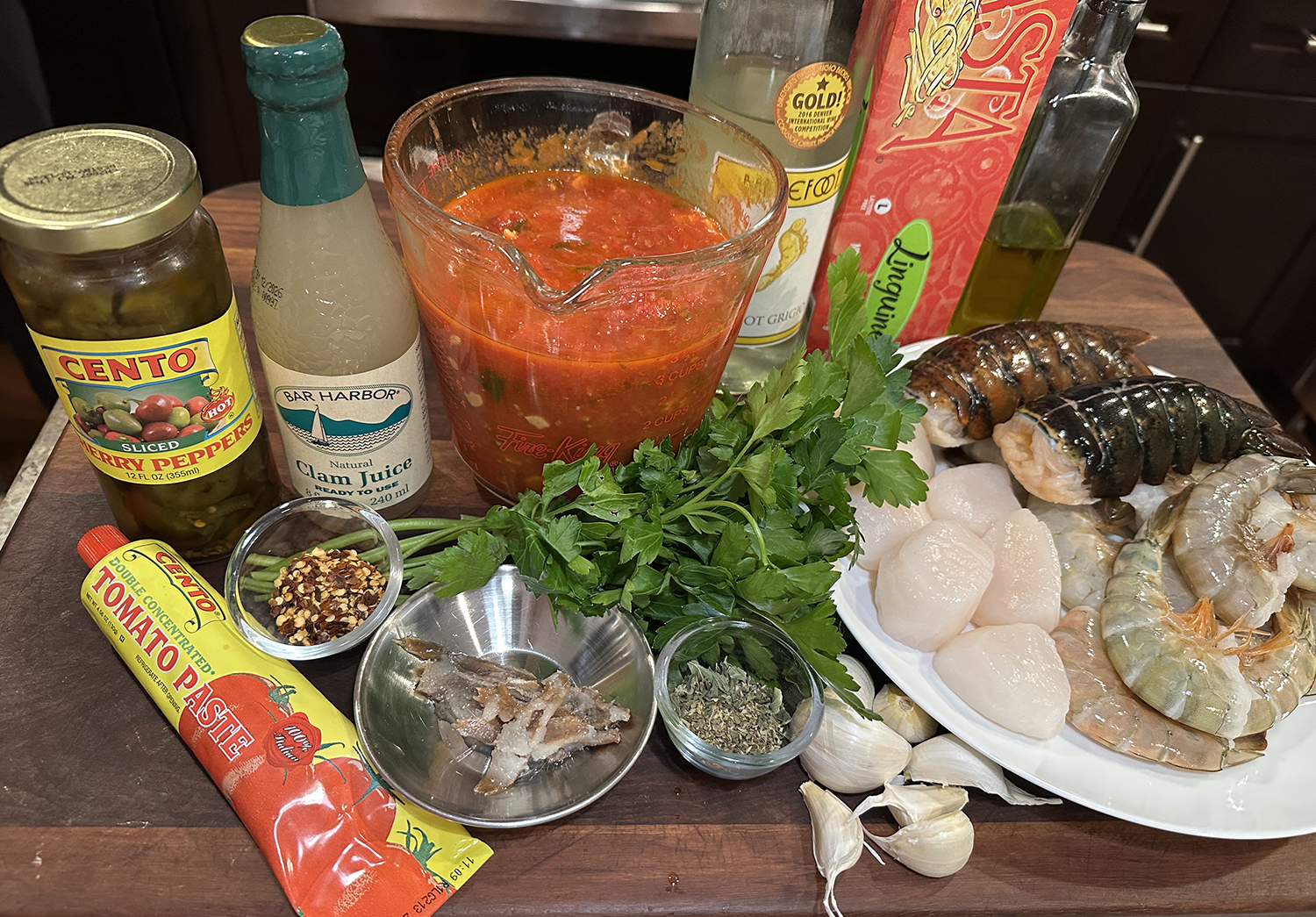
In this version from America’s Test Kitchen, we made a few changes based on what we had on hand, or preferred to use. Since Yours Truly doesn’t like mussels, but we had a couple of recently purchased lobster tails in the freezer, they became the star of the show.

In addition, instead of a 28-ounce can of whole peeled tomatoes, we used a quart of our homemade marinara sauce. Otherwise we finished the recipe as written. And it was amazing!

We made it for just the two of us with enough leftovers for two more servings, although we cooked only two lobster tails the night of the dinner. For leftovers, you can either steam two more tails or forego them altogether. If serving four guests at once, of course use all four lobster tails.

This ever-popular Italian American restaurant classic consists of an abundant amount of mixed seafood (shrimp, scallops, and lobster tails in our version) and pasta tossed in a rich, homemade marinara sauce. To make the recipe doable at home, most of the ingredients cook in the same pot, and the pasta gets just enough flavorful liquid to hydrate and fully soften. Not only does this method simplify cleanup, but it also ensures that every element of the dish is infused with fresh seafood flavor.

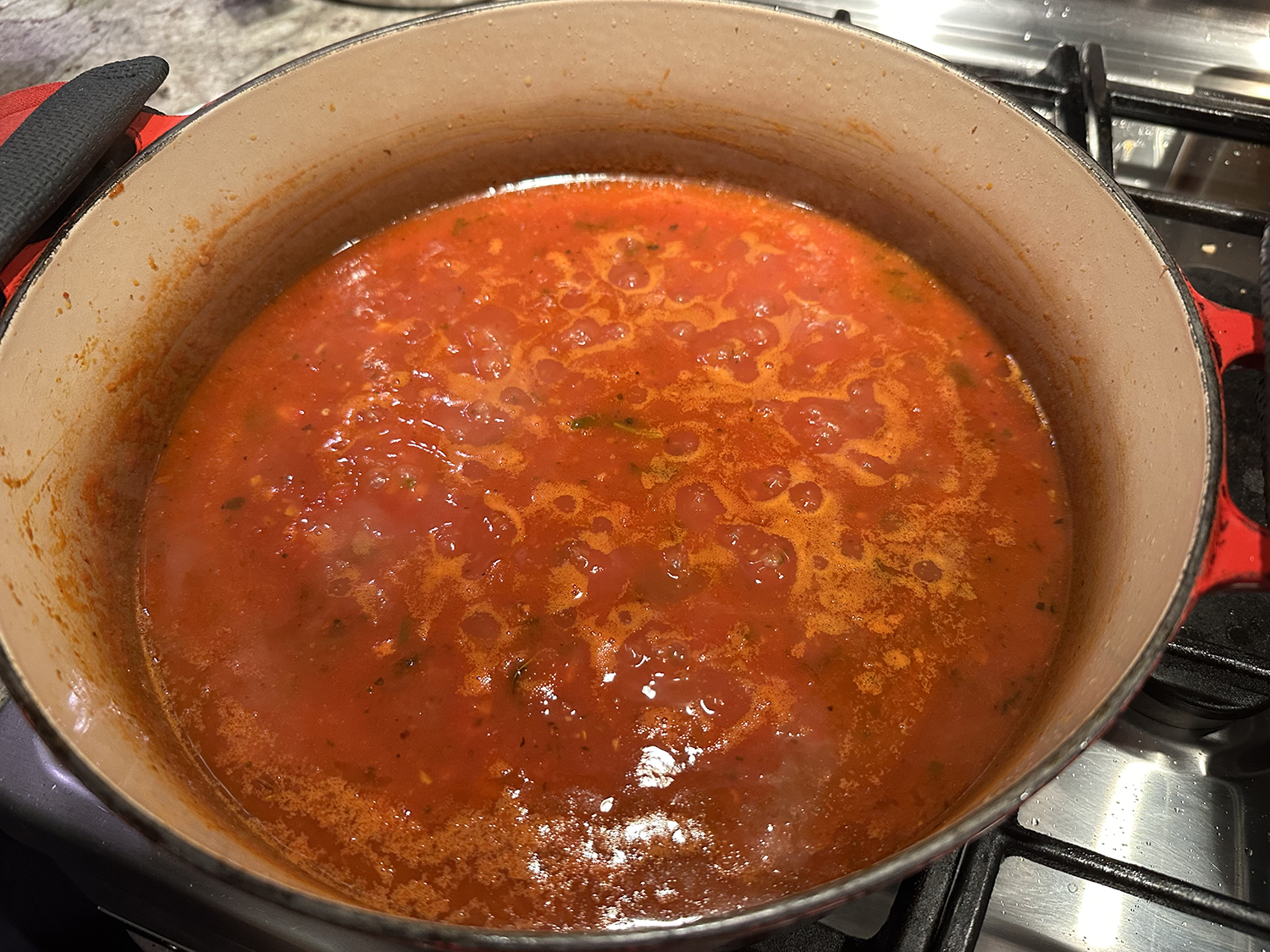
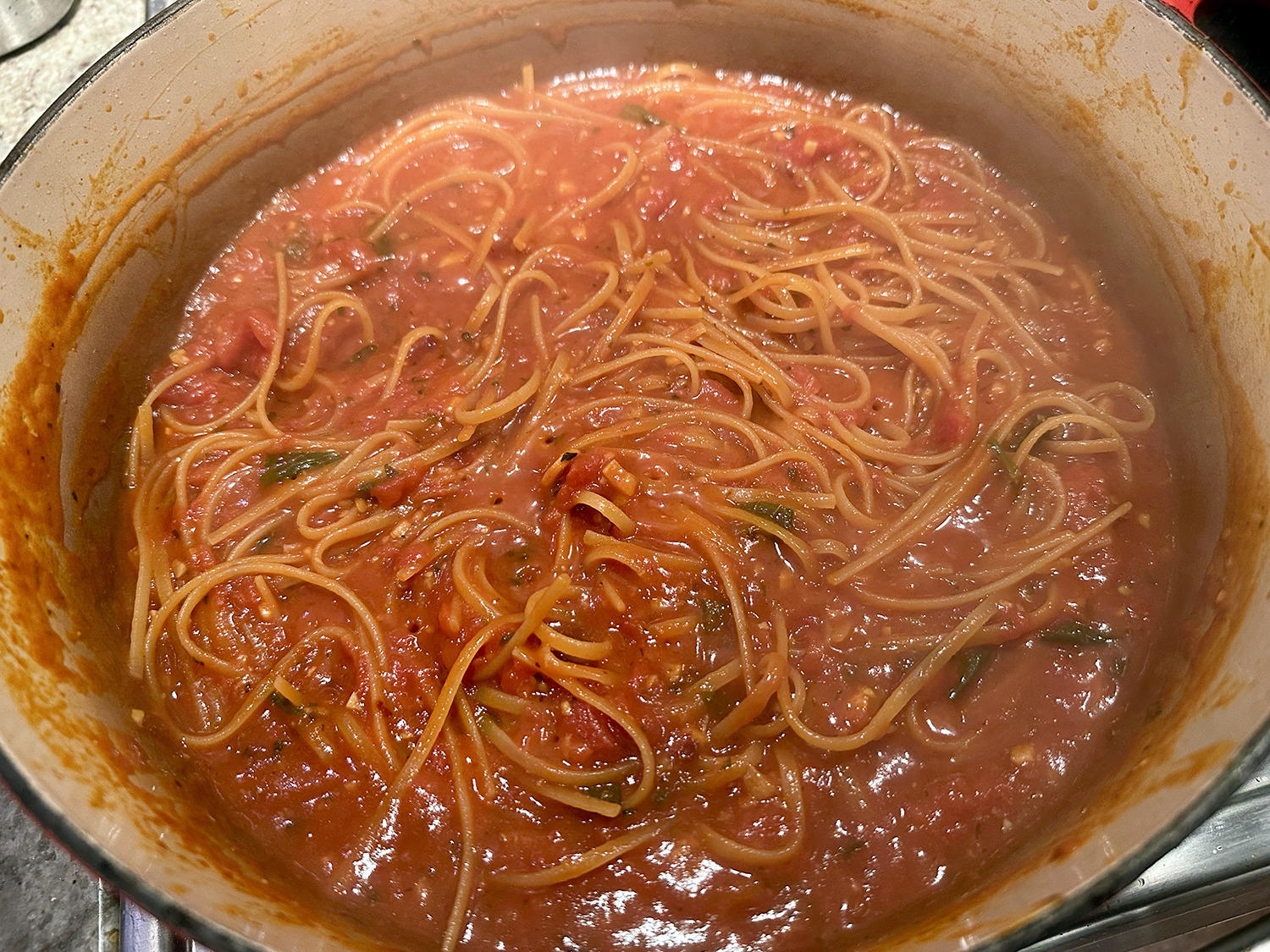
We started by making a potent mix of garlic, white wine, tomato paste, and fiery red pepper flakes, making a flavorful cooking liquid as a base for the sauce. After adding a quart of our homemade marinara sauce and a bottle of clean-tasting, briny clam juice (to enhance the seafood presence in the sauce), we brought the liquid to a boil, and added the linguine to cook through and soak up the flavors of the sauce.

Once the pasta was nearly cooked through, we tossed in the quick-cooking shrimp and scallops, and after just a few minutes, they were gently cooked through to perfection. For a bright, spicy finish we stirred in the chopped pickled cherry peppers and fresh parsley, then topped our plates with a steamed lobster tail and a swirl of good extra-virgin olive oil.

NOTES: If you’re spice-averse, use a lesser amount of pepper flakes and cherry peppers. Different brands of linguine will cook at different rates and absorb different amounts of liquid; you may not need to add any hot water in Step 5, but having some on hand provides insurance against the pasta being too dry.

Seafood Fra Diavolo

  • Servings: 4
  • Difficulty: easy
  • Print

Ingredients

  • 12-oz. extra-large shrimp (21 to 25 per lb.), peeled, deveined, and tails removed
  • 12-oz. large sea scallops, tendons removed, cut in half horizontally
  • 6 Tbsp. extra-virgin olive oil, divided, plus extra for drizzling
  • 7 garlic cloves, minced, divided
  • ¾ teaspoon table salt, divided
  • 3 anchovy fillets, rinsed
  • 3 Tbsp. tomato paste
  • 2 tsp. dried oregano
  • 1–1½ tsp.red pepper flakes, plus extra for sprinkling
  • 4 lobster tails
  • 1 cup dry white wine
  • 1 (28-oz.) can whole peeled tomatoes; OR 1 qt. of homamade marina sauce
  • 1 (8-oz.) bottle clam juice
  • 12-oz. linguine
  • Hot water
  • ½ cup chopped fresh parsley
  • 1–2 Tbsp. chopped jarred hot cherry peppers, plus 1 Tbsp. brine

Directions

  1. Toss shrimp and scallops with 2 tablespoons oil, 1 tablespoon garlic, and ½ teaspoon salt in bowl. Refrigerate until ready to use.
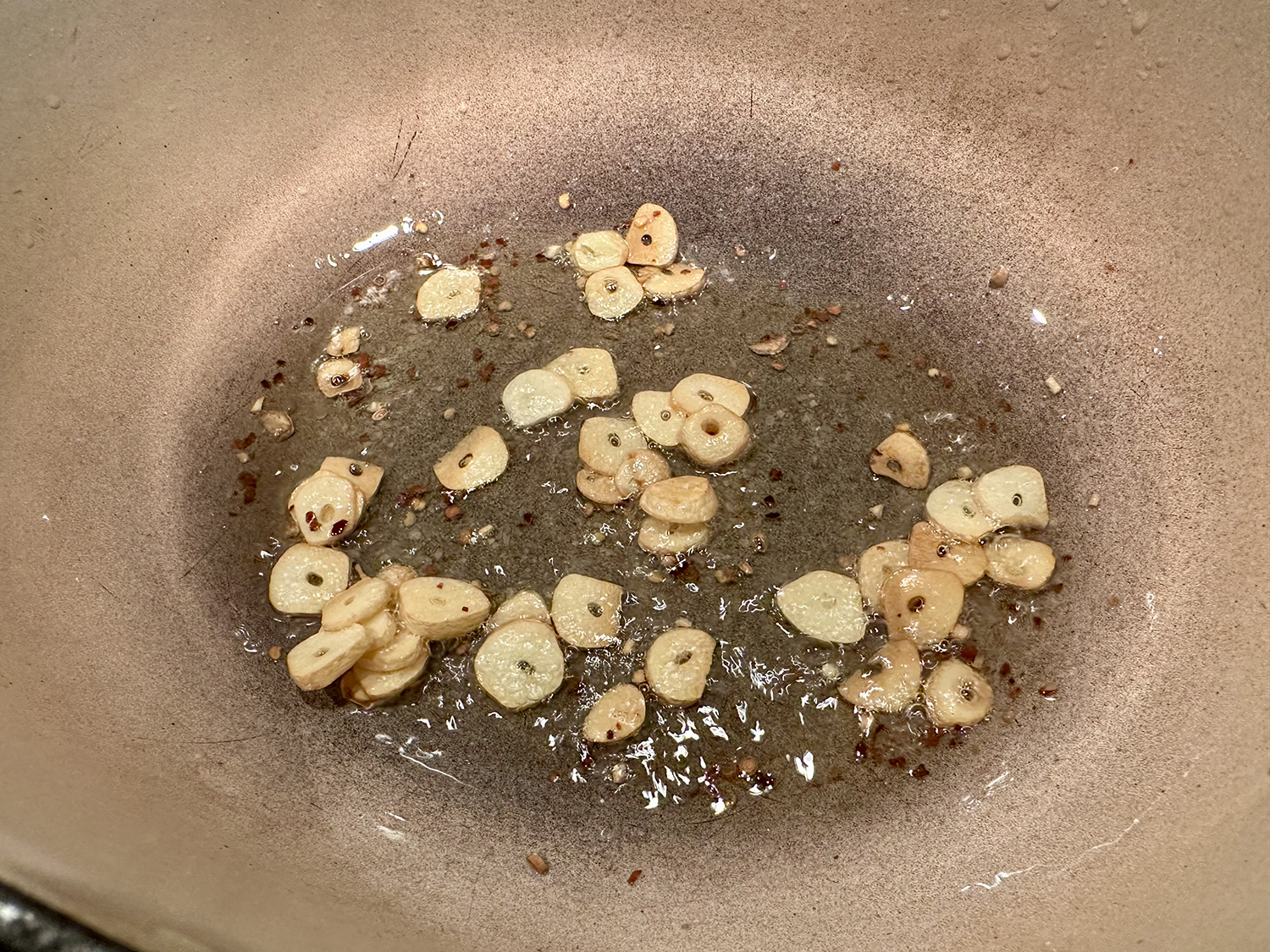
  2. Combine anchovies, remaining ¼ cup oil, and remaining garlic in large Dutch oven and cook over medium heat until garlic is just beginning to brown, 3 to 5 minutes, breaking up anchovies with wooden spoon.
  3. Add tomato paste, oregano, and pepper flakes and cook, stirring constantly, until tomato paste begins to darken, about 2 minutes. Increase heat to medium-high, cover and cook, stirring pot occasionally, for about 3 to 4 minutes.
  4. Add canned tomatoes and their juice (or homemade marinara), clam juice, and remaining ¼ teaspoon salt to pot. Using a potato masher, mash tomatoes in pot until coarsely pureed. (Not necessary if using homemade marina.)
  5. Bring tomato mixture to boil over medium-high heat. Add pasta (it needn’t be fully submerged) and cook, stirring often, until strands are flexible but still slightly firm in center, 6 to 10 minutes. (If sauce begins to dry up before pasta is done, add hot water, ½ cup at a time, and continue cooking pasta. Begin checking pasta 2 minutes shy of package instructions; it should be nearly cooked to your liking before adding seafood.)
  6. Add water to a separate pot with a steamer basket, bring to a boil, drop in the lobster tails and cover, steaming for 3 minutes. Remove tails from pot set aside.
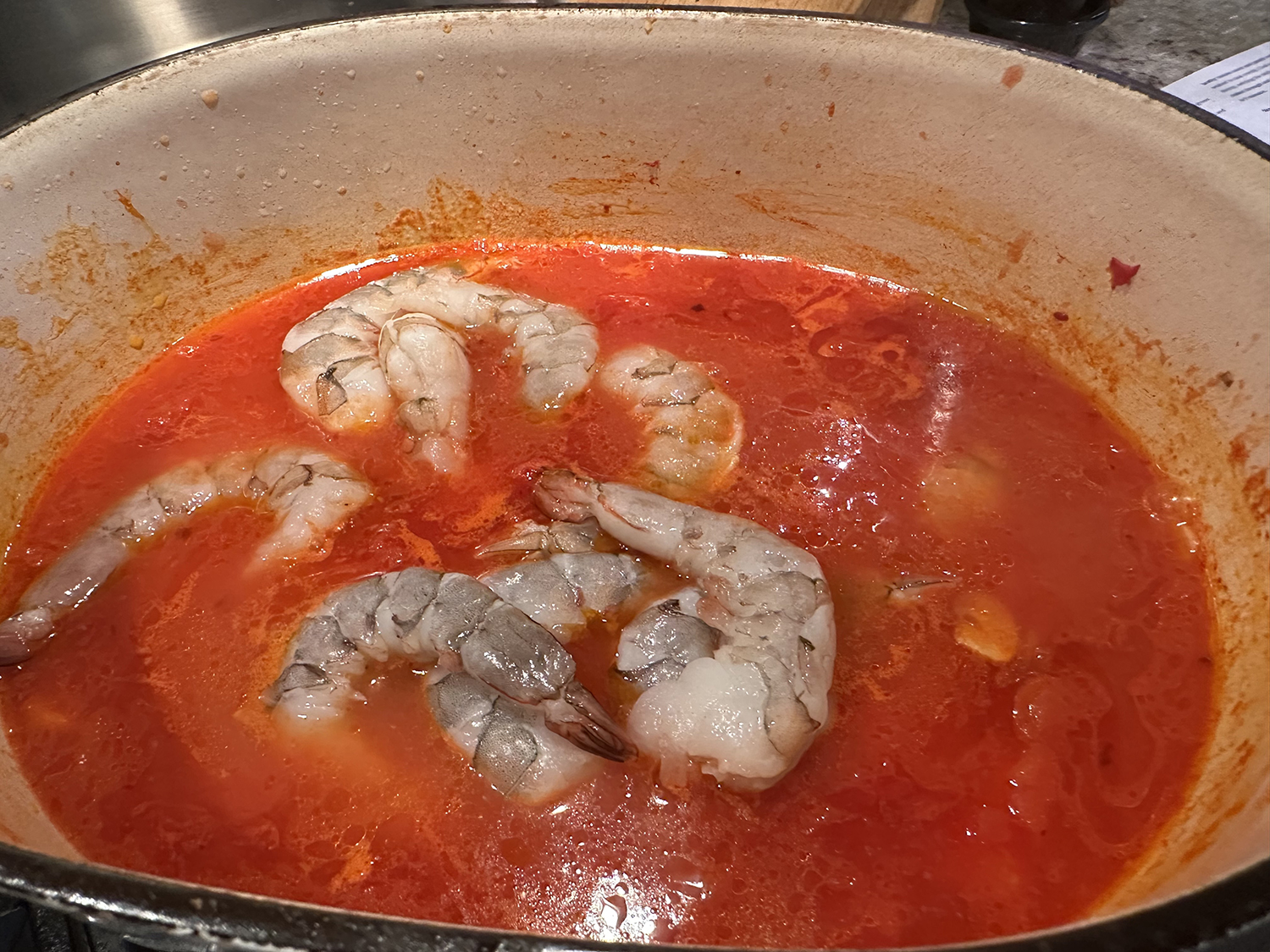
  7. While the lobster is steaming, stir shrimp and scallops into red sauce and cook, stirring frequently, until pasta is al dente and seafood is opaque, about 3 minutes.
  8. Off heat, add parsley, cherry peppers and brine, and toss to combine. (Pasta sauce will continue to thicken. Adjust consistency with additional hot water as needed.) Season with salt to taste.
  9. Serve, sprinkled with extra pepper flakes (optional), topped with lobster tails and drizzled with extra oil.

http://www.lynnandruss.com

Recipe by Matthew Fairman for America’s Test Kitchen

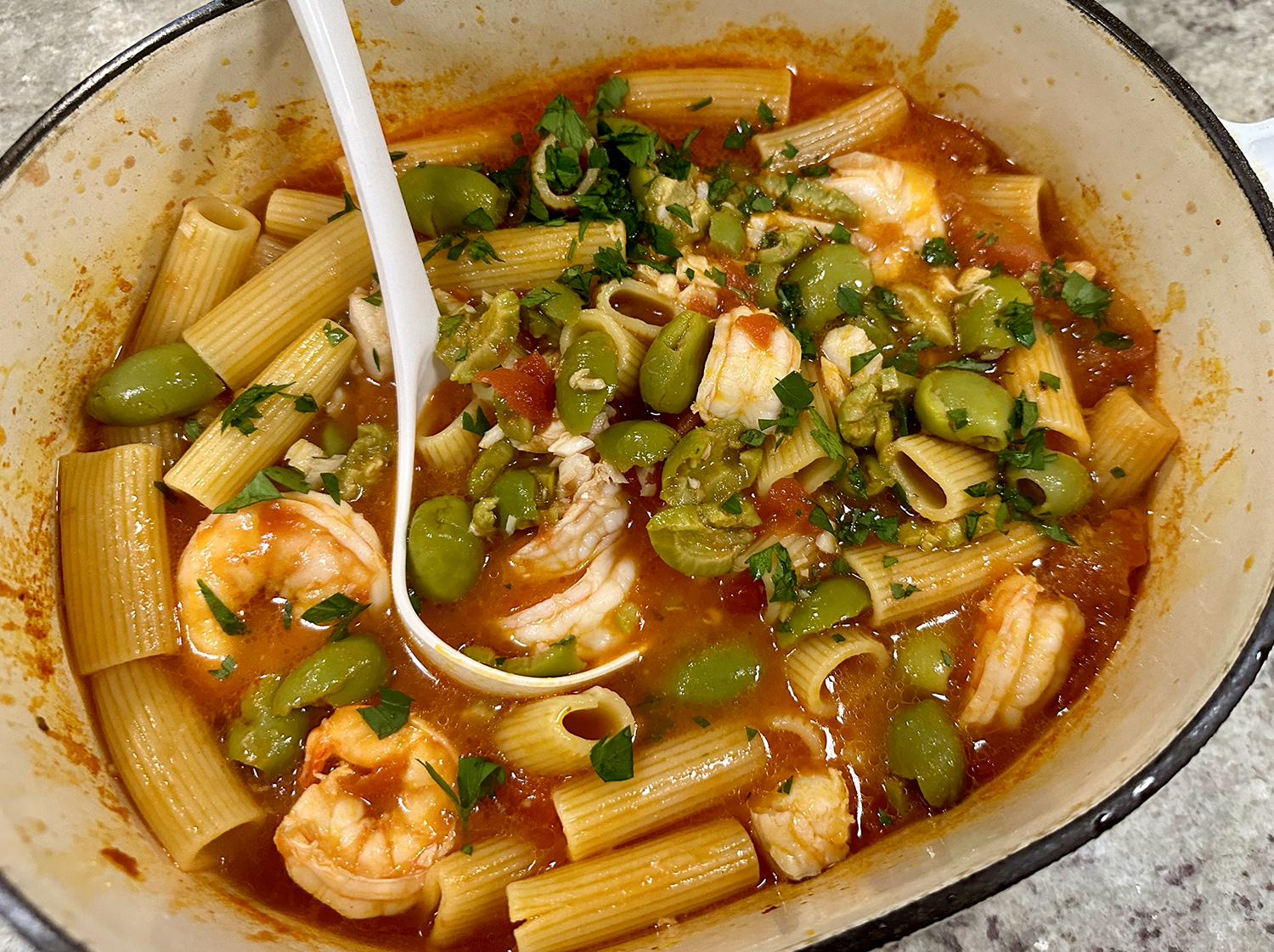
Seafood Pasta with Tomato and Crushed Olives

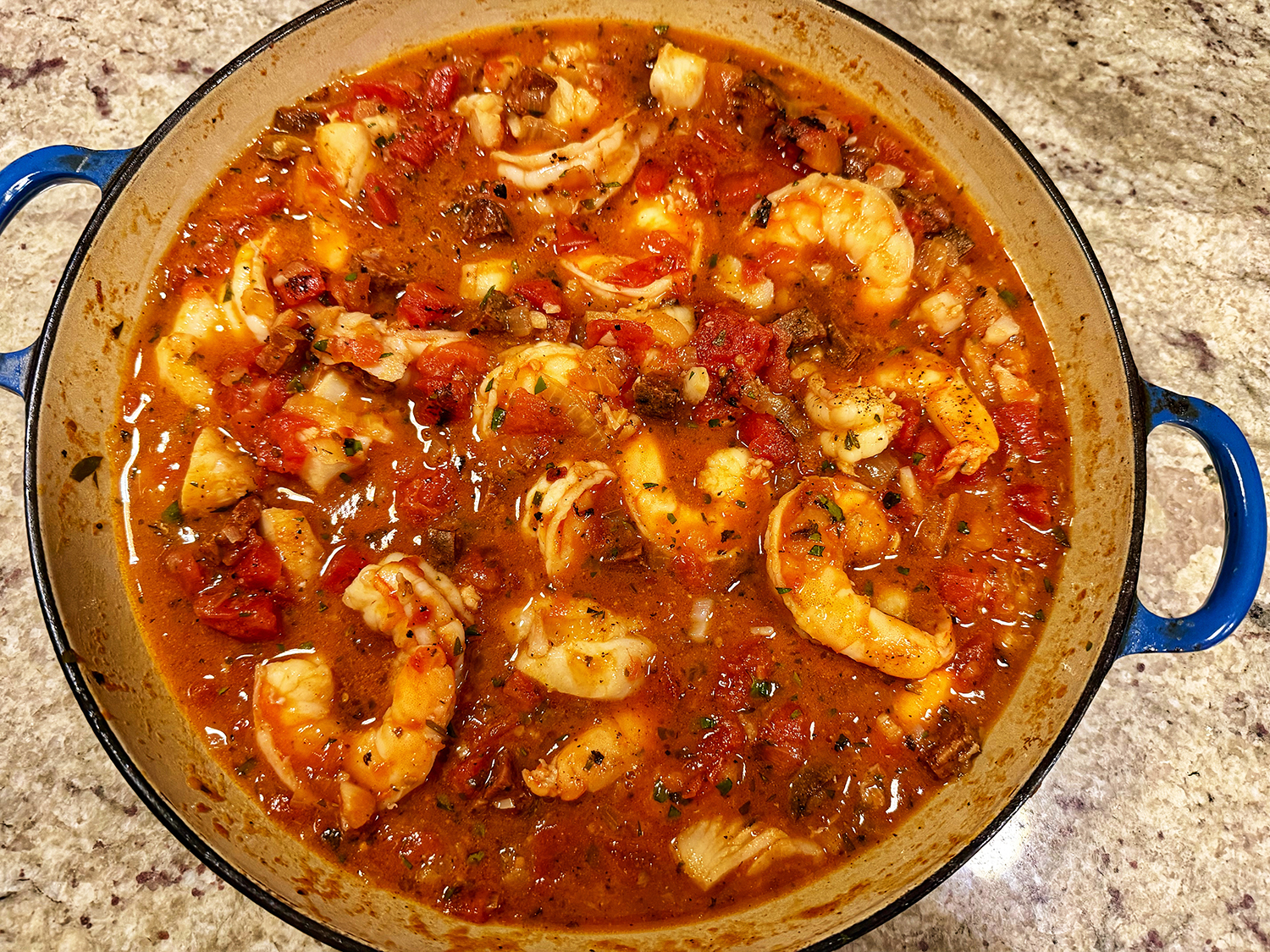
Think of this as a weeknight fish stew with pasta rather than a seafood pasta. It’s highly customizable: You can use whatever seafood you like, including but not limited to shellfish, like mussels, clams or shrimp, and firm-fleshed white fish, such as cod, halibut or flounder.

Since one of our diners did not eat clams, we doubled the amount of shrimp. If you do omit the clams, use some clam broth along with the water* in Step 3 to help flavor the overall broth. Seafood stock would also be another good option.

The trick is to make sure the garlicky tomatoes are brothy enough to gently poach the seafood (which then further flavors the sauce), yet thick enough to coat each tube of pasta. Finished with briny olives and a smattering of fresh parsley, it’s best eaten with a spoon and lots of thick-cut toast for sopping up all the luscious goodness.

Seafood Pasta With Tomato and Crushed Olives

  • Servings: 4
  • Difficulty: easy
  • Print

Ingredients

  • 8 oz. rigatoni or another tube-shaped pasta
  • Kosher salt
  • 3 Tbsp. olive oil, plus more for drizzling
  • 4 garlic cloves, sliced
  • Pinch of red-pepper flakes (optional)
  • 1 (28-oz.) can whole San Marzano tomatoes, crushed by hand
  • ½ lb. mussels or clams (optional)
  • 1 lb. firm-fleshed white fish, such as cod, halibut, swordfish, hake or flounder, cut into 2-inch pieces
  • ½ lb. shrimp, peeled and deveined if you like
  • ¾ cup Castelvetrano or other green olives, pitted and crushed
  • ½ cup parsley, tender leaves and stems, chopped

Directions

  1. Cook pasta in a large pot of boiling salted water. Once it reaches al dente, drain and set aside while you finish the sauce.
  2. Meanwhile, heat olive oil in a heavy-bottomed Dutch oven over medium heat. Add garlic and season with salt. Cook, stirring occasionally, until garlic is lightly browned and toasted around the edges, about 2 minutes. Add red-pepper flakes, if using.
  3. Add tomatoes and then fill the empty can about ¾ of the way up with water*. Swirl the can to loosen the tomatoey bits left behind and add that to the pot. Season with salt, bring to a simmer and cook, stirring occasionally, until sauce has thickened slightly (it should still look quite brothy), 10 to 15 minutes.
  4. Add the mussels or clams to the sauce, if using, along with the fish, and season again with salt. Let the seafood settle into the brothy tomato sauce and gently swirl the pot, encouraging the seafood to cook evenly. Cook a minute or two, then add the shrimp, swirling the skillet again. Cook until all the seafood is just cooked through and the mussels or clams have opened, another 3 to 5 minutes.
  5. Add the pasta and very gently toss to coat, cooking another 1 to 2 minutes, just to let the flavors meld. Add olives and remove from heat.
  6. Divide among bowls, top with parsley and drizzle with olive oil before serving.

http://www.lynnandruss.com

Recipe from Alison Roman for NYTimes Cooking

Pasta with Seafood Galore!

For savory seafood flavor in every bite, make a sauce with clam juice and several minced anchovies, which fortify the juices shed by the shellfish. Cooking the shellfish in a careful sequence—adding hardier clams first and then adding the shrimp and remaining seafood during the final few minutes of cooking—ensures that every piece is plump and tender.

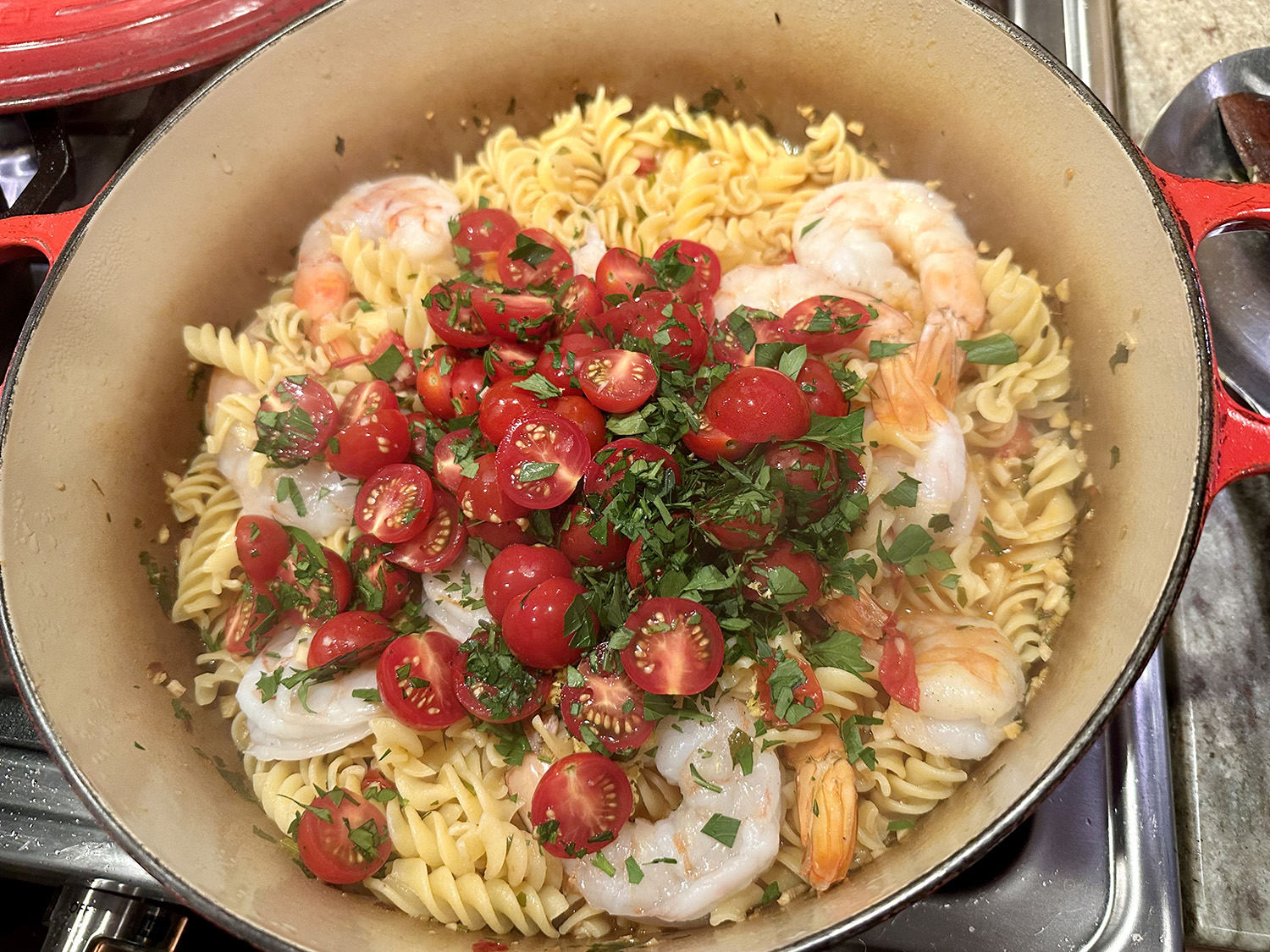
The pasta is then finished cooking directly in the sauce; the noodles soaked up flavor while shedding starches that thickened the sauce so that it clings well to the linguine. Fresh cherry tomatoes, lots of garlic, fresh herbs, and lemon make for a bright, clean, complex-tasting sauce.

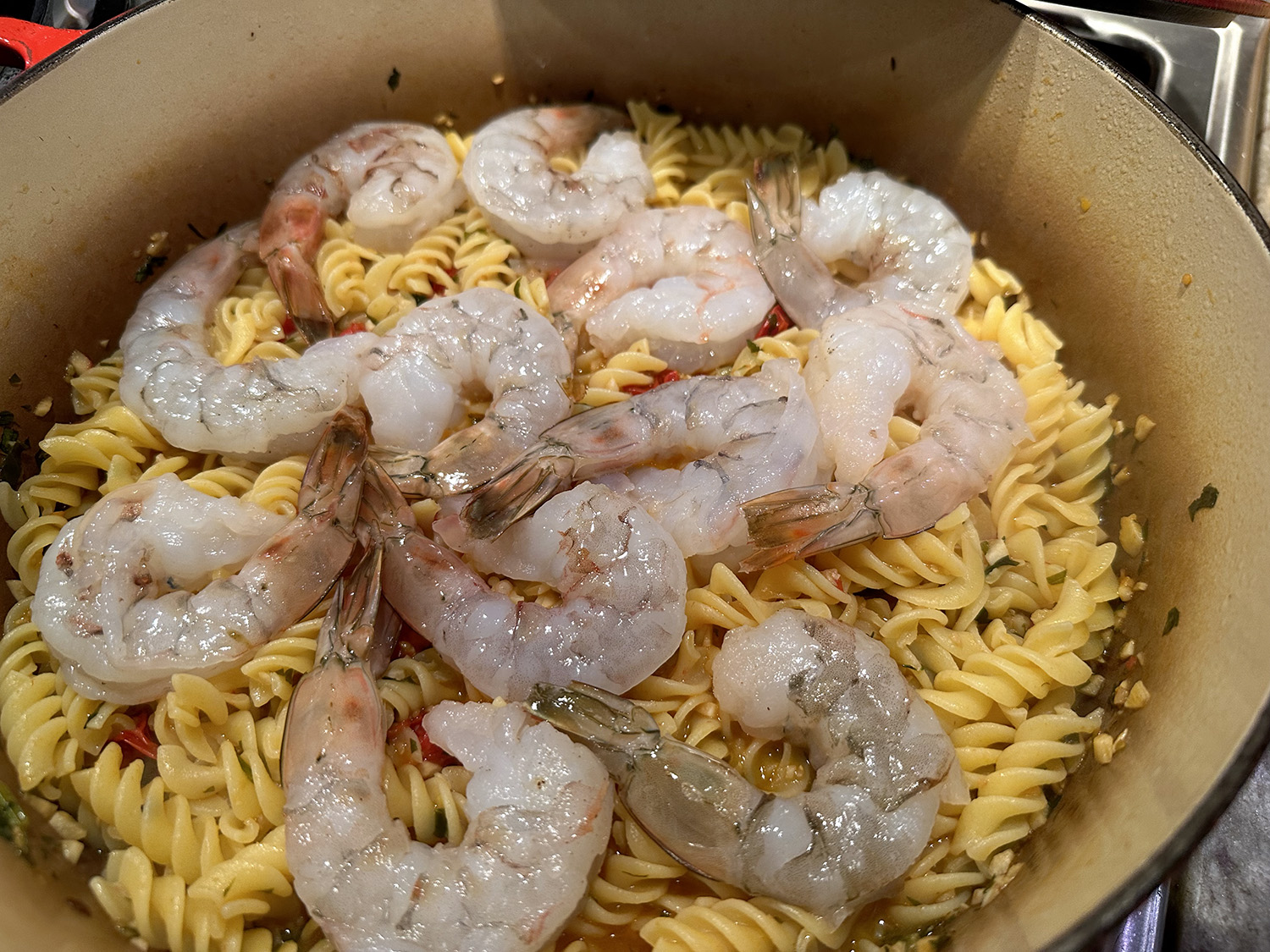
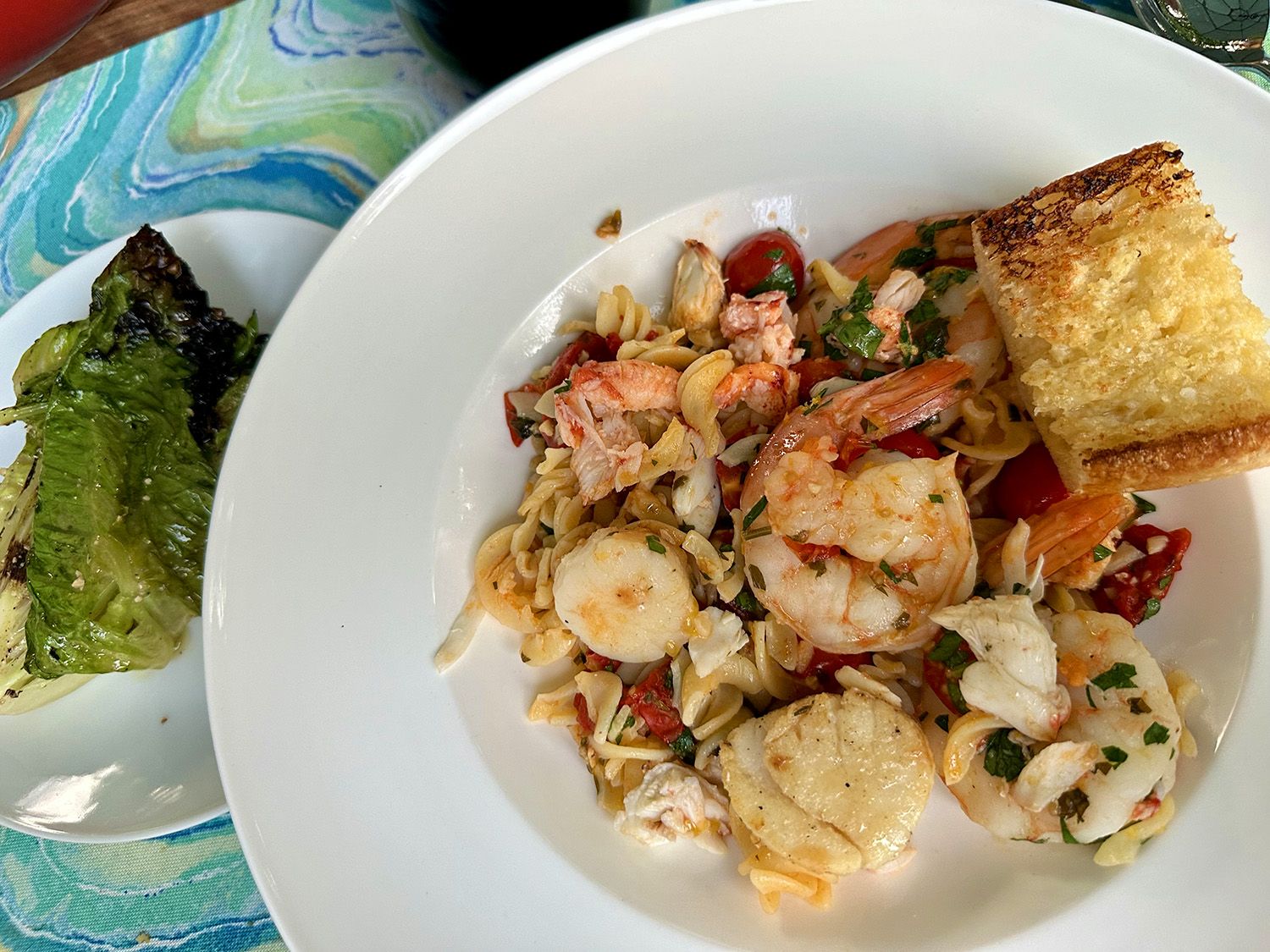
Our guest diner was following a gluten-free diet so we used gluten-free fusilli which tends to fall apart when stirred with other ingredients. If gluten-free is not an issue for you, stick with a regular wheat pasta such as linguine.

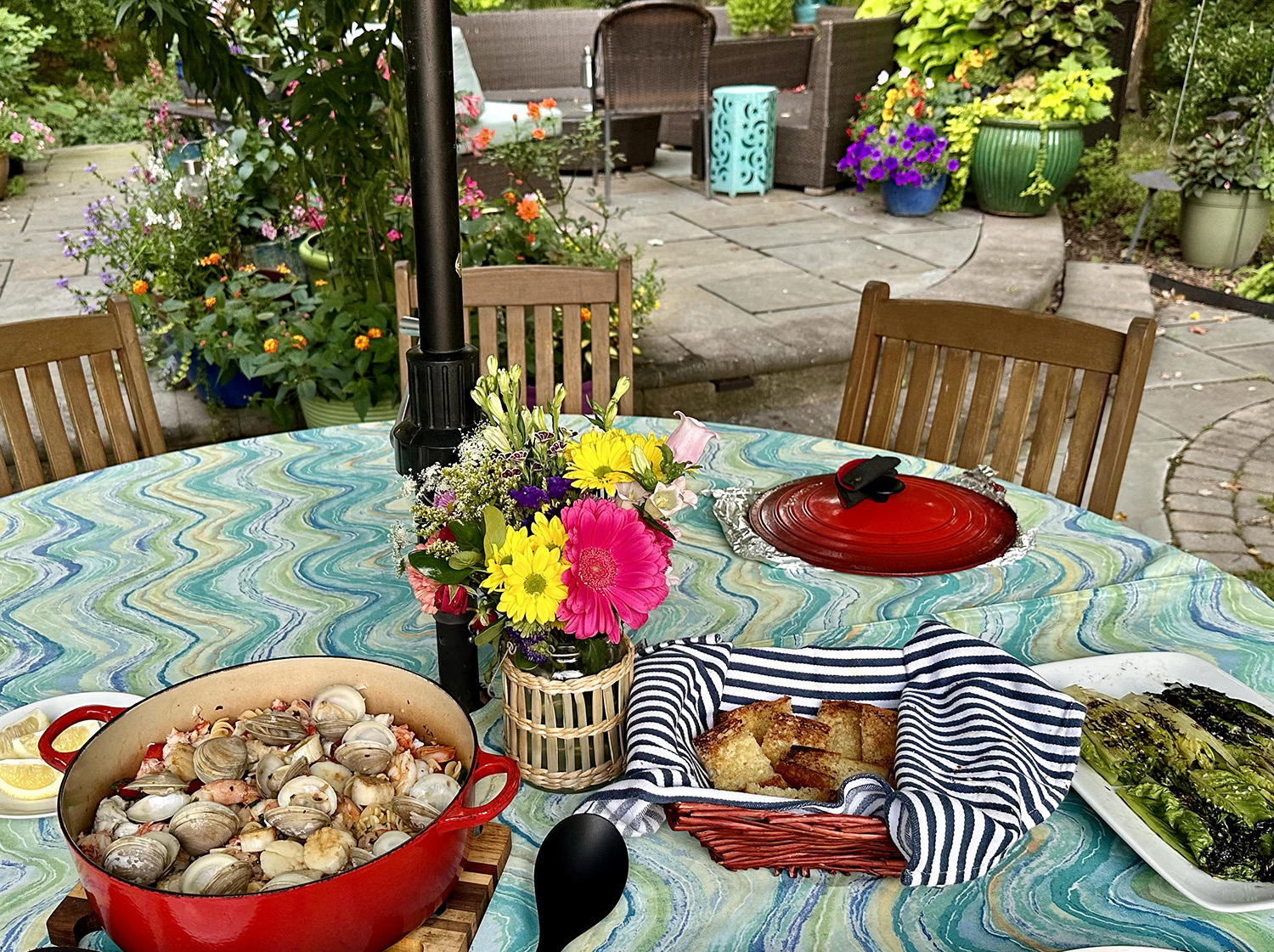
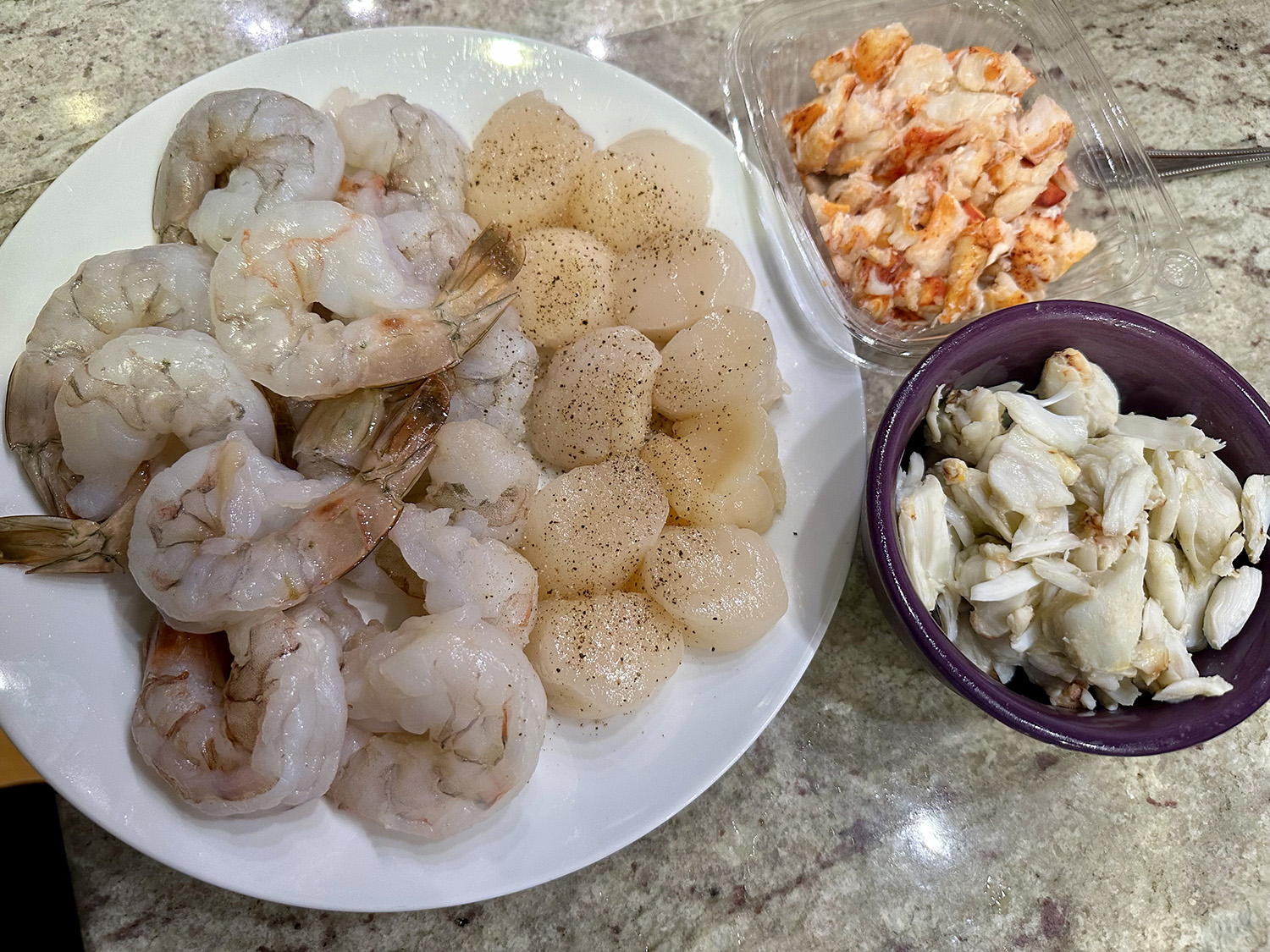
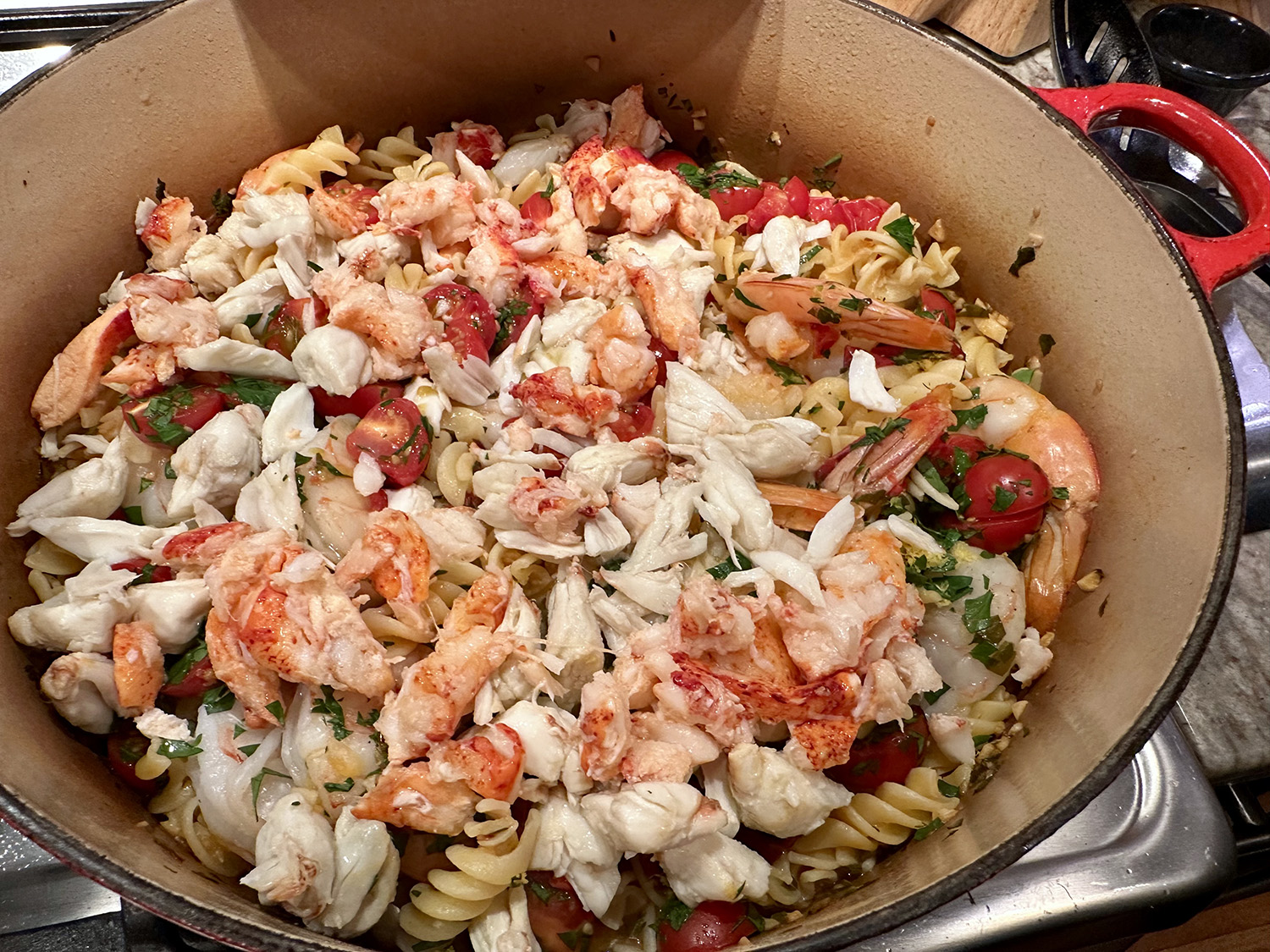
The types of seafood and amounts were altered to fit our preferences. One diner did not like mussels or squid, so we substituted lump crab meat and chunks of lobster. To complete the meal, we served a side of grilled romaine and some crusty garlic bread.

Pasta with Seafood Galore!

  • Servings: 4-6
  • Difficulty: easy
  • Print

Ingredients

  • 6 Tbsp. extra-virgin olive oil
  • 12 garlic cloves, minced
  • ¼ tsp. red pepper flakes
  • 12 littleneck clams, scrubbed
  • 9 scallops
  • 1 ¼ lbs. cherry tomatoes, half of tomatoes halved, remaining tomatoes left whole
  • 1 (8-oz) bottle clam juice
  • 1 cup dry white wine
  • 1 cup minced fresh parsley
  • 1 Tbsp. tomato paste
  • 4 anchovy fillets, rinsed, patted dry, and minced
  • 1 tsp. minced fresh thyme
  • Salt and pepper
  • 12 oz. linguine (or any pasta you prefer)
  • 12 extra-large shrimp (21 to 25 per lb.), peeled and deveined
  • 8 oz. lump crab meat
  • 5 oz. chunked lobster meat
  • 2 tsp. grated lemon zest, plus lemon wedges for serving

Directions

  1. Heat 1/4 cup oil in large Dutch oven over medium-high heat until shimmering. Add garlic and pepper flakes and cook until fragrant, about 1 minute. Add clams, cover, and cook, shaking pan occasionally, for 8 minutes until clams. Transfer clams to bowl, discarding any that haven’t opened, and cover to keep warm; leave any broth in pot.
  2. Add whole tomatoes, clam juice, wine, 1/2 cup parsley, tomato paste, anchovies, thyme, and 1/2 teaspoon salt to pot and bring to simmer over medium-high heat. Reduce heat to medium and cook, stirring occasionally, until tomatoes have started to break down and sauce is reduced by one-third, about 10 minutes.
  3. Meanwhile, bring 4 quarts water to boil in large pot. Add pasta and 1 tablespoon salt and cook, stirring often, for 7 minutes. Reserve 1/2 cup cooking water, then drain pasta.
  4. Add pasta to sauce in Dutch oven and cook over medium heat, stirring gently, for 2 minutes. Reduce heat to medium-low, stir in shrimp, cover, and cook for 4 minutes. Stir in lemon zest, halved tomatoes, and remaining 1/2 cup parsley; cover and continue to cook until shrimp are just cooked through, about 2 minutes longer.
  5. Gently stir in clams, crab meat and lobster. Remove pot from heat, cover, and let stand until clams are warmed through, about 2 minutes. Season with salt and pepper to taste and adjust consistency with reserved cooking water as needed.
  6. Transfer to large serving dish, drizzle with remaining 2 tablespoons oil, and serve, passing lemon wedges separately.

http://www.lynnandruss.com

Adapted from a recipe by America’s Test Kitchen

Not Too Shabby—Crabby Cakes

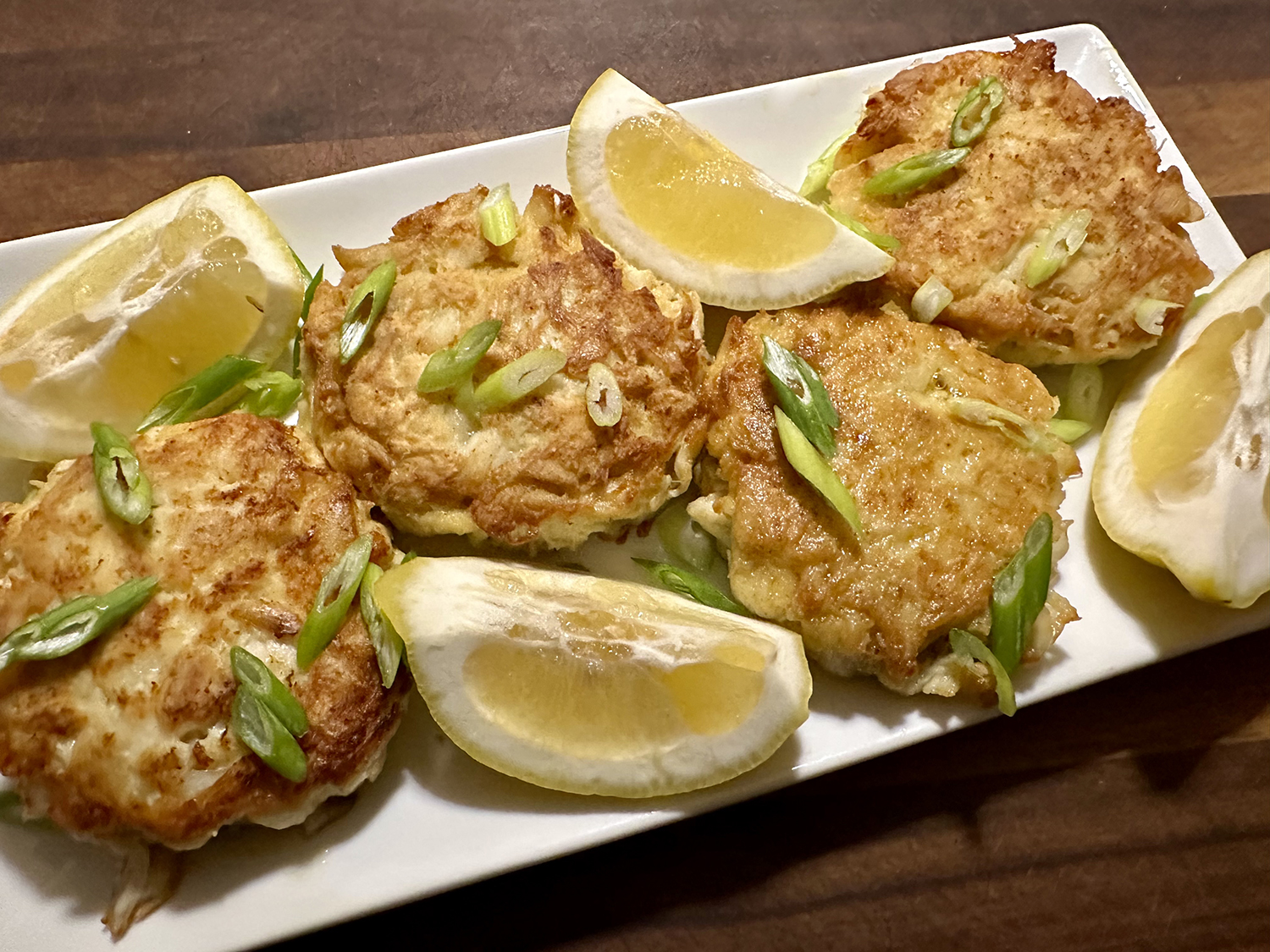
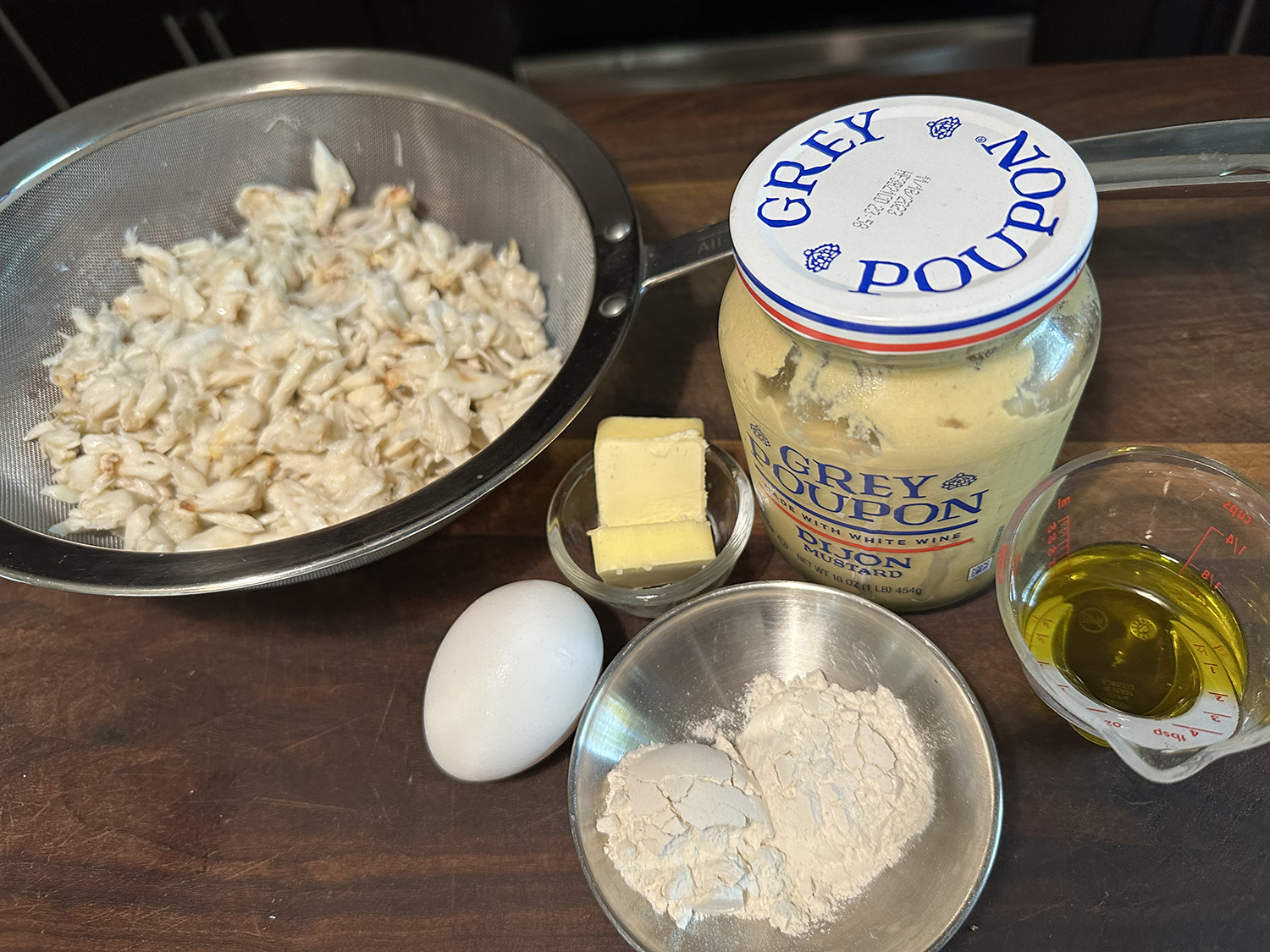
Seems like we are in unison with Chef Mark Bittman when it comes to good crab cakes, use this less-is-more approach. That being a ‘minimalist’ recipe which is heavy on the crab, and low on filler. The simplicity let’s the crab sing. And with the cost of crab meat in the stratosphere these days, you want to make sure the crustacean shines!

As Mark state, “Getting the most out of crab cakes often means putting the least into them. Since crab has the best texture and subtlest flavor of all crustaceans, the best crab cakes are those that showcase the crab, not another ingredient.”

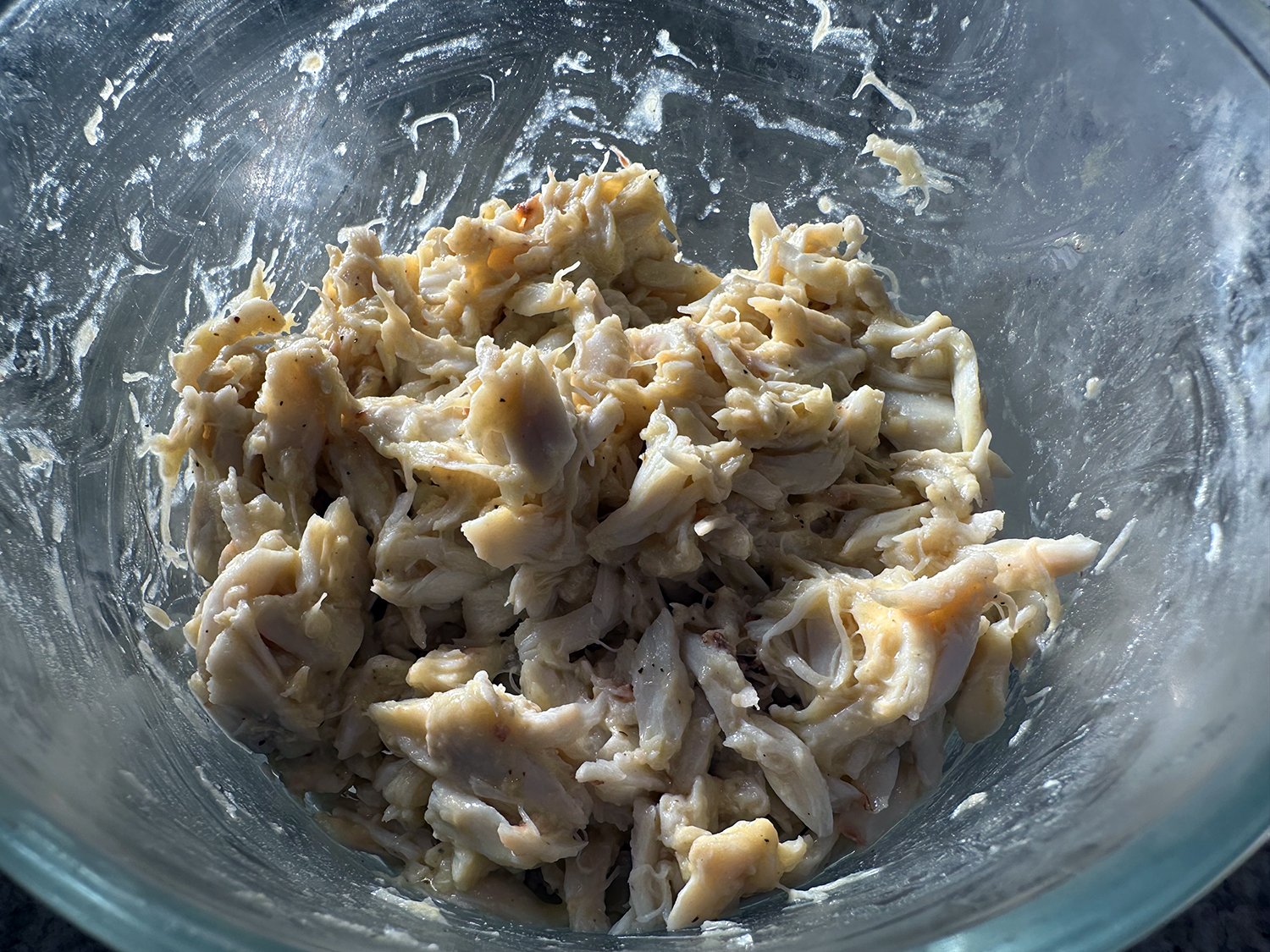
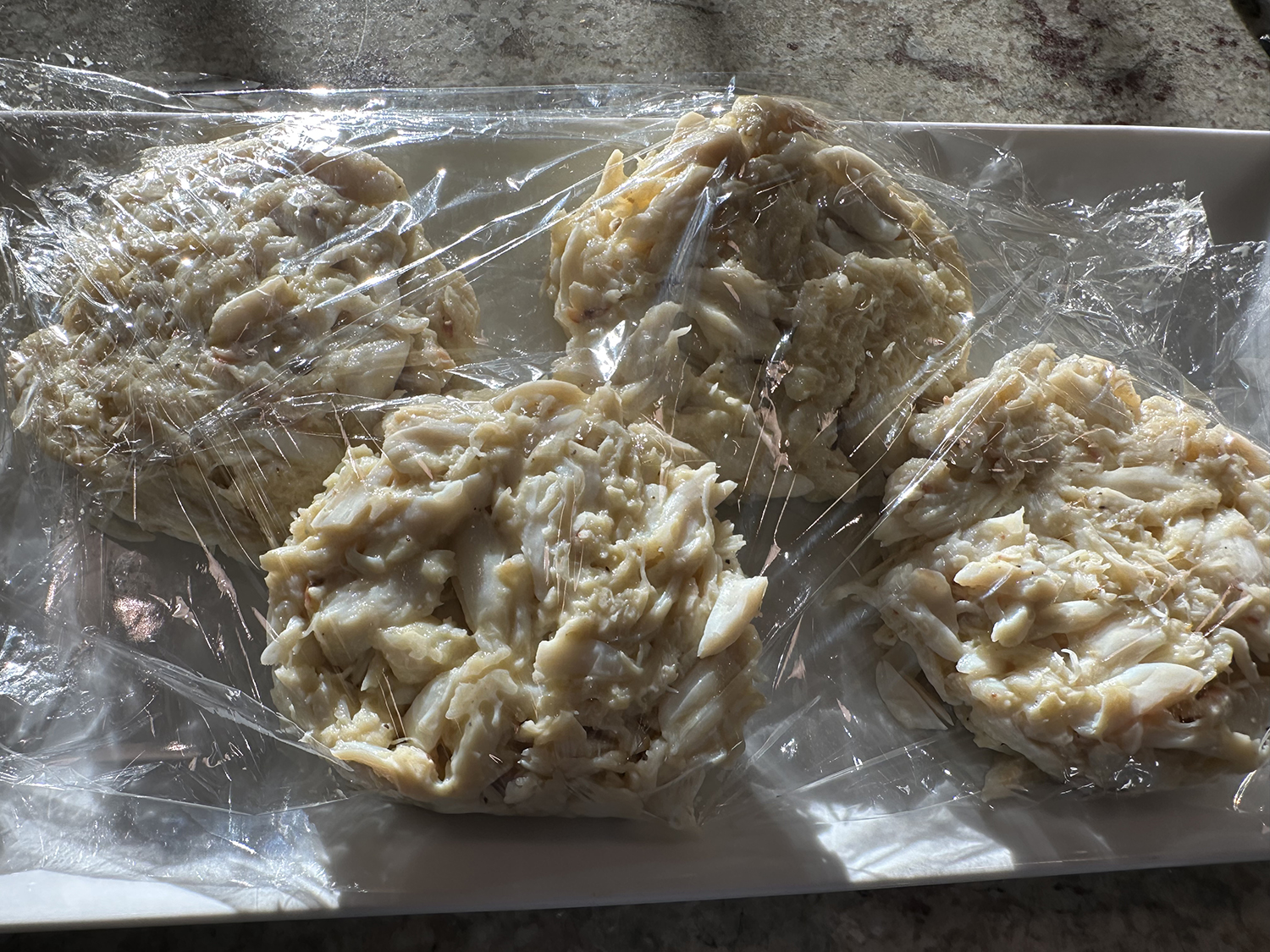
The loose mix is best chilled before shaping, but it is essential to chill it again for a half-hour or so (longer is better) before cooking. When cold, the cakes will hold together, and once the egg, the binding agent, does its work, they will retain their shape until attacked with a fork.

Some reviewers substituted panko bread crumbs for the flour. Whatever appeals to you most, go ahead. The cakes are fancy enough that you can serve them with a luxurious dinner, or low-key with coleslaw and french fries like we did. One patty per person is a normal size portion.

Crabby Crab Cakes

  • Servings: 4
  • Difficulty: easy
  • Print

Ingredients

  • 1 lb. fresh lump crab meat
  • 1 egg
  • 1 Tbsp. Dijon mustard (optional)
  • Salt and freshly ground black pepper to taste
  • 2 Tbsp. flour, more for dredging
  • 2 Tbsp. extra-virgin olive oil or neutral oil, like canola or grape-seed
  • 4 Tbsp. butter (or use a total of 4 Tbsp. oil)
  • Lemon wedges

Directions

  1. Gently combine crab, egg, mustard, salt, pepper and 2 tablespoons flour. Cover mixture, and put in freezer for 5 minutes. Shape mixture into 4 hamburger-shaped patties. Line plate with plastic wrap, and put crab cakes on it. Cover crab cakes with more plastic wrap, and refrigerate them for about 30 minutes (or as long as 1 day), or freeze for 15 minutes.
  2. Put flour for dredging in a bowl. Combine oil and butter in 12-inch skillet, and turn heat to medium. When butter melts and its foam subsides, gently dredge a crab cake in the flour. Gently tap off excess flour, and add crab cake to pan; repeat with remaining crab cakes, and then turn heat to medium-high.
  3. Cook, rotating cakes in pan as necessary to brown the first side, 5 to 8 minutes. Turn, and brown the other side (it will take slightly less time). Serve cakes hot, with lemon wedges.

http://www.lynnandruss.com

Adapted from a recipe by Mark Bittman for NYTimes Cooking

Baked Cajun Seafood and Rice

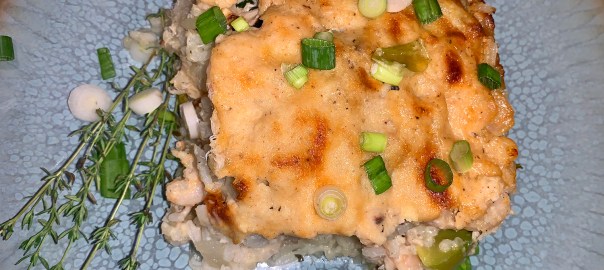
Instead of more traditional ground beef lasagna, try this shrimp and crabmeat casserole from Better Homes & Garden. Pair it with a side salad for a satisfying and vegetable-rich dinner.

With the cost of fresh lump carb meat sky-high, refrigerated pasteurized lump crabmeat is an excellent choice over the traditional canned crabmeat or more expensive fresh crab. Look for it at the meat and seafood counter of your supermarket.

When it comes to the rice, measure out 3 cups AFTER it is cooked. The Hubs had an off-moment and cooked too much rice and we used all of it. Although it did not alter the flavor of the dish, it did make it a bit too rice-forward. If you do have extra rice, save it for another meal.

Purchasing a 1-pound bag of frozen salad shrimp made prepping a lot easier because they didn’t need to be peeled and deveined; plus the small size was perfect in the casserole. This is an ideal dish when hosting/attending a potluck lunch or dinner, just make sure to keep it warm until serving time.

Baked Cajun Seafood and Rice

  • Servings: 6-8
  • Difficulty: easy
  • Print

Ingredients

  • 1 lb. fresh or frozen small shrimp, peeled and deveined
  • 1 medium green sweet pepper, chopped
  • 1 onion, chopped
  • 1 stalk celery, sliced
  • 2 cloves garlic, minced
  • 3 Tbsp. butter, divided
  • ½ tsp. dried thyme, crushed
  • 3 cup cooked long grain white rice, (1 cup uncooked)
  • 4 strips thick-cut bacon, chopped
  • 8 cups fresh baby kale or spinach, stems removed
  • 2 Tbsp. butter
  • 2 Tbsp. all-purpose flour
  • 1 Tbsp. Cajun seasoning
  • 2 cup milk
  • 2 cups shredded Monterey Jack cheese (8 oz.)
  • 16 oz. cooked crabmeat, flaked
  • ½ cup shredded Parmesan cheese (2 oz.)
  • ½ cup chopped green onions (4)

Directions

  1. Make rice according to package directions.
  2. Thaw shrimp, if frozen; set aside. Preheat oven to 350°F. In a large skillet cook the green pepper, onion, celery, and garlic in 1 tablespoon hot butter over medium heat about 4-5 minutes or until vegetables are tender.
  3. Stir in thyme; cook and stir for 1 minute. Transfer to a large bowl. Add cooked rice; stir to combine. Set aside.
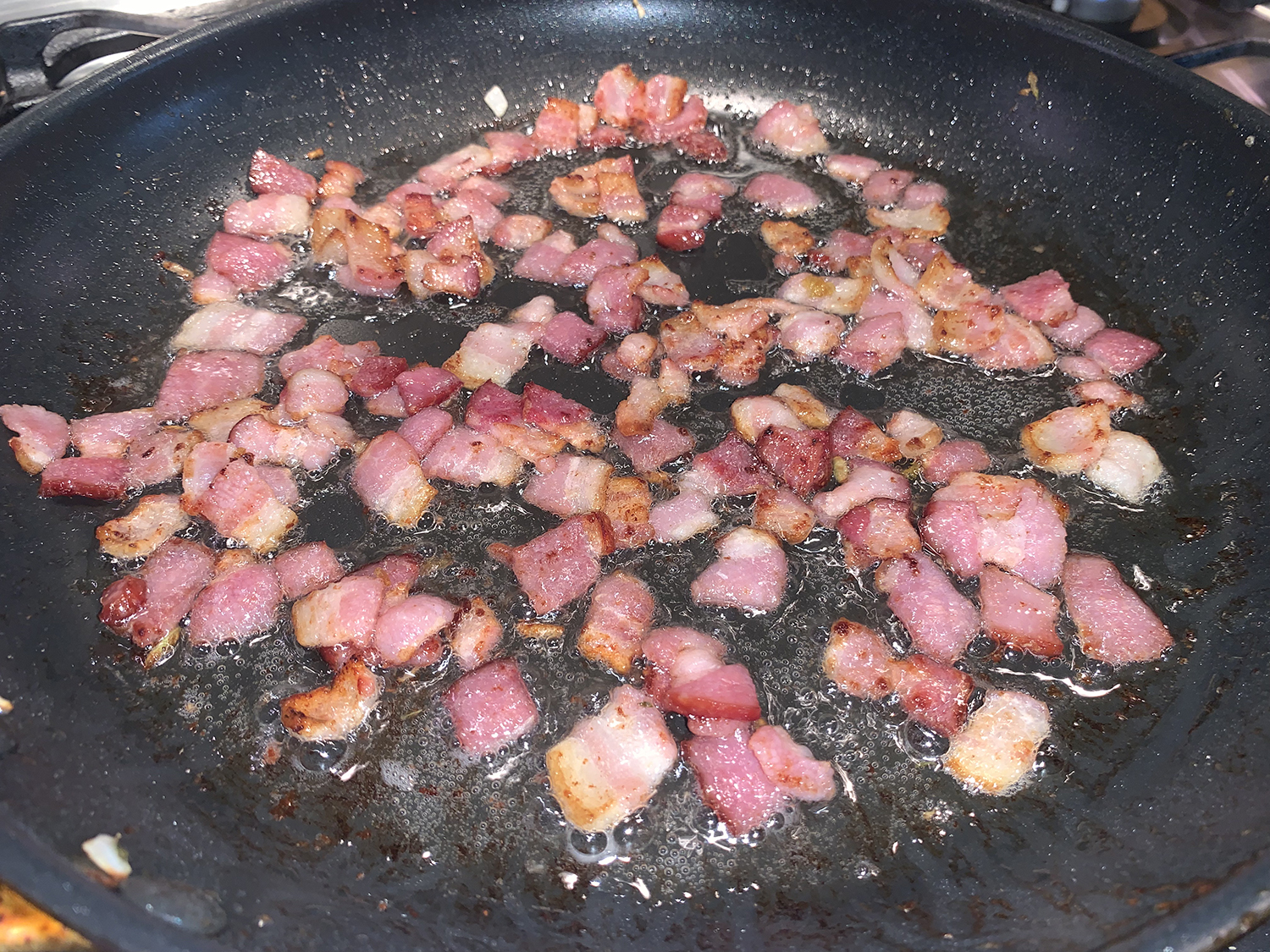
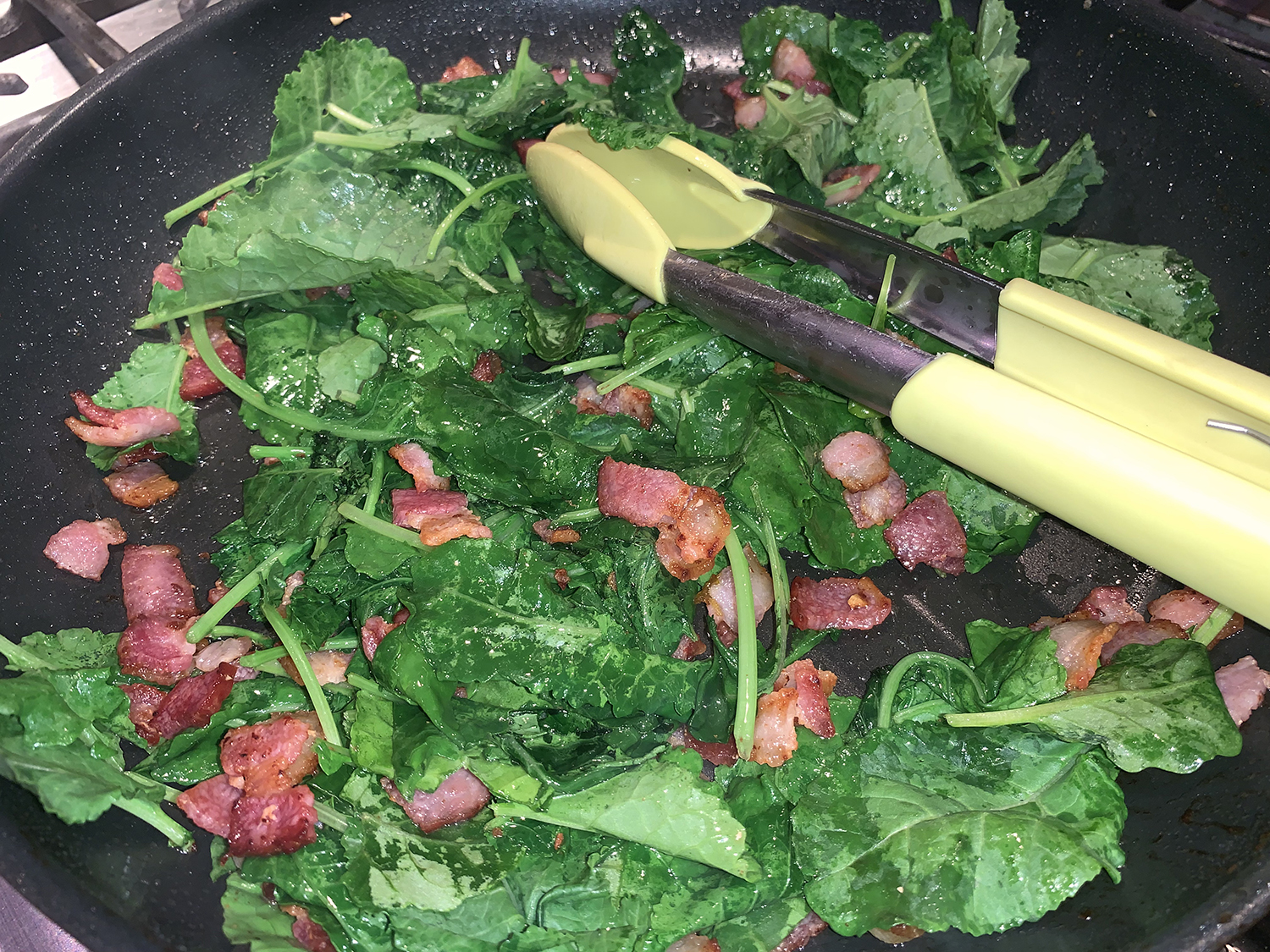
  4. In the same skillet cook bacon over medium heat until crisp. Add the kale; cook and stir for 3 to 5 minutes or until wilted and tender. Remove from heat. Set aside.
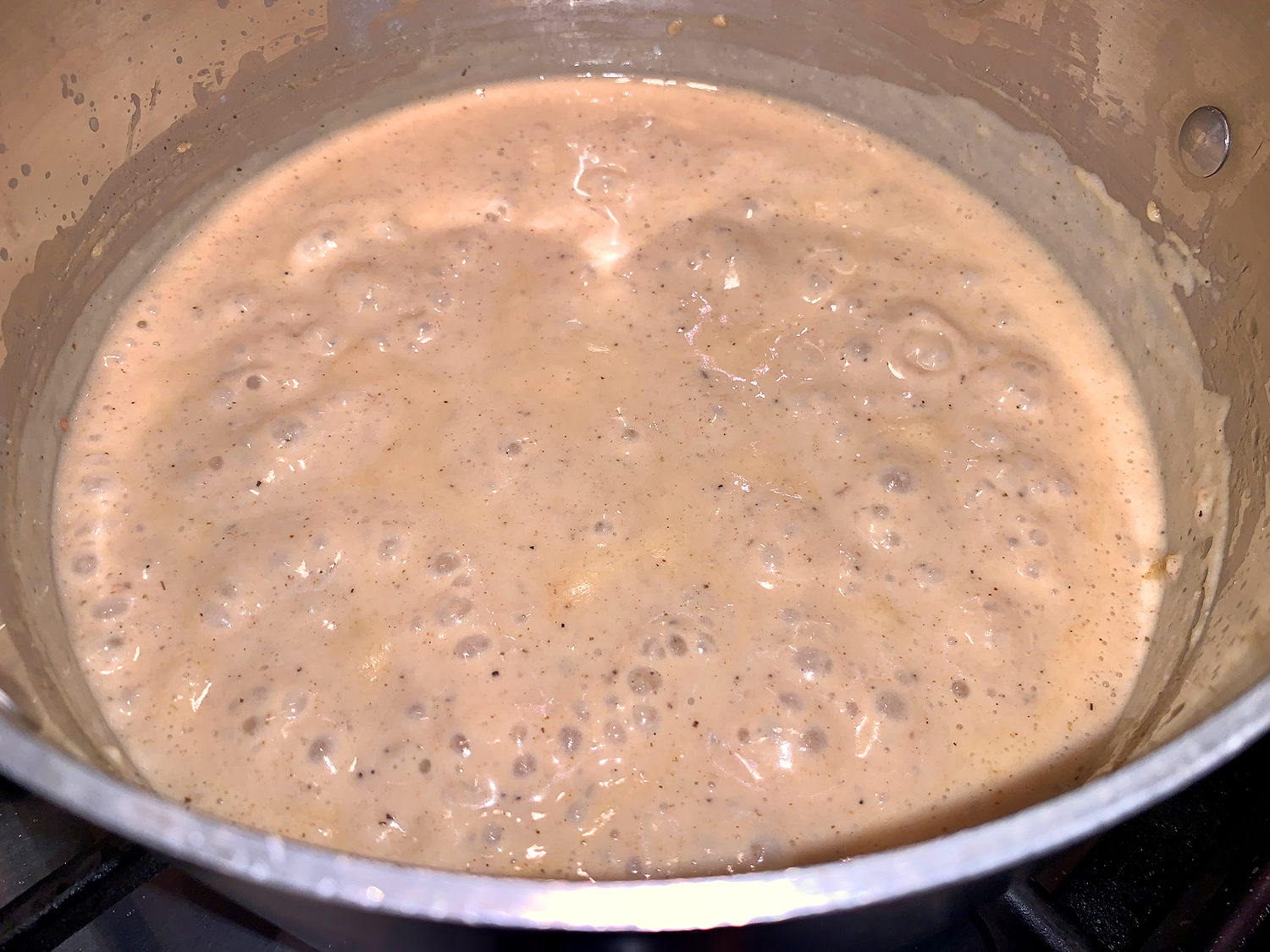
  5. In a medium saucepan melt 2 tablespoons butter over medium heat. Stir in flour and Cajun seasoning; cook and stir for 1 minute.
  6. Stir in milk; cook and stir until thickened and bubbly. Cook and stir for 1 minute more. Reduce heat to low. Add Monterey Jack cheese; stir until cheese melts.
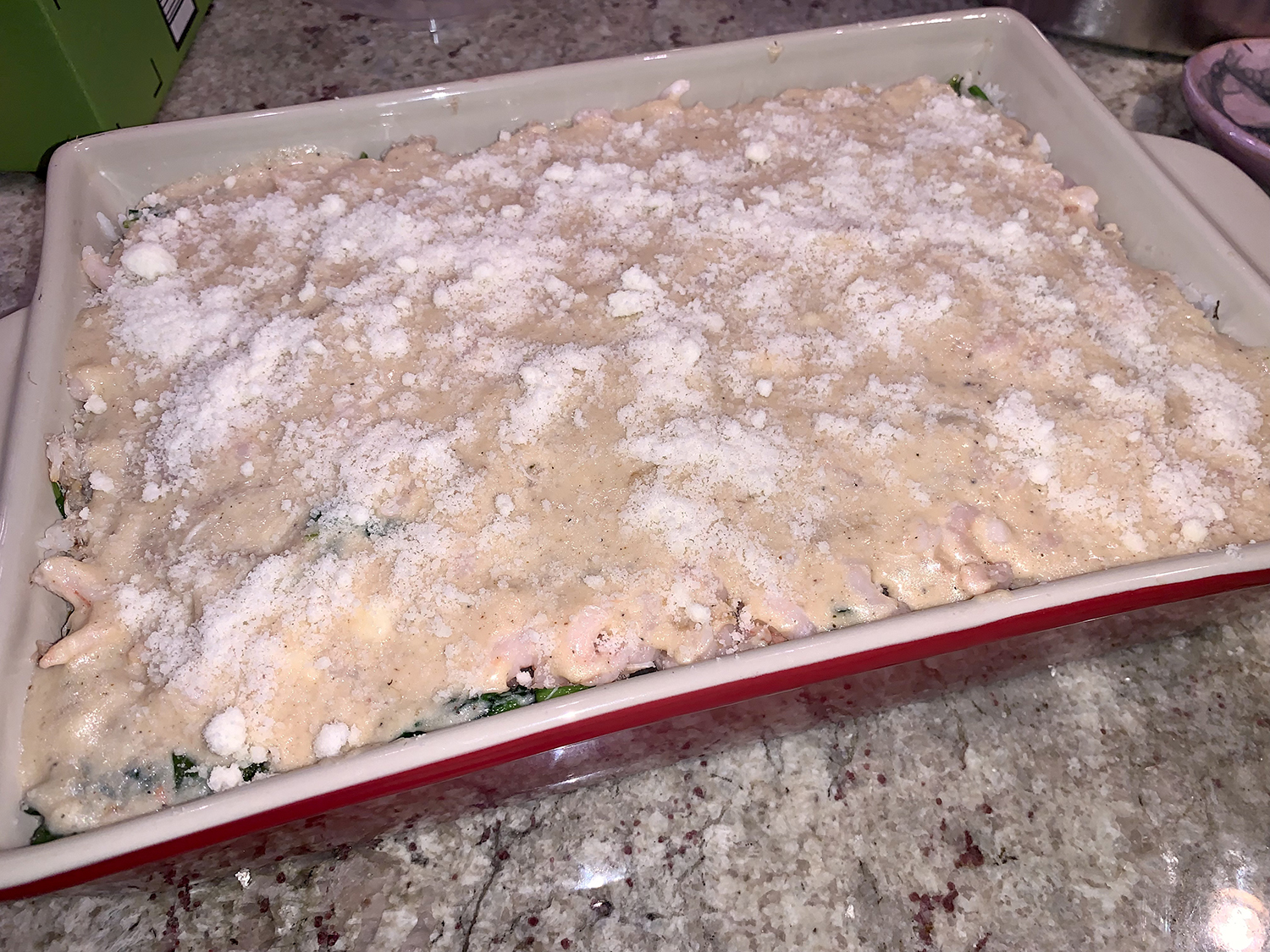
  7. Lightly grease a 4-quart rectangular baking dish. Spread half of the rice mixture over bottom of dish. Layer with half of the kale mixture, half of the shrimp, half of the crabmeat, and half of the cheese sauce. Repeat layers. Sprinkle evenly with Parmesan cheese.
  8. Bake, uncovered, for 30-45 minutes or until bubbly and lightly golden. Sprinkle with green onions.

http://www.lynnandruss.com

Roughly adapted from a recipe for Better Homes & Garden

Southern-Style Shrimp Boil

What’s a summer without at least one clam bake or shrimp boil? Upon receiving our latest Food & Wine magazine, their cover image was a tempting looking Shrimp Boil, so we decided there and then to make one. This shrimp boil is a one-pot summer feast for a crowd. However, their recipe served eight (at a minimum) and with only the two of us it made sense to cut it in half.

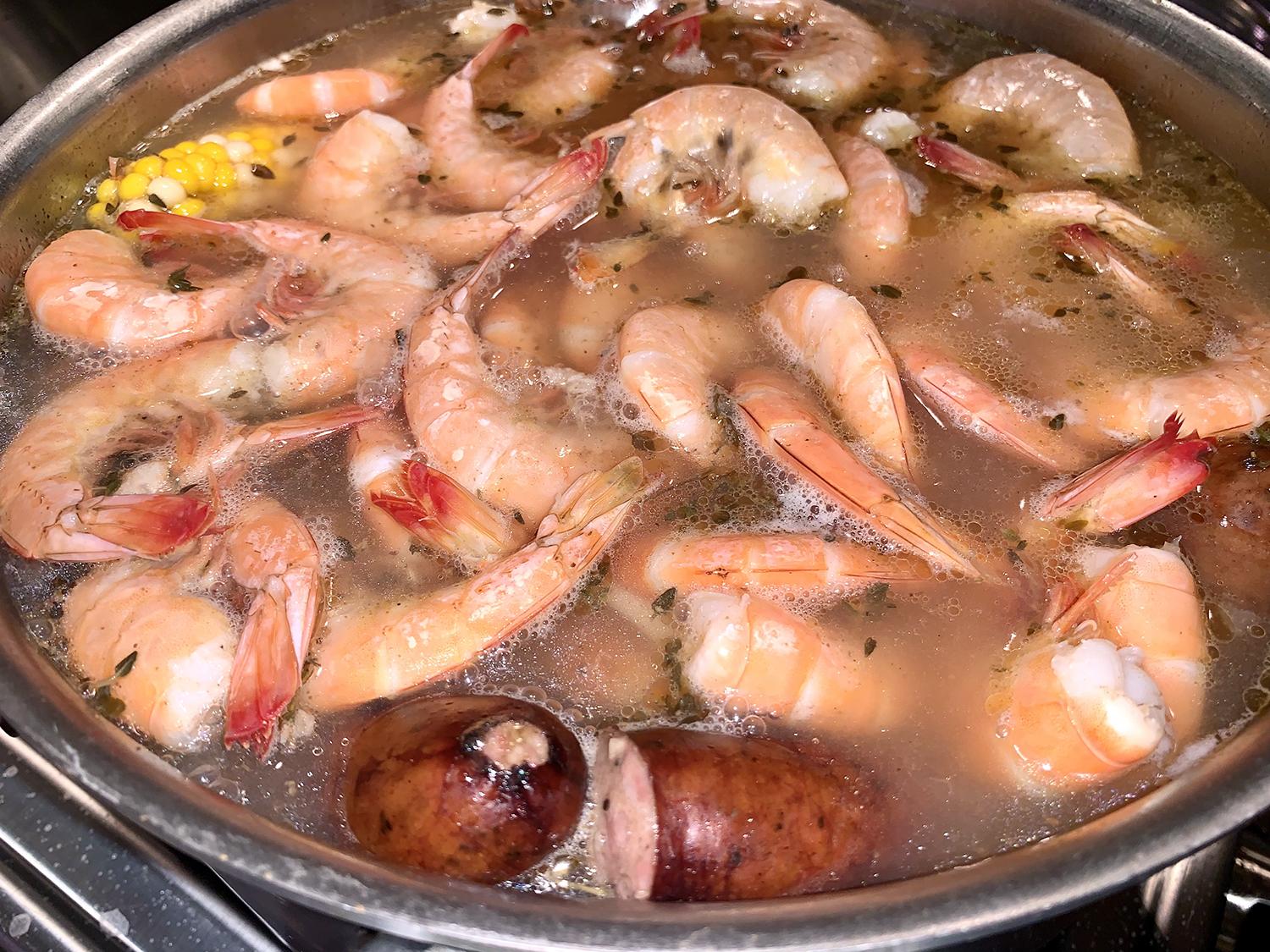
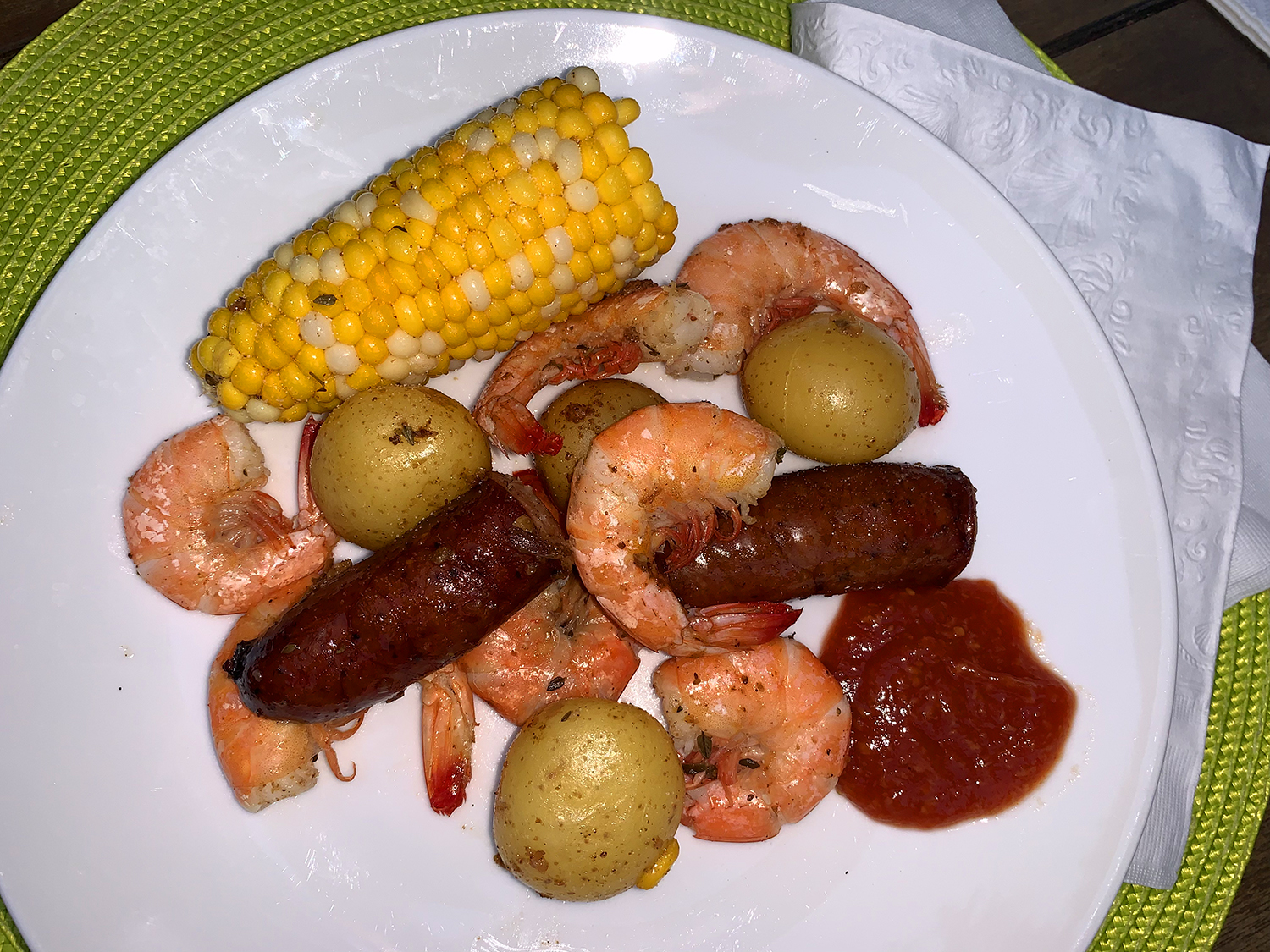
In it, sweet, plump Gulf shrimp, corn, potatoes, and andouille sausage, come together in a flavorful cooking liquor. It is recommended to use large shrimp in the shell, which helps prevent overcooking and imparts its own flavor to both the shrimp and broth. Add dense ingredients like potatoes and corn first, then sausage, then shrimp. Just before serving, the boil is finished in a garlic spice butter. Yummy!

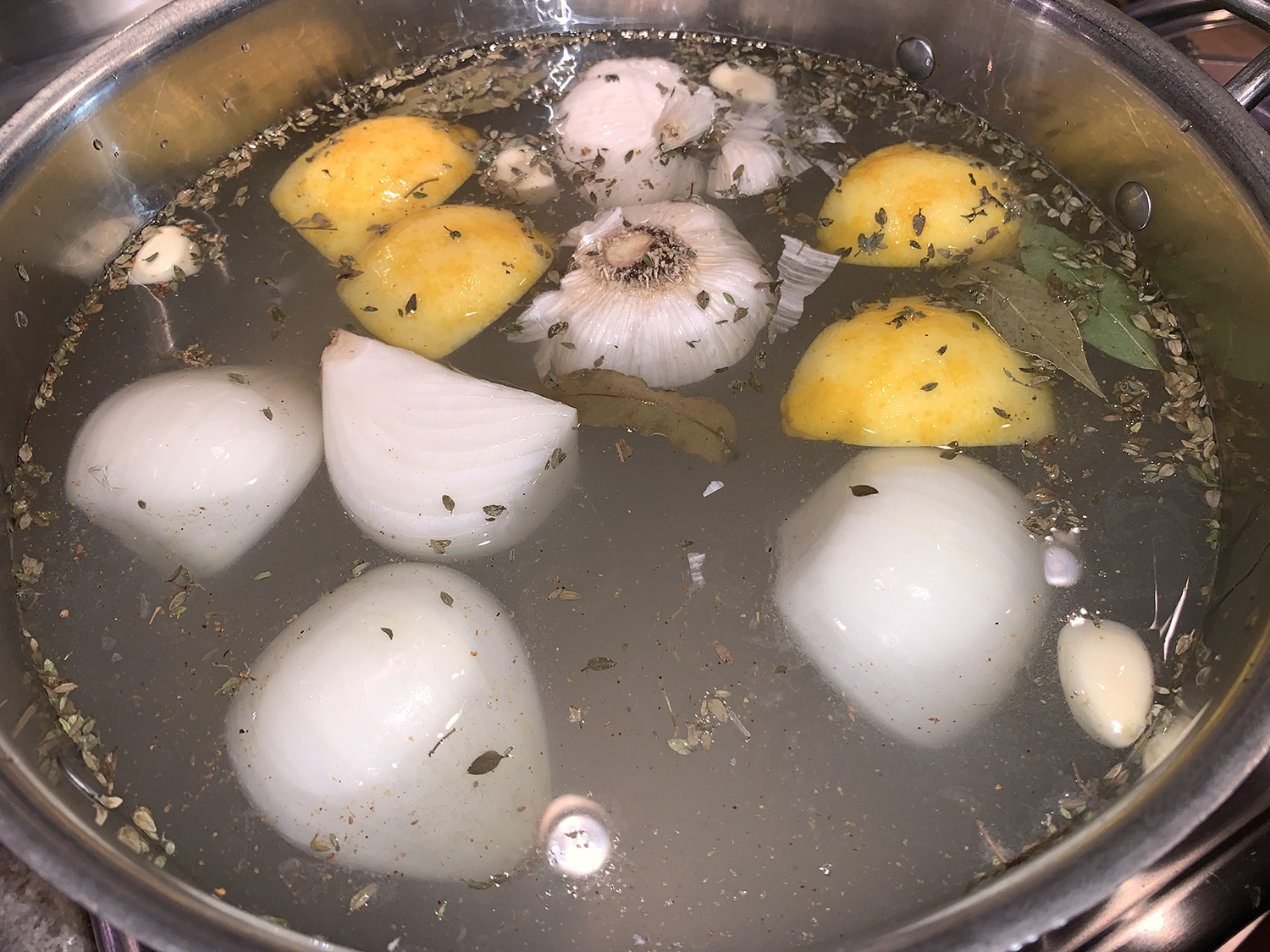
Like “Barbecue,” “Shrimp Boil” is both a noun and a verb. While all of the flavors are important, the real flavor from a boil comes from a potent cooking liquor. This broth takes it aromatic flavors from alliums, lemon and spices; while a bottle each of white wine and clam juice add heft.

Not having a large enough pot with a fitted strainer, we omitted the strainer altogether, except at the end to drain the food into. Additionally, the amount of liquids were reduced to make sure everything would fit our smaller pot.

For authenticity, you may want to line your eating surface with newspaper or butcher paper and serve the shrimp, corn and potatoes splayed out on the table. Of course, a more formal/civilized approach is to serve from a platter. Whatever style you choose, make sure to have plenty of paper towels handy because the food is meant to be eaten with your hands.

Southern-Style Shrimp Boil

  • Servings: 8-10
  • Difficulty: easy
  • Print

Ingredients

  • 2 lemons
  • 6 Tbsp. unsalted butter
  • 1 Tbsp. Cajun seasoning or Old Bay seasoning, plus more for serving
  • 2 garlic cloves, minced (about 2 tsp.)
  • 5 Tbsp. plus 1/8 tsp. fine sea salt, divided
  • Hot sauce (such as Tabasco), to taste
  • 11 qts. water
  • 1 750-milliliter bottle dry unoaked white wine (such as Pinot Grigio)
  • 1 8-oz. bottle clam juice (such as Bar Harbor)
  • 1 large yellow onion, quartered lengthwise, root intact
  • 2 garlic heads, halved crosswise
  • 8 dried bay leaves
  • 1 Tbsp. dried thyme
  • 1/4 cup Old Bay seasoning
  • 2 lbs. small yellow, red, or gold potatoes
  • 8 8-oz. shucked ears fresh corn, halved crosswise
  • 3 lbs. fresh or smoked sausages, preferably andouille
  • 4 lbs. unpeeled raw large wild shrimp
  • Dipping Sauce, optional, for serving (See Step 5 for making your own.)
  • Whole-grain mustard, for serving 

Directions

  1. Grate zest from 1 lemon to measure 2 teaspoons. Set grated zest aside. Cut zested lemon and remaining lemon into quarters; set aside. Melt butter in a small saucepan over low. Stir in Cajun seasoning, minced garlic, 1/8 teaspoon salt, hot sauce to taste, and reserved lemon zest. Remove from heat; cover to keep warm. 
  2. Place a 24-quart pot on an outdoor propane burner. Add 11 quarts water, wine, clam juice, onion, garlic heads, bay leaves, thyme, quartered lemons, and remaining 5 tablespoons salt to pot; cover and bring to a boil over high flame. Stir in crab boil packets; cover and cook 10 minutes. Place a fitted strainer inside pot.
  3. Add potatoes to strainer in pot; cover and cook 5 minutes. Stir in corn and sausages; cover and cook until a thermometer inserted in thickest portion of sausage registers 155°F (or until heated through if using smoked sausages), about 10 minutes. Stir in shrimp; cook, uncovered, until shrimp are pink, opaque, and cooked through, 2 to 4 minutes.
  4. Lift strainer from pot, letting liquid strain back into pot, and transfer shrimp boil mixture (potatoes, corn, sausage, and shrimp) to a large heatproof bowl; discard onion, garlic, bay leaves, thyme, lemons, crab boil packets, and strained liquid inside pot. Add reserved butter mixture to shrimp boil mixture; toss to coat. (If you don’t have a large enough bowl, you can do this step in batches, tossing half of the shrimp boil with half of the butter mixture at a time.) Arrange coated shrimp boil on a platter or a covered table. Season with additional Cajun seasoning or Old Bay. Serve with cocktail sauce and mustard, if desired.
  5. To make the dipping sauce: Stir together 1 8-ounce jar cocktail sauce, 2 tablespoons prepared horseradish, 2 teaspoons fresh lemon juice, and 1/2 teaspoon hot sauce in a small bowl. Store, covered, in refrigerator up to 5 days. Grate fresh horseradish on top for serving, if you like.

http://www.lynnandruss.com

Adapted from a recipe by Hunter Lewis for Food & Wine Magazine

Shrimp in Poblano Chili and Cilantro Sauce

Based on a classic Mexican fish dish pescado en salsa poblano, or fish in poblano sauce, this recipe is a shrimp version. To make the creamy, vibrantly hued sauce that cloaks plump, gently cooked shrimp, poblano chilies, with their earthy flavor and moderate heat, are puréed with cilantro, alliums and Mexican crema, a rich cultured cream similar to, but milder than sour cream.

If crema isn’t available—and it wasn’t for us—sour cream works in its place. To make a more substantial meal, serve with warmed tortillas and rice and beans; over steamed rice; or as in our case, polenta cooked in shrimp stock.

Don’t be afraid to use the cilantro stems. Unlike parsley, cilantro has stems that are tender and will readily break down in the blender.

Shrimp in Poblano Chili and Cilantro Sauce

  • Servings: 3-4
  • Difficulty: easy
  • Print

Ingredients

  • 2 Tbsp. grapeseed or other neutral oil
  • 2 medium poblano chilies, stemmed, seeded and cut into 2-inch pieces
  • 2 medium garlic cloves, smashed and peeled
  • 1/2 medium white onion, thinly sliced, plus more to serve
  • Kosher salt and ground black pepper
  • 1 1/2 lbs. extra-large (21/25 per pound) shrimp, peeled and deveined
  • 1 tTbsp. lime juice, plus lime wedges to serve
  • 3 cups lightly packed fresh cilantro, plus more to serve
  • 1/3 cup Mexican crema or sour cream

Directions

  1. In a 12-inch skillet over medium-high, heat the oil until barely smoking. Add the chilies and cook, stirring occasionally, until charred in spots, 2 to 4 minutes. Reduce to medium and add the garlic, onion, ¼ cup water and ½ teaspoon salt. Cover and cook, stirring often, until the vegetables are softened, 5 to 7 minutes. Meanwhile, in a small bowl, toss the shrimp with the lime juice, ½ teaspoon salt and ¼ teaspoon pepper; set aside.
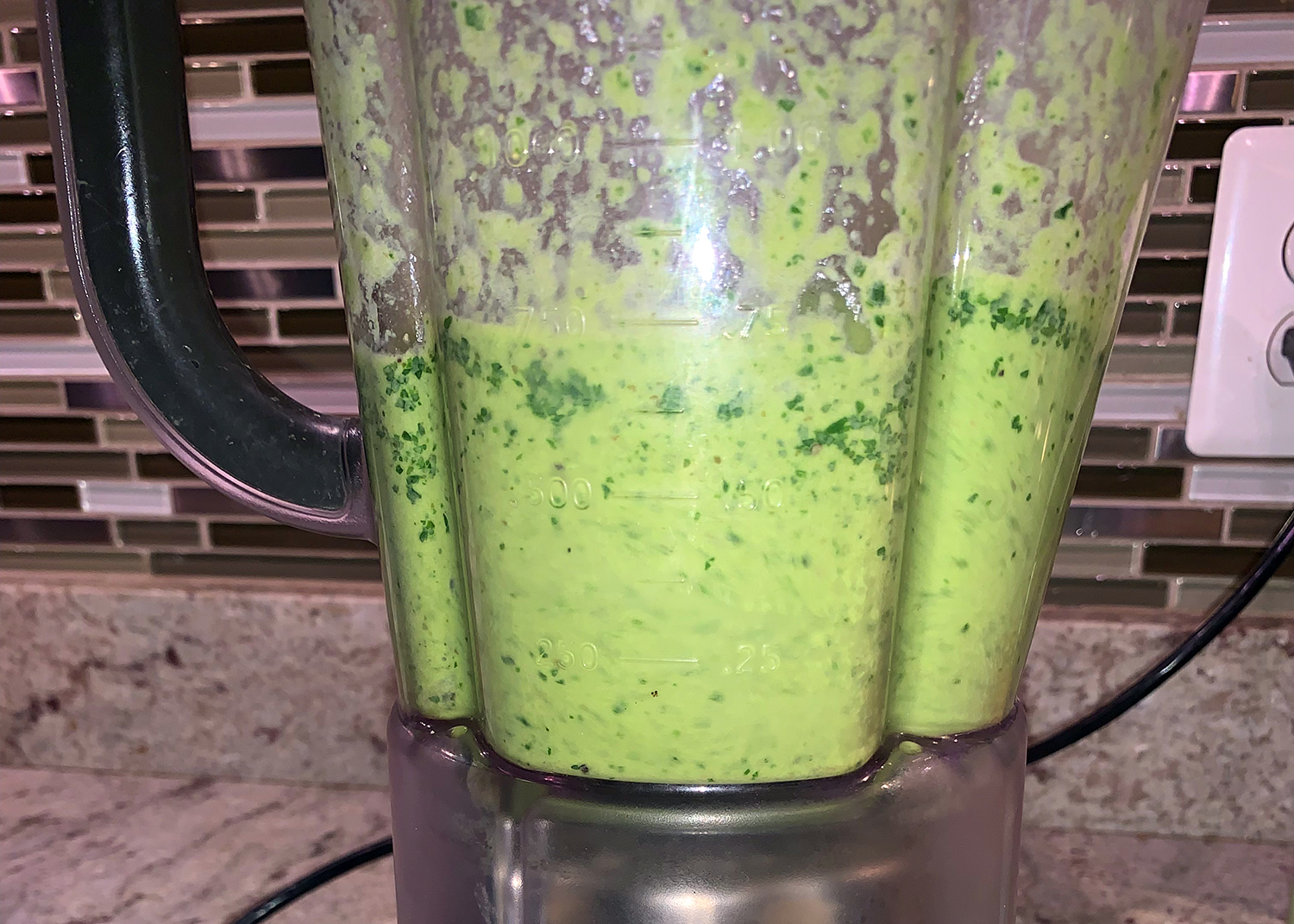
  2. Transfer the vegetable mixture to a blender; reserve the skillet. To the blender, add the cilantro, crema and ¼ teaspoon each salt and pepper. Blend on high until smooth, 1 to 2 minutes.
  3. Pour the puree into the skillet and bring to a simmer over medium. Cook, stirring occasionally, until slightly thickened, 3 to 5 minutes. Add the shrimp and cook, stirring often, until opaque throughout, about 3 minutes.
  4. Off heat, taste and season with salt and pepper. Transfer to a serving dish and garnish with additional cilantro and sliced onion; serve with lime wedges.

http://www.lynnandruss.com

Adapted from a recipe for Milk Street

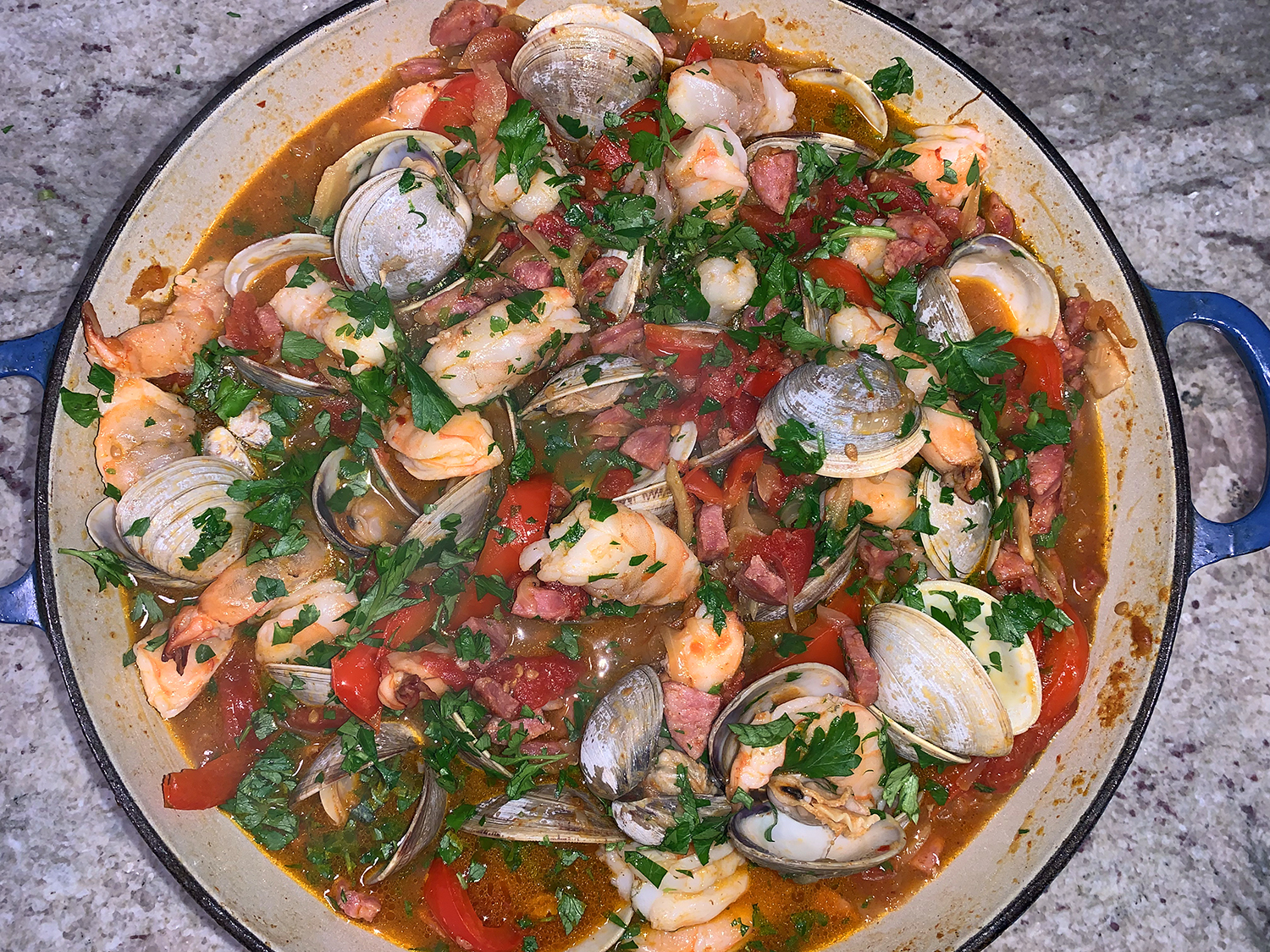
Portugal’s Simple Seafood Stew (Cataplana)

Simply delicious! It just so happened, that we started making our vacation plans to visit Portugal the same day we made this dish. The power of suggestion…

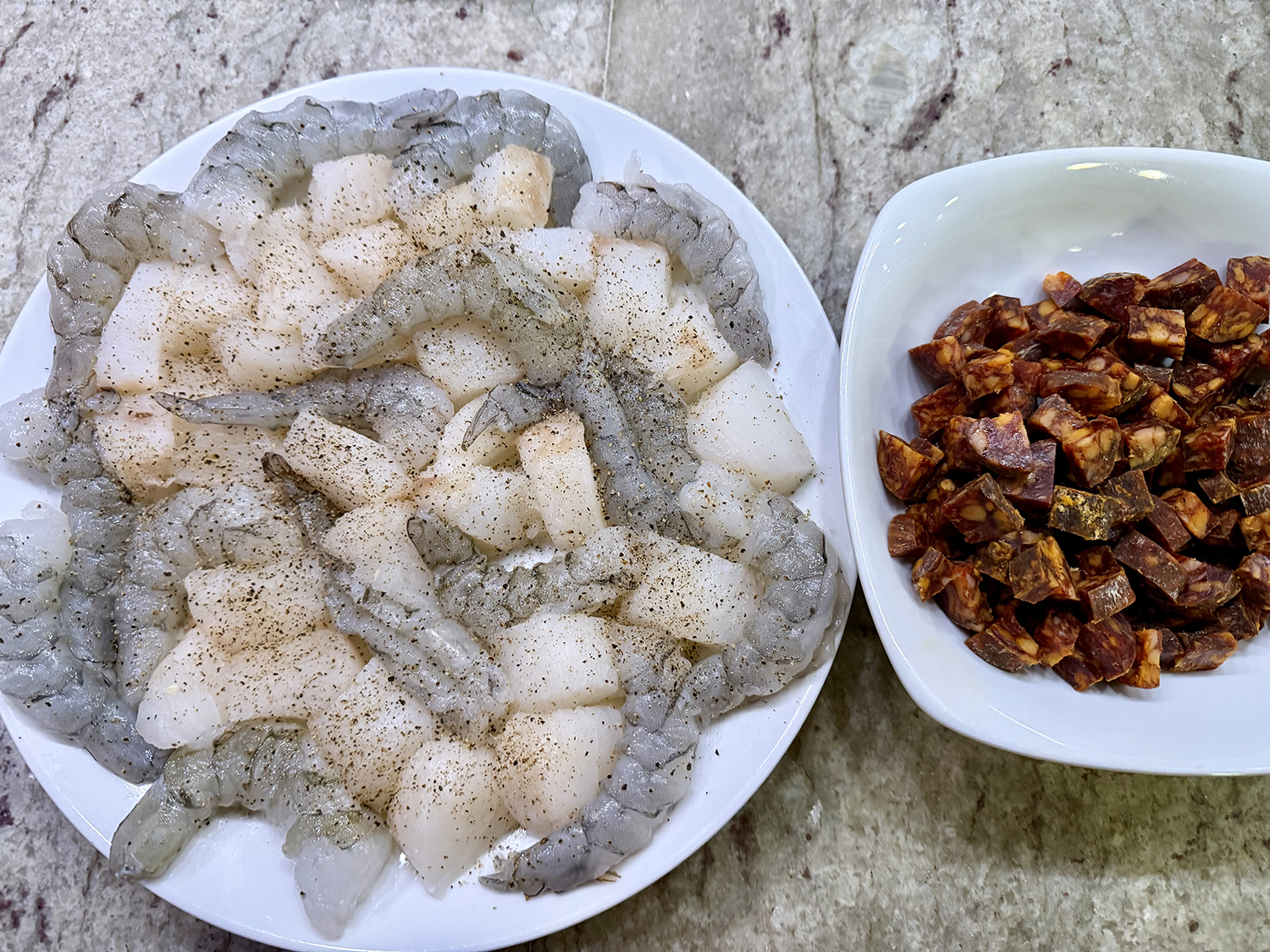
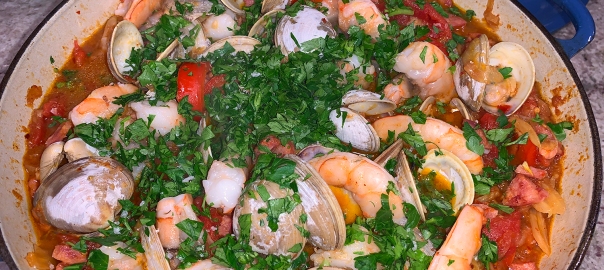
Cataplana is both the name of the dish and the pot that it is cooked in. There are two types of cataplana: either seafood packed with both fish and seafood, or a pork and clam version, which this one is. It uses abundant fresh seafood, smoky cured meat, and vibrant paprika in a rich, ruddy broth. In lieu of a traditional copper cataplana pot, we cooked ours in a Dutch oven with a tight-fitting lid to mimic the steamy cooking environment.

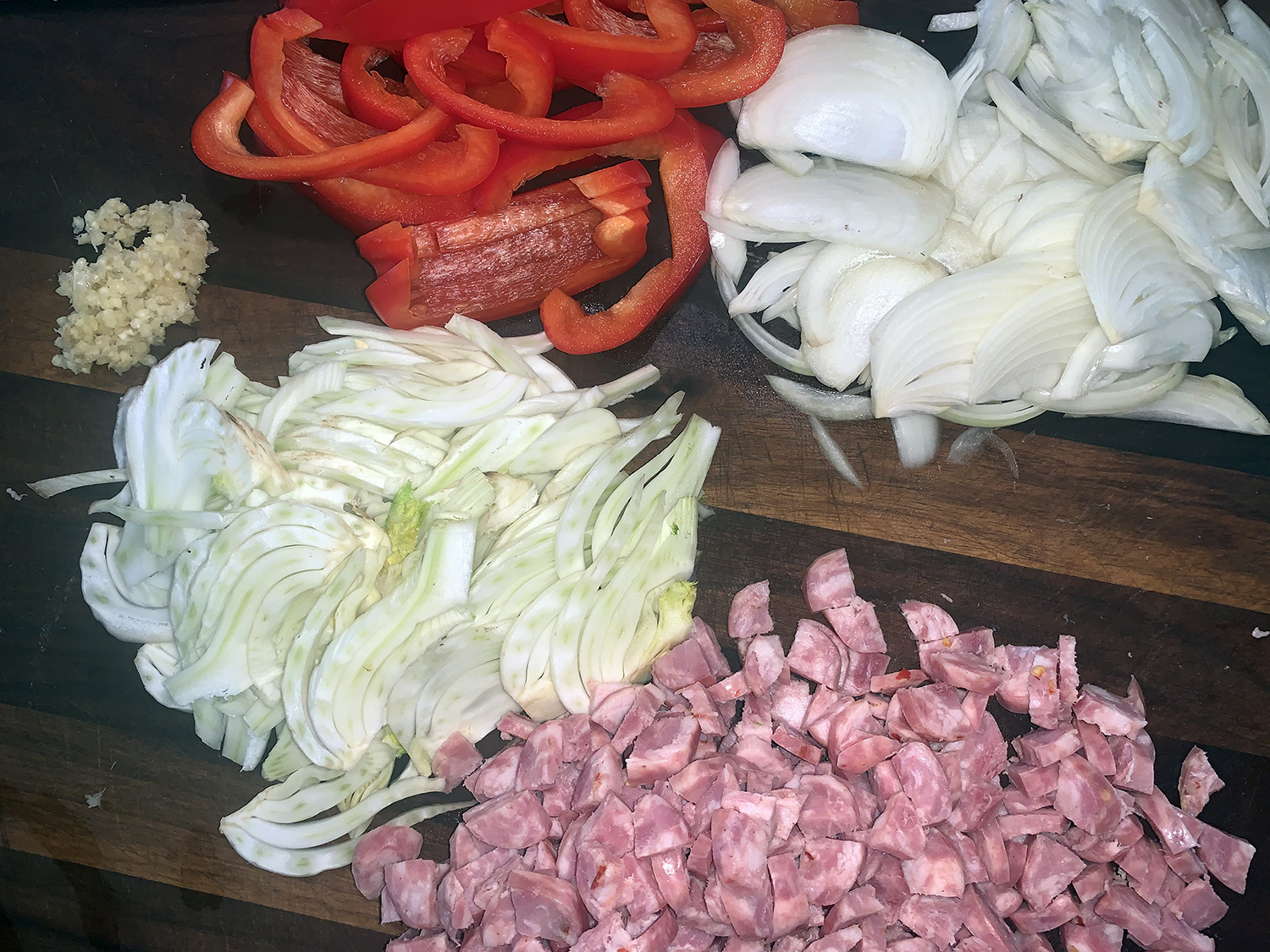
The strips of fresh fennel and red bell pepper, enliven the dish with a crisp‑tenderness that contrasts with the juicy chew of the sausage and the meaty clams. Since I don’t eat clams and The Hubs does, we substituted a bit more shrimp and fewer clams, but kept the ratios the same.

To accompany the stew and help mop up all of those luscious juices, we made some tasty toasted garlic baguette slices topped with grated parmesan and a hint of smoked paprika—the perfect companion! We made it again a few weeks later for a small party we hosted…

Portugal's Simple Seafood Stew (Cataplana)

  • Servings: 4-6
  • Difficulty: easy
  • Print

Ingredients

  • 12 oz. extra-large shrimp (21 to 25 per lb.), peeled, deveined, and cut in half crosswise
  • ¾ tsp. table salt, divided
  • 2 Tbsp. extra-virgin olive oil
  • 12 oz. linguica sausage, quartered lengthwise and sliced ¼ inch thick
  • 2 garlic cloves, minced
  • ¾ tsp. smoked paprika
  • ½ tsp. red pepper flakes
  • 1 large onion, halved and sliced thin
  • 1 fennel bulb, stalks discarded, bulb halved, cored, and sliced thin lengthwise
  • 1 red bell pepper, stemmed, seeded, and cut into ¼-inch-wide strips
  • 1 28-oz. can whole peeled tomatoes, drained and chopped coarse
  • 1 8-oz. bottle clam juice
  • ½ cup dry white wine
  • 3 lbs. littleneck or Manila clams, scrubbed
  • ½ cup chopped fresh parsley
  • Lemon wedges

Directions

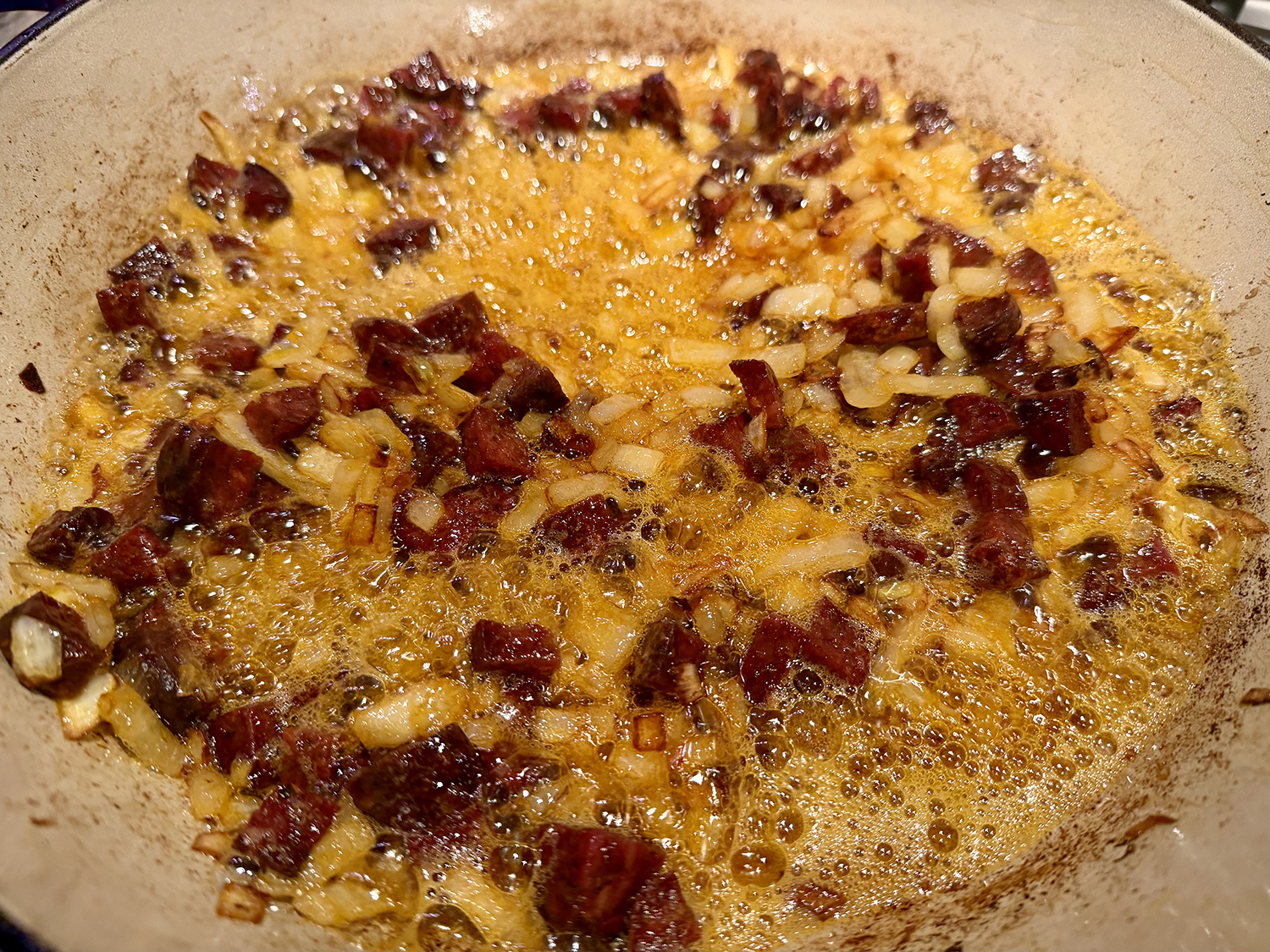
  1. Combine shrimp and ¼ teaspoon salt in bowl; refrigerate until needed. Heat oil in large Dutch oven over medium-high heat until shimmering. Add linguica and cook, stirring occasionally, until browned and fat is slightly rendered, about 4 minutes.
  2. Stir in garlic, paprika, and pepper flakes and cook until fragrant, about 30 seconds.
  3. Add onion, fennel, bell pepper, and remaining ½ teaspoon salt and cook, stirring occasionally, until vegetables are softened, 8 to 10 minutes.
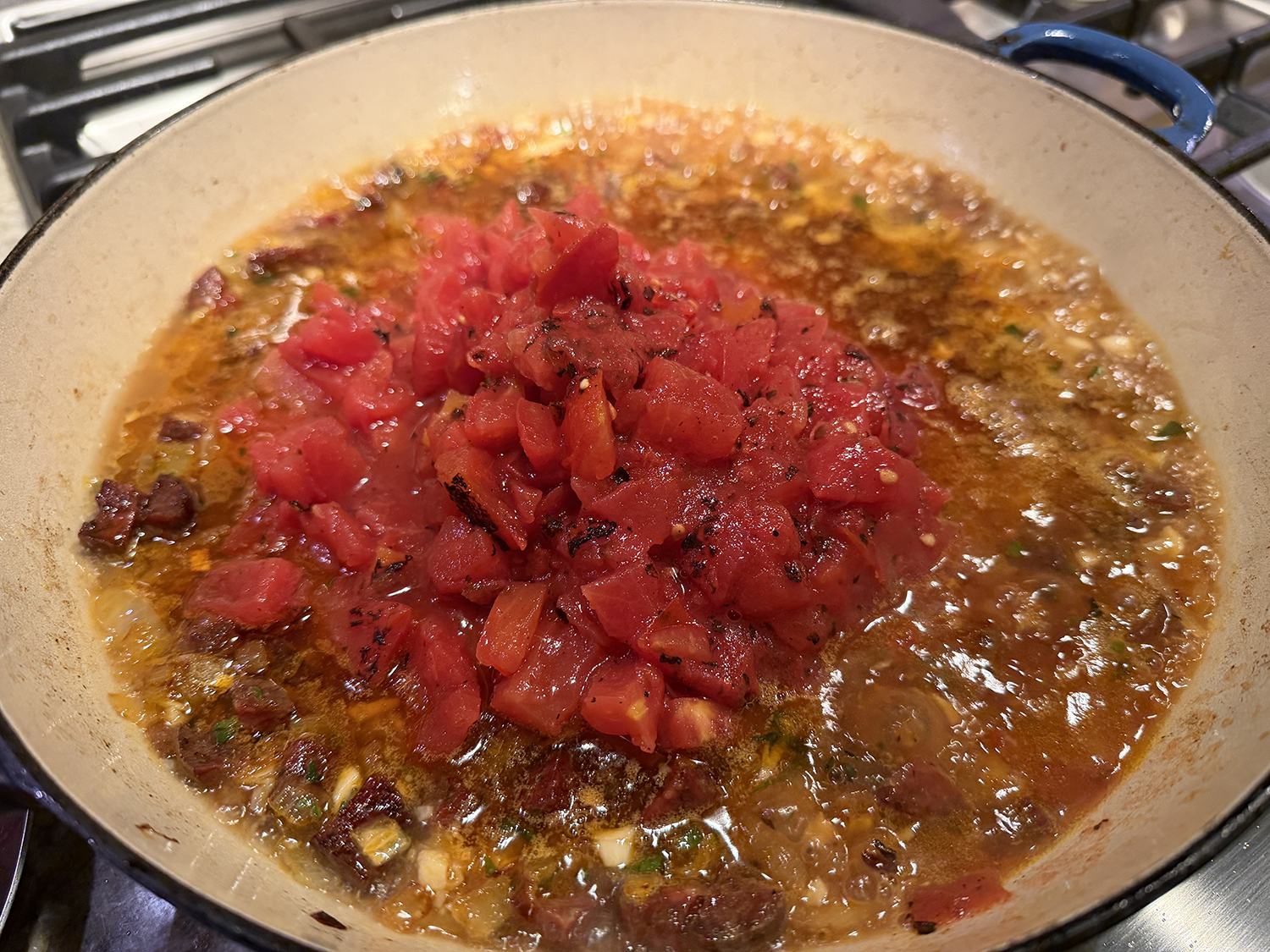
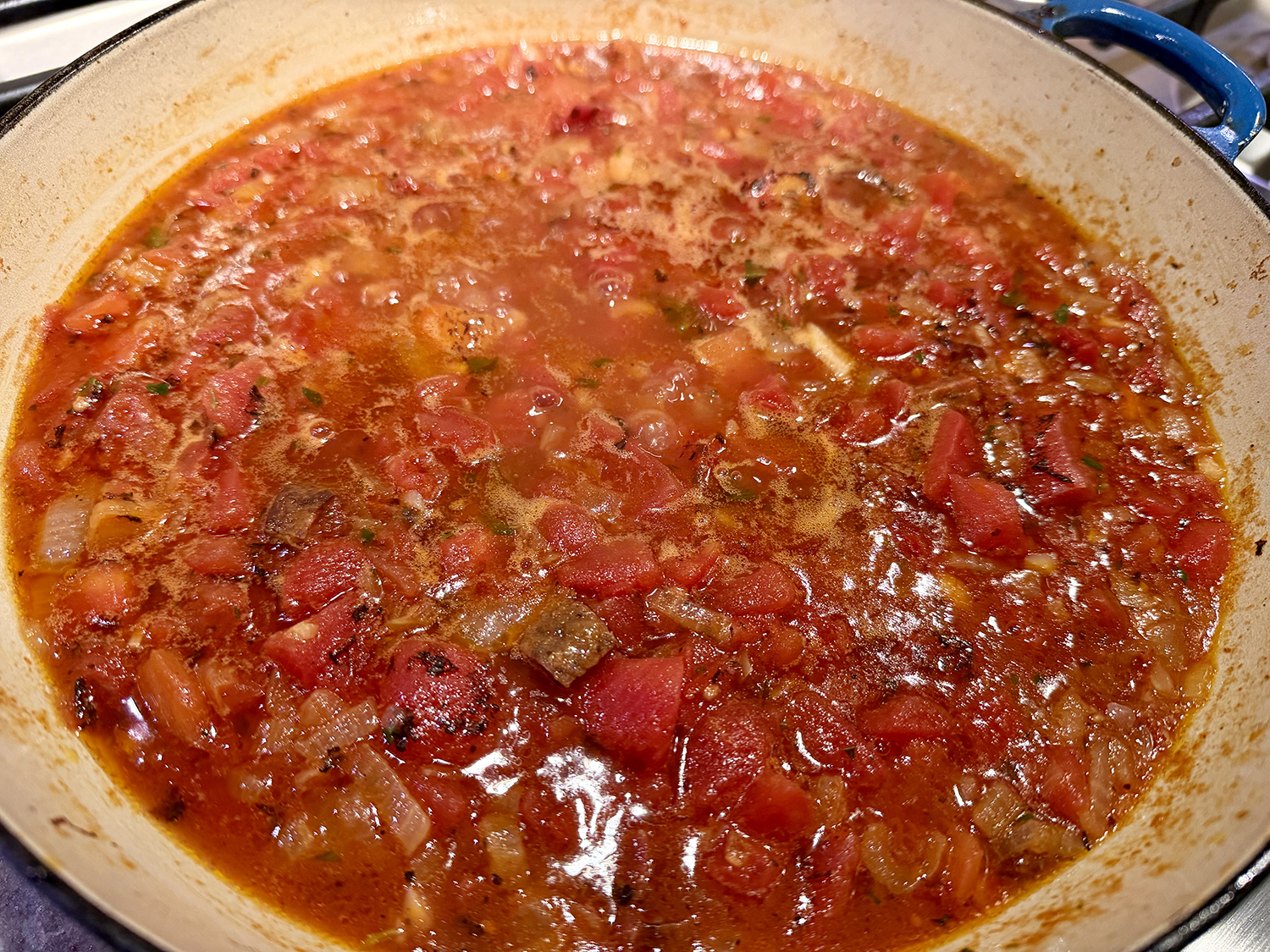
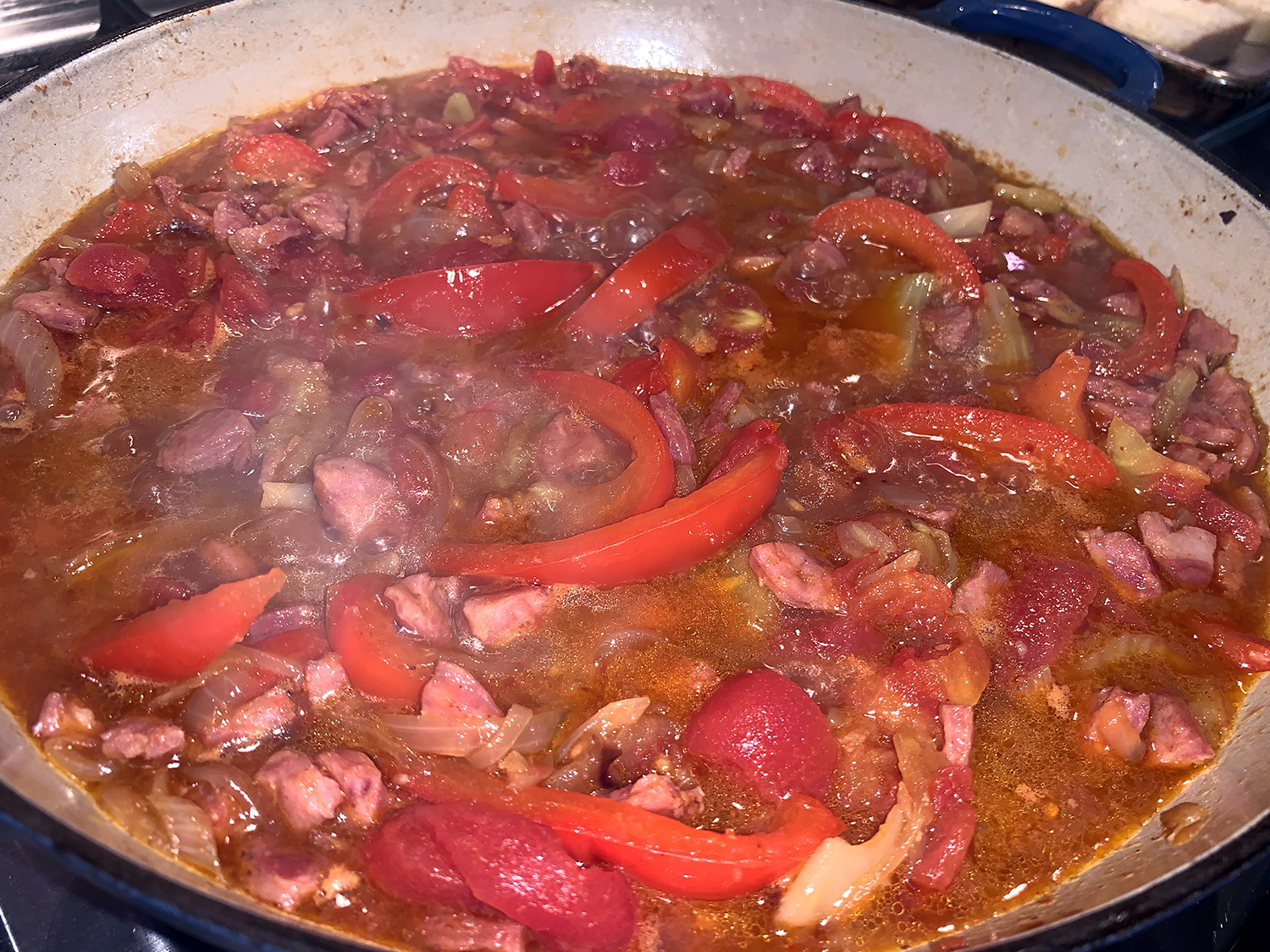
  4. Stir in tomatoes, clam juice, and wine. Bring to simmer and cook, stirring occasionally, until thickened slightly, about 5 minutes.
  5. Increase heat to high and bring mixture to boil. Stir in clams; cover and cook until clams have opened, 5 to 7 minutes, stirring halfway through cooking.
  6. Off heat, stir in shrimp. Cover and let stand off heat until shrimp are opaque and just cooked through, about 5 minutes.
  7. Discard any unopened clams. Stir in parsley; season with salt to taste; transfer to serving bowl if desired; and serve, passing lemon wedges separately.

http://www.lynnandruss.com

Recipe by Steve Dunn for Cook’s Illustrated

Orzo with Shrimp: Two Recipes

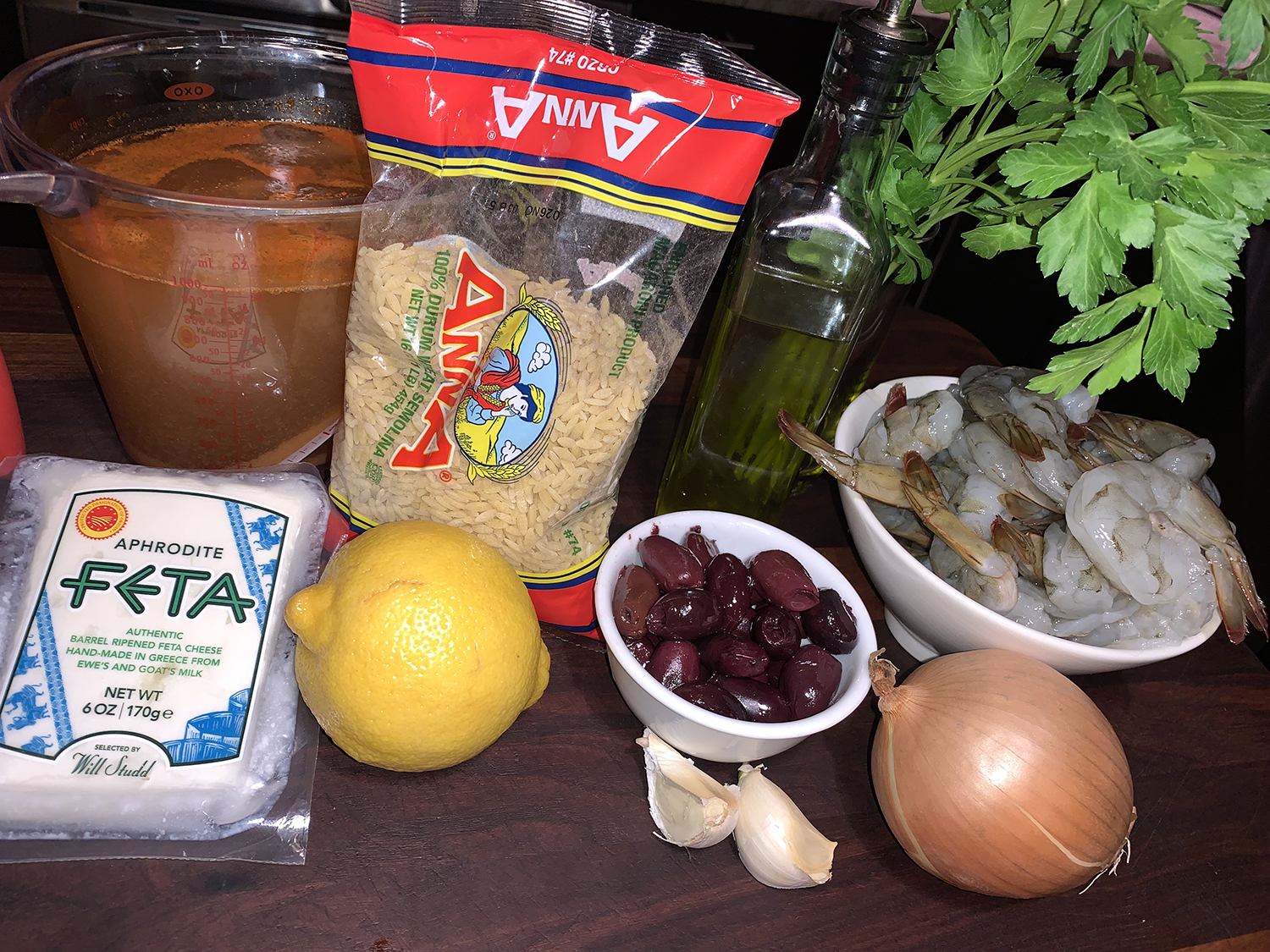
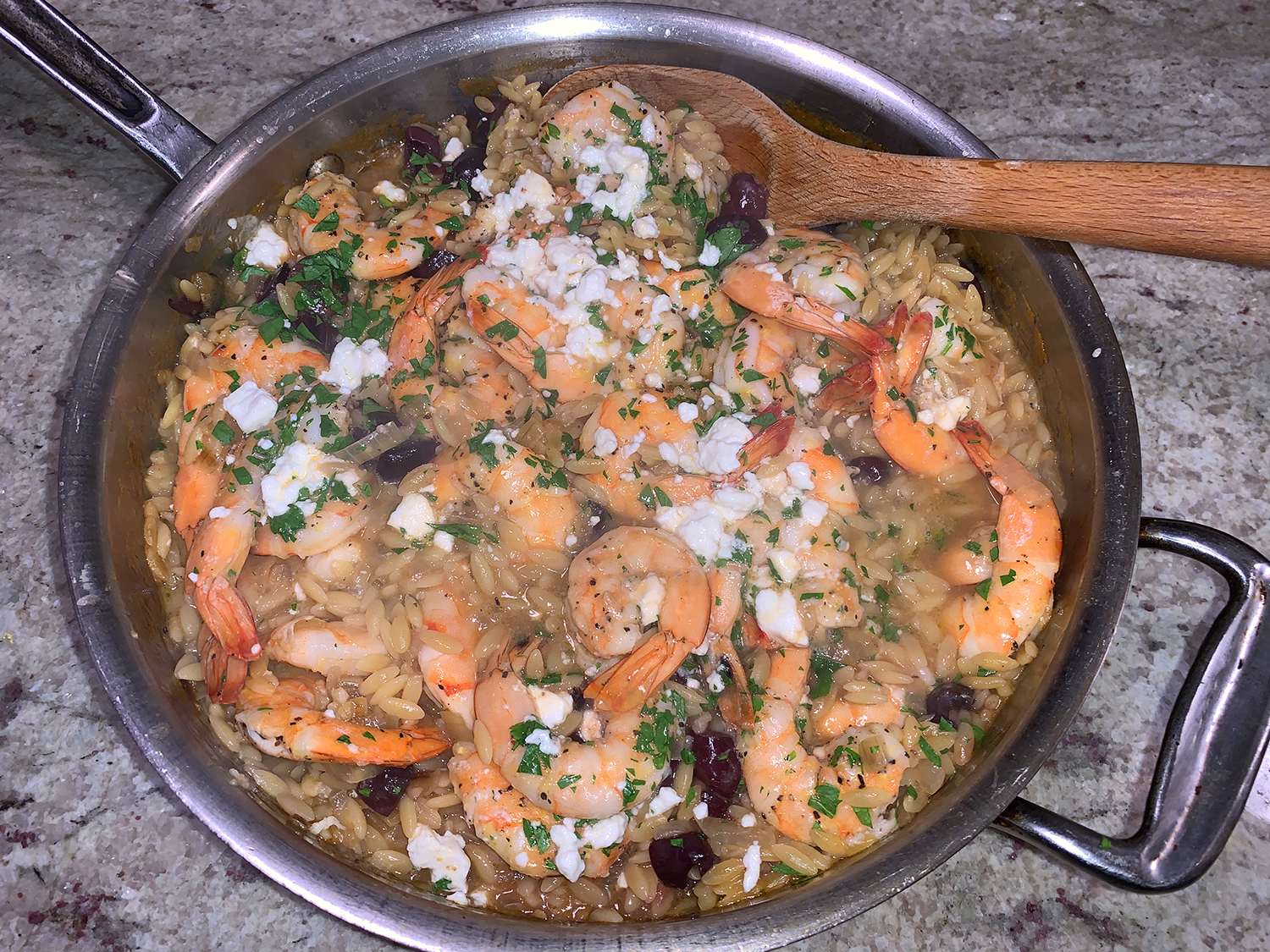
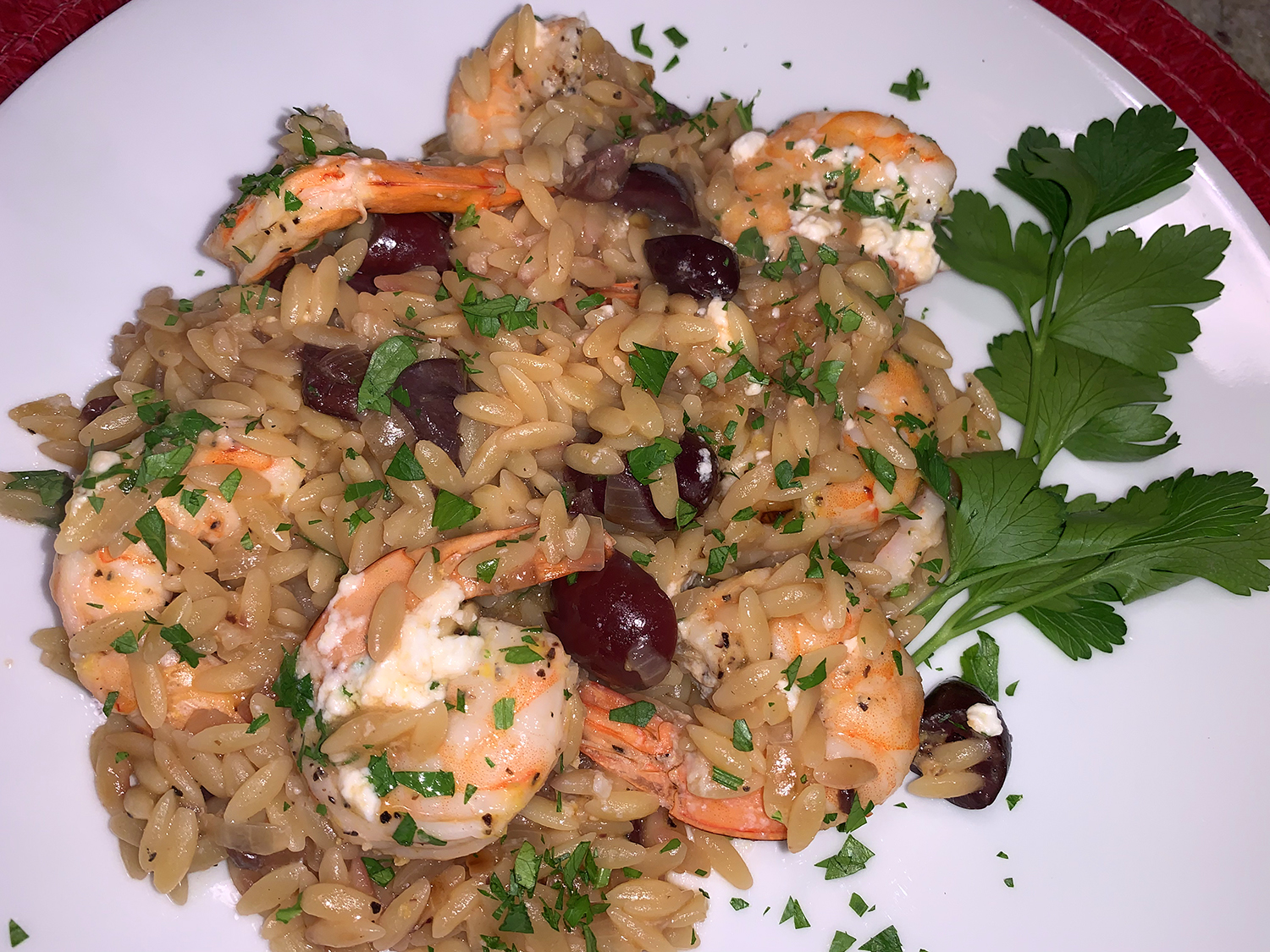
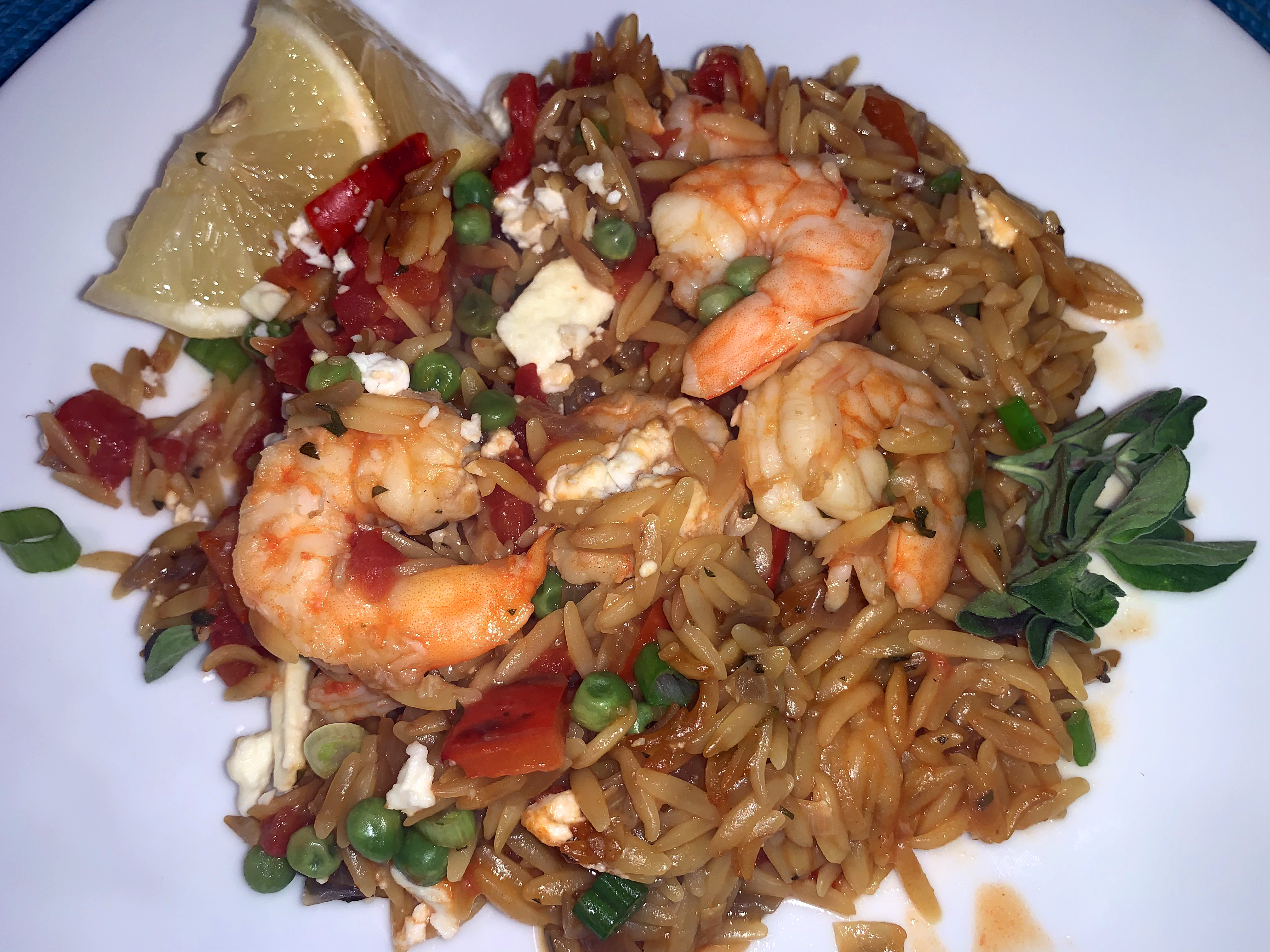
Does a Mediterranean diet appeal to you? Then these two recipes might be worth a try. The first from Cook’s Country, Orzo with Shrimp, Feta and Lemon dish will grab your attention. Cooking the orzo pilaf-style gives it extra flavor and allows you to control the slightly creamy consistency.
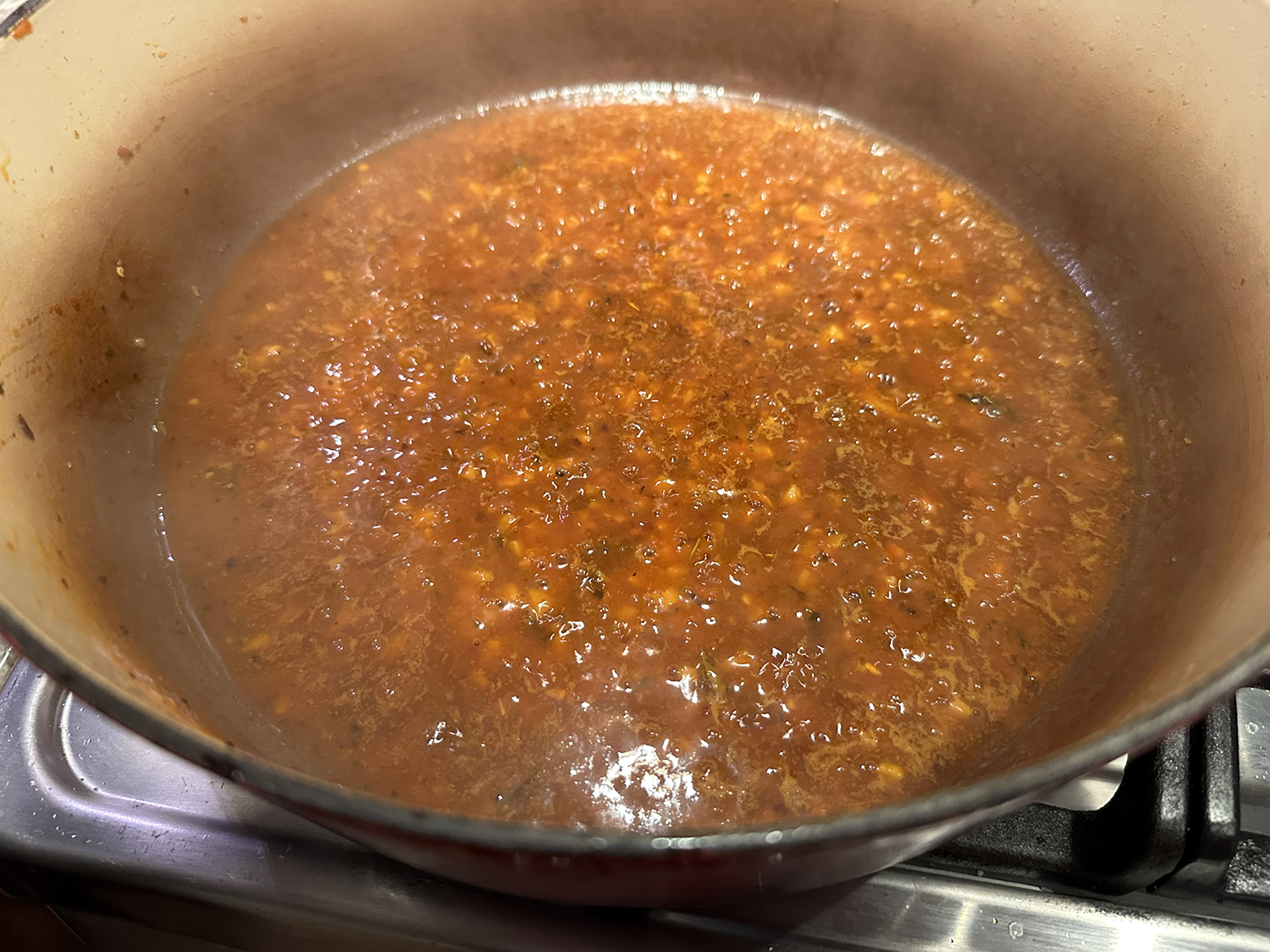
To keep this meatless, use seafood/shellfish stock as opposed to chicken broth. Also, if the broth you use is on the bland side, use 4 cups of the stock and omit the water. If, like our homemade shellfish stock, it is intense, dilute it with two cups of water.

Adjust the amounts of olives and feta to suit your own preferences. One version of the recipe indicated only a half cup of Kalamatas and only 2 ounces of feta, while the list below indicates double of each.

Because we cooked our meal in a 10-inch-wide nonstick pan, the shrimp took an extra two minutes to become opaque. Keep that in mind if using less than a 12-inch skillet.

Orzo with Shrimp, Feta and Lemon

  • Servings: 4
  • Difficulty: easy
  • Print

Ingredients

  • 1 Tbsp. grated lemon zest, plus 1 Tbsp. juice
  • Salt and pepper
  • 1 ½ lbs. extra-large shrimp (21 to 25 per pound), peeled and deveined
  • 2 Tbsp. extra-virgin olive oil, plus extra for drizzling
  • 1 onion, chopped fine
  • 2 garlic cloves, minced
  • 2 cups orzo
  • 2 cups seafood (or chicken) broth
  • 2 cups water
  • 1 cup pitted Kalamata olives, chopped coarse
  • 4 oz. feta cheese, crumbled (1 cup)
  • Fresh parsley, for garnish

Directions

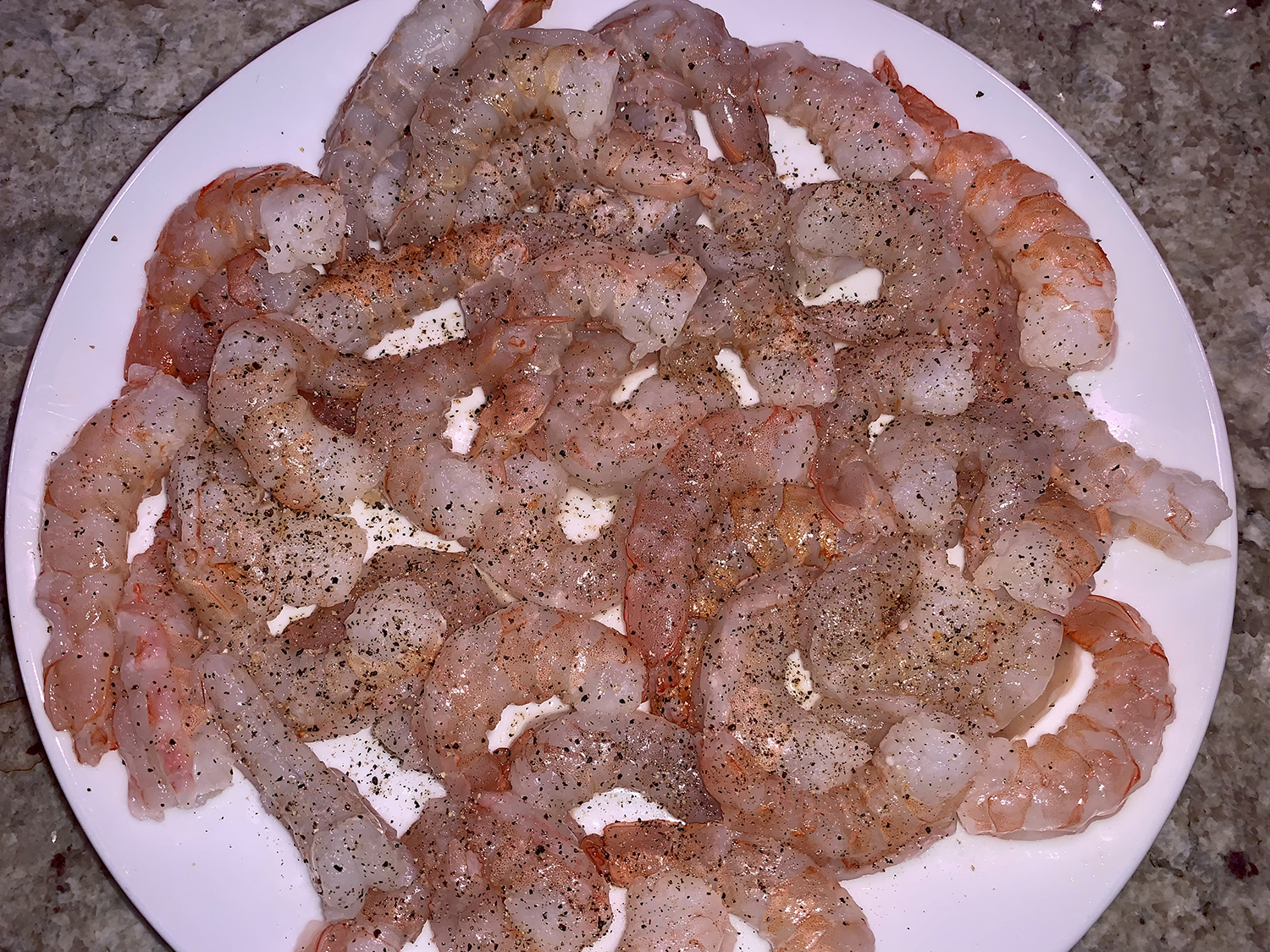
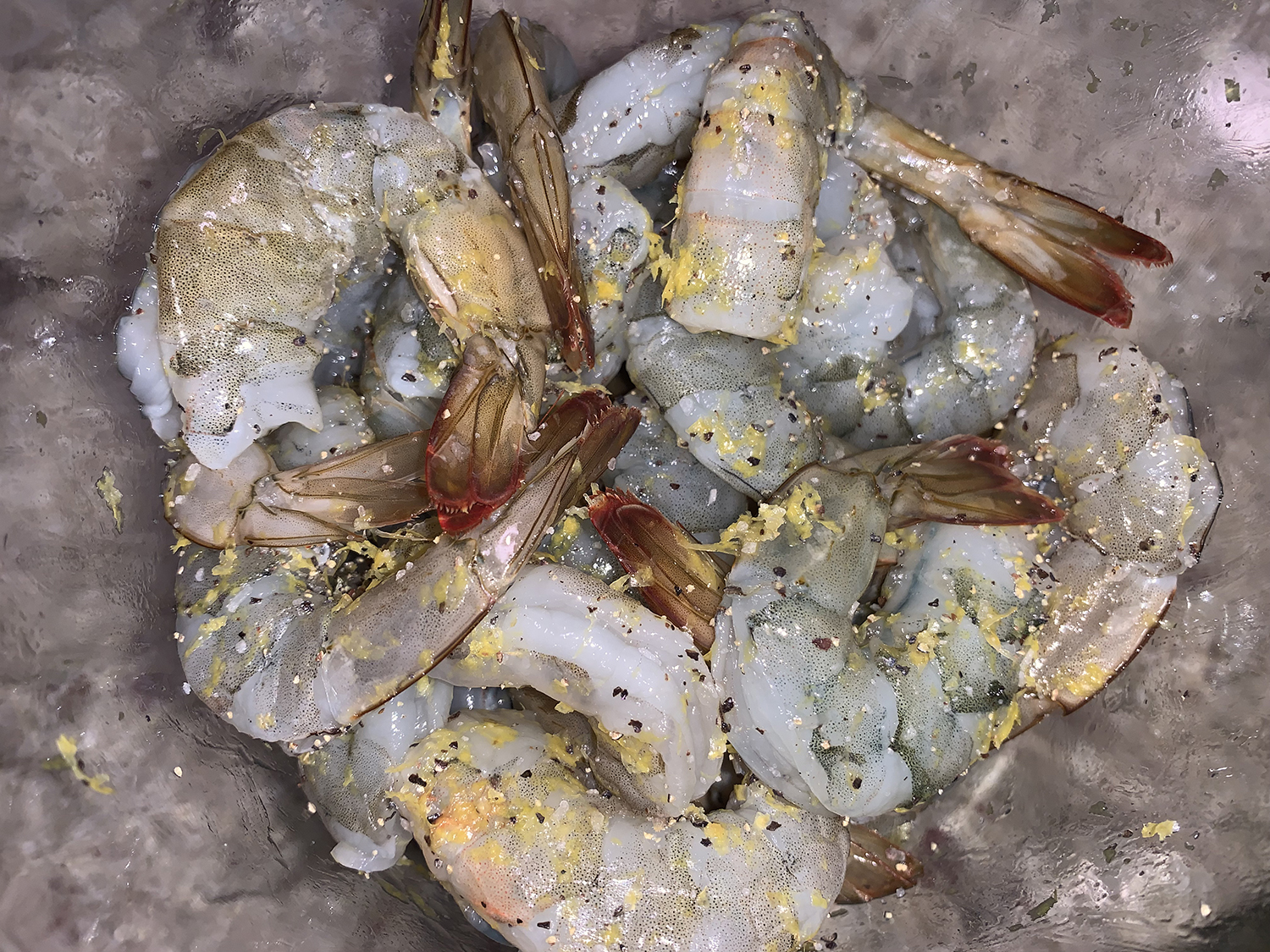
  1. Mix lemon zest, 1/2 teaspoon salt, and 1/2 teaspoon pepper together. Pat shrimp dry with paper towels and toss with lemon-salt mixture to coat; set aside.
  2. Heat 1 tablespoon oil in 12-inch nonstick skillet over medium-high heat until just smoking. Add onion and cook until softened, about 4 minutes.
  3. Stir in garlic and cook until fragrant, about 30 seconds.
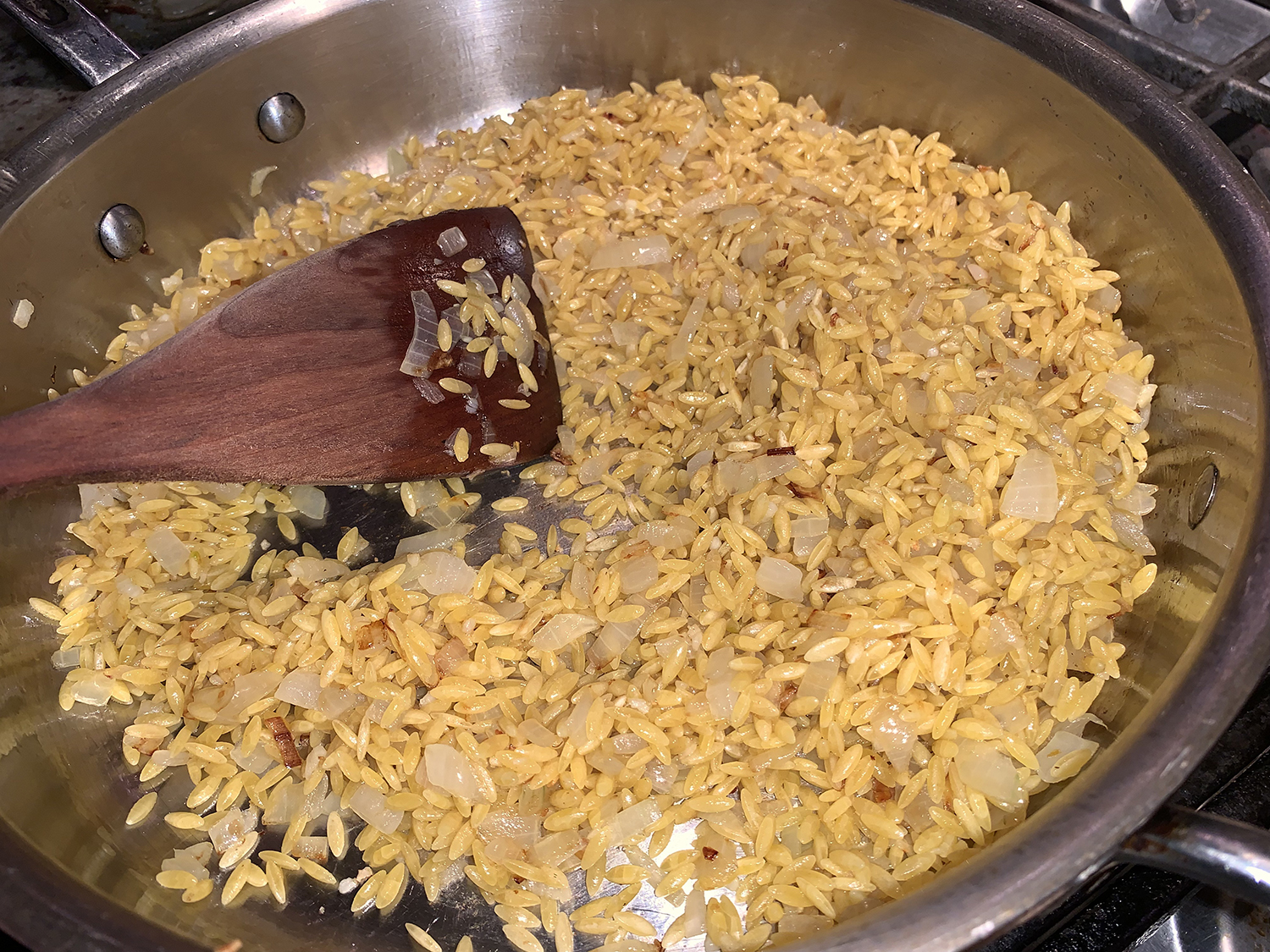
  4. Stir in orzo and cook, stirring frequently, until orzo is coated with oil and lightly browned, about 4 minutes.
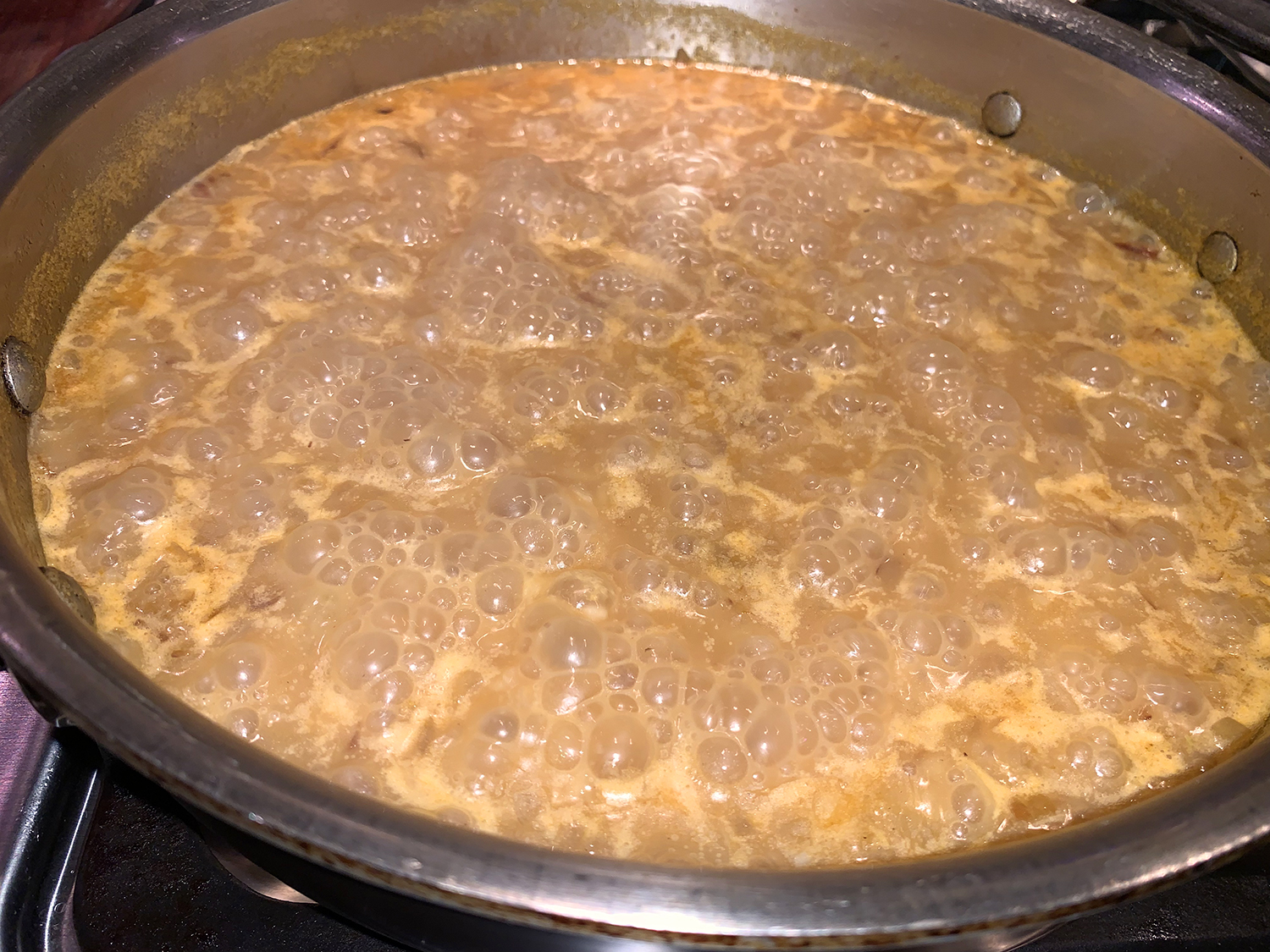
  5. Add broth and water, bring to boil, and cook, uncovered, until orzo is al dente, about 6 minutes.
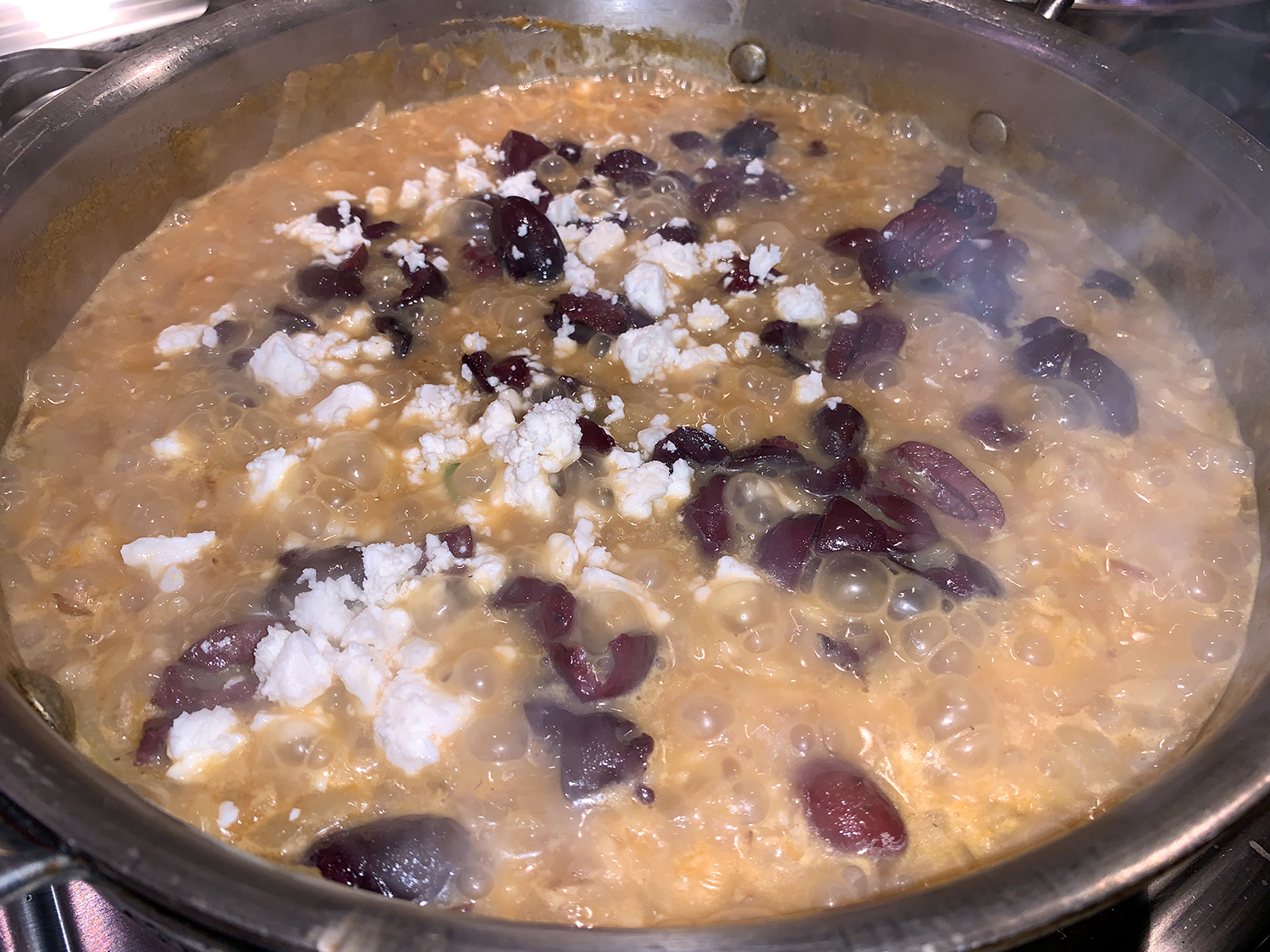
  6. Stir in olives, 1/2 cup feta, and lemon juice. Season with salt and pepper to taste.
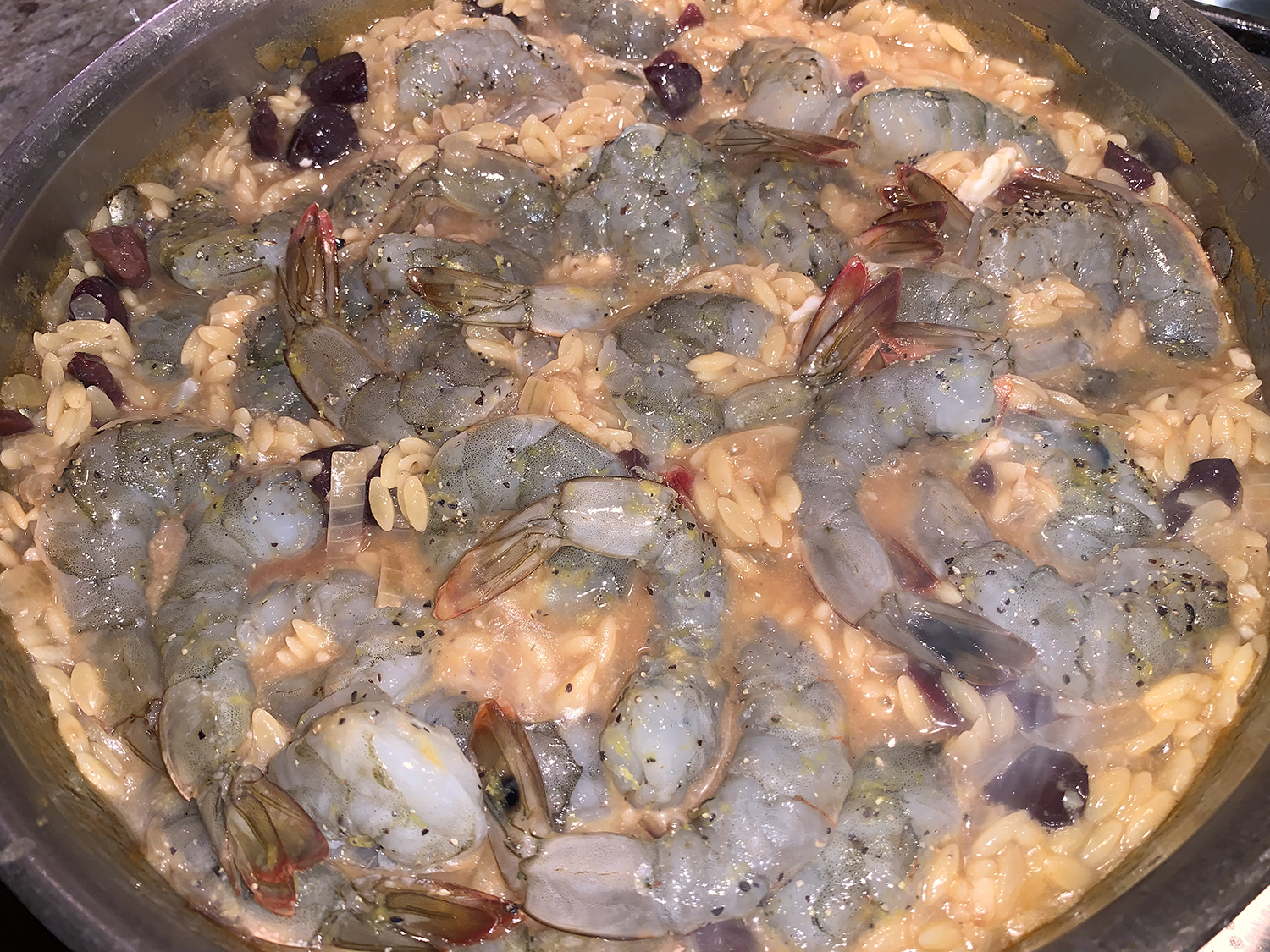
  7. Reduce heat to medium-low, nestle shrimp into orzo, cover, and cook until shrimp are pink and cooked through, about 5 minutes.
  8. Sprinkle remaining 1/2 cup feta over top and drizzle with extra oil. Serve.

http://www.lynnandruss.com

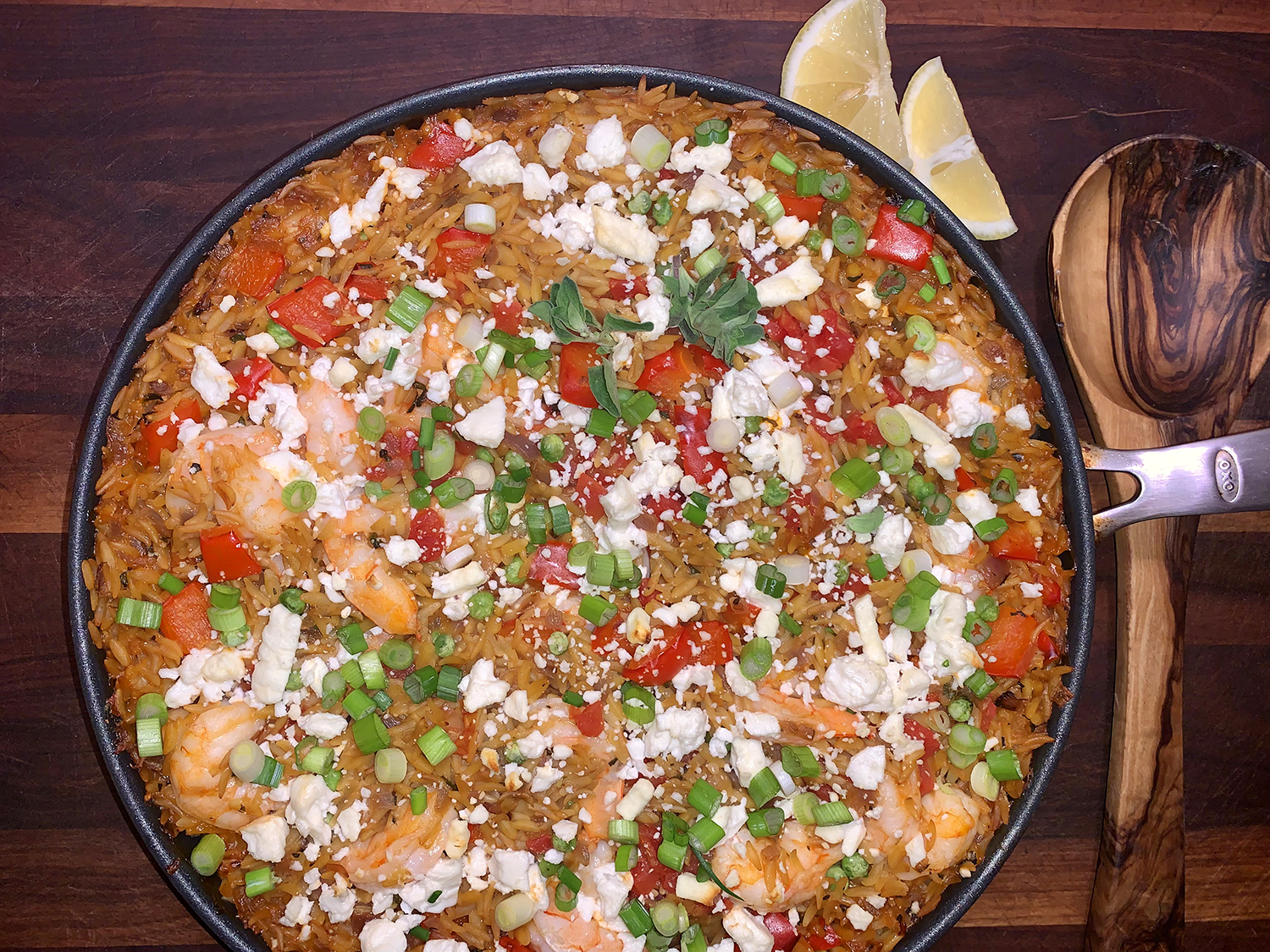
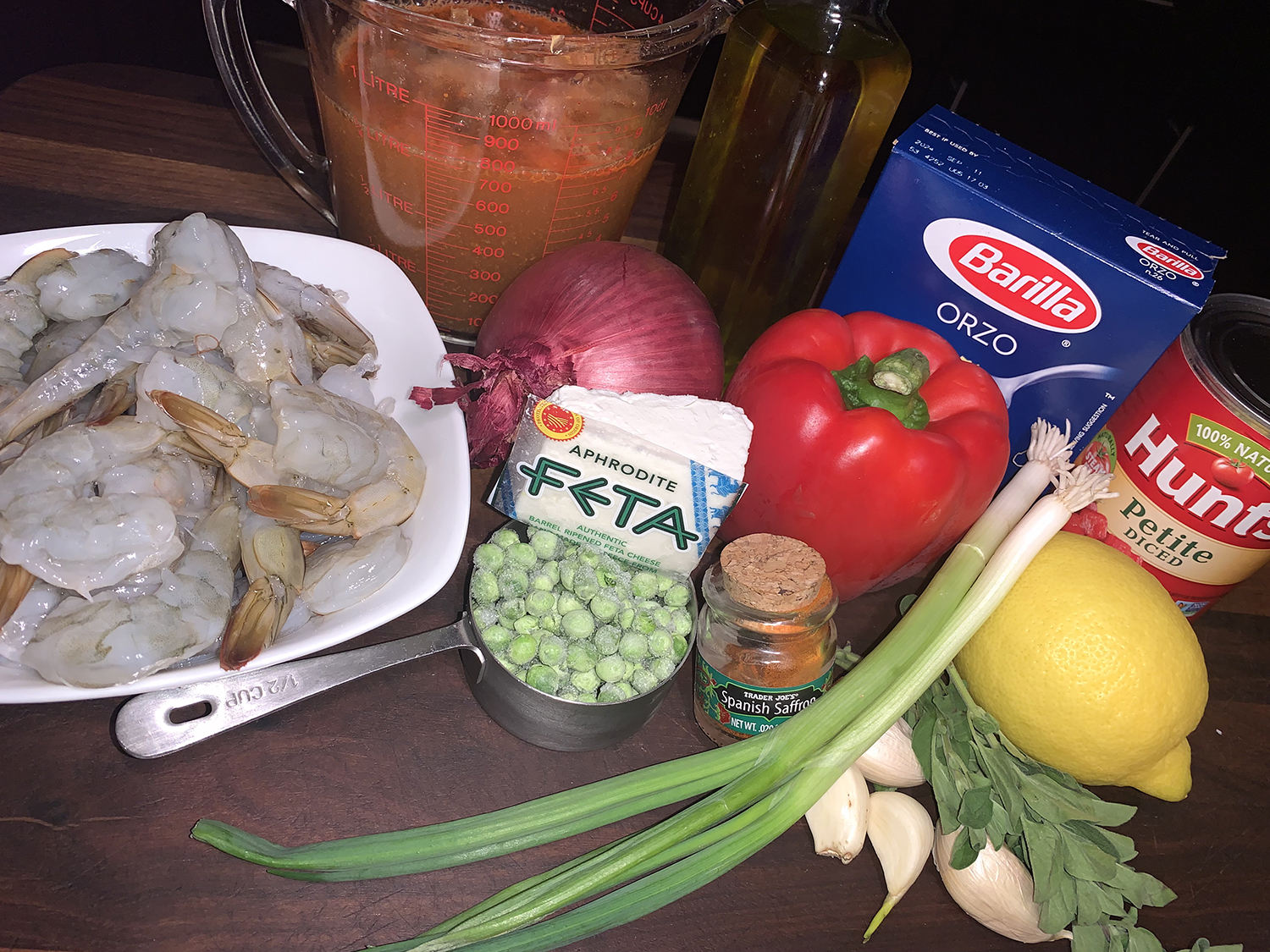
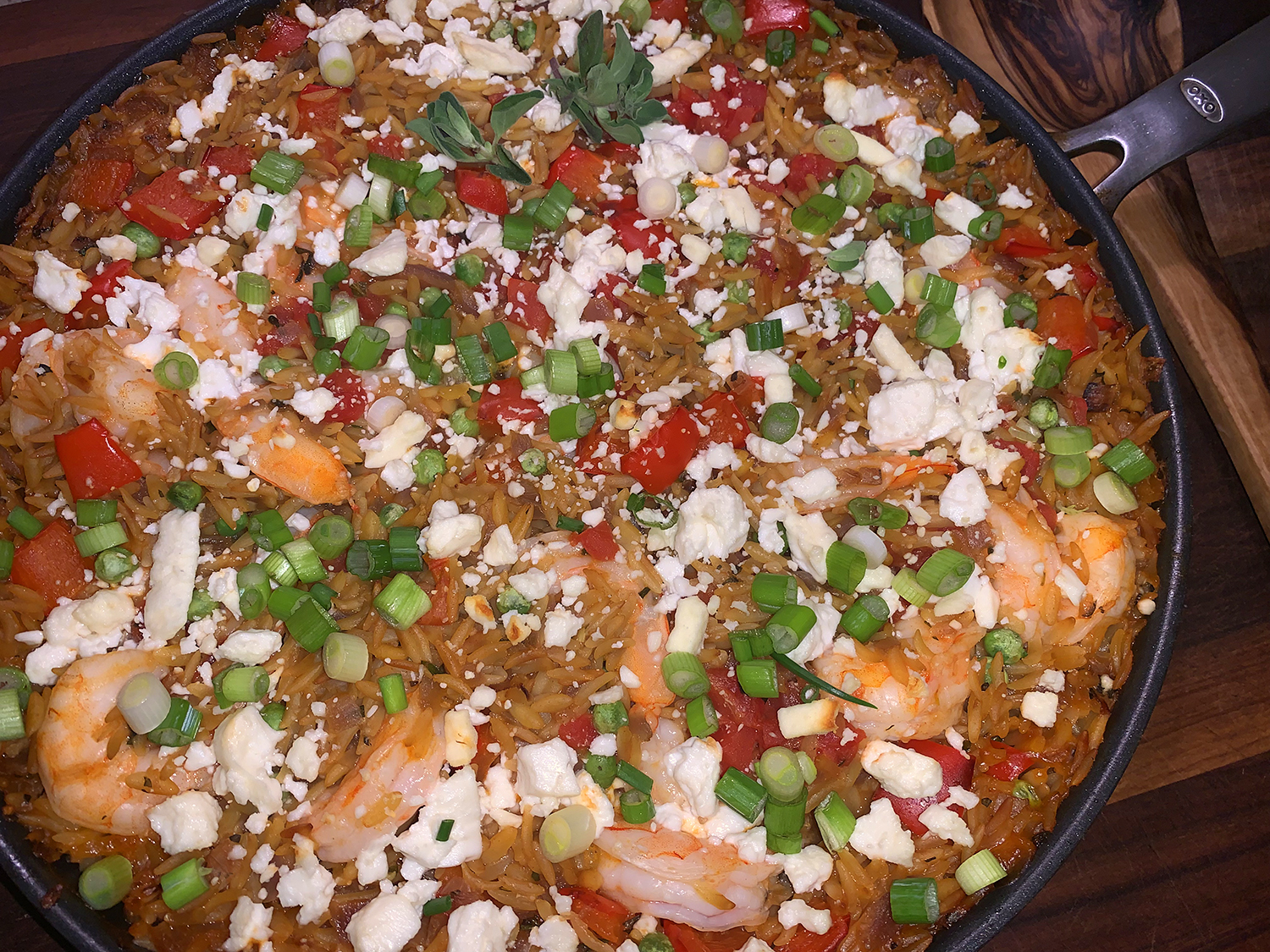
The second recipe, Baked Shrimp and Orzo with Feta and Tomatoes, is another Mediterranean-inspired shrimp dish similar to the Orzo with Shrimp, Feta and Lemon above, however this version gets started on the cooktop and then baked in the oven. It only calls for 1 pound of shrimp but we had 1 1⁄2 pounds and decided to use it all. The 12-inch skillet was brimming full. Our other change was incorporating homemade shellfish stock for the chicken broth.

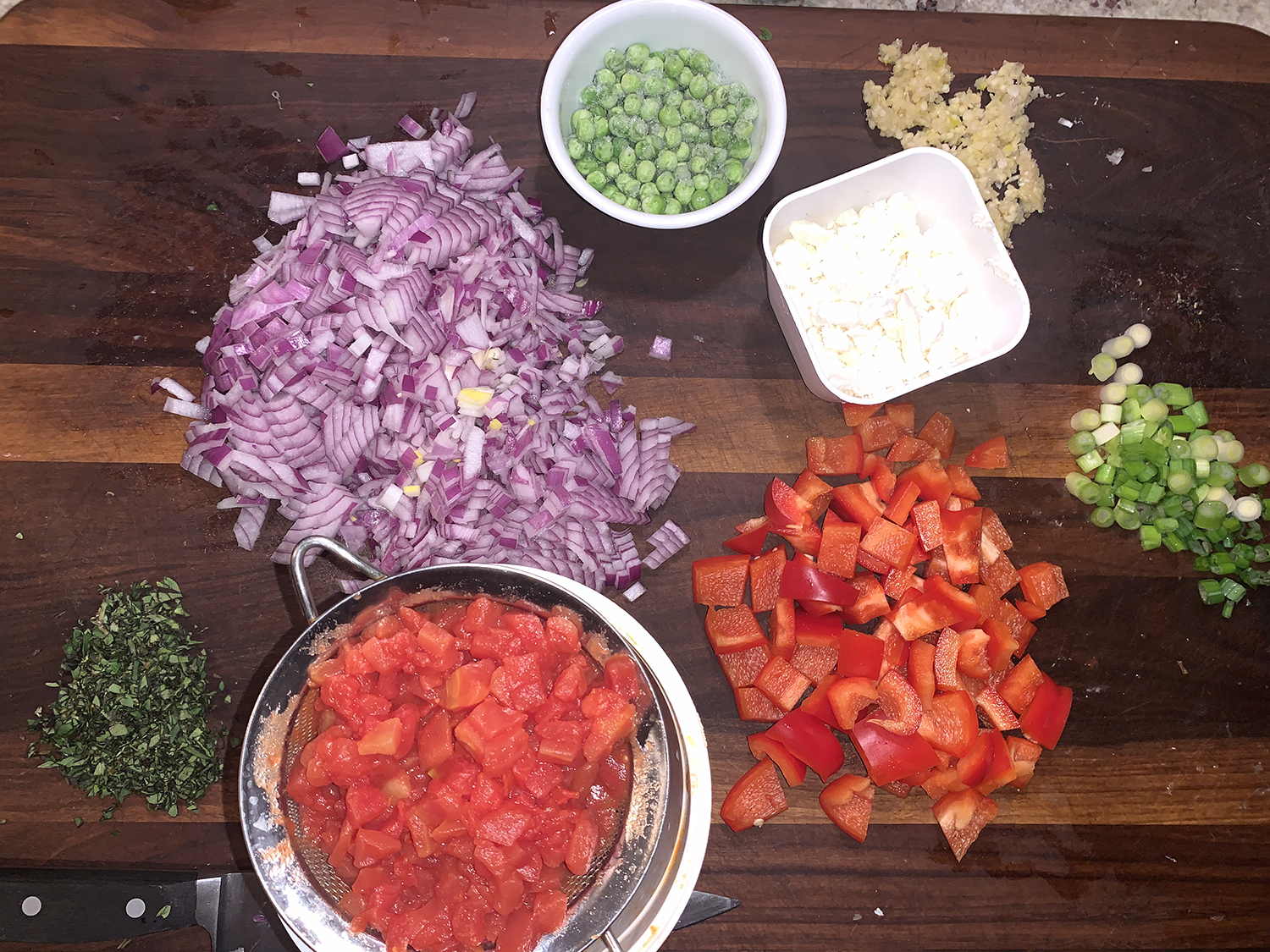
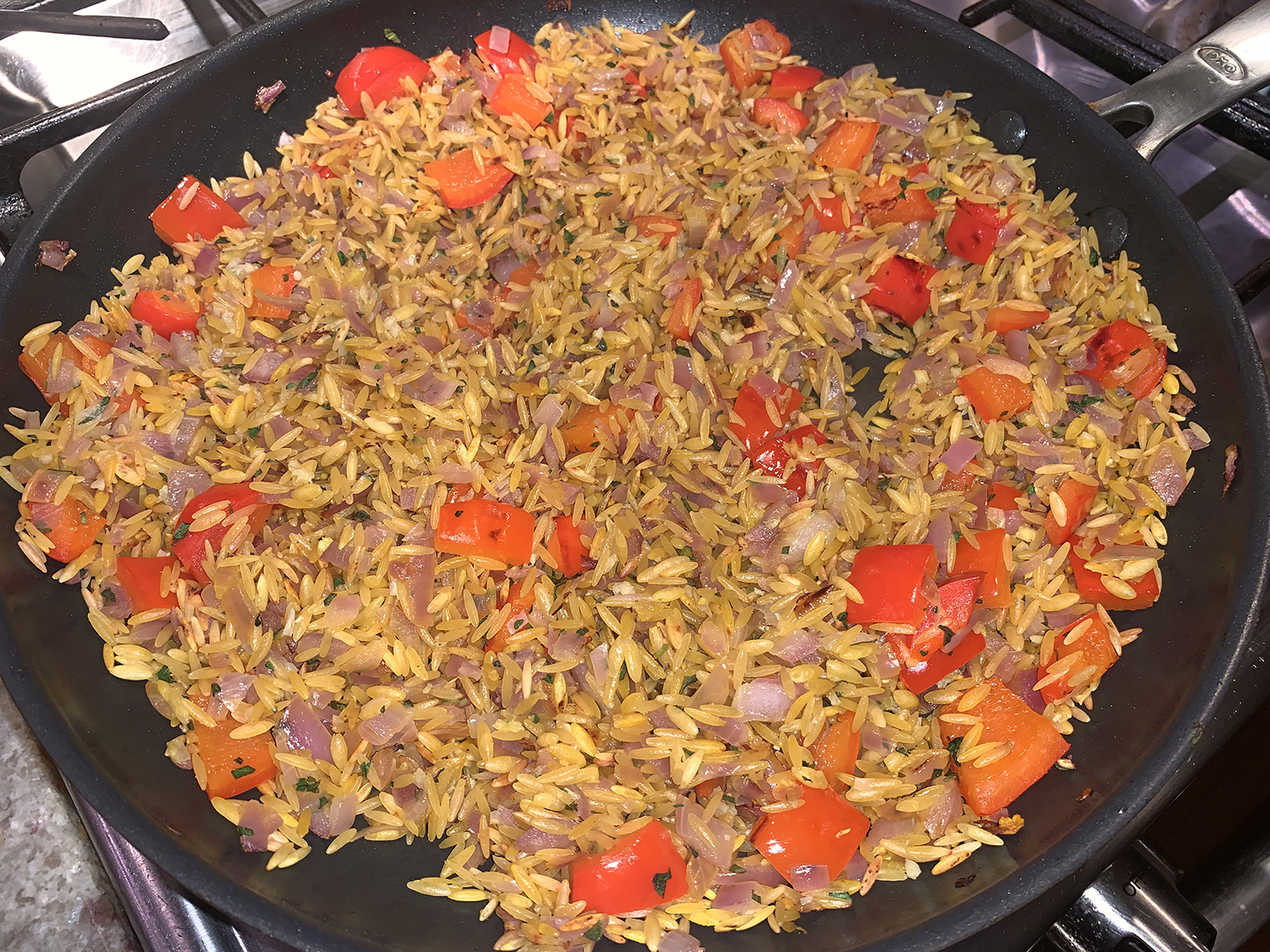
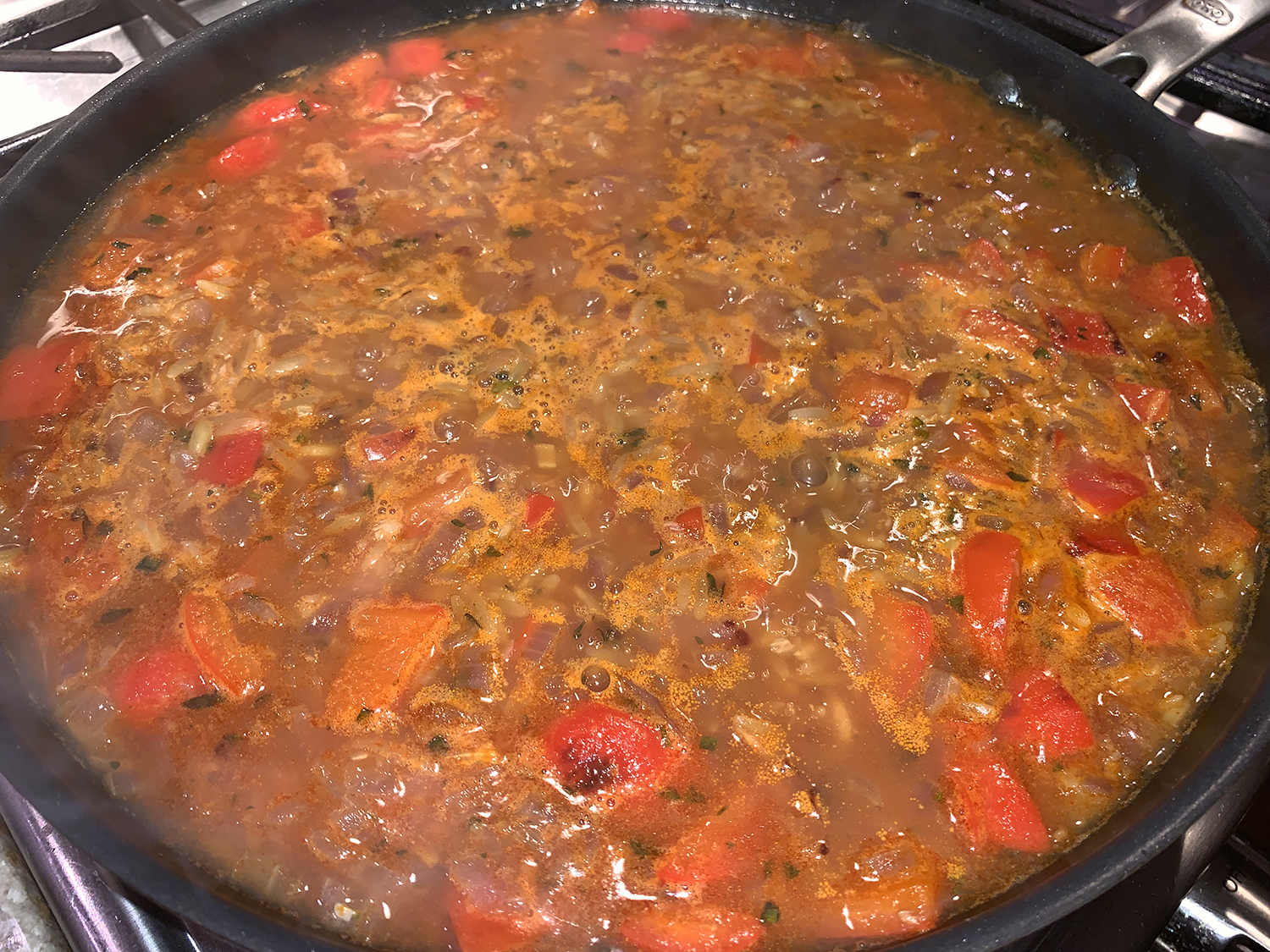
To build in plenty of Mediterranean flavor, start by sautéing chopped onion and red bell pepper, to soften them before adding in minced garlic and oregano. To guarantee perfectly cooked shrimp and pasta, sauté the orzo in the aromatics to unlock its toasty notes. The crumbled saffron threads, though not traditional, introduce a sunny hue and warm, complex flavor.

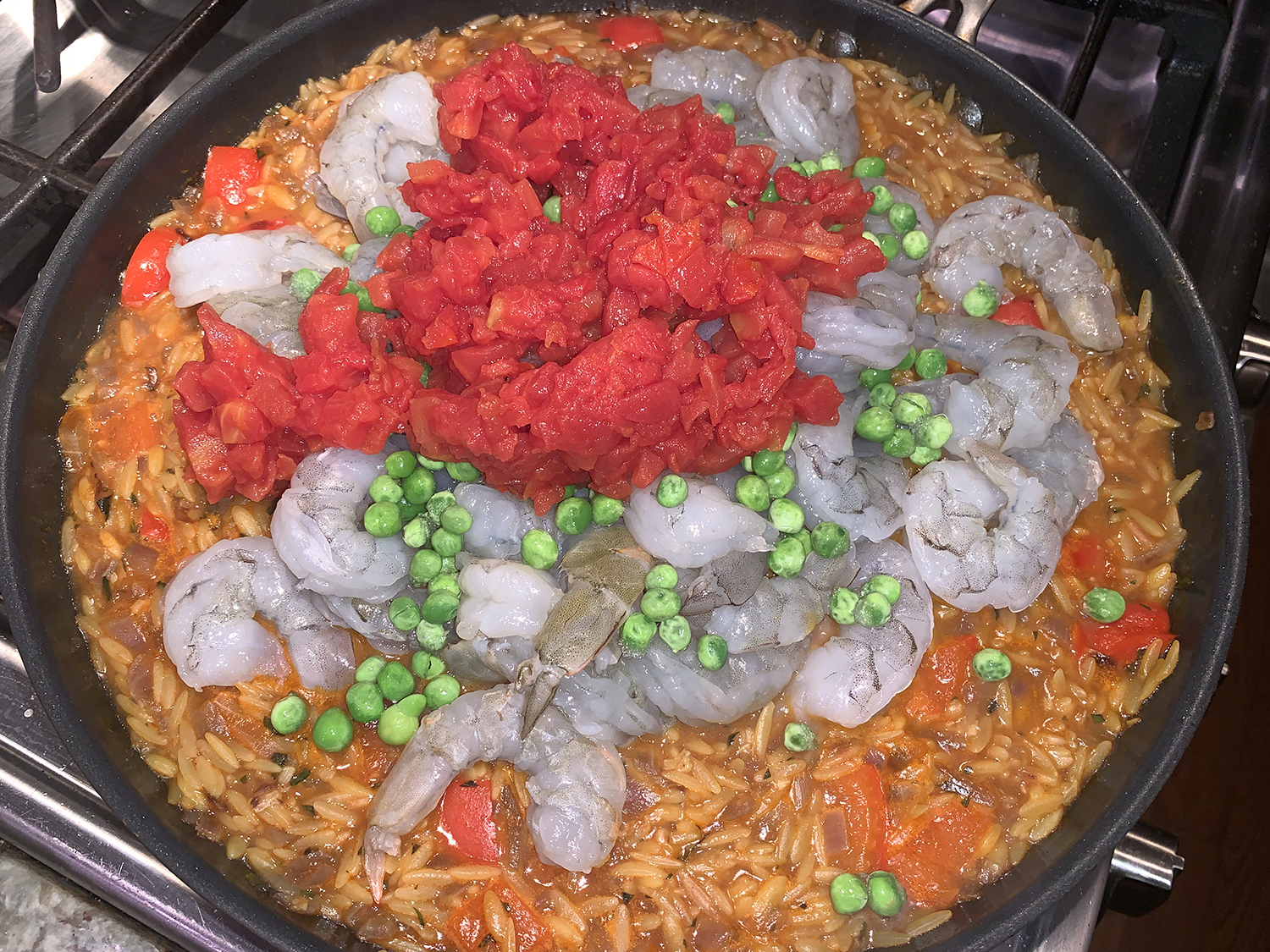
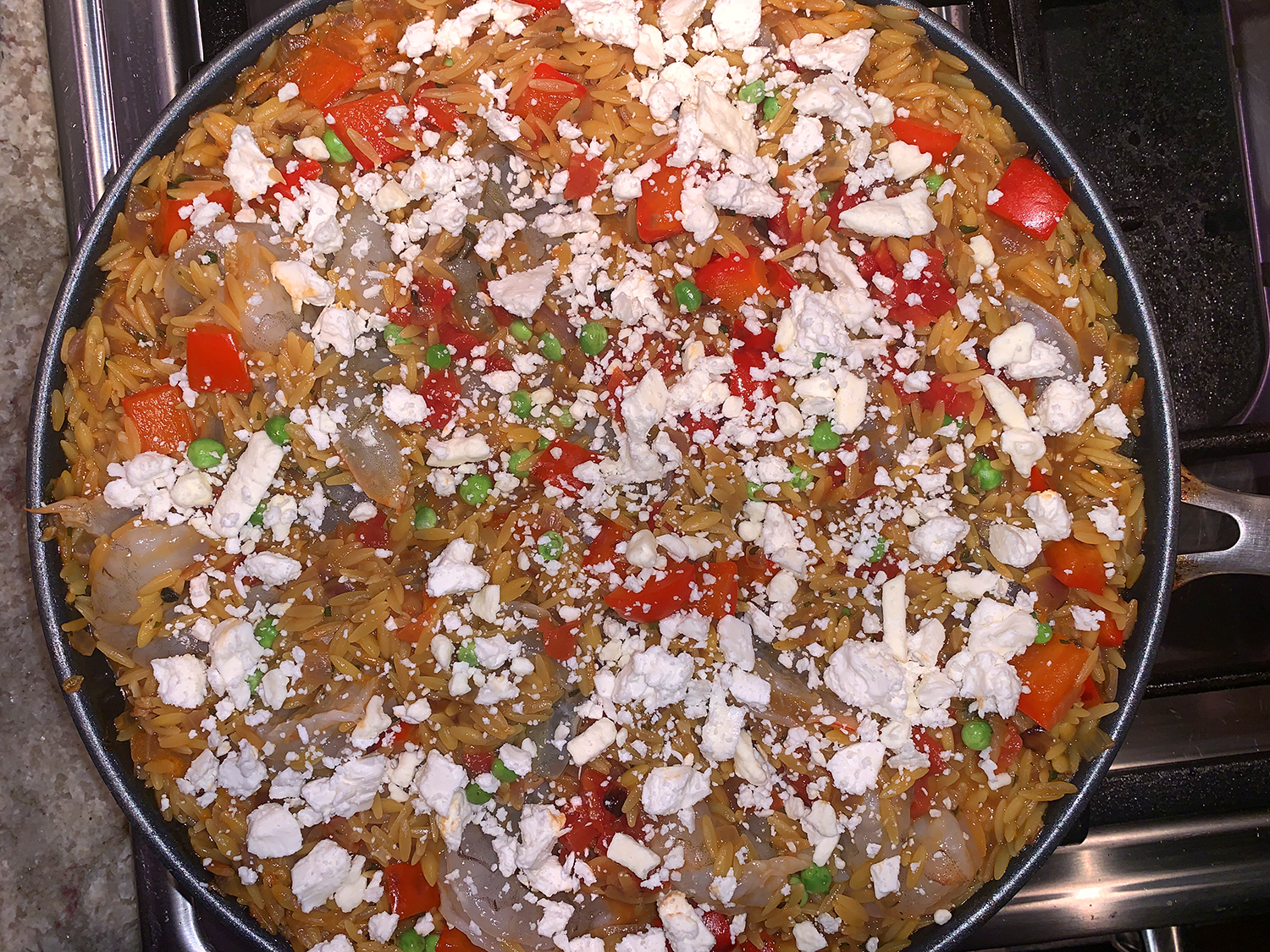
Chicken (or shellfish) broth and the drained juice from a can of diced tomatoes are then stirred in; as the orzo cooks to al dente, its releases starch (similar to a risotto) creating a sauce with a subtly creamy texture. To prevent the shrimp from overcooking, stir them right into the orzo, along with the reserved tomatoes and frozen peas, and transfer the skillet to the oven to cook through gently. A sprinkling of feta before baking reinforces the dish’s Greek flavors and promises an appealing browned, cheesy crust.

Make sure that the orzo is al dente, or slightly firm to the bite; otherwise it may overcook in the oven. If using smaller or larger shrimp, the cooking times may vary accordingly. You can leave the shrimp tails on, if desired. The small amount of saffron makes a big difference to the flavor and look of the dish, so be sure to include it. You will need a 12-inch oven-safe nonstick skillet for this recipe.
Baked Shrimp and Orzo with Feta and Tomatoes

  • Servings: 4
  • Difficulty: easy
  • Print

Ingredients

  • 1 lb. extra-large shrimp (21 to 25 per pound), peeled, deveined, and tails removed
  • Salt and pepper
  • 1 Tbsp. extra-virgin olive oil
  • 1 red onion, chopped fine
  • 1 red bell pepper, stemmed, seeded, and cut into ½-inch pieces
  • 4 garlic cloves, minced
  • 2 tsp. minced fresh oregano or ½ teaspoon dried
  • 2 cups (12 oz.) orzo
  • Pinch saffron threads, crumbled
  • 3 cups chicken or shellfish broth
  • 1 (14.5-oz.) can diced tomatoes, drained with juice reserved
  • ½ cup frozen peas
  • 3 oz. feta cheese, crumbled (¾ cup)
  • 2 scallions, sliced thin
  • Lemon wedges

Directions

  1. Adjust oven rack to middle position and heat oven to 375 degrees. Pat shrimp dry with paper towels and season with salt and pepper; cover and refrigerate until needed.
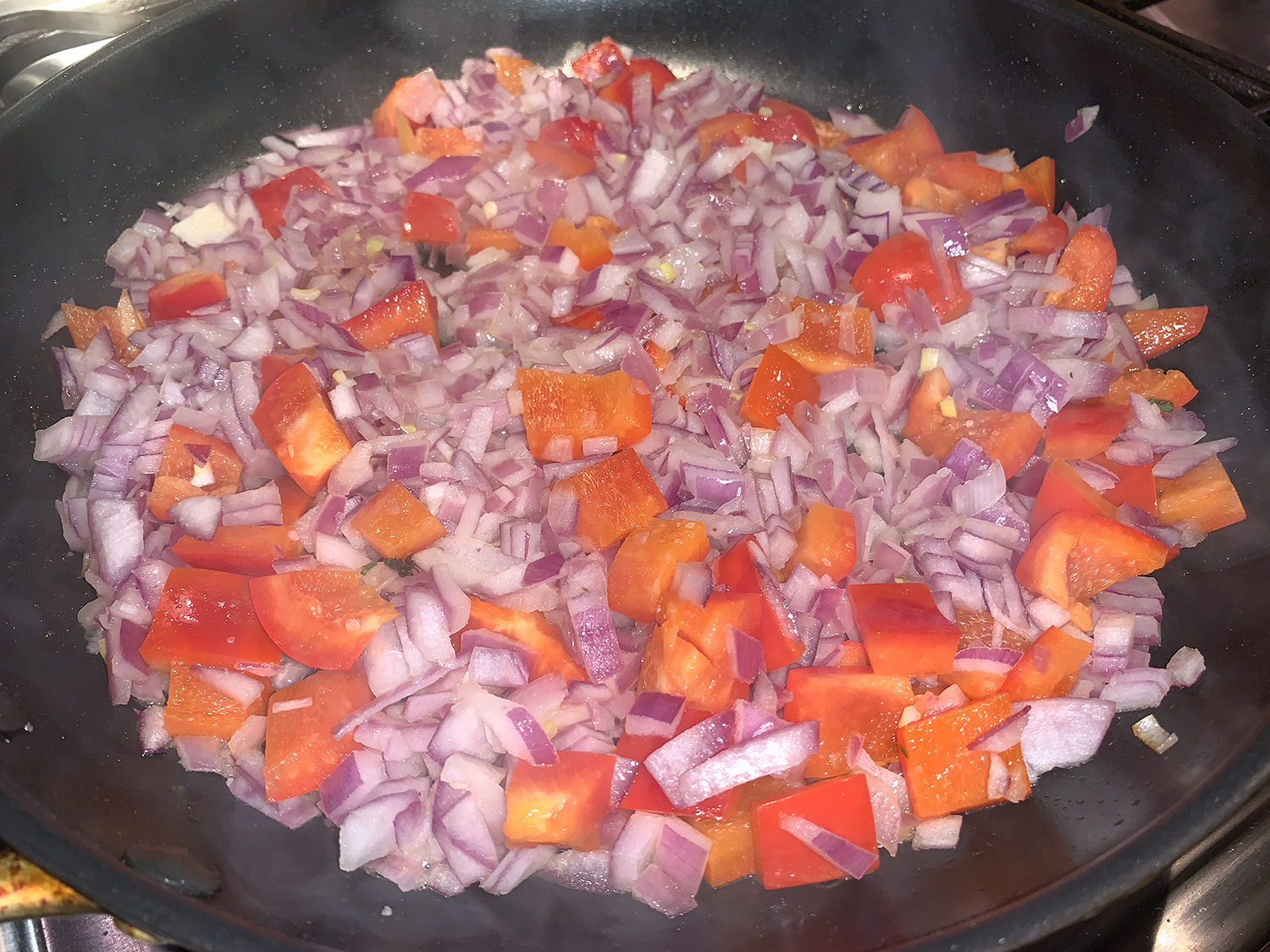
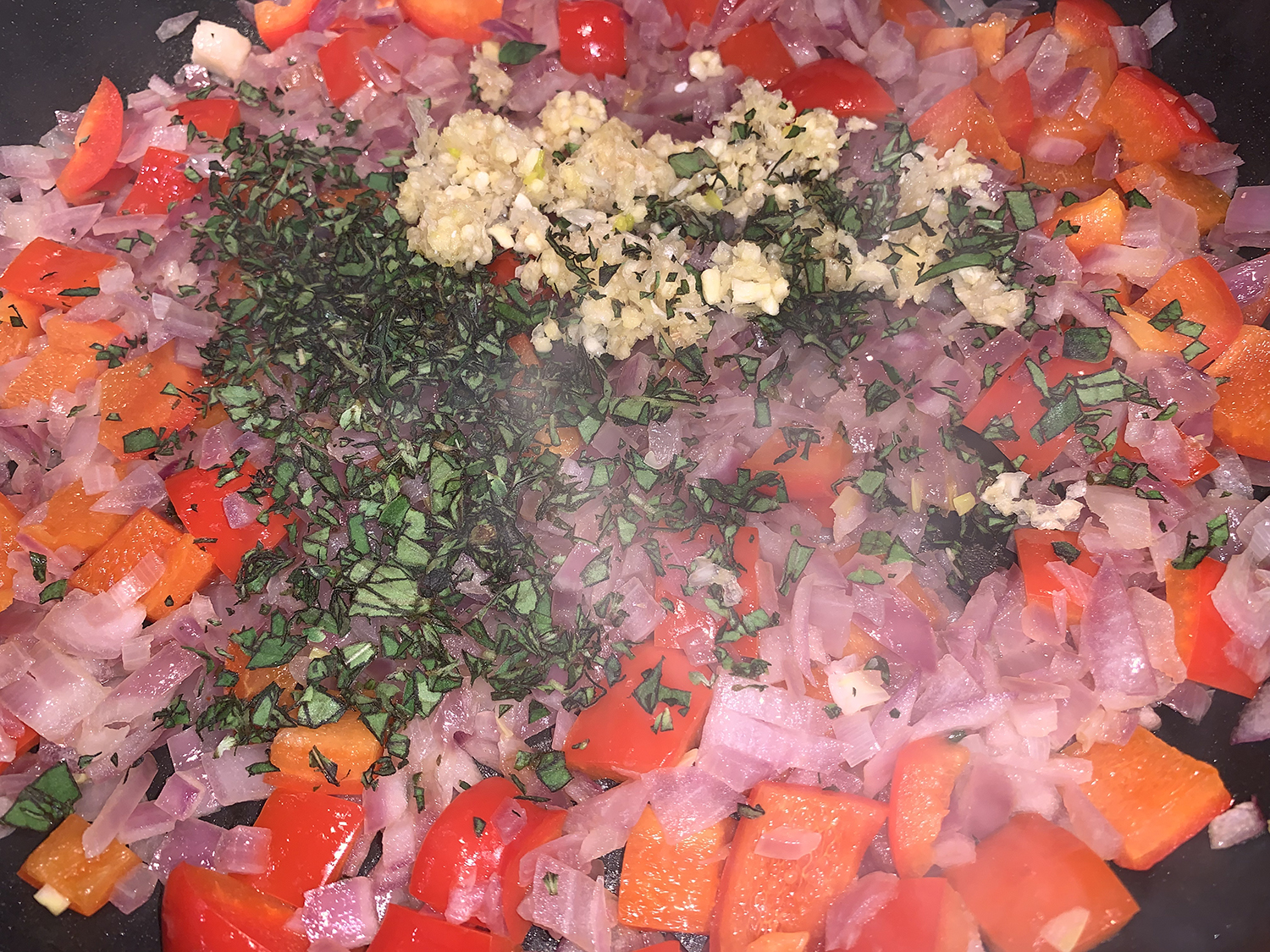
  2. Heat oil in 12-inch oven-safe nonstick skillet over medium heat until shimmering. Add onion and bell pepper and cook until vegetables are softened, 5 to 7 minutes. Stir in garlic and oregano and cook until fragrant, about 30 seconds. Stir in orzo and saffron and cook, stirring often, until orzo is lightly browned, about 4 minutes.
  3. Stir in broth and reserved tomato juice, bring to simmer, and cook, stirring occasionally, until orzo is al dente, 10 to 12 minutes.
  4. Stir in shrimp, tomatoes, and peas, then sprinkle feta evenly over top. Transfer skillet to oven and bake until shrimp are cooked through and feta is lightly browned, about 20 minutes.
  5. Remove skillet from oven (skillet handle will be hot). Sprinkle scallions over top and serve with lemon wedges.

http://www.lynnandruss.com

Adapted from a recipe from More Mediterranean by America’s Test Kitchen