Tag Archives: pasta

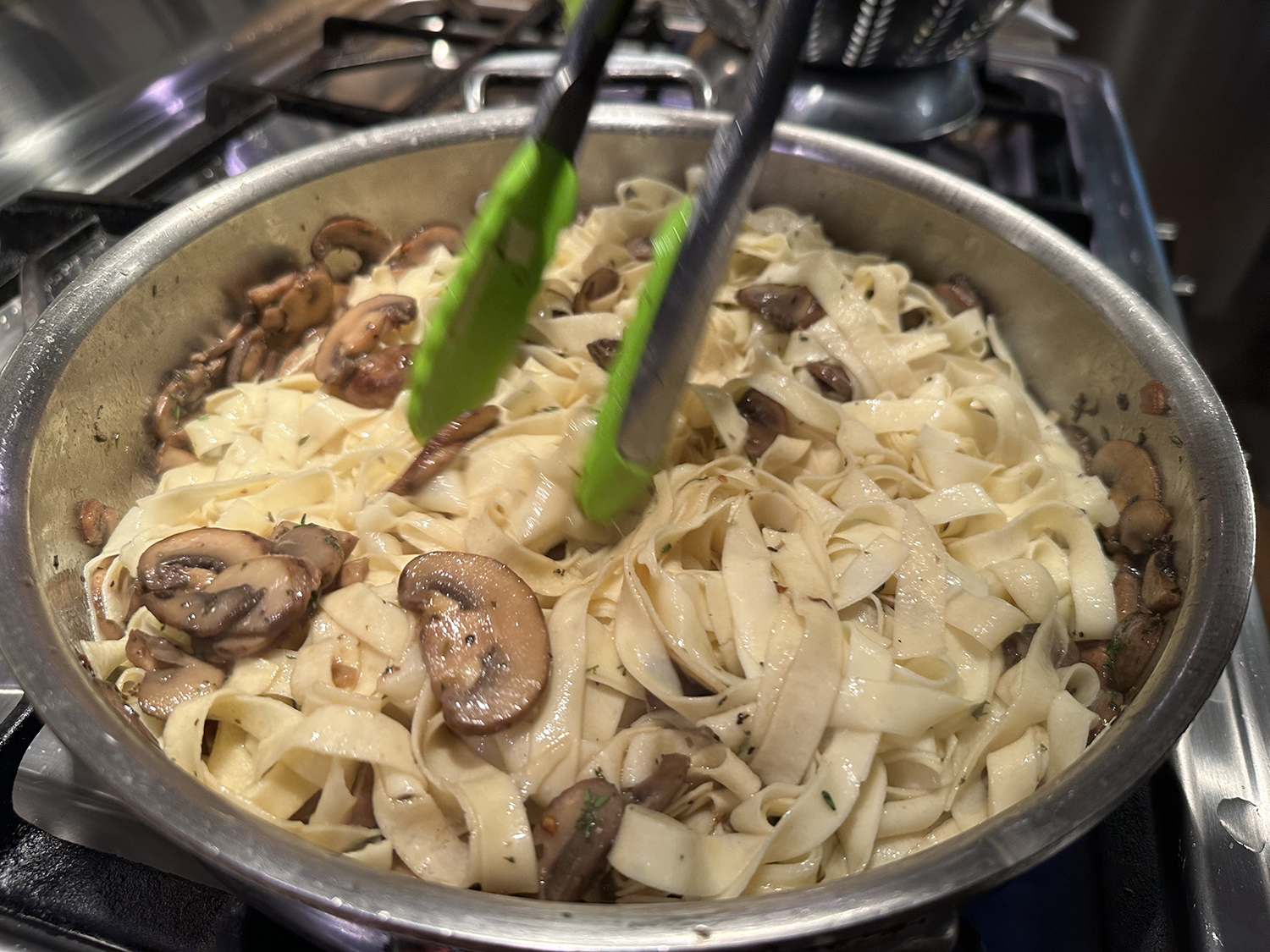
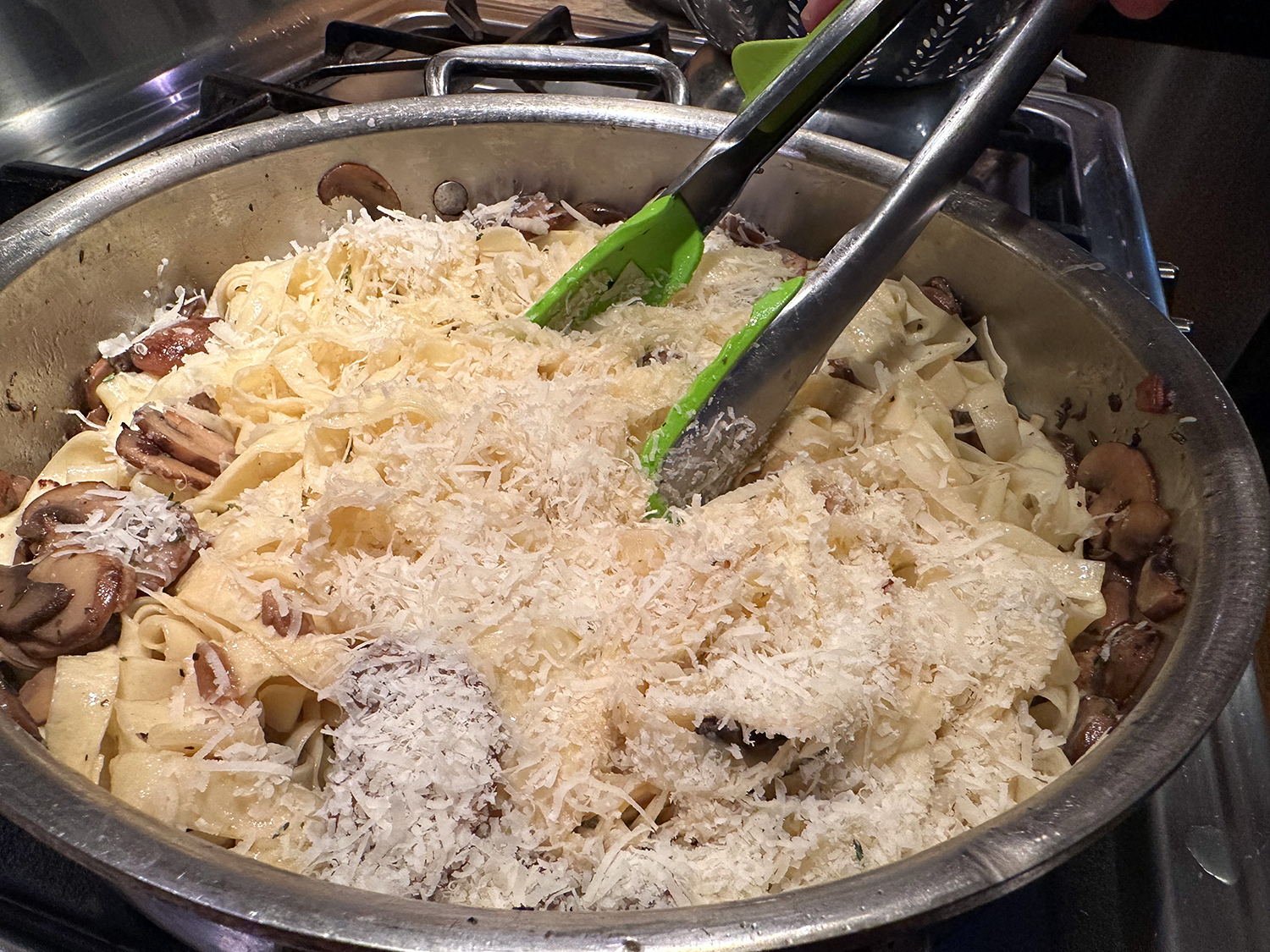
Cheesy Mushroom-Thyme Fettuccine

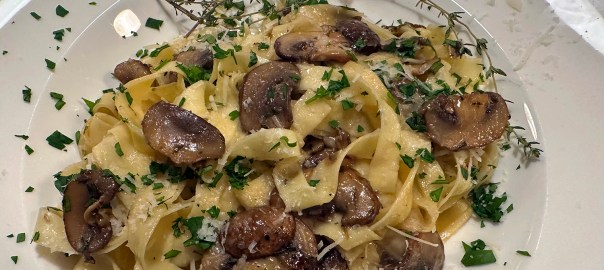
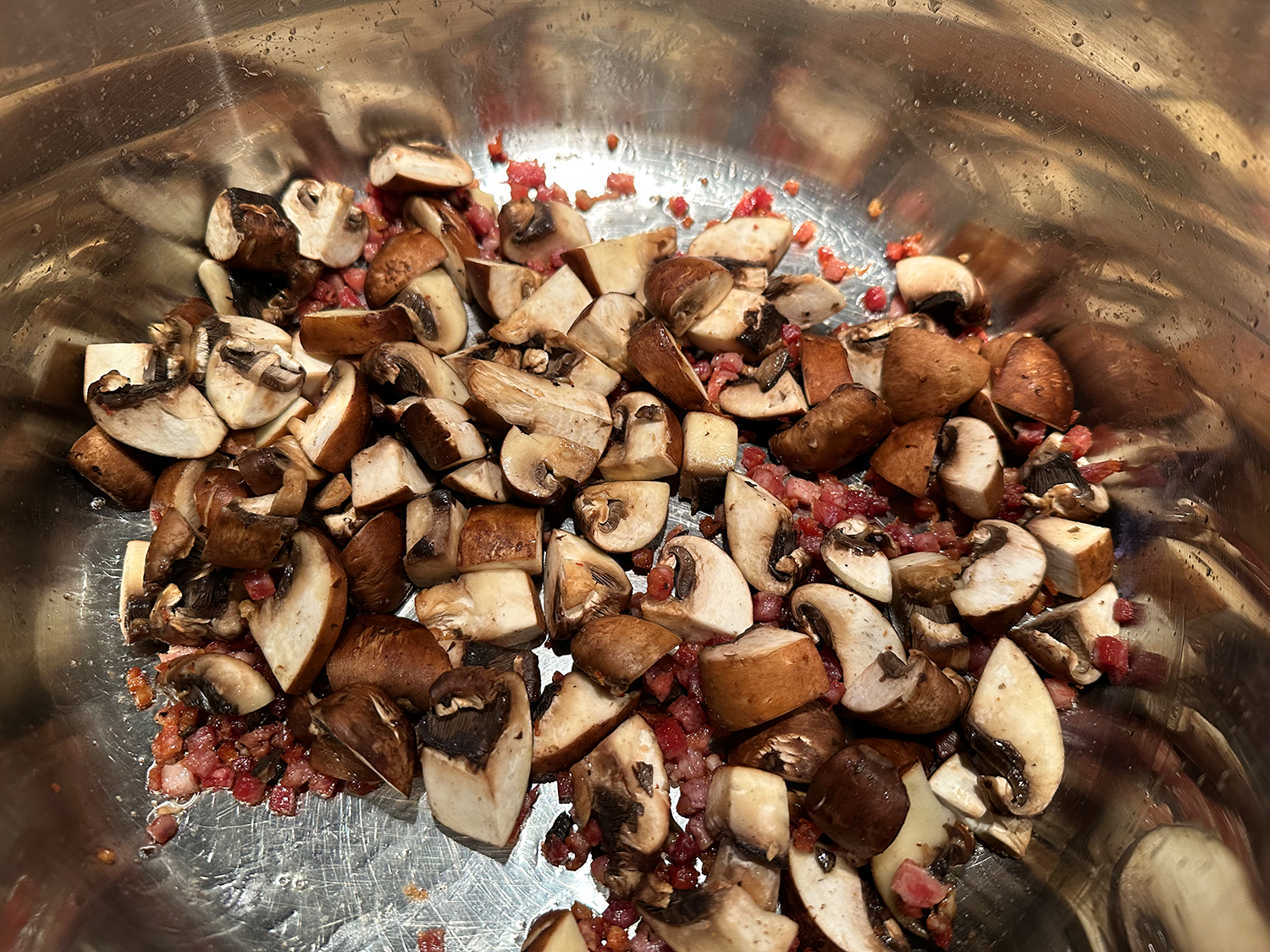
Inspired by the fettuccine con funghi from Italy, this recipe was developed for creating a quick yet elegant dinner using supermarket ingredients. Be sure to use dried fettuccine or pappardelle made with egg; this type typically is sold coiled into nests in 8.8-ounce packages. We opted for a 8.8 ounce package of quick cooking tagliarelle, a thin durum wheat egg pasta.

The texture of egg pasta is finer and more delicate than all-semolina pasta. Woodsy thyme is the classic herb for pairing with mushrooms; which is added in two stages for layered flavor. The aged, subtly sweet notes of brandy pair beautifully with the earthy creminis; dry sherry also works well.

TIP: Don’t use pre-sliced cremini mushrooms. They tend to be dry and cardboardy, and the mushrooms are counted on to release their own moisture to build flavor into the dish.

If you are funghi lovers like we are, increase the amount of creminis to 1½ pounds—noted in the ingredients list below. Also the original recipe directed you to reserve one cup of the pasta water before draining, but we found that insufficient in making the dish as moisturishly silky as we had hoped. You may not need the entire two cups of the liquid, it will all depend on your choice of pasta, better safe than sorry.

Served with a side salad, it was a perfect weeknight meal.

Cheesy Mushroom-Thyme Fettuccine

  • Servings: 4
  • Difficulty: easy
  • Print

Ingredients

  • ¼ cup extra-virgin olive oil
  • 2 medium garlic cloves, thinly sliced
  • 4 tsp. fresh thyme, chopped, divided
  • Pinch of red pepper flakes (optional, but worth it)
  • 1½ lb. cremini mushrooms, trimmed and thinly sliced
  • Kosher salt and ground black pepper
  • ⅓ cup brandy or dry sherry
  • 8.8 oz. package dried egg fettuccine, pappardelle, or similar pasta
  • 1½ oz. Parmesan cheese, finely grated (¾ cup), plus more to serve
  • 2 Tbsp. salted butter, cut into 2 pieces
  • Chopped fresh flat-leaf parsley, to serve

Directions

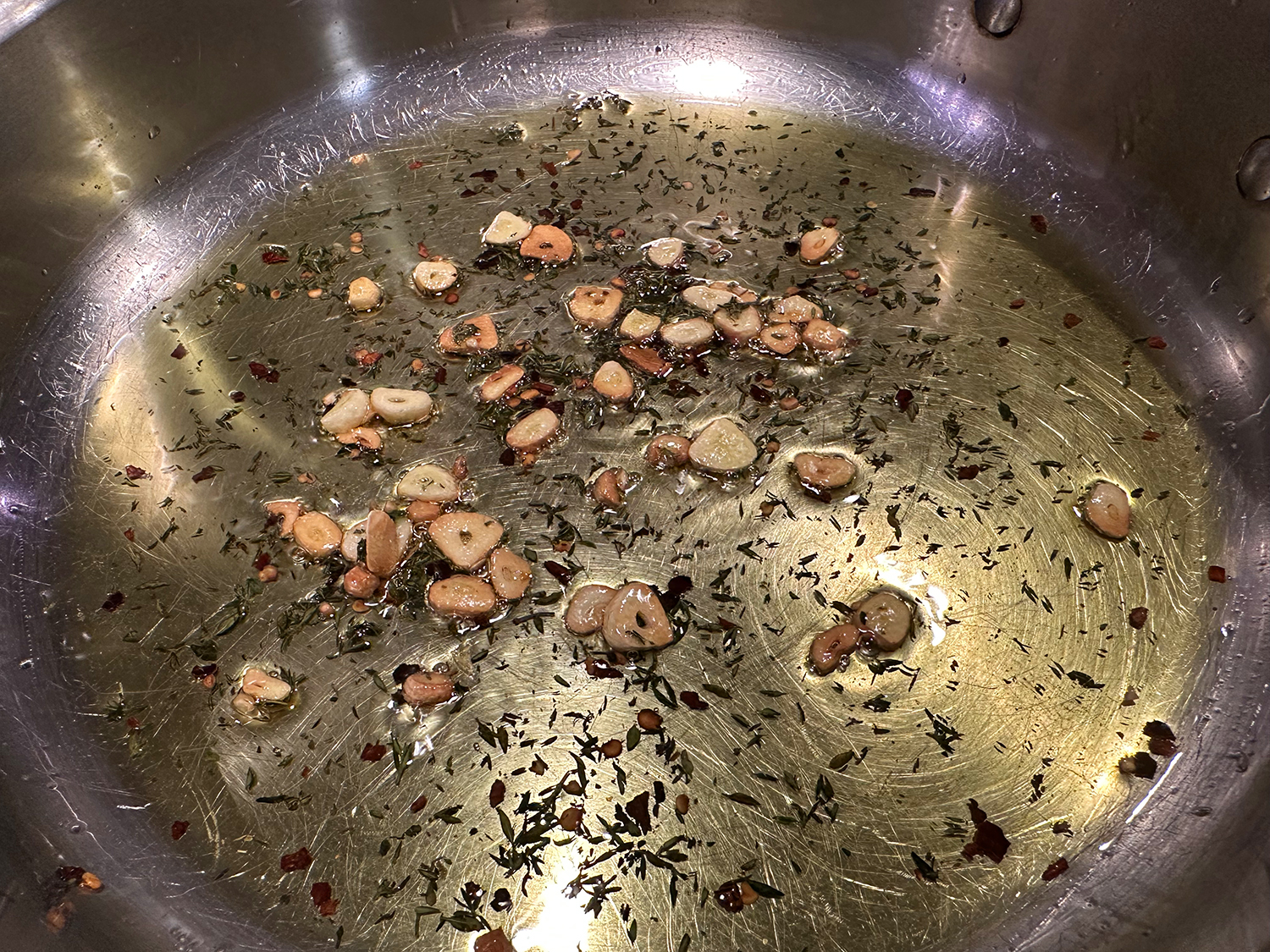
  1. In a large pot, boil 3 quarts water. In a 12-inch skillet over medium, combine the oil, garlic, half of the thyme and pepper flakes (if using). Cook, stirring, until the garlic is golden brown, about 2 minutes.
  2. Add the mushrooms, ½ teaspoon salt and ¼ teaspoon black pepper. Cook over medium-high, stirring occasionally, until the mushrooms are browned at the edges, 8 to 10 minutes. Remove the pan from the heat and add the brandy. Return to medium-high and cook, scraping up any browned bits, until the liquid is syrupy, about 1 minute.
  3. When the water reaches a boil, add the pasta and 1 tablespoon salt; cook, stirring, until al dente. Reserve 2 cups of the pasta cooking water, then drain.
  4. To the mushroom mixture, add the pasta, Parmesan, butter, the remaining thyme and ½ cup of the reserved pasta water. Cook over medium-high, tossing constantly, until lightly coated and the cheese is melted, 2 to 3 minutes.
  5. Off heat, taste and season with salt and black pepper. Serve sprinkled with parsley and additional cheese.

http://www.lynnandruss.com

Adapted from a recipe by Courtney Hill for Milk Street

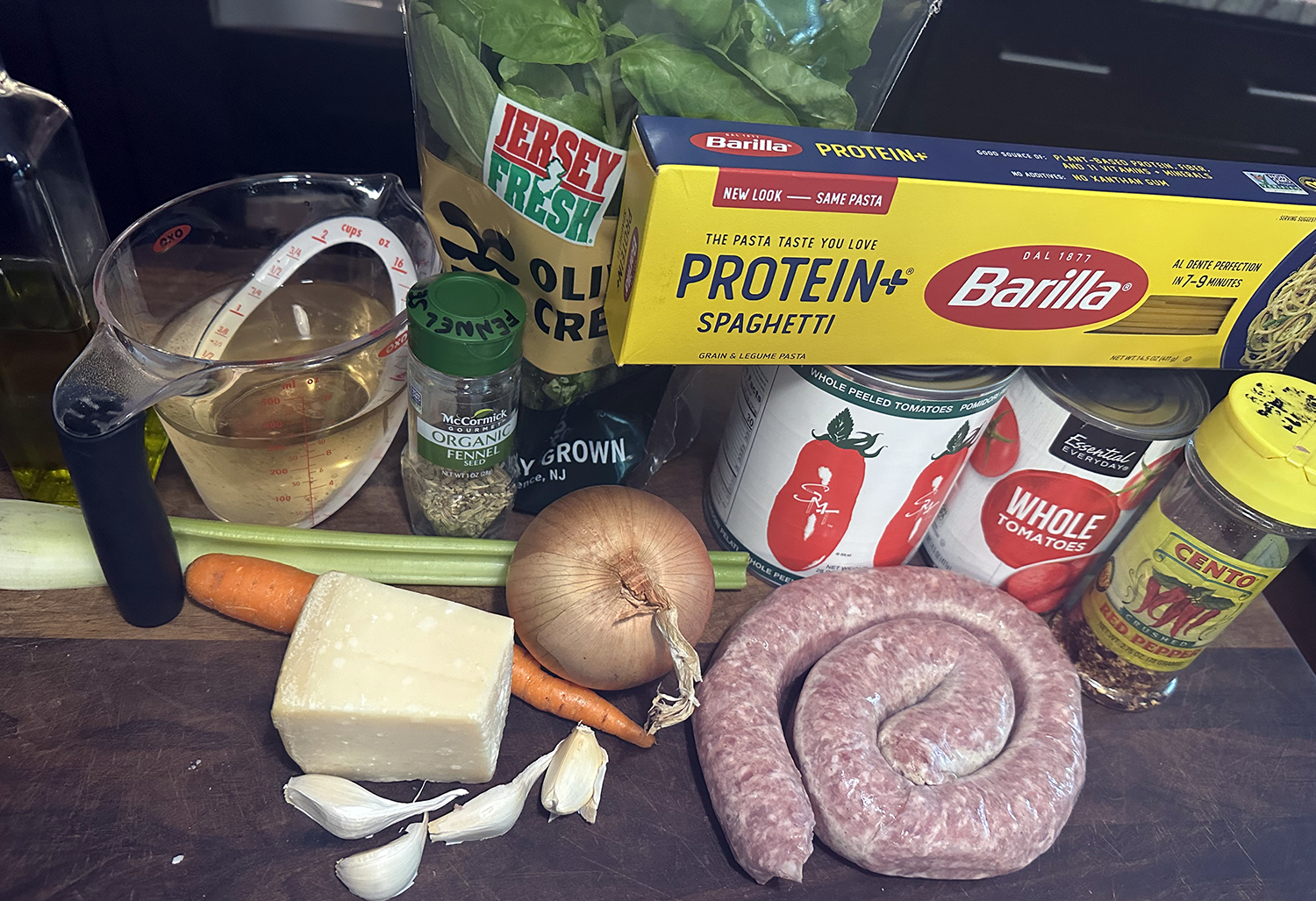
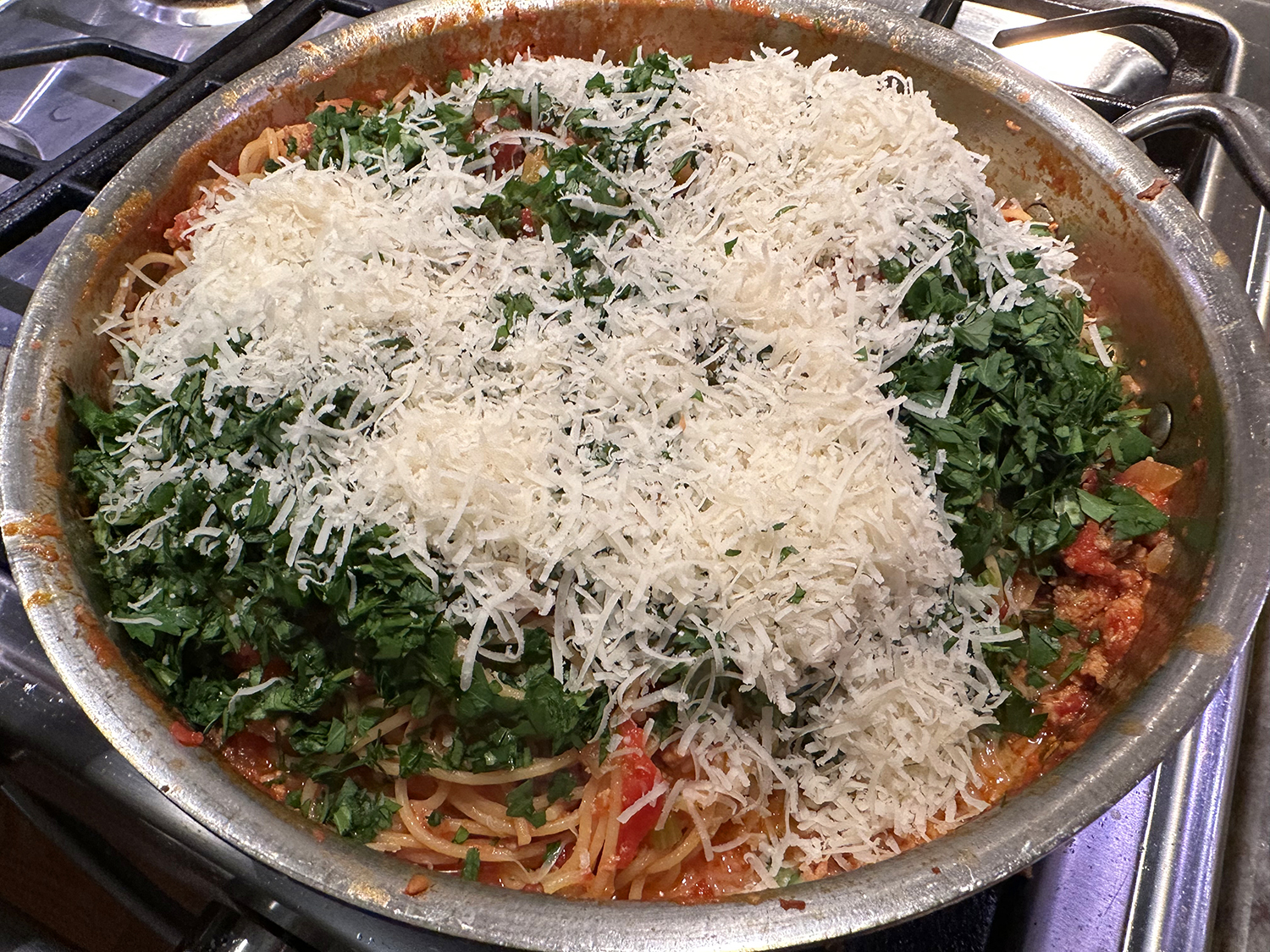
Spaghetti with Fresh Soppressata

One look at the long list of ingredients and you may well just thumb past this recipe. But we’ll tell you it was well worth the effort and time.

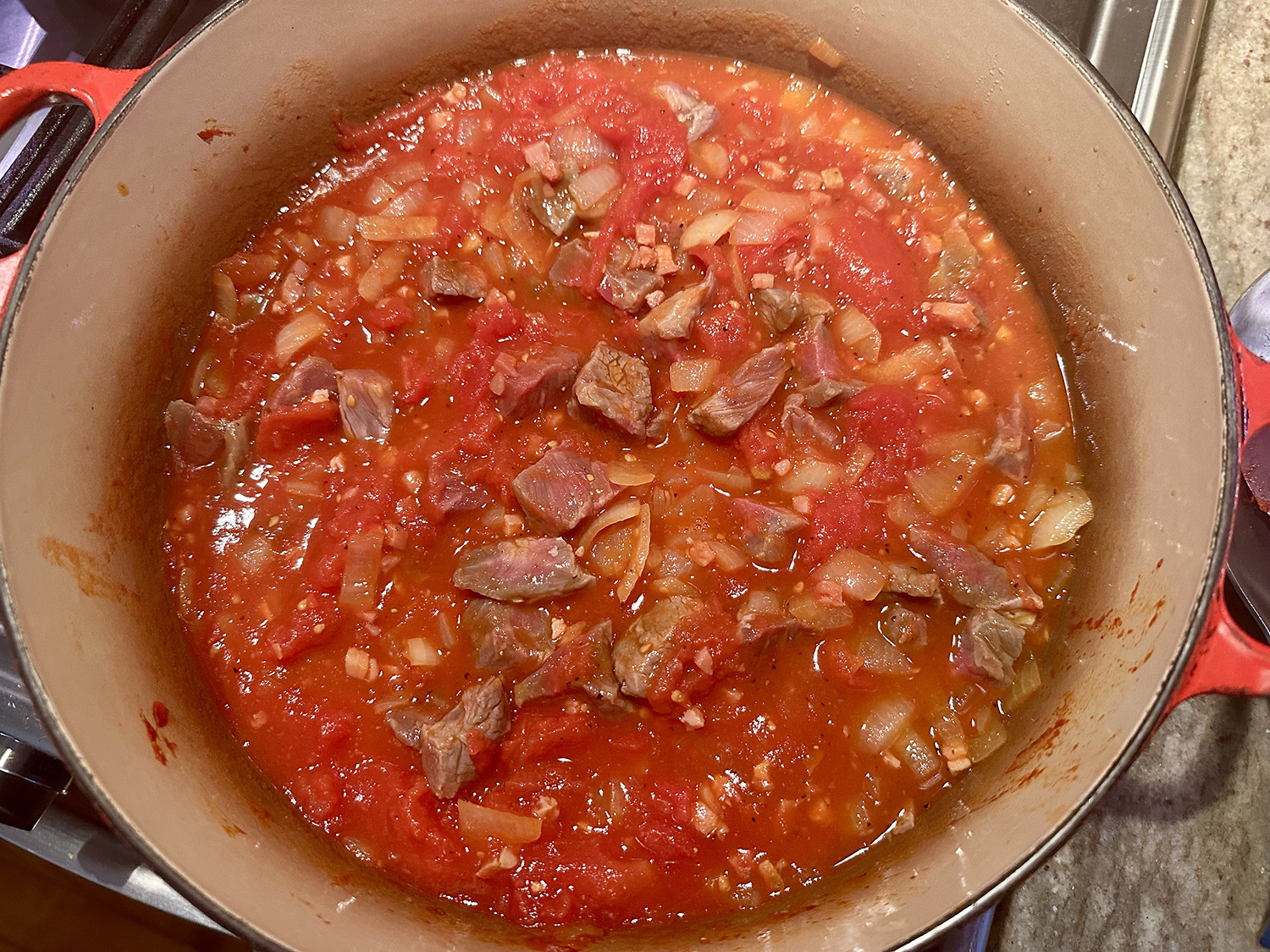
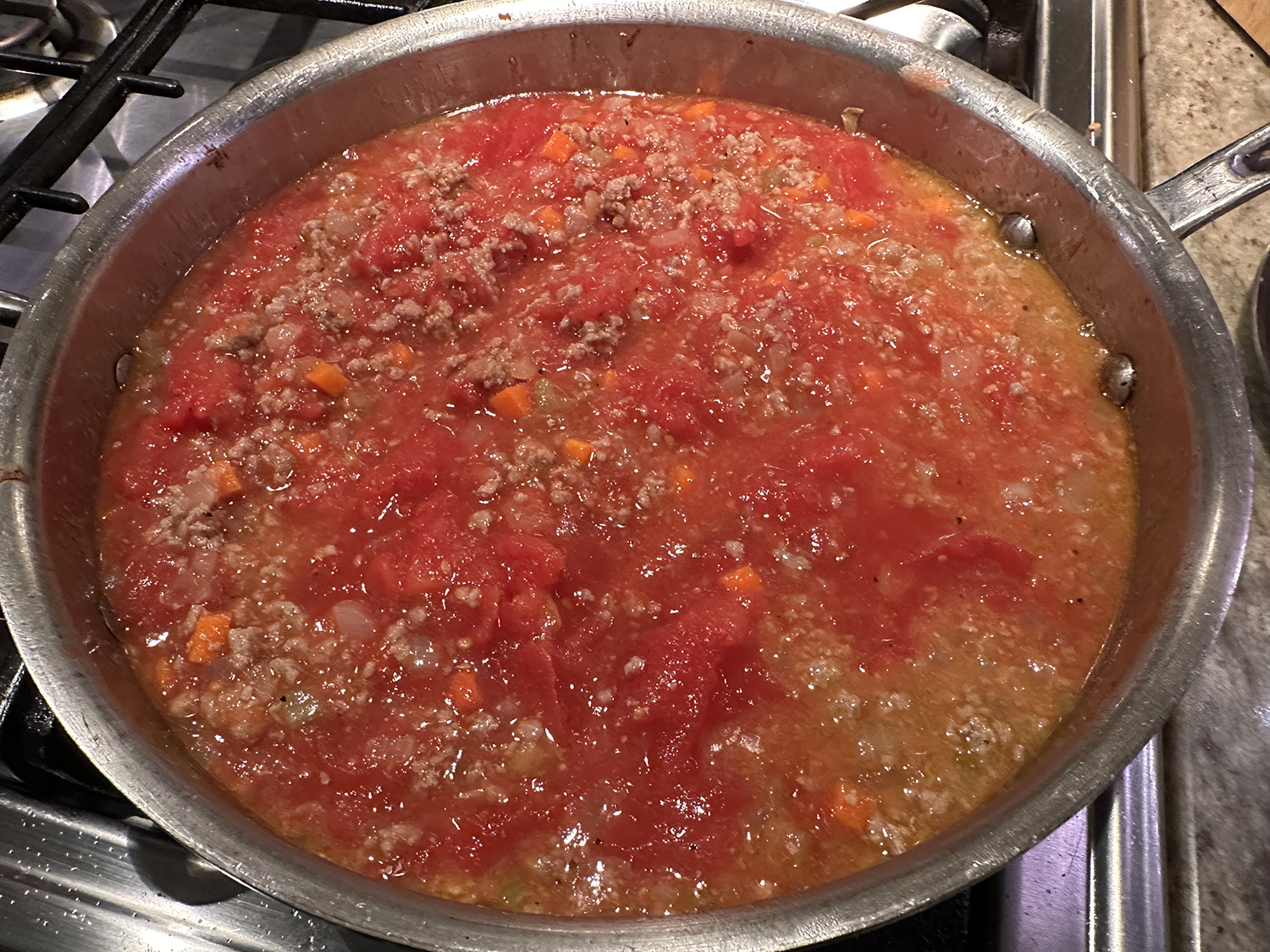
Store-bought Italian sausage gets a wine and fennel infusion to make fresh soppressata, which is the base for this pasta’s fresh and flavorful tomato sauce. The sauce is robust with a savory, fresh acidity, and the meat is tender and juicy.

You might associate soppressata with a charcuterie board (that was my initial reaction) but this comforting pasta is inspired by a family tradition of fresh sausage-making. In this recipe, store-bought Italian sausages are marinated in white wine to make fresh soppressata, which is the base for this pasta’s fresh and flavorful tomato sauce. A heap of spaghetti clings to the garlicky, sausage-laden sauce in an easy and impressive meal made to serve a small crowd. 

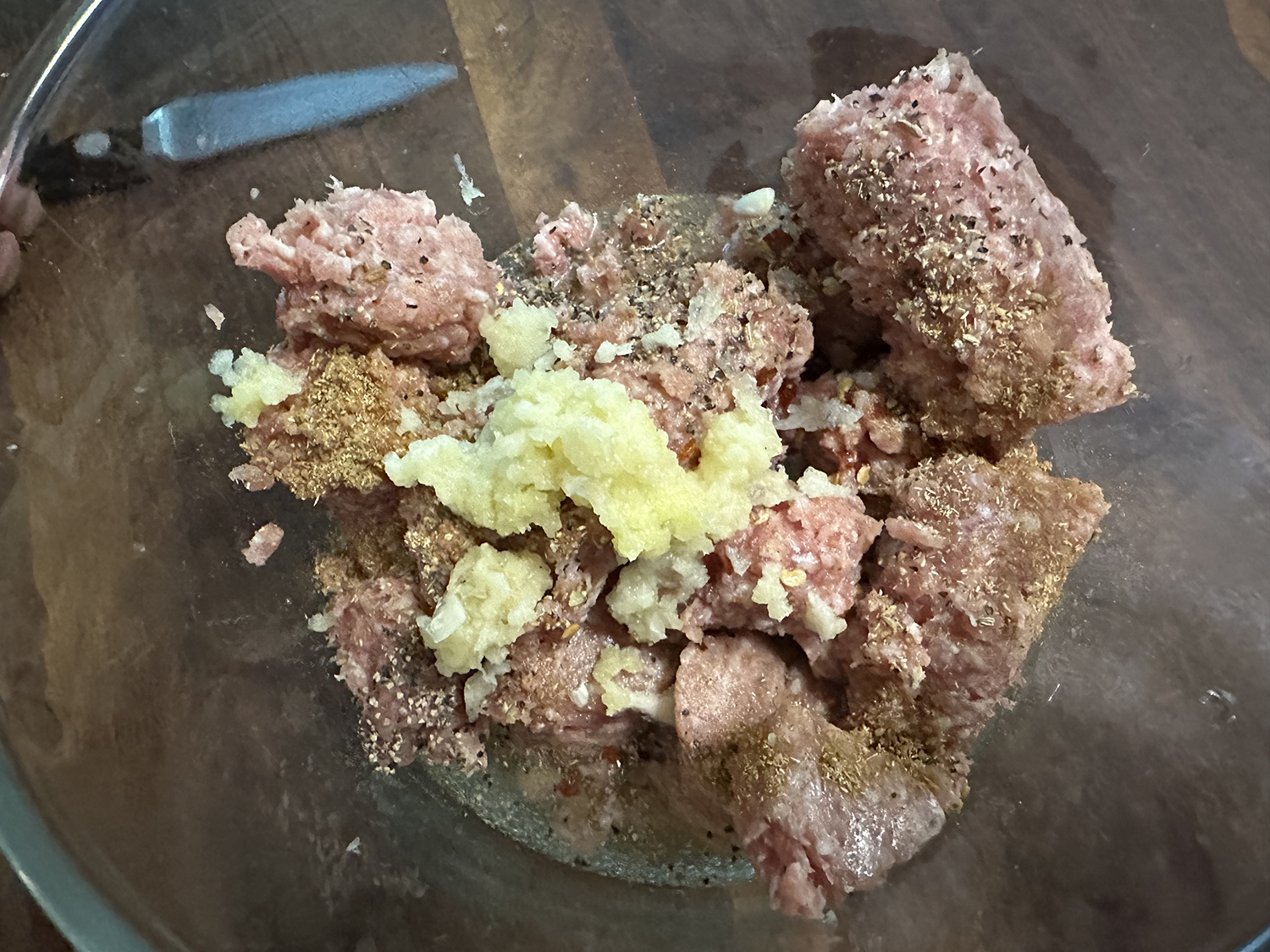
Most soppressata you’ll encounter is a dry, cured pork-based salami from southern Italy that is often — but not always — a little spicy. In this recipe, fresh soppressata is made by marinating uncooked sweet Italian sausage in white wine and adding spices like fennel, black pepper, and crushed red pepper.

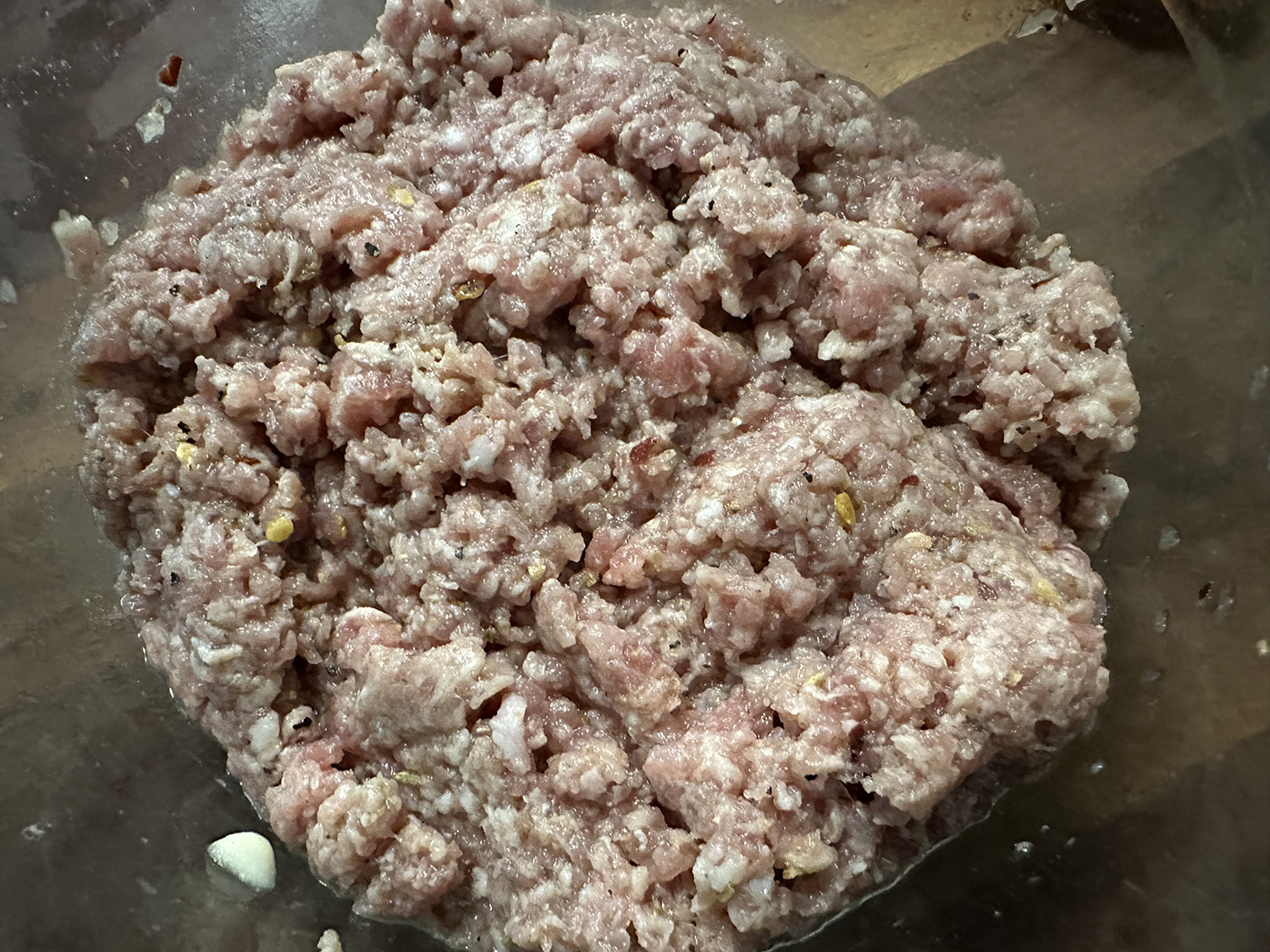
We allowed 6 hours for the meat mixture to marinade, ensuring those flavors would have enough chance to meld.

Spaghetti with Fresh Soppressata

  • Servings: 6
  • Difficulty: easy
  • Print

Ingredients

  • 4 garlic cloves, grated (about 1 Tbsp.)
  • 1 1/3 cups dry white wine, divided
  • 1 lb. sweet Italian sausage, casings removed
  • 1 tsp. ground fennel
  • 1/2 tsp. black pepper
  • 1/2 tsp. crushed red pepper
  • 1/4 cup extra-virgin olive oil
  • 1 small yellow onion, finely chopped
  • 1 small carrot, finely chopped
  • 1 celery stalk, finely chopped
  • 1 28-oz. can whole peeled tomatoes, undrained and crushed
  • 1 14.5-oz. can whole peeled tomatoes, undrained and crushed
  • 1/8 tsp. kosher salt
  • 1 lb. uncooked spaghetti
  • 2 oz. Parmigiano-Reggiano cheese, grated
  • 1/4 cup chopped fresh basil, plus small leaves for garnish
  • 1 cup chopped fresh flat-leaf parsley, plus more for garnish

Directions

  1. Stir together garlic and 1/3 cup wine in a large bowl. Add sausage, fennel, black pepper, and crushed red pepper; stir well to combine. Cover and refrigerate for at least 1 hour or up to 12 hours.
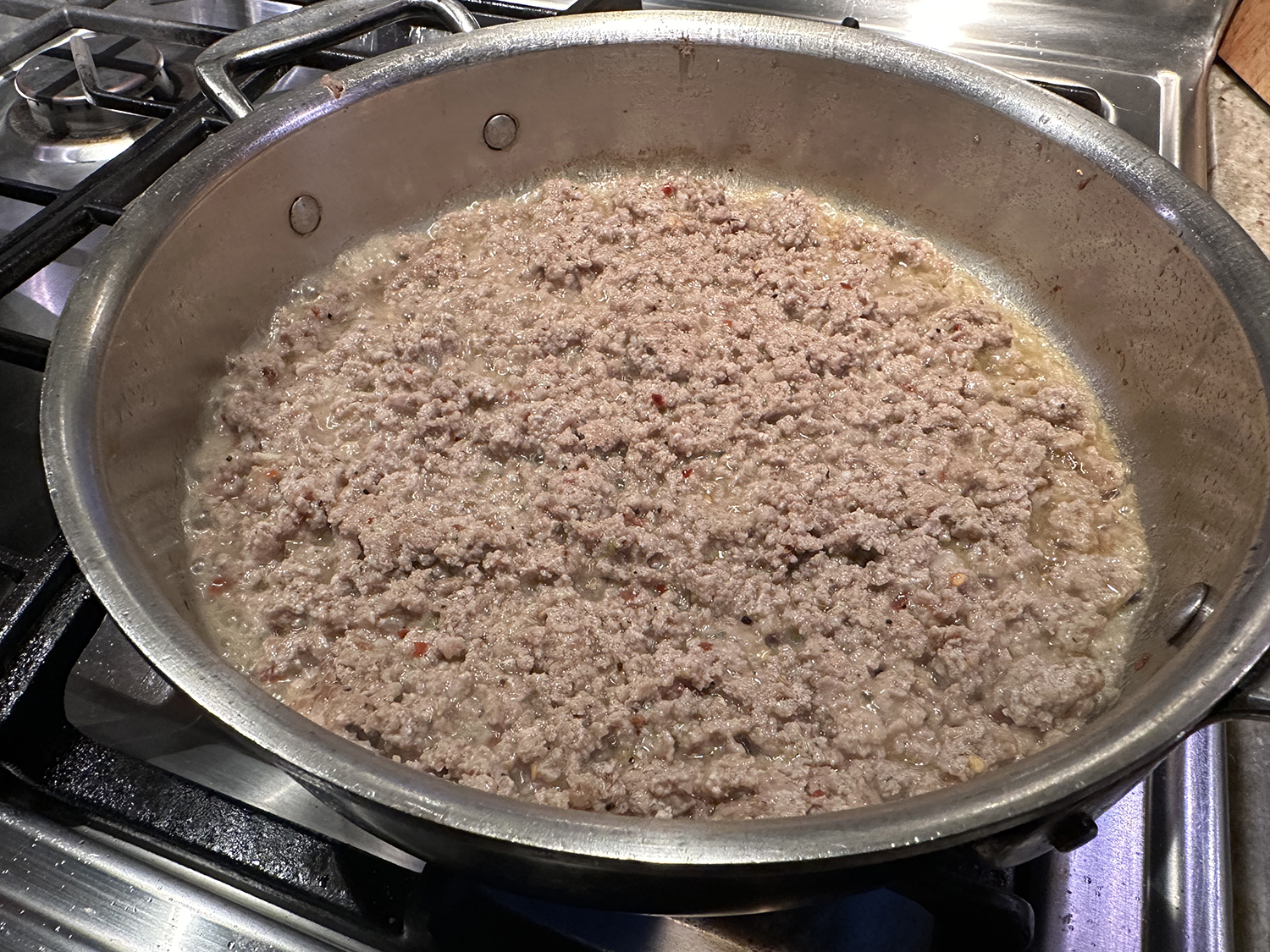
  2. Heat oil in a large, deep, 12″ or larger skillet over medium until shimmering. Increase heat to high, and add sausage mixture; cook, stirring occasionally to break up clumps, until lightly browned, 6 to 7 minutes.
  3. Stir in onion, carrot, and celery; cook, stirring often, until softened, about 4 minutes. Add remaining 1 cup wine; cook, scraping up any browned bits on bottom of the skillet, until wine is nearly evaporated, 5 to 6 minutes.
  4. Stir in crushed tomatoes with juices and salt. Bring mixture to a simmer over high; reduce heat to medium-low, and simmer, stirring occasionally, until thickened and reduced by about half, 30 to 35 minutes.
  5. Bring a large pot of salted water to a boil over high. Add spaghetti; cook according to package directions for al dente, about 8 minutes. Drain pasta, reserving 1/2 cup cooking liquid. Stir spaghetti into sauce in skillet; stir in cheese, basil, and parsley.
  6. Add reserved cooking liquid, 1/4 cup at a time, if needed to thin sauce to desired consistency. Increase heat to medium-high; cook, stirring often, until sauce clings to pasta, about 2 minutes. Garnish with additional basil and parsley. Serve hot.

http://www.lynnandruss.com

Recipe by Andrew Carmellini for Food & Wine

Crispy Artichoke Pasta

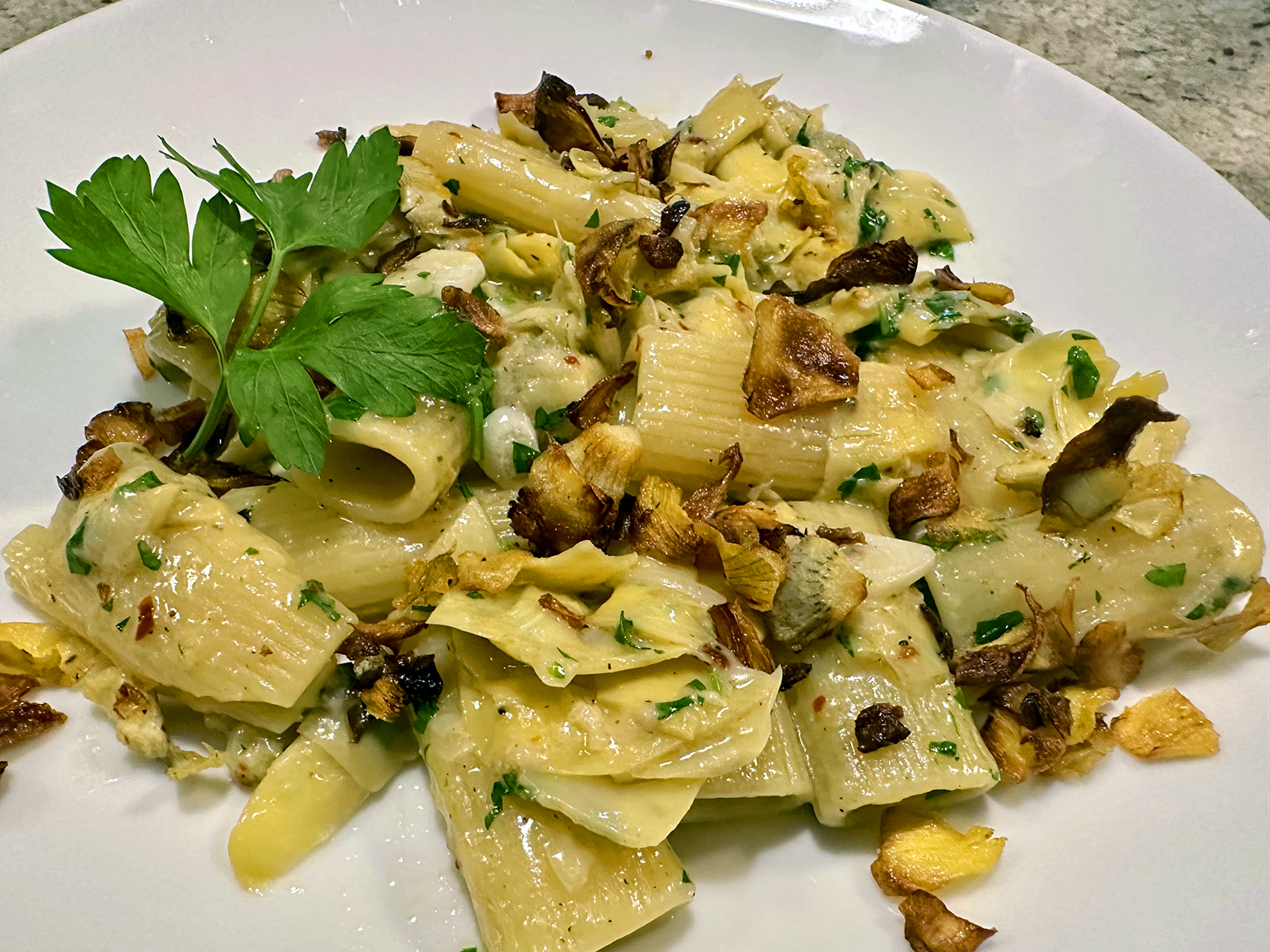
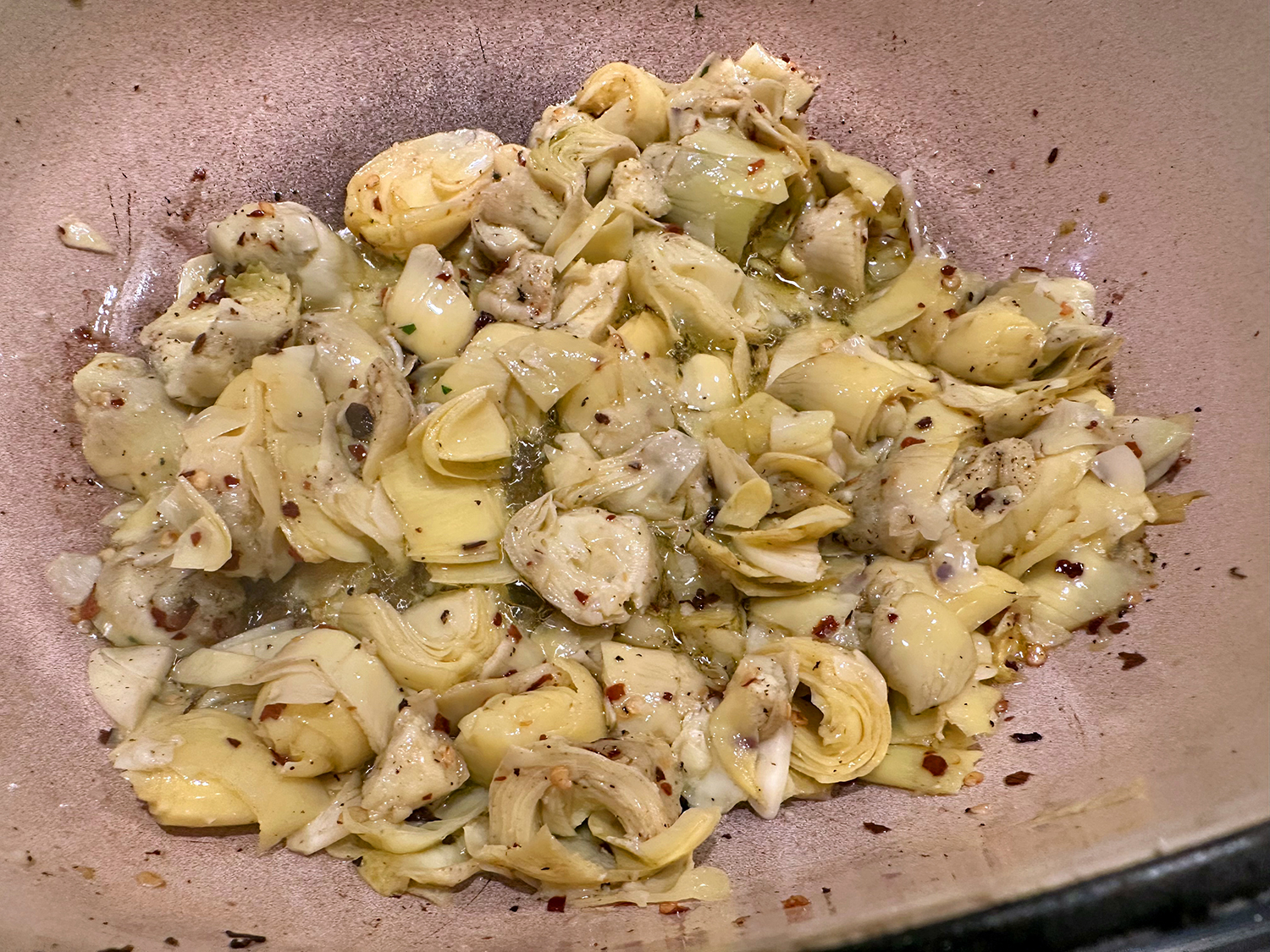
Quick, easy, tasty and filling—what’s not to like about that? Fast enough for a weeknight mad dash to dinner, this pantry pasta tastes more like a restaurant dish with its silky, flavorful sauce. The recipe uses canned artichokes which are brought to the peak of their crispy potential. The key is to remove as much water from the artichokes as possible by pressing them gently with paper towels (as you would tofu).

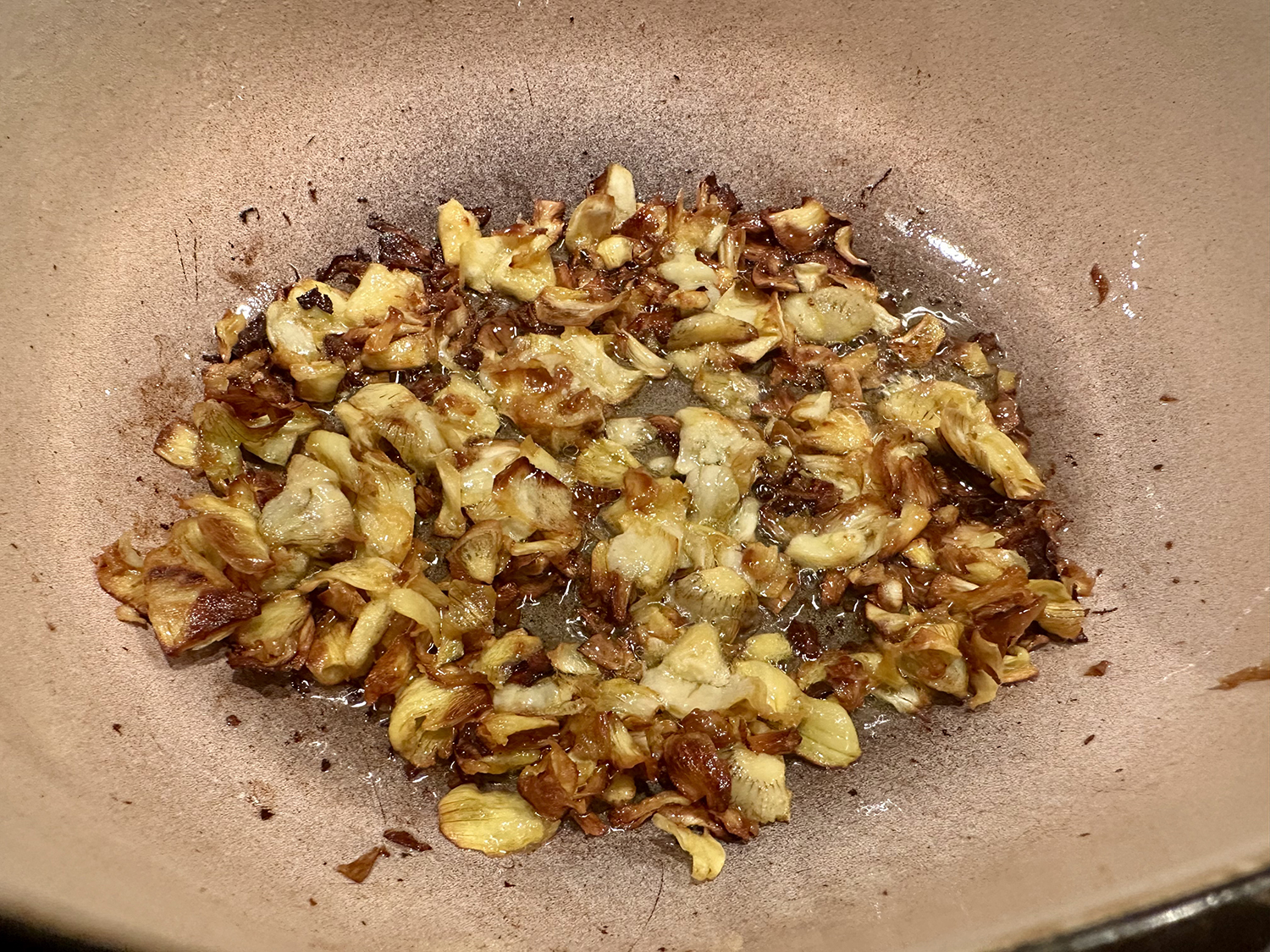
Some of the artichokes are fried in olive oil until shatteringly crisp, then the rest cook gently in more oil, along with garlic and chile flakes, to soften. They’re all mixed with pasta and Parmesan into a stunning weeknight meal. 

While the original recipe calls for one pound* of dried pasta, we cut that in half to 8 ounces, but kept the other ingredients as they were. However, using less rigatoni facilitated an adjustment for the amount of water. Save at least a cup of the pasta water before draining and introduce it bit-by-bit to the entire mixture until you get a silky consistency.

If you want to amp up the dish, you could add in some decent jarred tuna, crispy pancetta, bacon or prosciutto.

Crispy Artichoke Pasta

  • Servings: 4
  • Difficulty: easy
  • Print

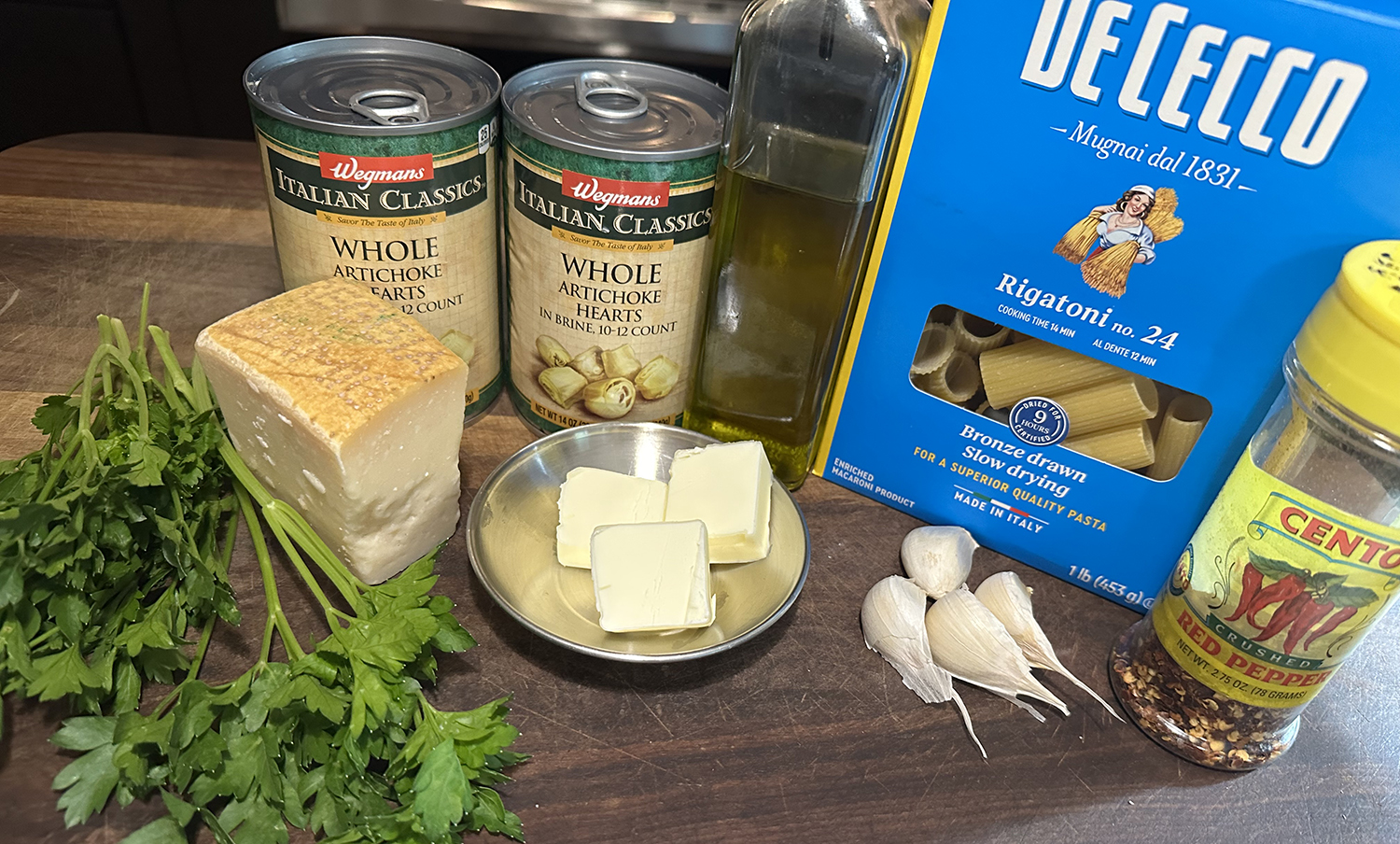
Ingredients

  • Salt and black pepper
  • 1 lb. short cut pasta*, such as rigatoni or gemelli
  • 2 14-oz. cans whole or quartered artichoke hearts
  • ½ cup extra-virgin olive oil
  • 4 garlic cloves, thinly sliced
  • 1 tsp. crushed red pepper flakes
  • 3 Tbsp. unsalted butter, cut into small pieces
  • ½ cup finely grated Parmesan, plus more for serving
  • ⅓ cup finely chopped parsley

Directions

  1. Bring a large pot of water to a boil, then season generously with salt. Cook the pasta until a bit firmer than al dente, about 2 fewer minutes than listed on the package. (It’ll finish cooking in the sauce.) Reserve 2 cups of pasta water, then drain.
  2. While the water comes to a boil, drain the artichokes and place on a clean kitchen towel (or paper towels). Cover with another kitchen towel (or paper towels), and gently press down to remove the excess water. Give the artichokes a rough chop.
  3. Line a plate with paper towels. Set another large pot over medium-high heat, and pour in ¼ cup oil. When the oil is hot, after 1 to 2 minutes, add one-third of the artichokes and cook, stirring occasionally, until deeply brown and crisp in most spots, 3 to 5 minutes. Using a slotted spoon, scoop out the artichokes, transfer to the lined plate and season with salt.
  4. Adjust heat to medium, add the remaining ¼ cup oil and the remaining artichokes to the pot, along with the garlic and red pepper. Season with salt and pepper and cook, stirring occasionally, until the garlic begins to soften and everything smells very good, 2 to 3 minutes.
  5. Add the drained pasta and 1½ cups of the pasta water and bring to a simmer, still over medium heat. (This may seem like a lot of liquid, but it will thicken when the remaining ingredients are added.) Add the butter and sprinkle in the Parmesan and continue to cook, tossing vigorously, until the cheese is melted and the sauce is creamy and clings to the pasta, 2 to 3 minutes. If the sauce looks too thick, add more pasta water, 1 to 2 tablespoons at a time. Turn off the heat and stir in the parsley. Season to taste with salt and pepper.
  6. Divide among bowls or plates. Sprinkle the reserved crispy artichokes and more Parmesan on top before serving.

http://www.lynnandruss.com

Adapted from a recipe by Andy Baraghani for NYTimes Cooking
Pasta with No-Cook Tomato Sauce

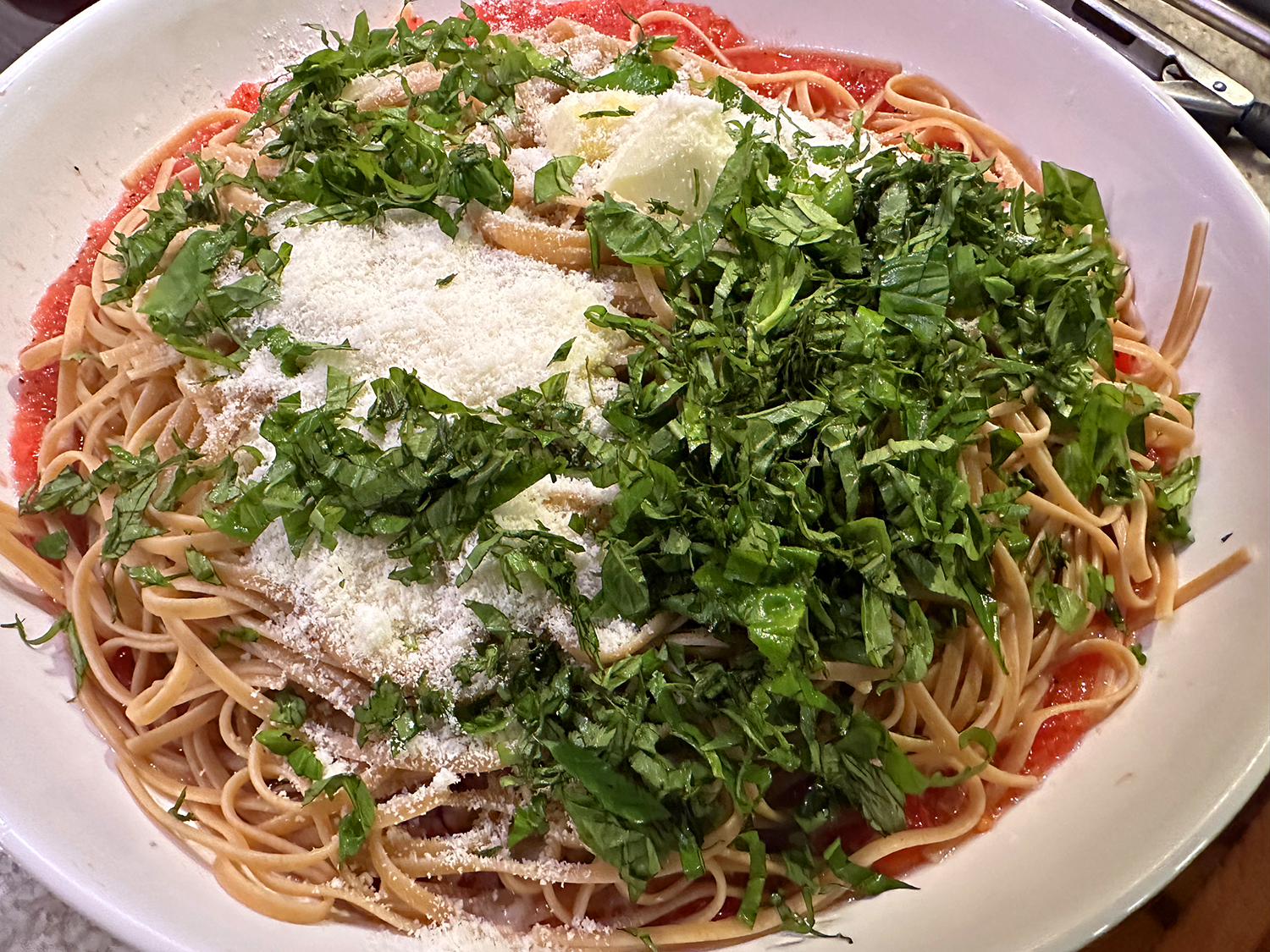
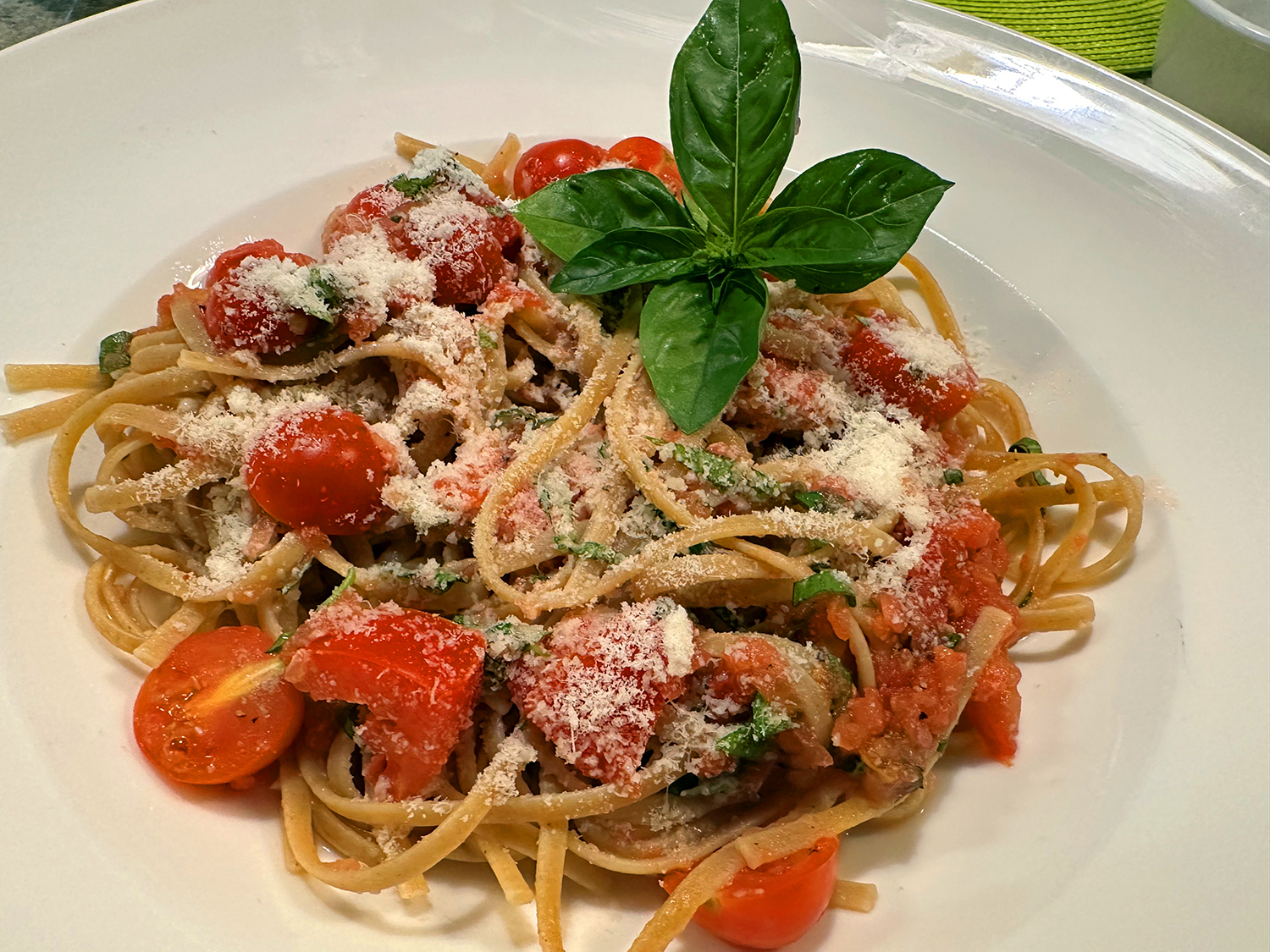
This pasta is perfect for late summer, when you want to enjoy the flavor of tomatoes at the peak of their season in a meal that is simple, yet utterly delicious. It goes without saying, you want the ripest, freshest tomatoes for this dish; their flavor makes all the difference.

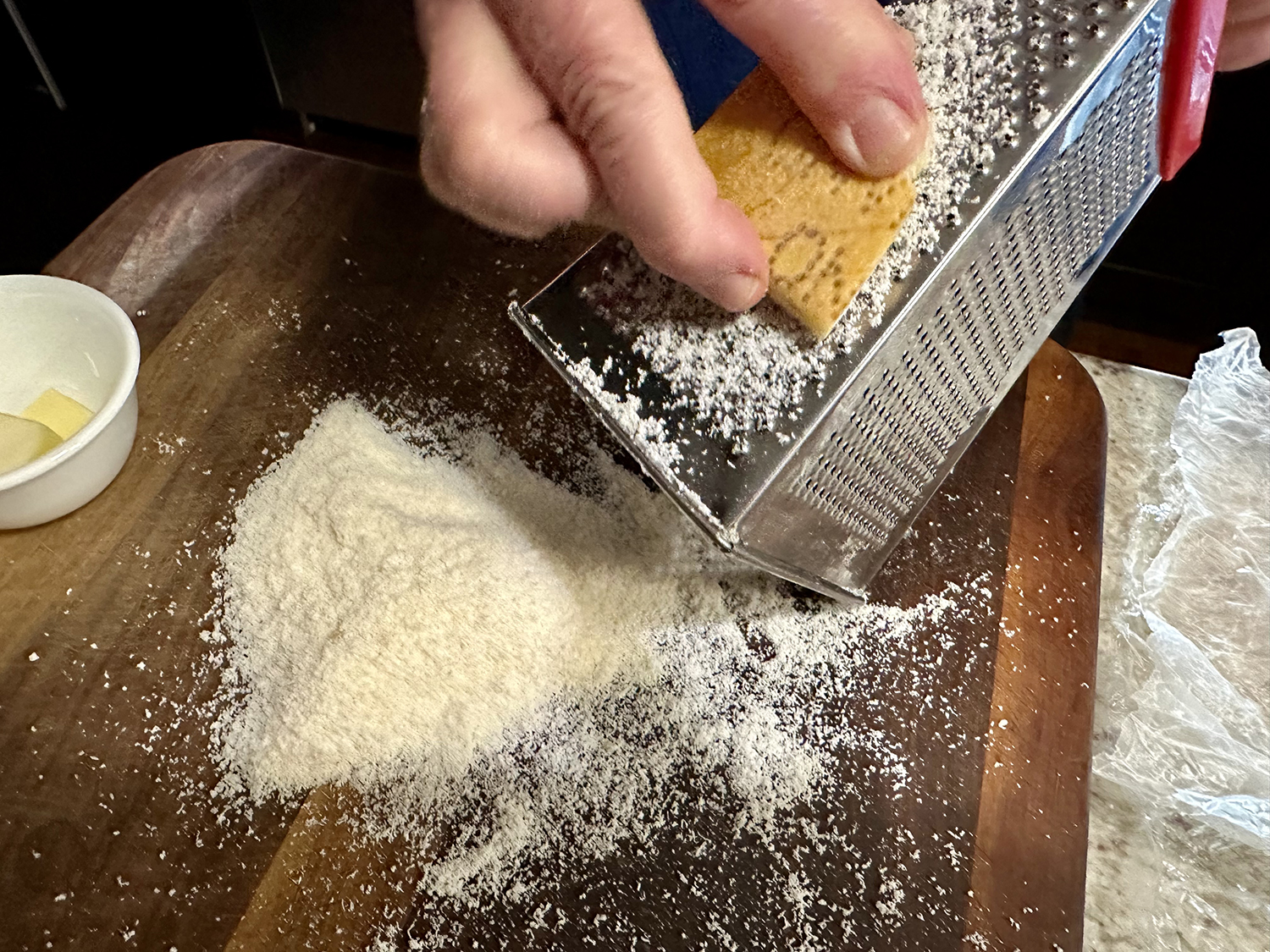
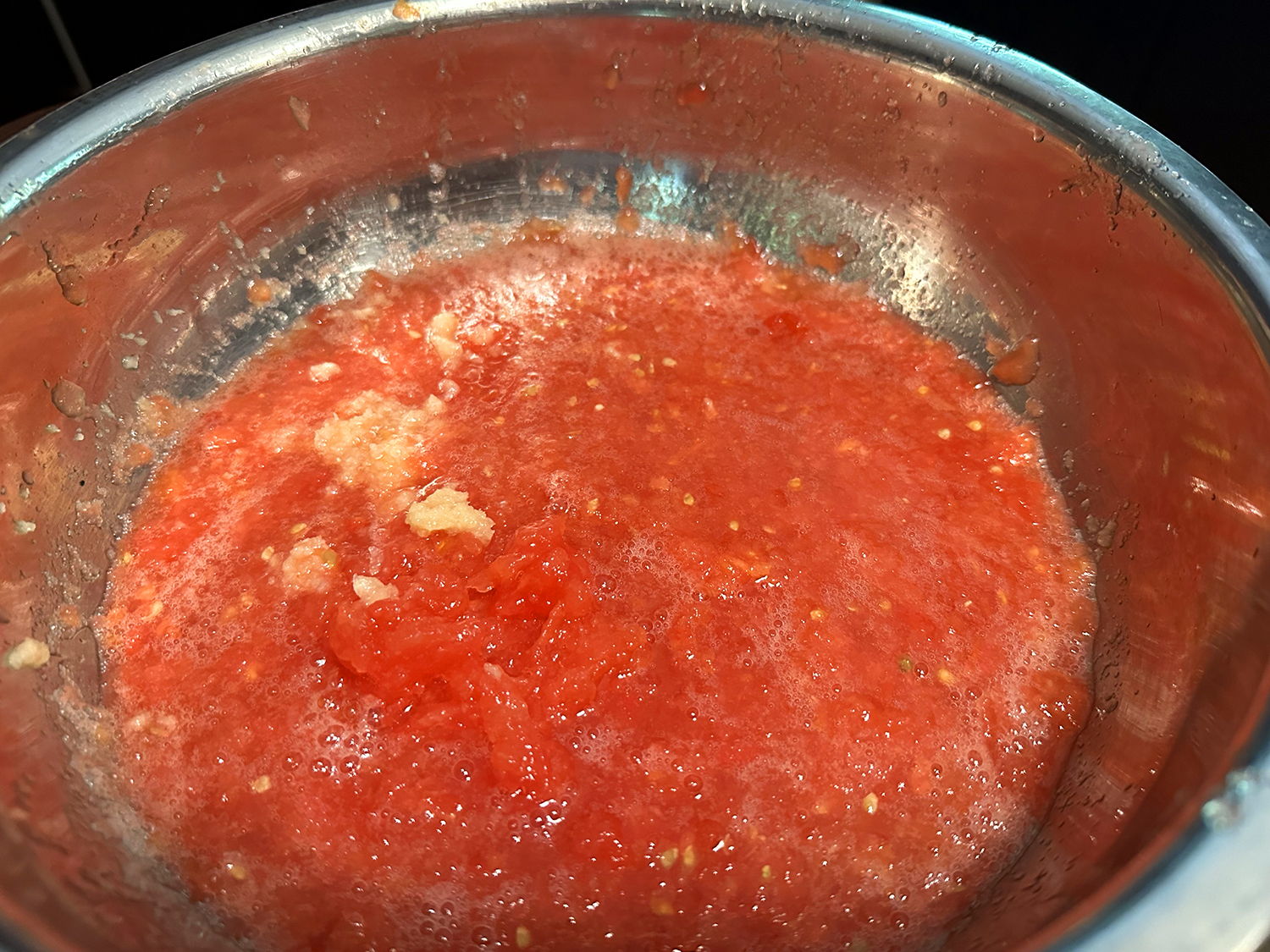
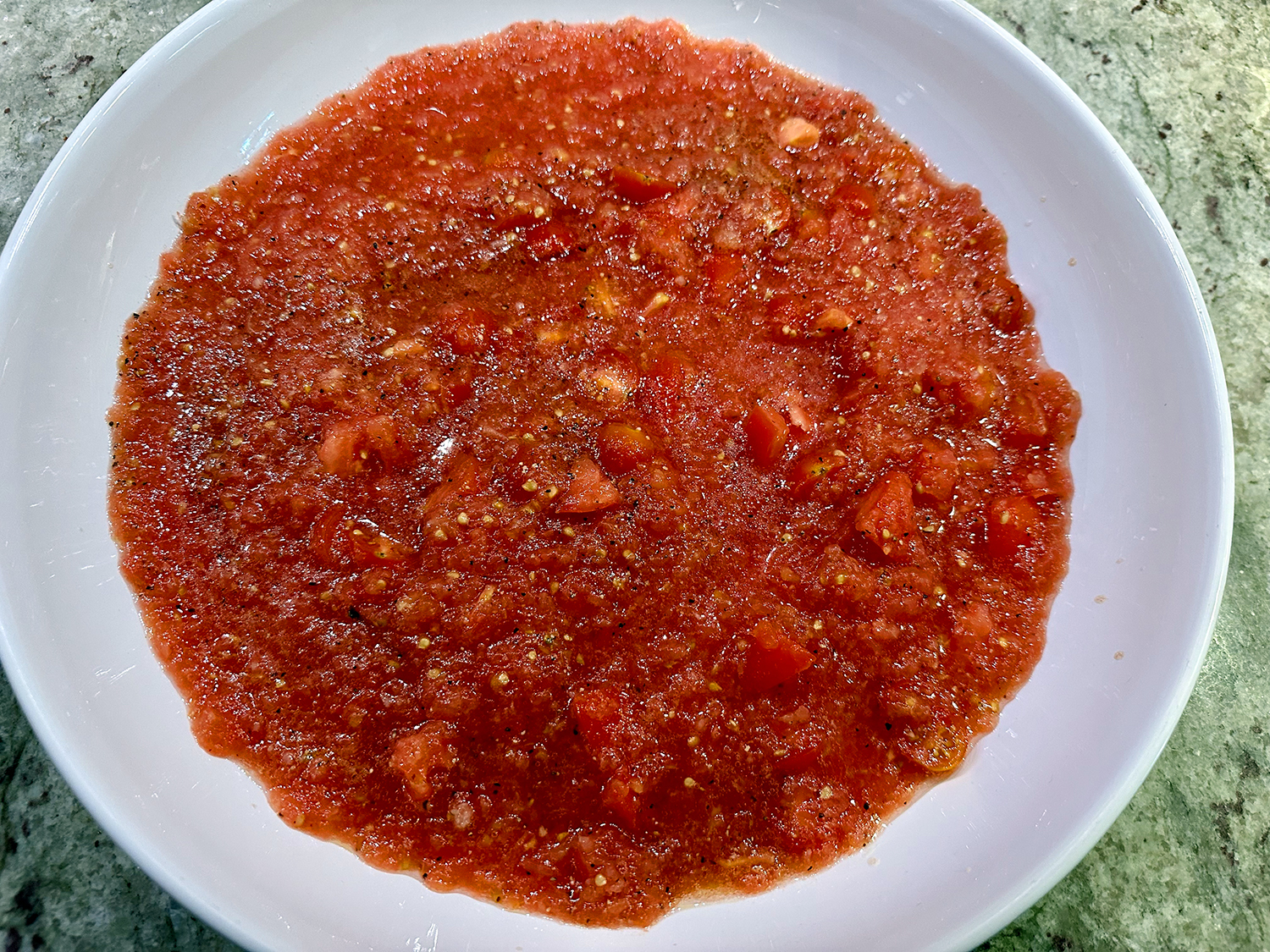
A no-cook tomato sauce is the ultimate way to show off the beauty of sweet summer tomatoes when they are at the peak of their season. In this version, use two types of tomatoes — large beefsteak tomatoes grated to make up the base of the sauce and cherry tomatoes to give the sauce a toothy texture. A box grater is key for grating the tomatoes, garlic, and Parmesan but you can also use a food processor with the grater attachment if necessary. 

Grated fresh garlic is far more pungent than cooked garlic, so one clove of garlic is all that is needed for this recipe. If you are a true garlic lover, as we are, add another grated clove to the tomatoes as they marinate. 

The original recipe indicates to use tongs to transfer the cooked pasta to the bowl with the tomatoes. We found that to be too watery, and suggest draining the pasta first before adding it to the tomato sauce.

Pasta with No-Cook Tomato Sauce

  • Servings: 4
  • Difficulty: easy
  • Print

Ingredients

  • 2 1/2 lbs. ripe beefsteak tomatoes, halved crosswise
  • 1 garlic clove
  • 1 pint (10 oz.) cherry tomatoes, cut in half
  • 1 Tbsp. extra-virgin olive oil, plus more for serving
  • 1 Tbsp. red wine vinegar, plus more as needed
  • 1 Tbsp. kosher salt, plus more to taste
  • 1 tsp. cracked black pepper
  • 1 lb. angel hair pasta (we used whole wheat linguine)
  • 3 Tbsp. unsalted butter, room temperature 
  • 1/2 cup grated Parmesan, plus more for serving
  • 1 cup thinly sliced basil, plus more for serving
  • Pinch crushed red pepper flakes

Directions

  1. Grate the cut sides of the beefsteak tomato halves on the large holes of a box grater set in a large bowl until only the skins remain; discard the skins. Grate the garlic clove against the smallest holes into the same bowl.
  2. Add the halved cherry tomatoes, olive oil, vinegar, salt, and pepper. Stir to combine, cover, and let tomato mixture sit at room temperature for at least 30 minutes and up to 4 hours. Taste the tomato sauce, and add more salt and red wine vinegar to boost the flavor as needed.
  3. Bring a large pot of salted water to a boil. Add the pasta and cook to al dente according to package instructions, 4 to 5 minutes.
  4. Drain the cooked pasta and add it the to the bowl with the tomatoes; add the butter, Parmesan, basil, and crushed red pepper flakes and toss until the pasta and sauce are combined. Divide the pasta into four bowls, and top each with a drizzle of olive oil, plus grated Parmesan and sliced basil.

http://www.lynnandruss.com

Adapted by a recipe by Chandra Ram for Food & Wine

Seafood Pasta with Tomato and Crushed Olives

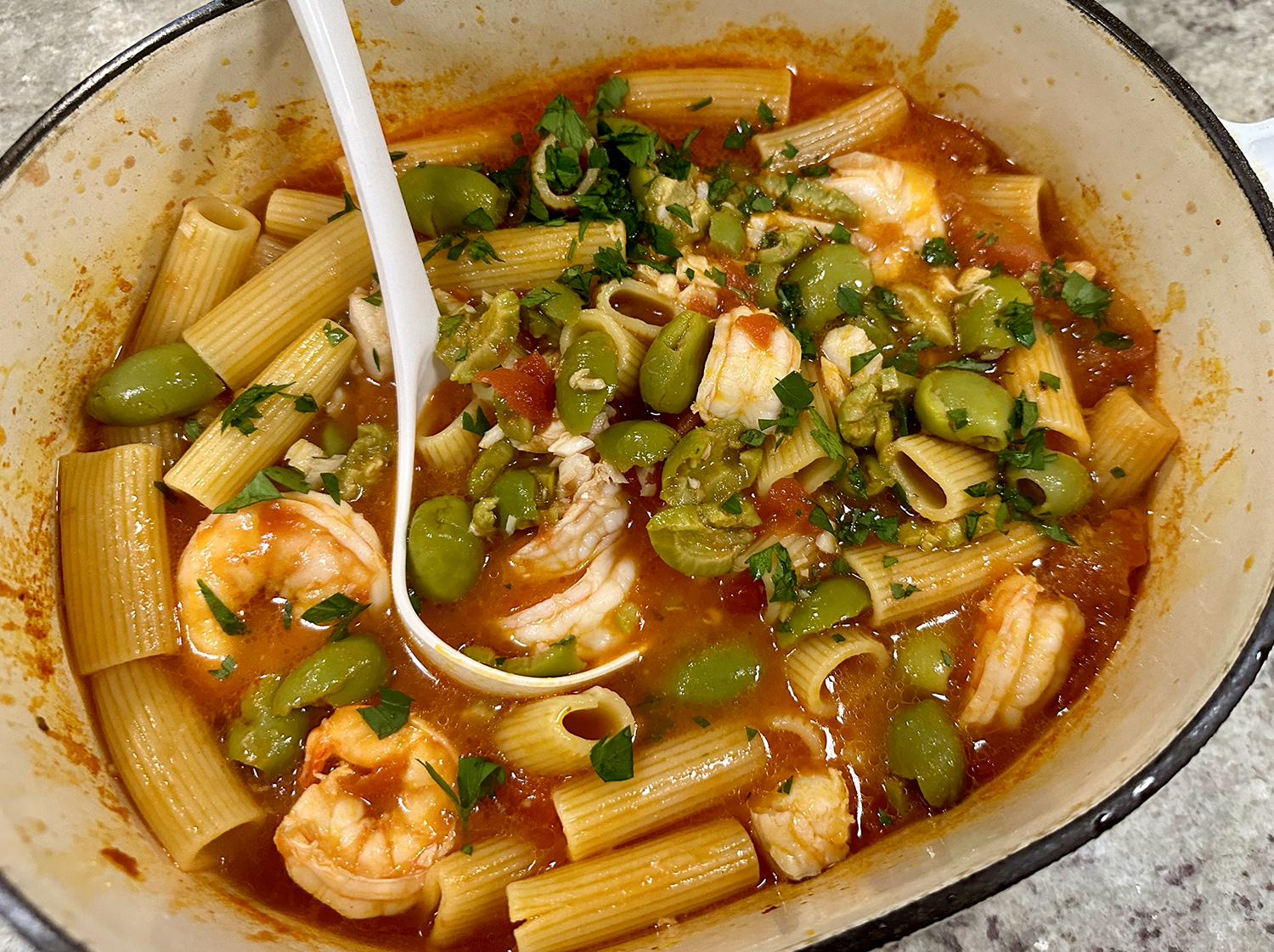
Think of this as a weeknight fish stew with pasta rather than a seafood pasta. It’s highly customizable: You can use whatever seafood you like, including but not limited to shellfish, like mussels, clams or shrimp, and firm-fleshed white fish, such as cod, halibut or flounder.

Since one of our diners did not eat clams, we doubled the amount of shrimp. If you do omit the clams, use some clam broth along with the water* in Step 3 to help flavor the overall broth. Seafood stock would also be another good option.

The trick is to make sure the garlicky tomatoes are brothy enough to gently poach the seafood (which then further flavors the sauce), yet thick enough to coat each tube of pasta. Finished with briny olives and a smattering of fresh parsley, it’s best eaten with a spoon and lots of thick-cut toast for sopping up all the luscious goodness.

Seafood Pasta With Tomato and Crushed Olives

  • Servings: 4
  • Difficulty: easy
  • Print

Ingredients

  • 8 oz. rigatoni or another tube-shaped pasta
  • Kosher salt
  • 3 Tbsp. olive oil, plus more for drizzling
  • 4 garlic cloves, sliced
  • Pinch of red-pepper flakes (optional)
  • 1 (28-oz.) can whole San Marzano tomatoes, crushed by hand
  • ½ lb. mussels or clams (optional)
  • 1 lb. firm-fleshed white fish, such as cod, halibut, swordfish, hake or flounder, cut into 2-inch pieces
  • ½ lb. shrimp, peeled and deveined if you like
  • ¾ cup Castelvetrano or other green olives, pitted and crushed
  • ½ cup parsley, tender leaves and stems, chopped

Directions

  1. Cook pasta in a large pot of boiling salted water. Once it reaches al dente, drain and set aside while you finish the sauce.
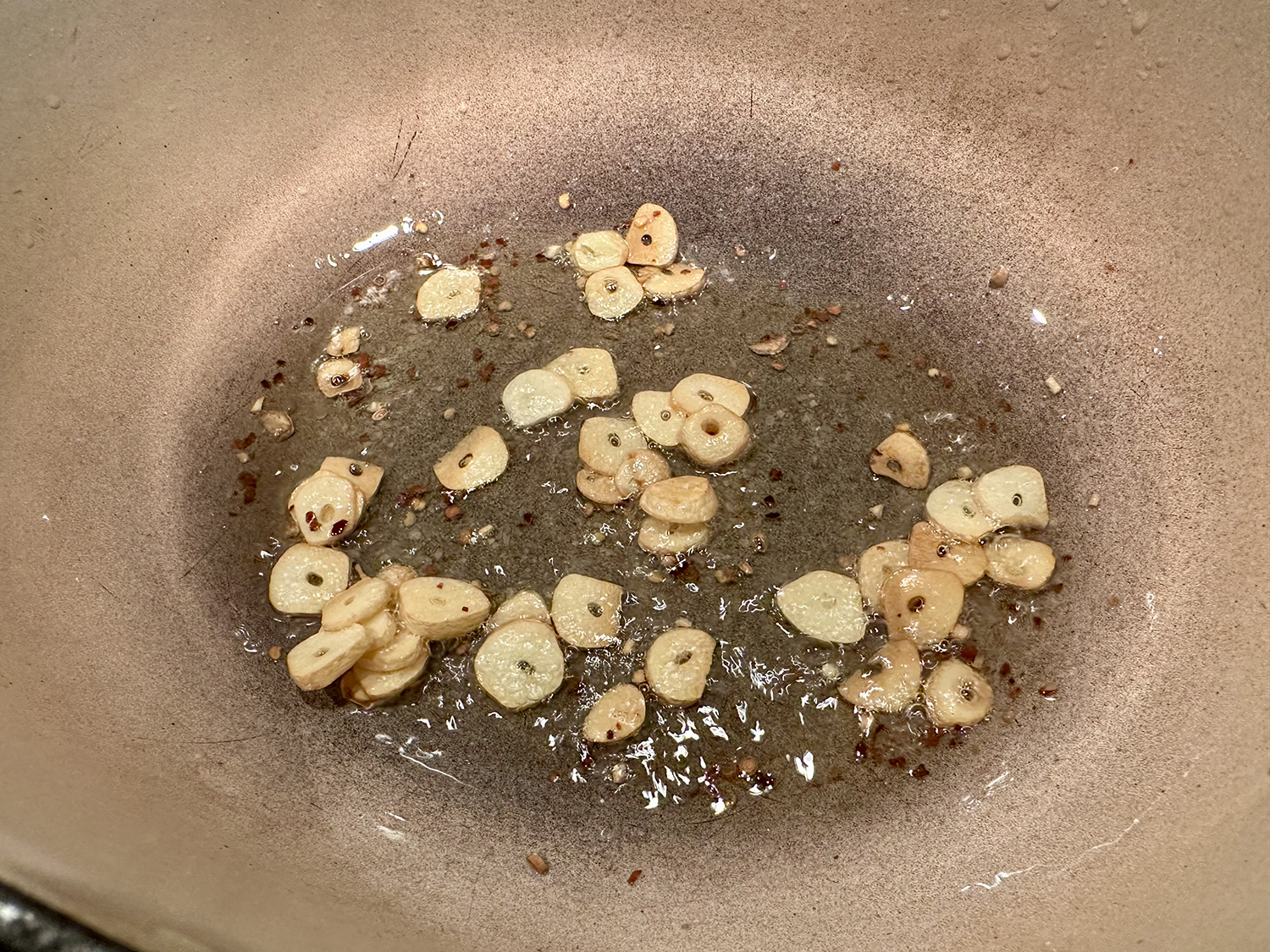
  2. Meanwhile, heat olive oil in a heavy-bottomed Dutch oven over medium heat. Add garlic and season with salt. Cook, stirring occasionally, until garlic is lightly browned and toasted around the edges, about 2 minutes. Add red-pepper flakes, if using.
  3. Add tomatoes and then fill the empty can about ¾ of the way up with water*. Swirl the can to loosen the tomatoey bits left behind and add that to the pot. Season with salt, bring to a simmer and cook, stirring occasionally, until sauce has thickened slightly (it should still look quite brothy), 10 to 15 minutes.
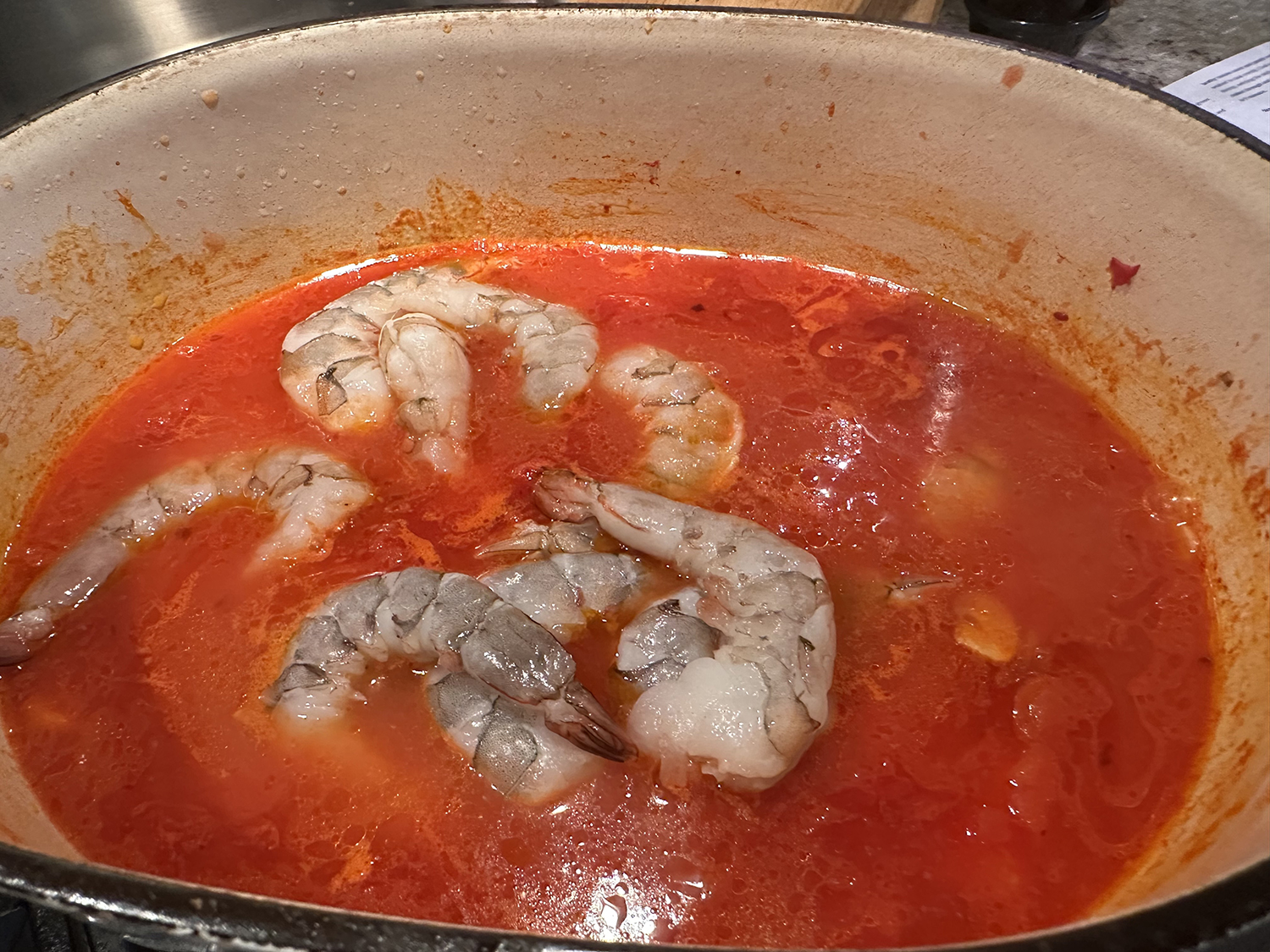
  4. Add the mussels or clams to the sauce, if using, along with the fish, and season again with salt. Let the seafood settle into the brothy tomato sauce and gently swirl the pot, encouraging the seafood to cook evenly. Cook a minute or two, then add the shrimp, swirling the skillet again. Cook until all the seafood is just cooked through and the mussels or clams have opened, another 3 to 5 minutes.
  5. Add the pasta and very gently toss to coat, cooking another 1 to 2 minutes, just to let the flavors meld. Add olives and remove from heat.
  6. Divide among bowls, top with parsley and drizzle with olive oil before serving.

http://www.lynnandruss.com

Recipe from Alison Roman for NYTimes Cooking
Pan-Seared Salmon with Citrus Pesto and Pasta

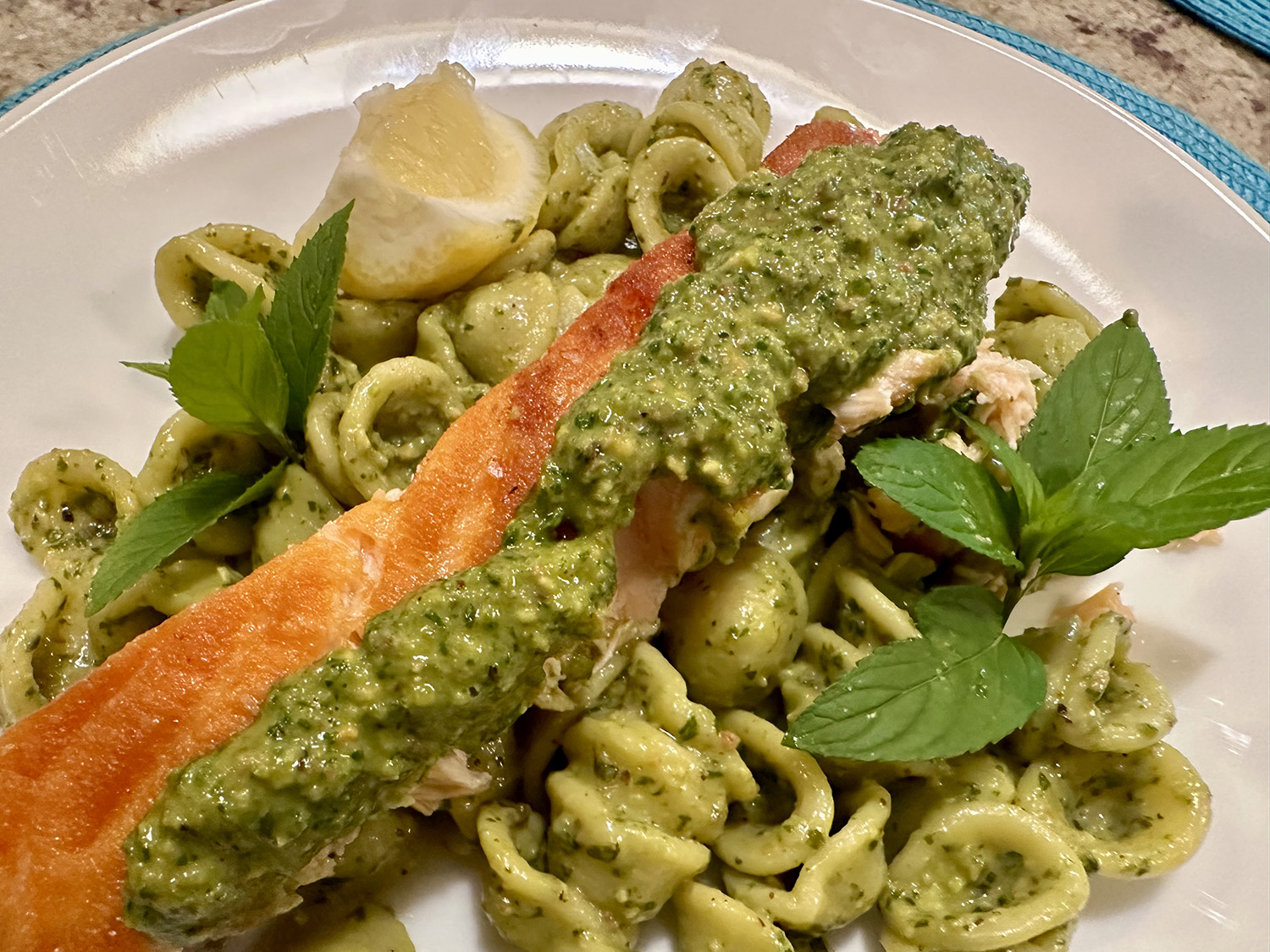
A lovely pescatarian meal utilizing a unique pesto which uses lot of fresh basil, and perhaps some fresh mint from your herb garden, or a local farmer’s market. And the citrus coming from a pink grapefruit is a novel approach, although we added the zest from one lemon also, to emphasize those welcome citrus notes.

Genovese pesto isn’t the only pesto around: There are many regional variations, including a vibrant and light Sicilian version that stars citrus. This naturally vegan version doesn’t need cheese: The citrus provides acidity, and the umami comes from the capers and toasted nuts.

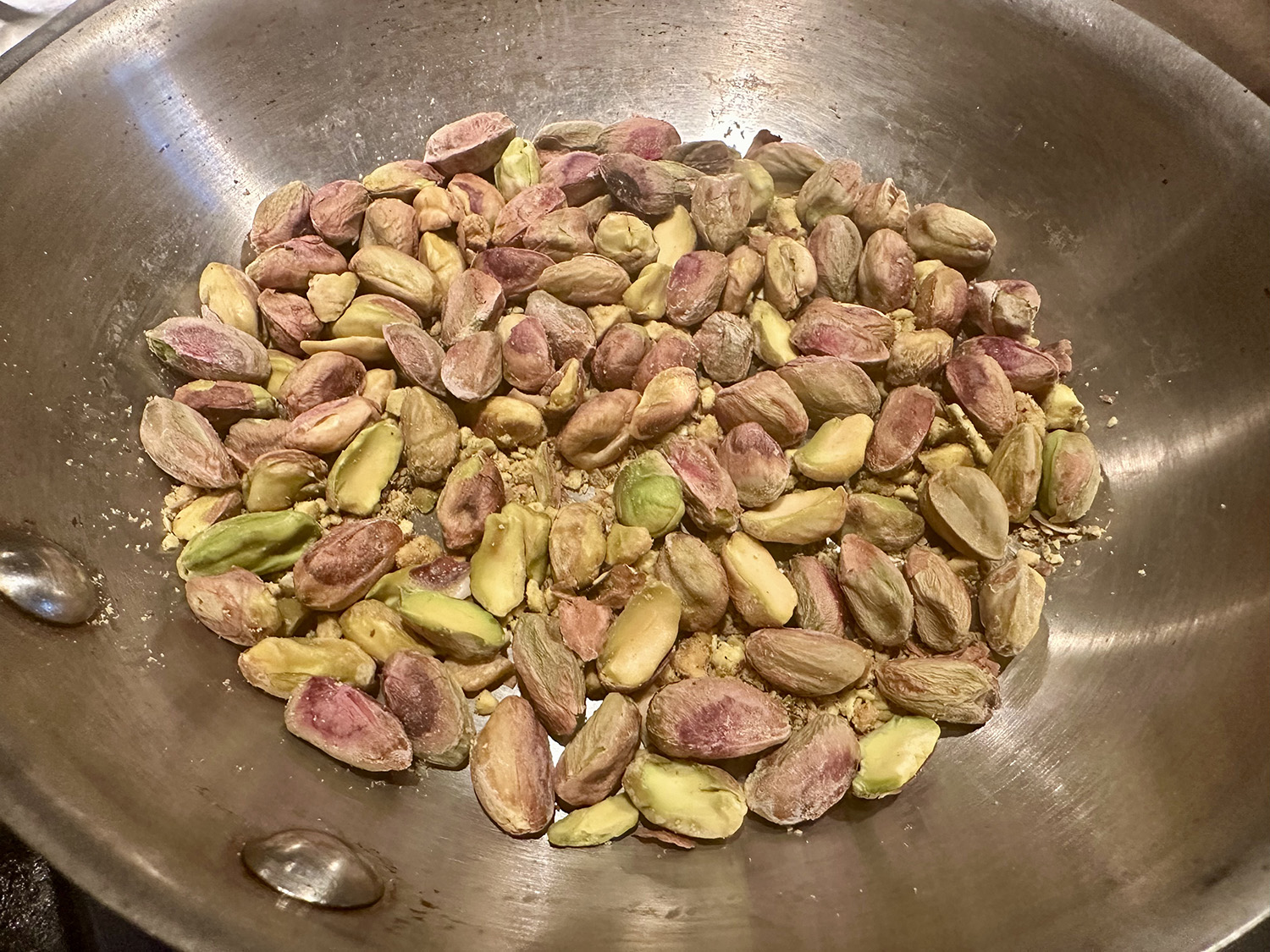
Pistachios and almonds grow abundantly in Sicily, but walnuts or pine nuts also work. Feel free, generally, to adapt this base recipe, as you’ll find Italian citrus pestos made with anchovies, garlic, dried oregano, fennel fronds, dried chile and, yes, cheese, if desired. We did add a bit of grated parmesan on the pasta.

We altered the original recipe to better suit our needs and preferences. For starters, we used a single one-pound salmon filet. The pesto was increased by half to make sure we had enough for our choice of pasta, orecchiette—which the sauce nestles inside of. And while we used both basil and mint, it was about a 75-25% ratio with basil being the dominant herb.

Pan-Seared Salmon with Citrus Pesto and Pasta

  • Servings: 2-4
  • Difficulty: easy
  • Print

Ingredients

For the Pesto

  • ½ cup toasted pistachios
  • 12 oz. orecchiette pasta
  • 1 Tbsp. drained and rinsed capers
  • Kosher salt
  • 3 cups mint or basil leaves (or a combination)
  • 1 ½ Tbsp. grapefruit, and ½ Tbsp.lemon zest; plus 4 ½ Tbsp. grapefruit juice
  • ½ cup extra-virgin olive oil, plus more as needed

For the Fish

  • 1 lb. salmon fish fillet
  • Salt
  • Extra-virgin olive oil, for greasing

Directions

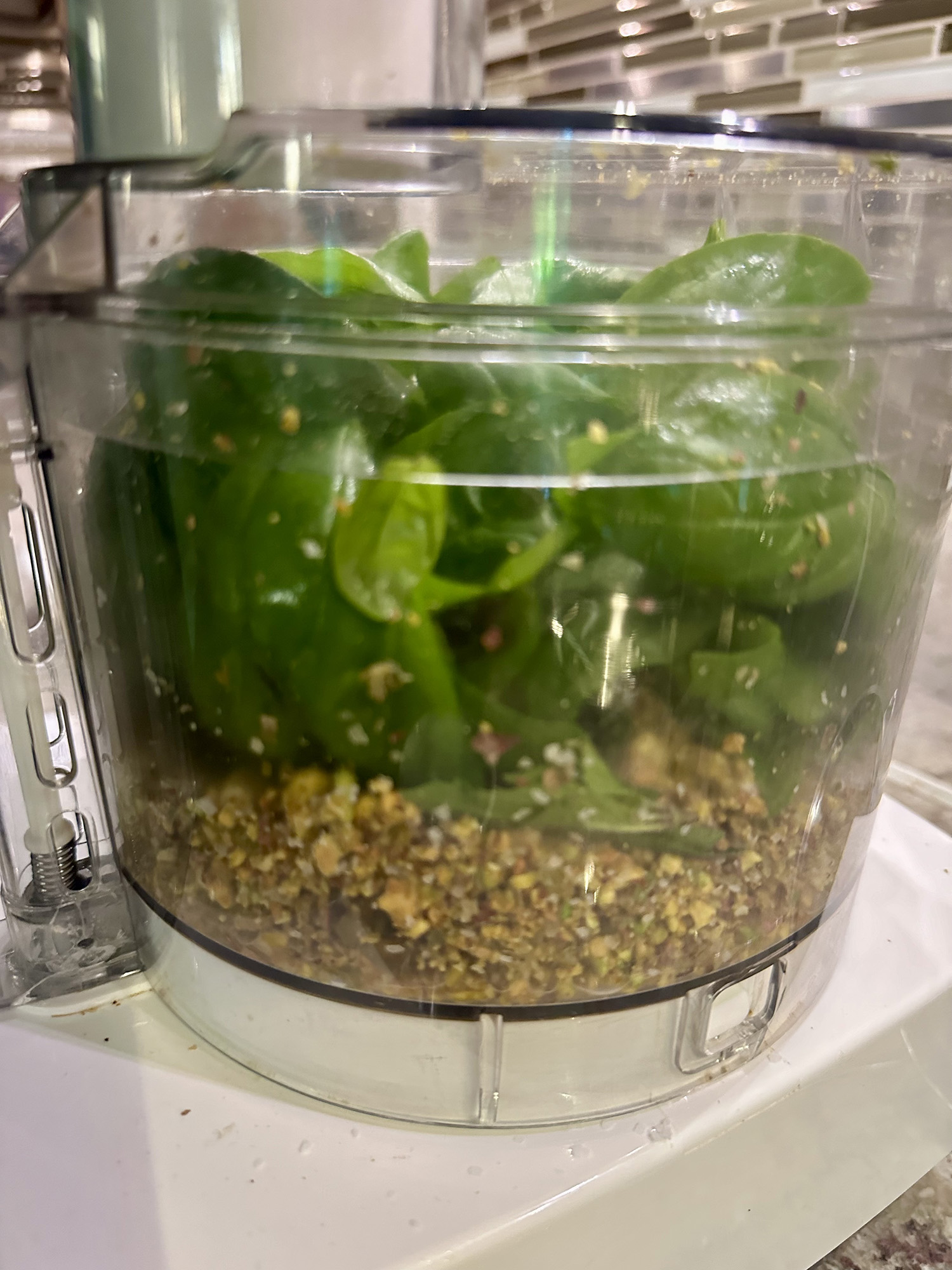
  1. To make the pesto, add the pistachios, capers and 1 teaspoon salt to a food processor and process until coarsely chopped. Add the herbs, citrus juice and a pinch of salt and pulse until the herbs are finely chopped and the nuts are about the size of sesame seeds.
  2. Cook the orecchiette as directed on the package. Reserve about 1 cup of the pasta water.
  3. Add the olive oil and pulse just until combined. Stir in 1 Tbsp. of citrus zest. Taste, then continue to add more zest and salt until the pesto is citrusy and punchy.
  4. Thin with 2 to 3 more tablespoons of olive oil until it’s the consistency of a loose paste. Taste, and adjust seasonings as needed.
  5. To make the fish, season it all over with salt and oil. Add the fish (skin-side down, if your fillets are skin-on) to a large nonstick skillet, then heat over medium. Cook until the flesh is opaque ¾ of the way up the sides, 6 to 12 minutes, depending on the thickness of the fish. If the fish is buckling, press it down with a spatula so it makes contact with the skillet. Flip and cook until cooked through, 1 to 2 minutes.
  6. Divide the pesto roughly in half, adding part of it to the pasta along with some reserved pasta water until a loose consistency.
  7. Divide desired amount of cooked and sauced orecchiette onto plates, lay the salmon fillets and top with a few spoonfuls of pesto.

http://www.lynnandruss.com

Loosely adapted from a recipe by Ali Slagle for NYTimes Cooking
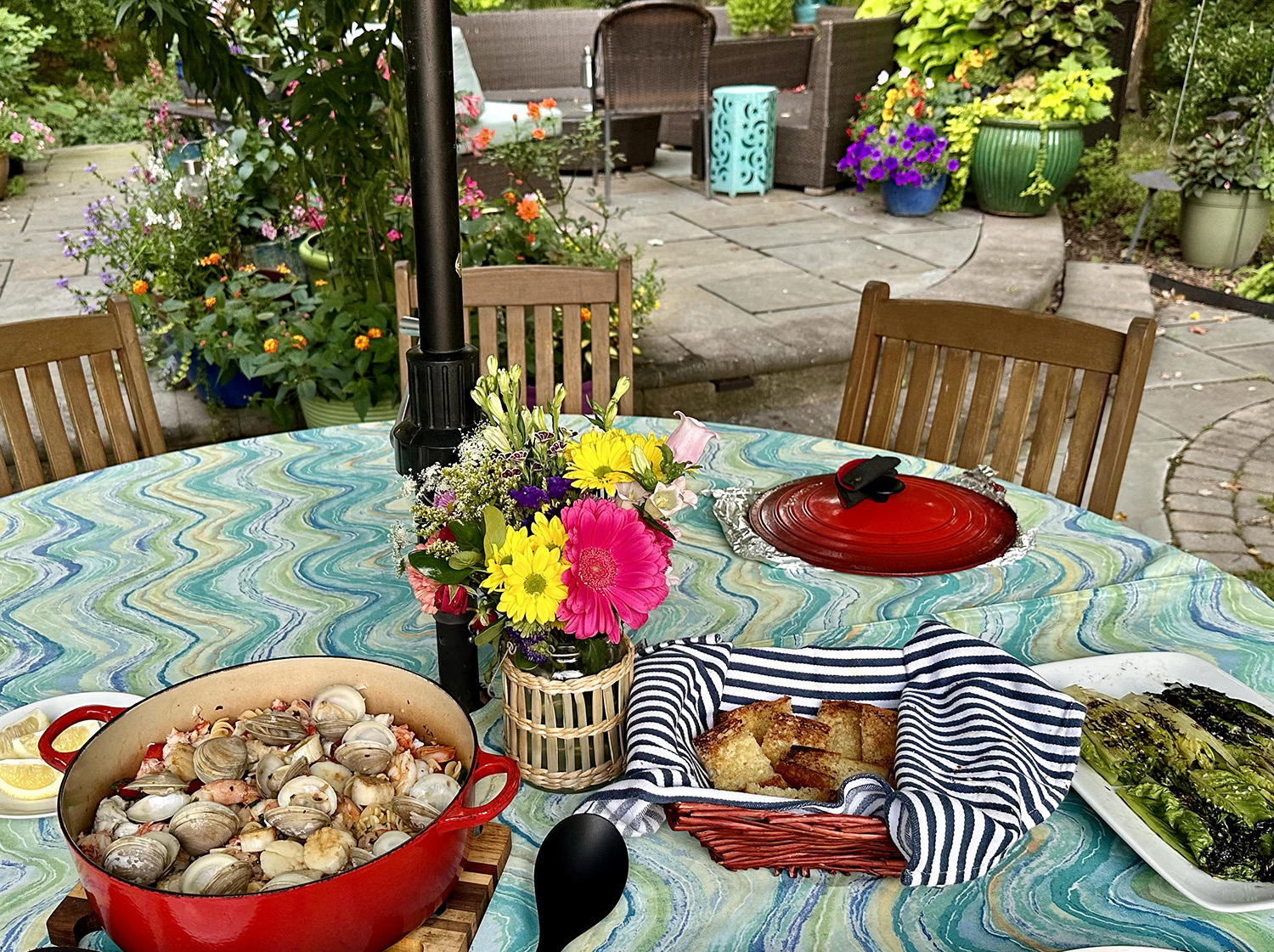
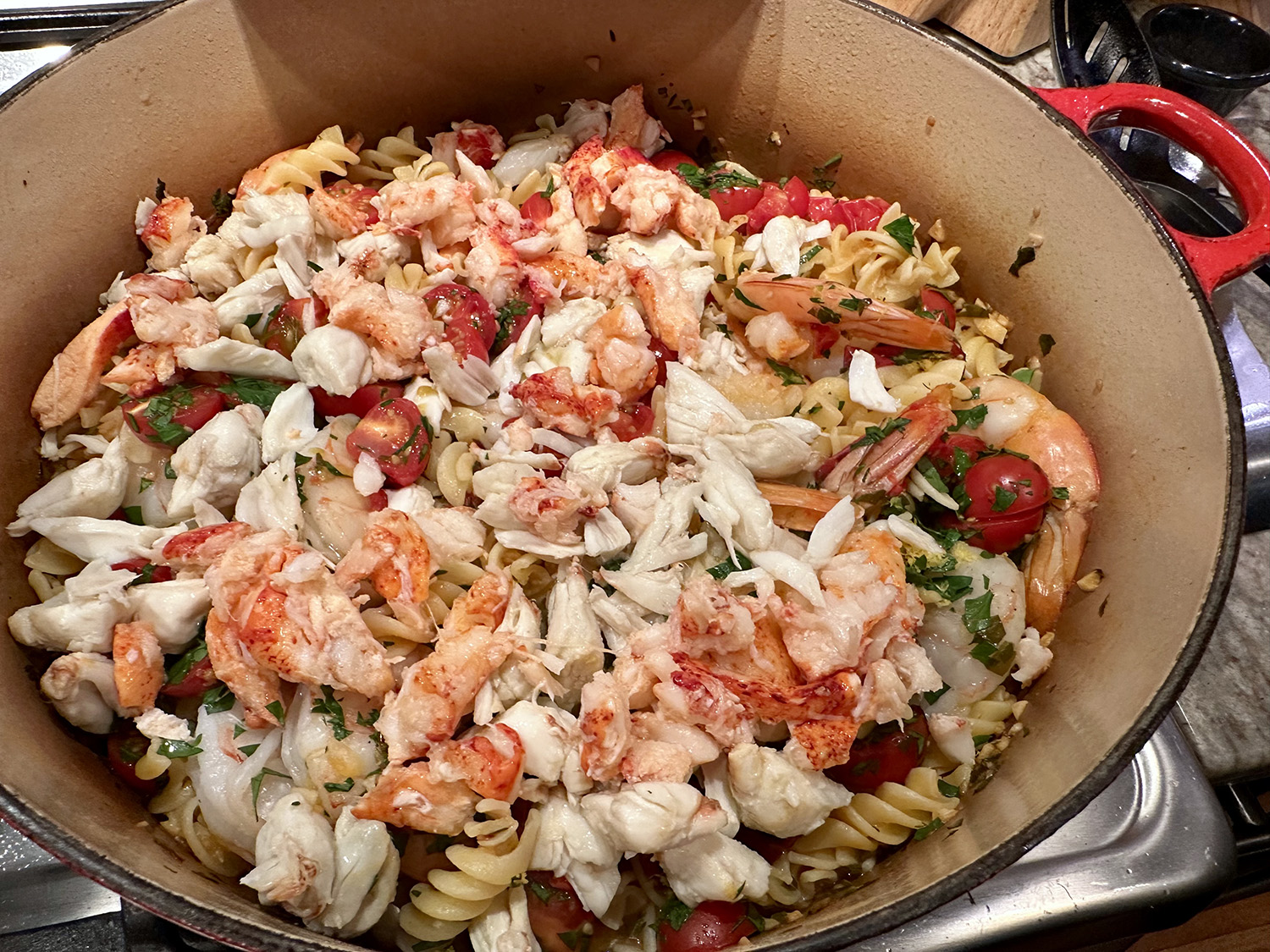
Pasta with Seafood Galore!

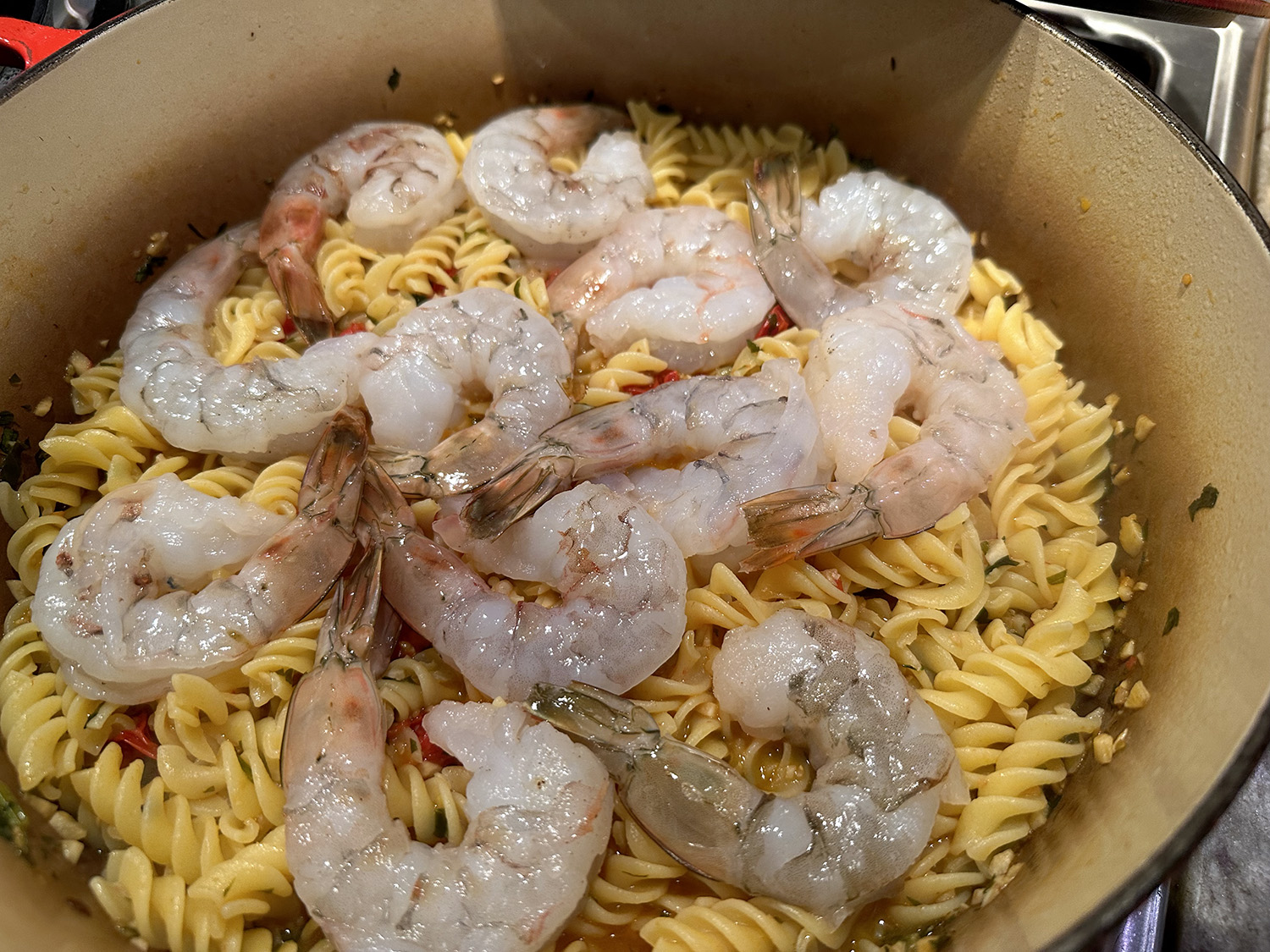
For savory seafood flavor in every bite, make a sauce with clam juice and several minced anchovies, which fortify the juices shed by the shellfish. Cooking the shellfish in a careful sequence—adding hardier clams first and then adding the shrimp and remaining seafood during the final few minutes of cooking—ensures that every piece is plump and tender.

The pasta is then finished cooking directly in the sauce; the noodles soaked up flavor while shedding starches that thickened the sauce so that it clings well to the linguine. Fresh cherry tomatoes, lots of garlic, fresh herbs, and lemon make for a bright, clean, complex-tasting sauce.

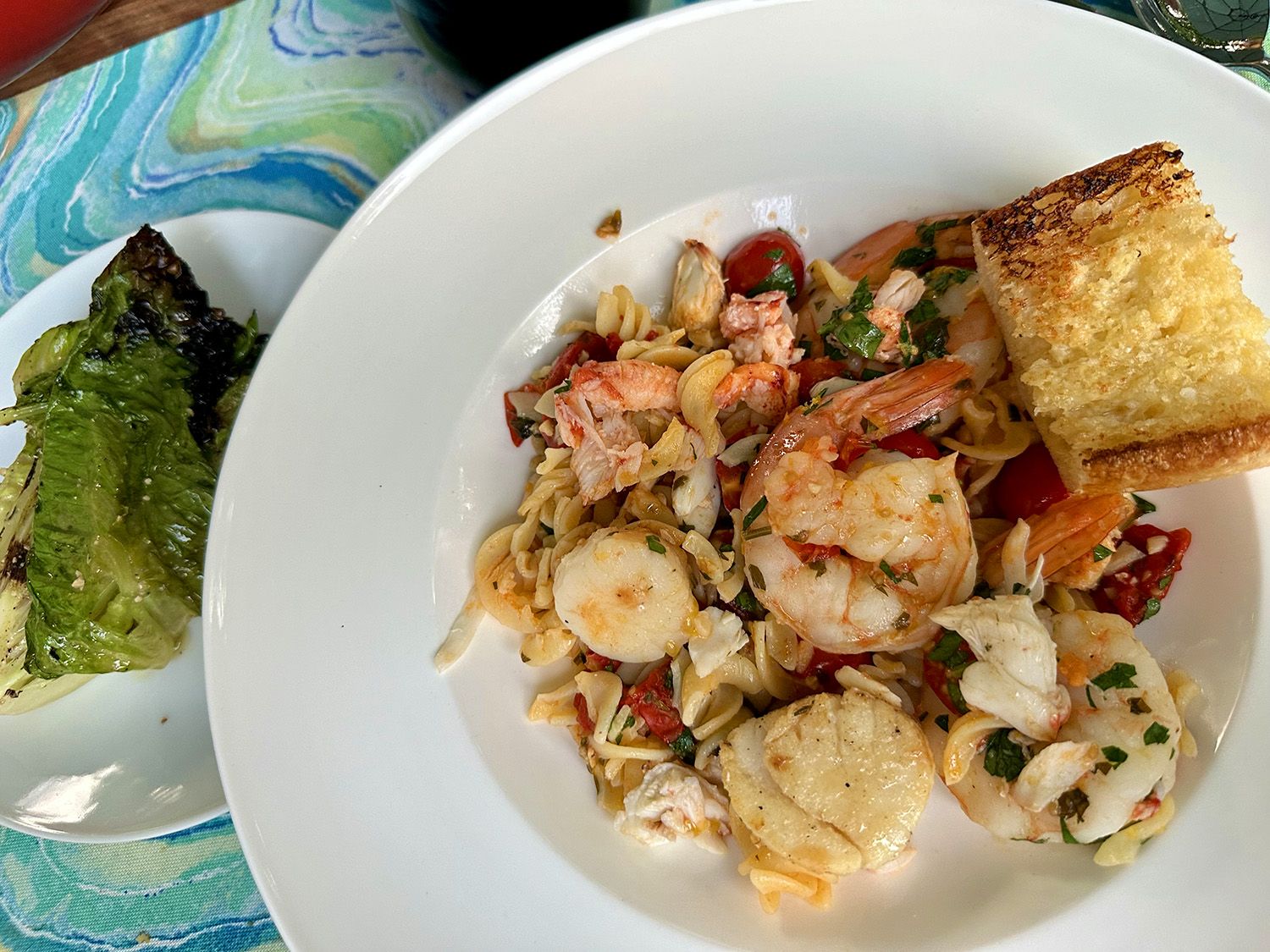
Our guest diner was following a gluten-free diet so we used gluten-free fusilli which tends to fall apart when stirred with other ingredients. If gluten-free is not an issue for you, stick with a regular wheat pasta such as linguine.

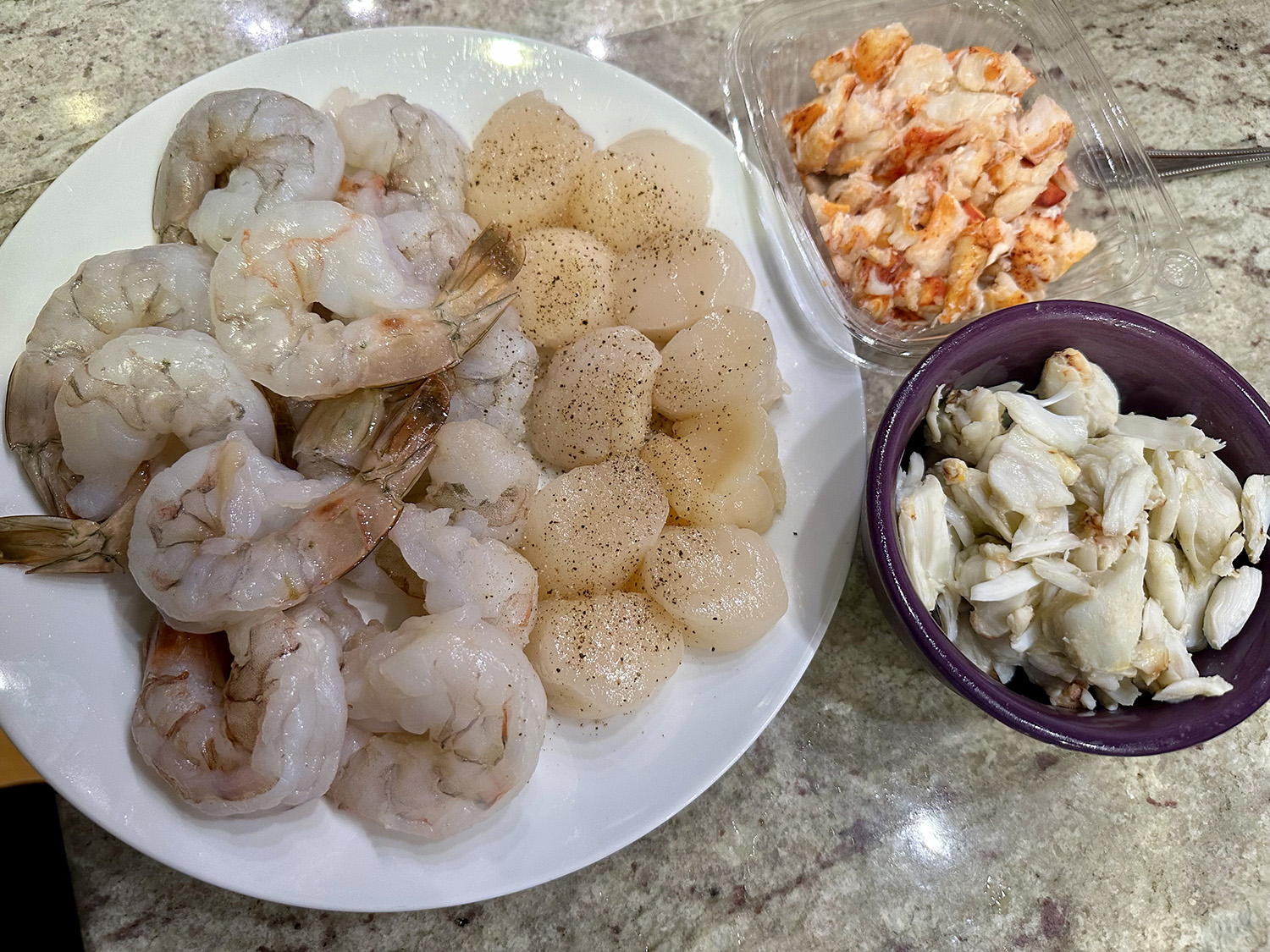
The types of seafood and amounts were altered to fit our preferences. One diner did not like mussels or squid, so we substituted lump crab meat and chunks of lobster. To complete the meal, we served a side of grilled romaine and some crusty garlic bread.

Pasta with Seafood Galore!

  • Servings: 4-6
  • Difficulty: easy
  • Print

Ingredients

  • 6 Tbsp. extra-virgin olive oil
  • 12 garlic cloves, minced
  • ¼ tsp. red pepper flakes
  • 12 littleneck clams, scrubbed
  • 9 scallops
  • 1 ¼ lbs. cherry tomatoes, half of tomatoes halved, remaining tomatoes left whole
  • 1 (8-oz) bottle clam juice
  • 1 cup dry white wine
  • 1 cup minced fresh parsley
  • 1 Tbsp. tomato paste
  • 4 anchovy fillets, rinsed, patted dry, and minced
  • 1 tsp. minced fresh thyme
  • Salt and pepper
  • 12 oz. linguine (or any pasta you prefer)
  • 12 extra-large shrimp (21 to 25 per lb.), peeled and deveined
  • 8 oz. lump crab meat
  • 5 oz. chunked lobster meat
  • 2 tsp. grated lemon zest, plus lemon wedges for serving

Directions

  1. Heat 1/4 cup oil in large Dutch oven over medium-high heat until shimmering. Add garlic and pepper flakes and cook until fragrant, about 1 minute. Add clams, cover, and cook, shaking pan occasionally, for 8 minutes until clams. Transfer clams to bowl, discarding any that haven’t opened, and cover to keep warm; leave any broth in pot.
  2. Add whole tomatoes, clam juice, wine, 1/2 cup parsley, tomato paste, anchovies, thyme, and 1/2 teaspoon salt to pot and bring to simmer over medium-high heat. Reduce heat to medium and cook, stirring occasionally, until tomatoes have started to break down and sauce is reduced by one-third, about 10 minutes.
  3. Meanwhile, bring 4 quarts water to boil in large pot. Add pasta and 1 tablespoon salt and cook, stirring often, for 7 minutes. Reserve 1/2 cup cooking water, then drain pasta.
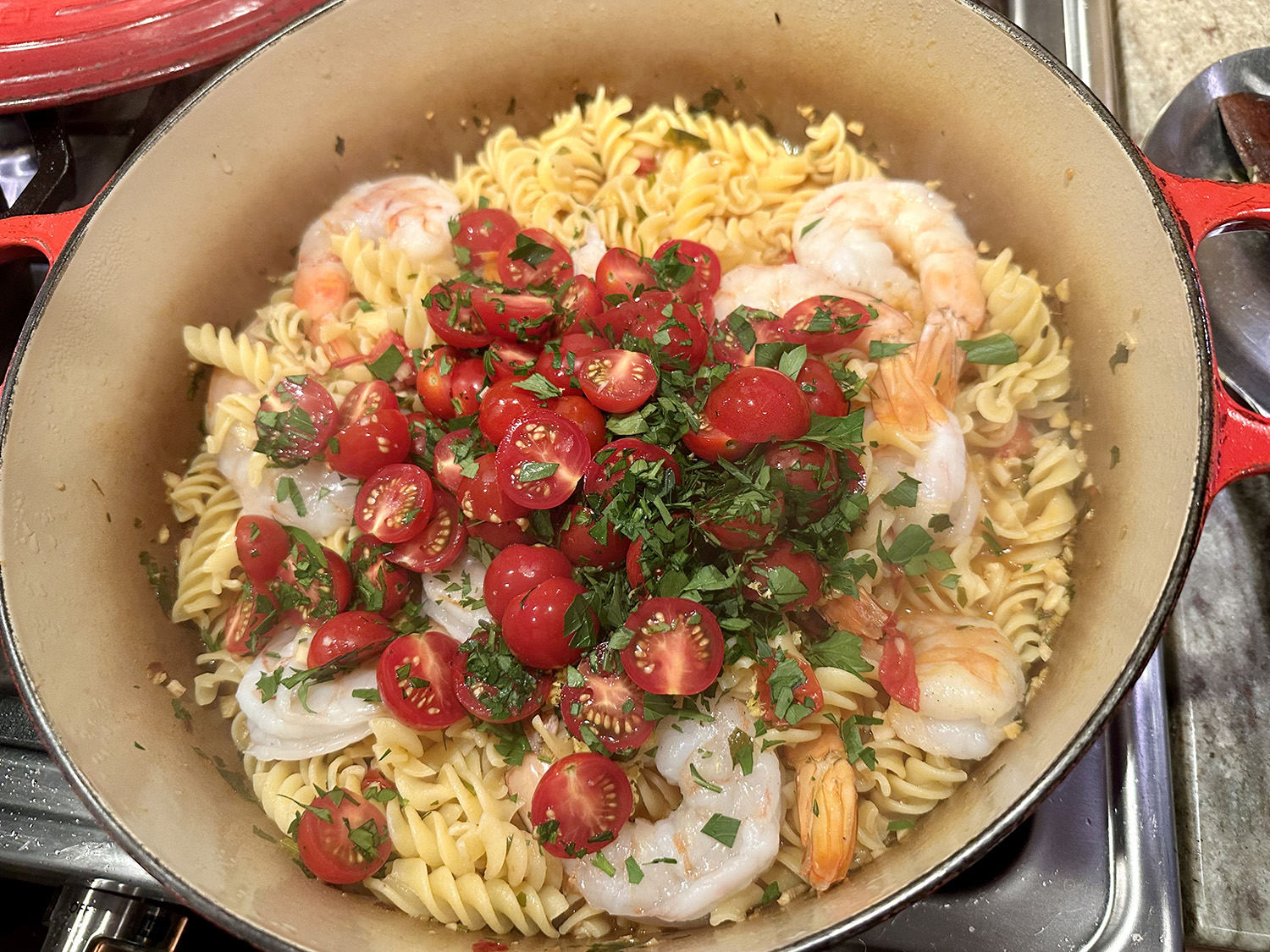
  4. Add pasta to sauce in Dutch oven and cook over medium heat, stirring gently, for 2 minutes. Reduce heat to medium-low, stir in shrimp, cover, and cook for 4 minutes. Stir in lemon zest, halved tomatoes, and remaining 1/2 cup parsley; cover and continue to cook until shrimp are just cooked through, about 2 minutes longer.
  5. Gently stir in clams, crab meat and lobster. Remove pot from heat, cover, and let stand until clams are warmed through, about 2 minutes. Season with salt and pepper to taste and adjust consistency with reserved cooking water as needed.
  6. Transfer to large serving dish, drizzle with remaining 2 tablespoons oil, and serve, passing lemon wedges separately.

http://www.lynnandruss.com

Adapted from a recipe by America’s Test Kitchen

Fettuccine with Asparagus, Lemon and Prosciutto

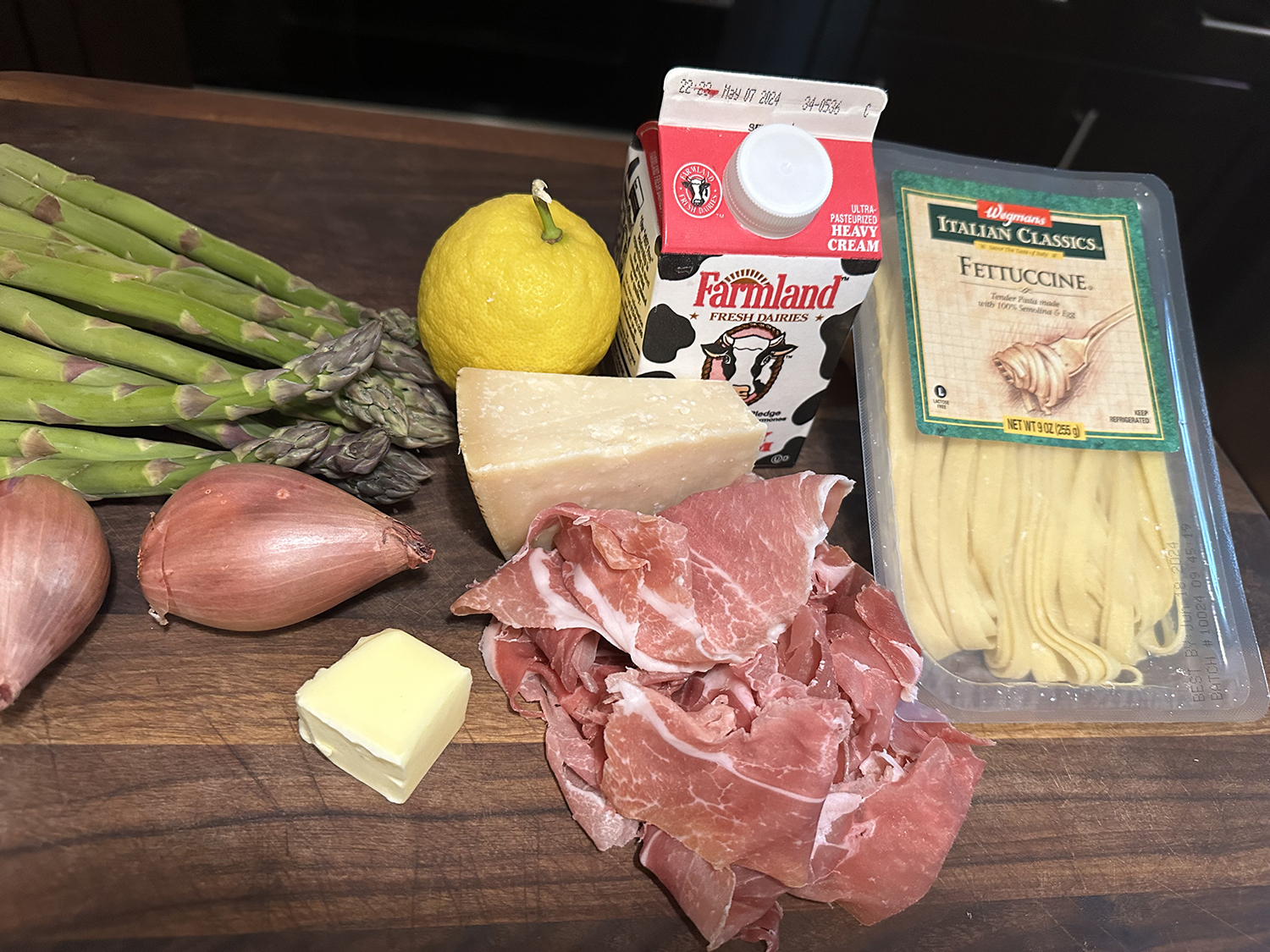
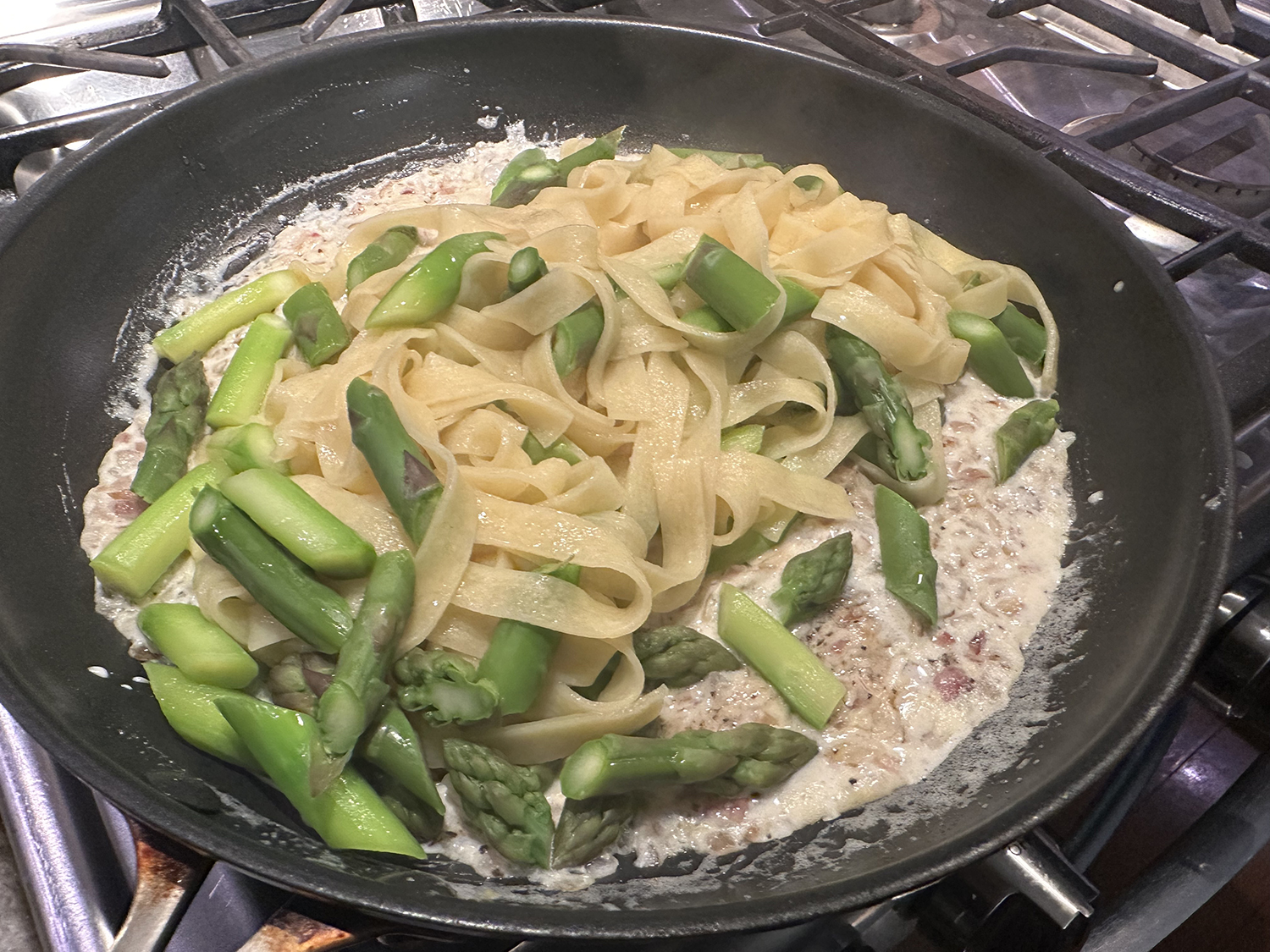
Spring is a culinary celebration of many fresh vegetables, and in this recipe, we highlight asparagus. The dish is quick and easy enough for a busy weeknight, yet rich and elegant enough to serve to weekend dinner guests. Shallots, cream, Parmesan, asparagus, lemon and prosciutto work together beautifully, each holding their own in this eight-ingredient recipe.

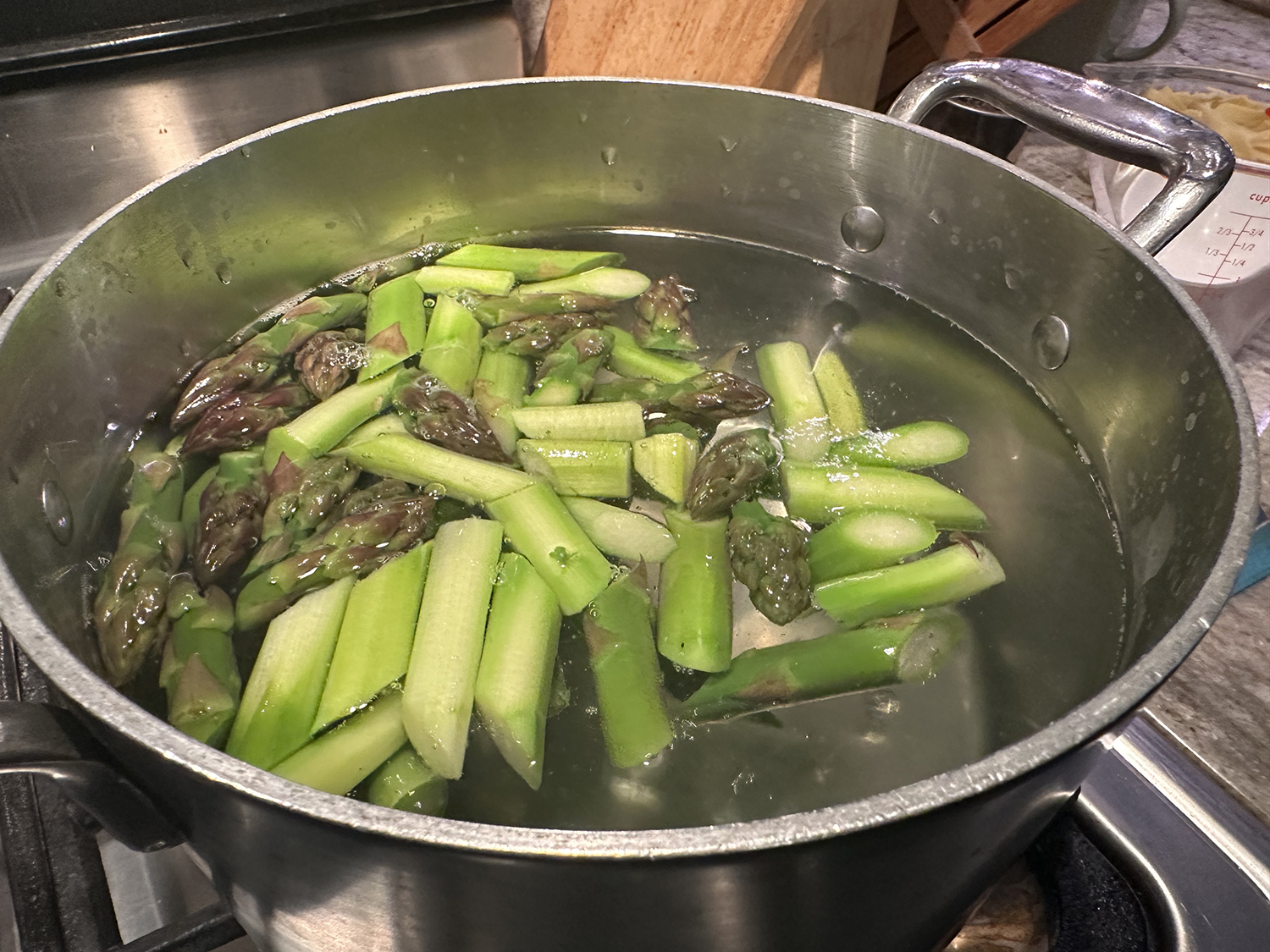
To speed things along, you may cook the asparagus** with the pasta in the same pot of boiling water. To make sure the asparagus is tender-crisp at the same that the pasta reaches al dente, purchase spears that are slightly thicker than pencil-size.

Two changes we made, starting with the asparagus**. Ours was on the thicker side so The Hubs decided to cook it in the boiling water for 2 minutes before adding the fettuccini. And as far as the pasta*, we cooked an entire 12-ounce package which provided 2 1/2 healthy portions. There is no way that a mere 8 ounces will feed four adults.

Overall the pasta, with a side salad, was a fantastic dinner! Make sure to add the lemon juice just before serving, it really brightens the dish.

Fettuccine with Asparagus, Lemon and Prosciutto

  • Servings: 3-4
  • Difficulty: easy
  • Print

Ingredients

  • 2 Tbsp. salted butter
  • 2 medium shallots, minced
  • 1/2 cup heavy cream
  • 1 Tbsp. grated lemon zest, plus 1 Tbsp. lemon juice
  • 1 oz. Parmesan cheese, finely grated (½ cup), divided
  • Kosher salt and ground black pepper
  • 1 8- to 9-oz. container fresh fettuccine*
  • 1 lb. asparagus**, trimmed and cut on the diagonal into 2-inch lengths
  • 4 oz. thinly sliced prosciutto, cut into ½-inch ribbons

Directions

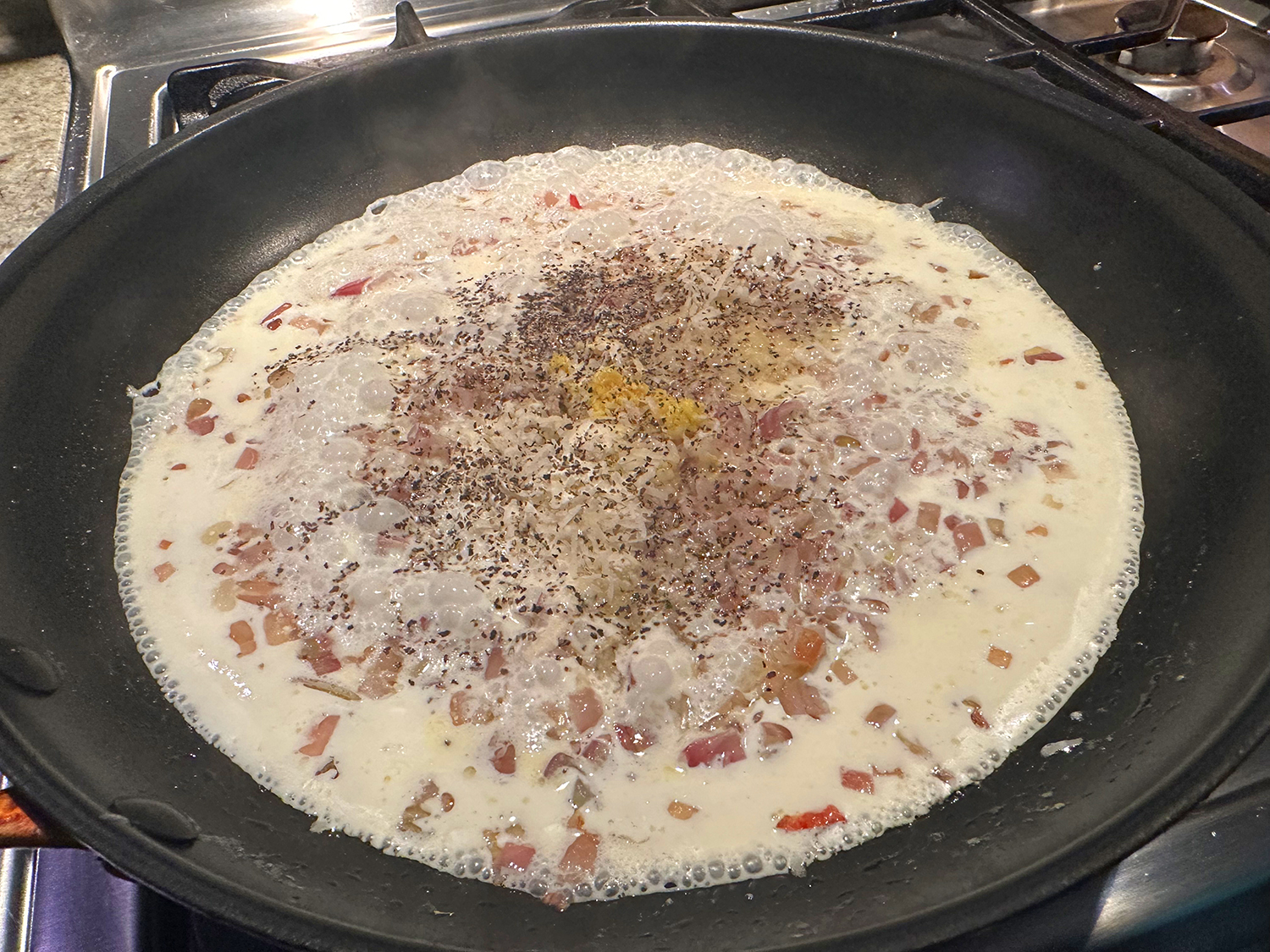
  1. In a 12-inch skillet over medium, melt the butter. Add the shallots and cook, stirring occasionally, until softened and translucent, 3 to 5 minutes. Stir in the cream, lemon zest, half of the Parmesan and ½ teaspoon pepper; remove from the heat and set aside.
  2. In a large pot, bring 2 quarts water to a boil. Add the pasta, asparagus* and 2 teaspoons salt; cook, stirring occasionally, until the pasta is al dente and the asparagus is tender-crisp. Reserve about 1 cup of the cooking water, then briefly drain in a colander, leaving water clinging to the pasta.
  3. Immediately add the pasta mixture and ½ cup of the reserved pasta water to the skillet. Cook over medium heat, tossing with tongs, until the pasta is lightly sauced, 1 to 2 minutes; add more reserved pasta water as needed so the sauce clings to the noodles. Add the lemon juice, then taste and season with salt and pepper. Transfer to a serving platter or individual bowls, then scatter on the prosciutto and sprinkle with the remaining Parmesan.

http://www.lynnandruss.com

Recipe by Rosa Hattabaugh for Milk Street

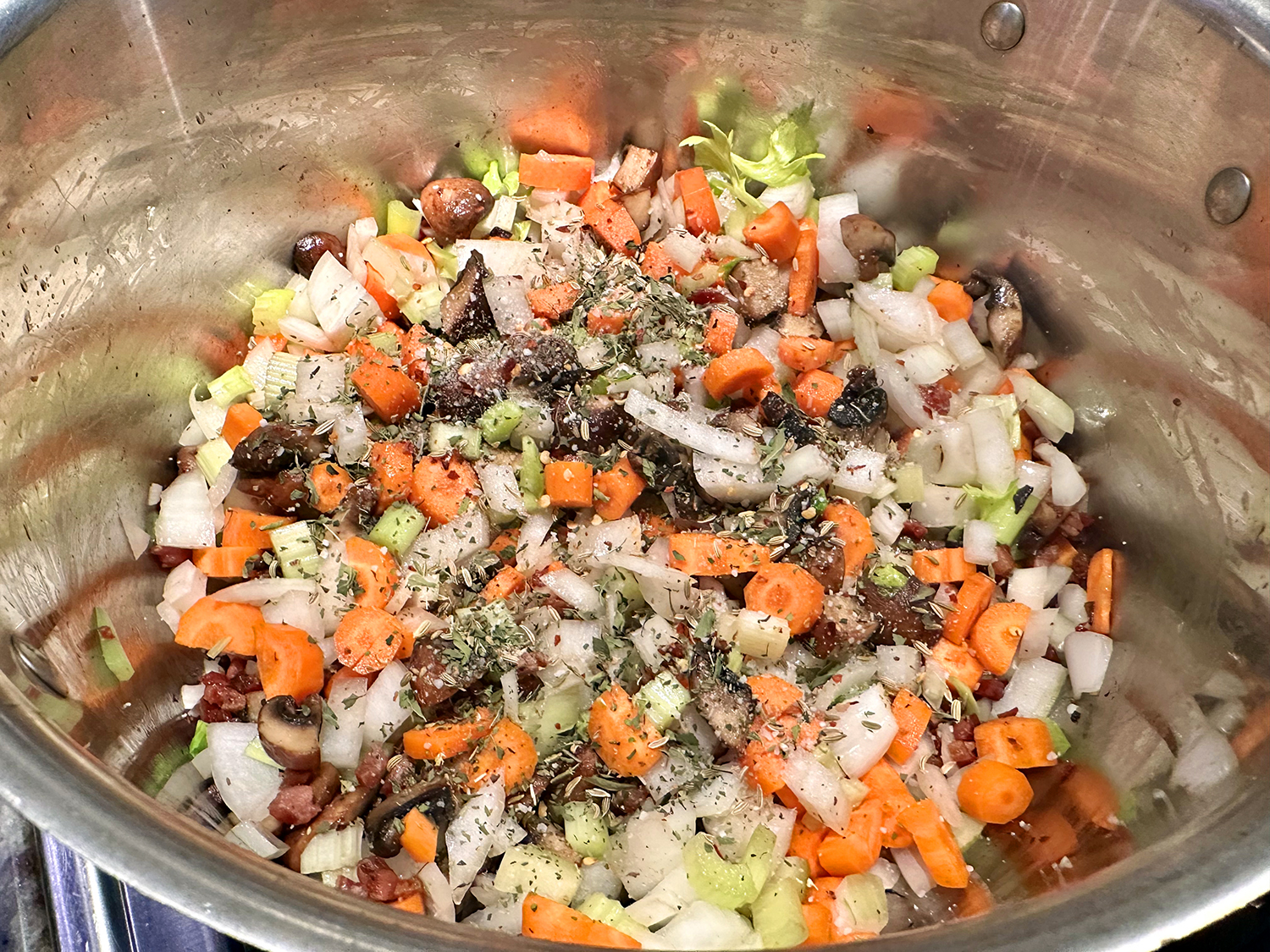
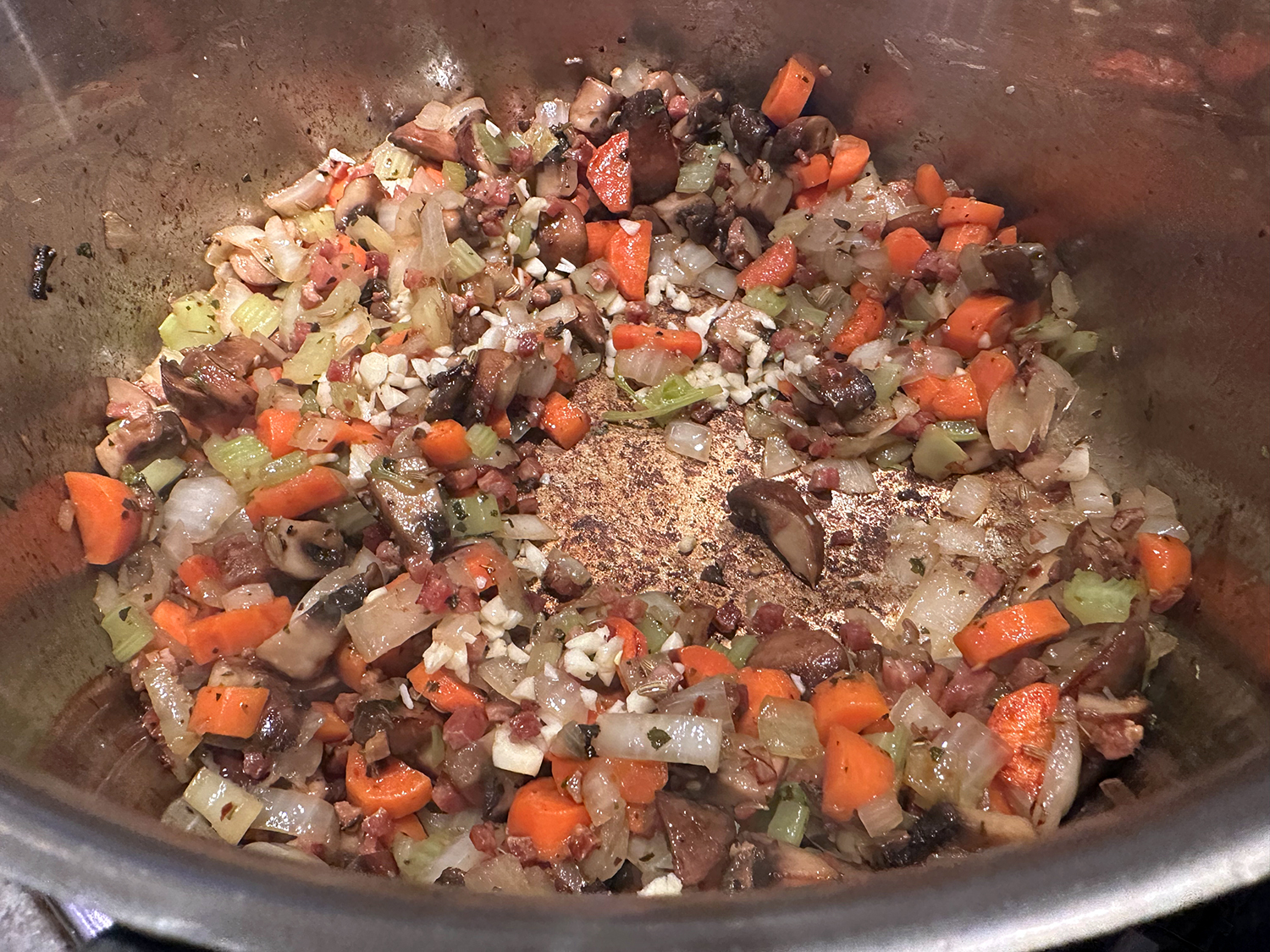
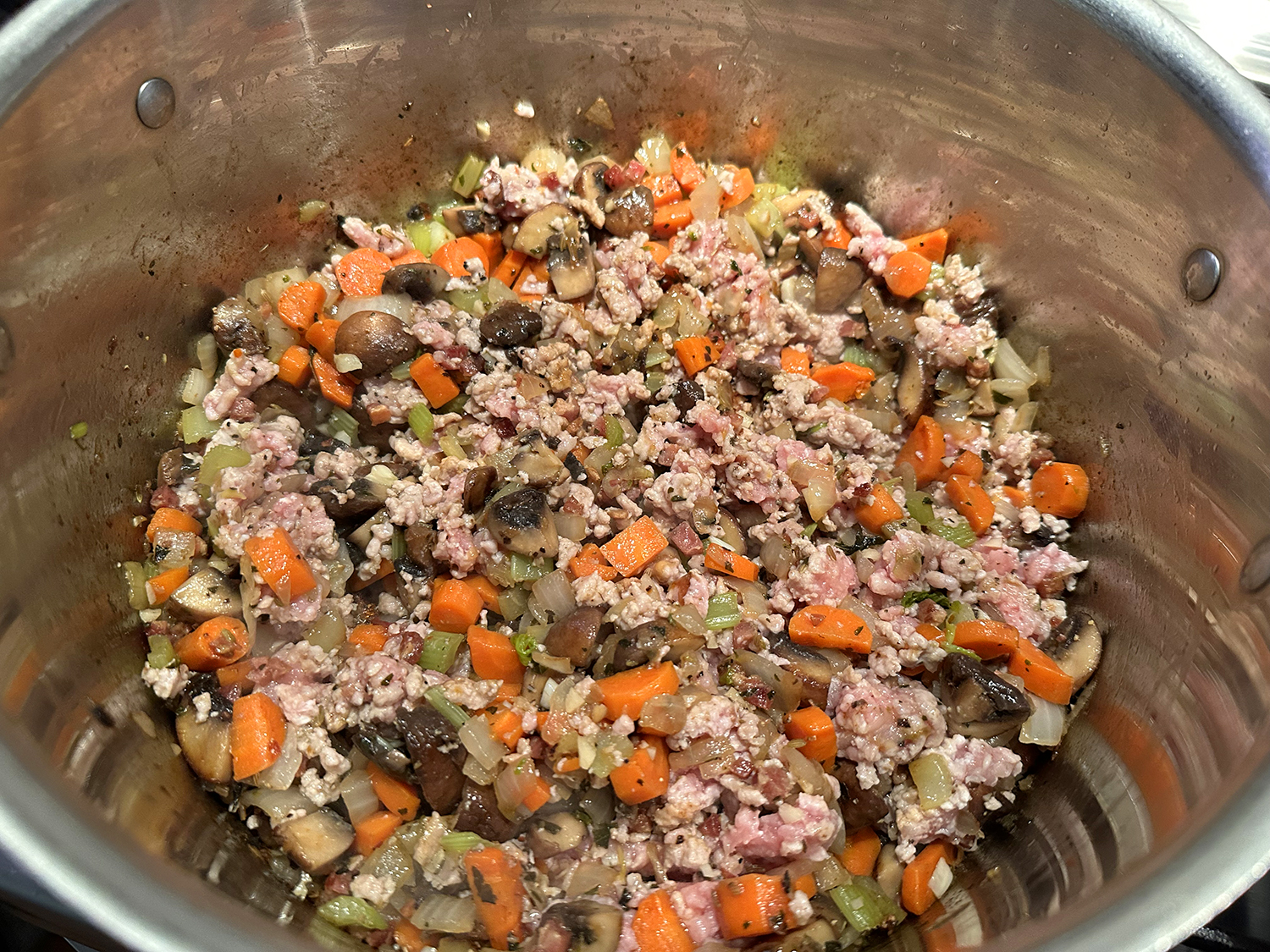
Orecchiette with White Bolognese

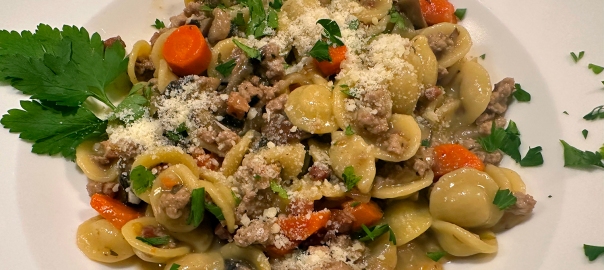
Luscious and creamy white bolognese sauce (bolognese bianco) is very similar to classic Italian ragu alla bolognese – just without the tomatoes. Slowly simmer ground pork with pancetta, aromatic vegetables, fresh herbs, and white wine, then finish with heavy cream and parmesan cheese to create a rich and hearty meat sauce with the best velvety texture. Toss with orecchiette pasta and enjoy the ultimate cozy and comforting dinner.

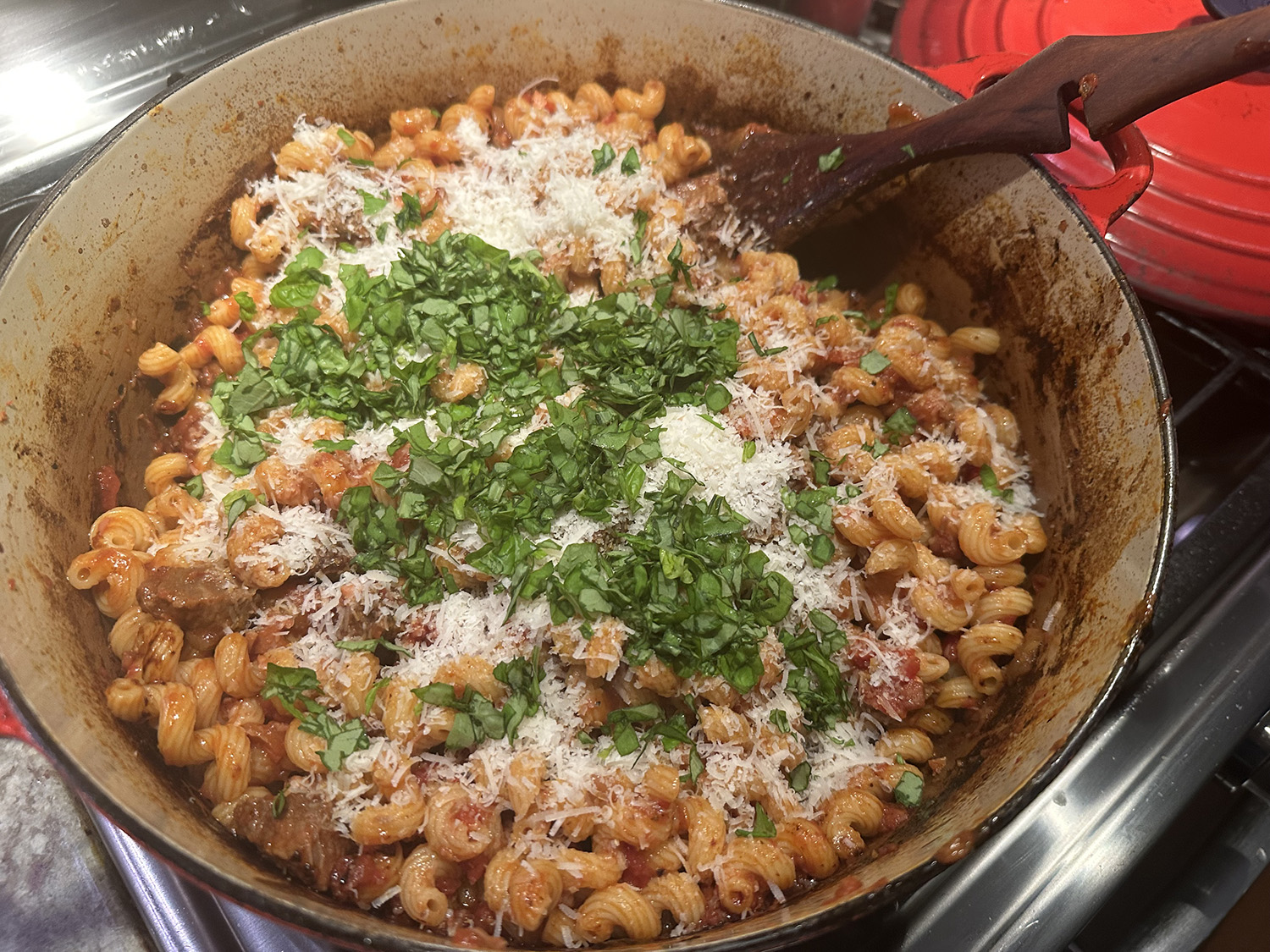
The ground pork bits nestle into the orecchiette pasta and the light sauce coats everything tying all of the ingredients together.

We used 25% less pasta at 12 ounces instead if a pound. And the package of pancetta weighed only 4 ounces, while the recipe calls for 5 ounces.

Orecchiette with White Bolognese

  • Servings: 6
  • Difficulty: easy
  • Print

Ingredients

  • 1 4-oz. pkg. diced pancetta
  • 8 oz. cremini mushrooms, cut into 1/2″ pieces
  • 4 small carrots, peeled and cut into 1/2″ pieces
  • 1 medium yellow onion, chopped
  • 3 celery stalks, trimmed and chopped
  • 2 Tbsp. unsalted butter
  • 1 tsp. fennel seeds
  • 1 tsp. dried oregano
  • 1 tsp. kosher salt, plus more to taste
  • 1/4 tsp. crushed red pepper
  • 2 Tbsp. minced garlic, about 6 cloves
  • 1 lb. ground pork
  • 1/2 tsp. black pepper
  • 1 cup dry white wine
  • 1 cup chicken broth or water
  • 1/3 cup heavy cream
  • 1 lb. uncooked orecchiette pasta
  • 1/4 cup fresh flat-leaf parsley
  • Grated Parmesan cheese for serving

Directions

http://www.lynnandruss.com

Recipe from Food & Wine Magazine

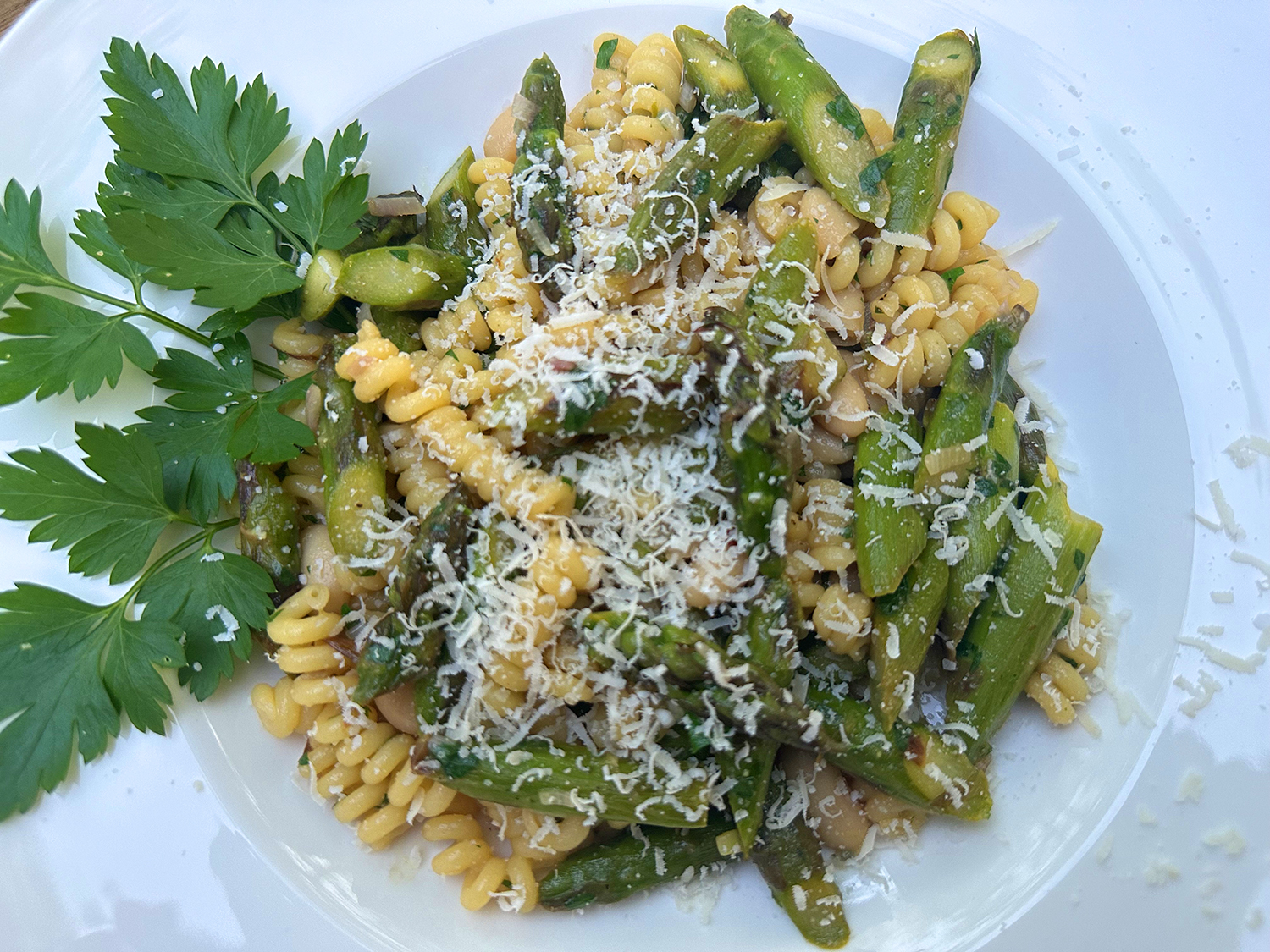
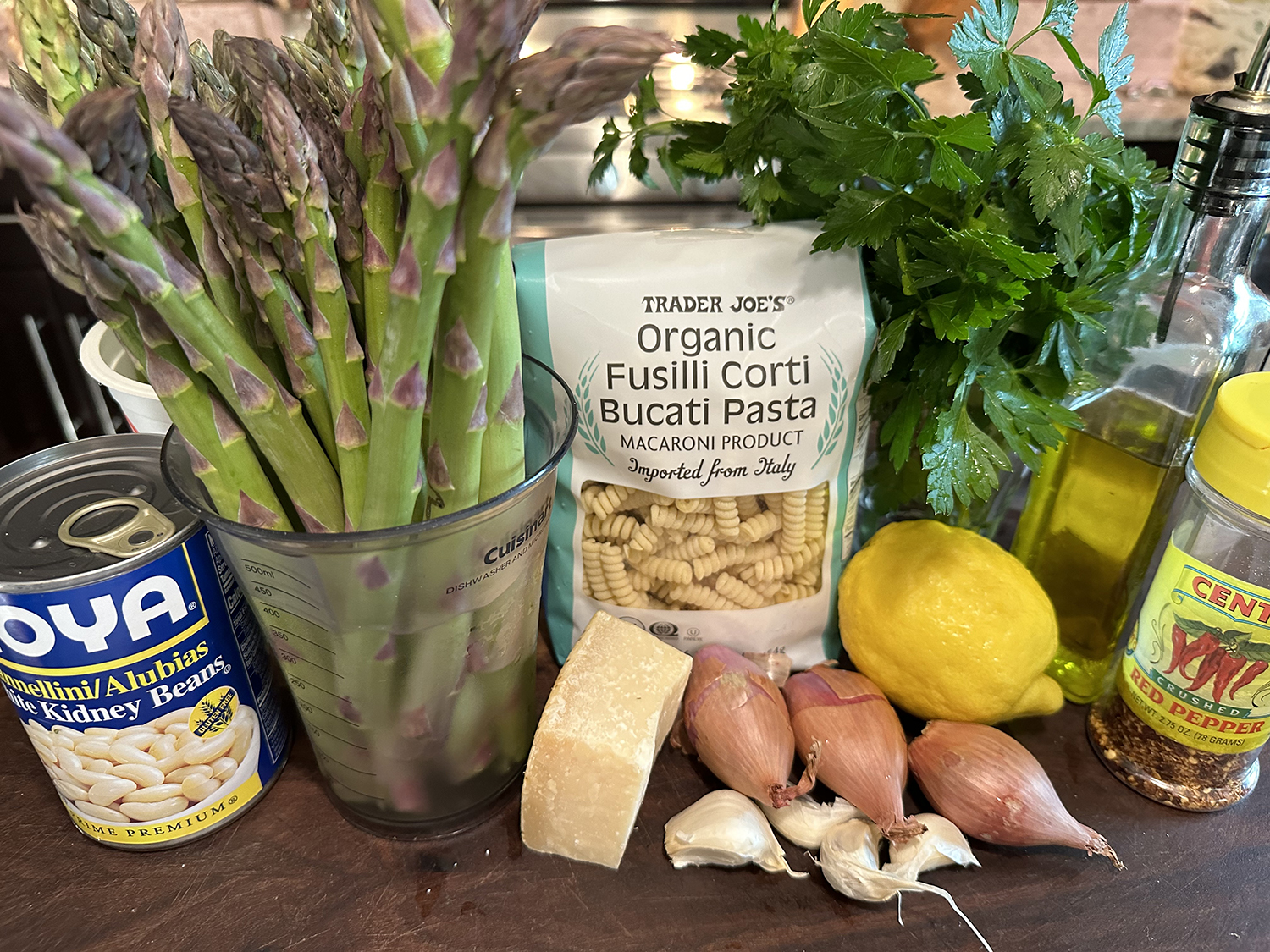
Lemony Pasta with Asparagus and White Beans

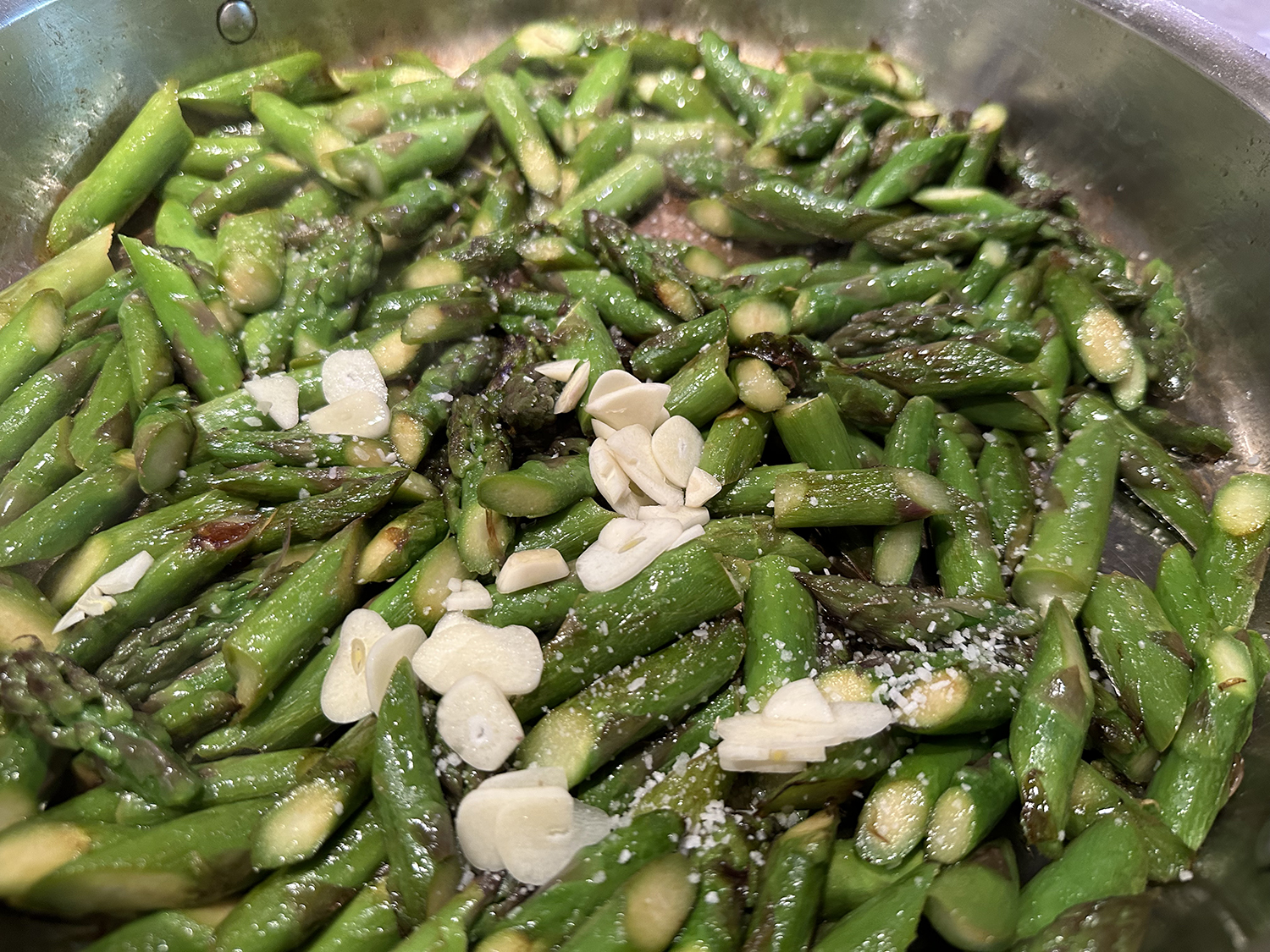
This pasta dish is incredibly simple to make: While the pasta cooks and the beans marinate, sauté the asparagus in olive oil, then use that pan to finish the dish. There’s enough asparagus in the mix to make this a one-pan meal, but serving it with a crisp green salad on the side will add a little crunch and freshness.

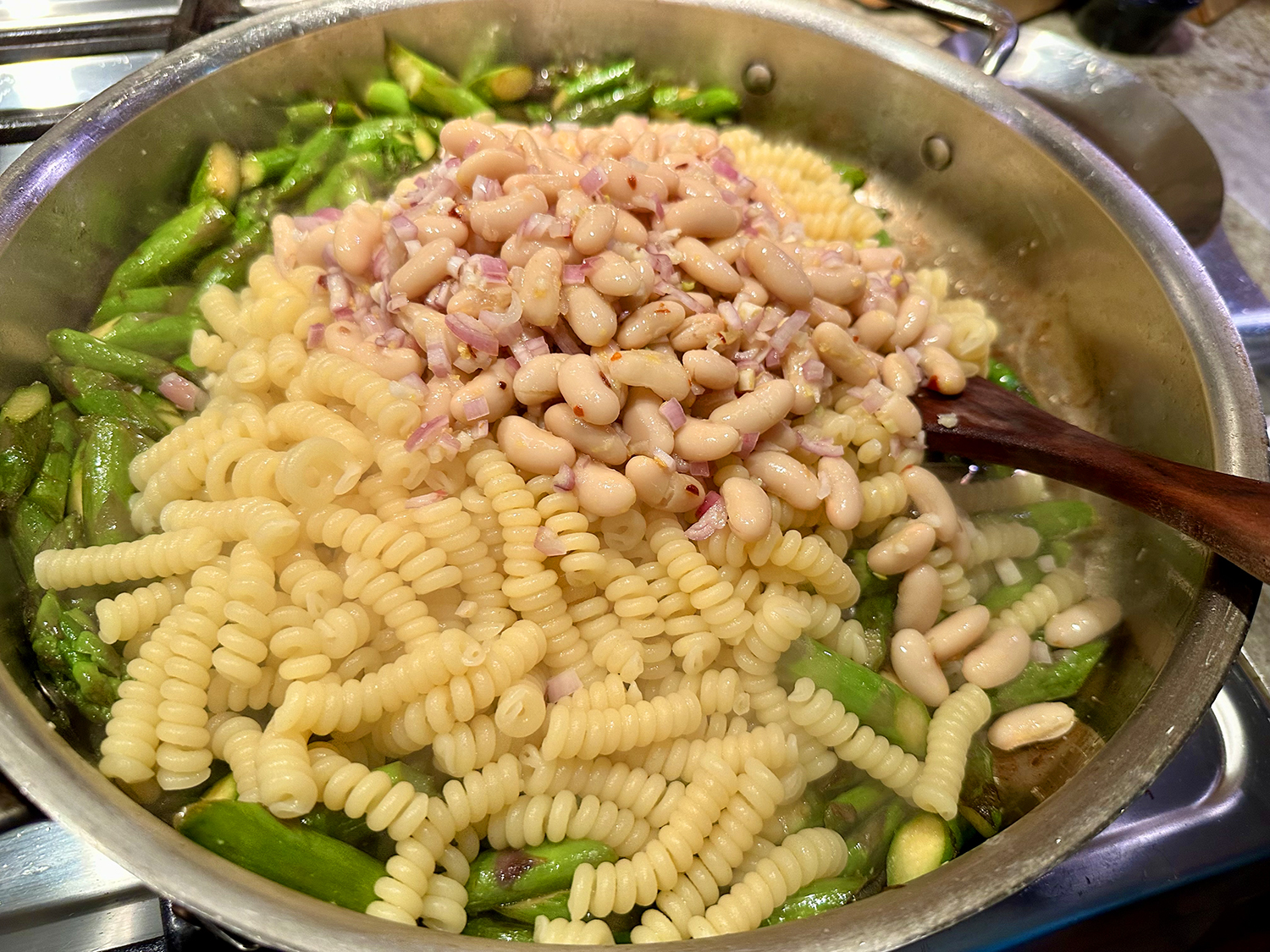
Marinating canned white beans in lemon juice and zest, along with red-pepper flakes and shallots, imbues them with brightness and a touch of heat, adding so much flavor to this warm-weather pasta. We massaged the ingredients a bit by doubling the white bean mixture that gets set aside while the asparagus and pasta cook.

Many reviewers cut back on the pasta, but with doubling the bean mixture you don’t really need to, plus you could feed another diner or save some for lunch the next day!

Lemony Pasta with Asparagus and White Beans

  • Servings: 4
  • Difficulty: easy
  • Print

Ingredients

  • 2 large lemon, plus more fresh lemon juice for serving
  • 2 15-oz. can white beans, rinsed
  • 2 shallots, finely diced, or 2 Tbsp. finely diced red onion
  • 6 garlic cloves (4 thinly sliced, 2 finely grated)
  • 1⁄2 tsp. red-pepper flakes, plus more to taste
  • Kosher salt
  • 5 Tbsp. extra-virgin olive oil
  • 1 lb. short pasta, such as campanelle, fusilli or farfalle
  • 2 bunches asparagus (about 2 lbs.), ends trimmed, stalks sliced into ½-inch pieces
  • ⅔ cup coarsely chopped Italian parsley leaves
  • ½ cup grated Parmesan, plus more for serving
  • Black pepper

Directions

  1. Grate the zest from the lemon into a small bowl. Halve the lemon and squeeze the juice from half of it on top of the zest. Add the white beans, shallot or onion, grated garlic, red-pepper flakes and a large pinch of salt and toss well. Drizzle in 2 tablespoons olive oil and set aside.
  2. Bring a large pot of heavily salted water to a boil. Add pasta and cook until just shy of al dente, usually 2 minutes less than the package directs.
  3. Meanwhile, heat a 12-inch sauté pan over medium-high heat. When hot, add the remaining 3 tablespoons oil, then add the asparagus. Sauté until the asparagus is tender and starting to brown at the edges, 7 to 10 minutes. Add a big pinch of salt and the sliced garlic and sauté until the garlic is lightly golden, 1 to 2 minutes longer.
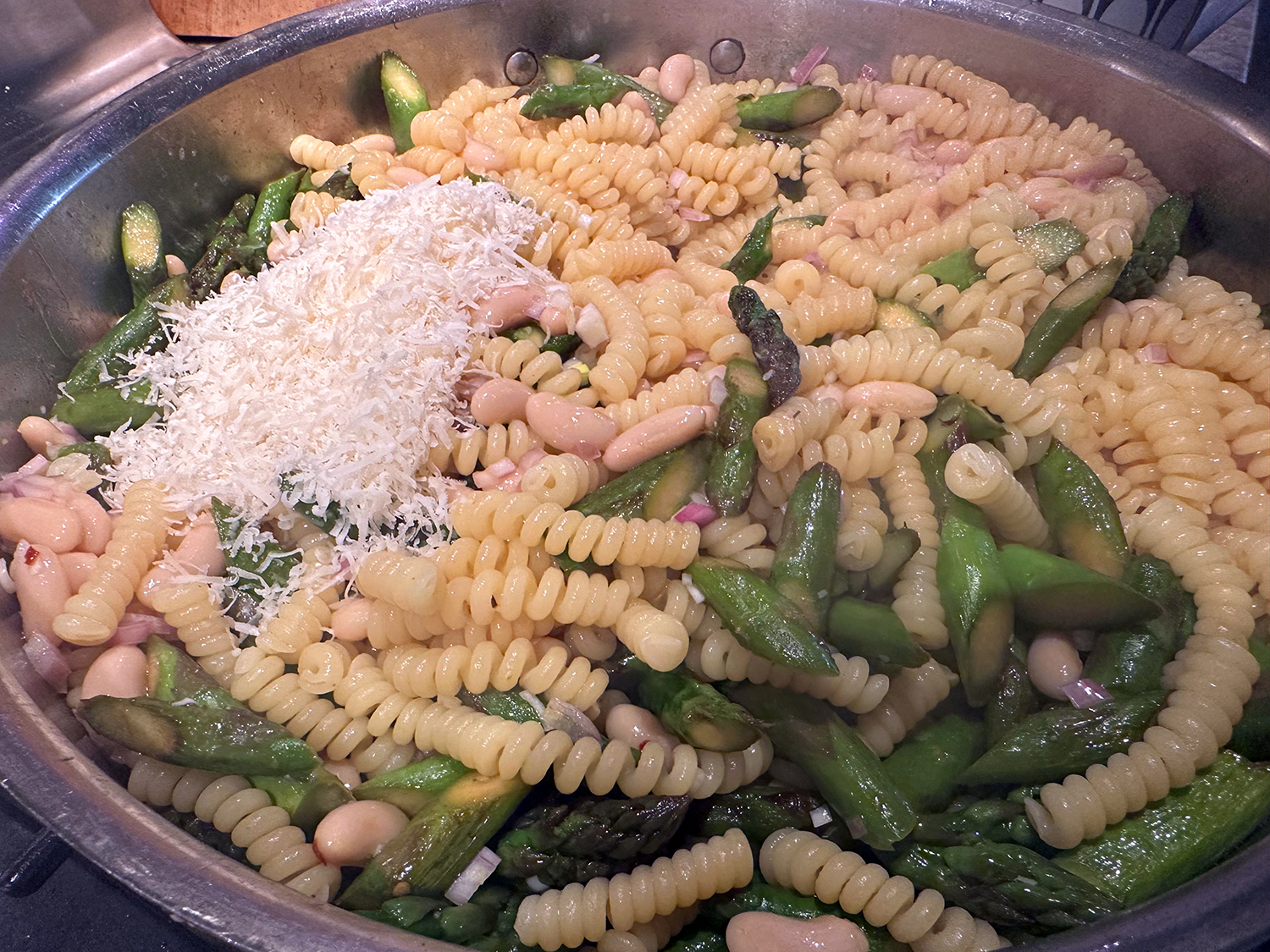
  4. Dip a coffee mug or glass measuring cup into the pasta water and scoop out about ½ cup of it to use for the sauce. Drain pasta, shaking it well. Add pasta, bean mixture, parsley and Parmesan to sauté pan and cook until the beans are hot and the pasta is al dente. If the mixture looks dry, splash in some (or all) of the reserved pasta water. Squeeze remaining lemon half over pasta, toss and taste. Season with pepper; add more salt, red-pepper flakes and lemon juice, if desired.

http://www.lynnandruss.com

Adapted from a recipe by Melissa Clark for NYTimes Cooking

One-Pot Tortellini With Meat Sauce

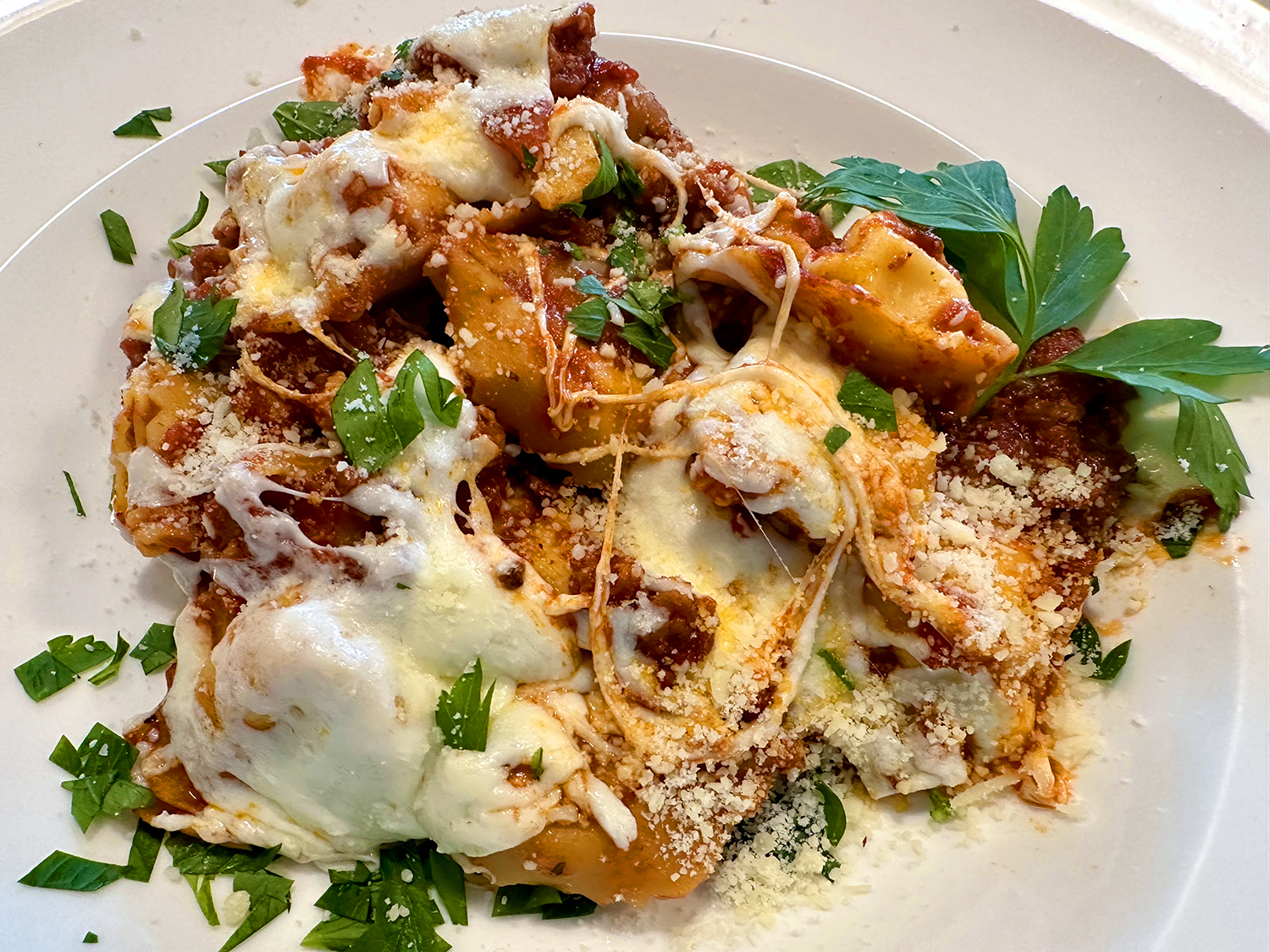
What a great weeknight meal! This no-chop, one-pot wonder comes together in 45 minutes with just a handful of pantry staples. Refrigerated or frozen tortellini plump in a meat sauce that’s brawny with hot or sweet Italian sausage and garlic. Top with a blanket of melted mozzarella, for more of a baked pasta result, and finish the dish with a grating of Parmesan.

Our frozen package of tortellini from Costco weighed in at one-and-a-half pounds instead of the 1 pound listed under ingredients, and we used it all. Sweet Italian sausage was our preference, although we added a 1/4 teaspoon of red pepper flakes and one teaspoon of dried oregano to punch up the flavor.

And the amount of shredded mozzarella was a tad over 4 ounces, but who doesn’t love more gooey cheese?!

One-Pot Tortellini With Meat Sauce

  • Servings: 4
  • Difficulty: easy
  • Print

Ingredients

  • 4 garlic cloves, peeled
  • 2 Tbsp. extra-virgin olive oil
  • 2 Tbsp. tomato paste
  • 1 lb. hot or sweet Italian sausage, casings removed
  • 1 (28-oz.) can whole or crushed tomatoes
  • Salt and pepper
  • About 1 lb. fresh or frozen cheese tortellini (no need to thaw)
  • Finely grated Parmesan, for serving
  • ½ cup/4 oz. grated mozzarella

Directions

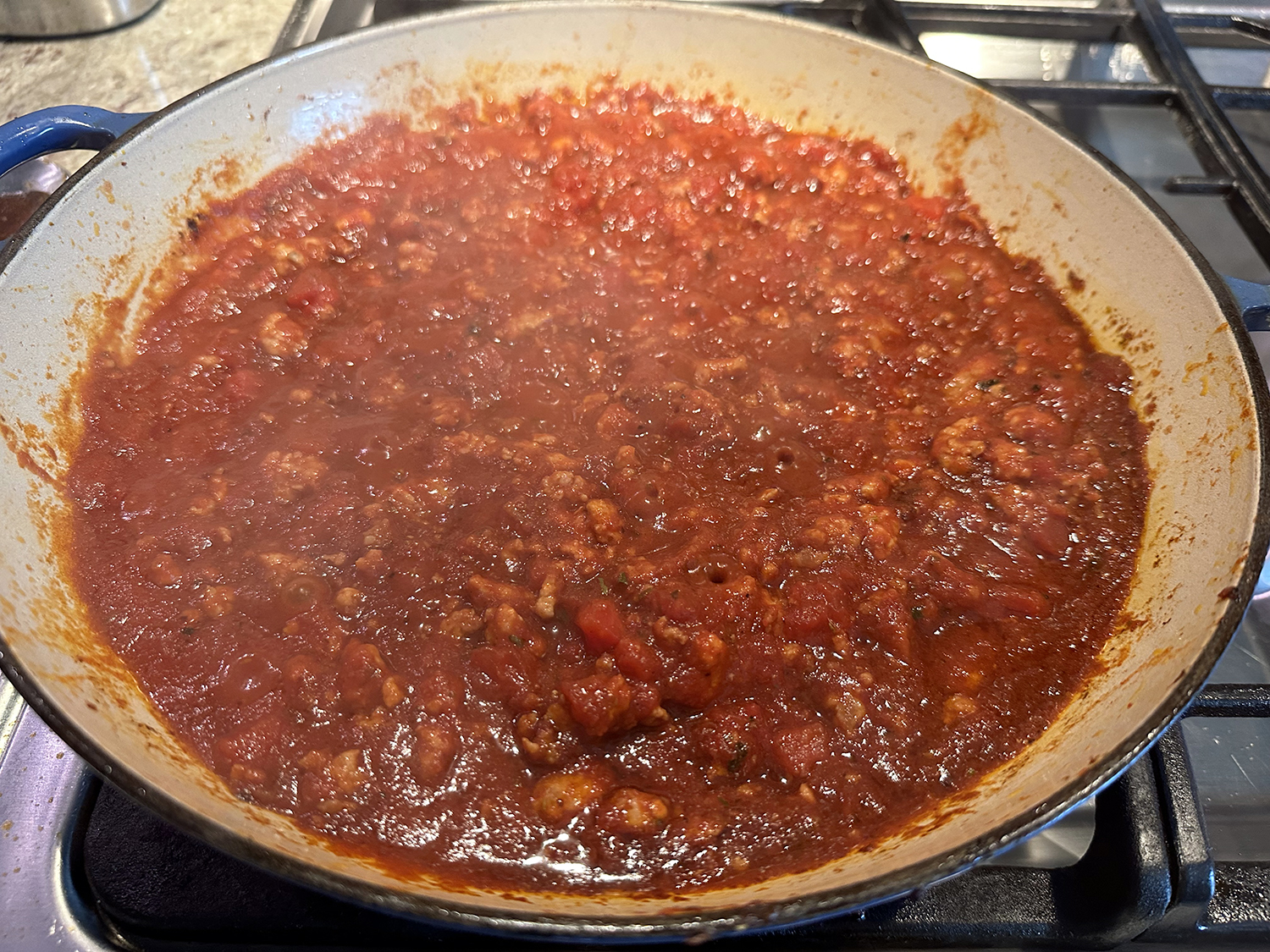
  1. Finely grate the garlic into a large Dutch oven or skillet. Add the olive oil and tomato paste and set over medium-high heat. When it sizzles, stir until the oil is a rusty red, 1 to 2 minutes. Add the sausage, breaking it into small pieces. Cook, stirring occasionally, until the sausage is starting to crisp, 8 to 10 minutes.
  2. Stir in the tomatoes. (If using whole tomatoes, break them up with your spoon.) Season with dried oregano, crushed red pepper flakes (optional), and salt and pepper. Scrape up the browned bits from the bottom of the pot. Simmer over medium until thickened, 10 to 15 minutes.
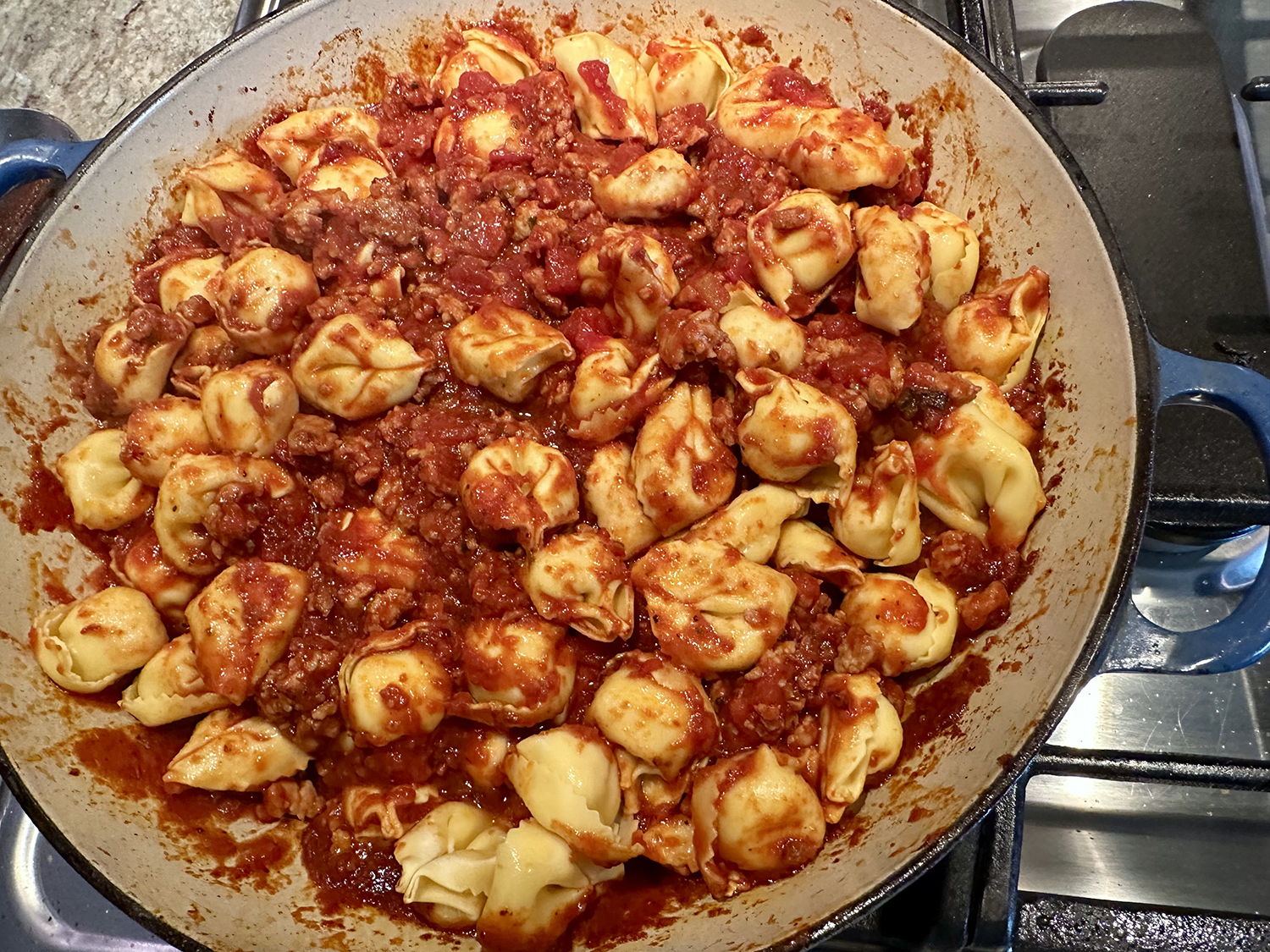
  3. Stir in the tortellini, cover and cook until tender, 7 to 10 minutes, stirring halfway through and scraping any that might be stuck to the bottom of the pot. If the sauce looks dry, add ¼ cup water (which was needed due to the fact we were cooking 50% more pasta).
  4. For the melted-cheese top like a baked pasta, heat the broiler with a rack in the upper third of the oven. Sprinkle the tortellini with the mozzarella. Broil until melted and browned in spots, 2 to 4 minutes.
  5. Season to taste with salt and pepper and serve topped with Parmesan.

http://www.lynnandruss.com

Recipe from Lidia Bastianich

Double Pepper Diavolo With Shrimp

A great weeknight alternative, this pasta and seafood dinner incorporates a twist to the typical red tomato sauce. According to the Bon Appétit article where we found this dish, it’s hard to pinpoint exactly why Italian American red sauce restaurants are almost universally comforting.

Maybe it’s the checkered tablecloths (although I doubt it) and the heaping platters of food. Or, perhaps, the reassuring familiarity of the menu. From penne alla vodka to spaghetti and meatballs, it’s like seeing old friends. Fra diavolo (one of my faves) is a stalwart among the classics, adorned with pink claws of lobster or shrimp or a jumble of mixed seafood.

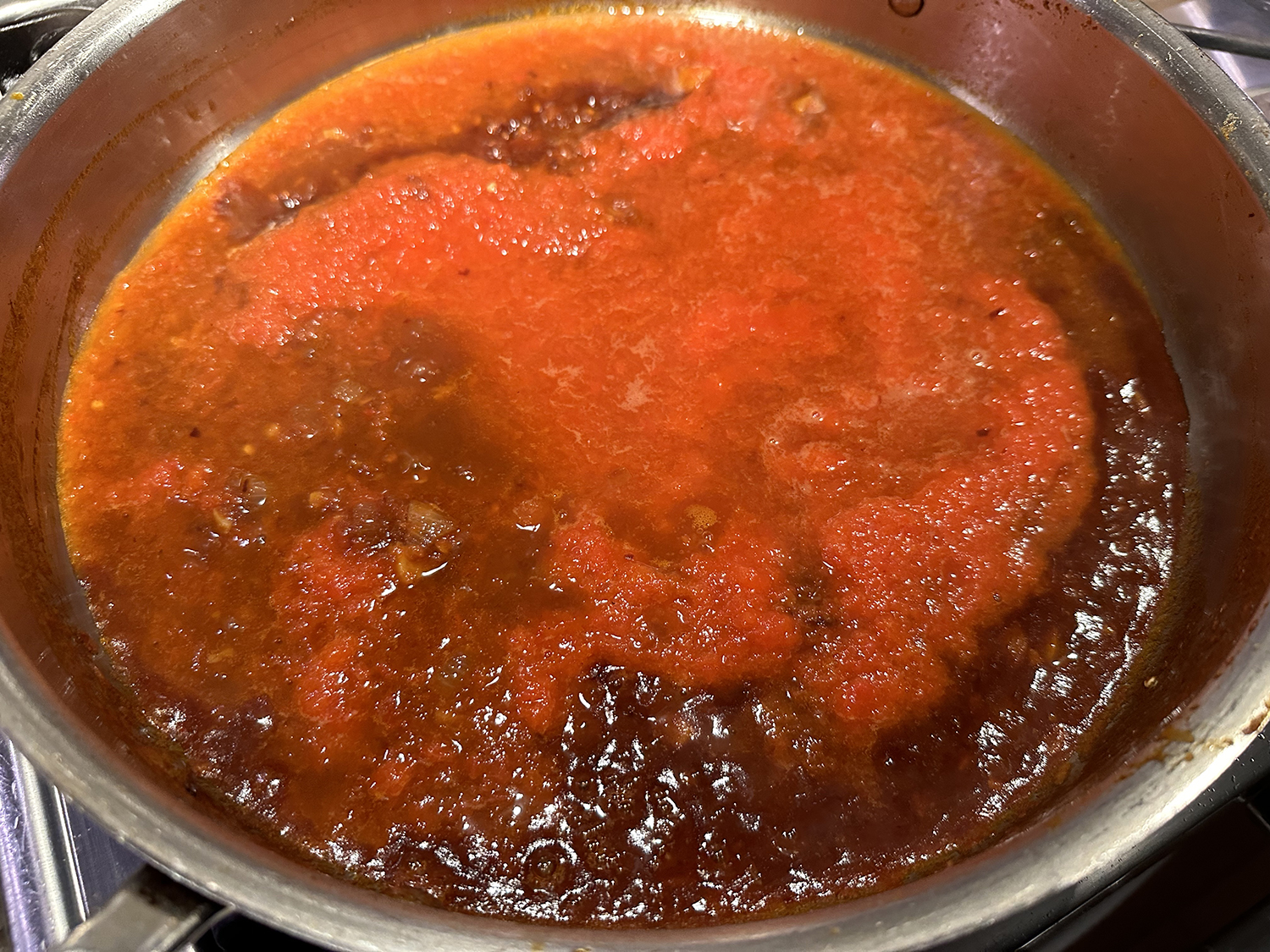
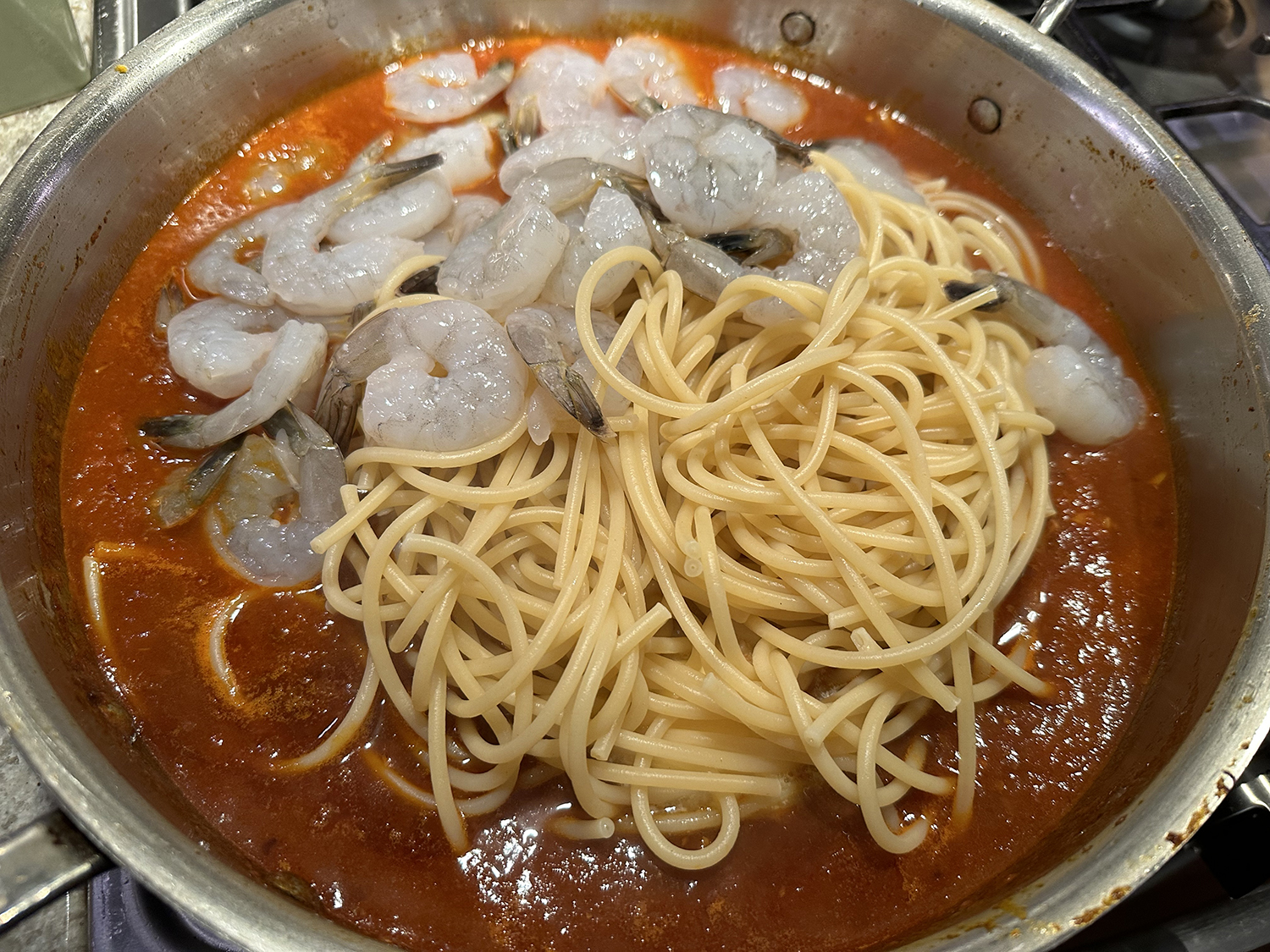
Fans will appreciate it for the lick of heat from crushed red pepper flakes, a high point in an otherwise simple tomato sauce. Here, however, the usual canned tomatoes are replaced with jarred roasted red peppers, a subtle but effective change that imparts a smokier, sweeter allure to the dish that plays off the sweetness of the shrimp. Look for smaller shrimp so every mouthful of pasta contains a bite. (Unable to source unfrozen small shrimp while grocery shopping, I resorted to the large shrimp on sale.)

Not an anchovy fan? Me neither, but The Hubs loves them. Yes, 10 anchovies seems a bit extreme to me, so I had reservations. However, they break down completely and meld into the sauce and add the extra depth of flavor. If I didn’t know they were in the dish, I would never have guessed.

As a final flourish with the chopped fresh parsley, we sprinkled on a bit of grated Parm. Complete the meal with a side salad.

Double Pepper Diavolo With Shrimp

  • Servings: 4
  • Difficulty: easy
  • Print

Ingredients

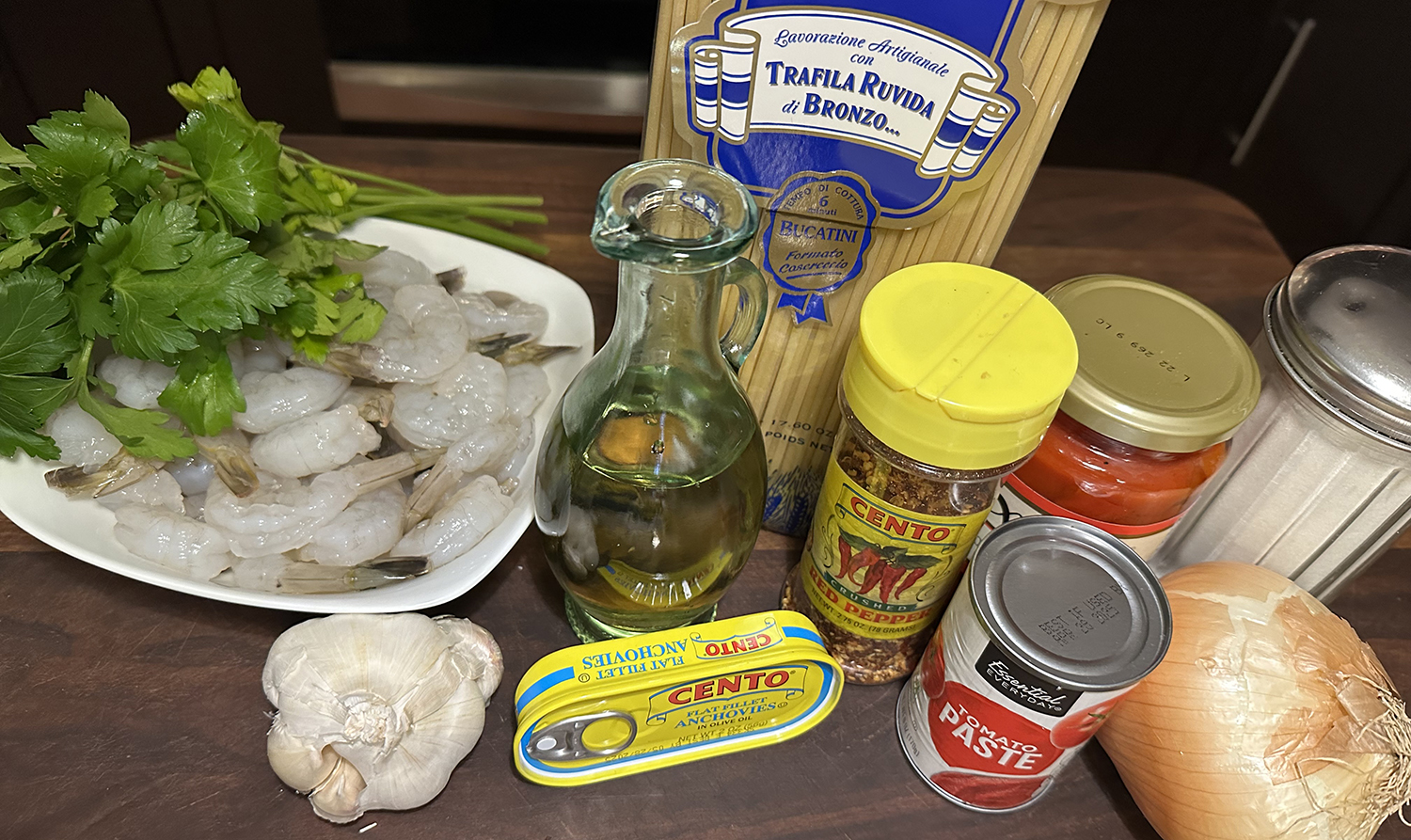
  • 1 lb. deveined small shrimp, fresh or frozen
  • 3 tsp. Diamond Crystal or 1½ tsp. Morton kosher salt, divided, plus more
  • 1 12-oz. jar roasted red peppers, drained
  • 12 oz. bucatini or other long-strand pasta
  • ¼ cup extra-virgin olive oil
  • 1 medium onion, finely chopped
  • 8 garlic cloves, coarsely chopped
  • 10 oil-packed anchovy fillets
  • ¼ cup double-concentrated tomato paste
  • 1 cup dry white wine
  • 1½ tsp. crushed red pepper flakes
  • 1 tsp. sugar
  • 2 Tbsp. unsalted butter, cut into ½” pieces
  • Chopped parsley (for serving)

Directions

  1. If using frozen shrimp: Remove 1 pound frozen peeled, deveined small shrimp from bag and place in a large bowl. Pour in cool water to cover and let sit until mostly thawed, about 15 minutes. Drain and pat dry. Return to bowl, add 2 teaspoon Diamond Crystal or 1 teaspoon Morton kosher salt, and toss to coat. Fresh shrimp can be patted dry and placed in bowl with salt. Set aside.
  2. Meanwhile, blend one 12-ounce jar roasted red peppers, drained, in a blender until smooth. Set aside.
  3. Cook 12 ounce bucatini or other long-strand pasta in a large pot of boiling salted water, stirring occasionally, until very al dente, about 2 minutes less than package directions. Drain, reserving 1½ cups pasta cooking liquid.
  4. Heat ¼ cup extra-virgin olive oil in a large heavy pot over medium-high. Cook 1 medium onion, finely chopped, 8 garlic cloves, coarsely chopped, 10 oil-packed anchovy fillets, and 1 teaspoon Diamond Crystal or ½ teaspoon Morton kosher salt, stirring often, until onion is softened and anchovies are dissolved, 5–7 minutes. Add ¼ cup double-concentrated tomato paste and cook, stirring often, until darkened slightly, about 4 minutes.
  5. Add 1 cup dry white wine, 1½ teaspoon crushed red pepper flakes, and 1 teaspoon sugar; cook, stirring and scraping bottom and sides of pan, until wine is reduced by half, about 4 minutes.
  6. Pour reserved red pepper purée into pot. Pour 1 cup pasta cooking liquid into blender and swish around to get every last bit of purée; pour into pot. Add 2 tablespoons unsalted butter, cut into ½” pieces, pasta, and reserved shrimp and cook, stirring often and adding up to ½ cup pasta cooking liquid a little at a time if needed, until shrimp are cooked through and pasta is coated in sauce, about 5 minutes. Taste and season with more salt if needed.
  7. Divide among plates; top with chopped parsley.

http://www.lynnandruss.com

Recipe by Shilpa Uskokovic for Bon Appétit Magazine

Balsamic Mushroom and Sausage Pasta

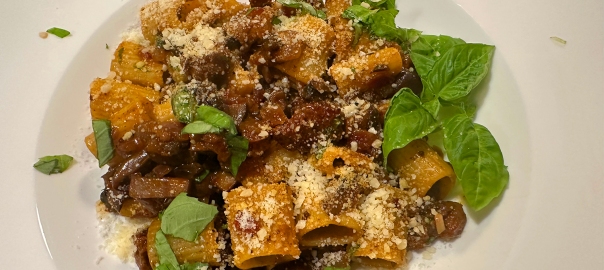
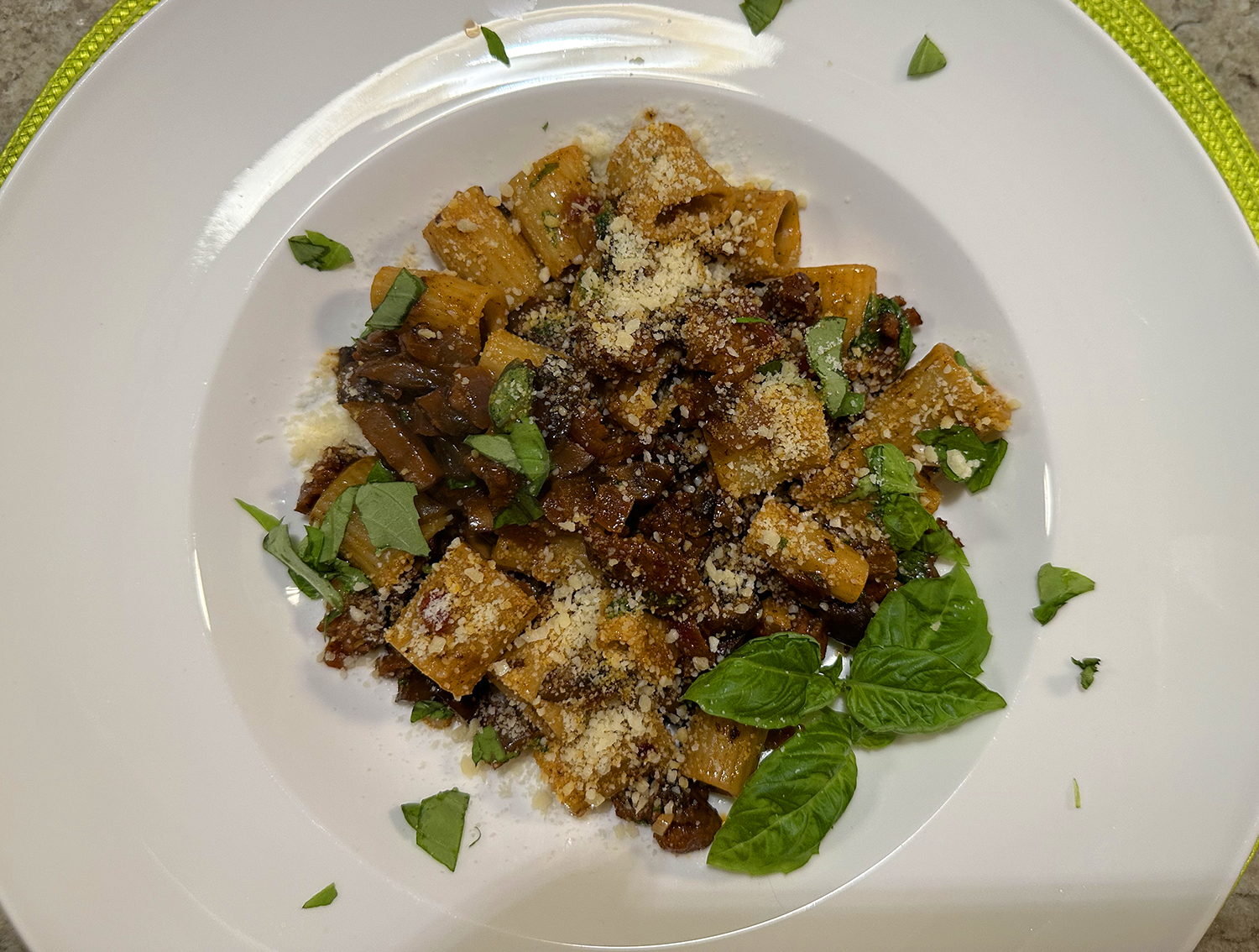
Dark and moody in color but surprisingly bright and light to eat, this quick dish comes together in just 30 minutes. Most of the ingredients are likely to be in your pantry, or at the least, easy to source.

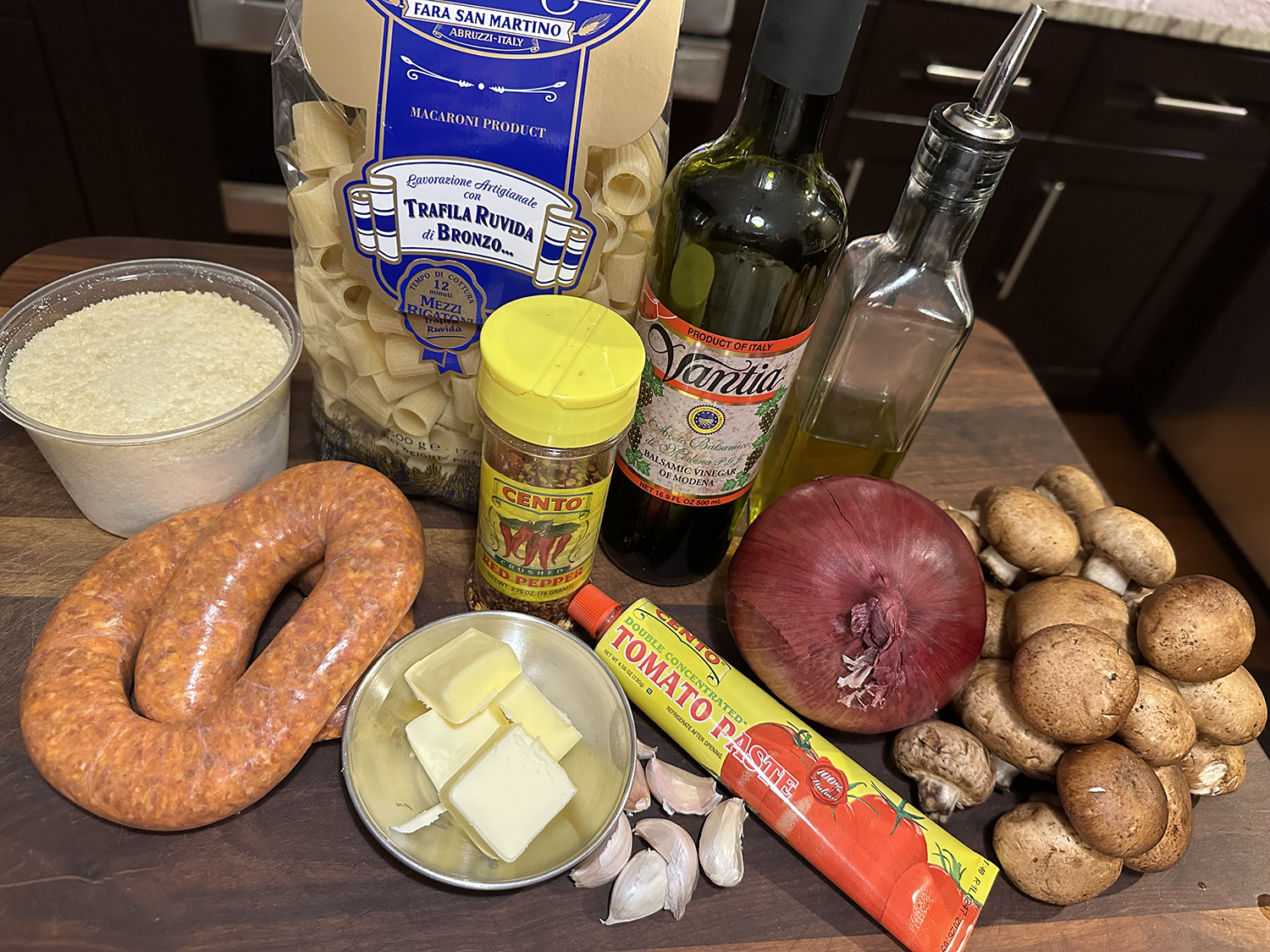
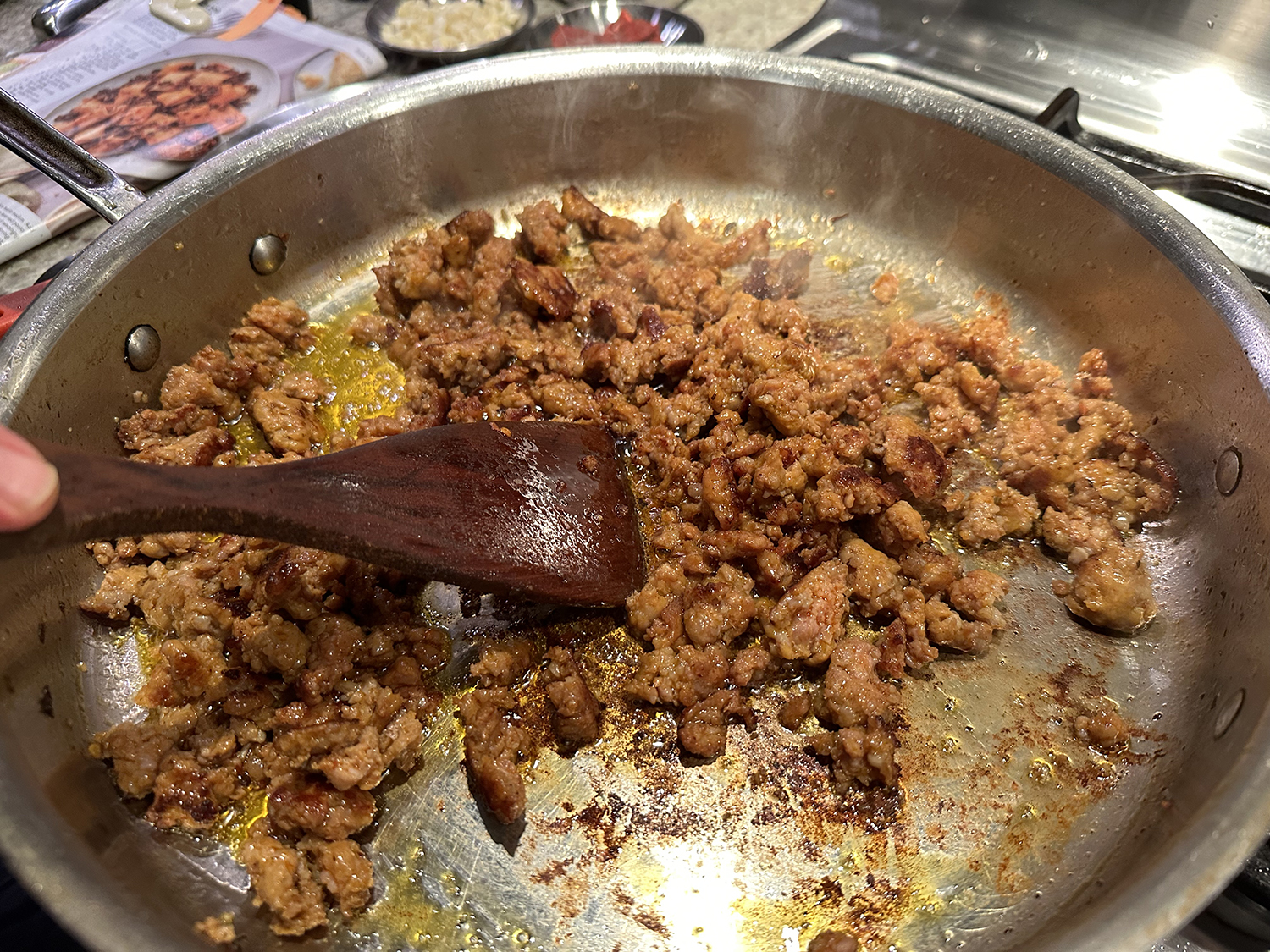
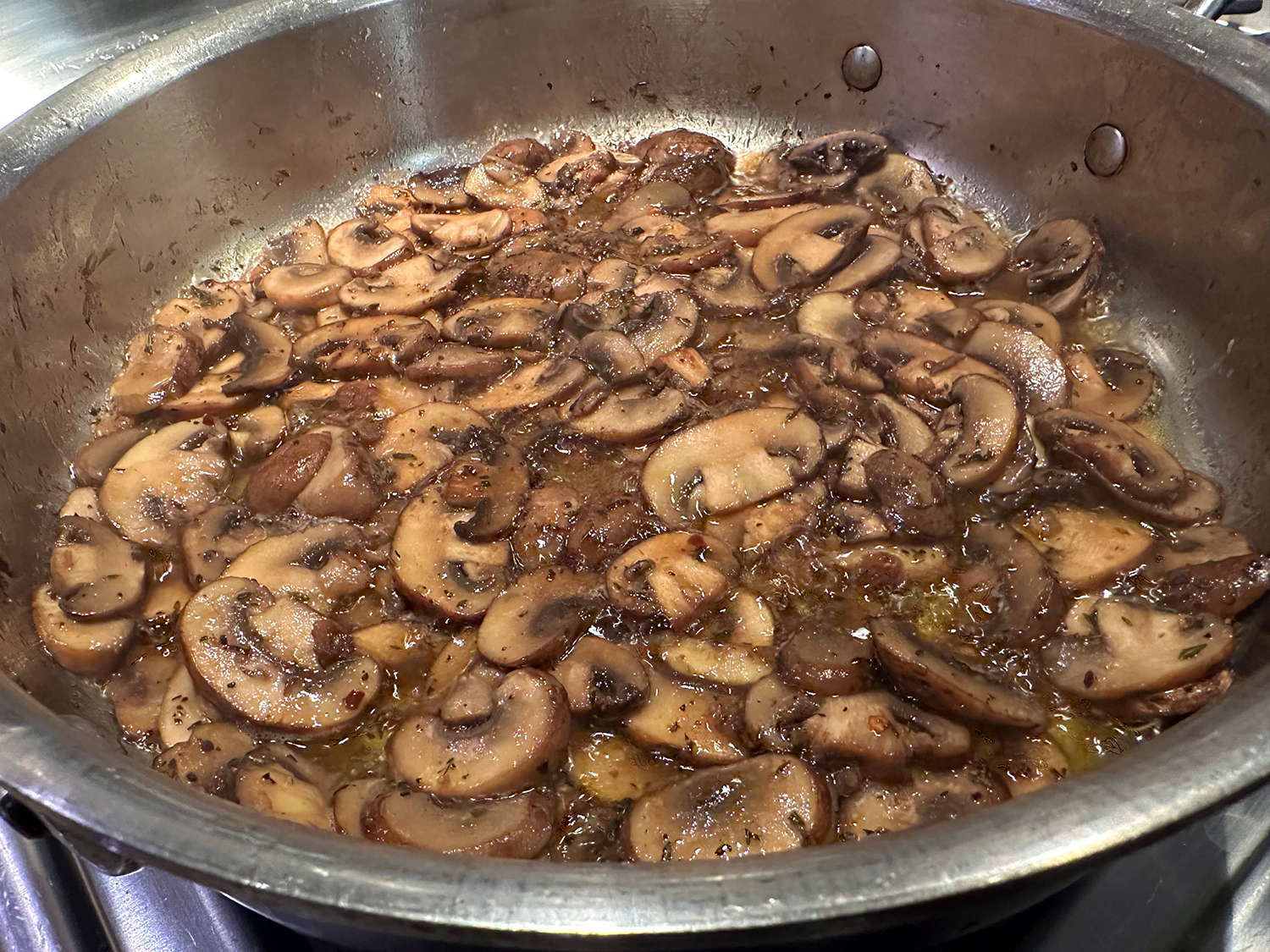
Hot Italian sausage sings backup in this dish to a pound of mushrooms and a heap of caramelized red onion. A glug of balsamic vinegar, used to scrape up any browned bits that build up on the bottom of the pot, adds complexity, acidity, and a little sweetness in one fell swoop. Use a mid-length tube-shaped pasta so all the mushroom and sausage bits have a place to snuggle.

We had fresh basil on hand, so some coarsely chopped basil was both mixed into the pan at the end of cooking, and also used as a garnish. Serve with a side salad and voila, dinner done. Of course if you want to amp up the meal a bit, some tasty, toasty garlic bread is always a welcome companion. We served ours with a side of roasted broccoli rabe.

Balsamic Mushroom and Sausage Pasta

  • Servings: 4
  • Difficulty: easy
  • Print

Ingredients

  • 12 oz. medium tube pasta (such as mezzi rigatoni or pipe rigate)
  • 1½ tsp. Diamond Crystal or ¾ tsp. Morton kosher salt, divided, plus more
  • 4 Tbsp. extra-virgin olive oil, divided
  • 4 Tbsp. unsalted butter, divided
  • 1 lb. crimini or button mushrooms, cut into ¼” pieces
  • 8 oz. hot Italian sausage
  • 1 large red onion, finely chopped
  • 4 garlic cloves, coarsely chopped
  • 2 Tbsp. tomato paste
  • ¼ tsp. crushed red pepper flakes
  • Freshly ground pepper
  • ⅓ cup balsamic vinegar
  • 1/2 cup fresh basil, roughly chopped, loosely packed (optional)
  • Finely grated Parmesan (for serving)

Directions

  1. Cook 12 ounces medium tube pasta in a large pot of boiling salted water, stirring occasionally, until al dente. Drain, reserving 1 cup pasta cooking liquid.
  2. Meanwhile, heat 2 tablespoons extra-virgin olive oil and 2 tablespoons unsalted butter in a large Dutch oven or other heavy pot or skillet over medium-high until butter is melted. Add 1 pound crimini or button mushrooms, cut into ¼” pieces, and cook, stirring occasionally, until slightly softened, about 2 minutes. Add 1 teaspoon Diamond Crystal or ½ teaspoon Morton kosher salt; cook, stirring occasionally, until liquid is evaporated and mushrooms are browned, 5–7 minutes. Transfer to a small bowl.
  3. Heat remaining 2 tablespoons extra-virgin oil in same pot over medium-high. Add 8 ounces hot Italian sausage and ½ teaspoon Diamond Crystal or ¼ teaspoon Morton kosher salt. Cook, breaking meat into smaller pieces with a wooden spoon or heatproof rubber spatula, until cooked through, about 2 minutes.
  4. Add 1 large red onion, finely chopped, and cook, stirring occasionally, until lightly browned, about 5 minutes. Add 4 garlic cloves, coarsely chopped, and cook, stirring often, until combined and fragrant, about 2 minutes. Return mushrooms to pot and add 2 Tbsp. tomato paste and ¼ teaspoon crushed red pepper flakes; season with freshly ground black pepper. Cook, stirring often, until paste is darkened in color, about 2 minutes. Pour in ⅓ cup balsamic vinegar and cook, scraping up any browned bits stuck to bottom of pot, 30 seconds.
  5. Reduce heat to medium. Add pasta, ½ cup reserved pasta cooking liquid, and remaining 2 tablespoons unsalted butter. Cook, stirring often and adding more pasta cooking liquid a little at a time if needed, until pasta is coated and sauce is glossy, about 30 seconds. Stir in chopped basil if using.
  6. Transfer pasta to a platter; top with finely grated Parmesan and more basil, if using.

http://www.lynnandruss.com

Recipe by Kendra Vaculin for Bon Appétit

Pasta with Chard and Italian Sausage

According to a New York Times article, Chard or Swiss Chard, is a vegetable with which many people are barely acquainted. There are those who might be able to recognize it in the market but who have rarely cooked or eaten it. For many shoppers, it’s just another of those mysterious bunches of green. It may look like too much when you start, but just like spinach, it shrinks down considerably.

Although chard is sold yearlong, it is particularly sturdy and in good condition during cooler weather. Hot weather wilts it and it does not look as fresh. But that should not be a problem for a few months yet. It is excellent simply chopped or shredded and braised, and when prepared in this manner the flavor is less bitter than escarole and the color more attractive than cabbage or spinach.

Often folks remove the stems and discard them. Not us, we chop up the stalks and make them part of the recipe, as in this case. If you have leftovers—which were fabulous BTW—drizzle some EVOO over the pasta before you zap it in the microwave. Hard to believe, but it might be even better as leftovers!

You can customize this recipe somewhat by increasing the sausage to one pound; use only eight ounces of pasta; add canned white beans; and/or switch out chopped walnuts for the pine nuts (which tend to be quite expensive).

Pasta with Chard and Italian Sausage

  • Servings: 4
  • Difficulty: easy
  • Print

Ingredients

  • 1 bunch Swiss chard, about 1 pound, washed, stem ends trimmed
  • 2 Tbsp. olive oil divided
  • 1/2 lb. fresh pork sausage (about 3 links) casings removed
  • 1 medium yellow onion diced
  • 1/2 tsp. salt or more to taste
  • 3 garlic cloves minced
  • 1/2 tsp. Aleppo chile flakes or more to taste
  • 1 cup chicken broth, preferably homemade
  • 12 oz. short dried pasta, such as penne, rigatoni, or gemelli
  • Zest of 1/2 large lemon
  • Freshly ground black pepper
  • 1 Tbsp. butter
  • 1 1/2 oz. grated Parmesan cheese, about 1/2 cup
  • 1/4 cup pine nuts

Directions

  1. Prepare the chard by trimming the stem ends and discarding them. Then trim the leaves from the large center stems. Set the stems aside and pile up the leaves. Slice the stems into 1/2-inch pieces. Pile 4-5 leaves on top of each other, roll tightly, then slice into 1 inch ribbons. Repeat with the remaining leaves. Cut the strips of leaves again sideways so that they are roughly 1- by 3-inch rectangles.
  2. Put a large pot of water on to boil over high heat. This will be for the pasta.
  3. Heat 1 tablespoon of olive oil in a separate large deep, skillet or Dutch oven over medium-high heat. Add the sausage in chunks and flatten each piece with the back of a wooden spatula or spoon. Flip the sausage pieces occasionally until they are golden brown, then remove them to a plate lined with paper towels. Drain the fat from the pan. Once the sausage has cooled a bit, break it up into smaller pieces with the wooden spatula or spoon you’ve been cooking with.
  4. Return the Dutch oven to the stove. Lower the heat to medium and add 1 tablespoon of olive oil to the pan. Put in the chopped onions and sprinkle them with 1/4 teaspoon of salt. Cook for about 5 minutes, stirring frequently, then add the chard stems. Cook another 5 minutes, stirring frequently and scraping up any browned bits from the bottom of the pan.
  5. Add garlic to the onion/chard stem mixture and cook for about 1 minute. Then add the chard leaves, the chile flakes, and about 1/4 teaspoon salt. Cook, using tongs to lift the chard leaves near the bottom of the pan to the top over and over so that they all cook evenly. After about 1 minute, add the broth to the pan. Lower the heat to simmer and cook about 8 minutes. Add the sausage to the pot.
  6. In the meantime, cook the pasta according to the package directions until it is almost al dente. (It will cook further with the chard mixture later on.) Scoop up about 1 cup of pasta water and put it aside before draining the pasta. Drain the pasta in a colander and add it to the chard mixture.
  7. Stir the pasta into the warm chard and sausage mixture. Add 1/4 cup of pasta water along with the lemon zest and toss the pasta mixture over low heat for 2-3 minutes. Add more pasta water in 1/4 cup increments to keep the pasta loose, but not soupy. Stir in 1 tablespoon of butter and allow it to melt and coat the pasta mixture. Add half of the Parmesan cheese and the pine nuts to the mixture, stir again, and dish out into servings bowls.
  8. Offer more Parmesan for each person to add as they like.

http://www.lynnandruss.com

Recipe by Davis Tanis for The NYTimes Cooking

Rigatoni with Artichokes, Basil and Pecorino

Akin to the dish of pasta fresca con carciofi e pecorino from Bari, Italy, Milk Street formulated this easy adaptation. It is a great weeknight meal with flavors that are bright and fresh, and the prep is a breeze (chopping the basil is as arduous as it gets here).

Be sure to purchase jarred marinated artichoke hearts—they offer much more flavor than canned or frozen. You will need three 12-ounce jars to get the 3 cups drained artichokes called for. The hearts usually are halved or quartered; there’s no need to chop them after draining, as they will break apart during cooking.

When draining the artichoke hearts, you may want to use the delicious seasoned oil from the jar in place of at least some of the olive oil.

Served with a side salad, it is a quick, healthy-ish weeknight meal.

Rigatoni with Artichokes, Basil and Pecorino

  • Servings: 4-6
  • Difficulty: easy
  • Print

Ingredients

  • 1 lb. Rigatoni
  • Kosher salt and ground black pepper
  • ¼ cup extra-virgin olive oil
  • 3 cups drained oil-marinated artichoke hearts, patted dry
  • 4 medium garlic cloves, finely grated
  • ½ tsp. red pepper flakes
  • 2 oz. pecorino Romano cheese, finely grated (1 cup)
  • 1 Tbsp. grated lemon zest, plus 2 Tbsp. lemon juice
  • 1 cup lightly packed fresh basil, chopped
  • 3 Tbsp. salted butter, cut into 3 pieces

Directions

  1. In a large Dutch oven, bring 4 quarts water to a boil. Stir in the pasta and 1 tablespoon salt, then cook, stirring occasionally, until just shy of al dente. Reserve about 2 cups of the cooking water, then drain the pasta.
  2. Wipe out the pot, add the oil and heat over medium-high until shimmering. Add the artichokes and cook, stirring, until well browned, 5 to 7 minutes.
  3. Add the garlic and pepper flakes, then cook, stirring, until fragrant, about 30 seconds. Return the pasta to the pot, along with 1½ cups of the reserved pasta water. Cook, uncovered and stirring often, until the pasta is al dente and little liquid remains, 3 to 5 minutes.
  4. Remove from the heat. Add the pecorino, lemon zest and juice, basil and butter, then stir until the butter is melted. Stir in additional pasta water 1 tablespoon at a time until slightly saucy. Taste and season with salt and pepper.

http://www.lynnandruss.com

Recipe by Diane Unger for Milk Street