Tag Archives: osso buco

Pressure Cooker Beef Shanks Osso Buco

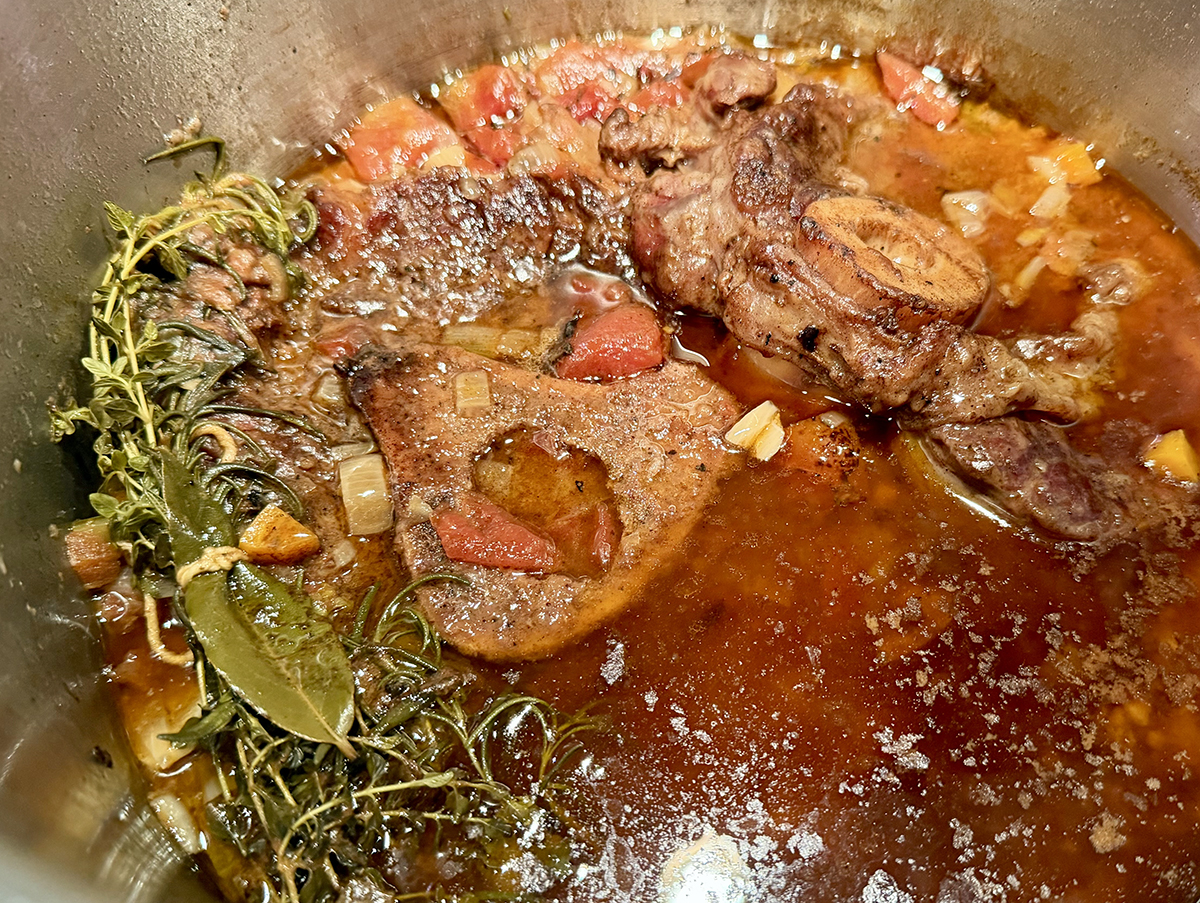
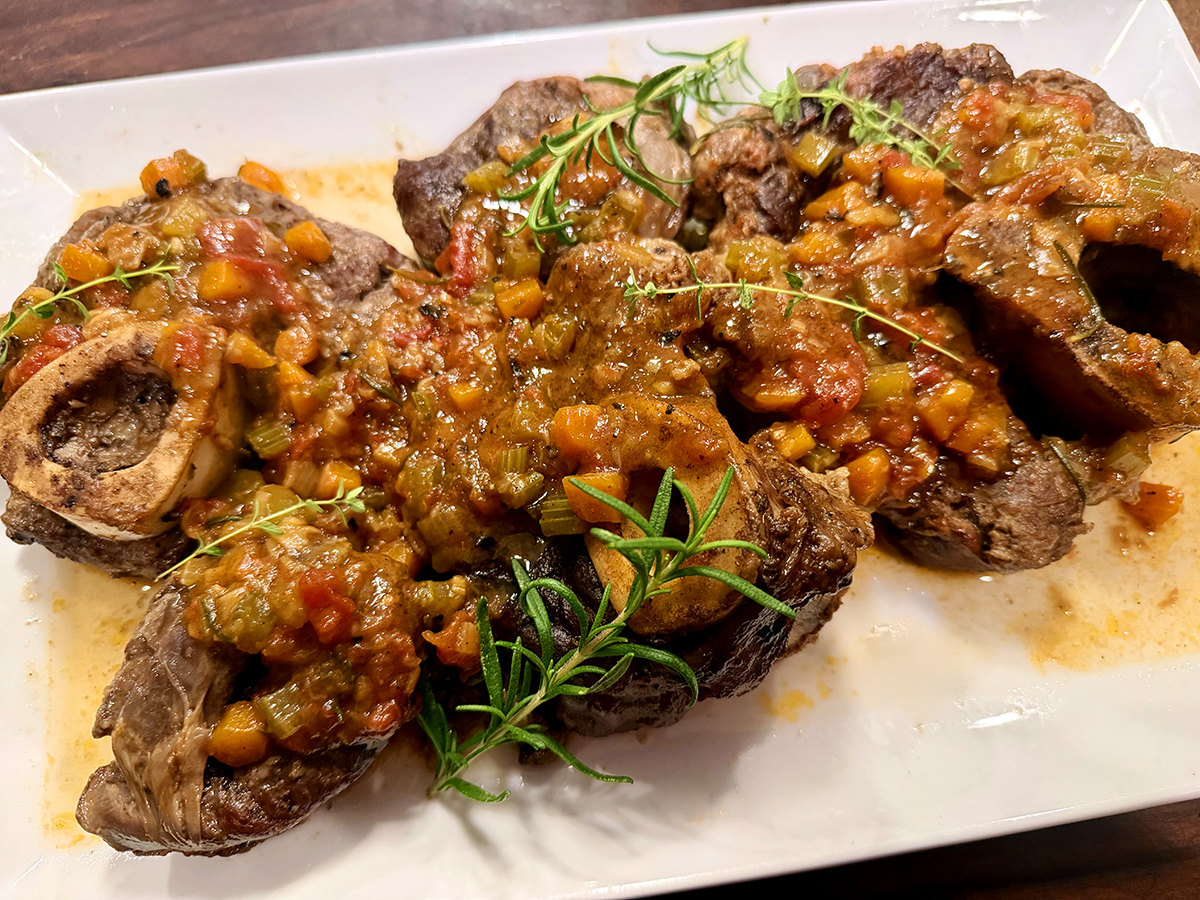
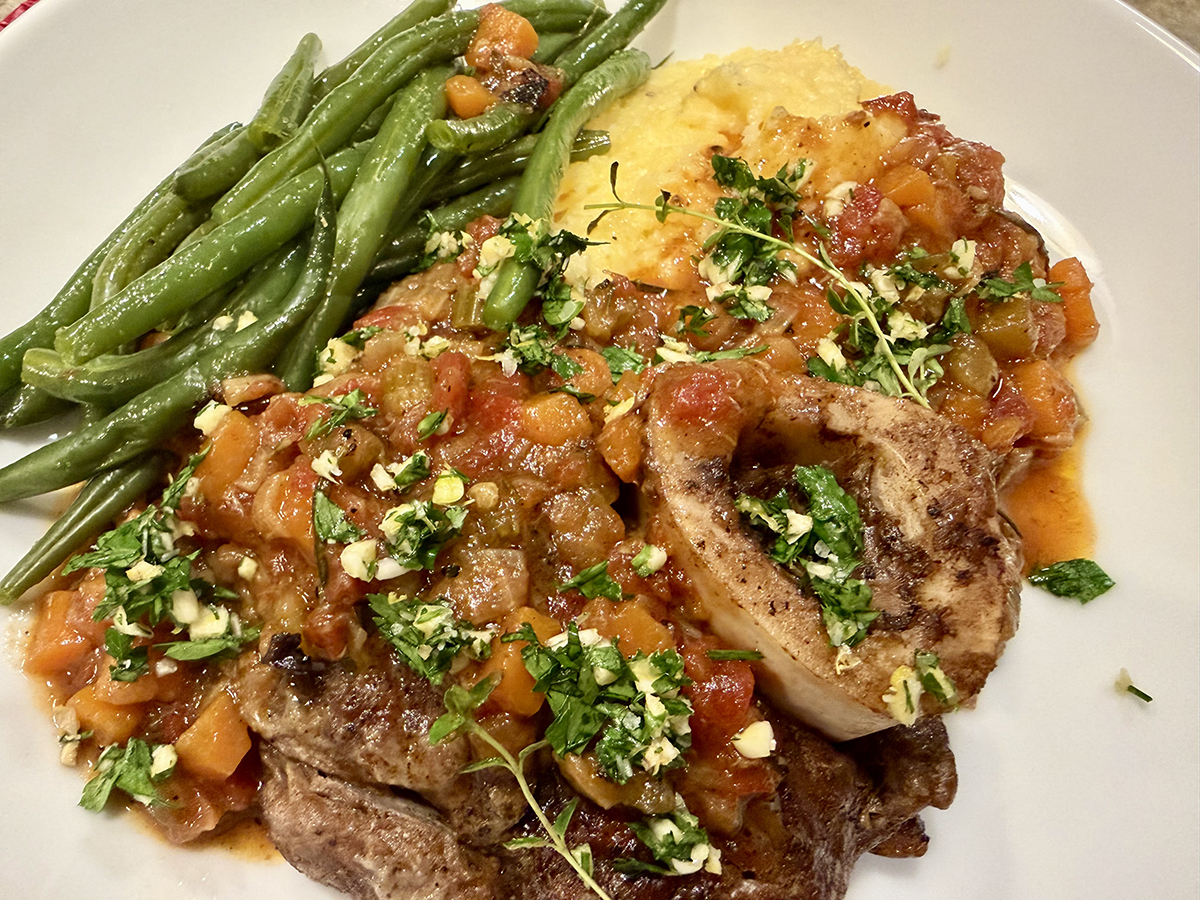
It’s northern Italian comfort food dressed up in its Sunday best: beef shanks browned to a deep mahogany, braised low and slow (well, “low and slow” by pressure cooker standards, which really means “fast and sneaky”) in a bath of wine, tomatoes, and aromatic vegetables until the meat surrenders completely and practically falls off the bone. The pressure cooker does the heavy lifting here, compressing hours of traditional braising into a shorter time span, though the flavor tastes like it took all afternoon.
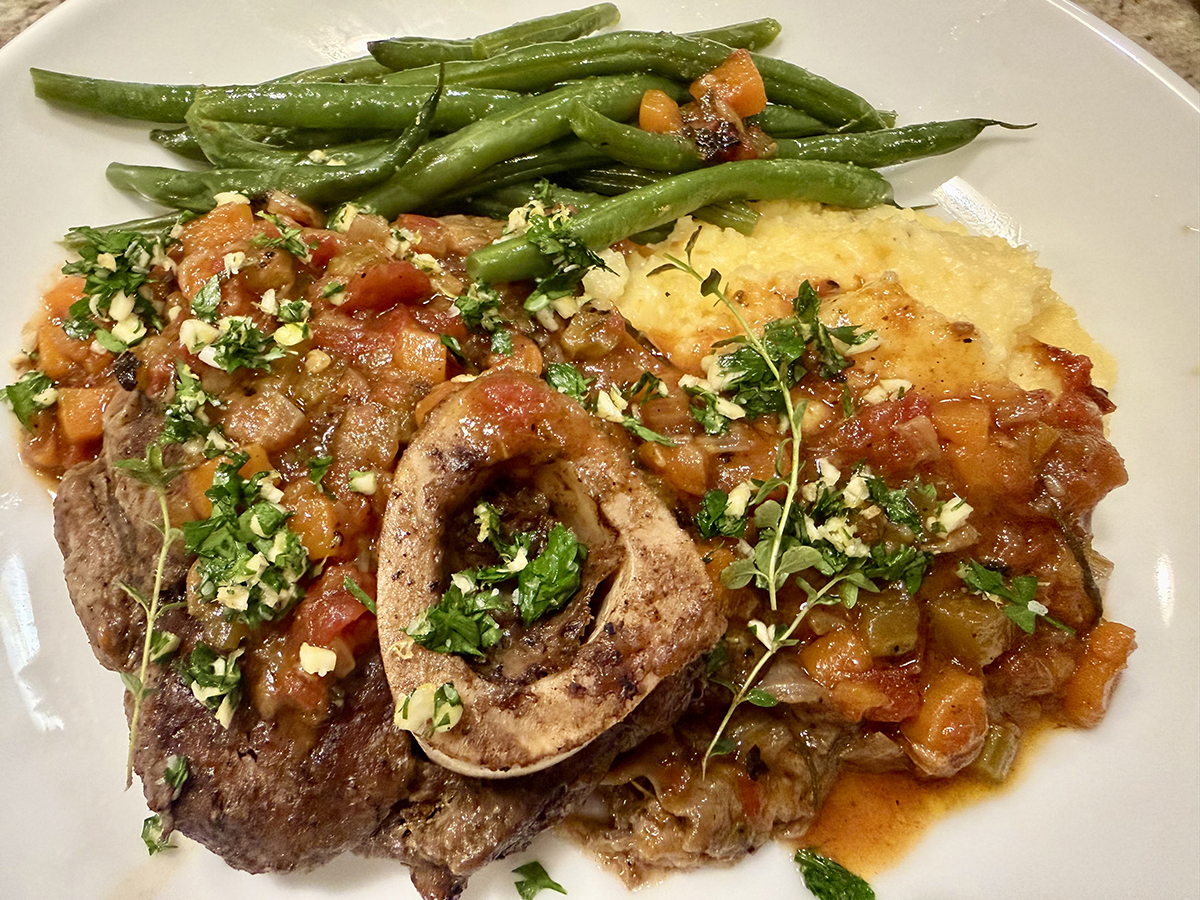
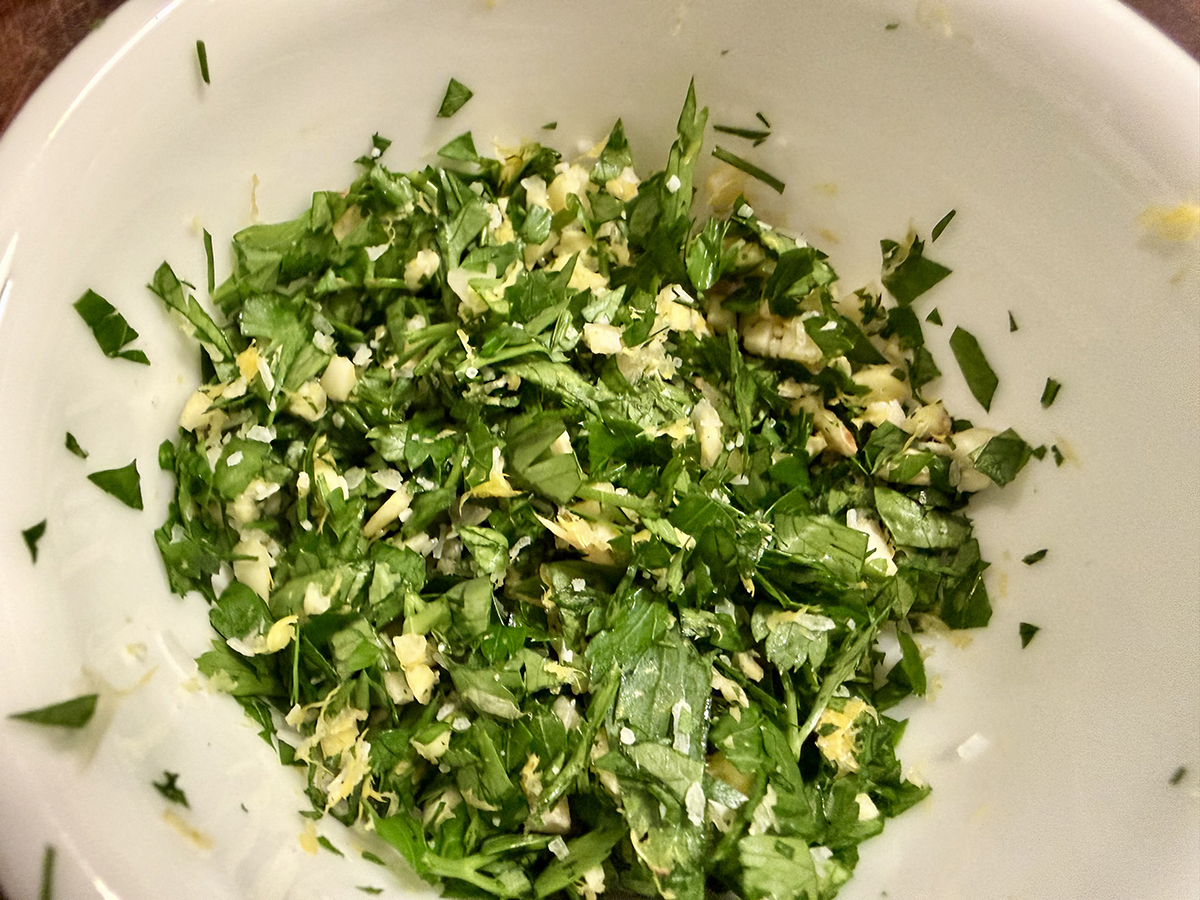
The real showstopper, though, is that bone sitting in the center of each shank, holding its treasure of rich, buttery marrow. Don’t skip it. Set out small spoons — espresso spoons are perfect for this — so everyone can scoop out the marrow, sprinkle it with a little salt, and eat it with a dab of the bright, zesty gremolata. That gremolata (a simple mix of parsley, lemon zest, and garlic) is non-negotiable, by the way — it’s the citrusy exclamation point that cuts through all that luxurious richness and keeps the whole dish from feeling like a heart attack on a plate.

NOTES: You can substitute veal, lamb, or pork shanks, but the cooking time may vary.
If you’d rather use a slow cooker, cook on high for 5 to 7 hours or on low for 8 to 10 hours.

*Our 3 beef shanks weighed in at a whopping 4.4 pounds. We doubled the amount of carrots, celery and tomato paste, and added two large shallots. All of this is noted under ingredients below.
Pressure Cooker Beef Shanks Osso Buco

  • Servings: 4-6
  • Difficulty: easy
  • Print

Ingredients

FOR THE OSSO BUCO

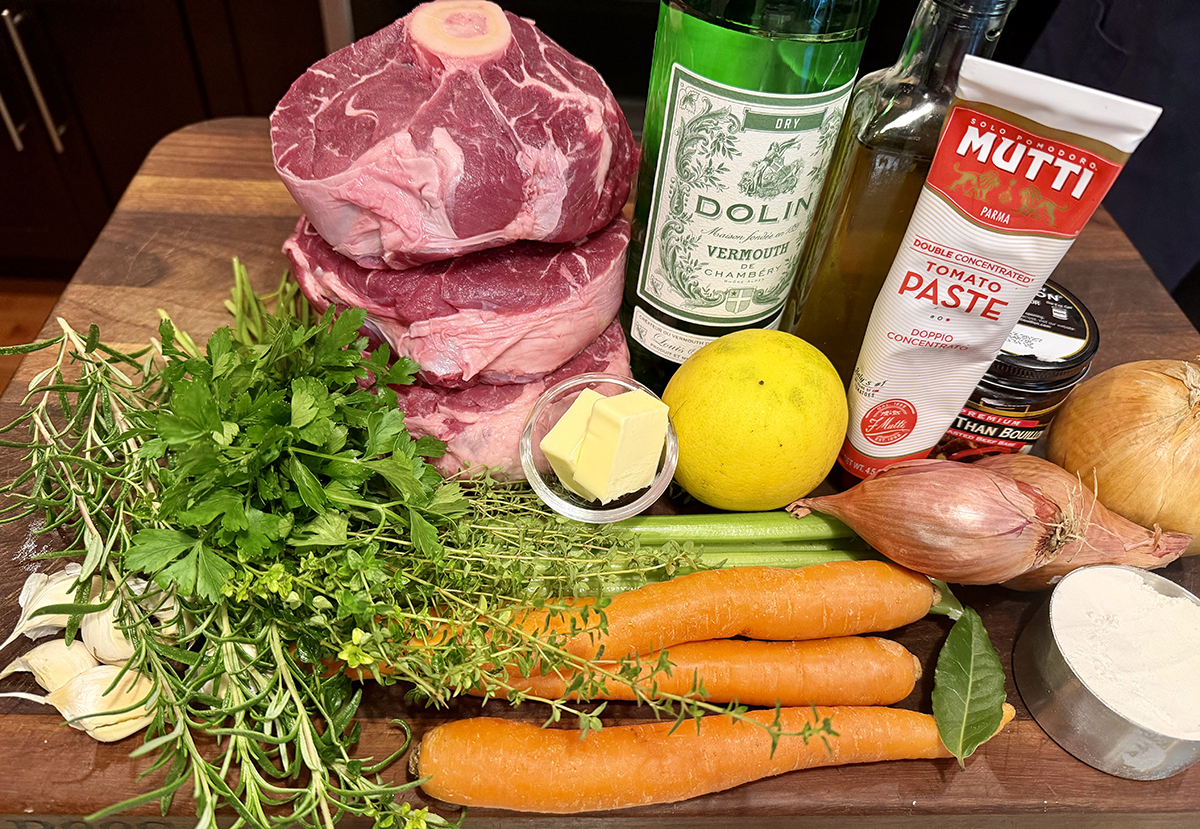
  • All-purpose flour, for dredging
  • 4 sprigs fresh thyme
  • 2 sprigs fresh rosemary
  • 1 bay leaf
  • 2 ½ to 3 lbs. (4 pieces) osso buco (bone-in beef shanks)*, patted dry with a paper towel
  • 2 tsp. kosher salt
  • Freshly ground black pepper
  • 3 Tbsp. extra-virgin olive oil
  • 2 Tbsp. unsalted butter
  • 1 onion, diced into ¼-inch pieces
  • 4 medium carrots, diced into ¼-inch pieces
  • 2 celery stalks, diced into ¼-inch pieces
  • 2-3 shallots, diced into ¼-inch pieces
  • 4 garlic cloves, thinly sliced
  • 1 tsp. tomato paste
  • ½ cup dry white wine, or dry vermouth
  • ½ cup chicken or beef stock, preferably homemade
  • 1 14.5-oz. can diced tomatoes, drained

FOR THE GREMOLATA

  • ¼ cup finely chopped fresh parsley
  • Finely grated zest of ½ lemon
  • 2 garlic cloves, minced
  • Pinch of kosher salt, plus more as needed
Directions

  1. Spread flour in a shallow bowl or plate. Tie the thyme sprigs, rosemary sprigs, and bay leaf together with kitchen twine.
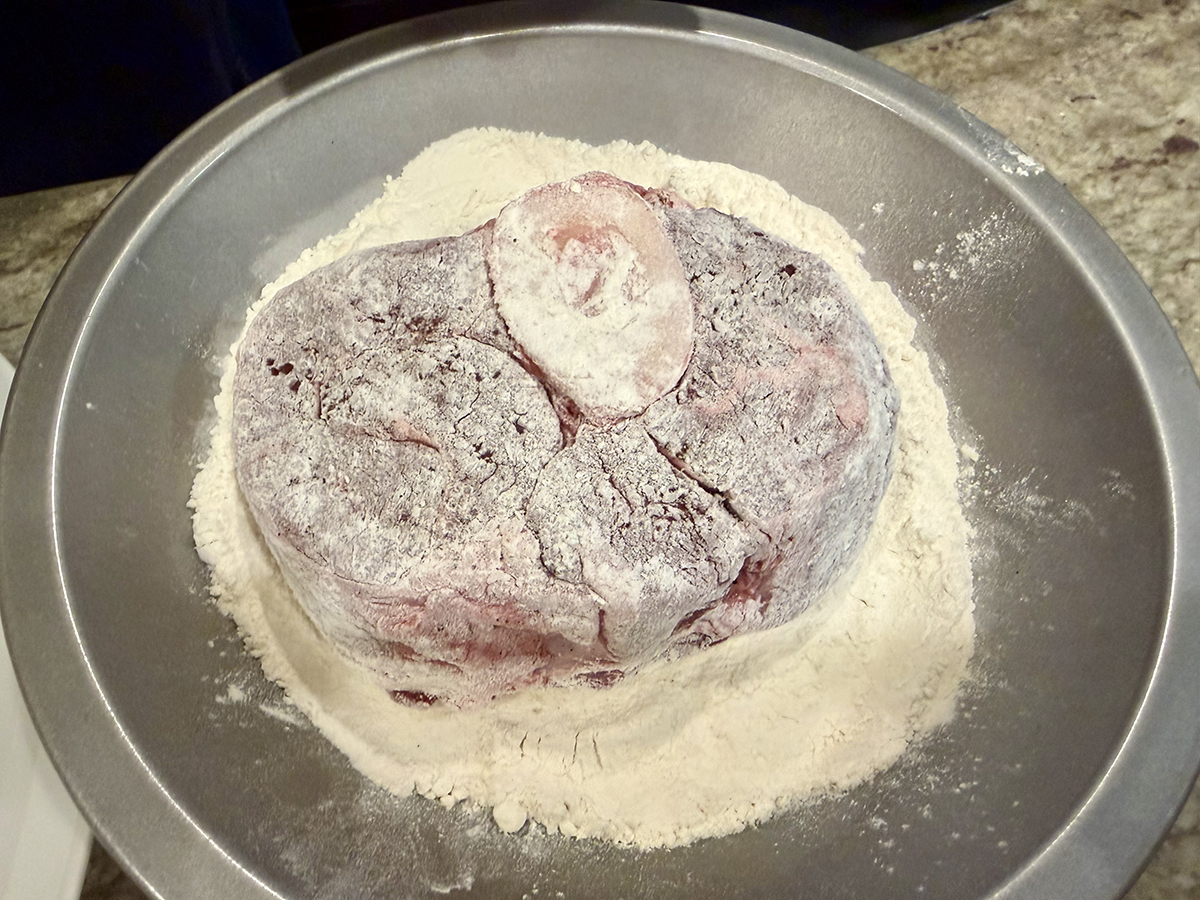
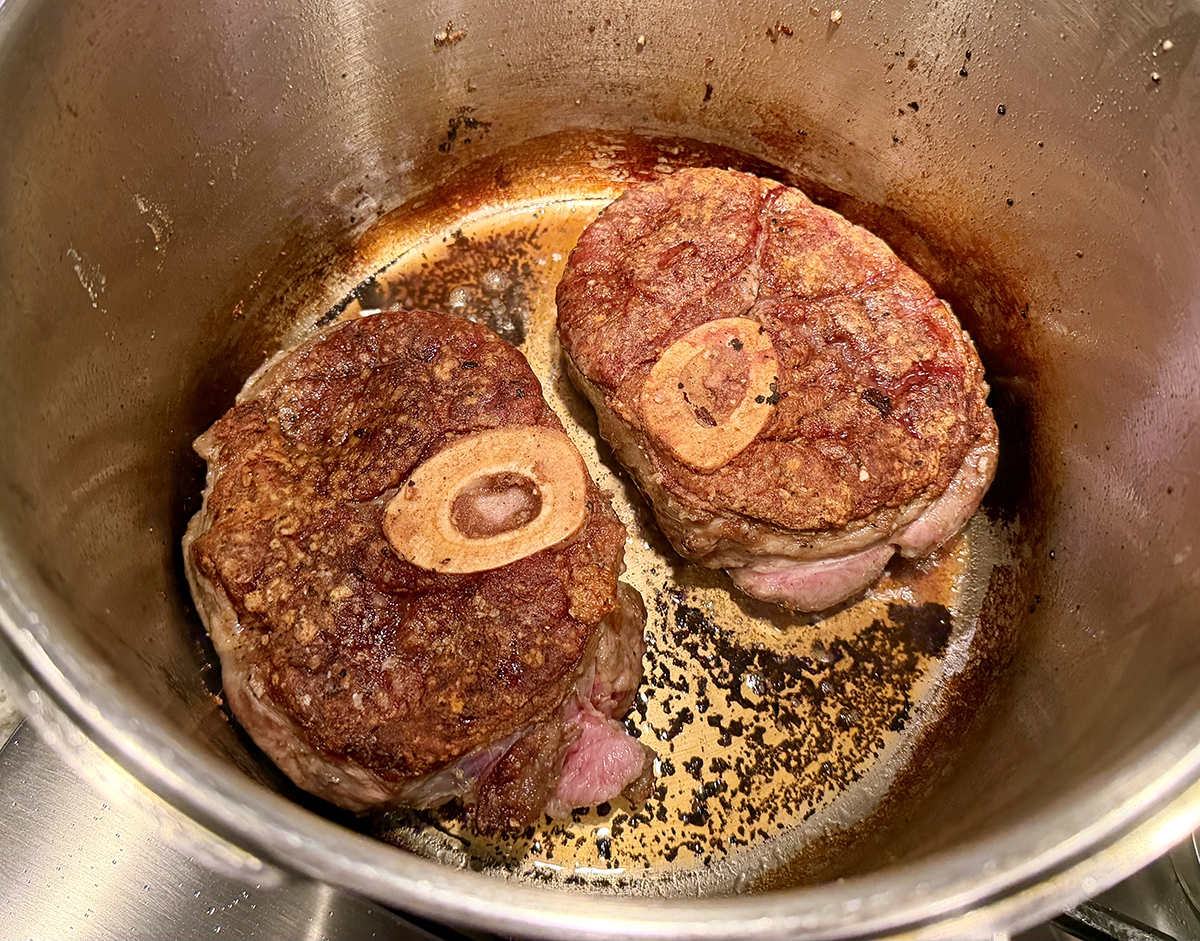
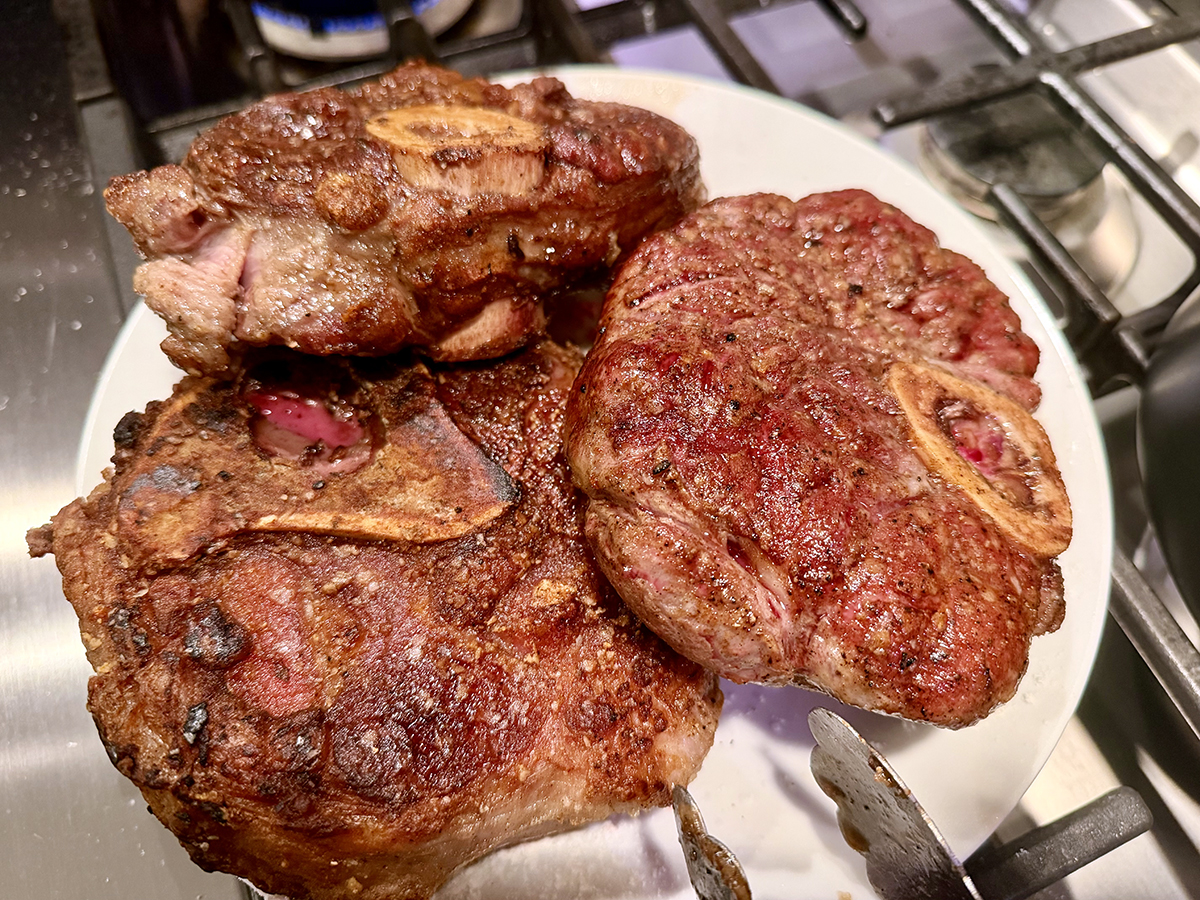
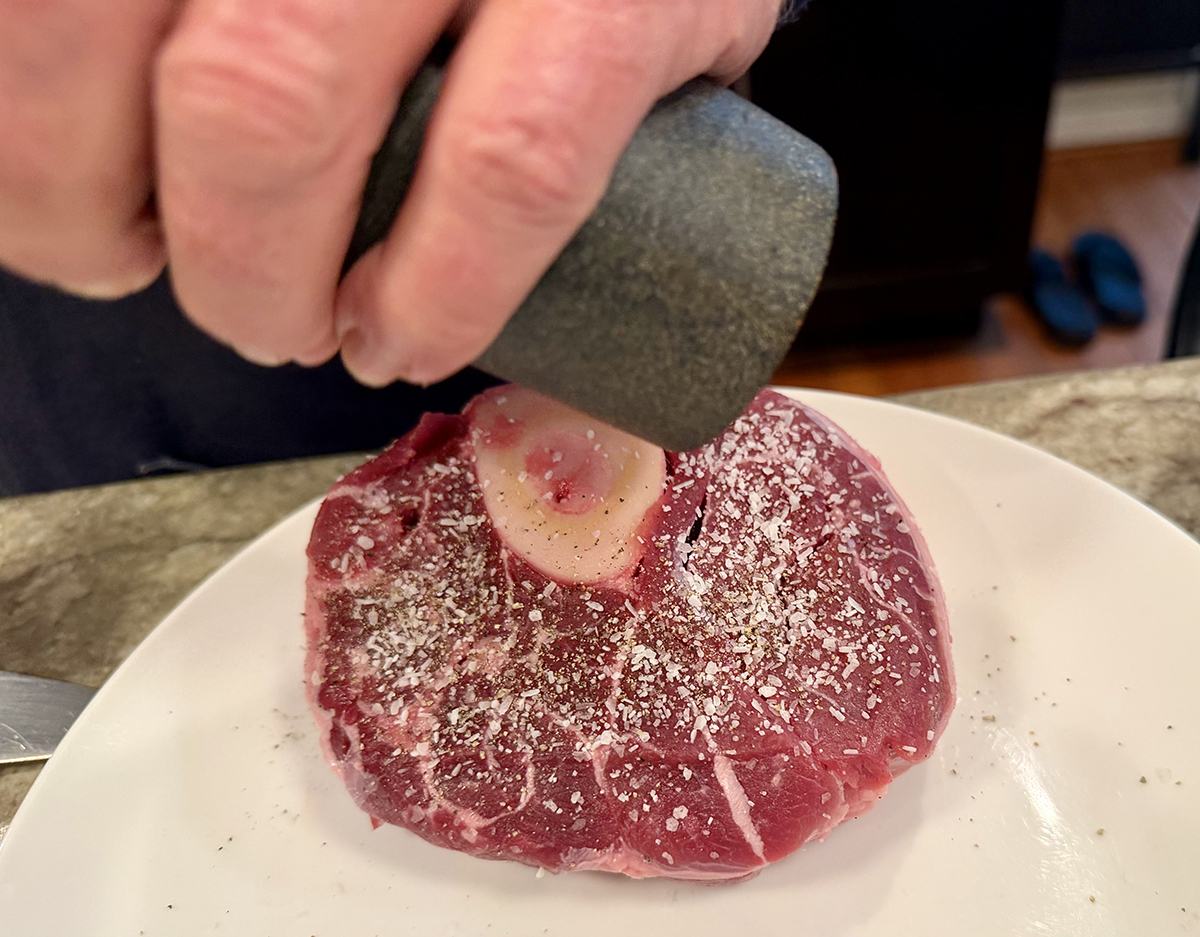
  2. Season the beef with the salt and pepper to taste, and then dredge it in the flour to coat all sides. Using the sauté function on high if available, heat the oil in the pressure cooker. Add the osso buco in batches (do not crowd the pot), and brown it well on all sides, 5 to 7 minutes per side. Altogether this will take 20 to 30 minutes to get the pieces nicely golden all over. Transfer the osso buco pieces to a plate as they brown.
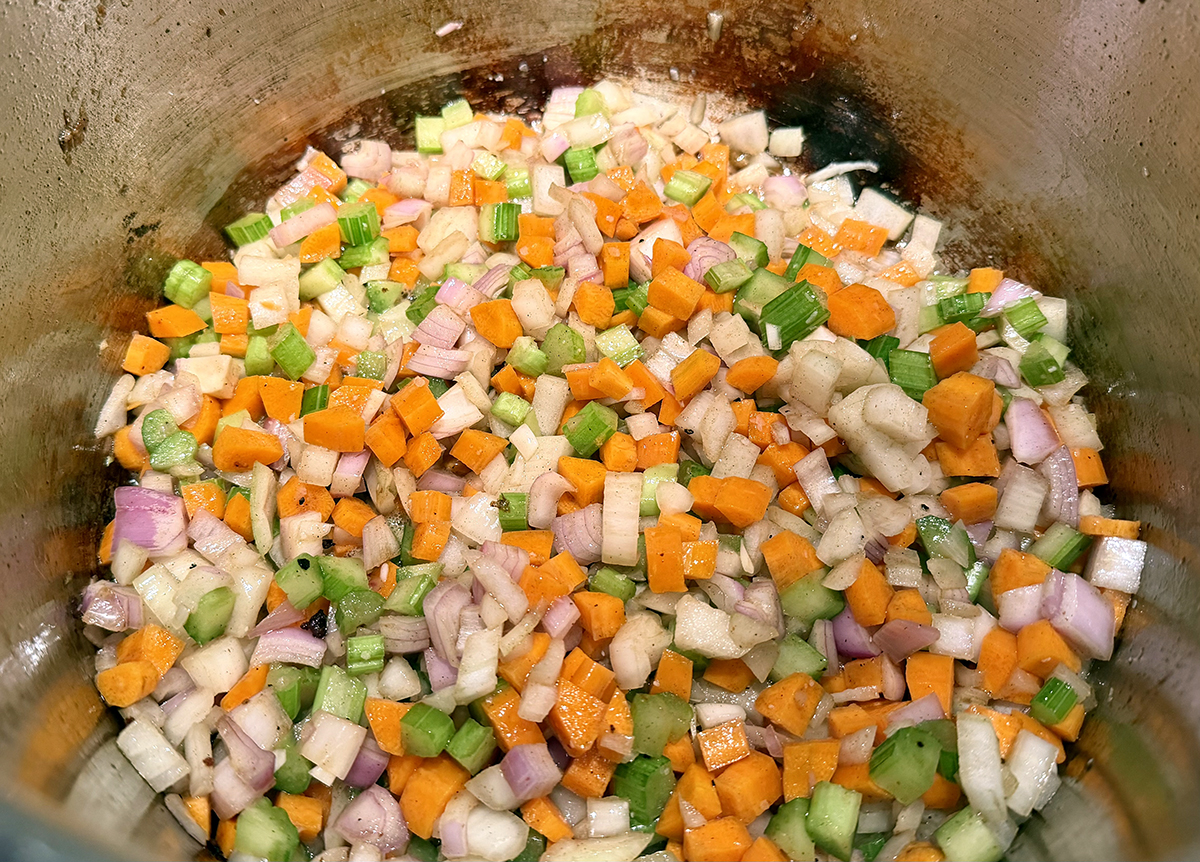
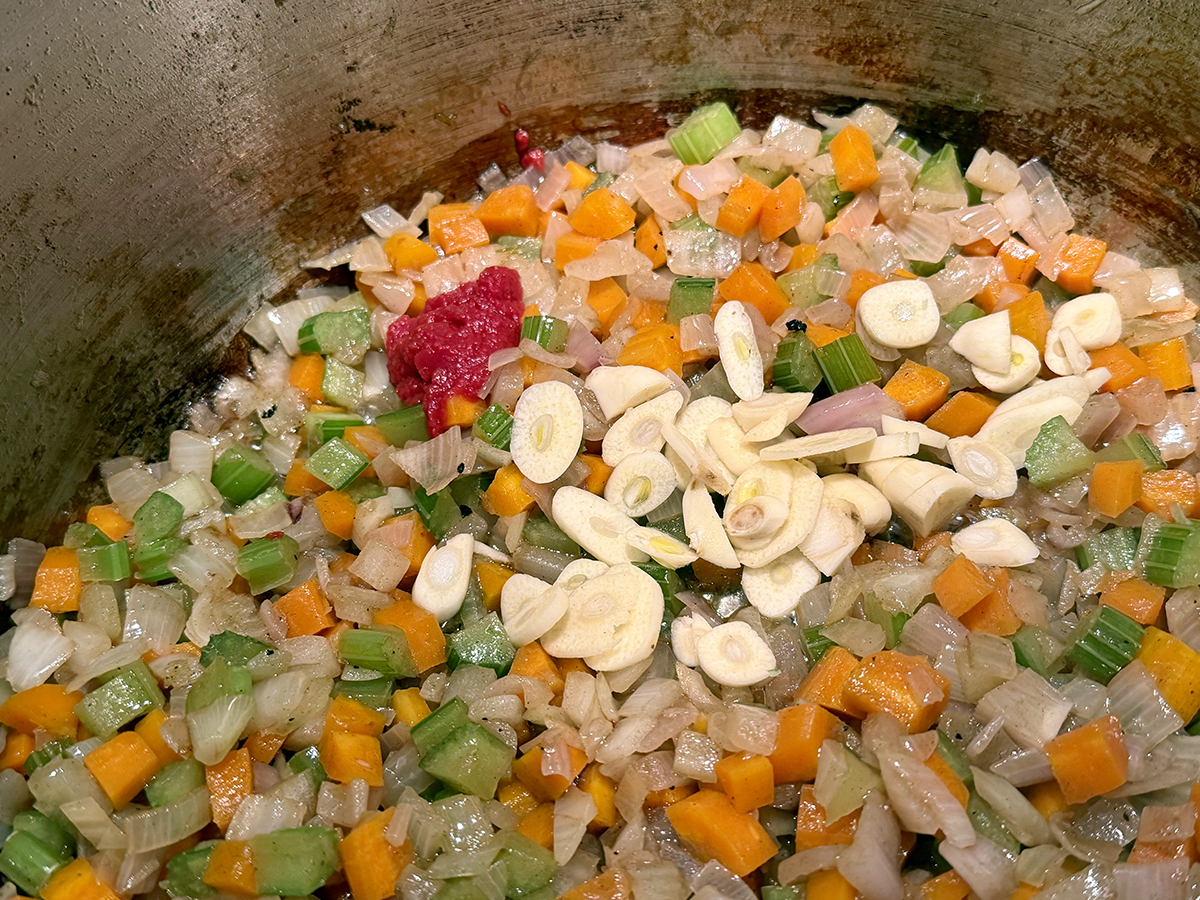
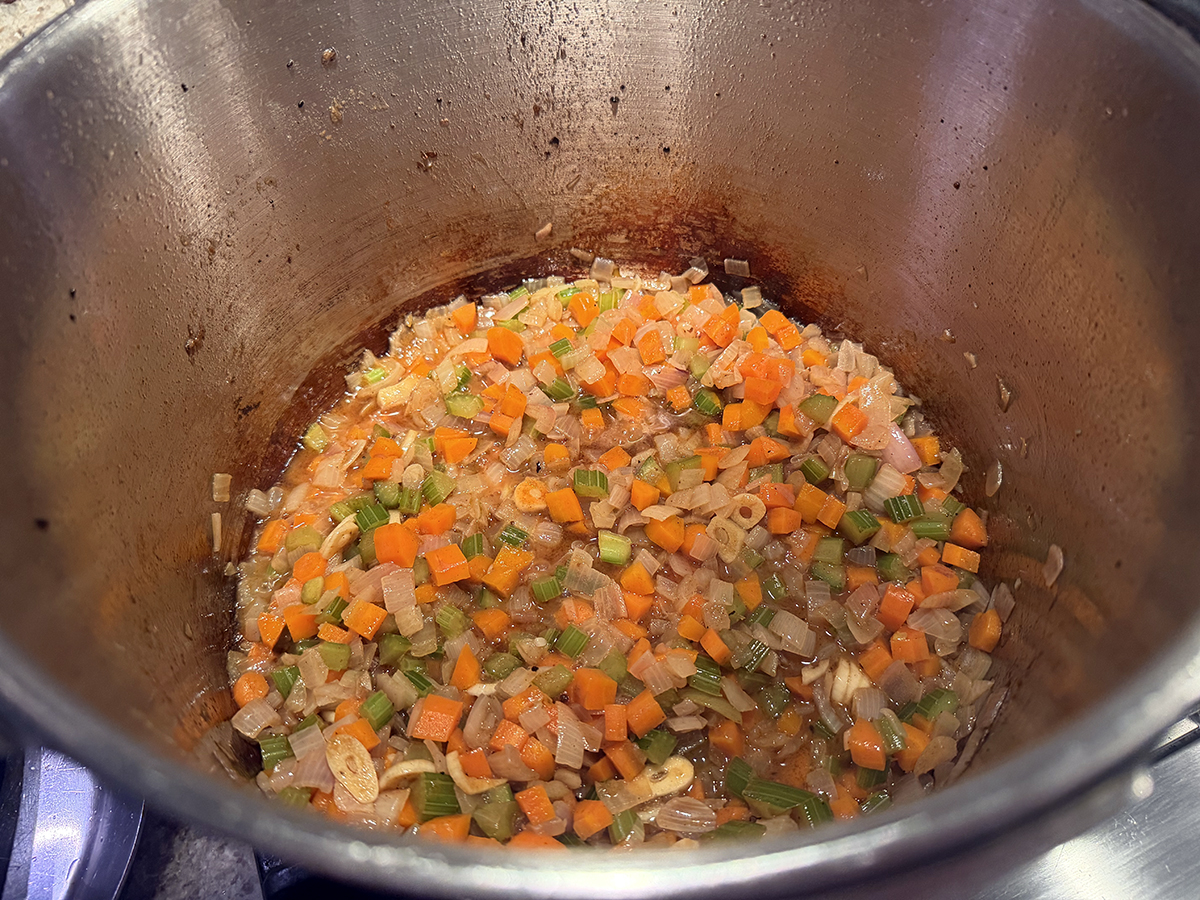
  3. Turn the sauté function down to medium if available, or unplug the pot for a minute to let it cool down slightly. Add the butter to the pressure cooker and let it melt; then stir in the onion, shallots, carrots, and celery. Cook until the vegetables are very soft, about 8 minutes. Stir in the garlic and tomato paste, and cook until the garlic is fragrant and the tomato paste has darkened, another 1 to 2 minutes.
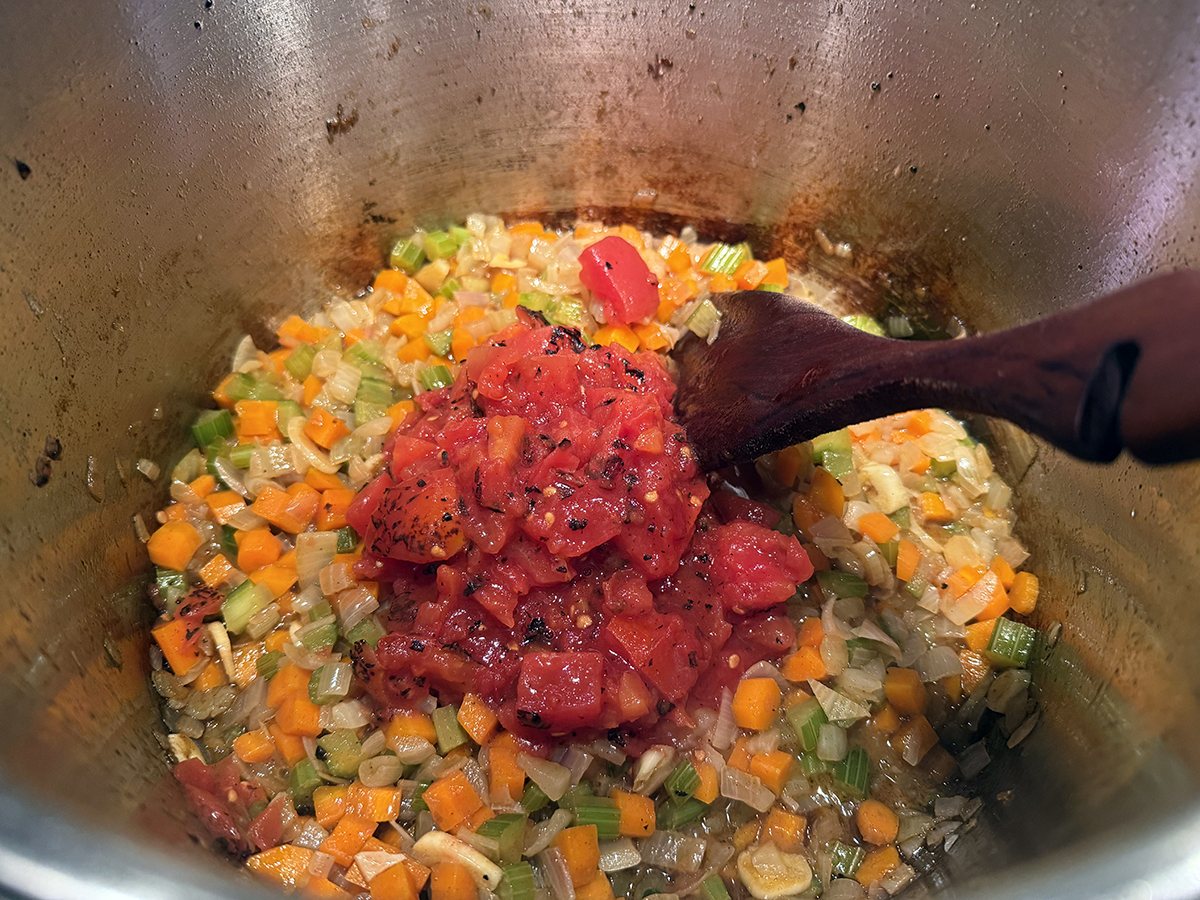
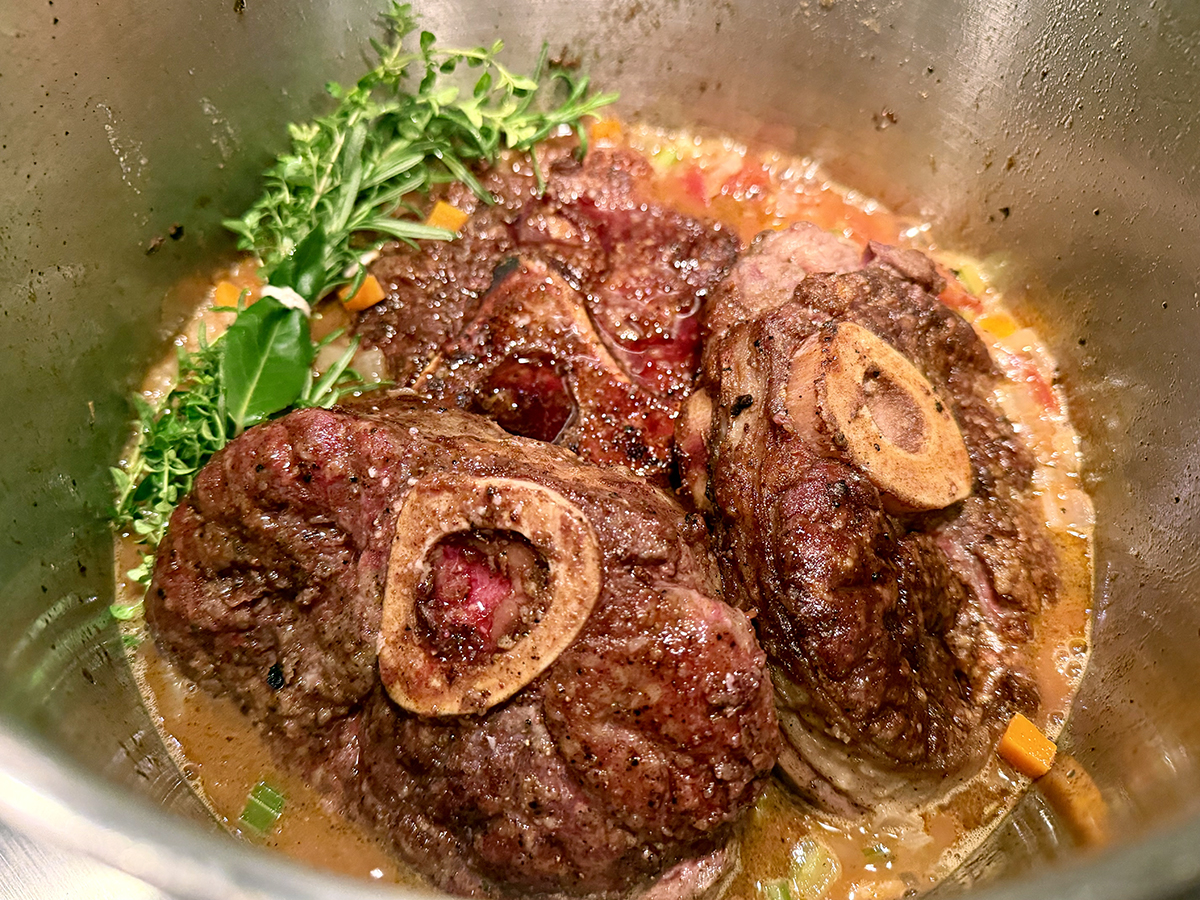
  4. Add the wine to the pot to deglaze it, scraping up any browned bits from the bottom. Stir in the stock and tomatoes and bring to a simmer. Nestle the osso buco pieces into the pot, then top with the herb bundle. Cover and cook on high pressure for 45-50 minutes. Let the pressure release naturally (anywhere from 20 to 40 min).
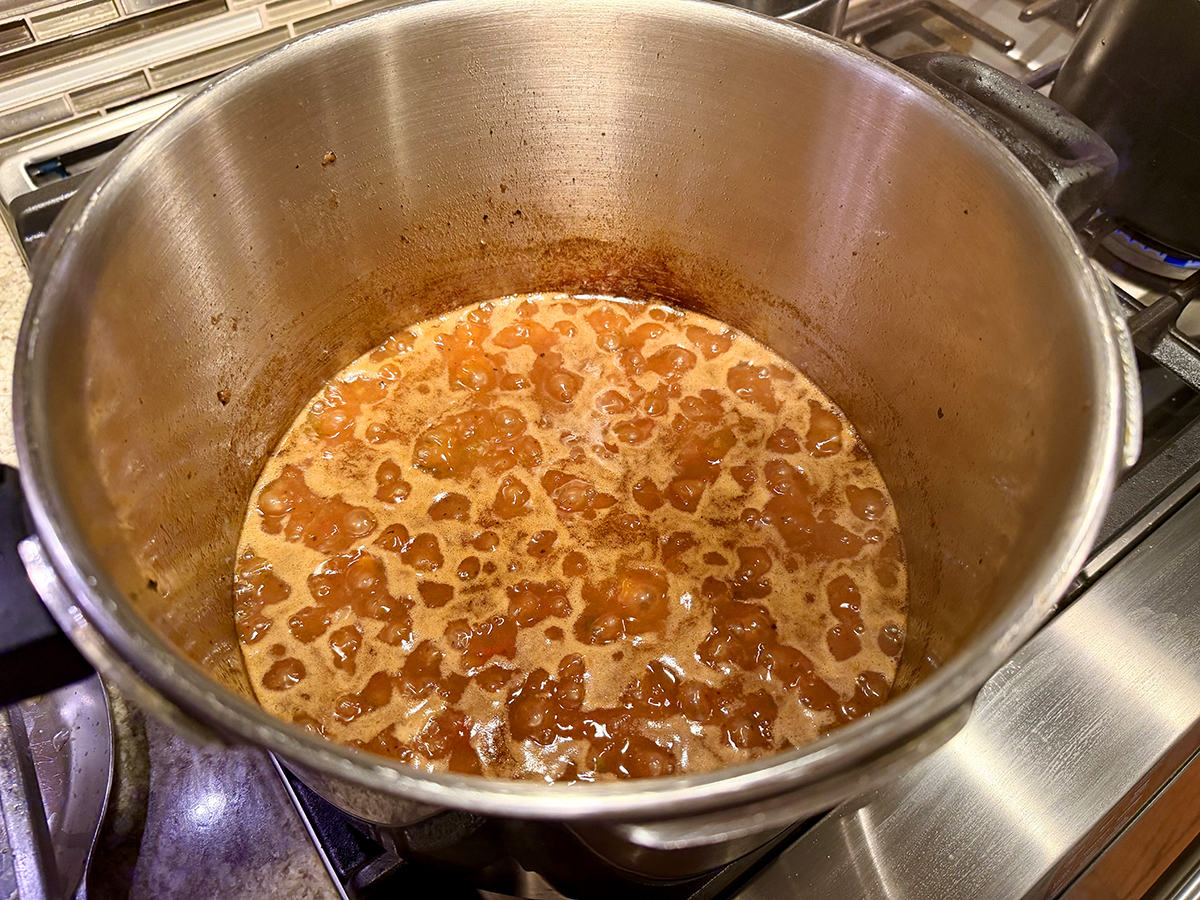
  5. Transfer the osso buco to a plate and, using the sauté function, simmer the sauce, stirring it often, until it is thick and reduced, 10 to 15 minutes. Let the sauce settle for at least 10 minutes, and then spoon any excess fat off the top.
  6. While the sauce is settling, make the gremolata: In a small bowl, stir together the parsley, lemon zest, garlic, and salt.
  7. To serve, transfer the shanks to a serving platter, spoon the sauce over the top, and sprinkle with the gremolata, with more on the side.

http://www.lynnandruss.com

Adapted from a recipe by Melissa Clark for NYTimes Cooking

Veal Shanks Braised with Honey and Rosemary

According to chef/author Molly Stevens‘ cookbook “All About Braising” where this fabulous recipe hails from, veal has an inherent sweetness that really comes to the fore when it is braised with a bit of honey. Not too sweet, just a hint.

To ensure the veal shanks didn’t fall apart during braising, The Hubs tied each one around the outer diameter with kitchen twine. Once plated on a platter, the twine was removed before the carrots and shallots were added.

Along with the braised shallots and carrots, we served a side of velvety Manchego Mashed Potatoes, a perfect vehicle to corral some of the wonderful silky sauce. It was the perfect dinner to celebrate a close friend’s upcoming birthday.

Veal Shanks Braised with Honey and Rosemary

  • Servings: 4
  • Difficulty: easy
  • Print

Ingredients

The Braise

  • 4 meaty veal shanks, each 2 to 2 1/2 inches thick (3 to 3 1/2 lbs. total)
  • Coarse salt and freshly ground black pepper
  • 2 Tbsp. extra-virgin olive oil
  • 1 large onion, coarsely chopped
  • 1 cup dry white wine or vermouth
  • 2 cups veal or chicken stock, preferably homemade
  • 2 Tbsp. honey (rosemary or lavender if possible); we had lilac honey
  • Zest and juice of 1 orange, zest removed in strips with a vegetable peeler
  • Zest and juice of 1 lemon, zest removed in strips with a vegetable peeler
  • 2 6-inch leafy fresh rosemary branches
  • 2 Tbsp. balsamic vinegar

The Carrot and Shallot Garnish

  • 1 Tbsp. unsalted butter, plus more to finish
  • 1 Tbsp. extra-virgin olive oil
  • 12 to 18 medium shallots, peeled, larger ones cut in half
  • 12 to 18 small carrots, peeled; OR 4 larger carrots, cut into 3-by-3/4 inch sticks
  • Coarse salt and freshly ground black pepper
  • 2 6-inch leafy fresh rosemary branches

Directions

  1. Heat the oven to 300 degrees.
  2. Browning the shanks: Season the veal shanks on all sides with salt and pepper. Heat the oil in a wide Dutch oven or heavy braising pot (6- to7-quart) over medium-high heat. When the oil is quite hot, add as many shanks as will fit without crowding. (If necessary, sear the shanks in batches.) Sear the shanks, turning once withe tongs, until both flat sides have an attractive bronze color, about 5 minutes per side. transfer to a large plate or tray, without stacking.
  3. The aromatics and braising liquid: Add the onion to the pot, stir and sauté, still over medium-high heat, until they soften and begin to brown, 3 to 4 minutes. The bottom of the pot should be developing a caramelized crust. Pour in the wine, stir to dissolve the brown crust on the bottom of the pot, and boil until the wine is reduced by half, about 10 minutes.
  4. The braise: Add the stock, honey orange zest and juice, lemon zest, rosemary, and balsamic vinegar to the pot. Return the shanks to the pot, arranging them in a snug single layer, and pour over any juices that accumulated while they sat. Bring to a simmer and cover with parchment paper, pressing down so the paper nearly touches the shanks and the edges hang over the sides of the pot by about an inch. Then secure the lid in place and slide the pot into the lower third of the oven to braise at a gentle simmer for 1 hour. After the first 10 to 15 minutes, check that the liquid is not boiling too energetically; if i is lower the oven heat by 10 to 15 degrees and continue to braise.
  5. Prepare the garnish: heat the butter and oil in a large 12-inch skillet over medium-high heat. when the butter has melted and the oil is quite hot, add the shallots and carrots, season with salt and pepper, and sauté, stirring and shaking the pan frequently, until tinged with brown all over, about 8 minutes. Add the rosemary branches and sauté for another minute.
  6. Finishing the sauce: With a slotted spoon, lift the shanks along with the shallots and carrots, onto a platter, without stacking. Handle the veal carefully at this point, as it will tend to fall apart. Cover loosely with foil to keep warm. Strain the braising liquid into a saucepan, pushing down on the vegetables, zest, and spent herbs to extract all the juices, and discard the solids. Skim the surface fat from the strained liquid, and bring to a simmer over medium-high heat. Simmer, skimming a few more times, until reduced enough to lightly coat the back of a spoon, about 15 minutes. Season with salt and pepper, and keep at a low simmer.
  7. Portioning the veal shanks: If the shanks are reasonably sized, serve one shank per person. If the shanks are enormous, pull apart the larger shanks, separating them at their natural seams, and serve smaller amounts. be sure to offer the marrow bones as well.
  8. Serving: For a luxurious sauce, whisk a walnut-sized knob of butter into the barely simmering sauce.Once you’ve added the butter, avoid prolonged boiling. Serve the shanks accompanied by the carrots and shallots, and spoon the sauce over the top.

http://www.lynnandruss.com

Recipe by Molly Stevens from All About Braising