Category Archives: Asian

Japanese Ginger Pork (Shogayaki)

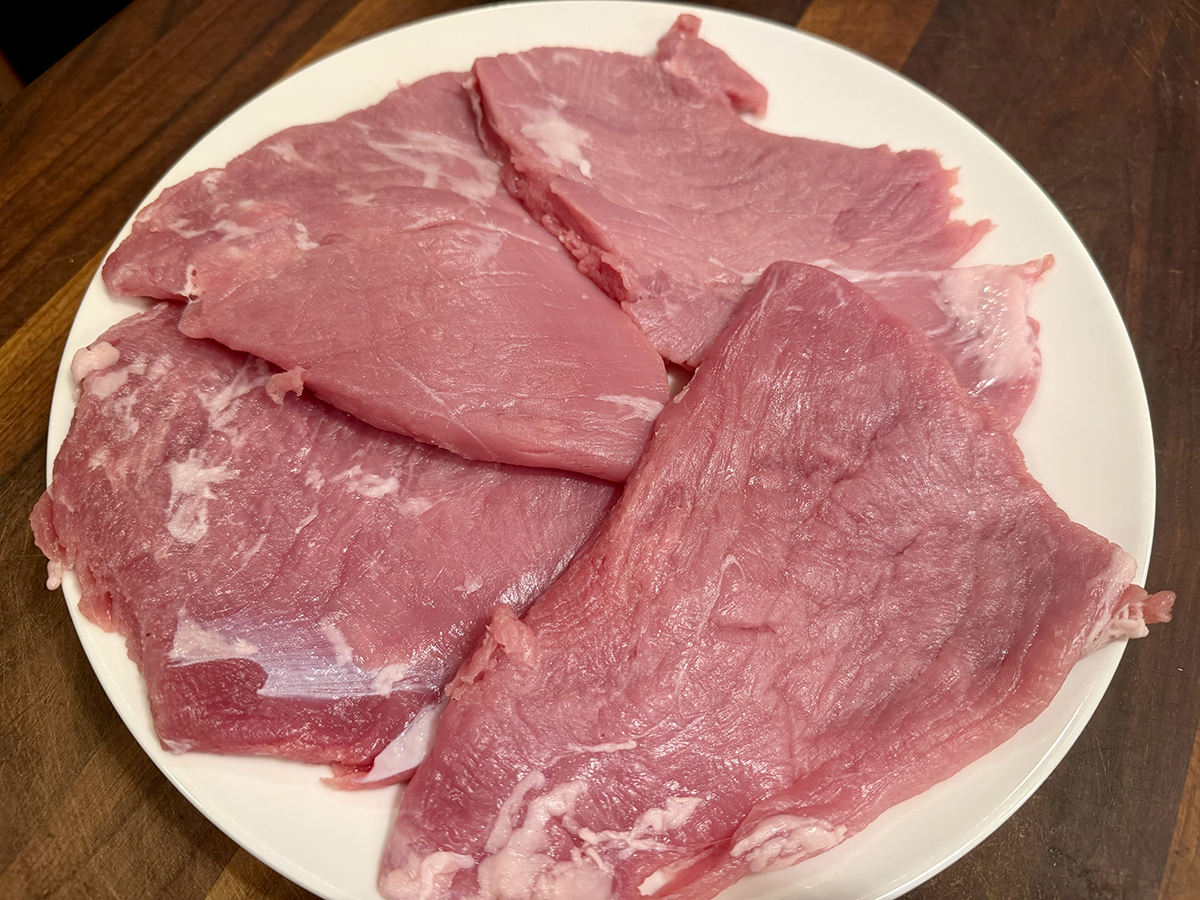
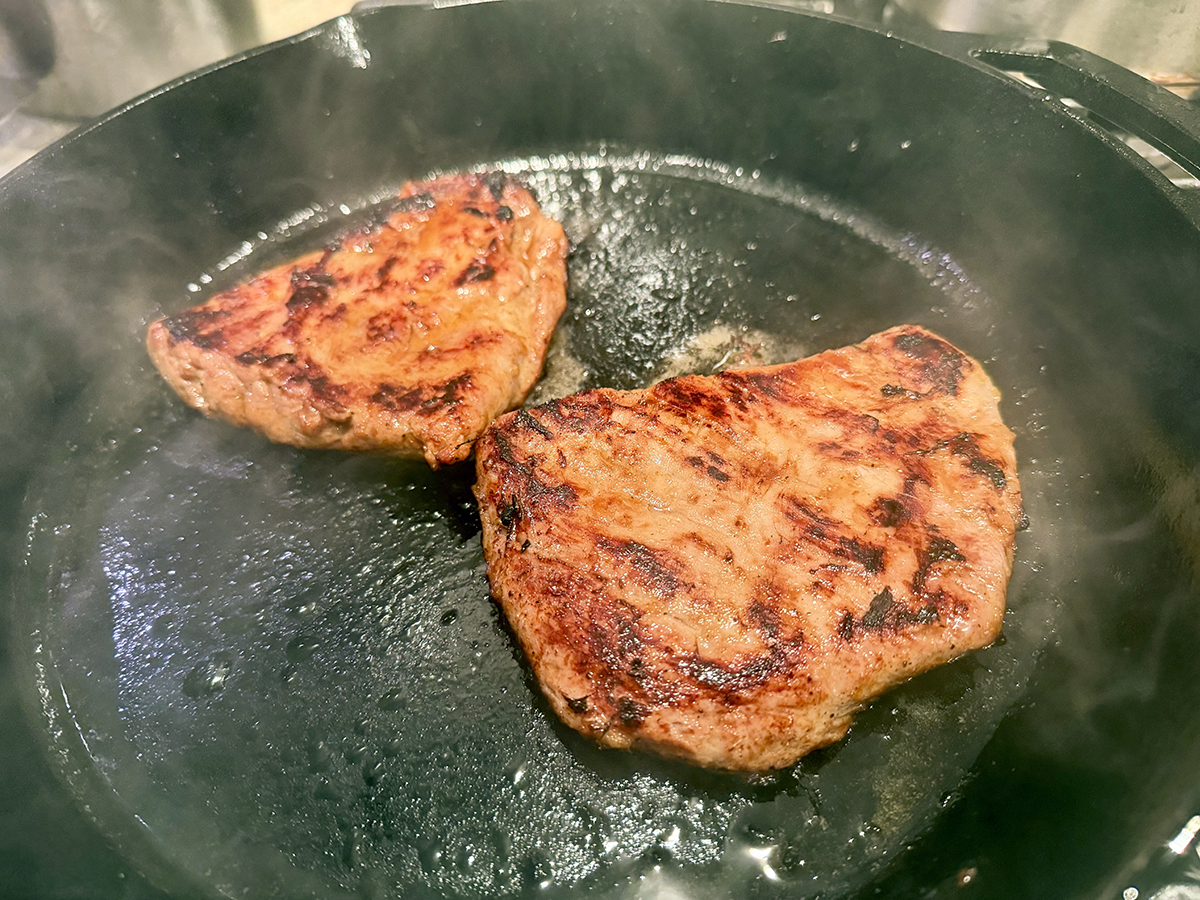
Shoga means “ginger,” and in shogayaki, ginger is the star. Thin cutlets of pork tenderloin are browned until deeply golden, then tossed in a glossy, gingery soy sauce that’s lightly sweetened with mirin and rounded out with a spoonful of miso.
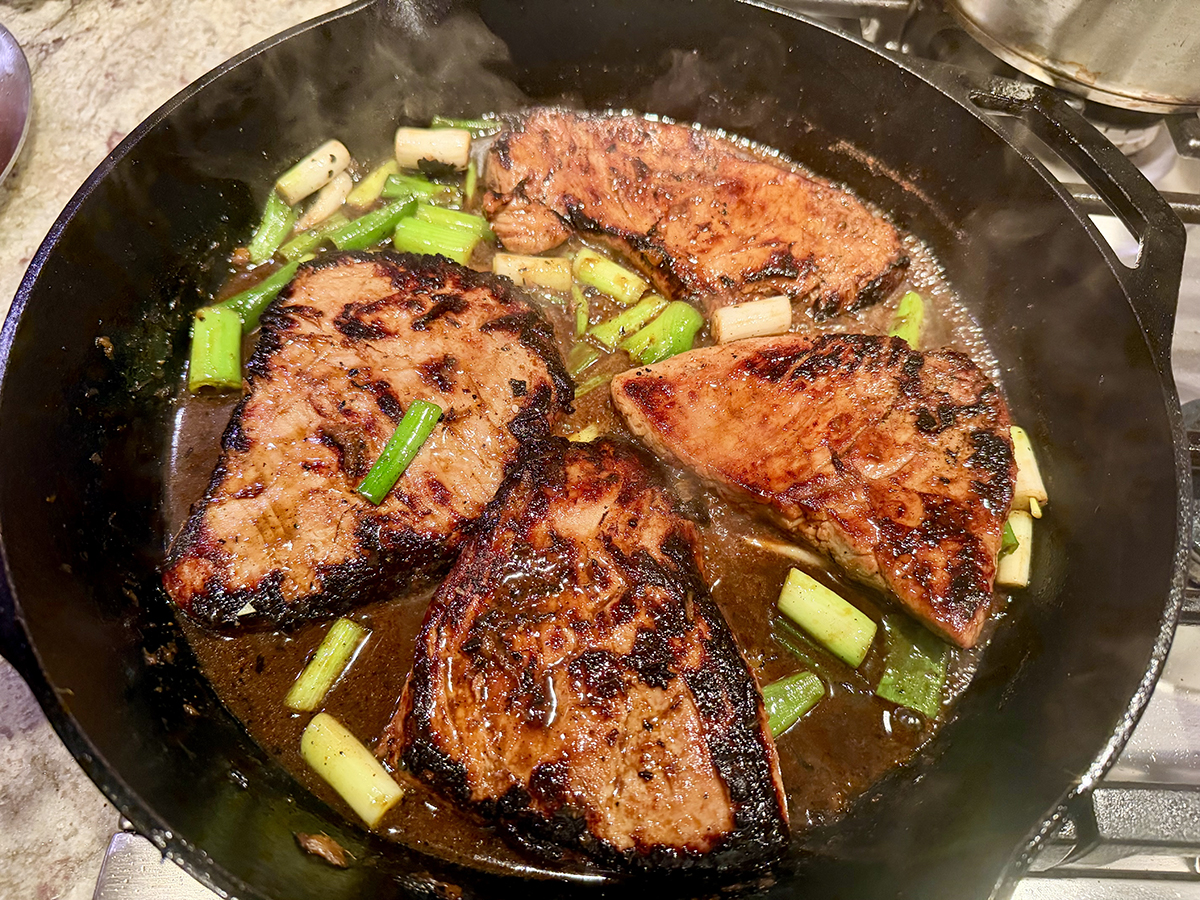
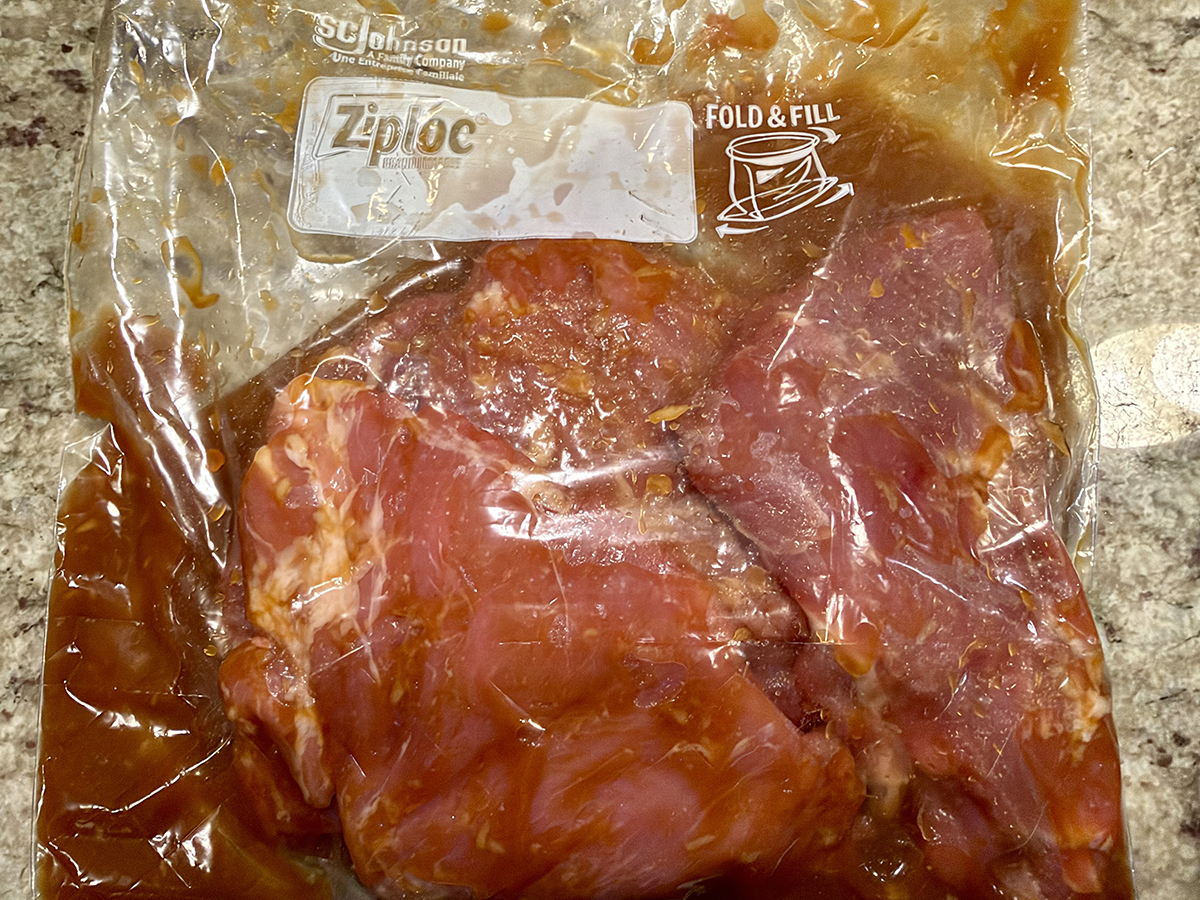
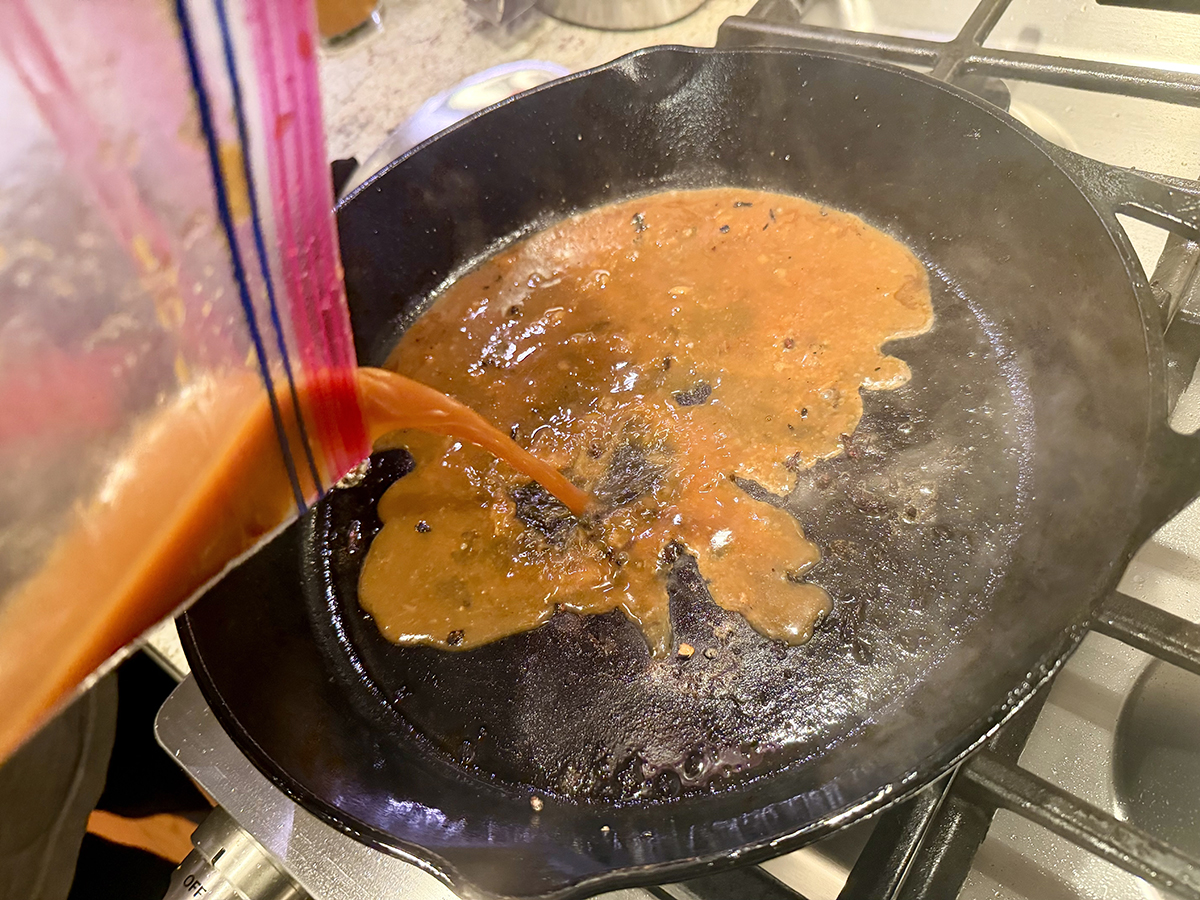
The sauce does double duty: the same mixture that flavors the pork as it marinates is simmered into a quick glaze in the skillet, so nothing goes to waste and every bite is thoroughly seasoned. It’s a staple of Japanese home cooking and lunch counters, and the whole thing comes together in about 45 minutes.

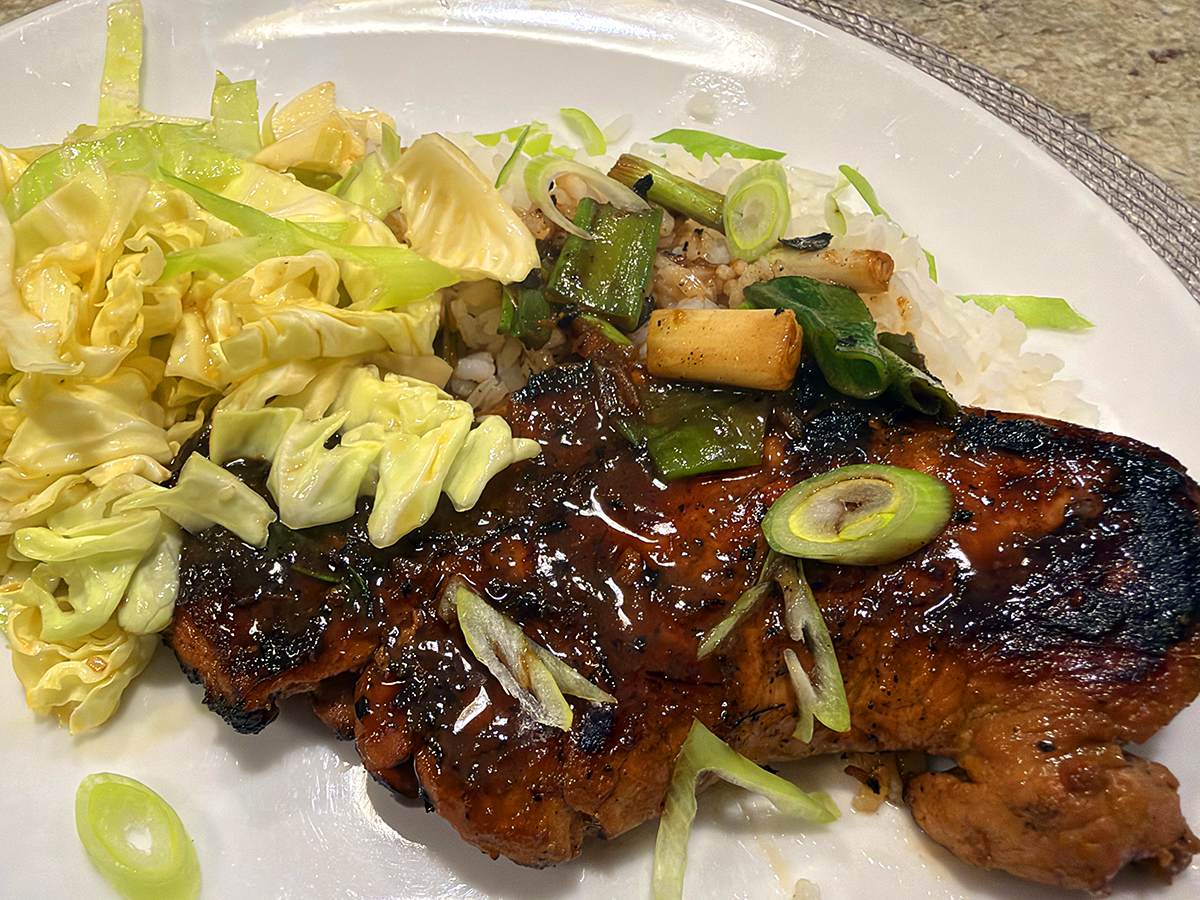
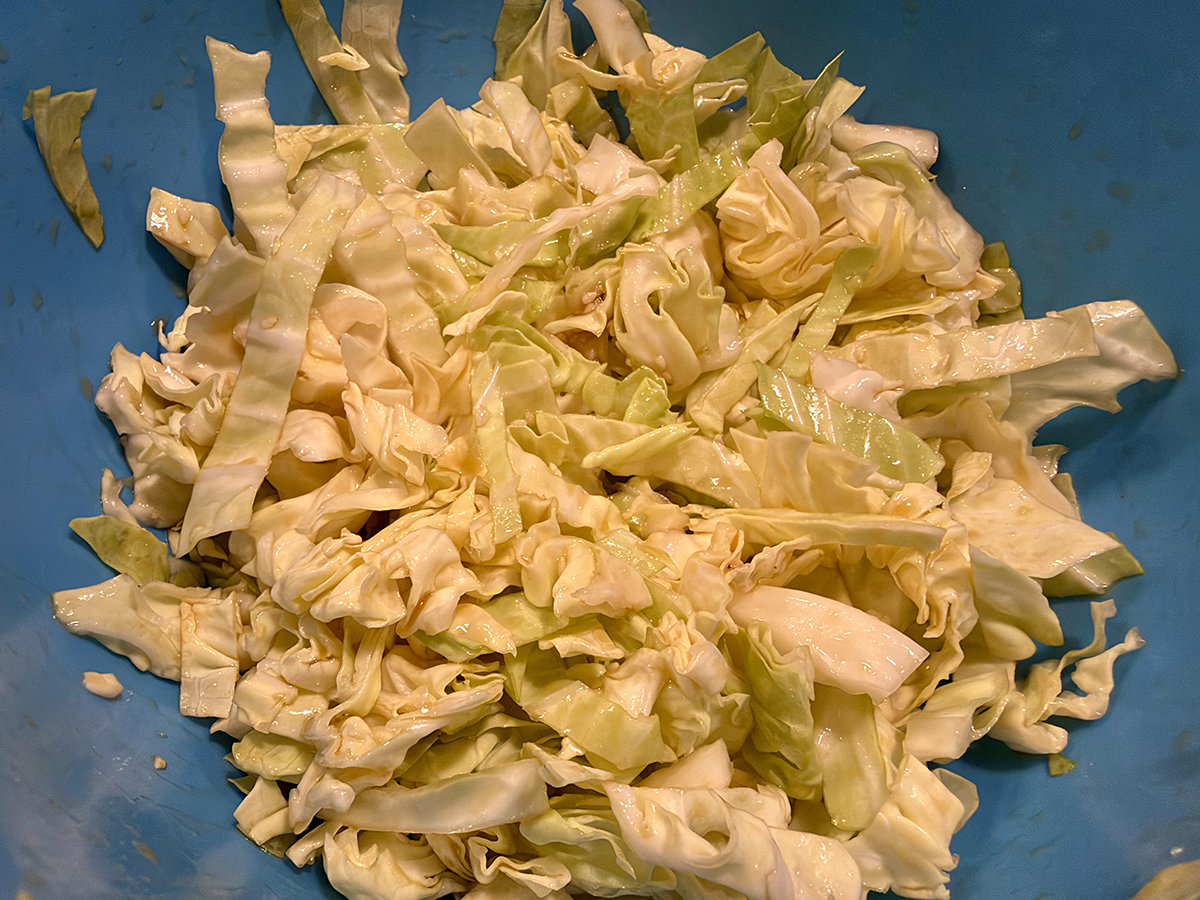
Oh, and we would definitely double that delicious sauce next time! Serve it the classic way, over steamed rice with a pile of crisp shredded cabbage, which we dressed up with a tangy dressing so it’s anything but an afterthought.

Japanese Ginger Pork (Shogayaki)

  • Servings: 4
  • Difficulty: easy
  • Print

Ingredients

  • ¼ cup soy sauce
  • 3 Tbsp. mirin
  • 2 Tbsp. sake
  • 1 Tbsp. white miso
  • 1½ Tbsp. finely grated fresh ginger
  • 1¼ pound pork tenderloin, trimmed of silver skin
  • 2 Tbsp. grapeseed or other neutral oil
  • 2 tsp. white sugar
  • 1 bunch scallions, cut into 1-inch pieces
  • ½ small head green cabbage, cored and finely shredded (about 3 cups)
  • Cooked Japanese-style short-grain rice, to serve
Directions

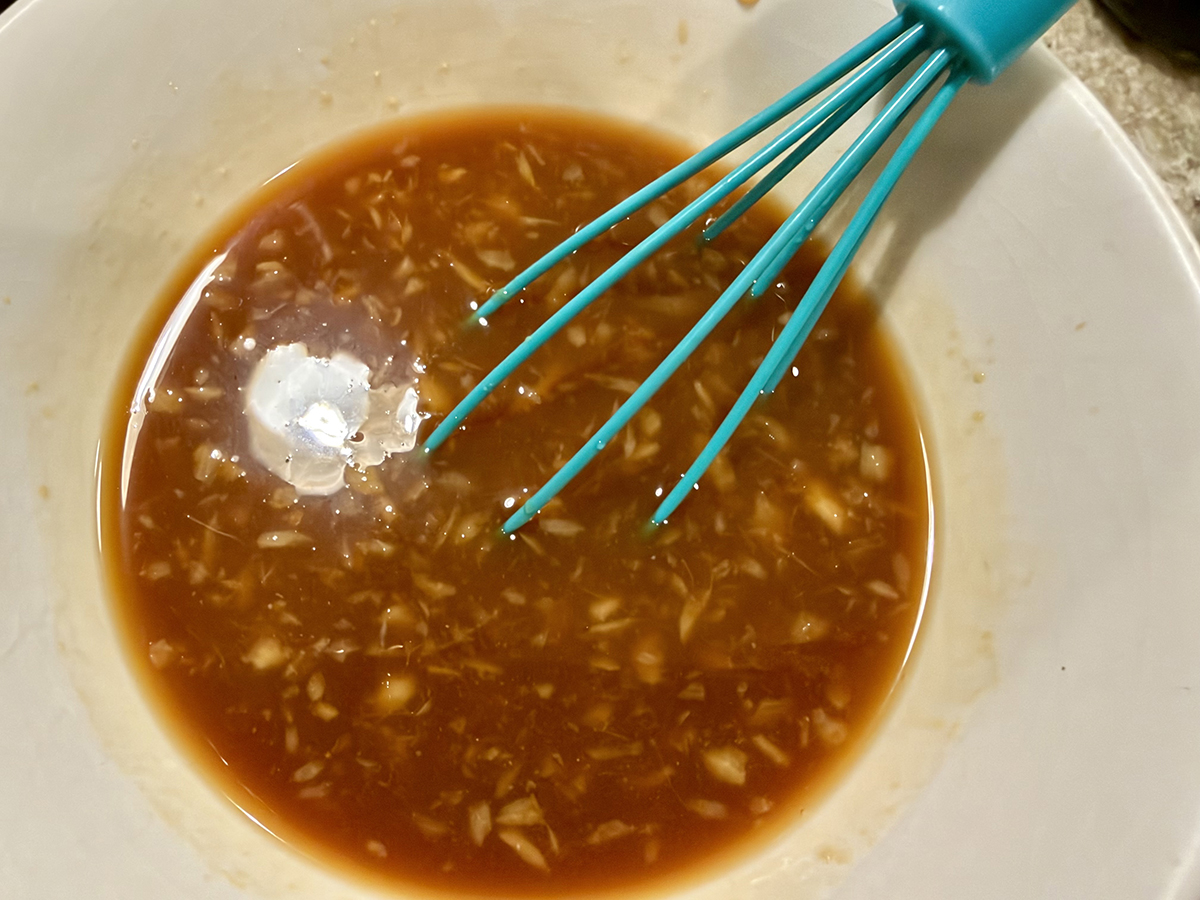
  1. In a wide, shallow bowl whisk together the soy sauce, mirin, sake, miso and ginger. Cut the pork tenderloin in half crosswise, making the tail-end half slightly larger, then cut each piece in half lengthwise.
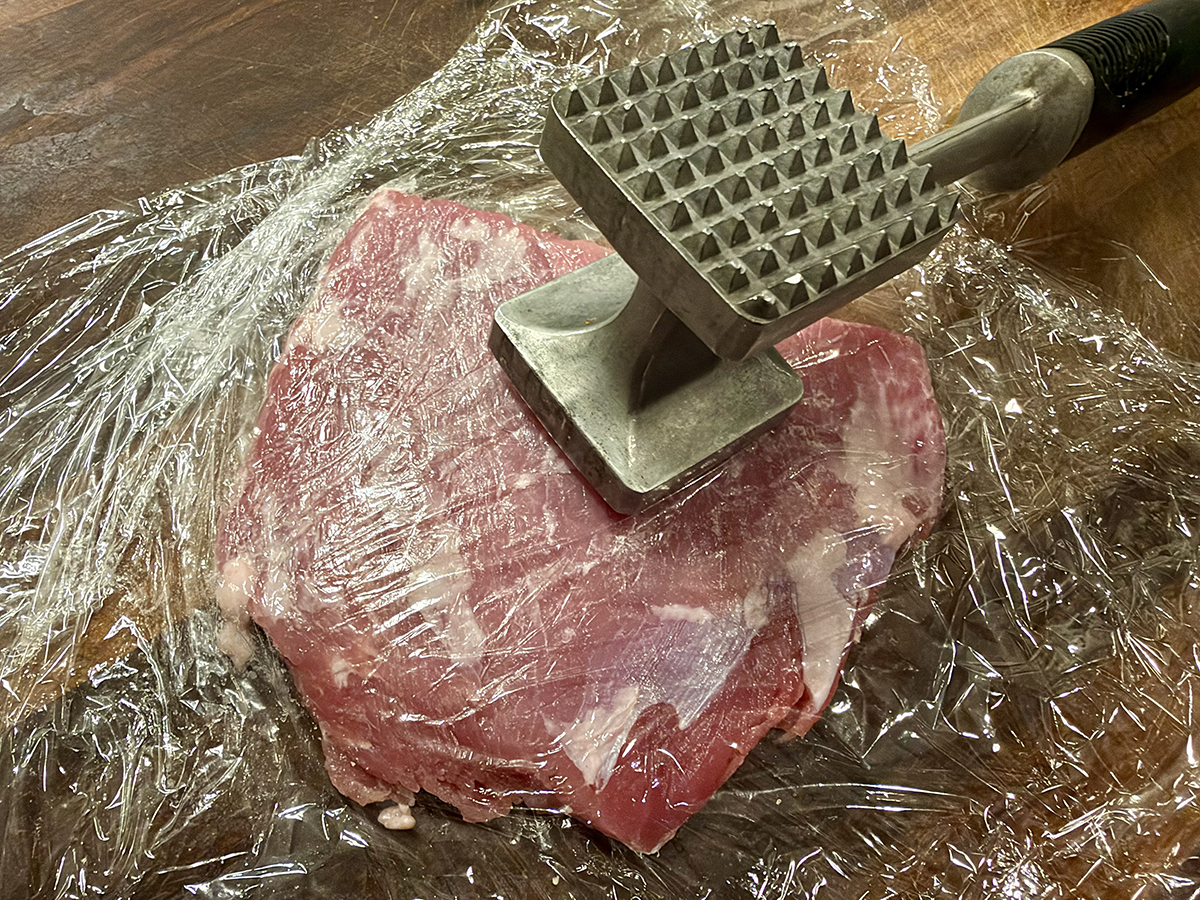
  2. Place 2 pieces of pork between 2 large sheets of plastic wrap. Using a meat pounder, gently pound each piece to an even ¼-inch thickness. Repeat with the 2 remaining pieces.
  3. Add the cutlets to the soy mixture and turn to coat, then let marinate at room temperature for 15 minutes.
  4. Remove the cutlets from the marinade, letting the excess drain back into the bowl; reserve the marinade. Pat the cutlets dry with paper towels.
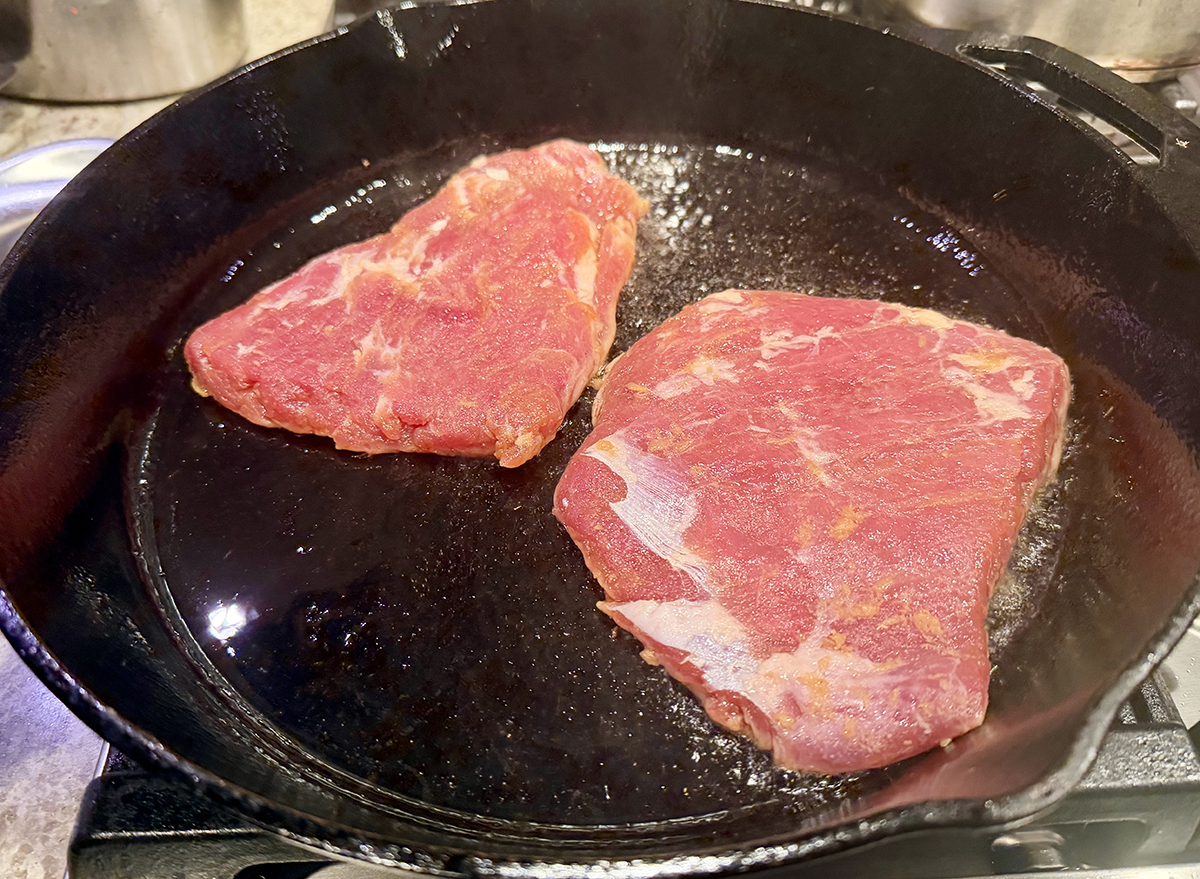
  5. In a 12-inch skillet over medium-high, heat 1 tablespoon of oil until shimmering. Add the cutlets in a single layer and cook undisturbed until well browned, 2 to 3 minutes.
  6. Using tongs, flip each piece and continue to cook until the second sides are well browned, about another 2 minutes. Transfer to a large plate, then wipe out the skillet with paper towels. Repeat with the remaining oil and cutlets.
  7. Return the skillet to medium-high and add the reserved marinade, the sugar and ¼ cup water. Bring to a simmer and cook, scraping up any browned bits, until the mixture thickens and a spoon drawn through it leaves a 1- to 2-second trail, about 3 minutes.
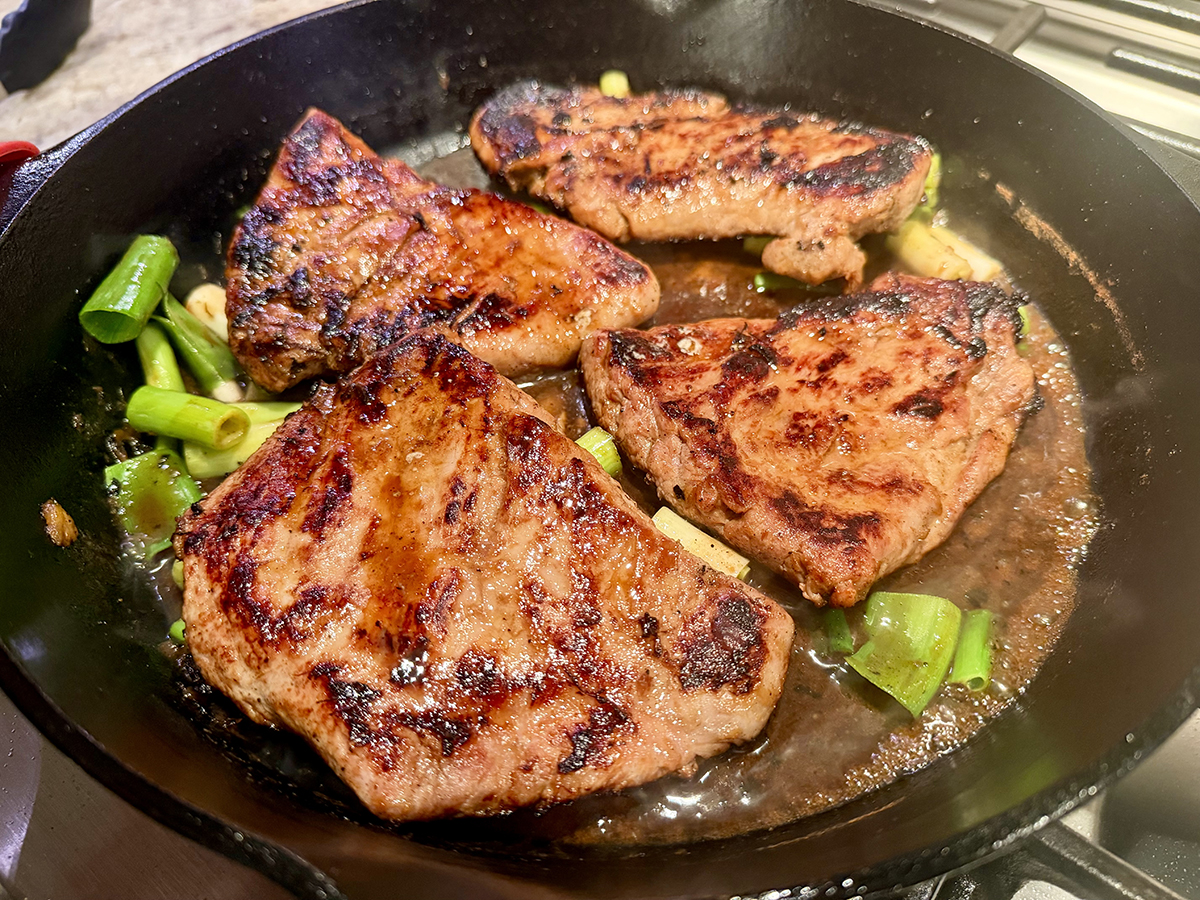
  8. Stir in the scallions, then add the pork and any accumulated juices. Cook, stirring gently, until the scallions are wilted and the pork is heated through, about 1 minute. Serve with the shredded cabbage and rice.

Cabbage Dressing
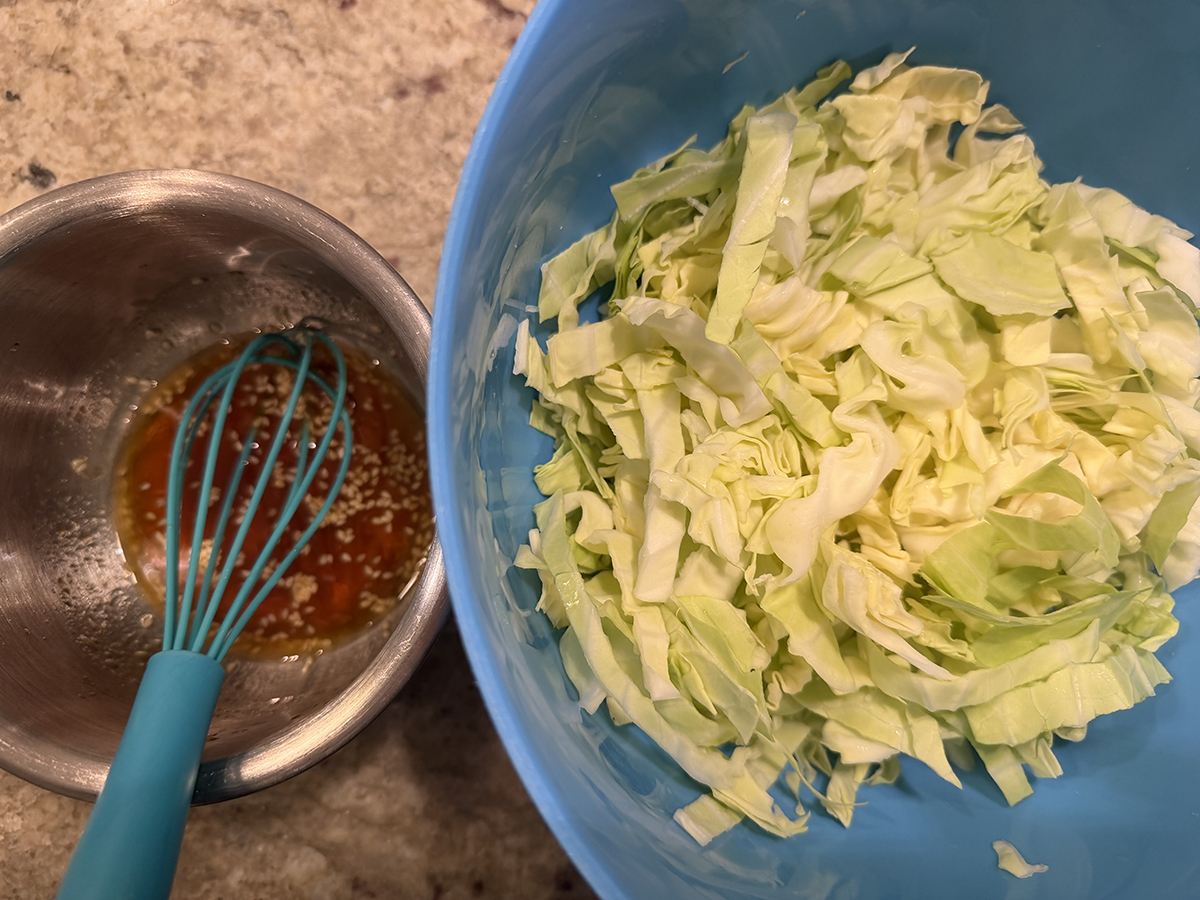
For about 3-4 cups shredded cabbage:

  • 1 Tbsp. rice vinegar
  • 1 tsp. soy sauce
  • 1 tsp. toasted sesame oil
  • 1 tsp. water
  • ½ tsp. sugar or honey
  • Pinch of sesame seeds, (optional)

Whisk together, toss with the cabbage just before serving, and taste. Add a splash more vinegar if you’d like it brighter.

http://www.lynnandruss.com

Adapted from a recipe for Milk Street

Panang Curry

This Panang curry is a rich, Thai coconut curry built around a homemade paste and quick-cooked chicken. The paste starts with whole coriander and cumin seeds, toasted just until fragrant and ground to a powder — this gives it a deeper, more aromatic backbone than a paste made with pre-ground spices.

Finely ground dry-roasted peanuts are worked in next, adding the nutty richness and body that’s a signature of Panang curry (as opposed to other Thai red curries). Store-bought red curry paste is then stirred in as the flavor base, so you’re essentially doctoring a shortcut paste into something more complex and specific.

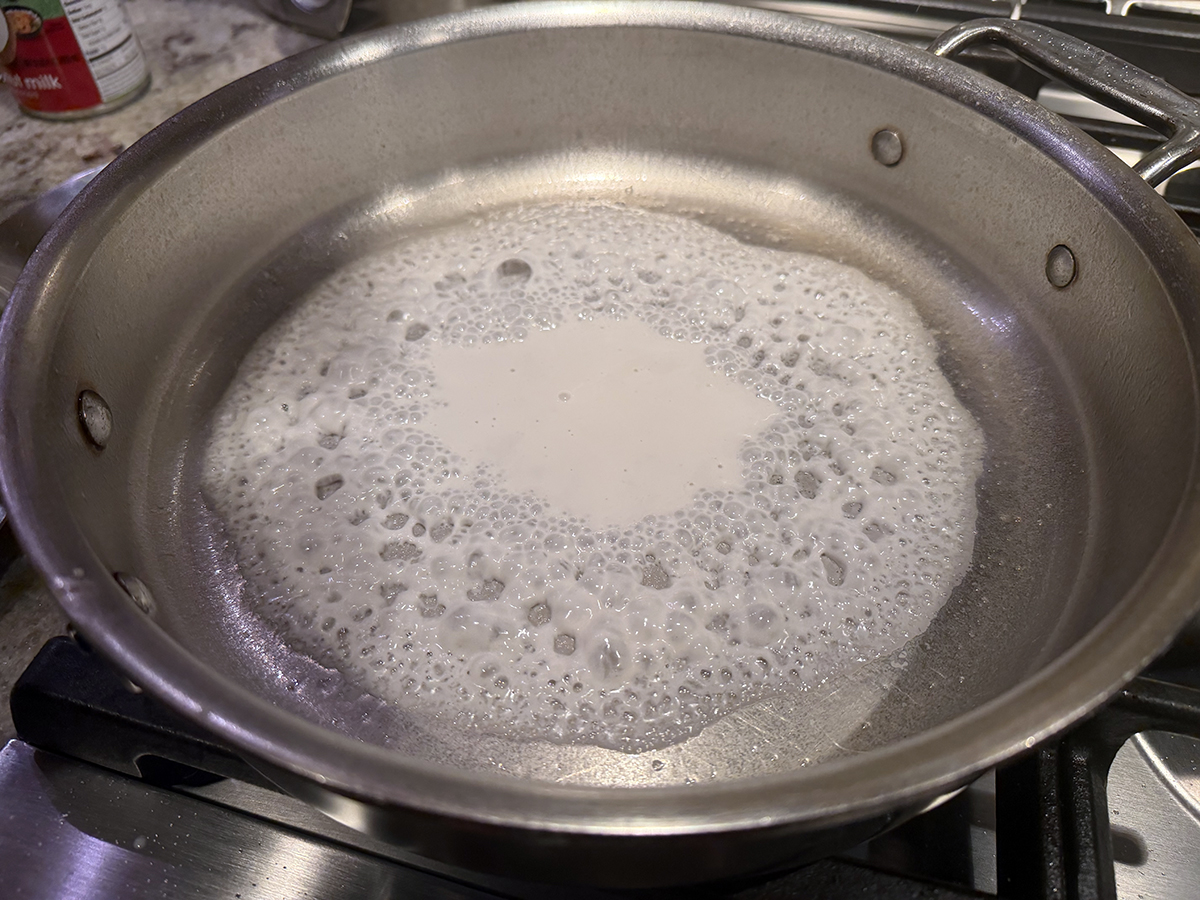
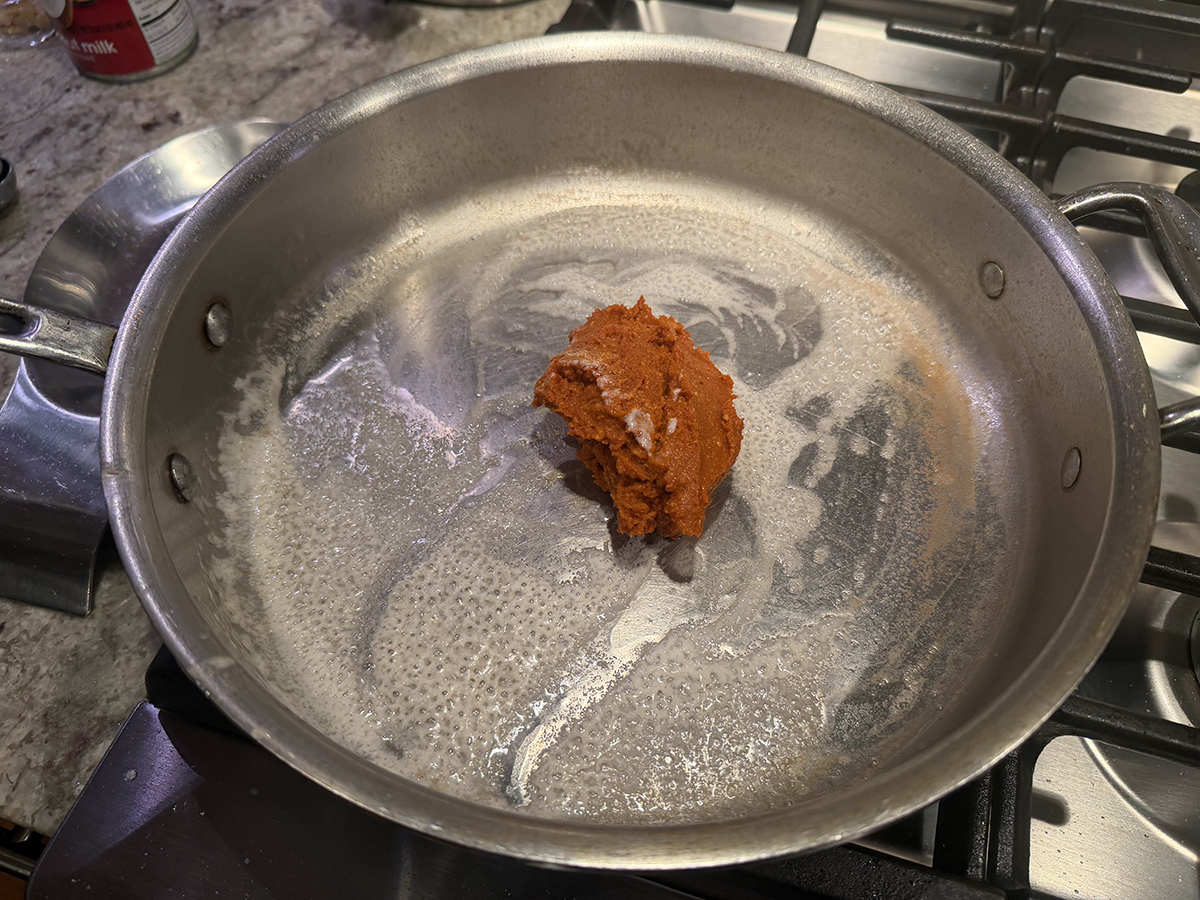
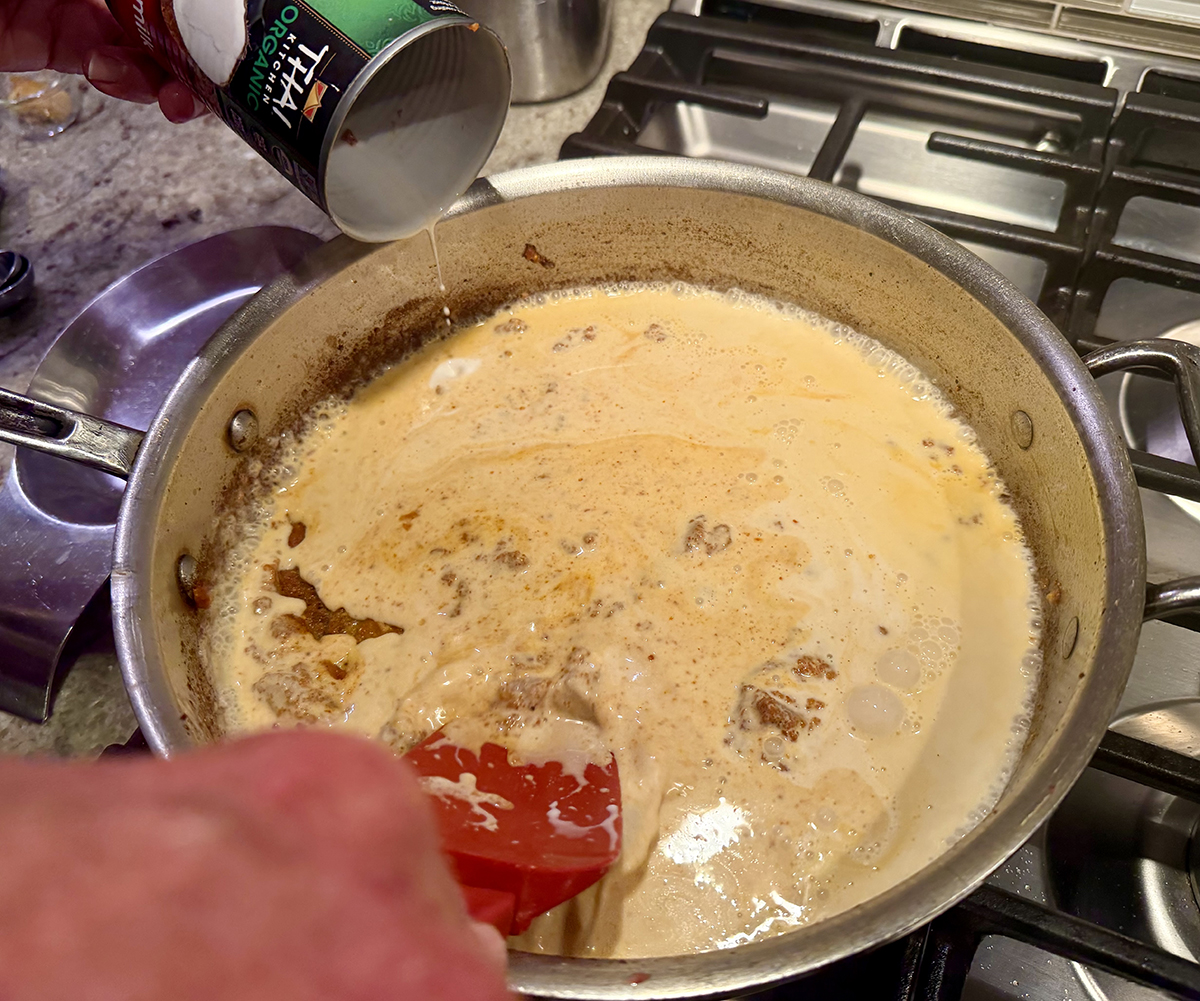
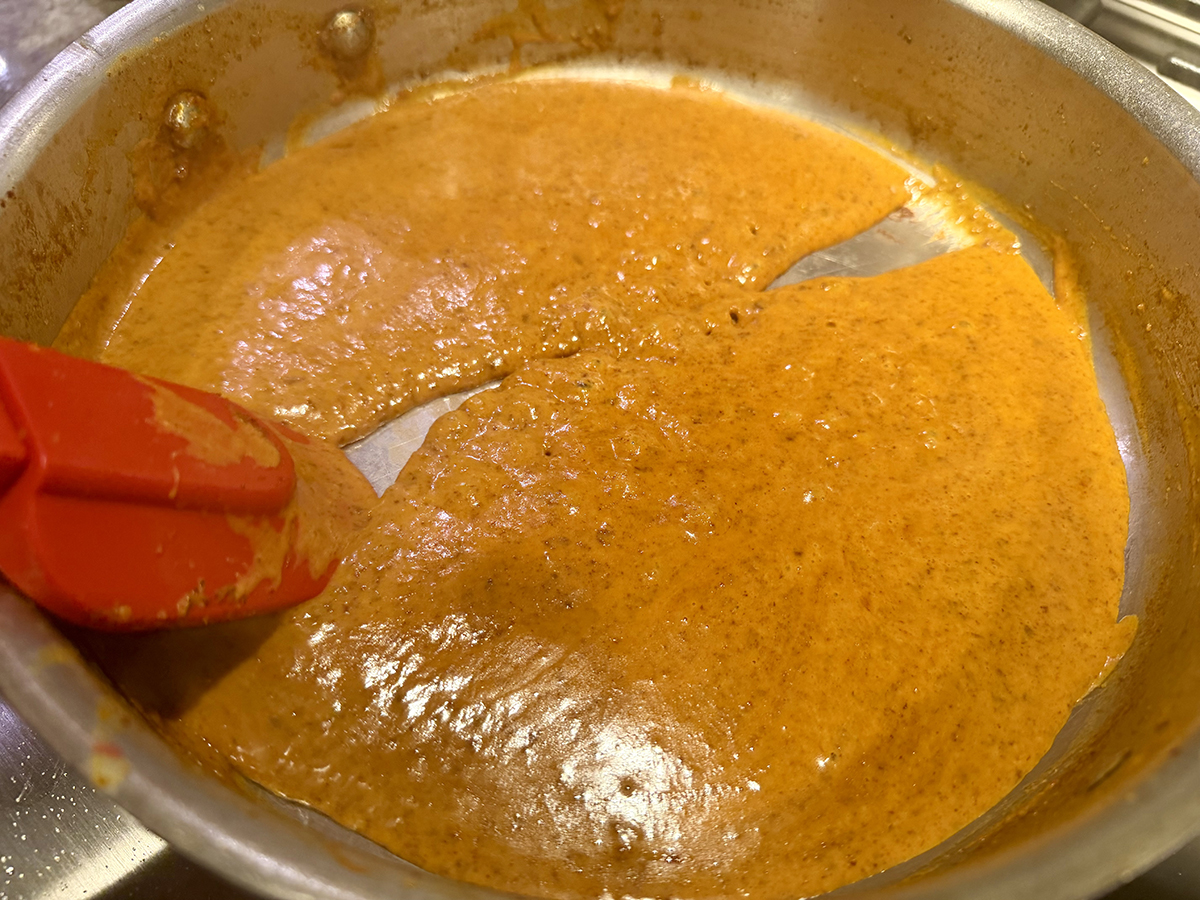
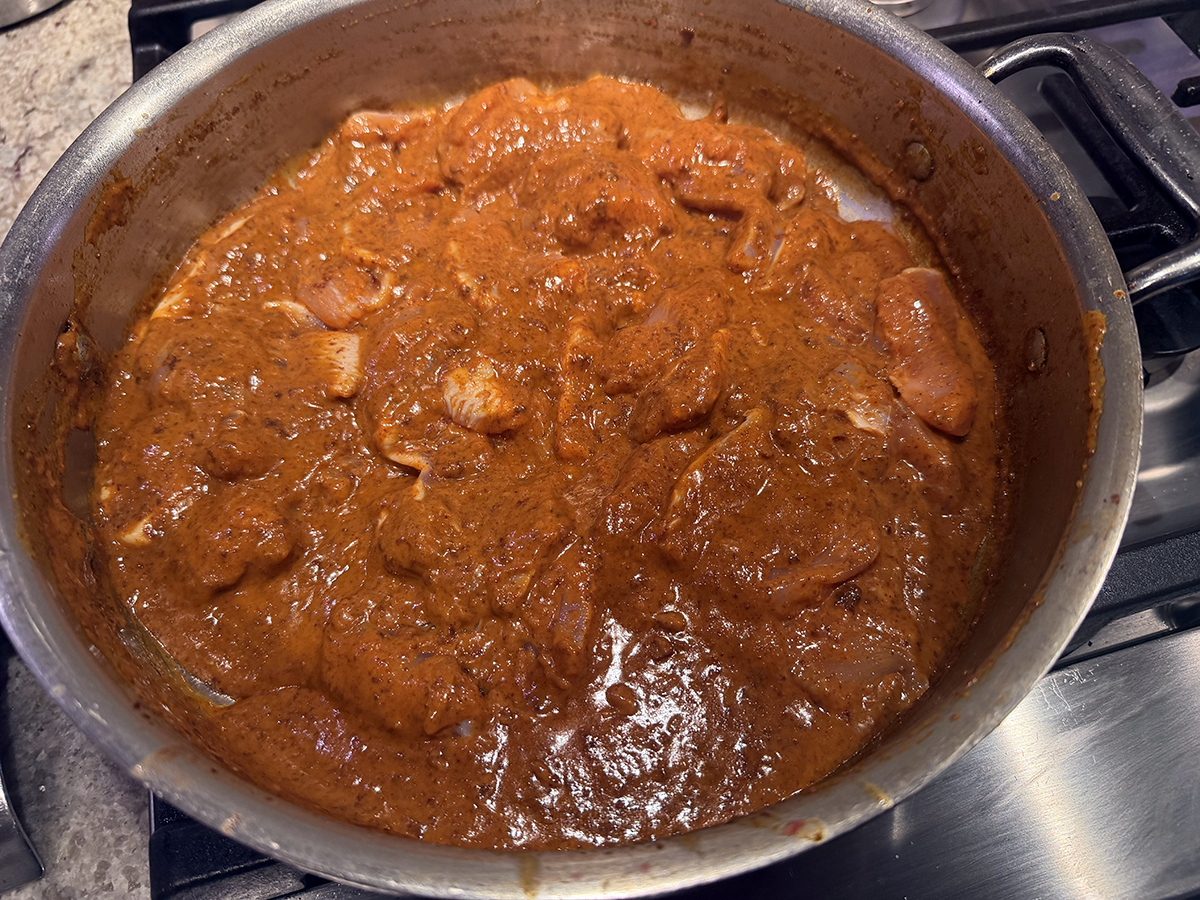
The curry itself is built the traditional Thai way, by “breaking” the coconut cream: the thick cream skimmed from the top of an unshaken can is fried down in a hot pan until it separates and releases its oil, then the curry paste is fried directly in that fat until fragrant and darkened. This step is what gives the final dish its glossy, oil-slicked surface and concentrated flavor rather than a thin, soupy texture. Torn makrut lime leaves and a modest amount of sugar are simmered in next for floral, citrusy perfume and a rounded (not sweet) finish, before the remaining coconut milk goes in to loosen the sauce back out into a clingy, spoon-coating consistency.

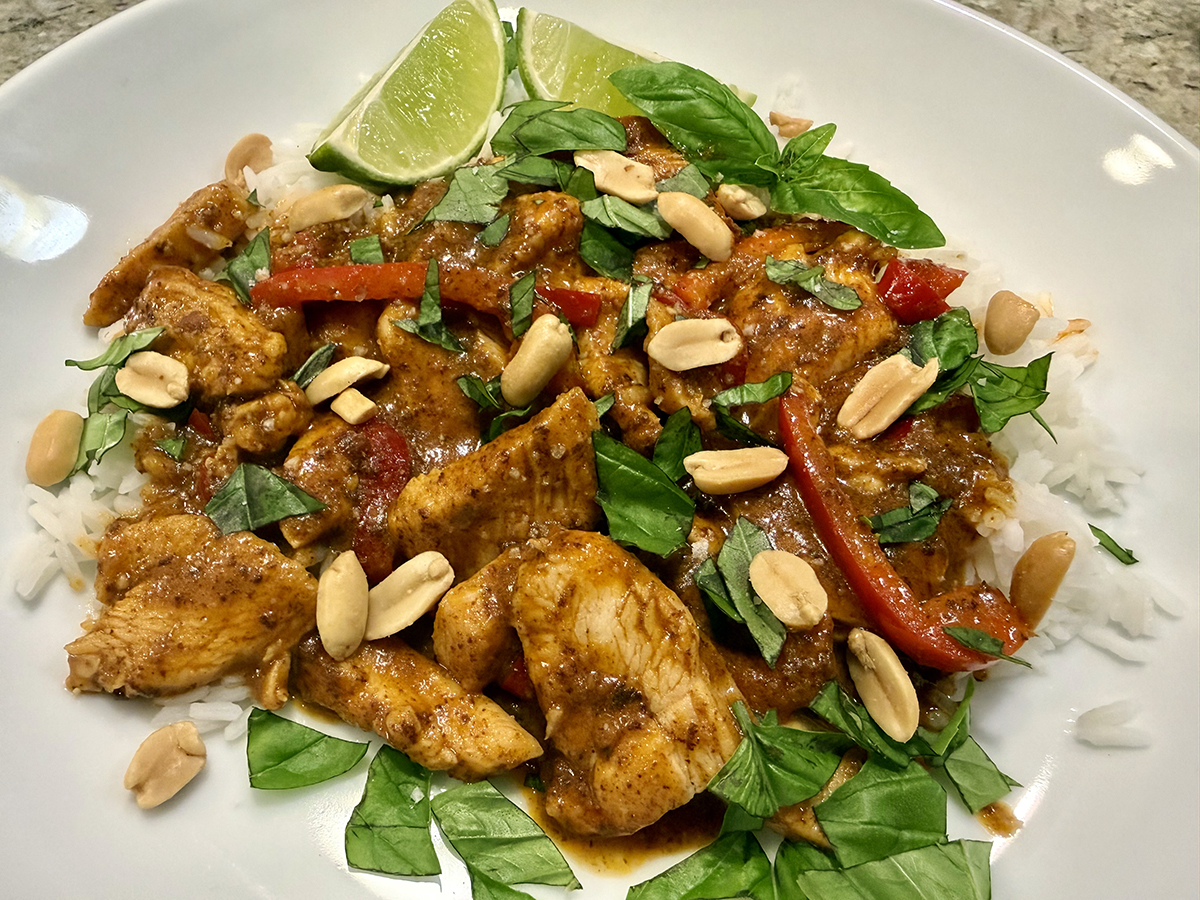
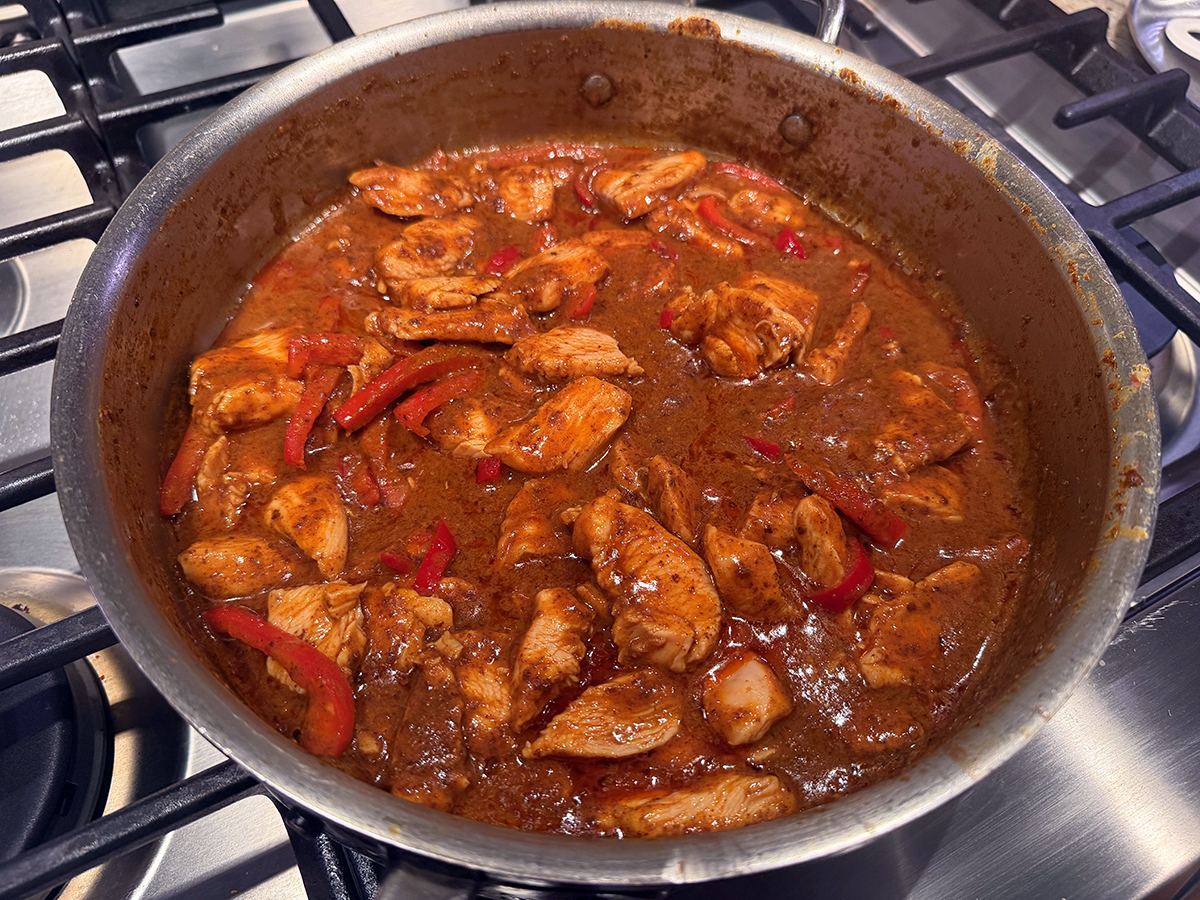
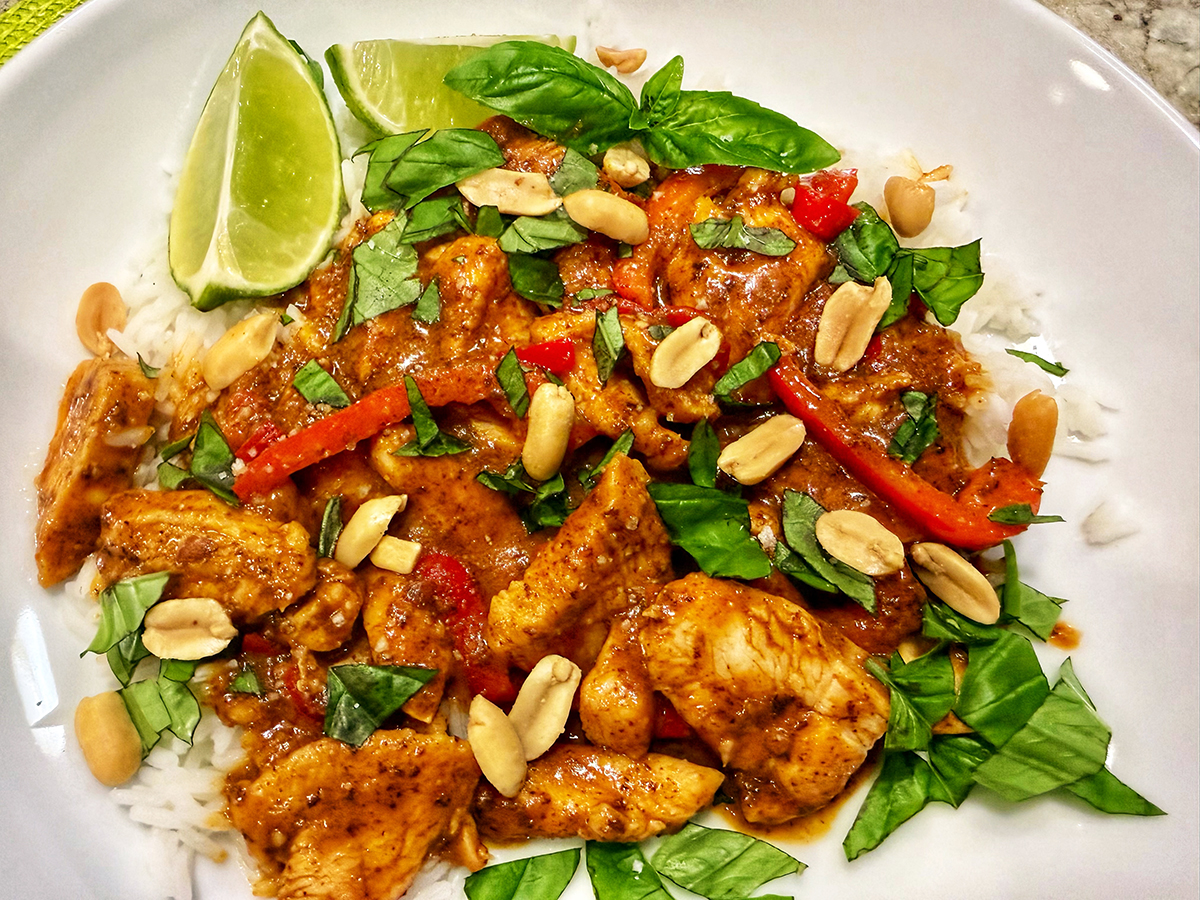
Thin strips of chicken cook directly in the finished sauce for just a few minutes, along with thin slices of a mild pepper (Fresno, Anaheim, or red bell) for color, gentle heat, and a little crunch. The whole dish is finished with a fresh hit of sliced lime leaves or Thai basil and reserved raw pepper, then served over rice.

The overall effect: a thick, nutty, deeply aromatic curry with citrusy lift, a savory-forward profile (fish sauce doing the heavy lifting, sugar only as a background note), and gentle, adjustable heat — closer to a rich sauce clinging to chicken than a brothy soup.

A Word to the Wise: If you are expecting 4 adult-sized portions, you’ll be disappointed. We highly suggest doubling, or at least increasing all ingredients by 50%.

Because we had a small red bell pepper begging to be used from our garden, we included that along wth a fresno. Serve with a side salad with Asian dressing for additional vegetables.

Tip: Different brands of curry paste vary in spice levels. Taste a little first and determine how much to use based on your personal preference.

Panang Curry

  • Servings: 4
  • Difficulty: easy
  • Print

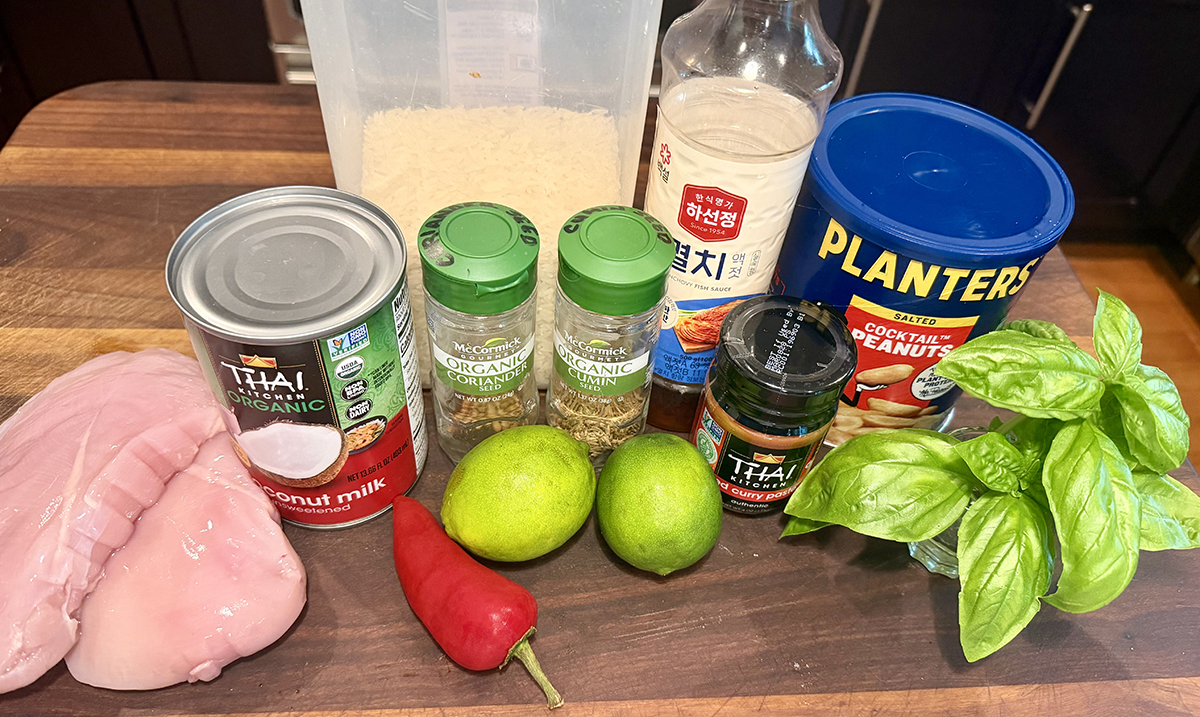
Ingredients

FOR THE PANANG CURRY PASTE

  • ½ tsp. coriander seeds
  • ½ tsp. cumin seeds
  • ¼ cup/1 oz. dry-roasted, unsalted peanuts; more for garnish
  • 2 to 4 Tbsp. red curry paste, to taste (see Tip)

FOR THE CURRY

  • 1 lb. boneless, skinless chicken breasts or thighs 
  • 2 tsp. fish sauce, plus more as needed
  • 1 (13.5-oz.) can full-fat coconut milk (do not shake)
  • 8 makrut lime leaves, deveined, 6 torn and 2 thinly sliced, OR 1 teaspoon grated lime zest, for serving
  • 1 ½ tsp. palm, granulated or brown sugar, plus more as needed
  • 1 small, mild, thin-skinned pepper, such as a Fresno, Anaheim or banana pepper, or ½ small red bell pepper, thinly sliced 
  • Thai basil, thinly sliced, for serving (optional, if makrut lime leaves are not used)
  • Rice and lime wedges, for serving

Directions

  1. Prepare the curry paste: Heat a medium sauté pan over medium. Add the coriander and cumin. Swirl the pan around, or toss the seeds with a wooden spoon, and gently toast until fragrant, about 1 minute, taking care not to burn the spices. Transfer to a small plate and cool, then place in a spice grinder or mortar and pestle, and grind to a fine powder.
  2. Finely grind the peanuts until smooth. Transfer the ground peanuts and spices to a small bowl, add the red curry paste and stir until mixed.
  3. Thinly slice the chicken into 1 ½-inch-long pieces. Place in a medium bowl, drizzle with the fish sauce and mix until coated.
  4. Heat the same pan over medium-high. Scoop 4 tablespoons of the thick cream off the top of the coconut milk and add it to the pan; it will immediately sizzle. Stir until thickened and bubbling on the sides, about 30 seconds. Stir in the curry paste, to taste. Reduce to medium, and cook the paste, continuously stirring, until a thick paste forms and the coconut oil separates (the sauce “breaks”), 2 to 3 minutes. If it starts sticking, add a splash of coconut milk and scrape up anything from the bottom of the pan.
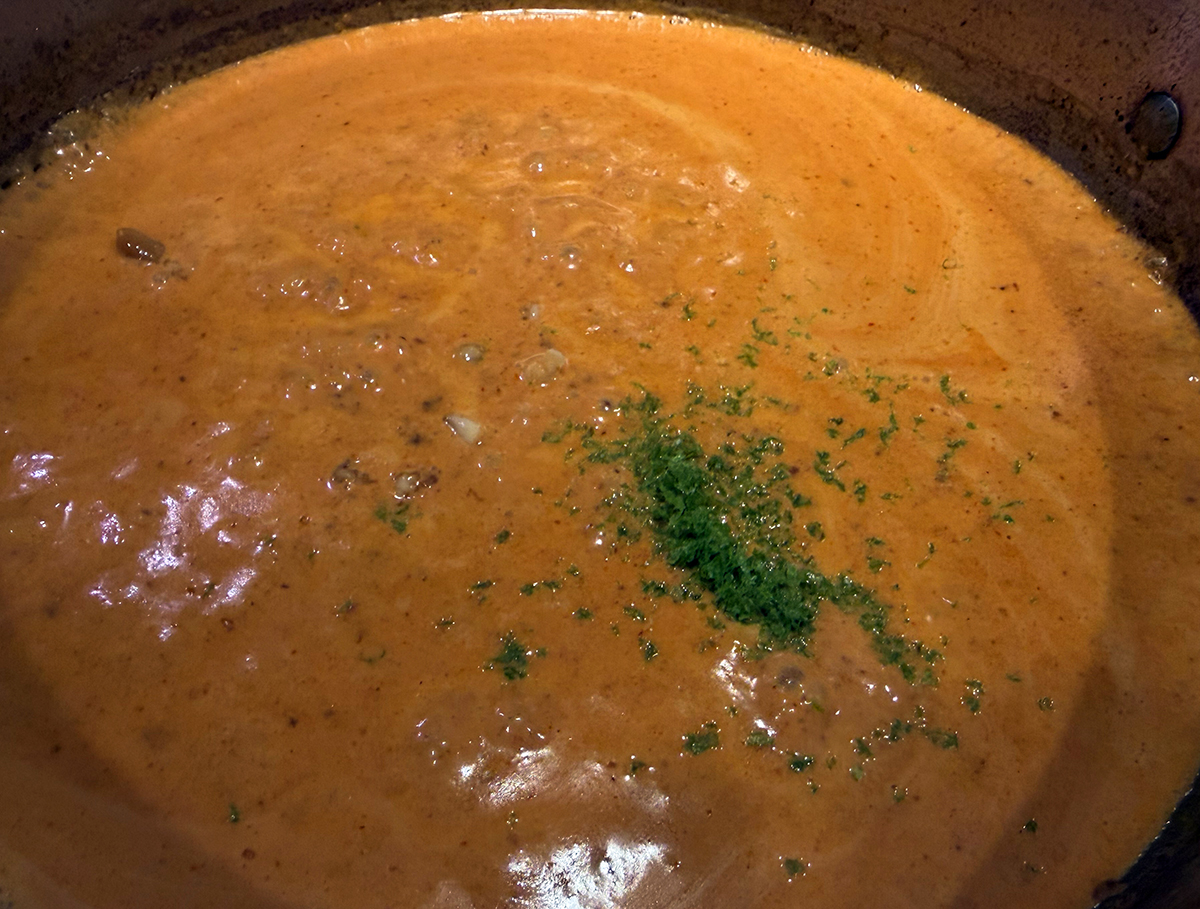
  5. Add the torn lime leaves or zest and sugar. Cook, continuously stirring, to dissolve the sugar and infuse the flavors, about 2 minutes. Add the remaining coconut milk, increase to medium-high, bring to a boil and cook, continuously stirring, until the curry has thickened enough to coat the back of a spoon and has a layer of bright red oil on top, 4 to 8 minutes. The curry should be at a lively simmer; adjust the heat as necessary.
  6. Add the chicken and cook, stirring frequently, until cooked through, 3 to 4 minutes. If using, stir in the peppers, saving a few for serving, and cook until just incorporated, about 1 minute. Taste and add more fish sauce and sugar, if needed. (Be mindful, this is not a sweet curry; the sweetness should hit a back note, not lead with it.)
  7. Garnish with the sliced lime leaves or Thai basil and reserved peppers. Sprinkle on more peanuts if desired. Serve alongside rice with lime wedges.

http://www.lynnandruss.com

Adapted from a recipe Naz Deravian for NYTimes Cooking