Tag Archives: ginger

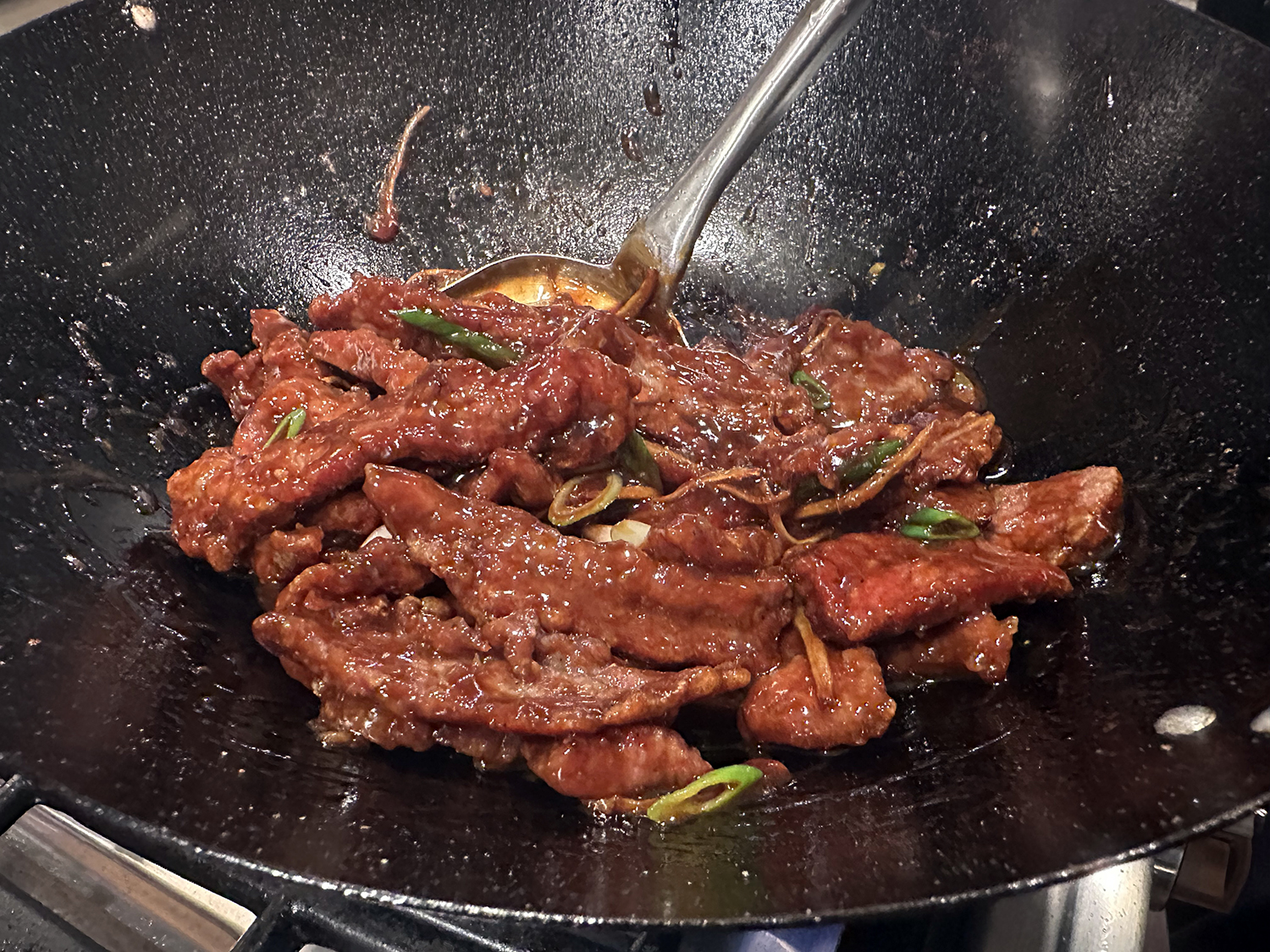
Ginger Beef

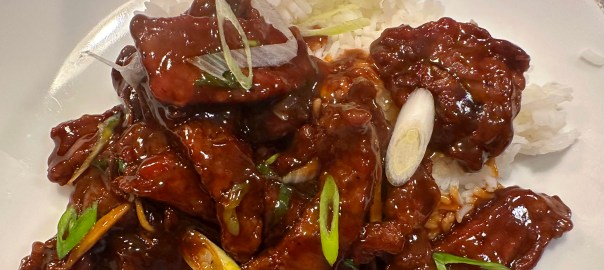
According to Woks of Life where we found this recipe, Ginger Beef isn’t a dish you see too often in the U.S., because it’s more well-known as a Canadian Chinese dish, with possible origins in Calgary. It is said to mimic Mongolian Beef—another North American dish that doesn’t have much to do with Mongolia, and that you’d be hard pressed to find in China. 

The sauce is sweet (this version goes lighter on the sugar; however we would reduce it even more next time) and savory. Minced ginger is added as well as caramelized julienned pieces of it to create a gingery flavor without it being TOO gingery. Some versions include vegetables like peppers and onions, but we paired it with a crunchy Asian Slaw to get more vegetables.

BTW, you’ll get the best out of this recipe with flank steak, but you can use other cuts. To amp up the meal, add in some red pepper strips, and snow peas or other vegetables you may have lying around. We paired our stir-fry with a side of Asian Slaw.

TIP: To julienne the ginger, thinly slice the ginger on its broadest side (so you have wide slices)—cutting the narrower side of the ginger to make a flat surface for the ginger to stand on will make this easier. Fan the slices out straight, so they’re slightly overlapping, like a deck of cards. Then you can just follow that line of slices to julienne into very thin matchsticks. 

Ginger Beef

  • Servings: 4
  • Difficulty: easy
  • Print

Ingredients

For the beef and marinade:

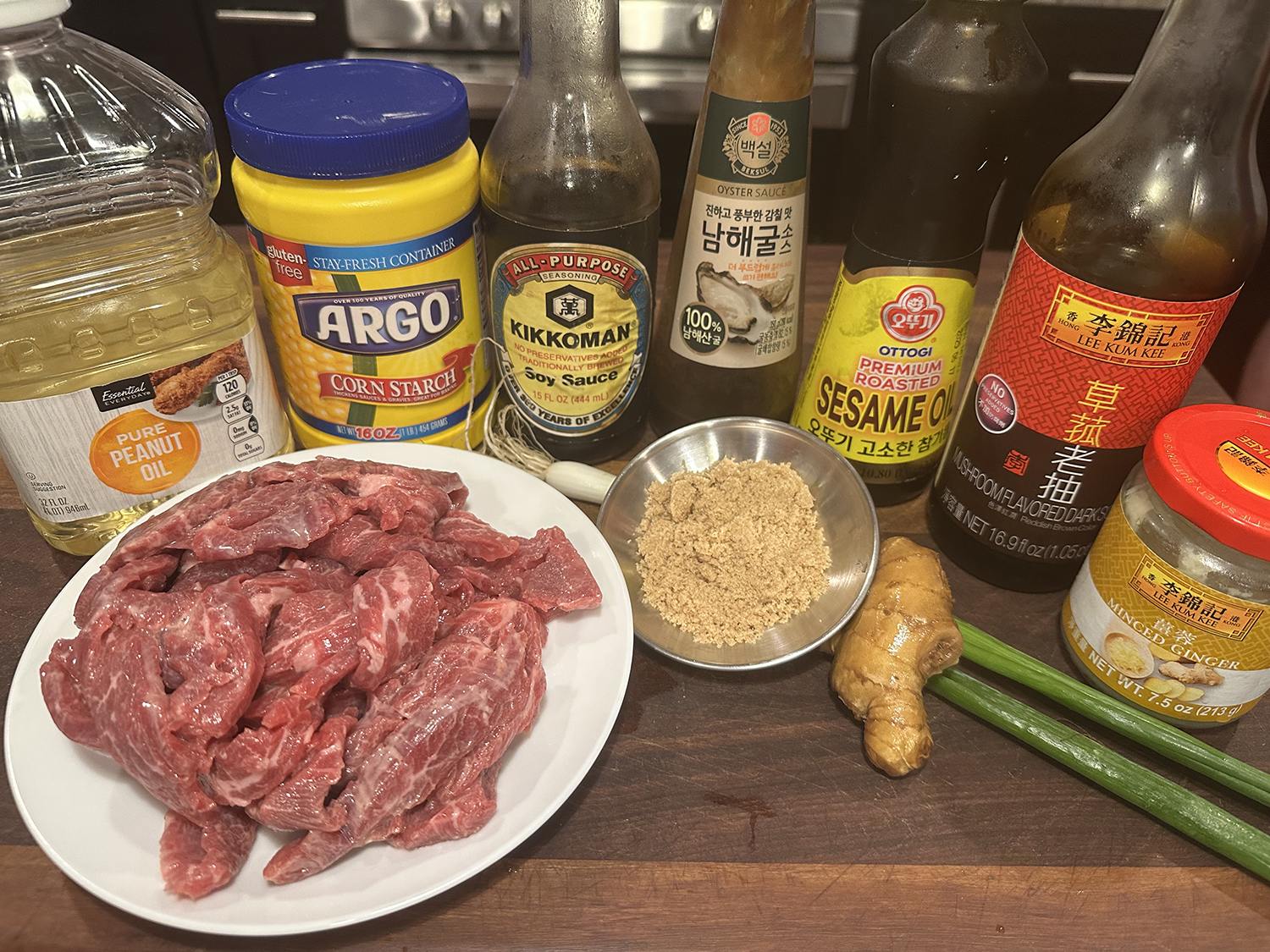
  • 1 lb. flank steak, sliced against the grain into ¼-inch thick slices
  • 2 tsp. cornstarch
  • 2 tsp. neutral oil, such as vegetable, canola, or avocado oil
  • 1 tsp. oyster sauce
  • 1 Tbsp. water
  • ¼ tsp. baking soda

For the sauce:

  • â…” cup water
  • 1 ½ Tbsp. light brown sugar
  • 1 Tbsp. light soy sauce
  • 1 Tbsp. oyster sauce
  • ¾ tsp. dark soy sauce, or more regular soy sauce; the dish just won’t be as dark
  • ½ tsp. sesame oil
  • 1 Tbsp. minced ginger

For the rest of the dish:

  • â…“ – ½ cup cornstarch, plus 1 Tbsp.
  • ¼ – â…“ cup neutral oil
  • 2 Tbsp. finely julienned ginger
  • 1 scallion, thinly sliced on an angle
Directions

  1. Add the sliced flank steak to a medium bowl, and add the marinade ingredients (the cornstarch, neutral oil, oyster sauce, water, and baking soda). Mix well, and marinate for at least 30 minutes (or up to overnight).
  2. In a liquid measuring cup, mix all the sauce ingredients together—the water, light brown sugar, light soy sauce, oyster sauce, dark soy sauce, sesame oil, and minced ginger. Set aside.
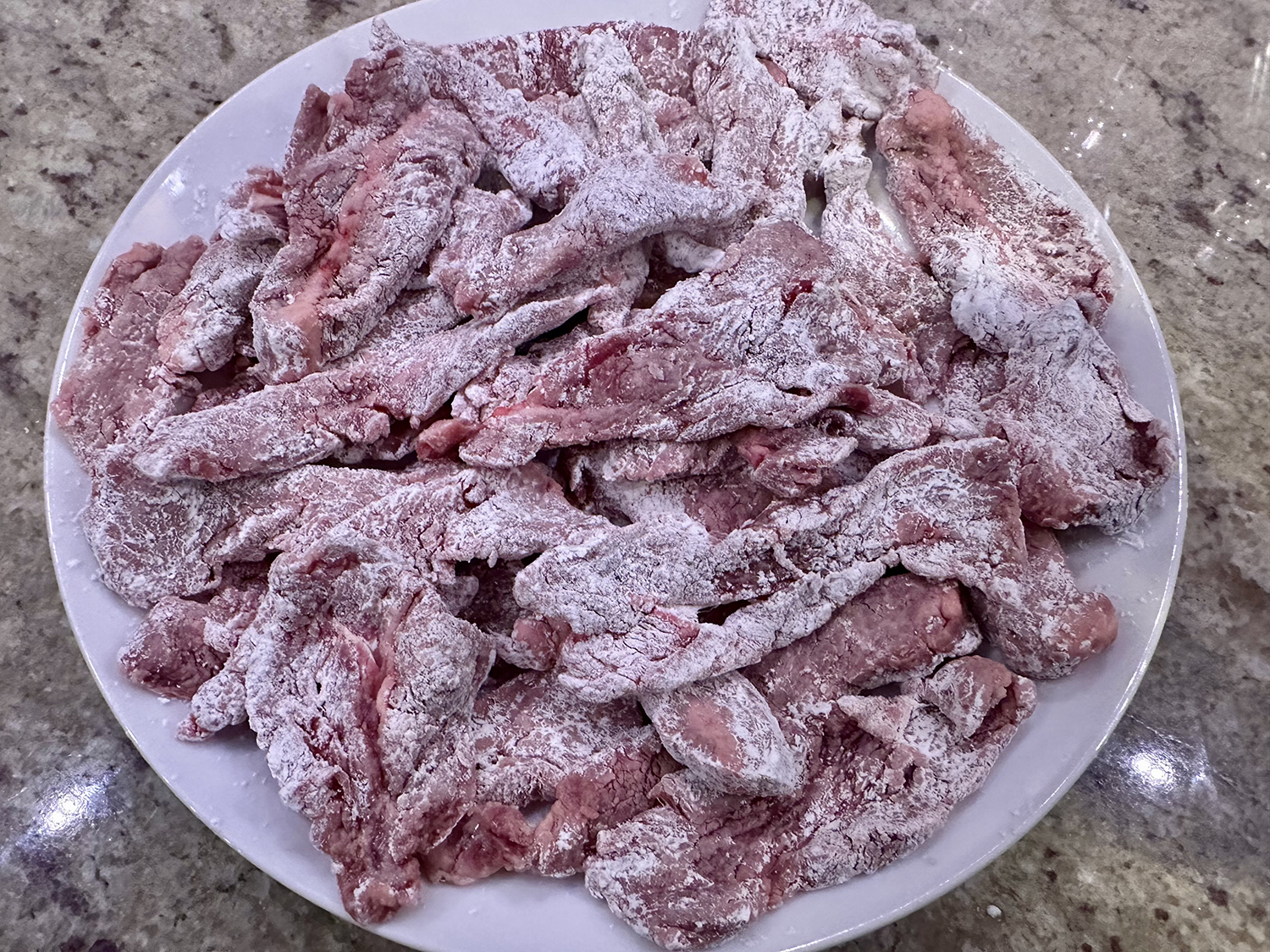
  3. Add the cornstarch to a shallow dish, and dredge the marinated beef slices in the cornstarch until thoroughly coated, placing the dredged beef on a clean plate or sheet pan.
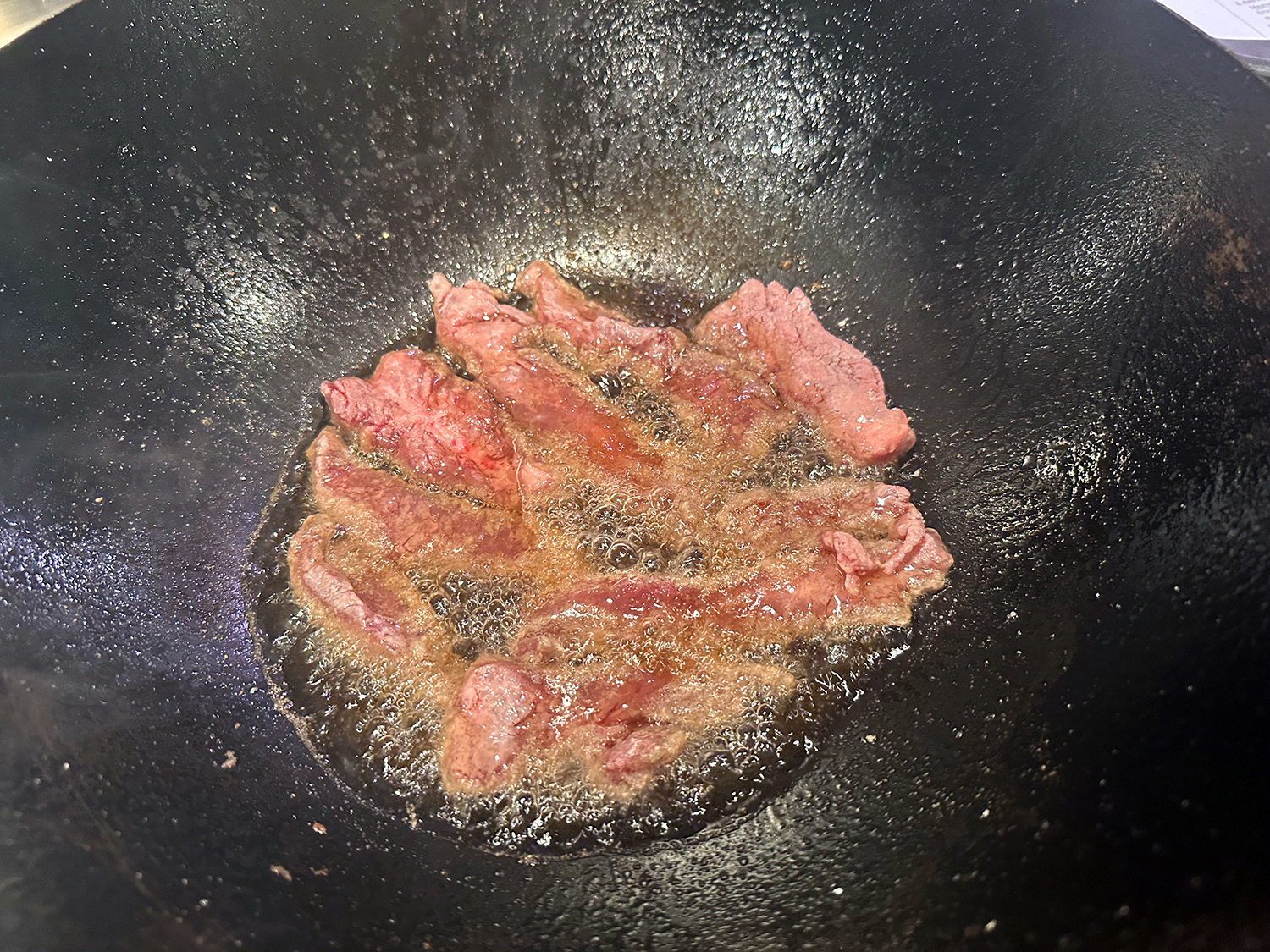
  4. Heat the neutral oil in a wok over high heat. Just before the oil starts to smoke, spread half the flank steak pieces evenly in the wok, and sear for 1-2 minutes on each side, until you have a crispy coating. 1/4 cup oil works for a 14-inch wok, but if you have a larger wok, you may need a tablespoon or two more to properly fry the beef. Remove the beef from the wok, leaving any oil behind, and repeat with the remaining beef. Turn off the heat and transfer the beef to a plate.
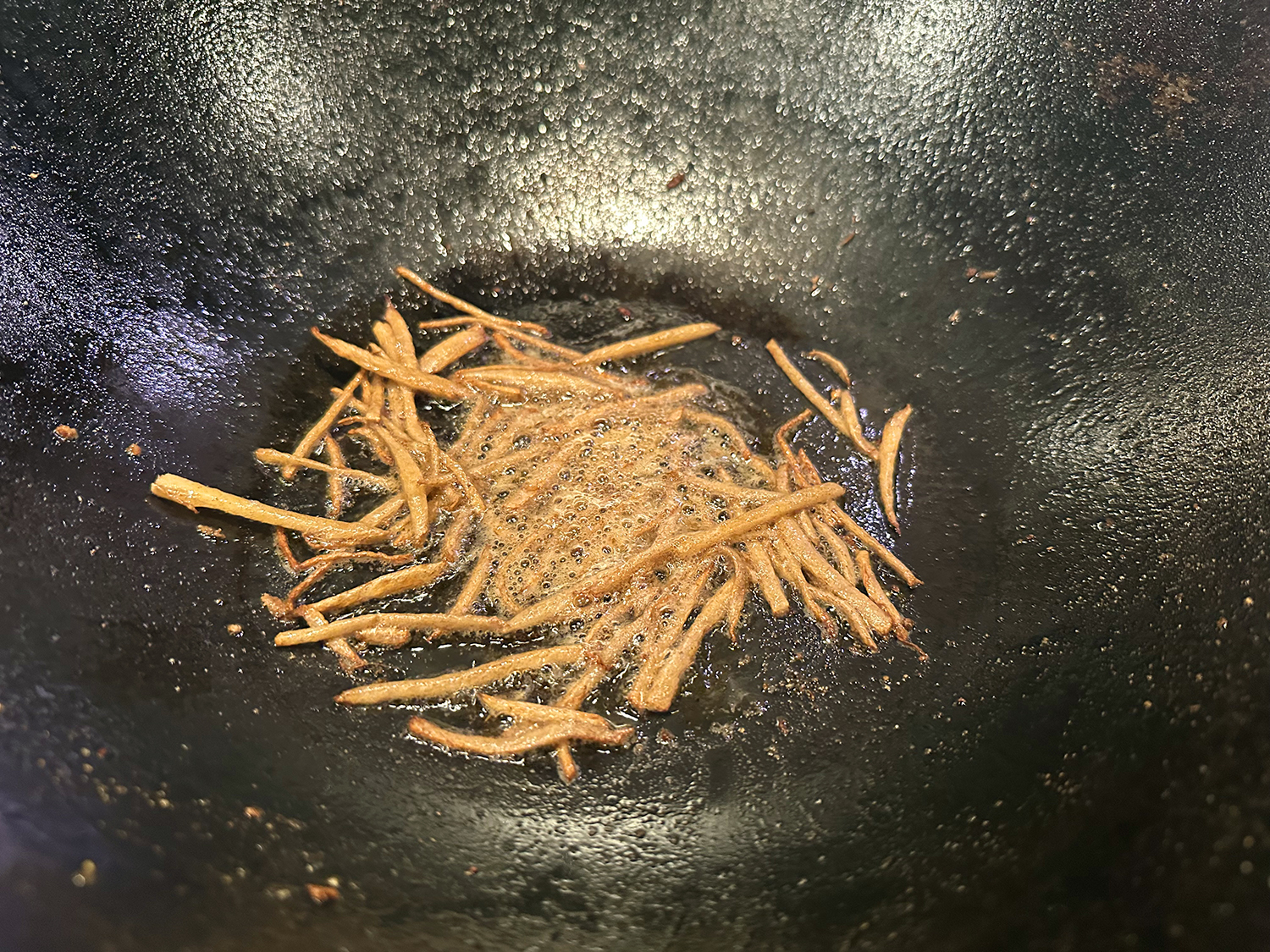
  5. Drain the oil from the wok (save it for other cooking), leaving 2 tablespoons behind. Turn the heat to medium-high. Add the julienned ginger, and fry until crispy. At this point, you can remove a few pieces of fried ginger and reserve it for a garnish if you like.
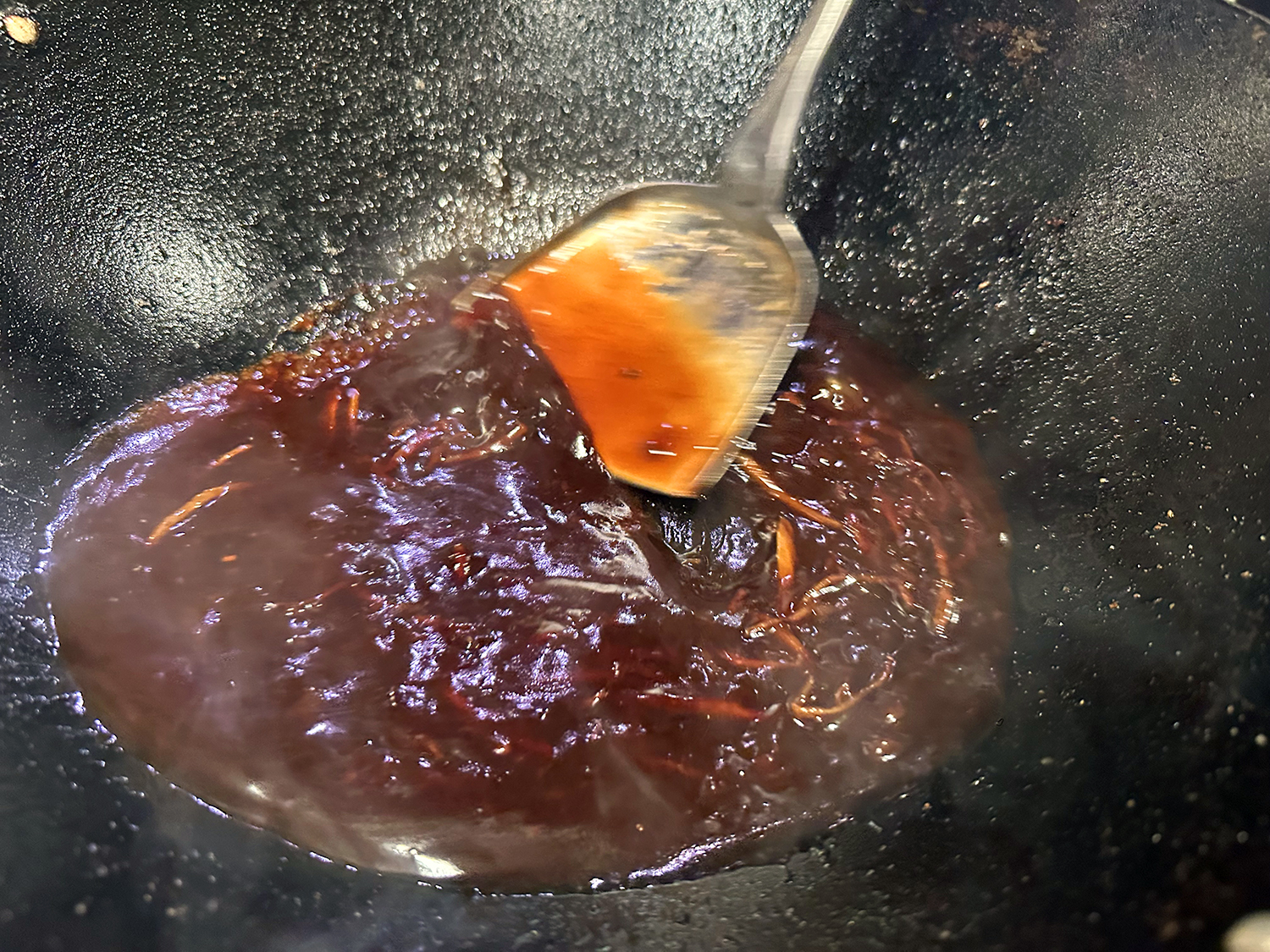
  6. Add the premixed sauce to the wok, and bring to a simmer. Simmer for 2 minutes. Meanwhile, combine the remaining 1 tablespoon of cornstarch with 3 tablespoons of water. Drizzle this cornstarch slurry into the sauce, and cook until it has thickened enough to coat the back of a spoon.
  7. Add the beef and the scallions, and toss everything together for another 30 seconds. The sauce should all be clinging to the beef. Serve!

http://www.lynnandruss.com

Adapted from a recipe from Woks of Life

Ground Lamb Pulao

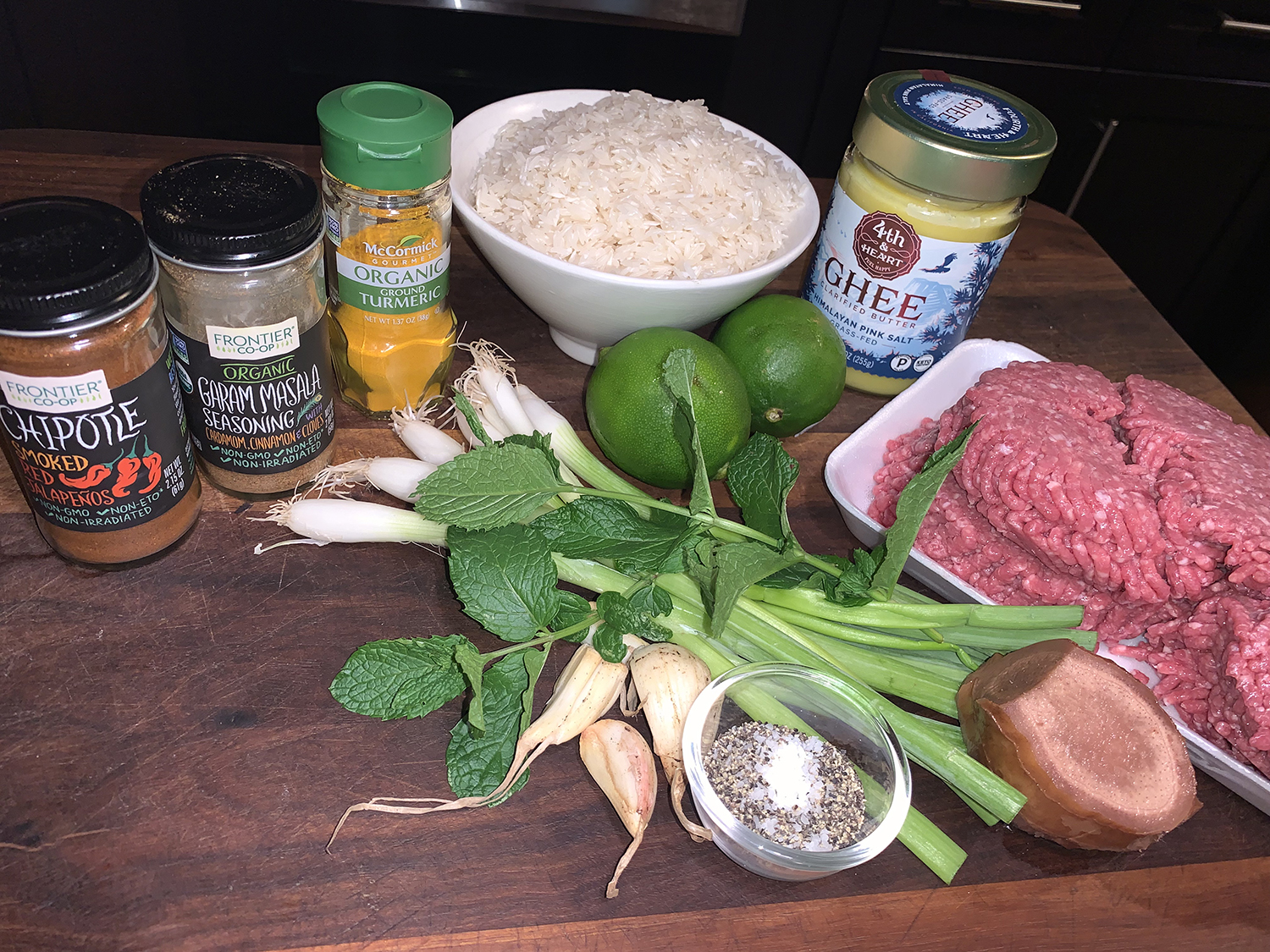
The aroma of fresh mint and spices permeates this bright, turmeric-painted pulao made with basmati rice and ground lamb. This recipe, which has origins in the ground meat pulaos of India, is quite flexible and open to additions: a handful of fresh dill, a generous sprinkling of fried peanuts or other nuts, or crispy, fried onions tossed in just before serving.

It also works well if you substitute beef for the lamb, and really needs no sides, except maybe some raita, creamy plain yogurt or a salad. And we did just that, a simple side salad completed our meal.

We had plenty leftover with only the two of us for dinner. The extras were refrigerated and a day later reheated and enjoyed for lunch.

Ground Lamb Pulao

  • Servings: 4-6
  • Difficulty: easy
  • Print

Ingredients

  • 2 cups basmati rice
  • 1 ½ lbs. ground lamb or beef
  • 1 tsp. ghee, unsalted butter or extra-virgin olive oil
  • 4 garlic cloves, peeled and grated
  • 2 Tbsp. grated fresh ginger
  • 1 ½ tsp. garam masala
  • ½ tsp. red chile powder
  • ½ tsp. black pepper
  • 2 tsp. kosher salt
  • 3 Tbsp. lime juice
  • ½ tsp. ground turmeric
  • 1 bunch scallions (about 6), trimmed and thinly sliced
  • ¼ cup loosely packed fresh mint leaves

  1. Check the rice and discard any debris. Place the rice in a fine-mesh sieve and rinse under running water until the water runs clear. Place the rice in a bowl, cover with water by 1 inch, and soak for 30 minutes.
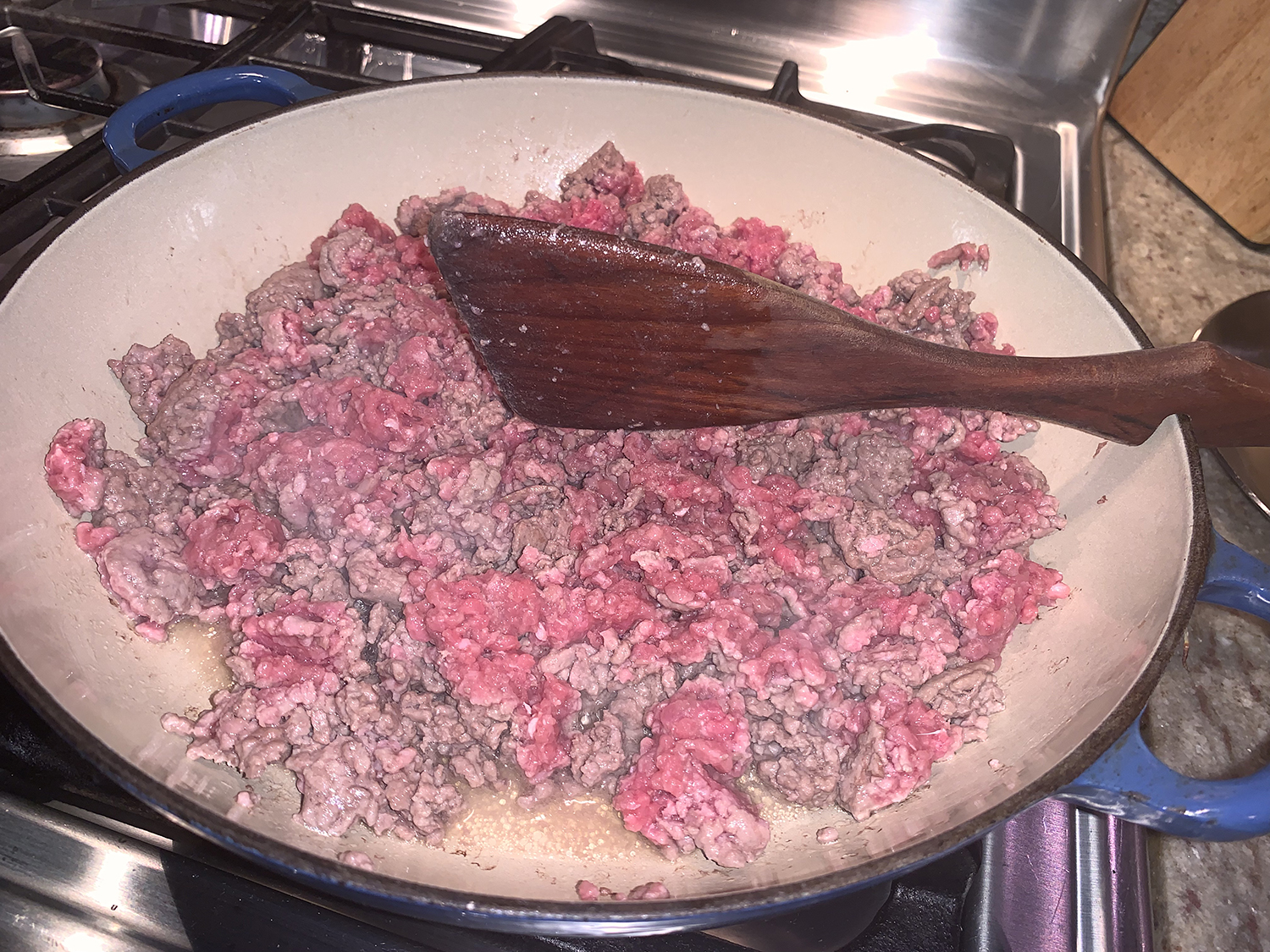
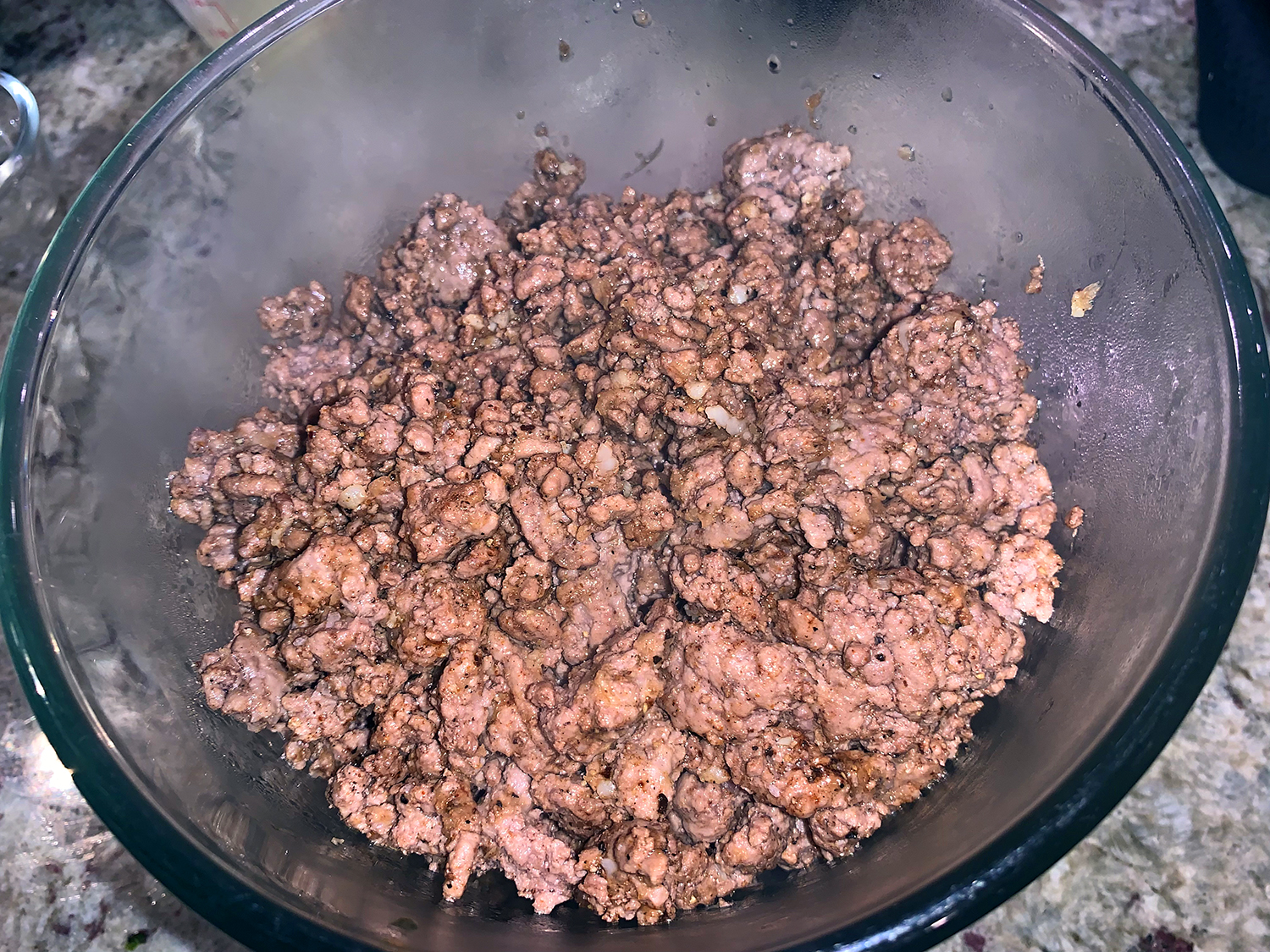
  2. As the rice soaks, cook the lamb: Place a medium saucepan with a heavy lid or a Dutch oven over medium heat. When the saucepan is hot, break the lamb into chunks, and cook until the fat renders, about 2 minutes. Drain most of the fat, leaving behind 1 to 2 tablespoons, and continue to cook the lamb until it browns, another 2 minutes.
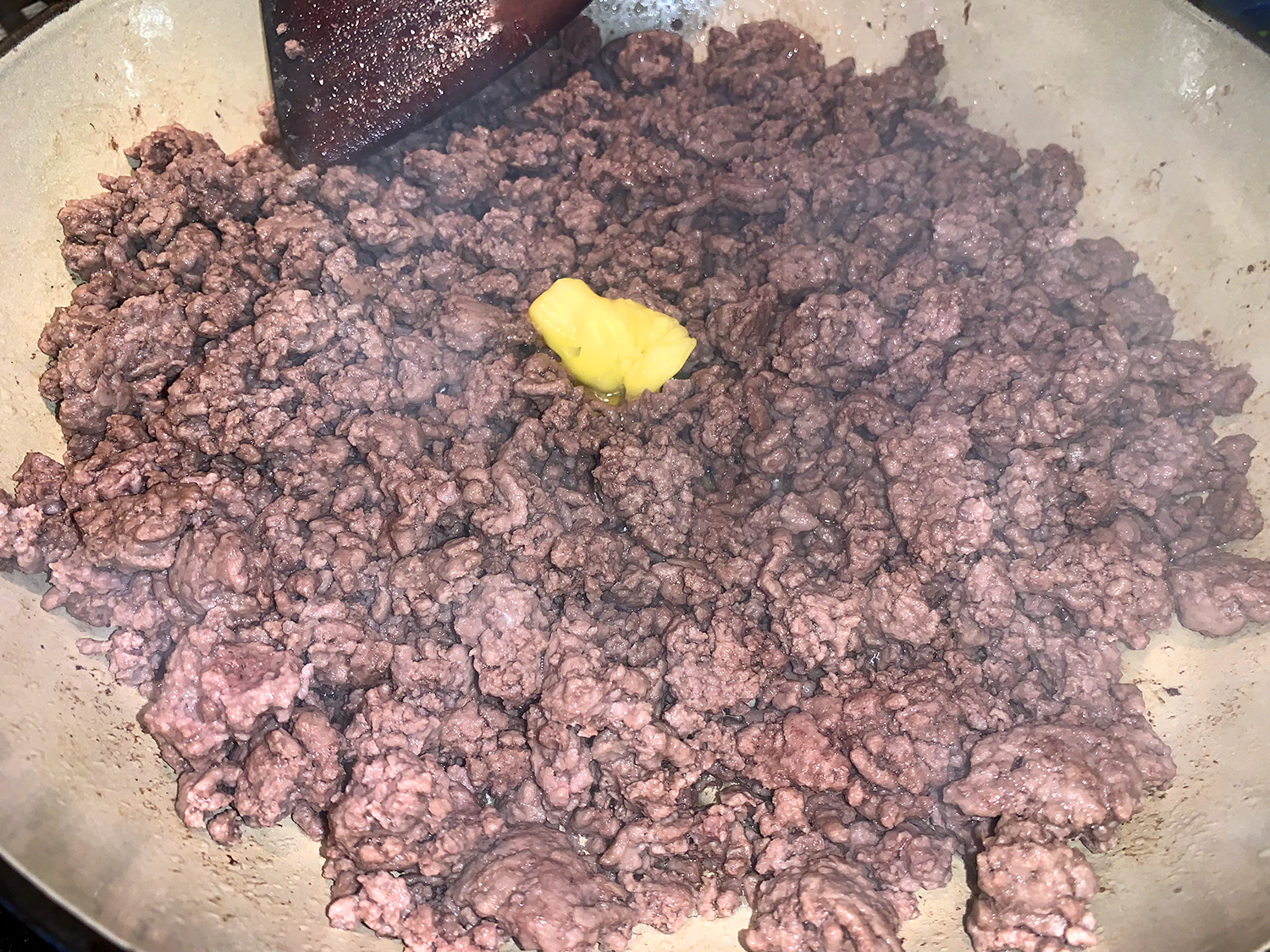
  3. Add the ghee and heat over medium until it melts, 30 to 45 seconds. Add the garlic and ginger and sauté for 1 minute.
  4. Add the garam masala, chile powder, black pepper and 1 teaspoon salt and sauté until the spices are fragrant, 1 minute. Add 1 tablespoon lime juice and stir until the flavors come together, about 1 minute.
  5. Transfer the lamb mixture to a large bowl and keep warm. (To do so, you could transfer it to a 250-degree oven.) Clean the saucepan and wipe dry.
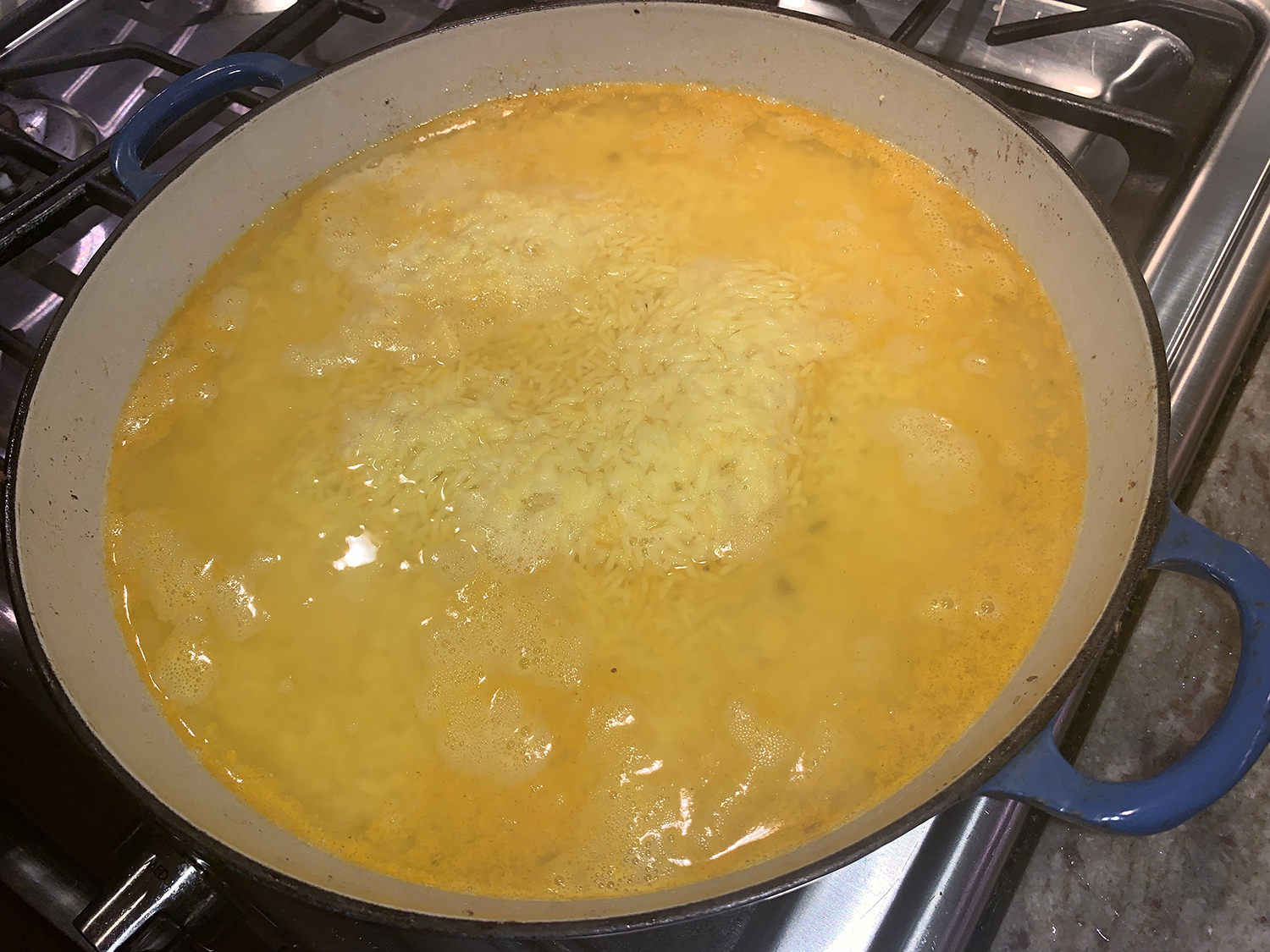
  6. Drain the soaked rice. Add to the same saucepan and cover with water by 1 inch. Stir in 1 tablespoon lime juice, the turmeric and the remaining 1 teaspoon salt. Bring to a boil over medium heat, then cover, and reduce heat to simmer until the rice absorbs all the water, about 10 minutes. (Do not stir the rice as it cooks, or the grains might break.) Remove the saucepan from heat, and let sit, uncovered, for 5 minutes.
  7. Stir the rice into the cooked lamb mixture, then drizzle with the remaining 1 tablespoon lime juice. Fold the scallions and mint into the rice, and serve immediately.

Directions

http://www.lynnandruss.com

Adapted from a recipe by Nik Sharma for NYTimes Cooking

Ginger-Miso Filet Mignon

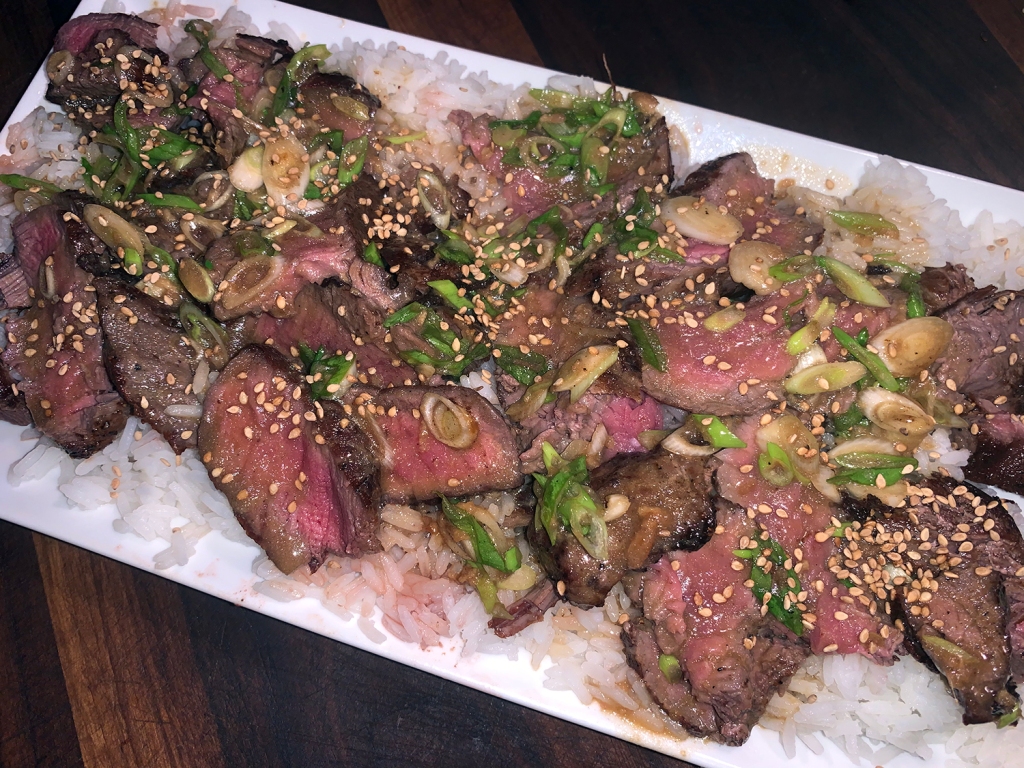
You will adore this lickety-split sauce of butter, green onion, and ginger, which adds an Asian-style final touch to this steak recipe. With its crisp pan-seared exterior and succulent juicy center, and quick cooking time, you’ll find you’ll want to make this recipe often. And you can mix it up by using filet tips like we did.

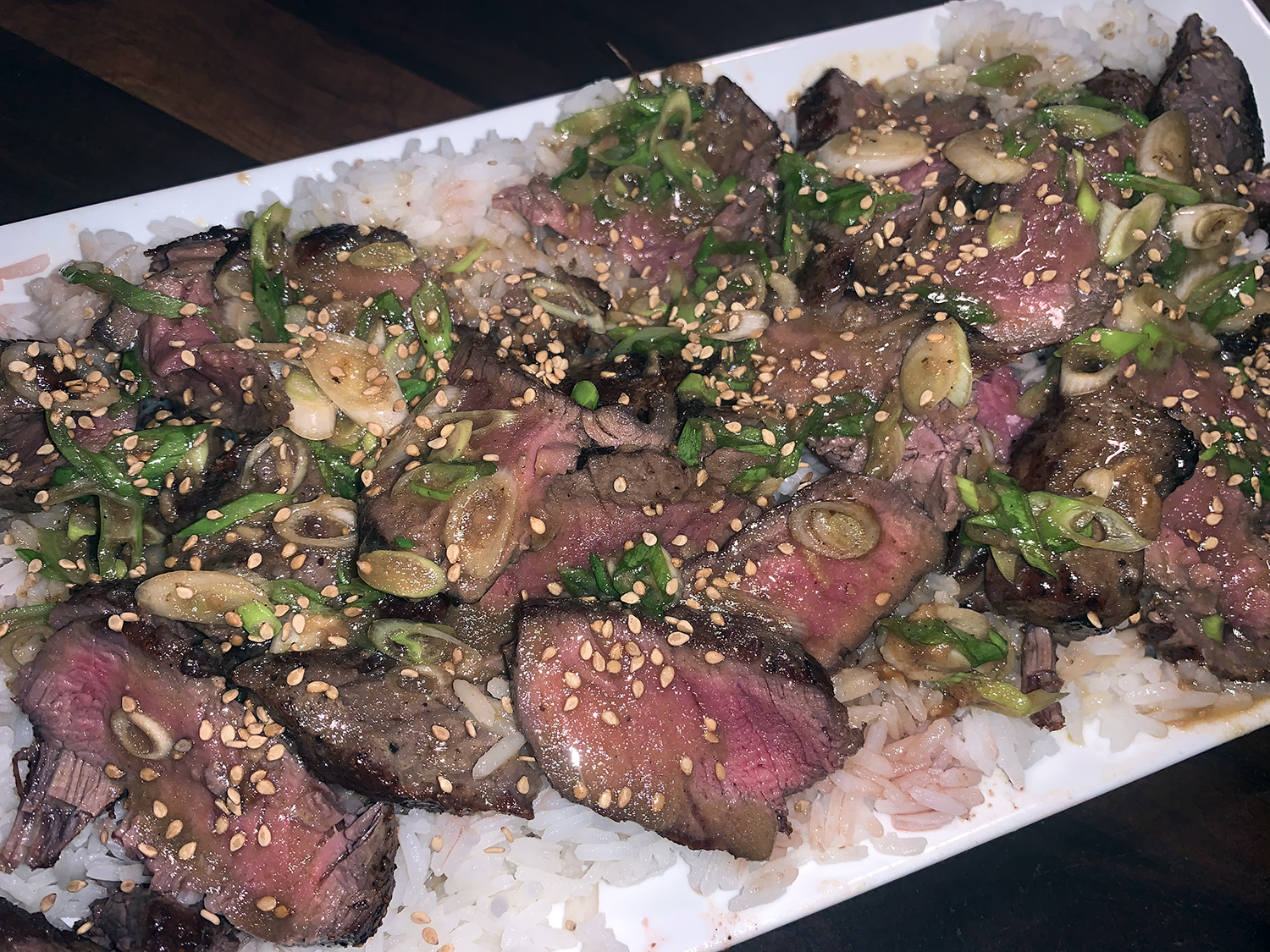
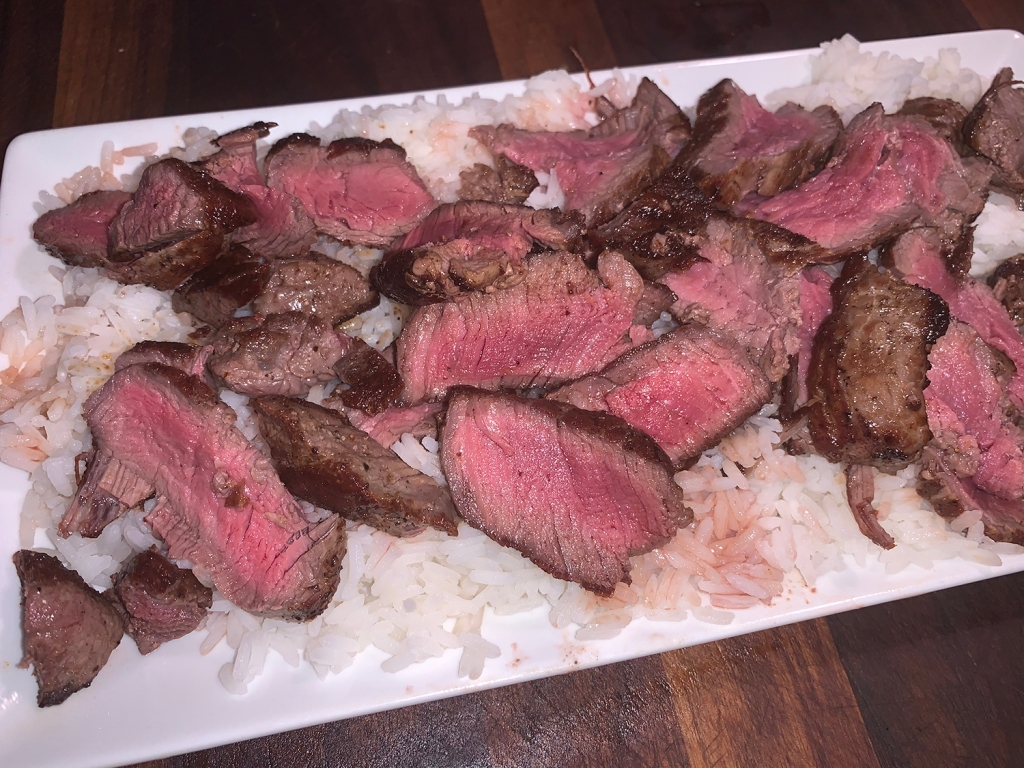
In the original version from Better Homes & Gardens, the recipe calls for four filet mignon steaks. But we had 14 ounces worth of filet tips in our freezer, which had thick and thin areas, so cooking them was a little tricky. Once the meat was medium-rare, they were plated and covered while the sauce was made; then thinly sliced and laid over a bed of steamed rice. This actually stretched the portions to three with less than a pound of meat!

The most-time consuming portion of this recipe is the wait. The meat has to be seasoned and refrigerated for 2 hours, then taken out to room temperature for another 30 minutes. The actual cooking time is only about 15 minutes. If you are serving rice too, make sure to time it correctly so that is ready when the sauce is.

Omitting any rice keeps the dish low-carb and keto-friendly.

Ginger-Miso Filet Mignon

  • Servings: 4
  • Difficulty: easy
  • Print

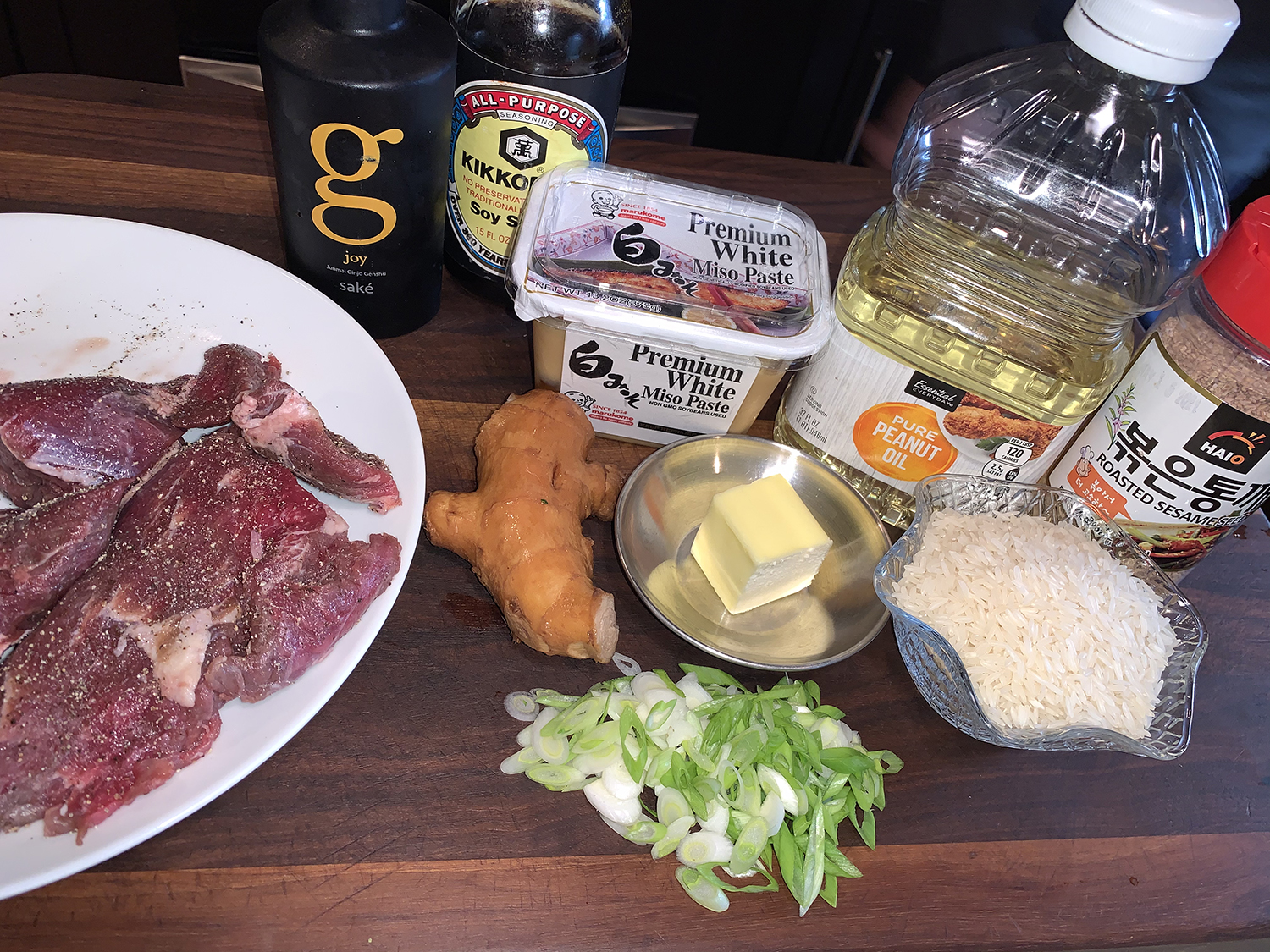
Ingredients

  • 4 beef tenderloin steaks (filet mignon), cut 1- to 1 1/4-inches thick
  • Kosher salt and freshly ground black pepper 
  • 2 Tbsp. vegetable oil 
  • â…” cup rice wine
  • 2 Tbsp. white miso paste
  • 2 Tbsp. reduced-sodium soy sauce
  • 2 Tbsp. butter
  • ¼ cup thinly sliced green onions
  • 1 tsp. grated fresh ginger
  • Toasted sesame seeds
  • Jasmine rice, cooked according to package directions (optional)

Directions

  1. Season beef generously with salt and pepper. Place on a plate. Chill, uncovered, for 2 hours. Remove and let stand 30 minutes. Heat a heavy 12-inch skillet over medium-high heat. To check when hot enough, add a large drop of water (1/8 teaspoon) to the skillet. When it rolls around the pan like a bead of mercury it is ready. This will take 2 to 3 minutes.
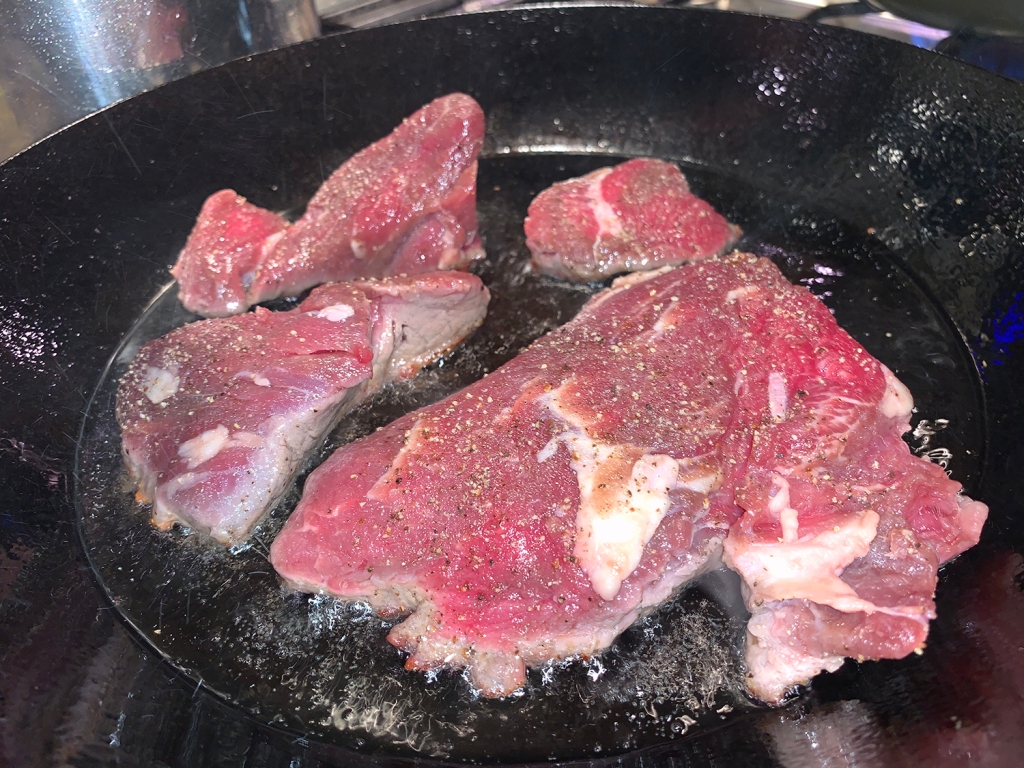
  2. Remove from heat; add oil. Swirl to coat bottom of skillet. Return to medium-high heat. Add beef. Cook for 5 minutes or until a crust forms (be patient; the beef will release when it’s ready to be turned). Turn and cook for 2 to 4 minutes more or until done at 135°F.
  3. Remove beef from skillet to a clean plate; cover loosely. Remove skillet from heat. Carefully add wine, miso, and soy sauce (mixture will spatter).
  4. Return to heat. Bring to boiling, stirring to scrape up browned bits and whisking to incorporate miso. Remove from heat. Whisk in butter, green onions, and ginger.
  5. Spoon sauce over beef to serve. Sprinkle with sesame seeds.

http://www.lynnandruss.com

Adapted from a recipe By Colleen Weeden for Better Homes & Gardens

A South Asian Curry

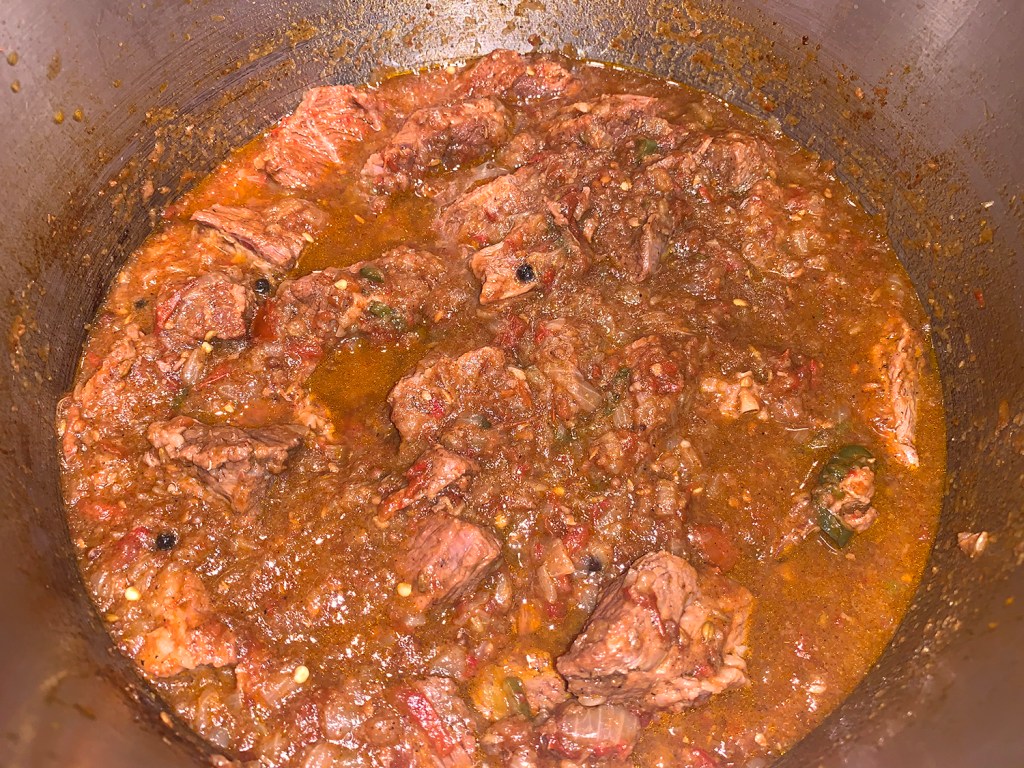
Ginger-Cumin Beef Curry — Bhuna is a type of South Asian curry that’s especially intense and flavorful because the aromatics and a generous amount of spices are fried in oil and only a little liquid is added to simmer the meat. This version we found in a recent issue of Milk Street.

Over the course of cooking, the liquid is allowed to reduce, resulting in deep, bold, concentrated flavors and a thick, rich sauce. According to some sources, the term bhuna refers to the cooking technique employed to make the dish. The Instant Pot is well-suited to making bhuna-style beef curry: the pressure cooker function cooks the meat without any added liquid at all and the slow cooker function simmers it gently and steadily with only a small amount of added moisture.

If you prefer more vegetables, you could incorporate carrots and/or broccoli. We simply paired ours with a side salad. Serve the curry garnished with thinly sliced red onion and with basmati rice on the side.

Don’t forget to add ⅓ cup water if slow-cooking. The liquid, added just before the pot is sealed, helps the beef mixture come to temperature more quickly, for a slightly shorter overall cooking time. The water is not needed if using the pressure-cooker function.

Ginger-Cumin Beef Curry

  • Servings: 4-6
  • Difficulty: easy
  • Print

Ingredients

  • 3 Tbsp. ghee or neutral oil
  • 2 medium yellow onions, finely chopped
  • 2 Tbsp. finely grated fresh ginger
  • 4 medium garlic cloves, finely grated
  • 1 tsp. ground cardamom
  • 1 tsp. cumin seeds
  • 1 tsp. coriander seeds
  • ½ tsp. ground cloves
  • ½ tsp. whole black peppercorns
  • 2 bay leaves
  • 2 medium ripe tomatoes, cored and chopped
  • 2 serrano chilies, stemmed and sliced into thin rings
  • Kosher salt and ground black pepper
  • 2½-3 lbs. boneless beef chuck roast, trimmed of fat and cut into 1½- to 2-inch chunks
  • 1/3 cup water (unless using a stove-top pressure cooker)
  • 2 Tbsp. lime juice
  • ½ cup lightly packed fresh cilantro, chopped

Directions

  1. On a 6-quart Instant Pot, select More/High Sauté. Heat the ghee until shimmering, then add the onions. Cook, stirring occasionally, until softened and browned, 10 to 12 minutes.
  2. Add the ginger, garlic, cardamon, cumin, coriander, cloves, peppercorns and bay, then cook, stirring, until fragrant, 1 to 2 minutes.
  3. Add the tomatoes, chilies and ½ teaspoon each salt and pepper. Cook, scraping up any browned bits, until the tomatoes begin to release their liquid, 2 to 3 minutes. Add the beef and distribute in an even layer.
  4. Press Cancel, lock the lid in place and move the pressure valve to Sealing. Select Pressure Cook or Manual; make sure the pressure level is set to High. Set the cooking time for 40 minutes. When pressure cooking is complete, let the pressure reduce naturally for 15 minutes, then release any remaining steam by moving the pressure valve to Venting. Press Cancel, then carefully open the pot.
  5. Using a slotted spoon, transfer the solids to a medium bowl. Remove and discard the bay. Using a large spoon, skim off and discard the fat from the surface of the cooking liquid (or use a fat separator).
  6. Select More/High Sauté, bring the liquid to a simmer and cook, stirring occasionally, until thickened and reduced to about 1 cup, 15 to 20 minutes. Return the meat to the pot and cook, stirring occasionally, until heated through, 2 to 3 minutes. Press Cancel.
  7. Stir in the lime juice, then taste and season with salt and pepper. Serve sprinkled with cilantro.

http://www.lynnandruss.com

Recipe from Milk Street