Tag Archives: chicken

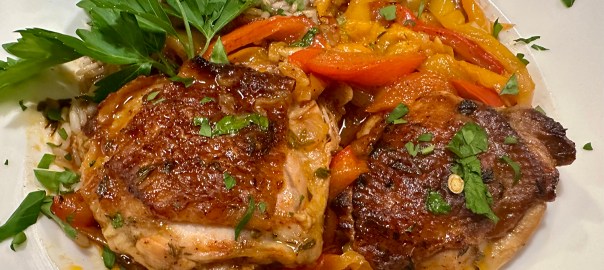
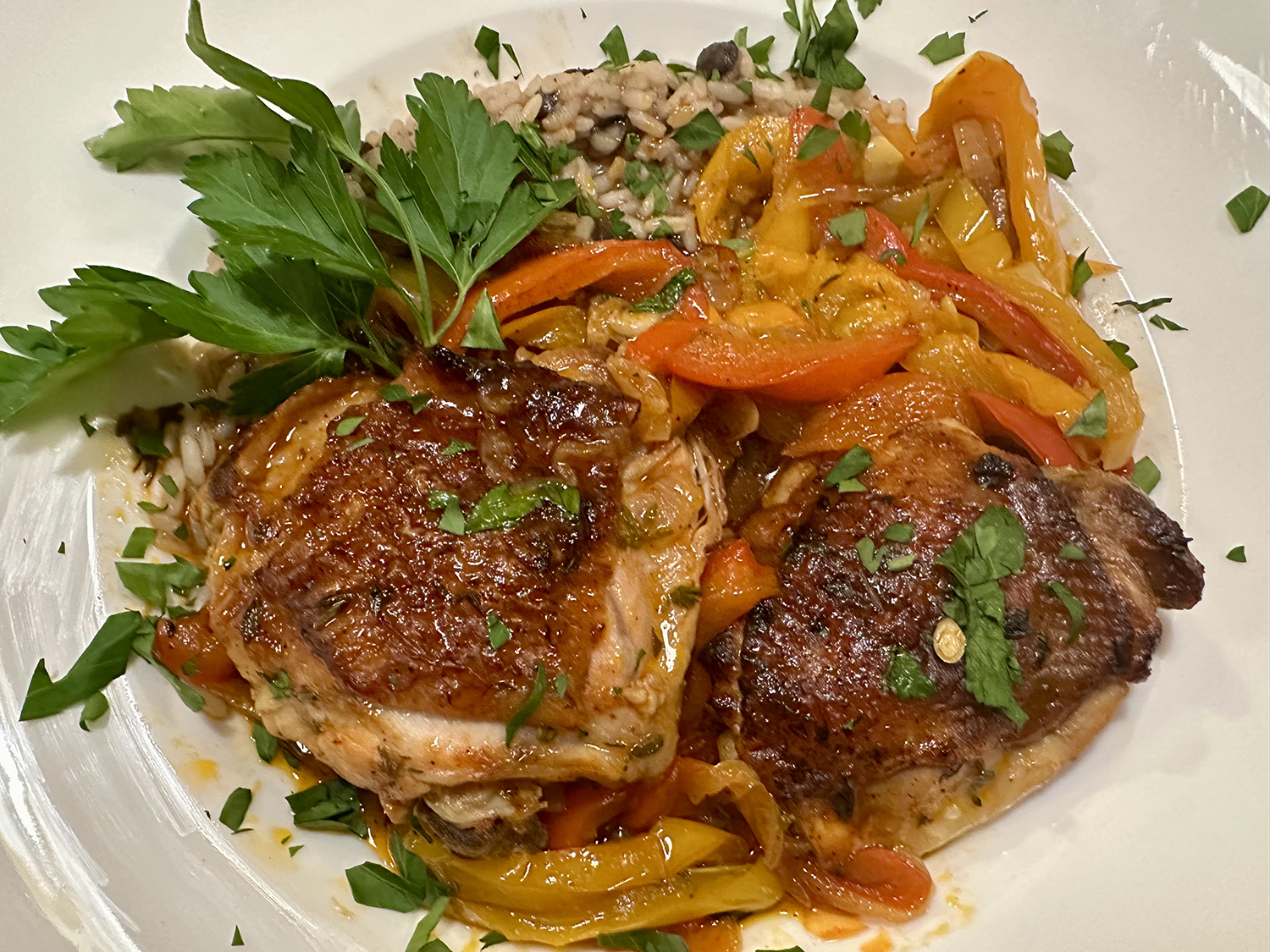
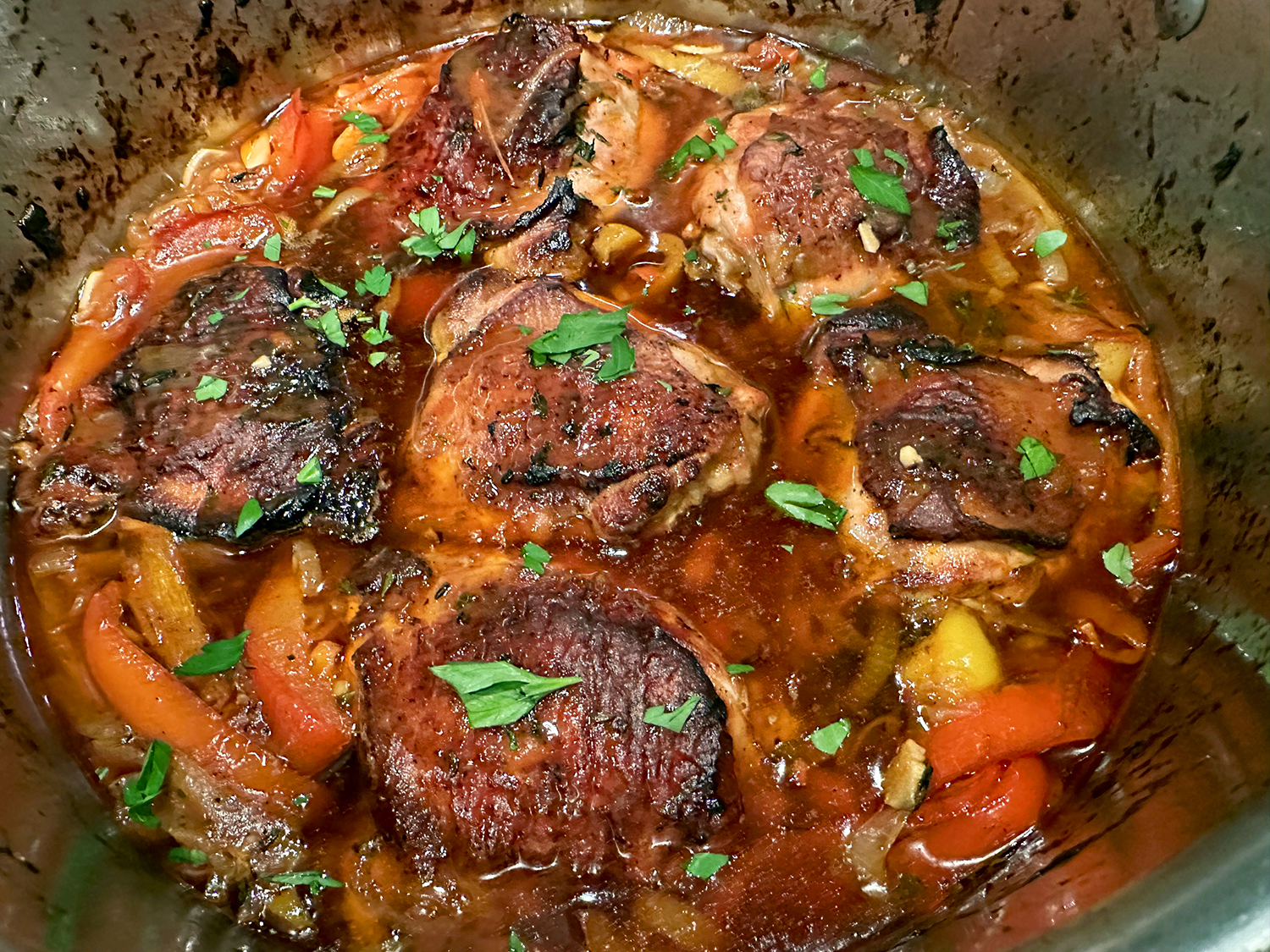
Haitian Chicken in Sauce (Poul Nan Sos)

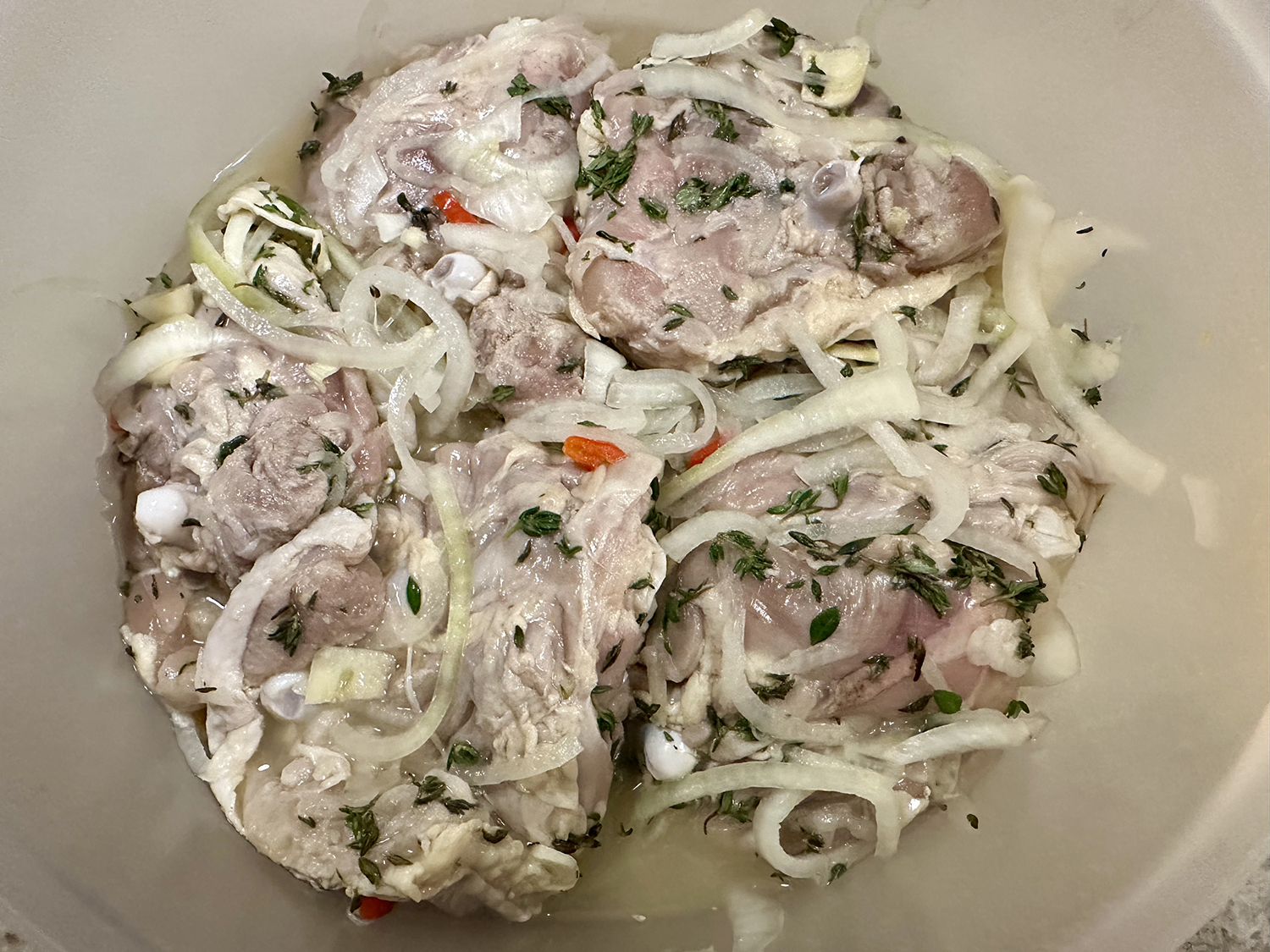
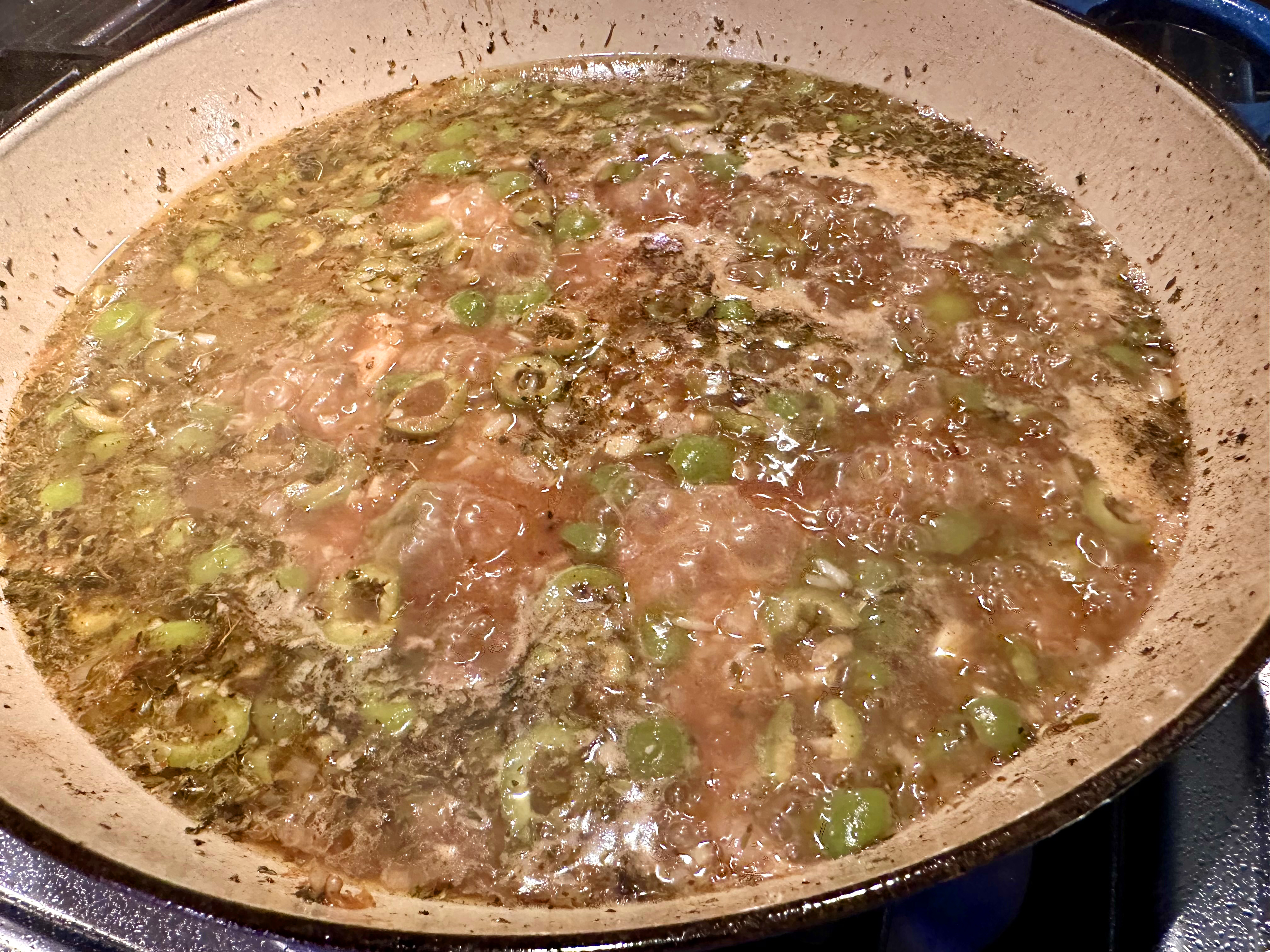
For this ultra-flavorful dish, the chicken is marinated overnight with onions, garlic, thyme, chiles, and citrus before it’s stewed with loads of bell peppers. The meltingly tender puddle of bell peppers collapses into a nest of lusciousness as they simmer under the chicken pieces.

According to Chef/Author Gregory Gourdet “The meat is marinated overnight with onions, garlic, thyme, and chiles along with citrus, which is rubbed forcefully onto the chicken to access the fragrant oils. After the meat takes on all that flavor, it’s stewed with the marinade and loads of bell peppers for a satisfying, thrilling stew.”

About the hot pepper choice: The heat level of any given pepper can vary widely, but Scotch bonnet and habanero peppers both generally register between 100,000 and 350,000 Scoville units. Scotch bonnets, which tend to be sweeter and have distinct citrus notes, are the traditional choice for Haitian chicken stew, but the closely related habanero makes a fine substitution. In the end, there was barely any heat from these peppers, but they added a nice subtle nuance of flavor.

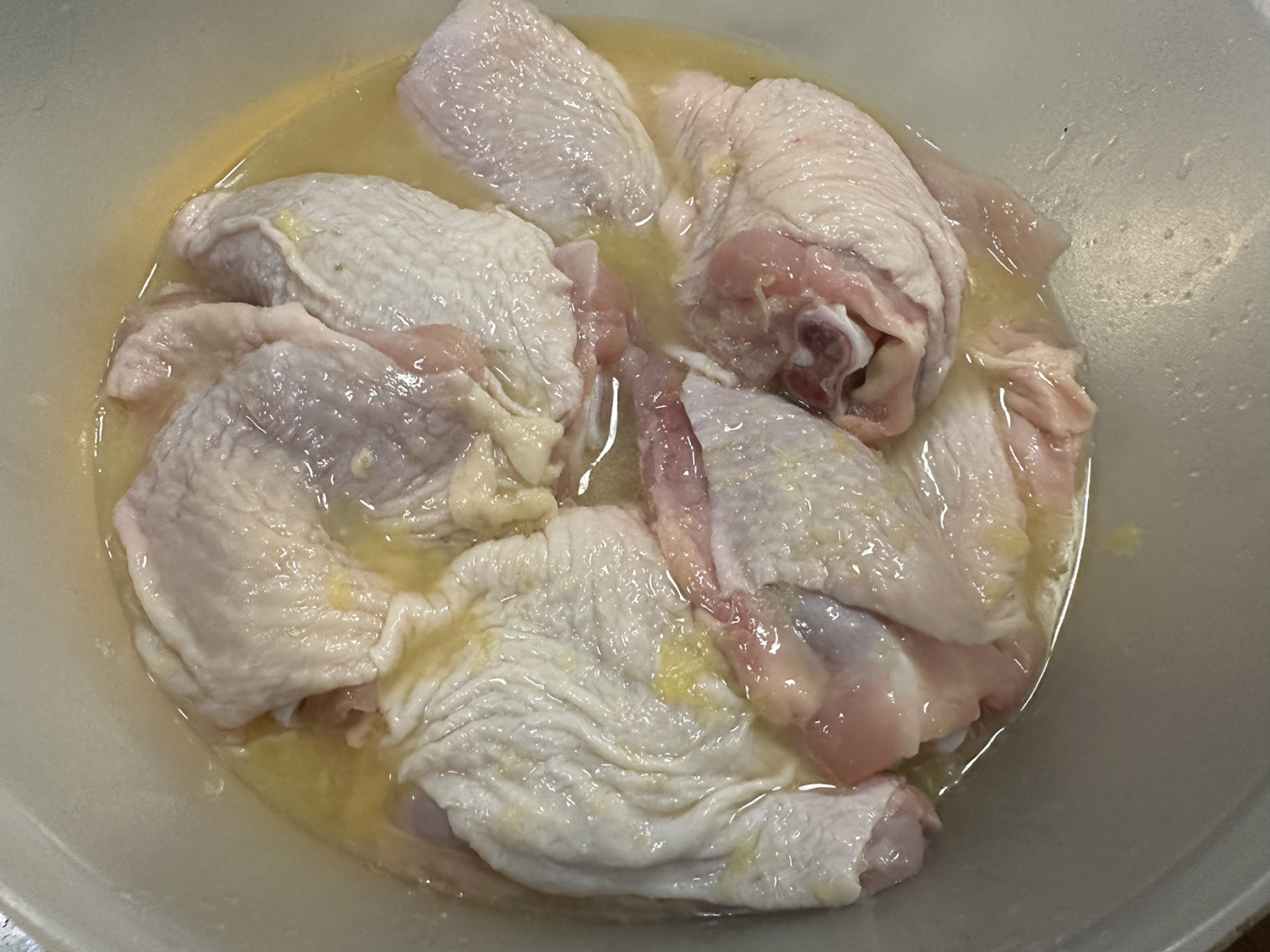
While this dish isn’t particularly difficult or time-consuming to prepare, the chicken does require a long marination, so you’ll need to plan ahead. Allow anywhere from 12 to 48 hours for the chicken to absorb all those flavors in the fridge. When it comes time to cook the meat, be sure to reserve both the marinade’s liquid and solids, which will be incorporated back in later.

You definitely need a bed of rice or something to help soak up all of the liquid (we served with a side of rice and beans). In fact, it may be wise to reduce the amount of chicken broth from 2 cups down to 1 cup, which is indicated below*. After all, more liquid comes from the marinade, and moisture that comes from the peppers and chicken.

So unbelievably good!!

Haitian Chicken in Sauce (Poul Nan Sos)

  • Servings: 4-6
  • Difficulty: easy
  • Print

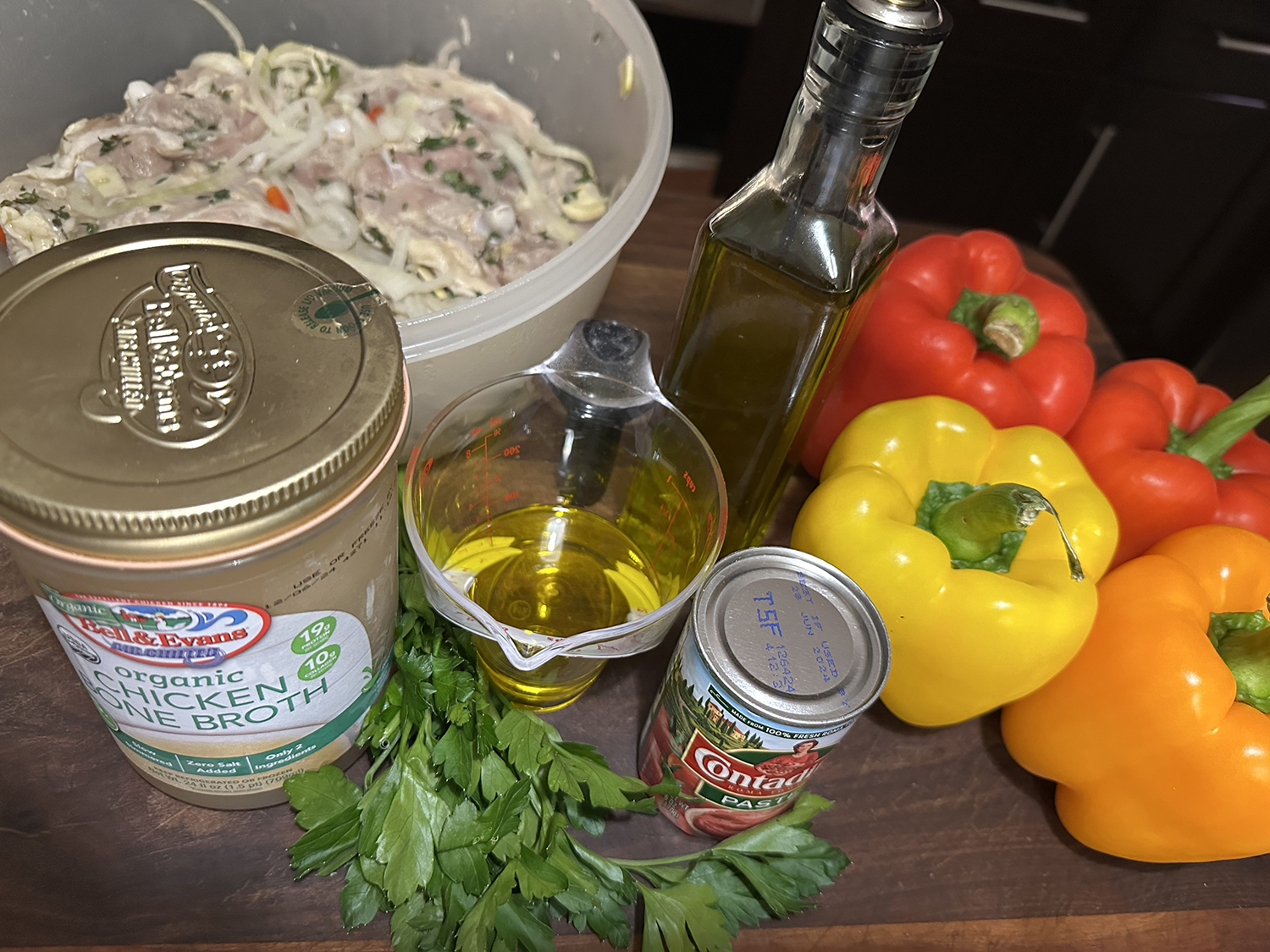
Ingredients

Marinade

  • 3 lbs. bone-in chicken thighs (drumsticks optional), patted dry (we used all thighs)
  • 3 Tbsp. kosher salt
  • 1 juicy orange, halved
  • 1 juicy lime, halved
  • 1 juicy lemon, halved
  • 2 medium yellow onions, halved and thinly sliced
  • 8 garlic cloves, sliced
  • 2 Scotch bonnet or habanero chiles, cut in half and sliced thin
  • 1/4 cup fresh thyme leaves

Stew

  • 1/3 cup extra-virgin olive oil
  • 1/2 cup tomato paste
  • 1 Tbsp kosher salt
  • 2 red bell peppers, seeded and deveined, cut into long, thin slices
  • 2 yellow bell peppers, seeded and deveined, cut into long, thin slices
  • 1 cup chicken stock*, salted homemade or store-bought
  • Small handful roughly chopped parsley sprigs, for serving

Directions

  1. Put the chicken pieces in a large bowl and season with the salt. Squeeze the citrus halves over the chicken, then spend a minute or so rubbing the cut sides of the citrus against the chicken. Add the onions, garlic, chile, and thyme and toss well, rubbing the chicken as you do. Cover and marinate in the fridge for at least 12 hours or up to 48 hours. (We marinated 27 hours.)
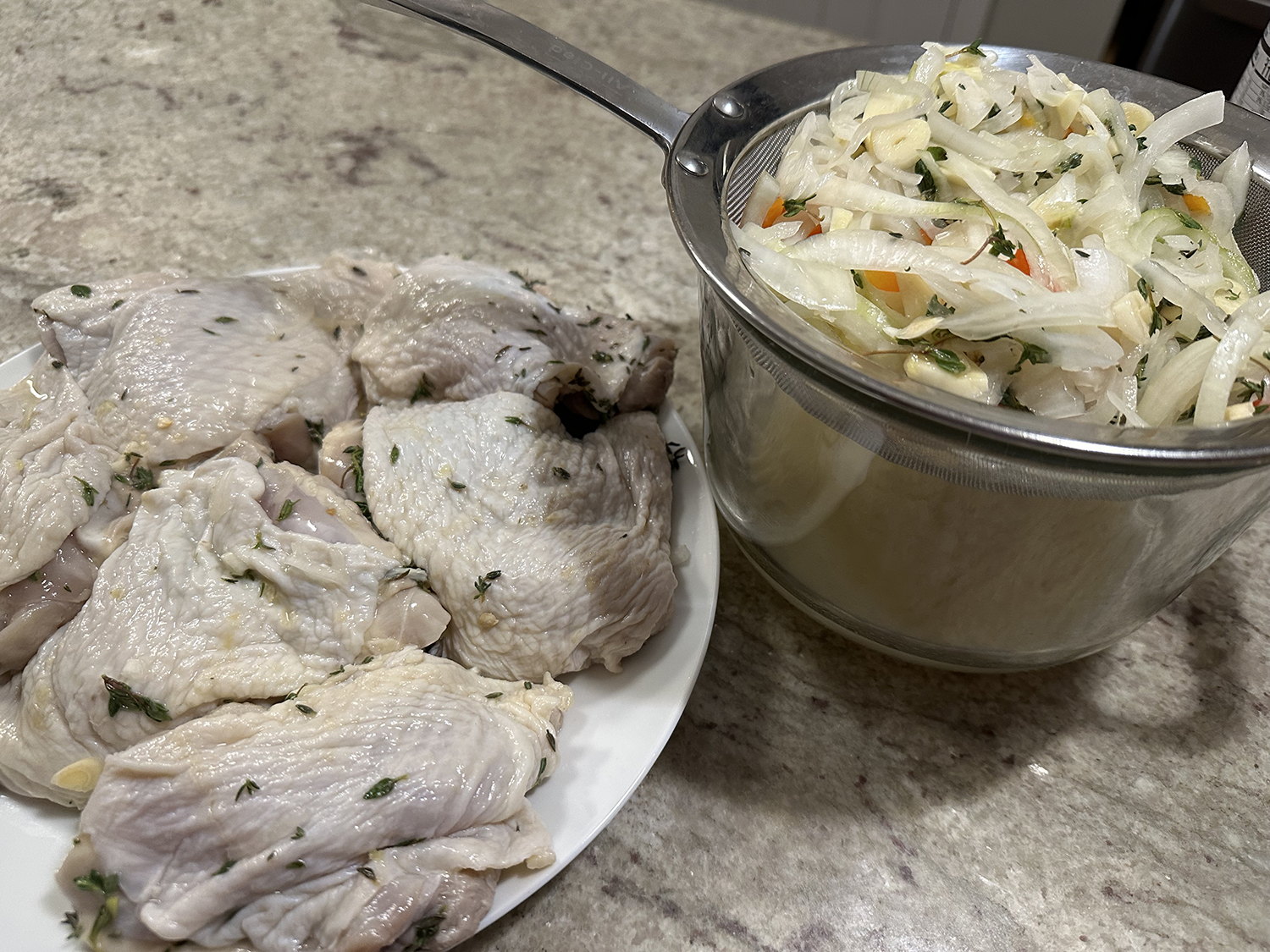
  2. Preheat the oven to 375°F. Remove the chicken from the marinade, guiding any stuck-on aromatics back into the bowl. Set a strainer over a small mixing bowl. Pour the marinade through the strainer, reserving the solids and liquid. Pat the chicken very dry with paper towels.
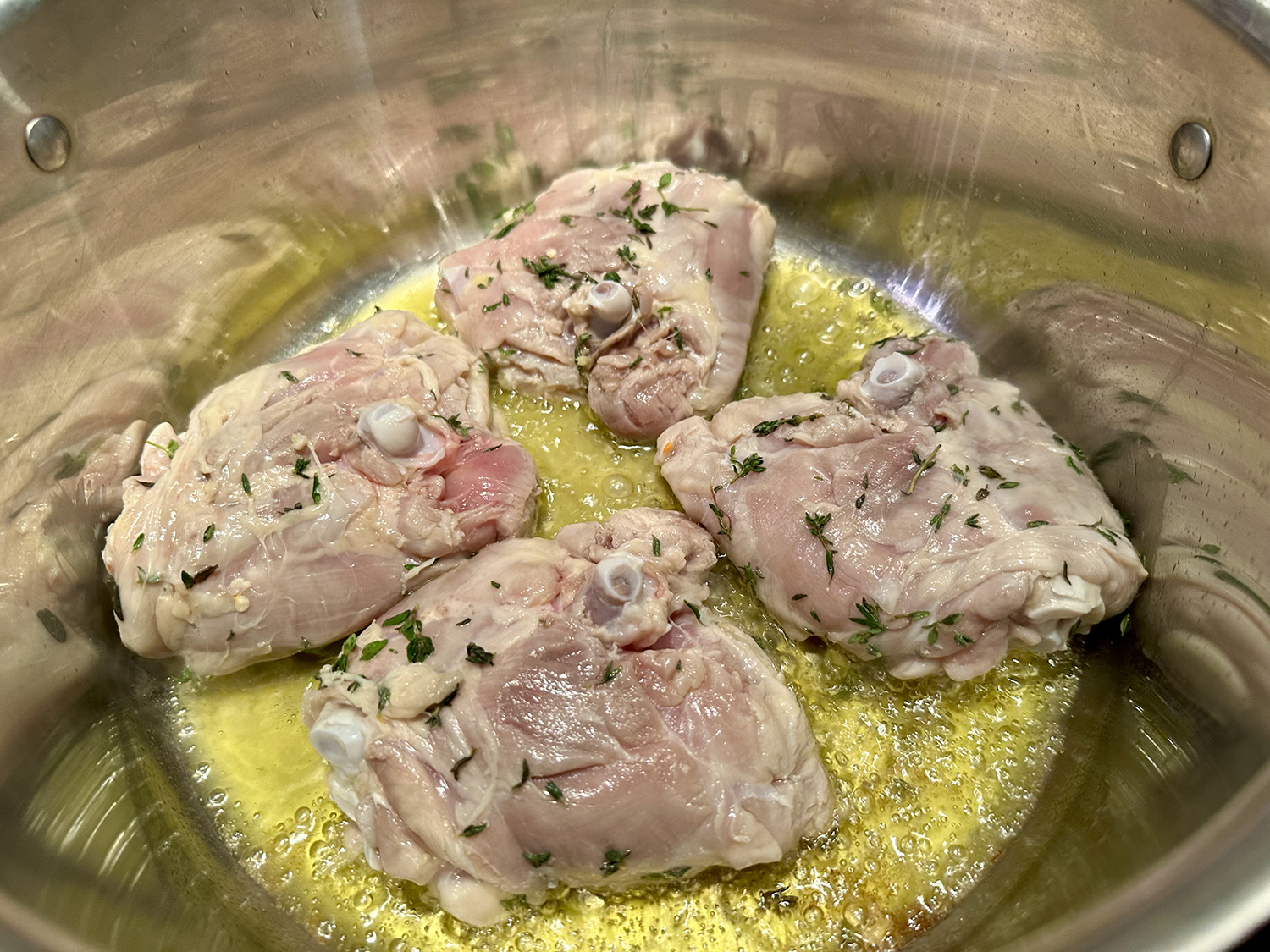
  3. Heat the oil in a wide, heavy ovenproof pot (such as a 3 1/2-quart braiser) over medium-high heat just until shimmery. Cook the chicken, skin-side down, occasionally turning the drumsticks but not the thighs, until the skin is deep brown, about 8 minutes. (It may take two batches so that the chicken browns instead of steams.) Transfer the chicken pieces to a plate.
  4. Reduce the heat to medium-low, add the tomato paste and salt, and cook, stirring often, until it turns several shades darker, about 3 minutes. Add the bell peppers and the reserved solids from the marinade; cook, stirring occasionally, until the peppers soften slightly and take on a little color, about 8 to 10 minutes.
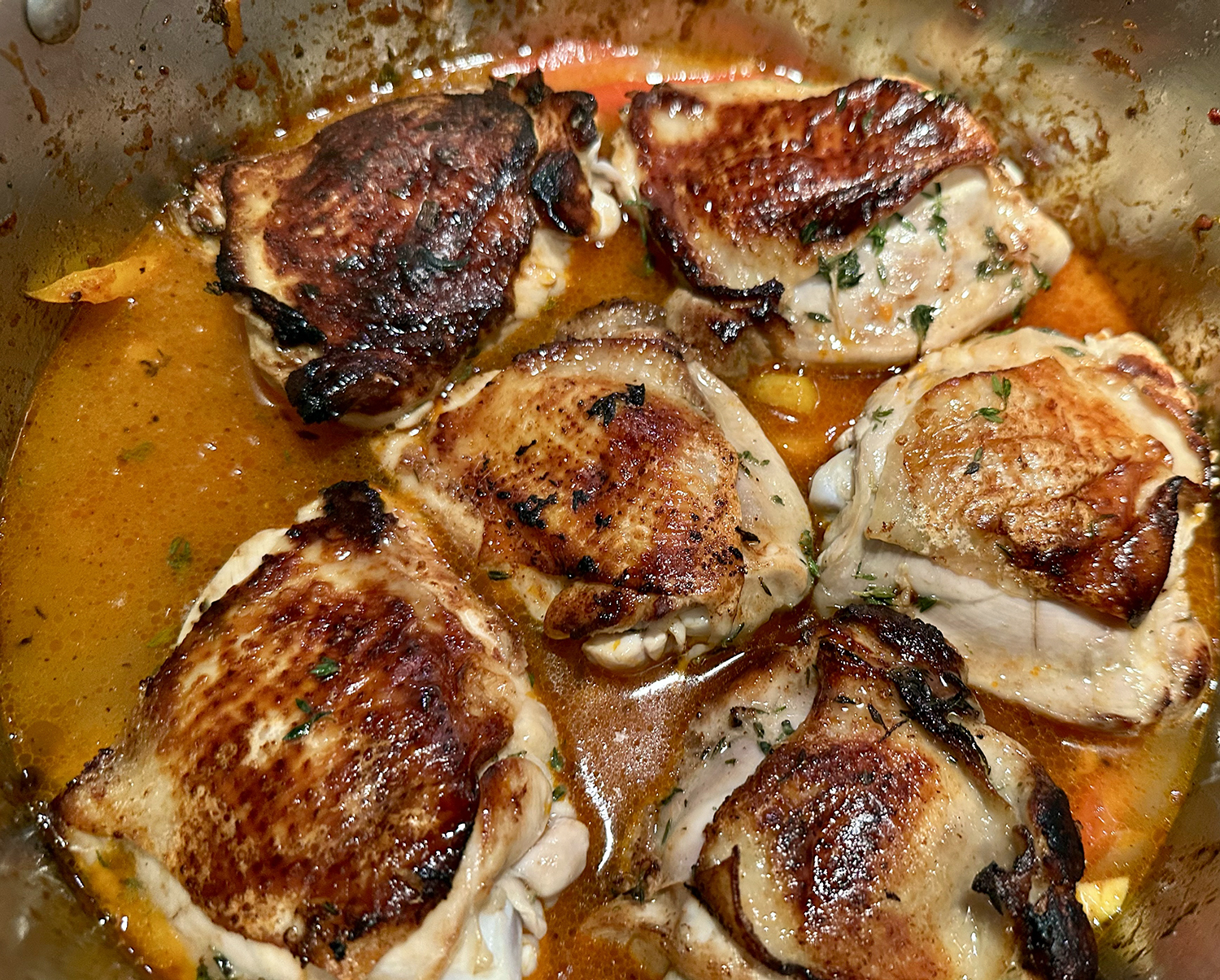
  5. Return the chicken to the pan, skin side up and in a single layer nestled into the peppers, arranging the pile of peppers, onions, and other aromatics around the chicken. Then evenly pour in the reserved liquid from the marinade along with the stock. Cook in the oven, basting every 15 minutes to coat the chicken with the peppers and sauce, until the sauce has thickened slightly and the meat pulls off the bone with a gentle tug from a fork, about 1 hour. Garnish with the parsley and serve over rice and beans.

http://www.lynnandruss.com

Adapted fro a recipe by Gregory Gourdet for Food & Wine

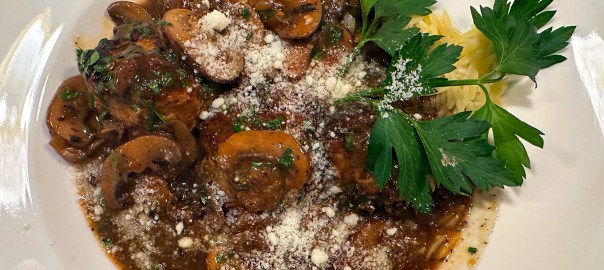
Marsala Chicken Meatballs

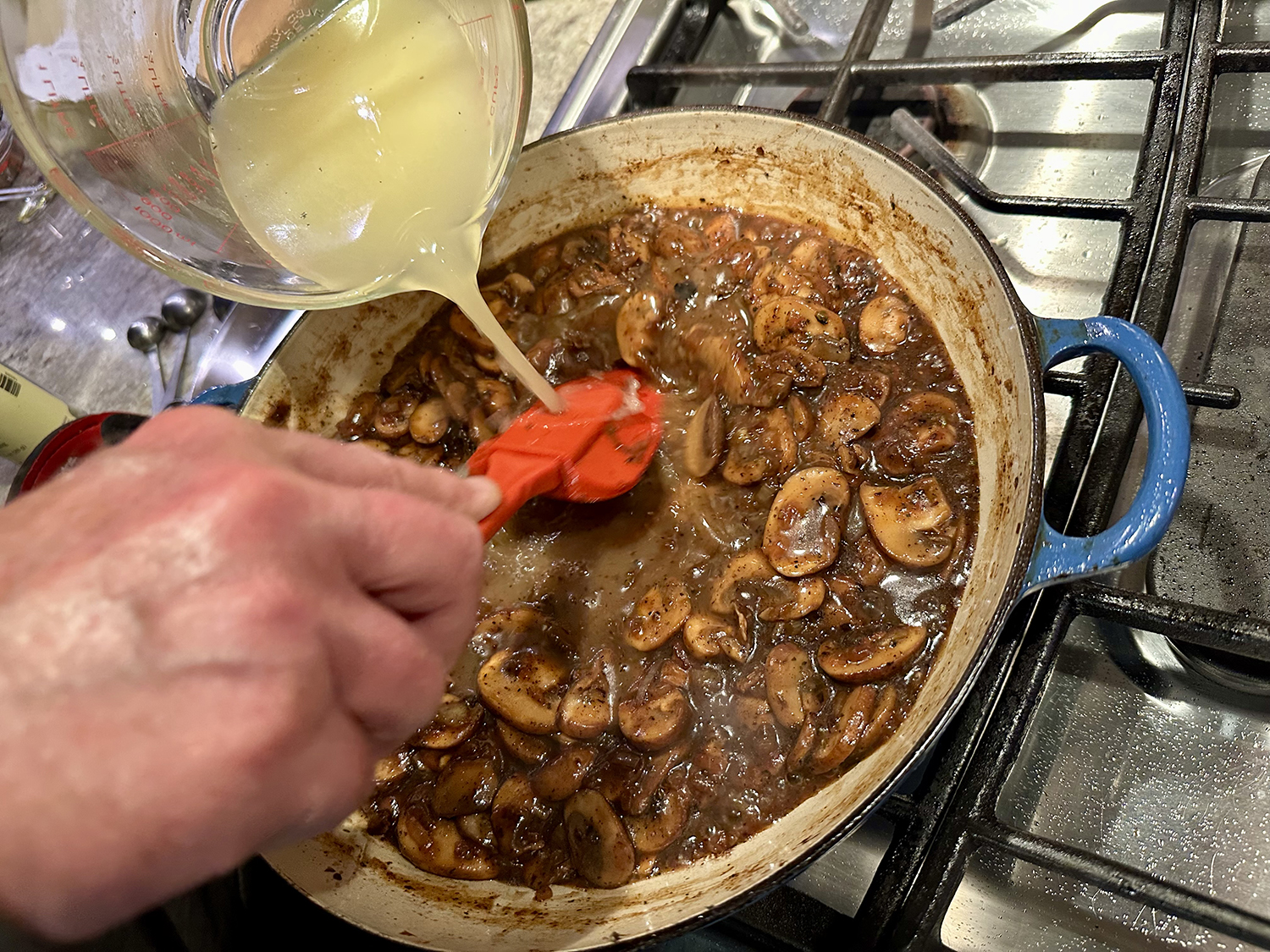
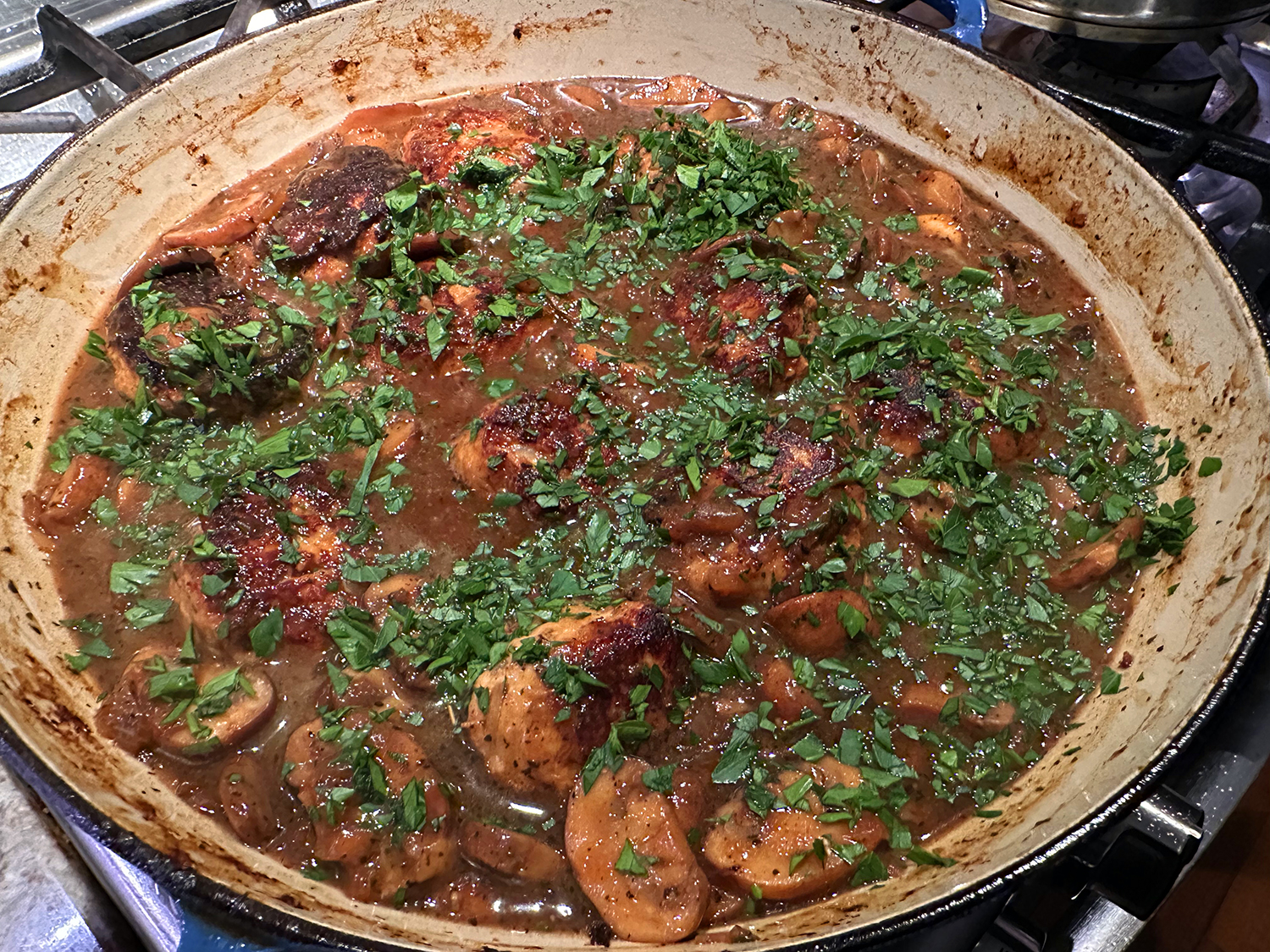
If you are fond of Chicken Marsala, then this dish may be one for you. It keeps the same flavor profile, but presents it in a different fashion. And it tends toward more of a slight sweet than savory finish.

Chicken Marsala is an Italian American classic consisting of seared pounded chicken that’s smothered in a sweet-savory Marsala wine mushroom sauce. For more spoon-ability, this crowd-pleasing dinner replaces the thin cutlets with tender chicken meatballs, simmered in a similarly indulgent Marsala sauce.

Ground chicken is very lean, so to ensure a perfectly moist bite, Marsala-soaked bread crumbs and extra-virgin olive oil are added to the meatball mixture. For a flavor-packed fond, take the time to brown the onions and mushrooms; the time spent will pay off.

This recipe is dairy-free as written, but if you’d like to finish the dish with a few pads of butter or a splash of heavy cream, the sauce will certainly accommodate the additional richness. Serve plain as is, or over a bed of mashed potatoes, polenta, orzo, or other pasta of choice.

*NOTE: Chop onions for the meatballs finely in a food processor and squeeze out most of the water using a kitchen towel before adding to chicken.

Marsala Chicken Meatballs

  • Servings: 4
  • Difficulty: easy
  • Print

Ingredients

  • 2 large yellow onions (about 10 oz. each), finely chopped
  • ⅓ cup bread crumbs
  • 1¼ cups dry Marsala wine
  • 1¾ cups of chicken stock
  • 5 Tbsp. extra-virgin olive oil
  • Salt and pepper
  • 1 lb. ground chicken
  • 1 lb. sliced button or cremini mushrooms
  • 2 Tbsp. all-purpose flour
  • 1 tsp. dried Italian herb seasoning
  • 3 Tbsp. butter
  • Chopped flat-leaf parsley, for serving

Directions

  1. To a medium bowl, add 1 cup of chopped onion, plus the bread crumbs, ¼ cup wine, 2 tablespoons olive oil, a hefty pinch of salt and a few grinds of pepper; mix until combined. Add the chicken and mix until combined. Form the meat mixture into 14 balls (about 3 tablespoons each), setting them on a sheet pan or plate.
  2. Heat a large (12-inch) heavy skillet or braiser over medium-high, and add the remaining 3 tablespoons of olive oil.
  3. Sear the meatballs for 2 to 3 minutes, until a dark brown crust forms on the bottoms, then flip, and continue searing for 2 minutes on the other sides. Return the meatballs to the sheet pan or plate.
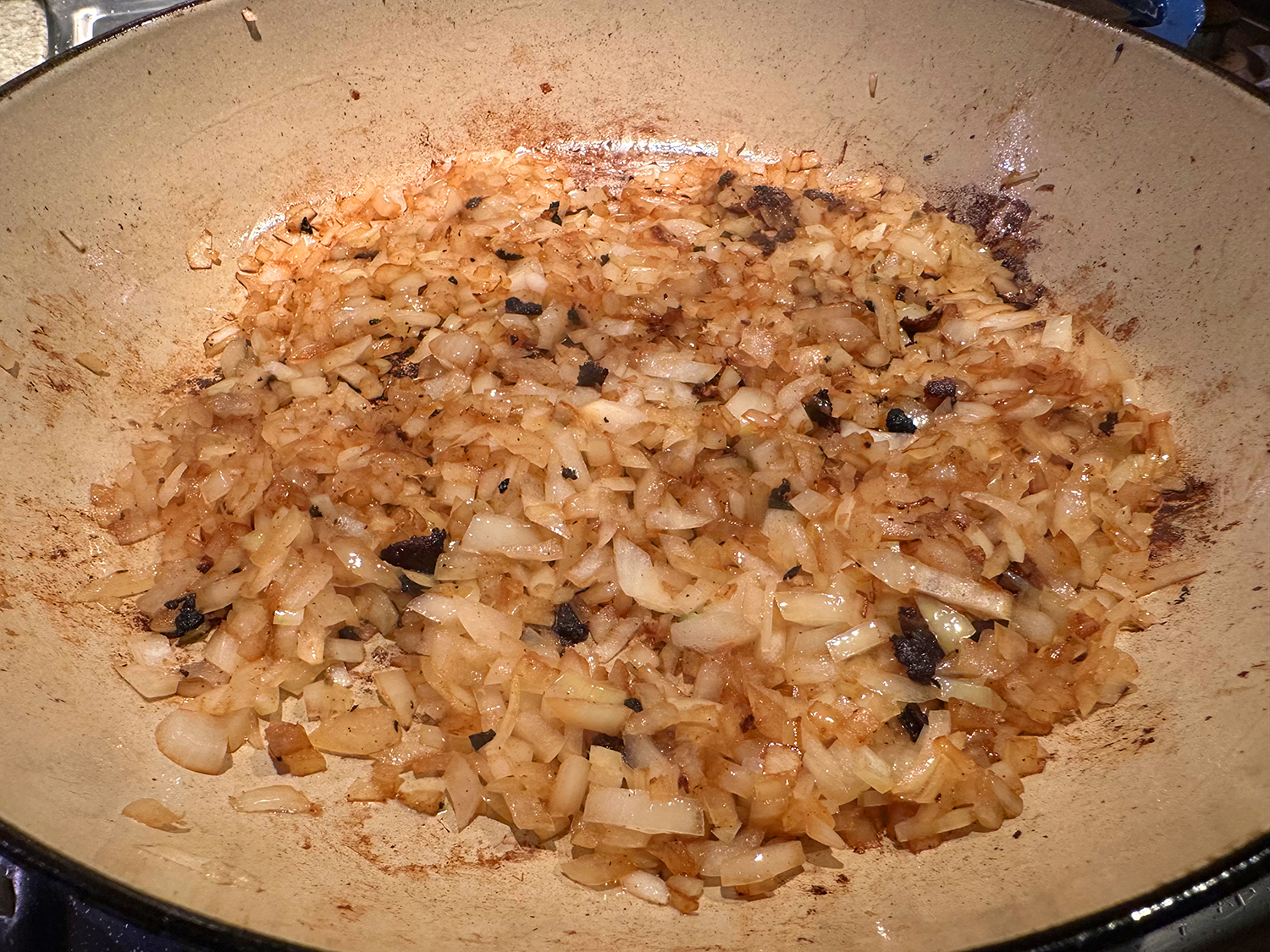
  4. Adjust heat to high. Add the remaining onions to the skillet and cook, stirring every 2 minutes, until golden, translucent and slightly darker on the edges, about 6 minutes, turning the heat down as necessary.
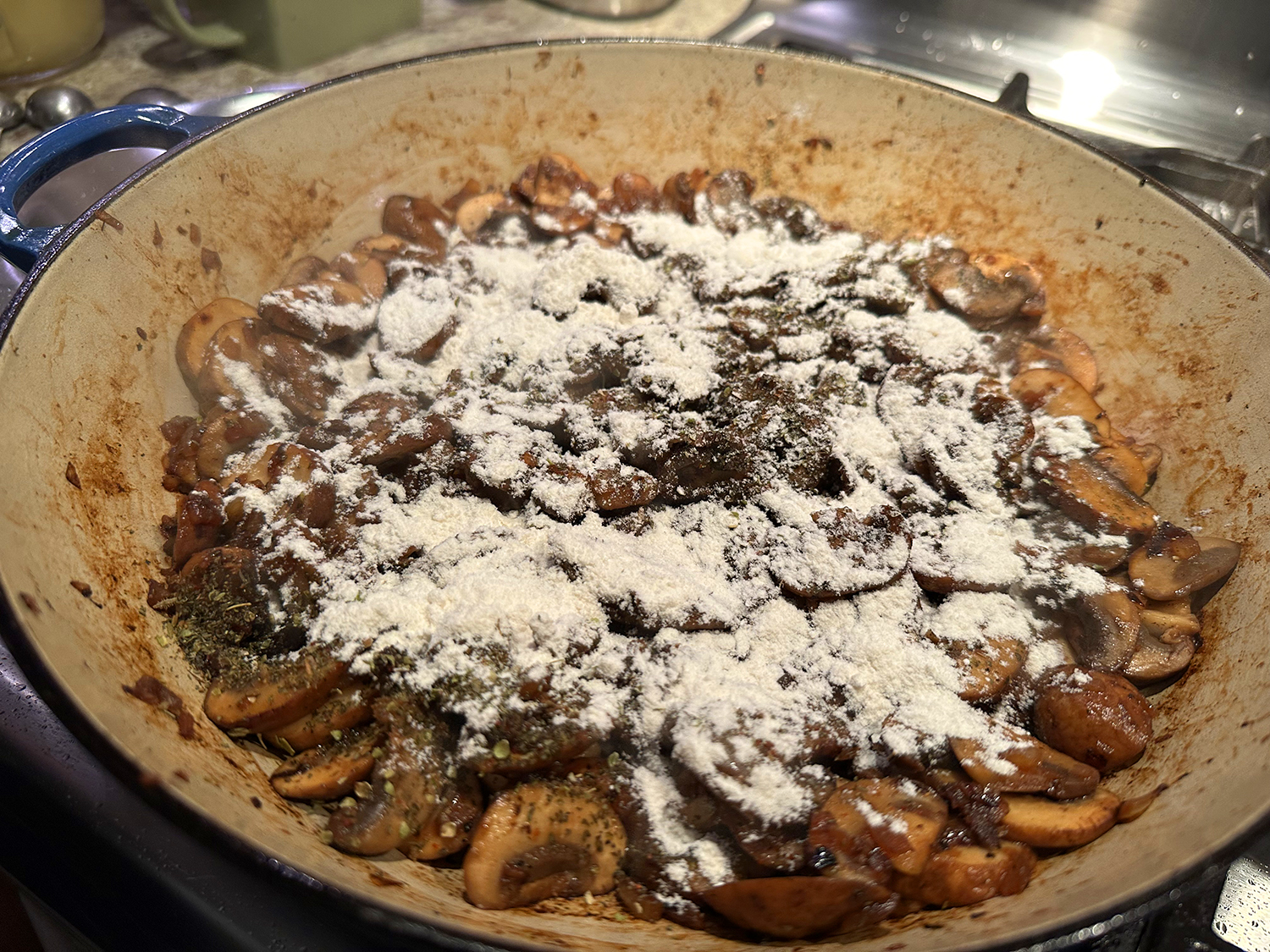
  5. Add the mushrooms and cook for 6 minutes, stirring occasionally, until reduced in volume and slightly darker in color. Sprinkle the flour on top, mix to coat the mushrooms and onion and continue cooking for 1 minute, lowering the heat as needed.
  6. Carefully pour the remaining 1 cup of wine into the skillet while constantly stirring. Using a wooden spoon, scrape the caramelized bits off the bottom of the pan and cook for 2 minutes, until the wine reaches a thicker, honey-like consistency. Add 1¾ cups of chicken stock and bring to a vigorous simmer. Season with a hefty pinch of salt.
  7. Return the meatballs to the skillet. Adjust heat to medium, partially cover and simmer for 12 minutes, until the sauce has thickened slightly and the meatballs are cooked through.
  8. Add the butter, stirring in until all melted. Taste and season with salt. Sprinkle parsley on top and serve.

http://www.lynnandruss.com

Adapted from a recipe by Carolina Gelen for NYTimes Cooking

Buttermilk Roasted Chicken and Veggies

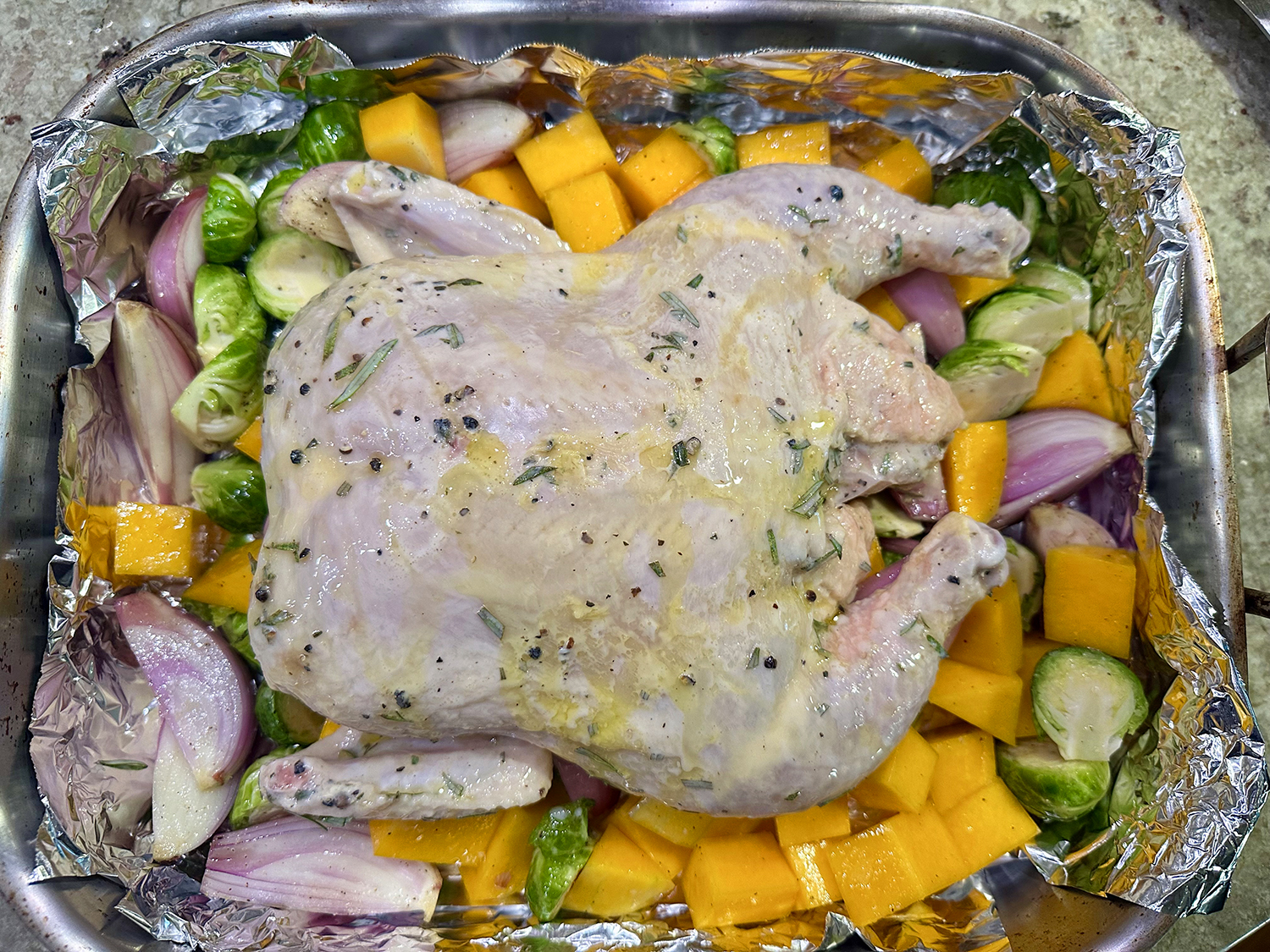
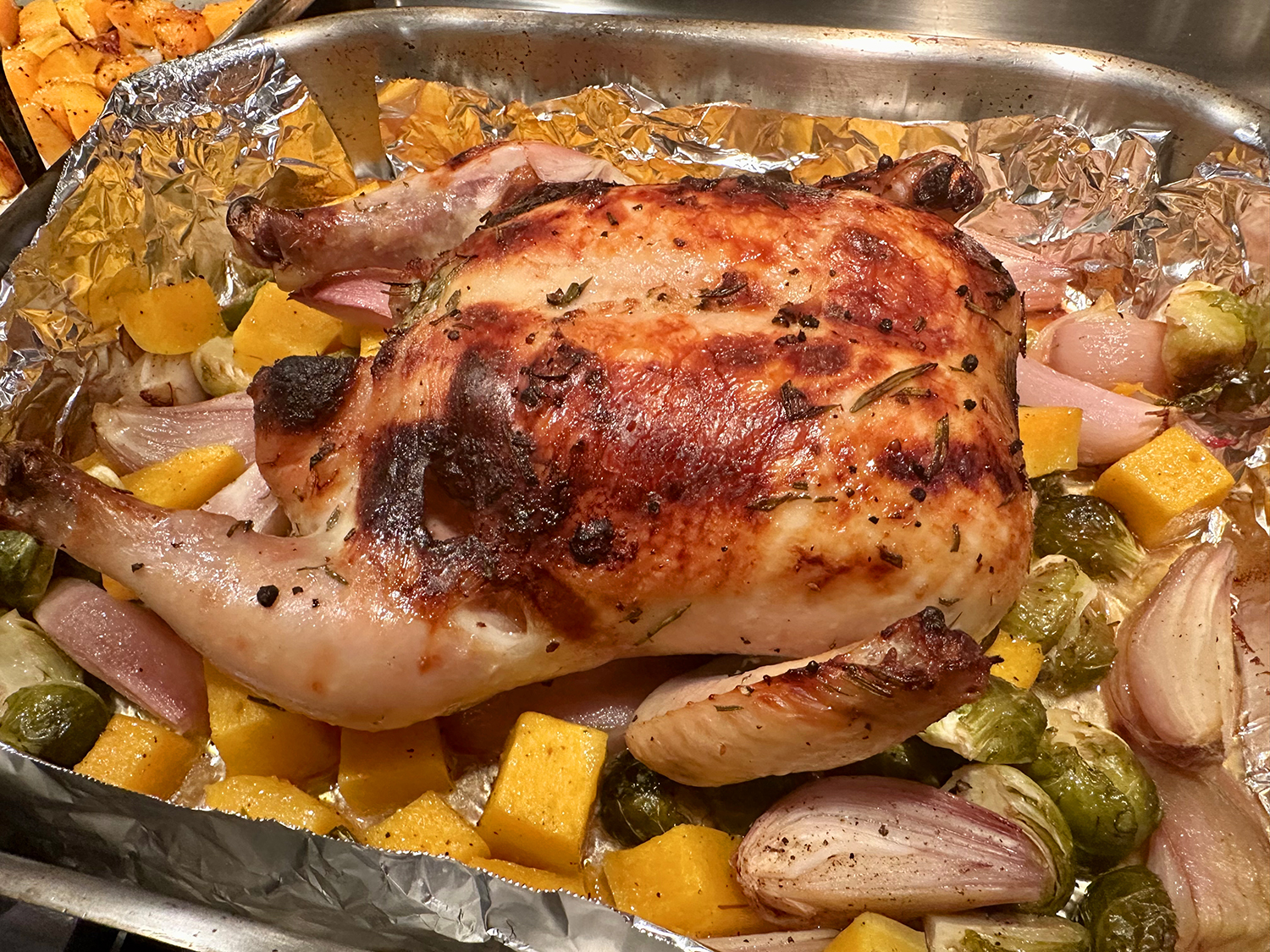
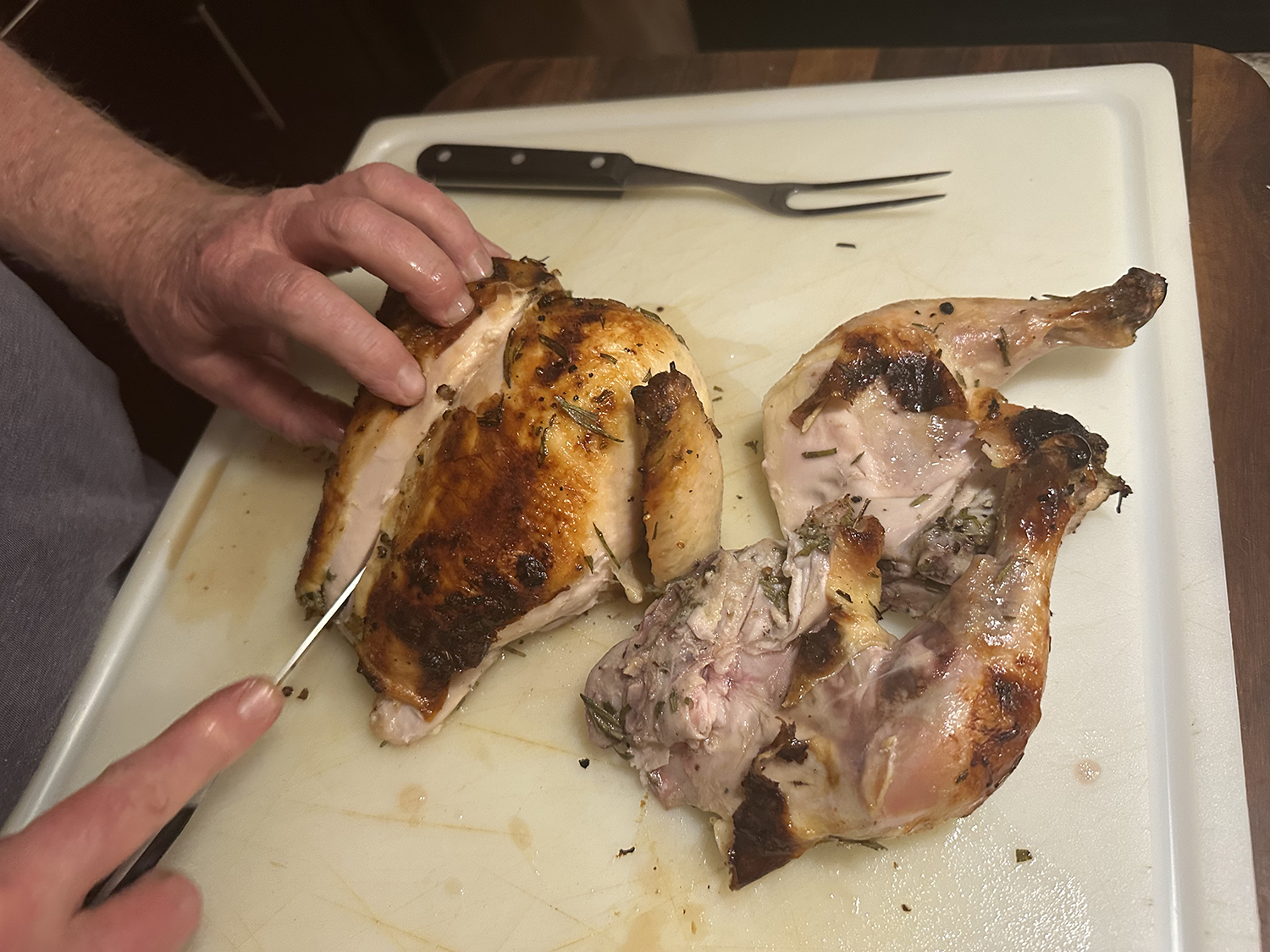
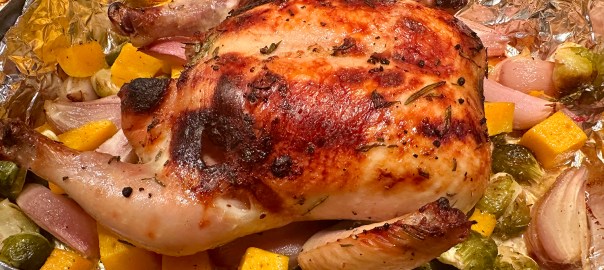
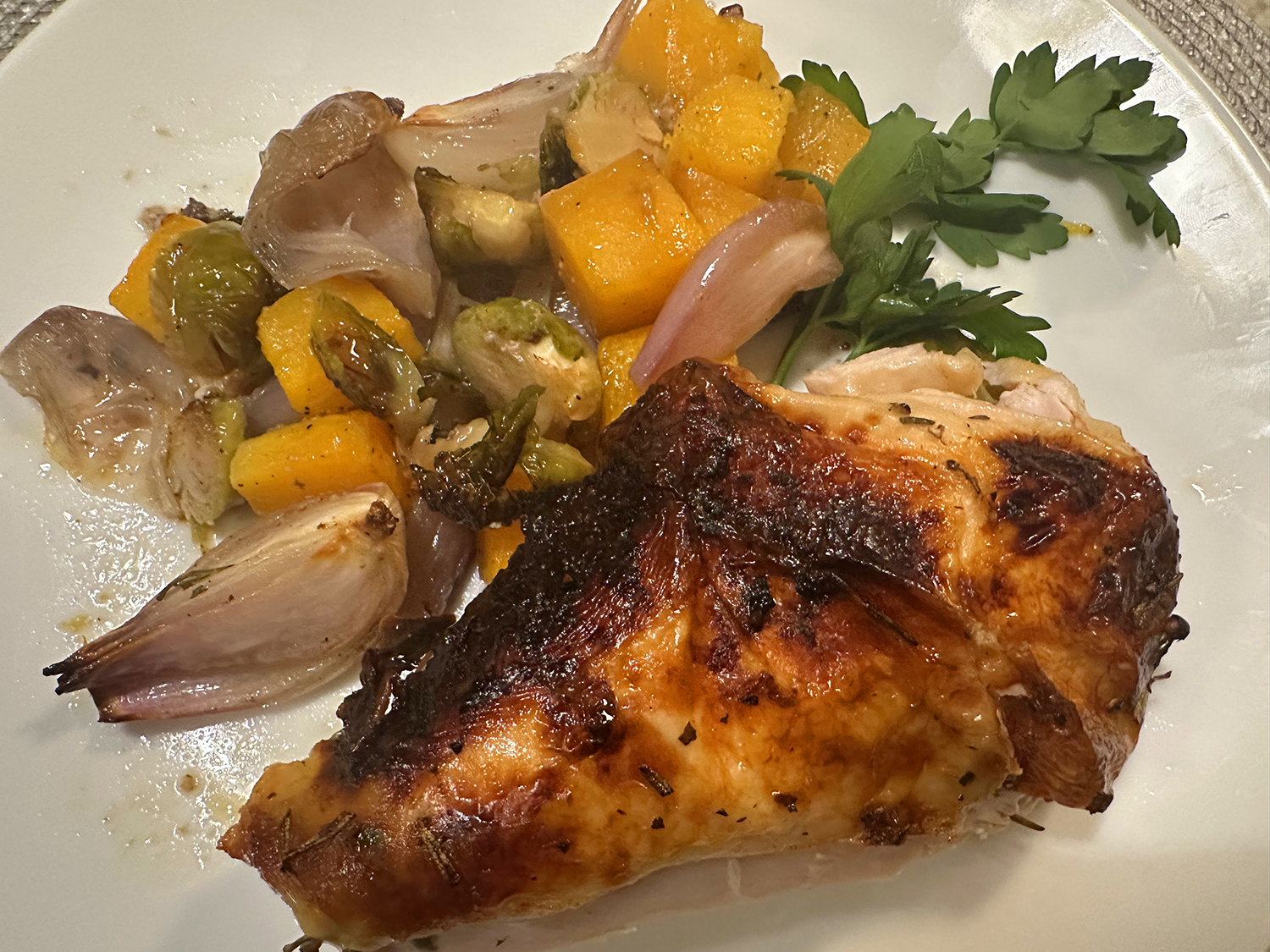
A Sunday roast chicken dinner, for me, is synonymous with the advent of Fall and through the winter months. Roast a chicken and you know you have a comfortable meal. Alter that a little by butterflying the chicken, a surprisingly simple task that can be carried out with a pair of kitchen scissors, and you have a quick dinner that satisfies the soul as well as your taste buds.

Here, buttermilk, which is usually associated with fried chicken, helps to tenderize the chicken and conveys the aromatics: you really get the full value of the rosemary, pepper and garlic. If you want to substitute maple syrup for the honey, you can. Best of all, you can leave the marinating bird in the fridge for up to two days; thus, it gets more tender and you know you have a dinner that needs no more than to be popped into the oven. Now that’s a win in my book!

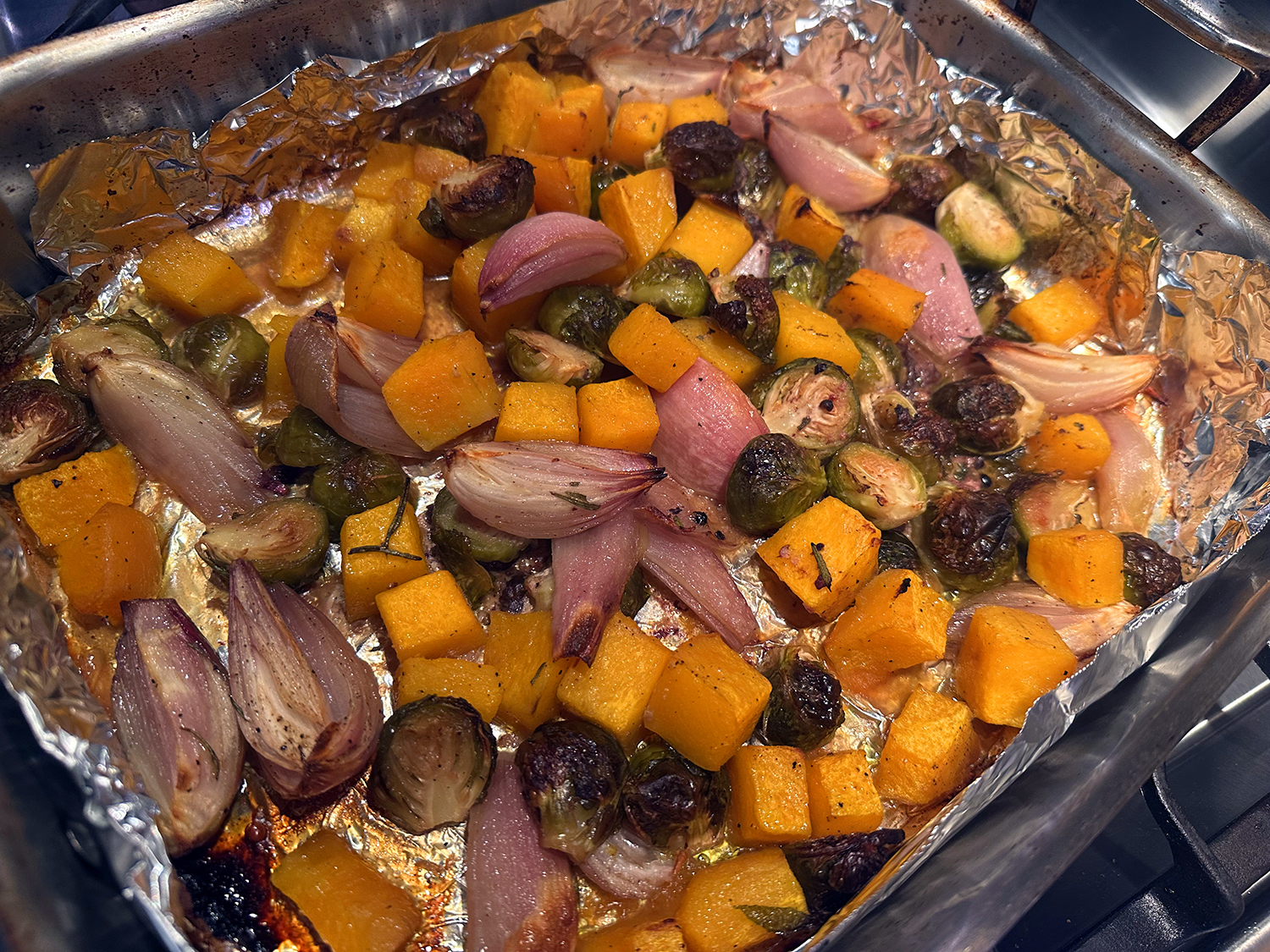
In the original recipe, it directs you to line a roasting pan with tinfoil. Next time we plan to eliminate the tinfoil lining and use a rimmed sheet pan. We believe we would get better caramelization on both the bird and the vegetables.

If you are not thrilled with the vegetable choices, swap any of them out for sweet potatoes, white potatoes, carrots, onions, or parsnips. Just make sure that they will fit in one layer in the sheet pan.

Buttermilk Roasted Chicken and Veggies

  • Servings: 4
  • Difficulty: easy
  • Print

Ingredients

For the Chicken

  • 1 4-lb. chicken
  • 2 cups buttermilk
  • ¼ cup plus 2 Tbsp. vegetable oil
  • 2 cloves garlic, lightly crushed
  • 1 Tbsp. crushed black peppercorns
  • 2 Tbsp. Maldon or other sea salt
  • 2 Tbsp. fresh rosemary leaves, roughly chopped
  • 1 Tbsp. honey

For the Vegetables

  • 1 lb. Brussels sprouts, trimmed and halved
  • 4-5 large shallots, peeled, quartered through the root end
  • 1 1/2 lbs. butternut squash, cut into 1 1/4-inch cubes (we only used half of our large butternut squash)
  • 2 Tbsp. olive oil
  • Salt

Directions

  1. Butterfly chicken by placing breast side down and using heavy-duty kitchen shears to cut along both sides of backbone. Discard backbone, turn chicken over and open it like a book. Press gently to flatten it.
  2. Place chicken in a large freezer bag. Add buttermilk, ¼ cup oil, garlic, peppercorns, salt, rosemary and honey. Seal bag securely and refrigerate overnight or up to two days.
  3. When ready to start prepping the veggies, heat oven to 400 degrees.
  4. Remove chicken from marinade and place on a rack so excess can drip off. Place the cut vegetables onto the roasting or sheet pan, drizzle with 2 tablespoons oil and 1 teaspoon salt, toss with your hands to coat evenly.
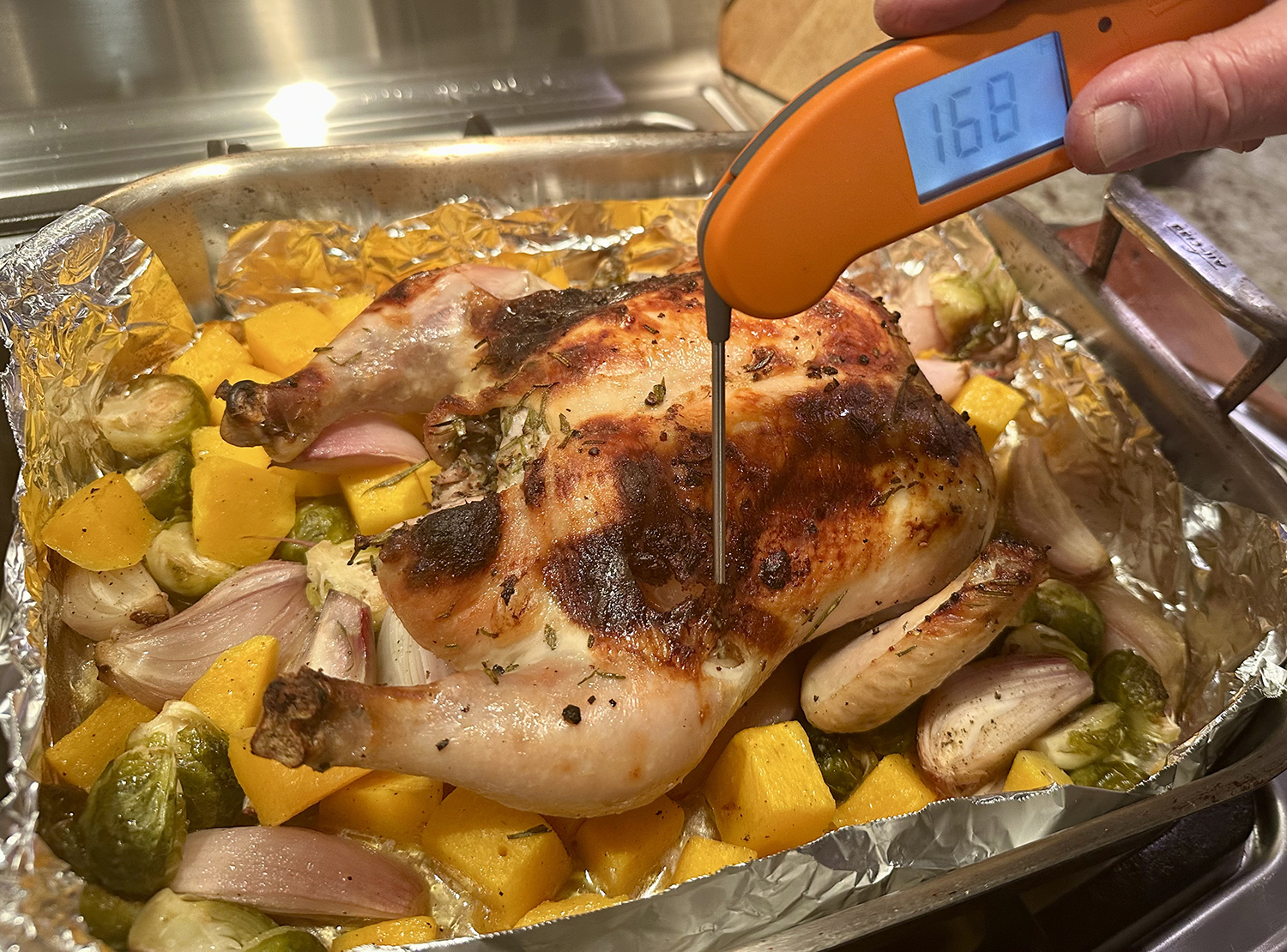
  5. Place the chicken, breast side up, on top of the vegetables. Drizzle the bird with remaining 2 tablespoons oil. After roasting for 45 minutes, stir the vegetables around the edges of the pan a bit, turn sheet pan halfway, continue roasting until well browned and until juices run clear when chicken is pierced where leg joins thigh, about another 20 minutes.
  6. Place chicken on a carving board and allow to rest for 10 minutes. While the chicken rests, stir the vegetables in the pan and place them back into the oven.
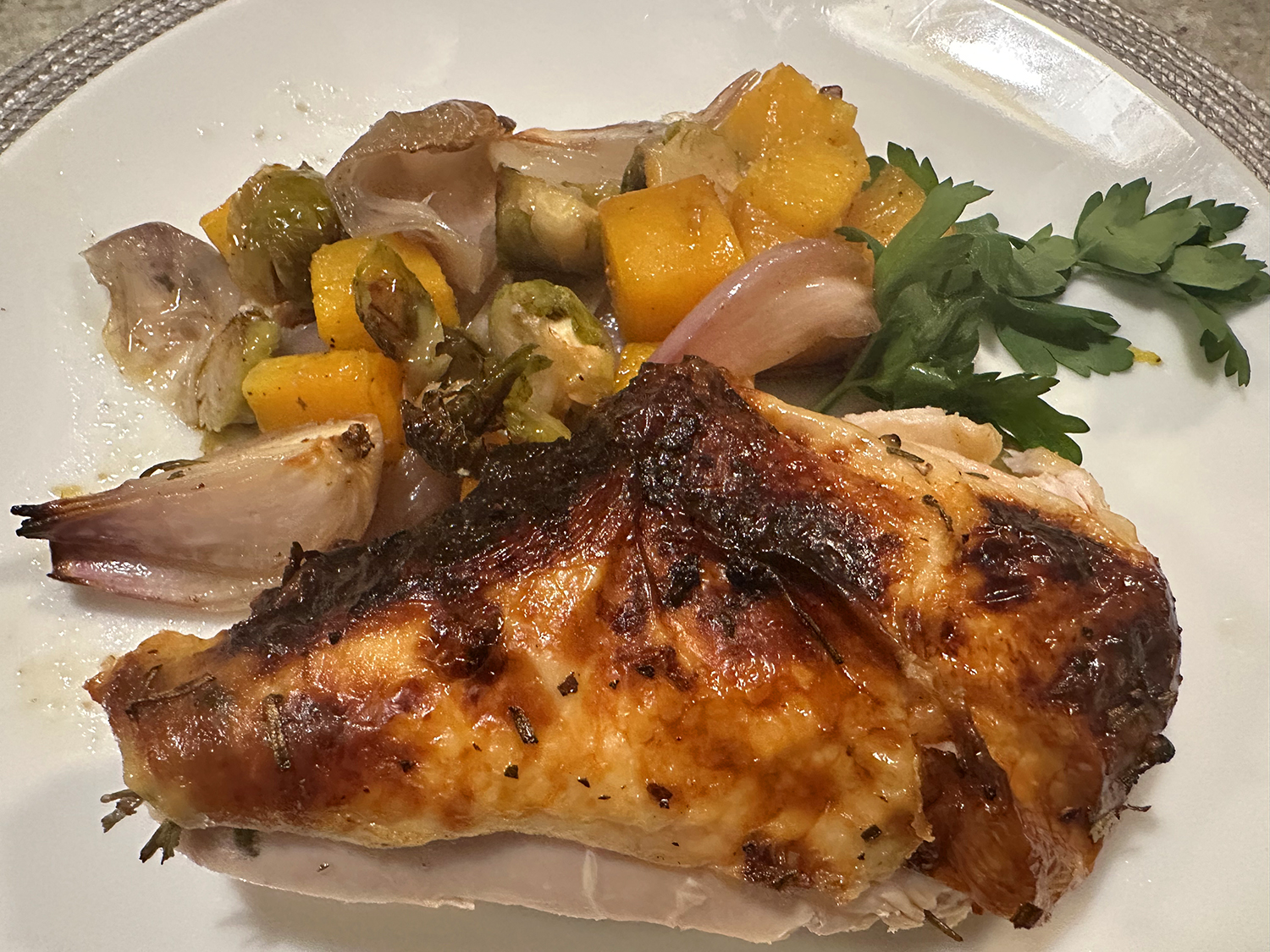
  7. After the ten minute rest, cut the chicken into pieces and place a portion on each of four plates, along with some of the roasted vegetables, and drizzle each serving with pan juices.

http://www.lynnandruss.com

Loosely adapted from a recipe by Nigella Lawson

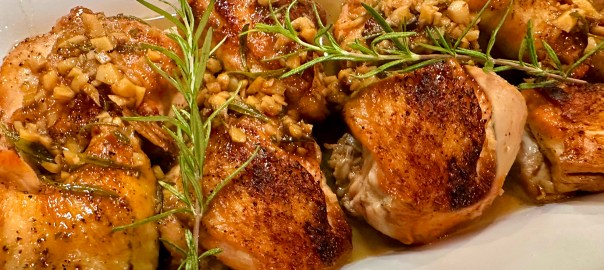
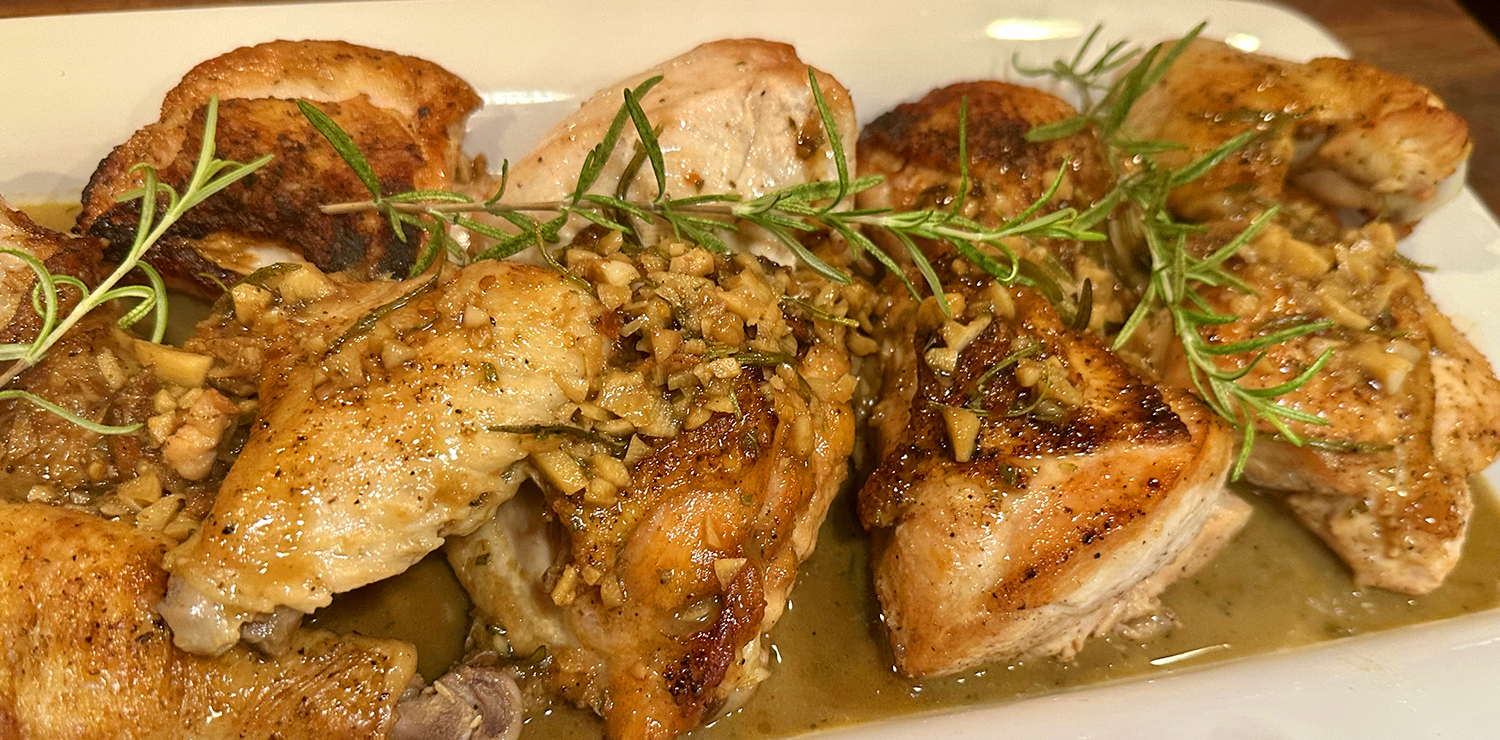
Roman-Style Chicken Cacciatore

Cacciatore without tomatoes? As it turns out, it is not always a chunky, tomato-heavy braise. At Piatto Romano in Rome, Milk Street learned how to make the Roman version—an elegant, minimalist dish bright with the acidity of white wine and vinegar and heady with rosemary, garlic and anchovies, not a tomato in sight. (And you would never know there were anchovies in it.)

With so few ingredients, deeply searing the bone-in, skin-on pieces is necessary for developing rich flavor. A quick sauté of aromatics followed by a deglazing with a full bottle of a light, dry white wine forms the cooking liquid that becomes the fabulous sauce.

To preserve the chicken’s browning during braising, the pieces are only partially submerged in liquid and cooked, uncovered, to completion in a 450°F oven; the dry heat keeps the skin crisp and caramelized even as the liquid simmers in the bottom of the pan. (You will need an oven-safe 12-inch skillet for this recipe.)

A good measure of white wine vinegar and minced rosemary finishes the dish, adding a surge of tartness and herbal notes to keep the flavors vibrant. This cacciatore is best with a starchy side, such as crusty bread, polenta or mashed potatoes. We served ours with garlic and rosemary-infused mashed potatoes, and a side of roasted carrots and Brussels sprouts.

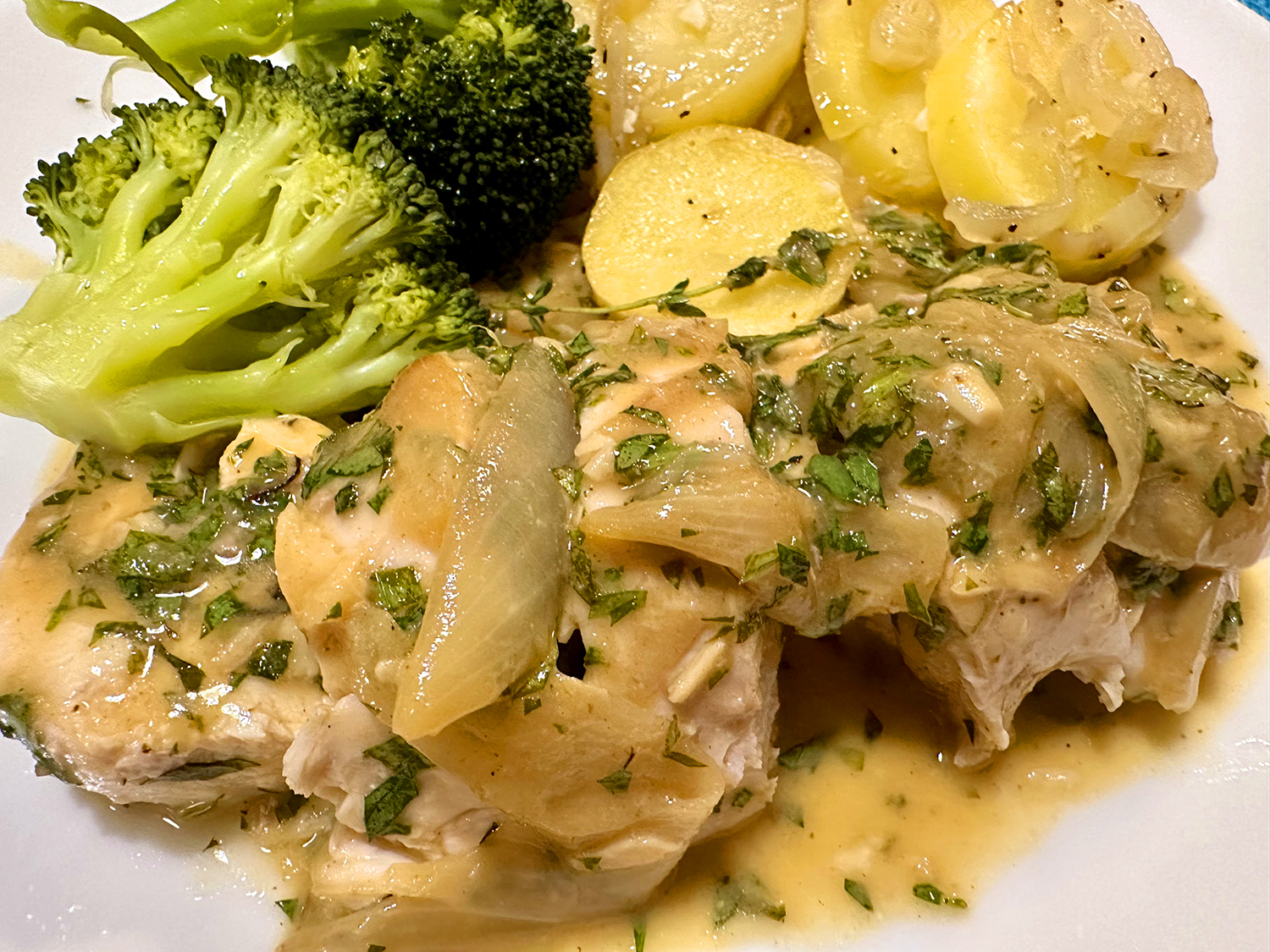
What a tremendous weeknight meal that can just as well be the feature of an intimate dinner party. Adding the final zip of vinegar is just the right balance of acid.

Don’t forget to lower the heat before adding the wine. This helps prevent fiery flare-ups if the wine splashes out of the skillet.

Instead of chicken pieces, we used a whole chicken, cut it up and saved the remaining body parts (neck, back, heart, etc.) to add to our “body bag” of frozen chicken parts for future homemade stock.

Roman-Style Chicken Cacciatore

  • Servings: 4-6
  • Difficulty: easy
  • Print

Ingredients

  • 3-4 lb. bone-in, skin-on chicken thighs or breasts, trimmed and patted dry
  • Kosher salt and ground black pepper
  • 2 Tbsp. extra-virgin olive oil
  • 6 – 8 oil-packed anchovy fillets, patted dry
  • 6 medium garlic cloves, minced
  • 3 5-inch rosemary sprigs, plus 1 tsp. minced fresh rosemary, reserved separately
  • 1/4 tsp. red pepper flakes
  • 750 mL bottle dry white wine, such as pinot grigio or frascati
  • 1/4 cup white wine vinegar

Directions

  1. Heat the oven to 450°F with a rack in the middle position. If the chicken breasts are larger than about 12 ounces each, cut them in half crosswise. Season the chicken all over with salt and pepper.
  2. In a 12-inch oven-safe skillet over medium-high, heat the oil until shimmering. Add the chicken skin-side down and cook until golden brown on both sides, 8 to 10 minutes, flipping the pieces halfway through. Transfer to a large plate; set aside.
  3. To the skillet over medium, add the anchovies, garlic, rosemary sprigs and pepper flakes. Cook, stirring, until the anchovies have broken down and the mixture is fragrant, about 1 minute. Reduce to low, then slowly add the wine. Bring to a simmer over medium-high and cook, scraping up the browned bits, until the wine has reduced by about half, 8 to 10 minutes.
  4. Return the chicken skin-side up to the pan and add the accumulated juices. Transfer to the oven and cook until a skewer inserted into the thickest part of the chicken meets no resistance, 12 to 15 minutes.
  5. Remove the skillet from the oven (the handle will be hot) and set it on the stovetop. Transfer the chicken, skin side up, to a deep platter. Remove and discard the rosemary sprigs from the skillet. Add the minced rosemary and vinegar to the liquid in the skillet; bring to a simmer over medium-high. Cook, stirring, until reduced by about half, about 5 minutes. Remove from the heat, then taste and season with salt and black pepper. Spoon the sauce over and around the chicken.

http://www.lynnandruss.com

Adapted from a recipe from Courtney Hill for Milk Street

One-Pot Chicken and Rice with Caramelized Lemon

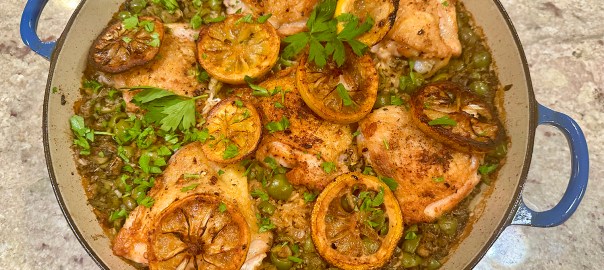
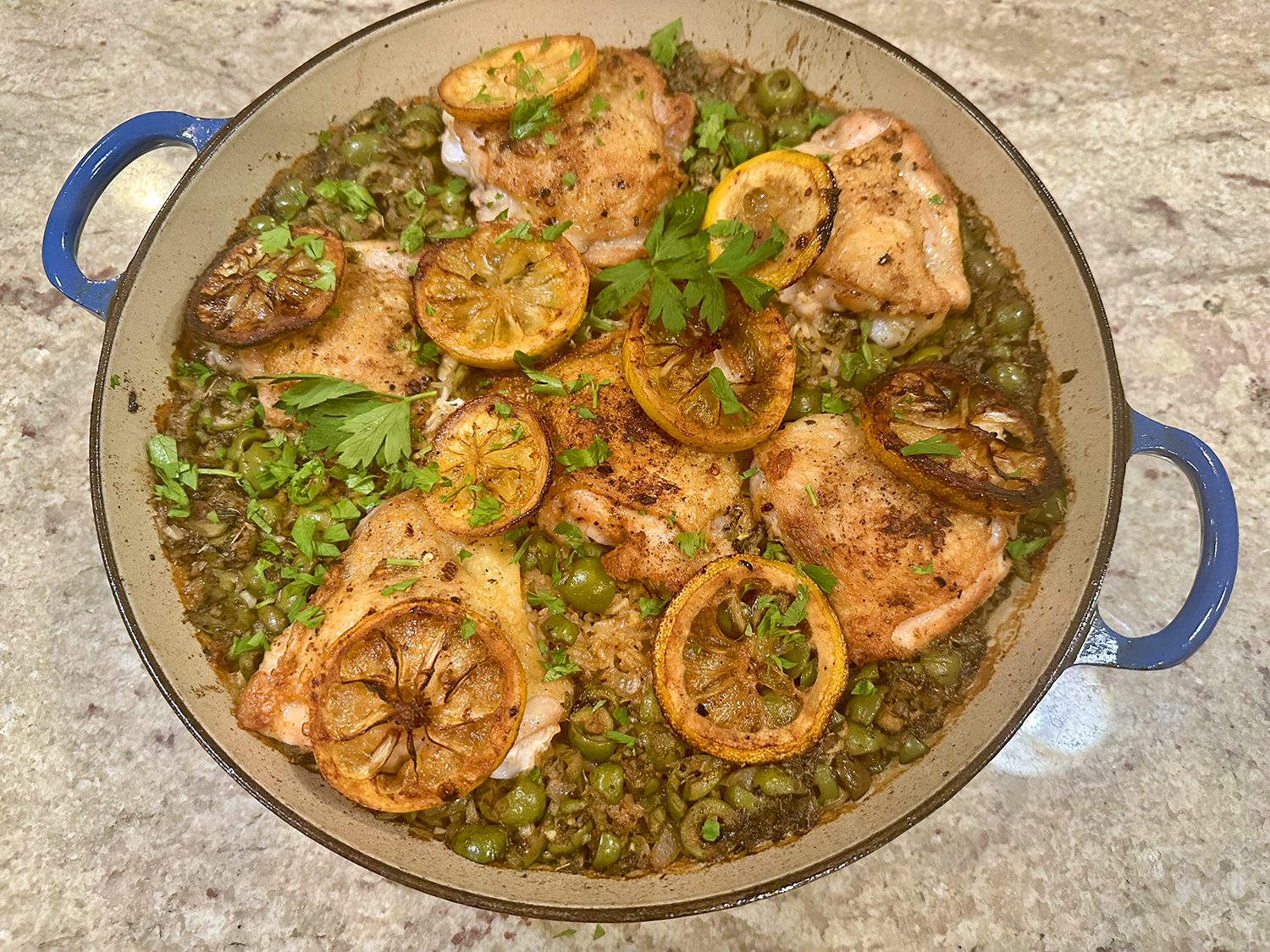
There are so many fabulous chicken recipes out there, and this is yet another winner to add to the list. This simple one-pot chicken and rice dish is topped with caramelized lemon slices that add sweet flavor and texture.

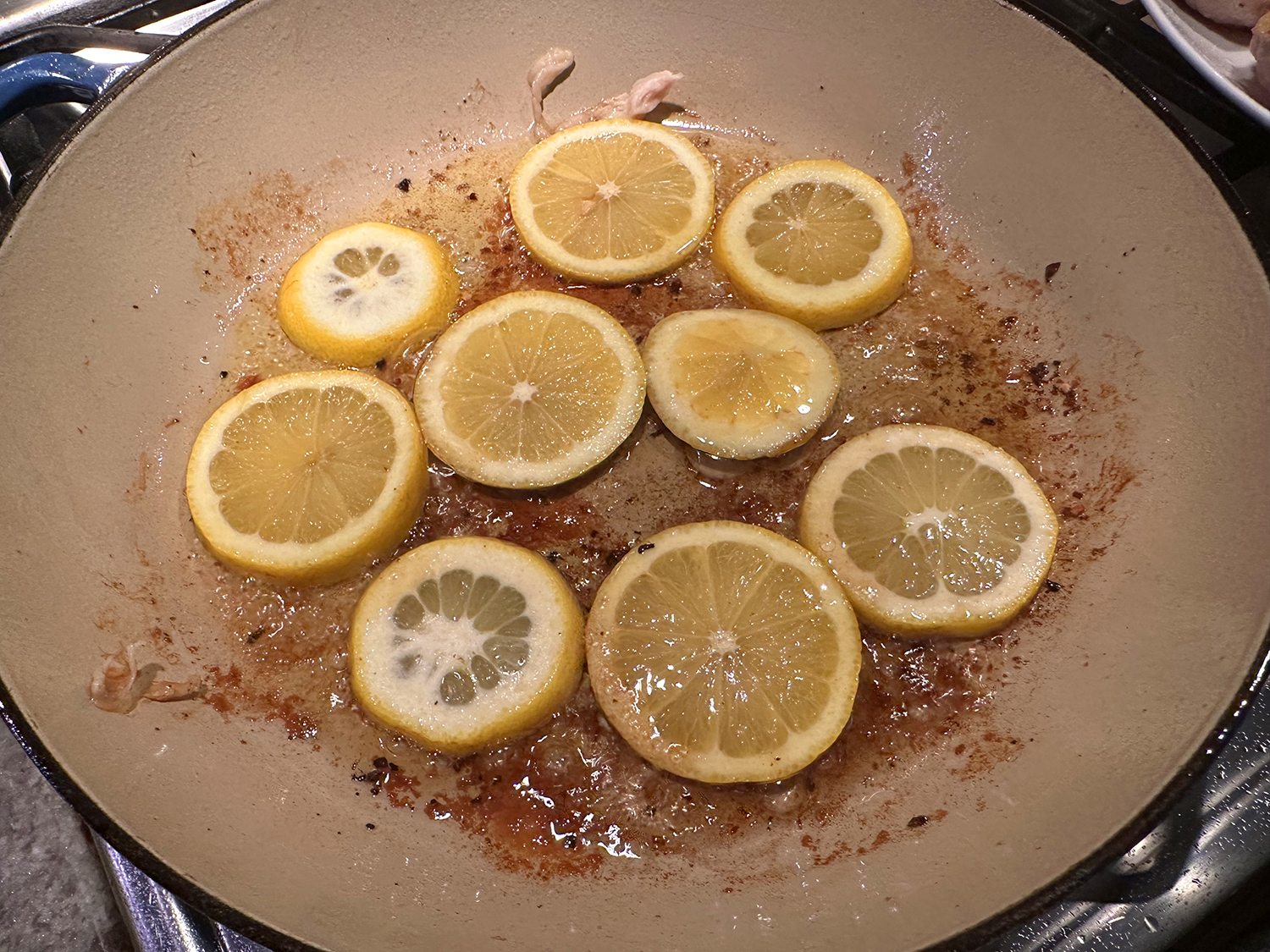
Thin slices of lemon are cooked in chicken fat and oil until their pulp dissolves, their pith sweetens and their rind softens to the point of being edible. Briny Castelvetrano olives and herby dried oregano are wrapped up in creamy rice and topped with juicy chicken thighs. Fresh parsley and a squeeze of fresh lemon juice on top before serving add brightness and crunch. 

What did we do differently? Increased the number of thighs from 4 to 6; cut 1 and 1/2 lemons into quarter-inch slices, and flipped those slices for an additional minute to caramelize both sides. Added about 1/2 cup more of the olives. Finally, we decreased the amount of rice to 1 1⁄2 cups, and reduced the chicken broth to 3 cups. And if at all possible, try to use homemade chicken stock which adds so much more chickeny flavor.

All of the prep and cooking time added 15 to 20 minutes longer than the noted 55* minutes, so keep that in mind when starting the dish.

One-Pot Chicken and Rice with Caramelized Lemon

  • Servings: 4-6
  • Difficulty: easy
  • Print

Ingredients

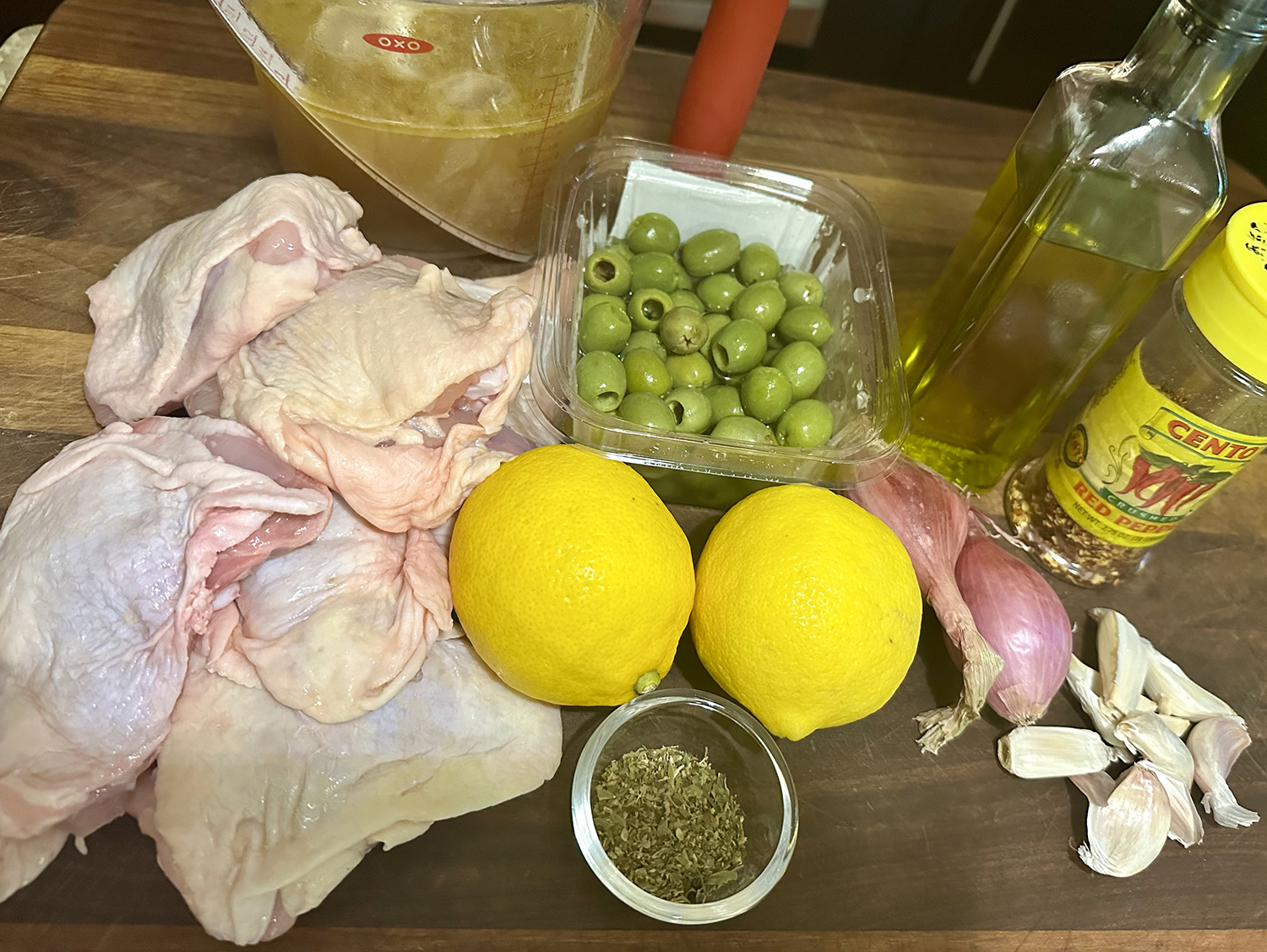
  • 6 bone-in, skin-on chicken thighs, trimmed of extra skin
  • Salt and black pepper
  • 2 tsp. dried oregano
  • Crushed red pepper
  • 2 Tbsp. extra-virgin olive oil
  • 2 lemons, divided
  • 1 cup pitted Castelvetrano or kalamata olives, smashed and roughly chopped
  • 6 garlic cloves, minced
  • 1 medium shallot or ½ medium onion, minced
  • 1 1⁄2 cups long-grain white rice, rinsed
  • 3 cups chicken broth, preferably homemade
  • ¼ cup roughly chopped fresh parsley, for serving

Directions

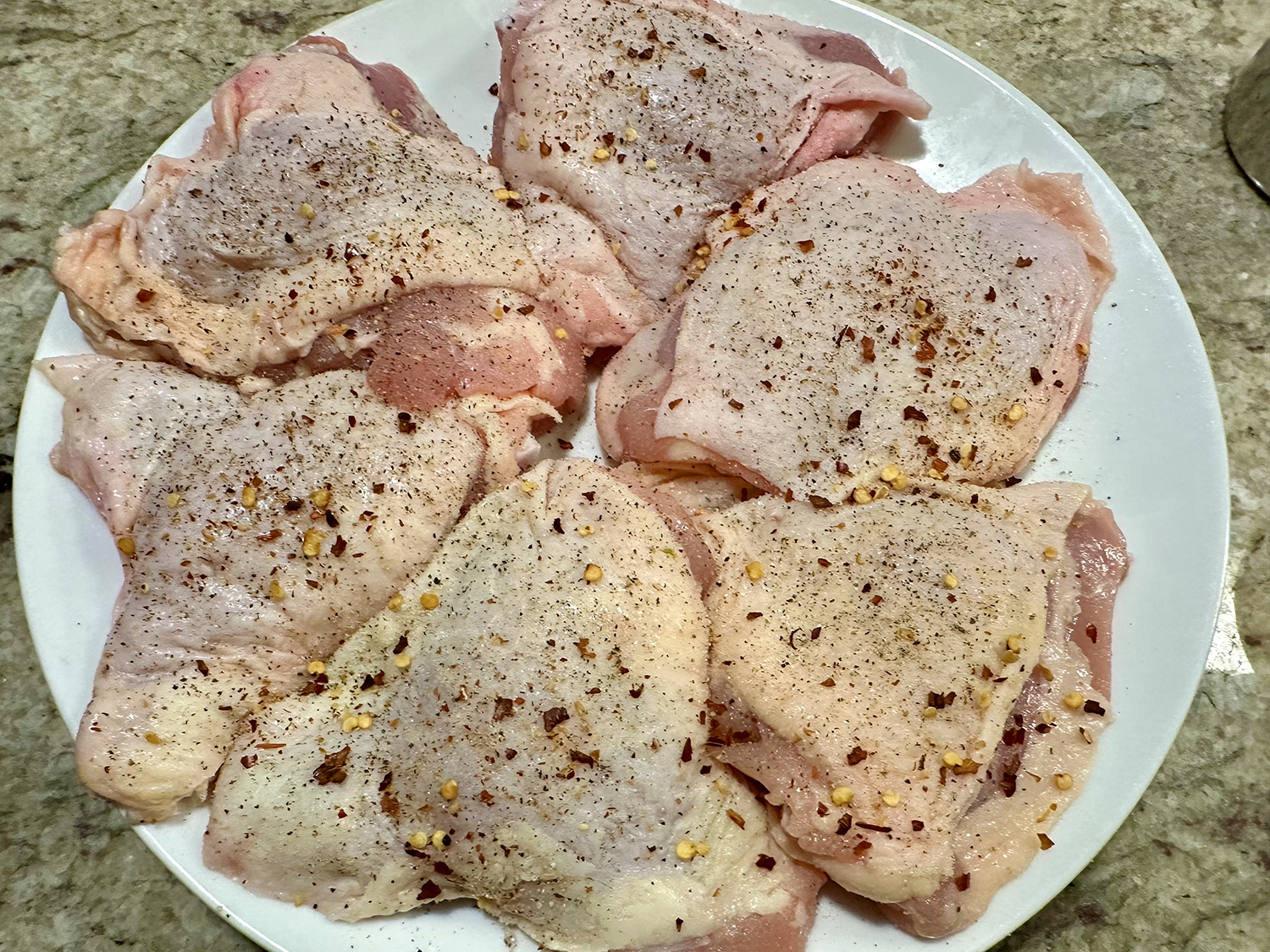
  1. Heat the oven to 400 degrees. Use paper towels to pat the chicken thighs until dry on all sides. Season the chicken with 1 teaspoon each salt, pepper and dried oregano and a pinch of crushed red pepper.
  2. Place a large Dutch oven or other heavy-bottomed pot over medium-high heat and add oil. Let oil heat up for a few minutes. Add thighs to the pot, skin side down, and let cook undisturbed until they self-release from the bottom of the pot, about 5 minutes. Remove from the pot and set aside.
  3. Cut 1 1⁄2 lemons into ¼-inch-thick slices. Add to the pot and cook until caramelized and softened, about 2 minutes. Flip over, and caramelize the other side for 1 minute. Remove from the pot and set aside.
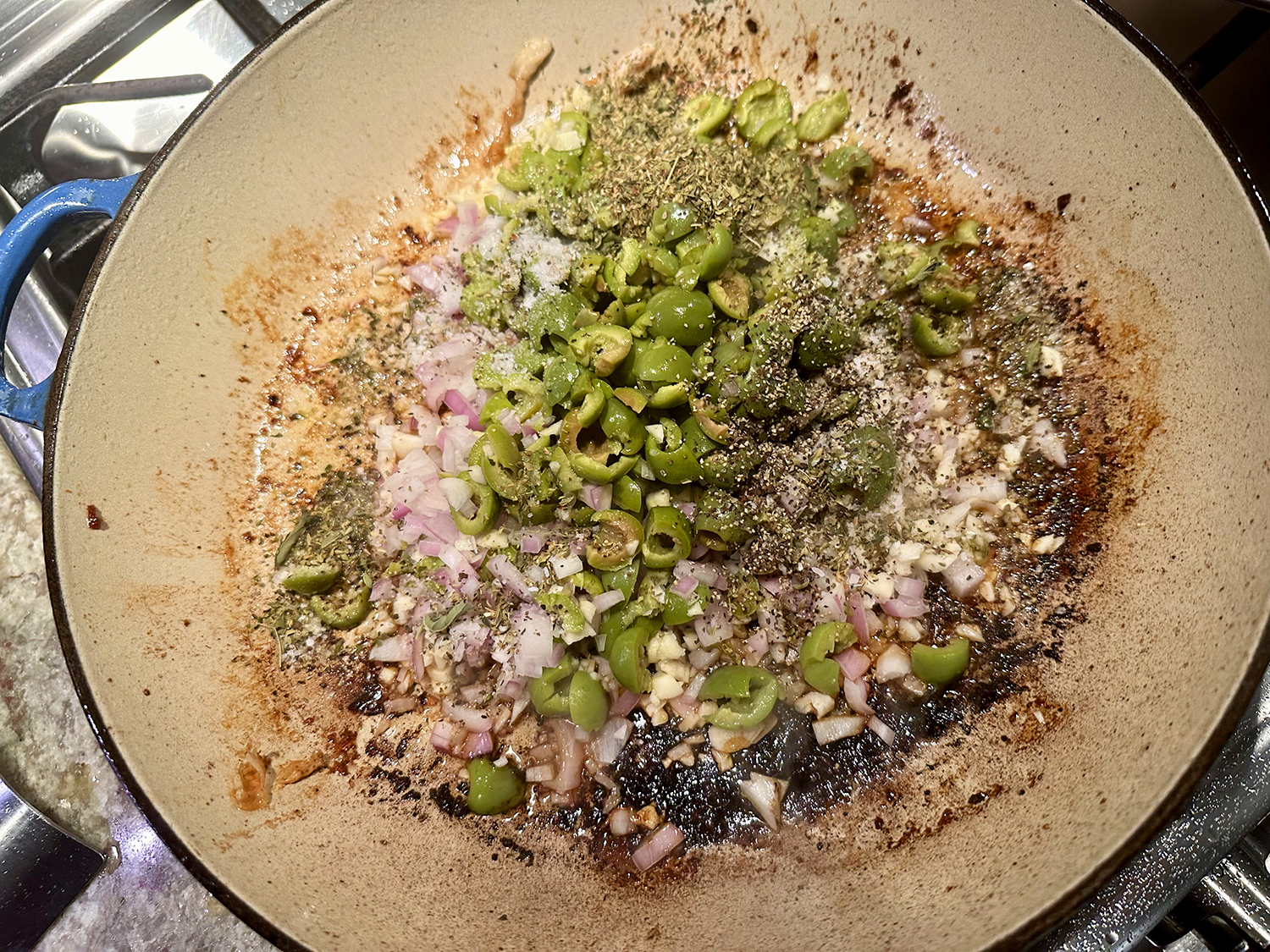
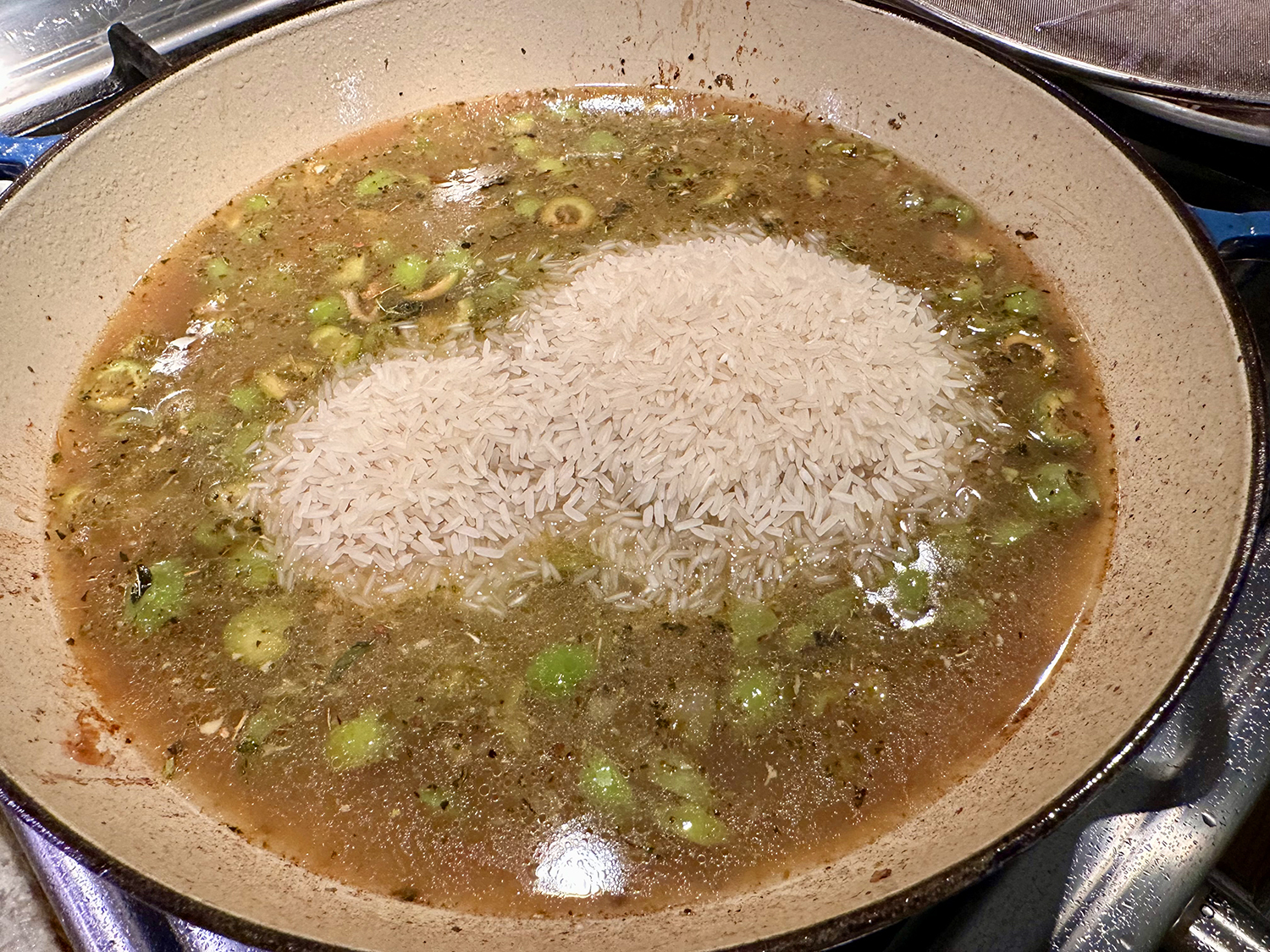
  4. Add the olives, garlic, shallot and 1 teaspoon each salt, pepper and dried oregano to the pot. Cook over medium-low heat, scraping browned bits from the bottom of the pan, until garlic is fragrant, 2 to 3 minutes. Turn the heat up to high, add the rice and broth to the pot, stir to combine and cover until it comes to a boil, about 5 minutes.
  5. Remove the pot from heat, add the browned chicken thighs on top of the rice, skin side up, then cover the chicken thighs with the lemon slices. Place the pot, covered, into the oven and bake until the rice and chicken are fully cooked, 25 to 30 minutes. Serve topped with fresh parsley and a squeeze of lemon juice.

http://www.lynnandruss.com

Adapted from a recipe by Dan Pelosi for NYTimes Cooking

Thai Stir-Fried Chicken and Asparagus

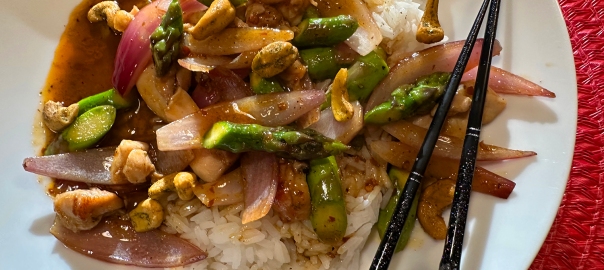
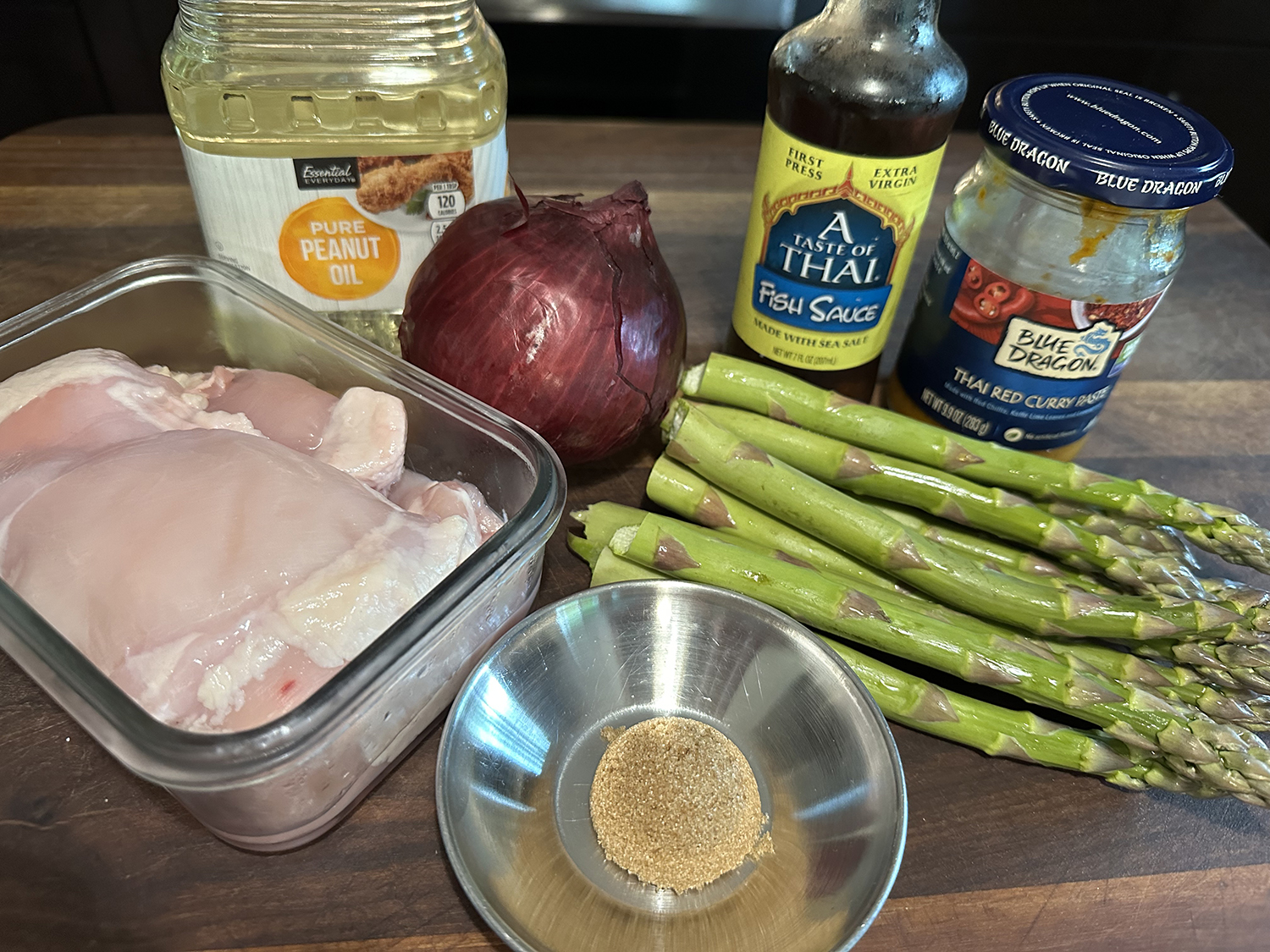
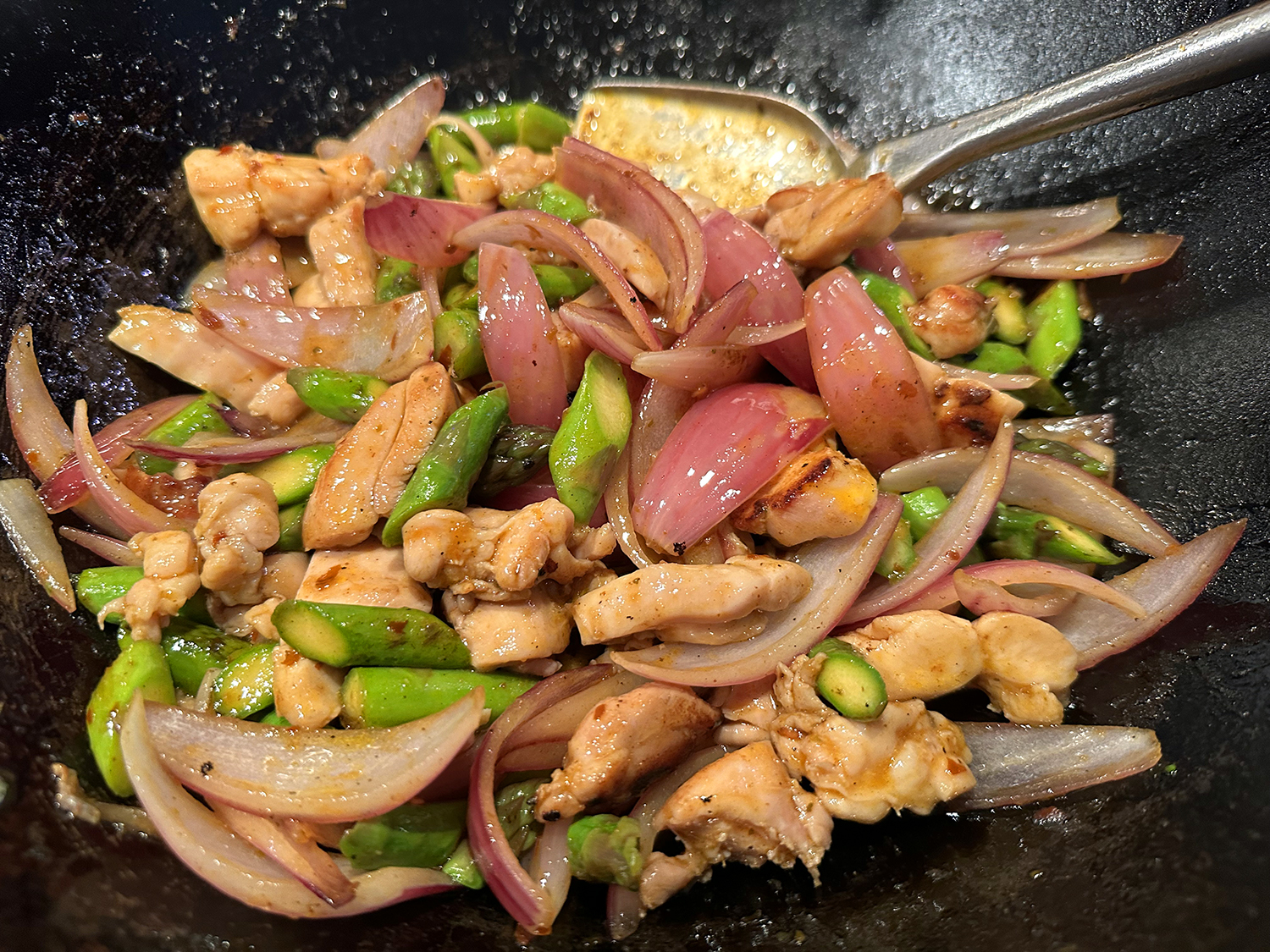
This weeknight-easy chicken and asparagus stir-fry takes inspiration from pad prik khing, a Thai classic in which long beans and protein are cooked with red curry paste. Milk Street tested a variety of Thai red, green and yellow curry pastes—all work deliciously, though it is recommended you taste a small amount before deciding exactly how much to use, as they vary in spiciness. We used a full 3 tablespoons and didn’t feel it was overly spicy at all.

To round out the paste’s bold, zingy notes, combine it with fish sauce and sugar. Toss the chicken with a seasoning paste before and after browning to develop flavor-building caramelization while creating delicious layers of complexity and intensity. Serve with steamed jasmine rice. Even with the rice, the servings better equate to 3 plates, unless you have some light eaters…

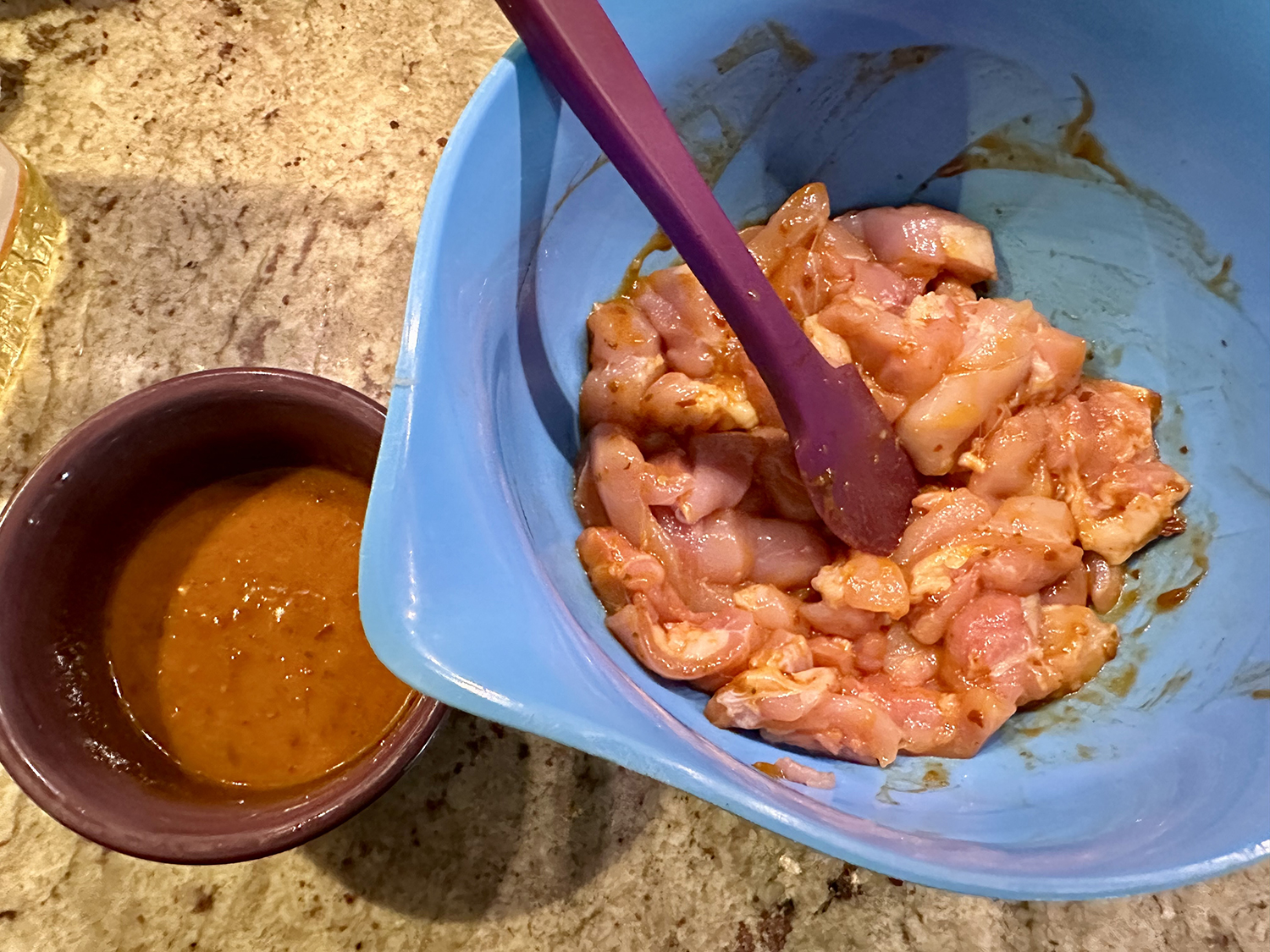
Mistakenly, we had purchased boneless chicken thighs instead of breasts. The thighs offer more flavor and are forgiving as opposed to the breasts which can dry out if overcooked. Either choice is fine though because the cooking time is minimal. As an extra treat, I topped mine with a sprinkling of Trader Joe’s Thai cashews.

Thai Stir-Fried Chicken and Asparagus

  • Servings: 3-4
  • Difficulty: easy
  • Print

Ingredients

  • 2 to 3 Tbsp. Thai green OR red OR yellow curry paste (see headnote)
  • 2 Tbsp. fish sauce
  • 1 Tbsp. packed brown sugar
  • 1 lb. boneless, skinless chicken breasts, sliced crosswise about ¼ inch thick
  • 3 Tbsp. neutral oil, divided
  • 8 oz. asparagus OR green beans, trimmed and cut on the diagonal into 1-inch pieces
  • 1 medium red onion, halved and cut into ½-inch wedges, layers separated
  • Kosher salt and ground black pepper

Directions

  1. In a medium bowl, stir together the curry paste, fish sauce and sugar. In another medium bowl, combine 1 tablespoon of the curry paste mixture with the chicken, then toss until coated; let stand for about 10 minutes.
  2. In a 12-inch nonstick skillet over high, heat 2 tablespoons oil until barely smoking. Add the chicken in an even layer and cook, without stirring, until well browned on the bottom, about 2 minutes; the chicken will not be fully cooked. Transfer to the bowl with the remaining curry paste mixture; set aside.
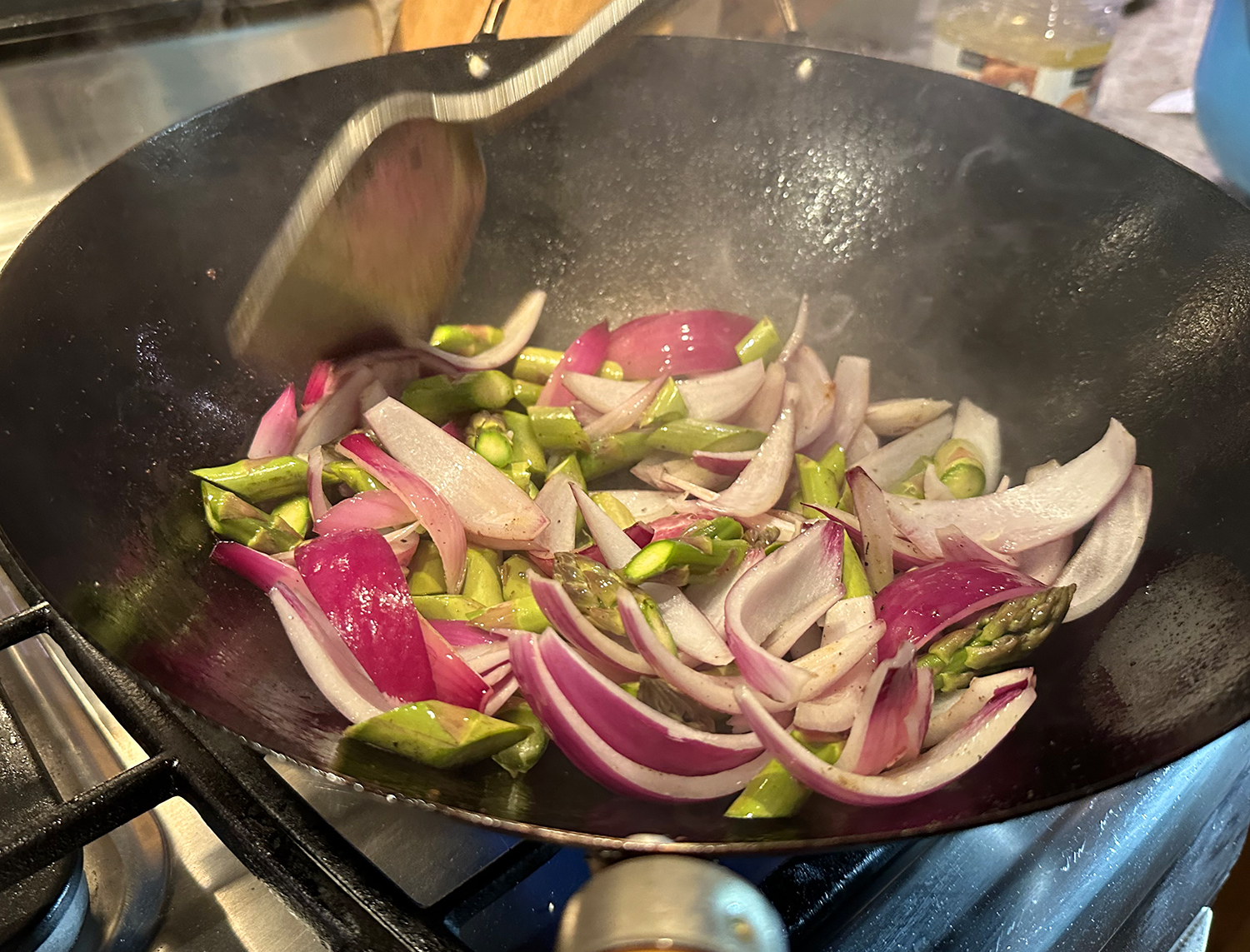
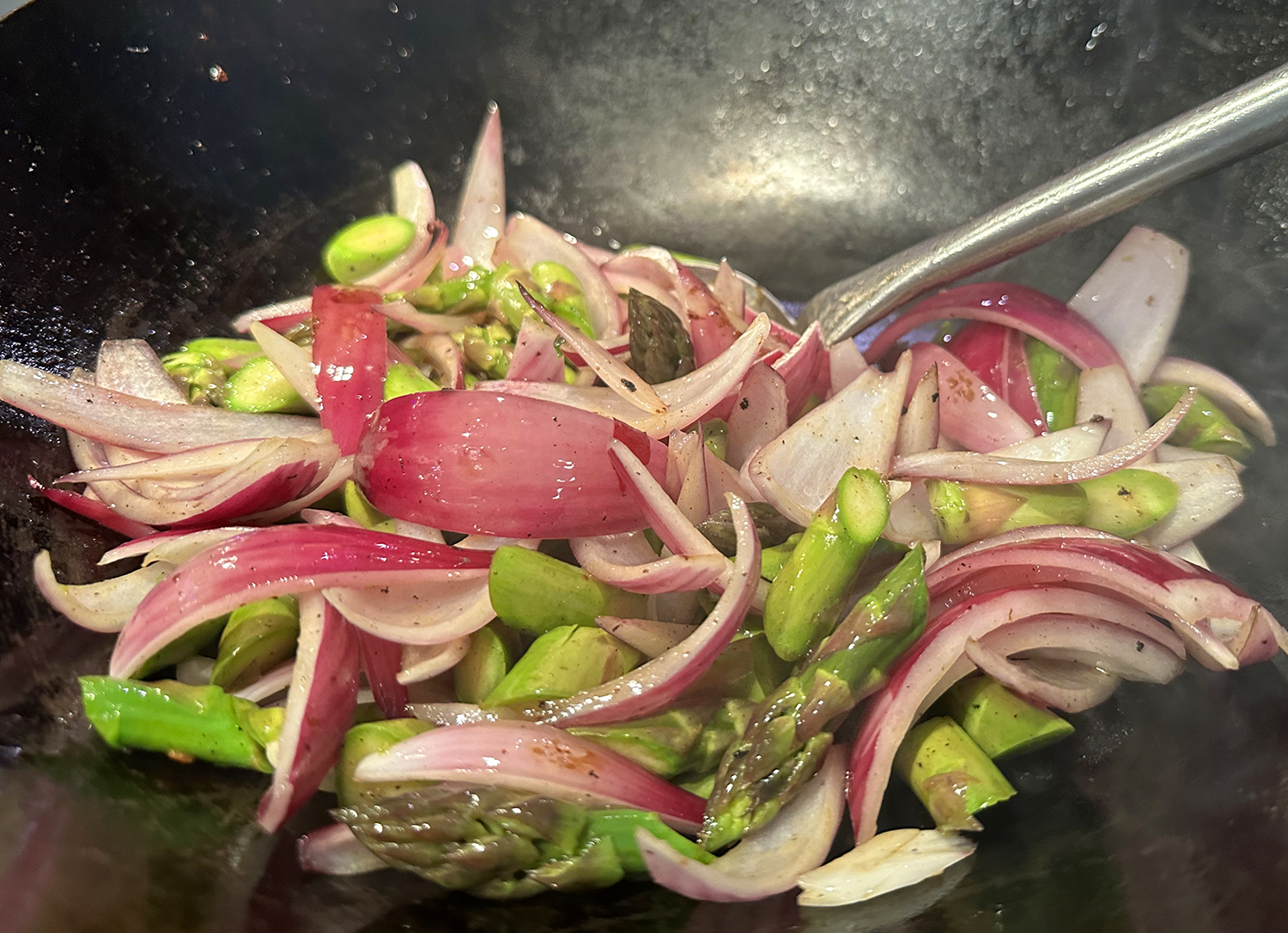
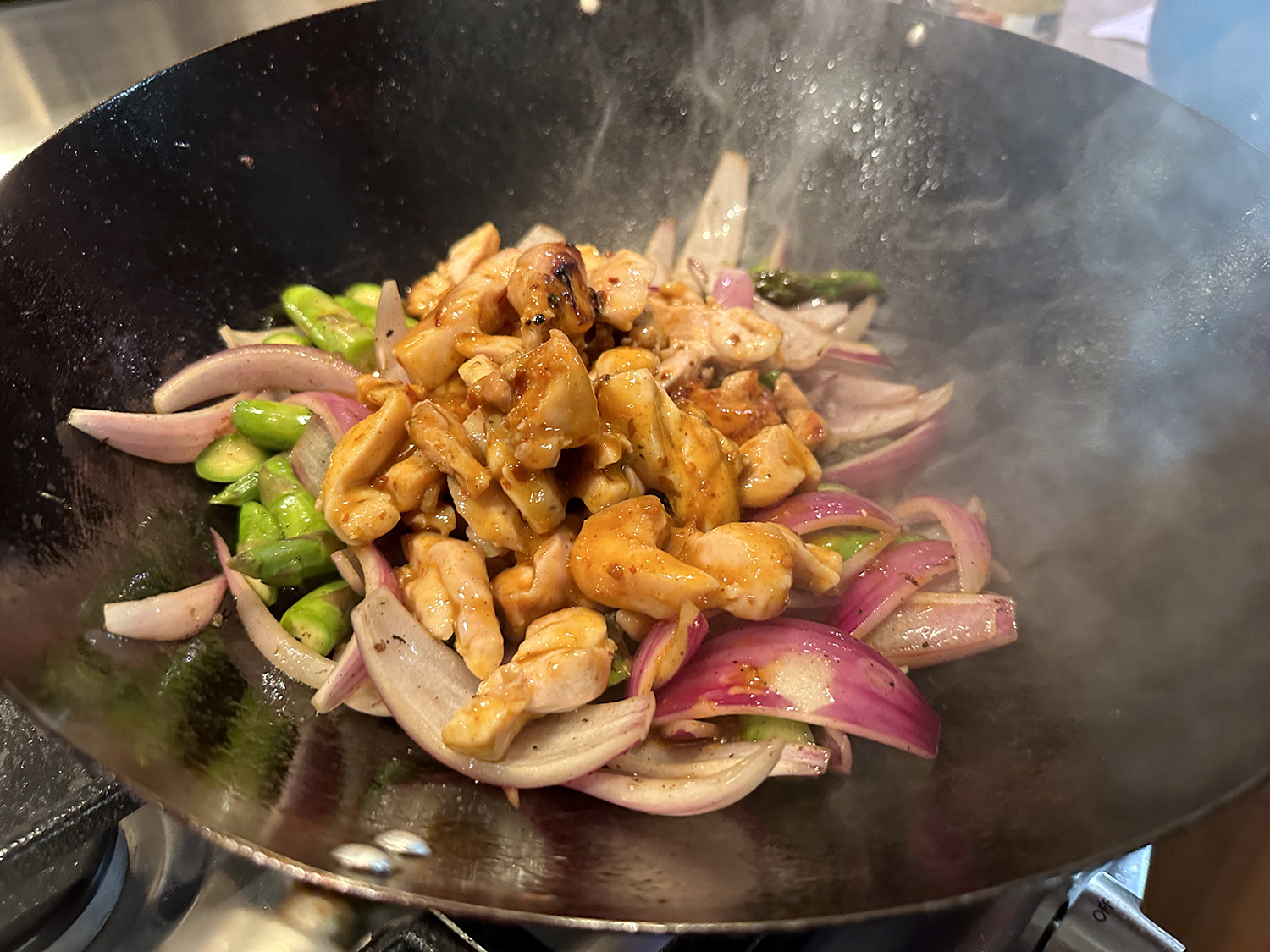
  3. In the same skillet over high, heat the remaining 1 tablespoon oil until shimmering. Add the asparagus and onion; cook, without stirring, until browned on the bottom, about 2 minutes. Add the chicken-curry paste mixture; cook, stirring, until the sauce has thickened slightly and the vegetables are tender-crisp, about 1 minute. Off heat, taste and season with salt and pepper.
  4. Optional garnish: Chopped fresh cilantro OR basil OR lime wedges OR a combination

http://www.lynnandruss.com

Recipe for Milk Street by Dimitri Demopolous

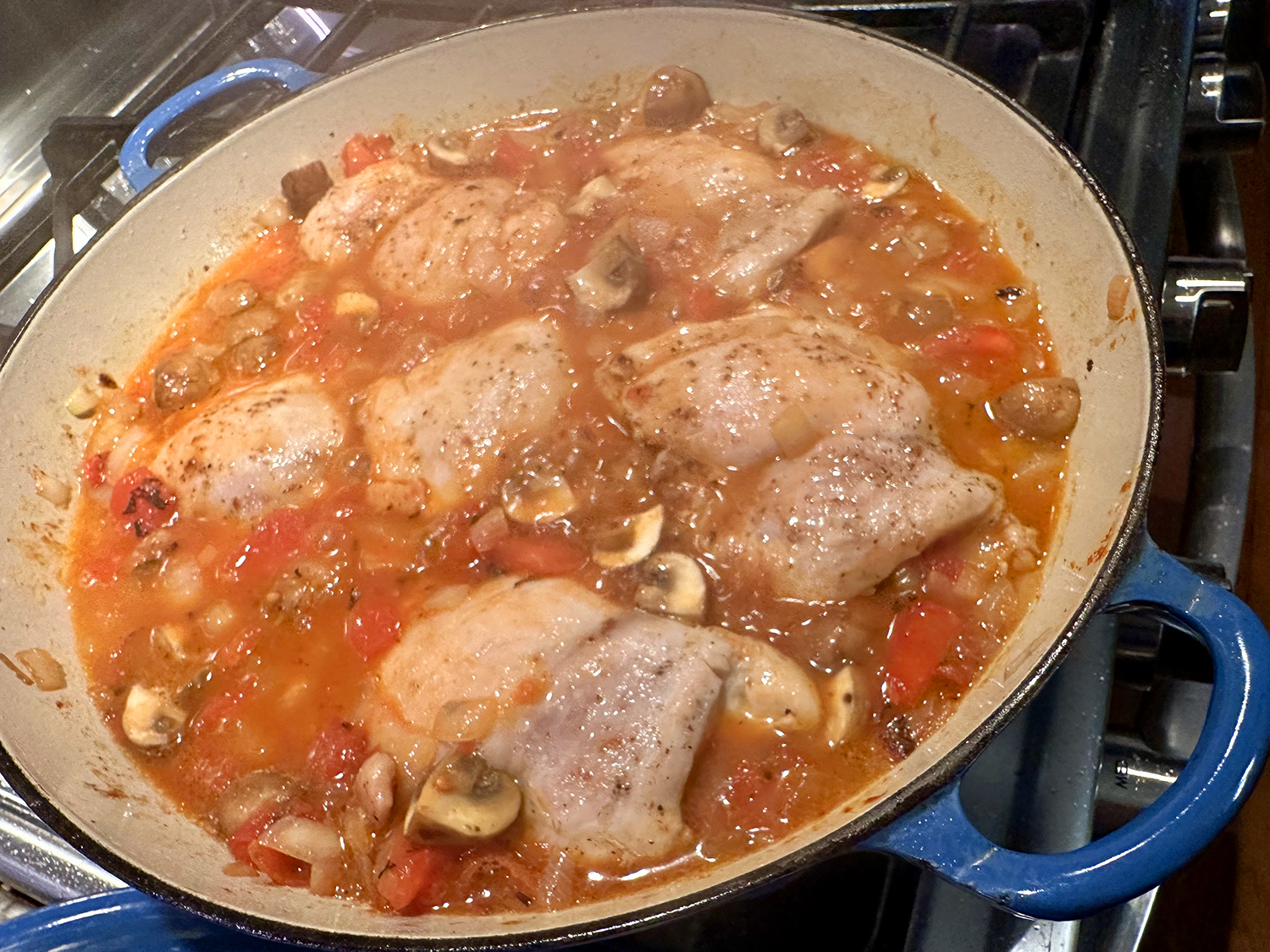
Braised Chicken and Mushrooms over Polenta

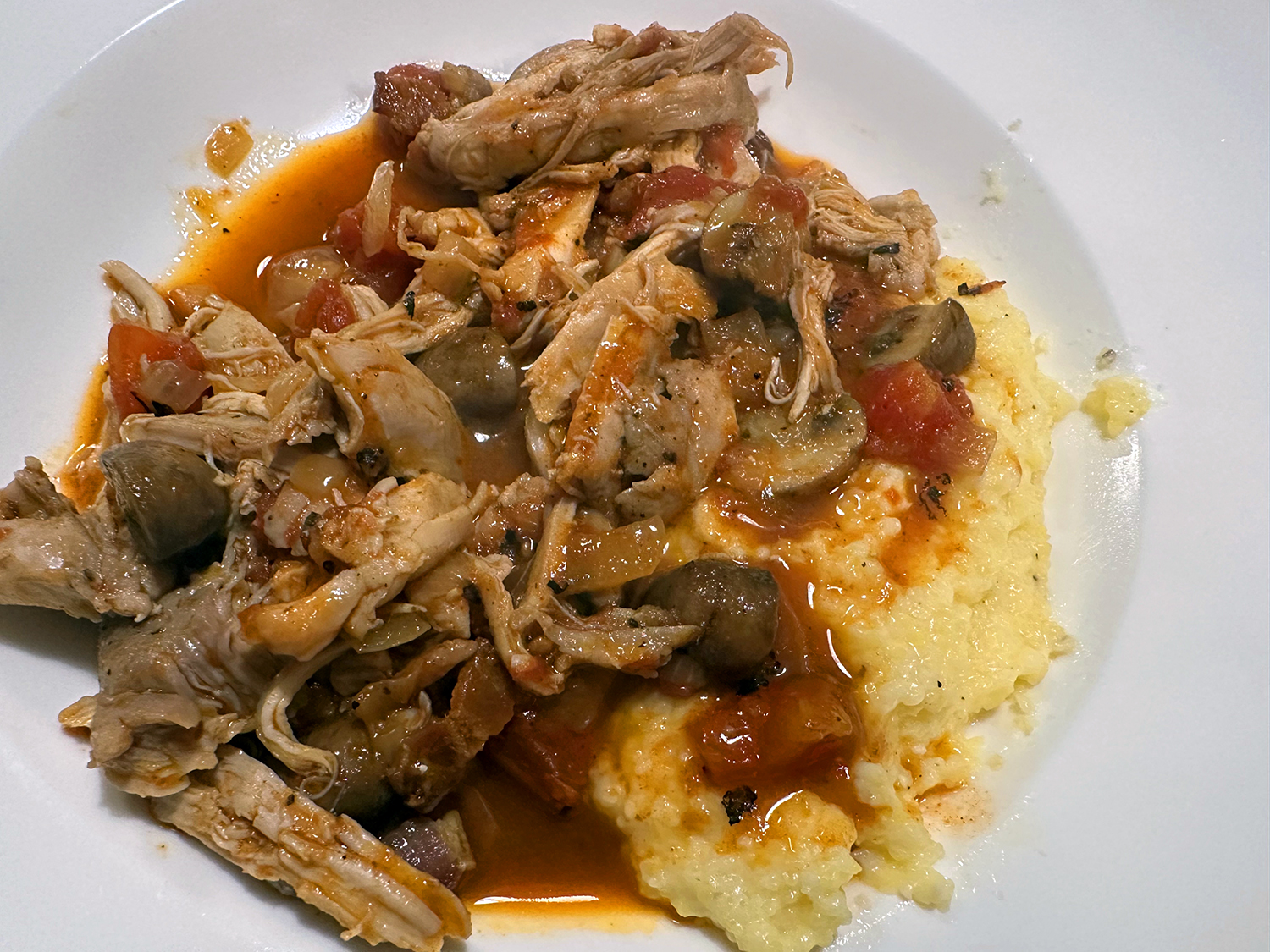
This stewy chicken dish takes inspiration from chicken cacciatore. Braised boneless, skinless chicken thighs are quickly braised to a tender, shreddable consistency in this easy weeknight meal.

These days, polenta is usually made from yellow cornmeal. Cornmeal is made from dent corn – also known as field corn, which is different from the sweet corn you eat. It’s higher in starch and lower in sugar. Because polenta is made from dried, ground corn, it’s gluten-free.

It’s often prepared as a porridge-like dish similar to grits, made by cooking cornmeal in water over low heat. It needs to be stirred often and cooked slowly. It can be made from finely ground or coarse ground cornmeal. In some countries, polenta is made from white or red cornmeal. 

Instant – or “quick” polenta – is pre-processed so that the cooking time is shorter. Some people say it doesn’t taste as good as regular polenta. You can also find ready-made polenta that’s fully cooked. It’s often served with various foods like meats, fish, and vegetables.  We chose to switch the instant polenta to regular corn grits polenta.

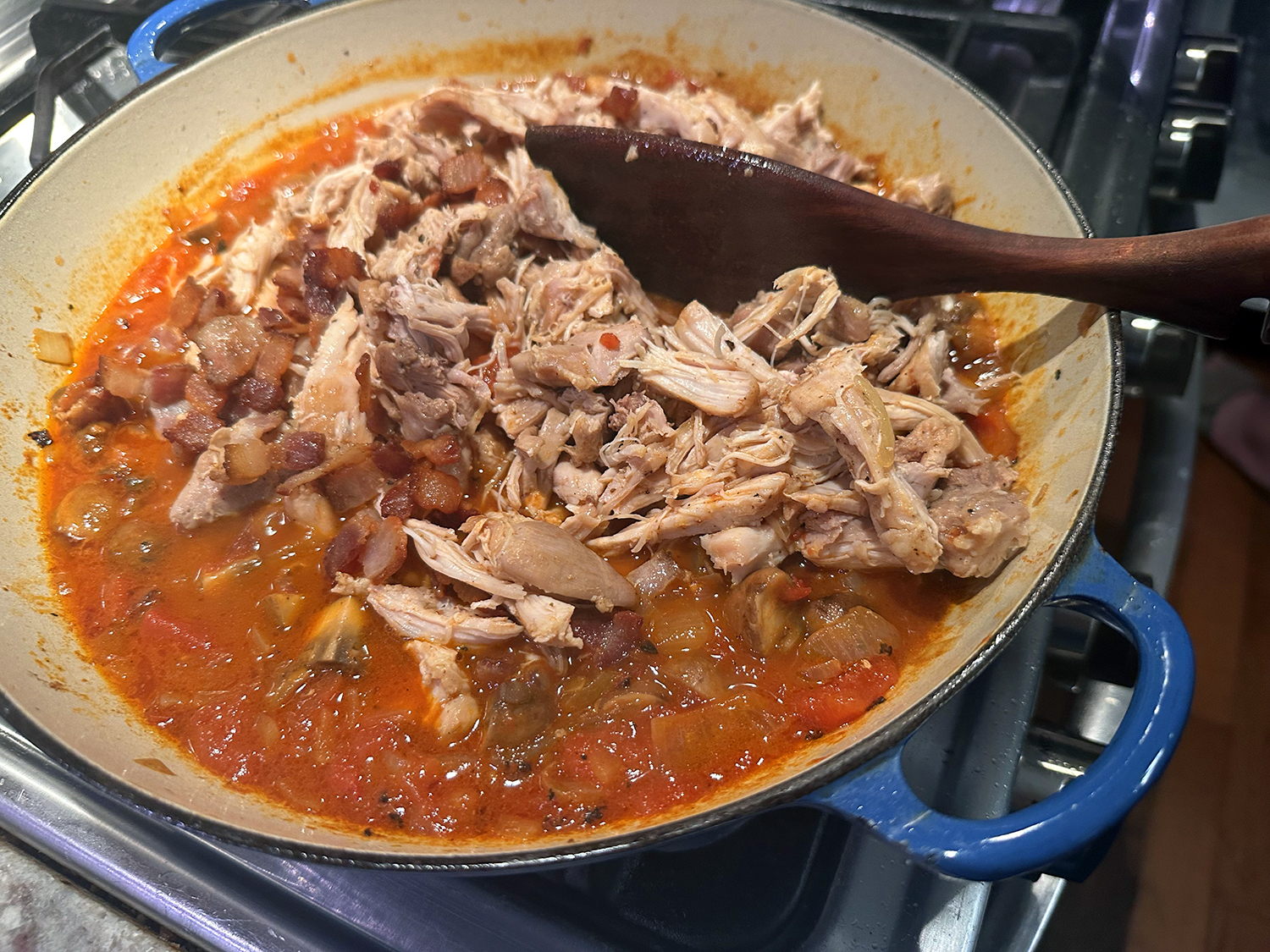
An easy way to shred the cooked chicken is with two large serving forks.

Braised Chicken and Mushrooms over Polenta

  • Servings: 4
  • Difficulty: easy
  • Print

Ingredients

  • 1 1⁄2 lbs. boneless, skinless chicken thighs, trimmed
  • 1⁄2 tsp. pepper
  • 1 3⁄4 tsp. table salt, divided
  • 6 slices bacon, cut into 1⁄2-inch pieces
  • 8 oz. cremini mushrooms, trimmed and quartered
  • 1 onion, chopped
  • 1 14.5-oz. can fire-roasted diced tomatoes
  • 2 1⁄2 cups chicken broth, divided (1⁄2 cup for chicken; 1⁄2 for polenta)
  • 2 tsp. smoked paprika
  • 2 cups milk
  • 1 cup polenta

Directions

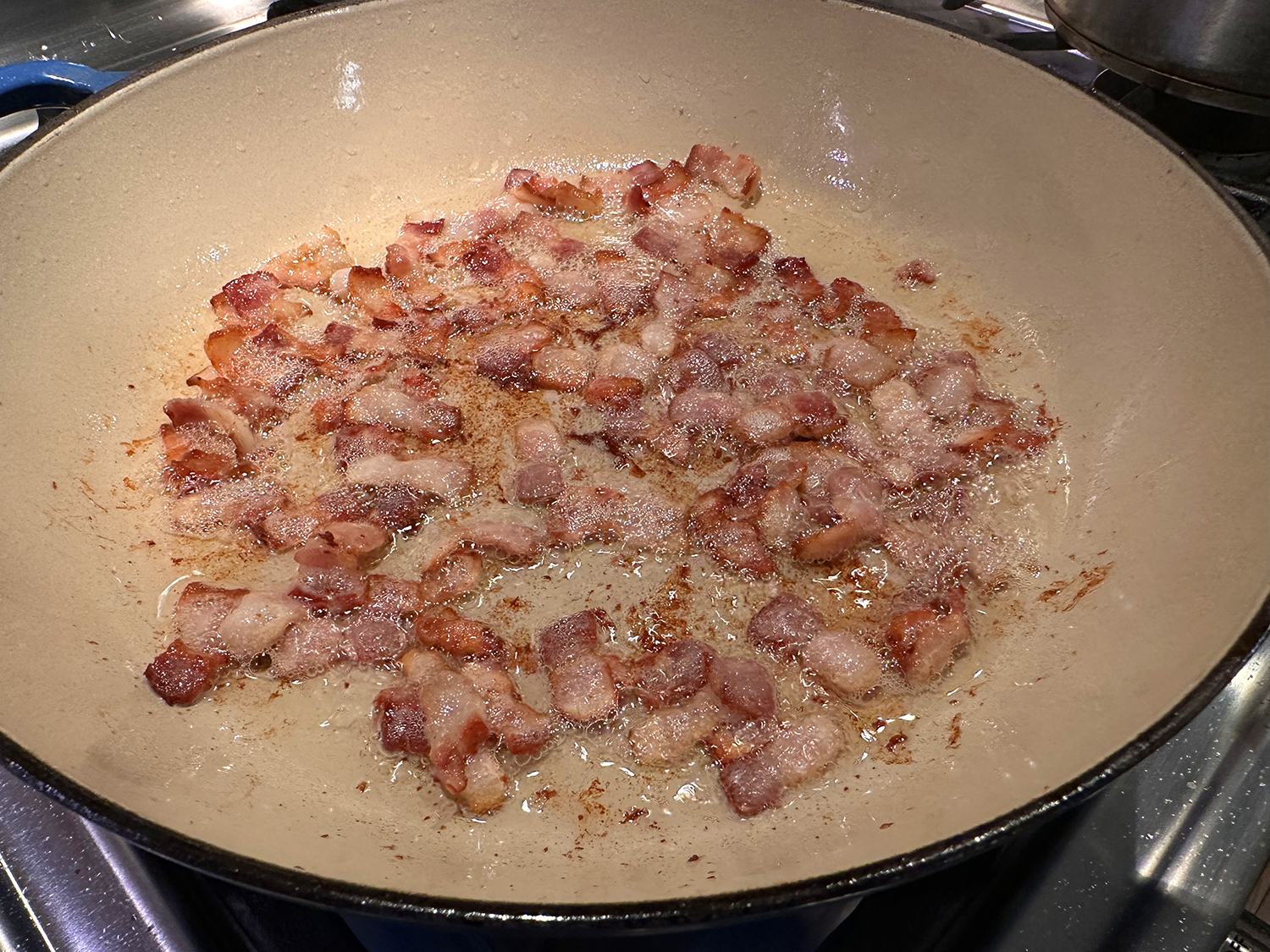
  1. Pat chicken dry with paper towels and sprinkle with pepper and 1 teaspoon salt. Cook bacon in Dutch oven over medium-high heat until crispy, 5 to 7 minutes. Using slotted spoon, transfer bacon to plate.
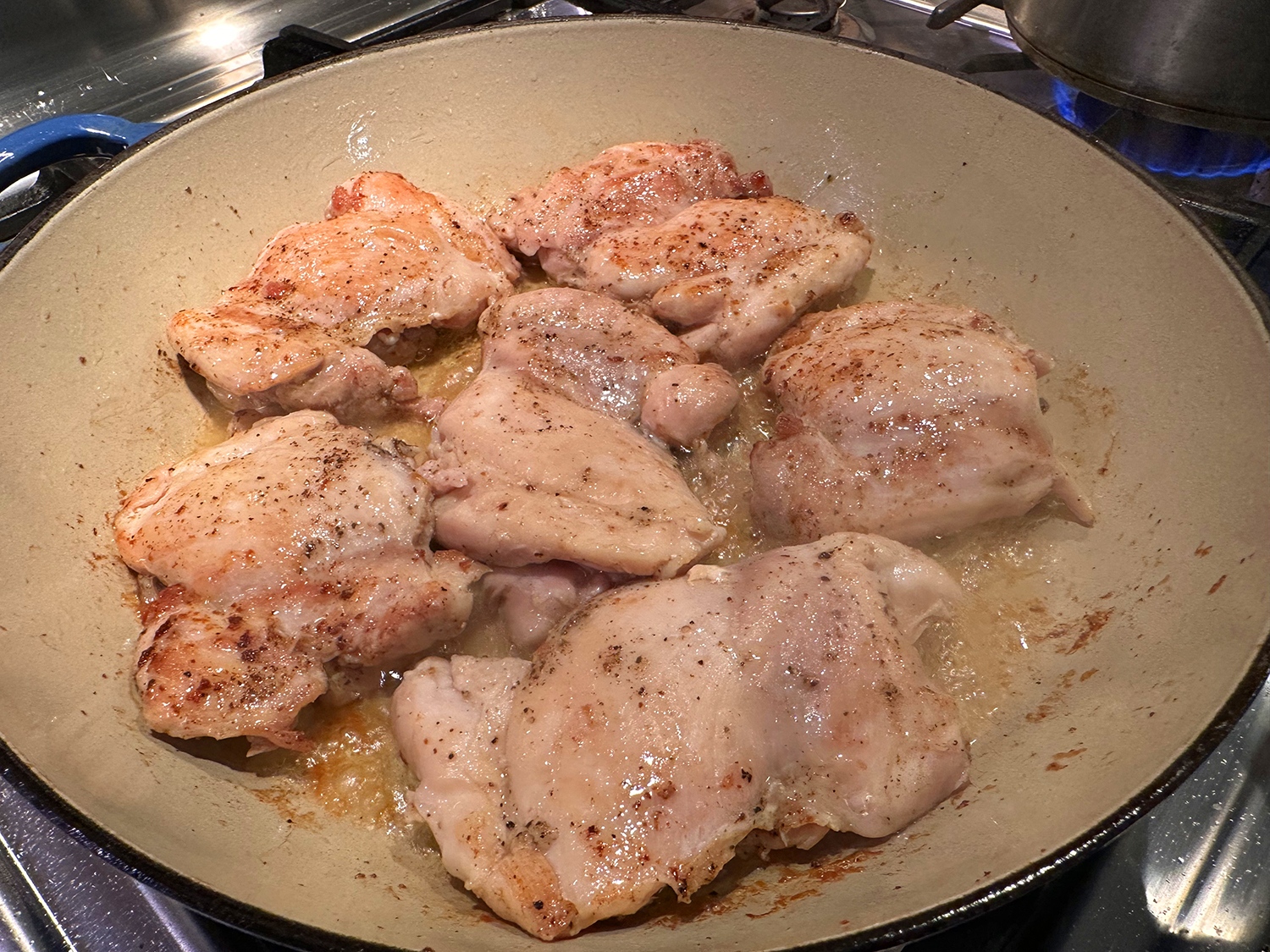
  2. Add chicken to fat left in pot and cook until lightly browned, 3 to 5 minutes per side. Transfer to plate.
  3. Add mushrooms, onion, and ¼ teaspoon salt to now-empty pot and cook, stirring frequently, until browned, about 5 minutes.
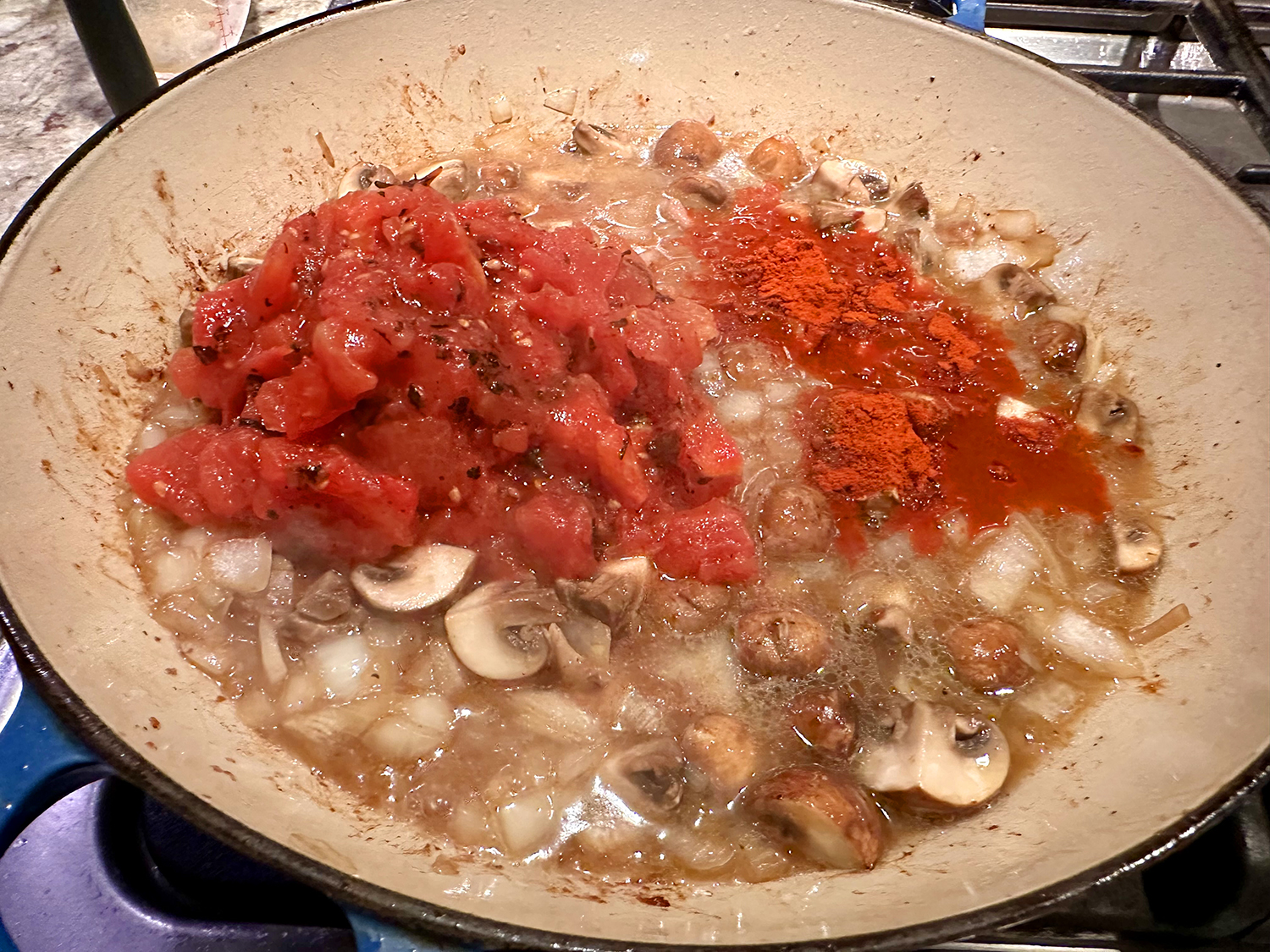
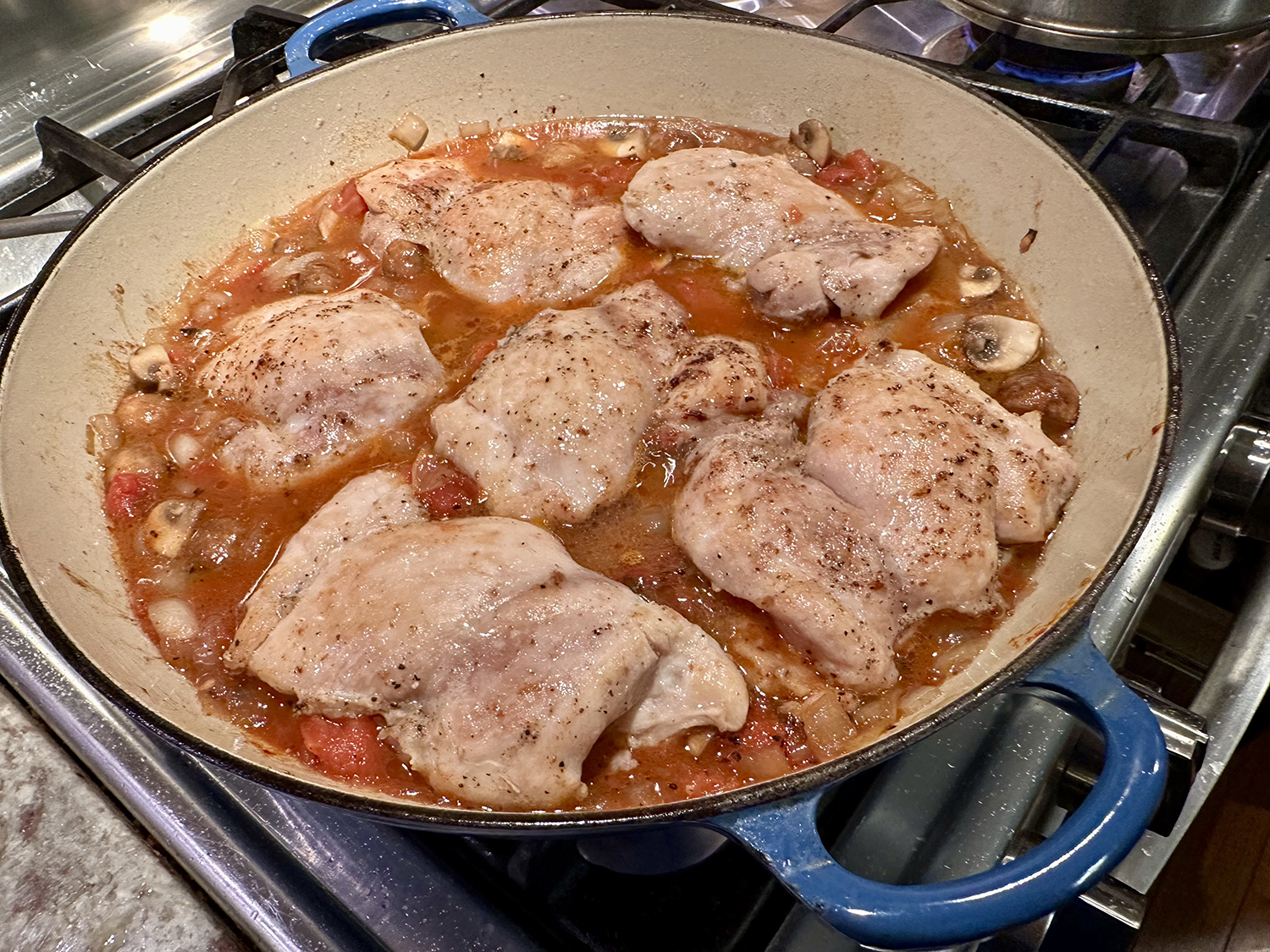
  4. Add tomatoes, ½ cup broth, and paprika and bring to boil, scraping up any browned bits. Return chicken to pot; reduce heat to medium; cover; and cook, stirring occasionally, until meat registers 195 degrees, 10 to 12 minutes.
  5. Transfer chicken to cutting board and shred into bite-size pieces. Simmer sauce until slightly thickened, about 5 minutes, then stir chicken and bacon back into sauce.
  6. Polenta: packaged directions for regular corn grits polenta. Or for Instant Polenta: bring milk and remaining 3½ cups broth to boil in large saucepan over medium-high heat. Whisk in polenta and remaining ½ teaspoon salt. Reduce heat to medium-low and cook until thickened, about 3 minutes. Serve.

http://www.lynnandruss.com

Recipe for Milk Street by Dimitri Demopolous

Sprite-Grilled Chicken Skewers

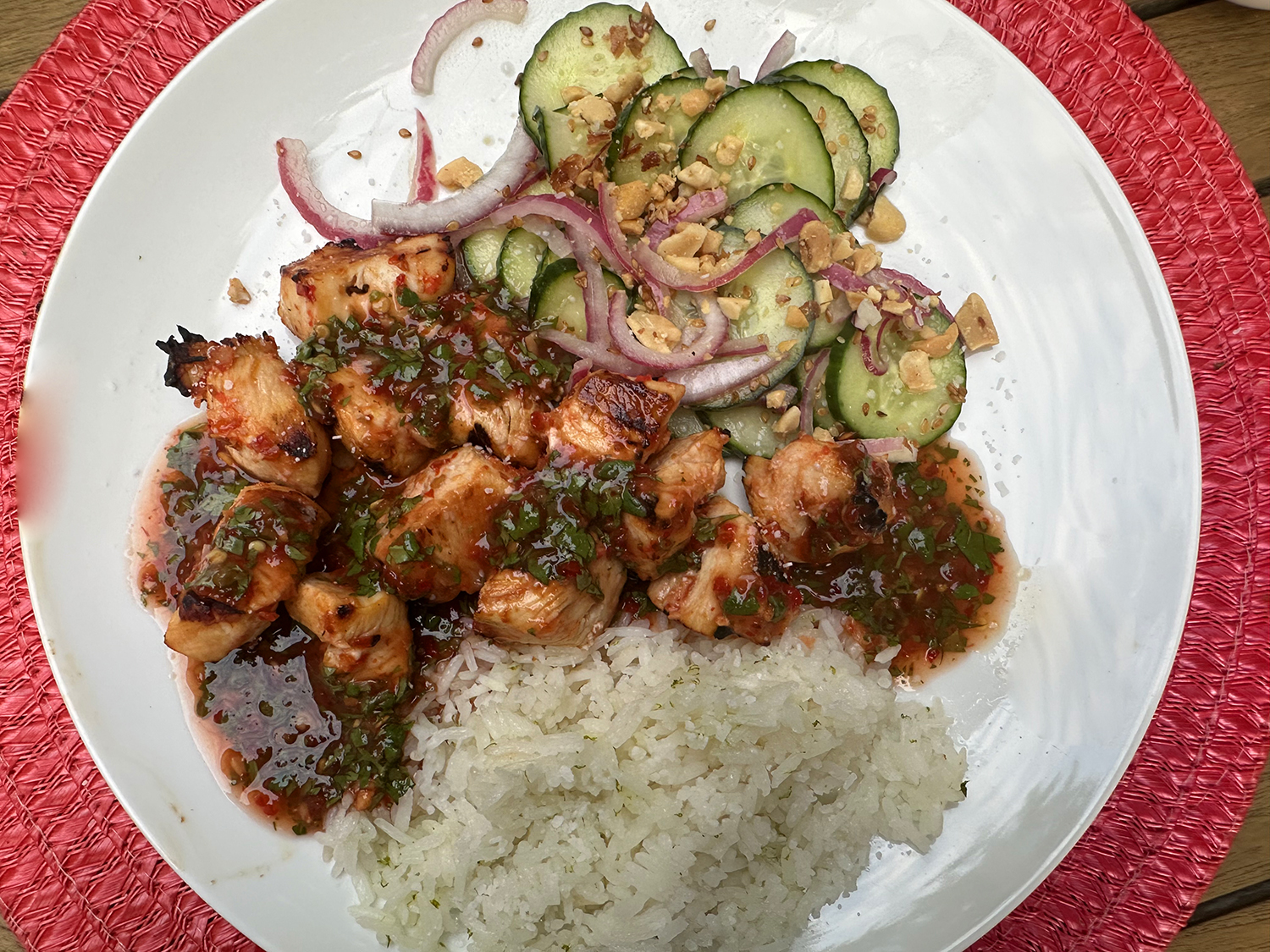
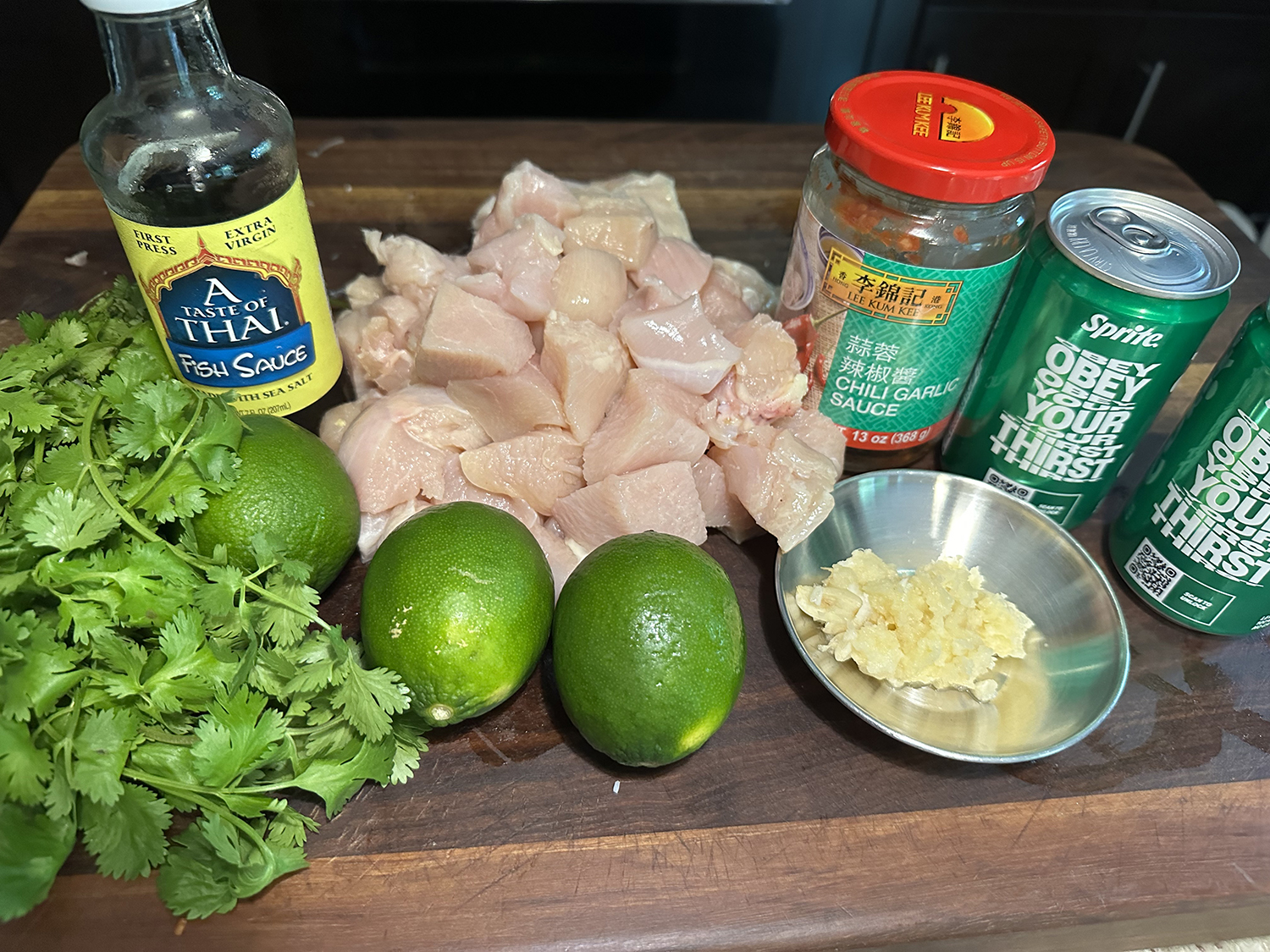
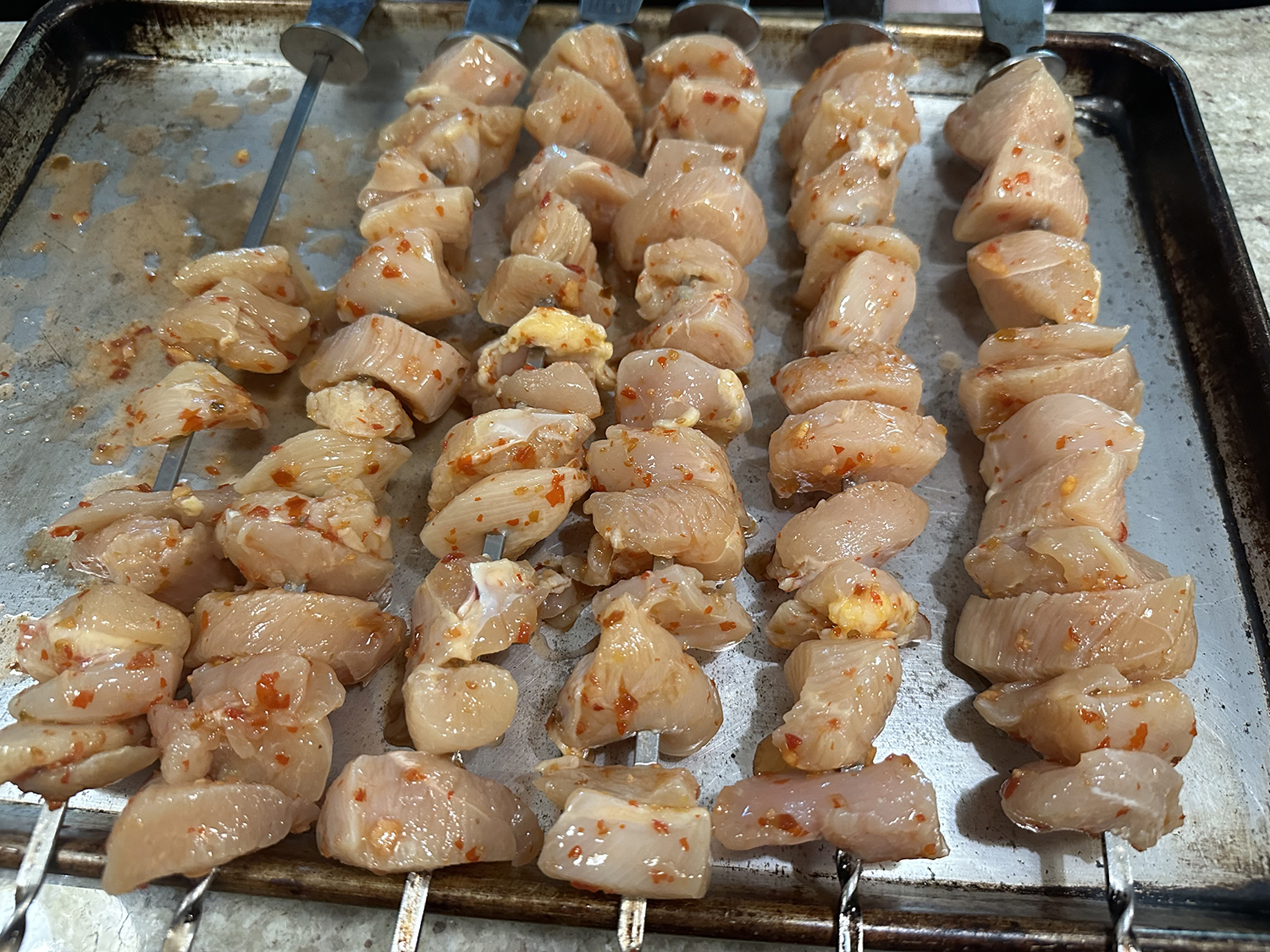
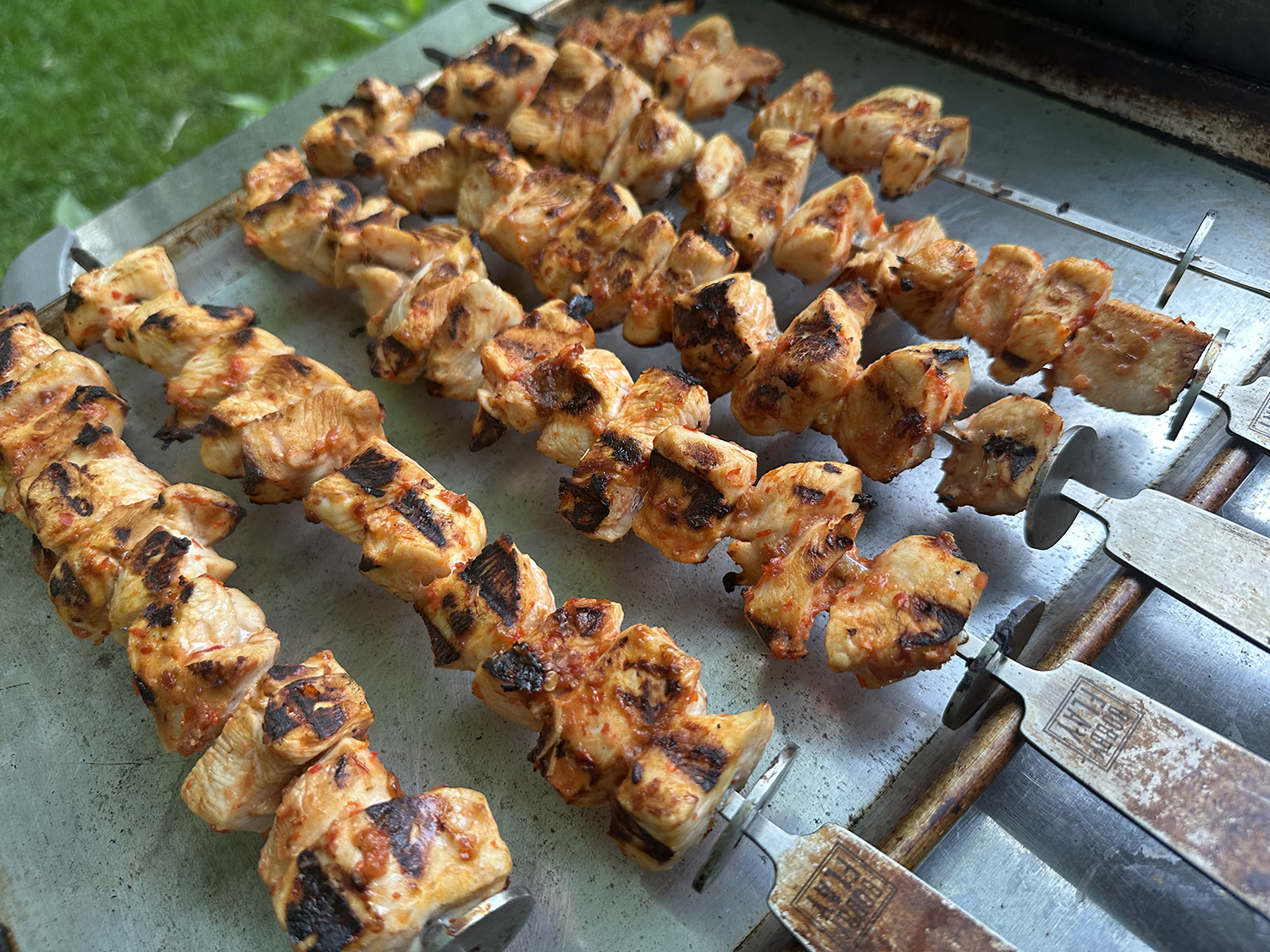
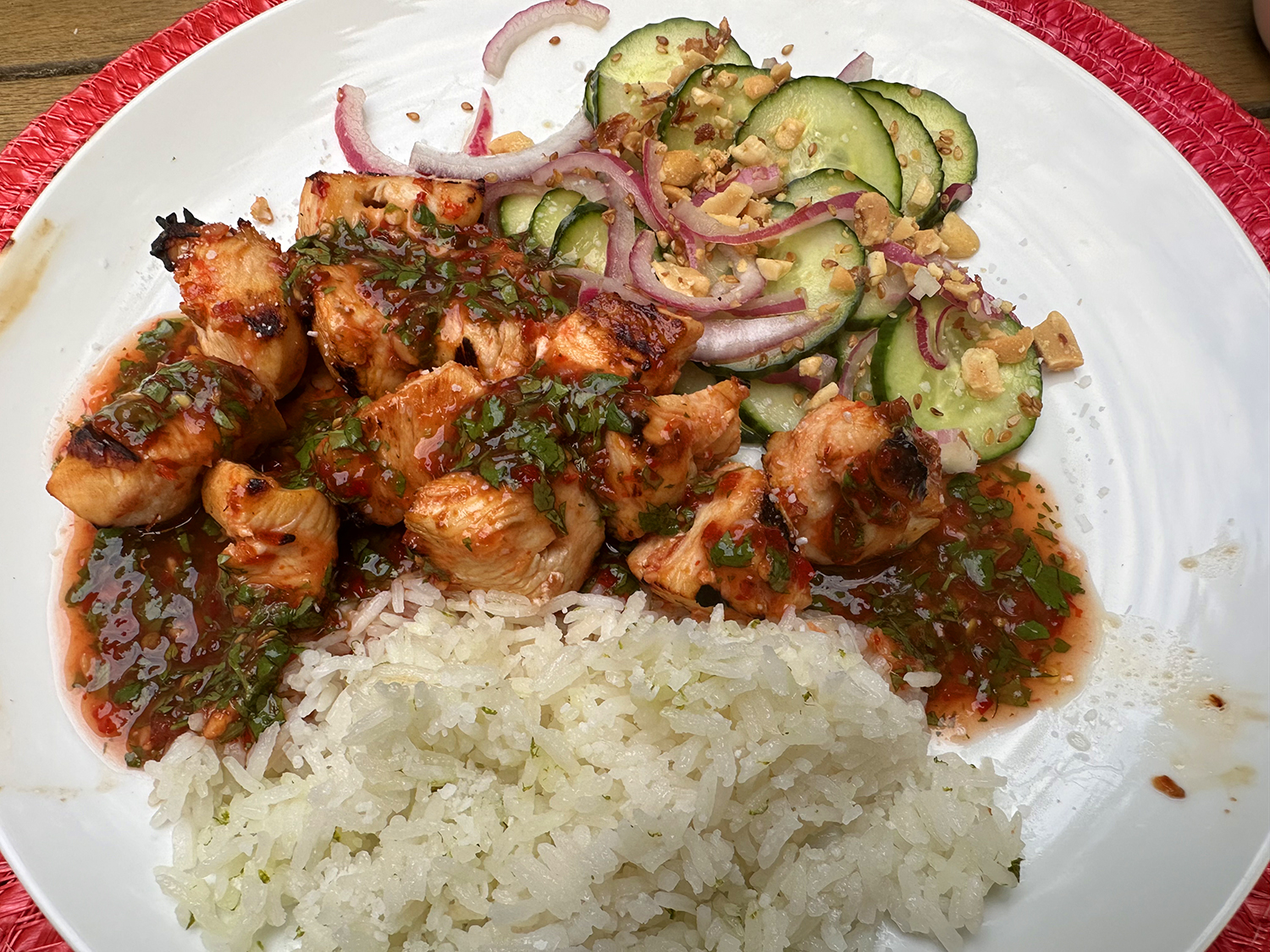
These grilled chicken skewers are flavorful, spicy, and full of citrusy pep, all without having to juice a lemon. The secret ingredient? Sprite. Here, chicken breasts are marinated in the lemon-lime soda along with fish sauce, garlic, and Thai chili sauce to tenderize the meat and infuse it with punchy flavor. The result is succulent, spicy, sweet-sticky chicken skewers. Bonus: You can use up any half-empty bottles of Sprite for this marinade (you don’t need the fizz).

One key to tender, expertly charred meat is the “Fizz Factor”, in other words something from the beverage aisle. The best marinades for grilled meats have certain things in common: a good amount of sweetness, lip-smacking acidity, and complex flavor. For it, all you need is to crack open a can of soda.

These fizzy things bring a lot to the table. This isn’t a new idea, many cultures utilize the sweet stuff for the meaty marinades. Sprite lends a citrusy pep—without having to juice a lemon— to this fiery marinade for chicken skewers. By the way, carbonation doesn’t make a difference, so this is the perfect opportunity to use up any flat soda you might have lurking in the fridge.

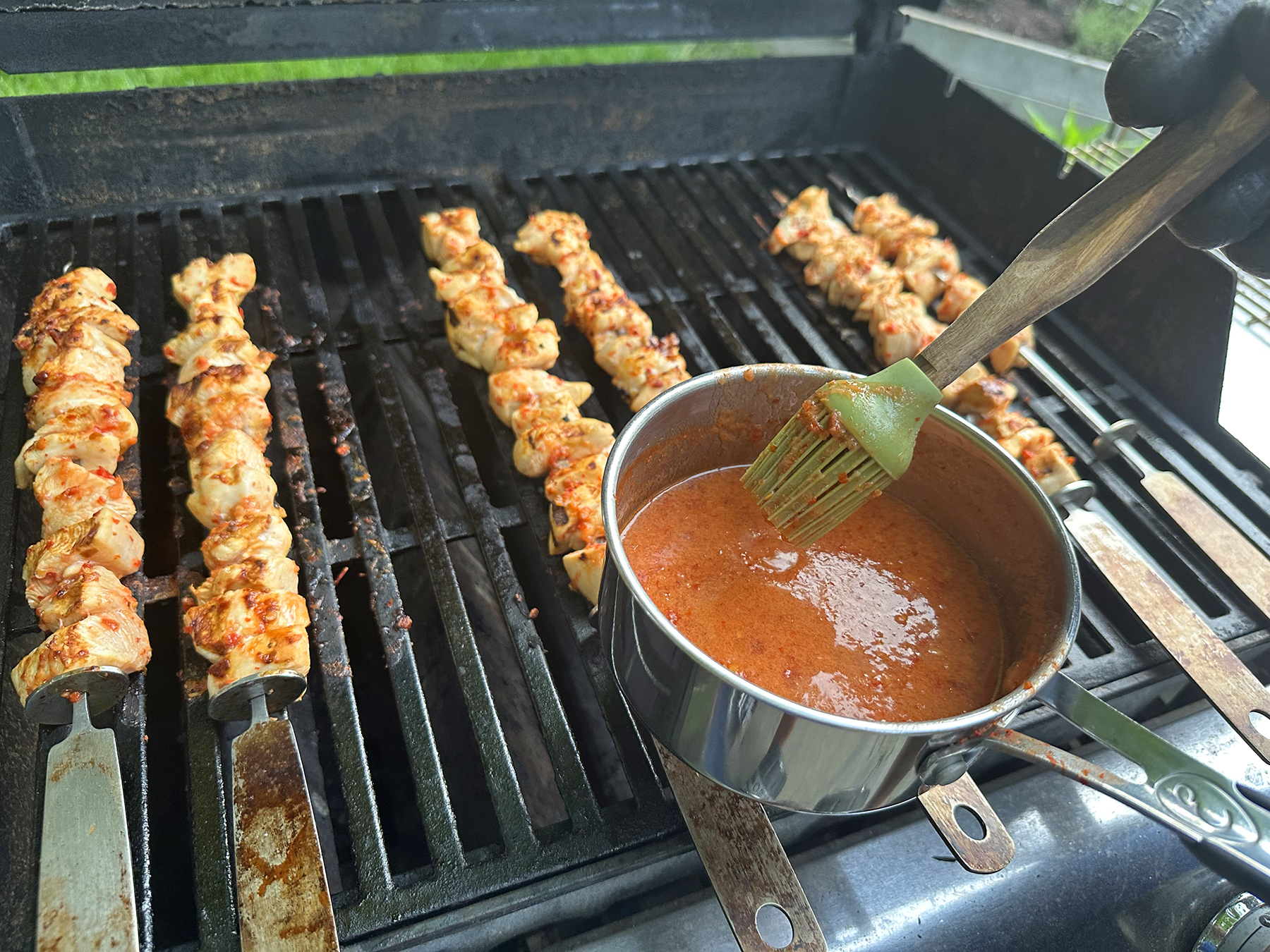
*We did not discard the marinade after skewering the chicken. Instead, we put it in a small sauce pan and brought it to a gentle boil for several minutes to kill any bacteria. The The Hubs brushed onto the chicken skewers as he was grilling.

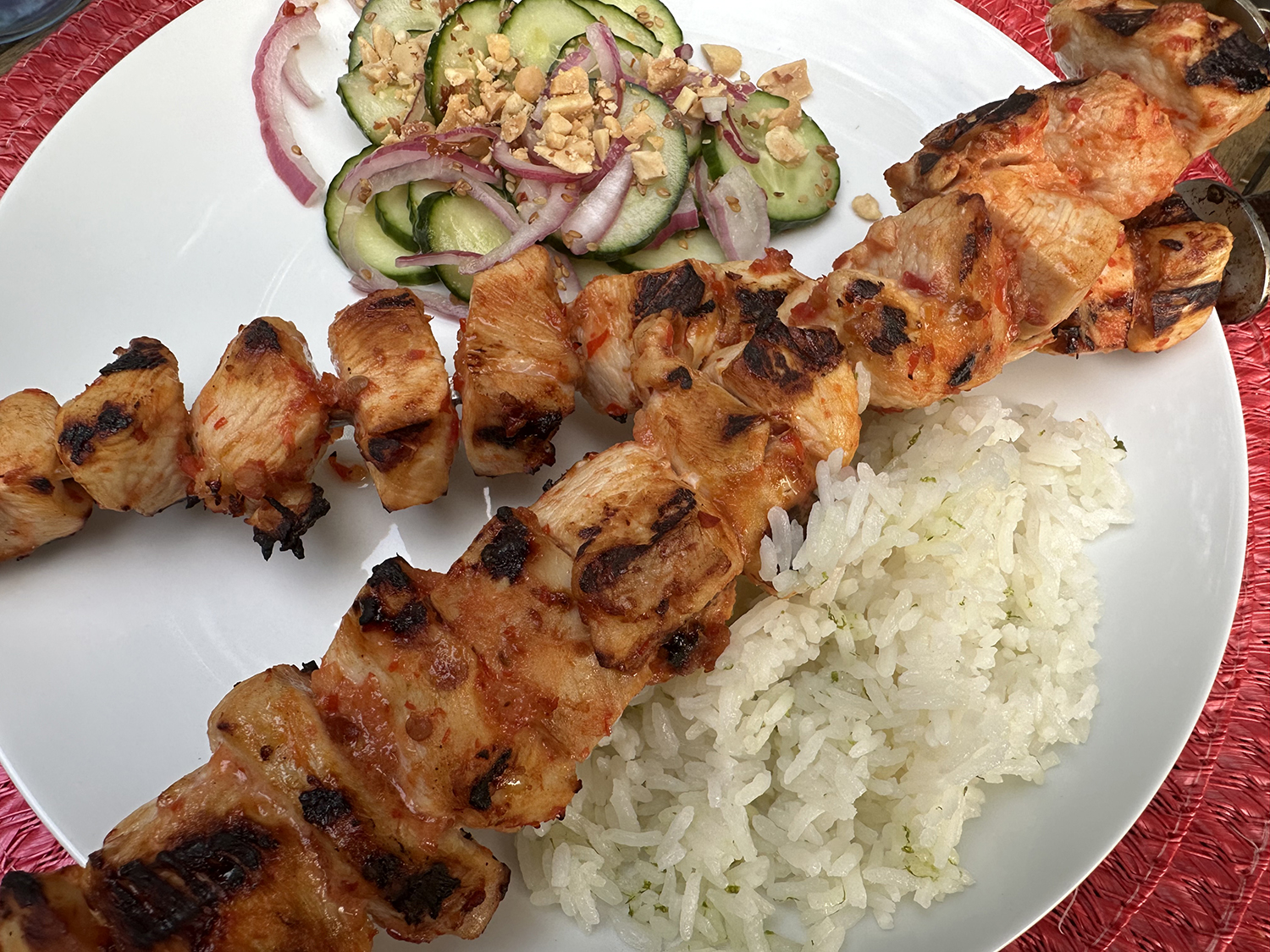
Chili Garlic Sauce packs more heat than Thai Chili Sauce, so choose based on your heat tolerance. We paired our skewers with a Thai cucumber salad topped with crushed peanuts, and Coconut Rice. A fantastic trio!

Sprite-Grilled Chicken Skewers

  • Servings: 6
  • Difficulty: easy
  • Print

Ingredients

  • 8 garlic cloves, finely grated
  • 1 12-oz. can or 1½ cups Sprite
  • 1½ cups Thai chile sauce, divided
  • ½ cup plus 1 Tbsp. fish sauce
  • 2 tsp. Diamond Crystal or 1¼ tsp. Morton kosher salt, plus more
  • 3 lb. skinless, boneless chicken breasts, cut into 1″ pieces
  • Vegetable oil (for grill)
  • Juice of 3 medium limes (use zest if making Coconut Rice side dish)
  • ⅓ cup finely chopped cilantro

Directions

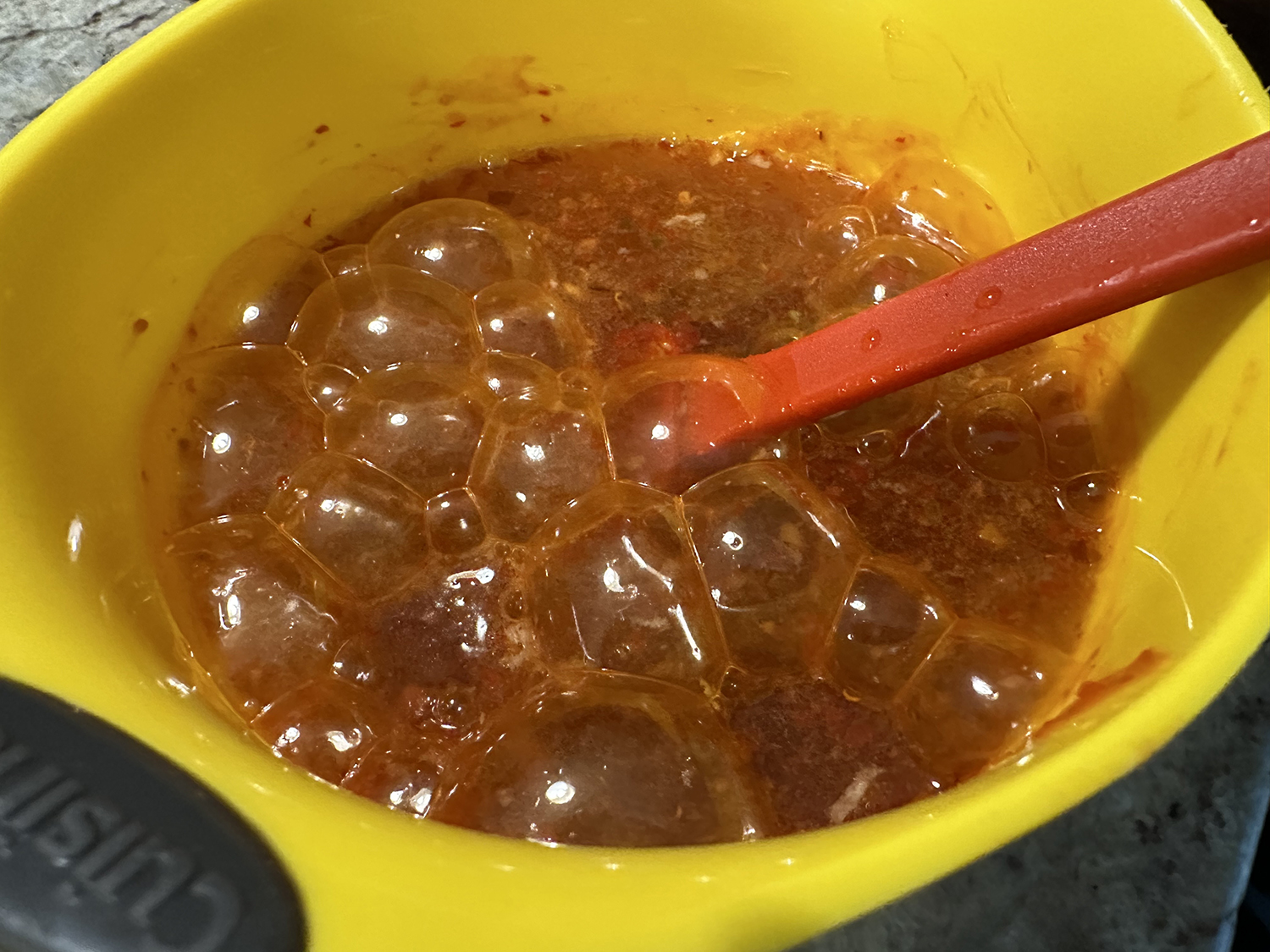
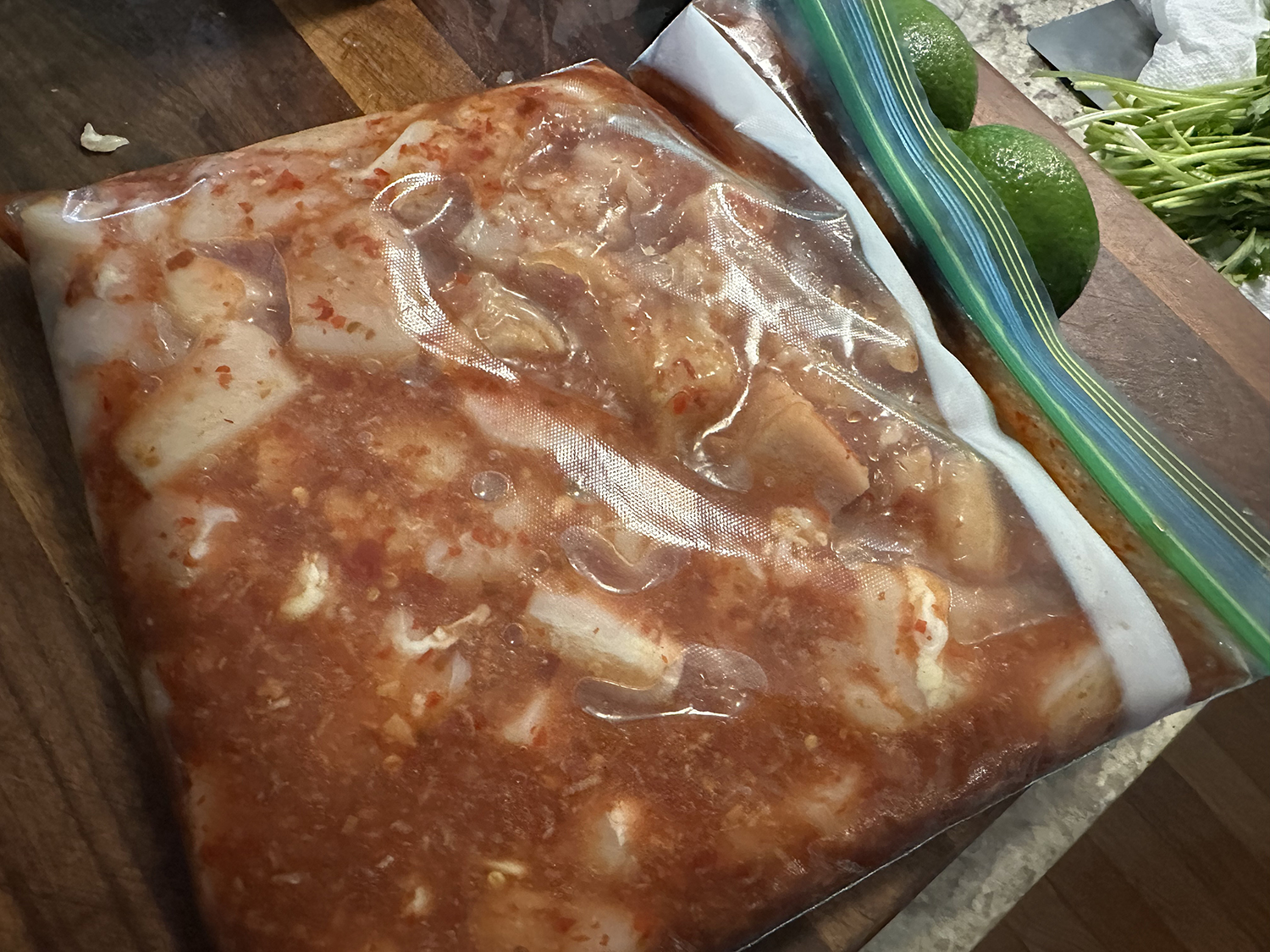
  1. Mix together 8 garlic cloves, finely grated, one 12-oz. can or 1½ cups Sprite, 1 cup Thai chile sauce, ½ cup fish sauce, and 2 tsp. Diamond Crystal or 1¼ tsp. Morton kosher salt in a 1-gal. resealable plastic bag or large baking dish. Add 3 lb. skinless, boneless chicken breasts, cut into 1” pieces, and turn to coat. Seal or cover; chill, turning occasionally, at least 2 hours and up to 12 hours. (Marinate at least 4 hours if you can.)
  2. Prepare a grill for medium-high heat; oil grate with vegetable oil. Remove chicken from marinade, letting excess drip back into bag or dish; *discard marinade. Thread chicken onto skewers (about 8 pieces each) and grill, turning once, until cooked through (an instant-read thermometer inserted into the a piece should register 160°), 10–12 minutes. Transfer skewers to a platter and let rest 5 minutes.
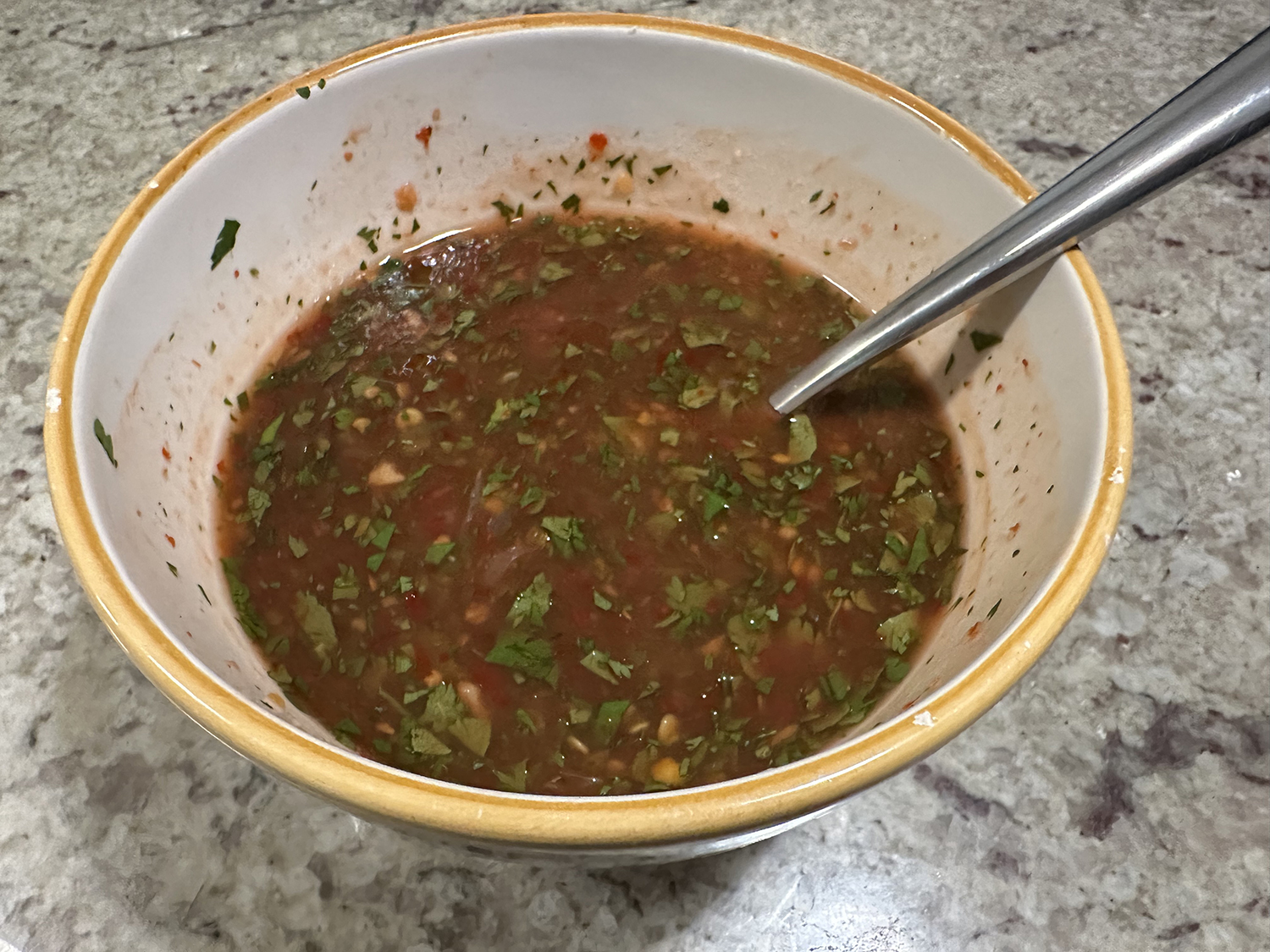
  3. Whisk juice of 3 medium limes, ⅓ cup finely chopped cilantro, remaining ½ cup Thai chile sauce, and remaining 1 Tbsp. fish sauce in a small bowl to combine. Taste sauce and season with salt if needed. Spoon sauce over chicken skewers to serve

http://www.lynnandruss.com

Recipe by Jesse Szewczyk for Bon Appétit

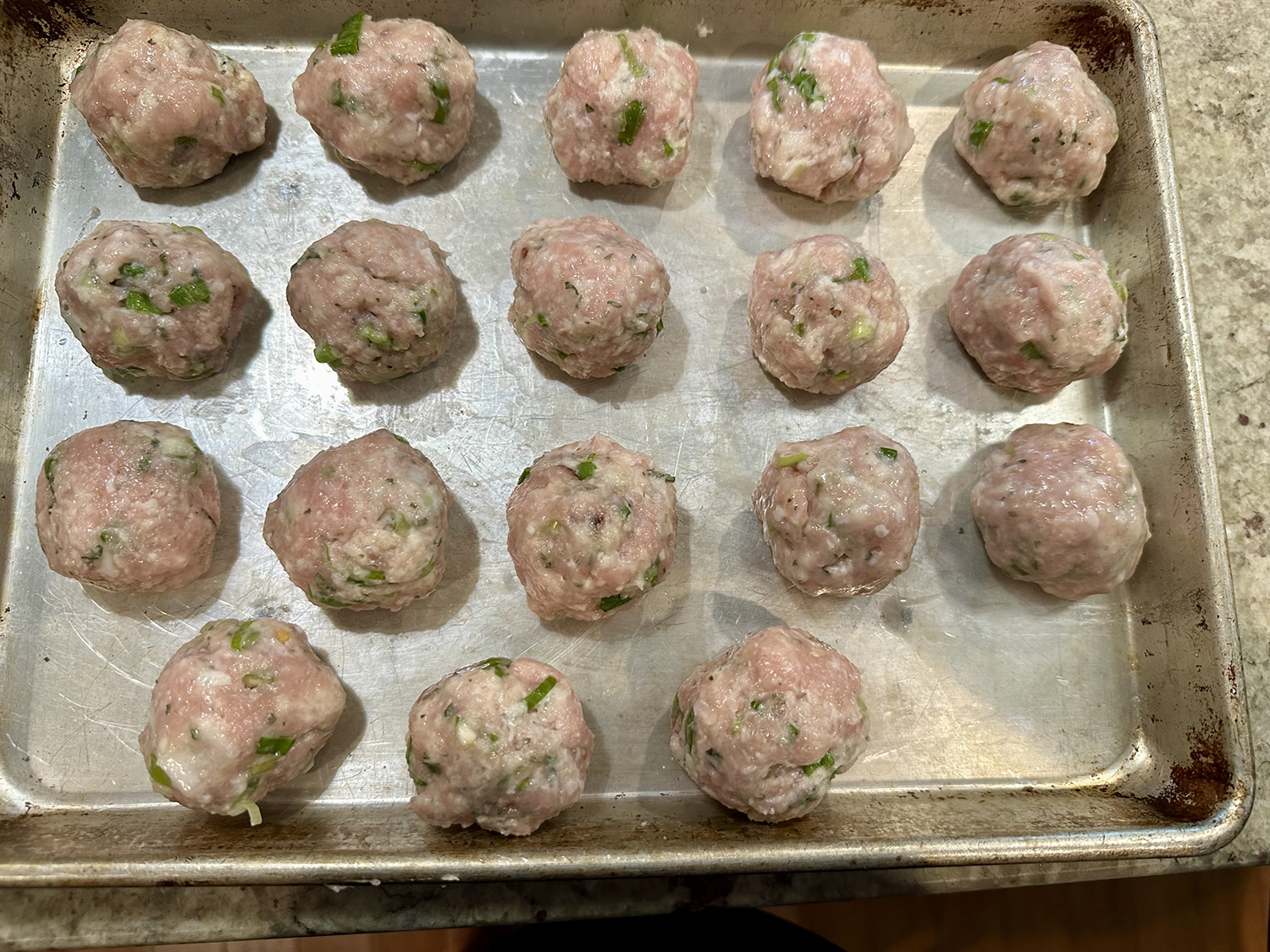
Chicken Meatballs With Greens

Let me just start by saying that the original recipe title was “One-Pot Chicken Meatballs…” However, we found that to be a bit misleading since the entire ordeal used 2 large bowls, a baking sheet and a skillet. So we just did away with that terminology in the title.

An ingenious trick to streamline efforts for weeknight cooks, this is an upside down take on typical skillet meatballs. These juicy garlic-and-herb filled balls are smothered in greens rather than being cooked on top or alongside them.

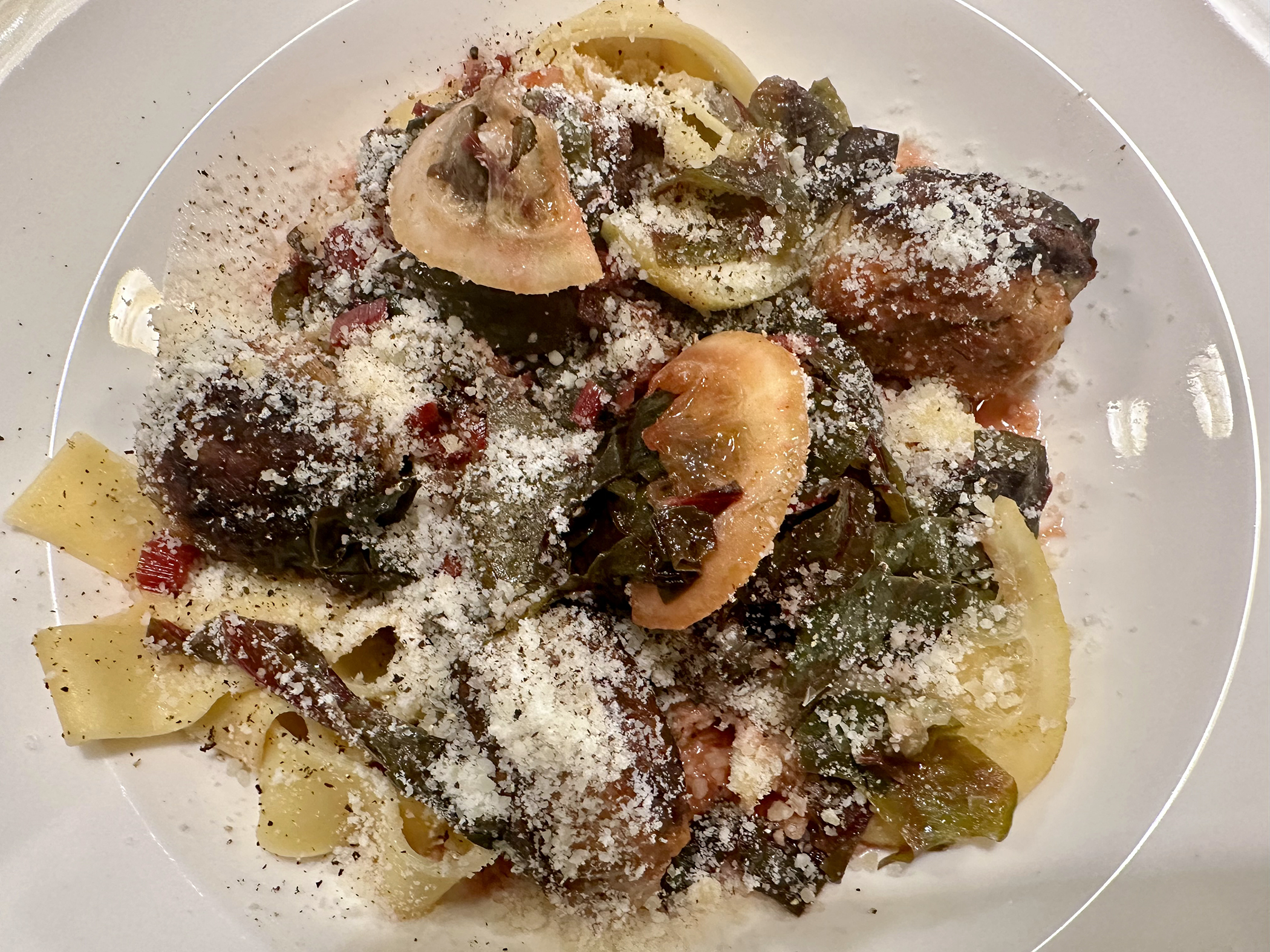
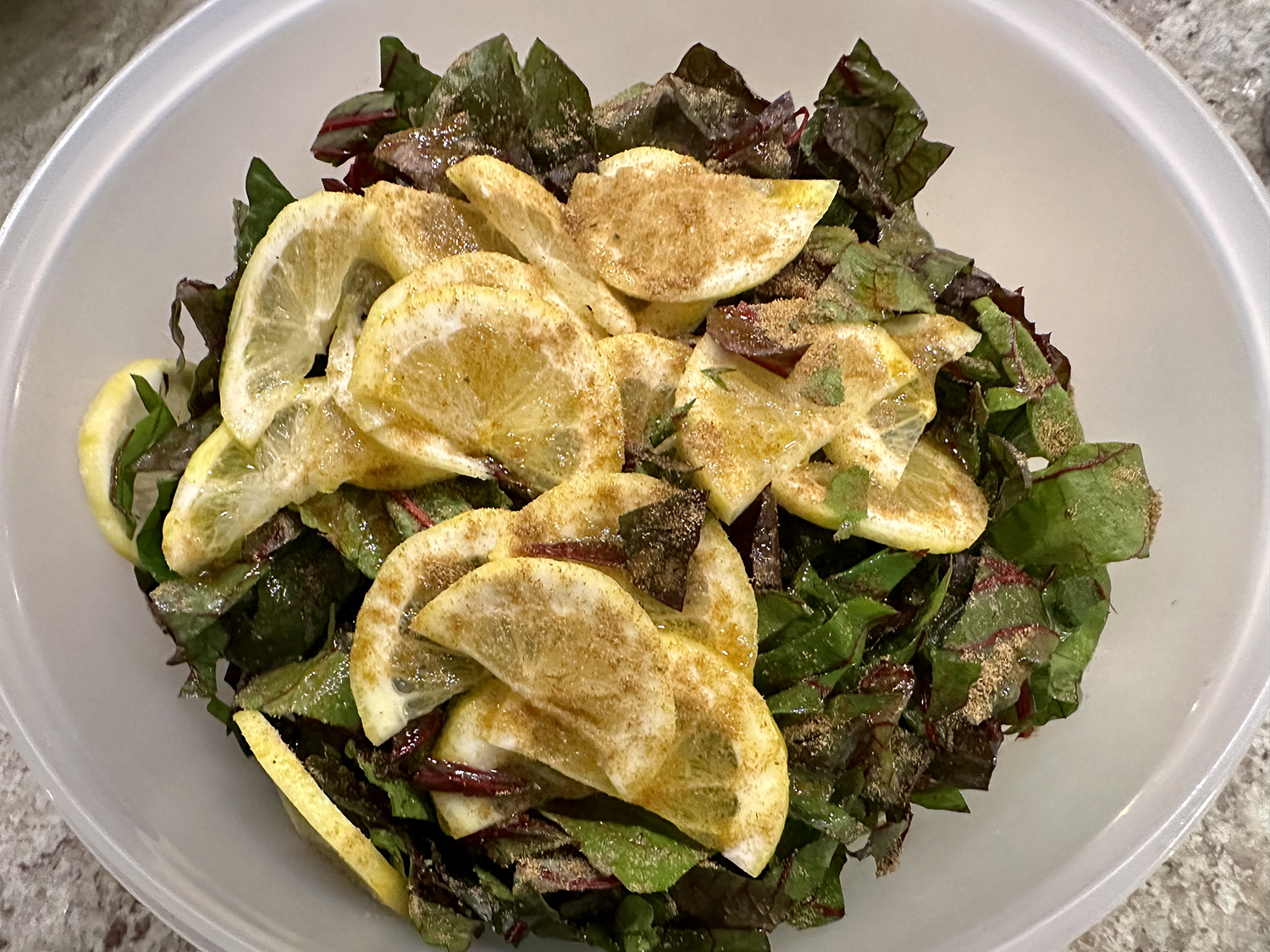
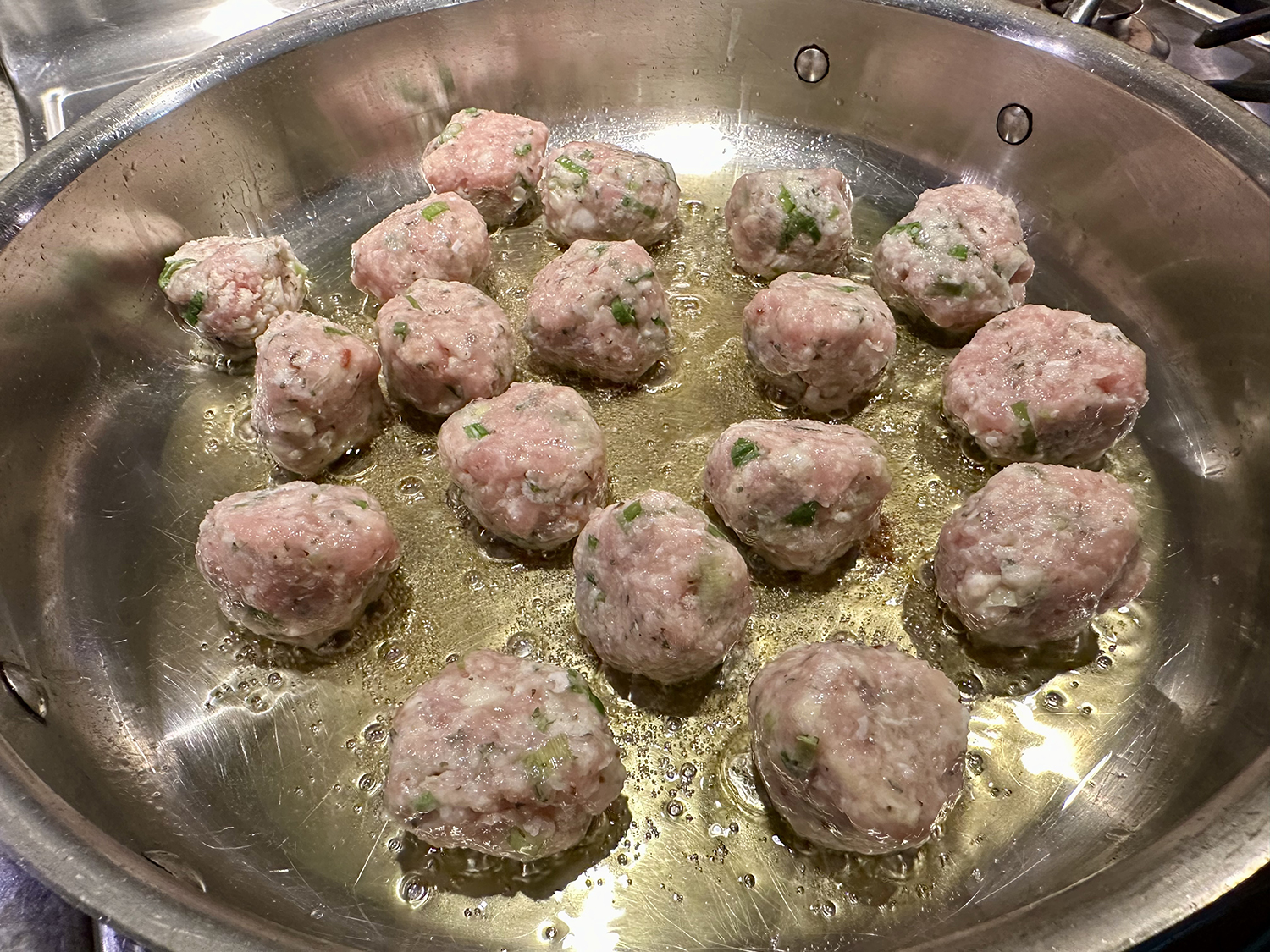
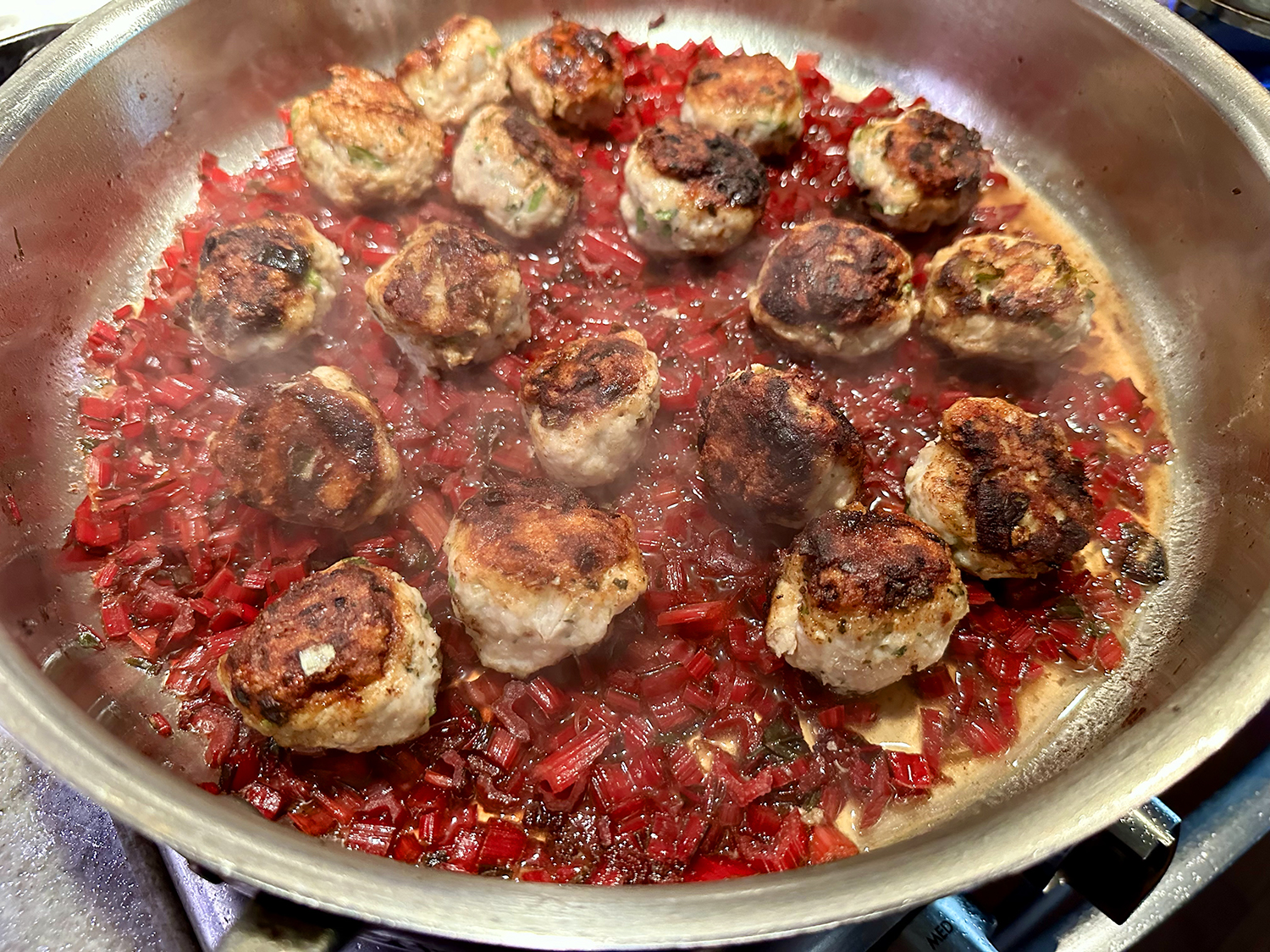
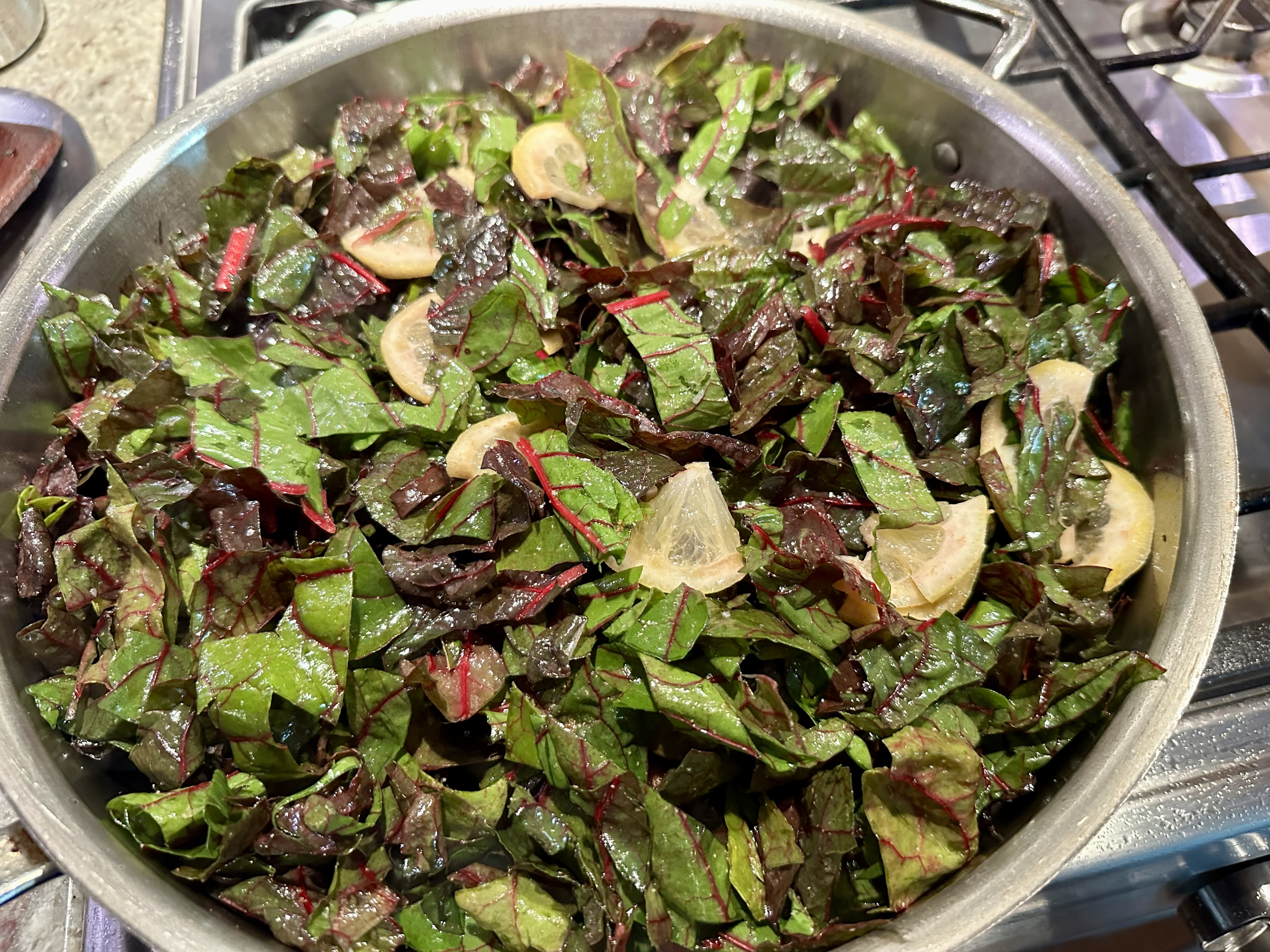
The meatballs first brown in the pot for both color and flavor, then are covered with a mound of greens, which achieves two feats: It gently finishes cooking the meatballs while the chard and lemon slices steam and collapse on top, draping themselves over these hidden delights. Scoop them up with a soup ladle, spooning the lemony pan sauce over everything.

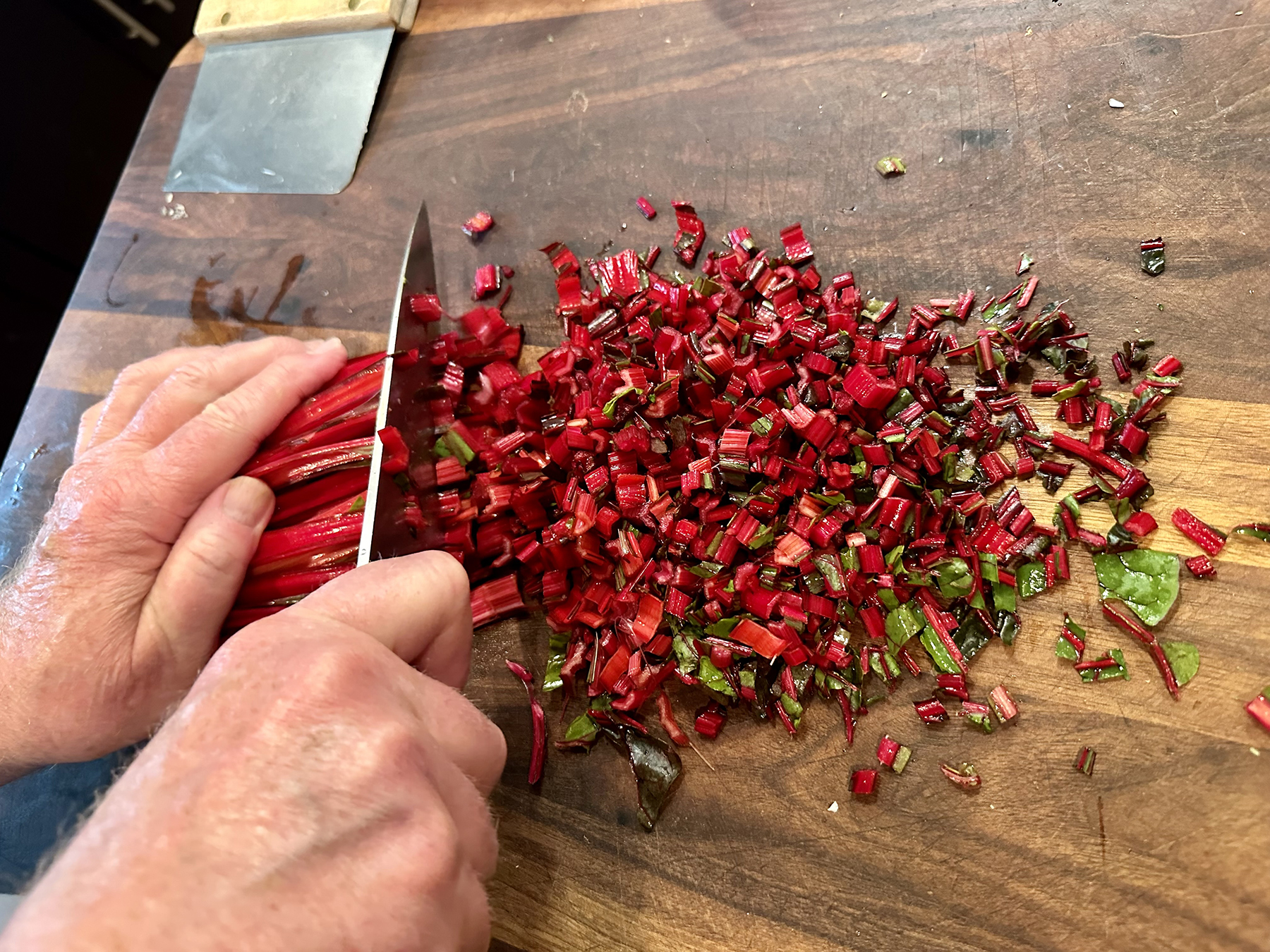
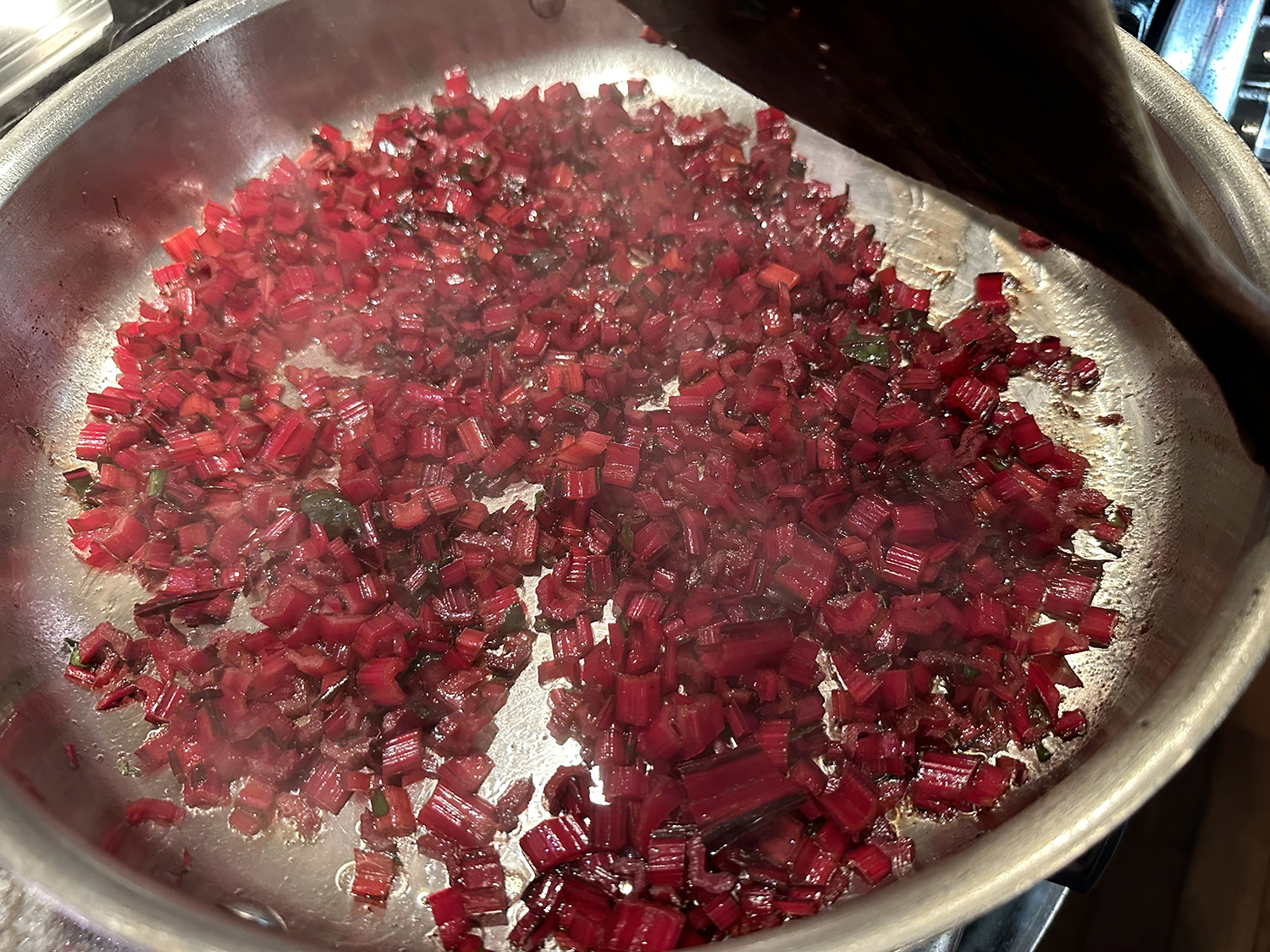
The Hubs knew the chard stems would take much longer to cook than the leaves would to steam. So after browning the meatballs, he moved them over to a sheet pan, threw the chopped stems into the skillet and cooked, stirring often until tender, about 5 minutes. Then the meatballs went back into the pot, along with the greens mixture.

As written, there is not much sauce to spoon over, so we decided to add 1/2 cup of white wine which deglazes the skillet with the chopped chard stems. And many reviewers commented that they added chicken stock at the end, so we put in 1 cup of chicken stock.

Yes, you could say that was the meal. However, we wanted a bed of pasta on which to spoon over the meatballs and greens. Our choice was pappardelle. Other options might be rice, egg noodles, or some other form of pasta…

Chicken Meatballs With Greens

  • Difficulty: easy
  • Print

Ingredients

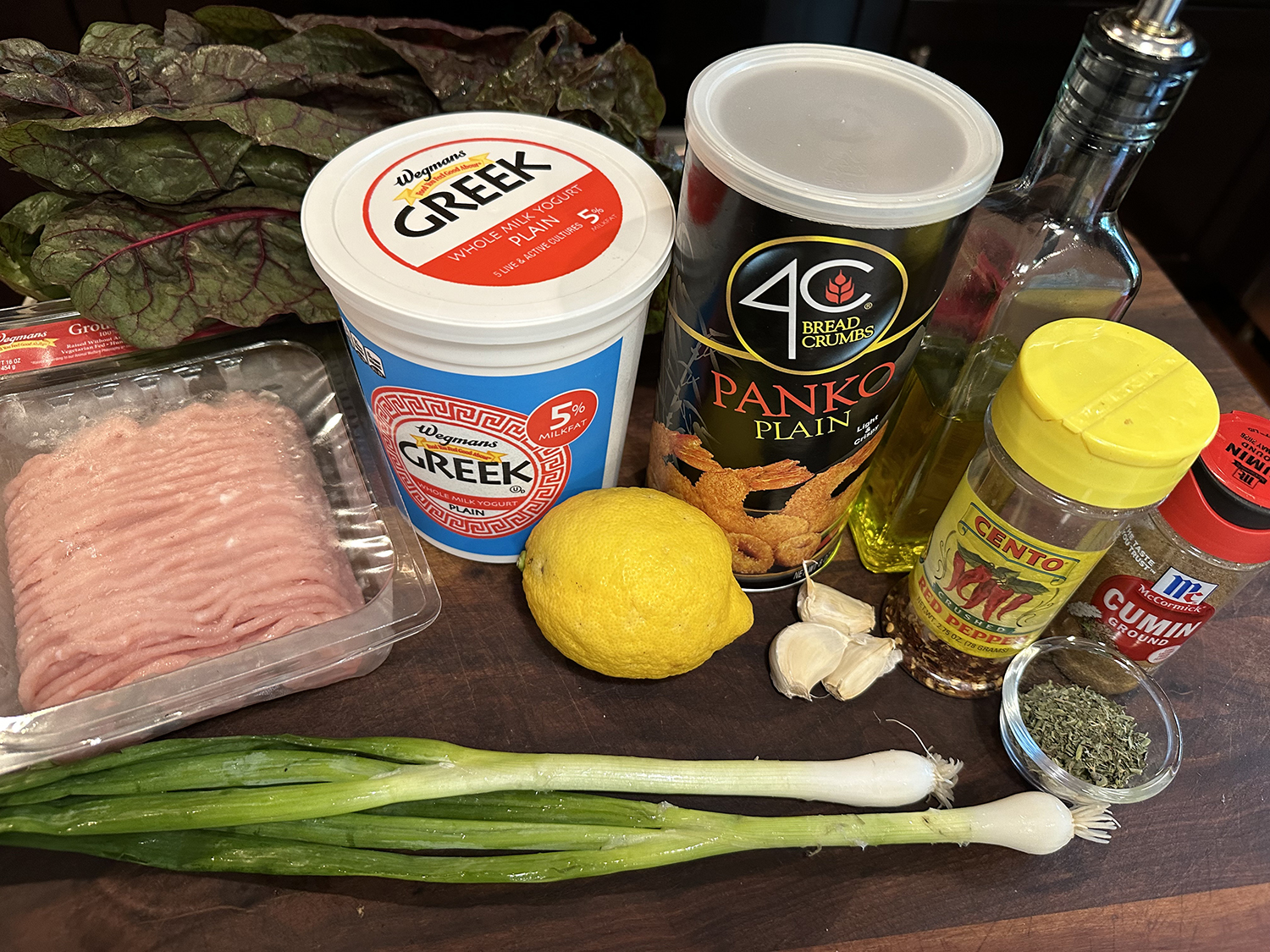
  • ½ cup panko bread crumbs
  • ⅓ cup full-fat thick yogurt (preferably Greek or Icelandic)
  • 2 garlic cloves, minced or grated
  • 2 scallions, white and light green parts thinly sliced
  • 2 tsp. dried oregano
  • ¼ tsp. crushed red pepper
  • Salt
  • 1 lb. ground chicken
  • ½ cup white wine
  • 6 Tbsp. olive oil, plus more as needed
  • 1 cup chicken broth, preferably homemade
  • 1 lb. rainbow or Swiss chard (1 large or 2 small bunches), tender stalks sliced and leaves cut into 1-inch ribbons
  • 1 lemon, halved, ½ thinly sliced
  • 1 tsp. ground cumin

Directions

  1. In a large bowl, combine the bread crumbs, yogurt, garlic, scallions, oregano, crushed red pepper and 1 teaspoon salt. Add the chicken and gently mix until fully combined.
  2. Coat your palms in olive oil, then shape the meat into 14 medium meatballs (about 2 inches each), making sure each is lightly coated with oil by refreshing the coating on your hands. Set the meatballs directly on a sheet pan or on parchment paper.
  3. Heat a 12-inch Dutch oven (or other heavy pot with a tight-fitting lid) over medium heat for 2 minutes until hot. Pour in 4 tablespoons (1/4 cup) of olive oil, tilting the pot to coat the surface, then add the meatballs. Let cook until they are golden halfway up the sides, occasionally turning them when they easily release, adding extra oil if needed, about 7 minutes. Cook the other side until a bit browned, a few minutes more.
  4. Remove the meatballs to a side plate. Add the chopped chard stems and wine to the same pan, scraping up the browned bits and deglazing the pan.
  5. Meanwhile, to another large bowl, add the greens, lemon slices, cumin and remaining 2 tablespoons olive oil, and season with salt; toss to coat the leaves, scrunching them up as needed.
  6. Smother the meatballs with the greens and lemon slices. Add in the chicken stock, cover, reduce the heat to medium, and cook until the meatballs are cooked through and the greens tender, 12 to 13 minutes.
  7. Use a soup ladle to scoop up the meatballs, resting them on the greens, and ladling any juices on top of the meatballs and greens. Cut the remaining lemon into wedges for serving; top with grated parm, if desired.

http://www.lynnandruss.com

Adapted from a recipe by Yasmin Fahr for NYTimes Cooking

Chicken and Wild Rice Soup

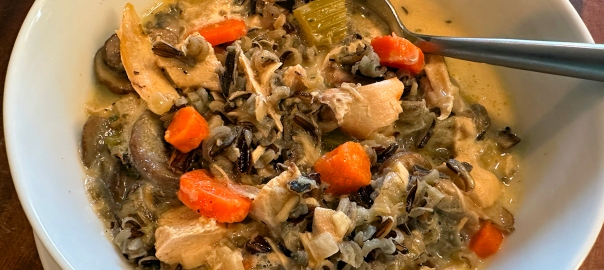
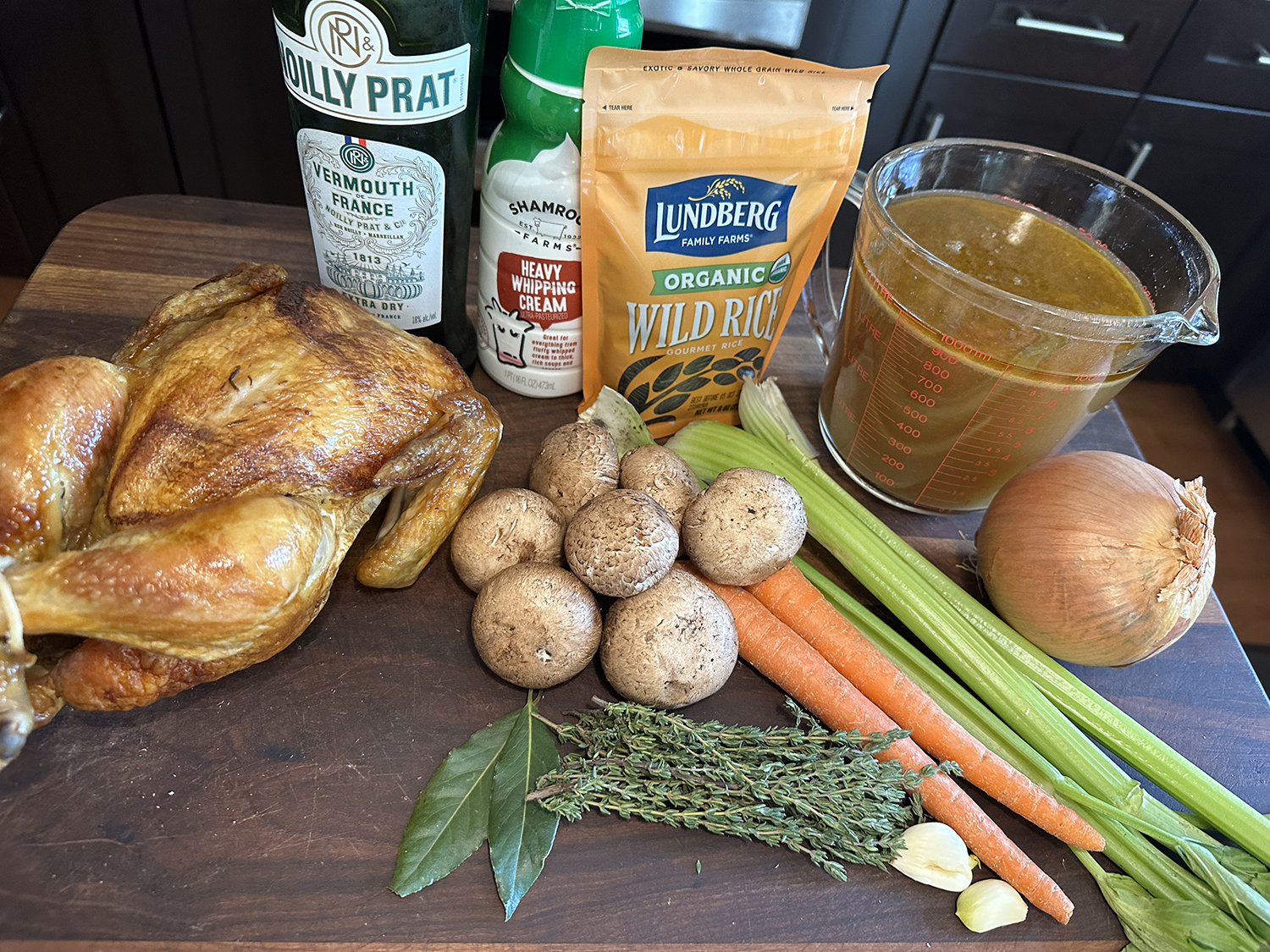
On Sundays, during the cooler months, The Hubs will make a pot of soup for our lunches during the week. They are often chosen by the healthy ingredients that make up the backbone of the soup. Here, baker Amanda Johnson uses leftover chicken or turkey and wild rice harvested nearby her North Dakota home to make this lovely chicken and rice soup.

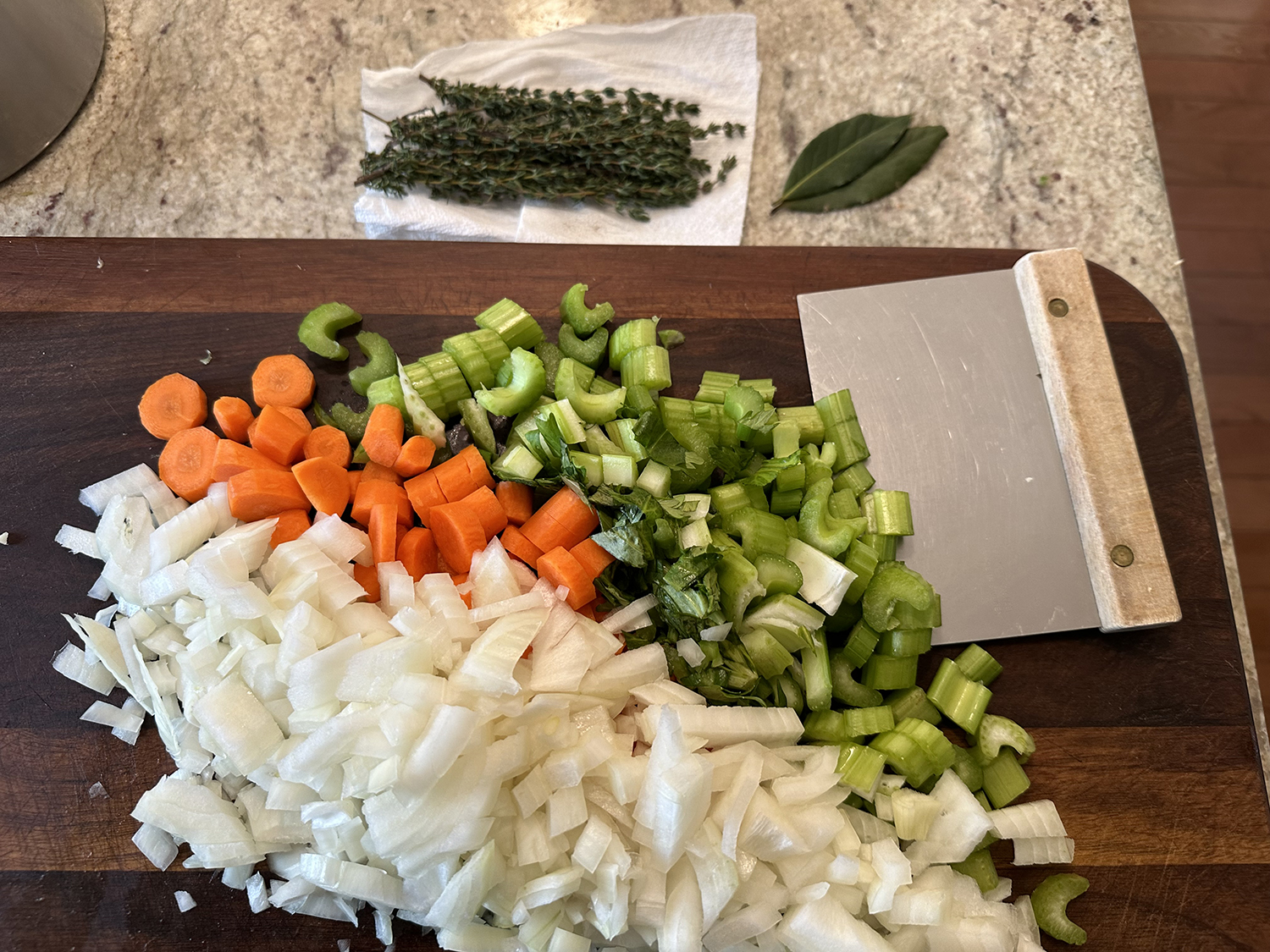
Thyme, garlic, and the classic base of onions, carrots, and celery add aromatic depth. The Hubs went a step further and added a good portion of cremini mushrooms and added some dry vermouth. After it simmers, finish the soup with a drizzle of cream to add a touch of richness and sophistication.

Stored airtight in a cool area, wild rice has a nearly indefinite shelf life, so it’s a great pantry staple to keep on hand. In fact, it isn’t actually rice at all, but rather a semi-aquatic grass that grows naturally around the Great Lakes. Because it’s not starchy like true rice, the recipe includes a small amount of flour to thicken up the base. With its nutty flavor and hearty texture, wild rice adds interest here to the bite-sized bits of chicken and vegetables suspended in the soup’s creamy broth.

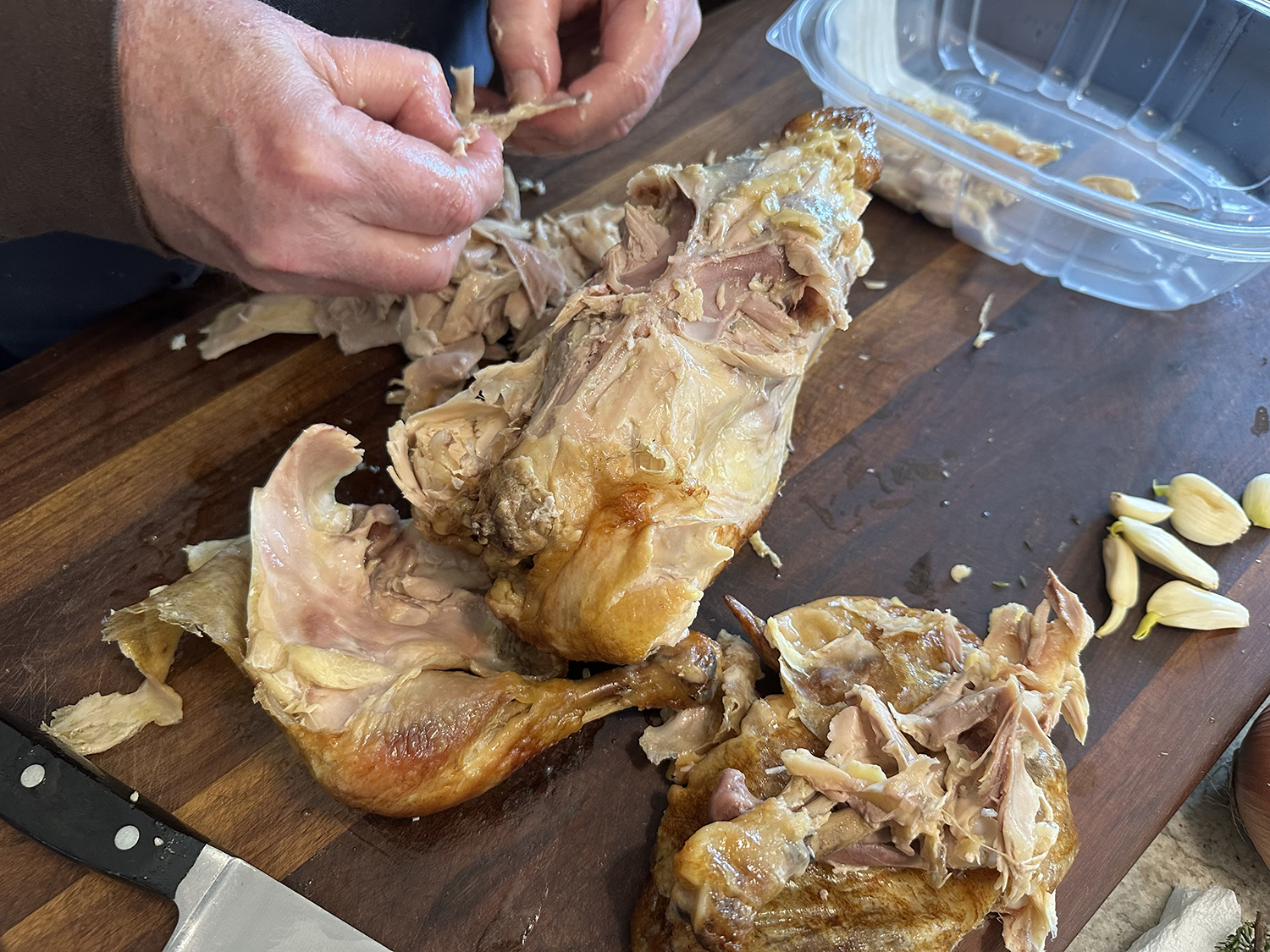
If you do not have leftover cooked chicken or turkey for this dish, use all of the meat from a 3-pound rotisserie chicken and cut it into bite-sized pieces. The chicken soup can be refrigerated for up to 2 days. Reheat gently before serving so as not to break the cream.

Chicken and Wild Rice Soup

  • Servings: 6
  • Difficulty: easy
  • Print

Ingredients

  • 3 celery ribs, cut into 1/2-inch pieces
  • 2 medium carrots, cut into 1/2-inch pieces
  • 1 large onion, chopped
  • 4 cloves garlic, minced
  • 2 1/2 tsp. finely chopped thyme, divided
  • Kosher salt
  • Freshly ground black pepper
  • 1/4 cup all-purpose flour
  • 8 oz. wild rice, thoroughly rinsed and drained
  • 2 quarts chicken stock
  • 2 cups water
  • 4 cups roasted chicken or turkey, cut into bite-size pieces
  • 1 cup heavy cream
  • 6 Tbsp. unsalted butter, divided
  • 1 lb. cremini mushrooms, cleaned, trimmed, and sliced
  • 2 bay leaves, preferably fresh

Directions

  1. In a large saucepan or Dutch oven, melt 2 tablespoons of the butter over medium-high. Add the mushrooms and cook, stirring frequently until all of the liquid has evaporated and the mushrooms are beginning to brown. Remove them from the pan to a plate and set aside. Reduce the heat to medium.
  2. Add the remaining 4 tablespoons of butter to the pan. When melted, add the celery, carrots, onion, garlic, 1 1/2 teaspoons of thyme, and a generous pinch each of salt and pepper. Cook over moderate heat, stirring occasionally, until the vegetables just start to soften, about 10 minutes. Sprinkle the flour over the vegetables and cook, stirring, until evenly coated and lightly browned, about 3 minutes.
  3. Add the wild rice to the saucepan and gradually stir in the stock and water. Add the bay leaves. Bring to a boil, then simmer over moderately low heat, uncovered, stirring occasionally, until the vegetables are tender, about 40 minutes.
  4. Add the chicken and mushrooms and continue to simmer, uncovered, stirring occasionally until the wild rice is tender, about 20-25 minutes longer.
  5. Remove the pan from the stove. Stir in the cream, add the remaining 1 teaspoon of thyme, and season to taste with salt and pepper. Ladle the soup into bowls and serve.

http://www.lynnandruss.com

Recipe from Amanda Johnson for Food & Wine Magazine
Chicken En Cocotte

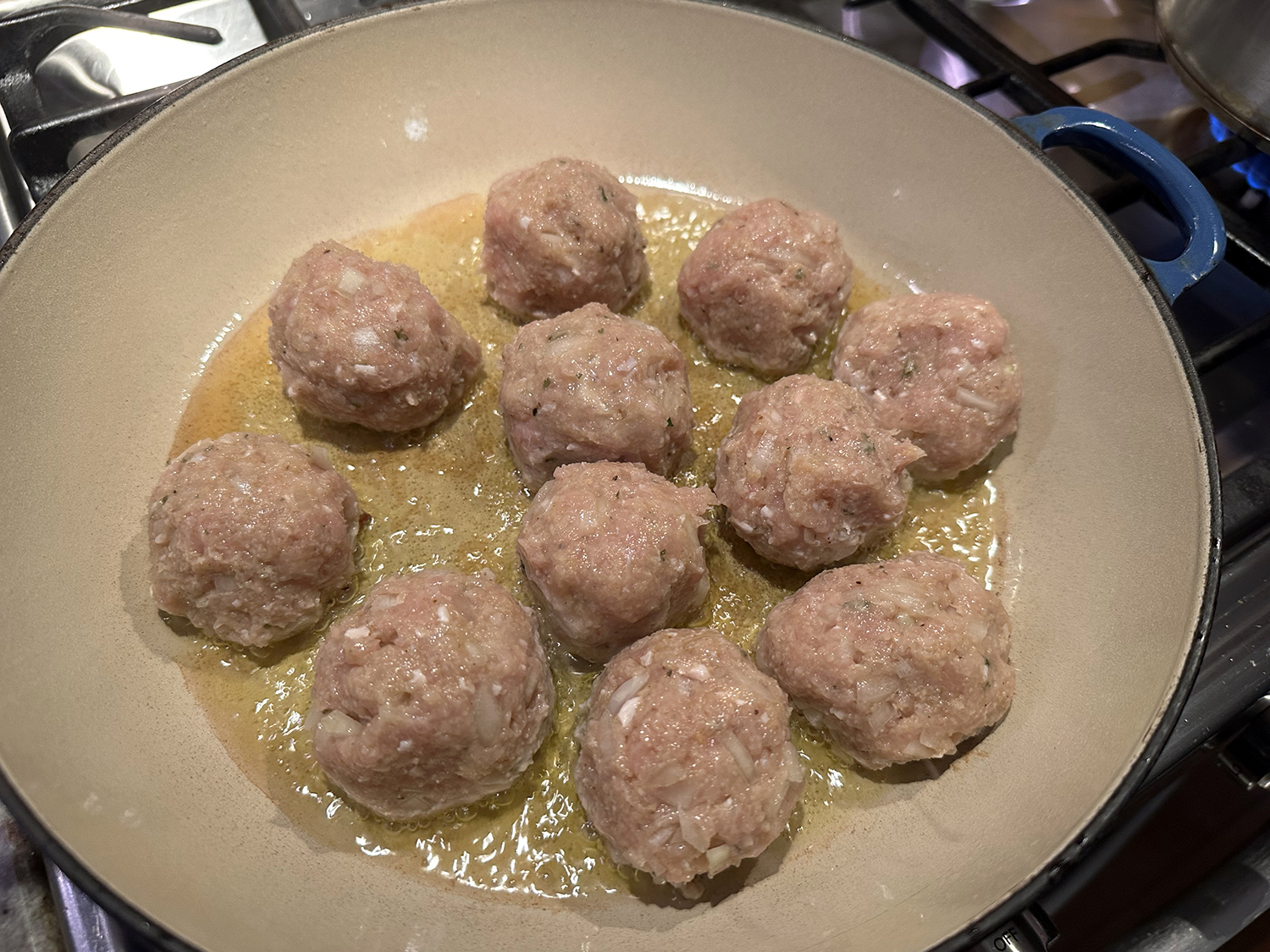
With very little prep involved in this Chicken En Cocotte—or in a pot—and most of the cooking being hands-off, you should get this tasty recipe on your short list. You will not get crispy skin from this method, in fact it gets discarded, but you will end up with super-moist poultry meat. We oooohed and aaaahhhed all the way through dinner.

Cooking the chicken breast side down allows the delicate white meat to gently poach in the wine while the legs bake up above, a technique that helps equalize the cooking of the white meat (done at 160°F) and dark meat (done between 175°F to 180°F). Allowing the chicken to rest breast side up after prevents the white meat from overcooking.
The sauce was just amazing, we even spooned it over our side dish of Spanish Potatoes in Olive Oil, a perfect companion to the chicken because they both share several ingredients: white wine, garlic, onion and thyme.

NOTE: Don’t use a Dutch oven smaller than 7 quarts or a chicken larger than 4½ pounds. If the bird fits too snugly, there won’t be enough space for heat to circulate, hindering even cooking.

Chicken En Cocotte

  • Servings: 4
  • Difficulty: easy
  • Print

Ingredients

  • 5 Tbsp. salted butter, divided
  • 1 large yellow onion, cut into 8 wedges
  • 8 medium garlic cloves, peeled and halved
  • 1 1/2 cups dry white wine
  • 10 thyme sprigs
  • 1 4- to 4½-lb. whole chicken, wings tucked and legs tied
  • Kosher salt and ground black pepper
  • 3 Tbsp. lemon juice
  • 2 Tbsp. dijon mustard
  • 1/2 cup finely chopped fresh tarragon leaves

Directions

  1. Heat the oven to 400°F with a rack in the lower-middle position. In a large Dutch oven over medium, melt 1 tablespoon of the butter. When the foaming subsides, add the onion and garlic and cook until lightly browned, about 5 minutes. Pour in the wine and bring to a simmer. Lay the thyme sprigs on the onion mixture.
  2. Using paper towels, pat the chicken dry then season with salt and pepper. Set the chicken breast side down over the thyme and onions. Cover and bake until the thickest part of the breast reaches 160°F and the thighs reach 175°F to 180°F, 55 to 65 minutes. Using tongs inserted into the cavity of the chicken, carefully transfer it to a large baking dish, turning it breast side up. Let rest for at least 15 minutes.
  3. Meanwhile, remove and discard the thyme sprigs. Tilt the pot to pool the liquid to one side and use a wide spoon to skim and discard the fat. Bring to a simmer over medium and cook until thickened and reduced to about 1 cup (with solids), about 5 minutes. Off heat, whisk in the remaining 4 tablespoons butter, the lemon juice and mustard. Taste and season with salt and pepper.
  4. Remove the legs from the chicken by cutting through the hip joints. Remove and discard the skin from the legs, then separate the thighs from the drumsticks. Remove the breast meat from the bone, remove and discard the skin, then cut each crosswise into thin slices. Arrange the chicken on a platter. Transfer the sauce to a bowl, stir in the tarragon and serve with the chicken.

http://www.lynnandruss.com

Recipe from Milk Street

Chicken Stew

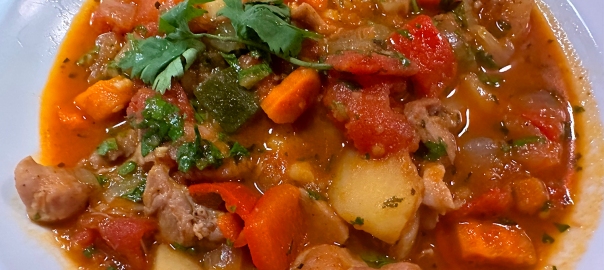
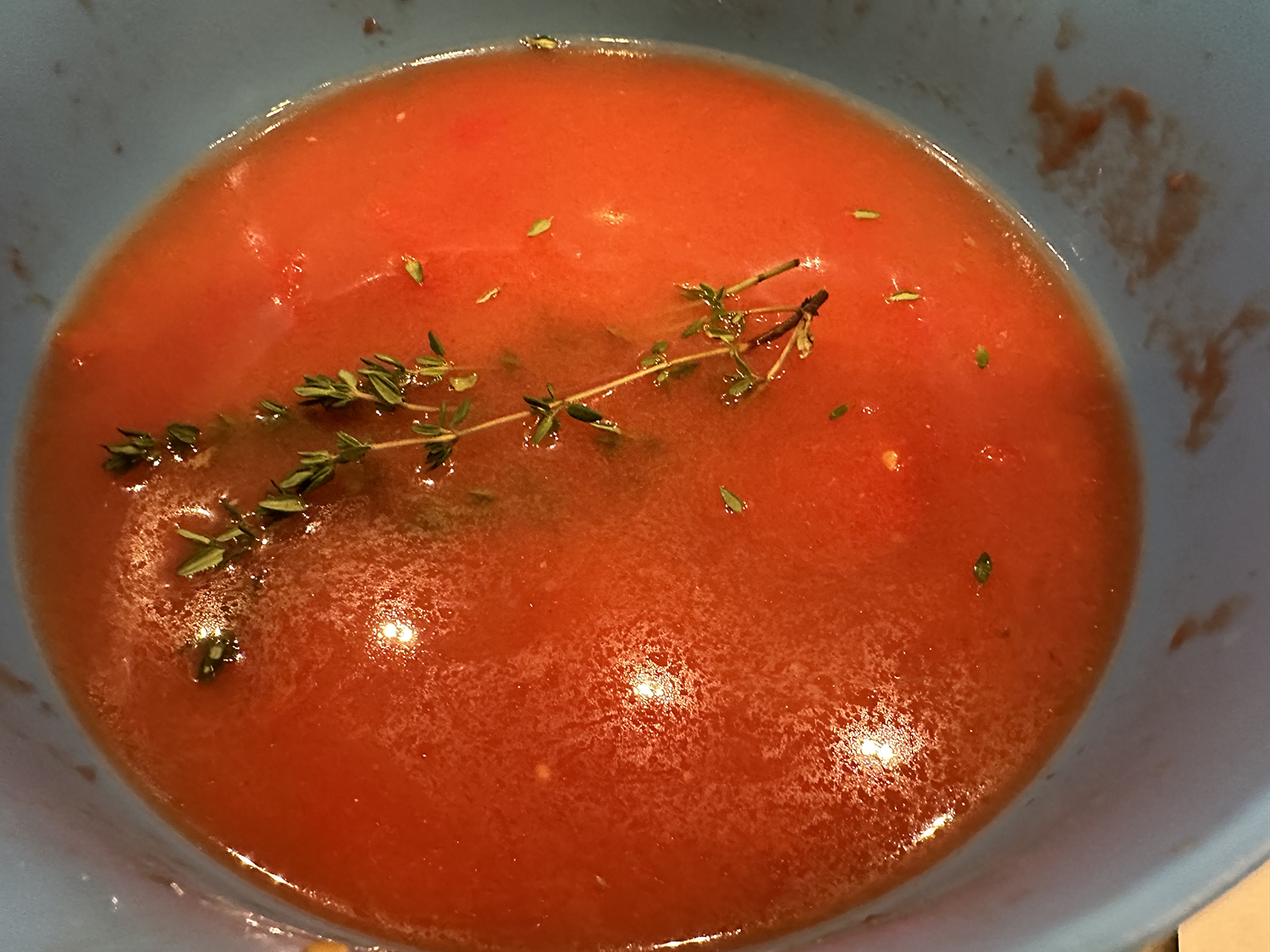
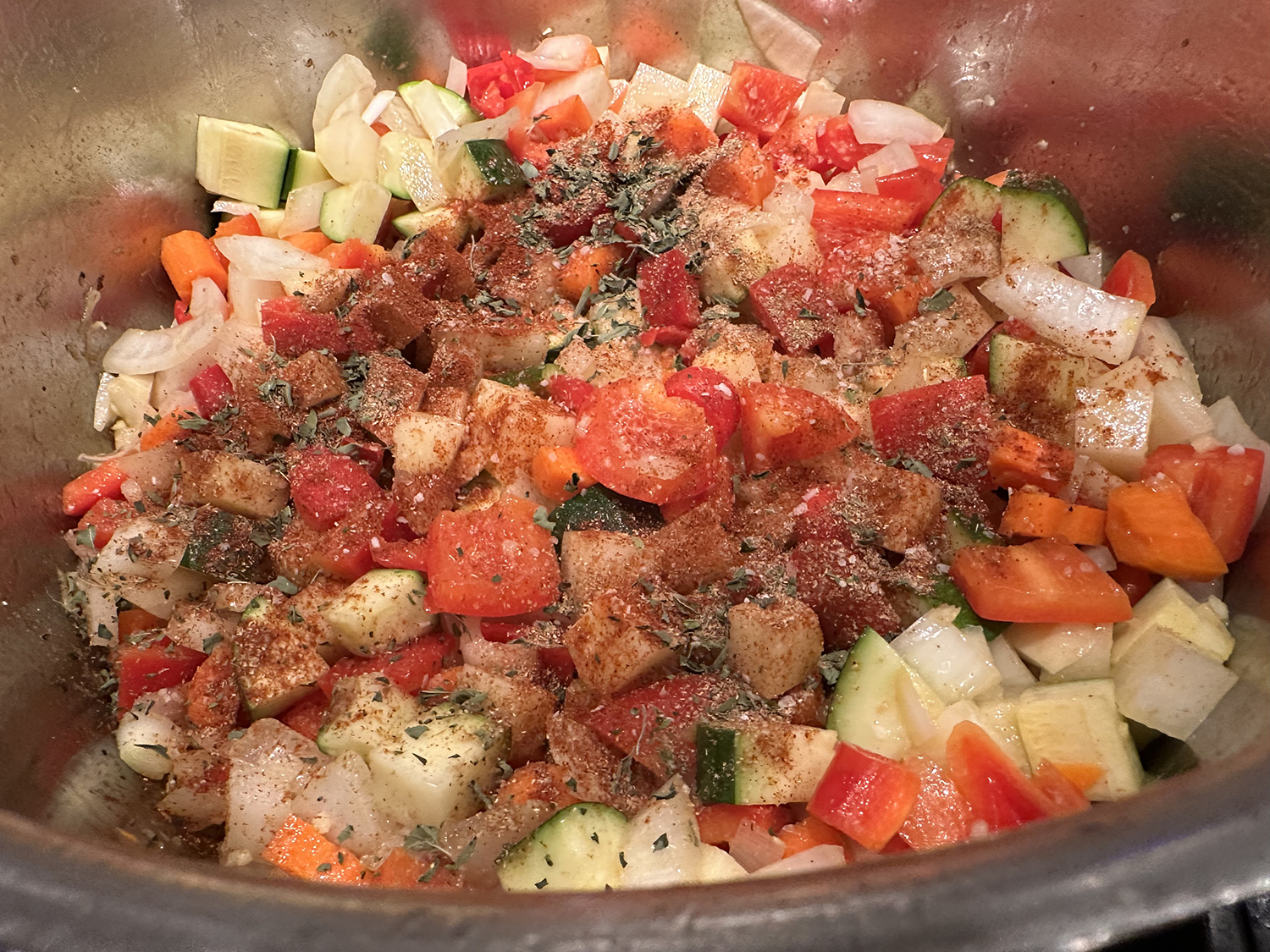
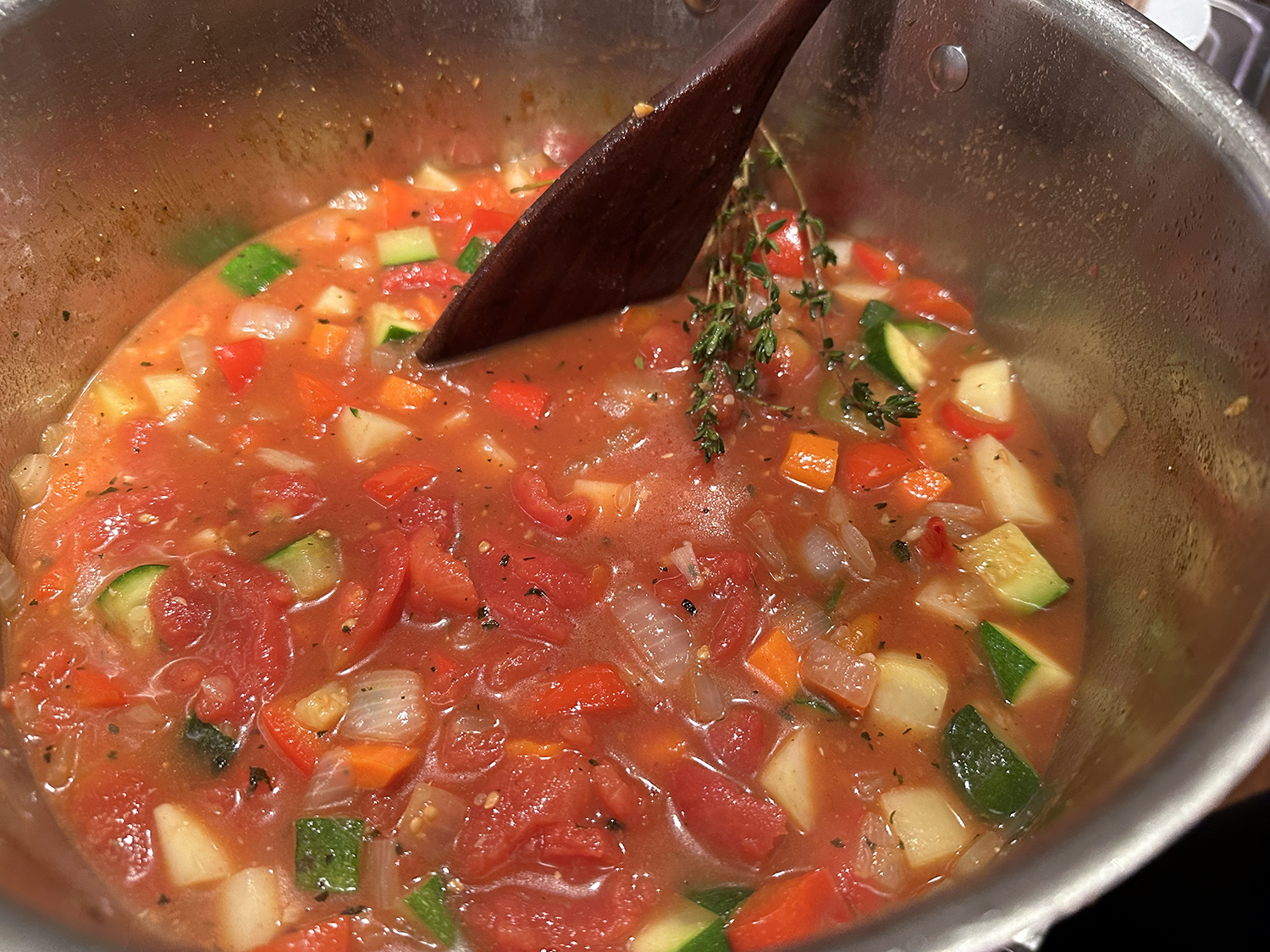
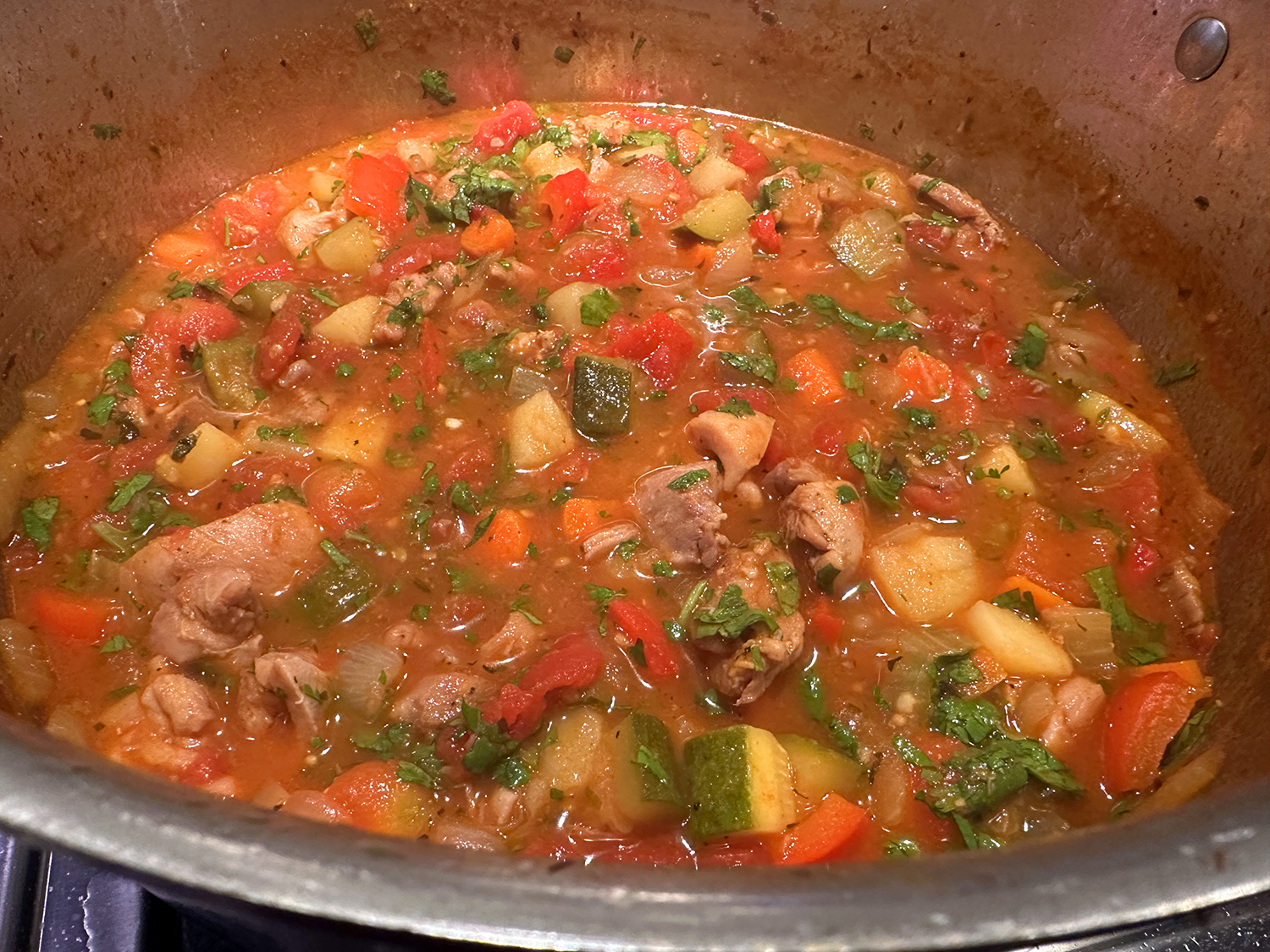
In this hearty chicken stew recipe, chicken thighs and fresh vegetables simmer in a rich tomato broth until the meat is fall-apart tender and the broth is jammy and flavorful. Italian-style seasonings like paprika, oregano, and coriander bring a delicious warming, aromatic quality. Made in just one pot, this easy recipe comes together in under an hour and freezes exceptionally well.

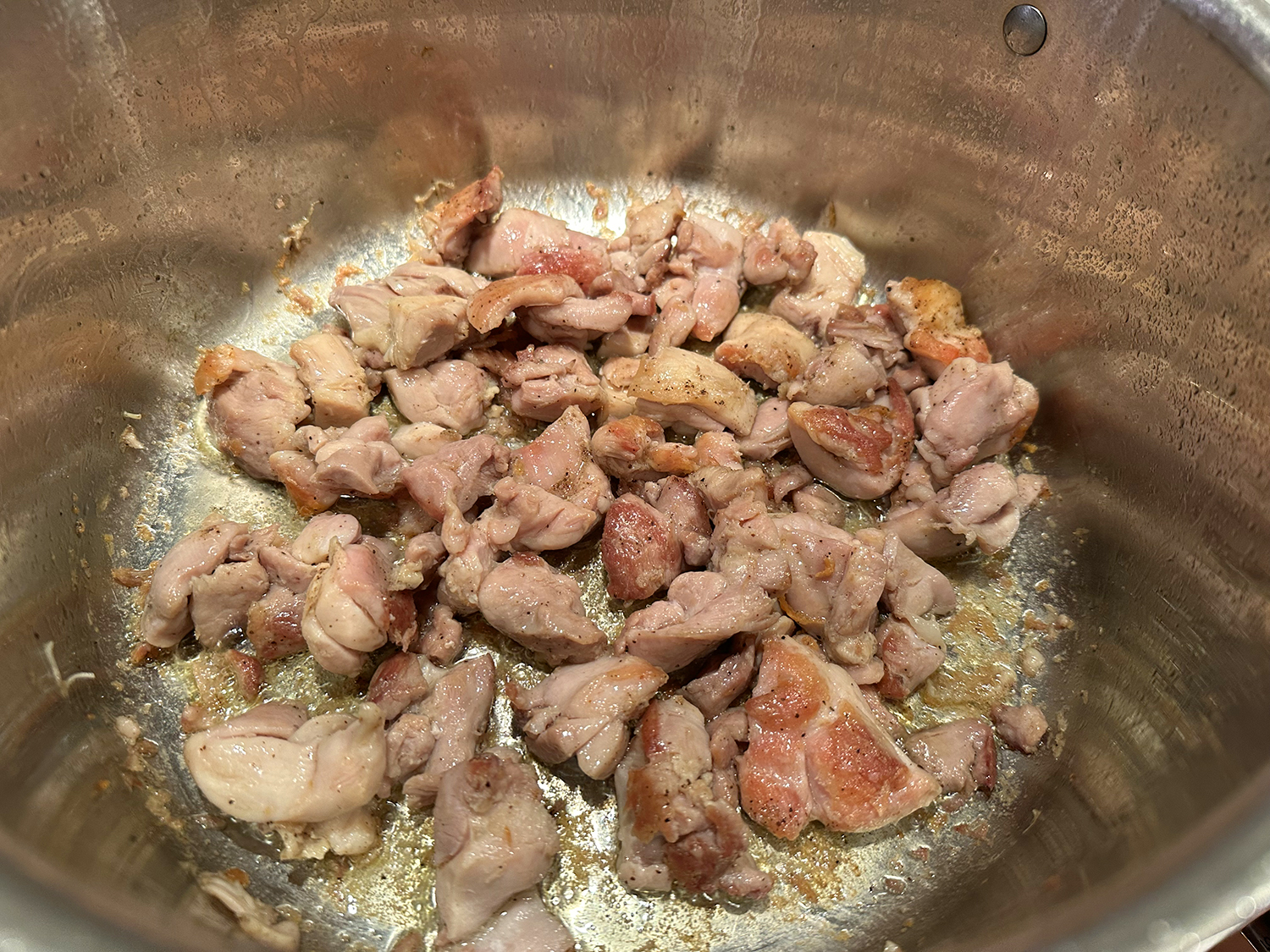
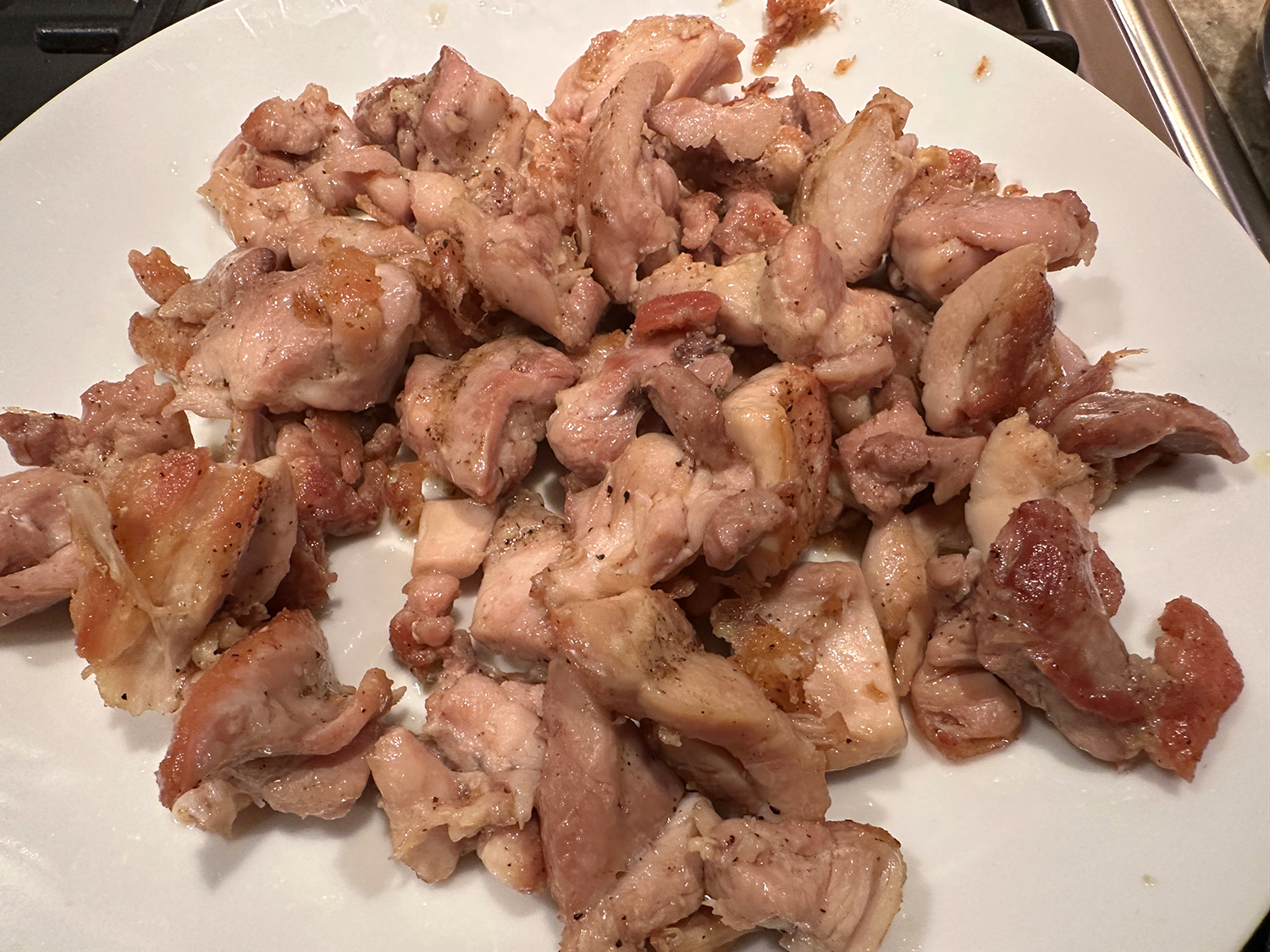
Sautéing the chicken and vegetables until golden, then gently simmering them with aromatic spices is a quick and easy way to build big flavor in under an hour. The original recipe did not cut up the chicken thighs, but rather left them whole. We decided cutting the poultry into about one-inch pieces made more sense.

In addition, we added a bay leaf and two red finger peppers (such as Thai or Fresno, seeded and chopped). This added minimal heat but contributed to the depth of flavor.

In this hearty chicken stew recipe, chicken thighs and fresh vegetables simmer in a rich tomato broth until the meat is fall-apart tender and the broth is jammy and flavorful. Italian-style seasonings bring a delicious warming, aromatic quality. Made in just one pot, this easy recipe comes together in about an hour and freezes exceptionally well.

Chicken Stew

  • Servings: 4
  • Difficulty: easy
  • Print

Ingredients

  • 1 ½ lbs. boneless skinless chicken thighs
  • Kosher salt
  • Black pepper
  • 2 Tbsp. extra virgin olive oil
  • 1 yellow onion, chopped
  • 3 garlic cloves, minced
  • 2 carrots, peeled and chopped
  • 1 red bell pepper, chopped
  • 1 zucchini, chopped
  • 1 potato, chopped
  • 2 red finger peppers such as Thai or Fresno, seeded and chopped
  • 1 tsp. paprika
  • 1 tsp. coriander
  • 1 tsp. dried oregano
  • 1 bay leaf
  • 1 28 oz. can whole tomatoes
  • 2 cups chicken broth, peferrably homemade
  • 2 sprigs fresh thyme
  • 1 Tbsp. white wine vinegar
  • 1 cup chopped parsley leaves

Directions

  1. Pat the chicken dry and cut into about one-inch pieces. Season on one side with a good pinch of salt and pepper.
  2. In a Dutch oven or large pot over medium-high heat, heat the olive oil until shimmering. Add the chicken, starting with the seasoned side down. Sprinkle the top with salt and pepper, then cook until browned on the bottom, about 4 minutes. Flip and cook until golden on the second side, about 3 minutes more. Remove the chicken and set aside on a plate for now.
  3. With the heat still on medium-high, add the onion, garlic, carrot, bell pepper, finger peppers, zucchini and potato. Season with the paprika, coriander, oregano, a pinch of salt and pepper and the bay leaf. Cook, stirring occasionally, until the veggies have softened and lightly charred, about 7 to 8 minutes.
  4. Use a wooden spoon to break up the tomatoes, pushing down until they burst into chunks.
  5. Raise the heat to bring to a boil, then add the chicken back to the pot. Cook on high heat, stirring occasionally, for 5 minutes. Lower the heat to medium-low and cover the Dutch oven part-way. Let simmer until the stew has thickened and the chicken is nicely tender, 20 to 30 minutes.
  6. Turn the heat off and remove the thyme sprigs. Stir in the vinegar and fresh parsley and serve.

http://www.lynnandruss.com

Adapted the recipe from Suzy Karadsheh

Buttermilk-Brined Roast Chicken

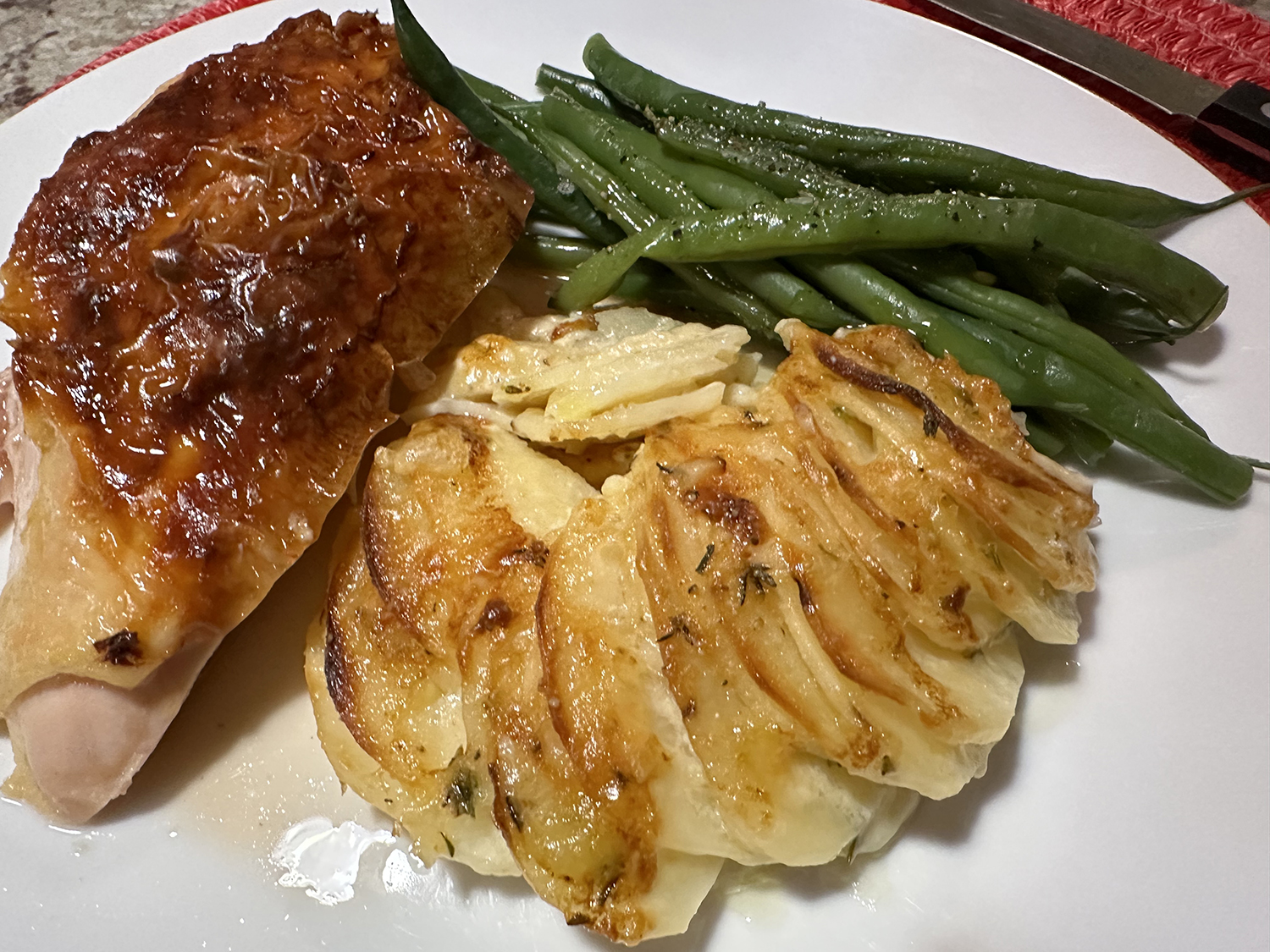
The BEST roast chicken you’ve ever had, using only 3 ingredients? Well, here it is folks. The Hubs commented at least 3 times that this is his latest, greatest roast chicken. And we’ve made many a roasted chicken in our time. Not in the original recipe, at the last minute we decided to stuff the cavity with a half lemon, cut in two pieces, and several sprigs of thyme.

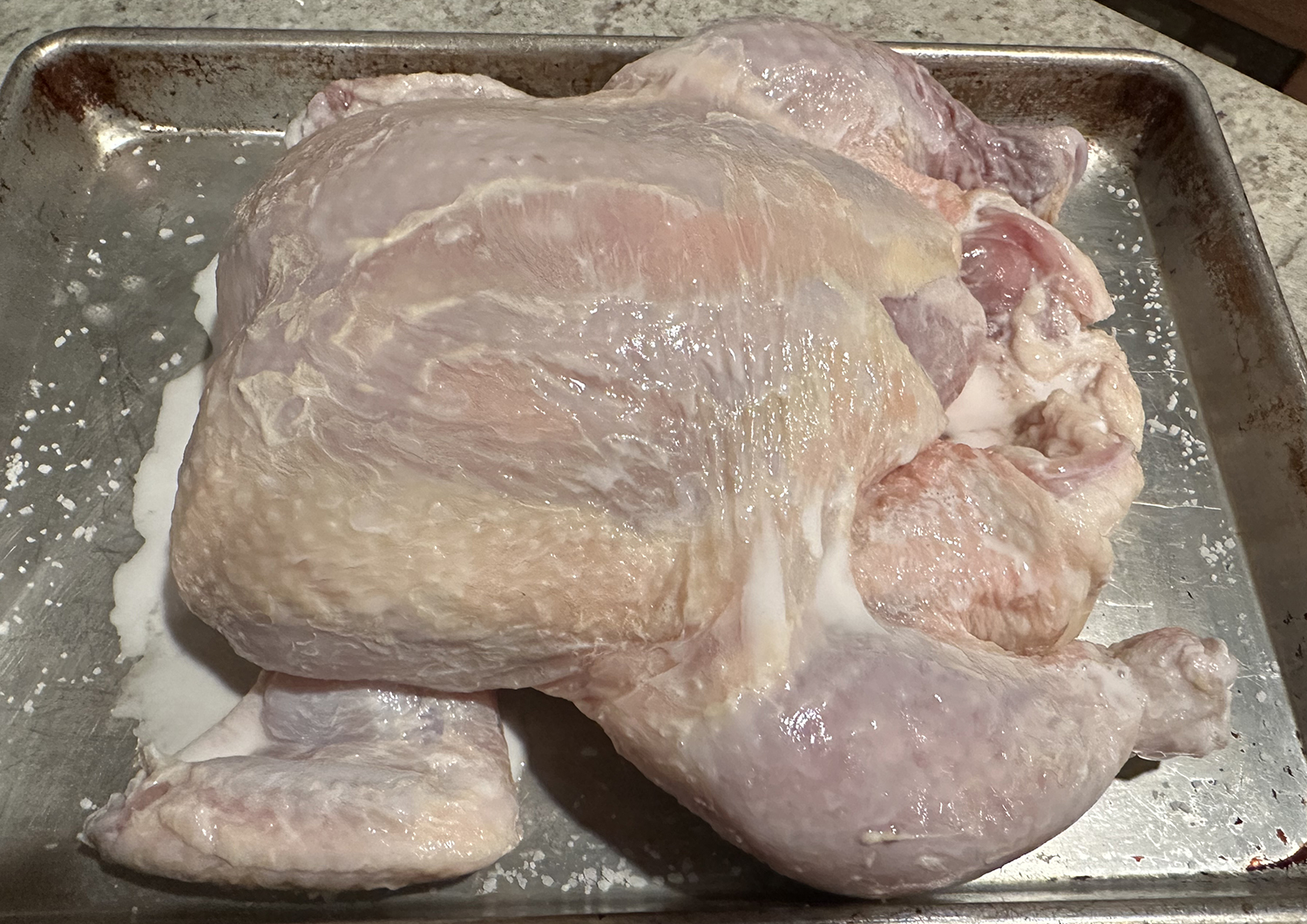
This recipe, adapted from Samin Nosrat’s “Salt Fat Acid Heat,” is inspired by the Southern grandma method of marinating chicken overnight in buttermilk before frying it. You’re roasting here, but the buttermilk and salt still work like a brine, tenderizing the meat on multiple levels to yield an unbelievably juicy chicken.

The pan drippings were bursting with flavor and would make a fantastic gravy, which we fully intend on doing next time. As a side dish, we paired our chicken with Cheesy Hasselback Potato Gratin.

As an added bonus, the sugars in the buttermilk will caramelize, contributing to an exquisitely browned skin. Be sure to leave 24 hours for marinating the chicken. While the beauty of roast chicken is that you can serve it anytime, anywhere, try serving it alongside panzanella, which plays the role of starch, salad and sauce.

Buttermilk-Brined Roast Chicken

  • Servings: 4
  • Difficulty: easy
  • Print

Ingredients

  • 1 chicken, 3½ to 4 lbs.
  • Kosher salt or fine sea salt
  • 2 cups buttermilk
  • Several sprigs of fresh thyme, optional
  • Half of a lemon, cut into two pieces, optional

Directions

  1. The day before you want to cook the chicken, remove the wingtips by cutting through the first wing joint with poultry shears or a sharp knife. Reserve for stock. Season chicken generously with salt and let it sit for 30 minutes.
  2. Stir 2 tablespoons kosher salt or 4 teaspoons fine sea salt into the buttermilk to dissolve. Place the chicken in a gallon-size resealable plastic bag and pour in the buttermilk. (If the chicken won’t fit in a gallon-size bag, double up 2 plastic produce bags to prevent leaks and tie the bag with twine.)
  3. Seal the bag, squish the buttermilk all around the chicken, place on a rimmed plate, and refrigerate for 12 to 24 hours. If you’re so inclined, you can turn the bag periodically so every part of the chicken gets marinated, but that’s not essential.
  4. Pull the chicken from the fridge an hour before you plan to cook it. Heat the oven to 425 degrees with a rack set in the center position.
  5. Remove the chicken from the plastic bag and scrape off as much buttermilk as you can without being obsessive. Stuff the cavity with lemon and thyme, if desired. Tightly tie together the legs with a piece of butcher’s twine. Place the chicken in a 10-inch cast-iron skillet or a shallow roasting pan.
  6. Slide the pan all the way to the back of the oven on the center rack. Rotate the pan so that the legs are pointing toward the rear left corner and the breast is pointing toward the center of the oven. (The back corners tend to be the hottest spots in the oven, so this orientation protects the breast from overcooking before the legs are done.) Pretty quickly you should hear the chicken sizzling.
  7. After about 20 minutes, when the chicken starts to brown, reduce the heat to 400 degrees and continue roasting for 10 minutes.
  8. Move the pan so the legs are facing the rear right corner of the oven. Continue cooking for another 30 minutes or so, until the chicken is brown all over and the juices run clear when you insert a knife down to the bone between the leg and the thigh. If the skin is getting too brown before it is cooked through, use a foil tent. Remove it to a platter and let it rest for 10 minutes before carving and serving.

http://www.lynnandruss.com

Recipe by Samin Rosrat for NYTimes Cooking

Sticky Oyster Sauce Chicken

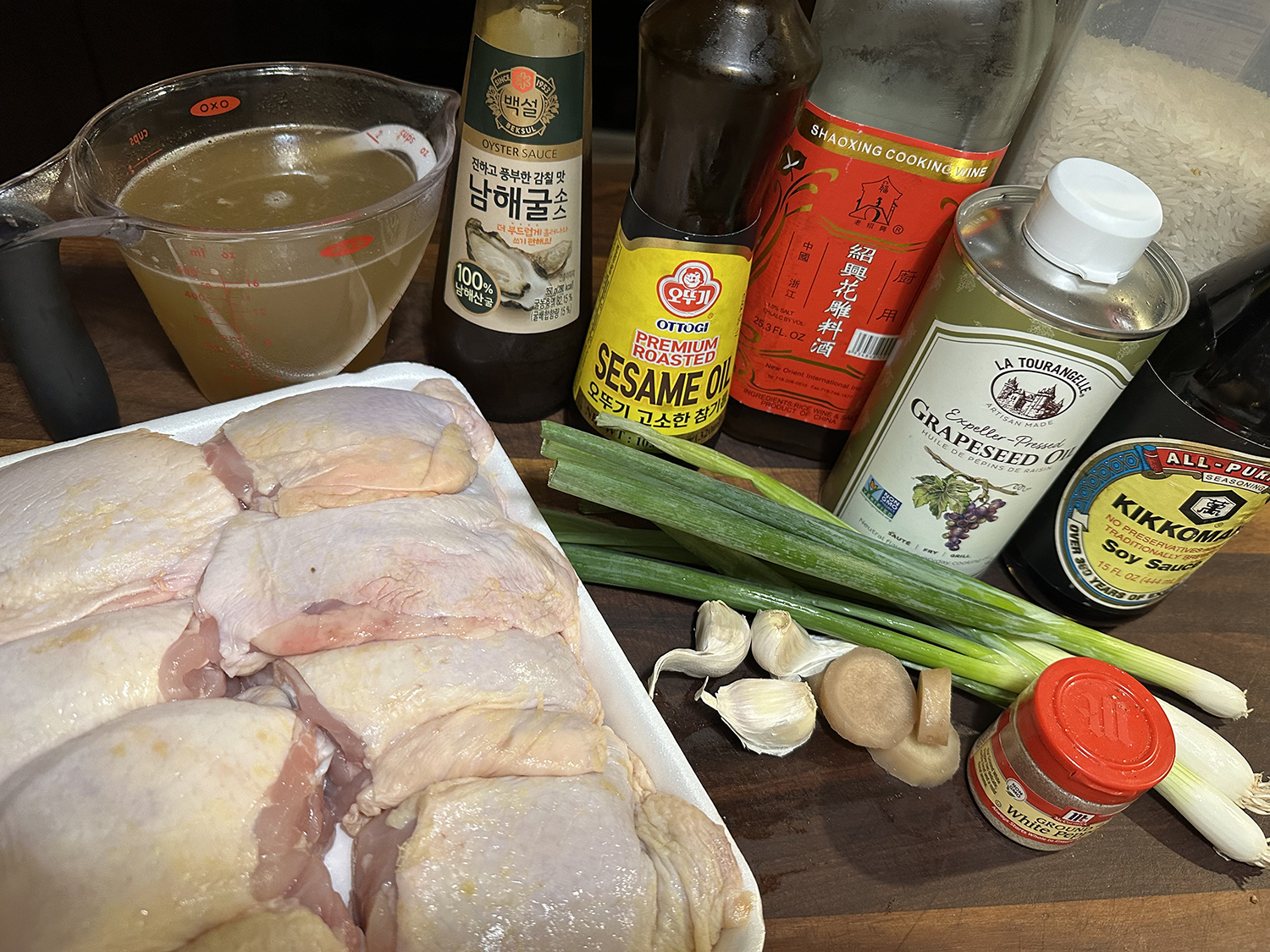
The chicken is infused with intense umami flavor thanks to oyster sauce and a classic trio of Chinese aromatics: scallion (also known as green onions), ginger, and garlic to make for a luxurious, yet simple chicken dish complete with sticky gravy.

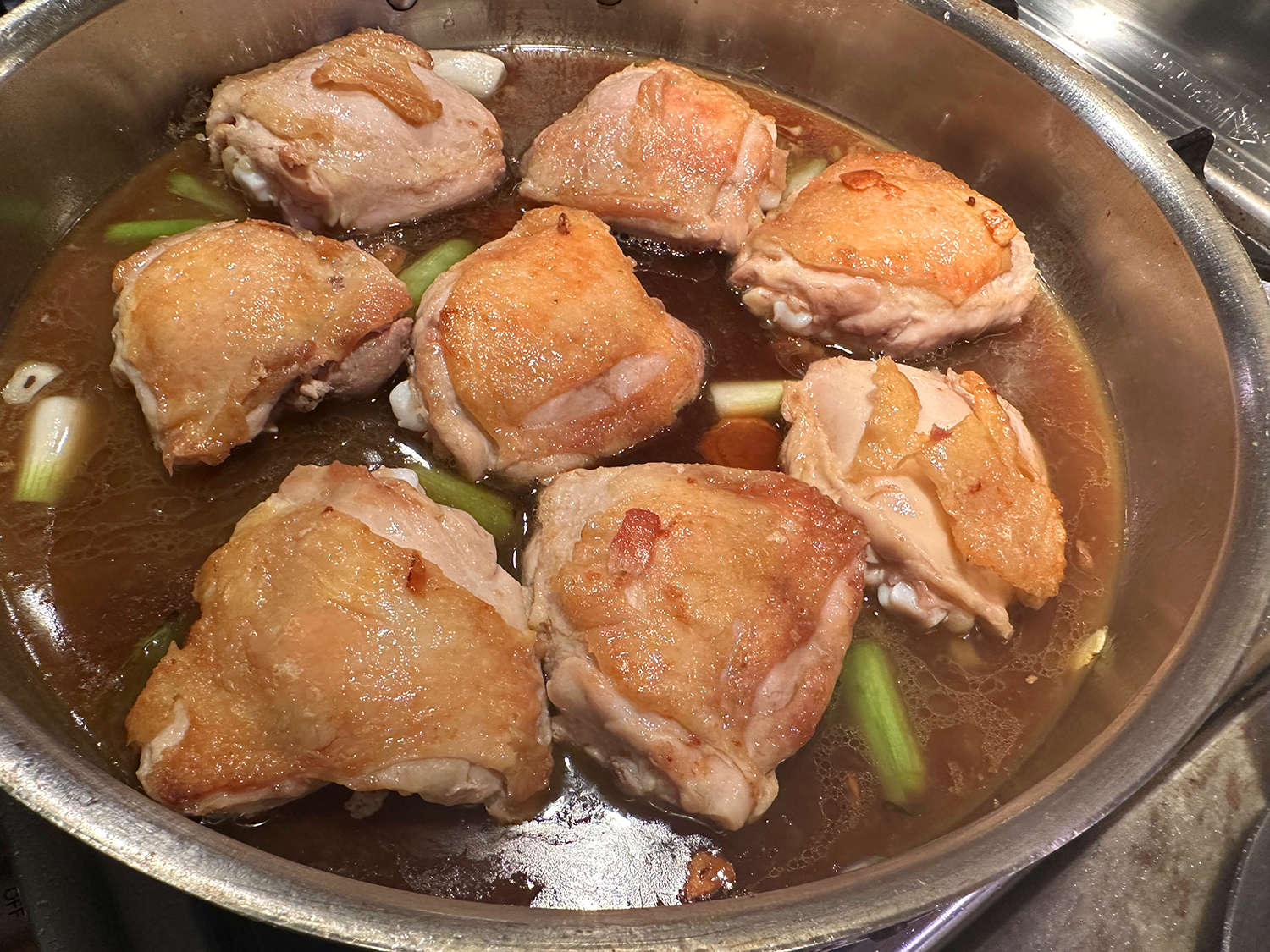
While this recipe calls for 4 whole chicken leg quarters—and I am not a fan—we used 8 bone-in chicken thighs. You may notice that the original recipe does not use cornstarch to thicken the sauce here. But if you simmer it for 5 to 10 minutes and it is still thin, add the cornstarch slurry (we needed to).

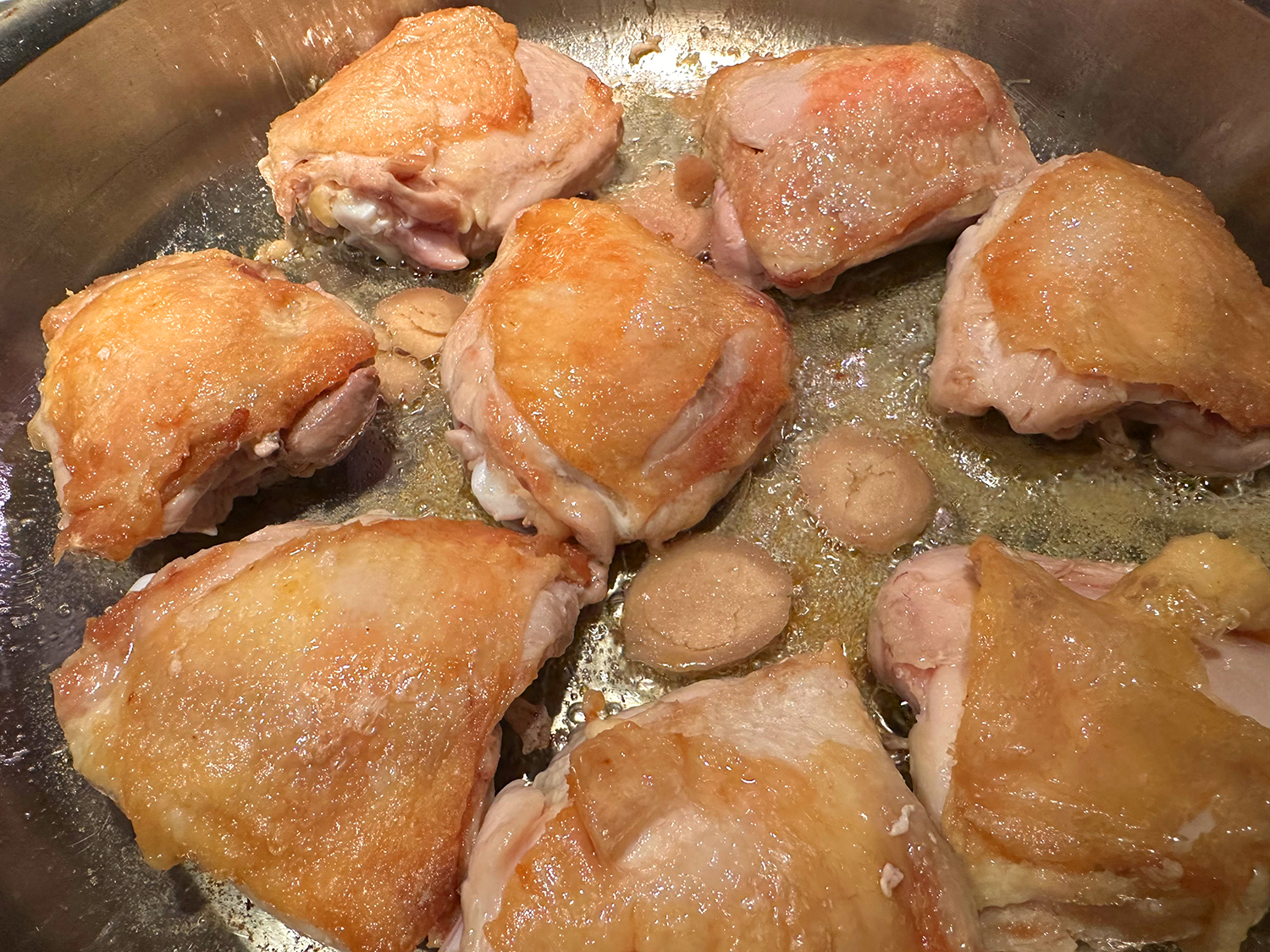
The skin-on chicken is key to getting that nice texture to the sauce. Turn the heat up to reduce the sauce if you like yours on the thicker side, as we do. 

Sticky Oyster Sauce Chicken

  • Servings: 4
  • Difficulty: easy
  • Print

Ingredients

  • 4 chicken leg quarters, or 8 chicken thighs
  • 2 Tbsp. neutral oil, such as vegetable, canola, or avocado oil
  • 4 slices fresh ginger, ¼-inch thick and smashed with the side of your knife
  • 3 cloves garlic, thinly sliced
  • 3 scallions, cut into 2-inch pieces, white and green portions separated
  • ¼ cup Shaoxing wine
  • 2 cups chicken stock, preferably homemade
  • 2 Tbsp. soy sauce
  • 3 Tbsp. oyster sauce
  • ¼ tsp. ground white pepper
  • ½ tsp. sesame oil

Directions

  1. Rinse the chicken and trim off any excess fat. This recipe calls for whole chicken leg quarters, but you can cut them into drumsticks and thighs for easier handling in the wok if desired.
  2. Heat the neutral oil in your wok or a large frying pan over medium high heat, spreading the oil around to coat. Place the chicken skin-side-down in the pan carefully, and sear for about 3 minutes, or until golden brown.
  3. Next, flip the chicken and add the smashed ginger slices to the bottom of the pan. Let both sides of the ginger slices cook and caramelize in the oil for 1 to 2 minutes.
  4. Next, add the garlic slices and white portions of the scallions. Let fry in the oil for a minute. Use a metal spatula to ensure the chicken is not stuck to the wok, but be gentle so as to not break up the chicken skin.
  5. Add the Shaoxing wine to deglaze the pan, and let cook for another 1 to 2 minutes. Add the chicken stock, soy sauce, oyster sauce, white pepper, and sesame oil. Stir until well combined and bring the liquid to a boil. Reduce the heat to a slow simmer. Cover and let cook for 15 minutes.
  6. Use tongs or chopsticks to turn the chicken quarters and let cook for another 15 minutes. There should be quite a bit of sauce in the pan.
  7. Next, uncover the chicken and check the temperature. Use a meat thermometer to check to make sure the internal temperature of the chicken is 165 degrees F. Alternatively, you can just poke the thickest part of the chicken leg quarter with a fork–the juice should run clear. If so, remove the chicken to a plate and cover with tinfoil.
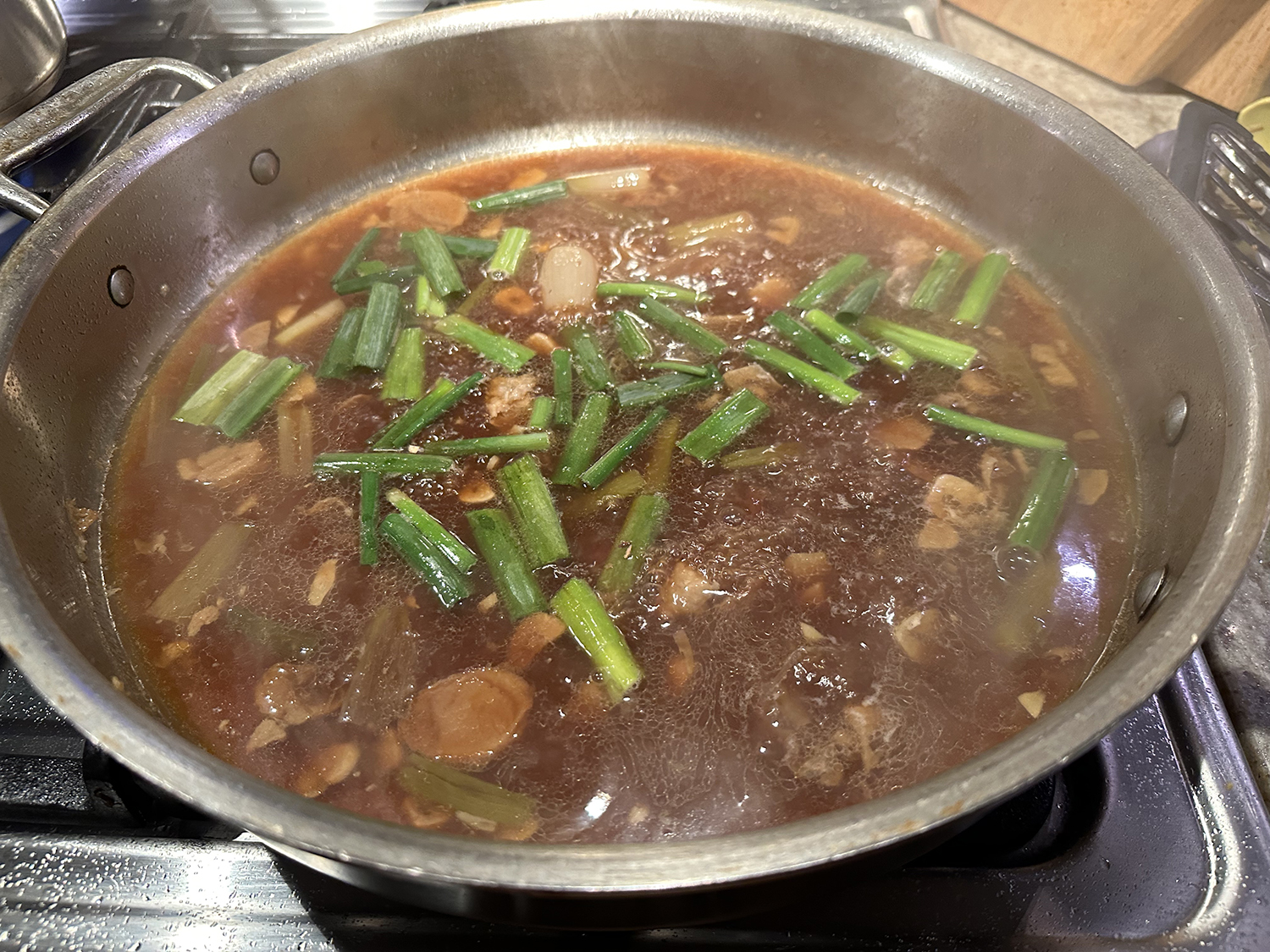
  8. Add the green portions of the scallions to the sauce, and cook uncovered to reduce the liquid until it just begins to coat a spoon. At this point, you can be the judge of how thick or thin you want your sauce to be. Turn the heat up to reduce the sauce if you like yours on the thicker side. If necessary make a cornstarch slurry and add to the sauce to thicken. (It was necessary for us.)
  9. Once the sauce is thickened, add the chicken back to the skillet and cover for about 3-5 minutes.
  10. Serve the chicken, all of that luscious gravy, and the cooked down garlic, ginger, and scallions over a bed of white rice with your favorite veggies. Stir-fried bok choy or garlicky broccoli are great choices.

http://www.lynnandruss.com

Recipe from Bill for the WoksofLife.com

Curried Chicken Fried Rice with Chiles

Another weeknight recipe that transports you out of the ordinary doldrums of your usual meal rotation. Nigerian fried rice, seasoned with curry powder, dried thyme and a handful of aromatics, inspired this meal-in-a-skillet. While beef liver and an assortment of vegetables are classic ingredients, here it is comprised of chicken thighs and green beans.

Instead of using just-cooked rice, which results in a softer, moisture texture in the finished dish, plain cooked rice that’s been chilled is used so the grains “fry” up light and fluffy. Fragrant basmati is especially good, but any type of long-grain white rice works.

Don’t be afraid to really scrape up the browned bits from the surface of the skillet after you’ve added the broth. The caramelization lends the fried rice great depth of flavor.

Curried Chicken Fried Rice with Chiles

  • Servings: 4
  • Difficulty: easy
  • Print

Ingredients

  • 3 Tbsp. neutral oil or refined coconut oil, divided
  • 1 lb. boneless, skinless chicken thighs, trimmed and cut into 1-inch pieces
  • 2 tsp. curry powder, divided
  • Kosher salt and ground black pepper
  • 4 scallions, thinly sliced, whites and greens reserved separately
  • 2 Tbsp. minced fresh ginger
  • 4 oz. green beans, trimmed and cut into 1-inch pieces
  • 1 tsp. dried thyme
  • 1 Fresno or jalapeño chili, stemmed, seeded and thinly sliced
  • 4 cups cooked and chilled long-grain white rice, preferably basmati
  • 1 cup chicken broth, preferably homemade

Directions

  1. In a 12-inch skillet over medium-high, heat 2 tablespoons of the oil until barely smoking. Add the chicken and sprinkle with ½ teaspoon of the curry powder, ½ teaspoon salt and ¼ teaspoon pepper. Cook, stirring occasionally, until evenly browned, 4 to 6 minutes.
  2. Push the chicken to the perimeter of the pan. To the center, add the remaining 1 tablespoon oil, scallion whites and ginger; cook, stirring, until lightly browned, about 1½ minutes. Into the scallion mixture, stir the beans, thyme, half of the chili, the remaining 1½ teaspoons curry powder and ¼ teaspoon each salt and pepper. Stir the chicken into the bean mixture; cook, stirring occasionally, until the beans are bright green, about 2 minutes. Stir in the rice, then add the broth and scrape up any browned bits. Cook, stirring, until the liquid is absorbed, 3 to 5 minutes.
  3. Off heat, taste and season with salt and pepper. Serve sprinkled with the scallion greens and remaining chili.

http://www.lynnandruss.com

Recipe by Courtney Hill for Milk Street