Tag Archives: pasta

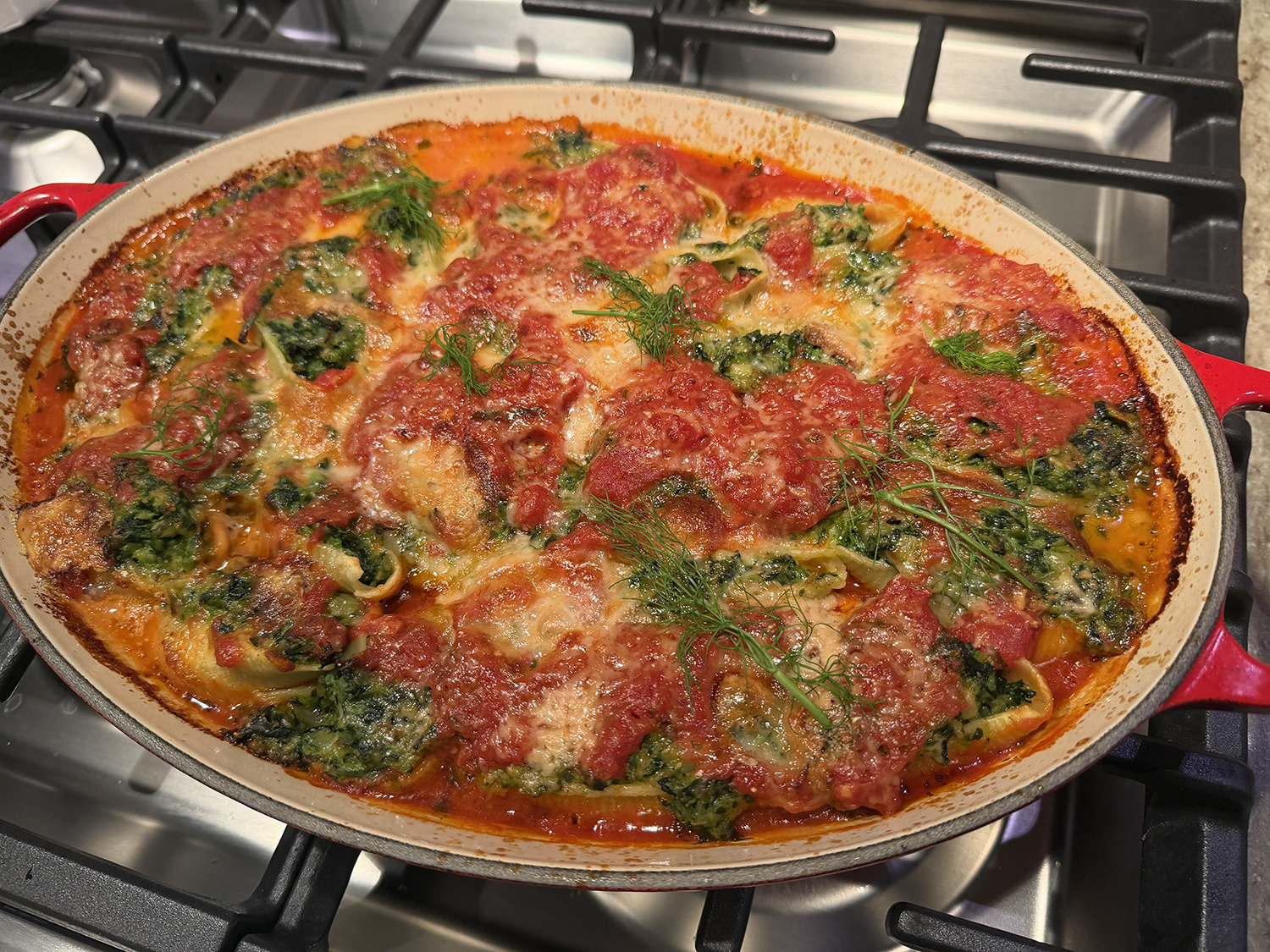
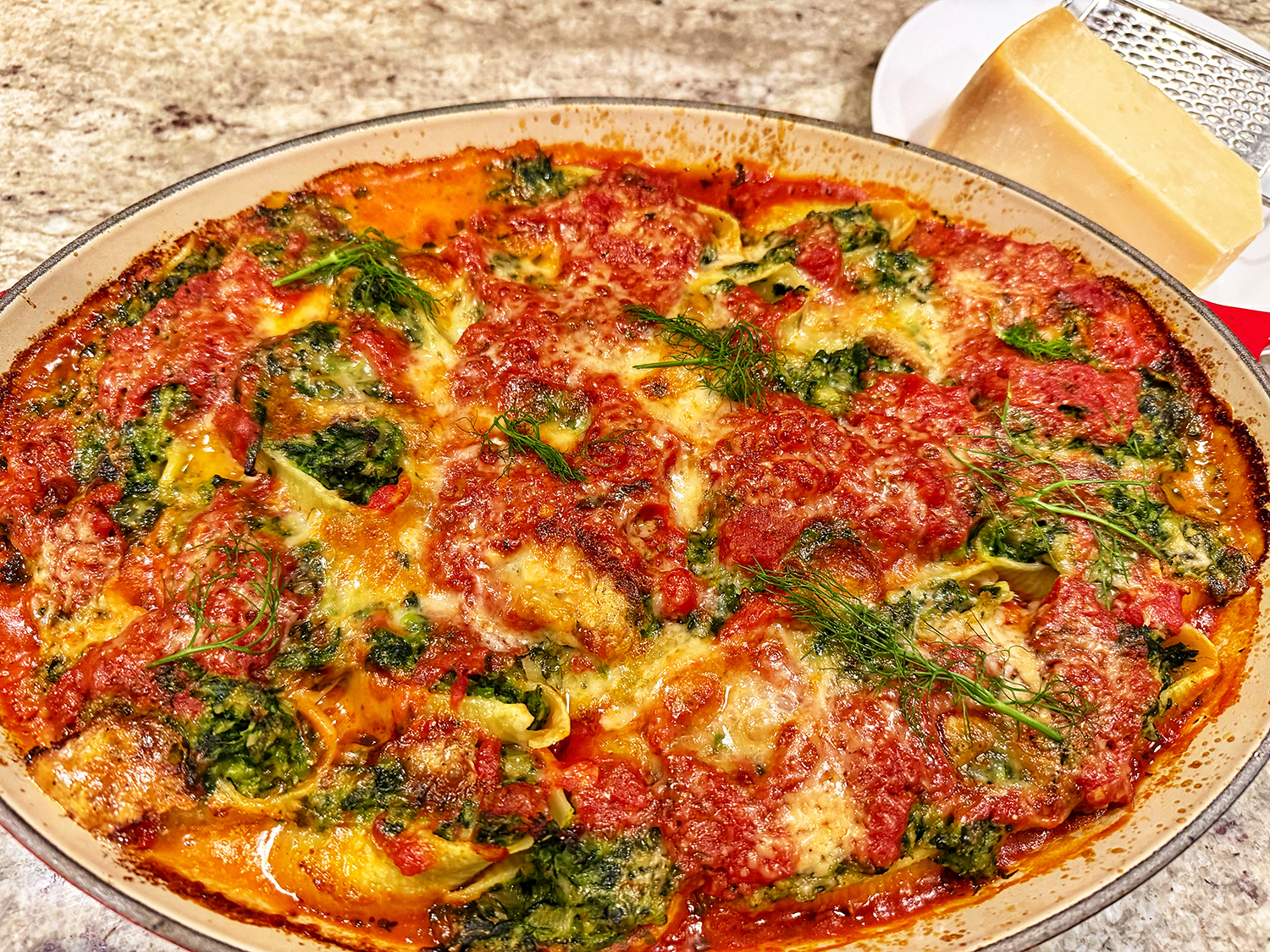
Stuffed Shells with Peas, Spinach and Fennel

“Sauced with a bright-tasting marinara (the key is cutting the canned tomatoes with passata, Italy’s raw, strained tomato purée) and topped with grated Parmesan and more Taleggio, these stuffed shells deliver all the satisfying coziness of the original—but tastes like a welcome refresh.”

While it is a rather labor-intense undertaking, and uses lots of kitchen pots and appliances, it is a very satisfying, and less heavy vegetarian pasta option. Before even starting, make sure you have a broiler-proof casserole dish such as enameled cast iron, or your vessel could crack under the intense heat of the broiler.

The humble green pea is the star here, thanks to their abundance of water and soluble fiber, which renders them wonderfully smooth when puréed. In addition, a full pound of frozen chopped spinach is added for more green color and freshness. (Freezing breaks open the leaves’ cells, softening them.)

Sautéed fennel, shallot and garlic bring gentle sweetness, and plenty of basil and lemon zest round things out. Taleggio cheese is the binder to give the filling cohesion as well as some richness and adds robust flavor to complement the stuffing. Fontina cheese would make a fine replacement for Taleggio (perhaps even more of it?)

While the recipe calls for a rectangular 9″ x 13″ broiler-proof casserole dish, ours was oval in shape, but still fit exactly 25 jumbo stuffed shells. The unused shells were stored in a seal proof container with a bit of sauce to prevent sticking together, and saved for another use.

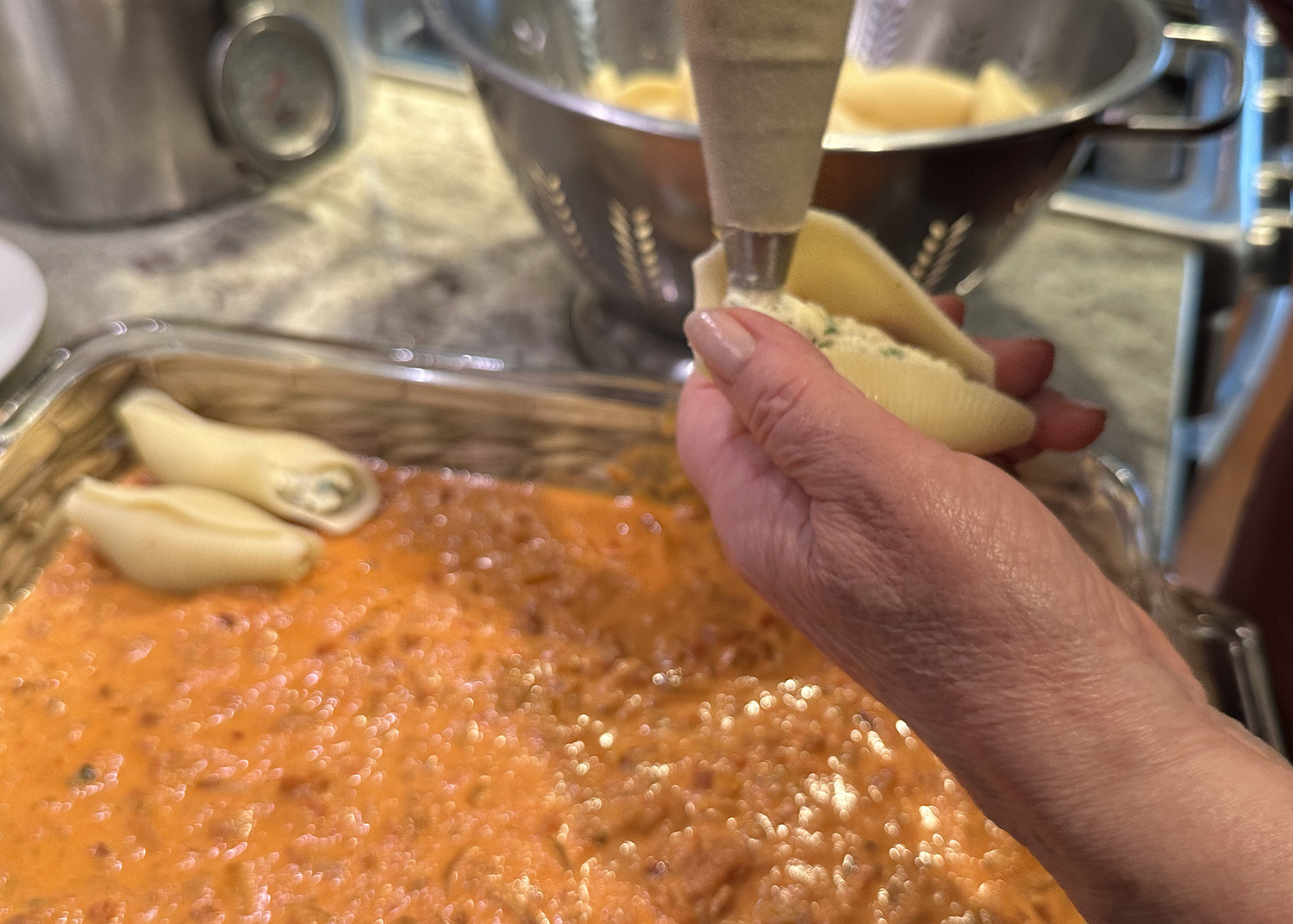
TIP: To make the slippery shells easier to fill, hold each lengthwise in your palm and gently squeeze the ends; the center will pop right open!

*BTW, a whole bottle (24 oz.) of passata was inadvertently included in our sauce. But in the end it was a happy mistake, because we liked the additional sauce. We used more in the casserole, and leftovers for passing purposes.

Stuffed Shells with Peas, Spinach and Fennel

  • Servings: 6-8
  • Difficulty: easy
  • Print

Ingredients

Sauce

  • 1⁄4 cup extra-virgin olive oil
  • 2 garlic cloves minced
  • 1 28-oz. can crushed tomatoes
  • 1 cup passata (or more, see above*)
  • 1⁄2 tsp. red pepper flakes
  • 3 Tbsp. chopped fresh basil
  • 3⁄4 tsp. table salt
  • 1⁄4 tsp. sugar

Filling

  • 1 Tbsp. extra-virgin olive oil
  • 1 large fennel bulb, stalks discaded, bulb halved, cored, and chopped fine
  • 1 lage shallot, peeled, halved and sliced thin
  • 2 garlic cloves, minced
  • 2 1⁄4 tsp. table salt, divided
  • 1 lb. frozen peas, thawed
  • 8 oz. Taleggio cheese, rind removed, divided
  • 2 tsp. grated lemon zest
  • 1⁄4 tsp. pepper
  • 1 lb. frozen chopped spinch, thawed and squeezed dry
  • 3 Tbsp. chopped fresh basil

Shells

  • 12 oz. jumbo pasta shells
  • Table salt for cooking pasta
  • 1⁄4 cup grated Parmesan cheese

Directions

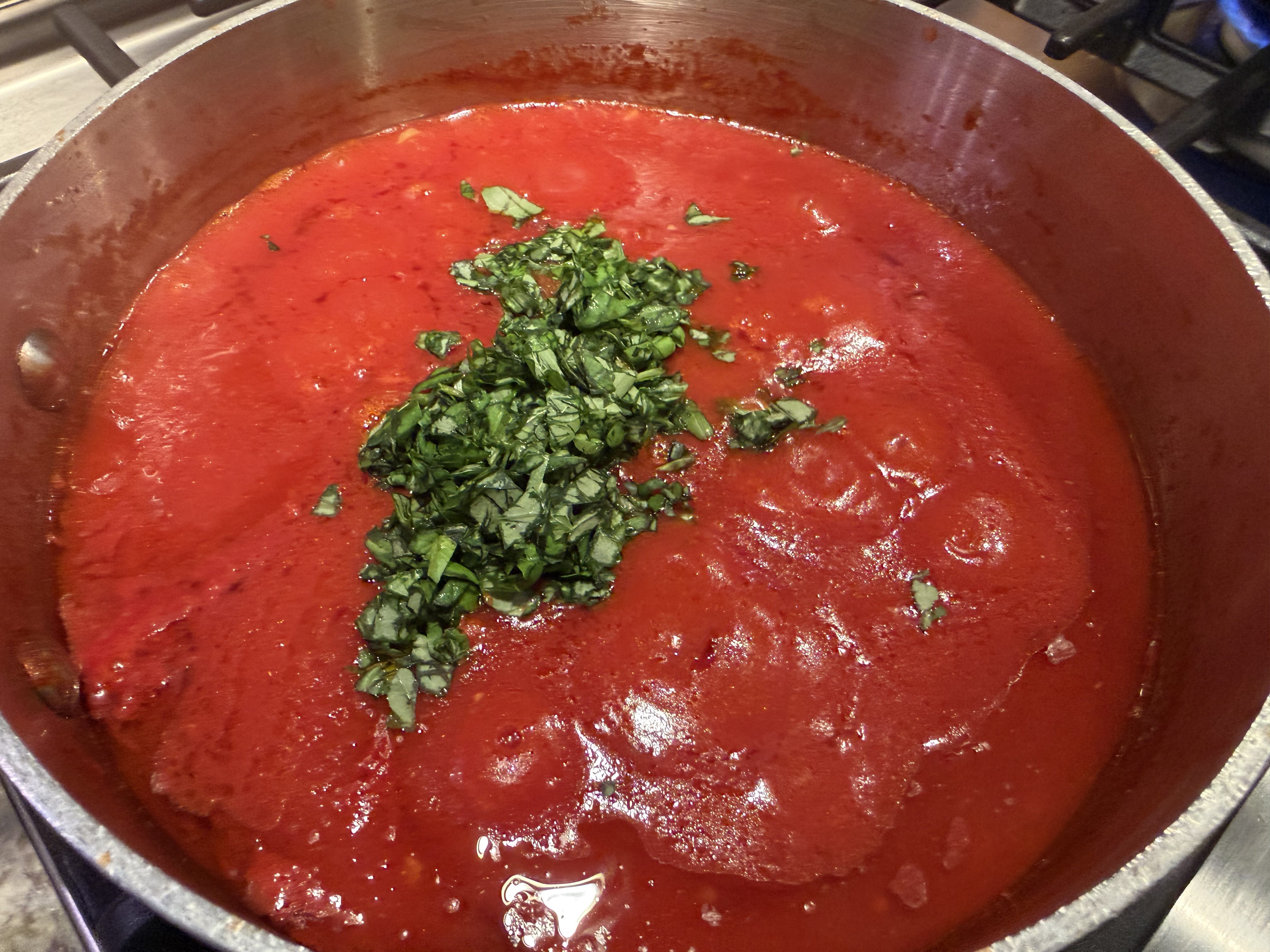
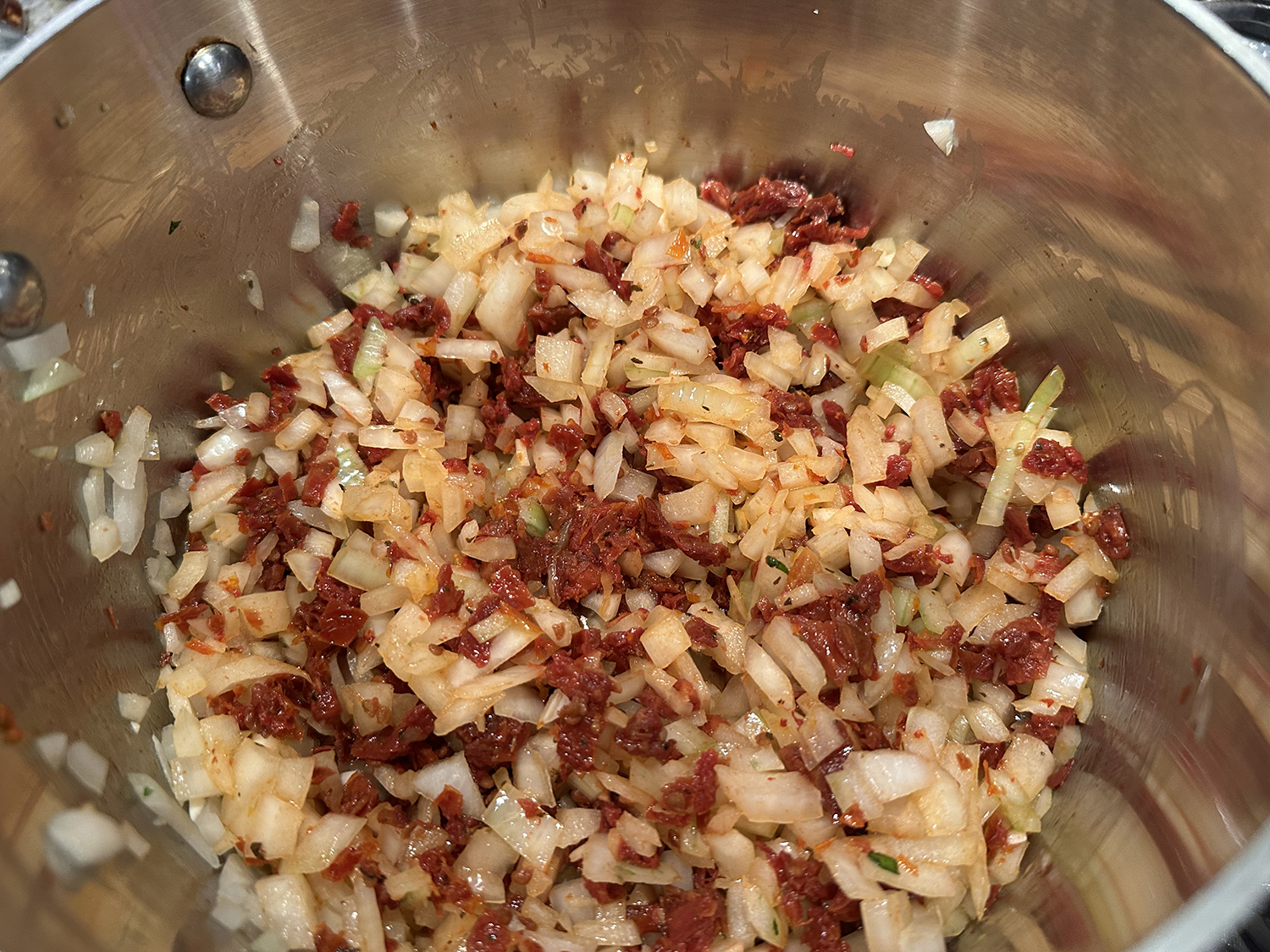
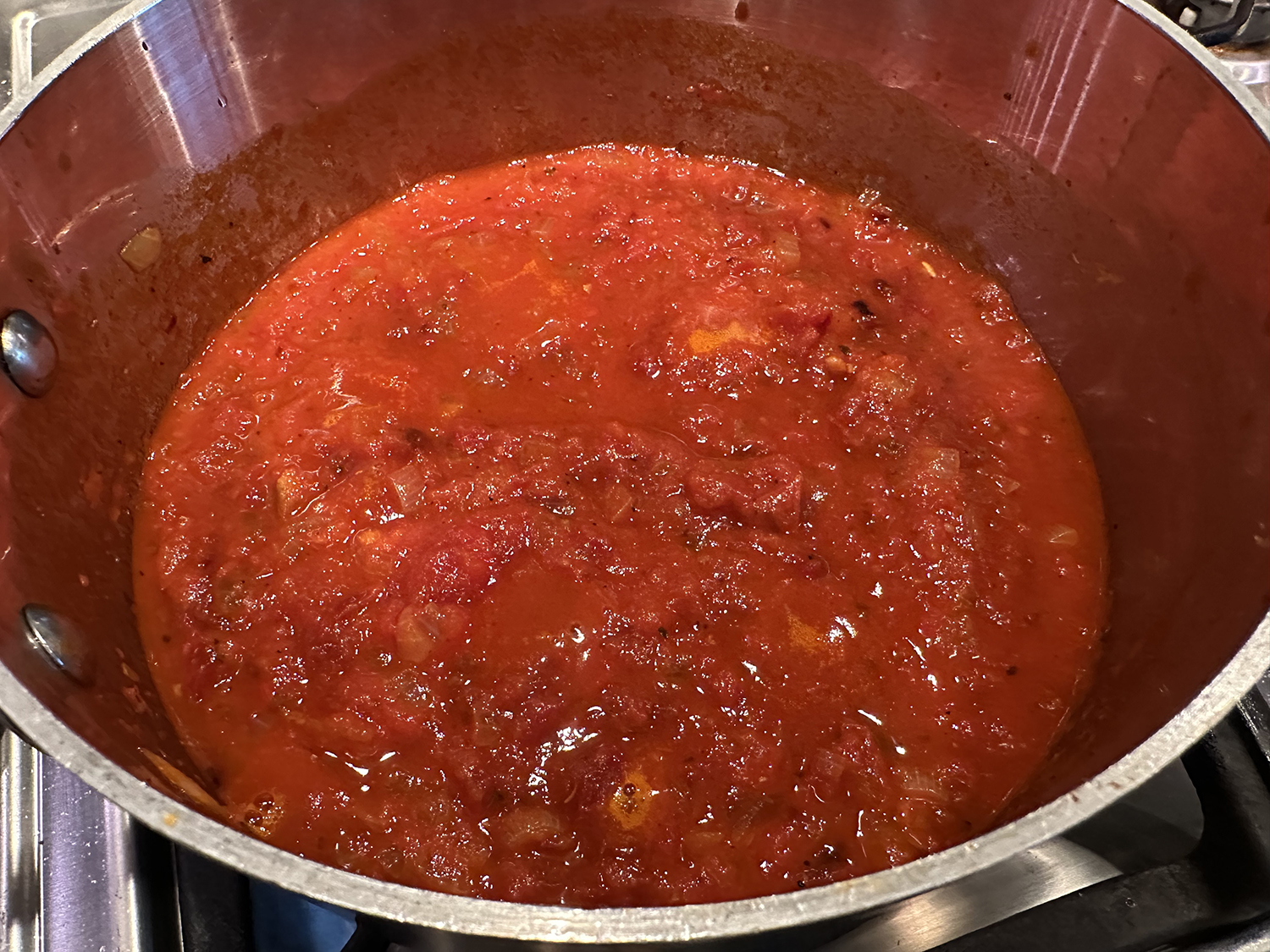
  1. For the Sauce: Heat oil and garlic in medium sauce pan, over medium heat, stirring frequently, until garlic is fragrant but not browned, about 2 minutes. Stir in tomatoes, passata and pepper flakes and simmer until slightly thickened, about 10 minutes. Stir in basil, salt and sugar. Cover and set aside.
  2. For the Filling: Heat oil in 12-inch skillet over medium heat until shimmering. Add fennel, shallot, garlic and 1/4 teaspoon salt and cook, stirring frequently, until fennel is translucent and shallot is beginning to brown, about 6 to 8 minutes. Add 1/2 cup of water, cover and cook for 5 minutes. Uncover and continue to cook, stirring frequently, until liquid has evaporated and fennel is crisp-tender and light golden brown, about 5 more minutes.
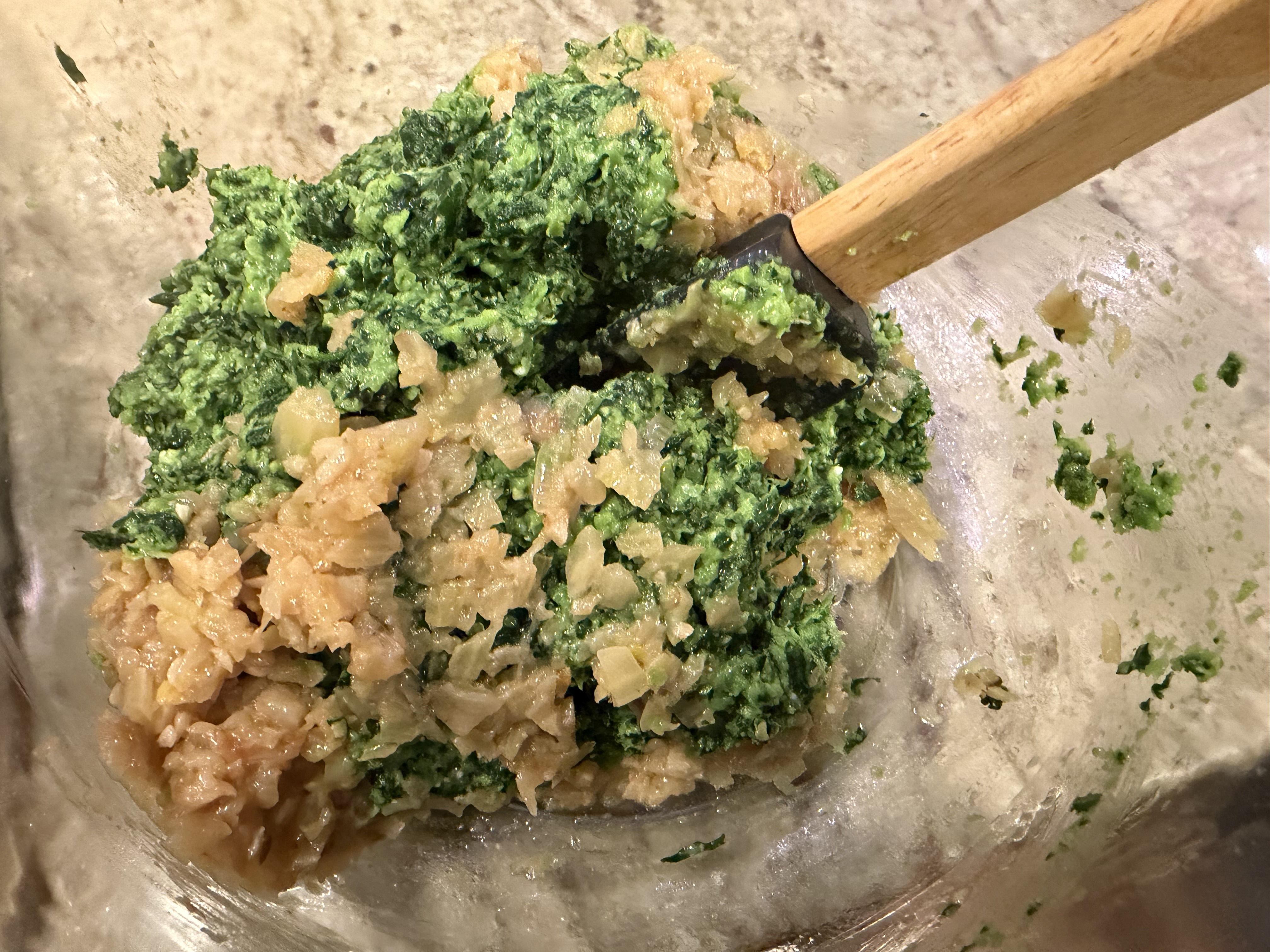
    Process peas in food processor for 15 seconds. Scrape down sides of bowl. Add half of Taleggio, lemon zest, pepper, and remaining 2 teaspoons salt and continue to process until cheese is incorporated and mixture is smooth, 20-30 seconds, scraping down bowl as needed. Add spinach and pulse to incorporate, 5 to 6 pulses. Transfer pea mixture to bowl with fennel, add basil, stir and set aside.
  3. For the Shells: Bring 4 quarts water to boil in large pot. Add pasta and 1 tablespoon salt and cook, stirring occasionally, until al dente, about 9 minutes.Drain pasta and rinse under cold water until cool to touch. Reserve 25 unbroken shells, save the others for another purpose.
    Adjust oven rack to middle position and heat oven to 350°F. Spread 2 cups sauce over bottom of 13-by-9 broiler-safe baking dish. Using spoon, fill each shell with about 2 tablespoons of filling. Arrange shells open side up in rows of 5 shells over sauce in dish. Pour remaining sauce evenly (will probably not cover shells completely). Sprinkle with Parmesan cheese. Break remaining Taleggio into small pieces and dot evenly over top.
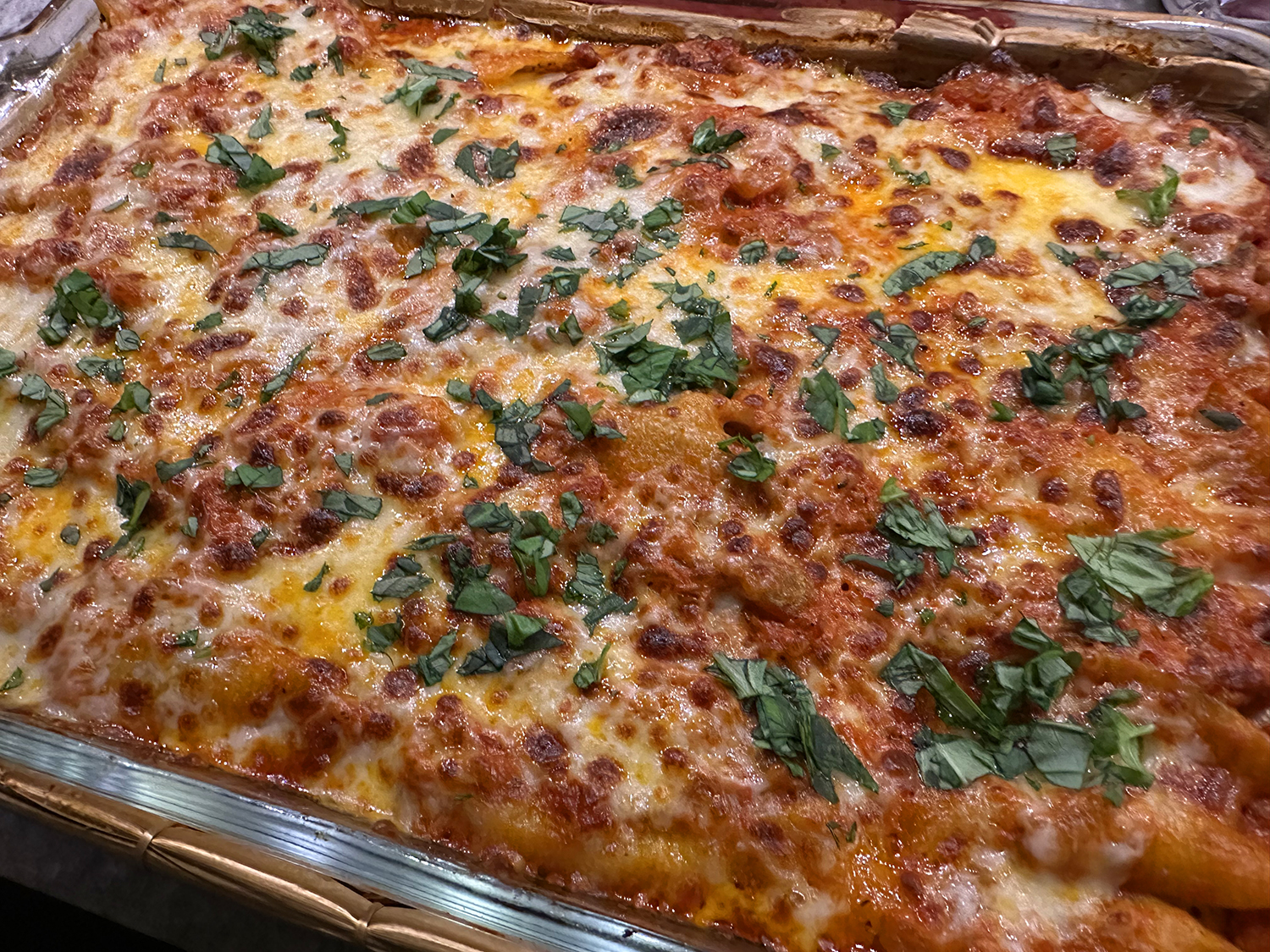
  4. To Finish: Cover dish slightly with aluminum foil and bake for 35 to 40 minutes until heated through. Remove foil and return dish to oven. Turn on broiler. Broil until sauce is bubbling and cheese is lightly browned, about 5 minutes. Transfer dish to wire rackand let cool for 10 minutes. Serve.
    NOTE: Fully assembled shells can be refrigerated for up to 24 hours; increase baking time by 10 minutes.

http://www.lynnandruss.com

Recipe by Steve Dunn for Cook’s Illustrated

Savory Mushroom Bacon Pasta

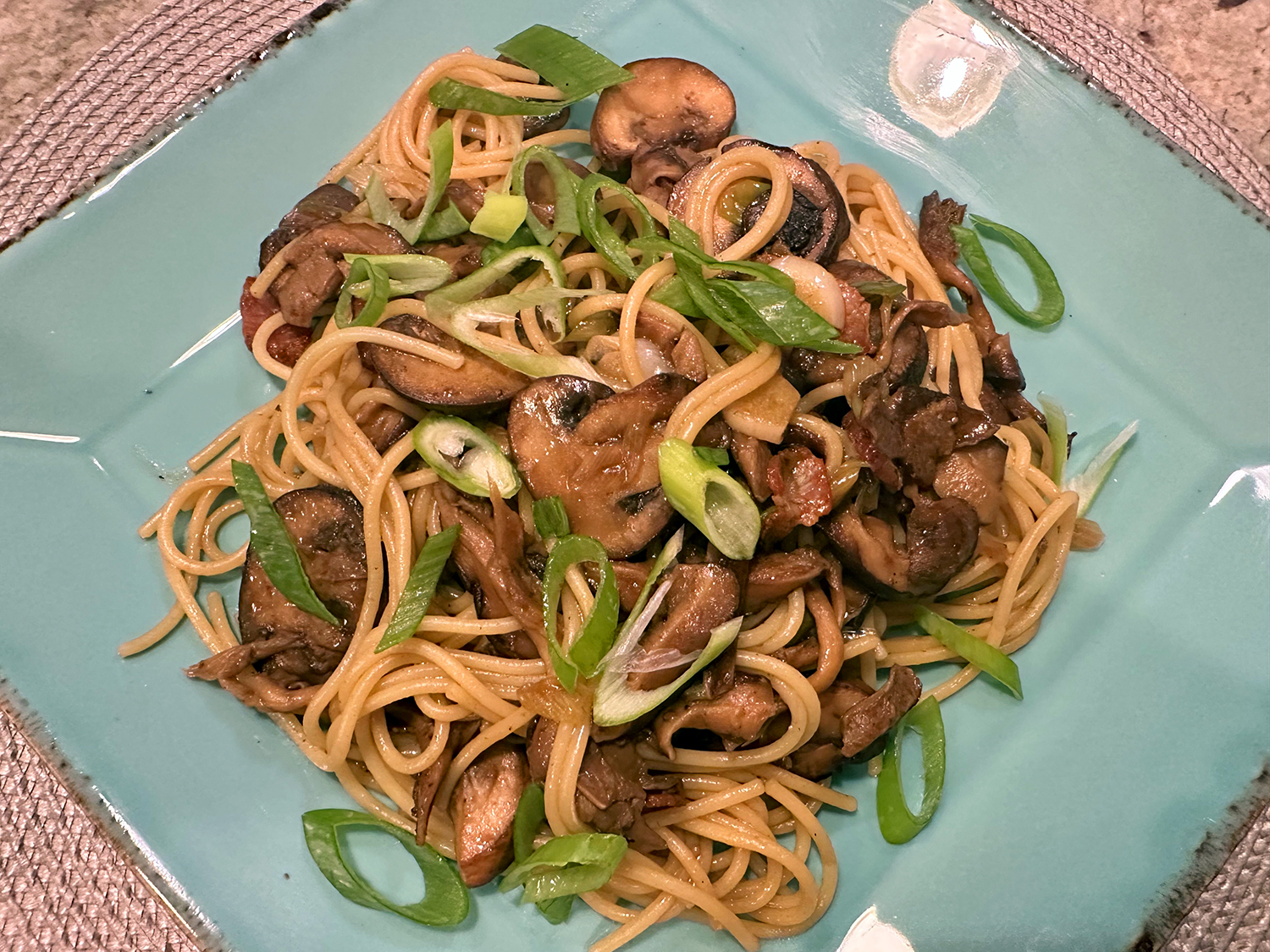
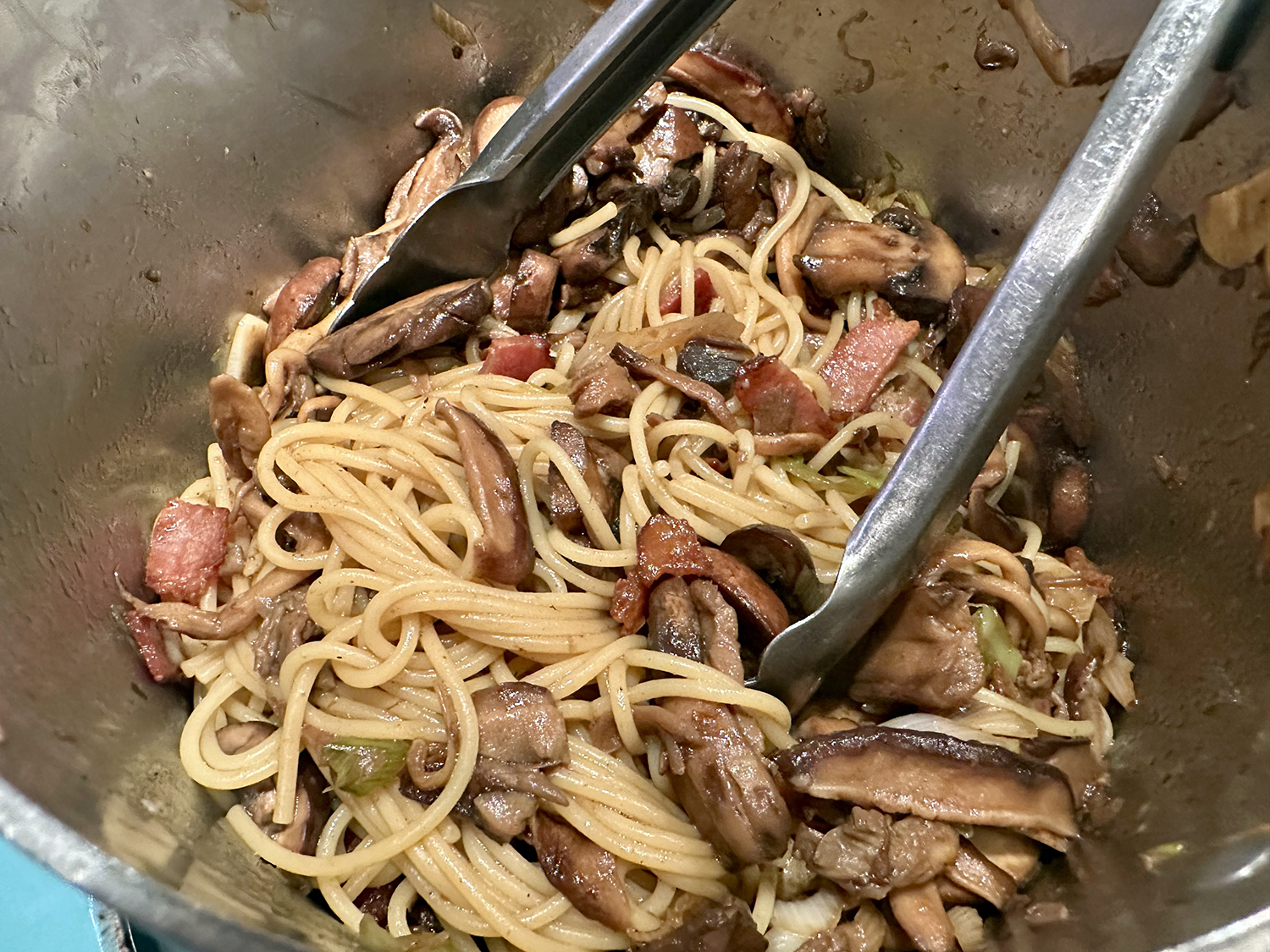
This Japanese-inspired mushroom pasta uses a mixture of mushrooms (such as oyster, shiitake, and cremini, but use whatever you prefer) and bacon tossed with garlic, soy sauce, butter, and spaghetti to make a quick pasta.

While the sauce coats the pasta lightly, its flavor is anything but subtle thanks to the addition of dashi powder. It is the key ingredient that adds a punch of umami to the dish. So before you start this dish, make sure you have dashi powder on hand. It is easy to get at an Asian market or online.

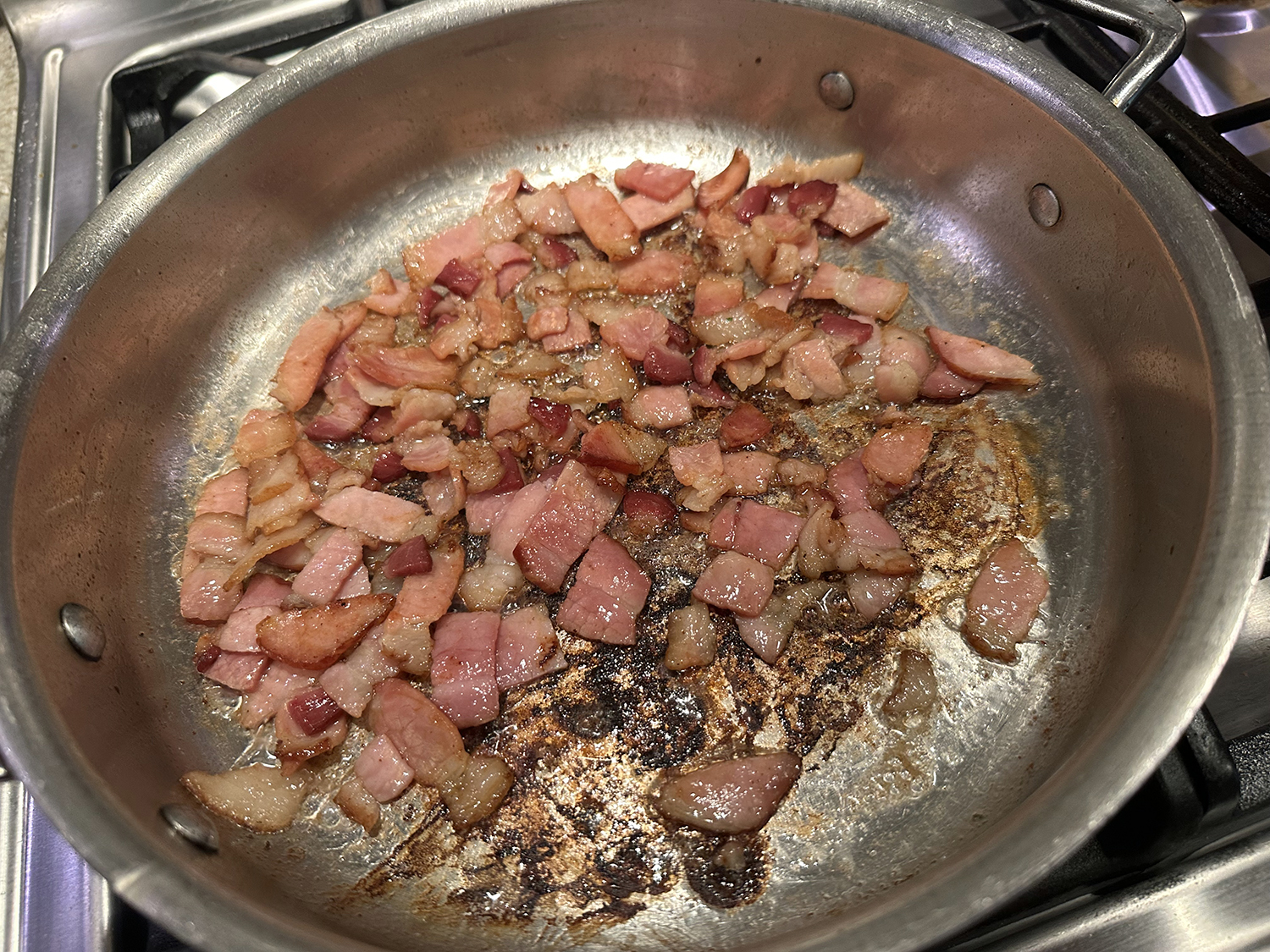
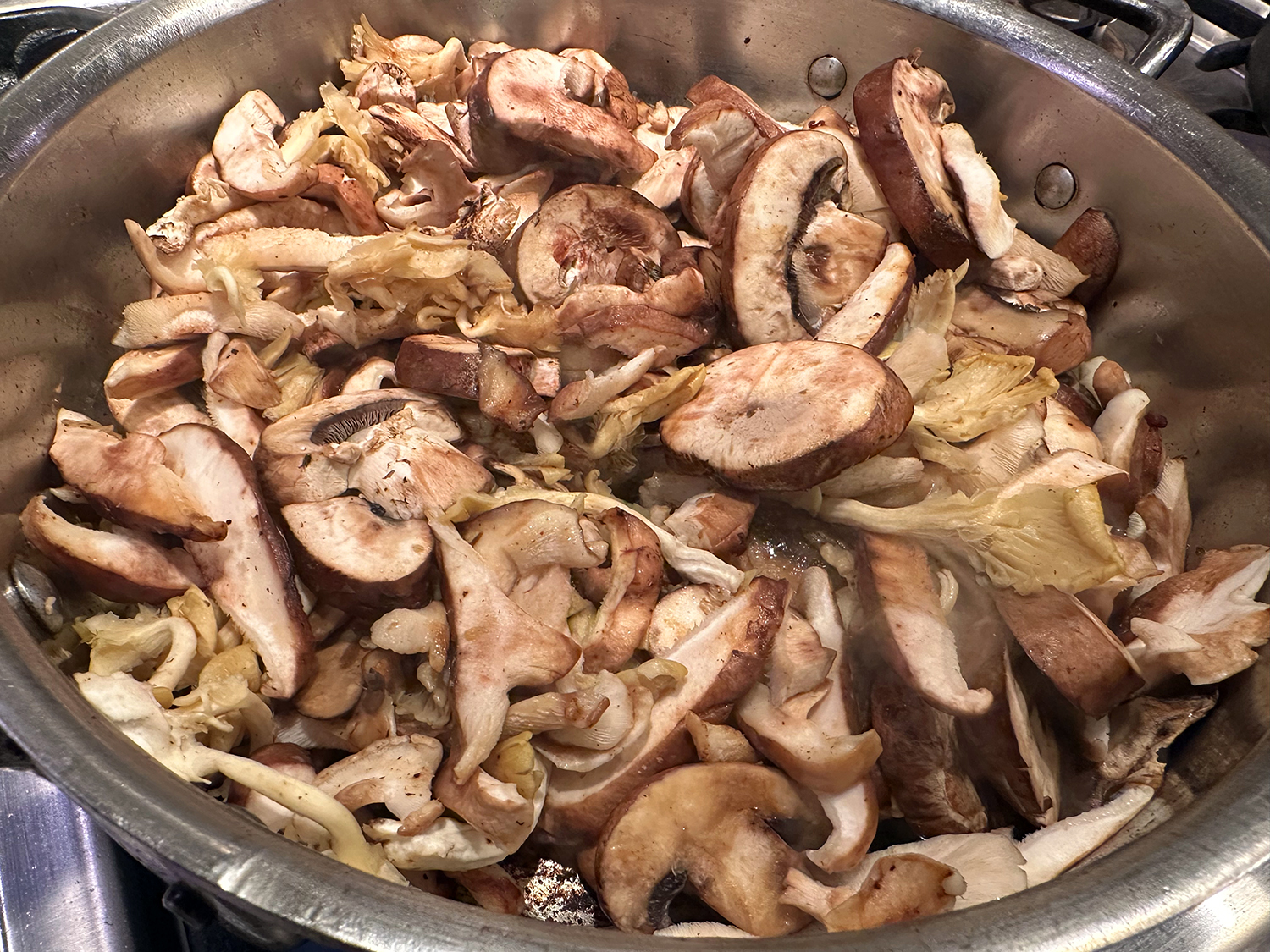
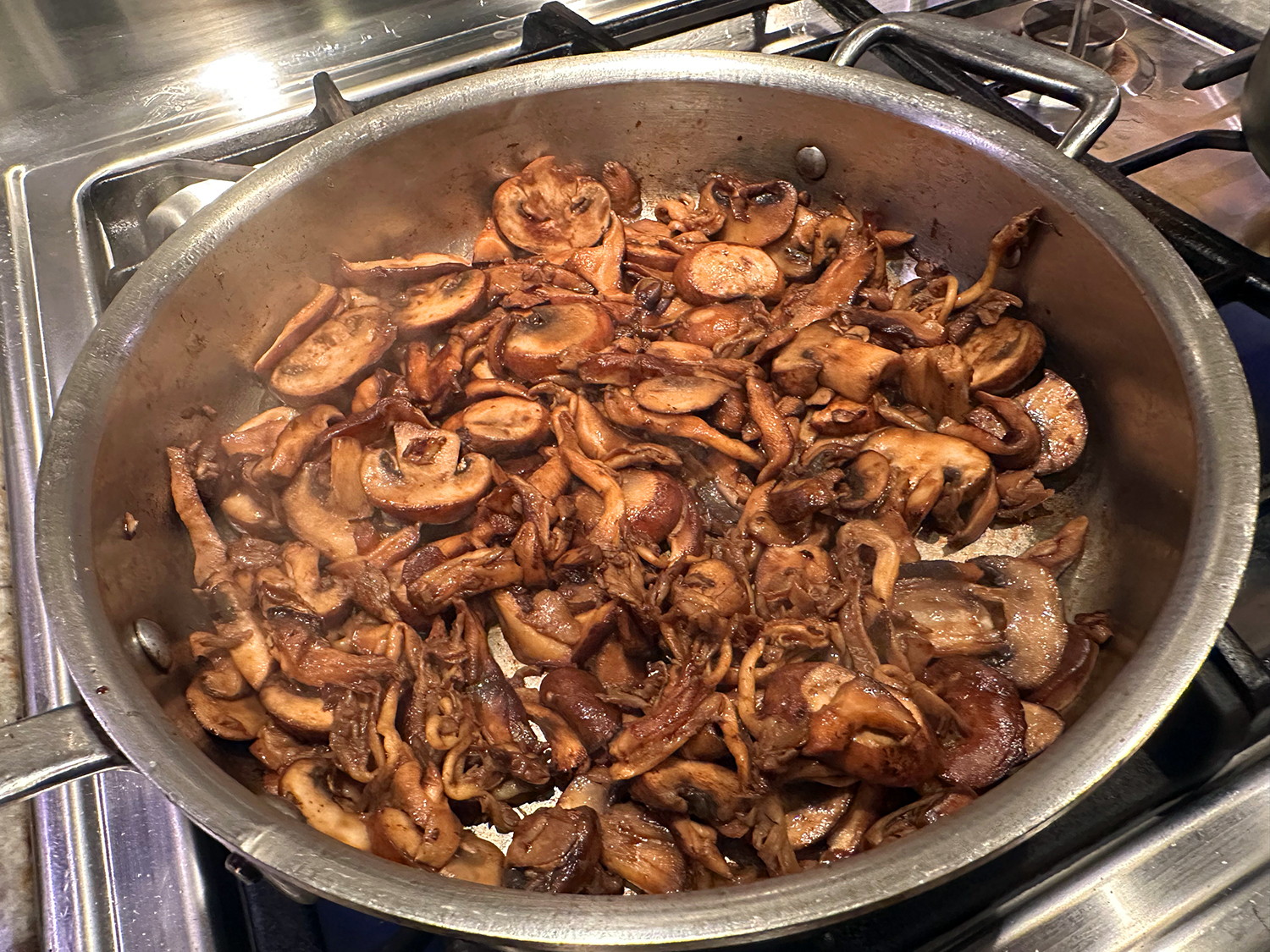
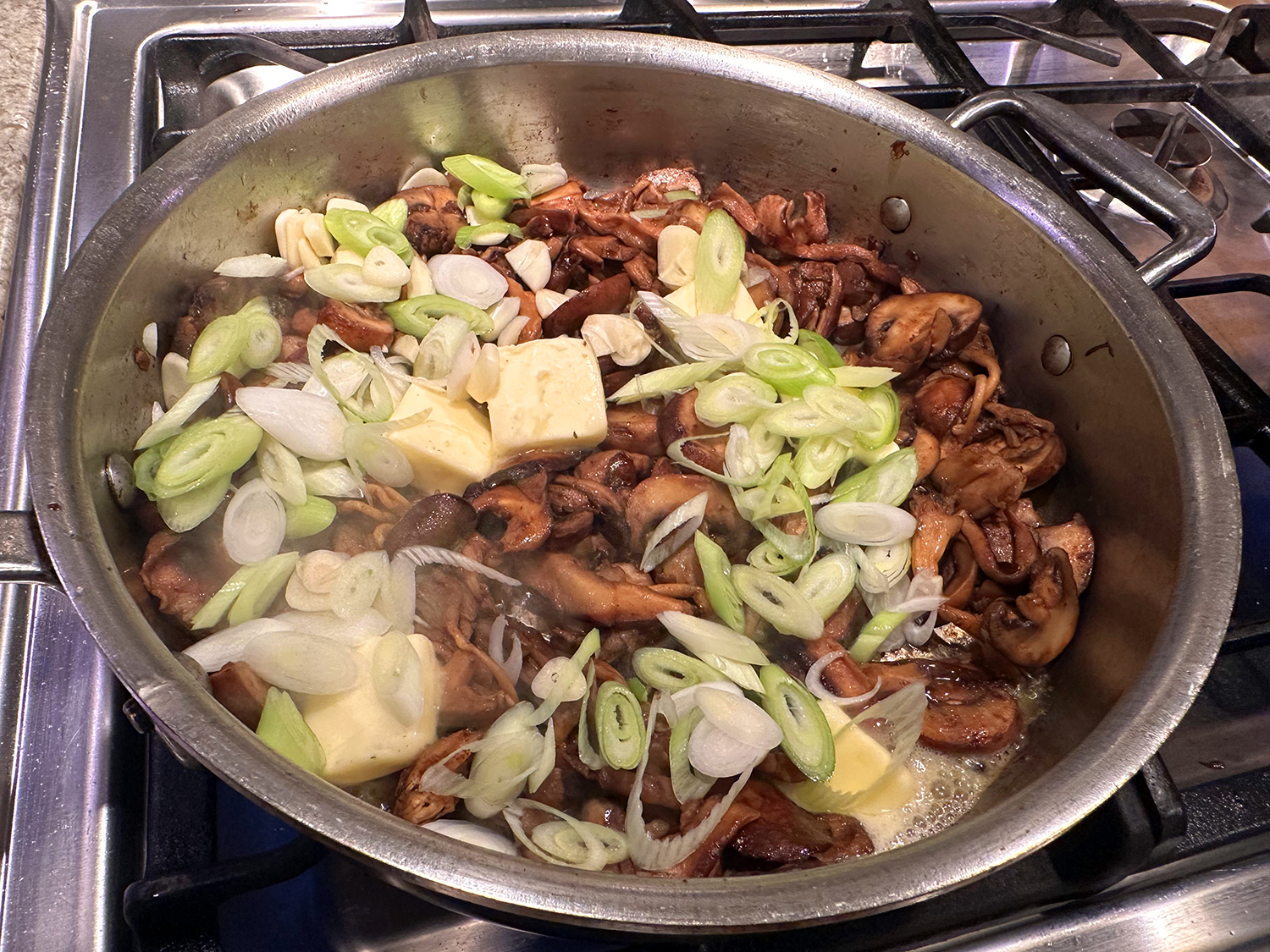
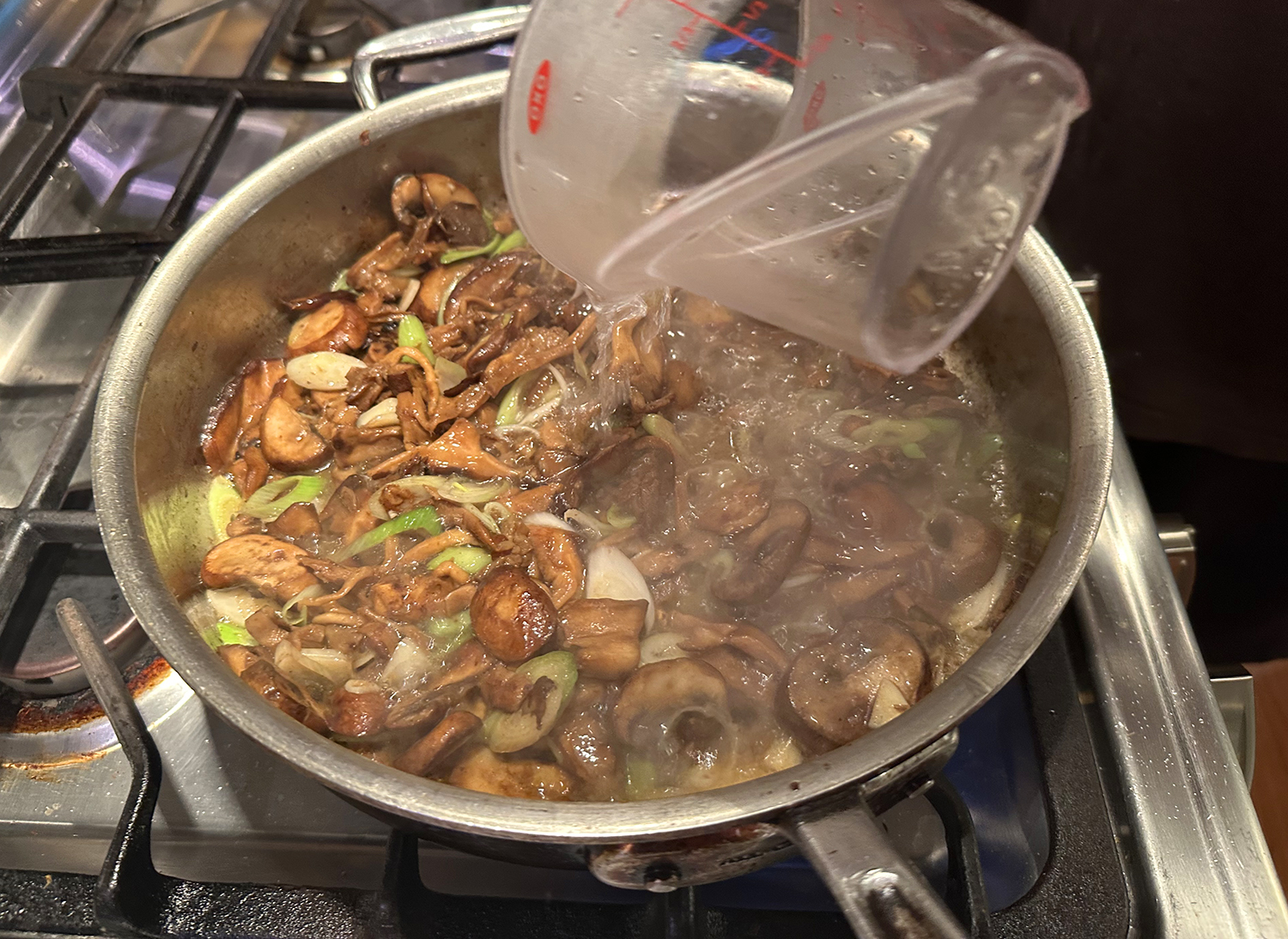
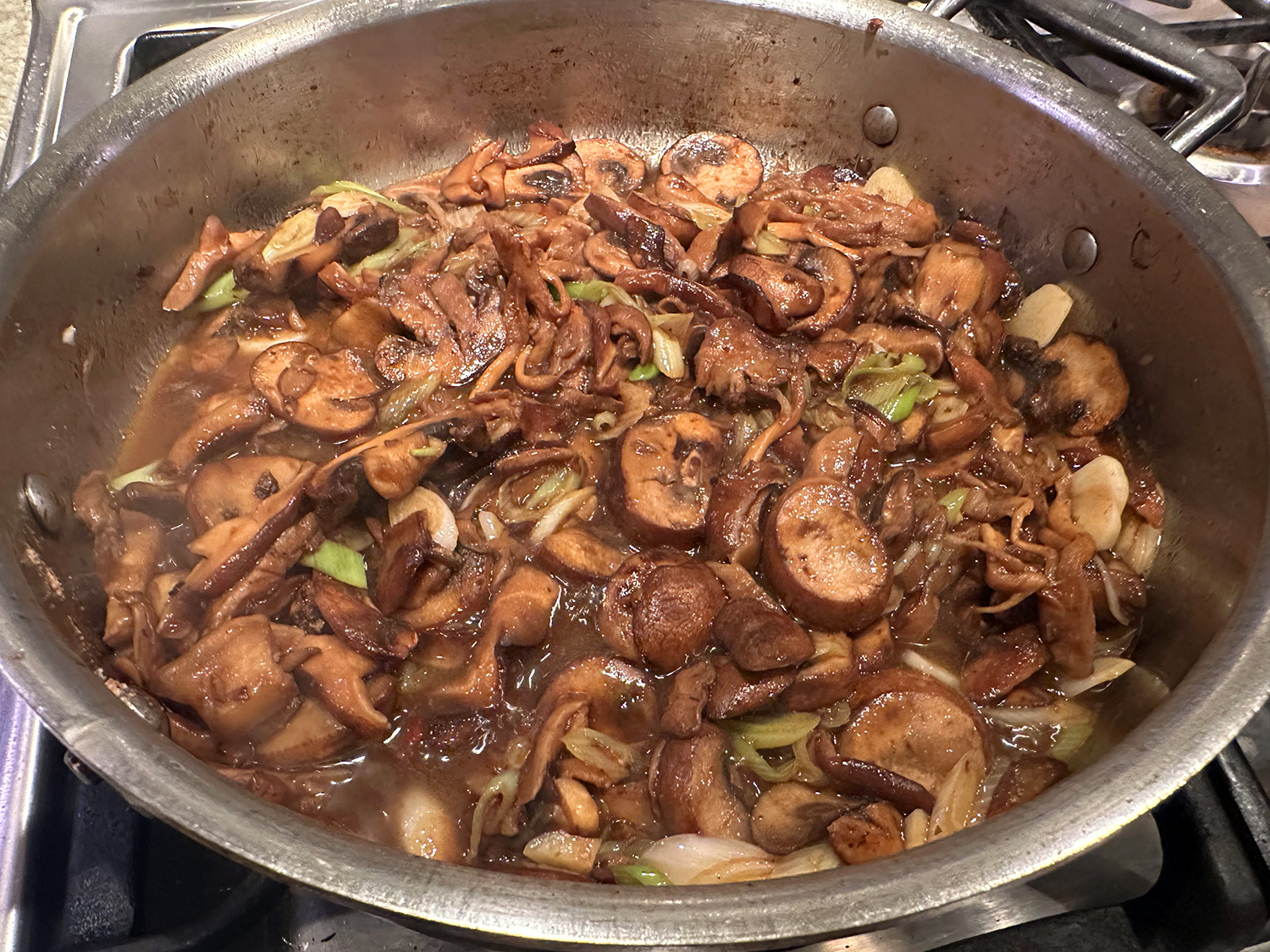
Begin by crisping the bacon in a skillet, then remove it and brown a pound of mushrooms in the fat left in the pan (any type or mix of mushrooms will do), followed by scallions and garlic. To finish the sauce, stir in some pasta cooking water, butter for silky texture, and the instant dashi powder and soy sauce. Despite only lightly coating the spaghetti, the resulting sauce turns the dish into a flavor powerhouse.

The Hubs had the leftovers for lunch the next day and said it was even better!

Mushroom Bacon Pasta

  • Servings: 4
  • Difficulty: easy
  • Print

Ingredients

  • 12 oz. spaghetti
  • Table salt for cooking pasta
  • 5 slices thick cut bacon, cut crosswise into ½-inch strips
  • 1 lb. assorted mushrooms, sliced ½-inch thick
  • 4 scallions, white and green parts separated and sliced thin
  • 3 garlic cloves, sliced thin
  • 5 Tbsp. unsalted butter
  • 3 Tbsp. soy sauce
  • 1 Tbsp. instant dashi powder

Directions

  1. Bring 2 quarts water to boil in large pot. Add pasta and ½ tablespoon salt and cook, stirring occasionally, until al dente. Reserve 1 cup cooking water, then drain pasta and return it to pot.
  2. Meanwhile, cook bacon in 12-inch skillet over medium heat until bacon is golden and crispy, 6 to 8 minutes. Using slotted spoon, transfer bacon to paper towel-lined plate.
  3. Add mushrooms to fat left in skillet. Cook over medium-high heat until mushrooms have softened and edges are golden, about 5 minutes. Add scallion whites and garlic and cook until fragrant and butter is melted, about 30 seconds. Stir in ½ cup reserved cooking water, butter, soy sauce, and dashi powder.
  4. Transfer to pot with pasta along with reserved bacon and toss to combine. Adjust consistency with additional reserved cooking water as needed. Sprinkle with scallion greens. Serve.

http://www.lynnandruss.com

Recipe by Maggie Zhu for America’s Test Kitchen

Orecchiette with White Bolognese

This white Bolognese sauce puts the spotlight on soffritto (sautéed onions, carrots, and celery), which is enhanced with salty pancetta, fennel seeds, ground pork, and a splash of heavy cream and white wine to make a rich and delicious pasta sauce.

Aromatic sautéed vegetables are the star of this no-tomato Bolognese. Adding the starchy pasta cooking liquid to the Bolognese sauce gives it just enough body to coat the al dente orecchiette.

*We reduced the amount of pasta down from 1 pound to 12 ounces, providing more delicious bolognese per bite. Doing so will most likely not produce six servings. The other quantities were not altered. You could substitute ground sausage for the pork.

Make Ahead: Bolognese can be made through step 2, cooled, and stored in an airtight container in the refrigerator for up to three days or frozen for up to two months. Bring Bolognese to a simmer over low heat, and proceed with step 3 as directed.

Orecchiette with White Bolognese

  • Servings: 6
  • Difficulty: easy
  • Print

Ingredients

  • 4 oz. diced pancetta
  • 8 oz. cremini mushrooms, cut into 1/2-inch pieces
  • 4 small carrots, peeled and cut into 1/2-inch pieces (about 1 1/2 cups)
  • 1 medium yellow onion, chopped (about 1 1/3 cups)
  • 3 celery stalks, trimmed and chopped (about 1 cup)
  • 2 Tbsp. unsalted butter
  • 1 tsp. fennel seeds
  • 1 tsp. dried oregano
  • 1 tsp. kosher salt, plus more to taste
  • 1/4 tsp. crushed red pepper
  • 2 Tbsp. minced garlic (about 6 cloves)
  • 1 lb. ground pork
  • 1/2 tsp. black pepper
  • 1 cup dry white wine
  • 1 cup lower-sodium chicken broth
  • 1/3 cup heavy cream
  • 1 lb. uncooked orecchiette pasta*
  • 1 cup chopped fresh flat-leaf parsley
  • Grated Parmesan cheese, for serving

Directions

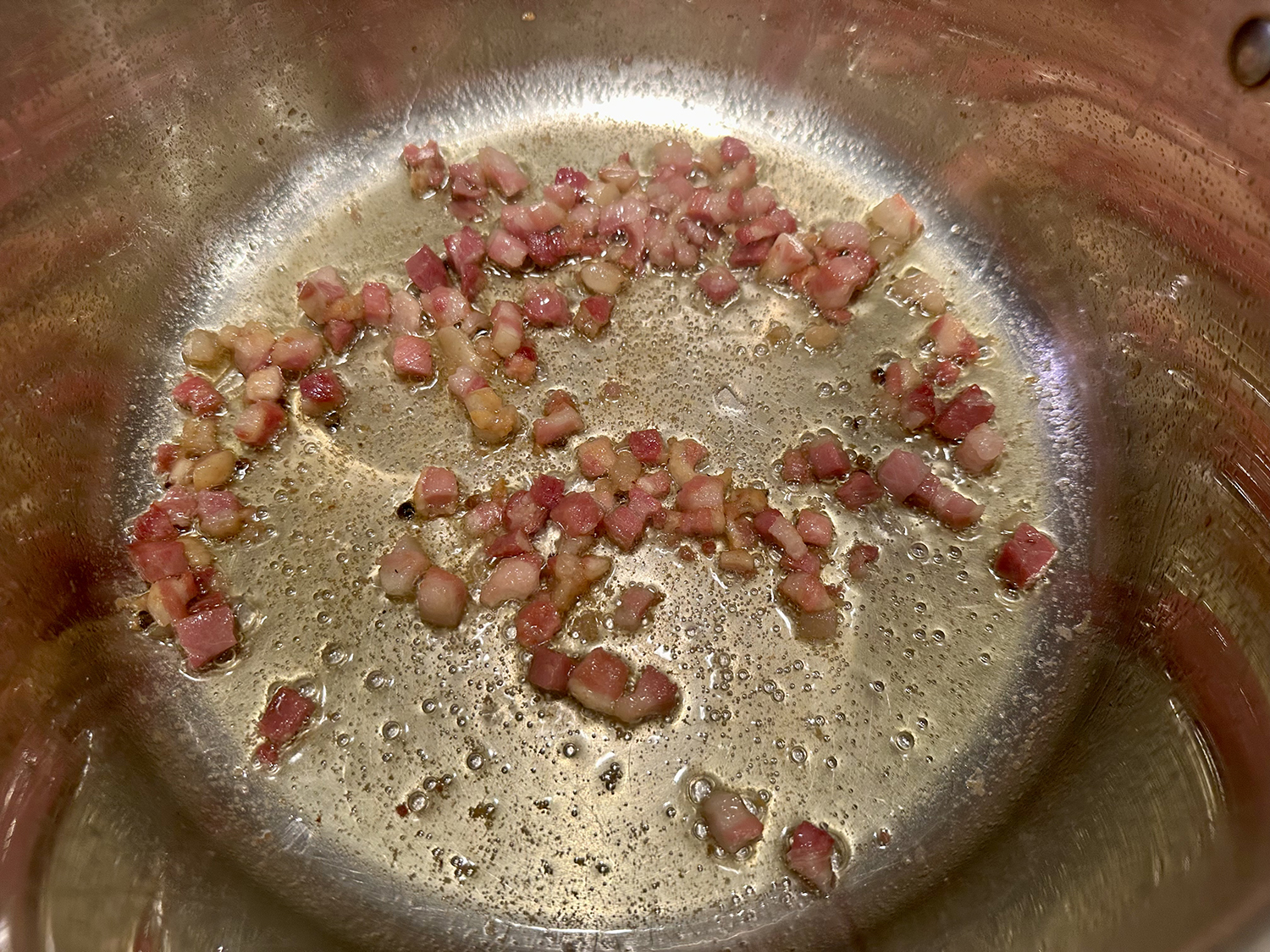
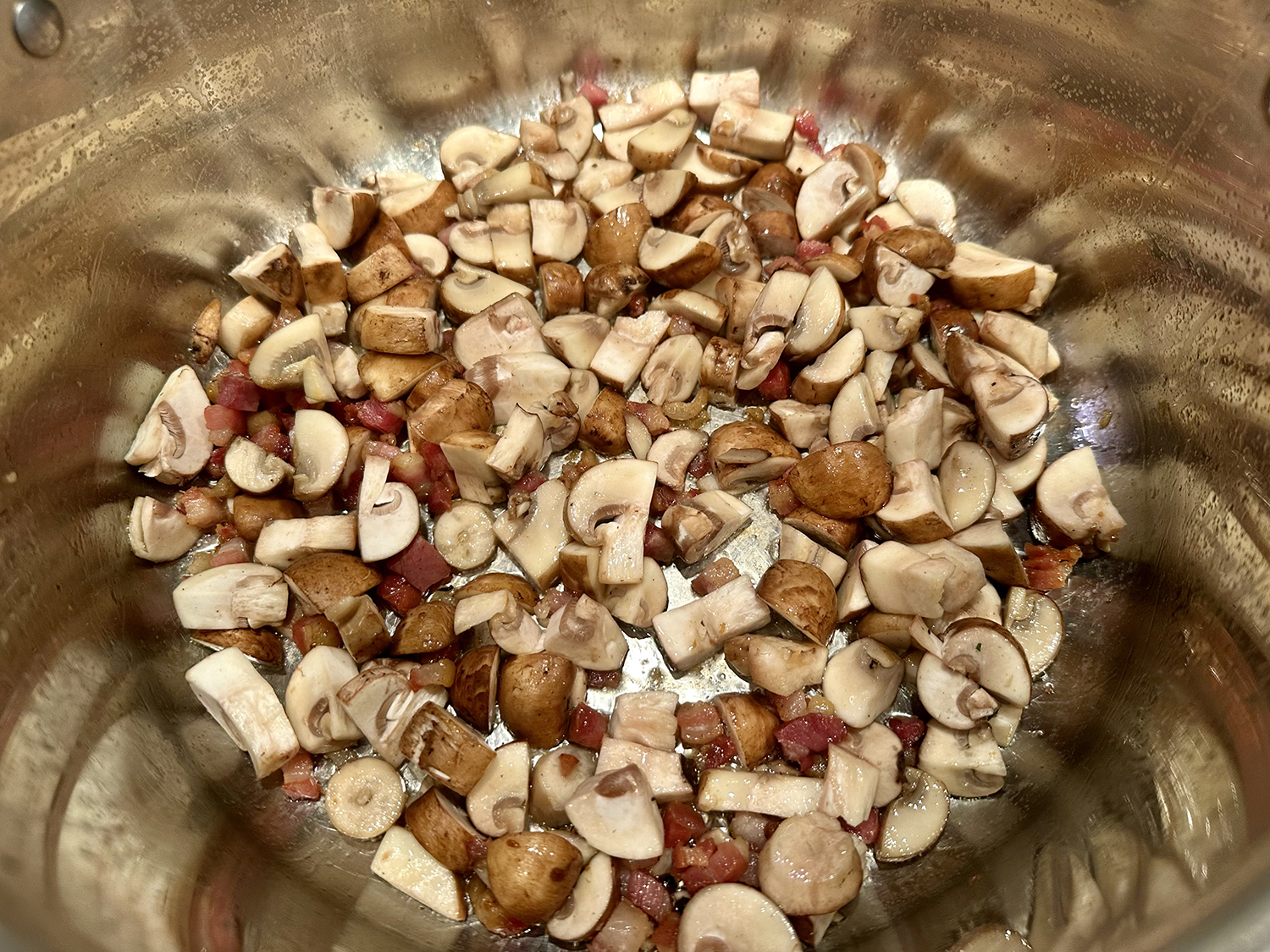
  1. Heat a large Dutch oven over medium. Add pancetta, and cook, stirring often, until browned, about 6 minutes. Add mushrooms, and cook, stirring occasionally, until liquid released by mushrooms has mostly evaporated, about 4 minutes.
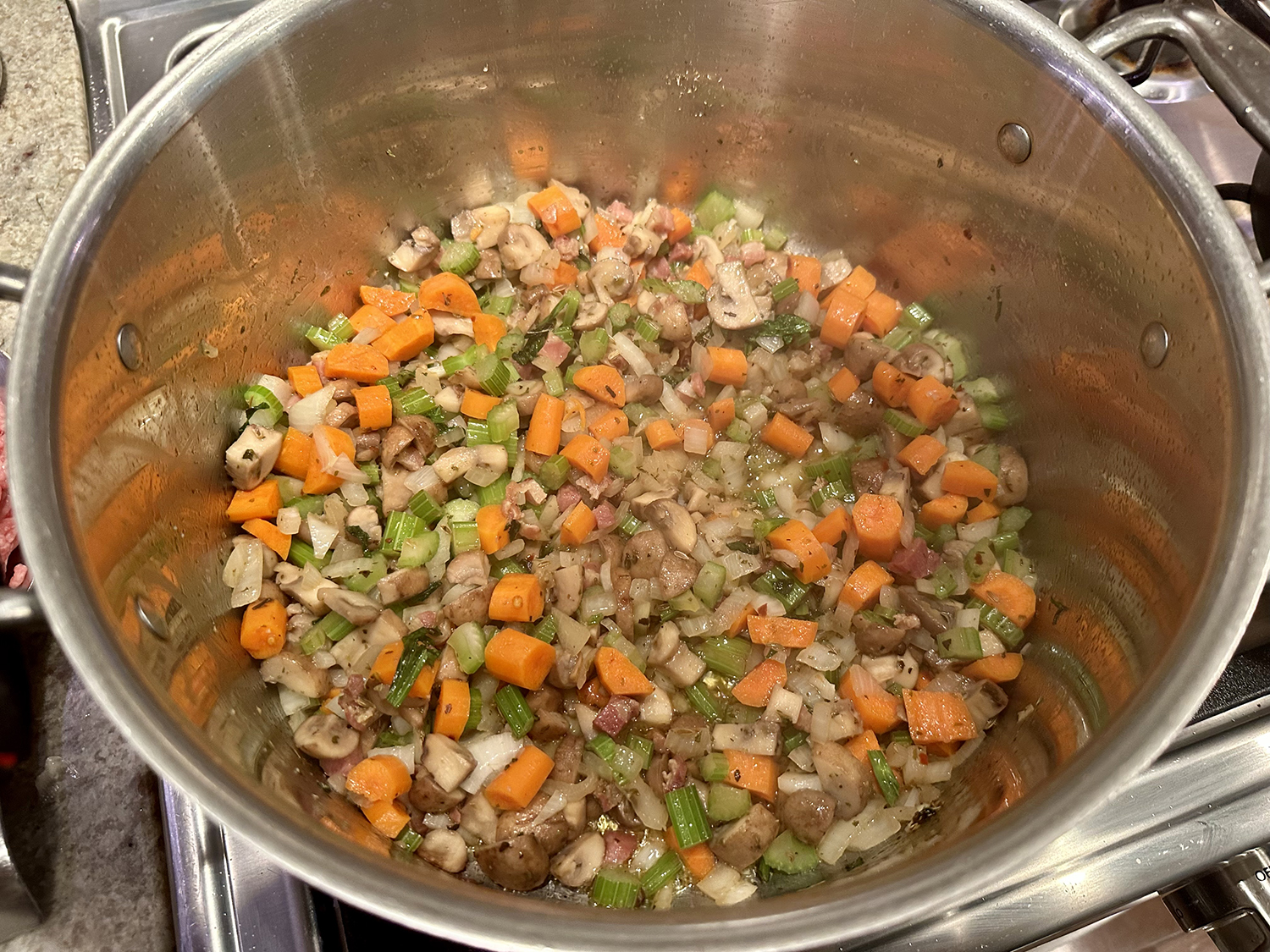
  2. Increase heat to medium-high; add carrots, onion, celery, butter, fennel seeds, oregano, salt, and crushed red pepper; cook, stirring occasionally, until vegetables are tender, 10 to 12 minutes. Add garlic, and cook, stirring constantly, until fragrant, about 1 minute.
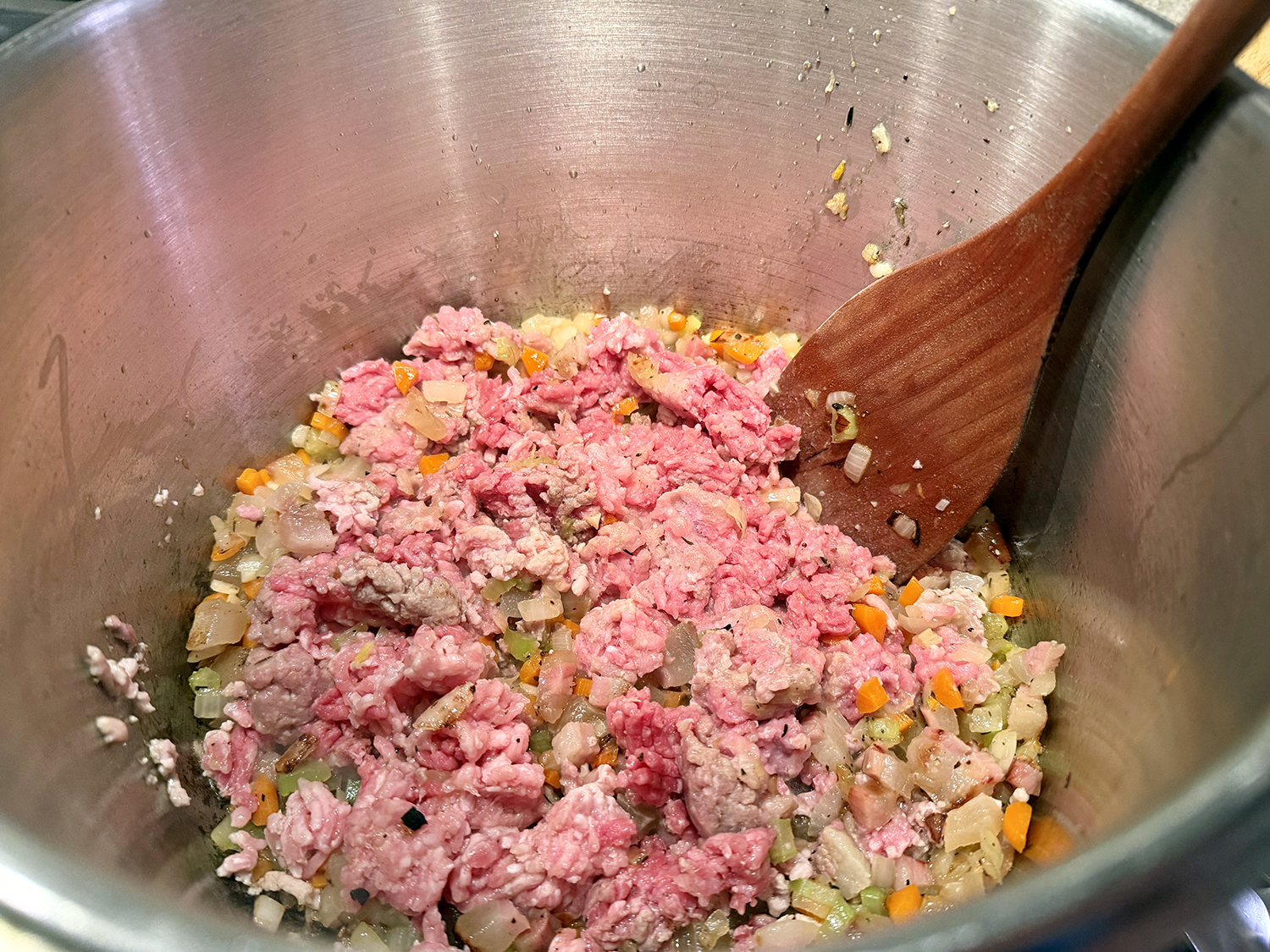
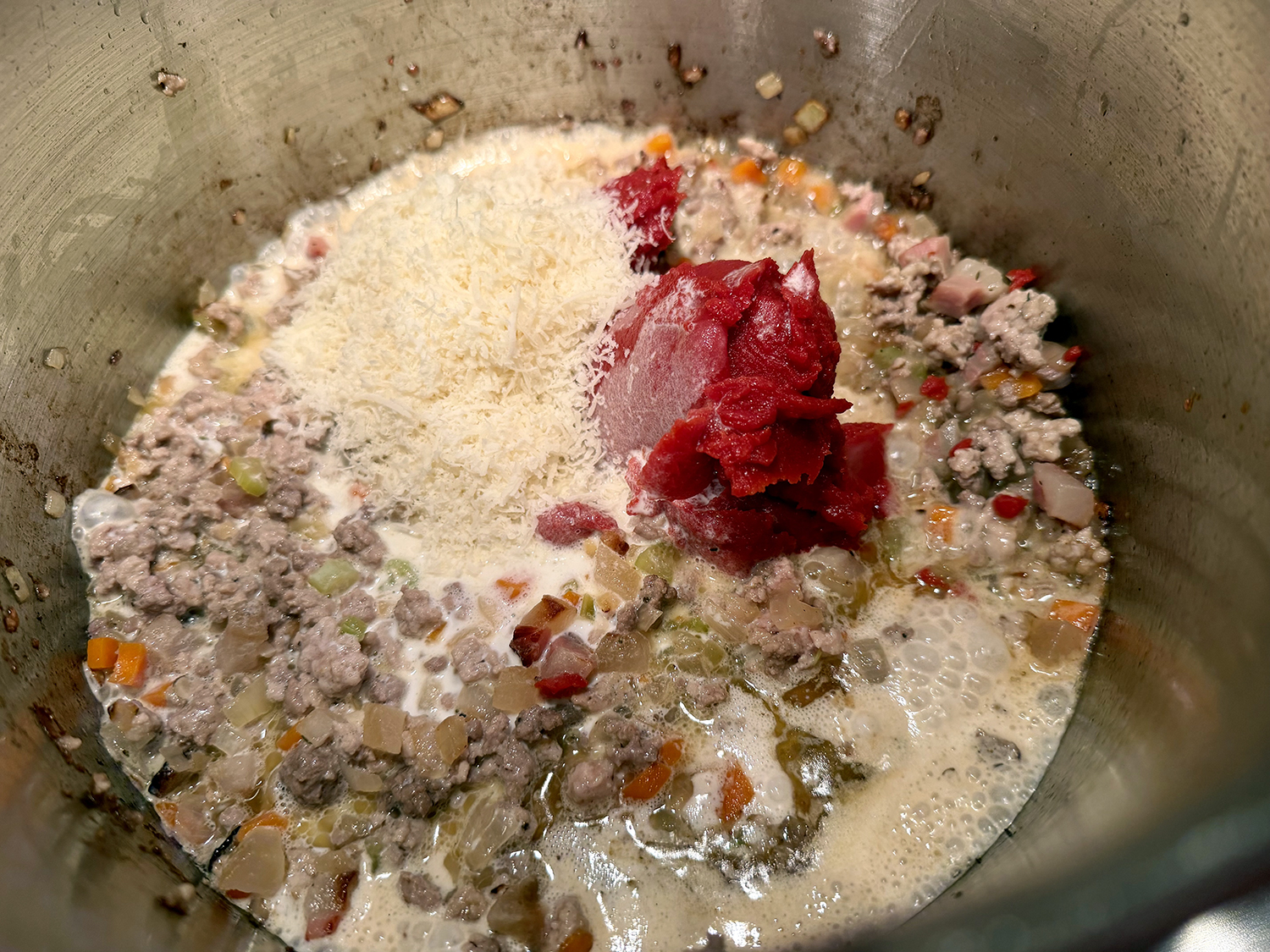
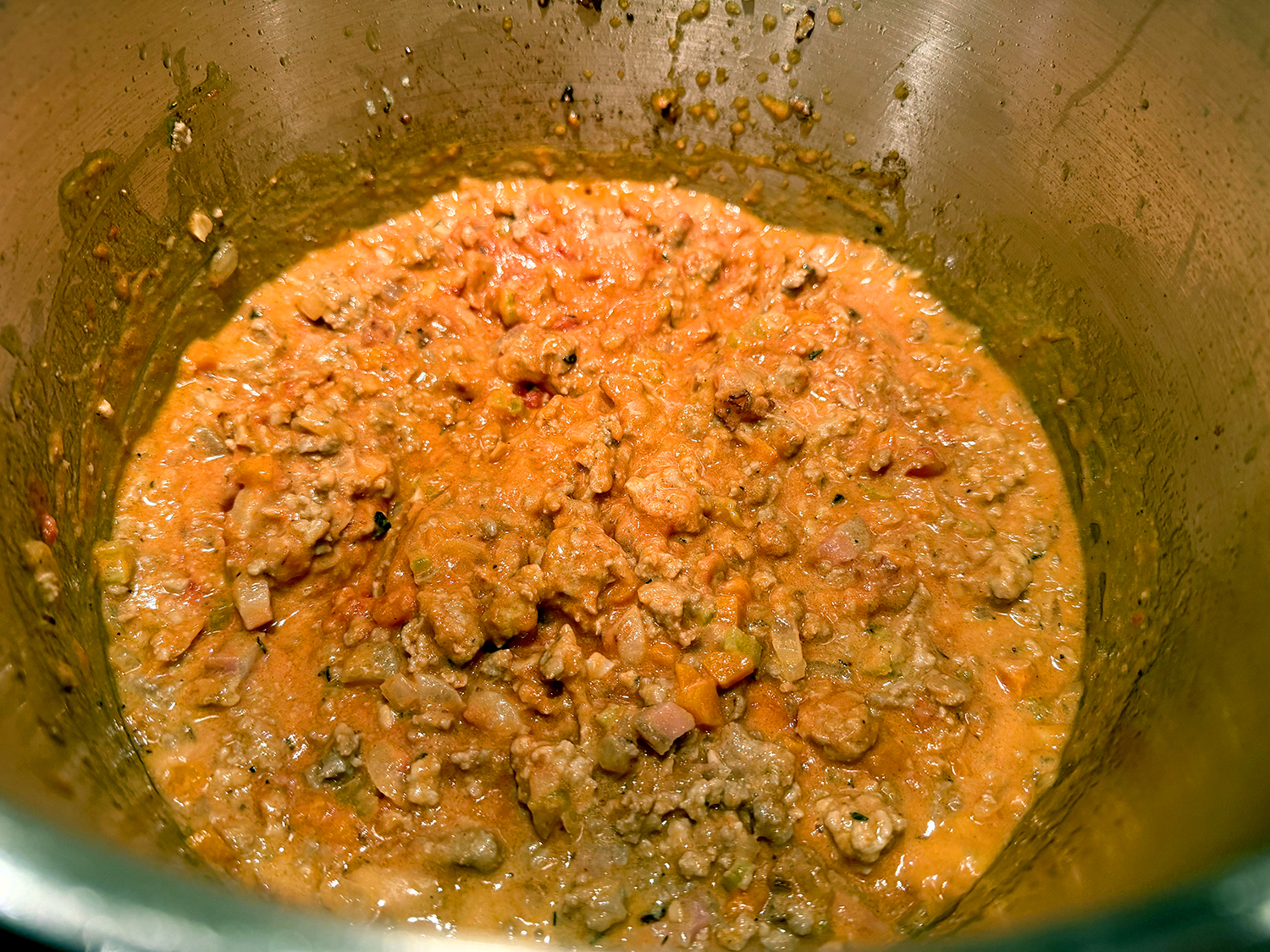
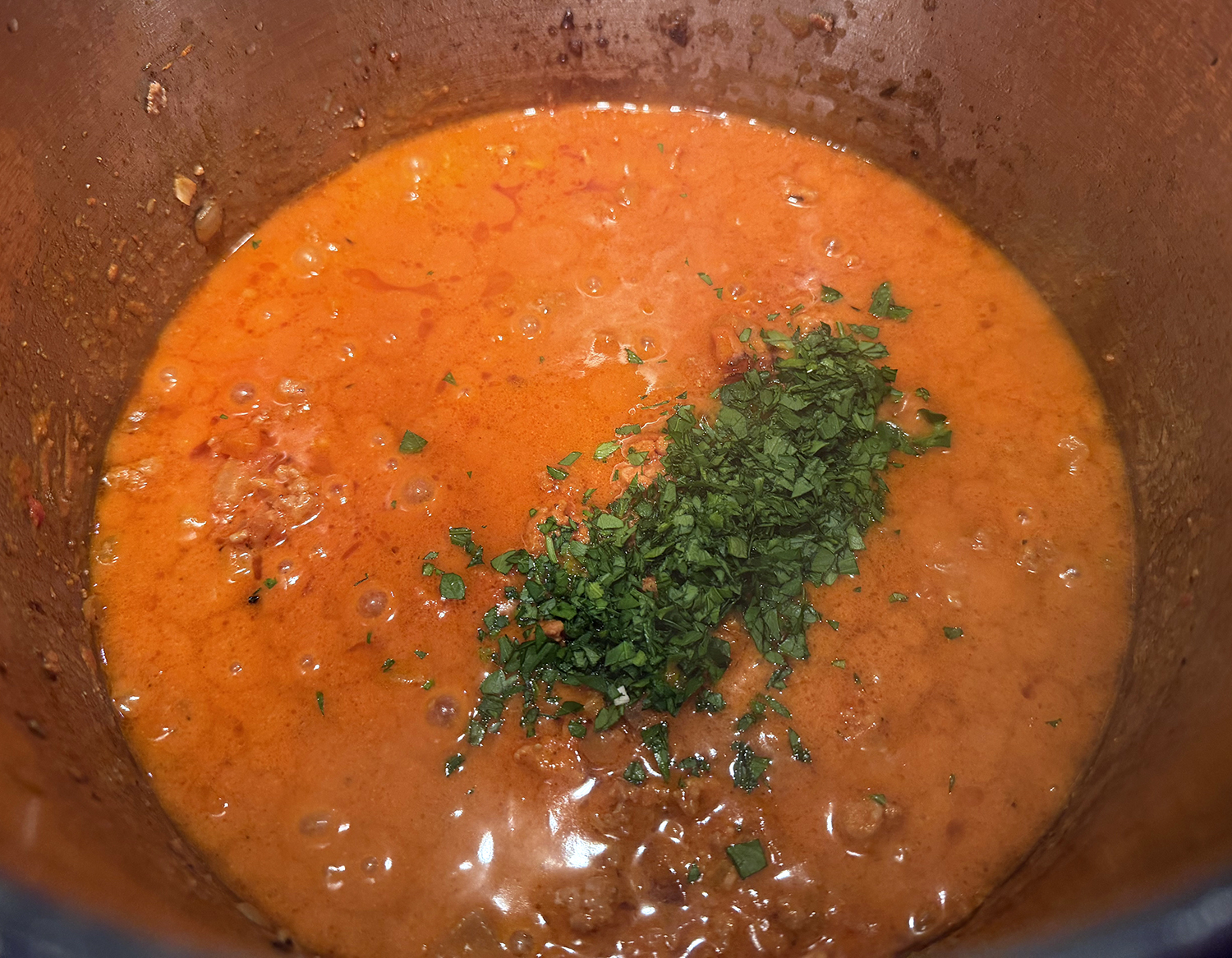
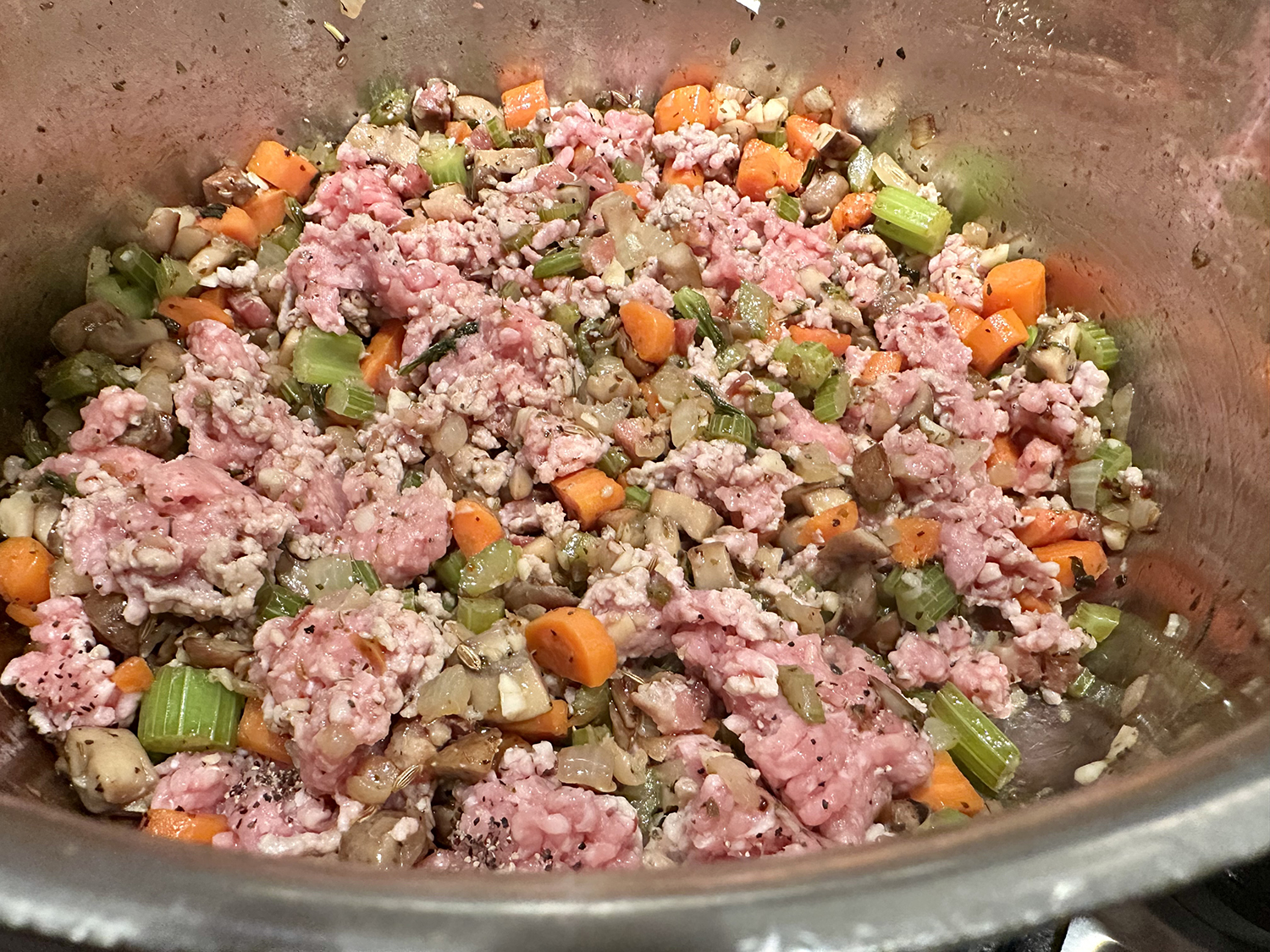
  3. Add pork and black pepper; cook, stirring constantly with a wooden spoon to break meat into small pieces, until browned, about 4 minutes. Add wine, and bring to a simmer over medium-high. Add broth and cream, and return to a simmer. Reduce heat to low; simmer, uncovered, stirring occasionally, until broth mixture is slightly thickened and reduced to about 5 cups, about 15 minutes.
  4. While Bolognese cooks, bring a large pot of salted water to a boil over high. Add pasta, and cook according to package directions for al dente, stirring occasionally. Drain, reserving 1 cup pasta cooking liquid.
  5. Add cooked pasta and 1/2 cup reserved pasta cooking liquid to Bolognese. Cook over low, stirring constantly, until a creamy sauce forms and coats pasta, about 3 minutes, adding remaining 1/2 cup pasta cooking liquid as needed to loosen sauce.
  6. Season with salt to taste. Divide evenly among serving bowls, and sprinkle with parsley and cheese.

http://www.lynnandruss.com

Recipe from Lidey Heuck for Food & Wine

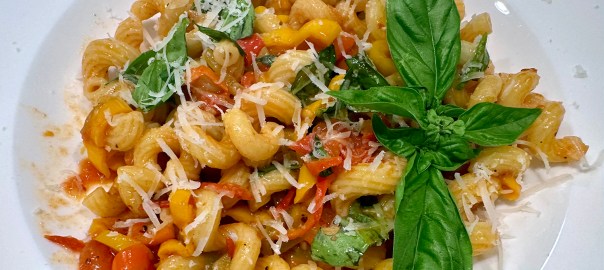
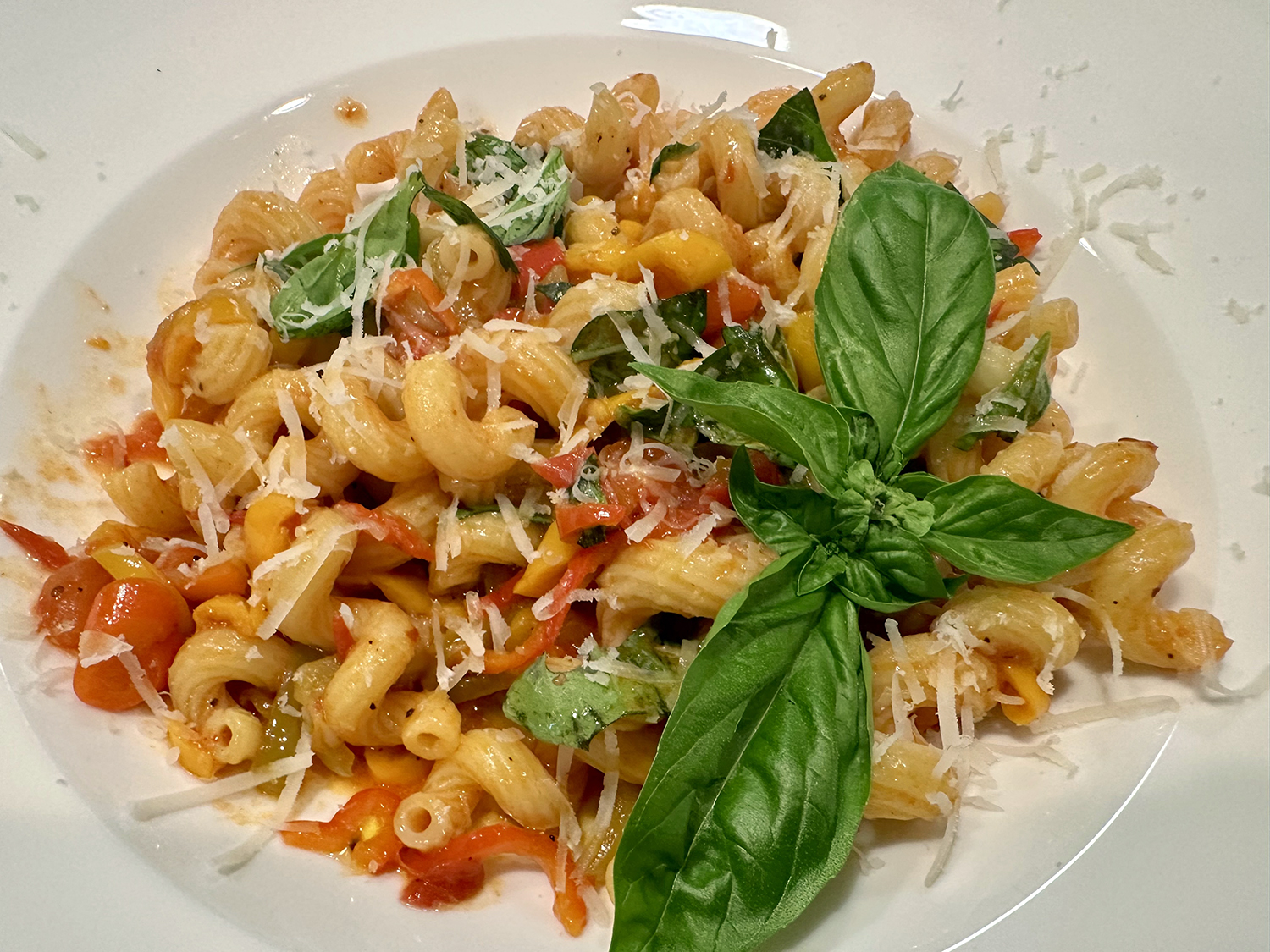
Calabrian-Style Tomato and Sweet Pepper Sauce with Pasta

This Spanish recipe was inspired by a stewy mélange of cherry tomatoes, garlic, sweet-spicy peppers and extra-virgin olive oil that was served with flatbread at Ristorante Barbieri in Calabria.

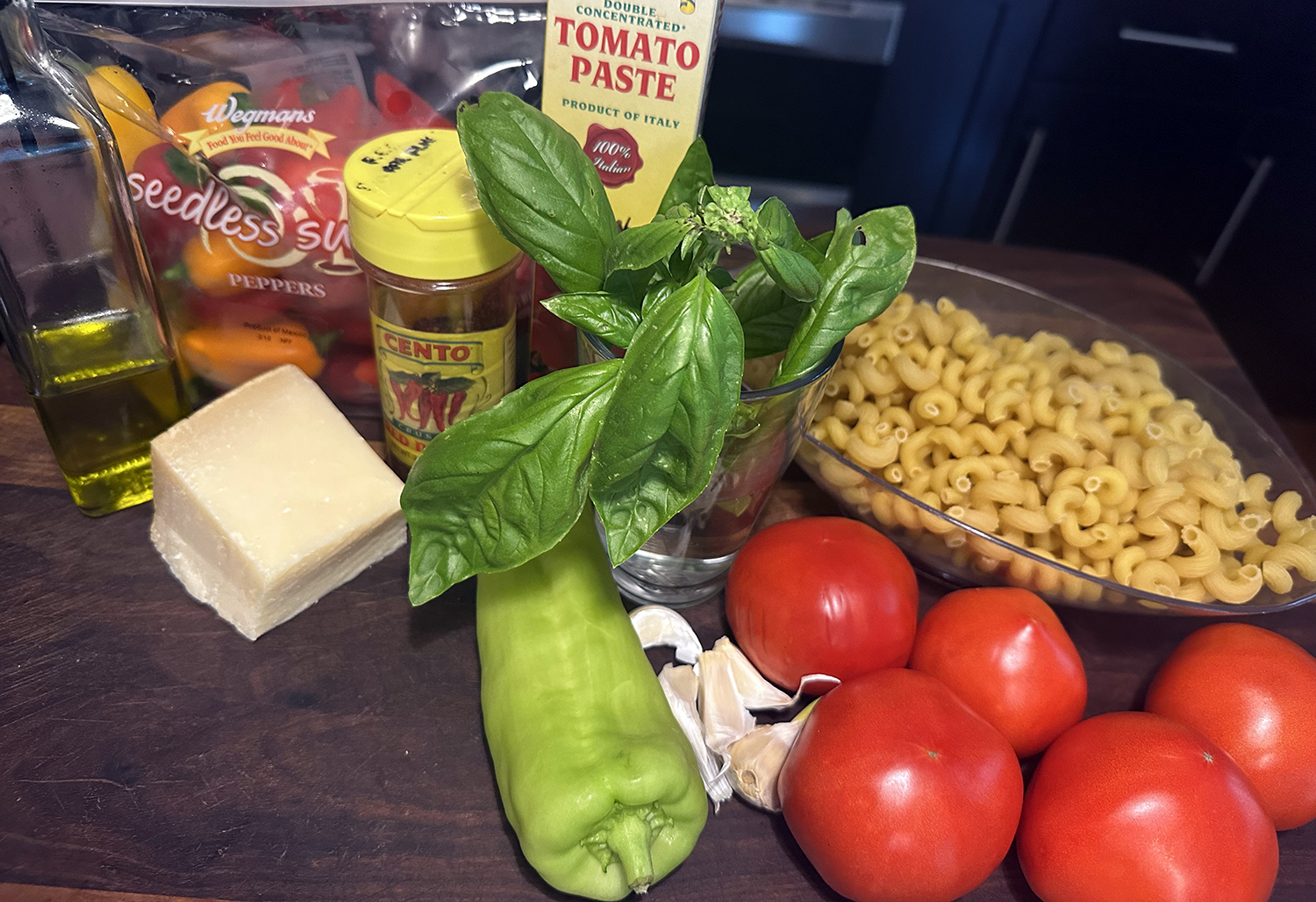
To make a sauce for pasta, combine mini sweet peppers (usually sold in a trio of colors) with an earthy cubanelle pepper and add heat with pepper flakes. Cherry, grape or homegrown slicing tomatoes, plus a couple tablespoons of tomato paste, form the sauce’s backbone.

Short pasta with a twisty or curly shape—such as casarecce, gemelli, cavatappi or campanelle—is ideal for ensnaring bits of tomato and peppers. As simple as it is, the end result is delicious!

NOTES: Don’t use regular bell peppers. Mini sweet peppers are more delicate, so they soften more readily, and their skins are more tender.
Also, don’t forget to save 1 cup of the pasta cooking water before draining the noodles. It is necessary to lend some body to the sauce. A good reminder not to toss out all of the water before reserving some, is to put your measuring cup and ladle inside the colander.

Calabrian-Style Tomato and Sweet Pepper Sauce with Pasta

  • Servings: 4-6
  • Difficulty: easy
  • Print

Ingredients

  • 12-16 oz. casarecce, gemelli or cavatappi pasta
  • Kosher salt and ground black pepper
  • 1/4 cup extra-virgin olive oil, plus more to serve
  • 2 pints cherry or grape tomatoes
  • 8 oz. sweet mini peppers in a mix of colors, stemmed and sliced into thin rounds
  • 1 medium cubanelle pepper, stemmed, seeded and thinly sliced
  • 2 medium garlic cloves, minced
  • 2 Tbsp. tomato paste
  • 1/2 tsp. red pepper flakes
  • 1/4 cup lightly packed fresh basil, torn
  • 2 oz. pecorino Romano or ricotta salata, finely grated (1 cup)

Directions

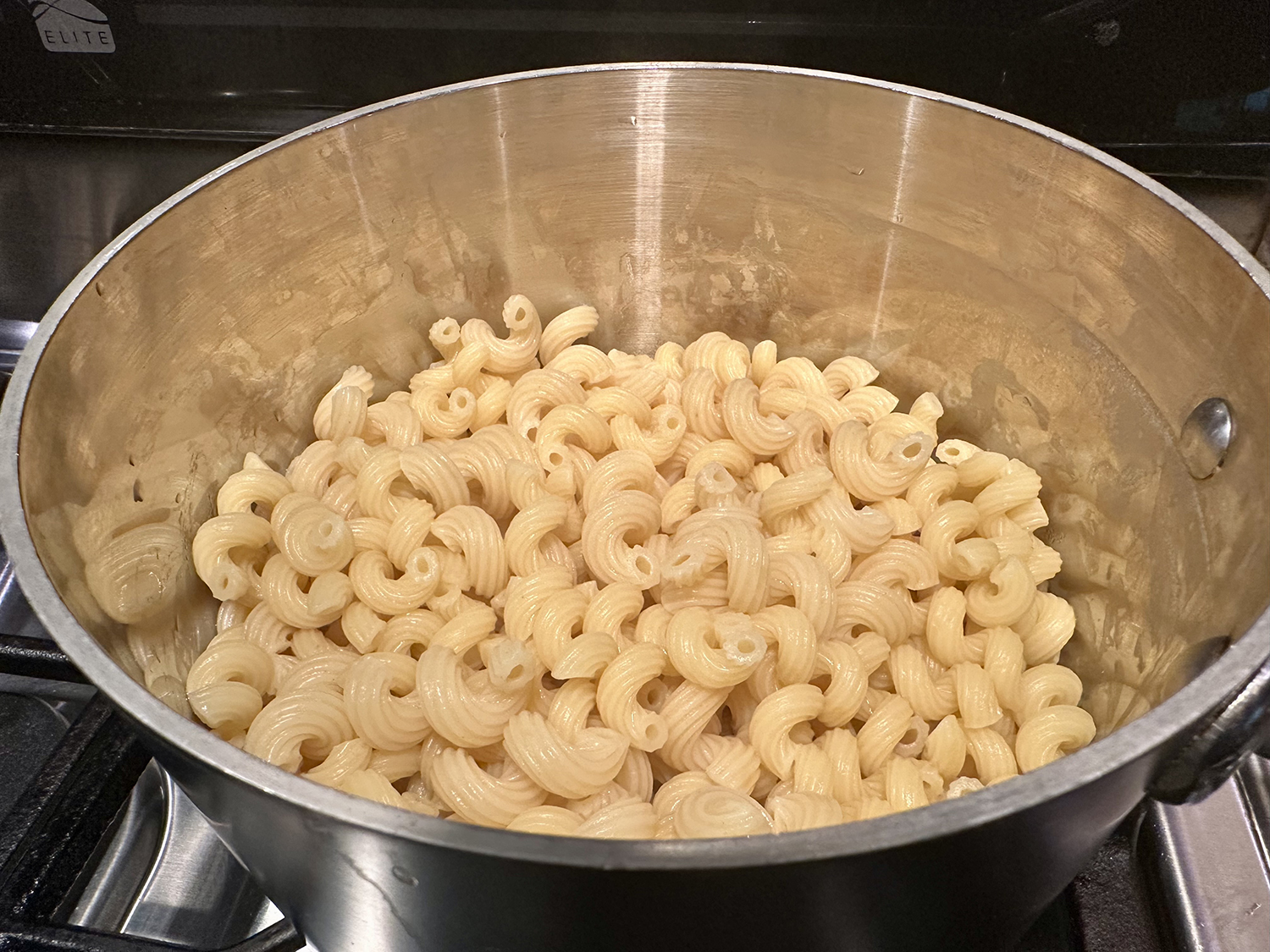
  1. In a large pot, boil 4 quarts water. Add the pasta and 1 tablespoon salt, then cook, stirring occasionally, until just shy of al dente. Reserve 1 cup of the cooking water, then drain. Return the pasta to the pot; set aside off heat.
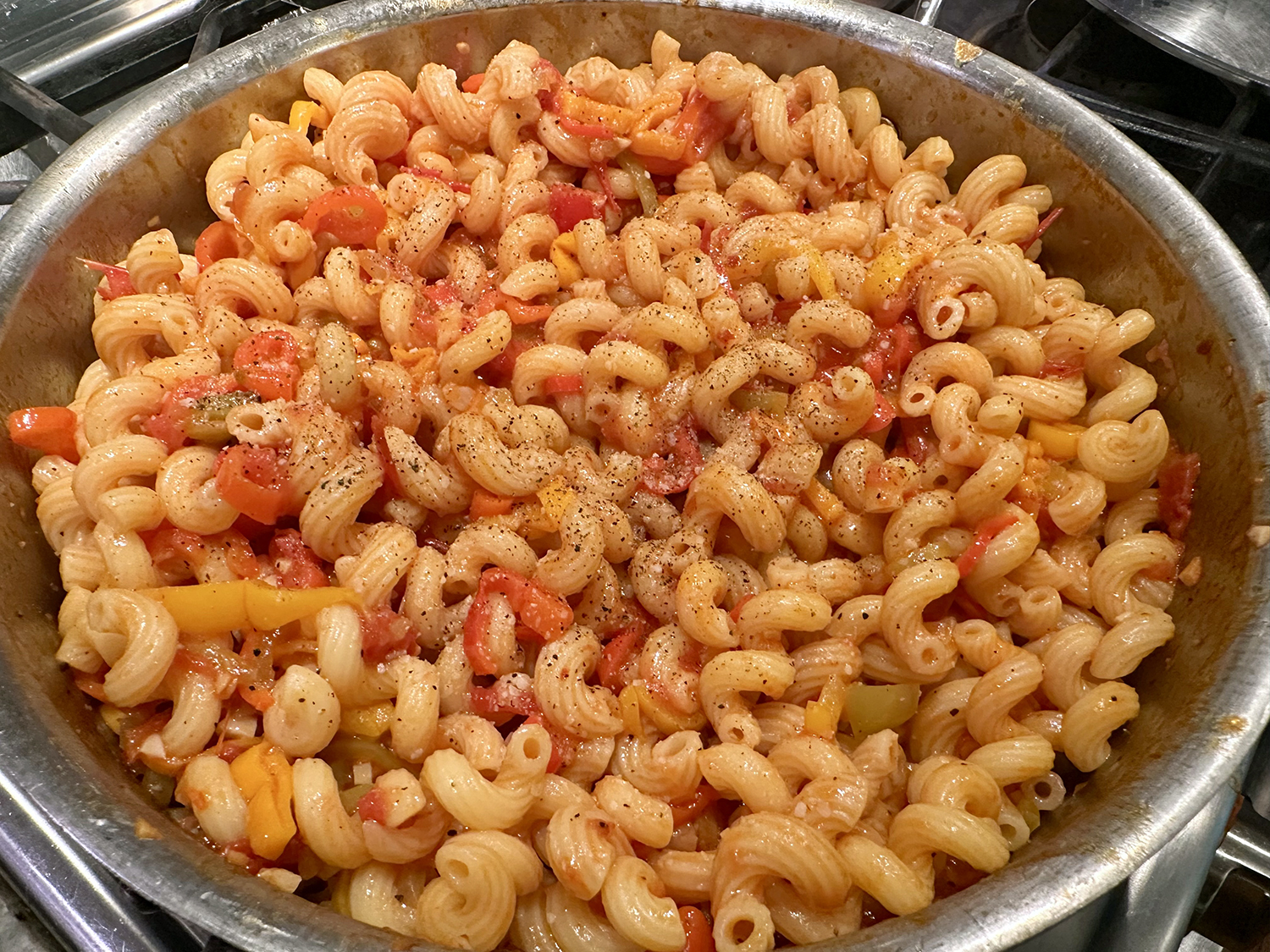
  2. In a 12-inch skillet over medium, heat the oil until shimmering. Add the tomatoes, sweet peppers, cubanelle pepper, garlic, tomato paste, pepper flakes, ½ teaspoon salt and ¼ teaspoon black pepper. Stir, then cover and cook, stirring occasionally, until the tomatoes burst and the peppers have softened, 8 to 10 minutes.
  3. Stir in ¼ cup reserved pasta water, scraping up the browned bits, then add to the pasta along with another ¼ cup reserved pasta water. Cook over medium, stirring, until the pasta is al dente, about 2 minutes. If needed, adjust the consistency with additional reserved pasta water.
  4. Off heat, taste and season with salt and black pepper. Serve drizzled with additional oil and sprinkled with the basil and cheese.

http://www.lynnandruss.com

Adapted from a recipe by Courtney Hill for Milk Street
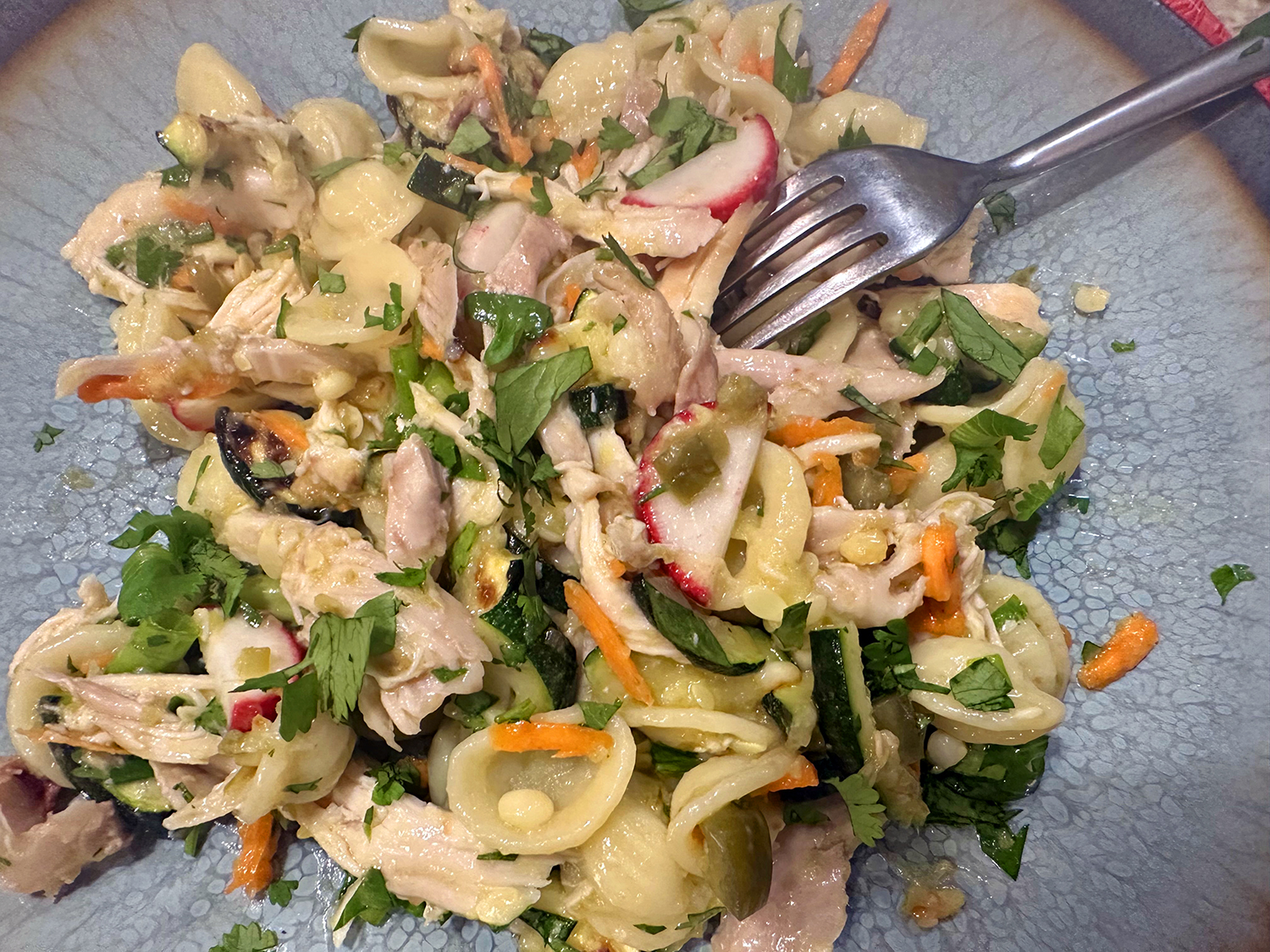
Orecchiette Salad with Roasted Vegetables, Chicken and Jalapeño-Lime Dressing

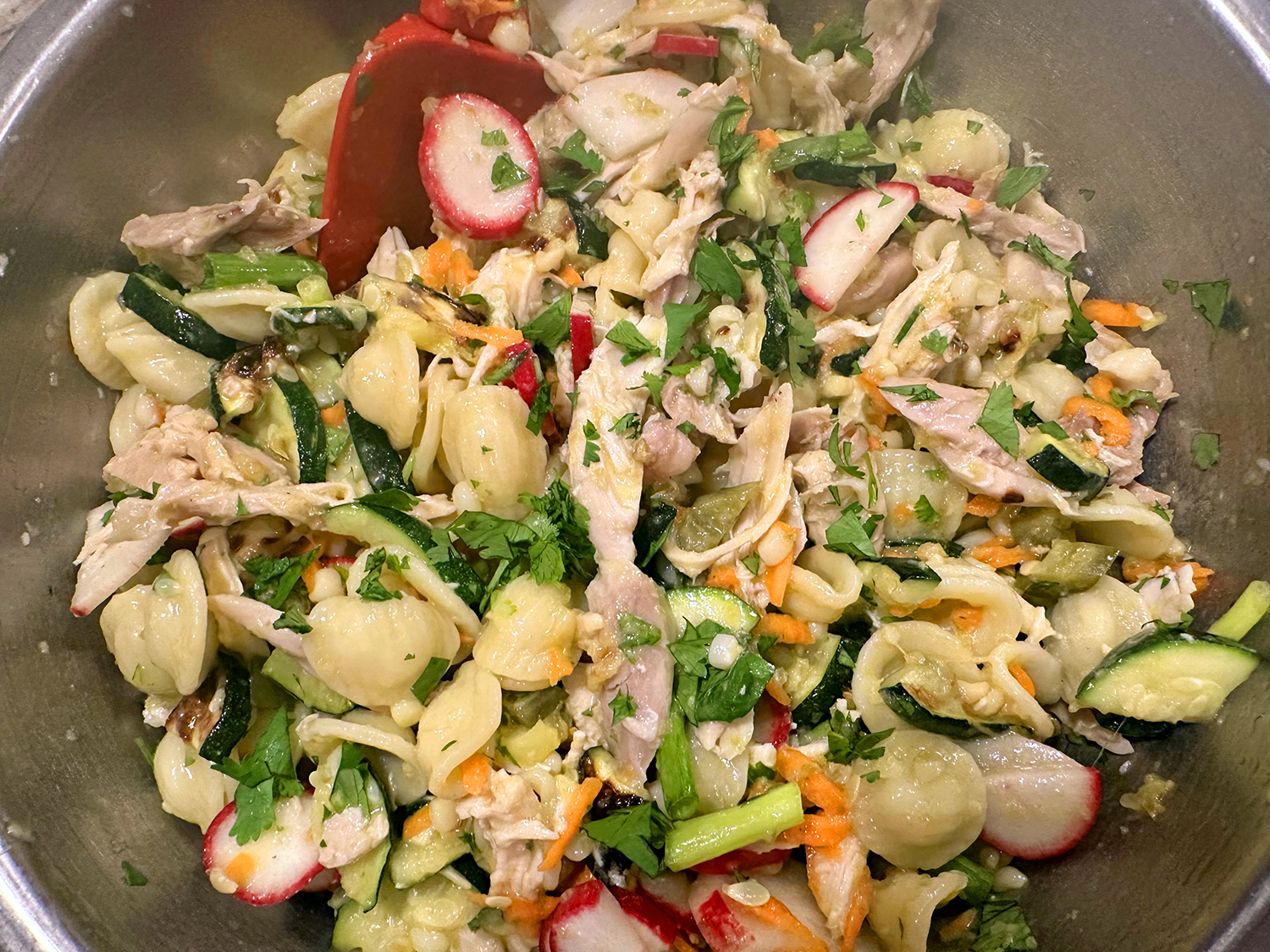
For a pasta salad that could serve as a main course, some of the pasta is swapped out for chicken, roasted corn and zucchini. Orecchiette works great because its little cup shapes are perfect for holding dressing. The pasta is cooked until it is a little too soft so that as it cools and firms up, it has just the right tender texture.

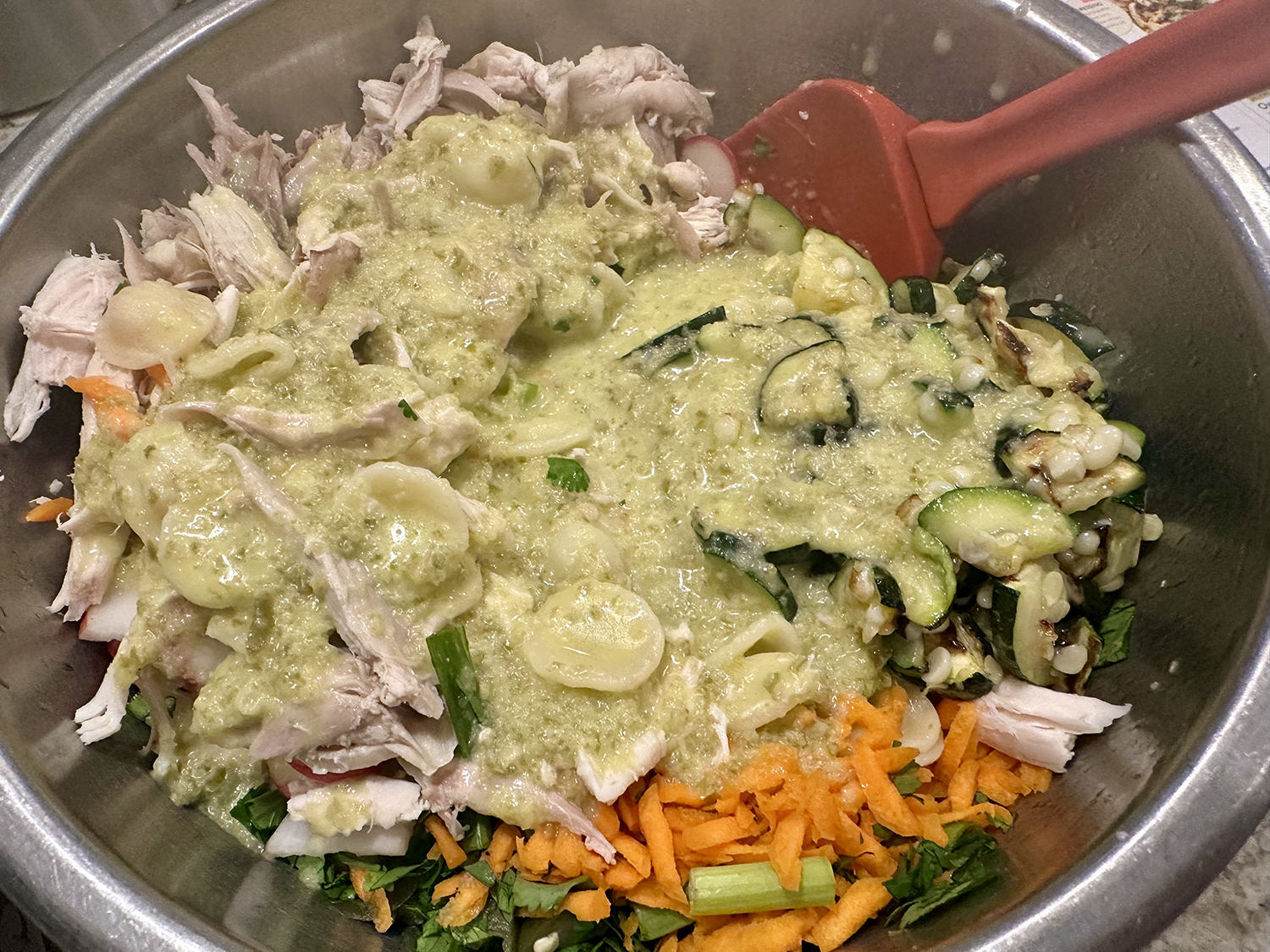
Because a classic thin vinaigrette would slide to the bottom of the bowl, it is thickened by blending it with pickled jalapeños and scallion whites. Add some crunch with bits of carrot and sliced radish, then top with cilantro leaves and scallions to contribute color and fresh herbal notes.

NOTES: For convenience, a store-bought rotisserie is the way to go. And, the pasta is intentionally overcooked in this recipe so that it remains tender, even when served cold. If making this salad ahead, dress the salad and garnish it with the reserved cilantro right before serving.

There is a fair amount of prep, and it easily took closer to an hour than the 45 minutes suggested in the original recipe. Since good fresh corn was available at farm stands, we used that instead of frozen corn. Just slice the kernels off the cob, and mix with the cut zucchini.

It may seem like a lot of jalapeños, but we found it to be just right. The quantity is versatile, so add or subtract the pickled chile to suit your own preferences.

Orecchiette Salad with Roasted vegetables, chicken and Jalapeño-Lime Dressing

  • Servings: 4-6
  • Difficulty: easy
  • Print

Ingredients

  • 1 lb. zucchini, quartered lengthwise and sliced ¼ inch thick
  • 1½ cups fresh or frozen corn kernels
  • 2 Tbsp. plus
  • ½ cup vegetable oil, divided
  • 1½ tsp. table salt, divided, plus salt for cooking pasta
  • 8 oz. (2¼ cups) orecchiette
  • ⅓ cup plus ¼ cup jarred sliced jalapeños, drained, divided
  • 4 scallions, white parts sliced thin, green parts cut into 1-inch pieces
  • ¼ cup lime juice (2 limes)
  • 1 lb. cooked chicken, torn into bite-size pieces (3 cups)
  • ¾ cup fresh cilantro leaves, divided
  • 8 radishes, trimmed, halved, and sliced thin
  • 1 large carrot, peeled and shredded

Directions

  1. Arrange oven rack 4 inches from broiler element and heat broiler. Combine zucchini, corn kernels, 2 tablespoons oil, and ½ teaspoon salt in large bowl and toss to coat. Transfer to rimmed baking sheet (do not wash bowl) and spread into even layer. Broil until spotty brown in places, 8 to 10 minutes, stirring halfway through broiling. Transfer sheet to wire rack to cool.
  2. Meanwhile, bring 2 quarts water to boil in large saucepan. Add pasta and 1½ teaspoons salt and cook until pasta is tender throughout, 2 to 3 minutes past al dente. Drain well and rinse with cold water. Drain well and transfer to now-empty bowl.
  3. Process ⅓ cup jalapeños, scallion whites, lime juice, and remaining 1 teaspoon salt in blender until coarse paste forms, about 30 seconds. With blender running, drizzle in remaining ½ cup oil and continue to process until dressing is emulsified and smooth, about 1 minute.
  4. Chop remaining ¼ cup jalapeños and add to pasta along with chicken, ½ cup cilantro, radishes, carrot, zucchini and corn, and scallion greens. Pour dressing over salad and toss to coat. Transfer to serving bowl. Sprinkle with remaining ¼ cup cilantro and serve.

http://www.lynnandruss.com

Recipe by Andrea Geary for America’s Test Kitchen

A Pasta Salad for Tuna Lovers

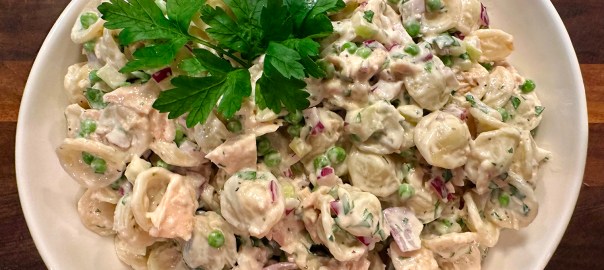
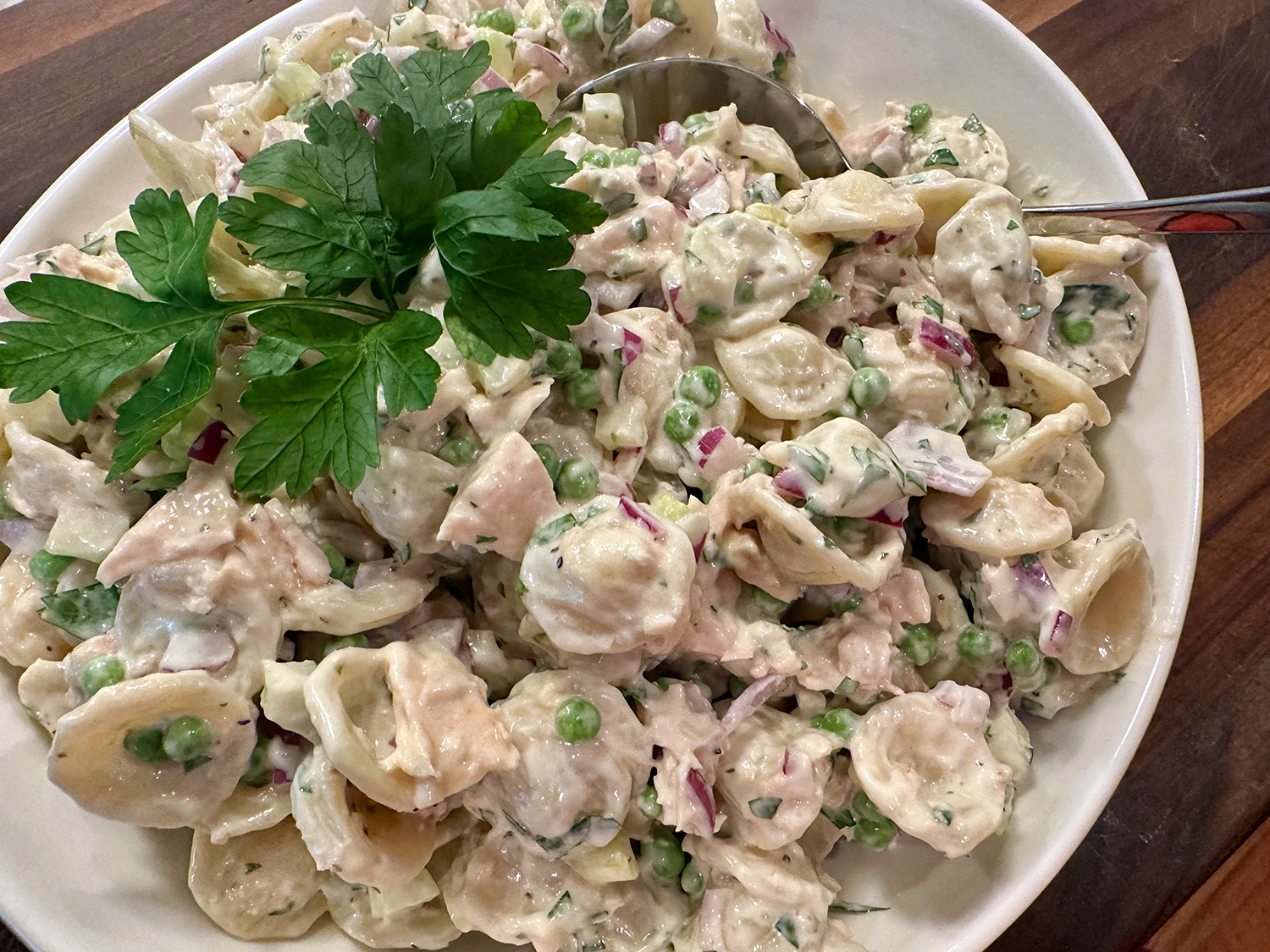
A pasta for tuna salad lovers, this recipe combines elements of a classic deli-style tuna salad with pasta, peas and fresh green herbs. Besides dinner, it makes for a hearty picnic side dish or lunch, and keeps well in the refrigerator for several days, making it ideal for start-of-the-week meal prep.

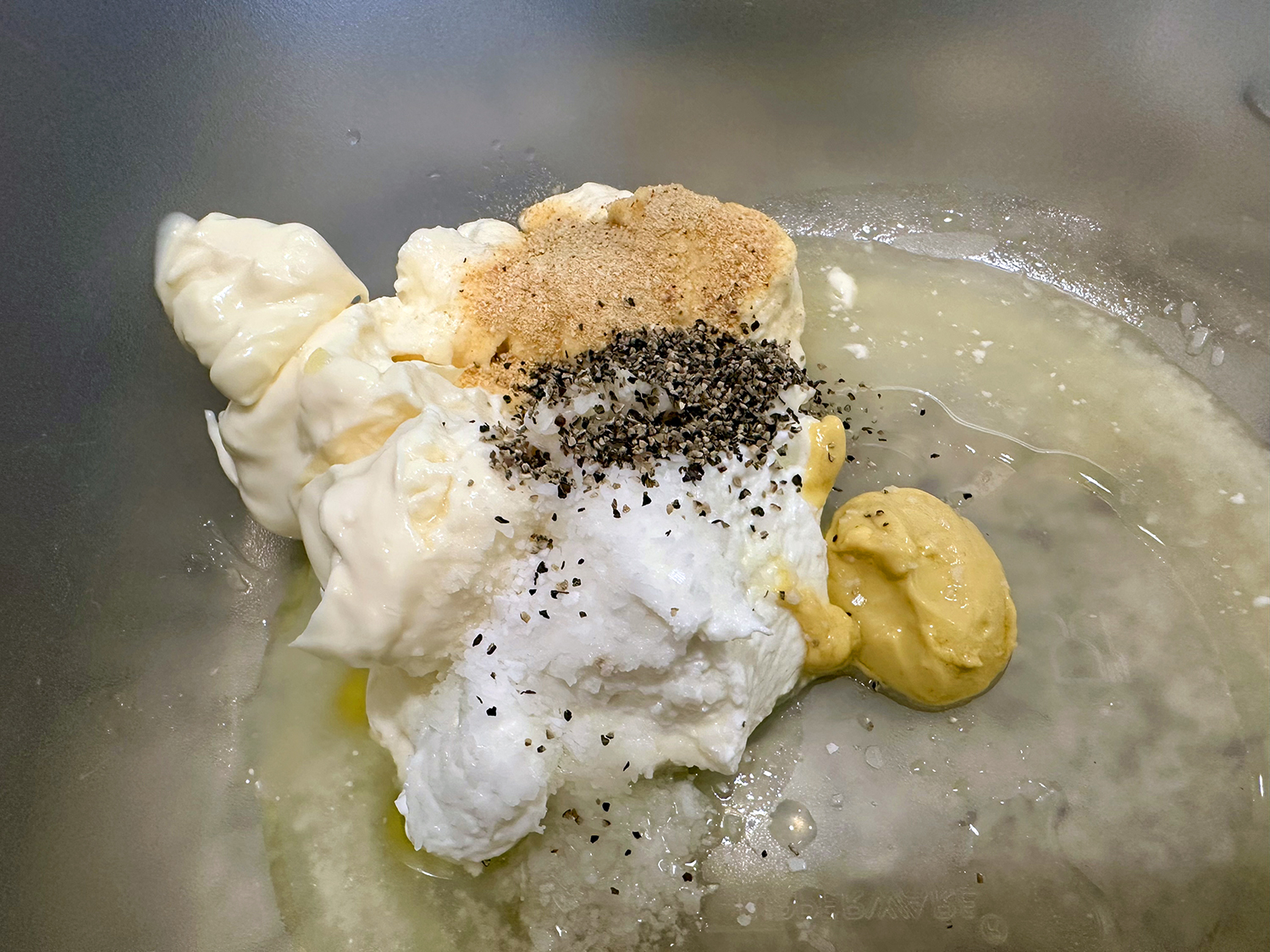
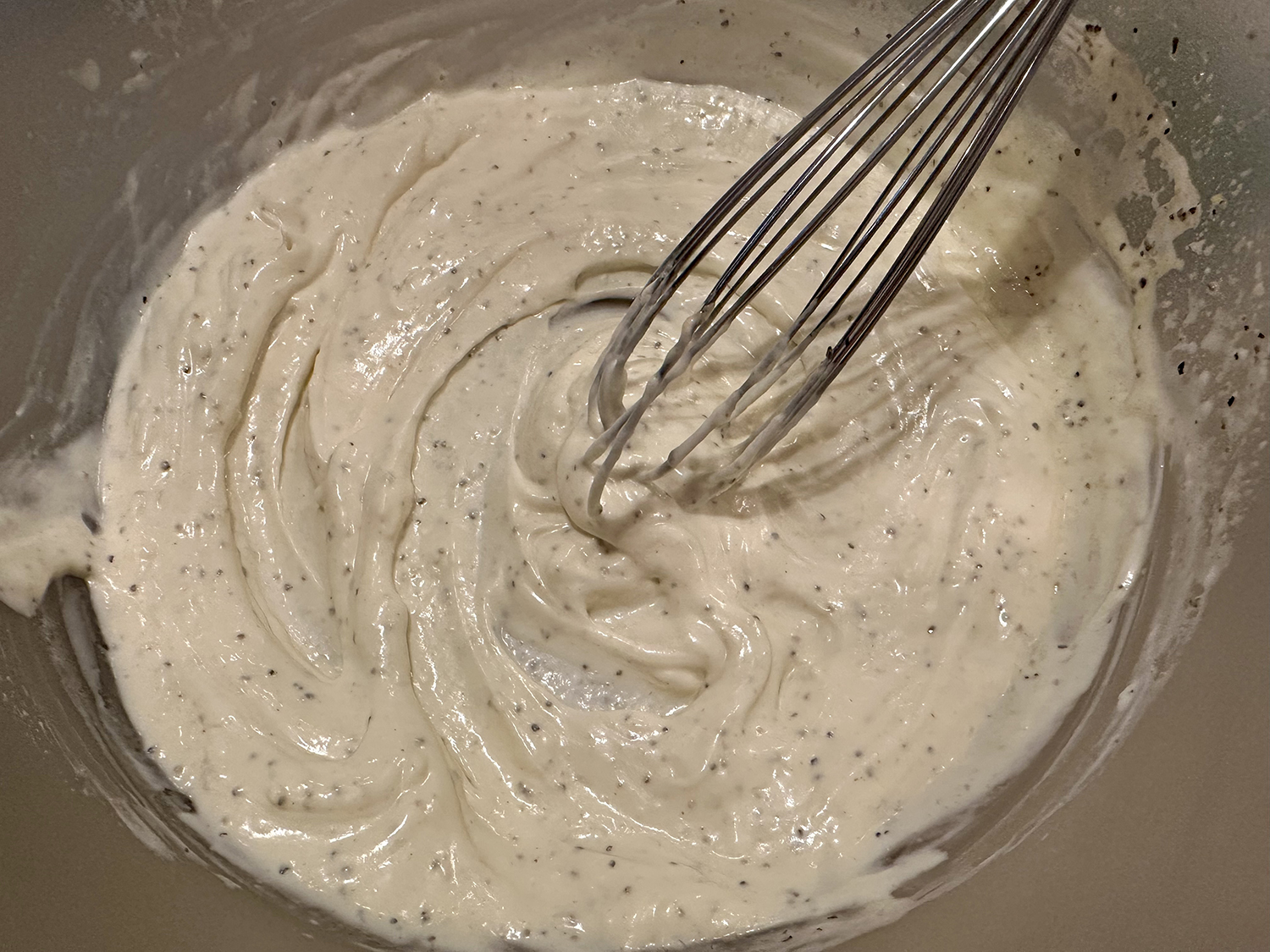
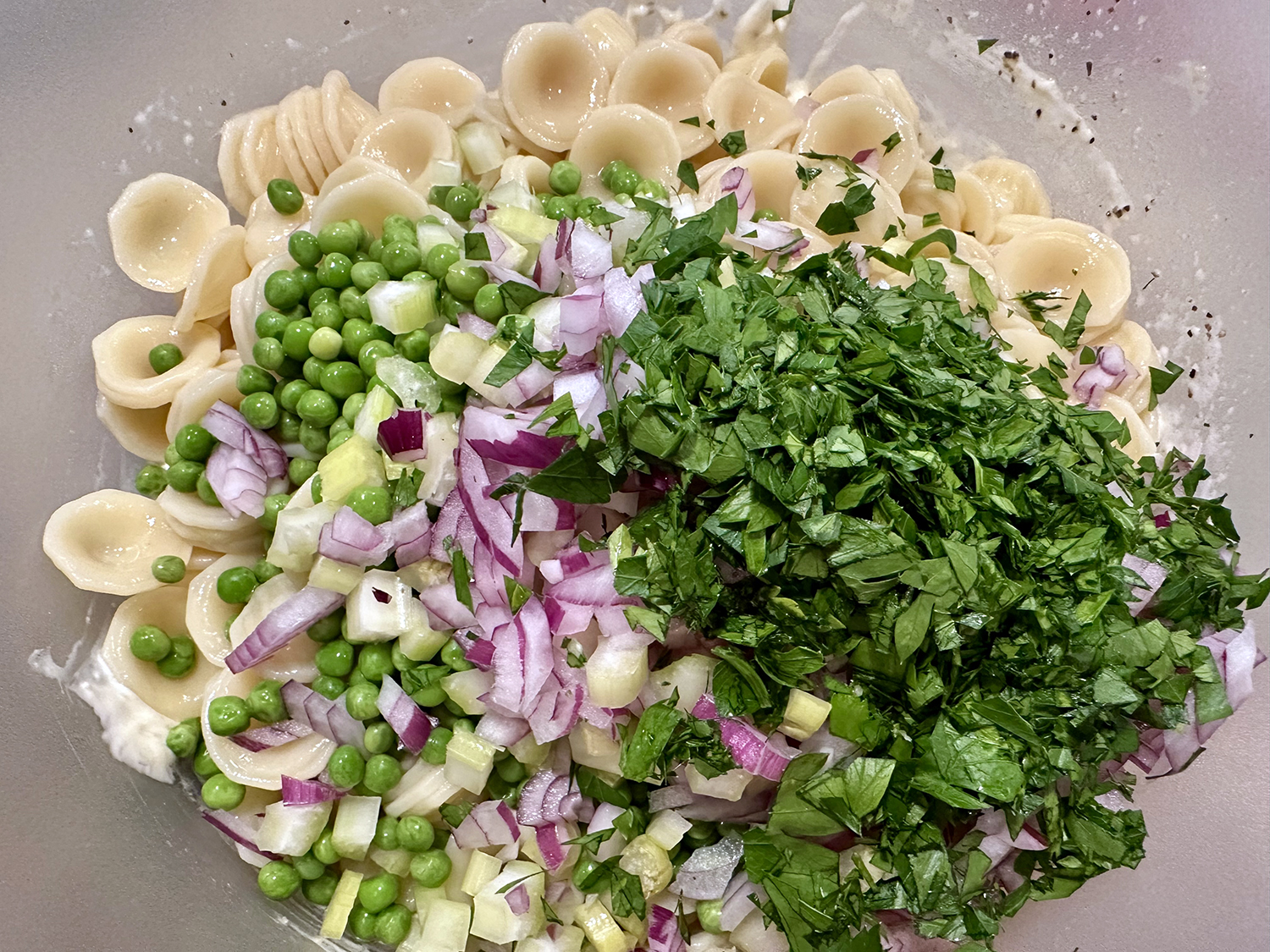
The tangy Greek yogurt dressing, flavored with lemon juice, mustard and garlic, comes together right in the serving bowl with the chopped celery and red onion that add crunch and color. Any small pasta shape works well here; just be sure to run the cooked pasta under cold water to cool it down before tossing with the dressing.

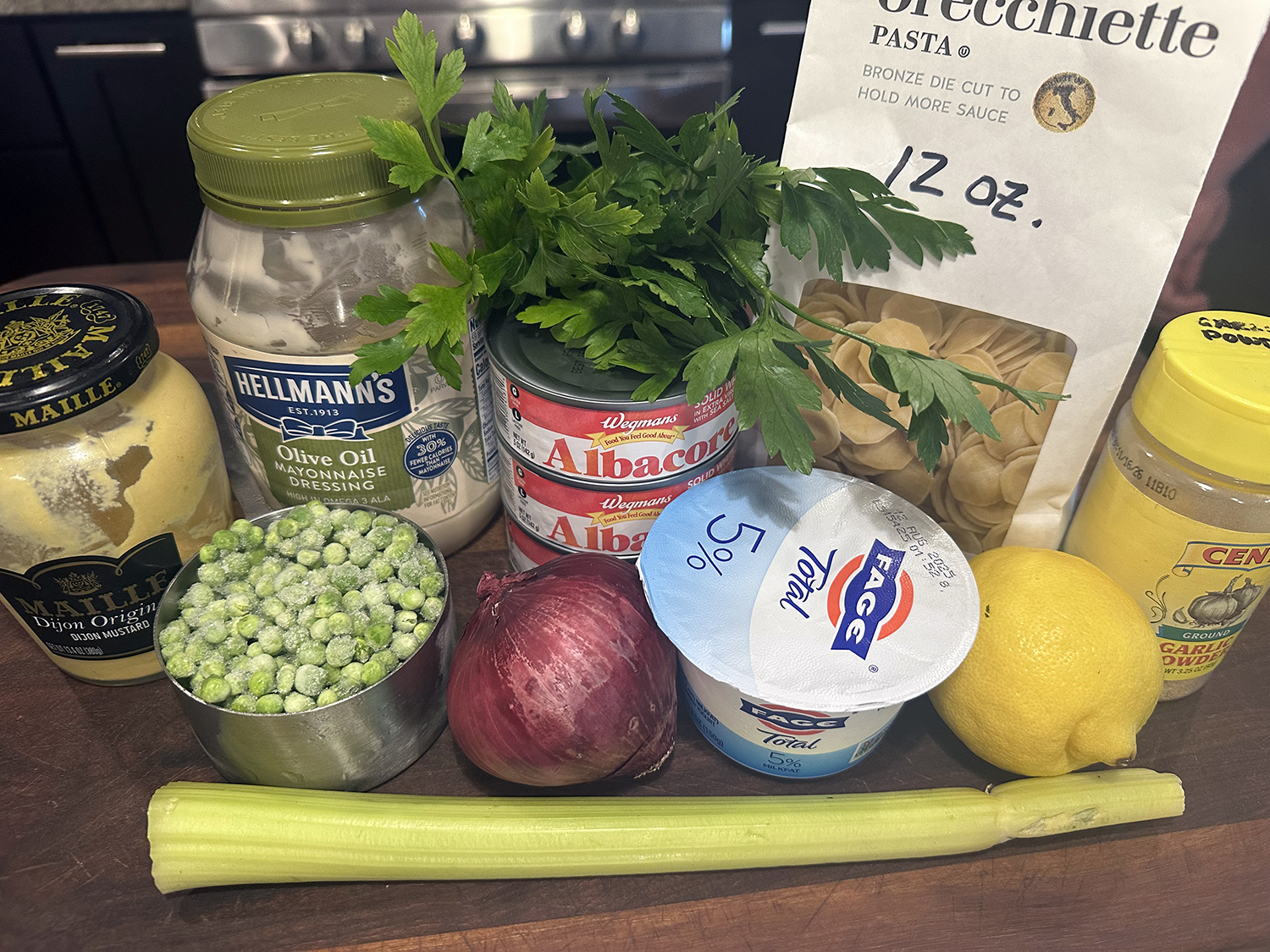
A few changes we made included reducing the amount of pasta from one pound down to 12 ounces; and increasing the quantity of tuna up to three 5-ounce jars. As a main you’ll get get 4 to 6 servings. As a side dish, at least double that.

The Hubs Hack: Shred a peeled carrot and add some diced radish for more color and nutrition. He even thinks mashing in an anchovy would provide some nice umami flavor. (I’m fine w/o the anchovy.)

A Pasta Salad for Tuna Lovers

  • Servings: 4-6
  • Difficulty: easy
  • Print

Ingredients

  • Kosher salt (such as Diamond Crystal) and black pepper
  • 12 oz. short pasta, such as small shells, orecchiette or elbow macaroni 
  • ½ cup mayonnaise
  • ½ cup plain Greek yogurt (at least 2 percent fat)
  • 2 Tbsp. freshly squeezed lemon juice
  • 1 tsp. Dijon mustard 
  • ½ tsp. garlic powder
  • 3 (5-oz.) cans or jarred tuna, drained
  • 1 cup frozen peas, thawed
  • 1 cup small-diced celery (1 to 2 celery ribs)
  • ½ cup chopped red onion
  • ¼ cup finely chopped fresh dill or parsley, plus more for serving

Directions

  1. Bring a large pot of salted water to a boil. Add the pasta and cook according to the directions on the package, then drain and rinse under cold running water. Drain well.
  2. Meanwhile, in a large bowl, whisk together the mayonnaise, yogurt, lemon juice, mustard, garlic powder, 1 teaspoon salt and ½ teaspoon pepper. Add the cooled, drained pasta and toss well.
  3. Add the tuna, peas, celery, red onion and dill and toss again.
  4. Add more salt and pepper to taste, garnish with additional fresh dill and serve. Tuna pasta salad will keep for up to 3 days, covered and refrigerated.

http://www.lynnandruss.com

Adapted from a recipe by Lidey Heuck for NYTimes Cooking

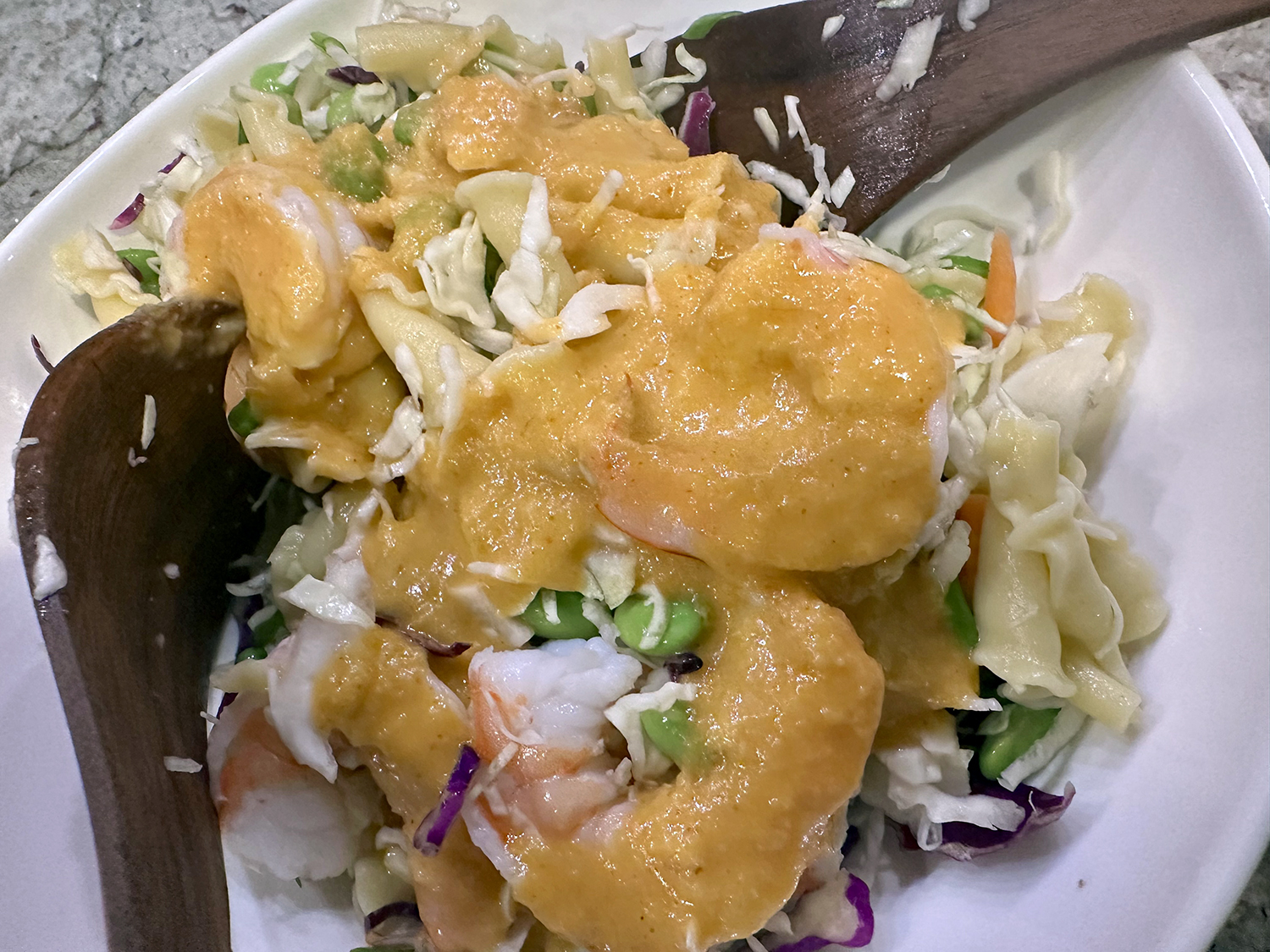
Campanelle Salad with Shrimp, Cabbage an Scallion-Ginger Dressing

When it’s too hot to cook, a cool salad with little prep is a go-to in our household. So this campanelle salad from Cook’s Illustrated chock-full of crunchy vegetables and succulent shrimp fits the bill.

The pasta is intentionally overcooked here. When cooked pasta is refrigerated, it goes through a process called retrogradation in which the water in the noodles becomes bound up in starch crystals, making the pasta firm and dry. But if you’re making a cold pasta salad, you can make retrogradation work to your advantage by boiling the pasta 2 or 3 minutes beyond al dente. This way the pasta’s starch absorbs more water and becomes extra-soft so that when it firms up with cooling, the final texture is just right.

While numerous reviewers were somewhat disappointed in the dressing—it was too gingery, too vinegary, etc.—we found it to be almost perfect! (The amount of sriracha we used was reduced slightly.) Another change included cooking the edamame with the pasta 1 minute longer.

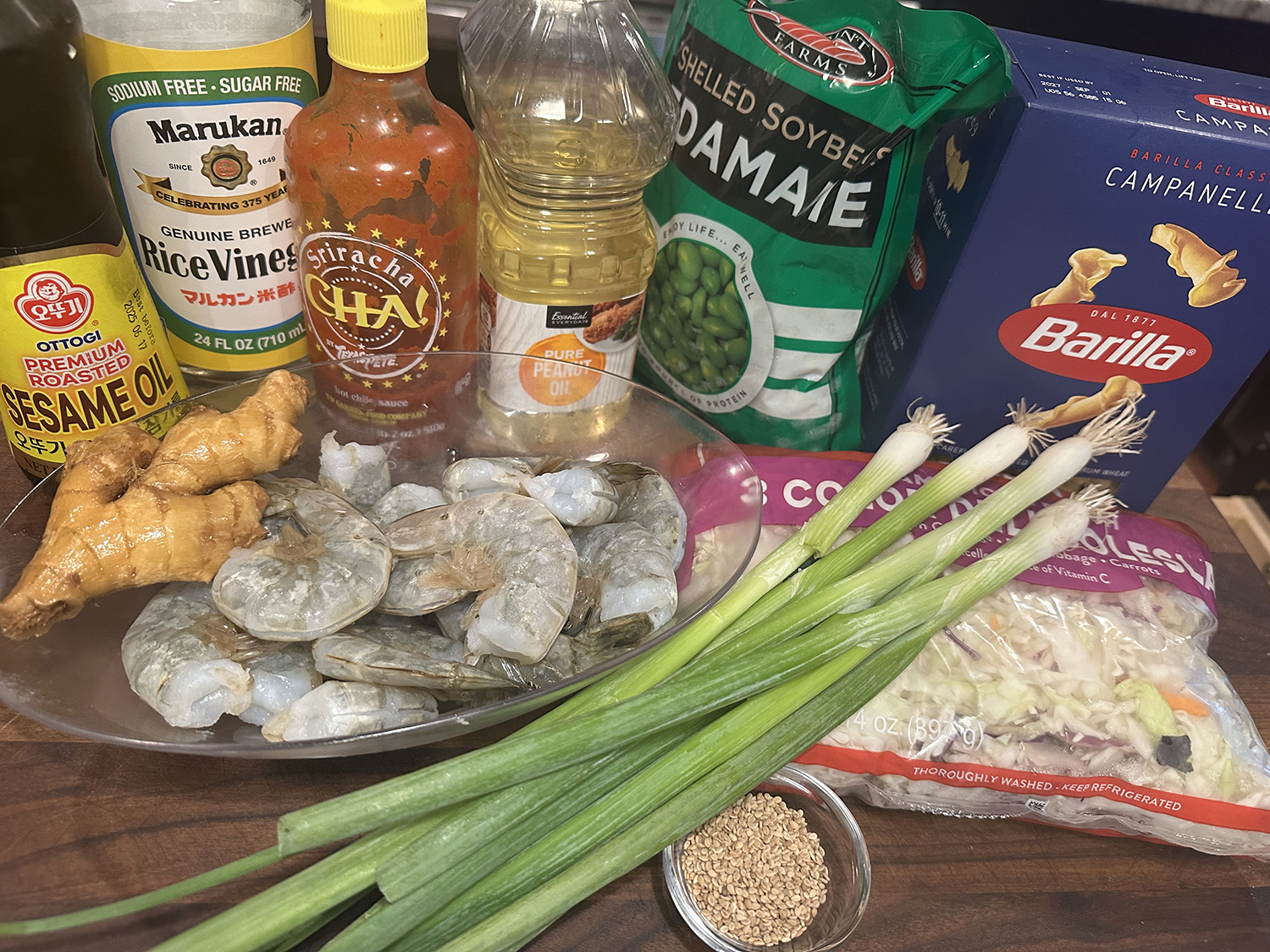
NOTES: If campanelle is unavailable, substitute penne. There’s no need to peel the ginger; just give it a thorough wash. Use the full amount of sriracha if you’re a fan of spice. We intentionally overcook the pasta in this recipe so that it remains tender, even when served cold. If making this salad ahead, dress the salad and then garnish it with the scallion greens and sesame seeds right before serving. A mix of white and black sesame seeds is desired, but it’s fine to use 2 teaspoons of either.

If feeding only two or three, place the desired amount of salad mix in a large bowl then stir in dressing and plate. Reserve any leftover salad and dressing in separate sealed containers for the next day.

Campanelle Salad with Shrimp, Cabbage an Scallion-Ginger Dressing

  • Servings: 4-6
  • Difficulty: easy
  • Print

Ingredients

  • 1 lb. large shrimp (26 to 30 per lb.), peeled, deveined, and tails removed
  • 1¼ tsp. table salt, plus salt for cooking pasta and shrimp
  • 8 oz. (2½ cups) campanelle
  • 8 oz. frozen shelled edamame
  • 4 cups (11 oz.) shredded green coleslaw mix
  • 4 scallions, white parts chopped, green parts sliced thin on bias, divided
  • ⅓ cup chopped fresh ginger
  • ⅓ cup unseasoned rice vinegar
  • 1½ Tbsp. sriracha
  • 2 tsp. toasted sesame oil
  • ½ cup vegetable oil
  • 1 tsp. black sesame seeds, toasted
  • 1 tsp. white sesame seeds, toasted

Directions

  1. Bring 3 cups water to boil in large saucepan over high heat. Stir in shrimp and 1 tablespoon salt. Cover and let stand off heat until shrimp are opaque, about 5 minutes, shaking saucepan halfway through. Using spider skimmer or slotted spoon, transfer shrimp to colander; rinse with cold water until cool. Drain well and transfer to large bowl. Add 1 quart water to water in saucepan and return to boil.
  2. Add pasta and 1½ teaspoons salt to boiling water and cook until pasta is al dente. Add edamame to saucepan with pasta and cook 2 minutes more. Drain and rinse with cold water. Drain well and add to shrimp along with coleslaw mix and two-thirds of scallion greens.
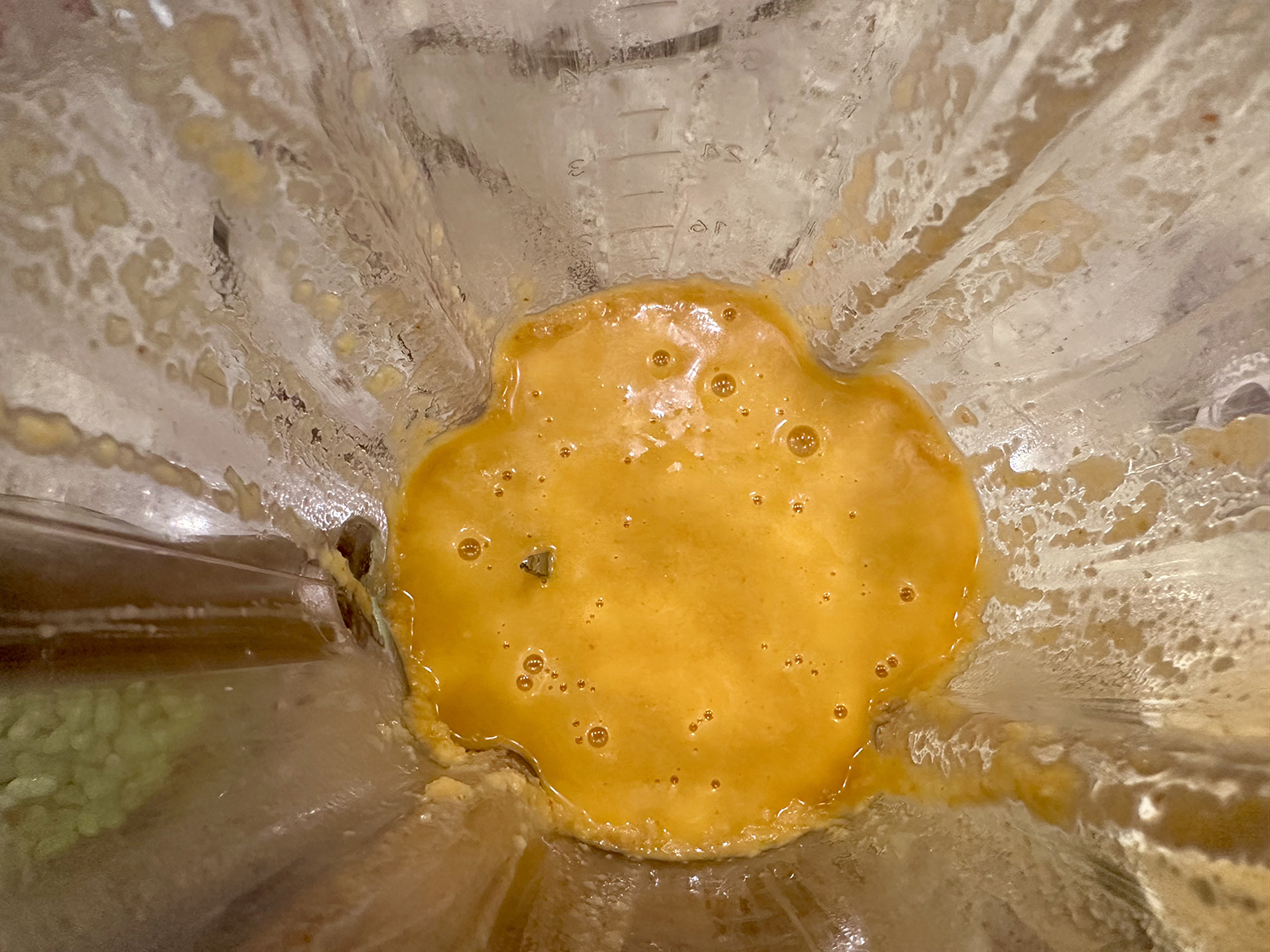
  3. Process scallion whites, ginger, vinegar, sriracha, sesame oil, and salt in blender until coarse paste forms, about 30 seconds. With blender running, slowly drizzle in vegetable oil until dressing is emulsified and smooth, about 1 minute.
  4. Pour dressing over salad and toss to combine. Transfer to serving bowl. Sprinkle with remaining scallion greens and sesame seeds and serve.

http://www.lynnandruss.com

Adapted from a recipe by Andrea Geary for Cook’s Illustrated

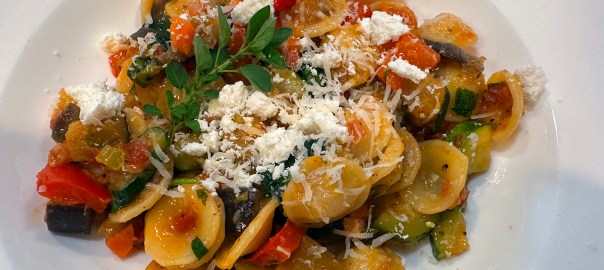
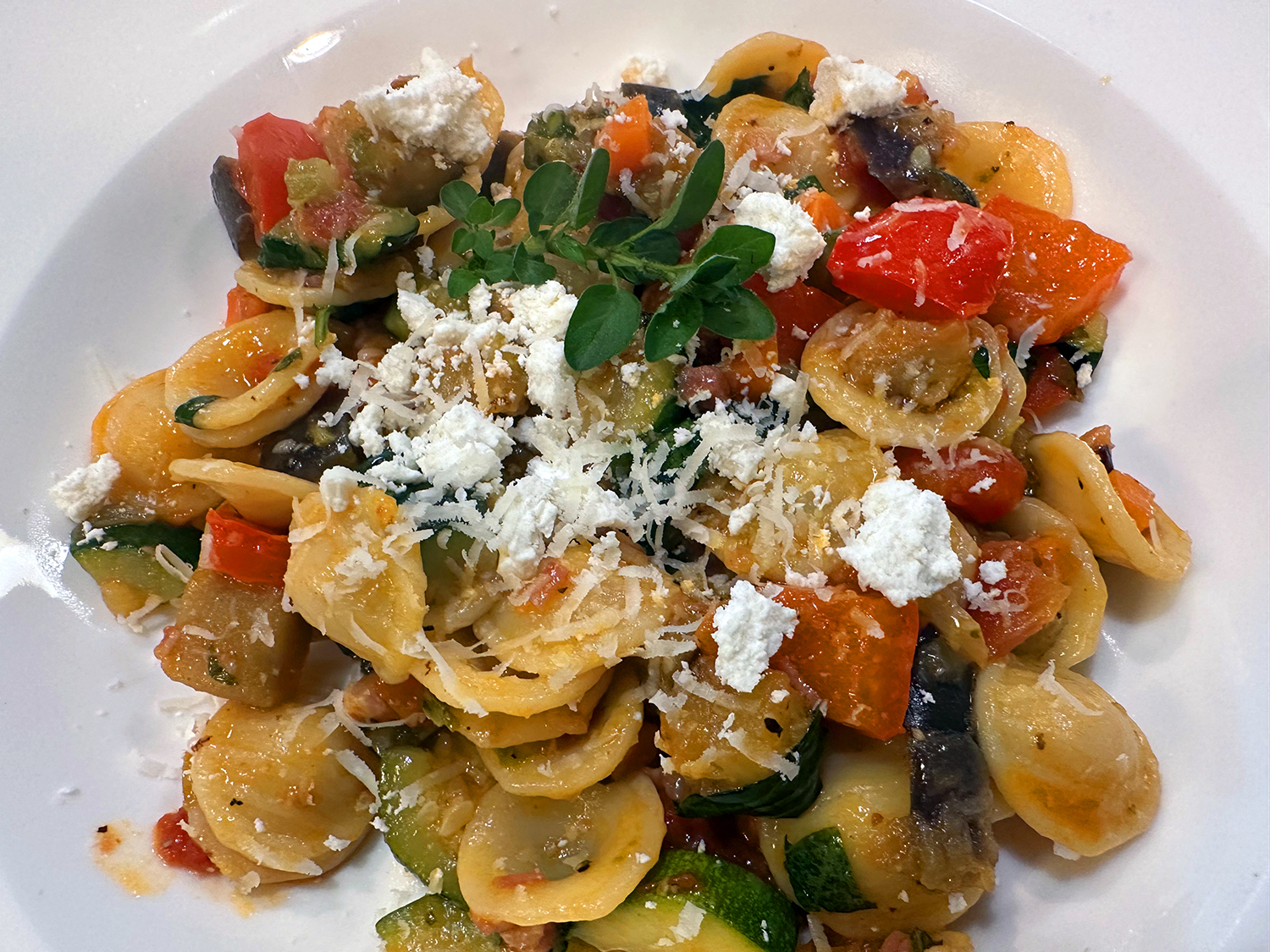
Sheperd’s Style Pasta

Pasta alla pecorara, known as “shepherd’s style pasta,” gets its name from its use of sheep’s milk cheese and local vegetables. Milk Street was inspired by Abruzzese home cook Luisa Carinci, who enhanced her version with pancetta. The sauce is seasoned with marjoram, which grows abundantly in the region and tastes like a sweeter, more delicate oregano. If you can’t find it, fresh oregano works fine. We used a combo of both fresh from our herb garden.

The sauce traditionally is paired with a handmade ring-shaped pasta called anellini. In its place, store-bought orecchiette is used , which does an excellent job of catching chunks of the rustic sauce.

Don’t rush the cooking of the pancetta and aromatics. Keeping the pot covered and the heat on medium-low will give the pancetta time to render its fat and for the aromatics to relinquish their flavor and become meltingly soft.

Sheperd's Style Pasta

  • Servings: 6-8
  • Difficulty: easy
  • Print

Ingredients

  • 1/4 cup plus 1 Tbsp. extra-virgin olive oil, plus more to serve
  • 1 large zucchini (about 12 oz.), cut into ½-inch cubes
  • 1 small Italian eggplant (about 8 oz.), cut into ½-inch cubes
  • 1 medium red bell pepper, stemmed, seeded and cut into ½-inch pieces
  • Kosher salt and ground black pepper
  • 4 oz. pancetta, chopped
  • 1 small yellow onion, finely chopped
  • 2 medium carrots, peeled and finely chopped
  • 1 medium celery stalk, finely chopped
  • 1 pound orecchiette
  • 14½ oz. can crushed tomatoes
  • 1 Tbsp. finely chopped fresh marjoram or oregano
  • 1 cup lightly packed fresh basil, chopped
  • 1/2 oz. Parmesan cheese, finely grated (¼ cup), plus more to serve
  • Whole-milk ricotta or crumbled ricotta salata cheese, to serve

Directions

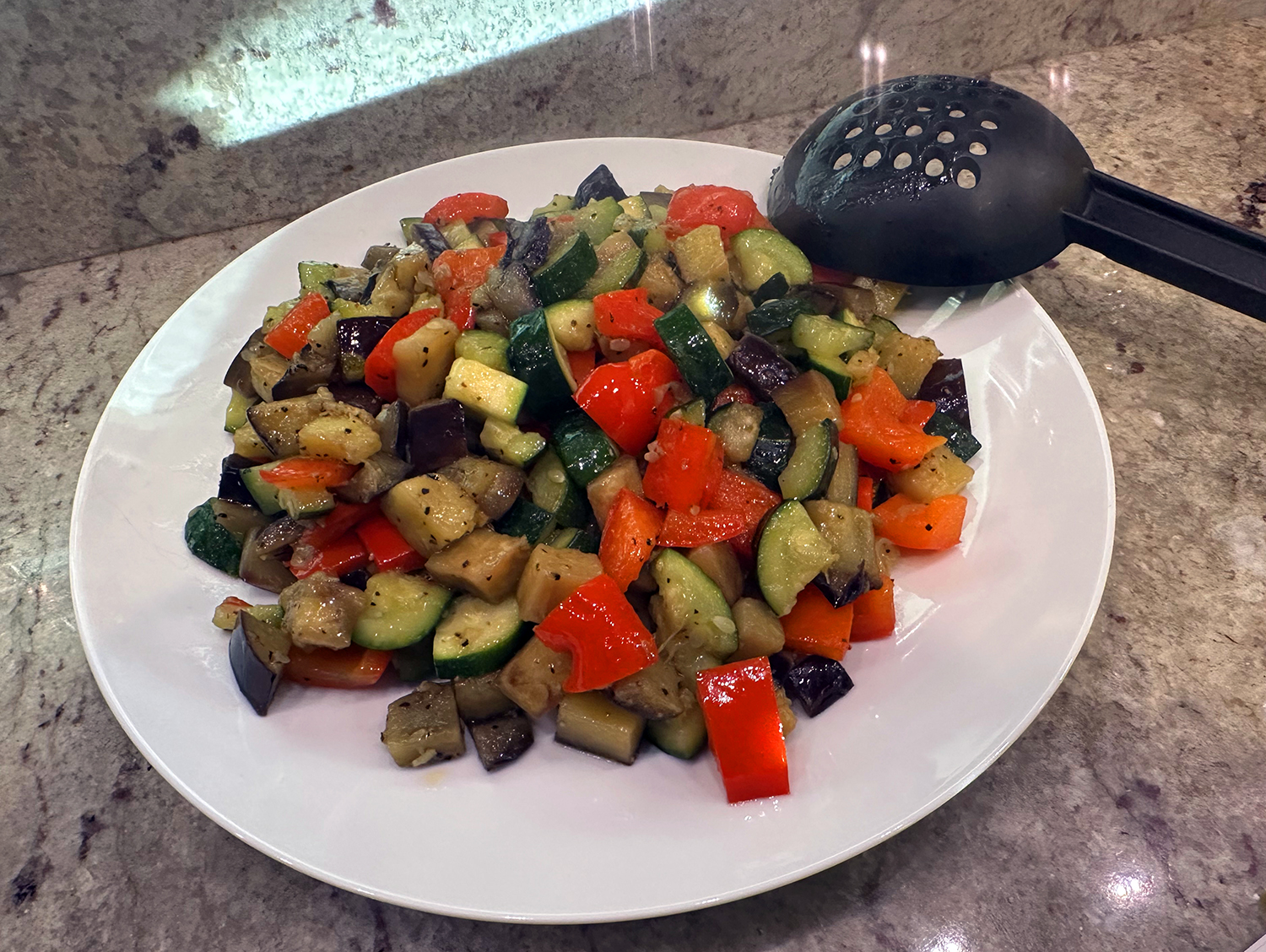
  1. In a Dutch oven over medium, heat ¼ cup oil until shimmering. Add the zucchini, eggplant, bell pepper, 1 teaspoon salt and ½ teaspoon pepper. Cook, stirring, until the vegetables are tender but still hold their shape, 10 to 12 minutes. Transfer to a plate and set aside.
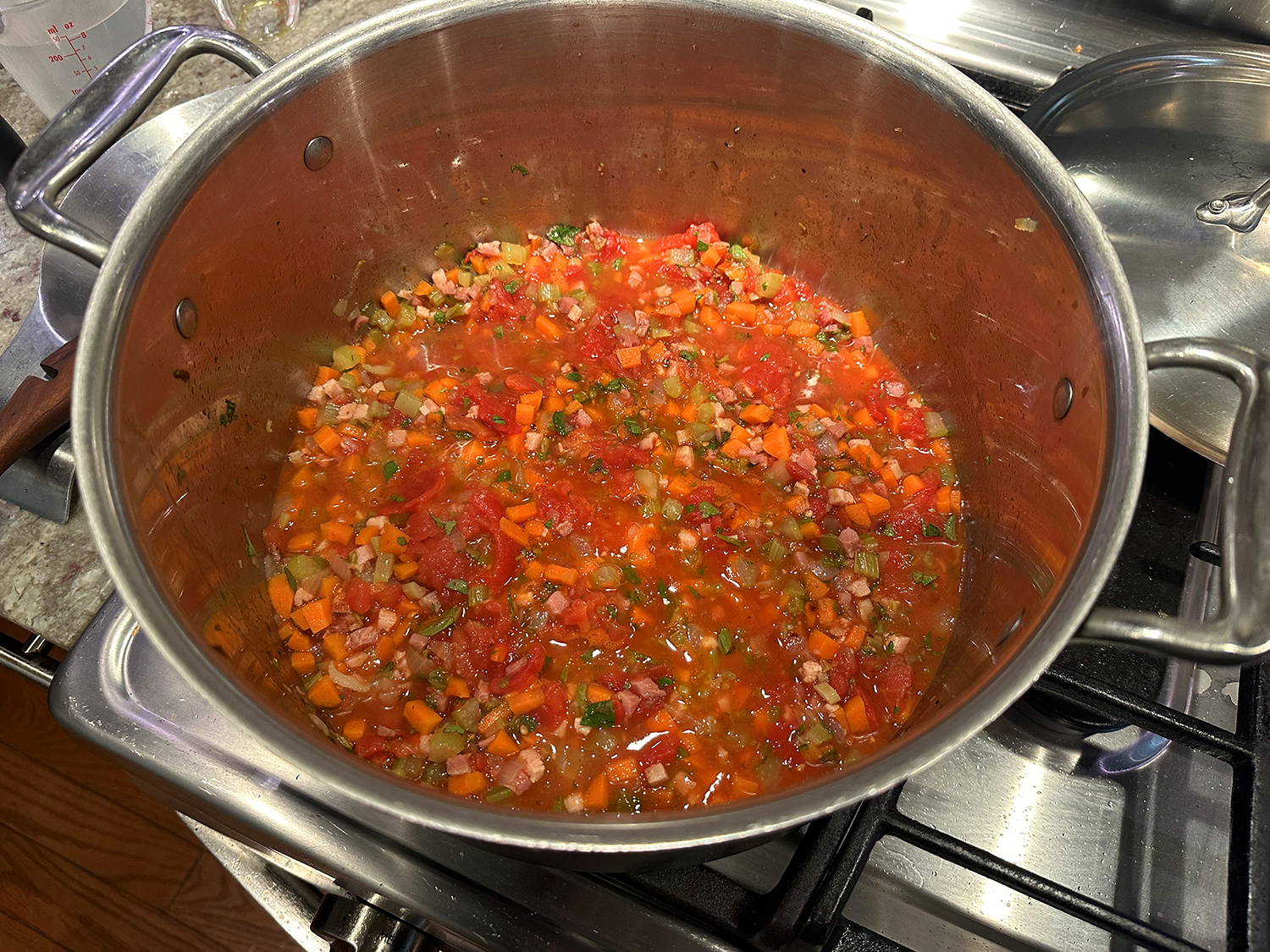
  2. 02To the fat remaining in the pot, add the pancetta, onion, carrots and celery. Cover and cook over medium-low, stirring occasionally, until the pancetta is beginning to brown and the vegetables are softened, 18 to 20 minutes.
  3. 03Meanwhile, in a large pot, boil 4 quarts water. Add the pasta and 1 tablespoon salt, then cook, stirring occasionally, until al dente. Reserve 1 cup of the cooking water, then drain. Drizzle the pasta with the remaining 1 tablespoon oil and toss.
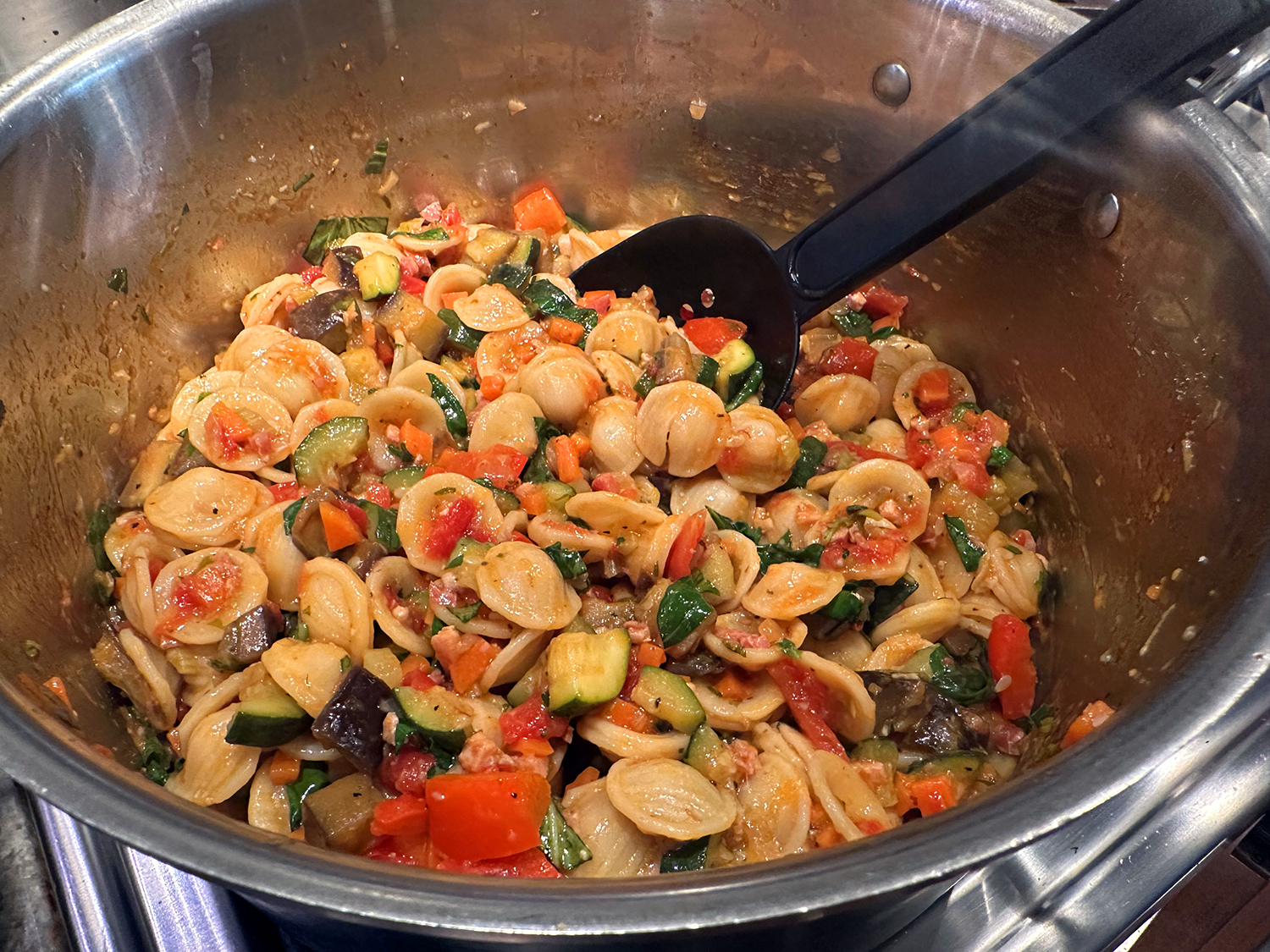
  4. 04To the mixture in the Dutch oven, add the tomatoes, marjoram and ½ cup pasta water. Bring to a simmer over medium and cook, uncovered and stirring, until a wooden spoon drawn through leaves a trail, 5 to 6 minutes. Add the pasta and vegetables; cook, stirring, until heated through, 2 to 3 minutes. Stir in the basil and Parmesan; add additional cooking water as needed if the mixture looks dry. Taste and season with salt and pepper. Serve topped with ricotta, additional oil and additional Parmesan.

http://www.lynnandruss.com

Adapted from a recipe by Rose Hattabaugh for Milk Street

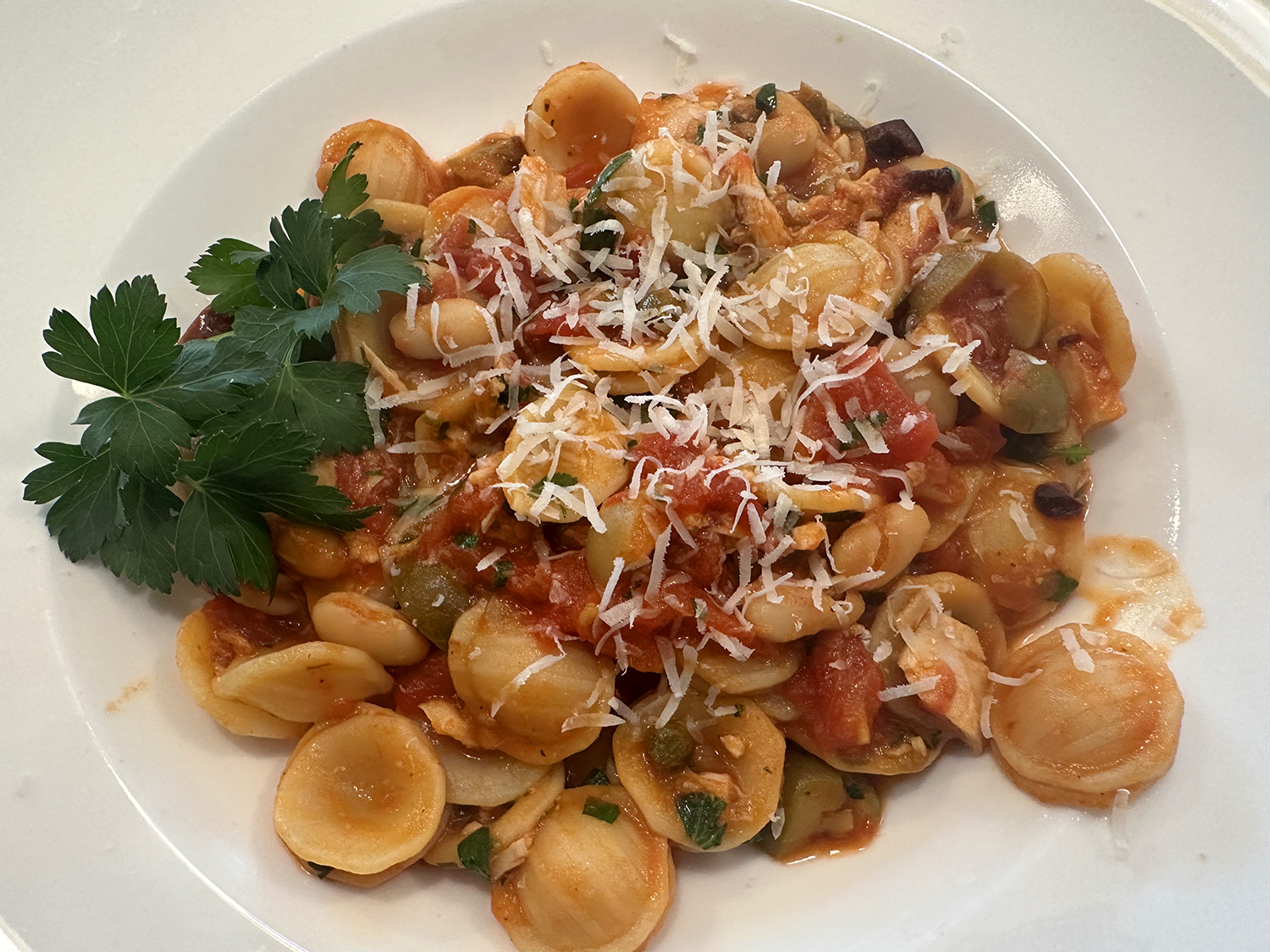
Orecchiette Puttanesca with Tuna and White Beans

In a word, delicious! A great choice for those nights where you prefer a meatless or pescatarian meal.

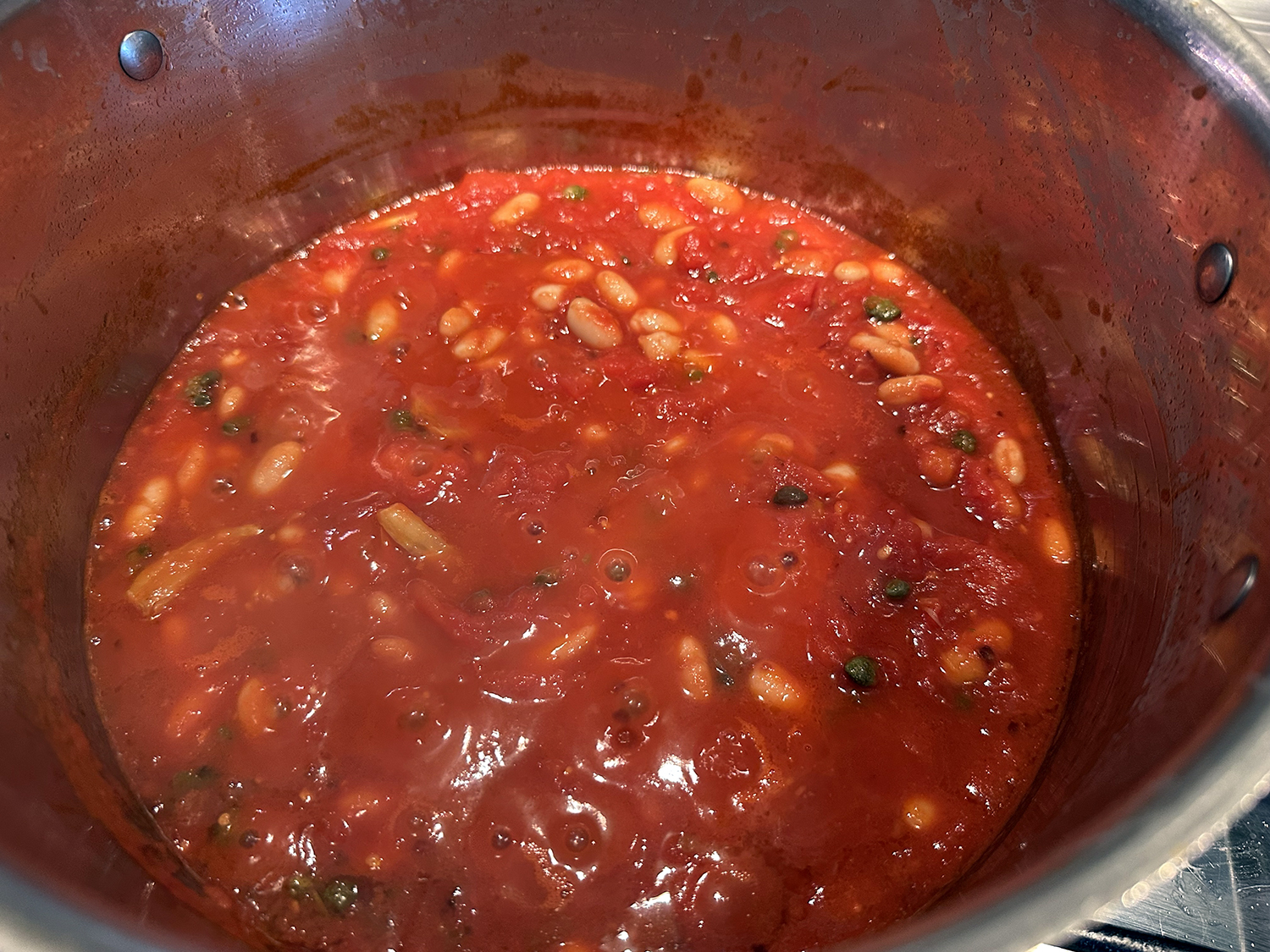
A one-pot wonder, this recipe is bold, with a briny puttanesca sauce that finds delicious partners in creamy white beans and flaked tuna (just needed more of it). First the pasta is boiled and drained, then the same pot is used to make the sauce.

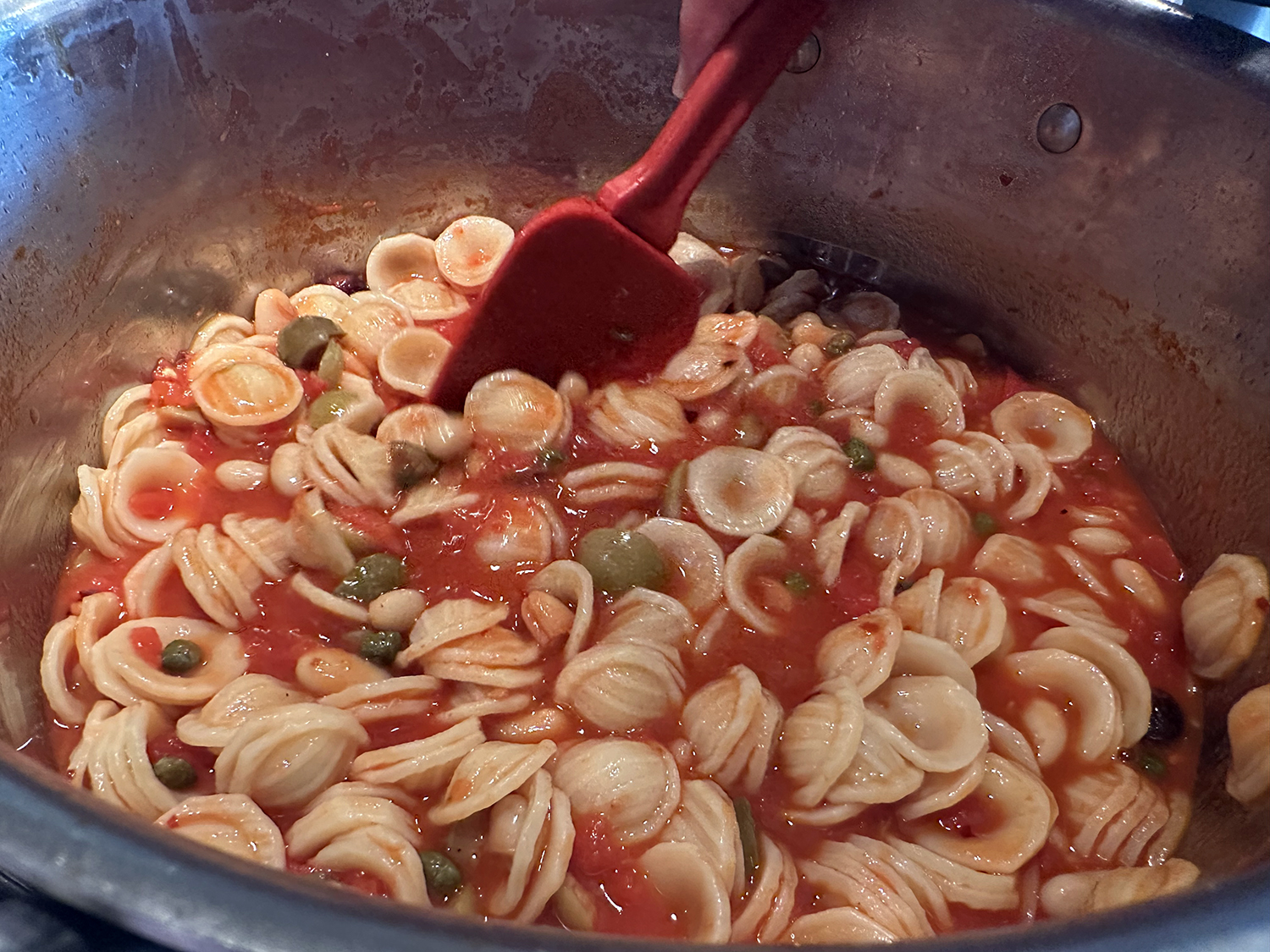
Orecchiette pasta is preferred because the small saucer shapes catch bits of the olives, capers and tuna. The consistency is on the “soupy” side; stir in additional pasta water at the end to adjust the consistency to suit your taste.

Two major changes we made included doubling the canned tuna to two 5-ounce cans, and decreasing the pasta by 25%, down to 12 ounces. These differences still provided 4 large portions. Also, don’t discard the olive oil when draining the tuna. Use it as part of, or in place of, the necessary olive oil for the recipe.

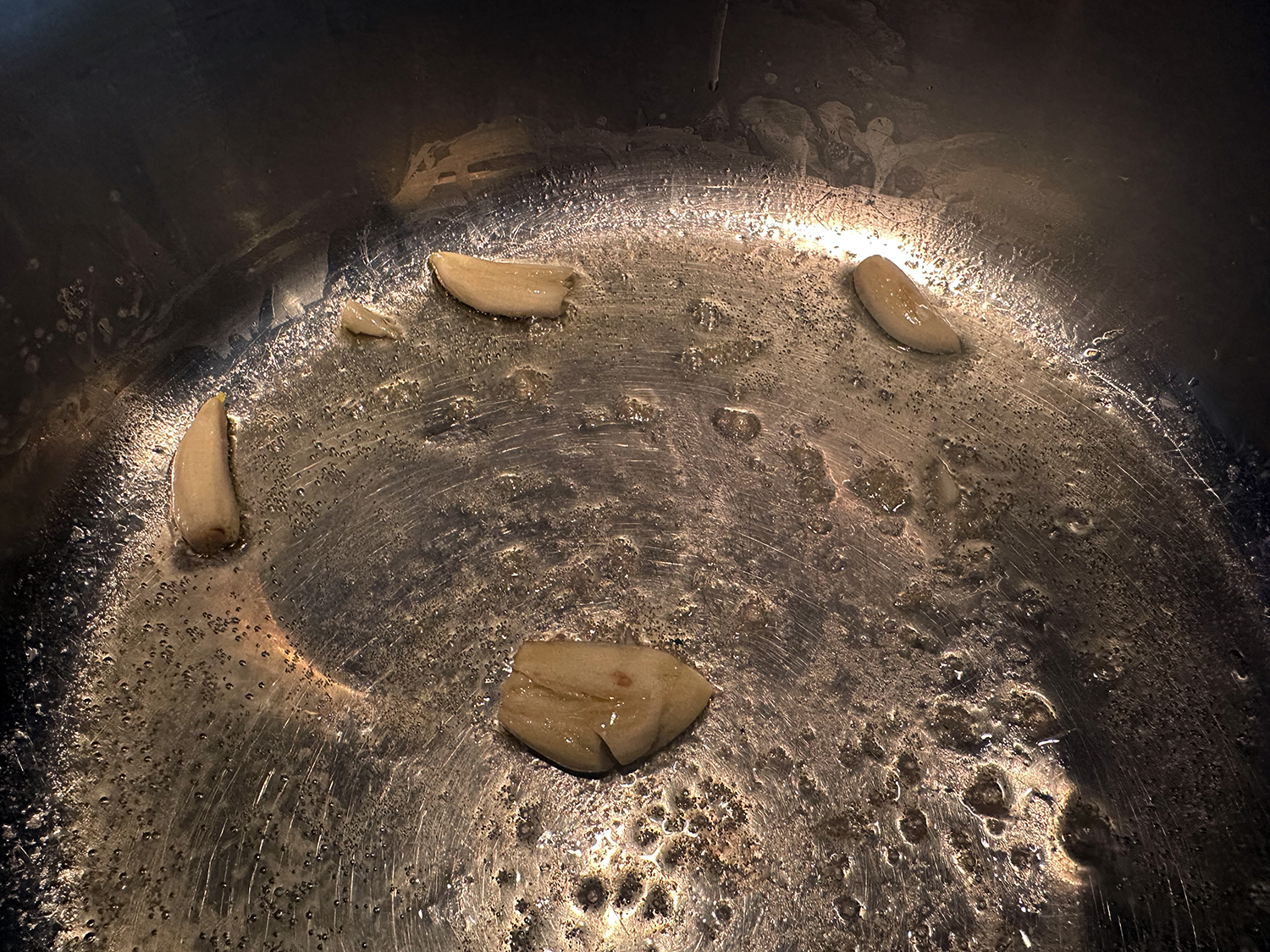
NOTES: Don’t forget to rinse and drain the beans. If their starchy liquid makes it into the pot, it will turn the sauce thick and heavy. Don’t worry about removing the garlic cloves after they’re lightly browned. They’ll soften and break apart slightly as the sauce cooks.

Orecchiette Puttanesca with Tuna and White Beans

  • Servings: 4-6
  • Difficulty: easy
  • Print

Ingredients

  • 12 oz. orecchiette pasta
  • Kosher salt and ground black pepper
  • 1 Tbsp. extra-virgin olive oil, plus more to serve
  • 2 medium garlic cloves, smashed and peeled
  • 1 tsp. red pepper flakes
  • 1 cup pitted green or black olives (or a combination), roughly chopped
  • ¼ cup drained capers, rinsed and patted dry
  • 28 oz. can whole peeled tomatoes, crushed by hand
  • 15½ oz. can cannellini beans, rinsed and drained
  • 2 5 oz. cans olive oil-packed tuna, drained and flaked
  • ⅓ cup lightly packed fresh flat-leaf parsley, roughly chopped

Directions

  1. In a large pot, bring 4 quarts of water to a boil. Stir in the pasta and 1 tablespoon salt, then cook, stirring occasionally, until just shy of al dente. Reserve 2½ cups of the cooking water, then drain.
  2. In the same pot over medium, combine the oil and garlic. Cook, stirring occasionally, until the garlic is light golden brown, 2 to 4 minutes. Add the pepper flakes, olives, and capers. Increase to medium-high and cook, stirring, until the capers begin to brown, about 1 minute. Add the tomatoes with juices along with the beans, then cook, stirring occasionally, until the mixture is slightly thickened, 3 to 4 minutes.
  3. Stir in 1½ cups of the reserved water and bring to a simmer over medium-high. Add the orecchiette and cook, stirring occasionally, until the pasta is al dente, 2 to 4 minutes; add more reserved water if needed to thin. Taste and season with salt and black pepper. Off heat, stir in the tuna and parsley. Serve drizzled with additional oil.

http://www.lynnandruss.com

Adapted from a recipe from Karen Waldman for Milk Street

Creamy Mushroom and Leek Pasta

The premise of a one-pot meal is always compelling. But after reading the reviewers comments from this NYTimes Cooking recipe, I decided numerous changes were necessary. It seems the original was bland (not our MO at all!), and using just one pot wasn’t the best approach.

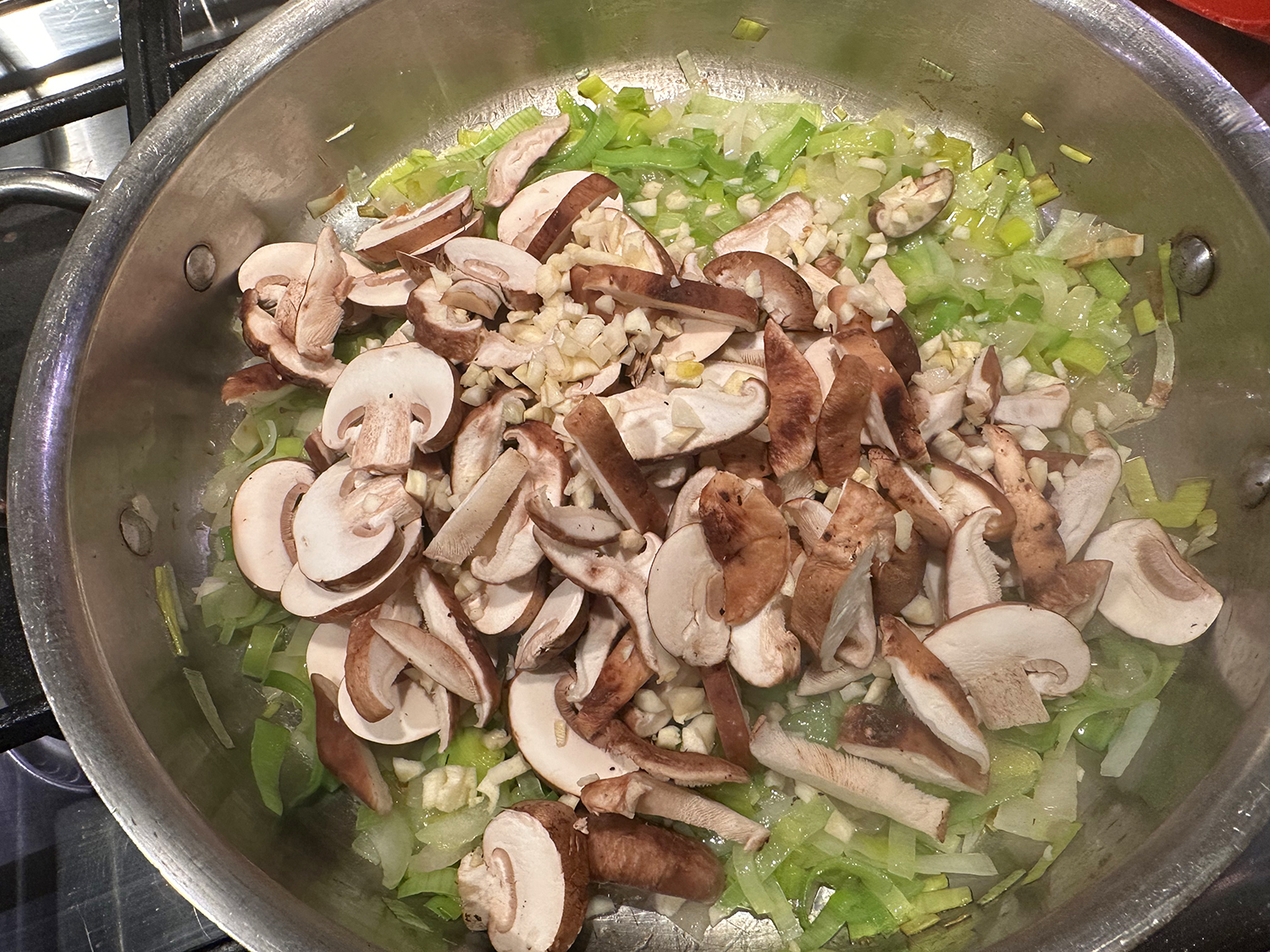
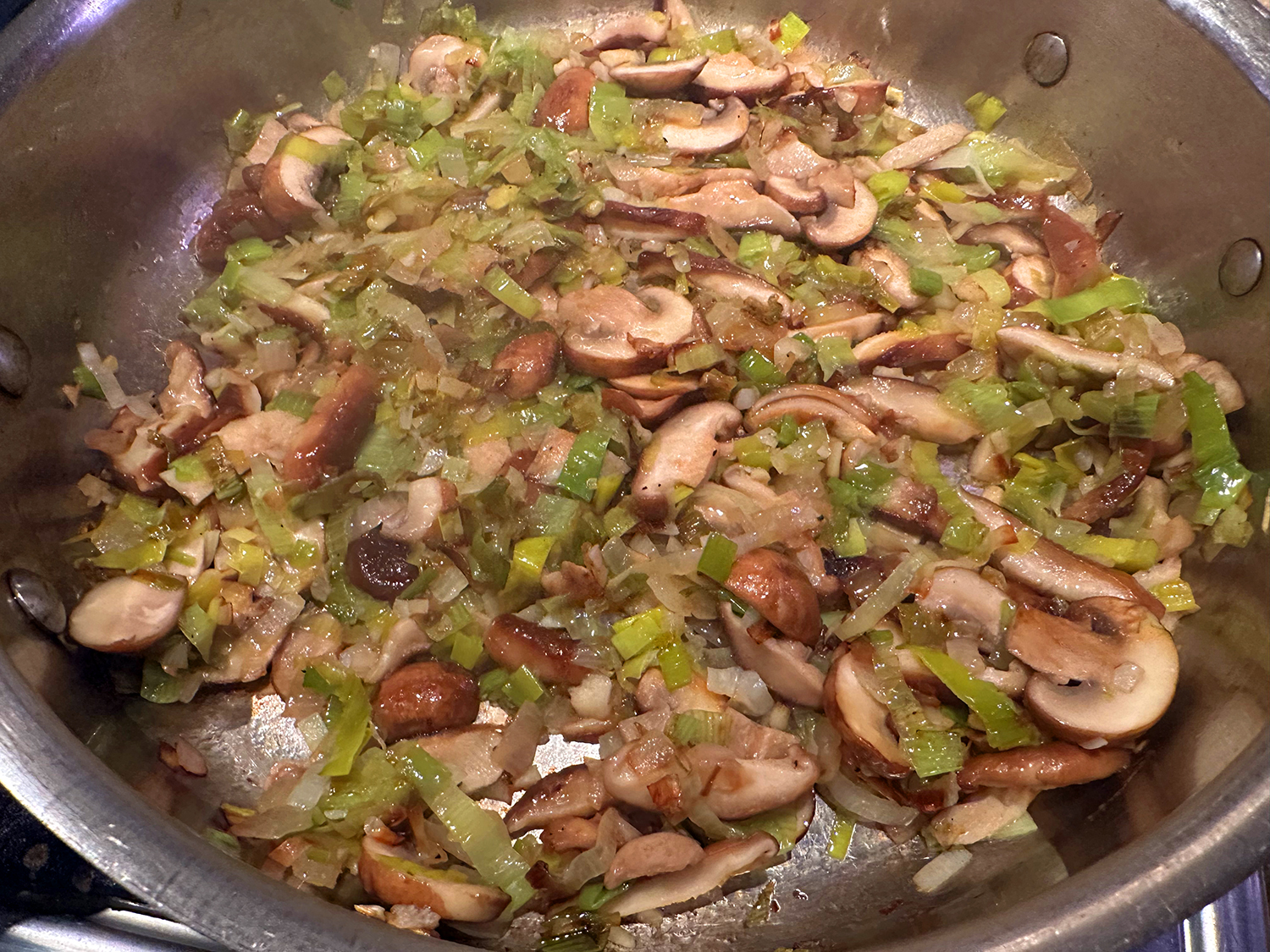
It ended up being a deeply satisfying pasta, brimming with rich umami flavor. Once the leek, shallots, and mushrooms are caramelized and sticking to the pot, they’re deglazed to lift all the extra depth from the bottom of the pan. Using half a lemon as the original recipe suggested didn’t do such a great job of deglazing so I also dribbled in a couple tablespoons of white wine as well.

This recipe leaves the choice of mushrooms up to you: Cremini and shiitake are a good combination, but you could even use rehydrated porcinis. However, a mere 6 ounces is truly not enough, so increase the amount to at least 12, and up to 16 ounces. To round out the meal, add a green salad or side of a green vegetable such as broccolini.

Creamy Mushroom and Leek Pasta

  • Servings: 3-4
  • Difficulty: easy
  • Print

Ingredients

  • 4 Tbsp. olive oil
  • 1 leek, white part only, finely sliced
  • 1 large (or 3 small) shallots, diced
  • 2 garlic cloves, finely chopped
  • 12-16 oz. mixed mushrooms, such as cremini, shiitake or oyster, sliced
  • 1 lemon, halved
  • Zest of 1 lemon
  • 8 oz. short pasta, such as orecchiette, cavatappi, gemelli or penne
  • 2 cups vegetable or chicken stock
  • 1 Tbsp. white miso
  • 2 Tbsp. unsalted butter
  • ½ cup chopped fresh parsley, plus more for garnish
  • Kosher salt and black pepper
  • ½ to 1 cup whole-milk ricotta
  • ½ to 1 tsp. red-pepper flakes
  • ½ cup chopped parsely, more for garnish

Directions

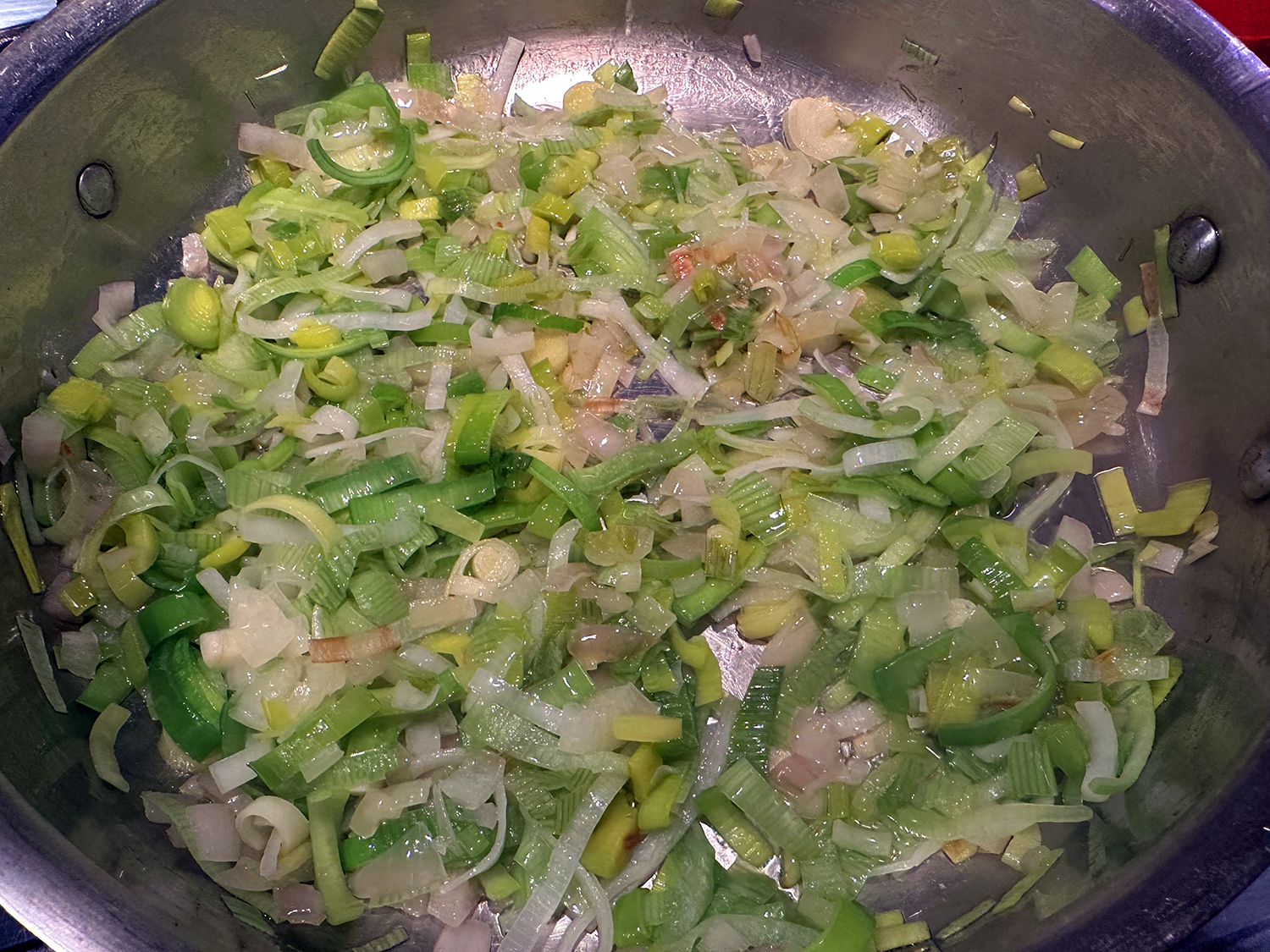
  1. Heat a wide, deep 12-inch skillet or Dutch oven over medium-high. When hot, add 3 tablespoons of olive oil, leeks and shallots, reduce heat to medium and cook, stirring constantly, until softened and lightly golden, 5 minutes. Remove to a side dish. (In my photos, I neglected to do this before adding the mushrooms.)
  2. In the meantime, cook the pasta until al dente.
  3. Add remaining tablespoon of olive oil, garlic and mushrooms to hot pan. Cook, undisturbed, for 2 minutes, then stir and cook, undisturbed, until the mushrooms start to caramelize and stick to the bottom of the pan, another 2 to 3 minutes. (This allows the water from the mushrooms to evaporate, encouraging caramelization.) Return the leeks and shallots to pan with mushrooms. Add the juice of one lemon half to deglaze the pan and stir to combine. (White wine seems to do a better job of deglazing.)
  4. Drain the pasta and add it and 1 cup of the stock with miso mixed in to the pan; stir well. Add more liquid if necessary, a bit at a time. (I did not need to use any more, but if you included more pasta, you may need to do so.) Stir in the red pepper flakes.
  5. Cook for about 1 minute, turn off the heat and add the butter and parsley. Squeeze in the juice from the remaining lemon half and stir until butter is melted and dispersed. Season with salt and pepper.
  6. To serve, top with ricotta, more red-pepper flakes (to taste), and more chopped parsley.

http://www.lynnandruss.com

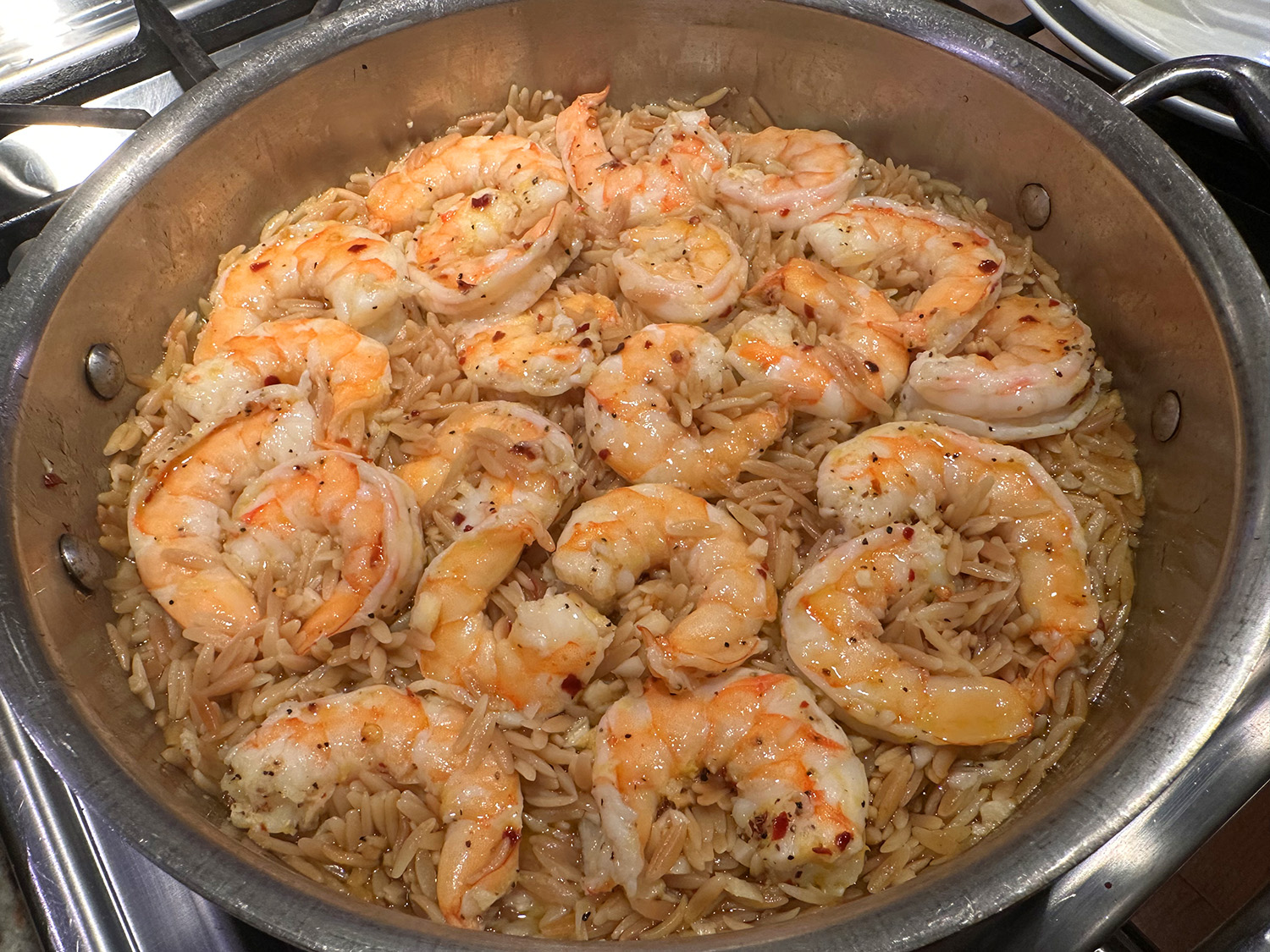
Shrimp Scampi with Orzo

With over 16,600 5-star reviewer ratings, this recipe sounded like a win-win, and it was! According to NYTimes Cooking, the universal appeal of shrimp scampi they say, isn’t the shrimp but the pan sauce: garlicky butter lightened with white wine and bursts of lemon, parsley and red-pepper flakes. Scampi is often tossed with pasta or served with crusty bread, but this version instead uses quick-cooking orzo.

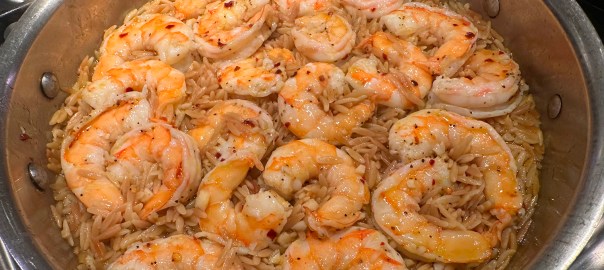
It simmers directly in the pan sauce, imparting a starchy gloss — and soaking up the garlicky scampi flavors. Toss the shrimp with some garlic, lemon zest and red-pepper flakes to marinate while the pasta gets a head start on the stove, then simply toss the shrimp on top of the orzo to steam. It all comes together in a flash, and feels effortless. Pair this dish with Caesar salad, steamed broccoli or arugula, or bask in its simple comfort, straight from a spoon.

Whichever liquid you choose, make sure it is boiling. We had homemade seafood stock on hand so we opted for that which makes a huge difference in amping up the depth of flavor. (Clam broth would also be a great choice.) In lieu of parsley, which we were fresh out of, we included chopped fresh basil.

Both the orzo and the shrimp had to be cooked a few minutes longer than suggested. But once the dish rested for a couple of minutes off the heat at the end, everything came together perfectly.

Shrimp Scampi with Orzo

  • Servings: 3-4
  • Difficulty: easy
  • Print

Ingredients

  • 1 lb. large shrimp, peeled and deveined
  • 3 Tbsp. extra-virgin olive oil
  • 1 Tbsp. lemon zest, plus 1 tablespoon juice (from 1 lemon)
  • ½ tsp. red-pepper flakes
  • Kosher salt and black pepper
  • 4 garlic cloves, minced
  • 2 Tbsp. unsalted butter
  • 1 cup orzo
  • ⅓ cup dry white wine
  • 2 cups boiling water, seafood stock, clam broth or chicken stock
  • 3 Tbsp. finely chopped parsley, or parsely

Directions

  1. In a medium bowl, stir together shrimp, 1 tablespoon olive oil, lemon zest, red-pepper flakes, ½ teaspoon salt, ¼ teaspoon pepper and half of the garlic. Set aside to marinate. (This step can be done up to 1 hour in advance.)
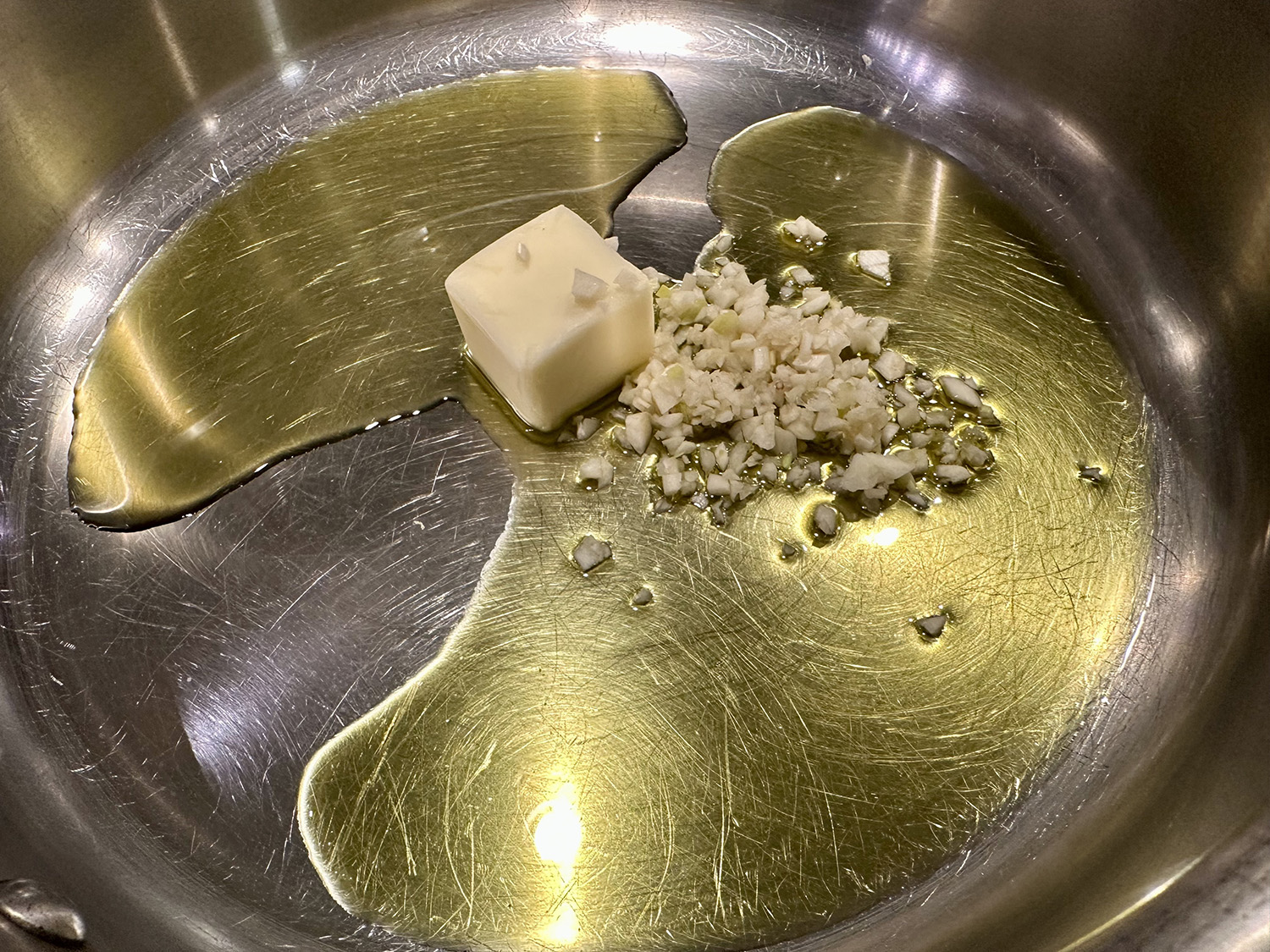
  2. Add butter, remaining 2 tablespoons olive oil and remaining garlic to a medium skillet set over medium heat. When the butter starts to bubble, add the orzo and ½ teaspoon salt and cook, stirring often, until the orzo is toasted, about 2 minutes, adjusting the heat as necessary to prevent the garlic from burning. Carefully add the wine — it will bubble — and stir until absorbed, about 1 minute. Stir in boiling liquid, reduce heat to low, cover, and cook until orzo is al dente, about 12 minutes.
  3. Add the shrimp in a snug, even layer on top of the orzo, cover, and cook until all the shrimp is pink and cooked through, 2 to 4 minutes. Remove from heat and let sit, covered, 2 minutes.
  4. Sprinkle with parsley and lemon juice, season with salt and pepper, and serve immediately.

http://www.lynnandruss.com

Recipe by Ali Slagle for NYTimes Cooking

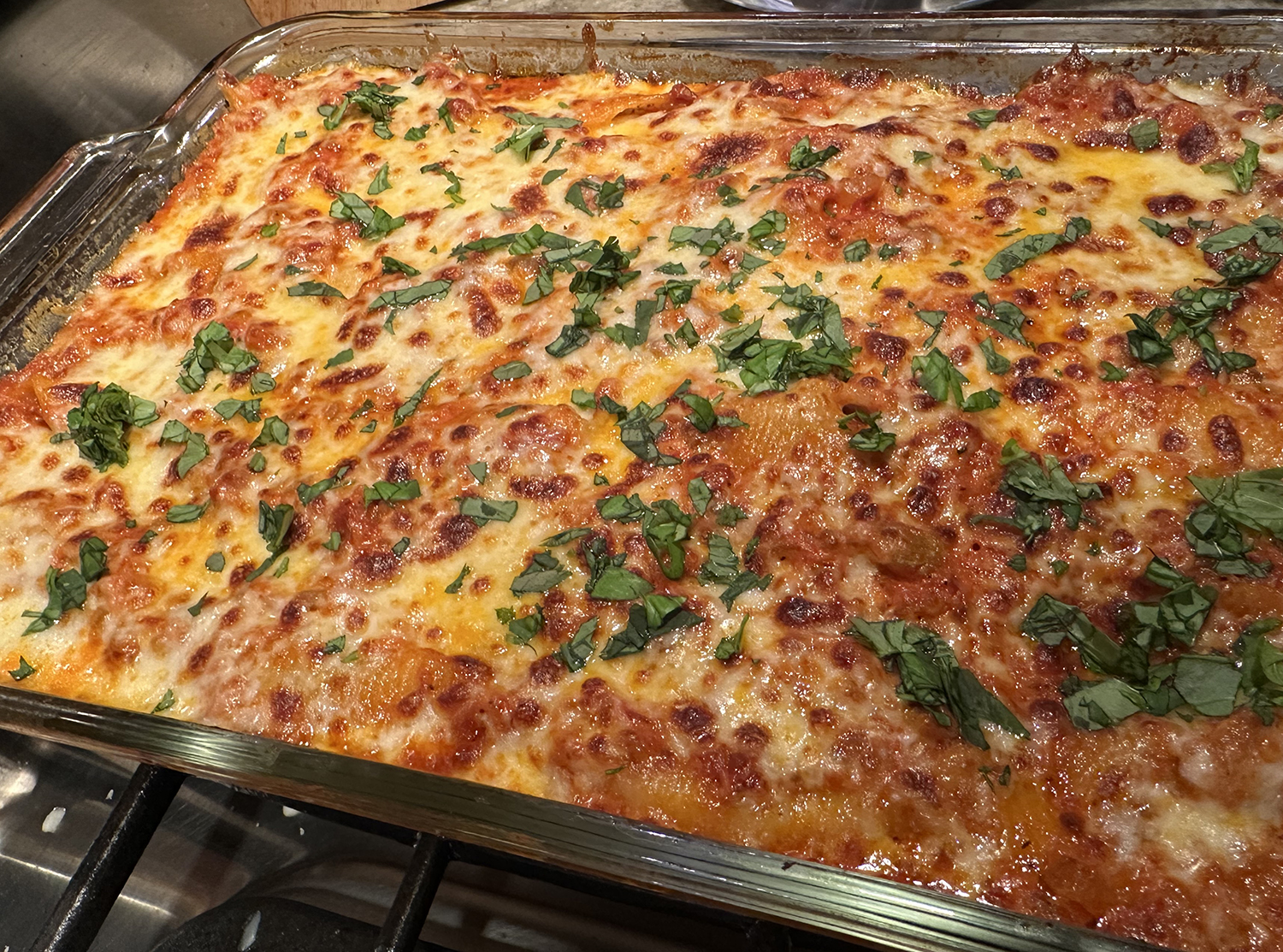
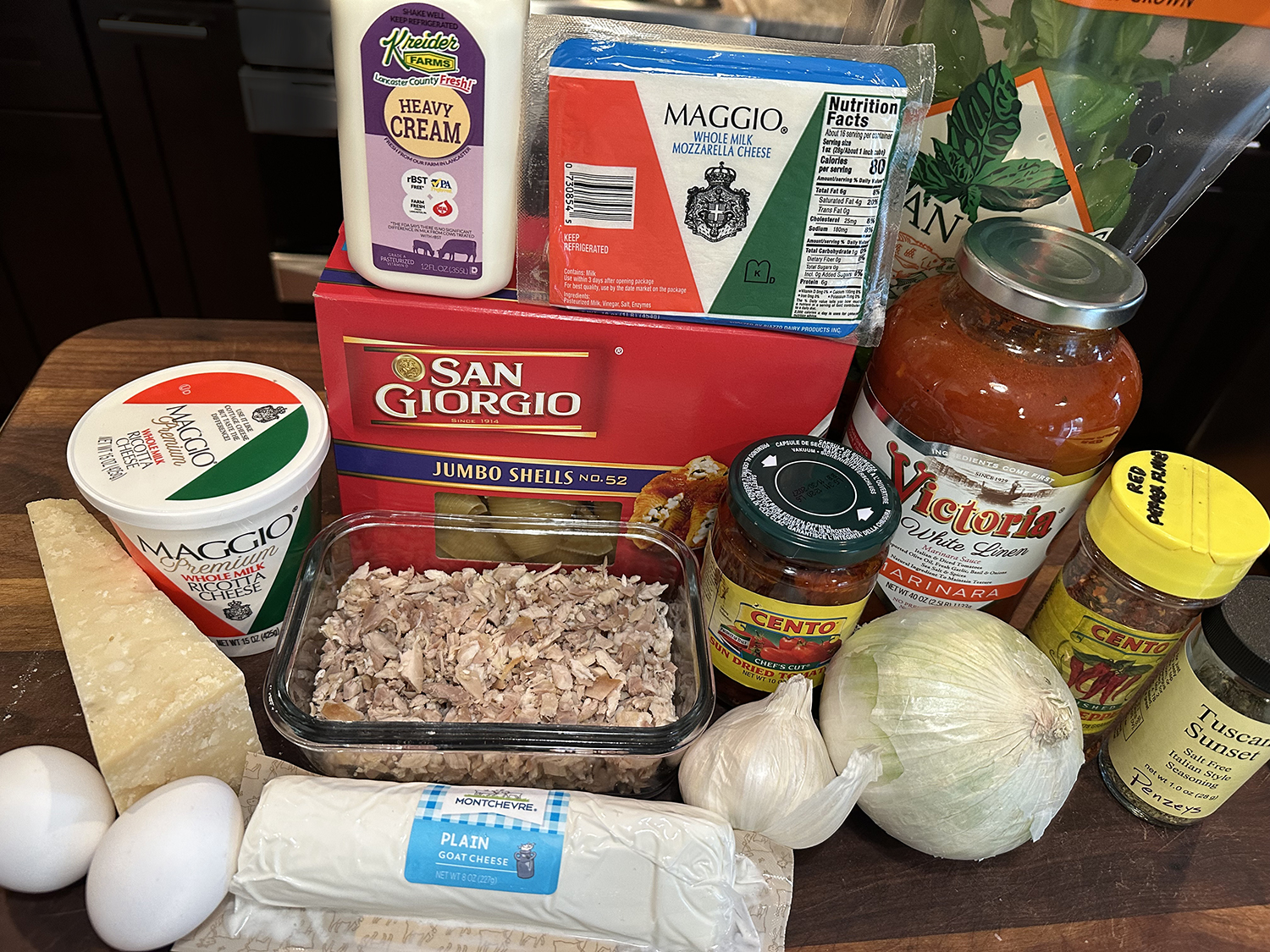
Marry Me Chicken Stuffed Shells

You feast with your eyes first, and with this dish, it was love at first sight. All the hallmarks of Marry Me Chicken — sun-dried tomatoes, chicken, cream, and Parmesan cheese — are blended with even more cheese, then stuffed into jumbo shells along with Italian seasoning and fresh basil to make this decadent casserole.

Appealing to all ages, this cozy pasta dish can be served as a weeknight dinner, weekend dining with guests, or as an impressive potluck main course. The extra melty mozzarella cheese on top and fresh basil flourish makes this a meal sure to become a favorite.

Aim to cook your shells to al dente; they should be mostly tender but with a bit of firmness to them. You can often see a faint dry, starchy line  in the center of a cross section when you cut into one — that means  they’re ready. Al dente shells will be easier to handle and will bake to tender in the oven.

This is a saucy stuffed shell recipe. The sauce not only provides flavor but ensures the shells and filling remain moist and tender throughout the baking process. That said, if you want some of your shells to be more exposed so they have some toasted, chewier bites to some edges, you could hold back about a cup of the sauce and just serve the extra sauce alongside.

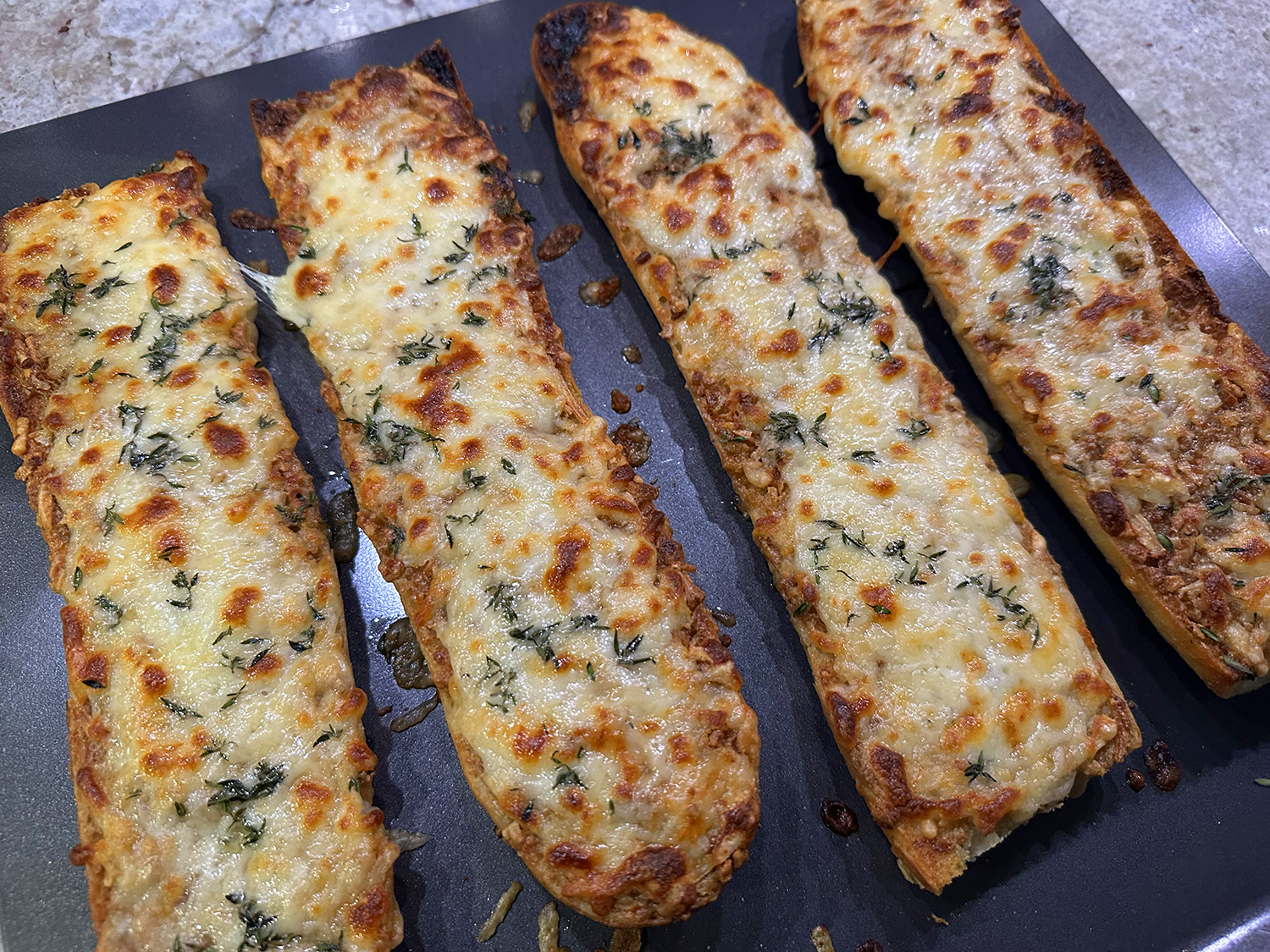
For an extra treat, serve it with some Cheesy French Onion Garlic Bread.

Marry Me Chicken Stuffed Shells

  • Servings: 6-8
  • Difficulty: moderate
  • Print

Ingredients

  • 24 jumbo pasta shells, from one 12-oz. package
  • 1 cup whole milk ricotta cheese
  • 3/4 cup finely chopped cooked chicken
  • 1 package goat cheese, (4-oz.) about 1/2 cup
  • 1/3 cup finely grated Parmesan cheese
  • 1 large egg, beaten
  • 1 1/2 Tbsp. finely chopped fresh basil, plus more roughly chopped for garnish
  • 2 cloves garlic, minced
  • 1 tsp. kosher salt
  • 3/4 tsp. dried Italian seasoning
  • 1/4 tsp. black pepper
  • 1 package low-moisture part-skim mozzarella cheese, (8-oz.) freshly shredded and divided (about 2 cups)
  • 1 jar julienne-cut sun-dried tomatoes in oil, (7-oz,) about 2/3 cup
  • 1 small yellow onion, finely chopped
  • 1 jar marinara sauce, (24-oz.) about 2 1/2 cups
  • 1/4 cup water
  • 1/4 tsp. crushed red pepper
  • 1 cup heavy whipping cream

Directions

  1. Preheat oven to 375°F. Bring a large pot of salted water to a boil over high. Add shells; cook, stirring often, over high until al dente, 8 to 10 minutes. Drain shells, running under cold water to help stop cooking.
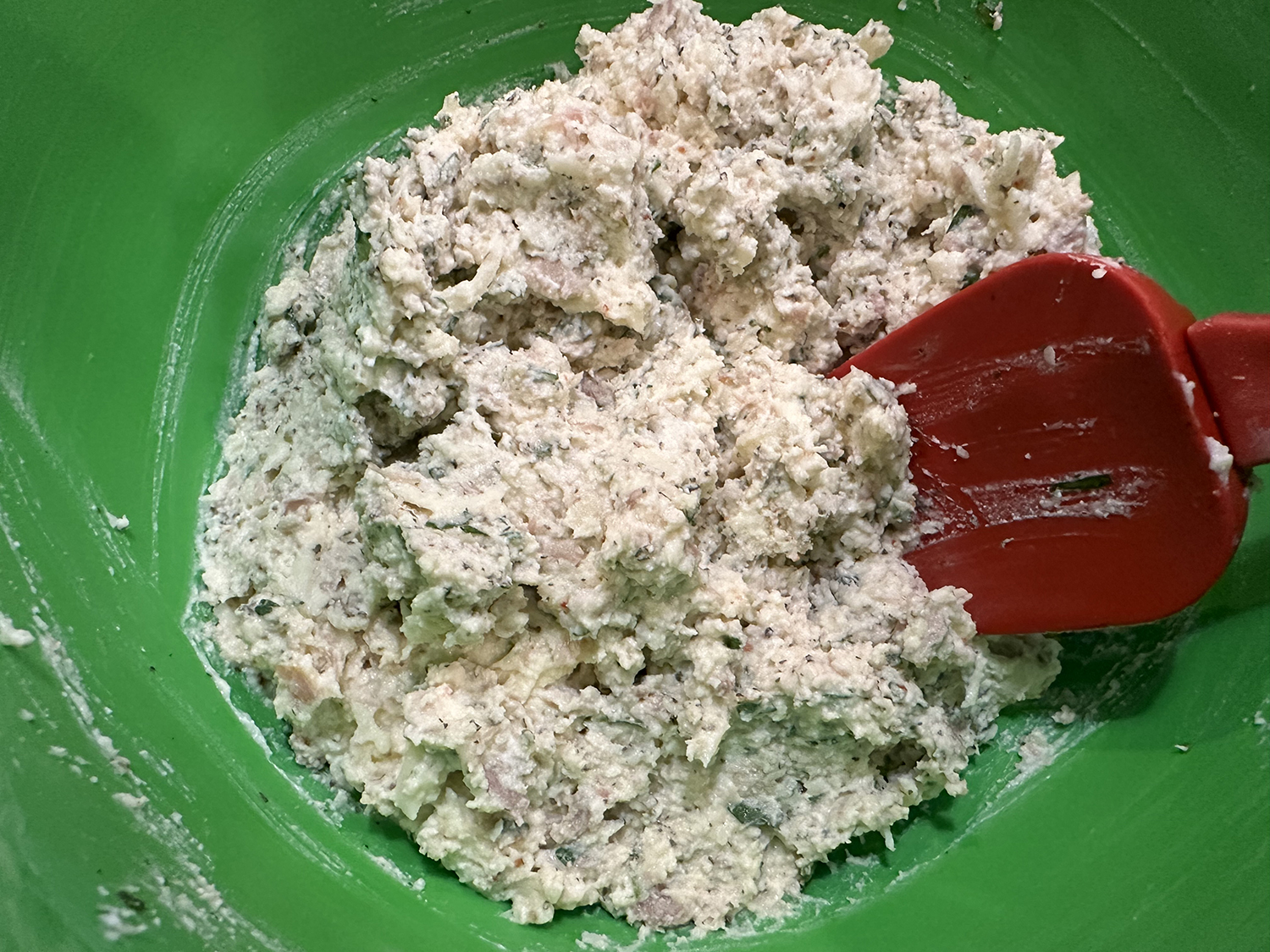
  2. Stir together ricotta, chicken, goat cheese, Parmesan, egg, basil, garlic, salt, Italian seasoning, black pepper, and 4 ounces (about 1 cup) of the mozzarella in a medium bowl until well combined. Set aside.
  3. Reserve 1 tablespoon sun-dried tomato oil from jar; drain and finely chop tomatoes (about 2/3 cup). Heat reserved oil in a medium saucepan over medium until shimmering. Add chopped tomatoes and onion; cook, stirring frequently, until onions are softened, about 3 minutes. Add marinara sauce, water, and red pepper; bring to a boil over medium, stirring occasionally, then reduce heat to low. Cook, stirring occasionally, over low until flavors meld and slightly reduced, about 15 minutes.
  4. While sauce cooks, place ricotta mixture in a large resealable plastic bag or piping bag; cut a 1-inch hole in corner or tip. Evenly pipe ricotta mixture into cooked shells (about 2 tablespoons each).
  5. Stir cream into sauce until combined. Spread half of sauce over bottom of a 13- x 9-inch baking dish. Arrange shells, filled side up, over sauce; top with remaining sauce.
  6. Cover dish with aluminum foil; bake in preheated oven until shells are tender, sauce is bubbling and filling is heated through, about 30 to 35 minutes. Remove from oven; uncover and sprinkle evenly with remaining 4 ounces (about 1 cup) mozzarella.
  7. Preheat oven to broil with rack about 7 inches from heat source. Broil until cheese is melted and just lightly browned in spots, about 2 to 4 minutes. Garnish with basil. Serve immediately.

http://www.lynnandruss.com

Recipe by Tricia Manzanero Stuedeman for Food & Wine

Amazing (But Prep-Intense) Lasagna

If you are of the ilk who actually likes a labor-intensive recipe challenge that brings out the masochist in you, then go ahead and double this lasagna recipe like we did. The original author claims the entire process takes a total of 4 hours. Well that depends…

We were hosting a potluck party of 10, and since this recipe feeds 8-10 servings (and we definitely wanted leftovers after all of that work), then two lasagnas it was! Because we made two casseroles, it took us 5 hours just to prep and assemble. They were refrigerated overnight, brought to room temperature before baking, and took nearly an hour to come to temperature of 165°F due to the cool ingredients.

All negatives aside, the lasagna was AMAZING! Our guests gushed over how yummy it was. This version produces an intensely flavored sauce, cheeses that melt into creaminess as if they were béchamel, meat that’s just chunky enough, and noodles that (hopefully) put up no resistance to the fork.

The ingredients and directions that follow are the original from Regina Schrambling for one lasagna. Instead of Italian sausage links, we used bulk and made them into patties for ease of searing and chopping. Many of our photos may show ingredients for two lasagnas, so keep that in mind when making yours.

In case you are wondering why make the ground meat into meatballs, only to chop them up later? It certainly gave us pause. One reviewer wrote “I believe the point of cooking the meat in ball shape is to end up with more tender and flavorful meat involving fewer advanced glycation end products. When you “scramble” ground beef, the fat drains out by the time it is fully cooked, and it’s all a bit crispy, grey and tough. The ball shape holds in a lot of the fat and moisture.”

*(If not using fresh noodles, cook them according to package directions for al dente, rinse under cool water and let cool on dry towels until ready to use.)

Amazing (But Prep-Intense) Lasagna

  • Servings: 8-10
  • Difficulty: moderate
  • Print

Ingredients

For the Sauce:

  • 1 cup extra virgin olive oil
  • 2 medium red onions, finely diced
  • 2 large cloves minced garlic
  • 8 oz. pancetta, diced
  • Salt and freshly ground black pepper
  • 1½ cups good red wine, preferably Italian
  • 2 28-oz. cans Italian plum tomatoes
  • 3 Tbsp. tomato paste
  • ¾ lb. ground sirloin
  • ¼ cup freshly grated Pecorino Romano
  • 2 eggs
  • 10 sprigs fresh parsley, leaves only, washed and dried
  • 2 large whole cloves garlic
  • ½ cup flour
  • 1 lb. Italian sausage, hot or sweet, or a mix

For the Lasagna:

  • 1 15-oz. container ricotta cheese
  • 2 eggs
  • 2 cups freshly grated Pecorino Romano
  • ½ cup chopped parsley
  • 1 lb. mozzarella, grated
  • 16 sheets fresh lasagna noodles*

Directions

  1. For the sauce, heat ½ cup oil in a large heavy Dutch oven or kettle over low heat. Add the onions, minced garlic and pancetta, and cook, stirring, for 10 minutes, until the onions are wilted. Season liberally with salt and pepper. Raise heat slightly, add the wine and cook until it is mostly reduced, about 20 minutes. Crush the tomatoes into the pan, and add their juice. Add the tomato paste and 2 cups lukewarm water. Simmer for 1 hour.
  2. Combine the sirloin, cheese and eggs in a large bowl. Chop the parsley with the whole garlic until fine, then stir into the beef mixture. Season lavishly with salt and pepper. Using your hands, mix until all the ingredients are well blended. Shape into meatballs and set aside.
  3. Heat the remaining oil in a large skillet over medium-high heat. Dust the meatballs lightly with flour, shaking off excess, and lay into the hot oil. Brown the meatballs on all sides (do not cook through) and transfer to the sauce.
  4. In a clean skillet, brown the sausages over medium-high heat. Transfer to the sauce. Simmer 1½ hours.
  5. Heat the oven to 350°F. In a large bowl, combine the ricotta, eggs, Pecorino Romano, parsley and all but 1 cup of the mozzarella. Season well with salt and pepper. Mix thoroughly.
  6. Remove the meatballs and sausage from the sauce, and set aside to cool slightly, then chop coarsely. Spoon a thick layer of sauce into the bottom of a 9-by-12-inch lasagna pan. Cover with a layer of overlapping noodles (usually 4 per layer).
  7. Spoon more sauce on top, then add a third of the meat and a third of the cheese mixture. Repeat for 2 more layers, using all the meat and cheese. Top with a layer of noodles, and cover with the remaining sauce. Sprinkle reserved mozzarella evenly over the top.
  8. Bake 30* minutes. (If the lasagna was refrigerated overnight, take it out one hour before you bake. The baking time will be increased by almost double. Check with an internal thermometer and if the temp reads 165°F, it is done.) Let stand 10 minutes before serving.

http://www.lynnandruss.com

Adapted from a recipe by Regina Schrambling for NYTimes Cooking

Ragù Cilentano: Slow-Cooked Short Ribs with Pasta

Ragù cilentano is a unique dish not well known outside of Italy’s Campania region. The tomato-centric sauce gets its intense flavor and thick, lush consistency from multi-hour cooking with various types of meat—traditionally only small amounts of scraps that melt into and merge with the tomatoes as the ingredients slowly concentrate.

Here, the meats are limited to two: pancetta for its salty, porky flavor and short ribs that lend deep, beefy richness. Tomatoes are also used in two forms: sweet-tart canned whole tomatoes and tomato paste for depth and umami. For convenience as well as steady, even cooking, the sauce is simmered in the oven so no careful monitoring is needed.

The ragù pairs especially well with sturdy, thick, chewy pasta shapes such as cavatelli or orecchiette (we used cavatappi). The finished sauce can be cooled and stored in an airtight container in the refrigerator for up to five days; rewarm it in a covered saucepan over medium before tossing it with just-cooked pasta.

The store was not carrying boneless short ribs on the day we went, so we chose chuck steak (stew meat) and it worked perfectly fine—and we saved a boat load of money with the cheaper cut!

Don’t add more salt and pepper at the start of cooking than the recipe calls for. As the ingredients reduce, the flavors become concentrated. It’s best to adjust seasoning at the very end, after the ragù has been tossed with the pasta. When the sauce is done, don’t skim off all of the fat that rises to the surface; a little fat delivers flavor and pasta-coating silkiness.

Ragù Cilentano: Slow-Cooked Short Ribs with Pasta

  • Servings: 6
  • Difficulty: moderate
  • Print

Ingredients

  • 1 Tbsp. extra-virgin olive oil
  • 4 oz. pancetta, chopped
  • 1 medium yellow onion, chopped
  • 3 Tbsp. tomato paste
  • 1/2 cup dry white wine
  • 1 lb. boneless beef short ribs, cut into 1-inch chunks
  • 1 28-oz. can whole peeled tomatoes, crushed by hand
  • Kosher salt and ground black pepper
  • 1 lb. cavatelli, cavatappi or orecchiette pasta
  • 1 oz. Parmesan cheese, finely grated (½ cup), plus more to serve
  • 1/2 cup chopped fresh basil

Directions

  1. Heat the oven to 350°F with a rack in the lower-middle position. In a Dutch oven over medium, combine the oil, pancetta and onion. Cook over medium, stirring occasionally, until the onion is lightly browned, 4 to 5 minutes. Add the tomato paste and cook, stirring, until it starts to darken and stick to the bottom of the pot, 1 to 2 minutes. Add the wine and cook, scraping up any browned bits, until reduced by half, about 1 minute. Stir in the beef, tomatoes with juices, ½ cup water, ½ teaspoon each salt and pepper. Bring to a simmer over medium-high, cover, transfer to the oven and cook for 2 hours.
  2. Remove the pot from the oven, uncover and stir, scraping the sides of the pot. Return to the oven uncovered and cook until a skewer inserted into a piece of beef meets no resistance, about 30 minutes. Remove from the oven. If desired, skim off and discard some of the fat from the surface, but leave some for flavor. Cover to keep warm while you cook the pasta.
  3. In a large pot, bring 4 quarts water to boil. Add the pasta and 1 tablespoon salt; cook, stirring occasionally, until al dente. Reserve ½ cup of the cooking water, then drain the pasta.
  4. Add the pasta to the ragù and cook over medium, stirring, until the pasta is well coated in sauce and everything is heated through; if it looks dry, stir in reserved cooking water as needed. Off heat, stir in the basil and cheese, then taste and season with salt and pepper. Serve with additional cheese.

http://www.lynnandruss.com

Adapted from a recipe by Rose Hattabaugh for Milk Street

Cheesy Mushroom-Thyme Fettuccine

Inspired by the fettuccine con funghi from Italy, this recipe was developed for creating a quick yet elegant dinner using supermarket ingredients. Be sure to use dried fettuccine or pappardelle made with egg; this type typically is sold coiled into nests in 8.8-ounce packages. We opted for a 8.8 ounce package of quick cooking tagliarelle, a thin durum wheat egg pasta.

The texture of egg pasta is finer and more delicate than all-semolina pasta. Woodsy thyme is the classic herb for pairing with mushrooms; which is added in two stages for layered flavor. The aged, subtly sweet notes of brandy pair beautifully with the earthy creminis; dry sherry also works well.

TIP: Don’t use pre-sliced cremini mushrooms. They tend to be dry and cardboardy, and the mushrooms are counted on to release their own moisture to build flavor into the dish.

If you are funghi lovers like we are, increase the amount of creminis to 1½ pounds—noted in the ingredients list below. Also the original recipe directed you to reserve one cup of the pasta water before draining, but we found that insufficient in making the dish as moisturishly silky as we had hoped. You may not need the entire two cups of the liquid, it will all depend on your choice of pasta, better safe than sorry.

Served with a side salad, it was a perfect weeknight meal.

Cheesy Mushroom-Thyme Fettuccine

  • Servings: 4
  • Difficulty: easy
  • Print

Ingredients

  • ¼ cup extra-virgin olive oil
  • 2 medium garlic cloves, thinly sliced
  • 4 tsp. fresh thyme, chopped, divided
  • Pinch of red pepper flakes (optional, but worth it)
  • 1½ lb. cremini mushrooms, trimmed and thinly sliced
  • Kosher salt and ground black pepper
  • ⅓ cup brandy or dry sherry
  • 8.8 oz. package dried egg fettuccine, pappardelle, or similar pasta
  • 1½ oz. Parmesan cheese, finely grated (¾ cup), plus more to serve
  • 2 Tbsp. salted butter, cut into 2 pieces
  • Chopped fresh flat-leaf parsley, to serve

Directions

  1. In a large pot, boil 3 quarts water. In a 12-inch skillet over medium, combine the oil, garlic, half of the thyme and pepper flakes (if using). Cook, stirring, until the garlic is golden brown, about 2 minutes.
  2. Add the mushrooms, ½ teaspoon salt and ¼ teaspoon black pepper. Cook over medium-high, stirring occasionally, until the mushrooms are browned at the edges, 8 to 10 minutes. Remove the pan from the heat and add the brandy. Return to medium-high and cook, scraping up any browned bits, until the liquid is syrupy, about 1 minute.
  3. When the water reaches a boil, add the pasta and 1 tablespoon salt; cook, stirring, until al dente. Reserve 2 cups of the pasta cooking water, then drain.
  4. To the mushroom mixture, add the pasta, Parmesan, butter, the remaining thyme and ½ cup of the reserved pasta water. Cook over medium-high, tossing constantly, until lightly coated and the cheese is melted, 2 to 3 minutes.
  5. Off heat, taste and season with salt and black pepper. Serve sprinkled with parsley and additional cheese.

http://www.lynnandruss.com

Adapted from a recipe by Courtney Hill for Milk Street