Tag Archives: elbow macaroni

Goulash

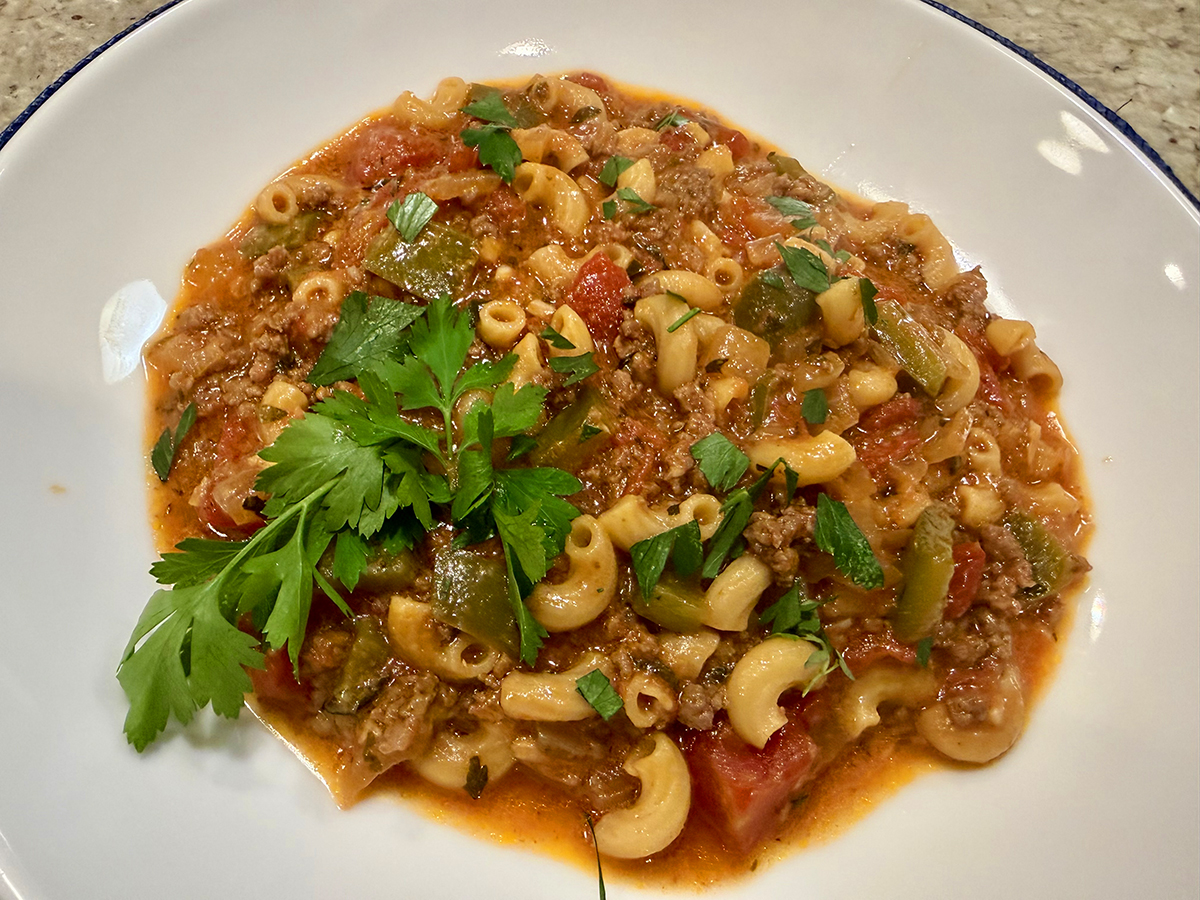
For some, it’s pure nostalgia — a bubbling pot on the stove, the smell of paprika drifting through the house. For others, it conjures up a school-cafeteria flashback best left in the past. Either way, if it has been years since goulash made an appearance on your table, this recipe is worth the reunion.

Today’s American goulash shares little more than a name with its Hungarian ancestor, yet it has carved out its own beloved place for many at the dinner table: a humble, stick-to-your-ribs meal that comes together in a single pot with minimal fuss.
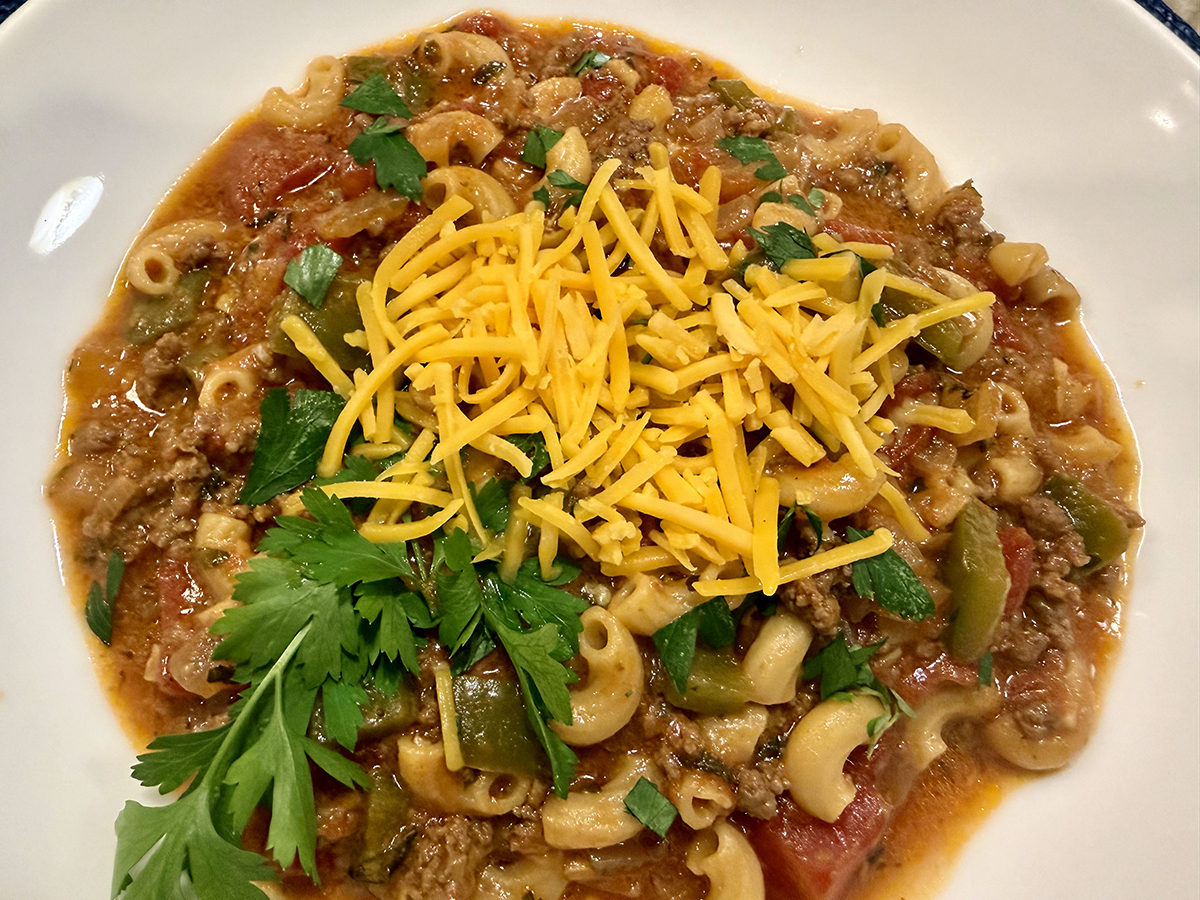
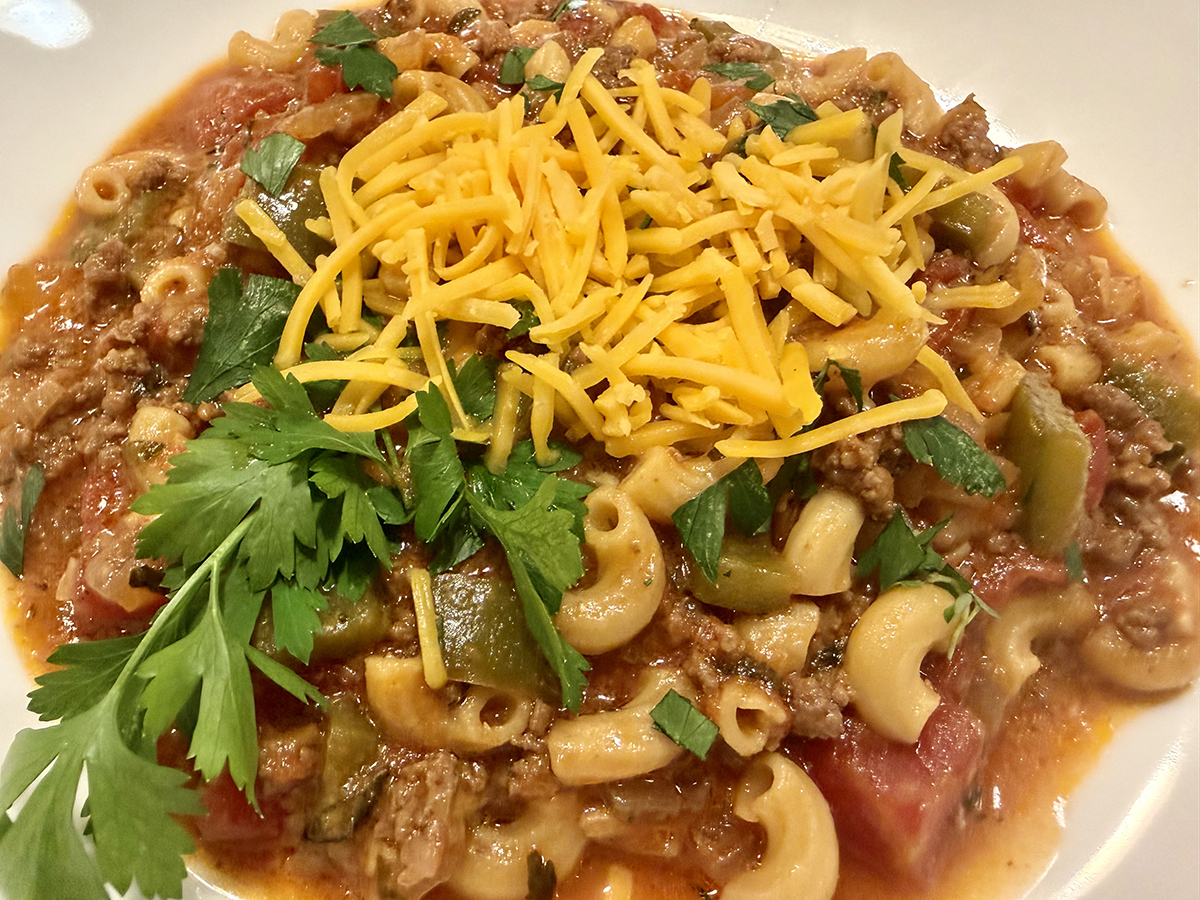
This version leans into ground beef, sweet bell peppers, diced tomatoes, and tender macaroni, landing somewhere in the delicious overlap between a hearty beef chili and a comforting bowl of meaty pasta. Warm spices like paprika, oregano, and thyme build a deep, savory backbone, while a generous handful of sharp Cheddar—stirred in right at the end—melts into the sauce, lending it a silky thickness and an extra layer of richness.

It’s the kind of dish that fills the kitchen with good smells and asks very little of the cook in return: brown the meat, simmer everything together, and let the pot do the work. Simple, satisfying, and endlessly adaptable, this goulash is just as good eaten on its own as it is rounded out with a green vegetable on the side or a wedge of buttery cornbread for soaking up the extra sauce. It’s weeknight cooking at its most comforting—unfussy, filling, and guaranteed to please a crowd.

Goulash: the dish that divides dinner tables. Feast or forget-it, we’re betting this version wins you back.

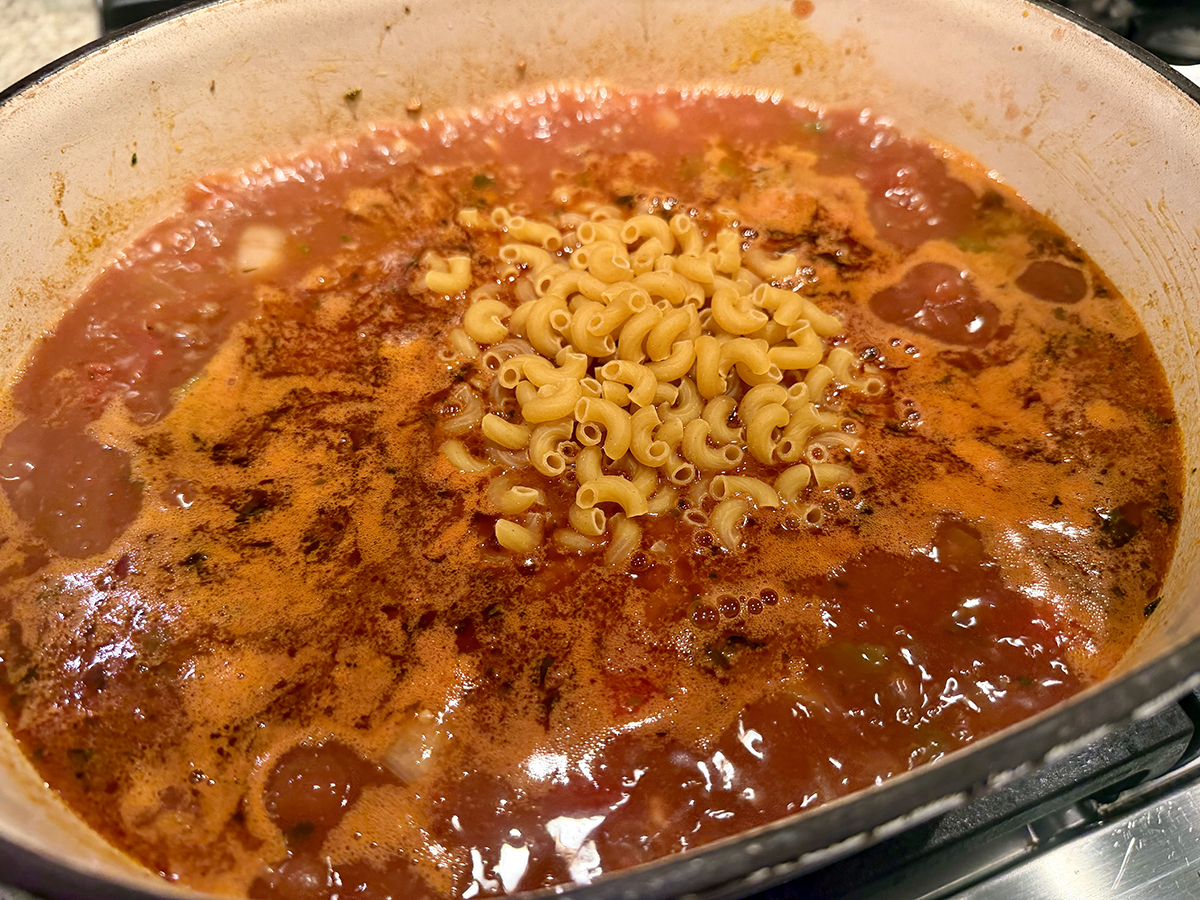
In the end, we felt that 1 1/4 cups of elbow macaroni was not enough, due to the fact that the finish was a bit soupy, even simmered for the full 20 minutes. We suggest increasing the amount to at least 1 1/2 cups as noted below.
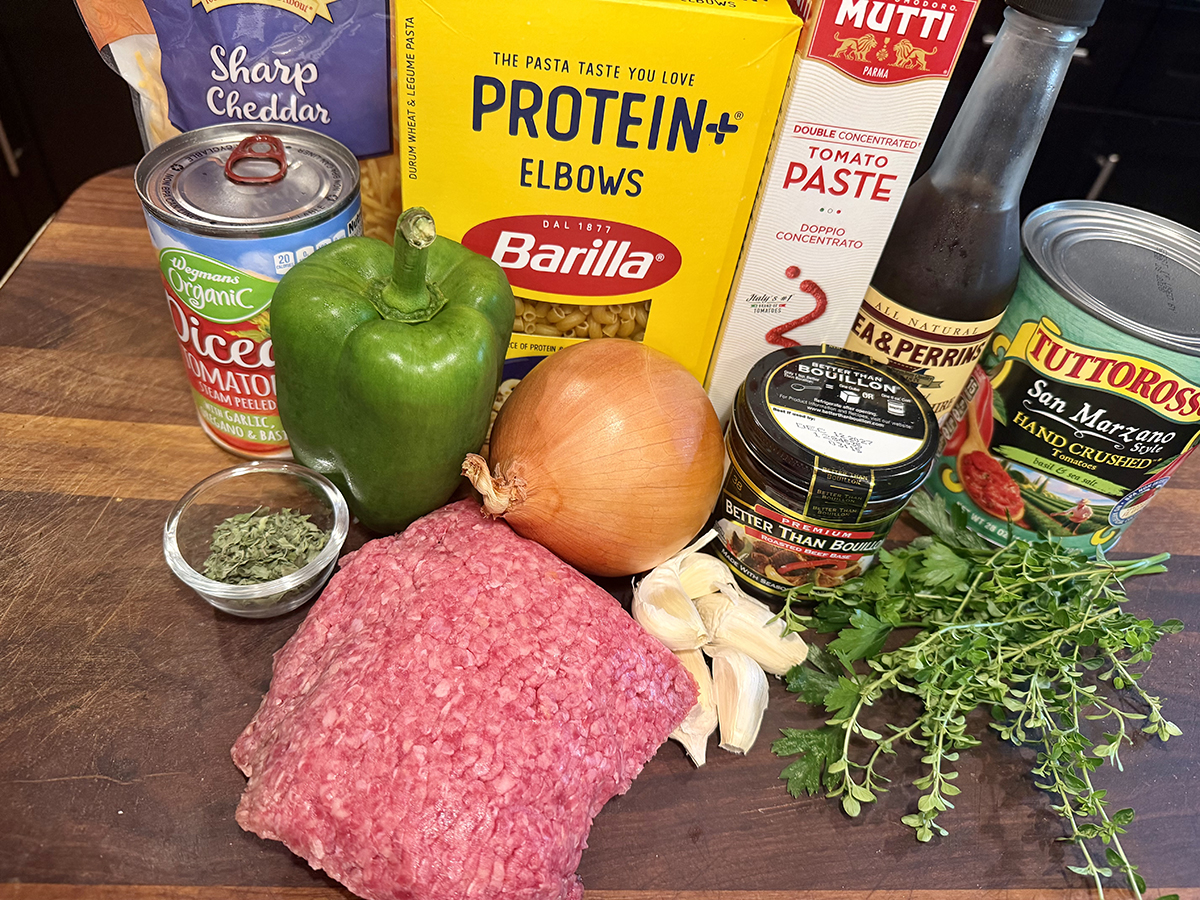
Goulash

  • Servings: 4-6
  • Difficulty: easy
  • Print

Ingredients

  • 2 Tbsp. olive oil
  • 1 green or red bell pepper, cut into ½-inch pieces
  • 1 large yellow onion, chopped
  • 2 Tbsp. minced garlic (about 5 cloves)
  • 2 tsp. fresh thyme leaves, or 1 teaspoon dried thyme
  • 1 ½ tsp. sweet paprika
  • 1 ½ tsp. dried oregano
  • 1 tsp. kosher salt
  • Black pepper
  • 1 lb. ground beef (at least 85-percent lean)
  • 1 Tbsp. tomato paste
  • 3 cups low-sodium beef broth, plus more as needed
  • 1 (14-oz.) can crushed tomatoes
  • 1 (14-oz.) can diced tomatoes
  • 2 Tbsp. Worcestershire sauce 
  • 1 ½ cups uncooked macaroni 
  • 1 cup (4 oz.) shredded sharp Cheddar, more for serving
  • Chopped fresh parsley, for serving 
Directions

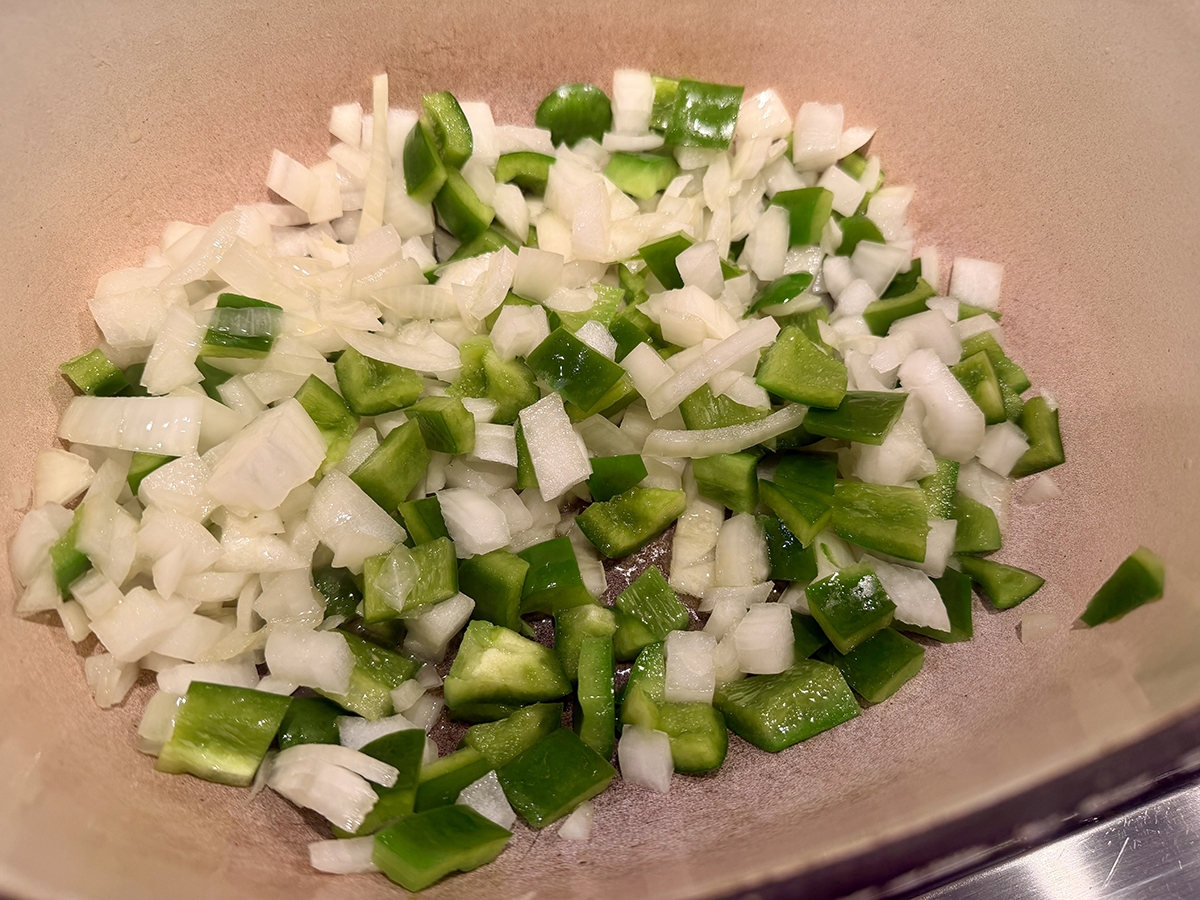
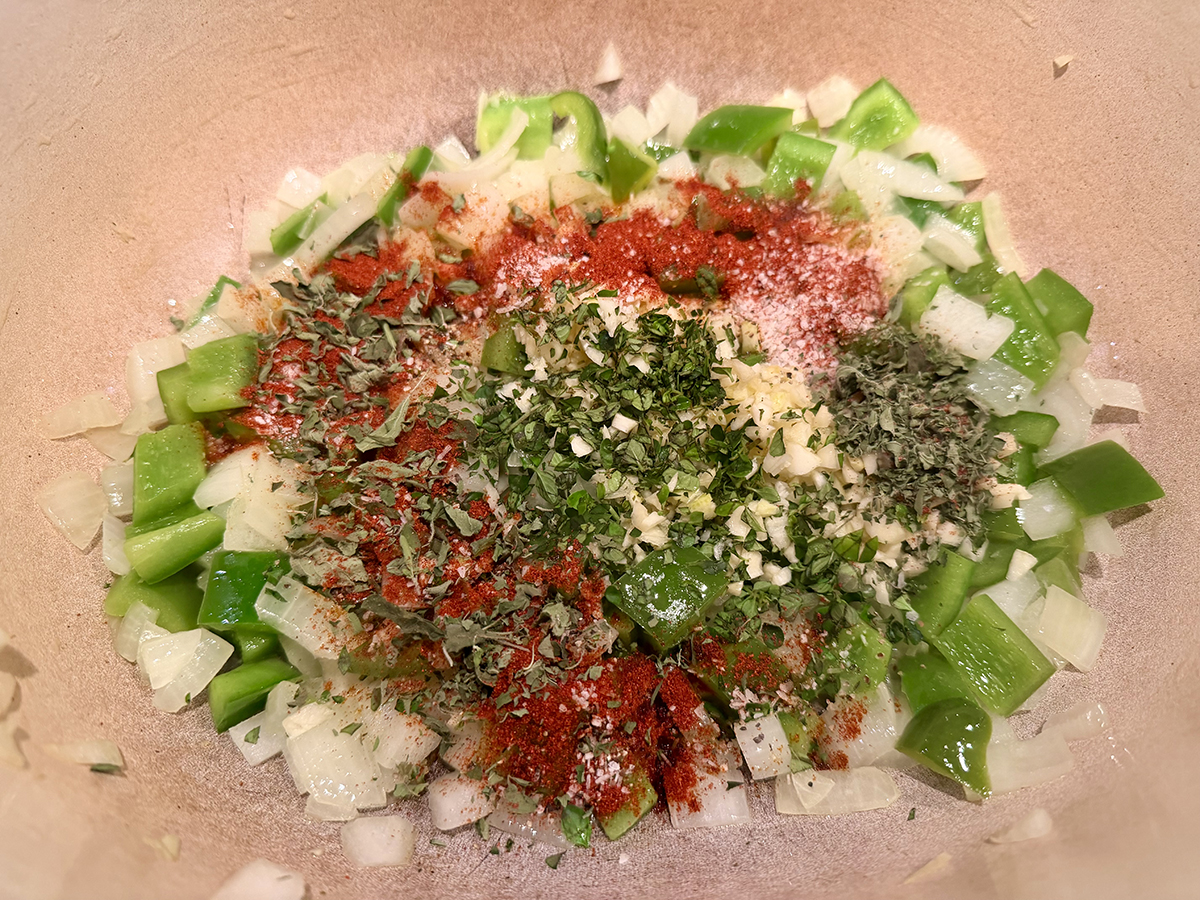
  1. In a large pot or Dutch oven, heat the olive oil over medium heat. Add the bell pepper and onion and cook, stirring occasionally, until the onion is translucent, 4 to 6 minutes. Add the garlic, thyme, paprika, oregano, salt and pepper and cook for 30 seconds, until the garlic is fragrant.
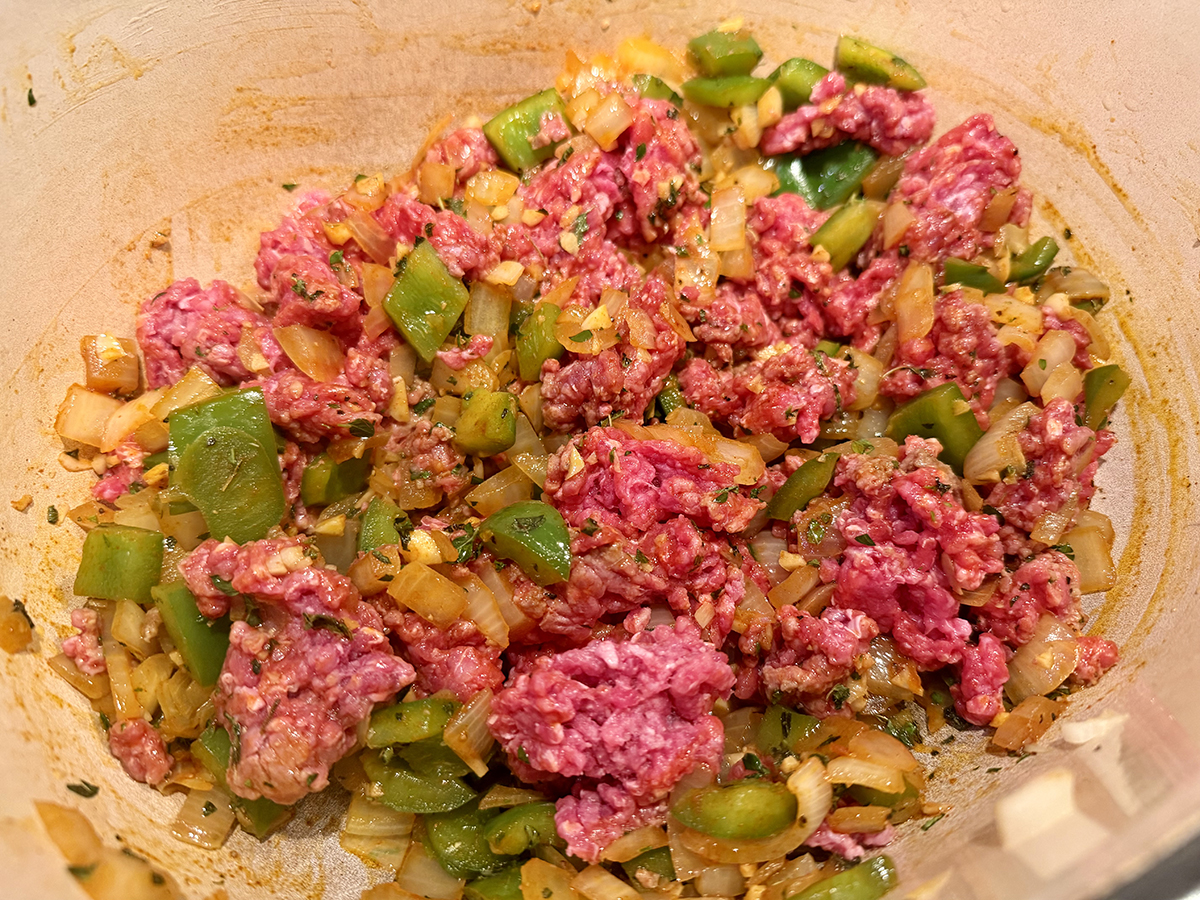
  2. Add the ground beef and cook, stirring often and breaking up the meat with a spoon, until no longer pink, 3 to 5 minutes. Add the tomato paste and cook for 1 minute.
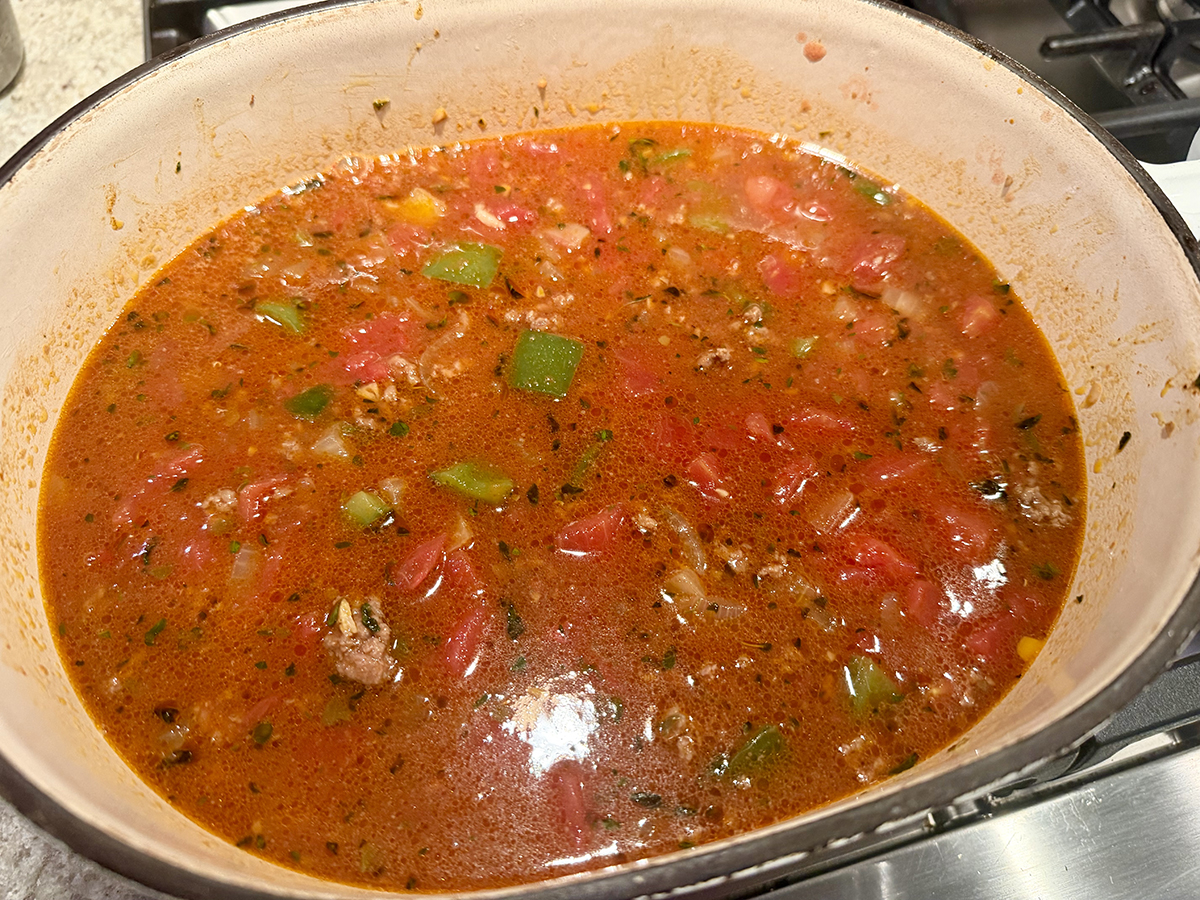
  3. Pour in the broth, crushed and diced tomatoes and Worcestershire sauce; bring to a boil. Stir in the macaroni, reduce the heat to medium-low and cook, stirring occasionally and scraping the bottom of the pot, until the pasta is cooked and the liquid in the pan has thickened considerably, 18 to 20 minutes.
  4. Remove from the heat and stir in the Cheddar. Taste for seasonings and add salt and pepper, if needed. Serve in bowls, topped with fresh parsley. (The goulash will continue to thicken as it sits. If desired, add a splash of beef broth when reheating.)

http://www.lynnandruss.com

Adapted from a recipe Lidey Heuck for NYTimes Cooking

Ginger Roast Chicken and Elbow Macaroni with Tomatoes and Pan Sauce

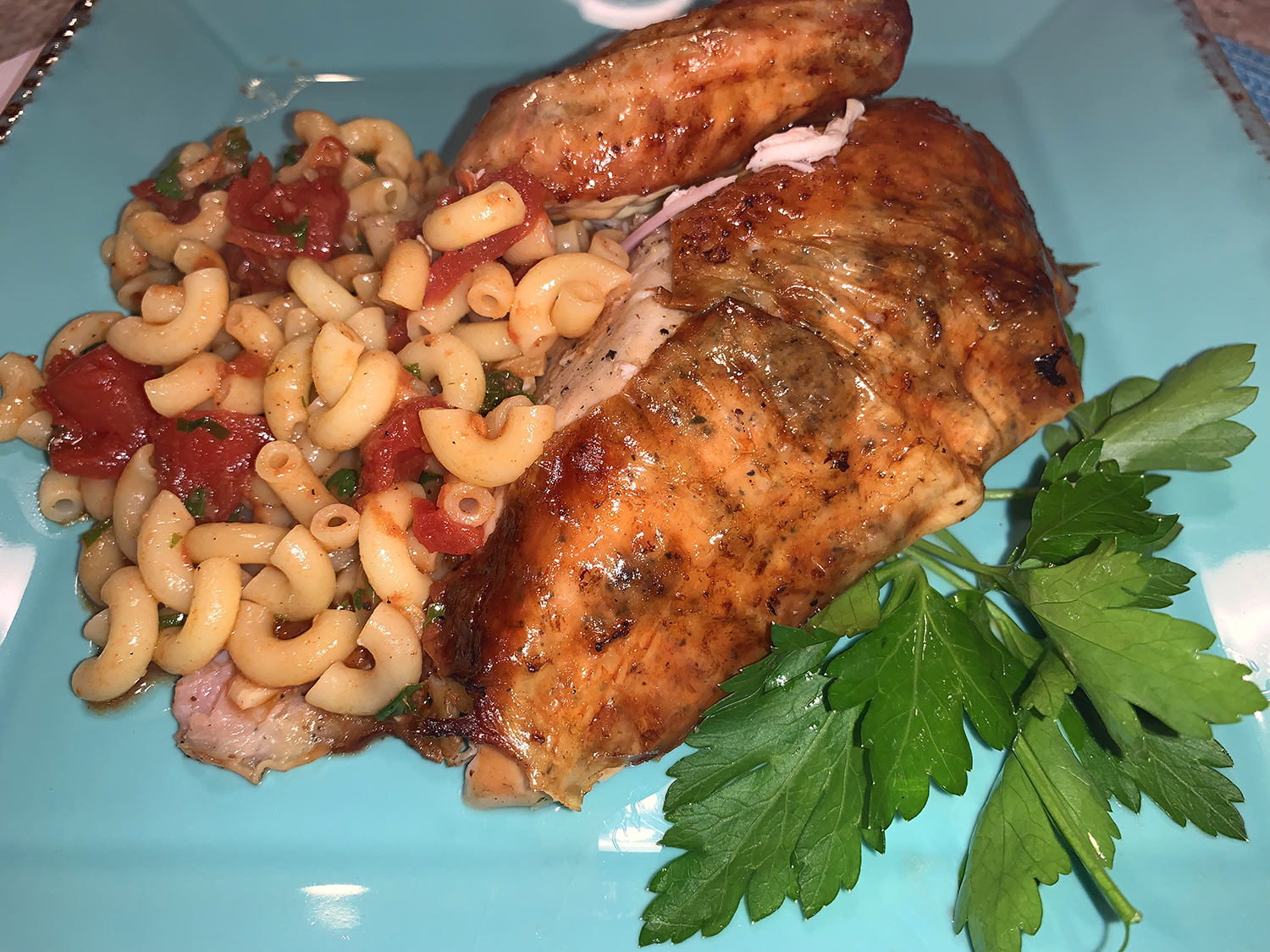
Chef/author Molly Stevens says of her recipe, “This is what I call a sleeper recipe. At first glance it doesn’t look like much — a whole chicken rubbed with a little fresh ginger, roasted, and served alongside elbow macaroni tossed with diced tomatoes and the roasting juices. Exactly what makes this dish so remarkable is hard to pinpoint, but there’s a wonderful alchemy that occurs when the chicken, ginger, and tomato all come together. It’s comforting, a little exotic, and truly delicious.”

During roasting, the drippings, the wine, and the roasted giblets cook together, creating a savory jus. The chicken also roasts on a rack to encourage the drippings to caramelize a bit as they hit the hot pan, developing even more flavor. It can be made year-round using canned tomatoes; in season, use fresh if you wish.

In the end, the chicken was juicy and delicious! My only criticism was that there were too few tomatoes. Next time, I will double the amount and use two cans of diced. The Hubs thought it was fine as is, but also wouldn’t be adverse to the possibility of additional tomatoes. We completed the meal with a simple side salad.

Plan ahead: For the best flavor, season the chicken 8 to 24 hours ahead of roasting.

Ginger Roast Chicken and Elbow Macaroni with Tomatoes and Pan Sauce

  • Servings: 3-4
  • Difficulty: easy
  • Print

Ingredients

  • 1 Tbsp. plus 2 tsp. peeled and grated fresh ginger, divided
  • 2 Tbsp. extra-virgin olive oil
  • Kosher salt and freshly ground black pepper
  • One 3 1/2- to 4-lb. chicken, preferably with giblets
  • Juice of 1 lemon
  • 3/4 cup dry vermouth or dry white wine
  • 12 oz. dried elbow macaroni
  • 2 to 3 garlic cloves, chopped
  • One 14 1/2-oz. can diced tomatoes, with juices, or 1 scant lb. fresh tomatoes, peeled, seeded, and chopped
  • 1/4 cup chopped fresh basil or flat-leaf parsley, plus sprigs for garnish, if desired

Directions

  1. Season the chicken. In a small bowl, combine 1 tablespoon of the ginger, 2 teaspoons of the olive oil, 1 teaspoon salt, and 3/4 teaspoon pepper.
  2. Over the sink, remove the giblets from the chicken, if there are any (they are usually tucked into the cavity). Reserve all but the liver. (Discard the liver or save it for another use.) Hold the chicken over the drain and let any juice run out. Pat the chicken dry inside and out with paper towels. With your fingers, pull away and discard any large deposits of fat from the neck or body cavity opening. Then, using your fingertips and starting at the cavity opening, gently loosen the skin over the breast and thighs of the chicken. Once the skin is loose, rub about three quarters of the ginger mixture under the skin, over the breast and thighs. Rub the rest inside the cavity. Smear the surface all over with about 1 teaspoon olive oil. Season the breast liberally with more salt and pepper. Tuck the wing tips back so they are secure under the neck bone.
  3. If you are seasoning the bird ahead of time, refrigerate it for at least 8 hours and up to 48 hours, uncovered or lightly covered with plastic wrap. Refrigerate the giblets too, if using. If you are not seasoning that far in advance, let the bird stand at room temperature to allow some of the rub’s flavoring to penetrate; it can safely stay at room temperature for up to 2 hours.
  4. Heat the oven. Position a rack in the center of the oven and heat to 400 degrees (375 degrees convection).
  5. Roast the chicken. If you have giblets, put them in a medium, low-sided roasting pan or gratin or baking dish (about 8 by 12 inches). Set a roasting rack over the giblets and put the chicken breast side up on the rack. Squeeze the lemon juice over the chicken and put it in the oven, with the legs facing the rear wall. After 25 minutes, open the oven door and pour the vermouth or wine over the chicken.
  6. If at any time the liquid in the pan appears to dry up, add 1/4 cup water to the pan. Continue roasting, basting the chicken once or twice by spooning the pan drippings over the breast, until the juices run clear with only a trace of pink when you prick the thigh and an instant-read thermometer inserted in the thickest part of the thigh (without touching bone) registers 170 degrees, another 35 to 55 minutes.
  7. Lift the chicken out of the pan, using a fork or tongs to steady it, and carefully tilt it to pour the juices from the cavity into the roasting pan. Transfer the chicken to a carving board (preferably one with a trough). Discard the giblets, but reserve all the juices in the pan.
  8. Cook the macaroni. About 10 minutes before the chicken is done, bring a large pot of well-salted water to a boil. While the chicken rests, warm a wide, shallow serving dish or bowl big enough for the cooked macaroni; I like to use a 2- to 3-quart gratin or baking dish. A pasta bowl works as well. Cook the macaroni until tender but not mushy, about 7 minutes or according to the package instructions.
  9. Meanwhile, make the sauce. In a medium 10-inch skillet, heat the remaining 1 tablespoon olive oil over medium heat. Add the garlic, the remaining 2 teaspoons ginger, and a pinch of salt. Cook, stirring, until fragrant and just golden, about 1 minute (lower the heat if the garlic threatens to scorch).
  10. Add the tomatoes and their juices and increase the heat to high. Cook, stirring often, evaporating some of the juice, until the tomatoes begin to brown in spots, about 8 minutes. (They won’t get very brown because of the liquid, but you want to see a few caramelized bits.)
  11. Taste for salt and pepper. Remove from the heat and immediately stir in the basil or parsley.

http://www.lynnandruss.com

Recipe from Molly Steven’s cookbook, All About Roasting