Tag Archives: braised meat

Lamb Shanks with Red Wine and Tomatoes

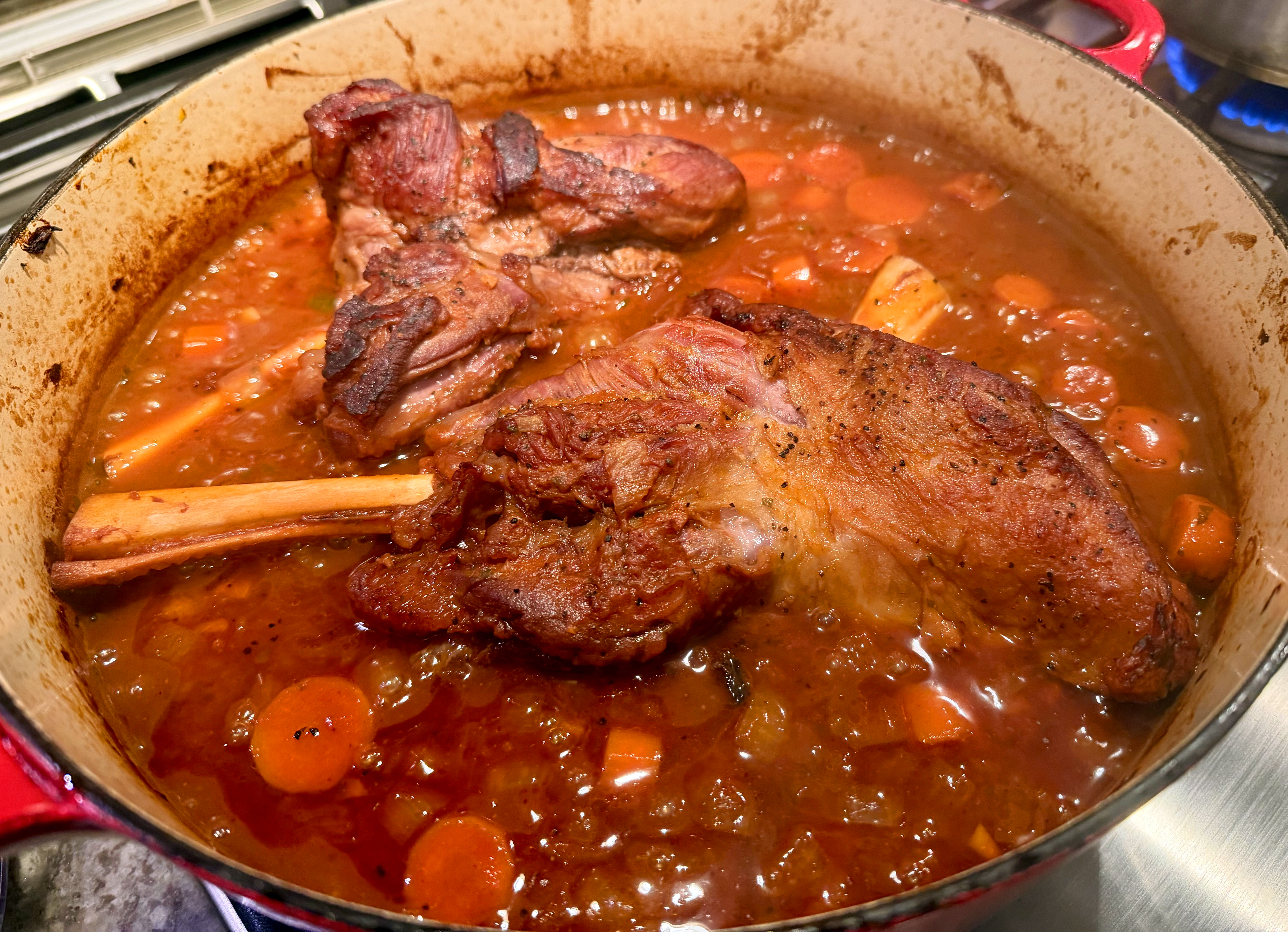
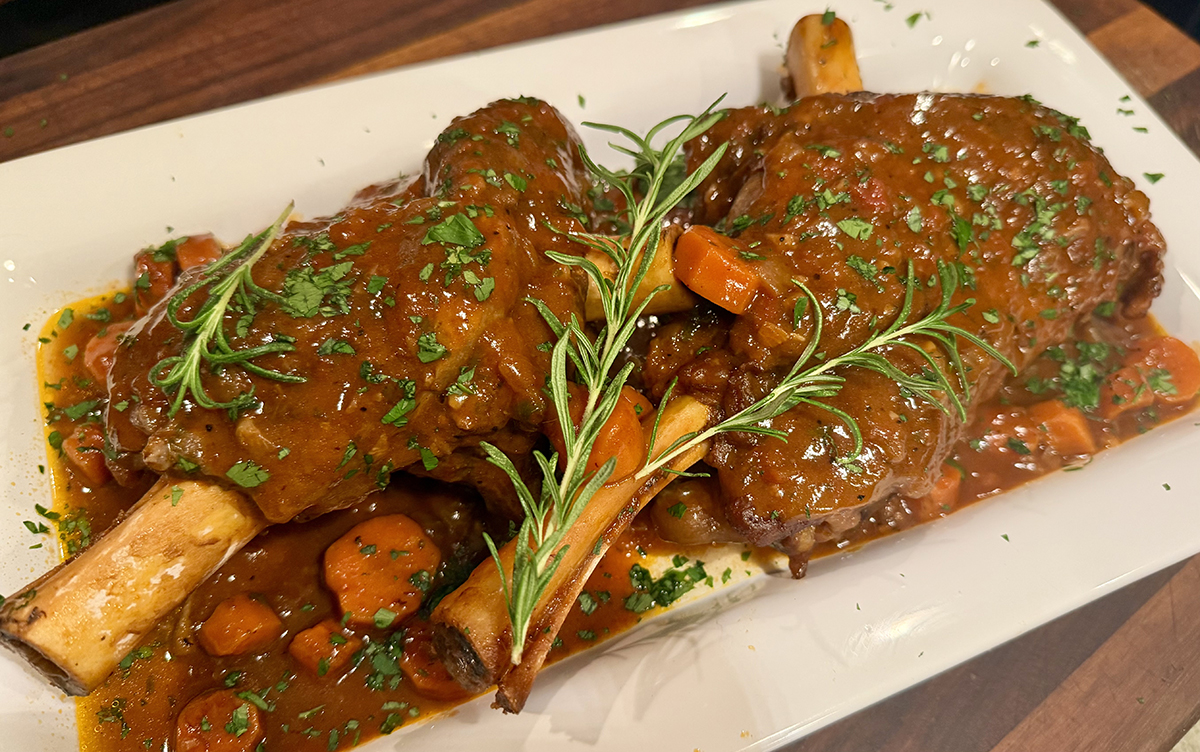
Tender, fall-off-the-bone lamb shanks braised in a deeply rich, savory sauce make a dinner that feels like a special occasion, although it doesn’t have to be. After hours of slow, gentle cooking, the meat becomes so tender it slides right off the bone with the nudge of a fork, which is exactly what you want from a proper braise.
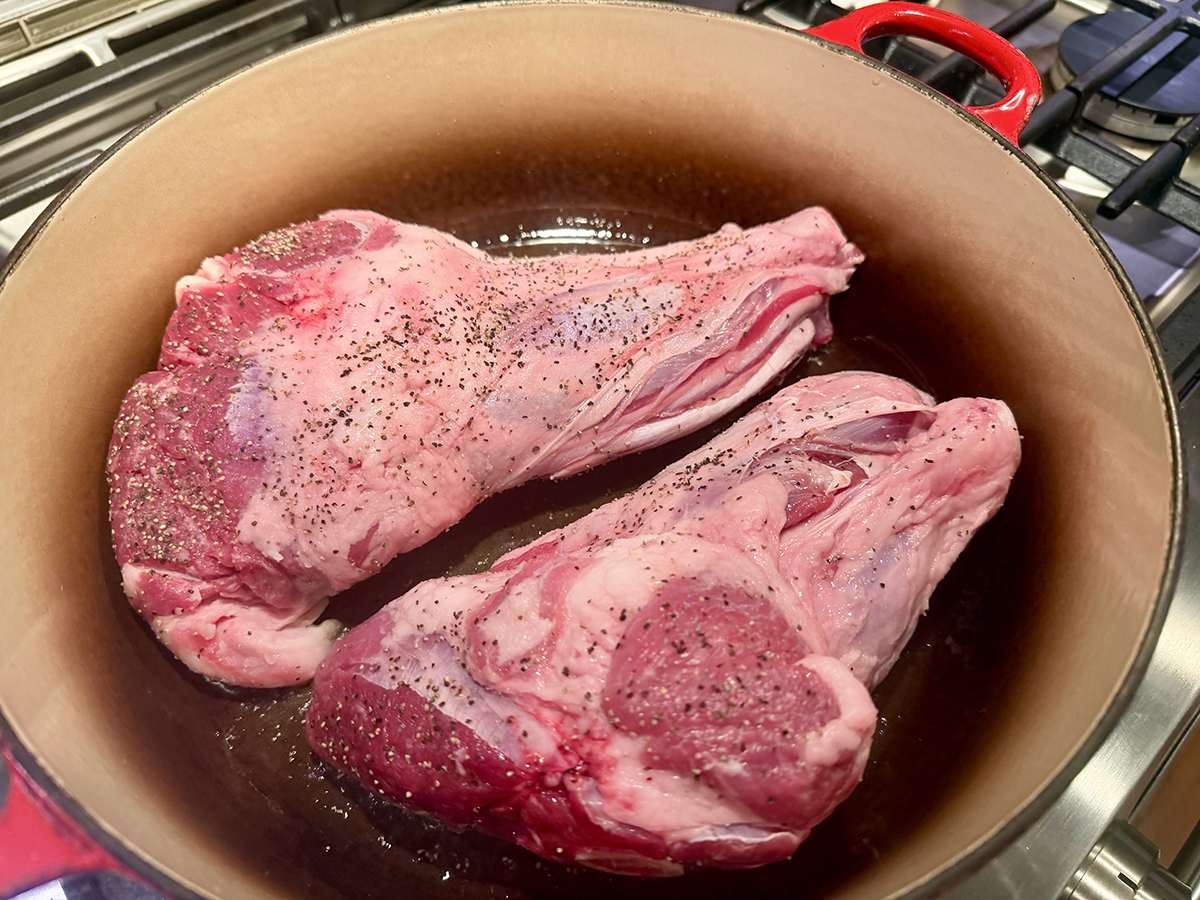
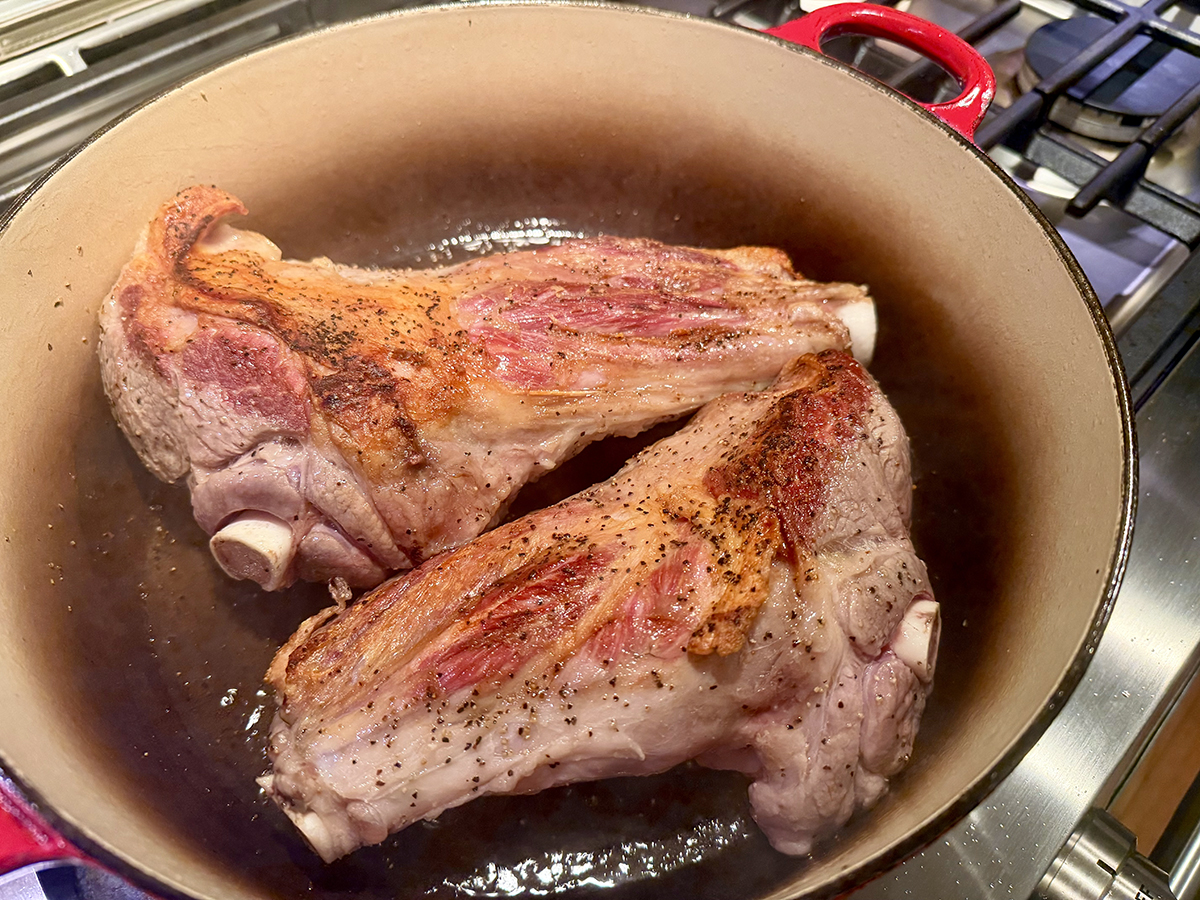
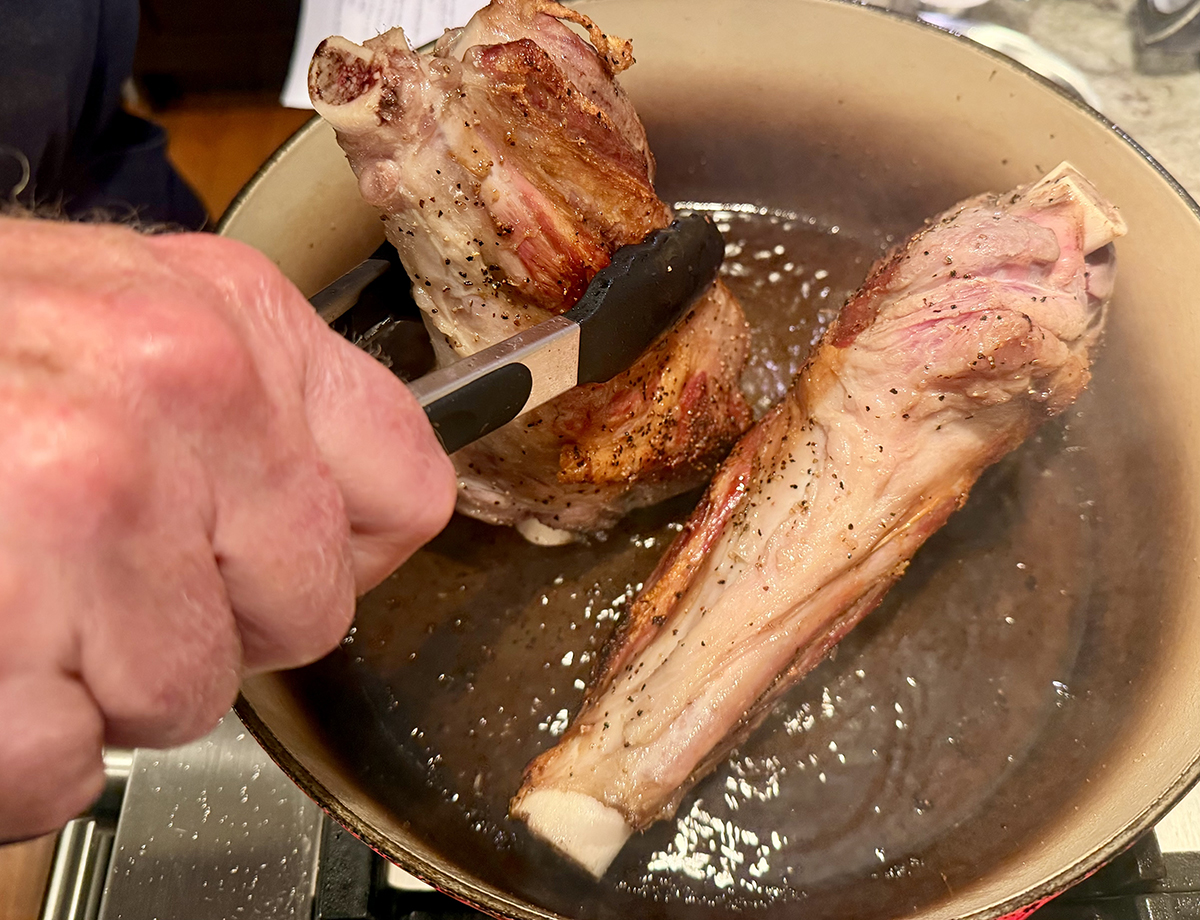
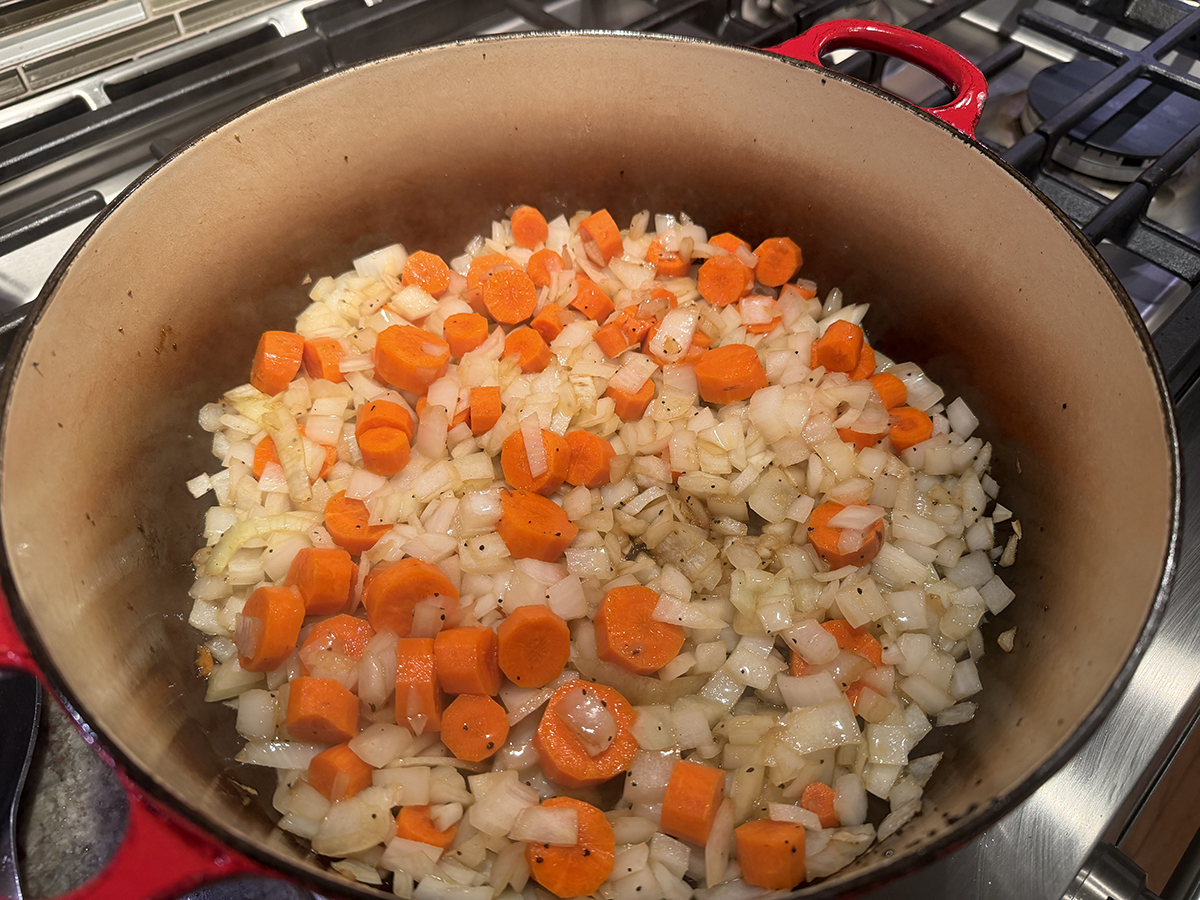
The flavor starts with a solid foundation. Trimmed lamb shanks are seasoned with coarse salt and cracked pepper and seared in olive oil until golden brown, building a caramelized crust that gives the sauce its depth. A base of diced white onion, minced garlic, and sliced carrots adds natural sweetness and body as it softens in the same pan.

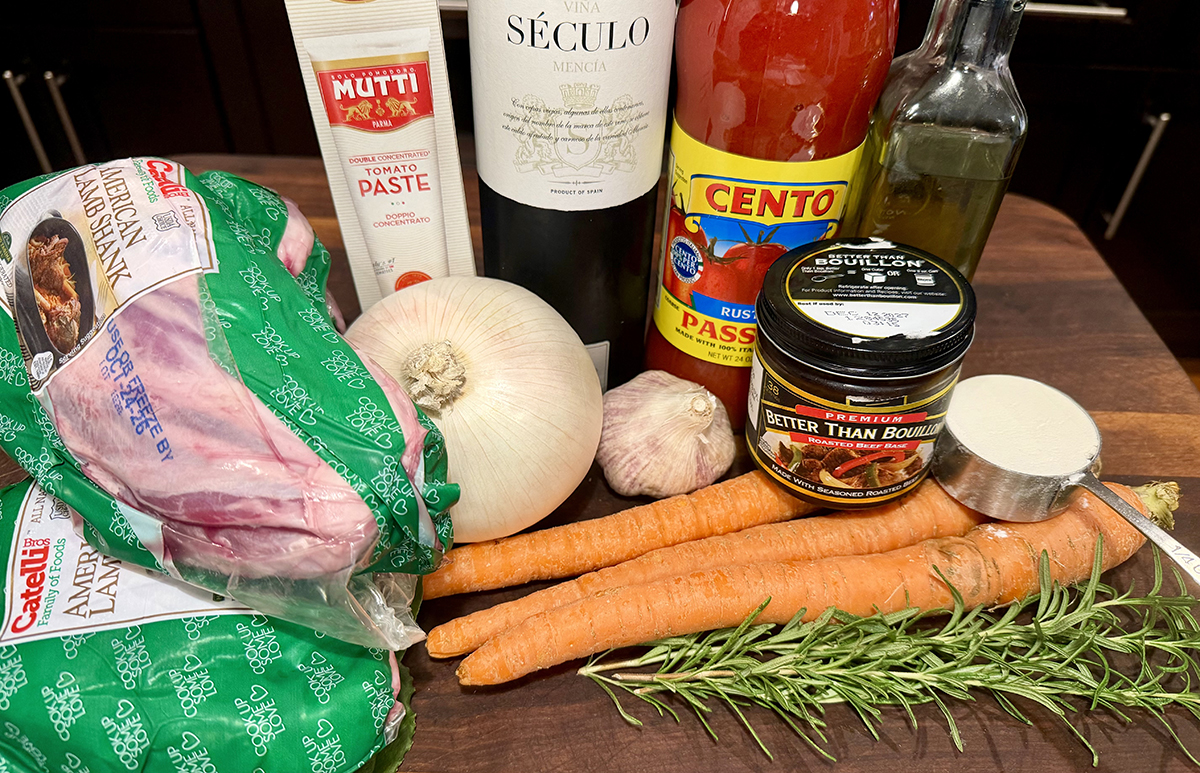
The braising liquid is where the dish really comes together. Beef stock, passata, and a dollop of tomato paste create a thick, velvety tomato sauce, while a generous pour of red wine, such as Merlot, Pinot Noir, or Chianti, adds richness and a subtle tang. (If you’d rather skip the alcohol, extra beef stock works as an easy substitute without sacrificing flavor.) Crushed beef bouillon cubes give the sauce an extra savory boost, and fresh rosemary, parsley, and bay leaves infuse the whole pot with a fragrant, earthy aroma that fills your kitchen as it simmers.

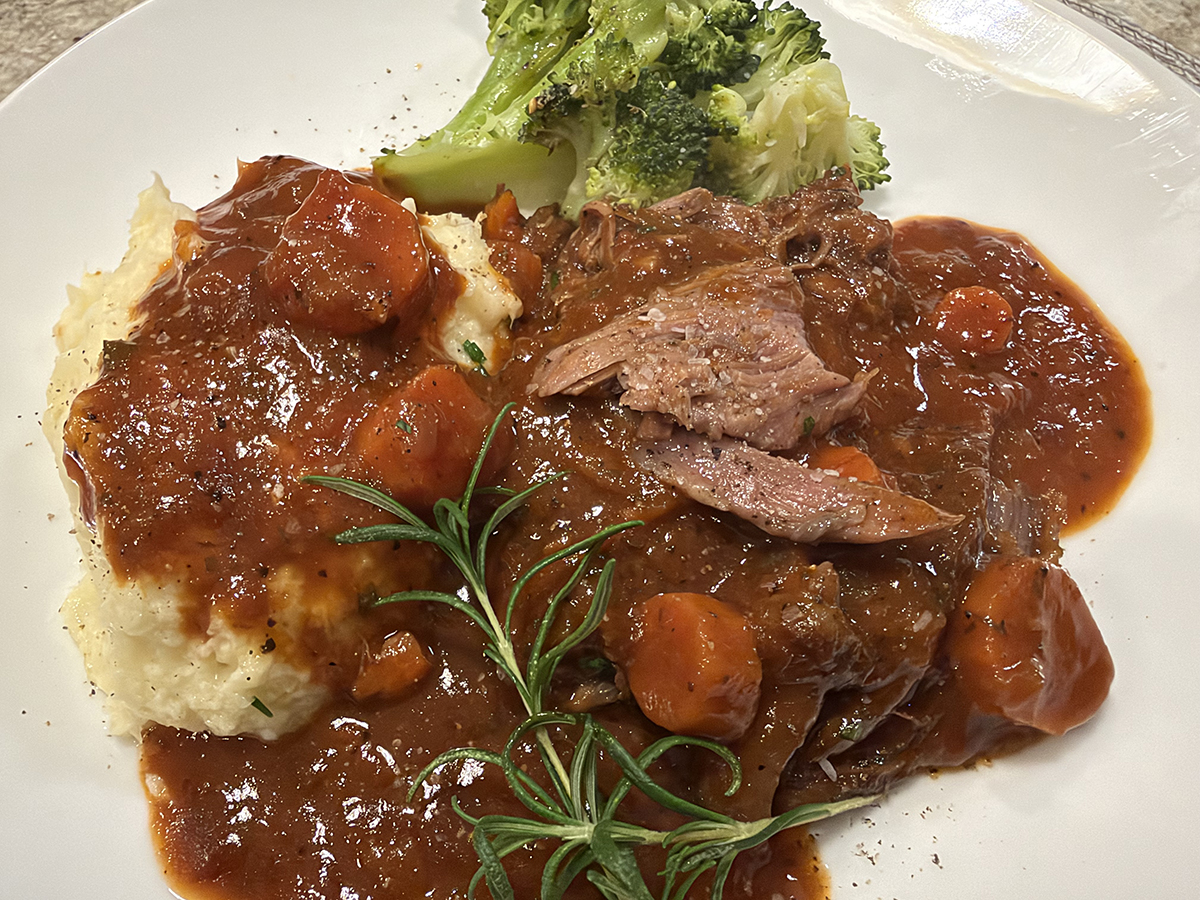
By the time the shanks are done, the sauce has reduced into a glossy, full-bodied gravy that clings to the meat and is made for spooning over whatever you serve alongside. Creamy mashed potatoes, buttery polenta, or a pile of egg noodles are all excellent choices, and a few slices of crusty bread will make sure not a drop goes to waste. A scattering of fresh parsley just before serving adds a bright, fresh finish.

This is hearty, comforting, crowd-pleasing food that earns its place as a new family favorite, whether it’s a Sunday supper, a cozy holiday meal, or a dinner party where you want to impress without spending the whole time at the stove. And it was a super wet and windy Sunday when we made this feast, served with a side of Creamy Potato and Parsnip Mash.

Braises are almost always even better the following day, so go ahead and make the dish the day before your dinner party and just reheat it the day of. Dinner done.

*Instead of 4, we used 2 very large shanks weighing in at nearly 4 1/2 pounds; enough leftovers for 2 to 3 more servings.
Lamb Shanks with Red Wine and Tomatoes

  • Servings: 4
  • Difficulty: easy
  • Print

Ingredients

  • 2 Tbsp. extra-virgin olive oil divided
  • 4 lamb shanks* trimmed of excess fat
  • 1 white onion large, diced
  • 6 cloves garlic minced
  • 3 large carrots sliced 1/2-inch thick
  • 1 pinch coarse salt
  • 1 pinch cracked pepper
  • 1/4 cup flour
  • 2 cups beef stock
  • 1 1/2 cups red wine like Merlot, Pinot Noir, or a Chianti – optional. Substitute with extra stock
  • 14 oz. passata (tomato puree or American tomato sauce)
  • 2 Tbsp. tomato paste
  • 2 beef bouillon cubes crushed
  • 1 Tbsp. fresh rosemary finely chopped
  • 2 Tbsp. fresh parsley finely chopped (divided)
  • 2 bay leaves
  • 1 pinch salt to season
  • 1 pinch pepper to season

Directions

  1. Preheat oven to 325°F.
  2. Wash and pat dry lamb shanks with paper towel.
  3. Heat 1 tablespoon of oil in a heavy based pot over medium-high heat. Sear two shanks in the hot oil until browned on all sides. Repeat with remaining shanks and oil. Transfer to a plate, set aside.
  4. To the pan juices, sauté the carrots and diced onions until softened, (about 7-8 minutes), then add garlic and cook for 1 minute.
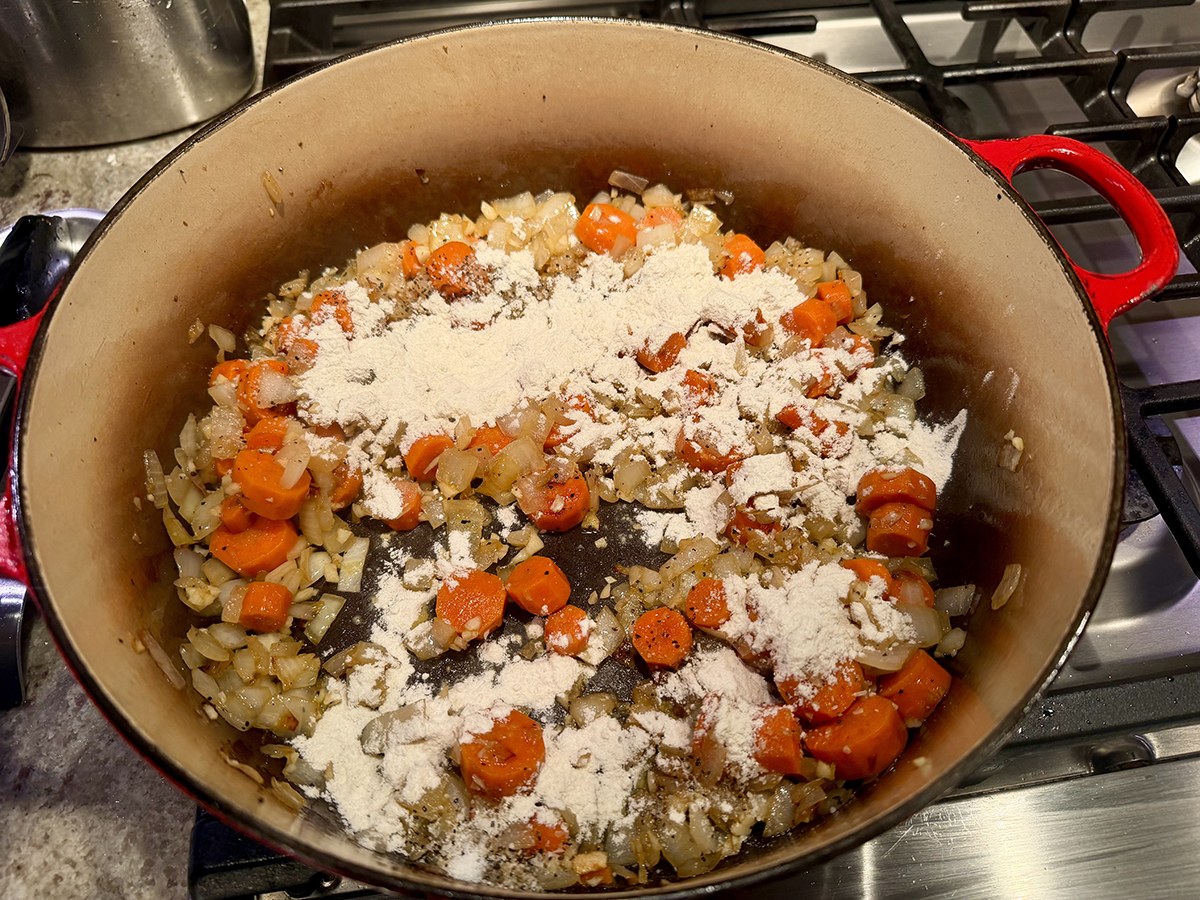
  5. Season with 1 teaspoon coarse salt and 1/2 teaspoon ground pepper. Sprinkle with flour, toss well and cook for 4-5 minutes to brown the flour.
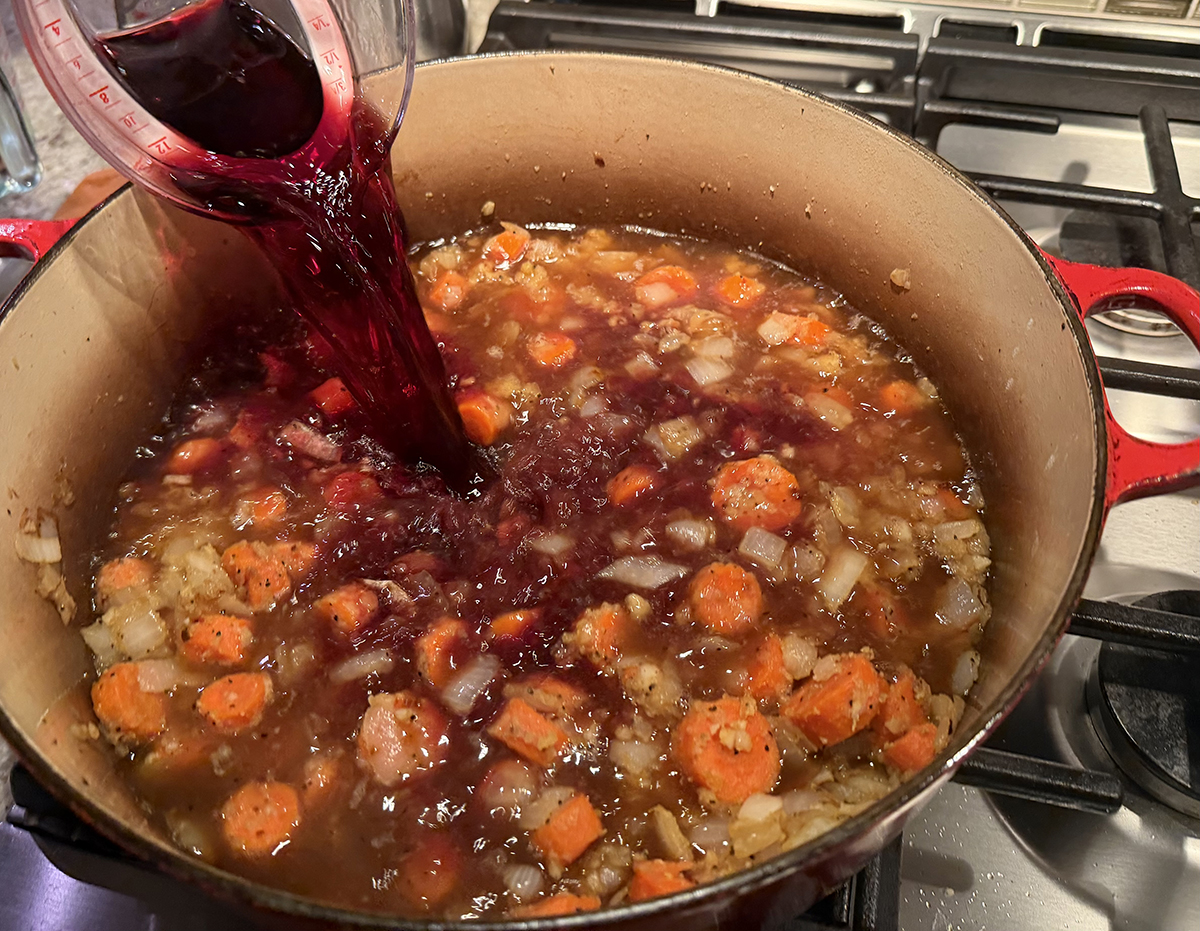
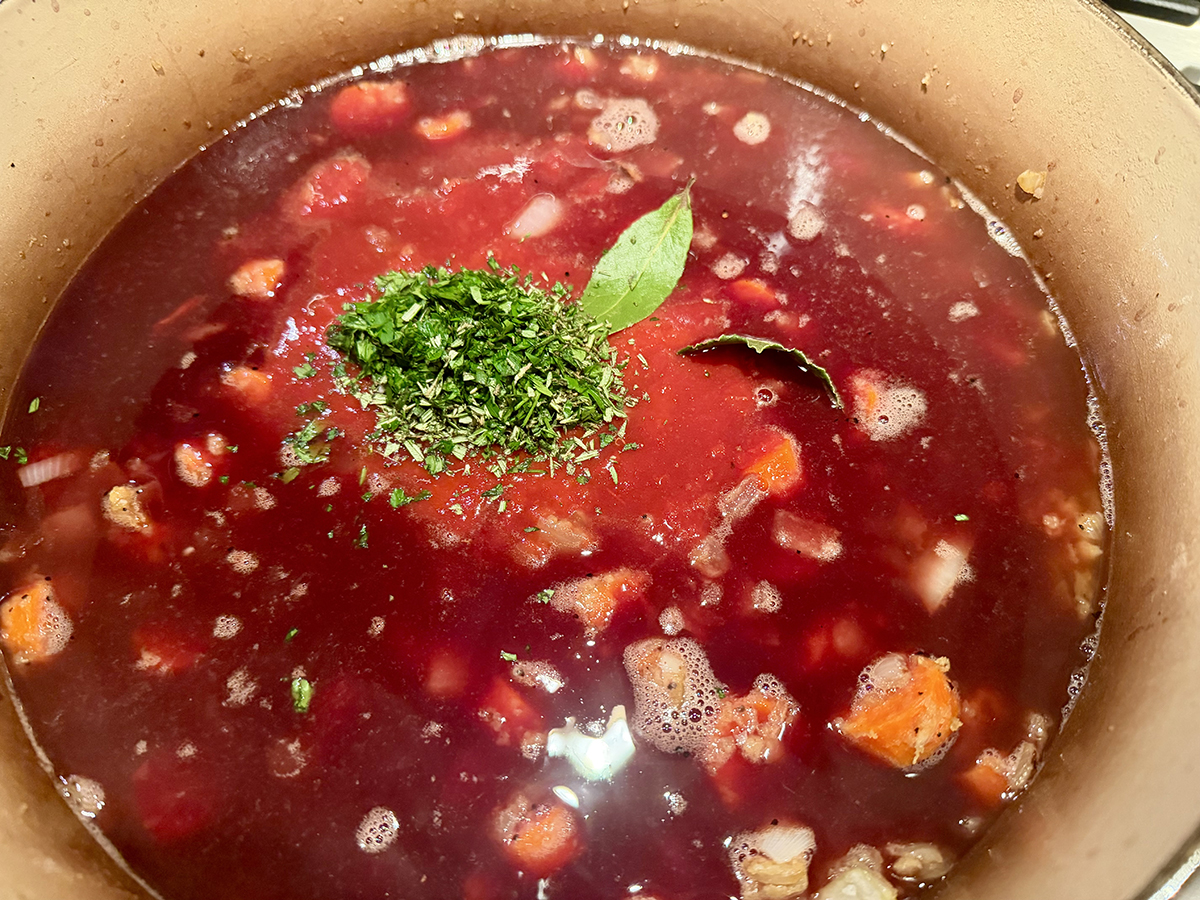
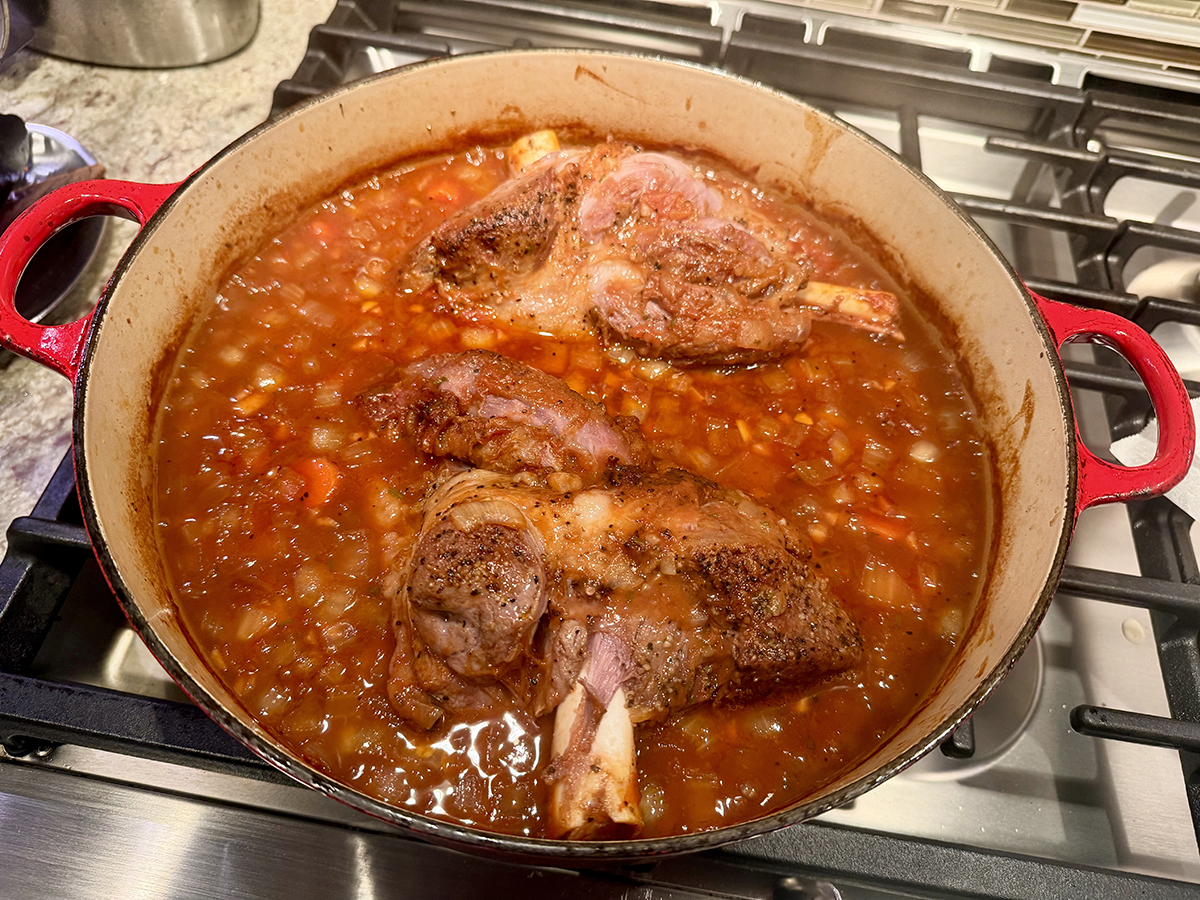
  6. Add stock, wine, puree, tomato paste, bouillon and herbs. Bring to a simmer on the stove. Return the shanks back into the pot.
  7. Cover, transfer to lower part of the oven and cook for 2 1/2 hours, or until the meat is fall apart tender (adjust the heat so that the liquid simmers very slowly).
  8. Gently transfer the shanks onto a plate; tent to keep warm.
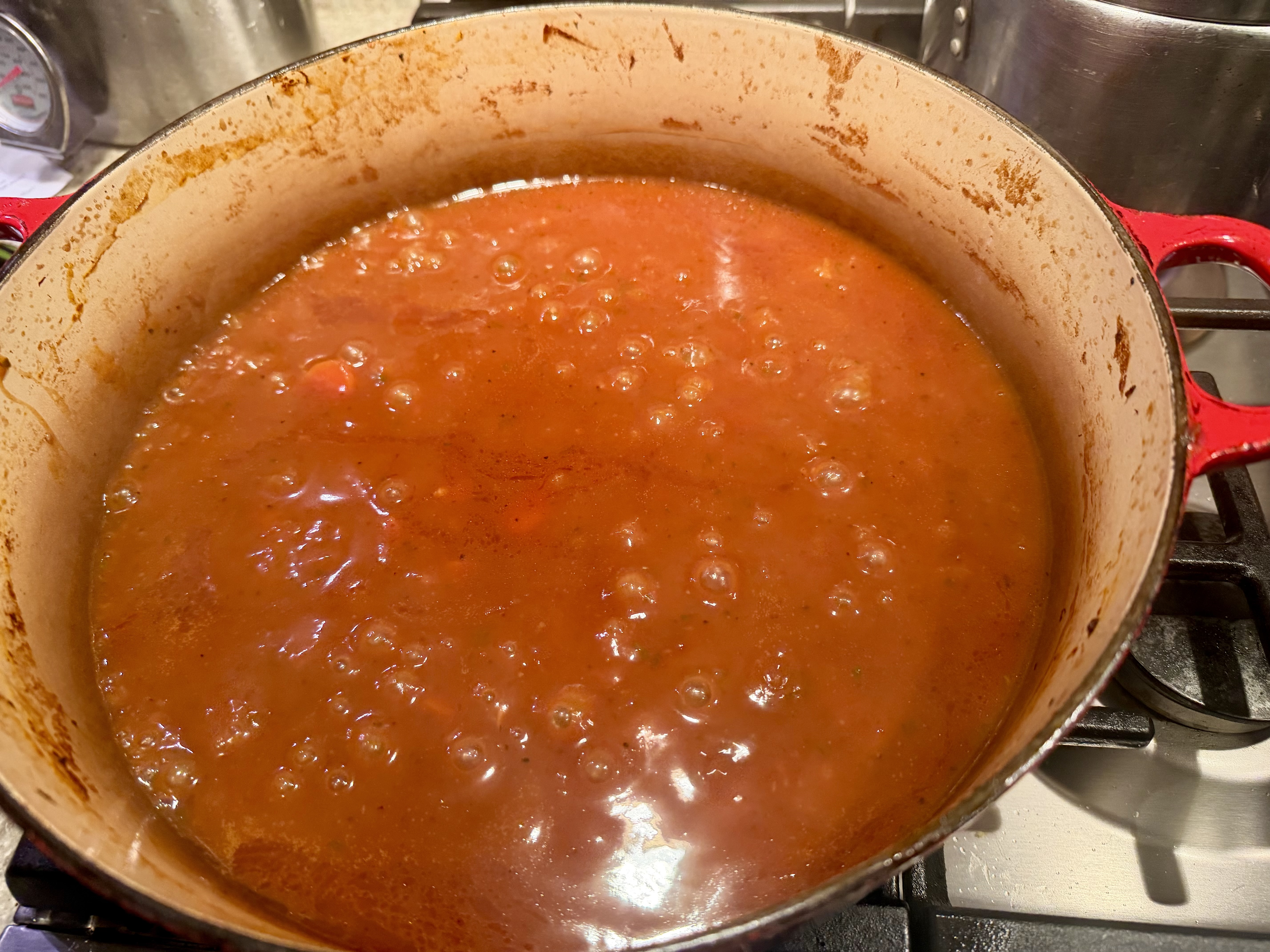
  9. Discard the bay leaves from the sauce and place pot onto stove. Simmer sauce over medium heat until thickened to your desired consistency. OPTIONAL: skim off any additional fat which rises to the surface.
  10. You should be left with about 3 cups of sauce thick enough to lightly coat the back of a spoon. If the sauce is too thick, add a few tablespoons of stock. If the sauce is too thin, boil it over medium heat for about 10 minutes, or until reduced to the right consistency.
  11. Taste for seasoning and adjust salt and pepper, if desired. Add the shanks back into the pot of sauce.
  12. Garnish with parsley and serve with mashed potatoes, rice or pasta.
  13. To serve the following day, allow the casserole to cool completely, cover and refrigerate.
The day of serving, remove from refrigerator for at least an hour before reheating. Place over medium-low heat and let simmer gently for about 10 – 15 minutes, basting the shanks and vegetables with the sauce.

http://www.lynnandruss.com

Adapted from a recipe by Karina Carrel for cafedelites.com

Braised Lamb Shanks Provençal

In Autumn, the first nips of cold air waken our desire for braised dishes which take hours in the oven permeating the house with wonderful appetite-inducing aromas. One of our favorite go-to chef/authors for slow-cooking recipes is—as I’ve mentioned many times—Molly Stevens. This Braised Lamb Shanks Provençal hails from her All About Braising, a treasury of one-pot meals.

While it is not a complicated dish, you do have to carve out a good chunk of time from start to finish. We happened to have four lamb shanks in the freezer, and while the recipe calls for six, it was only The Hubs and me for dinner, which would also give us scrumptious leftovers for another weeknight.

Make sure to take the time to remove the bit of papery white covering called “fell”, and any large fatty deposits, from the shanks. This will lessen any gamey flavor as the meat is cooked. Best to use a small, sharp knife to loosen the silverskin, but don’t fuss with trying to peel off any of the thin membrane—this holds the shank together and will melt down during braising. (Oops, I may have gotten a little carried away and removed some of the silver skin too, mea culpa.)

If you’ve never removed “fell” before, you can check out this short YouTube video for a quick tutorial. https://www.youtube.com/watch?v=6Qvf98zVzCk

A cherished side dish as an accompaniment for braised dishes is garlicky mashed potatoes—sigh. And this lamb dish provides plenty of luscious sauce for topping those spuds. Steamed green beans with a lemony vinaigrette completed the meal.

Braised Lamb Shanks Provençal

  • Servings: 6
  • Difficulty: moderate
  • Print

Ingredients

  • 6 lamb shanks (about 1 pound each)
  • All-purpose flour for dredging (about 1 cup)
  • 1 Tbsp. plus ½ teaspoon sweet Hungarian paprika
  • Coarse salt and freshly ground black pepper
  • 1 Tbsp. extra-virgin olive oil
  • 2 large yellow onions (about 1 pound total), chopped into ½-inch pieces
  • 1 lb. plum tomatoes, coarsely chopped (or one 14½-ounce can whole peeled tomatoes, coarsely chopped, juice reserved)
  • 4 garlic cloves, finely minced
  • 1 cup dry white wine or dry white vermouth
  • 1 cup chicken stock, homemade or store-bought
  • 2 lemons
  • 3 small or 2 large bay leaves
  • ½ cup pitted and coarsely chopped oil-cured black olives, such as Nyons or Moroccan
  • ¼ cup coarsely chopped flat-leaf parsley

Directions

  1. Heat the oven to 325°F.
  2. Trim the lamb shanks: If the shanks are covered in a tough parchment-like outer layer (called the fell), trim this away by inserting a thin knife under it to loosen and peeling back this layer. Remove any excess fat as well, but don’t fuss with trying to peel off any of the thin membrane—this holds the shank together and will melt down during braising.
  3. Dredge the lamb shanks: Pour the flour into a shallow dish and stir in 1 tablespoon of the paprika. Season the shanks all over with salt and pepper. Roll half the shanks in the flour, lifting them out one by one and patting to remove any excess, and set them on a large plate or tray, without touching.
  4. Brown the lamb shanks: Heat the oil in a large heavy-based braising pot (6- to 7- quart) over medium heat until it shimmers. Add the 3 flour-dredged shanks (you’re searing in two batches so as not to crowd the pot). Cook, turning the shanks with tongs, until they are gently browned on all sides, about 10 minutes total. Transfer the shanks to a plate or tray, without stacking or crowding. Dredge the remaining shanks in flour, patting to remove any excess, and brown them. Set beside the already browned shanks, and discard the remaining flour.
  5. Make the aromatics and braising liquid: Pour off all but 1 tablespoon of fat from the pot and return the pot to the heat. If the bottom of the pot is at all blackened, wipe it out with a damp paper towel, being careful to leave behind any tasty caramelized drippings. Add the onions, tomatoes with their juice, and the garlic and season with the remaining ½ teaspoon paprika and salt and pepper to taste. Sauté over medium heat, stirring occasionally, for 8 to 10 minutes, or until the onions are mostly tender. Pour in the wine and stir and scrape with a wooden spoon to dislodge any browned bits on the bottom of the pot that will contribute flavor to the liquid. Simmer for 3 minutes. Pour in the stock, stir and scrape the bottom again, and simmer for another 3 minutes.
  6. Meanwhile, zest the lemon: Using a vegetable peeler, remove the zest from half of 1 lemon, being careful to remove only the outermost yellow zest, not the bitter-tasting white pith; reserve the lemon. Add the zest to the pot, along with the bay leaves.
  7. Make the braise: Arrange the lamb shanks on top of the vegetables. The shanks should fit fairly snugly in the pot, but you may need to arrange them “head-to-toe” so they fit more evenly. Don’t worry if they are stacked in two layers. Cover the pot with parchment paper, pressing down so that it nearly touches the lamb and the edges of the paper extend about an inch over the side of the pot. Set the lid in place, slide the pot into the lower part of the oven, and braise for about 2½ hours. Check the shanks every 35 to 45 minutes, turning them with tongs and moving those on top to the bottom and vice versa, and making sure that there is still plenty of braising liquid. If the liquid seems to be simmering too aggressively at any point, lower the oven heat by 10 to 15 degrees. If the liquid threatens to dry out, add ⅓ cup water. The shanks are done when the meat is entirely tender and they slide off a meat fork when you try to spear them.
  8. Segment the lemon: While the shanks braise, use a thin-bladed knife (a boning knife works well) to carve the entire peel from the 2 lemons. The easiest way to do this is to first cut off the stem and blossom end of each one so the lemon is flat on the top and bottom. Then stand the lemon up and carve off the peel and white pith beneath it with arcing slices to expose the fruit. Trim away any bits of pith or membrane that you’ve left behind, until you have a whole naked lemon. Now, working over a small bowl to collect the juices, hold a lemon in one hand and cut out the individual segments, leaving as much of the membrane behind as you can. Drop the segments into the bowl, and pick out the seeds as you go. When you finish, you should be holding a random star-shaped membrane with very little fruit pulp attached. Give this a squeeze into the bowl and discard. Repeat with the second lemon.
  9. The Finish: Transfer the shanks to a tray to catch any juices, and cover with foil to keep warm. Using a wide spoon, skim as much surface fat from the cooking liquid as possible. Lamb shanks tend to throw off quite a bit of fat: continue skimming (tilting the pot to gather all the liquid in one corner makes it easier) until you are satisfied. (We barely had any fat.) Set the pot over medium heat and bring to a simmer. Stir in the lemon segments, olives, and parsley. Taste for salt and pepper. Return the shanks to the braising liquid to reheat for a minute or two. Serve with plenty of sauce.

http://www.lynnandruss.com