Category Archives: Uncategorized

Sausage-Cheddar Balls

Party time! While these look amazingly like mini-meatballs, they are actually biscuits! This reinterpretation of meatballs combines breakfast sausage, cheddar cheese, and onion for a very flavorful holiday appetizer, enough for a crowd of hungry folks.
You can opt to serve them alone or with your choice of dipping sauces, such as mustard or barbecue sauce. Our opinion was that they packed enough flavor by themselves, so a dipping sauce didn’t seem necessary.

The only change we made was using one small onion as opposed to half of a large one. Unfortunately, the balls sat in the oven a bit too long while we tended to other things so the bottoms got a touch crusty—which some guests actually preferred!

Sausage-Cheddar Balls

  • Servings: 60 balls
  • Difficulty: easy
  • Print

Ingredients

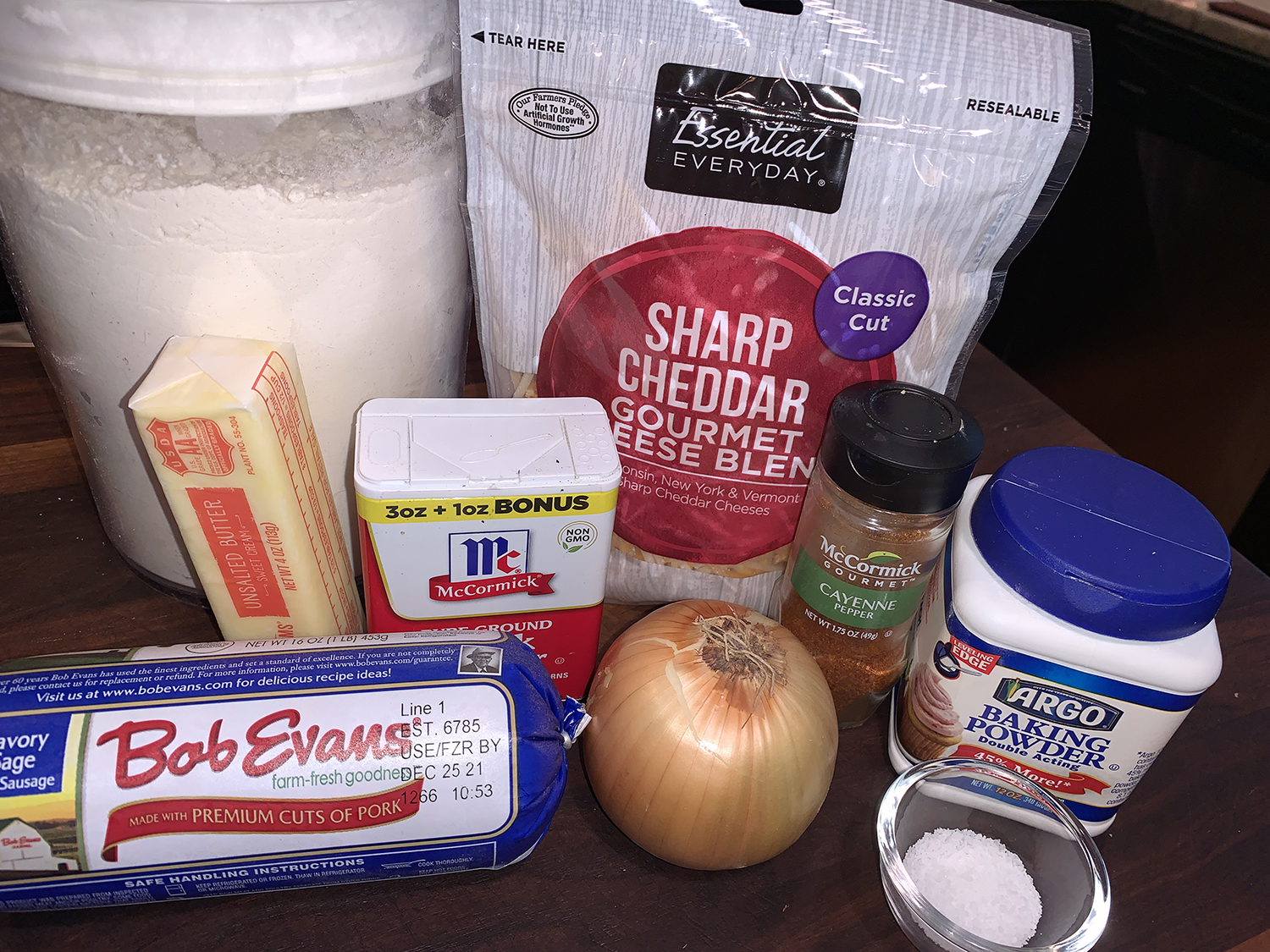
  • 1 1/4 cups all-purpose flour
  • 1/2 tsp. coarse salt
  • 1/4 tsp. ground pepper
  • 1/2 tsp. cayenne pepper
  • 1 1/2 tsp. baking powder
  • 2 cups grated sharp cheddar (1/2 lb.)
  • 1 lb. bulk breakfast sausage
  • 1/2 large yellow onion, grated on large holes of a box grater
  • 3 Tbsp. unsalted butter, melted

Directions

  1. Preheat oven to 400 degrees.
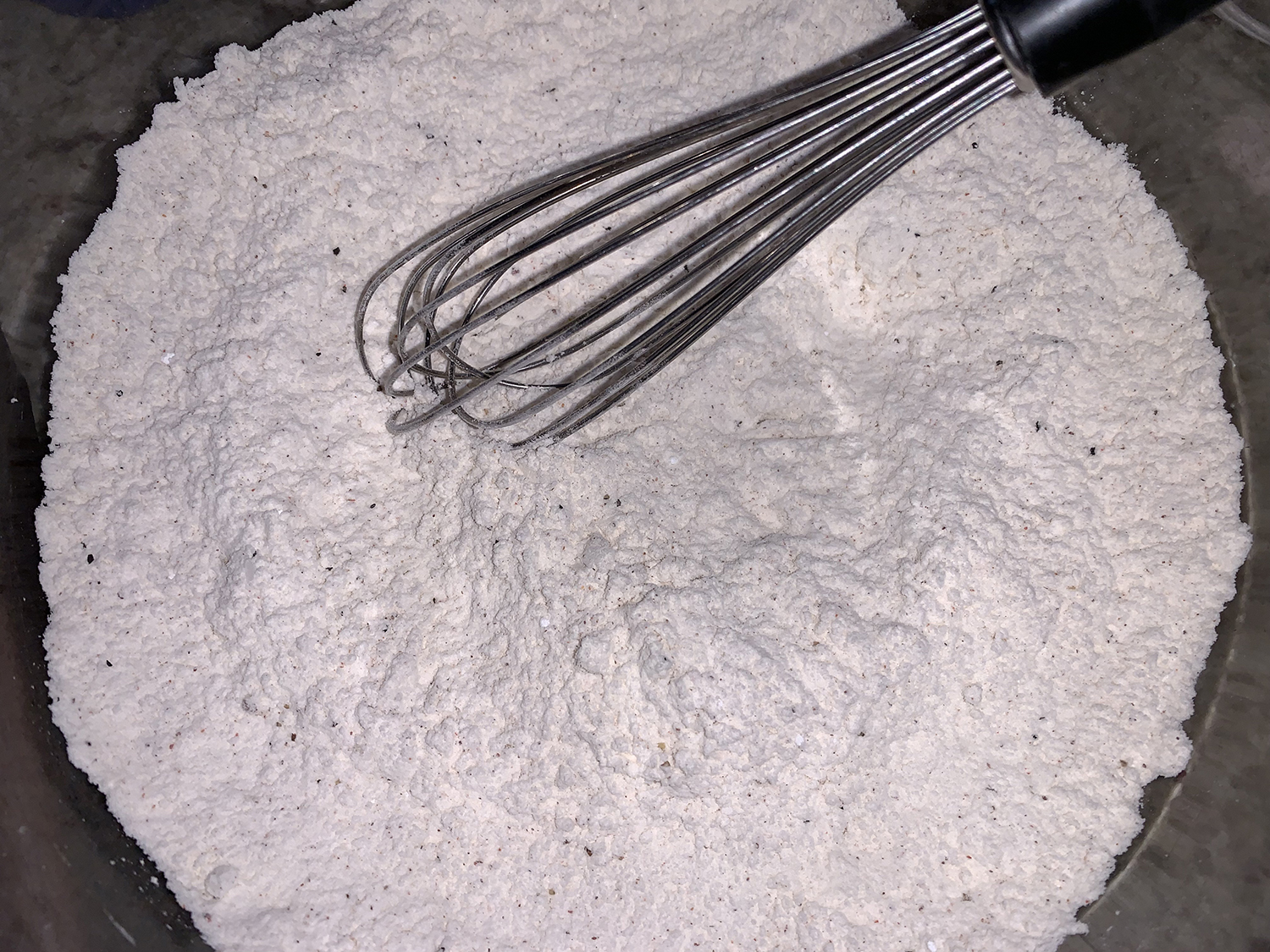
  2. In a large bowl, whisk together flour, salt, pepper, cayenne pepper, and baking powder. Add cheddar and toss to coat.
  3. Add sausage, onion, and butter. With your hands, mix until well combined and roll mixture into 1-inch balls.
  4. Place balls, 1/2 inch apart, on a parchment-lined baking sheet. Bake until balls are golden and cooked through, 25 minutes. Serve warm.

http://www.lynnandruss.com

Recipe by Martha Stewart Living

Slow-Cooker Sausage and Kale Minestrone

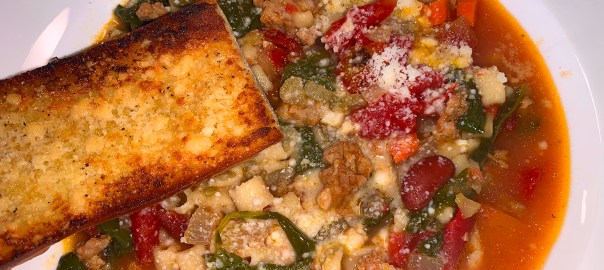
Here’s a wonderfully warming soup for a cold Winter’s day. Once you’ve prepped the ingredients, there’s not much you have to do for several hours. It’s made even easier if you buy bulk sausage, so that you don’t have to meddle with removing casings. And if spicy is not your thing, go ahead and use mild Italian or turkey sausage.

With lots of super-flavorful turkey stock leftover, we used that as the base, ramping up the overall deliciousness! Serve with a slice of crusty garlic bread toasted under the broiler.

Slow-Cooker Sausage and Kale Minestrone

  • Servings: 6
  • Difficulty: easy
  • Print

Ingredients

  • 12 oz. spicy Italian sausage, casings removed
  • 1 large yellow onion, chopped (2 cups)
  • 1 large carrot, chopped (1 cup)
  • 2 ribs celery, chopped
  • 6 cups chicken or turkey stock
  • 2 14.5 oz. cans fire-roasted diced tomatoes, undrained
  • 1 15 oz. can kidney beans, drained and rinsed
  • 1 tsp. kosher salt
  • 1/2 tsp. black pepper
  • 1 cup uncooked ditalini pasta
  • 5 oz. baby kale leaves, roughly chopped

Directions

  1. Heat a large nonstick skillet over medium-high. Add the sausage to the skillet, and cook, stirring to crumble with a wooden spoon, 4 minutes.
  2. Add the onions, carrots, and celery to the skillet; cook, stirring occasionally, until the sausage is browned and the vegetables are lightly caramelized, about 6 minutes.
  3. Add 1 cup of the stock; cook 1 minute, stirring and scraping to loosen the browned bits from the bottom of the skillet.
  4. Transfer the sausage mixture to a 5- to 6-quart slow cooker. Stir in the tomatoes, beans, salt, 1/4 teaspoon of the pepper, and the remaining 5 cups stock. Cover and cook on LOW until the vegetables are tender, about 2 hours and 30 minutes.
  5. Stir in the pasta; cover and cook on LOW until the pasta is al dente, about 1 hour.
  6. Stir in the kale and remaining 1/4 teaspoon pepper. Ladle the soup into bowls, and serve hot.

http://www.lynnandruss.com

Recipe from Cooking Light

Holiday Cheer Cosmos

An Elderflower Liqueur Cosmo and a White Cranberry Cosmo ran into each other at a bar, both spilling a bit into a third glass which exploded with Holiday Cheer—and a third Cosmo was born, a cross between the two adult libations.

I first saw the White Cranberry Cosmo on a Facebook posting and thought it’d be a great “house” drink for an upcoming Winter Cheer party. Problem was, it seemed everyone else had the same idea. Two weeks prior, thinking I’d be ahead of the game by picking up the white cranberry juice at the supermarket, they were completely out!

A few days later at a big box liquor store, there were endless flavors of vodka, I kid you not. We found jalapeño, pickle, peanut butter, caramel apple, dark roasted espresso and every possible red fruit: watermelon, strawberry, raspberry, cherry, pomegranate (which was going to be my fall back), but no cranberry.

Undeterred, I followed up with a staff worker, who after consulting with the manager, was able to locate a box on the highest shelf, attainable only with a large step ladder just for employees. That guy was persistent, but so was I. St. Germain’s Elderflower Liqueur was a much easier find.

Tasty and sophisticated, these babies are a great way to get the party started!

Holiday Cheer Cosmo

  • Servings: 2
  • Difficulty: easy
  • Print

Ingredients

  • 1/2 cup cranberry vodka
  • 1/4 Elderflower liqueur, such as St. Germain
  • 1/4 cup white cranberry juice
  • 2 Tbsp. fresh lemon juice
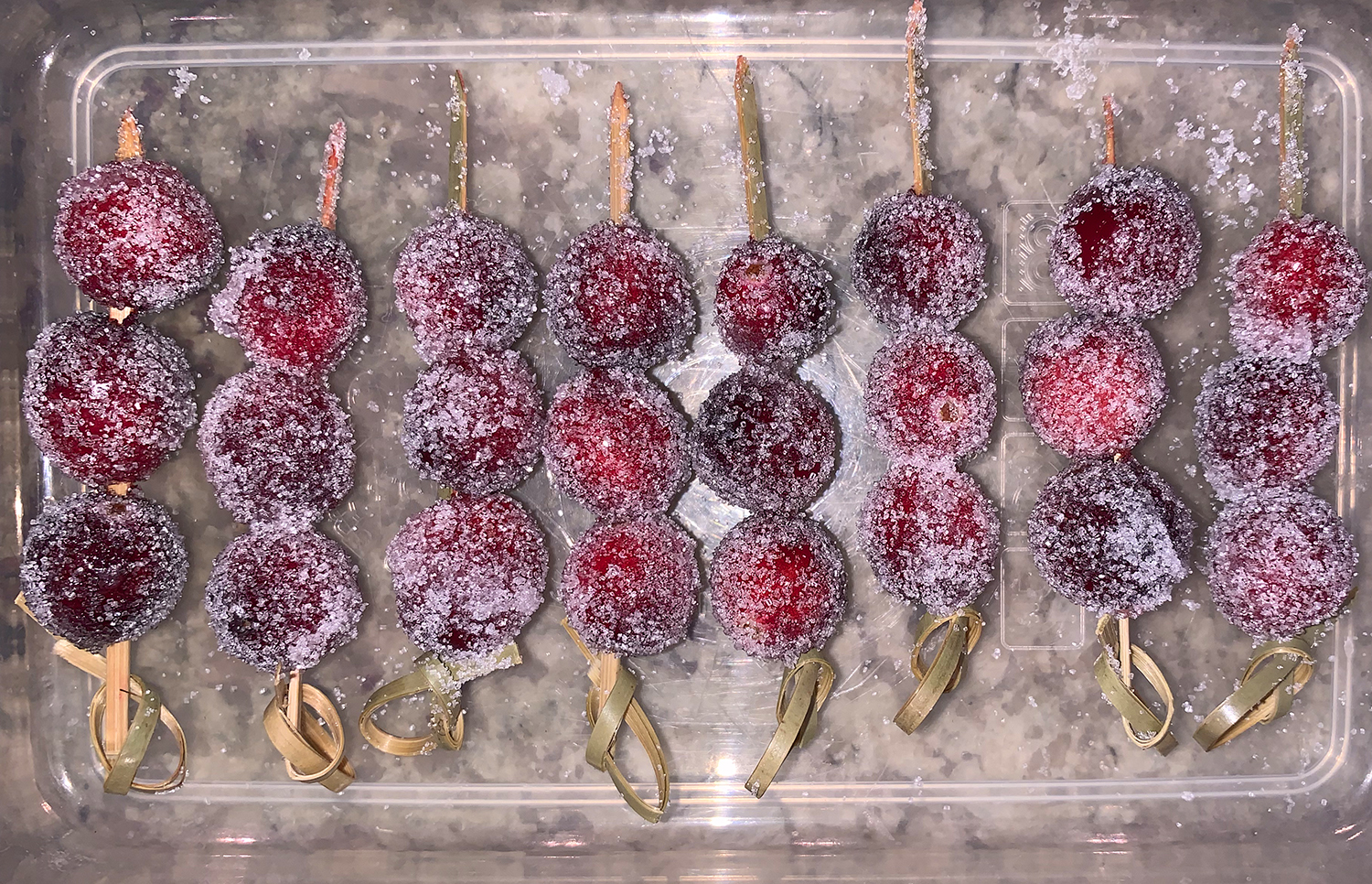
  • Fresh sugared cranberries for garnish (see recipe below)
CHEERS!

Directions

  • Fill a cocktail shaker with ice and and all all of the ingredients, except the garnish.
  • Shake vigorously and strain into two martini glasses.
  • Garnish each with a large toothpick containing 3 sugared cranberries.

http://www.lynnandruss.com

Sugared Cranberries

These little gems from Yossy Arefi are a perfect garnish for the Holiday Cheer Cosmos. The recipe can easily be cut in half for a small party.

Ingredients

  • 1 1/4 cups sugar
  • 1 1/2 cups fresh cranberries

Sugared Cranberries

  • Servings: Yields 1 1/2 cups
  • Difficulty: easy
  • Print

Directions

  1. Combine 1/2 cup water and 1/2 cup sugar in a saucepan. Cook over medium-high until the sugar dissolves and the mixture comes to a simmer around the edges. Cool the syrup to room temperature.
  2. When the syrup is cool, add the cranberries and stir to coat, working in batches if necessary. Use a slotted spoon to remove the berries and place them on a cooling rack set over a sheet pan to drain.
  3. Pour the remaining 3/4 cup of sugar into a shallow dish and roll the cranberries, a few at a time, in the sugar until totally coated.
  4. Let them dry completely, then store in an airtight container at room temperature for up to three days.
  5. After a few days they start to soften and weep a bit. Cook them down into a sauce or a quick jam.

http://www.lynnandruss.com

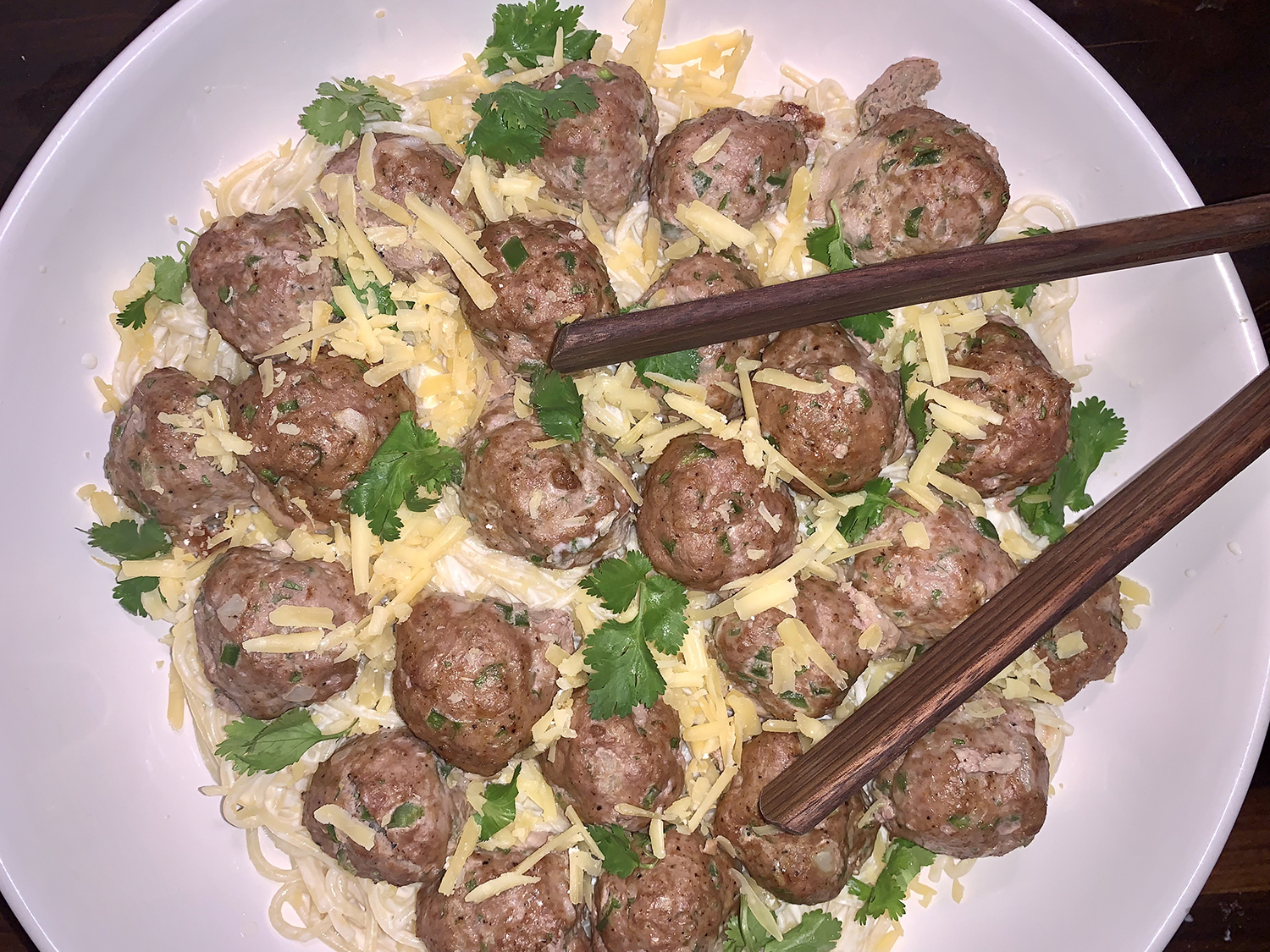
Jalapeño-Turkey Meatballs and Spaghetti

Intrigued with this odd combination found in a recent Fine Cooking Magazine, we were pleasantly surprised at the results. Despite two large jalapeños and some chili powder, it was only slightly spicy. Of course, if you did want to ramp up the heat, don’t discard the jalapeño seeds.

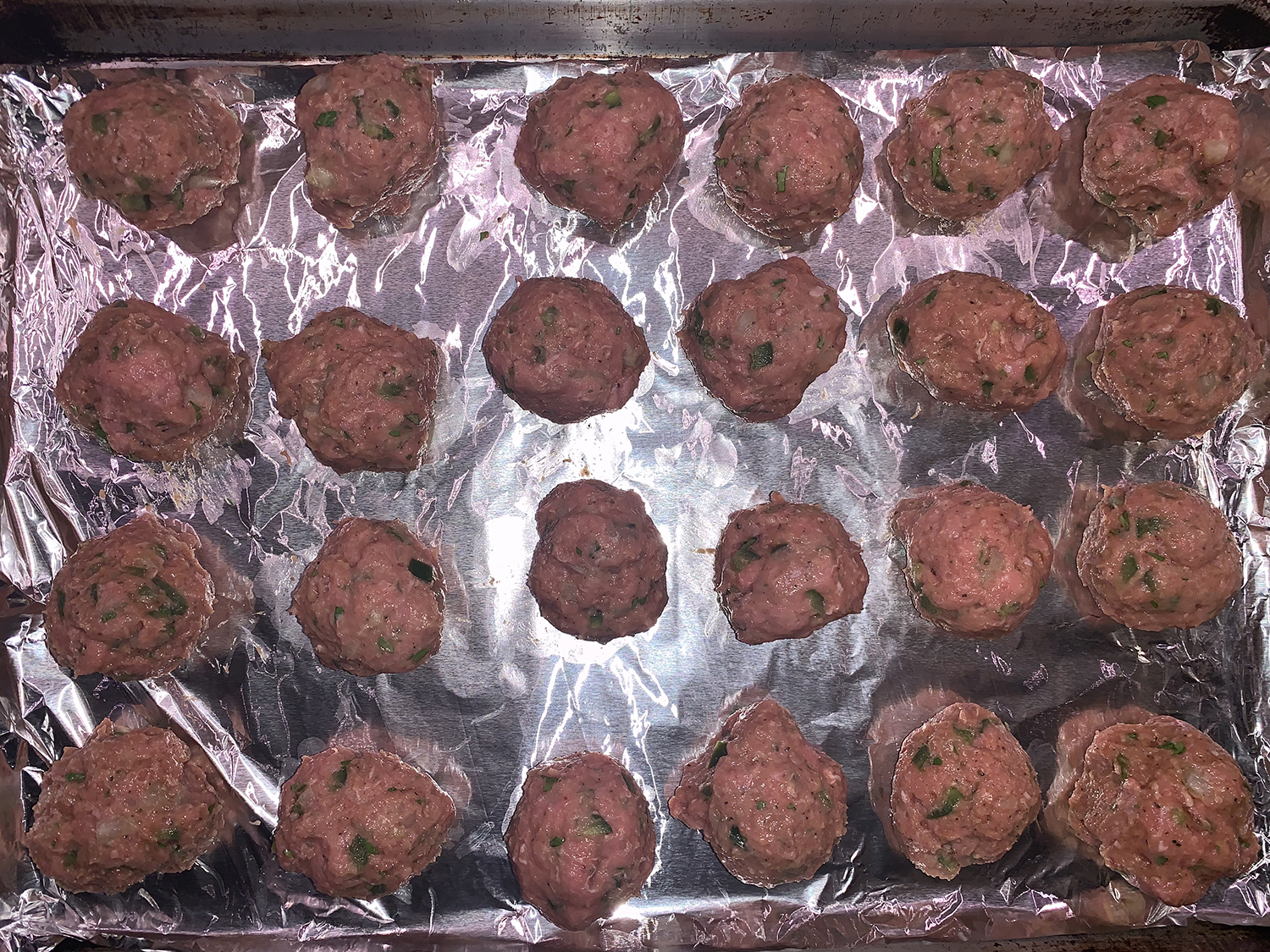
Our meatballs did stick to the foil, so we suggest using parchment or coating the baking sheet with an oil spray such as Pam. Also, to thicken the sauce, we added about 2/3 of the shredded Gouda to the cream cheese/milk mixture, then sprinkled the remainder on top.

If you have leftovers, top with some milk and/or olive oil to add moisture before popping in the microwave.

Jalapeño-Turkey Meatballs and Spaghetti

  • Servings: 6-8
  • Difficulty: easy
  • Print

Ingredients

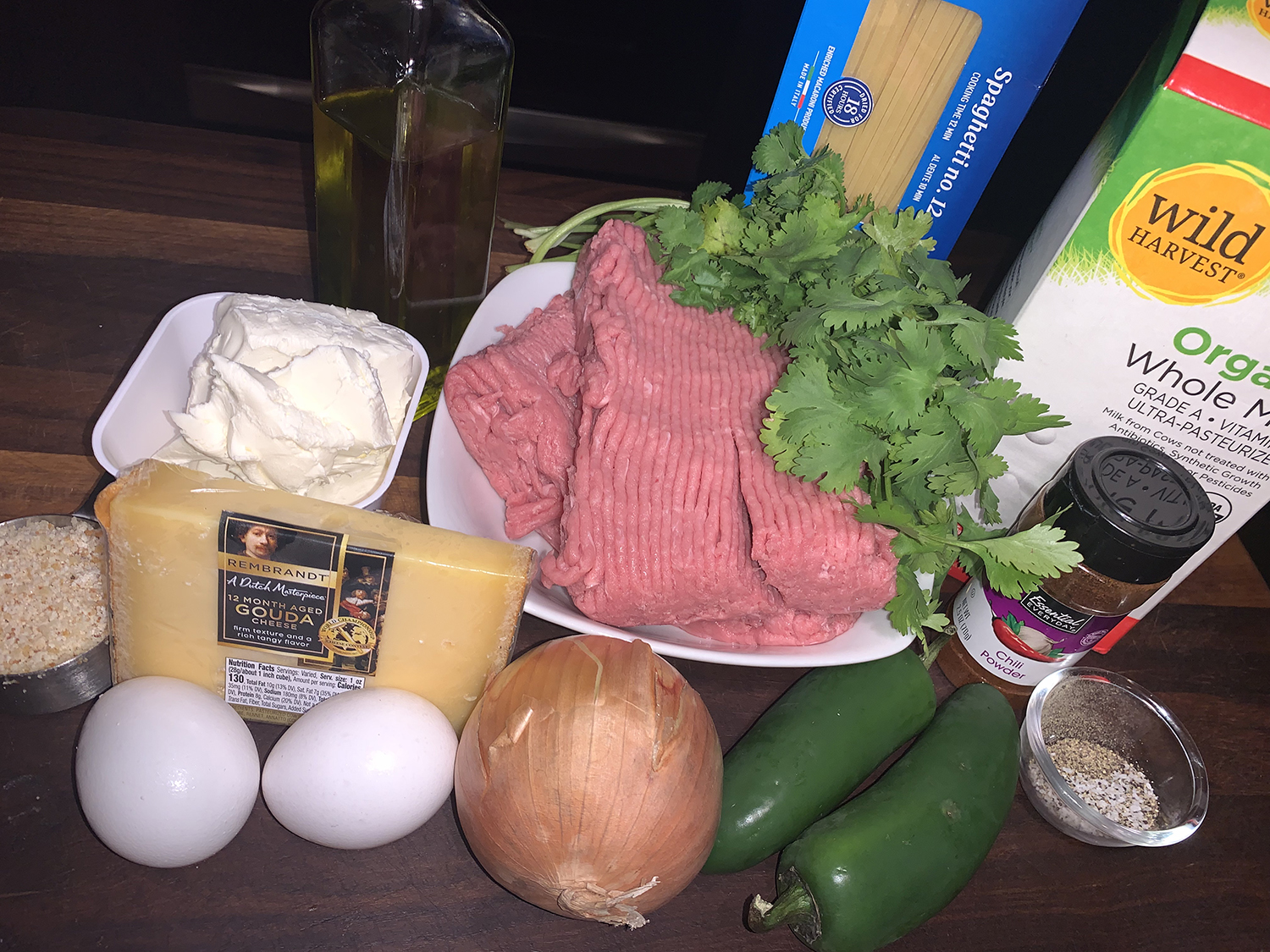
  • 2 egg whites, lightly beaten 
  • 2 Tbsp.s olive oil 
  • 1 Tbsp. milk
  • 2 tsp. chili powder
  • 2 lbs. uncooked ground turkey breast or ground turkey
  • ⅓ cup finely chopped onion 
  • ¼ cup fine dry bread crumbs
  • 2 jalapeño peppers, seeded and minced
  • 1 tablespoon chopped fresh cilantro
  • 1 14-16 oz. package dried multigrain, whole wheat or regular spaghetti
  • 6 oz. packages cream cheese
  • 2 cups milk
  • Salt (optional)
  • 4 oz. Gouda cheese, shredded
  • Fresh cilantro

Directions

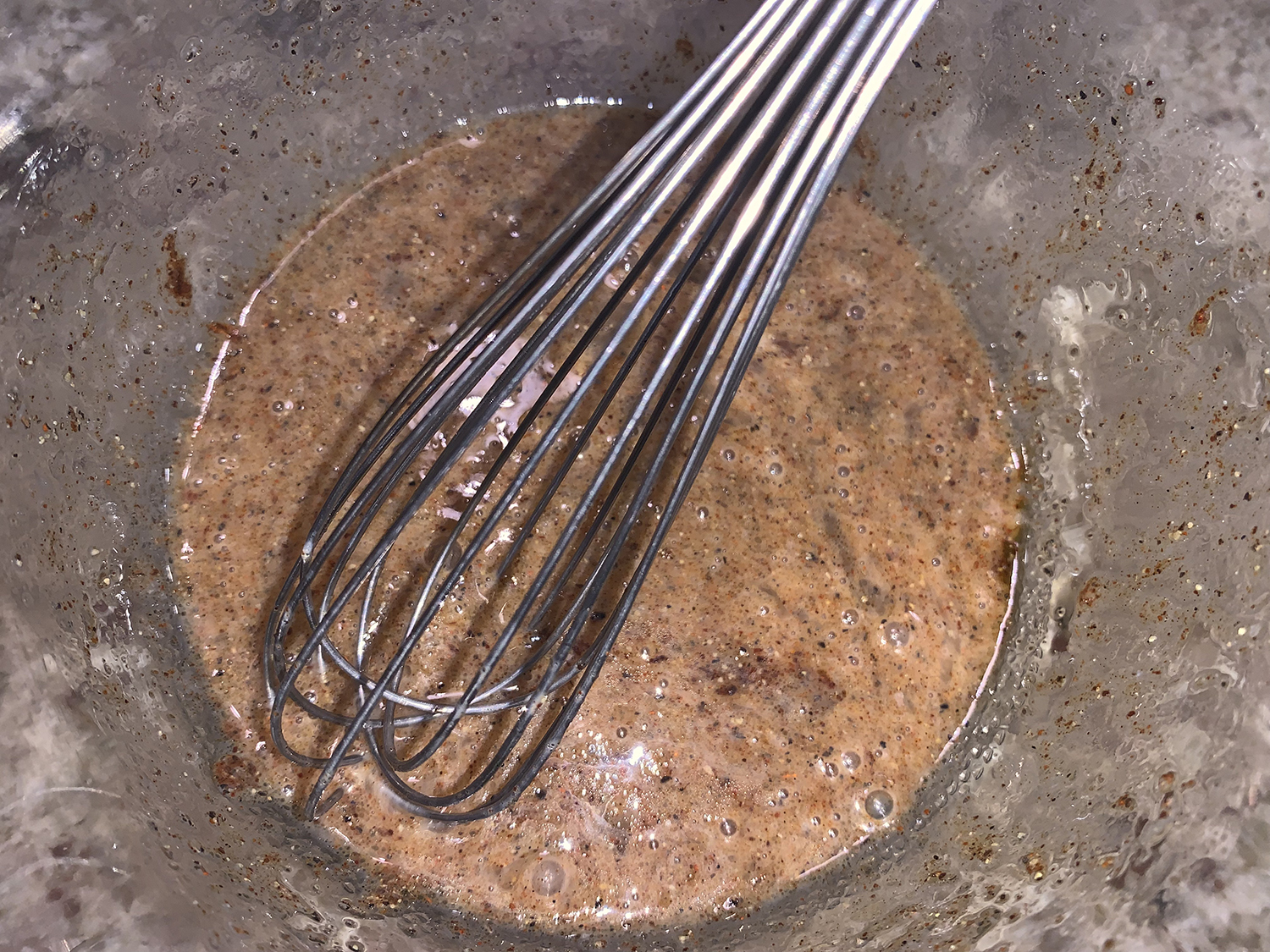
  1. Heat oven to 375 degrees F. In bowl stir together egg whites, oil, milk, chili powder, 1 tsp. black pepper, and 1/2 tsp. salt.
  2. In large bowl combine turkey, onion, bread crumbs, jalapeños, and chopped cilantro. Fold egg white mixture into turkey mixture; mix well. Shape turkey mixture in 1-1/2-inch balls. Place on a foil-lined 15x10x1-inch baking pan. Bake 20 minutes or until no longer pink (170 degrees F).
  3. Meanwhile, cook spaghetti, with 1 tablespoon salt added to water, according to package directions. Drain; keep warm.
  4. In same pan used for pasta melt cream cheese over low heat. Add milk. Cook, stirring, until bubbly. Return spaghetti to pan; toss to coat with cream cheese mixture.
  5. Serve spaghetti with meatballs, cheese, and cilantro.

http://www.lynnandruss.com

Recipe from Fine Cooking

Sausage with Cabbage and Fingerlings

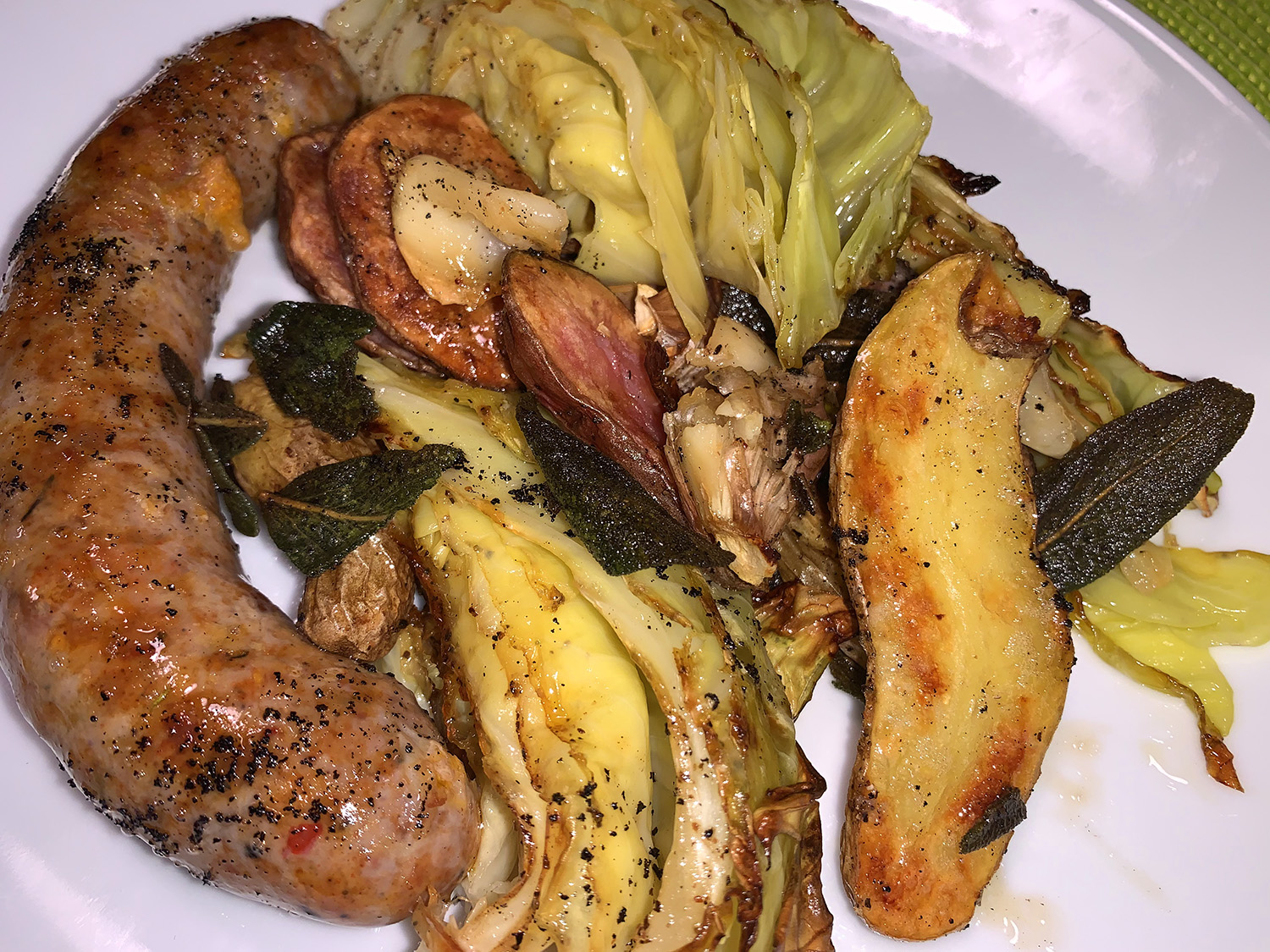
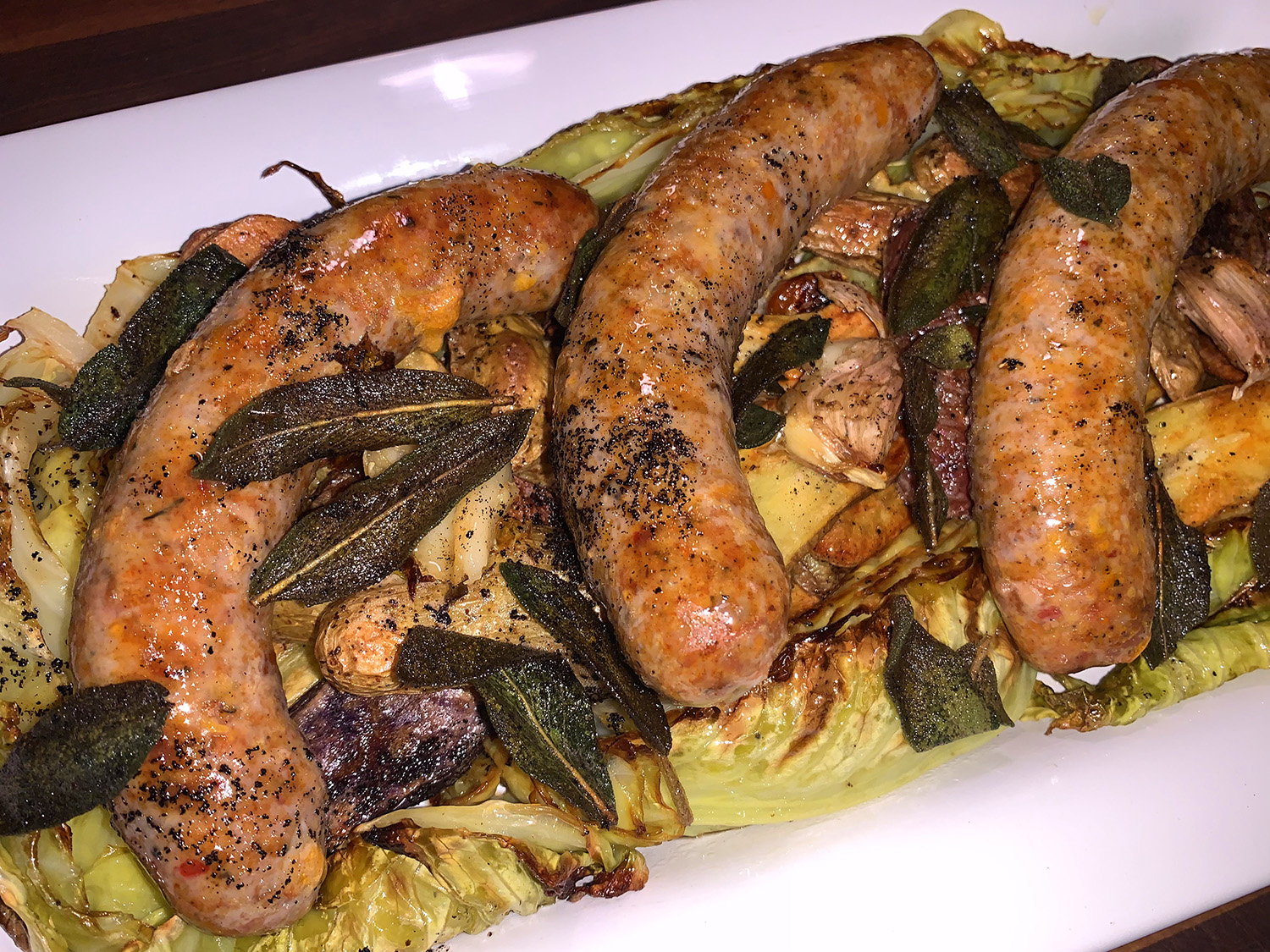
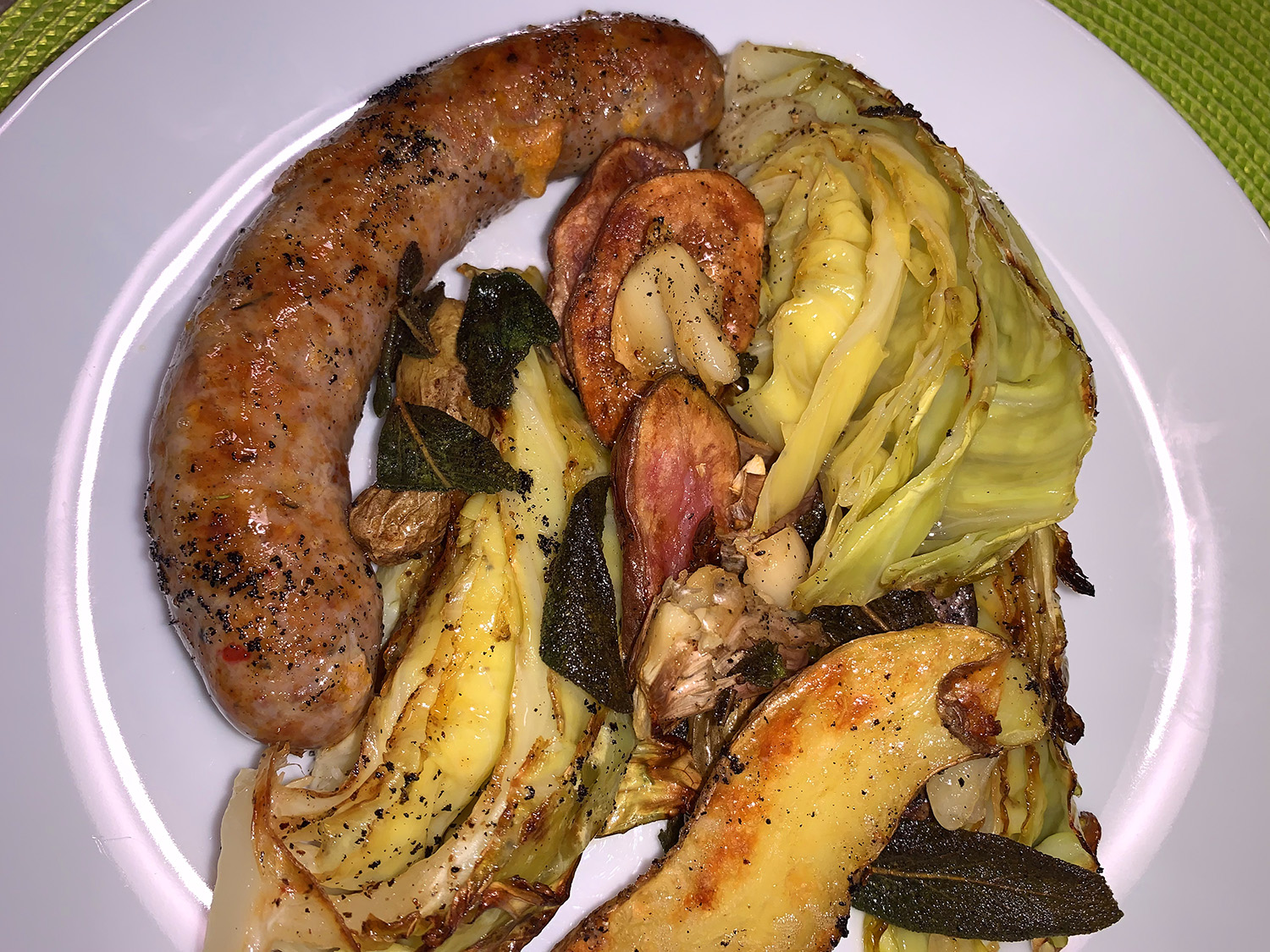
This sheet pan dinner actually uses two sheets, but is quite simple and takes only about 45 minutes. It is finished with a decadent brown butter and crisp sage leaves. Any type of sausage links or bratwurst will work, so choose whatever the family prefers.

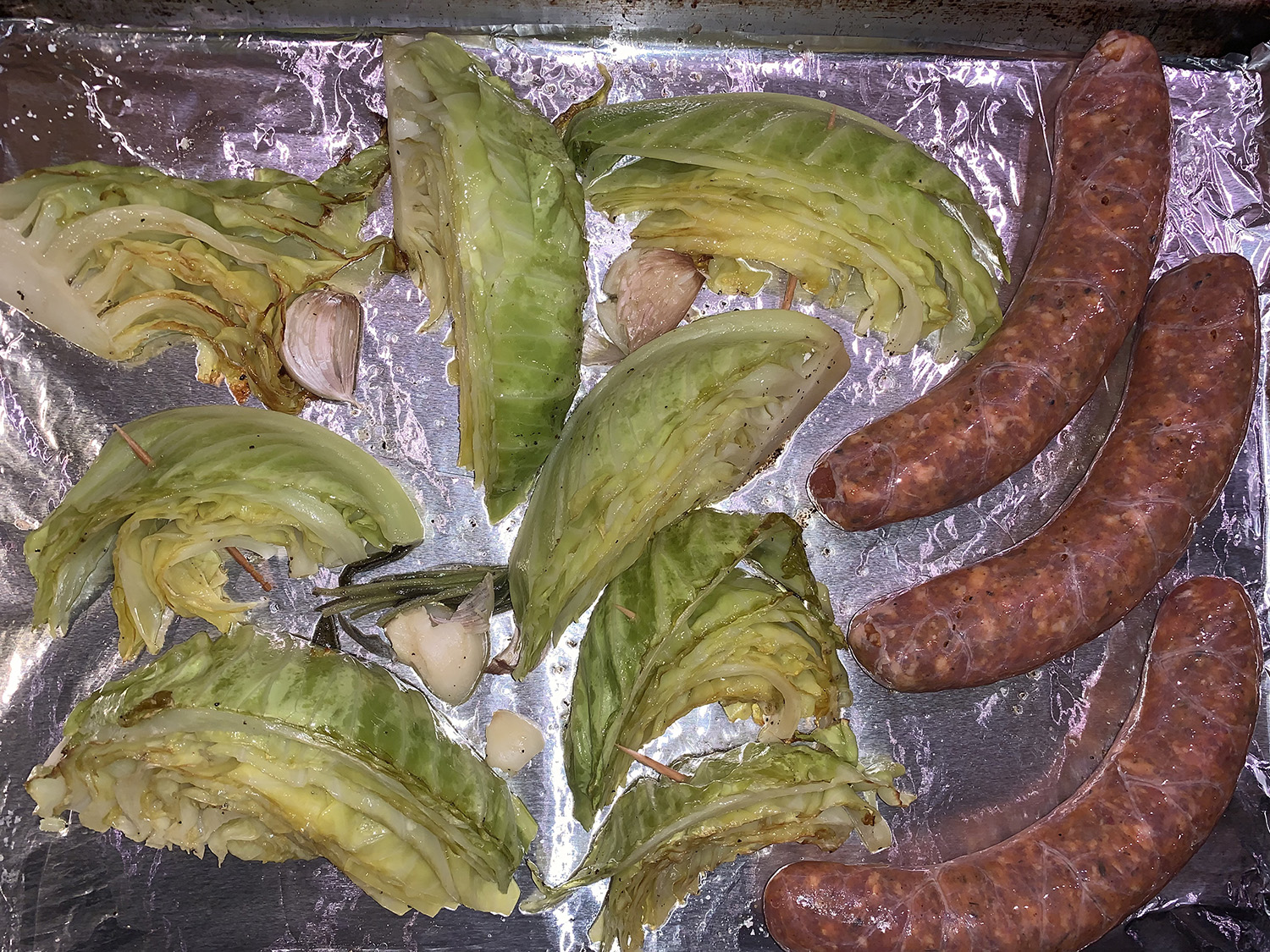
Not all of our cabbage wedges ended up with some core to hold them together, so we stuck a toothpick through the centers where needed. The directions indicate to let the excess oil drip off the cabbage back into the bowl for the potatoes, but there was hardly any extra so we just added more olive oil for dredging the fingerlings.

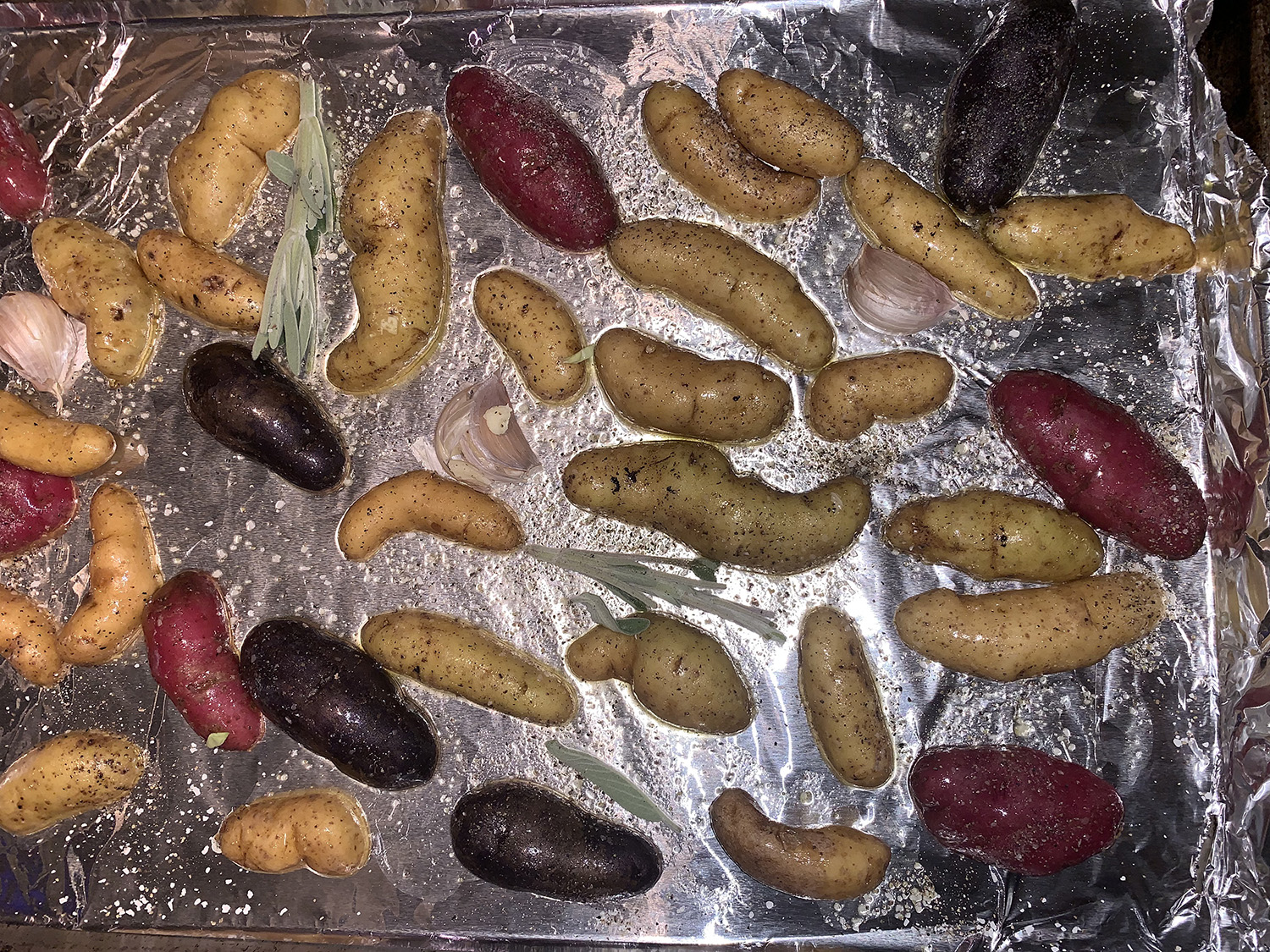
The garlic cloves are slightly smashed but left unpeeled. This prevents them from scorching. Afterward, you can either peel the skins and add to the platter (our choice), or discard the cloves altogether.

Sausage with Cabbage and Fingerlings

  • Servings: 4
  • Difficulty: easy
  • Print

Ingredients

  • 1⁄4 cup olive oil, more if needed
  • 1 small green cabbage, cut into 8 wedges through the core
  • 1 1⁄4 lb. fingerling potatoes, halved lengthwise
  • 6 unpeeled garlic cloves, lightly crushed
  • 4 fresh sage sprigs
  • 1⁄2 tsp. salt
  • 1⁄2 tsp. freshly ground black pepper
  • 4 uncooked bratwurst or sausage links
  • 1⁄4 cup butter
  • 20 small sage leaves

Directions

  1. Preheat the oven to 425°F.
  2. In a large bowl, toss the cabbage wedges in the oil. Lay them on their sides on a foil-lined baking sheet, letting the excess drip back into the bowl.
  3. Toss the potatoes in the remaining oil (if there is any, if not, add more oil to the bowl); again letting the excess drip back into the bowl. Set the bowl aside.
  4. Place the potatoes cut-sides down onto a second foil-lined baking sheet. Nestle three garlic cloves and two sage sprigs in each pan. Cover the pans with foil and roast for 20 minutes.
  5. Remove the foil from the pans. Lightly prick the sausages, toss them in the remaining oil in the bowl, and add to the pan with the cabbage. Roast 15 minutes more.
  6. Turn the cabbage, potatoes and sausage and continue roasting until the vegetables are tender and golden, and the sausages are cooked through (160°F), about 5 minutes more.
  7. Transfer everything to a large platter and tent with foil.
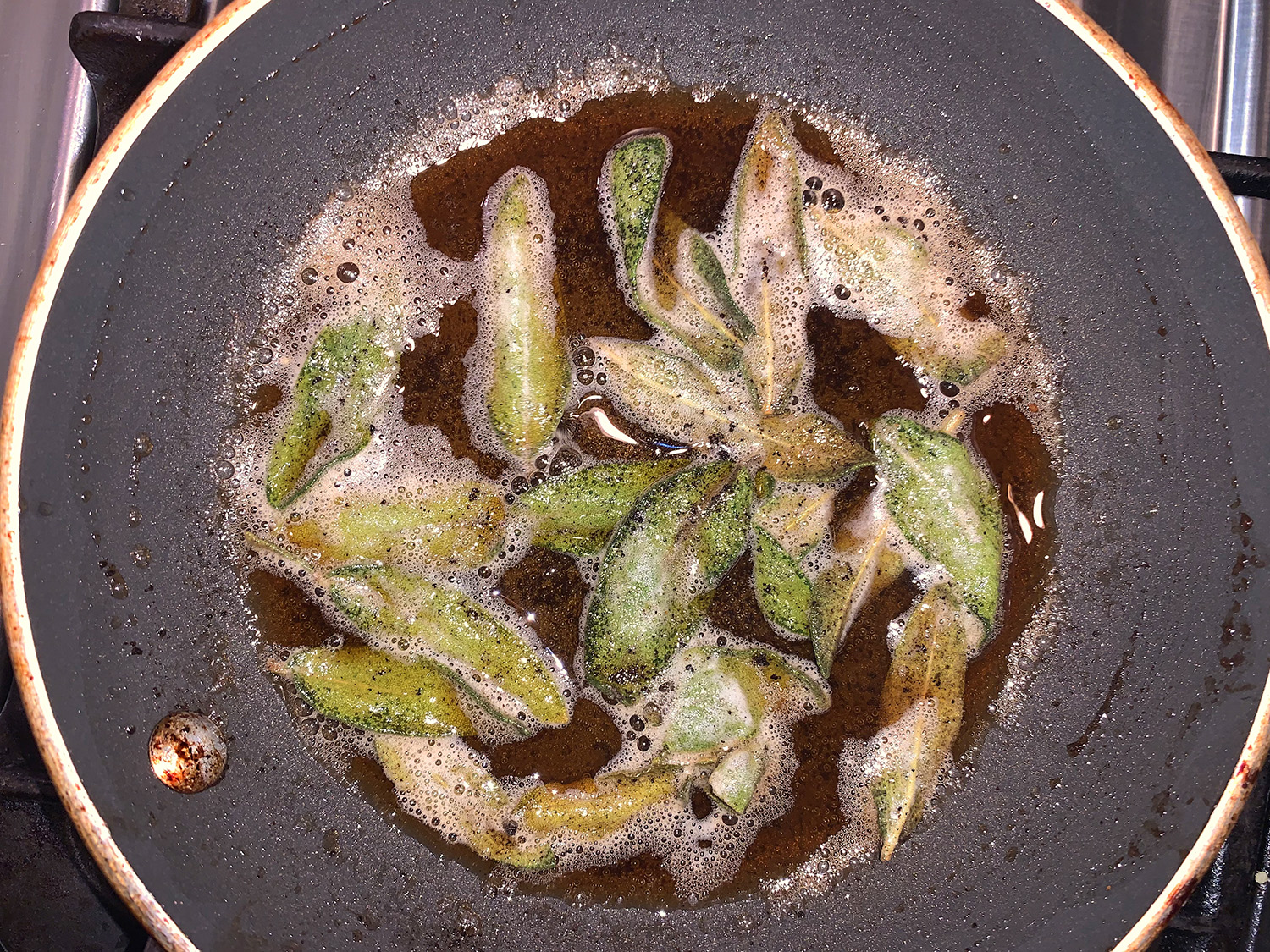
  8. In a small skillet, melt the butter over medium heat until foam just subsides. Add the sage leaves, and cook until the butter is brown and nutty, and the sage is crisp, 30 to 60 seconds.
  9. Spoon the sage butter over contents of platter and serve immediately.

http://www.lynnandruss.com

Recipe from Fine Cooking

Adult Cookies Get a Boozy Spin

Christmas cookies are practically synonymous with kids. Cookies and milk for Santa? Decorating cut-out sugar cookies with mom? Sneaking extra cookies at Grandma’s house—well, because she lets you.

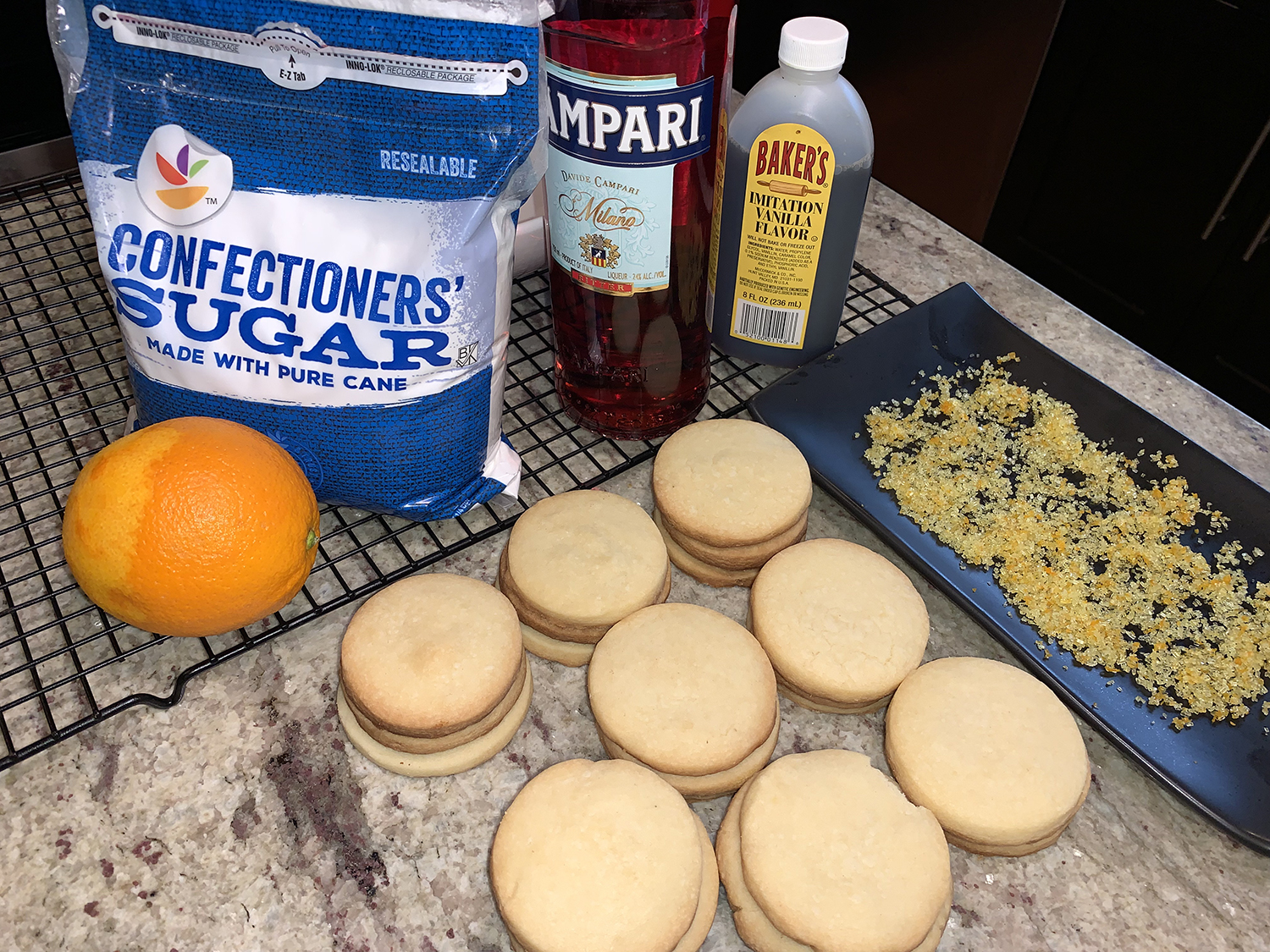
But what about a cookie just for the adults during the holidays? These pretty, festive Campari Shortbread Cookies With Crunchy Orange Sugar, from the new cookbook Cookies by Jesse Szewczyk, prove that Campari isn’t just for Negronis—and cookies aren’t just for kids.

I first saw the recipe in the Sunday newspaper supplement Parade Magazine and thought, these would make a nice addition to the array of cookies I bake every holiday season. Although, I knew instinctively that the dough should be rolled out to a 1/4″ thick and not 1/2″ as indicated (change noted below). They took the entire 19 minutes to perfectly bake at 1/4″ thickness.

Also, having decades worth of experience icing cookies, I decided to scale back on the amount of frosting, it just seemed too much for slightly more than a dozen shortbread wafers. My altered amounts worked out perfectly and are indicated under ingredients.

If gifting, please make a note to the recipient that these cookies contain alcohol.

Campari Shortbread Cookies With Crunchy Orange Sugar

  • Servings: 2+ dozen
  • Difficulty: easy
  • Print

Ingredients

  • 3 sticks unsalted butter, softened
  • 1 cup powdered sugar
  • 1 tsp. kosher salt, plus a pinch
  • 3 cups all-purpose flour, plus more for dusting

Icing and Decoration:

  • 2 Tbsp. coarse white sugar, such as turbinado or sanding sugar
  • 1 tsp. grated orange zest
  • 1 1⁄2 cups powdered sugar
  • 3+ Tbsp. Campari (or Aperol)
  • 1⁄2 tsp. vanilla extract
  • Pinch of kosher salt

Directions

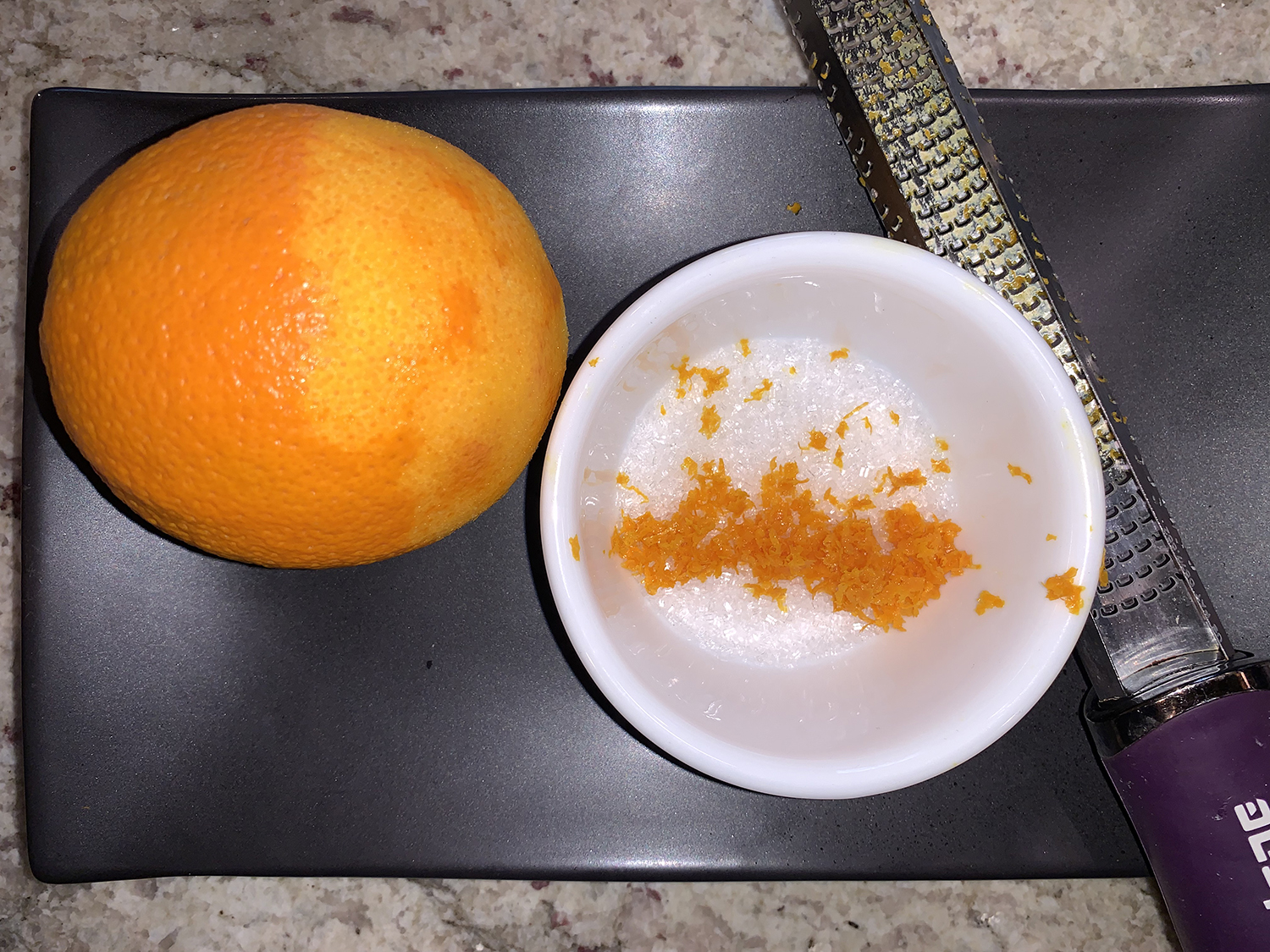
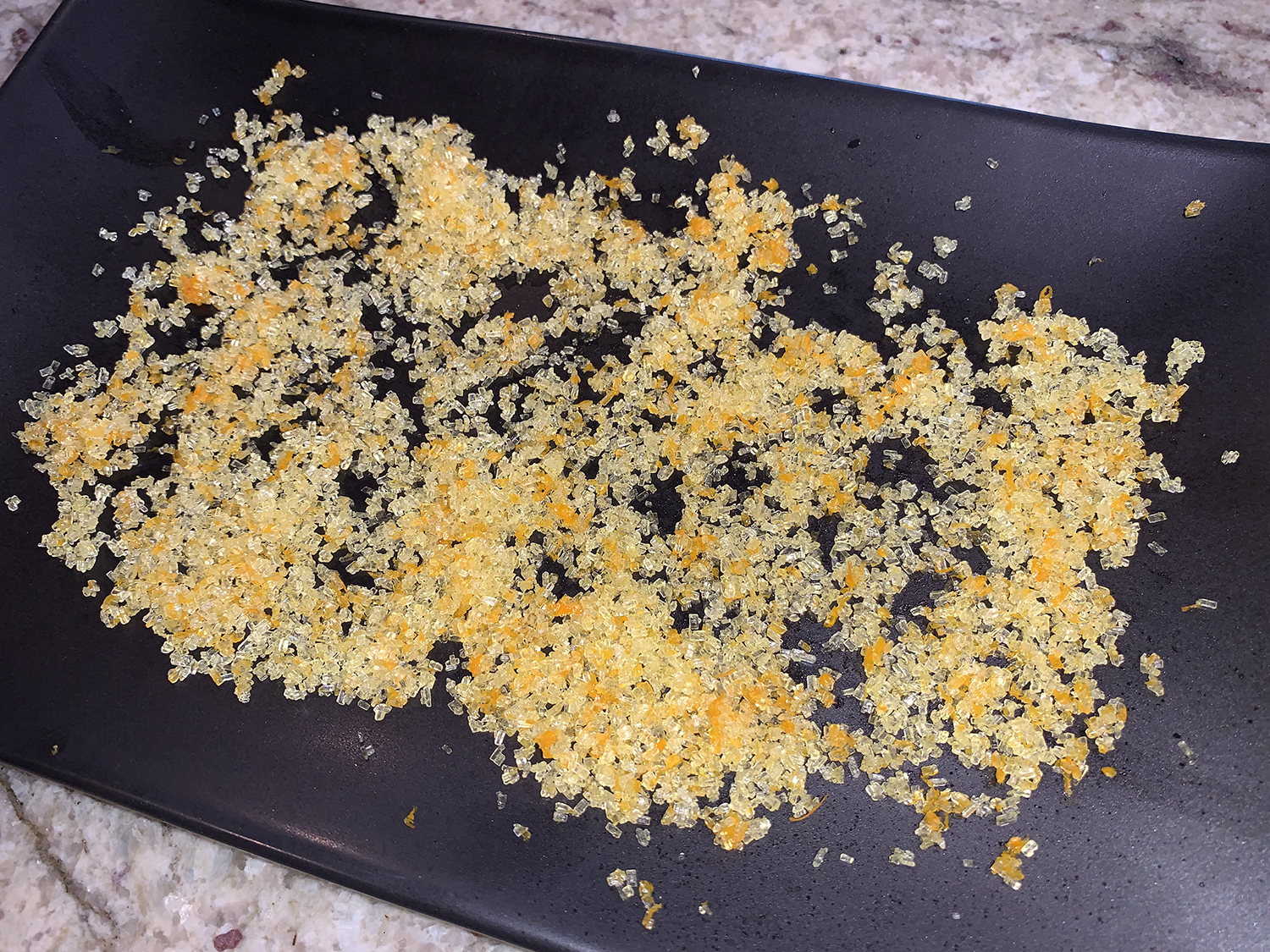
  1. In a small bowl, combine coarse sugar and zest. Use your fingertips to massage zest into sugar until very fragrant. Scatter sugar in a single layer on a plate. Let sit at room temperature (up to overnight), uncovered, to dry while making cookies.
  2. Line 2 baking sheets with parchment paper or nonstick baking mats.
  3. In a large bowl, combine butter, 1 cup confectioners’ sugar and 1 tsp salt. Beat on medium speed 2 minutes or until smooth and fluffy. Turn mixer off; add flour. Beat on low speed 2–3 minutes or until a dry dough forms.
  4. Transfer dough to a piece of parchment paper lightly dusted with flour; press into a ball. Dust dough with flour and top with a second sheet of parchment paper; roll dough to 1⁄4-inch thickness. Remove top piece of parchment paper. Use a 2½-inch round cutter to cut out rounds; place 1½ inches apart on prepared baking sheets. Press dough scraps together into a ball; repeat rolling and cutting process. Freeze cut cookies 20 minutes.
  5. Arrange 2 racks in upper-middle and lower-middle of oven. Preheat oven to 350°F.
  6. Bake both sheets 15–19 minutes, swapping positions halfway through, until tops of cookies are light golden brown. Cool completely on baking sheets.
  7. In a large bowl, whisk remaining 2¼ cups powdered sugar, Campari, vanilla and a pinch of salt until smooth. (If glaze is too thick, add more Campari; if too thin, add more confectioners’ sugar.) Dip tops of cookies in glaze, allowing excess to drip back into bowl. Sprinkle cookies with orange sugar; let set 1 hour. (When glaze is completely dry, cookies can be stored in a single layer up to 1 week in an airtight container.)

http://www.lynnandruss.com

Recipe from the new cookbook Cookies by Jesse Szewczyk

Ginger Roast Chicken and Elbow Macaroni with Tomatoes and Pan Sauce

Chef/author Molly Stevens says of her recipe, “This is what I call a sleeper recipe. At first glance it doesn’t look like much — a whole chicken rubbed with a little fresh ginger, roasted, and served alongside elbow macaroni tossed with diced tomatoes and the roasting juices. Exactly what makes this dish so remarkable is hard to pinpoint, but there’s a wonderful alchemy that occurs when the chicken, ginger, and tomato all come together. It’s comforting, a little exotic, and truly delicious.”

During roasting, the drippings, the wine, and the roasted giblets cook together, creating a savory jus. The chicken also roasts on a rack to encourage the drippings to caramelize a bit as they hit the hot pan, developing even more flavor. It can be made year-round using canned tomatoes; in season, use fresh if you wish.

In the end, the chicken was juicy and delicious! My only criticism was that there were too few tomatoes. Next time, I will double the amount and use two cans of diced. The Hubs thought it was fine as is, but also wouldn’t be adverse to the possibility of additional tomatoes. We completed the meal with a simple side salad.

Plan ahead: For the best flavor, season the chicken 8 to 24 hours ahead of roasting.

Ginger Roast Chicken and Elbow Macaroni with Tomatoes and Pan Sauce

  • Servings: 3-4
  • Difficulty: easy
  • Print

Ingredients

  • 1 Tbsp. plus 2 tsp. peeled and grated fresh ginger, divided
  • 2 Tbsp. extra-virgin olive oil
  • Kosher salt and freshly ground black pepper
  • One 3 1/2- to 4-lb. chicken, preferably with giblets
  • Juice of 1 lemon
  • 3/4 cup dry vermouth or dry white wine
  • 12 oz. dried elbow macaroni
  • 2 to 3 garlic cloves, chopped
  • One 14 1/2-oz. can diced tomatoes, with juices, or 1 scant lb. fresh tomatoes, peeled, seeded, and chopped
  • 1/4 cup chopped fresh basil or flat-leaf parsley, plus sprigs for garnish, if desired

Directions

  1. Season the chicken. In a small bowl, combine 1 tablespoon of the ginger, 2 teaspoons of the olive oil, 1 teaspoon salt, and 3/4 teaspoon pepper.
  2. Over the sink, remove the giblets from the chicken, if there are any (they are usually tucked into the cavity). Reserve all but the liver. (Discard the liver or save it for another use.) Hold the chicken over the drain and let any juice run out. Pat the chicken dry inside and out with paper towels. With your fingers, pull away and discard any large deposits of fat from the neck or body cavity opening. Then, using your fingertips and starting at the cavity opening, gently loosen the skin over the breast and thighs of the chicken. Once the skin is loose, rub about three quarters of the ginger mixture under the skin, over the breast and thighs. Rub the rest inside the cavity. Smear the surface all over with about 1 teaspoon olive oil. Season the breast liberally with more salt and pepper. Tuck the wing tips back so they are secure under the neck bone.
  3. If you are seasoning the bird ahead of time, refrigerate it for at least 8 hours and up to 48 hours, uncovered or lightly covered with plastic wrap. Refrigerate the giblets too, if using. If you are not seasoning that far in advance, let the bird stand at room temperature to allow some of the rub’s flavoring to penetrate; it can safely stay at room temperature for up to 2 hours.
  4. Heat the oven. Position a rack in the center of the oven and heat to 400 degrees (375 degrees convection).
  5. Roast the chicken. If you have giblets, put them in a medium, low-sided roasting pan or gratin or baking dish (about 8 by 12 inches). Set a roasting rack over the giblets and put the chicken breast side up on the rack. Squeeze the lemon juice over the chicken and put it in the oven, with the legs facing the rear wall. After 25 minutes, open the oven door and pour the vermouth or wine over the chicken.
  6. If at any time the liquid in the pan appears to dry up, add 1/4 cup water to the pan. Continue roasting, basting the chicken once or twice by spooning the pan drippings over the breast, until the juices run clear with only a trace of pink when you prick the thigh and an instant-read thermometer inserted in the thickest part of the thigh (without touching bone) registers 170 degrees, another 35 to 55 minutes.
  7. Lift the chicken out of the pan, using a fork or tongs to steady it, and carefully tilt it to pour the juices from the cavity into the roasting pan. Transfer the chicken to a carving board (preferably one with a trough). Discard the giblets, but reserve all the juices in the pan.
  8. Cook the macaroni. About 10 minutes before the chicken is done, bring a large pot of well-salted water to a boil. While the chicken rests, warm a wide, shallow serving dish or bowl big enough for the cooked macaroni; I like to use a 2- to 3-quart gratin or baking dish. A pasta bowl works as well. Cook the macaroni until tender but not mushy, about 7 minutes or according to the package instructions.
  9. Meanwhile, make the sauce. In a medium 10-inch skillet, heat the remaining 1 tablespoon olive oil over medium heat. Add the garlic, the remaining 2 teaspoons ginger, and a pinch of salt. Cook, stirring, until fragrant and just golden, about 1 minute (lower the heat if the garlic threatens to scorch).
  10. Add the tomatoes and their juices and increase the heat to high. Cook, stirring often, evaporating some of the juice, until the tomatoes begin to brown in spots, about 8 minutes. (They won’t get very brown because of the liquid, but you want to see a few caramelized bits.)
  11. Taste for salt and pepper. Remove from the heat and immediately stir in the basil or parsley.

http://www.lynnandruss.com

Recipe from Molly Steven’s cookbook, All About Roasting

Braised Asian-Style Pork Shanks

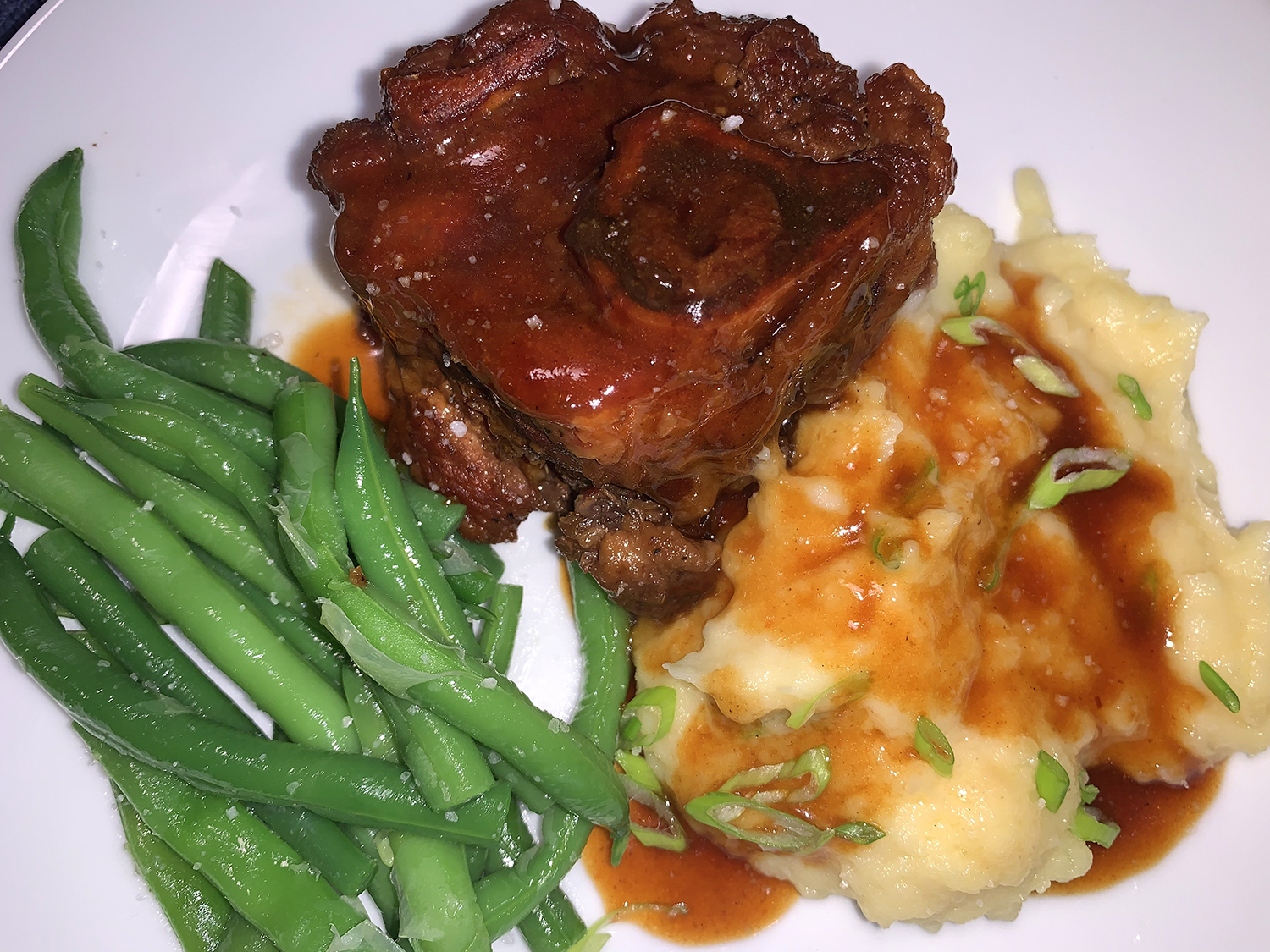
These braised pork shanks could become an ultimate comfort food for us, with the hybridizing of favorite Asian flavors and techniques. It was hard to fathom how they could have gotten any better than when served, but after a rest overnight in the fridge, just WOW!

Paired with fresh green beans from our garden (that were flash frozen until ready to use), and the decadent Garlic-Miso Butter Mashed Potatoes, we were on Cloud Nine! It is a LOT of ingredients, and will take a large chunk of time, so a slow Sunday afternoon during the chilly months is ideal.

While I tended to spud duty, The Hubs started working his magic on the meat. But first, as he analyzed the recipe, he realized there was WAY too much liquid (mirin, soy, sake, vegetable oil, and chicken stock) and brown sugar for the amount of meat, so all got cut in half. When everything was said and done, we still had a cup of reduced sauce leftover, which we decided would be great for a future stir-fry.

Braised Asian-Style Pork Shanks

  • Servings: 6
  • Difficulty: moderate
  • Print

Ingredients

  • 4 lbs. pork shanks
  • 1/2 cup carrot, chopped
  • 1 cup Spanish onions, chopped
  • 1/2 cup celery, chopped
  • 4 oz. ginger root, minced
  • 1/2 cup brown sugar
  • 1 cup mirin
  • 2 cloves garlic, pressed
  • 3/4 cup soy sauce
  • 3/4 cup chicken stock
  • 1 tsp. crushed red pepper
  • 2 cloves star anise
  • 1 cup sake
  • 2 oz. vegetable oil, for searing shanks

Directions

  1. Dredge shanks in flour seasoned with salt and pepper. Heat oil in large Dutch oven and sear pork shanks on all sides, working in batches if necessary.
  2. Discard oil from pan and add onion, celery, carrots and ginger. Caramelize on medium high heat, stirring frequently, for about 8 minutes. Add garlic and sauté briefly, about 2 minutes.
  3. Deglaze pan with sake, then add soy sauce and mirin. Bring to a simmer, then stir in brown sugar. Add red pepper flakes, star anise and chicken stock. Let simmer for 5 minutes.
  4. Return shanks to the pot. Cover and cook in a 300 degree oven for 2 1/2 to 3 hours, turning once halfway through cooking. When shanks are completely tender, remove to platter and tent with foil. Strain liquid into a saucepan pressing on solids to get all of the juices; discard the solids. Return pot to a burner and bring to a boil.
  5. Lower heat to a simmer and reduce until desired thickness. Can thicken broth with a cornstarch slurry if desired. Serve shanks and pass sauce separately.

http://www.lynnandruss.com

Loosely adapted from a recipe by Yardley Inn

Is It Really “Pumpkin” Pie?

Technically, who knows? The FDA can, and has, given the OK for any orange-colored squash to also be labeled pumpkin. So that can of pumpkin you’ve been buying all these years? BINGO, it doesn’t have any actual Halloween pumpkin in it at all! So now let me rock your world…

Scoop that autumnal glop out of a can, even one labeled “100 percent pure pumpkin,” and you just may be cooking up a delicious little lie. Libby’s Pure Pumpkin—the quintessential American canned pumpkin brand—is responsible for 85% of canned pumpkin sold in the world.

Libby’s grows a proprietary strain of tan-skinned Dickinson squash, which looks like a pale, slightly misshapen butternut squash. And although Libby’s does refer to its fruit as “pumpkin,” in appearance, taste, and texture, it more closely resembles squash. In fact, its closest high-profile relative is butternut squash. Who knew?

If it’s a real deal breaker for you, go ahead and make your own pie filling from scratch. Or, you could just pop open a can and accept the fact that if it was good enough for mom, it’s good enough for you…. and that’s exactly what The Hubs did…

He made the pie from scratch, including the crust, and used butternut squash instead of canned pumpkin. According to chef/auther Melissa Clark, “Making your own fresh purée from sweet winter varieties will give you the best possible pumpkin pie, one that’s both ultracreamy and richly flavored. Just don’t be tempted to halve the whole squash and bake it still in the skin. Cutting it into cubes allows for the most evaporation and condensation for the best texture and taste.”

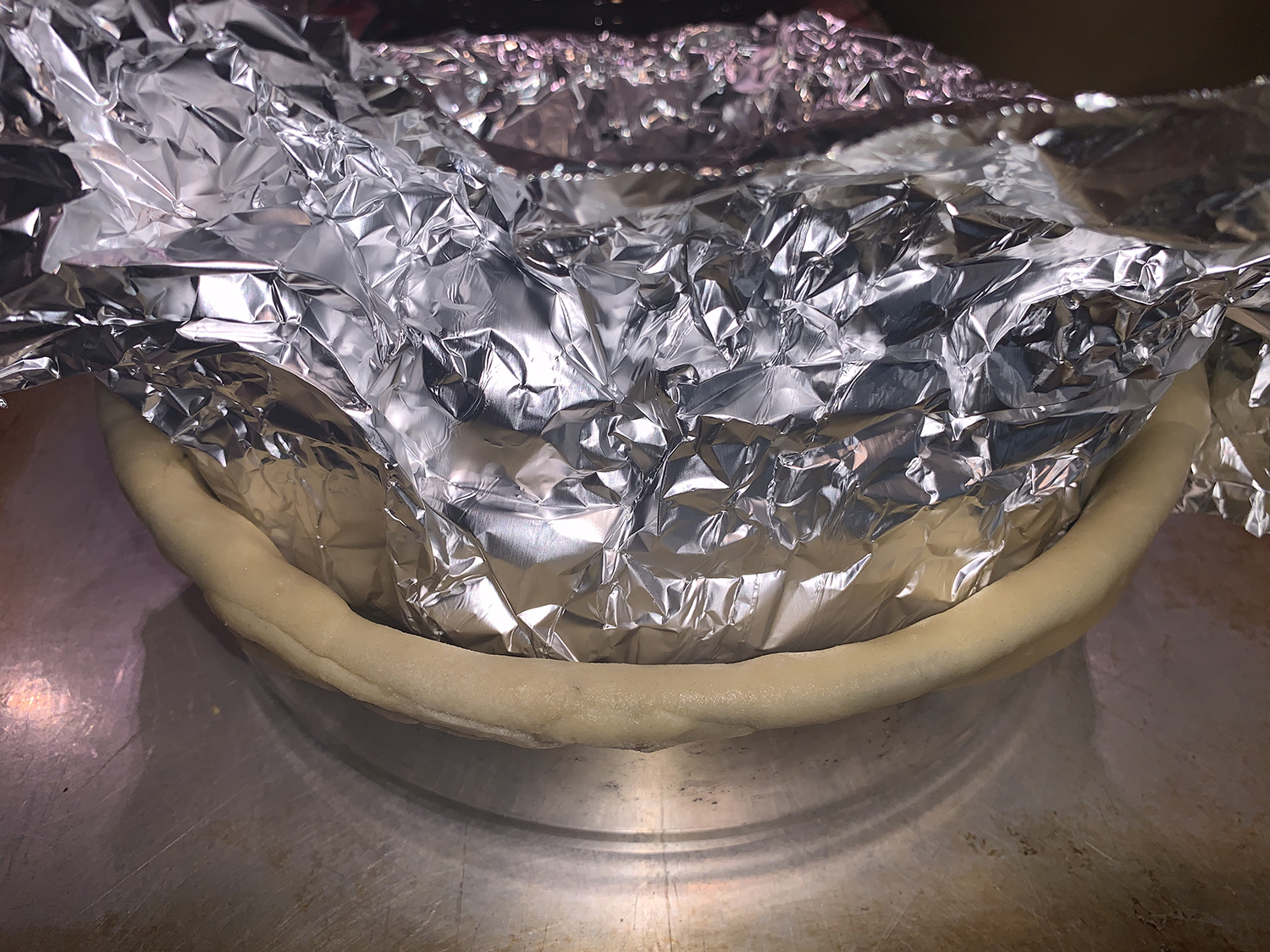
If using a glass or ceramic pie pan, you might want to parbake the crust. Since glass doesn’t conduct heat as well as metal, the crust may not cook through if you don’t parbake.

Let it just be said, I am not a pie person, nor do I ever eat dessert, but I did taste a sliver just to know what I was going to write about. The Hubs claims it was very light and up there with some of the best he’s ever eaten; and while I did like the flavors and creamy texture, I am no pie convert yet…

To make it even more special and really rock your world, why not top it with an extravagant Bourbon Whipped Cream from Cook’s Country? Recipe follows.

The Ultimate Pumpkin Pie

  • Servings: 8
  • Difficulty: easy
  • Print

Ingredients

  • 2 lbs. butternut squash (1 small squash), peeled, seeded and cut into 1 1/2-inch chunks (about 3 cups)
  • 1 cup heavy cream
  • 2 Tbsp. granulated sugar
  • 2 Tbsp. unsalted butter, cut into small pieces
  • All-purpose flour, for rolling out the dough
  • Dough for a single 9-inch pie crust
  • 3 large eggs
  • 2/3 cup light brown sugar
  • 1 1/2 tsp. ground ginger
  • 1 1/2 tsp. ground cinnamon
  • 1/2 tsp. grated nutmeg
  • 1/8 tsp. ground allspice or pinch of ground cloves
  • 1 Tbsp. bourbon or dark rum, or use 1 tsp. pure vanilla extract
  • 1/2 tsp. fine sea salt

Directions

  1. Place two racks in the oven: one in the lower third and one in the upper third. Place a rimmed baking sheet on the lower oven rack and heat oven to 400 degrees.
  2. Line another rimmed baking sheet with parchment paper and spread butternut squash on it. Drizzle squash with 2 tablespoons of the heavy cream, sprinkle with granulated sugar and dot the top with butter. Roast on the upper rack, stirring once or twice, until squash is very tender, 40 to 50 minutes.
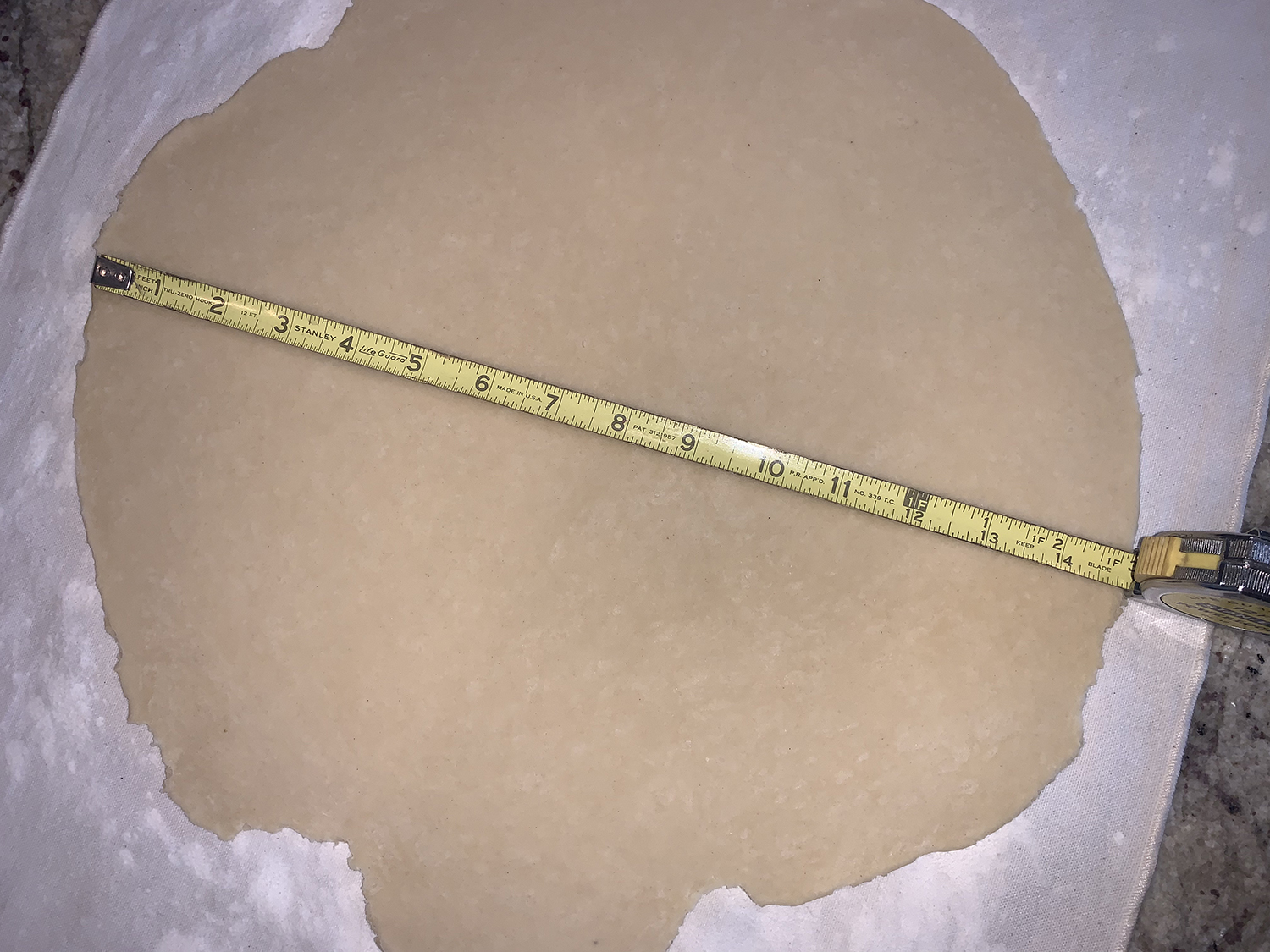
  3. Meanwhile, on a lightly floured surface, roll pie dough into a 12-inch circle. Transfer to a 9-inch metal pie pan. Fold over any excess dough, crimping the edges. Transfer to the freezer for at least 30 minutes and up to 24 hours. (This helps the crust hold its shape so the edges don’t slump.)
  4. When the squash is soft, transfer the pan to a wire rack to cool for at least 10 minutes (and up to a few hours). Raise the oven temperature to 425 degrees.
  5. In a food processor or blender, purée the squash with the remaining cream until smooth. Add eggs, brown sugar, spices, bourbon and salt, and pulse to combine. The mixture should be very smooth.
  6. Pour mixture into the chilled pie shell. Carefully transfer pie to the hot baking sheet on the bottom rack. Bake for 10 minutes, then lower the oven temperature to 300 and continue to bake until the crust is golden and the center jiggles just slightly when shaken, 35 to 45 minutes longer. Transfer pie to a wire cooling rack and allow to cool completely before serving. Pie can be baked up to 24 hours ahead of serving; do not refrigerate before serving.

http://www.lynnandruss.com

Recipe from Melissa Clark

Bourbon Whipped Cream

Keep the heavy cream cold until you start whipping. Confectioners’ sugar produces a more stable whipped cream than granulated sugar.

Bourbon Whipped Cream

  • Servings: Yields 3 cups
  • Difficulty: easy
  • Print

Ingredients

  • 1 ½ cups heavy cream, chilled
  • 2 Tbsp. bourbon
  • 1 ½ Tbsp. confectioners’ sugar
  • ¾ tsp. vanilla extract

Directions

  1. Using stand mixer fitted with whisk, mix all ingredients together on medium-low speed until foamy, about 1 minute.
  2. Increase speed to high and whip until stiff peaks form, 1 to 3 minutes.

http://www.lynnandruss.com

Recipe from Cook’s Country

Birdseed Ornaments

These are great for gifting, even to yourself. Hang them out a window and enjoy the birds that will thank you for a little Christmas treat. I first got the idea from Better Homes & Garden’s recent holiday magazine. However, I made many changes including adding the cayenne to deter squirrels and deer from eating them.

I oiled the inside of each ornament which made them easier to slide out when firm—which takes about 24 hours in a cool zone such as a garage. Trying to poke a hole through each one for hanging purposes, only caused them to crack. Instead, I used a glue gun to adhere raffia to the backs.

Individually wrap in small cellophane bags , if desired.

Birdseed Ornaments

  • Servings: 8-10
  • Difficulty: easy
  • Print

Ingredients

  • 3 cups birdseed
  • 3/4 cup flour
  • 3/4 cup water
  • 6 Tbsp. corn syrup
  • 1-2 Tbsp. cayenne, + more for sprinkling on top

Directions

  1. Mix all of the ingredients together in a large bowl.
  2. Place wax paper on a large rimmed baking sheet, and arrange oiled ornaments on wax paper.
  3. Spoon mixture into ornaments, pressing down with a rubber spatula to even out.
  4. Let dry for 24 hours, preferably in a cool spot like a garage.
  5. When firm, press out the ornaments. Glue-gun looped raffia or twine to the backs for hanging.

http://www.lynnandruss.com

Stir-Fried Chili Garlic Duck Breast

As with most stir-fries, this one is quick and tasty, perfect for a weeknight meal. Originally from EatingWell Magazine, we altered the ingredients by doubling the sauce, and amping up the amount of shiitake mushrooms. And if you’re squeamish about eating duck, go ahead and substitute pork tenderloin, chicken or even beef strips.

Stir-Fried Chili Garlic Duck Breast

  • Servings: 2-3
  • Difficulty: easy
  • Print

Ingredients

  • 2 Tbsp. chili-garlic sauce
  • 2 Tbsp. water
  • 1 Tbsp. rice vinegar
  • 2 tsp. reduced-sodium soy sauce
  • 1 tsp. cornstarch
  • 1 Tbsp. canola oil
  • 8 oz. boneless duck breast, skin removed and cut into 1/4-inch strips
  • 2 cloves garlic, finely chopped
  • 1 Tbsp. finely chopped fresh ginger
  • 1 1/2 cups broccoli florets
  • 1 1/2 cups sliced bok choy
  • 7-8 shiitake mushrooms, cut into 1/4-inch slices
  • Steamed rice, prepared as per package directions

Directions

  1. Prepare steamed rice according to package directions.
  2. Whisk chili-garlic sauce, water, vinegar, soy sauce and cornstarch in a small bowl.
  3. Heat oil in a medium nonstick skillet over medium-high heat until shimmering but not smoking. Cook the duck, in a single layer, stirring once, until beginning to brown, about 3 minutes. Transfer to a plate.
  4. Add garlic and ginger to the pan and cook, stirring constantly, until fragrant, about 30 seconds. Add broccoli and bok choy; cook, stirring, until the broccoli is bright green, about 2 minutes.
  5. Add mushrooms and cook, stirring, until softened, about 1 minute. Add the chili-garlic sauce mixture; cook, stirring often, until the sauce is slightly thickened, about 1 minute.
  6. Return the duck and any accumulated juices to the pan; stir to coat with the sauce. Cook until heated through, about 1 minute.

http://www.lynnandruss.com

`Adapted from a recipe in EatingWell Magazine

Fennel-Steamed Salmon with Warm Olive and Caper Vinaigrette

While we know salmon isn’t a Mediterranean fish, this recipe riff from “Patricia Wells at Home in Provence,” uses high-impact Provençal ingredients which are an ideal match for the rich, meaty fillets. Here, steamed fish sits atop a bed of sliced fennel to add sweet, licorice-like perfume; after cooking, the tender-crisp slices make a delicious accompaniment.

The sharp flavors of the warm olive, caper and lemon vinaigrette complement both fish and fennel. Cook the salmon to medium doneness—that is, until only the center is translucent. For well-done fillets, steam the fish for a couple minutes longer than indicated.

If you prefer white fish over salmon, thick fillets of striped bass or sea bass work well, but increase the steaming time to about 10 minutes. No matter the type of fish you choose, try to select fillets of equal thickness so they cook at the same rate.

Don’t uncover the pot while the fish is steaming, as loss of steam will slow the cooking. Instead, simply set a timer (or tell Alexa to remind you 😉 ). Note to the wise: When opening the pot, angle the lid away from you to avoid a burst of steam to the face.

We chose broccoli rabe as the other side dish. By par-boiling it first, much of the bitterness is eradicated. Once chilled in an ice bath and drained, any extra moisture is wrung out in a clean dish towel. A little garlic, olive oil and red pepper flakes give it a boost of flavor when reheated in a pan.

Fennel-Steamed Salmon with Warm Olive and Caper Vinaigrette

  • Servings: 4
  • Difficulty: easy
  • Print

Ingredients

  • 2 small fennel bulbs (about 1 lb. total), halved, cored and thinly sliced (about 4 cups)
  • 1 tsp. grated lemon zest, plus ¼ cup lemon juice
  • Kosher salt and ground black pepper
  • 4 6-oz. salmon fillets, each about 1 inch thick
  • 6 sprigs dill, plus 1 Tbsp. chopped fresh dill
  • 1 cup pimento-stuffed green olives, roughly chopped
  • ¼ cup drained capers
  • ¼ cup extra-virgin olive oil
  • ¼ tsp. red pepper flakes

Directions

  1. In a medium bowl, toss the fennel with the lemon zest and ¼ teaspoon each salt and black pepper; set aside. Season the salmon all over with salt and pepper.
  2. Place a folding steamer basket in a large Dutch oven. Add enough water to fill the bottom of the pot without submerging the basket. Remove the basket. Cover the pot and bring to a simmer over medium-high.
  3. Line the basket with the fennel. Place the salmon skin down on the fennel, then lay the dill sprigs on the fillets. Turn off the heat under the pot, then set the basket in it. Cover and return to a simmer over medium. Steam until the thickest parts of the fillets reach 115°F to 120°F (for medium doneness), 7 to 9 minutes; the fennel should be tender but not completely soft.
  4. Meanwhile, in a small saucepan over medium, combine the olives, capers, oil and pepper flakes. Cook, stirring, just until sizzling gently, about 2 minutes.
  5. Add the lemon juice and cook, stirring, just until warm, another 1 to 2 minutes. Cover and set aside.
  6. When the salmon is done, remove and discard the dill sprigs. Using a metal spatula, transfer the fennel and fillets, skin down, to a serving platter. Sprinkle with the chopped dill, then spoon on the warm sauce.

http://www.lynnandruss.com

Adapted from a recipe found in Milk Street; original by “Patricia Wells at Home in Provence”

Polenta with Shrimp and Tomatoes

The back story: Polenta e schie, a specialty of Venice, Italy, is polenta topped with tiny local shrimp called schie. The dish typically is a minimalist, sauce-free marriage of corn and crustacean, but Michela Tasca, owner of Ca’ de Memi farm and bed and breakfast in Piombino Dese, just north of Venice, taught Milk Street a version in which the schie are poached in a simple tomato sauce accented with garlic and fresh herbs.

So in this recipe, Milk Street uses the large shrimp available in the U.S. in place of the schie. The polenta is simmered in the oven; the gentle, even heat obviates the need for frequent stirring. This means that while the polenta cooks, you’re free to prep the other ingredients. While this method for making polenta may take longer, it sure is a heck of a lot easier than standing over a hot stove stirring constantly for nearly an hour… Works for me!

TIPS: Be sure to use coarse stoneground cornmeal; fine cornmeal produces gluey polenta, and steel-ground cornmeal lacks flavor. If juicy, ripe tomatoes are not available, look for cocktail or Campari tomatoes, as we find them to be dependably good no matter the season.

Milk Street warns not to begin cooking the shrimp until the polenta is done. In the covered pan or pot, the polenta will remain hot for the short amount of time it takes to cook the shrimp and tomatoes. Don’t worry if the shrimp are only parcooked after their quick sear. They’ll finish cooking when they simmer with the tomatoes for a couple of minutes.

Polenta with Shrimp and Tomatoes

  • Servings: 4-6
  • Difficulty: easy
  • Print

Ingredients

  • 1 cup coarse stoneground yellow cornmeal
  • Kosher salt and ground black pepper
  • 4 Tbsp. extra-virgin olive oil, divided
  • 1½ lbs. extra-large shrimp, peeled (tails removed) and deveined
  • 4 large garlic cloves, 2 finely grated, 2 smashed and peeled, reserved separately
  • 1½ lbs. ripe tomatoes, cored and cut into 1-inch chunks
  • ½ tsp. red pepper flakes
  • ½ cup chopped fresh basil or flat-leaf parsley

Directions

  1. Heat the oven to 375°F with a rack in the lower-middle position.
  2. In a large oven-safe saucepan or small (4- to 5-quart) Dutch oven, combine the cornmeal, 1 teaspoon salt and 5½ cups water, then whisk to combine. Bring to a gentle simmer over medium, stirring often, then place uncovered in the oven and cook for 45 minutes.
  3. Remove from the oven, whisk the polenta, then return, still uncovered, to the oven. Cook until the polenta is thick and creamy, another 15 to 30 minutes.
  4. Remove from the oven, whisk until smooth, cover and let stand for 5 minutes. Taste and season with salt and black pepper, then cover and set aside while you cook the shrimp.
  5. In a medium bowl, stir together 1 tablespoon of oil, the grated garlic and ½ teaspoon salt. Add the shrimp and toss to coat.
  6. In a 12-inch skillet over medium-high, heat the remaining 3 tablespoons oil until shimmering. Add half of the shrimp in a single layer and cook until browned on the bottom, 1 to 2 minutes. Using tongs or a slotted spoon, transfer to a large plate. Cook the remaining shrimp in the same way using the residual oil in the pan.
  7. Set the now-empty skillet over medium, add the smashed garlic and cook, stirring, until fragrant and lightly browned, about 2 minutes.
  8. Add the tomatoes, pepper flakes and ½ teaspoon each salt and black pepper. Cook, stirring occasionally, until the tomatoes begin to soften and release their juices, 2 to 3 minutes.
  9. Stir in the shrimp with accumulated juices and cook, stirring occasionally, until the shrimp are opaque throughout, about 2 minutes. Off heat, remove and discard the garlic cloves and stir in the basil, then taste and season with salt and pepper.
  10. Whisk the polenta to smooth it out, adding water as needed to thin. Divide the polenta among individual bowls, then spoon on the shrimp-tomato mixture.

http://www.lynnandruss.com

Adapted by Rose Hattabaugh for Milk Street

Chicken Tagine with Apricots, Butternut Squash and Spinach

WOW, this tagine from Milk Street has it all! The richness of the dish comes from layers of flavor, not from laborious browning. There is a little heat from the cayenne, sweetness from the apricots and butternut squash, saltiness from the olives, a tad of sour from the citrus, acidity from tomatoes, and a bit of crunch from the pistachios.

Instead of using an actual tagine dish, a large Dutch oven does the trick. A fragrant spice paste seasons the chicken and acts as a base for the stew. While preparing the remaining ingredients, trim, cut and season the chicken first to let it absorb the flavors. Apricots add sweetness and vibrant color, that is balanced by briny green olives. An equal amount of carrots can be substituted for the butternut squash.

Don’t drain the diced tomatoes. Their liquid adds sweetness and acidity to the stew.

No, this is not your typical quick weeknight recipe. Not only does it involve a lot of ingredients, it’ll take close to two hours total from prep through time to eat. But it is sooo worth it! Serve the tagine with couscous, rice or warmed pita bread.

Chicken Tagine with Apricots, Butternut Squash and Spinach

  • Servings: 4
  • Difficulty: easy
  • Print

Ingredients

  • 4 Tbsp. extra-virgin olive oil, divided
  • Kosher salt and ground black pepper
  • 2 tsp. ground cinnamon
  • 2 tsp. ground cumin
  • 2 tsp.s sweet paprika
  • 1 tsp. ground coriander
  • 1/4 tsp. ground cayenne
  • 1½ lbs. boneless, skinless chicken thighs, trimmed and cut into 1½-inch pieces
  • 1 large yellow onion, thinly sliced lengthwise
  • 4 garlic cloves, peeled and smashed
  • 4 tsp. grated fresh ginger
  • 2½ cups low-sodium chicken broth
  • 1 14-oz. can diced tomatoes
  • 3/4 cup dried apricots, quartered
  • 8 oz. peeled butternut squash, cut into ¾-inch cubes (about 2 cups)
  • 1 cup cracked Greek green olives, pitted and halved
  • 1 cup chopped fresh cilantro, divided
  • 1/4 cup pistachios, toasted and chopped
  • 2 tsp. grated lemon zest, plus 3 Tbsp. lemon juice (1 to 2 lemons)
  • 4 oz. baby spinach (about 4 cups)

Directions

  1. In a small bowl, stir together 2 tablespoons of the oil, 2½ teaspoons salt, ½ teaspoon black pepper, the cinnamon, cumin, paprika, coriander and cayenne.
  2. In a medium bowl, toss the chicken with half the paste, rubbing the meat to coat evenly; set aside.
  3. In a large Dutch oven over medium-high, combine the onion, garlic, remaining 2 tablespoons of oil and ¼ teaspoon salt. Cook until the onion is browned and softened, 7 to 9 minutes.
  4. Add the ginger and remaining spice paste and cook, stirring constantly, for 1 minute.
  5. Add the broth, tomatoes and apricots and bring to a boil, scraping up any browned bits.
  6. Add the chicken, return to a boil, then reduce heat to medium-low and simmer for 10 minutes.
  7. Add the squash and olives, return to a simmer and cook, partially covered, until the liquid has thickened and the squash is tender, 20 to 25 minutes, stirring occasionally and adjusting the heat to maintain a medium simmer.
  8. Meanwhile, in a medium bowl, stir together ½ cup of the cilantro, the pistachios and lemon zest. Stir the spinach into the stew and cook until wilted, 1 to 2 minutes.
  9. Stir in the remaining ½ cup of cilantro and the lemon juice, then taste and season with salt, pepper and more lemon juice, if necessary.
  10. Serve topped with the cilantro-pistachio mixture.

http://www.lynnandruss.com

Recipe by Elizabeth Germain for Milk Street

Egyptian Hawawshi

An Egyptian street food, hawawshi (pronounced ha-WOW-shi) is a riff on the hamburger, if you will. It is basically dough (or pita in this case) stuffed with a mixture of ground meat—lamb or beef—that is seasoned with tantalizing warm spices, onions, garlic, hot peppers and fresh herbs.

There are three components to making these hawawshi patty sandwiches: the seasonings, the meat mixture, and pita pockets—we used the multi-grain variety. This satisfying sandwich is typically served hot without much else to accompany it, although we both felt it needed a sauce of some sort, such as tahini or tzatziki, neither of which we had. Instead, we made a quick mixture of mayo and Sriracha and spread it in the pocket. And it’s never a bad idea to add a side salad…

Since the original recipe (shown below) made 12 sandwiches, we cut it in half, which also gave us a few leftover for lunches.

Egyptian Hawawshi

  • Servings: 12 pockets
  • Difficulty: easy
  • Print

Ingredients

  • 1 large yellow onion quartered
  • 2 garlic cloves
  • 1 green bell pepper, cored and cut into large chunks
  • 1 jalapeno, halved and seeded (leave some of the seed if you like heat)
  • ½ oz. fresh parsley stems, trimmed
  • 2 lbs. lean ground lamb or beef
  • 3 Tbsp. tomato paste
  • Kosher salt
  • Extra virgin olive oil
  • 6 pita pockets

For the Hawawshi Seasoning (Spice Mixture)

  • 1 tsp. coriander
  • 1 tsp. allspice
  • 1 tsp. paprika
  • 1 tsp. black pepper
  • ½ tsp. cumin
  • ¾ tsp. cardamom
  • ¼ tsp. cinnamon

Directions

  1. Heat the oven to 400 degrees F.
  2. In a small bowl, add the spices and mix to combine.
  3. Put the onion, garlic, bell pepper, jalapeno, and parsley in the bowl of a food processor fitted with a blade, pulse a few times until finely chopped. Transfer the mixture to a sieve to drain excess liquid (it helps to push with the back of a spoon).
  4. Transfer the onion mixture to a large mixing bowl. Add the ground beef and tomato paste. Mix to combine. Add the spice mixture and a dash of kosher salt. Mix again until the mixture is well combined and the spices are well distributed within the meat mixture.
  5. Cut the pita loafs in halves to create 12 pita pockets.
  6. Prepare a large sheet pan brushed with a bit of extra virgin olive oil.
  7. Stuff each pita pocket with ⅓ cup of the meat mixture. Using the back of a spoon, spread the meat mixture inside the pita pockets.
  8. Arrange the pitas in the prepared sheet pan. Brush the pita pocket tops with a bit of extra virgin olive oil.
  9. Bake in the heated oven for 15, then carefully turn the pitas over and cook on the other side another 5 to 10 minutes until the meat is fully cooked and the pita is crispy on both sides.

http://www.lynnandruss.com

Adapted from a recipe by Suzy Karadsheh