Tag Archives: rigatoni

Seafood Pasta with Tomato and Crushed Olives

Think of this as a weeknight fish stew with pasta rather than a seafood pasta. It’s highly customizable: You can use whatever seafood you like, including but not limited to shellfish, like mussels, clams or shrimp, and firm-fleshed white fish, such as cod, halibut or flounder.

Since one of our diners did not eat clams, we doubled the amount of shrimp. If you do omit the clams, use some clam broth along with the water* in Step 3 to help flavor the overall broth. Seafood stock would also be another good option.

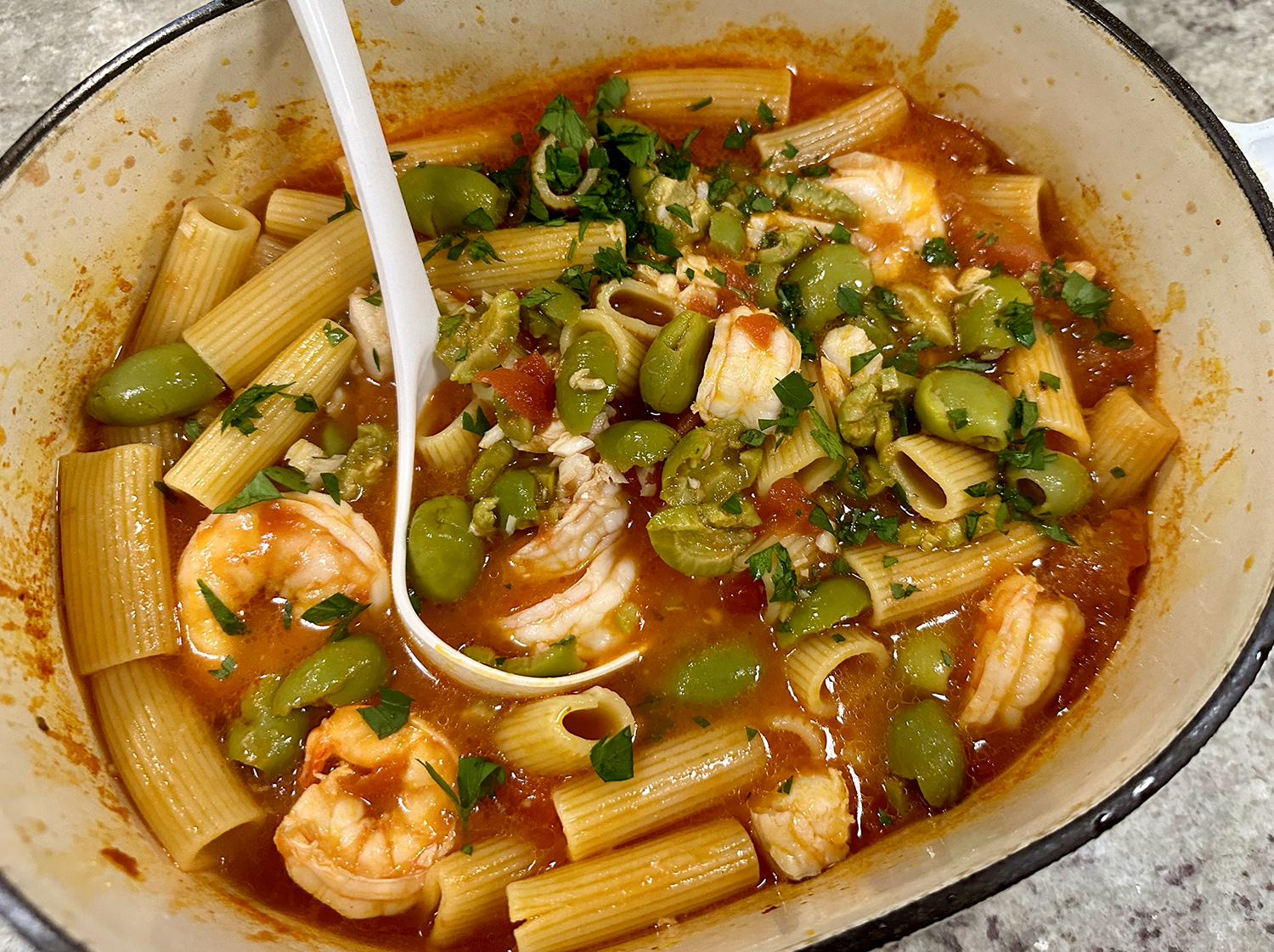
The trick is to make sure the garlicky tomatoes are brothy enough to gently poach the seafood (which then further flavors the sauce), yet thick enough to coat each tube of pasta. Finished with briny olives and a smattering of fresh parsley, it’s best eaten with a spoon and lots of thick-cut toast for sopping up all the luscious goodness.

Seafood Pasta With Tomato and Crushed Olives

  • Servings: 4
  • Difficulty: easy
  • Print

Ingredients

  • 8 oz. rigatoni or another tube-shaped pasta
  • Kosher salt
  • 3 Tbsp. olive oil, plus more for drizzling
  • 4 garlic cloves, sliced
  • Pinch of red-pepper flakes (optional)
  • 1 (28-oz.) can whole San Marzano tomatoes, crushed by hand
  • ½ lb. mussels or clams (optional)
  • 1 lb. firm-fleshed white fish, such as cod, halibut, swordfish, hake or flounder, cut into 2-inch pieces
  • ½ lb. shrimp, peeled and deveined if you like
  • ¾ cup Castelvetrano or other green olives, pitted and crushed
  • ½ cup parsley, tender leaves and stems, chopped

Directions

  1. Cook pasta in a large pot of boiling salted water. Once it reaches al dente, drain and set aside while you finish the sauce.
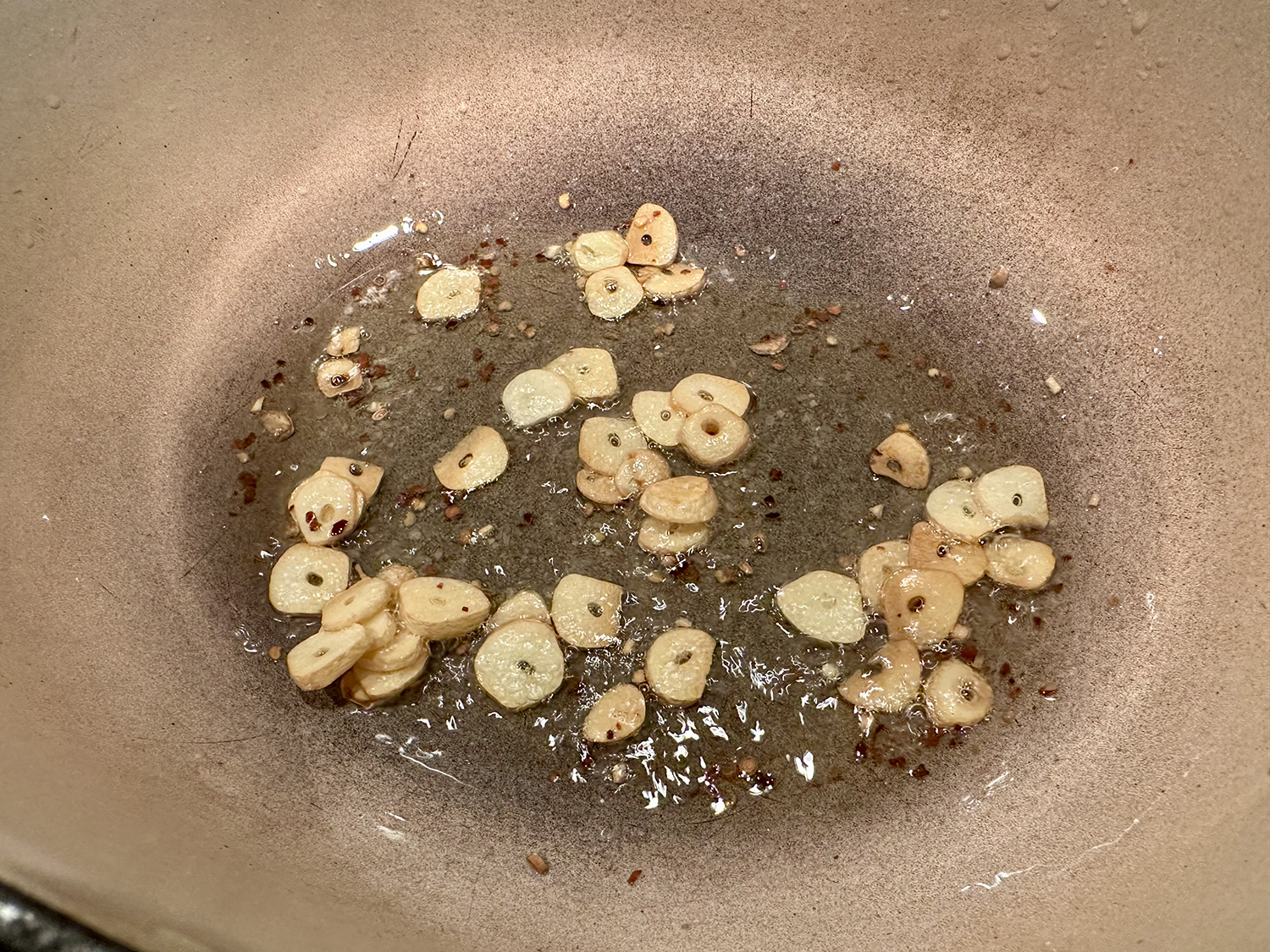
  2. Meanwhile, heat olive oil in a heavy-bottomed Dutch oven over medium heat. Add garlic and season with salt. Cook, stirring occasionally, until garlic is lightly browned and toasted around the edges, about 2 minutes. Add red-pepper flakes, if using.
  3. Add tomatoes and then fill the empty can about ¾ of the way up with water*. Swirl the can to loosen the tomatoey bits left behind and add that to the pot. Season with salt, bring to a simmer and cook, stirring occasionally, until sauce has thickened slightly (it should still look quite brothy), 10 to 15 minutes.
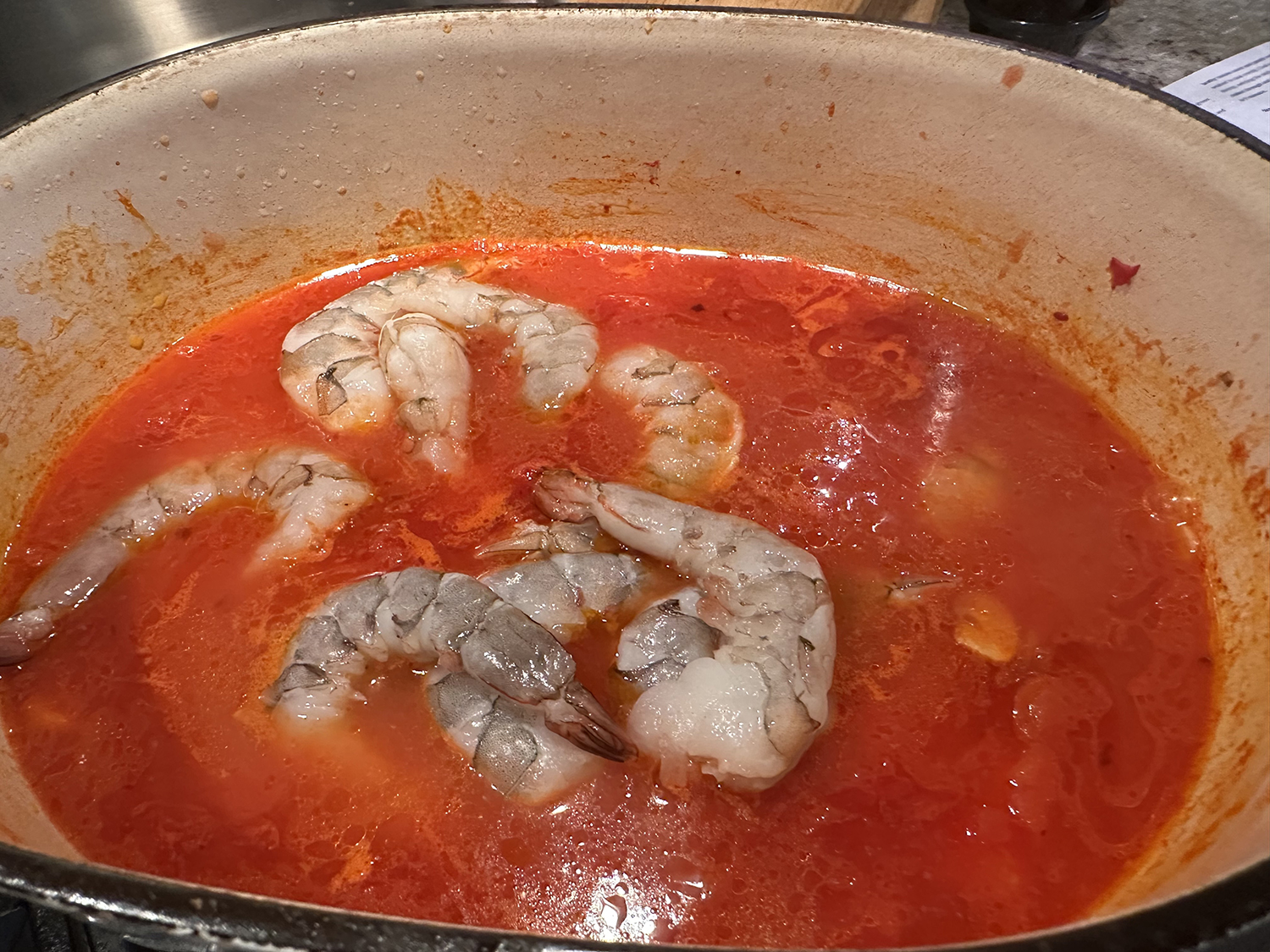
  4. Add the mussels or clams to the sauce, if using, along with the fish, and season again with salt. Let the seafood settle into the brothy tomato sauce and gently swirl the pot, encouraging the seafood to cook evenly. Cook a minute or two, then add the shrimp, swirling the skillet again. Cook until all the seafood is just cooked through and the mussels or clams have opened, another 3 to 5 minutes.
  5. Add the pasta and very gently toss to coat, cooking another 1 to 2 minutes, just to let the flavors meld. Add olives and remove from heat.
  6. Divide among bowls, top with parsley and drizzle with olive oil before serving.

http://www.lynnandruss.com

Recipe from Alison Roman for NYTimes Cooking

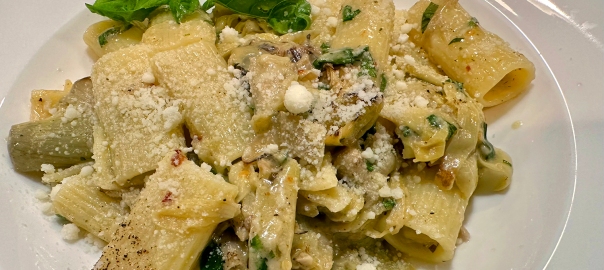
Rigatoni with Artichokes, Basil and Pecorino

Akin to the dish of pasta fresca con carciofi e pecorino from Bari, Italy, Milk Street formulated this easy adaptation. It is a great weeknight meal with flavors that are bright and fresh, and the prep is a breeze (chopping the basil is as arduous as it gets here).

Be sure to purchase jarred marinated artichoke hearts—they offer much more flavor than canned or frozen. You will need three 12-ounce jars to get the 3 cups drained artichokes called for. The hearts usually are halved or quartered; there’s no need to chop them after draining, as they will break apart during cooking.

When draining the artichoke hearts, you may want to use the delicious seasoned oil from the jar in place of at least some of the olive oil.

Served with a side salad, it is a quick, healthy-ish weeknight meal.

Rigatoni with Artichokes, Basil and Pecorino

  • Servings: 4-6
  • Difficulty: easy
  • Print

Ingredients

  • 1 lb. Rigatoni
  • Kosher salt and ground black pepper
  • ¼ cup extra-virgin olive oil
  • 3 cups drained oil-marinated artichoke hearts, patted dry
  • 4 medium garlic cloves, finely grated
  • ½ tsp. red pepper flakes
  • 2 oz. pecorino Romano cheese, finely grated (1 cup)
  • 1 Tbsp. grated lemon zest, plus 2 Tbsp. lemon juice
  • 1 cup lightly packed fresh basil, chopped
  • 3 Tbsp. salted butter, cut into 3 pieces

Directions

  1. In a large Dutch oven, bring 4 quarts water to a boil. Stir in the pasta and 1 tablespoon salt, then cook, stirring occasionally, until just shy of al dente. Reserve about 2 cups of the cooking water, then drain the pasta.
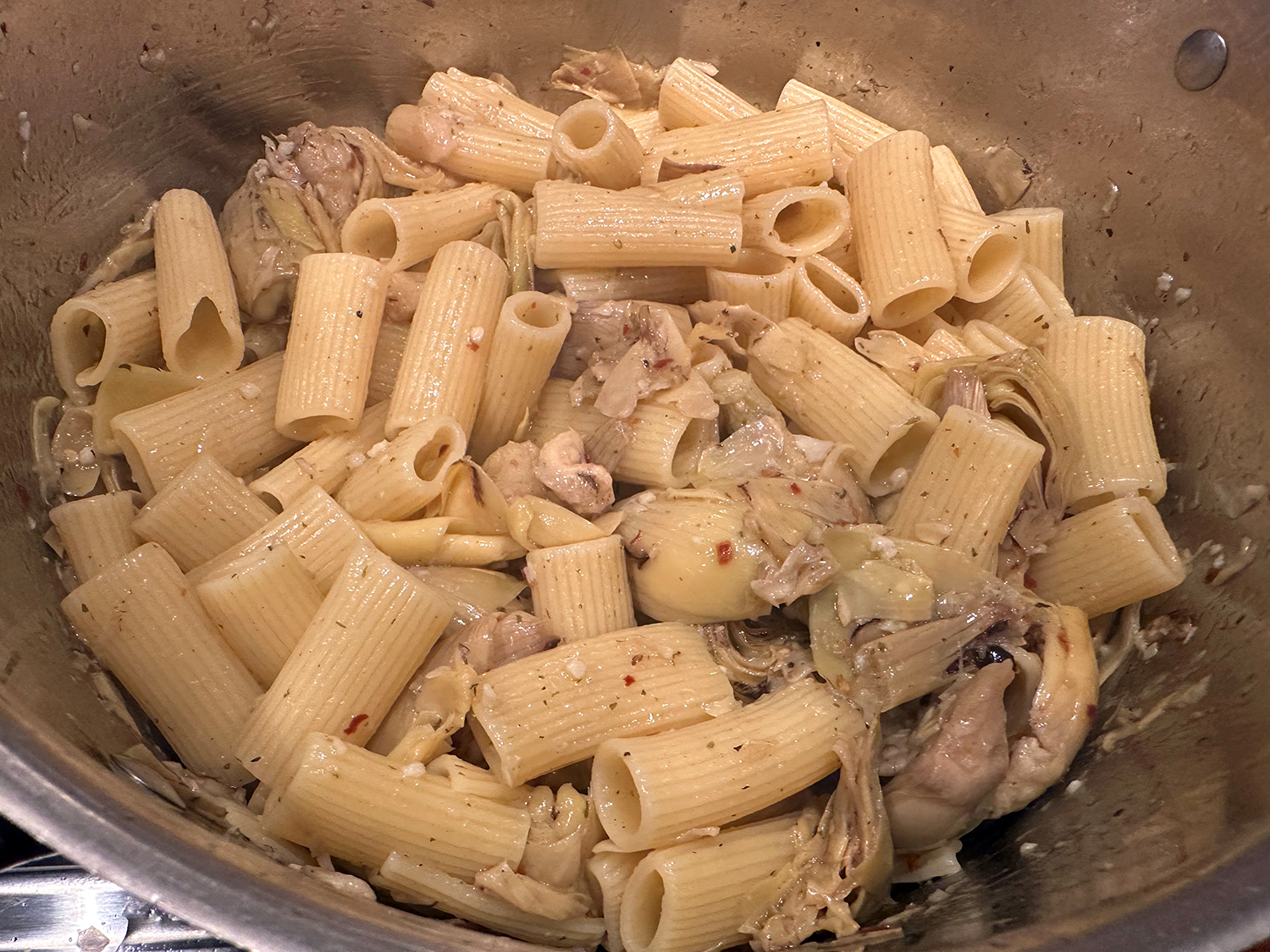
  2. Wipe out the pot, add the oil and heat over medium-high until shimmering. Add the artichokes and cook, stirring, until well browned, 5 to 7 minutes.
  3. Add the garlic and pepper flakes, then cook, stirring, until fragrant, about 30 seconds. Return the pasta to the pot, along with 1½ cups of the reserved pasta water. Cook, uncovered and stirring often, until the pasta is al dente and little liquid remains, 3 to 5 minutes.
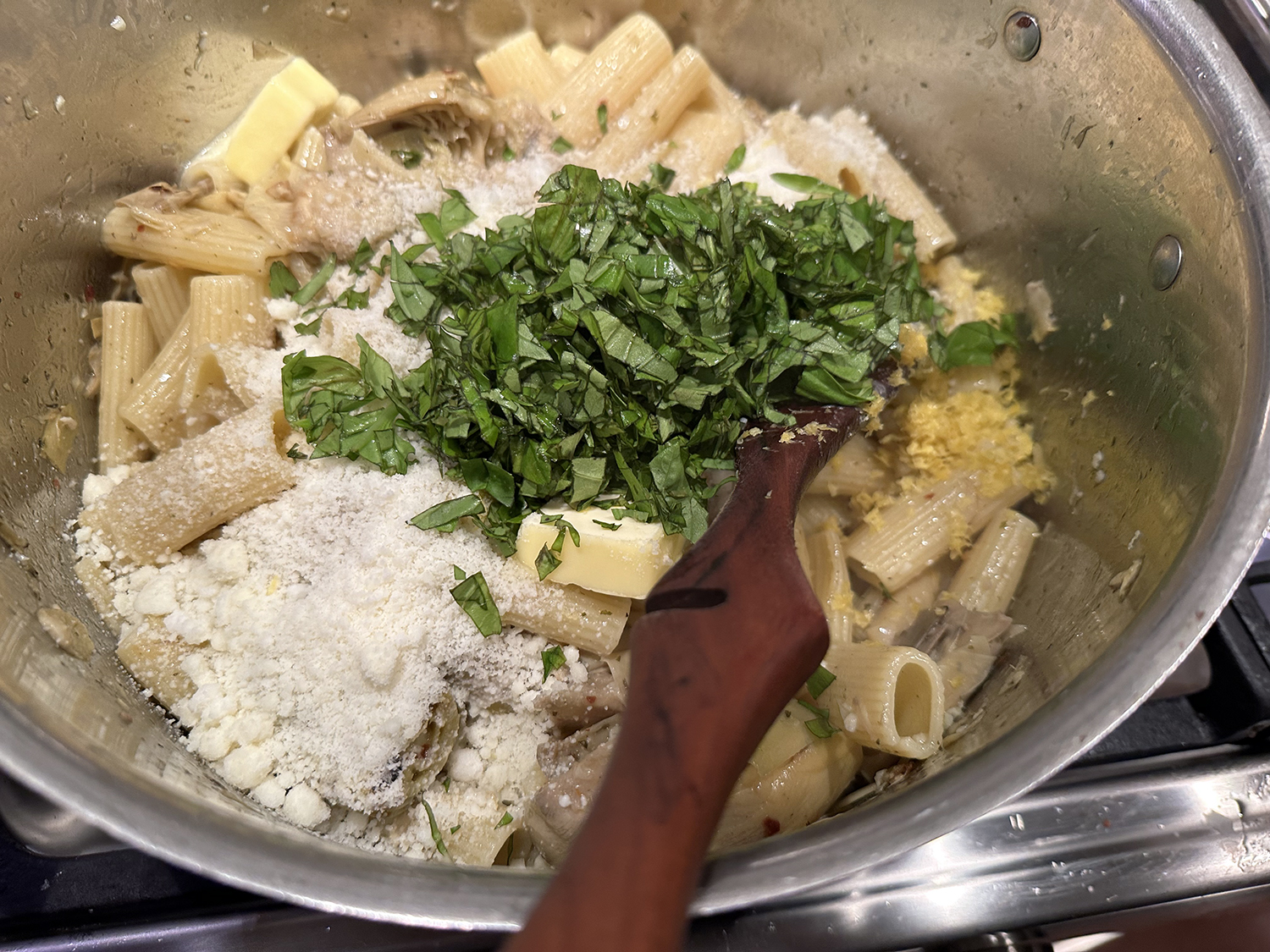
  4. Remove from the heat. Add the pecorino, lemon zest and juice, basil and butter, then stir until the butter is melted. Stir in additional pasta water 1 tablespoon at a time until slightly saucy. Taste and season with salt and pepper.

http://www.lynnandruss.com

Recipe by Diane Unger for Milk Street
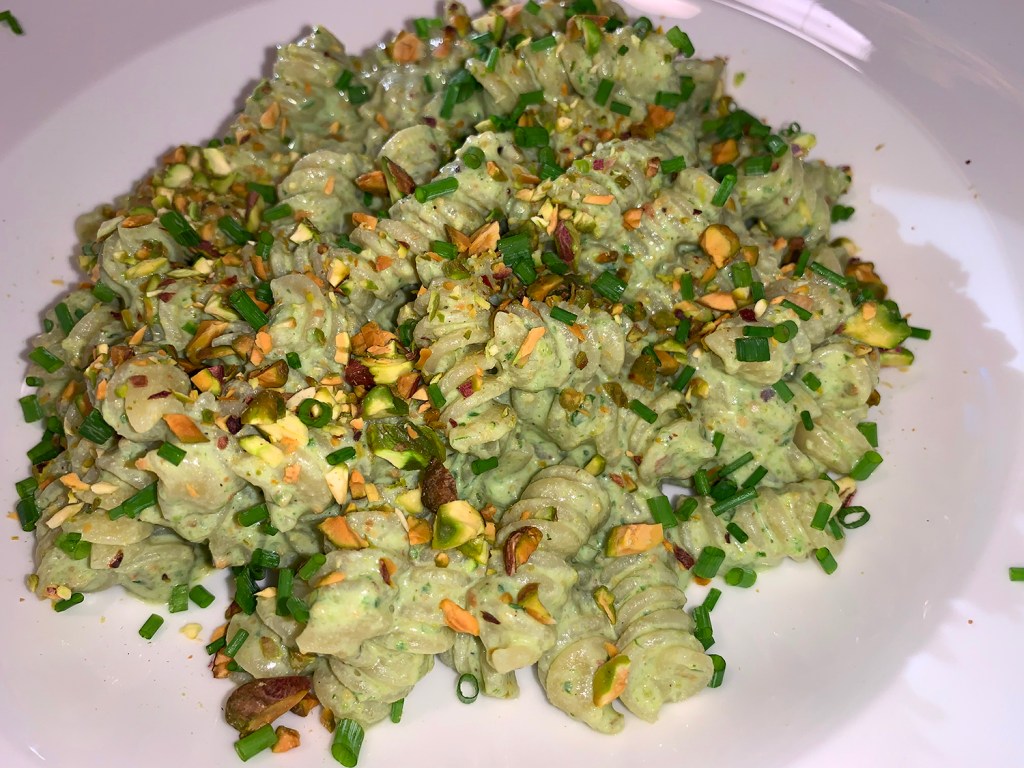
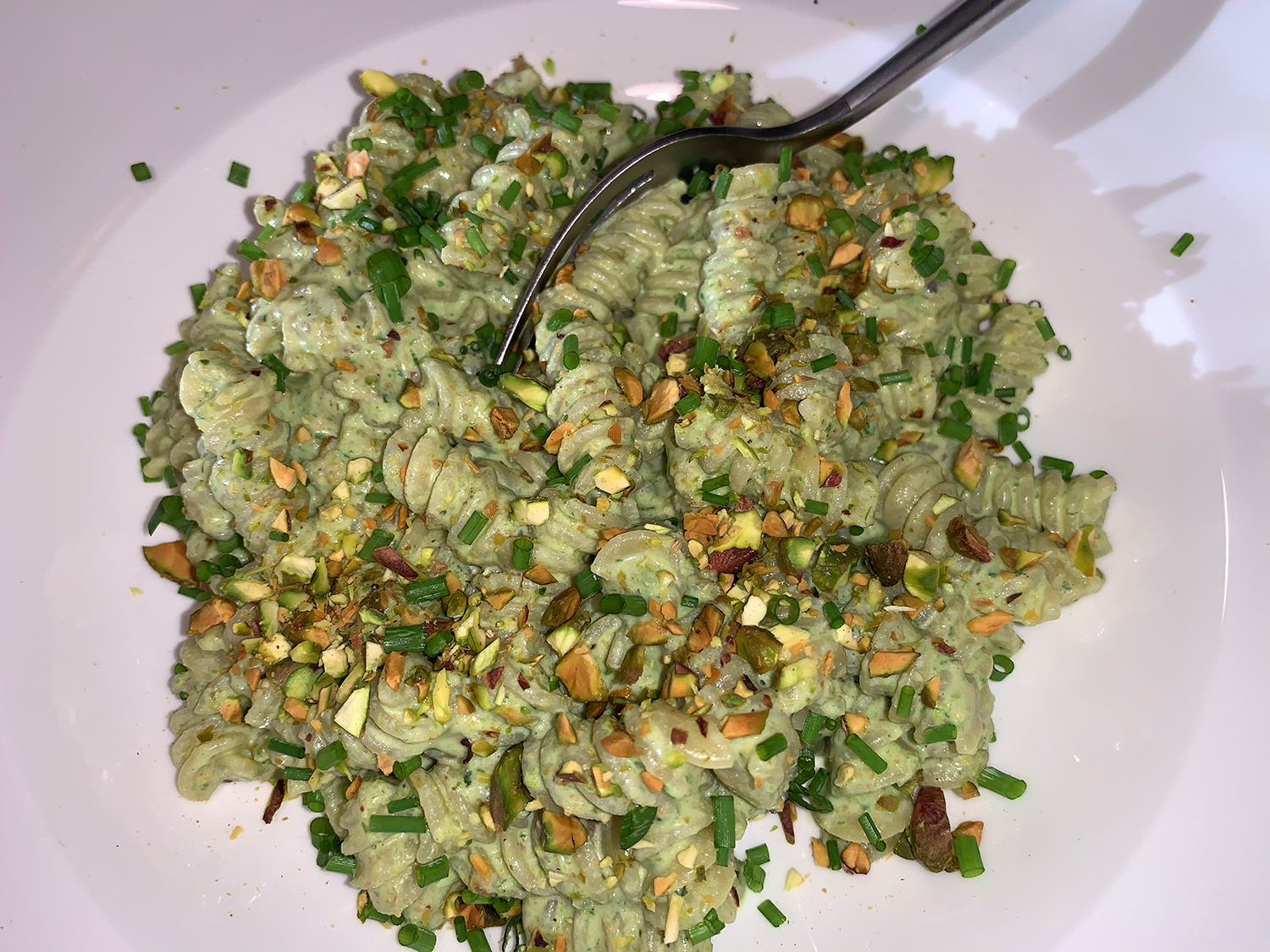
Rotini with Pistachio, Ricotta and Herb Pesto

Pistachios are a borderline addiction for me (although I’m usually not picky when it comes to nuts of any sort). In fact, whenever we stop at Costco’s, it’s pretty likely we’ll pick up a 1.5-pound bag of the shelled, roasted/salted variety.

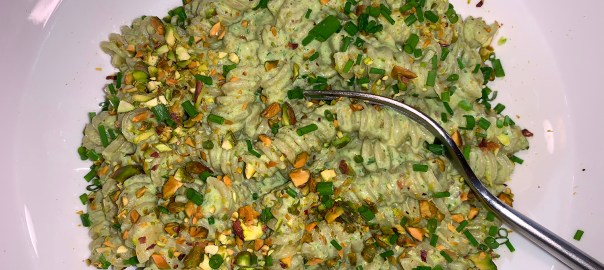
Did you know Sicily is famous for its pistachios, as well as for ricotta cheese? In this recipe, Milk Street blends the two, along with fresh basil and chives, to create a simple pesto to toss with al dente pasta.

There’s no need to grate the Parmesan—simply cut it into chunks and toss the pieces into the blender. The pesto is good on a wide variety of pasta shapes, but the hollow centers and surface ridges of rigatoni do a particularly good job of gripping the rich, creamy sauce. We used rotini whose spirals also made an easy job of grasping that sauce.

Milk Street advises NOT to use toasted or roasted pistachios because they claim, in this case, raw pistachios are best. Their bright color and natural sweetness lend a vibrant, full-flavored pesto. Well, as I mentioned, we had the roasted salted pistachios and went ahead and used them.

Now don’t forget to reserve some of the pasta water before draining the pasta. You’ll need some of the starchy seasoned liquid to thin out the pesto.

Rigatoni with Pistachio, Ricotta and Herb Pesto

  • Servings: 4
  • Difficulty: easy
  • Print

Ingredients

  • 1 lb. rigatoni or rotini
  • Kosher salt and ground black pepper
  • 1â…“ cups whole-milk ricotta cheese
  • ¾ cup raw pistachios, plus 2 Tbsp. finely chopped pistachios
  • 2 Tbsp. extra-virgin olive oil, plus more to serve
  • 2 oz. Parmesan cheese (without rind), cut into 4 or 5 pieces
  • ½ cup lightly packed fresh basil
  • ¼ cup roughly chopped fresh chives

Directions

  1. In a large pot, bring 4 quarts water to boil. Stir in the pasta and 1 tablespoon salt, then cook, stirring occasionally, until al dente. Reserve 1½ cups of the cooking water, then drain the pasta and return it to the pot.
  2. In a blender, combine the ricotta, the whole pistachios, oil, Parmesan, basil, chives, ½ teaspoon salt and ¼ teaspoon pepper. Add 1 cup of the reserved pasta water and blend until creamy, about 1 minute; the pesto should have a consistency similar to yogurt.
  3. Pour the pesto over the pasta and stir, adding more reserved pasta water as needed so the sauce coats the noodles. Taste and season with salt and pepper. Serve drizzled with additional oil and sprinkled with the chopped pistachios.

http://www.lynnandruss.com

Adapted from a recipe from Rebecca Richmond for Milk Street
Rigatoni with Artichokes, Basil and Pecorino

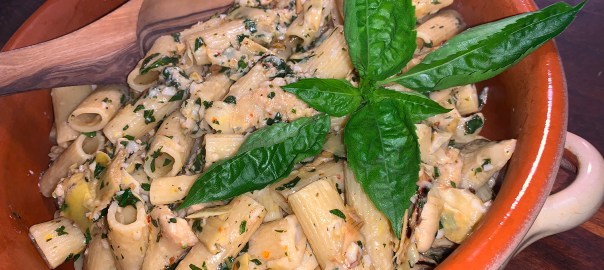
Fresh basil, I like that this pasta recipe uses a lot of it. At the time we made the entrée, our garden was brimming with the herb, one of my all-time faves. Freshly picked, the aroma alone titillates the senses.

This recipe is Milk Street’s weeknight adaptation of the pasta fresca con carciofi e pecorino. The flavors are bright and fresh, and the prep is a breeze (chopping the basil is as arduous as it gets here). In 30 minutes or so, you have a tasty and filling entrée that’s sure to please.

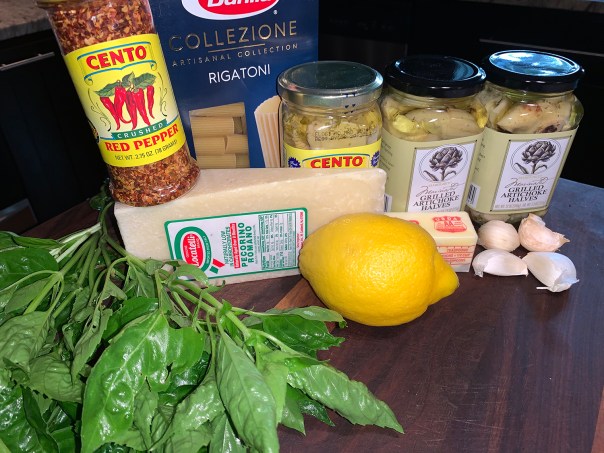
As per Milk Street’s instructions, be sure to purchase jarred marinated artichoke hearts—they offer much more flavor than canned or frozen. You will need three 12-ounce jars to get the 3 cups drained artichokes called for. The hearts usually are halved or quartered; there’s no need to chop them after draining, as they will break apart during cooking.

About those artichokes, if you happen to have jars marinating in mostly oil, go ahead and use that in place of the additional EVOO listed in the ingredients. Trader Joe’s fits that bill, while Cento for example has too much vinegar in the mix.

Our box of rigatoni was only 12 ounces as opposed to the 1 pound called for, which we thought made for a better pasta-to-artichoke ratio, and still provided 4 full servings.

Don’t forget to save 2 cups of the cooking water before draining the rigatoni. You will need the starchy seasoned water to create a sauce that lightly coats and marries the artichokes and pasta.

Rigatoni with Artichokes, Basil and Pecorino

  • Servings: 4-6
  • Difficulty: easy
  • Print

Ingredients

  • 1 lb. rigatoni (we only used 12 oz.)
  • Kosher salt and ground black pepper
  • ¼ cup extra-virgin olive oil (or use the oil from the jarred artichokes)
  • 3 cups drained oil-marinated artichoke hearts, patted dry
  • 4 medium garlic cloves, finely grated
  • ½ tsp. red pepper flakes
  • 2 oz. pecorino romano cheese, finely grated (1 cup)
  • 1 Tbsp. grated lemon zest, plus 2 tablespoons lemon juice
  • 1 cup lightly packed fresh basil, chopped
  • 3 Tbsp. salted butter, cut into 3 pieces

Directions

  1. In a large Dutch oven, bring 4 quarts water to a boil. Stir in the pasta and 1 tablespoon salt, then cook, stirring occasionally, until just shy of al dente. Reserve about 2 cups of the cooking water, then drain the pasta.
  2. Wipe out the pot, add the oil and heat over medium-high until shimmering. Add the artichokes and cook, stirring, until well browned, 5 to 7 minutes. (Ours took 9 minutes.)
  3. Add the garlic and pepper flakes, then cook, stirring, until fragrant, about 30 seconds. Return the pasta to the pot, along with 1½ cups of the reserved pasta water. Cook, uncovered and stirring often, until the pasta is al dente and little liquid remains, 3 to 5 minutes.
  4. Remove from the heat. Add the pecorino, lemon zest and juice, basil and butter, then stir until the butter is melted.
  5. Stir in additional pasta water 1 tablespoon at a time until slightly saucy. Taste and season with salt and pepper.

http://www.lynnandruss.com

Adapted from a recipe by Diane Unger from Milk Street