Tag Archives: braise dish

Veal Shanks Braised with Honey and Rosemary

According to chef/author Molly Stevens‘ cookbook “All About Braising” where this fabulous recipe hails from, veal has an inherent sweetness that really comes to the fore when it is braised with a bit of honey. Not too sweet, just a hint.
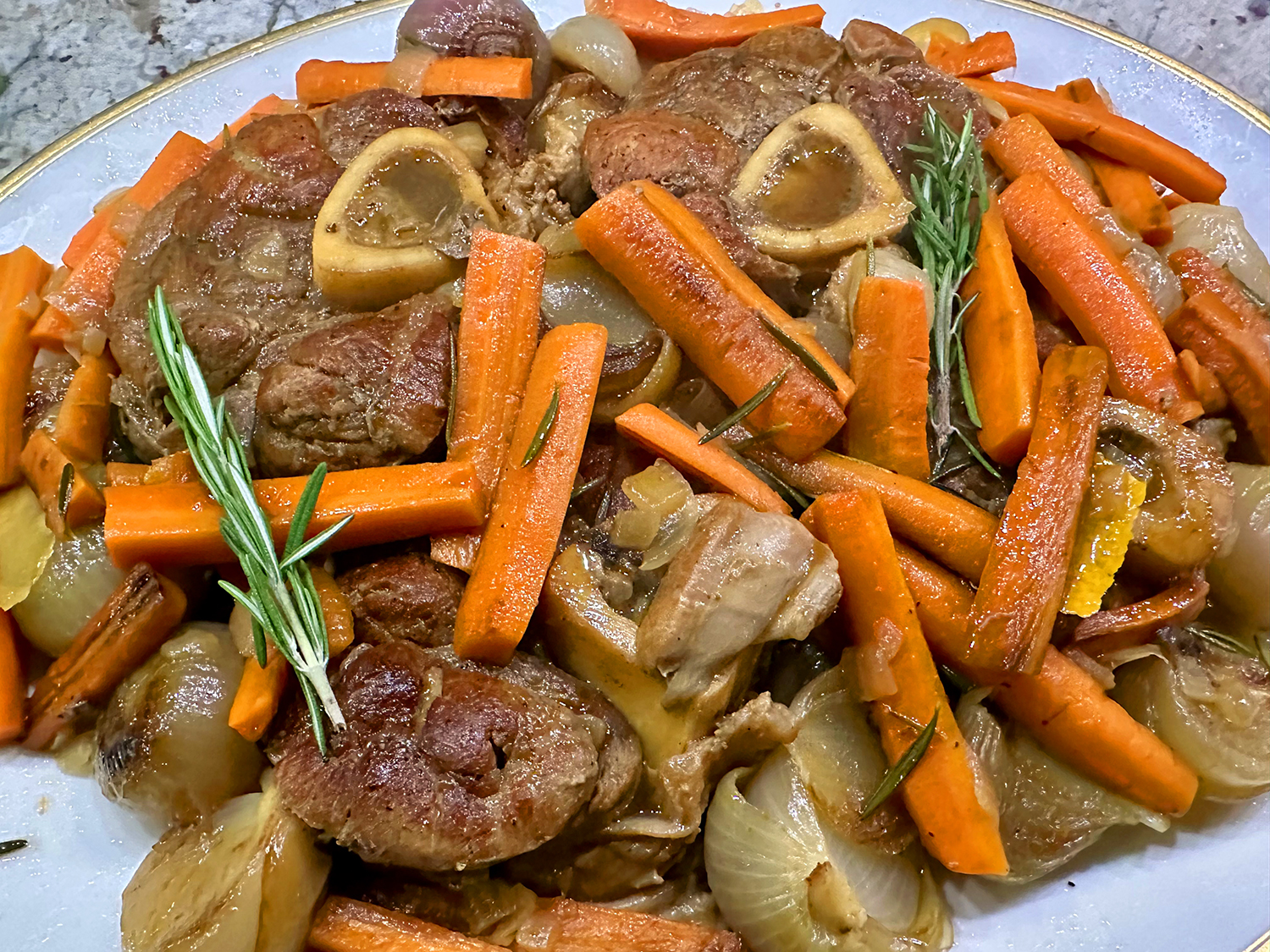
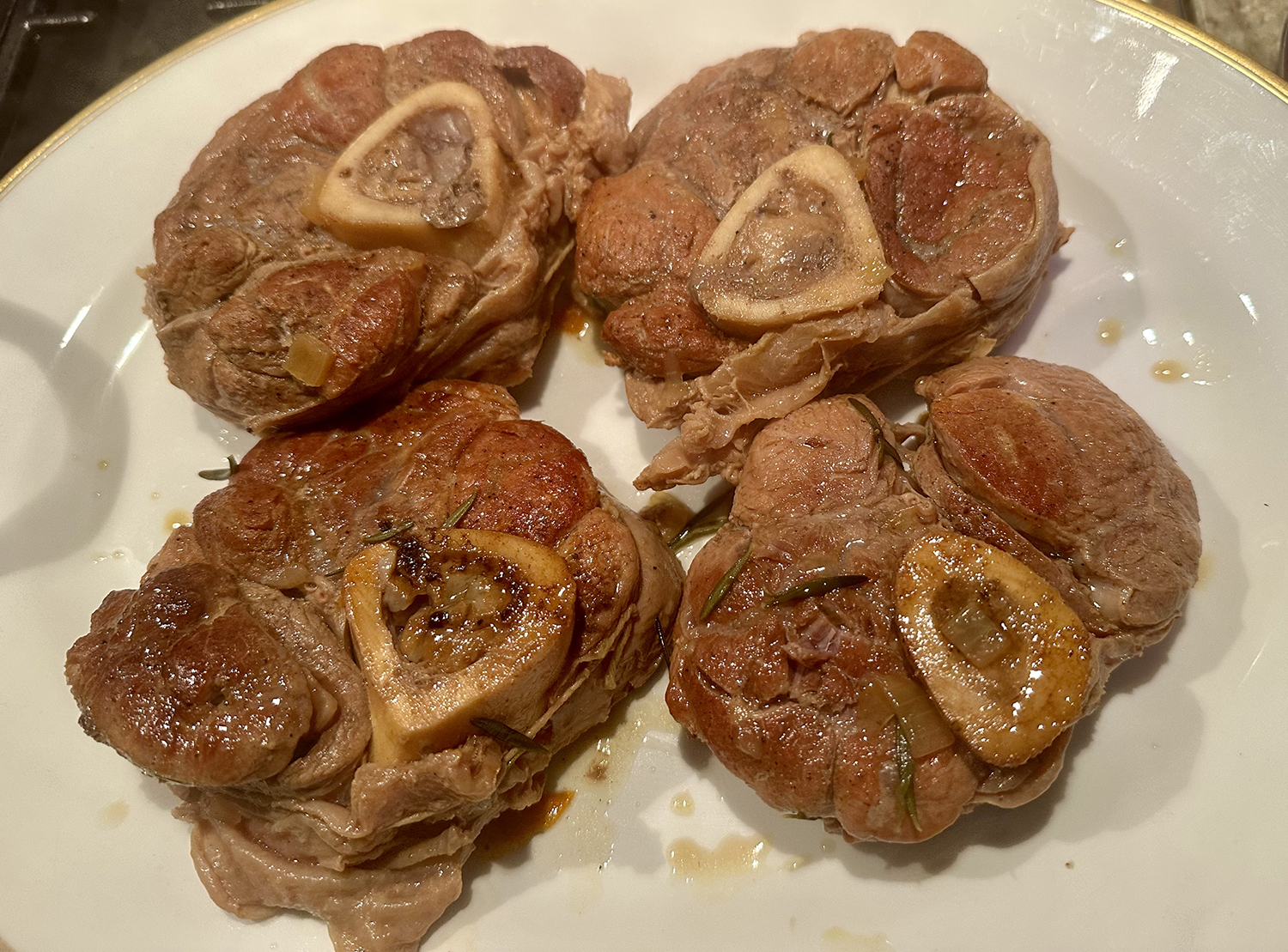
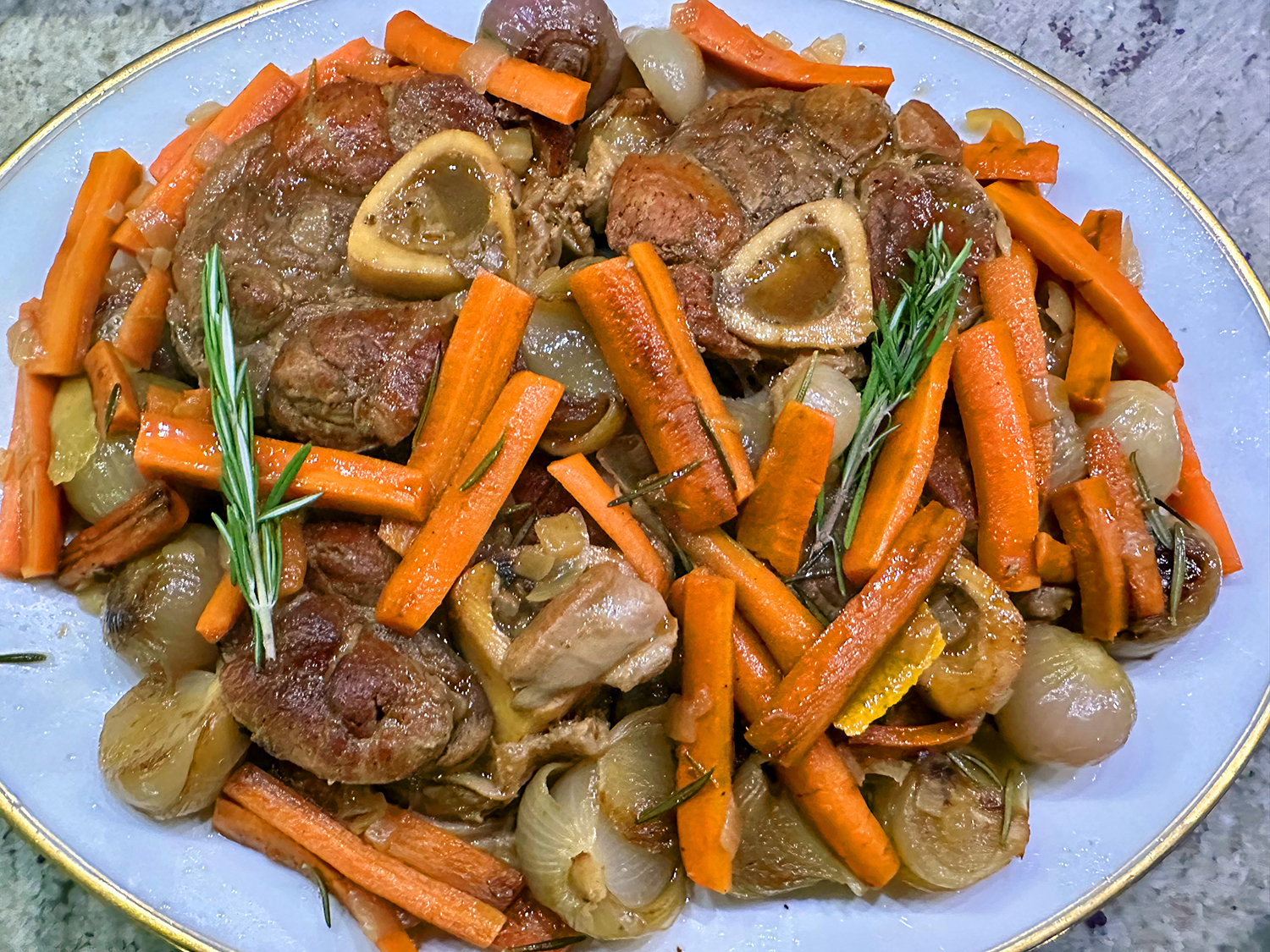
To ensure the veal shanks didn’t fall apart during braising, The Hubs tied each one around the outer diameter with kitchen twine. Once plated on a platter, the twine was removed before the carrots and shallots were added.

Along with the braised shallots and carrots, we served a side of velvety Manchego Mashed Potatoes, a perfect vehicle to corral some of the wonderful silky sauce. It was the perfect dinner to celebrate a close friend’s upcoming birthday.

Veal Shanks Braised with Honey and Rosemary

  • Servings: 4
  • Difficulty: easy
  • Print

Ingredients

The Braise

  • 4 meaty veal shanks, each 2 to 2 1/2 inches thick (3 to 3 1/2 lbs. total)
  • Coarse salt and freshly ground black pepper
  • 2 Tbsp. extra-virgin olive oil
  • 1 large onion, coarsely chopped
  • 1 cup dry white wine or vermouth
  • 2 cups veal or chicken stock, preferably homemade
  • 2 Tbsp. honey (rosemary or lavender if possible); we had lilac honey
  • Zest and juice of 1 orange, zest removed in strips with a vegetable peeler
  • Zest and juice of 1 lemon, zest removed in strips with a vegetable peeler
  • 2 6-inch leafy fresh rosemary branches
  • 2 Tbsp. balsamic vinegar

The Carrot and Shallot Garnish

  • 1 Tbsp. unsalted butter, plus more to finish
  • 1 Tbsp. extra-virgin olive oil
  • 12 to 18 medium shallots, peeled, larger ones cut in half
  • 12 to 18 small carrots, peeled; OR 4 larger carrots, cut into 3-by-3/4 inch sticks
  • Coarse salt and freshly ground black pepper
  • 2 6-inch leafy fresh rosemary branches

Directions

  1. Heat the oven to 300 degrees.
  2. Browning the shanks: Season the veal shanks on all sides with salt and pepper. Heat the oil in a wide Dutch oven or heavy braising pot (6- to7-quart) over medium-high heat. When the oil is quite hot, add as many shanks as will fit without crowding. (If necessary, sear the shanks in batches.) Sear the shanks, turning once withe tongs, until both flat sides have an attractive bronze color, about 5 minutes per side. transfer to a large plate or tray, without stacking.
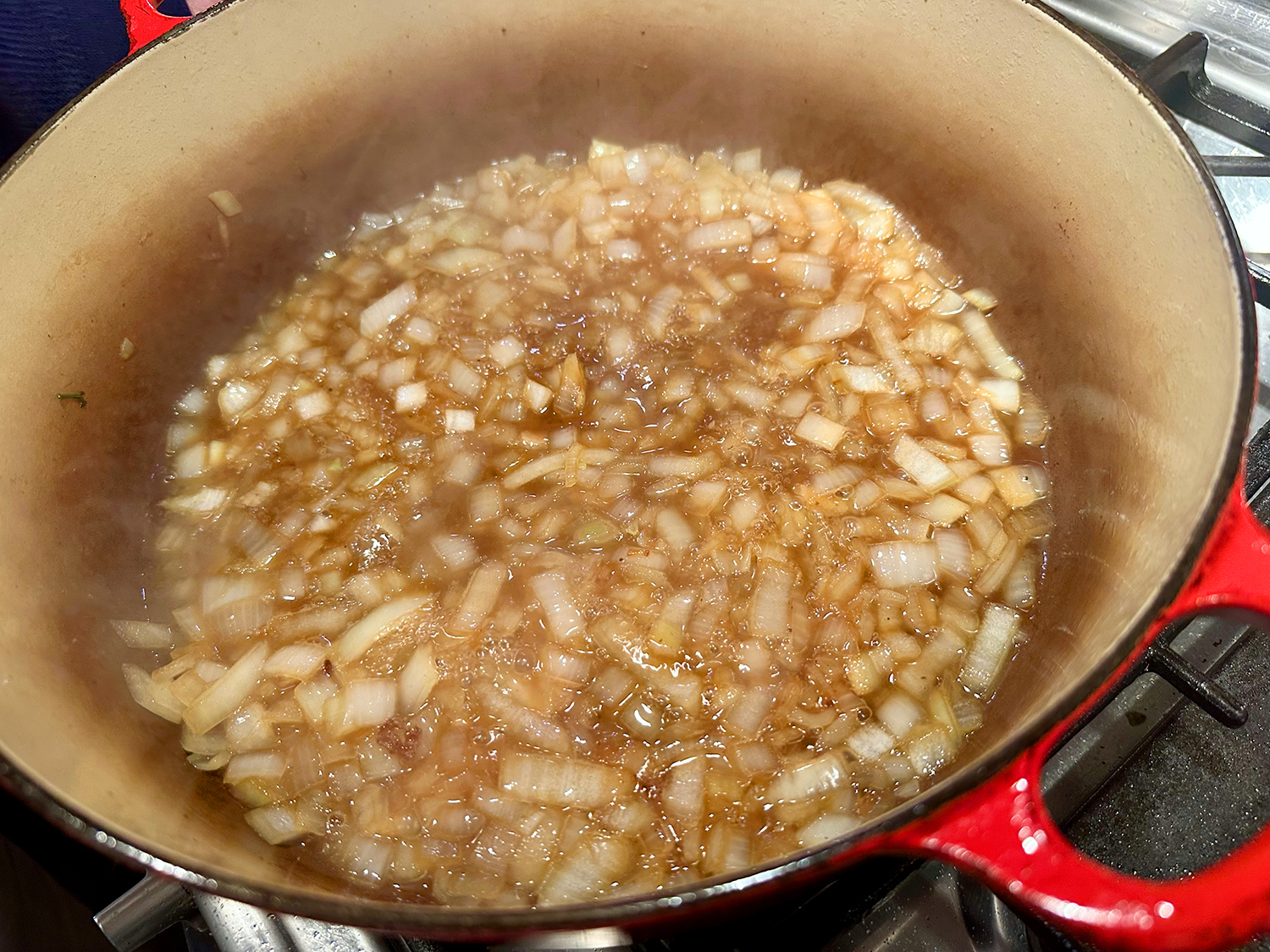
  3. The aromatics and braising liquid: Add the onion to the pot, stir and sauté, still over medium-high heat, until they soften and begin to brown, 3 to 4 minutes. The bottom of the pot should be developing a caramelized crust. Pour in the wine, stir to dissolve the brown crust on the bottom of the pot, and boil until the wine is reduced by half, about 10 minutes.
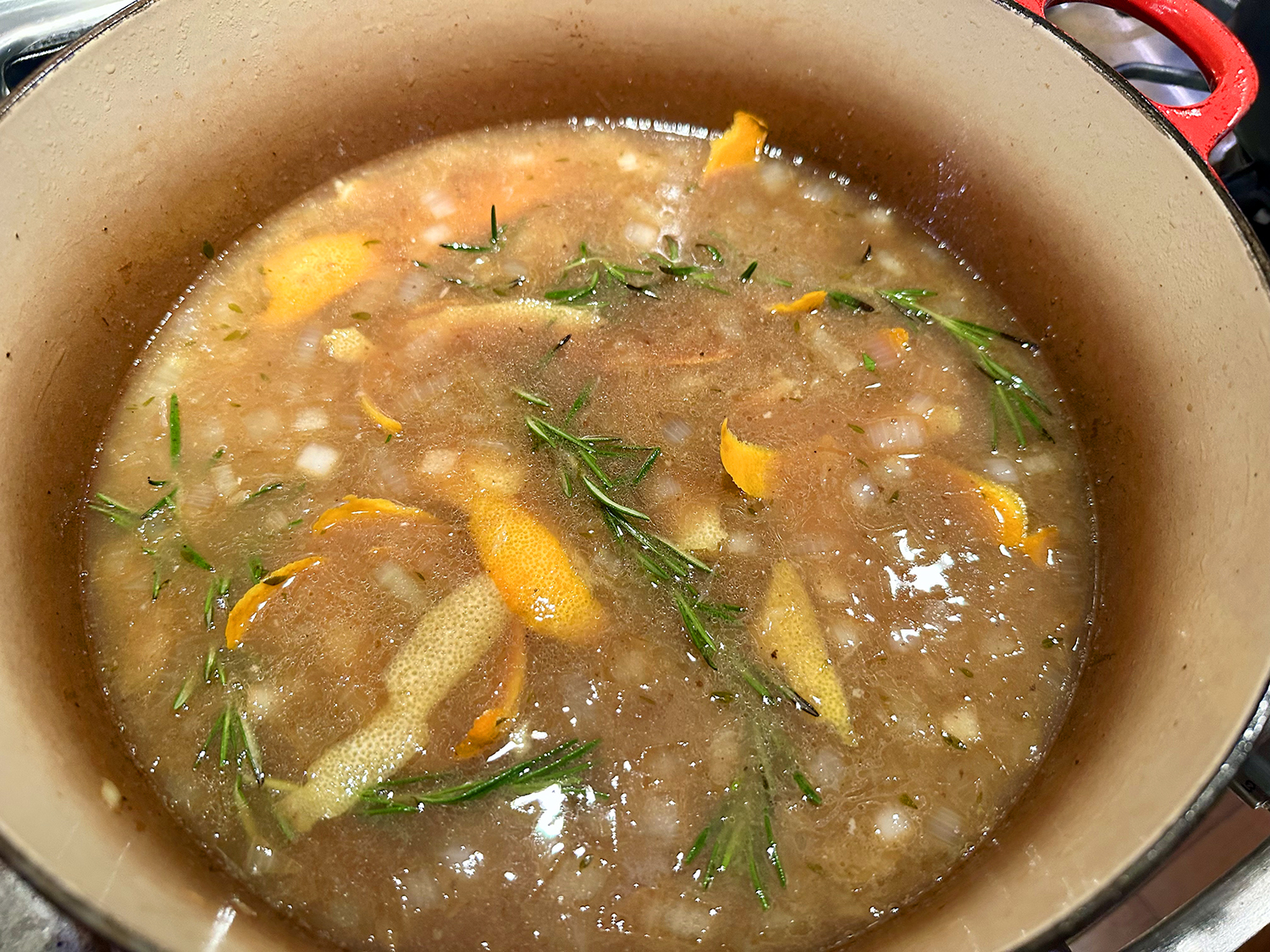
  4. The braise: Add the stock, honey orange zest and juice, lemon zest, rosemary, and balsamic vinegar to the pot. Return the shanks to the pot, arranging them in a snug single layer, and pour over any juices that accumulated while they sat. Bring to a simmer and cover with parchment paper, pressing down so the paper nearly touches the shanks and the edges hang over the sides of the pot by about an inch. Then secure the lid in place and slide the pot into the lower third of the oven to braise at a gentle simmer for 1 hour. After the first 10 to 15 minutes, check that the liquid is not boiling too energetically; if i is lower the oven heat by 10 to 15 degrees and continue to braise.
  5. Prepare the garnish: heat the butter and oil in a large 12-inch skillet over medium-high heat. when the butter has melted and the oil is quite hot, add the shallots and carrots, season with salt and pepper, and sauté, stirring and shaking the pan frequently, until tinged with brown all over, about 8 minutes. Add the rosemary branches and sauté for another minute.
  6. Finishing the sauce: With a slotted spoon, lift the shanks along with the shallots and carrots, onto a platter, without stacking. Handle the veal carefully at this point, as it will tend to fall apart. Cover loosely with foil to keep warm. Strain the braising liquid into a saucepan, pushing down on the vegetables, zest, and spent herbs to extract all the juices, and discard the solids. Skim the surface fat from the strained liquid, and bring to a simmer over medium-high heat. Simmer, skimming a few more times, until reduced enough to lightly coat the back of a spoon, about 15 minutes. Season with salt and pepper, and keep at a low simmer.
  7. Portioning the veal shanks: If the shanks are reasonably sized, serve one shank per person. If the shanks are enormous, pull apart the larger shanks, separating them at their natural seams, and serve smaller amounts. be sure to offer the marrow bones as well.
  8. Serving: For a luxurious sauce, whisk a walnut-sized knob of butter into the barely simmering sauce.Once you’ve added the butter, avoid prolonged boiling. Serve the shanks accompanied by the carrots and shallots, and spoon the sauce over the top.

http://www.lynnandruss.com

Recipe by Molly Stevens from All About Braising

Colima-Style Shredded Braised Pork

OK, this is definitely a keeper! If shredded pork is your thing, than this recipe needs to get on your short list ASAP. Milk Street Magazine cites: “The state of Colima on the western coast of Mexico is home to the pork dish called tatemado de Colima. Dried chilies, spices and aromatics, all blended to a smooth puree, are key flavorings, but a defining ingredient, other than the pork itself, is vinegar. In chef Paola Briseño-González’s version, her recipe uses a generous amount of smooth-tasting, subtly sweet coconut vinegar, a common ingredient in the coconut-producing region of Colima, and after slow-cooking the pork, she shreds the meat and mixes it with the braising liquid.”

The flavors are rich and porky but deliciously balanced by the tangy vinegar and fresh ginger, whose sharpness disappears into the mix. Milk Street adapts González’s recipe, and in doing so, found widely available rice vinegar to be a decent alternative to coconut vinegar. Braise in the oven, where the heat is steady and all-encompassing; the meat will do a fine job of soaking up the seasonings after it is shredded. The pork is briefly broiled after braising to develop deep browning, so you will need a broiler-safe Dutch oven for this recipe.

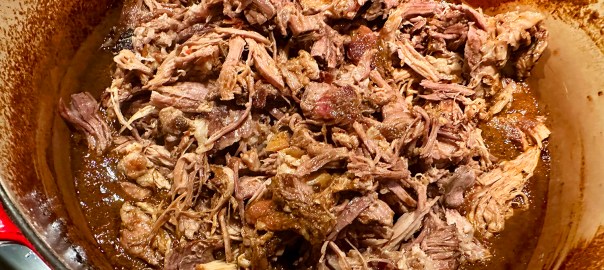
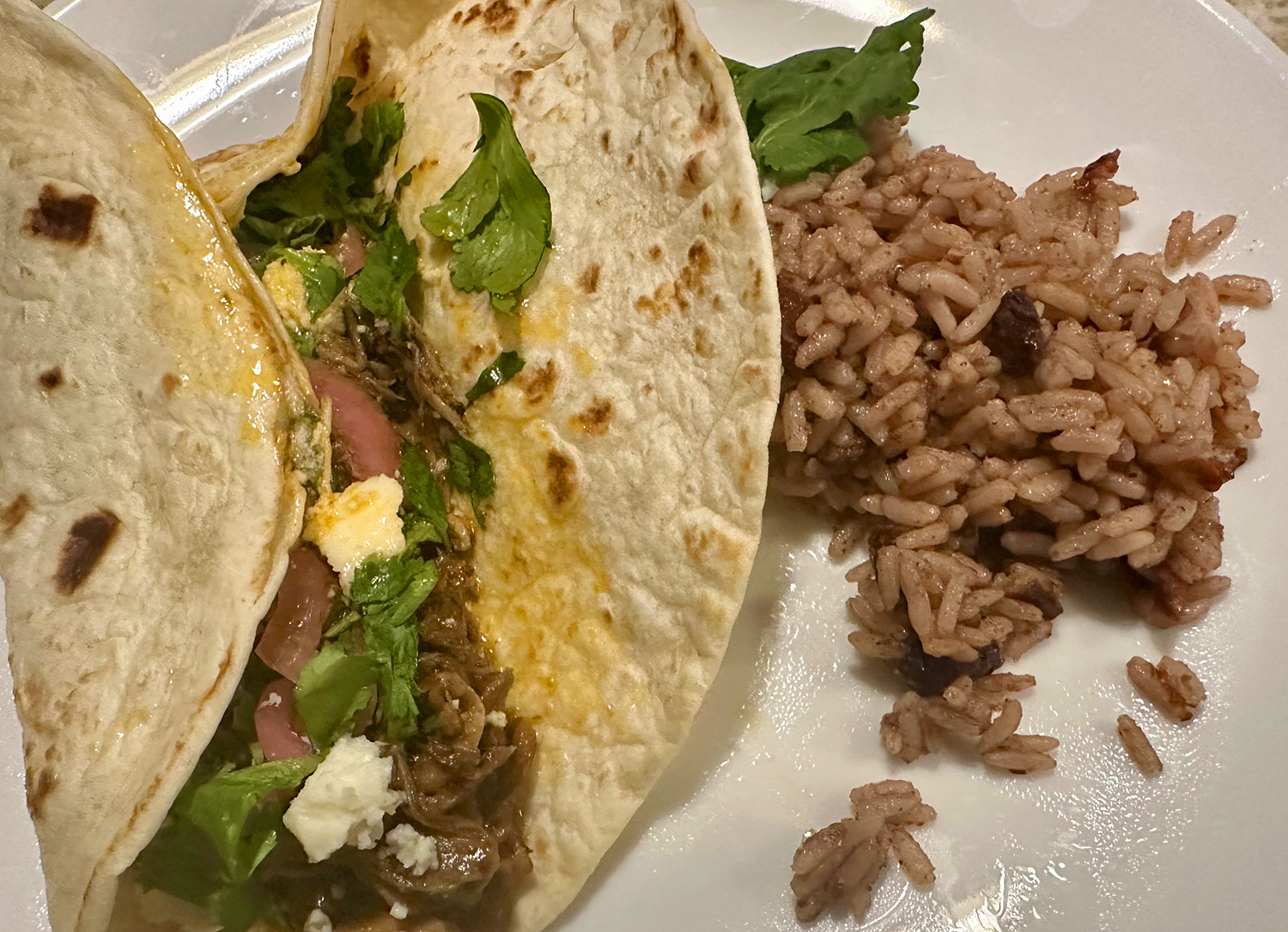
Pungent, flavorful, enticing, and delicious—this “tatemado de Colima” makes for a huge batch of succulent, juicy meat perfect on its own with a fork—or on top of some tortillas, tostada style. Now you have a dish that blows past everyday barbecue. Serve the shredded pork with rice and beans, or make tacos with it, offering shredded cabbage, chopped onion and lime wedges alongside. It’s low-carb if eaten without tortillas.

Word to the Wise: Don’t use an uncoated cast-iron Dutch oven, even if it is well seasoned. The acidity of the vinegar may react with the metal, resulting in a tinny, “off” flavor. However, an enamel-coated Dutch oven is fine.

Colima-Style Shredded Braised Pork

  • Servings: 8-10
  • Difficulty: easy
  • Print

Ingredients

  • 4 large (1¼ oz.) guajillo chilies, stemmed and seeded
  • 5-7 lb. bone-in pork butt or pork shoulder roast
  • 2 cups coconut vinegar or unseasoned rice vinegar
  • 1 cup coconut milk
  • 1/3 cup roughly chopped peeled fresh ginger
  • 9 medium garlic cloves, smashed and peeled
  • 3 bay leaves
  • 1 Tbsp. tomato paste
  • 1/2 tsp. coriander seeds
  • 1/2 tsp. cumin seeds
  • 1/2 tsp. white sugar
  • Kosher salt and ground black pepper

Directions

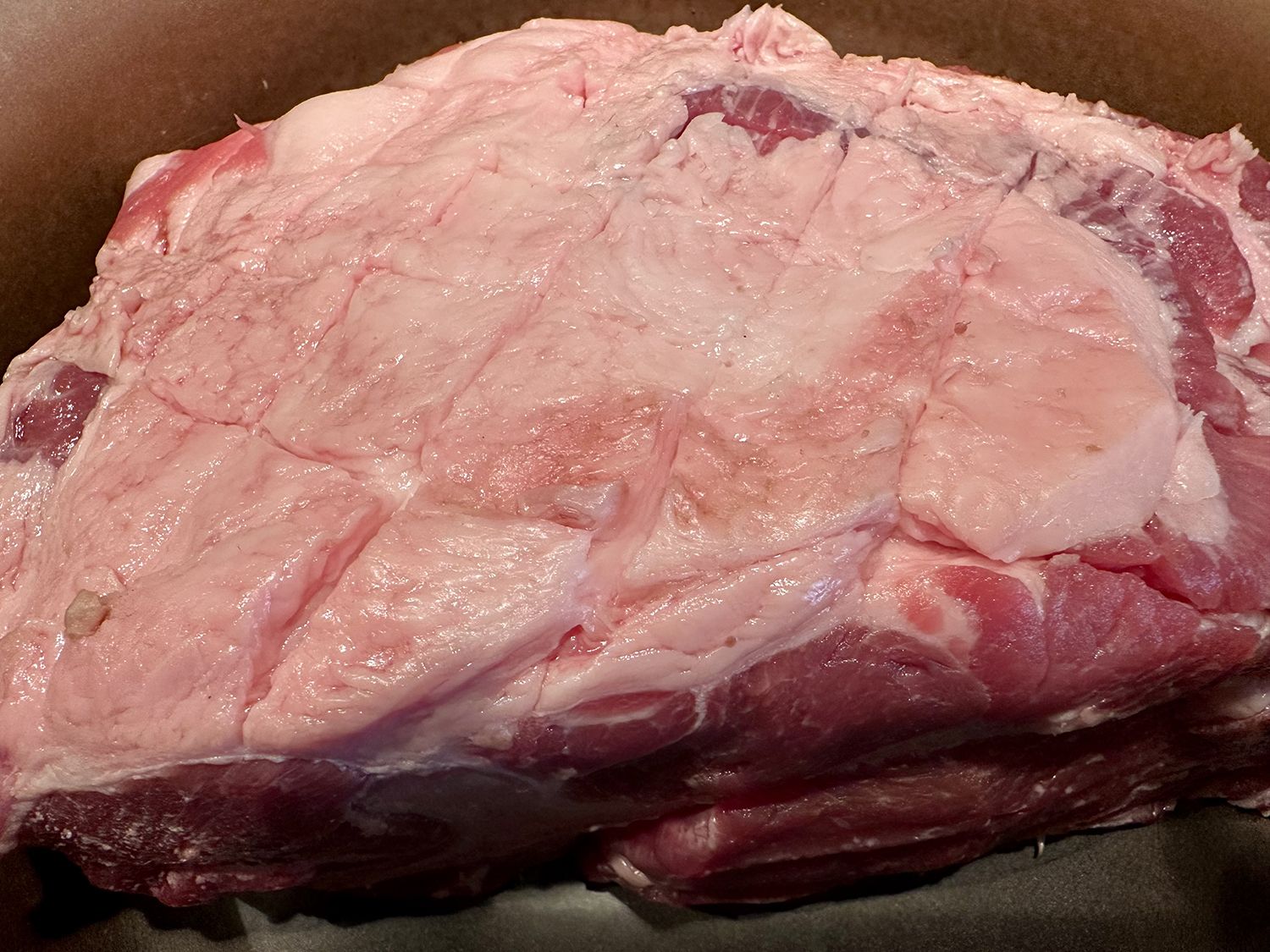
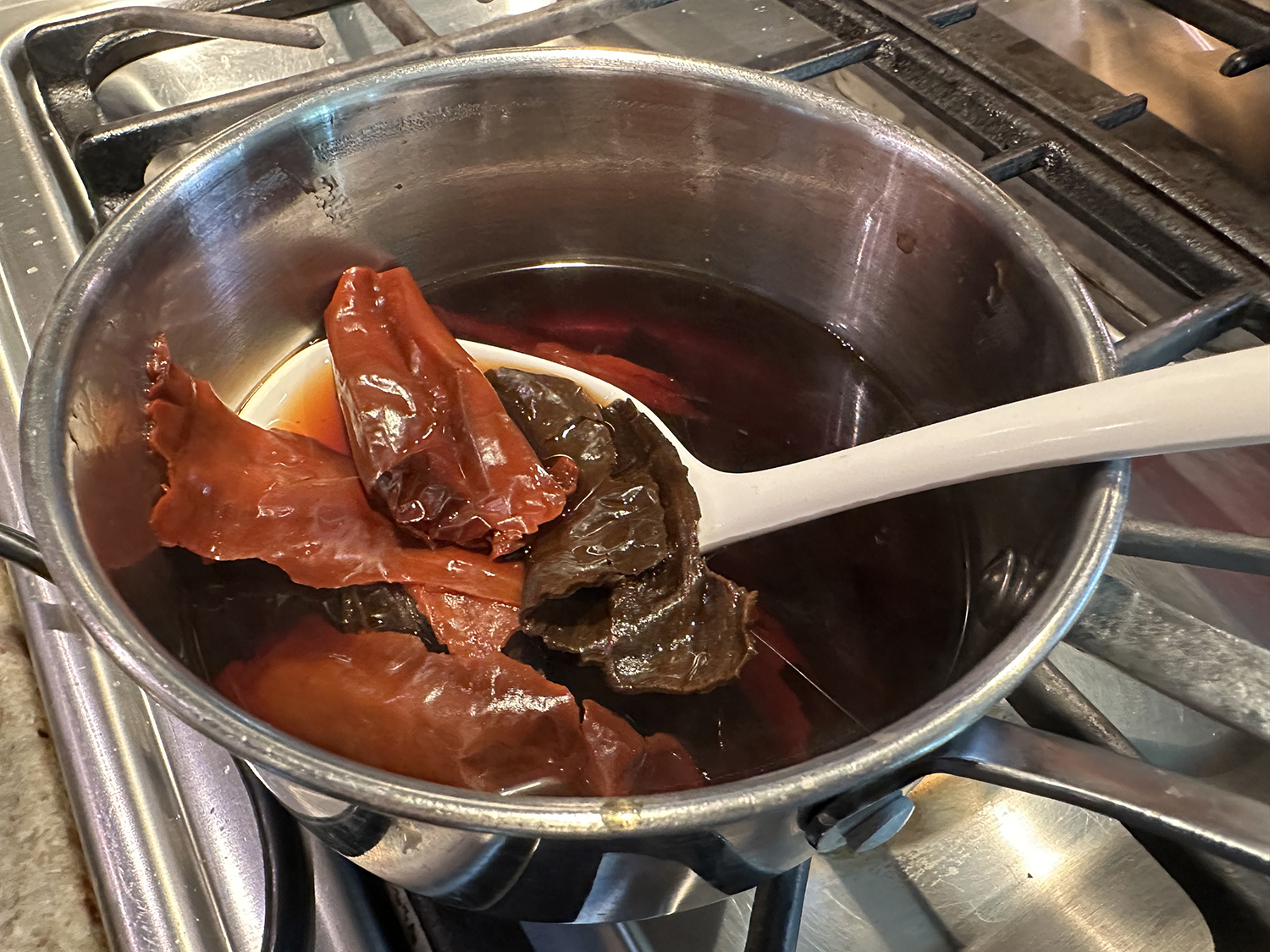
  1. In a small saucepan, combine the chilies and enough water to cover by about 1 inch. Bring to a boil over medium-high, pressing on the chilies to submerge them. Remove from the heat, cover and let stand until the chilies are fully softened, 15 to 20 minutes. Meanwhile, using a sharp knife, score the fat side of the pork roast with a 1-inch crosshatch pattern. Set the pork scored side up in a large enamel-coated Dutch oven.
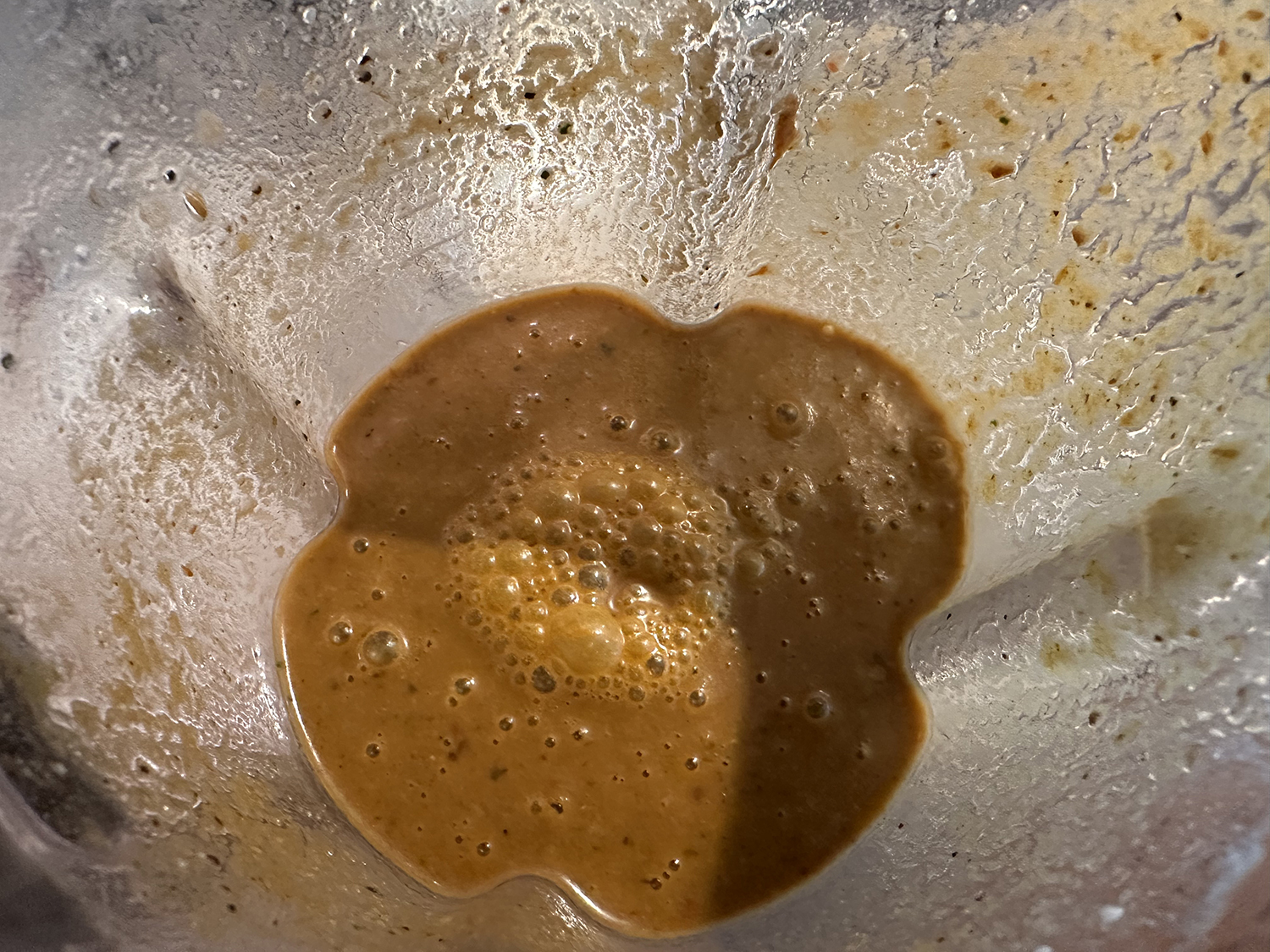
  2. Using a slotted spoon, transfer the chilies to a blender; discard the soaking water. Add the vinegar, coconut milk, ginger, garlic, bay, tomato paste, coriander, cumin, sugar, 1 tablespoon salt and 1 teaspoon pepper. Blend until smooth, about 1 minute. Pour the puree over the pork and rub it into the meat, then cover the pot.
  3. Heat the oven to 325°F with a rack in the lower-middle position. When the oven comes up to temperature, place the pot in the oven and cook until a skewer inserted into the center of the pork meets no resistance, 4½ to 5½ hours.
  4. Remove the pot from the oven and heat the broiler. Return the pot, uncovered, to the oven and broil until the surface of the pork is deeply browned, 2 to 4 minutes. Transfer the pork to a large bowl and set aside. Tilt the pot to pool the braising liquid to one side, then use a wide spoon to skim off and discard fat from the surface, leaving just a couple tablespoons for flavor. You should have between 2 and 4 cups defatted braising liquid; if you have more than 2 cups, set the pot over medium-high, bring the liquid to a rapid simmer and cook, stirring occasionally, until reduced to about 2 cups. Meanwhile, shred the pork into large bite-size pieces, discarding the bone and excess fat.
  5. Return the shredded pork to the pot and stir to combine with the braising liquid. Cover and cook over medium-low, stirring occasionally, just until heated through, 5 to 8 minutes, then taste and season with salt and pepper.

http://www.lynnandruss.com

Recipe adapted by Courtney Hill for Milk Street

Braised Asian-Style Pork Shanks

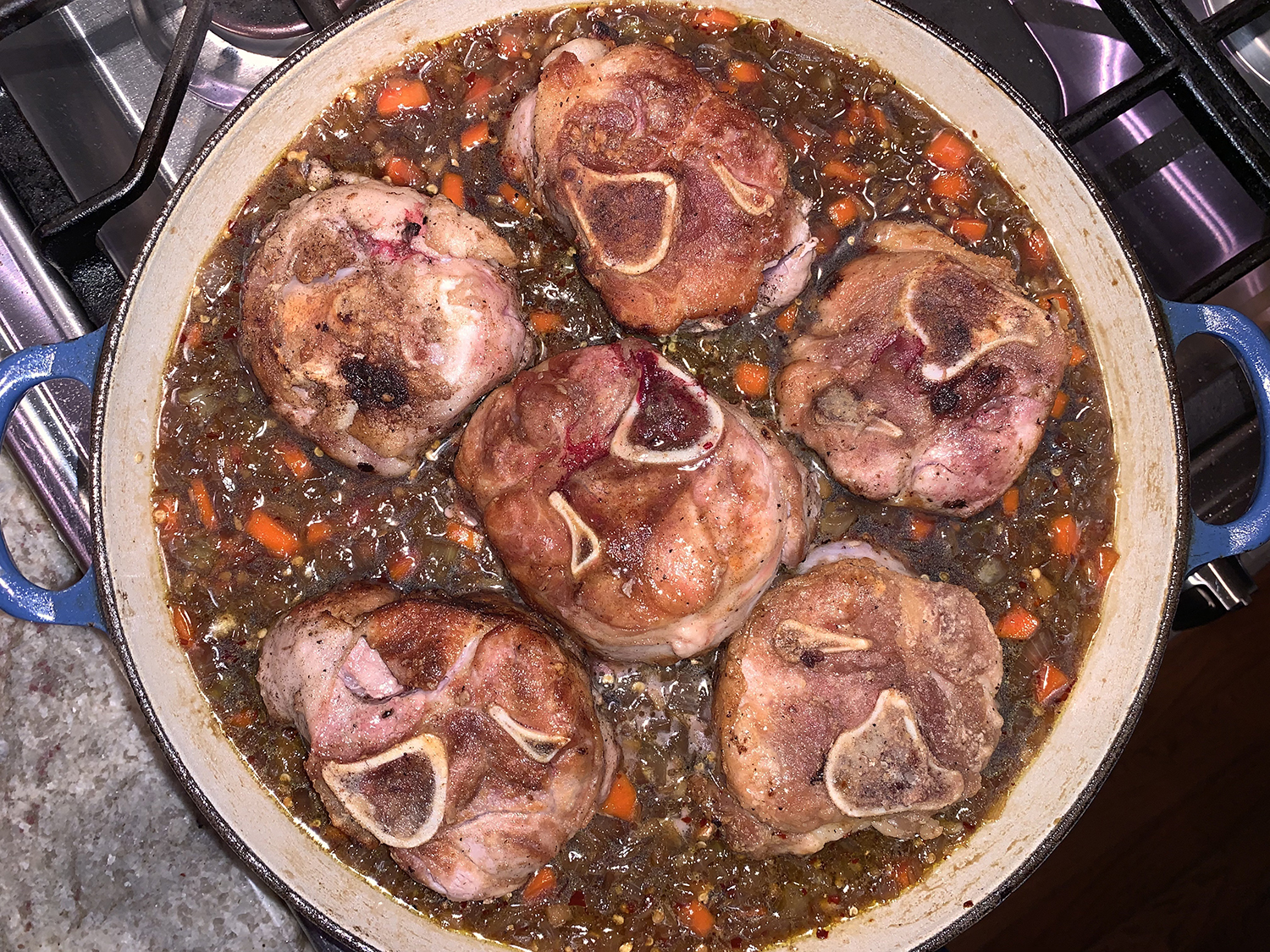
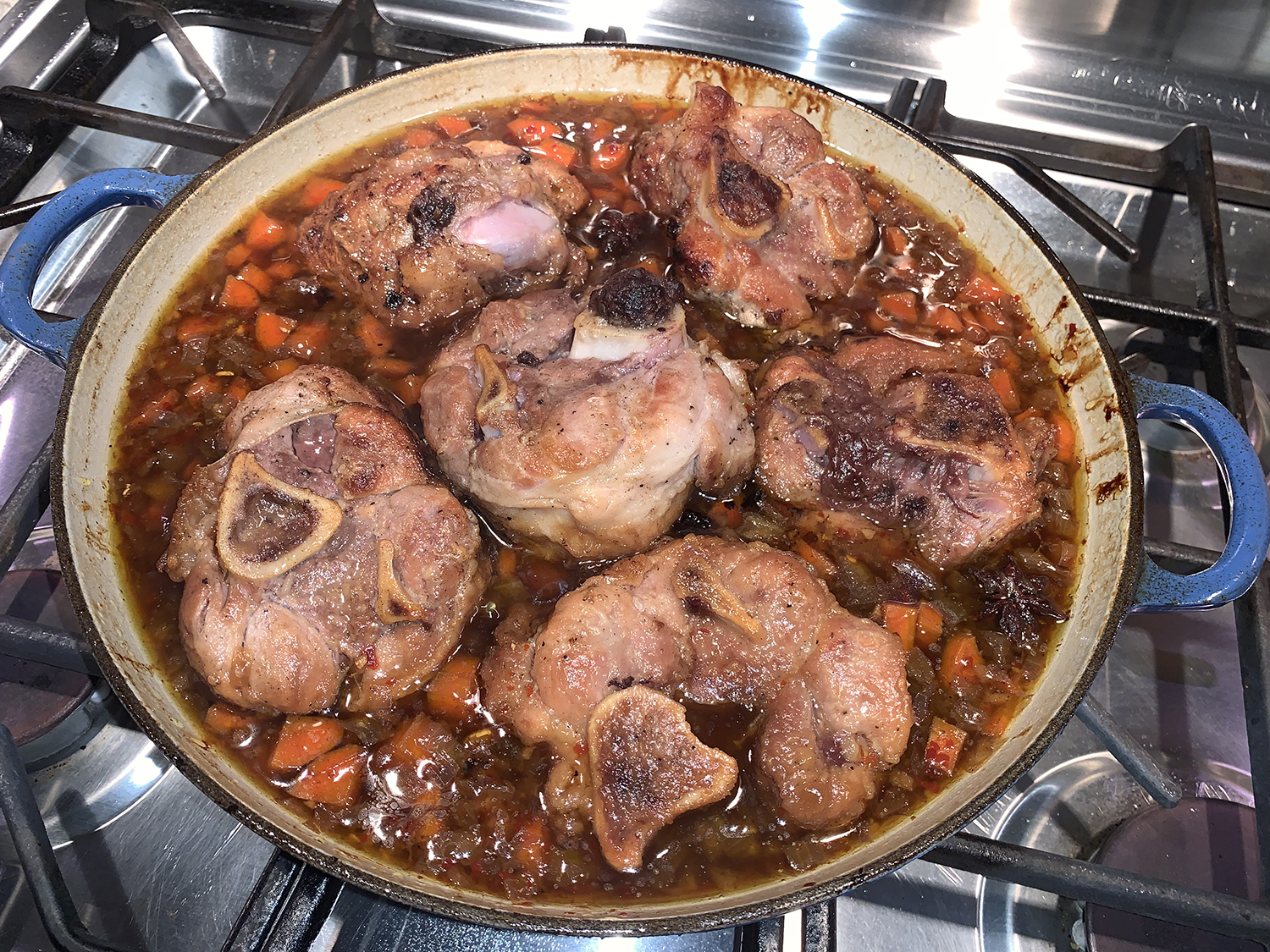
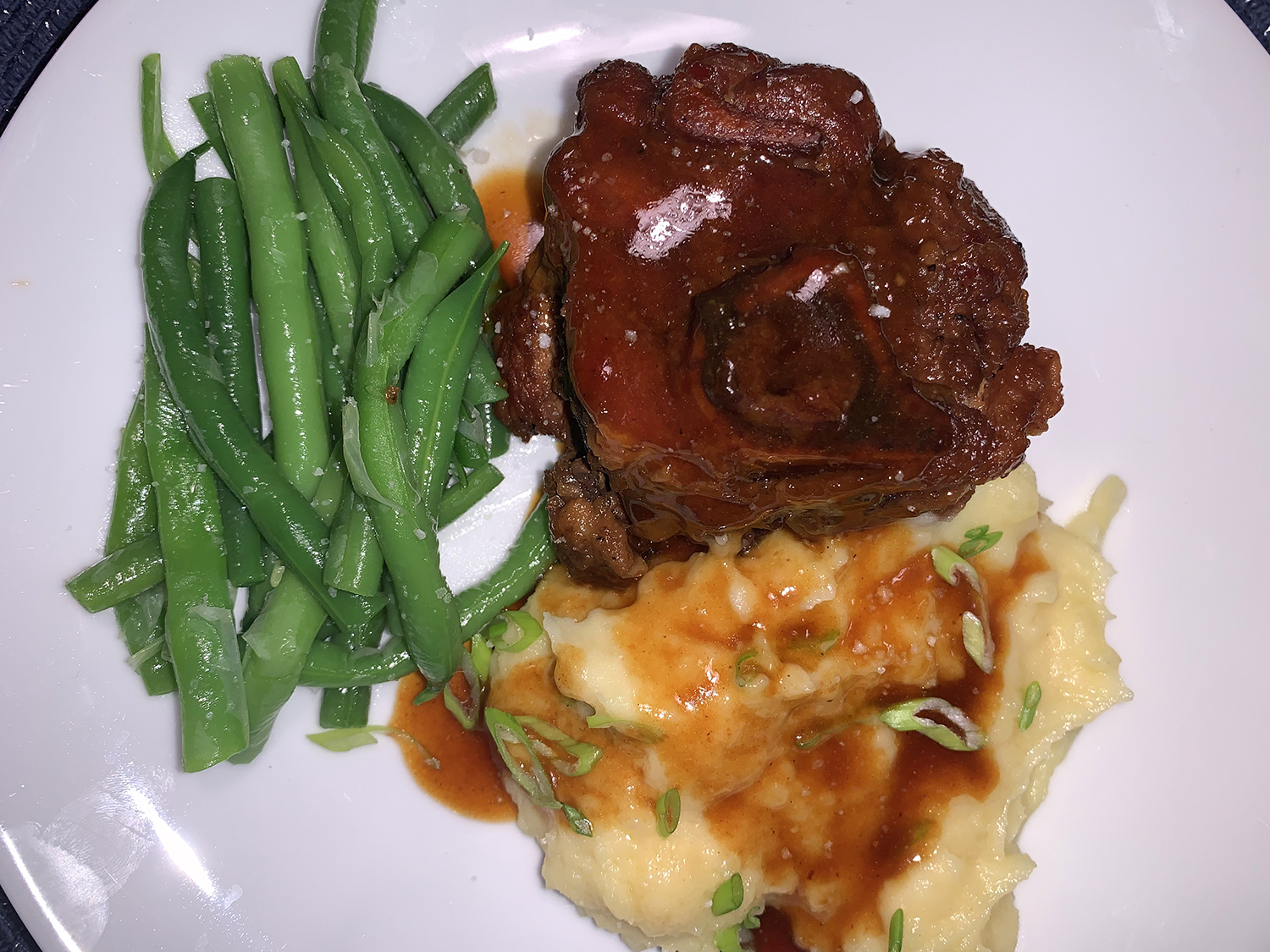
These braised pork shanks could become an ultimate comfort food for us, with the hybridizing of favorite Asian flavors and techniques. It was hard to fathom how they could have gotten any better than when served, but after a rest overnight in the fridge, just WOW!

Paired with fresh green beans from our garden (that were flash frozen until ready to use), and the decadent Garlic-Miso Butter Mashed Potatoes, we were on Cloud Nine! It is a LOT of ingredients, and will take a large chunk of time, so a slow Sunday afternoon during the chilly months is ideal.

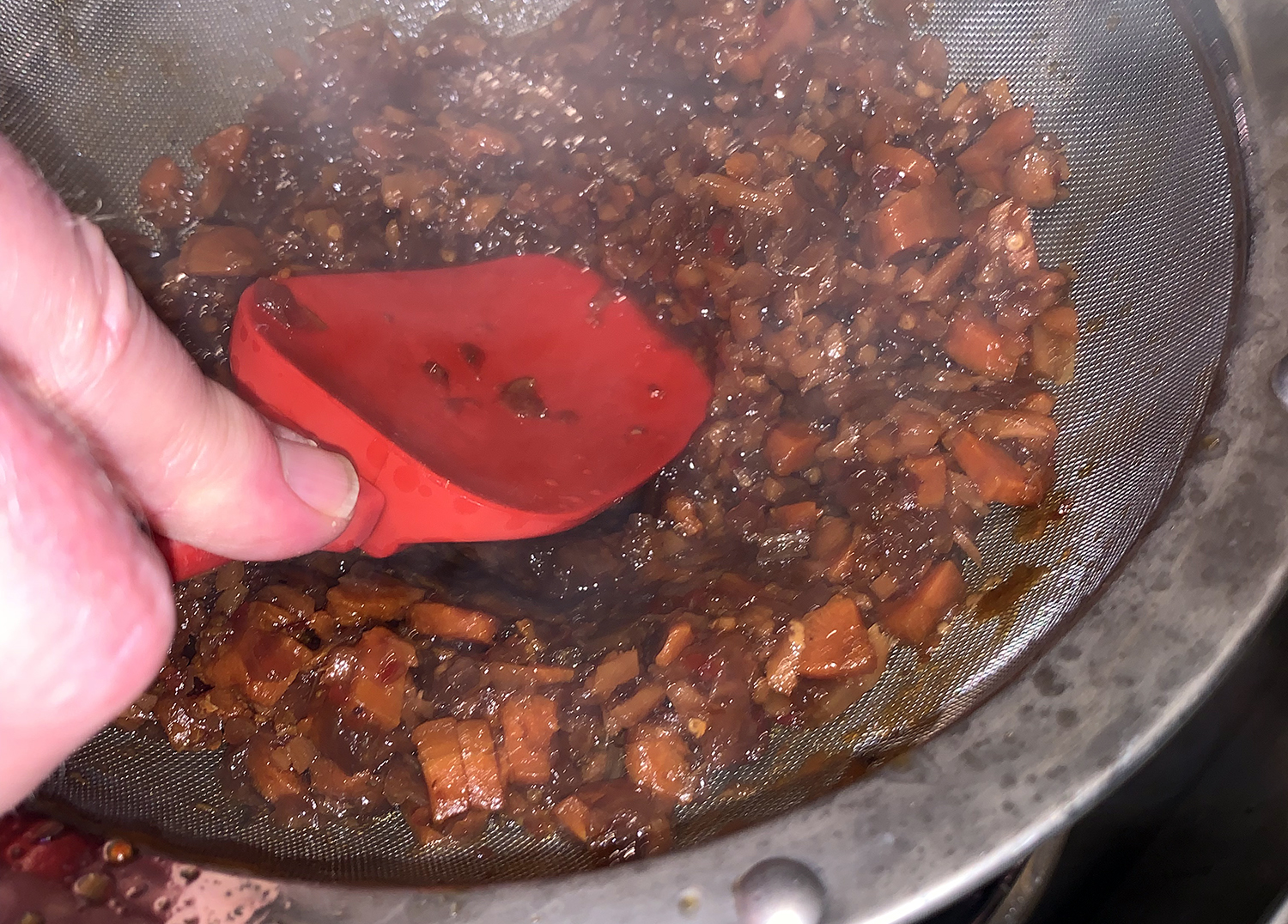
While I tended to spud duty, The Hubs started working his magic on the meat. But first, as he analyzed the recipe, he realized there was WAY too much liquid (mirin, soy, sake, vegetable oil, and chicken stock) and brown sugar for the amount of meat, so all got cut in half. When everything was said and done, we still had a cup of reduced sauce leftover, which we decided would be great for a future stir-fry.

Braised Asian-Style Pork Shanks

  • Servings: 6
  • Difficulty: moderate
  • Print

Ingredients

  • 4 lbs. pork shanks
  • 1/2 cup carrot, chopped
  • 1 cup Spanish onions, chopped
  • 1/2 cup celery, chopped
  • 4 oz. ginger root, minced
  • 1/2 cup brown sugar
  • 1 cup mirin
  • 2 cloves garlic, pressed
  • 3/4 cup soy sauce
  • 3/4 cup chicken stock
  • 1 tsp. crushed red pepper
  • 2 cloves star anise
  • 1 cup sake
  • 2 oz. vegetable oil, for searing shanks

Directions

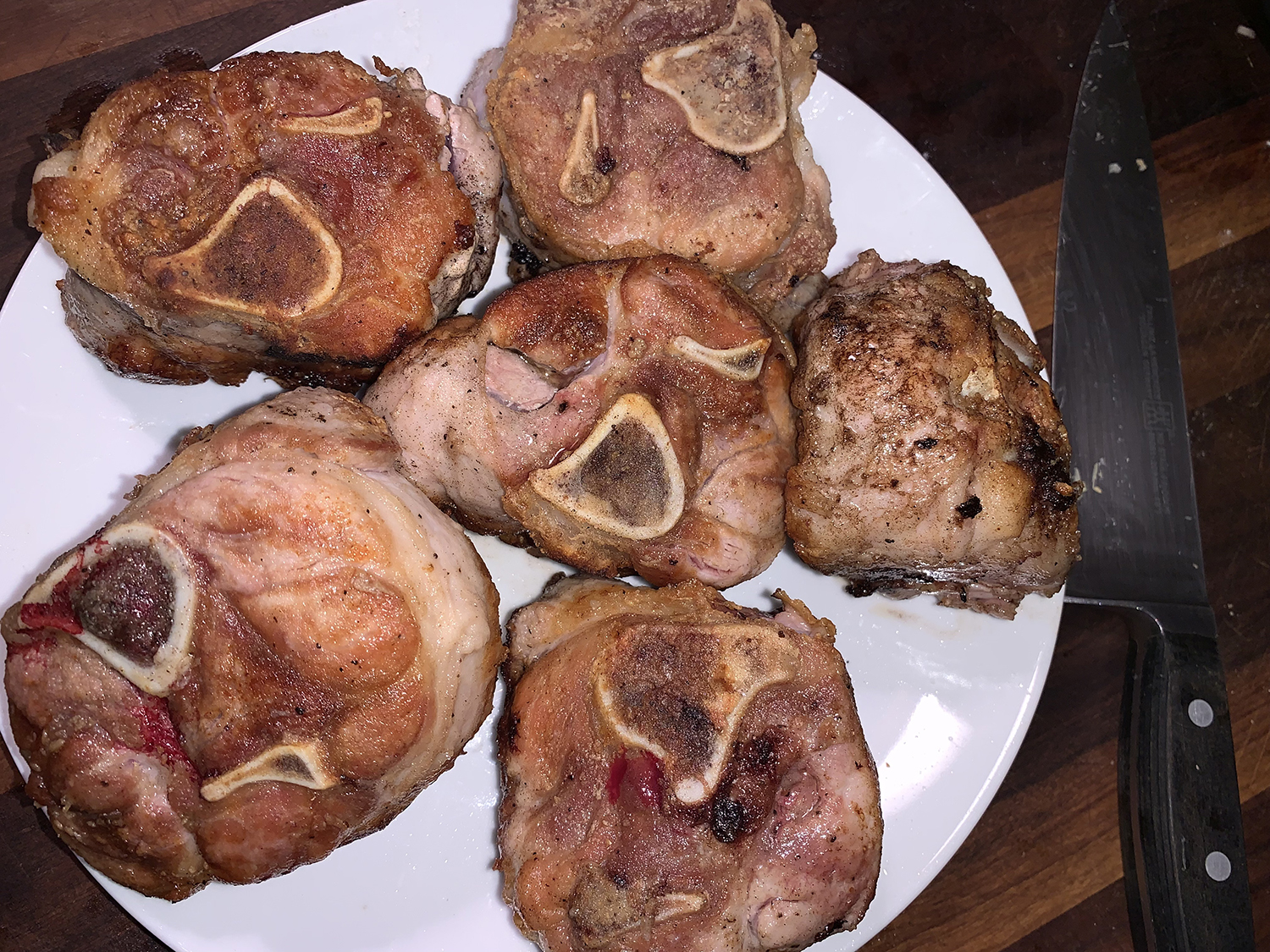
  1. Dredge shanks in flour seasoned with salt and pepper. Heat oil in large Dutch oven and sear pork shanks on all sides, working in batches if necessary.
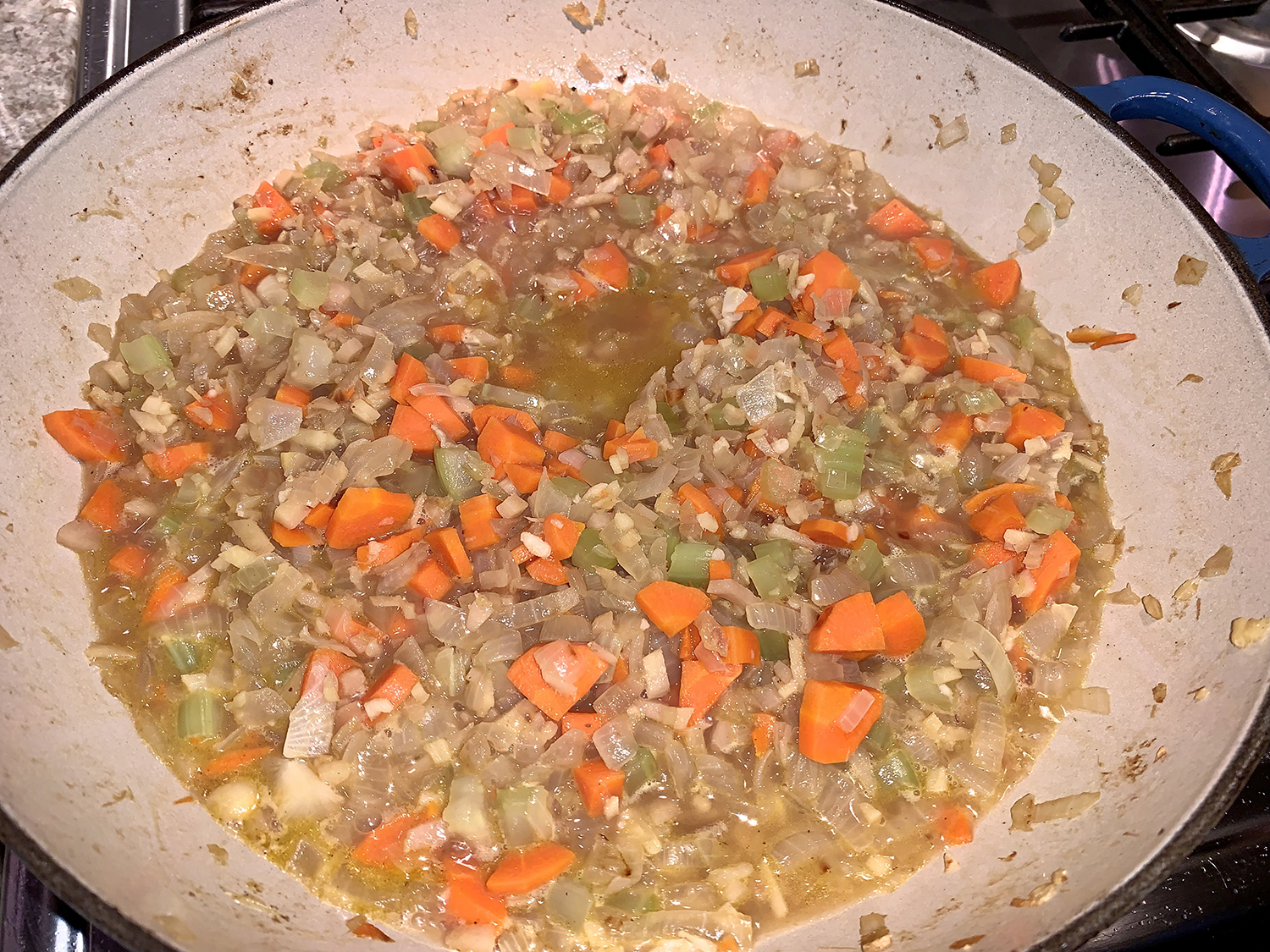
  2. Discard oil from pan and add onion, celery, carrots and ginger. Caramelize on medium high heat, stirring frequently, for about 8 minutes. Add garlic and sauté briefly, about 2 minutes.
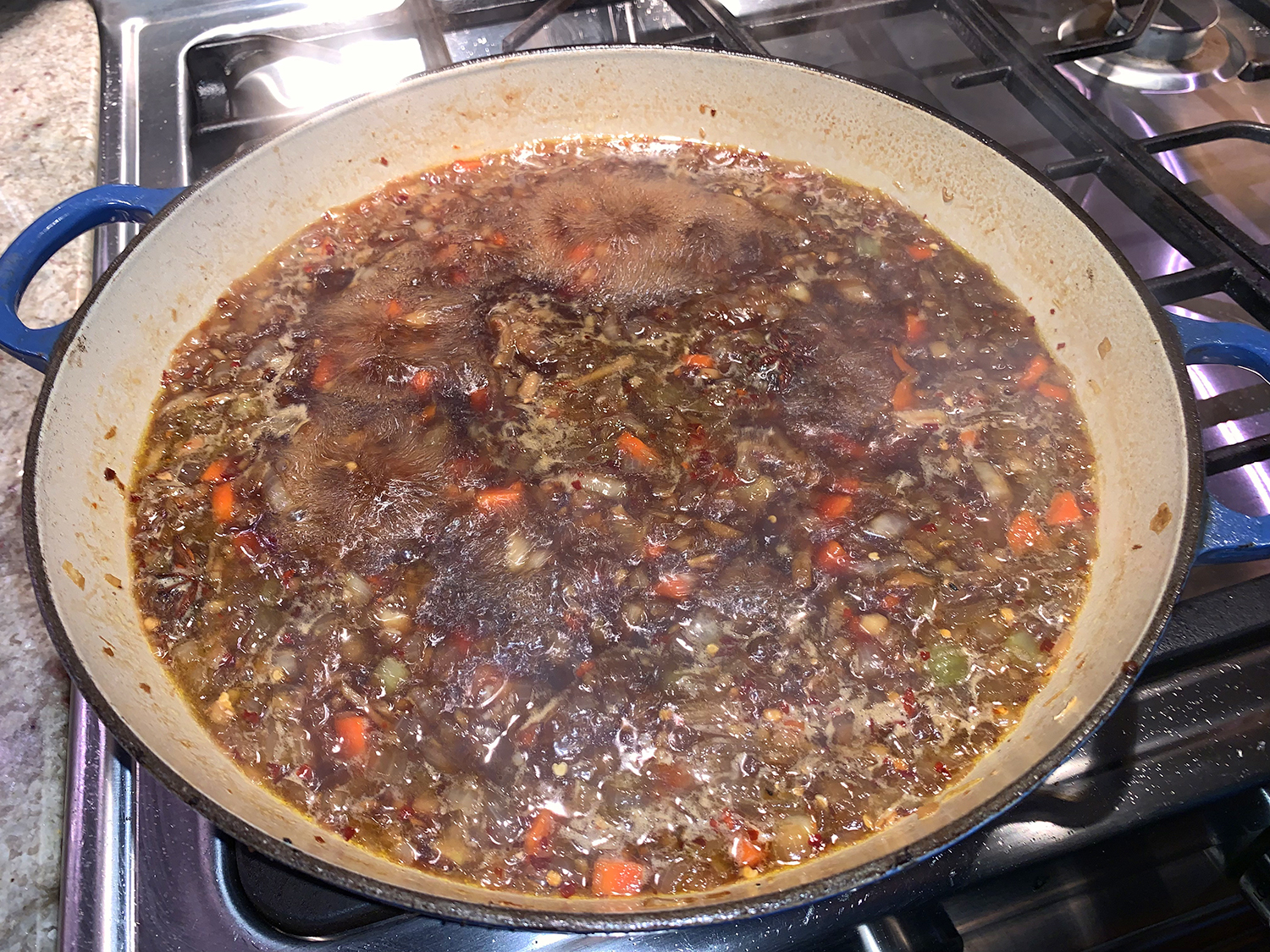
  3. Deglaze pan with sake, then add soy sauce and mirin. Bring to a simmer, then stir in brown sugar. Add red pepper flakes, star anise and chicken stock. Let simmer for 5 minutes.
  4. Return shanks to the pot. Cover and cook in a 300 degree oven for 2 1/2 to 3 hours, turning once halfway through cooking. When shanks are completely tender, remove to platter and tent with foil. Strain liquid into a saucepan pressing on solids to get all of the juices; discard the solids. Return pot to a burner and bring to a boil.
  5. Lower heat to a simmer and reduce until desired thickness. Can thicken broth with a cornstarch slurry if desired. Serve shanks and pass sauce separately.

http://www.lynnandruss.com

Loosely adapted from a recipe by Yardley Inn