Monthly Archives: December 2025

Dirty Martini Shrimp Cocktail

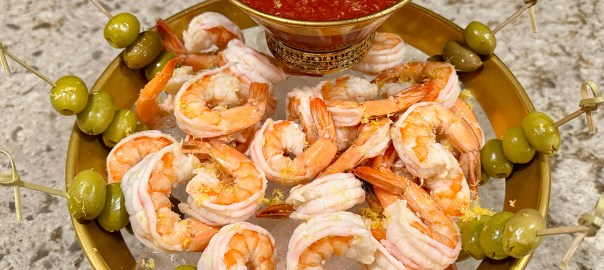
Here’s a fun party appetizer with a kick. While the original recipe calls for 1 pound of extra-large shrimp, we included 1 1⁄2 pounds (noted below), in order to serve 6 guests (while maintaining the amounts of the other ingredients). And we assembled it all in one party dip bowl as opposed to individual martini glasses.

The gorgeous plump shrimp get a double dose of flavor with a quick poach in a lemon and shrimp shell-infused broth, followed by a brine in olive juice. Jarred cocktail sauce is infused with gin and vermouth to serve as a “dirty” dip for the flavorful shrimp. Serve it with more olives on the side (we skewered ours) for a celebratory appetizer.

It was a great hit, everyone went back for seconds until there were none left. And for a variation, use vodka instead of gin for a vodka dirty martini.

Dirty Martini Shrimp Cocktail

  • Servings: 6
  • Difficulty: easy
  • Print

Ingredients

  • 1 1⁄2 lb. extra-large unpeeled raw shrimp
  • 4 cups water
  • 3 garlic cloves, smashed
  • 1 Tbsp. black peppercorns
  • 1 lemon, zested
  • 1/4 cup manzanilla olives plus 1 1/2 cups brine from jar, divided (from 2 [10-ounce] jars)
  • 1 (8.75-oz.) jar cocktail sauce
  • 2 Tbsp. dry gin
  • 2 tsp. dry vermouth
  • Chopped fresh flat leaf parsley, optional

Directions

  1. Peel and devein shrimp, leaving tails intact. Place shells in a large saucepan; set shrimp aside.
  2. Add water, garlic, and peppercorns to the large saucepan with the shells. Zest lemon and set the zest aside. Halve lemon and squeeze juice into the water mixture, then add the lemon halves to the saucepan. Bring to just a boil over high, then reduce the heat to maintain a simmer. Cook, uncovered and undisturbed, to infuse liquid, about 10 minutes. Remove and discard only the shells.
  3. Prepare an ice bath and place it next to the stove. Add shrimp to the simmering water and poach on low heat, stirring often, until shrimp are bright pink and just turn opaque, 5 to 6 minutes. Using a slotted spoon, transfer shrimp from poaching liquid using a slotted spoon; immediately place in a large bowl of ice water to stop the cooking process.
  4. Stir together shrimp and olive brine in a medium bowl. Cover and chill for 20 minutes.
  5. Meanwhile, stir together cocktail sauce, gin, and vermouth in a small bowl. Arrange 3 olives on a cocktail skewer. Divide cocktail sauce into 4 martini glasses, hang 3 to 4 shrimp around the edge of a martini glass. (Or, as shown above, assemble all in one container.)
  6. Sprinkle with lemon zest and, if desired, chopped parsley. Serve immediately.

http://www.lynnandruss.com

Adapted from a recipe by Breana Lai Killeen for Food & Wine

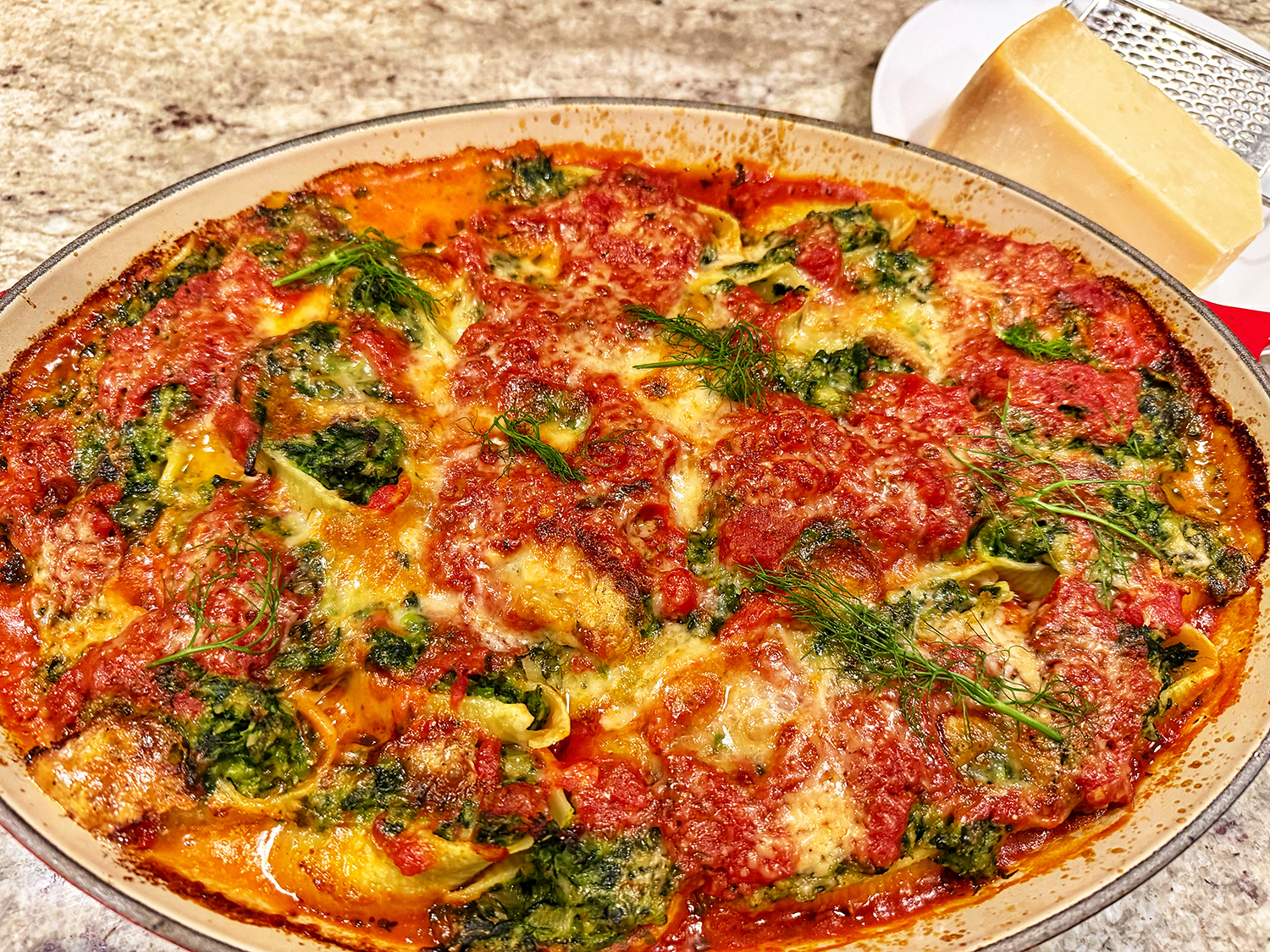
Stuffed Shells with Peas, Spinach and Fennel

“Sauced with a bright-tasting marinara (the key is cutting the canned tomatoes with passata, Italy’s raw, strained tomato purée) and topped with grated Parmesan and more Taleggio, these stuffed shells deliver all the satisfying coziness of the original—but tastes like a welcome refresh.”

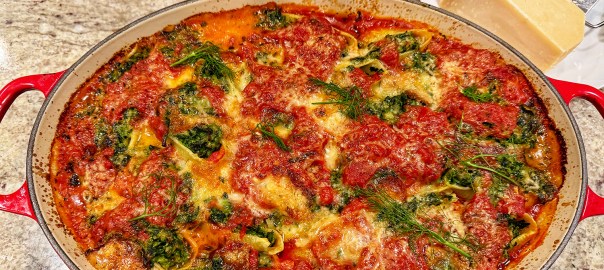
While it is a rather labor-intense undertaking, and uses lots of kitchen pots and appliances, it is a very satisfying, and less heavy vegetarian pasta option. Before even starting, make sure you have a broiler-proof casserole dish such as enameled cast iron, or your vessel could crack under the intense heat of the broiler.

The humble green pea is the star here, thanks to their abundance of water and soluble fiber, which renders them wonderfully smooth when puréed. In addition, a full pound of frozen chopped spinach is added for more green color and freshness. (Freezing breaks open the leaves’ cells, softening them.)

Sautéed fennel, shallot and garlic bring gentle sweetness, and plenty of basil and lemon zest round things out. Taleggio cheese is the binder to give the filling cohesion as well as some richness and adds robust flavor to complement the stuffing. Fontina cheese would make a fine replacement for Taleggio (perhaps even more of it?)

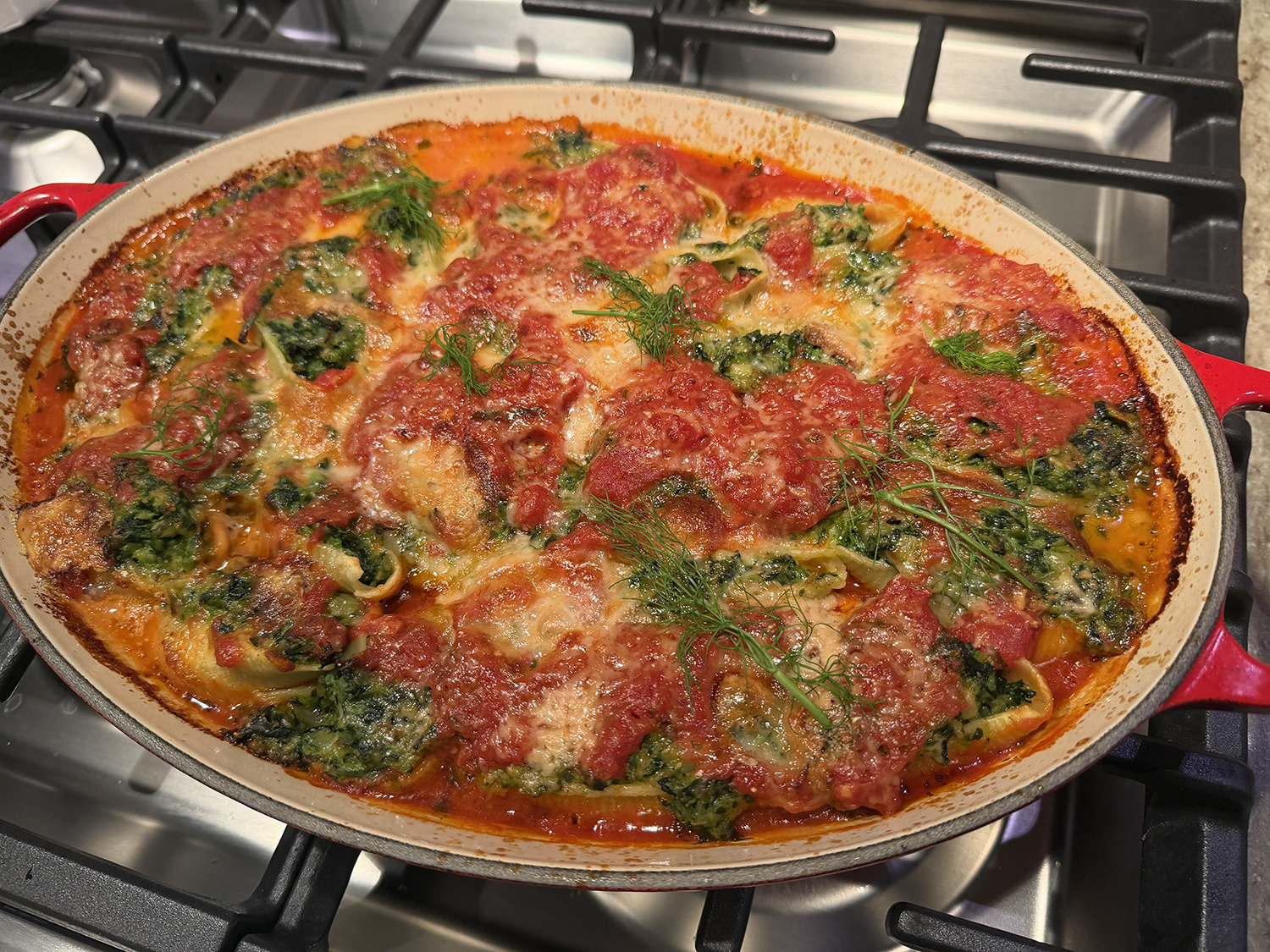
While the recipe calls for a rectangular 9″ x 13″ broiler-proof casserole dish, ours was oval in shape, but still fit exactly 25 jumbo stuffed shells. The unused shells were stored in a seal proof container with a bit of sauce to prevent sticking together, and saved for another use.

TIP: To make the slippery shells easier to fill, hold each lengthwise in your palm and gently squeeze the ends; the center will pop right open!

*BTW, a whole bottle (24 oz.) of passata was inadvertently included in our sauce. But in the end it was a happy mistake, because we liked the additional sauce. We used more in the casserole, and leftovers for passing purposes.

Stuffed Shells with Peas, Spinach and Fennel

  • Servings: 6-8
  • Difficulty: easy
  • Print

Ingredients

Sauce

  • 1⁄4 cup extra-virgin olive oil
  • 2 garlic cloves minced
  • 1 28-oz. can crushed tomatoes
  • 1 cup passata (or more, see above*)
  • 1⁄2 tsp. red pepper flakes
  • 3 Tbsp. chopped fresh basil
  • 3⁄4 tsp. table salt
  • 1⁄4 tsp. sugar

Filling

  • 1 Tbsp. extra-virgin olive oil
  • 1 large fennel bulb, stalks discaded, bulb halved, cored, and chopped fine
  • 1 lage shallot, peeled, halved and sliced thin
  • 2 garlic cloves, minced
  • 2 1⁄4 tsp. table salt, divided
  • 1 lb. frozen peas, thawed
  • 8 oz. Taleggio cheese, rind removed, divided
  • 2 tsp. grated lemon zest
  • 1⁄4 tsp. pepper
  • 1 lb. frozen chopped spinch, thawed and squeezed dry
  • 3 Tbsp. chopped fresh basil

Shells

  • 12 oz. jumbo pasta shells
  • Table salt for cooking pasta
  • 1⁄4 cup grated Parmesan cheese

Directions

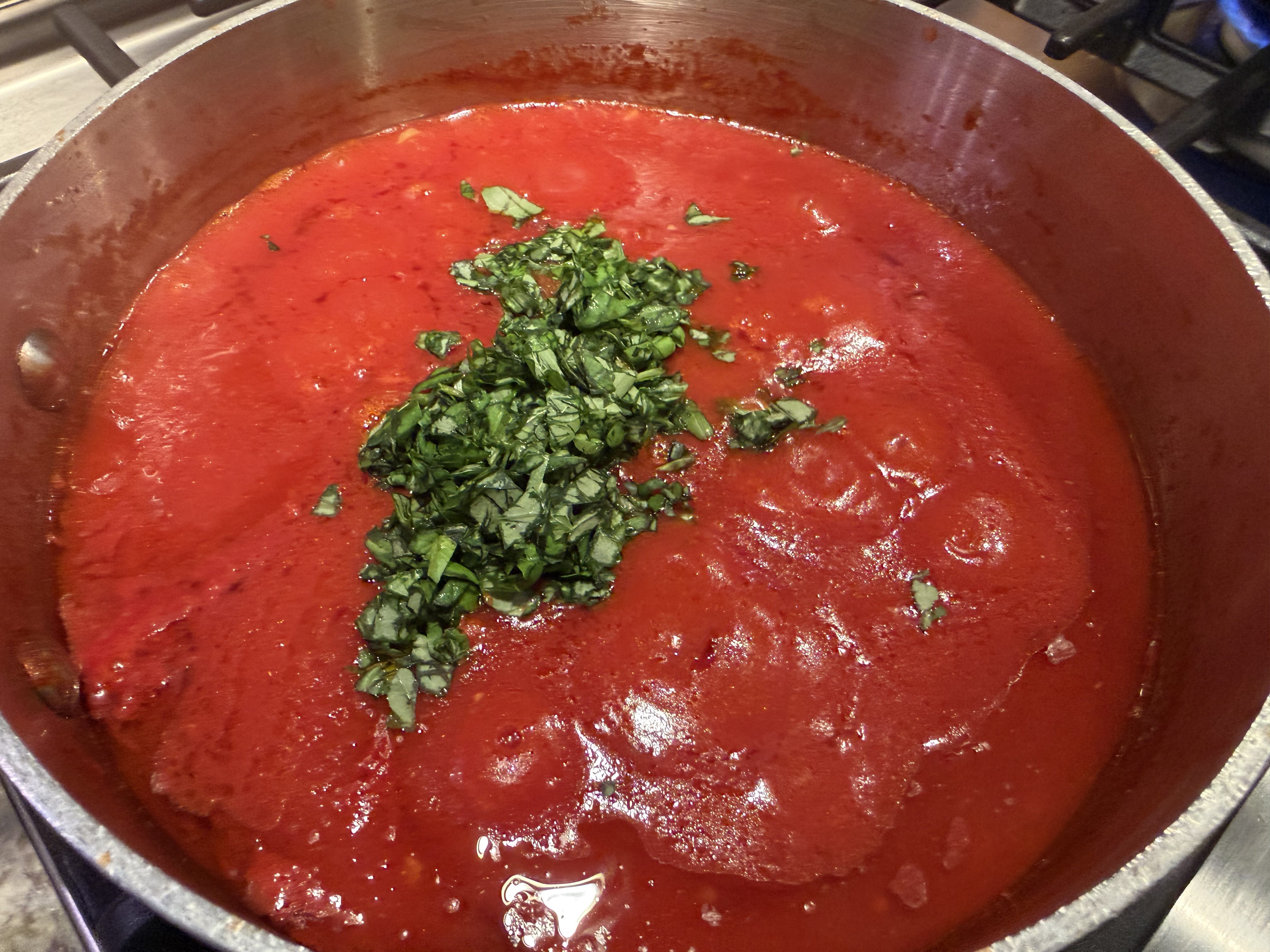
  1. For the Sauce: Heat oil and garlic in medium sauce pan, over medium heat, stirring frequently, until garlic is fragrant but not browned, about 2 minutes. Stir in tomatoes, passata and pepper flakes and simmer until slightly thickened, about 10 minutes. Stir in basil, salt and sugar. Cover and set aside.
  2. For the Filling: Heat oil in 12-inch skillet over medium heat until shimmering. Add fennel, shallot, garlic and 1/4 teaspoon salt and cook, stirring frequently, until fennel is translucent and shallot is beginning to brown, about 6 to 8 minutes. Add 1/2 cup of water, cover and cook for 5 minutes. Uncover and continue to cook, stirring frequently, until liquid has evaporated and fennel is crisp-tender and light golden brown, about 5 more minutes.
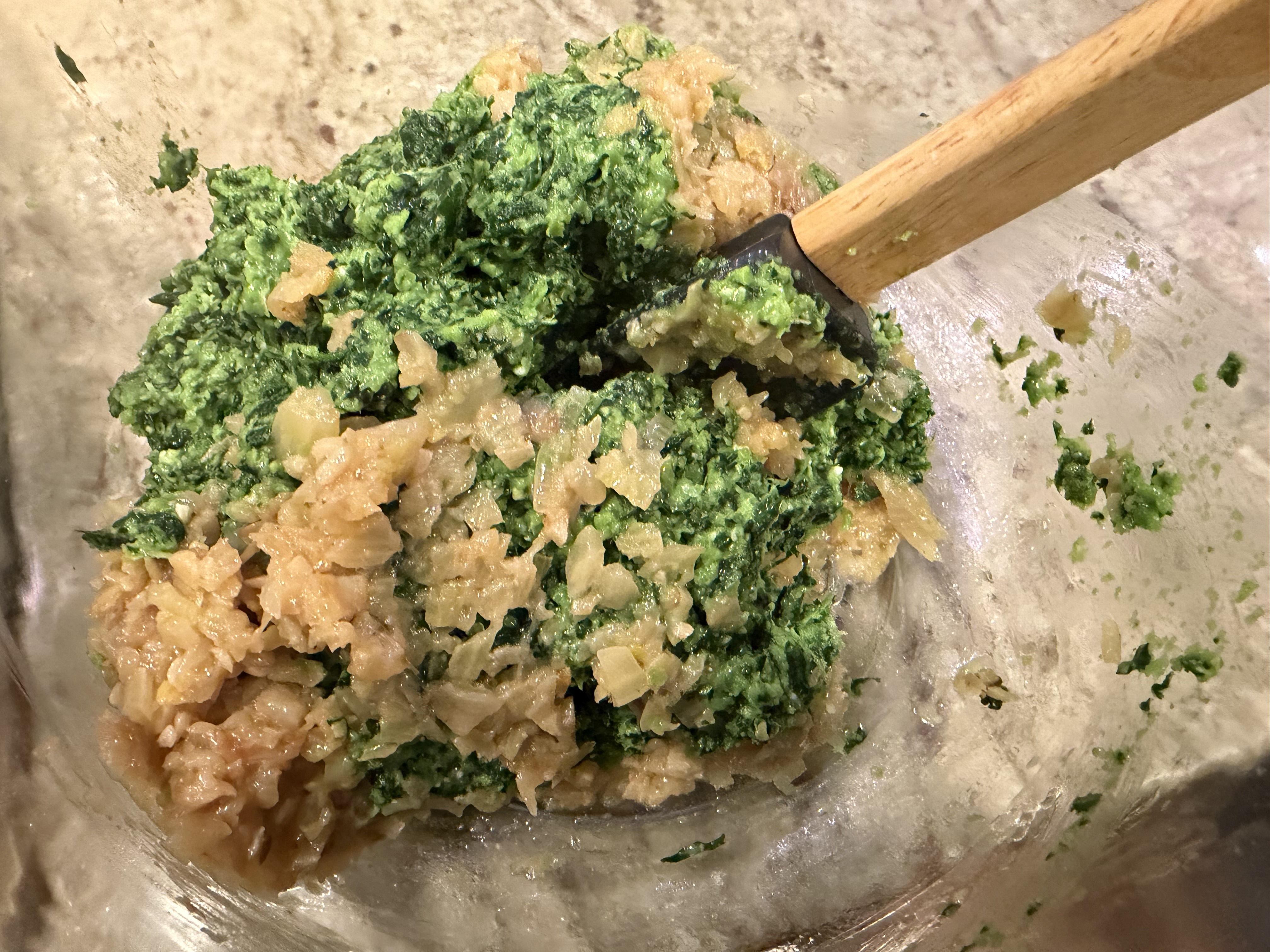
    Process peas in food processor for 15 seconds. Scrape down sides of bowl. Add half of Taleggio, lemon zest, pepper, and remaining 2 teaspoons salt and continue to process until cheese is incorporated and mixture is smooth, 20-30 seconds, scraping down bowl as needed. Add spinach and pulse to incorporate, 5 to 6 pulses. Transfer pea mixture to bowl with fennel, add basil, stir and set aside.
  3. For the Shells: Bring 4 quarts water to boil in large pot. Add pasta and 1 tablespoon salt and cook, stirring occasionally, until al dente, about 9 minutes.Drain pasta and rinse under cold water until cool to touch. Reserve 25 unbroken shells, save the others for another purpose.
    Adjust oven rack to middle position and heat oven to 350°F. Spread 2 cups sauce over bottom of 13-by-9 broiler-safe baking dish. Using spoon, fill each shell with about 2 tablespoons of filling. Arrange shells open side up in rows of 5 shells over sauce in dish. Pour remaining sauce evenly (will probably not cover shells completely). Sprinkle with Parmesan cheese. Break remaining Taleggio into small pieces and dot evenly over top.
  4. To Finish: Cover dish slightly with aluminum foil and bake for 35 to 40 minutes until heated through. Remove foil and return dish to oven. Turn on broiler. Broil until sauce is bubbling and cheese is lightly browned, about 5 minutes. Transfer dish to wire rackand let cool for 10 minutes. Serve.
    NOTE: Fully assembled shells can be refrigerated for up to 24 hours; increase baking time by 10 minutes.

http://www.lynnandruss.com

Recipe by Steve Dunn for Cook’s Illustrated

Dirty Martini Chicken Thighs

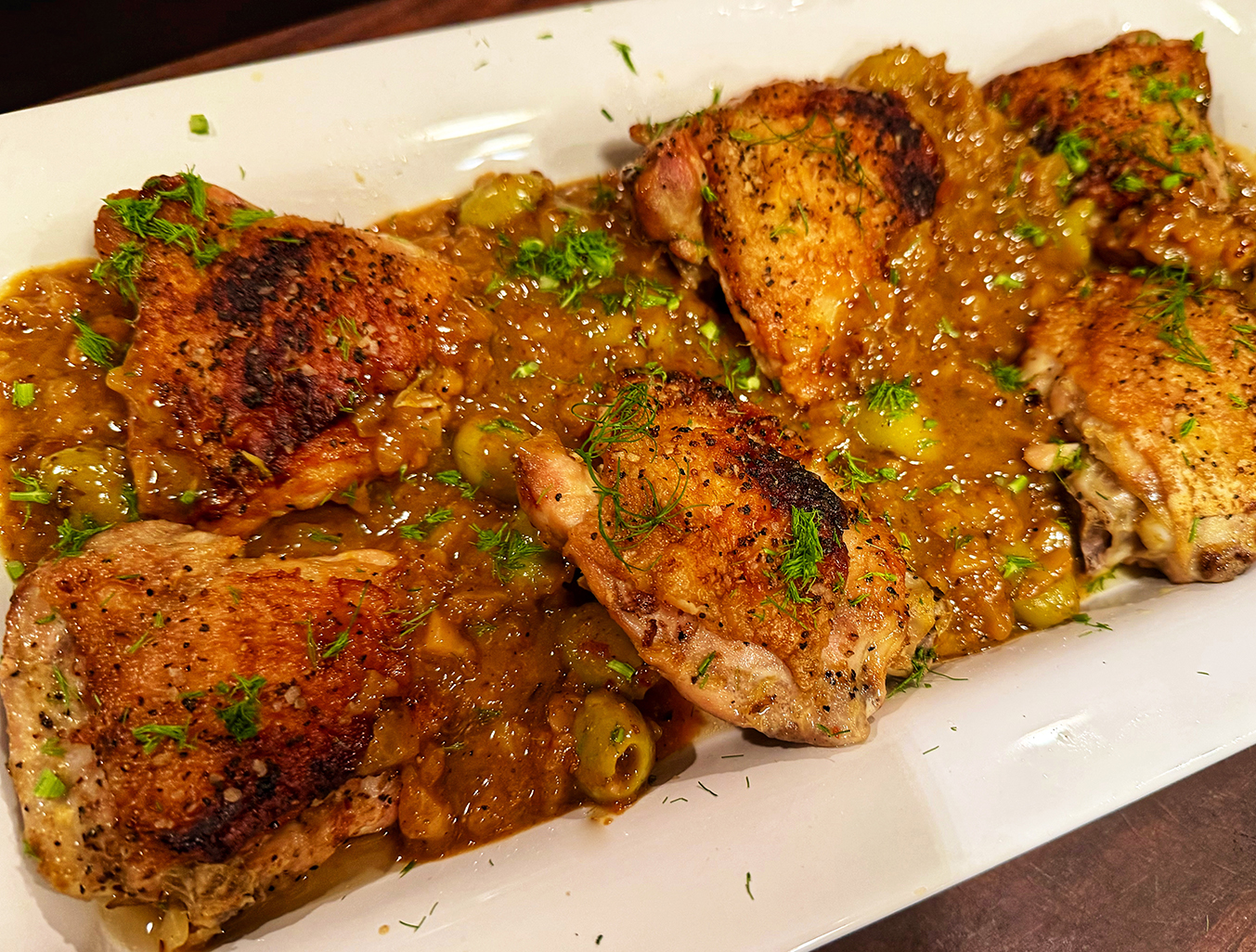
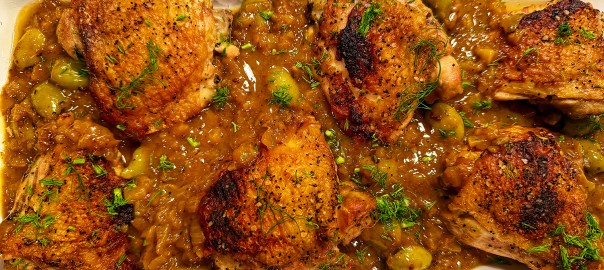
“You only live twice, so live and let die.” Channeling 007! OK, the recipe name alone got our attention! As Bon Appétit puts it “This cheeky chicken dish takes its cues from the king of cocktails: the dirty martini. A healthy pour of vodka stands in for the more typical beer or wine in this braise, lending its distinct piercing brightness and a touch of boozy heat.”

The idea of adding the same notes of the briny beverage to food might sound off-putting at first but don’t knock it until you’ve tried it. Giving your meals a dirty martini twist can actually add so much savoriness to each bite, and if you love the taste of the classic drink, why wouldn’t you want to include the unique umami flavor in your meals, too?

The spirit’s sharp top notes cut through the heaviness of the ultra-savory pan sauce, much like vinegar or lemon juice but with a bit more bite. As is the case in a classic vodka sauce for pasta, the alcohol helps the dish straddle the line between rich and vibrant. As it all simmers, why not mix up a drink for dinner too—just sayin’ you’ve got all the ingredients at the ready!

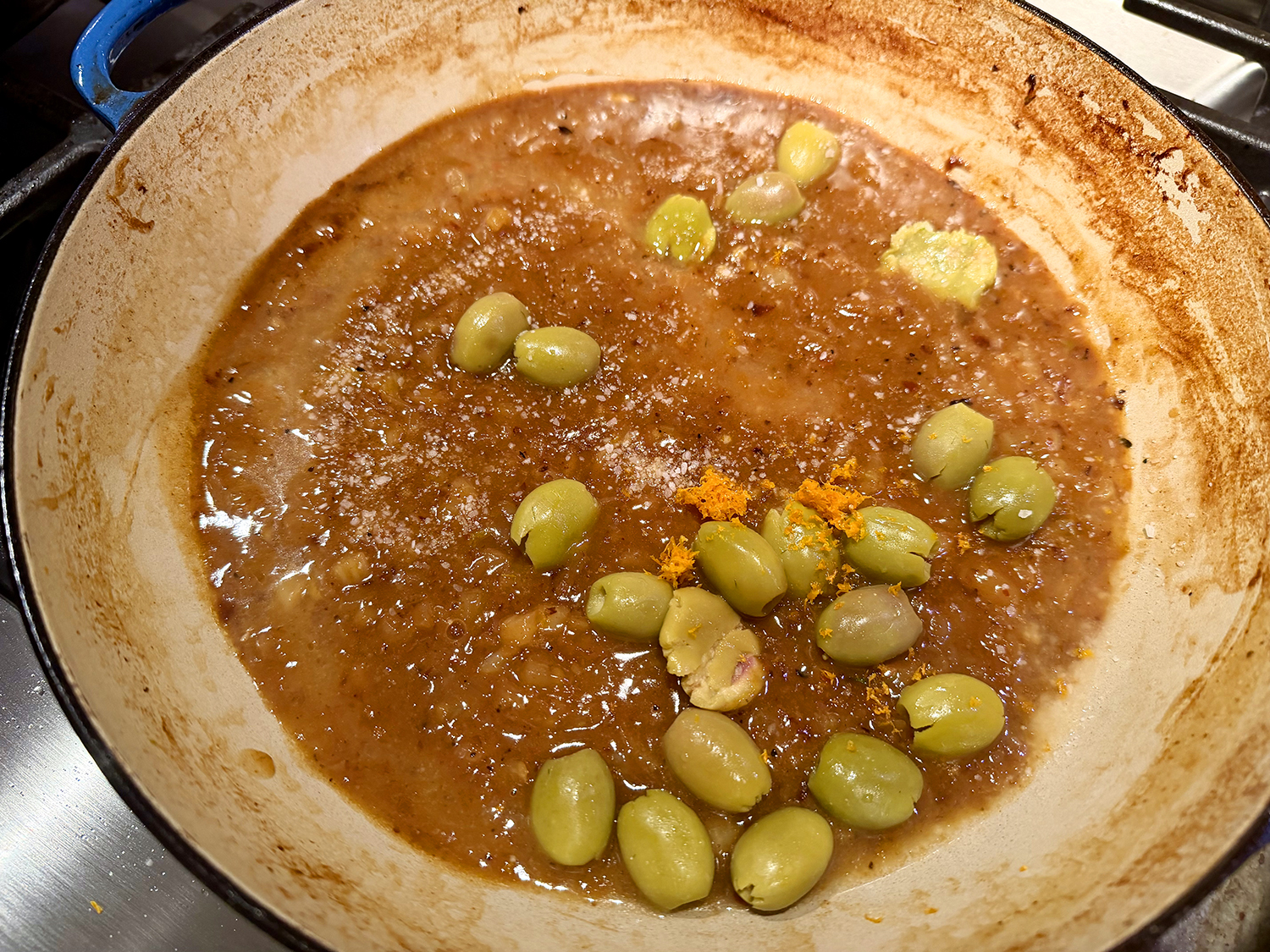
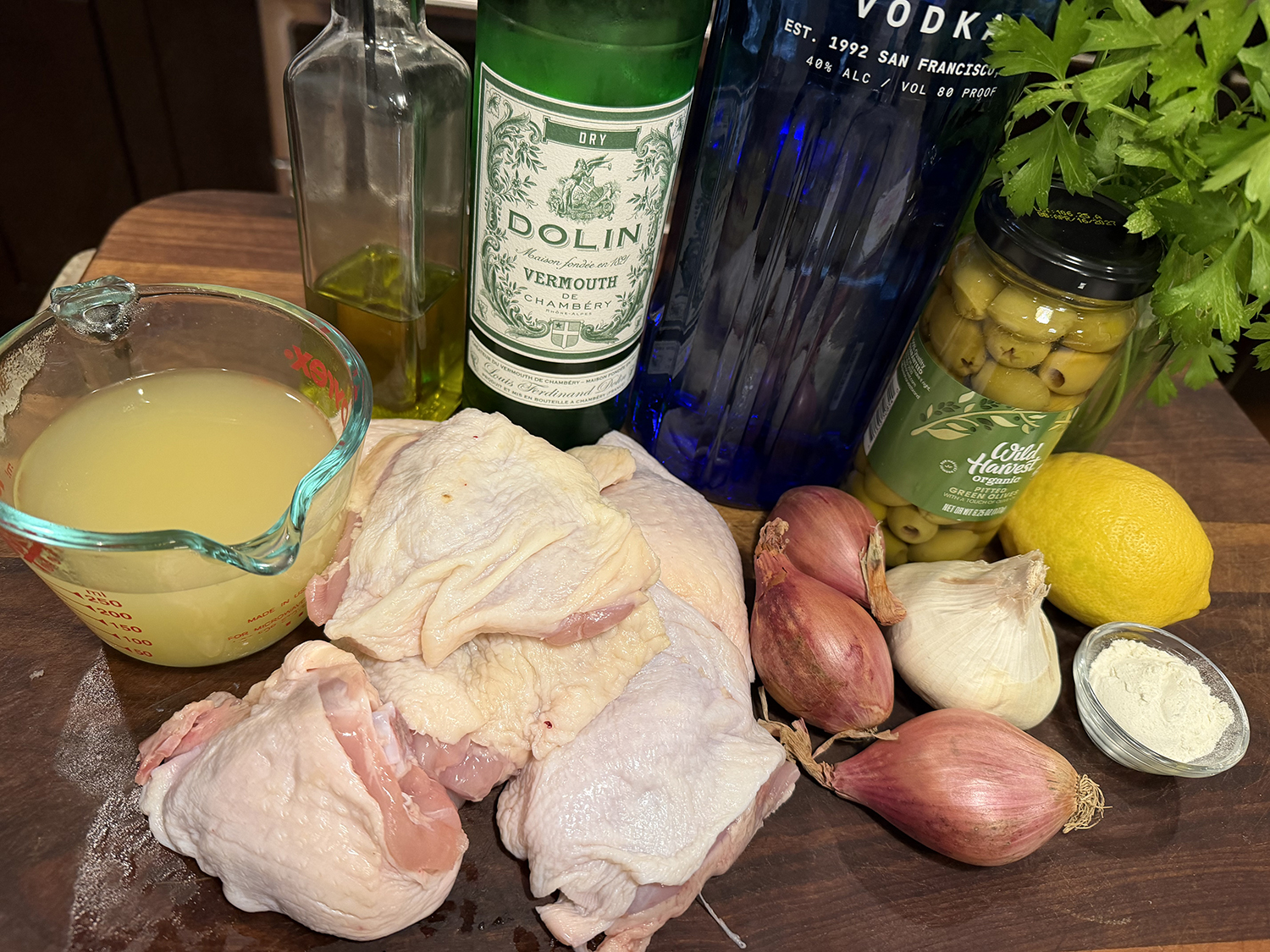
For the best flavor, Castelvetrano olives are the perfect choice here. Their firm, meaty texture means they hold up well during cooking, and their mild, buttery flavor isn’t as salty as other types. Because you are using both the olives and the brine they are packed in, it’s a small luxury worth investing in. Find them already pitted—jarred, canned, or at an olive bar—our favorite— if your grocery store has one. Unfortunately, the olive bar uses slitted spoons so we couldn’t gather the brine; and the jarred Castelvetrano olives weren’t pitted. The brand we selected worked fine.

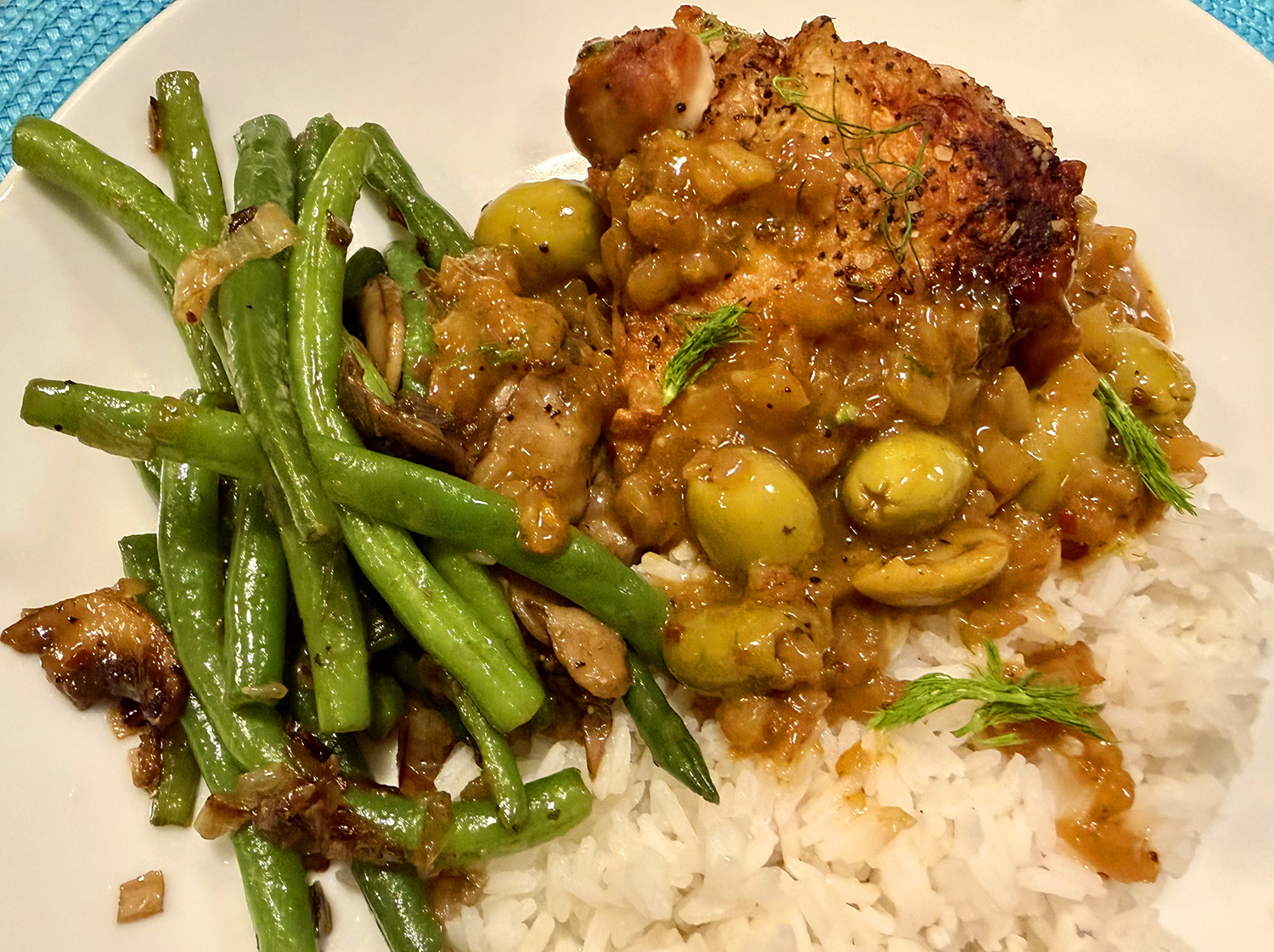
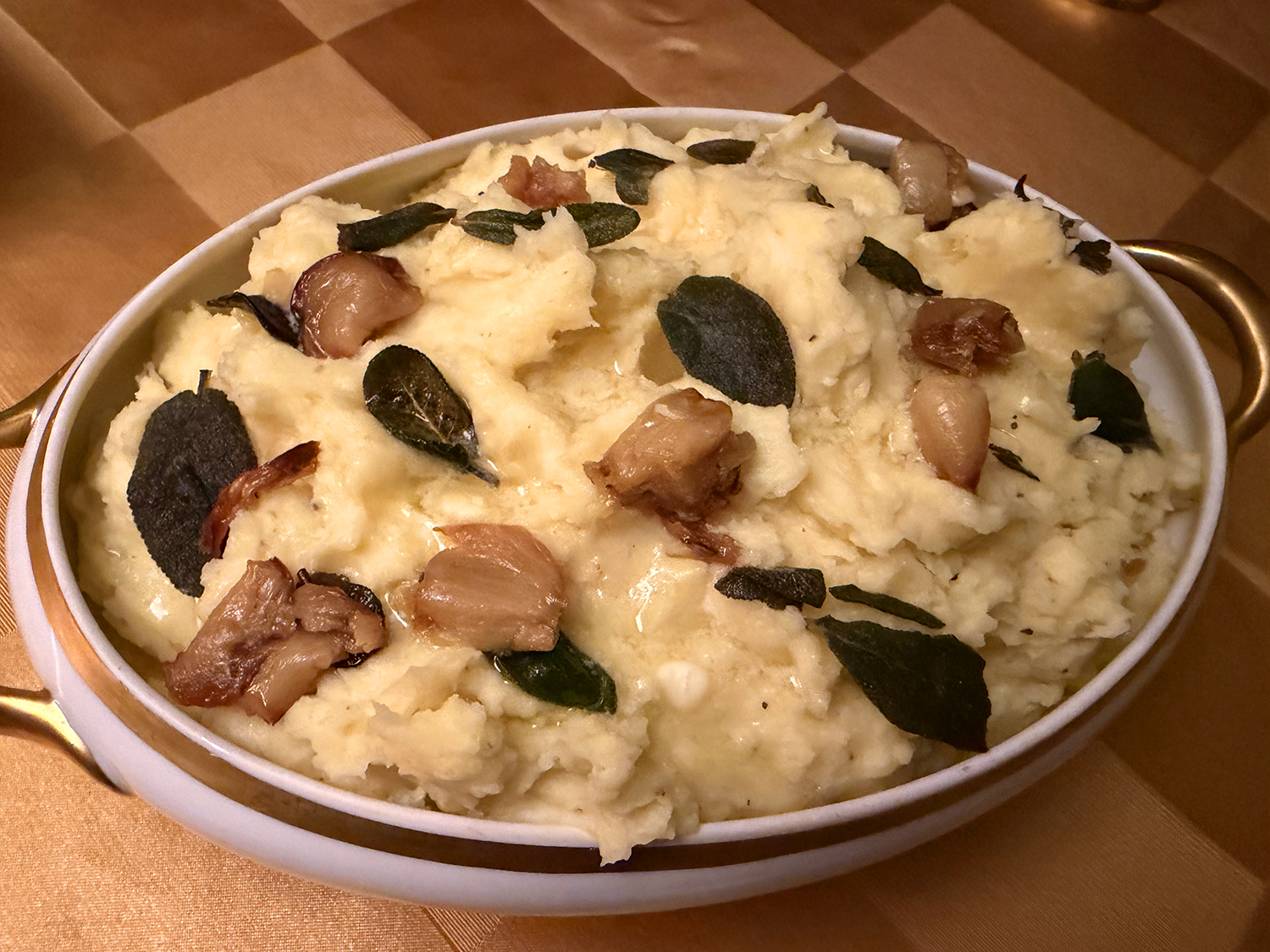
A little labor intensive but so worth the time and effort! Now, this took MUCH longer than the stated 45 minutes (and many other reviewers agreed). From start to finish, it took us more than 1 hour and 45 minutes! Reduction of the sauce needs a lot more that 9 to 12 minutes. What to serve it with? How about steamed rice, velvety mashed potatoes, or as we did, wide egg noodles.

OK, now let’s get real. The amount of chicken is considered measly in our minds. Two pounds of bone-in chicken thighs is just not enough to feed 4 adults. Plan on 6 to 8 decent-sized thighs, no matter what the weight ends up being. Regarding the olives, our jar was 6.25 ounces*, and gave us exactly 2/3 brine.

“You only live twice, so live and let die.”

Dirty Martini Chicken Thighs

  • Servings: 3-4
  • Difficulty: easy
  • Print

Ingredients

  • Skin-on, bone-in chicken thighs (6-8), about 3 lbs.
  • 1 tsp. freshly ground pepper
  • 2 tsp. Diamond Crystal or 1¼ tsp. Morton kosher salt, plus more
  • 3 Tbsp. extra-virgin olive oil
  • 3 medium shallots, thinly sliced
  • 12 garlic cloves, thinly sliced
  • 1 Tbsp. all-purpose flour
  • 1¼ cups dry vermouth
  • 1 cup low-sodium chicken broth
  • 1 5.5-oz. jar* pitted Castelvetrano or other green olives, rinsed (about 1 cup), brine reserved (about ⅔ cup)
  • ⅔ cup vodka, divided
  • 1 tsp. finely grated lemon zest
  • Parsley leaves with tender stems and lemon wedges (optional; for serving)

Directions

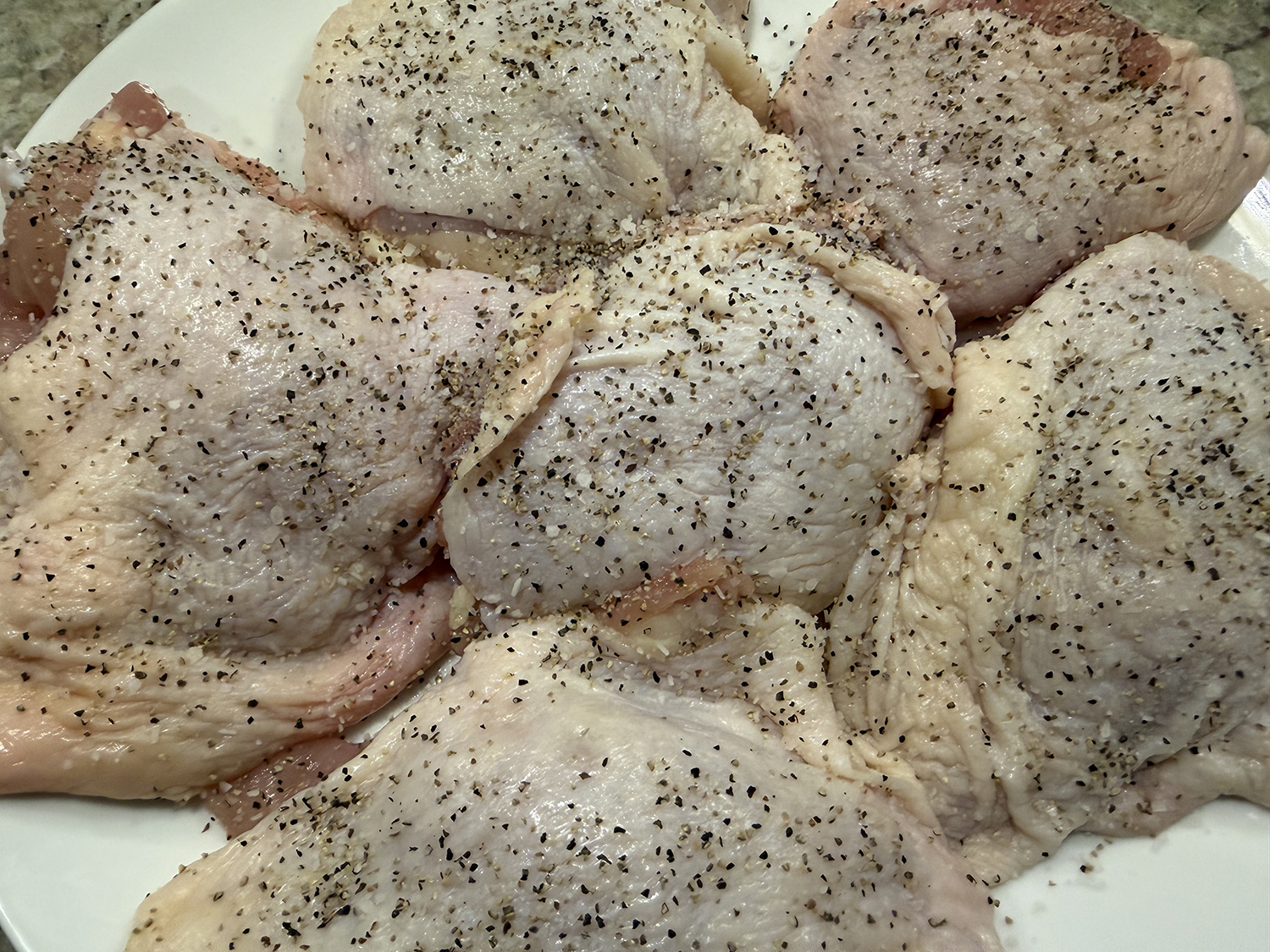
  1. Place a rack in middle of oven; preheat to 350°. Pat 2 lb. skin-on, bone-in chicken thighs (4–6) dry with paper towels and sprinkle all over with 1 tsp. freshly ground pepper and 2 tsp. Diamond Crystal or 1¼ tsp. Morton kosher salt.
  2. Pour 3 Tbsp. extra-virgin olive oil into a cold very large high-sided ovenproof skillet or short-sided pot over medium (you want the vessel to be at least 3½-qt. capacity; if you don’t have any of the preferred options, a large Dutch oven will work). Arrange chicken thighs, skin side down, in pan and set over medium heat. Cook, undisturbed, rotating pan around on burner for even browning, until chicken is deep golden brown and releases easily from pan, 14–17 minutes. Transfer chicken thighs to a plate, arranging skin side up.
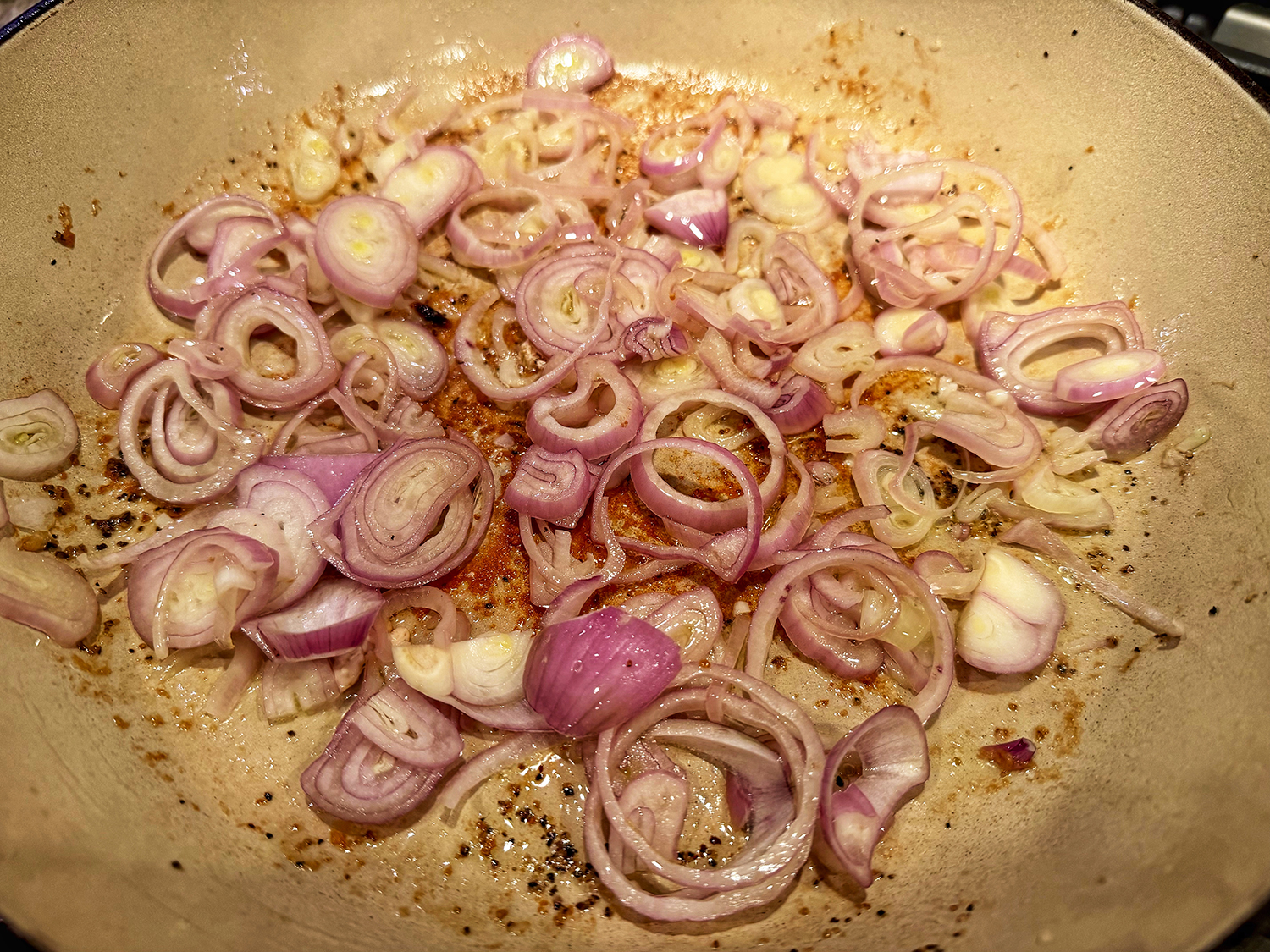
  3. Pour off all but 4 tsp. oil from pan; discard. Return pan to medium heat and cook 3 medium shallots, thinly sliced, stirring often, until just tender, about 4 minutes. Add 12 garlic cloves, thinly sliced, and cook, stirring often, until fragrant, about 3 minutes. Sprinkle in 1 Tbsp. all-purpose flour and stir to coat, then remove from heat (make sure pan is far away from the burner).
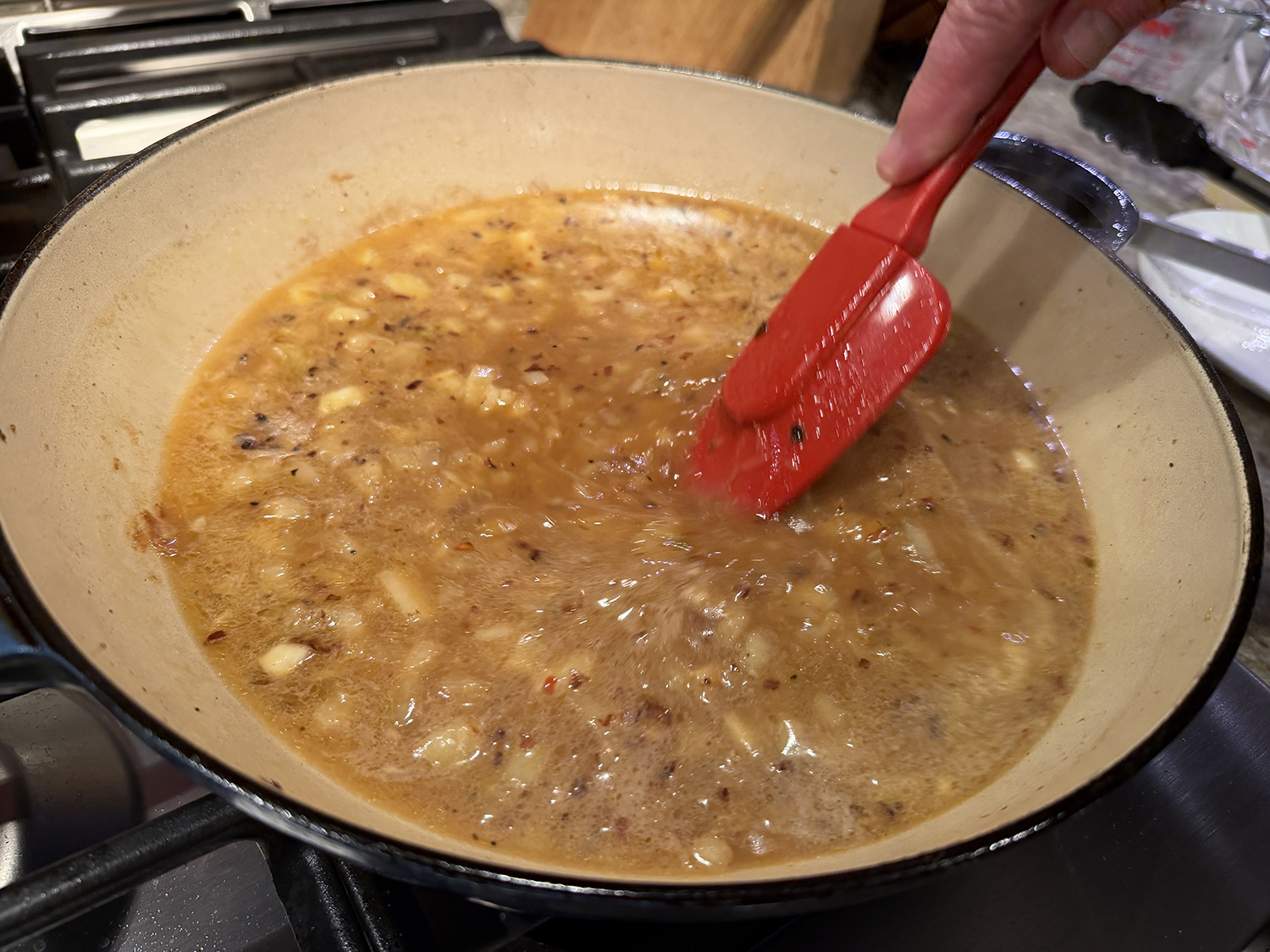
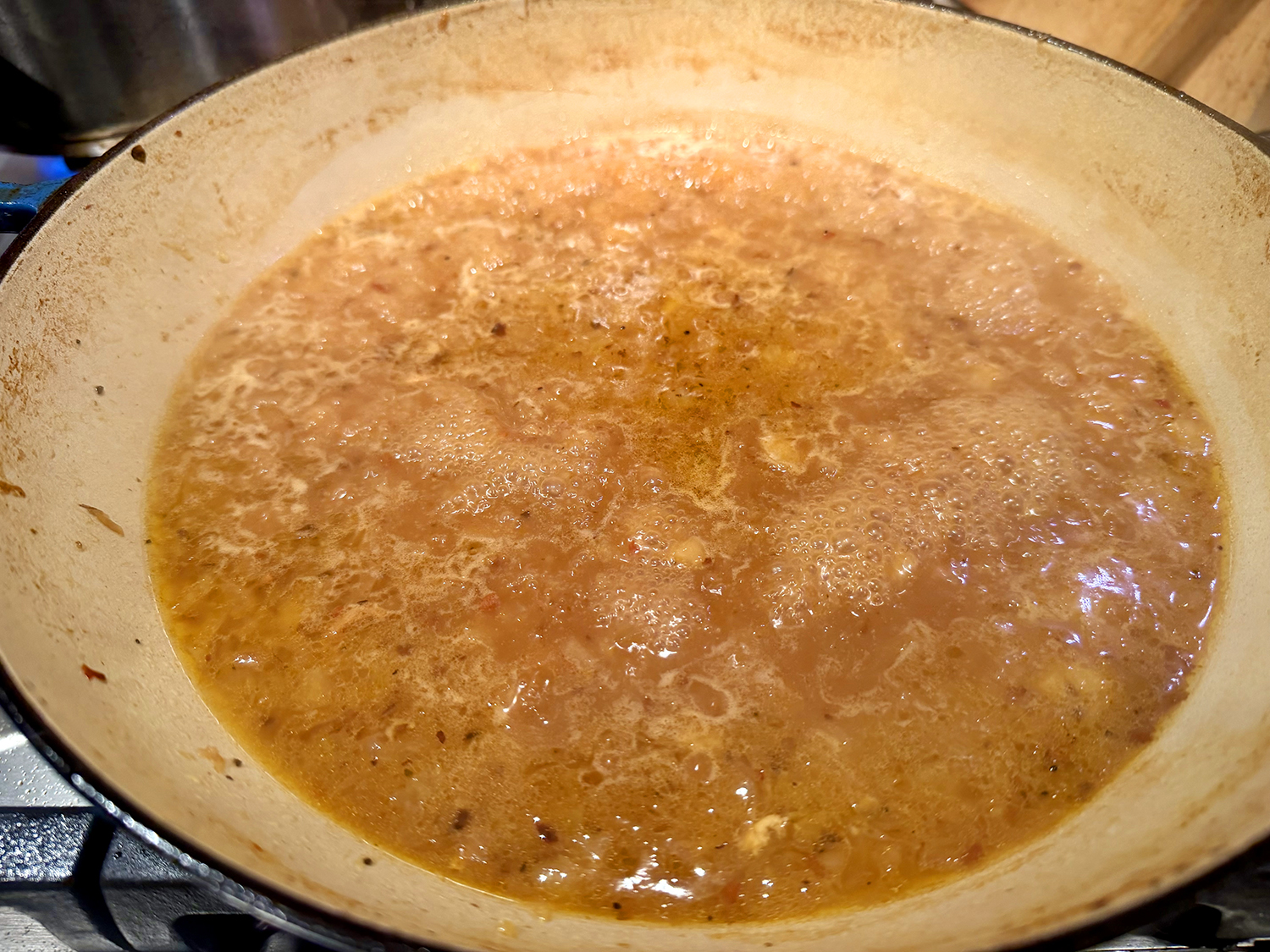
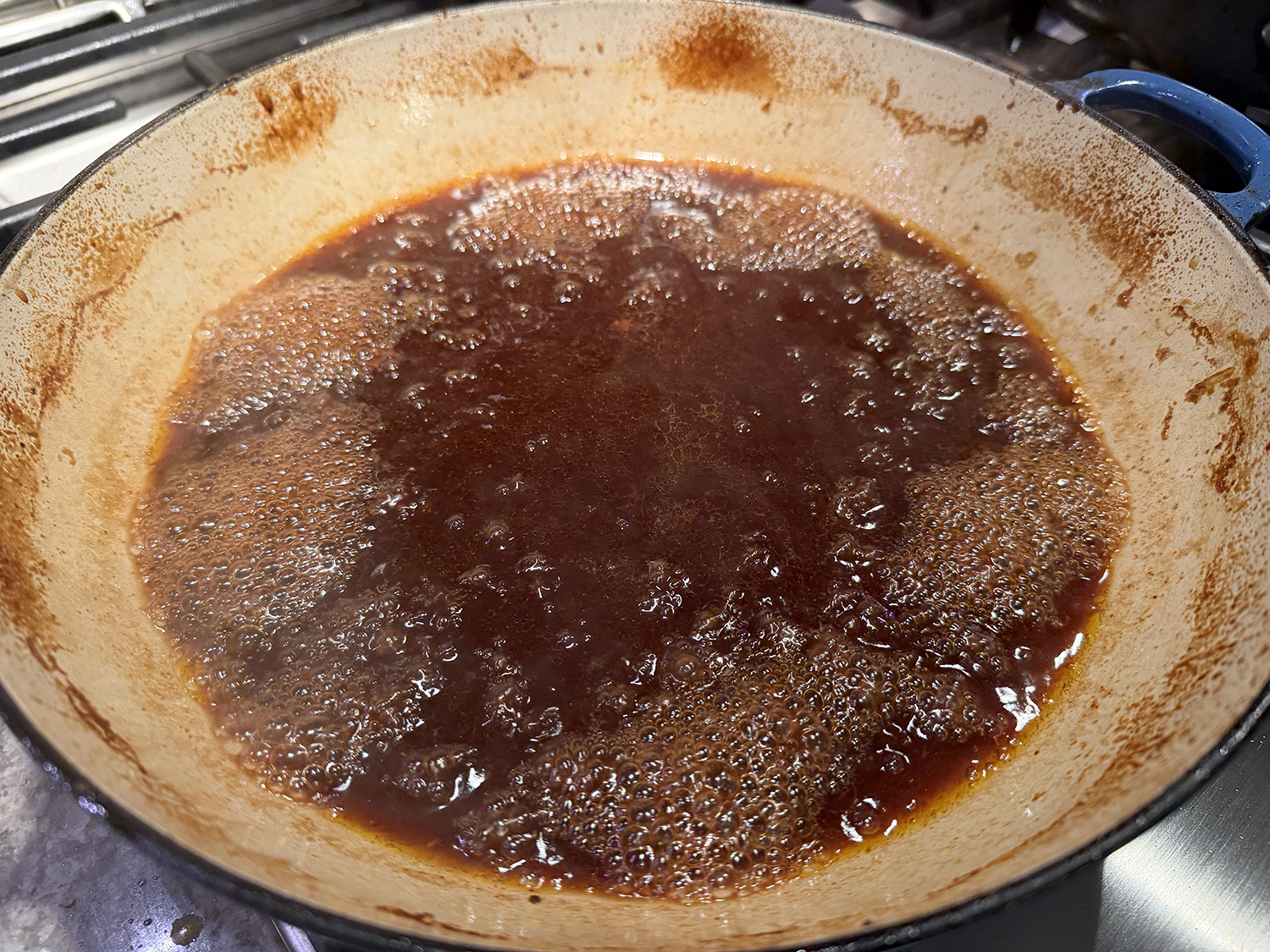
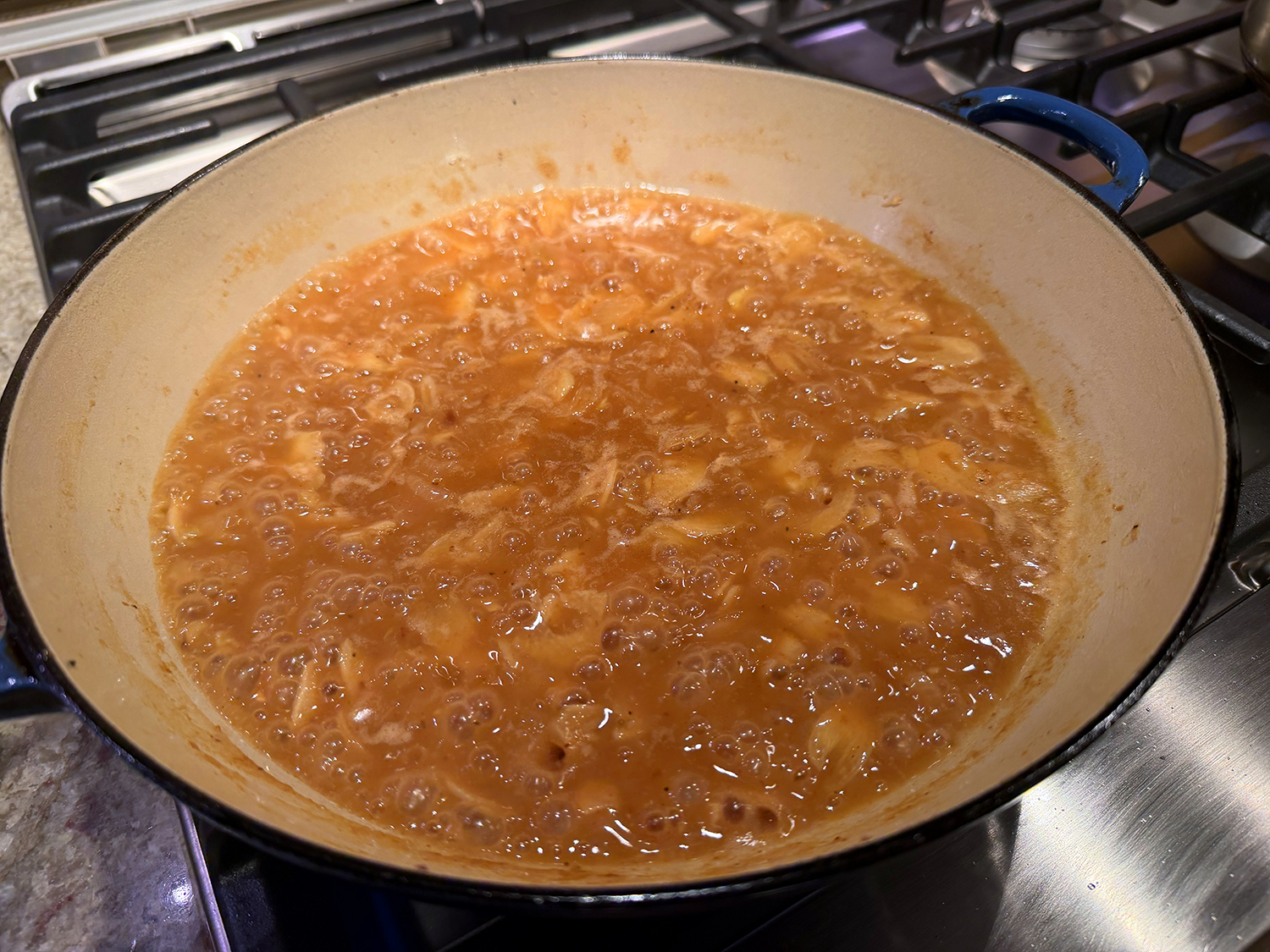
  4. Carefully pour in 1¼ cups dry vermouth, 1 cup low-sodium chicken broth, ⅔ cup olive brine, and ⅓ cup vodka. Place pan over medium-high heat and bring liquid to a simmer. Cook, stirring occasionally, until sauce is reduced by two thirds, 9–12 minutes. (It took us nearly 25 minutes to reduce it down to 2/3 the original amount.) Remove from heat; stir in remaining ⅓ cup vodka. Taste sauce and season with more salt if needed.
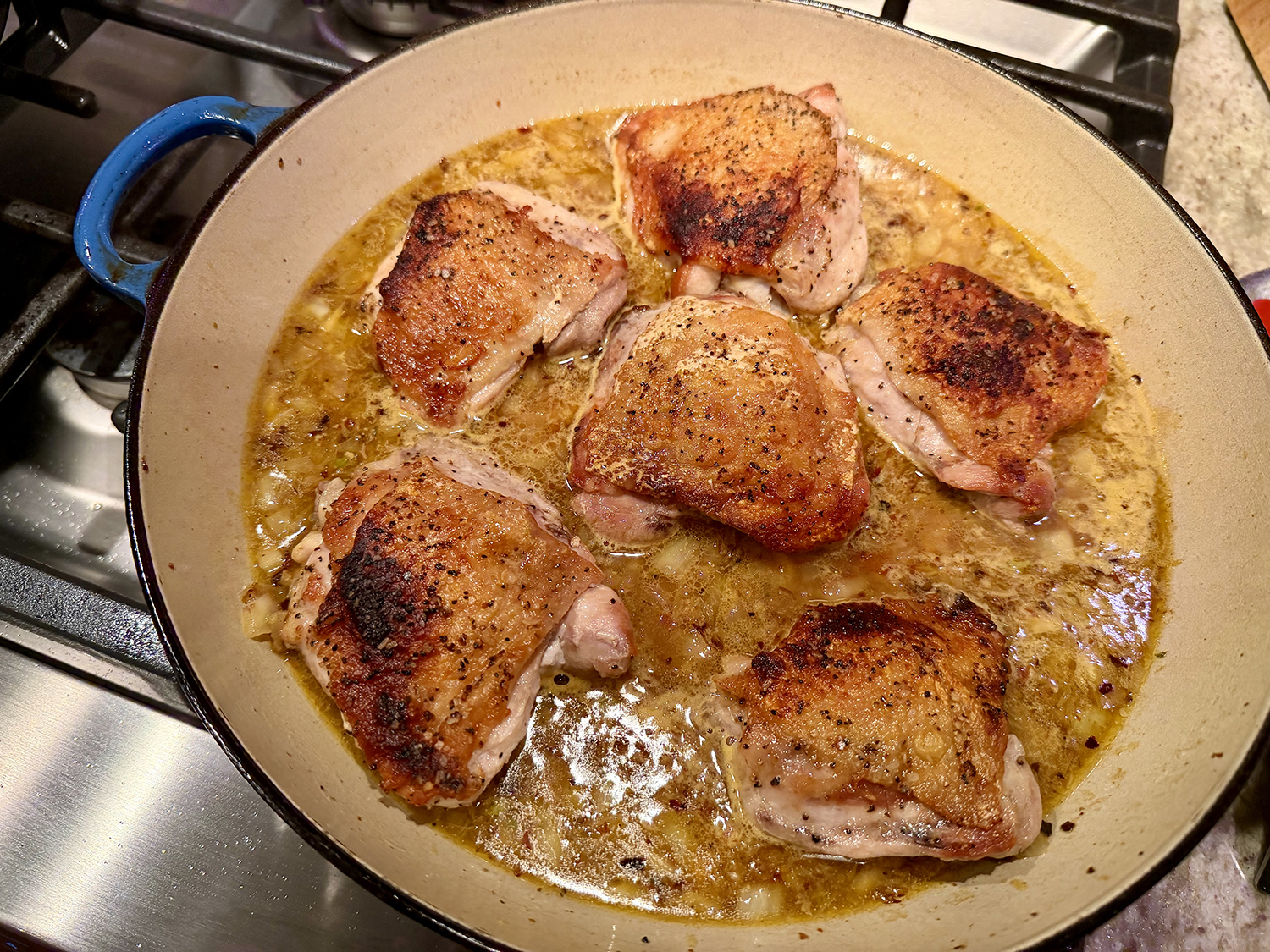
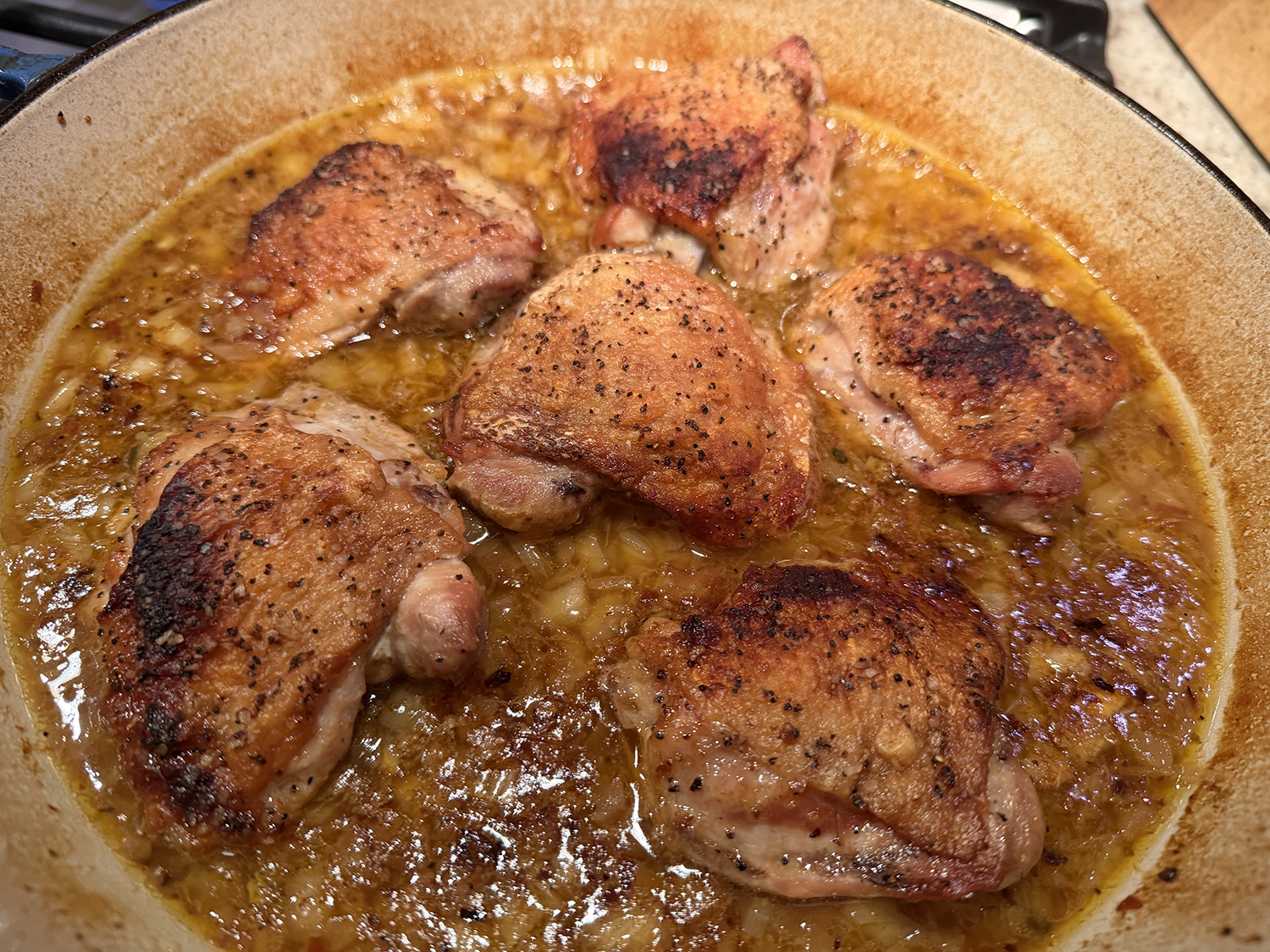
  5. Nestle chicken thighs, skin side up, into sauce. Scatter one 5.5-oz. jar pitted Castelvetrano or other green olives, rinsed (about 1 cup), over, allowing most of them to fall into the sauce. Bake, uncovered, until chicken is cooked through and an instant-read thermometer inserted into the thickest part of a thigh registers 165°, 25–35 minutes.
  6. Remove pan from heat, stir in 1 tsp. finely grated lemon zest and and scatter parsley leaves with tender stems over chicken and sauce. Serve with lemon wedges for squeezing over if desired.

http://www.lynnandruss.com

Adapted from a recipe by Jesse Szewczyk for Bon Appétit

Farro with Mushrooms and Peas

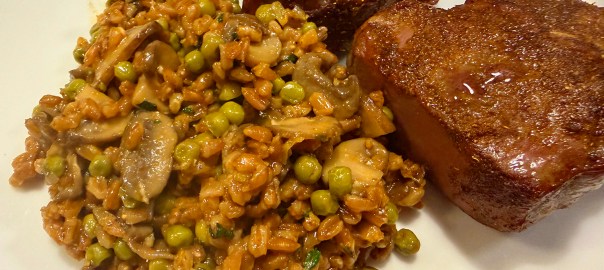
We were pleasantly surprised how much we loved this easy farro recipe with mushrooms and peas. The side dish is creamy and packed with the flavors of fresh thyme, garlic, and a little Parmesan cheese. Think of this as a farro risotto type dish, but with far less TLC than your typical risotto requires! 

It is perfect as a vegetarian main next to some fresh salad, or serve it as a side next to your favorite protein, such as we did with loin lamb chops. You can also prepare it in advance and use as lunch for several days.

Unfamiliar with farro? It is a nutty-flavored Mediterranean grain that has been in use since the time of ancient Egypt. And not only is it chockful of good-for-you nutrition — fiber, protein, vitamins, minerals and antioxidants — it is also hearty, deeply satisfying, and quite versatile.

NOTES: As a vegetarian entree or main course, this recipe will serve 4. If served as a side next to your favorite protein such as salmon, chicken, pork or lamb, it can serve 5 to 6 people.

This farro recipe will keep well for 3 to 4 days, if refrigerated properly in airtight containers. When you need to warm it up, just use a skillet over medium-low heat. It helps to add a little bit of water and stir regularly till warmed through.

Farro with Mushrooms and Peas

  • Servings: 4
  • Difficulty: easy
  • Print

Ingredients

  • Extra virgin olive oil
  • 3 green onions, chopped
  • 8 oz. baby bella mushrooms cleaned, trimmed and sliced
  • 1 cup frozen peas
  • 1 tsp. chopped garlic
  • 1 cup pearled farro
  • 1 tsp. sweet paprika
  • 2 springs fresh thyme, leaves only
  • Salt and pepper
  • 2 1/4 cups vegetable broth or chicken broth
  • 1/2 cup grated Parmesan cheese
  • 1/4 cup fresh mint leaves, chopped

Directions

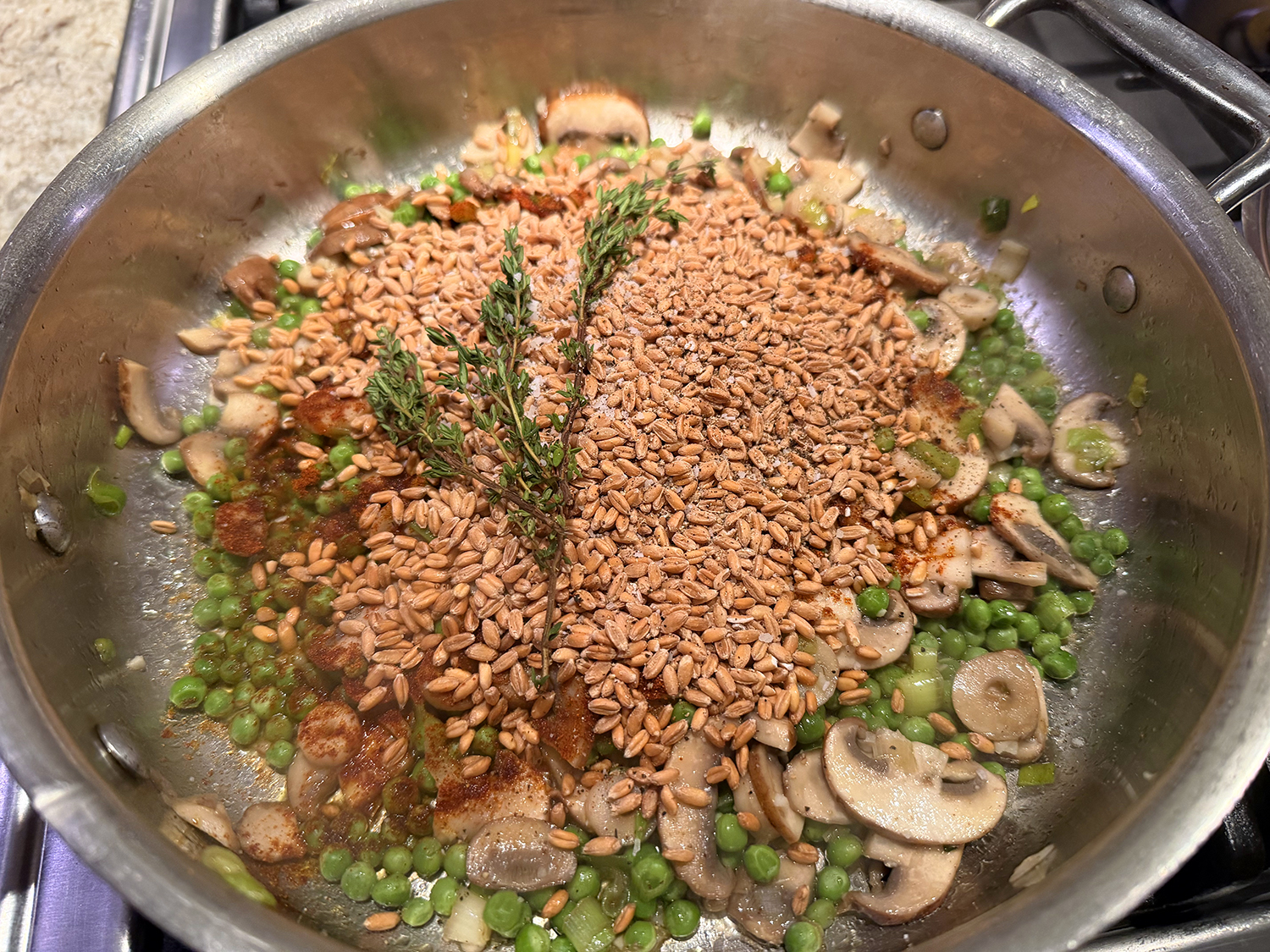
  1. In a deep skillet with a lid, heat 2 tablespoons of olive oil over medium-high heat. Add green onions, mushrooms, and peas; sauté for 3-4 minutes. Add fresh garlic and stir briefly until fragrant. Now add farro, sweet paprika, thyme, and a little salt and pepper. Cook for 4-5 minutes, stirring regularly.
  2. Meanwhile, in a separate pot over medium-high heat, bring the broth to a boil. Add the boiling broth to the farro mixture. Bring everything to a boil, then lower the heat to medium-low. Cover and cook for 20 minutes (or according to package directions, ours took 30 minutes) until the liquid is absorbed.
  3. Remove from heat and add grated Parmesan and fresh mint leaves. Serve warm.

http://www.lynnandruss.com

Recipe by Suzy Karadsheh

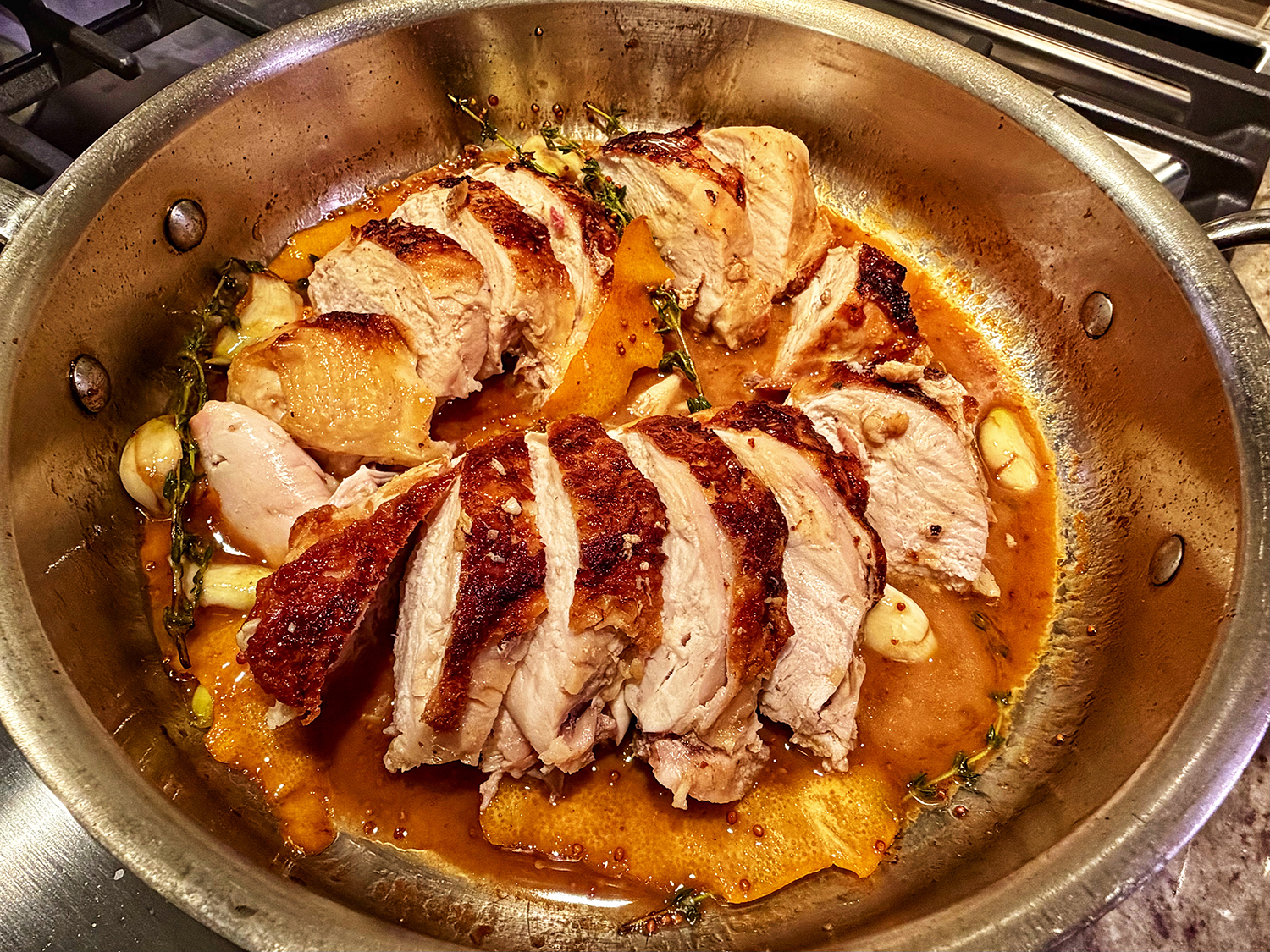
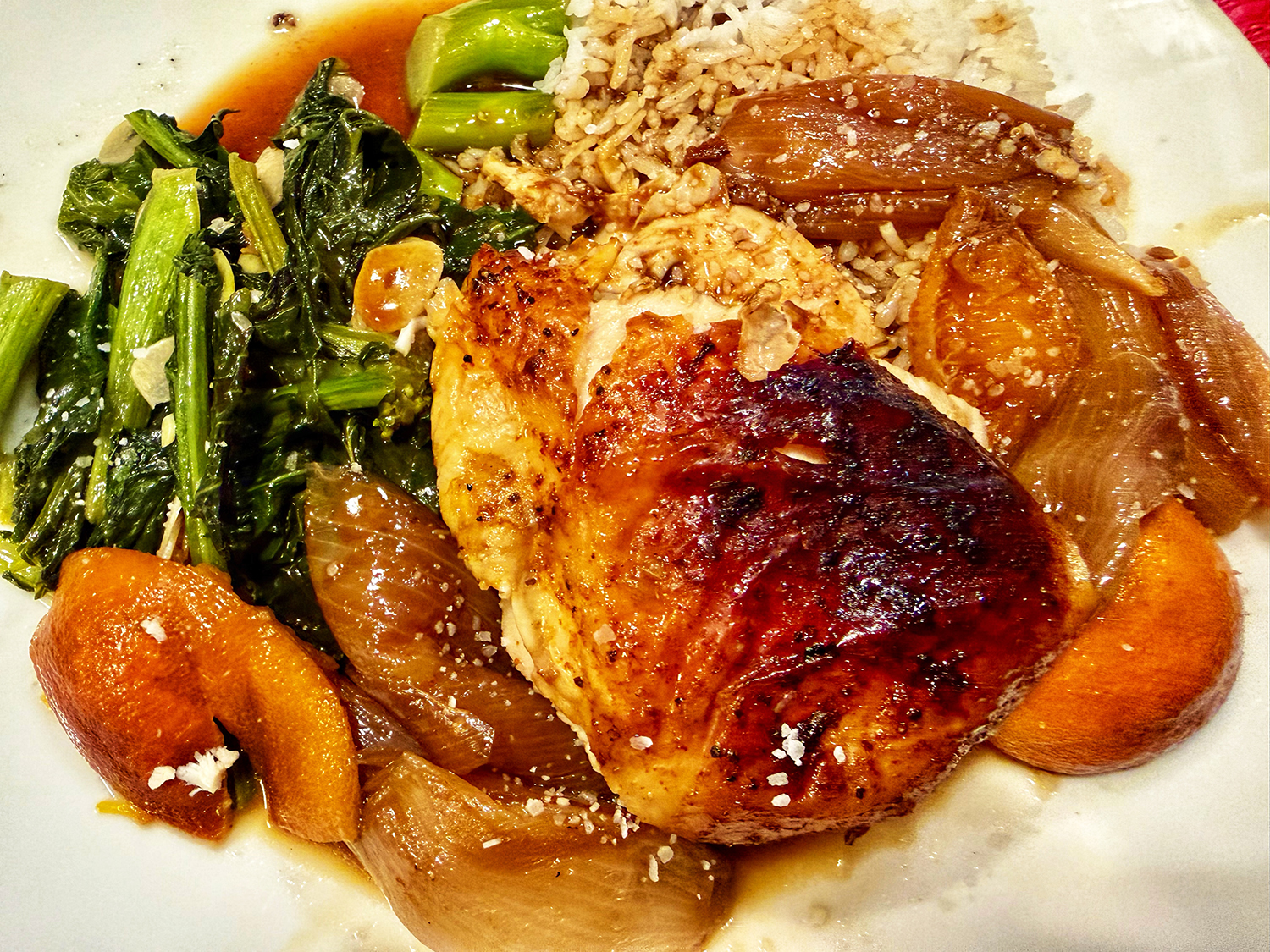
Skillet-Roasted Chicken Breasts with Rustic Orange-Thyme Sauce

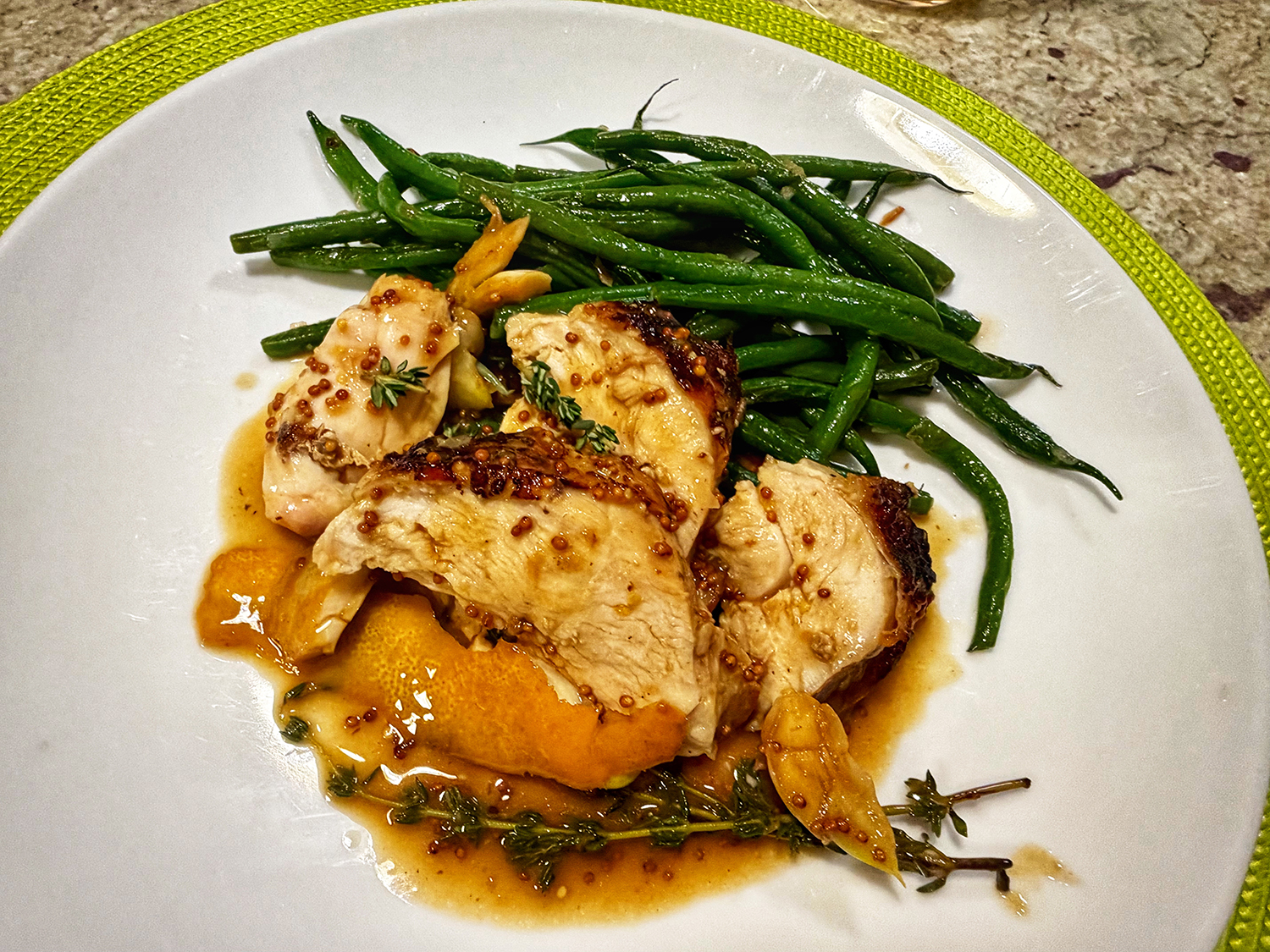
This low-fuss method for skillet-roasted chicken breasts produces perfectly tender, juicy white meat and flavorful pan juices that are easily transformed into a bright, buttery sauce. Bone-in, skin-on chicken breasts are used—the skin and bones make the breasts less prone to overcooking.

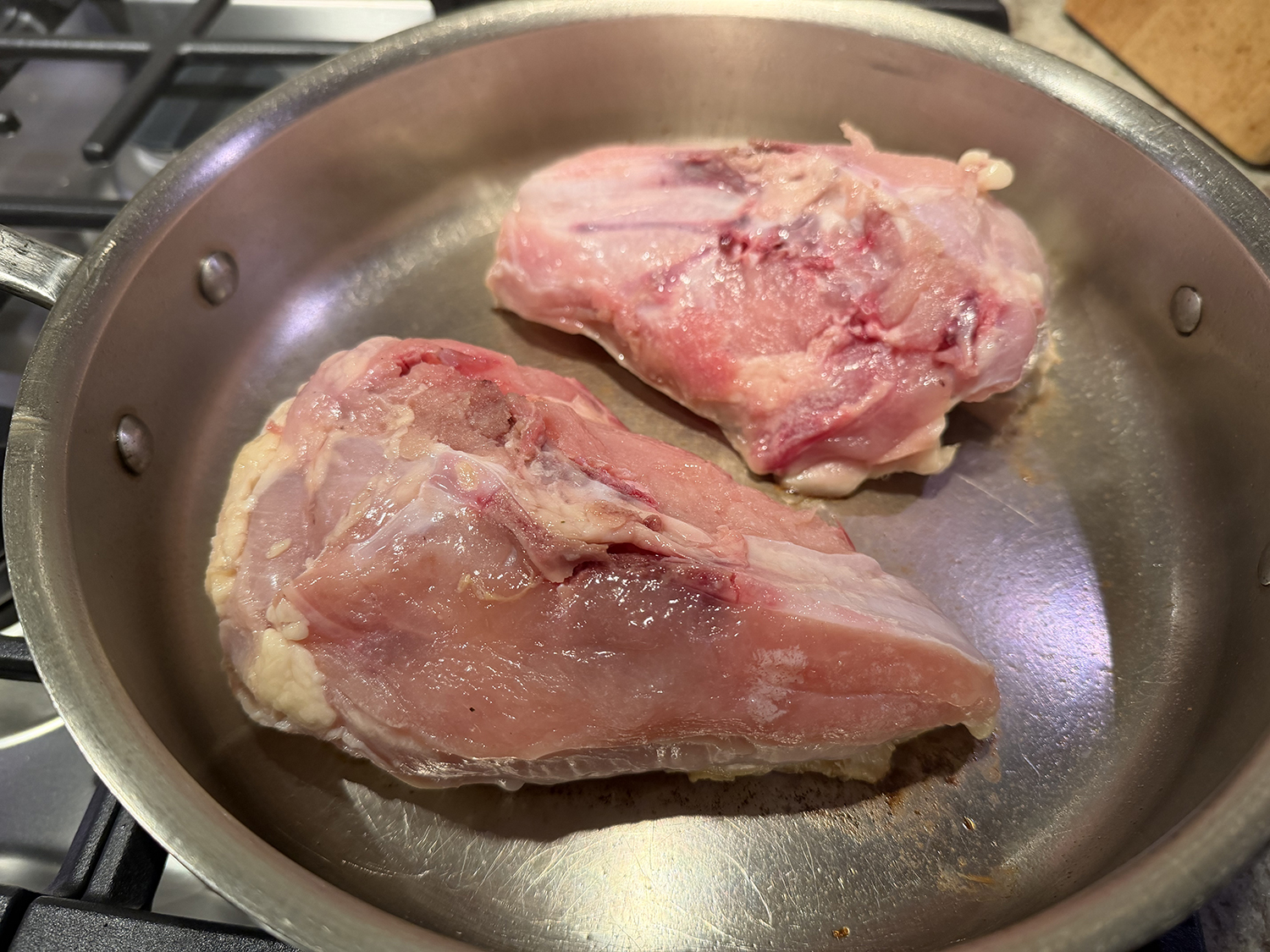
Salting under the skin seasons the meat directly, while piercing the skin helps it render efficiently. Spraying the chicken—not the pan—with cooking spray minimizes the fat in the skillet and, thus, grease splatters, and starting in a cold pan gives the skin time to render and brown before the meat overcooks.

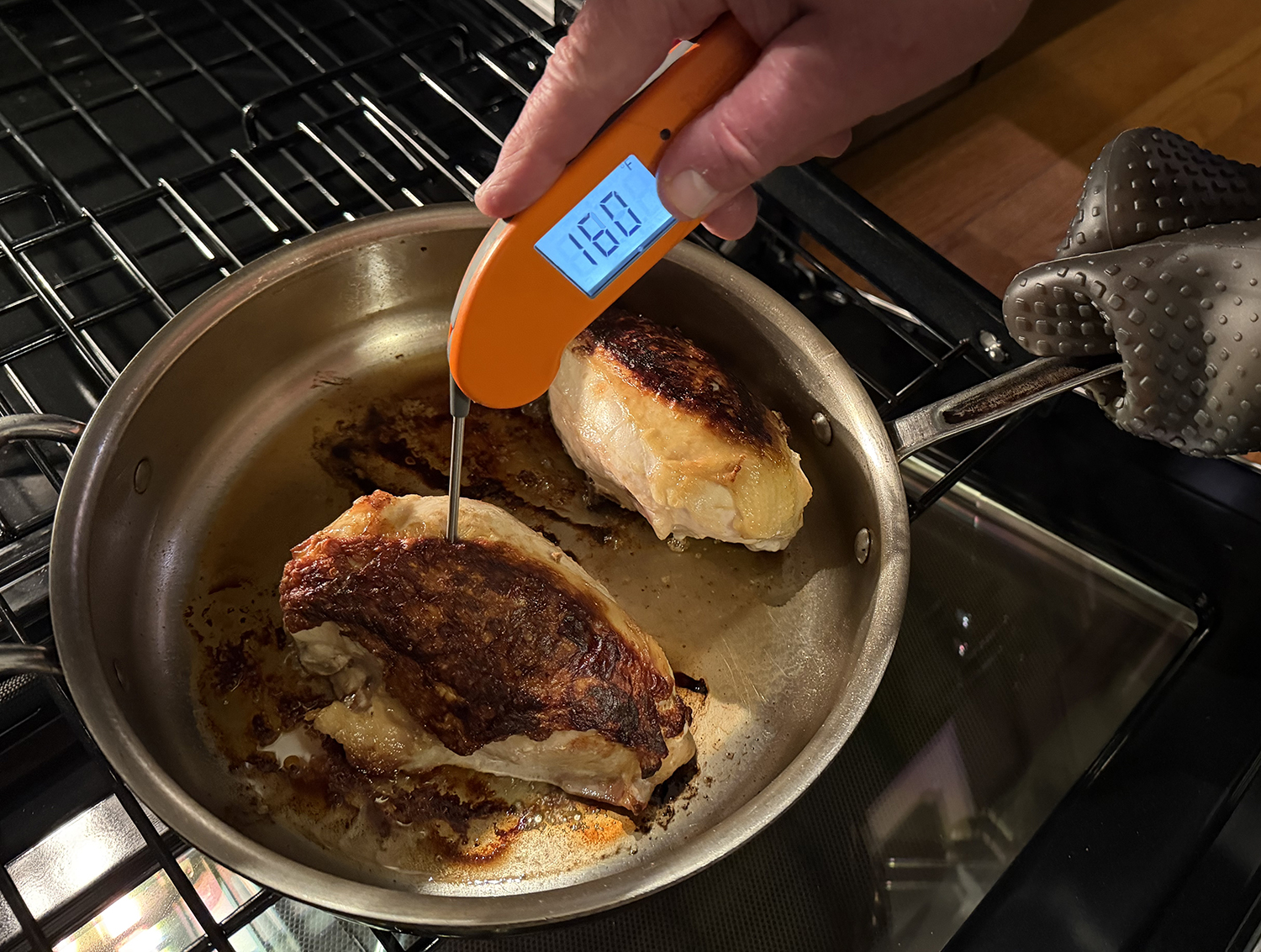
Finishing the chicken in the oven brings it up to temperature gently, so the thinner portions don’t dry out. It is fast and easy to reduce the juices left in the pan, creating a rich fond for the sauce that doesn’t require boxed broth.

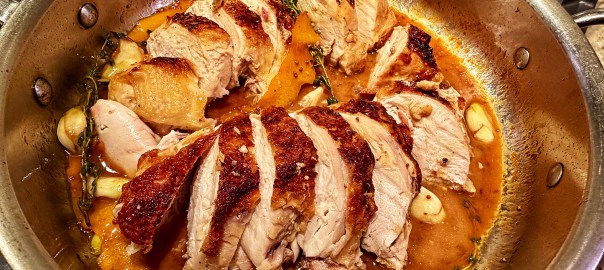
To cut back on knife-work, leave the garlic, zest, and herbs in large pieces and simply add more of them. Melting a generous amount of butter all at once is much faster and easier than emulsifying it piece by piece and results in a rustically elegant sauce. The meat is sliced and served it in the skillet, which keeps the chicken and sauce warm.

For the best results, buy chicken breasts of similar size. Use kitchen shears to snip off the ribs and trim the excess fatty skin from the thick ends of the breasts. (See illustration box below.)

Illustration above from Cook’s Illustrated No. 198, January, February 2026
Skillet-Roasted Chicken Breasts with Rustic Orange-Thyme Sauce

  • Servings: 4-6
  • Difficulty: moderate
  • Print

Ingredients

  • 4 (10- to 12-oz.) bone-in* split chicken breasts, ribs removed, trimmed
  • 1½ tsp. kosher salt, divided
  • Vegetable oil spray
  • 4 Tbsp. unsalted butter
  • 4 garlic cloves, smashed and peeled
  • 4 (3-inch) strips orange zest, divided, plus ¼ cup orange juice
  • 10 sprigs fresh thyme, divided
  • 1½ Tbsp. whole-grain mustard

Directions

  1. Adjust oven rack to upper-middle position and heat oven to 325 degrees. Use your fingers to carefully separate skin from 4 trimmed chicken breasts, ribs removed. Peel back skin, leaving skin attached at top and bottom of breast. 
  2. Sprinkle 1½ teaspoons kosher salt evenly over chicken (⅜ teaspoon per breast). Lay skin back in place. Using metal skewer or tip of paring knife, poke 6 to 8 holes in fat deposits in skin of each breast. Spray skin with vegetable oil spray.
  3. Place chicken skin side down in 12-inch skillet and set over medium-high heat. Cook until skin is well browned, 7 to 9 minutes. Carefully flip chicken, transfer skillet to oven, and roast until chicken registers 160 degrees, about 30 minutes. 
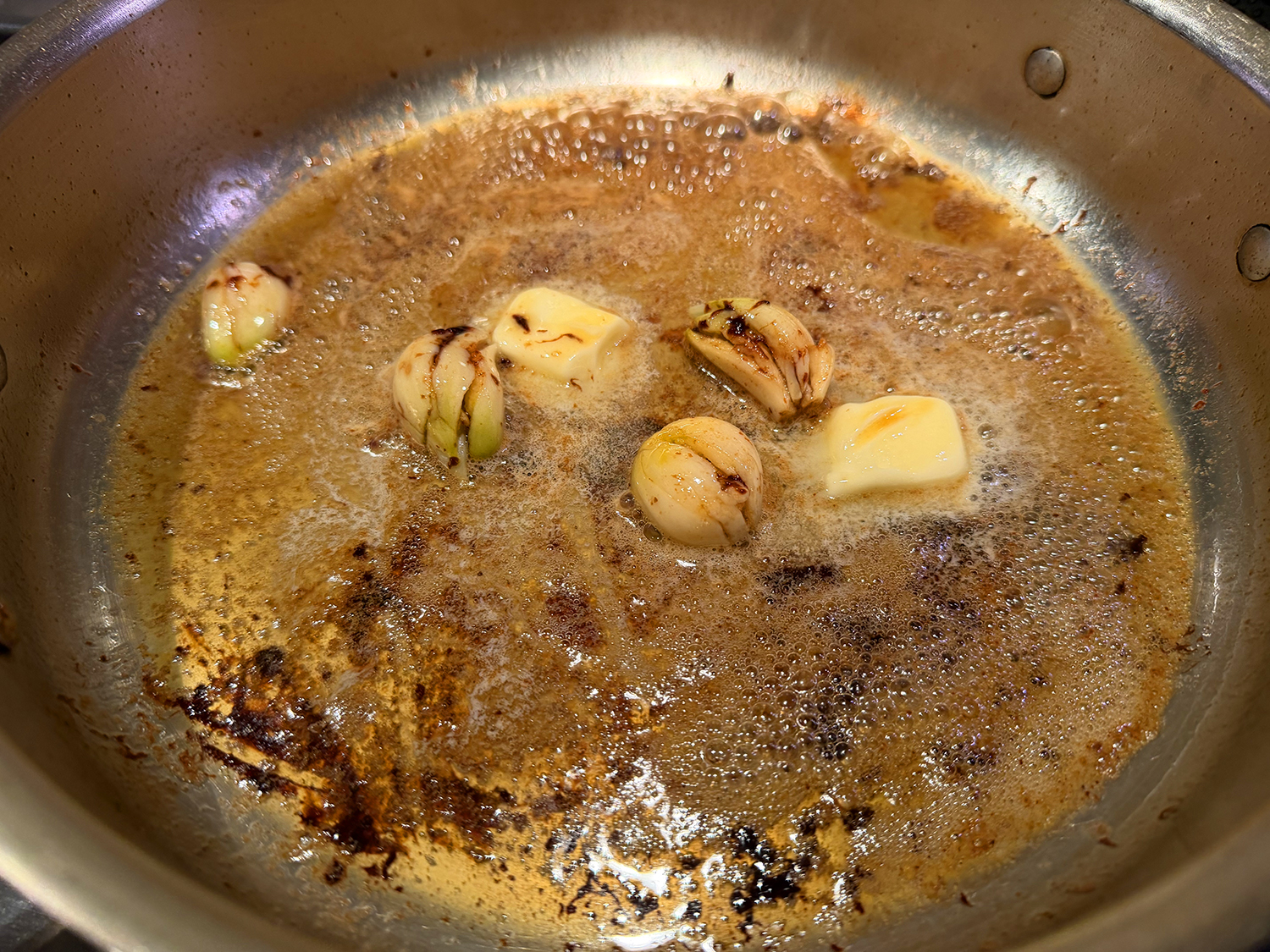
  4. Transfer chicken to plate skin side up. Place skillet over medium heat and cook, stirring occasionally, until juices in skillet form dark fond, about 1 minute. Add 4 tablespoons unsalted butter and 4 smashed and peeled garlic cloves and cook, stirring constantly, until butter is fully melted, about 1 minute. Add 2 (3-inch) strips orange zest and 5 sprigs thyme and cook, stirring constantly until fragrant, about 20 seconds. 
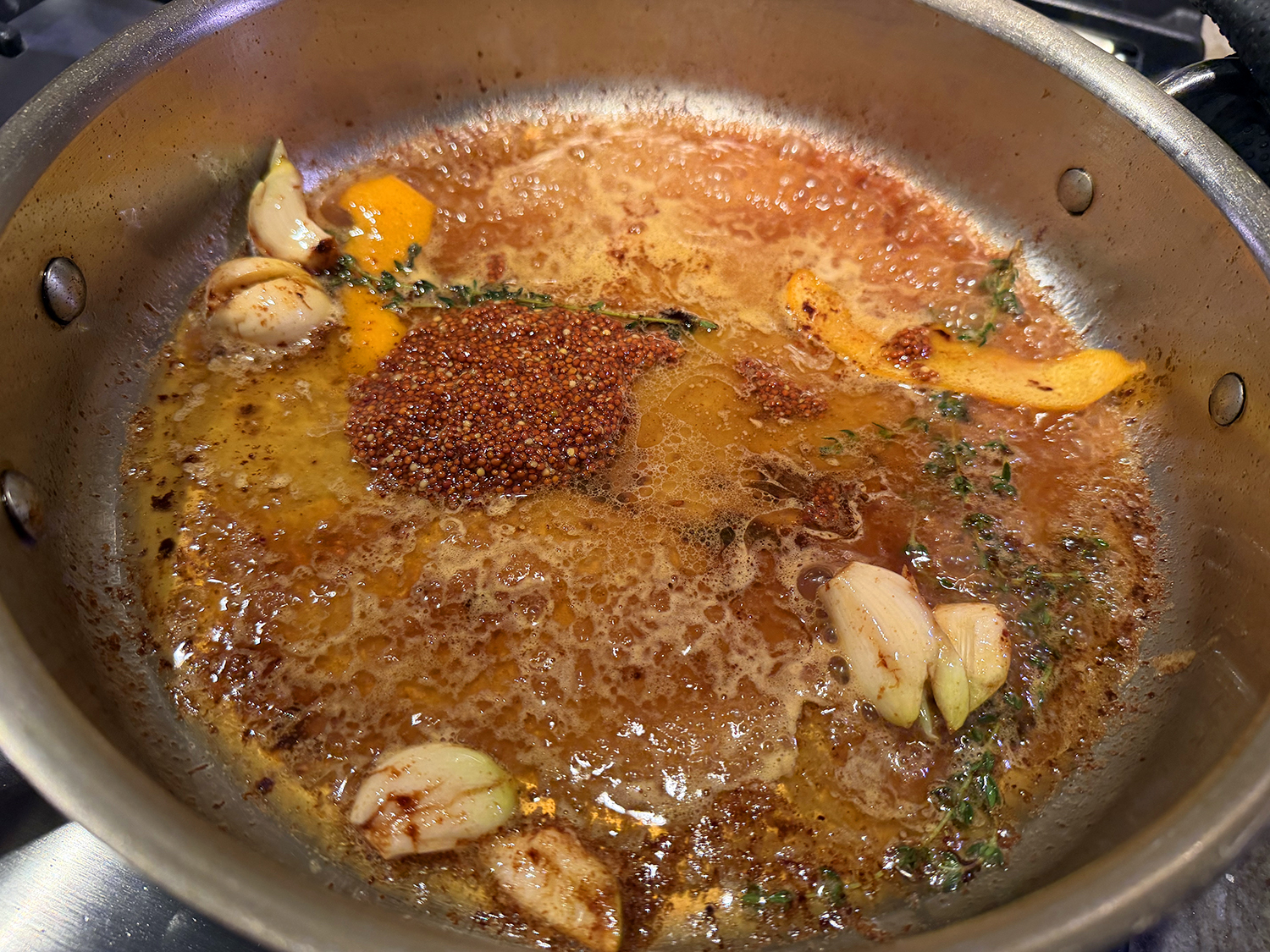
  5. Stir in ¼ cup orange juice and 1½ tablespoons whole-grain mustard. Off heat, add remaining 2 (3-inch) strips orange zest and 5 sprigs thyme. Season with salt and pepper to taste.
  6. Carve meat from bones and slice breasts on bias against grain into ¾-inch-thick slices. Return slices to skillet along with any accumulated juices and serve.
http://www.lynnandruss.com

Recipe by Lan Lam for Cook’s Illustrated