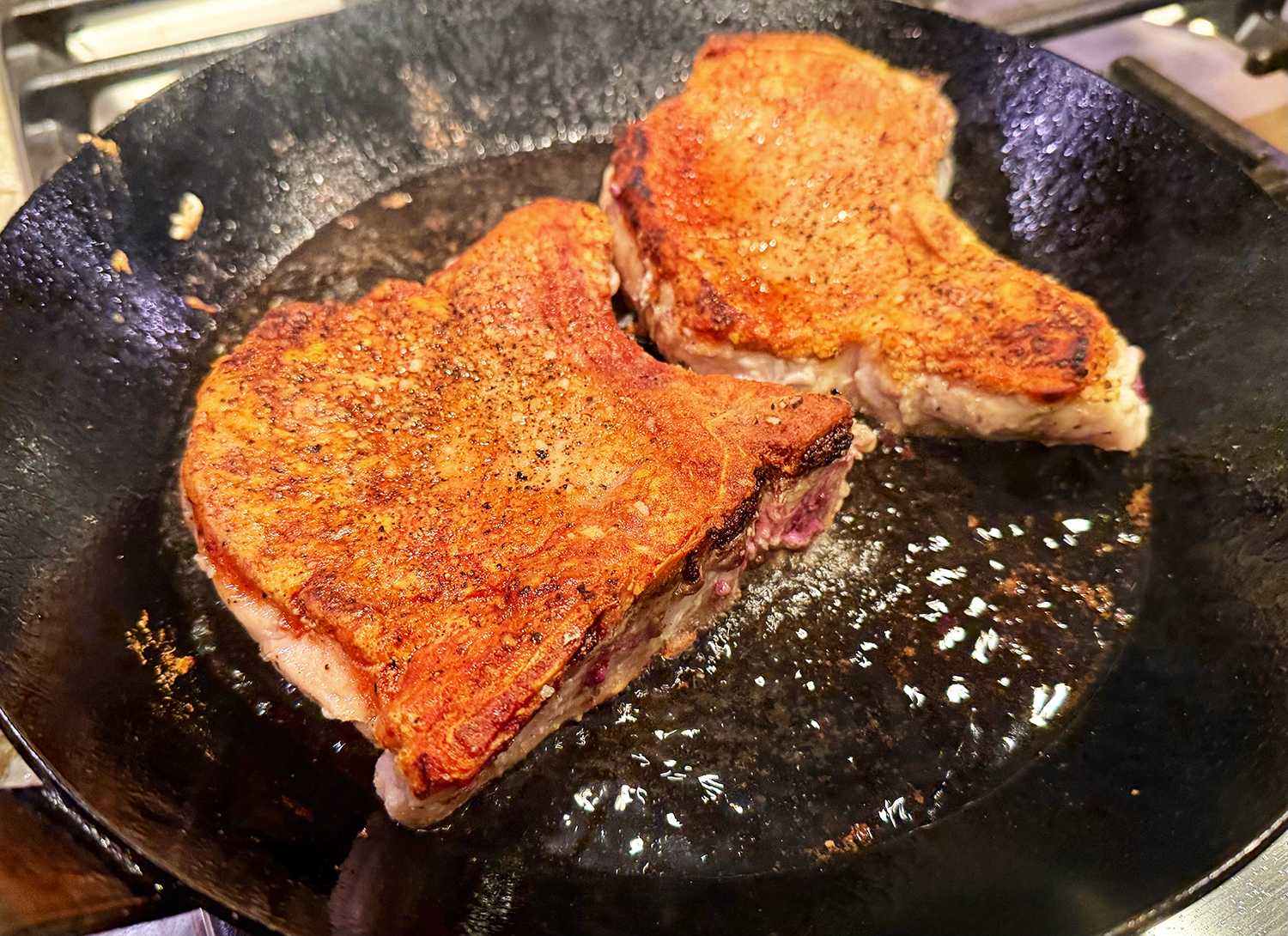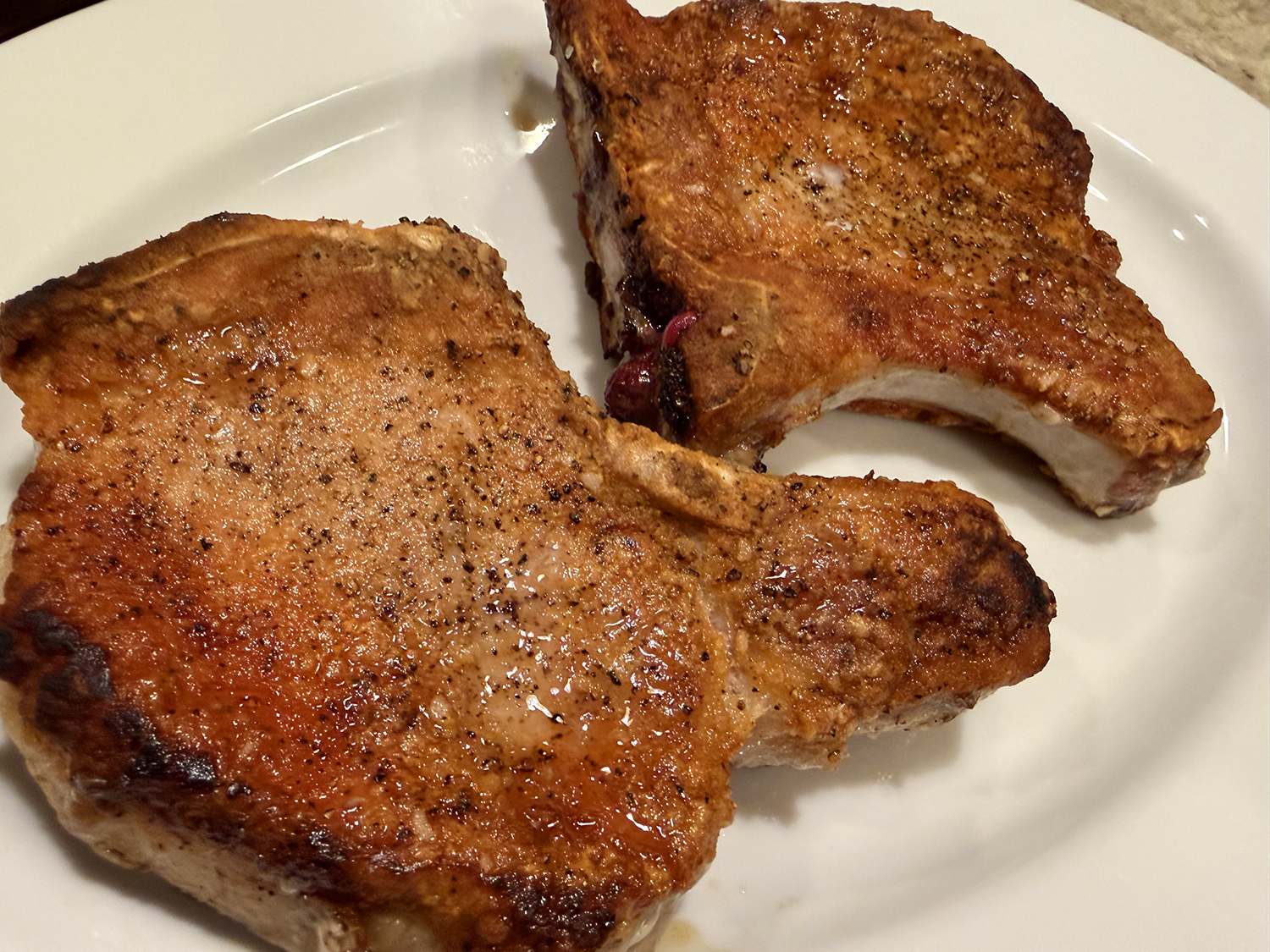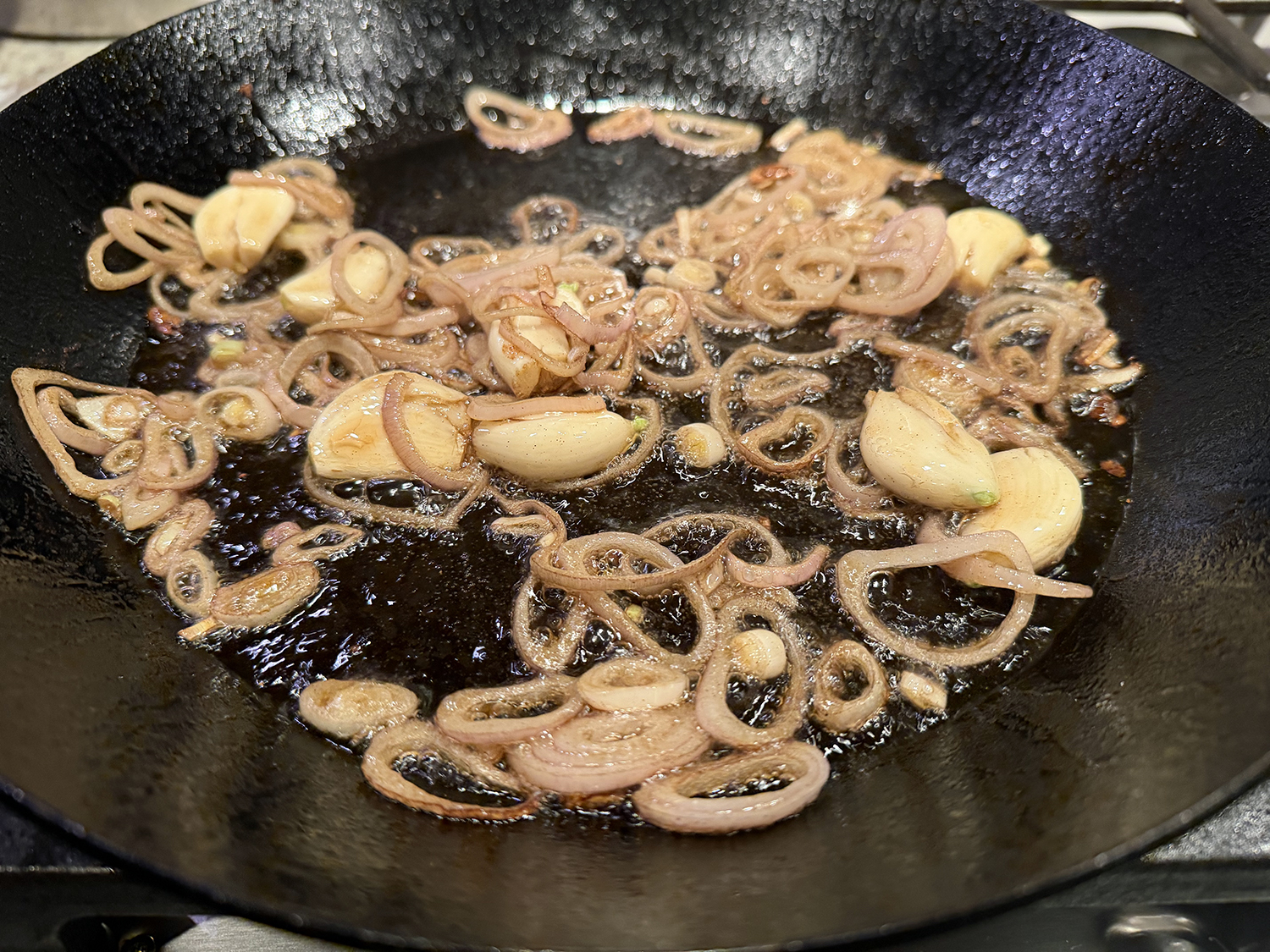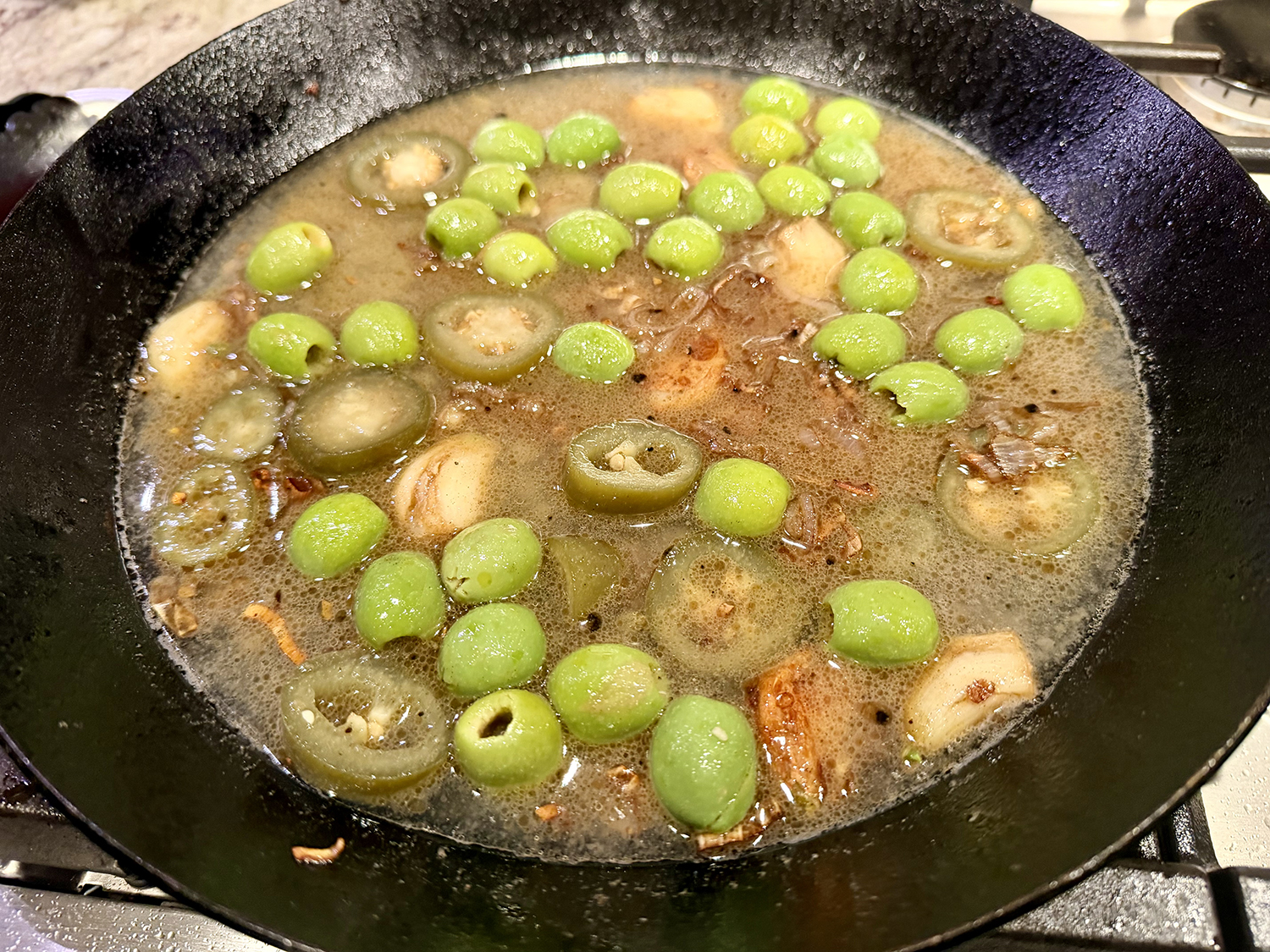
Tag Archives: olives

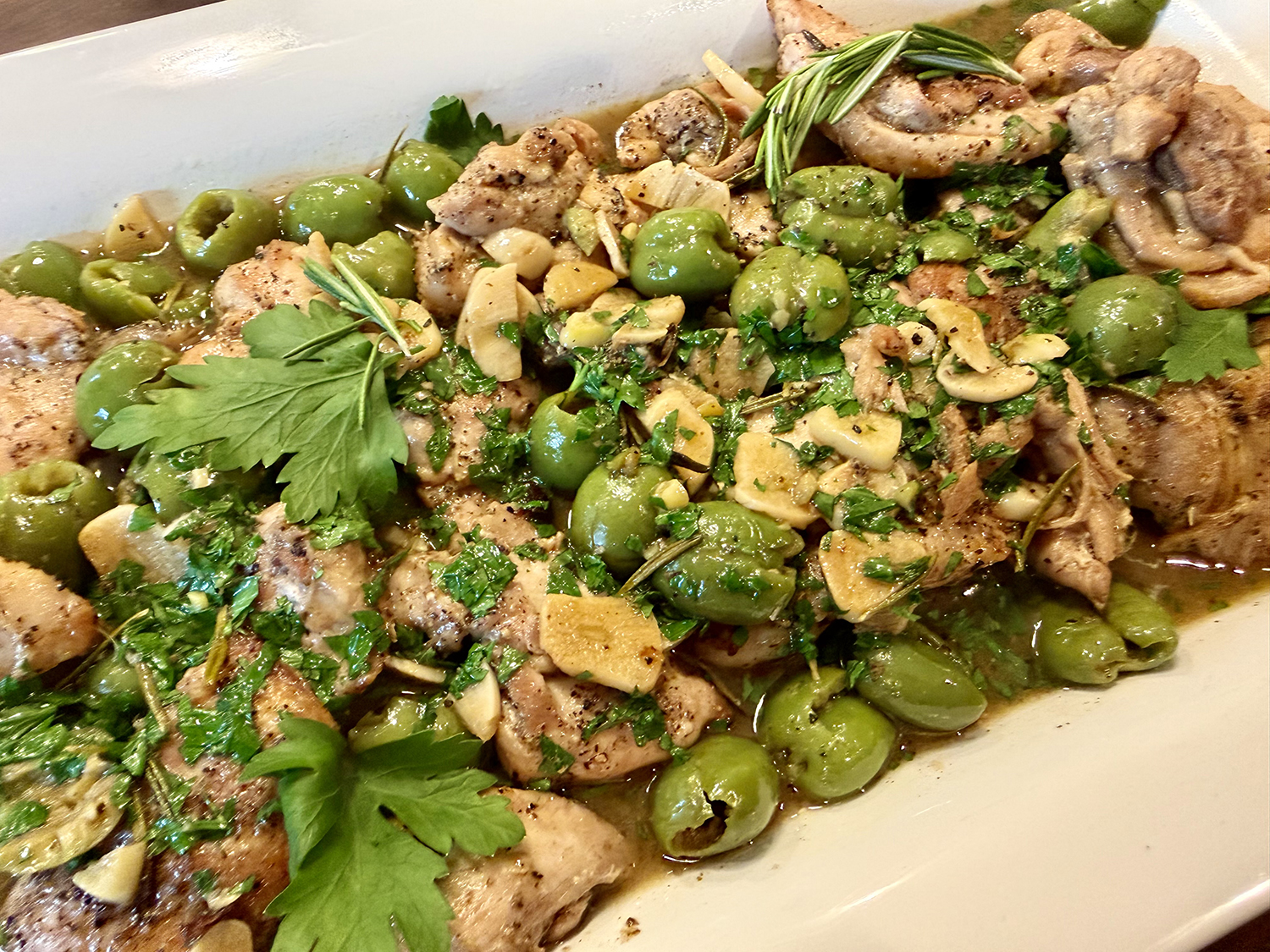
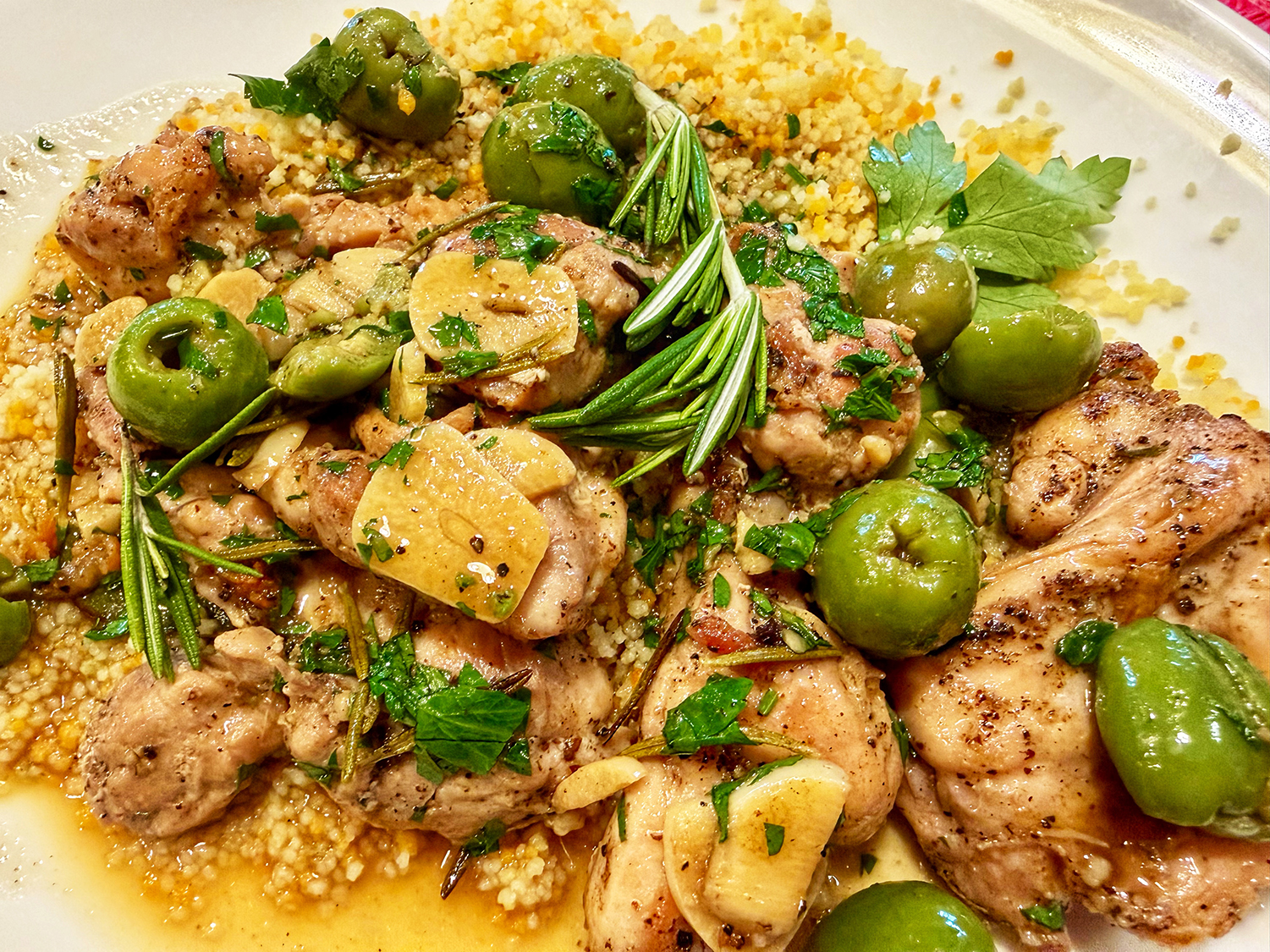
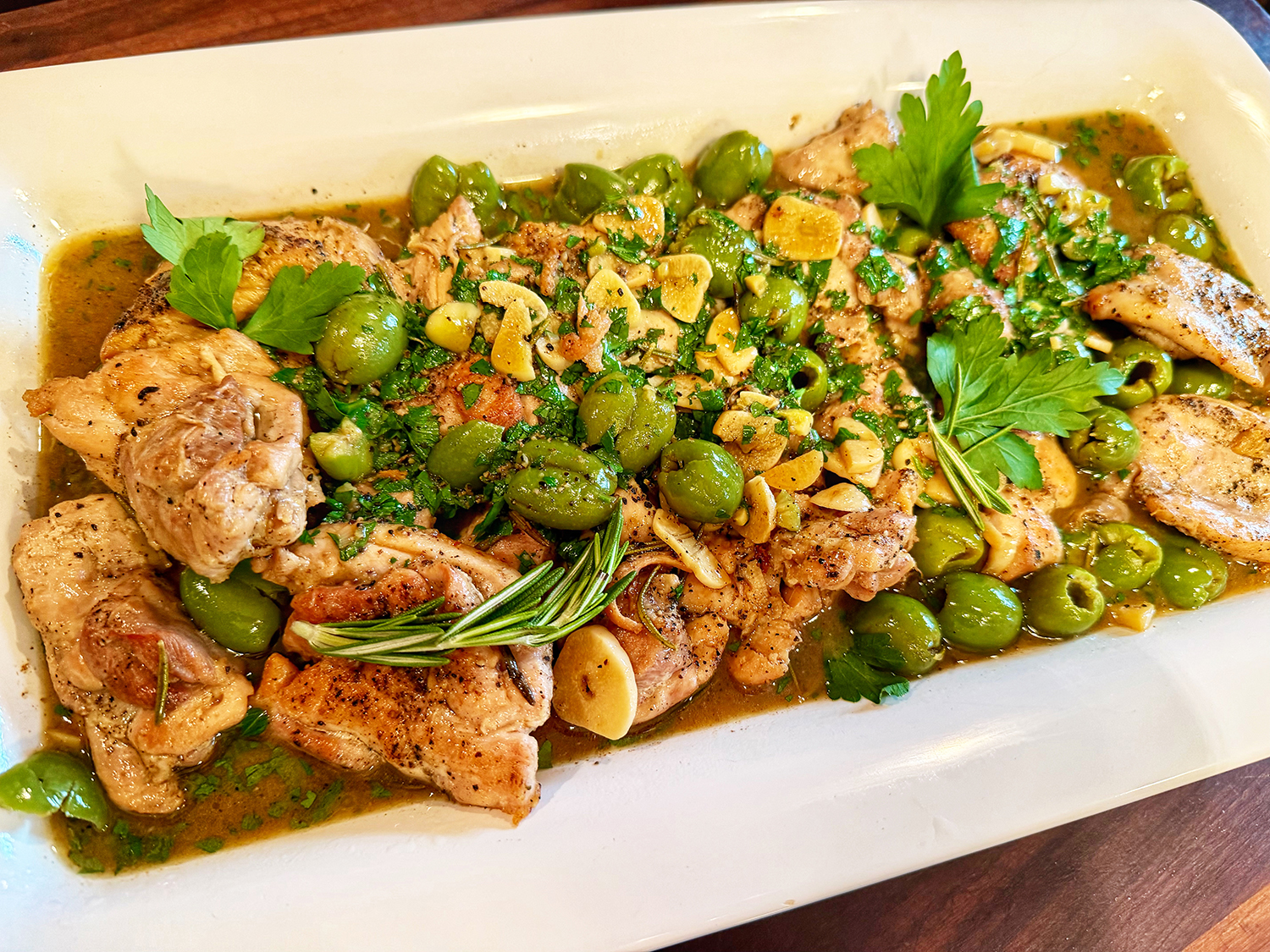
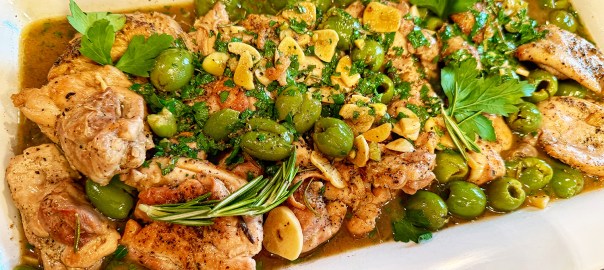
Dirty Martini Chicken Thighs

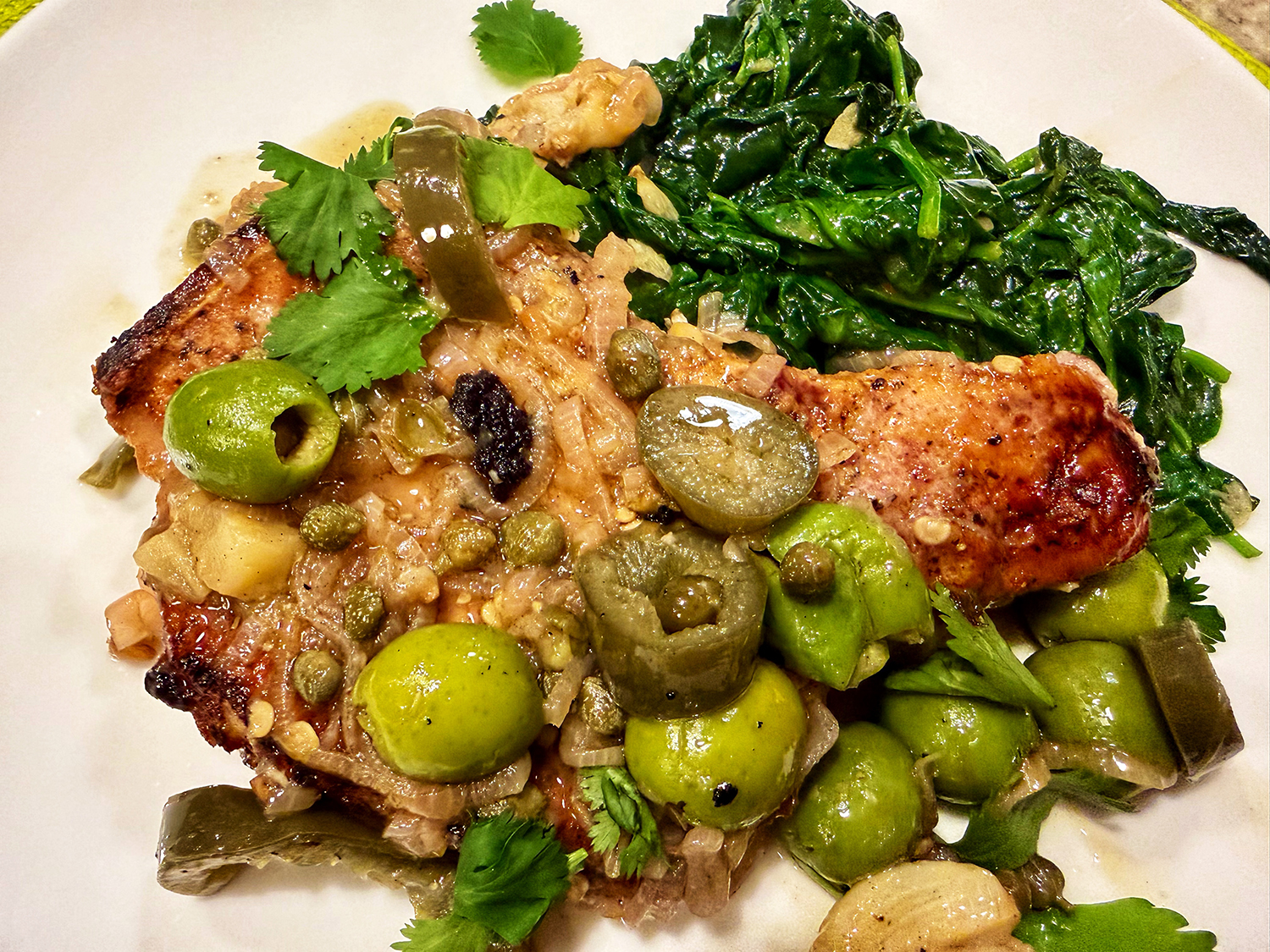
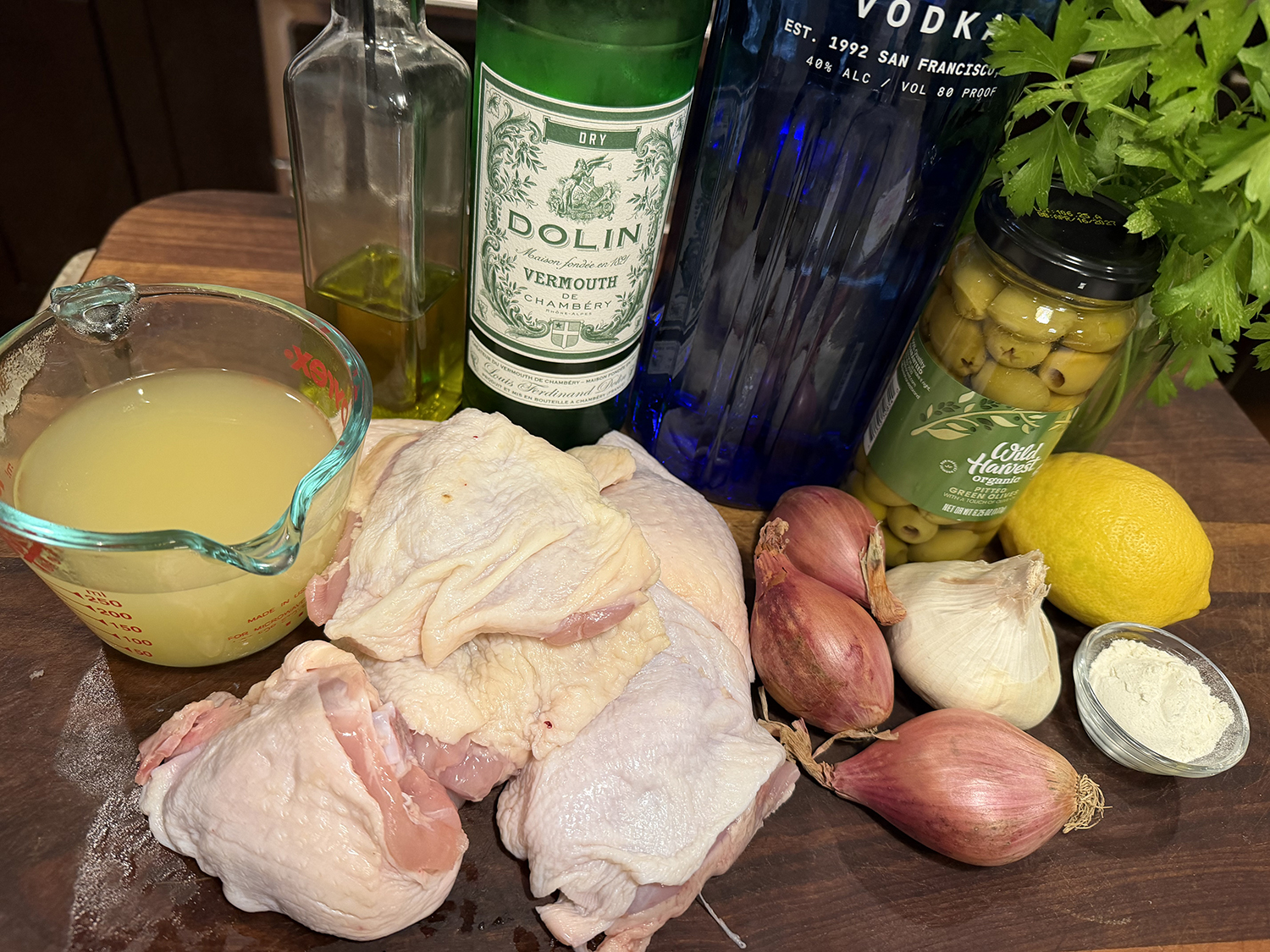
“You only live twice, so live and let die.” Channeling 007! OK, the recipe name alone got our attention! As Bon Appétit puts it “This cheeky chicken dish takes its cues from the king of cocktails: the dirty martini. A healthy pour of vodka stands in for the more typical beer or wine in this braise, lending its distinct piercing brightness and a touch of boozy heat.”

The idea of adding the same notes of the briny beverage to food might sound off-putting at first but don’t knock it until you’ve tried it. Giving your meals a dirty martini twist can actually add so much savoriness to each bite, and if you love the taste of the classic drink, why wouldn’t you want to include the unique umami flavor in your meals, too?

The spirit’s sharp top notes cut through the heaviness of the ultra-savory pan sauce, much like vinegar or lemon juice but with a bit more bite. As is the case in a classic vodka sauce for pasta, the alcohol helps the dish straddle the line between rich and vibrant. As it all simmers, why not mix up a drink for dinner too—just sayin’ you’ve got all the ingredients at the ready!

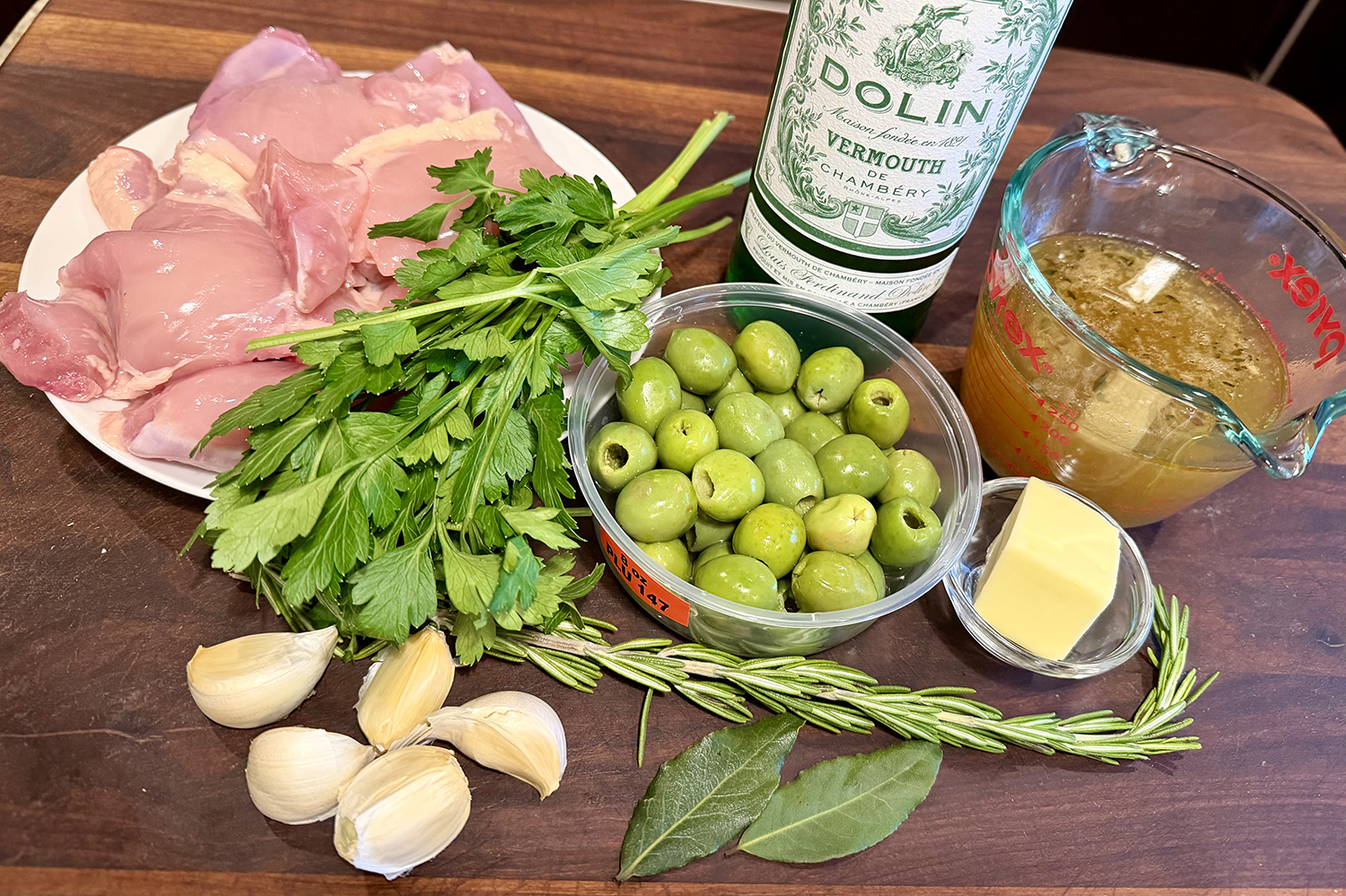
For the best flavor, Castelvetrano olives are the perfect choice here. Their firm, meaty texture means they hold up well during cooking, and their mild, buttery flavor isn’t as salty as other types. Because you are using both the olives and the brine they are packed in, it’s a small luxury worth investing in. Find them already pitted—jarred, canned, or at an olive bar—our favorite— if your grocery store has one. Unfortunately, the olive bar uses slitted spoons so we couldn’t gather the brine; and the jarred Castelvetrano olives weren’t pitted. The brand we selected worked fine.

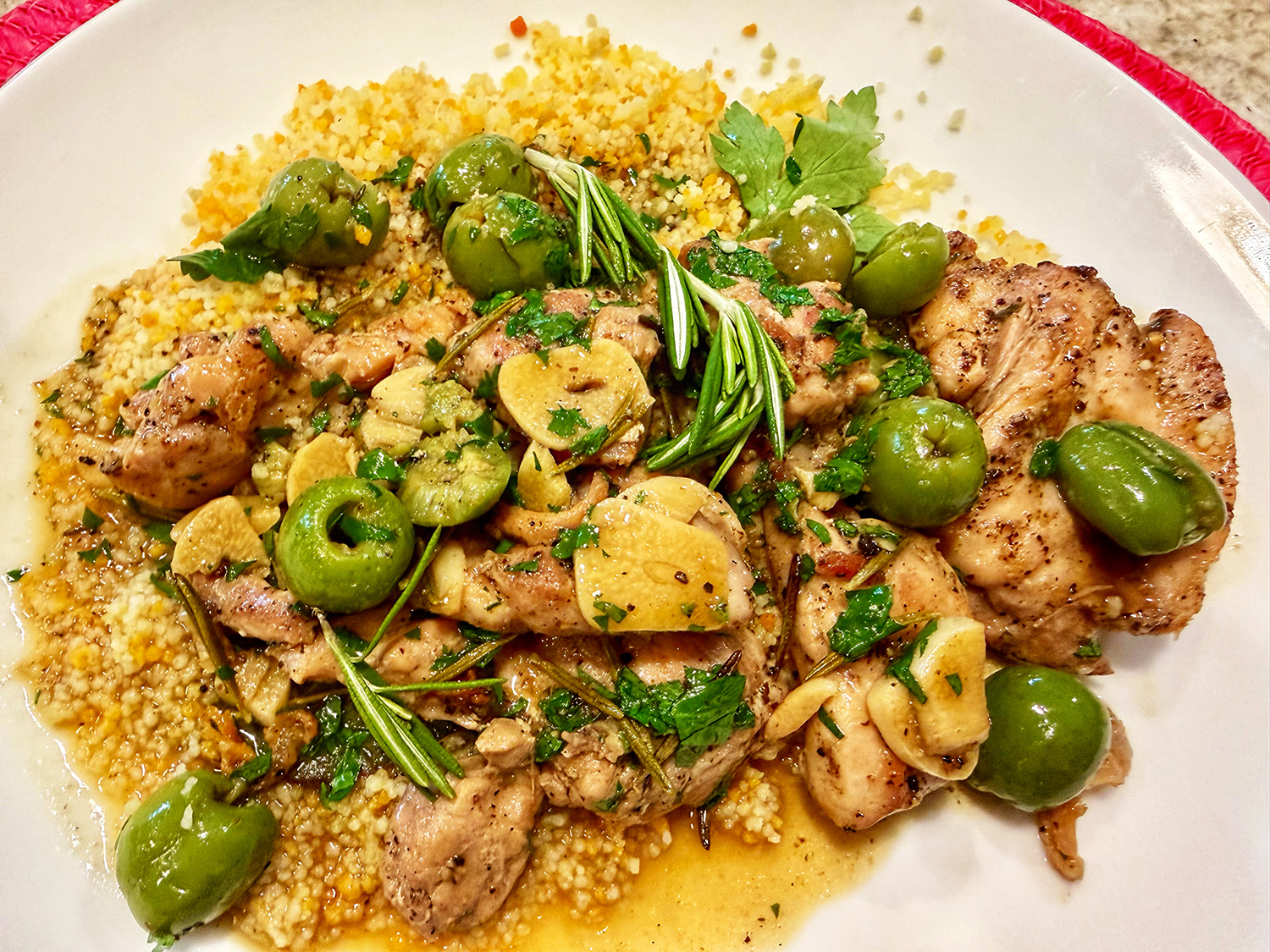
A little labor intensive but so worth the time and effort! Now, this took MUCH longer than the stated 45 minutes (and many other reviewers agreed). From start to finish, it took us more than 1 hour and 45 minutes! Reduction of the sauce needs a lot more that 9 to 12 minutes. What to serve it with? How about steamed rice, velvety mashed potatoes, or as we did, wide egg noodles.

OK, now let’s get real. The amount of chicken is considered measly in our minds. Two pounds of bone-in chicken thighs is just not enough to feed 4 adults. Plan on 6 to 8 decent-sized thighs, no matter what the weight ends up being. Regarding the olives, our jar was 6.25 ounces*, and gave us exactly 2/3 brine.

“You only live twice, so live and let die.”

Dirty Martini Chicken Thighs

  • Servings: 3-4
  • Difficulty: easy
  • Print

Ingredients

  • Skin-on, bone-in chicken thighs (6-8), about 3 lbs.
  • 1 tsp. freshly ground pepper
  • 2 tsp. Diamond Crystal or 1¼ tsp. Morton kosher salt, plus more
  • 3 Tbsp. extra-virgin olive oil
  • 3 medium shallots, thinly sliced
  • 12 garlic cloves, thinly sliced
  • 1 Tbsp. all-purpose flour
  • 1¼ cups dry vermouth
  • 1 cup low-sodium chicken broth
  • 1 5.5-oz. jar* pitted Castelvetrano or other green olives, rinsed (about 1 cup), brine reserved (about ⅔ cup)
  • ⅔ cup vodka, divided
  • 1 tsp. finely grated lemon zest
  • Parsley leaves with tender stems and lemon wedges (optional; for serving)

Directions

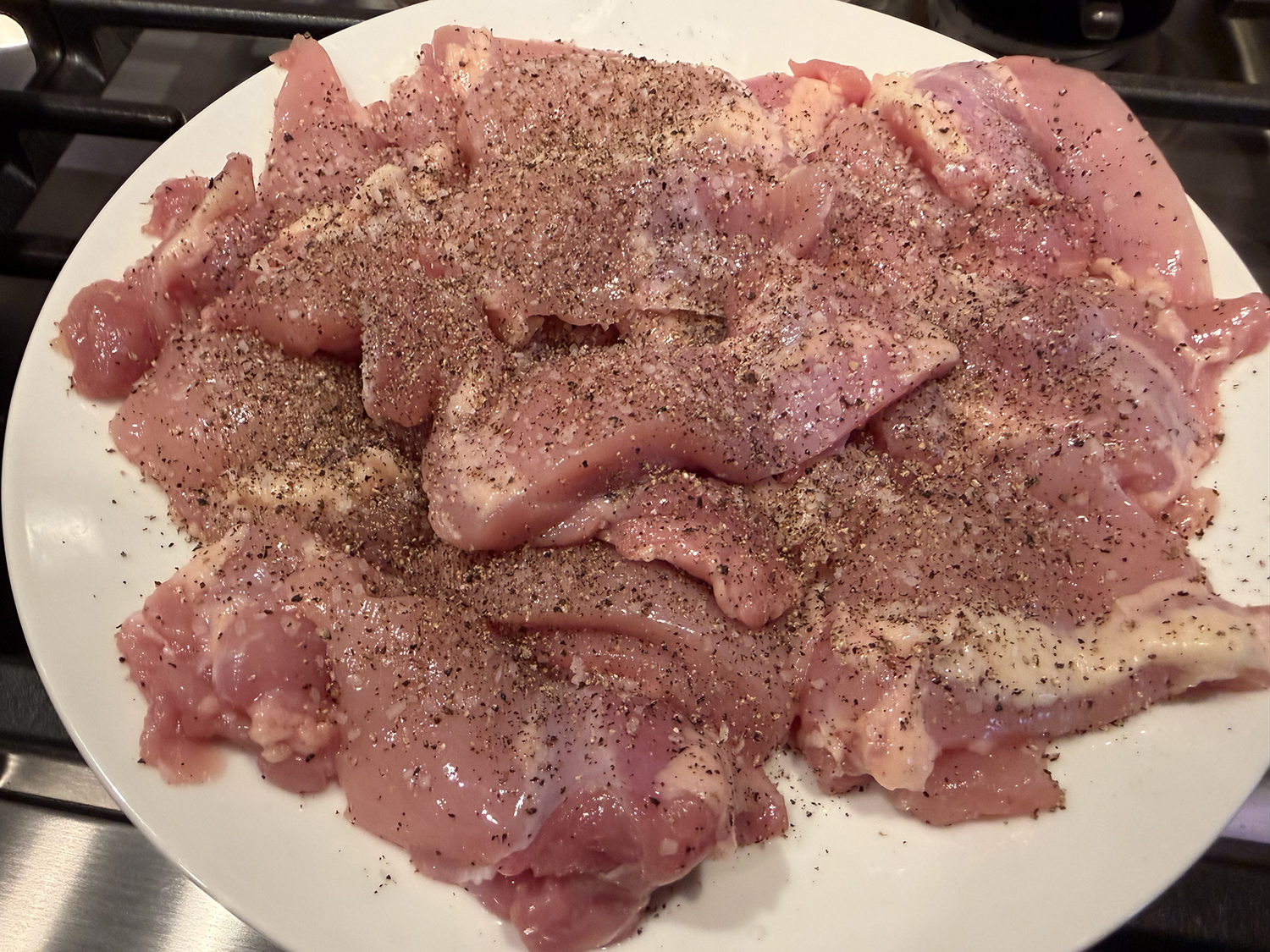
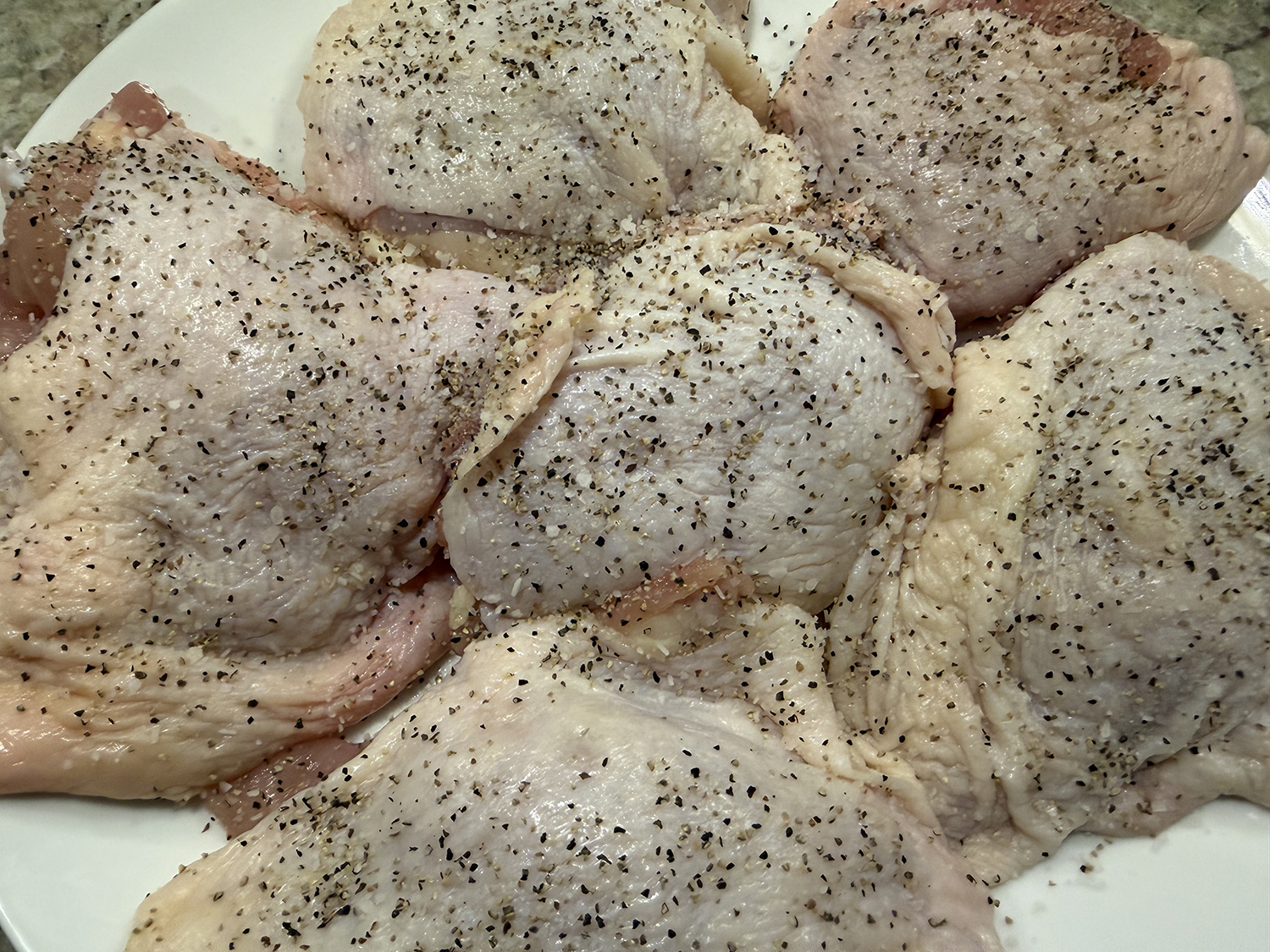
  1. Place a rack in middle of oven; preheat to 350°. Pat 2 lb. skin-on, bone-in chicken thighs (4–6) dry with paper towels and sprinkle all over with 1 tsp. freshly ground pepper and 2 tsp. Diamond Crystal or 1¼ tsp. Morton kosher salt.
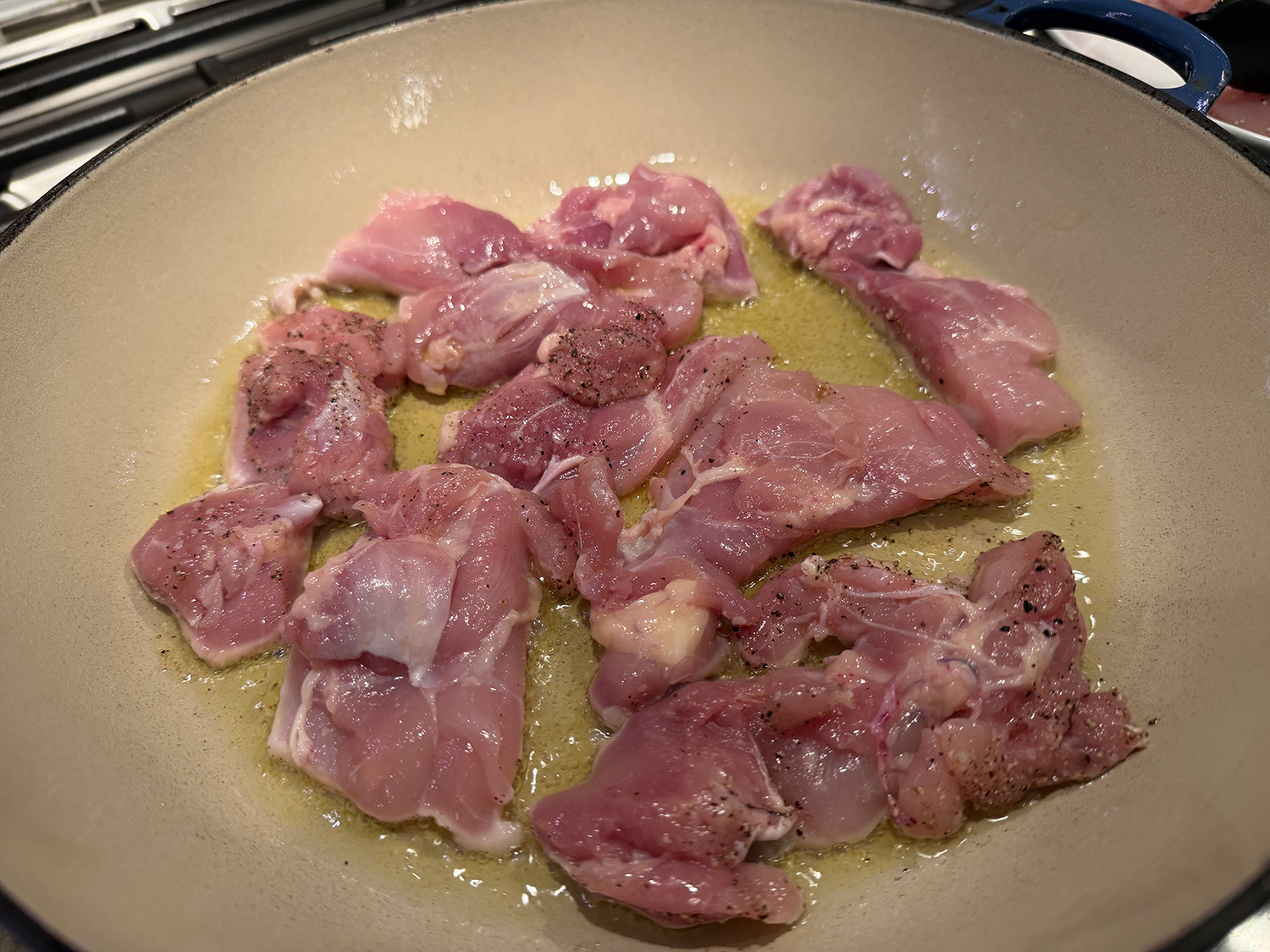
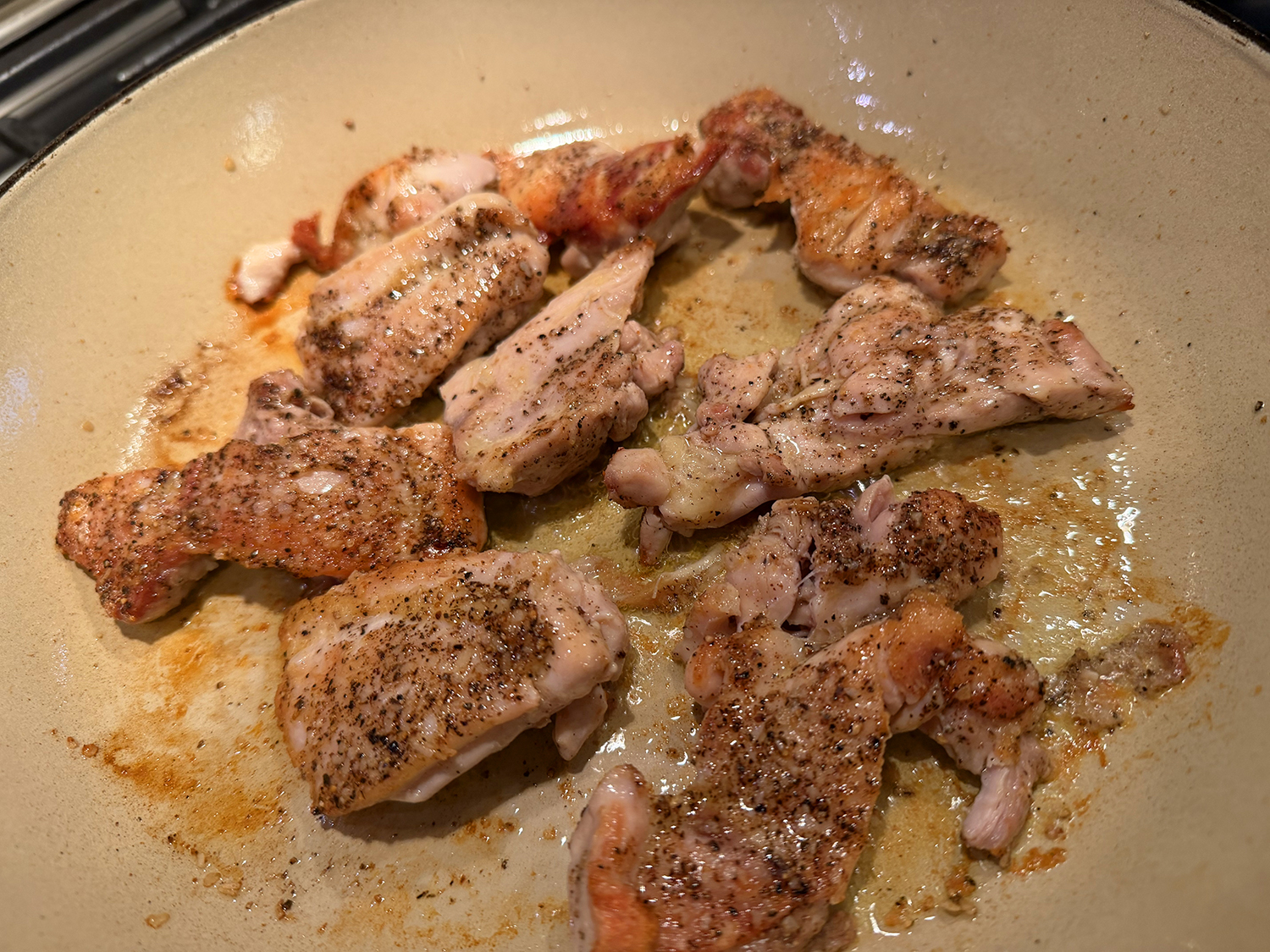
  2. Pour 3 Tbsp. extra-virgin olive oil into a cold very large high-sided ovenproof skillet or short-sided pot over medium (you want the vessel to be at least 3½-qt. capacity; if you don’t have any of the preferred options, a large Dutch oven will work). Arrange chicken thighs, skin side down, in pan and set over medium heat. Cook, undisturbed, rotating pan around on burner for even browning, until chicken is deep golden brown and releases easily from pan, 14–17 minutes. Transfer chicken thighs to a plate, arranging skin side up.
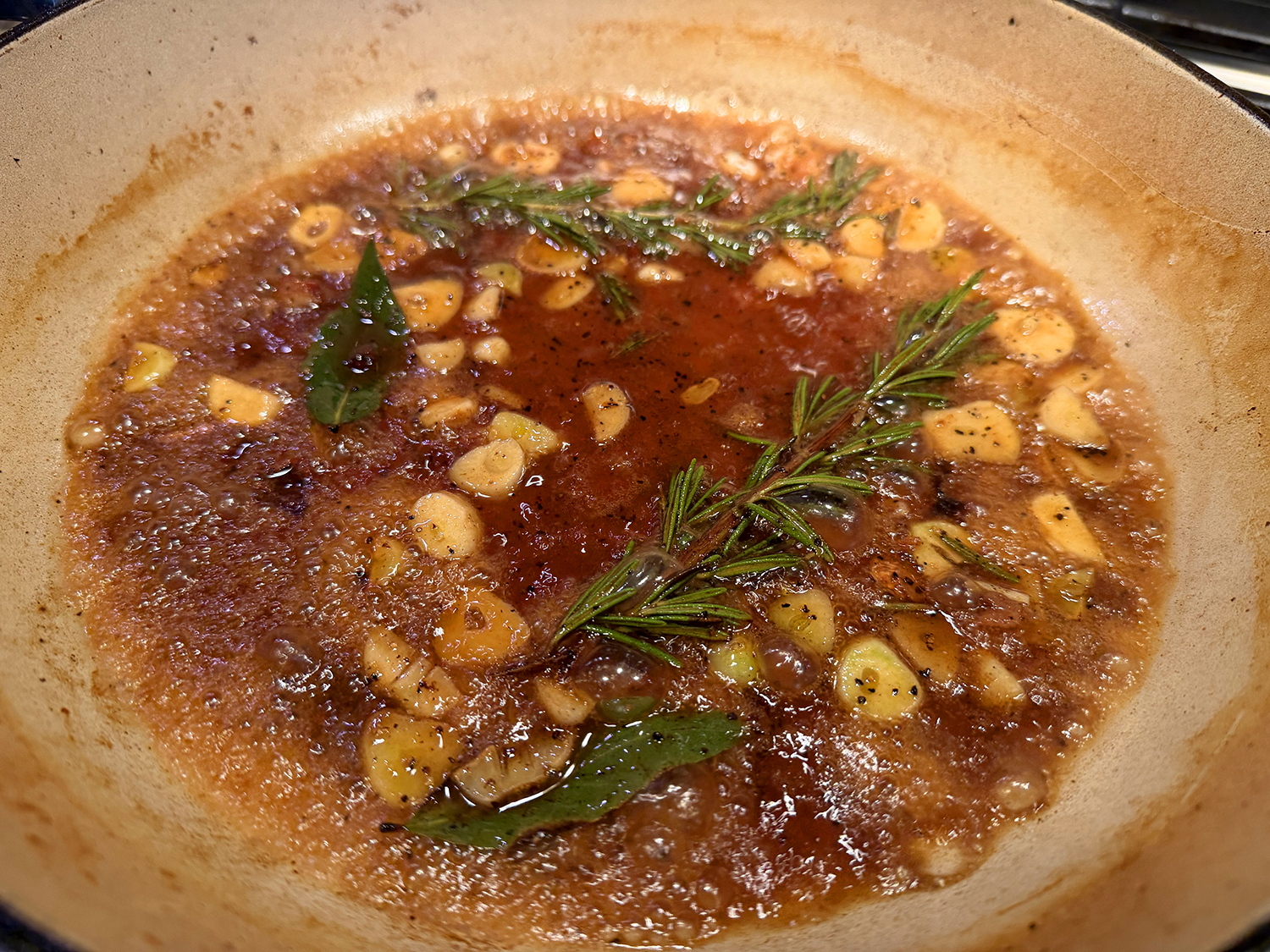
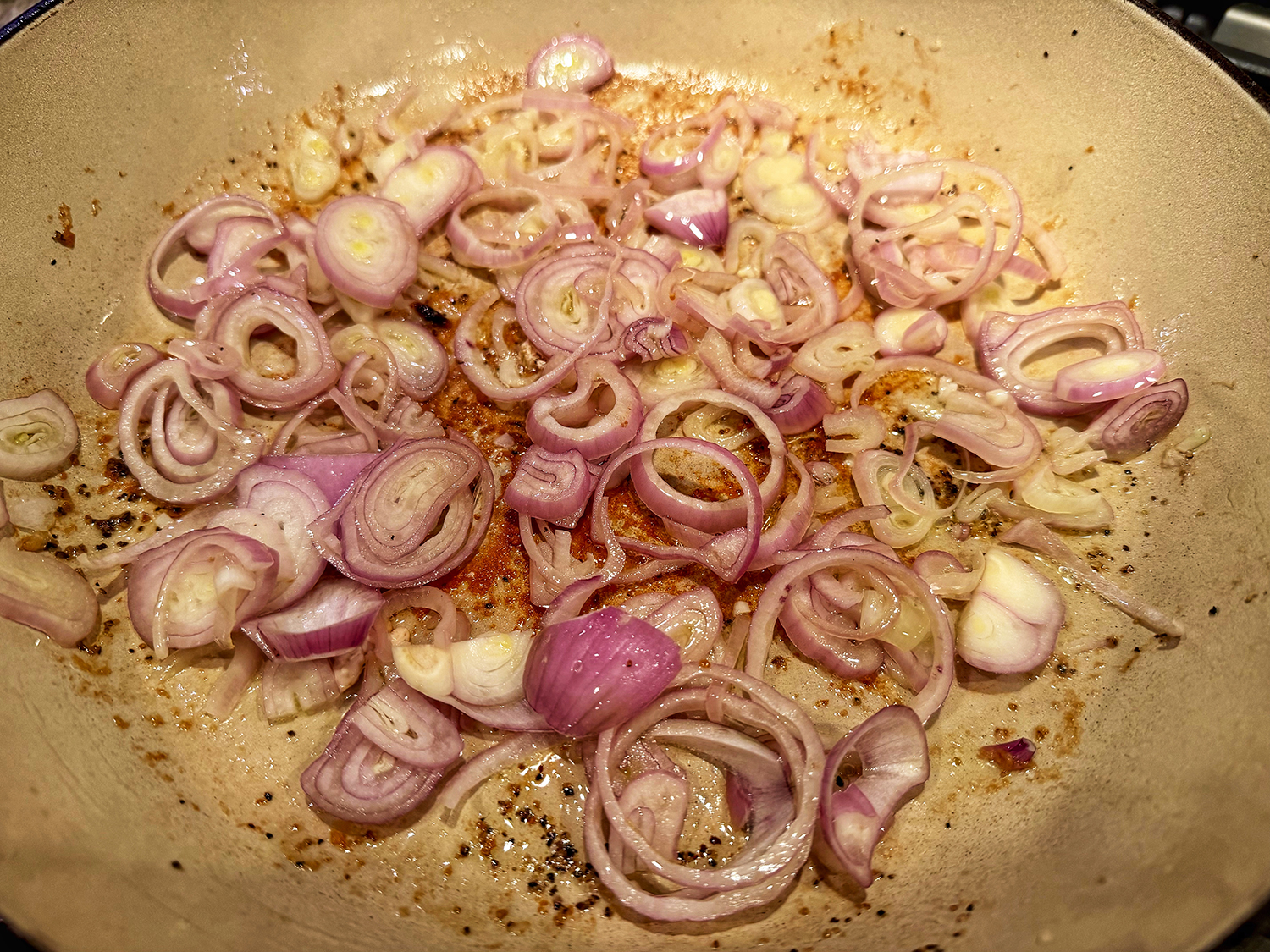
  3. Pour off all but 4 tsp. oil from pan; discard. Return pan to medium heat and cook 3 medium shallots, thinly sliced, stirring often, until just tender, about 4 minutes. Add 12 garlic cloves, thinly sliced, and cook, stirring often, until fragrant, about 3 minutes. Sprinkle in 1 Tbsp. all-purpose flour and stir to coat, then remove from heat (make sure pan is far away from the burner).
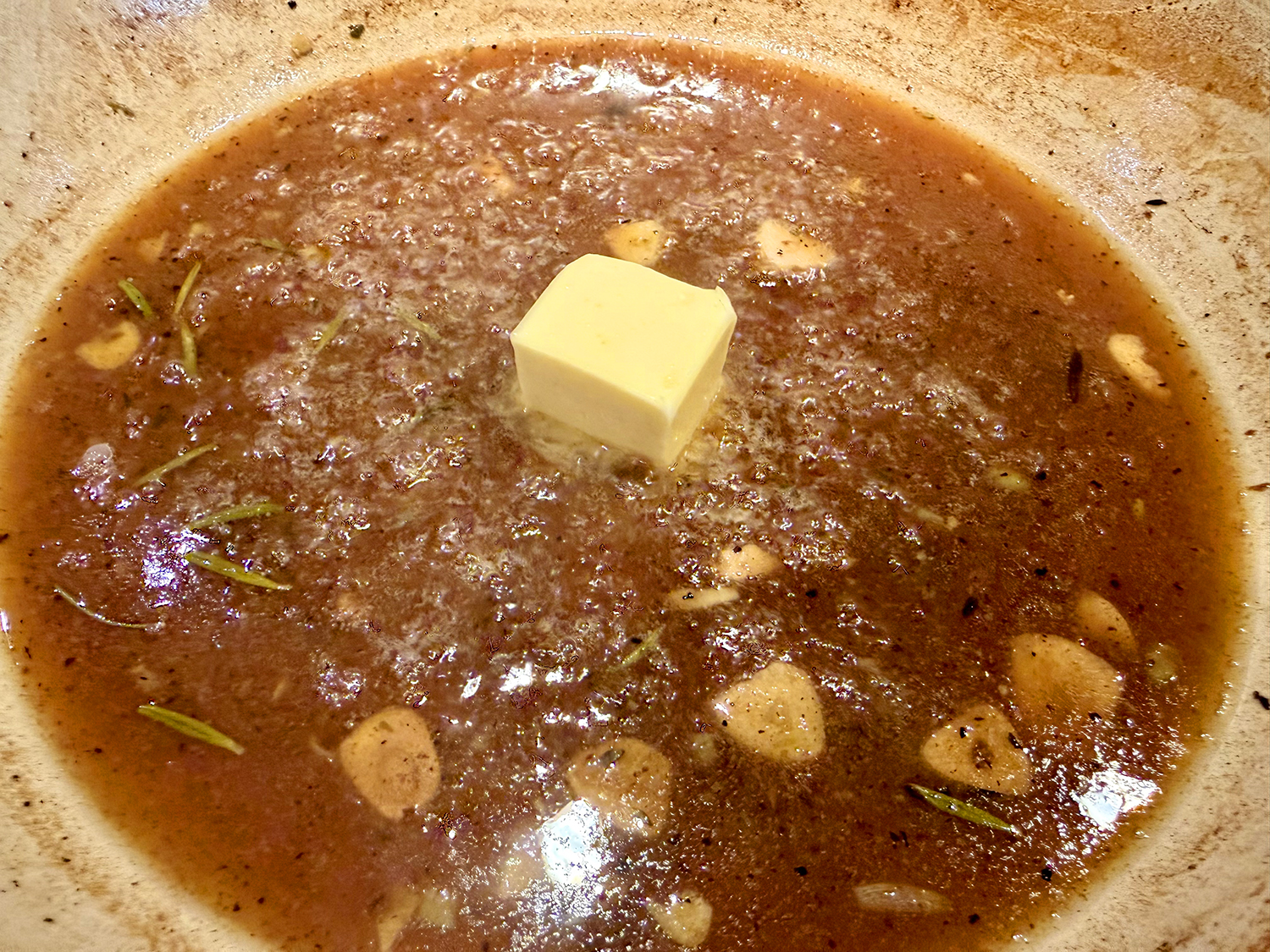
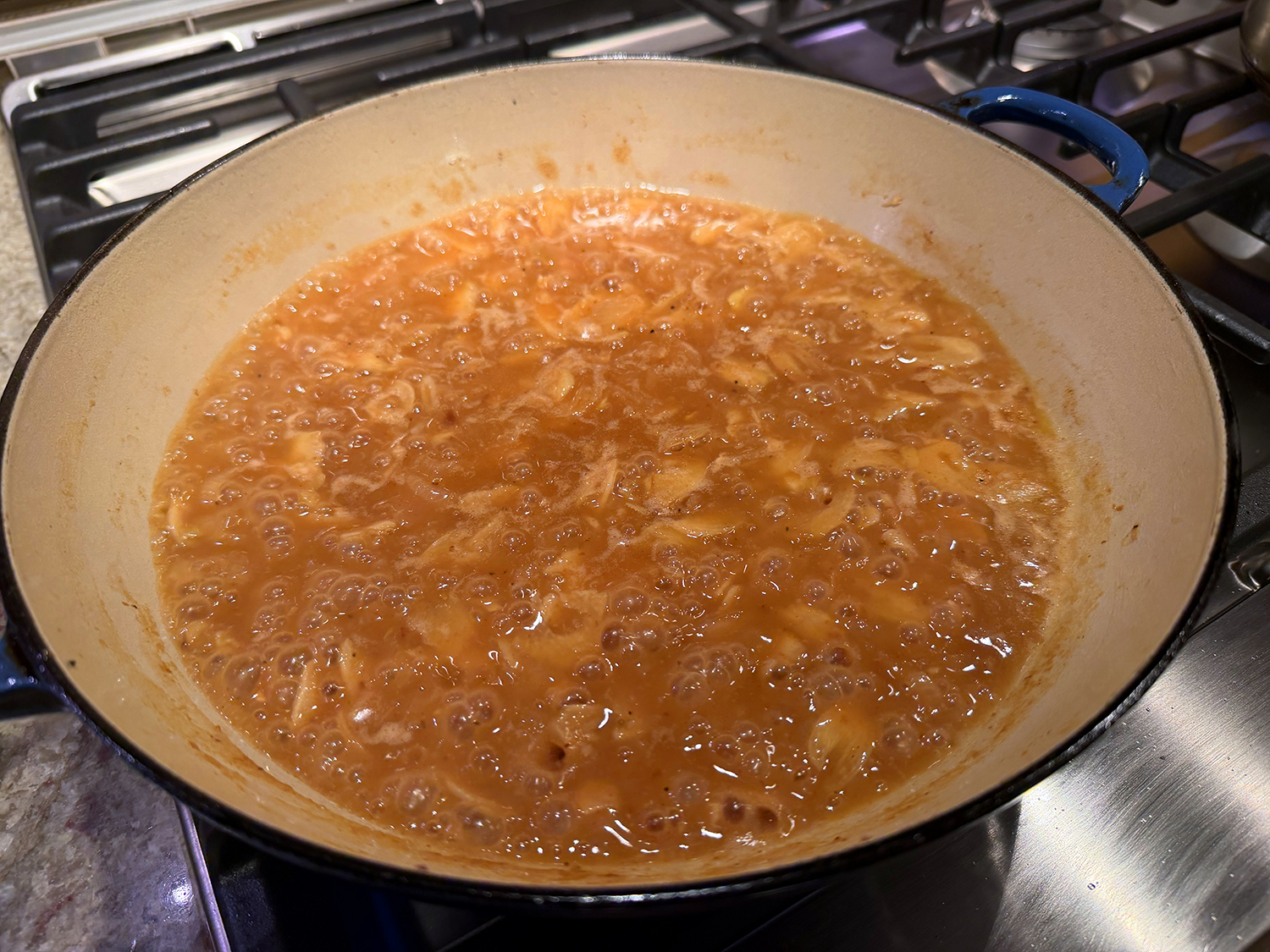
  4. Carefully pour in 1¼ cups dry vermouth, 1 cup low-sodium chicken broth, ⅔ cup olive brine, and ⅓ cup vodka. Place pan over medium-high heat and bring liquid to a simmer. Cook, stirring occasionally, until sauce is reduced by two thirds, 9–12 minutes. (It took us nearly 25 minutes to reduce it down to 2/3 the original amount.) Remove from heat; stir in remaining ⅓ cup vodka. Taste sauce and season with more salt if needed.
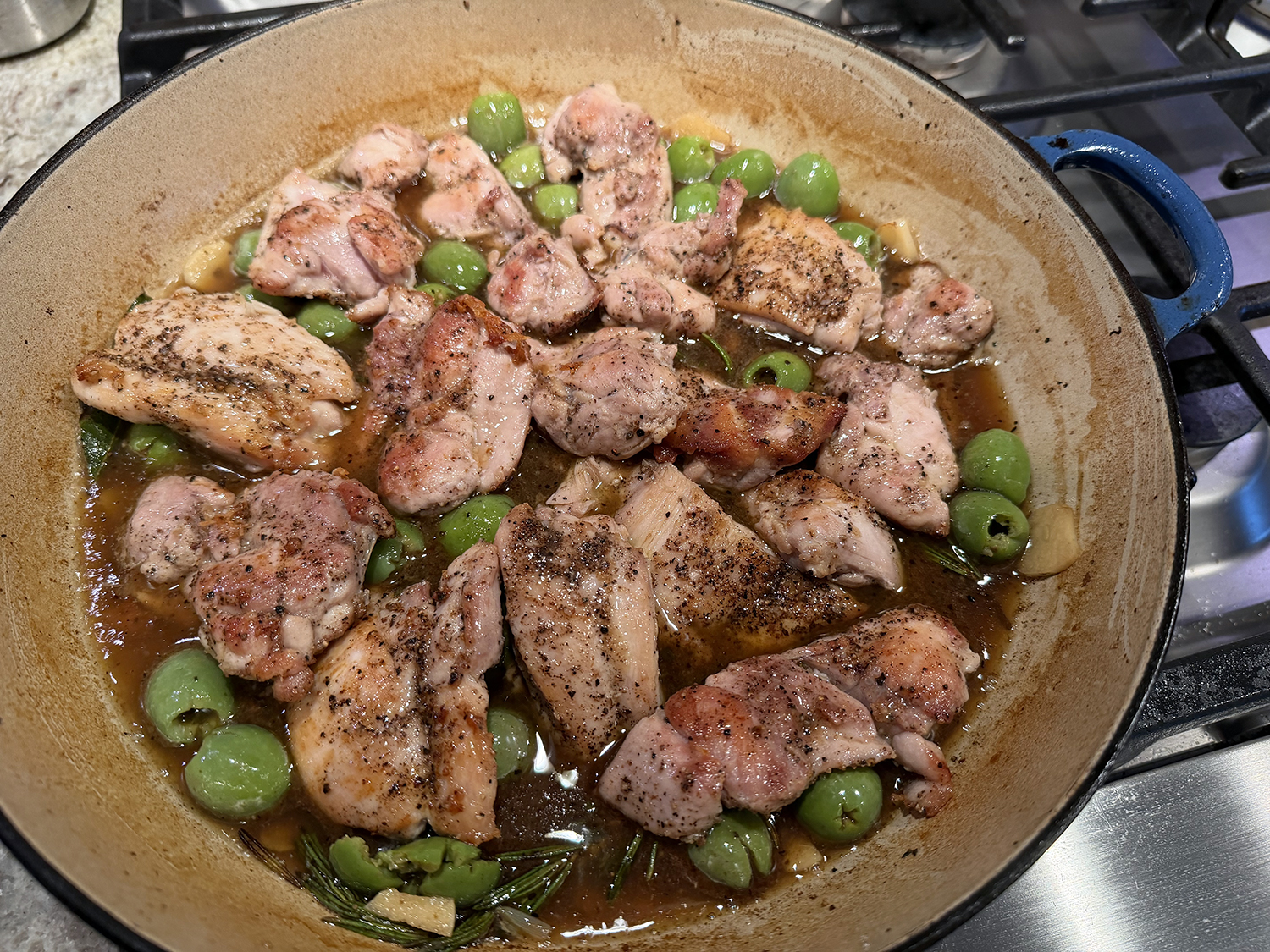
  5. Nestle chicken thighs, skin side up, into sauce. Scatter one 5.5-oz. jar pitted Castelvetrano or other green olives, rinsed (about 1 cup), over, allowing most of them to fall into the sauce. Bake, uncovered, until chicken is cooked through and an instant-read thermometer inserted into the thickest part of a thigh registers 165°, 25–35 minutes.
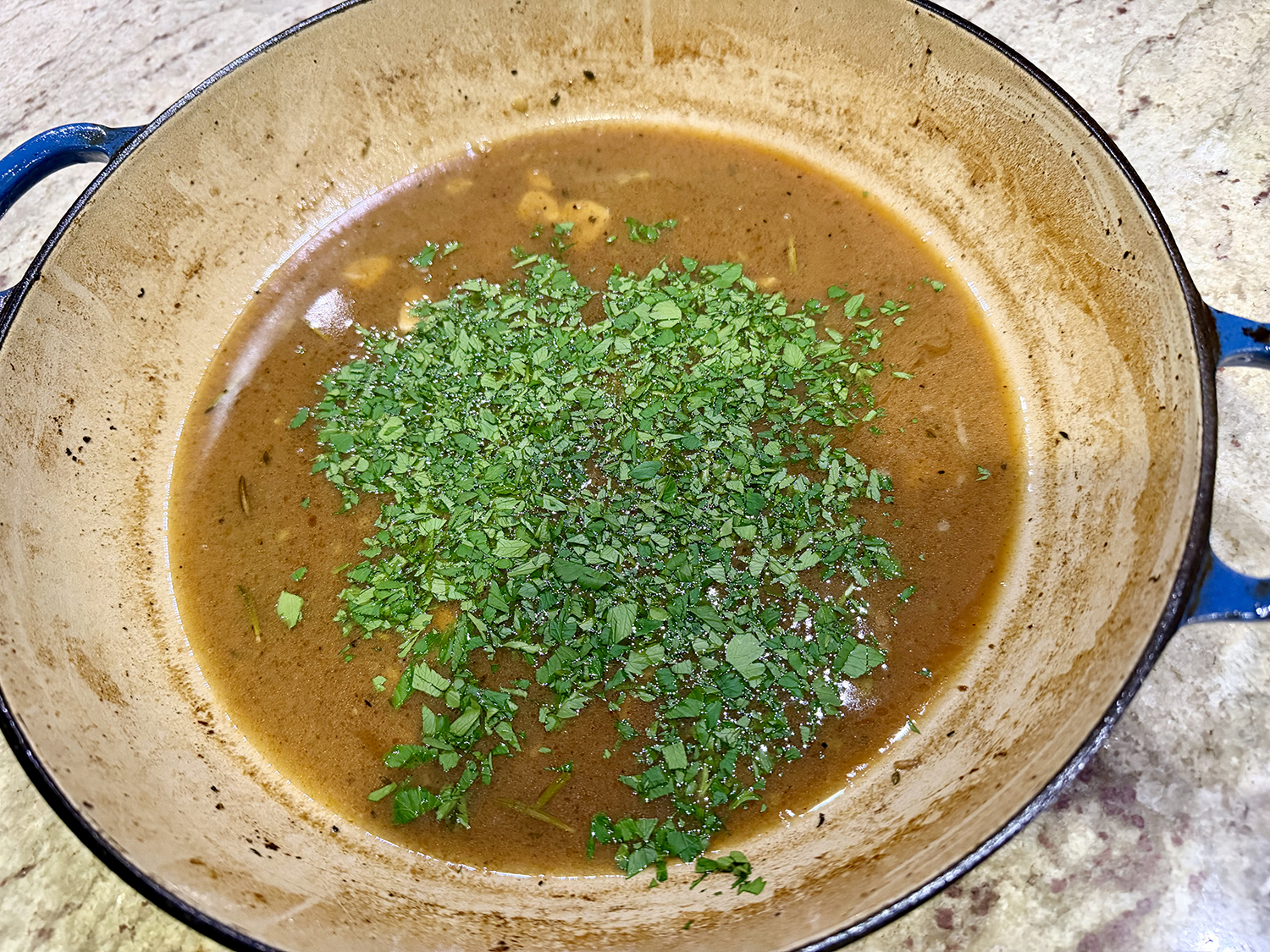
  6. Remove pan from heat, stir in 1 tsp. finely grated lemon zest and and scatter parsley leaves with tender stems over chicken and sauce. Serve with lemon wedges for squeezing over if desired.

http://www.lynnandruss.com

Adapted from a recipe by Jesse Szewczyk for Bon Appétit

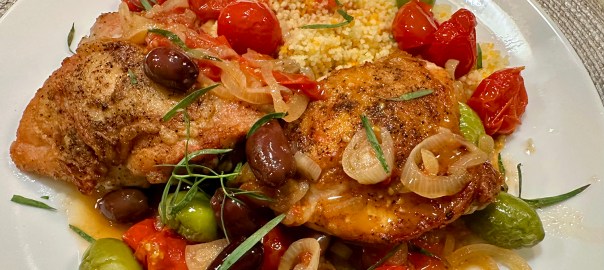
Seared Chicken Thighs with Cherry Tomatoes and Olives

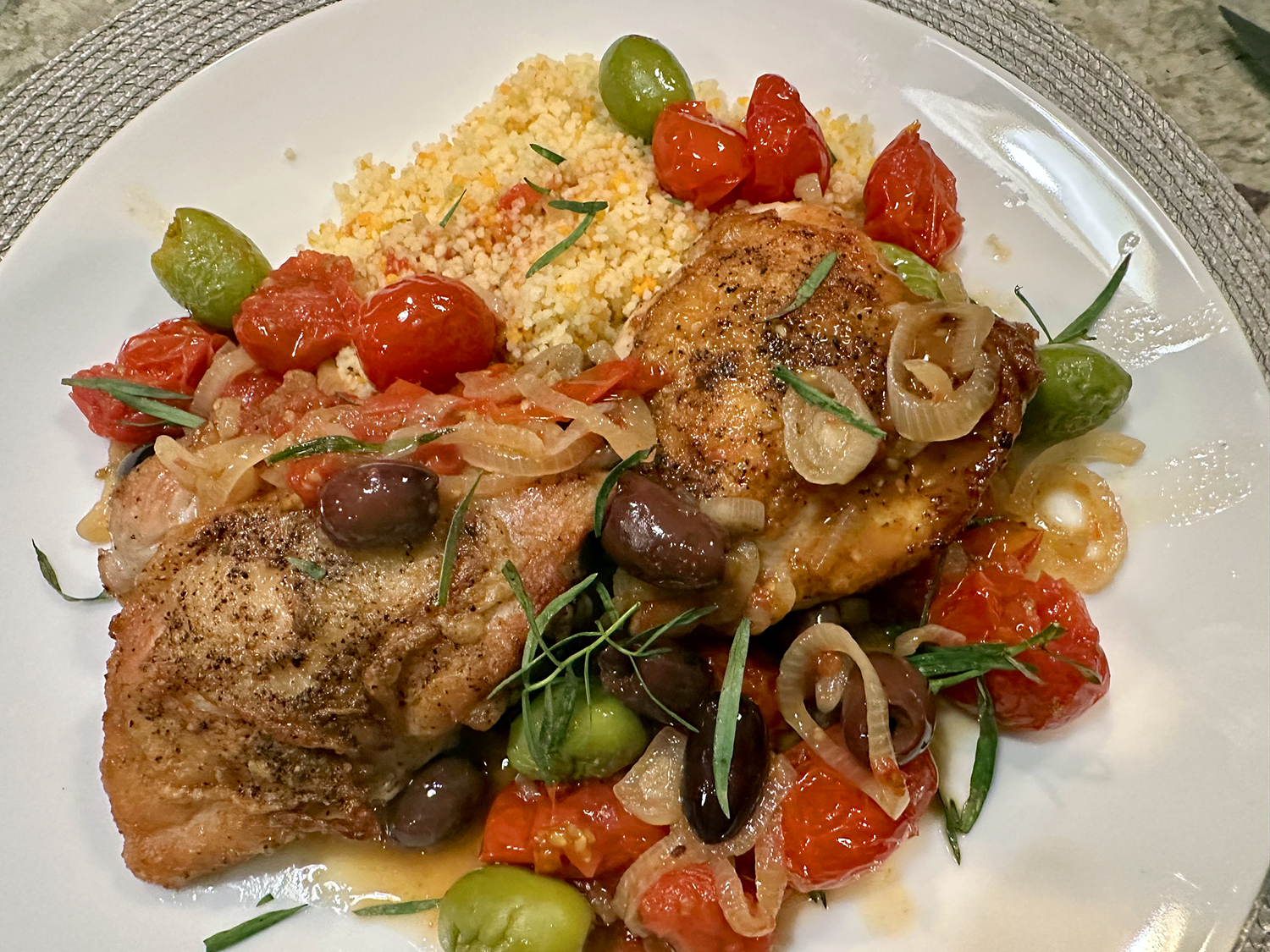
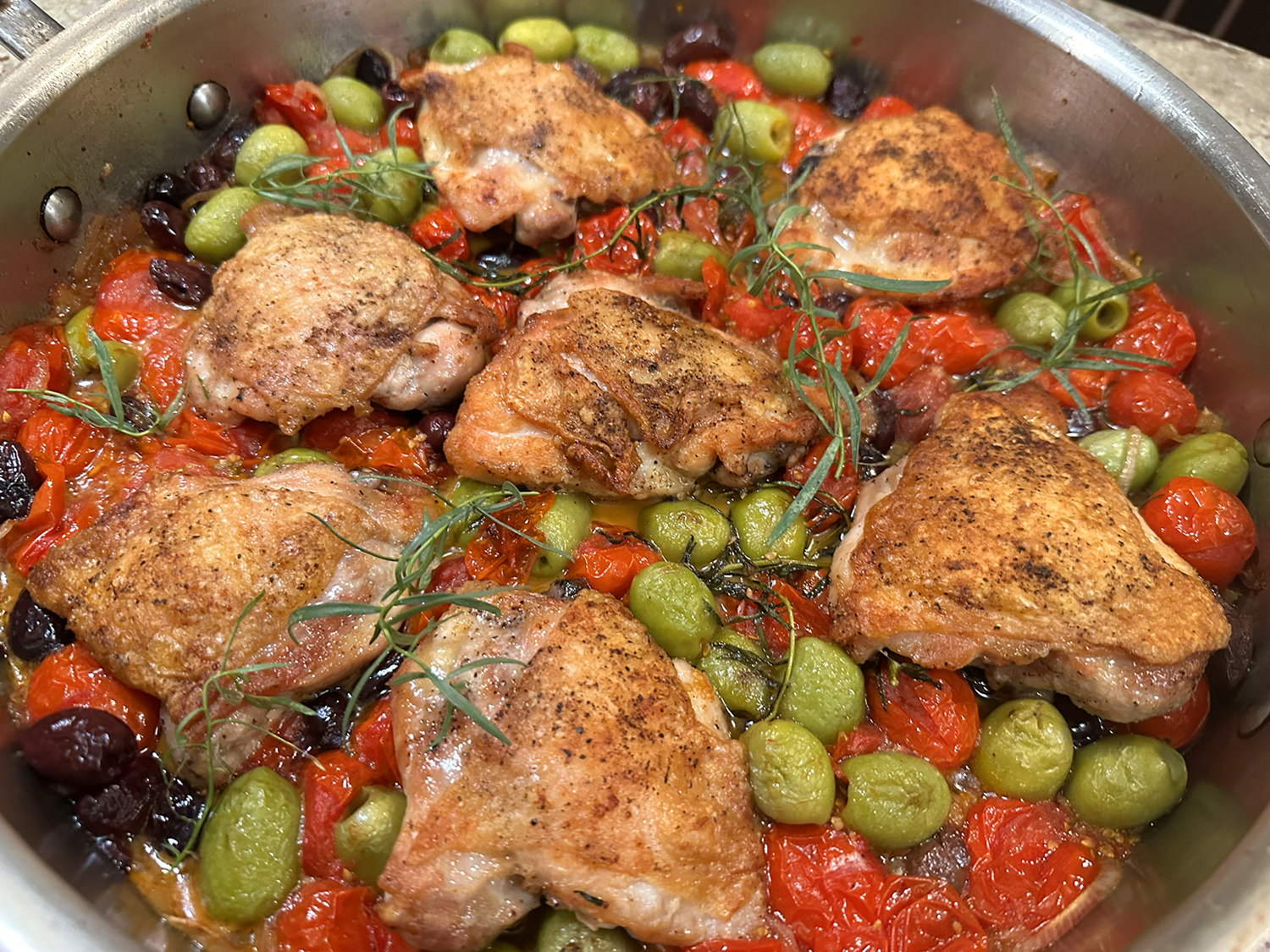
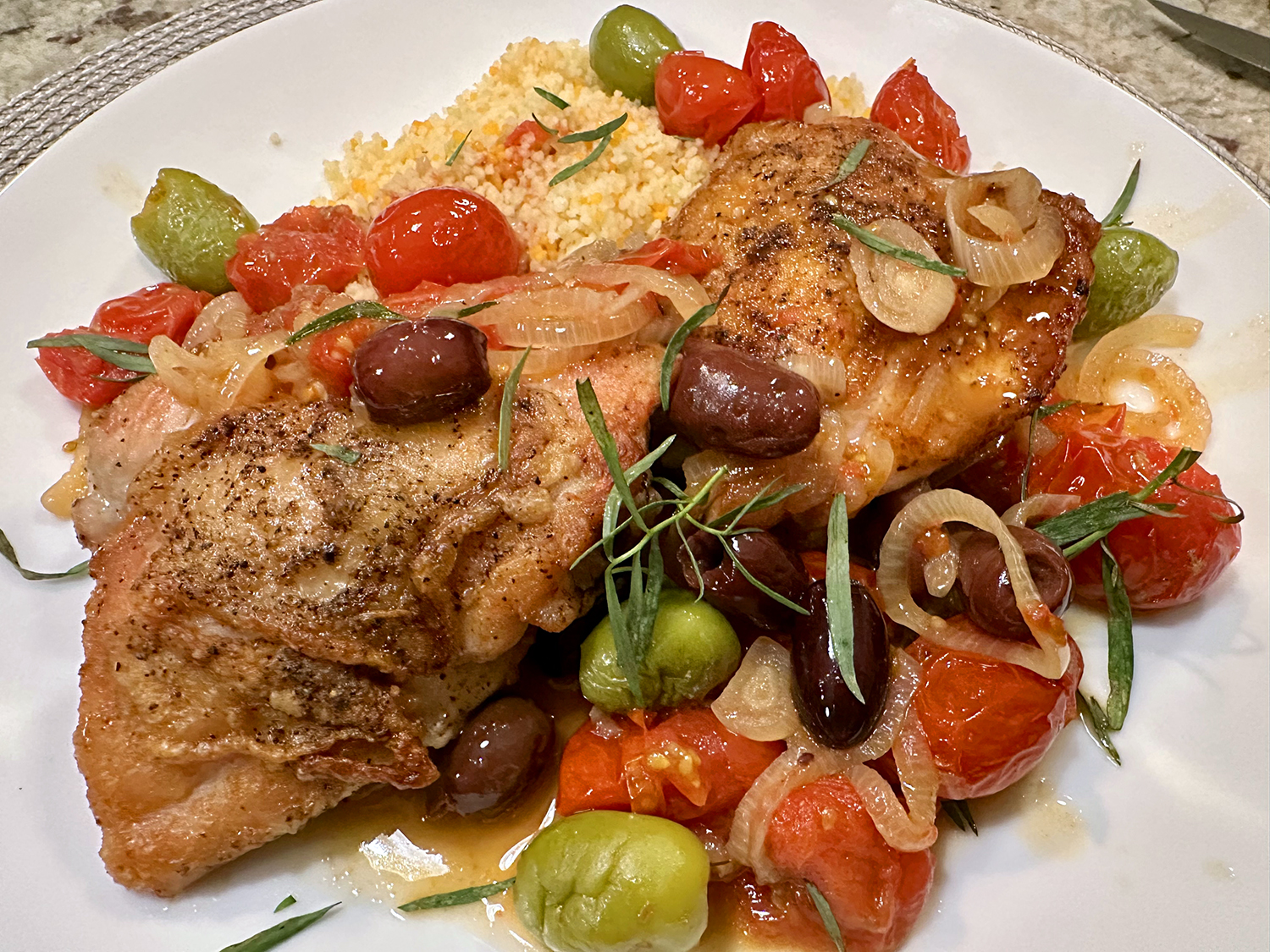
Always game for a weeknight one-pan dinner, here’s another winner to add to your repertoire. In this one-pan meal, freshly seared chicken thighs simmer in their own schmaltz alongside bursting tomatoes and salty olives. Those sweet and bright tomato juices serve as a starting point for a delicate sauce.

To make the most of the leftover olive brine, this recipe uses it in lieu of salt to season the sauce, as well as to deglaze the pan and extract the rich flavors that stick to the bottom when you sear chicken. Tarragon sprigs add their irresistible peppery aroma. If tarragon is impossible to find, fresh rosemary or marjoram make equally tasty alternatives. 

Overall, the recipe couldn’t have been much simpler, there is almost no prep. Other than seasoning the chicken thighs and slicing the shallots (a hand-held mandoline comes in real handy for that), the remaining ingredients just get thrown in the pan without any slicing or dicing.

Of course, if you are not enamored with olives, then this just isn’t for you…

Seared Chicken Thighs with Cherry Tomatoes and Olives

  • Servings: 4-5
  • Difficulty: easy
  • Print

Ingredients

  • 2 1/2 lbs. bone-in, skin-on chicken thighs (5 to 7 thighs)
  • Salt
  • 1 Tbsp. neutral oil, such as avocado or grapeseed oil
  • 2 shallots, thinly sliced
  • 1 6-oz. jar pitted green olives, drained, brine reserved
  • 1 6-oz. jar pitted Kalamata olives, drained
  • 1½ lbs. cherry tomatoes
  • 3 fresh tarragon sprigs
  • Crusty bread, or couscous for serving

Directions

  1. Pat dry the chicken using a paper towel and season with salt on all sides.
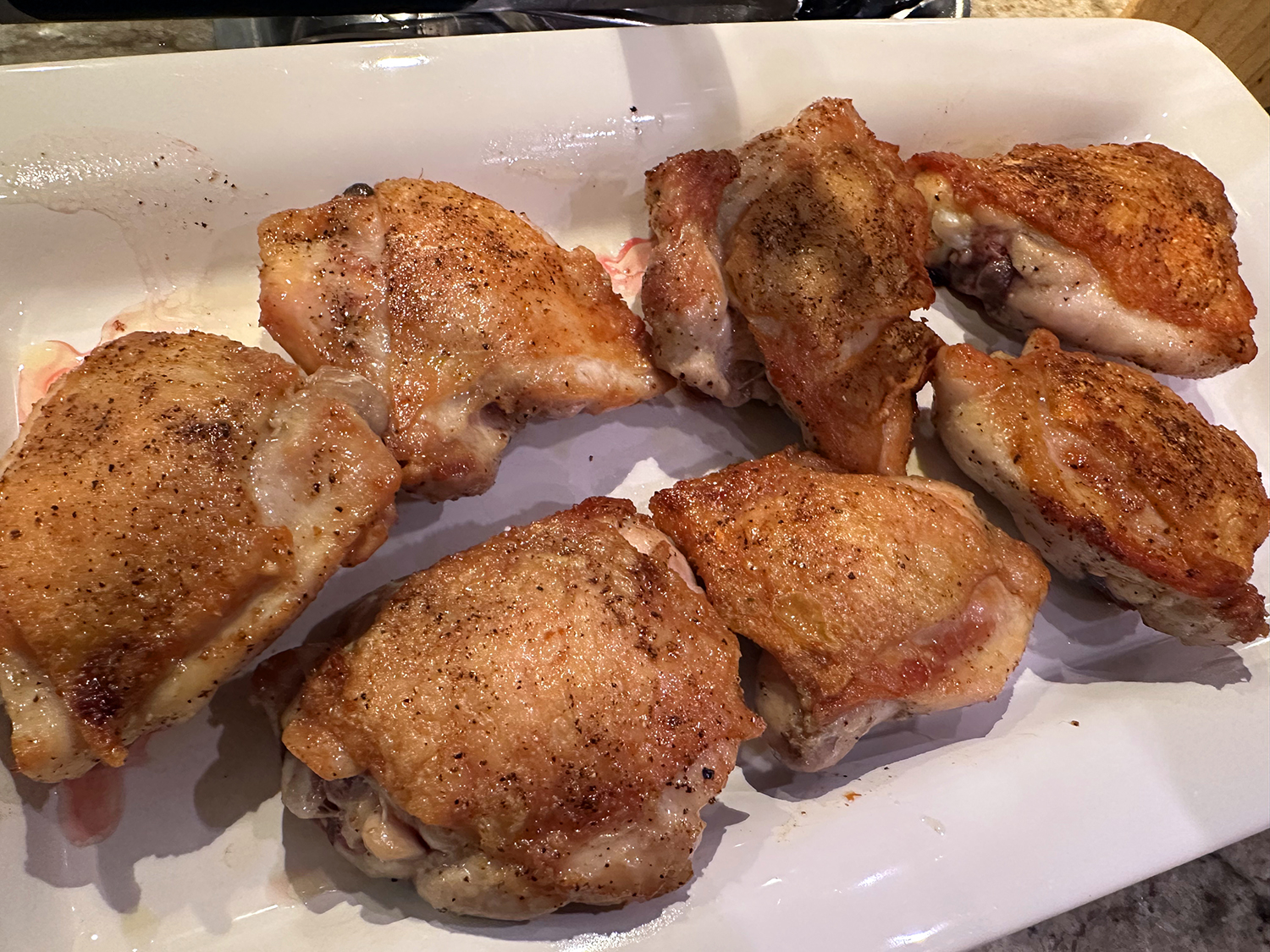
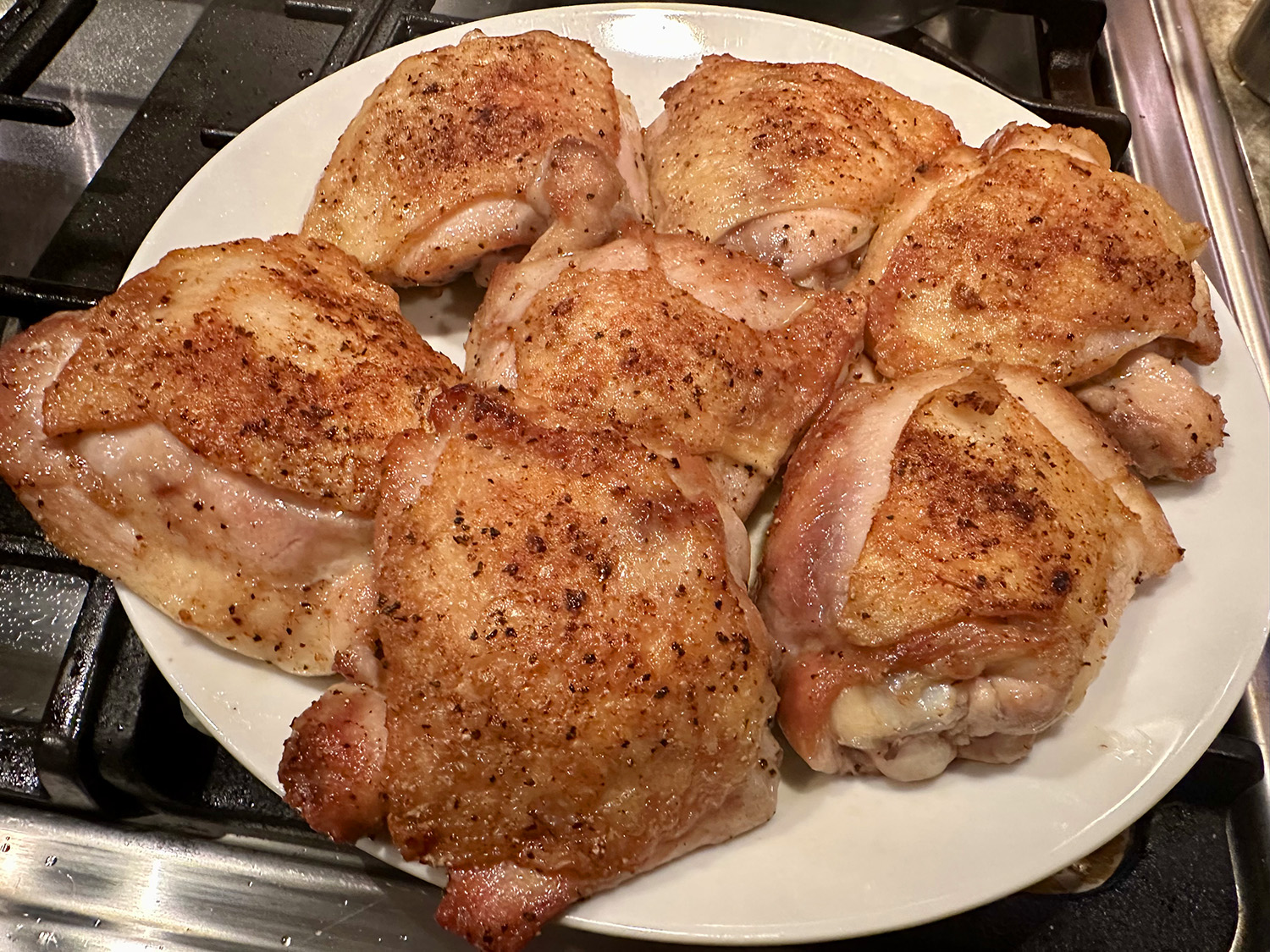
  2. In a large (12-inch) skillet over medium-high, heat the oil. Place the chicken skin-side down in the skillet and sear for 7 to 9 minutes, until crispy, golden and the skin easily releases from the bottom of the skillet. Flip the chicken thighs and continue cooking for 5 minutes, until golden brown. Transfer the seared chicken to a plate.
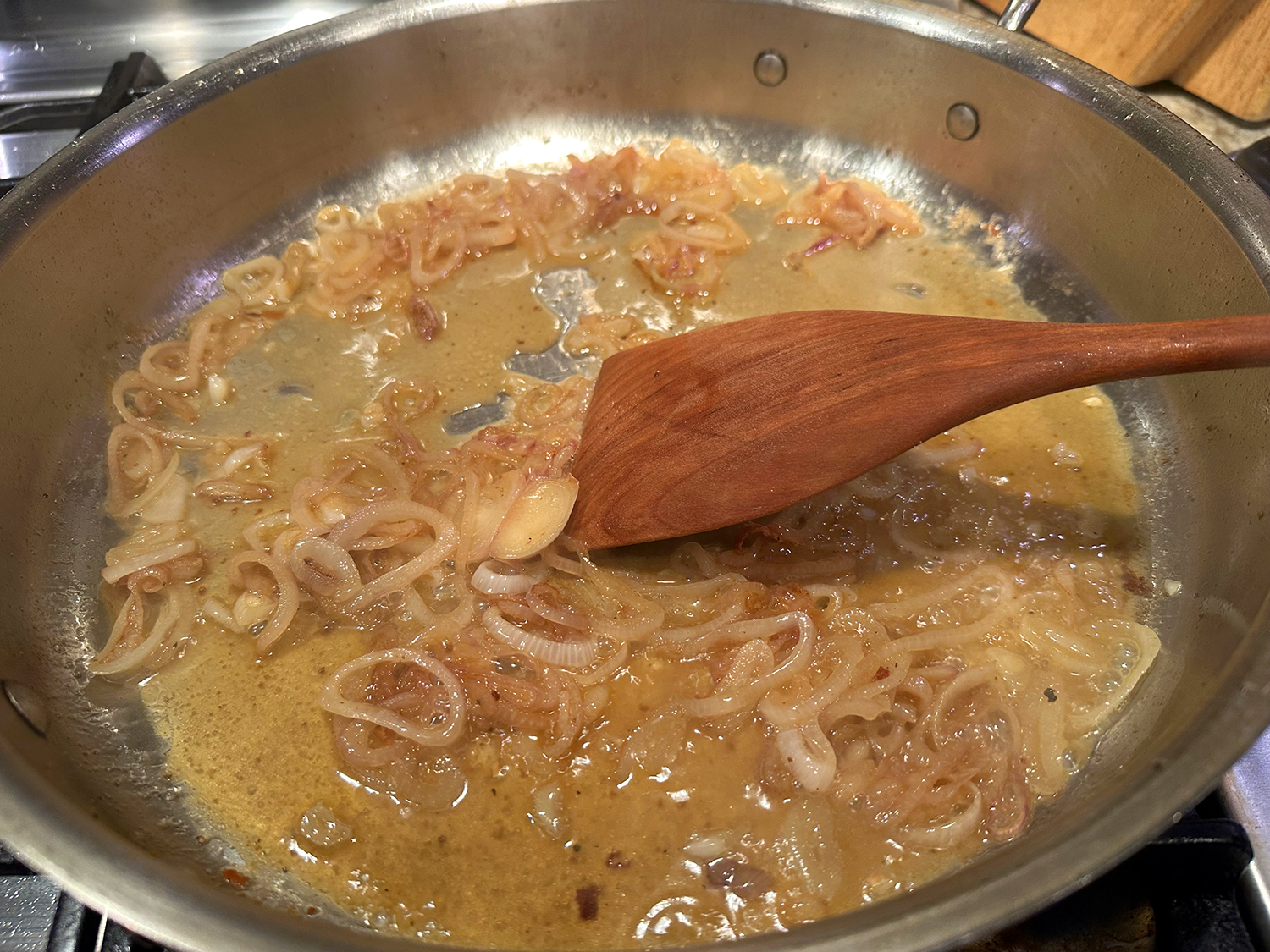
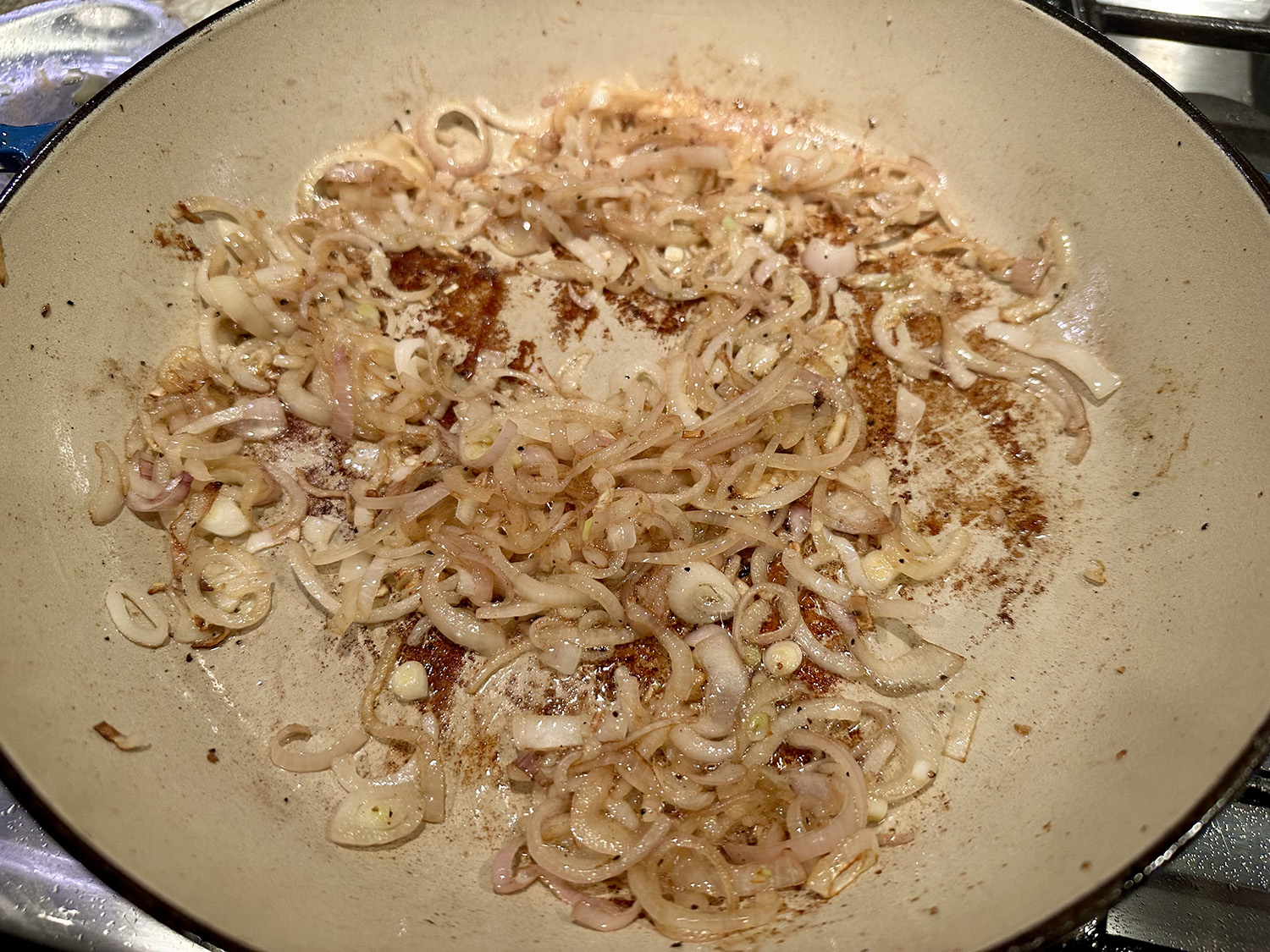
  3. Remove all but about 3 tablespoons of schmaltz from the skillet and add the shallots. Decrease the heat to medium. Cook, stirring frequently, until translucent and soft, about 3 minutes.
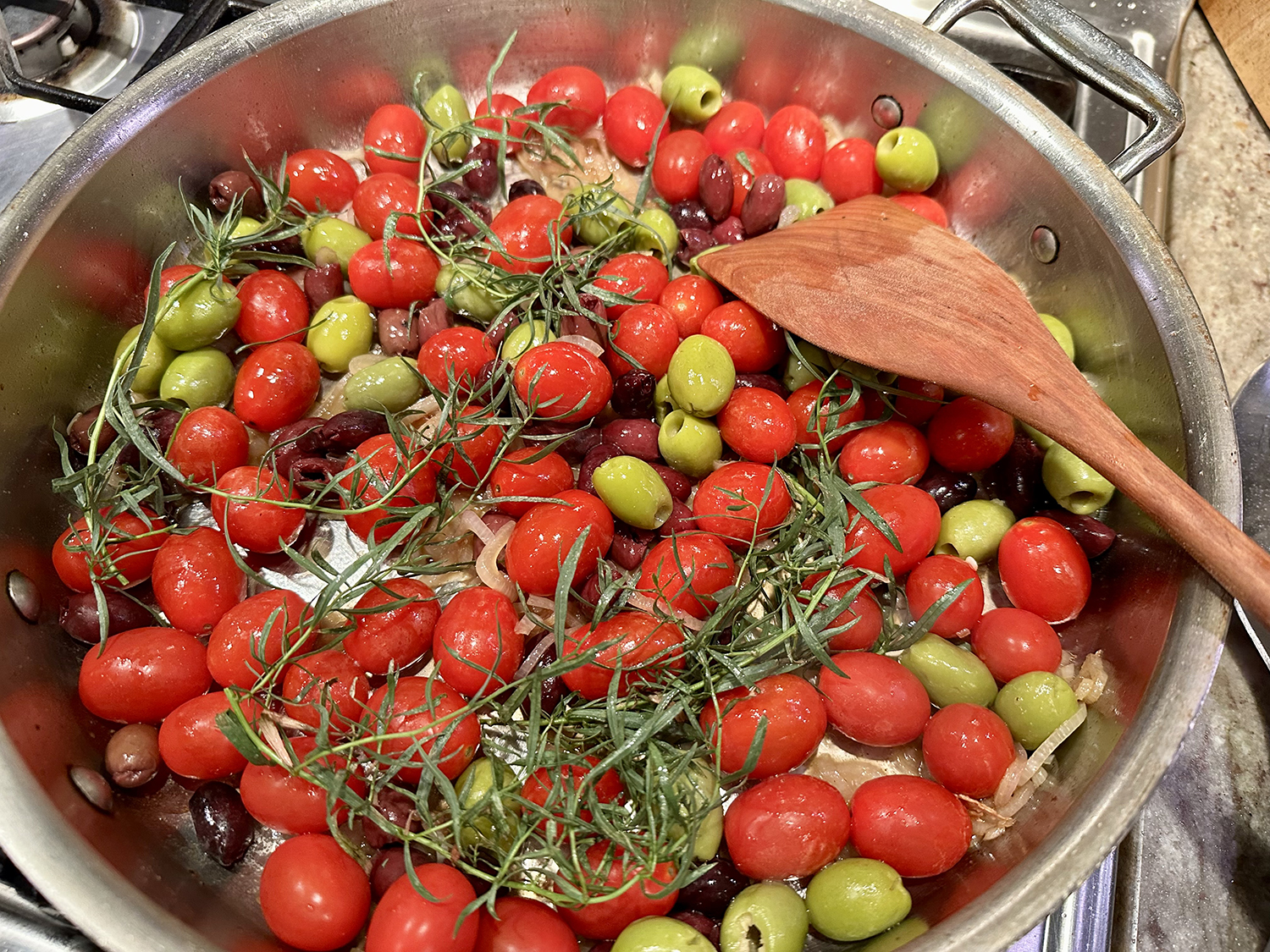
  4. Add ⅓ cup of the green olive brine to the skillet and scrape to loosen the brown bits from the bottom of the pan. Add the green olives, Kalamata olives, tomatoes and tarragon. Partly cover with a lid and bring the mixture to a simmer, occasionally stirring and crushing some of the tomatoes with the back of a spoon to release their juices.
  5. When the mixture reaches a simmer, tuck the chicken thighs in between the cherry tomatoes and olives, skin-side up. Partly cover with a lid and simmer over medium for 12 minutes, until the tomatoes have released most of their juices and have burst and softened.
  6. Meanwhile, place an oven rack as close to the broiler as possible and set the oven to broil.
  7. Remove the lid and place the skillet under the broiler for 2 to 3 minutes, until the chicken skin is slightly charred in places and crispy.
  8. Serve right away, with bread on the side.

http://www.lynnandruss.com

Recipe by Carolina Gelen for the NYTimes Cooking

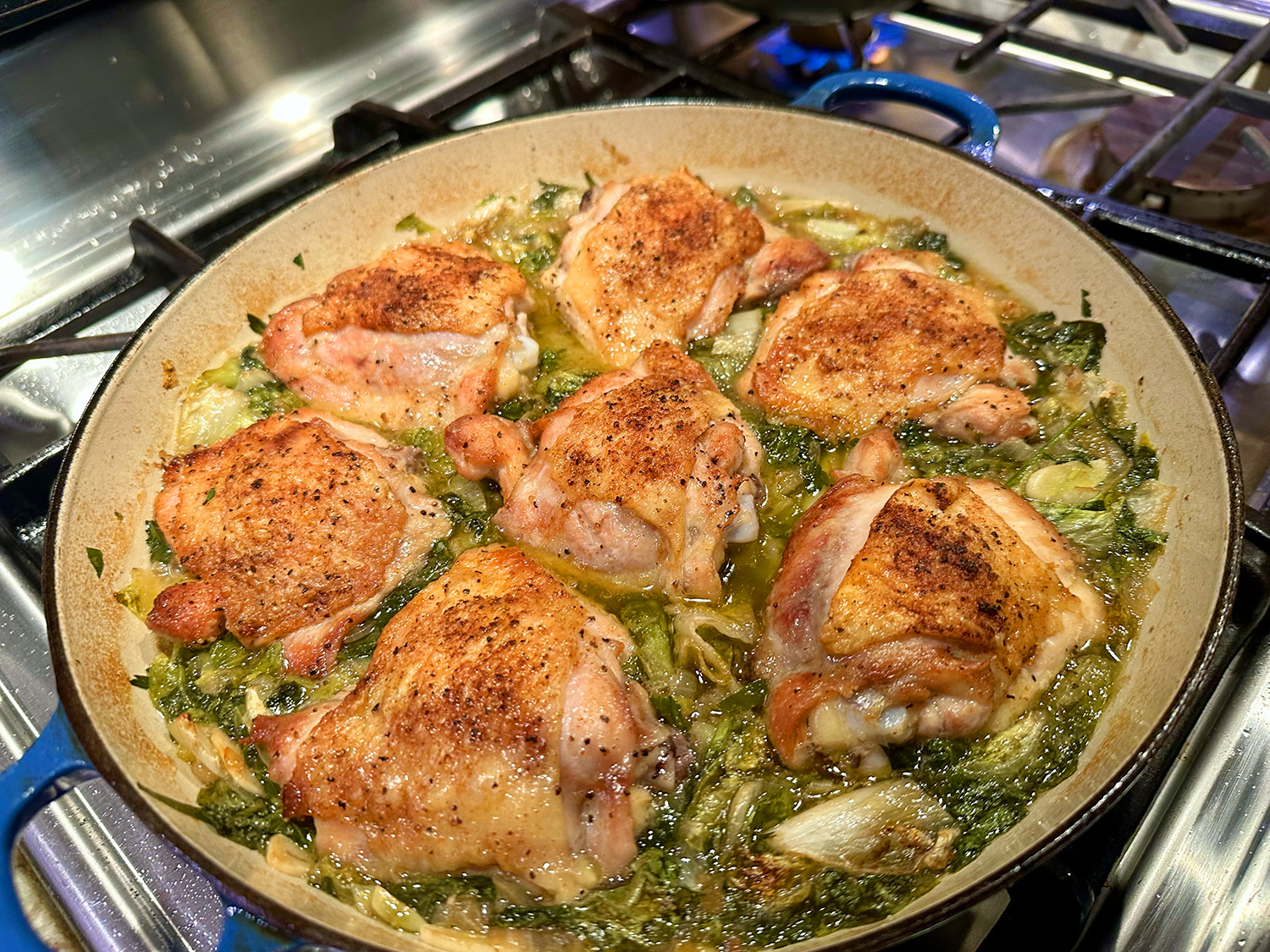
Skillet-Braised Chicken With Greens and Olives

Braising chicken and greens together in a skillet does wonderful things to both bird and vegetables. As the chicken cooks, the skin browns, crisps, and renders savory fat, which suffuses the greens with flavor. The greens, in turn, make a soft, moist bed on which to cook the chicken, keeping the meat supremely tender.

In the end, the silky greens make a rich, mineral contrast to the juicy meat, while lemon juice and olives add brightness and acidity to the mix, giving it a pleasant jolt. Serve this with crusty bread, mashed potatoes, or a bed of couscous to catch all the juices.

Using homemade chicken stock will add oodles of flavor, plus some preserved lemon (about 1 1/2 tablespoons of chopped rind) adds an additional depth of flavor.

Skillet-Braised Chicken With Greens and Olives

  • Servings: 4
  • Difficulty: easy
  • Print

Ingredients

  • 2 ¼ to 2½ lbs. bone-in chicken thighs and drumsticks
  • Fine sea salt or table salt and freshly ground black pepper
  • 1/4 tsp. hot smoked paprika, plus more for serving (or use red-pepper flakes)
  • 3 Tbsp. extra-virgin olive oil, more for serving
  • 1 cup sliced shallots, about 2 to 3 (or use red onion)
  • 3 garlic cloves, thinly sliced
  • 1 pound sturdy greens, such as escarole, Swiss chard or kale, coarsely chopped
  • 1 cup coarsely chopped cilantro or parsley
  • 1¼ cups chicken stock, preferably homemade, plus more as needed
  • ½ cup pitted coarsely chopped Castelvetrano olives
  • 1 lemon, halved
  • Flaky salt, for serving (optional)

Directions

  1. In a small bowl, blend 1 teaspoon of salt, 1/2 teaspoon of black pepper, and the paprika. Pat the chicken pieces dry with paper towels and then sprinkle all over with the seasoning mix.
  2. Preheat oven to 400F (375F convection).
  3. In a large (12-inch), heavy-bottomed skillet heat the oil over medium-high. Add chicken to the skillet and let sear until it browns lightly on both sides, removing it to a plate when finished browning.
  4. Add shallots and a pinch of salt, and cook until pale golden brown all over, 5 to 7 minutes.
  5. Add garlic to the pan and cook until fragrant, 1 minute more. Add chopped greens, cilantro, and another ¼ teaspoon salt to the pan, and stir, tossing to coat in the residual chicken fat. It may seem like a lot of greens, but they will cook down. Cook until they have just started to wilt, about 2 minutes.
  6. Add the chicken and any juices on the plate to the skillet with the greens. Pour in enough of the chicken stock to come halfway up the chicken. Bring liquid to a gentle simmer. Place the skillet in the oven and bake until the internal temperature of the chicken reaches 165 degrees, about 25 to 35 minutes. Add more stock as needed to keep the greens tender and moist.
  7. Remove the skillet from the oven. Stir in olives and cook uncovered over medium heat until they are warmed through, about 1 minute more. Squeeze one lemon half over everything, then taste greens, and add more salt or lemon juice if needed. Serve topped with flaky salt, a drizzle of extra-virgin olive oil, and more smoked paprika.

http://www.lynnandruss.com

Adapted from a recipe by Melissa Clark for NYTimes Cooking

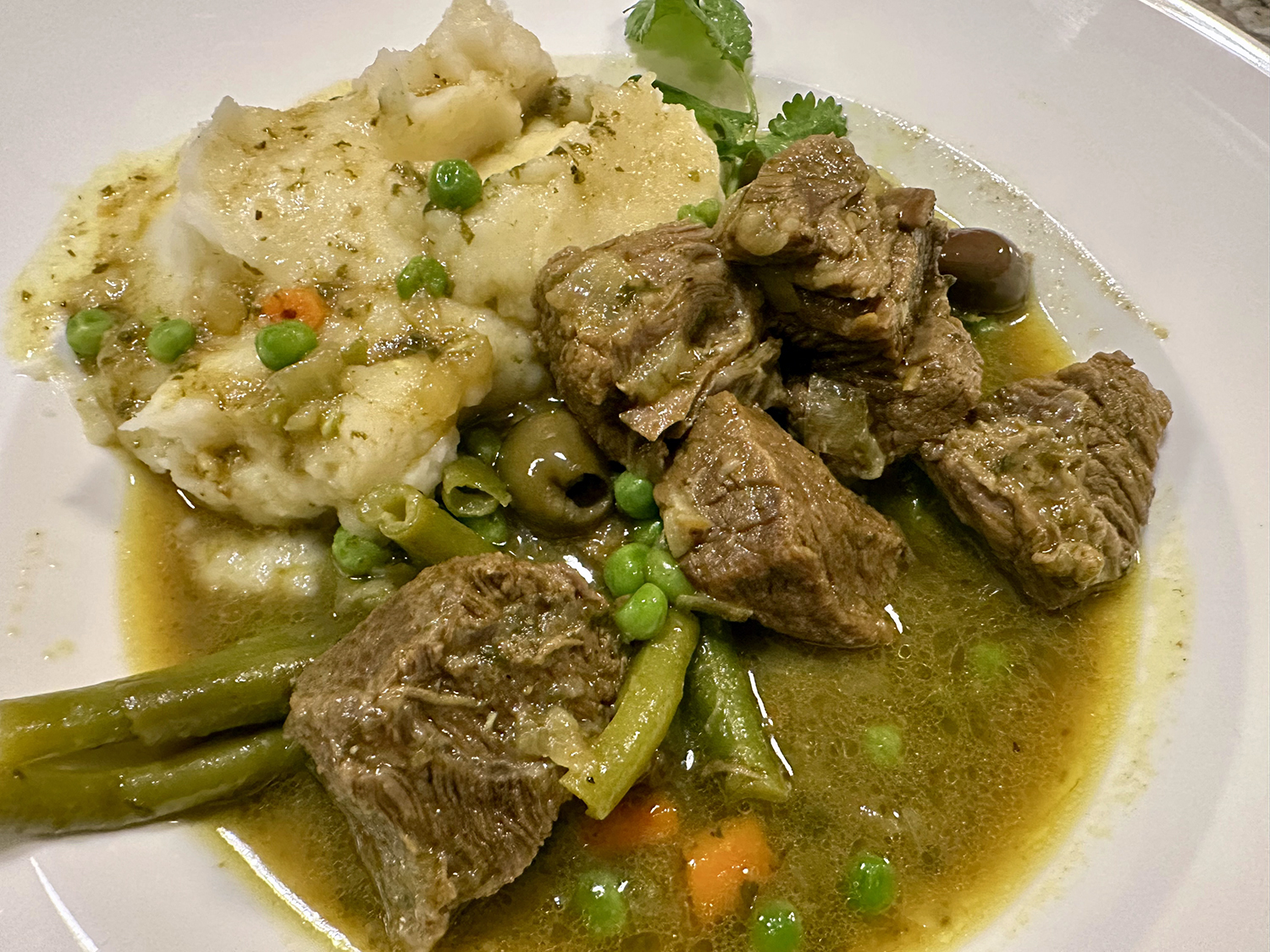
Beef Tagine with Green Beans and Olives

Even though it is labeled a tagine, it’s not cooked in one. This hearty tagine is a staple family meal in many Moroccan homes, cooked in the traditional m’qualli style with garlic, ground ginger and ground turmeric. The comforting, earthy flavors of the meat, spices and green beans create a satisfying dinner perfect for sharing or meal prepping.

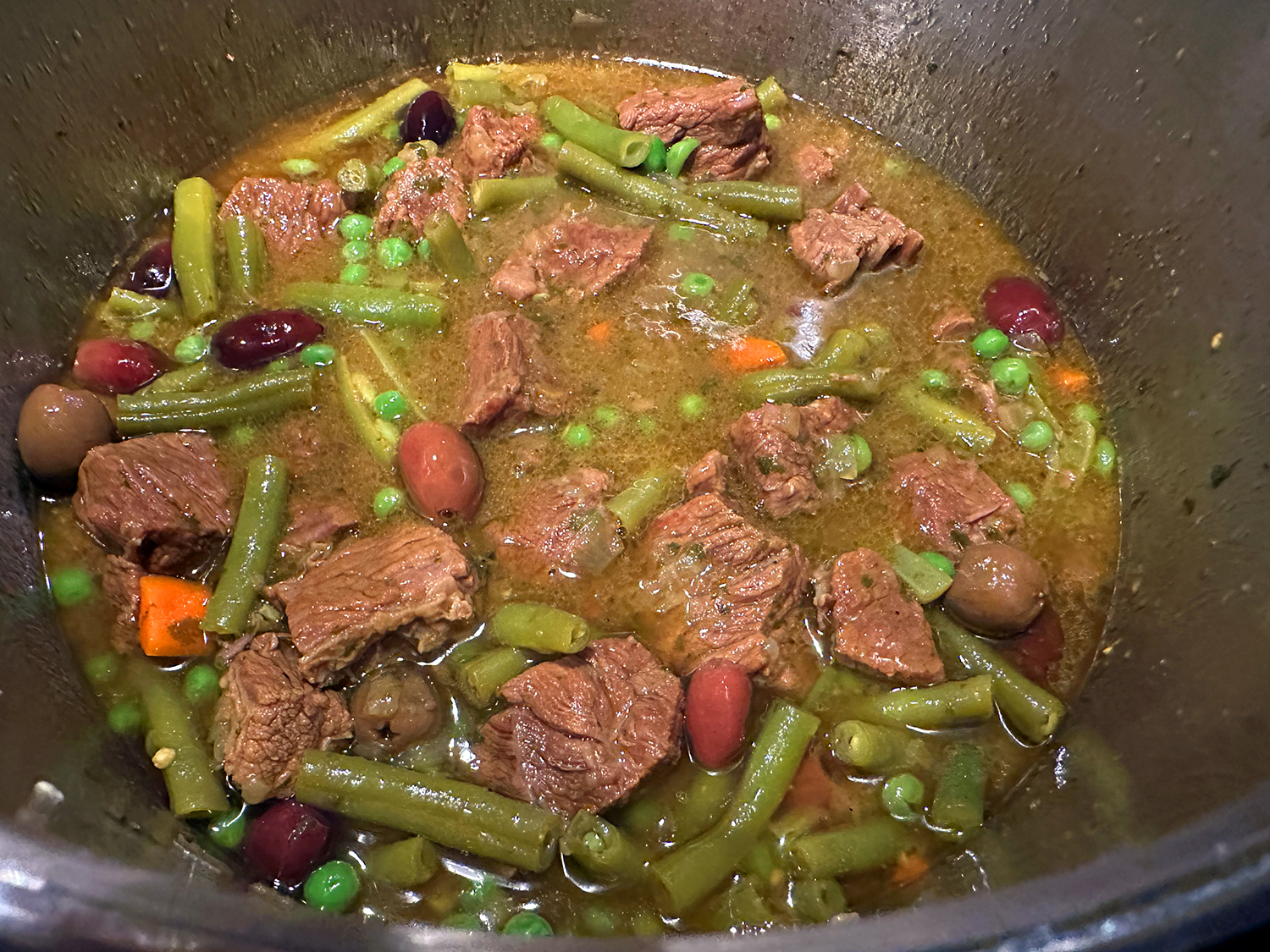
The cozy, fragrant stew is packed with pops of flavor from tangy preserved lemon and briny olives. The green beans are added towards the end when the meat is almost cooked. For a variation, consider substituting or adding peas and/or chopped carrots (see Tip). We added both peas and carrots.

This dish is supposed to take 2 1/4 hours from start to finish. *We decided to use our pressure cooker and therefore cut the total time down to one hour. What we neglected to do was reduce the amount of liquid, because when you use a pressure cooker, none of the moisture evaporates. Next time we will add less liquid to start with, then remove the ingredients with a slotted spoon to another bowl. Add a cornstarch slurry to thicken the sauce and pour it over the meat and vegetables in the bowl.

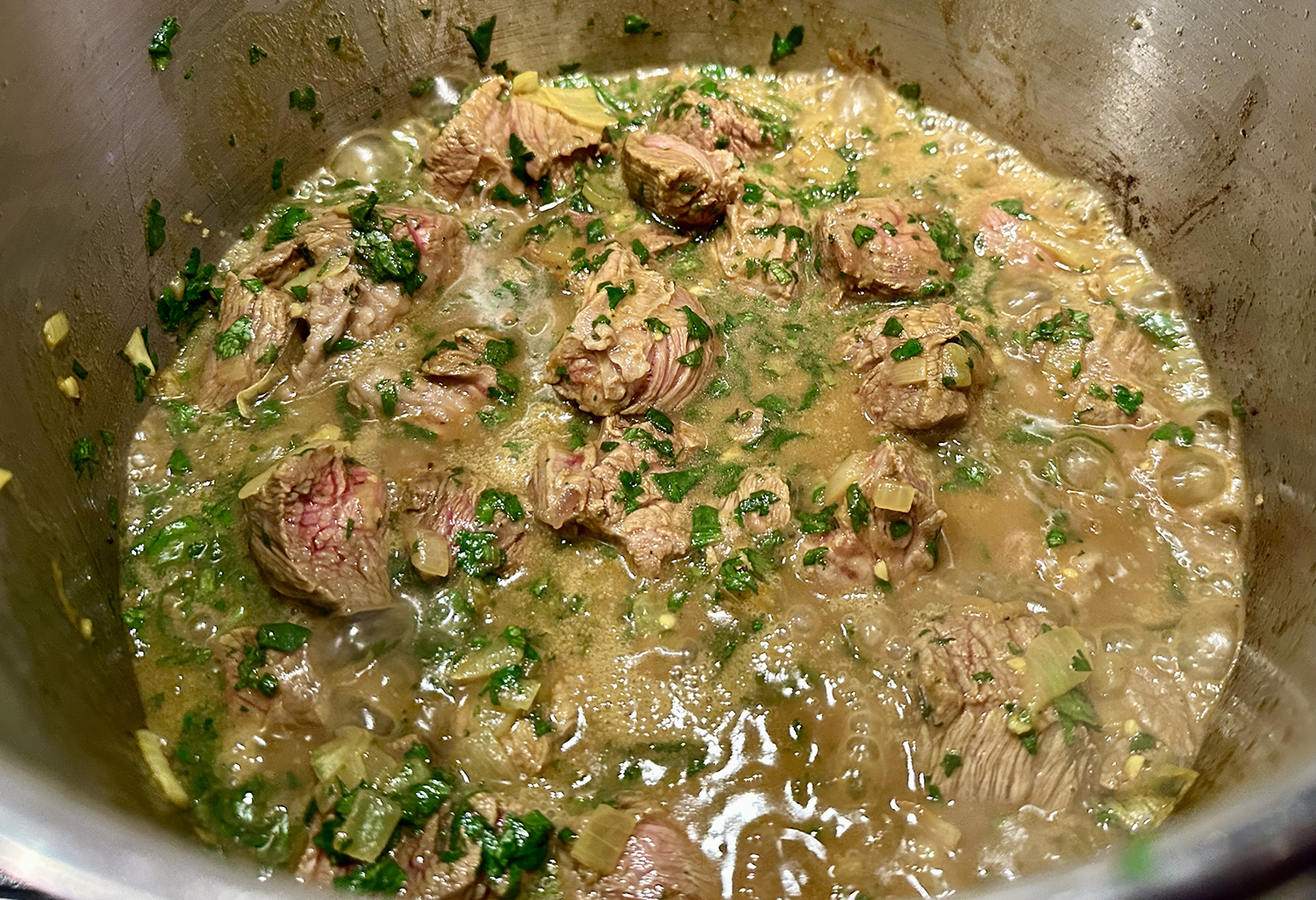
In addition, we would brown the seasoned (salt and pepper) meat chunks on all sides in shimmering oil in the Dutch oven first; in batches so as not to steam the beef. Remove the beef to a side plate, turn the heat to medium-low and add the onions, garlic and seasoning…

TIP: If making a variation on this recipe using peas and carrots, add the carrots about the same time as the green beans, and add the peas when the other vegetables are tender, cooking them for a few minutes.

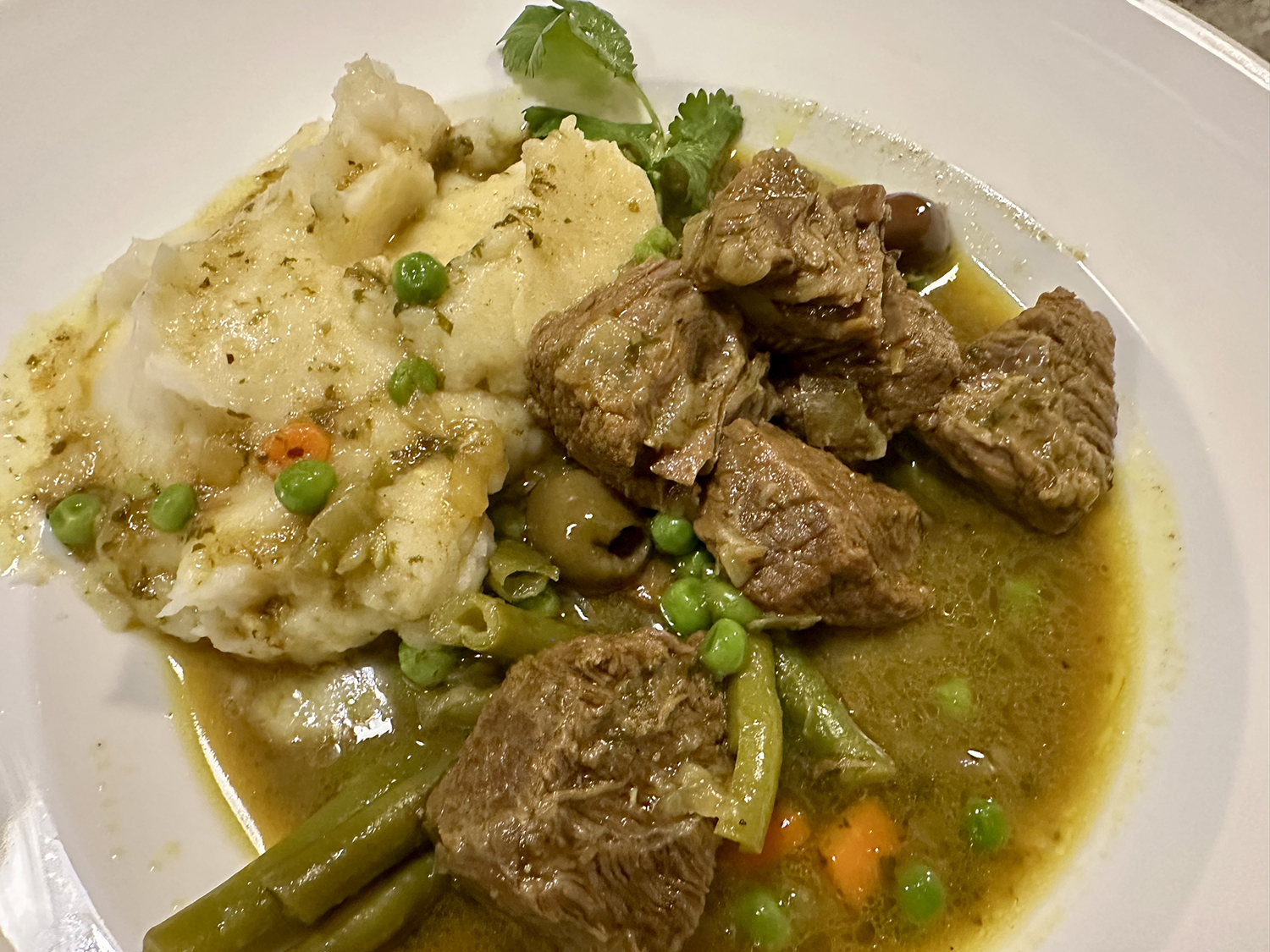
To enhance the Moroccan profile, serve over couscous, We decided on garlicky mashed potatoes, because we needed to use up our spud supply. All of our changes are noted in the recipe below.

Beef Tagine with Green Beans and Olives

  • Servings: 6-8
  • Difficulty: easy
  • Print

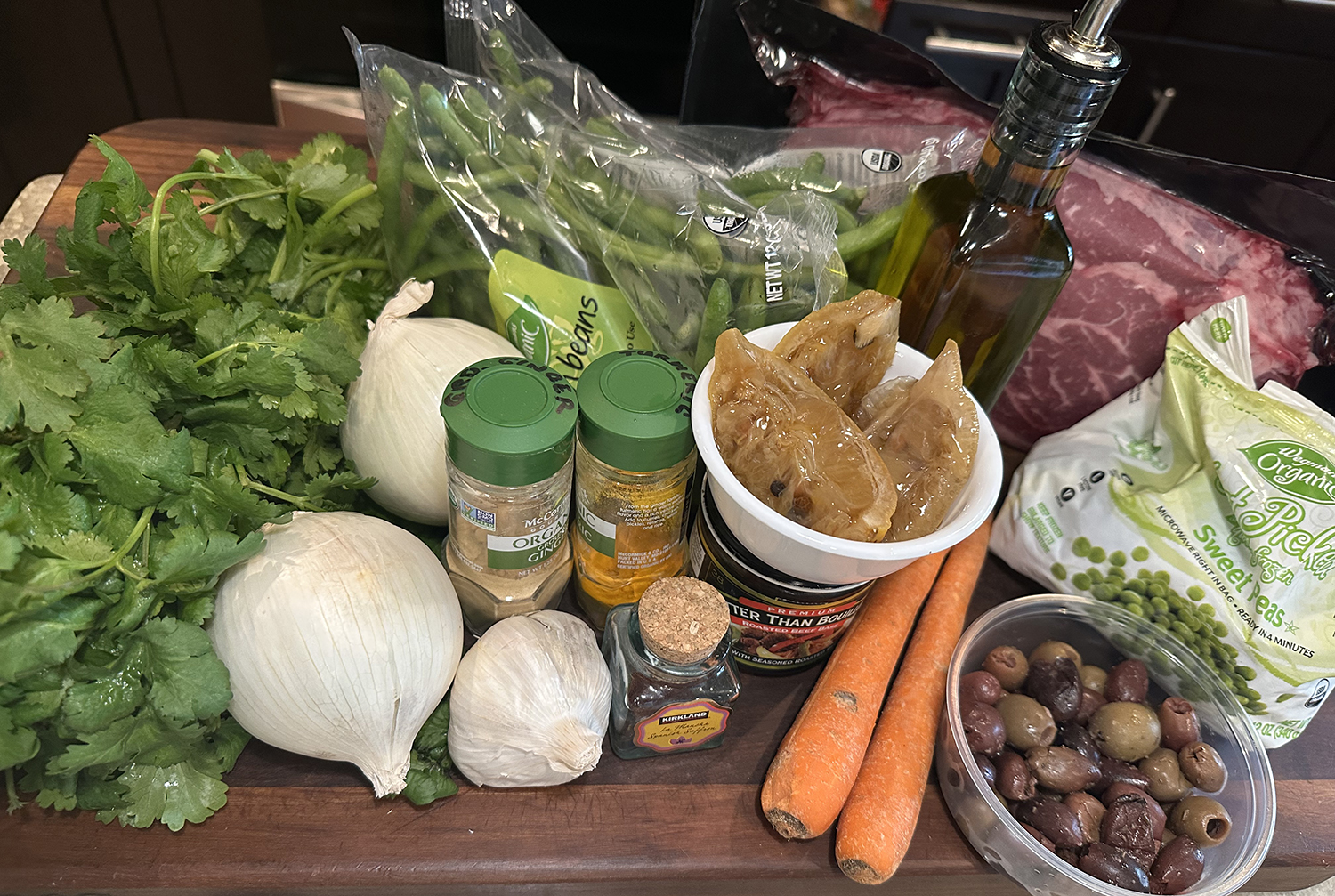
Ingredients

  • 3 Tbsp. olive oil
  • 2 medium onions, diced (about 3 cups)
  • 3 garlic cloves, minced or pressed
  • 1 tsp. ground turmeric
  • 1 tsp. ground ginger
  • 1 small pinch saffron (optional)
  • Fine sea salt and black pepper
  • 2½ lbs. boneless beef chuck or other stewing beef, trimmed of excess fat and cut into 2-inch pieces
  • ¾ cup vegetable or beef stock, or water, plus more if needed
  • 1 cup cilantro leaves and tender stems, finely chopped, plus more for serving
  • 1½ lbs. green beans, trimmed
  • 2 carrots peeled and cut into 1/2-inch rounds
  • 2 to 3 Tbsp. seeded and finely chopped preserved lemon (about ½ lemon), plus more to taste
  • ½ cup pitted Castelvetrano or Kalamata olives, and peas (if using)
  • Bread, for serving

Directions

  1. Heat oil in a large Dutch oven over medium. Add the beef, cook, stirring occasionally, until the meat is lightly browned on all sides, about 7-8 minutes. Remove to a plate.
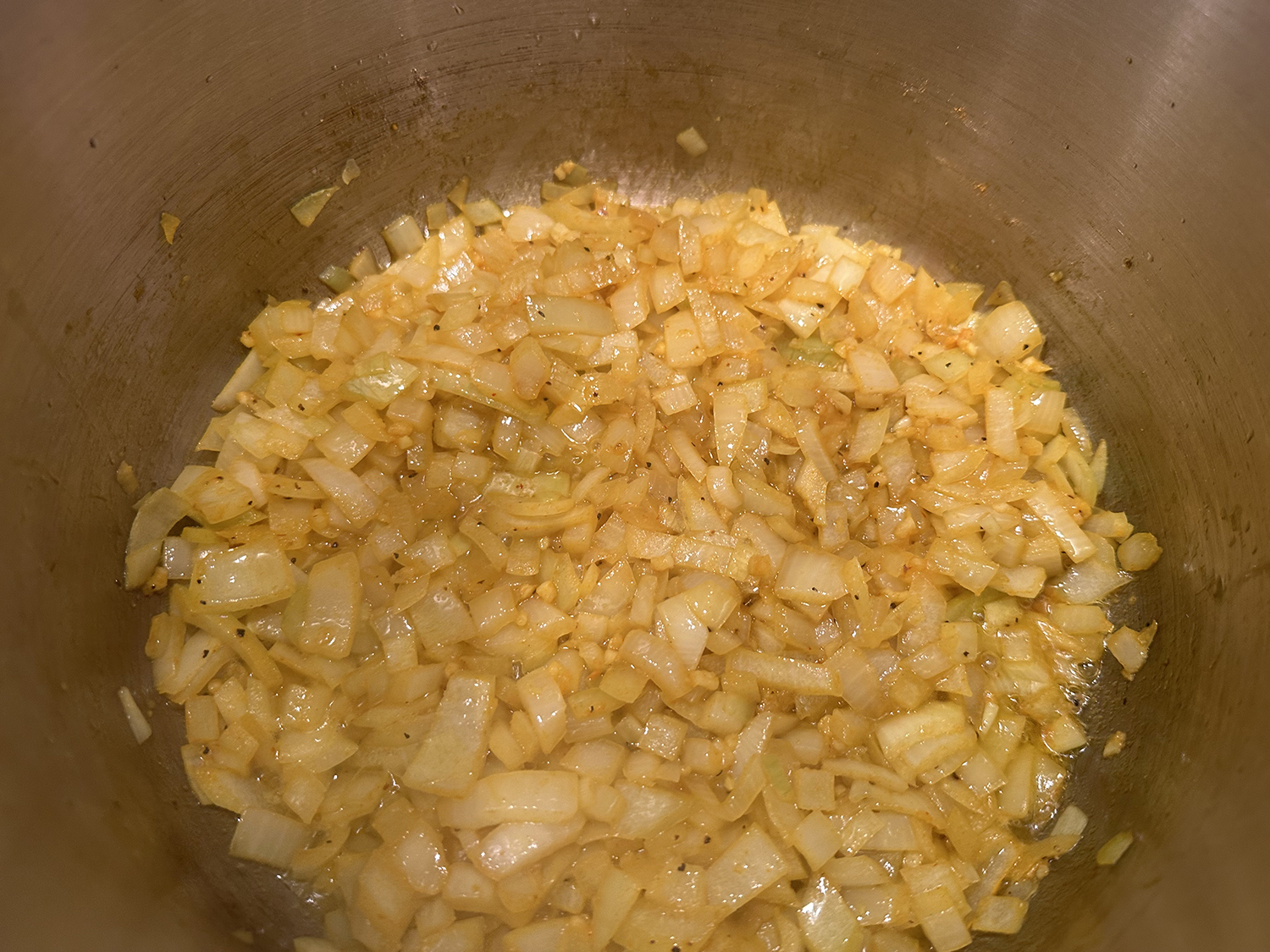
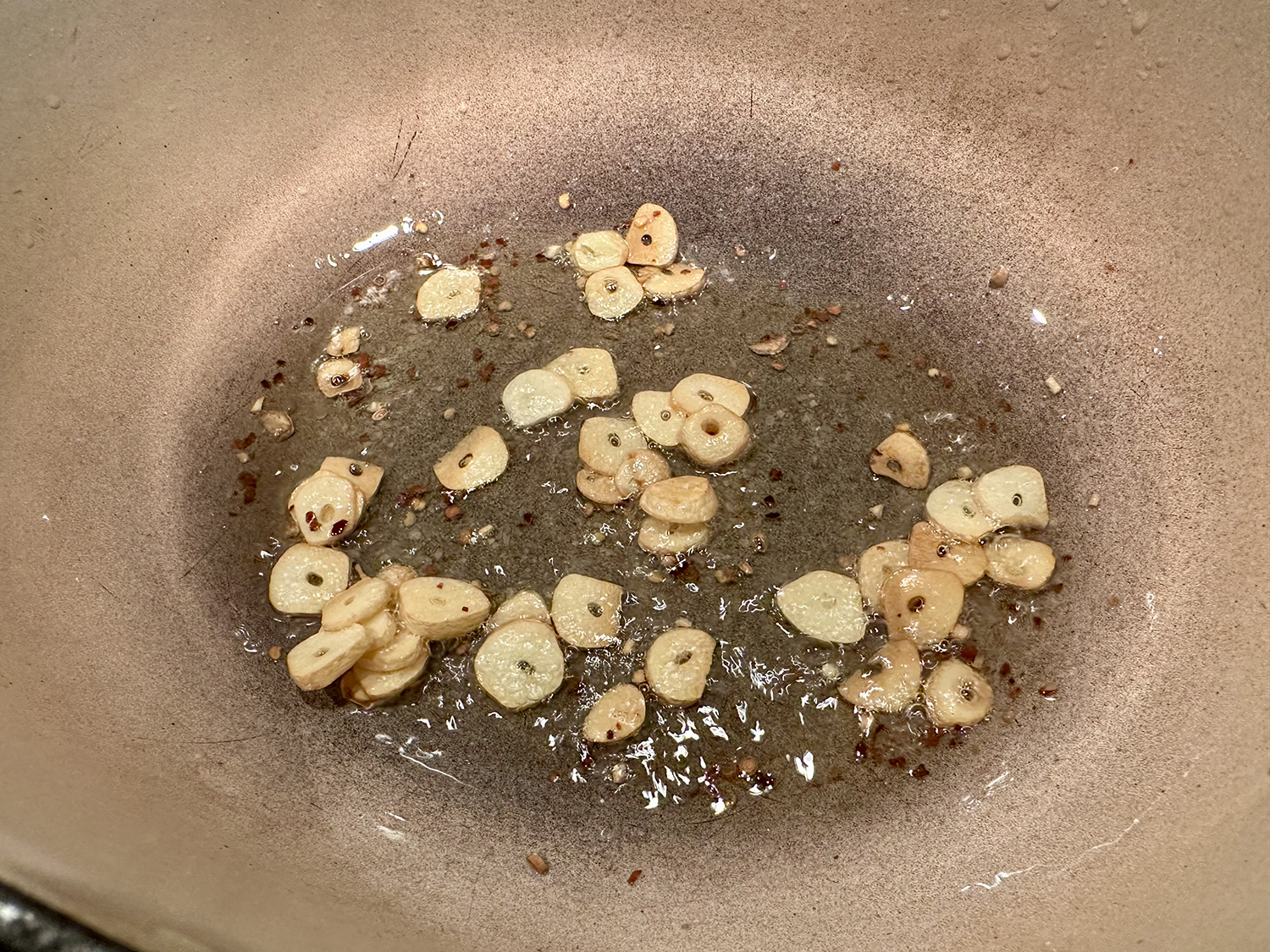
  2. Add onions, garlic, turmeric, ginger, saffron (if using), ¾ teaspoon salt and ¼ teaspoon pepper. Cook, stirring frequently, until the onions begin to soften, 5 to 7 minutes.
  3. Return meat to pot, add stock (or water) and cilantro, and bring to a boil over high heat.
  4. Cover the pot, adjust heat to low and simmer for about 1½ hours, until the beef has partially softened (when pressed with a fork it should feel soft but not fall apart).
  5. Stir in the green beans, carrots and preserved lemon, adjust heat to high and bring to a boil. The green beans should be partially submerged in the liquid; add stock or water as needed. Turn down to low, cover and simmer until the green beans and carrots are tender, 15 to 20 minutes. Stir occasionally to make sure the beans cook evenly.
  6. Taste and add more preserved lemon or salt as necessary. Garnish with olives and more cilantro, and serve with bread.

http://www.lynnandruss.com

Recipe by Nargisse Benkabbou for NYTimes Cooking

Seafood Pasta with Tomato and Crushed Olives

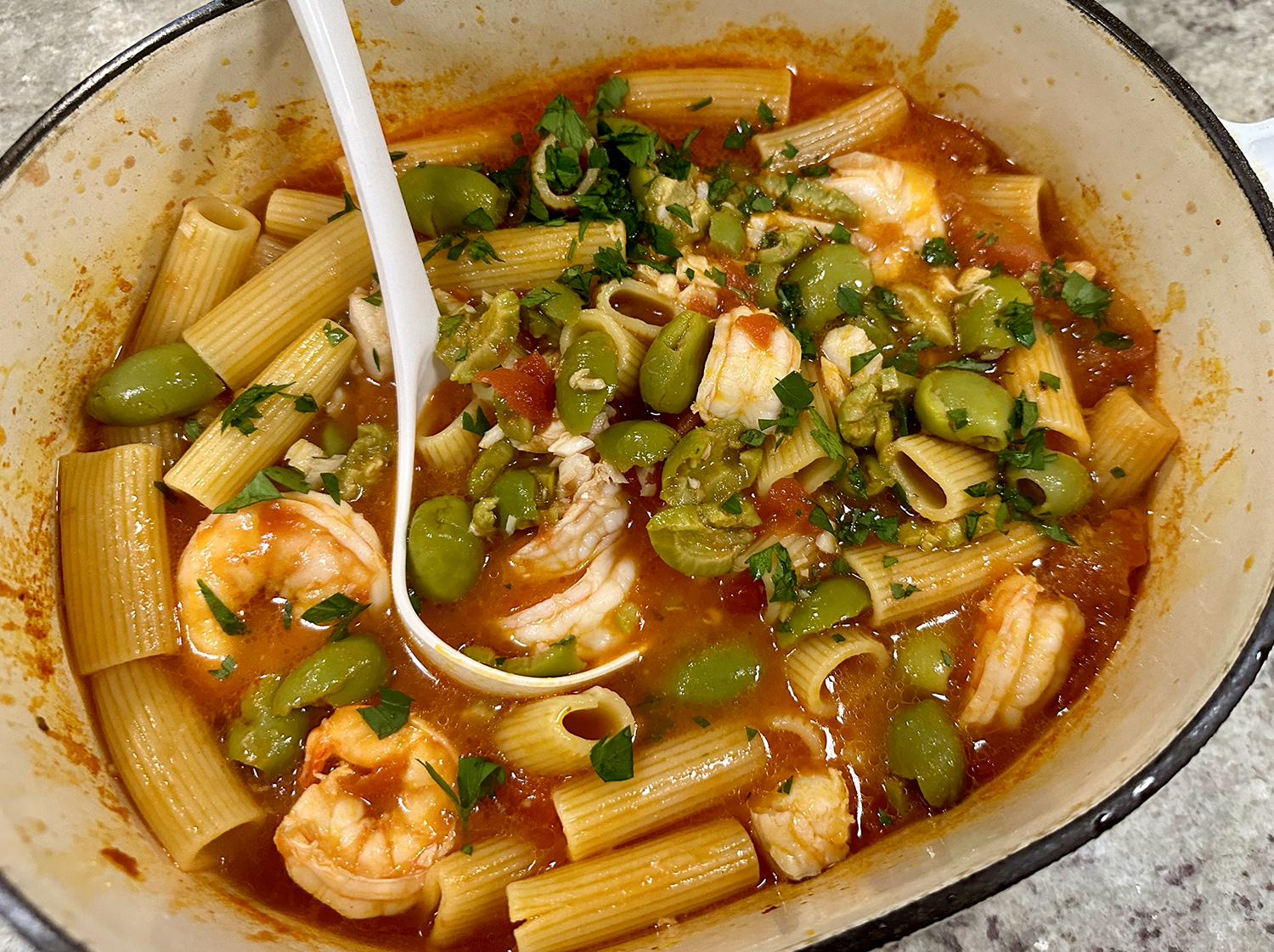
Think of this as a weeknight fish stew with pasta rather than a seafood pasta. It’s highly customizable: You can use whatever seafood you like, including but not limited to shellfish, like mussels, clams or shrimp, and firm-fleshed white fish, such as cod, halibut or flounder.

Since one of our diners did not eat clams, we doubled the amount of shrimp. If you do omit the clams, use some clam broth along with the water* in Step 3 to help flavor the overall broth. Seafood stock would also be another good option.

The trick is to make sure the garlicky tomatoes are brothy enough to gently poach the seafood (which then further flavors the sauce), yet thick enough to coat each tube of pasta. Finished with briny olives and a smattering of fresh parsley, it’s best eaten with a spoon and lots of thick-cut toast for sopping up all the luscious goodness.

Seafood Pasta With Tomato and Crushed Olives

  • Servings: 4
  • Difficulty: easy
  • Print

Ingredients

  • 8 oz. rigatoni or another tube-shaped pasta
  • Kosher salt
  • 3 Tbsp. olive oil, plus more for drizzling
  • 4 garlic cloves, sliced
  • Pinch of red-pepper flakes (optional)
  • 1 (28-oz.) can whole San Marzano tomatoes, crushed by hand
  • ½ lb. mussels or clams (optional)
  • 1 lb. firm-fleshed white fish, such as cod, halibut, swordfish, hake or flounder, cut into 2-inch pieces
  • ½ lb. shrimp, peeled and deveined if you like
  • ¾ cup Castelvetrano or other green olives, pitted and crushed
  • ½ cup parsley, tender leaves and stems, chopped

Directions

  1. Cook pasta in a large pot of boiling salted water. Once it reaches al dente, drain and set aside while you finish the sauce.
  2. Meanwhile, heat olive oil in a heavy-bottomed Dutch oven over medium heat. Add garlic and season with salt. Cook, stirring occasionally, until garlic is lightly browned and toasted around the edges, about 2 minutes. Add red-pepper flakes, if using.
  3. Add tomatoes and then fill the empty can about ¾ of the way up with water*. Swirl the can to loosen the tomatoey bits left behind and add that to the pot. Season with salt, bring to a simmer and cook, stirring occasionally, until sauce has thickened slightly (it should still look quite brothy), 10 to 15 minutes.
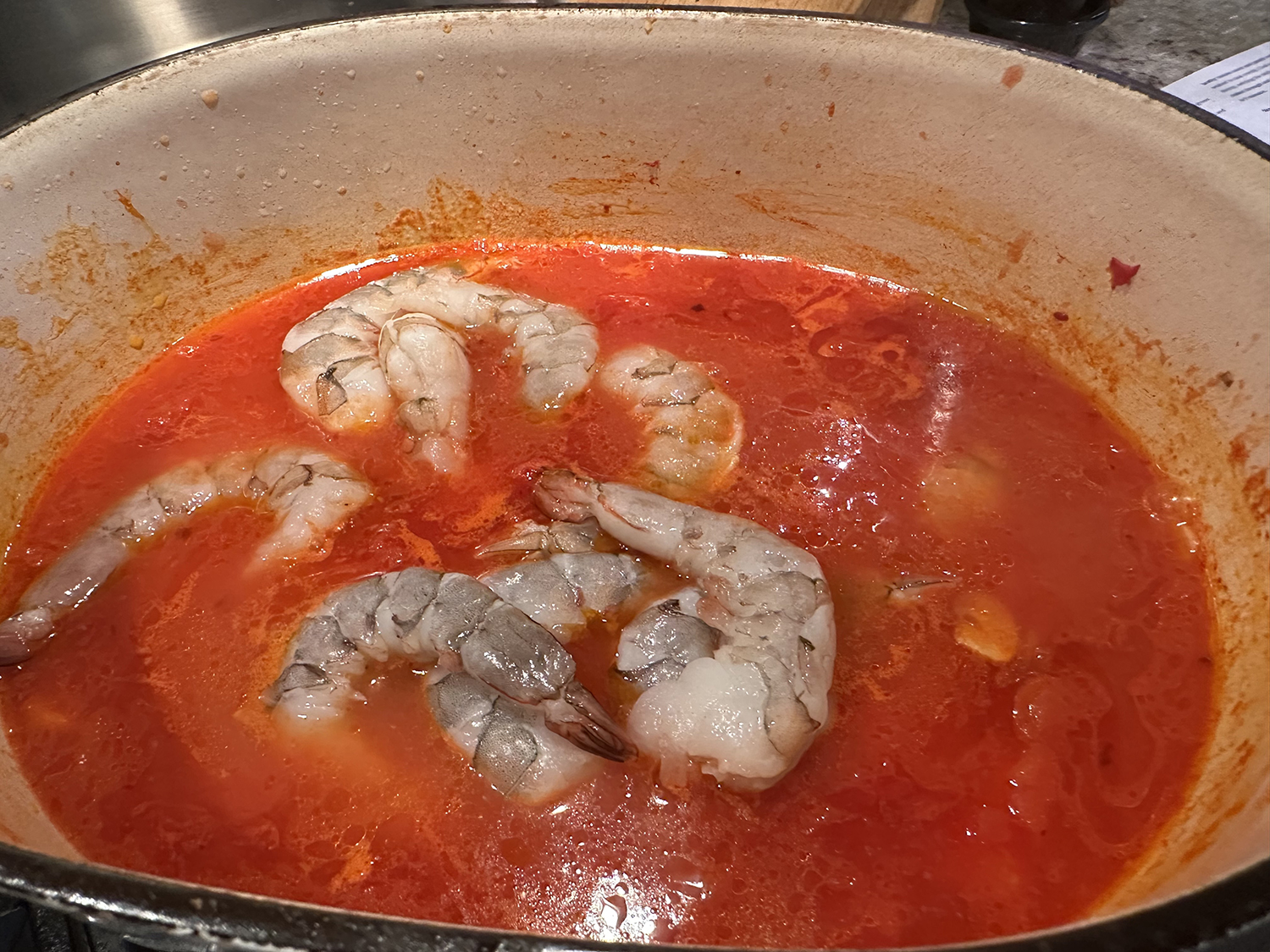
  4. Add the mussels or clams to the sauce, if using, along with the fish, and season again with salt. Let the seafood settle into the brothy tomato sauce and gently swirl the pot, encouraging the seafood to cook evenly. Cook a minute or two, then add the shrimp, swirling the skillet again. Cook until all the seafood is just cooked through and the mussels or clams have opened, another 3 to 5 minutes.
  5. Add the pasta and very gently toss to coat, cooking another 1 to 2 minutes, just to let the flavors meld. Add olives and remove from heat.
  6. Divide among bowls, top with parsley and drizzle with olive oil before serving.

http://www.lynnandruss.com

Recipe from Alison Roman for NYTimes Cooking

Braised Sweet Potatoes with Orange and Olives (and Pork Tenderloin)

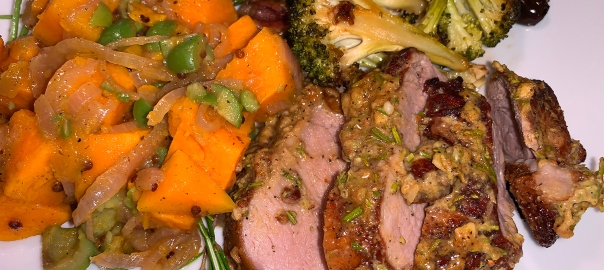
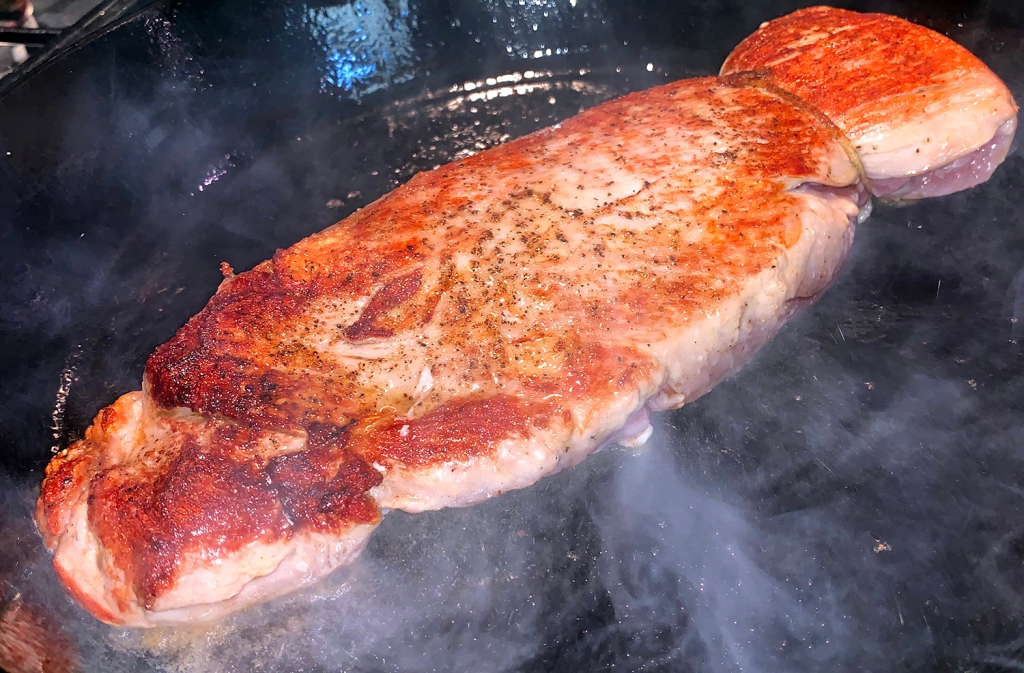
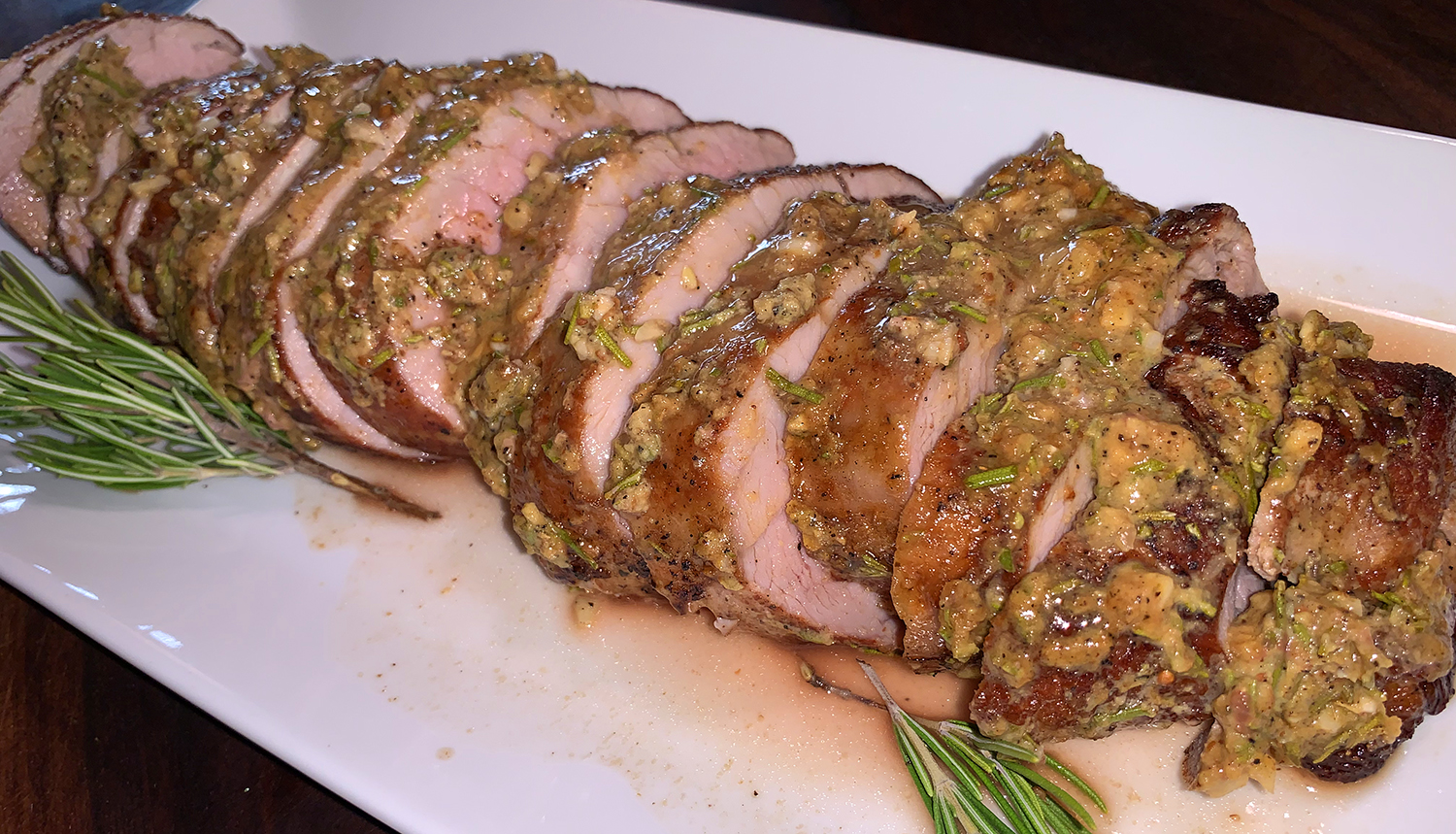
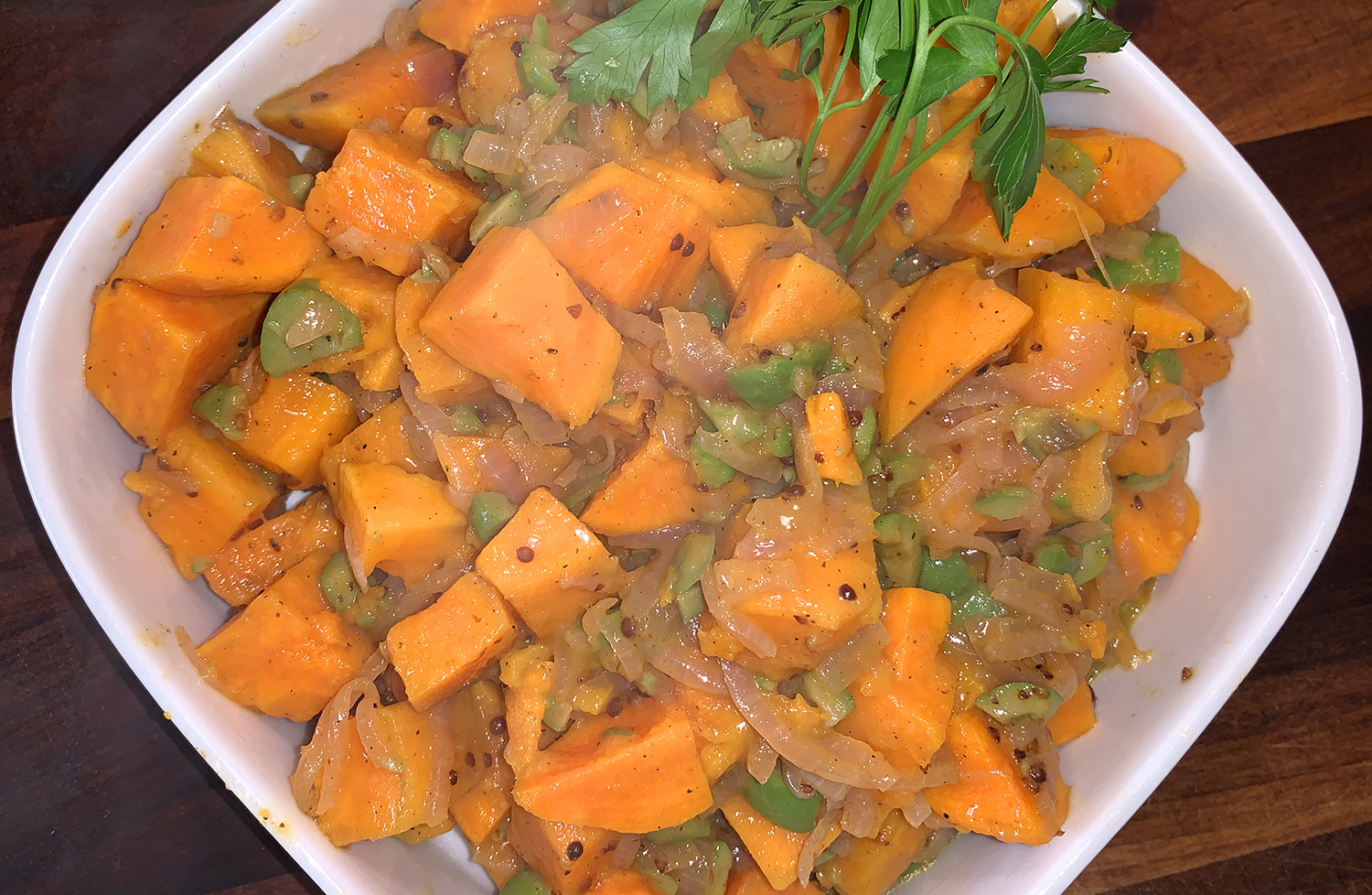
Here, we first decided on our side of Braised Sweet Potatoes with Orange and Olives before we committed to the main course of Sear-Roasted Pork Tenderloin with Rosemary, Coriander and Mustard. Nothing boring about our penchant for Mediterranean cuisines where the flavors are big and brash, heavy on citrus, spices and bold ingredients used with abandon.

The vegetarian sweet potatoes dish was in a recent copy of Milk Street magazine who noted it originally came from German food blogger Meike Peters. So the challenge was to find a main course that would stand up to the bold flavors. In Molly Stevens’ “All About Roasting” cookbook she wrote an article on basic sear-roasted pork tenderloin that lists four different flavor options.

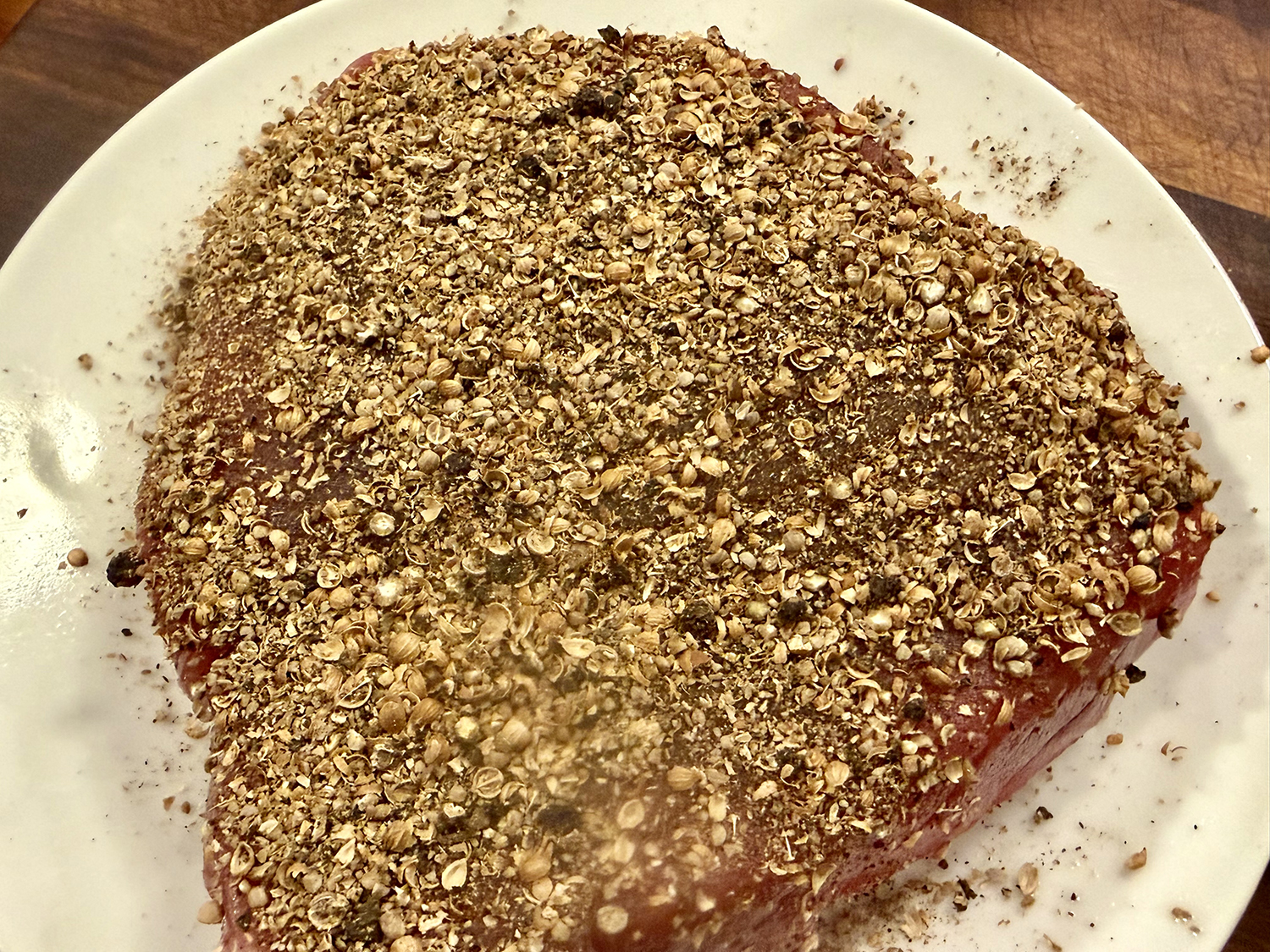
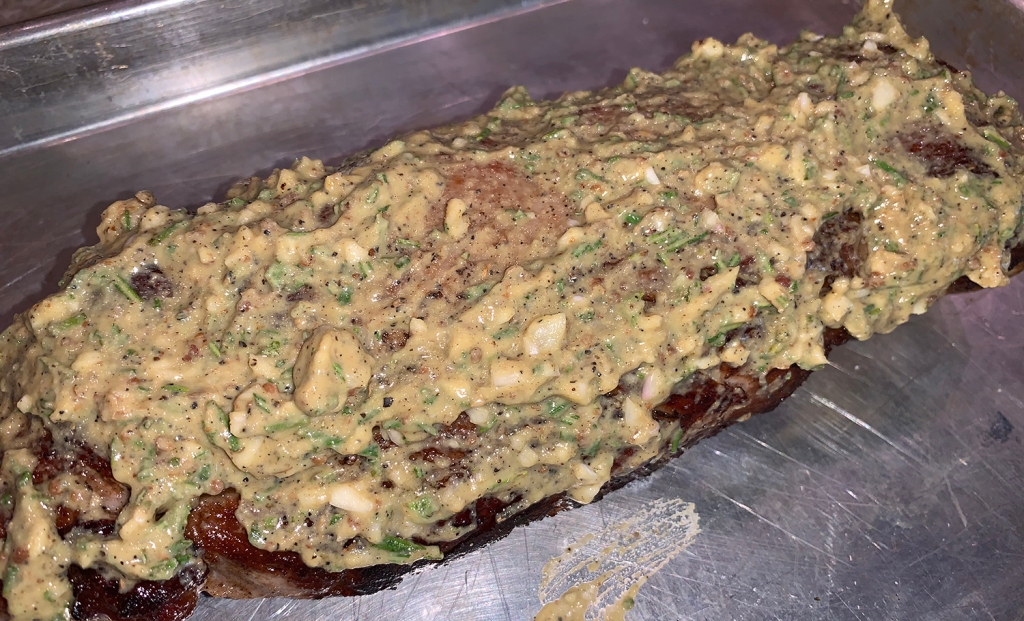
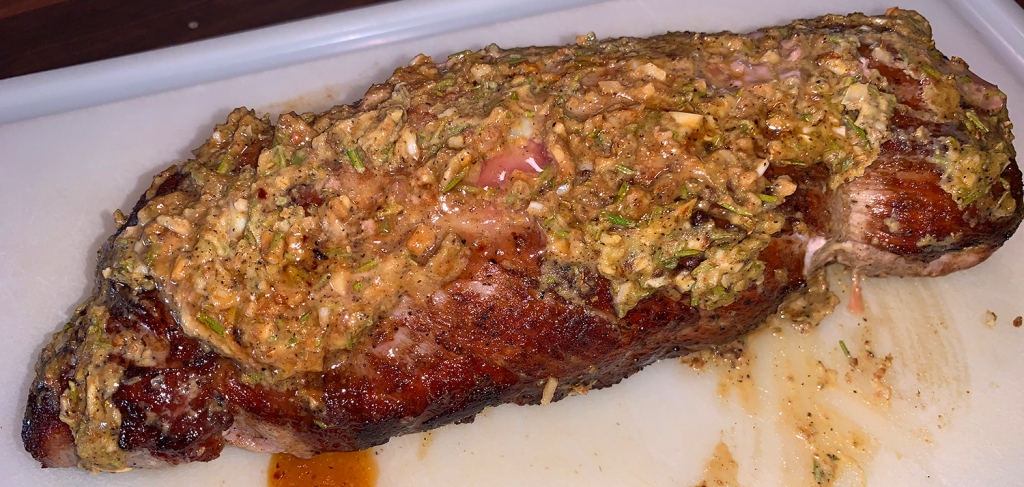
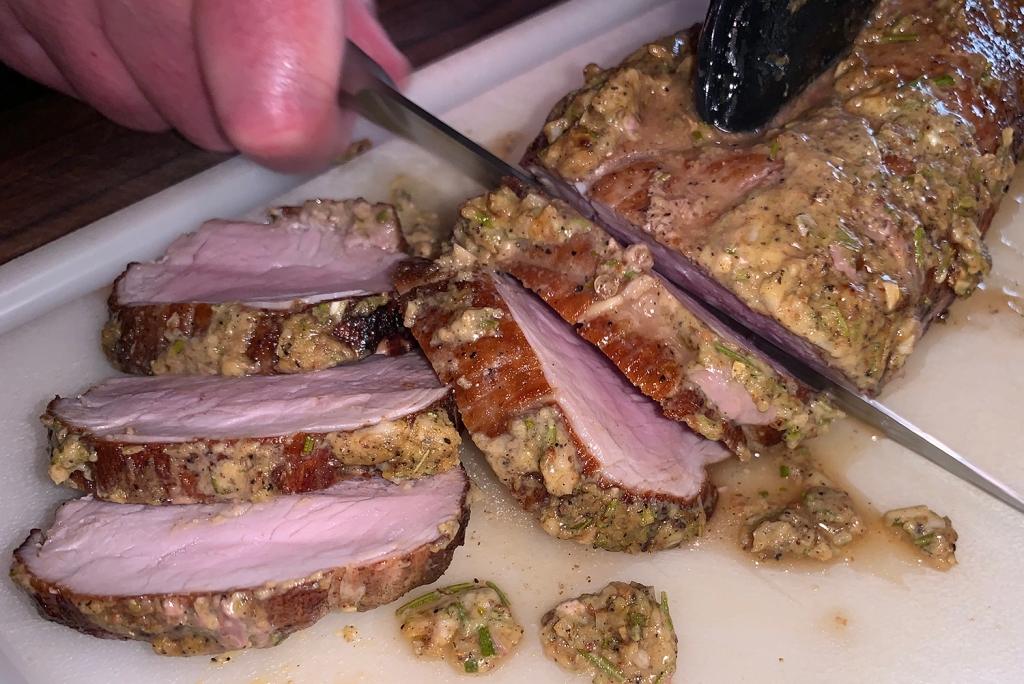
Our first choice, orange- and thyme-rubbed, would have been a perfect “plate-mate,” however the pork had to be seasoned for 4-24 hours ahead of time, a luxury we didn’t have. So choice number two was seasoned with rosemary, mustard and coriander—a spice also in the potato recipe. This mustard-based paste turned the simple pork tenderloin into something fragrant and special with little effort.

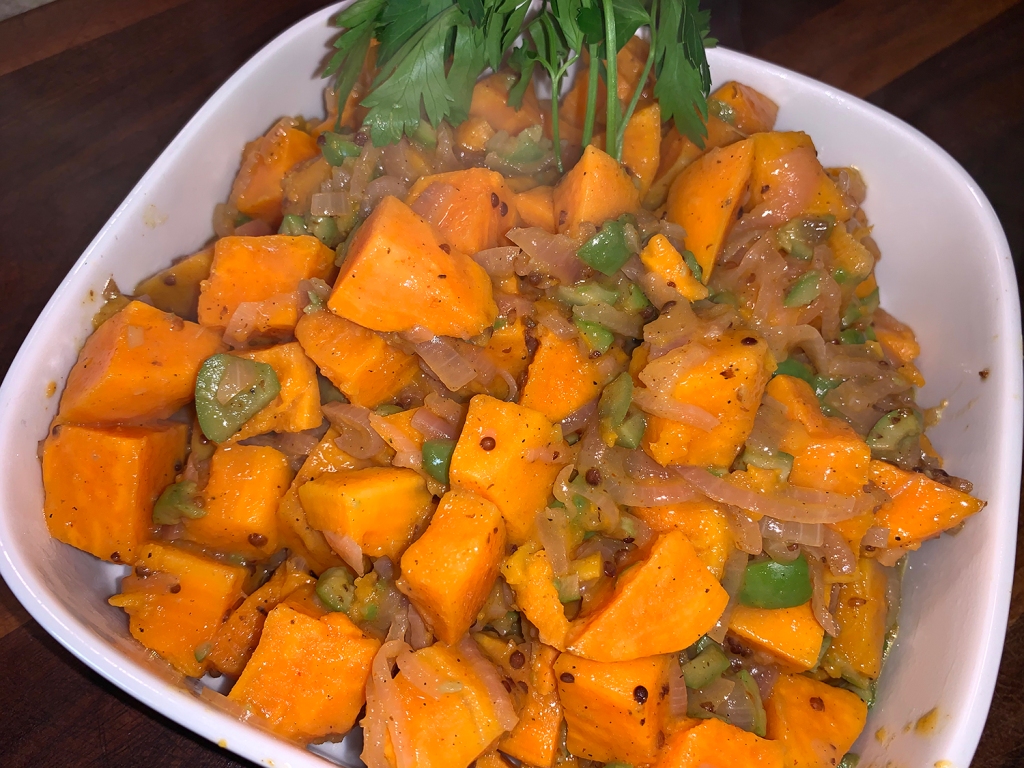
Now about that side dish. First, cook the potatoes with a small amount of orange juice and water until tender, then stir in candied citrus zest and chopped black olives, which provide depth and pops of briny flavor. This recipe resonated not only for its bold flavors, but also for its use of a low-liquid braise, a technique that concentrates flavor. 

In Milk Street’s version, you’ll get plenty of citrus notes from the coriander and juice, and this keeps the recipe a one-pot preparation, woohoo! Then the onions are browned more for a slightly deeper flavor and cayenne pepper adds an extra bit of savoriness.

BUT, and it’s a big one, we instinctively knew that there was no way those potato chunks would be tender in 8-11 minutes. And they were not. Plan on adding another 10 minutes to this step.

TIP: Don’t use a narrow saucepan or pot for this recipe. The wider diameter of a Dutch oven allows the potatoes to be distributed in a thinner layer, which results in more even cooking.

Braised Sweet Potatoes with Orange and Olives

  • Servings: 4
  • Difficulty: easy
  • Print

Ingredients

  • 3 Tbsp. extra-virgin olive oil
  • 2 tsp. coriander seeds, lightly crushed
  • 1 medium red onion, halved and thinly sliced
  • Kosher salt and ground black pepper
  • 2 lbs. orange-flesh sweet potatoes, peeled and cut into 1-inch chunks
  • ⅔ cup orange juice
  • ¼ tsp. cayenne pepper
  • ½ cup black or green pitted olives, or a mixture, chopped

Directions

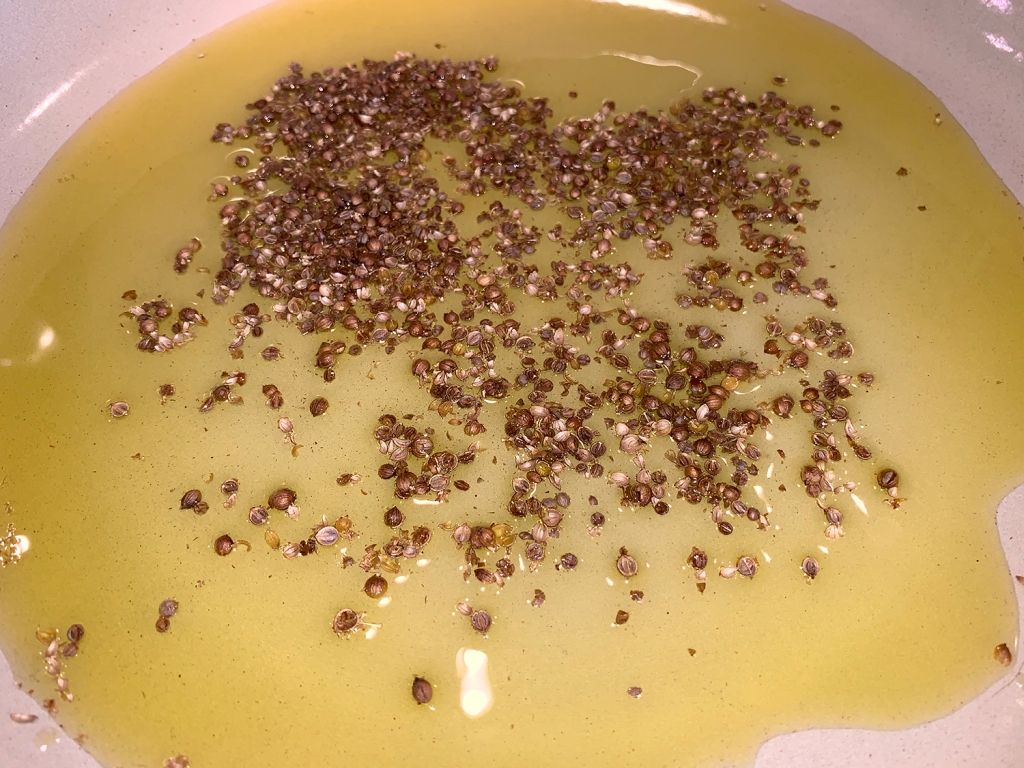
  1. In a Dutch oven over medium-high, cook the oil and coriander seeds, stirring, until fragrant and sizzling, 2 to 4 minutes.
  2. Add the onion and ¼ teaspoon salt, then cook, stirring occasionally, until the onion is softened and lightly browned, 3 to 5 minutes.
  3. Add the sweet potatoes, orange juice, cayenne, ½ teaspoon salt, ¼ teaspoon pepper and ½ cup water. Bring to a simmer, cover and reduce to medium. Cook, stirring occasionally, until a skewer inserted into the potatoes meets no resistance, 8 to 11 minutes. (It took ours 20 minutes until tender.)
  4. Uncover and cook, stirring constantly, until the liquid has almost fully reduced and the potatoes are glazed, about 2 minutes.
  5. Off heat, stir in the olives. Taste and season with salt and pepper.

http://www.lynnandruss.com

The inspiration comes from a recipe in “365,” a cookbook by German food blogger Meike Peters; reimagined by Courtney Hill for Milk Street
Linguine with Tomatoes, Orange and Olives

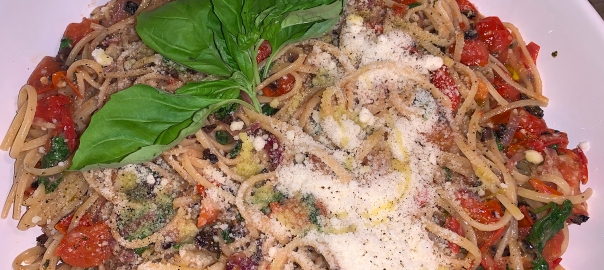
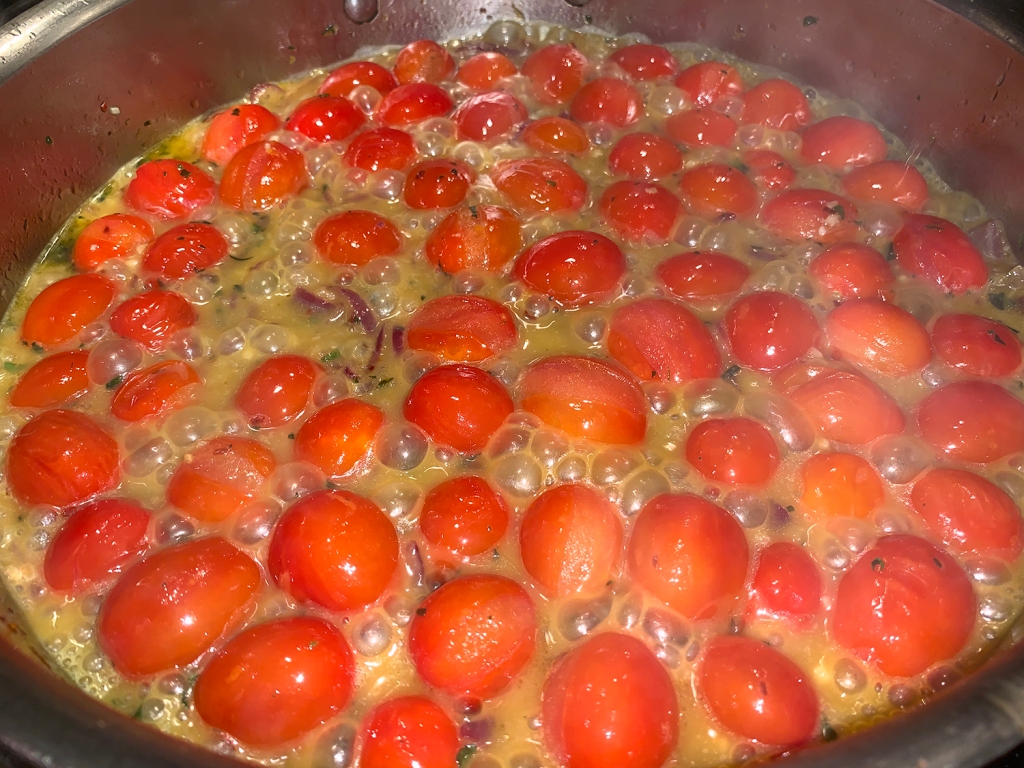
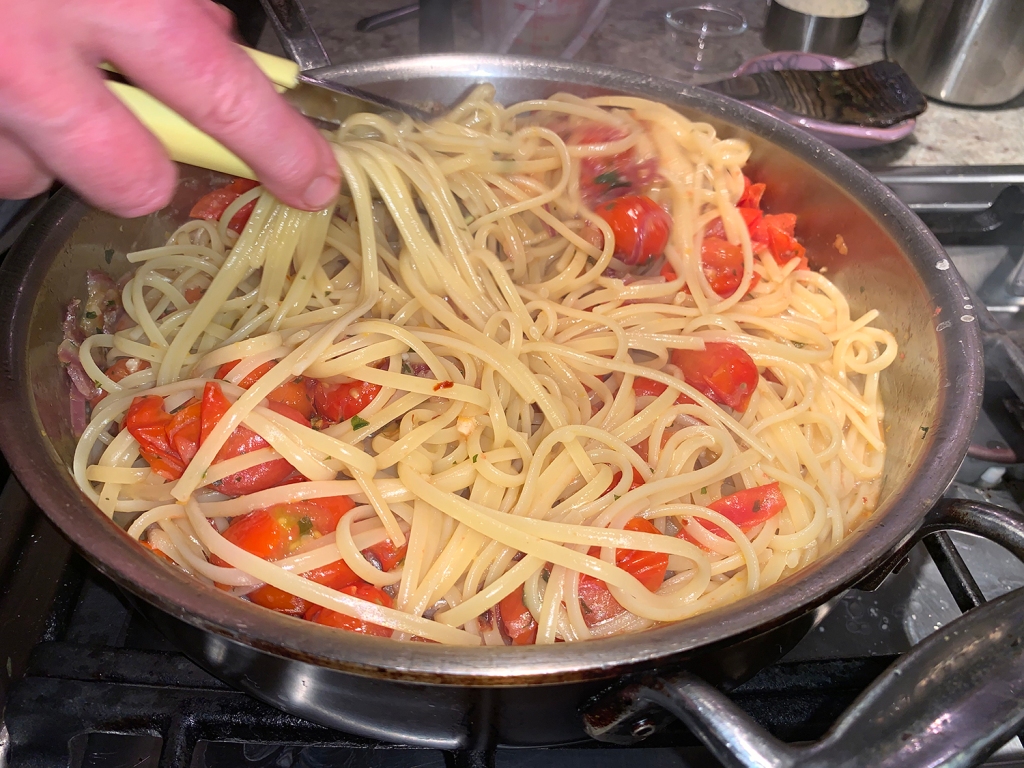
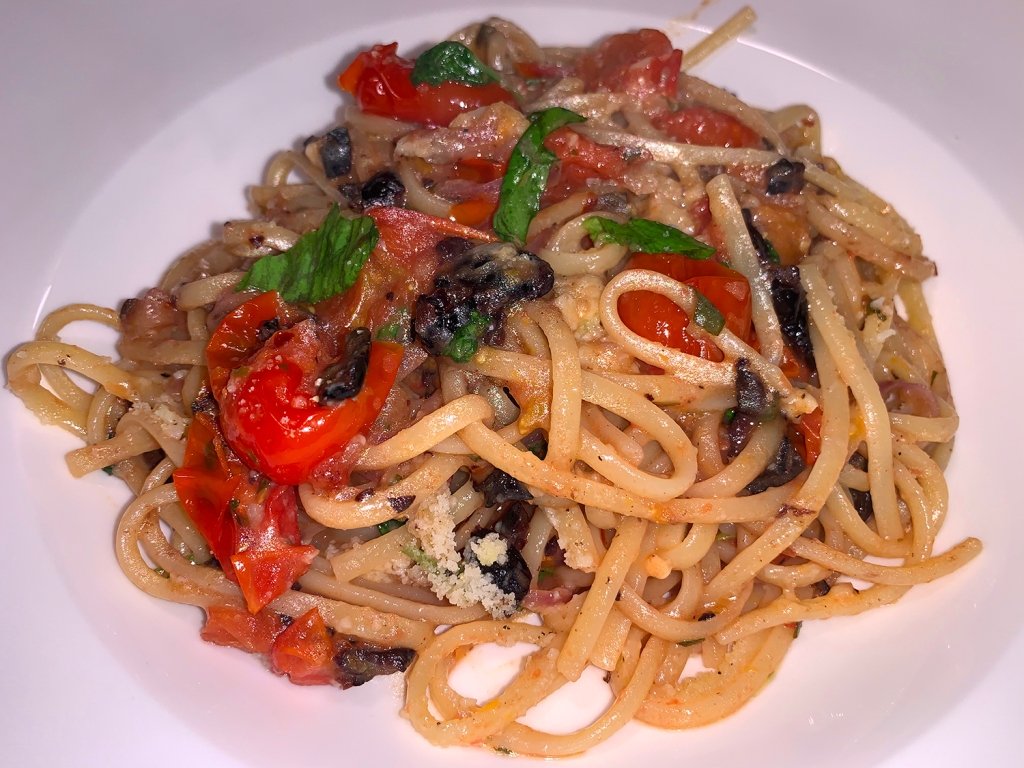
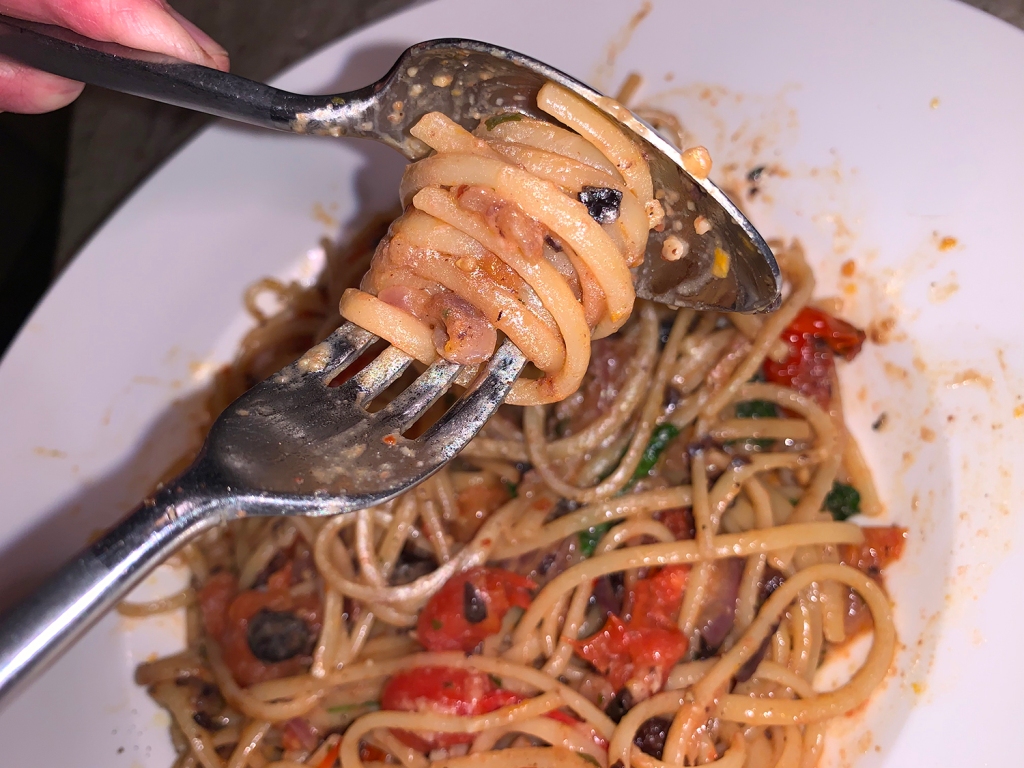
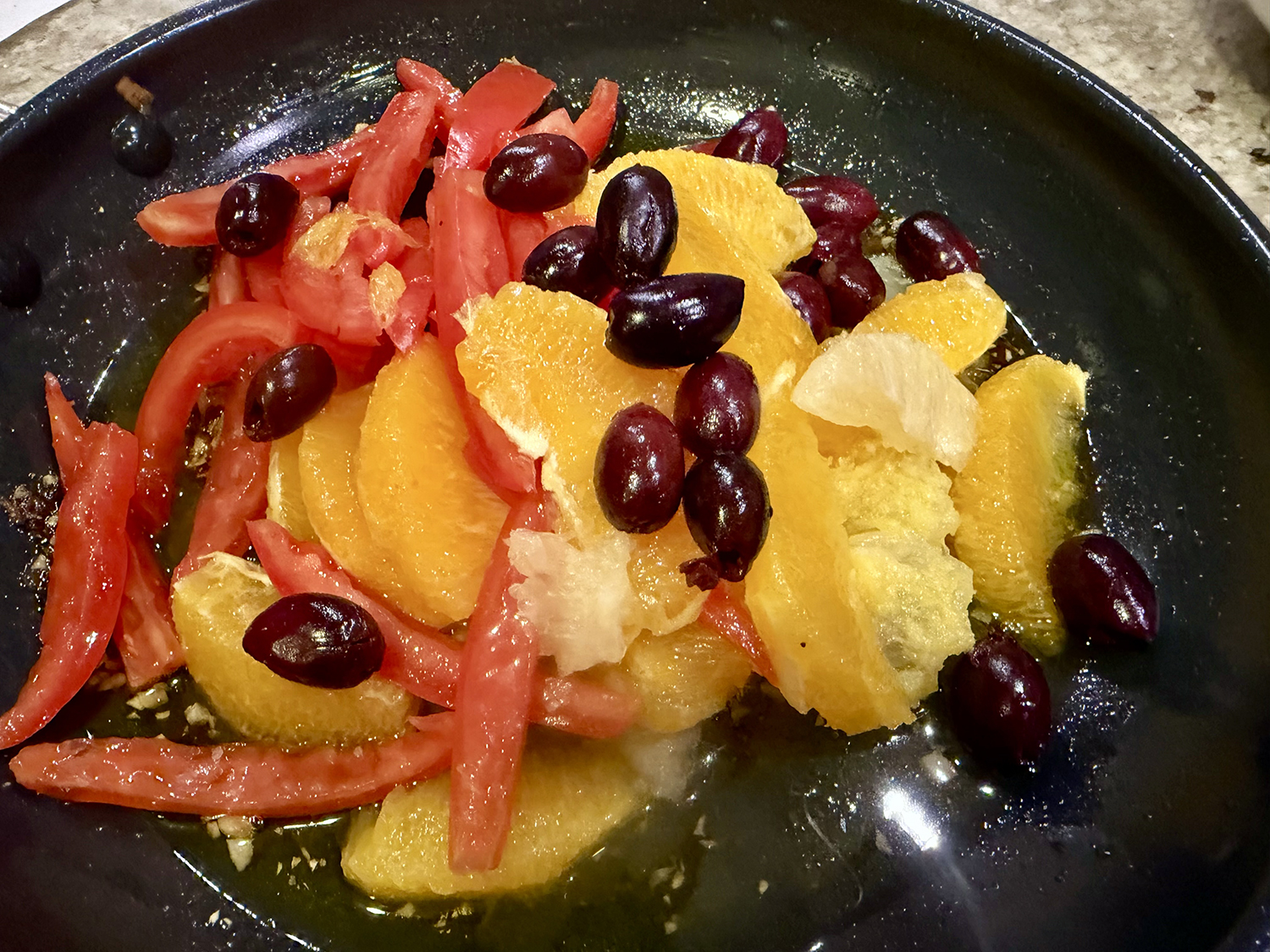
We’ve been particularly enamored of Mediterranean-inspired dishes as of late and this vegetarian pasta dish is loaded with the robust flavors of that region. It’s a riff on a recipe from “The Italian Country Table” by Lynn Rosetto Kasper, who found inspiration for the citrusy, savory tomato sauce in the markets of Siracusa, on the island of Sicily.

We found this recipe in a recent copy of Milk Street Magazine where they prefer the meaty, concentrated flavor of oil-cured black olives, but insist milder green olives (such as Castelvetrano) work well, too. Having oil-cured black olives on hand, we used them. The only major difference we made was to use fresh oregano at a ratio of 3-to-1, that is 1 tablespoon of fresh for the 1 teaspoon of dried.

The sharp tang of pecorino Romano cheese is an especially good match for the fruity, herbal flavors. While warm, crusty bread makes a nice partner to the dish, we opted for less carbs and paired the pasta with a side salad.

It was wonderful again the next day for lunch. Just drizzle a little EVOO over the top, cover and microwave for a few minutes, top with more grated cheese.

TIP: Don’t boil the pasta until al dente. Drain it when it’s a few minutes shy of al dente, but don’t forget to reserve about 1 cup of cooking water first. The pasta will finish cooking directly in the sauce, which allows the noodles to absorb flavor.

Linguine with Tomatoes, Orange and Olives

  • Servings: 4
  • Difficulty: easy
  • Print

Ingredients

  • 1 lb. linguini or spaghetti
  • Kosher salt and ground black pepper
  • ¼ cup extra-virgin olive oil
  • ½ medium red onion, thinly sliced
  • 6 medium garlic cloves, minced
  • 1 Tbsp. grated orange zest, plus ½ cup orange juice
  • 1 tsp. dried oregano
  • ½ tsp. red pepper flakes
  • 2 pints grape tomatoes
  • 1 cup lightly packed fresh basil, torn into small pieces
  • ½ cup pitted oil-cured black olives or green olives, finely chopped
  • 2 oz. pecorino Romano cheese, finely grated (1 cup)

Directions

  1. In a large pot, bring 4 quarts water to a boil. Stir in the pasta and 2 tablespoons salt, then cook, stirring occasionally, until just shy of al dente. Reserve 1 cup of the cooking water, then drain the pasta and set aside.
  2. Meanwhile, in a 12-inch skillet over medium-high, heat the oil until shimmering. Add the onion and cook, stirring occasionally, until translucent, 3 to 4 minutes. Stir in the garlic, orange zest, oregano and pepper flakes, then cook, stirring, until fragrant, about 30 seconds. Add the tomatoes and orange juice, cover and cook until the tomatoes begin to burst, about 4 minutes.
  3. Reduce to medium, then press on any whole tomatoes with the back of a spoon so they burst. If the pasta is not yet done, remove the skillet from the heat, cover and set aside.
  4. To the skillet, add the drained pasta and ½ cup of the reserved pasta water. Bring to a simmer over medium and cook, tossing with tongs, until the pasta is al dente, about 5 minutes. Taste and season with salt and black pepper.
  5. Off heat, add the basil, olives and half of the cheese, then toss to combine, adding reserved pasta water if needed so the sauce coats the noodles. Transfer to a serving bowl, sprinkle with the remaining cheese and drizzle with additional oil.

http://www.lynnandruss.com

Adapted from a recipe from Rebecca Richmond for Milk Street