Tag Archives: bone-in chicken breasts

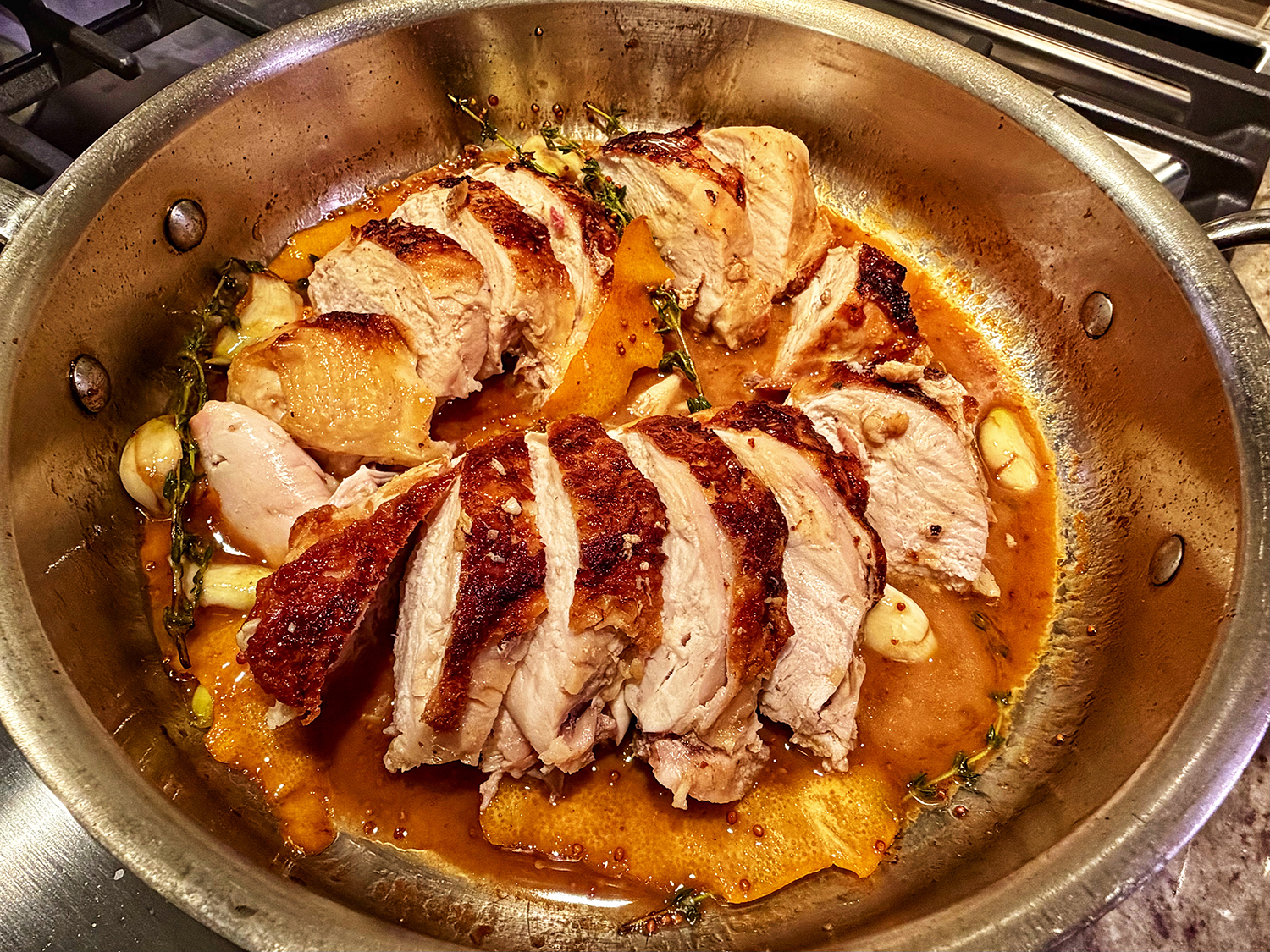
Skillet-Roasted Chicken Breasts with Rustic Orange-Thyme Sauce

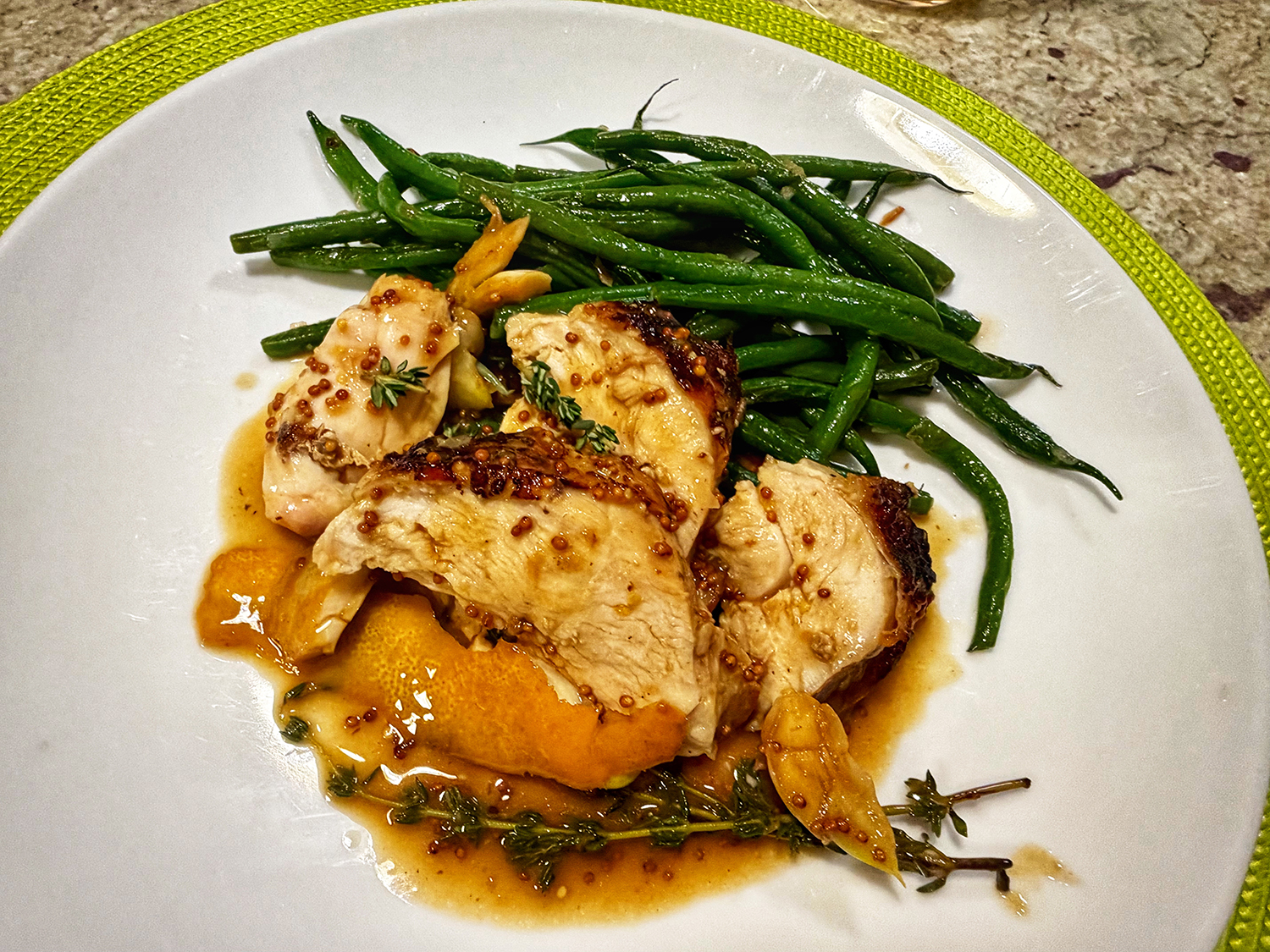
This low-fuss method for skillet-roasted chicken breasts produces perfectly tender, juicy white meat and flavorful pan juices that are easily transformed into a bright, buttery sauce. Bone-in, skin-on chicken breasts are used—the skin and bones make the breasts less prone to overcooking.
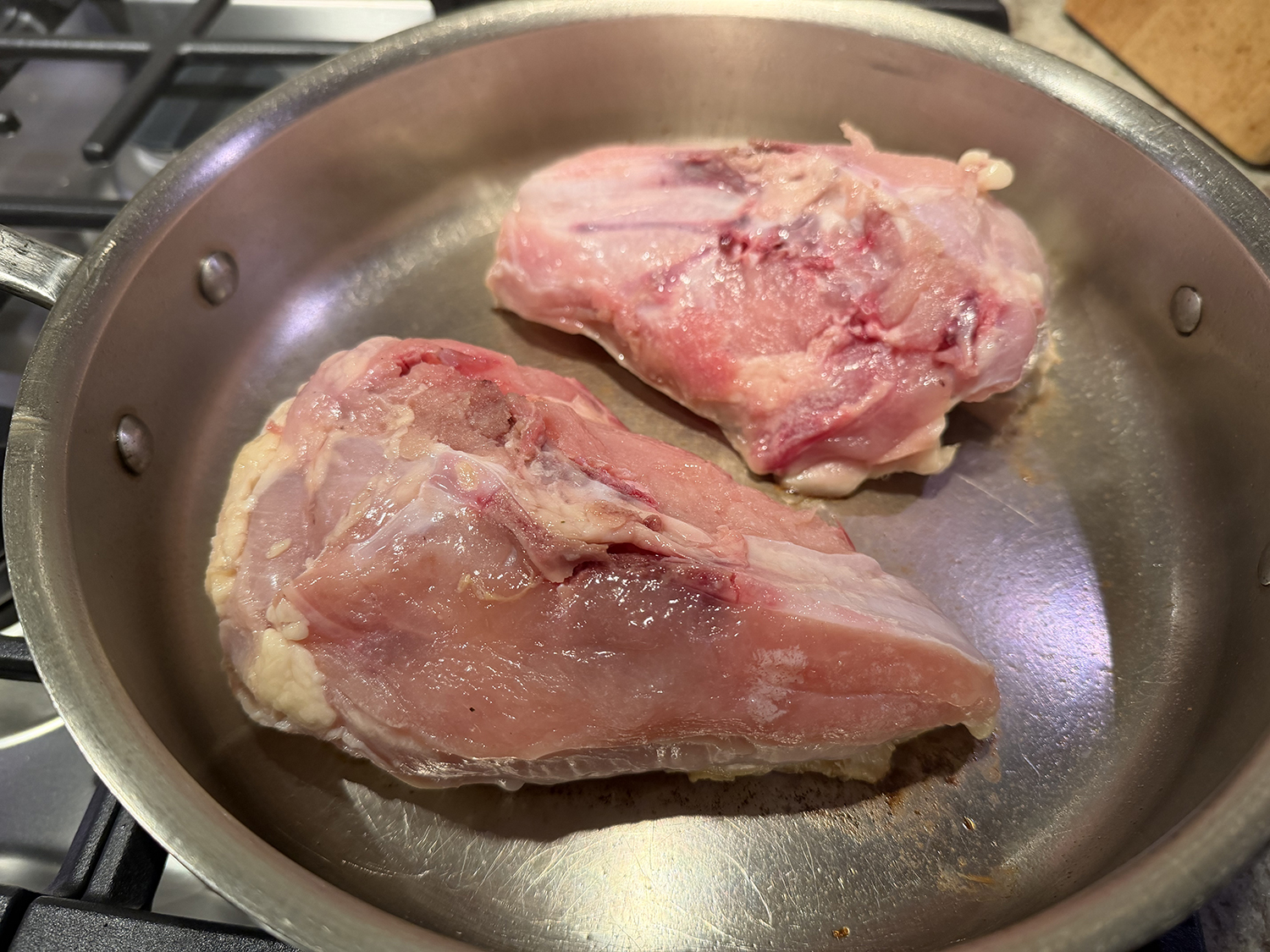
Salting under the skin seasons the meat directly, while piercing the skin helps it render efficiently. Spraying the chicken—not the pan—with cooking spray minimizes the fat in the skillet and, thus, grease splatters, and starting in a cold pan gives the skin time to render and brown before the meat overcooks.

Finishing the chicken in the oven brings it up to temperature gently, so the thinner portions don’t dry out. It is fast and easy to reduce the juices left in the pan, creating a rich fond for the sauce that doesn’t require boxed broth.

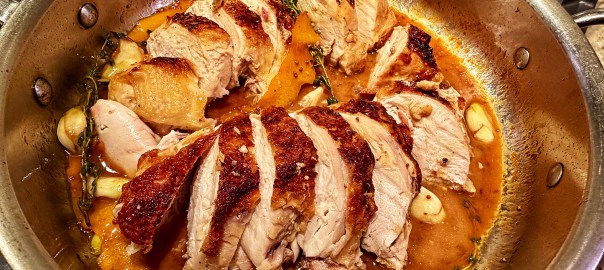
To cut back on knife-work, leave the garlic, zest, and herbs in large pieces and simply add more of them. Melting a generous amount of butter all at once is much faster and easier than emulsifying it piece by piece and results in a rustically elegant sauce. The meat is sliced and served it in the skillet, which keeps the chicken and sauce warm.

For the best results, buy chicken breasts of similar size. Use kitchen shears to snip off the ribs and trim the excess fatty skin from the thick ends of the breasts. (See illustration box below.)

Illustration above from Cook’s Illustrated No. 198, January, February 2026

Skillet-Roasted Chicken Breasts with Rustic Orange-Thyme Sauce

  • Servings: 4-6
  • Difficulty: moderate
  • Print

Ingredients

  • 4 (10- to 12-oz.) bone-in* split chicken breasts, ribs removed, trimmed
  • 1½ tsp. kosher salt, divided
  • Vegetable oil spray
  • 4 Tbsp. unsalted butter
  • 4 garlic cloves, smashed and peeled
  • 4 (3-inch) strips orange zest, divided, plus ¼ cup orange juice
  • 10 sprigs fresh thyme, divided
  • 1½ Tbsp. whole-grain mustard

Directions

  1. Adjust oven rack to upper-middle position and heat oven to 325 degrees. Use your fingers to carefully separate skin from 4 trimmed chicken breasts, ribs removed. Peel back skin, leaving skin attached at top and bottom of breast. 
  2. Sprinkle 1½ teaspoons kosher salt evenly over chicken (⅜ teaspoon per breast). Lay skin back in place. Using metal skewer or tip of paring knife, poke 6 to 8 holes in fat deposits in skin of each breast. Spray skin with vegetable oil spray.
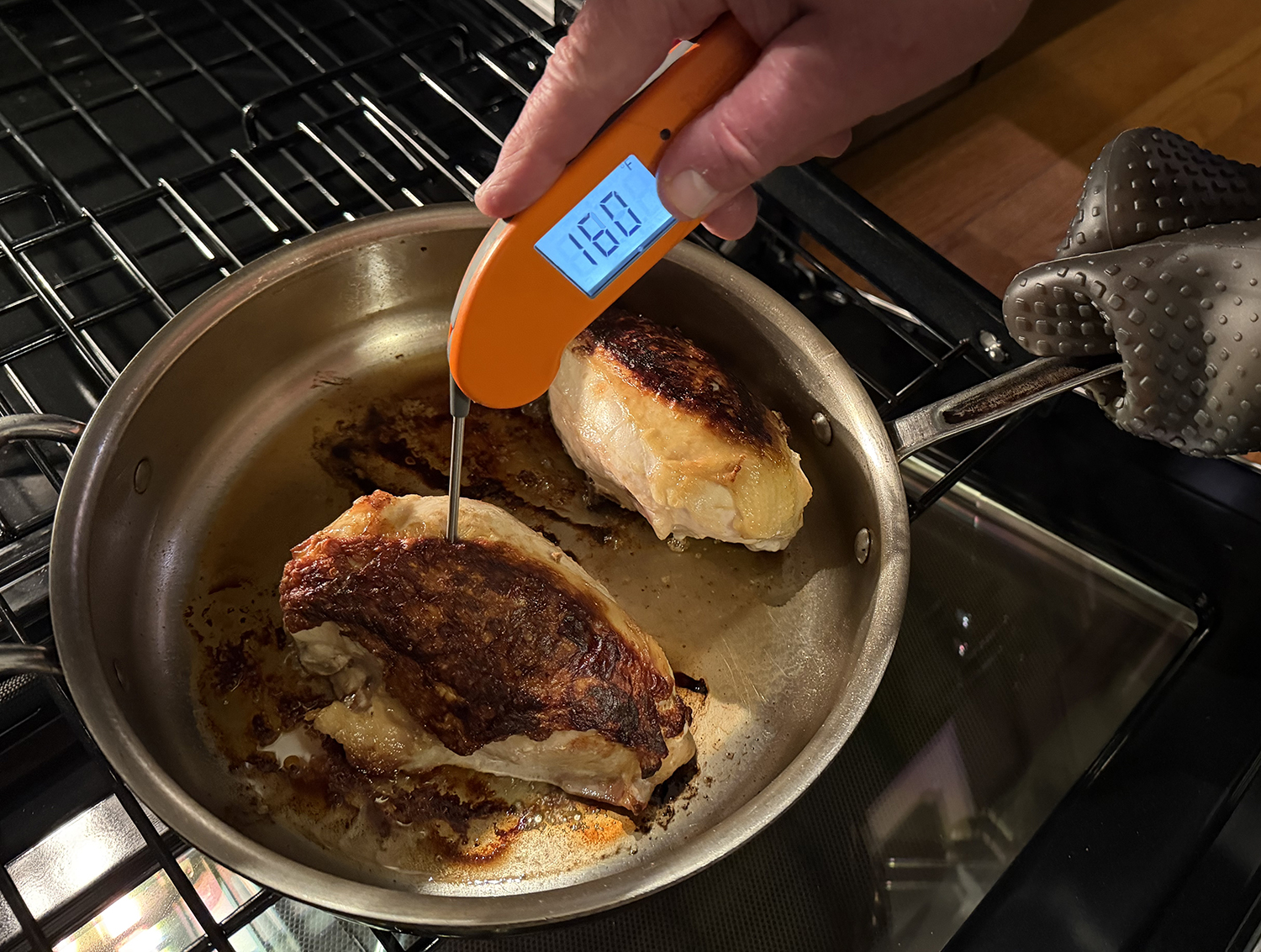
  3. Place chicken skin side down in 12-inch skillet and set over medium-high heat. Cook until skin is well browned, 7 to 9 minutes. Carefully flip chicken, transfer skillet to oven, and roast until chicken registers 160 degrees, about 30 minutes. 
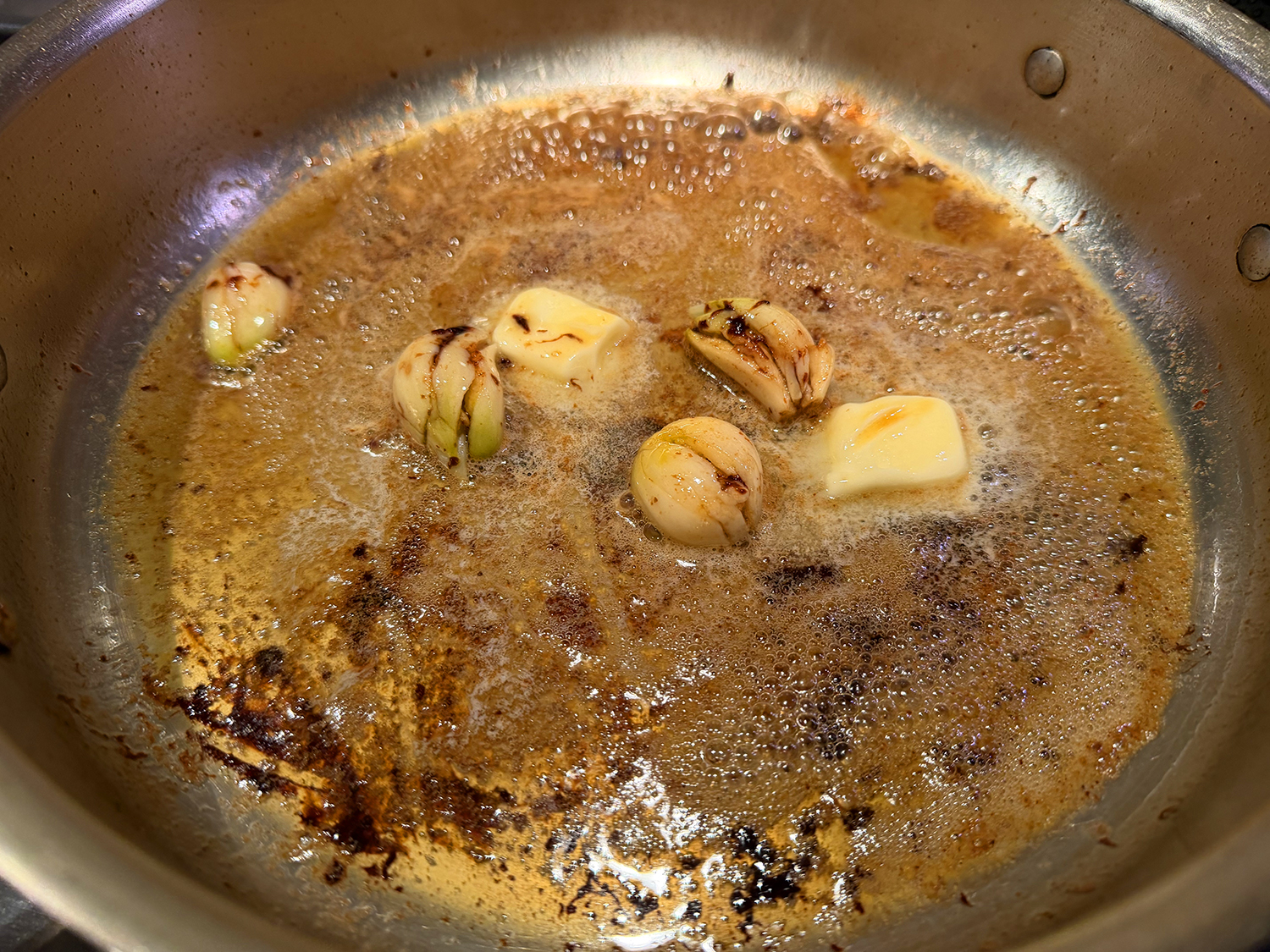
  4. Transfer chicken to plate skin side up. Place skillet over medium heat and cook, stirring occasionally, until juices in skillet form dark fond, about 1 minute. Add 4 tablespoons unsalted butter and 4 smashed and peeled garlic cloves and cook, stirring constantly, until butter is fully melted, about 1 minute. Add 2 (3-inch) strips orange zest and 5 sprigs thyme and cook, stirring constantly until fragrant, about 20 seconds. 
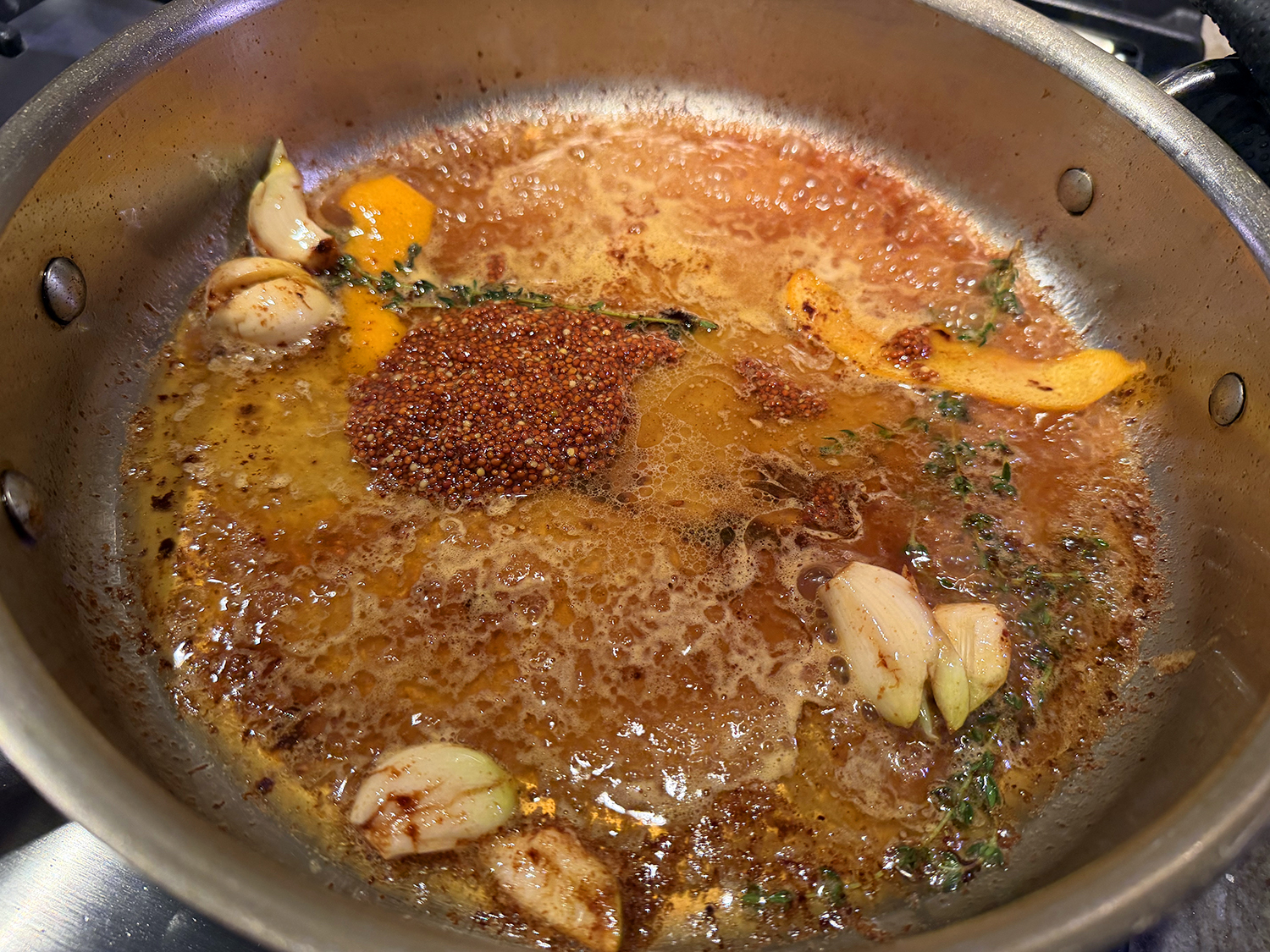
  5. Stir in ¼ cup orange juice and 1½ tablespoons whole-grain mustard. Off heat, add remaining 2 (3-inch) strips orange zest and 5 sprigs thyme. Season with salt and pepper to taste.
  6. Carve meat from bones and slice breasts on bias against grain into ¾-inch-thick slices. Return slices to skillet along with any accumulated juices and serve.

http://www.lynnandruss.com

Recipe by Lan Lam for Cook’s Illustrated

Pan-Roasted Chicken and Summer Vegetables with Herbes de Provence

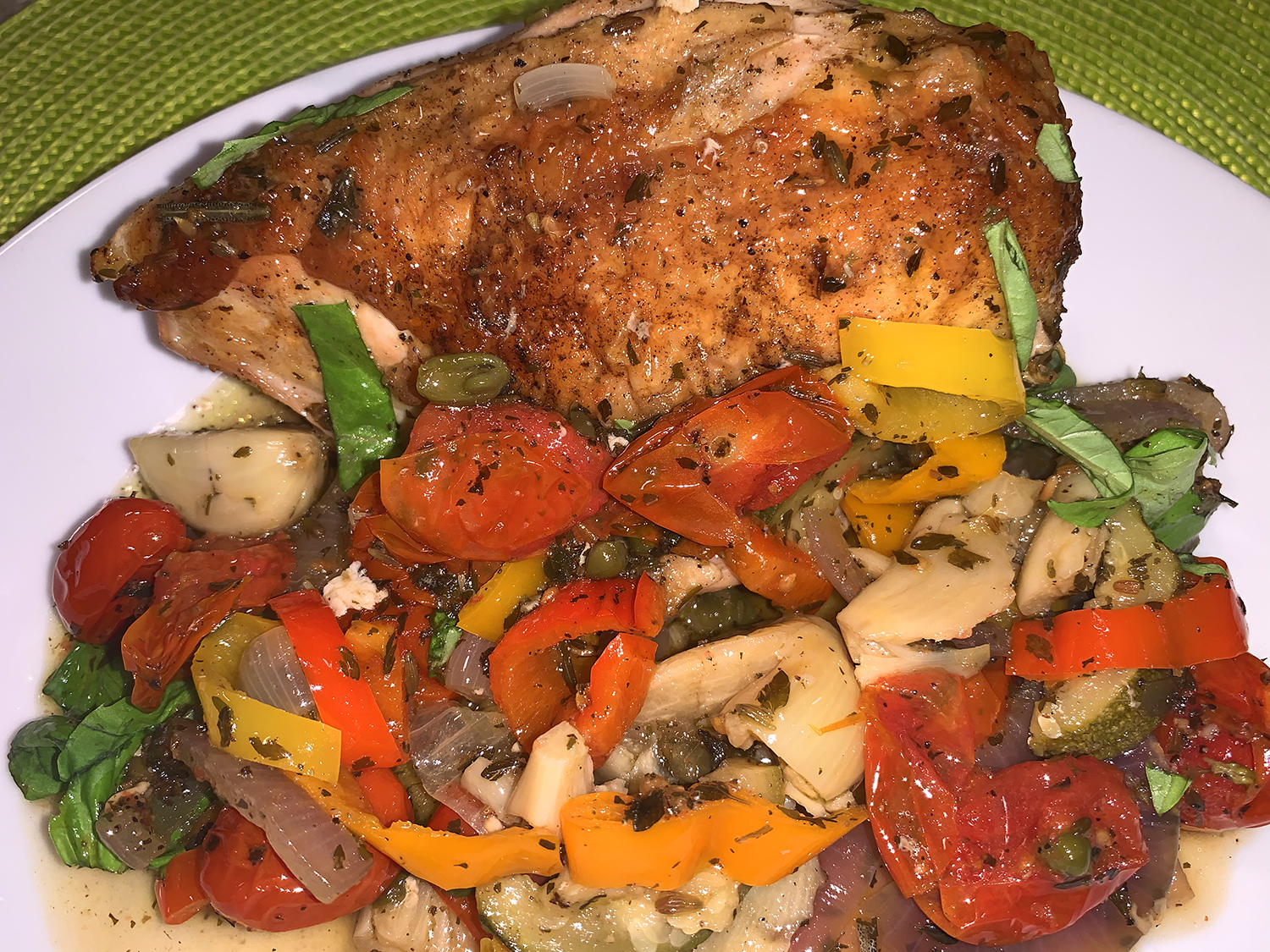
When your dining partner exclaims at least a half dozen times during the course of the meal “This is sooo good, I want to drink the sauce from my plate.” Not surprisingly, after every morsel of food was eaten, that’s exactly what he did. (After leftovers the next day, he did the same thing!) It’s no wonder because in this simple skillet dinner, seared bone-in chicken breasts are roasted on top of a bed of sunny Mediterranean vegetables and topped with a pan sauce that marry the ingredients into a unified delight.

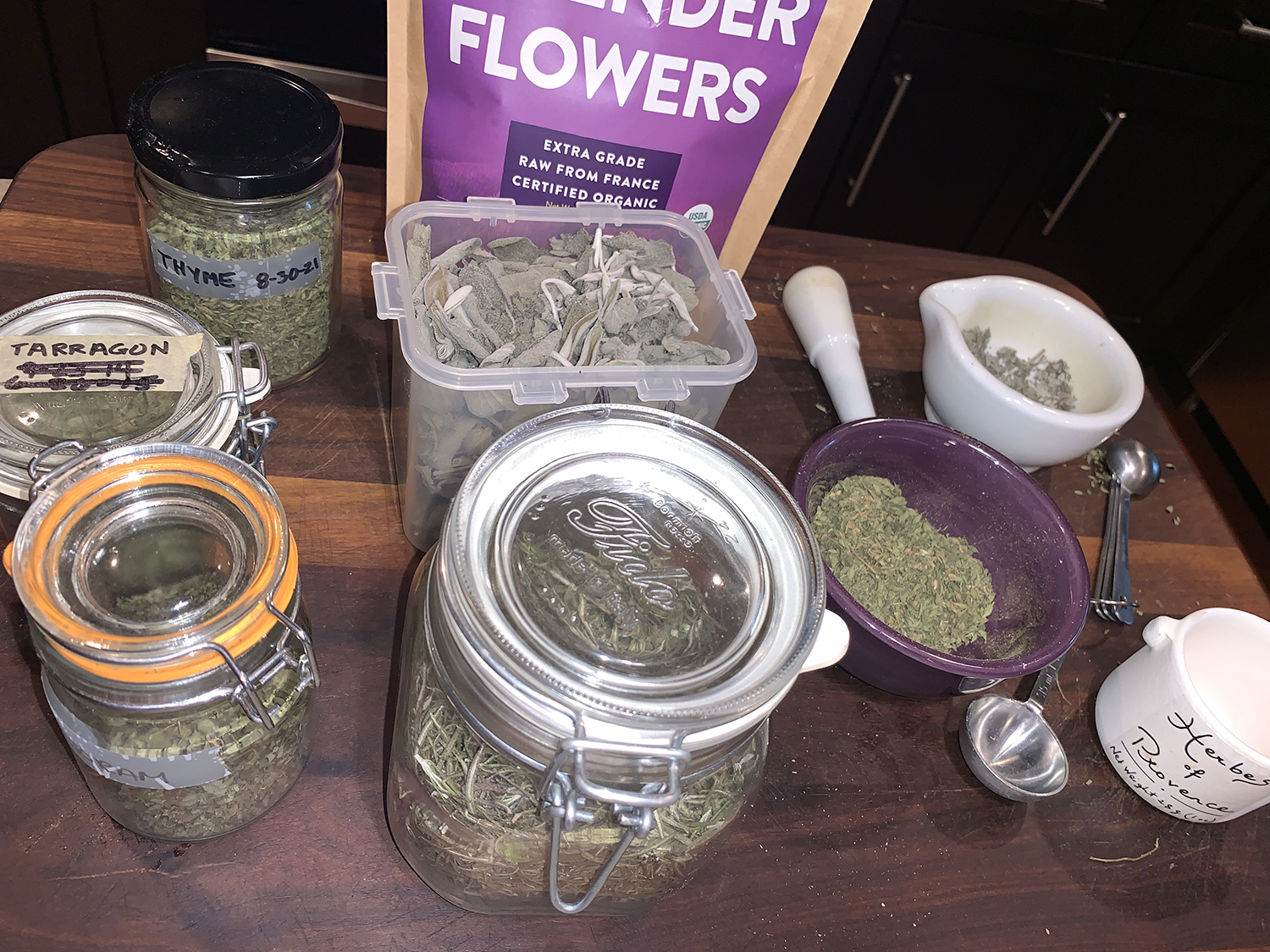
Part of the charm happens before cooking, when the veggies are tossed with herbes de Provence—an aromatic seasoning blend that typically includes rosemary, thyme, savory, marjoram and oregano, and sometimes other spices and herbs such as fennel, sage, lavender and tarragon. Our concoction is listed below, but you can also simplify it, or buy it if you don’t have a lot of the ingredients.

Herbaceous dry white vermouth is an ideal deglazing liquid for the browned bits left in the pan after searing the chicken. It is critical in elevating the dish and adds subtle but unmistakable herbal notes to the final meal. Dry white wine would work in a pinch, but the results won’t be quite the same.

Instead of one bell pepper, we used 4 or 5 small ones in varying colors because that’s what we had on hand. Plus, it lends more pops of color in the overall veggie scheme. Our Le Creuset “Baby Blue” enameled cast-iron braising pot was the perfect vehicle in which to cook the meal.

NOTE: Don’t use oversized chicken breasts; 12-ounce pieces work best. Larger ones require longer cooking, which will result in overdone vegetables. However, if unable to find 12 oz. chicken breasts, and have to use larger (16 oz.), compensate by frying skin-side-down for a full 8 minutes, and then fry an additional 5 minutes skin-side-up before proceeding with the rest of the recipe. When you remove the skillet from the oven, don’t forget that the handle will be hot.

Pan-Roasted Chicken and Summer Vegetables with Herbes de Provence

  • Servings: 4
  • Difficulty: easy
  • Print

Ingredients

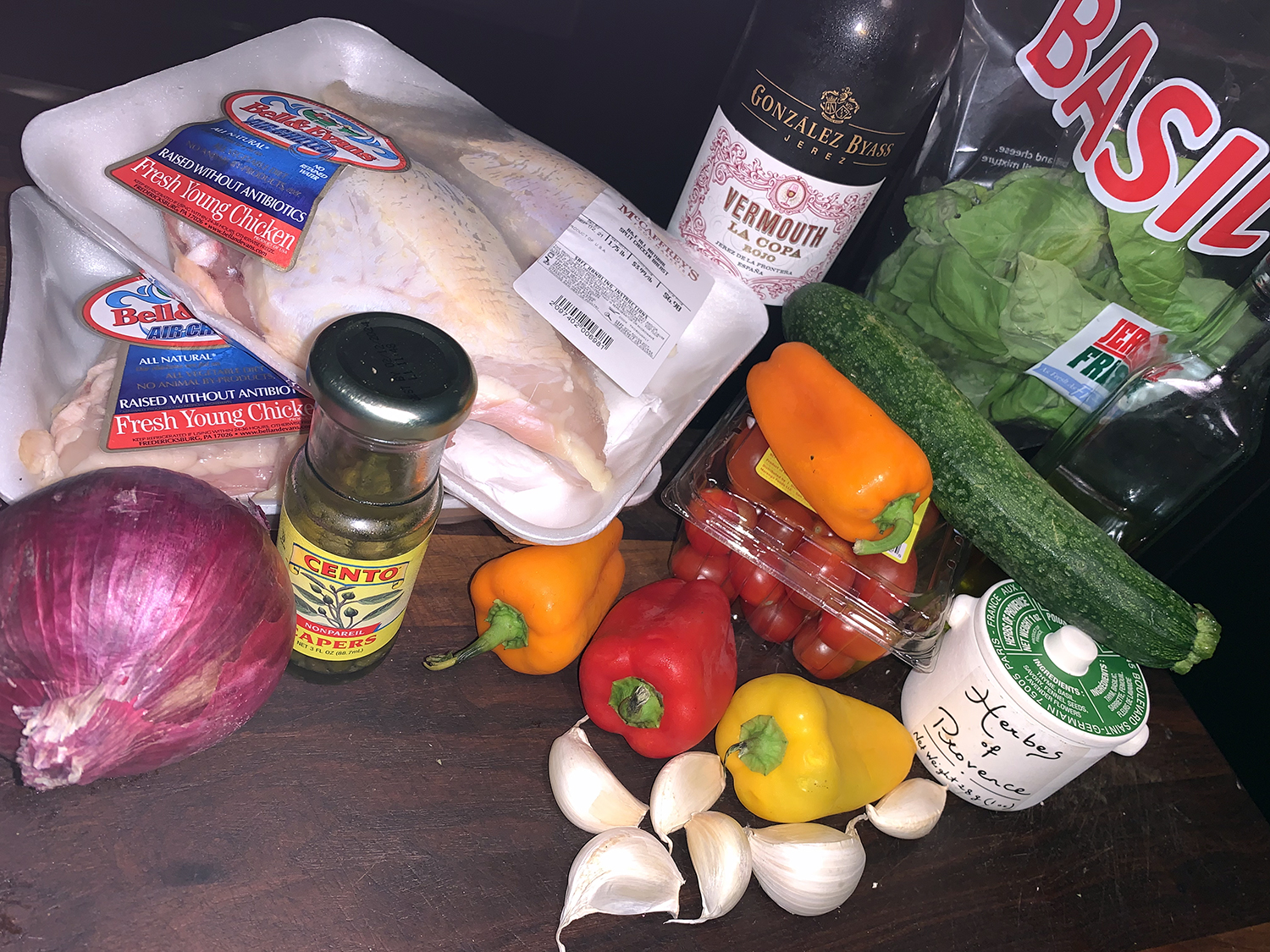
  • 4 12-oz. bone-in, skin-on chicken breasts, trimmed
  • Kosher salt and ground black pepper
  • 3 Tbsp. extra-virgin olive oil, divided
  • 2 Tbsp. herbes de Provence
  • 6 medium garlic cloves, smashed and peeled
  • 1 medium red onion, halved and sliced about ¼ inch thick
  • 1 yellow, orange or red bell pepper, stemmed, seeded and thinly sliced
  • 1 pint grape tomatoes
  • 1 small zucchini, halved lengthwise and sliced crosswise ¼ inch thick
  • ¼ cup drained capers, plus 1 Tbsp. caper brine
  • ½ cup dry vermouth
  • 1 cup lightly packed fresh basil, torn

Directions

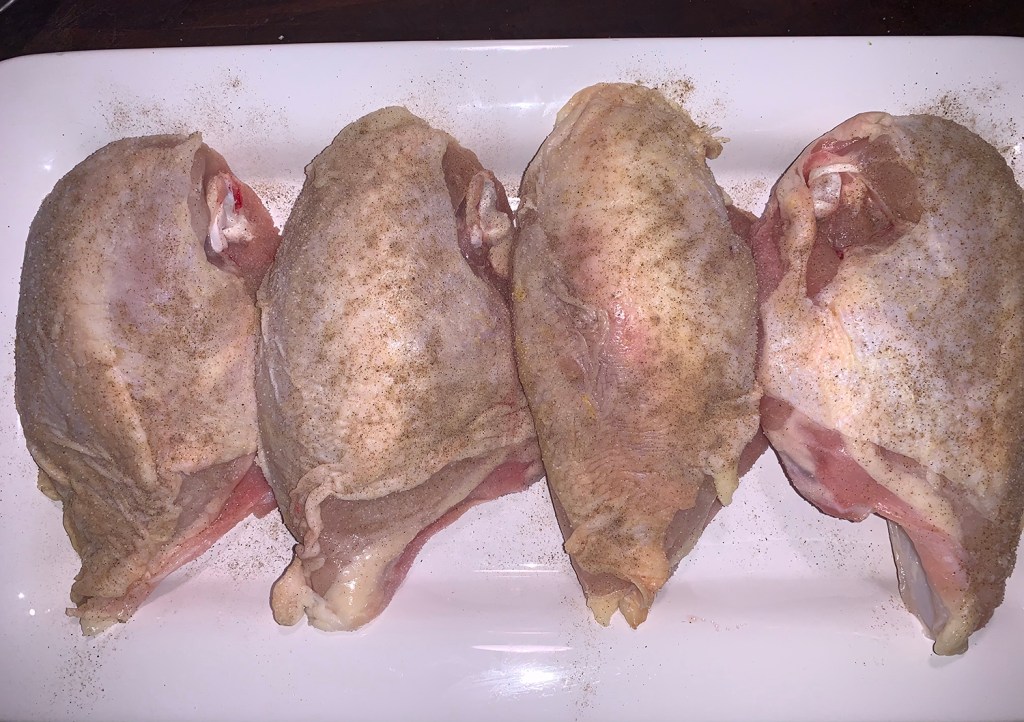
  1. Heat the oven to 475℉ with a rack in the middle position. Season the chicken on all sides with salt and pepper.
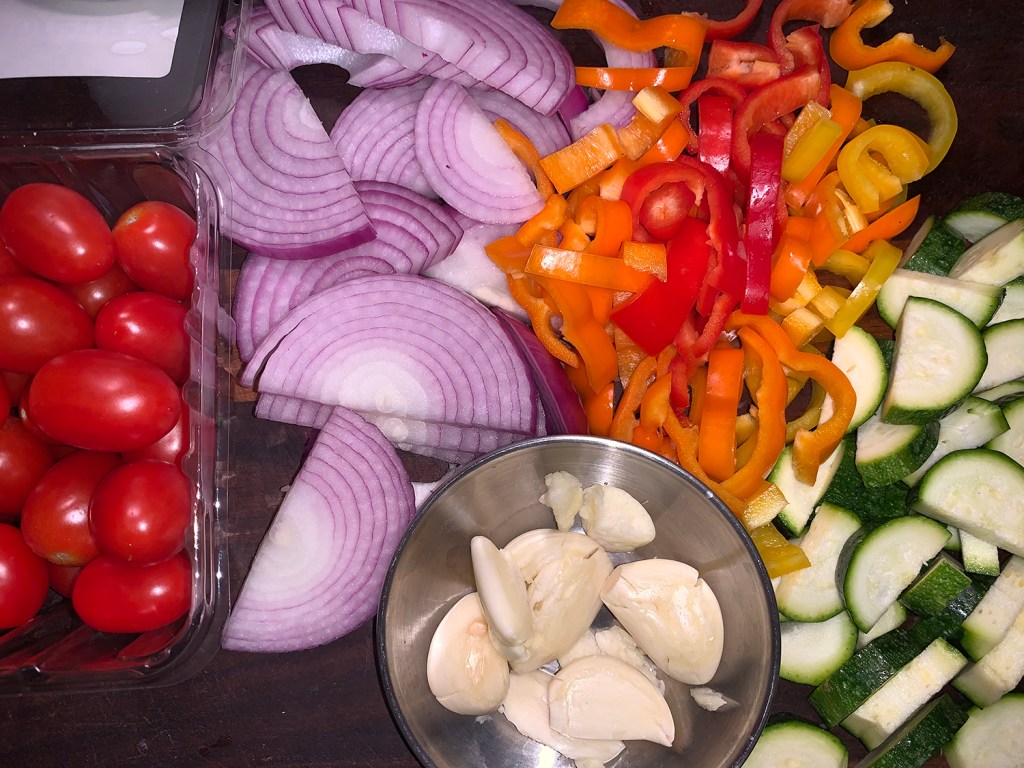
  2. In a large bowl, stir together 2 tablespoons of oil, the herbes de Provence, ¼ teaspoon salt and 1 teaspoon pepper. Add the garlic, onion, bell pepper, tomatoes, zucchini and capers, then toss to combine; set aside.
  3. In a 12-inch skillet over medium-high, heat the remaining 1 tablespoon oil until shimmering. Add the chicken skin down and cook without disturbing until golden brown, 5 to 8 minutes. Using tongs, transfer the chicken skin up to a large plate.
  4. Pour off and discard all but 1 tablespoon fat from the skillet. Add the vermouth, bring to a boil over medium-high and cook, scraping up any browned bits, until reduced to about 2 tablespoons, 1 to 2 minutes.
  5. Add the vegetables and cook, stirring, until just warmed through, about 1 minute, then distribute in an even layer. Nestle the chicken skin up in the vegetables and add any accumulated juices. Transfer the skillet to the oven and cook until the thickest part of the breast reaches about 160°F, 20 to 25 minutes.
  6. Remove the pan from the oven (the handle will be hot). Transfer the chicken skin up to a serving platter. Using a slotted spoon, transfer the vegetables the platter, arranging them around the chicken.
  7. Set the skillet over high, bring the liquid to a simmer and cook, stirring, until slightly thickened and reduced, 1 to 2 minutes. Off heat, stir in the caper brine, then taste and season with salt and pepper. Pour the sauce around the chicken and over the vegetables. Sprinkle with basil.

Herbes de Provence

Ground spices and dried herbs last about a year if kept away from heat and light.

Ingredients

  • 4 Tbsp. dried thyme
  • 1 Tbsp. dried sage
  • 1 Tbsp. dried oregano
  • 1 Tbsp. dried marjoram
  • 1 Tbsp. dried rosemary
  • 1 Tbsp. dried lavender flowers
  • 2 tsp. dried tarragon
  • 2 tsp. fennel seeds, toasted

Directions

  1. Mix all ingredients in a large mortar and finely crush with a pestle.
  2. Store unused mixture in an airtight container away from heat and light.

http://www.lynnandruss.com

Adapted from a recipe by Rose Hattabaugh for Milk Street