Tag Archives: Cantonese

Cantonese Sweet-and-Sour Pork

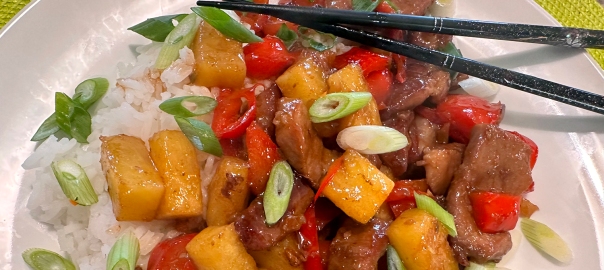
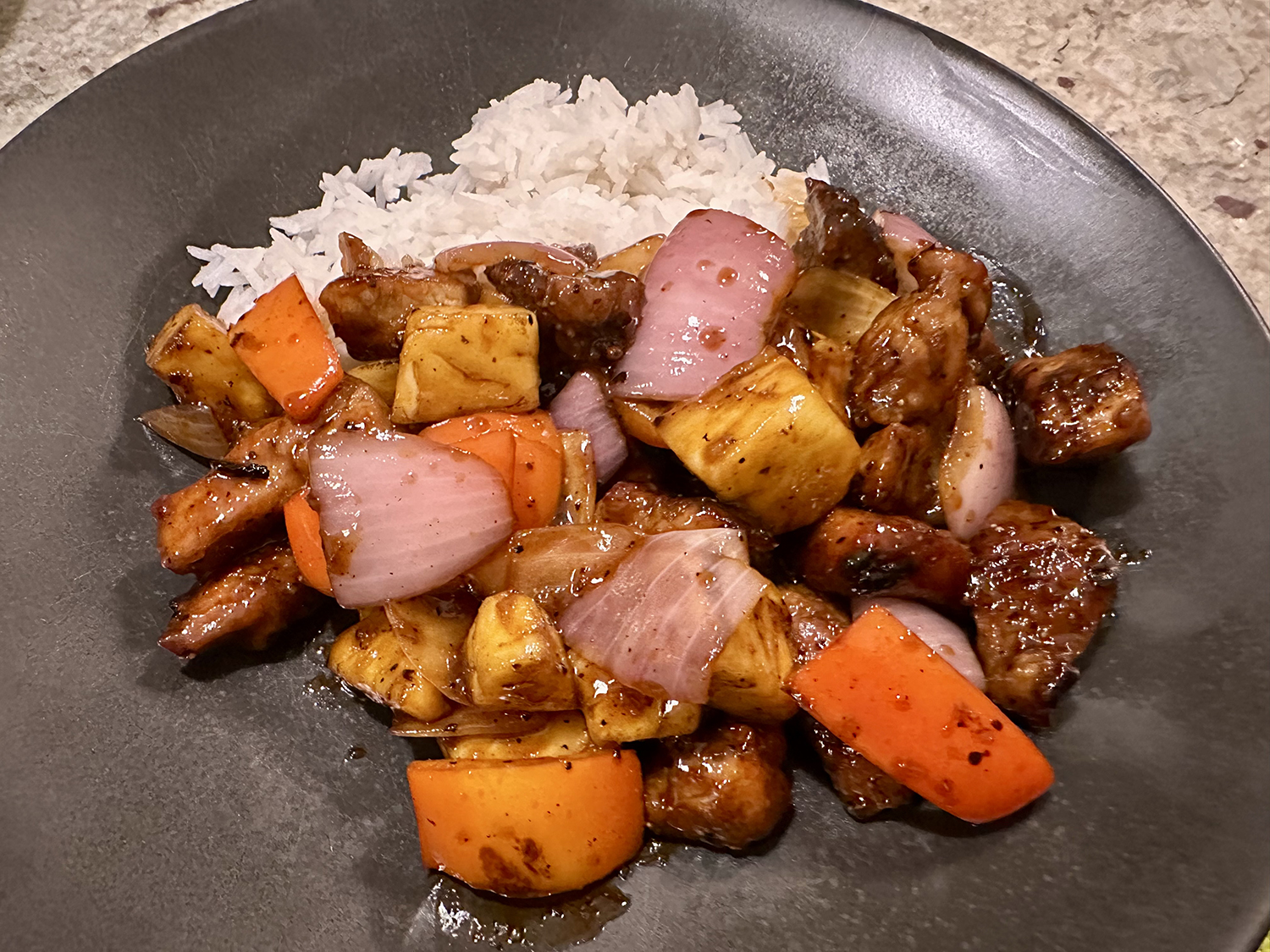
Hands down. THE. BEST. Sweet-and-Sour Pork ever! As The Hubs said “Finally a grown-up version that’s not all gloppy sweet.” In Hong Kong, a true Cantonese sweet-and-sour pork was the predecessor of the overly sweet versions served today in many Chinese-American restaurants (I’m sure you’ve had one or two?). Milk Street created this recipe by combining the attributes of the best ones.

Though the pork typically is deep-fried, it is kept lighter by pan-frying it in just ¼ cup of oil to crisp a thin cornstarch coating. Traditional versions are flavored with hawthorn berries, a crabapple-like fruit. To approximate the flavor of hawthorn berries, use apple jelly—it provides fruitiness, sweetness and a little body to the glaze-like sauce.
Finally, a little MSG amplifies the savoriness, but it’s optional. A 12- to 14-inch wok is the best pan to use, but a 12-inch skillet works, too. If using a skillet, cook the pork in a single batch instead of two.

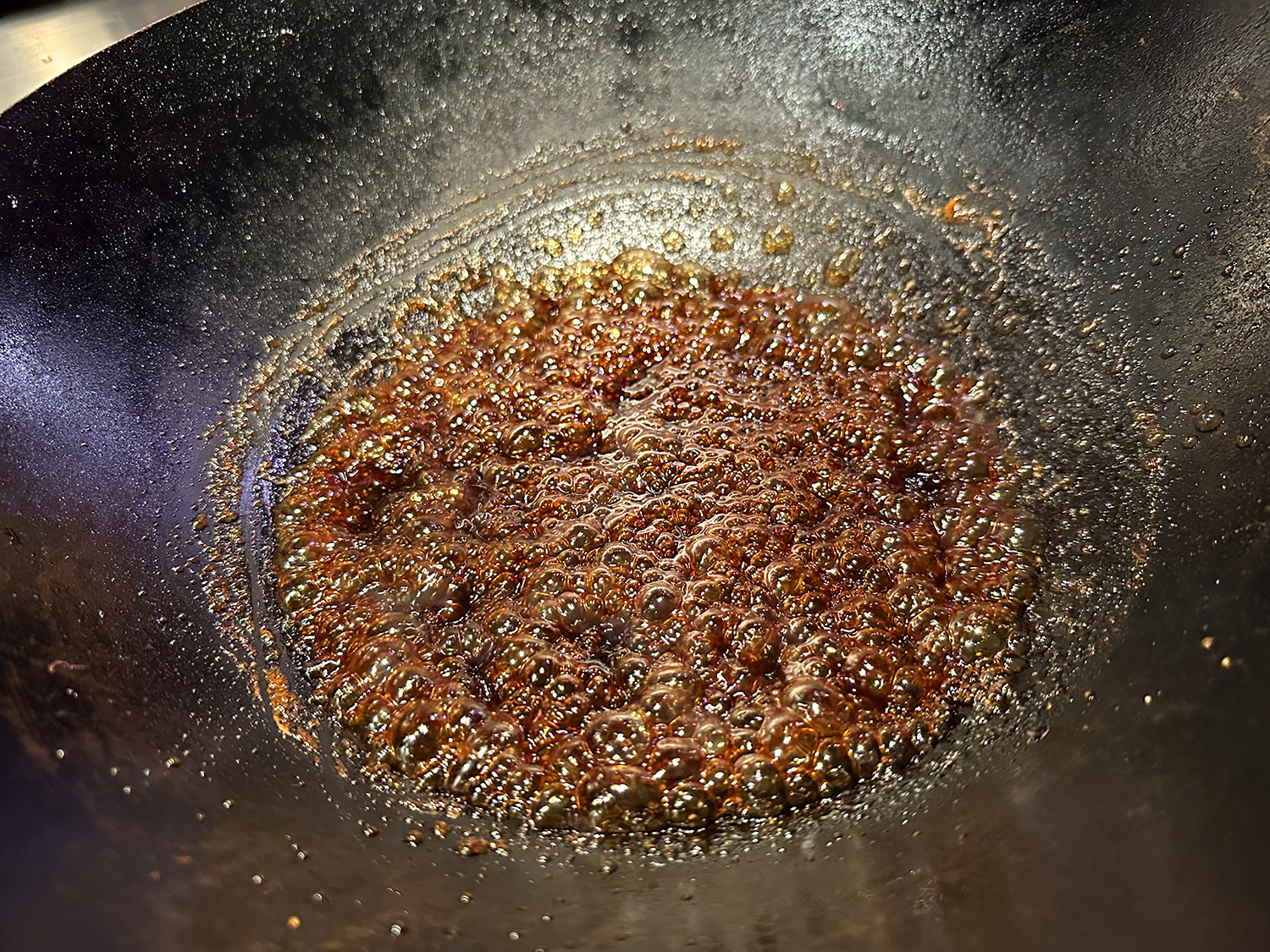
Don’t use canned pineapple. Milk Street tasted versions in Hong Kong made with canned fruit and they claim the flavor and texture fell flat. Also, be sure the sauce is adequately reduced and thickened before returning the pork to the pan. If it is too thin, its flavor will be diluted and it won’t cling properly to the pork and vegetables.

We were definitely a little skeptical of the level of sweetness with ketchup, sugar and pineapple, but while there was a hint of sweetness, it was by no means cloying. A few changes that we made? Instead of a small red onion, we used a large one; and the amount of fresh pineapple chunks* was more like 3 cups worth.

We both love stir-fries because they are usually quick and contain a lot of vegetables. This recipe has now earned a well-deserved spot in the top ten best of all stir-fries!

Cantonese Sweet-and-Sour Pork

  • Servings: 4
  • Difficulty: easy
  • Print

Ingredients

  • 1 – 1¼ lbs. boneless country-style pork spareribs, cut into ¾- to 1-inch pieces
  • 4 Tbsp. white sugar, divided
  • 3 Tbsp. soy sauce, divided
  • 3/4 tsp. MSG, divided (optional)
  • Kosher salt and ground black pepper
  • 1/2 cup unseasoned rice vinegar
  • 1/4 cup apple jelly
  • 2 Tbsp. ketchup
  • 1/4 cup cornstarch
  • 1/4 cup grapeseed or other neutral oil
  • 1½ cups fresh pineapple chunks* (¾- to 1-inch pieces)
  • 1 small red onion, cut into 1-inch pieces
  • 1 medium red, orange, yellow or green bell pepper, stemmed, seeded and cut into 1-inch pieces
Directions

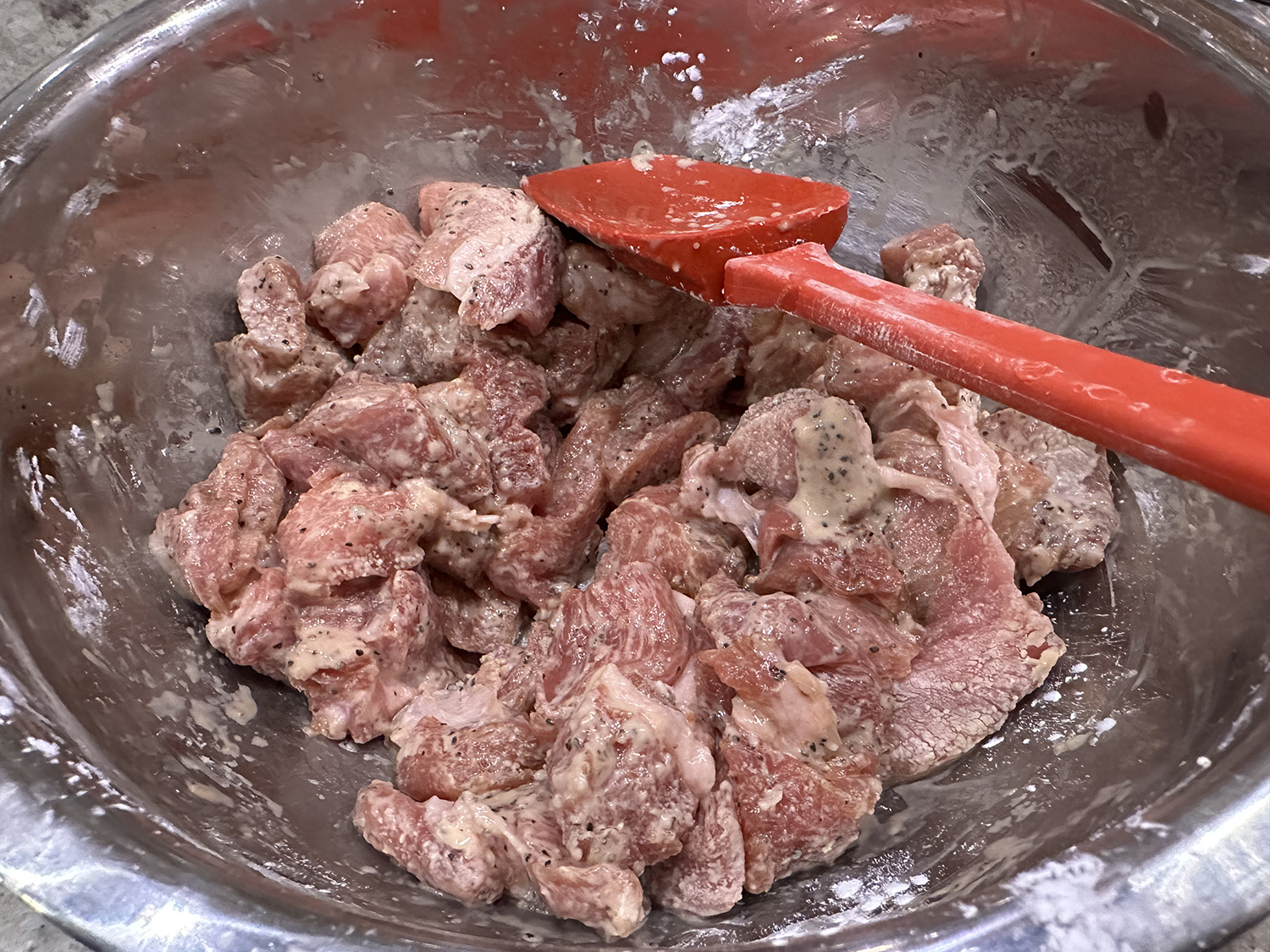
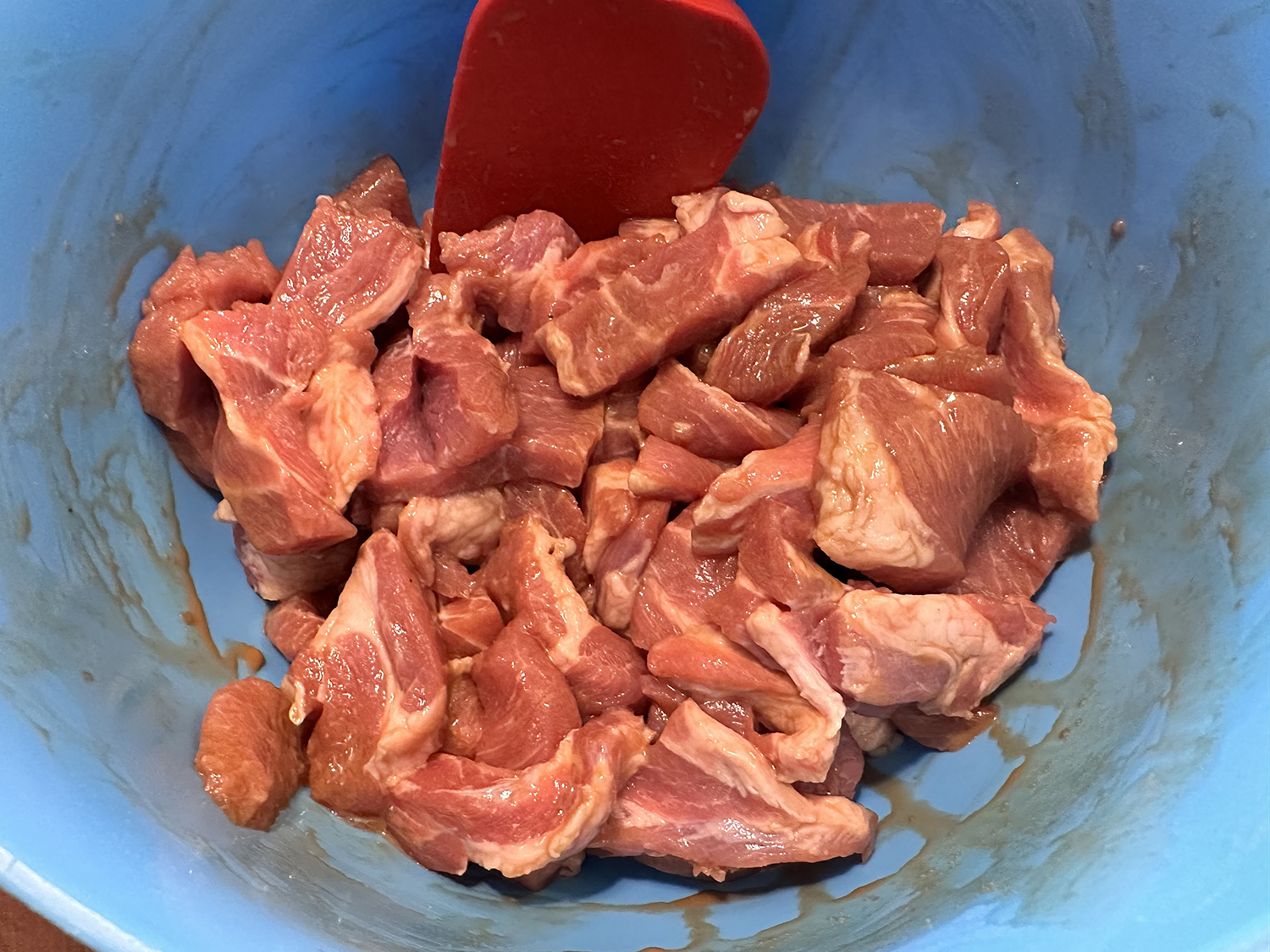
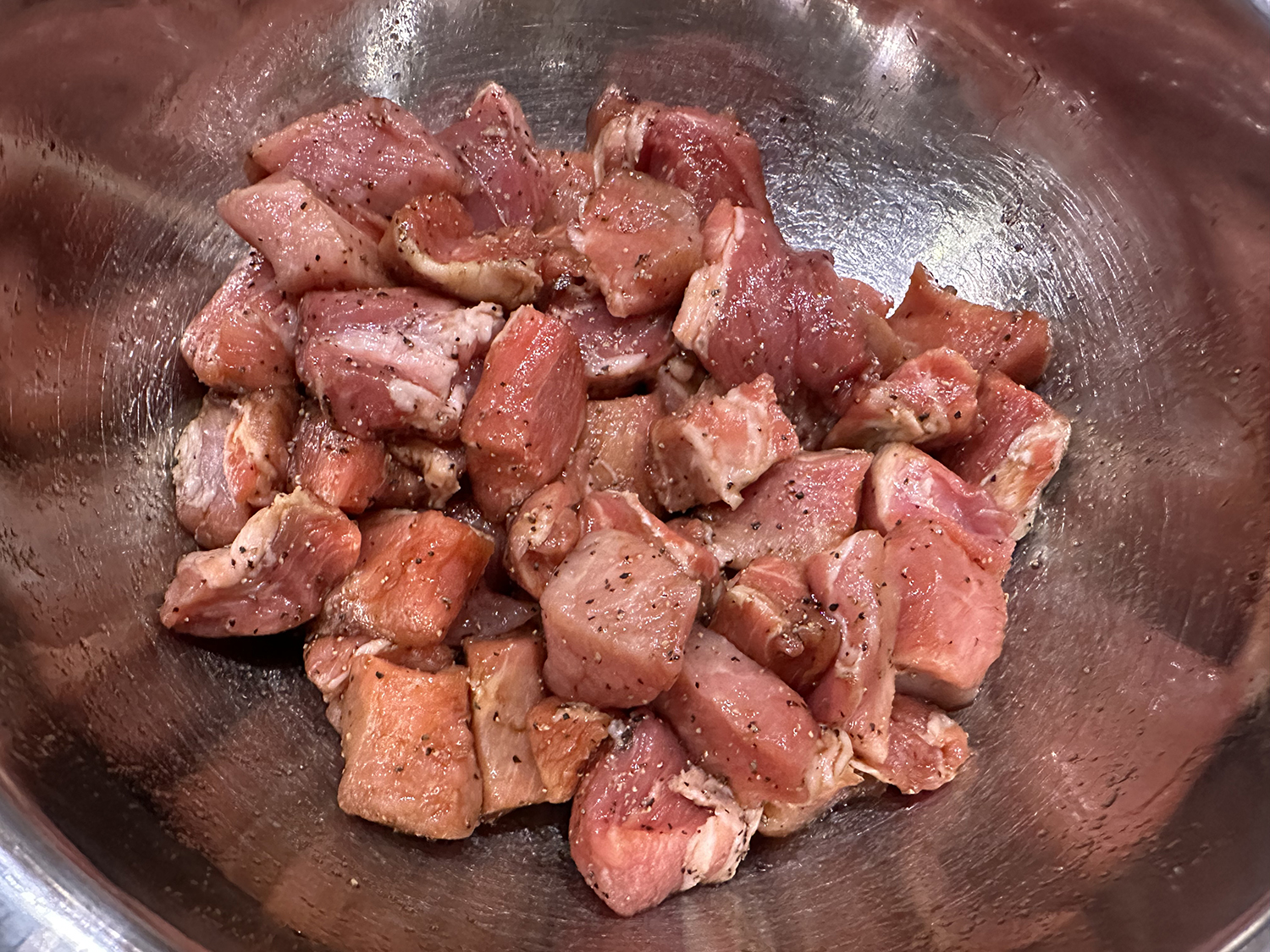
  1. In a medium bowl, combine the pork, 1 tablespoon of the sugar, 1 tablespoon of the soy sauce, ½ teaspoon of the MSG (if using), ¼ teaspoon salt and ¾ teaspoon pepper. Mix until the pork is thoroughly coated; set aside at room temperature for 30 minutes (for longer storage, cover and refrigerate for up to 2 hours).
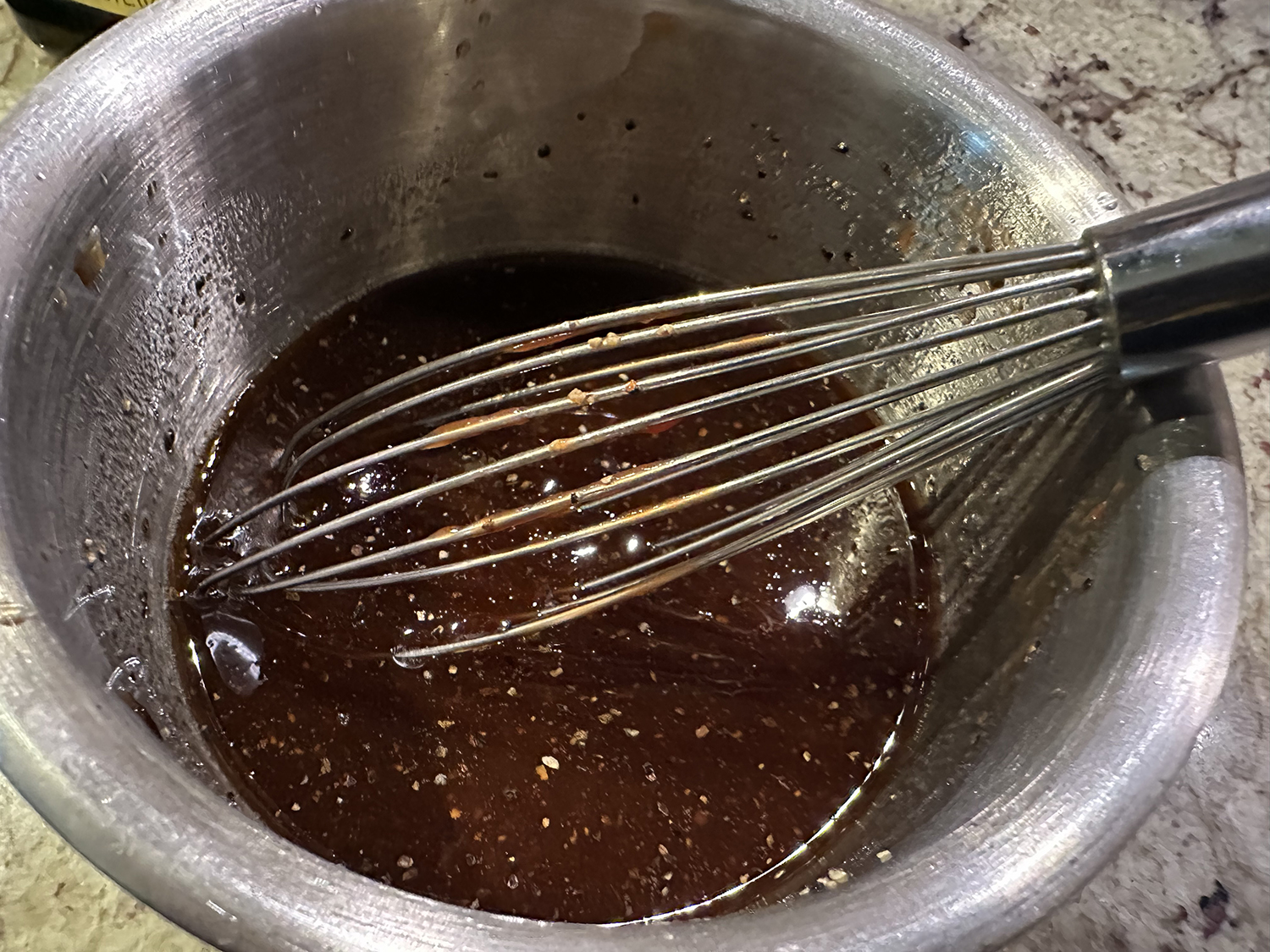
  2. Meanwhile, in a small bowl, whisk together the remaining 3 tablespoons sugar, remaining 2 tablespoons soy sauce, remaining ¼ teaspoon MSG (if using), vinegar, apple jelly, ketchup, ¼ teaspoon salt and ½ teaspoon pepper; set aside until ready to use.
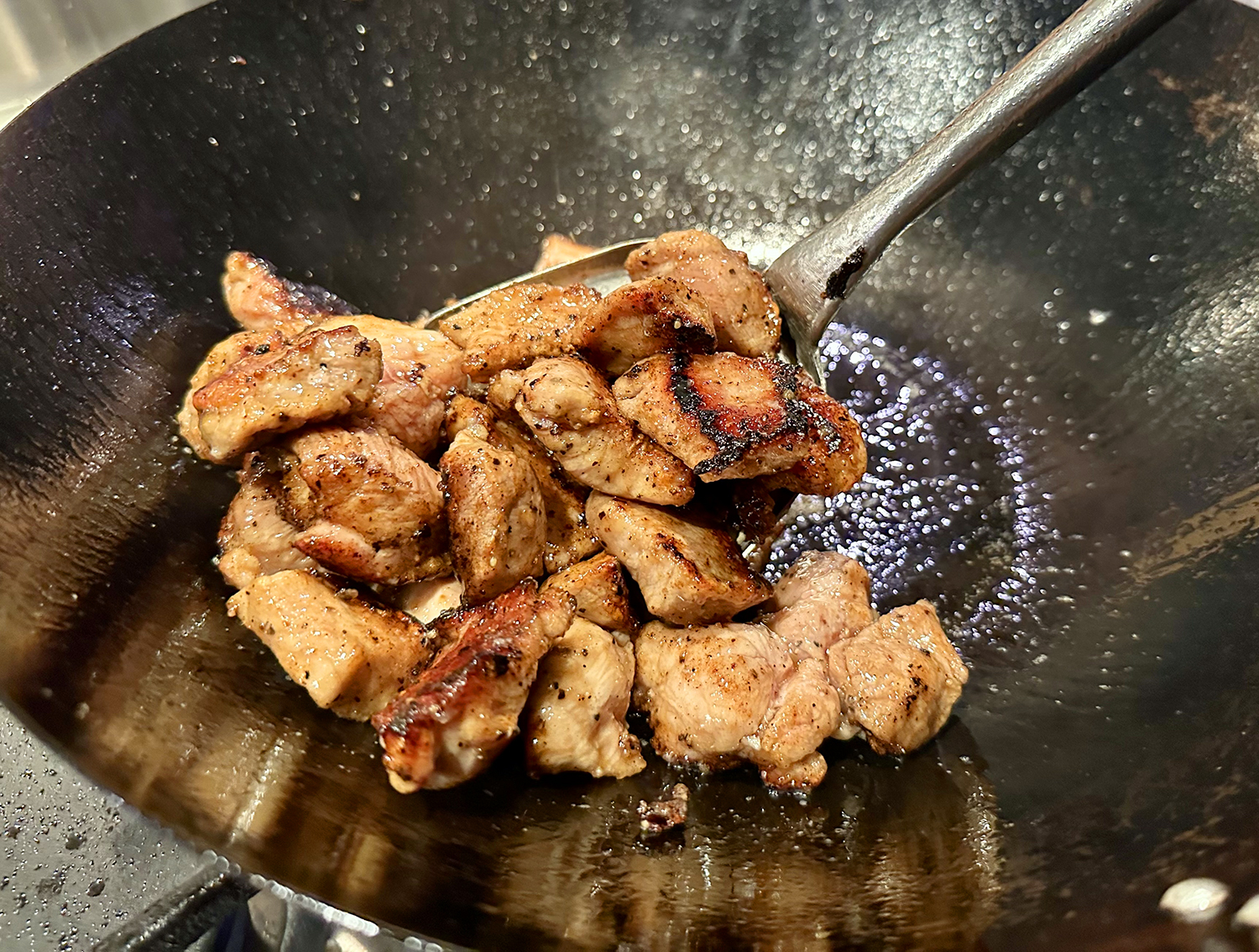
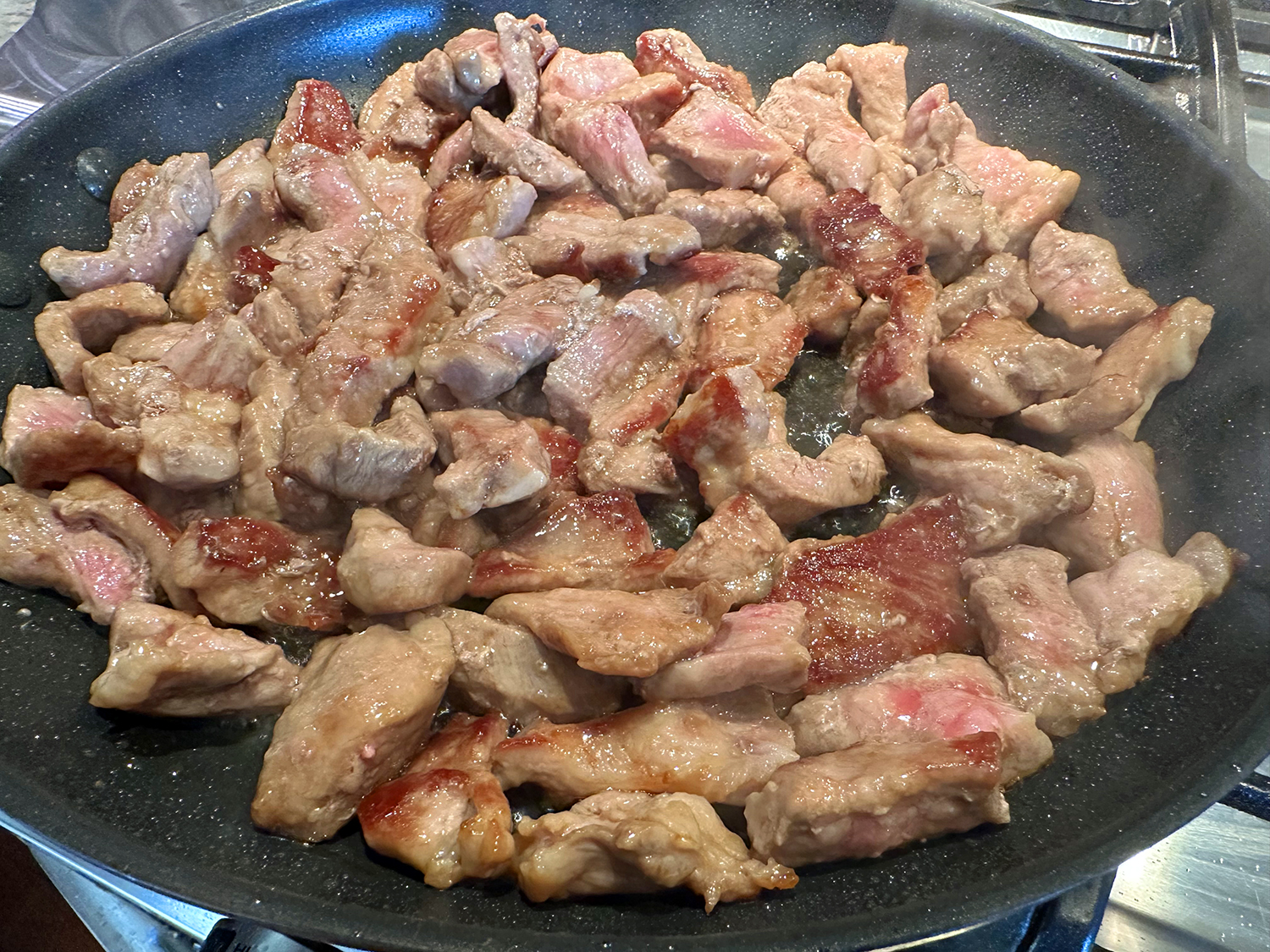
  3. When you are ready to cook, sprinkle the cornstarch over the pork and mix until evenly coated. In a 12- to 14-inch wok over high, heat the oil until barely smoking. Add half of the pork, separating the pieces and distributing them in an even layer. Cook, undisturbed, for 1 minute. Stir, then cook, stirring occasionally, until crisp and deeply browned on all sides, 5 to 7 minutes. Using a slotted spoon, transfer to a large plate and set aside. Using the oil remaining in the wok, cook the remaining pork in the same way and transfer to the plate. Pour off and discard all but 1 tablespoon of the oil.
  4. Return the wok to high and heat the oil until barely smoking. Add the pineapple, onion and bell pepper; cook, stirring once or twice, until spottily charred but still crisp, about 2 minutes. Transfer to another plate and set aside.
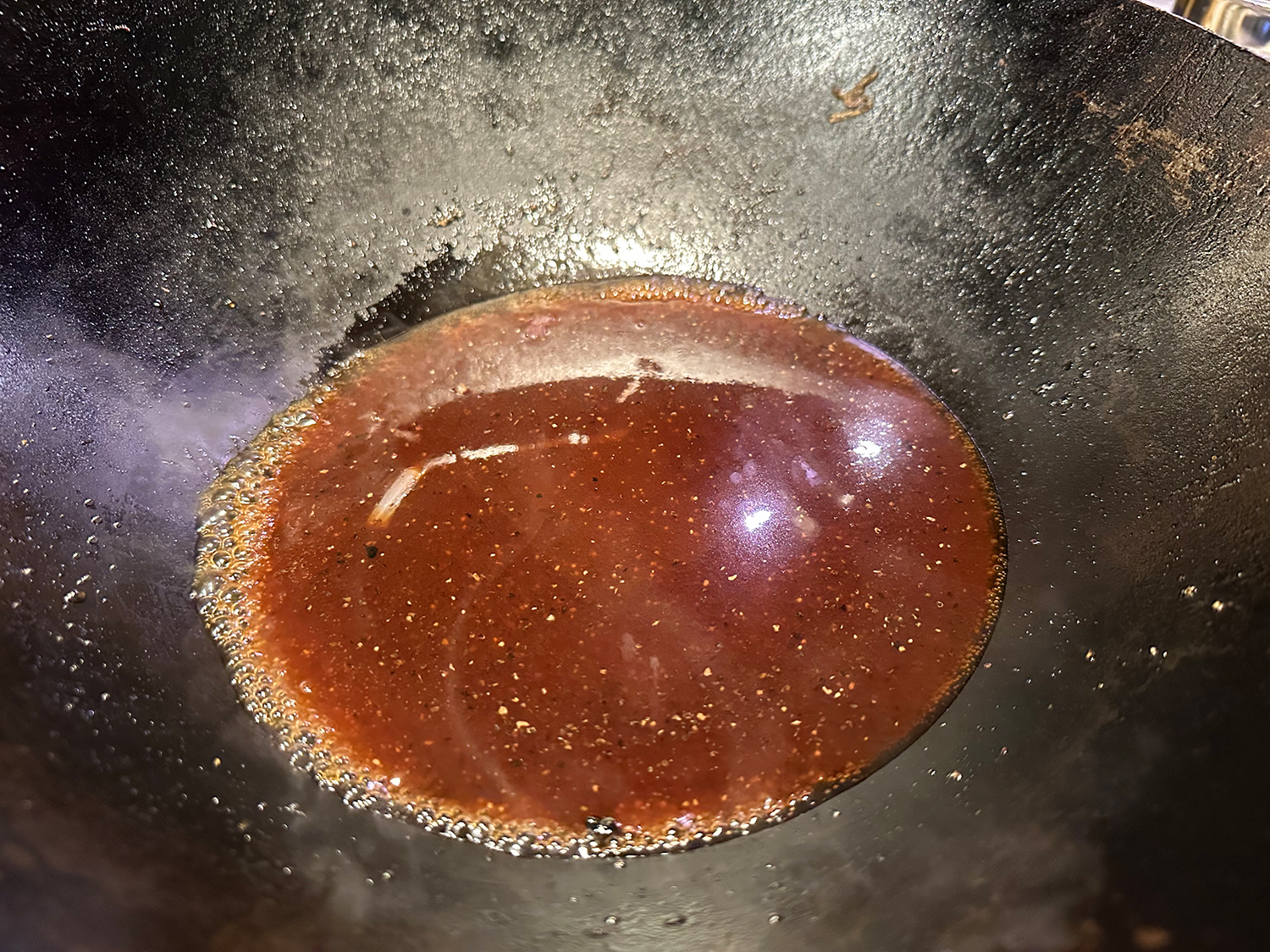
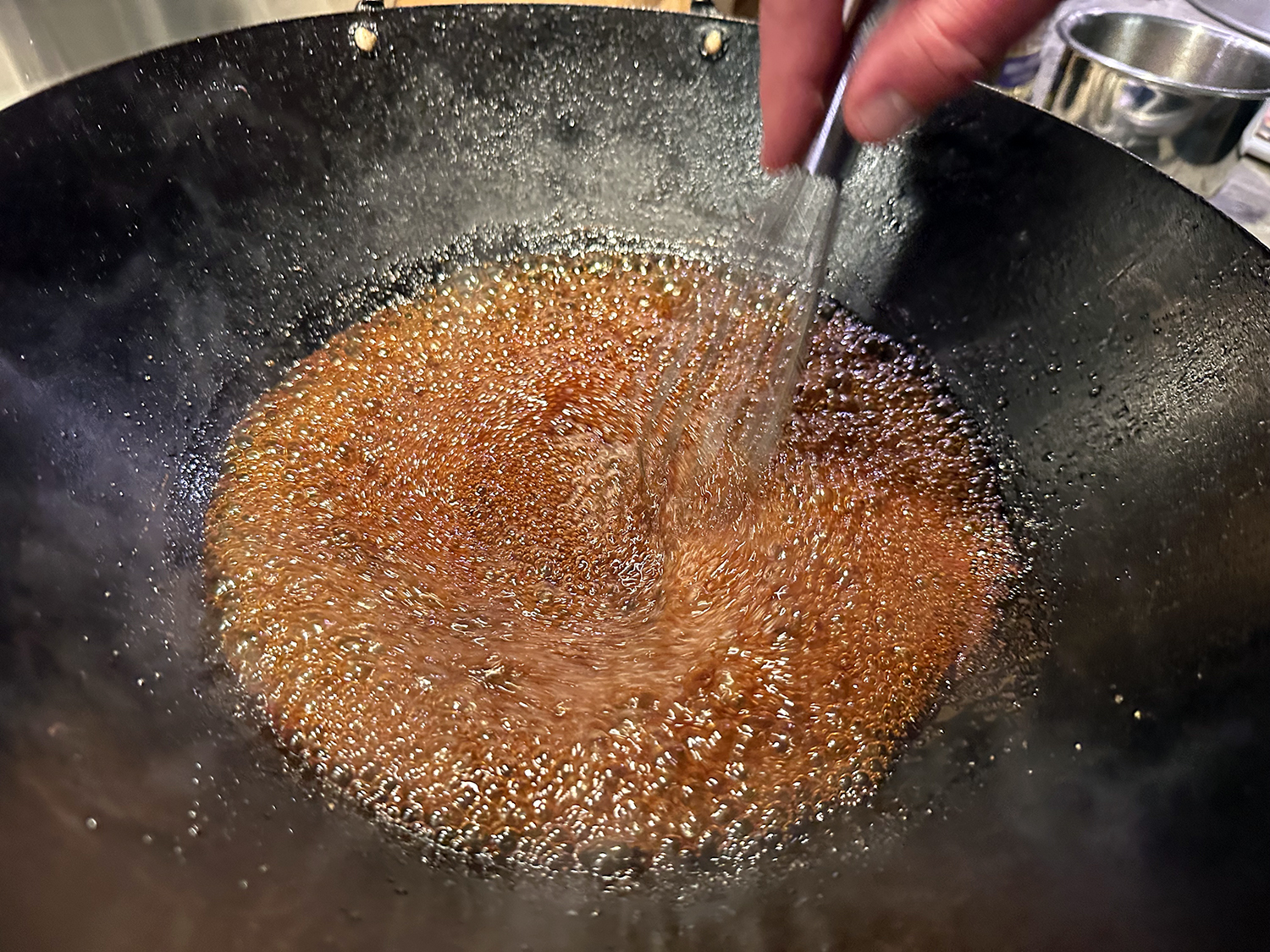
  5. Pour the sauce mixture into the wok and bring to a boil over medium-high. Cook, whisking to combine and to scrape up any browned bits, until the sauce is thick and syrupy and forms large bubbles across the entire surface, 5 to 7 minutes.
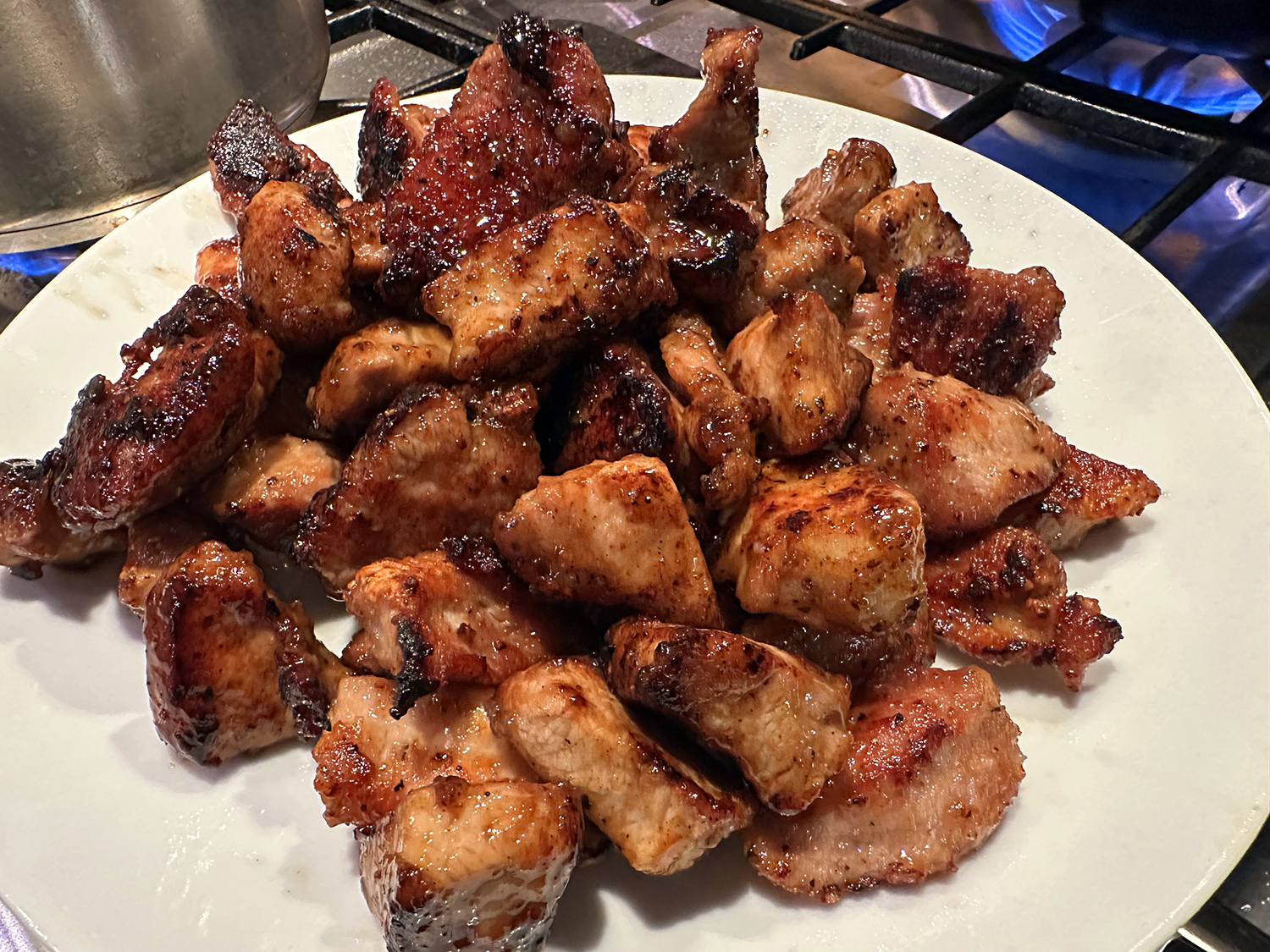
  6. Return the pork to the pan and cook, stirring and tossing, until well glazed, 2 to 3 minutes. Return the vegetable mixture and cook, tossing, until well coated, 1 to 2 minutes. Off heat, taste and season with salt and pepper.

http://www.lynnandruss.com

Recipe adapted by Courtney Hill for Milk Street

Classic Pork Fried Rice

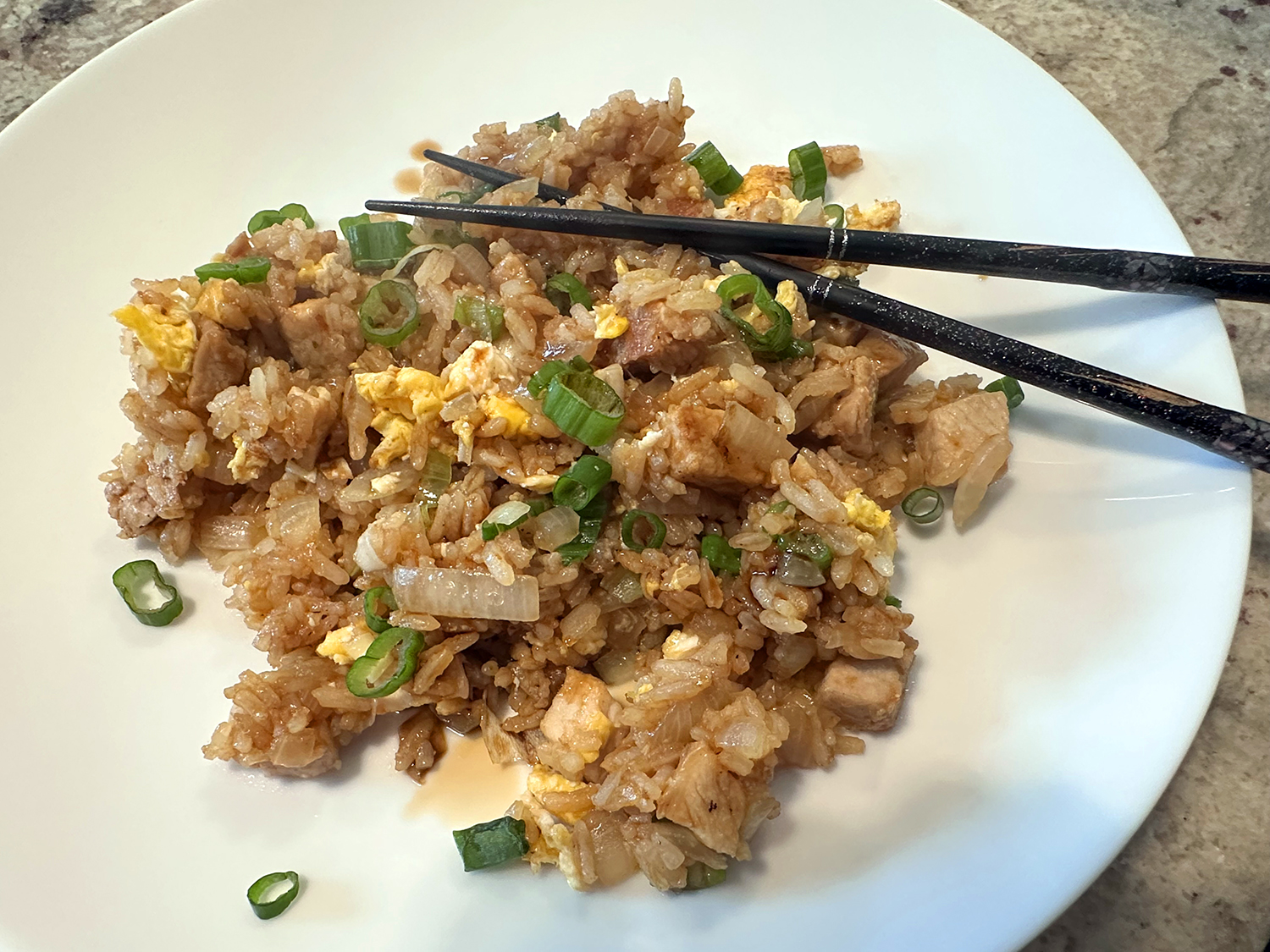
Pork Fried Rice is usually a dish we make with leftovers from a pork loin (or tenderloin) dinner. Here, we changed things up a tad by trying this restaurant-quality version from The Woks of Life. The rendition, in contrast to our typical Pork Fried Rice uses only half the amount of eggs, two versus four.

The intended pork meat is supposed to be Chinese BBQ pork (char siu). Char siu originally comes from Cantonese cuisine, and it means “fork roasted”, which is a nod to the traditional cooking method of skewering seasoned pork with long forks, and placing them in an oven or over a fire. It is known for its vibrant red exterior.

If you’ve never had Char Siu before, it’s one of the most tender and juicy balances of savory, sweet pork you might ever have. It’s got umami from various ingredients (like fermented bean curd, hoisin, oyster sauce), a bit of zest from wines, and sweetness from brown sugar and honey. Five spice powder, a popular Chinese ingredient, ties it all together with a distinctive blend of spices. It’s absolutely delicious.

Alas, we did not have any Char Siu, but plan to either make some or buy it at our local Asian foodmart for the next go-around.

Classic Pork Fried Rice

  • Servings: 6
  • Difficulty: easy
  • Print

Ingredients

  • 1 Tbsp. hot water
  • 1 tsp. honey
  • 1 tsp. sesame oil
  • 1 tsp. Shaoxing wine (or dry cooking sherry)
  • 1 Tbsp. soy sauce
  • 1 tsp. dark soy sauce
  • 1/4 tsp. white pepper
  • 5 cups cooked Jasmine rice, (add 1 tsp. oil to rice when cooking)
  • 1 Tbsp. oil
  • 1 medium onion, diced
  • 1 Lb. Chinese BBQ pork (char siu), cut into 1/2 inch chunks
  • 1 tsp. salt
  • 1/2 cup bean sprouts
  • 2 eggs, scrambled
  • 2 scallions, sliced

Directions

  1. Start by combining the hot water, honey, sesame oil, shaoxing wine (if using), soy sauce, dark soy sauce, and white pepper in a small bowl. This is the sauce that you’ll be adding to the rice, and it’s much easier to have it combined and ready to go before you start cooking.
  2. Take your cooked rice and fluff it with a fork or with your hands (you can rinse your hands in cold water if the rice starts sticking to them). There shouldn’t be any big clumps!
  3. With the wok over medium heat, add a tablespoon of oil and sauté the onions until translucent and then stir in the roast pork. Add the rice and mix well. If the rice is cold from the refrigerator, continue stir-frying until the rice is warmed up, which will take about 5 minutes. If the rice was made fresh, then you just need to mix until everything is incorporated.
  4. Add the sauce mixture and salt and mix with a scooping motion until the rice is evenly coated with sauce. You will have to break up any remaining clumps of rice with the spatula as best as possible, but no need to be obsessive. The rice should be hot by this time.
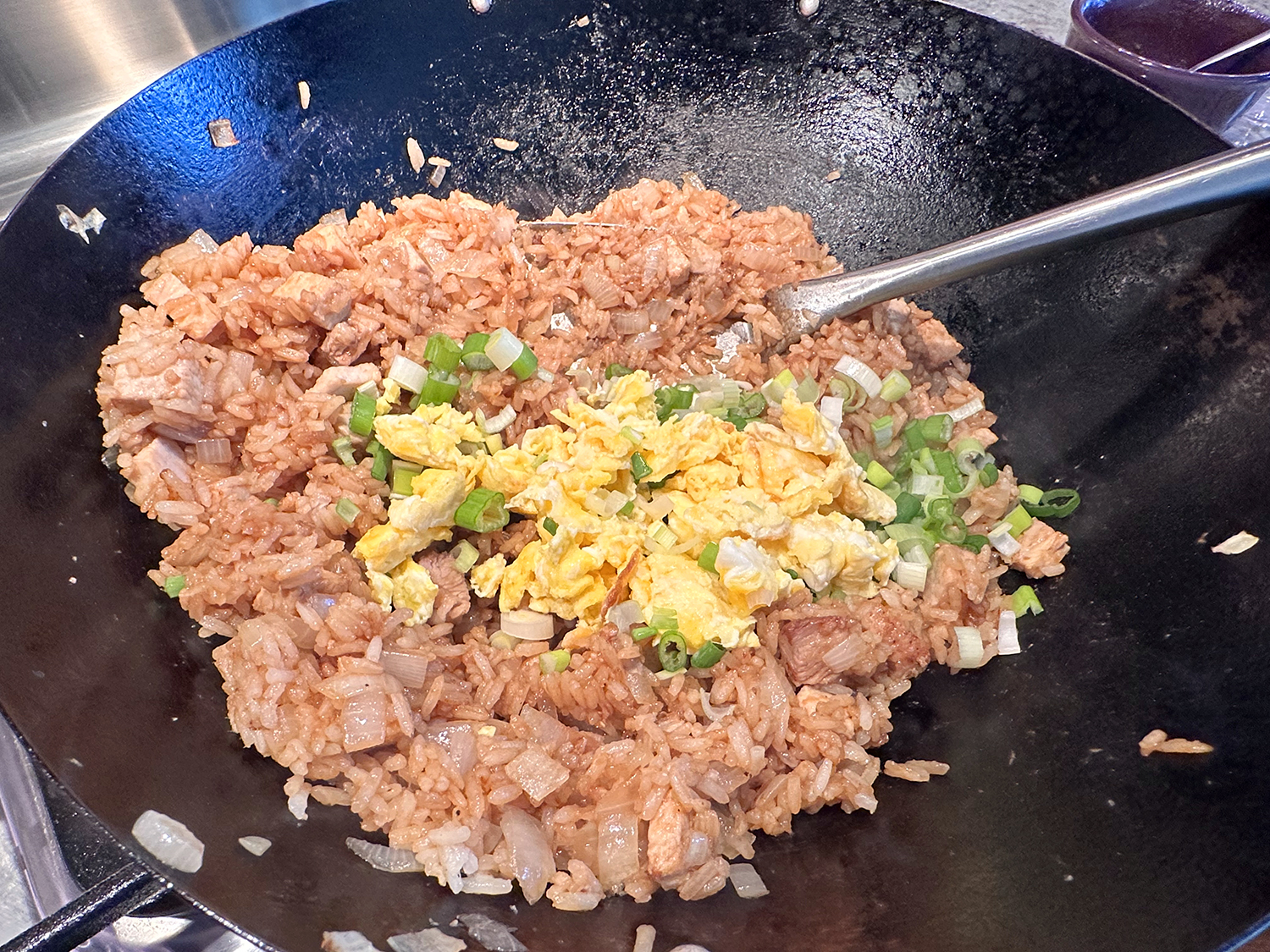
  5. Toss in your mung bean sprouts, scrambled eggs, and scallions. Mix thoroughly for another minute or two and serve!

http://www.lynnandruss.com

Recipe compliments of Bill from The Woks of Life

Sweet-and-Sour Pork with Pineapple

This takeout classic has delicious roots in Cantonese cooking. Now, it is tempting to dismiss sweet-and-sour pork as gloppy, Americanized Chinese food. And, let’s face it, it often is. Been there, tasted that.

Looking to harness that enticing sweet-tart profile without the saccharine stickiness, Milk Street was drawn to the dish’s origins. A lighter, earlier variation happens to be preserved in Taiwan, where cooks skip the deep-frying—and the ketchup—to better highlight the other ingredients.

Thinly sliced pork shoulder is marinated in soy sauce, a bit of sugar and cornstarch. The starch creates a protective layer against the high heat of a stir-fry, helping to keep the pork tender by preventing it from overcooking. After briefly stir-frying the meat with ginger, in go red bell pepper, chilies, scallions and pineapple with roughly equal parts rice vinegar, sugar and more soy sauce.

A hefty chunk of ginger is cut into matchsticks for bigger pops of piquant flavor, while thinly sliced serrano chilies add spice to further balance the sweetness. It makes for a savory-sweet dish, a little tart and well-balanced to the last bite. A delicious return to the dish’s roots.

NOTES: Don’t use canned pineapple, as its flavor is dull compared to fresh. But if prepping a whole pineapple is too much work, look for ones sold already cleaned in the produce section of the supermarket. Also, don’t use a conventional (i.e., not nonstick) skillet. Without a nonstick coating, the sugars from the pineapple and sauce are likely to stick to the pan’s surface and scorch.

Sweet-and-Sour Pork with Pineapple

  • Servings: 4
  • Difficulty: easy
  • Print

Ingredients

  • 1 1/2 lbs. boneless pork shoulder, trimmed, cut into 2-inch-wide strips, and thinly sliced
  • 3 Tbsp. soy sauce, divided, plus more if needed
  • 1/2 tsp. plus 1 Tbsp. white sugar, divided
  • 1 Tbsp. cornstarch
  • 3 Tbsp. grapeseed or other neutral oil
  • 1 medium red bell pepper, stemmed, seeded and chopped
  • 1 cup chopped fresh pineapple (½-inch chunks)
  • 2-3 serrano chilies, stemmed, seeded and thinly sliced on the diagonal
  • 1 inch piece fresh ginger, peeled and cut into matchsticks (about 3 Tbsp.)
  • 1/3 cup unseasoned rice vinegar, plus more if needed
  • 3 scallions, thinly sliced on the diagonal

Directions

  1. In a medium bowl, combine the pork, 1 tablespoon soy sauce, the ½ teaspoon sugar and the cornstarch; stir until the pork is evenly coated.
  2. In a 12-inch nonstick skillet over medium-high, heat the oil until barely smoking. Add the pork in an even layer and cook, stirring only once or twice, until the pork is lightly browned, 4 to 5 minutes.
  3. Add the bell pepper and cook, stirring occasionally, until the pepper is lightly browned, 4 to 5 minutes.
  4. Add the pineapple, chilies and ginger, then cook, stirring occasionally, until the pineapple begins to brown, 2 to 3 minutes.
  5. Stir in the vinegar, the remaining 2 tablespoons soy sauce and the remaining 1 tablespoon sugar. Cook, stirring often, until the meat and vegetables are lightly coated with the sauce, 1 to 2 minutes.
  6. Off heat, taste and season with additional soy sauce and vinegar. Transfer to a serving dish and sprinkle with the scallions.

http://www.lynnandruss.com

Original recipe by Albert Stumm for Milk Street